
7
Preventing Drug Use
Prevention can be broadly defined to encompass an array of noncoercive activities intended to prevent, reduce, or delay the occurrence of drug-taking or associated complications, such as clinical syndromes of drug dependence and threats to public safety. This chapter emphasizes nonlegal, noncoercive approaches to reducing drug use in populations that are not yet seriously involved with drugs. They include efforts to educate people about the consequences of substance use, to change their beliefs about the acceptability or utility of substance use, and to increase or make more salient the costs of substance use. We address what is known, what is not known, and what data and research are needed to increase useable knowledge about the effectiveness of a wide range of approaches.
It is important to note at the outset that although this report concerns itself with illegal drug use, the notion that the use of tobacco, alcohol, and marijuana increases the probability of later illegal drug use, which is generally accepted in the prevention field, requires that these other substances be considered in this chapter. It is also the case that almost all of the available research in this area deals with what are called “gateway” substances, rather then cocaine, crack, heroin, and the other illegal drugs that are the focus of the other chapters of this report.
PREVENTION STRATEGIES
There are a number of possible factors that might be manipulated to reduce substance use, as suggested in Chapter 2. Many deliberate preven-
tion activities are based on the expectation that altering one or more of these factors will result in reduced substance use (Center for Substance Abuse Prevention, 1999; U.S. Department of Education, 1999). A wide assortment of modalities, delivery schedules, and targeting mechanisms are used to alter these factors. The following paragraphs describe some of the more common prevention modalities in use today. Based on a taxonomy for a recent national study of delinquency prevention in schools (Gottfredson et al., 2000), these modalities are neither exhaustive nor evaluative, but instead are intended to provide a sense for the variety of different activities that can be and are undertaken for the purpose of preventing subsequent substance use.
Mass media campaigns. These efforts are most often aimed at changing norms regarding drug use by demonstrating negative consequences for use, positive consequences for nonuse, changing opinions about the prevalence of use or the types of people who use, and increasing skills for resisting drugs. Media avenues might include the use of billboards, newspapers, radio, and television, as well as collaborations with the entertainment industry, music videos, and interactive media. The ongoing National Youth Anti-Drug Campaign of the Office of National Drug Control Policy is an example of such a media campaign implemented at the national level. Reducing pro-drug media messages is also included in this category of prevention activity.
Community organizing and coalitions. These efforts require collaboration among several community entities to develop community-wide strategies for reducing substance use. They generally involve representatives from community agencies working together to specify goals for reducing substance use, develop collaborative strategies for reaching those goals, and implement those strategies over a period of several years. Often, these community planning groups are more grassroots in nature, involving and empowering community residents in addition to professional staff. Well-known examples of this type of strategy include Project STAR (Pentz et al., 1989) and Project Northland (Perry et al., 1996).
Family training, counseling, and case management. This category includes efforts to alter family management practices or to build parenting skills in general through instruction or training. These activities often teach parents skills for monitoring or supervising their children, increasing emotional attachments, helping their children succeed in school, or otherwise assisting their children in the development of skills and competencies that will be needed to avoid substance use. An example is the Strengthening Families Program (Kumpfer et al., 1996). Family therapy often focuses on building the same skills, but it is generally more intensive than parent training activities and usually involves high-risk adolescents and their
families. Family case management includes a variety of monitoring and intervention activities to assist families who are in need of services. Drug-involved families may be encouraged to seek treatment, and conditions that might facilitate relapse are addressed.
Classroom instruction. This is the most common strategy used in schools. The content of these interventions varies, but they can be grouped into three main classes: Information-only interventions teach students factual information about drugs and the consequences of use. Skill-building interventions increase students’ awareness of social influences to engage in misbehavior and expand their repertoires for recognizing and appropriately responding to risky or potentially harmful situations. Normative education interventions change perceptions of the norms related to substance use. Many instructional programs contain different mixes of these three types. Two well-known examples are the Drug Abuse Resistance Education (D.A.R.E.) program and Life Skills Training. The most effective of these instructional programs use what are called cognitive-behavioral or behavioral instructional methods, which rely on modeling, providing rehearsal, and coaching in the display of new skills (Gottfredson, 2001).
Cognitive behavioral, behavioral modeling, and behavior modification strategies. Behavior modification strategies focus directly on changing behaviors. They involve timely tracking of specific behaviors over time and behavioral goals, using feedback and positive or negative reinforcement to change behavior. These strategies rely on reinforcers external to the student to shape behavior; an example of their use is the Good Behavior Game (Dolan et al., 1993; Kellam et al., 1994; Kellam and Anthony, 1998). Larger or more robust effects on behavior are obtained by teaching students to modify their own behavior using a range of cognitive strategies. Efforts to teach students cognitive-behavioral strategies involve modeling or demonstrating behaviors and providing rehearsal and coaching in the display of new skills. Students are taught, for example, to recognize the physiological cues experienced in risky situations. They rehearse this skill and practice stopping rather than acting impulsively in such situations. Students are taught and rehearsed in such skills as suggesting alternative activities when friends propose engaging in a risky activity. And they are taught to use prompts or cues to remember to engage in behavior. Lochman’s (1992) Anger Coping Training is an example of this type of preventive intervention.
Other counseling, social work, psychological, and therapeutic strategies. Family prevention and cognitive-behavioral approaches often involve counseling specifically targeted at certain behaviors or cognitions. Prevention can also consist of more generic individual counseling, case man-
agement, or similar group-based interventions other than those described above. Student assistance and peer counseling programs, popular in many schools, are included in this category.
Mentoring, tutoring, and work study strategies. These efforts primar-ily aim to increase the stakes in conformity and reduce individuals’ predispositions to use drugs. Mentoring is distinguished from counseling because it is generally provided by a lay person rather than a trained counselor and is not necessarily guided by a structured approach. Tutoring includes individualized assistance with academic tasks.
Recreational, community service, enrichment, and leisure activities. These are activities intended to provide constructive and fun alternatives to drug use. Drop-in recreation centers, after-school and weekend programs, dances, community service activities, and other events are offered in these programs as alternatives to more dangerous activities. The popular Mid-night Basketball is included in this category.
School and discipline management. This category includes interventions to change the decision-making processes or authority structures to enhance the general capacity of the school. These activities parallel those described under community organizing above, but they are contained within a school building or a school system. These interventions often involve teams of staff and (sometimes) parents, students, and community members engaged in planning and carrying out activities to improve the school. They often diagnose school problems, formulate school goals and objectives, design potential solutions, monitor progress, and evaluate their efforts. Activities aimed at enhancing the administrative capability of the school by increasing communication and cooperation among members of the school community are also included. Examples include Project PATHE (Gottfredson, 1986) and Comer’s School Development Process (Comer, 1985; Cook et al., 1998). Often these interventions also include efforts to establish or clarify school rules or discipline codes and mechanisms for the enforcement of school rules—strategies discussed in more detail in Chapter 6.
Establishment of norms and expectations for behavior. These activities include school-wide or community-wide efforts to redefine norms for behavior and signal appropriate behavior. Activities include newsletters, posters, ceremonies during which students declare their intention to remain drug-free, and displaying symbols of appropriate behavior. Some well-known interventions in this category are Red Ribbon Week, sponsored through the Department of Education’s Safe and Drug-Free Schools and Communities program.
Classroom and instructional management. Aside from teaching specific content intended to reduce the probability that students will use drugs, teachers can also use instructional methods designed to increase student
engagement in the learning process and hence increase their academic performance and bonding to the school (e.g., cooperative learning techniques and “experiential learning” strategies) and classroom organization and management strategies. The latter include activities to establish and enforce classroom rules, uses of rewards and punishments, time management to reduce down-time, strategies for grouping students within the class, and the use of external resources, such as parent volunteers, police officers, and professional consultants as instructors or aides. The Seattle Social Development Project (Hawkins et al., 1992) relied in large part on such classroom and instructional management strategies.
Regrouping students. Schools can reorganize classes or grades to create smaller units, continuing interaction, or different mixes of students or to provide greater flexibility in instruction. This category includes changes in the school schedule (e.g., block scheduling, scheduling more periods in the day, changes in the lengths of instructional periods); adoption of schools-within-schools or similar arrangements; tracking into classes by ability, achievement, effort, or conduct; formation of grade-level “houses” or “teams”; and decreasing class size. These changes are often intended to increase sources of social control for students.
Exclusion of intruders and contraband. These interventions are designed to prevent intruders (who might be drug dealers) from entering the school. They include the use of identification badges, visitor’s passes, security personnel posted at school entrances, locks, cameras, and other surveillance methods. They also include efforts to prevent contraband from entering the school, such as locker searches and drug-sniffing dogs. These strategies are discussed in greater detail in Chapter 6.
Manipulation of school composition. These interventions determine who will be enrolled in the school and include such strategies as the use of selective admissions practices, assignment of students with problem behavior to “alternative schools,” and other exclusionary or inclusionary practices. Zero-tolerance policies, which automatically expel students who bring drugs to school, are an example of such a strategy. These sanction-related policies are discussed at greater length in Chapter 6.
Although little is known about the extent to which these different prevention strategies are used in local communities, a recent national study of school-based prevention attempted to describe the prevalence of prevention strategies used in schools (Gottfredson et al., 2000). The investigators asked school principals to report which of 14 types of discretionary prevention activities—instruction, counseling, norm change, recreation, etc. —were currently in place in their schools, and to name each specific activity currently under way in each of the 14 categories. On average, principals reported 9 of the 14 types of prevention activities under way in their schools. The median number of different specific pre-
vention activities named was 14—and this underestimates the total number of activities because principals were asked to name only their discretionary activities rather than all activities. Prevention curricula were the most popular modality, used in 76 percent of the nation’s schools. Every type of prevention activity included in the survey was used in at least 40 percent of the schools. Clearly, a wide variety of prevention strategies is currently in use in U.S. schools.
LIMITED EVIDENCE OF EFFECTIVENESS
What is known about the effectiveness of prevention is limited by the types of prevention that have been studied. Although a wide variety of prevention strategies are in use, most studies of effectiveness are of classroom instructional strategies. For example, in a recent meta-analysis of school-based programs (Gottfredson et al., forthcoming), 78 percent of the treatment-control comparisons of program effectiveness involve instructional programs, such as ALERT (Ellikson and Bell, 1990; Ellickson et al., 1993) and Life Skills Training (Botvin et al., 1984a, 1984b). It comes as no surprise, then, that most reviews of substance abuse prevention have focused on distinctions among types of instructional programs rather than on the broader array of strategies which have not been well studied.
At least 20 reviews and meta-analyses of drug prevention programs were published during the 1980s and 1990s. The most recent of these generally conclude that substance abuse prevention efforts are “effective” for preventing substance use, in the sense that the studies reviewed report statistically significant differences between subjects receiving and not receiving the preventive intervention on some measure of substance use, at least immediately following the termination of the prevention activity, and in rare cases months or years beyond that point (Botvin, 1990; Botvin et al., 1995; Dryfoos, 1990; Durlak, 1995; Ennett et al., 1994a, 1994b; Gerstein and Green, 1993; Gorman, 1995; Gottfredson, 1997; Gottfredson et al., forthcoming; Hansen, 1992; Hansen and O’Malley, 1996; Hawkins et al., 1995; Institute of Medicine, 1993, 1994; Norman and Turner, 1993; Tobler, 1992; Tobler and Stratton, 1997). (One study—Gorman, 1995—a review limited to the effects of one type of program on one specific substance, is the only exception.) However, certain practices in the reporting of original research and in the summaries of these findings have tended to overstate the effectiveness of prevention activities.
For example, there is an “availability” bias in the published literature. Studies showing limited effectiveness often are difficult to publish and may remain unpublished technical reports available only in the original investigator’s office. Lipsey and Wilson (1993) summarized the results of 302 reviews of psychological, behavioral, and educational interventions
and found that effect sizes in published studies were 0.14 standard deviations larger than in unpublished studies. They also noted, however, that this bias could not completely account for the positive findings found in the studies.
Effects are also sometimes exaggerated when either the original research or subsequent summaries highlight only the few statistically significant findings among the many nonsignificant ones, a subsample for which results are significant, or results for a “high-fidelity” sample. These are all examples of selective attention to positive findings that operate similarly to the availability bias mentioned above. Often studies measure substance use or a related outcome using multiple measures, and only one of the several measures may show a statistically significant positive effect. Summaries of this research will almost always omit the information about the null findings. Of course, this practice increases the likelihood of false positives because each test involves a 5 percent chance of a false positive, and this probability cumulates over multiple tests. This same type of bias is evident in some federal activities to identify effective programs. Criteria for effectiveness require only a single positive finding, rather than a preponderance of positive findings (e.g., U.S. Department of Education, 1999). More careful research identifies the primary outcome of interest at the outset and limits the hypothesis testing to that outcome, or uses one composite of multiple outcomes of interest to avoid increasing the risk of false positives.
The practice of reporting results for high-fidelity samples is also often misleading because it confounds other factors with the success of the program. For example, a study that randomly assigns schools to treatment and control conditions may find that only half of the schools assigned to the treatment condition faithfully implemented the program. Yet outcomes for only this high-fidelity sample often are presented instead of, or in addition to, the comparisons of the treatment and control schools as they were actually assigned. Investigators argue that the comparison of the original groups underestimates the actual program effect, because it includes schools that did not actually carry out the program. What they fail to point out is that in selecting the high-fidelity sample, they are also likely to be selecting on unmeasured extraneous factors that may also be related to the outcome of interest, including high teacher morale, effective school leadership, and favorable school-community relations. This selection renders the groups nonequivalent in ways that have not been measured and cannot be controlled.
Most reviews of drug prevention programs have also focused on statistical significance rather than the magnitude of effects as the sole criterion for determining effectiveness. Because significance levels depend in part on the number of cases included in the study, and because statistical
significance does not necessarily map into practical significance, the policy relevance of this information is questionable.
A handful of reviews go a step farther by providing a measure of the magnitude of the effect of different types of prevention strategies, irrespective of statistical significance. The magnitude of the program effect is often expressed as a standardized mean difference effect size (ES), a measure of the difference between the program and comparison groups relative to the standard deviation of each measure employed. The use of the ES allows for the direct comparison of effects across studies and outcomes. ESs typically range from –1.0, indicating that the treatment group performed one standard deviation lower than the comparison group, to +1.0, indicating that the treatment group performed one standard deviation higher than the comparison group (although larger absolute values do occur).
Rosenthal and Rubin (1982) showed that the ES can be translated into differentials in success rates between the program and comparison groups, greatly facilitating the interpretation of the ES. For example, assuming an overall success rate of 50 percent, an ES of 0.50 translates into a success rate of 62.5 percent for the program group and 37.5 percent for the comparison group—a success rate differential of 25.1 The practical significance of an effect size depends largely on the seriousness of the outcome for the population and the effort needed to produce the effect. Lipsey (1992) argues that even a small effect (e.g., an ES of 0.10) for serious criminal behavior has practical significance. A small percentage difference between treated and untreated subjects on a prevalence measure in a high-frequency offending population could represent a large volume of crime. Likewise, small effect sizes on measures of very serious crimes are worthy of note because preventing even a small number of such crimes is important.
Only a handful of reviews of prevention programs have reported ESs. One of the earliest was Tobler (1986), who reported ESs derived from 98 research studies. These studies yielded 159 different measures of program effectiveness on some measure of substance use (including cigarette use).
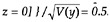 Thus,
Thus,The mean effect size across all of these measures was 0.24. Tobler’s most recent analysis examined 120 programs of school-based drug prevention programs between 1978 and 1990 (Tobler and Stratton, 1997). This study showed median effect size of 0.14 on measures of tobacco, alcohol, and other drug use across all programs.
Results from the most recent meta-analysis of school-based drug prevention programs (Gottfredson et al., forthcoming) documents effect sizes slightly smaller than those from previous meta-analyses.2 This study found that across 88 relevant published treatment-control comparisons, the mean effect size for school-based prevention activities on measures of alcohol and other drug use (but not tobacco use) is statistically significantly different from zero. The mean effect size was 0.054, which (assuming a control group prevalence rate of 50 percent) translates into about a 2.7 point difference between the prevention and control groups in the percentage of students who report using a substance. Although the average effect size across all studies is small, the range of average effect sizes observed from study to study is broad (–.44 to .54) and varies by type of prevention program.
In contrast to these small effects of substance abuse prevention programs are the larger effects found on a wider array of outcomes of psychological, behavioral, and educational interventions. Lipsey and Wilson (1993), summarizing effect sizes from 302 reviews of such studies, reported an average of the average effect sizes across these reviews of 0.50 with a standard deviation of 0.29. Thus, relative to a much broader set of social and behavioral outcomes, substance use is more difficult to alter, at least through the types of prevention strategies that have been studied.
GAPS IN THE EXISTING KNOWLEDGE BASE
The limited evidence available suggests that some forms of prevention activities are effective for reducing some measures of substance use. Some studies produce a substantial effect, and others no effect or negative effects. This section takes a closer look at the available evidence in order to highlight its limitations as a basis for policy decisions.
For Whom Does Prevention Work?
Universal Programs
Most of what we know about the effectiveness of prevention comes from studies of “universal” programs, which target the general population. These universal approaches, which often focus on incipient or “gateway” drug use, are based on the assumption that early experimentation with tobacco, alcohol, and marijuana can lead to more frequent use of these substances and progression into the use of other more dangerous substances. This gateway notion is rooted in early conceptions of marijuana as a stepping-stone to more serious drug involvement (Wagner and Anthony, 1999) as well as research evidence of a statistical link between age at first use of drugs and later more frequent or problematic use (Brunswick and Boyle, 1979; O’Donnell and Clayton, 1979; Robins and Przybeck, 1985; Anthony and Petronis, 1991)
Findings such as these and subsequent analyses of sequences of drug use patterns over time led to a developmental stage theory of adolescent involvement in legal and illegal drugs (Kandel, 1975; Kandel and Faust, 1975). According to this perspective, use of alcohol and tobacco precedes the use of illegal drugs, and the use of marijuana precedes the use of other illegal drugs. Early descriptions of this developmental process (e.g., Kandel, 1982) were careful to point out that most individuals who reach a given stage of substance use discontinue it for one reason or another, and that only a small subgroup of users at earlier stages actually progress to the next stage of use.
Although sophisticated research demonstrated that the use of legal drugs is associated with increased probability of marijuana use, and the use of marijuana is associated with increased probability of other illegal drug use (Yamaguchi and Kandel, 1984), the authors stress the limitations on the inferences about the link between use of one drug and use of another. They point out (p. 679) that personality and lifestyle variables, as well as environmental factors such as availability and supply, also explain the transition from one drug to another and from one level of use to another. In particular, they pointed out the need to control for individual propensity variables prior to the time of initiation into legal drug use. These effects due to heterogeneity in population characteristics are confounded with the early use of gateway substances.
The models do not rule out the alternative interpretation that some individuals are more likely to use more drugs, to use more dangerous drugs, to persist in their use for a longer period of time, and to begin their use earlier than others. This idea is consistent with the well-established findings in the criminological literature (Moffitt, 1993) that the offending
population consists of two distinct groups: a large group of individuals who experiment with illegal activities for a relatively short time during adolescence and then desist, and a small group of offenders who begin their criminal careers earlier, end them later, and offend at higher rates during their criminal careers. The latter group is responsible for the majority of the crime that occurs.
MacCoun (1998) also notes that there are several plausible causal interpretations of the basic findings that tobacco, alcohol, marijuana, and hard drug use are associated and tend to occur in a particular sequence. One interpretation suggests that the association is spurious or noncausal— specifically, the notion (discussed earlier) that the use of the early and late drugs in the sequence reflects some common risk factors, with timing determined by price and availability. Other interpretations are causal— for example, experiences with the early substances in the sequence might: (a) stimulate one’s interest or appetite for the later substances, (b) change one’s beliefs about the severity of health, legal, or social risks of drug use, (c) bring one into contact with a subculture of hard drug users, or (d) bring one into contact with hard drug sellers. Interestingly, the first causal interpretation is widely cited in the United States as a basis for stringent sanctions against marijuana; the latter three interpretations were influential in the development of Dutch drug policy, which seeks to separate “soft” and “hard” drug markets and cultures (see MacCoun and Reuter, 1997).
Few actual data are available to direct policy decisions about the targeting of prevention activities, but debates over appropriate targeting have appeared at the margins of the prevention literature. Although the field continues to be predominated by the gateway ideas, a few commentators have questioned this approach (Brown and Kreft, 1998; Gilham et al., 1997; Gilchrist, 1991). Brown and Kreft (1998) argue that the “no use” messages typically conveyed in universal prevention programs actually increase use among those most at risk for using. These youths are more knowledgeable about drugs and their effects than prevention curricula assume, and the naive messages conveyed in the programs serve to create cognitive dissonance in the minds of these youths.
Gilham et al. (1997) argue that the results of research on these universal prevention programs is misleading because the programs have no effect on the large proportion of the population that is not likely to use drugs even without benefit of prevention programming, but they may have large effects on the smaller population that is at risk. They argue that the more substantial effects on potential users are diluted in studies that report findings for the entire population.
For example, suppose that 98 percent of a population targeted for universal prevention programming will never use heroin, and that the
program is effective for preventing use among 1 percent of the remaining population. Should the results indicate that the program was effective for preventing heroin use among 1 percent of the population, or among 50 percent of those at risk for using heroin?
This illustrates the point that the small effects observed in studies of prevention programs may mask larger effects—both negative and positive—for different user groups. If this is true, it is important to understand the heterogeneity in the population and target prevention activities accordingly. However, only scant evidence is available on differential effects for different user groups (e.g., nonusers, casual or experimental users, users).
Reviews and meta-analyses of prevention effectiveness fail to differentiate among programs that target at-risk and universal populations. Relatively few effectiveness studies conducted on at-risk populations have reported effects on substance use outcomes. In an ongoing meta-analysis of school-based prevention (Gottfredson et al., forthcoming), only 7 of the 88 studies for which effect sizes could be computed targeted populations that were at elevated risk for developing problem use.
A handful of studies have compared the effectiveness of universal prevention activities for groups that differed according to their level of use at baseline. In one of these studies (Hansen et al., 1988), the researchers compared students who had received a 12-session resistance skills program with a control group. Results were reported separately for students who reported no marijuana use at baseline and for the entire population. Statistically significant program effects were found only for baseline nonusers of marijuana. When these students were combined with those who had already initiated marijuana use at baseline, no effects were found.
Studies of the ALERT program provide another example of differential effectiveness for groups differing in level of baseline use (Bell et al., 1993; Ellickson and Bell, 1990, Ellickson et al., 1993). ALERT is a universal social resistance-skill curriculum consisting of eight lessons taught a week apart in the 7th grade, followed by three 8th grade booster lessons. The researchers reported the results from this program separately for baseline nonusers, baseline “experimenters,” and baseline “users,” and also separately for cigarette use, alcohol use, and marijuana use and by follow-up period.
The program’s most consistent effects were found for marijuana use. Statistically it significantly reduced the use of marijuana among students at each risk level, but the strongest effects were for the lowest risk group: those students who had not initiated either cigarette or marijuana use at the time of the baseline measurement. For all groups, small positive pro-
gram effects were initially observed for alcohol use, but they too eroded by 8th grade, by which time the higher-risk participants actually reported more statistically significant alcohol use than the control group. The follow-up studies showed that once the lessons stop, so did the program’s effects on drug use.
Programs for High-Risk Populations
These examples suggest (but by no means are sufficient to establish) that universal prevention programs designed to prevent initiation in the general population may either increase use or have no effect on use for the most at-risk segment of the population. In contrast are programs that are specifically designed for high-risk populations. Relatively few studies have assessed the effects of such programs on substance use, but Lochman’s anger-coping program is one example.
This program targets boys in 4th through 6th grades who are identified as highly aggressive and disruptive by their teachers; these are risk factors for later serious and chronic substance use. In this intervention, a school counselor and a mental health professional provide intensive training and coaching in behavioral and cognitive skills necessary for self-control. The intervention is delivered to small groups of boys over a 12- to 18-week period.
The effectiveness of this intervention was investigated in a series of studies that systematically varied features of the program to learn more about its essential elements. These studies in general found that the intervention was effective for reducing disruptive behavior in the short run. A three-year follow-up study, conducted when boys from several of the studies were 15 years old, found that the intervention had a statistically significant effect on self-reported alcohol and substance abuse (Lochman, 1992).
This study suggests that programs carefully designed to reduce known risk factors for use in high-risk populations may be effective for reducing drug use, even if they are not about drugs per se. No research has examined potential diffusion effects of prevention efforts. It is well known that peer groups have large effects on individual substance use; it stands to reason that if members of one’s peer group are positively affected by a preventive intervention, this effect will spread to the “untreated” members of the peer group.
To the extent that such diffusion of effects occurs, prevention effects are underestimated. This may be an important side-effect of prevention, and it may be that the diffusion effect obtained from an intensive preventive intervention targeting a small group of high-risk youths is larger than
the effect that would be obtained by targeting all youths with a universal program. Nothing is known about these possible trade-offs.3 The pieces of evidence available are insufficient to support a conclusion about the optimal targeting strategy for prevention efforts. Clearly, additional research is needed.
For example, it would be useful to identify a subpopulation at elevated risk for serious and chronic drug use, randomly assign this population to receive prevention as usual, high-quality universal prevention programming, or intensive targeted high-quality programming. The study would follow these subjects for several years, measuring drug use initiation, frequency and quantity of use, age at cessation of use from each category of drug, and problems related to use. Such a study would provide invaluable evidence about the relative merits of targeted versus universal prevention for high-risk populations. Even more informative would be a study that, in addition to the above, applied the same conditions to a general population of youths not at elevated risk for drug problems.
The targeting issue is closely related to the issue of how best to measure the effectiveness of prevention programs. The success of universal programs is most often measured by reductions in the prevalence of use in the general population. The success of programs targeting higher-risk populations could focus on the quantity of use or the problems related to use. This issue is discussed next.
What Outcomes Can Prevention Programs Expect to Alter?
This report is about data and research needs for policy on illegal drug use. The committee has chosen to focus its attention primarily on illegal drugs, whose use is very costly to both individuals and society. Studies of the effectiveness of prevention programs generally do not measure the effects of use of illegal drugs, such as cocaine and heroin, primarily because such use has not been frequent in the school-attending populations and school districts where most of this research has been conducted. This disconnect is not troublesome for most prevention researchers and policy makers because, as noted earlier, a major assumption in this field is that early use of cigarettes, alcohol, and marijuana lead to later use of more harmful substances.
This assumption is made explicit in a recent cost-effectiveness study of school-based drug prevention programs for reducing cocaine consumption (Caulkins et al., 1999). The authors found no studies that provided an estimate of the direct effect of prevention programs on later cocaine use. They had to estimate this effect indirectly in a two-stage process (from the National Household Survey of Drug Abuse), by combining estimates from evaluations of prevention program effects on the age of marijuana initiation and the correlation between the age of marijuana initiation and the quantity of cocaine later consumed. By combining these two estimates and making different assumptions about the permanence of the program effect on marijuana use, they arrived at a range of estimates of prevention’s effect on later cocaine use. According to these estimates, the percentage reduction in lifetime cocaine consumption due to prevention for a given cohort ranges from 2.9 to 13.6 percent, with a middle-range guess of 7.6 percent.
Of course, the validity of these estimates hinges on the assumption that the correlation between age at first use of marijuana and later cocaine use is due to certain individual propensities to use, and that prevention’s effect on marijuana use is due to its effect on this general propensity. Most important for the purpose of this report, the authors note a high degree of uncertainty that surrounds their estimates of the effects of prevention on later cocaine use—hence the title of their report: An Ounce of Prevention, A Pound of Uncertainty. More precise estimates of the effects of prevention on illegal drugs requires longitudinal follow-up of program participants and control groups in a large-enough sample to be able to detect mean group differences in very rare behaviors.
Aside from this paucity of data on the effects of prevention efforts on later illegal drug use, there are also differences across studies in the way tobacco, alcohol, and marijuana use are measured. Most studies use self-reports of drug use. Three types of self-report measures are generally used: prevalence, variety, and frequency measures. Prevalence measures assess status as a user in one’s life or during a certain time frame. Variety measures are counts of the number of different substances used and are often used to assess multiple drug use, which may be more dangerous than the use of a single substance. Frequency measures assess how often or how much an individual uses drugs.
These measures can be used to differentiate levels of use. For example, some studies have targeted drinking five or more drinks at one sitting as an outcome of interest. Other studies have developed cut-points to differentiate casual from heavy use, or varying degrees of drug involvement (e.g., Kellam et al., 1982). Age at first use is also sometimes measured, so that delays in onset of drug use can be assessed (e.g., Kellam and Anthony, 1998). Prevention studies generally have not assessed ef-
fects of programs on the harmful consequences of drug use or drug dependence, for the reasons mentioned above.
Positive effects of prevention programs have been reported on all three types of self-report measures. For example, in the meta-analysis of school-based prevention programs by Gottfredson et al. (forthcoming), roughly a third (36 percent) of the studies that included any measure of substance use included only prevalence measures; another third (32 percent) included only frequency measures. A smaller number (6 percent) included only variety measures, and 20 percent included some combination of these types of measures.
In the committee’s view, these distinctions among the many possible outcomes of prevention programs should be the subject of serious debate and study. The field has not yet developed a consensus about which outcome or outcomes are important and reasonable to expect from prevention programs. Currently, differences across prevalence and frequency measures are glossed over in reports about the effectiveness of prevention. Whether a program works to delay onset for a week or a month, to limit the number of different drugs tried, to reduce the amount consumed per occasion, to prevent dependence, or to limit the harmful consequences of use has not been the focus of prevention studies. Only by encouraging research that includes the entire array of outcome measures and by reporting separately on each can the field move toward an understanding of the dimensions of use that are and are not influenced by various types of prevention programs. This information could then be evaluated according to the value placed on each outcome. Because certain of the outcomes of potential interest (e.g., dependence, harmful consequences) come into play years after a prevention program is over, this recommendation also implies that prevention research should include longer-term follow-up periods.
Features of the Most Effective Prevention Strategies
Botvin’s (1990) summary of the effectiveness of different kinds of prevention programs has become influential in the prevention field. According to Botvin, four general approaches are largely ineffective for reducing substance use: “information dissemination” approaches, which teach primarily about drugs and their effects; “fear arousal” approaches, which emphasize the risks associated with tobacco, alcohol, and drug use; “moral appeal” approaches, which teach students about the evils of use; and “affective education” programs, which focus on building self-esteem, responsible decision making, and interpersonal growth. Approaches that do reduce substance use include resistance-skills training, which teaches students about social influences to engage in substance use, and specific
skills for effectively resisting these pressures alone or in combination with broader-based life-skills training.
Reviews published since 1990 have generally concurred with Botvin’s conclusions regarding the relative effectiveness of social skills approaches as opposed to information-only and affective approaches to classroom-based instructional programs. In addition, however, they have raised questions about the use of different modalities (other than classroom instruction), suggested that different content (other than social skills training) might also be effective in classroom instruction, and have suggested that the delivery mechanisms and methods, duration, and timing may be important moderator variables.
Modalities
Table 7.1 presents estimates of the magnitude of effects of different school-based prevention approaches. In addition to showing effect sizes for the major modalities listed above for which more than one study was available, it also shows a separate breakout for the Drug Abuse Resistance Education (D.A.R.E.) program, which is of special interest to policy makers because it is the most widely used classroom instructional program— in 1998 it was used in 48 percent of the nation’s elementary schools—and because it enjoys substantial federal support (Gottfredson et al., 2000). The table shows that (a) very few studies are available to assess the effects of modalities other than classroom instruction; (b) the range of average effect sizes observed from study to study is broad; and (c) the mean effect size for each category is in the small range, but this masks considerable variability and most categories include studies with negative as well as positive effects.
Certain of the modalities—counseling, social work and therapeutic interventions that do not use cognitive behavioral or behavioral methods; tutoring, mentoring, and other individual-attention strategies; and recreational, enrichment, and leisure activities—appear ineffective in reducing substance use because the average effect across all studies in these categories is negative and no study shows a positive effect. However, only a small number of studies have examined effects on drug use for these categories of activity.
The average effect size obtained from the 12 studies of D.A.R.E. for which effect sizes could be computed was 0.03—too small to be practically meaningful, but almost identical to the non-D.A.R.E. studies included in the category of skill-building classroom instructional programs that do not emphasize cognitive-behavioral methods.
Also noteworthy is the finding that the magnitude of the effects for changes to the school environment are generally larger than the magni-
TABLE 7.1 Mean Effect Size on Substance Use by Program Category
|
|
Effect Size |
|||
|
Program Category |
Meana |
Minimum |
Maximum |
Nb |
|
Environmentally focused interventions |
|
|||
|
School and discipline management |
0.24* |
0.15 |
0.33 |
2 |
|
Interventions to establish norms or expectations for behavior |
0.09 |
–0.23 |
0.31 |
12 |
|
Classroom or instructional management |
0.17* |
0.03 |
0.25 |
5 |
|
Individually focused interventions |
|
|||
|
Classroom instruction |
|
|||
|
Skill-building instruction using cognitive-behavioral or behavioral instructional methods |
0.05* |
–0.44 |
0.37 |
30 |
|
Skill-building instruction without cognitive-behavioral or behavioral instructional methods |
0.03 |
–0.22 |
0.29 |
25 |
|
D.A.R.E. |
0.03 |
–0.22 |
0.25 |
12 |
|
Other instructional programs |
0.07 |
–0.26 |
0.54 |
5 |
|
Cognitive behavioral, behavioral modeling, or behavior modification |
0.23 |
–0.21 |
0.44 |
3 |
|
Other counseling, social work, and therapeutic |
–0.19 |
–0.39 |
0.00 |
2 |
|
Mentoring, tutoring, and work study |
–0.11 |
–0.21 |
0.00 |
2 |
|
All environmentally focused interventions |
0.13* |
–0.23 |
0.40 |
20 |
|
All individually focused interventions |
0.03* |
–0.44 |
0.54 |
68 |
|
Note: See text for program category descriptions. Substance use outcomes include alcohol, marijuana, and other illicit drugs. Most effects are measured immediately after the completion of the prevention activity, although some are measured months or years later. Source: Gottfredson et al. (forthcoming). *p<=.05. aInverse variance weighted mean effect size (random effects model). bNumber of effect sizes contributing to the analysis. |
||||
tude of instructional and other individually focused interventions, which are more often studied and used in schools. Clearly, more research is needed to test the effectiveness of the noninstructional modalities and to understand why so much variability in the magnitude of effects is observed across studies. As discussed in a later section, research is also needed to test the effectiveness of different combinations of modalities.
The need for research on different prevention modalities is particularly crucial with extremely costly and high profile prevention activities.
One such activity is the ongoing National Youth Anti-Drug Campaign of the Office of National Drug Control Policy (ONDCP, July 19, 1999, Media Campaign Update, http://www.mediacampaign.org/newsroom/080299/update.html).
In this media campaign, considerable effort has gone into survey sampling, questionnaire design, and survey administration to evaluate the program. However, because the campaign is being implemented nationwide, there are limits to what can be learned from the evaluation—as the evaluators note in their interim report (Westat, 1999:xiv). Interrupted time-series designs are considerably stronger when the media campaign is varied across media markets. For example, media markets can be randomly assigned to different messages, different initiation dates, or differences in the number and timing of messages (see Cook and Campbell, 1979). This approach was not taken in the National Youth Anti-Drug Campaign. As a result, the evaluation lacks a “counterfactual” condition—an indication of what would have happened to comparable youth in the absence of exposure to the campaign. In addition, a public information campaign of this sort may have fairly small effects on any given individual, even though the aggregate effects may more than justify the expense. Thus, it is likely that the eventual results of the evaluation will be ambiguous.
Content
As reviews of drug prevention have suggested and the results in Table 7.1 document, among instructional programs, those that teach students about social influences to engage in substance use and provide specific skills for effectively resisting these pressures alone or in combination with broader-based life-skills training reduce substance use, particularly when these skills are taught using cognitive-behavioral methods. However, the evidence suggests that, on average, this type of prevention strategy is not likely to have a large or even moderate effect on substance use in the general population, and its effect on subgroups in the population that are at elevated risk for developing substance abuse problems is unknown. Some research suggests that other modalities, including small-group coaching delivered to younger, more vulnerable children (e.g., Lochman’s work, described above), or the application of group contingencies for desirable behavior (e.g., Kellam and Anthony, 1998), or broad improvement to school and discipline management (e.g., Gottfredson, 1996), none of which contain any focus on drugs, may be more effective at teaching social competency skills than the universal classroom-based instructional approaches.
Although social competency skill development is one element of ef-
fective prevention programming, other content also appears important. Reviews have indicated that approaches aimed at changing normative beliefs about drug use are also effective (Hansen, 1992; Gottfredson, 1997). These approaches often use survey results to correct misperceptions about the prevalence of use, engage youths in discussions to elicit their opinions about the appropriateness, and include testimonials from admired peers emphasizing that use is not acceptable. Instructional programs that incorporate these norm-setting activities have been shown to reduce use (Gottfredson et al., forthcoming; Hansen, 1992), but noninstructional programs that employ these methods outside the context of a broader substance use prevention curriculum are also effective for reducing substance use (Hansen and Graham, 1991; Perry et al., 1996).
Note that these approaches assume that incorrect information about the prevalence or appropriateness of use, rather than poor skills for dealing with social influences to use, increases substance use. On the surface, the effectiveness of these approaches does not square with conclusions of some reviews that programs that provide “information only” about the consequences of substance use do not work. They suggest rather the importance of a credible opinion leader conveying correct information. It may be that the programs giving evidence of harmful effects of providing information only failed to include these key components. Recent commentaries have recommended a return to the information approach, on the assumption that when teens are provided with accurate information, especially from trusted people, they will make good decisions (e.g., Beck, 1998).
The committee recommends additional research to assess the effectiveness of social competency skill development and normative education approaches, which emphasize conveying correct information about the prevalence of drug use and its harmful effects. This research should also assess the interaction between the content of the prevention activity and the risk level of the population targeted, because it is likely that provision of correct information may be especially effective for the subset of the population that is most at risk for higher levels of use. It is likely that research on programs conducted under more tightly controlled or experimental conditions may overestimate the effects that would be observed under normal conditions, and this factor may confound comparisons of the effects of different programs. Therefore the committee recommends additional research on prevention practices implemented under conditions of normal practice so that variability in effects from study to study may be better understood. Finally, the committee recommends further research on alternative methods and targeting mechanisms for teaching social competency skills.
Potential Moderators
Several reviews point out the extreme variability in effects across studies of the same type of program and recommend studies of potential moderators of program effectiveness, including the risk level of the population to which the prevention program is delivered, the timing of program delivery in the life-cycle, the duration of the program, and role, skill level, and background of the trainer.
Little is known about the optimal timing of delivery. Because many of the risk factors for later substance use appear at an early age (e.g., impulsive temperament, poor social skills, school failure, peer rejection) or with the behaviors of the parents (e.g., parental drug use and attitudes about drugs, family management practices), it can be argued that prevention should start very early in the life course and target parents as well as children. Many prevention efforts, however, are designed to be delivered during early adolescence, when social influence to use increases. Few studies have assessed effects on later substance use of attempts to alter risk factors that appear at an earlier developmental stage, but they have generally produced positive results. The anger-coping program of Lochman (1992) was an elementary school intervention that reduced substance abuse during adolescence.
The Good Behavior Game is another example of a successful early preventive intervention studies using a randomized control group design (Dolan et al., 1993; Kellam et al., 1994; Kellam and Anthony, 1998). This group-based behavior management program, in which small student teams are formed in each classroom, rewards the teams for achieving behavioral standards. Because the team reward depends on the behavior of each member of the team, peer pressure is used constructively in this program to achieve positive behavior. Early results suggest that the program reduced aggressive behavior, especially among the most aggressive subpopulation. Results from the first follow-up study showed a statistically significant reduction in teacher-rated aggression at 6th grade for certain subgroups. The most recent reports from the project show that by age 14, boys in the classrooms with the program had a lower risk of starting to smoke tobacco than boys in the control classrooms (Kellam and Anthony, 1998).
Other examples of early prevention efforts that have produced positive effects on measures of substance use have been studied using quasi-experimental research designs. They include the Child Development Project (Battistich et al., 1996) and the School Development Program (Comer, 1985). The Child Development Project targets elementary schools and includes the following components, all aimed at creating an environment to support positive youth development:
-
“Cooperative learning” activities intended to encourage student discussion, comparison of ideas, and mutual challenging of ideas on academic and social topics;
-
A “values-rich” literature-based reading and language arts program intended to foster understanding of diversity;
-
“Developmental discipline,” a positive approach to classroom management that stresses teaching appropriate behavior rather than punishment, involving students in classroom management, and helping them to learn behavior management and conflict resolution skills;
-
“Community-building” activities aimed at increasing appreciation for diversity or students’ sense of communal involvement and responsibility; and
-
“Home-school” activities to foster parent involvement in their children’s education.
Several cohorts of elementary school students in 12 elementary schools were followed for two consecutive years beginning in 1992 to assess effects of this prevention program. Statistically significant positive effects were found on measures of marijuana and alcohol use.
The School Development Program is a comprehensive school organization development intervention seeking to broaden the involvement in school management of stakeholders in the school. The program creates a representative governance and management team composed of school administrators, teachers, support staff, and parents that assesses school problems and opportunities, identifies social and academic goals for the school, plans activities to address the goals, and monitors activities and takes corrective action to keep the activities on track. An evaluation of the program in 10 inner-city Chicago schools over a four-year period found that the rate of increase in substance use was statistically significantly lower in the program than in the comparison schools (Cook et al., 1998).
Although these examples provide evidence that early prevention may work to reduce substance use, little is known about the ideal time or times to deliver preventive interventions, how preventive interventions can be most effectively sequenced over the life course, or how the timing of prevention activities may matter relative to the timing of drug epidemics. Presumably, the effects of cumulative prevention efforts delivered over the entire life course are considerably larger than the relatively short-term efforts that have been studied, and presumably the effects of certain types of prevention are greater during the early stages of an epidemic than when it is in full swing. Clarifying these issues of timing will require additional research.
The duration of programs also varies considerably from study to study. The accumulated wisdom in the prevention field is that longer is
better (e.g., Durlak, 1995; Gottfredson, 1997). Programs that provide booster sessions after the initial activity produce more lasting effects than those that do not. These conclusions are based largely on a handful of studies that have compared effects of an instructional program with and without a booster. Botvin et al. (1984b), for example, show that the effects of Life Skills Training (the peer-led version) on self-reports of marijuana use in the past month taken 16 months after the initial pretest are not statistically significantly different from zero for those students in the condition without the booster, but when additional lessons are provided in the following school year to reinforce the initial lessons, effects at 16 months after the pretest are statistically significant and more than doubled in magnitude. However, others have demonstrated both short-term (Eggert et al., 1994) and long-term (e.g., Lochman, 1992) positive effects of one-shot interventions of approximately the same duration as Botvin’s initial program. Clearly, booster sessions are not a necessary ingredient of successful prevention, but their timing appears to be important.
For example, research may discover that the total dosage of prevention messages can be traded off against the timing of the messages. Brief messages delivered closer in time to the situation in which an opportunity to use drugs is likely to arise, or small doses delivered continually over the life span, may be more effective than long messages delivered within a short time frame, as is most often the case in drug prevention classes as they are offered today. Mass media campaigns—television and radio advertisements, billboards, and posters—offer this potential advantage over classroom-based messages. More research is needed to sort out these potential trade-offs between timing and dose.
Reviews have also concluded that the role of the deliverer is important. Hansen (1992) suggested that the training and background of the leader and the fidelity of presentation may be more important than the content of the message. Tobler compared programs delivered by different types of leaders: mental health professionals and counselors produced the largest effects, followed by peers; teachers produced the smallest effects. Tobler (1992:20–21) concluded that the leader must be someone who is “competent in group process, who can enhance the interactional process and simultaneously focus and direct the group. Successful leaders have the ability to act as guides, as opposed to being dominant. They are able to tolerate ambivalence, and know when to remain silent to facilitate true dialogue. They are able to empower adolescents to make conscientious decisions and to encourage freedom of choice and individual self determination.”
Undoubtedly, the content of the message and the characteristics of the leader interact to produce more or less effective programs. Perhaps the provision of accurate information about the consequences of use by a
capable leader with the characteristics described by Tobler would be just as or more effective as a resistance skills training course taught by a teacher.
Timing, duration, and the characteristics of the deliverer are potentially important moderator variables that could explain the wide range of effects observed across studies of prevention activities that are otherwise similar. But at present, we can only guess about which activities and what about each activity is critical to its success. The knowledge base for choosing among the multitude of prevention options is severely limited. Each of the potential moderator variables must be systematically varied in rigorous prevention trials.
Needed Research
Much remains to be learned about the potential of prevention activities for reducing illegal drug use. The committee identified five major areas in which answers from additional research would bridge this knowledge gap. Research is needed to examine
-
Which of the noninstructional modalities are effective for reducing drug use.
-
Whether prevention activities affect the subsequent drug use of different user groups differently. To what extent do prevention messages spread to individuals and groups not initially targeted, and can this “diffusion effect” be harnessed to reduce drug use in high risk peer groupings?
-
Whether prevention activities affect the quantity, frequency or problems associated with use of nongateway substances.
-
What prevention content is most effective, with which groups.
-
How the timing, duration, and characteristics of the deliverer condition the effects of prevention programs. Does the effectiveness of prevention effects vary relative to the timing of drug epidemics? Are there important trade-offs between total dosage delivered and timing of delivery of prevention messages?
Table 7.2 shows the areas that must be studied for each prevention modality in order to fill in gaps in understanding of the potential of prevention. Most is known about the ideal content of instructional programs, but in the committee’s judgment, more research is needed even in that cell.
Once these gaps are filled, the next step will be to explore how effects can be enhanced through combinations of the most effective modalities. A number of studies have combined several modalities (e.g., Battistich et al.,
TABLE 7.2 Gaps in Knowledge about Prevention Effectiveness
1996; Gottfredson, 1986; Johnson et al., 1990; MacKinnon et al., 1991; Pentz et al., 1990; Pentz et al., 1989; Gottfredson et al., 1996; Skroban et al., 1999). Some of these attempts have been successful, and some have not. The less successful ones have suffered from implementation problems that may have been related to the multimodal nature of the program (e.g., Skroban et al., 1999). These individual studies have not resulted in an accumulation of knowledge about the conditions under which multimodal programs can work and the modes that can and cannot easily be combined. This line of inquiry will have to be carefully designed to control for conditions that may bear on the effectiveness of the activity.
Research should also test the interactive effects of the different elements. That is, combinations may increase the magnitude of effects through the additive effects of each component, but they may also have a multiplicative effect, so that certain strategies are more or less effective in combination with another than they are by themselves. For example, a drug prevention curriculum with a “no use” message may be counterproductive when delivered in a school environment in which norms favor use, or one in which the rules related to the possession of substances are lax or inconsistently applied. Only through research on the additive and multiplicative effects of different strategies can knowledge accumulate that will allow communities to develop portfolios of effective prevention strategies.
CONCLUSIONS AND RECOMMENDATIONS
A wide spectrum of plausible approaches to the prevention of substance use exist in both theory and practice. The effectiveness of most of these approaches for reducing substance use is unknown because the research evidence is nonexistent or inconclusive. Some of the approaches for which we have no evidence of effectiveness include many popular control strategies, such as zero-tolerance policies, the use of security measures such as locker searches, and the presence of police in schools, as well as more innovative approaches that draw on advances in toxicology, molecular biology, genetics, and clinical medicine (e.g., parents’ attempts to protect their children via increased use of home test kits to detect drug use, or active immunization of high-risk children with vaccine analogues). Research is needed on a wider array of prevention activities than has been studied to date.
With respect to the prevention approaches that have been studied, the committee makes the following observations:
-
Some prevention approaches are effective at delaying the initiation or reducing the frequency of tobacco, alcohol, and marijuana use. The
-
magnitude of these effects are generally small, but the efforts that are generally more effective than other programs are implemented with high fidelity, focus on improving the capability of social organizations such as schools for managing themselves more effectively and communicating clear messages about expected behavior, and use cognitive-behavioral methods to teach skills that youths need to make competent decisions in social situations.
-
Considerable heterogeneity in effectiveness is found from study to study in each broad category of prevention activity. Although hints can be gleaned from the literature about factors that might differentiate the more effective from the less effective activities—such as duration, timing, and characteristics of the deliverer—existing research is not capable of isolating these moderating factors.
-
Some of the most widely promulgated classroom-based drug prevention programs—such as D.A.R.E. in the 1980s and early 1990s—have been found to have little impact on student drug use. Large amounts of public funds have been and continue to be allocated to prevention activities whose effectiveness is unknown or known to be limited.
-
It is not clear that preventing or reducing the use of gateway substances translates into reduced risk of use of cocaine or other illegal drugs. With only a few exceptions, the long-term effects of prevention programs are unknown.
-
Some evidence suggests that universal approaches to prevention of drug use have differential effects on different groups, so that students who have already initiated drug use before exposure to the program may escalate it following the program.
In light of these observations, the committee recommends a major increase in current efforts to evaluate drug prevention efforts. Further research is needed to better understand (1) effects of the entire spectrum of plausible approaches to prevention proposed or in use, rather than those that are most easily evaluated; (2) effects of drug prevention programs implemented under conditions of normal practice, outside the boundaries of the initial tightly controlled experimental tests of program efficacy under optimal conditions; (3) effects of different combinations of prevention programs, for example, how they complement each other or detract from one another when used in combination, as they most often are; and (4) the extent to which experimentally induced delays in tobacco, alcohol, and marijuana use yield reductions in later involvement with cocaine and other illegal drugs specifically, and long-term effects of prevention programming more generally.
Until the results of such research are available, policy makers have only a weak information base on which to base policy decisions and are
likely to continue to fund and operate ineffective prevention programs and programs of unknown effectiveness.
REFERENCES
Anthony, J.C., and K.R.Petronis 1991 Epidemiologic Evidence on Suspected Associations Between Cocaine Use and Psychiatric Disturbances. NIDA Research Monograph 110:71–94.
Battistich, V., E.Schaps, M.Watson, and D.Solomon 1996 Prevention effects of the child development project: Early findings from ongoing multisite demonstration trial. Journal of Adolescent Research 11(1):12–35.
Beck, J. 1998 100 years of “just say no” versus “just say know” Reevaluating drug education goals for the coming century. Evaluation Review 22:15–45.
Bell, R.M., P.L.Ellickson, and E.R.Harrison 1993 Do drug prevention effects persist into high school? How project ALERT did with ninth graders. Preventive Medicine 22:463–483.
Botvin, G.J., S.Schinke, and M.A.Orlandi 1995 School-based health promotion: Substance abuse and sexual behavior. Applied and Preventive Psychology 4:167–184.
Botvin, G.J. 1990 Substance abuse prevention: Theory, practice, and effectiveness. Pp. 461–519 in M.Tonry and J.Q.Wilson, eds., Drugs and Crime. Chicago: University of Chicago Press.
Botvin, G.J., E.Baker, E.M.Botvin, A.D.Filazzola, and R.B.Millman 1984a Prevention of alcohol misuse through the development of personal and social competence: A pilot study. Journal of Studies on Alcohol 45:550–552.
Botvin, G.J., E.Baker, N.L.Renick, A.D.Filazzola, and E.M.Botvin 1984b A cognitive-behavioral approach to substance abuse prevention. Addictive Behaviors 9:137–147.
Brown, J.H., and I.G.G.Kreft 1998 Zero effects of drug prevention programs: Issues and solutions. Evaluation Review 22(1):3–14.
Brunswick, A.F., and J.M.Boyle 1979 Patterns of drug involvement: Developmental and secular influences on age at initiation. Youth and Society 2:139–162.
Caulkins, J.P., C.P.Rydell, S.S.Everingham, J.Chiesa, and S.Bushway 1999 An Ounce of Prevention, A Pound of Uncertainty: The Cost Effectiveness of School-Based Drug Prevention Programs. Santa Monica, CA: RAND.
Center for Substance Abuse Prevention 1999 Here’s Proof Prevention Works. DHHS Publication No. (SMA)99–3300. Rockville, MD: U.S. Department of Health and Human Services.
Comer, J.P. 1985 The Yale-New Haven primary prevention project: A follow-up study. Journal of the American Academy of Child Psychiatry 24(2):54–160.
Cook, T.D., H.D.Hunt, and R.F.Murphy 1998 Comer’s School Development Program in Chicago: A Theory-Based Evaluation. Chicago: Institute for Policy Research, Northwestern University.
Cook, T.D., and D.T.Campbell 1979 Quasi-Experimentation: Design and Analysis Issues for Field Settings. Chicago: Rand McNally.
Dishion, T.J., and D.W.Andrews 1994 Preventing escalation in problem behaviors with high risk young adolescents: Immediate and one year outcomes. Journal of Consulting and Clinical Psychology 63(4):538–548.
Dolan, L.J., S.G.Kellam, C.H.Brown, L.Werthamer-Larsson, G.W.Rebok, L.S.Mayer, J. Laudolff , J.S.Turkkan, C.Ford, and L.Wheeler 1993 The short-term impact of two classroom-based preventive interventions on aggressive and shy behaviors and poor achievement. Journal of Applied Developmental Psychology 14:317–345.
Dryfoos, J.G. 1990 Adolescents at Risk: Prevalence and Prevention. New York: Oxford University Press.
Durlak, J.A. 1995 School-Based Prevention Programs for Children and Adolescents. Thousand Oaks, CA: Sage.
Eggert, L.L., E.A.Thompson, J.R.Herting, L.J.Nicholas, and B.G.Dicker 1994 Preventing adolescent drug abuse and high school dropout through an intensive school-based social network development program. American Journal of Health Promotion 8(3):202–215.
Ellickson, P.L., R.M.Bell, and K.McGuigan 1993 Preventing adolescent drug use: Long-term results of a junior high program. American Journal of Public Health 83(6):856–861.
Ellickson, P.L., and R.M.Bell 1990 Drug prevention in junior high: A multi-site longitudinal test. Science 247:1 299–1305.
Ennett, S.T., D.P.Rosenbaum, R.L.Flewelling, G.S.Bieler, C.L.Ringwalt, and S.L.Bailey 1994a Long-term evaluation of drug abuse resistance education. Addictive Behaviors 19(2):113–125.
Ennett, S.T., N.S.Tobler, C.L.Ringwalt, and R.L.Flewelling 1994b How effective is drug abuse resistance education? A meta-analysis of project D.A.R.E. outcome evaluations. American Journal of Public Health 84:1394–1401.
Gilchrist, L.D. 1991 Defining the intervention and the target population. In C.G.Leukefeld and W.J. Bukoski, eds. Drug Abuse Prevention Intervention Research: Methodological Issues. National Institute on Drug Abuse Research Monograph No. 107. DHHS Publication No. (ADM) 91–1761. Washington, DC: U.S. Department of Health and Human Services.
Gilham, S.A., W.L.Lucas, and D.Sivewright 1997 The impact of drug education and prevention programs: Disparity between impressionistic and empirical assessments. Evaluation Review 21(5):589–613.
Gorman, D.M. 1996 The irrelevance of evidence in the development of school-based drug prevention policy, 1986–1996. Evaluation Review 22(1):118–146.
1995 Are school-based resistance skills training programs effective in preventing alcohol misuse? Journal of Alcohol and Drug Education 41:74–98.
Gottfredson, D.C. 2001 Schooling and Delinquency. New York: Cambridge University Press.
1997 School-based crime prevention. In L.W.Sherman, D.C.Gottfredson, D. MacKenzie, J.Eck, P.Reuter, and S.Bushway, eds., Preventing Crime: What Works, What Doesn’t, What’s Promising: A Report to the United States Congress. Washington, DC: U.S. Department of Justice, Office of Justice Programs.
1986 An empirical test of school-based environmental and individual interventions to reduce the risk of delinquent behavior. Criminology 24(4):705–731.
Gottfredson, D.C., G.D.Gottfredson, and S.Skroban 1996 A multimodel school-based prevention demonstration. Journal of Adolescent Research 11(1):97–115.
Gottfredson, D.C., D.B.Wilson, and S.S.Najaka forthcoming School-based crime prevention. In D.P.Farrington, L.W.Sherman, and B.Welsh, eds., Evidence-Based Crime Prevention. United Kingdom: Harwood Academic Publishers.
Gottfredson, G.D., D.C.Gottfredson, ? Czeh, D.Cantor, S.Crosse, and I.Hantman 2000 A National Study of Delinquency Prevention in Schools. Ellicott City, MD.: Gottfredson Associates, Inc.
Hansen, W.B., and P.M.O’Malley 1996 Drug use. Pp. 161–192 in R.J.DiClemente, W.B.Hansen, and L.E.Ponton, eds., Handbook of Adolescent Health Risk Behavior. New York: Plenum Press.
Hansen, W.B. 1992 School-based substance abuse prevention: A review of the state of the art in curriculum: 1980–1990. Health Education Research 7:403–430.
Hansen, W.B., and J.W.Graham 1991 Preventing alcohol, marijuana, and cigarette use among adolescents: Peer pressure resistance training versus establishing conservative norms. Preventive Medicine 20:414–430.
Hansen, W.B., C.A.Johnson, B.R.Flay, J.W.Graham, and J.Sobel 1988 Affective and social influences approaches to the prevention of multiple substance abuse among seventh grade students: Results from Project SMART. Preventive Medicine 17:135–154.
Hawkins, J.D., M.W.Arthur, and R.F.Catalano 1995 Preventing substance abuse. Pp. 343–427 in M.Tonry and D.Farrington, eds., Building a Safer Society: Strategic Approaches to Crime Prevention. Chicago: University of Chicago Press.
Hawkins, J.D., R.F.Catalano, D.M.Morrison, J.O’Donnell, R.D.Abbott, and L.E.Day 1992 The Seattle Social Developmental Project: Effects of the first four years on protective factors and problem behaviors. Pp. 141–161 in J.McCord and R.E.Tremblay, eds., Preventing Antisocial Behavior: Interventions from Birth Through Adolescence. New York: Guilford Press.
Institute of Medicine 1994 Reducing Risks for Mental Disorders: Frontiers for Preventive Intervention Research. Washington, DC: National Academy Press.
Johnson, C.A., M.A.Pentz, M.D.Weber, J.H.Dwyer, N.Baer, D.P.MacKinnon, W.B.Hansen, and B.R.Flay 1990 Relative effectiveness of comprehensive community programming for drug abuse prevention with high-risk and low-risk adolescents. Journal of Consulting and Clinical Psychology 58(4):447–456.
Kandel, D.B. 1982 Epidemiological and psychosocial perspectives on adolescent drug use. Journal of the American Academy of Child Psychiatry 21(4):328–347.
1975 Stages in adolescent involvement in drug use. Science 190:912–914.
Kandel, D., and R.Faust 1975 Sequences and stages in patterns of adolescent drug use. Archives of General Psychiatry 32:923–932.
Kellam, S.G., and J.C.Anthony 1998 Targeting early antecedents to prevent tobacco smoking: Findings from an epidemiologically based randomized field trial. American Journal of Public Health 88: 1490–1495.
Kellam, S.G., G.W.Rebok, N.Ialongo, and L.S.Mayer 1994 The course and malleability of aggressive behavior from early first grade into middle school: Results of a developmental epidemiologically-based preventive trial. Journal of Child Psychology and Psychiatry 35:259–281.
Kumpfer, K.L., V.Molraard, and R.Spoth 1996 The “Strengthening Families Program” for the prevention of delinquency and drug use. In R.Peters and R.McMahon, eds., Preventing Childhood Disorders, Substance Abuse, and Delinquency. Thousand Oaks, CA: Sage Publications.
Lipsey, M.W., and D.B.Wilson 1993 The efficacy of psychological, educational, and behavioral treatment: Confirmation from meta-analysis. American Psychologist 48(2):1181–1209.
Lipsey, M.W. 1992 Juvenile delinquency treatment: A meta-analytic inquiry into the variability of effects. Pp. 83–127 in T.D.Cook, H.Cooper, D.S.Cordray, H.Hartmann, L.V. Hedges, R.J.Light, T.A.Louis, and F.Mosteller, eds., Meta-Analysis for Explanation. New York: Russell Sage Foundation.
Lochman, J.E. 1992 Cognitive-behavioral intervention with aggressive boys: Three-year follow-up and preventive effects. Journal of Consulting and Clinical Psychology 60(3):426–432.
MacCoun, R. 1998 In what sense (if any) is marijuana a gateway drug? Drug Policy Analysis Bulletin 4:5–8.
MacCoun, R., and P.Reuter 1997 Interpreting Dutch cannabis policy: Reasoning by analogy in the legalization debate. Science 278:47–52.
MacKinnon, D.P., C.A.Johnson, M.A.Pentz, J.H.Dwyer, W.B.Hansen, B.R.Flay, and E.Y. Wang 1991 Mediating mechanisms in a school-based drug prevention program: First-year effects of the Midwestern prevention project. Health Psychology 10(3):164–172.
Moffitt, T.E. 1993 Adolescence-limited and life-course persistent antisocial behavior: A developmental taxonomy. Psychological Review 100:674–701.
National Research Council 1993 Preventing Drug Abuse: What Do We Know? Committee on Substance Abuse Prevention. D.R.Gerstein and L.W.Green, eds. Washington, DC.: National Academy Press.
Norman, E., and S.Turner 1993 Adolescent substance abuse prevention programs: Theories, models, and research in the encouraging 80’s. Journal of Primary Prevention 14:3–20.
O’Donnell, J.A., and R.R.Clayton 1979 Determinants of early marijuana use. Pp. 63–110 in G.M.Beschner and A.S.Friedman, eds., Youth Drug Abuse: Problems, Issues, and Treatment. Lexington, MA: Lexington Books.
Pentz, M.A., E.A.Trebow, W.B.Hansen, D.P.MacKinnon, J.H.Dwyer, C.A.Johnson, B.R. Flay, S.Daniels, and C.Cormack 1990 Effects of program implementation on adolescent drug use behavior: The Midwestern prevention project (MPP). Evaluation Review 14(3):264–289.
Pentz, M.A., J.H.Dwyer, D.P.MacKinnon, B.R.Flay, W.B.Hansen, E.Y.I.Wang, and C.A. Johnson 1989 A multicommunity trial for primary prevention of adolescent drug abuse: Effects on drug use prevalence . Journal of the American Medical Association 261(22): 3259–3266.
Perry, C.L., C.L.Williams, S.Veblen-Mortenson, T.L.Toomey, K.A.Komro, P.S.Anstine, P.G.McGovern, J.R.Finnegan, J.L.Forster, A.C.Wagenaar, and M.Wolfson 1996 Project northland: Outcomes of a communitywide alcohol use prevention program during early adolescence. American Journal of Public Health 86(7):956–965.
Robins, L.N., and T.R.Przybeck 1985 Age of onset of drug use as a factor in drug and other disorders. In C.L.Jones and R.J.Battjes, eds., Etiology of Drug Abuse: Implications for Prevention. National Institute on Drug Abuse Research Monograph No. 56. Washington, DC: U.S. Department of Health and Human Services.
Rosenthal, R., and D.B.Rubin 1982 A simple, general purpose display of magnitude of experimental effect. Journal of Educational Psychology 74(2):166–169.
Skroban, S.B., D.C.Gottfredson, and G.D.Gottfredson 1999 A school-based social competency promotion demonstration. Evaluation Review 23(1):3–27.
Tobler, N.S., and H.H.Stratton 1997 Effectiveness of school-based drug prevention programs: A meta-analysis of the research. Journal of Primary Prevention 18(1):71–128.
Tobler, N.S. 1992 Drug prevention programs can work: Research findings. Journal of Addictive Diseases 11(3):1–28.
1986 Meta-analysis of 143 adolescent drug prevention programs: Quantitative outcome results of program participants compared to a control or comparison group. Journal of Drug Issues 16(4):537–567.
U.S. Department of Education 1999 Guidelines and Materials for Submitting Safe, Disciplined, and Drug-Free Schools Programs for Review. Washington, DC: U.S. Department of Education.
Westat, Inc. 1999 Evaluation of the National Youth Anti-Drug Media Campaign: Historical Trends in Drug Use and Design of the Phase III Evaluation. Report prepared for the National Institute on Drug Abuse, http:/www.Whitehousedrugpolic.ov/pdf/nida/pdf.
Yamaguchi, K., and D.B.Kandel 1984 Patterns of drug use from adolescence to young adulthood: III. Predictors of progression. American Journal of Public Health 74(7):673–681.


