




Below is the uncorrected machine-read text of this chapter, intended to provide our own search engines and external engines with highly rich, chapter-representative searchable text of each book. Because it is UNCORRECTED material, please consider the following text as a useful but insufficient proxy for the authoritative book pages.
DEFINING THE PROBLEM 21 2 Defining the Problem This chapter provides important background for understanding the context of and the need for training health professionals about family violence. It pre- sents the committeeâs operational definitions of the types of family violence, data describing the magnitude of the problem, a discussion of the roles of health professionals with regard to family violence, and evidence of the impact of fam- ily violence on health care utilization and costs. DEFINITIONS AND MAGNITUDE Family violence is widely regarded as a serious problem that affects large numbers of adults and children throughout the life span.1 Although the exact figures are frequently disputed, conservative estimates suggest that the preva- lence and incidence of child abuse and neglect, intimate partner violence, and elder maltreatment affect up to 25 percent of the population annually, involving millions of children, women, and men in the United States (CDC, 2000a, 2000b; Tjaden and Thoennes, 2000). The data describing the magnitude of family vio- lence at the national level, however, are limited and do not appear to be collected systematically. The committee had difficulty discerning a complete picture of the problem due to variability in the definitions used, differences in the sources of data, and diversity in the study methodologies. 1For additional information on family violence, see previous reports of the National Research Council, including Understanding Child Abuse and Neglect (1993) and Understanding Violence Against Women (1996). 21
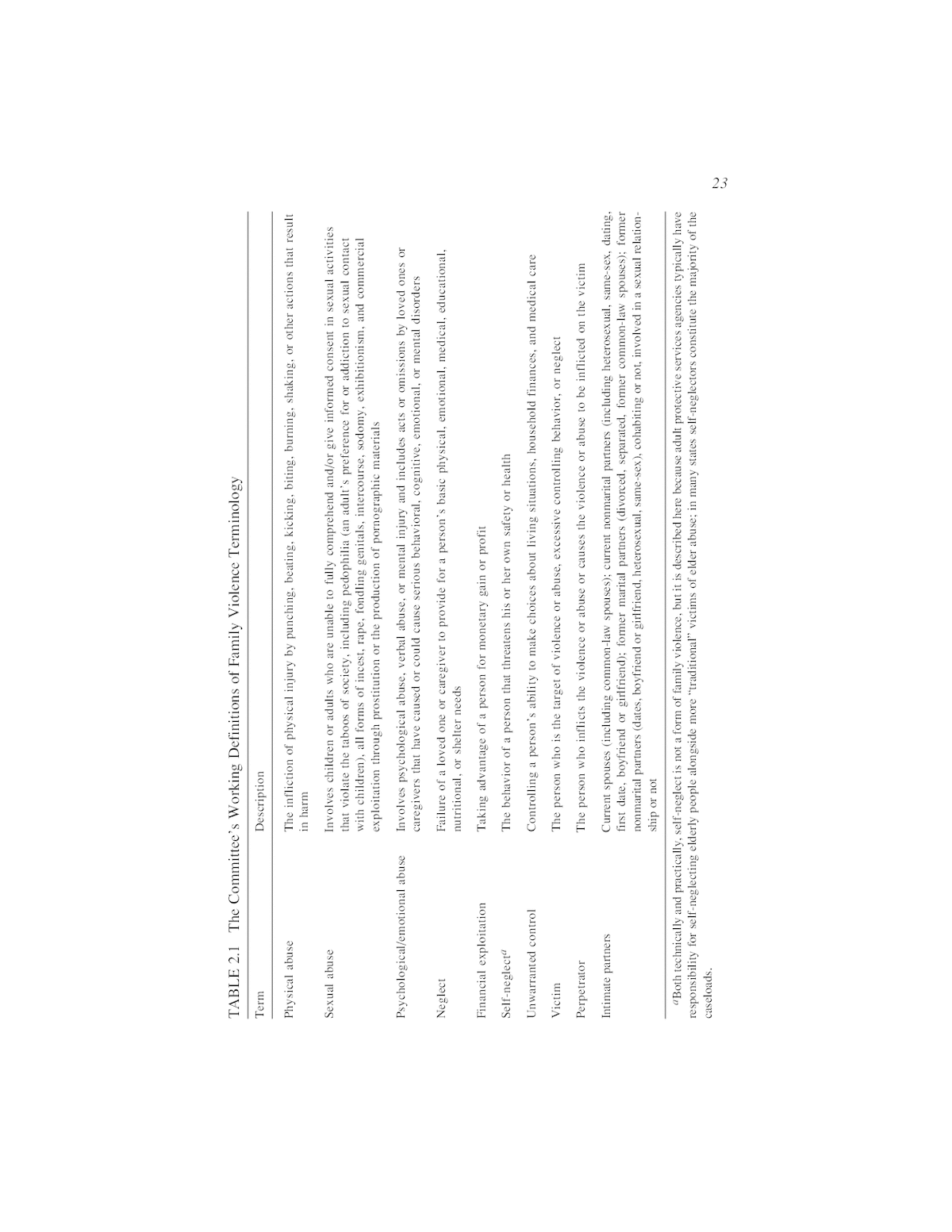
22 CONFRONTING CHRONIC NEGLECT Determining when maltreatment has occurred continues to be challenging, as it can result from acts of commission (abuse) or omission (neglect) and can be acute or chronic, subtle or extreme (see Brassard and Hardy, 1997). Additional confusion has arisen in the field over defining abuse and neglect according to the perpetratorâs behavior or injury to the victim or whether a single act or a pattern of repeated actions is required. For example, the original term âbattered woman syndromeâ implies that a pattern is required, but the more recent approach when collecting data is to obtain information on the type, severity, and frequency of the violence. The confusion is exacerbated by the development of multiple definitions of maltreatment developed for different purposes (e.g., research, judicial action, clinical investigation; NRC, 1993). Some studies rely on reported cases and others estimate cases. The definition of a case varies from state to state, with some requiring that there be âreason to believeâ abuse has occurred before âsub- stantiatingâ abuse or neglect, others requiring that abuse âprobably occurred,â and still others requiring âclear and convincingâ evidence. Interstate variability exists in the number of cases reported per population at risk. The heterogeneity of definitions and evidentiary requirements makes accuracy in incidence data extremely difficult to achieve. Investigative methods and data sources also affect research results. For ex- ample, rates tend to be very low if only severe physical injury (e.g., fracture) is included, somewhat higher if milder injury (e.g., bruises) is included, and can increase even more if psychological violence and emotional violence are in- cluded (Wilt and Olson, 1996). Surveys of patients in health care settings tend to find higher rates than do surveys of the general population (Campbell et al., 2000; Wilt and Olson, 1996). Self-administered written questionnaires tend to result in higher rates than do personal interviews (Canterino et al., 1999; Thomp- son et al., 2000), although this is not always the case (Gazmararian et al., 1996). Higher rates tend to be obtained when victim and perpetrator are assessed sepa- rately (Bohannon et al., 1995). Rates also depend on how the survey is framed or introduced (Campbell et al., 2000). All of this diversity can result in tremendous variation in research results and difficulty in comparing and interpreting data. Despite these constraints, the data do generally indicate the extent of the problem. In the following sections, the commit- tee describes the definitions of types of family violence that informed its analysis in this report and what is known about the magnitude of each type. Table 2.1 presents the definitions of family violence terminology used in the report. Table 2.2 presents common elements of the three types of maltreatment. Child Abuse and Neglect The current understanding of child abuse and neglect has expanded greatly since Kempe and colleagues in 1962 first coined the term battered child syn-
TABLE 2.1 The Committeeâs Working Definitions of Family Violence Terminology Term Description Physical abuse The infliction of physical injury by punching, beating, kicking, biting, burning, shaking, or other actions that result in harm Sexual abuse Involves children or adults who are unable to fully comprehend and/or give informed consent in sexual activities that violate the taboos of society, including pedophilia (an adultâs preference for or addiction to sexual contact with children), all forms of incest, rape, fondling genitals, intercourse, sodomy, exhibitionism, and commercial exploitation through prostitution or the production of pornographic materials Psychological/emotional abuse Involves psychological abuse, verbal abuse, or mental injury and includes acts or omissions by loved ones or caregivers that have caused or could cause serious behavioral, cognitive, emotional, or mental disorders Neglect Failure of a loved one or caregiver to provide for a personâs basic physical, emotional, medical, educational, nutritional, or shelter needs Financial exploitation Taking advantage of a person for monetary gain or profit Self-neglecta The behavior of a person that threatens his or her own safety or health Unwarranted control Controlling a personâs ability to make choices about living situations, household finances, and medical care Victim The person who is the target of violence or abuse, excessive controlling behavior, or neglect Perpetrator The person who inflicts the violence or abuse or causes the violence or abuse to be inflicted on the victim Intimate partners Current spouses (including common-law spouses); current nonmarital partners (including heterosexual, same-sex, dating, first date, boyfriend or girlfriend); former marital partners (divorced, separated, former common-law spouses); former nonmarital partners (dates, boyfriend or girlfriend, heterosexual, same-sex), cohabiting or not, involved in a sexual relation- ship or not aBoth technically and practically, self-neglect is not a form of family violence, but it is described here because adult protective services agencies typically have responsibility for self-neglecting elderly people alongside more âtraditionalâ victims of elder abuse; in many states self-neglectors constitute the majority of the caseloads. 23
24 CONFRONTING CHRONIC NEGLECT TABLE 2.2 Elements Commonly Found Among Published Definitions Types of Violence Common Definitional Elements Child abuse and neglect ⢠a recognition that abuse and neglect present in many forms ⢠a recognition that harm may be actual or potential ⢠acknowledgment that the perpetrator of harm may be a parent or other caregiver within the family or extended family or outside the family in a community setting (e.g., day care, school) ⢠the different forms of maltreatment may occur separately or in combination ⢠maltreatment may occur once or throughout the life of the child Intimate partner violencea ⢠recognition of events of abuse and patterns of abusive behavior ⢠inclusion of psychological and sexual as well as physical abuse ⢠inclusion of threats ⢠demonstration of controlling behavior ⢠perpetration by a current or former intimate partner, regardless of a marital relationship, cohabitation, sexual relationship, or the gender of the pair Elder maltreatment ⢠emphasis on the victimization of elderly persons, defined by a particular age ⢠recognition of financial or material abuse and abandonment in addition to physical, psychological, emotional, and sexual forms of abuse and neglect ⢠recognition of self-neglect as an important entity aThe definition used in this report is broader than that used in the 1993 National Research Council report, in which the term was more narrowly defined to refer to physical violence. drome to characterize âa clinical condition in young children who have received serious physical abuse, generally from a parent or foster parentâ (p. 17). Recog- nizing that physical abuse is only one type of behavior that puts children at risk, four general categories are now generally recognized: physical abuse, sexual abuse, emotional abuse, and neglect (NRC, 1993; P.L. 104-235, Section 111; 42 U.S.C. 5106g). Kempe estimated 749 battered children in the United States in 1960 (Kempe et al., 1962). In the 1979 annual incidence study required by the Child Abuse Prevention and Treatment Act, about 669,000 reports of suspected child abuse and neglect were filed. By 1990 the number of these reports had grown to more than 3 million. Other data sources suggest that the number of cases ranges from about 1 million (DHHS, 1998) to about 3 million annually (DHHS, 1996). More than half of all victims (54 percent) suffered neglect, almost one-quarter (23 percent) suffered physical abuse, almost 12 percent were sexually abused, less than 6 percent suffered psychological abuse, less than 6 percent were medically
DEFINING THE PROBLEM 25 neglected, and one-quarter of victims suffered more than one type of abuse (DHHS, 1998). Other data sources vary with regard to the numbers of subtypes of abuse, but generally they indicate that neglect is more prevalent than abuse and that physical abuse and neglect are greater than emotional, sexual, and medi- cal abuse and neglect (e.g., DHHS, 1996). In addition to violence perpetrated against them, children are affected by witnessing other forms of family violence. Research suggests that between 3.3 million and 10 million children are exposed annually to intimate partner vio- lence, usually committed against one of their parents, in the home (Carlson, 1984; Straus, 1992). Approximately half of the women who are victims of inter- personal violence have children in their home under age 12, and so the potential number of child witnesses is high (Greenfeld et al., 1998). Intimate Partner Violence Intimate partner violence is described by several names, including domestic violence, gender violence, violence against women, and spousal abuse.2 Follow- ing the example of the Centers for Disease Control and Prevention, the commit- tee elected to use the term intimate partner violence as the best choice to describe the situations of spousal, partner, and acquaintance violence addressed in this report. Violence is generally divided into four categories: (1) physical violence, (2) sexual violence, (3) the threat of physical or sexual violence, and (4) psycho- logical or emotional abuse (Saltzman et al., 1999). Some descriptions also ex- plicitly list stalking among the behaviors that constitute intimate partner violence. Victims of intimate partner abuse include both women and men, in hetero- sexual and same-sex relationships, but women abused by current or former male partners are the most frequently abused and experience the highest rate of seri- ous injury (Tjaden and Thoennes, 2000). Lifetime incidence rates vary widely, depending on the type of violence assessed, but they tend to be in the 15 to 30 percent range among women (Wilt and Olson, 1996). Intimate partner violence accounts for 22 percent of violent crimes against women, and the rate of female murder victims killed by intimate partners has remained at about 30 percent of all female murder victims since 1976 (Rennison and Welchans, 2000). In contrast, intimate partner violence accounts for 3 percent of violence against men (Rennison and Welchans, 2000), and rates of violence by women against men are generally lower (Schafer et al., 1998). In 1996, for example, intimate partner violence victimization was reported by 150,000 men compared with 840,000 women (Greenfeld et al., 1998). In the National Violence Against 2Throughout this report, the original language has been retained in citations and in other instances when a specific term is used. In addition to the controversy surrounding the label given to instances of maltreatment between intimate partners, the term domestic violence has also been used synony- mously with family violence, particularly in contexts of legal and social services.
26 CONFRONTING CHRONIC NEGLECT Women Survey, almost 25 percent of the women surveyed and 7.5 percent of the men said they had experienced sexual or physical violence by a current or former intimate partner at some time in their life (Tjaden and Thoennes, 2000). Special populations are often the focus of research: pregnant women, young adults, and persons in same-sex relationships. The risk for intimate partner vio- lence for pregnant women appears to be similar to that for nonpregnant women (Gazmararian et al., 1996; Hedin et al., 1999). A large representative sample of teenage and young adult dating partners reveals 37 percent of women and 22 percent of men reported physical intimate partner violence (Magdol et al., 1997). Regarding same-sex partners, a review of 19 studies indicates that the rates and risk factors for violence in lesbian and gay male relationships are similar to those in heterosexual relationships and that the risk factors, other than gender, are similar (Burke and Follingstad, 1999). In a national probability sample, com- pared with heterosexual couples, the prevalence of intimate partner violence was higher between gay men and lower between lesbian partners (Tjaden et al., 1999). Elder Maltreatment Elder maltreatment is the most recently recognized form of family violence3 and, like other categories of family violence, it can include a wide variety of acts beyond the willful infliction of physical harm on an older person (see, e.g., American Medical Association [AMA], 1992; Aravanis et al., 1993). Elder ne- glect has been more difficult to define than abuse, because norms are ambiguous about the duties that particular caregivers may have (Fulmer and OâMalley, 1987). Types of elder maltreatment, like other forms of family violence, include (1) physical abuse, (2) emotional or psychological abuse, (3) neglect, (4) sexual abuse, and (5) abandonment. In addition, (6) financial exploitation, (7) self- neglect, and (8) unwarranted control are categories unique to elder maltreat- ment. Because of the recency of interest by health care researchers in elder mal- treatment, there are substantially fewer data regarding the prevalence, incidence, and medical consequences of this problem compared with child abuse and ne- glect and intimate partner violence. Several prevalence studies conducted in the United States and abroad do allow tentative estimates of the prevalence of elder mistreatment. Approximately 3 percent of elderly persons experience maltreat- ment annually (Lachs et al., 1998; Pillemer and Finkelhor, 1988). Some studies have examined the relative frequency of the various subtypes of elder maltreat- ment. For example, according to one study, of 176 elderly persons in the protec- tive services system as a result of allegations of maltreatment, 10 (6 percent) of 3The committee selected the term elder maltreatment instead of elder abuse and neglect, consider- ing it to be broader and more inclusive.
DEFINING THE PROBLEM 27 these were for abuse, 30 (17 percent) for neglect, 8 (5 percent) for exploitation, and 128 (73 percent) for self-neglect (Lachs et al., 1998). The data also show that those who suffered from mistreatment by others had worse survival rates that those with self-neglect. HEALTH PROFESSIONALSâ ROLES Professional Responsibility With regard to family violence, a primary function of health care profes- sionals is to treat resultant physical and psychological conditions and injuries. They may encounter family violence victims in the course of routine care (e.g., annual physicals) or specifically due to victimization. In addition to this clinical role in the lives of victims, health professionals have a role defined by law. All states require that health professionals, among others, report situations of child abuse and neglect, and most require reporting for elder maltreatment (see Appendix C). A small minority requires reporting of intimate partner violence. The law enforcement and justice systems may also depend on health professionalsâ assessments as documented in medical records, in order to better provide protection to victims, prosecute abusers, and address custody issues. Recognizing the clinical and legal responsibilities that health professionals may bear with regard to family violence, a number of health professional organi- zations have issued policy statements, recommendations, practice guidelines, and requirements for family violence education (see Appendix B) as well as practices related to family violence. Their positions variously emphasize recog- nition of types of family violence as significant public health threats and encour- age their members to provide care, to identify and report (as appropriate per law or ethics) situations of family violence, and to assume positions of leadership in preventing and responding to family violence. Numerous health professional organizations described and provided these positions and offered recommendations to the committee during a public forum held on June 22, 2000, at the National Academy of Sciences in Washington, DC. Among the participants were representatives from the American College of Nurse Midwives, the National Association of Orthopedic Nurses, the American Psy- chological Association, the World Psychiatric Association, the Council on So- cial Work Education, the American Medical Association, the American Academy of Pediatrics, and the American College of Obstetricians and Gynecologists. Many other health professional organizations submitted written materials to the committee. A review of their positions and recommendations indicates that all of these organizations recognize the impact of health professionals in detecting and responding to family violence and the need for comprehensive training on the signs of victimization and the medical needs of victims.
28 CONFRONTING CHRONIC NEGLECT Health Effects of Family Violence Drawing on a number of studies, the committee is able to describe some of the health care needs of victims of each type of family violence, but substantiat- ing claims through current data systems that family violence results in an in- creased utilization of human, material, and financial resources is difficult. As with the data on magnitude, available research on the involvement of victims with the health care system is fragmented and limited. In the following section, we describe what is known about the health conditions associated with family violence, the workload related to treating those conditions, and the related costs to the health care system and society. Child Abuse and Neglect The effects of child abuse and neglect range from negligible to serious in- jury and even death (Feldman, 1997; Rosenberg and Krugman, 1991). Physical abuse may include single or multiple bruises, burns, fractures, abdominal inju- ries, and head injuries. The leading cause of death related to child abuse is shaken baby syndrome, which often involves a combination of subdural and subarachnoid hemorrhage and retinal hemorrhage. If the child survives, the ef- fects of the syndrome can include developmental delays, blindness, and learning disabilities (Kirschner, 1997). The consequences of sexual abuse depend on the age of the child, the duration of the abuse, the relationship of the child to the abuser, and the amount of coercion used to sustain the relationship (Krugman and Jones, 1987). Effects may include medical conditions and behavioral disor- ders, but many victims have no symptoms. Among the more severe outcomes are sexual dysfunction, pregnancy, prostitution, and perpetration of sexual abuse to other children and adults. Emotional neglect can lead to significant later devel- opmental, educational, and behavioral problems (Oates and Kempe, 1997). Early studies in the 1970s suggested that the mortality for children with severe nonorganic failure to thrive ranged from 4 to 15 percent (Oates and Kempe, 1997). In addition to the immediate effects of maltreatment on children, there are well-documented long-term consequences that can occur in adulthood, espe- cially increased risk for common somatic, psychosomatic, and psychiatric prob- lems (Rosenberg and Krugman, 1991). One study indicates that child maltreatment is a risk factor for poor physical health, with multiple adverse childhood experiences with abuse and neglect increasing the risk (as expressed in odds ratios) for ischemic heart disease (2.2Ã), any cancer (1.9Ã), stroke (2.4Ã), chronic bronchitis/emphysema (3.9Ã), diabetes (1.6Ã), and hepatitus (2.4Ã) (Felitti et al., 1998). In addition, trauma can affect brain development and neuro- biology in children (Putnam, 1998). The effects of witnessing intimate partner violence in the home are not yet
DEFINING THE PROBLEM 29 fully understood, but evidence suggests that there are both emotional and devel- opmental effects (Grych et al., 2000). Literature reviews of studies on children exposed to intimate partner violence indicate that these children experience more behavioral problems than children from nonviolent homes. Among these are aggressive behaviors, depression, suicidal behaviors, anxiety, phobias, insomnia, bed-wetting, self-esteem problems, and impaired cognitive and academic func- tioning (Fantuzzo and Lindquist, 1989; Kolbo et al., 1996). Research suggests that there is some, but not a significant, relationship between exposure and social problems (Fantuzzo and Lindquist, 1989), but it indicates no causal relationship between exposure and physical health problems (Kolbo et al., 1996). The more severe the violence, the greater the consequences appear to be for the child (Attala and McSweeney, 1997). Children of a parent who commits intimate part- ner violence are also at increased risk for physical abuse themselves, and the risk is higher if the father is the perpetrator (Ross, 1996). Evidence also suggests that interventions to prevent child abuse are compromised when there is intimate partner violence in the home (Eckenrode et al., 2000). For women who reported any abuse or neglect during childhood, median annual health care costs were $97 greater than those without histories of mal- treatment, and the costs to those reporting histories of sexual abuse were $245 higher (Walker et al., 1999). Retrospective surveys of adolescents in detention facilities and psychiatric hospitals show significant rates of maltreatment in these populations. Abuse has been associated with increased rates of substance abuse, running away, and suicidal behavior in children, adolescents, and adults (Rosenberg and Krugman, 1991). An analysis of data by Miller et al. (1996), based on data from 1986, indi- cates that direct costs (i.e., costs associated with the immediate needs of abused or neglected children, including medical care) due to child abuse were $7.3 billion and indirect costs (i.e., costs associated with the long-term or secondary effects of child abuse and neglect) were $48 billion. A 2001 study by Prevent Child Abuse America, based on data from the Department of Health and Human Services, the Department of Justice, the decennial census and other sources, indicates even higher costs (http.//www.preventchildabuse.org/research_ctr/ reports.html). In that study, direct costs total about $24.4 billion; this includes health care costs, which are those related to hospitalization, chronic health prob- lems, and mental health care. Indirect costs totaled about $69.7 billion. Another study, based on data collected between 1991 and 1994, reports the costs associated with pediatric intensive care for abused children. Cases of child abuse in this study represented 1.4 percent of admissions and 17 percent of deaths, and these patients had higher severity of illness (61 percent), hospitaliza- tion charges ($30,684), daily charges ($5,294), and mortality rates (53 percent) than any other group of patients admitted to the pediatric intensive care unit over almost four years (Irazuzta et al., 1997). The array of injuries and health condi-
30 CONFRONTING CHRONIC NEGLECT tions that result from child abuse and neglect suggests that health care utilization and costs are substantial. Intimate Partner Violence The impact of intimate partner violence on the health care system and on health professionals is addressed in a number of studies of discrete elements of the problem, such as injuries, particular medical conditions, and specific treat- ment costs. Virtually all the available data involve adult female victims. As with other forms of family violence, the most severe medical conse- quence of intimate partner violence is death. A high proportion of women who are murdered, 30 to 40 percent, are victims of intimate partner violence. In fact, intimate partners constitute the largest single category of perpetrators in the homicide of women (CDC, 2000a, 2000b). Nonfatal intimate partner violence is also associated with an increase in a wide range of psychological, psychosomatic, and physical effects, including headache, chronic pain, gastrointestinal and gynecological symptoms, sexually transmitted diseases, unintended pregnancies, urinary tract infections, depres- sion and anxiety, suicide, substance abuse, and post-traumatic stress syndrome (Abbott et al., 1995; Bergman and Brismar, 1991; Campbell et al., 1996; Diaz- Olavarrieta et al., 1999; Domino and Haber, 1987; Drossman et al., 1995; el- Bayoumi et al., 1998; Felitti, 1991; Felitti et al., 1998; Gil-Rivas et al., 1996; Gin et al., 1991; Hegarty and Roberts, 1998; Jones et al., 1999; Leiman et al., 1998; Letourneau et al., 1999; Linares et al., 1999; Longstreth et al., 1998; Maman et al., 2000; McCauley et al., 1995, 1998; McFarlane et al., 1992; Schei and Bakketeig, 1989; Schei, 1990; Stark and Flitcraft, 1988; Talley et al., 1994; Walker et al., 1999). Head injury is common and can have a variety of long-term effects (Monahan and OâLeary, 1999; Muelleman et al., 1996). Even low-sever- ity intimate partner violence (e.g., verbal threats, pushing, grabbing) has been linked to adverse health effects, although as violence escalates, so do the health consequences (McCauley et al., 1998). Abuse of pregnant women appears to increase the risk of first-trimester pregnancy loss, abruptio placentae (premature detachment of the placenta), premature labor, low-birthweight babies, and neo- natal death (Campbell et al., 1999; Curry et al., 1998; Gazmararian et al., 1996; Shumway et al., 1999). Of 4.8 million cases of intimate partner physical and sexual abuse of women estimated annually, approximately 2 million resulted in injury to the victim and, of these, 552,192 resulted in medical treatment (Tjaden and Thoennes, 2000). Of the 2.9 million cases of intimate partner physical abuse of men, 581,391 victims were injured and 124,999 received medical care (Tjaden and Thoennes, 2000). Approximately 7 percent of victims of nonfatal intimate partner violence sought care in emergency departments, which represents about 15 percent of those who experience an injury. Less than 1 percent of victims were hospitalized. For
DEFINING THE PROBLEM 31 women seeking care for intentional injuries in an emergency department, about 30 percent of their injuries were found to be the result of intimate partner vio- lence (Tjaden and Thoennes, 2000; Greenfeld et al., 1998; Wilt and Olson, 1996). Intimate partner violence appears to be a significant predictor of hospitaliza- tions, general clinic use, mental health services use, and out-of-plan referrals (Wisner et al., 1999). A study of sexual assault victims from all causes reported significantly higher severity of physical symptoms and medical utilization for victims of intimate partner violence compared with others from the same socio- economic groups. A total of 72 percent of the identified victims sought medical treatment, and 19 percent sought psychiatric treatment (Kimerling and Calhoun, 1994). One study indicates that women experiencing victimization were more likely to seek physical than mental health treatment (Sansone et al., 1997). Of the few longitudinal studies of intimate partner violence, several address utilization patterns (Bergman and Brismar, 1991; Kimerling and Calhoun, 1994; Koss et al., 1991; Sansone et al., 1997; Ulrich, in preparation). For example, Swedish investigators, in the longest follow-up study to date, examined auto- mated hospital records for 10 years prior to and 8 years following identification in a group of 117 women with injuries from intimate partner violence. These women experienced a 3.5-fold higher hospital care and admissions rate than women in a comparison group (Bergman and Brismar, 1991; Bergman et al., 1992). A health maintenance organization study reported a 40 percent relative increase in health care utilization for victims (Koss et al., 1991). In this group of studies, the length of follow-up was commonly two years or less, with no retro- spective or prospective studies systematically assessing the effects of intimate partner violence on patterns of utilization and costs at all levels of care. The longest-term study was hampered by small sample size and dealt only with hos- pital-level care (Bergman and Brismar, 1991; Bergman et al., 1992). The full economic cost of intimate partner violence has not been deter- mined, but what is known suggests that it is quite high. One study indicates that a hospitalized patient who has been identified as a victim of intimate partner violence will cost a median of $873 more than a patient with the same condition who has not been identified as a victim (Rudman et al., 2000). An examination of annual costs to a managed care plan for a group of women who had experi- enced intimate partner violence compared with randomly selected controls found that the overall cost to the plan was 1.9-fold higher in the abused group, with treatment of each victim resulting in net costs that were $1,775 more annually for each victim than for comparison patients. Differences in costs in emergency department utilization and hospitalizations between an abused group and a ran- dom sample were not significantly different, so extra costs for abused women are due to additional general ambulatory care and mental health care (Wisner et al., 1999). Direct medical costs of care for battered women are estimated at $1.8 billion per year (Miller et al., 1993, 1995). Physical and psychological effects contribute to increased costs and utilization of medical and other services
32 CONFRONTING CHRONIC NEGLECT (Bergman et al., 1992; Drossman et al., 1995; Koss et al., 1991; Leiman et al., 1998; Sansone et al., 1997; Stark and Flitcraft, 1988, pp. 293-317, 1996; Ulrich, in preparation; Walker et al., 1999). When time lost from work, losses due di- rectly to crimes, and other acute and long-term health care costs are added, the overall costs have been estimated to range between $5 billion and $67 billion (NRC and IOM, 1998). Elder Abuse The extent to which elder maltreatment affects the health care system is largely unknown. Common clinical findings associated with maltreatment in- clude bruises, lacerations, abrasions, head injury, fractures, dehydration, and malnutrition (Bosker et al., 1990). These injuries commonly result in hospital- ization. In one descriptive study that tracked the emergency department utiliza- tion of known elderly victims of physical abuse identified through adult protective services, 114 individuals had 628 emergency department visits during a 5-year window surrounding the referral; 30 percent of these visits resulted in hospital admission (Lachs et al., 1997). Elder maltreatment differs from family violence experienced by younger individuals, in large part because of the higher prevalence of chronic disease in older people and issues of capacity or competence. This difference creates a higher prevalence of both false positives and false negatives in screening older adults for abuse (Lachs and Fulmer, 1995). For example, abuse may cause frac- tures, but so can osteoporosis. And osteoporosis may render an older person more vulnerable to fractures when abused. Common comorbidities in this popu- lation, such as Alzheimerâs disease and related dementias, both increase the risk for abuse and make the diagnostic evaluation more difficult (Dyer et al., 2000). In case management, the lack of decision-making capacity because of dementia may greatly influence the choices available for intervention. In addition, older adults and health care providers may have to rely on the perpetrators of elder mistreatment to provide care (Quinn and Tomita, 1997). Studies do indicate that the effects of elder mistreatment increase the medi- cal needs of victims. One longitudinal study of elderly victims of maltreatment documented a threefold increased risk of death in the 3-year period following mistreatment, after adjusting for comorbidity and other factors that predict death in older cohorts (Lachs et al., 1998). In addition, maltreatment may exacerbate or interfere with the treatment of other medical and psychosocial conditions. For example, angina pectoris, emphysema, diabetes mellitus, and arthritis are much more challenging to treat in an abusive environment (Lachs et al., 1997). No studies of the costs associated with these increased medical needs have been published. In view of the rapidly growing elderly population in the United States, health care providers are likely to see an increasing number of cases in the coming
DEFINING THE PROBLEM 33 years. Supporting this view, most adult protective services agencies are reporting growing caseloads (Tatara, 1993). CONCLUSIONS ⢠Family violence is common and the health consequences are significant. The need for health professional training in family violence is a function of its magnitude coupled with the health care needs associated with it. The available data suggest that family violence results in significant health effects and that treatment requires substantial time and financial resources. ⢠The effects of family violence on society and the health care system have not been adequately studied or documented. The available data are inadequate to determine the full magnitude and severity of family violence in society or its impact on the health care professions. Few studies describe the total and marginal patterns of utilization and the costs of health care or the cross-sectional and longitudinal effects on health status from the point of view of the patient (or victim). The results of such studies could indicate the full extent to which the health care system and professionals encoun- ter family violence and the health care needs of victims. A better understanding of the baseline problems, health care needs, and costs associated with family violence could reinforce the need for health professionalsâ attention to the issue, provide guidance as to how to respond, and inform and improve health care professional education and practice. ⢠The definitions, data sources, and methods used in research on fam- ily violence are variable and result in inconsistent research findings about its magnitude, severity, and effects on the health care system and society. The common use of explicit definitions, data sources, and methods could foster the capacity to make reliable comparisons between studies and allow research results to be generalized to other situations. The committee reiterates the conclu- sions of previous National Research Council and Institute of Medicine reports (NRC, 1993, 1996; NRC and IOM, 1998) regarding the importance of defini- tional clarity. The committee recognizes that the determination of clear definitions and clas- sification schemes and outcomes is a complex and time-consuming task, which is both affected by and affects empirical measurement, social concerns, legal and
34 CONFRONTING CHRONIC NEGLECT ethical issues, and politics. As such, the committee is encouraged by recent efforts to develop definitions and classification schemes for each type of family violence that will be tailored to the health care context and endorses the use of such defini- tions and data elements to assist in creating a more comprehensive and comprehen- sible picture of family violence. The Centers for Disease Control and Prevention have developed such uniform definitions and measurement terms for intimate part- ner violence (Saltzman et al., 1999). The definitions and data elements recom- mended in their report reflect attention to the potential health care uses of the terms, recognizing incidents of violence, threats of violence, and consequences of vio- lence, including those relevant to medical settings. Similar efforts are under way for child abuse and elder abuse. For example, in response to the recommendation for definitional work in the National Re- search Council report Understanding Child Abuse and Neglect (1993), the Na- tional Institute for Child Health and Human Development, with the Childrenâs Bureau of the Department of Health and Human Services and other institutes of the National Institutes of Health, has convened a Child Abuse and Neglect Work- ing Group, which among other activities has commissioned work on definitions and classifications of child abuse and neglect. Other efforts to standardize child abuse and neglect definitions have been made, most notably by the National Clearinghouse on Child Abuse and Neglect, although such efforts have not yet resulted in agreement or widespread usage. With regard to elder maltreatment, the National Institute on Aging has funded the Committee on National Statistics of the National Research Council to conduct a workshop to consider the devel- opment of a national survey on the prevalence of elder abuse; consideration of explicit definitions is part of the agenda.
