
Session 1: Drug Discovery and Development
ACCESSING MARINE BIODIVERSITY FOR DRUG DISCOVERY
William Fenical, Ph.D.
Director, Center for Marine Biotechnology and Biomedicine
Scripps Institution of Oceanography
Nature has been the traditional source for organic chemical compounds used in medicine. For over 3,000 years, early societies recognized that their immediate environments were a rich source of plants that provided methods to treat ordinary infections, inflammation, arthritis, cancers, and many human diseases. Over the centuries, it became apparent that discrete chemical components of plants were responsible for these effects. It was not, however, until the seventeenth century that science would be sufficiently developed to begin to isolate, purify, and define these drug substances. Among the first pure drugs isolated were the powerful painkiller morphine purified from “tincture of opium,” and aspirin, from the bark of the willow tree. Still today, especially in Asia, traditional medicines are prescribed and dispensed in ways similar to the historical past. However, many industrialized societies have moved in the direction of prescribing pure drugs with well-defined physiological effects.
The foundation of this “natural pharmacy” was the significant diversity of plant and, to some extent, animal life found in warm climates. Di-
versity was the key to a large number of chemically rich sources from which treatments were derived. Biodiversity translates to genetic uniqueness and diversity, which in turn relates to new biosynthetic pathways and potential. Although many thousands of plant species have been comprehensively examined using modern analytical methods, there still exist many thousands of terrestrial life forms that await investigation. That this endeavor is not antiquated is borne in the discovery of Taxol, the potent anticancer drug discovered in the bark of the Pacific yew tree. Given recent successes, there is every reason to expect that undiscovered drugs exist in the same plants and animals recognized to contain medications for over 3,000 years.
Although the diversity of life on land is great, the world’s oceans are the center of global biodiversity, with 34 of the 36 phyla of life represented. The land, by comparison, is represented by only 17 phyla. Given this reality, drug discovery should have begun in the rich ecosystem of the oceans. Much of this diversity is found in the macroscopic plants and animals that are adapted to all the regions of the world’s oceans (polar, temperate, and tropical). Species diversity reaches very high densities on coral reefs, occasionally reaching densities of approximately 1,000 species per square meter, particularly in the Indo-Pacific Ocean where tropical marine biodiversity reaches its peak.
Given the enormous biodiversity of the world’s oceans, it is unfortunate that marine environments are the last great frontier for investigation. Unfortunately, with the pressures of economics weighing heavily on the pharmaceutical industry, natural product-based drug discovery has been characterized as encumbered and overly time consuming. Time will tell if alternative methods of accessing chemical diversity can replace this tried and true method.
Because the ocean is a much more demanding environment to sample, it is understandable that this ecosystem should be our last great biodiversity frontier. Over the past 30 years, marine plants and animals have been the focus of a worldwide effort to define the “chemistry” of the marine environment. Beginning in the mid-1980s, these efforts turned toward potential biomedical applications of novel chemical substances found in sponges and related colonial marine invertebrates. In this process, over 2,500 structurally diverse compounds have been found in marine plants and animals, and several of these compounds have been successfully interfaced with the pharmaceutical industry. Although no marine drugs have been developed as yet, several are in clinical and preclinical trials. Examples are bryostatin-1, ecteinascidin 743, dolastatin-10, and spongistatin for the treatment of
cancer. These compounds are novel both chemically and pharmacologically, and they hold considerable future promise.
The major biodiversity in the oceans, however, does not reside in the plants and animals, but in the enormous diversity of microbial life that can be found in marine waters, on the surfaces of plants and animals, and in the deep-sea sediments, which compose the major surface area of the planet. One milliliter of ordinary seawater contains 1 million microorganisms that are mostly uncultured and unknown. The surfaces and internal spaces of plants and animals are habitats that have been colonized by microorganisms as part of complex adaptations for survival. The bottom sediments, which are the repository of all organic matter in the ocean, are inhabited by a diversity of microorganisms, the complexity of which is only now being appreciated. Bacteria and fungi form the major classes found, but there are numerous other groups, such as the Stramenopila, which are essentially undefined. New actinomycetes are now being found as major inhabitants of marine sediments. Because these organisms reach densities of up to 10,000 cells per cubic centimeter, they might be the most abundant microorganisms available for drug discovery. Given the successful history of terrestrial microorganisms in the development of new drugs (over 120 marketed today), a systematic investigation of marine microbes is fully warranted. To achieve success in this endeavor, obstacles to the discovery and culture of these organisms must first be overcome. We must re-evaluate the marine environment, contrast it to the nutrient pools in terrestrial environmental and mammalian systems, and design new ways to isolate and culture marine microbes. It has become clear that marine systems harbor new genera and perhaps new major taxa of microbial life. We must meet the challenge to find ways to isolate and cultivate these organisms and thus to realize their contributions to the treatment of human disease.
MARINE NATURAL PRODUCTS AS A RESOURCE FOR DRUG DISCOVERY: OPPORTUNITIES AND CHALLENGES
Guy T. Carter, Ph.D.
Director, Natural Products Chemistry and Discovery Analytical Chemistry Wyeth-Ayerst Research
It has been stated that the “search and discovery of exploitable biology” is undergoing a “paradigm shift” as a “consequence of the bioinformatics
revolution” (Bull et al., 2000). In the context of natural product-based drug discovery, bioinformatics is producing new information that affects many of the key steps in the drug discovery process. Among the most significant developments are the revelation of vast new potential resources available from uncultured microorganisms and the discovery of a plethora of new potential therapeutic targets from various whole-genome sequences. This new knowledge presents tremendous opportunities for the discovery of therapeutic agents from natural sources. There remain, however, significant obstacles impeding the realization of this potential. Unlocking the biosynthetic capabilities of the new realm of marine microbes remains a fundamental scientific challenge. These organisms not only hold the greatest promise for the discovery of new agents from the marine environment but also provide a feasible solution to the inherent problem of supply. Studies of their physiology and means for their cultivation are vital. A major obstacle to the discovery of new marine natural products with promising biological activities is simply the difficulty of having them evaluated in a wide range of targeted assays. Although new therapeutic targets are being developed at an astonishing rate, ability to evaluate marine chemodiversity in these assays is severely limited. Part of the limitation owes to the scarcity of the compounds, which are often isolated in minute quantities insufficient to supply a library for repeated rounds of bioassay. Lacking a renewable source or reasonable synthetic route, many of these compounds will never have more than a few targets. The traditional process of natural-product discovery may preclude their evaluation against the widest range of biological targets, especially in ultrahigh-throughput-screening systems.
Through its component operations of Ayerst and the former Medical Research Division of American Cyanamid or Lederle Labs, Wyeth-Ayerst Research, the pharmaceutical research and development arm of American Home Products, has a rich history in the discovery and development of therapeutic agents from natural sources. At Lederle, the tetracycline family of antibiotics was the first product line derived from nature. Aureomycin (chlortetracycline) was isolated in the early 1940s from the soil organism Streptomyces aureofaciens and was followed shortly thereafter by four improved versions; the final one, Minocin, was introduced in 1971. Research has continued on this important class of antibiotics at Wyeth and a number of agents are advancing toward the marketplace. Two more recent microbial-derived commercial products are Rapamune (rapamycin) for use in transplantation and Mylotarg, a calicheamicin immunoconjugate targeting acute myeloid leukemia.
Wyeth’s marine natural-products program has emphasized microbial sources since 1990. Collections have largely consisted of traditional isolation of microbes associated with marine habitats and organisms from tropical and temperate zones. One example, illustrative of both the challenges and opportunities, is the case of microorganisms isolated from the tropical marine ascidian Polysyncraton lithostrotum. P. lithostrotum was reported to produce the enediyne antibiotic namenamicin (McDonald et al., 1996), a compound having the same reactive chromophore as calicheamicin (Figure 2). With the initial goal of isolating the presumed microbial producer of namenamicin, a variety of microbes were isolated from the organism. In one set of experiments directed toward isolation of micromonospora, three such species were isolated, along with two fungi, three bacilli, one mycobacterium, two oceanospirillia, two pseudomonas, one rhodococcus and 10 others representing six genera. These organisms were cultured in liquid media and assayed for antimicrobial and DNA-damaging activities. A wide
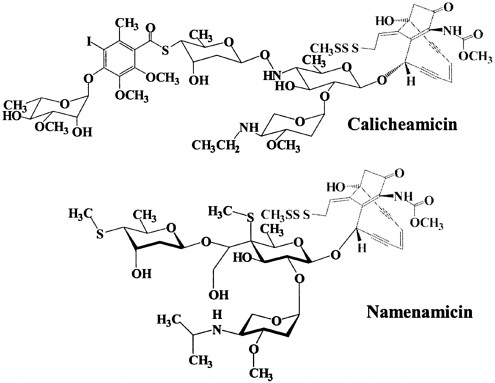
FIGURE 2 Microorganisms were isolated from the tropical marine ascidian Polysyncraton lithostrotum, which reportedly produces the enediyne antibiotic namenamicin (McDonald et al., 1996), a compound having the same reactive chromophore as calicheamicin.
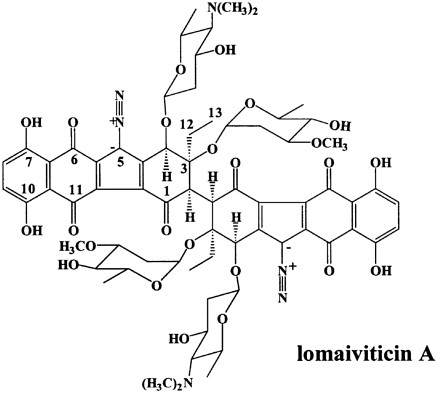
FIGURE 3 Lomaiviticin A was isolated from a previously unknown microorganism associated with a marine ascidian. The microorganism, tentatively named M. lomaivitiensis, appears to have potent DNA-damaging capability, thought to be caused by this compound.
spectrum of positive assay results led to the most promising candidate, characterized as a halophilic micromonospora species that produced potent DNA-damaging activity. Pilot plant scale fermentation of the organism, tentatively named M. lomaivitiensis, followed by bioassay-guided fractionation, led to the isolation of a unique dimeric bis-diazo compound lomaiviticin A (Figure 3) (He et al., 2001). Although lomaiviticin A has potent DNA damaging activity, it was not in the sought-after enediyne family. In fact, no namenamicin was detected from any of the isolates produced in these experiments. Although the initial goal was not achieved, a wealth of new organisms was obtained for further characterization as potential sources for new metabolites.
In addition to the realm of underexplored marine microbes as sources of new chemical diversity, a wide range of new opportunities exists for
natural product-based drug discovery. As new therapeutic targets continue to be uncovered through applications of bioinformatics, natural products can provide the greatest coverage of “chemical structure space” for evaluation against these targets. The challenge is how to realize this potential. With the shrinking timelines demanded by modern pharmaceutical research and development programs, natural product-based drug discovery faces additional hurdles that are not common to screening of synthetic compound libraries. These issues are not new, although their impact has become more substantial as the pace of screening and lead optimization processes has accelerated. Libraries of crude extracts were first created to allow natural products into the high-throughput-screening arena. Subsequently, purified compound libraries or peak libraries were introduced as a means of shortening the cycle time, and these are valuable improvements to the traditional process. Prepurification of extracts is one means for enhancing efficiency, but it also involves a considerable commitment of resources prior to initiation of screening. New technologies that can be used to quickly link target activity with a chemical species, i.e., bioactivity correlation, is an underdeveloped area. Robust and versatile affinity-based methods, e.g., those using chromatographic phases or size exclusion separation of target-bound ligands (Siegel et. al, 1998) would significantly advance reduced cycle times as well.
Many of the real or perceived bottlenecks to marine natural products-based drug discovery are founded on the issue of whether sufficient material will be available for complete biological and chemical evaluation and eventual production. Obviously, the development of synthetic and biosynthetic methods for production are real challenges, which must be addressed.
Studies directed toward understanding the biological roles of marine natural products should be encouraged. Too often, compounds with fascinating molecular structures are discovered and put aside without sufficient attention to their biological functions or mechanisms of action. Furthermore, if the mechanism of action correlates with a potential therapeutic role, then attempts should be made to define the critical pharmacophore via synthesis, chemical degradation, and/or modification. The research done on the hemiasterlin antitumor agents is an excellent example of studies of this nature (Anderson et al., 1997).
References
Anderson, H. J. ,J. E. Coleman, R. J. Andersen, and M. Roberge. 1997. Cytotoxic peptides hemiasterlin, hemiasterlin A and hemiasterlin B induce mitotic arrest and abnormal spindle formation. Cancer Chemotherapy and Pharmacology 39:223-226.
Bull, A. T., A. C. Ward, and M. Goodfellow. 2000. Search and discovery strategies for biotechnology: The paradigm shift. Microbiology and Molecular Biology Reviews 64:573-606.
He, H., W. D. Ding, and V. S. Bernan. 2001. Lomaiviticins A and B, potent antitumor antibiotics from Micromonospora lomaivitiensis. Journal of the American Chemical Society 123:5362-5363.
McDonald, L. A., T. L. Capson, G. Krishnamurthy, W. D. Ding, G. A. Ellestad, V. S. Bernan, W. M. Maiese, P. Lassota, C. Discafani, R. A. Kramer, and C. M. Ireland. 1996. Namenamicin, a new enediyne antitumor antibiotic from the marine ascidian Polysyncraton lithostrotum. Journal of the American Chemical Society 118:10898-10899.
Siegel, M. M., K. Tabei, G. A. Bebernitz, and E. Z. Baum. 1998. Rapid methods for screening low molecule mass compounds non-covalently bound to proteins using size exclusion and mass spectrometry applied to inhibitors of human cytomegalovirus protease . Journal of Mass Spectrometry 33:264-273.
MINING THE OCEAN’S PHARMACOLOGICAL RICHES: A LESSON FROM TAXOL AND THE VINCA ALKALOIDS
Mary Ann Jordan, Ph.D., Adjunct Professor and Research Biologist
Leslie Wilson, Ph.D., Professor of Biochemistry and Pharmacology
Department of Molecular, Cellular, and Developmental Biology and Neuroscience Research Institute,
University of California at Santa Barbara
Over the past 25 years the oceans have yielded a number of natural compounds that have led to the development of new and potent drugs for the treatment of human disease. These include the antiinflammatory drug manoalide, the cosmeceutical antiirritant pseudopterosin, and a number of drugs that are currently in clinical trials including the neurogenic antiinflammatory drug topsentin and the anticancer drugs bryostatin and ecteinascidin 743 (Faulkner, 2000; R. S. Jacobs, personal communication). Many other novel compounds have been isolated and characterized chemically, and preliminary biological testing indicates that they are interesting lead compounds for the future development of drugs for a wide variety of human diseases. Many of these compounds have structures that were not previously recognized by chemists as having pharmacological potential. A
cursory perusal of the recent literature provides a small sampling of the wide variety of compounds that have not been developed but have significant indications of efficacy (Table 4). Estimates of the number of existing compounds that are undeveloped is in the low hundreds (J. Faulkner, personal communication). One of the major stumbling blocks to the development of many of these compounds is that there is nothing currently known that allows us to distinguish them from the plethora of nonspecific toxins produced by a wide variety of organisms. This situation results from a lack of knowledge of their pharmacological mechanisms of action. A second major reason for their lack of development is their limited supply (Faulkner, 2000). Undertaking preclinical characterization and clinical testing of novel compounds requires hundreds of grams of compound, depending on its potency. Most of these compounds come from marine invertebrates or algae that are in relatively short supply. Thus, the choice is between culturing the organism in large quantities, developing a genetically manipulated culture system to produce the compound by means of modern molecular biological techniques, or chemically synthesizing the compound. Each of these production methods is costly and time-consuming. Sufficient scientific validation and information about the mechanism of the compound must be discovered first to develop significant advocacy and sufficient industrial interest for development.
One of the best examples of how this advocacy and interest-raising process occurs is the recent development of a number of antimitotic anti-cancer drugs, including Taxol and several vinca alkaloid-like drugs. Taxol and the vinca alkaloids are widely used and effective drugs that work by actions on microtubules. Microtubules are long proteinaceous tubules that form a dynamic and ever-changing skeleton or structural framework in the cell. They are central to many cellular functions, including cell movement, cell growth and reproduction, and cell signaling. It has been argued that microtubules are among the most important and most successful targets for anticancer drugs (Giannakakou et al., 2000). Although Taxol and vinca alkaloids are both derived from terrestrial plants, their development is a prime example of how the advocacy and developmental process works.
The history of Taxol in modern medicine starts over 30 years ago with the collection of samples of the Pacific yew tree by the U.S. Department of Agriculture (USDA) and the National Cancer Institute (NCI). Taxol’s path from that point to its current status as one of the most successful new cancer drugs is the result of the perseverance of a cadre of chemists, pharmacologists, and oncologists (Horwitz, 1994), including seminal work on
TABLE 4 A Sampling of Undeveloped Marine Compounds with Significant Indications of Efficacy
|
Marine Source |
Compounds |
Potential Uses |
Reference |
|
Sponge Trachycladus |
Onnamide F atode worm |
Antifungal, antinem |
Vuong et al., 2001 |
|
Sponge Aka |
Kynureninase inhibitors serotonin sulfate |
Neuroprotectants for use in AIDS-dementia and stroke |
Feng et al., 2000 |
|
Cyanobacterium Lyngbya |
Hermitamides A, B |
Anticancer |
Tan et al., 2000 |
|
Sponge |
Axisonitrile-3 |
AntiTuberculosis |
König et al., 2000 |
|
Sea whip Pseudopterogorgia |
Pseudopteroxazole |
AntiTuberculosis |
Rodriguez et al., 1999 |
|
Sponge Ircinia |
Cheilanthane sesterterpenoids |
Kinase inhibitors, multiple uses |
Buchanan et al., 2001 |
|
Fungus Acremonium |
Oxepinamide |
Antiinflammatory |
Belofsky et al., 2000 |
|
Fungus Acremonium |
Fumiquinazoline |
Antifungal |
Belofsky et al., 2000 |
|
Natural source |
Polycyclic acridines |
Drug resistant lung cancer |
Stanslas et al., 2000 |
|
Hydroid |
Tridentatol A |
Antioxidant inhibits LDL lipid peroxidation (superior to vitamin E) |
Johnson et al., 1999 |
|
Ascidian |
Lamellarin alpha 20-sulfate |
AntiHIV virus |
Reddy et al., 1999 |
|
Microorganisms |
Cyclic depsipeptide Sansalvemide A |
AntiPox virus (MCV) |
Hwang et al., 1999 |
|
Natural source |
Makaluvamines |
Anticancer |
Matsumoto et al., 1999 |
|
Crinoid |
Gymnochrome D |
Antidengue virus |
Laille et al., 1998 |
|
Fungus Phoma |
Phomactins |
Antagonist of platelet activating factor |
Sugano et al., 1996 |
|
Sponge Cymbastela |
Diterpenes and others |
Antimalarial |
Wright et al., 1996 |
|
Xetospongia, Agelas |
Xestospongine B, sceptrine, age |
Cystic fibrosis, impotence, Alzheimer’s, cancer |
Vassas et al., 1996 |
its mechanism by Horwitz and the support of the NCI. Although interest in novel microtubule-active drugs was at a low point 20 years ago, Horwitz and her collaborators discovered that Taxol had the unusual characteristic of bundling microtubules at high drug concentrations rather than destroying them as the vinca alkaloids were known to do. The novelty of this observation provided the needed push to encourage development of a drug that has become one of the success stories of modern pharmacology. Subsequently, there has been a rush to develop improved taxane-like molecules, which has led to a strong industrial interest in a number of marine natural products, including eleutherobins, sarcodictyins, and discodermolide (Faulkner, 2000; Jordan, 2001).
The story does not end there. In more recent developments, we have been studying the effects of Taxol and vinca alkaloids on the very important dynamics of cellular microtubules. We have found that although there are important differences between the actions of Taxol and the vinca alkaloids involving their effects on microtubule mass at high drug concentrations, at another mechanistic level, surprisingly, they act similarly to suppress microtubule dynamics (Wilson and Jordan, 1995; Jordan and Wilson, 1998; Jordan, 2001). Both classes of drugs, the microtubule stabilizers and the microtubule depolymerizers, act at very low but physiologically relevant concentrations to stabilize the dynamics of microtubules in dividing cells. We have found that the stabilization of microtubule dynamics blocks cancer cells in mitosis at a well-defined stage of the cell cycle and sends the cells into a death program known as apoptosis, thereby killing the cancer cells. These recent discoveries have led to the industrial pursuit of a number of similar compounds from the sea, including the dolastatins and halichondrins. These drugs are currently in clinical trials for cancer or are scheduled for clinical trials. Other microtubule-active agents, such as curacin A, have high potential but have encountered stumbling blocks that can be overcome with further research.
Despite their success and efficacy, the current microtubule-active drugs have significant shortcomings. They are useful in treating only specific kinds of cancer, and patients often become resistant to these drugs, the result being that the cancer eventually returns with a vengeance. We desperately need novel cancer drugs that will be effective against a number of very resistant tumors, such as kidney, pancreatic, and brain tumors. The large number of undeveloped marine compounds holds promise for filling this need.
Each of the antimicrotubule drugs discovered so far acts differently on
tumors and many of them bind to unique sites on microtubules. Several of the newer drugs overcome drug resistance that is a major limiting factor in current chemotherapy. We are optimistic that the oceans will yield undiscovered drugs that are specific for currently untreatable forms of cancer. This can only occur with additional funding in the area of marine pharmacology. (Supported by National Institutes of Health National Cancer Institute #57291.)
References
Belofsky, G. N., M. Anguer, P. R. Jensen, W. Fenical, and M. Köck. 2000. Oxepinamides A-C and fumiquinazolines H—I: bioactive metabolites from a marine isolate of a fungus of the genus Acremonium. Chemistry 2000 6:1355-1360.
Buchanan, M. S., A. Edser, G. King, J. Whitmore, and R. J. Quinn. 2001. Cheilanthane sesterterpenes, protein kinase inhibitors, from a marine sponge of the genus Ircinia. Journal of Natural Products 64:300-303.
Faulkner, D. J. 2000. Marine pharmacology, Antonie van Leeuwenhoek. 77:135-145.
Feng, Y.-B., F. Bowden, and V. Kapoor. 2000. Screening marine natural products for selective inhibitors of key kynurenine pathway enzymes. Redox Report 5:95-97.
Giannakakou, P., D. Sackett, and T. Fojo. 2000. Tubulin/microtubules: Still a promising target for new chemotherapeutic agents. Journal of the National Cancer Institute 92:182-183.
Horwitz, S. B. 1994. How to make Taxol from scratch. Nature 367:593-594.
Hwang, Y., D. Rowley, D. Rhodes, J. Gertsch, W. Fenical, and F. Bushman. 1999. Mechanism of inhibition of a poxvirus topoisomerase by the marine natural product sansalvamide A. Molecular Pharmacology 55:1049-1053.
Johnson, M. K., K. E. Alexander, N. Lindquist, and G. Loo. 1999. Potent antioxidant activity of a dithiocarbamate-related compound from a marine hydroid. Biochemical Pharmacology 58:1313-1319.
Jordan, M. A., and L. Wilson. 1998. Microtubules and actin filaments: dynamic targets for cancer chemotherapy. Current Biology 10:123-130.
Jordan, M. A. 2001. Mechanism of action of antitumor drugs that interact with microtubules and tubulin. Current Medicinal Chemistry – Anti-Cancer Agents 2:1-17.
König, G. M., A. D. Wright, and S. G. Franzblau. 2000. Assessment of antimycobacterial activity of a series of mainly marine derived natural products. Planta Medica 66:337-342.
Laille, M., F. Gerald, and C. Debitus. 1998. In vitro antiviral activity on dengue virus of marine natural products. Cellular and Molecular Life Sciences 54:167-170.
Matsumoto, S. S., H. M. Haughey, D. M. Schmehl, D. A. Venables, C. M. Ireland, J. A. Holden, and L. R. Barrows. 1999. Makaluvamines vary in ability to induce dose-dependent DNA cleavage via topoisomerase II interaction. Anti-Cancer Drugs 10:39-45.
Reddy, M. V., M. R. Rao, D. Rhodes, M. S. Hansen, K. Rubins, F. D. Bushman, Y. Venkateswarlu, and D. J. Faulkner. 1999. Lamellarin alpha 20-sulfate, an inhibitor of
HIV-1 integrase active against HIV-1 virus in cell culture. Journal of Medicinal Chemistry 42:1901-1907.
Rodríguez, A. D., C. Ramírez, I. I. Rodríguez, and E. González. 1999. Novel antimycobacterial benzoxazole alkaloids, from the West Indian sea whip Pseudopterogorgia elisabethae. Organic Letters 1:527-530.
Stanslas, J., D. J. Hagan, M. J. Ellis, C. Turner, J. Carmichael, W. Ward, T. R. Hammonds, and M. F. Stevens. 2000. Antitumor polycyclic acridines. 7. Synthesis and biological properties of DNA affinic tetra- and pentacyclic acridines. Journal of Medicinal Chemistry 43:1563-1572.
Sugano, M. A., K. Saito, S. Takaishi, Y. Matsushita, and Y. Iijima. 1996. Structure-activity relationships of phomactin derivatives as platelet activating factor antagonists. Journal of Medicinal Chemistry 39:5281-5284.
Tan, L. T., T. Okino, and W. H. Gerwick. 2000. Hermitamides A and B, toxic malyngamide-type natural products from the marine cyanobacterium Lyngbya majuscula. Journal of Natural Products 63:952-955.
Vassas, A., G. Bourdy, J. J. Paillard, J. Lavayre, M. Païs, J. C. Quirion, and C. Debitus. 1996. Naturally occurring somatostatin and vasoactive intestinal peptide inhibitors. Isolation of alkaloids from two marine sponges. Planta Medica 62:28-30.
Vuong, D., R. J. Capon, E. Lacey, J. H. Gill, K. Heiland, and T. Friedel. 2001. Onnamide F: a new nematocide from a southern Australian marine sponge, Trachycladus laevispirulifer. Journal of Natural Products 64:640-642.
Wilson, L., and M. A. Jordan. 1995. Microtubule dynamics: taking aim at a moving target. Chemistry and Biology 2:569-573.
Wright, A. D., G. M. König, C. K. Angerhofer, P. Greenidge, A. Linden, and R. Desqueyroux-Faúndez. 1996. Antimalarial activity: the search for marine-derived natural products with selective antimalarial activity. Journal of Natural Products 59:710-716.
ECOLOGICAL ROLES: MECHANISMS FOR DISCOVERY OF NOVEL TARGETS, COMPARATIVE BIOCHEMISTRY
Patrick J. Walsh, Ph.D.
Professor of Marine Biology and Fisheries
Director, National Institute of Environmental Health Sciences,
Marine and Freshwater Biomedical Science Center
Rosenstiel School of Marine and Atmospheric Science
University of Miami
Scientific Director, National Center for Research Resources,
National Resource for Aplysia
For nearly a century, the field of Comparative Biochemistry and Physiology has been driven by one unifying theme, namely the “August Krogh
principle.” To paraphrase this early-twentieth-century Danish physician and physiologist: for every experimental problem, there is an organism which is ideally suited for its experimental study. A familiar example is the elucidation of the fundamentals of the action potential of nerve cells through use of the squid giant axon since the 1950s. This presentation examines how the principles of studying species diversity that are central to comparative biochemistry and physiology might be further applied to the field of marine natural products discovery.
Many examples of the August Krogh principle now exist in comparative biology and medicine, and the generally accepted notion of the utility of marine and freshwater animal models of human disease states and processes was recently reviewed in the National Research Council’s report Monsoons to Microbes (NRC, 1999). It is helpful to review some of the features of aquatic organisms that make them good experimental subjects to complement the direct use of mammalian systems:
-
Fish and invertebrates represent a vast phylogenetic diversity, much of which is marine, that far exceeds that of mammals. Because these many aquatic species have been waging “chemical warfare” with each other for millennia, their susceptibilities to natural environmental agents are often different from those of mammals, and there is likely to be considerable variation among aquatic species. These differences can be exploited to discover the underlying unifying mechanisms of toxicity and effect. In essence, unraveling of mechanisms in mammalian systems can be hastened by a comparative toxicological and pharmacological approach. Often the aquatic model is simpler and can give the scientist a “stripped-down” version of a more complicated mammalian system. Sometimes models are more sensitive to critical toxins than mammals, and sometimes they are less sensitive. If species choices are made carefully, a great deal of information about a natural product can be gathered simply by changing species as the experimental variable. I will return to this point below.
-
In applying a comparative approach, aquatic species offer a simpler, natural, intensive exposure system, because respiratory surfaces, skin, and fin surfaces (which lack keratinization) can be bathed directly in water with the substance of interest. Specifically in marine fish, their constant osmo-regulatory demands to drink water ensure that gut throughput and exposure is high. In the context of development, embryos can be exposed directly.
-
Because fish and invertebrates naturally experience body-tempera-
-
ture changes, the effects of temperature on chemical exposures can be directly and realistically studied in these species.
-
Many marine organisms are extremely fecund (with eggs numbering in the tens of thousands or more), have external fertilization and short generation times, and are easily mass cultured, often at a lower cost than that of maintaining mammalian colonies. Therefore, these reproductive features provide enhanced opportunities for genetic research and manipulations, where developing embryos can often be directly observed. The use of zebrafish in vertebrate developmental studies is a strong example of this point.
-
Given the above experimental advantages and the heightening pressure to use fewer mammals (and animals in general) in biomedical research, aquatic organisms offer opportunities to conduct at least some natural products-related research in a much more cost-effective and socially acceptable manner.
Returning to the first point, I’d like to propose that for several reasons the species diversity in the marine environment itself may be a desirable source of experimental variation for the organisms upon which natural products are tested. First, millennia of chemical warfare have produced organisms that are immune (or at least less susceptible) to a particular natural toxicant. Has the organism achieved this immunity by modifying the target molecule (e.g., receptor proteins and ion channels) to avoid the effect of a natural toxicant? Alternatively, is the organism especially good at metabolizing or excreting the natural toxicant? Note that both of these or other responses could be true because the species expresses a novel gene product (e.g., metabolic enzyme or drug transporter), because it over- or underexpresses a relatively standard gene product, or because it has modified proteins of the target or elimination pathways with a simple post-translational modification. The adaptations learned from study of these natural experiments in natural product resistance might be excellent predictors of how resistance might be achieved by the ultimate target cells in mammals. These cells (e.g., bacteria, fungi, or even cancer cells) have much shorter generation times (and in the case of cancer cells, genetic instabilities) and are notorious for rapidly acquiring drug resistance. The information from natural adaptations might allow a researcher to design a synthetic analog of the compound in a very targeted way to make it less prone to evolution of alternative metabolism or excretion paths.
In the post-human-genome era, focus has now turned from sequenc-
ing “the” genome to the discovery of individual variation in DNA sequences (e.g., the so-called SNPs, or single nucleotide polymorphisms). The hope is that in addition to individual SNP profiles being predictors of disease onset, a physician might also be able to advise patients on the basis of the profiles that they are more or less susceptible to the beneficial effects or the side effects of a drug. A key question is how will these differential susceptibilities be determined? Certainly not by direct experimentation on humans, at least not in the early stages of drug testing. Given how complex the factors are that govern the accumulation of mutations within a species, it is not likely that the exact same mutations one sees in humans will always be readily available in common mammalian test organisms (e.g., mice and rats). This lack of key genetic similarity is often seen in mouse trials in which a drug that is promising never pans out in human trials. However, given the much larger genetic palette of aquatic organisms to choose from, the chances of finding a test organism with an identical or nearly identical mutation to a human SNP increases dramatically. Thus, one might use a species from the marine environment that is noted for being susceptible to the side effects of a drug to do some initial screens to see what human subpopulations might have problems.
Clearly, a key to using marine species in the ways suggested above and below will be the increased availability of genome sequences. Theoretically, the more genome sequences from novel organisms that are available, the more likely it will be that an analog to mutation X in gene Y can be found in a convenient test organism. Additionally, once a large panel of cDNA sequences (or ESTs, expressed sequence tags) from alternative species are available, functional genomic and toxicogenomic experiments with natural products are possible. Thus, one can expose nontraditional organisms to a test compound to see what genes are upregulated or downregulated. Likewise, as proteomic databases are developed for aquatic organisms, the responses of their proteomes to test compounds can be examined. One useful aspect of these sorts of comparative approaches is in finding the common actions of a test compound in all species. In drug discovery, a common complication is that a given compound can affect many pathways. By using functional genomic and proteomic approaches to see what genes and proteins are commonly affected across all species, the utility of the compound (or again, its specific derivatives) can be determined.
Genomic approaches can also aid in the discovery or synthesis of the natural products themselves. As the proteins of metabolic pathways for natural products are further elucidated, and the genes for these pathways
are characterized, it is quite possible that organism X can be predicted to synthesize compound Y, or something like it, or that Escherichia coli or other “standard” organisms can be engineered to make compound Y. Suppose that a particularly potent drug is found to be derived only from a rare species (or one that eventually becomes protected, endangered, or even extinct). If we can compare its genome, proteome, or functional genomic characteristics with those of other species, we might easily find the gene or genes responsible for making compound Y and then be able to find alternative source species or to make it enzymatically or in vivo in an engineered organism.
At first, the actual aquatic species used in all the above suggestions would be limited to those for which genomic and proteomic work are proceeding for other reasons. Fortunately, these approaches are growing in popularity and coming down significantly in costs, so the species list will grow rapidly. The types of species whose genomes and proteomes are being studied seem naturally to fall into the categories of “stress susceptible” (e.g., rainbow trout) or “stress resistant” (e.g., killifish, mudsuckers, and toadfish). The state of genome research for some representative aquatic species will be presented, and one topic of discussion might be what species should be further targeted for research that will make them useful to natural products discovery.
Reference
National Research Council.1999. From Monsoons to Microbes: Understanding the Ocean’s Role in Human Health. National Academy Press, Washington, D.C.
THE INTERFACE OF NATURAL PRODUCT CHEMISTRY AND BIOLOGY
Bradley S. Moore, Ph.D.
Assistant Professor, College of Pharmacy
University of Arizona
Natural chemical constituents of living organisms called natural products have historically been used to treat human infections and diseases. As the discovery rate of new biologically active natural products slows in comparison to the increased rate of infectious diseases that are developing resis-
tance toward traditional antibiotics, it is imperative that the discovery rate of novel drug candidates increases. To ensure the constant flow of new chemical entities for drug discovery, techniques in molecular biology have merged with those in natural product chemistry to facilitate the generation of novel and rare natural products through combinatorial biosynthesis, metabolic engineering, and accessing the biosynthetic potential of uncultured microorganisms.
The field of combinatorial biosynthesis exploded after the realization that natural product-based chemical libraries can be created through biotechnology and that the field has the potential to dramatically alter the way natural product drug leads are investigated and developed (Hutchinson, 1998). The approach involves the expression of secondary metabolic biosynthetic genes from one or more systems in an alternative host to create unnatural metabolic pathways that result in the production of “unnatural” natural products (Cane et al., 1998). The success of the combinatorial approach to structural diversity relies upon drawing from different classes of biosynthetic pathways. In other words, combinatorial biology is largely limited by the breadth of available biosynthesis genes and the diversity of reactions their products catalyze. To date, the majority of effort has centered on engineering polyketide and non-ribosomally derived peptide-based metabolites (Cane, 1997). Tailoring reactions involving glycosylation, oxidation, methylation, and acetylation are now used to add further structural diversity to the engineered libraries.
As natural products from marine microorganisms are emerging as a new source of novel structures with little overlap from traditional sources (Fenical, 1993), they present an opportunity to develop a new generation of recombinant compounds by expanding the combinatorial biosynthetic repertoire to include novel biosynthesis genes from marine systems. To date, however, only two marine natural product biosynthetic gene clusters, the bacteriostatic polyketide enterocin (Piel et al., 2000) and the polyketide and peptide microcystin (Tillett et al., 2000), have been cloned and sequenced. Additional marine microbial natural product biosynthetic pathways are being sequenced in several laboratories and are certain to provide the genetic tools to extend this technology into new areas, including terpenoid and halogenation biochemistry. As a consequence, hybrid-engineered small molecules derived from mixed biosynthetic pathways are likely to have biological properties not addressed by polyketides and peptides alone, thus expanding combinatorial biology into new therapies.
Natural products from marine invertebrates additionally expand the
chemical diversity available for biotechnology, and promise to be another excellent source of novel genetic tools. In many cases, microbial symbionts hypothetically biosynthesize natural products isolated from marine invertebrates, particularly the sessile ones (Moore, 1999). Given that marine invertebrates can be rare, difficult to collect, and slow growing and that their removal from the environment might have negative consequences, marine biotechnology is well positioned to circumvent these problems through the cultivation of symbionts and the genetic engineering of biosynthetic machinery in heterologous hosts. Molecular phylogenetic analyses of the microflora of marine sponges from different oceans, for instance, have recently revealed uniform microbial communities distinct from marine plankton or sediments (Hentschel et al., submitted). A picture is emerging where sponges may be viewed as highly concentrated reservoirs of uncultured, elusive, and possibly evolutionarily ancient marine microorganisms that have not been utilized in drug discovery programs. Major challenges will involve the development of new methods to access the biosynthetic potential of these microorganisms through cultivation and heterologous expression of clustered secondary metabolic pathways.
References
Cane, D. E. 1997. Polyketide and nonribosomal polypeptide biosynthesis [Special issue]. Chemical Reviews 97:2463-2705.
Cane, D. E., C. T. Walsh, and K. Khosla. 1998. Harnessing the biosynthetic code: combinations, permutations, and mutations. Science 282:63-68.
Fenical, W. 1993. Chemical studies of marine bacteria: Developing a new resource. Chemical Reviews 93:1673-1683.
Hentschel, U., J. Hopke, M. Horn, A. B. Friedrich, M. Wagner, J. Hacker, and B. S. Moore. submitted. Molecular evidence for a uniform microbial community in sponges from different oceans. Applied and Environmental Microbiology.
Hutchinson, C. R. 1998. Combinatorial biosynthesis for new drug discovery. Current Opinions in Microbiology 1:319-329.
Moore, B. S. 1999. Biosynthesis of marine natural products: microorganisms and microalgae. Natural Product Reports 16:653-674.
Piel, J., C. Hertweck, P. R. Shipley, D. M. Hunt, M. S. Newman, and B. S. Moore. 2000. Cloning, sequencing and analysis of the enterocin biosynthesis gene cluster from the marine isolate Streptomyces maritimus: Evidence for the derailment of an aromatic polyketide synthase. Chemical Biology 7:943-955.
Tillett, D., E. Dittmann, M. Erhard, H. von Döhren, T. Börner, and B. A. Neilan. 2000. Structural organization of microcystin biosynthesis in Microcystis aeruginosa PCC7806: an integrated peptide–polyketide synthetase system. Chemical Biology 7:753-764.
Acknowledgments
Research on exploring and engineering natural products diversity from marine microorganisms in the author’s laboratory is generously supported by the National and Washington Sea Grant Programs (R/B-28 and R/B-39), the National Institutes of Health (AI47818), and the Petroleum Research Foundation (34265-G4).


