











Below is the uncorrected machine-read text of this chapter, intended to provide our own search engines and external engines with highly rich, chapter-representative searchable text of each book. Because it is UNCORRECTED material, please consider the following text as a useful but insufficient proxy for the authoritative book pages.
B Primary Research Literature Review 109
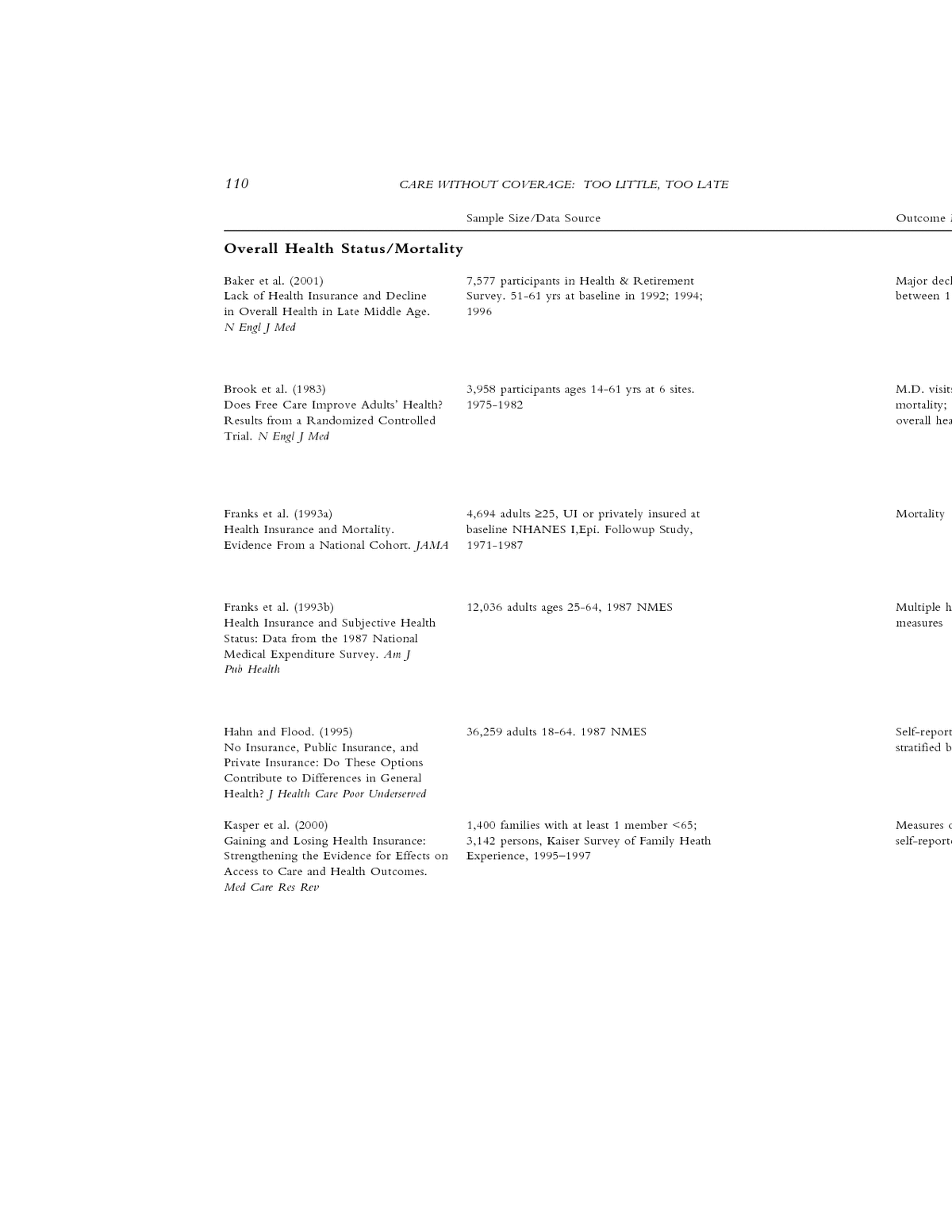
110 CARE WITHOUT COVERAGE: TOO LITTLE, TOO LATE Sample Size/Data Source Outcome M Overall Health Status/Mortality Baker et al. (2001) 7,577 participants in Health & Retirement Major decl Lack of Health Insurance and Decline Survey. 51-61 yrs at baseline in 1992; 1994; between 19 in Overall Health in Late Middle Age. 1996 N Engl J Med Brook et al. (1983) 3,958 participants ages 14-61 yrs at 6 sites. M.D. visits Does Free Care Improve Adultsâ Health? 1975-1982 mortality; Results from a Randomized Controlled overall hea Trial. N Engl J Med Franks et al. (1993a) 4,694 adults â¥25, UI or privately insured at Mortality Health Insurance and Mortality. baseline NHANES I,Epi. Followup Study, Evidence From a National Cohort. JAMA 1971-1987 Franks et al. (1993b) 12,036 adults ages 25-64, 1987 NMES Multiple h Health Insurance and Subjective Health measures Status: Data from the 1987 National Medical Expenditure Survey. Am J Pub Health Hahn and Flood. (1995) 36,259 adults 18-64. 1987 NMES Self-report No Insurance, Public Insurance, and stratified b Private Insurance: Do These Options Contribute to Differences in General Health? J Health Care Poor Underserved Kasper et al. (2000) 1,400 families with at least 1 member <65; Measures o Gaining and Losing Health Insurance: 3,142 persons, Kaiser Survey of Family Heath self-reporte Strengthening the Evidence for Effects on Experience, 1995â1997 Access to Care and Health Outcomes. Med Care Res Rev
APPENDIX B 111 Outcome Measures Findings ment Major decline in health 21.6% of continuously UI, 16.1% of intermittently UI, 8.3% 1994; between 1992 and 1996 of continuously insured had a major health decline over 4-yr period. Continuously UI had an adjusted relative risk of 1.6 compared to continuously insured of a major health decline and an RR of 1.2 to develop a mobility limitation. For the intermittently insured, these respective RRs were 1.4 and 1.2 sites. M.D. visits; hospitalization Over a 3-5 year period, participants were randomly assigned mortality; clinical measures; to HI plans with different cost sharing, from free care to overall heath status major deductible. No difference was found, overall, on 8 of 10 measures of health status and health habits between cost- sharing and free-care groups. For low-income persons with high BP, diastolic BP was lower by 3 mm Hg in free-care group. Free care resulted in improved vision overall red at Mortality Over a 13-17 year follow-up period, the mortality hazard udy, ratio was 1.25 for uninsured adults >25 years as compared with privately insured adults at baseline (CI: 100-1.55). Adjusted for health status and health behaviors as well as for demographics and SES. No interaction effects found S Multiple health status Lacking insurance is associated with lower subjective health measures status, relative to privately insured, independent of other risk factors. This relationship was found in those at both higher and lower income levels (above and below 200% FPL). Uninsured had less heart disease, more strokes and rheumatism, worse physical and role function, worse MH status. 11 chronic conditions controlled for Self-reported health status UI have lower health status than those with private coverage. stratified by age and income Health status of adults with public insurance is lowest of all. Authors speculate that poorer health status leads to public coverage and/or public insurance differs from private insurance <65; Measures of access; Loss of insurance reduces access to care 2 years later. Those y Heath self-reported health status with Medicaid who lost coverage were more likely than those still covered by Medicaid to report no RSC (35% vs. 12%). Overall, no significant differences in health status after loss of health insurance, except for those losing Medicaid, who initially reported better health, but lost the gains over time
112 CARE WITHOUT COVERAGE: TOO LITTLE, TOO LATE Sample Size/Data Source Outcome M Lurie et al. (1984) 215 medically indigent adult patients at General he Termination from Medi-Cal: Does It UCLA Ambulatory Care Center and comparison control; pa Affect Health? New Engl J Med group of 109 patients whose benefits were getting nee not terminated Lurie et al. (1986) Termination of Medi-Cal Benefits: A Followup Study One Year Later New Engl J Med Ross and Mirowsky (2000) 2,592 adults 18â95 yrs at baseline in 1995; Health stat Does Medical Insurance Contribute to 1,452 at follow-up in 1998. Survey of Aging, conditions; Socioeconomic Differentials in Health? Status, and the Sense of Control Milbank Q Short and Lair (1994-1995) 7,750 children ages 1â18; 17,341 adults 18-64; Self-report Health Insurance and Health Status: 1987 NMES chronic co Implications for Financing Health Care Reform. Inquiry Sorlie et al. (1994) 147,779 adults ages 25â64, Standardize Mortality in the Uninsured Compared Current Population Survey, 1982â1986 with That in Persons with Public and Private Health Insurance. Arch Intern Med Preventive Services Ayanian et al. (2000) 105,764 adults ages 18â64 (1997); Access to p Unmet Health Needs of Uninsured 117,364 (1998); long-term UI (9.7%), to prevent Adults in the United States. JAMA short-term UI (4.3%), insured (86.0%); BRFSS self-reporte
APPENDIX B 113 Outcome Measures Findings at General health status; BP Two cohorts compared: one poor, chronically ill, and comparison control; patient satisfaction; uninsured and one poor, chronically ill, and insured; 50% of were getting needed care the uninsured were able to identify an RSC compared to 96% (94% in 1986) of the insured. In 1984 study, 38% of the uninsured thought they could get care whenever they needed it compared to 93% of the insured. In 1986 study, 39% of the uninsured said they could get care whenever needed vs. 80% of the insured; 68% of the uninsured reported needing but not getting care vs. 17% of the insured. BP control significantly deteriorated for hypertensive uninsured individuals. Impossible to isolate the negative consequences of losing Medicaid from accompanying disruption in continuity of care at UCLA clinics. Satisfaction, access, health status worse after losing Medicaid 995; Health status; chronic Longitudinal study. No difference in chronic conditions Aging, conditions; functional status between uninsured and privately insured. Those with Medicare and Medicaid report more chronic conditions than uninsured. No difference between UI, Medicaid, and those with private insurance in health status or physical functioning ts 18-64; Self-reported health status; Examines how health affects HI status. Health of those with chronic conditions public insurance is worse than those with private insurance. Often significantly different from uninsured, who had fewer chronic conditions. Age and other covariates not controlled for Standardized mortality ratio With adjustment for age and income, UI in 3 of 4 raceâ 6 gender strata had higher mortality over 5-year follow-up than those with employer-provided insurance, with RRs of 1.2 for white men, 1.5 for black men, 1.5 for white women, and 0.8 for black women. White uninsured workers had relative mortality risks 1.2 (men) and 1.3 (women) times higher than insured workers. Not adjusted for baseline health Access to physician; access Long-term UI (â¥1 year) adults were much more likely than to preventive care; short-term (<1 year) UI and insured adults not to have had a ; BRFSS self-reported health status routine check-up in the last two years (42.8%, 22.3%, and 17.8%, respectively). Deficits in cancer screening, cardiovascular risk reduction, and diabetes were more pronounced among long-term UI adults than among insured adults
114 CARE WITHOUT COVERAGE: TOO LITTLE, TOO LATE Sample Size/Data Source Outcome M Burstin et al. (1998) 2,315 patients who presented to EDs at 5 Regular ph The Effect of Change of Health urban teaching hospitals in Boston, 1993 physician f Insurance on Access to Care. Inquiry seeking car Cetjin et al. (1999) 462 women with or at risk for HIV infection, Colposcop Adherence to Colposcopy Among 1994â1995 of abnorma Women with HIV Infection. J Acquire Immune Defic Syndr Faulkner and Schauffler (1997) 53,981 adults ages 18â64; BRFSS, 1991 Preventive The Effect of Health Insurance preventive Coverage on the Appropriate Use of Recommended Clinical Preventive Services. Am J Prev Med Powell-Griner et al. (1999) 449,604 adults ages 55â64; BRFSS, 1993â1996 Health stat Health Coverage and Use of Preventive barrier to c Services Among the Near Elderly in the mammogra United States. Am J Pub Health cholesterol Solis et al. (1990) Hispanic adults 20â74 yrs; HHANES, 1982â1984 Use of pre Acculturation, Access to Care, and Use access to c of Preventive Services by Hispanics: Findings from HHANES 1982-1984. Am J Pub Health Wagner and Guendelman (2000) 1,001 Hispanic respondents, 1994 Use of hea Healthcare Utilization Among Hispanics: perception Findings From the 1994 Minority Health Survey. Am J Manag Care
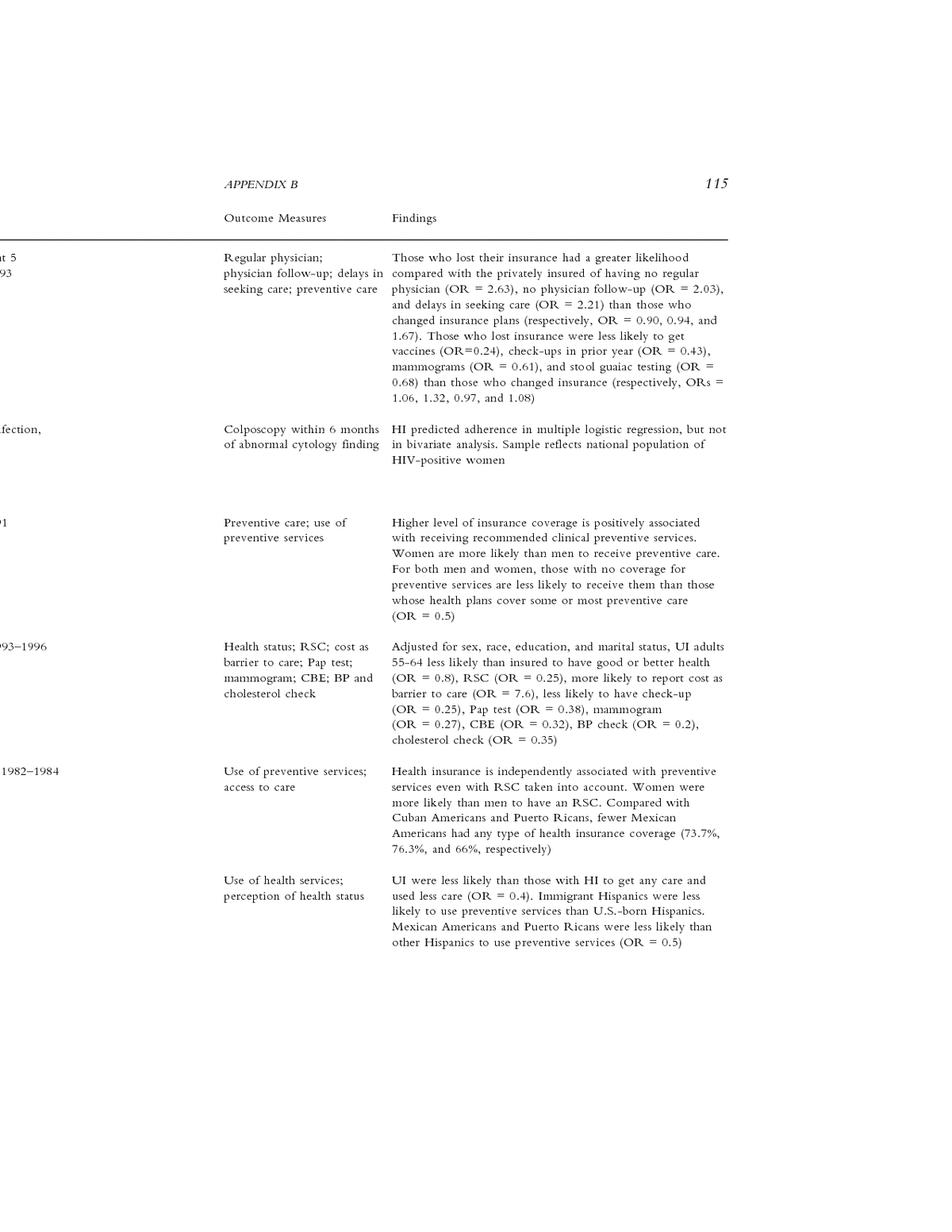
APPENDIX B 115 Outcome Measures Findings at 5 Regular physician; Those who lost their insurance had a greater likelihood 93 physician follow-up; delays in compared with the privately insured of having no regular seeking care; preventive care physician (OR = 2.63), no physician follow-up (OR = 2.03), and delays in seeking care (OR = 2.21) than those who changed insurance plans (respectively, OR = 0.90, 0.94, and 1.67). Those who lost insurance were less likely to get vaccines (OR=0.24), check-ups in prior year (OR = 0.43), mammograms (OR = 0.61), and stool guaiac testing (OR = 0.68) than those who changed insurance (respectively, ORs = 1.06, 1.32, 0.97, and 1.08) nfection, Colposcopy within 6 months HI predicted adherence in multiple logistic regression, but not of abnormal cytology finding in bivariate analysis. Sample reflects national population of HIV-positive women 91 Preventive care; use of Higher level of insurance coverage is positively associated preventive services with receiving recommended clinical preventive services. Women are more likely than men to receive preventive care. For both men and women, those with no coverage for preventive services are less likely to receive them than those whose health plans cover some or most preventive care (OR = 0.5) 993â1996 Health status; RSC; cost as Adjusted for sex, race, education, and marital status, UI adults barrier to care; Pap test; 55-64 less likely than insured to have good or better health mammogram; CBE; BP and (OR = 0.8), RSC (OR = 0.25), more likely to report cost as cholesterol check barrier to care (OR = 7.6), less likely to have check-up (OR = 0.25), Pap test (OR = 0.38), mammogram (OR = 0.27), CBE (OR = 0.32), BP check (OR = 0.2), cholesterol check (OR = 0.35) 1982â1984 Use of preventive services; Health insurance is independently associated with preventive access to care services even with RSC taken into account. Women were more likely than men to have an RSC. Compared with Cuban Americans and Puerto Ricans, fewer Mexican Americans had any type of health insurance coverage (73.7%, 76.3%, and 66%, respectively) Use of health services; UI were less likely than those with HI to get any care and perception of health status used less care (OR = 0.4). Immigrant Hispanics were less likely to use preventive services than U.S.-born Hispanics. Mexican Americans and Puerto Ricans were less likely than other Hispanics to use preventive services (OR = 0.5)
116 CARE WITHOUT COVERAGE: TOO LITTLE, TOO LATE Sample Size/Data Source Outcome M Waidmann and Rajan (2000) Respondents to telephone survey, 1997 Several me Race and Ethnic Disparities in Health care and u Care Access and Utilization: An services Examination. Med Care Res Rev Woolhandler and Himmelstein (1988) 10,653 women ages 45â64; NHIS, 1982 Receipt of Reverse Targeting of Preventive Care health serv Due to Lack of Health Insurance. JAMA Screening Breen et al. (2001) Adult respondents; NHIS, 1982, 1987, and 1998 Receipt of Progress in Cancer Screening Over a mammogra Decade. Results of Cancer Screening sigmoidosc from the 1987, 1992, and 1998 NHIS. J Natl Cancer Inst Gordon et al. (1998) 5,847 interviews; California BRFSS, 1989, 1990 Receipt of Type of Health Coverage and the mammogra Likelihood of Being Screened for sigmoidosc Cancer. Med Care Hsia et al. (2000) 55,278 women in the Womenâs Health Breast, cerv The Importance of Health Insurance as Initiative Observational Study, 1994â1997 olorectal c a Determinant of Cancer Screening: Evidence from the Womenâs Health Initiative. Prev Med Moran et al. (2000) 4,772 records of male patients ⥠50; Prostate ca Factors Influencing Use of the 109 PCPs surveyed, CO 1992â1994 PSA and D Prostate-Specific Antigen Screening Test in Primary Care. Am J Manag Care Mosen et al. (1998) 217 patients hospitalized with a Pre-hospita Is Access to Medical Care Associated HIV-related illness at Los Angeles hospital, postdiagno with Receipt of HIV Testing and 1992â1993 preventive Counseling? AIDS Care
APPENDIX B 117 Outcome Measures Findings 7 Several measures of access to HI is associated with differences in use of services and, to a care and use of health lesser extent, with health status. HI accounts for 33% of the services difference between Latinos and non-Hispanic whites (37% of the difference between blacks and whites) in having an RSC, 19% (16%) of the difference in mammography, and 4% (3%)of the difference in health status. The contribution of HI to these racialâethnic differences varies greatly by region and state 82 Receipt of preventive UI women 45-64 are less likely to receive BP checks, Pap health services smears, CBE, or glaucoma exams , and 1998 Receipt of Pap smear, RSC and health insurance are independently and strongly mammogram, FOBT, associated with receipt of services. Racial differences (blackâ sigmoidoscopy white) are greater for UI than for insured. UI were less likely than privately insured to obtain a mammography (OR = 0.5), a Pap smear (OR = 0.37), or colorectal cancer screening (OR = 0.34 for men; 0.63 for women). Those with a RSC were more likely to receive a mammogram (OR = 3.9), a Pap smear (OR = 4.7), or colorectal cancer screening (OR = 5.2 for men; 3.5 for women) 989, 1990 Receipt of Pap smear, RSC is best predictor of receiving Pap smear, mammogram, mammogram, FOBT, FOBT, sigmoidoscopy, or colorectal screening (OR = 5.2 sigmoidoscopy for men; 3.5 for women). Trends in ORs for UI to private FFS plans suggest lower use by UI, but not statistically significant h Breast, cervical, and Among women < 65, UI less likely to receive cancer 997 olorectal cancer screening screening, independent of having a RSC. UI less likely than privately insured to have mammogram within 2 years (OR = 0.30); to have Pap smear within 3 years (OR = 0.34); to have sigmoidoscopy or FOBT within 5 years (OR = 0.50). Reference group is private prepaid plan enrollees Prostate cancer screening: Screening for prostate cancer increased significantly between PSA and DRE 1992 and 1994. Trend toward greater screening for privately insured vs. UI, but no significant differences Pre-hospital HIV testing; Regular source of care has positive effect on receipt of pital, postdiagnosis receipt of HIV testing and counseling. Health insurance status is not preventive services related. Services through VA positively associated with getting preventive counseling. Limited generalizability because of small samples and low response rate
118 CARE WITHOUT COVERAGE: TOO LITTLE, TOO LATE Sample Size/Data Source Outcome M Perez and Tsou (1995) 142 male patients >40 yrs Prostate ca Prostate Cancer Screening Practices: PSA and D Differences Between Clinic and Private Patients. Mt Sinai J Med Potosky et al. (1998) 9,455 adults; NHIS, 1992 Receipt of The Association Between Health Care mammogra Coverage and the Use of Cancer sigmoidosc Screening Tests. Med Care Cervical and Breast Cancer Screening Burack et al. (1993) 2,880 inner-city minority women >40 yrs, Mammogra Patterns of Use of Mammography 1988â1989 use of mam Among Inner-City Detroit Women: Contrasts Between a Health Department, HMO, and Private Hospital. Med Care Bush and Langer (1998) 2,453 postmenopausal women 50â79 yrs; Use of mam The Effects of Insurance Coverage and San Diego, 1993 Ethnicity on Mammography Utilization in a Postmenopausal Population. West J Med Cummings et al. (2000) 843 women â¥50 yrs in rural communities Mammogra Predictors of Screenings Mammography: CBE; Pap Implications for Office Practice. Arch Fam Med Eger and Peipert (1996) 200 hospital patients, 1992 data Rate of co Risk Factors for Noncompliance in a colposcopy Colposcopy Clinic. Journal of Reproductive Medicine Evans et al. (1998) 9,485 female participants in a breast cancer Mammogra Factors Associated with Repeat screening outreach program Mammography in a New York State Public Health Screening Program. J Public Health Manag Pract
APPENDIX B 119 Outcome Measures Findings Prostate cancer screening: No difference found between private practice and clinic PSA and DRE populations in the frequency of DRE. Private patients were much more likely to receive PSA, 68% compared to 10% Receipt of Pap smear, UI less likely than Medicaid and private enrollees to receive mammogram, FOBT, preventive services. Mammograms (OR = 0.27), clinical sigmoidoscopy, and DRE breast exams (OR =0.33), Pap smears (0R = 0.43), fecal occult blood tests (OR = 0.29), or digital rectal exams (OR = 0.28). Medicaid FFS enrollees were more likely to receive a Pap smear than private enrollees (OR = 1.6). UI findings on receipt of sigmoidoscopy not statistically significant. OR comparison group is private managed care yrs, Mammography referral; No differences found by health insurance status. HI status use of mammography effects vary by site of care. Patient with more visits more likely to have mammography. Study population had access to primary care with frequent utilization yrs; Use of mammography Mammography use is higher among insured postmenopausal women than their uninsured counterparts with an RSC, but not among insured women without an RSC ties Mammography screening; HI may be an important enabling factor in predicting CBE; Pap smear screening mammography. In bivariate analysis of any HI vs. UI; RR for those with RSC = 1.6; for those without RSC, RR = 1.4. HI is not significant when separate variables for having a Pap smear and receiving a CBE are included in the model Rate of compliance with Noncompliant women were more likely to be UI or to have colposcopy Medicaid (OR = 2.4; 95% CI: 0.85â6.7) ancer Mammography screening HI not significantly associated with returning for regular mammogram screening in multivariate analysis. Could not account for mammography elsewhere
120 CARE WITHOUT COVERAGE: TOO LITTLE, TOO LATE Sample Size/Data Source Outcome M Hayward et al. (1988) 4,659 female respondents to a telephone Receipt of Who Gets Screened for Cervical and survey, 1986 screening Breast Cancer? Arch Intern Med Jennings-Dozier and Lawrence (2000) 204 minority women Annual Pap Sociodemographic Predictors of Adherence to Annual Cervical Cancer Screening in Minority Women. Cancer Nurs Kirkmann-Liff and Kronenfeld (1992) 3,100 women, Arizona, 1989 Receipt of Access to Cancer Screening Services for mammogra Women. Am J Pub Health Mandelblatt et al. (1999) 1,420 respondents to a telephone survey in Mammogra Breast and Cervix Cancer Screening New York City, 1992 CBE; acce Among Multiethnic Women: Role of Age, Health, and Source of Care. Prev Med OâMalley, A., et al. (1997) (Same sample as above) Continuity of Care and the Use of Breast and Cervical Cancer Screening Services in a Multiethnic Community. Arch Intern Med OâMalley, M., et al. (2001) 2,000 women â¥50 yrs; survey of 10 rural Use of mam The Association of Race/Ethnicity, counties, 1993â1994 Socioeconomic Status, and Physician Recommendation for Mammography: Who Gets the Message About Breast Cancer Screening? Am J Pub Health U.S. Department of Health and 53,188â77,834 women â¥40 yrs BRFFS, Receipt of Human Services (1998) 1991â1992, 1996â1997 previous 2 Self Reported Use of Mammography and Insurance Status Among Women Aged â¥40 Yearsâ1991â1992 and 1996â1997 Zambrana et al. (1999) 2,391 Hispanic women; NHIS, 1990, 1992 Access to h Use of Cancer Screening Services by regular sou Hispanic Women: Analyses by Subgroup. screening Prev Med
APPENDIX B 121 Outcome Measures Findings ne Receipt of preventive care; Positive association between health insurance and screening screening procedures. UI were less likely to have Pap smears (OR = 0.47), breast examinations (OR = 0.36), and mammography (OR = 0.41). Lower income was also a risk factor for not receiving these services Annual Pap testing Black women with HI were more likely to receive annual Pap testing than UI black women (OR = 3.8, 95% CI: 0.53â 6.85). Hispanic women who received annual Pap testing were more likely to have health insurance (57.5 vs. 42.5%). Reported statistics are not internally consistent Receipt of Pap smear and Low-income UI women significantly less likely than those mammogram with either public or private insurance to receive Pap smears (OR = 0.44) and mammograms (OR = 0.29) ey in Mammogram; Pap smear; For Latina and black women in New York City, health CBE; access to care insurance is independently important in a multivariable model. For UI, those with RSC are more likely to have had a recent Pap smear (OR = 1.3); more likely to have a recent CBE (OR = 1.5), and more likely to have had a recent mammogram (OR = 2.0). Significant interaction term between insurance and extent of relationship with usual care provider, but coefficient not stated UI women less likely than insured women to get recommendation for mammogram (OR = 0.63) ural Use of mammography UI women are less likely to receive mammography than insured women (OR = 0.63). Race is not a factor after controlling for SES S, Receipt of mammography in Rates of mammography are increasing for both insured and previous 2 yrs UI, but UI still receive fewer services than insured. For insured women the rates for mammography within the past 2 years increased from 65 to 71%; for UI, from 40 to 46% 1992 Access to health services; Usual source of care is important for all screening services. regular source of care; cancer Health insurance increases mammography use only. UI less screening likely than privately insured to get mammography (OR = 0.6)
122 CARE WITHOUT COVERAGE: TOO LITTLE, TOO LATE Sample Size/Data Source Outcome M Cancer Ayanian et al. (1993) 6,026 women 35â64 yrs, NJ State Cancer Stage of di The Relation Between Health Registry, 1985â1987 Insurance Coverage and Clinical Outcomes Among Women with Breast Cancer. N Engl J Med Berg et al. (1977) Tumor Registry University of Iowa Stage of di Economic Status and Survival of Hospitals, 1940â1969 Cancer Patients. Cancer Ferrante et al. (2000) 852 women with invasive cervical cancer; Stage of di Clinical and Demographic Predictors of Florida Cancer Data System, 1994 Late-Stage Cervical Cancer. Arch Fam Med Gorey et al. (2000) 7,590 breast and 4,495 prostate cancer cases 5-year can An International Comparison of Cancer in adults â¥25 yrs, 1986â1990 Survival: Metropolitan Toronto, Ontario and Honolulu, Hawaii. Am J Pub Health Lee-Feldstein et al. (2000) 1,788 women <65 diagnosed with breast Stage of di The Relationship of HMOs, Health cancer; Cancer Surveillance Program, Region 3, treatment; Insurance, and Delivery Systems to California, 1987-1993 4â10-yr fo Breast Cancer Outcomes. Med Care Penson et al. (2001) 4,626 patients from 25 communities Health-rela The Association Between Socioeconomic CaPSURE database 1995â1998 Status, Health Insurance Coverage, and Quality of Life in Men with Prostate Cancer. J Clin Epidemiol Perkins et al. (2001) 10,016 women 30â64 with breast cancer; Stage at di Breast Cancer Stage at Diagnosis in California Registry, 1993 Relation to Duration of Medicaid Enrollment. Med Care
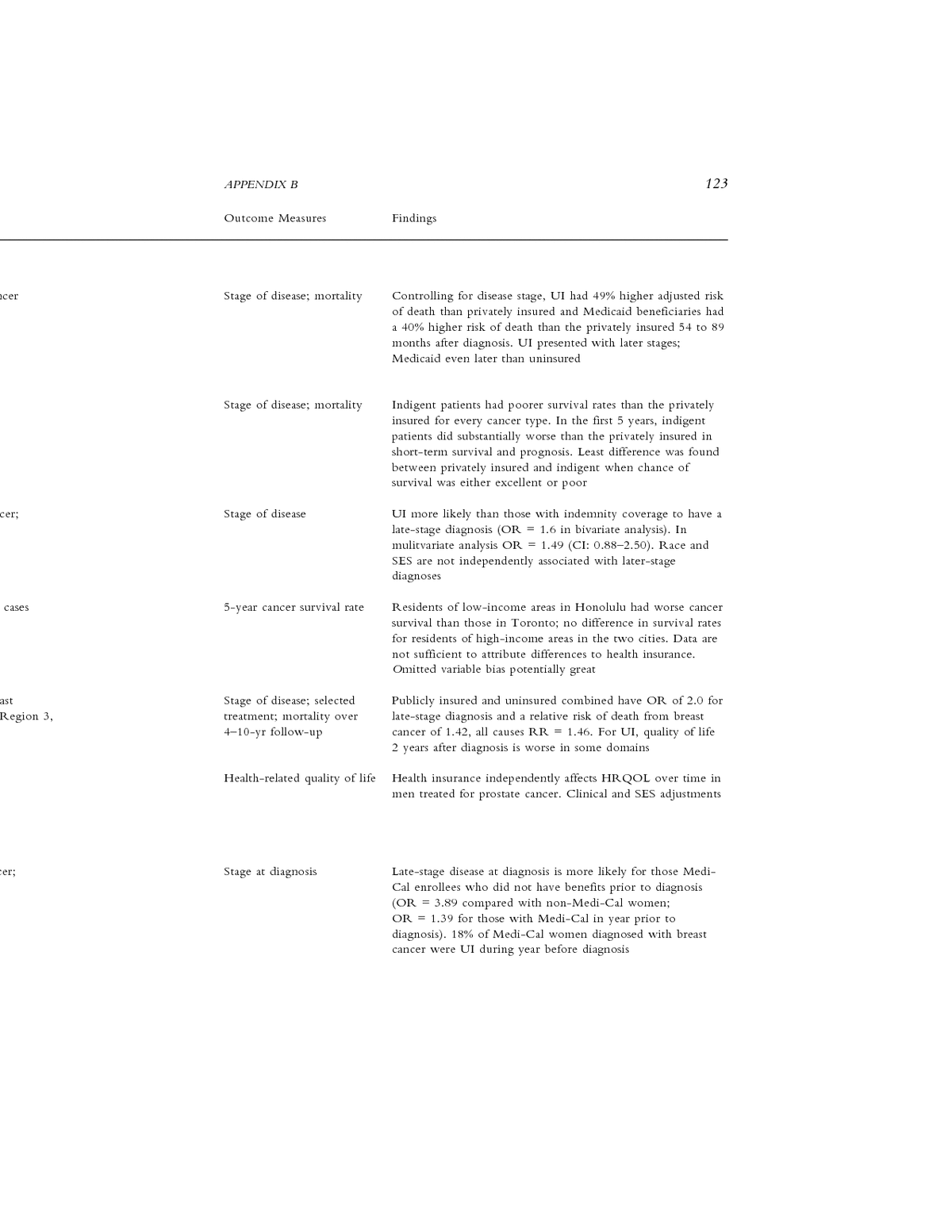
APPENDIX B 123 Outcome Measures Findings ncer Stage of disease; mortality Controlling for disease stage, UI had 49% higher adjusted risk of death than privately insured and Medicaid beneficiaries had a 40% higher risk of death than the privately insured 54 to 89 months after diagnosis. UI presented with later stages; Medicaid even later than uninsured Stage of disease; mortality Indigent patients had poorer survival rates than the privately insured for every cancer type. In the first 5 years, indigent patients did substantially worse than the privately insured in short-term survival and prognosis. Least difference was found between privately insured and indigent when chance of survival was either excellent or poor cer; Stage of disease UI more likely than those with indemnity coverage to have a late-stage diagnosis (OR = 1.6 in bivariate analysis). In mulitvariate analysis OR = 1.49 (CI: 0.88â2.50). Race and SES are not independently associated with later-stage diagnoses cases 5-year cancer survival rate Residents of low-income areas in Honolulu had worse cancer survival than those in Toronto; no difference in survival rates for residents of high-income areas in the two cities. Data are not sufficient to attribute differences to health insurance. Omitted variable bias potentially great ast Stage of disease; selected Publicly insured and uninsured combined have OR of 2.0 for Region 3, treatment; mortality over late-stage diagnosis and a relative risk of death from breast 4â10-yr follow-up cancer of 1.42, all causes RR = 1.46. For UI, quality of life 2 years after diagnosis is worse in some domains Health-related quality of life Health insurance independently affects HRQOL over time in men treated for prostate cancer. Clinical and SES adjustments cer; Stage at diagnosis Late-stage disease at diagnosis is more likely for those Medi- Cal enrollees who did not have benefits prior to diagnosis (OR = 3.89 compared with non-Medi-Cal women; OR = 1.39 for those with Medi-Cal in year prior to diagnosis). 18% of Medi-Cal women diagnosed with breast cancer were UI during year before diagnosis
124 CARE WITHOUT COVERAGE: TOO LITTLE, TOO LATE Sample Size/Data Source Outcome M Roetzheim et al. (1999) 34,616 cases of colorectal, breast, and prostate Stage of di Effects of Health Insurance and Race cancer and melanoma; 1994 Florida Cancer on Early Detection of Cancer. Data System J Natl Cancer Inst Roetzheim et al. (2000b) 9,551 cases of colorectal cancer; 1994 Florida Treatment Effects of Health Insurance and Race on Cancer Data System over 36â48 Colorectal Cancer Treatments and Outcomes. Am J Pub Health Roetzheim et al. (2000a) 11,113 cases of female breast carcinoma; 1994 Mortality o Effects of Health Insurance and Race Florida Cancer Data System follow-up on Breast Carcinoma Treatments and Outcomes. Cancer Chronic Diseases General Ayanian et al. (2000) 105,764 adults 18â64 (1997); 117,364 Multiple m Unmet Health Needs of Uninsured (1998); BRFSS self-reporte Adults in the United States. JAMA of preventi chronic dis Curtis et al. (1997) 189 patients with cystic fibrosis born Survival fro Absence of Health Insurance Is 1955â1970 hospitalized at teaching hospital Associated with Decreased Life in Washington Expectancy in Patients with Cystic Fibrosis. Am J Respir Crit Care Med
APPENDIX B 125 Outcome Measures Findings prostate Stage of disease UI had greater chance than privately insured of late-stage ancer diagnosis for colon cancer (OR = 1.67); melanoma (OR = 2.59); breast cancer (OR = 1.43) and prostate cancer (OR = 1.47). Medicaid patients had ORs (compared to privately insured) for melanoma and breast cancer of 4.69 and 1.87, respectively. SES measures gathered at population level, not individual patient level Florida Treatment type; mortality UI had higher risk of dying than private FFS patients, even over 36â48 month followup adjusting for stage at diagnosis and therapy (RR = 1.41). UI patients were significantly less likely than private FFS patients to receive definitive surgery (OR = 0.57) but not less likely to be treated with chemotherapy or radiation ma; 1994 Mortality over 36â38-month Relationship between health insurance and mortality (UI to follow-up FFS, RR = 1.31) is due to stage at diagnosis. Race is associated with survival after controlling for diagnosis stage and treatment modality. UI less likely than FFS to get breast- conserving surgery (OR = 0.70). Longitudinal follow-up. Same data set as in Roetzheim et al. (1999) Multiple measures of access; Long-term UI (â¥1 year) adults reported much greater unmet self-reported health status; use health needs than insured adults. Long-term and short-term of preventive services and (<1 year) UI adults were more likely than insured adults to chronic disease care report they could not see a physician when needed due to cost (26.8%, 21.7%, and 8.2%, respectively), especially among those in poor health (69.1%, 51.9%, and 21.8%) or fair health (48.8%, 42.4%, and 15.7%). Long-term UI adults were much more likely than short-term UI and insured adults not to have had a routine check-up in the last 2 years (42.8%, 22.3%, and 17.8%). Deficits in cancer screening, cardiovascular risk reduction, and diabetes were more pronounced among long- term UI adults than among short-term UI or insured adults Survival from birth Median survival of insured (private and Medicaid), 20.5 years; spital of uninsured, 6.1 years. RR of death for uninsured to private = 2.1. HI and SES independently associated with longer survival
126 CARE WITHOUT COVERAGE: TOO LITTLE, TOO LATE Sample Size/Data Source Outcome M Fish-Parcham (2001) 1996 MEPS and NHANES III; persons <65 Multiple m Getting Less Care: The Uninsured With utilization; Chronic Health Conditions. Families USA Karlson et al. (1995) 99 SLE patients Disease act The Independence and Stability of of SLE; mo Socieconomic Predictors of Morbidity in Systemic Lupus Erythematosus (SLE). Arthritis and Rheumatism Asthma Apter et al. (1999) 50 patients with moderate to severe asthma, 1991 Health-rela The Influence of Demographic and asthma sev Socioeconomic Factors on Health-Related Quality of Life in Asthma. J Aller Clin Immunol DeCorte et al. (1995) 120,032 persons with asthma; NHIS, 1991 Hospitaliza Health Insurance: Impact on Hospitalization Rates for Asthma. Nursingconnections Haas et al. (1994) 97 patients 18â55 yrs in one Boston hospital, Severity of The Impact of Socioeconomic Status on 1989â1990 of care; int the Intensity of Ambulatory Treatment health outc and Health Outcomes After Hospital Discharge for Adults with Asthma. J Gen Intern Med Nauenberg and Basu (1999) 1,240 asthma admissions; Los Angeles, CA, Hospital ad Effect of Insurance Coverage on the 1991â1994 asthma in c Relationship Between Asthma Hospitalizations and Exposure to Air Pollution. Public Health Rep Hypertension Ford et al. (1998) 1,724 women 50â64 yrs, NHANES III, Cardiovasc Health Insurance Status and 1988â1994 (behaviors Cardiovascular Disease Risk Factors Among 50â64-Year-Old U.S. Women: Findings from the Third National Health and Nutrition Examination Survey. J Womenâs Health
APPENDIX B 127 Outcome Measures Findings ns <65 Multiple measures of access; UI with chronic conditions receive less care than those with utilization; health status any HI. Those with heart disease: 28% fewer visits. Hypertension: 26% fewer visits. Arthritis: 27% fewer visits. Back pain: 19% fewer visits. UI less likely to have RSC both overall and for those with specific chronic conditions. Cost is barrier for UI to getting care. UI with chronic conditions less likely to have had laboratory services appropriate for condition within the past year Disease activity; progression Private HI or Medicare and greater educational attainment of SLE; morbidity were independent predictors of lesser disease severity at diagnosis. Very small and nonrepresentative sample; multiple hypotheses thma, 1991 Health-related quality of life; Severity, raceâethnicity, and SES (including HI status) related asthma severity to HRQOL. Individual contributing factors confounded in study. Small sample 1991 Hospitalization 9.7% of UI with asthma were hospitalized compared to 7.1% of those with private health insurance. Lower-income people were more likely to be hospitalized than those of higher or middle income regardless of insurance status ospital, Severity of illness; source SES and race primary focus of study. More intensive therapy of care; intensity of therapy; was associated with improved outcomes. Lower-SES adults health outcome have greater severity of illness and less intensive therapy. UI and Medicaid patients less likely to receive intensive therapy than privately insured patients (42%, 29%, and 72%, respectively) CA, Hospital admissions for Only Medi-Cal admissions related to increased hospitalizations asthma in central Los Angeles during periods of higher air pollution. UI and all other insurance not correlated with higher air pollution and higher admissions I, Cardiovascular risk profile UI women had worse cardiovascular risk profile and used (behaviors and outcomes) services less frequently. Race and education accounted for effect of HI status for physical activity, alcohol use, and hypertension
128 CARE WITHOUT COVERAGE: TOO LITTLE, TOO LATE Sample Size/Data Source Outcome M Huttin et al. (2000) 6,398 adults >18 yrs diagnosed with Therapy w Patterns and Cost for Hypertension hypertension; NMES, 1987 hypertensiv Treatment in the United States. no. of med Clinical Drug Investigations of treatmen Keeler et al. (1985) 3,958 adults 14â61 yrs in RAND HIE, Diastolic b How Free Care Reduced Hypertension 1974â1982 in the Health Insurance Experiment. JAMA Lurie et al. (1984) Lurie et al. (1986) (See description in General Health Outcomes section above). Shea et al. (1992b) Predisposing Factors 93 Black and Hispanic patients with severe Hypertensi for Severe, Uncontrolled Hypertension uncontrolled hypertension, 114 control in an Inner-City Minority Population. patients with hypertension, 2 New York N Engl J Med City hospitals 1989â1991 Shea et al. (1992a) 202 black and Hispanic patients; 87 who were Nonadhere Correlates of Nonadherence to more adherent to drug treatment for medication Hypertension Treatment in an hypertension, 115 less adherent Inner-City Minority Population. Am J Pub Health Wang and Stafford (1998) 11,745 office visits by patients with CAD. Beta-block National Patterns and Predictors of 1993â1996 Beta-Blocker Use in Patients With Coronary Artery Disease. Arch Intern Med
APPENDIX B 129 Outcome Measures Findings Therapy without Compared to UI those with Medicaid, Medicare + hypertensive medication; Medicaid, private insurance, and Medicare + private no. of medications; costs insurance were more likely to receive an Rx (ORs = 2.26, of treatment 1.95, 1.59, and 2.63, respectively). Those with Medicare only (no supplemental coverage) are no more likely to receive a prescription than UI (UI = UI for full year). Detailed HI categories E, Diastolic blood pressure For clinically defined hypertensives, patients with free care had significantly lower BP than those with cost sharing (differential = 1.9 mm Hg). Larger difference for low- income patients than high income (3.5 vs. 1.1 mm Hg). No differences between blacks and whites. Authors attribute differences in rates of diagnosis and effective treatment to more frequent physician visits in free-care group. Also higher patient compliance with prescription therapy and behavioral modifications in free-care group evere Hypertensive emergency Case control study. In model adjusted for sociodemographic l factors and smoking, uninsured are more likely to have rk severe uncontrolled hypertension than those with any insurance (OR = 2.2). Not having an RSC is even more predictive of uncontrolled hypertension (OR = 4.4). HI status and RSC not included in same model. When single model contained RSC, HI status, and noncompliance with therapy, UI was no longer significant (OR = 1.9; CI: 0.8â4.6) ho were Nonadherence to BP Poor adherence associated with no RSC and having BP medication checked in ED. UI not significantly associated with outcome in bivariate or multivariate analyses (OR = 1.6, CI: 0.84â3.1) AD. Beta-blocker use Compared to all others, privately insured more likely to ceive beta-blocker (OR = 1.22, CI: 0.96â1.56). Uninsured and publicly insured combined
130 CARE WITHOUT COVERAGE: TOO LITTLE, TOO LATE Sample Size/Data Source Outcome M Diabetes Beckles et al. (1998) 2,118 adults age â¥18 yrs; BRFSS, 1994 Preventive Population-Based Assessment of the for diabete Level of Care Among Adults with Diabetes in the U.S. Diabetes Care Palta et al. (1997) 577 new diabetes cases <30 yrs of age in Hospitaliza Risk Factors for Hospitalization in a Wisconsin, 1987â1992 related to d Cohort with Type 1 Diabetes. Am J Epidemiology Ruggiero et al. (1997) 2,056 adults: 988 diabetics in Self-monit Diabetes Self-Management. Diabetes Care representative sample; 1,068 diabetic insulin diet; exerc takers in augmented sample (no date) Schiff et al. (1998) 218 adults with diabetes at one public hospital Regular pr Access to Primary Care for Patients clinic in Chicago diabetes ca with Diabetes at an Urban Public RPCS Hospital Walk-in Clinic. J Health Care Poor Underserved End-Stage Renal Disease Kausz et al. (2000) 90,897 adults initiating ESRD dialysis; Late initiat Late Initiation of Dialysis Among USRDS, 1995â1997 measured b Women and Ethnic Minorities in the (glomerula United States. J Am Soc Nephrology <5ml/min) Krop et al. (1999) 1,434 adults 45â64 with diabetes Early renal A Community-Based Study of as measure Explanatory Factors for the Excess serum crea Risk for Early Renal Function Decline in Blacks vs. Whites with Diabetes. Arch Intern Med
APPENDIX B 131 Outcome Measures Findings 4 Preventive and routine care UI adults with diabetes are less likely to receive preventive for diabetes and routine services for this condition. UI vs. insured insulin users are less likely to self-monitor blood glucose (OR = 0.3, CI: 0.1â1.25) or to receive foot exam (OR = 0.25) or eye exam (OR = 0.34). For nonusers of insulin, UI less likely to self-monitor blood glucose (OR = 0.5), receive foot exam (OR = 2.57), or have a dilated eye exam (OR = 0.5) in Hospitalization for conditions Significantly higher hospital use for first 18-months related to diabetes postdiagnosis for Medicaid or uninsured vs. privately insured patients (RR = 2.1) Self-monitored blood glucose; No differences among HI status categories in self-management nsulin diet; exercise practices hospital Regular primary care source, UI patients were significantly less likely to have a RPCS than diabetes care contingent on insured patients (OR = 0.37). UI received significantly fewer RPCS components of routine diabetes care within study period than insured patients (3.4 vs. 4.3 components). Patients with RPCS received significantly more components of care than those without RPCS (4.2 vs. 3.2) Late initiation of dialysis as Compared to those with any kind of insurance prior to measured by clinical factor initiation of dialysis, UI were more likely to begin dialysis at a (glomerular filtration rate clinically late stage (OR = 1.55) <5ml/min) Early renal function decline Over 3-year follow-up blacks were more likely to develop as measured by increased early renal function decline than whites (OR = 3.15). serum creatinine Overall, in bivariate analysis, UI had a greater risk of early renal function decline (OR = 2.0). Controlling for education, income, health insurance, glucose level, BP, smoking, and physical activity reduced the excess risk for blacks by 82% (OR = 1.38, CI: 0.71â2.69)
132 CARE WITHOUT COVERAGE: TOO LITTLE, TOO LATE Sample Size/Data Source Outcome M Obrador et al. (1999) 155,076 adults starting ESRD dialysis, Pre-ESRD Prevalence of and Factors Associated USRDS, 1995â1997 mortality; with Suboptimal Care Before Initiation of Dialysis in the United States. J Ame Soc Nephrology Powe et al. (1999) USRDS hospitalization and death records Hospital ad Septicemia in Dialysis Patients: Incidence, over 7 yrs septicemia; Risk Factors, and Prognosis. Kidney Int HIV Andersen et al. (2000) 2,776 HIV+ adults under treatment; HCSUS Receipt of Access of Vulnerable Groups to of 1996 Antiretroviral Therapy Among Persons in Care for HIV Disease in the United States. Health Serv Res Bennett et al. (1995) 1,547 HIV+ patients in non-VA hospitals in In-hospital Racial Differences in Care Among 5 cities, 1987â1990 bronchosco Hospitalized Patients with Pneumocystis carinii Pneumonia in Chicago, New York, Los Angeles, Miami, and Raleigh-Durham. Arch Intern Med Bing et al. (1999) 1,034 HIV+ adult clients of an HIV/AIDS Use of pro Protease Inhibitor Use Among a community services organization Community Sample of People with HIV Disease. J Acquire Immune Defic Syndr Cunningham et al. (1995) 205 patients in one VA hospital and one HRQOL; Access to Medical Care and Health- public hospital Related Quality of Life for Low-Income Persons With Symptomatic Human Immunodeficiency Virus. Med Care
APPENDIX B 133 Outcome Measures Findings Pre-ESRD care; morbidity; Population of those entering Medicare (ESRD) system. mortality; resource utilization Uninsured patients sicker, less likely to have received EPO prior to dialysis. UI had worst outcomes, followed by Medicaid beneficiaries. Compared with privately insured, UI were less likely to have received EPO (OR = 0.49); Medicaid to privately insured for EPO: OR = 0.66. Compared to those with private insurance prior to ESRD, UI were more likely to have hypoalbuminemia (OR = 1.37) and a hematocrit <28% (OR = 1.34) ords Hospital admission for Relative risk of septicemia in peritoneal dialysis patients is septicemia; mortality 2.69 for UI compared with Medicare and privately insured patients. RR = 1.83 for Medicaid vs. Medicare and private. No statistically significant differences among hemodialysis patients. ESRD patients with septicemia had twice the risk of death of those without this complication. Differing results by type of dialysis are hard to interpret. Authors suggest patients present with more advanced disease and have already suffered adverse effects of uremia, hypertension, and hyperparathyroidism HCSUS Receipt of HAART by end Fully adjusted, uninsured were less likely to receive HAART of 1996 than privately insured, but this was not statistically significant (OR = 0.74, CI not given). Need for HAART defined by low CD4 count tals in In-hospital mortality; Uninsured had higher in-hospital mortality rate than privately bronchoscopy insured in non-VA facilities (OR = 1.5). Medicaid also had a higher mortality rate than privately insured (OR = 2.1) in non-VA hospitals. UI as likely as privately insured to receive bronchoscopy in non-VA hospitals AIDS Use of protease inhibitors UI are less likely to use PIs than privately insured patients and those who pay out of pocket (OR = 1.57, CI: 0.96â2.5). Poor response rate ne HRQOL; access to care Patients with higher access scores report significantly better HRQOL scores, freedom from pain, emotional well-being, and hopefulness. UI reported significantly worse overall perceived access than Medi-Cal patients. Also reported more problems meeting costs of care than either Medi-Cal or VA patients. Compared with Medi-Cal, UI went without care more often because of cost. Compared with VA patients, UI had more problems being admitted to the hospital and getting emergency care
134 CARE WITHOUT COVERAGE: TOO LITTLE, TOO LATE Sample Size/Data Source Outcome M Cunningham et al. (1996) 217 patients in 7 California hospitals Access to c Access to Community-Based Medical Services and Number of Hospitalizations Among Patients with HIV Disease: Are They Related? J Acquired Immune Defic Syndr Hum Retrovirol Cunningham et al. (1999) 2,864 adults receiving HIV care, HCSUS Receipt of The Impact of Competing Subsistence 1996â1997 Needs and Barriers on Access to Medical Care for Persons With Human Immunodefiency Virus Receiving Care in the United States. Med Care Cunningham et al. (2000) (Same sample as above) Receipt of Prevalence and Predictors of Highly Active Antiretroviral Therapy Use in Patients with HIV Infection in the United States. J Acquire Immune Defic Syndr Fleishman and Mor (1993) 937 AIDS patients in 9 communities; Site of care Insurance Status Among People With ACSUS, 1988â1989 admission; AIDS: Relationships With Sociodemographic Characteristics and Service Use. Inquiry Goldman et al. (2001) 2,864 HIV+ patients; HCSUS, 1996â1998 Mortality Effect of Insurance on Mortality in an HIV-Positive Population in Care. J American Statistical Assoc Joyce et al. (1999) 1,949 HIV+ patients in 10 cities, 1991â1992 Hospital ad Variation in Inpatient Resource Use in hospital ch the Treatment of HIV. Med Care Katz et al. (1992) 96 patients in a university clinic, 1989â1991 CD4 lymp CD4 Lymphocyte Count as an Indicator of Delay in Seeking Human Immunodeficiency Virus-Related Treatment. Arch Intern Med
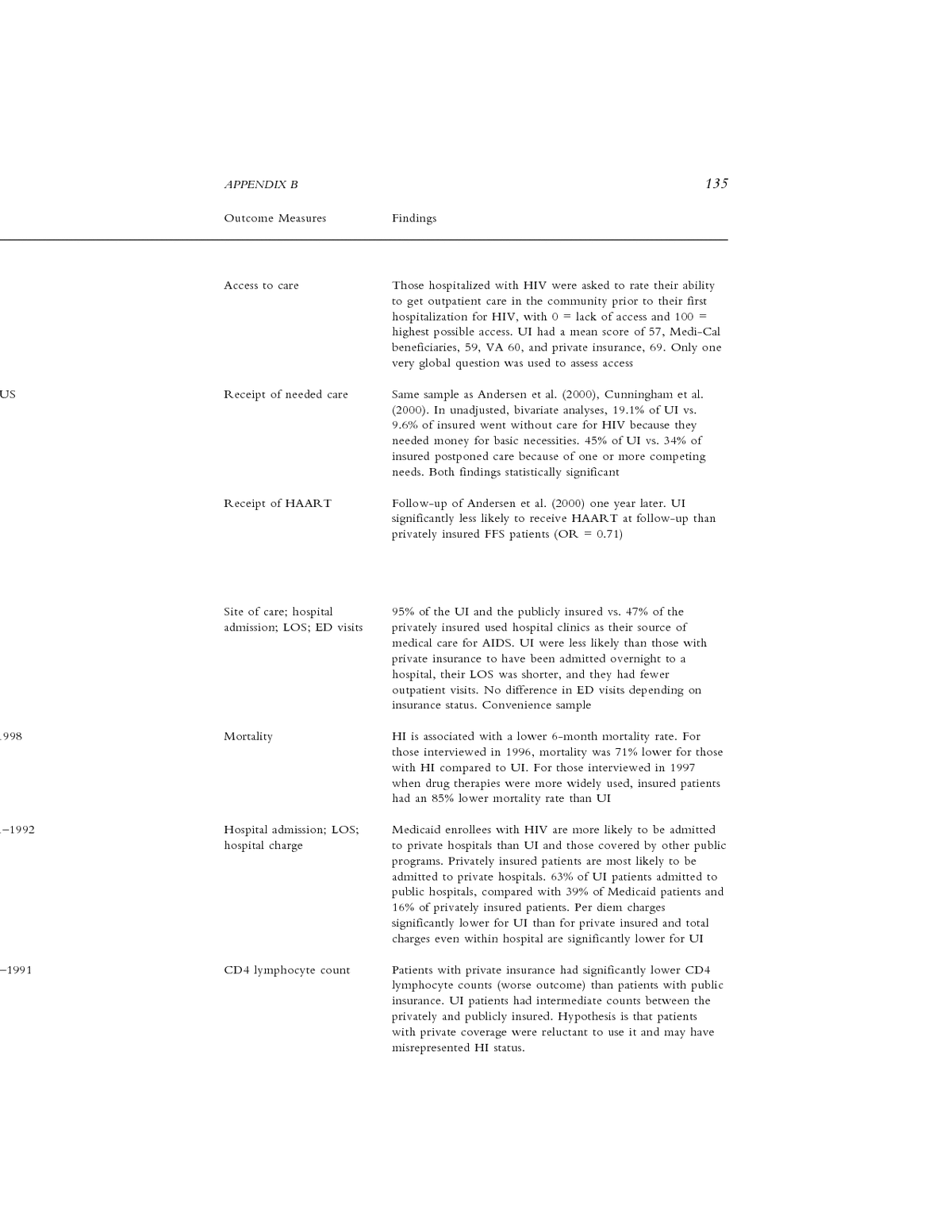
APPENDIX B 135 Outcome Measures Findings Access to care Those hospitalized with HIV were asked to rate their ability to get outpatient care in the community prior to their first hospitalization for HIV, with 0 = lack of access and 100 = highest possible access. UI had a mean score of 57, Medi-Cal beneficiaries, 59, VA 60, and private insurance, 69. Only one very global question was used to assess access US Receipt of needed care Same sample as Andersen et al. (2000), Cunningham et al. (2000). In unadjusted, bivariate analyses, 19.1% of UI vs. 9.6% of insured went without care for HIV because they needed money for basic necessities. 45% of UI vs. 34% of insured postponed care because of one or more competing needs. Both findings statistically significant Receipt of HAART Follow-up of Andersen et al. (2000) one year later. UI significantly less likely to receive HAART at follow-up than privately insured FFS patients (OR = 0.71) Site of care; hospital 95% of the UI and the publicly insured vs. 47% of the admission; LOS; ED visits privately insured used hospital clinics as their source of medical care for AIDS. UI were less likely than those with private insurance to have been admitted overnight to a hospital, their LOS was shorter, and they had fewer outpatient visits. No difference in ED visits depending on insurance status. Convenience sample 1998 Mortality HI is associated with a lower 6-month mortality rate. For those interviewed in 1996, mortality was 71% lower for those with HI compared to UI. For those interviewed in 1997 when drug therapies were more widely used, insured patients had an 85% lower mortality rate than UI 1â1992 Hospital admission; LOS; Medicaid enrollees with HIV are more likely to be admitted hospital charge to private hospitals than UI and those covered by other public programs. Privately insured patients are most likely to be admitted to private hospitals. 63% of UI patients admitted to public hospitals, compared with 39% of Medicaid patients and 16% of privately insured patients. Per diem charges significantly lower for UI than for private insured and total charges even within hospital are significantly lower for UI â1991 CD4 lymphocyte count Patients with private insurance had significantly lower CD4 lymphocyte counts (worse outcome) than patients with public insurance. UI patients had intermediate counts between the privately and publicly insured. Hypothesis is that patients with private coverage were reluctant to use it and may have misrepresented HI status.
136 CARE WITHOUT COVERAGE: TOO LITTLE, TOO LATE Sample Size/Data Source Outcome M Katz et al. (1995) 178 HIV+ men recruited from one clinic, 1991 Outpatient Health Insurance and Use of Medical prophylaxi Services by Men Infected With HIV. J Acquir Immune Defic Syndr Hum Retrovir Mor et al. (1992) Same as Fleishman and Mor (1993) Hospital ad Variations in Health Services Use outpatient Among HIV-Infected Patients. Med Care ED visits; Niemcryk et al. (1998) Same as Joyce et al. (1999) ED visits; Consistency in Maintaining Contact use of amb with HIV-Related Service Providers: An Analysis of the AIDS Cost and Services Utilization Study (ACSUS). J Community Health Palacio et al. (1999) 213 HIV+ women in telephone survey Primary ca Access to and Utilization of Primary of primary Care Services Among HIV-Infected missed app Women. J Acquir Immune Defic Syndr Shapiro et al. (1999) 2,864 HIV+ respondents in HCSUS, 1996â1998 6 measures Variations in the Care of HIV-Infected service use Adults in the United States. JAMA Sorvillo et al. (1999) 339 HIV+ men and women in Los Angeles Use of pro Use of Protease Inhibitors Among County, 1996â1997 Persons with AIDS in Los Angeles County. AIDS Care
APPENDIX B 137 Outcome Measures Findings nic, 1991 Outpatient visits; PCP UI men had significantly fewer outpatient visits and fewer ED prophylaxis use visits than men with FFS or managed care insurance. Use of PCP prophylaxis was similar for those with FFS (93%) and managed care (83%) but lower for UI (63%). Having private insurance resulted in higher use of outpatient services Hospital admissions; UI were less likely than those with public insurance to use the outpatient and clinic visits; ED (30% vs. 46%) and more likely than the privately insured ED visits; site of care (24%). UI were less likely to have been hospitalized than those either with public insurance or private insurance (18%, 39%, and 27%, respectively). UI had fewer outpatient visits annually than either publicly or privately insured ED visits; hospital admission; Having had a visit at a previous time increases the probability use of ambulatory care of later visits. People with Medicaid and other public assistance (UI) more likely to be hospitalized than people with private insurance y Primary care provider; No. Lack of any insurance is significantly associated with missing of primary care visits; one or more primary care service appointments (OR = 2.76), missed appointments but not with having a primary care provider or number of visits. Small number of uninsured (n = 37) 1996â1998 6 measures of access to care; Care received by both UI and Medicaid patients was less than service use and medications that received by privately insured on 5 of 6 access measures. Wait for starting PI and NRRTI treatment ranged from 9.4 months for privately insured to 12.4 months for Medicaid beneficiaries to 13.9 months for UI. Unadjusted, 21% of UI patients had <2 visits within 6 months, compared with 16% of Medicaid and 12â13% of patients with private insurance or Medicare. UI more likely than privately insured to have ED visit without hospitalization in 6 months (OR = 1.45); and less likely to have ever received antiretroviral treatment (OR = 0.35) ngeles Use of protease inhibitors Use of PIs more common for the insured (67%) than the uninsured (49%). Controlling for site of care (private clinic, HMO, public clinic) eliminated significance of HI status
138 CARE WITHOUT COVERAGE: TOO LITTLE, TOO LATE Sample Size/Data Source Outcome M Turner et al. (2000) 2 overlapping cohorts of 1,540 and 1,960 3-6 month Delayed Medical Care After Diagnosis HIV+ patients; HCSUS, 1993â1996 after diagn in a US National Probability Sample of Persons Infected with Human Immunodeficiency Virus. Arch Intern Med Mental Illness Cooper-Patrick et al. (1999) 1,662 adults in longitudinal study in Baltimore, Use of men Mental Health Service Utilization by Maryland, 1981â1996 in 6 month African-Americans and Whites: The interview Baltimore Epidemiological Catchment Area Followup. Med Care Druss and Rosenheck (1998) 77,183 adult respondents to the 1994 NHIS; Receipt of Mental Disorders and Access to Medical 7,409 reporting mental disorder mental diso Care in the United States. Am J Psych McAlpine and Mechanic (2000) 9,585 adults 18â97 yrs from 60 communities, Severe men Utilization of Specialty Mental Health 1997â1998 outpatient Care Among Persons with Severe health care Mental Illness: The Roles of Demographics, Need, Insurance, and Risk. Health Serv Res Rabinowitz et al. (1998) 514 patients with psychosis in 12 psychiatric Preadmissio Relationship Between Type of Insurance facilities in Suffolk County, New York, clinical tre and Care During Early Course of 1989â1995 treatment Psychosis. Am J Psych (Same Database) Rabinowitz et al. (2001) 443 patients 15â60 yrs in 12 psychiatric Inpatient, o Changes in Insurance Coverage and facilities in Suffolk County, New York, hospital ca Extent of Care During the Two Years 1989â1995 health insu After First Hospitalization for a Psychotic Disorder. Psych Services
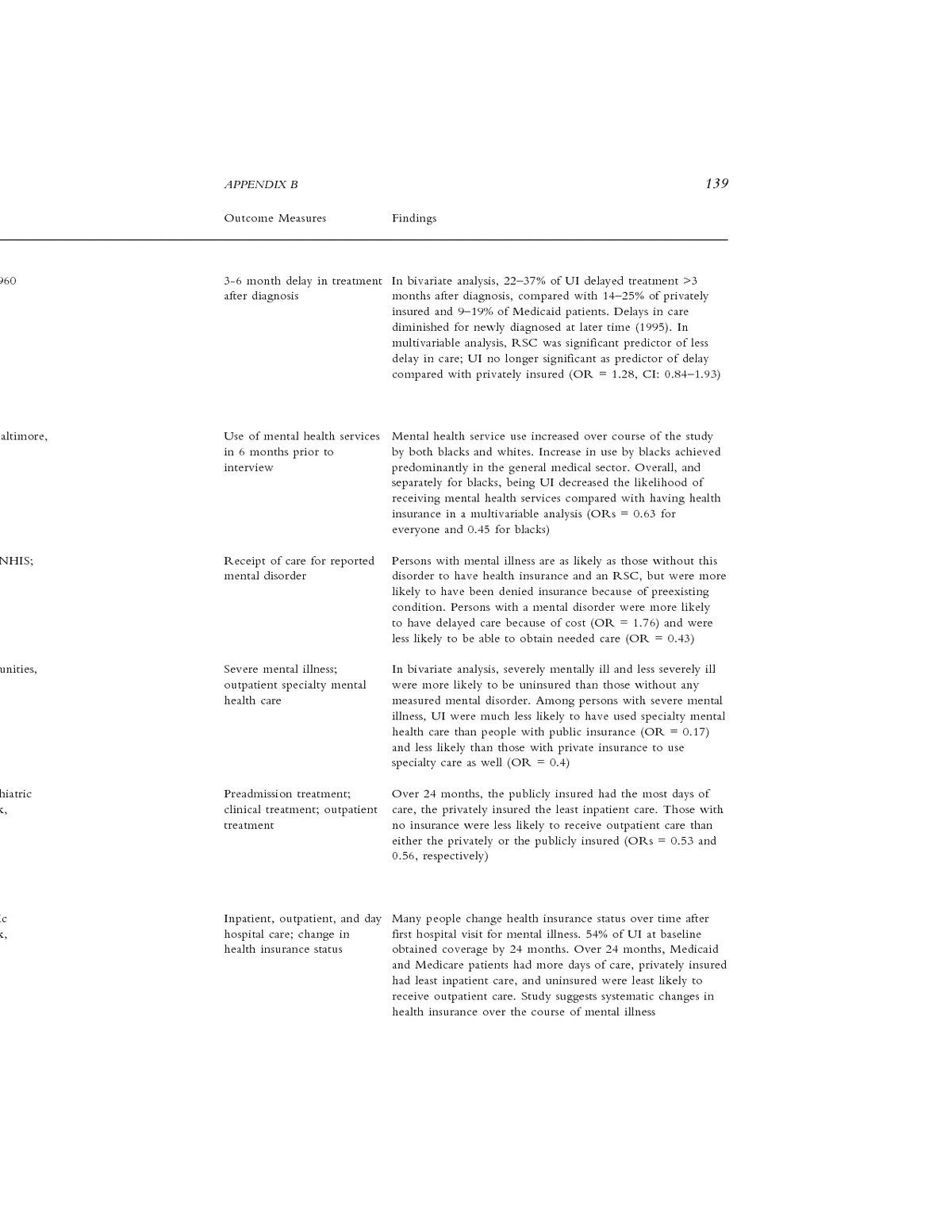
APPENDIX B 139 Outcome Measures Findings 960 3-6 month delay in treatment In bivariate analysis, 22â37% of UI delayed treatment >3 after diagnosis months after diagnosis, compared with 14â25% of privately insured and 9â19% of Medicaid patients. Delays in care diminished for newly diagnosed at later time (1995). In multivariable analysis, RSC was significant predictor of less delay in care; UI no longer significant as predictor of delay compared with privately insured (OR = 1.28, CI: 0.84â1.93) altimore, Use of mental health services Mental health service use increased over course of the study in 6 months prior to by both blacks and whites. Increase in use by blacks achieved interview predominantly in the general medical sector. Overall, and separately for blacks, being UI decreased the likelihood of receiving mental health services compared with having health insurance in a multivariable analysis (ORs = 0.63 for everyone and 0.45 for blacks) NHIS; Receipt of care for reported Persons with mental illness are as likely as those without this mental disorder disorder to have health insurance and an RSC, but were more likely to have been denied insurance because of preexisting condition. Persons with a mental disorder were more likely to have delayed care because of cost (OR = 1.76) and were less likely to be able to obtain needed care (OR = 0.43) unities, Severe mental illness; In bivariate analysis, severely mentally ill and less severely ill outpatient specialty mental were more likely to be uninsured than those without any health care measured mental disorder. Among persons with severe mental illness, UI were much less likely to have used specialty mental health care than people with public insurance (OR = 0.17) and less likely than those with private insurance to use specialty care as well (OR = 0.4) hiatric Preadmission treatment; Over 24 months, the publicly insured had the most days of k, clinical treatment; outpatient care, the privately insured the least inpatient care. Those with treatment no insurance were less likely to receive outpatient care than either the privately or the publicly insured (ORs = 0.53 and 0.56, respectively) ic Inpatient, outpatient, and day Many people change health insurance status over time after k, hospital care; change in first hospital visit for mental illness. 54% of UI at baseline health insurance status obtained coverage by 24 months. Over 24 months, Medicaid and Medicare patients had more days of care, privately insured had least inpatient care, and uninsured were least likely to receive outpatient care. Study suggests systematic changes in health insurance over the course of mental illness
140 CARE WITHOUT COVERAGE: TOO LITTLE, TOO LATE Sample Size/Data Source Outcome M Sturm and Wells (2000) 9,585 respondents to HealthCare for Mental hea Health Insurance May Be Improvingâ Communities national survey, 1996, 1998 depressive But Not for Individuals With Mental to care Illness. Health Serv Res Wang et al. (2000) 3,032 respondents, Midlife Development in Receipt of Recent Care of Common Mental the United States survey, 1996 care and gu Disorders in the United States. J Gen concordant Intern Med Young et al. (2001) 1,636 adults with provable depressive Self-report The Quality of Care for Depressive disorder in telephone survey, 1997 services; re and Anxiety Disorders in the United appropriate States. Arch Gen Psych Hospital Care Broyles et al. (2000) 1,512 adults in Oklahoma, 1993 BRFSS Hospital ad Equity Concerns with the Use of Hospital Services by the Medically Vulnerable. J Health Care Poor Underserved Burstin et al. (1992) 31,249 patient records from acute care hospitals Adverse ev Socioeconomic Status and Risk for in New York, 1984 negligence Substandard Medical Care. JAMA Greenberg et al. (1988) 1,403 patients 31-93 yrs in New Hampshire Treatment Social and Economic Factors in the and Vermont, 1973â1976 Choice of Lung Cancer Treatment. N Engl J Med Hadley et al. (1991) 592,598 patients <65 hospitalized in 1987 in a In-hospital Comparison of Uninsured and national sample of hospitals specific pro Privately Insured Hospital Patients. JAMA results Kerr and Siu (1993) 50 patients meeting criteria admitted through Follow-up Follow-up After Hospital Discharge: ED to teaching hospital, 1990 Does Insurance Make a Difference? J Health Care Poor Underserved
APPENDIX B 141 Outcome Measures Findings Mental health status; probable Adults with a probable mental health disorder are more likely 998 depressive disorder; access to have lost HI in the previous year than those without a to care disorder and are more likely to report difficulty in getting care ent in Receipt of any mental health Specifically asked about HI coverage for mental health care, care and guideline- not general HI. Having insurance for mental health services concordant care predicted overall likelihood of therapy, therapy in mental health sector, and guideline-concordant treatment (ORs = 2.3, 3.2, and 2.8â4.2, respectively) Self-reported use of health Contact with provider (any kind) less likely for UI services; receipt of (OR = 0.46), but type of or presence of insurance had no appropriate care effect on receipt of appropriate care for anxiety or depression SS Hospital admission; LOS Uninsured patients in fair or poor health were significantly less likely than uninsured in better health to be hospitalized and had significantly shorter LOS e hospitals Adverse events due to Uninsured had greater risk of substandard care than privately negligence insured (OR = 2.35). Medicaid patients had insignificantly different risk from privately insured. UI patients most likely to experience injury due to substandard care in emergency department. ED is disproportionately the site of care for UI patients. Hospital-level variables controlled for pshire Treatment type; mortality MedicareâMedicaidâUI grouped together and were less likely to have surgery than privately insured; no difference in mortality 987 in a In-hospital mortality; use of In 10 of 16 age, sex, and race-specific cohorts (8 of 12 for specific procedures; biopsy adults), UI had a higher risk of in-hospital death than did results privately insured after adjusting for severity at admission (RRs range from 1.1 to 3.2). UI were less likely to undergo high- cost or discretionary procedures and less likely to have normal biopsy results for 5 of 7 endoscopic procedures hrough Follow-up care Medicaid and UI patients were significantly less likely to receive follow-up care than Medicare and privately insured patients. UI and Medicaid patients were also less likely to have a regular physician or complete specific discharge instructions. Cost of care was found to be the most significant deterrent to receiving follow-up care
142 CARE WITHOUT COVERAGE: TOO LITTLE, TOO LATE Sample Size/Data Source Outcome M Schnitzler et al. (1998) 21,149 hospital patients; HCUP data, 1989-1992 In-hospital Variations in Healthcare Measures by of procedu Insurance Status for Patients Receiving Ventilator Support. Clin Perform Qual Health Care Weissman and Epstein (1989) 65,032 patients <65 from 52 hospitals in Severity of Case Mix and Resource Utilization by Boston, 1983 procedures Uninsured Hospital Patients in the Boston Metropolitan Area. JAMA Weissman et al. (1991) 12,068 adult patients hospitalized in 5 Delays in c Delayed Access to Health Care: Risk Massachusetts hospitals 1987 Factors, Reasons, and Consequences. Ann Intern Med Weissman et al. (1994) 10,158 adult patients hospitalized in 4 Readmissio The Impact of Patient Socioeconomic Massachusetts hospitals, 1987 7 and 60 d Status and Other Social Factors on Readmission: A Prospective Study in Four Massachusetts Hospitals. Inquiry Yelin et al. (1983) 1,788 participants, 1976 NHIS Physician v Is Health Care Use Equivalent Across condition- Social Groups? A Diagnosis-Based Study. hospitalizat Am J Public Health Yergan et al. (1988) 4,369 inpatients with pneumonia in 17 In-hospital Relationship Between Patient Source of randomly selected hospitals, 1970â1973 ICU use; L Payment and the Intensity of Hospital Services. Med Care
APPENDIX B 143 Outcome Measures Findings 1989-1992 In-hospital mortality; no. Mortality rates for privately insured (FFS) were 30% and for of procedures; LOS; charges Medicaid patients were 28%; for UI 27%; for Medicare 26%; and for HMO or PHP, 26%. For-profit hospitals had significantly higher mortality rates than not-for-profit hospitals. UI had 16% shorter LOS and Medicaid patients 10% longer LOS than FFS in a multivariable analysis. HMO, UI, Medicaid, and Medicare patients all had more procedures than FFS patients in Severity of illness; no. of UI had 7% shorter stays and underwent 7% fewer procedures procedures; LOS than Blue Cross patients, with differences varying by hospital type. Compared to Medicaid patients, they had shorter stays on average (5.4 vs. 5.9 days), but underwent a similar number of procedures. Adjusted for case mix, severity of UI patients was 30% higher in public hospitals and 8% higher in teaching hospitals compared with other institutions. Across all hospitals, UI and Blue Cross patients had similar severity Delays in care; LOS Delays in care led to longer LOS. 24% of UI patients delayed obtaining care (OR = 1.7) compared to 23% of Medicaid (OR = 1.6), 15% of Medicare (OR = 0.9), 18% of HMO (OR=1.2), and 16% of Blue Cross or commercial, the comparison group Readmission to hospital at UI were less likely than Medicaid beneficiaries or those with 7 and 60 days after discharge other insurance to be readmitted. Compared to people with private insurance, UI were less likely to be readmitted 7 days after discharge (OR = 0.36), and less likely to be readmitted 60 days after discharge (OR = 0.48). Medicaid patients were slightly more likely to be readmitted within 7 days and more likely to be readmitted in 60 days compared to privately insured (OR = 1.46) Physician visits; UI associated with lower hospitalization rates for 5 of 9 condition-specific chronic conditions, symptoms, and diagnoses held constant. hospitalization Overall, no consistent differences in M.D. visit rates, controlling for symptoms and diagnosis. For ill persons, UI had more M.D. visits 7 In-hospital mortality; UI with pneumonia had higher mortality, higher use of ICUs, 3 ICU use; LOS and shorter LOS. Observed-to-expected in-hospital deaths for UI = 1.38. No significant findings on service intensity. No controls for level of service
144 CARE WITHOUT COVERAGE: TOO LITTLE, TOO LATE Sample Size/Data Source Outcome M Emergency and Trauma Braveman et al. (1994) 91,339 adults discharged from hospital with Ruptured Insurance-Related Differences in the Dx of acute appendicitis; California, 1984â1989 Risk of Ruptured Appendix. N Engl J Med Doyle (2001) 10,962 accident victims <65; 1992â1997 Mortality; Does Health Insurance Affect Treatment Wisconsinâs Crash Outcome Data LOS Decisions and Patient Outcomes? Evaluation System Using Automobile Accidents as Unexpected Health Shocks Ell et al. (1994) 254 patients at a public hospital; 194 Access to c Acute Chest Pain in African Americans: patients at a private hospital; pain; delay Factors in the Delay in Seeking 1988â1990 Los Angeles Emergency Care Am J Pub Health Haas and Goldman (1994) 15,008 adult trauma patients <65; In-hospital Acutely Injured Patients with Trauma Massachusetts, 1990 receipt of s in Massachusetts: Differences in Care and Mortality by Insurance Status. Am J Pub Health MacKenzie et al. (2000) 601 patients 16â69, 8 Level I trauma centers Lower-extr Characterization of Patients With 1994â1997 amputation High-Energy Lower Extremity Trauma. J Orthop Trauma Nathens et al. (2001) 2008 adults <65 King County, Patient tran Payer Status: The Unspoken Triage Washington, central region trauma registry, Criterion. J Trauma 1995â1998 Rhee et al. (1997) 2,827 patient data from institutional trauma Mortality r The Effect of Payer Status on Utilization registry; Washington, 1990â1992 of Hospital Resources in Trauma Care. Arch Surgery Rucker et al. (2001) 1,920 patients surveyed in 5 teaching Self-report Delay in Seeking Emergency Care. hospital EDs seeking ED Acad Emerg Med
APPENDIX B 145 Outcome Measures Findings with Ruptured appendix UI more likely to have a ruptured appendix compared to 984â1989 privately insured (OR = 1.5). Same higher risk for Medicaid compared to privately insured. UI associated with delay in seeking care 97 Mortality; hospital charges; UI in severe auto accidents received 20% less treatment (lower LOS charges, shorter LOS) and had a mortality rate of 5.2% compared with 3.8% for persons with private insurance (37% higher mortality). Limited adjustment for severity Access to care; acute chest Health insurance of any kind was significantly related to pain; delay in seeking care decision time to seek care, but not to travel time. Those who did not go to hospital are not in study. UI associated with use of a public hospital In-hospital mortality; UI receive less care and have a higher mortality rate than receipt of services trauma patients with private insurance or Medicaid. They are as likely to receive care in an ICU as patients with private health insurance, but less likely to undergo an operative procedure (OR = 0.68) or receive physical therapy (OR = 0.61) and are more likely to die in the hospital (OR= 2.15) centers Lower-extremity injury; Uninsured no more likely to undergo amputation. amputation Those with this injury more likely to be uninsured than general population Patient transfer Medicaid and UI analyzed together. Severe injuries and gistry, ânoncommercial insuranceâ (Medicaid and UI) most likely to be transferred to Level 1 trauma center. Controlling for age, sex, and primary injury and severity, people without commercial insurance are more likely to be transferred (OR = 2.4). Effect most pronounced for least injured auma Mortality rate; LOS Medicaid and UI combined. Payer status did not affect mortality or use of hospital resources except for one subgroup: those who required transfer to LTC. For these patients, Medicaid and UI patients had greater LOS Self-reported delays in 32% of participants reported a delay in seeking ED care. seeking ED care Patients with no regular M.D. were more likely to delay care (OR = 2.0). UI tended to be more likely to delay care than those with any insurance, but finding was not statistically significant (OR = 1.26, CI: 0.88â1.81)
146 CARE WITHOUT COVERAGE: TOO LITTLE, TOO LATE Sample Size/Data Source Outcome M Svenson and Spurlock (2001) 8,591 ED patients with head injury in Kentucky Admission Insurance Status and Admission to LOS Hospital for Head Injuries: Are We Part of a Two-Tiered Medical System. Am J Emerg Med Cardiovascular Disease Blustein et al. (1995) 5,857 AMI hospital admissions <65: In-hospital Sequential Events Contributing to 1991, California revasculariz Variations in Cardiac Revascularization admission Rates. Med Care Brooks et al. (2000) 30,606 patients, HCUP data Washington, Adjusted m The Marginal Benefits of Invasive 1988â1993 1, 7, 30, an Treatments for Acute Myocardial year Infarction: Does Insurance Coverage Matter? Inquiry Canto et al. (1999) 275,046 patients National Registry of Coronary a The Association Between the On-site MI-II, 1994â1996 Availability of Cardiac Procedures and the Utilization of Those Services for Acute Myocardial Infarction by Payer Group. Clin Cardiol Canto et al. (2000) 332,221 patients National Registry of In-hospital Payer Status and the Utilization of Myocardial Infarction-II, 1994â1996 Hospital Resources in Acute Myocardial Infarction. Arch Intern Med Carlisle et al. (1997) 104,952 hospital discharges in Los Angeles AMI, CAD Racial and Ethnic Disparities in the county, California, 1986â1988 Use of Cardiovascular Procedures: Associations with Type of Health Insurance. Am J Pub Health Carlisle and Leake (1998) 206,233 discharged patients with heart Angiograph Differences in the Effect of Patientsâ disease; California, 1991â1993 angioplasty Socioeconomic Status on the Use of Invasive Cardiovascular Procedures Across Health Insurance Categories. Am J Pub Health
APPENDIX B 147 Outcome Measures Findings Kentucky Admission to hospital; cost; Medicaid and UI less likely than privately insured LOS with head injury to be admitted. Cost: public < uninsured < private. LOS: similar across groups. For those with less severe head injuries, insurance status is significantly associated with discretionary medical decision making in ED care. Method to adjust for severity of injury questionable In-hospital mortality; UI less likely than privately insured patients to receive revascularization; hospital revascularization at hospitals offering it (OR = 0.43 to FFS, admission 0.53 to HMO). Less likely to receive revascularization at every step of the care process. In-hospital death rate is higher for UI: OR = 1.13 (compared to Medicaid), 1.77 (compared to FFS), 2.07 (compared to HMO). Compared to privately insured, UI less likely to be admitted to hospital offering revascularization (OR = 0.71), less likely to be transferred to receive revascularization (OR = 0.42), and less likely to be readmitted for revascularization (OR = 0.63). Clinical adjustments; no assessment of appropriateness of procedures on, Adjusted mortality at days Cardiac catheterization within 90 days for marginal patients in 1, 7, 30, and 90 and at one each insurance category had greater survival benefits up to 90 year days for UI than for FFS, HMO, or Medicaid patients. Suggests that UI who receive the procedure are at a higher level of severity than insured patients Coronary arteriography UI equally likely to receive acute reperfusion therapy and less likely to undergo catheterization (OR = 0.68), PTCA (OR = 0.8), or CABG (OR = 0.78) than privately insured. Admission to hospital that offers arteriography increases likelihood of receiving it (OR for UI =1.7). Extensive adjustments for clinical factors and prior history In-hospital mortality In-hospital mortality for uninsured vs. FFS (OR = 1.29) is the same as Medicaid to FFS. No significant differences among in- hospital mortality rates for HMO, FFS, and Medicare geles AMI, CAD, and angina Uninsured African-American patients significantly less likely to have arteriography, CABG, or angioplasty than white UI patients (OR = 0.33â0.5). No disparities related to ethnicity in privately insured group Angiography; CABG; Examined differences within insurance classes by angioplasty neighborhood SES. Residents of high-SES areas were more likely and those of low-SES areas less likely to undergo each of 3 invasive procedures (angiography, CABG, angioplasty) than those of middle-SES areas. SES effects were found for Medicare and HMO patients, but were less pronounced (not significantly different) in FFS and UI patients
148 CARE WITHOUT COVERAGE: TOO LITTLE, TOO LATE Sample Size/Data Source Outcome M Daumit et al. (1999) 4,987 adults with ESRD 1986â1987 Cardiac ca Use of Cardiovascular Procedures USRDS data angioplasty Among Black Persons and White Persons: A 7-Year Nationwide Study in Patients with Renal Disease. Ann Intern Med Daumit et al. (2000) (Same data sample as above) Cardiac ca Relation of Gender and Health angioplasty Insurance to Cardiovascular Procedure Use in Persons with Progression of Chronic Renal Disease. Med Care Kreindel et al. (1997) 3,735 AMI patients in Worcester, In-hospital Health Insurance Coverage and Massachusetts, 1986â1993 mortality Outcome Following Acute Myocardial Infarction: A Community-wide Perspective. Arch Intern Med Kuykendall et al. (1995) 24,424 hospital discharge abstracts, LOS; revas Expected Source of Payment and Use California, 1989 of Hospital Services for Coronary Atherosclerosis. Med Care Leape et al. (1999) 631 patients in 13 New York City CABG, PT Underuse of Cardiac Procedures: hospitals, 1992 Do Women, Ethnic Minorities and the Uninsured Fail to Receive Needed Revascularization? Ann Intern Med Mancini et al. (2001) 1,556 CABG patients in single public Survival ov Coronary Artery Bypass Surgery: Are hospital in Los Angeles, 1990â2000 Outcomes Influenced by Demographics or Ability to Pay? Ann Surg
APPENDIX B 149 Outcome Measures Findings Cardiac catheterization; Differences between blacks and whites in use of cardiovascular angioplasty; CABG procedures narrowed markedly once ESRD developed and insurance (Medicare) was universal. At baseline, UI blacks with evidence of coronary disease were much less likely to receive cardiovascular procedures than UI whites (OR = 0.07); at follow-up, previously UI black patients were slightly more likely to undergo a cardiac procedure than UI white patients. UI blacks and whites had the greatest disparity in the use of procedures at baseline and the largest change at follow-up, post-Medicare Cardiac catheterization; Compared to men with private insurance, both women and angioplasty; CABG men without insurance were less likely to receive cardiovascular procedures prior to ESRD (ORs = 0.19 and 0.47, respectively). At follow-up when everyone had Medicare (ESRD), gender differences in procedure use were eliminated for UI In-hospital, post-AMI No significant difference in in-hospital mortality for UI to mortality privately insured (OR = 1.21; CI: 0.60â2.44). No SES or provider adjustment LOS; revascularization UI patients were much less likely than FFS or HMO patients to undergo revascularization (either CABG or PTCA) (ORs = 0.46 and 0.59, respectively). UI more likely to have a longer LOS without revascularization than HMO or FFS patients (OR = 1.95). Weak adjustment for clinical factors, no adjustment for SES or provider factors. No assessment of appropriateness CABG, PTCA Sample consisted of patients meeting panel criteria for necessary revascularization. No difference in rates of revascularization according to HI status found in hospitals that provide CABG and coronary angioplasty. Underuse was significantly greater in hospitals without these services, particularly for UI. In these hospitals, 52% of UI received indicated procedure vs. 82% of privately insured. No significant difference in adjusted in-hospital mortality between UI and privately insured Survival over study period UI patients had significantly better survival at 10 years than insured patients (87% vs. 76%). No adjustment for marked differences in insured and uninsured groups, including younger age distribution of UI patients. 66% of sample was UI
150 CARE WITHOUT COVERAGE: TOO LITTLE, TOO LATE Sample Size/Data Source Outcome M Sada et al. (1998) 17,600 AMI patients <65 in National In-hospital Influence of Payor on Use of Invasive Registry of Myocardial Infarction, 1994â1995 nondiscreti Cardiac Procedures and Patient Outcome LOS After Myocardial Infarction in the United States. J Am Coll Cardiol Young and Cohen (1991) 4,972 patients admitted with AMI, 1987 Mortality i Inequities in Hospital Care, the 30 days po Massachusetts Experience. Inquiry Receipt of procedures Palliative Care Holcombe and Griffin (1993) 710 patient charts, Louisiana State Receipt of Effect of Insurance Status on Pain University Medical Center, 1990 class of pai Medication Prescriptions in a Hematology/Oncology Practice. S Med J Kollef (1996) Patients in the medical ICU of one Withdrawa Private Attending Physician Status and hospital, 1993â1994 duration of the Withdrawal of Life-Sustaining ventilation Interventions in a Medical Intensive medical ca Care Unit Population. Crit Care charges Med Kollef and Ward (1999) Patients within the medical ICU of one Access to a The Influence of Access to a Private hospital, 1996 attending M Attending Physician on the Withdrawal of Life-Sustaining Therapies in the Intensive Care Unit. Critical Care Medicine Ambulatory Care Sensitive Conditions Bindman et al. (1995) Telephone surveys of 6,674 adults 18â64; Preventabl Preventable Hospitalizations and mail survey of physicians in 41 areas; Access to Care. JAMA 1990 U.S. Census
APPENDIX B 151 Outcome Measures Findings In-hospital mortality; UI less likely than FFS patients to receive nondiscretionary 94â1995 nondiscretionary angiography; angiography (OR = 0.48). Payer status not associated with LOS length of stay. Medicaid patients had higher mortality than FFS 87 Mortality in hospital and at UI had higher 30-day postdischarge mortality relative to FFS 30 days post-discharge. (OR = 1.6) and HMO (OR = 1.5). Compared with FFS, Receipt of invasive cardiac UI were less likely to receive 2 of 3 cardiac procedures procedures (CABG and angioplasty) (OR = 0.6). Compared to HMO patients, UI were about equally likely to receive arteriography and CABG, but less likely to receive angioplasty (OR = 0.6). No assessment of procedure appropriateness; no validation of AMI diagnosis or clinical covariates Receipt of pain medication; Medicaid outpatients are more likely to receive any pain class of pain medication medications than UI or Medicare patients. Also more likely to receive longer-lasting, more efficacious, and more expensive pain medications Withdrawal of life support; Having private HI and private attending M.D. are duration of mechanical correlated. Patients without private HI (Medicaid and UI) ventilation; ICU LOS; are more likely to have life-sustaining treatment withdrawn medical care costs; patient (OR = 4.4) than are privately insured charges ne Access to a private Having a private M.D. is strongly associated with no attending M.D. withdrawal of care. Private insurance is strongly associated with having a private M.D. (OR = 3.5) â64; Preventable hospitalizations Access to care and area-wide rates of uninsured were inversely related to hospitalization rate for five chronic conditions: asthma, hypertension, CHF, COPD, and diabetes. Authors hypothesize that even acutely ill UI are less likely to seek care. Ecological findings
152 CARE WITHOUT COVERAGE: TOO LITTLE, TOO LATE Sample Size/Data Source Outcome M Gaskin and Hoffman (2000) 1996 hospital discharge data from 10 states Preventabl Racial and Ethnic Differences in representing 42% of U.S. population Preventable Hospitalizations Across 10 States. Med Care Res Rev Weissman et al. (1992) Massachusetts and Maryland hospital discharges Preventabl Rates of Avoidable Hospitalization by for patients <65, 1987 Insurance Status in Massachusetts and Maryland. JAMA NOTES: ACSUS = AIDS Cost and Services Utilization Study; AMI = acute myocardial infarction; AOR = adjusted odds ratio; BP = blood pressure; BRFSS = Behavioral Risk Factor Surveillance System; CABG = coronary artery bypass graft; CAD = coronary artery disease; CBE = clinical breast exam; CHF = congestive heart failure; CI = confidence interval; COPD = chronic obstructive pulmonary disease; DRE = digital rectal examination; Dx = diagnosis; ED = emergency department; EPO = erythropoietin; ESRD = end-stage renal disease; FFS = fee for service; FOBT = fecal occult blood test; FPL = federal poverty level; HAART = highly active antiretroviral therapy; HCSUS = HIV Cost and Services Utilization Study; HCUP = Healthcare Cost and Utilization Project; HI = health insurance; HIE = Health Insurance Experiment (RAND); HMO = health maintenance organization; HRQOL = healthârelated quality of life; ICU = intensive care unit; LOS = length of stay; LTC = long-term care; MH = mental health; MIDUS = Midlife Development in the
APPENDIX B 153 Outcome Measures Findings tates Preventable hospitalizations Analysis was stratified by health insurance status, thus no direct comparison by HI status made. Within classes of HI status, blacks and Hispanics more likely to have preventable hospitalizations ischarges Preventable hospitalizations In Massachusetts, hospitalization rates for uninsured and privately insured were significantly different for 10 of 12 conditions. In Maryland, for 9 of 12 conditions. UI and Medicaid patients more likely than privately insured to be hospitalized (ORs = 1.3â1.7 for UI compared to private, and 1.3â1.7 for Medicaid compared to private) United States; NHANES = National Health and Nutrition Examination Survey; NHIS = National Health Interview Survey; NMES = National Medical Expenditures Survey; NNRTI = nonnucleoside reverse transcriptase inhibitor; NSD = no significant difference; OR = odds ratio; PCP = Pneumocystis carinii pneumonia; PHP = prepaid health plan ; PI = protease inhibitor; PSA = prostate-specific antigen; PTCA = percutaneous transluminal coronary angioplasty; QOL = quality of life; RPCS = regular primary care source; RR = relative risk; RSC = regular source of care; Rx = prescription medication; SES = socioeconomic status; SLE = systemic lupus erythematosus; SMR = standardized mortality ratio; Tx = treatment or therapy; UCLA = University of California at Los Angeles; UI = uninsured; USC = usual source of care; USRDS = U.S. Renal Data System; VA = Department of Veterans Affairs.
