
5
Childhood Trauma
With the long maturation process in humans comes a prolonged period of vulnerability to developmental trauma. Events occurring during development can have profound and lasting impact on functioning and the brain. For the unwanted outcome of suicide, there appear to be at least two pathways through which developmental events can change risk. First, a large body of research describes the impact of developmental events, including childhood trauma, on the occurrence and severity of the mental and substance abuse disorders that increase suicide risk. Secondly, childhood trauma has emerged as a strong and independent risk factor for suicidal behavior in adolescents and adults (Browne and Finkelhor, 1986; Paolucci et al., 2001; Santa Mina and Gallop, 1998). Therefore, understanding childhood trauma and its psychobiological effects has the potential to illuminate the pathway of causation from early trauma to later suicide. With this understanding comes a lengthy, often years-long, opportunity for targeted intervention, both to prevent childhood trauma from taking place and to minimize its impact if it has occurred. Currently, delivery of appropriate intervention and prevention is hampered by numerous obstacles. These include problems in the responsible educational, legal and medical systems, the stigma of mental illness, and limited knowledge among the public about the importance of early emotional development. For additional discussion, see the Surgeon General’s Conference Report on Children’s Mental Health (PHS, 2000).
This chapter describes major advances in understanding the relationships between childhood trauma and suicidality. The chapter focuses on
recent population-based studies that redress long-standing methodological limitations that have hitherto cast doubt on the veracity of early trauma as a causative factor in suicidality (for review, see Wagner, 1997). It also describes the biological, cognitive, behavioral, and emotional responses to trauma that may lead to psychopathology and later suicidality. These responses occur against the backdrop of development, which is marked by dramatic changes and emergent functions. Trauma during childhood can disrupt psychological and biological development, as manifested by developmental delays or enduring changes in the anatomy and physiology of the brain (Cicchetti and Toth, 1995; De Bellis, 2001; Glaser, 2000; Heim and Nemeroff, 2001). The impact of trauma on the brain’s stress response systems can make children more vulnerable to later stressful events and to the onset of psychopathology. Childhood trauma can also cause earlier onset of psychopathology and suicidality and lead to a cascade of other life events, each of which increase the risk for suicidality.
The relatively new field of developmental traumatology attempts to integrate knowledge from disparate fields of developmental psychopathology, developmental neuroscience, and stress and trauma research (De Bellis, 2001). Developmental traumatology benefits from a solid base of biological, behavioral, and psychological research on the effects of trauma. The integration of many disciplines, involving both human and animal evidence, holds enormous potential for tracing the developmental pathways culminating in mental illness or suicidal behavior.
This chapter begins with the range of childhood traumas and their prevalence. It then presents the evidence for childhood trauma as a risk factor for later suicidality. Childhood sexual abuse emerges as such a strong risk factor that the next section covers its quantitative contribution to the extent of suicide nationwide. From there, the chapter deals with the more immediate effects of childhood trauma on children’s biological, psychological, and social functioning. It then covers the relationship between trauma and psychopathology. Finally, the chapter covers possible pathways from childhood trauma to suicidality and how they can be interrupted through prevention and treatment.
SCOPE AND DEFINITIONS
This chapter covers many types of childhood traumas. The list in Table 5-1 includes the more extreme forms of trauma that have traditionally been grouped together under the term “maltreatment”: physical abuse, sexual abuse,1 neglect, and psychological maltreatment (NRC,
TABLE 5-1 Types of Childhood Trauma
|
Physical abuse by adults or peers Sexual abuse by adults or peers Neglect Psychological maltreatment Witnessing violence, especially against the mother Family members with substance use, mental disorders, suicidality Family members who have been incarcerated Loss or separation from parentsa Childhood socio-economic disadvantagea |
|
aNot covered by Felitti et al., 1998, but found significant other studies of suicide attempts or completion (Cheng et al., 2000; Fergusson et al., 2000b). |
1993). The list also includes other types of trauma, such as witnessing family violence, parental loss, or other serious family adversities. In keeping with the epidemiological literature, childhood traumas do not include “stressful life events,” which are generally defined as the breakdown of a close relationship, interpersonal conflict with parents or friends, school-or work-related difficulties, and legal or disciplinary crises.
Sexual and physical abuse have the strongest relationship to suicidality, but there are several reasons for this chapter’s broad focus on many types of childhood trauma. (1) They are similar in violating the child’s home environment as a safe haven and in compromising parents’ roles as physical and emotional care takers (Margolin and Gordis, 2000). (2) Children are often exposed to more than one type of trauma (Felitti et al., 1998; McGee et al., 1995). For example, one-third to one-half of neglected children witness domestic violence (De Bellis, 2001), and child neglect frequently occurs in association with maternal depression (Glaser, 2000). Furthermore, about one-third of abused adults report both physical and sexual abuse as children (McCauley et al., 1997). (3) Despite the range of trauma types, there are finite ways for biological stress systems to respond, and finite categories of mental disorders associated with trauma (anxiety, mood, and personality disorders, see later section) (De Bellis, 2001). (4) Recent epidemiological research indicates that the adverse, long-term health impact of trauma may be cumulative, irrespective of trauma category. The greater the number of past traumas, the greater the health problems (Felitti et al., 1998; see later section).
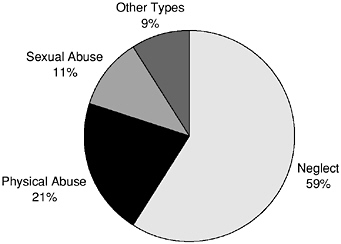
FIGURE 5-1 Types of Child Maltreatment. Source: US DHHS, 2001a.
Prevalence of Childhood Trauma
National surveillance of child maltreatment is conducted annually through the National Child Abuse and Neglect Data System (NCANDS).2 In 1999, an estimated 826,000 children in the U.S. were maltreated (US DHHS, 2001a). The majority of victims (58.4 percent) suffered neglect, 21 percent suffered physical abuse, and 11 percent suffered sexual abuse (Figure 5-1). The remainder were victimized by other types of maltreatment including medical neglect, abandonment, threats of harm, and congenital drug addiction. The overall child victimization rate for 1999 was 11.8 per 1,000, with only small gender differences.3 Trends can be established by comparing this figure to annual figures dating back to 1990, when national surveillance began. The rate in 1990—at 13.4 per 1000— climbed by 1993 to a peak of 15.3 per 1000, and then gradually declined to 1999 (Figure 5-2). These rates are based on official records of children who come to the attention of child protective services.
Rates of physical and sexual abuse are much higher when measured in surveys of parents or victims. Surveys of parents find self-reported rates of child physical abuse that are 5–11 times higher than rates from official records (reviewed in Margolin and Gordis, 2000). In terms of cumulative prevalence, two recent community-based surveys of large
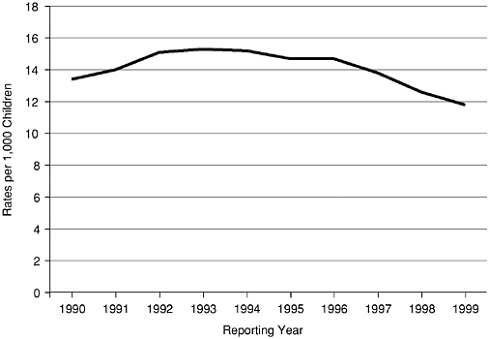
FIGURE 5-2 Victimization Rates, 1990–1999. Source: US DHHS, 2001a.
samples of adult primary care patients found 22–32 percent of them to report ever experiencing physical or sexual abuse during childhood or adolescence (Felitti et al., 1998; McCauley et al., 1997). While neither study asked subjects about the identity of the perpetrator (e.g., parent, other adult, peer), another study of high school girls (grades 9–12) explicitly asked about victimization by dating partners. In this population-based survey, about 20 percent of girls reported having ever been physically and/or sexually abused by a dating partner (Silverman et al., 2001). Traumas arising within the household are also common: about 26 percent of adults reported having grown up in a household4 with substance abuse, 19 percent with mental illness, 12.5 percent with violence against their mother, and 3.4 percent with a household member being incarcerated (Felitti et al., 1998).
According to official crime statistics,5 about 30 per 1000 children (ages 12–17) report being victims of serious violent crimes of rape, robbery, and
aggravated assault in 1996—a rate that is almost two times higher than the adult rate (Snyder and Sickmund, 1999). Victimization rates are highest for American Indians and roughly equivalent for Whites and African Americans. Most of these crimes are perpetrated by friends and acquaintances rather than by relatives (11 percent of the total). Bearing witness to community violence is very common in inner city neighborhoods, with estimates of one-third or more of children and adolescents being exposed (for review, see Margolin and Gordis, 2000).
Altogether, these disparate statistics on the prevalence of various forms of trauma indicate that, by adulthood, past traumatic exposure is widespread. In one large study, about 52 percent of adults report having ever been exposed to at least one type of childhood trauma covered in this chapter (Felitti et al., 1998).
Methodological Issues
The study of childhood trauma is beset by methodological limitations (NRC, 1993). These limitations have implications for efforts to understand the relationship between early childhood trauma and later suicidal behavior. The first area of limitation concerns estimates of the incidence and prevalence of childhood trauma. There are two general sources of information about the magnitude of the problem and the relationship of child trauma to other health outcomes: official records; and self-report by victims/survivors and/or their caregivers and parents. Official report statistics are compiled annually from mandated reporters, most commonly social service, education, law enforcement, and medical personnel as well as non-mandated categories of persons including neighbors, kin, and friends. Official statistics cover several types of reportable trauma: neglect, physical and sexual abuse, psychological maltreatment, medical neglect, and miscellaneous types of abuse. Official records are thought to underreport and underestimate the magnitude of child maltreatment because generally only the more severe and “substantiated”6 cases are reported to local and state authorities, which in turn report their findings to the federal government. Some states include cases that are “indicated,” or those cases about which there is a high level of suspicion but insufficient evidence for adjudication by child protection professionals.
The other source of information about the magnitude of child maltreatment—self-reports by victims/survivors—is essential because of underestimation by official records. In a large national sample of more than
2000 adolescents, more than 80 percent of abuse victims did not report the abuse to anyone (Edgardh and Ormstad, 2000). All self-reporting is vulnerable to bias, with particular concern for reports elicited years after events. Some studies have suggested that recall of childhood abuse varies with psychological adjustment (e.g., Falsetti and Resnick, 2000), while others have not found an association (Fergusson et al., 2000a; Robins et al., 1985). Examining this issue in a population-based, longitudinal, prospective study with repeated measures of child abuse self-reports, Fergusson and colleagues (2000a) discovered about a 50 percent rate of forgetting and/or not reporting documented abuse during assessments. They found that lack of recall did not vary with psychiatric diagnosis or suicidality. Other available data on reporting bias of childhood abuse also consistently indicates that abuse is significantly under-reported, with, depending on measures used, 40–60 percent lack of recall for documented cases of maltreatment (Fergusson et al., 2000a; Widom and Shepard, 1996; Widom, 1997; Williams, 1994). The reasons are complex, including forgetting (usually if the victim was less than 5 years old), stigma and embarrassment, relationship to the perpetrator, nature of the abusive or traumatic incident, and sensitivity of the survey or interview measures (see for example Kessler, 2000; Williams, 1994).
Another concern about self-reports, particularly with sexual abuse, regards repression of memories as a means of self-protection, with later recovery in adulthood. Repression could lead to either false positive or false negative reporting, but the evidence for repression appears to be controversial (Berliner and Williams, 1994; Loftus et al., 1998). There are no data to indicate what percentage of “recovered memories” are inaccurate, but data indicate 47–95 percent of recovered memories of non-bizarre child abuse are confirmed, and only 1–3 percent of bizarre abuse memories are confirmed (Bowman, 1996a; Bowman, 1996b). A recent study demonstrated that 74 percent of both always recalled and recovered memories could be confirmed from a legal point of view (Dahlenberg, 1996). The aforementioned analysis of longitudinal data by Fergusson’s team (Fergusson et al., 2000a) further suggests that forgetting and later recall of childhood abuse represents a common phenomenon not associated with psychopathology, though they could not distinguish between active repression and simple forgetting. These investigators caution that recall bias obscures true prevalence rates of child maltreatment, though it does not, it appears, significantly alter estimates of relative risk of child abuse for subsequent psychological disorders.
A second limitation in the current research on childhood abuse is the use of inconsistent and imprecise definitions of maltreatment (NRC, 1993). Definitions may vary among mandated reporters, both within and across agencies, localities, and states, thereby affecting official reporting statis-
tics in unknown directions. Definitions also vary across research studies, making comparability problematic. Studies attempting to link child maltreatment and suicide, then, might misestimate the relationship based on the definition of child maltreatment employed.
The third limitation is instrumentation. Previous reports by the National Research Council have commented on the lack of reliability and validity testing of self-report instruments (NRC, 1993). However, recently published studies have begun to address this problem (e.g., Bremner et al., 2000; Straus et al., 1998).
A fourth limitation is that child maltreatment questions are often excluded from larger studies and epidemiological surveys of children, representing significant missed opportunities. The reasons for the exclusion is that identifying victims triggers responsibility to report potentially illegal activity and to provide them with care and treatment (NRC, 1993). Ethical dilemmas and mandated reporting laws have thus constrained research seeking to question children directly about maltreatment (Black and Ponirakis, 2000; King and Churchill, 2000; Knight et al., 2000; NRC, 1993). Most studies have therefore relied on convenience and clinical samples of adults that restrict the generalizability of the results, making recent nationally representative (e.g., Molnar et al., 2001a) and population-based child samples (e.g., Fergusson et al., 2000b) critical.
Finally, the bulk of research on child maltreatment’s role in suicidality employs cross-sectional, retrospective designs generally incapable of establishing variables as causative (see Wagner, 1997) Researchers are therefore increasingly using pathway analyses and controlling for possible confounding variables (e.g., Brent et al., in press; Fergusson et al., 2000b; Yang and Clum, 2000). All of these methodological limitations must be kept in mind in attempts to link childhood trauma to health outcomes, including suicidality.
CHILDHOOD TRAUMA AS A RISK FACTOR FOR SUICIDALITY
Childhood trauma, especially child sexual abuse, has been identified as a strong risk factor for suicidality. A large body of national and international evidence supports the relationship, including many recent studies from the United States, Sweden, New Zealand, and Australia.
An earlier review of about 20 studies, published between 1988 and 1998, assessed the evidence for physical or sexual abuse in relation to suicide attempts (Santa Mina and Gallop, 1998). The review concluded that, despite methodological limitations, there was robust evidence linking childhood sexual and physical abuse and suicidal behavior. The odds ratios from these studies ranged from 1.3 to 25, indicating that adults with
a past history of abuse were up to 25 times more likely than adults without a past history to attempt suicide.
Child sexual abuse, in particular, was examined in a meta-analysis of 37 studies published between 1981 and 1995 (Paolucci et al., 2001). The total number of subjects was more than 25,000. The unweighted and weighted effect sizes of child sexual abuse on suicide were 0.64 and 0.44,7 confirming a substantial link between child sexual abuse and suicide (defined as suicidal ideation or a suicide attempt).
A spate of recent, well-designed studies, including prospective studies, add to this body of evidence (Table 5-2). Virtually all studies found a significant relationship, with odds ratios ranging from about 2 to 10. These odds ratios were derived from prevalences of about 21–34 percent of participants having a past history of abuse or neglect and making a suicide attempt versus about 4–9 percent of participants without a history of abuse or neglect making an attempt (Brown et al., 1999; Fergusson et al., 2000b; Molnar et al., 2001a). The only negative study in Table 5-2 was restricted to physical abuse in children ages 9–17 (Flisher et al., 1997). The difference may be explained by study subjects being younger and by suicide attempts being ascertained only for the previous 6 months. Most other studies record any past suicide attempt.
Beyond maltreatment, other childhood adversities have been studied in relation to suicide attempts, but the associations are generally not as strong. Significant associations from large, population-based studies have been found for parental psychopathology (especially depression) or substance use disorders, parental suicide, and family socioeconomic adversity (Fergusson et al., 2000b; Molnar et al., 2001a). Other family factors, while also significantly associated with suicide attempts, were not found by Fergusson and colleagues (2000b) to be independent predictors: parental history of alcoholism/alcohol problems; parental changes due to separation/divorce, death, remarriage and reconciliation; parental history of illicit drug use; and parental history of criminal offending. Nevertheless, these other types of family traumas have a cumulative effect on suicide attempts and independent associations with psychopathology, as explained in later sections.
It is important to point out that the studies in Table 5-2 measure suicide attempts as opposed to suicide completion. The psychological autopsy method used for studying suicide victims cannot readily ascertain physical or sexual abuse because family members and friends are generally reluctant to disclose, or lack knowledge of, the abuse. The sole
TABLE 5-2 Child Trauma as a Risk Factor for Attempted Suicide: Recent Large, Controlled Studies
|
Citation |
No. Subjects |
Odds Ratio for Suicide Attempts |
|
|
Prospective, Population- or Community-based Studies |
|||
|
Silverman et al., 1996 |
375 |
Physical abuse Sexual abuse |
8a 14.4a |
|
Brown et al., 1999 |
776 |
Sexual abuse Physical abuse Neglect |
5.71b 1.79b 1.42b |
|
Fergusson et al., 2000a |
1265 |
Sexual abuse Physical abuse |
7.9 5.41 |
|
Cross-sectional, Population- or Community-based Studies |
|||
|
Molnar et al., 2001a |
5877 Ages 15-54 |
Rape and molestation |
3-11 |
|
Silverman et al., 2001 |
2186 Girls |
Intimate partner violenced |
8.6 |
|
Dinwiddie et al., 2000 |
5995 twins Adults |
Sexual abuse |
7.07-7.74 |
|
Edgardh and Ormstad, 2000 |
1943 Age 17 |
Sexual abuse |
4.36-9.28 |
|
Flisher et al., 1997 |
665 Ages 9-17 |
Physical abuse |
Not significante |
|
Cross-sectional, Community-based Primary Care |
|||
|
Felitti et al., 1998 |
9508 Adults |
1-4 or more categories of adverse childhood exposuresd |
1.8-12.2 |
|
McCauley et al., 1997 |
1931 Women |
Physical or sexual abuse |
3.7c |
|
aFemales only. Findings for physically abused males were non-significant, and males were not assessed for suicide attempts and sexual abuse because too few males were affected. bAfter controlling for other factors. Neglect and physical abuse were not significant, as confidence intervals included 1.0. cCrude prevalence ratio reported by study. d1999 only; Intimate partner violence= physical and/or sexual. Adverse childhood exposures refers to psychological, physical, or sexual abuse; violence against mother; or living with household members who were substance abusers, mentally ill or suicidal, or ever imprisoned. eSuicide attempts in the past 6 months only. |
|||
suicide completer study to have included a measure of past abuse found very large odds ratios of 11.7–49.3 for suicide by adolescents (Brent et al., 1999). These odds ratios were derived from prevalences of 30–42 percent of suicides having an abuse history versus about 2.5 percent of matched controls without a history of abuse. Abuse history, obtained as part of a life events inventory, was collected from about half of subjects and all of controls (n=131). Thus, this study of suicide victims confirms studies of suicide attempters on the importance of abuse as a risk factor.
|
Daniel, an 18-year-old college freshman, was the eldest of three children. Throughout his childhood, Daniel was physically beaten by his alcoholic father…. At the age of 13, Daniel chose to live with his divorcing mother while his two siblings stayed with the father…. The family was bitterly divided and his father refused to pay his mother any alimony. [He] earned … an academic scholarship at a local university. In the summer prior to his freshman year, Daniel’s mother was diagnosed as having inoperable stomach cancer and she died one month prior to Daniel’s starting college…. His Thanksgiving visit to his father’s home was a disaster. Daniel returned to school a day early. On the night of his return, Daniel called his father and during an argument on the phone, shot himself in the head with a revolver he had apparently taken from his father’s home. Daniel’s last words to his father prior to the fatal gunshot were “I hate me and I hate you—it’s time for the big payback, Dad….” (Berman & Jobes, Adolescent Suicide: Assessment and Intervention, 1991:40-41). |
CHILDHOOD SEXUAL ABUSE AND POPULATION ATTRIBUTABLE RISK FOR SUICIDE
Child sexual abuse carries the highest risk of a suicide attempt compared with other types of childhood maltreatment (Table 5-2). For example, Brown and colleagues (1999) found that sexual abuse carried higher odds ratios for a suicide attempt than did physical abuse or neglect, after controlling for other contextual factors. Child sexual abuse also carried the highest odds ratio for suicide attempts in a prospective, population-based study in New Zealand (Fergusson et al., 2000b). Sexual abuse also carried an extremely high risk (OR=30.3) for repeated suicide attempts in adolescents (Brown et al., 1999).
Based on the strength of childhood sexual abuse as a risk factor, several population-based studies calculated the percentage of suicide attempts that are attributable to child sexual abuse, i.e., the population
attributable risk (PAR). The PAR for child sexual abuse was 9–20 percent of suicide attempts (Brown et al., 1999; Fergusson et al., 1996; Molnar et al., 2001a). This means that, independent of psychopathology and other known risk factors, child sexual abuse accounts for 9–20 percent of suicide attempts in adults. The study by Molnar and colleagues (2001a), from the National Comorbidity Survey, is especially significant because it is nationally representative of the U.S. population. Their analysis of serious suicide attempts revealed a PAR from child sexual abuse of 9–12 percent, and a PAR from mental disorders of 70–80 percent. The latter figure means that 70–80 percent of suicide attempts are associated with mental disorders.
On the basis of their findings, Molnar and colleagues suggested that a substantial proportion of suicide risk is missed by sole reliance on the presence of psychopathology. This point is discussed again later in the chapter.
MODIFYING FACTORS
Gender
Until recently, gender effects were not found to modify child sexual abuse as a risk factor for suicide. A meta-analysis, covering studies from 1981–1995, did not find a gender effect in the impact of child sexual abuse on suicidality (Paolucci et al., 2001). Nevertheless, two more recent and large population-based studies (Edgardh and Ormstad, 2000; Molnar et al., 2001a) found that child sexual abuse placed males at greater risk for suicide attempts. These two studies were consistent in finding odds that were 4–11 times higher among males and 2–4 times higher among females. While another large, population-based study did not find a gender effect (Dinwiddie et al., 2000), the odds ratios for both males and females hovered around 7, a figure in the mid-range of the other population based studies. It also found the population prevalence of child sexual abuse to be somewhat lower than other studies.8 Thus, the newer body of evidence suggests that once sexual abuse occurs, males appear to be at higher risk of suicide attempts, but findings are not uniform.
For other types of childhood trauma, gender effects have not been reported in large, population-based studies. In a clinical sample of alcoholic inpatients (n=802), physical abuse displayed a gender effect: suicide attempts were significantly associated with physical abuse in men, but not in women (Windle et al., 1995).
Age of Onset
For child sexual abuse, there is no established relationship between age of onset of the abuse and suicidality. A meta-analysis of studies published between 1981 and 1995 did not find an effect (Paolucci et al., 2001). Two more recent studies produced mixed results. Davidson and colleagues (1996) studied 2918 adults as part of the Epidemiological Catchment Area Study. In their community-based sample, they found a striking effect in women when the abuse occurred before 16 years of age. These women were three to four times more likely to have attempted suicide compared with women who were 16 years or older. A study of 251 psychiatric outpatients found an effect for the age of onset of child sexual abuse (higher prevalences of suicide attempts from 0 to 12), but the effect disappeared when the investigators controlled for abusive experiences in adulthood (Kaplan et al., 1995).9 The age of onset of suicide (rather than the abuse) is profoundly affected by childhood sexual abuse (see “pathways” section).
Investigating relationships between age of onset of the abuse and later suicide attempts is beset by methodological problems. The largest problem is differential recall: sexual abuse victims younger than age 7 are significantly less likely than victims older than age 7 to recall a previously documented sexual abuse (Williams, 1994). Other problems are differential methods of inquiry, victim self-perceptions, and regional differences (Carlin et al., 1994; Davidson et al., 1996). For traumas other than child sexual abuse, age of onset effects have generally not been investigated in community- or population-based studies.
Dose-Response Relationships
Research has established that the severity of childhood trauma is associated with a greater likelihood of suicide. The relationship is sometimes characterized as a “dose–response” relationship wherein response varies according to “dose.” Dose in the context of childhood trauma can be measured in a variety of ways, such as by duration of trauma, relationship of the perpetrator to the victim, penetration (for child sexual abuse), or number of incidents or adversities. Research conducted over the decade of 1988 to 1998 generally reveals a stronger relationship between childhood trauma and suicide when the trauma has been of long duration, the perpetrator has been known to the victim, and when force and penetration have taken place (Santa Mina and Gallop, 1998).
More recent research has extended these findings. Cumulative risks from both physical and sexual abuse for suicide attempts have been found in studies of high school girls (Silverman et al., 2001) and African American women (Kaslow et al., 2000). A nationally representative study found that suicide attempts were more prevalent in adults with five or more childhood adversities, including child sexual abuse, physical abuse, psychological abuse, and parental suicide or psychopathology (Molnar et al., 2001a).
The most ambitious study of cumulative effects of childhood trauma was performed by Felitti and colleagues (1998). A survey asking about major types of childhood trauma was sent to 13,494 adults who also completed a standardized primary care evaluation at a San Diego HMO. Childhood traumas referred to physical and sexual abuse, neglect, as well as most other traumas listed in Table 5-1. The number of childhood traumas was found to have a dose–response relationship with suicide attempts (Table 5-3). With four or more traumas, for example, adults had 12 times the likelihood of a suicide attempt, a likelihood that was far greater than that associated with fewer traumas. Moreover, the number of traumas had a dose–response relationship with several disease conditions, including ischemic heart disease, cancer, and chronic bronchitis or emphysema.
BIOPSYCHOSOCIAL EFFECTS OF CHILDHOOD TRAUMA
Childhood trauma induces immediate biological, psychological, and behavioral effects, some of which can be persist for long periods. This section, while not exhaustive, offers a portrait of these effects. How they relate to later suicidality is discussed in a later section.
Biological Effects
Over the last decade, a new avenue of research has established that biological changes are induced by exposure to severe childhood trauma. There have been two major areas of focus: the hypothalamic-pituitary-adrenal axis (HPA) and brain development (for reviews, see De Bellis, 2001; Glaser, 2000; Heim and Nemeroff, 2001). The observed biological changes may underlie the pronounced cognitive, social, and behavioral effects that are discussed in later sections.
Hypothalamic-Pituitary-Adrenal (HPA) Axis
Children exposed to trauma are likely to have disturbances in arousal, increased startle response, sleep disturbance, and cardiovascular regulation (Perry et al., 1995). Studies in adults and animal models suggest long-term hyper-arousal as a result of childhood trauma (De Bellis, 2001; Heim and Nemeroff, 2001; Kendall-Tackett, 2000). Alterations in arousal reflect dysfunction of the HPA axis.
The HPA axis is the body’s frontline system for responding to stress (for review, see Stratakis and Chrousos, 1995). Corticotropin releasing factor (CRF), a neurotransmitter and neurohormone, orchestrates the cascading components of this axis. When a stressor is encountered, the brain registers its presence through the sensory system and relays the information to nucleus in the brain known as the amygdala. If the amygdala interprets the stressor as a serious threat, it releases CRF, which stimulates, through direct and indirect pathways, two other brain centers—the locus coeruleus and the hypothalamus. The former then releases catecholamines (norepinephrine, dopamine, epinephrine) which, in turn, activate the sympathetic nervous system. The hallmarks of sympathetic activation are a sudden surge in heart rate, blood pressure, breathing, and metabolic activity. The hypothalamus, when stimulated by CRF, releases even more CRF, which activates the pituitary. Pituitary activation causes the release of adrenocorticotrophic hormone (ACTH), which migrates to the adrenal gland. There it stimulates the release of cortisol, a hormone with widespread actions on the brain and the rest of the body.
Many of the biochemicals activated throughout the HPA axis have been studied in relation to childhood trauma exposure. Researchers strive to find biological markers that may explain the symptoms and behaviors associated with exposure to severe stressors. Separately, HPA alterations have long been known to cause emotional, cognitive, and behavioral effects, as evidenced by patients with Cushing’s disease and Addison’s disease.
Studies of childhood trauma have focused on abused children with depression, PTSD, or symptoms thereof. Studies suggest a dysregulation
of the HPA axis after children’s exposure to severe stress. The persistence of HPA dysregulation is not fully known, yet indications are that HPA dysregulation can last up to at least 5 years (De Bellis et al., 1994a; Goenjian et al., 1996; Putnam and Trickett, 1997). While findings are not always consistent and studies are difficult to perform, there is an expanding literature on children, adults with past childhood abuse, and on animal models (for review, see Heim and Nemeroff, 2001).
Altered activity of the HPA axis in children has been found in several studies focusing on cortisol and catecholamine levels. Studies of traumatized children with depression found lower salivary cortisol in the morning and a rise, rather than an expected reduction, in cortisol by evening (Hart et al., 1996; Kaufman, 1991). Elevations in urinary norepinephrine were found in neglected children with depression (Queiroz et al., 1991). A pilot study of sexually abused girls found elevated 24-hour catecholamine excretion (De Bellis et al., 1994b). A larger study of maltreated children with PTSD, mostly from sexual abuse, were found to have elevated levels of 24-hour urinary free cortisol, dopamine, and norepinephrine (De Bellis et al., 1999a). The degree of elevation was correlated with duration of the trauma and with severity of symptoms. Elevated cortisol and catecholamine levels are also found in adult women who were sexually abused as children (Lemieux and Coe, 1995). On the other hand, cortisol is lowered in adults with PTSD from combat or Holocaust exposure (Yehuda, 2000).
There are other indications of HPA dysregulation. One finding was increased ACTH response to CRF challenge in depressed children undergoing current abuse (Kaufman et al., 1997). The opposite had been found in children with past trauma studied several years after the abuse had been disclosed (De Bellis et al., 1994a). The difference may be from individual variability or from short-term effects versus long-term adaptations of the HPA axis. Lastly, dysfunctions of the serotonin system, which has interactions with the HPA axis, have been found in abused children (Kaufman et al., 1998). For discussion of the association between HPA axis and serotonergic system functioning and suicide, see Chapter 4.
Brain Development
Significant alterations in the anatomy and physiology of the developing brain are proposed to result from childhood trauma. Some of the observed changes in brain development may be produced by chronically elevated catecholamine and cortisol levels, possibly through their effects on neuron metabolism or death, neurogenesis or migration patterns, and delays in myelination (reviewed by De Bellis, 2001).
Indications of abnormal cortical and limbic system10 development come from symptom self-reports by adults with past sexual or physical abuse (Teicher et al., 1993). The symptom findings were followed up with EEG studies which found that children hospitalized from physical or sexual abuse had left hemisphere deficits (Ito et al., 1998; Ito et al., 1993). The significance of these findings is unclear, but researchers speculate that early abuse may impede hemispheric integration and the establishment of normal left cortical dominance.
Through brain imaging studies, maltreated children with PTSD were found to have smaller intracranial and cerebral volumes compared with matched controls. Corpus callosum area was smaller, and the size of lateral ventricles was larger (after adjustment for intracranial volume). The reductions in brain volume were positively correlated with age of trauma onset and inversely correlated with duration of abuse (De Bellis et al., 1999b). The size of the hippocampus was slightly increased, in contrast to findings in adults. Adult hippocampal volume is reduced in cases of past physical or sexual abuse (Bremner et al., 1997; Stein et al., 1997). Disparate findings between adults and children may be attributed to differences in methodology, co-morbid substance use, or neuroplasticity (De Bellis et al., 1999b). Finally, preliminary work with MRS spectroscopy suggests that maltreated children with PTSD have heightened neuron metabolism and loss (De Bellis et al., 2000).
Psychosocial and Behavioral Effects
The psychosocial and behavioral consequences of childhood trauma can be severe. Apart from later effects on psychopathology or suicidal behavior, research has established a spectrum of more immediate effects, ranging from low self-esteem to substance use and delinquent behavior (for reviews, see Cicchetti and Toth, 1995; Cicchetti et al., 2000; Margolin and Gordis, 2000; NRC, 1993; Trickett and Putnam, 1998). Most of the research literature deals with maltreatment. Yet maltreatment often occurs within the context of many other childhood traumas, such as parental psychopathology, violence (domestic and community), and household substance abuse. Researchers have gravitated to the view that it is very difficult to disentangle the effects of one trauma from another (Margolin and Gordis, 2000). Overall, studies have found that multiple, rather than individual, traumas are tied to a broad range of difficulties in childhood
and adolescence, including compromised socioemotional and cognitive development, psychopathology (see later section) and participation in criminal behavior (Cicchetti et al., 2000; Felitti et al., 1998; Glaser, 2000).
A common theme is the failure of traumatized children to self-regulate their mood and behavior (De Bellis, 2001). Another major theme is the importance of a developmental perspective—that the consequences of trauma vary according to intensity and form at distinct developmental stages. Also key are moderating variables such as the quality of family and social relations and child characteristics, such as cognitive style and temperament (see Chapter 3, Margolin and Gordis, 2000; NRC, 1993). Yet it is worth underscoring that a significant proportion of maltreated children—by some estimates between 20–49 percent after child sexual abuse—do not display noticeable symptoms11 (Kendall-Tackett et al., 1993; NRC, 1993; Stevenson, 1999). Protective factors include high intelligence and scholastic achievement, paternal care or support, connection to other competent adults, internal locus of control and social skills (Lynskey and Fergusson, 1997; NRC, 1993; Tiet et al., 1998). Further discussion of individual-level protective factors can be found in Chapter 3, and societal-level protective factors in Chapter 6. The following sections are meant to be illustrative rather than comprehensive about the adverse effects of childhood trauma.
Cognitive and Psychological Effects
Lower self-esteem is a major cognitive effect of several types of childhood trauma. It has been found after sexual abuse, physical abuse, neglect, and exposure to parental psychopathology (for reviews, see Kendall-Tackett et al., 1993; Margolin and Gordis, 2000; Yang and Clum, 1996). Lower self-esteem can persist into adulthood. A large study of women with past physical or sexual abuse found them to be three times more likely to have lower self-esteem than women without a history (McCauley et al., 1997). In separate studies, including longitudinal studies, low self-esteem has been found to be a long-term predictor of suicidal behavior (Yang and Clum, 1996).
Poorer school performance has also been found after many types of trauma, but the effect is strongest for childhood neglect (Margolin and Gordis, 2000). For child sexual abuse, a meta-analysis found a relatively weak effect size of .19 for poor academic achievement (Paolucci et al.,
2001). Maltreatment is associated with delays in verbal intelligence and social processing deficits (NRC, 1993; Stevenson, 1999).
Other cognitive outcomes of childhood trauma have received somewhat less attention. Maltreatment is associated with hopelessness (Allen and Tarnowski, 1989) and an external locus of control (the perception that external events control the outcome) (Barahal et al., 1981; Brown et al., 1998). External locus of control is also associated with parental divorce (Guidubaldi et al., 1987). Exposure to marital violence is associated with children having extreme approaches to problem solving (Rosenberg, 1987). All of these cognitive factors are, in separate studies, related to suicidal behavior (Yang and Clum, 1996). Hopelessness, in particular, is a powerful risk factor for suicidality (see Chapter 3).
There also has been attention to the role of cognitive appraisal as contributing to symptoms or outcomes of childhood trauma. A negative attributional style, including self-blame, is associated with increased depression symptoms after sexual abuse (for review, see Spaccarelli, 1994). An avoidant coping strategy (i.e., denial or avoidance of the abuse) by adolescent victims or adult survivors tends to increase the likelihood of developing symptoms after sexual abuse (Spaccarelli, 1994). Similar findings concerning cognitive and psychological mechanisms that may contribute to suicidal outcomes point to the importance of understanding the role of pre-existing psychological traits in shaping responses to stress and trauma (see Chapter 3).
Social and Behavioral Effects
Among the key consequences of childhood maltreatment are impaired social attachments. More than 70 percent of maltreated children display insecure attachments with caregivers, which often assume a disorganized/disoriented pattern. The research literature suggests that attachment problems with caregivers generalize to potentially life-long patterns of maladaptive interpersonal relationships (Cicchetti and Toth, 1995; Cicchetti et al., 2000).
Maltreatment of children and adolescents is also associated with poor peer relationships, social isolation, and poorer social skills (Cicchetti et al., 2000; Margolin and Gordis, 2000; NRC, 1993). For example, in a large, community-based study of children and adolescents, physical abuse in particular was strongly associated with poor social competence and impairment of social functioning, even after controlling for psychopathology (Flisher et al., 1997).
Behavior patterns are also affected, especially in relation to the type of trauma. Physical abuse leads to more aggression and other externalizing behaviors than does sexual abuse or neglect. Community violence
exposure is also associated with aggressive behavior, as is verbal aggression by parents (Margolin and Gordis, 2000; Vissing et al., 1991). Sexual abuse leads to more internalizing childhood behaviors, including fear and withdrawn behavior (for reviews, see Brown and Anderson, 1991; Grilo et al., 1999; Kendall-Tackett et al., 1993; Margolin and Gordis, 2000; NRC, 1993; Taussig and Litrownik, 1997). As they mature into adolescence and adulthood, children who are sexually abused may display inappropriate sexual behaviors. A meta-analysis found a strong effect size (d=.6) for child sexual abuse on sexual promiscuity (defined as early involvement in sexual activity and/or prostitution, Paolucci et al., 2001).
Childhood maltreatment is also associated with use of alcohol and drugs (Felitti et al., 1998; NRC, 1993; Silverman et al., 2001), as well as with substance use disorders (see later section). Many believe that substance use is initiated in the teen years as a coping device to temper symptoms of anxiety, depression, and the effects of dysregulated stress symptoms (De Bellis, 2001). Victims of child maltreatment are also at risk for delinquency and running away (NRC, 1993; Wolfe et al., 2001). Although a link between childhood maltreatment and serious violence12 has been proposed, a recent Surgeon General report found only a small effect size (r<.20) for a relationship between the two (US DHHS, 2001b).
Intergenerational Transmission of Childhood Trauma
The effects of child maltreatment and its relationship to suicide are compounded by the intergenerational transmission of abusive parenting. A recent two-site study by Brent and colleagues (in press) found a 6-fold increased risk of suicide attempts among offspring of suicide attempters versus non-attempters, and that the familial transmission was more likely if the attempting parent had been sexually abused as a child. Thus, abuse is not only a risk factor for suicide for those abused as children, but also for their subsequent children.
While early assumptions about the inevitability of intergenerational transmission have been discounted, the experience of abuse in childhood is one of the most commonly agreed upon risk factors for subsequent abusive parenting (Kaufman and Zigler, 1987; NRC, 1993). The variability in transmission, however, provides an opportunity to examine protective factors that break this cycle. These include effective therapeutic intervention either in childhood or adulthood, the presence of significant others, and insight into one’s own childhood experience of abuse (e.g., Egeland et al., 1988). Prevention of child maltreatment and treatment of its victims/
survivors can break the cycle of abusive parenting and be considered a preventive measure for suicidal behavior.
CHILDHOOD TRAUMA AS A RISK FACTOR FOR PSYCHOPATHOLOGY
Childhood trauma is a risk factor for the onset of psychopathology. Child sexual abuse and physical abuse have been the most intensively studied. They are associated with wide-ranging categories of mental disorders or symptomatology (for reviews, see Kendall-Tackett et al., 1993; Margolin and Gordis, 2000; NRC, 1993). About 40–50 percent of abuse victims develop at least two disorders by age 21 (Silverman et al., 1996). The most common outcomes of sexual or physical abuse are depression and post-traumatic stress disorder (PTSD). A meta-analysis of 37 studies of child sexual abuse, published between 1981–1995, found robust effect sizes for depression (d=0.44) and PTSD (d=0.40) (Paolucci et al., 2001). Most studies in this meta-analysis were conducted in clinical populations, but more recent studies feature population or community samples. After exposure to sexual abuse or physical abuse, about one-third to one-half of children prospectively develop PTSD (Silverman et al., 1996; Widom, 1999). Similar proportions of exposed children or adolescents prospectively develop depression (Brown et al., 1999; Fergusson et al., 1996; Silverman et al., 1996). PTSD or depression can persist from childhood into young adulthood (Brown et al., 1999; Fergusson et al., 1996; McCauley et al., 1997; Silverman et al., 1996; Widom, 1999).
Other outcomes of child sexual or physical abuse, from population or community studies, are substance use disorders (Dinwiddie et al., 2000; Fergusson et al., 1996; Kendler et al., 2000; Molnar et al., 2001b; Silverman et al., 1996; Widom et al., 1995; Wilsnack et al., 1997) and conduct disorder (Fergusson et al., 1996; Flisher et al., 1997; McLeer et al., 1998). Anti-social personality disorder and borderline personality disorder are also associated with childhood physical or sexual abuse (Brown and Anderson, 1991; Horwitz et al., 2001; Luntz and Widom, 1994; Silverman et al., 1996; van der Kolk et al., 1991).
Given the wide range of possible psychiatric outcomes, one study of child sexual abuse provides an indication of their relative likelihood. In a cohort of 1019 young adults (18 years old), the study found that adjusted odds ratios13 were greatest for conduct disorder, substance use disorders,
anxiety disorder, and major depression (Fergusson et al., 1996). Furthermore, the study estimated the population attributable risk (PAR) for each disorder—namely, the percentage of cases of each disorder that are attributable to child sexual abuse. It found PARs ranging from 9.3 to 18.5 percent, depending on the disorder (Table 5-4). The largest was for conduct disorder: more than 18 percent of cases of conduct disorder would have been eliminated if sexual abuse had not occurred.
Other childhood traumas, apart from sexual or physical abuse, are associated with psychopathology, but the evidence is more limited. Exposure to domestic violence or community violence (as witness or victim) are associated with onset of PTSD and depression (for review, see Margolin and Gordis, 2000). Childhood neglect is associated with PTSD (Widom, 1999), a highly important finding given that neglect is the most common type of childhood maltreatment. Childhood neglect, however, does not appear to be significantly related to depressive disorders (Brown et al., 1999). Parental loss is associated with the development of depression, anxiety disorders, PTSD, and substance disorders (Agid et al., 1999; Kendler et al., 1992; Widom, 1999).
Studies of childhood trauma rarely investigate more than two types of trauma. An exception is the National Comorbidity Survey (Kessler et al., 1997), which found that childhood adversities exert multiplicative effects on the onset of psychopathology. Another noteworthy exception is a large study of primary care patients (n=13,494) by Felitti and coworkers
TABLE 5-4 Childhood Sexual Abuse and Psychopathology
|
Outcomea |
Adjusted Odds Ratiob |
Estimated Population Attributable Risk For CSAc |
|
Major depression |
5.4 |
14.0 % |
|
Anxiety disorder |
3.2 |
13.3% |
|
Conduct disorder |
11.9 |
18.5% |
|
Alcohol abuse/dependence |
2.7 |
9.3% |
|
Other substance abuse/dependence |
6.6 |
10.8% |
|
Suicide attempt |
5.0 |
19.5% |
|
aAssessed by the Composite International Diagnostic Interview (CIDI) and by the Self-Report Delinquency Instrument (SRDI, for conduct disorder). bIntercourse (Attempted/Completed) only, in comparison with no history of CSA after adjustment for covariates. cCSA=Child Sexual Abuse, defined as non-contact sexual abuse, contact, and intercourse. SOURCE: Fergusson et al., 1996. |
||
(1998). They found a graded relationship between the number of childhood traumas (Table 5-3) and alcoholism, drug abuse, and depressed mood. Similarly, they found a graded relationship with physical disorders, such as severe obesity, cancer, stroke, and chronic bronchitis or emphysema. This study’s findings in relation to suicide attempts were discussed in an earlier section.
PATHWAYS TO SUICIDALITY
The preceding sections spotlight the grim and sometimes enduring impact of childhood trauma, especially sexual abuse and physical abuse, on mental health. Yet most studies are not suited to illuminating the pathways to suicidality. They examine the immediate or short-term effects of trauma in children, typically through a cross-sectional design, or they look much later, at adult populations, to retrospectively assess risk factors. This means that there is knowledge about the beginning and later stages, but not the complex pathways linking the two. Furthermore, most studies are not population- or community-based. Finally, and perhaps most importantly, there have been few attempts to study how the process unfolds by integration of known biological, psychological, and behavioral sequelae of trauma.
The best insight into pathways to suicidality comes from a small body of longitudinal studies (Brown et al., 1999; Fergusson et al., 2000b; Silverman et al., 1996) and a nationally representative, cross-sectional United States study of adults from the National Comorbidity Survey (Molnar et al., 2001a). What emerges from these studies is that childhood trauma induces a range of effects that, over time, can coalesce into diagnosable mental disorders, suicidal ideation, and suicide attempts by adolescence and young adulthood. The underlying mechanisms are not known. The timing of these events is difficult to discern, even from longitudinal studies, because survey questions about physical and sexual abuse are, for legal and ethical reasons, not usually asked until study subjects reach age 18.
One analysis of timing is from the National Comorbidity Survey, which is representative of the United States population (Molnar et al., 2001a). This retrospective, cross-sectional study dealt with child sexual abuse and suicidality. The mean age of onset of sexual abuse was 9 years for females and 11 years for males. The mean age of onset of a mental disorder was 16–17 years. The probability of the first suicide attempt came at an earlier age if the victim of sexual abuse also met criteria for any lifetime mental disorder. This group attempted suicide in adolescence, 8– 12 years before those who had been sexually abused but did not develop a disorder. This finding suggests that detection of both sexual abuse and psychopa-
thology is critical in adolescence because of the greater likelihood of earlier suicide attempts.
The most comprehensive longitudinal study of suicide pathways was conducted in New Zealand (Fergusson et al., 2000b). It focused on a cohort of 1265 children studied over the course of 21 years. The study sought to determine the extent to which social background, personality factors, mental illness, stressful life events, and childhood trauma contribute to suicide attempts.14 The childhood traumas (occurring before 16 years) were most of those covered by this chapter: sexual abuse, physical abuse, attachment to parents, caregiver separation/divorce or death, and parental substance abuse. Applying a proportional hazards model, three of the six predictors of suicide attempts at age 21 were related to childhood adversities: (1) child sexual abuse, (2) parental alcoholism, (3) low attachment to parents. The other three predictors were lower family SES and two child personality factors (neuroticism and novelty-seeking). The investigators then used a time dynamic model to account for the roles of mental illness and stressful life events in suicide attempts. This model found that none of the childhood traumas predicted suicide attempts independent of mental illness and stressful life events in adolescence. The study concluded that the effects of childhood traumas were completely mediated by mental illness and stressful life events. It suggested that the causal chain begins with childhood adversity, which increases the risk of suicide by increasing young people’s vulnerability to later mental health problems and stressful life events. In other words, both mental illness and exposure to stressful life events mediated the effect of childhood trauma on suicidality (Fergusson et al., 2000b).
The New Zealand study’s finding on child sexual abuse was not consistent with a finding from the U.S. National Comorbidity Survey. The major debate centered on whether psychopathology completely mediates the relationship between child sexual abuse and suicidal attempts, or whether child sexual abuse, by itself, without the presence of psychopathology, confers an independent risk (after controlling for confounding factors). These questions have important implications for prevention. If child sexual abuse is an independent predictor, then victims should be targeted for prevention programs, regardless of whether they have psychopathology.
In the United States study, Molnar and colleagues (2001a) found that, while the majority of suicide attempts were attributed to prior mental disorders, a significant percentage of suicide attempts occurred in the absence of psychopathology. The investigators suggested that methodological differences may explain the discrepancy with the New Zealand
study. On the basis of their findings, the United States investigators suggested that a substantial proportion of suicide risk would be overlooked by sole reliance on the presence of psychopathology. They recommend screening and prevention efforts targeted at people with a history of child sexual abuse. Their findings about earlier onset of suicide attempts for those with past abuse and a current mental disorder point to the importance of early screening for both child sexual abuse and psychopathology.
Several models of pathways from childhood trauma to suicidality have been developed. A cognitive model was developed by Yang and Clum (1996). It sought to identify which cognitive factors were common to two previously unrelated sets of evidence: studies of the cognitive consequences of many types of childhood trauma, and studies of cognitive risk factors for suicidality (discussed in Chapter 3). The cognitive factors which were linked to both sets of evidence were found to be low self-esteem, external locus of control, field dependence, poor problem solving skills, and hopelessness. The investigators proposed and then later tested the role of these cognitive factors as mediators between early adverse events and high levels of suicidal ideation in a sample of college students (Yang and Clum, 2000). Using structural equation analyses, the study found childhood adverse events had a direct impact on cognitive deficits, which, in turn, strongly affected suicidal ideation. Since childhood traumas had an only mildly direct relationship to suicidal ideation, the study found support for the importance of cognitive factors as mediators between trauma and suicidal ideation. While the study was not of suicide attempts and was based on a unrepresentative sample, it is pioneering in its attempts to develop a cognitive pathway from childhood trauma to suicidality.
A behavioral model has been developed by Felitti and colleagues (1998) on the basis of their large study showing strong and graded relationships between many types of childhood trauma and a spectrum of symptoms and risk factors for premature death, including attempted suicide (see earlier sections). Stressing the cumulative nature of childhood traumas, the researchers proposed that adverse childhood experiences lead to social, emotional, and cognitive impairments, which, in turn, triggers the adoption of health-risk behaviors, such as substance use. Health-risk behaviors, originally adopted as a means of coping with childhood trauma, become counterproductive and heighten the later probability of suicidality (or premature death from heart disease and lung cancer).
One of the few models to integrate biology and behavior has been proposed by De Bellis (2001). Drawing on his studies of the biological effects of trauma, De Bellis places central importance on persistent dysfunction of the HPA axis, which underlies chronic PTSD symptoms, especially hyperarousal. De Bellis proposes that hyperaroused stress systems
affect brain development, ushering in a failure to self-regulate emotion and behavior, especially upon exposure to other traumas or to stressful life events. This failure to regulate emotion and behavior underlies a range of behavioral outcomes: externalizing behavior, internalizing behavior, as well as cognitive and learning disorders. By early to middle childhood, these problem behaviors can lead to chronic PTSD, depression, attention-deficit disorders, and poor school performance. These can progress to, or be accompanied by, conduct disorder or substance abuse by adolescence and personality disorders by adulthood.
These models represent a milestone in attempting to integrate the wide-ranging short-term and long-term effects of childhood trauma. They form an important departure point for integrative neuroscience research to examine biological, psychological, and behavioral measures and their interactions. What makes this line of research even more challenging is that trauma can occur at distinct stages of development. There is likely to be a diversity of pathways from childhood trauma to suicidality, any of which can by determined by (or interrupted by) a host of risk and protective factors prior to, during, or after trauma exposure (Cicchetti et al., 2000; Fergusson et al., 2000b). These risk and protective factors can arise in the individual (e.g., genes, age, gender, temperament), family, school, peer group, or community (US DHHS, 1999).
PREVENTION/INTERVENTION
In the United States, the health and welfare of children are protected by multiple institutions: schools, the health care system, and the legal system. According to the Surgeon General’s Conference Report on Children’s Mental Health (PHS, 2000), these systems have been largely ineffective at improving the health of our children. The prevalence of serious emotional disturbances is no different in younger versus older children and has failed to change over the last 20 years (PHS, 2000). The Surgeon General’s Report goes on to suggest that integration of these systems, along with home and community care, would enhance timely recognition of children at risk, and therefore enable delivery of databased interventions prior to any further developmental costs (PHS, 2000). Given the impact of child abuse on risk of suicide, such an integration of services would likely have positive repercussions for this important outcome, as well.
Family-oriented programs are effective in the prevention of child abuse. A meta-analysis found a weighted effect size of .41, meaning that programs were effective by comparison with control/comparison groups. The greater the level or frequency of intervention, the more successful the program in preventing child abuse (MacLeod and Nelson, 2000). One of
the most prominent programs is a home visitation program by nurses targeted to high risk mothers during pregnancy and infancy (almost 25 visits). A 15-year follow-up of a home visitation program with a randomized controlled design found lower incidence of verified reports of childhood abuse and neglect in comparison with families in comparison group (Olds et al., 1997). Since social supports significantly influence the intergenerational cycle of child abuse (Egeland et al., 1988), intervention programs that offer support to high-risk children and their families can be of great benefit in terms of providing protective functions and promoting positive outcomes (Berrueta-Clement, 1984; Consortium for Longitudinal Studies, 1983; Copple et al., 1987; Price et al., 1988).
Individuals with a history of child abuse may require alternative approaches to standard treatment. Holmes (1995) found that within a group of adults being treated for depression and anxiety, a history of child abuse was the main determinant of treatment effectiveness. However, while the various psychological treatments were very effective for patients without a history of abuse, they were ineffective for those with a history of abuse. Consequently, Stevenson (1999:92) points out that “the assumption that treatments found to be effective in general are also likely to be of greatest benefit to victims of maltreatment needs to be treated with caution.” Yet the controlled clinical trials conducted thus far have found that cognitive-behavioral therapy for child sexual abuse, in particular, is effective at reducing symptoms of anxiety and depression, both risk factors for suicide, in children. These trials included treatment of non-offending parents (Cohen and Mannarino, 1996; 1998; Deblinger and Heflin, 1996; King et al., 2000).
The American Academy of Pediatrics recommends universal screening of adolescents for sexual victimization (AAP, 2001). While there appears to be no formal study of pediatrician practices, it is believed that universal screening is not done as frequently or consistently as it should be (Personal communication, D.W. Kaplan, University of Colorado, October 11, 2001).
FINDINGS
-
Childhood traumas are highly prevalent in the population and elevate suicide risk. While childhood abuse increases the risk for development of mental disorders, it also may be a risk factor for suicide independent of psychopathology. Of the many types of childhood trauma, childhood sexual abuse is the strongest and most independent risk factor for suicide attempts, accounting for 9–20 percent of suicide attempts.
-
Exposure to trauma can affect the developing brain with potentially lifelong alterations in the physiological stress response system and
-
cognitive development. Childhood trauma also has psychological and behavioral effects, including low self-esteem, poor attachments to caregivers, and substance use, all of which are associated with suicide.
The study of childhood trauma and its relationship to suicide offers a powerful opportunity for integrative neuroscience research. Interdisciplinary research that weaves together biological, cognitive, and social effects of trauma has the potential to elucidate the complex pathways from childhood trauma to mental illness and/or suicidality and thereby elucidate multiple possibilities for intervention.
-
Early adversity increases the likelihood of developing mental illnesses associated with suicide risk, such as substance use, posttraumatic stress disorder, and depression. Understanding the precise pathways from childhood trauma to suicidality has been hampered by the paucity of longitudinal, population-based studies and the legal and ethical difficulties of asking children and adolescents about childhood sexual and physical abuse.
The field requires longitudinal, inter-sectoral research to reveal post-trauma protective factors and processes and effective means of intervention and prevention across the life span. Including measures of suicidality in follow-up studies of child abuse prevention programs would yield invaluable information for suicide reduction strategies.
-
Early treatment for child abuse survivors and early family-based interventions to reduce child abuse are expected to reduce suicide.
Society has a large window of opportunity to treat identified victims of childhood trauma in order to minimize the likelihood of psychopathology and suicidality. The development of biological, social, or cognitive markers to identify children at greatest risk for adverse effects could enhance targeted prevention/intervention efforts.
REFERENCES
AAP (American Academy of Pediatrics, Committee on Adolescence). 2001. Care of the adolescent sexual assault victim. Pediatrics, 107(6): 1476-1479.
Agid O, Shapira B, Zislin J, Ritsner M, Hanin B, Murad H, Troudart T, Bloch M, Heresco-Levy U, Lerer B. 1999. Environment and vulnerability to major psychiatric illness: A case control study of early parental loss in major depression, bipolar disorder and schizophrenia. Molecular Psychiatry, 4(2): 163-172.
Allen DM, Tarnowski KJ. 1989. Depressive characteristics of physically abused children. Journal of Abnormal Child Psychology, 17(1): 1-11.
Barahal RM, Waterman J, Martin HP. 1981. The social cognitive development of abused children. Journal of Consulting and Clinical Psychology, 49(4): 508-516.
Berliner L, Williams LM. 1994. Memories of child sexual abuse: A reponse to Lindsay and Read . Applied Cognitive Psychology, 8(4): 379-387.
Berman AL, Jobes DA. 1991. Adolescent Suicide: Assessment and Intervention. Washington, DC: American Psychological Association.
Berrueta-Clement JR. 1984. Changed Lives: The Effects of the Perry Preschool Program on Youths Through Age 19. Ypsilanti, MI: High/Scope Press.
Black MM, Ponirakis A. 2000. Computer-administered interviews with children about maltreatment: Methodological, developmental and ethical issues. Journal of Interpersonal Violence, 15(7): 682-695.
Bowman ES. 1996a. Delayed memories of child abuse: Part I: An overview of research findings on forgetting, remembering, and corroborating trauma. Dissociation: Progress in the Dissociative Disorders, 9(4): 221-231.
Bowman ES. 1996b. Delayed memories of child abuse: Part II: An overview of research findings relevant to understanding their reliability and suggestibility. Dissociation: Progress in the Dissociative Disorders, 9(4): 232-243.
Bremner JD, Randall P, Vermetten E, Staib L, Bronen RA, Mazure C, Capelli S, McCarthy G, Innis RB, Charney DS. 1997. Magnetic resonance imaging-based measurement of hippocampal volume in posttraumatic stress disorder related to childhood physical and sexual abuse—a preliminary report. Biological Psychiatry, 41(1): 23-32.
Bremner JD, Vermetten E, Mazure CM. 2000. Development and preliminary psychometric properties of an instrument for the measurement of childhood trauma: The Early Trauma Inventory. Depression and Anxiety, 12(1): 1-12.
Brent DA, Baugher M, Bridge J, Chen T, Chiappetta L. 1999. Age- and sex-related risk factors for adolescent suicide. Journal of the American Academy of Child and Adolescent Psychiatry, 38(12): 1497-1505.
Brent DA, Oquendo MA, Birmaher B, Greenhill L, Kolko DJ, Stanley B, Zelazny J, Brodsky BS, Bridge J, Ellis SP, Salazar O, Mann JJ. in press. Familial pathways to early-onset suicide attempts: A high-risk study. Archives of General Psychiatry.
Brown GR, Anderson B. 1991. Psychiatric morbidity in adult inpatients with childhood histories of sexual and physical abuse. American Journal of Psychiatry, 148(1): 55-61.
Brown J, Cohen P, Johnson JG, Salzinger S. 1998. A longitudinal analysis of risk factors for child maltreatment: Findings of a 17-year prospective study of officially recorded and self-reported child abuse and neglect. Child Abuse and Neglect, 22(11): 1065-1078.
Brown J, Cohen P, Johnson JG, Smailes EM. 1999. Childhood abuse and neglect: Specificity of effects on adolescent and young adult depression and suicidality. Journal of the American Academy of Child and Adolescent Psychiatry, 38(12): 1490-1496.
Browne A, Finkelhor D. 1986. Impact of child sexual abuse: A review of the research. Psychological Bulletin, 99(1): 66-77.
Carlin AS, Kemper K, Ward NG, Sowell H, Gustafson B, Stevens N. 1994. The effect of differences in objective and subjective definitions of childhood physical abuse on estimates of its incidence and relationship to psychopathology. Child Abuse and Neglect, 18(5): 393-399.
Cheng AT, Chen TH, Chen CC, Jenkins R. 2000. Psychosocial and psychiatric risk factors for suicide. Case-control psychological autopsy study. Br J Psychiatry, 177: 360-5.
Cicchetti D, Toth SL. 1995. A developmental psychopathology perspective on child abuse and neglect. Journal of the American Academy of Child and Adolescent Psychiatry, 34(5): 541-565.
Cicchetti D, Toth SL, Rogosch FA. 2000. The development of psychological wellness in maltreated children. In: Cicchetti D, Rappaport J, Sandler I, Weissberg RP, Editors. The Promotion of Wellness in Children and Adolescents. (pp. 395-426). Washington, DC: Child Welfare League of America, Inc.
Cohen JA, Mannarino AP. 1996. Factors that mediate treatment outcome of sexually abused preschool children. Journal of the American Academy of Child and Adolescent Psychiatry, 35(10): 1402-1410.
Cohen JA, Mannarino AP. 1998. Factors that mediate treatment outcome of sexually abused preschool children: Six- and 12-month follow-up. Journal of the American Academy of Child and Adolescent Psychiatry, 37(1): 44-51.
Consortium for Longitudinal Studies. 1983. As the Twig Is Bent—Lasting Effects of Preschool Programs. Hillsdale, NJ: Lawrence Erlbaum Associates.
Copple C, Cline MG, Smith AN. 1987. Path to the Future: Long-Term Effects of Head Start in the Philadelphia School District. U.S. Department of Health and Human Services, Office of Human Development Services, Administration for Children, Youth and Families, Head Start Bureau.
Dahlenberg CJ. 1996. Accuracy, timing and circumstances of disclosure in therapy in recovered and continuous memories of abuse. Journal of Psychiatry and the Law, 24: 229-275.
Davidson JR, Hughes DC, George LK, Blazer DG. 1996. The association of sexual assault and attempted suicide within the community. Archives of General Psychiatry, 53(6): 550-555.
De Bellis MD. 2001. Developmental traumatology: The psychobiological development of maltreated children and its implications for research, treatment, and policy. Development and Psychopathology, 13(3): 539-564.
De Bellis MD, Baum AS, Birmaher B, Keshavan MS, Eccard CH, Boring AM, Jenkins FJ, Ryan ND. 1999a. A.E. Bennett Research Award. Developmental traumatology. Part I: Biological stress systems. Biological Psychiatry, 45(10): 1259-1270.
De Bellis MD, Chrousos GP, Dorn LD, Burke L, Helmers K, Kling MA, Trickett PK, Putnam FW. 1994a. Hypothalamic-pituitary-adrenal axis dysregulation in sexually abused girls. Journal of Clinical Endocrinology and Metabolism, 78(2): 249-255.
De Bellis MD, Keshavan MS, Clark DB, Casey BJ, Giedd JN, Boring AM, Frustaci K, Ryan ND. 1999b. A.E. Bennett Research Award. Developmental traumatology. Part II: Brain development. Biological Psychiatry, 45(10): 1271-1284.
De Bellis MD, Keshavan MS, Spencer S, Hall J. 2000. N-Acetylaspartate concentration in the anterior cingulate of maltreated children and adolescents with PTSD. American Journal of Psychiatry, 157(7): 1175-1177.
De Bellis MD, Lefter L, Trickett PK, Putnam FW Jr. 1994b. Urinary catecholamine excretion in sexually abused girls. Journal of the American Academy of Child and Adolescent Psychiatry, 33(3): 320-327.
Deblinger E, Heflin AH. 1996. Treating Sexually Abused Children and Their Nonoffending Parents: A Cognitive Behavioral Approach. Thousand Oaks, CA: Sage Publications.
Dinwiddie S, Heath AC, Dunne MP, Bucholz KK, Madden PA, Slutske WS, Bierut LJ, Statham DB, Martin NG. 2000. Early sexual abuse and lifetime psychopathology: A cotwin-control study. Psychological Med, 30(1): 41-52.
Edgardh K, Ormstad K. 2000. Prevalence and characteristics of sexual abuse in a national sample of Swedish seventeen-year-old boys and girls. Acta Paediatrica, 89(3): 310-319.
Egeland B, Jacobvitz D, Sroufe LA. 1988. Breaking the cycle of abuse. Child Development, 59(4): 1080-1088.
Falsetti SA, Resnick HS. 2000. Treatment of PTSD using cognitive and cognitive behavioral therapies. Journal of Cognitive Psychotherapy, 14(3): 261-285.
Felitti VJ, Anda RF, Nordenberg D, Williamson DF, Spitz AM, Edwards V, Koss MP, Marks JS. 1998. Relationship of childhood abuse and household dysfunction to many of the leading causes of death in adults. The Adverse Childhood Experiences (ACE) Study. American Journal of Preventive Medicine, 14(4): 245-258.
Fergusson DM, Horwood LJ, Lynskey MT. 1996. Childhood sexual abuse and psychiatric disorder in young adulthood: II. Psychiatric outcomes of childhood sexual abuse. Journal of the American Academy of Child and Adolescent Psychiatry, 35(10): 1365-1374.
Fergusson DM, Horwood LJ, Woodward LJ. 2000a. The stability of child abuse reports: A longitudinal study of the reporting behaviour of young adults. Psychological Medicine, 30(3): 529-544.
Fergusson DM, Woodward LJ, Horwood LJ. 2000b. Risk factors and life processes associated with the onset of suicidal behaviour during adolescence and early adulthood. Psychological Medicine, 30(1): 23-39.
Flisher AJ, Kramer RA, Hoven CW, Greenwald S, Alegria M, Bird HR, Canino G, Connell R, Moore RE. 1997. Psychosocial characteristics of physically abused children and adolescents. Journal of the American Academy of Child and Adolescent Psychiatry, 36(1): 123-131.
Glaser D. 2000. Child abuse and neglect and the brain—a review. Journal of Child Psychology and Psychiatry, 41(1): 97-116.
Goenjian AK, Yehuda R, Pynoos RS, Steinberg AM, Tashjian M, Yang RK, Najarian LM, Fairbanks LA. 1996. Basal cortisol, dexamethasone suppression of cortisol, and MHPG in adolescents after the 1988 earthquake in Armenia. American Journal of Psychiatry, 153(7): 929-934.
Gorey KM, Leslie DR. 1997. The prevalence of child sexual abuse: Integrative review adjustment for potential response and measurement biases. Child Abuse and Neglect, 21(4): 391-398.
Grilo CM, Sanislow CA, Fehon DC, Lipschitz DS, Martino S, McGlashan TH. 1999. Correlates of suicide risk in adolescent inpatients who report a history of childhood abuse. Comprehensive Psychiatry, 40(6): 422-428.
Guidubaldi J, Perry JD, Natashi BK. 1987. Growing up in a divorced family: Initial and long-term perspectives on children’s adjustment. Applied Social Psychology Annual, 7: 202-237.
Hart J, Gunnar M, Cicchetti D. 1996. Altered neuroendocrine activity in maltreated children related to symptoms of depression. Development and Psychopathology, 8(1): 201-214.
Heim C, Nemeroff CB. 2001. The role of childhood trauma in the neurobiology of mood and anxiety disorders: Preclinical and clinical studies. Biological Psychiatry, 49(12): 1023-1039.
Holmes TR. 1995. A history of childhood abuse as a predictor variable: Implications for outcome research. Research on Social Work Practice, 5(3): 297-308.
Horwitz AV, Widom CS, McLaughlin J, White HR. 2001. The impact of childhood abuse and neglect on adult mental health: A prospective study. Journal of Health and Social Behavior, 42(2): 184-201.
Ito Y, Teicher MH, Glod CA, Ackerman E. 1998. Preliminary evidence for aberrant cortical development in abused children: A quantitative EEG study. Journal of Neuropsychiatry and Clinical Neuroscience, 10(3): 298-307.
Ito Y, Teicher MH, Glod CA, Harper D, Magnus E, Gelbard HA. 1993. Increased prevalence of electrophysiological abnormalities in children with psychological, physical, and sexual abuse. Journal of Neuropsychiatry and Clinical Neuroscience, 5(4): 401-408.
Kaplan ML, Asnis GM, Lipschitz DS, Chorney P. 1995. Suicidal behavior and abuse in psychiatric outpatients. Comprehensive Psychiatry, 36(3): 229-235.
Kaslow NJ, Thompson MP, Brooks AE, Twomey HB. 2000. Ratings of family functioning of suicidal and nonsuicidal African American women. Journal of Family Psychology, 14(4): 585-599.
Kaufman J. 1991. Depressive disorders in maltreated children. Journal of the American Academy of Child and Adolescent Psychiatry, 30(2): 257-265.
Kaufman J, Birmaher B, Perel J, Dahl RE, Moreci P, Nelson B, Wells W, Ryan ND. 1997. The corticotropin-releasing hormone challenge in depressed abused, depressed nonabused, and normal control children. Biological Psychiatry, 42(8): 669-679.
Kaufman J, Birmaher B, Perel J, Dahl RE, Stull S, Brent D, Trubnick L, al-Shabbout M, Ryan ND. 1998. Serotonergic functioning in depressed abused children: Clinical and familial correlates. Biological Psychiatry, 44(10): 973-981.
Kaufman J, Zigler E. 1987. Do abused children become abusive parents? American Journal of Orthopsychiatry, 57(2): 186-192.
Kendall-Tackett KA. 2000. Physiological correlates of childhood abuse: chronic hyperarousal in PTSD, depression, and irritable bowel syndrome. Child Abuse and Neglect, 24(6): 799-810.
Kendall-Tackett KA, Williams LM, Finkelhor D. 1993. Impact of sexual abuse on children: A review and synthesis of recent empirical studies. Psychological Bulletin, 113(1): 164-180.
Kendler KS, Bulik CM, Silberg J, Hettema JM, Myers J, Prescott CA. 2000. Childhood sexual abuse and adult psychiatric and substance use disorders in women: An epidemiological and cotwin control analysis. Archives of General Psychiatry, 57(10): 953-959.
Kendler KS, Neale MC, Kessler RC, Heath AC, Eaves LJ. 1992. Childhood parental loss and adult psychopathology in women. A twin study perspective. Archives of General Psychiatry, 49(2): 109-116.
Kessler RC. 2000. Posttraumatic stress disorder: The burden to the individual and to society. Journal of Clinical Psychiatry, 61 (Suppl 5): 4-12; discussion 13-14.
Kessler RC, Davis CG, Kendler KS. 1997. Childhood adversity and adult psychiatric disorder in the US National Comorbidity Survey. Psychological Medicine, 27(5): 1101-1119.
King NJ, Tonge BJ, Mullen P, Myerson N, Heyne D, Rollings S, Martin R, Ollendick TH. 2000. Treating sexually abused children with posttraumatic stress symptoms: A randomized clinical trial. Journal of the American Academy of Child and Adolescent Psychiatry, 39(11): 1347-1355.
King NMP, Churchill LR. 2000. Ethical principles guiding research on child and adolescent subjects. Journal of Interpersonal Violence, 15(7): 710-724.
Knight ED, Runyan DK, Dubowitz H, Brandford C, Kotch J, Litrownik A, Hunter W. 2000. Methodological and ethical challenges associated with child self-report of maltreatment: Solutions implemented by the LongSCAN consortium. Journal of Interpersonal Violence, 15(7): 760-775.
Lemieux AM, Coe CL. 1995. Abuse-related posttraumatic stress disorder: Evidence for chronic neuroendocrine activation in women. Psychosomatic Medicine, 57(2): 105-115.
Loftus E, Joslyn S, Polage D. 1998. Repression: A mistaken impression? Development and Psychopathology, 10(4): 781-792.
Luntz BK, Widom CS. 1994. Antisocial personality disorder in abused and neglected children grown up. American Journal of Psychiatry, 151(5): 670-674.
Lynskey MT, Fergusson DM. 1997. Factors protecting against the development of adjustment difficulties in young adults exposed to childhood sexual abuse. Child Abuse and Neglect, 21(12): 1177-1190.
MacLeod J, Nelson G. 2000. Programs for the promotion of family wellness and the prevention of child maltreatment: A meta-analytic review. Child Abuse and Neglect, 24(9): 1127-1149.
Margolin G, Gordis EB. 2000. The effects of family and community violence on children. Annual Review of Psychology, 51: 445-479.
McCauley J, Kern DE, Kolodner K, Dill L, Schroeder AF, DeChant HK, Ryden J, Derogatis LR, Bass EB. 1997. Clinical characteristics of women with a history of childhood abuse: Unhealed wounds. Journal of the American Medical Association, 277(17): 1362-1368.
McGee RA, Wolfe DA, Yuen SA, Wilson SK, Carnochan J. 1995. The measurement of maltreatment: A comparison of approaches. Child Abuse and Neglect, 19(2): 233-249.
McLeer SV, Dixon JF, Henry D, Ruggiero K, Escovitz K, Niedda T, Scholle R. 1998. Psychopathology in non-clinically referred sexually abused children. Journal of the American Academy of Child and Adolescent Psychiatry, 37(12): 1326-1333.
Molnar BE, Berkman LF, Buka SL. 2001a. Psychopathology, childhood sexual abuse and other childhood adversities: Relative links to subsequent suicidal behaviour in the US. Psychological Medicine, 31(6): 965-977.
Molnar BE, Buka SL, Kessler RC. 2001b. Child sexual abuse and subsequent psychopathology: Results from the National Comorbidity Survey. American Journal of Public Health, 91(5): 753-760.
NRC (National Research Council). 1993. Understanding Child Abuse and Neglect. Washington, DC: National Academy Press.
Olds DL, Eckenrode J, Henderson CR Jr, Kitzman H, Powers J, Cole R, Sidora K, Morris P, Pettitt LM, Luckey D. 1997. Long-term effects of home visitation on maternal life course and child abuse and neglect. Fifteen-year follow-up of a randomized trial. Journal of the American Medical Association, 278(8): 637-643.
Paolucci EO, Genuis ML, Violato C. 2001. A meta-analysis of the published research on the effects of child sexual abuse. Journal of Psychology, 135(1): 17-36.
Perry BD, Pollard RA, Blakley TL, Baker WL, Vigilante D. 1995. Childhood trauma, the neurobiology of adaptation, and “use-dependent” development of the brain: How “states” become “traits.” Infant Mental Health Journal, 16(4): 271-291.
PHS (Public Health Service). 2000. Report of the Surgeon General’s Conference on Children’s Mental Health: A National Action Agenda. Rockville, MD: U.S. Department of Health and Human Services.
Price RH, Cowen EL, Lorion RP, Ramos-McKay J, Editors. 1988. Fourteen Ounces of Prevention: A Casebook for Practitioners. Washington, DC: American Psychological Association.
Putnam FW, Trickett PK. 1997. Psychobiological effects of sexual abuse. A longitudinal study. Annals of the New York Academy of Sciences, 821: 150-159.
Queiroz EA, Lombardi AB, Furtado CR, Peixoto CC, Soares TA, Fabre ZL, Basques JC, Fernandes ML, Lippi JR. 1991. Biochemical correlate of depression in children. Arquivos De Neuro-Psiquiatria, 49(4): 418-425.
Robins LN, Schoenberg SP, Holmes SJ, Ratcliff KS, Benham A, Works J. 1985. Early home environment and retrospective recall: A test for concordance between siblings with and without psychiatric disorders. American Journal of Orthopsychiatry, 55(1): 27-41.
Rosenberg MS. 1987. Children of battered women: The effects of witnessing violence on their social problem-solving abilities. Behavior Therapist, 10(4): 85-89.
Santa Mina EE, Gallop RM. 1998. Childhood sexual and physical abuse and adult self-harm and suicidal behaviour: A literature review. Canadian Journal of Psychiatry, 43(8): 793-800.
Silverman AB, Reinherz HZ, Giaconia RM. 1996. The long-term sequelae of child and adolescent abuse: A longitudinal community study. Child Abuse and Neglect, 20(8): 709-723.
Silverman JG, Raj A, Mucci LA, Hathaway JE. 2001. Dating violence against adolescent girls and associated substance use, unhealthy weight control, sexual risk behavior, pregnancy, and suicidality. Journal of the American Medical Association, 286(5): 572-579.
Snyder HN, Sickmund M. 1999. Juvenile Offenders and Victims: 1999 National Report. Washington, DC: Office of Juvenile Justice and Delinquency Prevention.
Spaccarelli S. 1994. Stress, appraisal, and coping in child sexual abuse: A theoretical and empirical review. Psychological Bulletin, 116(2): 340-362.
Stein MB, Koverola C, Hanna C, Torchia MG, McClarty B. 1997. Hippocampal volume in women victimized by childhood sexual abuse. Psychological Medicine, 27(4): 951-959.
Stevenson J. 1999. The treatment of the long-term sequelae of child abuse. Journal of Child Psychology and Psychiatry, 40(1): 89-111.
Stratakis CA, Chrousos GP. 1995. Neuroendocrinology and pathophysiology of the stress system. Annals of the New York Academy of Sciences, 771: 1-18.
Straus MA, Hamby SL, Finkelhor D, Moore DW, Runyan D. 1998. Identification of child maltreatment with the Parent-Child Conflict Tactics Scales: Development and psychometric data for a national sample of American parents. Child Abuse and Neglect, 22(4): 249-270.
Taussig HN, Litrownik AJ. 1997. Self- and other-directed destructive behaviors: Assessment and relationship to type of abuse. Child Maltreatment, Vol 2(2): 172-182.
Teicher MH, Glod CA, Surrey J, Swett C. 1993. Early childhood abuse and limbic system ratings in adult psychiatric outpatients. Journal of Neuropsychiatry and Clinical Neuroscience, 5(3): 301-306.
Tiet QQ, Bird HR, Davies M, Hoven C, Cohen P, Jensen PS, Goodman S. 1998. Adverse life events and resilience. Journal of the American Academy of Child and Adolescent Psychiatry, 37(11): 1191-1200.
Trickett PK, Putnam FW. 1998. Developmental consequences of child sexual abuse. In: Trickett PK, Schellenbach CJ, Editors. Violence Against Children in the Family and the Community. (pp. 39-57). Washington, DC: American Psychological Association.
US DHHS (U.S. Department of Health and Human Services). 1999. Mental Health: A Report of the Surgeon General. Rockville, MD: U.S. Department of Health and Human Services, Substance Abuse and Mental Health Services Administration, Center for Mental Health Services, National Institutes of Health, National Institute of Mental Health.
US DHHS (U.S. Department of Health and Human Services). 2001a. Child Maltreatment 1999. Washington, DC: U.S. Government Printing Office.
US DHHS (U.S. Department of Health and Human Services). 2001b. Youth Violence: A Report of the Surgeon General. Rockville, MD: U.S. Department of Health and Human Services, Centers for Disease Control and Prevention, National Center for Injury Prevention and Control, Substance Abuse and Mental Health Services Administration, Center for Mental Health Services, National Institutes of Health, National Institute of Mental Health.
van der Kolk BA, Perry JC, Herman JL. 1991. Childhood origins of self-destructive behavior. American Journal Psychiatry, 148(12): 1665-1671.
Vissing YM, Straus MA, Gelles RJ, Harrop JW. 1991. Verbal aggression by parents and psychosocial problems of children. Child Abuse and Neglect, 15(3): 223-238.
Wagner BM. 1997. Family risk factors for child and adolescent suicidal behavior. Psychological Bulletin, 121(2): 246-298.
Widom CS. 1999. Posttraumatic stress disorder in abused and neglected children grown up. American Journal of Psychiatry, 156(8): 1223-1229.
Widom CS, Ireland T, Glynn PJ. 1995. Alcohol abuse in abused and neglected children followed-up: Are they at increased risk? Journal of Studies on Alcohol, 56(2): 207-217.
Widom CS, Shepard RL. 1996. Accuracy of adult recollections of childhood victimization, Part 1: Childhood physical abuse. Psychological Assessment, 8(4): 412-421.
Widom CSMS. 1997. Accuracy of adult recollections of childhood victimization, Part 2: Childhood sexual abuse. Psychological Assessment. 9(1): 34-46.
Williams LM. 1994. Recall of childhood trauma: A prospective study of women’s memories of child sexual abuse. Journal of Consulting and Clinical Psychology, 62(6): 1167-1176.
Wilsnack SC, Vogeltanz ND, Klassen AD, Harris TR. 1997. Childhood sexual abuse and women’s substance abuse: National survey findings. Journal of Studies on Alcohol, 58(3): 264-271.
Windle M, Windle RC, Scheidt DM, Miller GB. 1995. Physical and sexual abuse and associated mental disorders among alcoholic inpatients. American Journal of Psychiatry, 152(9): 1322-1328.
Wolfe DA, Scott K, Wekerle C, Pittman AL. 2001. Child maltreatment: Risk of adjustment problems and dating violence in adolescence. Journal of the American Academy of Child and Adolescent Psychiatry, 40(3): 282-289.
Yang B, Clum GA. 1996. Effects of early negative life experiences on cognitive functioning and risk for suicide: A review. Clinical Psychology Review, 16(3): 177-195.
Yang B, Clum GA. 2000. Childhood stress leads to later suicidality via its effect on cognitive functioning. Suicide and Life-Threatening Behavior, 30(3): 183-198.
Yehuda R. 2000. Biology of posttraumatic stress disorder. Journal of Clinical Psychiatry, 61 (Suppl 7): 14-21.


