




Below is the uncorrected machine-read text of this chapter, intended to provide our own search engines and external engines with highly rich, chapter-representative searchable text of each book. Because it is UNCORRECTED material, please consider the following text as a useful but insufficient proxy for the authoritative book pages.
Summary This is one volume in a series of reports that presents dietary refer- ence values for the intake of nutrients by Americans and Canadians. This report provides Dietary Reference Intakes (DRIs) for energy and the macronutrients carbohydrate, fiber, fat, fatty acids, cholesterol, protein, and amino acids. While the role of ethanol in macronutrient metabolism and energy is briefly discussed in this report, its role in chronic diseases will be reviewed in a future DRI report. The development of DRIs expands and replaces the series of reports called Recommended Dietary Allowances (RDAs) published in the United States and Recommended Nutrient Intakes (RNIs) in Canada. A major impetus for the expansion of this review is the growing recognition of the many uses to which RDAs and RNIs have been applied and the growing aware- ness that many of these uses require the application of statistically valid methods that depend on reference values other than RDAs. This report includes a review of the roles that macronutrients are known to play in traditional deficiency diseases as well as chronic diseases. The overall project is a comprehensive effort undertaken by the Stand- ing Committee on the Scientific Evaluation of Dietary Reference Intakes of the Food and Nutrition Board, Institute of Medicine, the National Academies, in collaboration with Health Canada (see Appendix B for a description of the overall process and its origins). This study was requested by the Federal Steering Committee for Dietary Reference Intakes, which is coordinated by the Office of Disease Prevention and Health Promotion of the U.S. Department of Health and Human Services, in collaboration with Health Canada. 1
2 DIETARY REFERENCE INTAKES Major new approaches and findings in this report include the following: ⢠The establishment of Estimated Energy Requirements (EER) at four levels of energy expenditure (Chapter 5). ⢠Recommendations for levels of physical activity associated with a normal body mass index range (Chapter 12). ⢠The establishment of RDAs for dietary carbohydrate (Chapter 6) and protein (Chapter 10). ⢠The development of the definitions Dietary Fiber, Functional Fiber, and Total Fiber (Chapter 7). ⢠The establishment of Adequate Intakes (AI) for Total Fiber (Chapter 7). ⢠The establishment of AIs for linoleic and α-linolenic acids (Chapter 8). ⢠Acceptable Macronutrient Distribution Ranges as a percent of energy intake for fat, carbohydrate, linoleic and α-linolenic acids, and protein (Chapter 11). ⢠Research recommendations for information needed to advance the understanding of human energy and macronutrient requirements and the adverse effects associated with intake of higher amounts (Chapter 14). APPROACH FOR SETTING DIETARY REFERENCE INTAKES The scientific data used to develop Dietary Reference Intakes (DRIs) have come from observational and experimental studies. Studies published in peer-reviewed journals were the principal source of data. Life stage and gender were considered to the extent possible, but the data did not pro- vide a basis for proposing different requirements for men, for pregnant and nonlactating women, and for nonpregnant and nonlactating women in different age groups for many of the macronutrients. Three of the cat- egories of reference the valuesâthe Estimated Average Requirement (EAR), Recommended Dietary Allowance (RDA), and Estimated Energy Requirement (EER)âare defined by specific criteria of nutrient adequacy; the third, the Tolerable Upper Intake Level (UL), is defined by a specific endpoint of adverse effect, when one is available (see Box S-1). In all cases, data were examined closely to determine whether a functional endpoint could be used as a criterion of adequacy. The quality of studies was exam- ined by considering study design; methods used for measuring intake and indicators of adequacy; and biases, interactions, and confounding factors. Although the reference values are based on data, the data were often scanty or drawn from studies that had limitations in addressing the various questions that confronted the panel. Therefore, many of the questions raised about the requirements for, and recommended intakes of, these macronutrients cannot be answered fully because of inadequacies in the present database. Apart from studies of overt deficiency diseases, there is a
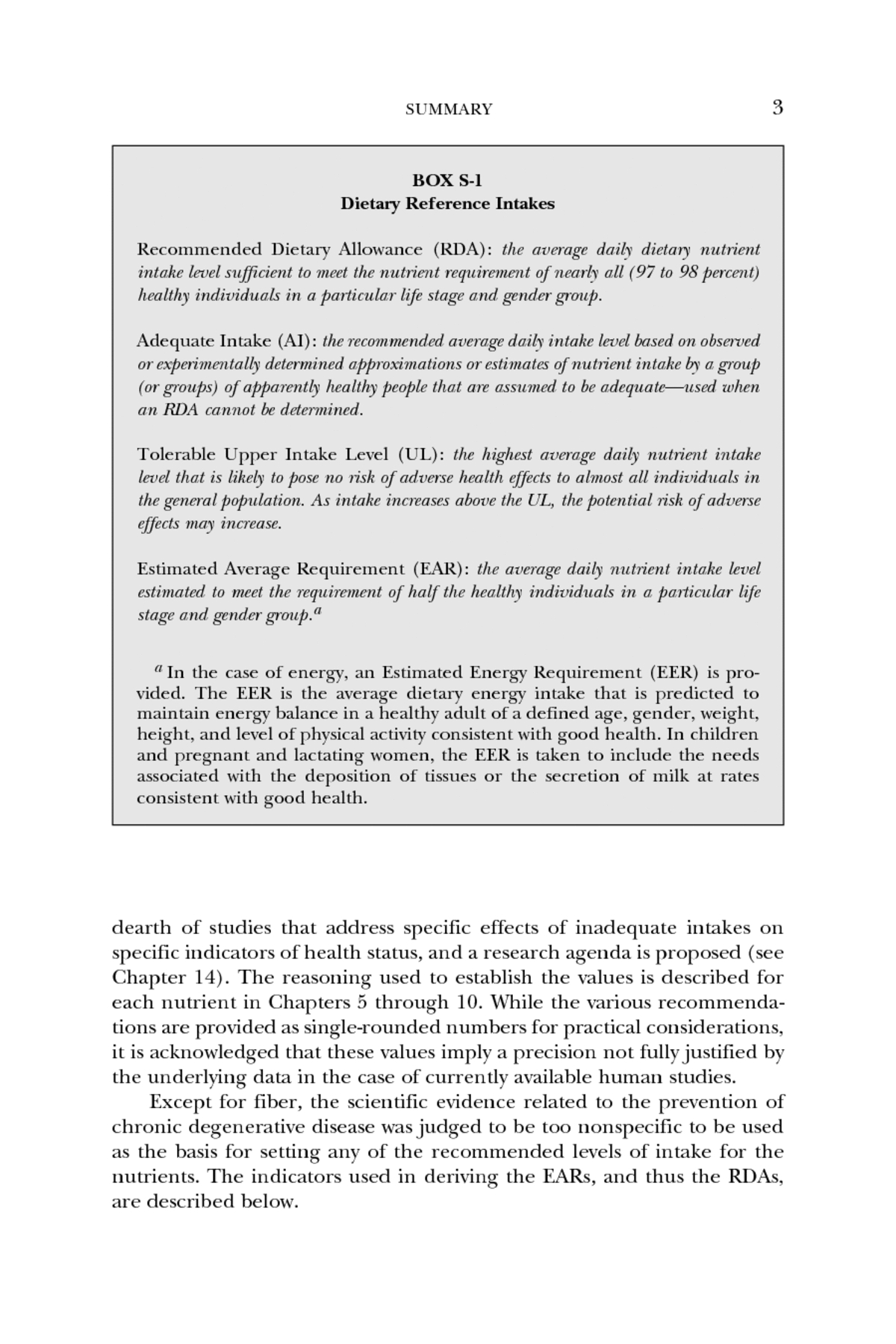
3 S UMMARY BOX S-1 Dietary Reference Intakes Recommended Dietary Allowance (RDA): the average daily dietary nutrient intake level sufficient to meet the nutrient requirement of nearly all (97 to 98 percent) healthy individuals in a particular life stage and gender group. Adequate Intake (AI): the recommended average daily intake level based on observed or experimentally determined approximations or estimates of nutrient intake by a group (or groups) of apparently healthy people that are assumed to be adequateâused when an RDA cannot be determined. Tolerable Upper Intake Level (UL): the highest average daily nutrient intake level that is likely to pose no risk of adverse health effects to almost all individuals in the general population. As intake increases above the UL, the potential risk of adverse effects may increase. Estimated Average Requirement (EAR): the average daily nutrient intake level estimated to meet the requirement of half the healthy individuals in a particular life stage and gender group.a a In the case of energy, an Estimated Energy Requirement (EER) is pro- vided. The EER is the average dietary energy intake that is predicted to maintain energy balance in a healthy adult of a defined age, gender, weight, height, and level of physical activity consistent with good health. In children and pregnant and lactating women, the EER is taken to include the needs associated with the deposition of tissues or the secretion of milk at rates consistent with good health. dearth of studies that address specific effects of inadequate intakes on specific indicators of health status, and a research agenda is proposed (see Chapter 14). The reasoning used to establish the values is described for each nutrient in Chapters 5 through 10. While the various recommenda- tions are provided as single-rounded numbers for practical considerations, it is acknowledged that these values imply a precision not fully justified by the underlying data in the case of currently available human studies. Except for fiber, the scientific evidence related to the prevention of chronic degenerative disease was judged to be too nonspecific to be used as the basis for setting any of the recommended levels of intake for the nutrients. The indicators used in deriving the EARs, and thus the RDAs, are described below.
4 DIETARY REFERENCE INTAKES NUTRIENT FUNCTIONS AND THE INDICATORS USED TO ESTIMATE REQUIREMENTS Energy is required to sustain the bodyâs various functions, including respiration, circulation, physical work, and protein synthesis. This energy is supplied by carbohydrates, proteins, fats, and alcohol in the diet. The energy balance of an individual depends on his or her dietary energy intake and energy expenditure. The Estimated Energy Requirement (EER) is defined as the average dietary energy intake that is predicted to main- tain energy balance in a healthy adult of a defined age, gender, weight, height, and level of physical activity, consistent with good health (Table S-1). In children and pregnant and lactating women, the EER is taken to include the needs associated with the deposition of tissues or the secretion of milk at rates consistent with good health. While EERs can be estimated for four levels of activity from the equations provided, the active physical activity level is recommended to maintain health. Carbohydrates (sugars and starches) provide energy to cells in the body, particularly the brain, which is a carbohydrate-dependent organ. An Esti- mated Average Requirement (EAR) for carbohydrate is established based on the average amount of glucose utilized by the brain. The Recommended Dietary Allowance (RDA) for carbohydrate is set at 130 g/d for adults and children (Table S-2). There was insufficient evidence to set a daily intake of sugars or added sugars that individuals should aim for. Dietary Fiber is defined as nondigestible carbohydrates and lignin that are intrinsic and intact in plants. Functional Fiber is defined as isolated, nondigestible carbohydrates that have been shown to have beneficial physi- ological effects in humans. Total Fiber is the sum of Dietary Fiber and Func- tional Fiber. Viscous fibers delay the gastric emptying of ingested foods into the small intestine, which can result in a sensation of fullness. This delayed emptying effect also results in reduced postprandial blood glucose con- centrations. Viscous fibers can also interfere with the absorption of dietary fat and cholesterol, as well as the enterohepatic recirculation of cholesterol and bile acids, which may result in reduced blood cholesterol concentra- tions. An Adequate Intake (AI) for Total Fiber is set at 38 and 25 g/d for men and women ages 19 to 50, respectively (Table S-3). Fat is a major source of fuel energy for the body and aids in the absorption of fat-soluble vitamins and other food components such as carotenoids. Because the percent of energy that is consumed as fat can vary greatly while still meeting daily energy needs, neither an AI nor EAR is set for adults (the AI for infants is given in Table S-4). Saturated fatty acids, monounsaturated fatty acids, and cholesterol are synthesized by the body and have no known beneficial role in preventing chronic diseases, and thus are not required in the diet. Therefore, no AI, EAR, or RDA is set. The n-6
5 S UMMARY TABLE S-1 Criteria and Dietary Reference Intake Values for Energy by Active Individuals by Life Stage Groupa Active PAL EERb (kcal/d) Life Stage Group Criterion Male Female 0 through 6 mo Energy expenditure plus 570 520 (3 mo) energy deposition 7 through 12 mo Energy expenditure plus 743 676 (9 mo) energy deposition 1 through 2 y Energy expenditure plus 1,046 992 (24 mo) energy deposition 3 through 8 y Energy expenditure plus 1,742 1,642 (6 y) energy deposition 9 through 13 y Energy expenditure plus 2,279 2,071 (11 y) energy deposition 14 through 18 y Energy expenditure plus 3,152 2,368 (16 y) energy deposition 3,067c 2,403c (19 y) > 18 y Energy expenditure Pregnancy 14 through 18 y Adolescent female EER plus change 1st trimester in Total Energy Expenditure (TEE) 2,368 (16 y) 2nd trimester plus pregnancy energy deposition 2,708 (16 y) 3rd trimester 2,820 (16 y) 19 through 50 y Adult female EER plus change in 2,403c (19 y) 1st trimester TEE plus pregnancy energy 2,743c (19 y) 2nd trimester deposition 2,855c (19 y) 3rd trimester Lactation 14 through 18 y Adolescent female EER plus milk 1st 6 mo energy output minus weight loss 2,698 (16 y) 2nd 6 mo 2,768 (16 y) 19 through 50 y Adult female EER plus milk energy 2,733c (19 y) 1st 6 mo output minus weight loss 2,803c (19 y) 2nd 6 mo a For healthy active Americans and Canadians. Based on the cited age, an active physi- cal activity level, and the reference heights and weights cited in Table 1-1. Individual- ized EERs can be determined by using the equations in Chapter 5. b PAL = Physical Activity Level, EER = Estimated Energy Requirement. The intake that meets the average energy expenditure of individuals at the reference height, weight, and age (see Table 1-1). c Subtract 10 kcal/d for males and 7 kcal/d for females for each year of age above 19 years. polyunsaturated fatty acid, linoleic acid, is an essential fatty acid. A deficiency of n-6 polyunsaturated fatty acids is characterized by rough and scaly skin, dermatitis, and an elevated eicosatrienoic acid:arachidonic acid (triene:tetraene) ratio. The AI for linoleic acid is based on the median
6 DIETARY REFERENCE INTAKES TABLE S-2 Criteria and Dietary Reference Intake Values for Carbohydrate by Life Stage Group EARa (g/d) RDAb (g/d) Male Female Male Female AIc (g/d) Life Stage Group Criterion 0 through 6 mo Average content of 60 human milk 7 through 12 mo Average intake from 95 human milk plus complementary foods 1 through 3 y Extrapolation from 100 100 130 130 adult data 4 through 8 y Extrapolation from 100 100 130 130 adult data 9 through 13 y Extrapolation from 100 100 130 130 adult data 14 through 18 y Extrapolation from 100 100 130 130 adult data > 18 y Brain glucose utilization 100 100 130 130 Pregnancy 14 through 18 y Adolescent female EAR 135 175 plus fetal brain glucose utilization 19 through 50 y Adult female EAR plus 135 175 fetal brain glucose utilization Lactation 14 through 18 y Adolescent female EAR 160 210 plus average human milk content of carbohydrate 19 through 50 y Adult female EAR plus 160 210 average human milk content of carbohydrate a EAR = Estimated Average Requirement. The intake that meets the estimated nutrient needs of half the individuals in a group. b RDA = Recommended Dietary Allowance. The intake that meets the nutrient need of almost all (97â98 percent) individuals in a group. c AI = Adequate Intake: the observed average or experimentally determined intake by a defined population or subgroup that appears to sustain a defined nutritional status, such as growth rate, normal circulating nutrient values, or other functional indicators of health. The AI is used if sufficient scientific evidence is not available to derive an EAR. For healthy infants receiving human milk, the AI is the mean intake. The AI is not equivalent to an RDA.
7 S UMMARY TABLE S-3 Criteria and Dietary Reference Intake Values for Total Fiber by Life Stage Group AIa (g/d) Life Stage Group Criterion Male Female ND b 0 through 6 mo ND 7 through 12 mo ND ND 1 through 3 y Intake level shown to provide the 19 19 greatest protection against coronary heart disease (14 g/1,000 kcal) Ã median energy intake level (kcal/1,000 kcal/d) 4 through 8 y Intake level shown to provide the 25 25 greatest protection against coronary heart disease (14 g/1,000 kcal) Ã median energy intake level (kcal/1,000 kcal/d) 9 through 13 y Intake level shown to provide the 31 26 greatest protection against coronary heart disease (14 g/1,000 kcal) Ã median energy intake level (kcal/1,000 kcal/d) 14 through 18 y 38 26 19 through 30 y Intake level shown to provide the 38 25 greatest protection against coronary heart disease (14 g/1,000 kcal) Ã median energy intake level (kcal/1,000 kcal/d) 31 through 50 y Intake level shown to provide the 38 25 greatest protection against coronary heart disease (14 g/1,000 kcal) Ã median energy intake level (kcal/1,000 kcal/d) 51 through 70 y Intake level shown to provide the 30 21 greatest protection against coronary heart disease (14 g/1,000 kcal) Ã median energy intake level (kcal/1,000 kcal/d) > 70 y Intake level shown to provide the 30 21 greatest protection against coronary heart disease (14 g/1,000 kcal) Ã median energy intake level (kcal/1,000 kcal/d) continued
8 DIETARY REFERENCE INTAKES TABLE S-3 Continued AIa (g/d) Life Stage Group Criterion Male Female Pregnancy 14 through 18 y Intake level shown to provide the 28 greatest protection against coronary heart disease (14 g/1,000 kcal) à median energy intake level (kcal/1,000 kcal/d) 19 through 50 y Intake level shown to provide the 28 greatest protection against coronary heart disease (14 g/1,000 kcal) à median energy intake level (kcal/1,000 kcal/d) Lactation 14 through 18 y Intake level shown to provide the 29 greatest protection against coronary heart disease (14 g/1,000 kcal) à median energy intake level (kcal/1,000 kcal/d) 19 through 50 y Intake level shown to provide the 29 greatest protection against coronary heart disease (14 g/1,000 kcal) à median energy intake level (kcal/1,000 kcal/d) a AI = Adequate Intake. Based on 14 g/1,000 kcal of required energy. The AI is the observed average or experimentally determined intake by a defined population or sub- group that appears to sustain a defined nutritional status, such as growth rate, normal circulating nutrient values, or other functional indicators of health. The AI is used if sufficient scientific evidence is not available to derive an Estimated Average Require- ment (EAR). For healthy infants receiving human milk, the AI is the mean intake. The AI is not equivalent to a Recommended Dietary Allowance (RDA). b ND = not determined. intake of linoleic acid by different life stage and gender groups in the United States, where the presence of n-6 polyunsaturated fatty acid defi- ciency is nonexistent. The AI for linoleic acid is 17 and 12 g/d for men and women 19 through 50 years of age, respectively (Table S-5). n-3 Poly- unsaturated fatty acids play an important role as structural membrane lipids, particularly in nerve tissue and the retina of the eye. These fatty acids also modulate the metabolism of n-6 polyunsaturated fatty acids and thereby influence the balance of n-6 and n-3 fatty acid-derived eicosanoids. The AI is based on the median intakes of α-linolenic acid in the United States
9 S UMMARY TABLE S-4 Criteria and Dietary Reference Intake Values for Total Fat by Life Stage Group AIa (g/d) Life Stage Group Criterion Male Female 0 through 6 mo Average consumption of total fat from 31 31 human milk 7 through 12 mo Average consumption of total fat from 30 30 human milk and complementary foods NDb 1 through 3y ND 4 through 8y ND ND 9 through 13 y ND ND 14 through 18 y ND ND > 18 y ND ND Pregnancy ND ND 14 through 18 y ND ND 19 through 50 y ND ND Lactation ND ND 14 through 18 y ND ND 19 through 50 y ND ND a AI = Adequate Intake: the observed average or experimentally determined intake by a defined population or subgroup that appears to sustain a defined nutritional status, such as growth rate, normal circulating nutrient values, or other functional indicators of health. The AI is used if sufficient scientific evidence is not available to derive an Estimated Average Requirement (EAR). For healthy infants receiving human milk, the AI is the mean intake. The AI is not equivalent to a Recommended Dietary Allowance (RDA). b ND = not determined. where the presence of n-3 polyunsaturated fatty acid deficiency is non- existent. The AI for α-linolenic acid is 1.6 and 1.1 g/d for men and women, respectively (Table S-6). Eicosapentaenoic acid and docosahexaenoic acid contribute approximately 10 percent of the total n-3 fatty acid intake and therefore this percent contributes toward the AI for α-linolenic acid. Proteins form the major structural components of all the cells of the body. Along with amino acids, they function as enzymes, membrane carriers, and hormones. The RDA for both men and women is 0.8 g/kg of body weight/d of protein and is based on meta-analysis of nitrogen balance studies (Table S-7). Amino acids are dietary components of protein; nine amino acids are considered indispensable and thus dietary sources must be provided. The relative ratio of indispensable amino acids in a food protein and its digestibility determines the quality of the dietary protein (see Table S-8).
10 DIETARY REFERENCE INTAKES TABLE S-5 Criteria and Dietary Reference Intake Values for n-6 Polyunsaturated Fatty Acids (Linoleic Acid) by Life Stage Group AI (g/d)a Life Stage Group Criterion Male Female 0 through 6 mo Average consumption of total n-6 fatty 4.4 4.4 acids from human milk 7 through 12 mo Average consumption of total n-6 fatty 4.6 4.6 acids from human milk and complementary foods Median intake of linoleic acid from CSFIIb 1 through 3y 7 7 4 through 8y Median intake of linoleic acid from CSFII 10 10 9 through 13 y Median intake of linoleic acid from CSFII 12 10 14 through 18 y Median intake of linoleic acid from CSFII 16 11 19 through 30 y Median intake of linoleic acid from CSFII 17 12 31 through 50 y Median intake of linoleic acid from CSFII 17 12 for 19 to 30 y group 51 through 70 y Median intake of linoleic acid from CSFII 14 11 > 70 y Median intake of linoleic acid from CSFII 14 11 for 51 through 70 y group Pregnancy 14 through 18 y Median intake of linoleic acid from CSFII 13 for all pregnant women 19 through 50 y Median intake of linoleic acid from CSFII 13 for all pregnant women Lactation 14 through 18 y Median intake of linoleic acid from CSFII 13 for all lactating women 19 through 50 y Median intake of linoleic acid from CSFII 13 for all lactating women a AI = Adequate Intake: the observed average or experimentally determined intake by a defined population or subgroup that appears to sustain a defined nutritional status, such as growth rate, normal circulating nutrient values, or other functional indicators of health. The AI is used if sufficient scientific evidence is not available to derive an Estimated Average Requirement (EAR). For healthy infants receiving human milk, the AI is the mean intake. The AI is not equivalent to a Recommended Dietary Allowance (RDA). b CSFII = Continuing Survey of Food Intake by Individuals.
11 S UMMARY TABLE S-6 Criteria and Dietary Reference Intake Values for n-3 Polyunsaturated Fatty Acids (α-Linolenic Acid) by Life Stage Group AIa (g/d) Life Stage Group Criterion Male Female 0 through 6 mo Average consumption of total n -3 fatty 0.5 0.5 acids from human milk 7 through 12 mo Average consumption of total n -3 fatty 0.5 0.5 acids from human milk and complementary foods Median intake of α-linolenic acid from 1 through 3 y 0.7 0.7 CSFIIb Median intake of α-linolenic acid from 4 through 8 y 0.9 0.9 CSFII Median intake of α-linolenic acid from 9 through 13 y 1.2 1.0 CSFII Median intake of α-linolenic acid from 14 through 18 y 1.6 1.1 CSFII Highest median intake of α -linolenic acid 19 through 30 y 1.6 1.1 from CSFII for all adult age groups Highest median intake of α -linolenic acid 31 through 50 y 1.6 1.1 from CSFII for all adult age groups Highest median intake of α -linolenic acid 51 through 70 y 1.6 1.1 from CSFII for all adult age groups Highest median intake of α -linolenic acid > 70 y 1.6 1.1 from CSFII for all adult age groups Pregnancy Median intake of α-linolenic acid from 14 through 18 y 1.4 CSFII for all pregnant women Median intake of α-linolenic acid from 19 through 50 y 1.4 CSFII for all pregnant women Lactation Median intake of α-linolenic acid from 14 through 18 y 1.3 CSFII for all lactating women Median intake of α-linolenic acid from 19 through 50 y 1.3 CSFII for all lactating women a AI = Adequate Intake: the observed average or experimentally determined intake by a defined population or subgroup that appears to sustain a defined nutritional status, such as growth rate, normal circulating nutrient values, or other functional indicators of health. The AI is used if sufficient scientific evidence is not available to derive an Estimated Average Requirement (EAR). For healthy infants receiving human milk, the AI is the mean intake. The AI is not equivalent to a Recommended Dietary Allowance (RDA). b CSFII = Continuing Survey of Food Intake by Individuals.
12 DIETARY REFERENCE INTAKES TABLE S-7 Criteria and Dietary Reference Intake Values for Protein by Life Stage Group Life Stage Group Criterion 0 through 6 mo Average consumption of protein from human milk 7 through 12 mo Nitrogen equilibrium plus protein deposition 1 through 3 y Nitrogen equilibrium plus protein deposition 4 through 8 y Nitrogen equilibrium plus protein deposition 9 through 13 y Nitrogen equilibrium plus protein deposition 14 through 18 y Nitrogen equilibrium plus protein deposition > 18 y Nitrogen equilibrium Pregnancy 14 through 18 y Nitrogen equilibrium plus protein deposition 19 through 50 y Nitrogen equilibrium plus protein deposition Lactation 14 through 18 y Nitrogen equilibrium plus milk nitrogen 19 through 50 y Nitrogen equilibrium plus milk nitrogen a AI = Adequate Intake, RDA = Recommended Dietary Allowance. The AI is the observed average or experimentally determined intake by a defined population or subgroup that appears to sustain a defined nutritional status, such as growth rate, normal circulating nutrient values, or other functional indicators of health. It is used if sufficient scientific evidence is not available to derive an EAR. For healthy infants receiving human milk, the AI is the mean intake. The AI is not equivalent to an RDA. The RDA is the intake that meets the nutrient need of almost all (97â98 percent) individuals in a group. b EAR = Estimated Average Requirement. The intake that meets the estimated nutrient needs of half the individuals in a group. CRITERIA AND PROPOSED VALUES FOR TOLERABLE UPPER INTAKE LEVELS A risk assessment model is used to derive Tolerable Upper Intake Levels (ULs). The model consists of a systematic series of scientific consider- ations and judgments. The hallmark of the risk assessment model is the requirement to be explicit in all of the evaluations and judgments made. There were insufficient data to use the model of risk assessment to set a UL for total fat, monounsaturated fatty acids, n-6 and n-3 polyunsaturated fatty acids, protein, or amino acids. While increased serum low density lipoprotein cholesterol concentrations, and therefore risk of coronary heart disease, may increase at high intakes of saturated fatty acids, trans fatty acids, or cholesterol, a UL is not set for these fats because the level at which risk begins to increase is very low and cannot be achieved by usual
13 S UMMARY AI or RDA for Reference Individuala EARb (g/kg/d) AI (g/d) RDA (g/kg/d) AI (g/kg/d)c Males Females Males Females Males Females 9.1 (AI) 9.1 (AI) 1.52 11.0 11.0 1.0 1.0 1.2 1.2 13 13 0.87 0.87 1.05 1.05 19 19 0.76 0.76 0.95 0.95 34 34 0.76 0.76 0.95 0.95 52 46 0.73 0.71 0.85 0.85 56 46 0.66 0.66 0.80 0.80 71c 0.88 1.1 71 0.88 1.1 71 1.05 1.3 71 1.05 1.3 c The EAR and RDA for pregnancy are only for the second half of pregnancy. For the first half of pregnancy, the protein requirements are the same as those of the non- pregnant woman. NOTE: Due to a calculation error in the prepublication copy, values are changed for: RDA for reference infants 7 through 12 mo from 13.5 g/d to 11.0 g/d; EAR for infants 7 through 12 mo from 1.1 g/kg/d to 1.0 g/kg/d; RDA for infants 7 through 12 mo from 1.5 g/kg/d to 1.2 g/kg/d; EAR for children 1 through 3 y from 0.88 g/kg/d to 0.87 g/kg/d; RDA for children 1 through 3 y from 1.10 g/kg/d to 1.05 g/kg/d; RDA for lactating women from 1.1 g/kg/d to 1.3 g/kg/d. diets and still have adequate intakes of all other required nutrients. It is thus recommended that saturated fatty acid, trans fatty acid, and cholesterol consumption be as low as possible while consuming a nutritionally ade- quate diet. Although there were insufficient data to set a UL for added sugars, a maximal intake level of 25 percent or less of energy is suggested to prevent the displacement of foods that are major sources of essential micronutrients (see Chapter 11). Although a specific UL was not set for any of the macronutrients, the absence of definitive data does not signify that people can tolerate chronic intakes of these substances at high levels. Like all chemical agents, nutri- ents and other food components can produce adverse effects if intakes are excessive. Therefore, when data are extremely limited or conflicting, extra caution may be warranted in consuming levels significantly above that found in typical food-based diets.
14 DIETARY REFERENCE INTAKES TABLE S-8 FNB/IOM Protein Quality Scoring Pattern (mg/g protein) Recommended FNB/IOM Patterna Indispensable Amino Acid Histidine 18 Isoleucine 25 Leucine 55 Lysine 51 Methionine + cysteine 25 Phenylalanine + tyrosine 47 Threonine 27 Tryptophan 7 Valine 32 a Based on Estimated Average Requirements for 1- to 3-year-old children for both indispensable amino acids and total protein. ACCEPTABLE MACRONUTRIENT DISTRIBUTION RANGES FOR HEALTHY DIETS Dietary Reference Intakes have been set for carbohydrate, n-6 and n-3 polyunsaturated fatty acids, protein, and amino acids based on controlled studies in which the actual amount of nutrient provided or utilized is known, or based on median intakes from national survey data. A growing body of evidence has shown that macronutrients, particularly fats and car- bohydrate, play a role in the risk of chronic diseases. Although various guidelines have been established that suggest a maximal intake level of fat and fatty acids (e.g., American Heart Associa- tion [Krauss et al., 1996], Dietary Guidelines for Americans [USDA/HHS, 2000]), the scientific evidence suggests that individuals can consume mod- erate levels without risk of adverse health effects, while increased risk may occur with the chronic consumption of diets that are too low or too high in these macronutrients. Much of this evidence is based on clinical end- points (e.g., risk of coronary heart disease (CHD), diabetes, cancer, and obesity), which are associations rather than distinct endpoints. Further- more, because there may be factors other than diet that may contribute to chronic diseases, it is not possible to determine a defined level of intake at which chronic diseases may be prevented or may develop. Based on the evidence to suggest a role in chronic diseases, as well as information to ensure sufficient intakes of essential nutrients, Acceptable Macronutrient Distribution Ranges (AMDR) have been estimated for indi- viduals (see Chapter 11). An AMDR is defined as a range of intakes for a particular energy source that is associated with reduced risk of chronic
15 S UMMARY diseases while providing adequate intakes of essential nutrients. The AMDR is expressed as a percentage of total energy intake because its require- ment, in a classical sense, is not independent of other energy fuel sources or of the total energy requirement of the individual. Each must be expressed in terms relative to each other. A key feature of each AMDR is that it has a lower and upper boundary, some determined mainly by the lowest or highest value judged to have an expected impact on health. If an individual consumes below or above this range, there is a potential for increasing the risk of chronic diseases shown to affect long-term health, as well as increasing the risk of insufficient intakes of essential nutrients. When fat intakes are low and carbohydrate intakes are high, interven- tion studies, with the support of epidemiological studies, demonstrate a reduction in plasma high density lipoprotein (HDL) cholesterol concen- tration, an increase in the plasma total cholesterol:HDL cholesterol ratio, and an increase in plasma triacylglycerol concentration, all consistent with an increased risk of CHD. Conversely, interventional studies show that when fat intakes are high, many individuals gain additional weight. Weight gain on high fat diets can be detrimental to individuals already susceptible to obesity and will worsen the metabolic consequences of obesity, particu- larly risk of CHD. Moreover, high fat diets are usually accompanied by increased intakes of saturated fatty acids, which can raise plasma low den- sity lipoprotein cholesterol concentrations and further heighten risk for CHD. Based on the apparent risk for CHD that may occur on both low and high fat diets, and the increased risk for CHD at higher carbohydrate intakes, an AMDR for fat and carbohydrate is estimated to be 20 to 35 and 45 to 65 percent of energy, respectively, for all adults. By consuming fat and carbohydrate within these ranges, the risk for CHD, as well as obesity and diabetes, may be kept at a minimum. Furthermore, these ranges allow for sufficient intakes of essential nutrients, while keeping the intake of saturated fat at moderate levels. To complement these ranges, the AMDR for protein is 10 to 35 percent of energy. Based on usual median intakes of energy, it is estimated that a lower boundary level of 5 percent of energy will meet the Adequate Intake (AI) for linoleic acid (Chapter 8). An upper boundary for linoleic acid is set at 10 percent of energy for three reasons: (1) individual dietary intakes of linoleic acid in the North American population rarely exceed 10 percent of energy, (2) epidemiological evidence for safety of intakes greater than 10 percent of energy are generally lacking, and (3) high intakes of linoleic acid create a pro-oxidant state that may predispose to several chronic dis- eases, such as CHD and cancer. Therefore, an AMDR of 5 to 10 percent of energy is suggested for linoleic acid. The AMDR for α-linolenic acid is set at 0.6 to 1.2 percent of energy. Ten percent of this range can be consumed as eicosapentaenoic acid
16 DIETARY REFERENCE INTAKES (EPA) and/or docosahexaenoic acid (DHA). The lower boundary of the range meets the AI for α-linolenic acid (Chapter 8). The upper boundary corresponds to the highest intakes from foods consumed by individuals in the United States and Canada. A growing body of literature suggests that diets higher in α-linolenic acid, EPA, and DHA may afford some degree of protection against CHD. Because the physiological potency of EPA and DHA is much greater than that for α-linolenic acid, it is not possible to estimate one AMDR for all n-3 fatty acids. No more than 25 percent of energy from added sugars should be consumed. This maximal intake level is based on ensuring sufficient intakes of essential micronutrients that are, for the most part, present in relatively low amounts in foods and beverages that are major sources of added sugars in North American diets. USING DIETARY REFERENCE INTAKES TO ASSESS NUTRIENT INTAKES OF GROUPS Suggested uses of Dietary Reference Intakes (DRIs) appear in Box S-2. The transition from using previously published Recommended Dietary Allowances (RDAs) and Reference Nutrient Intakes (RNIs) to using each of the DRIs appropriately will require time and effort by health professionals and others. For statistical reasons that are addressed briefly in Chapter 13 and in more detail in the report Dietary Reference Intakes: Applications in Dietary Assessment (IOM, 2000), the Estimated Average Requirement (EAR) is the appropriate reference intake to use in assessing the nutrient intake of groups, whereas the RDA is not. When assessing nutrient intakes of groups, it is important to consider the variation in intake in the same individuals from day to day, as well as underreporting. With these considerations, the prevalence of inadequacy for a given nutrient may be estimated by using national survey data and determining the percentage of the population below the EAR (see Chapter 13). Assuming a normal distribution of requirements, the percentage of surveyed individuals whose intake is less than the EAR equals the percent- age of individuals whose diets are considered inadequate based on the criteria of inadequacy chosen to determine the requirement. For example, intake data from the Continuing Survey of Food Intakes by Individuals (1994â1996, 1998), which collected 24-hour diet recalls for 1 or 2 days, indicate that: ⢠Less than 5 percent of adults at that time consumed dietary carbo- hydrate at a level less than the EAR.
17 S UMMARY BOX S-2 Uses of Dietary Reference Intakes for Healthy Individuals and Groups For an Individuala For a Groupb Type of Use Assessment EAR: use to examine the EAR: use to estimate the prevalence probability that usual intake of inadequate intakes within a is inadequate. group. EERd: use to examine the EER: use to estimate the prevalence probability that usual energy of inadequate energy intakes within intake is inadequate. a group. RDA: usual intake at or RDA: do not use to assess intakes of above this level has a low groups. probability of inadequacy. AIc : usual intake at or above AIc : mean usual intake at or above this level has a low probabil- this level implies a low prevalence of ity of inadequacy. inadequate intakes. UL: usual intake above this UL: use to estimate the percentage level may place an individual of the population at potential risk of at risk of adverse effects adverse effects from excess nutrient from excessive nutrient intake. intake. Planning RDA: aim for this intake. EAR: use to plan an intake distribu- tion with a low prevalence of inadequate intakes. EER: use to plan an energy intake distribution with a low prevalence of inadequate intakes. AIc : aim for this intake. AIc : use to plan mean intakes. UL: use as a guide to limit UL: use to plan intake distributions intake; chronic intake of with a low prevalence of intakes higher amounts may in- potentially at risk of adverse effects. crease the potential risk of adverse effects. RDA = Recommended Dietary Allowance EER = Estimated Energy Requirement EAR = Estimated Average Requirement AI = Adequate Intake UL = Tolerable Upper Level a Evaluation of true status requires clinical, biochemical, and anthropometric data. b Requires statistically valid approximation of distribution of usual intakes. c For the nutrients in this report, AIs are set for infants for all nutrients, and for other age groups for fiber and n-6 and n-3 fatty acids. The AI may be used as a guide for infants as it reflects the average intake from human milk. Infants consuming formulas with the same nutrient composition as human milk are consuming an adequate amount after adjustments are made for differences in bioavailability. When the AI for a nutrient is not based on mean intakes of healthy populations, this assessment is made with less confidence. d The EER may be used as the EAR for these applications.
18 DIETARY REFERENCE INTAKES ⢠Less than 5 percent of children and adults consumed protein at levels less than the EAR. ⢠Less than 5 percent of adults consumed Dietary Fiber at levels greater than the AI. RESEARCH RECOMMENDATIONS Four major types of information gaps were noted: (1) a lack of data designed specifically to estimate average requirements for fiber and fat in presumably healthy humans, (2) a lack of data on the needs of macro- nutrients of infants, children, adolescents, the elderly, and pregnant women, (3) a lack of multidose, long-term studies to determine the role of specific macronutrients in reducing the risk of certain chronic diseases, and (4) a lack of studies designed to detect adverse effects of chronic high intakes of specific macronutrients. Highest priority is thus given to studies that address the following research topics: ⢠long-term, doseâresponse studies to help identify the requirement of individual macronutrients that are essential in the diet (e.g., essential amino acids and n-6 and n-3 polyunsaturated fats) for all life stage and gender groups. It is recognized that it is not possible to identify a defined intake level of fat for maintaining health and decreasing risk of disease; however, it is recognized that further information is needed to identify acceptable ranges of intake for fat, as well as for protein and carbohydrate that are based on prevention of chronic diseases and maintaining health; ⢠studies to further understand the beneficial roles of Dietary and Functional Fibers in human health; ⢠studies during pregnancy designed to determine protein and energy needs; ⢠information on the form, frequency, intensity, and duration of exercise and physical activity that is successful in managing body weight in both children and adults; ⢠long-term studies on the role of glycemic response in preventing chronic diseases, such as diabetes and coronary heart disease, in healthy individuals, and; ⢠studies to investigate the levels at which adverse effects occur with chronic high intakes of specific macronutrients. For some nutrients, such as saturated fat and cholesterol, biochemical indicators of adverse effects can occur at very low intakes. Thus, more information is needed to ascer- tain defined levels of intakes at which onset of relevant health risks (e.g., obesity, coronary heart disease, and diabetes) occur.
19 S UMMARY REFERENCES IOM (Institute of Medicine). 2000. Dietary Reference Intakes: Applications in Dietary Assessment. Washington, DC: National Academy Press. Krauss RM, Deckelbaum RJ, Ernst N, Fisher E, Howard BV, Knopp RH, Kotchen T, Lichtenstein AH, McGill HC, Pearson TA, Prewitt TE, Stone NJ, Horn LV, Weinberg R. 1996. Dietary guidelines for healthy American adults. A state- ment for health professionals from the Nutrition Committee, American Heart Association. Circulation 94:1795â1800. USDA/HHS (U.S. Department of Agriculture/Department of Health and Human Services). 2000. Nutrition and Your Health: Dietary Guidelines for Americans. Home and Garden Bulletin No. 232. Washington, DC: U.S. Government Printing Office.
