


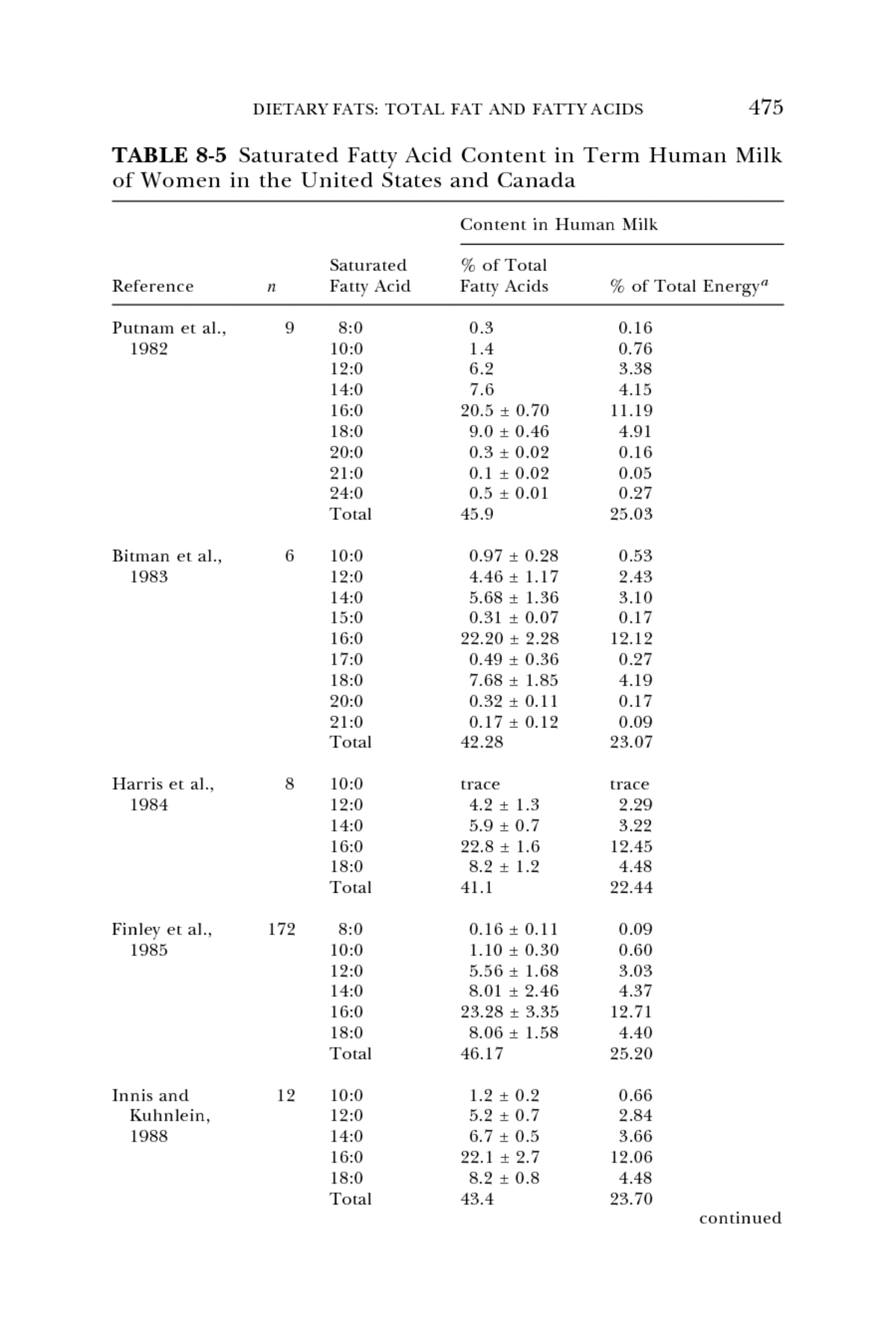




Below is the uncorrected machine-read text of this chapter, intended to provide our own search engines and external engines with highly rich, chapter-representative searchable text of each book. Because it is UNCORRECTED material, please consider the following text as a useful but insufficient proxy for the authoritative book pages.
8 Dietary Fats: Total Fat and Fatty Acids SUMMARY Fat is a major source of fuel energy for the body and aids in the absorption of fat-soluble vitamins and carotenoids. Neither an Adequate Intake (AI) nor Recommended Dietary Allowance (RDA) is set for total fat because there are insufficient data to determine a defined level of fat intake at which risk of inadequacy or prevention of chronic disease occurs. An Acceptable Macronutrient Distribu- tion Range (AMDR), however, has been estimated for total fatâit is 20 to 35 percent of energy (see Chapter 11). A Tolerable Upper Intake Level (UL) is not set for total fat because there is no defined intake level of fat at which an adverse effect occurs. Saturated fatty acids are synthesized by the body to provide an adequate level needed for their physiological and structural func- tions; they have no known role in preventing chronic diseases. Therefore, neither an AI nor RDA is set for saturated fatty acids. There is a positive linear trend between total saturated fatty acid intake and total and low density lipoprotein (LDL) cholesterol concentration and increased risk of coronary heart disease (CHD). A UL is not set for saturated fatty acids because any incremental increase in saturated fatty acid intake increases CHD risk. It is neither possible nor advisable to achieve 0 percent of energy from saturated fatty acids in typical whole-food diets. This is because all fat and oil sources are mixtures of fatty acids, and consuming 0 percent of energy would require extraordinary changes in pat- terns of dietary intake. Such extraordinary adjustments may intro- duce undesirable effects (e.g., inadequate intakes of protein and 422
423 D IETARY FATS: TOTAL FAT AND FATTY ACIDS certain micronutrients) and unknown and unquantifiable health risks. The AMDR for total fat is set at 20 to 35 percent of energy. It is possible to have a diet low in saturated fatty acids by following the dietary guidance provided in Chapter 11. n-9 cis Monounsaturated fatty acids are synthesized by the body and have no known independent beneficial role in human health and are not required in the diet. Therefore, neither an AI nor an RDA is set. There is insufficient evidence to set a UL for n-9 cis monounsaturated fatty acids. Linoleic acid is the only n-6 polyunsaturated fatty acid that is an essential fatty acid; it serves as a precursor to eicosanoids. A lack of dietary n-6 polyunsaturated fatty acids is characterized by rough and scaly skin, dermatitis, and an elevated eicosatrienoic acid:arachidonic acid (triene:tetraene) ratio. The AI for linoleic acid is based on the median intake in the United States where an n-6 fatty acid deficiency is nonexistent in healthy individuals. The AI is 17 g/d for young men and 12 g/d for young women. While intake levels much lower than the AI occur in the United States without the presence of a deficiency, the AI can provide the ben- eficial health effects associated with the consumption of linoleic acid (see Chapter 11). There is insufficient evidence to set a UL for n-6 polyunsaturated fatty acids. n-3 Polyunsaturated fatty acids play an important role as structural membrane lipids, particularly in nerve tissue and the retina, and are precursors to eicosanoids. A lack of α-linolenic acid in the diet can result in clinical symptoms of a deficiency (e.g., scaly dermatitis). An AI is set for α-linolenic acid based on median intakes in the United States where an n-3 fatty acid deficiency is nonexistent in healthy individuals. The AI is 1.6 and 1.1 g/d for men and women, respectively. While intake levels much lower than the AI occur in the United States without the presence of a deficiency, the AI can provide the beneficial health effects associated with the consumption of n-3 fatty acids (see Chapter 11). There is insufficient evidence to set a UL for n-3 fatty acids. Trans fatty acids are not essential and provide no known benefit to human health. Therefore, no AI or RDA is set. As with saturated fatty acids, there is a positive linear trend between trans fatty acid intake and LDL cholesterol concentration, and therefore increased risk of CHD. A UL is not set for trans fatty acids because any incre- mental increase in trans fatty acid intake increases CHD risk. Because trans fatty acids are unavoidable in ordinary, nonvegan diets, consuming 0 percent of energy would require significant changes in patterns of dietary intake. As with saturated fatty acids, such adjustments may introduce undesirable effects (e.g., elimina-
424 DIETARY REFERENCE INTAKES tion of commercially prepared foods, dairy products, and meats that contain trans fatty acids may result in inadequate intakes of protein and certain micronutrients) and unknown and unquanti- fiable health risks. Nevertheless, it is recommended that trans fatty acid consumption be as low as possible while consuming a nutri- tionally adequate diet. Dietary guidance in minimizing trans fatty acid intake is provided in Chapter 11. BACKGROUND INFORMATION Total Fat Fat is a major source of fuel energy for the body. It also aids in the absorption of the fat-soluble vitamins A, D, E, and K and carotenoids. Dietary fat consists primarily (98 percent) of triacylglycerol, which is com- posed of one glycerol molecule esterified with three fatty acid molecules, and smaller amounts of phospholipids and sterols. Fatty acids are hydro- carbon chains that contain a methyl (CH3-) and a carboxyl (-COOH) end. The fatty acids vary in carbon chain length and degree of unsaturation (number of double bonds in the carbon chain). The fatty acids can be classified into the following categories: ⢠Saturated fatty acids ⢠Cis monounsaturated fatty acids ⢠Cis polyunsaturated fatty acids â n-6 fatty acids â n-3 fatty acids ⢠Trans fatty acids Dietary fat derives from both animal and plant products. In general, animal fats have higher melting points and are solid at room temperature, which is a reflection of their high content of saturated fatty acids. Plant fats (oils) tend to have lower melting points and are liquid at room tem- perature (oils); this is explained by their high content of unsaturated fatty acids. Exceptions to this rule are the seed oils (e.g., coconut oil and palm kernel oil), which are high in saturated fat and solid at room temperature. Trans fatty acids have physical properties generally resembling saturated fatty acids and their presence tends to harden fats. In the discussion below, total fat intake refers to the intake of all forms of triacylglycerol, regardless of fatty acid composition, in terms of percentage of total energy intake. In addition to the functions of fat and fatty acids described above, fatty acids also function in cell signaling and alter expression of specific genes
425 D IETARY FATS: TOTAL FAT AND FATTY ACIDS involved in lipid and carbohydrate metabolism (Jump and Clarke, 1999; Sessler and Ntambi, 1998). Fatty acids may themselves be ligands for, or serve as precursors for, the synthesis of unknown endogenous ligands for nuclear peroxisome proliferator activating receptors (Kliewer et al., 1997; Latruffe and Vamecq, 1997). These receptors are important regulators of adipogenesis, inflammation, insulin action, and neurological function. Phospholipids Phospholipids are a form of fat that contains one glycerol molecule that is esterified with two fatty acids and either inositol, choline, serine, or ethanolamine. Phospholipids are primarily located in the membranes of cells in the body and the globule membranes in milk. A very small amount of dietary fat occurs as phospholipid. The metabolism of phospholipids is described below for total fat. The various fatty acids that are contained in phospholipids are the same as those present in triglycerides. Saturated Fatty Acids The majority of dietary saturated fatty acids come from animal products such as meat and dairy products (USDA, 1996). The remaining comes from plant sources. These sources provide a series of saturated fatty acids for which the major dietary fatty acids range in chain length from 8 to 18 carbon atoms. These are: ⢠8:0 Caprylic acid ⢠10:0 Caproic acid ⢠12:0 Lauric acid ⢠14:0 Myristic acid ⢠16:0 Palmitic acid ⢠18:0 Stearic acid The saturated fatty acids are not only a source of body fuel, but are also structural components of cell membranes. Various saturated fatty acids are also associated with proteins and are necessary for their normal function. Saturated fatty acids can be synthesized by the body. Fats in general, including saturated fatty acids, play a role in providing desirable texture and palatability to foods used in the diet. Palmitic acid is particularly useful for enhancing the organoleptic properties of fats used in commercial products. Stearic acid, in contrast, has physical properties that limit the amount that can be incorporated into dietary fat.
426 DIETARY REFERENCE INTAKES Cis Monounsaturated Fatty Acids Cis monounsaturated fatty acids are characterized by having one double bond with the hydrogen atoms present on the same side of the double bond. Typically, plant sources rich in cis monounsaturated fatty acids (e.g., canola oil, olive oil, and the high oleic safflower and sunflower oils) are liquid at room temperature. Monounsaturated fatty acids are present in foods with a double bond located at 7 (n-7) or 9 (n-9) carbon atoms from the methyl end. Monounsaturated fatty acids that are present in the diet include: ⢠18:1n-9 Oleic acid ⢠14:1n-7 Myristoleic acid ⢠16:1n-7 Palmitoleic acid ⢠18:1n-7 Vaccenic acid ⢠20:1n-9 Eicosenoic acid ⢠22:1n-9 Erucic acid Oleic acid accounts for about 92 percent of dietary monounsaturated fatty acids. Monounsaturated fatty acids, including oleic acid and nervonic acid (24:1n-9), are important in membrane structural lipids, particularly nervous tissue myelin. Other monounsaturated fatty acids, such as palmitoleic acid, are present in minor amounts in the diet. n-6 Polyunsaturated Fatty Acids The primary n-6 polyunsaturated fatty acids are: ⢠18:2 Linoleic acid γ-Linolenic acid ⢠18:3 Dihomo-γ-linolenic acid ⢠20:3 ⢠20:4 Arachidonic acid ⢠22:4 Adrenic acid ⢠22:5 Docosapentaenoic acid Linoleic acid cannot be synthesized by humans and a lack of it results in adverse clinical symptoms, including a scaly rash and reduced growth. Therefore, linoleic acid is essential in the diet. Linoleic acid is the precursor to arachidonic acid, which is the substrate for eicosanoid production in tissues, is a component of membrane structural lipids, and is also impor- tant in cell signaling pathways. Dihomo-γ-linolenic acid, also formed from linoleic acid, is also an eicosanoid precursor. n-6 Polyunsaturated fatty acids also play critical roles in normal epithelial cell function (Jones and
427 D IETARY FATS: TOTAL FAT AND FATTY ACIDS Kubow, 1999). Arachidonic acid and other unsaturated fatty acids are involved with regulation of gene expression resulting in decreased expres- sion of proteins that regulate the enzymes involved with fatty acid synthesis (Ou et al., 2001). This may partly explain the ability of unsaturated fatty acids to influence the hepatic synthesis of fatty acids. n-3 Polyunsaturated Fatty Acids n-3 Polyunsaturated fatty acids tend to be highly unsaturated with one of the double bonds located at 3 carbon atoms from the methyl end. This group includes: α-Linolenic acid ⢠18:3 ⢠20:5 Eicosapentaenoic acid ⢠22:5 Docosapentaenoic acid ⢠22:6 Docosahexaenoic acid α-Linolenic acid is not synthesized by humans and a lack of it results in adverse clinical symptoms, including neurological abnormalities and poor growth. Therefore, α-linolenic acid is essential in the diet. It is the precursor for synthesis of eicosapentaenoic acid (EPA) and docosahexaenoic acid (DHA), which are formed in varying amounts in animal tissues, espe- cially fatty fish, but not in plant cells. EPA is the precursor of n-3 eicosanoids, which have been shown to have beneficial effects in preventing coronary heart disease, arrhythmias, and thrombosis (Kinsella et al., 1990). Trans Fatty Acids Trans fatty acids are unsaturated fatty acids that contain at least one double bond in the trans configuration. The trans double-bond configura- tion results in a larger bond angle than the cis configuration, which in turn results in a more extended fatty acid carbon chain more similar to that of saturated fatty acids rather than that of cis unsaturated, double-bondâ containing fatty acids. The conformation of the double bond impacts on the physical properties of the fatty acid. Those fatty acids containing a trans double bond have the potential for closer packing or aligning of acyl chains, resulting in decreased mobility; hence fluidity is reduced when compared to fatty acids containing a cis double bond. Partial hydrogena- tion of polyunsaturated oils causes isomerization of some of the remaining double bonds and migration of others, resulting in an increase in the trans fatty acid content and the hardening of fat. Hydrogenation of oils, such as corn oil, can result in both cis and trans double bonds anywhere between carbon 4 and carbon 16. A major trans fatty acid is elaidic acid (9-trans 18:1).
428 DIETARY REFERENCE INTAKES During hydrogenation of polyunsaturated fatty acids, small amounts of several other trans fatty acids (9-trans,12-cis 18:2; 9-cis,12-trans 18:2) are produced. In addition to these isomers, dairy fat and meats contain 9-trans 16:1 and conjugated dienes (9-cis,11-trans 18:2). The trans fatty acid content in foods tends to be higher in foods containing hydrogenated oils (Emken, 1995). Conjugated Linoleic Acid Conjugated linoleic acid (CLA) is a collective term for a group of geometric and positional isomers of linoleic acid in which the trans/cis double bonds are conjugated; that is, the double bonds occur without an intervening carbon atom not part of a double bond. At least nine different isomers of CLA have been reported as minor constituents of food (Ha et al., 1989), but only two of the isomers, cis-9,trans-11 and trans-10,cis-12, possess biological activity (Pariza et al., 2001). There is limited evidence to suggest that the trans-10,cis-12 isomer reduces the uptake of lipids by the adipocyte, and that the cis-9,trans-11 isomer is active in inhibiting carcino- genesis. Similarly, there are limited data to show that cis-9,trans-11 and trans-10,cis-12 isomers inhibit atherogenesis (Kritchevsky et al., 2000). CLA is naturally present in dairy products and ruminant meats as a consequence of biohydrogenation in the rumen. Butyrivibrio fibrisolvens, a ruminant microorganism, is responsible for the production of the cis-9, trans -11 CLA isomer that is synthesized as a result of the bio- hydrogenation of linoleic acid (Noble et al., 1974). The cis-9,trans-11 CLA isomer may be directly absorbed or further metabolized to trans-11 octadecenoic acid (vaccenic acid) (Pariza et al., 2001). After absorption, vaccenic acid can then be converted back to cis-9,trans-11 CLA within mammalian cells by â9 desaturase (Adlof et al., 2000; Chin et al., 1994; Griinari et al., 2000; Santora et al., 2000). Additionally, the biohydrogenation of several other polyunsaturated fatty acids has been shown to produce vaccenic acid as an intermediate (Griinari and Bauman, 1999), thus pro- viding additional substrate for the endogenous production of cis-9,trans-11 CLA. Griinari and coworkers (2000) estimate that approximately 64 per- cent of the CLA in cowâs milk is of endogenous origin. Verhulst and coworkers (1987) isolated a microorganism, Propioni- bacterium acnes, that appears to have the ability to convert linoleic acid to trans-10,cis-12 CLA, an isomer of CLA that is found in rumen digesta (Fellner et al., 1999). Trans-10 octadecenoic acid is formed in the rumen via biohydrogenation of trans-10,cis-12 CLA, and both have been reported to be found in cowâs milk (Griinari and Bauman, 1999). However, endogenous production of trans-10,cis-12 CLA from trans-10 octadecenoic acid does not occur because mammalian cells do not possess the â12 desaturase enzyme (Adlof et al., 2000; Pariza et al., 2001). Therefore, any trans-10,cis-12 CLA
429 D IETARY FATS: TOTAL FAT AND FATTY ACIDS isomer that is reported in mammalian tissue or sera would likely originate from gastrointestinal absorption. Physiology of Absorption, Metabolism, and Excretion Total Fat Absorption. Dietary fat undergoes lipolysis by lipases in the gastro- intestinal tract prior to absorption. Although there are lipases in the saliva and gastric secretion, most lipolysis occurs in the small intestine. The hydrolysis of triacylglycerol is achieved through the action of pancreatic lipase, which requires colipase, also secreted by the pancreas, for activity. In the intestine, fat is emulsified with bile salts and phospholipids secreted into the intestine in bile, hydrolyzed by pancreatic enzymes, and almost completely absorbed. Pancreatic lipase has high specificity for the sn-1 and sn-3 positions of dietary triacylglycerols, resulting in the release of free fatty acids from the sn-1 and sn-3 positions and 2-monoacylglycerol. These products of digestion are absorbed into the enterocyte, and the triacyl- glycerols are reassembled, largely via the 2-monoacylglycerol pathway. This pathway conserves the fatty acid at the sn-2 position. The triacylglycerols are then assembled together with cholesterol, phospholipid, and apoproteins into chylomicrons. Following absorption, fatty acids of carbon chain length 12 or less may be transported as unesterified fatty acids bound to albumin directly to the liver via the portal vein, rather than acylated into triacylglycerols. Dietary phospholipids are hydrolyzed by pancreatic phospholipase A2 and cholesterol esters by pancreatic cholesterol ester hydrolase. The lyso- phospholipids are re-esterified and packaged together with cholesterol and triacylglycerols in intestinal lipoproteins or transported as lysophospholipid via the portal system to the liver. Chylomicrons enter the circulation through the thoracic duct. These particles enter the circulation and within the capillaries of muscle and adipose tissue. Chylomicrons come into contact with the enzyme lipo- protein lipase, which is located on the surface of capillaries. Activation of lipoprotein lipase apolipoprotein CII, an apoprotein present on chylo- microns, results in the hydrolysis of the chylomicron triacylglycerol fatty acids. Most of the fatty acids released in this process are taken up by adipose tissue and re-esterified into triacylglycerol for storage. Triacylglycerol fatty acids also are taken up by muscle and oxidized for energy or are released into the systemic circulation and returned to the liver.
430 DIETARY REFERENCE INTAKES Metabolism. Most newly absorbed fatty acids enter adipose tissue for storage as triacylglycerol. However, in the postabsorptive state or during exercise when fat is needed for fuel, adipose tissue triacylglycerol under- goes lipolysis and free fatty acids are released into the circulation. Hydrolysis occurs via the action of the adipose tissue enzyme hormone-sensitive lipase. The activity of this lipase is suppressed by insulin. When plasma insulin concentrations fall in the postabsorptive state, hormone-sensitive lipase is activated to release more free fatty acids into the circulation. Thus, in the postabsorptive state, free fatty acid concentrations in plasma are high; conversely, in the postprandial state, hormone-sensitive lipase activity is suppressed and free fatty acid concentrations in plasma are low. Free fatty acids circulate in the blood bound to albumin. The major site of fatty acid oxidation is skeletal muscle. When free fatty acid concen- trations are relatively high, muscle uptake of fatty acids is also high. As in liver, fatty acids in the muscle are transported via a carnitine-dependent pathway into mitochondria where they undergo β-oxidation, which involves removal of two carbon fragments. These two carbon units enter the citric acid cycle as acetyl coenzyme A (CoA), through which they are completely oxidized to carbon dioxide with the generation of large quantities of high- energy phosphate bonds, or they condense to form ketone bodies. Muscle can oxidize both fatty acids and glucose for energy. However, the uptake of fatty acids in excess of the needs for oxidation for energy by muscle does result in temporary storage as triacylglycerol (Bessesen et al., 1995). High uptake of fatty acids by skeletal muscle also reduces glucose uptake by muscle and glucose oxidation (Pan et al., 1997; Roden et al., 1996). Fatty acids released from adipose tissue or to a lesser extent during hydrolysis of chylomicron and very low density lipoprotein (VLDL) triacylglycerols are also taken up and oxidized by the liver. Oxidation of fatty acids containing up to 18 carbon atoms occurs mainly in the mito- chondria. Oxidation of excess fatty acids in the liver, which occurs in pro- longed fasting and with high intakes of medium-chain fatty acids, results in formation of large amounts of acetyl CoA that exceed the capacity for entry to the citric acid cycle. These 2-carbon acetyl CoA units condense to form ketone bodies (e.g., acetoacetate and β-hydroxybutyrate) that are released into the circulation. During starvation or prolonged low carbohy- drate intake, ketone bodies can become an important alternate energy substrate to glucose for the brain and muscle. High dietary intakes of medium-chain fatty acids also result in the generation of ketone bodies. This is explained by the carnitine-independent influx of medium-chain fatty acids into the mitochondria, thus by-passing this regulatory step of fatty acid entry into β-oxidation. Fatty acids of greater than 18 carbon atoms require chain shortening in peroxisomes prior to mitochondrial β-oxidation.
431 D IETARY FATS: TOTAL FAT AND FATTY ACIDS Fatty acids that do not enter into oxidative pathways can be re-esterified into triacylglycerols or other lipids. The major pathway for triacylglycerol synthesis in liver is the 3-glycerophosphate pathway, which shows a high degree of specificity for saturated fatty acids at the sn-1(3) position and for unsaturated fatty acids at the sn-2 position. In the liver, triacylglycerols can either be stored temporarily or incorporated into triacylglycerol-rich VLDL and released into the plasma. The triacylglycerol fatty acids of VLDL have the same fate as chylomicron triacylglycerol fatty acids. When VLDL triacylglycerols undergo lipolysis, the remaining triacylglycerol-depleted particle is called a VLDL remnant. These remnants are either removed directly by the liver or they are further metabolized in the vascular com- partment to form low density lipoproteins (LDL). Excretion. Fatty acids are generally catabolized entirely by oxidative processes from which the only excretion products are carbon dioxide and water. Small amounts of ketone bodies produced by fatty acid oxidation are excreted in urine. Fatty acids are present in the cells of the skin and intestine, thus small quantities are lost when these cells are sloughed. Saturated Fatty Acids Absorption. When saturated fatty acids are ingested along with fats con- taining appreciable amounts of unsaturated fatty acids, they are absorbed almost completely by the small intestine. In general, the longer the chain length of the fatty acid, the lower will be the efficiency of absorption. However, unsaturated fatty acids are well absorbed regardless of chain length. Studies with human infants have shown the absorption to be 75, 62, 92, and 94 percent of palmitic acid, stearic acid, oleic acid, and linoleic acid, respectively, from vegetable oils (Jensen et al., 1986). The absorption of palmitic acid and stearic acid from human milk is higher than from cow milk and vegetable oils (which are commonly used in infant formulas) because of the specific positioning of these long-chain saturated fatty acids at the sn-2 position of milk triacylglycerols (Carnielli et al., 1996a; Jensen, 1999). The intestinal absorption of palmitic acid and stearic acid from vegetable oils was 75 to 78 percent compared with 91 to 97 percent from fats with these fatty acids in the sn-2 position (Carnielli et al., 1996a). Still, absorption of stearic acid was over 90 percent complete in healthy adults when contained in triacylglycerols of mixed fatty acids (Bonanome and Grundy, 1989). Long-chain saturated fatty acids released into the lumen through the action of pancreatic lipase are less readily solubilized into mixed micelles than are unsaturated fatty acids; in the alkaline pH of the intestine they can form insoluble soaps with calcium and other divalent
432 DIETARY REFERENCE INTAKES cations and can be excreted (Carnielli et al., 1996a; Lucas et al., 1997; Tomarelli et al., 1968). Following absorption, long-chain saturated fatty acids are re-esterified along with other fatty acids into triacylglycerols and released in chylomicrons. Medium-chain saturated fatty acids (C8:0 and C10:0) are absorbed and transported bound to albumin as free fatty acids in the portal circulation and cleared by the liver. About two-thirds of lauric acid (C12:0) is transported with chylomicron triacylglycerols, whereas the remaining one-third enters the portal circulation as free fatty acids. Metabolism. Pathways of oxidation of saturated fatty acids are similar to those for other types of fatty acids (see earlier section, âTotal Fatâ). Unoxidized stearic acid (9 to 14 percent) is rapidly desaturated and con- verted to the monounsaturated fatty acid, oleic acid (Emken, 1994; Rhee et al., 1997). For this reason, dietary stearic acid has metabolic effects that are closer to those of oleic acid rather than those of other long-chain saturated fatty acids. The saturated fatty acids, in contrast to cis mono- or polyunsaturated fatty acids, have a unique property in that they suppress the expression of LDL receptors (Spady et al., 1993). Through this action, dietary saturated fatty acids raise serum LDL cholesterol concentrations (Mustad et al., 1997). Excretion. Saturated fatty acids, like other fatty acids, are generally com- pletely oxidized to carbon dioxide and water. cis-Monounsaturated Fatty Acids Absorption. The absorption of cis-monounsaturated fatty acids (based on oleic acid data) is in excess of 90 percent in adults and infants (Jensen et al., 1986; Jones et al., 1985). The pathways of cis-monounsaturated fat digestion and absorption are similar to those of other fatty acids (see earlier section, âTotal Fatâ). Metabolism. Oleic acid, the major monounsaturated fatty acid in the body, is derived mainly from the diet. Small amounts also come from desaturation of stearic acid. Stable isotope tracer methods have shown that approximately 9 to 14 percent of dietary stearic acid is converted to oleic acid in vivo (Emken, 1994; Rhee et al., 1997). Based on the amount of stearic acid in the average diet (approximately 3 percent of energy), desaturation of dietary stearic acid is not a main source of oleic acid in the body. Oleic acid is oxidized, as are all other fatty acids, by β-oxidation. However, there is some evidence that oxidation of chylomicron-derived oleic acid is significantly greater than for palmitic acid (Schmidt et al.,
433 D IETARY FATS: TOTAL FAT AND FATTY ACIDS 1999). The metabolic implications of the differential rates of oxidation of saturated, monounsaturated, and cis n-6 and n-3 fatty acids are not clear. Excretion. Because oleic acid is highly absorbed, little is excreted. As for other fatty acids, the oxidation of monounsaturated fatty acids results in production of carbon dioxide and water. n-6 Polyunsaturated Fatty Acids Absorption. The digestion and absorption of n-6 fatty acids is efficient and occurs via the same pathways as that of other long-chain fatty acids (see earlier section, âTotal Fatâ). Metabolism. Both saturated and n-9 monounsaturated fatty acids can be synthesized from the carbon moieties of carbohydrate and protein. Mammalian cells do not have the enzymatic ability to insert a cis double bond at the n-6 position of a fatty acid chain, thus n-6 fatty acids are essen- tial nutrients. The parent fatty acid of the n-6 series is linoleic acid. Studies using isotopically labeled linoleic acid have shown that adults and new- born infants can desaturate and elongate linoleic acid to form arachidonic acid (Emken et al., 1998, 1999; Salem et al., 1996; Sauerwald et al., 1997). The elongation of linoleic acid involves the sequential addition of two carbon units and desaturation involves insertion of a methylene-interrupted double bond towards the carboxyl terminus, thus preserving the position of the first n-6 double bond. These longer-chain, more polyunsaturated n-6 fatty acids are found primarily in membrane phospholipids, and since they can be formed only in animal cells, arachidonic acid is present in the diet only in animal tissue lipids. Recent studies using stable isotopically labeled fatty acids to investi- gate the effect of gestational age and intrauterine growth on essential fatty acid desaturation and elongation have shown that the conversion of linoleic to arachidonic acid occurs as early as 26 weeks of gestation, and is in fact more active at earlier gestational ages (Uauy et al., 2000a). In addi- tion to its role as a precursor to dihomo-γ-linolenic acid and arachidonic acid, linoleic acid has a specific role in acylceramides, which are important in maintaining the epidermal water barrier (Hansen and Jensen, 1985). The 18 and 20 carbon n-9, n-6, and n-3 fatty acids compete for a common â6 and â5 desaturase. In vitro studies have shown the â6 desaturase enzymes preference occurs in the order 18:3n-3 > 18:2n-6 > 18:1n-9 (Brenner, 1974; Castuma et al., 1977). The formation of arachidonic acid and n-3 fatty acid metabolites also appears to be inhibited by the products of the reaction and by high amounts of substrate. Thus, high intakes of n-3 fatty acids or
434 DIETARY REFERENCE INTAKES arachidonic and linoleic acids will reduce the efficiency of conversion of linoleic acid to arachidonic acid and α-linolenic acid to its products (Emken et al., 1994, 1998, 1999). For example, Emken and coworkers (1994) reported that an intake of 30 g/d of linoleic acid resulted in a 40 to 54 percent lower conversion of stable isotopically labeled linoleic and α-linolenic acid to their metabolites compared to an intake of 15 g/d in healthy men. High dietary intakes of n-3 fatty acids result in reduced tissue arachidonic acid concentrations and synthesis of arachidonic acid-derived eicosanoids, with consequent effects on the balance of n-6 and n-3 fatty acid-derived eicosanoids that are produced. The reduction in arachidonic acid-derived eicosanoids due to high n-3 fatty acid intake involves effects on pathways of eicosanoid formation, in addition to reducing concentra- tions of precursor arachidonic acid availability. Both the rate of oxidation to carbon dioxide and water and the acylation into different lipids differ among fatty acids of different chain length and unsaturation. Arachidonic acid is primarily found in tissue phospholipids, rather than in triacylglycerols or cholesterol esters. Retroconversion of adrenic acid to arachidonic acid occurs through cleavage of a 2-carbon unit from the carboxyl end of the fatty acid and may be important in maintaining adequate tissue concentrations of arachidonic acid. Besides being elongated to longer-chain fatty acids, arachidonic acid is the pre- cursor to a number of eicosanoids (prostaglandins, thromboxanes, and leukotienes) that are involved in platelet aggregation, hemodynamics, and coronary vascular tone, which can have an effect on the onset of athero- genesis and coronary infarction (Kinsella et al., 1990). Excretion. n-6 Fatty acids are almost completely absorbed and are either incorporated into tissue lipids, utilized in eicosanoid synthesis, or oxidized to carbon dioxide and water. Small amounts are lost during sloughing of cells from skin and other epithelial membranes. n-3 Polyunsaturated Fatty Acids Absorption. The digestion and absorption of n-3 fatty acids is similar to that of other long-chain fatty acids. Metabolism. Humans are unable to insert a double bond at the n-3 position (cis 15) of a fatty acid of 18 carbons in length, and thus require a dietary source of n-3 fatty acids. The n-3 fatty acids cannot be formed from saturated, n-9 monounsaturated, or n-6 polyunsaturated fatty acids. The parent fatty acid of the n-3 series is α-linolenic acid, which can be further metabolized by elongation and desaturation to longer-chain, more highly
435 D IETARY FATS: TOTAL FAT AND FATTY ACIDS unsaturated metabolites using the same pathway and enzymes as those used for the n-6 fatty acids. α-Linolenic acid is desaturated by â6 desaturase, elongated, and then desaturated by â5 desaturase to form EPA, which is the precursor for series 3 eicosanoids and series 5 leukotrienes. The path- way leading from EPA to more highly unsaturated fatty acids involves the addition of two 2-carbon units, then a second â6 desaturation, after which the 24-carbon-chain fatty acid is transported to the peroxisomes and con- verted to DHA through one step of β-oxidation (Sprecher et al., 1995; Voss et al., 1991). DHA is a component of membrane structural lipids that are enriched in certain phospholipids, such as the ethanolamine phospho- glycerides and phosphatidylserine in nervous tissue, retina, and spermatozoa. α-Linolenic acid is not known to have any specific functions other than to serve as a precursor for synthesis of EPA and DHA. High dietary intakes of EPA and DHA result in decreased tissue con- centrations of arachidonic acid and increased concentrations of EPA and DHA, respectively. This results in changes in the balance of eicosanoids synthesized from the n-6 and n-3 fatty acids. The ability to convert α-linolenic acid to EPA and DHA differs among mammalian species. Studies using isotopically labeled α-linolenic acid, however, have shown that adults and newborn infants can desaturate and elongate α-linolenic acid to form DHA (Carnielli et al., 1996b; Salem et al., 1996; Sauerwald et al., 1996, 1997; Uauy et al., 2000a; Vermunt et al., 2000). Recent studies with infants have shown that the rates of conversion of α-linolenic acid to DHA appear to be higher in preterm infants and decrease with increasing gestational age (Uauy et al., 2000a). These types of studies have also shown that high intakes of α-linolenic acid result in reduced conversion to DHA (Vermunt et al., 2000). Whereas the retroconversion of adrenic acid to maintain tissue arachidonic acid requires the removal of only a single 2-carbon unit, the retroconversion of DHA to EPA is more complex and involves the removal of the double bond at the â4 position, in addition to a 2-carbon unit. Supplementation with DHA is accompanied by an increase in EPA, which could be explained by retroconversion of DHA to EPA or by inhibition of further metabolism of EPA formed from α-linolenic acid (Brossard et al., 1996; Conquer and Holub, 1996; Nelson et al., 1997; Vidgren et al., 1997). Excretion. n-3 Fatty acids are almost completely absorbed and either oxidized to carbon dioxide and water, incorporated into tissue lipids, or utilized in eicosanoid synthesis. Small amounts of n-3 fatty acids are lost during sloughing of skin and other epithelial cells.
436 DIETARY REFERENCE INTAKES Trans Fatty Acids Absorption. As with other fatty acids, the coefficient of absorption of elaidic acid (18:1t) is about 95 percent (Emken, 1979). Studies in humans using pure triacylglycerols containing deuterated cis and trans octadecenoic acid isomers varying in melting point and double bond position suggest that the presence of trans double bonds in the fatty acyl chain has no measurable effect on efficiency of absorption (Emken, 1979, 1984). Transport. Trans fatty acids are transported similarly to other dietary fatty acids and are distributed within the cholesteryl ester, triacylglycerol, and phospholipid fractions of lipoproteins (Vidgren et al., 1998). Platelet lipids also contain trans fatty acids and their composition reflects trans fatty acid intake, as do other tissues (except the brain) (Mensink and Hornstra, 1995). Metabolism. The trans isomers of oleic acid and linoleic acid that are formed during partial hydrogenation of unsaturated vegetable oils have been suggested to have potential adverse effects on fetal and infant growth and development through inhibition of the desaturation of linoleic acid and α-linolenic acid to arachidonic acid and DHA, respectively (Koletzko, 1992; van Houwelingen and Hornstra, 1994). Many animal and in vitro studies, however, have involved much higher amounts of trans than all-cis polyunsaturated fatty acids (Hwang et al., 1982; Shimp et al., 1982). Other animal studies have suggested that the deleterious effects seen with high intakes of trans fatty acid do not occur with amounts comparable to those consumed in a normal human diet containing sufficient amounts of linoleic acid (Bruckner et al., 1982; Zevenbergen et al., 1988). Available animal and human data indicate that adipose tissue trans fatty acid content reflects the content of the diet and that selective accu- mulation does not occur (Emken, 1984). More recent attention has been focused on validating the use of adipose trans fatty acid content as a mea- sure of long-term dietary intake. In a study of Canadian individuals, Chen and colleagues (1995b) reported that adipose tissue trans fatty acid pat- terns, particularly those isomers found in partially hydrogenated vegetable fat, reflected dietary sources. Garland and coworkers (1998) also reported that adipose tissue trans fatty acid patterns correlated with intake and noted a stronger relationship with the isomers found in vegetable fat rather than animal fat. The authors cautioned that the later conclusion may have been due to the smaller between-person variability with animal versus vegetable trans fatty acid intake. In a letter to the editor regarding this study, Aro and Salminen (1998) suggested that the stronger correlation between adipose tissue trans fatty acid isomers found in hydrogenated vegetable fat
437 D IETARY FATS: TOTAL FAT AND FATTY ACIDS rather than animal fat may be attributable to different rates of metabolism of the trans isomers. Two groups have used adipose tissue trans fatty acid to corroborate dietary trans fatty acid intake derived from food frequency questionnaires and found a strong relationship (Lemaitre et al., 1998; London et al., 1991). Despite these observations, it should be noted that adipose tissue trans fatty acid profiles can be confounded by the retention of intermediate products of β-oxidation (Emken, 1995). Excretion. Trans fatty acids are completely catabolized to carbon dioxide and water. Clinical Effects of Inadequate Intakes Total Fat Impaired Growth. Dietary fat is a major source of body fuel. If intakes of fat, along with carbohydrate and protein, are inadequate to meet energy needs, the individual will be in negative energy balance. Depending on the severity and duration, this may lead to malnutrition or starvation. In an energy-sufficient diet, carbohydrate can replace fat as a source of energy. In some populations, fat intakes are very low and body weight and health are maintained by high intakes of carbohydrate (Bunker et al., 1996; Falase et al., 1973; Shintani et al., 2001). Clearly, humans have the ability to adapt metabolically to a wide spectrum of fat-to-carbohydrate intake ratios. In the short term, an isocaloric diet can be either very high or very low in fat with no obvious differences in health. The critical ques- tion therefore is, Are there optimal fat-to-carbohydrate ratios for long- term health, and if so, what are they? One potential concern over fat restriction is the potential for reduction in total energy intake, which is of particular relevance for infants and children, as well as during pregnancy when there is a relatively high energy requirement for both energy expen- diture and for fetal development. Chapter 11 provides a detailed discussion on fat intake and growth. Increased Risk of Chronic Diseases. Compared to higher fat intakes, low fat, high carbohydrate diets may modify the metabolic profile in ways that are considered to be unfavorable with respect to chronic diseases such as coronary heart disease (CHD) and diabetes (see Chapters 6 and 11). These changes include a reduction in high density lipoprotein cholesterol con- centration, an increase in serum triacylglycerol concentration, and higher responses in postprandial glucose and insulin concentrations. This metabolic pattern has been associated with increased risk for CHD and type 2 diabetes
438 DIETARY REFERENCE INTAKES in intervention and prospective studies (see Chapter 11). Although changes in the metabolic profile do occur, strong evidence that low fat diets actually predispose to either CHD or diabetes does not exist. In fact, some popula- tions that consume low fat diets and in which habitual energy intake is relatively high have a low prevalence of these chronic diseases (Falase et al., 1973; Shintani et al., 2001). Similarly, populations with high fat diets (i.e., ⥠40 percent of energy) and a low prevalence of chronic diseases often include people who engage in heavy physical labor, are lean, and have a low family history of chronic diseases. Conversely, in sedentary popu- lations, such as that of the United States where overweight and obesity are common, high carbohydrate, low fat diets induce changes in lipoprotein and glucose/insulin metabolism in ways that could raise risk for chronic diseases (see Chapter 11). Available prospective studies have not concluded whether low fat, high carbohydrate diets provide a health risk in the North American population. Chronic nonspecific diarrhea in children has been suggested as a potential adverse effect of low fat diets. It is considered a disorder of intes- tinal motility that may improve with an increase in dietary fat intake in order to slow gastric emptying and alter intestinal motility (Cohen et al., 1979). Detailed discussion on fat intake and risk of chronic disease is pro- vided in Chapter 11. n-6 Polyunsaturated Fatty Acids Certain polyunsaturated fatty acids were first identified as being essen- tial in rats fed diets almost completely devoid of fat (Burr and Burr, 1929). Subsequently, studies in infants and children fed skimmed cow milk (Hansen et al., 1958, 1963) and patients receiving parenteral nutrition without an adequate source of essential fatty acids (Collins et al., 1971; Holman et al., 1982; Paulsrud et al., 1972) demonstrated clinical symp- toms of a deficiency in humans. Because adipose tissue lipids in free-living, healthy adults contain about 10 percent of total fatty acids as linoleic acid, biochemical and clinical signs of essential fatty acid deficiency do not appear during dietary fat restriction or malabsorption when they are accompanied by an energy deficit. In this situation, release of linoleic acid and small amounts of arachidonic acid from adipose tissue reserves may prevent development of essential fatty acid deficiency. However, during parenteral nutrition with dextrose solutions, insulin concentrations are high and mobilization of adipose tissue is prevented, resulting in develop- ment of the characteristic signs of essential fatty acid deficiency. Studies on patients given fat-free parenteral feeding have provided great insight into defining levels at which essential fatty acid deficiency may occur. With- out intervention, these patients develop clinical signs of a deficiency
439 D IETARY FATS: TOTAL FAT AND FATTY ACIDS in 2 to 4 weeks (Fleming et al., 1976; Goodgame et al., 1978; Jeppesen et al., 1998; Riella et al., 1975). In rapidly growing infants, feeding with milk containing very low amounts of n-6 fatty acids results in characteristic signs of an essential fatty acid deficiency and elevated plasma triene:tetraene ratios (see ân-6:n-3 Polyunsaturated Fatty Acid Ratioâ). When dietary essential fatty acid intake is inadequate or absorption is impaired, tissue concentrations of arachidonic acid decrease, inhibition of the desaturation of oleic acid is reduced, and synthesis of eicosatrienoic acid from oleic acid increases. The characteristic signs of deficiency attrib- uted to the n-6 fatty acids are scaly skin rash, increased transepidermal water loss, reduced growth, and elevation of the plasma ratio of eicosatrienoic acid:arachidonic acid (20:3n-9:20:4n-6) to values greater than 0.4 (Goodgame et al., 1978; Holman, 1960; Jeppesen et al., 2000; Mascioli et al., 1996; OâNeill et al., 1977). Other studies have utilized a ratio of 0.2 as indicative of an essential fatty acid deficiency (Holman et al., 1991; Jeppesen et al., 1998). In addition to the clinical signs mentioned above, essential fatty acid deficiency in special populations has been linked to hematologic dis- turbances and diminished immune response (Bistrian et al., 1981; Boissonneault and Johnston, 1983). Further discussion on this topic is included in âFindings by Life Stage and Gender Groupân-6 Polyunsaturated Fatty Acids.â n-3 Polyunsaturated Fatty Acids Tissue levels of arachidonic acid, as well as the amounts of arachidonic acid and EPA- derived eicosanoids that are formed, have important effects on many physiological processes (e.g., platelet aggregation, vessel wall con- striction, and immune cell function) via the biosynthesis of eicosanoids. Thus, the amount of n-3 fatty acids and their effects on arachidonic acid metabolism are relevant to many chronic diseases. EPA also appears to have specific effects on fatty acid metabolism, resulting in inhibition of hepatic triacylglycerol synthesis and VLDL secretion (Berge et al., 1999; Wong and Nestel, 1987). DHA, on the other hand, is highly enriched in specific phospholipids of the retina and nonmyelin membranes of the nervous system. Studies in rodents and nonhuman primates have consistently demon- strated that prolonged feeding with diets containing very low amounts of α-linolenic acid result in reductions of visual acuity thresholds and electro- retinogram A and B wave recordings, which were prevented when α-linolenic acid was included in the diet (Anderson et al., 1974; Benolken et al., 1973; Bourre et al., 1989; Neuringer et al., 1984, 1986; Wheeler et al., 1975). A variety of changes in learning behaviors in animals fed α-linolenic acid- deficient diets have also been reported (Innis, 1991). These studies have
440 DIETARY REFERENCE INTAKES involved feeding oils such as safflower oil, which contains less than 0.1 per- cent α-linolenic acid and is high in linoleic acid, as the sole source of fat for prolonged periods. The reduction in visual function is accompanied by decreased brain and retina DHA with an increase in docosapentaenoic acid (DPA, 22:5n-6). The compensatory increase in 22 carbon chain n-6 fatty acids results in maintenance of the total amount of n-6 and n-3 poly- unsaturated fatty acids in neural tissue. DPA is formed from linoleic acid by similar desaturation and elongation steps used in the synthesis of DHA from α-linolenic acid. However, α-linolenic acid is clearly handled differ- ently from linoleic acid. For example, rates of β-oxidation of α-linolenic acid are much higher than for linoleic acid (Clouet et al., 1989). This may suggest that immaturity or reduced enzyme activity is unlikely to explain lower DHA in the brain of young animals fed diets with low amounts of α-linolenic acid, and that DHA has specific metabolic functions that cannot be accomplished by DPA despite its structural similarity. Stable isotope studies have shown that infants can convert linoleic acid to arachidonic acid and α-linolenic acid to DHA (Carnielli et al., 1996b; Salem et al., 1996; Sauerwald et al., 1996, 1997; Uauy et al., 2000a), with the rate of conversion apparently higher in infants of younger gestational ages (Uauy et al., 2000a). Unlike essential fatty acid deficiency (n-6 and n-3 fatty acids), plasma eicosatrienoic acid (20:3n-9) remains within normal ranges and skin atrophy and scaly dermatitis are absent when the diet is deficient in only n-3 fatty acids. Tissue concentrations of 22-carbon chain n-6 fatty acids increase, and DHA concentration decreases with a prolonged dietary deficiency of n-3 fatty acids accompanied by adequate n-6 fatty acids. Currently, there are no accepted plasma n-3 fatty acid or n-3 fatty acid-derived eicosanoid concentrations for indicating impaired neural function or impaired health endpoints. Further discussion on this topic is included in the next section. EVIDENCE CONSIDERED FOR ESTIMATING THE REQUIREMENTS FOR TOTAL FAT AND FATTY ACIDS Total Fat Clinical endpoints of fat intake are trends, rather than defined end- points, and therefore cannot be used to set an Estimated Average Require- ment (EAR). The endpoints that strongly predict the relation of total fat intake to the development of chronic disease have been identified and are discussed in Chapter 11 for estimating Acceptable Macronutrient Distribu- tion Ranges (AMDRs).
441 D IETARY FATS: TOTAL FAT AND FATTY ACIDS Growth Because the amount of fat in the diet can have an impact on energy intake, a number of studies have been conducted to determine if diets containing less than 30 percent of energy from fat can impair growth of children (Boulton and Magarey, 1995; Foman et al., 1976; Lagström et al., 1999; Lapinleimu et al., 1995; Niinikoski et al., 1997a, 1997b; Obarzanek et al., 1997; Shea et al., 1993; Uauy et al., 2000b; Vobecky et al., 1995). These studies showed no effect of the level of dietary fat on growth when energy intake is adequate. Chapter 11 provides further discussion on this topic. Fat Balance (Maintenance of Body Weight) Because fat is an important source of energy, studies have been con- ducted to ascertain whether dietary fat influences energy expenditure and the amount of fat needed in the diet to achieve fat balance and therefore maintain body weight. These studies demonstrated that the amount of fat in the diet does not affect energy expenditure and thus the amount of energy required to maintain body weight (Hill et al., 1991; Leibel et al., 1992). Chapter 11 provides further discussion on this topic. Saturated Fatty Acids Saturated fatty acids are a potential fuel source for the body. In addi- tion, they are important structural fatty acids for cell membranes and other functions and therefore are essential for body functions. These fatty acids, however, can be synthesized as needed for these functions from other fuel sources and have not been associated with any beneficial role in prevent- ing chronic disease. Consequently, saturated fatty acids are not essential in the diet. cis-Monounsaturated Fatty Acids Monounsaturated fatty acids are a potential fuel source for the body and are a critical structural fatty acid for cell membranes and other func- tions. Monounsaturated fatty acids undoubtedly are required for many body functions. Nevertheless, monounsaturated fatty acids can be bio- synthesized from other fuel sources and therefore are not essential in the diet.
442 DIETARY REFERENCE INTAKES n-6 Polyunsaturated Fatty Acids Clinical signs of essential fatty acid deficiency are generally only found in patients with chronic fat malabsorption on parenteral nutrition and without an enteral or parenteral source of polyunsaturated fat. Early signs of essential fatty acid deficiency include rough and scaly skin, which if left untreated, develops into dermatitis (Jeppesen et al., 1998). In studies of patients with dermatitis who were receiving parenteral nutrition, the ratio of eicosatrienoic acid:arachidonic acid (20:3n-9:20:4n-6) in plasma was elevated. As described earlier, when present in adequate amounts, linoleic acid is converted to arachidonic acid through a multi-step process involv- ing â6 and â5 desaturases (see Figure 8-1); however, in the absence of linoleic acid, â6 and â5 desaturases convert oleic acid to eicosatrienoic acid. The increase in eicosatrienoic acid concentration, which occurs in the absence of n-6 fatty acids or the combined absence of n-6 and n-3 fatty acids, led Holman (1960) to define a plasma triene:tetraene ratio of greater than 0.4 as evidence of essential fatty acid deficiency. More recently, a lower threshold of greater than 0.2 has been suggested (Holman et al., 1979; Jeppesen et al., 1998; Mascioli et al., 1996) because the average ratio was found to be 0.1 ± 0.08 (standard deviation) in populations of normal n-6 fatty acid status. Optimal plasma or tissue lipid concentrations of linoleic acid, arachidonic acid, and other n-6 fatty acids or the ratios of certain n-6:n-3 fatty acids have not been established. Because the n-6 fatty acid intake is generally well above the levels needed to maintain a triene:tetraene ratio below 0.2 (even for very low fat diets), data on n-6 fatty acid requirements from traditional metabolic feeding studies are not available. Instead, studies with patients on total parenteral nutrition (TPN) solutions that contained very low amounts or were completely devoid of n-6 fatty acids have been used. In these studies, after developing an essential fatty acid deficiency, patients were treated with linoleic acid. Several case reports, small studies of two or three patients in which varying feeding designs were employed, or larger studies of patients with n-6 fatty acid deficiency caused by TPN have been docu- mented (Barr et al., 1981; Collins et al., 1971; Goodgame et al., 1978; Jeppesen et al., 1998; Mascioli et al., 1979; Meng, 1983; Richardson and Sgoutas, 1975; Riella et al., 1975; Siguel et al., 1986; Wene et al., 1975; Wong and Deitel, 1981). These studies observed symptoms such as rash, scaly skin, and ectopic dermititis; reduced serum tetraene concentrations, increased serum triene concentration; and a triene:tetraene ratio greater than 0.4 after 2 to 4 weeks of TPN. Because of the lack of data on the n-6 fatty acid requirement in healthy individuals, an EAR cannot be set based on correction of a deficiency.
443 D IETARY FATS: TOTAL FAT AND FATTY ACIDS 18:1n-9 18:2n-6 18:3n-3 â 6 desaturase 18:2n-9 18:3n-6 18:4n-3 elongase 20:2n-9 20:3n-6 20:4n-3 â 5 desaturase eicosanoids 20:3n-9 20:4n-6 20:5n-3 elongase eicosanoids eicosanoids 22:3n-9 22:4n-6 22:5n-3 elongase 24:4n-6 24:5n-3 â 6 desaturase 22:5n-6 22:6n-3 FIGURE 8-1 Biosynthesis of long-chain fatty acids. n-3 Polyunsaturated Fatty Acids n-3 Polyunsaturated Fatty Acid Deficiency Some evidence for the essentiality of n-3 fatty acids in humans can be drawn from case reports of patients receiving parenteral nutrition with intravenous lipids containing an emulsion of safflower oil, which is very low in α-linolenic acid and high in linoleic acid. Biochemical changes of n-3 fatty acid deficiency include a decrease in plasma and tissue docosa- hexaenoic acid (DHA) concentrations. There is no accepted cut-off con- centration of plasma or tissue DHA concentrations below which functions ascribed to n-3 fatty acids, such as visual or neural function, are impaired. Similarly, there are no accepted normal ranges for eicosapentaenoic acid (EPA) with respect to synthesis of EPA-derived eicosanoids or regulation of arachidonic acid metabolism and its eicosanoid metabolites, nor are there accepted clinical functional endpoints such as immune response.
444 DIETARY REFERENCE INTAKES Dietary or intravenous supplementation with oils containing α-linolenic acid, such as soybean oil, has been shown to increase red blood cell and plasma phospholipid DHA concentration in hospitalized patients with a long history of dietary n-3 fatty acid restriction (Bjerve et al., 1987a, 1987b; Holman et al., 1982). Sensory neuropathy and visual problems in a young girl given parenteral nutrition with an intravenous lipid emulsion contain- ing only a small amount of α-linolenic acid were corrected when the emulsion was changed to one containing generous amounts of α-linolenic acid (Holman et al., 1982). Nine patients with an n-3 fatty acid deficiency had scaly and hemorrhagic dermatitis, hemorrhagic folliculitis of the scalp, impaired wound healing, and growth retardation (Bjerve, 1989). The pos- sibility of other nutrient deficiencies, such as vitamin E and selenium, has been raised (Anderson and Connor, 1989; Meng, 1983). A series of papers have described low tissue n-3 fatty acid concentrations in nursing home patients fed by gastric tube for several years with a powdered diet formula- tion that provided about 0.5 to 0.6 percent of energy (0.65 to 0.86 g) as linoleic acid, and 0.02 percent of energy (30 to 50 mg) as α-linolenic acid (Bjerve et al., 1987a, 1987b). Skin lesions were resolved following supple- mentation with cod liver oil and soybean oil or ethyl linolenate (Bjerve et al., 1987a, 1987b). Concurrent deficiency of both n-6 and n-3 fatty acids in these patients, as in studies of patients supported by lipid-free parenteral nutrition, limits interpretation of the specific problems caused by inadequate intakes of n-3 fatty acids. Supplementation with cod liver oil and soybean oil, or feeding with a formula providing linoleic acid and α-linolenic acid or ethyl α-linolenic acid for 14 days, increased red blood cell arachidonic acid and DHA concentrations and gave some resolution of skin signs (Bjerve et al., 1987a, 1987b). Because of the lack of data on the n-3 fatty acid requirement in healthy individuals, an EAR cannot be set based on correction of a deficiency. Growth and Neural Development The membrane lipids of brain gray matter and the retina contain very high concentrations of DHA, particularly in the amino phospholipids phosphatidylethanolamine and phosphatidylserine. In these tissues, the concentration of DHA can exceed 50 percent of the fatty acids resulting in the presence of di-DHA phospholipid species. During n-3 fatty acid defi- ciency, DHA is tenaciously retained, thus most animal studies investigating the importance of n-3 fatty acids have used rats deprived of n-3 fatty acids for two or more generations. Small amounts of DHA are also present in cell membranes throughout the body. In these tissues, the phospholipid sn-1 chain is usually a saturated fatty acid (e.g., 16:0) and DHA is found on the sn-2 position. The developing brain accumulates large amounts of DHA
445 D IETARY FATS: TOTAL FAT AND FATTY ACIDS during pre- and postnatal development and this accumulation continues throughout the first two years after birth (Martinez, 1992). Evidence from autopsy analysis indicates that accumulation of DHA in the retina is com- plete by term birth (Martinez et al., 1988). Due to the accumulation of DHA during brain growth, the developing brain is more susceptible to n-3 fatty acid deficiency than the mature brain. However, the presence of DHA within the membrane hydrophobic interior can influence membrane order (fluidity), thickness, domain size, hydration, and permeability and activity of associated proteins and ion channels. Unesterified DHA also regulates the expression of a variety of genes and influences cell signaling mecha- nisms (Salem et al., 2001; Sinclair et al., 2000). Animal studies have shown that feeding a diet very low in α-linolenic acid results in reduced brain and retina DHA concentration, which is accompanied by reduced visual func- tion and behavior in learning tasks (Benolken et al., 1973; Bourre et al., 1989; Neuringer et al., 1984; Wheeler et al., 1975). The decrease in DHA concentration in the brain and retina is compensated for by an increase in the n-6 fatty acid docosapentaenoic acid, and this leads to maintenance of the total polyunsaturated fatty acid content of the membrane. Reduced growth or changes in food intake have not been noted in the extensive number of studies in animals, including nonhuman primates fed for extended periods on otherwise adequate diets lacking n-3 fatty acids. The essential role of α-linolenic acid appears to be its role as precursor for synthesis of EPA and DHA. Thus, the dietary n-3 fatty acid requirement involves the activity of the desaturase enzymes and factors that influence the desaturation of α-linolenic acid in addition to the amount of the n-3 fatty acid. The questions of whether term gestation infants can form DHA, or if DHA is required in the infant diet, has been studied extensively. Activity of â6 and â5 desaturases has been demonstrated in human fetal tissue from as early as 17 to 18 weeks of gestation (Chambaz et al., 1985; Rodriguez et al., 1998), and stable isotope studies have confirmed that preterm and term infants are able to convert α-linolenic acid to DHA (Carnielli et al., 1996b; Salem et al., 1996; Sauerwald et al., 1996, 1997; Uauy et al., 2000a). Furthermore, the ability to convert α-linolenic acid appears to be greater in premature infants than in older term infants (Uauy et al., 2000a), although variability among infants is large. Current information from stable isotope tracer studies does not provide quantita- tive whole body or organ data on the conversion of α-linolenic acid to DHA, whether the rate of conversion can meet the needs of the develop- ing brain for DHA, or the effect of varying linoleic and α-linolenic acid intakes and ratios on conversion. Experimental studies suggest that the eye and certain brain cells, such as astrocytes, are able to synthesize DHA from α-linolenic acid (Moore et al., 1991; Wetzel et al., 1991). The contri- bution of synthesis of DHA in the brain and retina to the accumulation of
446 DIETARY REFERENCE INTAKES DHA in these organs is not known. In vivo studies, however, have shown that the brain does take up DHA from plasma (de la Presa Owens and Innis, 1999; Greiner et al., 1997). A large number of clinical trials have been completed comparing growth, as well as measures of visual, motor, and mental development, in term infants fed formula with no DHA or with addition of DHA to approximate the amount in human milk. Some have included arachidonic acid or γ-linolenic acid (18:3n-6), the â6 desaturase product of linoleic acid. The results of these trials are summarized in Table 8-1. Several aspects of design are important in evaluating these studies. These include a prospective, double-blind design with a sufficient number of infants randomized to control for the multiple genetic, environmental, and dietary factors that influence infant development and to detect meaningful treatment effects (Gore, 1999; Morley, 1998); the amount and balance of linoleic and α-linolenic acid; the duration of supplementation; the age at testing and tests used; and the physiological significance of any statistical differences found. None of the studies in Table 8-1 reported differences in growth among infants fed formulas with DHA added. Recent large, randomized trials did not find differences in visual evoked potential, visual acuity, or tests of mental and psychomotor devel- opment through at least the first 18 months in term infants fed formulas supplemented with DHA or DHA plus arachidonic acid (Auestad et al., 1997, 2001; Lucas et al., 1999; Scott et al., 1998). These studies used for- mulas with at least 1.1 percent α-linolenic acid and had linoleic:α-linolenic acid ratios close to 10:1. In the study by Scott and coworkers (1998), indi- ces of early vocabulary development were lower in infants fed formula with DHA, but not in those fed formulas lacking DHA and arachidonic acid or containing both DHA and arachidonic acid. Birch and coworkers (1998, 2000) reported better visual evoked potential, but not visual acuity, and higher Bayley mental developmental indices scores in infants fed formulas with DHA or DHA plus arachidonic acid than in infants fed standard for- mula. Carlson and coworkers (1996a) on the other hand, found higher visual acuity at 2 months, but not at 4, 6, 9, or 12 months, in infants fed formula with DHA and arachidonic acid. Early studies by Makrides and colleagues (1995) reported better visual evoked potential acuity in infants fed formula with 0.36 percent DHA than infants given no dietary DHA. However, this group did not confirm this finding in subsequent studies with formulas containing 0.34 or 0.35 percent DHA (Makrides et al., 2000b). In addition, greater problem-solving ability has been reported among infants fed formula with DHA and arachidonic acid than in infants fed standard formula (Willatts et al., 1998). The effect of low n-6:n-3 ratios (high n-3 fatty acids) on arachidonic acid metabolism is also of concern in growing infants. Several studies in
447 D IETARY FATS: TOTAL FAT AND FATTY ACIDS premature infants have reported an association between feeding n-3 long- chain fatty acids in the absence of arachidonic acid and reduced growth (Carlson et al., 1992, 1993, 1996b; Ryan et al., 1999). Scott and coworkers (1998) reported lower indices of language development in term infants fed formula with DHA, although not in infants fed formula with both DHA and arachidonic acid or with no DHA and arachidonic acid. Human milk from women in the United States and Canada following usual diets contains both arachidonic acid and DHA, usually in the range of 1:1 to 2:1. No evidence of reduced growth or outcome on developmental tests have been reported for infants fed formulas with both arachidonic acid and DHA in amounts similar to that contained in human milk. Infants fed formula with a ratio of linoleic:α-linolenic acid of 4.8:1 and no arachidonic acid had lower growth, as well as lower plasma arachidonic acid status, than infants fed a formula with a ratio of 44:1 (Jensen et al., 1997), and no differences in growth were found between infants fed formulas containing linoleic:α-linolenic acid ratios of 9.7:1 and 18.2:1. Additionally, no differ- ences in growth were found among infants fed formulas with 1.7 or 3.3 percent α-linolenic acid with linoleic:α-linolenic acid ratios of 10:1 or 5:1, respectively (Makrides et al., 2000a). In conclusion, randomized clinical studies on growth or neural devel- opment with term infants fed formulas currently yield conflicting results on the requirements for n-3 fatty acids in young infants, but do raise concern over supplementation with long-chain n-3 fatty acids without arachidonic acid. For these reasons, growth and neural development could not be used to set an EAR. Trans Fatty Acids and Conjugated Linoleic Acid Small amounts of trans fatty acids and conjugated linoleic acid are present in all diets. They can serve as a source of fuel energy for the body. However, there are no known requirements for trans fatty acids and conju- gated linoleic acid for specific body functions. FACTORS AFFECTING THE REQUIREMENTS Fat Absorption and Aging Aging in humans has been associated with a decrease in liver size and hepatic blood flow, slightly decreased serum albumin concentrations, and normal routine liver chemistries (Russell, 1992). Pancreatic secretion after initial stimulation with either secretin or pancreozymin is not diminished s with age (Bartos and Groh, 1969). Similarly, 72-hour fecal fat excretion in response to a dietary fat challenge in young (19 to 44 years of age) and old
448 DIETARY REFERENCE INTAKES TABLE 8-1 Randomized Studies of n-3 Fatty Acids and Neural and Visual Development in Full-Term, Formula-Fed Infants Study Populationa Test/Ageb Fatty Acidc Reference Agostoni et al., n = 29 formula Brunet-Lézine 1995 n = 29 formula + psychomotor 18:2n -6 LC-PUFA development 18:3n -3 test 18:3n -6 (GLA) 4 mo 20:4n -6 (AA) 22:6n -3 (DHA) Makrides et al., n = 14 formula VEP acuity 1995 n = 12 formula + 16, 30 wk 18:2n -6 LC-PUFA 18:3n -3 18:3n -6 (GLA) 20:4n -6 (AA) 22:6n -3 (DHA) Carlson et al., n = 20 formula Visual acuity 1996a n = 19 formula + 2, 4, 6, 9, 12 mo 18:2n -6 DHA + AA 18:3n -3 20:4n -6 (AA) 22:6n -3 (DHA) Agostoni et al., n = 30 formula DQ 1997 n = 26 formula + 24 mo 18:2n -6 LC-PUFA 18:3n -3 18:3n -6 (GLA) 20:4n -6 (AA) 22:6n -3 (DHA) Auestad et al., n = 45 formula Sweep VEP 1997 n = 43 formula + 2, 4, 6, 9, 12 mo DHA 18:2n -6 n = 46 formula + Visual acuity 18:3n -3 DHA + AA 2, 4, 6, 9, 12 mo 20:4n -6 (AA) 22:6n -3 (DHA) Jensen et al., n = 20 each group VER 1997 4 mo 18:2n -6 18:3n -3 18:2n -6:18:3n-3 ratio Birch et al., 1998 n = 21 formula Sweep VEP n = 20 formula + acuity DHA 6, 17, 26, 52 wk 18:2n -6 n = 19 formula + 18:3n -3 DHA + AA Visual acuity 20:4n -6 (AA) 6, 17, 26, 52 wk 22:6n -3 (DHA)
449 D IETARY FATS: TOTAL FAT AND FATTY ACIDS Fatty Acid Content (% of fatty acids) Results Formula Formula + LC-PUFA Infants consuming formula 11.1 10.8 supplemented with LC-PUFA 0.70 0.73 scored significantly higher than â 0.30 standard formula group â 0.44 â 0.30 Formula Formula + LC-PUFA VEP acuity better in infants fed 16.79 17.44 supplemented formula than in 1.58 1.52 infants fed standard formula 0.05 0.27 â 0.01 0.36 Formula Formula + DHA + AA Infants fed formula supplemented 21.9 21.8 with DHA + AA had higher 2.2 2.0 visual acuity than infants fed â 0.43 standard formula at 2 mo, but â 0.10 not at 4, 6, 9, or 12 mo Formula Formula + LC-PUFA No differences in DQ values 11.1 10.8 0.70 0.73 â 0.30 â 0.44 â 0.30 Formula + Formula + No differences in VEP or visual Formula DHA DHA + AA acuity 21.9 20.7 21.7 2.2 1.9 1.9 â â 0.43 â 0.23 0.12 Formula #1 #2 #3 #4 No differences in VER 17.6 17.3 16.5 15.6 Infants fed formula with a ratio of 0.4 0.95 1.7 3.2 4.8 weighed less than infants fed 44.0 18.2 9.7 4.8 formula with a ratio of 44 Formula + Formula + Sweep VEP acuity better in infants Formula DHA DHA + AA fed supplemented formulas than 14.6 15.1 14.9 in infants fed standard formula at 1.49 1.54 1.53 6, 17, and 52 wk, but not 26 wk â 0.02 0.72 Visual acuity not different between â 0.35 0.36 groups continued
450 DIETARY REFERENCE INTAKES Continued TABLE 8-1 Study Populationa Test/Ageb Fatty Acidc Reference Jørgensen et al., n = 11 formula Sweep VEP 1998 n = 12 formula + acuity DHA 4 mo 18:2n -6 n = 14 formula + 18:3n -3 DHA + GLA 18:3n -6 (GLA) 20:4n -6 (AA) 22:6n -3 (DHA) Scott et al., 1998 n = 42â45 formula Bayley scales of n = 33â43 formula + infant DHA development 18:2n -6 n = 38â46 formula + 12 mo 18:3n -3 DHA + AA 20:4n -6 (AA) MacArthur 22:6n -3 (DHA) communicative development 14 mo Lucas et al., n = 125 formula Bayley scales of 1999 n = 125 formula + infant 18:2n -6 LC-PUFA development 18:3n -3 18 mo 20:4n -6 (AA) 22:6n -3 (DHA) Makrides et al., n = 30 10:1 formula VEP acuity 2000a n = 28 5:1 formula 16, 34 wk 18:2n -6 18:3n -3 Makrides et al., n = 21 formula VEP acuity 2000b n = 23 formula + 16, 34 wk DHA 18:2n -6 n = 24 formula + Bayley scales of 18:3n -3 DHA + AA infant 20:4n -6 (AA) development 22:6n -3 (DHA) 12, 24 mo a LC-PUFA = long chain polyunsaturated fatty acids. b VEP = visual evoked potential, DQ = developmental quotient, VER = visual evoked response. (70 to 91 years of age) individuals suggests little change in the capacity to absorb fat (Arora et al., 1989). The ratio of mean surface area to volume of jejunal mucosa has been reported not to differ between young and old individuals (Corazza et al., 1986). Total gastrointestinal transit time appears to be similar between young and elderly individuals (Brauer et al.,
451 D IETARY FATS: TOTAL FAT AND FATTY ACIDS Fatty Acid Content (% of fatty acids) Results Formula + Formula + No differences in VEP acuity Formula DHA DHA + GLA 12.01 11.95 12.67 1.20 1.20 1.17 â â 0.54 â 0.06 0.06 â 0.32 0.32 Formula + Formula + No differences in mental and Formula DHA DHA + AA psychomotor development 21.9 20.7 21.7 Vocabulary production and 2.2 1.9 1.9 comprehension lower in the â â 0.43 formula + DHA group â 0.23 0.12 Formula Formula + LC-PUFA No differences in mental and 12.4 15.9 psychomotor development 1.1 1.4 â 0.30 â 0.32 10:1 Formula 5:1 Formula No differences in VEP acuity 16.9 16.6 1.7 3.3 Formula + Formula + No differences in VEP acuity or Formula DHA DHA + AA Bayley scales of mental and 16.8 16.8 16.6 psychomotor development 1.5 1.2 1.0 â â 0.34 â 0.35 0.34 c GLA = γ-linolenic acid, AA = arachidonic acid, DHA = docosahexaenoic acid. 1981). Documented changes with age may be confounded by the inclu- sion of a subgroup with clinical disorders (e.g., atrophic gastritis). The presence of bile salt-splitting bacteria normally present in the small intes- tine of humans is of potential significance to fat absorption. No evidence of bacterial overgrowth has been reported in older individuals (Arora et
452 DIETARY REFERENCE INTAKES al., 1989). In addition, increases in fat malabsorption have not been dem- onstrated in normal elderly compared to younger individuals (Russell, 1992). Exercise Imposed physical activity decreased the magnitude of weight gain in nonobese volunteers given access to high fat diets (60 percent of energy) (Murgatroyd et al., 1999). In the exercise group, energy and fat balances (fat intake + fat synthesis â fat utilization) were not different from zero. Thus, high fat diets may cause positive fat balance, and therefore weight gain, only under sedentary conditions. These results are consistent with epidemiological evidence that show interactions between dietary fat, physical activity, and weight gain (Sherwood et al., 2000). Higher total fat diets can probably be consumed safely by active individuals while maintaining body weight. Although in longitudinal studies of weight gain, where dietary fat predicts weight gain independent of physical activity, it is important to note that physical activity may account for a greater percentage of the variance in weight gain than does dietary fat (Hill et al., 1989). Another endpoint that merits consideration is physical performance. High fat diets (69 percent of energy) do not appear to compromise endurance in trained athletes (Goedecke et al., 1999); however, athletes may not be able to train as effectively on short-term (less than 6 days) intakes of a high fat diet as on a high carbohydrate diet (Helge, 2000). This effect on training was not observed following long-term adaptation of high fat diets. Genetic Factors Studies of the general population may underestimate the importance of dietary fat in the development of obesity in subsets of individuals. Some data indicate that genetic predisposition may modify the relationship between diet and obesity (Heitmann et al., 1995). Additionally, some indi- viduals with relatively high metabolic rates appear to be able to consume high fat diets (44 percent of energy) without obesity (Cooling and Blundell, 1998). Intervention studies have shown that those individuals susceptible to weight gain and obesity appear to have an impaired ability to increase fat oxidation when challenged with high fat meals and diets (Astrup et al., 1994; Raben et al., 1994). Animal studies show that there are important gene and dietary fat interactions that influence the ten- dency to gain excessive weight on a high fat diet (West and York, 1998). Once these genes are identified, further studies in humans will be feasible.
453 D IETARY FATS: TOTAL FAT AND FATTY ACIDS Alcohol Alcohol is metabolized to acetylcoenzyme A in the liver and can enter all normal pathways for acetate metabolism, including the synthesis of fatty acids. The formation of nicotinamide adenine dinucleotide, resulting from ethanol oxidation, serves as a cofactor for fatty acid biosynthesis (Eisenstein, 1982). Similar to carbohydrate, alcohol consumption creates a shift in postprandial substrate utilization to reduce the oxidation of fatty acids (Schutz, 2000). Significant intake of alcohol (23 percent of energy) can depress fatty acid oxidation to a level equivalent to storing as much as 74 percent as fat (Murgatroyd et al., 1996). If the energy derived from alcohol is not utilized, the excess is stored as fat (Suter et al., 1992). Interaction of n-6 and n-3 Fatty Acid Metabolism The n-6 and n-3 unsaturated fatty acids are believed to be desaturated and elongated using the same series of desaturase and elongase enzymes (see Figure 8-1). The rate-limiting steps are the desaturases, rather than the elongase, enzymes. In vitro, the â6 desaturase shows clear substrate preference in the following order: α-linolenic acid > linoleic acid > oleic acid (Brenner, 1974). In addition, the formation of docosahexaenoic acid (DHA) from tetracosapentenoic acid (24:5n-3) involves a â6 desaturation to 24:6n-3 and then β-oxidation to yield 22:6n-3 (DHA) (Sprecher, 1992). It is not known if these are the â6 desaturases that are responsible for metabolism of linoleic acid and α-linolenic acid or a different enzyme (Cho et al., 1999). Many studies, primarily in laboratory animals, have provided evidence that the balance of linoleic and α-linolenic acid is important in determining the amounts of arachidonic acid, eicosapentaenoic acid (EPA), and DHA in tissue lipids. An inappropriate ratio may involve too high an intake of either linoleic acid or α-linolenic acid, too little of one fatty acid, or a combination leading to an imbalance between the two series. The provision of preformed carbon chain n-6 and n-3 fatty acids results in rapid incorporation into tissue lipids. Thus, the linoleic:α-linolenic acid ratio is likely to be of most importance for diets that are very low in or devoid of arachidonic acid, EPA, and DHA. The importance of the dietary linoleic:α-linolenic acid ratio for diets rich in arachidonic acid, EPA, and DHA is not known. Arachidonic acid is important for normal growth in rats (Mohrhauer and Holman, 1963). Later in life, risk of certain diseases may be altered by arachidonic acid and arachidonic acid-derived eicosanoids. Consequently, the desirable range of n-6:n-3 fatty acids may differ with life stage. The regulation of n-6 and n-3 fatty acid metabolism is complex as the conversion of linoleic acid to arachidonic acid is inhibited by EPA and
454 DIETARY REFERENCE INTAKES DHA in humans, as well as arachidonic acid, α-linolenic acid, and linoleic acid itself (Chen and Nilsson, 1993; Emken et al., 1994, 1998, 1999; Sauerwald et al., 1996). Similarly, stable isotope studies have shown that increased intakes of α-linolenic acid result in decreased conversion of linoleic acid to its metabolites, and the amounts metabolized to longer- chain metabolites is inversely related to the amount oxidized (Vermunt et al., 2000). Unfortunately, very few studies are available on the rates of formation of arachidonic acid and DHA from their precursors in humans fed diets differing in linoleic acid and α-linolenic acid content, and with or without controlled amounts of arachidonic acid, EPA, and DHA. Arachidonic acid is a precursor to a number of eicsanoids (e.g., thromboxane A2, prostacylcin, and leukotriene B4). These eicosanoids have been shown to have beneficial and adverse effects in the onset of platelet aggregation, hemodynamics, and coronary vascular tone. EPA has been shown to compete with the biosynthesis of n-6 eicosanoids and is the precursor of several n-3 eicosanoids (e.g., thromboxane A3, prostaglandin I3, and leukotriene B5), resulting in a less thrombotic and atherogenic state (Kinsella et al., 1990). n-6:n-3 Polyunsaturated Fatty Acid Ratio Jensen and coworkers (1997) reported that infants fed formulas con- taining a linoleic acid:α-linolenic acid ratio of 4.8:1 had lower arachidonic acid concentrations and impaired growth compared to infants fed formulas containing ratios of 9.7:1 or higher. More recent, large clinical trials with infants fed formulas providing linoleic acid:α-linolenic acid ratios of 5:1 to 10:1 found no evidence of reduced growth or other problems that could be attributed to decreased arachidonic acid concentrations (Auestad et al., 1997, 2001; Makrides et al., 2000a). Clark and coworkers (1992) con- cluded that intake ratios less than 4:1 were likely to result in fatty acid profiles markedly different from those from infants fed human milk. Based on the limited studies, the linoleic acid:α-linolenic acid or total n-3:n-6 fatty acids ratios of 5:1 to 10:1, 5:1 to 15:1, and 6:1 to 16:1 have been recommended for infant formulas (Aggett et al., 1991; ISSFAL, 1994; LSRO, 1998). In adult rats it has been determined that a linoleic acid:α-linolenic acid ratio of 8:1 was optimal in maintaining normal-tissue fatty acid con- centrations (Bourre et al., 1996). Increasing the intake of linoleic acid from 15 to 30 g/d, with an increase in the linoleic:α-linolenic acid ratio from 8:1 to 30:1, resulted in a 40 to 54 percent decreased conversion of linoleic acid and α-linolenic acid to their metabolites in healthy men (Emken et al., 1994). Clinical studies with patients supported by total parenteral nutrition found resolution of signs of deficiency when a
455 D IETARY FATS: TOTAL FAT AND FATTY ACIDS parenteral lipid containing a linoleic acid:α-linolenic acid ratio of 6:1 was provided (Holman et al., 1982). Clinical and epidemiological studies have addressed the n-6:n-3 fatty acid ratio, focusing on beneficial effects on risk of certain diseases associ- ated with higher intakes of the n-3 fatty acids EPA and DHA, as reviewed in Chapter 11. The specific importance of the ratio in these studies cannot be assessed because the decreased ratio is secondary to an increased intake of fish or EPA and DHA from supplements. For example, low rates of heart disease in Japan, compared with the United States, have been attrib- uted in part to a total n-6:n-3 fatty acid ratio of 4:1 (Lands et al., 1990), with about 5 percent energy as linoleic acid, 0.6 percent energy from α-linolenic acid, and 2 percent energy from EPA+DHA in Japan, compared with intakes of 6 percent energy from linoleic acid, 0.7 percent energy from α-linolenic acid, and less than 0.1 percent energy from EPA+DHA in the United States (Lands et al., 1992). Similarly, an inverse association between the dietary total n-6:n-3 fatty acid ratio and cardiovascular disease, cancer, and all-cause mortality (Dolecek and Grandits, 1991), as well as between fish intake and coronary heart disease mortality (Kromhout et al., 1985; Shekelle et al., 1985), have been reported. In other studies, however, no differences were found in coronary heart disease risk factors when a diet containing a total n-6:n-3 ratio of 4:1 compared to 1:1 was consumed (Ezaki et al., 1999), or in thrombotic conditions with a diet containing a total n-6:n-3 ratio of 3.3:1 compared with 10:1 (Nelson et al., 1991). Hu and coworkers (1999b) observed a weak relationship between the n-6:n-3 ratio and fatal ischemic heart disease since both α-linolenic acid and linoleic acid were inversely related to risk. Based on the limited studies in animals, children, and adults, a reasonable linoleic:α-linolenic acid ratio of 5:1 to 10:1 has been recommended for adults (FAO/WHO, 1994). Impact of Trans Fatty Acids on n-6 and n-3 Metabolism The trans isomers of oleic acid and linoleic acid, which are present in hydrogenated vegetable oils and meats, have been suggested to have adverse effects on growth and development through inhibition of the desaturation of linoleic acid and α-linolenic acid to arachidonic acid and DHA, respectively (Sugano and Ikeda, 1996). Desaturation and elongation of trans linoleic and α-linolenic acid isomers containing a double bond at the cis-12 and cis-15 position, respectively, with formation of 20 and 22 carbon chain metabolites that could be incorporated into mem-brane lipids, have also been suggested. In vitro studies and studies with animals fed diets high in trans fatty acids have found evidence of reduced essential n-6 and n-3 fatty acid desaturation (Cook, 1981; Rosenthal and Doloresco, 1984). An inverse association between total trans fatty acids and arachidonic
456 DIETARY REFERENCE INTAKES acid and DHA concentrations in plasma cholesteryl esters, and between plasma cholesteryl esters, elaidic acid (18:1trans), and birth weight of pre- mature infants has been reported (Koletzko, 1992). Studies in term infants found no relation between trans fatty acids and length of gestation, birth weight, or birth length (Elias and Innis, 2001). Similarly, an inverse asso- ciation between plasma phospholipid trans fatty acids and arachidonic acid has been found for children aged 1 to 15 years (Decsi and Koletzko, 1995). The industrial hydrogenation of vegetable oils results in destruction of cis essential n-6 and n-3 fatty acids and the formation of trans fatty acids (Valenzuela and Morgado, 1999). It is not clear if differences in dietary intakes of n-6 and n-3 fatty acids, rather than inhibition of linoleic acid and α-linolenic acid desaturation by trans fatty acids, explains the statistical inverse associations between trans and n-6 and n-3 fatty acids reported in some studies (Craig-Schmidt, 2001). Based on the much greater affinity of the â6 desaturase for cis n-6 and n-3 fatty acids than monounsaturated fatty acids (Brenner, 1974; Castuma et al., 1977), and on experimental work that shows that inhibition of the â6 desaturation of linoleic acid is not of concern with linoleic acid intakes above about 2 percent of energy (Zevenbergen et al., 1988), it seems unlikely that inhibition of essential fatty acid metabolism by trans fatty acids is of concern for practical human diets. FINDINGS BY LIFE STAGE AND GENDER GROUP Total Fat Infants Ages 0 Through 12 Months Method Used to Set the Adequate Intake No functional criteria of fat have been demonstrated that reflects a response to dietary intake in infants. Thus, the recommended intakes of total fat are based on an Adequate Intake (AI) that reflects the observed mean fat intake of infants principally fed human milk. Ages 0 Through 6 Months. Fat is the major single source of energy in the diet of infants exclusively fed human milk. The high intake of fat and the energy density that it provides to the diet are important in providing the energy needed for rapid growth during early infancy. Thus, the recom- mended intake of total fat for infants 0 through 6 months of age is based on an AI that reflects the observed mean fat intake of infants fed human milk. Table 8-2 shows the concentration and proportion of energy from fat provided by mature human milk from women delivering at term gestation. Assuming an intake of 0.78 L/d of human milk by infants exclusively fed
457 D IETARY FATS: TOTAL FAT AND FATTY ACIDS human milk (Chapter 1) and a mean milk fat content of 40 g/L, the AI for fat is 31 g/d. This AI assumes that the energy requirements of the young infant are being met. The mean energy content of mature human milk is 650 kcal/L (Chapter 5), thus dietary fat represents 55 percent of total energy intake for infants 0 through 6 months of age. Fomon and coworkers (1976) reported that the length and weight of infants were not different when fed formula and strained food providing 29 or 57 percent of energy from fat. Thus, an intake of 55 percent energy most likely exceeds the minimum percent needed for optimal growth of healthy infants. Ages 7 Through 12 Months. The proportion of energy from dietary fat decreases during the second 6 months of age when complementary foods, specifically infant cereals, vegetables, and fruits, are added to the diet of the infant. The average concentration of fat in milk is approximately 40 g/L during the second 6 months of lactation (Table 8-2). The infant consumes about 0.6 L/d of human milk during the second 6 months (Chapter 1), with additional energy and nutrients provided by complementary foods, thus achieving total energy and essential nutrient needs of the infant 7 through 12 months of age. The AI for the older infants is set based on the average intake of fat ingested from human milk and complementary foods (Chapter 1). Data from the Continuing Survey of Food Intakes by Individuals (CFSII) indicate that the average intake of fat from complementary foods by older infants is approximately 5.7 g/d. Therefore, the average fat intake from human milk and complementary foods would be 30 g/d ([0.6 L/d à 40 g/L] + 5.7) after rounding. The average energy intake from human milk is 390 kcal/d (0.6 L/d à 650 kcal/L) and from complementary foods is 281 kcal/d (CFSII), or a total energy intake of 671 kcal/d. Therefore, for infants 7 though 12 months of age, 40 percent of energy from fat is consumed from human milk and complementary foods. Total Fat AI Summary, Ages 0 Through 12 Months AI for Infants 0â6 months 31 g/d of fat 7â12 months 30 g/d of fat Special Considerations Conventional milk-based infant formulas contain approximately 48 per- cent of energy intake as fat (LSRO, 1998). The most common sources of fat in infant formulas are soybean oil, safflower oil, sunflower oil, coconut oil, and palm oil.
458 DIETARY REFERENCE INTAKES TABLE 8-2 Total Fat Content in Term Human Milk of Women in the United States and Canada Study Total Fat Population/ Total Fat Content Total Energyb Stage of Content (% of total Lactationa Reference (g/L) energy) (kcal/L) Anderson et al., 9 women 1983 3 d pp 18 ± 6 31.3 510 ± 90 7 d pp 31 ± 10 43.6 630 ± 98 14 d pp 37 ± 10 49.0 670 ± 100 Bitman et al., 8â41 women 1983 3 d pp 20.4 ± 3.2 7 d pp 28.9 ± 3.1 21 d pp 34.5 ± 3.7 42 d pp 31.9 ± 4.3 84 d pp 48.7 ± 6.2 Dewey and 13â18 women Lönnerdal, 1 mo pp 49.2 ± 10.5 55.9 781 ± 100 1983 2 mo pp 45.8 ± 9.7 54.0 753 ± 92 3 mo pp 45.8 ± 16.5 55.2 736 ± 148 4 mo pp 46.2 ± 18.6 52.1 787 ± 173 5 mo pp 43.6 ± 16.7 51.8 747 ± 148 6 mo pp 43.0 ± 19.6 51.0 748 ± 183 Butte et al., 45 women 1984 1 mo pp 47.8 2 mo pp 47.8 3 mo pp 45.7 4 mo pp 47.6 Dewey et al., 119 samples 60.2c 1984 4â6 mo pp 44.1 ± 18.5 47.1c 7â11 mo pp 34.5 ± 15.3 66.0c 12â20 mo pp 48.4 ± 1.19 Ferris et al., 12 women 1988 2 wk pp 39.8 ± 9.9 45.2 781 ± 125 6 wk pp 44.1 ± 11.7 51.9 753 ± 77 12 wk pp 48.7 ± 11.9 54.5 792 ± 93 16 wk pp 55.0 ± 10.9 58.8 829 ± 122 Innis and 12 Vancouver 31 ± 3 Kuhnlein, women 1988
459 D IETARY FATS: TOTAL FAT AND FATTY ACIDS TABLE 8-2 Continued Study Total Fat Population/ Total Fat Content Total Energyb Stage of Content (% of total Lactationa Reference (g/L) energy) (kcal/L) Nommsen et al., 46â70 women 1991 3 mo pp 36.2 ± 7.0 46.1 697 ± 67 6 mo pp 37.7 ± 9.6 47.3 707 ± 92 9 mo pp 38.1 ± 8.0 47.7 709 ± 74 12 mo pp 37.0 ± 11.3 46.7 706 ± 110 Chen et al., 198 samples 1995a 3â4 wk pp 31.58 ± 9.37 a pp = postpartum. b Calculated using 8.87 kcal/g of fat. c Percent of energy determined from mean energy content of all milk samples during 7â20 mo pp (650 kcal/L). Children and Adolescents Ages 1 Through 18 Years A number of studies have been conducted to ascertain whether a cer- tain amount of fat is needed in the diet to provide normal growth in children. These data generally conclude that there is no effect of fat intake on growth when consumed at levels as low as 21 percent of energy and provided that the energy intake is adequate (Boulton and Magarey, 1995; Fomon et al., 1976; Lagström et al., 1999; Lapinleimu et al., 1995; Niinikoski et al., 1997a, 1997b; Obarzanek et al., 1997; Shea et al., 1993) (see Chapter 11). There is insufficient evidence to identify a defined intake level of fat to prevent obesity or chronic diseases. Based on this lack of evidence and the lack of an effect of fat intake on growth, neither an AI nor an Estimated Average Requirement (EAR) and Recommended Dietary Allowance (RDA) are set for children and adolescents. Adults Ages 19 Years and Older The amount of total energy as fat in the diet can vary from 10 to 50 percent without differing effects on short-term health (Jéquier, 1999). When men and women were fed isocaloric diets containing 20, 40, or 60 percent fat, there was no difference in total daily energy expenditure (Hill et al., 1991). Similar observations were reported for individuals who consumed diets containing 10, 40, or 70 percent fat (Leibel et al., 1992) and men fed 9 to 79 percent fat (Shetty et al., 1994). In addition, a number
460 DIETARY REFERENCE INTAKES of studies have reported on the impact of or the relationship between low and high fat diets and the indicators for and risk of chronic diseases (e.g., coronary heart disease, diabetes, and obesity) (see Chapter 11). There are insufficient data, however, to identify a defined intake level for fat based on maintaining fat balance or on the prevention of chronic diseases. Therefore, neither an AI nor an EAR and RDA are set. Saturated Fatty Acids There is no evidence to indicate that saturated fatty acids are essential in the diet or have a beneficial role in the prevention of chronic diseases. Therefore, neither an AI nor an EAR and RDA are set. cis n-9 Monounsaturated Fatty Acids There is no evidence to indicate that monounsaturated fatty acids are essential in the diet, and monounsaturated fatty acids have no known independent role in preventing chronic diseases. Therefore, neither an AI nor an EAR and RDA are set. n-6 Polyunsaturated Fatty Acids Infants Ages 0 Through 12 Months Method Used to Set the AI A series of papers reported skin lesions and poor growth in infants fed skimmed cow milk, which is very low in n-6 fatty acids (Hansen et al., 1958, 1963). Cuthbertson (1976) concluded that less than 50 mg/100 kcal of linoleic acid (0.45 percent energy) can provide normal health and well- being during infancy. Studies on the essential fatty acid status of older individuals have established that about 2 percent energy from n-6 poly- unsaturated fatty acids (linoleic acid) will prevent abnormal elevation of the triene:tetraene ratio (20:3n-9:20:4n-6) and clinical signs of essential fatty acid deficiency during parenteral nutrition (Barr et al., 1981). Inter- pretation, however, is complicated because linoleic acid in the soybean oil emulsion used to provide n-6 fatty acids can also be expected to inhibit synthesis of eicosatrienoic acid (20:3n-9) (Brenner, 1974), and thus reduce the triene:tetraene ratio. Furthermore, children are expected to require higher amounts of n-6 fatty acids than adults in order to support deposi- tion of n-6 fatty acids in cell membranes of growing tissues. This suggests that a margin of safety is prudent.
461 D IETARY FATS: TOTAL FAT AND FATTY ACIDS Ages 0 Through 6 Months. An AI can be set based on the average amount of n-6 polyunsaturated fatty acids provided by human milk. Table 8-2 provides the fat and energy content of human milk. Human milk contains 5.6 g/L (14 percent n-6 fatty acid in milk à 40 g/L) of n-6 polyunsaturated fatty acids (Table 8-3). Based on an average intake of 0.78 L/d of human milk (Chapter 1), the AI is 4.4 g/d (0.78 L/d à 5.6 g/L). The energy content of human milk is approximately 650 kcal/L (Chapter 5) and therefore provides 507 kcal/d (650 kcal/L à 0.78 L/d). Thus, n-6 polyunsaturated fatty acids contribute approximately 8 percent of daily energy intake. The various n-6 fatty acids that are naturally present in human milk can contribute to this AI. Ages 7 Through 12 Months. The period from 7 through 12 months of age is a time of major transition in the diet, from infants exclusively fed human milk or infant formulas that provide large amounts of dietary fat to a diet containing a variety of foods in addition to milk or formula. The infant consumes about 0.6 L/d of human milk during the second 6 months of life (Chapter 1), with additional energy and nutrients provided by complementary foods, thus achieving total energy and essential nutrient needs. The AI for older infants is set based on the average intake of n-6 polyunsaturated fatty acids ingested from human milk and complementary foods (Chapter 1). Data from CFSII indicates that the average intake of n-6 polyunsaturated fatty acids from complementary foods by older infants is approximately 1.2 g/d. Therefore, the AI for n-6 polyunsaturated fatty acids is 4.6 g/d ([0.6 L/d à 5.6 g/L] + 1.2) after rounding. The average fat energy coming from human milk is 390 kcal/d (0.6 L/d à 650 kcal/L), and from complementary foods is 281 kcal/d (CFSII), for a total energy intake of 671 kcal/d. Therefore, 6 percent of energy from n -6 poly- unsaturated fat is consumed via human milk and complementary foods. n-6 Polyunsaturated Fatty Acids AI Summary, Ages 0 Through 12 Months AI for Infants 0â6 months 4.4 g/d of n-6 polyunsaturated fatty acids 7â12 months 4.6 g/d of n-6 polyunsaturated fatty acids Special Considerations The polyunsaturated vegetables oils (e.g., safflower oil and soybean oil) used in the manufacture of infant formulas contain abundant amounts (45 to 70 percent of total fatty acids) of linoleic acid. The minimum per- missible amount of linoleic acid found in infant formulas is 2.7 percent of
462 DIETARY REFERENCE INTAKES TABLE 8-3 n-6 Polyunsaturated Fatty Acid Content in Term Human Milk of Women in the United States and Canada Content in Human Milk % of Total % of Total Energya Reference n-6 Fatty Acid Fatty Acids n Putnam et al., 9 18:2 15.8 ± 0.61 8.62 1982 20:2 0.4 ± 0.03 0.22 20:3 0.4 ± 0.03 0.22 20:4 0.6 ± 0.03 0.33 22:4 0.2 ± 0.02 0.11 22:5 0.1 ± 0.02 0.05 Total 17.50 9.55 Bitman et al., 6 18:2 15.58 ± 1.99 8.50 1983 20:2 0.18 ± 0.20 0.10 20:3 0.53 ± 0.15 0.29 20:4 0.60 ± 0.29 0.33 22:4 0.07 ± 0.16 0.04 22:5 0.03 ± 0.08 0.02 Total 16.99 9.28 Harris et al., 8 18:2 15.3 ± 3.3 8.35 1984 20:3 0.3 ± 0.1 0.16 20:4 0.4 ± 0.1 0.22 Total 16.0 8.73 Finley et al., 172 18:2 16.49 ± 4.80 9.00 1985 20:2 0.38 ± 0.15 0.21 20:3 0.28 ± 0.09 0.15 20:4 0.29 ± 0.08 0.16 Total 17.44 9.52 Innis and 12 18:2 12.7 ± 1.8 6.93 Kuhnlein, 20:2 0.4 ± 0.1 0.22 1988 20:4 0.7 ± 0.0 0.38 22:5 0.2 ± 0.1 0.11 Total 14.0 7.64 Chen et al., 198 18:2 10.47 ± 2.62 5.72 1995a 18:3 0.08 ± 0.06 0.04 20:2 0.17 ± 0.37 0.09 20:3 0.26 ± 0.09 0.14 20:4 0.35 ± 0.11 0.19 22:4 0.04 ± 0.05 0.02 22:5 0.01 ± 0.02 0.01 Total 11.38 6.21
463 D IETARY FATS: TOTAL FAT AND FATTY ACIDS TABLE 8-3 Continued Content in Human Milk % of Total % of Total Energya Reference n -6 Fatty Acid Fatty Acids n Innis and 103 18:2 12.1 ± 0.35 6.60 King, 1999 18:3 0.1 ± 0.00 0.05 20:2 0.3 ± 0.01 0.16 20:3 0.3 ± 0.01 0.16 20:4 0.4 ± 0.01 0.22 22:4 0.1 ± 0.00 0.05 Total 13.3 7.24 a Calculated using the following values: 40 g of fat/L of milk, 8.87 kcal/g of fat, 650 kcal/L of milk. energy (Infant Formula. Nutrient Specifications. 21 C.F.R. §107.100, 1985); however, formulas provide higher amounts than this level. Children and Adolescents Ages 1 Through 18 Years Method Used to Set the AI No specific information is available on the amount of linoleic acid required to correct the symptoms of an n-6 polyunsaturated fatty acid defi- ciency. In the absence of this information, an AI is set based on the median intake of linoleic acid consumed in the United States where the presence of an n-6 fatty acid deficiency is basically nonexistent in the free-living population (Appendix Table E-9), and rounding. Linoleic Acid AI Summary, Ages 1 Through 18 Years AI for Children 1â3 years 7 g/d of linoleic acid 4â8 years 10 g/d of linoleic acid AI for Boys 9â13 years 12 g/d of linoleic acid 14â18 years 16 g/d of linoleic acid
464 DIETARY REFERENCE INTAKES AI for Girls 9â13 years 10 g/d of linoleic acid 14â18 years 11 g/d of linoleic acid Adults Ages 19 Years and Older Method Used to Set the AI Various studies on adult patients receiving total parenteral nutrition have shown that linoleic acid intakes of as little as 7.4 to 8 g/d reverses the symptoms of deficiency (Barr et al., 1981; Collins et al., 1971; Goodgame et al., 1978; Jeppesen et al., 1998; Wong and Deitel, 1981). There is inade- quate information, however, to set an EAR for healthy individuals. In the absence of this information, an AI is set based on the median intake of linoleic acid in the United States where the presence of an n-6 fatty acid deficiency is basically nonexistent in the free-living population (Appendix Table E-9). The highest median intakes have been used, each for men and women 19 to 50 years of age. Energy expenditure increases fat oxidation (Calles-Escandon et al., 1996) and linoleic acid is readily used for energy (Cunnane et al., 2001). Therefore, the AI for older men and women (greater than 50 years of age), whose energy expenditure is less than younger adults, is based on the highest median intake within this age range and rounding. Linoleic Acid AI Summary, Ages 19 Years and Older AI for Men 19â30 years 17 g/d of linoleic acid 31â50 years 17 g/d of linoleic acid 51â70 years 14 g/d of linoleic acid > 70 years 14 g/d of linoleic acid AI for Women 19â30 years 12 g/d of linoleic acid 31â50 years 12 g/d of linoleic acid 51â70 years 11 g/d of linoleic acid > 70 years 11 g/d of linoleic acid
465 D IETARY FATS: TOTAL FAT AND FATTY ACIDS Pregnancy Method Used to Set the AI The demand for n-6 fatty acids for incorporation into placental tissue and the developing fetus during gestation must be met by n-6 fatty acids from maternal tissues or through dietary intake. Longitudinal studies have reported a decrease in plasma arachidonic acid concentration in pregnant women (Ghebremeskel et al., 2000; Sanjurjo et al., 1993). Lower arachidonic acid concentrations have also been reported for red blood cell phospholipids of pregnant women compared with nonpregnant women (Ghebremeskel et al., 2000). It is not clear that this reflects an increased need for n-6 fatty acids that was not met in the women in these studies, or whether changes in maternal n-6 fatty acid concentrations are normal physiological responses explained by the changes in endocrine status, lipoprotein and lipid metabolism, or nutrient transfer to the fetus. There is no evidence that maternal dietary intervention with n-6 fatty acids has any effect on fetal or infant growth and development in women meeting the requirements for n-6 fatty acids. Because of a lack of evidence for determining the requirement during pregnancy, the AI is set based on the median linoleic acid intake of pregnant women in the United States where a deficiency is basically nonexistent in noninstitutionalized populations (Appendix Table E-9), and rounding. Linoleic Acid AI Summary, Pregnancy AI for Pregnant Women 14â18 years 13 g/d of linoleic acid 19â30 years 13 g/d of linoleic acid 31â50 years 13 g/d of linoleic acid Lactation Method Used to Set the AI As stated above, there is no evidence that maternal dietary intervention with n-6 fatty acids has any effect on infant growth and development in women meeting the requirements for n-6 fatty acids. Because of a lack of evidence for determining the requirement during lactation, the AI is set based on the median linoleic acid intake of lactating women in the United States where a deficiency is basically nonexistent in noninstitutionalized populations (Appendix Table E-9), and rounding.
466 DIETARY REFERENCE INTAKES Linoleic Acid AI Summary, Lactation AI for Lactation 14â18 years 13 g/d of linoleic acid 19â30 years 13 g/d of linoleic acid 31â50 years 13 g/d of linoleic acid n-3 Polyunsaturated Fatty Acids Infants Ages 0 Through 12 Months Method Used to Set the AI Human milk contains α-linolenic acid (18:3), eicosapentaenoic acid (EPA, 20:5), and docosahexaenoic acid (DHA, 22:6) (Table 8-4), but the amounts present are highly variable and depend on the amounts present in the motherâs diet. Concentrations of about 0.7 to 1.4 percent DHA have been reported for women who eat large amounts of fish and other marine foods (Innis and Kuhnlein, 1988; Kneebone et al., 1985). Blood concen- trations of DHA appear to show little metabolic regulation and increase with increasing DHA intake in breast-fed infants (Gibson et al., 1997; Innis and King, 1999; Sanders and Reddy, 1992) or formula-fed infants (Auestad et al., 1997; Carlson et al., 1996a; Innis et al., 1996; Makrides et al., 1995), as they do in adults. Numerous studies have shown that infants fed formulas with no DHA have lower plasma and red blood cell DHA concentrations than infants fed human milk or formulas with DHA (Auestad et al., 1997; Carlson et al., 1986, 1996a; Innis et al., 1996; Makrides et al., 1995; Ponder et al., 1992; Putnam et al., 1982). Similarly, the plasma and red blood cell DHA concentrations are lower in infants breast-fed by mothers with veg- etarian rather than omnivorous diets (Sanders and Reddy, 1992). Evidence of DHA depletion based on functional endpoints has not been reported for populations or subgroups that have diets containing no DHA but with adequate α-linolenic acid. Several autopsy studies have reported lower DHA concentrations in the brains of infants fed formulas that contain no DHA compared with infants fed human milk (Byard et al., 1995; Farquharson, 1994; Farquharson et al., 1992, 1995; Jamieson et al., 1994, 1999; Makrides et al., 1994). In addition, brain DHA accumulation continues in both breast-fed and formula-fed infants for at least 40 weeks of life, but the accumulation is at a greatly reduced rate in formula-fed infants (Makrides et al., 1996). Although many infant formulas contain similar amounts of α-linolenic acid as human milk, the dietary supply of only α-linolenic acid and no DHA in formulas may be inadequate to supply the infant brain with DHA (Farquharson,
467 D IETARY FATS: TOTAL FAT AND FATTY ACIDS TABLE 8-4 n-3 Polyunsaturated Fatty Acid Content in Term Human Milk of Women in the United States and Canada Content in Human Milk % of Total % of Total Energya Reference n -3 Fatty Acid Fatty Acids n Putnam et al., 9 18:3 0.8 ± 0.09 0.44 1982 20:5 0.1 ± 0.03 0.05 22:5 0.1 ± 0.01 0.05 22:6 0.1 ± 0.01 0.05 Total 1.1 0.59 Bitman et al., 6 18:3 1.03 ± 0.21 0.56 1983 20:5 trace trace 22:5 0.11 ± 0.15 0.06 22:6 0.23 ± 0.14 0.13 Total 1.37 0.75 Harris et al., 8 18:3 0.8 ± 0.5 0.44 1984 20:5 trace trace 22:5 trace trace 22:6 0.1 ± 0.1 0.05 Total 0.9 0.49 Finley et al., 172 18:3 1.56 ± 0.43 0.85 1985 22:6 0.06 ± 0.004 0.03 Total 1.62 0.88 Innis and 12 18:3 0.6 ± 0.2 0.33 Kuhnlein, 1988 20:5 0.2 ± 0.2 0.11 22:5 0.4 ± 0.1 0.22 22:6 0.4 ± 0.1 0.22 Total 1.6 0.88 Chen et al., 198 18:3 1.16 ± 0.37 0.63 1995a 20:4 0.06 ± 0.06 0.03 20:5 0.05 ± 0.05 0.03 22:5 0.08 ± 0.06 0.04 22:6 0.14 ± 0.10 0.08 Total 1.49 0.81 Innis and King, 103 18:3 1.4 ± 0.07 0.76 1999 20:5 0.1 ± 0.01 0.05 22:5 0.2 ± 0.02 0.11 22:6 0.2 ± 0.03 0.11 Total 1.9 1.03 a Calculated using the following values: 40 g of fat/L of milk, 8.87 kcal/g of fat, 650 kcal/L of milk.
468 DIETARY REFERENCE INTAKES 1994). Animal studies have shown that dietary DHA is incorporated into brain tissue to a greater extent than is DHA that is biosynthesized from α-linolenic acid (Abedin et al., 1999; Sinclair, 1975). Furthermore, admin- istration of dietary α-linolenic acid was not effective in restoring brain DHA concentrations in chicks deficient in n-3 fatty acids (Anderson et al., 1990). Therefore, the DHA content of the brain may depend more heavily upon the dietary supply of DHA rather than its precursor, α-linolenic acid. Randomized clinical studies on growth or neural development with term infants fed formulas currently yield conflicting results on the requirement for n-3 fatty acids in young infants (see âEvidence Considered for Estimat- ing the Requirement for Total Fat and Fatty Acidsâ). Ages 0 Through 6 Months. n-3 Polyunsaturated fatty acids provide DHA that is important for the developing brain and retina. Human milk is assumed to meet the n-3 fatty acid requirements of the infants fed human milk. Therefore, an AI for n-3 fatty acids is based on the amount of n-3 fatty acids, total fat, and energy provided by human milk. Table 8-2 shows the fat and energy content of human milk. Human milk contains approxi- mately 0.63 g/L (1.58 percent n-3 fatty acids à 40 g/L total fat) of n-3 polyunsaturated fatty acids (Table 8-4). The AI is based on the average amount of milk consumed by the infant (0.78 L/d) and the n-3 fatty acid concentration in human milk. Therefore, the AI is set at 0.5 g/d (0.78 L/d à 0.63 g/L), after rounding, which provides approximately 4.5 kcal/d. Because human milk provides 650 kcal/L (Chapter 5) or 507 kcal/d (650 kcal/L à 0.78 L/d), an AI of 0.5 g/d of n-3 polyunsaturated fatty acids represents approximately 1 percent (4.5 ÷ 507) energy intake, after rounding. The various n-3 fatty acids that are naturally present in human milk can contribute to this AI. Ages 7 Through 12 Months. While the energy requirement relative to body weight decreases in the second 6 months of life (see Chapter 5), autopsy analyses suggest that brain DHA accretion continues at a similar rate from 0 through 24 months of age (Martinez, 1992). The AI for older infants is set based on the average intake of n-3 fatty acids ingested from human milk and complementary foods (Chapter 1). Data from CFSII indi- cate that the average intake of n-3 fatty acids from complementary foods by older infants is approximately 0.11 g/d. Therefore, the AI is 0.5 g/d [0.6 L/d à 0.63 g/L] + 0.11), after rounding, which represents approxi- mately 4.5 kcal/d. The average energy intake from human milk is 390 kcal/d (0.6 L/d à 650 kcal/L), and from complementary foods is 281 kcal/d (CFSII), for a total energy intake of 671 kcal/d. Therefore, approximately 0.67 percent (4.5 kcal/d ÷ 671 kcal/d) of energy is consumed as n-3 poly- unsaturated fatty acids from human milk and complementary foods.
469 D IETARY FATS: TOTAL FAT AND FATTY ACIDS n-3 Polyunsaturated Fatty Acid AI Summary, Ages 0 Through 12 Months AI for Infants 0â6 months 0.50 g/d of n-3 polyunsaturated fatty acids 7â12 months 0.50 g/d of n-3 polyunsaturated fatty acids Special Considerations Vegetable oils that provide α-linolenic acid are used in the manufac- ture of infant formulas. The U.S. Code of Federal Regulations does not currently specify minimum or maximum levels of α-linolenic acid for infant formulas. At the present time, DHA is not directly added to infant formulas. Information from clinical trials with term infants fed formulas with DHA are inconsistent, and associations between lower growth and delays on some developmental tests have been noted in preterm and term infants fed formulas containing DHA, but not arachidonic acid. Definitive evi- dence that this is due to the absence of arachidonic acid or explained by antagonism between DHA and n-6 fatty acids is not available. DHA is added to infant formula ingredients in the form of oils from fish oils, egg total lipids, egg phospholipids, and oil from single cell microorganisms. Children and Adolescents Ages 1 Through 18 Years Method Used to Set the AI One case study of a 6-year-old girl on total parenteral nutrition (TPN) reported that the TPN solution, which was low in α-linolenic acid and provided approximately 0.08 g/d, resulted in episodes of numbness, weak- ness, blurred vision, and the inability to walk (Holman et al., 1982). Analysis of the girlâs plasma fatty acids confirmed a low n-3 fatty acid concentration. It was determined that 1.625 g/d of α-linolenic acid reversed the abnormal neurological symptoms. Bjerve and coworkers (1988) reported low plasma n-3 fatty acid concentrations and poor growth in a child fed approximately 0.54 g/d of α-linolenic acid via a gastric tube. Growth was somewhat improved by the addition of 0.56 g/d of α-linolenic acid. Because of a lack of evidence for determining the requirement for n-3 fatty acids during childhood, an AI is set based on the median intake of α-linolenic acid in the United States where a deficiency is basically non- existent in noninstitutionalized populations (Appendix Table E-11), and rounding. Small amounts of EPA and DHA can contribute toward revers- ing an n-3 fatty acid deficiency (Bjerve, 1989; Bjerve et al., 1987a, 1987b, 1989) and can therefore contribute toward the AI for α-linolenic acid.
470 DIETARY REFERENCE INTAKES EPA and DHA contribute approximately 10 percent of the total n-3 fatty acid intake and therefore this percent contributes toward the AI for α-linolenic acid (Appendix Tables E-10, E-12, and E-14). α-Linolenic Acid AI Summary, Ages 1 Through 18 Years AI for Children 0.7 g/d of α-linolenic acid 1â3 years 0.9 g/d of α-linolenic acid 4â8 years AI for Boys 1.2 g/d of α-linolenic acid 9â13 years 1.6 g/d of α-linolenic acid 14â18 years AI for Girls 1.0 g/d of α-linolenic acid 9â13 years 1.1 g/d of α-linolenic acid 14â18 years Adults Ages 19 Years and Older Method Used to Set the AI Several studies involving adult patients who were fed by gastric tube showed that an n-3 fatty acid (α-linolenic acid) deficiency could occur with intakes ranging from 0.015 to 0.095 g/d of α-linolenic acid (Bjerve, 1989; Bjerve et al., 1987a, 1987b, 1989), whereas intakes of as low as 0.3 g/d prevented the symptoms of a deficiency (Bjerve et al., 1987a). There were insufficient data, however, to set an EAR for free-living healthy adults. Because of a lack of evidence for determining the requirement for n-3 fatty acids, an AI is set based on the highest median intake of α-linolenic acid by adults in the United States where a deficiency is basically non- existent in noninstitutionalized populations (Appendix Table E-11), and rounding. Small amounts of EPA and DHA can contribute toward revers- ing an n-3 fatty acid deficiency (Bjerve, 1989; Bjerve et al., 1987a, 1987b, 1989). EPA and DHA contribute approximately 10 percent of the total n-3 fatty acid intake and therefore this percent contributes toward the AI for α-linolenic acid (Appendix Tables E-10, E-12, and E-14).
471 D IETARY FATS: TOTAL FAT AND FATTY ACIDS α-Linolenic Acid AI Summary, Ages 19 Years and Older AI for Men 1.6 g/d of α-linolenic acid 19â30 years 1.6 g/d of α-linolenic acid 31â50 years 1.6 g/d of α-linolenic acid 51â70 years 1.6 g/d of α-linolenic acid > 70 years AI for Women 1.1 g/d of α-linolenic acid 19â30 years 1.1 g/d of α-linolenic acid 31â50 years 1.1 g/d of α-linolenic acid 51â70 years 1.1 g/d of α-linolenic acid > 70 years Pregnancy and Lactation Method Used to Set the AI The demand for n-3 polyunsaturated fatty acids for incorporation into placental tissue and for the developing fetus during gestation, as well as for secretion of n-3 polyunsaturated fatty acids in milk during lactation, must be met by n-3 fatty acids from maternal tissues or through dietary intake. Several studies have reported lower plasma and red blood cell lipid DHA concentrations in pregnant and lactating women compared with non- pregnant, nonlactating women (Ghebremeskel et al., 2000; Holman et al., 1991). It is not clear that this reflects declining DHA status due to inade- quate n-3 fatty acid intakes in the women in these studies. An alternative explanation is that changes in maternal DHA concentrations are normal physiological responses to the changes in endocrine status, lipoprotein and lipid metabolism, or nutrient transfer that accompany pregnancy and lactation. However, supplementation with fish oil during pregnancy does increase DHA in both the mother and the newborn infant, and supple- mentation with fish oil during lactation increases the concentration of DHA in the motherâs milk and in the infantâs blood (Connor et al., 1996; Henderson et al., 1992; van Houwelingen et al., 1995). Dietary fatty acids are almost completely absorbed, and an increase in blood DHA concentra- tion following the increase in intake with fish oil supplementation is to be expected. Evidence is not available to show that increasing intakes of DHA in pregnant and lactating women consuming diets that meet requirements for n-6 and n-3 fatty acids have any physiologically significant benefit to the infant. Population comparative studies have found higher birthweights and longer gestation for women in the Faroe Islands than in Denmark (Olsen et al., 1989). This has been attributed to a higher intake of EPA from fish
472 DIETARY REFERENCE INTAKES and other marine foods, leading to n-3 fatty acid-induced inhibition of the n-6 fatty acid-derived eicosanoids that are important in cervical ripening and initiation of parturition. Subsequent intervention studies indicate that 10.8 g of supplemental n-3 fatty acids from fish oil is associated with an increase in gestation of about 4 days (Olsen et al., 1992). Because of a lack of evidence for determining the requirement for n-3 fatty acids during pregnancy and lactation, an AI is set based on the median intake of α-linolenic acid in the United States where a deficiency is basically nonexistent in noninstitutionalized populations (Appendix Table E-11), and rounding. Small amounts of EPA and DHA can contribute toward reversing an n-3 fatty acid deficiency (Bjerve, 1989; Bjerve et al., 1987a, 1987b, 1989), and can therefore contribute toward the AI for α-linolenic acid. α-Linolenic Acid AI Summary, Pregnancy and Lactation AI for Pregnancy 1.4 g/d of α-linolenic acid 14â18 years 1.4 g/d of α-linolenic acid 19â30 years 1.4 g/d of α-linolenic acid 31â50 years AI for Lactation 1.3 g/d of α-linolenic acid 14â18 years 1.3 g/d of α-linolenic acid 19â30 years 1.3 g/d of α-linolenic acid 31â50 years Special Considerations The ratio of linoleic acid:α-linolenic acid in the diet is important because linoleic acid and α-linolenic acid compete for the same desaturase enzymes. Thus, a high ratio of linoleic acid:α-linolenic acid can inhibit the conversion of α-linolenic acid to DHA, while a low ratio will inhibit the desaturation of linoleic acid to arachidonic acid. The linoleic acid:α-linolenic acid ratio, however, is likely to be of greatest importance in diets that are very low or devoid of arachidonic acid, EPA, and DHA. The available data, although limited, suggest that linoleic:α-linolenic acid ratios below 5:1 may be associated with impaired growth in infants (Jensen et al., 1997). Although a ratio of 30:1 has been shown to reduce further metabolism of α-linolenic acid, sufficient doseâresponse data are not available to set an upper range for this ratio with confidence. Assum- ing an intake of n-6 fatty acids of 5 percent energy, with this being mostly linoleic acid, the α-linolenic acid intake at a 5:1 ratio would be 1 percent of energy.
473 D IETARY FATS: TOTAL FAT AND FATTY ACIDS Trans Fatty Acids There are no data available to indicate a health benefit from consum- ing trans fatty acids. Therefore, neither an AI nor an EAR and RDA are established for trans fatty acids. INTAKES OF TOTAL FAT AND FATTY ACIDS Total Fat Food Sources Both animal- and plant-derived food products contain fat. The princi- pal foods that contribute to fat intake are butter, margarine, vegetable oils, visible fat on meat and poultry products, whole milk, egg yolks, nuts, and baked goods (e.g., cookies, doughnuts, and cakes). Over 95 percent of total fat intake is in the form of triacylglycerols. As discussed below, the type of fat present in these food products varies. Dietary Intake Intake data from the Continuing Survey of Food Intakes of Individuals (CFSII) (1994â1996, 1998) showed that the median total fat intake ranged from 65 to 100 g/d for men and 48 to 63 g/d for women (Appendix Table E-5). These intake ranges represent approximately 32 to 34 percent of total energy (Appendix Table E-6). During 1990 to 1997, median intakes of fat ranged from 32 to 34 percent and 30 to 33 percent of energy in Canadian men and women, respectively (Appendix Table F-3). A longitudinal study in the United States found that dietary fat repre- sented 48, 41, 35, and 30 percent of total energy intakes at 3, 6, 12, and 24 months of age, respectively (Butte, 2000). The Third National Health and Nutrition Examination Survey (NHANES) estimated that children 2 to 19 years of age consumed an average of 34 percent of total energy as fat, with little difference across the individual age groups (Troiano et al., 2000). Comparison of data collected across the three NHANES studies conducted since the early 1970s shows that children and adolescents across all race, gender, and age groups have decreased their total fat intake. Mean age- adjusted fat intakes have declined from 36 to 37 percent to 33 to 34 per- cent of total energy (Troiano et al., 2000). About 23 percent of children 2 to 5 years old, 16 percent of children 6 to 11 years old, and 15 percent of adolescents 12 to 19 years old had dietary fat intakes equal to or less than 30 percent of total energy intakes.
474 DIETARY REFERENCE INTAKES Saturated Fatty Acids Food Sources Sources of saturated fatty acids tend to be foods of animal sources, including whole milk, cream, butter, cheese, and fatty meats such as pork and beef (USDA/HHS, 2000). Certain oils, however, such as coconut, palm, and palm kernel oil, also contain relatively high amounts of satu- rated fatty acids. Saturated fatty acids provide approximately 20 to 25 per- cent of energy in human milk (Table 8-5). Dietary Intake Based on intake data from CFSII (1994â1996, 1998), median satu- rated fatty acid intake ranged from approximately 21 to 34 g/d for men and 15 to 21 g/d for women (Appendix Table E-7). Data from NHANES III indicated that saturated fatty acids provided 11 to 12 percent of energy in adult diets and ranged from 12.2 to 13.9 percent of energy for children and adolescents (CDC, 1994). NHANES III reported that 9 percent of children 2 to 11 years old and 7 percent of those 12 to 19 years old had saturated fatty acid intakes of less than 10 percent of total energy (Troiano et al., 2000). During 1990 to 1997, median intakes of saturated fatty acids ranged from approximately 10 to 12 percent of energy for Canadian men and women (Appendix Table F-4). Cis-Monounsaturated Fatty Acids Food Sources About 50 percent of monounsaturated fatty acids are provided by ani- mal products, primarily meat fat (Jonnalagadda et al., 1995). Oils that contain monounsaturated fatty acids include canola and olive oils. Mono- unsaturated fatty acids provide approximately 20 percent of energy in human milk (Table 8-6). Dietary Intake Based on intake data from CFSII (1994â1996, 1998), median mono- unsaturated fatty acid intake ranged from approximately 25 to 39 g/d for men and 18 to 24 g/d for women (Appendix Table E-8). Data from the 1987â1988 Nationwide Food Consumption Survey indicated that mean intakes of monounsaturated fatty acids were 13.6 to 14.3 percent of energy (Ganji and Betts, 1995).
475 D IETARY FATS: TOTAL FAT AND FATTY ACIDS TABLE 8-5 Saturated Fatty Acid Content in Term Human Milk of Women in the United States and Canada Content in Human Milk Saturated % of Total % of Total Energya n Reference Fatty Acid Fatty Acids Putnam et al., 9 8:0 0.3 0.16 1982 10:0 1.4 0.76 12:0 6.2 3.38 14:0 7.6 4.15 16:0 20.5 ± 0.70 11.19 18:0 9.0 ± 0.46 4.91 20:0 0.3 ± 0.02 0.16 21:0 0.1 ± 0.02 0.05 24:0 0.5 ± 0.01 0.27 Total 45.9 25.03 Bitman et al., 6 10:0 0.97 ± 0.28 0.53 1983 12:0 4.46 ± 1.17 2.43 14:0 5.68 ± 1.36 3.10 15:0 0.31 ± 0.07 0.17 16:0 22.20 ± 2.28 12.12 17:0 0.49 ± 0.36 0.27 18:0 7.68 ± 1.85 4.19 20:0 0.32 ± 0.11 0.17 21:0 0.17 ± 0.12 0.09 Total 42.28 23.07 Harris et al., 8 10:0 trace trace 1984 12:0 4.2 ± 1.3 2.29 14:0 5.9 ± 0.7 3.22 16:0 22.8 ± 1.6 12.45 18:0 8.2 ± 1.2 4.48 Total 41.1 22.44 Finley et al., 172 8:0 0.16 ± 0.11 0.09 1985 10:0 1.10 ± 0.30 0.60 12:0 5.56 ± 1.68 3.03 14:0 8.01 ± 2.46 4.37 16:0 23.28 ± 3.35 12.71 18:0 8.06 ± 1.58 4.40 Total 46.17 25.20 Innis and 12 10:0 1.2 ± 0.2 0.66 Kuhnlein, 12:0 5.2 ± 0.7 2.84 1988 14:0 6.7 ± 0.5 3.66 16:0 22.1 ± 2.7 12.06 18:0 8.2 ± 0.8 4.48 Total 43.4 23.70 continued
476 DIETARY REFERENCE INTAKES TABLE 8-5 Continued Content in Human Milk Saturated % of Total % of Total Energya n Reference Fatty Acid Fatty Acids Chen et al., 198 10:0 1.39 ± 0.59 0.76 1995a 12:0 5.68 ± 2.01 3.10 14:0 6.10 ± 1.73 3.33 15:0 0.37 ± 0.12 0.20 16:0 18.30 ± 2.25 9.99 17:0 0.32 ± 0.08 0.17 18:0 6.15 ± 0.97 3.36 20:0 0.15 ± 0.09 0.08 Total 38.46 20.99 Innis and King, 103 10:0 0.6 ± 0.03 0.33 1999 12:0 4.1 ± 0.15 2.24 14:0 6.1 ± 0.21 3.33 16:0 19.4 ± 0.28 10.59 18:0 7.2 ± 0.15 3.93 20:0 0.2 ± 0.00 0.11 22:0 0.1 ± 0.00 0.05 24:0 0.1 ± 0.00 0.05 Total 37.8 20.63 a Calculated using the following values: 40 g of fat/L of milk, 8.87 kcal/g of fat, 650 kcal/L of milk. n-6 Polyunsaturated Fatty Acids Food Sources Sources of n-6 polyunsaturated fatty acids include nuts, seeds, certain vegetables, and vegetable oils such as soybean oil, safflower oil, and corn oil. Certain oils, such as blackcurrant seed oil and evening primrose oil, are high in γ-linolenic acid (18:3n-6), which is an intermediate in the conversion of linoleic acid to arachidonic acid. Arachidonic acid is formed from linoleic acid in animal cells, but not plant cells, and is present in the diet in small amounts in meat, poultry, and eggs. Arachidonic acid is not present in plant-derived fats and oils.
477 D IETARY FATS: TOTAL FAT AND FATTY ACIDS TABLE 8-6 Monounsaturated Fatty Acid Content in Term Human Milk of Women in the United States and Canada Content in Human Milk Monounsaturated % of Total % of Total Energya Reference Fatty Acid Fatty Acids n Putnam et al., 9 18:1 37.6 ± 0.75 20.52 1982 20:1 0.9 ± 0.07 0.49 22:1 0.1 ± 0.02 0.05 Total 38.6 21.06 Bitman et al., 6 16:1 3.83 ± 0.39 2.09 1983 18:1 35.51 ± 2.73 19.38 Total 39.34 21.47 Harris et al., 8 16:1 2.5 ± 0.6 1.36 1984 18:1 32.6 ± 3.3 17.79 20:1 0.5 ± 0.1 0.27 Total 35.6 19.42 Finley et al., 172 16:1 3.02 ± 0.77 1.65 1985 18:1 31.72 ± 3.81 17.31 Total 34.74 18.96 Innis and 12 16:1 3.3 ± 0.6 1.80 Kuhnlein, 18:1 36.3 ± 2.7 19.81 1988 20:1 0.7 ± 0.3 0.38 22:1 0.2 ± 0.1 0.11 Total 40.5 22.10 Chen et al., 198 14:1 0.28 ± 0.08 0.15 1995a 16:1 2.68 ± 0.69 1.46 17:1 0.21 ± 0.06 0.11 18:1 36.09 ± 3.51 19.70 20:1 0.53 ± 0.22 0.29 22:1 0.02 ± 0.03 0.01 Total 39.81 21.72 Innis and King, 103 14:1 0.2 ± 0.01 0.11 1999 16:1 2.5 ± 0.08 1.36 18:1 35.7 ± 0.41 19.49 20:1 0.6 ± 0.05 0.33 22:1 0.2 ± 0.02 0.11 24:1 0.1 ± 0.01 0.05 Total 39.3 21.45 a Calculated using the following values: 40 g of fat/L of milk, 8.87 kcal/g of fat, 650 kcal/L of milk.
478 DIETARY REFERENCE INTAKES Dietary Intake Based on intake data from CFSII (1994â1996, 1998), median n-6 poly- unsaturated fatty acid (linoleic acid) intake ranged from approximately 12 to 17 g/d for men and 9 to 11 g/d for women (Appendix Table E-9). Polyunsaturated fatty acids have been reported to contribute approxi- mately 5 to 7 percent of total energy intake in diets of adults (Allison et al., 1999; Fischer et al., 1985). Most (approximately 85 to 90 percent) n-6 polyunsaturated fatty acids are consumed in the form of linoleic acid. Other n-6 polyunsaturated fatty acids, such as arachidonic acid and γ-linolenic acid, are present in small amounts in the diet. n-3 Polyunsaturated Fatty Acids Food Sources The major sources of n-3 fatty acids include certain vegetable oils and fish (Kris-Etherton et al., 2000). Vegetable oils such as soybean and flax- seed oils contain high amounts of α-linolenic acid. Fish oils provide a mixture of eicosapentaenoic acid (EPA) and docosahexaenoic acid (DHA), and fatty fish are the major dietary sources of EPA and DHA. Smaller amounts are also present in meat and eggs. Dietary Intake Based on intake data from CFSII (1994â1996, 1998), the total n-3 fatty intake for men and women ranged from approximately 1.3 to 1.8 g/d and 1.0 to 1.2 g/d, respectively (Appendix Table E-10). These findings are similar to that reported by Kris-Etherton and coworkers (2000), who also reported that the average intake of n-3 polyunsaturated fatty acids was approximately 0.7 percent of energy. The median intake of α-linolenic acid ranged from approximately 1.2 to 1.6 g/d for men and 0.9 to 1.1 g/d for women (Appendix Table E-11). For all adults, the median intakes of EPA and DHA ranged from 0.004 to 0.007 and 0.052 to 0.093 g/d, respec- tively (Appendix Tables E-12 and E-14). The median intake of DHA ranged from 0.066 to 0.093 g/d for men and 0.052 to 0.069 g/d for women (Appendix Table E-14). Docosapentaenoic acid provided only 0.001 to 0.005 g/d (Appendix Table E-13).
479 D IETARY FATS: TOTAL FAT AND FATTY ACIDS Trans Fatty Acids Food Sources Reports listing the trans fatty acid level in selected food items are avail- able from the United States (Enig et al., 1990; Litin and Sacks, 1993; Michels and Sacks, 1995), Canada (Ratnayake et al., 1993), and Europe (Aro et al., 1998a, 1998b, 1998c; Michels and Sacks, 1995; van Erp-baart et al., 1998; van Poppel et al., 1998). More recently, a comprehensive U.S. database was compiled by the U.S. Department of Agriculture (ARS, 2001) that included a description of the methodology used to formulate the nutrient values (Schakel et al., 1997). Trans fatty acids are present in foods containing traditional stick margarine (3.04 g trans fatty acids/serving) and vegetable shortenings (2.54 g/serving) that have been subjected to hydrogenation, as well as in milk (0.22 g/serving), butter (0.40 g/serving) and meats (0.01 to 0.21 g/serving) (Emken, 1995). Therefore, foods that are contributors of trans fatty acids include pastries, fried foods (e.g., doughnuts and french fries), dairy products, and meats. Human milk contains approximately 1 to 5 percent of total energy as trans fatty acids (Table 8-7) and similarly, infant formulas contain approximately 1 to 3 per- cent (Ratnayake et al., 1997). Dietary Intake Estimating the amount of trans fatty acids in the food supply has been hampered by the lack of an accurate and comprehensive database from which to derive the data and the trend towards the reformulation of prod- ucts over the past decade to reduce levels. This latter issue complicates analysis of historical food intake data. Additionally, the variability in the trans fatty acid content of foods within a food category is extensive and can introduce substantial error when the calculations are based on food fre- quency questionnaires that heavily rely on the grouping of similar foods (Innis et al., 1999). trans Fatty acid intake is not currently collected in U.S. national surveys. Early reports suggested a wide range of trans fatty acid intakes, from 2.6 to 12.8 g/d (Emken, 1995). The lower estimated intakes tended to be derived from food frequency data, whereas the higher estimated intakes tended to be derived from food availability data. More recent data from food frequency questionnaires collected in the United States suggest aver- age trans fatty acid intakes of 1.5 to 2.2 percent of energy (Ascherio et al., 1994; Hu et al., 1997), or 5.2 percent of total dietary fat (Lemaitre et al., 1998). Intakes of about 1 to 2 percent of energy have been reported for women in Canada, although the range of intakes was wide (Elias and Innis,
480 DIETARY REFERENCE INTAKES TABLE 8-7 Trans Fatty Acid Content in Term Human Milk of Women in the United States and Canada Content in Human Milk Study Population/Stage % of Total % of Total Trans of Lactationa Energy b Reference Fatty Acid Fatty Acids Gibson and 120 women, 16:1 trace trace Kneebone, 40â45 d pp 18:1 ~ 10 ~ 5.46 1981 Chappell et al., 7 women, 18:1(9) 2.6 ± 0.4 1.42 1985 1â37 d pp 18:1(7) 0.1 ± 0.03 0.05 18:1(5) 0.1 ± 0.04 0.05 18:2(6) c,t+t,cc 0.1 ± 0.4 0.05 Total 2.9 1.57 Chen et al., 198 samples, Total trans 7.19 ± 3.03 3.92 1995a 3â4 wk pp Innis and King, 103 women, Total trans 7.1 ± 0.32 3.88 1999 2 mo pp a pp = postpartum. b Calculated using the following values: 40 g of fat/L of milk, 8.87 kcal/g of fat, 650 kcal/L of milk. c c,t+t,c = cis, trans and trans, cis. 2001, 2002). Most recently, trans fatty acid intake was estimated from exist- ing CFSII data (Allison et al., 1999). The mean trans fatty acid intake for the U.S. population aged 3 years and older was 2.6 percent of total energy intake. Conjugated Linoleic Acid Food Sources The average concentration of conjugated linoleic acid (CLA) in dairy products and ruminant meats is approximately 5 mg of CLA/g of fat (Chin et al., 1992). Although numerous CLA isomers have been reported to be found in meat, milk, and dairy products (Ha et al., 1989), the cis-9,trans-11 isomer is the predominant form of CLA present in these foods (Ma et al., 1999). The conjugated linoleic acid content of milk can vary depending on a number of factors, such as animal feed diet, pasture grazing, supple-
481 D IETARY FATS: TOTAL FAT AND FATTY ACIDS ment use, and number of lactations (MacDonald, 2000). Ma and coworkers (1999) reported values of 1.8 mg of CLA/g of fat for skim milk, 3.4 mg/g for whole milk, 4.3 mg/g for 1 percent milk, 5.0 mg/g for 2 percent milk, and 5.5 mg/g for half-and-half cream. In addition, values ranged from 2.7 to 6.2 mg of CLA/g of fat for various cheeses and 1.2 to 3.2 mg of CLA/g of fat for different types of raw and cooked beef products. Dietary Intake Recent analysis of duplicate food portions indicates CLA intake in the United States is in the range of 151 to 212 mg/d (Ritzenthaler et al., 2001). The average intake of cis-9,trans-11 octadecadienoic acid in a small group of Canadians was recently estimated to be about 95 mg/d (Ens et al., 2001). Based on the CLA content in the Health Canada National Nutritious Food Basket 1998 for purchased quantities, cis-9,trans-11 CLA intake for men and women was 332 and 295 mg/d, respectively. These values assume that all food purchased is actually eaten. From food records it is clear that the pattern of CLA intake is highly variable among individuals and from day-to-day for individuals themselves. Estimates from informa- tion on foods purchased, however, are higher than estimates from reported food intake data; therefore, the two data sets are not comparable. ADVERSE EFFECTS OF OVERCONSUMPTION Total Fat A Tolerable Upper Intake Level (UL) was not set for total fat because of the lack of a defined intake level at which an adverse effect, such as obesity, can occur (see Chapter 11). An Acceptable Macronutrient Distri- bution Range (AMDR) for fat intake, however, has been estimated based on adverse effects from consuming low fat and high fat diets (Chapter 11). Saturated Fatty Acids Hazard Identification Elevated LDL Cholesterol Concentration and Risk of CHD. Several hun- dred studies have been conducted to assess the effect of saturated fatty acids on serum cholesterol concentration. In general, the higher the intake of saturated fatty acids, the higher the serum total (Figure 8-2) and low density lipoprotein (LDL) cholesterol concentrations (Figure 8-3). Regres- sion analyses of such studies have suggested that for each 1 percent increase
482 DIETARY REFERENCE INTAKES Blood Total Cholesterol Concentration (mmol/L Saturated Fat (% of total calories) FIGURE 8-2 Relationship between blood total cholesterol concentrations and saturated fatty acid intake. Reprinted, with permission, from Clarke et al. (1997). Copyright 1997 by the British Medical Journal. 60 Mensink and Katan (1992) Hegsted et al. (1993) Change in LDL Cholesterol (mg/dl) 50 Clarke et al. (1997) Mean 40 30 20 10 0 0 2 4 6 8 10 12 14 16 18 20 22 24 26 28 30 32 34 Saturated Fatty Acids (% energy) FIGURE 8-3 Calculated changes in serum low density lipoprotein cholesterol con- centration in response to percent change in dietary saturated fatty acids. Three regression equations were used to establish the response curves. The range in saturated fatty acid intake was 2.2 to 33 percent of energy.
483 D IETARY FATS: TOTAL FAT AND FATTY ACIDS in energy from saturated fatty acids, serum LDL cholesterol concentration increases by 0.033 mmol/L (Mensink and Katan, 1992), 0.036 mmol/L (Clarke et al., 1997), or 0.045 mmol/L (Hegsted et al., 1993). Although all fats will increase serum high density lipoprotein (HDL) cholesterol con- centration relative to carbohydrate, the increase attributable to saturated fats is greater than that observed for monounsaturated and polyunsaturated fatty acids. Serum HDL cholesterol concentration increases by 0.011 to 0.013 mmol/L for each 1 percent increase in saturated fat (Clarke et al., 1997; Hegsted et al., 1993; Mensink and Katan, 1992). Similar to that observed for saturated fatty acid intake and LDL cholesterol concentration, there is a positive linear relationship between serum total and LDL cholesterol concentrations and risk of coronary heart disease (CHD) or mortality from CHD (Jousilahti et al., 1998; Neaton and Wentworth, 1992; Sorkin et al., 1992; Stamler et al., 1986; Weijenberg et al., 1996). Results from the Zutphen Elderly Study estimated that the relative risk of CHD mortality was 1.4 with a corresponding increase of 1 mmol/L of total serum cholesterol concentration (Weijenberg et al., 1996). It has been estimated that a 10 percent reduction in serum choles- terol concentration would reduce CHD mortality by 20 percent (Jousilahti et al., 1998). A number of epidemiological studies have reported an association between saturated fatty acid intake and risk of CHD. The majority of these studies have reported a positive relationship between saturated fatty acid intake and risk of CHD and CHD mortality (Goldbourt et al., 1993; Hu et al., 1997, 1999a, 1999c; Keys et al., 1980; McGee et al., 1984). Ascherio and coworkers (1996) concluded that the association between saturated fatty acid intake and risk of CHD was not strong; however, saturated fat and the predicted effects on blood cholesterol concentrations did affect risk. No association between saturated fatty acid intake and coronary deaths was observed in the Zutphen Study or the Alpha-Tocopherol, Beta-Carotene Cancer Prevention Study (Kromhout and de Lezenne Coulander, 1984; Pietinen et al., 1997). Although all saturated fatty acids were originally considered to be asso- ciated with increased adverse health outcomes, including increased blood cholesterol concentrations, it later became apparent that saturated fatty acids differ in their metabolic effects (e.g., potency in raising blood choles- terol concentrations). In general, stearic acid has been shown to have a neutral effect on total and LDL cholesterol concentrations (Bonanome and Grundy, 1988; Denke, 1994; Hegsted et al., 1965; Keys et al., 1965; Yu et al., 1995; Zock and Katan, 1992). While palmitic, lauric, and myristic acids increase cholesterol concentrations (Mensink et al., 1994), stearic acid is more similar to oleic acid in its neutral effect (Kris-Etherton et al., 1993). Furthermore, a stearic acid-rich diet has been shown to improve
484 DIETARY REFERENCE INTAKES thrombogenic and atherogenic risk factor profiles (Kelly et al., 2001). How- ever, it is impractical at the current time to make recommendations for saturated fatty acids on the basis of individual fatty acids. Mortality. A number of studies have demonstrated a positive associa- tion between serum cholesterol concentration and the incidence of mor- tality (Conti et al., 1983; Corti et al., 1997; Haheim et al., 1993; Klag et al., 1993; Martin et al., 1986). Some studies, however, have reported an increased risk of non-CHD mortality, especially cancer, with low serum cholesterol concentration, suggesting a âUâ or âJâ shaped curve (Agner and Hansen, 1983; Frank et al., 1992; Kagan et al., 1981). The Poland and United States Collaborative Study on Cardiovascular Epidemiology showed an increased risk for cancer with low serum cholesterol concentrations in Poland, but not in the United States (Rywik et al., 1999). It was concluded that various nutritional and non-nutritional factors (obesity, smoking, alcohol use) were confounding factors, resulting in the differences observed between the two countries. As a specific example, body fat was shown to have a âUâ shaped relation to mortality (Yao et al., 1991). Obesity. A number of studies have attempted to ascertain the relation- ship between saturated fatty acid intake and body mass index, and these results are mixed. Saturated fatty acid intake was shown to be positively associated with body mass index or percent of body fat (Doucet et al., 1998; Gazzaniga and Burns, 1993; Larson et al., 1996; Ward et al., 1994). In contrast, no relationship was observed for saturated fatty acid intake and body weight (González et al., 2000; Ludwig et al., 1999; Miller et al., 1994). Impaired Glucose Tolerance and Risk of Diabetes. Epidemiological studies have been conducted to ascertain the association between the intake of saturated fatty acids and the risk of diabetes. A number of these studies found no relationship (Colditz et al., 1992; Costa et al., 2000; Salmerón et al., 2001; Sevak et al., 1994; Virtanen et al., 2000). Several large epidemio- logical studies, however, showed increased risk of diabetes with increased intake of saturated fatty acids (Feskens et al., 1995; Hu et al., 2001; Marshall et al., 1997; Parker et al., 1993). The Normative Aging Study found that a diet high in saturated fatty acids was an independent predictor for both fasting and postprandial insulin concentration (Parker et al., 1993). A reduction in saturated fatty acid intake from 13.9 to 7.8 percent of energy was associated with an 18 percent decrease in fasting insulin and a 25 percent decrease in postprandial insulin concentrations. Findings from short-term intervention studies tend to suggest a lack of adverse effect of saturated fatty acids on risk indicators for diabetes in
485 D IETARY FATS: TOTAL FAT AND FATTY ACIDS healthy individuals. Postprandial glucose and insulin concentrations were not significantly different in men who ingested three different levels of saturated fatty acids (Roche et al., 1998). Fasching and coworkers (1996) reported no difference in insulin secretion or sensitivity in men who con- sumed a 33 percent saturated, monounsaturated, or polyunsaturated fatty acid diet. There was no difference in postprandial glucose or insulin con- centration when healthy adults were fed butter or olive oil (Thomsen et al., 1999). Louheranta and colleagues (1998) found no difference in glucose tolerance and insulin sensitivity in healthy women fed either a high oleic or stearic acid diet. In contrast, results of the KANWU study indicate that consumption of high levels (18 percent of energy) of saturated fats can significantly impair insulin sensitivity (Vessby et al., 2001). Summary Intakes above an identified UL indicate a potential risk of an adverse health effects. There is a positive linear trend between total saturated fatty acid intake and total and LDL cholesterol concentration and increased risk of CHD. A UL is not set for saturated fatty acids because any incre- mental increase in saturated fatty acid intake increases CHD risk. It is neither possible nor advisable to achieve 0 percent of energy from satu- rated fatty acids in typical whole-food diets. This is because all fat and oil sources are mixtures of fatty acids, and consuming 0 percent of energy would require extraordinary changes in patterns of dietary intake, such as the inclusion of fats and oils devoid of saturated fatty acids, which are presently unavailable. Such extraordinary adjustments may introduce undesirable effects (e.g., inadequate intakes of protein and certain micro- nutrients) and unknown and unquantifiable health risks. It is possible to consume a diet low in saturated fatty acids by following the dietary guidance provided in Chapter 11. Cis-Monounsaturated Fatty Acids Hazard Identification Cardiovascular Disease. Within the range of usual intake, there are no clearly established adverse effects of n-9 monounsaturated fatty acids in humans. There is some preliminary evidence that a meal providing 50 g of fat from olive oil reduced brachial artery flow-mediated vasodilation by 31 percent in 10 healthy, normolipidemic individuals versus canola oil or salmon (Vogel et al., 2000). In addition, there is evidence from nonhuman primates that a diet rich in n-9 monounsaturated fatty acids promotes
486 DIETARY REFERENCE INTAKES atherosclerosis just as much as a diet containing isocaloric amounts of saturated or polyunsaturated fatty acids (Rudel et al., 1997). Dietary mono- unsaturated fatty acids induce atherogenesis due to greater hepatic lipid concentrations (i.e., triacylglycerol, free cholesterol, and cholesteryl ester), as well as the high degree of cholesteryl oleate enrichment in plasma cholesteryl esters. Overconsumption of energy related to a high n-9 mono- unsaturated fatty acid and high fat diet is another potential risk associated with excess consumption of monounsaturated fatty acids. n-9 Mono- unsaturated fatty acid intake may result in an increase in energy intake from saturated fatty acids due to the simultaneous occurrence of saturated and n-9 monounsaturated fatty acids in animal fats. The n-7 monounsaturated fatty acid, palmitoleic acid, behaves like saturated fatty acids in raising LDL cholesterol concentration (Nestel et al., 1994). Watts and coworkers (1996) reported a positive correlation between palmitoleic acid and progression of CHD. Cancer. While most epidemiological studies indicate that mono- unsaturated fatty acid intake is not associated with increased risk of most cancers (Holmes et al., 1999; Hursting et al., 1990; van Dam et al., 2000; van den Brandt et al., 1993), a few studies have observed a positive associa- tion. There is some epidemiological evidence for a positive association between oleic acid intake and breast cancer risk in women with no history of benign breast disease (Velie et al., 2000). In addition, one study reported that women with a family history of colorectal cancer who consumed a diet high in mono- and polyunsaturated fatty acids were at greater risk of colon cancer than women without a family history (Slattery et al., 1997). Giovannucci and coworkers (1993) reported a positive association between monounsaturated fatty acid intake and risk of advanced prostate cancer, while two studies observed increased risk of lung cancer (De Stefani et al., 1997; Veierød et al., 1997). Summary Based on the lack of adequate data on adverse effects of mono- unsaturated fatty acids, a UL is not set. n-6 Polyunsaturated Fatty Acids A UL is not set for n-6 polyunsaturated fatty acids because of the lack of a defined intake level at which an adverse effect can occur (see Chap- ter 11). An AMDR for n-6 polyunsaturated fatty acids, however, is esti- mated based on adverse effects from consuming a diet low or high in n-6 polyunsaturated fatty acids (Chapter 11).
487 D IETARY FATS: TOTAL FAT AND FATTY ACIDS n-3 Polyunsaturated Fatty Acids Because the longer-chain n-3 fatty acids, eicosapentaenoic acid (EPA) and docosahexaenoic acid (DHA), are biologically more potent than their precursor, α-linolenic acid, much of the work on the adverse effects of this group of fatty acids has been on DHA and EPA. Hazard Identification Immune Function. Numerous studies have shown suppression of various aspects of human immune function in vitro or ex vivo in peripheral blood mononuclear cells, or in isolated neutrophils or monocytes in individuals provided n -3 polyunsaturated fatty acids as a supplement or as an experimental diet compared with baseline values before the intervention (Table 8-8). The minimum dose observed for such an effect was 0.9 g/d of EPA and 0.6 g/d of DHA given as fish oil for 6 to 8 weeks to healthy adults (Cooper et al., 1993). The level of EPA that caused some type of immuno- suppression ranged from 0.9 to 9.4 g/d when fed for 3 to 24 weeks. The level of DHA that caused immunosuppression ranged from 0.6 to 6.0 g/d (Table 8-8). The data in single treatment studies comparing baseline versus post- supplementation immune function indicate that n-3 polyunsaturated fatty acids, especially EPA and DHA at levels 7 to 15 times greater than typical current U.S. intakes, diminish the potential of the immune system to attack pathogens (Kelley et al., 1998, 1999; Lee et al., 1985; Schmidt et al., 1989). This diminished ability, however, is also associated with suppression of inflammatory responses, suggesting benefits for individuals suffering from autoimmune diseases such as rheumatoid arthritis. It seems that the same doses of n-3 fatty acids that may be beneficial in chronic disease preven- tion are doses that are also immunosuppressive. Several studies using a design of comparison across treatment groups (Blok et al., 1997; Kelley et al., 1998; Mølvig et al., 1991; Yaqoob et al., 2000), rather than comparison within individuals with a baseline, have shown a lack of several potential adverse effects of EPA and DHA supple- mentation on human immune cell functions. In one key study, 58 healthy men were given daily supplements of 0, 3, 6, or 9 g/d of a fish-oil supple- ment (EPA intake of 0, 0.81, 1.62, or 2.43 g/d and DHA intake of 0, 0.16, 0.33, or 0.49 g/d) for 1 year (Blok et al., 1997). Ex vivo endotoxin- stimulated production of interleukin (IL)-1β, tumor necrosis factor (TNF)-α, or IL-1Ra (IL-1 receptor antagonist) did not differ among treatments up to 6 months after the fish-oil supplementation was stopped. These data support a lack of long-term adverse effect of fish-oil supplementation on cytokine activity.
488 DIETARY REFERENCE INTAKES TABLE 8-8 Effects of n-3 Fatty Acid Intake on Immune Function n -3 Fatty Acid Dose (Daily)a Reference Study Design Lee et al., 1985 7 men MaxEPA (3.2 g EPA, 2.2 g 6 wk DHA) Endres et al., 1989 9 men MaxEPA (2.75 g EPA, 1.85 g 6 wk DHA) Schmidt et al., 1989 12 men Cod liver oil (2.5 g EPA) 6 wk Kelley et al., 1991 10 men Basal diet 56-d crossover Flaxseed oil-supplemented diet (20 g 18:3n-3) Meydani et al., 1991 6 young women, ProMega (1.68 g EPA, 0.72 g 6 older women DHA) 12 wk Mølvig et al., 1991 8 men Placebo oil 9 men Fish oil (1 g EPA, 0.5 g DHA) Fish oil (2 g EPA, 1 g DHA) 8 men 7 wk Thompson et al., 1991 6 men, 6 women MaxEPA (2.16 g EPA) 4-wk crossover 12 g olive oil Virella et al., 1991 4 men fed fish oil, Fish oil (2.4 g EPA) 2 men fed olive oil 6 wk Yamashita et al., 1991 3 adults 3 g EPA, infused 1d Cooper et al., 1993 8 men and women Fish oil (0.9 g EPA, 0.6 g DHA) 6â8 wk Endres et al., 1993 9 men MaxEPA (2.75 g EPA, 1.85 g 6 wk DHA) Meydani et al., 1993 7 women, 3 men Low fat, high fish diet (1.23 g 24 wk after 6 wk on EPA + DHA) typical U.S. diet (baseline) Sperling et al., 1993 5 women and 3 men SuperEPA (9.4 g EPA, 5.0 g with rheumatoid DHA) arthritis 10 wk
489 D IETARY FATS: TOTAL FAT AND FATTY ACIDS Results b Depressed neutrophil LTB4, 6-trans-LTB 4, 5-HETE, and endothelial adherence, monocyte LTB4 and 5-HETE, neutrophil chemotaxis Depressed PBMC IL-1β, IL-1α, TNF, PGE2, and neutrophil chemotaxis Depressed neutrophil migration, monocyte cell density (marker of monocyte migration) Depressed PBMC proliferation in response to T-cell mitogen but not to B-cell mitogen with flaxseed oil-supplemented diet Depressed PBMC IL-1β and IL-6 (greater in older women), TNF and IL-2 (older women only) Depressed PBMC proliferation, IL-1β in PBMCs and monocytes with n-3 fatty acids PBMC secretion of IL-1β, TNF-α, PGE2 or LTB4 not affected by n-3 fatty acids Depressed neutrophil chemiluminescence (marker of neutrophil function) with MaxEPA diet Depressed PBMC IL-2 Depressed NK cell activity of PBMCs Typhoid vaccine injection site less inflamed, postvaccination tachycardia inhibited, depressed blood IL-1 and IL-6 concentrations Depressed PBMC IL-2 and proliferation Depressed PBMC IL-1 β, TNF, IL-6, PGE2, CD4+ lymphocytes, and lymphocyte proliferation, delayed-type hypersensitivity Depressed neutrophil chemotaxis, inositol tris-phosphate formation, and LTB4, monocyte LTB4 continued
490 DIETARY REFERENCE INTAKES TABLE 8-8 Continued n -3 Fatty Acid Dose (Daily)a Reference Study Design Gallai et al., 1995 20 patients with Fish oil (3.06 g EPA, 1.86 g relapsing/remitting DHA) multiple sclerosis and 15 controls 6 mo Caughey et al., 1996 30 men Flaxseed oil-enriched diet and 4-wk diet + 4-wk diet fish oil (EPA 1.62 g, DHA with fish oil 1.08 g) Sunflower oil diet and fish oil (EPA 1.62 g, DHA 1.08 g) Hughes et al., 1996 3 men, 3 women EPA Forte (0.93 g EPA, 0.63 g 3 wk DHA) Blok et al., 1997 58 men 0, 3, 6, or 9 g fish oil (0, 0.81, 1y 1.62, or 2.43 g EPA; 0, 0.16, 0.33, or 0.49 g DHA) Kelley et al., 1998 4 men Basal diet 7 men DHA-enriched oil (6 g DHA) 120 d Kelley et al., 1999 4 men Basal diet 7 men DHA-enriched oil (6 g DHA) 120 d Yaqoob et al., 2000 5 men, 3 women Placebo oil (3:1 coconut and soybean oils) 7 men, 1 woman Fish oil (2.1 g EPA, 1.1 g DHA) 3 other groups of 8 fed other oils, but all comparable to placebo 12-wk parallel a EPA = eicosapentaenoic acid, DHA = docosahexaenoic acid. b LTB = leukotriene B , 5-HETE = 5-hydroxyeicosatetraenoic acid, PBMC = peripheral 4 4 blood mononuclear cell, IL = interleukin, TNF = tumor necrosis factor, PGE2 = prosta- In studies using multitreatment parallel designs, potential adverse effects of n-3 fatty acids on immune function that were observed include decreased expression of monocyte major histocompatibility complex anti- gens and cell surface adhesion proteins (Hughes et al., 1996), decreased peripheral blood mononuclear cell (PBMC) proliferation and IL-1β in
491 D IETARY FATS: TOTAL FAT AND FATTY ACIDS Results b Depressed PBMC IL-1β, TNF-α , IL-2 and IFN-γ, PGE2, and LTB4, serum-soluble IL-2 receptors Depressed PBMC TNF-α, IL-1β, TxB2, and PGE2 with flaxseed oil-enriched diet Greater decreases in PBMC TNF-α , IL-1β, and TxB2 in both groups after fish-oil supplementation Depressed monocyte surface proteins: HLA-DR, HLA-DP, HLA-DQ, ICAM-1, LFA-1 No effect on whole blood IL-1β, TNF- α, or IL-1 receptor antagonist Decreased white blood cells PBMC proliferation and delayed-type hypersensitivity not different between groups Depressed PBMC IL-1 β and TNF-α production, in vitro PBMC PGE2 and LTB4 secretion No effect of fish oil on PBMC NK cell activity, proliferation, types of blood lymphocytes, IL-1α, IL-1β, TNF-α , IL-2, IL-10, and IFN-γ glandin E2, NK cell = natural killer cell, IFN-γ = interferon-γ, TxB2 = thromboxane B2, HLA = human leukocytes antigen, ICAM = intercellular adhesion molecule, LFA = leukocyte function-associated antigen. PBMCs and monocytes (Mølvig et al., 1991), decreased PBMC IL-2 (Virella et al., 1991), decreased but still clinically normal neutrophils (Kelley et al., 1998), and decreased tachycardia and inflammation after typhoid vaccine (Cooper et al., 1993).
492 DIETARY REFERENCE INTAKES All of the single treatment studies comparing individuals fed n-3 poly- unsaturated fatty acids before and after supplementation showed immu- nosuppressive effects. Differences in study design (single treatment versus multitreatment parallel designs) seem to be quite significant in determin- ing whether n-3 fatty acid supplementation exerts immunosuppression or not. There is no clear basis to prefer one type of study design to the other. For example, the difference in results between Caughey and colleagues (1996) (a baseline comparison study) and Blok and colleagues (1997) (a group comparison study) is not accounted for by greater variability in measurements by the latter group. The standard deviation for whole blood TNF-α was no more than 5 percent of the mean in the study by Blok and coworkers (1997), and the standard deviation for mononuclear cell TNF-α was 25 to 45 percent of the mean in the study by Caughey and coworkers (1996). In another study using intertreatment comparisons of control versus men given fish oil for 7 weeks, secretions of IL-1β and TNF-α were not suppressed by fish-oil feeding, but lysates of peripheral blood mono- nuclear cells from people given fish oil contained less IL-1β and TNF-α than did cells from controls (Mølvig et al., 1991). Therefore, the study by Mølvig and colleagues (1991) showed some concurrence with that of Blok and colleagues (1997) and Caughey and colleagues (1996). Another alternative is to extrapolate from animal studies using model species that are known to have similar immune system components and responsiveness compared to humans. Detailed characterization of appro- priateness of animal models for extrapolation to humans with respect to immunosuppression has not been done. A few animal studies have shown the effects of dietary n-3 fatty acids on response to infection (Chang et al., 1992; Fritsche et al., 1997). At this time, there are not sufficient data to support establishing an UL for EPA and DHA based on infection respon- siveness. Bleeding and Increased Risk of Hemorrhagic Stroke. One of a number of factors that has been suggested to link n-3 polyunsaturated fatty acid intake with reduced risk of CHD is reduced platelet aggregation, and therefore prolonged bleeding time. The platelet count can decline by as much as 35 percent; however, the count does not usually fall below the lower limit of normal (Goodnight et al., 1981). Although prolonged bleeding times have been shown to be beneficial in preventing heart disease, bleed- ing times can become prolonged enough to result in excessive bleeding and bruising. Intervention studies that have examined the effects of n-3 fatty acids on bleeding time are mixed. A number of short-term studies (4 to 11 weeks) have shown significant increased bleeding time with taking EPA/DHA supplements ranging from 2 to 15 g/d (Cobiac et al., 1991; De
493 D IETARY FATS: TOTAL FAT AND FATTY ACIDS Caterina et al., 1990; Levinson et al., 1990; Lorenz et al., 1983; Mortensen et al., 1983; Sanders et al., 1981; Schmidt et al., 1990, 1992; Smith et al., 1989; Thorngren and Gustafson, 1981; Wojenski et al., 1991; Zucker et al., 1988), whereas other studies using similar intake levels resulted in no dif- ference (Blonk et al., 1990; Freese and Mutanen, 1997; Rogers et al., 1987). Analysis of these studies collectively indicated no doseâresponse for EPA and DHA intake and the percent increase in bleeding time. Schmidt and coworkers (1992) reported increased bleeding times when 3.1 g/d of EPA and DHA were given for 6 weeks and 9 months. None of the above studies reported excessive bleeding times, bleeding episodes, or bruising. Dietary feeding studies that provided approximately 2 percent of energy as EPA and DHA from salmon did not result in increased bleeding time compared to a stabilization diet that contained only 0.3 percent of energy as EPA and DHA (Nelson et al., 1991). Excessive cutaneous bleed- ing time and reduced in vitro platelet aggregability have been reported in Greenland Eskimos (Dyerberg and Bang, 1979; Dyerberg et al., 1978) who ingest on average 6.5 g/d (3.8 percent of energy) of EPA and DHA derived mainly from seal (Bang et al., 1980). A tendency to bleed from the nose and urinary tract was observed among the Greenland Eskimos (Bang and Dyerberg, 1980). One study comparing perirenal adipose tissue fatty acid profiles with incidence of hemorrhagic stroke in human autopsy cases from Greenland showed that the amounts of EPA and DHA in the adipose tissue of 4 hemorrhagic stroke victims was greater than in 26 control cases with no cerebral pathology (Pedersen et al., 1999). Furthermore, ecologi- cal studies have suggested an increased risk of hemorrhagic stroke among Greenland Eskimos (Kristensen, 1983; Kromann and Green, 1980). A recent prospective study in the United States showed no association between intake of n-3 fatty acids and risk of hemorrhagic stroke (Iso et al., 2001). The median intake levels for the quintiles of n-3 polyunsaturated fat intake, however, ranged from only 0.077 to 0.481 g/d, which reflects the relatively low intake level of n-3 fatty acids in the Unites States. Oxidative Damage. Long-chain polyunsaturated fatty acids, particularly DHA and EPA, are vulnerable to lipid peroxidation, resulting in oxidative damage of various tissues. Numerous feeding studies using laboratory ani- mals have demonstrated increased lipid peroxidation and oxidative damage of erythrocytes, liver, and kidney membranes and bone marrow DNA with consumption of DHA (Ando et al., 1998; Song and Miyazawa, 2001; Umegaki et al., 2001; Yasuda et al., 1999). The oxidative damage was shown to be reduced or prevented with the coconsumption of vitamin E (Ando et al., 1998; Leibovitz et al., 1990; Yasuda et al., 1999).
494 DIETARY REFERENCE INTAKES Summary While there is evidence to suggest that high intakes of n-3 poly- unsaturated fatty acids, particularly EPA and DHA, may impair immune response and result in excessively prolonged bleeding times, it is not possible to establish a UL. Studies on immune function were done in vitro and it is difficult, if not impossible, to know how well these artificial condi- tions simulate human immune cell response in vivo. Data on EPA and DHA intakes and bleeding times are mixed and a doseâresponse effect was not observed. Although excessively prolonged bleeding times and increased incidence of bleeding have been observed in Eskimos, whose diets are rich in EPA and DHA, information is lacking to conclude that EPA and DHA were the sole basis for these observations. At the 99th percentile of intake, the highest intakes of dietary EPA and DHA were 0.662 and 0.651 g/d, respectively, in men 71 years of age and older (Appendix Tables E-12 and E-14). This EPA + DHA intake (1.31 g/d) is much lower than that for Greenland Eskimos (6.5 g/d). EPA and DHA are available as dietary sup- plements, and until more information is available on the adverse effects of EPA and DHA, these supplements should be taken with caution. Special Considerations A few special populations have been reported to exhibit adverse effects from consuming n-3 polyunsaturated fatty acids. Despite the favorable effects of n-3 fatty acids on glucose homeostasis, caution has been sug- gested for the use of n-3 fatty acids in those individuals who already exhibit glucose intolerance or diabetic conditions (Glauber et al., 1988; Kasim et al., 1988) that require increased doses of hypoglycemic agents (Friday et al., 1989; Stacpoole et al., 1989; Zambon et al., 1992). Increased episodes of nose bleeds have been observed in individuals with familial hypercholes- terolemia during fish-oil supplementation (Clarke et al., 1990). Anticoagu- lants, such as aspirin, warfarin, and coumadin, will prolong bleeding times and the simultaneous ingestion of n-3 fatty acids by individuals may exces- sively prolong bleeding times (Thorngren and Gustafson, 1981). Therefore, the subpopulations described above should take supplements containing EPA and DHA with caution. Trans Fatty Acids Hazard Identification Total and LDL Cholesterol Concentrations. Prior to 1980 there was generally little concern about the trend toward increased consumption of
495 D IETARY FATS: TOTAL FAT AND FATTY ACIDS hydrogenated fat in the U.S. diet, especially when the hydrogenated fats displaced fats relatively high in saturated fatty acids (Denke, 1995). During the early 1980s studies showed a hypercholesterolemic effect of trans fatty acids in rabbits (Kritchevsky, 1982; Ruttenberg et al., 1983). Renewed interest in the topic of hydrogenated fat in human diets, or more precisely trans fatty acid intake, started in the early 1990s. The availability of a methodology to distinguish the responses of individual lipoprotein classes to dietary modification expanded the depth to which the topic could be readdressed. A report from the Netherlands suggested that a diet enriched with elaidic acid (a subfraction of 18:1 trans) compared to one enriched with oleic acid (18:1 cis) increased total and LDL cholesterol concentrations and decreased HDL cholesterol concentrations, hence resulting in a less favorable total cholesterol:HDL cholesterol ratio (Mensink and Katan, 1990). Consumption of a diet enriched with saturated fatty acids resulted in LDL cholesterol concentrations similar to those observed after individuals consumed the diet high in elaidic acid, but HDL cholesterol concentra- tions were similar to those observed after individuals consumed the diet high in oleic acid. A number of similar studies have been published since then and have reported that hydrogenated fat/trans fatty acid consump- tion increases LDL cholesterol concentrations (Aro et al., 1997; Judd et al., 1994, 1998; Louheranta et al., 1999; Müller et al., 1998; Sundram et al., 1997) (Tables 8-9, 8-10, and 8-11). Recent data have demonstrated a dose- dependent relationship between trans fatty acid intake and the LDL:HDL ratio and when combining a number of studies, the magnitude of this effect is greater for trans fatty acids compared with saturated fatty acids (Figure 8-4) (Ascherio et al., 1999). Similar to the metabolic clinical trial data, studies in free-living individuals asked to substitute hydrogenated fat for other fat in their habitual diet resulted in higher concentrations of total and LDL cholesterol (Table 8-11) (Nestel et al., 1992b; Noakes and Clifton, 1998; Seppänen-Laakso et al., 1993). No studies have been conducted to evaluate the effect of trans fatty acids that are present in meats and dairy products on LDL concentrations. The relative effect of trans fatty acids in meat and dairy products on LDL cholesterol concentration would be small compared to hydrogenated oils because of the lower levels that are present, and because any rise in concen- tration would most likely be due to the abundance of saturated fatty acids. HDL Cholesterol Concentrations. The data related to the impact of hydrogenated fat/trans fatty acids compared with unhydrogenated oil/cis fatty acids on HDL cholesterol concentrations are less consistent than for LDL cholesterol concentrations (Tables 8-9, 8-10, and 8-11). As reported
496 DIETARY REFERENCE INTAKES TABLE 8-9 Dietary Trans Fatty Acids (TFA) and Blood Lipid Concentration: Controlled Feeding Trials Study Diet a Reference Population Mensink and 79 men and 3-wk crossover, 40% fat Katan, 1990; women, avg 10% 18:1 Mensink et al., 25â26 y 10% SF 1992 10% TFA Zock and Katan, 56 healthy men 3 wk crossover, 41% fat 1992 and women 18:2 18:0 TFA Judd et al., 1994 58 men and 6-wk crossover, 40% fat women 18:1 SFA moderate TFA high TFA Aro et al., 1997 80 healthy men 5-wk intervention, 33% fat and women, 18:0 20â52 y TFA Sundram et al., 27 men and 4-wk crossover, 31% fat 1997 women, 18:1 19â39 y 16:0 12:0 + 14:0 TFA Louheranta et al., 14 healthy 4-wk crossover, 37% fat 1999 women, avg 18:1 23 y TFA Judd et al., 2002 50 men 5-wk crossover, 39% fat 18:1 18:0 TFA/18:0 TFA a SF = saturated fat, SFA = saturated fatty acids. b LDL-C = low density lipoprotein cholesterol, HDL-C = high density lipoprotein choles- terol, Lp(a) = lipoprotein(a).
497 D IETARY FATS: TOTAL FAT AND FATTY ACIDS Blood Lipid Concentrationsb TFA LDL-C HDL-C Lp(a) (% of energy) (mmol/L) (mmol/L) (mg/L) 2.67c 1.42c 32c 0 3.14d 1.42c 26d 1.8 3.04e 1.25d 45e 10.9 2.83c 1.47c 0.1 3.00d 1.41d 0.3 3.07d 1.37d 7.7 3.34c 1.42c 0.7 3.64d 1.40c,d 0.7 3.54e 1.47e 3.8 3.60d,e 1.38d 6.6 2.89c 1.42c 270c 0.4 3.13d 1.22d 308d 8.7 0 3.17 1.25 128.3 0 3.15 1.26 122.0 0 3.57 1.18 134.3 6.9 3.81 1.05 153.3 0 2.53 1.37 225 (units/L) 5.1 2.64 1.31 220 (units/L) 2.95c 0 3.10d 0 3.32e 4 3.36e 8 c,d,e Within each study, LDL-C, HDL-C, or Lp(a) concentrations that are significantly different between treatment groups have a different superscript.
498 DIETARY REFERENCE INTAKES TABLE 8-10 Hydrogenated Fat Intake and Blood Lipid Concentrations: Controlled Feeding Trials Study Diet a Reference Population Lichtenstein 14 men and 32-d crossover, 30% fat et al., 1993 women, Baseline 44â78 y Corn oil Corn oil margarine Almendingen 31 men, 3-wk crossover, et al., 1995 21â46 y 33â36% fat Butter PHFO PHSO Judd et al., 46 men and 5-wk crossover, 1998b women, 34% fat 28â65 y PUFA-M Butter TFA-M Müller et al., 16 healthy 14-d crossover, 1998 females, 31â32% fat 19â30 y Vegetable oil PHFO Lichtenstein 36 men and 35-d crossover, 30% fat et al., 1999 women, Soybean oil > 50 y Semiliquid margarine Butter Soft margarine Shortening Stick margarine a PHFO = partially hydrogenated fish oil, PHSO = partially hydrogenated soybean oil, PUFA-M = margarine containing polyunsaturated fatty acids, TFA-M = margarine con- taining trans fatty acids. b TFA = trans fatty acids. for LDL cholesterol concentrations, the effect of hydrogenated fat/trans fatty acids on HDL cholesterol concentrations, if present, is likely to be dose-dependent (Judd et al., 1994). The preponderance of the data sug- gests that hydrogenated fat/trans fatty acids, relative to saturated fatty ac- ids, result in lower HDL cholesterol concentrations (Ascherio et al., 1999; Zock and Mensink, 1996; Zock et al., 1995). Because of the potentially
499 D IETARY FATS: TOTAL FAT AND FATTY ACIDS Blood Lipid Concentrationsc TFAb LDL-C HDL-C Lp(a) (% of energy) (mmol/L) (mmol/L) (mg/L) 3.96d 1.24d 140d 0.77 3.23e 1.14e 160d 0.44 3.49e 1.11e 130d 4.16 3.81d 1.05d 194d 0.9 3.94d,f 0.98e 234e 8.0 3.58e 1.05d 238e 8.5 3.21d 1.24d 197d 2.4 3.44e 1.27d 186e 2.7 3.27f 1.24d 202d 3.9 2.63d 1.32d 212d 1.1 2.87e 1.28d 225d 1.7 3.98d 1.11d,e 0.55 230 4.01d,e 1.11d,e 0.91 230 4.58f 1.16e 1.25 220 4.11d,e 1.11d,e 3.30 240 4.24e 1.11d,e 4.15 240 4.34e 1.01d 6.72 240 c LDL-C = low density lipoprotein cholesterol, HDL-C = high density lipoprotein choles- terol, Lp(a) = lipoprotein(a). d,e,f Within each study, LDL-C, HDL-C, or Lp(a) concentrations that are significantly different between treatment groups have a different superscript. differential effects of hydrogenated fat/trans fatty acids on LDL and HDL cholesterol concentrations, concern has been raised regarding their effect on the total cholesterol or LDL cholesterol:HDL cholesterol ratio (Ascherio et al., 1999). However, with respect to dietary fat recommenda- tions, the strategy to improve the total cholesterol or LDL cholesterol:HDL
500 DIETARY REFERENCE INTAKES TABLE 8-11 Dietary Trans Fatty Acids (TFA), Hydrogenated Fat, and Blood Lipid Concentrations: Free-Living Trials Dieta Reference Study Population Nestel et al., 26 mildly 4-wk crossover, 42% fat 1992a hypercholesterolemic Control 1 men, 27â57 y Control 2 Blend 1 Blend 2 Nestel et al., 27 mildly 3-wk crossover, 36â37% 1992b hypercholesterolemic fat men, 30â63 y Control 18:1 TFA 16:0 Seppänen- 57 men and women, 12-wk crossover to 1 of 2 Laakso et al., middle-aged diets, 39â43% fat 1993 Margarine Rapeseed Olive oil Wood et al., 38 healthy men, 30â60 y 6-wk crossover, 38% fat 1993a Butter Butter-sunflower Butter-olive Hard margarine Soft margarine Wood et al., 29 healthy men, 30â60 y 6-wk crossover, 37% fat 1993b Butter Crude palm Margarine Refined palm Refined palm+sunflower Sunflower oil Chisholm 49 hypercholesterolemic 6-wk crossover, 26â27% et al., 1996 men and women, fat avg 47 y Butter Margarine
501 D IETARY FATS: TOTAL FAT AND FATTY ACIDS Blood Lipid Concentrationsc TFA (% of LDL-C HDL-C Lp(a) energy) (mmol/L) (mmol/L) (units/L) 4.13c 1.11c 3.8 4.03c,d 1.15c 3.7 3.92d,e 1.10c 6.7 3.83e 1.11c 6.6 4.22c 0.98c 235c <1 3.90d 0.98c 236c 1.4 4.27c 0.98c 296d 5.7 4.16c 1.09d 249e <1 Change from Change from baseline baseline 2.9 â0.20 +0.05 0 â0.30 â0.01 0 â0.32 0.00 3.78c 1.22c 2.1 3.49d 1.19c 1.0 3.59d 1.22c 1.0 3.47d 1.16c 11.1 3.26e 1.16c 0 3.52c 1.03c 0.2 3.36c 1.03c 0 3.36c 1.00c 3.0 3.41c 1.06d 0 3.41c 1.03c 0 3.23d 1.00c 0 4.21c 1.26c 223c 1.4 3.82d 1.24c 249c 3.6 continued
502 DIETARY REFERENCE INTAKES TABLE 8-11 Continued Dieta Reference Study Population Noakes and 38 mildly hyperlipidemic 3-wk crossover, 2 groups, Clifton, men and women 31â35% fat 1998 Canola + TFA TFA-free canola Butter PUFA + TFA TFA-free PUFA Butter a PUFA = polyunsaturated fatty acids. b LDL-C = low density lipoprotein cholesterol, HDL-C = high density lipoprotein choles- terol, Lp(a) = lipoprotein(a). FIGURE 8-4 Change in the low density lipoprotein (LDL):high density lipoprotein (HDL) cholesterol concentration with increasing energy intake from saturated and trans fatty acids. Solid line represents the best-fit regression for trans fatty acids. Dotted line represents the best-fit regression for saturated fatty acids. Reprinted, with permission, from Ascherio et al. (1999). Copyright 1999 by the Massachusetts Medical Society.
503 D IETARY FATS: TOTAL FAT AND FATTY ACIDS Blood Lipid Concentrationsc TFA (% of LDL-C HDL-C Lp(a) energy) (mmol/L) (mmol/L) (units/L) 3.64c 1.19c 3.3 3.61c 1.28c 0 4.14d 1.20c 1.1 4.23c 1.17c 3.6 3.98d 1.23c 0 4.70e 1.27c 1.2 c,d,e Within each study, LDL-C, HDL-C, or Lp(a) concentrations that are significantly ifferent between treatment groups have a different superscript. cholesterol ratio would not be different from that to decrease LDL choles- terol concentrations. Lp(a) Concentrations. Lipoprotein(a) (Lp(a)) concentrations in plasma have been associated with increased risk for developing cardiovascular and cerebrovascular disease, possibly via inhibition of plasminogen activity (Lippi and Guidi, 1999; Nielsen, 1999; Wild et al., 1997). Lp(a) is a lipo- protein particle similar to LDL with respect to its cholesterol and apolipoprotein B100 content, but it also contains an additional apolipoprotein termed apo(a) (Lippi and Guidi, 1999; Nielsen, 1999). Lp(a) concentrations have been reported by some investigators to be increased after the consumption of diets enriched in hydrogenated fat/trans fatty acids (Tables 8-9, 8-10, and 8-11) (Almendingen et al., 1995; Aro et al., 1997; Lichtenstein et al., 1999; Mensink et al., 1992; Nestel et al., 1992b; Sundram et al., 1997), but not by all (Chisholm et al., 1996; Judd et al., 1998; Lichtenstein et al., 1993; Louheranta et al., 1999; Müller et al., 1998). The magnitude of the mean increases in Lp(a) concentrations reported to date that is associated with trans fatty acid intake for the most part would not be predicted to have a physiologically significant effect on cardiovascular disease risk. How- ever, an unresolved issue at this time is the potential effect of relatively high levels of trans fatty acids in individuals with initially high concentra- tions of Lp(a).
504 DIETARY REFERENCE INTAKES Hemostatic Factors. The effect of trans fatty acids on hemostatic factors has been assessed by a number of investigators (Almendingen et al., 1996; Mutanen and Aro, 1997; Sanders et al., 2000; Turpeinen et al., 1998; Wood et al., 1993b) (Table 8-12). In general, these researchers have concluded that hydrogenated fat/trans fatty acids had little effect on a variety of hemostatic variables. Similarly, Müller and colleagues (1998) reported that hemostatic variables were unaffected by the substitution of a vegetable oil- based margarine relatively high in saturated fatty acids when compared with a hydrogenated fish oil-based margarine. Susceptibility of LDL to Oxidation. Hydrogenated fat/trans fatty acids have consistently been reported to have little effect on the susceptibility of LDL to oxidation (Cuchel et al., 1996; Halvorsen et al., 1996; Nestel et al., 1992b; Sørensen et al., 1998) (Table 8-12). Blood Pressure. A few reports addressed the issue of trans fatty acid intake and blood pressure (Mensink et al., 1991; Zock et al., 1993) (Table 8-12). The authors concluded that consumption of diets high in saturated, mono- unsaturated, or trans fatty acids resulted in similar diastolic and systolic blood pressures. CHD. Similar to saturated fatty acids, there is a positive linear trend between trans fatty acid intake and LDL cholesterol concentrations (Judd et al., 1994; Lichtenstein et al., 1999; Zock and Katan, 1992). Some evi- dence also suggests that trans fatty acids result in lower HDL cholesterol concentrations (Table 8-13). Hence, the net result is a higher total choles- terol or LDL cholesterol:HDL cholesterol ratio (Judd et al., 1994; Lichtenstein et al., 1999; Zock and Katan, 1992). This finding, combined with data from prospective cohort studies (Ascherio et al., 1996; Gillman et al., 1997; Hu et al., 1997; Pietinen et al., 1997; Willett et al., 1993) (Table 8-13), has lead to the concern that dietary trans fatty acids are more deleterious with respect to CHD than saturated fatty acids (Ascherio et al., 1999). Summary Similar to saturated fatty acids, there is a positive linear trend between trans fatty acid intake and LDL cholesterol concentration, and therefore increased risk of CHD. A UL is not set for trans fatty acids because any incremental increase in trans fatty acid intake increases CHD risk. Because trans fatty acids are unavoidable in ordinary, nonvegan diets, consuming 0 percent of energy would require significant changes in patterns of dietary intake. Such adjustments may introduce undesirable effects (e.g., elimina- tion of commercially prepared foods and dairy products and meats that
505 D IETARY FATS: TOTAL FAT AND FATTY ACIDS contain trans fatty acids may result in inadequate intakes of protein and certain micronutrients) and unknown and unquantifiable health risks. It is possible to consume a diet low in trans fatty acids by following the dietary guidance provided in Chapter 11. RESEARCH RECOMMENDATIONS Total Fat ⢠Studies are needed that examine the effects of alterations in the level of total fat in the context of a low saturated fatty acid diet on blood lipid concentrations and glucose-insulin homeostasis in individuals with defined metabolic syndromes, such as type 1 and type 2 diabetes. ⢠Randomized and blinded long-term (greater than 1 year) studies are needed on the effect of dietary fat versus carbohydrate on body fatness. Saturated Fatty Acids ⢠Further examination of intakes at which significant risk of chronic diseases can occur is needed. ⢠Data that examine the indicators for and risk of chronic disease at low levels of saturated fatty acid intake are necessary. Cis-Monounsaturated Fatty Acids ⢠Information is needed to assess energy balance in free-living indi- viduals who have implemented a diet high in monounsaturated fatty acids versus a diet lower in monounsaturated fatty acids (and higher in carbohydrate). ⢠Additional information is needed on the effects of alterations in the level of monounsaturated fatty acid in the context of a low saturated fatty acid diet on blood lipid concentrations and glucoseâinsulin homeo- stasis in individuals with defined metabolic syndromes, such as type 1 and type 2 diabetes. ⢠Studies are needed to evaluate cardiovascular disease risk status and risk of other chronic diseases in individuals consuming a high mono- unsaturated fatty acid diet versus a diet lower in monounsaturated fatty acids (and higher in carbohydrate). ⢠An evaluation of the nutritional adequacy and nutrient profile of free-living individuals following a self-selected high monounsaturated fatty acid diet is necessary. ⢠Studies that assess the effects of a high monounsaturated fatty acid diet on endothelial function and atherogenesis are needed.
506 DIETARY REFERENCE INTAKES TABLE 8-12 Trans Fatty Acid (TFA) Intake and Blood Clotting, Low Density Lipoprotein (LDL) Oxidation, and Blood Pressure Study TFA (% of Dieta Reference Population energy) Clotting Wood et al., 29 men, 6-wk crossover, 1993b 30â60 y 37% fat Butter 0.2 Crude palm oil 0 Margarine 3.0 Refined palm oil 0 Refined palm+sunflower 0 Sunflower oil 0 Almendingen 31 men, 3-wk crossover, et al., 1996 avg 27 y 33â36% fat PHSO 8.5 PHFO 8.0 Butter 0.9 Mutanen and 80 men and 5-wk crossover to Aro, 1997 women, 1 of 2 diets, 20â52 y 33â34% fat High 18:0 0.4 High TFA 8.7 Turpeinen et al., 80 men and 5-wk crossover to 1998 women, 1 of 2 diets, 20â52 y 32â34% fat 18:0 0.4 TFA 8.7 Sanders et al., 16 men and 1 test-meal crossover, 2000 women, 7% or 65% fat 18â32 y 18:1 0.1 18:1 trans 24.7 18:0 0 16:0 0.2 MCT 0 Low fat 0 Oxidation Cuchel et al., 14 men 32-d crossover, 1996 and women, 30% fat 44â78 y Corn oil 0.44 Corn oil+margarine 4.16
507 D IETARY FATS: TOTAL FAT AND FATTY ACIDS Results b Comments TxB 2 6-keto-PGF1α (pg/mL) (pg/mL) 35 89 41 94 40 86 40 87 36 100 62 95 Fibrinogen PAI-1 activity For PHSO, greater PAI-1 activity than PHFO (g/L) (units/mL) or butter 3.0 13.5 Increased fibrinogen with butter diet 2.9 10.7 No significant difference in factor VII, fibrinogen peptide A, β -thromboglobulin, or 3.1 8.8 tissue plasminogen activator No marked difference in factor VII Fibrinogen coagulation activity, tissue type (g/L) plasminogen activity, or PAI-1 activity 3.62 3.61 No difference in TxB2 production or ADP- induced platelet aggregation in vitro Significant increase in collagen-induced aggregation with 18:0 diet FVIIc FVIIa No significant differences in factor VII (% standard) (ng/mL) coagulation activity; factor VII-activated 124 2.7 concentrations were significantly higher 122 1.9 with 18:1, 18:1 trans, 18:0, and 16:0 diets 114 1.9 112 2.1 112 1.5 99 1.4 No difference in susceptibility to LDL oxidation continued
508 DIETARY REFERENCE INTAKES TABLE 8-12 Continued Study TFA (% of Dieta Reference Population energy) Halvorsen et al., 29 men, 19-d crossover, 1996 21â46 y 33â36% fat Butter 0.9 PHSO 8.5 PHFO 8.0 Sørensen et al., 47 men, 4 wk, consumed 30 1998 29â60 y g/d of 1 of 2 margarines mol % of fat Sunflower oil 0.79 Fish oil, enriched 0.98 Blood pressure Mensink et al., 59 men and 3-wk crossover, 1991 women, 39â40% fat 19â57 y, 18:1 0 normo- TFA 10.9 tensive SFA 1.8 Zock et al., 55 men and 3-wk crossover, 1993 women, 40â43% fat 19â49 y 18:2 0.1 18:0 0.3 TFA 7.7 a PHSO = partially hydrogenated soybean oil, PHFO = partially hydrogenated fish oil, MCT = medium-chain triacylglycerol, SFA = saturated fatty acid. n-6 Polyunsaturated Fatty Acids ⢠In metabolic and large observational studies, comparison should be made of the benefits of α-linolenic acid, eicosapentaenoic acid (EPA), and docosahexaenoic acid (DHA) across a range of n-6 polyunsaturated fatty acid intakes. ⢠Using good biomarkers for low density lipoprotein oxidation and cancer susceptibility, assessments are needed of the potential adverse effects of diets at levels of n-6 polyunsaturated fatty acids greater than 10 percent of energy. ⢠Studies that assess the effects of a high n-6 polyunsaturated fatty acid diet on markers of endothelial function and inflammation are needed.
509 D IETARY FATS: TOTAL FAT AND FATTY ACIDS Results b Comments Dienes Formation rate No significant differences in conjugated (nmol/mg (nmol/mg dienes, lipid peroxides, uptake by LDL à min) LDL) macrophages, or electrophoretic mobility 1,020 10 of LDL 1,034 10 TFA does not alter susceptibility to LDL 1,107 10 oxidation Oxidation rate Fish oil consumption compared with (nmol/mg à Dienes sunflower oil margarine had no effect on (nmol/g) min) LDL size and led to minor changes in LDL 445 10.4 oxidation resistance 468 10.2 No effect of TFA intake on blood pressure SBP (mmHg) DBP (mmHg) 113 66 112 67 112 67 No effect of TFA intake on blood pressure SBP (mmHg) SBP (mmHg) 114 68 113 70 113 69 b TxB = thromboxane B , 6-keto-PGF = 6-keto-prostaglandin F , PAI-1 = plasmino- 1α 1α 2 2 gen activator inhibitor type 1, FVIIc = factor VII coagulant activity, FVIIa = factor VII activated, SBP = systolic blood pressure, DBP = diastolic blood pressure. ⢠Further research is needed to address the potentially important relationships between the amount of n-3 and n-6 fatty acids and glucose tolerance suggested by studies of fatty acid composition in affected individuals. n-3 Polyunsaturated Fatty Acids ⢠Randomized clinical trials are needed of EPA+DHA, EPA, and DHA to evaluate their impact on cancer (i.e., colon, breast, prostate). The use of biomarkers for cancer susceptibility may expedite such studies.
510 DIETARY REFERENCE INTAKES TABLE 8-13 Dietary Trans Fatty Acids (TFA): Epidemiological Studies Dietary and Other Study Designa Reference Information Lipoprotein concentration Siguel and 47 CAD cases No dietary intake Lerman, 56 controls information 1993 Case-control Coronary heart disease (CHD) Hudgins et al., 76 men, 23â78 y No dietary intake 1991 Cross-sectional information Troisi et al., 748 men, 43â85 y Food frequency 1992 Cross-sectional questionnaire, multivariate analysis Willett et al., Women, 431 Food frequency 1993 CHD cases questionnaire, Cohort, 8-y multivariate follow-up analysis Ascherio et al., 239 MI cases Food frequency 1994 282 controls questionnaire, Case-control multivariate analysis Kromhout et al., 12,763 men, Weighed food 1995 40â59 y record Cohort, 25-y follow-up Ascherio et al., 43,757 men, Food frequency 1996 40â75 y questionnaire, Cohort, 6-y multivariate follow-up analysis
511 D IETARY FATS: TOTAL FAT AND FATTY ACIDS Resultsb Commentsc Plasma Case Control TFA negatively associated with HDL TFA (%) 1.38 1.11 TFA positively associated with LDL and HDL (mmol/L) 0.88 1.34 TAG LDL (mmol/L) 3.78 2.97 TAG (mmol/L) 1.78 0.97 Total TFA in adipose tissue was 4.4% Total TFA content in adipose tissue was not of total fatty acids significantly related to risk factors of CHD (e.g., age, BMI, LDL, cholesterol, blood pressure) TFA intake was directly related to total An increased TFA intake from 2.1 to 4.9 g/d (r = 0.07, P = 0.04) and LDL increased the risk of MI by 27% (r = 0.09, P = 0.01) cholesterol TFA intake Positive association with TFA intake and risk (% energy) RR of CHD of CHD 1.3 1.0 1.8 1.4 2.2 1.25 2.6 1.55 3.2 1.8 TFA intake Positive association of TFA intake and risk of (g/d) RR of MI myocardial infarction 1.69 1.0 2.48 0.73 3.35 1.24 4.52 1.63 6.51 2.28 Correlation between 18:1trans intake and CHD mortality is 0.78 (p < 0.001) TFA intake TFA intake directly associated with risk of MI (g/d) RR of MI 1.5 1.0 2.2 1.20 2.7 1.24 3.3 1.27 4.3 1.40 continued
512 DIETARY REFERENCE INTAKES TABLE 8-13 Continued Dietary and Other Study Designa Reference Information Gillman et al., Men, 45â64 y 24-h recall, 1997 267 CHD cases multivariate Cohort, 21-y analysis follow-up Hu et al., 1997 Women, 34â59 y Food frequency 939 MI cases questionnaire, Cohort, 14-y multivariate follow-up analysis Pietinen et al., Smoking men, Food frequency 1997 50â69 y questionnaire, 1,399 coronary multivariate events analysis 635 coronary deaths Cohort, 6.1-y follow-up Tavani et al., Women, 18â74 y Questionnaire on 1997 429 MI cases selected indicator 866 controls foods, Case-control multivariate analysis Cancer Kohlmeier et al., Women, 50â74 y No diet 1997 291 breast cancer information cases 407 controls Case-control
513 D IETARY FATS: TOTAL FAT AND FATTY ACIDS Resultsb Commentsc No. of events RR for CHD for each increment of 1 tsp/d was Margarine (/1,000) 0.99 for follow-up period 1 and 1.12 for intake (tsp/d) Period 1 Period 2 period 2 0 77 65 Modest risk of CHD with increasing 1â4 42 35 margarine intake â¥5 18 30 TFA intake RR for 2% increment in energy from TFA (% energy) RR of MI intake was 1.93 1.3 1.0 1.7 1.07 2.0 1.10 2.4 1.13 2.9 1.27 RR of major Positive association between TFA intake and TFA intake (g) coronary event risk of coronary death 1.0 1.00 1.7 1.10 2.0 0.97 2.7 1.07 6.2 1.14 RR of coronary TFA intake (g) death 1.0 1.00 1.7 1.05 2.0 1.12 2.7 0.90 6.2 1.39 Margarine The association with margarine could intakes RR of MI explain about 6% of MI in this population No or low 1.0 Medium or high 1.5 Adipose TFA OR of breast Risk for breast cancer is based on concentration cancer the relative concentration of TFA and PUFA TFA 1.46 TFA within 3.65 lowest PUFA tertile TFA within highest PUFA tertile 0.97 continued
514 DIETARY REFERENCE INTAKES TABLE 8-13 Continued Dietary and Other Study Designa Reference Information Tuyns et al., 35â75 y Dietary history 1988 453 colon cancer cases 365 rectal cancer cases 2,851 controls Case-control a CAD = coronary artery disease, CHD = coronary heart disease, MI = myocardial infarction. b HDL = high density lipoprotein cholesterol, LDL = low density lipoprotein cholesterol, TAG = triacylglycerol, RR = relative risk, OR = odds ratio, PUFA = polyunsaturated fatty acid. ⢠Randomized clinical trials on the use of EPA+DHA, EPA, and DHA in treatment of inflammatory disorders (e.g., Crohnâs disease, arthritis, psoriasis, asthma) and infections are needed. ⢠Studies of EPA+DHA, EPA, and DHA supplementation in the elderly to prevent degenerative diseases of the central nervous system and retina, such as dementia, age-related macular degeneration, and night blindness are needed. Trans Fatty Acids ⢠A comprehensive database needs to be developed for the trans fatty acid content of the United States food supply; this database could then be used to determine the trans fatty acid intakes in different age and socio- economic groups. ⢠An assessment of major sources of trans fatty acids currently in the marketplace is needed, along with development of alternatives similar to that done for foods high in saturated fatty acids. ⢠Studies that distinguish trans fatty acid isomers from plants and animals with respect to the relative impact on blood lipid and lipoprotein concentrations are needed. ⢠In light of the wide variability of trans fatty acid intakes within food categories, the development of a biochemical marker for trans fatty acid intake, independent of self-reported intake data, is needed.
515 D IETARY FATS: TOTAL FAT AND FATTY ACIDS Resultsb Commentsc There was no increased risk of either cancers with increased consumption of margarine c BMI = body mass index. REFERENCES Abedin L, Lien EL, Vingrys AJ, Sinclair AJ. 1999. The effects of dietary α-linolenic acid compared with docosahexaenoic acid on brain, retina, liver, and heart in the guinea pig. Lipids 34:475â482. Adlof RO, Duval S, Emken EA.! Ã00. Biosynthesis of conjugated linoleic acid in humans. Lipids 35:131â135. Aggett PJ, Haschke F, Heine W, Hernell O, Koletzko B, Launiala K, Rey J, Rubino A, Schöch G, Senterre J, Tormo R. 1991. Comment on the content and com- position of lipids in infant formulas. Acta Paediatr Scand 80:887â896. Agner E, Hansen PF. 1983. Fasting serum cholesterol and triglycerides in a ten- year prospective study in old age. Acta Med Scand 214:33â41. Agostoni C, Trojan S, Bellù R, Riva E, Giovannini M. 1995. Neurodevelopment quotient of healthy term infants at 4 months and feeding practice: The role of long-chain polyunsaturated fatty acids. Pediatr Res 38:262â266. Agostoni C, Trojan S, Bellù R, Riva E, Bruzzese MG, Giovannini M. 1997. Develop- mental quotient at 24 months and fatty acid composition of diet in early infancy: A follow up study. Arch Dis Child 76:421â424. Allison DB, Egan SK, Barraj LM, Caughman C, Infante M, Heimbach JT. 1999. Estimated intakes of trans fatty and other fatty acids in the US population. J Am Diet Assoc 99:166â174. Almendingen K, Jordal O, Kierulf P, Sandstad B, Pedersen JI. 1995. Effects of partially hydrogenated fish oil, partially hydrogenated soybean oil, and butter on serum lipoproteins and Lp[a] in men. J Lipid Res 36:1370â1384. Almendingen K, Seljeflot I, Sandstad B, Pedersen JI. 1996. Effects of partially hydrogenated fish oil, partially hydrogenated soybean oil, and butter on hemostatic variables in men. Arterioscler Thromb Vasc Biol 16:375â380. Anderson DM, Williams FH, Merkatz RB, Schulman PK, Kerr DS, Pittard WB. 1983. Length of gestation and nutritional composition of human milk. Am J Clin Nutr 37:810â814. Anderson GJ, Connor WE. 1989. On the demonstration of Ï-3 essential-fatty-acid deficiency in humans. Am J Clin Nutr 49:585â587.
516 DIETARY REFERENCE INTAKES Anderson GJ, Connor WE, Corliss JD. 1990. Docosahexaenoic acid is the preferred dietary n-3 fatty acid for the development of the brain and retina. Pediatr Res 27:89â97. Anderson RE, Benolken RM, Dudley PA, Landis DJ, Wheeler TG. 1974. Poly- unsaturated fatty acids of photoreceptor membranes. Exp Eye Res 18:205â213. Ando K, Nagata K, Beppu M, Kikugawa T, Kawabata T, Hasegawa K, Suzuki M. 1998. Effect of n-3 fatty acid supplementation on lipid peroxidation and pro- tein aggregation in rat erythrocyte membranes. Lipids 33:505â512. Aro A, Salminen I. 1998. Difference between animal and vegetable trans fatty acids. Am J Clin Nutr 68:918â919. Aro A, Jauhiainen M, Partanen R, Salminen I, Mutanen M. 1997. Stearic acid, trans fatty acids, and dairy fat: Effects on serum and lipoprotein lipids, apolipo- proteins, lipoprotein(a), and lipid transfer proteins in healthy subjects. Am J Clin Nutr 65:1419â1426. Aro A, Amaral E, Kesteloot H, Rimestad A, Thamm M, van Poppel G. 1998a. Trans fatty acids in French fries, soups, and snacks from 14 European countries: The TRANSFAIR Study. J Food Comp Anal 11:170â177. Aro A, Antoine JM, Pizzoferrato L, Reykdal O, van Poppel G. 1998b. Trans fatty acids in dairy and meat products from 14 European countries: The TRANSFAIR Study. J Food Comp Anal 11:150â160. Aro A, Van Amelsvoort J, Becker W, van Erp-Baart M-A, Kafatos A, Leth T, van Poppel G. 1998c. Trans fatty acids in dietary fats and oils from 14 European countries: The TRANSFAIR Study. J Food Comp Anal 11:137â149. Arora S, Kassarjian Z, Krasinski SD, Croffey B, Kaplan MM, Russell RM. 1989. Effect of age on tests of intestinal and hepatic function in healthy humans. Gastroenterology 96:1560â1565. ARS (Agricultural Research Service). 2001. USDA Nutrient Database for Standard Reference, Release 14. Online. U.S. Department of Agriculture. Available at http:// www.nal.usda.gov/fnic/foodcomp/Data/SR14/sr14.html. Accessed November 13, 2001. Ascherio A, Hennekens CH, Buring JE, Master C, Stampfer MJ, Willett WC. 1994. Trans-fatty acids intake and risk of myocardial infarction. Circulation 89:94â101. Ascherio A, Rimm EB, Giovannucci EL, Spiegelman D, Stampfer M, Willett WC. 1996. Dietary fat and risk of coronary heart disease in men: Cohort follow up study in the United States. Br Med J 313:84â90. Ascherio A, Katan MB, Zock PL, Stampfer MJ, Willett WC. 1999. Trans fatty acids and coronary heart disease. N Engl J Med 340:1994â1998. Astrup A, Buemann B, Christensen NJ, Toubro S. 1994. Failure to increase lipid oxidation in response to increasing dietary fat content in formerly obese women. Am J Physiol 266:E592âE599. Auestad N, Montalto MB, Hall RT, Fitzgerald KM, Wheeler RE, Connor WE, Neuringer M, Connor SL, Taylor JA, Hartmann EE. 1997. Visual acuity, eryth- rocyte fatty acid composition, and growth in term infants fed formulas with long chain polyunsaturated fatty acids for one year. Pediatr Res 41:1â10. Auestad N, Halter R, Hall RT, Blatter M, Bogle ML, Burks W, Erickson JR, Fitzgerald KM, Dobson V, Innis SM, Singer LT, Montalto MB, Jacobs JR, Qiu W, Bornstein MH. 2001. Growth and development in term infants fed long- chain polyunsaturated fatty acids: A double-masked, randomized, parallel, prospective, multivariate study. Pediatrics 108:372â381. Bang HO, Dyerberg J. 1980. The bleeding tendency in Greenland Eskimos. Dan Med Bull 27:202â205.
517 D IETARY FATS: TOTAL FAT AND FATTY ACIDS Bang HO, Dyerberg J, Sinclair HM. 1980. The composition of the Eskimo food in north western Greenland. Am J Clin Nutr 33:2657â2661. Barr LH, Dunn GD, Brennan MF. 1981. Essential fatty acid deficiency during total parenteral nutrition. Ann Surg 193:304â311. s Bartos V, Groh J. 1969. The effect of repeated stimulation of the pancreas on the pancreatic secretion in young and aged men. Gerontol Clin 11:56â62. Benolken RM, Anderson RE, Wheeler TG. 1973. Membrane fatty acids associated with the electrical response in visual excitation. Science 182:1253â1254. Berge RK, Madsen L, Vaagenes H, Tronstad KJ, Göttlicher M, Rustan AC. 1999. In contrast with docosahexaenoic acid, eicosapentaenoic acid and hypolipidaemic derivatives decrease hepatic synthesis and secretion of triacylglycerol by decreased diacylglycerol acyltransferase activity and stimulation of fatty acid oxidation. Biochem J 343:191â197. Bessesen DH, Rupp CL, Eckel RH. 1995. Trafficking of dietary fat in lean rats. Obes Res 3:191â203. Birch EE, Hoffman DR, Uauy R, Birch DG, Prestidge C. 1998. Visual acuity and the essentiality of docosahexaenoic acid and arachidonic acid in the diet of term infants. Pediatr Res 44:201â209. Birch EE, Garfield S, Hoffman DR, Uauy R, Birch DG. 2000. A randomized con- trolled trial of early dietary supply of long-chain polyunsaturated fatty acids and mental development in term infants. Dev Med Child Neurol 42:174â181. Bistrian BR, Bothe A, Blackburn GL, DeFriez AI. 1981. Low plasma cortisol and hematologic abnormalities associated with essential fatty acid deficiency in man. J Parenter Enteral Nutr 5:141â144. Bitman J, Wood DL, Hamosh M, Hamosh P, Mehta NR. 1983. Comparison of the lipid composition of breast milk from mothers of term and preterm infants. Am J Clin Nutr 38:300â312. Bjerve KS. 1989. n-3 Fatty acid deficiency in man. J Intern Med 225:171â175. Bjerve KS, Mostad IL, Thoresen L. 1987a. Alpha-linolenic acid deficiency in patients on long-term gastric-tube feeding: Estimation of linolenic acid and long-chain unsaturated n-3 fatty acid requirement in man. Am J Clin Nutr 45:66â77. Bjerve KS, Thoresen L, Mostad IL, Alme K. 1987b. Alpha-linolenic acid deficiency in man: Effect of essential fatty acids on fatty acid composition. Adv Prostaglandin Thromboxane Leukot Res 17:862â865. Bjerve KS, Thoresen L, Børsting S. 1988. Linseed and cod liver oil induce rapid growth in a 7-year-old girl with n-3 fatty acid deficiency. J Parenter Enteral Nutr 12:521â525. Bjerve KS, Fischer S, Wammer F, Egeland T. 1989. α-Linolenic acid and long-chain Ï-3 fatty acid supplementation in three patients with Ï-3 fatty acid deficiency: Effect on lymphocyte function, plasma and red cell lipids, and prostanoid formation. Am J Clin Nutr 49:290â300. Blok WL, Deslypere J-P, Demacker PNM, van der Ven-Jongekrijg J, Hectors MPC, van der Meer JWM, Katan MB. 1997. Pro- and anti-inflammatory cytokines in healthy volunteers fed various doses of fish oil for 1 year. Eur J Clin Invest 27:1003â1008. Blonk MC, Bilo HJG, Nauta JJP, Popp-Snijders C, Mulder C, Donker AJM. 1990. Dose-response effects of fish-oil supplementation in healthy volunteers. Am J Clin Nutr 52:120â127. Boissonneault GA, Johnston PV. 1983. Essential fatty acid deficiency, prostaglandin synthesis and humoral immunity in Lewis rats. J Nutr 113:1187â1194.
518 DIETARY REFERENCE INTAKES Bonanome A, Grundy SM. 1988. Effect of dietary stearic acid on plasma choles- terol and lipoprotein levels. N Engl J Med 318:1244â1248. Bonanome A, Grundy SM. 1989. Intestinal absorption of stearic acid after con- sumption of high fat meals in humans. J Nutr 119:1556â1560. Boulton TJC, Magarey AM. 1995. Effects of differences in dietary fat on growth, energy and nutrient intake from infancy to eight years of age. Acta Paediatr 84:146â150. Bourre J-M, Francois M, Youyou A, Dumont O, Piciotti M, Pascal G, Durand G. 1989. The effects of dietary α-linolenic acid on the composition of nerve membranes, enzymatic activity, amplitude of electrophysiological parameters, resistance to poisons and performance of learning tasks in rats. J N utr 119:1880â1892. Bourre J-M, Dumont O, Durand G. 1996. Does an increase in dietary linoleic acid modify tissue concentrations of cervonic acid and consequently alter alpha- linolenic requirements? Minimal requirement of linoleic acid in adult rats. Biochem Mol Biol Int 39:607â619. Brauer PM, Slavin JL, Marlett JA. 1981. Apparent digestibility of neutral detergent fiber in elderly and young adults. Am J Clin Nutr 34:1061â1070. Brenner RR. 1974. The oxidative desaturation of unsaturated fatty acids in ani- mals. Mol Cell Biochem 3:41â52. Brossard N, Croset M, Pachiaudi C, Riou JP, Tayot JL, Lagarde M. 1996. Retro- conversion and metabolism of [13C]22:6n-3 in humans and rats after intake of a single dose of [13C]22:6n-3-triacylglycerols. Am J Clin Nutr 64:577â586. Bruckner G, Shimp J, Goswami S, Mai J, Kinsella JE. 1982. Dietary trilinoelaidate: Effects on metabolic parameters related to EFA metabolism in rats. J Nutr 112:126â135. Bunker CH, Ukoli FA, Okoro FI, Olomu AB, Kriska AM, Huston SL, Markovic N, Kuller LH. 1996. Correlates of serum lipids in a lean black population. Athero- sclerosis 123:215â225. Burr GO, Burr MM. 1929. A new deficiency disease produced by the rigid exclu- sion of fat from the diet. J Biol Chem 82:345â367. Butte NF. 2000. Fat intake of children in relation to energy requirements. Am J Clin Nutr 72:1246Sâ1252S. Butte NF, Garza C, Smith EO, Nichols BL. 1984. Human milk intake and growth in exclusively breast-fed infants. J Pediatr 104:187â195. Byard RW, Makrides M, Need M, Neumann MA, Gibson RA. 1995. Sudden infant death syndrome: Effect of breast and formula feeding on frontal cortex and brainstem lipid composition. J Paediatr Child Health 31:14â16. Calles-Escandon J, Goran MI, OâConnell M, Nair KS, Danforth E. 1996. Exercise increases fat oxidation at rest unrelated to changes in energy balance or lipolysis. Am J Physiol 270:E1009âE1014. Carlson SE, Rhodes PG, Ferguson MG. 1986. Docosahexaenoic acid status of pre- term infants at birth and following feeding with human milk or formula. Am J Clin Nutr 44:798â804. Carlson SE, Cooke RJ, Werkman SH, Tolley EA. 1992. First year growth of preterm infants fed standard compared to marine oil n-3 supplemented formula. Lipids 27:901â907. Carlson SE, Werkman SH, Peeples JM, Cooke RJ, Tolley EA. 1993. Arachidonic acid status correlates with first year growth in preterm infants. Proc Natl Acad Sci USA 90:1073â1077.
519 D IETARY FATS: TOTAL FAT AND FATTY ACIDS Carlson SE, Ford AJ, Werkman SH, Peeples JM, Koo WWK. 1996a. Visual acuity and fatty acid status of term infants fed human milk and formulas with and without docosahexaenoate and arachidonate from egg yolk lecithin. Pediatr Res 39:882â888. Carlson SE, Werkman SH, Tolley EA. 1996b. Effect of long-chain n-3 fatty acid supplementation on visual acuity and growth of preterm infants with and with- out bronchopulmonary dysplasia. Am J Clin Nutr 63:687â697. Carnielli VP, Luijendijk IHT, Van Goudoever JB, Sulkers EJ, Boerlage AA, Degenhart HJ, Sauer PJJ. 1996a. Structural position and amount of palmitic acid in infant formulas: Effects on fat, fatty acid, and mineral balance. J Pediatr Gastroenterol Nutr 23:553â560. Carnielli VP, Wattimena DJL, Luijendijk IHT, Boerlage A, Degenhart HJ, Sauer PJJ. 1996b. The very low birth weight premature infant is capable of synthesiz- ing arachidonic and docosahexaenoic acids from linoleic and linolenic acids. Pediatr Res 40:169â174. Castuma JC, Brenner RR, Kunau W. 1977. Specificity of â6 desaturaseâEffect of chain length and number of double bonds. Adv Exp Med Biol 83:127â134. Caughey GE, Mantzioris E, Gibson RA, Cleland LG, James MJ. 1996. The effect on human tumor necrosis factor α and interleukin 1β production of diets enriched in n-3 fatty acids from vegetable oil or fish oil. Am J Clin Nutr 63:116â122. CDC (Centers for Disease Control and Prevention). 1994. Daily dietary fat and total food-energy intakesâThird National Health and Nutrition Examination Survey, Phase 1, 1988â91. Morb Mortal Wkly Rep 43:116â117, 123â125. Chambaz J, Ravel D, Manier M-C, Pepin D, Mulliez N, Bereziat G. 1985. Essential fatty acids interconversion in the human fetal liver. Biol Neonate 47:136â140. Chang HR, Dulloo AG, Vladoianu IR, Piguet PF, Arsenijevic D, Girardier L, Pechère JC. 1992. Fish oil decreases natural resistance of mice to infection with Salmo- nella typhimurium. Metabolism 41:1â2. Chappell JE, Clandinin MT, Kearney-Volpe C. 1985. Trans fatty acids in human milk lipids: Influence of maternal diet and weight loss. Am J Clin Nutr 42:49â56. Chen Q, Nilsson à . 1993. Desaturation and chain elongation of n-3 and n-6 poly- unsaturated fatty acids in the human CaCo-2 cell line. B iochim Biophys Acta 1166:193â201. Chen ZY, Pelletier G, Hollywood R, Ratnayake WMN. 1995a. T rans f atty acid isomers in Canadian human milk. Lipids 30:15â21. Chen ZY, Ratnayake WMN, Fortier L, Ross R, Cunnane SC. 1995b. Similar distribu- tion of trans fatty acid isomers in partially hydrogenated vegetable oils and adipose tissue of Canadians. Can J Physiol Pharmacol 73:718â723. Chin SF, Liu W, Storkson JM, Ha YL, Pariza MW. 1992. Dietary sources of conju- gated dienoic isomers of linoleic acid, a newly recognized class of anti- carcinogens. J Food Comp Anal 5:185â197. Chin SF, Storkson JM, Liu W, Albright KJ, Pariza MW. 1994. Conjugated linoleic acid (9,11- and 10,12-octadecadienoic acid) is produced in conventional but not germ-free rats fed linoleic acid. J Nutr 124:694â701. Chisholm A, Mann J, Sutherland W, Duncan A, Skeaff M, Frampton C. 1996. Effect on lipoprotein profile of replacing butter with margarine in a low fat diet: Randomised crossover study with hypercholesterolaemic subjects. Br Med J 312:931â934. Cho HP, Nakamura MT, Clarke SD. 1999. Cloning, expression, and nutritional requirements of the mammalian â-6 desaturase. J Biol Chem 274:471â477.
520 DIETARY REFERENCE INTAKES Clark KJ, Makrides M, Neumann MA, Gibson RA. 1992. Determination of the optimal ratio of linoleic acid to α-linolenic acid in infant formulas. J Pediatr 120:S151âS158. Clarke JTR, Cullen-Dean G, Regelink E, Chan L, Rose V. 1990. Increased inci- dence of epistaxis in adolescents with familial hypercholesterolemia treated with fish oil. J Pediatr 116:139â141. Clarke R, Frost C, Collins R, Appleby P, Peto R. 1997. Dietary lipids and blood cholesterol: Quantitative meta-analysis of metabolic ward studies. Br Med J 314:112â117. Clouet P, Niot I, Bézard J. 1989. Pathway of α-linolenic acid through the mitochon- drial outer membrane in the rat liver and influence on the rate of oxidation. Comparison with linoleic and oleic acids. Biochem J 263:867â873. Cobiac L, Clifton PM, Abbey M, Belling GB, Nestel PJ. 1991. Lipid, lipoprotein, and hemostatic effects of fish vs. fish-oil n-3 fatty acids in mildly hyperlipidemic males. Am J Clin Nutr 53:1210â1216. Cohen SA, Hendricks KM, Eastham EJ, Mathis RK, Walker WA. 1979. Chronic nonspecific diarrhea. A complication of dietary fat restriction. Am J Dis Child 133:490â492. Colditz GA, Manson JE, Stampfer MJ, Rosner B, Willett WC, Speizer FE. 1992. Diet and risk of clinical diabetes in women. Am J Clin Nutr 55:1018â1023. Collins FD, Sinclair AJ, Royle JP, Coats DA, Maynard AT, Leonard RF. 1971. Plasma lipids in human linoleic acid deficiency. Nutr Metab 13:150â167. Connor WE, Lowensohn R, Hatcher L. 1996. Increased docosahexaenoic acid levels in human newborn infants by administration of sardines and fish oil during pregnancy. Lipids 31:S183âS187. Conquer JA, Holub BJ. 1996. Supplementation with an algae source of docosa- hexaenoic acid increases (n-3) fatty acid status and alters selected risk factors for heart disease in vegetarian subjects. J Nutr 126:3032â3039. Conti S, Farchi G, Menotti A. 1983. Coronary risk factors and excess mortality from all causes and specific causes. Int J Epidemiol 12:301â307. Cook HW. 1981. The influence of trans-acids on desaturation and elongation of fatty acids in developing brain. Lipids 16:920â926. Cooling J, Blundell J. 1998. Differences in energy expenditure and substrate oxida- tion between habitual high fat and low fat consumers (phenotypes). Int J Obes Relat Metab 22:612â618. Cooper AL, Gibbons L, Horan MA, Little RA, Rothwell NJ. 1993. Effect of dietary fish oil supplementation on fever and cytokine production in human volun- teers. Clin Nutr 12:321â328. Corazza GR, Frazzoni M, Gatto MR, Gasbarrini G. 1986. Ageing and small-bowel mucosa: A morphometric study. Gerontology 32:60â65. Corti MC, Guralnik JM, Salive ME, Harris T, Ferrucci L, Glynn RJ, Havlik RJ. 1997. Clarifying the direct relation between total cholesterol levels and death from coronary heart disease in older persons. Ann Intern Med 126:753â760. Costa MB, Ferreira SRG, Franco LJ, Gimeno SGA, Iunes M, Japanese-Brazilian Diabetes Study Group. 2000. Dietary patterns in a high-risk population for glucose intolerance. J Epidemiol 10:111â117. Craig-Schmidt MC. 2001. Isomeric fatty acids: Evaluating status and implications for maternal and child health. Lipids 36:997â1006.
521 D IETARY FATS: TOTAL FAT AND FATTY ACIDS Cuchel M, Schwab US, Jones PJH, Vogel S, Lammi-Keefe C, Li Z, Ordovas J, McNamara JR, Schaefer EJ, Lichtenstein AH. 1996. Impact of hydrogenated fat consumption on endogenous cholesterol synthesis and susceptibility of low-density lipoprotein to oxidation in moderately hypercholesterolemic indi- viduals. Metabolism 45:241â247. Cunnane SC, Ross R, Bannister JL, Jenkins DJA. 2001. β-Oxidation of linoleate in obese men undergoing weight loss. Am J Clin Nutr 73:709â714. Cuthbertson WFJ. 1976. Essential fatty acid requirements in infancy. Am J Clin Nutr 29:559â568. De Caterina R, Giannessi D, Mazzone A, Berini W, Lazzerini G, Maffei S, Cerri M, Salvatore L, Weksler B. 1990. Vascular prostacyclin is increased in patients ingesting Ï-3 polyunsaturated fatty acids before coronary artery bypass graft surgery. Circulation 82:428â438. Decsi T, Koletzko B. 1995. Do trans fatty acids impair linoleic acid metabolism in children? Ann Nutr Metab 39:36â41. de la Presa Owens S, Innis SM. 1999. Docosahexaenoic and arachidonic acid prevent a decrease in dopaminergic and serotoninergic neurotransmitters in frontal cortex caused by a linoleic and α -linolenic acid deficient diet in formula-fed piglets. J Nutr 129:2088â2093. Denke MA. 1994. Effects of cocoa butter on serum lipids in humans: Historical highlights. Am J Clin Nutr 60:1014Sâ1016S. Denke MA. 1995. Serum lipid concentrations in humans. Am J Clin Nutr 62:693Sâ 700S. De Stefani E, Deneo-Pellegrini H, Mendilaharsu M, Carzoglio JC, Ronco A. 1997. Dietary fat and lung cancer: A case-control study in Uruguay. Cancer Causes Control 8:913â921. Dewey KG, Lönnerdal B. 1983. Milk and nutrient intake of breast-fed infants from 1 to 6 months: Relation to growth and fatness. J P ediatr Gastroenterol Nutr 2:497â506. Dewey KG, Finley DA, Lönnerdal B. 1984. Breast milk volume and composition during late lactation. J Pediatr Gastroenterol Nutr 3:713â720. Dolecek TA, Grandits G. 1991. Dietary polyunsaturated fatty acids and mortality in the Multiple Risk Factor Intervention Trial (MRFIT). W orld Rev Nutr Diet 66:205â216. Doucet E, Alméras N, White MD, Després J-P, Bouchard C, Tremblay A. 1998. Dietary fat composition and human adiposity. Eur J Clin Nutr 52:2â6. Dyerberg J, Bang HO. 1979. Haemostatic function and platelet polyunsaturated fatty acids in Eskimos. Lancet 2:433â435. Dyerberg J, Bang HO, Stoffersen E, Moncada S, Vane JR. 1978. Eicosapentaenoic acid and prevention of thrombosis and atherosclerosis? Lancet 2:117â119. Eisenstein AB. 1982. Nutritional and metabolic effects of alcohol. J Am Diet Assoc 81:247â251. Elias SL, Innis SM. 2001. Infant plasma trans, n-6, and n-3 fatty acids and conju- gated linoleic acids are related to maternal plasma fatty acids, length of gesta- tion, and birth weight and length. Am J Clin Nutr 73:807â814. Elias SL, Innis SM. 2002. Bakery foods are the major dietary source of trans-fatty acids among pregnant women with diets providing 30 percent energy from fat. J Am Diet Assoc 102:46â51. Emken EA. 1979. Utilization and effects of isomeric fatty acids in humans. In: Emken EA, Dutton HJ, eds. G eometrical and Positional Fatty Acid Isomers. Champaign, IL: American Oil Chemistsâ Society. Pp. 99â129.
522 DIETARY REFERENCE INTAKES Emken EA. 1984. Nutrition and biochemistry of trans and positional fatty acid isomers in hydrogenated oils. Annu Rev Nutr 4:339â376. Emken EA. 1994. Metabolism of dietary stearic acid relative to other fatty acids in human subjects. Am J Clin Nutr 60:1023Sâ1028S. Emken EA. 1995. Physiochemical properties, intake, and metabolism. Am J Clin Nutr 62:659Sâ669S. Emken EA, Adlof RO, Gulley RM. 1994. Dietary linoleic acid influences desaturation and acylation of deuterium-labeled linoleic and linolenic acids in young adult males. Biochim Biophys Acta 1213:277â288. Emken EA, Adlof RO, Duval SM, Nelson GJ. 1998. Effect of dietary arachidonic acid on metabolism of deuterated linoleic acid by adult male subjects. Lipids 33:471â480. Emken EA, Adlof RO, Duval SM, Nelson GJ. 1999. Effect of dietary docosa- hexaenoic acid on desaturation and uptake in vivo of isotope-labeled oleic, linoleic, and linolenic acids by male subjects. Lipids 34:785â791. Endres S, Ghorbani R, Kelley VE, Georgilis K, Lonnemann G, van der Meer JWM, Cannon JG, Rogers TS, Klempner MS, Weber PC, Schaefer EJ, Wolff SM, Dinarello CA. 1989. The effect of dietary supplementation with n -3 poly- unsaturated fatty acids on the synthesis of interleukin-1 and tumor necrosis factor by mononuclear cells. N Engl J Med 320:265â271. Endres S, Meydani SN, Ghorbani R, Schindler R, Dinarello CA. 1993. Dietary supplementation with n-3 fatty acids suppresses interleukin-2 production and mononuclear cell proliferation. J Leukoc Biol 54:599â603. Enig MG, Atal S, Keeney M, Sampugna J. 1990. Isomeric trans fatty acids in the U.S. diet. J Am Coll Nutr 5:471â486. Ens JG, Ma DW, Cole KS, Field CJ, Clandinin MT. 2001. An assessment of c 9,t 11 linoleic acid intake in a small group of young Canadians. Nutr Res 21:955â960. Ezaki O, Takahashi M, Shigematsu T, Shimamura K, Kimura J, Ezaki H, Gotoh T. 1999. Long-term effects of dietary α-linolenic acid from perilla oil on serum fatty acids composition and on the risk factors of coronary heart disease in Japanese elderly subjects. J Nutr Sci Vitaminol 45:759â772. Falase AO, Cole TO, Osuntokun BO. 1973. Myocardial infarction in Nigerians. Trop Geogr Med 25:147â150. FAO/WHO (Food and Agricultural Organization/World Health Organization). 1994. General conclusions and recommendations of the consultation. In: Fats and Oils in Human Nutrition. Rome: FAO. Pp. 3â7. Farquharson J. 1994. Infant cerebral cortex and dietary fatty acids. Eur J Clin Nutr 48:S24âS26. Farquharson J, Cockburn F, Patrick WA, Jamieson EC, Logan RW. 1992. Infant cere- bral cortex phospholipid fatty-acid composition and diet. Lancet 340:810â813. Farquharson J, Jamieson EC, Abbasi KA, Patrick WJA, Logan RW, Cockburn F. 1995. Effect of diet on the fatty acid composition of the major phospholipids of infant cerebral cortex. Arch Dis Child 72:198â203. Fasching P, Ratheiser K, Schneeweiss B, Rohac M, Nowotny P, Waldhausl W. 1996. No effect of short-term dietary supplementation of saturated and poly- and monounsaturated fatty acids on insulin secretion and sensitivity in healthy men. Ann Nutr Metab 40:116â122. Fellner V, Sauer FD, Kramer JKG. 1999. Effect of ionophores on conjugated linoleic acid in ruminal cultures and in the milk of dairy cows. In: Yurawecz MP, Mossoba MM, Kramer JKG, Pariza MW, Nelson GJ, eds. Advances in Conjugated Linoleic Acid Research, Vol. 1. Champaign, IL: AOCS Press. Pp. 209â214.
523 D IETARY FATS: TOTAL FAT AND FATTY ACIDS Ferris AM, Dotts MA, Clark RM, Ezrin M, Jensen RG. 1988. Macronutrients in human milk at 2, 12, and 16 weeks postpartum. J Am Diet Assoc 88:694â697. Feskens EJM, Virtanen SM, Räsänen L, Tuomilehto J, Stengard J, Pekkanen J, Nissinen A, Kromhout D. 1995. Dietary factors determining diabetes and impaired glucose tolerance: A 20-year follow-up of the Finnish and Dutch cohorts of the Seven Countries Study. Diabetes Care 18:1104â1112. Finley DA, Lönnerdal B, Dewey KG, Grivetti LE. 1985. Breast milk composition: Fat content and fatty acid composition in vegetarians and non-vegetarians. Am J Clin Nutr 41:787â800. Fischer DR, Morgan KJ, Zabik ME. 1985. Cholesterol, saturated fatty acids, poly- unsaturated fatty acids, sodium, and potassium intakes of the United States population. J Am Coll Nutr 4:207â224. Fleming CR, Smith LM, Hodges RE. 1976. Essential fatty acid deficiency in adults receiving total parenteral nutrition. Am J Clin Nutr 29:976â983. Fomon SJ, Thomas LN, Filer LJ, Anderson TA, Nelson SE. 1976. Influence of fat and carbohydrate content of diet on food intake and growth of male infants. Acta Paediatr Scand 65:136â144. Frank JW, Reed DM, Grove JS, Benfante R. 1992. Will lowering population levels of serum cholesterol affect total mortality? Expectations from the Honolulu Heart Program. J Clin Epidemiol 45:333â346. Freese R, Mutanen M. 1997. α-Linolenic acid and marine long-chain n-3 fatty acids differ only slightly in their effects on hemostatic factors in healthy subjects. Am J Clin Nutr 66:591â598. Friday KE, Childs MT, Tsunehara CH, Fujimoto WY, Bierman EL, Ensinck JW. 1989. Elevated plasma glucose and lowered triglyceride levels from omega-3 fatty acid supplementation in type II diabetes. Diabetes Care 12:276â281. Fritsche KL, Shahbazian LM, Feng C, Berg JN. 1997. Dietary fish oil reduces survival and impairs bacterial clearance in C3H/Hen mice challenged with Listeria monocytogenes. Clin Sci 92:95â101. Gallai V, Sarchielli P, Trequattrini A, Franceschini M, Floridi A, Firenze C, Alberti A, Di Benedetto D, Stragliotto E. 1995. Cytokine secretion and eicosanoid production in the peripheral blood mononuclear cells of MS patients under- going dietary supplementation with n-3 polyunsaturated fatty acids. J Neuroimmunol 56:143â153. Ganji V, Betts N. 1995. Fat, cholesterol, fiber and sodium intakes of US population: Evaluation of diets reported in 1987â88 Nationwide Food Consumption Survey. Eur J Clin Nutr 49:915â920. Garland M, Sacks FM, Colditz GA, Rimm EB, Sampson LA, Willett WC, Hunter DJ. 1998. The relation between dietary intake and adipose tissue composition of selected fatty acids in US women. Am J Clin Nutr 67:25â30. Gazzaniga JM, Burns TL. 1993. Relationship between diet composition and body fatness, with adjustment for resting energy expenditure and physical activity, in preadolescent children. Am J Clin Nutr 58:21â28. Ghebremeskel K, Min Y, Crawford MA, Nam J-H, Kim A, Koo J-N, Suzuki H. 2000. Blood fatty acid composition of pregnant and nonpregnant Korean women: Red cells may act as a reservoir of arachidonic acid and docosahexaenoic acid for utilization by the developing fetus. Lipids 35:567â574. Gibson RA, Kneebone GM. 1981. Fatty acid composition of human colostrum and mature breast milk. Am J Clin Nutr 34:252â257.
524 DIETARY REFERENCE INTAKES Gibson RA, Neumann MA, Makrides M. 1997. Effect of increasing breast milk docosahexaenoic acid on plasma and erythrocyte phospholipid fatty acids and neural indices of exclusively breast fed infants. Eur J Clin Nutr 51:578â584. Gillman MW, Cupples LA, Gagnon D, Millen BE, Ellison RC, Castelli WP. 1997. Margarine intake and subsequent coronary heart disease in men. Epidemiology 8:144â149. Giovannucci E, Rimm EB, Colditz GA, Stampfer MJ, Ascherio A, Chute CC, Willett WC. 1993. A prospective study of dietary fat and risk of prostate cancer. J Natl Cancer Inst 85:1571â1579. Glauber H, Wallace P, Griver K, Brechtel G. 1988. Adverse metabolic effect of omega-3 fatty acids in non-insulin-dependent diabetes mellitus. Ann Intern Med 108:663â668. Goedecke JH, Christie C, Wilson G, Dennis SC, Noakes TD, Hopkins WG, Lambert EV. 1999. Metabolic adaptations to a high-fat diet in endurance cyclists. Metabolism 48:1509â1517. Goldbourt U, Yaari S, Medalie JH. 1993. Factors predictive of long-term coronary heart disease mortality among 10,059 male Israeli civil servants and municipal employees. A 23-year mortality follow-up in the Israeli Ischemic Heart Disease Study. Cardiology 82:100â121. González CA, Pera G, Quirós JR, Lasheras C, Tormo MJ, Rodriguez M, Navarro C, Martinez C, Dorronsoro M, Chirlaque MD, Beguiristain JM, Barricarte A, Amiano P, Agudo A. 2000. Types of fat intake and body mass index in a Mediterranean country. Public Health Nutr 3:329â336. Goodgame JT, Lowry SF, Brennan MF. 1978. Essential fatty acid deficiency in total parenteral nutrition: Time course of development and suggestions for therapy. Surgery 84:271â277. Goodnight SH, Harris WS, Connor WE. 1981. The effects of dietary Ï3 fatty acids on platelet composition and function in man: A prospective, controlled study. Blood 58:880â885. Gore SM. 1999. Statistical considerations in infant nutrition trials. Lipids 34:185â197. Greiner RCS, Winter J, Nathanielsz PW, Brenna JT. 1997. Brain docosahexaenoate accretion in fetal baboons: Bioequivalence of dietary α-linolenic and docosa- hexaenoic acids. Pediatr Res 42:826â834. Griinari JM, Bauman DE. 1999. Biosynthesis of conjugated linoleic acid and its incorporation into meat and milk ruminants. In: Yurawecz MP, Mossoba MM, Kramer JKG, Pariza MW, Nelson GJ, eds. Advances in Conjugated Linoleic Acid Research, Vol. 1. Champaign, IL: AOCS Press. Pp. 180â200. Griinari JM, Corl BA, Lacy SH, Chouinard PY, Nurmela KVV, Bauman DE. 2000. Conjugated linoleic acid is synthesized endogenously in lactating cows by â9-desaturase. J Nutr 130:2285â2291. Ha YL, Grimm NK, Pariza MW. 1989. Newly recognized anticarcinogenic fatty acids: Identification and quantification in natural and processed cheeses. J Agric Food Chem 37:75â81. Haheim LL, Holme I, Hjermann I, Leren P. 1993. The predictability of risk factors with respect to incidence and mortality of myocardial infarction and total mortality. A 12-year follow-up of the Oslo Study, Norway. J Intern Med 234:17â24. Halvorsen B, Almendingen K, Nenseter MS, Pedersen JI, Christiansen EN. 1996. Effects of partially hydrogenated fish oil, partially hydrogenated soybean oil and butter on the susceptibility of low density lipoprotein to oxidative modifi- cation in men. Eur J Clin Nutr 50:364â370.
525 D IETARY FATS: TOTAL FAT AND FATTY ACIDS Hansen AE, Haggard ME, Boelsche AN, Adam DJD, Wiese HF. 1958. Essential fatty acids in infant nutrition. III. Clinical manifestations of linoleic acid deficiency. J Nutr 66:565â576. Hansen AE, Wiese HF, Boelsche AN, Haggard ME, Adam DJD, Davis H. 1963. Role of linoleic acid in infant nutrition. Clinical and chemical study of 428 infants fed on milk mixtures varying in kind and amount of fat. Pediatrics 31:171â192. Hansen HS, Jensen B. 1985. Essential function of linoleic acid esterified in acylglucosylceramide and acylceramide in maintaining the epidermal water permeability barrier. Evidence from feeding studies with oleate, linoleate, arachidonate, columbinate and α-linolenate. Biochim Biophys Acta 834:357â363. Harris WS, Connor WE, Lindsey S. 1984. Will dietary Ï-3 fatty acids change the composition of human milk? Am J Clin Nutr 40:780â785. Hegsted DM, McGandy RB, Myers ML, Stare FJ. 1965. Quantitative effects of dietary fat on serum cholesterol in man. Am J Clin Nutr 17:281â295. Hegsted DM, Ausman LM, Johnson JA, Dallal GE. 1993. Dietary fat and serum lipids: An evaluation of the experimental data. Am J Clin Nutr 57:875â883. Heitmann BL, Lissner L, Sørensen TIA, Bengtsson C. 1995. Dietary fat intake and weight gain in women genetically predisposed for obesity. Am J Clin Nutr 61:1213â1217. Helge JW. 2000. Adaptation to a fat-rich diet. Effects on endurance performance in humans. Sports Med 30:347â357. Henderson RA, Jensen RG, Lammi-Keefe CJ, Ferris AM, Dardick KR. 1992. Effect of fish oil on the fatty acid composition of human milk and maternal and infant erythrocytes. Lipids 27:863â869. Hill JO, Schlundt DG, Sbrocco T, Sharp T, Pope-Cordle J, Stetson B, Kaler M, Heim C. 1989. Evaluation of an alternating-calorie diet with and without exer- cise in the treatment of obesity. Am J Clin Nutr 50:248â254. Hill JO, Peters JC, Reed GW, Schlundt DG, Sharp T, Greene HL. 1991. Nutrient balance in humans: Effects of diet composition. Am J Clin Nutr 54:10â17. Holman RT. 1960. The ratio of trienoic:tetraenoic acids in tissue lipids as a measure of essential fatty acid requirement. J Nutr 70:405â410. Holman RT, Smythe L, Johnson S. 1979. Effect of sex and age on fatty acid compo- sition of human serum lipids. Am J Clin Nutr 32:2390â2399. Holman RT, Johnson SB, Hatch TF. 1982. A case of human linolenic acid defi- ciency involving neurological abnormalities. Am J Clin Nutr 35:617â623. Holman RT, Johnson SB, Ogburn PL. 1991. Deficiency of essential fatty acids and membrane fluidity during pregnancy and lactation. Proc Natl Acad Sci USA 88:4835â4839. Holmes MD, Hunter DJ, Colditz GA, Stampfer MJ, Hankinson SE, Speizer FE, Rosner B, Willett WC. 1999. Association of dietary intake of fat and fatty acids with risk of breast cancer. J Am Med Assoc 281:914â920. Hu FB, Stampfer MJ, Manson JE, Rimm E, Colditz GA, Rosner BA, Hennekens CH, Willett WC. 1997. Dietary fat intake and the risk of coronary heart disease in women. N Engl J Med 337:1491â1499. Hu FB, Stampfer MJ, Manson JE, Ascherio A, Colditz GA, Speizer FE, Hennekens CH, Willett WC. 1999a. Dietary saturated fats and their food sources in relation to the risk of coronary heart disease in women. Am J Clin Nutr 70:1001â1008. Hu FB, Stampfer MJ, Manson JE, Rimm EB, Wolk A, Colditz GA, Hennekens CH, Willett WC. 1999b. Dietary intake of α-linolenic acid and risk of fatal ischemic heart disease among women. Am J Clin Nutr 69:890â897.
526 DIETARY REFERENCE INTAKES Hu FB, Stampfer MJ, Rimm E, Ascherio A, Rosner BA, Spiegelman D, Willett WC. 1999c. Dietary fat and coronary heart disease: A comparison of approaches for adjusting for total energy intake and modeling repeated dietary measure- ments. Am J Epidemiol 149:531â540. Hu FB, van Dam RM, Liu S. 2001. Diet and risk of type II diabetes: The role of types of fat and carbohydrate. Diabetologia 44:805â817. Hudgins LC, Hirsch J, Emken EA. 1991. Correlation of isomeric fatty acids in human adipose tissue with clinical risk factors for cardiovascular disease. Am J Clin Nutr 53:474â482. Hughes DA, Pinder AC, Piper Z, Johnson IT, Lund EK. 1996. Fish oil supplementation inhibits the expression of major histocompatibility complex class II molecules and adhesion molecules on human monocytes. Am J Clin Nutr 63:267â272. Hursting SD, Thornquist M, Henderson MM. 1990. Types of dietary fat and the incidence of cancer at five sites. Prev Med 19:242â253. Hwang DH, Chanmugam P, Anding R. 1982. Effects of dietary 9-trans,12-trans linoleate on arachidonic acid metabolism in rat platelets. Lipids 17:307â313. Innis SM. 1991. Essential fatty acids in growth and development. Prog Lipid Res 30:39â103. Innis SM, King DJ. 1999. Trans fatty acids in human milk are inversely associated with concentrations of essential all-cis n-6 and n-3 fatty acids and determine trans, but not n-6 and n-3, fatty acids in plasma lipids of breast-fed infants. Am J Clin Nutr 70:383â390. Innis SM, Kuhnlein HV. 1988. Long-chain n-3 fatty acids in breast milk of Inuit women consuming traditional foods. Early Hum Dev 18:185â189. Innis SM, Auestad N, Siegman JS. 1996. Blood lipid docosahexaenoic and arachi- donic acid in term gestation infants fed formulas with high docosahexaenoic acid, low eicosapentaenoic acid fish oil. Lipids 31:617â625. Innis SM, Green TJ, Halsey TK. 1999. Variability in the trans fatty acid content of foods within a food category: Implications for estimation of dietary trans fatty acid intakes. J Am Coll Nutr 18:255â260. Iso H, Rexrode KM, Stampfer MJ, Manson JE, Colditz GA, Speizer FE, Hennekens CH, Willett WC. 2001. Intake of fish and omega-3 fatty acids and risk of stroke in women. J Am Med Assoc 285:304â312. ISSFAL (International Society for the Study of Fatty Acids and Lipids). 1994. Rec- ommendations for the Essential Fatty Acid Requirement for Infant Formulas. Online. Available at http://www.issfal.org.uk/infantnutr.htm. Accessed July 2, 2001. Jamieson EC, Abbasi KA, Cockburn F, Farquharson J, Logan RW, Patrick WA. 1994. Effect of diet on term infant cerebral cortex fatty acid composition. World Rev Nutr Diet 75:139â141. Jamieson EC, Farquharson J, Logan RW, Howatson AG, Patrick WJA, Weaver LT, Cockburn F. 1999. Infant cerebral gray and white matter fatty acids in relation to age and diet. Lipids 34:1065â1071. Jensen C, Buist NRM, Wilson T. 1986. Absorption of individual fatty acids from long chain or medium chain triglycerides in very small infants. Am J Clin Nutr 43:745â751. Jensen CL, Prager TC, Fraley JK, Chen H, Anderson RE, Heird WC. 1997. Effect of dietary linoleic/alpha-linolenic acid ratio on growth and visual function of term infants. J Pediatr 131:200â209. Jensen RG. 1999. Lipids in human milk. Lipids 34:1243â1271. Jeppesen PB, Høy C-E, Mortensen PB. 1998. Essential fatty acid deficiency in patients receiving home parenteral nutrition. Am J Clin Nutr 68:126â133.
527 D IETARY FATS: TOTAL FAT AND FATTY ACIDS Jeppesen PB, Hoy CE, Mortensen PB. 2000. Deficiencies of essential fatty acids, vitamin A and E and changes in plasma lipoproteins in patients with reduced fat absorption or intestinal failure. Eur J Clin Nutr 54:632â642. Jéquier E. 1999. Response to and range of acceptable fat intake in adults. Eur J Clin Nutr 53:S84âS93. Jones PJH, Kubow S. 1999. Lipids, sterols, and their metabolites. In: Shils ME, Olson JA, Shike M, Ross AC, eds. Modern Nutrition in Health and Disease, 9th ed. Baltimore, MD: Williams and Wilkins. Pp. 67â94. Jones PJH, Pencharz PB, Clandinin MT. 1985. Whole body oxidation of dietary fatty acids: Implications for energy utilization. Am J Clin Nutr 42:769â777. Jonnalagadda SS, Egan SK, Heimbach JT, Harris SS, Kris-Etherton PM. 1995. Fatty acid consumption pattern of Americans: 1987â1988 USDA Nationwide Food Consumption Survey. Nutr Res 15:1767â1781. Jørgensen MG, Hølmer G, Lund P, Hernell O, Michaelsen KM. 1998. Effect of formula supplemented with docosahexaenoic acid and γ-linolenic acid on fatty acid status and visual acuity in term infants. J P ediatr Gastroenterol Nutr 26:412â421. Jousilahti P, Vartiainen E, Pekkanen J, Tuomilehto J, Sundvall J, Puska P. 1998. Serum cholesterol distribution and coronary heart disease risk. Observations and predictions among middle-aged population in eastern Finland. Circulation 97:1087â1094. Judd JT, Clevidence BA, Muesing RA, Wittes J, Sunkin ME, Podczasy JJ. 1994. Dietary trans fatty acids: Effects on plasma lipids and lipoproteins of healthy men and women. Am J Clin Nutr 59:861â868. Judd JT, Baer DJ, Clevidence BA, Muesing RA, Chen SC, Weststrate JA, Meijer GW, Wittes J, Lichtenstein AH, Vilella-Bach M, Schaefer EJ. 1998. Effects of marga- rine compared with those of butter on blood lipid profiles related to cardio- vascular disease risk factors in normolipemic adults fed controlled diets. Am J Clin Nutr 68:768â777. Judd JT, Baer DJ, Clevidence BA, Kris-Etherton P, Muesing RA, Iwane M. 2002. Dietary cis and trans monounsaturated and saturated FA and plasma lipids and lipoproteins in men. Lipids 37:123â131. Jump DB, Clarke SD. 1999. Regulation of gene expression by dietary fat. Annu Rev Nutr 19:63â90. Kagan A, McGee DL, Yano K, Rhoads GG, Nomura A. 1981. Serum cholesterol and mortality in a Japanese-American population: The Honolulu Heart Program. Am J Epidemiol 114:11â20. Kasim SE, Stern B, Khilnani S, McLin P, Baciorowski S, Jen K-LC. 1988. Effects of omega-3 fish oils on lipid metabolism, glycemic control, and blood pressure in type II diabetic patients. J Clin Endocrinol Metab 67:1â5. Kelley DS, Branch LB, Love JE, Taylor PC, Rivera YM, Iacono JM. 1991. Dietary αlinolenic acid and immunocompetence in humans. Am J Clin Nutr 53:40â46. Kelley DS, Taylor PC, Nelson GJ, Mackey BE. 1998. Dietary docosahexaenoic acid and immunocompetence in young healthy men. Lipids 33:559â566. Kelley DS, Taylor PC, Nelson GJ, Schmidt PC, Ferretti A, Erickson KL, Yu R, Chandra RK, Mackey BE. 1999. Docosahexaenoic acid ingestion inhibits natural killer cell activity and production of inflammatory mediators in young healthy men. Lipids 34:317â324. Kelly FD, Sinclair AJ, Mann NJ, Turner AH, Abedin L, Li D. 2001. A stearic acid- rich diet improves thrombogenic and atherogenic risk factor profiles in healthy males. Eur J Clin Nutr 55:88â96.
528 DIETARY REFERENCE INTAKES Keys A, Anderson JT, Grande F. 1965. Serum cholesterol response to changes in the diet. IV. Particular saturated fatty acids in the diet. Metabolism 14:776â787. Keys A, Aravanis C, Blackburn H, Buzina R, Djordevic´ BS, Dontas AS, Fidanza F, Karvonen MJ, Kimura N, Menotti A, Mohacsek I, Nedeljkovic´ S, Puddu V, Punsar S, Taylor HL, van Buchem FSP. 1980. Seven Countries. A Multivariate Analysis of Death and Coronary Heart Disease. Cambridge, MA: Harvard Univer- sity Press. Kinsella JE, Lokesh B, Stone RA. 1990. Dietary n-3 polyunsaturated fatty acids and amelioration of cardiovascular disease: Possible mechanisms. Am J Clin Nutr 52:1â28. Klag MJ, Ford DE, Mead LA, He J, Whelton PK, Liang KY, Levine DM. 1993. Serum cholesterol in young men and subsequent cardiovascular disease. N Engl J Med 328:313â318. Kliewer SA, Sundseth SS, Jones SA, Brown PJ, Wisely GB, Koble CS, Devchand P, Wahli W, Willson TM, Lenhard JM, Lehmann JM. 1997. Fatty acids and eicosanoids regulate gene expression through direct interactions with peroxisome proliferator-activated receptors α a nd γ. P roc Natl Acad USA 94:4318â4323. Kneebone GM, Kneebone R, Gibson R. 1985. Fatty acid composition of breast milk from three racial groups from Penang, Malaysia. Am J Clin Nutr 41:765â769. Kohlmeier L, Simonsen N, vanât Veer P, Strain JJ, Martin-Moreno JM, Margolin B, Huttunen JK, Fernández-Crehuet Navajas J, Martin BC, Thamm M, Kardinaal AFM, Kok FJ. 1997. Adipose tissue trans fatty acids and breast cancer in the European Community Multicenter Study on Antioxidants, Myocardial Infarction, and Breast Cancer. Cancer Epidemiol Biomarkers Prev 6:705â710. Koletzko B. 1992. Trans fatty acids may impair biosynthesis of long-chain poly- unsaturates and growth in man. Acta Paediatr 81:302â306. Kris-Etherton PM, Derr J, Mitchell DC, Mustad VA, Russell ME, McDonnell ET, Salabsky D, Pearson TA. 1993. The role of fatty acid saturation on plasma lipids, lipoproteins, and apolipoproteins: I. Effects of whole food diets high in cocoa butter, olive oil, soybean oil, dairy butter, and milk chocolate on the plasma lipids of young men. Metabolism 42:121â129. Kris-Etherton PM, Taylor DS, Yu-Poth S, Huth P, Moriarty K, Fishell V, Hargrove RL, Zhao G, Etherton TD. 2000. Polyunsaturated fatty acids in the food chain in the United States. Am J Clin Nutr 71:179Sâ188S. Kristensen MÃ. 1983. Increased incidence of bleeding intracranial aneurysms in Greenlandic Eskimos. Acta Neurochir 67:37â43. Kritchevsky D. 1982. Trans fatty acid effects in experimental atherosclerosis. Fed Proc 41:2813â2817. Kritchevsky D, Tepper SA, Wright S, Tso P, Czarnecki SK. 2000. Influence of conju- gated linoleic acid (CLA) on establishment and progression of atherosclerosis in rabbits. J Am Coll Nutr 19:472Sâ477S. Kromann N, Green A. 1980. Epidemiological studies in the Upernavik district, Greenland. Incidence of some chronic diseases 1950â1974. Acta Med Scand 208:401â406. Kromhout D, de Lezenne Coulander C. 1984. Diet, prevalence and 10-year mortality from coronary heart disease in 871 middle-aged men. Am J Epidemiol 119:733â741. Kromhout D, Bosschieter EB, de Lezenne Coulander C. 1985. The inverse relation between fish consumption and 20-year mortality from coronary heart disease. N Engl J Med 312:1205â1209.
529 D IETARY FATS: TOTAL FAT AND FATTY ACIDS Kromhout D, Menotti A, Bloemberg B, Aravanis C, Blackburn H, Buzina R, Dontas AS, Fidanza F, Giampaoli S, Jansen A, Karvonen M, Katan M, Nissinen A, Nedeljkovic S, Pekkanen J, Pekkarinen M, Punsar S, Räsänen L, Simic B, Toshima H. 1995. Dietary saturated and trans fatty acids and cholesterol and 25-year mortality from coronary heart disease: The Seven Countries Study. Prev Med 24:308â315. Lagström H, Seppänen R, Jokinen E, Niinikoski H, Rönnemaa T, Viikari J, Simell O. 1999. Influence of dietary fat on the nutrient intake and growth of children from 1 to 5 y of age: The Special Turku Coronary Risk Factor Intervention Project. Am J Clin Nutr 69:516â523. Lands WEM, Hamazaki T, Yamazaki K, Okuyama H, Sakai K, Goto Y, Hubbard VS. 1990. Changing dietary patterns. Am J Clin Nutr 51:991â993. Lands WEM, Libelt B, Morris A, Kramer NC, Prewitt TE, Bowen P, Schmeisser D, Davidson MH, Burns JH. 1992. Maintenance of lower proportions of (n-6) eicosanoid precursors in phospholipids of human plasma in response to added dietary (n-3) fatty acids. Biochim Biophys Acta 1180:147â162. Lapinleimu H, Viikari J, Jokinen E, Salo P, Routi T, Leino A, Rönnemaa R, Seppänen R, Välimäki I, Simell O. 1995. Prospective randomised trial in 1062 infants of diet low in saturated fat and cholesterol. Lancet 345:471â476. Larson DE, Hunter GR, Williams MJ, Kekes-Szabo T, Nyikos I, Goran MI. 1996. Dietary fat in relation to body fat and intraabdominal adipose tissue: A cross- sectional analysis. Am J Clin Nutr 64:677â684. Latruffe N, Vamecq J. 1997. Peroxisome proliferators and peroxisome proliferator activated receptors (PPARs) as regulators of lipid metabolism. B iochimie 79:81â94. Lee TH, Hoover RL, Williams JD, Sperling RI, Ravalese JD, Spur BW, Robinson DR, Corey EJ, Lewis RA, Austen KF. 1985. Effect of dietary enrichment with eicosapentaenoic and docosahexaenoic acids on in vitro neutrophil and monocyte leukotriene generation and neutrophil function. N E ngl J Med 312:1217â1224. Leibel RL, Hirsch J, Appel BE, Checani GC. 1992. Energy intake required to main- tain body weight is not affected by wide variation in diet composition. Am J Clin Nutr 55:350â355. Leibovitz BE, Hu ML, Tappel AL. 1990. Lipid peroxidation in rat tissue slices: Effect of dietary vitamin E, corn oil-lard and mehaden oil. Lipids 25:125â129. Lemaitre RN, King IB, Patterson RE, Psaty BM, Kestin M, Heckbert SR. 1998. Assessment of trans-fatty acid intake with a food frequency questionnaire and validation with adipose tissue levels of t rans -fatty acids. A m J Epidemiol 148:1085â1093. Levinson PD, Iosiphidis AH, Saritelli AL, Herbert PN, Steiner M. 1990. Effects of n-3 fatty acids in essential hypertension. Am J Hypertens 3:754â760. Lichtenstein AH, Ausman LM, Carrasco W, Jenner JL, Ordovas JM, Schaefer EJ. 1993. Hydrogenation impairs the hypolipidemic effect of corn oil in humans. Hydrogenation, t rans f atty acids, and plasma lipids. A rterioscler Thromb 13:154â161. Lichtenstein AH, Ausman LM, Jalbert SM, Schaefer EJ. 1999. Effects of different forms of dietary hydrogenated fats on serum lipoprotein cholesterol levels. N Engl J Med 340:1933â1940. Lippi G, Guidi G. 1999. Biochemical risk factors and patientâs outcome: The case of lipoprotein(a). Clin Chim Acta 280:59â71.
530 DIETARY REFERENCE INTAKES Litin L, Sacks F. 1993. Trans-fatty-acid content of common foods. N Engl J Med 329:1969â1970. London SJ, Sacks FM, Caesar J, Stampfer MJ, Siguel E, Willett WC. 1991. Fatty acid composition of subcutaneous adipose tissue and diet in postmenopausal US women. Am J Clin Nutr 54:340â345. Lorenz R, Spengler U, Fischer S, Duhm J, Weber PC. 1983. Platelet function, thromboxane formation and blood pressure control during supplementation of the Western diet with cod liver oil. Circulation 67:504â511. Louheranta AM, Turpeinen AK, Schwab US, Vidgren HM, Parviainen MT, Uusitupa MIJ. 1998. A high-steric acid diet does not impair glucose tolerance and insulin sensitivity in healthy women. Metabolism 47:529â534. Louheranta AM, Turpeinen AK, Vidgren HM, Schwab US, Uusitupa MIJ. 1999. A high- trans f atty acid diet and insulin sensitivity in young healthy women. Metabolism 48:870â875. LSRO (Life Sciences Research Office). 1998. Fat. In: Raiten DJ, Talbot JM, Waters JH, eds. Assessment of Nutrient Requirements for Infant Formulas. Bethesda, MD: LSRO. Pp. 19â46. Lucas A, Quinlan P, Abrams S, Ryan S, Meah S, Lucas PJ. 1997. Randomised con- trolled trial of a synthetic triglyceride milk formula for preterm infants. Arch Dis Child 77:F178âF184. Lucas A, Stafford M, Morley R, Abbott R, Stephenson T, MacFadyen U, Elias-Jones A, Clements H. 1999. Efficacy and safety of long-chain polyunsaturated fatty acid supplementation of infant-formula milk: A randomised trial. L ancet 354:1948â1954. Ludwig DS, Pereira MA, Kroenke CH, Hilner JE, Van Horn L, Slattery ML, Jacobs DR. 1999. Dietary fiber, weight gain, and cardiovascular disease risk factors in young adults. J Am Med Assoc 282:1539â1546. Ma DWL, Wierzbicki AA, Field CJ, Clandinin MT. 1999. Conjugated linoleic acid in Canadian dairy and beef products. J Agric Food Chem 47:1956â1960. MacDonald HB. 2000. Conjugated linoleic acid and disease prevention: A review of current knowledge. J Am Coll Nutr 19:111Sâ118S. Makrides M, Neumann MA, Byard RW, Simmer K, Gibson RA. 1994. Fatty acid composition of brain, retina, and erythrocytes in breast- and formula-fed infants. Am J Clin Nutr 60:189â194. Makrides M, Neumann M, Simmer K, Pater J, Gibson R. 1995. Are long-chain poly- unsaturated fatty acids essential nutrients in infancy? Lancet 345:1463â1468. Makrides M, Neumann MA, Gibson RA. 1996. Is dietary docosahexaenoic acid essential for term infants? Lipids 31:115â119. Makrides M, Neumann MA, Jeffrey B, Lien EL, Gibson RA. 2000a. A randomized trial of different ratios of linoleic to α-linolenic acid in the diet of term infants: Effects on visual function and growth. Am J Clin Nutr 71:120â129. Makrides M, Neumann MA, Simmer K, Gibson RA. 2000b. A critical appraisal of the role of dietary long-chain polyunsaturated fatty acids on neural indices of term infants: A randomized controlled trial. Pediatrics 105:32â38. Marshall JA, Bessesen DH, Hamman RF. 1997. High saturated fat and low starch and fibre are associated with hyperinsulinemia in a non-diabetic population: The San Luis Valley Diabetes Study. Diabetologia 40:430â438. Martin MJ, Hulley SB, Browner WS, Kuller LH, Wentworth D. 1986. Serum choles- terol, blood pressure, and mortality: Implications from a cohort of 361,662 men. Lancet 2:933â936.
531 D IETARY FATS: TOTAL FAT AND FATTY ACIDS Martinez M. 1992. Tissue levels of polyunsaturated fatty acids during early human development. J Pediatr 120:S129âS138. Martinez M, Ballabriga A, Gil-Gibernau JJ. 1988. Lipids of the developing human retina: I. Total fatty acids, plasmalogens, and fatty acid composition of ethanolamine and choline phosphoglycerides. J Neurosci Res 20:484â490. Mascioli EA, Smith MF, Trerice MS, Meng HC, Blackburn GL. 1979. Effect of total parenteral nutrition with cycling on essential fatty acid deficiency. J Parenter Enteral Nutr 3:171â173. Mascioli EA, Lopes SM, Champagne C, Driscoll DF. 1996. Essential fatty acid defi- ciency and home total parenteral nutrition patients. Nutrition 12:245â249. McGee DL, Reed DM, Yano K, Kagan A, Tillotson J. 1984. Ten-year incidence of coronary heart disease in the Honolulu Heart Program. Relationship to nutrient intake. Am J Epidemiol 119:667â676. Meng HC. 1983. A case of human linolenic acid deficiency involving neurological abnormalities. Am J Clin Nutr 37:157â159. Mensink RP, Hornstra G. 1995. The proportion of trans monounsaturated fatty acids in serum triacylglycerols or platelet phospholipids as an objective indicator of their short-term intake in healthy men. Br J Nutr 73:605â612. Mensink RP, Katan MB. 1990. Effect of dietary trans fatty acids on high-density and low-density lipoprotein cholesterol levels in healthy subjects. N Engl J Med 323:439â445. Mensink RP, Katan MB. 1992. Effect of dietary fatty acids on serum lipids and lipoproteins. A meta-analysis of 27 trials. Arterioscler Thromb 12:911â919. Mensink RP, de Louw MHJ, Katan MB. 1991. Effects of dietary trans fatty acids on blood pressure in normotensive subjects. Eur J Clin Nutr 45:375â382. Mensink RP, Zock PL, Katan MB, Hornstra G. 1992. Effect of dietary cis and trans fatty acids on serum lipoprotein[a] levels in humans. J Lipid Res 33:1493â1501. Mensink RP, Temme EH, Hornstra G. 1994. Dietary saturated and trans fatty acids and lipoprotein metabolism. Ann Med 26:461â464. Meydani SN, Endres S, Woods MM, Goldin BR, Soo C, Morrill-Labrode A, Dinarello CA, Gorbach SL. 1991. Oral (n-3) fatty acid supplementation suppresses cytokine production and lymphocyte proliferation: Comparison between young and older women. J Nutr 121:547â555. Meydani SN, Lichtenstein AH, Cornwall S, Meydani M, Goldin BR, Rasmussen H, Dinarello CA, Schaefer EJ. 1993. Immunologic effects of National Cholesterol Education Panel Step-2 Diets with and without fish-derived n -3 fatty acid enrichment. J Clin Invest 92:105â113. Michels K, Sacks F. 1995. Trans fatty acids in European margarines. N Engl J Med 332:541â542. Miller WC, Niederpruem MG, Wallace JP, Lindeman AK. 1994. Dietary fat, sugar, and fiber predict body fat content. J Am Diet Assoc 94:612â615. Mohrhauer H, Holman RT. 1963. The effect of dose level of essential fatty acids upon fatty acid composition of the rat liver. J Lipid Res 4:151â159. Mølvig J, Pociot F, Worsaae H, Wogensen LD, Baek L, Christensen P, Mandrup- Poulsen T, Andersen K, Madsen P, Dyerberg J, Nerup J. 1991. Dietary supple- mentation with Ï-3-polyunsaturated fatty acids decreases mononuclear cell proliferation and interleukin-1β c ontent but not monokine secretion in healthy and insulin-dependent diabetic individuals. Scand J Immunol 34:399â410. Moore SA, Yoder E, Murphy S, Dutton GR, Spector AA. 1991. Astrocytes, not neurons, produce docosahexaenoic acid (22:6Ï-3) and arachidonic acid (20:4Ï-6). J Neurochem 56:518â524.
532 DIETARY REFERENCE INTAKES Morley R. 1998. Nutrition and cognitive development. Nutrition 14:752â754. Mortensen JZ, Schmidt EB, Nielsen AH, Dyerberg J. 1983. The effect of n-6 and n-3 fatty acids on hemostasis, blood lipids and blood pressure. Thromb Haemostas 50:543â546. Müller H, Jordal O, Seljeflot I, Kierulf P, Kirkhus B, Ledsaak O, Pedersen JI. 1998. Effect on plasma lipids and lipoproteins of replacing partially hydrogenated fish oil with vegetable fat in margarine. Br J Nutr 80:243â251. Murgatroyd PR, Van De Ven MLHM, Goldberg GR, Prentice AM. 1996. Alcohol and the regulation of energy balance: Overnight effects on diet-induced thermogenesis and fuel storage. Br J Nutr 75:33â45. Murgatroyd PR, Goldberg GR, Leahy FE, Gilsenan MB, Prentice AM. 1999. Effects of inactivity and diet composition on human energy balance. Int J Obes Relat Metab Disord 23:1269â1275. Mustad VA, Etherton TD, Cooper AD, Mastro AM, Pearson TA, Jonnalagadda SS, Kris-Etherton PM. 1997. Reducing saturated fat intake is associated with increased levels of LDL receptors on mononuclear cells in healthy men and women. J Lipid Res 38:459â468. Mutanen M, Aro A. 1997. Coagulation and fibrinolysis factors in healthy subjects consuming high stearic or trans fatty acid diets. Thromb Haemost 77:99â104. Neaton JD, Wentworth D. 1992. Serum cholesterol, blood pressure, cigarette smoking, and death from coronary heart disease. Overall findings and differences by age for 316,099 white men. Arch Intern Med 152:56â64. Nelson GJ, Schmidt PC, Corash L. 1991. The effect of a salmon diet on blood clotting, platelet aggregation and fatty acids in normal adult men. Lipids 26:87â96. Nelson GJ, Schmidt PC, Bartolini GL, Kelley DS, Kyle D. 1997. The effect of dietary docosahexaenoic acid on plasma lipoproteins and tissue fatty acid composi- tion in humans. Lipids 32:1137â1146. Nestel PJ, Noakes M, Belling GB, McArthur R, Clifton PM, Abbey M. 1992a. Plasma cholesterol-lowering potential of edible-oil blends suitable for commercial use. Am J Clin Nutr 55:46â50. Nestel PJ, Noakes M, Belling B, McArthur R, Clifton P, Janus E, Abbey M. 1992b. Plasma lipoprotein lipid and Lp[a] changes with substitution of elaidic acid for oleic acid in the diet. J Lipid Res 33:1029â1036. Nestel P, Clifton P, Noakes M. 1994. Effects of increasing dietary palmitoleic acid compared with palmitic and oleic acids on plasma lipids of hypercholes- terolemic men. J Lipid Res 35:656â662. Neuringer M, Connor WE, Van Petten C, Barstad L. 1984. Dietary omega-3 fatty acid deficiency and visual loss in infant rhesus monkeys. J Clin Invest 73:272â 276. Neuringer M, Connor WE, Lin DS, Barstad L, Luck S. 1986. Biochemical and functional effects of prenatal and postnatal Ï3 fatty acid deficiency on retina and brain in rhesus monkeys. Proc Natl Acad Sci USA 83:4021â4025. Nielsen LB. 1999. Atherogenecity of lipoprotein(a) and oxidized low density lipo- protein: Insight from in vivo studies of arterial wall influx, degradation and efflux. Atherosclerosis 143:229â243. Niinikoski H, Lapinleimu H, Viikari J, Rönnemaa T, Jokinen E, Seppänen R, Terho P, Tuominen J, Välimäki I, Simell O. 1997a. Growth until 3 years of age in a prospective, randomized trial of a diet with reduced saturated fat and choles- terol. Pediatrics 99:687â694.
533 D IETARY FATS: TOTAL FAT AND FATTY ACIDS Niinikoski H, Viikari J, Rönnemaa T, Helenius H, Jokinen E, Lapinleimu H, Routi T, Lagström H, Seppänen R, Välimäki I, Simell O. 1997b. Regulation of growth of 7- to 36-month-old children by energy and fat intake in the prospective, randomized STRIP baby trial. Pediatrics 100:810â816. Noakes M, Clifton PM. 1998. Oil blends containing partially hydrogenated or interesterified fats: Differential effects on plasma lipids. A m J Clin Nutr 68:242â247. Noble RC, Moore JH, Harfoot CG. 1974. Observations on the pattern of bio- hydrogenation of esterified and unesterified linoleic acid in the rumen. Br J Nutr 31:99â108. Nommsen LA, Lovelady CA, Heinig MJ, Lönnerdal B, Dewey KG. 1991. Determi- nants of energy, protein, lipid, and lactose concentrations in human milk during the first 12 mo of lactation: The DARLING Study. Am J Clin Nutr 53:457â465. Obarzanek E, Hunsberger SA, Van Horn L, Hartmuller VV, Barton BA, Stevens VJ, Kwiterovich PO, Franklin FA, Kimm SYS, Lasser NL, Simons-Morton DG, Lauer RM. 1997. Safety of a fat-reduced diet: The Dietary Intervention Study in Children (DISC). Pediatrics 100:51â59. Olsen SF, Hansen HS, Jensen B, Sørensen TIA. 1989. Pregnancy duration and the ratio of long-chain n-3 fatty acids to arachidonic acid in erythrocytes from Faroese women. J Intern Med 225:185â189. Olsen SF, Sørensen JD, Secher NJ, Hedegaard M, Henriksen TB, Hansen HS, Grant A. 1992. Randomised controlled trial of effect of fish-oil supplementa- tion on pregnancy duration. Lancet 339:1003â1007. OâNeill JA, Caldwell MD, Meng HC. 1977. Essential fatty acid deficiency in surgical patients. Ann Surg 185:535â542. Ou J, Tu H, Luk A, DeBose-Boyd RA, Bashmakov Y, Goldstein JL, Brown MS. 2001. Unsaturated fatty acids inhibit transcription of the sterol regulatory element- binding protein-1c (SREBP-1c) gene by antagonizing ligand-dependent activa- tion of the LXR. Proc Natl Acad Sci USA 98:6027â6032. Pan DA, Lillioja S, Kriketos AD, Milner MR, Baur LA, Bogardus C, Jenkins AB, Storlien LH. 1997. Skeletal muscle triglyceride levels are inversely related to insulin action. Diabetes 46:983â988. Pariza MW, Park Y, Cook ME. 2001. The biologically active isomers of conjugated linoleic acid. Prog Lipid Res 40:283â298. Parker DR, Weiss ST, Troisi R, Cassano PA, Vokonas PS, Landsberg L. 1993. Relationship of dietary saturated fatty acids and body habitus to serum insulin concentrations: The Normative Aging Study. Am J Clin Nutr 58:129â136. Paulsrud JR, Pensler L, Whitten CF, Stewart S, Holman RT. 1972. Essential fatty acid deficiency in infants induced by fat-free intravenous feeding. Am J Clin Nutr 25:897â904. Pedersen HS, Mulvad G, Seidelin KN, Malcom GT, Boudreau DA. 1999. n-3 Fatty acids as a risk factor for haemorrhagic stroke. Lancet 353:812â813. Pietinen P, Ascherio A, Korhonen P, Hartman AM, Willett WC, Albanes D, Virtamo J. 1997. Intake of fatty acids and risk of coronary heart disease in a cohort of Finnish men. The Alpha-Tocopherol, Beta-Carotene Cancer Prevention Study. Am J Epidemiol 145:876â887. Ponder DL, Innis SM, Benson JD, Siegman JS. 1992. Docosahexaenoic acid status of term infants fed breast milk or infant formula containing soy oil or corn oil. Pediatr Res 32:683â688.
534 DIETARY REFERENCE INTAKES Putnam JC, Carlson SE, DeVoe PW, Barness LA. 1982. The effect of variations in dietary fatty acids on the fatty acid composition of erythrocyte phosphatidyl- choline and phosphatidylethanolamine in human infants. Am J Clin Nutr 36:106â114. Raben A, Andersen HB, Christensen NJ, Madsen J, Holst JJ, Astrup A. 1994. Evi- dence for an abnormal postprandial response to a high-fat meal in women predisposed to obesity. Am J Physiol 267:E549âE559. Ratnayake WMN, Hollywood R, OâGrady E, Pelletier G. 1993. Fatty acids in some common food items in Canada. J Am Coll Nutr 12:651â660. Ratnayake WM, Chardigny JM, Wolff RL, Bayard CC, Sebedio JL, Martine L. 1997. Essential fatty acids and their trans geometrical isomers in powdered and liquid infant formulas sold in Canada. J Pediatr Gastroenterol 25:400â407. Rhee SK, Kayani AJ, Ciszek A, Brenna JT. 1997. Desaturation and interconversion of dietary stearic and palmitic acids in human plasma and lipoproteins. Am J Clin Nutr 65:451â458. Richardson TJ, Sgoutas D. 1975. Essential fatty acid deficiency in four adult patients during total parenteral nutrition. Am J Clin Nutr 28:258â263. Riella MC, Broviac JW, Wells M, Scribner BH. 1975. Essential fatty acid deficiency in human adults during total parenteral nutrition. Ann Intern Med 83:786â789. Ritzenthaler KL, McGuire MK, Falen R, Shultz TD, Dasgupta N, McGuire MA. 2001. Estimation of conjugated linoleic acid intake by written dietary assess- ment methodologies underestimates actual intake evaluated by food duplicate methodology. J Nutr 131:1548â1554. Roche HM, Zampelas A, Jackson KG, Williams CM, Gibney MJ. 1998. The effect of test meal monounsaturated fatty acid:saturated fatty acid ratio on postprandial lipid metabolism. Br J Nutr 79:419â424. Roden M, Price TB, Perseghin G, Petersen KF, Rothman DL, Cline GW, Shulman GI. 1996. Mechanism of free fatty acid-induced insulin resistance in humans. J Clin Invest 97:2859â2865. Rodriguez A, Sarda P, Nessmann C, Boulot P, Poisson J-P, Leger CL, Descomps B. 1998. Fatty acid desaturase activities and polyunsaturated fatty acid composi- tion in human fetal liver between the seventeenth and thirty-sixth gestational weeks. Am J Obstet Gynecol 179:1063â1070. Rogers S, James KS, Butland BK, Etherington MD, OâBrien JR, Jones JG. 1987. Effects of a fish oil supplement on serum lipids, blood pressure, bleeding time, haemostatic and rheological variables. A double blind randomised con- trolled trial in healthy volunteers. Atherosclerosis 63:137â143. Rosenthal MD, Doloresco MA. 1984. The effects of trans fatty acids on fatty acyl â5 desaturation by human skin fibroblasts. Lipids 19:869â874. Rudel LL, Haines J, Sawyer JK, Shah R, Wilson MS, Carr TP. 1997. Hepatic origin of cholesteryl oleate in coronary artery atherosclerosis in African green monkeys. J Clin Invest 100:74â83. Russell RM. 1992. Changes in gastrointestinal function attributed to aging. Am J Clin Nutr 55:1203Sâ1207S. Ruttenberg H, Davidson LM, Little NA, Klurfeld DM, Kritchevsky D. 1983. Influ- ence of trans unsaturated fats on experimental atherosclerosis in rabbits. J Nutr 113:835â844. Ryan AS, Montalto MB, Groh-Wargo S, Mimouni F, Sentipal-Walerius J, Doyle J, Siegman JS, Thomas AJ. 1999. Effect of DHA-containing formula on growth of preterm infants to 59 weeks postmenstrual age. Am J Hum Biol 11:457â467.
535 D IETARY FATS: TOTAL FAT AND FATTY ACIDS Rywik SL, Manolio TA, Pajak A, Piotrowski W, Davids CE, Broda GB, Kawalec E. 1999. Association of lipids and lipoprotein level with total mortality and mor- tality caused by cardiovascular and cancer diseases (Poland and United States collaborative study on cardiovascular epidemiology). Am J Cardiol 84:540â548. Salem N, Wegher B, Mena P, Uauy R. 1996. Arachidonic and docosahexaenoic acids are biosynthesized from their 18-carbon precursors in human infants. Proc Natl Acad Sci USA 93:49â54. Salem N, Litman B, Kim H-Y, Gawrisch K. 2001. Mechanisms of action of docosa- hexaenoic acid in the nervous system. Lipids 36:945â959. Salmerón J, Hu FB, Manson JE, Stampfer MJ, Colditz GA, Rimm EB, Willett WC. 2001. Dietary fat intake and risk of type 2 diabetes in women. Am J Clin Nutr 73:1019â1026. Sanders TAB, Reddy S. 1992. The influence of a vegetarian diet on the fatty acid composition of human milk and the essential fatty acid status of the infant. J Pediatr 120:S71âS77. Sanders TAB, Vickers M, Haines AP. 1981. Effect of blood lipids and haemostasis of a supplement of cod-liver oil, rich in eicosapentaenoic and docosahexaenoic acids, in healthy young men. Clin Sci 61:317â324. Sanders TAB, de Grassi T, Miller GJ, Morrissey JH. 2000. Influence of fatty acid chain length and cis/trans isomerization on postprandial lipemia and factor VII in healthy subjects (postprandial lipids and factor VII). A therosclerosis 149:413â420. Sanjurjo P, Matorras R, Ingunza N, Alonso M, Rodriguez-Alarcón J, Perteagudo L. 1993. Cross-sectional study of percentual changes in total plasmatic fatty acids during pregnancy. Horm Metab Res 25:590â592. Santora JE, Palmquist DL, Roehrig KL. 2000. Trans-vaccenic acid is desaturated to conjugated linoleic acid in mice. J Nutr 130:208â215. Sauerwald TU, Hachey DL, Jensen CL, Chen H, Anderson RE, Heird WC. 1996. Effect of dietary α-linolenic acid intake on incorporation of docosahexaenoic and arachidonic acids into plasma phospholipids of term infants. L ipids 31:S131âS135. Sauerwald TU, Hachey DL, Jensen CL, Chen H, Anderson RE, Heird WC. 1997. Intermediates in endogenous synthesis of C22:6Ï3 and C20:4Ï6 by term and preterm infants. Pediatr Res 41:183â187. Schakel SF, Buzzard IM, Gebhardt SE. 1997. Procedures for estimating nutrient values for food composition databases. J Food Comp Anal 10:102â114. Schmidt DE, Allred JB, Kien CL. 1999. Fractional oxidation of chylomicron-derived oleate is greater than that of palmitate in healthy adults fed frequent small meals. J Lipid Res 40:2322â2332. Schmidt EB, Pedersen JO, Ekelund S, Grunnet N, Jersild C, Dyerberg J. 1989. Cod liver oil inhibits neutrophil and monocyte chemotaxis in healthy males. Athero- sclerosis 77:53â57. Schmidt EB, Varming K, Ernst E, Madsen P, Dyerberg J. 1990. Doseâresponse studies on the effect of n -3 polyunsaturated fatty acids on lipids and haemostasis. Thromb Haemost 63:1â5. Schmidt EB, Lervang H-H, Varming K, Madsen P, Dyerberg J. 1992. Long-term supplementation with n-3 fatty acids. I: Effect on blood lipids, haemostasis and blood pressure. Scand J Clin Lab Invest 52:221â228. Schutz Y. 2000. Role of substrate utilization and thermogenesis on body-weight control with particular reference to alcohol. Proc Nutr Soc 59:511â517.
536 DIETARY REFERENCE INTAKES Scott DT, Janowsky JS, Carroll RE, Taylor JA, Auestad N, Montalto MB. 1998. Formula supplementation with long-chain polyunsaturated fatty acids: Are there developmental benefits? Pediatrics 102:E59. Seppänen-Laakso T, Vanhanen H, Laakso I, Kohtamäki H, Viikari J. 1993. Replace- ment of margarine on bread by rapeseed and olive oils: Effects on plasma fatty acid composition and serum cholesterol. Ann Nutr Metab 37:161â174. Sessler AM, Ntambi JM. 1998. Polyunsaturated fatty acid regulation of gene expres- sion. J Nutr 128:923â926. Sevak L, McKeigue PM, Marmot MG. 1994. Relationship of hyperinsulinemia to dietary intake in South Asian and European men. Am J Clin Nutr 59:1069â1074. Shea S, Basch CE, Stein AD, Contento IR, Irigoyen M, Zybert P. 1993. Is there a relationship between dietary fat and stature or growth in children three to five years of age? Pediatrics 92:579â586. Shekelle RB, Missell L, Paul O, Shyrock AM, Stamler J. 1985. Fish consumption and mortality from coronary heart disease. N Engl J Med 313:820. Sherwood NE, Jeffery RW, French SA, Hannan PJ, Murray DM. 2000. Predictors of weight gain in the Pound of Prevention Study. Int J Obes Relat Metab Disord 24:395â403. Shetty PS, Prentice AM, Goldberg GR, Murgatroyd PR, McKenna APM, Stubbs RJ, Volschenk PA. 1994. Alterations in fuel selection and voluntary food intake in response to isoenergetic manipulation of glycogen stores in humans. Am J Clin Nutr 60:534â543. Shimp JL, Bruckner G, Kinsella JE. 1982. The effects of dietary trilinoelaidin on fatty acid and acyl desaturases in rat liver. J Nutr 112:722â735. Shintani TT, Beckham S, Brown AC, OâConnor HK. 2001. The Hawaii Diet: Ad libitum high carbohydrate, low fat multi-cultural diet for the reduction of chronic disease risk factors: Obesity, hypertension, hypercholesterolemia, and hyperglycemia. Hawaii Med J 60:69â73. Siguel EN, Lerman RH. 1993. Trans-fatty acid patterns in patients with angio- graphically documented coronary artery disease. Am J Cardiol 71:916â920. Siguel EN, Blumberg JB, Caesar J. 1986. Monitoring the optimal infusion of intra- venous lipids. Arch Pathol Lab Med 110:792â797. Sinclair AJ. 1975. Incorporation of radioactive polyunsaturated fatty acids into liver and brain of developing rat. Lipids 10:175â184. Sinclair AJ, Murphy KJ, Li D. 2000. Marine lipids: Overview ânews insights and lipid composition of Lyprinolâ¢â Allerg Immunol (Paris) 32:261â271. Slattery ML, Potter JD, Duncan DM, Berry TD. 1997. Dietary fats and colon cancer: Assessment of risk associated with specific fatty acids. Int J Cancer 73:670â677. Smith P, Arnesen H, Opstad T, Dahl KH, Eritsland J. 1989. Influence of highly concentrated n-3 fatty acids on serum lipids and hemostatic variables in survi- vors of myocardial infarction receiving either oral anticoagulants or matching placebo. Thromb Res 53:467â474. Song JH, Miyazawa T. 2001. Enhanced level of n-3 fatty acid in membrane phospho- lipids induces lipid peroxidation in rats fed dietary docosahexaenoic acid oil. Atherosclerosis 155:9â18. Sørensen NS, Marckmann P, Høy C-E, van Duyvenvoorde W, Princen HMG. 1998. Effect of fish-oil-enriched margarine on plasma lipids, low-density-lipoprotein particle composition, size, and susceptibility to oxidation. A m J Clin Nutr 68:235â241.
537 D IETARY FATS: TOTAL FAT AND FATTY ACIDS Sorkin JD, Andres R, Muller DC, Baldwin HL, Fleg JL. 1992. Cholesterol as a risk factor for coronary heart disease in elderly men. The Baltimore Longitudinal Study of Aging. Ann Epidemiol 2:59â67. Spady DK, Woolett LA, Dietschy JM. 1993. Regulation of plasma LDL-cholesterol levels by dietary cholesterol and fatty acids. Annu Rev Nutr 13:355â361. Sperling RI, Benincaso AI, Knoell CT, Larkin JK, Austen KF, Robinson DR. 1993. Dietary Ï-3 polyunsaturated fatty acids inhibit phosphoinositide formation and chemotaxis in neutrophils. J Clin Invest 91:651â660. Sprecher H. 1992. Interconversions between 20- and 22-carbon n-3 and n-6 fatty acids via 4-desaturase independent pathways. In: Sinclair AJ, Gibson R, eds. Essential Fatty Acids and Eicosanoids: Invited Papers from the Third International Congress. Champaign, IL: American Oil Chemistsâ Society. Pp. 18â22. Sprecher H, Luthria DL, Mohammed BS, Baykousheva SP. 1995. Reevaluation of the pathways for the biosynthesis of polyunsaturated fatty acids. J Lipid Res 36:2471â2477. Stacpoole PW, Alig J, Ammon L, Crockett SE. 1989. Doseâresponse effects of dietary marine oil on carbohydrate and lipid metabolism in normal subjects and patients with hypertriglyceridemia. Metabolism 38:946â956. Stamler J, Wentworth D, Neaton JD. 1986. Is relationship between serum choles- terol and risk of premature death from coronary heart disease continuous and graded? Findings in 356,222 primary screenees of the Multiple Risk Factor Intervention Trial (MRFIT). J Am Med Assoc 256:2823â2828. Sugano M, Ikeda I. 1996. Metabolic interactions between essential and trans-fatty acids. Curr Opin Lipidol 7:38â42. Sundram K, Ismail A, Hayes KC, Jeyamalar R, Pathmanathan R. 1997. Trans (elaidic) fatty acids adversely affect the lipoprotein profile relative to specific saturated fatty acids in humans. J Nutr 127:514Sâ520S. Suter PM, Schutz Y, Jequier E. 1992. The effect of ethanol on fat storage in healthy subjects. N Engl J Med 326:983â987. Tavani A, Negri E, DâAvanzo B, La Vecchia C. 1997. Margarine intake and risk of nonfatal acute myocardial infarction in Italian women. Eur J Clin Nutr 51:30â32. Thompson PJ, Misso NLA, Passarelli M, Phillips MJ. 1991. The effect of eicosa- pentaenoic acid consumption on human neutrophil chemiluminescence. Lipids 26:1223â1226. Thomsen C, Rasmussen O, Lousen T, Holst JJ, Fenselau S, Schrezenmeir J, Hermansen K. 1999. Differential effects of saturated and monounsaturated fatty acids on postprandial lipemia and incretin responses in healthy subjects. Am J Clin Nutr 69:1135â1143. Thorngren M, Gustafson A. 1981. Effects of 11-week increase in dietary eicosa- pentaenoic acid on bleeding time, lipids, and platelet aggregation. Lancet 2:1190â1193. Tomarelli RM, Meyer BJ, Weaber JR, Bernhart FW. 1968. Effect of positional distri- bution on the absorption of the fatty acids of human milk and infant formulas. J Nutr 95:583â590. Troiano RP, Briefel RR, Carroll MD, Bialostosky K. 2000. Energy and fat intakes of children and adolescents in the United States: Data from the National Health and Nutrition Examination Surveys. Am J Clin Nutr 72:1343Sâ1353S. Troisi R, Willett WC, Weiss ST. 1992. Trans-fatty acid intake in relation to serum lipid concentrations in adult men. Am J Clin Nutr 56:1019â1024.
538 DIETARY REFERENCE INTAKES Turpeinen AM, Wübert J, Aro A, Lorenz R, Mutanen M. 1998. Similar effects of diets rich in stearic acid or trans-fatty acids on platelet function and endothelial prostacyclin production in humans. Arterioscler Thromb Vasc Biol 18:316â322. Tuyns AJ, Kaaks R, Haelterman M. 1988. Colorectal cancer and the consumption of foods: A case-control study in Belgium. Nutr Cancer 11:189â204. Uauy R, Mena P, Wegher B, Nieto S, Salem N. 2000a. Long chain polyunsaturated fatty acid formation in neonates: Effect of gestational age and intrauterine growth. Pediatr Res 47:127â135. Uauy R, Mize CE, Castillo-Duran C. 2000b. Fat intake during childhood: Metabolic responses and effects on growth. Am J Clin Nutr 72:1354Sâ1360S. Umegaki K, Hashimoto M, Yamasaki H, Fujii Y, Yoshimura M, Sugisawa A, Shinozuka K. 2001. Docosahexaenoic acid supplementation-increased oxida- tive damage in bone marrow DNA in aged rats and its relation to antioxidant vitamins. Free Radic Res 34:427â435. USDA (U.S. Department of Agriculture). 1996. The Food Guide Pyramid. Home and Garden Bulletin No. 252. Washington, DC: U.S. Government Printing Office. USDA/HHS (U.S. Department of Health and Human Services). 2000. Nutrition and Your Health: Dietary Guidelines for Americans, 5th ed. Home and Garden Bulletin No. 232. Washington, DC: U.S. Government Printing Office. Valenzuela A, Morgado N. 1999. Trans fatty acid isomers in human health and in the food industry. Biol Res 32:273â287. van Dam RM, Huang Z, Giovannucci E, Rimm EB, Hunter DJ, Colditz GA, Stampfer MJ, Willett WC. 2000. Diet and basal cell carcinoma of the skin in a prospec- tive cohort of men. Am J Clin Nutr 71:135â141. van den Brandt PA, vanât Veer P, Goldbohm RA, Dorant E, Volovics A, Hermus RJJ, Sturmans F. 1993. A prospective cohort study on dietary fat and the risk of postmenopausal breast cancer. Cancer Res 53:75â82. van Erp-baart M-A, Couet C, Cuadrado C, Kafatos A, Stanley J, van Poppel G. 1998. Trans f atty acids in bakery products from 14 European countries: The TRANSFAIR Study. J Food Comp Anal 11:161â169. van Houwelingen AC, Hornstra G. 1994. Trans fatty acids in early human develop- ment. World Rev Nutr Diet 75:175â178. van Houwelingen AC, Sørensen JD, Hornstra G, Simonis MMG, Boris J, Olsen SF, Secher NJ. 1995. Essential fatty acid status in neonates after fish-oil supple- mentation during late pregnancy. Br J Nutr 74:723â731. van Poppel G, van Erp-baart M-A, Leth T, Gevers E, Van Amelsvoort J, Lanzmann- Petithory D, Kafatos A, Aro A. 1998. Trans fatty acids in foods in Europe: The TRANSFAIR Study. J Food Comp Anal 11:112â136. Veierød MB, Laake P, Thelle DS. 1997. Dietary fat intake and risk of lung cancer: A prospective study of 51,452 Norwegian men and women. Eur J Cancer Prev 6:540â549. Velie E, Kulldorff M, Schairer C, Block G, Albanes D, Schatzkin A. 2000. Dietary fat, fat subtypes, and breast cancer in postmenopausal women: A prospective cohort study. J Natl Cancer Inst 92:833â839. Verhulst A, Janssen G, Parmentier G, Eyssen H. 1987. Isomerization of polyunsatu- rated long chain fatty acids by propionibacteria. Syst Appl Microbiol 9:12â15. Vermunt SHF, Mensink RP, Simonis MMG, Hornstra G. 2000. Effects of dietary α-linolenic acid on the conversion and oxidation of 13C-α-linolenic acid. Lipids 35:137â142.
539 D IETARY FATS: TOTAL FAT AND FATTY ACIDS Vessby B, Uusitupa M, Hermansen K, Riccardi G, Rivellese AA, Tapsell LC, Nälsén C, Berglund L, Louheranta A, Rasmussen BM, Calvert GD, Maffetone A, Pedersen E, Gustafsson I-B, Storlien LH. 2001. Substituting dietary saturated for monounsaturated fat impairs insulin sensitivity in healthy men and women: The KANWU study. Diabetologia 44:312â319. Vidgren HM, à gren JJ, Schwab U, Rissanen T, Hänninen O, Uusitupa MIJ. 1997. Incorporation of n-3 fatty acids into plasma lipid fractions, and erythrocyte membranes and platelets during dietary supplementation with fish, fish oil, and docosahexaenoic acid-rich oil among healthy young men. Lipids 32:697â705. Vidgren HM, Louheranta AM, à gren JJ, Schwab US, Uusitupa MIJ. 1998. Divergent incorporation of dietary trans fatty acids in different serum lipid fractions. Lipids 33:955â962. Virella G, Fourspring K, Hyman B, Haskill-Stroud R, Long L, Virella I, La Via M, Gross AJ, Lopes-Virella M. 1991. Immunosuppressive effects of fish oil in normal human volunteers: Correlation with the in vitro effects of eicosapentanoic acid on human lymphocytes. Clin Immunol Immunopathol 61:161â176. Virtanen SM, Feskens EJM, Räsänen L, Fidanza F, Tuomilehto J, Giampaoli S, Nissinen A, Kromhout D. 2000. Comparison of diets of diabetic and non- diabetic elderly men in Finland, The Netherlands and Italy. Eur J Clin Nutr 54:181â186. Vobecky JS, Vobecky J, Normand L. 1995. Risk and benefit of low fat intake in childhood. Ann Nutr Metab 39:124â133. Vogel RA, Corretti MC, Plotnick GD. 2000. The postprandial effect of components of the Mediterranean diet on endothelial function. J Am Coll Cardiol 36:1455â 1460. Voss A, Reinhart M, Sankarappa S, Sprecher H. 1991. The metabolism of 7,10,13,16,19-docosapentaenoic acid to 4,7,10,13,16,19-docosahexaenoic acid in rat liver is independent of a 4-desaturase. J Biol Chem 266:19995â20000. Ward KD, Sparrow D, Vokonas PS, Willett WC, Landsberg L, Weiss ST. 1994. The relationships of abdominal obesity, hyperinsulinemia and saturated fat intake to serum lipid levels: The Normative Aging Study. Int J Obes Relat Metab Disord 18:137â144. Watts GF, Jackson P, Burke V, Lewis B. 1996. Dietary fatty acids and progression of coronary artery disease in men. Am J Clin Nutr 64:202â209. Weijenberg MP, Feskens EJM, Kromhout D. 1996. Total and high density lipo- protein cholesterol as risk factors for coronary heart disease in elderly men during 5 years of follow-up. The Zutphen Elderly Study. A m J Epidemiol 143:151â158. Wene JD, Connor WE, DenBesten L. 1975. The development of essential fatty acid deficiency in healthy men fed fat-free diets intravenously and orally. J Clin Invest 56:127â134. West DB, York B. 1998. Dietary fat, genetic predisposition, and obesity: Lessons from animal models. Am J Clin Nutr 67:505Sâ512S. Wetzel MG, Li J, Alvarez RA, Anderson RE, OâBrien PJ. 1991. Metabolism of linolenic acid and docosahexaenoic acid in rat retinas and rod outer seg- ments. Exp Eye Res 53:437â446. Wheeler TG, Benolken RM, Anderson RE. 1975. Visual membranes: Specificity of fatty acid precursors for the electrical response to illumination. S cience 188:1312â1314.
540 DIETARY REFERENCE INTAKES Wild SH, Fortmann SP, Marcovina SM. 1997. A prospective case-control study of lipoprotein(a) levels and apo(a) size and risk of coronary heart disease in Stanford Five-City Project participants. Arterioscler Thromb Vasc Biol 17:239â245. Willatts P, Forsyth JS, DiModugno MK, Varma S, Colvin M. 1998. Effect of long- chain polyunsaturated fatty acids in infant formula on problem solving at 10 months of age. Lancet 352:688â691. Willett WC, Stampfer MJ, Mason JE, Colditz GA, Speizer FE, Rosner BA, Sampson LA, Hennekens CH. 1993. Intake of trans fatty acids and risk of coronary heart disease among women. Lancet 341:581â585. Wojenski CM, Silver MJ, Walker J. 1991. Eicosapentaenoic acid ethyl ester as an antithrombotic agent: Comparison to an extract of fish oil. Biochim Biophys Acta 1081:33â38. Wong KH, Deitel M. 1981. Studies with a safflower oil emulsion in total parenteral nutrition. Can Med Assoc J 125:1328â1334. Wong S, Nestel PJ. 1987. Eicosapentaenoic acid inhibits the secretion of triacylglycerol and of apoprotein B and the binding of LDL in Hep G2 cells. Atherosclerosis 64:139â146. Wood R, Kubena K, OâBrien B, Tseng S, Martin G. 1993a. Effect of butter, mono- and polyunsaturated fatty acid-enriched butter, trans fatty acid margarine, and zero trans fatty acid margarine on serum lipids and lipoproteins in healthy men. J Lipid Res 34:1â11. Wood R, Kubena K, Tseng S, Martin G, Crook R. 1993b. Effect of palm oil, marga- rine, butter, and sunflower oil on the serum lipids and lipoproteins of normocholesterolemic middle-aged men. J Nutr Biochem 4:286â297. Yamashita N, Maruyama M, Yamazaki K, Hamazaki T, Yano S. 1991. Effect of eicosapentaenoic and docosahexaenoic acid on natural killer cell activity in human peripheral blood lymphocytes. Clin Immunol Immunopathol 59:335â345. Yao CH, Slattery ML, Jacobs DR, Folsom AR, Nelson ET. 1991. Anthropometric predictors of coronary heart disease and total mortality: Findings from the US Railroad Study. Am J Epidemiol 134:1278â1289. Yaqoob P, Pala HS, Cortina-Borja M, Newsholme EA, Calder PC. 2000. Encapsu- lated fish oil enriched in α-tocopherol alters plasma phospholipid and mono- nuclear cell fatty acid compositions but not mononuclear cell functions. Eur J Clin Invest 30:260â274. Yasuda S, Watanabe S, Kobayashi T, Hata N, Misawa Y, Utsumi H, Okuyama H. 1999. Dietary docosahexaenoic acid enhances ferric nitrilotriacetate-induced oxidative damage in mice but not when additional alpha-tocopherol is supple- mented. Free Radic Res 30:199â205. Yu S, Derr J, Etherton TD, Kris-Etherton PM. 1995. Plasma cholesterol-predictive equations demonstrate that stearic acid is neutral and monounsaturated fatty acids are hypocholesterolemic. Am J Clin Nutr 61:1129â1139. Zambon S, Friday KE, Childs MT, Fujimoto WY, Bierman EL, Ensinck JW. 1992. Effect of glyburide and Ï3 fatty acid dietary supplements on glucose and lipid metabolism in patients with non-insulin-dependent diabetes mellitus. Am J Clin Nutr 56:447â454. Zevenbergen JL, Houtsmuller UMT, Gottenbos JJ. 1988. Linoleic acid require- ment of rats fed trans fatty acids. Lipids 23:178â186. Zock PL, Katan MB. 1992. Hydrogenation alternatives: Effects of trans fatty acids and stearic acid versus linoleic acid on serum lipids and lipoproteins in humans. J Lipid Res 33:399â410.
541 D IETARY FATS: TOTAL FAT AND FATTY ACIDS Zock PL, Mensink RP. 1996. Dietary trans-fatty acids and serum lipoproteins in humans. Curr Opin Lipidol 7:34â37. Zock PL, Blijlevens RAMT, de Vries JHM, Katan MB. 1993. Effects of stearic acid and trans fatty acids versus linoleic acid on blood pressure in normotensive women and men. Eur J Clin Nutr 47:437â444. Zock PL, Katan MB, Mensink RP. 1995. Dietary trans fatty acids and lipoprotein cholesterol. Am J Clin Nutr 61:617. Zucker ML, Bilyeu DS, Helmkamp GM, Harris WS, Dujovne CA. 1988. Effects of dietary fish oil on platelet function and plasma lipids in hyperlipoproteinemic and normal subjects. Atherosclerosis 73:13â22.
