
7
Improving Knowledge and Practices
INTRODUCTION
The committee was asked by the U.S. Environmental Protection Agency (EPA) and the U.S. Department of Agriculture (USDA) to develop both short-term (5 years or less) and long-term (20-30 years) research recommendations. The charge to provide recommendations on science-based methodologies and modeling approaches for estimating animal feeding operation (AFO) air emissions indicates a desire by EPA to limit those emissions or by USDA to quantify and evaluate reductions of emissions for specific air pollution abatement strategies or management practices. Air pollution regulations have generally been based on emission inventories (estimated total annual emissions from various sources), dispersion modeling, and concentration measurements, followed by permitting and enforcement. If a specific operation were to be found responsible for annual emissions adversely affecting regional ozone, for example, the relevant emissions from that operation might have to be reduced.
Two possible approaches were considered by the committee for providing recommendations on the most promising science-based methodologies and modeling approaches for estimating and measuring emissions: (1) to base recommendations on the current regulatory approach, which the committee refers to as the “emissions factor” approach to characterize air emissions from representative AFOs; and (2) to use a “process-based” model of individual AFOs to estimate the flow of emission-generating substances through the sequential processes of the farm enterprise.
The emissions factor approach uses research-based estimates of the relationship between estimated emissions of various kinds and some readily estimated
base (e.g., number of animals, acres, volume of manure) as a multiplier to obtain estimates of total emissions. The process-based approach for estimating air emissions is favored by the committee for most kinds of emissions as the primary focus for both the short- and the long-term research recommendations. In some cases where a process-based model may not be feasible or appropriate, at least until further research has been done, (i.e., particulate matter [PM] and volatile organic compounds [VOCs] as the main constituents of odor), the research recommended to improve emission estimates allows for an emissions factor approach.
This section of the report outlines short- and long-term research programs to achieve not only reductions in atmospheric emissions of the substances of concern but also of all losses from AFOs. While the report focuses on specific species and elements, an important aspect of AFOs is that they are biogeochemical systems, and as such there are significant interactions among elemental cycles. Just as the committee recommends that controls on specific substances (e.g., ammonia [NH3]) need to be done on a total system approach (e.g., all N-containing substances), controls on individual elements should be designed in a biogeochemical context.
Because of their direct regulatory and management responsibilities for mitigating the effects of air emissions, EPA and USDA should be expected to provide substantial resources to support both short-term and long-term research programs on air emissions. The fact that USDA has by far the largest overall research program might suggest that it provides the bulk of the needed research funds. A change in research priorities in both agencies is needed if air emissions are to be addressed with an adequate base of scientific information.
FINDING 12. USDA and EPA have not devoted the necessary financial or technical resources to estimate air emissions from AFOs and develop mitigation technologies. Scientific knowledge needed to guide regulatory and management actions requires close cooperation between the major federal agencies (EPA, USDA), the states, industry and environmental interests, and the research community, including universities.
RECOMMENDATIONS:
-
EPA and USDA should cooperate in forming a continuing research coordinating council: (1) to develop a national research agenda on issues related to air emissions from AFOs in the context of animal production systems, and (2) to provide continuing oversight on the implementation of this agenda. This council should include representatives of EPA and USDA, the research community, and other relevant interests. It should have authority to advise on research priorities and funding.
-
Exchanges of personnel among the relevant agencies should be promoted to encourage efficient use of personnel, broadened understanding of the issues, and enhanced cooperation among the agencies.
-
For the short term, USDA and EPA should initiate and conduct a coordinated research program designed to produce a scientifically sound basis for measuring and estimating air emissions from AFOs on local, regional, and national scales.
-
For the long term, USDA, EPA, and other relevant organizations should conduct coordinated research to determine which emissions (to water and air) from animal production systems are most harmful to the environment and human health and to develop technologies to decrease their releases into the environment. The overall research program should include research to optimize inputs to AFOs, optimize recycling of materials, and significantly decrease releases to the environment.
FINDING 13. Setting priorities for both short- and long-term research on estimating air emission rates, concentrations, and dispersion requires weighing the potential severity of adverse impacts, the extent of current scientific knowledge about them, the potential for advancing scientific knowledge, and the potential for developing successful mitigation and control strategies.
RECOMMENDATIONS:
-
Short-term research priorities should improve estimates of emissions on individual AFOs including effects of different control technologies:
-
Priority research for emissions important on a local scale should be conducted on odor, PM, and hydrogen sulfide (H2S) (also see Finding 2).
-
Priority research for emissions important on regional, national, and global scales should be conducted on ammonia, nitrous oxide (N2O), and methane (also see Finding 2).
-
-
Long-term research priorities should improve understanding of animal production systems and lead to development of new control technologies.
SHORT-TERM RESEARCH
As stated earlier in this report, some of the committee’s findings provide a basis for organizing recommendations for short-term research needs and actions. These recommendations are intended to guide research that will provide EPA and USDA with information that will help direct regulatory and management actions
within the next five years. The recommended research directions could be extended beyond the five-year period if the research is not adequately funded for completion within that time, or as new needs and directions become apparent.
Some of the research proposed in the five-year program is an extension of research already initiated to support the current emission factor approach. However, some—indeed much—of the recommended research in the five-year program is needed to begin implementing the committee’s proposed process-based modeling approach.
The relative importance of local, regional, and global impacts of AFO emissions determines research priorities (see Finding 2). The primary emissions of local concern are PM and odor (including VOCs that contribute to odor). The overall goal of the research is to provide information that can help decrease the emissions of PM and odors to minimize impacts on the public near the sources of the emissions. At the global, national, and regional scales, the greenhouse gases methane (CH4) and nitrous oxide (N2O), along with ammonia are the emissions of major concern. Ammonia, NO (nitric oxide), and VOCs from AFOs are precursors of secondary PM2.5 and ozone, and may have impacts on a regional scale.
For local impacts, ambient concentrations near the “fence line” or the nearest occupied residence are important because they may be associated with health effects and are now used in the regulatory process.
Permitting, dispersion modeling, source sampling of emission points, and ambient concentration measurements near the source are used as a basis for establishing the emission rate limits in permits. The current EPA goal is to set emission rate limits at amounts that will not exceed National Ambient Air Quality Standards (NAAQS) for criteria pollutants or screening concentrations for hazardous air pollutants (HAPs). Directly measuring emissions from every AFO poses both serious technical problems and prohibitive costs. Thus, there is a need for an approach that can be used by state and federal agencies to estimate emissions from individual AFOs.
The emission factor approach has been used successfully for the nonagricultural sector. It is only recently that some of the agricultural emission factors needed by state and federal Air Pollution Regulatory Process (APRP) agencies have been measured. In many cases, the necessary factors either do not exist or are inaccurate. The committee believes that its recommendation for process-based modeling to estimate the flow of emission-generating substances through the sequential processes of the farm enterprise is a better means to measure or estimate the quantities of AFO emissions from particular operations.
Short-Term Research Recommendations
This section includes recommended research needs that address both the science basis of the process-based approach in the short term (up to five years) and
the continued improvement of this approach. In addition, critical short-term emission research for PM and odor-related activities are recommended.
NEED 1. Scientifically sound and practical protocols for measuring air concentrations, emission rates, and fates are needed for the various elements (nitrogen, carbon, sulfur), compounds (e.g., NH3, CH4, H2S), and particulate matter (Finding 7).
Accurate concentration measurements are needed to estimate the off-property impacts of AFO emissions. Chapter 3 addresses concentration measurements for specific emissions. Different methods for measuring concentrations may be used for source sampling in the exhaust stream and in the ambient air. Two concerns are relevant when comparing protocols for emissions from AFOs with those from other sources:
-
PM emissions from agricultural operations characteristically have larger particle sizes than those associated with urban areas or stack emissions from industrial sources. Buser et al. (2002) documented that sampling PM10 or PM2.5 with EPA recommended and approved samplers will result in significant errors for PM with a mass median diameter (MMD) larger than 10 μm aerodynamic equivalent diameter (AED). (The error increases with an increase in MMD.)
-
Emission rates for some nonagricultural sources (e.g., chemical or power plants) tend to be more regular in any 24-hour period and less dependent on season and weather than those for AFOs. For these sources, it is common to prescribe an abatement strategy that decreases ambient concentrations of pollutants by decreasing the emission rates. In contrast, emission rates from agricultural operations (including AFOs) are highly variable within a 24-hour period and over the course of a year.
Air quality management depends on accurate measurements of 1- to 24-hour average concentrations of some pollutants (e.g., the six criteria pollutants of the NAAQS) and allowable amounts of emissions per year or day for others (see Table 6-1 and Appendixes G and H). Measurements of concentrations of pollutants from sources with continuous and nearly constant emission rates (e.g., coal-fired power plants), whether based on ambient or source sampling, can easily be used to regulate the source. (It is assumed in simple rollback models that pollutant concentration is directly proportional to emission rates.) However, concentration measurements associated with sources with highly variable emission rates are a bigger problem. Ambient concentrations measured close to the source are affected by wind speed, direction, and atmospheric stability to vertical mixing. If the concentration measurement is to be used to calculate an emission factor, the differences between nonagricultural and agricultural emissions must be addressed in the protocol and methodologies used.
RECOMMENDATIONS:
-
Standardized protocols should be developed for both ambient and source concentration measurements for each substance of concern emitted from AFOs from both point and area sources.
-
The accuracy and precision of analytical techniques for ammonia and odor have to be determined, including intercomparisons using controlled (i.e., synthetic air) and ambient air.
-
Errors associated with measuring PM10 and PM2.5 concentrations from AFOs with federal reference method samplers must be corrected. Research priorities for PM (not strictly directed toward AFOs) have been previously suggested by the National Research Council (1998b).
-
AFO air emission rates should be estimated using appropriate protocols for concentration measurements along with airflow rates in the case of barns or vertical turbulent diffusion characteristics in the case of area sources.
-
This research program should allow for acquiring sufficient field data to statistically characterize the highly variable nature of emission rates from AFOs.
NEED 2. The complexities of various kinds of air emissions and the temporal and spatial scales of their distribution make direct measurement at the individual farm level impractical other than in a research context. Research into the application of advanced three-dimensional modeling techniques accounting for transport over complex terrain under thermodynamically stable and unstable planetary boundary layer (PBL) conditions offers good possibilities for improving emission estimates from AFOs (Finding 6).
One of the ways in which emission factors can be estimated is through the use of dispersion modeling coupled with upwind and downwind ambient concentrations, to back-calculate the emission rates from the source. Gaussian-type dispersion models can be used if the terrain is relatively flat and the airflow is unimpeded; however, these ideal conditions rarely exist in actual settings. Where the terrain is complex, more sophisticated transport and dispersion modeling approaches should be used. Complex landscapes lead to complex solutions spaces, thus dictating the need for longer-term observations to characterize the transport-mixing and to identify its controls. Moreover, there is need for increased effort with multidimensional observations, such as with scanning lidar (light detection and ranging) that can characterize the evolving plume geometries. These data sets provide the basis for construction and testing of multiscale Eulerian modeling frameworks, where coarse Eulerian mesoscale models provide regional meteorological forcing and nested finer-scale Eulerian models predict plume characteris-
tics over local surface features. There has however not been a widespread use of these advanced modeling techniques in the AFO regulatory context. The use of dispersion modeling with upwind and downwind concentration measurements also allows for emission rates calculated in this way to be reconciled with those that were estimated using other techniques (e.g., process-based models).
RECOMMENDATIONS:
-
Appropriate dispersion modeling procedures should be applied for back-calculating emission fluxes from point and area sources based on ambient sampling.
-
Appropriate dispersion modeling procedures are needed for estimating downwind concentrations given accurate emission rates. If all AFOs are required to meet NAAQS and the only method for estimating downwind emission concentrations prior to construction is dispersion modeling, accurate estimates of downwind concentrations will be necessary. Existing ISCST3 (Industrial Source Complex Short Term) dispersion modeling is reported to give results that overestimate downwind concentrations by factors of 2.5 or greater (Meister et al., 2001; Fritz et al., 2001). This must be addressed in the research.
-
Dispersion modeling would also permit sensitivity analyses of the impact of one concentrated source versus smaller sources distributed geographically across a region.
NEED 3. Use of process-based modeling will help provide scientifically sound estimates of air emissions from AFOs for use in regulatory and management programs (Finding 9).
The committee recommends developing appropriate mathematical models to estimate emissions of several substances (e.g., nitrogen). The processes to develop such models and the laboratory and field studies necessary to parameterize them are discussed in Chapter 5. Specific research studies that are needed include the following.
Mathematical models and software applications should be developed to predict emissions from individual AFOs and multifarm animal production systems. These models and/or software applications could be used to evaluate individual AFOs and management technologies for their environmental impacts and to develop effective control strategies. Different models that may be developed should be compared to one another, and to empirical observations, to evaluate their accuracy and suitability for further research or application to control strategies.
In order to improve the accuracy of such models, studies are needed to determine the fractions of nitrogen lost as air emissions of NH3, molecular nitrogen (N2), N2O, or NO from animal housing, anaerobic and aerobic manure storage, dry manure combustion, biogas generation, combustion of biogas, constructed or natural wetlands, and cropping systems or pasture. Until better studies are avail-
able, models will be required to use research, that may not accurately represent management options.
Better estimates are needed of the rates (amount or fraction per unit time) and fluxes (amount or fraction per unit time per unit surface area) of ammonia volatilization from animal housing, manure storage, and cropland, and rates of mineralization of organic nitrogen to ammonia. The importance of factors (e.g., temperature, pH) that affect these rates must be determined to improve mathematical models. This research should report the quantities and concentrations of various forms of nitrogen in storage or applied to land so that models can be based on mass balance kinetics.
Models to predict methane and hydrogen sulfide emissions from manure storage must be developed along with empirical research to parameterize them. For sulfide, the rates of emissions and the factors that affect those rates have to be determined for different ambient conditions.
While it is feasible to quantify the nitrogen, sulfur, and carbon excretion from animals on most AFOs, estimates of typical excretion rates are needed to make models that can be employed on a broad range of farms, for global inventories, or for screening of AFOs. Such estimates can be developed using existing feeding recommendations and surveys of feeding practices. For example, the American Society of Agricultural Engineers (ASAE) is currently revising some animal excretion and manure composition values (Powers and Koelsch, 2002).
The National Research Council (NRC) revises feeding recommendations for animal species of economic importance. It is critical to EPA and USDA efforts to ensure that these NRC reports are updated at regular intervals and that they include a review of all economically viable means to decrease the amounts of nitrogen, carbon, and sulfur in animal feces and urine. The reports should also include the predicted excretion of nitrogen, carbon, and sulfur in urine and feces and the emissions of methane directly from cattle.
RECOMMENDATIONS:
-
EPA and USDA should fund development of process-based mathematical models with mass balance constraints for nitrogen-containing compounds (i.e., NH3, N2O, NO), methane, and hydrogen sulfide to identify management changes that decrease emissions and to estimate the amounts by which these changes will decrease emissions to direct regulatory and management programs.
-
EPA and USDA should investigate the potential use of a process-based model to estimate quantity of odor-causing compounds and potential management strategies to decrease their impacts.
-
EPA and USDA should standardize procedures for estimating accurate emission inventories (annual emissions) from AFOs and multifarm animal production systems.
NEED 4. Standardized methodology for odor measurement have not been adopted in the United States (Finding 5).
Mathematical models are needed to predict the emissions of odor-causing compounds such as ammonia, volatile organic compounds, and hydrogen sulfide. These models can be based on fundamental knowledge of the anaerobic and aerobic degradation processes. Research is needed on the contribution of different compounds to the strength and offensiveness of odors. Integration of this research would enable prediction of impacts of management changes on emissions of odor-causing compounds and the strength and types of odor. Once such models have been developed, they should be evaluated by comparing results to empirical observations to improve them and determine their suitability for further research as well as application in control strategies.
RECOMMENDATIONS:
-
Sampling and analysis techniques for odors and their individual constituents should be standardized.
-
New techniques should be developed for establishing correlations between odor and individual compounds and combinations of microbial products.
-
Studies of the microbial aspects of odor should be conducted. Ammonia, VOCs, and hydrogen sulfide are the major volatile components from livestock production facilities with appreciable odor. Zahn et al. (1997) established a significant correlation between air concentrations of VOCs and offensiveness of odors in swine production facilities. Therefore the formation and emission of VOCs may have a direct influence on the odors released. Studies to determine the diversity of the predominant microorganisms at AFOs might provide valuable information on how to control odors.
NEED 5. Measurement protocols, control strategies and management techniques must be emission and scale specific (Finding 3).
Mathematical models and software applications should be developed to estimate the contribution of individual AFOs to total emissions from multifarm animal production systems. The supporting research necessary to develop these models is described in Need 3 above.
RECOMMENDATIONS:
-
Abatement and/or management strategies should be developed that will effectively decrease AFO emission rates. This research should include the technical description and operational details of the equipment and/or strategy with associated costs of implementation. The
-
results should allow for cost-effective emission-limiting practices and/ or abatement strategies for regulatory agencies.
-
Control strategies aimed at decreasing unaccounted-for nitrogen from total animal production systems can be designed and implemented now. These strategies can include both performance standards based on individual farm calculations of nitrogen balance and technology standards to decrease total system nitrogen balance by quantifiable amounts.
-
A systems approach, which integrates animal and crop production systems both on- and off-farm (e.g., imported feeds and exported manure), is necessary to evaluate air emissions from the total animal production system (Finding 8).
LONG-TERM RESEARCH
The production of animal products (meat, milk, and eggs) in the United States has been increasing. Over the period 1990 to 2000, the production of beef, pork, and broilers increased by ~13 percent, 19 percent, and 67 percent, respectively. Production is projected to continue to increase through the next decade. Over the period 2000 to 2010, beef, pork, and broiler production are expected to increase by ~8 percent, 16 percent, and 32 percent, respectively (FAPRI, 2001), with much of the increase probably occurring in concentrated animal feeding operations (CAFOs). Given the likelihood of continued increases in the production of animal products in the United States and the potential impacts on both people and ecosystems, it is important to step back from the immediate need to measure AFO atmospheric emissions and look at longer time intervals in designing a research plan. A long-term research program would consist of a plan that is continuous and builds on the knowledge that is produced.
Defining AFOs
It is also necessary to take a broader approach in the definition of AFOs. EPA and USDA define an AFO as the location at which animals are fed and manure is stored and treated and the adjoining land to which the manure is applied. For the long-term research recommendations, the committee suggests expanding the definition to include remote locations where feed is grown and to which wastes are transferred, whether the wastes are stored or utilized by the AFO operator or by a contractor. The emissions from crop production, whether using animal manure or not, must also be considered. These crops may be consumed by animals or humans, with by-products consumed by animals. Thus, animal feed production may contribute to emissions or decrease them by using what would otherwise be considered a waste product. This expanded definition is necessary to ensure that we account for all emissions of the waste to the environment
and provide a train of accountability for its proper management. The committee’s definition thus has four components—inputs, recycling, waste outputs, and product outputs (Figure 7-1). Inputs include any materials used in support of animal production that enter the AFO system. In the case of feed, the input can be primary feed (e.g., corn produced for animal feed) or secondary feed (e.g., a waste product from a different type of agroecosystem). Water can contain sulfur as dissolved sulfate salts. Waste products are the nitrogen-, carbon-, sulfur-, and phosphorus-containing compounds in manure and mortalities. Recycling is the use of waste products at the AFO, at a different agriculture operation, or as a feedstock for another process. Products are meat, milk, eggs, live animals, and harvested crops.
In addition to proposing research for each component of the AFO system, the committee also recommends research on the whole system and on the impacts of emissions from AFOs on people and ecosystems. The overall goal is to decrease these emissions to such an extent that their impacts on people and ecosystems are minor relative to those from other sources.
Long-Term Research Recommendations
Inputs
Emissions of many pollutants from AFOs can be decreased if elemental (N, C, S, and P) inputs are decreased. If animals use nutrients that they consume more
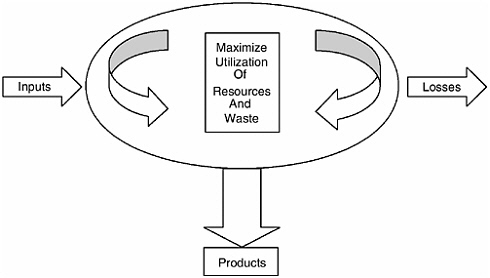
FIGURE 7-1 Animal feeding operations system (animals plus associated cropland).
efficiently, less will be excreted. For example, Kohn et al. (1997) showed for dairy farms that improvements in animal diet and management can increase the conversion of feed nitrogen to animal product by 50 percent, can increase total farm nitrogen efficiency by 48 percent, and can decrease nitrogen emissions per unit of product by 36-40 percent. The use of diet and management controls to increase total farm nutrient efficiency has received only limited attention. Improved nutrient utilization also decreases the need for the use of chemical fertilizer in feed crop production and the associated nutrient emissions to the environment. Several methods to do so have been reviewed (Klopfenstein et al., 2002). The approaches may be categorized as methods to (1) feed animals closer to their nutrient requirements, (2) increase production per animal, and (3) improve metabolism to increase efficiency of nutrient utilization. Feeding closer to animal requirements requires understanding what the animal’s nutrient requirements actually are and how to best meet them with available forages, grains, and by-products. Since animal and crop production continually changes, these feeding requirements must be continually updated. The National Research Council Nutrient Requirement Series (e.g., 1994, 1998a, 2000, 2001a) plays a critical role in providing the foundation for EPA and USDA efforts in addressing AFO concerns by evaluating the current scientific knowledge and updating feeding recommendations for major species of domestic animals. Increasing production per animal (i.e., faster growth rates or higher milk or egg production) decreases the fixed costs of production per animal (primarily growing replacement stock and maintenance of basal activity) and thus improves the efficiency of nutrient utilization. There has been little progress in changing metabolism to increase production efficiency and decrease excretion. However, given current environmental concerns, such research may be warranted.
To increase the potential of this type of management to decrease emissions in general, and air emissions specifically, the committee recommends the following:
-
Establish a coordinated research program based on the best available science and up-to-date estimates of animal nutrient requirements to determine how to optimize animal feeding so as to minimize waste.
The process of making and distributing nitrogen fertilizer uses a great deal of fossil fuel and results in carbon dioxide emissions to air. In addition, nitrogen fertilizers are taken up by crops at low efficiencies (i.e., 35-50 percent), with the remainder lost to the environment. Manure nitrogen is used at even lower efficiencies. Long-term research is needed on fertilizers that become available to crops when needed but otherwise remain stable in soils, to increase manure nitrogen availability and to increase the use of legume-type nitrogen fixation that can proceed with renewable energy with high efficiencies to produce fixed nitrogen.
Recycling
The use of products from manure is not new and crops have been manured for millennia. However, there are opportunities for reuse of manure beyond the usual. For example, Cowling et al. (2002), in an assessment for the State of North Carolina, recommended that swine waste be used to produce energy in the form of methane, biogas, diesel fuel, or electricity for direct on-farm purposes; synthetic growth media for high-value ornamental plants, or soil amendments for residential or commercial landscaping purposes; nitrogen- and phosphorus-rich fertilizer materials for direct application to crops such as corn, cotton, sweet potatoes, and so forth, or for fast-growing pine and/or hardwood plantations; feed materials and nutritional supplements to enhance feed conversion efficiency in fish, poultry, and livestock production (when recycled as animal feed, the potential spread of animal diseases must be considered); and protein products for industrial applications including industrial antibodies and enzymes used in detergents, recycling, and processing of pulp, paper, textile, and chemical products.
These ideas and others will require significant investments in research and development to move them to practical application. In that regard, the committee recommends the following:
-
Establish a coordinated research program to determine how to convert waste from AFOs to usable products. The program should include the following:
-
research into improved utilization of manure as fertilizer for growing crops;
-
research into improved management of manure and other wastes derived from organic sources (municipal solid waste, sewage sludge, yard waste, wood, pulp, and paper by-products, food and food processing waste, etc.); and
-
research on mechanical, chemical, and biological (microbial, aquatic, and terrestrial plants, etc.) methods of separating, concentrating, or otherwise refining and obtaining nutrients and energy from organic material. (An important method of decreasing reliance on natural ecosystems to process and recycle wastes from human activities is to contain these processes and recycle the nutrients and energy directly to productive uses. This recycling may decrease the need for producing more new reactive nitrogen and also decrease the need for mining and dispersing minerals and hydrocarbons.)
-
Waste Outputs
Because of the nature of AFOs, recycling of wastes will remain incomplete and there will be emissions to the environment. It is thus prudent to convert these
wastes to innocuous forms through treatment. For nitrogen-containing species, this means increasing the potential for converting reactive nitrogen to N2 at the AFO; for sulfur-containing species, it means converting reduced sulfur compounds to sulfate. The committee recommends the following:
-
Establish a coordinated research program to determine how to convert unusable waste from AFOs to innocuous substances.
-
There is a need for research on cost-effective management techniques for biological wastes that promote the return of reactive nitrogen to the atmosphere as harmless N2 while decreasing the potential to form N2O.
-
Control strategies aimed at decreasing unaccounted-for nitrogen from total animal production systems can be designed and implemented now. These strategies can include both performance standards based on individual farm calculations of nitrogen balance and technology standards to decrease total system nitrogen balance by quantifiable amounts.
-
Standard measurement protocols should be developed and used for quantifying the effects of alternative manure management practices and treatment technologies in decreasing emissions. Research should be conducted to quantify the effects of decreases in emissions.
-
A critical area of research is innovative methods of waste handling. For example, if waste were stored in a closed system, not only would unplanned emissions to the environment not occur, but the material could more easily be converted into usable products (e.g., methane, compost) or transformed into an innocuous material (e.g., N2).
Product Outputs
Given past successes, continued improvements in uptake efficiency of nitrogen, carbon, sulfur, and phosphorus by alterations of diets and feeding practices are likely. It is also likely that most of the material that enters the animal will be discharged as urine or feces; when combined with other wastes (e.g., bedding materials), the result is that AFOs will continue to be significant waste generators. The committee recommends the following:
-
A coordinated research program needs to be established to determine how to use AFO products more efficiently to decrease loss of protein between the AFO and the consumer.
-
Continued research is necessary to increase the efficiency of livestock production and to decrease emissions of pollutants to the environment through the following means:
-
genetic selection of livestock for rapid growth: high rates of reproduction; good health and low mortality; high production of meat, milk,
-
-
and eggs; and highly efficient conversion of feed (high productivity implies less resource consumption per unit of product);
-
livestock nutrition: continued research into improved diet formulation and the use of new ingredients to increase the digestibility of feeds and the fraction of consumed nutrients going into products; work in this area will include evaluation of alternative processing methods; the use of enzymes, amino acids, ionophores, and so forth;
-
livestock health and welfare: continued research into improved health maintenance for livestock to decrease the incidence of morbidity and mortality (thereby decreasing the unproductive consumption of resources and decreasing the distribution of disease organisms); this research may also decrease the release of hormones and antibiotics into the general environment; and
-
livestock housing: continued research into improved housing design (indoor and outdoor) for livestock to improve their environment (clean, dry, at an appropriate temperature, adequately ventilated, low stress, low hazard, etc.) and minimize resource use (water, energy, feed, labor, land, capital, etc.) per unit of product.
Impacts
The emissions of nitrogen-, carbon-, sulfur-, and phophorus-containing substances from AFOs have impacts on people and ecosystems. Long-term research is needed on the following:
-
A significant commitment of resources should be made to provide detailed scientific information on the contribution of AFO emissions to health and environmental effects (recommendation from Finding 1).
-
Research on how to integrate regulatory and management programs to decrease air emissions with other environmental (e.g., water quality) and economic (e.g., affordable food production) programs should be developed (recommendation from Finding 8).
-
Research is needed on the epidemiology and assessment of exposure to bioaerosols.
-
The focus of this report is on substances that the committee was asked to evaluate. However, these are not the only chemical species that AFOs contribute to the environment and that have potential effects on humans and ecosystems. The committee proposes research to follow the fate of phosphorus and trace metals (e.g., zinc, copper) fed to animals and to address their long-term impacts on people and ecosystems and, in the case of trace metals, their potential for accumulation in agricultural soils.
System
The research recommended above is focused on individual components of the system (Figure 7-1) and the impacts of resultant emissions. Research is also needed on the system as a whole, including how to provide incentives to AFO operators and education to protein producers and consumers, specifically:
-
USDA, EPA, and other relevant organizations (e.g., universities) should initiate and conduct coordinated research to determine which emissions from animal production systems (i.e., using systems analysis) are detrimental to the environment or public health and develop technologies to decrease their release. The overall research program should include research to optimize inputs to AFOs, optimize recycling of materials within AFOs, and significantly decrease releases to the environment (recommendation from Finding 11).
-
In addition to process-level research on how to decrease emissions of deleterious material from AFOs, the committee also proposes a long-term educational program for protein producers and consumers. The focus of the program would be to educate both groups on the importance of AFOs and on the health and ecosystem consequences of inadvertent emissions of pollutants from them. From this balanced perspective, the protein producer would develop a broader view of the importance of controlling emissions. The protein consumer would develop an understanding of how much protein is required, how much protein the average person consumes, and the consequences of protein overconsumption.
-
USDA and EPA should develop programs and markets that create positive incentives for producers to adopt and manage air emission mitigation and control. Research and development are required to develop efficient and effective programs (recommendation from Finding 13).
-
The AFO system that is the focus of this report includes livestock housing and feeding, manure storage and treatment, and manure application to lands owned by the AFO operator. On the broader scale, there are other components that must be included when developing a long-term research program. Within the AFO, these include, but are not limited to, emissions from combustion at the AFO (e.g., diesel pumps). External to the AFO, they include agroecosystems that provide the animal feed (e.g., grain and food by-products) and off-site agroecosystems that use the manure disposed by the AFO. The committee proposes research to examine AFOs as defined in this broader context in order to develop a true systems approach to AFO management.
Concentration and Emission Measurements
Research required to obtain scientifically sound estimates of air emissions from AFOs is addressed primarily in the previous section on short-term research recommendations. Findings of the short-term research will determine the course of long-term research in this area.
SUMMARY
The short- and long-term research recommendations address issues that are associated with regulation of AFO emissions based on priorities established in Finding 2. The committee recommends that a process-based modeling approach be used as a replacement for the emission factor approach to limit and/or regulate for most AFO emissions. The critical short-term research needs include concentration measurements, dispersion modeling (local and air shed), odor measurement and characterization, and abatement and/or management strategies. The critical long-term research needs are focused on an integrated program to reduce the losses of materials from AFOs to the environment by more efficient use of input materials and increased recycling of nitrogen-, carbon-, sulfur-, and phosphorus-containing materials within the AFOs. Wastes that cannot be used within the system should either be converted into a product that can be used by another sector of society or be converted into a material that will not harm people or the environment (e.g., N2). The goal of these recommendations is to address the lack of technical data, procedures, equipment, management practices, and abatement equipment needed to limit AFO emissions while maintaining a viable AFO industry. The implementation of these recommendations requires willingness within EPA and USDA not to do business as usual, with the same programs and same resource allocation. Rather, new partnerships between the agencies and with other groups need to be forged and significant increases in funding must be allocated.


