




Below is the uncorrected machine-read text of this chapter, intended to provide our own search engines and external engines with highly rich, chapter-representative searchable text of each book. Because it is UNCORRECTED material, please consider the following text as a useful but insufficient proxy for the authoritative book pages.
2 What Is Participant-Centered Clinical Research? INTRODUCTION The Clinical Research Enterprise depends upon and ul- timately serves the interest of the public, yet members of the public often have been seen as passive recipients of research results rather than as active partners in the Clinical Research Enterprise. Participatory research actively involves the public in the research process by incorporating public views and repre- sentation into the prioritization, review, conduct, and trans- lation and dissemination of scientific research. This fosters trust in the Clinical Research Enterprise, increases research participation, addresses issues of the most importance to communities, and aids the translation of research results into practice. According to participants of a National Institute of En- vironmental Health Sciences (NIEHS) meeting about com- munity-based participatory research (CBPR) held in 2000, CBPR can benefit schools of public health, state and local health departments, and public and private funding institu- tions, as well as the general public. The overall benefits of CBPR identified by meeting participants were enhancement of data quality and quantity by establishing trust; moving beyond categorical approaches; improving research defini- tions and direction; enhancing translation and sustainability of research findings; and improving the community's health, education, and economics by sharing knowledge obtained from projects (Fallon et al., 2000~. The participants in this section of the workshop focused on the basics of participatory research and models for its application. Because participatory research is loosely defined and exists in multiple forms, workshop participants used the terms community-based participatory research, participatory research, community-based research, and participant-cen- tered research to describe similar concepts. Similarly, the ticipatory research and outlined some of its benefits. Marshall Chin described factors that facilitate participatory research. Zelda Tetenbaum discussed the Council of Public Representatives and research participant issues. Kenneth Olden described participatory research at the NIEHS. Fran Visco discussed the National Breast Cancer Coalition and its role as an advocacy organization, Kenneth Bertram spoke about the Congressionally Directed Medical Research Pro- grams, and Jennifer Bryson described the partnership be- tween Genentech and breast cancer advocates for the Herceptin trial. Jerome Yates discussed the stakeholder pro- gram of the American Cancer Society. Leslie Ford concluded this portion of the workshop by describing the Community Clinical Oncology Program of the National Cancer Institute. DEFINING PARTICIPATORY RESEARCH Lawrence W. Green, Dr.P.H., Director, Office of Sci- ence and extramural research at the Centers for Disease Con- trol and Prevention (CDC), began the discussion about par- ticipant-centered research by citing the two translational blocks to applying science to improve human health from basic science to clinical research and from new knowledge to practice (see Figure 2.1~. Engaging participants more ac- tively in clinical research primarily addresses the second block by aiding the application of studies carried out in re- search settings to situations in which they can serve the most people most effectively. Participatory research has been in existence in various forms for decades, and there is a body of literature about the topic and some experience from which to draw, particularly from research in developing nations.) However, the term ~ Israel BA, et al., 1998 provides an overview of community-based re- search and has 200 references to the work of others. In addition, the recently term "community" Is used In multiple contexts to describe . . published Community Based Participatory Research for Health offers ~n- communities consisting of various individuals and locations formation about the history and origins of CBPR, as well as theoretical and and of various sizes. Larry Green offered a definition of par- methodological issues (Minkler and Wallerstein., 2002). 9
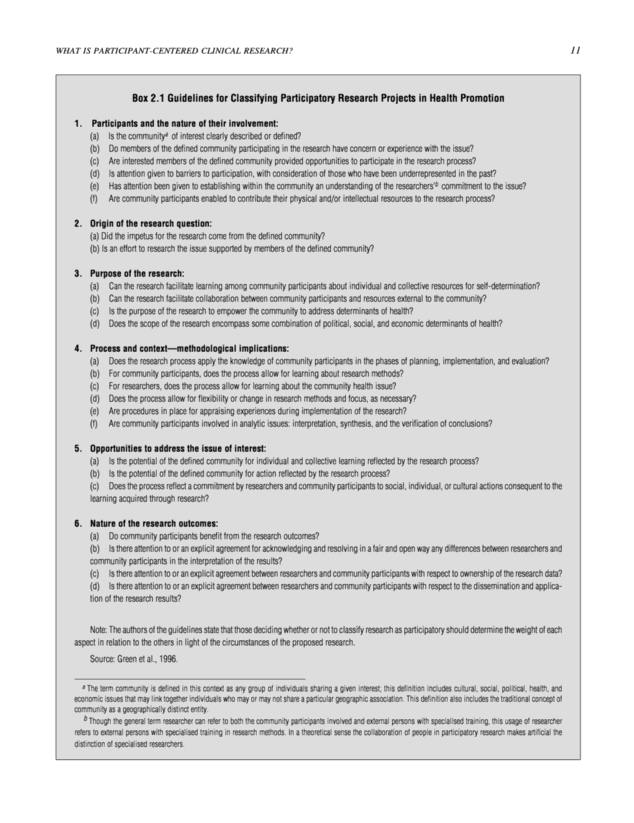
10 ENGAGING THE PUBLIC IN THE CLINICAL RESEARCH ENTERPRISE BASIC BIOMEDICAL RESEARCH ~ CLINICAL / ~ BLOCK 1: \ SCIENCE AND / BLOCK 2: Translation KNOWLEDG E Translation from in vitro and animal to human studies of new knowledge into clinical practice FIGURE 2.1 The Translational Blocks participatory research is difficult to define in practice, com- mented Dr. Green. To address this lack of definition, the CDC, in collabo- ration with the University of British Columbia, is develop- ing a set of guidelines and criteria for participatory research that define it as a "systematic inquiry, with the collaboration of those affected by the issue being studied, for purposes of education and taking action or effecting change" (Green et al., 1996; see Box 2. 1~.2 According to Dr. Green, participatory research has three defining elements: science, co-learning, and action. Each criterion for classifying participatory research can be placed on a continuum from most participatory to least, and each alternative emphasizes one of the three objectives, generally at some cost to the other goals. While a definition of participatory research is impor- tant, Dr. Green emphasized that understanding what partici- patory research is not also is essential. It is not, for example, just involving people more intensively as subjects in con- ventional research. It also is not an alternative research meth- odology. Rather, it is an approach that can be applied to any methodology survey, epidemiological, experimental, qualitative, or others appropriate to the research questions that people want answered. "Participatory research is not the academic researcher merely going out to the community for a perfunctory meet- ing to explain the laudable purpose and methods of the re- search," he commented. These meetings should take place in the interest of informed consent, but alone they do not con- stitute participatory research, he added. Dr. Green listed multiple benefits of participatory re- search, including: 2 An Institute of Medicine report, The Future of the Public's Health in the 21st Century, was released on the day of the workshop. That report defines community-based participatory research as "involving all stake- holders in each aspect of a study designed to evaluate the application and impact of new discoveries aimed at improving the health of a defined popu- lation, frequently involving the evaluation of interventions designed to pro- mote health in community settings" (IOM, 2003a, p.382). \ / GOAL: Enhanced public health; safer, cheaper, more effective new treatments . results are relevant to interests, circumstances, and needs of those who would apply them; · results are more immediately actionable in local situations for patients and/or practitioners; and generalizable findings are more credible to practi- tioners and policymakers elsewhere, because they were gen- erated in partnership with people like themselves. . Flexibility and adaptation to local circumstances are important factors for getting the most from applied scientific `~[Participatory research] represents an innovative and valuable corrective to the tendency of conventional clinical research to pack- age intervention methods and programs into one-size-fits-all, off- the-shelf approaches based on a notion of universal best prac- tices." Lawrence Green research. Dr. Green said, "[Participatory research] represents an innovative and valuable corrective to the tendency of con- ventional clinical research to package intervention methods and programs into one-size-fits-all, off-the-shelf approaches based on a notion of universal best practices." The local, contextual considerations also offer an alter- native to centralized regulations for protecting research par- ticipants by building trust. According to Dr. Green, there has been a "push" from government agencies and foundations for researchers to move their research into the community. This push needs to be coupled with a "pull" from clinical practitioners and community-based organizations, he said.3 3 See also Green LW and Mercer SL. 2001. Can Public Health Research- ers and Agencies Reconcile the Push from Funding Bodies and the Pull from Communities? American Journal of Public Health 91 ( 12): 1 926-1 929.
WHAT IS PARTICIPANT-CENTERED CLINICAL RESEARCH? 11
12 "Despite skepticism, participatory research is Doable without sac- rificing goon science in the name of community participation." Lawrence Green He noted, "Despite skepticism, participatory research is doable without sacrificing good science in the name of community participation." Academia may be the slowest to change to accommodate participatory research, because the promotion and tenure systems are mired deeply in a tradi- tion of autonomous research, said Dr. Green. He believes that the next generation of public health scientists can change this with the help of tenured professors who can sup- port some of the necessary academic reforms and clinical or community initiatives to facilitate participatory research. FACTORS TO FACILITATE THE USE OF PARTICIPATORY RESEARCH BY RESEARCHERS As a general internist, a primary care physician, and a health services researcher, Marshall H. Chin, M.D., M.P.H., Associate Professor of Medicine at the University of Chi- cago, has had some experience with participatory research. He commented, "The current system that we have set up is not conducive to either patient participatory research or community-based participatory research." "The current system that we have set up is not conducive to either patient participatory research or community-basec participatory research." Marshall Chin .~= According to Dr. Chin, the community-based participa- tory research (CBPR) system would be improved by devel- oping the following: pilot developmental grants; incentives for players to work together; · grant review study sections that understand and value CBPR; and . appropriate grant review criteria for CBPR. In addition, successful CBPR must have community- focus, including an effort to involve vulnerable or particu- larly hard-to-reach populations; provide collaboration be- tween community and academic partners in equal partnerships; and should ultimately benefit the community, with an emphasis upon reducing disparities. ENGAGING THE PUBLIC IN THE CLINICAL RESEARCH ENTERPRISE "Participatory research requires time to establish trusted relationships, to develop the research infrastructure, and to develop a track record to be competitive for larger grants," noted Dr. Chin. Therefore, pilot programs are essential and require adequate funding. The Centers for Disease Control, the Agency for Health Care Research and Quality, the Robert Wood Johnson Foundation, and the W.K. Kellogg Founda- tion all have notable pilot programs.4 According to Dr. Chin, funders also need to provide in- centives to ensure that the many players funders, research- ers, the public, and agencies are working together and not allowing the needs of any one player to overcome the greater need for the public good. This partnership reduces conflicts of interest, but is riskier and more ambitious than traditional models, he commented. ``Participatory research requires time to establish trusted relation- ships, to Develop the research infrastructure, and to Develop aback record to be competitive for larger grants," Marshall Chin Dr. Chin' s third recommendation, creating grant review mechanisms that understand CBPR, is perhaps the most im- portant issue currently, in his view. He pointed out that even if there was universal agreement that CBPR is a positive de- velopment, projects utilizing it will not be funded if grant reviewers do not understand its methods and importance. To help people understand CBPR, grant review criteria that are appropriate for CBPR must be created, said Dr. Chin. He noted that study sections see the randomized controlled trial as the "gold standard," but that the study question is crucial to deciding the most appropriate method of research. While the randomized controlled trial is the most rigorous study design in terms of internal validity, the results may not be applicable to real world populations. Dr. Chin concluded that achieving these goals to facilitate the conduct of CBPR will require a culture change.5 Encouraging CBPR at Academic Institutions Lewis Sandy, M.D., Executive Vice President of the Robert Wood Johnson Foundation (RWJ), commented that 4 In October 2002, the CDC announced awards for community-based research totaling $~.4 million (CDC, 2002). The Robert Wood Johnson Foundation is revising its Clinical Scholars Program to emphasize CBPR. The W.K. Kellogg Foundation's Community Health Scholars Program in- crease the number of faculty at health professional schools who are capable of performing CBPR (University of Michigan, Undated). 5 Dr. Chin also noted that in 2003, the Journal of General Internal Medi- cine will have a special issue on CBPR. In that issue, the journal will high- light outstanding examples of CBPR and will include editorials and papers that discuss key issues involved in advancing CBPR.
WHAT IS PARTICIPANT-CENTERED CLINICAL RESEARCH? RWJ has been trying to promote CBPR, and is revamping its Clinical Scholars Program to emphasize such research. He then asked what institutional mechanisms could help to pro- mote CBPR, particularly at academic health centers. Dr. Green responded that while traditional researchers have not generally been enthusiastic about participatory re- search, the next generation of professors has been more ac- cepting and could have a strong influence by encouraging the participatory research model. The Association of Academic Health Centers and schools of public health are addressing the shift toward par- ticipatory research, and a recent Institute of Medicine report encourages the implementation of CBPR (IOM, 2003a). The Kellogg Foundation, which has a program of postdoctoral fellowships and community scholarship, also has been a leader in promoting CBPR. Dr. Chin offered two specific suggestions to encourage participatory research at academic health centers. The first was to create centers and resources to help investigators make contacts in the community. His second suggestion was to change how CBPR is viewed within academic health cen- ters, particularly for promotion decisions. In order to do this, there have to be criteria set up that make it so that academic health centers truly value community service and rigorous community-based participatory research, and then, similarly with the study sections, there must be people on these pro- motion committees who understand and value this type of work, said Dr. Chin. PARTICIPANT INVOLVEMENT Members of the public are involved in the research pro- cess as advocates, tax payers, research consumers, research participants, and as family and friends of patients. They serve on ethical review and other oversight bodies and support research through public funds, as well as participate in trials themselves. Their concerns often include issues such as in- formed consent, conflicts of interest, and access to new thera- pies. As a long-time health educator, Zelda Tetenbaum of the Council of Public Representatives at the National Insti- tutes of Health (NIH) has found that it is difficult to involve people in health studies before they actually have a disease and see a trial as their last hope. Until you get down to that real crunch time, many patients are in denial of their situa- tion, she said. Literacy Volunteers of America, a recognized group of trained volunteers who work on a one-to-one basis with indi- viduals who want to learn how to read, is one model for engaging the public in clinical research, Ms. Tetenbaum said.6 Under this model, an independent advocate/interpreter would advise each participant throughout the course of a re- 6 See www.literacyvolunteers.org for more information about Literacy Volunteers of America. 13 search project, providing clear and direct access to informa- tion at a level appropriate to individual research participants' needs. The volunteer would provide ongoing information about the results of the trial, including any possible adverse outcomes. Similar programs already exist within many patient ad- vocacy groups. One example is the American Cancer Society's "Reach to Recovery" program, in which trained volunteers offer support and comfort to patients before, dur- ing, and after breast cancer treatment.7 In the clinical trial setting, the role of the volunteer would be to interpret and explain, but not to expand upon, the directions and orders given by the physician or the nurse to the participant, ac- cording to Ms. Tetenbaum. The National Center for Research Resources of the NIH has instituted a Research Subject Advocacy Program in each of its General Clinical Research Centers (GCRCs).8 Each GCRC funds a full-time employee to help research partici- pants gain access to resources and to help them understand issues concerning participation in clinical trials. ``One of the things that we have to do is try to educate the public better about clinical research trials' why they are important' and what kinds of questions they should ask so that when they are facing their diagnosis'they at least have some background., Jerome Yates .~= Informed Consent Elaine Larson9 R.N.9 Ph.D.9 FAAN9 Professor at Colum- bia University School of Medicine9 expressed concern that the informed consent process can be intimidating to a newly diagnosed patient9 particularly because written forms often contain difficult languages including legalese. While the pub- lic seems to be fairly well informed about individual research studies and findings9 very few know and understand the mea- sures in place to protect them as research participants. She cited a survey of 900 patients in a large academic health center9 the majority of whom had been in a research study9 that showed that only 45 percent knew there were protective measures for their own rights or that there was9 for example9 an Institutional Review Board. However9 they still volun- teered for studies (Larson and McGuire9 1990~. Jerome Yates of the American Cancer Society noted that from a patient perspective it is extremely difficult to assimi- 7 For more information, see www.cancer.org/docroot/ESN/content/ ESN_3_Ix_Reach_to_Recovery_5.asp?sitearea=ESN. ~ See www.ncrr.nih.gov/clinical/cr_gcrc.asp for more information about the GCRCs and the Research Subject Advocate program.
14 late information after being told about a new diagnosis, es- pecially a diagnosis of cancer. "One of the things that we have to do is try to educate the public better about clinical research trials, why they are important, and what kinds of questions they should ask so that when they are facing their diagnosis, they at least have some background," he said. Conversations with the patient during the consent pro- cedure and throughout the trials are more important than the contents of a written document, said Dr. Yates. Ms. Tetenbaum noted that the informed consent process should be regarded as ongoing and significant, not a quick, one- time conversation. While consent forms may be made more intelligible, their interpretation by a patient population remains prob- lematic, she commented. A recent study found that the text of many informed consent forms fails to meet the readabil- ity standards set by the IRBs that provided the consent lan- guage (Paasche-Orlow et al., 2003~. The average time for obtaining informed consent is es- timated to be no greater than 10 minutes, and that is a gen- erous estimation. Because of this, one may question whether the information is appropriately conveyed and fully understood, and whether the patient is sufficiently competent and literate to provide informed consent, said Ms. Tetenbaum. She noted that patients have demonstrated a better understanding when their own physician has de- scribed the trial fully, reviewed the consent form in detail, and discussed all the implications in a patient-centered en- vironment. Sufficient time should be provided for the pa- tient to seek additional help deciding whether or not to par- ticipate, and informed consent should work toward empowering the patient, she added. "Patients who choose to enroll in a clinical trial should enter a system that envisions them as equal participants in the research effort." Zelda Tetenbaum "Patients who choose to enroll in a clinical trial should enter a system that envisions them as equal participants in the research effort," commented Ms. Tetenbaum. Veronica Catanese, M.D., Senior Associate Dean of the New York University School of Medicine, wanted to know how an informed consent patient participation sup- port group could be formed, given that clinical research takes place in a variety of venues. She asked if there was a role for voluntary health organizations in organizing such groups, and if the groups should be disease-specific or have a more broad, cross-disciplinary focus. Ms. Tetenbaum replied that there appear to be many disease-specific programs in place, and that as a volunteer ENGAGING THE PUBLIC IN THE CLINICAL RESEARCH ENTERPRISE effort, a broader and more inclusive focus might work equally well. She suggested taking advantage of the NIH presence already established in many of the research institu- tions and research centers around the country to establish a generic core of people to act as informed consent advisers. Conflicts of Interest Ms. Tetenbaum commented that a key focus of NIH- sponsored clinical trials is the assurance of the highest ethi- cal standard for the conduct of research and the protection of the human subject, and that individuals who support the con- cept of patient-based clinical trials must endorse this effort in order to retain public trust. She added that conflicts of interest on the part of re- searchers and/or institutions administering clinical trials are becoming a very serious issue in the eye of the public. The American Association of Medical Colleges and the Associa- tion of American Universities recently published reports dealing with investigator and institutional conflicts of inter- est (AAMC, 2001 a,b; AAU, 2001~. In addition, the Institute of Medicine report about protecting research participants, the former National Bioethics Advisory Commission, and the former National Human Research Protections Advisory Committee have made recommendations regarding the man- agement of conflicts of interest (IOM, 2003b; NBAC, 2001; NHRPAC, 2001~. The Department of Health and Human Services has drafted guidance on the topic (DHHS, 2001~. ENCOURAGING PARTICIPANT ENROLLMENT AND PHYSICIAN AWARENESS In order to encourage relatively healthy, early stage dis- ease patients to participate in clinical research, there is a need to reach out to the specialists and the general practitioners who are seeing these patients. Various mechanisms under consideration to do this are: creating celebrity public service announcements, working through chapters and local support groups, encouraging counselors at specialized centers to pro- mote patient participation, and providing doctors greater ac- cess to information about trials and how to enroll patients in those trials. Leslie Ford of the National Cancer Institute (NCI) com- mented that there are little organized data that would indi- cate the most influential factor in promoting participation in clinical trials. The success of celebrity endorsements is hard to determine; the public is made aware of the availability of trials through spokespersons, but this awareness does not necessarily encourage enrollment. Doctor's recommenda- tions, awareness in the community, and association with people who have participated in other research are all impor- tant factors to encourage participation in trials. Dr. Yates agreed that physician awareness is critical to encourage participant enrollment in clinical trials. While patient awareness is also important, trust and confidence in
WHAT IS PARTICIPANT-CENTERED CLINICAL RESEARCH? the physician appear to be the most significant factors. Gen- erally speaking, physicians will participate only if they think there is patient benefit, according to Dr. Yates.9 Cost, incon- venience, and discomfort that may result from the experi- ment are patient issues that may block participation. He pointed out that a study of English physicians noted that trusting relationships that have been nurtured over time, often found between primary care physicians and their pa- tients, are especially critical in encouraging participant en- rollment (Fallowfield et al., 1998~. The survey also found that initially only about 44 percent of respondents said they would participate in a randomized clinical trial. Given addi- tional information and time with a knowledgeable person, though, that proportion increased to 83 percent. Despite the importance of physician awareness of clini- cal trials, an NCI survey of primary care physicians recently found that 37 percent said they were not aware of pertinent clinical trials, and 40 percent said they leave the discussion of clinical trials to the patient's oncologist and generally do not continue to follow patients (Crosson et al., 2001~. CHALLENGES TO COMMUNITY INVOLVEMENT The needs of researchers and communities can differ, and researchers who are moving into the community must be prepared to meet community needs and to address potential distrust of scientists and research. Forming partnerships be- tween the scientific community and the public could aid this process, but as Dr. Chin noted, in some situations there may be an imbalance in which one partner has more expertise than the other. To address this difference in expertise, it is important to establish equal partnerships that acknowledge the strengths and weaknesses of all parties involved, accord- ing to Dr. Chin. The multidisciplinary nature of CBPR presents a simi- lar challenge. The issues that affect health in the community are multifactorial clinical, economic, social making in- put from various disciplines essential. Dr. Kenneth Olden of the National Institute of Environmental Health Sciences (NIEHS) commented that behavior has an important impact on health and noted that it is necessary to involve a broad spectrum of disciplines in the research process, especially representatives with social science expertise. Engaging and educating the public are other challenges for clinical research. Dr. Yates noted that while primary care physicians are often the conduits to patient enrollment, only a few of them are actually involved in the majority of patient enrollments. He noted that for physicians, understanding the clinical information is not the problem. Rather, the lack of accessibility to trial information is a hindrance to enrolling 9 In a related development, survey results published subsequent to the workshop indicated that many oncologists view patient benefit rather than the creation of generalizable future knowledge as the main societal purpose of clinical trials (Joffe S and Weeks JC, 2002). 15 "But the bottom line," he commented, "is that the patients trust very much in what their physicians tell them." Jerome Yates .......................................................................................................................................................................................................................................................... patients. Availability of information on the Internet and train- ing other staff in the office are critical in order to make phy- sicians the best resource for patients. While not easy, it is important to involve the primary care physicians through educational efforts. "But the bottom line," he commented, "is that the patients trust very much in what their physicians tell them." E. Albert Reece, M.D., Ph.D., M.B.A., Vice Chancellor and Dean of the University of Arkansas College of Medi- cine, expressed concern that activist subsections of the pub- lic could overtake CBPR projects, and wanted to know how to ensure that a cross-section of the public is represented rather than a small faction. Dr. Olden replied that NIEHS has a multi-prong ap- proach for outreach and communication that employs town meetings and brainstorming sessions on a national level with CBPR partnerships and collaborations developed by the 40 NIEHS centers in their own communities. (See NIEHS sec- tion). RELEVANCE OF COMMUNITY STUDIES Hugh Tilson, M.D., Dr.P.H., Senior Advisor to the Dean, University of North Carolina School of Public Health, wanted to know how to ensure that research is addressing fundamental unanswered questions, particularly in commu- nity health, while also being locally relevant. There is a need for a better framework to discuss the tradeoff or balance be- tween specificity and generalizability, he commented. Dr. Green replied that the scientific community has not yet fully determined how to maximize both generalizeability and local relevance. Primarily clinical, biological questions are being replaced by community- and population-based in- terventions in different settings. The biological questions deal with the human organism, which is fairly homogeneous within the species, while community- and population-based interventions deal with human behaviors, cultures, laws, and societies, which are heterogeneous across settings, jurisdic- tions, states, and countries. When findings are applied in settings other than re- search, there is a need to apply them with some modifica- tion, Dr. Green noted. The findings need to be subjected to a process similar to continuous quality improvement ap- plied, tested, fit to the local population and practitioner's situation, and piloted in those situations to be effective in varied settings. The findings would not necessarily have to be tested in each setting, but would not be blindly applied either (Green, 2001~.
16 MODEL PARTICIPATORY RESEARCH COLLABORATIONS National Institute of Environmental Health Sciences Kenneth Olden, Ph.D., Director of NIEHS, commented that his number one priority is to make the Institute respon- sive to the needs of the American people, who pay for the research. Community involvement is essential to accomplish this goal, and openness is critical to successful communica- tion with the public, said Dr. Olden. Therefore, the scientific community must ensure that processes are open, accessible, and understandable to the public. This openness would al- low stakeholders to form partnerships based on credibility. The NIEHS was the first institute within NIH to make a serious effort to support CBPR, establishing several key ac- tivities to ensure community involvement and community participation. The Institute funds CBPR projects,~° and re- cently created the Federal Interagency Working Group for Community-based Participatory Research to strengthen communication between federal agencies interested in sup- porting CBPR methodologies for biomedical research, edu- cation, health care delivery, or policy (NIEHS, 2002~. To support what Dr. Olden terms "citizen-based prior- ity-setting," the Institute hosts town meetings throughout the country, primarily with the lay public but also including some scientists in the region. Audience members are asked to express their expectations and concerns about the involve- ment of various agencies in community health and the envi- ronment. This information is then used to set NIEHS priori- ties for clinical research, epidemiolo~ical studies, community outreach, and basic sciences research. NIEHS also holds brainstorming sessions in which sci- entists and public interest groups meet to discuss research strategies in the specific areas of research that affect them. In addition, a 30-member Public Interest Liaison Group made up of senior leadership of major advocacy groups meets twice a year to talk about the investments of the NIEHS and the relevance of these investments to the concerns of the advocacy groups and their constituents. By involving all the stakeholders from the beginning of the research process, NIEHS addresses concerns, reserva- tions, and questions throughout the process, rather than only after results are announced, Dr. Olden noted. This aids the conduct of the research as well as its translation into practice in the community. The major challenge to implementing this principle at the NIEHS has been changing the culture of the agencies and of the research community and ensuring that they create mechanisms and vehicles to communicate with the public, said Dr. Olden. Dr. Olden also commented that there is a direct correla- tion between the outreach activities of the NIEHS and the · · ~ , , ~ _ OTTO T T ~ ~ ~ ~ - - i° See http://www.niehs.nih.gov/translat/cbpr/grantees.htm for a list of grant recipients. ENGAGING THE PUBLIC IN THE CLINICAL RESEARCH ENTERPRISE projects that the Institute ultimately funds. When NIEHS hosts town meetings and outreach activities, participants lis- ten to the public concerns and then talk with experts in the field to address the scientific opportunities and gaps dealing with those issues. For example, in response to town meet- ings in places like Marin, California where breast cancer rates are seemingly inexplicably higher than in the rest of the nation and with the help of brainstorming sessions with breast cancer advocacy groups and scientists, NIEHS has decided to create three Breast Cancer and Environment Cen- ters around the country. "The objective of clinical research is to improve the health of the American people, and the American people ought to have an im- portant role in the Development of the research agenda." Jerome Yates In addition, based on discussions with Parkinson's dis- ease advocacy groups over a number of years, NIEHS re- cently created a consortium center of three institutions to address the environmental aspects of Parkinson's disease. "The objective of clinical research is to improve the health of the American people, and the American people ought to have an important role in the development of the research agenda," commented Dr. Olden. The Congressionally Directed Meclical Research Programs Kenneth A. Bertram, Colonel, U.S. Army Medical Corps, Director, Congressionally Directed Medical Research Programs (CDMRP), began his presentation by noting that the creation of CDMRP is a result of consumer advocates telling Congress that there was a need to better meet research goals. The Program was assigned to the Army's Medical Research and Materiel Command in 1993 and involves con- sumers, the Department of Defense (DOD), and scientists and clinicians from both academia and industry. The CDMRP cycle begins with advocates going to Con- gress and requesting money to address unmet research needs. Congress then appropriates funds to the Program (see Figure 2.2~. The Office of the CDMRP then brings together a se- lected group of the nation's leading advocates, consumers, scientists, clinicians, and representatives from other govern- ment agencies to advise them on how to best invest each year's appropriations. Responding to Program Announce- ments, scientists, clinicians, and consumers write proposals that are peer reviewed. Recommended proposals receive funding grants and the CDMRP continues to monitor them for the life of the awards. Each group involved in the collaboration process has responsibilities, outlined in Box 2.2.
WHAT IS PARTICIPANT-CENTERED CLINICAL RESEARCH? Vision- - ~ / Setting Release of Program Congressional ~ Receipt of +/ Announcement Appropr~abon Funds ! ~ Proposal Receipt Candidate Approval of \ Award List ~ Commanding \ / General ~ \ In/ Programmatic Peer Review 4- Review FIGURE 2.2 The CDMRP Cycle Car. Bertram presented this figure during the workshop. Consumers have helped to define the DOD's award mechanisms. For example, consumers were instrumental in making innovation a critical underlying theme for the awards. The Exploration Award supports the initial evalua- tion of an imaginative concept for which no preliminary da- tum is available and the Innovator Award encourages cre- ative and visionary breast cancer research. The HBCU/MI (Historically Black Colleges and Universities/Minority In- stitutions) Partnership Awards are designed to address health disparities. Part of the programmatic criteria for the Breast Cancer Center of Excellence Award is that breast cancer consumers and survivor groups must be active participants at all levels, from the beginning. The Collaborative Clinical Transitional Research Award supports cooperation among academic cen- ters, community-based oncology clinics, consumers, and the 17 private sector. These two award mechanisms are essentially CBPR programs, commented Dr. Bertram. The DOD also has a Consumer Working Group to main- tain and increase participation of consumers in peer review and all programmatic review decisions and to continue to raise awareness about the research that they are funding in the community. (See Box 2.3~. "The Office of CDMRP con- tinues to embrace the partnership philosophy and has used ``The Office of CDMRP continues to embrace the partnership phi- losophy and has used that to manage their programs and to do ongoing evaluations of their programs., Kenneth Bertram that to manage their programs and to do ongoing evaluations of their programs," concluded Dr. Bertram. Dr. David Rimoin, M.D., Ph.D., Chairman of Pediat- rics and Director of Medical Genetics-Birth Defects at Cen- ters Cedars-Sinai Medical Center, asked how the DOD be- came involved in such a broad array of projects including breast cancer, prostate cancer, neurofibromatosis, and tu- berous sclerosis research and how disease-specific advo- cates could take advantage of this funding mechanism. Colonel Bertram responded that specific projects at the DOD have been directed and funded through Congressional mandates. The breast cancer program, which was largely the result of lobbying by breast cancer advocates, was the first DOD program funded and has become the model for subsequent disease programs at the DOD. Breast cancer advocates con- tinue to work to make certain that Congress recognizes the importance of that model, regardless of the constituency, noted Dr. Bertram.
18 The National Breast Cancer Coalition The National Breast Cancer Coalition (NBCC) is made up of more than 600 organizations and tens of thousands of individuals from across the country who work together in pursuit of three goals increasing access to quality care and clinical trials for women with breast cancer and all women who are at risk of breast cancer; increasing the influence of breast cancer advocates in all decision making about the dis- ease, including funding decisions for breast cancer research; and increasing collaboration in the design of new strategies to prioritize research. To meet these goals, the NBCC has developed advo- cate-training programs. ~ ~ Project LEAD (Leadership, Edu- cation and Advocacy Development), for example, is a sci- ence-training course for breast cancer advocates. The NBCC provides the four-and-a-half day course at no charge to nomi- nated individuals. During the training, participants learn about the scientific process and gain other tools that enable them to contribute to research review discussions. Project LEAD has trained about 1,000 advocates to date. The NBCC also has a clinical trials project that educates constituents about the importance of clinical trials through a number of programs and outreach materials. In addition, the NBCC developed a pilot program with Genentech for trials of Herceptin (see the next section for more information). Genentech initially asked NBCC for help with a compassionate use policy; NBCC agreed on the con- dition that Genentech pilot-test the Coalition's clinical trials ~ ~ See www.natlbcc.org/bin/index.asp?strid=554&depid=7&btnid=0 for more information about the NBCC's education arid training opportunities. ENGAGING THE PUBLIC IN THE CLINICAL RESEARCH ENTERPRISE project. This required that NBCC representatives participate on the steering committee for the trial and on the Data and Safety Monitoring Committee, help with outreach materials for the trial, and attend all of the investigator meetings. In- vestigators also were partnered with trained advocates for community outreach and to accrue trial participants. The NBCC has developed similar relationships with a number of other companies, including the Breast Cancer In- ternational Research Group, but the Coalition reserves the right to be selective, Ms. Visco emphasized. The NBCC has developed a set of criteria against which it judges clinical trials to see if they warrant participation of members and to prioritize these trials. Genentech Before 1995, Genentech rarely worked with the patient advocacy community, according to Jennifer Bryson, Direc- tor of Corporate Affairs for the company. Breast cancer ad- vocates originally approached Genentech regarding an ex- panded access program, but they now have input to trial design and implementation issues. Advocates also help with outreach and communications to recruit participants and raise awareness about the research. Initially, the corporation was concerned that the advo- cates' request for access could distract from the primary mis- sion of the trial, that they could not appreciate the complex- ity of drug development, that they would not accept what the company said, that they would remain vocal critics despite the company's responsiveness, and that they would not have much to contribute to the larger goal of trial completion and approval, commented Ms. Bryson. Corporate employees soon realized, though, that they shared with advocates a desire to find answers and that ad- vocates brought a unique and relevant perspective to the pro- cess. Advocates gave fundamental feedback about the trial design and the protocol, helping to widen the eligibility cri- teria and look at some of the standard exclusion criteria that were not necessarily relevant to the trial. In addition, advo- cates convinced Genentech to remove the placebo arm of the study so that more people could have access to potential therapies. Once they felt the trial was acceptable, advocacy groups helped to recruit participants to the study. Prior to the forma- tion of the Clinical Trial Network, Genentech was recruiting an average of 16 patients per month for its Herceptin trial; after the partnership was established, the company recruited about 40 patients per month, largely due to changes in proto- col design and outreach activities made possible by partner input, according to Ms. Bryson. Advocates became involved in investigator meetings, the Steering Committee, and the Data and Safety Monitoring Committee. In addition, they assisted investigators in per- forming community outreach a clinical trial network sys- tem partnered local, trained advocates with trial sites to com-
WHAT IS PARTICIPANT-CENTERED CLINICAL RESEARCH? municate in a culturally relevant way about the trial and its availability. To counteract patients' fears about clinical tri- als in general, advocates discussed why the Herceptin trial was important and then talked about the eligibility criteria and the specifics of the trial. The advocates were able to reach out using their net- works, and Genentech provided additional technical assis- tance, including educational tools such as posters, commu- nication kits that included fact sheets, local press releases, and advertisements. The company also created a newsletter specifically for advocates, HER2 News. Genentech has learned much from their collaboration with breast cancer advocates on the Herceptin trial (See Box 2.4~. "Advocates can provide meaningful and unique insights that can increase the relevance of the scientific question, the enrollment of clinical research, and the speed of scientific progress," com- mented Ms. Bryson. "Advocates can provide meaningful and unique insights that can increase the relevance of the scientific question, the enrollment of clinical research, and the speed of scientific progress," Jennifer Bryson American Cancer Society Jerome Yates, M.D., National Vice President for Re- search at the American Cancer Society (ACS), discussed the stakeholder program of the ACS, which involves consumers or patient advocates in the research proposal review process. The ACS recruits individuals who have either had cancer or have had family members with cancer and have a strong interest in cancer control. They bring the patient/caregiver 19 perspective to the discussion, provide a perspective on prac- tical and financial issues that those involved in clinical re- search do not always recognize, assure a full discussion of the relevance of the research proposed, and become a critical resource to the research committee, according to Dr. Yates. The American Cancer Society holds training sessions to educate these stakeholders about the basic concepts of can- cer biology and research, how the peer review process works, and how to review a grant application. The one-and-a-half day sessions with research department staff also provide a review of the American Cancer Society Research and Train- ing Program. In addition, candidates attend peer review meetings for a year as ad hoc members to observe stakehold- ers in action and to interact with peer-review panel mem- bers, scientists, and nonscientists. They are then appointed to two-year terms. The stakeholders play an important role in cancer pre- vention programs, ensuring that there is a full discussion of cancer relevance at peer review committee meetings and also becoming better-informed resources and research advocates for their home communities about the role of cancer research and training in the battle against cancer, said Dr. Yates. The advantages of public participation listed by Dr. Yates include: the sharing of community opinions; increased research awareness; recruitment of research advocates; and the provision of objective risk assessment. Disadvantages include: · program costs for training efforts and committee discussion time; and · participation costs such as time for learning and ensuring that participant members can stand behind their views when questioned by scientists and others. "We have to do a better job at educating the public and getting physicians committed to the importance of clinical trials," he said. National Cancer Institute Leslie Ford, M.D., Associate Director for Clinical Re- search, Division of Cancer Prevention at the National Can- cer Institute spoke about community collaborations at two levels the physician/researcher community level and the participant community level. The NCI philosophy has been that if community physi- cians participate in clinical trials, they will upgrade the qual- ity of care provided in communities. In keeping with this philosophy, the NCI created the Community Oncology Pro- gram and then the Community Hospital Oncology Program, predecessors of the Community Clinical Oncology Program (CCOP), which was established in 1983. The CCOP is a consortium of community hospitals and practicing physi-
20 clans funded through peer-reviewed cooperative agreements who participate in NCI-approved cancer treatment, preven- tion, and control clinical trials. The basic mission of the CCOP is to bring state-of-the-art cancer research to indi- viduals in their own communities by involving community physicians and patients in NCI-approved clinical trials and involving primary health care providers in the research pro- cess. Currently, there are 50 CCOPs in 30 States; 11 minor- ity-based CCOPs in 8 States, the District of Columbia, and Puerto Rico; and 12 research bases, or coordinating centers, across the country. The minority-based CCOPs were started in the late 1980s specifically to target the problem of accrual of minority populations to cancer clinical trials. In the CCOP model, the research bases develop proto- cols with the input of the CCOP practicing physicians and consumer advocates. They are responsible for data manage- ment and analysis and quality assurance of the data. Mem- bers and affiliates assist in the recruitment of participants. Over the last 20 years, the CCOP has accrued over 90,000 patients into treatment clinical trials. Over 50,000 patients and individuals at risk for cancer have been accrued to prevention and control clinical trials. Currently, more than 4,000 physicians and over 400 hospitals are involved in the program. Dr. Ford noted that advocates are involved with NCI through concept evaluation panels in state of the sci- ence meetings, in cooperative groups, on Data and Safety and Monitoring Committees, on scientific disease commit- tees in which the protocols are developed, and on participant advisory boards. The NCI study of tamoxifen and raloxifene, known as STAR, is one example of successful community collabora- tion. This study has a projected sample size of 19,000 women and, at the time of the workshop, had accrued almost 15,000 post-menopausal women at increased risk for breast cancer. The participant advisory board, a group of 16 women who have been randomized to the trial and nominated by their local centers to participate on the board, provide feedback to NCI about aspects of trial design, communication strategies, and recruitment and adherence. EFFECTIVENESS OF PUBLIC INVOLVEMENT Answering a query from Adrian Dobs, M.D., Professor at the Johns Hopkins School of Medicine, about how best to measure whether initiatives to involve participants and com- munities are working, Dr. Olden stated that the most impor- tant measure of the success of CBPR is the short- and long- term impact on public health and health policy of research using the CBPR process. Two outcomes that could be used to measure the success of CBPR are involvement of more members of the public in the research process and improve- ment of the overall health of the public. The latter is more difficult to determine and measure. Recently, the CDC awarded $11.4 million to fund 25 ENGAGING THE PUBLIC IN THE CLINICAL RESEARCH ENTERPRISE CBPR projects (CDC, 2002; DHHS CDC, 2002~. One is an actual trial to compare groups who have engaged more ac- tively in the community with groups who have not, and how they achieve various benchmarks in the program process. These projects will likely provide basic concrete data about the efficacy and benefits of participatory research. The CCOP provides an example of successful commu- nity participation. There was much skepticism about the pro- gram at its initiation, but it has had much impact on commu- nity participation, according to Dr. Yates. Currently, 80 percent of participants in NCI clinical trials are coming from communities around the CCOPs, he said. Dr. Olden men- tioned that CBPR programs are not just about "feeling good;" there is a need for established benchmarks to measure re- sults. ADVOCACY AND PUBLIC INVOLVEMENT Myron Genel, M.D., Associate Dean of the Office of Government and Community Affairs at the Yale University School of Medicine, wanted to know how successful models of disease-focused advocacy could be used to engage advo- cates to deal with overarching health issues, such as the epi- demic of obesity, that are not disease-specific. He noted that translating active advocacy into true partnership at the local levels is a challenge to successful advocacy. Ms. Visco commented that the NBCC is a good model of how to bring advocacy to a community level, because it is a coalition of organizations, as opposed to a chapter organi- zation; the Coalition members are existing groups in their communities. Most of them are local support groups, and they are not all specific to breast cancer; many of them deal with women's issues and health generally. The Coalition members take back to their communities what they learn through NBCC programs and are encouraged to make con- nections with clinical researchers and institutions in their own communities. As trained advocates, they develop rela- tionships and programs on a local level similar to those that the NBCC develops on a national level. She pointed out that the breast cancer advocacy move- ment built on the experiences of AIDS groups and that while these two movements are focused on specific diseases, their experiences can serve to inform future advocacy activities. More collaboration at the community level would help to spread models and experiences to other diseases and areas of health. Dr. Ford added that the AIDS community success- fully used the CCOP as a model. Instead of cooperative groups and cancer centers, the AIDS contingent has its own Research Council made up of consumers, patients, and re- searchers to develop clinical trials that they then disseminate nationally. Regarding the role of researchers as advocates either on their own behalf or on behalf of research in general Ms. Visco said that while there are widely varied perspectives about this role for researchers, the agendas of patient advo-
WHAT IS PARTICIPANT-CENTERED CLINICAL RESEARCH? cates and researchers do sometimes overlap. From the pa- tient advocacy community, the scientific community learned how to advocate and how to lobby, abilities which have led efforts such as the doubling of the NIH budget, she com- mented. Colonel Bertram added that CDMRP scientists are not required to garner funds through advocacy and that many science organizations have designated advocacy groups that lobby Congress for additional money. ROLE OF INDUSTRY Eighty percent of all funding and activity for clinical trials of medical therapies and medical device intervention comes from industry, and two-thirds of all patients who par- ticipate in clinical trials are in industry-sponsored programs (Top AHCs, 2002~. Ken Getz, M.B.A., president of CenterWatch, wanted to know what industry can do to play a part in engaging and educating the public without appear- ing to be self-serving. Ms. Bryson noted that Genentech enjoys a reputation of credibility among oncology advocacy groups, because of its decision to work with advocacy groups around substantive issues. They have kept their discussions very science-based, and because of that, they always tend to be related to a spe- cific product, but the conversation is always about the sci- ence, she said. Ms. Visco has approached the pharmaceutical industry to form partnerships that could create a new model of doing clinical research, making certain that trials that the NBCC believes to be important will move forward as quickly as possible and ensuring that Coalition constituents and mem- bers are educated to understand the process and its impor- tance. The NBCC is careful when determining which trials to recommend to its members, and its participation with com- panies around clinical trials is one of many coalition activi- ties, said Ms. Visco. The partnership between NBCC and Genentech for the Herceptin trials mentioned earlier is a no- table example of such cooperation. 21 In addition, NBCC has developed relationships and col- laborations with industry in which the Coalition periodically brings a group of trained advocates to industry to learn how industry members make decisions and about what trials are being planned. Dr. Ford commented that the scientific community should want to involve advocates and consumers on disease committees and on protocol design committees, not just to recruit participants but also to ensure that studies are rel- evant to the public. An audience member commented on the importance of having unbiased "watchdogs" like The National Academies to ensure that clinical research and scientific information remains unbiased and stays true to scientific principle. He suggested that the government continue to promote research such as comparative studies of efficacy of different kinds of drugs and treatment modalities. Private companies are un- likely to promote research about other drugs, making overarching, unbiased evaluations by others essential. SUMMARY Participatory research offers benefits including results that are relevant to interests, circumstances, and needs of those who would apply them; results that are more immedi- ately actionable in local situations for patients and/or practi- tioners; and generalizable findings that are more credible to practitioners and policy makers elsewhere, because they were generated in partnership with people like themselves. However, there are still several obstacles to implement- ing this type of research. Four elements to improve the sys- tem of CBPR include pilot developmental grants, incentives for players to work together, grant review study sections that understand and value CBPR, and appropriate grant review criteria for CBPR. Also, there is a need to explore how to engage the public in the CRE. The programs of the NIEHS, NBCC, CDMRP, Genentech, the American Cancer Society, and the NCI can inform future efforts to facilitate participa- tory research.
22 ENGAGING THE PUBLIC IN THE CLINICAL RESEARCH ENTERPRISE REFERENCES CDC (Centers for Disease Control and Prevention). 2002, October 2. HHS awards $11.4 million for community research into effective disease pre- vention and health promotion. CDC Press Release. [Online]. Available: www.phppo.cdc.gov/eprp/pr-cdclO2.asp [accessed January 8, 2003]. Crosson K, et al. 2001. Primary care physicians' attitudes, knowledge, and practice related to cancer clinical trials. Journal of Cancer Education 16(4): 188-192. DHHS CDC (U.S. Department of Health and Human Services, Centers for Disease Control and Prevention).2002. Program Announcement 02003: Community-Based Participatory Prevention Research. [Online]. Avail- able: www.phppo.cdc.gov/eprp/docs/PA02003Final.pdf [accessed Janu- ary 8, 2003]. Fallon LR, Tyson FL, and Dearry A, eds. 2000. Successful Models of Commu- nity-Based Participatory Research: Final Report. [Online]. Available: http:/ /www.niehs.nih.gov/translatlcbr-final.pdf [accessed March 19, 2003].
WHAT IS PARTICIPANT-CENTERED CLINICAL RESEARCH? Fallowfield LJ, et al. 1998. Attitudes of patients to randomized clinical trials of cancer therapy. European Journal of Cancer 34(10): 1554-1559. Green LW, et al. 1996. Study of Participatory Research in Health Promo- tion. Ottawa, Canada: Royal Society of Canada. See also: www.ubc.ca/ guidelines.html. Green LW. 2001. From research to "best practices" in other settings and populations. American Journal of Health Behavior 25:165-178. IOM (Institute of Medicine). 2003a. The Future of the Public's Health in the 21st Century. Washington, DC: National Academies Press. Prepublication copy. IOM. 2003b. Responsible Research: A Systems Approach to Protecting Research Participants. Washington, DC: National Academies Press. Israel BA, et al. 1998. Review of Community-Based Research: Assessing Partnership Approaches to Improve Public Health. Annual Review of Public Health 19:173-202. Joffe S. Weeks JC. 2002. Views of American oncologists about the pur- poses of clinical trials. Journal of the National Cancer Institute 94(24): 1847-1853. Larson E, McGuire DB. 1990. Patient experience with research in a tertiary care setting. Nursing Research 39:168-171. Minkler M, Wallerstein N. eds. 2002. Community Based Participatory Re- search for Health. San Francisco: Jossey-Bass. NBAC (National Bioethics Advisory Commission). 2001. Ethical and Policy Issues in Research Involving Human Participants. Volume 1. Rockville, MD: NBAC. 23 NHRPAC (National Human Research Protections Advisory Committee). 2001. NHRPAC's Recommendations on HHS's Draft Interim Guidance on Financial Relationships in Clinical Research. [Online]. Available: ohrp.osophs.&hs.gov/nhrpac/documents/augO1 a.pdf [accessed January 9, 2003]. NIEHS (National Institute of Environmental Health Sciences). 2002. Inter- agency Working Group for Community-Based Participatory Research. [Online]. Available: www.niehs.nih.gov/translat/IWG/iwghome.htm [accessed March 5, 2003]. Paasche-Orlow M, Taylor HA, Brancati FL. 2003. Readability standards for informed-consent forms as compared with actual readability. New England Journal of Medicine 348:721-726. Top AHCs turning away from industry-sponsored clinical trials. 2002. CenterWatch 9(3):1-7. UBC IHPR (University of British Columbia Institute of Health Promotion Research). Undated. Guidelines and Categories for Classifying Partici- patory Research Projects in Health Promotion. [Online]. Available: www.ihpr.ubc.ca/guidelines.html. [accessed January 8, 2003]. University of Michigan School of Public Health. Undated. Community Health Scholars Program: Goals and Competencies. [Online]. Avail- able: www.sph.umich.edu/chsp/program/index.shtml [accessed March 5, 2003].
