
4
Culture and Society
|
Escorted by his teenage granddaughter, an elderly old Navajo grandfather was taken to the internal medicine clinic for an infection in his right leg. The granddaughter was fluent in English but had very limited Navajo speaking skills. Speaking in English, the doctor informed the man that the infection in his leg would get worse if he did not take his medication as prescribed. The granddaughter could not translate the scientific concept of infection into Navajo language. The doctor asked one of the nurses for help, and although the she tried as much as she could, she also was unsuccessful. The old man, becoming frustrated, just agreed that he understood everything that he had been told. He told the nurse he wanted to have a traditional ceremony performed for him within a couple of days, and for her to tell the doctor. The nurse translated this to the doctor, who restated the importance of taking the medicines. The grandfather insisted he understood, but in fact because he felt that he did not understand the physician’s explanation, he decided to go to a traditional medicine man instead. The medicine man helped him the best he could, but the grandfather’s leg had to be amputated, which the doctor ascribed to noncompliance. |
Our understanding of health literacy gains greater depth and meaning in the context of culture. This is especially important given the ethnic and linguistic diversity of the U.S. population. In addition to 211,460,626 Americans of European decent, the 2000 U.S. Census iden-
tified 69,961,280 people from 19 other ethnic and cultural groups living in America (U.S. Census Bureau, 2000). Many of these diverse American populations have differing systems of belief about health and illness. Cultural health beliefs affect how people think and feel about their health and health problems, when and from whom they seek health care, and how they respond to recommendations for lifestyle change, health-care interventions, and treatment adherence.
Cultures also differ in their styles of communication, in the meaning of words and gestures, and even in what can be discussed regarding the body, health, and illness. Health literacy requires communication and mutual understanding between patients and their families and health-care providers and staff. Culture and health literacy both influence the content and outcomes of health-care encounters.
A definition of health literacy that does not recognize the potential effect of cultural differences on the communication and understanding of health information would miss much of the deeper meaning and purpose of literacy for people (Nutbeam, 2000). Culture provides a context through which meaning is gained from information, and provides the purpose by which people come to understand their health status and comprehend options for diagnoses and treatments. A conceptual understanding of the interconnections between culture and literacy through the idea of cultural literacy can provide insights into the deeper meanings of how diverse populations in the United States come to know, comprehend, and make informed decisions based on valid data regarding their health.
This intersection between culture and literacy is recognized in the U.S. Department of Health and Human Services (HHS) National Standards for Culturally and Linguistically Appropriate Services (CLAS) in Health Care. The standard states that “health care organizations must make available easily understood patient-related materials … in the languages of commonly encountered groups …” (HHS, 2001:11). The standard goes on to state explicitly that in addition to being culturally responsive, these materials need also be responsive to the literacy levels of patients and consumers. Issues of culture, language, and learning are interrelated, and to be effective, health education must be conducted in both culturally and linguistically appropriate formats to address the increasingly diverse multicultural and multilingual population (AMA Ad Hoc Committee on Health Literacy, 1999).
Cultural, social, and family influences shape attitudes and beliefs and therefore influence health literacy. Social determinants of health are well documented regarding the conditions over which the individual has little or no control but that affect his or her ability to participate fully in a health-literate society. Native language, socioeconomic status, gender, race, and ethnicity along with mass culture as represented by news publishing, adver-
tising, marketing, and the plethora of health information sources available through electronic channels are also integral to the social–cultural landscape of health literacy.
Traditional and mass culture and society provide a lens through which individuals perceive the mix of opportunities and underlying values and assumptions inherent in the health system. Society influences individuals and collectivities such as families, communities, and professional groups. Social factors work through social networks as well as through government programs, legislation, and private-sector markets. They are reflected in and shaped by the media. They are manifested through access to agency and organizational programs. A wide variety of social factors produce and diffuse information or misinformation, shape bias, develop and support health-promoting or -degrading environments, and provide normative pressures. These influence the actions of individuals, collectivities, and the specialized groups of public health and care providers and therefore suggest critical intervention points.
TRADITIONAL CULTURE
Culture is the shared ideas, meanings, and values acquired by individuals as members of society. It is socially learned, not genetically transmitted, and often influences us unconsciously. Human beings learn through social means—through interactions with others as well as through the products of culture such as books and television (IOM, 2002). Reliance on tools and symbolic resources, notably language, is a hallmark of culture. Language is central to social life and mediates the acquisition of much cultural knowledge. Language “provides the most complex system of the classification of experience” and is “the most flexible and most powerful tool developed by humans” (Duranti, 1997:49 and 47). Differences in languages and underlying concepts may lead to problems with health-related communication. For example, translating the word “chemotherapy” into the Navajo language might require pages of text. Since the Navajo language has no word or concept for chemotherapy, the translation must start with the idea of cancer, and include what the person might experience as a result of chemotherapy. This is further complicated by the fact that many Navajos believe that if you say something will happen, it will1 (Billie, 2003).
Beyond the differences of language, culture gives significance to health information and messages. Perceptions and definitions of health and illness, preferences, language and cultural barriers, care process barriers, and stereotypes are all strongly influenced by culture and can have a great impact
on health literacy and health outcomes. Differing cultural and educational backgrounds among patients and providers, as well as among those who create health information and those who use it, contribute to problems with health literacy. The relationship between culture, patient–provider interaction, and quality of care has been reviewed by Cooper and Roter (2003). Early work showed that European-American cultural groups used language differently in discussing symptoms such as pain (Zborowski, 1952; Zola, 1966). These linguistic differences were associated with differences in diagnoses, irrespective of symptomology. African-American patients frequently experience shorter physician–patient interactions and less patient-centered visits than Caucasian patients (Cooper and Roter, 2003; Cooper-Patrick et al., 1999).
It is crucial to note that culture is not static for individuals or for societies. This dynamic principle of culture is referred to as “cultural processes” when groups are discussed, and “lived experiences” in the case of individuals. Individuals are shaped by their life experiences and are exposed to multiple cultures. Their behavior may reflect an amalgam of this “experiential identity” (IOM, 2002). For example, the experiential identity of immigrants includes their experience with the health systems from their country of origin as well as their immigrant experience. This experiential identity will incorporate new experiences with the American health system. Development of adequate health literacy may be hindered by limited English skills or outcomes of poorly understood health experiences.
Today’s families and communities consist of people with multiple cultural backgrounds and experiences, who cannot be put into rigid “boxes” by using racial and ethnic labels that are often resented and are misleading. Individuals, families, and communities have belief systems, religious and cultural values, and group identity that serve as powerful filters through which information is received and processed. These concepts of cultural processes and lived identities replace more traditional concepts such as “acculturation” and present measurement challenges to researchers and health service providers.
Culture, cultural processes, and cross-cultural interventions have been discussed in-depth in several Institute of Medicine (IOM) reports (IOM, 2002, 2003a) which suggest that ways of learning, beliefs about health and illness, and patterns of communications contribute to health literacy through their effect on communication, comprehension, understanding, and decision-making. Socioeconomic status was found to affect health in the IOM report Promoting Health: Intervention Strategies from Social and Behavioral Research (IOM, 2000). Behavioral and social factors influence a person’s susceptibility to disease, especially among individuals of lower socioeconomic status. The 2000 IOM report identified increased prevalence of disease among socio-economically underserved groups and out-
lined “the need to balance clinical approach to disease with recognized social and class determinants” (IOM, 2000). Social and behavioral interventions were further investigated in Speaking of Health (IOM, 2002), which recognized the link between behavior and disease.
In the following section, we examine the relationships between cultural processes and health literacy for indications of how to make Americans more literate about health and illness through health systems that are more responsive to patient needs, preferences, and perspectives.
Cultural Competence
The skills and knowledge of cultural competence provide a trajectory towards the interpersonal skills for effective patient care that can be realized only when comprehension, understanding, and meaning are inherent in the process. Cultural competence has been variously defined by different organizations.2Speaking of Health (IOM, 2002) notes the following dimensions:
-
Cultural awareness: A deliberate, cognitive process in which health-care providers become appreciative and sensitive to values, beliefs, lifestyles, practices, and problem-solving strategies of clients’ cultures.
-
Cultural knowledge: The process of seeking and obtaining a sound educational foundation concerning worldviews of various cultures; goal is to understand clients’ world views, or the way individuals or groups of people view the universe to form values about their lives and the world around them.
-
Cultural skill: The ability to collect relevant cultural data regarding clients’ health histories and presenting problems, as well as accurately perform culturally sensitive physical histories.
-
Cultural encounter: A process that encourages health-care providers to engage directly in cross-cultural interactions with clients from culturally diverse backgrounds (IOM, 2002).
Among these four dimensions of cultural competency, common themes emerge: ways of thinking, understanding world views, cultural data, and cross-cultural interactions.
Cultural competence becomes important to health literacy at the point where language and culture interfere with or support effective communication. While health literacy efforts are not limited to cross-cultural situations, and cultural competence efforts are broader than health literacy, initiatives in both these areas would benefit from coordination with each other. Cultural competency is sometimes approached through recommendations for culturally and socially sensitive communication. These approaches must take into consideration the dynamic and ever-changing nature of culture. As culture is constantly being influenced by lived experiences, so must health literacy approaches that are coordinated with cultural competence be responsive to cultural change. In meeting the health needs of diverse peoples, cultural competency is essential for the development of health literacy.
Language
|
An ob-gyn resident tells of working with an inner city, Hispanic population. Alone on service late one night, she struggled to communicate with a couple who spoke only Spanish in order to learn the pregnant woman’s due date. Grasping at a word familiar from popular music, she said “navidad, navidad” over and over again to the puzzled couple. Finally, she located another resident who spoke Spanish and helped her ask the couple about the “fecha” (date) the baby was expected. They all had a good laugh over her puzzling repetition of the Spanish word for “Christmas.” |
An important component of cultural competence is linguistic competence. Many individuals receiving care from the U.S. health-care system have limited English proficiency (LEP). For individuals whose native language is not English, issues of health literacy are compounded by issues of language and the specialized vocabulary used, both in written and spoken form, to convey health information. The 2000 census indicates that the foreign-born population in the United States is 31 million. More than 300 different languages are spoken in the United States, and 47 million citizens and non-citizens speak a language other than English at home (an increase from 31.8 million in 1990). English is not the primary language spoken in the homes of 41 percent of Hispanics, 34 percent of Koreans, 29 percent of Vietnamese, and 20 percent of Chinese (Collins et al., 2002). Eleven million individuals indicate that they speak English not well or not at all (U.S. Census Bureau, 2000). Some of these individuals live in isolation from English, that is, without personal or social resources to understand English.
The profound effect of primary language on health is widely recog-
nized. It provided the impetus for an Executive Order on improving access to services for persons with LEP3 and a subsequent report to Congress. The effect of primary language on health remains a central concern of the federal Office of Minority Health Center for Linguistic and Cultural Competence in Health Care, established in 1995 to address the health needs of populations who speak limited English
Individuals with LEP have widely varying levels of literacy and health literacy in their primary language. When LEP individuals are health literate in their primary language, the key is providing language assistance either in the form of care in their primary language or interpreter services and translated materials. When LEP individuals are not health literate in their own language, additional efforts are needed ensure adequate communication. Some languages do not have a written form or individuals may not be able to read, and so translation services are of no use in such cases. These individuals may be unfamiliar with medical terminology in their primary language and, therefore, linguistically competent services alone will be insufficient to ensure adequate communication. Alternatively, individuals may be health literate in their own culture, but not in Western medicine’s health system and style of health care.
Cultural Languages
Cultural context gets transformed into cultural language that influences three critical determinants of health literacy: comprehension, understanding, and decision-making. Different cultural groups mobilize creative forces to formulate unique cultural languages that must be considered in culturally competent approaches for implementing interventions to promote health literacy. Two examples of these innovative cultural languages can be found in the language of Aboriginal people and in the dreams of Native American cultures.
In contrast to Westernized people whose language use is dominated by nouns, Aboriginal people use a language dominated by verbs in deference to their worldly vision of all existence as energy or spirit that is in constant transformation (Ross, 1996:116). A consequence is that there is attention to the “relationship between things” and less focus on the “characteristic of things” (in a noun-driven language such as English). This feature of using “fluidity of verb-phrases” is functional in healing relationships. Thus, a rethinking and re-framing of the standard inquiries that drive health assess-
ments via predominant use of nouns, adjectives, and pronouns is necessary when working with Aboriginal people during health and illness encounters.
In Native American cultures, dreams function as a cultural language to communicate realities in everyday life and deal with health and illness. The significance of this for health care is demonstrated by Lincoln (2003) with respect to the Navajo Indians in Arizona: “Diagnosticians are called upon to cure sickness caused by dreams or to prevent sickness predicted by dreams.” (Lincoln, 2003). For Native American peoples, therefore, dreams are part of the cultural lexicon that informs health literacy.
|
The Hmong language has no word for cancer, or even the concept of the disease. “We’re going to put a fire in you,” is how one inexperienced interpreter tried to explain radiation treatment to the patient, who as a result, refused treatment (Morse, 2003). |
Language and Meaning in the Context of Health
Frequently, words or their underlying concepts have little or no meaning, or a different meaning, for a person from another culture. This is true both of specific terminology as well as the essential meaning of health and illness to different people. For example, instructing a patient to take a teaspoon of medicine assumes that the patient owns a teaspoon that holds 5 cc of liquid, and identifies it as such. Promoting health literacy requires an awareness and understanding of these differences in meaning and providing what is needed to increase the probability of treatment adherence (for example, a teaspoon with which to measure the medicine, or pre-measured quantities of medicine).
As noted, recent IOM reports (IOM, 2002, 2003a) urge a broad, more realistic perspective of culture as fluid processes and lived experiences, in which communications, relationships, and meaning are central themes relevant to health literacy. Conceptual definitions and proposed relationships between culture and health literacy as human experiences have yet to be developed. In-depth theoretical concepts to guide scientific inquiries could arise from conceptual frameworks on the interface between cultural processes, literacy, and health literacy. These frameworks must distinguish between linguistic and cultural processes, both of which are rooted in the concept of meaning. For example, research on epilepsy found that both neurologists and patients use the word “trauma,” but neurologists most often mean “a physical blow,” while patients and families most often understand the word to imply “psychological damage.” This confusion is
exacerbated in Latino patients and families since trauma has the same two meanings in Spanish, but cultural views of illness more often focus on the psychological meaning (Long et al., 1992). While specific meaning of the word trauma may differ between individuals and groups, people will act upon the meaning they understand.
|
A 45-year-old Hispanic immigrant, Mr. G., undergoes a job health screening and is told that his blood pressure is very high and he will not be allowed to continue work until his blood pressure is controlled. He goes to the local public hospital and is given a prescription for a Beta-blocker and a diuretic. The doctor prescribes two medications known to be effective and simple for adherence because they each are supposed to be taken once a day. Mr. G. presents to the emergency department one week later with dizziness. His blood pressure is very low, and Mr. G. says he has been taking the medicine just like it says to take it on the bottle. The puzzling case is discussed by multiple practitioners until one that speaks Spanish asks Mr. G. how many pills he took each day. “22,” Mr. G. replies. The provider explains to his colleagues that “once” means “11” in Spanish. |
Similarly, work on dissonances between medical staff and pregnant women of Mexican origin in Los Angeles revealed that there is no Spanish word for the English word “labor.” Medical Spanish uses a construct that translates labor as “the work of childbirth,” but women use the Spanish word for pain (“dolor”). More important than the words themselves, there may be large differences in concept for the process of labor between women and providers. The women described childbirth as “pain and the baby is born.” Clinicians, who probably think of childbirth as a longer process with physiological stages, could not understand the women’s panic when they were told that it was too soon to be admitted to the hospital (Scrimshaw and Souza, 1982). Communication goes beyond words to encompass the meaning behind the words, a meaning that is affected by culture, knowledge, and experience.
It is also important to consider signage in health-care settings and written materials as well as verbal communications. Recently, a clinic in Guatemala was observed to have the label “Estomocologia” (which translates as “Stomachology”). This may make more sense to people there than “gastro-enterology.” There is a tremendous challenge in finding clear and acceptable signage for hospitals and clinics. One project, Hablamos Juntos, funded for ten health-care settings by the Robert Wood Johnson Foundation is currently working on signage, literature, and interpreter qualifications and training.
Anthropologists Good and Good (1981) write about meaning-centered clinical practice, and note that groups vary in
-
the specificity of their medical complaints
-
their style of communication around medical complaints
-
the nature of their anxiety about the meaning of symptoms
-
their focus on organ systems
-
their response to therapeutic strategies
Therefore, human illness has meaning, in both the biological sense and as a human experience. As a result, clinical practice is inherently interpretive and practitioners must elicit patients’ requests, elicit and decode patients’ use of language, diagnose disease and illness, and develop plans for managing problems. This includes the need to elicit explanatory modes of patients and families, analyze conflict with the biomedical model, and negotiate alternatives (Good and Good, 1981).
Patient Perspectives and Language
Patients’ varied perspectives, values, beliefs, and behaviors regarding health and illness are consistently cited as integral to quality care in several IOM reports (IOM, 2001, 2003a). Because culture is the tapestry of shared ideas, meanings, and values that underlie of human behaviors, references to “patient perspectives” in health care necessitate an understanding of cultural processes that can be harnessed to promote health literacy. Thinking styles influence information processing, and what a person attends to and retains in memory operates within a context that is frequently culturally determined. A classic example is the many different words for describing “snow” in Inuit languages, since qualities of snow are essential to many aspects of life in these cultures. Other cultural groups have two, one, or no words for “snow,” depending on whether snow is a central fact of daily life. Similar examples can be identified in health contexts. People with diverse cultural experiences may differ on how a fever is defined or described, how pain is expressed, and how body parts are identified, such as whether there is a word for “hand” but no words for “fingers,” or whether there is a different name for each finger. Thus, to be health literate in America means having the cognitive capacity to comprehend the Western biomedical perspective. For a clinician, it means working with patients whose perspectives are shaped by diverse cultural contexts. Cultural processes and lived experiences contribute to widely different and unpredictable ways people understand concepts and spoken words. Culturally responsive communication is an active process by which we discover how the other person decoded or understood the stated messages. Being culturally responsive means discov-
ering differences in frames of reference—the world views, priorities, values, and understanding each speaker brings to the encounter—on an individual basis. It requires the use of skills to seek feedback and to verify the conclusions or assumptions we come to as we communicate with another person. Being culturally responsive also means developing skills to ensure that our communication is being received as intended. Learning to develop communication and interpersonal skills to obtain feedback and verify successful communication is critical to working competently with others, and contributes to addressing the problem of health literacy.
Family relations can be a motivating factor in behavior change. The Latino value of familialismo and its influence on health-care interventions and behavioral change in individual Hispanic patients is well documented. Perez-Stable found that the social importance of cigarette smoking was greater for Latinos than for Caucasians. Latinos were also more concerned about the effects of smoking on interpersonal relationships. As a result, they felt more certain that quitting smoking would improve family relationships and provide a better example for their children (Perez-Stable, 1994). Sabogal and colleagues (1987) note that “to motivate a parent to alter a high-fat diet or increase the level of physical activity to prevent a future heart attack, … appeal[s] to his or her sense of duty to the children. The extended family network can similarly be used to persuade patient with or at risk for cardiovascular disease to adhere to prescribed or recommended medication, diet and exercise regimens.”
The contributions of culture and language to health literacy are rich and complex. Potential approaches to issues of culture, language, and health literacy are discussed in the latter section of this chapter.
Finding 4-1 Culture gives meaning to health communication. Health literacy must be understood and addressed in the context of culture and language.
Measures Can Dissociate Culture, Meaning, and Health Literacy
The interface among individuals, cultural processes, layers of cultural experience, families, communities, health systems, and health-care providers is extremely complex. That complexity affects health literacy for people at every level of education and access to care. The challenge is to develop tools for measuring the health literacy effect of that complexity in order to assess and improve health literacy in the United States from both patient and provider perspectives. While strong evidence suggests an association between cultural diversity and health and illness (e.g., IOM, 2003a), the relationships between diversity and health literacy have yet to be fully delineated and investigated. This must begin with meaningful measures of
culture, meaning, and health literacy. These new measures should function to improve the validity of current approaches and provide new knowledge about the impact of health literacy on health outcomes in diverse populations.
MASS CULTURE
Mass culture refers to the institutions, organizations, and individuals that produce and disseminate health messages to Americans. The quantity, quality, and lack of quality control over these messages have exploded in the past 10 years. Hundreds of health organizations across the country from hospitals to advocacy groups to major government agencies like HHS, the Centers for Disease Control and Prevention (CDC), the National Library of Medicine, and the National Institutes of Health (NIH), have created elaborate “user-friendly” information sources. These are often electronically accessible 24 hours a day to provide Americans with up-to-date health information on the care and prevention of disease. But the information sources available to Americans do not stop there. Major advocacy groups such as AARP and The American Cancer Society, plus many others, also offer detailed information on health care and disease prevention. These approaches to providing and accessing information are in their infancy, and must be evaluated and then modified for maximum effectiveness. When consumer needs are at the core of information provision, whether via print, digital media, or intrapersonal communication, the information can be more accessible. With appropriate attention to the information needs of health-care consumers, new technologies can offer all segments of society greater access to health information.
In the private sector, the marketing of pharmaceutical drugs—both over-the-counter and prescription—is now a part of every American’s television viewing. The cost of pharmaceuticals promotions rose to $19.1 billion in 2001 (Medvantx, 2003). The industry drug packaging and consumer education programs are another powerful source of health information. Radio programs provide regular advice on both modern and herbal medicines. Products of all kinds make health claims as part of their marketing programs. Indeed, health has become a major consumer motivator along with sex and price promotions in American marketing.
The news media has also taken health information seriously. Dozens of major news outlets have health reporters who are increasingly skilled in interpreting health studies. The Journal of the American Medical Association is widely quoted and referenced in news articles in both print and broadcast media. Finally, the Internet has provided an opportunity for any individual to make health claims about any product or procedure with little or no scientific basis. In sum, the American public is now faced with a
plethora of health information and the arduous task of finding, selecting, reading, understanding, judging, and following the advice presented by multiple sources.
How People Obtain and Use Health Information
How do people obtain and use health information? There is no single reliable answer to this question. While data on health information alone is not available, responses of the National Adult Literacy Survey (NALS) participants indicated over half of individuals at each literacy skill level as measured by the NALS obtain information about current events, public affairs, and government from family and friends, newspapers and magazines, and radio and television (Kirsch et al., 1993). Between 62 and 69 percent of adults at all NALS literacy skill levels reported obtaining information from family and friends. Between 94 and 97 percent of adults at all NALS skill levels reported using radio or television to obtain information. Individuals in the lower literacy levels were less likely to use print media as an information source than were adults in the higher levels. While 69.5 percent of the respondents with NALS Level 1 literacy skills reported getting information from newspapers or magazines, 85.5 percent of adults with literacy skills at NALS Level 2 skills and 90 percent of those with literacy skills at or above NALS Level 3 reported obtaining information from newspapers or magazines.
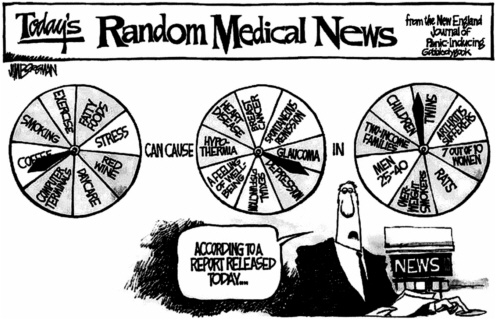
© Reprinted with special permission of King Features Syndicate.
|
BOX 4-1
SOURCE: Gallup Organization (2002). |
||||||||||||||||||||||||||||||||
The National Cancer Institute is presently conducting the Health Information National Trends Survey (HINTS), one of the nation’s first national surveys of health information sources.4 HINTS is designed to provide data regarding pattern of information use and opportunities to inform Americans about cancer; however, survey data is not yet available. In a Gallup Organization poll of 1,004 adults nationwide, several sources of information were cited as “a great deal” or “moderate” sources of health information (Gallup Organization, 2002). These sources are shown in Box 4-1. Confidence levels remain highest about information obtained from doctors and nurses, but confidence levels (great deal or moderate confidence) from other sources are also fairly high.
A September 2001 survey called Sex Matters looked at women’s knowledge of sex differences in health (Benenson Strategy Group, 2001). Findings from this survey, based on telephone interviews of 962 women, indicate that 44 percent of adult women who said they have a doctor they see regularly for basic health care indicated that their doctor is the major source of information. However, when provided with specific information, only 19 percent said they had heard it from a doctor or nurse, as shown in Box 4-2.
|
4 |
For more information, please see http://dccps.nci.nih.gov/hcirb/hints.html. |
|
BOX 4-2
SOURCE: Benenson Strategy Group (2001). |
|||||||||||||||||||||||||||||||||||||||||||||||||||||||
To understand the full impact of health literacy on America’s health system, we need to understand a wide array of information sources, information needs, information contexts, and communication complexity.
Complexity of Materials
Many materials developed to provide health information fail to take into account the needs of the audiences for these materials. Rudd and colleagues (2000) reviewed studies of patient information materials, and found that disparities between the readability of education materials and patient reading level occurred in ambulatory care settings (Cooley et al., 1995; Davis et al., 1990), substance abuse treatment centers (Davis et al., 1993), and pediatric care settings (Davis et al., 1994). Similar findings are reported for patients with diabetes (Hosey et al., 1990), arthritis (Hill, 1997), and lupus (Hearth-Holmes et al., 1997). These studies found that the reading levels of groups of patients with these chronic diseases fell between grade levels 6 and 10, while the readability of the materials designed for them fell between grade levels 7 and 13.
Rudd and colleagues (2000) also showed that several studies examined patient education materials designed for specific ethnic groups. A substantial number of studies report on both readability and comprehension assessments of these documents, deeming most of them inappropriate (Austin et al., 1995; Delp and Jones, 1996; Jolly et al., 1993, 1995; Logan et al., 1996; Powers, 1988; Spandorfer et al., 1995; Williams et al., 1996). Hosey and colleagues (1990) used the Wide Range Achievement Test to measure the reading ability of a group of American Indian diabetic patients and found that although many patients scored at a reading grade level of 5, the diabetes education materials scored at a mean reading grade level of 10. Guidry, Fagan, and Walker (1998) note that less than half of the cancer education materials specifically targeting African Americans reflected the culture of African Americans and that few were written at a reading grade level for those with low literacy skills.
Finding 4-2 More than 300 studies indicate that health-related materials far exceed the average reading ability of U.S. adults.
Popular Sources of Health Information
News Media. The news media is a large part of America’s health information revolution. More than a dozen exclusively health-related magazines are easily available at grocery stores and major bookstore chains every month in America. Magazines aimed at women, men, children, parents, and mothers are also widely available and carry numerous articles on a wide variety of health issues. Several of America’s largest newspapers, reaching millions of people each day, carry health sections dedicated to health news. These health sections are read by people at all literacy levels. Three quarters of newspaper readers with NALS Level 1 literacy skills reported reading the home, fashion, health, or reviews sections, while 85 percent of newspaper readers with NALS Level 5 skills read these sections (health data alone was not available) (Kirsch et al., 1993). The major broadcast and cable networks have health journalists and health reporting. There are multiple cable channels dedicated to health topics and other channels dedicated to women’s issues such as Oxygen, that cover health as a major focus. Some of broadcast TV’s most popular shows—Oprah and more recently a spin-off called Dr. Phil, regularly carry health information and advice. Health news, such as SARS, heart disease, obesity, antibiotic resistance, and smallpox vaccination has been a centerpiece in newspaper headlines dozens of times in 2002–2003 alone.
Advertising and Marketing. Advertising is also a prominent source of health information. Scott-Levin, a drug market research firm in Newtown, Pennsylvania, reports that while all visits to physician’s offices rose 2 percent in
the first nine months of 1998, visits for specific causes related to advertised products and services increased much more dramatically during this time. For example, visits for smoking cessation rose 263 percent, visits for impotence increased 113 percent, visits for hair loss rose 30 percent, and visits for high cholesterol rose by 19 percent (Maguire, 1999).
Commercial and social marketing of health information, products, and services is now a multi-billion-dollar industry. According to the Institute for Policy Innovation, direct-to-consumer advertising of prescription drugs alone increased to $1.8 billion in 1999 (Matthews, 2001). These expenditures are not unique. They represent a small portion of the dollars aimed at providing health information to consumers and motivating specific health behaviors. The United States invested some $1,080,000,000 in its recent 6-year National Youth Anti-Drug Media Campaign (Eddy, 2003). The importance of these expenditures goes beyond the dollar amount. These expenditures are guided by an understanding of consumers and their desires. These are not “information” campaigns, but rather targeted marketing efforts designed to influence what people do by offering new products, new services, lower barriers, and new motivations for changing their behavior—to stop smoking, to avoid fast food, to get a mammogram or to delay getting a mammogram. These expenditures are guided by years of market research studies and experience that have shown what kind of language works, what pictures appeal, and what messages compel people to act (Wilke, 1994). Despite this investment of talent and resources, some programs fail. The most recent evaluation of the Office of National Drug Control Policy’s National Youth Anti-Drug Media Campaign program states: “There is little evidence of direct favorable Campaign effects on youth. There is no statistically significant decline in marijuana use to date, and some evidence for an increase in use from 2000 to 2001” (Hornick et al., 2002).
One characteristic of the commercial and social marketing sector is that the information is not provided objectively. The authors of these messages, whether antismoking advocates or the cigarette industry, carefully select facts, stories, and images that fall far short of full information for an intelligent decision (Mazur, 2003:6–11). This assault on the public may have trained segments of the American public to be skeptical; to expect short sound bites of information and to avoid equivocation in information. As Mazur concludes:
Although we may talk about shared decision making in medical care and the provider–patient relationship, the original goal of the decision scientist, to provide a full discussion of risks and benefits among a full set of alternatives, may or may not be attainable. And it is far from clear whether patients actually want to participate in such a fully shared decision-making environment (Mazur, 2003:177).
Family and Friends. The lay network, informal communications among family members and friends, is another source of information about health for many individuals. Health information is often shared through personal experiences recounted by others. Personal stories also come from ethnic media programming and print media coverage. These personal stories may have the power to influence health behavior. This may be particularly true for individuals with limited literacy skills. Friedell and colleagues (1997) found that many individuals with limited literacy more often obtained information about cancer from family and others who have had experiences with a late-stage diagnosis rather than from reading about the disease.
The Internet. The Internet is estimated to reach 70 million Americans with health information. As America’s attention moves from the treatment of disease to wellness, the number of health sites has mushroomed. Information about Internet use among adolescents and young adults indicates that most have used the Internet to access health information. A recent survey of 15- to 24-year-olds found that 90 percent of this population has been online (Rideout, 2001). Of this 90 percent, 75 percent used the Internet at least once to find health information. Searches of the Internet for health information exceed searches for sport scores or online purchases and participation in chat rooms (Rideout, 2001).
Questions have been raised regarding whether the Internet is a reliable and understandable information source that appeals to and is accessible by diverse users (e.g., Goldstein and Flory, 1997; IOM, 2002; Sikorski and Peters, 1997). Socioeconomic status and level of education are strongly associated with the likelihood that a consumer will obtain health information from the Internet. Limited literacy in English and disparities in computer access decrease the likelihood that the information will be available to and understood by all health consumers (Houston and Allison, 2002). In addition, the majority of health-related sites on the Internet are English-language-only sites (Kalichman et al., 2001) which also serves to limit access. The Children’s Partership conducted an analysis of online content for low-income and underserved Americans and estimate that 44 million adults face literacy barriers in their use of the Internet (Lazarus and Mora, 2000). Of the 1,000 web sites assessed, only 10 were accessible for adults with limited literacy skills. Furthermore, only 20 had content in languages other than in English that provided “practical information for a more productive life in the United States.”
Because there is little regulation or oversight of the information posted on the Internet, many consumers and health-care professionals are concerned about the reliability of posted information (Houston and Allison, 2002; Murray et al., 2003). In fact, Healthy People 2010 includes as an
objective increasing the proportion of web sites with health-related information that allow the user to evaluate the quality of that information (HHS, 2000). A meta-analysis of empirical studies of consumer health information on the Internet by Eysenbach et al. (2002) found that 70 percent of the studies analyzed concluded that quality was a problem.
The Internet also can influence the ways health professionals and patients interact. Consumers who use the Internet to look up health-related information may take action based on that information, including bringing the information to their health-care provider. In a telephone survey of 521 people who had used the Internet to search for health information, those in poor or failing health were more likely than those in good or excellent health to talk to their physician about health information they had found online (Houston and Allison, 2002). Murray et al. (2003) reported findings from a telephone survey of a nationally representative sample of 3,209 people. They found that 50 percent of people who had found information relevant to their own health took that information to their physician. Among those who took information to the physician, 83 percent said they felt more in control as a result, 78 percent said they felt more confident as a result, and 6 percent reported negative feelings such as embarrassment as a result. Murray and colleagues further reported that those taking information from the Internet to their physician may experience a change in patient/physician relationship depending primarily on the communication skills of the physician. For example, if the patient perceived that the physician “acted challenged” by the information the relationship was more likely to be damaged.
Finding 4-3 Competing sources of health information (including the national media, the Internet, product marketing, health education, and consumer protection) intensify the need for improved health literacy.
Finding 4-4 Health literacy efforts have not yet fully benefited from research findings in social and commercial marketing.
OPPORTUNITIES TO IMPROVE HEALTH LITERACY
Evidence-Based Approaches5
Within the health sciences there is emerging literature on the effectiveness of community-based interventions with culturally diverse groups and increasing cultural competency by health providers (IOM, 2002). The out-
comes of a number of community-based approaches have been published, and a sample of these are shown in Table 4-1. These approaches, while small in number, are an important contribution to current and future approaches to health literacy, particularly to the degree that they provide evidence of their effectiveness. As noted earlier in this chapter, this collection of approaches is not intended to be an exhaustive review of the work in the field. Studies described in this table represent a sample of the English-language peer-reviewed health literature that investigate the effect of an intervention in a community-based setting. Many studies in this table reflect the contribution of the Agency for Healthcare Research and Quality (AHRQ) research program, which is discussed in more detail in Chapter 6. Additional studies were identified by searching the Medline, PsycInfo, ERIC,6 Sociological Abstracts, and CINAHL7 databases, and through testimony to the committee by experts in the field.
Four studies evaluated patient knowledge (Bill-Harvey et al., 1989; Busselman and Holcomb, 1994; Fitzgibbon et al., 1996; Raymond et al., 2002), and of these, only one (Bill-Harvey et al., 1989) showed positive changes in both understanding and health behavior. Three other programs (Fouad et al., 1997; Hartman et al., 1997; Lillington et al., 1995) showed an improved health outcome as a result of the program, but failed to provide evidence of increased understanding. Other evidence-based studies are continually being identified and evaluated by the CDC’s Task Force on Guidelines for Community Preventative Services.
Promising Approaches
In addition to these published studies, many unpublished activities are being carried out in the community to improve health literacy. Anecdotal evidence suggests that the limited budgets of these programs, combined with their emphasis on intervention, result in funding being used for the approach itself to the exclusion of formal evaluation of the program outcome. Examples of these approaches are presented below.
Community Opportunities
Community organizations provide an opportunity to address issues of health literacy directly. An example of this is a set of programs to address the needs of the Navajo community. Older Navajos are particularly vulnerable to complications of medical conditions exacerbated by a mismatch in
TABLE 4-1 Examples of Published Studies of Community-Based Interventions
|
Citation |
Setting |
Study Design |
Population |
|
Bill-Harvey et al., 1989 |
Senior centers and community centers for the elderly, Hartford, CT |
Uncontrolled trial |
n = 76 (100 enrolled, 76 completed program) |
|
Busselman and Holcomb, 1994 |
WIC voucher distribution sites in 7 urban and rural communities, Kansas |
Randomized trial |
n = 32 Controls = 31 Participants were receiving WIC vouchers Controls met all WIC criteria except for income Controls had significantly higher reading levels as measured by the WRAT-R than the WIC group (p < 0.001) |
|
Elkind et al., 2002 |
Three county region of Eastern Washington |
Pre-test, post-test |
n = 301 185 farmworkers 115 community members Hispanic farmworkers and their families living in eastern Washington |
|
Fitzgibbon et al., 1996 |
Literacy training program in a Hispanic neighborhood, Chicago, IL |
Randomized controlled trial |
n = 38 families (mother and at least one child between 7–12 years). Low-income Hispanics |
|
Intervention |
Outcome |
|
10-Hour osteoarthritis education program designed for older low-income adults with osteoarthritis. Course taught by indigenous community leaders. |
Pre-/post-test outcomes showed significant increase in knowledge on both verbal and picture story tests (p < 0.001 for both), significant increase in scores on exercise scale (p < 0.001), improvement in attitude toward one’s illness, and increase in use of adaptive equipment. No significant improvement in functioning. |
|
Simplified dietary guidelines. Control group received the unmodified tenth grade reading level version of the introduction to dietary guildines, while the WIC group received a simplified seventh grade reading level version. |
Differences in comprehension of the seventh and tenth grade materials were not significant. |
|
Four one-act Spanish language plays intended to provide education about health and safety issues for farmworkers. |
Participants showed significantly greater knowledge about information from the plays (p < 0.01). Participants reported enjoying the plays, remembering the story lines, and were willing to see additional plays if available. |
|
Intervention families participated in a 12-week-long culture-specific dietary intervention intended to reduce cancer risk through the adoption of a low-fat, high-fiber diet. Control families received standard pamphlet on nutrition and health behaviors and no classes. |
No significant differences between intervention and control groups, before and after intervention in mothers’ fat intake, saturated fat intake, fiber intake, exercise level, or nutrition knowledge; or in children’s dietary intake or nutrition knowledge. |
|
Citation |
Setting |
Study Design |
Population |
|
Fouad et al., 1997 |
City of Birmingham, AL |
Volunteer participants matched with nonparticipant controls |
n = 81 completed program (130 enrolled, program offered to 600) 81 controls City employees with high blood pressure (BP) |
|
Hartman et al., 1997 |
Expanded Food and Nutrition Education Program (EFNEP), Twin Cities Metropolitan Area, MN |
Randomized controlled trial, randomized by instructor (not participant) |
n = 134 participants 70 controls |
|
Kumanyika et al., 1999 |
Community based Recruitment from supermarkets in Washington, D.C. in primarily African-American neighborhoods |
Randomized trial |
n = 330 Adults with a history of hypertension or an abnormal total cholesterol level, aged 40–70. |
|
Lillington et al., 1995 |
4 WIC sites in south and central Los Angeles |
Randomized controlled trial |
n = 768, 555 at follow-up Pregnant WIC participants who were current smokers or recent ex-smokers |
|
Intervention |
Outcome |
|
Educational program designed to reduce risk factors for cardiovascular disease among low-literacy, unskilled workers. Participants attended health education sessions over the course of 1 year on different topics; weight and BP assessed at each session, goals set, culturally appropriate examples used, monetary incentives offered. Participants and controls received materials such as newletters and tipsheets. |
Participants showed significant decrease in mean BP (p = 0.03) No significant change in BP of controls. |
|
Nutrition education program. Participants received low-fat nutrition education curriculum. Controls received regular EFNEP materials that focus on food budgeting, safety, and healthy eating. |
Mixed model regression analyses showed significant effects for the intervention program related to changes in eating pattern scales and scales related to attitudes of low-fat eating. |
|
Nutrition counseling. Self-help (control) group received food cards and nutrition guide. Full instruction (intervention) group received these materials, video and audiotape series, and a series of 4 monthly classes. |
Decreases in total cholesterol and systolic blood pressure observed at 12 months, but there was no significant difference between the control and intervention groups. Outcomes did not differ by literacy scores. |
|
Culturally appropriate low-literacy smoking cessation intervention materials for low-income African-American and Hispanic women. Intervention group received 15-minute, one-on-one interviews, self-help guide, reinforcement cards, and participated incentive contest. Controls received usual care; included written material on quitting smoking in significantly higher proportion of pregnancy |
Twice as many smokers in intervention group reported quitting smoking at 9 months gestation compared to control group (p < 0.01). Differences remained at 6 weeks postpartum. Although no significant differences were observed in for relapse during pregnancy among ex-smokers at 6 weeks postpartum, a intervention ex-smokers were still abstinent (79%), compared to control ex-smokers (62%) (p < 0.01). |
|
Citation |
Setting |
Study Design |
Population |
|
Raymond et al., 2002 |
Malls and family planning clinics in eight U.S. cities: Denver, Los Angeles, Chicago, San Antonio, Philadelphia, Phoenix, Miami, Washington, D.C. |
Before-after comparison |
n = 656 Females, aged 12–50, without a health-care or marketing background, and able to read English well enough to read an over-the-counter label |
the health literacy skills of health consumers and care providers. The Gathering Place8 provides health and literacy programs for Navajo adults and children in their homes and community centers. Bilingual, trained community members provide services that include information on health, safety, mental, and physical wellness, and preventive measures. A “Shima Yazhi” lay health program offers information and support for new baby care, parenting, and health concerns, in locations convenient to the client.
The Gathering Place also represents a collaborative program, as it offers workshops to child care providers throughout Eastern Agency of the reservation using videos, bilingual oral presentations, and hands-on formats.
|
We need to provide opportunities for health professionals to experience the native culture by providing workshops, presentations, or hands-on experience in selected ceremonies. We also need to provide exposure to community members with more formal workshops in health literacy related issues. Some topics may be “what steps need to be taken when visiting with doctors,” and “talking about prescriptions and how they are supposed to work.” Alvin Bille The Gathering Place |
|
8 |
The Gathering Place is located in Thoreau, New Mexico. For more information, see http://www.navajo-coop.com. |
|
Intervention |
Outcome |
|
Prototype product packaging and insert for emergency contraceptive pill. Participants were shown the package and then answered questions about the product. Results reported by literacy level as measured by the REALM. |
85% of participants showed understanding of at least 7 of 11 communication objectives. Participants with lower literacy significantly less likely than those with higher literacy to understand almost all of the communication objectives, but 8 of the 11 objectives were understood by more than 80% of those with lower literacy. |
Asian Health Services9 takes advantage of community opportunities to provide health education through one-on-one and community outreach at nail salons, bars, sewing factories, massage parlors, beauty schools, and community events (Asian Health Services, 2003). The program provides group education to women thorough Northern California community centers, area businesses, and clinics. These programs offer information on women’s health needs such as breast cancer and pap smears, as well as information about health insurance for women and their children. The “Health is Strength” Project run by Asian Health Services provides Korean adults and children with health education materials (brochure, resource list, workshops) in the Korean language. Distributed in churches and other community venues, these materials are designed to improve knowledge and remove barriers to health literacy. Additionally, bilingual (English and Korean) health counselors work within community social structures, primarily churches attended by Koreans, to organize activities, serve as liasons between the Korean and medical communities, provide social support, follow up, and improve health knowledge.
Community centers, homes, and businesses provide the opportunity for the Centro Latino de Salud, Educación y Cultura to serve Missouri-area Hispanic adults and children through a program called Attaining Cultural Competency and Enriching Health Service Solutions. This program provides information and help in accessing needed educational and health resources, a program for new and expectant mothers, interpreter and translation services, and health referrals (Centro Latino, 2003).
|
9 |
Asian Health Services is based in Oakland, California. For more information, see http://www.ahschc.org. |
Nongovernmental Organizations
Nongovernmental organizations provide an opportunity for informed and effective advocates to have a role in shaping health literacy programs, policies, and interventions. For example, The Institute for Healthcare Advancement has developed a set of books to assist consumers in deciding what health issues can be dealt with at home (and how to best deal with them) and what health issues should initiate a call to a health-care provider. Most of these books, part of a series entitled What to Do for Health, are available in English or Spanish; two are also available in Vietnamese. An evaluation of one of the books carried out by Molina Healthcare found that individuals and families who received the books visited the emergency department 6.7 percent less after receiving the books (Institute for Healthcare Advancement, 2003).
Another example is provided by the Managed Care Consumer Assistance Program (MCCAP). The MCCAP works to educate consumers about the concepts of managed care and rights as consumers, and provide assistance with dispute resolution procedures. MCCAP holds consumer education workshops in the appropriate languages and provides one-on-one counseling to consumers needing information or assistance with managed care. Services are provided to low-income, multilingual, and multicultural communities, through a network of 25 community-based organizations. These community-based organizations include neighborhood centers, ethnic organizations, and social service agencies (MCCAP, 2003).
Collaborative Programs
Collaborations between government and community programs offer an opportunity to develop interventions appropriate to the needs of the audience. An example of a collaborative approach is a set of materials on sex education developed though a collaboration between the Program for Appropriate Technology in Health, Austin/Travis County Health Department, the Washington, DC, Center for Youth Services, Delaware (Maryland) Delmarva Rural Ministries, the Tlingit and Haida Indian Tribes Central Council, and the Children’s Theatre of Juneau. Entitled “Plain Talk,” these materials were developed to educate and inform English-speaking and non-English-speaking low-literate youth in response to a nationwide needs assessment survey of 2,500 U.S. organizations that showed that teens especially need materials on AIDS, other STDs, and condom use (Program for Appropriate Technology in Health, 2003).
Programs between for-profit or nonprofit agencies and community organizations provide an opportunity to develop appropriate interventions, and to reach the intended audience. This type of collaboration can effec-
|
BOX 4-3 Public and private organizations have begun to address language barriers to ensure effective communication between service providers and patients, particularly in health care. The language gap can lead to delays in or denial of service, unnecessary tests, more costly or invasive treatment of disease, mistakes in prescribing and using medication, and deterrence in patient compliance with treatment. Language barriers are a contributing factor in health care disparities among racial and ethnic minorities and in a lack of health insurance among immigrants and minorities. In a series of federal guidances since 2000, federal agencies have reminded recipients of federal funds of their obligation under civil rights law to provide meaningful access to their services for limited-English proficient individuals. The Office for Civil Rights in the U.S. Department of Health and Human Services (HHS) states that language assistance should result in accurate and effective communication between provider and client, at no cost to the client. Within the health and human services field, affected organizations include state and local health and welfare agencies, hospitals and clinics, managed care organizations, nursing homes, mental health centers, senior citizen centers, Head Start programs and contractors. In three federal programs, federal agencies have approved reimbursement for language services to applicants and recipients who are limited English proficient. HHS, in a November 1999 brief, approved the use of federal Temporary Assistance for Needy Families (TANF) and state Maintenance-of-Effort (MOE) funds to provide language services. In a 2000 letter to state Medicaid directors, the Centers for Medicaid & Medicare Services confirmed that federal matching funds for the State Children’s Health Insurance Program (SCHIP) and Medicaid are available for state expenditures on interpretation and translation. At least nine states—Hawaii, Idaho, Maine, Massachusetts, Minnesota, Montana, New Hampshire, Utah and Washington—have obtained federal matching funds for these services. Recently, other states have enacted legislation requiring interpreters in emergency departments and hospitals (Massachusetts and Rhode Island, respectively); a health-care interpreters council (Oregon); and an office to address racial and ethnic disparities in health care, including language and cultural competency (New Jersey). SOURCE: Morse (2003). |
tively create coalitions of existing providers by partnering a for-profit or nonprofit organization with specific ethnic and geographically focused community providers. As an example, the Alzheimer’s Association of Los Angeles has developed a model to build the dementia care capability of existing community providers such as hospitals, public health clinics, adult day care centers, and community-based social service agencies. Using focus groups and community input, the Alzheimer’s Association identified churches as a visible and trusted source of health information for the Los Angeles area
African-American community. The organization then developed a set of education and outreach projects which involved collaboration with clergy, social service health-care providers, and constituent representatives (Alzheimer’s Association of Los Angeles, 2001).
Approaches to Increasing Language Access
In 2003, the National Conference of State Legislatures’ Children’s Policy Initiative issued a report titled “Language Access: Helping Non-English Speakers Navigate Health and Human Services” (Morse, 2003). This report highlights the importance of language to quality of care and access to care, and reviews the array of promising approaches to improving language access that are currently being carried out on the federal and state levels. An excerpt from this report is presented in Box 4-3.
These studies and programs, both published and unpublished, offer a variety of possible approaches and indicate both the need for effective programs and for outcomes measures of program effectiveness. While little evidence supports the use of any given approach, research into the value of existing and innovative approaches on health behaviors and the effect of participatory action and empowerment strategies can provide further direction for future approaches to address health literacy.
|
Finding 4-1 Culture gives meaning to health communication. Health literacy must be understood and addressed in the context of culture and language. Finding 4-2 More than 300 studies indicate that health-related materials far exceed the average reading ability of U.S. adults. Finding 4-3 Competing sources of health information (including the national media, the Internet, product marketing, health education, and consumer protection) intensify the need for improved health literacy. Finding 4-4 Health literacy efforts have not yet fully benefited from research findings in social and commercial marketing. Recommendation 4-1 Federal agencies responsible for addressing disparities should support the development of conceptual frameworks on the intersection of culture and health literacy to direct in-depth theoretical explorations and formulate the conceptual underpinnings that can guide interventions. 4-1.a NIH should convene a consensus conference, including stakeholders, to develop methodology for the incorporation of health literacy improvement into approaches to health disparities. 4-1.b The Office of Minority Health and AHRQ should develop measures of the relationships between culture, language, cultural competency, and health literacy to be used in studies of the relationship between health literacy and health outcomes. Recommendation 4-2 AHRQ, the CDC, Indian Health Service, Health Resources and Services Administration, and Substance Abuse and Mental Health Services Administration should develop and test approaches to improve health communication that foster healing relationships across culturally diverse populations. This includes investigations that explore the effect of existing and innovative communication approaches on health behaviors, and studies that examine the impact of participatory action and empowerment research strategies for effective penetration of health information at the community level. |
REFERENCES
Alzheimer’s Association of Los Angeles. 2001. Faith-Centered Partnerships: A Model for Reaching the African-American Community. [Online]. Available: http://www.alzla.org/resources/faithcentered/index.html [accessed: December, 2003].
AMA Ad Hoc Committee on Health Literacy. 1999. Health literacy: Report of the Council on Scientific Affairs. Ad Hoc Committee on Health Literacy for the Council on Scientific Affairs, American Medical Association. Journal of the American Medical Association. 281(6): 552–557.
Asian Health Services. 2003. Asian Health Services Home Page. [Online]. Available: http://www.ahschc.org/ [accessed: October 20, 2003].
Austin PE, Matlack R 2nd, Dunn KA, Kesler C, Brown CK. 1995. Discharge instructions: Do illustrations help our patients understand them? Annals of Emergency Medicine. 25(3): 317–320.
Benenson Strategy Group. 2001. Sex Matters Survey. Available from: Roper Center for Public Opinion Research In: Public Opinion Online. Storrs, CT: The Roper Center for Public Opinion Research.
Bill-Harvey D, Rippey R, Abeles M, Donald MJ, Downing D, Ingenito F, Pfeiffer CA. 1989. Outcome of an osteoarthritis education program for low-literacy patients taught by indigenous instructors. Patient Education and Counseling. 13(2): 133–142.
Billie A. 2003. Health and Literacy: A Native American Point of View. Presentation given at a workshop of the Institute of Medicine Committee on Health Literacy. February 13, 2003, Irvine, CA.
Busselman KM, Holcomb CA. 1994. Reading skill and comprehension of the dietary guidelines by WIC participants. Journal of the American Dietetic Association. 94(6): 622–625 .
Centro Latino. 2003. Centro Latino de Salud, Educación, y Cultura Home Page. [Online]. Available: http://centrolatino.missouri.org [accessed: October 20, 2003].
Collins KS, Hughes DL, Doty MM, Ives BL, Edwards JN, Tenney K. 2002. Diverse Communities, Common Concerns: Assessing Health Care Quality for Minority Americans. New York: The Commonwealth Fund.
Cooley ME, Moriarty H, Berger MS, Selm-Orr D, Coyle B, Short T. 1995. Patient literacy and the readability of written cancer educational materials. Oncology Nursing Forum. 22(9): 1345–1351.
Cooper LA, Roter DL. 2003. Patient-provider communication: The effect of race and ethnicity on process and outcomes in health care. In: Unequal Treatment: Confronting Racial and Ethnic Disparities in Health Care. Smedley BD, Stith AY, Nelson AR, Editors. Washington, DC: The National Academies Press. Pp. 336–354.
Cooper-Patrick L, Gallo JJ, Gonzales JJ, Vu HT, Powe NR, Nelson C, Ford DE. 1999. Race, gender, and partnership in the patient-physician relationship. Journal of the American Medical Association. 282(6): 583–589.
Davis TC, Crouch MA, Wills G, Miller S, Abdehou DM. 1990. The gap between patient reading comprehension and the readability of patient education materials. Journal of Family Practice. 31(5): 533–538.
Davis TC, Jackson RH, George RB, Long SW, Talley D, Murphy PW, Mayeaux EJ, Truong T. 1993. Reading ability in patients in substance misuse treatment centers. International Journal of the Addictions. 28(6): 571–582.
Davis TC, Mayeaux EJ, Fredrickson D, Bocchini JA Jr, Jackson RH, Murphy PW. 1994. Reading ability of parents compared with reading level of pediatric patient education materials. Pediatrics. 93(3): 460–468.
Delp C, Jones J. 1996. Communicating information to patients: The use of cartoon illustrations to improve comprehension of instructions. Academic Emergency Medicine. 3(3): 264–270.
Duranti A. 1997. Linguistic Anthropology. Cambridge: Cambridge University Press.
Eddy M. 2003. War on Drugs: The National Youth Anti-Drug Media Campaign. Congressional Research Service, The Library of Congress.
Elkind PD, Pitts K, Ybarra SL. 2002. Theater as a mechanism for increasing farm health and safety knowledge. American Journal of Industrial Medicine. (Supplement 2): 28–35.
Eysenbach G, Powell J, Kuss O, Sa ER. 2002. Empirical studies assessing the quality of health information for consumers on the world-wide web: A systematic review. Journal of the American Medical Association. 287(20): 2691–2700.
Fitzgibbon ML, Stolley MR, Avellone ME, Sugerman S, Chavez N. 1996. Involving parents in cancer risk reduction: A program for Hispanic American families. Health Psychology. 15(6): 413–422.
Fouad MN, Kiefe CI, Bartolucci AA, Burst NM, Ulene V, Harvey MR. 1997. A hypertension control program tailored to unskilled and minority workers. Ethnicity and Disease. 7(3): 191–199.
Friedell GH, Linville LH, Rubio A, Wagner WD, Tucker TC. 1997. What providers should know about community cancer control. Cancer Practice. 5(6): 367–374.
Gallup Organization. 2002. Gallup Poll. Roper Center for Public Opinion Research. In: Public Opinion Online. Storrs, CT: The Roper Center for Public Opinion Research.
Goldstein D, Flory J. 1997. Health care commerce on the net: The revolution begins. Medical Interface. 10(8): 56–58.
Good BJ, Good MJD. 1981. The meaning of symptoms: A cultural hermeneutic model for clinical practice. In: The Relevance of Social Science for Medicine. Eisenberg L, Kleinman A, Editors. Dordecht, Holland: Reidel. Pp. 165–196.
Guidry JJ, Fagan P, Walker V. 1998. Cultural sensitivity and readability of breast and prostate printed cancer education materials targeting African Americans. Journal of the National Medical Association. 90(3): 165–169.
Hartman TJ, McCarthy PR, Park RJ, Schuster E, Kushi LH. 1997. Results of a community-based low-literacy nutrition education program. Journal of Community Health. 22(5): 325–341.
Hearth-Holmes M, Murphy PW, Davis TC, Nandy I, Elder CG, Broadwell LH, Wolf RE. 1997. Literacy in patients with a chronic disease: Systemic lupus erythematosus and the reading level of patient education materials. Journal of Rheumatology. 24(12): 2335–2339.
HHS (U.S. Department of Health and Human Services). 2000. Healthy People 2010: Understanding and Improving Health. Washington, DC: U.S. Department of Health and Human Services. [Online]. Available: http://www.health.gov/healthypeople [accessed: January 15, 2003].
HHS. 2001. National Standards for Culturally and Linguistically Appropriate Services in Health Care. Executive Summary. Washington, DC: U.S. DHHS Office of Minority Health.
Hill J. 1997. A practical guide to patient education and information giving. Baillieres Clinical Rheumatology. 11(1): 109–127.
Hornick R, Maklan D, Cadell D, Barmada CH, Jacobsen L, Prado A, Romantan A, Orwin R, Sridharan S, Zanutto E, Baskin R, Chu A, Morin C, Taylor K, Steele D. 2002. Evaluation of the National Youth Anti-Drug Campaign: Fifth Semi-annual Report of Findings. Delivered to: The National Institute on Drug Abuse. WESTAT Corporation and Annenberg School for Communication.
Hosey GM, Freeman WL, Stracqualursi F, Gohdes D. 1990. Designing and evaluating diabetes education material for American Indians. Diabetes Educator. 16(5): 407–414.
Houston TK, Allison JJ. 2002. Users of Internet health information: Differences by health status. Journal of Medical Internet Research. 4(2): E7.
Institute for Healthcare Advancement. 2003. Health Literacy: An Overview and Research-Supported Solutions. [Online]. Available: http://www.iha4health.org/pdf/research_brochures.pdf [accessed: December 9, 2003].
IOM (Institute of Medicine). 2000. Promoting Health: Intervention Strategies from Social and Behavioral Research. Smedley BD, Syme SL, Editors. Washington, DC: National Academy Press.
IOM. 2001. Crossing the Quality Chasm: A New Health System for the 21st Century. Washington, DC: National Academy Press.
IOM. 2002. Speaking of Health: Assessing Health Communication Strategies for Diverse Populations. Washington, DC: The National Academies Press.
IOM. 2003a. Unequal Treatment: Confronting Racial and Ethnic Disparities in Health Care. Smedley BD, Stith AY, Nelson AR, Editors. Washington, DC: The National Academies Press.
IOM. 2003b. Priority Areas for National Action: Transforming Healthcare Quality. Adams K, Corrigan JM, Editors. Washington, DC: The National Academies Press.
Jolly BT, Scott JL, Feied CF, Sanford SM. 1993. Functional illiteracy among emergency department patients: A preliminary study. Annals of Emergency Medicine. 22(3): 573–578.
Jolly BT, Scott JL, Sanford SM. 1995. Simplification of emergency department discharge instructions improves patient comprehension. Annals of Emergency Medicine. 26(4): 443–446.
Kalichman SC, Benotsch E, Weinhardt L. 2001. Quality of health information on the Internet. Journal of the American Medical Association. 286(17): 2092–2093; author reply 2094–2095.
Kirsch IS, Jungeblut A, Jenkins L, Kolstad A. 1993. Adult Literacy in America: A First Look at the Results of the National Adult Literacy Survey (NALS). Washington, DC: National Center for Education Statistics, U.S. Department of Education.
Kumanyika SK, Adams-Campbell L, Van Horn B, Ten Have TR, Treu JA, Askov E, Williams J, Achterberg C, Zaghloul S, Monsegu D, Bright M, Stoy DB, Malone-Jackson M, Mooney D, Deiling S, Caulfield J. 1999. Outcomes of a cardiovascular nutrition counseling program in African-Americans with elevated blood pressure or cholesterol level. Journal of the American Dietetic Association. 99(11): 1380–1391.
Lazarus W, Mora F. 2000. Online Content for Low-income and Underserved Americans: The Digital Divide’s New Frontier. A Strategic Audit of Activities and Opportunities. Santa Monica, CA: The Children’s Partnership.
Lillington L, Royce J, Novak D, Ruvalcaba M, Chlebowski R. 1995. Evaluation of a smoking cessation program for pregnant minority women. Cancer Practice. 3(3): 157–163.
Lincoln JS. 2003. The Dream in Native American and Other Primitive Cultures. New York: Dover Publications.
Logan PD, Schwab RA, Salomone JA 3rd, Watson WA. 1996. Patient understanding of emergency department discharge instructions . Southern Medical Journal. 89(8): 770–774.
Long A, Scrimshaw SC, Hernandez N. 1992. Transcultural epilepsy services. In: Rapid Assessment Procedures: Qualitative Methodologies for Planning and Evaluation of Health Related Programmes. Scrimshaw NS, Gleason GR, Editors. Boston, MA: International Nutrition Foundation for Developing Countries. Pp. 205–214.
Maguire P. 1999. How direct-to-consumer advertising is putting the squeeze on physicians. ACP-ASIM Observer. March.
Matthews M Jr. 2001. Who’s Afraid of Pharmaceutical Advertising? A Response to a Changing Health System. Policy Report 155. Lewisville, TX: Institute for Policy Innovation.
Mazur DJ. 2003. The New Medical Conversation: Media, Patients, Doctors and the Ethics of Scientific Communication. New York: Rowman and Littlefield.
MCCAP. 2003. Who We Are. How Does MCCAP Work? [Online]. Available: http://www.mccapny.org/about.htm [accessed: December, 2003].
Medvantx. 2003. How Can Medvantx Help You Manage Escalating Drug Costs? [Online]. Available: http://www.medvantx.com/ [accessed: October, 2003].
Morse A. 2003. Language Access: Helping Non-English Speakers Navigate Health and Human Services. National Conference of State Legislature’s Children’s Policy Initiative.
Murray E, Lo B, Pollack L, Donelan K, Catania J, White M, Zapert K, Turner R. 2003. The impact of health information on the internet on the physician-patient relationship: Patient perceptions. Archives of Internal Medicine. 163(14): 1727–1734.
Nutbeam D. 2000. Health literacy as a public health goal: A challenge for contemporary health education and communication strategies into the 21st century. Health Promotion International. 15(3): 259–267.
Perez-Stable EJ. 1994. Cardiovascular Disease in Latino Health in the US: A Growing Challenge. Washington, DC: American Public Health Association.
Powers RD. 1988. Emergency department patient literacy and the readability of patient-directed materials. Annals of Emergency Medicine. 17(2): 124–126.
Program for Appropriate Technology in Health. 2003. Plain Talk: Teaching Low-Literate Youth in the United States about HIV, AIDS, and STDs. [Online]. Available: http://www.path.org/about/f_plain_talk.htm [accessed: December, 2003].
Raymond EG, Dalebout SM, Camp SI. 2002. Comprehension of a prototype over-the-counter label for an emergency contraceptive pill product. Obstetrics and Gynecology. 100(2): 342–349.
Rideout V. 2001. Generation Rx.com. How Young People Use the Internet for Health Information. Menlo Park, CA: Henry J. Kaiser Family Foundation. [Online]. Available: http://www.kff.org/content/2001/20011211a/GenerationRx.pdf [accessed: February 3, 2003].
Ross R. 1996. Returning to the Teachings: Exploring Aboriginal Justice. Toronto: Penguin Books.
Rudd R, Moeykens BA, Colton TC. 2000. Health and literacy. A review of medical and public health literature. In: Annual Review of Adult Learning and Literacy. Comings J, Garners B, Smith C, Editors. New York: Jossey-Bass.
Sabogal F, Marin G, Otero-Fabogal R, Marin BV, Perez-Stable EF. 1987. Hispanic familialismo and acculturation: What changes and what doesn’t? Hispanic Journal Behavioral Sciences. 9: 397–412.
Scrimshaw SC, Souza R. 1982. Recognizing active labor. A test of a decision-making guide for pregnant women. Social Science and Medicine. 16(16): 1473–1482.
Sikorski R, Peters R. 1997. Allergy and immunology on the Internet. Journal of the American Medical Association. 278(22): 2029–2030.
Spandorfer JM, Karras DJ, Hughes LA, Caputo C. 1995. Comprehension of discharge instructions by patients in an urban emergency department. Annals of Emergency Medicine. 25(1): 71–74.
U.S. Census Bureau. 2000. United States Census 2000. Profile of General Demographic Characteristics. Washington, D.C.: U.S. Census Bureau.
U.S. Census Bureau. 2003. American Fact Finder. [Online]. Available: http://factfinder.census.gov [accessed: December, 2003].
Wilke WL. 1994. Consumer Behavior. 4th edition. New York: Wiley.
Williams DM, Counselman FL, Caggiano CD. 1996. Emergency department discharge instructions and patient literacy: A problem of disparity. American Journal of Emergency Medicine. 14(1): 19–22.
Zborowski M. 1952. Cultural components in response to pain. Journal of Social Issues. 8(4): 16–30.
Zola IK. 1966. Culture and symptoms: An analysis of patients’ presenting complaints. American Sociological Review. 31(5): 615–630.


