
5
Transforming the Institutional Climate to Enhance Diversity in Health Professions
The intervention strategies to increase diversity in health professions described in previous chapters all focus on improving the yield of qualified underrepresented minority (URM) students matriculating to health professions training programs. Such strategies address potential institutional and policy-level “barriers” (e.g., financial constraints, admissions practices that disadvantage URM students), as well as relatively underutilized opportunities to create institutional standards to enhance diversity (e.g., accreditation standards).
Equally important to these efforts, however, is the need to assess and improve, where necessary, the institutional climate for diversity. This includes strategies that encourage the introduction of diverse viewpoints in classroom pedagogy, attract and support URM students and faculty, and transform institutions and institutional environments to support diversity-related goals. This chapter will explore such strategies. The chapter begins by providing a framework for understanding how the institutional climate influences diversity efforts and how diversity is linked to the educational mission of health professions training institutions. Second, the chapter reviews literature that assesses the impact of racial and ethnic diversity in educational settings on student and institutional outcomes. Specific strategies to transform the institutional climate for diversity are then discussed, followed by the committee’s recommendations for change.
Throughout this discussion, the committee emphasizes several conditions and characteristics of institutional change processes that must be
present to ensure the success of efforts to enhance the institutional climate for diversity. These include:
-
The need for “holistic” institutional change. Evidence suggests that efforts to enhance diversity require comprehensive, systematic changes in the ways that institutions value and respond to diversity. By themselves, “added-on” diversity programs (e.g., sensitivity training, cultural programs, and workshops) are unlikely to affect meaningful change absent systematic, integrated diversity efforts.
-
The need for strong institutional leadership. Institutional leaders—including university presidents, deans, governance bodies, department chairs, and other administrators—must clearly articulate the importance of diversity for the institutional mission. In addition, institutional leaders must establish clear expectations for all students, faculty, and staff regarding diversity goals and the roles all members of the campus community must adopt to attain these goals.
-
The need for a long-term perspective. Academic institutions are slow to change. In addition, the history of diversity efforts in higher education suggests that improvements are often modest and ebb and flow with changing policy contexts, social attitudes, and resource constraints. A long-term perspective is needed to maintain the institutional commitment to diversity and realize gains over time.
-
The need for adequate resources. In the current fiscal climate, almost all academic institutions are facing tight budgets and limited resources. Institutional diversity efforts, however, cannot be developed and implemented without adequate resources to invest in programming, training, support services, and other tools that are an important aspect of a comprehensive diversity plan.
-
The need for planning and evaluation. Institutions should develop long-range diversity plans and regularly evaluate the effectiveness of diversity efforts, with an eye toward modifying the plan where necessary.
Support for the importance of these conditions for diversity efforts is summarized in this chapter. These efforts require strong, sustained institutional commitment and support from many sectors of the university community. As will be discussed below, such changes can be expected to result in tangible benefits for training institutions and their students, including improvements in pedagogy and educational outcomes for all students, as well as better care for the patient populations that these institutions serve.
DEFINING “DIVERSITY” AND THE “INSTITUTIONAL CLIMATE”
As noted above, earlier discussions of diversity in this report have focused on efforts to improve the structural diversity within health profes-
sions training settings. Structural diversity is defined as the numerical and proportional representation of URM groups among students, faculty, and administrators (Hurtado et al., 1998; Gurin et al., 2002). Many higher education institutions place the largest share of emphasis on this dimension of diversity. Diversity, however, also can be conceptualized as the diversity of interactions that take place on campus (e.g., the quality and quantity of interactions across diverse groups and the exchange of diverse ideas), as well as campus diversity-related initiatives and pedagogy (e.g., the range and quality of curricula and programming pertaining to diversity, such as cultural activities and cultural awareness workshops; Milem, Dey, and White, this volume). Each of these dimensions influences the others; indeed, research evidence indicates that students’ experiences with campus diversity affect the quality of their educational experiences and learning outcomes (to be reviewed later in this chapter). This evidence formed part of the basis of the University of Michigan’s successful defense of its rationale for considering race and ethnicity in admissions processes in the Grutter v. Bollinger et al. U.S. Supreme Court case (Krislov et al., 2003).
The institutional climate for diversity is defined as the perceptions, attitudes, and expectations that define the institution, particularly as seen from the perspectives of individuals of different racial or ethnic backgrounds. The institutional climate is influenced by several elements of the institutional context (see Figure 5-1), including the degree of structural diversity, the historical legacy of inclusion or exclusion of students and faculty of color, the psychological climate (i.e., perceptions of the degree of racial tension and discrimination on campus), and the behavioral dimension (i.e., the quality and quantity of interactions across diverse groups and diversity-related pedagogy; Hurtado et al., 1999). Each of these elements influences others; an institution’s historical legacy of inclusion or exclusion, for example, can affect the ability of the institution to successfully recruit URM faculty and students. The institutional history and degree of structural diversity, in turn, can influence the nature and quality of intergroup relations, classroom diversity, and individuals’ perceptions of the racial climate. Perceptions of the racial climate often vary among individuals of different racial and ethnic backgrounds and campus roles (e.g., faculty, students, staff) but are significant because these perceptions are both a product of the institutional environment, as well as a significant predictor of individuals’ future interactions and campus experiences (Hurtado et al., 1999). In this framework, structural diversity is an important first step toward enhancing the climate for diversity but is insufficient in and of itself to create an institutional climate that supports and values diversity as central to the educational mission.
The institutional context, in turn, is influenced by forces external to the institution (i.e., the policy context and the sociohistorical context). The
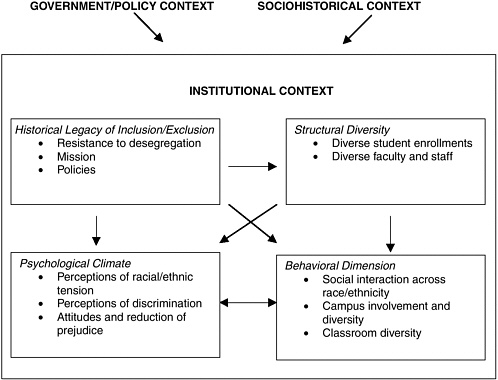
FIGURE 5-1 Elements influencing the climate for racial/ethnic diversity.
SOURCE: Hurtado et al., 1999.
governmental and policy context can powerfully affect structural dimensions of diversity, as financial aid policies and programs, state and federal policy regarding affirmative action, and court decisions related to desegregation of higher education institutions all may shape the socioeconomic and racial/ethnic diversity of the student body. Similarly, the sociohistoric context influences institutional and individual attitudes toward diversity, as social and political movements have often shaped popular opinion regarding diversity and access to higher education (Hurtado et al., 1999).
The institutional climate for diversity is therefore “conceptualized as a product of these various elements and their dynamics” (Hurtado et al., 1999, p. 6). It is distinct from the institutional “culture” (i.e., the stable norms and beliefs that may constitute an organizational system). More importantly, however, the institutional climate is malleable and can be altered through systemic intervention efforts aimed at each of the elements of the institutional context. Each of the dimensions of the institutional climate may influence diversity efforts, in both positive and negative ways.
Institutions that focus exclusively on the numeric or proportional representation of URM students on campus, have, in many cases, found that insufficient attention to other dimensions of the campus climate for diversity may pose challenges to the effective integration and retention of URM students. Greater proportions of URM students can cause conflict and resistance among students and faculty if the institution does not anticipate and take steps toward maximizing cross-racial interactions and facilitating discussions about diversity (Milem, Dey, and White, this volume). Training and educational programs, for example, to better inform students and faculty of the value of diversity in the institution can help to facilitate positive diversity interactions, while cultural exchanges and workshops may assist diverse students as they attempt to integrate into the campus environment. Attention to the structural dimensions of diversity is therefore important, but only as an initial step towards comprehensive diversity efforts (Chang, 2001).
THEORY AND RESEARCH ON DIVERSITY AND LEARNING
A growing body of research demonstrates that college students, of all racial and ethnic backgrounds, benefit from interaction with a diverse group of college student peers (see also discussion in Chapter 1). This research indicates that it is not merely the case that the presence of diverse students on campus fosters richer learning experiences. Research also indicates that student learning experiences are enhanced in proportion to the frequency and quality of students’ informal interactions across racial and ethnic lines. These informal interactions, along with the discussion of racial/ethnic issues in classroom settings, confer benefits for students’ academic development, as well as for their civic and community orientation. While the majority of this research has been conducted with undergraduate students, many of the principles regarding diversity’s benefits extend to health professions training settings (Tedesco, 2001), as will be discussed below.
Gurin et al. (2002), in seminal research that formed the core of the social science evidence base cited by the University of Michigan in its Supreme Court defense, utilized longitudinal data from two student surveys (a survey conducted at the University of Michigan and a national survey of student collegiate experiences) to assess whether students’ diversity experiences as undergraduates were related to their “learning outcomes” (defined as the use of active thinking, intellectual engagement and motivation, and academic skills) and “democracy outcomes” (i.e., citizenship engagement, belief in the compatibility of group differences and democracy, the ability to take the perspective of others, and cultural awareness and engagement). Over 11,000 white, African American, Asian American, and Latino students were among the national sample, while the Michigan sample included
over 1,500 white, African American, and Asian American students, all of whom were surveyed as they entered college and again after 4 years.
Among both the Michigan and national samples of students, Gurin and colleagues found that diversity experiences were significantly related to learning outcomes upon follow-up, even after adjusting for students’ academic and socioeconomic background (i.e., gender, SAT scores, high school grade point average [GPA], parents’ educational level, racial composition of high school and neighborhood growing up), institutional characteristics (among the national sample), and prior scores on learning outcome measures. In the national sample, informal interactional diversity was especially significant for all four racial/ethnic groups in predicting intellectual engagement and academic skills, as was the impact of classroom diversity on these measures for white and Latino students. Among the Michigan students, both classroom diversity and campus-facilitated diversity activities (i.e., participation in multicultural events and intergroup dialogues) were significantly and positively associated with active thinking and intellectual engagement for all racial groups (Gurin et al., 2002).
Similarly, diversity experiences were found to significantly predict students’ democracy outcomes, even after adjustment for students’ prior academic and socioeconomic background and precollege racial exposure, as well as measures of democracy orientation upon initial assessment. For all racial groups, informal interactions across racial and ethnic lines were associated with higher levels of citizenship engagement and awareness and appreciation of racial and cultural diversity. Classroom diversity was associated with these outcomes for white, Asian American, and Latino students, again after controlling for students’ prior scores on these measures. In the Michigan sample, informal cross-racial and ethnic interactions, classroom diversity, and campus-sponsored events and dialogues about multicultural issues were associated with students’ belief in the compatibility of differences with democratic processes, the ability to understand the perspectives of individuals from other groups, and engagement in racial and cultural issues, while controlling for students’ background characteristics and prior scores on democracy measures, although the strength of these relationships varied by racial/ethnic group (Gurin et al., 2002).
Gurin and colleagues concluded that students who were exposed to higher levels of campus diversity, experienced and discussed diversity issues in the classroom, and participated in informal discussions across racial and ethnic groups were better able to understand and consider multiple perspectives, deal with the conflicts that different perspectives sometimes create, and “appreciate the common values and integrated forces that harness differences in pursuit of the common good” (University of Michigan, 2000, p. 5). These students can best develop the capacity to understand the ideas and feelings of others in an environment characterized by a diverse study
body, equality among peers, and discussion of the rules of civil discourse. Diversity experiences in college were also associated with a range of better cognitive and intellectual outcomes. Interactions with peers from diverse racial backgrounds, both in the classroom and informally, were associated with greater levels of engagement in active thinking processes, growth in intellectual engagement, and motivation and growth in intellectual and academic skills (Gurin et al., 2002).
Similarly, Chang (2001), using data from a national, longitudinal survey of college students’ attitudes and experiences before, during, and after college, assessed whether the degree of racial/ethnic diversity that students experience on campus was associated with educational outcomes. Data from over 18,000 college students attending 392 4-year colleges and universities were utilized, with controls for variation in institutional size, location, type, religious affiliation, gender (coed or single-sex), and selectivity. Chang assessed whether students’ self-reported experiences of having socialized with someone of a different race and having discussed racial issues while in college were associated with the degree of racial diversity at the students’ institution. In addition, he assessed whether these experiences were associated with four educational outcomes (retention, satisfaction with college, intellectual self-concept, and social self-concept). Chang found that campus diversity was a small, but statistically significant, predictor of students’ likelihood of forming interracial friendships and talking about race and ethnicity, even after students’ background (e.g., socioeconomic status, standardized test scores) and campus environment were taken into account. In addition, Chang found that socializing with students of another racial or ethnic background had a small but significant direct effect on students’ self-reported satisfaction with college and social self-concept, and discussion of racial issues similarly was a small but significant predictor of students’ intellectual self-concept (Chang, 2001).
Hurtado (2001) also assessed the relationship between undergraduate students’ diversity experiences and their assessments of civic, job-related, and educational outcomes. Using longitudinal data from nationwide surveys of students and faculty, Hurtado found that students who reported that they studied with someone of a different racial or ethnic background while in college were more likely upon one-year follow-up to report having greater acceptance of people of different racial/ethnic groups, greater cultural awareness, greater tolerance of people with different beliefs, a greater ability to work cooperatively with others, and greater critical thinking skills, among a range of other learning, job-related, and civic outcomes. These relationships remained significant even after controlling for institutional selectivity, students’ prior academic performance, and academic habits (e.g., hours per week spent studying; Hurtado, 2001).
The finding that students benefit from diversity in the classroom and in
informal interactions has been extended to health professions educational settings. Whitla and colleagues (2003), in a survey of recent Harvard and University of California, San Francisco, medical school graduates’ attitudes regarding diversity in medical education, found that students reported experiencing greater levels of diversity in medical school than in their prior educational experiences, as the percentage of students reporting contact with other groups increased from 50 percent prior to college to 85 percent in medical school. These trends were true for majority group as well as URM students. Overwhelmingly, these students viewed diversity among their medical student peers as a positive; 86 percent thought that classroom diversity enhanced discussion and was more likely to foster serious discussions of alternate viewpoints. Over three-quarters of the students surveyed found that diversity helped them to rethink their viewpoints when racial conflicts occurred, and the same percentage felt that diversity provided them with a greater understanding of medical conditions and treatments. The pattern of responses did not differ by respondents’ racial or ethnic group (Whitla et al., 2003). While we found no similar published surveys of dental, nursing, and professional psychology students, anecdotal evidence (Davis and David, 1998) suggests that these students may experience similar benefits.
Related research in developmental and cognitive psychology offers a theoretical framework to understand these findings. The period of late adolescence and early adulthood is characterized by significant social and emotional growth, as individuals attempt to define their personal and social identity as adults while learning about the complex social structures and communities in which they live and work. Personal and social identity develops best, according to developmental theorists, when young adults are exposed to novel situations, particularly those characterized by diversity and complexity of perspectives and experiences (Gurin et al., 2002). Residential colleges and universities provide students with an opportunity to explore ideas and perspectives that are different from their own prior experiences. In such situations, young people commonly lack a “script” to understand and predict social expectations and roles, and are therefore likely to experience uncertainty and discontinuity as they are exposed to different perspectives, experiences, and viewpoints. Research in cognitive psychology illustrates that this discontinuity is more likely to promote “active,” complex thinking. This form of thinking results in new ways of processing information, promotes intellectual engagement, and reduces dependence on prior learned scripts. Exposure to racial and ethnic diversity in college settings and, more importantly, meaningful interaction across racial and ethnic lines in informal settings and in classroom discussion are experiences that improve active thinking by providing opportunities to identify discrepancies with precollege experiences and to encounter novel and unfa-
miliar perspectives (Gurin et al., 2002). Gurin and colleagues illustrate this phenomenon as they quote a white undergraduate student evaluating a course on intergroup relations:
I came from a town in Michigan where everyone was white, middle-class and generally pretty closed-down to the rest of the world, although we didn’t think so. It never touched us, so I never questioned the fact that we were “normal” and everyone else was “different.” Listening to other students in the class, especially the African American students from Detroit and other urban areas just blew me away. We only live a few hours away and yet we live in completely separate worlds. Even more shocking was the fact that they knew about “my world” and I knew nothing about theirs. Nor did I think that this was even a problem at first. I realize now that many people like me can go through life and not have to see another point of view, that somehow we are protected from it. The beginning for me was when I realized that not everyone shares the same views as I, and that our different experiences have a lot to do with that (Gurin et al., 2002, p. 338).
Because of stark patterns of racial and ethnic residential housing segregation, most high school students entering college have limited experience with individuals from other racial, ethnic, and socioeconomic groups (Frankenberg and Lee, 2002). Very few of the freshman students matriculating at the University of Michigan, for example, have had significant contact with students from other racial and ethnic groups (see Box 5-1). As the University of Michigan, in its document The Compelling Need for Diversity in Higher Education, notes, “[t]he costs of this persistent and
|
BOX 5-1 Schools in the Detroit metropolitan area are among the most segregated in the nation, although many metropolitan school districts are also characterized by high levels of segregation:
|
pervasive racial separation are profound for minorities and non-minorities alike … [m]embers of differential racial and ethnic groups too often are denied the opportunity to benefit from all that our diverse communities have to offer” (University of Michigan, 2000, p. 4). Segregation limits opportunities for individuals to confront and correct racial stereotypes, to learn how to interact with others in an increasingly multicultural America; segregation also fosters mistrust and large gaps in the experiences, values, and viewpoints of different racial and ethnic groups. The University of Michigan determined that such segregation is detrimental to the community’s best interests; moreover, the university asserts that the quality of higher education is vastly improved when the barriers of racial segregation are removed and students from diverse racial and ethnic groups are encouraged to learn from, and with, each other.
HOW CAN HEALTH PROFESSIONS TRAINING PROGRAMS ENSURE THE SUCCESS OF DIVERSITY EFFORTS?
As noted above, efforts to improve the structural diversity of higher education institutions are a positive first step, but alone they are insufficient to improve the institutional climate for diversity and ensure that diversity benefits both students and the institution. Universities must create conditions in which students from different racial and ethnic backgrounds can have meaningful, productive interactions, and maximize educational experiences. Absent these efforts, institutions that bring together diverse groups run the risk of allowing conflict, misunderstanding, and resentment to poison students’ educational experiences. Fortunately, a body of theory and research has informed efforts to enhance the conditions under which diversity can provide educational benefits.
Design Principles for Improving the Campus Climate for Diversity
Building on research and theory, Hurtado et al. (1999) outline 12 strategies to achieve an improved climate for and maximize the benefits of diversity. The first four principles are “core” to any institutional efforts for change, while the remaining eight offer guidance for the development of new programmatic initiatives and policies. Hurtado and colleagues stress that these principles represent a comprehensive, “holistic” approach to institutional change and require that institutions possess strong leadership, adequate resources to support change efforts, strong planning and evaluation, and a long-term commitment. Research supporting these design principles is summarized in Hurtado et al. (1999), as well as Milem, Dey, and White (this volume).
Core principles include the need to:
-
Affirm the goal of achieving a campus climate that supports racial and ethnic diversity as an institutional goal. Campus leadership should be able to articulate the need for diversity and communicate institutional goals clearly. In addition, leadership must understand how diversity and educational excellence are “inseparable” (Hurtado et al., 1999, p. 71).
-
Systematically assess the institutional climate for diversity in terms of historical legacy, structural diversity, psychological climate, and behavioral elements to understand the dimensions of the problem. Self-appraisal of the institutional climate for diversity across a range of dimensions is critical to gather “baseline” data on how the institution is experienced by diverse groups, to identify areas of strength and weakness, and to assess the impact of diversity improvement efforts. Such self-assessment should be ongoing and should inform program changes. An example of a “cultural audit” that led to an on-going process of institutional change is provided in Box 5-2.1
-
Develop a plan, guided by research, experiences at peer institutions, and results from the systematic assessment of the campus climate for diversity, for implementing constructive change that includes specific goals, time-table, and pragmatic activities. Institutions should develop a “template” for change that is based on self-study and identifies measurable goals. This template should serve as a guiding blueprint for departmental and other programmatic activities.
-
Implement a detailed and ongoing evaluation program to monitor the effectiveness of and build support for programmatic activities aimed at improving the campus climate for diversity. Ongoing evaluation will help to assess the effectiveness of programs and serve as the basis for program modification. Evaluation will also serve as a mechanism for holding key elements of the university—including faculty, staff, and administrators—responsible for achieving desired outcomes.
The following eight principles are designed to help guide specific programming efforts. These principles may vary in their applicability or relevance across institutions, based on institutional history, type of control, geographic circumstances, etc. They can be tailored to meet the specific circumstances and goals of individual institutions, but they must be accompanied by the four components above—setting priorities, fact finding, es-
|
BOX 5-2 Early in 1994, the University of Michigan School of Dentistry, under the leadership of Dean Machen, initiated a “multicultural audit” to assess the institution’s climate for diversity and develop recommendations to promote greater multicultural awareness and receptivity to diversity concerns in teaching, service delivery, and other aspects of the institution’s mission. This extensive self-study process was undertaken to help students, faculty, and staff gain awareness of the different perceptions that individuals from different groups hold regarding the campus climate. Members of the school’s Multicultural Initiatives Committee write, “Understanding how … different persons perceive and experience the particular work and learning environments and what advantages and disadvantages they have as a consequence of their social group affiliations is the main goal of the cultural audit” (Inglehart et al., 1997, p. 284). The Michigan team conducted its audit by:
The audit was conducted in an open process, and members of the school population were regularly informed about ongoing activities and invited to contribute. At the conclusion of the process, the committee’s report and findings were communicated to faculty, students, and staff and submitted to the dean. The report’s recommendations fell into six broad areas: structuring and communicating the institution’s commitment to improving the climate for diversity; changing institutional foundations to promote multiculturalism; improving academic programs; recruiting and retaining diverse students, faculty, and staff; creating a process to facilitate communication and handle grievances; and providing additional resources to promote multiculturalism and diversity. As a result of this process, the School of Dentistry initiated a process of organizational change, with the goal of building a community of diverse students, faculty, and staff in which all members can gain awareness and skills regarding diversity issues. In addition, this process helps the school to achieve its goal of pushing dental education to be both patient-centered and culturally sensitive—in short, to achieve “excellence through diversity.” Among the “lessons learned,” the Multicultural Initiatives Committee noted that the audit would not have been successful without the full support of institutional leadership, representation of diverse groups from the university committee on the audit team, efforts to inform and invite participation from the institutional community, and a commitment to a long-term process of self-assessment and institutional change (Inglehart et al., 1997). |
tablishing a plan, and evaluating results—to be successful (Hurtado et al., 1999):
-
Make a conscious effort to rid the campus of its exclusionary past and adopt proactive goals to achieve desegregation; this includes increasing opportunity for previously excluded groups. Most predominantly white public and private higher education institutions have a history of exclusion of minority groups before the large-scale desegregation efforts of the late 1960s. Vestiges of this history may remain and influence who attends or seeks employment at the institution. Leadership should carefully assess and acknowledge how this history may affect diversity efforts and develop strategies to counter its influence.
-
Involve faculty in efforts to increase diversity that are consistent with their roles as educators and researchers. Faculty can have a powerful influence on students’ attitudes toward diversity. Even the most experienced faculty members, however, may need assistance in appropriately harnessing classroom diversity to enhance students’ learning experiences. Institutions should provide faculty with training and support to manage classroom conflict, to create opportunities for open discussion of diversity, and to become aware of their own attitudes and beliefs regarding diversity.
-
Create collaborative and cooperative learning environments where students’ learning and interaction among diverse groups can be enhanced. Research demonstrates that cooperative learning environments can improve students’ learning and enhance their diversity experiences. Institutions should provide tools and incentives to faculty for the adaptation of these pedagogical practices, which can include study groups, group projects, the creation of a community service component as an adjunct to classroom work, and other activities.
-
Increase students’ interaction with faculty outside class by incorporating students in research and teaching activities. Contact between students and faculty outside of class is associated with higher student achievement, yet URM students report lower levels of such contact. Institutions should develop programs and incentives to encourage broad segments of students to interact formally and informally with faculty. Examples include student–faculty research projects, workshops and seminars, sharing meals, and other activities.
-
Initiate curricular and cocurricular activities that increase dialogue and build bridges across communities of difference. Students naturally form affinity groups and friendships based on commonality of background and experience, yet institutions can take steps to encourage meaningful intergroup interaction. These may include informal dialogue groups or sessions affiliated with formal coursework, perhaps facilitated by trained peer leaders. In addition, institutions may consider sponsoring multicultural pro-
-
grams that celebrate the history and cultures of different racial and ethnic groups and provide incentives for diverse participation, including among majority groups.
-
Create a student-centered orientation among faculty and staff. Research indicates that those institutions that are more student-centered—that is, where faculty and staff convey an interest in students’ academic and personal development and where students feel valued—experience lower levels of intergroup tension and better student outcomes. Faculty and staff orientation sessions can be used to provide tools and strategies to enhance students’ feelings of validation and create a welcoming environment for students of all backgrounds.
-
Include diverse students in activities to increase students’ involvement in campus life. Ensure that programming for diversity involves general support services as well as coordinated activities and support programs for URM students. Administrators and faculty sometimes express concern, appropriately, that URM students may “self-segregate” on predominantly white campuses. They fear that racially and ethnically oriented student groups and activities, such as minority student organizations or minority peer support services, may tend to reinforce segregation from majority groups on campus. Yet research indicates that URM student involvement in such groups and activities is associated with higher social involvement, informal interactions with faculty, and use of general support services. Institutions should therefore encourage a wide range of student support services and programming, as a means to encourage URM students to take advantage of general university supports and other campus activities.
-
Increase sensitivity and training of staff members who are likely to work with diverse student populations. Administrators and staff can have a powerful influence in shaping students’ perceptions of the campus climate for diversity. Institutions should consider offering sensitivity training and opportunities to develop cross-cultural and conflict resolution skills for those staff that work with students on a regular basis.
Institutional Leadership and Diversity
Institutional leaders—including university presidents, deans, department chairs, and other administrators—are crucial in the effort to establish and maintain a learning environment that values and is enriched by a diverse, multicultural campus community. Institutional leaders must establish expectations regarding diversity goals, “set the tone” for how diversity objectives will be met, and hold all members of the campus community accountable for achievement of these goals. Writing about the responsibility of leadership in creating multicultural dental schools, Kalkwarf (1995) notes, “it is only when [institutional leaders’] actions reinforce the concept
of cultural diversity that a program of multiculturalism within an educational institution will truly be successful” (p. 1108). Kalkwarf describes several initiatives undertaken at the Dental School at the University of Texas Health Sciences Center-San Antonio that reflected institutional leaders’ desire to educate faculty and students regarding the institution’s diversity goals. These efforts included a faculty retreat to discuss cultural diversity goals, a perceptual survey of students and faculty to assess attitudes toward diversity and multicultural issues, and interventions—including faculty development workshops—that were developed in response to survey findings. Other intervention efforts initiated by the institutional leadership included programs to enhance multicultural understanding among staff and students (Kalkwarf, 1995).
Similarly, Monts (1995) argues that university leaders must “initiate efforts [in support of diversity and multiculturalism] that reflect both a top-down and bottom-up approach” (p. 1113), with roles for university administrators, faculty, staff, and students. Elements of this approach at the University of Michigan, according to Monts, include a strategic plan for linking academic excellence and diversity, a program of special incentives for academic units to recruit and hire women and faculty of color, and a program of self-study to assess students’ expectations, perceptions, and experiences regarding diversity and multiculturalism (Monts, 1995).
Recruitment, Hiring, and Retention of Underrepresented Minority Faculty
“Psychologists … continue to be predominantly Caucasian; to be trained by predominantly Caucasian faculty members; and to be trained in programs in which ethnic issues are ignored, regarded as deficiencies, or included as an afterthought” (Myers et al., 1991, p. 5).
Over a decade ago, Myers, Echemendia, and Trimble (1991) observed that faculty and curricula in graduate professional psychology training programs remained homogeneous and unresponsive to the growing diversity of the U.S. population. Unfortunately, this pattern still holds true among many HPEIs (see Chapter 1 for a review of data on faculty diversity in health professions training programs). While some institutions have made great progress in recruiting URM faculty, others continue to experience difficulty in expanding diversity among faculty, despite growing evidence of its benefits. In addition to providing support for URM students as role models and mentors, racially and ethnically diverse faculty can be expected to “bring new kinds of scholarship to an institution, educate students on issues of growing importance to society, and offer links to communities not often connected to our campuses” (Smith, 2000, p. 51).
Greater diversity among faculty can also be expected to lead to important pedagogical changes. In a study to determine if faculty diversity has an impact on curriculum and teaching methods, Hurtado (2001) assessed racial/ethnic and gender-related differences in university faculty teaching and instructional methods in required undergraduate courses. Using longitudinal data from nationwide surveys of students and faculty, Hurtado found that African-American and Latino faculty were more likely than faculty of other racial/ethnic groups to utilize cooperative and “active” learning techniques,2 while American Indian faculty were more likely to use experiential learning/field studies techniques. Female faculty were also more likely to utilize these pedagogical approaches, which in other research have been found to lead to more active learning and favorable educational outcomes than “passive” learning approaches, such as learning via lectures. Minority and female faculty were also more likely to assign readings on racial/ethnic or gender issues.
Similarly, Milem (2001), in a study of faculty attitudes and teaching, found that increased faculty diversity is associated with the use of active learning techniques and inclusion of racial/ethnic issues in the curriculum. This same study, however, found that the institutions that had made the most progress in admitting and enrolling URM students—typically, large, selective, research-intensive institutions—also were the “least flexible and least adaptive in responding to changing student needs,” given that their faculty are “oriented to specialized research, not to flexible approaches to teaching” (Milem, 2001, p. 234).
Given the important benefits of faculty diversity for enhancing institutional diversity efforts, what are some successful strategies that health professions training institutions can adopt to improve faculty diversity efforts? Smith (2000) offers a series of strategies and issues for institutions to consider as they initiate faculty recruitment and hiring efforts. Smith notes that many myths about minority faculty recruitment abound and may hinder faculty search committees, to the extent that they believe the myths, from seriously recruiting minority candidates. To assess the experiences of URM Ph.D.s, Smith surveyed nearly 300 doctoral-level minority and non-minority scholars, 93 percent of whom held doctorates from research institutions, who had been recipients of prestigious Ford, Mellon, and Spencer Founda-
tion Fellowships. These fellowships are designed to support the careers of scientists and academicians in a range of fields.
Perhaps one of the most pervasive myths, Smith found, is that qualified URM candidates are few and far between and, therefore, are often the subject of “bidding wars” as institutions compete among each other to recruit candidates. While it is true that URM Ph.D.s are less numerous relative to non-URM scholars, only a small fraction of the URM Ph.D.s in Smith’s sample (11 percent) reported that they were recruited and encouraged to apply for a faculty position. This percentage was even smaller among Puerto Rican Ph.D.s, as only 3 percent of this group reported being encouraged to apply for a job. When job candidates had a choice of offers, respondents reported that these institutions were typically limited to two or three institutions, and these usually were not their top choices.
Another myth is that faculty of color who are recruited to nonelite campuses are often lured away by more prestigious institutions, or that URM faculty are leaving academia for better-paying government or industry jobs. The majority of respondents in Smith’s sample, however, reported that they were unwilling to change jobs primarily for salary or prestige. Those who did change jobs were as likely to report that they moved because of “dual-career choices, questions of fit, or unresolved problems with their institutions, such as having to deal with multiple demands as a result of being one of just a few faculty of color in a department or an institution” (Smith, 2000, p. 50).
In light of the experiences reported by these highly qualified minority scholars, Smith recommends several steps for institutions to improve their efforts at recruiting minority faculty. To begin, institutions should carefully examine their mission statement and assess how faculty diversity assists the institution to meet its goals. Such an analysis “positions diversity at the center of what is taught, how it is taught, and to whom students are exposed” (Smith, 2000, p. 51). These institutions should examine how faculty diversity can influence teaching and scholarship; many universities, for example, are instituting new diversity requirements in the curriculum and are exploring ways to improve the classroom environment and pedagogy for an increasingly diverse student body. URM faculty can assist in these efforts.
Identifying and recruiting qualified URM candidates for faculty positions can be improved by utilizing active search processes, Smith argues, that go beyond simply posting positions and recruiting though networks that are familiar to the faculty. Active searches require developing personal connections with individuals who have expertise in needed areas of scholarship and demonstrating flexibility regarding candidates’ specialties. Similarly, search committees should be diverse, to help in assessing and evaluating candidates of different backgrounds, and should have a close working
relationship with the university administration to ensure the success of the search process (Smith, 2000). Identifying potential URM faculty candidates should not be limited to external searches; in many instances, potential faculty can be found among an institution’s URM graduate and postdoctoral health professions students (see example provided by Formicola et al. [2003] in section titled, “A Comprehensive Strategy to Increase URM Applications, Admission, and Success—One Dental School’s Example”).
Once qualified candidates are identified, personal support in the form of a “champion,” someone willing to facilitate communication, advise the candidate, and advocate for him or her during the search process, can ensure that the search committee has “the opportunity to fully assess the candidate’s talent” (Smith, 2000, p. 52). Finally, Smith notes, posthiring support is critical for many URM faculty. Institutional politics, the challenges of earning tenure, balancing teaching and research, and other faculty concerns may be exacerbated for faculty of color, who are often expected to assume a larger role than non-URM faculty in mentoring students, serving on committees, and other tasks (Smith, 2000).
Recruitment of Underrepresented Minority Students
As noted earlier in this chapter, increasing the proportions of underrepresented minority students in health professions training settings is an important initial step toward transforming the institutional climate. Health professions training institutions have experimented with a wide range of strategies to recruit URM students, with varying degrees of success. Recruitment efforts are affected by a number of factors, such as the quality of primary and secondary education for URM students, changes among students in career interests, competition from other nonhealth fields for talented students (e.g., almost all health professions schools have seen modest declines in the overall number of applicants since the late 1990s; Grumbach et al., 2001), and competition among health professions disciplines for students from the same applicant pool. Such competition poses particular problems for some disciplines, such as nursing, which has declined in popularity as a health professions career choice as opportunities for women and minorities in other fields have increased and as wages and working conditions for nurses have failed to improve substantially (Buerhaus and Auerbach, 1999).
Strategies for recruitment of URM students generally fall into several categories, including, but not limited to:
-
The use of targeted marketing materials, outreach, and information campaigns to interest high school and college students in health professions careers;
-
Efforts to inform pre-health-career advisors of opportunities in health professions and entrance and admissions requirements;
-
Educational enrichment programs aimed at URM and educationally disadvantaged students, which typically expose high school and college-level students to health professions education curriculums and to the programs and services of health professions schools; and
-
Partnerships between majority- and historically minority-serving institutions, to foster student exchanges and encourage URM students to pursue further study in health professions.
Several examples of these recruitment efforts are highlighted in published literature (see Boxes 5-3 and 5-4). Few of these programs, however, have been evaluated to determine their effectiveness and/or which components of recruitment efforts are most useful.
Retention of URM Students
Recruitment, admission, and matriculation of URM students represent only the first steps for health professions training programs to ensure successful educational experiences for URM students. While data are not uniformly available for all health professions, URM medical students experience higher rates of academic failure, withdrawal, and lower graduation rates than non-URM medical students (Rainey, 2001), trends that are also likely to occur in dentistry, nursing, and psychology training programs.
This pattern of poorer success in health professions training settings is likely the result of many factors. As noted earlier in this report, because of inequitable educational opportunities, URM students often receive an inferior academic preparation in K-12 and college relative to non-URM students. URM students also face greater financial challenges than non-URM students, particularly in the face of rising tuition costs at almost all public and private universities. The dearth of URM faculty results in fewer opportunities for URM students to obtain mentoring from individuals who are most familiar with the cultural and economic background of these students (Rainey, 2001). Incidents of racial discrimination and unfair treatment on the basis of race and ethnicity are, unfortunately, not rare events for health professions students (e.g., more than one in seven medical students who reported being mistreated also reported being subjected to racially or ethically offensive remarks; AAMC, 2000). Furthermore, URM students typically report higher levels of alienation from the campus environment and may not find appropriate social supports to counter these feelings.
A growing number of HPEIs are developing comprehensive strategies to improve retention among URM students, with a range of programs that may include intervention efforts to increase academic preparation,
|
BOX 5-3 Nursing is facing workforce shortages that threaten to short-circuit efforts to increase the safety and efficiency of American health care. Recognizing that the fastest-growing share of the potential nurses of the future are students of color, nursing programs are expanding efforts to attract these students. Washington State University’s Intercollegiate College of Nursing was recently highlighted for its efforts to increase the pool of future URM nursing students through targeted efforts to recruit from some of the state’s most medically underserved communities (Rosseter, 2002). The college has:
The College of Nursing at the University of Nebraska Medical Center uses a combination of recruitment efforts to attract men and minority students. In 2000–2001, the number of minority applicants increased 84 percent, and the school’s minority enrollment increased 43 percent. Some of the school’s specific steps have been to:
|
|
BOX 5-4 In recent years, several institutions have developed partnerships to increase URM students’ exposure to, interest in, and preparation for heath professions careers. These can include partnerships between majority- and historically minorityserving institutions, as the following examples illustrate: A Partnership Between St. Louis University and the Atlanta University Center The four historically black colleges that constitute the Atlanta University Center (AUC), including Clark-Atlanta University, Morehouse College, Morris Brown College, and Spelman College, are collaborating with Saint Louis University (SLU) to promote interest among African American students in careers in research psychology. Undergraduate students from AUC colleges are selected to participate in the program, which provides mentoring and exposes students to psychological research. Students join a research team in the fall of their sophomore year and are asked to develop during the academic year a research proposal, complete with literature search and institutional review board approval. The following summer, these students attend an 8-week summer session at SLU, during which they live on campus and complete their research, while taking a course in research ethics. In addition, the students participate in a graduate admissions workshop, in which they will request and complete actual applications for graduate admission. The summer session concludes with a formal research conference at which students present their research findings. Students are provided with faculty follow-up and mentoring as they return to their home institutions. This program, which is supported by a grant from the National Science Foundation, was honored with the 1999 Richard Suinn Award by the American Psychological Association for its innovative efforts to increase diversity in the field of psychology (APA, 2000). The Fisk University-Vanderbilt University School of Nursing Joint BSN Program Fisk University, a historically black college, and the Vanderbilt University School of Nursing (VUSN) have entered into a unique agreement for a collaborative degree program that allows Fisk to award a Bachelor of Science in Nursing (BSN) to its students by completing core liberal arts coursework at Fisk and BSN equivalent curriculum at VUSN. VUSN, which offers only master’s and doctoral nursing degree programs, will commit resources toward the Fisk BSN program, saving the latter institution the expense of creating an undergraduate nursing program from scratch, including developing specialized classrooms and skill labs and employing nursing faculty. After completing the Fisk BSN degree, students will have the foundation for graduate study in nursing and therefore may consider continuing their graduate education at VUSN. VUMC has agreed to provide support funding to the new program for Fisk BSN graduates, who agree to work at VUMC at full salary for a specific period of time. The graduates can then enroll in the MSN program at VUSN and take advantage of the VUMC tuition support benefit. The program is being hailed as an innovative means of both increasing the numbers of URM nurses and addressing Tennessee’s nursing shortage, which is expected to exceed 9,000 nursing positions by the year 2020 (Hurst, 2003). |
mentoring, financial support, academic support, psychosocial support, and professional opportunities (Grumbach et al., 2002; Rainey, 2001). Rainey (2001), noting that many such efforts are splintered and unsystematic, calls for coordinated efforts to address such factors as:
-
HPEI curriculum and pedagogy (e.g., switching emphasis from lecture-based teaching to more active learning approaches, such as small-group problem-based learning, and reducing the “boot camp mentality” operative during the first few months of a student’s medical school career);
-
Student orientation (e.g., by giving greater attention to helping students manage the fast-paced, content-rich curriculum through the teaching of specific study skills and learning strategies);
-
Financial aid (e.g., by providing consistency in financial aid, even if a student is required to repeat a year, to avoid placing greater pressures on students facing academic difficulty); and
-
Remedial strategies (e.g., by providing remedial services that are coordinated between student and academic affairs offices and keep the student in the academic environment, so that the student maintains contact with on-campus resources and faculty).
Observing that few institutions have adopted such a coordinated approach, Rainey notes:
Once a student experiences an academic failure that results in a projected delayed graduation date, there appears to be a cumulative effect that significantly increases the chances the student will never graduate. The student no longer has the support of friends and classmates. She has increased financial pressures. She believes that her failures are common knowledge…. Early identification of academic failure, swift and intense efforts to provide assistance by faculty and administration, making every effort to keep the student on schedule, and providing continuing and adequate financial aid are essential elements of a successful remediation strategy, especially for first- and second-year academic problems (Rainey, 2001, p. 352).
In developing and implementing student academic and social support programs, many HPEI administrators are often faced with the question of whether to target programs to URM and other students at risk for academic difficulties, or to provide remedial and support services to all students, regardless of background and prior levels of preparation. Rainey (2001) argues against the former approach, noting that “these strategies run the risk of stigmatizing the student doing poorly and of increasing his or her already high level of anxiety” (Rainey, 2001, p. 350). Instead, Rainey argues, HPEIs should provide comprehensive learning assistance support, make students and faculty aware of differences in learning styles, and find
alternative remedial strategies that do not segregate students experiencing academic difficulty.
Establishing an Informal, Confidential Mechanism for Mediation: The Role of the Ombuds Office
HPEI students, faculty, staff, and administrators occasionally experience barriers to achieving institutional diversity goals, such as behaviors, attitudes, or speech that are racially or ethnically offensive and are counter to goals of inclusiveness. The creation of an institutional ombuds office may be useful in addressing these concerns, thereby assisting broader efforts to improve the institutional climate for diversity. An ombudsperson is a formally designated, neutral, trained practitioner whose major function is to provide confidential and informal assistance to all constituents of the university community. The ombuds may serve as a fact-finder, counselor, or mediator between two or more parties but operates outside of the typical management structure and is an independent agent (UCOA, 2003). The ombuds does not, however, participate in formal grievance processes, testify in lawsuits, make administrative decisions, determine the “guilt” or “innocence” or those accused of wrong-doing, or assign sanctions. The informal, internal nature of the ombuds’ operation is therefore often an effective supplement to more formal institutional conflict resolution, compliance, and equal employment/equal opportunity policies and procedures (Steinhardt and Connell, 2002).
Central to the operation of the ombuds office are the characteristics of neutrality, independence, informality, and confidentiality. Ombuds must remain neutral within the organization, both in perception and practice, and independent of the traditional lines of authority. In addition, ombuds must ensure absolute confidentiality of operations, in order to provide a safe environment for individuals registering complaints and for dispute mediation. The characteristics of ombuds offices allow the ombuds to serve effectively as a “fact-finder” to gather information about complaints, advise individuals about how to resolve disputes informally, mediate disputes and seek “win–win” resolution of problems, and advise individuals about more formal grievance procedures should informal efforts fail (Steinhardt and Connell, 2002).
Transforming the Health Professions Education Curriculum
In many health professions training settings, the curriculum is perhaps the most resistant to change (Rainey, 2001). Training institutions face growing demands to provide students with new skills and knowledge, and faculty find it increasingly difficult to adopt new curriculum and pedagogy
within limited classroom time. Yet curricular change can serve as an important component of an overall strategy to support and harness the benefits of classroom diversity. Such changes are consistent with the growing need to produce new health professionals who possess cross-cultural skills and can meet the demands of an increasingly diverse patient population (Betancourt et al., 2002; Brach and Fraser, 2000; Tedesco, 2001).
Cross-cultural education strategies—defined as programs to help trainees to understand the sociocultural dimensions underlying a patient’s health values, beliefs, and behavior, with the goal of preparing trainees to care for patients from diverse social and cultural backgrounds and to recognize and address racial, cultural, and gender biases in health-care delivery—are increasingly being developed and implemented in medical, dental, nursing, and professional psychology training settings (Brach and Fraser, 2000). These strategies have been developed to meet at least three demands. First, cross-cultural education is expected to provide students with the skills and knowledge that they will need as future health professionals working with diverse patient populations. Second, cross-cultural education can be expected to help improve patient outcomes and narrow the racial–ethnic gap in health-care quality observed in many studies. Third, such training is increasingly being required by accreditation and licensure bodies (Betancourt, 2003).
Three conceptual approaches are predominant in cross-cultural education models. The first, which emphasizes teaching cultural sensitivity and awareness, is “based on the attitudes central to professionalism—humility, empathy, curiosity, respect, sensitivity, and awareness of all outside influences on the patient” (Betancourt, 2003, p. 561). The primary focus of this approach is to expand trainees’ awareness of the impact of sociocultural factors, such as culture, racism, social class, and the social construction of gender roles, on patients’ health attitudes and behaviors (Brach and Fraser, 2000). Furthermore, this model of training explores how sociocultural factors influence the provision and quality of health care and health-care outcomes (Betancourt et al., 2002). As noted above, such training can be enhanced by the diverse backgrounds and experiences of a multiracial, multiethnic student and faculty body and by the sharing of diverse experiences and perspectives in the classroom.
A second cross-cultural education model, focused on multicultural or categorical approaches, emphasizes the acquisition of knowledge about the attitudes, values, beliefs, and behaviors of cultural groups. Such training, however, risks promoting stereotypes through the use of broad-based generalizations that fail to account for the heterogeneity within cultural groups. Effective forms of this approach train students to develop methods of community assessment and evidence-based facts regarding cultural groups, such
as disease incidence and prevalence, historical factors that might shape health behaviors, and ethnopharmacology (Betancourt, 2003).
A third conceptual model, the cross-cultural approach, focuses on developing communication skills and tools for providers to “be aware of certain cross-cutting cultural issues, social issues, and health beliefs while providing methods to deal with information clinically once it is obtained” (Betancourt, 2003, p. 562). These include tools to help providers to better understand patients’ conceptions of health and illness, methods to assess patients’ social contexts, and strategies to facilitate patient–provider negotiation and participatory decision making (Brach and Fraser, 2000; Betancourt, 2003).
A limited number of studies have evaluated the impact of cross-cultural education strategies on trainees, in part because of methodological limitations. For example, investigators are often limited in their ability to accurately assess students’ cross-cultural attitudes following training, and “fact-based evaluation” in some cases runs counter to the goal of cross-cultural education (i.e., cross-cultural education strategies often attempt to assist trainees in managing complex information about culture and language, rather than imparting “facts” about racial and ethnic groups, which may inadvertently promote stereotyping of different racial, cultural, or linguistic groups). Several studies, however, have demonstrated gains in trainees’ cross-cultural knowledge and skills following training (Brach and Fraser, 2000; Betancourt, 2003). It is reasonable to assume that racial and ethnic diversity among faculty and students in HPEIs may enhance the quality of cross-cultural education, as such diversity can provide a rich exchange of ideas and opportunities to challenge assumptions. In addition, cross-cultural education programs may assist in efforts to attract URM students to health professions education (e.g., URM students may have greater interest in HPEI programs that include significant cross-cultural education components), and to develop a supportive institutional climate for diversity.
The importance of cross-cultural training is increasingly reflected in the ethical and professional principles and guidelines of many health professions disciplines. The American Psychological Association, for example, has published guidelines for multicultural education, training, research, practice, and organizational change for psychologists that “reflect knowledge and skills needed for the profession in the midst of dramatic historic sociopolitical changes in U.S. society, as well as needs of new constituencies, markets, and clients” (APA, 2003, p. 377). The guidelines (summarized in Box 5-5) are designed to provide psychologists with a rationale for addressing multicultural concerns in their professional work, relevant research and information that support the guidelines, and paradigms that broaden the purview of psychology as a profession. Moreover, the guidelines are founded on the following principles:
-
“Ethical conduct of psychologists is enhanced by knowledge of differences in beliefs and practices that emerge from socialization through racial and ethnic group affiliation” (APA, 2003, p. 382);
-
The quality of education, training, and research in psychology can be enhanced by understanding the interface between racial and ethnic group affiliation and socialization experiences;
-
The understanding and treatment of all people can be enhanced by understanding how race and ethnicity intersect with other dimensions of identity, such as gender, age, sexual orientation, disability, and other factors;
|
BOX 5-5 Commitment to Cultural Awareness and Knowledge of Self and Others Guideline 1: Psychologists are encouraged to recognize that, as cultural beings, they may hold attitudes and beliefs that can detrimentally influence their perceptions of and interactions with individuals who are ethnically and racially different from themselves. Guideline 2: Psychologists are encouraged to recognize the importance of multicultural sensitivity/responsiveness to, knowledge of, and understanding about ethnically and racially different individuals. Education Guideline 3: As educators, psychologists are encouraged to employ the constructs of multiculturalism and diversity in psychological education. Research Guideline 4: Culturally sensitive psychological researchers are encouraged to recognize the importance of conducting culture-centered and ethical psychological research among persons from ethnic, linguistic, and racial minority backgrounds. Practice Guideline 5: Psychologists are encouraged to apply culturally appropriate skills in clinical and other applied psychological practices. Organizational Change and Policy Development Guideline 6: Psychologists are encouraged to use organizational change processes to support culturally informed organizational (policy) development and practices. SOURCE: APA, 2003. |
-
Understanding of the underrepresentation of some racial and ethnic minority groups in the discipline is explained, in part, by psychology’s history of viewing cultural differences as “deficits” and underappreciation of the role of race and ethnicity in the development of personal and social identity;
-
Psychologists’ ability to promote racial and ethnic equity and social justice is enhanced by an understanding of race, ethnicity, and culture; and
-
“Psychologists’ knowledge about the roles of organizations, including employers and professional psychological associations, is a potential source of behavioral practices that encourage discourse, education and training, institutional change, and research and policy development that reflect, rather than neglect, cultural differences” (APA, 2003, p. 382).
A Comprehensive Strategy to Increase URM Applications, Admission, and Success—One Dental School’s Example
Throughout this discussion, the committee has emphasized the importance of comprehensive, multipronged strategies to create and support diversity in health professions training programs. Some common elements of successful strategies include efforts to:
-
conduct a self-assessment, identify areas where support for diversity efforts must be improved, and develop a strategic plan for improvement;
-
recruit URM applicants;
-
reduce barriers to the admission of URM students, while maintaining the academic quality of admits;
-
reduce financial barriers to URM student participation; and
-
recruit URM faculty.
Columbia University’s School of Dental and Oral Surgery (SDOS) has undertaken such a comprehensive approach, with the result that the school has dramatically increased the racial and ethnic diversity of its students, faculty, and staff and is much better positioned to address the oral health care needs of the region and nation. This change process began with a reassessment of past institutional efforts, which had been less than successful. Until the early 1980s, SDOS enrolled few African American, American Indian, or Hispanic students, and the full-time D.D.S. faculty was almost entirely composed of white males. Recognizing that the school’s reputation as a local and national leader in dental education and ability to serve an increasingly diverse population would suffer without improved diversity efforts, SDOS developed a number of initiatives to transform the school’s climate for diversity (Formicola et al., 2003).
SDOS began in the early 1980s by rethinking its admissions processes,
which were heavily dependent upon applicants’ college grade point average, Dental Aptitude Test scores, letters of recommendation, and a personal interview. These policies were typical of other dental schools, but “[led] to considering a narrow range of students for admission and did not permit adequate consideration of a student’s full range of intellectual, social, and personal traits” (Formicola et al., 2003, p. 492). In response, the admissions committee broadened its criteria to include a greater emphasis on applicants’ personal attributes and background, extracurricular activities, difficulties overcome, and other qualitative factors. To facilitate this change of emphasis, admissions committee members were provided with training in interview skills and understanding qualitative attributes that might be beneficial to the school and to the profession. In addition, a new survey instrument was developed to help guide the interviews and ensure that applicants’ qualitative attributes were assessed. Finally, a subcommittee on minority enrollment was appointed to assist the admissions committee in interviewing and assessing applicants with diverse educational and professional backgrounds. As a result, more minority students were admitted; in the 59-year period between 1923 and 1982, SDOS graduated 16 African American and Latino students, while in the period from 1984 to 2001, the school admitted 57 African American and Latino students, graduating 51 of them (Formicola et al., 2003).
With the admission of greater numbers of diverse students, SDOS realized that variation in students’ educational background required that the institution provide academic support services. As a result, the school developed tutorial services for first-year students and a summer preenrollment academic enrichment program. These services were offered initially to all students whose records indicated that their preparation could be improved. Gradually, the first-year tutorial program expanded and improved its ability to serve all students, and the summer enrichment program was suspended (Formicola et al., 2003).
During this same period, SDOS also sought opportunities to expand its postdoctoral training, while at the same time improving its service to the local community and increasing the numbers of URM faculty. These goals were met with a unique collaboration between SDOS and the Harlem Hospital Medical Center. At the time, Harlem Hospital had expanded its dental service from mainly emergency and oral surgical care to comprehensive care, and expanded its dental clinic facility. This created an opportunity for SDOS and the dental department at Harlem Hospital to collaborate to develop a postdoctoral specialty training program for dentists completing their residency at Harlem Hospital. The residents, who were mainly African American and Hispanic, were required to commit to service in the community as members of the hospital staff, or as faculty in the dental school and/ or in practice in the Harlem community. In return, Harlem Hospital paid
the salary for residents admitted to the postdoctoral program, and tuition was waived by the SDOS. SDOS also realized that the program provided an opportunity to recruit URM graduates into full- and part-time faculty positions at Columbia. These goals have been met: from 1988 to 2000, the program provided postdoctoral training to 21 African American and Latino graduates of the Harlem Hospital Dental Department residency program, 15 of these graduates practice in the Harlem community on the hospital staff, and 12 have faculty appointments at Columbia SDOS. In addition, Harlem Hospital now has a full range of dental specialists available to provide comprehensive care to the community and provide training to general practice residents (Formicola et al., 2003).
Following the development of these programs, SDOS also took several other steps to assess and improve the institutional climate for diversity. By the mid-1990s, the school established a faculty Search Committee that included members external to the department and whose recommendations were reviewed by Columbia University’s Health Sciences Affirmative Action Committee. This committee ensured that all faculty search committees conducted a thorough review and considered racial and ethnic minority candidates. In addition, SDOS conducted a climate study, using focus groups composed of randomly selected groups of faculty, staff, and students. The purpose of the climate study was to determine how students from diverse background perceived the dental school environment and to identify areas for improvement. The climate study resulted in several recommendations, ranging from student training and faculty/staff development programs designed to increase awareness of cultural pluralism and diversity, to efforts to ensure that all students were provided equal access to information and opportunities for research activities, internships, and other activities (Formicola et al., 2003).
SUMMARY AND RECOMMENDATIONS
The institutional climate for diversity—defined as the perceptions, attitudes, and expectations that define the institution, particularly as seen from the perspectives of individuals of different racial or ethnic backgrounds—can exert a profound influence on diversity efforts. Diversity is most often viewed as the proportion and number of individuals from groups underrepresented among students, faculty, administrators, and staff (i.e., structural diversity). Diversity, however, can also be conceptualized as the diversity of interactions that take place on campus (e.g., the quality and quantity of interactions across diverse groups and the exchange of diverse ideas), as well as campus diversity-related initiatives and pedagogy (e.g., the range and quality of curricula and programming pertaining to diversity, such as cultural activities and cultural awareness workshops; Milem, Dey,
and White, this volume). Each of these elements of diversity must be carefully considered as institutions assess their diversity goals.
The institutional climate for diversity is influenced by several elements of the institutional context, including the degree of structural diversity, the historical legacy of inclusion or exclusion of students and faculty of color, the psychological climate (i.e., perceptions of the degree of racial tension and discrimination on campus), and the behavioral dimension (i.e., the quality and quantity of interactions across diverse groups and diversity-related pedagogy; Hurtado et al., 1999). Each of the dimensions of the institutional climate may influence diversity efforts, in both positive and negative ways. More importantly, the institutional climate is malleable and can be altered through systemic intervention efforts aimed at each of the elements of the institutional context.
Research on Diversity and Learning
A growing body of research demonstrates that college students, of all racial and ethnic backgrounds, benefit from interaction with a diverse group of college student peers (see also discussion in Chapter 1). Gurin and colleagues (2002), for example, found that college students’ informal and classroom interactions with students from diverse racial and ethnic groups were associated with students’ subsequent learning outcomes (defined as the use of active thinking, intellectual engagement and motivation, and academic skills) and democracy outcomes (i.e., citizenship engagement, belief in the compatibility of group differences and democracy, the ability to take the perspective of others, and cultural awareness and engagement). While the majority of this research has been conducted with undergraduate students, recent research has extended these findings to medical students (Whitla et al., 2002), and many of the principles regarding diversity’s benefits extend to health professions training settings (Tedesco, 2001).
How Can Health Professions Educational Institutions Ensure the Success of Diversity Efforts?
Building on this research and theory, Hurtado et al. (1999) outline 12 strategies to achieve an improved climate for diversity. More importantly, these strategies can help institutions to maximize the benefits of diversity. The first four principles (i.e., affirm the value of diversity, systematically assess the climate, develop a plan of action, and institute ongoing evaluation of the plan) are “core” to any institutional efforts for change, while the remaining eight offer guidance for the development of new programmatic initiatives and policies. Hurtado and colleagues stress that these principles represent a comprehensive, “holistic” approach to institutional change and
require that institutions possess strong leadership, adequate resources to support change efforts, strong planning and evaluation, and a long-term commitment.
Recruitment, Hiring, and Retention of Underrepresented Minority Faculty
Enhancing the racial and ethnic diversity of health professions education faculty can provide support for URM students in the form of role models and mentors, lead to important pedagogical changes, and “bring new kinds of scholarship to an institution, educate students on issues of growing importance to society, and offer links to communities not often connected to our campuses” (Smith, 2000, p. 51). Many health professions training programs have struggled, however, to increase the proportion of URM faculty members. To a degree, these failures are the result of common myths regarding URM faculty recruitment (e.g., that qualified URM faculty candidates are few, too highly sought-after to invest significant efforts into recruiting, and apt to leave following offers from more prestigious institutions; Smith, 2000).
Health professions training institutions can take several steps to improve their efforts at recruiting minority faculty. To begin, institutions should carefully examine their mission statement and assess how faculty diversity assists the institution to meet its goals. Identifying and recruiting qualified URM faculty candidates can be improved by utilizing active search processes that go beyond simply posting positions and recruiting though networks that are familiar to the faculty. Search committees should be diverse, to help in assessing and evaluating candidates of different backgrounds, and should have a close working relationship with the university administration to ensure the success of the search process. Once qualified candidates are identified, personal support in the form of a “champion”—someone willing to facilitate communication, advise the candidate, and advocate for the candidate during the search process—can ensure that the search committee has the opportunity to fully assess the candidate. Finally, posthiring support is critical for many URM faculty to address the challenges of earning tenure, balancing teaching and research, and other faculty concerns (Smith, 2000).
Minority Student Recruitment and Retention
Several health professions training programs have implemented successful URM student recruitment and retention programs. Some elements of successful recruitment efforts include developing academic and educational partnerships with minority-serving institutions, addressing financial
barriers, targeting outreach to URM students, and engaging prehealth advisors. Just as importantly, institutions should develop comprehensive strategies to retain URM students, by providing a range of academic and social supports, including faculty and peer mentoring, tutoring, academic skills assessment, and instruction in study skills. Institutions may increase opportunities for URM students to integrate themselves into the campus community (and take advantage of support programs) through both ethnic- and racial-group interest organizations, as well as general campus programs, such as orientation programs that clearly outline the institutions’ expectations regarding diversity-related policies and goals, and sensitivity training programs that increase awareness and understanding of diversity in the campus context.
Recommendation 5-1: HPEIs should develop and regularly evaluate comprehensive strategies to improve the institutional climate for diversity. These strategies should attend not only to the structural dimensions of diversity, but also to the range of other dimensions (e.g., psychological and behavioral) that affect the success of institutional diversity efforts. These strategies include, but are not limited to efforts to:
-
recruit and retain URM students and faculty through a range of academic and social supports, including but not limited to mentoring programs, academic supports, and other strategies integrated into ongoing programs;
-
educate faculty and students regarding the benefits of diversity to the institutional mission; and
-
encourage participation by diverse faculty on core institutional committees, including but not limited to admissions, faculty search, internal review, and promotions and tenure.
Education is a critically important initial step toward increasing diversity at many HPEIs. HPEIs must provide all members of the campus community with an explicit rationale for diversity efforts and communicate the principles that underlie such efforts. Educational programs should be ongoing, integrated into regular programming, and regularly evaluated to assess their effectiveness. As with other institutional goals, faculty should be evaluated, as part of ongoing merit and promotion review, on their progress toward achieving the institution’s diversity-related objectives.
Recommendation 5-2: HPEIs should proactively and regularly engage and train students, house staff, and faculty, via orientation programs and ongoing training, regarding institutional diversity-related policies and expectations, the principles that underlie these policies, and the importance of diversity to the long-term institutional mission. Faculty
should be able to demonstrate specific progress toward achieving these goals as part of the promotion and merit process.
Because of the often difficult nature of racial/ethnic dialogue and potential for conflict, HPEIs should consider developing appropriate conflict mediation and dispute resolution services that may serve to increase understanding and cooperation. An ombuds program may assist efforts to improve the campus climate for diversity by providing an informal, confidential process to assess and resolve disputes.
Recommendation 5-3: HPEIs should establish an informal, confidential mediation process for students and faculty who experience barriers to institutional diversity goals (e.g., experiences of discrimination, harassment). Such a process can be established by appointment of an ombudsman who can serve as an arbitrator with the power to investigate complaints and mediate disputes.
Innovative institutional diversity models also take into consideration the quality of diversity training experiences that students receive. Well-supported training experiences that expose all students to diverse patient populations increase students’ knowledge and skills in working with underserved groups. Moreover, as the experiences of Formicola et al. (2003) illustrate, training affiliations with community-based health-care facilities can increase access to health care among diverse patient populations and attract more URM students and faculty to training settings.
Recommendation 5-4: HPEIs should be encouraged to affiliate with community-based health-care facilities in order to attract and train a more diverse and culturally competent workforce and to increase access to health care.
REFERENCES
American Psychological Association (APA). 2000. Model Strategies for Ethnic Minority Recruitment, Retention, and Training in Higher Education. Compiled by the Office of Ethnic Minority Affairs, American Psychological Association, May 2000. Washington, DC: American Psychological Association.
American Psychological Association (APA). 2003. Guidelines on multicultural education, training, research, practice, and organizational change for psychologists. American Psychologist 58:377–402.
Association of American Medical Colleges (AAMC). 2000. LCME Graduation Questionnaire. Washington, DC: Association of American Medical Colleges.
Astin AW. 1993. What Matters in College: Four Critical Years Revisited. San Francisco: Jossey-Bass.
Betancourt JR. 2003. Cross-cultural medical education: Conceptual approaches and frameworks for evaluation. Academic Medicine 78(6):560–569.
Betancourt JR, Green AR, Carrillo JE. 2002. Cultural Competence in Health Care: Emerging Frameworks and Practical Approaches. New York: The Commonwealth Fund.
Brach C, Fraser I. 2000. Can cultural competency reduce racial and ethnic health disparities? A review and conceptual model. Medical Care Research and Review 57:181–217.
Buerhaus PI, Auerbach D. 1999. Slow growth in the United States of the number of minorities in RN workforce. Image: Journal of Nursing Scholarship 31(2):179–183.
Chang MJ. 2001. The positive educational effects of racial diversity. In: Orfield G, Kurlaender M, eds. Diversity Challenged: Evidence on the Impact of Affirmative Action. Cambridge, MA: The Civil Rights Project, Harvard University and Harvard Education Publishing Group. Pp. 175–186.
Davis SP, David M. 1998. Experiences of ethnic minority faculty employed in predominantly white schools of nursing. Journal of Cultural Diversity 5(2):68–76.
Formicola AJ, Klyvert M, McIntosh J, Thompson A, Davis M, Cangialosi T. 2003. Creating an environment for diversity in dental schools: One school’s approach. Journal of Dental Education 67(5):491–499.
Frankenberg E, Lee C. 2002. Race in American Public Schools: Rapidly Resegregating School Districts. Cambridge, MA: The Civil Rights Project, Harvard University.
Grumbach K, Coffman J, Rosenoff E, Muñoz C. 2001. Trends in underrepresented minority participation in health professions schools. In: Smedley BD, Stith AY, Colburn L, Evans CH, eds. The Right Thing to Do, The Smart Thing to Do: Enhancing Diversity in the Health Professions. Washington, DC: National Academy Press. Pp. 185–207.
Grumbach K, Coffman J, Muñoz C, Rosenoff E, Gándara P, Sepulveda E. 2002. Strategies for Improving the Diversity of the Health Professions. University of California, San Francisco: Center for California Health Workforce Studies.
Gurin P, Dey EL, Hurtado S, Gurin G. 2002. Diversity and higher education: Theory and impact on educational outcomes. Harvard Education Review 72(3):330–366.
Hurst J. 2003. Fisk, VU Team to Offer Rx for Shortage of Nurses. The Tennesean, June 16, 2003.
Hurtado S. 2001. Linking diversity and educational purpose: How diversity affects the classroom environment and student development. In: Orfield G, Kurlaender M, eds. Diversity Challenged: Evidence on the Impact of Affirmative Action. Cambridge, MA: Harvard Education Publishing Group.
Hurtado S, Milem JF, Clayton-Peterson A, Allen WA. 1998. Enhancing campus climates for racial/ethnic diversity: Educational policy and practice. Review of Higher Education 21(3):279–302.
Hurtado S, Milem J, Clayton-Peterson A, Allen W. 1999. Enacting Diverse Learning Environments: Improving the Climate for Racial/Ethnic Diversity in Higher Education. ASHE-ERIC Higher Education Report Volume 26, No. 8. Washington, DC: George Washington University, Graduate School of Education and Human Development.
Inglehart M, Quiney C, Kotowicz W, Tedesco L, Getchell K, Jordan J, Kanar H, Kozin W, Perkins KG, Rehemtulla S, Robinson E, Ueda N, Voss C, Chesler M, Reed B. 1997. Cultural audits: Introduction, process, and results. Journal of Dental Education 61(3):283–288.
Kalkwarf KL. 1995. Creating multicultural dental schools and the responsibility of leadership. Journal of Dental Education 59(12):1107–1110.
Krislov M, Alger J, Caminker E, Kessle PJ, Niehoff LM, Long B, Mahoney M, Ballenger JS, Pickering JH, Payton J, Benitez BA, Delery S, Goldblatt C. 2003. Brief for Respondents, Barbara Grutter, Petitioner, vs. Lee Bollinger, Dennis Shields, and the Board of Regents of the University of Michigan, Respondents. No. 02-241 in the Supreme Court of the United States.
Milem JF. 2001. Increasing diversity benefits: How campus climate and teaching methods affect students outcomes. In: Orfield G, Kurlaender M, eds. Diversity Challenged: Evidence on the Impact of Affirmative Action. Cambridge, MA: Harvard Education Publishing Group. Pp. 233–249.
Milem JF, Dey EL, White CB. This volume. Diversity considerations in health professions education. In Smedley BD, Stith-Butler A, Bristow LR, eds. In the Nation’s Compelling Interest: Ensuring Diversity in the Health-Care Workforce. Washington, DC: The National Academies Press.
Monts LP. 1995. Diversity and multiculturalism: Institutional leadership at the University of Michigan. Journal of Dental Education 59(12):1113–1118.
Myers HF, Echemendia RJ, Trimble JE. 1991. The need for training ethnicity minority psychologists. In: Myers HF, Wohlford P, Guzman LP, Echemendia RJ, eds. Ethnic Minority Perspectives on Clinical Training and Services in Psychology Washington, DC: American Psychological Association. Pp. 3–11.
Rainey ML. 2001. How do we retain minority health professions students? In: Smedley BD, Stith AY, Colburn L, Evans CH, eds. The Right Thing to Do, The Smart Thing to Do: Enhancing Diversity in the Health Professions. Washington, DC: National Academy Press. Pp. 328–357.
Rosseter R. 2002. Reshaping recruiting strategies for increasing diversity in academic nursing programs. Association of Women’s Health, Obstetric and Neonatal Nurses (AWHONN) 6(3):196–200.
Smith D. 2000. How to diversify the faculty. Academe 86(5):48–52.
Steinhardt R, Connell M. 2002. Reporting of wrongdoing and resolving disputes: The value of ombudsmen and hotlines in the corporation. In: Banks TL, Banks FZ, eds. Corporate Legal Compliance Handbook. New York: Aspen Publishers. Pp. 6-1–6-34.
Tedesco L. 2001. The role of diversity in the training of health professionals. In: Smedley BD, Stith AY, Colburn L, Evans CH, eds. The Right Thing to Do, The Smart Thing to Do: Enhancing Diversity in the Health Professions. Washington, DC: National Academy Press. Pp. 36–56.
University and College Ombuds Association (UCOA). 2003. The Role of a University or College Ombuds Office . [Online]. Available: http://www.ucoa.org/the_ombuds.html.
University of Michigan. 2000. The Compelling Need for Diversity in Higher Education. [Online]. Available: http://www.umich.edu/~urel/admissions/legal/expert/index.html [accessed April 10, 2000].
Whitla DK, Orfield G, Silen W, Teperow C, Howard C, Reede J. 2003. Educational benefits of diversity in medical school: A survey of students. Academic Medicine 78(5):460–466.


