
Appendix C
Detailed Assessment of Particulate Matter Research Progress
In this appendix, the committee reviews progress made in implementing the particulate matter (PM) research portfolio from 1998 (the year in which the portfolio was first recommended by the committee) until the middle of 2002. Some additional updating was done over the next year as this report was written. The focus of the committee’s evaluation has been research funded by the U.S. Environmental Protection Agency (EPA) with additional consideration of other funding organizations in the United States and abroad. The committee’s evaluative approach is described in Chapter 2. Table 1-3 in Chapter 1 summarizes the levels of funding allocated to the 10 categories of research recommendations by this committee.
For each of the 10 topics in the research portfolio, the committee considers the state of understanding at the end of 1997 and the types of research projects started shortly thereafter. The committee also considers what has been learned since 1997 as well as the scientific value and decisionmaking value of that evidence. In addition, the committee discusses information expected to become available in the near future from ongoing research, major remaining uncertainties, and remaining tasks.
RESEARCH TOPIC 1 OUTDOOR MEASURES VERSUS ACTUAL HUMAN EXPOSURES
What are the quantitative relationships between concentrations of particulate matter and gaseous copollutants measured at stationary outdoor air-monitoring sites, and the contributions of these concentrations to actual
personal exposures, especially for potentially susceptible subpopulations and individuals?
Introduction
Compliance with the National Ambient Air Quality Standards (NAAQS) for particulate matter (PM) is ascertained by measuring ambient concentrations of PM at monitoring sites. With regard to the health effects of air pollution, the risks depend on personal exposure—that is, the exposures received by people in the various specific places, conceptualized as microenvironments, where they spend time. Total personal exposure represents the time-weighted average of particle concentrations in the microenvironments where people spend their time. Exposures to particles generated by outdoor sources take place not only outside but also in indoor environments where the particles penetrate. Indoor particle sources, such as cigarette smoking, thus might contribute substantially to total personal exposure to particles. Research carried out in regard to this topic addresses the relationship of monitoring data for ambient air with personal exposures to PM and gaseous copollutants. Data on this relationship are needed not only for healthy people but also for those persons who are particularly susceptible to air pollution and at greatest risk for experiencing adverse effects. Such persons are referred to collectively as a “susceptible subpopulation” and are further addressed under topic 8 later in this chapter.
State of Understanding in 1997
Before 1997, the majority of time-series analyses of morbidity and mortality data relied on ambient air pollution concentrations as measures of exposure. A critical assumption of these investigations was that ambient PM concentrations serve as surrogates of corresponding personal exposures to ambient particles. Previous findings from personal monitoring studies suggested that human exposures differ from ambient concentrations due to the contributions of microenvironmental sources (Dockery and Spengler 1981; Ozkaynak et al. 1993; Ozkaynak et al. 1996a). In addition, most of these investigations found statistically insignificant and weak associations between personal exposures and ambient concentrations when assessed cross-sectionally (that is, at different locations). However, these conclusions were based on a small number of studies that were originally designed
to determine population exposure distributions rather than to examine the strength of association between personal exposures and ambient concentrations, particularly, over time.
To address this knowledge gap, the National Research Council (NRC) recommended that further research be conducted to characterize longitudinal personal exposures to PM2.5, including their relationship to ambient PM2.5 and other pollutants (NRC 1998). For these longitudinal studies, groups of individuals would be measured at successive points in time to examine the relationship between their exposures and the corresponding ambient concentrations over time. This recommendation was based on findings from previous studies showing stronger correlations for data analyzed longitudinally rather than cross-sectionally (Lioy et al. 1990; Janssen et al. 1997). Additional objectives of these studies included (1) identifying factors, such as PM spatial and temporal variability, season, meteorology, time-activity patterns, and building characteristics, potentially influencing the observed relationships; (2) recruiting individuals susceptible to the effects of PM exposures, such as chronic obstruction pulmonary disease (COPD) patients, persons with cardiovascular disease or hypertension, older persons, persons with asthma, and children; (3) determining the fraction of ambient particles to which humans are exposed (henceforth, attenuation factor) and investigating its variability across different populations, seasons, climates, and home characteristics; and (4) examining relationships between personal exposures to particles and gases and their respective ambient concentrations and investigating the role of gaseous copollutants in studies of PM health effects.
What Has Been Learned?
Numerous PM exposure assessment studies were conducted in various locations in the United States with different climatic conditions and air pollution mixtures, including Atlanta, Baltimore, Boston, Fresno, Los Angeles, New York, Research Triangle Park, Seattle, Steubenville, and St. Louis. Support for these studies was provided by EPA, the Health Effects Institute, the Electric Power Research Institute (EPRI), the California Air Resources Board, the U.S. Department of Energy, the Ohio Coal Development Office, and the American Petroleum Institute. Studies were also conducted in Europe and South America. Although the exposure assessment studies were undertaken independently by several universities and research organizations, similar sampling and measurement approaches were
adopted with the goal of generating comparable data sets. Collectively, several hundred participants were monitored during periods ranging from 1 to 12 days, generating approximately 20,000-30,000 personal, indoor, outdoor, and ambient samples. The results from the longitudinal PM exposure studies have already yielded new understanding of PM exposure concentrations and factors influencing these exposures and will continue to be critical in the evolution of the PM exposure assessment field.
From 1998 to 2002, more than 40 peer-reviewed papers have been published in scientific journals. Approximately 50 references of the PM criteria document (EPA 2002a) were included in Chapter 5. Topics covered ranged from associations between personal exposures and ambient concentrations (referred to as personal-ambient associations) to quantifying statistical models of exposure and field-method evaluation.
During 1997-2002, a series of longitudinal PM panel studies were conducted. The field operations and laboratory-analysis components of these investigations have been completed; however, data analysis is still under way for many of these studies. Summarized below are the major findings obtained from analyses of the collected data.
Relationship Between Personal Exposures and Ambient Concentrations
Below, the term concentration will be used to refer to measurements obtained from stationary monitors in different microenvironments, such as indoors, outside a home, and at centrally located outdoor sites, whereas the term exposure will be used to refer to personal exposure measurements. Results from the recent panel studies support the hypothesis that ambient PM2.5 concentrations are significant predictors of corresponding personal exposures over time for cohorts of children, older persons, and persons with COPD (Ebelt et al. 2000; Evans et al. 2000; Rojas-Bracho et al. 2000; Sarnat et al. 2000, 2001; Williams et al. 2000a,b; Rodes et al. 2001). Several longitudinal exposure assessment studies measured personal PM10 exposures and reported weaker personal-ambient associations than between those for PM2.5 (Evans et al. 2000; Rojas-Bracho et al. 2000; Williams et al. 2000a; Chang and Suh 2003).
Subject-specific correlation coefficients showed considerable interpersonal variability, from nonsignificant to values approaching unity (Rojas-Bracho et al. 2000; Williams et al. 2000a; Wallace et al. 2002). Home air exchange rate (AER) as well as AER surrogates, such as air conditioning
use, open window status, season and climatic conditions, were found to be important factors explaining variability in the strength of the correlations (Long et al. 2001a; Howard-Reed et al. 2002; Wallace et al. 2002). Personal-ambient associations were found to be stronger for participants residing in homes with high AERs (Rojas-Bracho et al. 2000; Sarnat et al. 2000). The strength of the personal-ambient associations for PM2.5 and PM10 increased as the number of repeated measures per individual increased from a few days up to 15 days (Williams et al. 2000a).
Several monitoring studies have investigated the spatial variability of ambient PM concentrations. Studies conducted in eastern locations, such as Boston, New York, Philadelphia, Atlanta, and Research Triangle Park, found that ambient PM2.5 concentrations are homogeneously distributed throughout these metropolitan areas, as shown by high cross-city PM2.5 correlations (Wilson and Suh 1997; Lippmann et al. 2000; Williams et al. 2002). In contrast, monitoring studies of coarse particle concentrations have shown considerable spatial heterogeneity (Burton et al. 1996; Evans et al. 2000; Chang and Suh, 2003; Goswami et al. 2002; Zhu et al. 2002). Greater variability in PM2.5 concentrations was observed in two western U.S. cities, Los Angeles and Seattle. In Los Angeles, PM2.5 concentrations measured at coastal monitoring sites were significantly lower than those measured inland (Chang and Suh 2003). Likewise, results from an exposure study in Seattle showed that PM2.5 concentrations decreased with increasing elevation (Goswami et al. 2002). Despite those findings, the generally strong personal-ambient PM2.5 correlations reported in the longitudinal exposure assessment studies downplay the importance of spatial variability of ambient PM2.5 as a modifier of personal-ambient relationships (Wilson and Suh 1997).
There is also evidence that specific sizes or components of PM2.5, especially those associated with mobile-source emissions (for example, elemental carbon and ultrafine particles), might exhibit a greater degree of spatial variability and, correspondingly, weaker personal-ambient correlations (EPA 2002b). Pellizari et al. (1999), using a probability sample study design, showed that the mass fraction of PM2.5 manganese (a gasoline additive in Canada) varied spatially across the Toronto metropolitan area, significantly altering the observed personal-ambient correlations. Ultrafine ratios outside and inside homes were noted to be highly variable in Fresno homes, and local outdoor combustion sources were noted to contribute highly to this variability (Lawless et al. 2001; Vette et al. 2001). Ultrafine particle concentrations were shown to be highest near highways in Los Angeles and to drop to background concentrations within 300 meters (m)
of the highway (Zhu et al. 2002). Therefore, personal-ambient relationships for specific particle components and size fractions are expected to differ from those observed for PM2.5. This hypothesis should be investigated in future studies, as suggested by research topic 2.
Collectively, the panel studies, which were performed on various cohorts (several hundred individuals) and cities across different seasons, showed that there were varying degrees of association between personal exposures and ambient concentrations for the measured individual, with almost half of the associations being nonsignificant. In general, the percentage of participants with significant associations for PM10 was less than that for PM2.5 (Sarnat et al. 2000; Williams et al. 2000a,b). The personal-ambient associations involving exposures to particles primarily of ambient origin (SO42) were shown to be consistently stronger and less variable than those found for PM2.5 (Ebelt et al. 2000; Sarnat et al. 2000; Landis et al. 2001; Brown et al. 2003). These findings highlight the influence of nonambient PM2.5 contributions on personal exposures and the weakening effect of these contributions on associations of personal exposures with corresponding ambient PM2.5 concentrations (Rea et al. 2001).
Indoor Concentrations
Individuals spend their time in a variety of microenvironments, such as the home, workplace, school, in transport media, and outdoors. To date, however, most microenvironmental studies have focused on ambient and residential microenvironments. For that reason, this discussion focuses on the residential and outdoor environments; for simplicity, the terms indoor and ambient will be used to refer to these two microenvironments, respectively. Studies referenced in this discussion used measurements conducted either outside homes (outdoor concentrations) or at a centrally located fixed site (ambient concentrations). For brevity, the term ambient concentrations will be used for both ambient and outdoor concentrations.
Near-real-time PM2.5 indoor and personal measurements have highlighted the importance of microenvironmental PM sources (Abt et al. 2000; Howard-Reed et al. 2000; Long et al. 2000; Rea et al. 2001; Vette et al. 2001). However, there is no evidence that indoor exposures have a strong effect on personal-ambient relationships. This lack of effect may be explained by the patterns of contributions of indoor sources to personal exposures to particles. Although indoor source use may be intermittent, the daily patterns of use are relatively consistent. Therefore, when indoor PM-
source contributions are averaged over repeated 24-hour (hr) sampling periods, they add only a small fraction to total PM2.5 exposure variability for a particular person over time. That result might not be true for locations where ambient concentrations are very low or individuals are heavily exposed to specific microenvironmental sources (for example, cigarette smoking).
Particles of indoor origin can be produced either by combustion sources, such as cooking or gas phase reactions (mostly ultrafine particles), or by mechanical processes, such as vacuuming, sweeping, or dusting (mostly coarse particles). In contrast, most particles of ambient origin found indoors are present in the accumulation mode, because the penetration of ultrafine and coarse particles is considerably lower than that of particles in the accumulation mode (Long et al. 2001a; Vette et al. 2001). The fraction of ambient particles that penetrates indoors varies considerably (from approximately 0.3 to 1.0), and it increases with the home AER (Sarnat et al. 2002). The infiltration efficiency in 44 homes in Seattle varied from about 0.3 to 1.0 and was a function of AER (Allen et al. 2003; Wallace et al. 2004). In addition, the average infiltration factor for 294 homes of inner-city children with asthma in several U.S. cities was found to be 0.50 (Wallace et al. 2003). Finally, the relative impact of ambient and indoor sources has also been shown to depend strongly on the home AER and removal processes, such as filtration by forced air heating, ventilation, or air-conditioning or by independent air cleaners (Rodes et al. 1998).
Impact of Ambient Concentrations on Personal Exposures
Until recently, the variability in personal PM exposures was considered to be primarily due to the contributions from microenvironmental sources; all PM particles of ambient origin were also considered to penetrate indoors. There is now strong evidence, however, that a substantial fraction of this variability is due to the impact of ambient sources on the indoor environments and, subsequently, on personal exposures (Landis et al. 2001; Williams et al. 2002). The fraction of ambient PM concentrations to which individuals are exposed (attenuation factor) has been shown to vary considerably. For example, in Baltimore during the summer, the estimated average attenuation factor for two investigated cohorts (children and older persons) was 0.48, which was substantially lower than that estimated for Boston during the same season and for the same cohorts (0.81). The average attenuation factor for these cohorts during the winter-
time season for Baltimore and Boston were similar, 0.23 and 0.27, respectively (Brown et al. 2003). Analysis of similar data sets from different locations will probably provide more information about the variability of this factor and the parameters influencing its variability (that is, home ventilation characteristics and time-activity patterns) (Rodes et al. 2001). Finally, future studies should focus on characterizing attenuation factors for specific PM components and size fractions (research topic 2).
Particles of Ambient and Indoor Origin
Associations have been found between mortality and morbidity outcomes and corresponding ambient PM concentrations, suggesting an adverse effect of exposures to ambient PM. However, studies have suggested that PM of indoor origin might be associated with adverse effects (Drumm et al. 1999; Long et al. 2001b). These studies point to the need for a comprehensive assessment of exposures to particles of both ambient and indoor origin, in part to make possible the assessment of the individual effects of both particle types.
The relative contributions of ambient and indoor PM sources to personal exposures were investigated in recent studies using different approaches. For example, sulfate was used as a tracer of ambient PM (Wilson and Suh, 1997; Ebelt et al. 2000; Oglesby et al. 2000; Sarnat et al. 2000; Landis et al. 2001). Although sulfate is a suitable tracer for the accumulation mode, it might overestimate the penetration of ambient ultrafine and coarse particles indoors. Alternatively, statistical methods based on the regression of personal exposures or indoor air concentrations on ambient concentrations have also been used (Ott et al. 2000; Wallace and Ott 2002).
Cohort Effect
When the longitudinal exposure studies were initiated, personal exposures to PM were hypothesized to differ by subpopulation because of time-activity differences. The EPA National Exposure Research Laboratory (NERL) measured PM2.5 exposures of two distinct subpopulations living within the Research Triangle Park (RTP) region of North Carolina (Williams et al. 2002). A total of 38 participants were monitored (a cohort of 30 nonsmoking, hypertensive African-Americans living in a low-to-moderate
socioeconomic status neighborhood of Raleigh and a multiracial cohort of 8 individuals with implanted cardiac defibrillators from Chapel Hill) (Wallace et al. 2004). Contrary to expectations that the multiracial cohort with implanted cardiac defibrillators might be more sedentary than the hypertensive African-American cohort, analysis of the time-activity patterns did not show statistically significant differences between the two groups. Considerable intracohort variability was found, however, in the duration and location of activities conducted.
Brown et al. (2003) found no differences in exposures to PM2.5 of ambient origin among the investigated cohorts of children, COPD patients, and healthy older citizens living in Baltimore and Boston. Personal PM2.5 exposures were measured for 56 subjects living in Baltimore and 43 subjects living in Boston. The Baltimore study investigated 20 healthy senior citizens, 21 schoolchildren, and 15 individuals with COPD. The Boston study investigated 20 healthy older citizens and 23 schoolchildren. (Brown et al. 2003). Using mixed models, the study had personal exposures regressed on the corresponding outdoor concentrations. Both city and season were found to have an effect on the regression intercept (mostly nonambient exposures) and slope (attenuation factor). Similar to the RTP study, no cohort effect on the regression intercepts or slopes was found. These findings were somewhat unexpected considering the hypothesized differences in cohort activities and time spent outdoors during the 24-hr sampling periods.
Exposures to Gaseous Copollutants
In several longitudinal panel studies, simultaneous 24-hr personal PM2.5, ozone (O3), sulfur dioxide (SO2), and nitrogen dioxide (NO2) exposures and corresponding ambient concentrations were measured using a personal multipollutant sampler. The findings of these studies suggest that personal PM2.5 exposures and corresponding ambient concentrations were correlated, and personal O3, SO2, and NO2 exposures were not correlated with their respective ambient concentrations (Sarnat et al. 2001). In contrast, PM2.5 personal exposures were correlated with O3 and NO2 ambient concentrations. Similar results using different sampling methods were observed in the Baltimore and RTP panel studies (Williams et al. 2000c; Vette et al. 2002). These results suggest that using ambient gaseous concentrations in multipollutant health-effects models along with PM2.5 might not be appropriate, since the ambient gaseous and PM2.5 concentrations are serving as surrogates for PM2.5 exposures.
How Much Has Uncertainty Been Reduced?
Over the past 6 years, PM exposure assessment studies of healthy and susceptible individuals have been conducted. During this period, significant progress has been made in reducing methodological uncertainties in the assessment of gravimetric PM mass (Allen et al. 1999; Lawless and Rodes 1999) and in the PM monitoring methods used in personal exposure assessment (Williams et al. 2000b; Demokritou et al. 2001). Studies characterizing exposure among sensitive populations, in particular, directly addressed a major research need identified by this committee. The results show that the relationship between personal exposures and ambient concentrations varies considerably both within and between the measured cohorts. The observed dissimilarities among individuals were attributed to differences in home characteristics, which likely vary by season and region, and, to a lesser extent, time-activity patterns and microenvironmental sources. Although analysis is still being conducted to examine potential cohort-specific exposure patterns, results to date do not indicate significant differences in PM2.5 exposures among the cohorts (Brown et al. 2003; Wallace et al. EPA, unpublished material, 2003; Williams et al. 2002).
Despite the interpersonal differences observed within each of the investigated panels, significant associations between personal and ambient concentrations were found for approximately one-half of the measured individuals ( Sarnat et al. 2001; Liu et al. 2003). Although these results are based on a small number of individuals who might not be representative of the entire population, they suggest that the use of PM2.5 concentrations as a surrogate of population exposures is a reasonable and scientifically sound assumption. However, the conclusions drawn for PM2.5 might not be applicable to other particle-size fractions, such as ultrafine and coarse particles, and particle components (for example, elemental carbon, metals, and organic compounds). Future research, outlined in research topic 2, will focus on the exposure assessment of different particle-size fractions and constituents.
As mentioned above, considerable intrapersonal and interpersonal variability was reported in the relationships between personal PM2.5 exposures and corresponding ambient concentrations. In the past, these differences were attributed to the impact of microenvironmental sources. However, the recent findings provide compelling evidence that the fraction of ambient particles penetrating indoors might be highly variable, thus weakening personal-ambient associations. The recent studies suggest that the
fraction of ambient particles affecting personal exposures varies by location and season, especially in cities where distinct seasonal weather patterns exist. Therefore, it is reasonable to assume that differences in observed risks in multicity epidemiological studies can be attributable, in part, to corresponding differences in the contributions of ambient PM sources to personal PM exposures (Janssen et al. 2002).
Emerging information from multipollutant exposure studies suggests that ambient concentrations of gaseous pollutants, such as O3, SO2, and nitrogen oxides (NOx), in some U.S. cities are associated with personal PM2.5 exposures and not with personal exposures to the gases themselves (Williams et al. 2000d; Sarnat et al. 2001; Brown et al. 2003; Vette et al. 2002;). (No results are available for carbon monoxide (CO), however, because short-term or continuous personal exposure measures are not available for this pollutant gas.) Therefore, a number of ambient gaseous copollutants might be surrogates of fine-particle personal exposures and not confounders of associations of PM with outcome measures. This information is relevant to the development of multivariate statistical models that include PM and other pollutants and also to the interpretation of model findings. This methodological issue receives further consideration in research topic 10.
Synthesis
The longitudinal exposure assessment studies conducted during the past 6 years have provided support for findings reported in the time-series epidemiological studies that use ambient concentrations as surrogates of personal exposures. For about half the measured individuals, ambient concentrations were shown to be significantly correlated with corresponding personal exposures.
Scientific Value
The design and execution of the longitudinal exposure assessment studies were largely successful. These investigations comprised measurements of different cohorts living in a variety of climates and locales and exposed to varying levels of ambient pollutants. The information obtained from these studies has enhanced the understanding of the relationship
between ambient PM concentrations and corresponding personal exposures—ambient PM concentrations have been shown to correlate well with personal PM exposures for a substantial fraction of the measured individuals over time. These investigations have produced a large number of publications in various peer-reviewed journals and have been extensively cited in the most recent version of the criteria document for the PM NAAQS.
A large PM exposure data set has been collected and continues to be analyzed. To date, study findings have been used to validate acute-exposure epidemiological study results. In the future, data from these studies will also be used to develop retrospective and prospective estimates of PM exposures for chronic epidemiological studies.
Decisionmaking Value
A great number of issues were raised during the previous PM NAAQS review. Findings from the exposure assessment studies are relevant to addressing several of those key issues:
-
Risks for susceptible populations as compared with healthy individuals.
-
Potential effects of gaseous copollutants.
-
Validity of acute-exposure time-series epidemiological studies, particularly the consequences of measurement error.
-
Relative toxicity of ambient and indoor PM.
An understanding of human exposures to particles of ambient origin makes it possible to directly link the impact of an ambient air quality standard on personal exposures to ambient particles. As discussed above, recent findings suggest that the relationship between exposures to particles of ambient origin and the corresponding ambient concentrations can vary by season, location, and home characteristics. The variation implies that a single nationwide PM standard may provide a different degree of protection for different populations, depending on season, regional home characteristics, and indoor ventilation patterns.
Initial results describing the relationship between personal PM exposures and the corresponding ambient concentrations of gaseous copollutants may also be critical for efforts to elucidate the role of gases. To develop scientifically sound and cost-effective particle standards, it will be neces-
sary to determine the effect of gaseous pollutant exposures on the PM exposure-response relationship.
Information Expected in the Near Future
A rich data set on particle human exposures has been collected since 1998 as part of the recommended longitudinal exposure assessment studies. These studies have generated a wealth of data on personal exposures, indoor concentrations, home characteristics, time-activity patterns, and outdoor concentration spatial patterns. To date, analyses of these data have generated a large number of reports and peer-reviewed publications; however, these databases have not yet been fully explored. Researchers will continue mining these data for at least the next 5 years. Of particular importance is the potential use of these data in developing chronic PM exposure models. Furthermore, studies characterizing exposures to specific PM components are planned or are being conducted and will enhance the understanding of the relative impact of these components on human health. Finally, analysis of real-time PM concentration data will provide the means to calculate the contribution of various indoor sources to total personal exposure and clarify the definition of personal particulate clouds.
Major Remaining Uncertainties
It is important to compare the initial findings, reported above, to the results from the upcoming data analyses. As mentioned above, an effort was made to use similar sampling methods and survey tools for the majority of studies, making it possible to analyze the results collectively. The application of an identical statistical approach to the entire database will allow a better comparison across cities, seasons, cohorts, home characteristics, and other exposure modifiers already identified by the different investigators. Finally, it will be necessary to develop a statistical framework that will make it possible to examine whether the results from the panel studies apply to the general population.
What Remains To Be Done?
Although substantial data have been collected, they are not sufficient
to develop a national perspective on the relationship between ambient PM concentrations and personal exposure, because there is a lack data from a set of fully representative persons and locations. Also, there is very little information about the exposures of susceptible individuals to particles and other air pollutants. Further studies on such individuals are needed, particularly those at the highest risk for mortality. In terms of the timing of further exposure assessment studies of susceptible individuals, they might be deferred until monitoring techniques could provide insight into exposures to specific components of PM and further progress is made in assessing hazardous components of PM (topic 5).
In addition, the following specific research objectives should be pursued:
-
Complete the analyses of data collected as part of the PM2.5 panel exposure investigations and provide the resources necessary for integration and generalization of the results.
-
Use existing PM2.5 data from the panel exposure studies to evaluate existing chronic and acute exposure models and develop new models when necessary.
-
Use the evolving computational tools for geographical mapping in exposure assessment and epidemiological investigations of particulate matter.
-
Conduct a series of multipollutant exposure studies to confirm recent findings on the relationships between gaseous and particulate pollutants for personal and ambient exposures.
-
Use personal exposure measurements and models to quantify the effectiveness of emission-control strategies in reducing particle exposures. These investigations would focus on populations at high risk before and after implementation and would provide a more accurate exposure metric than ambient data would provide in assessments of accountability.
-
Investigate the composition, size, and toxicity of particles of nonambient origin contributing to personal exposures.
-
Develop distributions on home ventilation, particle penetration, and particle deposition values for different geographical regions and seasons.
-
Conduct new exposure studies for coarse and ultrafine particles, including time and spatial patterns of ambient concentrations and characterization of personal exposures.
-
Determine the contribution of potential causal agents (sources) to the total personal exposure of general and susceptible populations.
RESEARCH TOPIC 2 EXPOSURES OF SUSCEPTIBLE SUBPOPULATIONS TO TOXIC PARTICULATE MATTER COMPONENTS
What are the exposures to biologically relevant constituents and specific characteristics of particulate matter that cause responses in potentially susceptible subpopulations and the general population?
Introduction
Research topic 2 extends research topic 1, shifting the emphasis on exposures to specific types of particles that have been found to be associated with greater risk for health effects. In the committee’s portfolio, research related to topic 2 would be implemented only after understanding the characteristics of particles and assessing hazardous PM components, as discussed below under topic 5.
State of Understanding in 1997
Before 1997, very little information existed on particle exposures with characterized chemical composition and size characteristics. There has been a need to expand the database on exposures to particles in relation to the characteristics of the particles, particularly those considered to convey toxicity.
What Has Been Learned?
The committee highlighted the need to characterize the physical and chemical properties of particle exposures for the general public and susceptible subpopulations. Specifically, population-based field studies would provide information on the distribution and intensity of exposure for defined components and specific size fractions. Longitudinal studies would also investigate the relationship between personal exposures and ambient concentrations for specific components and particle-size fractions. Toward that end, the committee suggested that state-of-the-art personal exposure measurement methods be developed and implemented. Comprehensive and cost-effective field studies will then be designed to determine population
exposures based on the results from the longitudinal panel studies (topic 1).
To date, the research conducted on exposures to the toxic components of PM has focused on development of methods and applications of speciation techniques within a small number of exposure studies. These efforts will be useful in initial chemical characterizations of exposure and in the design of future exposure studies. However, these techniques can be fully implemented only in exposure studies after ongoing and future toxicological studies identify components of biological relevance. Specific progress is detailed below.
Sampling Methods
Personal sampling devices have been developed and field tested. These methods make it possible to obtain information on personal exposures to different particle fractions and their components. More specifically, new methods have been developed for PM10 and PM2.5, elemental and organic carbon, ionic species, elements, elemental and organic carbon, and organic compounds (Demokritou et al. 2002). In addition, new personal sampling devices allow for the simultaneous collection of gaseous copollutants, PM2.5 and PM10, and particle composition (Chang et al. 1999; Demokritou et al. 2001). The development of new sampling and analysis protocols in conjunction with the use of more sensitive analytical techniques has made it possible to improve measurement precision and accuracy. One of these advancements has been the ability to decrease the sampling flow rates and, therefore, reduce the size of the personal sampling devices.
Personal Measurements of Particulate Mass and Its Components
As discussed under topic 1, real-time measurements of fine mass and ultrafine particles have been conducted and have demonstrated the importance of nearby sources in determining total personal exposures (Fischer et al. 2000). These measurements will be critical to efforts in identifying sources that contribute to personal exposures and link exposures to specific activities or events. In addition, state-of-the-art studies on exposure health effects conducted simultaneous real-time personal exposure and biological monitoring (Liao et al. 1999; Howard-Reed et al. 2000). That was done to link magnitude and duration of exposures to biologically relevant events.
Specifically, the relationships between real-time fine particles and adverse cardiac functions have been examined.
A small number of studies have conducted measurements of personal exposures to various particulate constituents, including sulfate, nitrate, ammonium, elemental and organic carbon, and elements (Ebelt et al. 2000; Sarnat et al. 2000; Williams et al. 2000a,b,c). Such studies enable investigation of the relationships between personal exposures to specific particle constituents and the corresponding ambient concentrations.
What Remains To Be Done?
Although monitoring methods are being developed for the goals of topic 2, the uncertainties associated with the topic remain largely unaddressed. The committee’s sequence of research calls for more substantial advances under topic 5 before fully implementing topic 2. Exposure studies will be necessary for particle components of biological relevance. These investigations should examine the relationships between those personal exposures and the corresponding ambient concentrations for susceptible subpopulations and the general public. Some of the studies should characterize exposure distributions for a variety of microenvironments, including work, school, and transportation environments.
RESEARCH TOPIC 3 CHARACTERIZATION OF EMISSION SOURCES
What are the size-distribution, chemical-composition, and mass-emission rates of particulate matter emitted from the collection of primary-particle sources in the United States, and what are the emissions of reactive gases that lead to secondary- particle formation through atmospheric chemical reactions?
Introduction
A large variety of emission-source types, both natural and artificial, are responsible for PM in the atmosphere. These emission sources directly emit PM (primary particles) that over time becomes coated with the low-vapor-pressure products of atmospheric chemical reactions (secondary
particles) involving O3 and other oxidants, SO2, NOx, ammonia (NH3), and volatile organic compounds (VOCs). Secondary particles can also be formed through the reaction of gases by themselves. Natural sources that contribute to ambient PM include wind erosion, forest fires, sea salt spray, and biological processes in plants and soils. There are several hundred different emission source types in urbanized areas, such as mobile sources, stationary-source fuel combustion, industrial processes, and area-wide sources.
Knowledge of the size-distribution, chemical-composition, and mass-emission rates of the many sources of primary PM and secondary PM precursors is basic to health hazard assessment and effective regulation. In terms of the research effort that forms the basis for setting NAAQS, knowledge of the characteristics of emitted particles is needed by laboratory toxicologists to choose particle exposure systems (topic 5) that accurately represent the relevant differences in the particles emitted from the many different source types. Confidence in the air quality simulation models (topic 4) and emission-control strategies that will be used to implement the PM NAAQS over this decade will depend, in great measure, on the ability to specify emissions accurately.
In its second report (NRC, 1999), the committee noted that traditional emission inventories focused on representing PM mass emissions, and it created a set of research recommendations that address measurement of the size distribution and chemical composition of PM emissions from sources. Characterization of the emission rates of reactive gases that can form particles upon reaction in the atmosphere was also emphasized. Because studies on particle toxicology are ongoing and air quality simulation models are needed within the next several years to meet projected regulatory schedules for state implementation plans, the committee called attention to the need for the research to begin immediately.
This section reviews progress based primarily on the peer-reviewed scientific literature and emission-inventory procedures adopted by regulatory agencies.
State of Understanding in 1997
As described in the 1996 PM criteria document (EPA 1996), the national emissions inventory was limited to mass emissions for PM10, SO2, NOx, and VOC, and there were few size-resolved (for example, PM2.5) emission estimates and chemically speciated emission estimates. A national
NH3 inventory did not exist. Emission uncertainty estimates were limited to VOC and CO emissions from on-road passenger cars.
Seminal research efforts by G. Cass (see p. viii) and his coworkers developed the first size-resolved, chemically speciated emissions inventory for PM and PM precursors and successfully simulated the processes that result in observed concentrations of sulfates, nitrates, and carbonaceous species in the Los Angeles airshed. However, even in Los Angeles, there were major uncertainties in PM emissions from gasoline- and diesel-fueled vehicles. For example, heavy-duty diesel trucks were estimated to be the largest single source nationwide of combustion particles and NOx, but the emissions inventory was based on tests of only 70 trucks (versus 6000 tests of NOx and VOC emissions from light-duty gasoline vehicles), and many of these used outdated engine-test procedures, rather than chassis dynamometer tests, and unrepresentative driving cycles (Lloyd and Cackette 2001). In addition, this research did not include ultrafine particle emissions (less than 0.1 micrometer [μm] in aerodynamic diameter) or sources that are predominant in other parts of the United States (for example, coal-fired power plants).
In light of the need for data on the size and chemical composition of particle emissions from sources, the committee’s second report (NRC 1999) outlined the following set of research needs:
-
Establish standard source-test methods for measurement of particle size and chemical composition.
-
Characterize primary particle size and composition of emissions from the most important sources.
-
Develop new measurement methods and techniques for using the data to characterize sources of gas-phase ammonia and semivolatile organic vapors.
-
Translate new source-test procedures and source-test data into comprehensive national emission inventories.
Those broad research needs also align with emissions characterization recommendations from the recent North American assessment of PM atmospheric science (NARSTO 2003).
What Has Been Learned?
The committee reviewed research progress on the basis of its emissions characterization recommendations in its third report (NRC 2001).
Although more work has been published since 2001, the areas with and without progress are largely unchanged. Much of this research is focused on motor vehicles and not the comprehensive suite of resources that need attention for national inventories. Except for a national multisponsor effort to quantify emissions from heavy-duty diesel trucks, a recent EPA-organized effort to assess particle emissions from on-road light-duty gasoline vehicles and several pockets of excellence within EPA (for example, biogenic emission assessment), the research has not been implemented at the scale, timing, quality, and integration envisioned in the committee’s second report (NRC 1999). Overall, a strong, cohesive emissions characterization research program has not emerged within the PM research agendas of EPA, the states, or other research sponsor organizations. The lack of a specific focus on PM emissions characterization in EPA’s extramural funding programs might be partially responsible for the persistence of substantial knowledge gaps.
One measure of progress in addressing the committee’s recommendations is the number of emission-related peer-reviewed scientific publications since 1997. An early 2003 literature search produced about 330 journal articles (230 articles from the United States) reporting wholly or in large part on PM and PM precursor emissions that were published during 1997-2002. Because much emissions research is conducted by consultants who tend to report results in the “gray” literature (for example, final reports to the sponsoring organization and conference proceedings), these peer-reviewed publications represent a substantial total research output and one that would represent an adequate overall level of effort if focused on the committee’s recommendations. However, about 40% of the articles focused on motor vehicles and were inadequate for the committee’s specific recommendations in most of the other emission-source types.
The U.S. journal articles primarily reflected the work of about 30 research institutions, reflecting the specialized nature of the facilities and equipment required for emissions characterization. In addition to EPA, about 10 major U.S. organizations were involved in sponsoring such research, providing an opportunity for EPA to leverage its limited funds. The literature was not dominated by any single research organization or funding source, although EPA was the single largest sponsor. The research output was lower in 1997 and 1998 and uniform from 1999 to 2002, reflecting the increased resources EPA and other sponsoring organizations invested in emissions characterization since the promulgation of the PM2.5 NAAQS in 1997. Several papers dealt with more than one source type; thus, the following categories and percentages include overlapping citations. About 30% of the papers dealt with emission factors (the second recommendation
within this topic, as mentioned above) for mobile sources, reflecting the importance of passenger car and heavy-duty diesel vehicle contributions to PM2.5 concentrations, as well as the priority of sponsoring organizations. There were about 55 papers on heavy-duty diesel vehicles and another 40 on passenger cars, but only one paper addressed brake- or tire-wear, two significant motor-vehicle sources that have not been well characterized. There were less than 10 papers each on other important primary PM sources (aircraft, biomass combustion, industrial sources, power generation, water-craft, and windblown dust); thus, many critical source types have only been studied by the research of Cass and associates in the mid-1990s or not addressed at all. Another 40 papers focused on gas-phase ammonia and semivolatile organic vapors (third recommendation within this topic). There was only one paper on a comprehensive emissions inventory (fourth recommendation within this topic) and one on ultrafine PM emissions for the Los Angeles air basin (Cass et al. 2000), but there were 15 papers on characterizing emission-inventory uncertainty for specific sources types (for example, Frey and Bammi 2002; Frey and Zheng 2002).
Another measure is the incorporation of research results in emission-inventory procedures and the availability of a comprehensive emission inventory for air quality model testing. There is a substantial lag between the generation of new results from emission research and their incorporation into EPA’s emission procedures. For example, most of the papers identified above are not cited in the Emission Inventory Improvement Program (EIIP), an EPA, state, and local collaboration to develop consensus emission procedures for air pollutants, including PM and its precursors. Since 1997, EPA has published a national PM2.5 emissions inventory (EPA 2000) but has not yet published the chemically speciated inventory necessary for NAAQS implementation. EPA has also developed a national emission inventory for ammonia, but several key sources (for example, natural sources, open burning, and humans) are not included. Given the large gaps in emissions characteriziation for the various sources, the inventory contains substantial uncertainties.
The committee recognizes that EPA and other organizations have formed groups to coordinate research on atmospheric processes in general and specifically on emissions inventory, modeling, and monitoring. Examples of such groups include subcommittees of the State and Territorial Air Pollution Program Administrators and the Association of Local Air Pollution Control Officials (STAPPA/ALAPCO), the Air Quality Research Subcommittee of the Committee on Environment and Natural Resources (CENR), (NARSTO) (originally the North American Research Strategy for Tropospheric Ozone), and the Emission Inventory Improvement Program
(EIIP). NARSTO recently published an assessment of the state of the science and the needed research for PM, including emission inventories (NARSTO 2003). In addition to EPA, other sponsors of emissions-related activities included the California Air Resources Board, Coordinating Research Council, U.S. Department of Energy, U.S. Department of Agriculture, and U.S. Department of Defense.
Decisionmaking Value
Arguably, the greatest policy-relevant advance in the understanding of PM emissions since the last PM criteria document has been the significant improvement in estimates of on-road mobile-source emissions of PM mass, ultrafine particles, ammonia, and semivolatile organic vapors. A national multisponsor effort, involving EPA, implemented standardized test methods for heavy-duty vehicles (Gautam et al 2002) and conducted an intercomparison study of all emission-testing facilities in the United States. The research addressed the effects of changes in fuel composition, operating conditions, and after-treatment devices (for example, catalyzed particle trap); the findings informed recent regulatory decisions by EPA and California Air Resources Board (CARB). The finding that catalytically controlled passenger cars are a major source of ammonia emissions in urban areas is leading to much improved ammonia emission inventories and new research efforts to look at catalyst formulations that minimize these emissions.
Another important advance is the understanding of the composition and size evolution of ultrafine particles from heavy-duty diesel vehicles and, to a lesser extent, light-duty gasoline vehicles. The findings will inform toxicological studies of ultrafine particles. An example of a policy-relevant advance in the understanding of PM and PM precursor emissions from major stationary sources, such as electric power plants, is the increased availability of SO2 and NOx data from continuous emission monitors (CEMs).
Decisions about alternative emission-control policies should be based on an accurate understanding of the relative strength and possible toxicity of emissions from various sources. Accurate emission inventories are fundamental to the decisionmaking process. Although there is scientific merit in the work that is under way to develop new source-test methods, the potentially important benefits to the decisionmaking process of more-complete and accurate knowledge of particle emissions evaluated according to size and composition can be realized only if EPA proceeds to expand its
present source-testing program substantially, in accordance with the committee’s recommendations.
What Remains To Be Done?
Several of the issues described as inadequately addressed in the committee’s third report (NRC 2001) generally remain so at this time. Some progress is being made in the four areas recommended above; however, overall research has not been implemented at the scale, timing, quality, and integration level envisioned in the committee’s second report. Comprehensive emission inventories needed for the development and testing of air quality models (topic 4) appear to be lacking, especially for organic carbon. EPA’s national emission inventory for ammonia is missing several key sources (e.g., natural sources, open burning, humans) (Pace 2002). Improvements are needed to the estimation of ammonia emissions in order to improve the ability of air quality models to represent nitrate concentrations. Since 1997, only 16 new source profiles have been added to EPA’s receptor modeling library, although EPA is now leading a comprehensive update. In the dozen or so source types identified in the committee’s second report, research on improved mass emission estimates and chemical speciation is proceeding or planned in just a few areas (for example, heavy-duty diesel trucks, light-duty gasoline vehicles, and animal husbandry). In addition, many aspects of the PM emissions inventory effort lack the comprehensive planning process the committee envisioned, and emissions will likely be a major uncertainty in the implementation of the PM2.5 NAAQS. A national emissions inventory is being developed, although EPA indicates that states, local air districts, and Indian tribes are not likely to commit to the detailed information necessary to generate the size and chemical speciation, as well as the spatial and temporal resolution that the committee envisioned.
Although the committee could identify some specific advances in relation to topic 3, a comprehensive, cohesive emissions characterization research program, as recommended by the committee in its second report (NRC 1999), has not been implemented by EPA or other research sponsors, including the states. A leadership role by EPA in relation to this topic is needed, even if some of the necessary emission characterizations will be carried out by states, industry, and other stakeholders. EPA has assumed this responsibility in several important areas: EPA-led programs are updating speciation profiles for receptor-oriented models, assessing particle emissions from on-road light-duty vehicles, and assessing the state-of-the-science and needed research for emission inventories.
Additional standardized test methods need to be developed for the many sources, other than motor vehicles, that contribute major fractions of ambient PM (for example, residential wood combustion, wildfires, cooking, and nonroad engines). These methods should be defined in terms of performance rather than design specification to encourage application and innovation. Hundreds of source compliance samples are taken every year for permit requirements, and more flexible and realistic measurement methods would enhance the value of these tests for multiple purposes, including research and regulatory decisionmaking.
PM10 emission source-testing methods overestimate mass emissions from stationary sources by adding mass condensed in impingers to the mass collected on a hot, in-stack filter. The impinger mass is dominated by dissolved gases instead of captured particles, and the hot filter allows condensable material to pass through it. A new PM2.5 emission-testing method is needed that dilutes samples to ambient temperature conditions and allows for the addition of multiple filters and particle-sizing instruments. That will supply more realistic estimates of primary particle emission rates, as well as options for obtaining source size distributions and chemical profiles.
Continuous emission monitors on major stationary sources provide the best emission estimates for SO2 and sometimes for NOx, but better interfaces are needed to facilitate effective use of this information. CEMs for primary particle emissions should be added where possible.
Although some progress has been made in developing test methods for motor vehicles, methods also need to be developed and applied to better quantify PM and precursor emission rates from in-use engines operating in on-road and nonroad environments. Emission factors based on the CO2 concentration in exhaust streams can be measured by on-board, in-plume, or remote-sensing analyzers for NOx, CO, and hydrocarbons. Analogous systems to measure particle mass emissions and size distributions have been demonstrated, but they need to be further developed, tested, and applied. Deviations between engine compliance tests of a few vehicles on dynamometers and in-use engines, fuels, and operating conditions need to be understood and assessed. High-emitting vehicles and cold-start, off-cycle, and nonroad engine emissions might have PM characteristics that differ substantially from those of the federal test procedure (FTP) certification tests.
Static emission inventories, typical of those used for tracking annual trends, are insufficient for estimating the variability in aerosol properties using air quality models. In addition, emissions from other than anthropogenic sources are poorly estimated.
Common geographic information system (GIS) land-use maps for soil types, uses, vegetation, and roadways need to be assembled for easy access and common usage. Because many emissions are meteorologically dependent, time-specific estimates of temperature, relative humidity, and wind need to be developed for input to emission-generation models. The same meteorological fields used to drive air quality models should be used to support emission simulations. Source profiles of PM and VOCs need to be identified, evaluated, documented, and compiled into databases that can be used to provide speciated emission rates and for receptor model source apportionment.
As the committee emphasized in its third report, EPA should now develop a comprehensive plan for systematically applying new source-test methods to develop a completed comprehensive national emissions inventory based on contemporary source tests of comparable quality. To date, that plan has not been developed, even though delay could hinder the development of state implementation plans.
The first step in planning a future source-test program would involve the systematic creation of a master list of sources that most need testing over a specific period. The timeline for this testing must allow for the incorporation of revised and updated data into an overall emissions inventory of predetermined quality and completeness by the time the next round of PM implementation plans must be drafted.
Additionally, there is a need for more efforts to estimate the uncertainties in emission inventory estimates.
RESEARCH TOPIC 4 AIR QUALITY MODEL DEVELOPMENT AND TESTING
What are the linkages between emission sources and ambient concentrations of the biologically important components of particulate matter?
Introduction
The focus of this research topic is the development and testing of source-oriented and receptor-oriented models that represent the linkages between emission sources and ambient concentrations of the components of PM. Before models can be used with sufficient confidence, the source-oriented and the receptor-oriented approaches must be tested against obser-
vations from intensive field programs. Therefore, the discussion on progress in development and testing of source-oriented and receptor-oriented models is followed by that on progress in ambient PM2.5 monitoring.
Source-Oriented Models
Atmospheric models are used for evaluating the response of PM to emissions reduction. In additional to meteorological data, such models require information on the emissions and the atmospheric processes that transform those emissions into ambient concentrations. For PM2.5, the formation of particles from gaseous emissions is particularly important. Over the past decade, EPA has developed its major new modeling platform, Models-3. There are two basic versions of Models-3, the framework version and the stand-alone code. EPA is continuing to improve the emission estimates used as input to the models and to carry out some research on the processes that are the basis of the model.
The basic goal of this research topic was to improve the source-oriented models through better representation of the processes that need to be incorporated into atmospheric particulate models. Specific needs identified in the committee’s second report were the following:
-
Improve the representation of water associated with particles, especially for organics.
-
Improve thermodynamic models, especially the representation of organics.
-
Improve the representation of secondary organic aerosol formation.
-
Develop methods to treat cloud and fog water droplets and the associated aqueous-phase chemistry, including the rate and frequency of conversion of the SO2 to sulfate and NOx to nitric acid (HNO3).
-
Improve dry deposition and chemical interaction of reactive gases and particles with different surfaces.
-
Improve the subgrid-scale treatment of mixing, and large point sources and the rate at which urban plumes of different origin mix within a given region.
-
Improve the formulation of the rate of vertical mixing and venting of boundary-layer air with the free troposphere.
-
Include the effects of particulate matter on photolysis rates.
-
Improve the modeling of the rate of wet deposition, including the dependence of these processes on the type of meteorological system.
-
Determine the effect of large-scale meteorological processes, such as aqueous phase reactions and precipitation scavenging on long-term particulate concentrations.
State of Understanding in 1997
In 1997, EPA focused on developing and deploying a specific configuration of Models-3, the community model for air quality (CMAQ), primarily for modeling O3. Scientific reviews of Models-3 focused primarily on its ability to provide adequate representations of chemical processes to estimate O3.1
The scientific community had first-generation models to describe atmospheric processes related to modeling PM. However, little testing had been carried out, and a number of important processes, noted in the committee’s second report and above, either lacked good representation within the models or had not been sufficiently tested. We noted that the problem of developing understanding of seasonally averaged, regional, size-resolved particle concentrations stood as a key unsolved issue. Our third report (2001) noted that EPA had released Models-3 and that it was beginning to be used, but that little testing had been completed, and development of the particulate component was only beginning.
What Has Been Learned?
A small number of research projects funded from 1997 to mid-2001 were on improving the representation of processes in atmospheric particulate models. The work on CMAQ has been done intramurally at EPA with some limited interaction with other model developers. The number of papers on model development and evaluation in the peer-reviewed literature has not been large and studies of specific atmospheric processes have had little support, as noted in the following sections.
|
1 |
The CMAQ model was released for public use in 1998, with annual releases thereafter. The latest release during this study was in June 2002. The code and documentation can be obtained from the following web sites: http://www.epa.gov/asmdnerl/models3/ and http://www.cmascenter.org/ |
Nucleation
Nucleation was not mentioned in the committee’s previous reports, primarily because it was not thought to be important in an urban setting. However, recent studies have documented nucleation events in major cities like Atlanta, as well as in rural polluted areas and forests (McMurry et al. 2000). Substantial numbers of new particles can also form as fresh combustion emissions are entrained into ambient air (Kittelson et al. 1999). Moreover, on a regional scale, nucleation helps determine the number of particles at the smallest sizes and, together with primary emissions, determines the total particle number concentrations. However, the ability to describe nucleation events in models is still in its infancy. While binary homogeneous nucleation of sulfuric acid particles is now described within models, the power dependence of these rates on [H2SO4] and [H2O] differs between experiments and is not well described by current theory (Ball et al. 1999). Moreover, both NH3 and the formation of ions can increase the nucleation rate, but experiments have not shown whether current theory is adequate (Korhonen et al. 1999; Weber et al. 1999; Kim et al. 2002). Nucleation of new organic particles has been observed but is poorly understood (McMurry et al. 2000).
Uptake of Water and Thermodynamic Properties of Aerosols, Especially Organics
The thermodynamic properties of aerosols determine their ability to take up water. Before 1997, little was known about how to represent this process for organics in models. This area of research has been very active. Models have been developed to describe the thermodynamics and water uptake of some organic compounds (Ansari and Pandis 2000; Clegg et al. 2001; Asher et al. 2002), methods have been identified to determine the precursors of water-soluble organics (Pun et al., 2000), and the effects of organic films on water uptake have been studied (Xiong et al. 1998; Cruz and Pandis 2000). Nevertheless, these methods have not been applied to predict actual measurements (Dick et al. 2000); hence, the validity of current theories and methods remains unestablished.
Secondary Organic Aerosol Formation
Since 1997, a large number of projects and papers have been directed
toward understanding secondary organic aerosol formation, but the number and the diversity of organics pose a huge target for research. Aromatics are by far the most important source of anthropogenic precursors (Stern et al. 1987) but biogenic compounds can also be important (Pun et al. 2002). The relative importance of primary and secondary organic compounds can vary from place to place and even within a single episode (Turpin et al. 2000), but models have not reproduced that behavior. Because of insufficient testing of existing model capabilities, it is not known whether understanding of these processes is adequate.
Representation of Aqueous Chemistry
The representation of the rate of conversion of SO2 to sulfate in cloud and fog water is often treated as a bulk process in models, despite evidence that the variation of pH with drop size results in different rates in different drop-size ranges. Case studies have continued to demonstrate that although not in all circumstances (Husain et al. 2000; Rattigan et al. 2001; Reilly et al. 2001). Simplified trajectory models can often capture processes in fogs (Lillis et al. 1999), even though drop-size-dependent chemistry is not included. Organic compounds are present in droplets, but their chemistry is not routinely included in models (Herckes et al. 2002), and it is not known whether it should be considered.
Dry Deposition
Dry deposition models perform quite well in daytime conditions over flat, homogeneous terrain, although uncertainties exist in understanding how to scale from the local scale, at which the theory applies, to regional scales. Particle deposition models are available (Zhang et al. 2001), but they rely on empirical scalings that might not be valid for all conditions or on theory that is untested in natural settings (Wesley and Hicks 2000).
Sub-Grid Scale Processes and Vertical Mixing
Research to develop methods to treat reactive plumes has continued (Karamchandani et al. 2000), and methods to treat vertical mixing, especially under stable conditions, have been developed (Sharan et al. 1999). These methods need to be tested within the framework of an Eulerian model and validated against measurements.
Inclusion of the Effects of Particles on Radiation
Including the effects of particles on radiative forcing has been more widely recognized as important over the past several years, but regional air quality models typically do not attempt to include this process. Jacobson (2001) is one exception.
Methods To Determine the Effect of Large-Scale Meteorological Processes on Long-Term Particle Concentrations
At the committee’s workshop in March 2002, EPA stated that work was under way to develop methods to predict long-term particle concentrations.
Emission Models
The modeling approach comprises a set of interacting models that begins with the emissions model. The sparse matrix operator kernel emissions (SMOKE) system incorporates several submodels to predict biogenic emissions (BEIS3), mobile sources (MOBILE6b), and several new modules under development to predict fugitive dust, sea spray, and prescribed burning. There have been limited evaluations of these emission submodules.
Models-3
There are two basic versions of Models-3, the framework version and the stand-alone code. Models-3 is just beginning to be deployed and has not yet been extensively tested. A review from a single user of the framework version has indicated it is difficult to set up, but it can be made to function with sufficient effort. EPA has not yet interacted sufficiently with the potential community of users of the framework version, and there does not appear to be ongoing effort to fully support the deployment of the framework to other end users. Thus, although there has been substantial publicity of the framework as a potentially widely used tool, there appears to be considerable additional review and effort needed to make it easily transferable to the end users.
Models-3/CMAQ
The atmospheric science community has had limited interaction with EPA during the development of Models-3. In EPA’s response to the committee’s earlier questions, EPA suggested that there was limited interaction because the agency faces relatively few major uncertainties about atmospheric processes, and more time is needed before research will provide the needed inputs for the model to produce adequate estimates. However, at the workshop that was held in Research Triangle Park in March 2002 to review progress with respect to topics 3 and 4, the committee was told that now EPA recognized that collaboration is necessary across the scientific community. It is clear from the discussion of atmospheric processes in the previous section that there are a number of areas where further understanding is clearly needed before such processes can be adequately represented in PM models.
In CMAQ, PM is characterized in a limited number of categories, including sulfate, nitrate, ammonium, primary anthropogenic organics, secondary anthropogenic organics, biogenic organics, elemental carbon, other primary, and water. A major concern remains for testing the model. It has been run on relatively few older episodes in the eastern United States. Within this domain, initial evaluation efforts reported to the committee by Schere (2002) suggest an adequate performance in prediction of sulfate mass but an inadequate performance for prediction of nitrate (overprediction) and organic carbon (underprediction) and generally underpredicting overall PM2.5 mass. Issues associated with the treatment of organics are summarized above—clearly a key to improving the performance of CMAQ and other source-oriented air quality models is enhancing their treatment. Dennis (2002) concluded that improved ammonia emissions are critical for improving nitrate predictions. A recent evaluation of both CMAQ and REMSAD (Seigneur 2003) has shown poor agreement between model results and measurements for PM2.5 mass and three major components of PM2.5 (sulfate, nitrate, and organic matter). However, more effort should be made to test the model and to ensure its validity over the entire spatial domain of the United States. In previous reports, the committee suggested the need for a series of major field studies that would provide such data. An effort was made to use the coordinated monitoring done across the eastern United States during July 2001 as part of the Supersites Program, but that is again a limited temporal and spatial domain, and much more will be needed to provide adequate confidence in CMAQ’s ability to predict accurately PM and component concentrations.
Other Models
As described in the committee’s previous report, EPA has developed a second model, the regulatory modeling system for aerosols and deposition (REMSAD), that is designed to simulate the concentrations and chemical composition of primary and secondary PM2.5 concentrations and PM10 concentrations and depositions of acids, nutrients, and toxic chemicals. To reduce computational time and costs, REMSAD uses simpler chemistry and physics modules than Models-3. REMSAD has been applied to model concentrations of total PM2.5 and PM2.5 species (sulfate, nitrate, organic carbon, elemental carbon, and other directly emitted PM2.5) over the conterminous United States for every hour of every day in 1990. Annual, seasonal, and daily averages from the 1990 base case have been compared with data from the Interagency Monitoring of Protected Visual Environments (IMPROVE) network and the Clean Air Status and Trends Network (CAST net). Sensitivity analyses have also been conducted for changes in SOx, NOx, ammonia, and directly emitted PM2.5. Because of the lack or sparseness of available data on many areas of the United States (for example, IMPROVE provided only two 24-hour-average concentrations per week for a few dozen sites in 1990), there has not been an effective national evaluation of the model for PM. It is not clear whether REMSAD’s simplified representations of chemistry adequately capture the complex atmospheric processes that govern observed particle concentrations.
A number of other source-oriented PM models are being developed by individual investigators at universities or consulting companies. Seigneur et al. (1998) reviewed 10 Eulerian grid models: seven for episodic applications and three for long-term applications. The episodic models are the California Institute of Technology (CIT) model, the Denver air quality model (DAQM), the gas, aerosol, transport, and radiation (GATOR) model, the regional particulate model (RPM), the SARMAP air quality model with aerosols (SAQM-AERO), the urban airshed model version IV with aerosols (UAM-AERO), and the urban airshed model version IV with an aerosol module based on the aerosol inorganic model (UAM-AIM). The long-term models are the REMSAD, the urban airshed model version IV with linear ized chemistry (UAM-LC), and the visibility and haze in the western atmosphere (VISHWA) model. In addition, several university groups are developing additional PM models that are primarily extensions of the CIT model to other areas of the country.
It appears that none of the models reviewed by Seigneur et al. (1998) is suitable for simulating PM ambient concentrations under a wide range of
conditions. The following limitations were identified in both episodic and long-term models:
-
Most models need improvement, albeit to various extents, in their treatment of sulfate and nitrate formation in the presence of fog, haze, and clouds.
-
All models need improvement, albeit to various extents, in their treatment of secondary organic particle formation.
-
The urban-scale models will require modifications if they are to be applied to regional scales.
-
All models but one lack subgrid-scale treatment of point-source plumes.
Chemical-specific modeling and normalization to measured chemical concentrations are major advances in using models to demonstrate an area’s plans for attaining the PM NAAQS. These improvements enable a shift away from modeling PM2.5 or PM10 mass regardless of it composition, as has been the case in the past when SO2 emissions and fugitive dust would both be assessed on a similar basis regarding their contributions to total mass. Reductions in SO2 emissions can now be assessed on the basis of changes in sulfate mass rather than the entire PM mass.
Major Remaining Uncertainties
As noted above, progress has been made toward developing accurate representation of processes relevant to the description of atmospheric particles in atmospheric Eulerian grid models. Nevertheless, we found little progress in the following areas:
-
Develop methods to treat the rate and frequency of SO2 conversion to sulfate and NOx conversion to nitric acid and to nitrate in droplets and fogs.
-
Improve dry deposition and chemical interaction of reactive gases and of particles with different surfaces.
-
Include the effects of PM on photolysis rates.
-
Improve the rate of wet deposition, including the dependence of these processes on the type of meteorological system.
-
Determine the effect of large-scale meteorological processes, such as aqueous phase reactions and precipitation scavenging, on long-term PM concentrations.
Excluding the issue of photolysis rates, all the above-mentioned processes need to be incorporated into a large-scale model that includes enough processes to describe most situations adequately. Moreover, it must be fast enough to be able to use it to run a variety of case studies (some of long duration). Although EPA has made a substantial investment in Models-3, it has not been sufficiently tested in terms of its representation of these large-scale, long-time-scale processes.
Receptor-Oriented Models
Source emissions can be linked to ambient concentrations either prognostically, through mechanistic modeling and numerical simulation, or diagnostically, through inferential analysis and mathematical inversion. The prognostic approach is implemented through the use of source-oriented or chemical-transport modeling, which are described in the previous section. These models use known or assumed emission rates, meteorological data, and chemical reaction schemes to derive the concentrations expected to result in the surrounding ambient air. Regulators have historically tended to favor this approach because it takes emissions, the physical parameter most directly affected by their policy decisions, as an explicit input variable for which effects on air quality can be directly explored under any desired scenario. The diagnostic approach, known as receptor-oriented analysis or receptor modeling, begins instead with ambient samples of pollution and uses various forensic techniques to trace them back to their sources. In their temporal variability and their physical and chemical complexity, ambient particles can carry considerable information about their own origins. Although the source-oriented approach is naturally suited to “what-if” analyses, receptor-oriented tools can offer more direct and persuasive evidence of what is.
State of Understanding in 1997
In 1997, the following receptor-oriented approaches were all established analytical strategies at the research level:
-
Detailed speciation of an ambient PM sample to estimate the contributions by categories of emissions having known compositions.
-
Analysis over multiple samples of correlations between chemical
-
species’ concentrations to estimate the compositions of emissions from sources in common.
-
Analysis over time of correlations between concentrations at different locations to estimate source-influence regions.
-
Analysis of air-parcel back-trajectories as a function of observed concentrations to estimate source regions.
Only the first approach, known as chemical mass-balance (CMB) modeling, was recommended by EPA for use in implementation analyses. Most applications of CMB for both regulatory analysis and research used a 1990 package of software and guidance available from EPA. Analyses of types 2-4 were carried out with ad hoc software or general statistical packages.
What Has Been Learned?
EPA has not appreciably increased the overall level of methodological research since the end of 1997, but its monitoring initiatives contribute indirectly to receptor-modeling capabilities. The routine speciation of PM in the Speciation Trends Network, together with the support for developing enhanced particle characterization methods in the Supersite program, will supply some of the routine and advanced ambient data required by CMB and other methods that exploit the information carried by emissions’ chemical characteristics. On the other hand, disappointingly little effort has been made to standardize and update the emission measurements and source-characteristics data bases that are equally crucial to the use of such methods.
EPA has supported the development and testing of UNMIX, a sophisticated analytical approach of type 2 (Henry, 2000). To the statistical factor structure that is the basis for the generic approach, UNMIX brings added information in the form of non-negativity constraints on source strengths as well as ambient concentrations. Another refinement of conventional factor analysis has been independently developed in Finland (Paatero and Tapper 1994): Positive matrix factorization (PMF) incorporates measurement error estimates in addition to non-negativity constraints, allowing analyses to include data for species that are undetectable in some samples. Beyond CMB, PMF, and UNMIX, all of which have seen multiple applications by multiple users, new methods continue to introduce new ideas to the mass-balance and factor-analytical approaches (for example, Billheimer 2001; Wiens et al. 2001).
EPA has supported the development of interactive software for CMB and UNMIX that can run under the Windows operating system. A beta-test version and documentation are available for UNMIX (Henry 2000); the new version of CMB is in an earlier stage of development (EPA 2003b).
Several collaborations between proponents of different receptor-oriented tools have taken place since 1997, significantly clarifying the capabilities and limitations of the overall approach (Pitchford et al. 1999; Poirot et al. 2001; Willis 2001). These investigations have estimated source contributions to PM sampled in Phoenix, AZ, and rural locations in the Southwest and Northeast, in each case applying multiple methods to a common data set. In various combinations, the speciation methods CMB, UNMIX, and PMF of approaches 1 and 2 have been compared with each other and with spatial correlation and trajectory methods representing approaches 3 and 4. A conclusion that emerges clearly and consistently from each of these exercises is that analysts using different methods benefit from interacting with each other and comparing notes. Any single approach leaves some ambiguities unresolved, and a second approach, with its own, but different, ambiguities, can create a sort of stereoscopic vision. Moreover, investigators regularly discovered previously overlooked data issues while searching for the causes of disagreements, highlighting the characterization of data quality as an important issue for the new monitoring networks.
Ambient PM2.5 Monitoring
Introduction
Ambient PM2.5 monitoring methods and results are not explicitly listed as one of the 10 research topics, but they are implicit in topics 1 through 5. One of the difficulties of ambient monitoring is that the needed measurement locations, sampling frequencies, sample durations, periods of record, and observables differ for different purposes (Chow et al. 2002c; Wilson et al. 2002). The major emphasis on PM2.5 monitoring methods and locations has been for determining compliance with the 1997 PM2.5 standard (62 Fed. Reg. 38651 [1997]). However, 24-hr duration compliance monitoring of PM2.5 mass in urban areas is only partially useful for determining exposure, identifying toxic particle sizes and components, understanding atmospheric phenomena, determining source contributions, and quantifying relationships between ambient concentrations and human health.
State of Understanding in 1997
The PM2.5 NAAQS were promulgated in mid-year with specifications for a federal reference method (FRM) to be deployed for determining compliance. Up until this time, the only long-term PM2.5 database consisted of the IMPROVE measurements taken since 1988 at national parks and wilderness areas. Some PM2.5 measurements were available from special research studies and dichotomous sampler networks in several states. Aside from IMPROVE samples, only small fractions of these samples were characterized for elements, ions, and carbon content.
Beta attenuation and inertial microbalance methods were available for continually measuring PM mass, but continuous methods for chemical components were not prominent. Detailed particle-size distribution and ultrafine measurement methods (McMurry 2000) were available, but instrumentation was not perfected for deployment in long-term networks.
EPA was making plans to deploy a large network of PM2.5 FRM filter samplers to determine compliance with the new standards.
For ambient air measurements, NRC (1998) expressed concern that “the monitoring program is moving forward rapidly with too narrow a focus on PM2.5 (mass)” and recommended that the monitoring program “be designed to support relevant health-effects, exposure, and atmospheric modeling research efforts.” NRC (1998) recommended implementation of continuous mass-monitoring technology to determine variations within and between 24-hr filter samples. It highlighted sampling and analysis discrepancies associated with the carbon component of PM2.5. It emphasized the need for interaction among scientific communities and EPA in the planning and execution of monitoring networks.
Research Since 1997
The 1997 PM2.5 NAAQS and the 1999 regional haze rule (64 Fed. Reg. 35714 [1999]) stimulated substantial enhancement of long-term monitoring networks, sampling and analysis methods, in situ continuous particle analyzers, specialized field studies, and detailed analysis of existing databases. Progress has been supported by a wide range of sponsors, including EPA, National Oceanic and Atmospheric Administration, Department of Energy, National Science Foundation, Department of Defense, Department of Transportation, state and local agencies, and different industries.
Long-Term Monitoring Networks
EPA, in cooperation with state and local agencies, has established a PM2.5 mass FRM compliance monitoring network with more than 1,100 locations, much as it was originally planned.
The number of monitors in the IMPROVE network was nearly doubled to 160 sites to provide nonurban PM2.5 mass and chemistry and to evaluate reasonable progress toward natural visibility conditions at national parks and wilderness areas (Chow et al. 2002a; Watson 2002). Fifty-four sites in a Speciation Trends Network were established to quantify PM2.5 chemical composition in urban areas, and local and state agencies have enhanced these with additional sites. In addition to week-long measurements of acidic species and deposition, CASTnet also includes several sites with 24-hr average PM2.5 mass and speciation.
Eight EPA supersites (Fresno, CA; Los Angeles, CA; St. Louis, MO; Houston, TX; Atlanta, GA; New York, NY; Baltimore, MD; and Pittsburgh, PA) were established to evaluate measurement methods, better understand atmospheric processes, and elucidate relationships between a large variety of observables (for example, size, chemical composition, and co-occurring gases) and specific health outcomes. Most of these sites emphasized continuous monitoring of precursor gases, mass, sulfate, nitrate, carbon, and size distributions by a variety of established and emerging technologies. Sampling and analysis methods for carbon are being tested, and specific organic compounds are being sought within the organic carbon fraction. The EPA supersite program served as a model for other sponsors that operated enhanced PM monitoring in other areas.
EPA increased continuous hourly PM2.5 monitoring from 50 sites in 1997 to about 200 sites in 2002. PM2.5 networks augment sixth-day sampling at about 250 chemical speciation network sites that include 54 every-third-day chemical speciation sites.
EPA technical working groups were established to evaluate existing air monitoring networks and to formulate a national ambient monitoring strategy (EPA 2003c). This “strategy” (which has been finalized) provides a framework for integrating several existing networks (for example, state and local air monitoring stations [SLAMS], national air monitoring stations [NAMS], PM2.5 network [FRM, chemical speciation, IMPROVE, super sites], CASTnet, photochemical assessment measurement stations [PAMS], and air toxics monitoring network) (Demerjian 2000) to address common atmospheric problems (for example, excessive PM, O3, hazardous air pollutants, and haze). This strategy intends to optimize resources and
balance needs between different network objectives, such as (1) issuing forecasts and alerts, (2) tracking trends, (3) supporting atmospheric and health research, (4) quantifying source contributions and assessing the effectiveness of control efforts, and (5) determining compliance with standards. An important change in approach is to deemphasize the compliance monitoring in favor of a multipurpose national network that will obtain more information for the same cost as current monitoring efforts. It recommends eliminating nearby PM2.5 monitors that provide similar information, replacing sporadic filter sampling with continuous monitors, and increasing spatial coverage with less costly monitors (for example, nephelometers and portable filter samplers) to better represent human exposure and to understand contributions from different spatial scales.
This monitoring strategy is the most direct response to NRC’s (1998) network recommendations. Its development to date has involved the state and local agencies that operate the networks. Future development needs to involve health and air quality researchers. The strategy needs to explain how well data acquired from 3,000 ambient monitoring sites support exposure assessment, health effects, and atmospheric modeling needs and how a redesigned network would improve the value of information for the same expenditure.
The National Core (NCore) Network would be the centerpiece of this strategy with three levels of monitoring detail. Level 3 sites would have wide spatial coverage for key pollutants of concern (such as O3, PM2.5, PM10), preferably with inexpensive continuous PM monitors that require minimal site preparation, and would sacrifice some measurement accuracy for spatial and temporal coverage. Level 2 sites would consist of multipol lutant or backbone sites and include more detailed and accurate particle size, chemical speciation, and continuous measurements consistent with the technical expertise and budgets of state and local agencies. Level 1 sites would include a few supersite-type platforms in contrasting communities that could be used for serious research on health and atmospheric processes. Level 1 NCore sites would also serve as test sites for new technology, some of which would eventually be used at level 1 and level 2 sites.
The NCore concept is a major change from the past, and it faces opposition. Its success or failure will depend on building flexibility into the compliance program, as FRMs cannot be expected to meet the multiple needs of such monitoring. NCore should also be better coordinated with the available and needed meteorological measurements for modeling past events and forecasting future ones. Major efforts by EPA and NOAA to provide health-related air quality information in an anticipatory fashion would do much to protect public health if the forecasts were accurate.
Monitoring Technology
Much progress has been made in monitoring technology since 1997, especially for continuous and particle size monitors. Research by the supersites teams has shown how recent redesigns of scanning mobility analyzers and optical particle counters can be operated for more than a year with acceptable levels of operator attention and skill. Continuous monitors for sulfate, nitrate, and carbon are also commercially available and reasonably practical to operate for the long term. However, equivalence and comparability between the continuous monitors and filter-based measurements need to be evaluated. Experimental systems for time-resolved elements and ammonium have been demonstrated, although they are not yet practical for long-term networks. A dozen in situ aerosol mass spectrometers have been constructed and applied that measure size and several aspects of chemical composition on a continuous basis. Although standardization methods and operating procedures are still under development, these technologies are applicable to level 1 Ncore sites, and some of them will soon be applicable to level 2 sites.
A plethora of light-scattering particle detectors have become available, many of which are inexpensive and battery operated. A smart heater has been demonstrated for these detectors that heats the incoming air only to a preset humidity, thereby evaporating liquid water in the particles while minimizing evaporation of volatile compounds, such as ammonium nitrate. Battery-operated Minivol filter samplers have been adapted for chemical measurements with impregnated backup filters to acquire nitric acid, NO2, SO2, and ammonia. With proper procedures, PM2.5 measured by those devices can be approximately equivalent to measurements obtained through the use of the FRM (Baldauf et al. 2001). These simpler technologies could be used for outdoor, indoor, and microenvironmental sampling.
Several speciation filter samplers are commercially available that permit sequential samples, different series of denuders, filters and backup filters, and parallel samples. These samplers provide more accurate quantification of volatile species, gases adsorbed onto filters, and a wider range of chemical characterization. For practical purposes, the FRM sampler is obsolete for all but PM2.5 compliance measurements, as it does not have the flexibility of speciation samplers for detailed chemistry, nor does it have the simple logistics and low costs of the Minivol sampler.
Several comparison and characterization studies have been completed for the FRM, and it has been shown to be adequate for its compliance mission. A number of publications examine various properties of the PM2.5 FRM sampler (Pitchford et al. 1997; Tropp et al. 1998; 63 Fed. Reg. 18911
[1998]; 63 Fed. Reg. 31991 [1998]; Musick 1999; Kenny et al. 2000; Tanner and Parkhurst 2000; Chung et al. 2001; Noble et al. 2001; T.M. Peters et al. 2001a,b,c,d; Vanderpool et al. 2001; Eisner and Wiener 2002; Pang et al. 2002a,b; Poor et al. 2002; Watson and Chow 2002b; Chow et al. in press). A sharp-cut cyclone has achieved equivalence status and is replacing the WINS-96 impactor in many FRMs. The cyclone has a larger capacity and uses no oil on the impaction surfaces, thereby saving substantial maintenance costs. As with all filter samples, the PM2.5 FRM sampler suffers from changes in the state of the aerosol after sampling, owing to changes in equilibrium over the 24-hr sampling period. Gas adsorption and particle volatilization can also occur during passive periods before and after sampling. Comparison of a new technology with the PM2.5 mass FRM sampler is not a good way to evaluate the validity of the newer technology, although it is useful to establish equivalence, comparability, and predictability for different aerosol compositions and sampling environments.
One of the challenges in integrating different networks is to ensure consistency in sampling and analysis protocols. For example, an attempt was made to integrate data from the PM2.5 Speciation Trends Network (STN) (operated by EPA) with data from the IMPROVE network (operated by the National Park Service, Federal Land Managers, and EPA) for air quality assessment, modeling, and health studies. Discrepancies between the two PM2.5 networks were found in sample archiving (only retained for 6 months in the STN versus permanently archived in the IMPROVE network), blank subtraction (applied in the IMPROVE network but not in the STN), carbon analysis (STN protocol of the thermal and optical transmission method for organic and elemental carbon without fractions versus IMPROVE protocol of the thermal and optical reflectance method for eight fractions of organic and elemental carbon), and uncertainty propagation (reported only in the IMPROVE network). Different methods applied in these two networks can result, for example, in a factor of two differences in elemental carbon concentrations (Chow et al. 2001). These differences create large uncertainties in PM2.5 source apportionment, regional haze assessment, and global climate-change modeling.
Special Monitoring Studies
Several integrated studies have been initiated since 1997 that will provide databases useful for air quality modeling and health studies. These were designed for specific objectives, but the databases they acquire may be useful for other objectives:
-
Central California PM10/PM2.5 Air Quality Study (CRPAQS): This major field study from December 1999 through January 2001 acquired PM2.5 measurements at more than 100 locations throughout central California using a three-level network similar to that of NCore. Many measurements from the Fresno supersite were duplicated at a nonurban site approximately 100 kilometers (km) south to contrast the regional with urban characteristics. Detailed organic compounds and precursor gases were quantified during wintertime episodes. Upper-air meteorological measurements were acquired with sodars (sonic detection and ranging), radar profilers, and rawinsondes to complement about 400 surface meteorological sites. Data validation, data management, data analysis, and modeling efforts are in progress (Watson et al. 1998b).
-
FACES: The Fresno Asthmatic Children’s Environment Study is designed to examine the acute and chronic health effects of air pollution on children with asthma who reside in the Fresno and Clovis area between November 2000 and December 2004. Exposure assessment includes the centrally located Fresno supersite ambient monitors as well as neighborhood, home, and some personal monitors. The detailed exposure monitoring will allow FACES to evaluate which components of air pollution, in combination with biological agents, influence the natural history of asthma. The detailed descriptive data collected as part of the health assessments will allow FACES to identify biological and environmental characteristics that make some children more susceptible to the health effects of air pollution (Tager et al. 2002).
-
MARCH: The Maryland Aerosol Research and Characterization Study is a multiyear field study focusing on both short-term (episodic) and long-term (interannual) variations of PM2.5 chemical composition in an urban area of the U.S. Mid-Atlantic region. Data was acquired at Fort Meade, Maryland, in 10 seasonally representative months over 4 years (1999-2002). Measured parameters included precursor gases (ammonia [NH3] and nitric acid [HNO3]) and pollution tracers (CO, SO2, O3, NO/NOx/NOy, and VOCs) besides aerosol mass and chemistry. Upper-air meteorology was measured using a radar profiler. Solar insolation, temperature, relative humidity, pressure, and surface wind speed and direction were monitored throughout the entire period. Additional measurements included airborne measurements of trace gases and atmospheric absorption during approximately 20 pollution episodes (Chen et al. 2001, 2002).
BRAVO: The Big Bend Regional Aerosol and Visibility Observational Study, conducted between July and October 1999, was designed to determine the long-range, transboundary transport of visibility-reducing
particles from regional sources in the United States and Mexico and to quantify the contributions of specific U.S. and Mexican source regions and source types responsible for poor visibility at Big Bend National Park (Green et al. 2000).
SEARCH/ARIES: The collaboratively funded joint Southeastern Aerosol Research and Characterization (SEARCH) study (Hansen et al. 2003) and the Aerosol Research and Inhalation Epidemiology Study (ARIES) (Van Loy et al., 2000) were designed to produce a comprehensive air quality climatology for the southeastern United States and to study the associations between health outcomes and specific components of PM as well as copollutants and meteorological variables, respectively. ARIES uses an augmented SEARCH monitoring station in Atlanta to collect its core air quality data. SEARCH began collecting data at eight sites in the southeastern United States in August 1998 and will continue through 2005. ARIES started at the same time and will continue through the end of 2003. Twenty-four integrated samples of PM2.5 mass, sulfate, nitrate, ammonium, metals, organic carbon, black carbon, and PM10-2.5 mass, sulfate, nitrate, ammonium, and metals and continuous measurements of meteorological parameters, SO2, NO, NO2, NOy, CO, O3, PM2.5 mass, sulfate, nitrate, and ammonium are made at all SEARCH sites. Data are available at ARA (2003). In addition, PM acidity, ammonia, speciated VOCs, speciated semivolatile organic compounds, pollen spores, water-soluble metals, and size-fractioned ultrafine particles have been measured at the ARIES core site.
What Has Been Learned?
Hundreds of articles have been published since 1997 about new measurement methods and characterization of well-established methods. Of particular note are several books and reviews that summarize and criticize the literature (Lodge 1989; Kerker 1997; Chow and Watson 1998; Flagan 1998; Spurny 1998, 1999; Watson et al. 1998a; Knutson 1999; Landsberger and Creatchman 1999; Lane 1999; Demerjian 2000; Jacobson et al. 2000; McMurry 2000; ACGIH 2001; Baltensperger 2001; Baron and Willeke 2001; Brimblecombe 2001; Chow et al. 2001, 2002a,b,c; McMurry and Sakurai 2001; Schmid et al. 2001; Currie et al. 2002; Murphy and Morrison 2002; Watson 2002; Wilson et al. 2002; Fehsenfeld et al. 2003). These publications are most useful for obtaining an overview of progress, even though each reviewer has a particular point of view and the reports are
not always consistent with one another. Special journal issues also have been organized to report on the characterization, performance, and comparability of new measurement methods used within the supersite program. In particular, a special issue of Aerosol Science and Technology is in press and will feature approximately 20 articles devoted to findings from the supersite program. In addition, other publications and special journal issues on supersite results are forthcoming. Finally, supersite investigators also joined forces to update old and create new procedures for a badly needed revision of Methods of Air Sampling and Analysis (Lodge 1989).
Major research results include the following:
-
The federal reference method (FRM) equipment and procedures for PM2.5, although more sensitive and precise than previous FRM methods used for total suspended particles (TSP) and PM10, are still influenced by particle volatilization and gas adsorption (Pang et al. 2002b).
-
Three types of ultrafine particle events have been detected at supersites from long-term monitoring of detailed size distributions: (1) fresh vehicle exhaust, (2) fresh plume touchdown, and (3) spontaneous condensation in relatively clean air. The final mechanism may be a neighborhood-scale or urban-scale source of ultrafine particles that is not indicated by high PM2.5 mass concentrations (Woo et al. 2001).
-
Short-duration (5 min to 1 hr) measurements of PM2.5 mass, black carbon, sulfate, nitrate, and heavy metals show pulses of increased concentration as well as diurnal cycles. These pulses and cycles are not evident in 24-hr average samples and might have health consequences that are masked by longer averaging times (Watson and Chow 2002a).
-
SO2 reductions in the eastern United States might not result in changes in PM2.5 that are equal to decreases in sulfate concentrations, because ammonia is freed for combination with available nitric acid (Ansari and Pandis 1998; West et al. 1999) to form ammonium nitrate that replaces some of the sulfate in PM2.5.
-
The increment in urban-scale and neighborhood-scale PM2.5 is mostly due to fugitive dust and carbon when compared with the regional-scale composition that is dominated by secondary ammonium sulfate and ammonium nitrate (EPA 2002c).
-
“Natural” contributions from wildfires and dust are frequent and sometimes dominant contributors to regional PM2.5 and haze in the western United States. Asian and African dust contributions can measurably affect regional PM2.5 loading (VanCuren and Cahill 2002).
What Remains To Be Done?
EPA’s ultimate goal must be to have integrated, flexible, and well-tested particle models available for distribution and use for development of PM management strategies. It is still not clear that EPA is making the appropriate commitment to have the best models available for use at the local air quality management levels. In addition to the very limited progress on emissions characterization, the committee has substantial concerns about the air quality management community’s access to fully operational source and receptor modeling tools for the NAAQS implementation tasks it will need to undertake in the coming years.
From the presentations made at the Source-Receptor Modeling Workshop held at EPA in March 2002, it was clear that a variety of modules and techniques to improve the EPA-developed Models-3 are still under development. Moreover, given the continuing improvement in the theoretical understanding of the processes within the atmosphere that relate to the chemically and size-resolved particle concentrations, the model may never be considered complete. Instead, there will be a continuing need for improvement in Models-3. Comprehensive emission inventories also appear to be lacking for the model, especially for ammonia and organic carbon.
At present, EPA projects are developing methods to treat the oxidation of VOCs and production of condensable products and the thermodynamics of semivolatile organics. They are examining new methods for treating emissions of sea salt, dust, and biomass-burning emissions, and they are running models for entire year scenarios (which could yield information on how well the model treats the rate and frequency of SO2 conversion to sulfate and NOx conversion to nitrate and which could be used to evaluate simpler, faster models and methods to determine annual PM concentrations from episodic simulations). In addition, development is planned for more detailed particle representations (sectional models and models to treat externally-mixed particles). As EPA moves into the next phase of PM control strategies, it will be important to develop test scenarios for Models-3 that allow adequate testing of its representation of the suite of processes.
Efforts are under way to link and integrate air quality models with exposure and dose models. However, a major problem with this effort is that CMAQ and similar models only provide results at the resolution of a 4 km × 4 km grid cell size. Exposure often occurs at a sub-grid cell scale and in cities where there are street canyons, substantial local traffic sources, and other highly complex phenomena that cannot be reproduced in the current models. Thus, additional work is needed to explore this smaller
scale modeling problem and to provide appropriate data to be able to test the air quality and any interrelated exposure and dose model.
Although the instruments needed to monitor air quality are largely in place, much remains to be done if the data they produce are to be used effectively. There are major sampling and analytical uncertainties in the measurement of major particle species, for example, most critically organic material. EPA has yet to adequately address discrepancies between its STN and IMPROVE networks, which involve analytical methods, blank correction, and the propagation and reporting of uncertainty. More generally and more fundamentally, EPA has yet to articulate a plan for continuing comparisons that systematically test its emission data, source and receptor models, and ambient data against each other.
EPA’s (2001) attainment-demonstration guidance recognizes the uncertainties inherent in any air quality simulation efforts. It emphasizes a weight-of-evidence approach rather than an application of a single model to understand source-receptor relationships. It also emphasizes the complementary application of both source and receptor models to develop a conceptual model that can guide decisionmaking. Those ideas are further developed by NARSTO (2003), which contains numerous specific recommendations that EPA and other sponsoring agencies should consider when planning further modeling efforts.
Simpler, more user-friendly software is also needed to explore and understand such concepts as (1) which subregions contribute emissions most often and which contain the highest emissions; (2) how quickly do precursor pollutants turn into particles when injected into polluted and unpolluted environments; (3) where and when do different precursors limit or enhance particle formation; (4) how much faster would pollutants be removed in the gas phase rather than the particle phase; and (5) what are the multiple effects of NOx and VOC emissions on O3, sulfate, nitrate, and secondary organic aerosol. Exploration of these questions would help decision-makers decide what is knowable and what can be better known with a modest investment.
EPA must now provide the leadership for a coordinated effort to compare various models and their implementations and to incorporate refinements developed in academic and other research institutions to improve those models earmarked for regulatory applications. EPA will be required to increase the level of attention it is now giving to characterizing emissions and to develop the large-scale, three-dimensional field studies that are necessary for rigorous evaluation of source-oriented models. Although EPA might not have large resources for model evaluation, it can participate in and help to shape efforts involving other government agencies
and private institutions with substantial field programs, enhancing such efforts in ways that disproportionately increase the value of the resulting data for EPA’s own applications.
The final adequacy of air quality models used to protect community health will have to be evaluated within the evolving context provided by an understanding of which features of particle exposures are most relevant to health risks. At the same time, interpretations of health findings will have to reflect an understanding of source-ambient relationships in the atmosphere. Therefore, information must continue to flow between health-effects and atmospheric scientists.
RESEARCH TOPIC 5 ASSESS HAZARDOUS PARTICULATE MATTER COMPONENTS
What is the role of physicochemical characteristics of particulate matter in eliciting adverse health effects?
Introduction
Ambient PM is a complex mixture of particles having different sizes and different chemical compositions. Indeed, even one individual particle may contain several chemical entities. For example, a core particle having one chemical composition can have other chemical entities adsorbed onto its surface, thus, essentially yielding a particulate chemical mix.
The basic goal of this research topic is to improve the understanding of the role that specific physicochemical properties of ambient PM may play in eliciting adverse health effects. The consistency of findings of epidemiological studies across diverse geographic regions, where substantial variation occurs in such characteristics, suggests that risk might depend only on the level of exposure. On the other hand, relative risk estimates related to exposure do vary somewhat in different regions of the country, suggesting that toxicity might be modulated by specific properties of PM within the various areas being studied. In addition, the issue of appropriate exposure-dose metrics for use in evaluating health effects is also included in this research area.
The specific research recommendations prepared by this committee are as follows:
-
Assess relevant dose metrics for PM to relate to adverse health outcomes. That would allow for determination of whether there are better measures of exposure or dose than simply mass concentration, the metric used in almost all epidemiological and toxicological studies.
-
Evaluate the role of particle size (for example, ultrafine [less than 0.1 µm] versus fine [2.5 µm] versus coarse [between 2.5 and 10 µm]) in health outcomes related to PM. Ambient PM consists of particles within a wide size range, and it is important to understand the relationship between size and toxicity. This assessment is complicated by the association between chemical composition and size in many locations, and appropriate exposure metric and size might also be related.
-
Determine the role of PM chemistry in PM-related health outcomes. This research area is aimed at determining whether the toxicity of PM is nonspecific (that is, whether biological responses to exposure are merely due to deposition of the particles per se) or whether it depends on the specific chemical composition of the exposure atmosphere.
Over the years, there has been considerable evolution in understanding the potential health effects and ultimate toxicity of particles of various sizes and chemical compositions.. The first PM air quality standards (NAAQS) were based on measures of total suspended particulates (TSP), a mass-based measure of the sum total of all particles that were collected on a filter over a specific sampling period. Several early epidemiological studies found associations between TSP concentrations, as well as with several other nonspecific PM measures, such as British black smoke and coefficient of haze, and risks for adverse health outcomes. Subsequent refinements in the understanding of airway dosimetric patterns led to a revision of the PM NAAQS, PM10 replacing TSP as the indicator. PM10 is essentially a mass-based measure only of those particles less than 10 µm in diameter. Numerous epidemiological studies found health effects associated with this measure as well. Differences in depositional patterns between smaller particles (less than 2.5 µm) and larger particles (larger than 2.5 µm) and the recognition that the smaller and larger particles were generally associated with different sources and generation processes—thus, probably having different chemical makeup—led to the development of a PM2.5 size standard. At the time, there was little epidemiological information to support this change, largely because monitoring data for PM2.5 was available from only a small number of research settings. The available evidence was derived principally from the Harvard six-cities studies (Schwartz et al. 1996; Dockery et al. 1993). However, even within the PM2.5 mode, toxicological findings have suggested that the smaller particles (that is, those less than 0.1 μm in diame-
ter) might be of special health concern, and these particles should be considered in an epidemiological context.
State of Understanding in 1997
As noted in the committee’s first report, there was “insufficient understanding of the relationships between chemical composition, shape and size of ambient particles and resulting health effects” (NRC 1998). There was substantial epidemiological literature relating health effects to measures of PM, but only a very few studies incorporated specific PM characteristics or components. A few studies suggested that PM2.5 was a better measure of response than PM10, but this issue could not be resolved definitively from epidemiological studies because of the limited PM2.5 data. Some consistency across studies performed in different areas provided the basis for the hypothesis that health responses were related to the mass of particles common to many areas of the country rather than to specific components in the air pollution mixture that can vary from area to area. However, inconsistencies in methodological approaches across studies generally made it difficult, if not impossible, to compare results across studies. In addition, the results across epidemiological studies were not always consistent. Some toxicological evidence showed that there could indeed be differences in the toxicity of different PM components.
In the epidemiological context, the efforts mentioned above clearly required accompanying monitoring efforts. Before 1997, data on alternative particle size measures and chemical speciation were limited to a very few research sites. Data on alternative size fractions of PM were not monitored in the United States. The Harvard six cities study collected data on measures of both coarse and fine fractions of PM10, as well as some elemental data obtained with X-ray fluorescence spectrometry (XRF) analyses.
With respect to chemical composition, most epidemiological and toxicological studies conducted before to 1997 were largely focused on only one component of PM, namely, secondary inorganic particles and, within this class, inorganic sulfates and acidic compounds. Sulfates were measured in several epidemiological studies as early as the 1970s, but no definitive conclusion was reached about their toxicity per se. One of the problems concerning these compounds is that they are among the largest components of PM, and measures of sulfates are often correlated with concentration of total PM. Correlations with other components have not been characterized; hence, it is unclear whether in these early studies sulfates merely served as a surrogate for fine PM. Acidity was measured
in a small number of epidemiological studies (for example, Klemm and Mason 2000; Lipfert et al. 2000a; Lippmann et al. 2000; Tolbert et al. 2000b; Ito 2003; Metzger et al. 2004). Results have been mixed, and there is no consensus about toxicity in relationship to ambient exposure. Information derived from epidemiological studies about the toxicity of other chemical species was small. However, toxicological considerations raised the possibility that other specific chemical species are of some concern, such as transition metals, organic chemicals, and bioaerosols; however, for the most part, toxicological assessments concentrated on inorganic sulfates, and particle size modes used in such studies were generally in the fine mode range.
What Has Been Learned?
Of the projects that included toxicological aspects of this research topic and began during or after 1997, about three human clinical studies have been completed, five in vitro studies have been completed, and seven animal in vivo studies have been completed. Of the studies initiated during or after 1997, about 10 human clinical studies are still in progress, over 20 in vitro toxicology studies are still in progress, and over 40 animal in vivo studies are still in progress, according to the Health Effects Institute database.
With respect to epidemiology, it is difficult to specify a specific number of studies on this topic. First of all, research funding by category is available only for a subset of funding agencies. Second research in this area is often combined with other research areas (for example, topic 7, combined effects of PM and gases). If a study had information on PM components, it probably had information on gaseous pollutants as well. Most of the studies in this area have focused on a small number of components of PM and sometimes only on one, such as the “coarse fraction”; in other cases, an alternative measure of PM (such as black smoke) was studied. Because such measures are different from the PM2.5 measure, studies that have considered one or more components are included in this category.
For toxicological aspects of this topic, a literature database of publications provided by EPA identified almost 200 peer-reviewed papers published between 1997 and 2002 that addressed this topic. Of these papers, about 50% described studies conducted in vitro, 40% described studies conducted in animals, and less than 10% were controlled clinical studies in humans. A few papers described studies that involved both in vitro and in
vivo exposures. Of the in vivo studies, including those conducted in humans, about two-thirds used instillation as the mode of delivery and only one-third used inhalation. The problem is that, in most cases, instillation involved use of very high exposure or dose concentrations of particulates; furthermore, it is difficult, if not impossible, to relate exposure concentrations used in in vitro studies to in vivo conditions. Thus, although both instillation and in vitro studies often claim to be examining mechanisms, it is quite possible that the mechanism that occurs at such high concentrations is not the same as that occurring at more realistic exposure concentrations.
Dose Metric
Before 1997 and even continuing to this day, the most common metric used to relate exposure concentration to biological response is size-specific mass concentration of PM in the exposure atmosphere. However, only a few studies since 1997 have addressed the issue of particle surface area in the context of size and particle number concentration as alternative dose metrics that might explain health effects following exposure.
Studies that have examined alternative dose metrics are largely toxicological studies. For example, recent studies indicated that particle surface area, especially for ultrafine particles, might play a part in adverse effects, such as induction of pulmonary inflammation, and in some cases, might be more related to response than the traditional mass concentration measurement or specific particle size. Surface area might have some role in toxicity, because aerosols consisting of particles having low intrinsic toxicity but having large surface areas appear to induce greater inflammatory response than do particles having greater toxicity but smaller surface-area characteristics (Oberdorster et al. 1992; Li et al. 1999).
However, the number of such studies is still small, and additional work on other potential dose metrics, such as particle number, is needed, because response might be a function of a number of such metrics. For example, one study noted that the surface charge (zeta potential) on PM was a good predictor of response (Veronesi et al. 2002). Furthermore, the specific dose metric that best relates to response may differ for different particle size ranges within the ambient aerosol.
Particle Size
Before 1997, epidemiological and toxicological studies focused on
PM10, which included ultrafine, fine, and coarse particles. More recently, some attempts have been made to size-fractionate exposure atmospheres to evaluate specific responses to the fractions. However, the number of studies that directly compare toxicity of different size fractions of PM is still small. In those few direct comparisons performed since 1997, ultrafine particle exposure seemed to result consistently in greater pulmonary response than did the same mass dose of fine particles having the same chemical composition (for example, Oberdörster et al. 2000; Donaldson et al. 2001). Thus, it is possible that for one specific size class, namely, the ultrafines, both size and chemistry determine response; for other size modes, chemical composition might be a better determinant.
Thus, there is clearly a need for additional studies that specifically examine the relationship between particle size and response. Furthermore, there are major uncertainties even related to size. For example, some studies using ultrafine particles indicate that it is specific chemical makeup rather than particle size that is the predictor of biological response. Ambient air coarse particles also had a greater toxic effect than fine particles had in some model systems (R. Devline, EPA, pers. Com., 2004). However, size and chemistry of ambient particles are interrelated, and certain chemicals are associated with certain size fractions. Thus, to determine the role of size versus chemistry, laboratory-generated aerosols must be used that have the same chemical composition but are in different size ranges. This experimental approach has rarely been followed.
In terms of evaluating particle-size effects in epidemiological studies shortly before and after 1997, simultaneous measurements of PM2.5 and the coarse fraction of PM10 became available at several locations (Burnett et al. 2000; Burnett and Goldberg 2003; Goldberg and Burnett 2003; Mar et al. 2003). These data have allowed greater comparison of those two size fractions, and such data are expected to increase substantially in the near future. Results to date suggest that the coarse fraction of PM10, as well as the fine fraction (PM2.5), can be associated with health responses. It is expected that many additional analyses of these size fractions will be available shortly as monitoring data become more widely available. It is hoped that these additional analyses will provide sufficient data to reach some definitive conclusions about the importance of the coarse fraction relative to the fine fraction.
Data for other size fractions are not routinely collected and are available only for specific studies. For example, only three studies have reported results that relate health outcomes to the ultrafine fraction of PM: one study in Erfurt, Germany (Peters et al. 1997; Wichmann et al. 2002), one in Atlanta (Tolbert et al. 2000a), and one in the United Kingdom (Osunsanya
et al. 2001). The results from these studies have both positive and negative findings. Given the small number of sites where ultrafine measurements are being performed, only limited additional evidence can be anticipated over the short term. The study conducted by Tolbert et al. (2000a) in Atlanta appears to be the only published epidemiological research that considered the surface area of ultrafine particles. There is also a question about the degree of association between measures of ultrafine particles from central monitoring stations and from individual exposures. An understanding must be reached about how to characterize the exposures to ultrafine particles, and studies must be undertaken in conjunction with coordinated monitoring programs that reflect that knowledge. Systematic efforts to compare other measures of particle size are even more limited. Such efforts will be important, because measures of the various components of PM are often correlated, and it will be important to understand the extent to which some measures serve as surrogates for others.
Chemical-Specific Effects
Since 1997, toxicological studies have extensively evaluated particle chemistry as a determinant of biological response. However, the specific chemical components have generally been the same as those examined in previous years.
The role of metals, especially transition metals, in eliciting biological responses has been extensively evaluated. A large number of studies using various materials have concluded that these metals, especially those that are water soluble, can have a role in effects observed following inhalation of ambient PM (Frampton et al. 1999; Campen et al. 2002). Some of the metals that have been more extensively examined are iron (Fe), vanadium (V), and nickel (Ni). These have been associated with various effects, including production of reactive oxygen species, pulmonary inflammation, enhanced sensitization to antigens, and increased susceptibility to respiratory tract infection. There has also been some indication that they, either alone or in combination, have some role in cardiac effects related to PM.
Although most recent toxicological studies have involved evaluation of metals, only a few have evaluated other chemical components of ambient PM in terms of their potential to induce toxicity following exposure. Fewer studies have evaluated organic components of the aerosol, and these have shown effects, mainly induction of reactive oxygen species, that appear to be related to these constituents (Li et al. 2002). A greater number of studies have evaluated diesel exhaust particles in terms of their ability to result in
pulmonary sensitization. Water-soluble components of diesel exhaust particles appear to be more effective in inducing toxicity—in this case, cardiac effects.
Thus, if some generalization can be made based on the more recent data from toxicological studies, solubility in tissue fluids might be a factor in determining toxicity of some particle-associated chemicals. However, the evidence is still mixed. Some studies have shown that the insoluble fraction also may have some biological activity as well, and in one study, the insoluble constituents of PM resulted in effects. Thus, the increased number of studies has provided a larger database, but one that still has not been able to answer the research question posed in a definitive manner. The issues of interest have shifted, however. Before 1997, inorganic sulfates were considered to have a major role in effects of ambient PM; now more research is aimed at examining effects of metals in that regard. Furthermore, little work has been reported on potential effects of biologically derived aerosols. As a further complication, it is difficult to separate out specific characteristics of particles in terms of their role in toxicity. For example, some studies suggest that the surface chemistry of particles may be more important than specific size—that is, similar-sized particles having different surface chemistry had different toxicity (Blackford et al. 1997).
As alluded to above, to separate out effects of different characteristics of ambient PM in terms of their contribution to toxicity, it is necessary to develop well-defined “model” particles that will allow control of specific characteristics. Before 1997, such surrogates have included residual oil fly ash (ROFA), acidic sulfates, and black carbon. These particle types are still being used in more recent studies. The instillation mode of administration is also commonly used. However, in a number of cases, when instillation and inhalation were both used in the same study, different responses were produced. Thus, it is critical that exposures be performed using the most realistic mode of exposure, namely, inhalation at relatively low exposure concentrations to avoid problems in interpreting results due to chemistry as opposed to mode of exposure and subsequent delivered dose.
In epidemiological attempts to relate health effects to specific chemicals, results tied to chemical components of PM have been few because, as noted, the air quality monitoring of these components has been limited. EPA set up a network of supersites where much more detailed characterization of air quality was undertaken. However, in general, these sites were set up and measurements made with insufficient consideration of accompanying epidemiological studies. Hence, the number of studies using these data is small, and no results have been published using any data from the EPA supersites. However, a small number of epidemiological studies using data
from supersites is under way, and results will presumably become available in the next few years.
As part of its monitoring program, EPA set up a number of speciation sites where more measures will be available of PM components, specifically, sulfates, nitrates, elements (derived from XRF measures), and organic and elemental carbon. As these data become available, they will provide an important source for additional analyses. Of concern, however, is whether these measures are sufficient. The metal data, for example, are for total metals, and it is not known whether this is the optimal metric for potential impacts on health. As noted, some toxicological studies have suggested that soluble metals might be a better measure; furthermore, there has been some discussion about the medium used to define solubility. The valence states of some metallic species have also been considered to be possibly relevant to toxicity. Also, organic carbon and elemental carbon are mixtures, and it is unclear whether these mixtures are relatively consistent over time and space. Additional research results from the atmospheric chemistry community would aid in this regard.
There are several epidemiological studies since 1997 that made use of available monitoring data (Mar et al. 2000). Several studies have continued to examine sulfates and acidity. The results from these studies have been mixed, and when only a few components of PM are considered in an analysis, it is not clear whether the results of that analysis are appropriate for the fraction studied or for other fractions that might be correlated with the measured fraction (that is, the surrogate issue). An additional group of studies have examined measures of carbonaceous matter, such as black smoke (a commonly reported measure in Europe), black carbon, elemental carbon, and organic carbon (Tiittanen et al. 1999). Precise chemical definitions of these are not generally available; hence, it is not clear whether these measures are indicators of the same mix of chemical species across studies and study locations. It will be particularly important to characterize these measures chemically to gauge their consistency in producing responses.
A few epidemiological studies made use of metal measurements, usually obtained from XRF analyses. These studies are of two types: those that examine the association between health impacts and specific metal species directly and those that derive an air quality index (often associated with source) using metal concentration data and relating this index to health outcomes (Magari et al. 2002). Studies using the first approach have generally not yielded consistent results. Caution needs to be used in interpreting these results, because, as noted, the correct metal metric might not have been considered. The second approach can yield results indicating particular sources as having an adverse effect on health. The methods used to
derive indices must be carefully examined, and this method cannot indicate those specific pollutants from a given source that might be important. However, differences in the indices and methods used make it difficult to compare these studies. Nevertheless, these studies have found that associations between health measures and indices vary by index.
There have been additional substances examined (for example, polar VOCs, benzene, endotoxins, and bioaerosols) in a few epidemiological studies, but their examination has been limited to isolated studies. These studies have all suggested that these substances can affect toxicity; however, results are too limited to reach any overall conclusions.
A number of studies have examined several components of PM and air pollution in the context of a specific study (for example, Mar et al. 2000; Tolbert et al. 2000a,b; A. Peters et al. 2001a). These studies have the advantage of applying a consistent methodology to examine several components of air pollution and PM with the same health data. Such analyses can more easily indicate the relative importance of the various fractions of air pollution and indicate those that are more or less toxic. More studies that provide a consistent approach to examining several components of PM and air pollution are clearly needed. In those studies that have applied a consistent and balanced approach to examine several components of PM, differences have been found in the associations between the various components and health measures. The results support the hypothesis that different chemical components of the PM mixture exhibit different toxicities.
Synthesis
In spite of important differences in exposure mode and concentration, specific characteristics may be involved in adverse health effects from ambient PM in toxicological and epidemiological studies. For example, acid aerosols seem to have toxicological effects only at relatively high exposure concentrations in toxicology studies, and they do not seem to have consistent effects from results of epidemiological studies. One instance in which there is good coherence and convergence between epidemiological and toxicological studies involved work in the Utah Valley (Pope et al. 2002). Epidemiological studies were carried out under two conditions. In one, there were significant metal particles as part of the ambient PM and, in another, metal levels were significantly reduced. Toxicological studies were subsequently carried out using particles and extracts obtained from filters during these two time periods. According to results obtained through both
disciplines, the period of high metal content was associated with greater effects.
Scientific Value
Rather than adding to the number of potential characteristics of ambient PM associated with health effects, toxicological work performed since 1997 has shifted in thinking. Today, inorganic secondary particles, such as sulfates, are not considered as likely to be important as soluble transition metals, which are receiving more attention. There is also increasing evidence that specific size ranges of particles, especially ultrafine, may have to be considered in terms of selective toxicity.
An important bridge between epidemiological and toxicological evidence is the evidence of effects seen in animals exposed to “real-world” particles on site, such as near a highway or in an urban area, compared with those seen in animals exposed to air in cleaner areas (Calderñn-Garcidueñas et al. 2001a,b). These studies can provide insight in relating the effects in humans to those in animals similarly exposed. These studies indicate that health effects in the animals are associated with PM having certain chemical characteristics. For epidemiology, the research results in this area have been limited to date, with commensurate scientific value. The results suggest, however, that different fractions of PM exhibit different toxicities; hence, this issue merits further examination.
Decisionmaking Value
A large proportion of the toxicological studies use instillation of particles, while others use in vitro exposure techniques. In both cases, the doses are usually high, and in the latter, they generally cannot be related to in vivo exposures, as noted earlier. Thus, there is still a paucity of studies using realistic concentrations of particulate exposure. Most studies cannot discriminate between the effect of particle size and that of chemical properties, because the two are not independent variables. Nonetheless, there does appear to be a shift in thinking about specific particle characteristics that are probably involved in health effects from exposure to ambient PM. However, the committee did not identify any new data or any data anticipated over the short term that would be likely to affect the indicator used in the PM NAAQS.
In terms of epidemiological research, results to date are unlikely to influence the current standard setting except possibly for those results for the coarse fraction of PM10 (PM10-2.5). Results to date accompanied by additional results could, however, provide greater information about those fractions of PM and air pollution that can most impact health. Future state implementation plans (SIPs), which are plans for reducing emissions so that an area can come into compliance with air quality standards, could therefore benefit from new and existing research in this area. Such information would enable SIPs to focus emission-control efforts on sources contributing the greatest potential health impacts.
Information Expected in the Near Future
In epidemiology, the availability of data from supersites and speciation monitors will allow additional analyses of PM components from various regions of the country. There is some concern, however, that the total metal species measured at speciation sites might not be the best measure of bioavailable metal. In toxicology, work is likely to continue on those specific physicochemical properties that have been shown to relate to adverse health outcomes.
What Remains To Be Done?
Progress in the area of topic 5 since the committee’s first report in 1998 has consisted of an increased number of studies examining a greater number of particulate chemical and size characteristics than previously performed. The results of these studies have not demonstrated any consistency that can narrow the array of particle characteristics that modulate the toxicity of ambient PM. These efforts have not provided much insight into how specific PM characteristics might modify interactions between PM and other pollutants.
Few conclusions regarding the health significance of particle characteristics have resulted from epidemiological research, because monitoring data have provided little information on these characteristics. The small number of published epidemiological studies that have examined several particle characteristics do not yet allow an overall inference about the characteristics that are most important. The studies do indicate, however, that some characteristics, such as carbon content, warrant further investigation (for example, Tolbert et al. 2000a; Mar et al. 2003; Metzger et al.
2004). Toxicological and epidemiological studies should be better integrated so that information generated by toxicologists could be assessed to the extent possible by epidemiologists. Such integrations will help to determine the relevance of high-exposure studies to effects at realistic concentrations. Furthermore, insights from toxicological studies can reduce some of the uncertainties in interpreting observational studies.
The committee’s review concludes that despite the increased research effort, the uncertainties related to topic 5 generally remain comparable to those described in the committee’s first report. The studies conducted over the past 6 years indicate the difficulty of the scientific questions and the need for new research approaches, whether toxicological or epidemiological. Advances have not been made that could inform the setting of a NAAQS for PM incorporating refinements related to the physicochemical characteristics of PM. Perhaps a more systematic approach, in which relevance of dose and exposure material is considered, will help to provide advances that will allow decisions to be made on whether PM characteristics should influence the PM standard.
A strategy is needed to ensure that toxicological and epidemiological research is directed toward a greater range of particle characteristics than studied to date. Such a strategy could incorporate both the application of uniform protocols to multiple characteristics and the use of a wider range of investigator-initiated approaches. The goal would be to ensure that no potentially important characteristic is overlooked and that the totality of potential health outcomes is considered for each characteristic. Differences in the spatial homogeneity and measurement error associated with different components of PM need to be addressed in the design and analysis of epidemiological studies to ensure that all components are appropriately considered. Finally, the health significance of specific particle characteristics must be considered in relation to their modulating effects on interactions with other particles or nonparticulate pollutants.
To date, toxicological studies of PM characteristics have been largely designed to determine whether a single physical (for example, PM size) or chemical (for example, soluble transition metal) characteristic could be linked to adverse health responses. Future work needs to extend these investigations in four key dimensions: (1) addressing additional characteristics that have received little attention; (2) defining exposure-dose-response relationships at realistic exposures; (3) making direct comparisons between PM with different studies using identical protocols; and (4) evaluating the importance and role of the characteristic in question as it exists as a component of realistically complex exposures.
Work to date predicated on the hypotheses of individual investigators
has addressed several but certainly not all of the physicochemical characteristics. For example, work on ultrafine PM has focused almost entirely on solid particles, despite much of the ultrafine PM population’s consisting of nonsolid condensed organic matter (Sakurai et al. 2003). Similarly, a huge effort has been directed toward the oxidative-driven inflammatory and cytotoxic responses to water-soluble transition metals (Donaldson et al. 1997; Ghio et al. 2000a), but very little effort has been directed toward the inflammatory and cytotoxic effects of PM-bound organic compounds, despite the evidence that this fraction can also operate through oxidative reactions (Li et al. 2002; Yu et al 2002; Reed et al. 2003).
Only a few attempts have been made to directly compare responses and dose-response relationships for different types of particles. Although different protocols would understandably be used to explore effects and mechanisms for different PM characteristics and initial explorations could begin at high doses, an understanding of the relative importance of the PM characteristics also requires head-to-head comparisons of the exposure-dose-response relationships (that is, relative toxicity and no-effects concentrations) of different types of particles by using the same experimental protocol related to a particular health outcome. Finally, to understand the role of PM ultimately and the specific particles’ characteristics in the health effects associated statistically with air pollution, it will be necessary to validate hypotheses and exposure-dose-response relationships must be validated in studies that include non-PM pollutants. The increase in toxicity of diesel soot after exposure to O3 (Madden et al. 2000), for example, suggests the importance of interactions between particles and other pollutants.
The consideration of a multiplicity of characteristics will present a challenge for epidemiological studies. Many of the measures of particle components and characteristics will be highly correlated. In single pollutant models, several of these components might be significantly associated with a health outcome, but it will be difficult to identify those components that might be most highly associated with health outcomes. The ability to discriminate among correlated components will require larger numbers of observations than required to determine significance of components in a single pollutant model. It is unlikely that cross-sectional studies will ever amass sufficient observations to allow one to discriminate among the many characteristics that need to be considered. Time-series studies will require several years of data; alternatively, one could search for study locations where specific pairs of components might be less highly correlated in an effort to determine which component of the pair is most highly associated with the outcome.
An alternative to the consideration of components themselves is the consideration of source categories or source indices. For example, studies have been undertaken in which the health outcomes of individuals living near busy roadways have been compared with the outcomes of those living farther from the roadways. These studies have the ability to indicate the importance of a given source for health outcomes, but they do not allow an understanding of those air pollution components that are most highly associated with an outcome. For example, it would be impossible to learn whether tailpipe emissions of gases or particulates or particulates tied to brake or tire wear would be most highly associated with a health outcome.
Other methods use principal components or factor analysis of the various particulate characteristics in an effort to reduce the number of pollution variables to a set that are not correlated with each other (see topic 10). The difficulties with this approach are that (1) the set of resulting variables might not be easily interpreted, and (2) the set might not be consistent over time and for different locations. The approach also does not identify those specific components that are most highly associated with health outcomes.
RESEARCH TOPIC 6 DOSIMETRY: DEPOSITION AND FATE OF PARTICLES IN THE RESPIRATORY TRACT
What are the deposition patterns and fate of particles in the respiratory tract of individuals belonging to presumed susceptible subpopulations?
Introduction
Dosimetry encompasses several critical links between personal exposures to inhaled PM and the health responses that result from those exposures. Accordingly, an adequate knowledge of dosimetric factors is critical to these aspects:
-
A correct interpretation of the exposure-response relationships.
-
An understanding of variations in susceptibility to PM effects.
-
The ability to develop biomarkers of PM exposure and effects.
-
The development of animal models of human responses to PM.
-
The ability to extrapolate hazards, exposure-response relationships, and response mechanisms from animals to humans.
-
The design and interpretation of experiments using in vitro biological systems.
Among the important dosimetric factors are the portions of inhaled PM that deposit in different regions of the respiratory tract; the influence of both host and PM variables on the amount and site of PM deposition; the effect of PM size, surface, and solubility on cellular doses of causal components; the pathways and rate of clearance of PM from the respiratory tract; the pathways and rates of translocation of PM and PM-derived materials to sites within and outside the respiratory tract; the amounts and sites of retained PM; the tissue and cellular doses and dose rates of PM and PM-derived materials, and the route and rate of excretion of metabolic products of PM.
The relevance of dosimetric issues to an understanding of PM exposure-response relationships for regulatory purposes is readily illustrated by one of the many advances in the understanding of PM dosimetry since development of the 1996 PM criteria document. Epidemiology indicates that individuals having preexisting cardiorespiratory disorders, including chronic obstructive pulmonary disease (COPD), have increased susceptibility to the effects of PM. Kim and Kang (1997) found that the total lung deposition (PM inhaled minus PM exhaled) of 1.0 µm of particles was twice as high in 10 subjects with COPD as in 10 normal subjects exposed under identical conditions. That finding and similar findings with other respiratory disorders strongly suggest that increased dose is one factor that may contribute to increased susceptibility. For example, if two people, one normal and one with COPD, were exposed to environmental PM at the same air concentration, the person with COPD might receive twice the dose as the normal person and thus might suffer twice the effect due to the difference in dose alone and not to differences in response to the PM once deposited. This knowledge of “dose susceptibility,” in contrast to the more typical concern for “response susceptibility” (greater response at the same dose), has implications for setting the PM standard, for identifying and protecting susceptible groups, and for developing and validating nonhuman models of human susceptibility.
There have been important advances in knowledge of PM dosimetry since the committee’s research recommendations were first published in 1997, but not all issues have been addressed and considerable work remains. This section reviews progress from 1997 to September 2002, based primarily on published literature.
State of Understanding in 1997
The understanding of the fractional total and regional deposition and short- and long-term clearance of PM from the respiratory tracts of normal adult humans and common laboratory animals was well advanced at the time the 1996 PM criteria document was developed. The dosimetry chapter of the criteria document (Chapter 10) included a thorough exposition of the well-understood factors affecting the deposition and clearance of particles ranging from approximately 0.1 to 10 µm in aerodynamic diameter. Organizations such as the National Council on Radiation Protection and Measurements (NRCP) and the International Commission on Radiological Protection, as well as other researchers, had been working for several years to develop mathematical models of PM deposition and clearance, and although several alternative models existed, agreement among them was considerable. Information from physical measurements of lung casts and from experiments with branching tubes had begun to yield refinements of models that incorporated nonuniform airway dimensions and deposition hot spots at airway bifurcations and other perturbations of air flow. Physical measurements of airway casts also yielded data by which differences in PM deposition in adults and children could be inferred. Computational fluid dynamic modeling had begun to yield useful mathematical models of PM flow and deposition in extrathoracic (nose, mouth, oropharynx, and larynx) sites.
By 1997, however, it was obvious that our understanding of PM dosimetry did not adequately encompass the full range of issues that needed to be understood to place the growing evidence for health impacts of environmental PM into context from either the scientific or regulatory points of view. Although personal exposure data were scant, epidemiology was clearly suggesting differences in PM exposure-response relationship effects among subpopulations having different characteristics. Our knowledge of differences in PM deposition, clearance, retention, and translocation among subjects of different ages and genders, and particularly among those having respiratory abnormalities, was poor. It was not clear whether these variables caused differences in dose that exceeded the large normal range of intersubject variability in deposition and clearance.
Although toxicological studies of animals and cells were examined for evidence lending plausibility to the growing and increasingly detailed epidemiological evidence for PM effects, mathematical models for dosimetric extrapolations between humans and laboratory systems were crude and controversial. Emphasis on the development of animal models for
presumed susceptible human subpopulations was burgeoning, but almost no information was available on PM deposition, clearance, dissolution, and translocation in animals modeling human cardiorespiratory disorders. There had been very little study of the contribution of dose variables to the increased responsiveness of susceptible humans or animals. With the growing recognition of the possible importance of the ultrafine fraction of environmental PM (generally considered to be particles of 0.1 µm, or 100 nm, or less in diameter), knowledge of the deposition and fate of ultrafine poorly soluble PM in normal humans and animals was rudimentary and information on the dosimetry of ultrafine PM in abnormal lungs was nonexistent. Moreover, there was virtually no knowledge of the fate of the nonsolid ultrafine condensate “nanoparticles” that were being increasingly recognized in combustion emissions. In the face of emerging evidence for the effects of environmental PM in nonrespiratory sites, and especially in the cardiovascular system, there was poor knowledge of the distribution and translocation rates of ultrafine PM and PM-derived materials to the heart and other organs.
In its first report, the committee noted the importance of dosimetric considerations to the understanding of the relationship between exposures to environmental PM and resulting health effects, and it recommended research on several specific topics to fill information gaps. The committee presumed that ongoing work to refine dosimetric models for normal humans and for extrapolating between animals and humans would continue and thus focused the following recommendations on research issues that it concluded were unlikely to be addressed without directed emphasis:
Deposition
-
Determine differences in deposition of PM in the respiratory tract between normal individuals and those having respiratory abnormalities presumed to contribute to susceptibility.
-
Obtain quantitative data on lung morphology and respiration of individuals of different ages and genders and having respiratory abnormalities.
-
Determine effects on deposition of particle size, hygroscopicity, and respiratory variables in individuals having respiratory abnormalities.
-
Develop mathematical models for predicting PM deposition in susceptible individuals, and validate the models by measurements in individuals having those conditions.
-
Develop information on interspecies differences and similarities in the deposition of ultrafine PM in abnormal versus normal respiratory tracts.
Clearance and Translocation
-
Determine differences in translocation and clearance of PM and bioavailability of PM-borne compounds in the respiratory tract between normal individuals and those having respiratory abnormalities presumed to contribute to susceptibility.
-
Determine the fate of deposited ultrafine PM, and determine whether respiratory abnormalities alter the translocation pathways or rates.
-
Determine interspecies differences and similarities in the translocation, bioavailability, and clearance of PM in normal versus abnormal respiratory tracts.
What Has Been Learned?
The committee reviewed research progress in comparison to its dosimetry recommendations in its third report (NRC 2001). To a large extent, although more work has been published, the areas of most progress and least progress remain similar at this time. A cohesive dosimetry program as such has not emerged within the PM research agendas of EPA or other research sponsor organizations. Except for emphases on PM dosimetry in humans within the EPA intramural research program and on interspecies extrapolation models at the CIIT Centers for Health Research and its collaborators, most publications have reflected opportunistic dosimetric measurements conducted in association with studies designed to address other primary issues, or they have reflected continuations of model development efforts begun before the committee’s recommendations. Although several meaningful advances have been made to correct the lack of attention paid to dosimetry, it will probably require specific attention within funding initiatives to ensure that all the important PM dosimetry knowledge gaps are addressed.
The scope of research within the EPA PM centers program encompasses consideration of dosimetry (Lippmann et al. 2003). Although several abstracts have been presented, the work (as of July 2003) has resulted in few dosimetry publications. Dosimetry of inhaled ultrafine PM
is one of the explicit areas of focus of the University of Rochester Center. That is appropriate because differences in deposition and translocation between ultrafine and larger (fine and coarse) particles are a key issue. The total respiratory tract deposition of different sizes of ultrafine carbon in humans has been studied at rest and during exercise and found to match model predictions (Daigle et al. 2003). Differences were found between the extrapulmonary translocation of ultrafine 13C-labeled carbon and 192iridium particles inhaled by rats. The carbon particles were rapidly translocated to liver and brain (Oberdörster et al. 2002), but few iridium particles were translocated (Kreyling et al. 2002). Research at the New York University Center includes development of techniques for creating airway models and hollow casts by noninvasive X-ray computerized tomography for modeling differences in airway structure and particle dosimetry related to age, gender, and airway abnormalities, but the work is still under developmental at this time. Total deposition of concentrated ambient particles (CAPs) inhaled by dogs has been measured at the Harvard University Center in conjunction with studies of cardiac effects. Investigators at the Southern California Center have worked to improve estimates of local tissue doses at deposition hot spots to place doses used in in vitro studies in better context. The above research approaches are appropriate considerations for applying known dosimetric techniques in health studies of PM and advancing knowledge of PM dosimetry in humans and animals. More publications can be anticipated in the future.
Progress in addressing the committee’s recommendations can be measured in part by the number of dosimetry-related publications since development of the 1996 criteria document. An October 2002 literature search produced a total of 160 journal articles that were related wholly or in significant part to PM dosimetry and that were published during 1997 and up to September 2002. Although a few of the articles were reviews, most reported original results. Of course, there have been a few dosimetry-related publications since that literature survey. The total number of papers is a substantial total research output, and one commensurate with the overall level of effort envisioned by the committee’s recommendations. However, because only a minority of the papers dealt with issues falling within the committee’s specific recommendations, the literature reflects an insufficient effort to encompass the scope of knowledge gaps identified by the committee.
Several of the 160 papers dealt with more than one issue; thus, the following categories and percentages include overlapping citations. Approximately 50% of the papers dealt with deposition measurements and
refining predictive deposition models for normal humans, the primary emphasis being on the effect of breathing pattern and PM size and somewhat less on the effects of gender and age. Of those, approximately one-half dealt solely with models, and few of those included validation of the models against actual measurements. Nearly all deposition measurements included only total respiratory tract deposition; other than refinement of models, there was little emphasis on deposition in different regions of the respiratory tract. Eight papers examined the effect of PM variables, including size, hygroscopicity, cloud effects, and gravity, on deposition in normal subjects. Four papers dealt with total or airway deposition of ultrafine PM in normal humans and the effects of breathing pattern, gender, and exercise but no actual measurements in subjects with respiratory abnormalities.
Fewer than 10% of the papers dealt with deposition measurements and models for subjects with respiratory structural or functional abnormalities. The conditions examined included COPD, cystic fibrosis, asthma, and induced airway constriction. Some, but few, of the mathematical modeling efforts attempted to incorporate abnormalities, and none included validation against actual measurements. No work on models for interspecies extrapolation of deposition in abnormal lungs was evident.
Approximately 40% of the papers addressed PM clearance, translocation, and retention. Measurements were about equally divided among normal animals and humans, individuals having respiratory abnormalities, and mathematical models. Although these reports encompassed a diverse range of issues, methods, and particle types, they represent at least incremental advances in the understanding of the fate of deposited particles. The majority of reports resulted from animal studies; however, only two dealt with interspecies extrapolation of PM clearance, and none dealt with interspecies extrapolation of translocation. Among the papers reporting results from humans, five reported the amount, location, and nature of PM retained in lungs at autopsy. Only a few dealt with translocation of PM, PM-derived materials, or biological reaction products outside the lung.
Key Advances in Understanding PM Dosimetry
Arguably, the greatest policy-relevant advance in understanding PM dosimetry since the last PM criteria document (EPA 1996) has been the demonstration that respiratory abnormalities tend to increase the deposition of inhaled PM2.5. The increase in deposition can be substantial; for example, twofold increases in total deposition have been measured in people with
COPD (Bennett et al. 1997; Kim and Kang 1997). It appears that most, if not all, airway abnormalities act to increase deposition (Kohlhäufl et al. 1999). In addition, increasingly sophisticated deposition models indicate that abnormalities of respiratory structure and airway function also tend to decrease the homogeneity of PM deposition and increase deposition at localized hot spots. Such deposition might even further increase doses in localized areas (for example, see Martonen et al. 2001). It is conceivable that the increased susceptibility of some people with respiratory abnormalities is due to differences in exposure-dose relationships rather than to abnormalities of dose-response relationships. This knowledge raises the concept of “dose susceptibility” in contrast to “response susceptibility” and bolsters the importance of dosimetry in resolving PM health risks.
Another advance is further demonstration that children may receive a higher dose per unit of respiratory surface than adults (Musante and Martonen 2000). Another is the better definition of deposition differences between women and men, and the effects of exercise and different breathing patterns (Jaques and Kim 2000). Together, these advances provide a substantially improved understanding of PM exposure-dose relationships and the range of variability in deposited dose among the population.
There has been a substantial refinement of mathematical models for estimating PM deposition, taking into account an expanded range of variables having to do with age, gender, physical structure of the airways, airway abnormalities, ventilation rate, respiratory pattern, and PM characteristics (Musante and Martonen 2000; Segal et al. 2000, 2002; Broday and Georgopoulis 2001; Lazaridis et al. 2001). These refinements purport to allow estimates of total and regional dose in different subpopulations to be made with improved accuracy, although it remains unclear whether the magnitude of the refinements are significant compared with the magnitude of interindividual variability. There have been particularly noteworthy advances in models for extrapolating deposition and retention from rodents to humans, improving on previous approaches by taking into account species-specific inhalability, airspace dimensions, variations in path length, surface area, and macrophage numbers (Hofmann et al. 1999; Miller 2000; Winter-Sorkina and Cassee 2002). This work has resulted in readily available, user-friendly software for estimating dose metrics and extrapolating doses and “equivalent exposures” between humans and rats (Price et al. 2002).
The understanding of PM deposition in extrathoracic (upper airway) portions of the respiratory tract has improved, thus refining understanding
of the importance of extrathoracic deposition to the limitation of dose received by the lung.
There are now more data on the deposition of ultrafine PM; however, there have been only a few studies and understanding remains inadequate. The recognition of the predisposition for ultrafine PM deposition in the nose and large airways has helped place the dose received in alveolar regions in a clearer context. Although ultrafine PM can certainly reach the alveolae deep lung, it is now better appreciated that alveolar deposition does not necessarily predominate the dose of ultrafine PM more than the dose of fine PM. Even within the ultrafine size range, there are size-related variations in alveolar deposition. Total deposition of inhaled ultrafine carbon, for example, was found to vary with particle size, in agreement with predictive models (Daigle et al. 2003).
The understanding of the behavior of ultrafine PM after deposition, especially its transport to blood and other organs, has been enhanced somewhat but remains sketchy. Ultrafine particles are difficult to track, and progress has largely been limited by the rate of development of tracer particles that are sufficiently insoluble that detection of the label can confidently be considered detection of particles. For example, Nemmar et al. (2002) used 99mTc-labeled ultrafine carbon particles and demonstrated passage of the radiolabel to blood and liver, but the extent to which the label was associated with PM remained in question. Some labels can be more confidently assumed to remain with the particle. Using 13C-labeled carbon particles, Oberdörster et al. (2002) found particles to translocate rapidly to liver and brain after inhalation by rats. On the other hand, Kreyling et al. (2002) found little translocation of 192Iridium particles after inhalation by rats. Continued studies of reasons for the differences among these observations and the quantitative kinetics of the translocation of ultrafine particles are likely to advance knowledge.
There has been little progress in understanding the translocation of other particles or particle-borne compounds outside the lung. Urinary excretion of PM-derived compounds was reflected by the finding of increased urinary hydroxypyrene in carbon-black workers (Tsai et al. 2002) and increased urinary nickel excretion in workers exposed to nickel-containing PM (Werner et al. 1999). A biological impact of PM-derived agents in nonrespiratory sites was demonstrated by increased DNA adducts in circulating white blood cells of workers exposed to combustion emissions (Lewtas et al. 1997).
The advances summarized above are largely reflected in the dosimetry
chapter (Chapter 6) of the June 2003 external review draft of the PM criteria document (EPA 2003a). With the exception of the lack of mention of extrapulmonary translocation of ultrafine particles, these issues were also appropriately brought forward in the synthesis chapter (Chapter 9) of the criteria document.
Synthesis
The increase in funding for PM research recommended by the committee has bolstered PM dosimetry research and resulted in greater advances than would likely have occurred otherwise. However, there is little evidence that a cohesive EPA PM dosimetry program aimed specifically at addressing the committee’s recommendations has been implemented or that funding has been directed specifically toward dosimetry. There has been investment within the agency’s intramural program in assessing PM deposition in certain presumed susceptible groups and improving PM deposition models, but it is not clear that the intramural program has been directed to address other issues that have lacked attention.
There has been modest integration of dosimetric considerations or dosimetry research into the design and interpretation of extramural research funded by EPA through both the PM centers and STAR programs. It is not evident that other sponsors supported particle dosimetry as a focus of research, other than research in support of inhaled pharmaceuticals. Research sponsors could have, but have generally not, ensured that toxicological research be conducted within realistic dose ranges and that the dose, as well as the response, be characterized in studies using animal models of susceptible humans.
Decisionmaking Value
The information gaps addressed by the committee’s research recommendations were selected from among the much wider range of dosimetric uncertainties on the basis of their relevance to PM management policy decisions. The issues remain policy relevant at this time. Understanding the relationship between PM exposure and dose and between PM dose and effect is important both for selecting the indicator for the standard (for example, the most relevant PM size ranges) and for setting the level of the standard (for example, considering differences in exposure-dose relationships among subpopulations having different susceptibilities). Understand-
ing the contributions of dose to the increased susceptibility of animal models of susceptible human subpopulations is important for placing evidence for plausibility of causation into context. Confidence in extrapolating PM dose-response relationships from animals to humans is integral to the confidence with which human health hazards and exposure-dose-response relationships can be inferred from data from animals. Such extrapolations have an impact on identifying the most important PM characteristics and on setting the level of the standard.
Information Expected in the Near Future
On the basis of ongoing research, additional information on the kinetics of translocation of deposited ultrafine particles outside the lung is assumed to be forthcoming over the next 2-5 years. Although some attention is now being directed toward the importance of nonsolid, combustionorigin ultrafine particles, it is not evident that this work will include determining the fate of such material after deposition. There are ongoing efforts to improve mathematical and physical models of the respiratory tract, and some improvement of dosimetric models are anticipated. Although gaps will remain, the ability to estimate differences in dose related to age, gender, activity, and respiratory tract abnormalities should largely be adequate for regulatory risk assessment over the next few years. Without specific emphasis from EPA and other research sponsors, one cannot predict that there will soon be substantial improvement in the understanding of particle dosimetry in animal models of susceptibility or in the understanding of the translocation of materials dissociated from deposited particles.
It is not clear what new dosimetric issues may emerge over the next few years, but issues regarding specific PM types, components, and mechanisms are likely to be raised as new findings emerge. Examples can be drawn from the issues that have already emerged but are not yet adequately addressed. During the past several years, the finding that cardiovascular effects might constitute a greater health burden than respiratory effects has raised questions about the translocation of PM and PM-derived material outside the lung via the vasculature and along neural pathways. The broadening recognition during recent years that nonsolid, organic-based ultrafine PM constitutes a substantial portion of ultrafine combustion emissions has raised questions about the fate of that material once deposited; for example, the relationship between the lipid solubility of the material and its persistence in particulate form needs to be examined. The finding that PM deposition is increased in abnormal lungs has emphasized the need to
determine deposition and clearance in animal models of susceptibility. None of these is a strictly new issue, but based on work under way and the issues being identified, it can be expected that the next few years will see advances in these areas.
It can be hoped that to an increasing extent, dosimetry will be viewed as a unifying factor facilitating conceptual and experimental linkages among researchers dealing with PM exposure, effects, and predictive models. Dosimetry offers a weak goal as an end to itself but comprises a powerful “common currency” in linking research issues and approaches. Dosimetric variables should be an integral part of increasingly sophisticated models for predicting relationships between environmental concentrations and public health burdens among specific subpopulations.
Major Remaining Uncertainties
The issues identified as inadequately addressed in the committee’s last report (NRC 2001) generally remain the key areas of need at this time. The committee’s recommendations focused largely on dosimetry in abnormal respiratory tracts, and although advances in this area are considerable, the majority of dosimetric research has continued to address dosimetry in normal subjects.
Despite the important findings regarding total PM deposition in subjects with respiratory abnormalities, a sufficiently broad range of issues has not been addressed. There is virtually no information on deposition in lungs of older normal subjects. There is little information on regional and local deposition, including deposition hot spots, in lungs of susceptible humans and little evidence that this information is being developed. There has been almost no work on PM deposition, clearance, and translocation in animals having natural or induced conditions modeling susceptible humans. As a result, the contribution of dosimetric differences to the observed differences in response, which by default are attributed to differences in response mechanisms, is unknown. There has been little effort to validate the increasingly sophisticated deposition, clearance, and translocation models and interspecies extrapolation models against actual measurements. Although considerable advancement has been made in the extrapolation of dosimetry from rats to humans, the ability to make interspecies comparisons of PM dosimetry across other species, especially ultrafine PM, is still not adequate. Although the growing information base points toward its potential importance, an adequate understanding of the translocation of ultrafine PM either within or outside the respiratory tract has not been developed.
There is also no understanding of the fate of deposited nonsolid ultrafine condensate “nanoparticles,” despite the fact that this material is a ubiquitous component of the vehicle emissions that continue to be a source of regulatory concern.
What Remains To Be Done?
Although emphasis and expenditures related to dosimetry have been limited, progress has been made in the understanding of particle dosimetry. The developing understanding of dosimetric differences among individuals and locations within the respiratory tract need to be linked to health outcomes and mechanisms. Potential differences in fractional and regional deposition between older subjects and young adults remain uncertain. Considerable uncertainties remain regarding the rates of translocation of PM and PM-borne compounds to nonrespiratory organs. Clearance has been less well studied than deposition, and the effects of gender, age, and respiratory abnormalities on clearance remain largely unstudied. As stated in its previous reports, the committee still identifies dosimetry in animal models of susceptibility as important to interpreting laboratory results and extrapolating them to humans.
RESEARCH TOPIC 7 COMBINED EFFECTS OF PARTICULATE MATTER AND GASEOUS COPOLLUTANTS
How can the effects of particulate matter be disentangled from the effects of other pollutants? How can the effects of long-term exposure to particulate matter and other pollutants be better understood?
Introduction
From the earliest days of concern for air pollution, ambient pollution has been recognized as a complex mixture of PM and gases that come from primary combustion and the physical and chemical transformations under-gone by these emissions. The earliest studies focused on testing whether adverse health effects could be associated with measurements of single indicators of pollution considered as representing known sources. For example, the combustion of fossil fuels was recognized as producing smoke
and SO2. Similarly, mobile-traffic sources are known to produce carbon monoxide (CO), particles, and other gases that react photochemically with sunlight to produce oxidant pollution. The associated effects were generally recognized as not being due to the single indicator measured but rather that the indicator might be serving as a surrogate for the total complex mixture of pollutants. The passage of government statutes to control air pollution by setting limits on specific components shifted scientific attention to the risks of several major indicator pollutants and the potential for interactions among the pollutants to reduce synergistic actions. Early ordinances in the United Kingdom focused on smoke and SO2. The Clean Air Act Amendments of 1970 (P.L. 91-604) identified individual pollutants as being of concern both in sections of the act dealing with criteria pollutants and in sections concerned with hazard air pollutants. In addition, the act recognized that complex mixtures would be of concern (Clean Air Act, Section 103 [1970]) with regard to control measures. That recognition was an important caveat, because it raised a series of questions about regulators’ consideration of strategies for implementing control measures most efficiently. The toxicity of a mixture might depend on interaction among its components, and the degree of interaction might vary with the mixture’s makeup. Progress, however, in understanding combined or multiple pollutant effects has been made slowly, as the methodological difficulties in studying combined pollutants have been substantial (Samet et al. 2000a)
Research has been carried out to address the combined effects of pollutants. Early toxicological studies in the 1950s and 1960s in an infectivity model in rabbits suggested that the combination of inert particles and NO2 led to rapid and excess mortality when these agents were given in combination rather than separately (Boren 1964). One of the earliest controlled toxicological exposure studies of exposure to multiple pollutants was initiated by the National Air Pollution Control Administration, which became a part of EPA. The study, carried out in Cincinnati, involved long-term exposure of beagle dogs to a complex mixture of air pollutants designed to simulate urban air pollution, including the use of vehicle exhaust and ultraviolet radiation to simulate the effects of sunlight. After exposure was terminated, the dogs were moved to the University of California at Davis for detailed physiological and pathological evaluations. The levels of effects detected were modest, despite exposures to high concentrations of pollutants. These findings emphasized the challenge faced by experimentalists in first characterizing an appropriate model of effect, whether dealing with laboratory models or human subjects, for health outcomes that are more likely to be prominent in susceptible individuals and that even then have a low incidence.
With regard to epidemiological approaches, possible independent effects of particles and gases have generally been addressed by selecting study sites where the air pollution mixtures have sources for which exposures to gases and particles are not correlated. Alternatively, multivariate analyses taking account of multiple pollutants have been used to trying to partition the effect from a specific class of pollutant from the effects of other pollutants measured simultaneously in that particular region. Any gain from combining results from numerous studies is limited by the difficulties in defining either exposure or outcome. One of the difficulties related to the lack of uniformity of quality control results from the involvement of a multitude of groups with varied levels of experience in the collection of the data. Another problem is the practical difficulty of measuring exposure adequately. Often only the major components of exposure are measured, and even in those cases, not all pollutants are assessed in the same time scale. Because of the difficulty of controlling combined exposures, few data have been accumulated to document the effect of these combined exposures.
One of the earliest successful efforts to utilize cities with different air pollution profiles in a large-scale epidemiological study was the Harvard Six Cities Study (Ware et al. 1986). This study followed the respiratory symptoms and pulmonary function of children and adults in six communities over a period of 12-18 years. Mortality in adults was related to annual averages of ambient pollutant measures. The results from that study, especially with regard to health effects of PM, are now well known (Dockery et al. 1993). A key contributor to the success of the study was the decision made at the outset to monitor multiple pollutants, including different size fractions of PM.
Another example is the twelve communities study in Southern California (Peters et al. 1999a,b). Again, the incorporation of monitoring multiple pollutants in the communities selected to provide a gradient of individual pollutants for children who were followed repeatedly with respiratory health questionnaires and pulmonary function measures has proved key to interpreting the health effects findings
Toxicological studies to explore mixtures have used three distinct approaches: (1) factorial design studies that have used different pollutants sequentially or in combination; (2) exposures to complex mixtures modified by the removal of one or more pollutants at a time; and (3) a matrix approach in which multiple pollutants are evaluated for total effect. Because of the small number of animals studied, the exposures have been for the most part carried out at extremely high concentrations, and the relevance of the findings to human exposures has been questioned. Similarly, human
clinical exposure studies to combined exposures have also been small.
In summary, until 1997, few toxicological or human clinical exposure studies were designed to assess the combined effect of two or more pollutants. Although the short-term time-series studies used different locations where pollutant mixtures were hypothesized to be different because of different sources, specific measures of the regional mixtures were often not made. Thus, the committee made a major recommendation that more work on specific measured mixtures and better regional monitoring be conducted.
State of Understanding in 1997
To understand the impact of combined exposures requires separating the components of exposure as well as considering the potential of different mixtures having different effects in different at-risk groups. The committee divided the topic into two broad approaches: (1) determining how effects of PM could be disentangled from the effects of other pollutants in relatively short-term exposures; and (2) determining how the effects of long-term exposure to PM and other pollutants could be better understood in relationship to particular disease outcomes.
Some of the work necessary to answer these issues was already under way in 1997. Major sources of particle pollution mixtures have singular signatures. However, the simple characterization of sources does not provide sufficient information to determine the chemical characteristics of the pollutant mixtures nor does it allow for identifying the putative agents in the mixtures. The identification of the pollutant simply as coming from mobile traffic sources or stationary power plants, although perhaps useful from a regulatory prospective, does not allow the investigators to identify putative components and says very little about the gaseous pollutants that might accompany any given source of particles. The committee believed that new data would need to be generated to better characterize sources and the mixtures contained in these sources. For that reason, the committee made a sustained effort to keep informed about the EPA program committed to setting up “supersites,” or “speciation sites,” and to link these sites where possible to ongoing or newly developed epidemiological studies (see topics 3 and 4).
There are “natural experiments” where changing patterns of sources of pollution mixtures are brought about by changing political or economic conditions that present opportunities for understanding changing mixtures. The classic examples of modern studies of this kind are the studies of Pope in the Utah valley where a steel mill suspended operation, and Pope was
able to measure children’s respiratory experience before, during, and after the shutdown (Pope 1989, 1991). These are experiments of unusual opportunity and are difficult to plan; however, such data provide stronger evidence for causality. The committee’s recommendation was to be prepared to explore these opportunities should they occur. In such settings, measurements of more than PM would be important to assess the combined effects of mixtures. The only way to characterize the mixed effects would be to have sufficiently accurate measures of the components of the mixtures and to synthesize those mixtures for toxicological studies in appropriate animal models and for clinical studies in potentially susceptible subjects.
Parallel investigations of multiple cities or locations with different pollution characteristics provide an opportunity to explore particulate effects in association with different concentrations of other pollutants. Several studies had used this technique, and despite different sources, similar findings generally were found where PM by weight was used (Schwartz and Zanobetti 2000). However, the more measures used to assess the pollution mixture, the greater the attenuation of the PM effect; on some occasions, the effect could be attributed to the gaseous component as readily as to the PM (Mar et al. 2000; Moolgavkar 2000; Sarnat et al. 2001). That result suggested that studies of that kind needed to be repeated with more uniform measures of the mixtures, again pointing to the importance of using super-sites and speciation sites along with populations at risk to answer these questions.
With regard to long-term studies the only studies available in 1997 were the Harvard six city study and the American Cancer Society’ Cancer Prevention Study 2 (Pope et al. 1995). However, even these studies were not able to apportion risk to pollutants other than PM. The reanalysis that was undertaken to first validate the findings of these two studies and the subsequent additional analyses carried out independently and by the original investigators essentially confirmed the original findings. The committee estimated that it would be much longer than 5 years before additional prospective cohorts would be assessed for mortality; however, the committee was aware that several additional cohorts were under observation (see below).
Few controlled exposure studies of realistic ambient concentratioins of mixtures of pollutants had been carried out before 1997. Findings of one study suggested that the particulate effect was enhanced after O3 exposure (Frampton et al. 1995); however, these exposures were carried out in sequence rather than simultaneously. Animal studies involving doses considerably higher than ambient concentrations suggested additive effects (Kimmel et al. 1997; Jakab et al. 1996). It is important that most of the
earlier controlled studies had used simple combinations of two pollutants rather than true ambient mixtures.
What Has Been Learned?
Existing databases on the subject of understanding the impact of mixtures on health were assessed by evaluating the HEI database (HEI 2002a). Several studies have been started and completed since 1997. However, most of the investigations begun after the committee’s initial set of recommendations are still under way and to date have produced only minimal results as indicated below.
The portfolios of each of the recently funded EPA PM centers direct part of their research activities toward understanding the impact of mixtures. In addition, both epidemiological and toxicological projects funded by the California Air Resources Board are attempting to identify the impacts of mixtures on morbidity and mortality, the natural history of asthma, and the histopathological changes in the airways of rats. Additional studies of short-term effects are being carried out in time-series studies funded by government agencies in the United Kingdom and Canada and by the European Commission. Other studies not included in the HEI database are supported by components of National Institutes of Health.
The topic of mixtures was assessed by key words in a database created by this committee by abstracting all the references used in the April 2002 criteria document and classifying them by the 10 priorities identified in our first report. Abstracts and, where appropriate, the original articles that appeared to have been started and completed since 1997 were reviewed by the committee, and it made a judgment on whether the new data were applicable to the posed questions. Several hundred papers were identified in the EPA criteria document, and the exercise was further reduced to identifying articles that were used in the summary chapter of the criteria document (Chapter 9). Over 100 studies were cited as using toxicological or epidemiological methods. Among those, about 25% were toxicological, and of the total that were toxicological or epidemiological, about 20% dealt with mixtures.
Several new studies that have dealt with estimates of sources have been published (Laden et al. 2000; Ramadan et al. 2000; Monn 2001). Those that have assessed long-term effects have suggested that both particles and gases appear to be related to both excess morbidity and mortality, but none of these studies has actually assessed the combined effects of mixtures. In the more recent analyses of acute morbidity and mortality, the
observations have been mixed, with different pollutants producing different effects. European studies have suggested that the effects of mobile-source pollutants are dominant over those of stationary-source pollutants; however, the pollutant measures (CO and NO2) have been interpreted as potential surrogates for motor vehicle exhaust, and potentially diesel exhaust (Roorda-Knape et al. 1998; Touloumi et al 1997; Burnett et al 2000). In other studies in areas where diesel exhaust is not dominant (for example, Los Angeles), traffic pollution has been associated with symptoms and respiratory effects in children (Peters et al. 1999a; 1999b). In all of the cases, the findings cannot be interpreted as the effect of mixtures, as the mixtures have not been well characterized.
Only one study (Herbarth et al. 2001) was identified in which changing concentrations of TSP and SO2 since 1989 in East Germany were correlated with evidence of changing rates of bronchitis in children. In this study, the concentration of SO2 dominated, and the effect of TSP was less important unless SO2 was increased. Other studies of this region are ongoing or have recently been completed, and results using more up-to-date measures of exposure can be anticipated in the next year.
Several studies from NMAPPS (Samet et al. 2000b,c) reported on multiple locations with PM10, O3, CO, SO2, and NO2 measured similarly in up to 90 cities. After controlling for the various pollutants, they reported that total mortality and cardiovascular and respiratory disease mortality and morbidity remained significantly high for PM10. Recent reports have modified these original results to take into account the difficulties found in the execution of computer programs used in analyzing these data. For the most part, the directions of the estimate of the impact remains about the same, but the magnitude of the effects has been reduced (Ramsey et al. 2003a,b).
A few studies were identified that assess long-term effects of particulate pollutants. These varied between cross-sectional assessments (Braun-Fahrländer et al. 1997; Zemp et al. 1999) of symptoms and pulmonary function attributed to lifetime exposures measured over varying periods of time and assumed to be applicable to lifetime exposure, actual measures of change in pulmonary function over relative short term (3 years) (Frischer et al. 1999) of monitored exposure, and detailed repeated evaluations for up to 20 years (Abbey et al. 1999; Beeson et al. 1998). Although some of these studies attempted to separate the particulate from the gaseous pollutants, the results were no different for the most part from those of previous studies, except, as indicated above, the finding in the European studies of the dominance of the mobile sources over stationary sources on the health effects observed.
Much of the work on toxicological exposures continues to be with two-pollutant models. Three studies reported effects of combined O3 with particles. For older animals, consistent changes were noted when O3 was combined with PM10 (Bolarin et al. 1997). Similar results were seen in two other studies in rats. A comparison of dogs living in polluted and less-polluted areas in Mexico, noted a variety of pathological changes consistent with lung injury among the group with greater pollutant exposure (Calderón-Garcidueñas et al. 2001a,b). Unfortunately, the details of the exposure are not well characterized. Newer studies have assessed cardiovascular outcomes in rodents, dogs, and several small studies of humans exposed to two-pollutant models. In rodents, depending on the route of administration of the pollutants, the results have not been consistent, in that the added effect of O3 and PM has an impact on different levels of airways. In humans exposed to concentrated ambient particles (CAPs) plus O3, high-resolution vascular ultrasonography showed increased brachial artery vasoconstriction compared with that from filtered air (Brook et al. 2002).
Most of the new knowledge since 1997 has been directed at exposure and on the effects of particles on health, as assessed through toxicological and epidemiological research. Short-term health effects measured in time-series studies have provided a boundary of the level of effects that might be seen in high-risk groups. Longer-term studies have demonstrated through reanalysis that the findings were robust and not likely to vary much with manipulation of the data. Several panel studies in potentially high-risk groups of subjects have been followed in real-world settings and monitored for cardiovascular abnormalities that have included changes in heart-rate variability, blood pressure, and heart rate. These investigations have consistently shown changes in cardiac responsiveness associated with exposures. Responses have been noted not only with time-series studies of cardiovascular mortality and morbidity but also with what are believed to be autonomic cardiac responses manifest by increases in pulse rate and decreased heart-rate variability. In addition, changes have been noted in cardiac rhythm, increased risk of myocardial infarction, and changes in serum markers of inflammation that are correlated with increased risk of heart attacks. Similar effects, except perhaps more dramatic because of higher levels of exposure, have been seen in animals. However, the impact of mixtures has not been significantly advanced in the analyses done in these studies. Few of the studies have specifically made sufficient measures of the mixtures to which subjects, patients, or animals have been exposed. Thus, whether pollutants act synergistically or additively has not been studied sufficiently. What can be said, however, is that after taking account of other pollutants in many analyses, the effects of PM, generally measured
as PM2.5, remain positive and significant. As indicated above, few of the studies in free-living environmental settings have sufficiently partitioned the effects noted into specific particle species and the gases that are also present. Similarly, the toxicological studies that have used mixtures and have been able to quantitate changes in response by the nature of the mixture have generally involved only two putative substances. Additional studies are under way to explore in a matrix setting the impact of more realistic mixtures of ambient pollutants.
To better understand the effects of PM and other pollutants acting together in mixtures, both toxicological and epidemiological studies are needed. In both human and animal studies, health effects have been confirmed for PM after adjusting for other measured pollutants. The consistency of findings and the concordance of the evidence suggest that there is an effect of PM by itself and that further research should address how that effect is modified by other pollutants. An important recognition has been that research into understanding the health impacts of mixtures will require increased collaboration between investigators trained in a variety of disciplines. What will be required is more organized multidisciplinary approaches so that the data needed will be collected in the most efficient manner.
Scientific Value
Although the advances over the past 6 years on the potential impact of ambient air pollution have broadened understanding and confirmed and suggested a causal role for PM on both the respiratory and cardiac systems and on the possible role of particulate pollutants on inflammation, few advances have been made in understanding which specific additional pollutants in association with the PM mixture are additional putative agents. The studies have convinced investigators that PM is associated with adverse health effects. Significant additional research has been stimulated by these results. The results also have stimulated research that attempts both to understand the components of the air that might be the putative agents and to investigate the potential mechanisms of response (see research topic 9).
Decisionmaking Value
The data published to date on the combined effects of pollutants or the comparative potency of mixtures that simulate ambient atmospheric pollu-
tion are not yet sufficient to prompt a change in decisionmaking, in comparison with the state of the evidence in 1997. Clearly, additional data collection remains an important objective because strategies used to ameliorate pollutants might depend on identification of the specific agents that have health effects. However, because of the difficulties in designing studies that can actually separate the effects of several putative agents in the air pollution mixture, this goal may not be achievable until rapid, inexpensive technology for monitoring exposure both over the short periods of experimental observation and during long-term follow-up of potentially at-risk subjects is available and used.
Information Expected in the Near Future
To assess this question, the committee used, in part, the inventory created by HEI, which started gathering from investigators, project offices, and agencies listings of funded research undertaken and classified by the one or more of the original 10 research topics outlined in our first report. Using the available search tools on the HEI database and judgments obtained by reviewing the abstracts, the committee constructed summaries of activities related to the combined effects of pollutants. Summarizing the data through September 2002, they identified 18 epidemiological studies, 14 toxicological studies, and 2 clinical studies as attempting to assess combined exposures of particles and gases. For the most part, those studies are, at best, two-pollutant models that are being done experimentally with either toxicological studies or studies of controlled exposures. Studies with CAPs are being used to represent a form of mixture that is dependent on local sources. In those studies, the local gases may or may not be filtered out; however, little has been done to date in these studies to characterize the content of the mixtures. More promising are studies being done at designated supersites, or speciation sites, where detailed monitoring and characterization of exposure are possible. Unfortunately, most of those studies are still in their infancy, and it will be another 2 or 3 years before many of the results are available. In addition, because of the varied and complex nature of data being collected at the supersites and the relative lack of communication between the monitoring community and potential health effects investigators, to date these resources have not been exploited to their full potential. Furthermore, the speciation sites are scheduled to close down over the next year, and unless local support is found to maintain at least a core of mea-
surements, they will not be as useful as they might have been for health-related work.
Major Remaining Uncertainties
Over the past 6 years that level of uncertainty has been reduced, but only slightly. What is clear from the various reviews of the literature, symposia, and reports at recent meetings is that once beyond a two-pollutant model, separating out effects of components of mixtures of pollutants will be extremely difficult. Significant developmental work remains to be done to permit the creation of realistic mixtures of pollutants that represent more than the combination of a single particle and a single gas and to know with certainty how any particular artificial mixture relates to levels of pollution in the real world. The best opportunity for overcoming this uncertainty will come from better monitoring of specific exposures and better utilization of differences between environments where these measures have or can be made. CAP studies of real-world ambient pollutants, in which both gases and particles can be characterized and used in toxicological and clinical studies, may be helpful. For the most part, these studies have yet to have been performed in adequate numbers of animals or humans and in enough different regions of the country to have any sense of variability and diversity of response.
What Remains To Be Done?
The committee’s review found some new direct evidence related to topic 7, although the newer observational studies have continued to demonstrate an independent effect of particles that is robust to statistical adjustment for other pollutants. In its general review, the committee noted that assessments of effect modification in the epidemiological studies have provided little evidence that the effect of PM varies with other major pollutants in ambient air. Toxicological research, although limited, provides generally consistent findings. The committee concludes that further research is needed to address research topic 7, but acknowledges the challenges in carrying out such studies whether based in observation or experiment. Modification of the effect of PM by other pollutants, particularly O3, can be more powerfully explored in planned larger studies, such as exten-
sions of the NMMAPS approach. Better characterization of the mixtures contained in source-oriented exposure studies would make such studies more valuable. Understanding better why some mixtures from different sources have particular effects in different diseases would aid the mechanistic explorations of the basis for effect modification.
RESEARCH TOPIC 8 SUSCEPTIBLE SUBPOPULATIONS
What subpopulations are at increased risk of adverse health outcomes from particulate matter?
Introduction
A number of subpopulations have been identified from earlier studies as particularly susceptible to the health effects of specific air pollutants and air pollution in general. These groups include people with asthma, COPD (for example, chronic bronchitis and emphysema), or coronary heart disease; older people; young children; and possibly fetuses. They are presumed to be at increased risk from PM air pollution as well. Air quality standards are intended to protect the health of the most vulnerable members of society as well as the general population, so it is imperative that subpopulations at increased risk from PM pollution be identified and the nature and magnitude of their risk understood.
People with preexisting disease conditions of different organ systems are most likely to be adversely affected by particulate air pollutants. Genetic disposition for susceptibility seems to play a role, as shown for active and passive smokers (Oryszczyn et al. 2000). Interindividual responses to inhaled air contaminants can vary significantly even in healthy people. Associations between very small incremental increases of PM and significant adverse health effects, however, may occur only in some portion of a susceptible population. Variations in PM exposure, PM dose, and host-related factors can cause exposed people to be more susceptible (see Figure C-1).
Susceptible populations can be defined as subpopulations who are particularly susceptible to the effects of air pollution based on one or more of the following factors: (1) increased exposure due to longer-duration
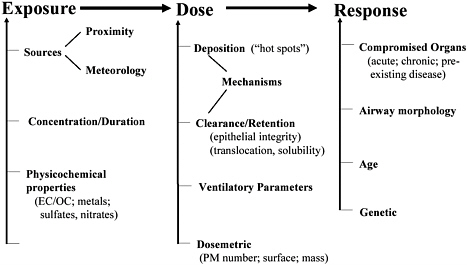
FIGURE C-1 Factors within the exposure-dose response paradigm that influence susceptibility. Abbreviation: EC/OC, elemental carbon/organic carbon.
and/or higher-than-normal pollution concenctrations; (2) higher delivered dose due to physiological factors; and (3) a greater health response than the general population to a given dose of air pollution.
People can be at increased risk from increased exposure to air pollution due to the amount of time they spend outdoors or their proximity to pollution sources. Examples of subpopulations with increased exposure to air pollution include outdoor workers, children playing outdoors, tollbooth and traffic workers, and people living near bus depots.
Certain subpopulations are at increased risk from air pollution due to factors that result in a higher than average dose of pollution delivered to affected parts of the body for an equivalent amount of exposure. Examples of subpopulations that are at risk from higher pollution doses are children, athletes, other exercising adults and children, persons working outdoors, and people with chronic obstructive lung disease.
Finally, certain subpopulations respond with greater than normal intensity to a given dose of air pollution because of genetic makeup or preexisting disease (Oryszczyn et al. 2000). Examples of subpopulations with a greater than normal response to air pollution include people with asthma or chronic lung disease, people with cardiovascular disease, and people who are allergic or atopic.
In its first report, the committee emphasized that the limited knowl-
edge about risk factors in susceptible subpopulations prevented the development and validation of effective models for exposure assessment to provide the basis for prediction of actual doses. A need was pointed out for controlled human exposure studies and the development of appropriate animal models (that mimic human respiratory and cardiac diseases) to obtain the essential data for exposure and dose modeling in the susceptible subpopulations.
State of Understanding in 1997
By 1997, numerous publications already had reported significant associations between PM10 and PM2.5 and morbidity and mortality in susceptible subpopulations. Elderly people and persons with preexisting respiratory and cardiovascular conditions had been studied more than other groups. However, most researchers did not pursue these results until new cardiovascular effects were observed in several recent studies. High pollution episodes were especially well known to cause high mortality and morbidity, and occupational exposures to relatively high concentrations of soluble PM components were known to cause acute and chronic noncancer effects and respiratory and extrapulmonary cancers. What was not known was whether low concentrations of ambient PM cause observed morbidity and mortality. Small, incremental increases in exposure concentrations of ambient PM10 and especially PM2.5 were observed to cause acute morbidity and mortality in susceptible subpopulations.
Epidemiological studies before 1997 had been conducted on infants; children, particularly those with asthma; and elderly people. Some results were available for subpopulations with preexisting disease, including cardiovascular disease patients. The number of these studies, however, was relatively small, and it was difficult to determine how robust the results were for specific susceptible subpopulations. Most research had focused on short-term exposures and largely acute morbidity responses and mortality, a few studies using time-series forms of analysis.
In toxicological studies using experimental animals, the focus before 1997 also had been on using high exposure concentrations or doses in young and healthy animals to evaluate responses primarily in the respiratory tract. Chronic high-dose exposure studies to carbon black particles or diesel exhaust, for example, were found to result in chronic inflammation to induce oxidative stress and lung tumors in rats. Significant species differences in such responses were seen related to species-specific defenses and
the persistence of the deposited PM. The focus almost exclusively was on the respiratory tract, and this tradition of using healthy animals, high exposure concentrations or doses and closely focusing on the respiratory system was unchanged in the first toxicological studies addressing the ambient PM issue. The use of compromised animal models was just starting, although they were rather crude and not much consideration was given for validation of the models or the issue of relevant doses.
General Populations
Before 1997, several studies had been completed on general populations, but data were not available across the typical life span. There were a few studies of infants and very few of PM effects on fetuses and newborns. Although awareness was growing that infant mortality might be linked to PM, less was known about less severe outcomes, such as lung function performance and the onset of asthma during the first few years of life. A few studies that were under way before 1997 were focused on pediatric health issues. Only a relatively small number of studies were available to address whether PM10 exposure was associated with acute respiratory health effects in healthy children. An even smaller body of science was available that addressed whether long-term exposure to high concentrations of air pollution in general and PM specifically had a negative effect on the development of lung function in children. Study-design limitations made distinguishing the relative impacts of O3, NO2, and PM difficult. Most of the studies that had been completed on health effects among adults and the elderly were for total populations, with a small number of studies distinguishing whether these individuals had preexisting diseases. Analyses of nationwide data sets indicated that mortality for these groups was related to PM concentrations, with indications that elderly people with cardiopulmonary disease were most affected.
Populations with Preexisting Disease
A larger body of studies existed before 1997 regarding the acute respiratory effects of PM on children with asthma as compared with studies on healthy children. The studies were generally consistent in finding an association of PM10 with asthma-related respiratory symptoms and related health outcomes. However, only a smaller subset of these studies included
multipollutant analysis, some studies finding adverse respiratory effects associated with other pollutants, such as O3, as well as PM. Very few studies were available before 1997 indicating an association of PM and the development of asthma in children, although a small number of studies from outside the United States were suggestive of an effect on asthma prevalence from exposure to high concentrations of overall motor vehicle emissions (Wjst et al. 1993).
Adults and elderly persons who had been studied most often before 1997 were persons with preexisting disease (for example, cardiovascular or pulmonary diseases). Most of the studies used good design and analytic approaches, providing a sound foundation of knowledge indicating the importance of preexisting conditions.
The committee’s first report pointed out the uncertainties associated with research on susceptible subpopulations. The committee expressed the hope that once refined dose estimates were made, epidemiological field studies could complete the framework for defining susceptible subpopulations. A number of additional shortcomings and gaps were listed in the committee’s first report:
-
Nature and severity of chronic adverse health outcomes have not been addressed.
-
Short-term, peak, cumulative, and long-term exposures for long-term health effects.
-
Chronic or life-shortening effects of PM in susceptible subpopulations.
-
Extent of premature mortality attributable to acute PM exposure.
-
Clinical and epidemiological studies to better define types and severity of PM-related health responses in susceptible subpopulations.
What Has Been Learned?
Since 1997, substantial progress has been made, and a number of publications have addressed the committee’s concerns. In toxicology, efforts have been made to develop new animal models mimicking humans with compromised respiratory, cardiac, and vascular conditions, such as respiratory tract infection, allergic conditions, cardiac failure, and hypertension. Transgenic or knockout animal models have also been developed. However, more emphasis needs to be placed on the validation of these models to address the following issues: Are the mechanisms that cause a
certain compromised organ function and those that subsequently are responsible for PM-induced effects the same as those known to play a role in the respective human condition? Is an acutely induced disease to generate an animal model comparable to a chronic human condition? Similar questions can be asked when using transgenic and knockout animal models, and answers to such questions are important when extrapolating results from studies of compromised animals to susceptible human populations.
Perhaps even more important is the issue of relevance of administered doses; little attention is given to this issue in the published studies. Effects induced at 10- to 100-fold higher concentrations or doses might be caused by mechanisms that are different from those underlying low-dose responses. Toxicological studies are performed at several dose levels so that dose-response relationships can be established, and the shape of this relationship (linear or nonlinear) can be used for defining and interpreting effects of relevant doses.
A few toxicological studies have focused on the impact of age as a susceptibility factor by using aged rats and mice. Exposures by inhalation of laboratory-generated particles of different composition and of concentrated ambient particles have been performed, with and without sensitizing the animals to mimic respiratory inflammatory or vascular hypertensive conditions. A promising tool for analyzing age-related differences is the approach by one group to compare in vitro the effects of different particle types on initiating cellular and molecular responses. The result of age-related differences still being discernable in vitro needs to be exploited in future studies to obtain more information on mechanisms leading to increased susceptibility.
About 30 epidemiological projects that address some aspect of susceptible subpopulations’ risks from PM exposures have been completed. The larger number of completed studies has been on children age 1-17, both healthy children and those with asthma, and elderly persons. Most studies have focused on short-term effects (for example, lung function performance, cardiac arrhythmia, and exacerbation of asthma) or mortality. Most of the completed projects on children have been conducted outside of the United States.
Around 100 epidemiological projects are ongoing with completion dates in the next few years. About half of the projects on children are being conducted in the United States, the remainder being primarily in Europe.
Considerable progress has been made in clinical and epidemiological cohort studies in susceptible populations. To address the question of whether changes in particle deposition contribute to increased susceptibility,
studies of people with asthma or COPD have been performed, and more are being initiated to determine the differences between healthy people and those people with respect to the deposition of differently sized inhaled particles in the respiratory tract. Other clinical studies have examined parameters of respiratory, vascular, and cardiac outcomes following exposure to laboratory-generated ultrafine particles and to diesel exhaust. Only three or four research groups in the United States and Europe are involved in controlled clinical studies using compromised subjects.
Epidemiological studies using cohorts of COPD and chronic artery disease (CAD) patients with personal EKG monitors have been initiated. The studies include measurements of respiratory and vascular parameters. Significant effects on blood parameters, associated with either PM2.5 or ultrafine particle concentrations, have been observed in CAD patients (A. Peters et al. 2001a,b; Ibald-Mulli et al. 2002; Pekkanen et al. 2002).
Overall, the numerous epidemiological studies have been of high quality, accounting for many co-exposures and potential confounders. The studies have also addressed sources of bias and other research design and measurement issues that affect the interpretation and validity of the results. The body of epidemiological evidence is growing in support of the hypothesis that certain subpopulations, by virtue of their age and preexisting disease status, are more susceptible to adverse health effects from PM exposures. The specific component or size of PM responsible for these effects is less clear.
General Populations
One of the key findings since 1997 is the identification of acute health effects in persons not known to have preexisting disease. These effects have been observed at low concentrations of PM exposure, as described below. There is one design issue, however, that limits interpretation of much of the available epidemiological data to answer questions about susceptible subpopulations. Many of these studies have included data for populations that include newborns through elderly persons. When data are presented for children, they are typically grouped as 0-14-year-olds, thus merging data for individuals in very different stages of physiological development (Snodgrass 1992; Mennella and Beauchamp 1992; Burri 1997; Pinkerton and Joad 2000; Mathieu-Nolf 2002). Conclusions specific to largely homogeneous subpopulations (such as infants or elderly persons by birth cohort) cannot be drawn from much of the epidemiological literature.
In addition, many epidemiological studies do not indicate whether the populations studied included persons with or without preexisting conditions. When authors do not identify whether they studied persons with such conditions, the presumption is usually made that the individuals are representative of the general population. Consequently, the findings for general populations compiled here follow that convention.
Fetuses and Newborns
During the past 6 years, a few new epidemiological studies on fetal or newborn health outcomes were published. However, the evidence remains limited, and the uncertainties are large.
Birth weight and intrauterine growth rate (IUGR) are the two most common measures used to look for PM or gaseous air-pollutant-related health effects in this subpopulation. Decrements in both health measures have been quantitatively linked to increases in PM. IUGR has been significantly related to TSP and maternal exposures to c-PAH in the first month of pregnancy, when other factors were taken into account (Pereira et al. 1998). Very low birth weight has been linked to increased levels of TSP and SO2 in the first and third trimesters of pregnancy (Rogers et al. 2000). These results merit further investigation.
Other outcomes studied included prematurity, cardiac and orofacial defects, intrauterine and infant mortality and stillbirth. Prematurity and premature mortality have been significantly related to first trimester maternal exposures to TSP (Bobak and Leon. 1999). A borderline significant association has been reported for PM10, especially nonsulfate PM10 (sulfate results were negative and highly significant), and sudden infant death syndrome (Lipfert et al. 2000b), consistent with the PM10 findings of Woodruff et al. 1997. Intrauterine mortality, stillbirths, and cardiac and orofacial defects have not been significantly correlated with PM10.
Pregnant Women
Very few studies have examined the health effects of PM and other air pollutants in pregnant women. That might be due in part to the lack of viable hypotheses that have been conceptualized to date. Hypertension and diabetes are the two most commonly documented complications of pregnancy (Alessandri et al. 1992; Fretts and Usher 1997). In 1998, diabetes
alone affected over 100,000 pregnancies and 2.6% of all live births in the United States (Ventura et al. 2000). The seriousness of the adverse maternal and fetal effects and the extent of related medical costs increase with the severity of the mother’s diabetic and/or hypertensive condition (e.g., Hanson and Persson 1993; Meis et al. 1998; Sibai et al. 1998, 2000). Medical interventions include medications for diabetic pregnant women, and restricted activity and smoking cessation for hypertensive women (Cunningham et al. 2001). With the new cardiovascular results and findings about diabetics (for example, Goldberg et al. 2000; Zanobetti and Schwartz 2001), it may be time to consider whether pregnant women, particularly those with diabetes and/or hypertension, and their fetuses are at even greater risk of adverse health effects when the women are exposed to PM. Investigators who have access to data from completed studies involving pregnant women may be able to reanalyze their data with the new cardiac evidence in mind. New studies may need to be designed so that knowledge can be developed about PM impacts on women during their pregnancies.
Infants (1 Month to 1 Year of Age)
Over 10 new epidemiological studies in the period 1998-2002 have presented data separately for children less than 1 year of age. The quality of these studies has been good; the authors have taken care to gather extensive data, evaluate the potential impacts of cofactors and confounders, and discuss the limitations of their investigations. Some studies have benefited from individual-level data, allowing for control of potential personal confounders in their analyses. In most cases, however, aggregated clinical, hospital, or population-scale data have been used to study infant health impacts.
The health measures most often used have been indicators of respiratory function, hospitalization and infant mortality (all, respiratory, nonrespiratory, and sudden infant death syndrome). Studies using different study designs (matched case-control, time series, and cohort methods) have found significant associations between PM and infant mortality. For example, Loomis et al. (1999) conducted a time-series analysis and quantified significant relationships between excess infant mortality and mean concentrations of ambient fine PM2.5, NO2, and O3 3-5 days before death. The association of PM2.5 and infant mortality is the most consistent finding for this subpopulation. The evidence is weaker and less consistent, however, for relationships between PM and less severe health outcomes.
Children (1-17 Years of Age)
Several new studies have been published with mixed results, with more studies finding effects on dry cough, nonasthma respiratory symptoms, physician visits, hospital admissions, and emergency department (ED) visits. Most studies used PM10 and a smaller subset included PM2.5 as the pollutant indicator with several also examining one or more copollutants. There has been a substantial increase in the number of studies since 1996; however, the evidence is strongly suggestive but not yet unequivocal regarding the impact of PM on respiratory symptoms and related health outcomes in healthy children. The relative impact of the contributions from other pollutants (for example, O3) to respiratory symptoms and related health outcomes also remains uncertain. The inconsistencies in the results from these studies may be a result of their small sample sizes and limited statistical power. Additionally, aggregation of children across developmental stages may have reduced the investigators’ abilities to detect adverse health effects (Snodgrass 1992; Mennella and Beauchamp 1992; Burri 1997; Pinkerton and Joad 2000; Mathieu-Nolf, 2002).
Since well-designed longitudinal studies are expensive and difficult to sustain, the small number of published results for lung function development from studies since 1997 is not unexpected. A well-designed study for this outcome (J.M. Peters et. al. 1999a,b) is indicative of a relatively small but significant negative impact of PM on long-term lung development in children. The limited number of other published studies on this health outcome generally supports these findings. The significance of the contribution of NO2 to these findings remains uncertain, though NO2 may be a marker of motor vehicle air pollution.
Several studies have used motor vehicle traffic source category, which included PM, as the pollutant indicator. Studies have generally been consistent in finding association with relatively close proximity (less than 200 m) to major traffic sources and adverse health outcomes in children, especially for asthma-related outcomes.
Adults (18-64 Years of Age)
Epidemiological evidence published in the past 5 years has confirmed many of the earlier findings for adults. An increasing number of publications have reported the results of investigations into the relationships between PM (ultrafine, fine, PM2.5, PM10, and coarse PM), gaseous pollut-
ants, and a range of health outcomes (for example, lung-function measures, ED and hospital visits, cancer incidence, and mortality). Panels, diary studies, cohort, case cross-over, and time-series methods have been used, and in many cases, great care was taken to examine the impacts of copollutants, cofactors, confounders, and sources of bias. The results of these studies are generally consistent, the most significant risk ratios for morbidity being between 1.0 and 1.4 per 50 μg/m3 increase in PM10 or 25 μg/m3 increase in PM2.5. Mortality studies have generally found risk ratios of 1.01 to 1.06 for similar increments of PM2.5. Although the quality of the evidence has been strong, inconsistencies in the results indicate that uncertainties remain. Much has been learned that is of scientific value, but not all of the needed information is available to make policy decisions. There are studies in progress that can be expected to address these issues.
There have been and continue to be very few epidemiological studies that have examined and reported air pollution impacts on minority populations. Major uncertainties remain about minority subpopulation risks of PM-related adverse health effects. Although data about minorities may be available in many studies, very few researchers have reported or even discussed the limitations of their data on racial or ethnic groups. It may be appropriate to consider whether a reanalysis or meta-analysis of existing large databases is timely. Socioeconomic status has predominantly been used as a factor in analyses to account for potential confounding related to life style and health-care practices. This approach is not likely to be an adequate surrogate for the complex of factors that contribute to minority health responses to air pollution exposures.
Elderly Persons (65 Years of Age and Older)
A rapidly growing body of epidemiological literature focuses on the air-pollution-related health risks to elderly people. Compared with the studies available 6 years ago, the evidence is stronger and more consistent for important health responses in this sensitive subpopulation. Although some uncertainties have been reduced, the studies now available have increased scientific knowledge about this subpopulation’s risks and generated new information for policymakers. The continuing research in this area can be expected to contribute additional quantitative results that will enhance abilities to explain the current discrepancies and to develop policies.
Some important gains in knowledge have been made about this
subpopulation. Several studies, including ones that have used appropriate techniques to control potential confounders and time-series analyses, have reported that healthy elderly persons are adversely affected by air pollution. For example, Samet et al (2000b) showed that hospital admissions increase in conjunction with increasing concentrations of PM10. In additional studies, measures of pulmonary function and blood pressure, daily hospital visits, and mortality have been used to examine the impacts of air pollution on the elderly. Studies of heart-rate variability have linked decreased variability with increasing cases of CAPs (involving PM2.5) (for example, Creason et al. 2001), but studies of other acute health measures (such as lung-function measures) and PM have resulted in nonsignificant correlations (see Berglund et al. 1999). The data on daily ED visits, hospitalizations, and mortality are inconsistent. For example, one study found no strong relationship between air pollution and ED visits for respiratory conditions (Rosas et al. 1998), but another reported that PM2.5 concentrations on the previous day were associated with ED visits but were confounded by temperature and O3 concentrations (Delfino et al. 1998). Studies that have linked PM (PM10 and coarse) levels to daily mortality among the elderly have typically reported weak or borderline significant associations (Mar et al. 2000; Gouveia and Fletcher 2000; Sanhueza et al. 1998). Heart-rate variability has also been linked to PM2.5 exposure concentrations (Devlin et al. 2003). The impacts of measurement and modeling choices on the findings have not been fully explored.
Populations with Preexisting Disease
Persons with health conditions that compromise their overall health are often more responsive to air pollutants. Knowledge gained in the past 6 years has deepened that recognition and added substantial and coherent evidence that is of value both to scientists and policymakers.
Lung Diseases
Children with Asthma. The number of studies done since 1997 has increased considerably. The overall findings generally show an association between respiratory symptoms in pediatric patients with asthma and PM-, especially PM2.5-, related health outcomes (for example, medication use, hospital admissions and ED visits, and lung function). Studies indicate an
impact of PM independent of other copollutants, although other pollutants (such as O3 and acids) also might affect these outcomes.
A small number of studies since 1997 suggest a potential association between PM2.5 or PM10 and the development of asthma (for example, Gehring et al. 2002). The contribution of copollutants is unclear, as the majority of studies used source categories (such as motor vehicle traffic) as pollutant indicators. This health outcome requires substantial additional investigation.
Adults with Asthma. Several studies show increased risk of asthma-related ED visits and hospitalization associated with PM10, and a few studies link hospitalization with PM2.5 (Lipsett et al. 1997; Burnett et al. 1999; Sheppard et al. 1999; Tolbert et al. 2000b). However, total suspended particulates have been significantly related to exacerbations of asthma, including increased cough, phlegm, wheeze, and persistent cough and phlegm. Another indicator of health impacts has been increased use of bronchodilators. Significant associations of ultrafine and fine particles, and PM10 with lung-function measures and shortness of breath have been reported in several studies, findings that are consistent with those in the early 1990s. Adults with asthma also experience increased airway resistance and hyperresponsiveness when exposed to diesel exhaust (Nordenhall et al. 2001). Adverse health effects in asthma patients from lung-function deficits, respiratory symptoms, ED visits, or mortality have all been positively related to PM, either PM10 or TSP.
Adults with Chronic Obstructive Pulmonary Disease. The strength of the evidence for the association of adverse health effects with PM and other air pollutants is increasing for this susceptible subpopulation. Acute symptoms, ED visits, and mortality have been examined in numerous new studies. The results have often been consistent, particularly for mortality. Several studies have reported that after adjusting for potential confounders and cofactors, PM10 was related to daily morality for all, respiratory, and cardiovascular causes. Various studies have related PM10 and PM2.5 concentrations to hospitalization and acute health effects, such as lung-function measures. Clearly, persons with respiratory conditions are at greater risk for adverse health responses than the general population.
Elderly Persons with Chronic Obstructive Pulmonary Disease. Several studies have focused on this vulnerable subset. The research to date has primarily used mortality measures to examine air pollution impacts. Daily rates of all-cause, respiratory cause, and specific causes of mortality have been studied. When Goldberg et al. (2000) used a 3-day lag analysis, PM10 was significantly related to daily mortality for all causes and COPD.
When primary and underlying causes of death were considered, PM10 was significantly related to respiratory mortality. When medication use and presence in a medical care unit were considered, these mortality risks were reduced. An increase in excess respiratory deaths appears to be due to air pollution, but the results to date have not been entirely consistent. PM2.5 has been associated with acute lower respiratory disease, congestive heart failure, cardiovascular disease, and heart-rate variability.
These findings come from time series analyses of large, population-scale data sets. The evidence contains some inconsistencies, but the trends indicate that this subpopulation is one of concern.
Cardiovascular Diseases
Adults with Cardiovascular Disease (CVD). There is less information on the health risks presented to this subpopulation by air pollution. In one study, adults with cardiac diagnoses were found to have dysrhythmia rates positively associated with all measures of PM (Stieb et al. 2000). Daily respiratory and cardiovascular mortality and ED visits among these patients were linked to PM as well.
Elderly Persons with Cardiovascular Disease. The largest number of studies of the elderly has focused on this particular subset. Daily mortality due to CVD causes has been linked significantly to PM10. Hospitalizations for CVD and cerebrovascular conditions have been significantly related to daily measures of PM10. However, these results have not been consistent across all geographic areas studied.
Acute measures such as daily pulse rates, blood oxygen saturation, and hemoglobin changes have been related to PM10 concentrations when other factors have been controlled, but the relationships have not always been significant or consistent. Heart-rate variability, acute lower respiratory disease, congestive heart failure, and cardiovascular disease in this sensitive subpopulation have been linked to PM2.5 (Goldberg et al. 2000).
Exacerbations of CVD have been noted in several studies, but it is difficult to attribute the effects specifically to PM. For example, acute respiratory infections and PM exposures together have been found to worsen underlying cardiac disease, resulting in increased hospitalization rates (Zanobetti et al. 2000). However, knowledge about the combined effects of pollution and infection is incomplete at this time.
Several studies in different parts of the world have linked PM10 to more serious health-outcome measures, such as daily hospitalization and
mortality (all, CVD, and respiratory causes), but some of these associations have been weaker than others. One study reports little evidence of heterogeneity across U.S. cities for the relationship between daily variations in PM10 and hospitalization for heart disease (Schwartz 1997). Studies of elderly persons with preexisting CVD have not shown significant associations between PM and clinic or ED visits. Research by Goldberg et al. (2000) suggests that a wider range of health outcomes in persons with preexisting conditions and the impacts of their use of medications to control those conditions need to be considered when evaluating the health impacts of PM.
These results have been obtained from studies that used time-series, panel, and cohort research methods. Many of these investigations accounted for the impacts of gaseous pollutants and other potential confounders when conducting the analyses. Many of the research teams described the strengths and limitations of their methods, data, and analyses; particular attention was directed at the potential impacts of exposure and outcome misclassification. Many of the studies also provided sufficient quantitative information to determine the unit change in health response in correspondence to the unit change in exposure.
Persons with Hypertension. Goldberg et al. (2001) found no association between hypertension and mortality and PM concentrations. In their study of veterans’ health, Lipfert et al. (2000a) linked PM exposures and blood pressure. These results merit further investigation.
Diabetes
The first identification of diabetes as a potential disease of a susceptible subpopulation was reported by Goldberg et al. (2000). They found that the mortality from diabetes was correlated consistently and significantly across all PM metrics. More recently, diabetic patients were found to have higher rates of hospitalization for heart disease, but not lung disease, in relationship to PM10 exposures. Pneumonia was also an effect modifier for the younger persons with diabetes, and COPD was the modifier for older persons with diabetes. The authors concluded that people with diabetes are a susceptible subpopulation for PM exposure (Zanobetti and Schwartz 2001).
Other Issues
Some progress has been made in other areas (for example, the impact of peak, cumulative, and long-term exposures), but additional work remains to be done to address important uncertainties. Questions remain about the impacts of chronic PM exposures, the extent of people dying prematurely, which people are dying, and the nature of adverse health effects among ill adults and pregnant women.
Socioeconomic status has also been shown to modify the association between particulate air pollution and mortality. Krewski et al. (2000) showed that mortality associated with long-term exposure to particulate air pollution decreases with increasing educational attainment. Limited evidence of a similar modifying effect of socioeconomic status has also been shown in time series studies of air pollution and mortality (Villeneuve et al. 2003).
Overall, there is a need for more research on susceptible subpopulations and a need for more animal (models and defining mechanisms), clinical, cohort, and chronic health-effects studies.
Synthesis
From 1998 to 2002, nearly 200 epidemiological reports on susceptible subpopulations have been published. Well over 100 of those reports have been on healthy and asthmatic children ages 1-17. Among the studies, most used PM10 data, while less than 15% analyzed exposure to PM2.5. The second largest set of epidemiological publications has been on the adults with preexisting conditions.
About 30 reports on the topic of susceptibility in toxicology have been published, a peak of 15 appearing in 2000. As pointed out previously, animal models are still not well validated, and doses used are consistently high to very high. Although useful for forming hypotheses or for indicating a specific mechanistic concept, the results need to be verified with realistic dose amounts. The major research results include the following new findings:
-
Studies in rodents show that the aged are more susceptible and that infection is an additional risk factor.
-
Toxicological studies in dogs and rodents show impacts of PM on cardiac physiology and vascular parameters.
-
Asthma and COPD patients deposit greater amounts of inhaled fine and ultrafine PM.
-
Cardiac physiological changes in the elderly are induced by PM exposures.
-
Hematological factors, such as blood coagulation and acute phase proteins, change after PM exposure.
-
Maternal PM exposures may result in reduced intrauterine growth rates, permaturity, and low birth weight among newborns.
-
Patients with diabetes are at greater risk, probably related to their compromised cardiovascular condition.
The major research results also include support for earlier findings:
-
PM-induced cardiovascular and respiratory effects show associations with PM measures in many new studies.
-
More studies show health effects in children; exacerbation of preexisting illness in children with asthma.
-
In the elderly, acute respiratory infection adds to cardiovascular effects following PM exposures.
Results from epidemiological, clinical, and animal studies are converging around the hypothesis that PM exposures result in cardiovascular changes. Both fine and ultrafine particles have been found to induce respective effects. Uncertainty remains, however, about the impact of copollutants. It is becoming more obvious from clinical and toxicological studies that ambient fine PM induces respiratory and cardiovascular events that in susceptible, compromised people can explain the morbidity and mortality observed in epidemiological studies. Parts of mechanistic sequences of effects that have been proposed are revealed and appear to explain PM effects observed in susceptible subpopulations.
Although the body of epidemiological evidence is growing in support of the hypothesis that certain subpopulations, by virtue of their age and/or preexisting disease status, are more susceptible to adverse health effects from PM exposures, the specific component or size of PM responsible for these effects is less clear. Consistent associations have been found for ultrafine, fine, and PM10 levels with lung-function performance in asthmatic adults, and for proximity to traffic for asthmatic and healthy children. Similarly consistent are the associations of PM10 and mortality among adults
with preexisting COPD. Less consistent relationships have been found for PM and lung-function measures for infants; daily ED visits, hospitalizations, and mortality among adults; excess deaths among elderly persons with COPD; and hospitalization rates and acute health measures in elderly persons with CVD.
Some improvements in synthesis and communications have occurred among scientists in different fields who are working to identify susceptible subpopulations. In the past 6 years, the EPA-funded PM centers were established with a mandate to foster communication, and the envisioned interdisciplinary cross-fertilization has been occurring. The NRC committee held a workshop on susceptible subpopulations to convene epidemiologists and toxicologists who were working on this issue and to foster interdisciplinary synthesis of research results. The committee’s concern is that without explicit support of communication across disciplines, such synthesis will be difficult to sustain.
Scientific Value
Given that there were about 3.5 million hospital discharges for respiratory disease and about 4.2 million hospital discharges for heart disease in the United States (EPA 2002a), the effect of PM is large, even if only a small percentage of the hospitalizations is associated with PM exposure. Therefore, knowing more about specific characteristics of host-environment interactions with PM would be of high scientific and societal value. A better understanding of how PM of different size fractions causes adverse effects in susceptible subpopulations will allow a focused approach for remedial measures.
Decisionmaking Value
With improved knowledge about susceptible subpopulations and the impact that specific sizes of PM have, individuals of these groups could be better protected by appropriate standards. There is little new information about susceptible subpopulations, however, to inform decisions about PM indicators. There is still inadequate dose-response information about ultrafine PM and effects in susceptible subpopulations; filling this gap will be highly valuable for decisionmakers.
Information Expected in the Near Future
A limited number of ongoing, long-term epidemiological studies are expected to provide information on the health effects of air pollution, including PM. The Southern California children’s study may provide additional information on the relationship of air pollution to lung-function development in children. Ongoing studies of children in Europe may also provide information on the contribution of air pollution to the development of asthma in children. The Harvard Six Cities Study (Dockery et al. 1993) and the American Cancer Society’s Cancer Prevention Study 2 (Pope et al. 1995) may provide additional information on the relationship of air pollution to cause-specific mortality in older populations. Other studies are under way to examine and potentially confirm the relationship between maternal PM exposures and impacts on fetal growth and birth weight, and between early childhood PM exposures and health outcomes. These studies are being conducted in the United States and in Europe.
Similarly, many animal studies in progress can be expected to yield valuable insights and data. Studies are widening with repeated exposures of rodents to ambient particles, either with CAPs using a mouse model of endothelial dysfunction or with PM next to or on highways using rat models of old age and preexisting inflammation or hypertension.
Animal studies mimicking cardiovascular conditions are under way to investigate mechanistic events using toxicogenomic and proteomic analyses. In vitro studies exposing primary cells from young and old rodents to PM are finding significant differences between age groups with respect to expression of preinflammatory cytokines and antioxidant cleft proteins. As an understanding advances about PM concentrations and the related doses received in the respiratory tract, researchers will be better equipped to interpret associated adverse health effects in susceptible people. Other studies are under way to investigate whether air pollution has effects on the central nervous system (CNS); these include comparative studies of histological changes in brains of dogs from a highly polluted area versus a less polluted area. Still other studies are exploring the translocation of inhaled ultrafine particles into the brain of rats. The results of these studies may provide insights relevant to susceptible subpopulations.
Major Remaining Uncertainties
Several major uncertainties need to be addressed for susceptible subpopulations. One key remaining area is whether chronic exposure to
ambient PM is associated with the development of disease (for example, asthma and lung cancer) and organ dysfunction (for example, diminished lung function). Although there is some evidence from a small number of studies for associations between chronic exposure to PM and those health effects, further information on the magnitude and scope of those important public health outcomes is necessary.
A number of studies have found an association between exposure to PM and premature death, especially in the elderly with existing cardiopulmonary disease. The current body of scientific evidence suggests that the amount of life-shortening from exposure to PM is not limited to advancing death by a matter of days in those already severely ill (“harvesting”), but includes a longer-term phenomenon involving advancing death by months or even years. However, further refinement of the extent of life-shortening from PM remains an area requiring additional research.
The largest fraction of the smaller ultrafine particle sizes consists of organic carbon compounds. In vitro studies with lung cells have found that some of these compounds cause oxidative stress. Therefore, there is a need to investigate the potential of these particles to cause adverse health effects in vivo. Because of the increased deposition of inhaled ultrafine particles in the respiratory tract of susceptible people (asthma and COPD patients), greater effects in this group compared with healthy people would be expected. This issue needs to be examined.
One mechanism by which PM, specifically ultrafine particles, might cause extrapulmonary effects is through their translocation into the circulatory system and subsequent distribution throughout the body. The CNS is a potential target organ, and both acute and long-term effects could be postulated if these particles reach the CNS. Both endothelial effects (endothelial dysfunction) and altered neuronal functions in brain regions could result. Thus, studies to determine the potential of PM (or subfractions of it) to have long-term and acute effects on the CNS in both healthy and susceptible people are needed.
Most epidemiological studies report findings for entire populations or for large, aggregated groups (for example, children, elderly persons, persons with preexisting disease). Such results do not advance knowledge about largely homogeneous susceptible subpopulations (for example, infants, young children (1-4 years old), and adults, and elderly persons). Similarly, broad disease categories (such as cardiovascular disease) might mask important subpopulations. Epidemiological studies of specific age and disease groups are challenging, but existing studies might have data that can be reanalyzed or can contribute to meta-analyses to shed new light on subpopulations’ responses to PM exposures. Regardless, researchers should
comment on the ability or limitations of their studies to address susceptible subpopulation issues. More thorough consideration of susceptible subpopulation issues during the design, analysis, and reporting of epidemiological studies is needed. Uncertainties about effects of PM on specific subpopulations cannot be addressed without findings reported for more homogeneous subpopulations.
Mechanisms by which PM causes effects in susceptible people with compromised organ functions can differ from mechanisms in healthy subjects. However, specific mechanisms causing altered organ functions, whether in healthy or in compromised individuals, are possibly the same, and the dose only needs to be higher in the healthy organism to cause similar adverse effects as those seen in susceptible people. Therefore, it would be valuable to obtain more information about cellular and molecular mechanisms of PM effects for both groups. That information would greatly help in the design of future studies with respect to administering high and very high doses when using healthy animals to study PM effects.
By far most toxicological studies on the effects of PM have been performed using young, healthy animals. Consequently, very high doses were used to see PM-related effects. As pointed out, underlying mechanisms in the healthy organism may be very different from the compromised organism. In addition, animal models of a specific human disease or condition may reflect only one aspect of the human disease state and may not be relevant for others. For example, rodent models of asthma using ovalbumin-sensitized mice are in some respect similar to the human condition by showing inflammatory airway responses upon allergen challenge, but they lack the bronchial constrictive response. In the model of spontaneously hypertensive rats, hypertension is due to pathophysiological mechanisms that are also different from the human condition. Another example is monocrotaline-induced pulmonary hypertension, resulting in an acute, highly destructive pulmonary inflammatory condition that is very different from the slow-developing human disease. Thus, the relevance of a chosen animal model for mimicking a human compromised organ function needs to be validated by identifying mechanistic pathways to identify similarities and differences between the human disease and the animal model.
Results of PM monitoring are usually expressed as 24-hr averages. Any shorter exposures or excursions occurring during the day are thereby averaged out and are not recorded. However, short-term and peak exposures may be important dose modifiers with the potential to induce adverse effects in susceptible subpopulations. Knowledge about short-term and peak exposures during a 24-hr monitoring period is needed to be able to correlate responses observed in susceptibles with such exposures. This
knowledge would allow an evaluation of the importance of short-term and peak versus average PM exposures and effects.
What Remains To Be Done?
Despite the recent advances in knowledge, substantial uncertainties about susceptible subpopulations still need to be addressed. These uncertainties require development of new knowledge and improvement of research methods.
To create the knowledge needed to understand the impacts of PM on susceptible subpopulations, research should more effectively address different scales of exposure (from short-term, peak, to chronic exposures), characteristics of exposure (such as deposition and disposition of fine and ultrafine particles in the respiratory tract), cellular and molecular mechanisms, the range of potential adverse health effects (such as development of disease and organ dysfunction, neurotoxic and extrapulmonary effects, and life-shortening), and potential effect modifiers (such as preexisting disease, including infections). Current concerns focus on whether chronic PM exposures relate to the development of disease and organ dysfunction, the extent to which ultrafine particles of about 20 nanometers (nm) in size induce adverse effects in asthma and COPD patients, and the magnitude of life-shortening from PM exposures.
In addition, study methods should be improved. Important needs are the validation of animal models and demonstration of the relevance of these models, especially for mimicking compromised organ functions found in susceptible human subpopulations. In epidemiological studies, cohorts investigated often include individuals at very different points of physiological development (such as children ages 0-14) or with a wide range of health conditions (especially adults over age 65). Although such aggregation may make a study more manageable or improve statistical power, opportunities to examine adverse health effects among specific subpopulations are lost. Some researchers indicated that they collected data on children, for example, but did not describe, analyze, or comment on those data sufficiently for readers to gain any new knowledge or hypotheses about pediatric health concerns. With the number of large-scale studies now available, it may be possible to combine and analyze data for key subpopulations using metaanalysis or other techniques, thereby, capturing insights that might otherwise be lost.
RESEARCH TOPIC 9 MECHANISMS OF INJURY
What are the underlying mechanisms (local pulmonary and systemic) that can explain the epidemiological findings of mortality and morbidity associated with exposure to ambient particulate matter?
Introduction
The need for the 1997 PM10 and PM 2.5 NAAQS came primarily from a large and coherent epidemiological database showing significant associations between ambient air PM concentrations and excess mortality and morbidity. Although the 1996 criteria document provided some support for biological plausibility of causal links between PM exposure and health effects, mechanistic evidence from controlled human and animal exposure studies and other approaches was largely unavailable. One of the major advances in PM research over the past few years is the identification of several plausible biological mechanisms that are consistent with the epidemiological findings. Many of the mechanistic findings resulted from controlled exposure and in vitro studies using particles comparable to or derived from those found in ambient air (both concentrated or filter-collected ambient particles and laboratory surrogate particles) and from studies in animal models and human populations susceptible to the effects of PM.
Recently, several mechanistic pathways have been investigated that might underlie the link between PM exposure and adverse health effects. Figure C-2 highlights the complexity and interdependency of some of these pathways (Lippmann et al. 2003). The portal of entry for PM air pollution is the lungs, and PM interactions with respiratory epithelium probably mediate a wide range of effects, as indicated by the central oval in Figure C-3. These effects include respiratory as well as systemic and cardiovascular effects taking place via different mechanistic pathways. For example, PM, or its reaction products, might stimulate airway sensory nerves, resulting in changes in lung function and in autonomic tone, which influences cardiac function. Ultrafine particles, by virtue of their extremely small size, might enter pulmonary capillary blood and be rapidly transported to extrapulmonary tissues, such as liver, bone marrow, and heart, with either direct or indirect effects on organ function (Oberdorster and Utell 2002).
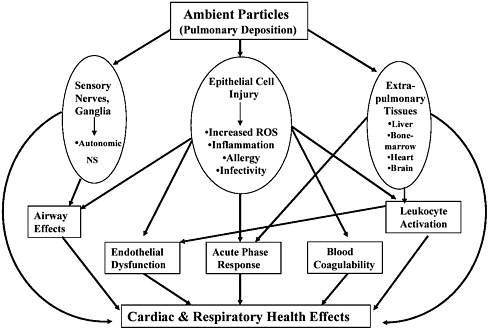
FIGURE C-2 Biological mechanisms of PM: from exposure to effects.
Recent findings demonstrate several pathways by which particles can affect the respiratory tract and cardiovascular systems: the induction of inflammatory responses in the lungs; the induction of systemic inflammatory and other vascular responses; and changes in neuronal control of heart function (HEI 2002b; Oberdorster et al. 2002; Lippmann et al. 2003). Thus, deposition of particles in the airway can induce effects in both the lungs and throughout the body (systemically) that might result in adverse effects in the exposed individual.
State of Understanding in 1997
At the time of the initial report, there were few mechanistic data to support the epidemiological findings of increased mortality and morbidity. The emphasis up until that time was on sophisticated pulmonary mechanics and pulmonary defense mechanisms, such as mucociliary clearance rates. The materials investigated were primarily secondary inorganic aerosols, including nitrates and sulfates, with a few studies addressing carcinogenicity of diesel exhaust. The responses were found to be largely negative
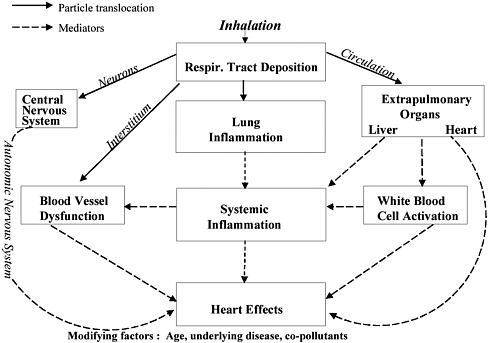
FIGURE C-3 Suggested mechanisms of PM particle effects.
except at high concentrations and with some suggestion of increased susceptibility of adolescents with asthma (Koenig et al. 1983). In addition, given the findings from the epidemiological studies of emerging increased risk for cardiovascular effects of PM exposure, there was a paucitiy of toxicological studies looking at possible mechanisms. Firmer conclusions for policy implications appeared to be dependent on finding underlying mechanisms that would explain why cardiac effects could be anticipated. In essence, the findings from the epidemiological studies were brought into question because there was essentially no supporting toxicological or physiological mechanistic evidence. For the most part, the findings were questioned not because there were data to refute the hypotheses but mostly because cardiopulmonary health effects of pollutant exposure had simply not been explored.
In response to the lack of a mechanistic underpinning in support of the epidemiological findings, the committee called for an ambitious agenda of carefully designed mechanistically based controlled exposure studies. Interest was expressed in understanding the level of damage to pulmonary
tissue itself and, on the cellular and molecular level, to better identify the causal pathway whereby resultant cardiorespiratory morbidity and mortality could be obtained following particle deposition in the lungs.
Several categories of studies were requested using three approaches:
-
Controlled clinical studies.
-
Animal toxicological studies.
-
In vitro studies.
What Has Been Learned?
A major gain in mechanistic understanding since 1997 involves an expansion in focus to cardiovascular and subtle pulmonary responses. For the first time, investigators have considered the lung as a portal of entry rather than simply a target organ for PM. A workshop in March 2001 brought together epidemiologists, cardiologists, and toxicologists from academia, government, and industry to discuss potential mechanisms of cardiovascular effects from inhaled PM (Utell et al. 2002). On the basis of epidemiological and experimental data, workshop participants suggested that mechanistic considerations should focus on alterations in the autonomic nervous system; ischemic responses in the myocardium; chemical effects on ion channel function in myocardial cells; and inflammatory responses triggering endothelial dysfunction, atherosclerosis, and thrombosis. The hypothetical pathways involved are depicted in Figure C-3 along with some of the potential measurable mediators (Utell et al. 2002). The workshop further emphasized that a large armamentarium of tests is available to assess specific mechanistic pathways underlying the cardiovascular effects of air pollution whether investigating autonomic control of the cardiovascular system; myocardial substrate and vulnerability; or endothelial function, atherosclerosis, and thrombosis. In fact, recent studies in humans and animals have demonstrated alterations in the autonomic nervous system, cardiac repolarization, and endothelial responses in response to particles. A second workshop in Spring 2002 jointly sponsored by the National Institute of Environmental Health Sciences and EPA on environment and cardiovascular disease explored potential basic and clinical mechanisms as the basis for a research agenda. Significant advances were made in studies using dogs and rodents with regard to cardiovascular outcomes. Descriptive findings of EKG changes and vascular outcomes confirmed a role of ambient PM and surrogate particles on extrapulmonary organ functions. As a basic
mechanism for these effects, local and systemic oxidative stress responses were identified, as was a central role of oxidative stress in in vitro models.
Together with the shift in mechanistic focus, there were appreciable changes in the experimental systems used. For example, animal models used in recent years have changed appreciably from those used in the past. More emphasis has been given to potentially susceptible animals defined both by age and disease conditions that more realistically reflect susceptible human populations. Subchronic and chronic exposures in these animals have not yet been carried out mainly because of the practicality of sustaining colonies of animals for long periods of time. There has also been an increased use of real-world particles, including CAPs and diesel, fine, and ultrafine particles.
This section discusses mechanistic areas in which particular progress has been made since 1997. In contrast to earlier approaches, whereby the mechanisms were explored by one specific experimental technique—for example, clinical studies, animal toxicology and in vitro studies—the field has progressed to the point that the data from these different disciplines can be integrated into a discussion of biological plausibility. The result has been the development of hypotheses that focus on specific areas, including (1) inflammation, both pulmonary and systemic, with perhaps a key role played by reactive oxygen species; (2) alteration in immune competence; and (3) autonomic nervous system dysfunction. Although these mechanisms will be discussed individually below, as shown in Figure C-2, they are undoubtedly interrelated.
Inflammation and Immunity
Airway injury and inflammation are well-known consequences of toxic inhalation exposures. Previous studies involving animal models have shown that instillation or inhalation of particles, such as diesel exhaust particles (DEPs), can cause inflammation and epithelial injury at high doses and concentrations. However, there was little evidence that exposure to ambient concentrations of PM cause significant airway inflammation. The presence or absence of an inflammatory response is an important issue, because inflammation can induce systemic effects, including an acute phase response with increased blood viscosity and coagulability, and possibly an increased risk for myocardial infarction inpatients with coronary artery disease. In chronic respiratory diseases, such as asthma and COPD, inflam-
mation is also a key pathophysiological feature. Chronic, repeated inflammatory changes of the airways may result in airway remodeling that result in irreversible lung disease. Thus, inflammation might be involved in both acute and chronic effects.
Recent controlled-exposure studies in humans indicate that several types of particles can induce an inflammatory response in the airways, the organ in which particles first deposit. Different experimental designs using CAPs, laboratory-generated carbonaceous ultrafine particles, and diesel particles have all provided evidence for effects on pulmonary or systemic markers of inflammation and leukocyte recruitment (Salvi et al. 1999; Ghio et al. 2000a,b; Frampton et al. 2001). For example, levels of cytokines, chemokines, and adhesion molecules following particle exposures in healthy humans have been altered in blood (Salvi et al. 1999; Frampton et al. 2001). These soluble molecules play an important role in blood cell recruitment to atherosclerotic lesions and inflamed airways. These findings suggest that exposure to either CAPs or ultrafine particles may initiate endothelial and leukocyte activation, a key initial step in leukocyte recruitment. Such observations may have important implications for cardiovascular and respiratory disease. In a major cardiac epidemiological study, such plasma markers were predictive of subsequent coronary events (Ridker et al. 1998).
Similarly, studies in normal dogs exposed to Boston CAPs by inhalation showed increases in pulmonary inflammation measured by bronchoalveolar lavage and in circulating blood neutrophils related to increases in specific ambient particle components (Clarke et al. 2000). Similar findings have been reported in rats exposed to CAPs and laboratory-generated particles (Saldiva et al. 2002). One possible consequence of damage to the airways is that the individual might become more susceptible to respiratory infections if exposed to viruses or bacteria. Inhalation exposure of bacterially infected rats to New York City CAPs for 5 hr resulted in alterations in both pulmonary and systemic immunity, as well as exacerbation of the infectious process. Streptococcus pneumoniae infected rats exposed to PM demonstrated increased burdens of pulmonary bacteria, numbers of circulating white blood cells, extent of pneumococcal-associated lung lesions, and incidence of bacteremia (Zelikoff et al. 1999). Subsequent studies implicated the iron content in mediating these effects. These findings suggest that PM exposure, especially the soluble iron or perhaps another metal component of PM, might affect the host immune response during pulmonary infection and might help to support epidemiological observations.
Cardiovascular Effects
Determining the mechanisms linking ambient PM to cardiovascular effects is one of the key challenges facing the research community. There is growing clinical and epidemiological evidence that ambient air pollution can precipitate acute cardiac events, such as angina pectoris, cardiac arrhythmias, and myocardial infarction, the majority of excess PM-related deaths being attributable to cardiovascular disease. Investigations of mechanisms of cardiovascular effects of PM have required multidisciplinary collaboration. Clinical studies of young and elderly subjects exposed to CAPs have shown reductions in heart rate variability (HRV) and increases in blood fibrinogen levels (Devlin et al. 2000, 2003). In another study, using frequency-domain analysis of the continuously recorded EKG, investigators found that responses of the parasympathetic nervous system were blunted during recovery from exercise immediately after exposure to ultrafine particles. In this study, exposure to ultrafine particles also altered cardiac repolarization (Frampton 2001; Frampton et al. 2002). Thus, a growing body of clinical evidence indicates that, even in healthy volunteers, there might be alterations in cardiac rhythm, implicating susceptibility to cardiac arrhythmias in patients with heart disease (Utell et al. 2002).
Similarly, animal studies are also linking exposure to PM with changes in cardiac function, including induction of arrhythmias and mechanisms explaining the increased incidence of myocardial infarction. Inhaled PM exacerbated ischemia in a clinically relevant model of coronary artery occlusion in conscious dogs. Exposure to CAPs significantly increased peak ST-segment elevation during a 5-min coronary artery occlusion (Wellenius et al. 2003). Exposure of aged rats to CAPs and spontaneously hypertensive rats to residual fly ash demonstrated increases in frequency of supraventricular arrhythmias and changes in ST segments, respectively (Kodavanti et al. 2000; Wellenius et al. 2003).
Investigators have focused on evaluating systemic inflammation and alterations in vascular endothelial function as a means to explain these cardiac phenomena. One marker of systemic inflammation detected after exposure to PM in humans, rats, and dogs is an increased number of circulating neutrophils (HEI 2002). Increased bone marrow production of immature neutrophils has also been reported (Suwa et al. 2002). Exposure to CAPs has been associated with higher levels of fibrinogen, resulting in an increased tendency to clot formation. That condition could prove to be particularly important in individuals with atherosclerotic plaque and narrowing of systemic and coronary vasculature.
Most recently, rats and humans exposed to ambient particles showed increased blood levels of endothelins, which affect vascular tone and endothelial function (Vincent et al. 2001a,b) Exposure of human volunteers to concentrated ambient particles in Toronto resulted in altered vascular tone assessed by an ultrasound technique (Brook et al. 2002).
In summary, an impressive array of findings from in vitro, animal and human studies provide a much more robust understanding of the potential mechanisms responsible for particle-induced cardiovascular events. Although a definitive mechanism has not been established to explain either the increase in cardiac arrhythmias or myocardial ischemia, it has become clear that particles are capable of producing many of the intermediate steps linked with adverse cardiac outcomes.
Oxidative Stress
Recent work focused on oxidative stress as an underlying mechanism that might be relevant to pulmonary, cardiovascular and other systemic effects. A major finding is that PM generates reactive oxygen species (ROS), which provide pro-inflammatory stimuli to bronchial epithelial cells and macrophages. These cellular targets respond with cytokine and chemokine production, which can enhance the response to allergens. Therefore, PM might act as an adjuvant that strengthens the response of the immune system to environmental allergens. Hallmarks of allergic inflammation include increased immunoglobulin E (IgE) production, eosinophilic bronchial inflammation, airway hyperresponsiveness, and an increase of NO in exhaled air. Animal studies and in vitro studies are testing this hypothesis using DEPs. DEPs markedly enhanced the antibody response and lipid peroxidation in allergic animals. Pretreatment with an antioxidant minimized the response (Whitekus et al. 2002). These findings are consistent with human nasal-challenge studies supporting the role of DEPs as an adjuvant in already established allergic responses, as well as in exposure to neoallergens. More recent studies have found that diesel exhaust inhalation increases inflammatory markers (such as lung neutrophils and eosinophils) in healthy volunteers, supporting the hypothesis that diesel exhaust can worsen respiratory symptoms. DEPs alone might augment levels of IgE, trigger eosinophil degranulation, stimulate release of various cytokines and chemokines, and stimulate the TH2 pathway (Pandya et al. 2002). Taken together, these findings are possibly relevant in explaining the increased number and severity of asthma attacks in an urban setting related to in-
creased PM concentrations, and could implicate DEPs as a factor in asthma exacerbations. However, DEPs are not unique in that regard, because other particles, including carbon black, have been found to induce similar immunological effects (Maejima et al. 1997; Lovik et al. 1997).
ROS associated with exposure to PM might have a role in cardiovascular effects. Quinones and other compounds that produce ROS might contribute to disease-related vascular dysfunction caused by PM exposure. That possibility will become particularly relevant as the understanding of the role of PM in endothelial dysfunction expands and further explains the mechanisms responsible for the cardiovascular events.
Synthesis
Since 1997, reasonably consistent mechanistic findings from clinical and animal toxicology and in vitro studies have emerged to support the PM epidemiological findings. In particular, toxicological studies have supported the plausibility of PM systemic effects. The hypothetical mechanisms and mediators are diagrammed in Figures C-2 and C-3. Most recently, endothelial dysfunction has been suggested as a common mechanistic theme from epidemiological, clinical, and toxicological investigations.
Scientific Value
Understanding the mechanism of PM action is critical in providing biological plausibility for the epidemiological and toxicological findings. It provides a basis for understanding how PM can cause adverse health effects.
Decisionmaking Value
The convergence of the epidemiological and toxicological findings and an increased understanding of the mechanisms of PM toxicity has provided an important basis for the regulatory standard. In the absence of mechanistic data, there was skepticism about the interpretation of the epidemiological findings.
Information Expected in the Near Future
Given the diversity of health findings from the epidemiological studies, the committee anticipates continued refinement of the mechanistic basis for explaining adverse health effects resulting from PM exposure. Specific pathways of action are likely to be linked to specific physiochemical properties of PM. Although the toxicological findings have been at the physiological to cellular level, the future is likely to focus on molecular mechanisms and molecular epidemiology.
Remaining Major Uncertainties
-
Relevance of mechanisms observed in animal and in vitro model systems to humans.
-
Significance of high-dose exposure to low-concentration human environmental exposure.
-
Absence of dose-response relationships.
-
Relevance of no-physiological (such as instillation) routes of exposure to the normal inhalation route.
-
Molecular mechanistic basis for the observed health effects.
-
Relationship for the mechanism between acute and chronic health effects.
What Remains To Be Done?
Despite major progress since 1997, major uncertainties still exist in the scope and significance of experimental data in explaining the epidemiological findings on risks of PM. There are important limitations in the understanding of the relevance of mechanisms observed in animal and in in vitro systems for humans. Those limitations are particularly applicable to extrapolation from high-dose animal exposure to low-concentration human environmental exposures. Similar problems occur in understanding the relevance of mechanistic observations from nonphysiological exposure routes to the normal inhalation route of pollutant exposure. The findings from the clinical, animal, and in vitro experimental work have often not included dose-response relationships. The dose-response studies are an important element of confirming a mechanistic basis in support of the
epidemiological findings. In addition, similar physiological, cellular, and molecular responses to PM in different species help to provide a mechanistic underpinning to the epidemiological observations.
To date, the mechanistic observations have been largely in the area of physiological and cellular mechanisms. The molecular mechanistic basis for the observed health effects is yet to be explored but is a necessary approach in moving forward. Molecular mechanisms are likely to become increasingly important as the research community moves into the discipline of molecular epidemiology.
Finally, much of the exploratory, hypothesis-generating research done to date has focused on identifying mechanisms. The next step is to more clearly understand mechanisms underlying exposure-response relationships, recognizing that it is likely that most mechanisms will have some element of exposure (dose) dependence. This issue is critical to understanding the relevance of the various mechanisms described in experimental systems to ambient PM concentrations typically encountered by people.
RESEARCH TOPIC 10 ANALYSIS AND MEASUREMENT
To what extent does the choice of statistical methods in the analysis of data from epidemiological studies influence estimates of health risks from exposures to particulate matter? Can existing methods be improved? What is the effect of measurement error and misclassification on estimates of the association between air pollution and health?
Introduction
Statistical analysis is the basis for making inferences from data on air quality and health effects. Since the interpretation of the results may be tied to the analytical tools, it is necessary to develop and use appropriate methods for analysis and to understand the sensitivity of findings to the methods used. Several statistical models have been developed to analyze the temporal association between air quality measures and health. These models were widely used for analysis of time-series data related to both morbidity and mortality. The methods used to analyze these data have not been uniform across all studies; hence, it is important to understand the extent to which findings might be influenced by the methods used.
The committee’s first report raised the issue of the critical timing of exposure (frequency or duration) in relation to the occurrence of the outcome. The many various studies have incorporated different intervals of time (lags) between pollution exposure and health outcomes, such as mortality. Use of different lags complicates comparisons of results across studies, particularly in regard to the time relationship between pollution exposure and resultant risk to health. To some extent, the differences in approach reflect the extent of existing air pollution measurement data; the availability of PM10 data on an every-sixth-day basis only for many locations has limited the extent to which lag structure can be addressed.
The committee’s first report also addressed the issue of covariates in the models, including multiple pollutant measurements. The impact of pollution on life expectancy was another issue envisioned by the committee in its initial report.
State of Understanding in 1997
At the time of the committee’s first report, several statistical models had been developed and applied to analyze the relationship between daily health outcomes and daily air quality measures. These models were widely used for analysis of time-series data related to both morbidity and mortality. The report noted, however, that many models introduced had not been “validated” and that it was “important to ensure that the conclusions reached are not dependent on the choice of method used.” Other key issues, such as measurement error, harvesting,2 and spatial analytical methods, had not yet been addressed rigorously but were recognized as methodological concerns in interpreting the findings of time-series studies. There was extensive statistical literature on measurement error; however, data on the magnitudes of measurement error for PM measures were not available. Harvesting had only been superficially addressed for a limited number of lag times. Literature on spatial autocorrelation was limited. Spatial autocorrelation had been largely ignored in studies that examined differences in air quality patterns and health effects across broad geographic areas.
The statistical literature provided a useful set of approaches that have now been applied to air pollution. The approaches include methods to aggregate results across studies or analyses and the use of factor analysis to develop a reduced set of pollution indices, which may be indicative of specific pollution sources.
What Has Been Learned?
In November 2002, EPA held a workshop to specifically address some methodological issues. The results and discussion from this workshop are also likely to contribute toward improving understanding of the use and influence of alternative methodological approaches.
Model Development and Application
Times-Series Models
Since 1997, several new methods have been introduced to analyze the temporal association between air quality and health effects; for example, daily counts of deaths in a given area have been related to daily PM concentrations in the days before the deaths occurred. A large number of such studies have been conducted. They provide significant evidence of the association between airborne PM and health effects. Previously, there had been no systematic comparison of the various methods used in the analyses. Some comparisons had suggested that many of the results were robust to the methods used. However, in a few cases, variation in input data (for example, pollution measures from different monitoring stations) has been shown to influence the results of the analysis (Lipfert et al. 2000b). In other cases, associations between health effects and air pollution have been robust to a variety of measures for weather.
Because of the variations in the models used to assess the association between air pollution and health, it has been difficult to compare results across locations. The NMMAPS study (Samet et al. 2000a,b) was a major effort designed partly to overcome that issue by applying the same methods to data from multiple locations. The NMMAPS approach used data from multiple cities selected solely on the basis of size across the United States, thereby avoiding bias from picking a particular city and assuring representativeness of the findings. The European Air Pollution and Health: A European Approach (APHEA) project also used common methods for several
cities (Katsouyanni et al. 2001). Reexamination of the NMMAPS data and analyses by the original investigators (Domenici et al. 2002) uncovered some problems in the software originally used in that study and in several others in this particular application. This examination found that the default software convergence criteria led to biases in associations estimated using LOESS procedures within the generalized additive model (GAM) framework. These biases were later shown not to be important in pooled estimates derived from the results from several cities (Samet et al. 2003). Further examination of these methods (Ramsey et al. 2003a) indicated that the standard errors of the measures of association were systematically underestimated, with the potential to lead to an increase in the apparent level of statistical significance.
Concern about these issues led EPA to convene a workshop on November 4-6, 2002, to discuss how published results were potentially affected by the previously used analytical methods. Investigators presented their results after applying several methods to the same data set. These results were published in 2003. For some data sets, the results appeared to be robust across several alternative methods that were applied. In other cases, the results differed, sometimes to the point that results would be statistically significant for one method but not another. These differences occurred not only within the widely used GAM framework but also between GAM and other approaches, such as the generalized linear model (GLM), and among assumptions used within the GLM modeling framework. For example, the GLM approach involves the use of several nonlinear parametric functions (splines) to estimate the seasonal pattern of daily mortality. Results can vary depending on the number of splines used to estimate the seasonal pattern. There is no consensus on the optimal number of splines that should be used, nor is it clear that the same number should be applied to each data set.
To date, there is no consensus about which method is “correct,” as the implications of any effect on estimates from the choice of analytical method are not yet fully understood. Moreover, the implications of the analytical approach may differ from data set to data set. Researchers are confronted with an issue of estimating relatively small associations in the presence of confounding by weather and seasonality. Until the implications of alternative approaches are fully understood or until there is some scientific consensus about the “appropriate” method to use, researchers must explore the sensitivity of the results to alternative modeling approaches (Samet et al. 2000a).
Lags are also an important component of the specification of the analytical model for time-series studies. Treatment of lags has been nonuni-
form across studies, making complicating comparison of results. Some studies have examined only a small set of lags, with no consistency in the lags used across the studies. Other studies report results only for the lag that maximizes the association with the health variable. Other approaches involve distributed lags in which the magnitude of the association is assumed to be some function of the lag. The most helpful approach considers several lag combinations and reports results for all of them. As understanding of the biological mechanisms of PM improve, there may be greater consensus about the specific lag combination that should be used.
Some recent studies (for example, Peters et al. 2000) have examined shorter intervals (hours) between exposure and response and have found that the exposures with shorter lags are more highly associated with health response than lags up to one day. Unfortunately, continuous air quality data are not frequently available, as are data on the timing of health response. This issue will remain an important one to investigate and also raises an issue about the importance of peak exposures as opposed to average exposures in explaining health responses.
Times-series studies have also raised the issue of mortality displacement or harvesting; addressing whether those whose deaths are associated with pollution are either individuals whose deaths were imminent or individuals whose deaths were significantly advanced by pollution exposure. Several papers have advanced this topic through a variety of statistical approaches since 1997. Some recent studies (Zeger et al. 1999; Domenici et al. 2000; Schwartz 2000) report that the deaths associated with pollution from time-series studies do not reflect mortality displacement alone. Other approaches find that mortality displacement is particularly important (Smith et al. 1999; Murray and Nelson 2000). All of these papers have been tied to specific data sets. It would be useful to consider the alternative approaches to several of the same data sets.
Other Models
An alternative method of analysis of time-series data is provided by the case-crossover protocol (Checkoway et al. 2000; Lin et al. 2002). With this protocol, the exposure of an individual to ambient air pollution for a time period during which a health outcome (a case) occurred is compared with the exposure of the same individual for a different time period. Care must be taken in the choice of this comparison period (Lumley and Sheppard 2003). This method of analysis of time-series data does not require the complex smoothing and filtering of secular trends in the data and is not
subject to methodological problems associated with the generalized additive model. Because each subject effectively serves as his or her own control in the case-crossover analysis, this method affords some degree of control for the effects of unmeasured covariates. Lin et al. (2002) showed that the case-crossover design can be used to identify associations between short-term exposure to ambient air pollution and mortality, with risk estimates comparable to those obtained using time-series analysis. Fung et al. (2003) recently conducted a detailed comparison of the statistical properties of case-crossover and time-series methods.
In other areas, there have been some important improvements in modeling. For example, the issue of spatial autocorrelation was considered and addressed in one major study relating geographic gradients in mortality to those in pollution (Krewski et al. 2000). Burnett et al. (2001) proposed a simple method of taking into account spatial autocorrelation in such data. As in time-series analysis, however, consideration must be given to the effects of concurvity in spatial analyses (Ramsay et al. 20003a). Ma et al. (2003) developed a random-effects Cox regression model that allows for spatial patterns in the data through the use of random effects to describe clustering at the regional and metropolitan area level. Hughes et al. (2002) developed an efficient computer algorithm to implement this new survival analysis model. This work is currently being extended to encompass more than two levels of spatial clustering (Krewski 2004).
The Krewski et al. (2000) study serves as model in another sense. It examined a very large number of alternative analyses, undertaking an extensive sensitivity analysis. Given that results can vary according to analysis, other studies should be encouraged to undertaken similar sensitivity analyses. Unfortunately, most journals do not allow sufficient space to report the results of extensive sensitivity analyses. Approaches are needed on the part of both journals and investigators which permit full reporting of sensitivity analyses.
New approaches were developed by several authors (Beer and Ricci 1999; Murray and Nelson 2000; Sunyer et al. 2000; Tu and Piergorsch 2000; Zhang et al. 2000; Knudsen 2001). Given that some of the analytical results are sensitive to modeling approach, it will be important for developers of new approaches to indicate how their results compare with those that would be obtained using existing approaches.
Multipollutant Issues
The air quality data obtained from the EPA supersites, the EPA
speciation sites, and from special study sites will extensively increase the number of pollutant species that can be considered in analyses. These data can allow us to identify those pollution components that are of greatest health concern, but the availability of many pollution measures raises statistical issues. Because pollution concentrations are largely a function of meteorology and the amount of emissions from sources, many pollution measures are likely to be correlated. Correlations will be made especially in time-series studies where the amount of emissions is not likely to vary a great deal from day to day; hence, meterorological factors are likely to be particularly important in explaining pollutant concentrations. Hence, favorable meteorology is likely to allow higher concentrations of several pollutants on the same days. The resulting multicollinearity might make it very difficult to ascertain which of the pollutant measures is most highly associated with health response. As a minimum, it will require greater number of observations (data points) to allow discrimination among several pollution measures.
One method that has been used by several investigators (Ozkaynak et al. 1996b; Marr et al. 1999; Tsai et al. 2000; Laden et al. 2000) is to use factor analyses or pollutant indicators to identify classes of pollutants or sources of pollution that are more highly associated with the health responses. This approach resolves the multicollinearity problem, but it still does not identify the specific pollutants that may be of greatest health concern; it only identifies their source. These approaches need be scruti-nized in more detail to ensure that the indices are consistent over seasons and geographic areas.
Aggregation Across Studies and Geographic Areas
There is statistical uncertainty present in any one result from any one study. For that reason, it is important to have several studies in an effort to confirm a result. One is then left with the task of synthesizing the results across studies. Several formal methods have been used to combine information across several studies and data sets in an effort to summarize and characterize the overall result. The statistical literature provides several methods that have been adapted for those types of analyses. New methods have been introduced to allow such pooling of results. The first general issue that must be addressed is whether pooling is warranted (Egger and Smith 1997). Clearly, if the studies have markedly different designs, it can hazardous to pool the results unless an accepted way has been found to adjust for differences across the studies. Another issue is whether the
results to be pooled can be assumed to come from the same statistical distribution. Data need to be tested for homogeneity to determine whether pooling is warranted. Then, a panoply of methods can be used to pool the data.
One of the most innovative approaches to pool results across studies is the use of Bayesian hierarchical models (Samet et al. 2000a,b), as were used to pool results from 90 cities in the NMMAPS study. Other approaches have been considered as well. Schwartz et al. used standard statistical approaches in combining results from six cities; Saez et al. (2001) applied an ecological-longitudinal model to carry out a pooled analysis of three Spanish cities; and Berhane and Thomas (2002) developed a two-stage model to combine results from several California locations.
Measurement Error
In epidemiological studies, the individual’s exposure to pollutants of concern cannot be known for all relevant time averages. The difference between the actual exposure and the measured exposure is known as measurement error. Generally, three components are in this measure: errors due to instrument error; errors due to the unrepresentativeness of an air quality monitor; errors due to differences between the monitored pollution measures and the average actual exposure.
Zeger et al. (2000) developed a framework for measurement error in the context of air pollution epidemiological studies. They showed that under a wide range of circumstances, measurement error can result in underestimates of the association between air pollution variables and health. The major deficiency remaining in this area is high-quality data, which indicate the magnitude and statistical properties of measurement error. Several studies undertaken in recent years should be able to provide some of these data (see topics 1 and 2); however, these data have not yet been integrated into measurement error analyses.
Major Remaining Uncertainties
Times-Series Models
Researchers have begun to scrutinize the various modeling approaches and understand some of the weaknesses of the various approaches. It will be necessary to address these weaknesses. Second, researchers have seen
that in some cases the modeling approach can influence the result. It is paramount that these differences be understood and that investigators be encouraged to undertake sensitivity analyses so that it can be known which results are robust across methods and which are not.
There is still no major consensus on the treatment of lags. This issue is likely to become more complicated with the advent of more continuous air quality data. Methods need to be found to help define the most appropriate averaging times and lags for pollution variables in future analyses. Biological considerations could play an important part here.
The harvesting issue needs to be addressed more systematically in several data sets. A dialogue among investigators who use alternative approaches would be constructive for understanding where there is consensus and where there are differences. Some consideration might also be given to alternative study designs.
Other Models
As more biological data become available, the data will need to be incorporated into models. As new models and approaches are developed, it will be necessary to compare them to existing approaches and to understand whether the new ones have any influence on the outcomes of their analyses.
Multipollutant Issues
These issues will proliferate as more data become available. Resources need to be applied to define new and promising ways to address this issue.
Aggregation Across Studies and Geographic Areas
As the number of studies multiplies, objective methods to allow pooled estimates of effects or associations would be useful. Tools are available for that purpose; however, they might need to be adapted to the specific data characteristics of the studies for which data are available. In addition, it will be important to demonstrate that polled estimates are robust across a variety of approaches.
Measurement Error
The data that have been collected under topics 1 and 2 will need to be analyzed to understand the statistical properties and distributions of measurement error for the various pollutants. These need to be incorporated into the frameworks that have been developed. With the use of multiple regression models (with several pollutants) and nonlinear models, new frameworks will need to be developed (Carroll et al. 1995).
What Remains To Be Done?
The framework that has been developed and its limited application suggest that measurement error per se will not negate the positive associations found between air pollution and health. More precise estimates of the magnitudes and statistical distributions of measurement error need be incorporated into multipollutant models to provide more reliable quantitative estimates of the impact of measurement error and of the relative importance of the various pollutants on health impacts. Greater consideration of this issue will give more credence to risk assessments used to support regulatory decisions.
REFERENCES
Abbey, D.E., N. Nishino, W.F. McDonnell, R.J. Burchette, S.F. Knutsen, W.L. Beeson, and J.X. Yang. 1999. Long-term inhalable particles and other air pollutants related to mortality in nonsmokers. Am. J. Respir. Crit. Care Med. 159(2):373-382.
Abt, E., H.H. Suh, G. Allen, and P. Koutrakis. 2000. Characterization of indoor particle sources: A study conducted in the metropolitan Boston area. Environ. Health Perspect. 108(1):35-44.
ACGIH (American Conference of Governmental Industrial Hygienists). 2001. Air Sampling Instruments for Evaluation of Atmospheric Contaminants, 9th Ed. American Conference of Governmental Industrial Hygienists, Cincinnati, OH.
Alessandri, L.M., F.J. Stanley, J.B. Garner, J. Newnham, and B.N. Walters. 1992. A case-control study of unexplained antepartum stillbirths. Br. J. Obstet. Gynaecol. 99(9):711-718.
Allen, G.A., J.A. Oh, and P. Koutrakis. 1999. Techniques for high-quality ambient coarse particle mass measurements. J. Air Waste Manage. Assoc. 49(Supp. l):133-141.
Allen, R., T. Larson, L. Sheppard, L. Wallace, and L.J.S. Liu. 2003. Use of real-time light scattering data to estimate the contribution of infiltrated and indoor-generated particles to indoor air. Environ. Sci. Technol. 37(16):3484-3492.
Ansari, A.S., and S.N. Pandis. 1998. Response of inorganic PM to precursor concentrations. Environ. Sci. Technol. 32(18):2706-2714.
Ansari, A.S., and S.N. Pandis. 2000. Water absorption by secondary organic aerosol and its effect on inorganic aerosol behavior. Environ. Sci. Technol. 34(1):71-77.
ARA (Atmospheric Research & Analysis, Inc.). 2003. Atmospheric Research. Public Data Archive. [Online]. Available: http://www.atmospheric-re-search.com/public/index.html [accessed Jan. 15, 2004].
Asher, W.E., J.F. Pankow, G.B. Erdakos, and J.H. Seinfeld. 2002. Estimating the vapor pressures of multi-functional oxygen-containing organic compounds using group contribution methods. Atmos. Environ. 36(9):1483-1498.
Baldauf, R.W., D.D. Lane, G.A. Marotz, and R.W. Wiener. 2001. Performance evaluation of the portable MiniVOL particulate matter sampler. Atmos. Environ. 35(35):6087-6091.
Ball, S.M., D.R. Hanson, and P.H. McMurry. 1999. Laboratory studies of particle nucleation: Initial results for H2SO4, H2O, and NH3 vapors. J. Geophys. Res. D Atmos. 104(19): 23709-23718.
Baltensperger, U. 2001. The organic component of the atmospheric aerosol: Facts and fiction. J. Aerosol Sci. 32(Suppl.1):901-908.
Baron, P.A., and K. Willeke, eds. 2001. Aerosol Measurement: Principles, Techniques and Applications, 2nd Ed. New York, NY: Wiley.
Beer, T., and P.F. Ricci. 1999. A quantitative risk assessment method based on population and exposure distributions using Australian air quality data. Environ. Int. 25(6-7):887-898.
Beeson, W.L., D.E. Abbey, and S.F. Knutsen. 1998. Long-term concentrations of ambient air pollutants and incident lung cancer in California adults: Results from the AHSMOG (Adventist Health Study on Smog) study. Environ. Health Perspect. 106(12):813-823.
Bennett, W.D., K.L. Zeman, C. Kim, and J. Mascarella. 1997. Enhanced deposition of fine particles in COPD patients spontaneously breathing at rest. Inhal. Toxicol. 9(1):1-14.
Berglund, D.J., D.E. Abbey, M.D. Lebowitz, S.F. Knutsen, and W.F. McDonnell. 1999. Respiratory symptoms and pulmonary function in an elderly nonsmoking population. Chest 115(1):49-59.
Berhane, K., and D.C. Thomas. 2002. A two-stage model for multiple time series data of counts. Biostatistics 3(1):21-32.
Billheimer, D. 2001. Compositional receptor modeling. Environmetrics 12(5):451-468.
Blackford, J.A. Jr., W. Jones, R.D. Dey, and V. Castranova. 1997. Comparison of inducible nitric oxide synthase gene expression and lung inflammation
following intratracheal instillation of silica, coal, carbonyl iron, or titanium dioxide in rats. J. Toxicol. Environ Health. 51(3):203-218.
Bobak, M., and D.A. Leon. 1999. Pregnancy outcomes and outdoor air pollution: An ecological study in districts of the Czech Republic 1986-1988. Occup. Environ. Med. 56(8):539-543.
Bolarin, D.M., D.K. Bhalla, and M.T. Kleinman. 1997. Effects of repeated exposures of geriatric rats to ozone and particle-containing atmospheres: An analysis of bronchoalveolar lavage and plasma proteins. Inhal. Toxicol. 9(5):423-433.
Boren, H.G. 1964. Carbon as a carrier mechanism for irritant gases. Arch. Environ. Health 8(1):119-124.
Braun-Fahrländer, C., J.C. Vuille, F.H. Sennhauser, U. Neu, T. Künzle, L. Grize, M. Gassner, C. Minder, C. Schindler, H.S. Varonier, and B. Wüthrich. 1997. Respiratory health and long-term exposure to air pollutants in Swiss schoolchildren. SCARPOL Team. Swiss study on childhood allergy and respiratory symptoms with respect to air pollution, climate and pollen. Am. J. Respir. Crit. Care Med. 155(3):1042-1049.
Brimblecombe, P. 2001. Organics and metals in urban aerosols research directions. J. Aerosol Sci. 32(Suppl.1):319-320.
Broday, D.M., and P.G. Georgopoulos. 2001. Growth and deposition of hygroscopic particulate matter in the human lungs. Aerosol Sci. Technol. 34(1):144-159.
Brook, R.D., J.R. Brook, B. Urch, R. Vincent, S. Rajagopalan, and F. Silverman. 2002. Inhalation of fine particulate air pollution and ozone causes acute arterial vasoconstriction in healthy adults. Circulation 105(13):1534-1536.
Brown, K.W., J.A. Sarnat, B.A. Coull, J. Schwartz, H.H. Suh, and P. Koutrakis. 2003. Characterization of Particulate and Gas Exposures of Sensitive Subpopulations Living in Baltimore and Boston. POSTER SESSION II: Ongoing Research Funded by HEI and Others, Exposure Assessment, Annual Conference, Health Effects Institute, May 5, 2003.
Burnett, R.T., and M.S. Goldberg. 2003. Size-fractionated particulate mass and daily mortality in eight Canadian cities. Pp. 85-90 in Revised Analysis of Time-series Studies of Air Pollution and Health. Special Report. Boston, MA: Health Effects Institute. [Online]. Available: http://www.healtheffects.org/Pubs/TimeSeries.pdf. [accessed Sept. 4, 2003].
Burnett, R.T., M. Smith-Doiron, D. Stieb, S. Cakmak, and J.R. Brook. 1999. Effects of particulate and gaseous air pollution on cardio-respiratory hospitalizations. Arch. Environ. Health 54(2):130-139.
Burnett, R.T., J. Brook, T. Dann, C. Delocla, O. Philips, S. Cakmak, R. Vincent, M.S. Goldberg, and D. Krewski. 2000. Association between particulate- and gas-phase components of urban air pollution and daily mortality in eight Canadian cities. Inhal. Toxicol. 12(suppl. 4):15-39.
Burnett, R.T., R. Ma, M. Jerrett, M.S. Goldberg, S. Cakmak, C.A. Pope, III, and D. Krewski. 2001. The spatial association between community air pollution and
mortality: A new method of analyzing correlated geographic cohort data. Environ. Health Perspect. 109(suppl. 3):375-380.
Burri, P.H. 1997. Postnatal development and growth. Pp. 1013-1026 in the Lung: Scientific Foundations, Vol. 1, 2nd Ed, R.G. Crystal, J.B. West, P.J. Barnes, and E.R. Weibel, eds. Philadelphia: Lippincott- Raven.
Burton, R.M., H.H. Suh, and P. Koutrakis. 1996. Spatial variation in particulate concentrations within metropolitan Philadelphia. Environ. Sci. Technol. 30(2):400-407.
Calderón-Garcidueñas, L., T.M. Gambling, H. Acuña, R. García, N. Osnaya, S. Monroy, A. Villarreal-Calderón, J. Carson, H.S. Koren, and R.B. Devlin. 2001a. Canines as sentinel species for assessing chronic exposures to air pollutants: Part 2. Cardiac pathology. Toxicol. Sci. 61(2):356-367.
Calderón-Garcidueñas, L., A. Mora-Tiscareño, L.A. Fordham, C.J. Chung, R. García, N. Osnaya, J. Hernández, H. Acuña, T.M. Gambling, A. Villarreal-Calderón, J. Carson, H.S. Koren, and R.B. Devlin. 2001b. Canines as sentinel species for assessing chronic exposures to air pollutants: Part 1. Respiratory pathology. Toxicol. Sci. 61(2):342-355.
Campen, M.J., J.P. Nolan, M.C. Schladweiler, U.P. Kodavanti, D.L. Costa, and W.P. Watkinson. 2002. Cardiac and thermoregulatory effects of instilled particulate matter-associated transition metals in healthy and cardiopulmonary-compromised rats. J. Toxicol. Environ. Health A. 65(20):1615-1631.
Carroll, R.J., D. Ruppert, and L.A. Stefanski. 1995. Measurement Error in Nonlinear Models. London: Chapman and Hall.
Cass, G.R, L.A. Hughes, P. Bhave, M.J. Kleeman, J.O. Allen, and L.G. Salmon. 2000. The chemical composition of atmospheric ultrafine particles. Philos. Trans. R. Soc. London Series A Math. Phys. Eng. Sci. 358(1775):2581-2592.
Chang, L.T., and H. Suh. 2003. Characterization of the Composition of Personal, Indoor, and Outdoor Particulate Exposures. Prepared for the California Air Resources Board, by Harvard School of Public Health, Environmental Science and Engineering Program, Boston, MA. Contract No. 98-330.
Chang, L.T, J. Sarnat, J.M. Wolfson, L. Rojas-Bracho, H.H. Suh, and P. Koutrakis. 1999. Development of a personal multi-pollutant exposure sampler for particulate matter and criteria gases. Pollution Atmospherique 165:31-39.
Checkoway, H., D. Levy, L. Sheppard, J. Kaufman, J. Koenig, and D. Siscovick. 2000. A Case-Crossover Analysis of Fine Particulate Matter Air Pollution and Out-of-Hospital Sudden Cardiac Arrest. Research Report 99. Cambridge, MA: Health Effects Institute. [Online]. Available: http://www.healtheffects.org/pubs-research.htm#ParticlesandDieselEngineExhaust [accessed April 10, 2003].
Chen, L.-W.A., B.G. Doddridge, R.R. Dickerson, J.C. Chow, P.K. Mueller, J. Quinn, and W.A. Butler. 2001. Seasonal variations in elemental carbon aerosol, carbon monoxide and sulfur dioxide: Implications for sources (Paper 2000GL012354) . Geophys. Res. Lett. 28(9):1711-1714.
Chen, L.W.A., B.G. Doddridge, R.R. Dickerson, J.C. Chow, and R.C. Henry. 2002. Origins of fine aerosol mass in the Baltimore-Washington corridor:
Implications from observation, factor analysis, and ensemble air parcel back trajectories. Atmos. Environ. 36(28):4541-4554.
Chow, J.C., and J.G. Watson. 1998. Guideline on Speciated Particulate Monitoring, Draft 3. Prepared for U.S. EPA, Research Triangle Park, NC, by Desert Research Institute, Reno, NV. [Online]. Available: http://www.epa.gov/ttn/amtic/pmspec.html [accessed April 4, 2003].
Chow, J.C., J.G. Watson, D. Crow, D.H. Lowenthal, and T. Merrifield. 2001. Comparison of IMPROVE and NIOSH carbon measurements. Aerosol Sci. Technol. 34(1):23-34.
Chow, J.C., J.D. Bachmann, S.S.G. Wierman, C.V. Mathai, W.C. Malm, W.H. White, P.K. Mueller, N. Kuman, and J.G. Watson. 2002a. 2002 Critical review discussion - Visibility: Science and regulation. J. Air Waste Manage. Assoc. 52(9):973-999.
Chow, J.C., J.P. Engelbrecht, N.C. Freeman, J.H. Hashim, M. Jantunen, J.P. Michaud, S. Saenz de Tejada, J.G. Watson, F. Wei, and W.E. Wilson. 2002b. Exposure measurements. Chemosphere 49(9):873-901.
Chow, J.C., J.P. Engelbrecht, J.G. Watson, W.E. Wilson, N.H. Frank, and T. Zhu. 2002c. Designing monitoring networks to represent outdoor human exposure. Chemosphere 49 (9):961-978.
Chow, J.C., J.G. Watson, and R.W. Wiener. In press. Method No. 508: PM 2.5 sampling and gravimetric analysis by Federal Reference Method. In Methods of Air Sampling and Analysis, 4th Ed, J.P. Lodge, ed. Air and Waste Management Association, Pittsburgh, PA.
Chung, A., D.P.Y. Chang, M.J. Kleeman, K.D. Perry, T.A. Cahill, D. Dutcher, E.M. McDougall, and K. Stroud. 2001. Comparison of real-time instruments used to monitor airborne particulate matter. J. Air Waste Manage. Assoc. 51(1):109-120.
Clarke, R.W., B. Coull, U. Reinisch, P. Catalano, C.R. Killingsworth, P. Koutrakis, I. Kavouras, G.G. Murthy, J. Lawrence, E. Lovett, J. Wolfson, R.L. Verrier, and J.J. Godleski. 2000. Inhaled concentrated ambient particles are associated with hematologic and bronchoalveolar lavage changes in canines. Environ. Health Perspect. 108(12):1179-1187.
Clegg, S.L., J.H. Seinfeld, and P. Brimblecombe. 2001. Thermodynamic modelling of aqueous aerosols containing electrolytes and dissolved organic compounds. J. Aerosol Sci. 32(6): 713-738.
Creason, J., L. Neas, D. Walsh, R. Williams, L. Sheldon, D. Liao, and C. Shy. 2001. Particulate matter and heart rate variability among elderly retirees: The Baltimore 1998 PM study. J. Expo. Anal. Environ. Epidemiol. 11(2):116-122.
Cruz, C.N., and S.N. Pandis. 2000. Deliquescence and hygroscopic growth of mixed inorganic-organic atmospheric aerosol. Environ. Sci. Technol. 34(20):4313-4319.
Cunningham, F.G., N.F. Gant, K.J. Leveno, L.C. Gilstrap, J.C. Hauth, and K.D. Wenstrom. 2001. Williams Obstetrics, 21st Ed. New York: McGraw-Hill.
Currie, L.A., B.A. Benner, J.D. Kessler, D.B. Klinedinst, G.A. Klouda, J.V.
Marolf, J.F. Slater, S.A. Wise, H. Cachier, and R. Cary. 2002. A critical evaluation of interlaboratory data on total, elemental, and isotopic carbon in the carbonaceous particle reference material, NIST SRM 1649a. J. Res. NIST 107(3):279-298.
Daigle, C.C., D.C. Chalupa, F.R. Gibb, P.E. Morrow, G. Oberdörster, M.J. Utell, and M.W. Frampton. 2003. Ultrafine particle deposition in humans during rest and exercise. Inhal. Toxicol. 15(6):539-552.
Delfino, R.J., A.M. Murphy-Moulton, and M.R. Becklake. 1998. Emergency room visits for respiratory illnesses among the elderly in Montreal: Association with low level ozone exposure. Environ. Res. 76(2):67-77.
Demerjian, K.L. 2000. A review of national monitoring networks in North America. Atmos. Environ. 34(12/14):1861-1884.
Demokritou, P., I.G. Kavouras, S.T. Ferguson, and P. Koutrakis. 2001. Development and laboratory performance evaluation of a personal multipollutant sampler for simultaneous measurements of particulate and gaseous pollutants. Aerosol Sci. Technol. 35(3):741-752.
Demokritou, P., T. Gupta, S. Ferguson, and P. Koutrakis. 2002. Development and laboratory performance evaluation of a personal cascade impactor. J. Air Waste Manage. Assoc. 52(10):1230-1237.
Dennis, R.L. 2002. Air Quality Model Evaluation. Presentation at the Workshop of the National Research Council Committee on Research Priorities for Airborne Particulate Matter, Source-Receptor, March 12-13, 2002, Research Triangle Park, NC.
Devlin, R.B., W. Cascio, H. Kehrl, and A. Ghio. 2000. Changes in heart rate variability in young and elderly humans exposed to concentrated ambient air particles. [Abstract]. Am. J. Respir. Crit. Care Med. 161:A239.
Devlin, R.B., A.J. Ghio, H. Kehrl, G. Sanders, and W. Cascio. 2003. Elderly humans exposed to concentrated air pollution particles have decreased heart variability. Eur. Respir. J. 21(40):76s-80s.
Dick, W.D., P. Saxena, and P.H. McMurry. 2000. Estimation of water uptake by organic compounds in submicron aerosols measured during the Southeastern Aerosol and Visibility Study. J. Geophys. Res. D Atmos. 105(1):1471-1479.
Dockery, D.W., and J.D. Spengler. 1981. Personal exposure to respirable particulates and sulfates. J. Air Pollut. Control Assoc. 31(2):153-159.
Dockery, D.W., C.A. Pope, III, X. Xu, J.D. Spengler, J.H. Ware, M.E. Fay, B.G. Ferris Jr., and F.E. Speizer. 1993. An association between air pollution and mortality in six U.S. cities. N. Engl. J. Med. 329(24):1753-1759.
Dominici, F., J.M. Samet, and S.L. Zeger. 2000. Combining evidence on air pollution and daily mortality from the 20 largest U.S. cities: A hierarchical modelling strategy. J. R. Statist. Soc. A 163(Part 3):263-302.
Dominici, F., A. McDermott, S.L. Zeger, and J.M. Samet. 2002. On the use of generalized additive models in time-series studies of air pollution and health . Am. J. Epidemiol. 156(3):193-203.
Donaldson, K., D.M. Brown, C. Mitchell, M. Dineva, P.H. Beswick, P. Gilmour, and W. MacNee. 1997. Free radical activity of PM10: Iron-mediated
generation of hydroxyl radicals. Environ. Health Perspect. 105(Suppl. 5):1285-1289.
Donaldson, K., V. Stone, A. Clouter, L. Renwick, and W. MacNee. 2001. Ultrafine particles. Occup. Environ. Med. 58(3):211-216.
Drumm, K., H. Schindler, R. Buhl, E. Kustner, R. Smolarski, and K. Kienast. 1999. Indoor air pollutants stimulate interleukin-8-specific mRNA expression and protein secretion of alveolar macrophages. Lung 177(1):9-19.
Ebelt, S.T., A.J. Petkau, S. Vedal, T.V. Fisher, and M. Brauer. 2000. Exposure of chronic obstructive pulmonary disease patients to particulate matter: Relationships between personal and ambient air concentrations. J. Air Waste Manage. Assoc. 50(7):1081-1094.
Egger, M., and G.D. Smith. 1997. Meta-analysis: Potentials and promise. BMJ 315(7119): 1371-1374.
Eisner, A.D., and R.W. Wiener. 2002. Discussion and evaluation of the volatility test for equivalency of other methods to the Federal Reference method for fine articulate matter. Aerosol Sci. Technol. 36(4):433-440.
EPA (U.S. Environmental Protection Agency). 1996. Air Quality Criteria for Particulate Matter. EPA/600/P-95/001aF, EPA/600/P-95/001bF, EPA/600/P-95/001cF. National Center for Environmental Assessment, Office of Research and Development, U.S. Environmental Protection Agency, Research Triangle Park, NC. April 1996.
EPA (U.S. Environmental Protection Agency). 2000. National Air Pollutant Emission Trends: 1900-1998. EPA454/R-00-002. Office of Air Quality Planning and Standards, U.S. Environmental Protection Agency, Research Triangle Park, NC. [Online]. Available: http://www.epa.gov/ttn/chief/trends/trends98/ [accessed July 14, 2003].
EPA (U.S. Environmental Protection Agency). 2001. Draft Guidance for Demonstrating Attainment of Air Quality Goals for PM2.5 and Regional Haze. Draft 2.1, January 2, 2001. U.S. Environmental Protection Agency, Research Triangle Park, NC. [Online]. Available: http://vistas-sesarm.org/tech/draftpm.pdf [accessed July 25, 2003].
EPA (U.S. Environmental Protection Agency). 2002a. Third External Review Draft of Air Quality Criteria for Particulate Matter (April, 2002). EPA/600/P-99/002aC. National Center for Environmental Assessment-RTP Office, Office of Research and Development, U.S. Environmental Protection Agency, Research Triangle Park, NC. [Online]. Available: http://cfpub.epa.gov/ncea/cfm/partmatt.cfm?ActType=default [accessed Jan. 31, 2003].
EPA (U.S. Environmental Protection Agency). 2002b. Health Assessment Document for Diesel Exhaust. EPA600/8-90/057F. National Center for Environmental Assessment, Office of Research and Development, U.S. Environmental Protection Agency, Washington, DC. May 2002. [Online]. Available: http://cfpub.epa.gov/ncea/cfm/recordisplay.cfm?deid=29060 [accessed Jan. 31, 2003].
EPA (U.S. Environmental Protection Agency). 2002c. Latest Findings on National Air Quality: 2001 Status and Trends. EPA-454/K-02-001. Office of Air
Quality Planning and Standards, U.S. Environmental Protection Agency, Research Triangle Park, NC. September 2002. [Online]. Available: http://www.epa.gov/oar/aqtrnd01/summary.pdf. [accessed Sept.3, 2003].
EPA (U.S. Environmental Protection Agency). 2003a. Fourth External Review Draft of Air Quality Criteria for Particulate Matter (June, 2003). EPA /600/P-99/002aD. National Center for Environmental Assessment-RTP Office, Office of Research and Development, U.S. Environmental Protection Agency, Research Triangle Park, NC.
EPA (U.S. Environmental Protection Agency). 2003b. Receptor Models. Technology Transfer Network Support Center for Regulatory Air Models, U.S. Environmental Protection Agency. [Online]. Available: http://www.epa.gov/scram001/tt23.htm [accessed Sept. 3, 2003].
EPA (U.S. Environmental Protection Agency). 2003c. The Ambient Monitoring Technology Information Center (AMTIC). Technology Transfer Network, U.S. Environmental Protection Agency. [Online]. Available: http://www.epa.gov/ttn/amtic/ [accessed April. 10, 2003].
Evans, G.F., R.V. Highsmith, L.S. Sheldon, J.C. Suggs, R.W. Williams, R.B. Zweidinger, J.P. Creason, D. Walsh, C.E. Rodes, P.A. Lawless. 2000. The 1999 Fresno particulate matter exposure studies: Comparison of community, outdoor, and residential PM mass measurements. J. Air Waste Manage. Assoc. 50(11):1887-1896.
Fehsenfeld, F., D. Hastie, J.C. Chow, and P. Solomon. 2003. Particle and gas measurements. Chapter 5 in Particulate Matter Science for Policy Makers, A NARSTO Assessment, Part 2. February 2003. [Online]. Available: http://www.cgenv.com/Narsto/PMAssessment.html [accessed July 2, 2003].
Fischer, P.H., G. Hoek, H. van Reeuwijk, D.J. Briggs, E. Lebret, J.H. van Wijnen, S. Kingham, and P.E. Elliott. 2000. Traffic-related differences in outdoor and indoor concentrations of particles and volatile organic compounds in Amsterdam. Atmos. Environ. 34(22): 3713-3722.
Flagan, R.C. 1998. History of electrical aerosol measurements. Aerosol Sci. Technol. 28(4):301-380.
Frampton, MW. 2001. Systemic and cardiovascular effects of airway injury and inflammation: Ultrafine particle exposure in humans. Environ. Health Perspect. 109(suppl. 4):529-532.
Frampton, M.W., P.E. Morrow, C. Cox, P.C. Levy, J.J. Condemi, D. Speers, F.R. Gibb, and M.J. Utell. 1995. Sulfuric acid aerosol followed by ozone exposure in healthy and asthmatic subjects. Environ. Res. 69(1):1-14.
Frampton, M.W., A.J. Ghio, J.M. Samet, J.L. Carson, J.D. Carter, and R.B. Devlin. 1999. Effects of aqueous extracts of PM(10) filters from the Utah valley on human airway epithelial cells. Am. J. Physiol. 277(5 Pt 1):L960-L967.
Frampton, M.W., M. Azadniv, D. Chalupa, P.E. Morrow, F.R. Gibb, G. Oberdörster, J. Boscia, and D.M. Speers. 2001. Blood leukocyte expression of LFA-1 and ICAM-1 after inhalation of ultrafine carbon particles. [Abstract]. Am. J. Respir. Crit. Care Med. 163:A264.
Frampton, M.W., W. Zareba, C.C. Daigle, G. Oberdörster, and M.J. Utell. 2002.
Inhalation of ultrafine particles alters myocardial repolarization in humans. [Abstract]. Am. J. Respir. Crit. Care Med. 165:B16.
Fretts, R.C., and R.H. Usher. 1997. Causes of fetal death in women of advanced maternal age. Obstet. Gynecol. 89(1):40-45.
Frey, H.G., and S. Bammi. 2002. Quantification and variability and uncertainty in lawn and garden equipment NOX and total hydrocarbon emissions factors. J. Air Waste Manage. Assoc. 52(4):435-448.
Frey, H.G., and J. Zheng. 2002. Quantification and variability and uncertainty in air pollutant emission inventories: Method and case study for utility NOX emissions. J. Air Waste Manage. Assoc. 52(9):1083-1095.
Frischer, T., M. Studnicka, C. Gartner, E. Tauber, F. Horak, A. Veiter, J. Spengler, J. Kühr, and R. Urbanek. 1999. Lung function growth and ambient ozone: A three-year population study in school children. Am. J. Respir. Crit. Care Med. 160(2):390-396.
Fung, K.Y., D. Krewski, Y. Chen, R. Burnett, and S. Cakmak. 2003. Comparison of time series and case-crossover analyses of air pollution and hospital admission data. Int. J. Epidemiol. 32(6):1064-1070.
Gautam, M., N.N. Clark, W.S. Wayne, G. Thompson, D.W. Lyons, W.C. Riddle, and R.D. Nine. 2002. Qualification of the Heavy Heavy-Duty Diesel Truck Schedule and Development of Test Procedures. Final Report. CRC Project No. E-55-2. Prepared for California Air Resources Board, Sacramento, CA, and Coordinating Research Council, Inc., Alpharetta, GA, by Department of Mechanical and Aerospace Engineering, West Virginia University, Morgan-town, WV. March. [Online]. Available: http://www.crcao.com/ [accessed Jan. 31, 2003].
Gehring, U., J. Cyrys, G. Sedlmeir, B. Brunekreef, T. Bellander, P. Fischer, C.P. Bauer, D. Reinhardt, H.E. Wichmann, and J. Heinrich. 2002. Traffic-related air pollution and respiratory health during the first 2 yrs of life. Eur. Respir. J. 19(4):690-698.
Ghio, A.J., C. Kim, and R.B. Devlin. 2000a. Concentrated ambient air particles induce mild pulmonary inflammation healthy human volunteers. Am. J. Respir. Crit. Care Med. 162(3Pt.1):981-988.
Ghio, A.J., J.D. Carter, J.H. Richards, K.M. Crissman, H.H. Bobb, and F. Yang. 2000b. Diminished injury in hypotransferrinemic mice after exposure to a metal-rich particle. Am. J. Physiol. Lung Cell. Mol. Physiol. 278(5):L1051-L1061.
Goldberg, M.S., and R.T. Burnett. 2003. Revised analysis of the Montreal Time-Series Study. Pp. 113-132 in Revised Analyses of Time-Series Studies of Air Pollution and Health, Special Report. Boston, MA: Health Effects Institute. [Online]. Available: http://www.healtheffects.org/Pubs/TimeSeries.pdf [accessed Sept. 4, 2003].
Goldberg, M.S., J.C. Bailar III, R.T. Burnett, J.R. Brook, R. Tamblyn, Y. Bonvalot, P. Ernst, K.M. Flegel, R.K. Singh, and M.-F. Valois. 2000. Identifying Subgroups of the General Population That May be Susceptible to Short-Term Increases in Particulate Air Pollution: A Time-Series Study in Montreal,
Quebec. Research Report No. 97. Cambridge, MA: Health Effects Institute. [Online]. Available: http://www.healtheffects.org/Pubs/Goldberg.pdf [accessed March 26, 2003].
Goldberg, M.S., R.T. Burnett, J.C. Bailar, III, R. Tamblyn, P. Ernst, K. Flegel, J. Brook, Y. Bonvalot, R. Singh, M.F. Valois, and R. Vincent. 2001. Identification of persons with cardiorespiratory conditions who are at risk of dying from the acute effects of ambient air particles. Environ. Health Perspect. 109(suppl. 4):487-494.
Goswami, E., T. Larson, T. Lumley, and L.J. Liu. 2002. Spatial characteristics of fine particulate matter: Identifying representative monitoring locations in Seattle, Washington. J. Air Waste Manage. Assoc. 52(3):324-333.
Gouveia, N., and T. Fletcher. 2000. Time series analysis of air pollution and mortality: Effects by cause, age and socioeconomic status. J. Epidemiol. Community Health 54(10):750-755.
Green, M.C., H.D. Kuhns, and V. Etyemezian. 2000. Final Program Plan for the Big Bend Regional Aerosol and Visibility Observational Study (BRAVO). Desert Research Institute, Las Vegas, NV. [Online]. Available: http://www.aqd.nps.gov/ard/bravo/program_plan.html [accessed April 4, 2003].
Hanson, U., and B. Persson. 1993. Outcome of pregnancies complicated by type 1 insulin-dependent diabetes in Sweden: Acute pregnancy complications, neonatal mortality and morbidity. Am. J. Perinatol. 10(4):330-333.
Hansen, D.A., E.S. Edgerton, B.E. Hartsell, J.J. Jansen, N. Kandasamy, G.M. Hidy, and C.L. Blanchard. 2003. The Southeastern Aerosol Research and Characterization Study: 1. Overview . J. Air Waste Manage. Assoc. 53(12):1460-1471.
HEI (Health Effect Institute). 2002a. HEI's website. HEI, Cambridge MA. Available: http://www.healtheffects.org/.
HEI (Health Effects Institute). 2002b. Understanding the Health Effects of Components of the Particulate Matter Mix: Progress and Next Steps. HEI Perspectives. Health Effects Institute, Cambridge MA. [Online]. Available: http://www.healtheffects.org/Pubs/Perspectives-2.pdf [accessed April 8, 2003].
Henry, R.C. 2000. UNMIX Version 2 Manual. Prepared for the U.S. Environmental Protection Agency. [Online]. Available: www.epa.gov/ttnamti1/files/ambient/pm25/workshop/unmix2.pdf [accessed Jan. 31, 2003].
Herbarth, O., G. Fritz, P. Krumbiegel, U. Diez, U. Franck, and M. Richter. 2001. Effect of sulfur dioxide and particulate pollutants on bronchitis in children—A risk analysis. Environ. Toxicol. 16(3):269-276.
Herckes, P., M.P. Hannigan, L. Trenary, T. Lee, and J.L. Collett. 2002. Organic compounds in radiation fogs in Davis (California). Atmos. Res. 64(1-4):99-108.
Hofmann, W., R. Bergmann, and L. Koblinger. 1999. Characterization of local particle deposition patterns in human and rat lungs by different morphometric parameters. J. Aerosol Sci. 30(5):651-667.
Howard-Reed, C., A.W. Rea, M.J. Zufall, J.M. Burke, R.W. Williams, J.C. Suggs,
L.S. Sheldon LS, D. Walsh, and R. Kwok. 2000. Use of a continuous nephelometer to measure personal exposure to particles during the U.S. Environmental Protection Agency Baltimore and Fresno Panel studies. J. Air Waste Manage. Assoc. 50(7):1125-1132.
Howard-Reed, C., L.A. Wallace, and W.R. Ott. 2002. The effect of opening windows on air change rates in two homes. J. Air Waste Manage. Assoc. 52(2):147-159.
Hughes, E., R. Ma, D. Krewski, and R.T. Burnett. 2000. Computational Algorithm for a Poisson Modelling Approach to Random Effects Cox Models. Laboratory for Research in Statistics and Probability. 22pp. October 2000.
Husain, L., O.V. Rattigan, and C.J. Walcek. 2000. Case studies of the SO2 + H2O2 reaction in clouds. J. Geophys. Res. D Atmos. 105(8):9831-9841.
Ibald-Mulli, A., H.E. Wichmann, W. Kreyling, and A. Peters. 2002. Epidemiological evidence on health effects of ultrafine particles. J. Aerosol Med. 15(2):189-201.
Ito, K. 2003. Associations of particulate matter components with daily mortality and morbidity in Detroit, Michigan. Pp. 143-156 in Revised Analyses of Time-Series Studies of Air Pollution and Health, Special Report. Boston, MA: Health Effects Institute. [Online]. Available: http://www.healtheffects.org/Pubs/TimeSeries.pdf [accessed Sept. 4, 2003].
Jacobson, M.C., H.C. Hansson, K.J. Noone, and R.J. Charlson. 2000. Organic atmospheric aerosols: Review and state of the science. Rev. Geophys. 38(2):267-294.
Jacobson, M.Z. 2001. GATOR-GCMM: 2. A study of day- and nighttime ozone layers aloft, ozone in national parks, and weather during the SARMAP field campaign. J. Geophys. Res. 106(D6):5403-5420.
Jakab, G.J., R.W. Clarke, D.R. Hemenway, M.V. Longphre, S.R. Kleeberger, and R. Frank. 1996. Inhalation of acid coated carbon black particles impairs alveolar macrophage phagocytosis. Toxicol. Lett. 88(1-3):243-248.
Janssen, N.A., G. Hoek, H. Harssema, and B. Brunekreef. 1997. Childhood exposure to PM10: Relation between personal, classroom, and outdoor concentrations. Occup. Environ. Med. 54(12):888-894.
Janssen, N.A., J. Schwartz, A. Zanobetti, and H.H. Suh. 2002. Air conditioning and source-specific particles as modifiers of the effect of PM(10) on hospital admissions for heart and lung disease. Environ. Health Perspect. 110(1):43-49.
Jaques, P.A., and C.S. Kim. 2000. Measurement of total lung deposition of inhaled ultrafine particles in healthy men and women. Inhal. Toxicol. 12(8):715-731.
Karamchandani, P., L. Santos, and C. Seigneur. 2000. Development and evaluation of a State-of-the-Science Reactive Plume Model. Environ. Sci. Technol. 34(5):870-880.
Katsouyanni, K., G. Touloumi, E. Samoli, A. Gryparis, A. Le Tertre, Y. Monopolis, G. Rossi, D. Zmirou, F. Ballester, A. Boumghar, H.R. Anderson, B. Wojtyniak, A. Paldy, R. Braunstein, J. Pekkanen, C. Schindler, and J.
Schwartz. 2001. Confounding and effect modification in the short-term effects of ambient particles on total mortality: Results from 29 European cities within the APHEA2 project. Epidemiology 12(5):521-531.
Kenny, L.C., R. Gussman, and M. Meyer. 2000. Development of a sharp-cut cyclone for ambient aerosol monitoring applications. Aerosol Sci. Technol. 32(4):338-358.
Kerker, M. 1997. Light scattering instrumentation for aerosol studies: An historical overview. Aerosol Sci. Technol. 27(4):522-540.
Kim, C.S., and T.C. Kang. 1997. Comparative measurement of lung deposition of inhaled fine particles in normal subjects and patients with chronic obstructive airway disease. Am. J. Respir. Crit. Care Med. 155(3):899-905.
Kim, C.S., M. Adachi, K. Okuyama, and J.H. Seinfeld. 2002. Effect of NO2 on particle formation in SO2/H2O/air mixtures by ion-induced and homogeneous nucleation. Aerosol Sci. Technol. 36(9):941-952.
Kimmel, T.A., L.C. Chen, M.C. Bosland, and C. Nadziejko. 1997. Influence of acid aerosol droplet size on structural changes in the rat lung caused by acute exposure to sulfuric acid and ozone. Toxicol. Appl. Pharmacol. 144(2):348-355.
Kittelson, D.B., M. Arnold, and W.F. Watts Jr. 1999. Review of Diesel Particulate Matter Sampling Methods, Final Report. University of Minnesota, Department of Mechanical Engineering, Center for Diesel Research, Minneapolis, MN. January 14, 1999. [Online]. Available: http://www.me.umn.edu/centers/cdr/reports/EPAreport3.pdf [accessed March 12, 2004].
Klemm, R.J., and R.M. Mason Jr. 2000. Aerosol Research and Inhalation Epidemiological Study (ARIES): Air quality and daily mortality statistical modeling--interim results. J. Air Waste Manage. Assoc. 50(8):1433-1439.
Knudsen, S.J. 2001. Air pollution data for Toronto, Canada: A frail population State-Space model. In New Trends in Statistical Modelling, Proceedings of the 16the International Workshop on Statistical Modelling, July 2-6, 2001, Odense, Denmark, B. Klein and L. Korsholm, eds. [Online]. Available: www.statdem.sdu.dk/~sjk/papers/knudsen5.ps [accessed Sept. 11, 2003].
Knutson, E.O. 1999. History of diffusion batteries in aerosol measurements. Aerosol Sci. Technol. 31(2/3):83-128.
Kodavanti, U.P., M.C. Schladweiler, A.D. Ledbetter, W.P. Watkinson, M.J. Campen, D.W. Winsett, J.R. Richards, K.M. Crissman, G.E. Hatch, and D.L. Costa. 2000. The spontaneously hypertensive rat as a model of human cardiovascular disease: Evidence of exacerbated cardiopulmonary injury and oxidative stress from inhaled emission particulate matter. Toxicol. Appl. Pharmacol. 164(3):250-263.
Koenig, J.Q., W.E. Pierson, and M. Horike. 1983. The effects of inhaled sulfuric acid on pulmonary function in adolescent asthmatics. Am. Rev. Respir. Dis. 128(2):221-225.
Kohlhäufl, M., P. Brand, G. Scheuch, T.S. Meyer, H. Schulz, K. Häussinger, and J. Heyder. 1999. Increased fine particle deposition in women with asymptomatic nonspecific airway hyperresponsiveness. Am. J. Respir. Crit. Care Med. 159(3):902-906.
Korhonen, P., M. Kulmala, and J.H. Seinfeld. 1999. Ternary nucleation of H2SO4, NH3 and H2O in the atmosphere. J. Geophys. Res. D Atmos. 104(21):26349-26353.
Krewski, D., R.T. Burnett, M.S. Goldberg, K. Hoover, J. Siemiatycki, M. Jerrett, M. Abrahamowicz, and W. White. 2000. Reanalysis of the Harvard Six Cities Study and the American Cancer Society Study of Particulate Air Pollution and Mortality: A Special Report of the Institute's Particle Epidemiology Reanalysis Project. Cambridge, MA: Health Effects Institute.
Krewski, D. 2004. Extended Follow-up and Spatial Analyses of the American Cancer Society Study Linking Particulate Air Pollution and Daily Mortality . Ongoing Study, Health Effects Institute. [Online]. Available: http://www.healtheffects.org/ongoing.htm [accessed March 12, 2004].
Kreyling, W.G., M. Semmler, F. Erbe, P. Mayer, S. Takenaka, H. Schulz, G. Oberdörster, and A. Ziesenis. 2002. Translocation of ultrafine insoluble iridium particles from lung epithelium to extrapulmonary organs is size dependent but very low. J. Toxicol. Environ. Health 65(20):1513-1530.
Laden, F., L.M. Neas, D.W. Dockery, and J. Schwartz. 2000. Association of fine particulate matter from different sources with daily mortality in six U.S. cities. Environ. Health Perspect. 108(10):941-947.
Landis, M.S., G.A. Norris, R.W. Williams, and J.P. Weinstein. 2001. Personal exposures to PM2.5 mass and trace elements in Baltimore, MD, USA. Atmos. Environ. 35(36):6511-6524.
Landsberger, S., and M. Creatchman, eds. 1999. Elemental Analysis of Airborne Particles. Australia: Gordon and Breach.
Lane, D.A. 1999. Gas and Particle Phase Measurements of Atmospheric Organic Compounds, Advances in Environmental, Industrial, and Process Control Technologies, Vol. 2. Amsterdam: Gordon and Breach.
Lawless, P.A., and C.E. Rodes. 1999. Maximizing data quality in the gravimetric analysis of personal exposure sample filters. J. Air Waste Manage. Assoc. 49(9):1039-1049.
Lawless, P.A., C.E. Rodes, G. Evans, L. Sheldon, and J. Creason. 2001. Aerosol concentrations during the 1999 Fresno exposure studies as functions of size, season, and meteorology. Aerosol Sci. Technol. 34(1):66-74.
Lazaridis, M., D.M. Broday, Ø. Hov, and P.G. Georgopoulos. 2001. Integrated exposure and dose modeling and analysis system. 3. Deposition of inhaled particles in the human respiratory tract. Environ. Sci. Technol. 35(18):3727-3734.
Lewtas, J., D. Walsh, R. Williams, and L. Dobias. 1997. Air pollution exposure-DNA adduct dosimetry in humans and rodents: Evidence for non-linearity at high doses. Mutat. Res. 378(1-2):51-63.
Li, N., M. Wang, T.D. Oberley, J.M. Sempf, and A.E. Nel. 2002. Comparison of the pro-oxidative and proinflammatory effects of organic diesel exhaust particle chemicals in bronchial epithelial cells and macrophages. J. Immunol. 169(8):4531-4541.
Li, X.Y., D. Brown, S. Smith, W. MacNee, and K. Donaldson. 1999. Short-term inflammatory responses following intratracheal instillation of fine and ultra-
fine carbon black in rats. Inhal. Toxicol. 11(8):709-731.
Liao, D., J. Creason, C. Shy, R. Williams, R. Watts, and R. Zweidinger. 1999. Daily variation of particulate air pollution and poor cardiac autonomic control in the elderly. Environ. Health Perspect. 107(7):521-525.
Lillis, D., C.N. Cruz, and S.N. Pandis. 1999. Production and removal of aerosol in a polluted fog layer: Model evaluation and fog effect on PM. Atmos. Environ. 33(29):4797-4816.
Lin, M., Y. Chen, R.T. Burnett, P.J. Villeneuve, and D. Krewski. 2002. The influence of ambient coarse particulate matter on asthma hospitalization in children: Case-crossover and Time-series analysis. Environ. Health Perspect. 110(6):575-581.
Lioy, P.J., J.M. Waldman, and T. Buckley. 1990. The personal, indoor and outdoor concentrations of PM-10 measured in an industrial community during the winter. Atmos. Environ. B 24(1):57-66.
Lipfert, F.W., S.C. Morris, and R.E. Wyzga. 2000a. Daily mortality in the Philadelphia metropolitan area and size-classified particulate matter. J. Air Waste Manage. Assoc. 50(8):1501-1513.
Lipfert, F.W., H.M. Perry Jr., J.P. Miller, J.D. Baty, R.E. Wyzga, and S.E. Carmody. 2000b. The Washington University-EPRI veterans' cohort mortality study: Preliminary results. Inhal. Toxicol. 12(suppl. 1):41-73.
Lippmann, M., K. Ito, A. Nadas, and R.T. Burnet. 2000. Association of Particulate Matter Components with Daily Mortality and Morbidity in Urban Populations. Research Report No. 95. Cambridge, MA: Health Effects Institute. [Online]. Available: http://www.healtheffects.org/Pubs/Lippmann.pdf [accessed March 28, 2003].
Lippmann, M., M. Frampton, J. Schwartz, D. Dockery, R. Schlesinger, P. Koutrakis, J. Froines, A. Nel, J. Finkelstein, J. Godleski, J. Kaufman, J. Koenig, T. Larson, D. Luchtel, L.J.S. Liu, G. Oberdörster, A. Peters, J. Sarnat, C. Sioutas, H. Suh, J. Sullivan, M. Utell, E. Wichmann, and J. Zelikoff. 2003. The EPA's particulate matter health effects research centers program: A mid-course (2 1/2 year) report of status, progress and plans. Environ. Health Perspect. 111(8):1074-1092.
Lipsett, M., S. Hurley, and B. Ostro. 1997. Air pollution and emergency room visits for asthma in Santa Clara County, California. Environ. Health Perspect. 105(2):216-222.
Liu, L.J.S., M. Box, D. Kalman, J. Kaufman, J. Koenig, T. Larson, T. Lumley, L. Sheppard, and L. Wallace. 2003. Exposure assessment of particulate matter for susceptible populations in Seattle. Environ. Health Perspect. 111(7):909-918.
Lloyd, A.C., and T.A. Cackette. 2001. Diesel engines: Environmental impact and control. J. Air Waste Manage Assoc. 51(6):809-847.
Lodge, J.P., ed. 1989. Methods of Air Sampling and Analysis, 3rd Ed. Chelsea, MI: Lewis.
Long, C.M., H.H. Suh, and P. Koutrakis. 2000. Characterization of indoor particle sources using continuous mass and size monitors. J. Air Waste Manage. Assoc. 50(7):1236-1250.
Long, C.M., H.H. Suh, P.J. Catalano, and P. Koutrakis. 2001a. Using time- and size-resolved particulate data to quantify indoor penetration and deposition behavior. Environ. Sci. Technol. 35(10):2089-2099.
Long, C.M., H.H. Suh, L. Kobzik, P.J. Catalano, Y.Y. Ning, and P. Koutrakis. 2001b. A pilot investigation of the relative toxicity of indoor and outdoor fine particles: In vitro effects of endotoxin and other particulate properties. Environ. Health Perspect. 109(10):1019-1026.
Loomis, D., M. Castillejos, D.R. Gold, W. McDonnell, and V.H. Borja-Aburto. 1999. Air pollution and infant mortality in Mexico City. Epidemiology 10(2):118-123.
Lovik, M., A.K. Hogseth, P.I. Gaarder, R. Hagemann, and I. Eide. 1997. Diesel exhaust particles and carbon black have adjuvant activity on the local lymph node response and systemic IgE production to ovalbumin. Toxicology 121(2):165-178.
Lumley, T., and L. Sheppard. 2003. Time series analyses of air pollution and health: Straining at gnats and swallowing camels? Epidemiology 14(1):13-14.
Ma, R., D. Krewski, and R.T. Burnett. 2003. Random effects Cox models: A Poisson modelling approach. Biometrika 90(1):157-169.
Madden, M.C., J.H. Richards, L.A. Dailey, G.E. Hatch, and A.J. Ghio. 2000. Effect of ozone on diesel exhaust particle toxicity in rat lung. Toxicol. Appl. Pharmacol. 168(2):140-148.
Maejima, K., K. Tamura, Y. Taniguchi, S. Nagase, and H. Tanaka. 1997. Comparison of the effects of various fine particles on IgE antibody production in mice inhaling Japanese cedar pollen allergens. J. Toxicol. Environ. Health 52(3):231-248.
Magari, S.R., J. Schwartz, P.L. Williams, R. Hauser, T.J. Smith, and D.C. Christiani. 2002. The association of particulate air metal concentrations with heart rate variability. Environ. Health Perspect. 110(9):875-880.
Mar, T.F., G.A. Norris, J.Q. Koenig, and T.V. Larson. 2000. Associations between air pollution and mortality in Phoenix, 1995-1997. Environ. Health Perspect. 108(4):347-353.
Mar, T.F., G.A. Norris, T.V. Larson, W.E. Wilson, and J.Q. Koenig. 2003. Air pollution and cardiovascular mortality in Phoenix, 1995-1997. Pp. 177-182 in Revised Analyses of Time-Series Studies of Air Pollution and Health, Special Report. Boston, MA: Health Effects Institute. [Online]. Available: http://www.healtheffects.org/Pubs/TimeSeries.pdf [accessed Sept. 4, 2003].
Marr, L.C., T.W. Kirchstetter, R.A. Harley, A.H. Miguel, S.V. Hering, and S.K. Hammond. 1999. Characterization of polycyclic aromatic hydrocarbons in motor vehicle fuels and exhaust emissions. Environ. Sci. Technol. 33(18):3091-3099.
Martonen, T.B., X. Guan, and R.M. Schreck. 2001. Fluid dynamics in airway bifurcations: 2. Secondary currents. Inhal. Toxicol. 13(4):281-289.
Mathieu-Nolf, M. 2002. Poisons in the air: A cause of chronic disease in children. J. Toxicol. Clin. Toxicol. 40(4):483-491.
McMurry, P.H. 2000. A review of atmospheric aerosol measurements. Atmos. Environ. 34 (12/14):1959-1999.
McMurry, P.H., and H. Sakurai. 2001. A review of techniques for measuring the composition of ultrafine aerosol particles. J. Aerosol Sci. 32(suppl.1):899-900.
McMurry, P.H., K.S. Woo, R. Weber, D.R. Chen, and D.Y.H. Pui. 2000. Size distributions of 3-10 nm atmospheric particles: Implications for nucleation mechanisms. Philos. Trans. Math. Phys. Eng. Sci. 358(1775):2625-2642.
Meis, P.J., R.L. Goldenberg, B.M. Mercer, J.D. Iams, A.H. Moawad, M. Miodovnik, M.K. Menard, S.N. Caritis, G.R. Thurnau, S.F. Bottoms, A. Das, J.M. Roberts, and D. McNellis. 1998. The preterm prediction study: Risk factors for indicated preterm births. Maternal-Fetal Medicine Units Network of the National Institute of Child Health and Human Development . Am. J. Obstet. Gynecol. 178(3):562-567.
Mennella, J.A., and G.K. Beauchamp. 1992. Developmental changes in nasal airflow patterns. Acta Otolaryngol. 112(6):1025-1031.
Metzger, K.B., P.E. Tolbert, M. Klein, J.L. Peel, W.D. Flanders, K. Todd, J.A. Mulholland, P.B. Ryan, and H. Frumkin. 2004. Ambient air pollution and cardiovascular emergency department visits. Epidemiology 15(1):46-56.
Miller, F.J. 2000. Dosimetry of particles in laboratory animals and humans in relationship to issues surrounding lung overload and human health risk assessment: A critical review. Inhal. Toxicol. 12(1-2):19-57.
Monn, C. 2001. Exposure assessment of air pollutants: A review on spatial heterogeneity and indoor/outdoor/personal exposure to suspended particulate matter, nitrogen dioxide and ozone. Atmos. Environ. 35(1):1-32.
Moolgavkar, S.H. 2000. Air pollution and mortality in three U.S. counties. Environ. Health Perspect. 108(8):777-784.
Murphy, B.L., and R.D. Morrison. 2002. Introduction to Environmental Forensics. San Diego: Academic Press.
Murray, C. J., and C.R. Nelson. 2000. State-space modeling of the relationship between air quality and mortality. J. Air Waste Manage. Assoc. 50(7):1075-1080.
Musante, C.J., and T.B. Martonen. 2000. Computer simulations of particle deposition in the developing human lung. J. Air Waste Manage. Assoc. 50(8):1426-1432.
Musick, D. 1999. A Summary of the ambient air program for PM2.5: The standard, the Federal Reference Method, and the Quality Assurance Program. EM (1999):17-20.
NARSTO (North American Research Strategy for Tropospheric Ozone). 2003. Particulate Matter Science for Policy Makers, A NARSTO Assessment. EPRI 1007735. Palo Alto, CA: EPRI. February 2003.
Nemmar, A., P.H. Hoet, B. Vanquickenborne, D. Dinsdale, M. Thomeer, M.F. Hoylaerts, H. Vanbilloen, L. Mortelmans, and B. Nemery. 2002. Passage of inhaled particles into the blood circulation in humans. Circulation 105(4):411-414.
Noble, C.A., R.W. Vanderpool, T.M. Peters, F.F. McElroy, D.B. Gemmill, and R.W. Wiener. 2001. Federal Reference and equivalent methods for measuring fine particulate matter. Aerosol Sci. Technol. 34(5):457-464.
Nordenhall, C., J. Pourazar, M.C. Ledin, J.O. Levin, T. Sandstrom, and E. Adelroth. 2001. Diesel exhaust enhances airway responsiveness in asthmatic subjects. Eur. Respir. J. 17(5):909-915.
NRC (National Research Council). 1998. Research Priorities for Airborne Particulate Matter: I. Immediate Priorities and a Long-Range Research Portfolio. Washington, DC: National Academy Press.
NRC (National Research Council). 1999. Research Priorities for Airborne Particulate Matter: II. Evaluating Research Progress and Updating the Portfolio. Washington, DC: National Academy Press.
NRC (National Research Council). 2001. Research Priorities for Airborne Particulate Matter: III. Early Research Progress. Washington, DC: National Academy Press.
Oberdörster, G., and M.J. Utell. 2002. Ultrafine particles in the urban air: To the respiratory tract--and beyond? Environ. Health. Perspect. 110(8):A440-A441.
Oberdörster, G., J. Ferin, R. Gelein, S.C. Soderholm, and J. Finkelstein. 1992. Role of the alveolar macrophage in lung injury: Studies with ultrafine particles. Environ. Health Perspect. 97:193-199.
Oberdörster, G., J.N. Finkelstein, C. Johnston, R. Gelein, C. Cox, R. Baggs, and A.C.P. Elder. 2000. Acute Pulmonary Effects of Ultrafine Particles in Rats and Mice. Final Version. Research Report No. 96. Health Effects Institute. [Online]. Available: http://www.healtheffects.org/Pubs/Oberdorster.pdf [accessed August 18, 2004].
Oberdörster, G., Z. Sharp, V. Atudorei, A. Elder, R. Gelein, A. Lunts, W. Kreyling, and C. Cox. 2002. Extrapulmonary translocation of ultrafine carbon particles following whole-body inhalation exposure of rats. J. Toxicol. Environ. Health 65(20):1531-1543.
Oglesby, L., N. Künzle, M. Roosli, C. Braun-Fahrländer, P. Mathys, W. Stern, M. Jantunen, and A. Kousa. 2000. Validity of ambient levels of fine particles as surrogate for personal exposure to outdoor air pollution--results of the European EXPOLIS-EAS Study (Swiss Center Basel). J. Air Waste Manage Assoc. 50(7):1251-1261.
Oryszczyn, M.-P., I. Annesi-Maesano, D. Charpin, E. Paty, J. Maccario, and F. Kauffmann. 2000. Relationships of active and passive smoking to total IgE in adults of the epidemiological study of the genetics and environment of asthma, bronchial hyperresponsiveness, and atopy (EGEA). Am. J. Respir. Crit. Care Med. 161(4 Pt 1): 1241-1246.
Osunsanya, T., G. Prescott, and A. Seaton. 2001. Acute respiratory effects of particles: Mass or number? Occup. Environ. Med. 58(3):154-159.
Ott, W., L. Wallace, and D. Mage. 2000. Predicting particulate (PM10) personal exposure distributions using a random component superposition statistical model. J. Air Waste Manage. Assoc. 50(8):1390-1406.
Özkaynak, H., J.D. Spengler, J. Xue, P. Koutrakis, E.D. Pellizzari, and L.A. Wallace. 1993. Sources and factors influencing personal and indoor exposures to particles, elements, and nicotine: Findings from the particle TEAM Pilot Study. Pp. 457-462 in Indoor Air '93: Proceedings of the 6th International Conference on Indoor Air Quality and Climate, Vol. 3. Combustion Products, Risk Assessment, Policies. Espoo, Finland: Helsinki University of Technology.
Özkaynak, H., J. Xue, J. Spengler, L. Wallace, E. Pellizzari, and P. Jenkins. 1996a. Personal exposure to airborne particles and metals: Results from the Particle TEAM study in Riverside, California. J. Expo. Anal. Environ. Epidemiol. 6(1):57-78.
Özkaynak, H., J. Xue, H. Zhou, and M. Raizenne. 1996b. Associations Between Daily Mortality and Motor Vehicle Pollution in Toronto, Canada. Prepared for Environmental Health Directorate, Health Canada, Ottawa, Ontario, by Department of Environmental Health, Harvard University School of Public Health, Boston, MA.
Paatero, P., and U. Tapper. 1994. Positive matrix factorization: A non-negative factor model with optimal utilization of error estimates of data values. Environmetrics 5:111-126.
Pace, T.G. 2002. Preparing PM2.5 Emission Inventories-Ammonia, Section 3. U.S. Environmental Protection Agency. [Online]. Available: http://www.epa.gov/ttn/chief/eidocs/sec3nhinv_jan6.pdf [accessed Dec. 29, 2003].
Pandya, R.J., G. Solomon, A. Kinner, and J.R. Balmes. 2002. Diesel exhaust and asthma: Hypotheses and molecular mechanisms of action. Environ. Health Perspect. 110(Suppl. 1):103-112.
Pang, Y., N.L. Eatough, and D.J. Eatough. 2002a. PM2.5 semivolatile organic material at Riverside, California: Implications for the PM2.5 Federal Reference Method sampler. Aerosol Sci. Technol. 36(3):277-288.
Pang, Y., N.L. Eatough, J. Wilson, and D.J. Eatough. 2002b. Effect of semivolatile material on PM2.5 measurement by the PM2.5 Federal Reference Method sampler at Bakersfield, California. Aerosol Sci. Technol. 36(3):289-299.
Pekkanen, J., A. Peters, G. Hoek, P. Tiittanen, B. Brunekreef, J. de Hartog, J. Heinrich, A. Ibald-Mulli, W.G. Kreyling, T. Lanki, K.L. Timonen, and E. Vanninen. 2002. Particulate air pollution and risk of ST-segment depression during repeat submaximal exercise tests among subjects with coronary heart disease: The Exposure and Risk Assessment for Fine and Ultrafine Particles in Ambient Air (ULTRA) study. Circulation 106(8):933-938.
Pellizzari, E.D., C.A. Clayton, C.E. Rodes, R.E. Mason, L.L. Piper, B. Fort, G. Pfeifer, and D. Lynam. 1999. Particulate matter and manganese exposures in Toronto, Canada. Atmos. Environ. 33(5):721-734.
Pereira, L.A., D. Loomis, G.M. Conceicao, A.L. Braga, R.M. Arcas, H.S. Kishi, J.M. Singer, G.M. Bohm, and P.H. Saldiva. 1998. Association between air pollution and intrauterine mortality in Sao Paulo, Brazil. Environ. Health Perspect. 106(6):325-329.
Peters, A., H.E. Wichmann, T. Tuch, J. Heinrich, and J. Heyder. 1997. Respiratory effects are associated with the number of ultrafine particles. Am. J. Respir. Crit. Care Med. 155(4):1376-1383.
Peters, A., E. Liu, R.L. Verrier, J. Schwartz, D.R. Gold, M. Mittleman, J. Baliff, J.A. Oh, G. Allen, K. Monahan, and D.W. Dockery. 2000. Air pollution and incidence of cardiac arrhythmia. Epidemiology 11(1):11-17.
Peters, A., D.W. Dockery, J.E. Muller, and M.A. Mittleman. 2001a. Increased particulate air pollution and the triggering of myocardial infarction. Circulation 103(23):2810-2815.
Peters, A., M. Frohlich, A. Doring, T. Immervoll, H.E. Wichmann, W.L. Hutchinson, M.B. Pepys, and W. Koenig. 2001b. Particulate air pollution is associated with an acute phase response in men; Results from the MONICA-Augsburg Study. Eur. Heart J. 22(14): 1198-1204.
Peters, J.M., E. Avol, W. Navidi, S.J. London, W.J. Gauderman, F. Lurmann, W.S. Linn, H. Margolis, E. Rappaport, H. Gong, and D.C. Thomas. 1999a. A study of twelve southern California communities with differing levels and types of air pollution. 1. Prevalence of respiratory morbidity. Am. J. Respir. Crit. Care Med. 159(3):760-767.
Peters, J.M., E. Avol, W.J. Gauderman, W.S. Linn, W. Navidi, S.J. London, H. Margolis, E. Rappaport, H. Vora, H. Gong Jr., and D.C. Thomas. 1999b. A study of twelve southern California communities with differing levels and types of air pollution. 2. Effects on pulmonary function. Am. J. Respir. Crit. Care Med. 159(3):768-775.
Peters, T. M., R.A. Gussman, L.C. Kenny, and R.W. Vanderpool. 2001a. Evaluation of PM2.5 size selectors used in speciation samplers. Aerosol Sci. Technol. 34(5):422-429.
Peters, T. M., G.A. Norris, R.W. Vanderpool, D.B. Gemmill, R.W. Wiener, R.W. Murdoch, F.F. McElroy, and M. Pitchford. 2001b. Field performance of PM2.5 Federal Reference method samplers. Aerosol Sci. Technol. 34(5):433-443.
Peters, T.M., R.W. Vanderpool, and R.W. Wiener. 2001c. Design and calibration of the EPA PM2.5 Well Impactor Ninety-Six (WINS). Aerosol Sci. Technol. 34(5):389-397.
Peters, T.M., R.W. Vanderpool, and R.W. Wiener. 2001d. Methodology for measuring PM2.5 separator characteristics using an aerosizer. Aerosol Sci. Technol. 34(5):398-406.
Pinkerton, K.E., and J.P. Joad. 2000. The mammalian respiratory system and critical windows of exposure for children's health. Environ. Health Perspect. 108(suppl. 3):457-462.
Pitchford, M., J. Chow, T. Moore, G. Allen, D. Campbell, R. Eldred, R. Vanderpool, P. Ouchida, S. Hering, and N. Frank. 1997. Prototype PM2.5 Federal Reference Method Field Studies Report, EPA Staff Report. U. S. Environmental Protection Agency, Las Vegas, NV. [Online]. Available: http://www.epa.gov/ttn/amtic/files/cfr/recent/prototyp.pdf [accessed April 3, 2003].
Pitchford, M., M. Green, I. Tombach, W. Malm, and R. Farber. 1999. Project MOHAVE Final Report. Region 9, Air Programs, U.S. Environmental Protection Agency. [Online]. Available: http://www.epa.gov/region09/air/mohave/report.html [accessed April 3, 2003].
Poirot, R.L., P.R. Wishinski, P.K. Hopke, and A.V. Polissar. 2001. Comparative application of multiple receptor methods to identify aerosol sources in northern Vermont. Environ. Sci. Technol. 35(23):4622-4636.
Poor, N., T. Clark, L. Nye, T. Tamanini, K. Tate, R. Stevens, and T. Atkeson. 2002. Field performance of dichotomous sequential PM air samplers. Atmos. Environ. 36(20):3289-3298.
Pope, C.A, III. 1989. Respiratory disease associated with community air pollution and a steel mill, Utah Valley. Am. J. Public Health 79(5):623-628.
Pope, C.A, III. 1991. Respiratory hospital admissions associated with PM10 pollution in Utah, Salt Lake, and Cache Valleys. Arch. Environ. Health 46(2):90-97.
Pope, C.A, III. 1996. Particulate air pollution and health: A review of the Utah Valley Experience. J. Expo. Anal. Environ. Epidemiol. 6:23-34.
Pope, C.A., III, M.J. Thun, M.M. Namboodiri, D.W. Dockery, J.S. Evans, F.E. Speizer, and C.W. Heath Jr. 1995. Particulate air pollution as a predictor of mortality in a prospective study of U.S. adults. Am. J. Respir. Crit. Care Med. 151(3 Pt 1):669-674.
Pope, C.A., III, R.T. Burnett, M.J. Thun, E.E. Calle, D. Krewski, K. Ito, and G.D. Thurston. 2002. Lung cancer, cardiopulmonary mortality, and long-term exposure to fine particulate air pollution. JAMA 287(9):1132-1141.
Price, O.T., B. Asgharian, F.J. Miller, F.R. Cassee, and R. de Winter-Sorkina. 2002. Multiple Path Particle Dosimetry Model (MPPD v 1.0): A Model for Human and Rat Airway Particle Dosimetry. RIVM rapport 650010030. National Institute of Public Health and the Environment, Bilthoven, the Netherlands.
Pun, B.K., C. Seigneur, D. Grosjean, and P. Saxena. 2000. Gas-phase formation of water-soluble organic compounds in the atmosphere: A retrosynthetic analysis. J. Atmos. Chem. 35(2):199-223.
Pun, B.K., S.Y. Wu, and C. Seigneur. 2002. Contribution of biogenic emissions to the formation of ozone and particulate matter in the eastern United States. Environ. Sci. Technol. 36(16):3586-3596.
Ramadan, Z., X.H. Song, and P.K. Hopke. 2000. Identification of sources of Phoenix aerosol by positive matrix factorization. J. Air Waste Manage. Assoc. 50(8):1308-1320.
Ramsay, T.O., R.T. Burnett, and D. Krewski. 2003a. The effect of concurvity in generalized additive models linking mortality to ambient particulate matter. Epidemiology 14(1):18-23.
Ramsay, T.O., R.T. Burnett, and D. Krewski. 2003b. Exploring bias in a generalized additive model for spatial air pollution data. Environ. Health Perspect. 111(10):1283-1288.
Rattigan, O.V., J. Reilly, C.D. Judd, K.F. Moore, M. Das, D.E. Sherman, V.A.
Dutkiewicz, J.L. Collett, and L. Husain. 2001. Sulfur dioxide oxidation in clouds at Whiteface Mountain as a function of drop size. J. Geophys. Res. D Atmos. 106(15):17347-17358.
Rea, A.W., M.J. Zufall, R.W. Williams, L. Sheldon, and C. Howard-Reed. 2001. The influence of human activity patterns on personal PM exposure: A comparative analysis of filter-based and continuous particle measurements. J. Air Waste Manage. Assoc. 51(9):1271-1279.
Reed, M.D., M.L. Monske, F.T. Lauer, S.P. Meserole, J.L. Born, and S.W. Burchiel. 2003. Benzo[a]pyrene diones are produced by photochemical and enzymatic oxidation and induce concentration-dependent decreases in the proliferative state of human pulmonary epithelial cells. J. Toxicol. Environ. Health Part A 66(13):1189-1205.
Reilly, J.E., O.V. Rattigan, K.F. Moore, C. Judd, D. Eli Sherman, V.A. Dutkiewicz, S.M. Kreidenweis, L. Husain, and J.L. Collett Jr. 2001. Drop size-dependent S(IV) oxidation in chemically heterogeneous radiation fogs. Atmos. Environ. 35(33):5717-5728.
Ridker, P.M., C.H. Hennekens, B. Roitman-Johnson, M.J. Stampfer, and J. Allen. 1998. Plasma concentration of soluble intercellular adhesion molecule 1 and risks of future myocardial infarction in apparently healthy men. Lancet 351(9096):88-92.
Rodes, C., L. Sheldon, D. Whitaker, A. Clayton, K. Fitzgerald, J. Flanagan, F. DiGenova, S. Hering, and C. Frazier. 1998. Measuring Concentrations of Selected Air Pollutants Inside California Vehicles. Final Report. Contract No. 95-339. Sacramento, CA: California Environmental Protection Agency, Air Resources Board.
Rodes, C.E., P.A. Lawless, G.F. Evans, L.S. Sheldon, R.W. Williams, A.F. Vette, J.P. Creason, and D. Walsh. 2001. The relationships between personal PM exposures for elderly populations and indoor and outdoor concentrations for three retirement center scenarios. J. Expo. Anal. Environ. Epidemiol. 11(2):103-115.
Rogers, J.F., S.J. Thompson, C.L. Addy, R.E. McKeown, D.J. Cowen, and P. Decoufle . 2000. Association of very low birth weight with exposures to environmental sulfur dioxide and total suspended particulates. Am. J. Epidemiol. 151(6):602-613.
Rojas-Bracho, L., H.H. Suh, and P. Koutrakis. 2000. Relationships among personal, indoor, and outdoor fine and coarse particle concentrations for individuals with COPD. J. Expo. Anal. Environ. Epidemiol. 10(3):294-306.
Roorda-Knape, M.C., N.A.H. Janssen, J.J. De Hartog, P.H.N. Van Vliet, H. Harssema, and B. Brunekreef. 1998. Air pollution from traffic in city districts near major motorways. Atmos. Environ. 32(11):1921-1930.
Rosas, I., H.A. McCartney, R.W. Payne, C. Calderon, J. Lacey, R. Chapela, and S. Ruiz-Velazco. 1998. Analysis of the relationships between environmental factors (aeroallergens, air pollution, and weather) and asthma emergency admissions to a hospital in Mexico City. Allergy 53(4):394-401.
Saez, M., A. Figueiras, F. Ballester, S. Perez-Hoyos, R. Ocana, and A. Tobias.
2001. Comparing meta-analysis and ecological-longitudinal analysis in time-series studies. A case study of the effects of air pollution on mortality in three Spanish cities. J. Epidemiol. Community Health 55(6):423-432.
Sakurai, H., H.J. Tobias, K. Park, D. Zarling, K.S. Docherty, D.B. Kittelson, P.H. McMurry, P.J. Ziemann. 2003. On-line measurements of diesel nanoparticle composition and volatility. Atmos. Environ. 37(9):1199-1210.
Saldiva, P.H., R.W. Clarke, B.A. Coull, R.C. Stearns, J. Lawrence, G.G. Murthy, E. Diaz, P. Koutrakis, H. Suh, A. Tsuda, and J.J. Godleski. 2002. Lung inflammation induced by concentrated ambient air particles is related to particle composition. Am. J. Respir. Crit. Care Med. 165(12):1610-1617.
Salvi, S., A. Blomberg, B. Rudell, F. Kelly, T. Sandstrom, S.T. Holgate, and A. Frew. 1999. Acute inflammatory responses in the airways and peripheral blood after short-term exposure to diesel exhaust in healthy volunteers. Am. J. Respir. Crit. Care Med. 159(3):702-709.
Samet, J.M., F. Dominici, S.L. Zeger, J. Schwartz, and D.W. Dockery. 2000a. The National Morbidity, Mortality, and Air Pollution Study. Part I: Methods and Methodologic Issues. Final Version. Research Report No. 94. Cambridge, MA: Health Effects Institute. [Online]. Available: http://www.healtheffects.org/Pubs/Samet.pdf [accessed April 7, 2003].
Samet, J.M., S.L. Zeger, F. Dominici, F. Curriero, I. Coursac, D.W. Dockery, J. Schwartz, and A. Zanobetti. 2000b. The National Morbidity, Mortality, and Air Pollution Study. Part II: Morbidity, Mortality, and Air Pollution in the United States. Final Version. Research Report No. 94. Cambridge, MA: Health Effects Institute. [Online]. Available: http://www.healtheffects.org/Pubs/Samet2.pdf [accessed April 7, 2003].
Samet, J.M., F. Dominici, F.C. Curriero, I. Coursac, and S.L. Zeger. 2000c. Fine particulate air pollution and mortality in 20 U.S. cities, 1987-1994. N. Engl. J. Med. 343(24):1742-1749.
Samet, J.M., F. Dominici, A. McDermott, and S.L. Zeger. 2003. New problems for an old design: Time series analyses of air pollution and health. Epidemiology 14(1):11-12.
Sanhueza, P., C. Vargas, and J. Jimenez. 1998. Daily mortality in Santiago and its relationship with air pollution. [in Spanish]. Rev. Med. Chile 127(2):235-242.
Sarnat, J.A., P. Koutrakis, and H.H. Suh. 2000. Assessing the relationship between personal particulate and gaseous exposures of senior citizens living in Baltimore, MD. J. Air Waste Manage. Assoc. 50(7):1184-1198.
Sarnat, J.A., J. Schwartz, P.J. Catalano, and H.H. Suh. 2001. Gaseous pollutants in particulate matter epidemiology: Confounders or surrogates? Environ. Health Perspect. 109(10):1053-1061.
Sarnat, J.A., C.M. Long, P. Koutrakis, B.A. Coull, J. Schwartz, and H.H. Suh. 2002. Using sulfur as a tracer of outdoor fine particulate matter. Environ. Sci. Technol. 36(24):5305-5314.
Schere, K. 2002. PM Modeling Research. Presentation at the Workshop of the National Research Council Committee on Research Priorities for Airborne
Particulate Matter, Source-Receptor, March 12-13, 2002, Research Triangle Park, NC. [Online]. Available: http://dels.nas.edu/best/pm/src_wkshp.html [accessed Dec. 4, 2003].
Schmid, H., L. Laskus, L., A.J. Abraham, U. Baltensperger, V. Lavanchy, M. Bizjak, P. Burba, H. Cachier, D. Crow, J. Chow, G. Thomas, A. Even, H.M. ten Brink, K.P. Giesen, R. Hitzenberger, C. Hueglin, W. Maenhaut, C. Pio, A. Carvalho, J.-P. Putaud, D. Toom-Sauntry, and H. Puxbaum. 2001. Results of the “carbon conference” international aerosol carbon round robin test stage I. Atmos. Environ. 35(12):2111-2121.
Schwartz, J. 1997. Air pollution and hospital admissions for cardiovascular disease in Tucson. Epidemiology 8(4):371-377.
Schwartz, J. 2000. Harvesting and long term exposure effects in the relation between air pollution and mortality. Am. J. Epidemiol. 151(5):440-448.
Schwartz, J., and A. Zanobetti. 2000. Using meta-smoothing to estimate dose-response trends across multiple studies, with application to air pollution and daily death. Epidemiology 11(6):666-672.
Schwartz, J., D.W. Dockery, and L.M. Neas. 1996. Is daily mortality associated specifically with fine particles? J. Air Waste Manage. Assoc. 46(10):927-939.
Segal, R.A., X. Guan, M. Shearer, and T.B. Martonen. 2000. Mathematical model of airflow in the lungs of children: Effects of tumor sizes and locations. J. Theor. Med. 2000(2):199-213.
Segal, R.A., T.B. Martonen, C.S. Kim, and M. Shearer. 2002. Computer simulations of particle deposition in the lungs of chronic obstructive pulmonary disease patients. Inhal. Toxicol. 14(7):705-720.
Seigneur, C. 2003. Review of CMAQ and REMSAD Performance for Regional PM Modeling. AER Inc., San Ramon, CA.
Seigneur, C., P. Pai, J.F. Louis, P.K. Hopke, and D. Grosjean. 1998. Review of Air Quality Models for Particulate Matter. Pub. No. 4669. Washington, DC: American Petroleum Institute.
Sharan, M., S.G. Gopalakrishnan, and R.T. McNider. 1999. A local parameteri-zation scheme for sigma(w) under stable conditions. J. Appl. Meteorol. 38(5):617-622.
Sheppard, L, D. Levy, G. Norris, T.V. Larson, and J.Q. Koenig. 1999. Effects of ambient air pollution on nonelderly asthma hospital admissions in Seattle, Washington, 1987-1994. Epidemiology 10(1):23-30.
Sibai, B.M., M. Lindheimer, J. Hauth, S. Caritis, P. VanDorsten, M. Klebanoff, C. MacPherson, M. Landon, M. Miodovnik, R. Paul, P. Meis, and M. Dombrowski. 1998. Risk factors for preeclampsia, abruptio placentae, and adverse neonatal outcomes among women with chronic hypertension. National Institute of Child Health and Human Development Network of Maternal-Fetal Medicine Units. N. Engl. J. Med. 339(10):667-671.
Sibai, B.M., S. Caritis, J. Hauth, M. Lindheimer, J.P. VanDorsten, C. MacPherson, M. Klebanoff, M. Landon, M. Miodovnik, R. Paul, P. Meis, M. Dombrowski, G. Thurnau, J. Roberts, and D. McNellis. 2000. Risks of preeclampsia and
adverse neonatal outcomes among women with pregestational diabetes mellitus. National Institute of Child Health and Human Development Network of Maternal-Fetal Medicine Units. Am. J. Obstet. Gynecol. 182(2):364-369.
Smith, R.L., J.M. Davis, and P. Speckman. 1999. Assessing the human health risk of atmospheric particles. Pp. 59-79 in Environmental Statistics: Analyzing Data for Environmental Policy. Novartis Foundation Symposium 220. New York, NY: Wiley.
Snodgrass, W.R. 1992. Physiological and biochemical differences between children and adults as determinants of toxic response to environmental pollutants. Pp. 35-42 in Similarities and Differences between Children and Adults: Implications for Risk Assessment, P.S. Guzelian, C.J. Henry, and S.S. Olin, eds. Washington, DC: ILSI Press.
Spurný, K.R., ed. 1998. Advances in Aerosol Filtration. Boca Raton, FL: Lewis.
Spurný, K.R., ed. 1999. Analytical Chemistry of Aerosols. Boca Raton, FL: Lewis.
Stern, J.E., R.C. Flagan, D. Grosjean, and J.H. Seinfeld. 1987. Aerosol formation and growth in atmospheric aromatic hydrocarbon photooxidation. Environ. Sci. Technol. 21(12):1224-1231.
Stieb, D.M., R.C. Beveridge, J.R. Brook, M. Smith-Doiron, R.T. Burnett, R.E. Dales, S. Beaulieu, S. Judek, and A. Mamedov. 2000. Air pollution, aeroallergens and cardiorespiratory emergency department visits in Saint John, Canada. J. Expo. Anal. Environ. Epidemiol. 10(5):461-477.
Sunyer, J., J. Schwartz, A. Tobias, D. Macfarlane, J. Garcia, and J.M. Anto. 2000. Patients with chronic obstructive pulmonary disease are at increased risk of death associated with urban particle air pollution: A case-crossover analysis. Am. J. Epidemiol. 151(1):50-56.
Suwa, T., J.C. Hogg, K.B. Quinlan, A. Ohgami, R. Vincent, and S.F. van Eeden. 2002. Particulate air pollution induces progression of atherosclerosis. J. Am. Coll. Cardiol. 39(6):935-942.
Tager, I., S.K. Hammond, K. Mortimer, R. Neugebauer, J.R. Balmes, M. Hjelmroos-Koski, M. van der Laan, F.W. Lurmann, P.T. Roberts, and N. Nyslop. 2002. Final Report for the Fresno Asthmatic Children’s Environment Study (FACES) . ARB Contract 99-322 and 99-323. Prepared for California Air Resources Board, Research Division, Sacramento, CA, by University of California, School of Public Health, Berkeley, CA, and Sonoma Technology Inc., Petaluma, CA. September 2002.
Tanner, R.L., and W.J. Parkhurst. 2000. Chemical composition of fine particles in the Tennessee Valley region. J. Air Waste Manage. Assoc. 50(8):1299-1307.
Tiittanen, P., K.L. Timonen, J. Ruuskanen, A. Mirme, and J. Pekkanen. 1999. Fine particulate air pollution, resuspended road dust and respiratory health among symptomatic children. Eur. Respir. J. 13(2):266-273.
Tolbert, P.E., M. Klein, K.B. Metzger, J. Peel, W.D. Flanders, K. Todd, J.A. Mulholland, P.B. Ryan, and H. Frumkin. 2000a. Interim results of the study
of particulates and health in Atlanta (SOPHIA). J. Expo. Anal. Environ. Epidemiol. 10(5):446-460.
Tolbert, P.E., J.A. Mulholland, D.L. Maclntosh, F. Xu, D. Daniels, O.J. Devine, B.P. Carlin, M. Klein, J. Dorley, A.J. Butler, D.F. Nordenberg, H. Frumkin, P.B. Ryan, and M.C. White. 2000b. Air quality and pediatric emergency room visits for asthma in Atlanta, Georgia. Am. J. Epidemiol. 151(8):798-810.
Touloumi, G., K. Katsouyanni, D. Zmirou, J. Schwartz, C. Spix, A. P. de Leon, A. Tobias, P. Quennel, D. Rabczenko, L. Bacharova, L. Bisanti, J.M. Vonk, and A. Ponka. 1997. Short-term effects of ambient oxidant exposure on mortality: A combined analysis within the APHEA project. Am. J. Epidemiol. 146(2):177-185.
Tropp, R.J., K. Jones, G. Kuhn, and N.J. Berg, Jr. 1998. Comparison of PM2.5 saturation samplers with prototype PM2.5 Federal Reference Method Samplers. Pp. 215-225 in PM2.5: A Fine Particle Standard, J.C. Chow, and P. Koutrakis, eds. Pittsburgh, PA: Air & Waste Management Association.
Tsai, F.C., M.G. Apte, and J.M. Daisey. 2000. An exploratory analysis of the relationship between mortality and the chemical composition of airborne particulate matter. Inhal. Toxicol. 12(suppl. 2):121-135.
Tsai, P.J., H.Y. Shieh, W.J. Lee, H.L. Chen, and T.S. Shih. 2002. Urinary 1-hydroxypyrene as a biomarker of internal dose of polycyclic aromatic hydrocarbons in carbon black workers. Ann. Occup. Hyg. 46(2):229-235.
Tu, W., and W.W. Piergorsch. 2000. Parametric empirical Bayes estimation for a class of extended log-linear regressions models. Environmetrics 11(3):271-285.
Turpin, B.J., P. Saxena, and E. Andrews. 2000. Measuring and simulating particulate organics in the atmosphere: Problems and prospects. Atmos. Environ. 34(18):2983-3013.
Utell, M.J., M.W. Frampton, W. Zareba, R.B. Devlin, and W.E. Cascio. 2002. Cardiovascular effects associated with air pollution: Potential mechanisms and methods of testing. Inhal. Toxicol. 14(12):1231-1247.
VanCuren, R.A., and T.A. Cahill. 2002. Asian aerosols in North America: Frequency and concentration of fine dust. J. Geophys. Res. 107(24):AAC19.
Vanderpool, R.W., T.M. Peters, S. Natarajan, D.B. Gemmill, and R.W. Wiener. 2001. Evaluation of the loading characteristics of the EPA WINS PM2.5 separator. Aerosol Sci. Technol. 34(5):444-456.
Van Loy, M., T. Bahadori, R. Wyzga, B. Hartsell, and E. Edgerton. 2000. The Aerosol Research and Inhalation Epidemiology Study (ARIES): PM2.5 mass and aerosol component concentrations and sampler intercomparisons. J. Air Waste Manage. Assoc. 50(8):1446-1458.
Ventura, S.J., J.A. Martin, S.C. Curtin, T.J. Mathews, and M.M. Park. 2000. Births: Final data for 1998. Natl. Vital Stat. Rep. 48(3):1-100.
Veronesi, B., C. Haar, L. Lee, and M. Oortgiesen. 2002. The surface charge of visible particulate matter predicts biological activation in human bronchial epithelial cells. Toxicol. Appl. Pharmacol. 178(3):144-154.
Vette, A.F., A.W. Rea, P.A. Lawless, C.E. Rodes, G. Evans, V.R. Highsmith, and L. Sheldon. 2001. Characterization of indoor-outdoor aerosol concentration relationships during the Fresno PM exposure studies. Aerosol. Sci. Technol. 34(1):118-126.
Vette, A.F., A.W. Rea, J. Suggs, and R. Williams. 2002. Gaseous Co-Pollutants Associated With Particulate Matter-Results from the NERL RTP PM Panel Study. Presented at the 12th Annual Conference of the International Society of Exposure Analysis, August 11-15, 2002, Vancouver, Canada.
Villeneuve, P.J., R.T. Burnett, Y. Shi, D. Krewski, M.G. Goldberg, C. Hertzman, Y. Chen, and J. Brook. 2003. A time series study of air pollution, socioeconomic status and mortality in Vancouver, Canada. J. Expo. Anal. Environ. Epidemiol. 13(6):427-435.
Vincent, R., P. Kumarathasan, B. Mukherjee, C. Gravel, S.G. Bjarnason, B. Urch, et al. 2001a. Exposure to urban particles (PM2.5) causes elevation of the plasma vasopeptides endothelin (ET)-1 and ET-3 in humans [abstract]. Am. J. Respir. Crit. Care Med. 163:A313.
Vincent, R., P. Kumarathasan, P. Geogan, S.G. Bjarnason, J. Guénette, D. Bérubé, I.A. Adamson, S. Desjardins, R.T. Burnett, F.J. Miller, and B. Battistini. 2001b. Inhalation Toxicology of Urban Ambient Particulate Matter: Acute Cardiovascular Effects in Rats. Research Report 104. Health Effects Institute, Boston, MA. [Online]. Available: http://www.healtheffects.org/pubsresearch.htm#ParticlesandDieselEngineExhaust [accessed April 8, 2003].
Wallace, L.A., and W.R. Ott. 2002. Application of the Random Component Superposition (RCS) Model to PM2.5 Personal Exposure and Indoor Air Quality Measurements in Different Cities. Presented at Annual Meeting of International Society for Exposure Analysis, August 11-15, 2002, Vancouver, BC.
Wallace, L.A., S.J. Emmerich, and C. Howard-Reed. 2002. Continuous measurements of air change rates in an occupied house for 1 year: The effect of temperature, wind, fans, and windows. J. Expo. Anal. Environ. Epidemiol. 12(4):296-306.
Wallace, L.A, H. Mitchell, G.T. O’Connor, L. Neas, M. Lippmann, M. Kattan, J. Koenig, J.W. Stout, B.J. Vaughn, D. Wallace, M. Walter, K. Adams, and L.-J. S. Liu. 2003. Particle concentration in inner-city homes of children with asthma: The effect of smoking, cooking, and outdoor pollution. Environ. Health Perspect. 111(9):1265-1272.
Wallace, L.A., R.W. Williams, J. Suggs, L. Sheldon, R. Zweidinger, A.W. Rea, A. Vette, K.W. Leovic, G. Norris, M. Landis, C.D. Stevens, T. Conner, C. Croghan, C. Rodes, P.A. Lawless, J. Thornburg, L.J.S. Liu, R. Allen, D. Kalman, J. Kaufman, J. Koenig, T. Larson, T. Lumley, L. Sheppard, K. Brown, J. Sarnat, H. Suh, A. Wheeler, and P. Koutrakis. 2004. Exposure of High Risk Subpopulations to Particles. Final Report APM-21. National Exposure Research Laboratory, Office of Research and Development, U.S. Environmental Protection Agency, Research Triangle Park, NC.
Ware, J.H., B.G. Ferris Jr., D.W. Dockery, J.D. Spengler, D.O. Stram, and F.E.
Speizer. 1986. Effects of ambient sulfur oxides and suspended particles on respiratory health of preadolescent children. Am. Rev. Respir. Dis. 133(5):834-842.
Watson, J.G. 2002. Visibility: Science and regulation. J. Air Waste Manage. Assoc. 52(6):628-713.
Watson, J.G., and J.C. Chow. 2002a. A wintertime PM2.5 episode at the Fresno, CA, supersite. Atmos. Environ. 36(3):465-475.
Watson, J.G., and J.C. Chow. 2002b. Comparison and evaluation of in situ and filter carbon measurements at the Fresno Supersite (DOI 10.1029/2001JD000573). J. Geophys. Res. 107(21):ICC3.
Watson, J.G., J.C. Chow, H. Moosmüller, M.C. Green, N.H. Frank, and M.L. Pitchford. 1998a. Guidance for Using Continuous Monitors in PM2.5 Monitoring Networks. EPA-454/R-98-012. Prepared for Office Air Quality, Planning and Standards, U.S. Environmental Protection Agency, Research Triangle Park, NC, by Desert Research Institute, Reno, NV. [Online]. Available: http://www.epa.gov/ttn/amtic/files/ambient/pm25/r-98-012.pdf [accessed April 4, 2003].
Watson, J.G., D.W. DuBois, R. DeMandel, A.P. Kaduwela, K.L. Magliano, C. McDade, P.K. Mueller, A.J. Ranzieri, P.M. Roth, and S. Tanrikulu. 1998b. Field Program Plan for the California Regional PM2.5 / PM10 Air Quality Study (CRPAQS) . Prepared for California Air Resources Board, Sacramento, CA, by Desert Research Institute, Reno, NV.
Weber, R.J., P.H. McMurry, and V.N. Kapustin. 1999. New particle formation in the remote troposphere: A comparison of observations at various sites. Geophys. Res. Lett. 26(3):307-310.
Wellenius, G.A., B.A. Coull, J.J. Godleski, P. Koutrakis, K. Okabe, S.T. Savage, J.E. Lawrence, G.G.K. Murthy, and R.L. Verrier. 2003. Inhalation of concentrated ambient air particles exacerbates myocardial ischemia in conscious dogs. Environ. Health Perspect. 111(4):402-408.
Werner, M.A., Y. Thomassen, S. Hetland, T. Norseth, S.R. Berge, and J.H. Vincent. 1999. Correlation of urinary nickel excretion with observed “total” and inhalable aerosol exposures of nickel refinery workers. J. Environ. Monit. 1(6):557:562.
Wesley, M.L., and B.B. Hicks. 2000. A review of the current status of knowledge on dry deposition. Atmos. Environ. 34(12/14):2261-2282.
West, J.J., A.S. Ansari, and S.N. Pandis. 1999. Marginal PM2..5: Nonlinear aerosol mass response to sulfate reductions. J. Air Waste Manage. Assoc. 49(12):1415-1424.
Whitekus, M.J., N. Li, M. Zhang, M. Wang, M.A. Horwitz, S.K. Nelson, L.D. Horwitz, N. Brechun, D. Diaz-Sanchez, and A.E. Nel. 2002. Thiol antioxidants inhibit the adjuvant effects of aerosolized diesel exhaust particles in a murine model for ovalbumin sensitization. J. Immunol. 168(5):2560-256.
Wichmann, H.E., C. Spix, T. Tuch, G. Wolke, A. Peters, J. Heinrich, W.G. Kreyling, and J. Heyder. 2002. Daily mortality and fine and ultrafine
particles in Erfurt, Germany, Part I: Role of particle number and particle mass. Res. Rep. Health Eff. Inst. (98):85-86.
Wiens, D., L.Z. Florence, and M. Hiltz. 2001. Robust estimation of chemical profiles of air-borne particulate matter. Environmetrics 12(1):25-40.
Williams, R., J. Suggs, R. Zweidinger, G. Evans, J. Creason, R. Kwok, C. Rodes, P. Lawless, and L. Sheldon. 2000a. The 1998 Baltimore Particulate Matter Epidemiology-Exposure Study: Part 1. Comparison of ambient, residential outdoor, indoor and apartment particulate matter monitoring. J. Expo. Anal. Environ. Epidemiol. 10(6 Pt 1):518-532.
Williams, R., J. Suggs, J. Creason, C. Rodes, P. Lawless, R. Kwok, R. Zweidinger, and L. Sheldon. 2000b. The 1998 Baltimore Particulate Matter Epidemiology-Exposure Study: Part 2. Personal exposure assessment associated with an elderly study population. J. Expo. Anal. Environ. Epidemiol. 10(6 Pt 1):533-543.
Williams, R.W., V.R. Highsmith, L.S. Sheldon, A.W. Rea, A.F. Vette, J.C. Suggs, K.W. Leovic, C. Howard-Reed, G. Sanders, A. Ejire, C.E. Rodes, J. Thornburg, and P.A. Lawless. 2000c. Preliminary Finding from the NERL Research Triangle Park Particulate Matter Panel Study. Presented at ISEA 2000, Exposure Analysis in the 21st Century: Integrating Science, Policy and Quality of Life, October 24-27, 2000, Monterey, CA.
Williams, R.W., J.C. Suggs, C.E. Rodes, P.A. Lawless, R.B. Zweidinger, R.K. Kwok, J.P. Creason, and L.S. Sheldon. 2000d. Comparison of PM2..5 and PM10 monitors. J. Expo. Anal. Environ. Epidemiol. 10(5):497-505.
Williams, R.W., A.W. Rea, J.C. Suggs, K. Leovic, A.F. Vette, L.S. Sheldon, C. Rodes, J. Thornburg, A. Ejire, and W. Sanders Jr. 2002. Exposure Assessment from the NERL Research Triangle Park Particulate Matter Panel Study. Presented at International Society of Exposure Analysis 2002 Conference, August 11-15, 2002, Vancouver, Canada.
Willis, R.D. 2001. Workshop on UNMIX and PMF as Applied to PM2.5. Final Report. National Exposure Research Laboratory, Office of Research and Development, U.S. Environmental Protection Agency, Research Triangle Park, NC. [Online]. Available: http://www.epa.gov/ttn/amtic/files/ambient/pm25/workshop/report.pdf [accessed Jan. 31, 2003].
Wilson, W.E., and H.H. Suh. 1997. Fine particles and coarse particles: Concentration relationships relevant to epidemiologic studies. J. Air Waste Manage. Assoc. 47(12):1238-1249.
Wilson, W.E., J.C. Chow, C. Claiborn, W. Fusheng, J. Engelbrecht, and J.G. Watson. 2002. Monitoring of particulate matter outdoors. Chemosphere 49(9):1009-1043.
Winter-Sorkina, R., and F.R. Cassee. 2002. From Concentration to Dose: Factors Influencing Airborne Particulate Matter Deposition in Humans and Rats. Report No. 650010031/2002, National Institute of Public Health and the Environment (RIVM), Bilthoven, The Netherlands. [Online]. Available: http://www.rivm.com/bibliotheek/rapporten/650010031.html [accessed July 14, 2003].
Wjst, M., P. Reitmeir, S. Dold, A. Wulff, T. Nicolai, E.F. von Loeffelholz-Colberg, and E. von Mutius. 1993. Road traffic and adverse effects on respiratory health in children. BMJ 307(6904):596-600.
Woo, K.S., D.R. Chen, D.Y.H. Pui, and P.H. McMurry. 2001. Measurement of Atlanta aerosol size distributions: Observations of ultrafine particle events. Aerosol Sci. Technol. 34(1):75-87.
Woodruff, T.J., J. Grillo, and K.C. Schoendorf. 1997. The relationship between selected causes of postneonatal infant mortality and particulate air pollution in the United States. Environ. Health Perspect. 105(6):608-612.
Xiong, J.Q., M. Zhong, and M. Lippmann. 1998. Influence of organic films on the hygroscopicity of ultrafine sulfuric acid aerosol. Environ. Sci. Technol. 32(22):3536-3541.
Yu, D., J.A. Berlin, T.M. Penning, and J. Field. 2002. Reactive oxygen species generated by PAH o-quinones cause change-in-function mutations in p53. Chem. Res. Toxicol. 15(6):832-842.
Zanobetti, A., and J. Schwartz. 2001. Are diabetics more susceptible to the health effects of airborne particles? Am. J. Respir. Crit. Care Med. 164(5):831-833.
Zanobetti, A., J. Schwartz, and D. Gold. 2000. Are there sensitive subgroups for the effects of airborne particles? Environ. Health Perspect. 108(9):841-845.
Zeger, S.L., F. Dominici, and J. Samet. 1999. Harvesting-resistant estimates of air pollution effects on mortality. Epidemiology 10(2):171-175.
Zeger, S.L., D. Thomas, F. Dominici, J.M. Samet, J. Schwartz, D. Dockery, and A. Cohen . 2000. Exposure measurement error in time-series studies of air pollution: Concepts and consequences. Environ. Health Perspect. 108(5):419-426.
Zelikoff, J.T., C. Nadziejko, K. Fang, T. Gordon, C. Premdass, and M.D. Cohen. 1999. Short-term, low-dose inhalation of ambient particulate matter exacerbates ongoing pneumococcal infections in Streptococcus pneumoniae-infected rats. Pp. 8-94-8-101 in Proceedings of the Third Colloquium on Particulate Air Pollution and Human Health, R. Phalen, and Y. Bell, eds. Durham, NC: Colloquium on Particulate Air Pollution and Human Health.
Zemp, E., S. Elsasser, C. Schindler, N. Künzli, A.P. Perruchoud, G. Domenighetti, T. Medici, U. Ackermann-Liebrich, P. Leuenberger, C. Monn, G. Bolognini, J.-P. Bongard, O. Brändli, W. Karrer, R. Keller, M.H. Schöni, J.-M. Tschopp, B. Villiger, and J.-P. Zellweger. 1999. Long-term ambient air pollution and respiratory symptoms in adults (SAPALDIA study). SAPALDIA Team. Am. J. Respir. Crit. Care Med. 159(4 Pt.1):1257-1266.
Zhang, H., E. Triche, and B. Leaderer. 2000. Model for the analysis of binary time series of respiratory symptoms. Am. J. Epidemiol. 151(12):1206-1215.
Zhang, L., S. Gong, J. Padro, and L. Barrie. 2001. A size-segregated particle dry deposition scheme for an atmospheric aerosol module. Atmos. Environ. 35(3):549-560.
Zhu, Y., W.C. Hinds, S. Kim, S. Shen, and C. Sioutas. 2002. Study of ultrafine particles near a major highway with heavy-duty diesel traffic. Atmos. Environ. 36(27):4323-4335.


