
6
Selection Processes in the Study of Racial and Ethnic Differentials in Adult Health and Mortality
Alberto Palloni and Douglas C. Ewbank
This chapter examines the potential influence exerted by selection processes in the estimation of racial and ethnic differentials in health and mortality. Selection is important because it may influence the direction and magnitude of observed racial and ethnic differentials. In addition, selection processes may exaggerate (attenuate) estimates of effects of membership in a racial or ethnic group that occur due to the existence of intervening mechanisms. We do not undertake this task with the presumption that selection processes are the only or even the most important mechanisms that generate observed racial and ethnic disparities in health and mortality. Instead, we argue that the formulation of sensible inferences and a richer understanding of these disparities require that we consider them explicitly, on an equal explanatory footing, with other possible interpretations. Giving short shrift to or dismissing selection processes on the grounds that they are of trivial importance or because they have been invoked at times in ill-advised applications of social Darwinism only obfuscates the problem. Indeed, some selection processes at least involve mechanisms through which social and economic disparities within racial or ethnic groups are reproduced over time and across generations. To the extent that these mechanisms are empirically relevant for health and mortality, selection processes become an integral part of the production of racial and ethnic disparities. Therefore, they should be treated adroitly instead of being portrayed as a nuisance. We will show that, far from negating the role that material, cultural, social, and behavioral factors have in the production of health and mortality inequalities, explanations that invoke selection mechanisms identify alternative
paths through which these factors may influence health and mortality. Thus, interpretations based on selection arguments can serve to identify social and economic processes that perpetuate social stratification in societies at large as well as within racial and ethnic groups.
In this chapter we introduce terminological clarifications and examine some examples of selection processes. We provide a precise definition of selection processes that pertain to health and mortality inequalities, and introduce a simple taxonomy to classify them. We examine strategies for conceptualizing selection processes within the literature on health and mortality. We review a broad array of arguments regarding selection, from those that promote it as a universal cause of all social and economic inequalities in mortality and health, to those that consider it as the intellectual debris of genetic determinism. We examine in some detail three classes of selection processes that are relevant in the area of racial and ethnic health disparities. Using a mixture of simulated and empirical data, we estimate the potential magnitude of their effects and show that, in some cases at least, the impact of selection processes can be quite large—large enough to lead to misinterpretation of observable data and to erroneous policy prescriptions. The chapter ends with a brief discussion of alternative approaches that address conceptual and empirical problems associated with the identification of selection processes.
CONCEPTUAL CLARIFICATION: NATURE OF SELECTION PROCESSES
Conceptualization and Examples
The observed association between an individual’s social class or position and health status and mortality risks can be due to two different processes. The first is one whereby influences on health and mortality result from the action of characteristics intrinsic to the social position. Individuals are endowed with these characteristics only by virtue of having attained the social position. For example, members of higher social classes may experience lower mortality because they command more wealth or have attained higher educational levels, and either of these traits is conducive to better health and lower mortality risks.
The second process occurs because individuals have traits or attributes that simultaneously increase their likelihood of accessing (leaving) social positions and exert an influence on their health status and mortality risks. For example, attributes that enhance an individual’s health status during adulthood may also contribute to more advantageous earning profiles and to higher educational attainment. In this case the observed association between social position or class, on the one hand, and health status and
mortality risks, on the other, is at least partially the result of the mechanics of accession processes, not the consequence of endowments of the social position or class conferred to individuals when they reach it. The observed association between social class and health or mortality is a consequence of a “health selection process” whereby those sharing a particular social position are disproportionately “selected” from among members of the population who also share particularly low (high) values of the health-relevant traits or attributes.
The literature on social class and racial and ethnic health and mortality differentials has conventionally focused on mechanisms of the first type and seeks to quantify the direct effects of social stratification on health and mortality differentials. However, because of the presence of the second mechanism alluded to earlier, inferences regarding the direct effects of membership in certain social positions cannot be based solely on observed correlations. First, identification of selection mechanisms and estimation of their contribution to observed correlations is an important endeavor that leads to more precise estimation of the direct effects of social classes or social positions. In statistical jargon, accounting for selection is necessary to obtain consistent estimates of the effects of social class on health status and mortality. Second, except in the case when traits relevant for both health and social stratification are allocated at random, mechanisms involving health selection are part of the overall process whereby social stratification generates health and mortality inequalities and thus should also be a focus of study for researchers interested in the genesis of health and mortality differentials.
We now review examples of selection processes.
The “Healthy Worker” Effect
The “healthy worker” effect refers to cases when individuals are able to occupy a place in an occupational hierarchy by virtue of their superior health status. For example, a study relating work activities and heart disease (Paffenbarger, Laughlin, and Gima, 1970) showed that the optimal job allocation strategy among stevedores required careful matching of physical demands associated with job duties and individuals’ characteristics. As a result individuals in superior health were more likely to be assigned to the most demanding and risky jobs. This could lead to the paradoxical situation whereby individuals who occupy more demanding, stressful, and risky positions are in better health. In this case, the observed association between, say, a measure of occupational risk or exposure to stress, on the one hand, and health and mortality, on the other, is less than the true association. The fact that incumbents of occupational positions with higher exposure to illnesses and disability are drawn from among the healthiest mem-
bers of the population can lead to an attenuation and even reversal of the true association between risk exposure and prevalence of illness or disability. Clearly, one cannot infer from observation that more stressful and physically strenuous jobs are more beneficial for individuals’ health. Although in this example the allocation of positions according to health status takes place through an explicit decision-making process, this rarely will be the case. Invariably it will occur via the operation of mechanisms that are latent, complex, influenced by time lags, and hardly ever explicitly manifested or justified.
In another study focusing on the association between mortality and exposure to radiation hazards, it was shown that mortality was lower among employees working within a nuclear facility than among the population living in the surrounding area (Voelz et al., 1978). But this observation cannot be construed to suggest that exposure to higher levels of radiation is immaterial for mortality risks. This is because individuals who worked in the nuclear facility may have been highly selected for characteristics or traits that affect their overall exposure to the risk of cancers and other chronic conditions. Thus, like the first example, possession of traits that enable accession to the occupation also influence their health status, but were part of the individuals’ endowment before accession to the social position.
But, unlike the first example, there is an additional mechanism that could create the observed association between occupation and cancer incidence. This mechanism operates via the existence of traits or behaviors acquired after accession to the position that contribute to reducing mortality risks. Behavioral modifications adopted to minimize exposure to alternative carcinogens (smoking) may be the direct consequence of occupancy, part of a conscious deployment of individual behaviors to offset increased exposure to known risks. Healthier profiles that result from behavioral management designed to compensate for increased exposure at work will create an observed association between (lower) mortality risks and health status that is genuinely produced by occupancy of the social position itself. These relations contribute to the observational correlation between social position and mortality, but are not selection effects as defined earlier. Instead, they should be genuinely attributable to the occupancy of the position.
The “Healthy Migrant” Effect
Migration is an action through which some individuals living in one residential area accede to another area. As other acts of accession to social positions, individual migration requires the possession of individual traits, some of which may be personal (e.g., intelligence, risk tolerance, time pref-
erences) and others may involve membership in a group (e.g., social connections, social support etc.). Except for some types of migration such as forced relocation and refugee flows, migration requires decision making that is heavily dependent on the previously mentioned individual attributes. Some, though not all of them, may be connected to health status. Selection through migration goes beyond the fact that migration rates among the disabled, mentally ill, or other population categories with obviously impaired health status are lower than among the rest of the population. Individuals who migrate may be more educated, less risk averse, more aggressive and entrepreneurial, more resilient, with low discount rates of the future, and better prepared to face stressful situations. The net result could be that the distribution of health status in the migrant population at destination will look quite different from the health status distribution of a random sample of the population of origin.
A healthy migrant effect leads to the same potential misinterpretation identified previously in the case of the healthy worker effect. A comparison between members of the migrant group and the population at origin will reveal health status disparities. But this cannot be used to infer effects associated with adoption of traits and behaviors at destination or, alternatively, with the act of migration itself. Similarly, comparisons between the migrant group and the population at destination do sometimes reveal unexpectedly low differences. But these should not automatically lead one to infer the importance of cultural advantages (disadvantages) of the migrant over the native group.
The healthy migrant effect has been examined in a number of contexts. It is a prime target of epidemiological studies seeking to isolate the effects of environment on health status. One of the earliest and best studied examples was the case of Japanese migrants in California who experienced lower incidence of gastric cancers than the Japanese in Japan (Dunn and Buell, 1966). The most obvious interpretation is that reduced rates of gastric cancers are associated with a newer diet in the place of destination; thus, an environmental effect might be inferred (see also Kasl and Berkman, 1983). But this may overlook the fact that Japanese migrants to California were not a random sample of the Japanese population, either in terms of social class or in terms of region of residence or their own ethnicity. A second study found that Japanese living in Japan as well as those living in Hawaii and Los Angeles displayed serum cholesterol levels that were directly related to the percentage of calories supplied by fats in their diet; this provides added evidence for the environmental hypothesis (Keys et al., 1957). A third study, also among Japanese living in the United States and in Japan (Marmot, Adelstern, and Bulusu, 1994; Marmot and Syme, 1976), shows that those living in the United States (particularly in California) displayed higher rates of coronary heart disease than those living in Japan. Although
this finding could be associated with different intensity of exposure to key risks factors such as stress, it also can be attributed to characteristics of the “new position” (e.g., stress of being a migrant in the United States, newer and more deleterious lifestyle). But it could just as easily be explained by the fact that migrants are more likely to be drawn from a population that experiences higher risk of coronary diseases and blood pressure anywhere, regardless of migration status—namely, type A personalities (Graham and Graham-Tomasi, 1985; Rosenman, Friedman, and Strause, 1964). An important finding that tilts the balance toward the environmental interpretation is that coronary heart disease is lower among Japanese migrants who adhere more strongly to Japanese culture, a behavioral strategy that may offset some of the added risks imposed by increased environmental stress (Marmot and Syme, 1976; Marmot et al., 1994).
A number of studies of migrants’ health status show the recurrent finding that migrants to an area display lower mortality rates than those in the origin population. This is a distinctive marker of migrant selection, and though it does not prove its existence, it certainly suggests its presence (Kasl and Berkman, 1983; Marmot et al., 1994; Swallen, 1997b). An important exception to this regularity is the classic study of Irish migrants living in Boston and their siblings living in Ireland. This study found no important differences in death rates due to cardiovascular disease across the groups (Trulson et al., 1964).
Finally, the “Hispanic paradox” in the United States refers to the fact that Mexican and some non-Mexican Hispanics experience similar or better health status and lower adult mortality rates, and their infants are born at higher weights than African Americans and non-Hispanic whites (Palloni and Morenoff, 2001). These regularities have been attributed to a number of factors, all the product of traits and endowments that migrants may bring with them or acquire during their stay at a destination. These include more favorable behavioral profiles in terms of diet, smoking, and alcohol consumption (Abraido-Lanza et al., 1999; Markides and Coreil, 1986; Sorlie et al., 1993); more cohesive social networks; and superior social support (Frisbie, Cho, and Hummer, 2001). But it is just as likely to be the result of superior health status of migrants that preceded and facilitated the act of migration.
Social Stratification and Health Status
There are mechanisms other than the “healthy worker” effect that facilitate or impede individuals’ accession to positions in the social stratification system. Even if, for example, earnings and income differentials were largely explained by educational attainment (and they are not), the question remains about the degree to which educational attainment, and more gener-
ally, cognitive abilities and other market-related skills commanding higher salaries and wages are influenced by health status experienced by individuals early in their lives. The possibility that health status may play a nontrivial role in the allocation of individuals across the social stratification system is strengthened by findings that suggest that earnings are tightly related to unconventional skills, those that are not part of the bundle of labor inputs in a standard production function (Bowles and Gintis, 2000). Some of these factors are related to health status early in life. Relatively recent work on the effects of early childhood on lifecycle trajectories (see Chapter 5, this volume) suggests new insights into the mechanisms that may link health status and earnings potential. Although some of these relations have been suspected for a long time (Goldberg and Morrison, 1963; Harkey, Miles, and Rushing, 1976; Illsley, 1955), efforts to incorporate them as an integral part of the study of social class mortality and health differentials are of more recent origins (Case, Fertig, and Paxson, 2003; Goldman, 2001; Palloni and Milesi, 2002; Power, Fogelman, and Fox, 1986; Power, Manor, and Fox, 1991; Power and Matthews, 1997; Power, Matthews, and Manor, 1996; Stern, 1983; West, 1991).
Because the relevant processes may be spread out over a lifetime, involve long time lags, and are mediated by a number of intervening mechanisms, the resulting effects are referred to in the epidemiological literature with the rather unfortunate label of “indirect selection effects.” This is apparently to distinguish from “direct selection effects,” which are more akin to reverse causality (to be reviewed).
Dilution of Mortality Excesses and Closing Ethnic Mortality Gaps: Heterogeneity
It has been observed that comparisons of mortality levels between two racial or ethnic groups could lead to different inferences depending on the age interval to which they refer. This occurs when age-specific mortality rates of the groups being compared either converge toward each other or cross over at some point. The explanations for this pattern of differentials are diverse and include the possibility of data artifacts, the presence of mechanisms with age-specific effects, and selection processes. We will review three examples of this phenomenon. Not all of them are pure examples of selection processes, but all were, at one time or another, attributed to selection processes.
The first example involves the comparison of black and white mortality rates in the United States. What intrigued most researchers was the fact that mortality rates for blacks converged toward that of whites at older ages (Manton, Poss, and Wing, 1979; Manton and Stallard, 1984). As we know now, most of the convergence is due to a data artifact produced by poor
quality of age declaration (overstatement) among blacks both in death certificates and in Censuses or other population registers used to calculate the rates (Coale and Kisker, 1990; Preston et al., 1998). But for some time, the idea that the convergence was real and not the product of data errors dominated the discussion. One explanation proposed at the time that did not receive much support was that factors that determine mortality in each group are not invariant with age, and a few of them that could have been harmful (beneficial) early on become protective (deleterious) later in life. Factors may include lifestyle and affluence.
The most influential explanation for the apparent convergence is that, as a result of mortality differentials early in life, the composition by health status of surviving members changes more drastically in one racial group than in the other. Thus, because blacks are exposed to a more severe mortality regime early in life, the survivors to older ages may be healthier, or less frail, than their white counterparts, and their average mortality risk closer to that of whites than earlier in the life course. The underlying mortality differentials between the two races remain unchanged, while the one we observe suggests that differentials change across the age span.
A second example of convergence involves mortality risks of Hispanics and non-Hispanic whites in the United States. These tend to converge at older ages even though Hispanic mortality is considerably lower than non-Hispanic white mortality at younger ages (Palloni and Arias, 2003). Here, too, there is the possibility that convergence is an artifact of age misstatement, but, unlike the case of the black-white crossover, the evidence to support this conjecture is not strong. As argued by researchers trying to explain a similar convergence of infant and child health status, the pattern could be an outcome of assimilation and adoption of harmful behavioral profiles among Hispanics or due to the cumulated effects of lower quality health care that are seen as duration of residence in the United States (and, with it, age of incumbents) increases (Morenoff, 2000; Rumbaut and Weeks, 1991; Scribner, 1996). Another possibility we will explore as an example of reverse causality is that at older ages, there is substantial return migration to Mexico by Mexican immigrants with poor health status.
Alternatively, it could just as easily be the result of a selection process similar to that invoked to explain the black-white mortality convergence. The only difference in this case is that it is the relatively more severe early mortality regime to which non-Hispanic whites are exposed that could drive the convergence toward the lower mortality rates of that of Hispanics.1
A final example of heterogeneity involves comparisons by risk groups. Recent work on disease and mortality in a regional sample of Hispanics reveals that obesity—a risk factor for diabetes, cardiovascular diseases and circulatory problems, among other chronic conditions—is associated with lower, not higher, odds of mortality at older ages (Markides et al., 2001).
Similar findings have been associated with cancer morbidity (Woodbury and Manton, 1977). The robustness of these findings remains to be decided and obvious competing hypotheses—such as the fact that the contrast group includes individuals with very low body mass due to the presence of severe illnesses—need to be eliminated, but these outcomes could be the result of selection processes analogous to those invoked to explain mortality crossover. Individuals who are obese do indeed experience higher mortality risks at some ages. But those who escape higher mortality and survive to older ages may be selected for factors that are protective: Survivors from the pool of individuals with higher mortality risks associated with obesity, cancer, or other co-morbidities are disproportionately drawn from a subpopulation with a more beneficial health profile that confers them protection against higher risks associated both with obesity (or cancer or other morbidity), diabetes, and other conditions.
In these examples, the observed differentials between groups (race, ethnic, risk group) shift as individuals age. Except for the case of the black-white crossover, the shift is real and observed, not an illusion. However, the shift cannot be interpreted as a consequence of changes in the differentials across groups (which, in all examples given earlier, may have been fixed). The variability in the magnitude and direction of differentials is an outcome of processes of selective survival that are different across the groups being compared. The commonality in all these examples is this: As in the illustrations of selection posed earlier, there are traits (underlying individual health) that affect the likelihood of individuals’ promotion to positions (surviving to older ages) and that simultaneously influence the mortality risks experienced in those positions (underlying risks at older ages). The key phenomenon common to all these examples is selection on some health-relevant traits among individuals who survive to an older age. This type of selection effect is referred to in the literature as heterogeneity.
Reverse Causality, ‘Drift’ or Social Mobility Through Ill Health
There are situations in which severe health limitations and impairments constrain individuals affected by them to occupy a much narrower range of occupations or social positions than the general population. The best known examples involve physical limitations such as blindness or psychiatric conditions such as schizophrenia, both of which severely limit possible jobs, occupations, and social positions. But the relatively worse health status of these individuals is a cause rather than a consequence of their social positions.
A subtler and more commonly found class of reverse causation includes situations in which deterioration of health status directly leads to erosion of an individual’s social and economic positions. Individuals make decisions
about labor supply that partially depend on their current or anticipated health status. Thus, those who retire and leave the labor market due to health reasons will forego income and may endure fast erosion of savings to keep desired standards of living. Disinvestments and asset dilution are phenomena that can occur as a result of health deterioration. Similarly, large out-of-pocket expenses to defray caring costs of chronic illnesses and disability may be more or less common depending on illness, disability, and type of insurance coverage.
A third example of reverse causality appears in the analysis of health and mortality differentials involving migrants when return migration flows are possible and of some demographic relevance. This is because immigrants who return to the place of origin may be disproportionately drawn from among those who are affected by ill health or disability. As in the cases described previously, the change of social status (from immigrant to outmigrant) is a direct consequence of actual or anticipated health status. Admittedly this type of reverse causation is relevant for only some migrant groups, not all.
The common feature in all three examples of reverse causality described previously is that the observed total correlation between social position and health and mortality will be partially influenced by a subset of individuals who occupy positions as a result of their preexisting health status. Thus, it may be that the overall negative association between, say, occupational prestige and mortality is attenuated once we take into account the fact that individuals with physical or psychiatric impairments can only occupy low-prestige occupations by virtue of their impairments. Or, the observed strong and negative association between wealth and mortality will diminish considerably once we account for the fact that chronic illnesses result in wealth dilution. Or, finally, the observed advantageous health status of migrant relative to native population at older ages may disappear altogether once we account for return migration of the most frail among return migrants.
In all these examples, the observed association between health and social position is a result of the direct effect of health status on social mobility. Unlike the healthy migrant or healthy worker effect, the observed association is not a product of traits that simultaneously influence both health status and social mobility. Like the healthy migrant and healthy worker effect, the observable association does not reflect the influence of characteristics or traits of social positions on the health status or mortality risks of individuals.
In the epidemiological literature, these relations and their observational features are referred to as “direct selection effects” or “drift” (West, 1991) and have been treated mostly by enhancing the observational plan (Fox, Goldblatt, and Jones, 1985). In the social sciences and economic literature, these relations are referred to as reverse causality or endogenous effects and have been treated with a combination of more powerful and well-grounded
theoretical models and better observational plans. Thus, work on savings motives, on the dynamic of wealth accumulation over the life course, and on their relation to health status is becoming better integrated in economists’ lifecycle models (Lilliard and Weiss, 1996; Smith, 1999). Recent empirical work confirms that there are important effects of individuals’ antecedent health status on subsequent wealth accumulation or dilution. The relation operates through a variety of intervening mechanisms, including, but not limited to, saving decisions (Adams et al., 2003; Smith, 1999).
Selection Effects and Their Relevance for Assessment of Racial and Ethnic Disparities
Taxonomy
In the examples described previously there is a fundamental distinction between effects associated with characteristics of a social position (or age) and those associated with individual traits that influence both individuals’ health status and subsequent mortality risks and his or her ability or potential to occupy the position. These are all processes that can be represented with a causal diagram such as the one in Figure 6-1a. Although in the more
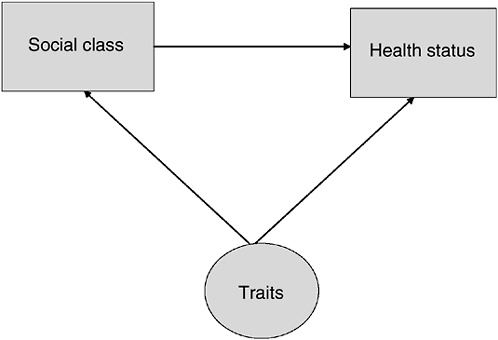
FIGURE 6-1a Relations involved in health selection effects.
statistically inclined literature these are referred to as cases of “causal spuriousness” or “endogenous effects,” we will follow the literature on health differentials and refer to these as health selection effects (Goldman, 2001; West, 1991). Because in real-life situations there also will be direct effect of traits associated with social position on health and mortality, Figure 6-1a also displays a direct connection between social position and health status. The observed correlation between social position and health status is a result of both the direct and the spurious linkage. The analyst has the task of sorting out their respective contributions.
If social mobility were impossible, antecedent health-related traits could still induce a spurious correlation between social position and health or mortality risks by altering the health status composition within each group at different ages. This is the key feature of processes involving heterogeneity. They can also be represented by Figure 6-1a as long as one keeps in mind that in the case of heterogeneity, the social position refers to an age category.
The causal diagram appearing in Figure 6-1b depicts a situation where past health status directly influences the social position. In this case health status at some point in time directly influences the social position an individual may occupy subsequently. Although in the literature on health differentials this is referred to as “direct selection” or “drift” (West, 1991), we will refer to it as an example of reverse causality.
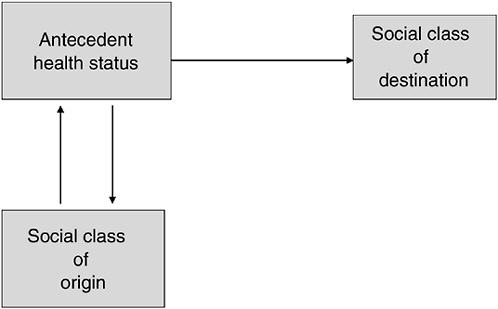
FIGURE 6-1b Relations involved in reverse causation.
In this document all three processes will be treated as examples of selection processes, although strictly speaking, only health selection effects and heterogeneity should be classified as such. It is often difficult to draw a precise distinction between empirical examples of these processes, particularly those involving reverse causality and health selection effects proper. However, in the interest of conceptual clarity and because it has direct methodological implications, we will always keep them separate.
Why Do Selection Processes Deserve Attention?
Why should selection processes be considered at all in evaluating the magnitude and direction of ethnic health and mortality disparities at older ages? The connection between some selection processes described earlier and ethnic disparities is transparent in some cases, but is much less so in others.
The Hispanic paradox, a possible outcome of both health selection effects and reverse causality, is a key phenomenon in the assessment of differentials in health and mortality for Hispanics in general, but also for other ethnic groups heavily affected by migration inflows. According to recent estimates, the Hispanic population aged 65 and over represents about 4.1 percent of the total U.S. elderly population. Given current age distributions and projected net migration inflows, this fraction will increase substantially in the near future (National Center for Health Statistics, 2000). Combined with the fact that this population displays what is considered by many to be peculiar profiles of health status and mortality, this implies that we have much to gain from considering explicitly the relevance of selection processes.
Heterogeneity in health and mortality can produce observed trajectories of mortality and health status for any group that are deceiving in the extreme. To the extent that the impact of heterogeneity differs by ethnic groups—and, as we show later, there are very good reasons to suspect that they will—comparisons of health and mortality across race or ethnic groups may yield misleading conclusions and misguided policy prescriptions. Heterogeneity affects all cross-group comparisons of health status and mortality, not just those of one or two ethnic groups, and must be regarded as a key component in any research on the subject.
The case for a serious examination of health selection effects for groups other than those heavily composed by migrants is less obvious. By definition these effects occur only by virtue of the fact that social mobility may be a function of preexisting health conditions. It is then, and only then, that observed contrasts by social groups can produce erroneous inferences about mortality and health status. But if racial or ethnic groups are closed to inflows and outflows from and to other ethnic groups, the problem would
seem to be purely academic. This is not so for two reasons. First, one of the important tasks that analysts must perform to assess the magnitude of ethnic and racial differentials is to obtain measures of effects that can be attributed to membership in ethnic groups, as distinct from effects associated with the within-ethnic-group composition by other health-relevant attributes, such as income, wealth, education, and the like. Assume, for example, we wish to test the hypothesis that black-white differentials in health and mortality are associated with social discrimination in the supply of health care. For this purpose, it is important to eliminate the fraction of the total black-white gap in mortality or health associated with income differentials, as income is a known determinant of access to health care. But in doing so, we are introducing the possibility of health selection effects because accession to relevant social positions (in this case reflected in income categories) may be different across ethnic groups. If so, the estimated effects associated with income and, as a result, the “net” effect associated with membership in an ethnic group will be affected by health selection effects. How large these effects can be, or if they exist at all, is a matter to be decided by empirical research and should not be neglected on the basis of a priori judgments.
Second, the composition of some ethnic groups is, to some extent at least, affected by identification of individuals who belong to them (Guend, Swallen, and Kindig, 2002). Increased fluidity in the composition of racial and ethnic groups will be a first and most important consequence of changing criteria for classification of the population by race and ethnicity. These changes will make possible social accession into racial or ethnic groups in much the same way as these are possible for social classes or other social positions in an open society. To the extent that racial or ethnic mobility is health related, the researcher will face problems analogous to those generated by health-related social mobility.
SELECTION PROCESSES IN THE LITERATURE ON HEALTH AND MORTALITY DIFFERENTIALS
The literature on selection processes as “producers” of health and mortality inequalities has a long and variegated pedigree. Arguments about health selection effects are found early on in discussions about U.S. mortality differentials by occupation (Perrott and Collins, 1935). There is indirect reference to it in Britain (Stevenson, 1923) and more detailed discussion appears in the work of Illsley and others (Goldberg and Morrison, 1963; Illsley, 1955). More recently, the issue of health selection effects and some types of reverse causality have resurfaced, but have also become more contentious and controversial, often pitting polarized positions against each other, from those who believe that virtually all social class differentials in
health and mortality are attributable to health selection processes and reverse causality (Illsley, 1986; Stern, 1983) to those who believe they are completely irrelevant (Wilkinson, 1986). It may be neither.
A Brief History of Research Traditions on Selection Issues
Discussion of selection processes in past research has progressed through several stages well summarized by West (1991). The origin of systematic discussion of selection processes in the literature on health and mortality differentials is associated with the so-called black report on social class differentials in British mortality (Townsend and Davidson, 1982), in which selection processes (mainly health selection effects and reverse causality) are considered as one of four possible mechanisms producing social class differentials in mortality. The authors of the report did not find the argument about selection very convincing nor did they think that the evidence was consistent with its presence. But their rendition of health selection effects and reverse causality had a distinctively Darwinian tone to it and lost sight of the possibility that selection processes could operate through market demand for individual traits influenced by factors that also contribute to adult health status. Also, as argued by Goldman (2001) in relation to similar empirical evidence invoked against selection elsewhere in the literature, the data analysis that led to dismiss the selection argument does not stand up to evidence constructed via simulated data. Stern (1983) revisits the claims made in the black report, and in a curiously overlooked paper, he convincingly illustrates the simple claim that health-dependent social mobility inevitably leads to exaggeration of social class differentials in health and mortality. Stern’s arguments found empirical support in earlier work by Illsley (1955), who had already produced empirical evidence suggesting that comparison of health effects using parental social class and achieved social class led to very different patterns of health differentials. Illsley’s results are consistent with Stern’s simplified numerical exercise documenting the influence of intergenerational mobility on cross-sectional health differentials.
More recent discussion of selection processes falls into two distinct categories of research. The first of these focuses almost entirely on reverse causation. These studies seek to identify the effect of a limited number of diseases, such as schizophrenia (Goldberg and Morrison, 1963), epilepsy (Harrison and Taylor, 1976; West, 1991), chronic bronchitis (Meadows, 1961), or mental and physical impairments (West, 1991), on occupational achievement. Some of these studies analyze occupational class differentials under the prism of reverse causality, that is, aiming to identify processes of “drifting” into lower status occupations among individuals who are in poor health (Fox et al., 1985).
The second category of research includes studies that examine more carefully the linkages between early health status and early childhood conditions, on the one hand, and adult health status and adult socioeconomic conditions, on the other (Barker 1991; Ben-Shlomo and Kuh, 2002; Forsdahl, 1978; Koivusilta et al., 1998; Kuh and Ben-Shlomo, 1997; Lundberg, 1986, 1991; Wadsworth, 1991). These are studies that focus more on health selection effects and less on reverse causality, and rely on evidence made possible by the availability of longitudinal follow-ups of several birth cohorts in a number of countries (Lundberg, 1986, 1991; Power et al., 1986, 1990; Wadsworth, 1986; Wadsworth and Kuh, 1997). Similarly, analyses of the Panel Study of Income Dynamics (PSID) and National Longitudinal Surveys in the United States have taken the place of true cohort studies, and important research has already examined links between early conditions and adult health and social class.2
As suggested in a review of findings available a decade ago (Blane, Smith, and Bartley, 1993), the record from type of research on selection processes is mixed at best, as differences in procedures, conceptualization, and measurement lead to different conclusions. Some suggest important effects (Wadsworth, 1986), whereas others conclude that health selection effects are weak at best (e.g., Power et al., 1990). A more recent review indicates that the relations could be strong and suggests the possibility of nontrivial health of selection effects (Palloni and Milesi, 2002; see also Case et al., 2003).
The most influential work on heterogeneity emerges in the Unites States, where a flurry of research activity identifies inferential problems that the so-called “unmeasured” heterogeneity poses.3 Most of this literature (Manton and Woodbury, 1983; Manton, Stallard, and Vaupel, 1981; Vaupel and Yashin, 1985) deals with mortality directly, but the problem is more general and can affect any survival process where attrition of individuals depends on some unmeasured characteristic (Heckman and Singer, 1982; Trussell et al., 1985). The literature contains important warnings about the influence of unmeasured traits on observed differences in mortality (or prevalence) among individuals belonging to two or more groups. Like the problems associated with health selection effects, those associated with heterogeneity have attracted attention, but have not yielded entirely satisfactory solutions.
Bringing Selection Processes Back In
The tenor of the dispute about health selection effects, particularly in the context of British studies, has distracted researchers from the key issues on which all parties in the dispute should agree (Blane et al., 1993; West,
1991). The issues, when they are relevant, are that health selection effects and reverse causality are part and parcel of the object being studied—namely, the processes through which certain social and economic traits that individuals acquire and the health conditions to which they are exposed interact to produce observed differences by groups in health and mortality.
In a thorough review of mechanisms responsible for health and mortality inequality, Goldman (2001) adopts the most reasonable position, namely, to place health selection effects (and reverse causality) on the same analytical level as other factors that are potential determinants of health and mortality. Tests of hypotheses regarding the relevance of each of them must recognize the possibility of effects associated with the others. Similarly, West (1991) cogently argues for a framework that, while directing attention to social class attributes, should also include consideration of selection processes (mostly health selection effects and reverse causality):
In a fundamental sense, health selection [health selection effects and reverse causality] does not occur in a social vacuum; it is the outcome of an interaction between more or less valued attributes of individuals and the opportunity structures and the institutions and social agencies which control social access to and process within them. In this […] formulation of the issue, all health selection is discrimination of one kind or another, some of which like sex and race discrimination may be judged unfair and wrong (West, 1991, p. 380).
One does not need to go as far as to suggest that health selection effects and reverse causality may be likened to discrimination. But, as labor economists have amply recognized (Bowles and Gintis, 2000), different social systems at different points in time will experience higher demand for some traits than others. Some of these traits may not only command higher incomes and privileges, but also depend on health status. If this is so, health selection effects will be more likely. But this does not make the social stratification system any less real nor does it deny that some characteristics of high-paying jobs, such as health insurance or behavioral profiles, may be genuine conduits to much better health status and to lower mortality risks. As reviewed elsewhere (Case et al., 2003; Palloni and Milesi, 2002), there are grounds to believe that early conditions (health status as well as socioeconomic characteristics) are implicated in early adult socioeconomic status attainment. If, as some literature in labor economics suggests, this relation proves to be more than tenuous—and this can only be determined empirically—then health selection effects must be part and parcel of research on health and mortality differentials by social class or by racial and ethnic groups.
The case for a revisionist position regarding reverse causality effects has been made stronger by recent economic work on lifecycle savings (to be discussed). The processes examined should not be reduced to the case of rare
physical or mental impairments, but must include a whole range of actual and anticipatory individual behaviors that are conduits for effects of health status on social and economic standing. We are likely to study these processes more thoroughly as more and better longitudinal data sets become available.
Finally, it is unlikely one requires additional admonitions to warn against the influential effects of (unmeasured) heterogeneity. Like the case of health selection effects and of reverse causality, we have made important strides in understanding ways to identify the presence of unmeasured heterogeneity and to construct adjustment factors to attenuate its effects. As before, this involves a mixture of strategies, including novel study designs and advances in formal modeling.
SELECTION PROCESSES RELEVANT FOR RACIAL AND ETHNIC DISPARITIES
In this section we review evidence from empirical studies and from simulations about the magnitude of effects associated with some selection processes. Our main conclusion is that these effects are not trivial. They should be taken seriously when examining disparities across social classes or across racial and ethnic groups in the United States and in other societies where social and physical mobility is an important feature. We draw from empirical evidence documenting the plausibility of selection effects, and also from simulated exercises that permit the calculation of ranges for estimates of effects under a number of conditions. Although the results of simulation exercises do not constitute evidence per se for or against any hypothesis, they provide a baseline for judgment. If the effects obtained through simulations are large and if the conditions defining the corresponding simulated scenarios are judged to be realistic, we can at least conclude that selection effects must be modeled explicitly before assessing the extent of health and mortality disparities.
The section is organized as follows. First, we examine the so-called Hispanic paradox and assess the claim that it may be the result of health selection effects and reverse causality. Second, we discuss the importance of heterogeneity in the case of black and white mortality disparities in the United States. Finally, we evaluate the potential significance of biases induced by health selection effects and reverse causality.
The Hispanic Paradox4
Background
The finding that migrants to the United States tend to show either similar or much better adult mortality experience than native populations is quite pervasive. Rogot and colleagues (1992) find that foreign-born persons
who migrated to the United States have lower mortality than do U.S.-born individuals. In a previous study using birthplace statistics, Kestenbaum (1986) detected a similar finding, namely, that those born outside the United States have lower mortality than U.S.-born individuals. In a number of studies on mortality patterns among Puerto Ricans and other Hispanics living in the United States Rosenwaike (1987, 1991) finds systematic differences that favor the migrants over the U.S.-born population. Although they do not perform a complete analysis—because they do not compare Hispanic population in the United States and the corresponding populations of origin—the patterns they observe are fairly regular and consistent. This finding is an element of the so-called Hispanic paradox.
Studies by Markides and colleagues (1997) and by Smith and Kington (1997a, 1997b) review patterns of differentials in health status and, although the evidence is more ambiguous there than in the case of mortality, they too detect a more favorable situation among Hispanic origin populations than among the native U.S. population. The Hispanic health and mortality advantage can be a result of genuinely better health and mortality conditions among migrants, the product of more favorable behavioral profiles and more protective social support networks. But it could also reflect the impacts of health selection and reverse causality.
Health selection through migration can occur as individuals who reach the United States and become more or less established residents are more likely to be drawn from a population that is less frail than the one that does not migrate. Migrants are more likely to be endowed with traits (skills and abilities, risk aversion, time preferences, social connections) that increase their likelihood of success in job markets and that are themselves, or the conditions producing them, strategic determinants of health status. The rigor of the selection process may be related to a number of conditions. But costs of migration and ease of journey are prominent among them. Selection is more likely to occur when the overall costs (and likely payoff) of the move are steeper. Depending on how rigorous selection is, this mechanism can go a long way toward explaining lower mortality and morbidity among U.S. Hispanic immigrants.
A number of complicating factors need to be taken into account. First, age at migration makes a difference. For example, individuals who migrate relatively young out of areas characterized by poorer health conditions will be exposed them for shorter periods than individuals who migrate later in life. This means that, keeping everything else constant, younger migrants are more selected than older ones. Thus information about the age distribution of migrants is a crucial piece of information.
Second, if the effect of early exposure to deleterious conditions does not manifest itself until later in life, selection of healthier members at young ages will be reflected in two regularities: better health and mortality levels
soon after migration, and a deteriorating health status and worsening of mortality as individuals age in the country of destination. These effects will mimic those produced by adaptation and assimilation as duration of residence in the host country increases, two processes that seemingly lead to adoption of potentially harmful lifestyles.
Reverse causality (“salmon bias”) can also contribute to health and mortality disparities between Hispanics and non-Hispanic whites at older ages. It is suspected, though it has never been shown conclusively, that Hispanic return migrants are drawn disproportionately from a population of individuals whose health status has deteriorated, and who will experience higher mortality risks. The results of such a process will be to generate a disparity in health and mortality that favors Hispanics living in the United States over non-Hispanics. Because this phenomenon is more likely to occur at older ages, the advantage should be more visible and detectable then (Palloni and Arias, 2003).
Magnitude of Biases: Health Selection Effects
We first calculate the magnitude and direction of biases that may affect estimates of adult mortality and health status when there is health selection of migrants. A similar exercise for a number of migrant populations was already performed by Swallen (1997a). Our approach differs from Swallen’s only in that we provide a closed expression for the magnitude of the biases. Her conclusions are very similar to ours.
To simplify exposition, we concentrate on mortality and narrow our inquiry to the case where the force of mortality for individual is above some arbitrary age, say x, and can be represented as follows:

(1)
where :o(y) is a baseline hazard and 8i is an individual frailty factor for individual i, which, for simplicity, we assume to be gamma distributed with mean ∀/∃. It is well known (Vaupel et al., 1979) that under these conditions, the average probability of surviving to age z is given by:

(2)
where Ho(z) is the integrated baseline hazard up to age z. The average force of mortality at age z is simply

(3)
where S(z)’ is the first derivative of the survival function at age z.
Consider now the case of two subpopulations, one (nonmigrants) where values of 8i are drawn using the entire distribution, and one (migrants) where the values are drawn from a truncated distribution, say with 8i<8o. The lower the value of 8o the more significant is migrant selectivity in terms of frailty. Under such conditions, one can show that the average probability of surviving to age z among migrants, Sm(z), is given by:

(4)
where Sn(z) is the average probability of surviving to age z among nonmigrants, G1(z,8o) is the distribution function of a gamma random variable with parameters (∀, (Ho(z)+∃)), and G2(z,8o) is the distribution function of a gamma random variable with parameters (∀, ∃).
Under these conditions one can show that Sm(z)>Sn(z) for all z, except those at the tail end of the age span when the probability of surviving drifts to 0. It follows that mortality rates in the migrant population will be lower than in the nonmigrant population. The bias associated with health selection of migrants will tend to vanish over time, as the migrants become older. This is because the compositions by frailty of the migrant and nonmigrant population will converge toward each other and the initial truncation of frailty becomes irrelevant. Thus, convergence of migrant and nonmigrant mortality rates could be expected even in the absence of adaptation or assimilation or of any other change in behavioral profiles or exposure that makes migrants more like the host population.
To illustrate the magnitude of the biases, Figure 6-2a displays the ratios of mortality rates by 5-year age groups in the interval 30-80 that would be observed under different regimes of frailty truncation or health selection. Figure 6-2b displays the ratios of the survival curves. The underlying frailty distribution has a mean and variance equal to 1. The most extreme regime in the graph is one where 8o = 0.25 and the most benign is one where 8o = 5. Note that in the first case, the observed mortality rates among migrants are less than half the magnitude than among nonmigrants, and that even in a regime where selection is relatively mild (when 8o is 3 or 4) the ratios of hazards are fairly low, particularly at younger ages. This means that even under a mild selection regime, the observed mortality ratios will be consistent with a “Hispanic” advantage that becomes diluted at older ages.
These results suggest a strategy, albeit precarious, to identify health selection effects. If the age pattern of migrant mortality tends to converge (from more advantageous to less advantageous) toward the pattern of nonmigrant mortality, there is prima facie evidence of health selection associated with migration. If, on the other hand, the convergence begins at younger ages, it is more likely that other mechanisms are at work. However, as we will show, this identification strategy is precarious because
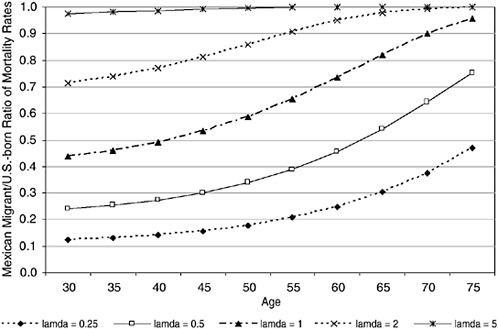
FIGURE 6-2a Effect of selection due to migration on estimated ethnic group differences in mortality: mortality rates.
convergence at older ages also can be consistent with other mechanisms. Furthermore, and depending on the prevailing selection regime, convergence may become measurable only at very old ages, when precise measurement of mortality rates becomes a hazardous enterprise.
This exercise is suggestive and illustrates the potential magnitude of health selection effects. Its results are also consistent with the fact that life expectancy at adult ages (over 45) among Hispanics living in the United States is at least 3 to 4 years higher than the life expectancy at age 45 in countries of origin (Palloni and Arias, 2003). Yet the exercise is stifling and excessively formalistic. It lacks a theoretical motivation to answer a key question, namely, why should one expect more or less health selection, higher or lower values of 8, among migrants?
Perhaps the best way to provide substantive interpretation for this exercise is to rely on economic theory. Grossman’s (1972a,b) adaptation of the human capital model to understand demands for health provides a first step. There are two important predictions from this model. The first is that individuals in ill health are less likely to attain a given level of education or, equivalently, be in command of a given endowment of skills. The second is that individuals with higher levels of education or skill endowment will be more efficient health producers. The second step is to introduce a simple
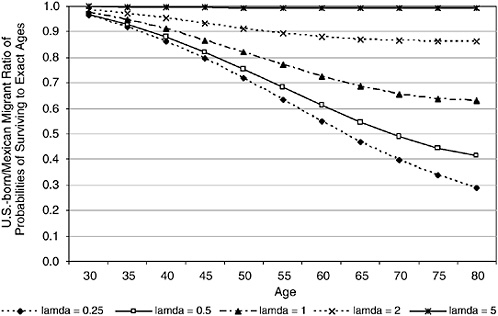
FIGURE 6-2b Effect of selection due to migration on estimated ethnic group differences in mortality: survival functions.
model of migration decision making (see Chapter 7, this volume). The cornerstone of the model is that migration costs bound the level of skills or skill endowment of potential migrants, and that these are more likely to become actual migrants the larger the disparities in skill prices across countries. The most important prediction from this simple representation is that migrants will be selected on health, and that health selection will increase if the costs of migration increase and if skill prices in the area of origin are lower relative to skill prices at destination. The answer to the original query about 8o is now straightforward: the higher the migration costs and the wider the skill price disparities, the lower the value of 8o will be of origin relative to those at destination. This is certainly not the only interpretation, but it is a compelling one for which some empirical evidence has already been gathered (see Chapter 7, this volume).
Magnitude of Biases: Reverse Causality
In our description we emphasized that the contrast in adult mortality levels between Hispanics and non-Hispanics could be associated with reverse causality. This may occur because return migrants are more likely to be in ill health and experience higher mortality risks than migrants who
stay. If so, the comparison between those remaining in the United States and the non-Hispanic population will lead to incorrect inferences.
To assess empirically the magnitude of effects due to reverse causality, we perform an empirical exercise using the so-called National Health Interview Survey-National Death Index (NHIS-NDI) data set. This data set consists of records from the NHIS fielded during the years 1989 through 1997 and linked to the NDI (see Palloni and Arias, 2003). We employ a standard parametric hazard model to estimate effects on the 9-year follow-up for males aged 35 and above at the time of the baseline survey.5 Throughout, we assume that a Gompertz model represents well the profile of mortality increase for ages (approximately) 30 and above. The main model is as follows:

(5)
where :i (t | Xi, Zi) is the hazard rate t years into the study for an individual i aged Xi at the outset and characterized by a vector of attributes Zi, :o(Xi+t) is the standard Gompertz mortality rate evaluated at age-duration Xi+t,∃ is a vector of effects, ∀ is the Gompertz constant, and exp is the Gompertz ancillary parameter or the slope of the hazard rates above age 35. Ethnicity is captured with four dummy variables referring to Puerto Ricans, Cubans, Mexicans, and other Hispanics. The reference group is the non-Hispanic white population. Other variables contained in vector Z include marital status, education, income, and employment status (Palloni and Arias, 2003).
We introduce two modifications to the standard model. First, we scale the baseline hazard so that the Gompertz’s constant is an estimate of mortality at age 35 among the reference ethnic group, the non-Hispanic whites. Second, because of the large heterogeneity of initial ages in the sample, we modify the standard formulation of the hazard to account for initial age. This enables us to avoid nonproportional effects. The resulting expression becomes:
(6)
and, to be consistent with a Gompertz formulation, we constrain > to be identical to (t). In this model the estimate of ∀ is an estimate of the mortality rate at age 35.
Estimates of the simplest model for males are displayed in Table 6-1. These estimates reveal a number of features revealing a satisfying fitting power. Among others the estimated parameters fit well with observed mortality rates and the rate of increase of mortality with age. Note that the Hispanic advantage—negative coefficients of dummies for ethnic groups—
TABLE 6–1 Estimates of Gompertz Hazard Models, White Males Ages 35 and Older, NHIS-NDI: 1989-1997
|
|
Model 1 |
Model 2 |
Model 3 |
|
Constant (alpha) |
–6.08(06)* |
–6.17(0.08) |
–6.17(0.08) |
|
Slope (gamma) |
0.067(0.00)* |
0.072(0.00) |
0.071(0.00) |
|
Ethnicity |
|||
|
Puerto Rican |
–0.118(0.11) |
–0.118(0.10) |
–0.117(0.10) |
|
Cuban |
–0.050(0.14) |
–0.041(0.12) |
–0.041(0.12) |
|
Mexican |
–0.220(0.05) |
–0.163(0.05)* |
–0.060(0.10) |
|
Other Hispanic |
–0.380(0.10)* |
–0.323(0.10)* |
–0.640(0.17)* |
|
(Xi–35) (delta) |
0.067(00)* |
0.072(0.00)* |
0.071(0.00)* |
|
Breage |
|
–0.148(0.07)* |
–0.148(0.07)* |
|
Int_age |
|
–0.101(0.03)* |
|
|
Int_age(mex) |
|
|
–0.301(0.13)* |
|
Int_age(hisp) |
|
|
0.410(0.33) |
|
Sample size |
17,940 |
17,940 |
17,940 |
|
Log likelihood |
5,602.0 |
–5,594.0 |
5,590.0 |
|
*refers to p < 0.001. |
|||
is confined to Mexicans and other Hispanics and does not appear to apply to either Cubans or Puerto Ricans. The estimated magnitude of the advantage is lower for Mexicans than it is for other Hispanics. In fact, while the former group experiences a mortality regime with rates that are exp(–0.22) ~0.80, or about 80 percent as high as those of non-Hispanic whites (model 1, column 1), the latter group experiences mortality rates not larger than exp(–0.38)~0.68, or slightly more than two-thirds of those of the reference group. These effects are large and statistically significant.
What does this advantage equal to? We can translate the differences among Mexican, other Hispanic, and non-Hispanic white mortality rates into differences in life expectancy. The male advantage estimated before translates into a surplus of residual life expectancy at age 45 of about 2 years for Mexicans and about 4 years for other Hispanics. Because male life expectancy at age 45 in the Unites States is roughly 39.7, the relative advantage for males is in the order of 5 and 10 percent for Mexicans and non-Mexican Hispanics, respectively. Though modest, these differences are somewhat paradoxical.
Although the magnitude of the differences favoring Hispanics, particularly Mexicans and other Hispanics, is admittedly large, it falls well within the bounds of what would be expected via health selection (as discussed
previously). One does not need excessively large values of 8o to produce “advantages” amounting to between 2 and 5 years of life expectancy at age 35. Yet, this does not prove the case for health selection effects. It merely raises a red flag. We can, however, provide approximate estimates of the biases induced by reverse causality via return migration.
How can we tell if the estimated Hispanic advantage is produced by a reverse causality process whereby unhealthy Hispanic migrants return to the country of origin? There is an indirect way of answering the question that relies on the following reasoning: If return migrant effects are prevalent, we would expect the Hispanic advantage to be proportionately larger at older ages. Furthermore, because the magnitude of these effects is a function of return migration rates, it is more likely to occur among Mexicans than among other Hispanics whose country of origin is less easily accessible. Return migration costs are part of the individual calculus in migration decision making and here, as it was in the case of the healthy migrant effect, the lower the costs of return migration, the higher the selection will be. For this reason we expect the difference in the advantage by age to be trivial for other Hispanics, but significant for Mexicans.
To test this conjecture, we define a new dummy variable, “breage,” to be 0 if age at the onset of the study is younger than age 65; we set it equal to 1 if the age is older than 65. We then estimate two models, one where the effects of an interaction term between ethnicity (Mexican and other Hispanic) and the dummy variable for age group are identical for both Mexicans and other Hispanics, and a second model where the effects of the interaction term are unconstrained. The results are displayed in the second and third columns of Table 6-1. The constrained model (model 2, column 2) yields a negative and significant effect of the interaction term (int_age). This means that, as expected when there is a return migrant effect, the advantage is larger for those who were aged 65 and above at the beginning of the study. The unconstrained model (model 3, column 3) shows that the effect of older age applies to Mexicans, but not to other Hispanics. This pattern is as conjectured: If return migration effects are present, they are more likely to occur among Mexicans than among other Hispanics. In fact, the main effects associated with Mexicans vanish, and what remains is the result of relatively lower mortality rates for those at older ages. By contrast, the advantage for other Hispanics remains intact and cannot be accounted by return migrant effects.
Admittedly, however, these findings are consistent with an alternative explanation that would seek the root of ethnic contrasts in differences in mortality regimes by migrant cohorts. To have some credibility, however, such an explanation should identify the factors that result in mortality shifts across cohorts, and convincingly explain why such patterns are present among Mexicans, but not other Hispanics.
Although there are alternative ways of testing the hypotheses regarding return migration6 (Palloni and Arias, 2003), we have enough evidence to pose a key question: How “real” can the Hispanic advantage be if we are able to dispose of it by using a device that would be inconsequential if the impact of return migration were unimportant? This proves our main point, namely, that selection effects are of sufficiently large import to cast doubts on conventional inferences and interpretations regarding ethnic disparities.
Heterogeneity
Two regularities deserve attention as they affect inferences about race and ethnic disparities. First, variability of mortality rates at young or early adult ages is more widespread than variability of mortality rates at older ages (Vaupel et al., 1979). Comparisons of mortality rates for two ethnic groups or social classes yield discrepancies that attain maximum values at adult ages and decline steadily thereafter (Manton et al., 1979; Nam and Okay, 1977; Strehler, 1977; Vaupel et al., 1979). In particular, the so-called black-white mortality crossover in the United States attracted considerable attention because it lends itself to such radically different interpretations. Does the observed convergence of mortality patterns for blacks and whites in the United States constitute prima facie evidence of the influence of effects that change during individual’s lifetimes? Are elderly blacks better cared for than elderly whites? Do they have healthier individual behaviors than whites? Or is the observed convergence a result of poor data among blacks, with artificially depressed rates at older ages being the product of age exaggeration (Coale and Kisker, 1990; Preston, Elo, and Stewart, 1999; Preston et al., 1998)? It is now fairly well established that, except at very old ages, virtually all convergence between black and white rates is associated with faulty age declaration. Despite this we will continue to use the example to illustrate some of the strategies to identify the existence of unmeasured heterogeneity.
Second, research on health and mortality among migrant groups generally finds that health and mortality disparities between migrants and nonmigrants (at destination) tend to erode as migrants’ duration of stay increases. When age of the population is kept constant, these duration effects can be interpreted as the result of assimilation or adaptation, processes that have the potential to undermine initial advantages that migrants may enjoy by equalizing risk profiles of migrants and nonmigrants. Any return migration effect is working against convergence of the migrant mortality pattern to the nonmigrant mortality pattern, as it depletes the migrant population of its least healthy individuals. None of these effects can be associated with heterogeneity.
However, duration effects observed in the absence of controls for age (current or at the time of entry) may admit a different interpretation. In fact, they may be the result of stronger heterogeneity in the population with the highest mortality, in this case the nonmigrant population. That is, the population that is exposed to higher mortality levels earlier in life (nonmigrant) sheds its most frail members. As a consequence its composition by frailty resembles more closely the population with the initial mortality advantage (migrants).
How influential is unmeasured heterogeneity in the evaluation of ethnic and race inequalities? There are a number of ways to calculate approximate estimates for the magnitude of effects associated with heterogeneity. As was the case for the healthy migrant effect, we are stepping on fragile terrain for, by definition, we need to focus on quantities that are unmeasured and, more generally, unmeasurable. The best we can do is to offer ranges that apply under reasonable scenarios. We will do this to study the problem of black-white mortality convergence. With suitable modifications, similar procedures can be employed to examine the convergence of migrants’ mortality rates by duration of stay.
A Multivariate Parametric Approach
Let us focus on the black-white disparity in the United States. Other than the PSID, the National Longitudinal Survey of Men (NLSM) is the longest follow-up of individuals of both races where mortality can be studied. The follow-up period started in 1966 and ended in 1991, and included men in the labor force aged 45 and above at the time of first interview. The use of this data set has one advantage and one shortcoming. The advantage is that observed age patterns of mortality will not be affected by age misstatement because special care was placed in confirming age at death and at the onset of the survey. The shortcoming is that the sample includes only the population in the labor force at the time of the initial interviews. It thus excludes the most infirm members of the population, those whose absence from the labor market is associated with ill health. To the extent that the exclusion is more significant for blacks than it is for whites, this peculiarity of the sample will lead to underplaying any convergence of mortality patterns between the two races. If selection out of the labor force due to health status is very strong, it will lead to underestimating the black-white mortality differential at the outset and to underplaying the rate of convergence of the respective mortality patterns.
To estimate black-white disparities (among men only), we use a hazard model identical to equations (1) and (2), with suitable modifications for variables reflecting ethnic group and with a minimum initial age of 45 instead of 35. The model is fitted to observed rates throughout the 25-year follow-up. The ratios of black to white death rates among those aged 45 to
54 and 55+ at the outset are displayed in Figure 6-3. Note that these ratios do not suggest obvious signs of age-dependent convergence. If anything, the fact that the ratios for the older cohort are higher than those for the younger cohort may well imply divergence of rates.
We start from a model that includes age at the onset of the study as well as race. Although this model reveals average race disparities, it tells us nothing about convergence of mortality patterns. The second model allows for the possibility of convergence by forcing the slope parameter of the Gompertz baseline to be a function of race. If there is convergence driven by a more severe mortality regime early in life among blacks, we should see a deceleration in the rate of increase of mortality rates for blacks, but much less so for whites. Thus, the first test is to verify that the slope for the Gompertz function is lower for black males than it is for white males.
The heterogeneity argument suggests that if one were able to “control” for factors that cause variance in frailty or underlying health, we would not observe a convergence in the mortality patterns. We can test for this in our data set by reestimating the hazard model with a Gamma-distributed error term.7 If the effects of unmeasured traits can be suitably captured by a Gamma-distributed random component, and if such traits and their effects on mortality are fixed, we should be able to observe that the effect of race on mortality is increased. Furthermore, the estimated effect should be roughly equivalent to the effect estimated when the slope of the Gompertz
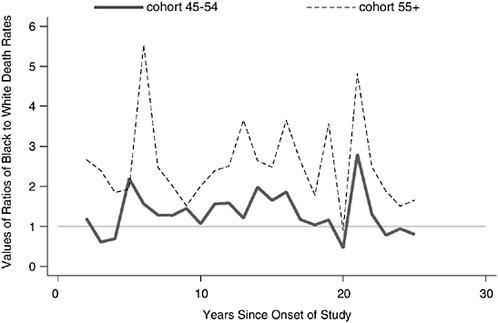
FIGURE 6-3 Ratios of black to white death rates for two cohorts.
is allowed to be a function of race. Thus, the second test is to verify that the effects of race change after we account for unmeasured heterogeneity.
The results are displayed in Table 6-2. The first column shows the effects on mortality of being black: the relative risk is equivalent to exp(0.39)~1.41, that is, mortality among black men is nearly 41 percent higher than among white males. The slope parameter (~0.09) is near to the midpoint of a plausible range for populations such as those in the United States (0.06-0.012). The second column shows the results of estimating the same model with a Gamma heterogeneity component. Here the effect of race is virtually unchanged and the estimated variance of the Gamma-distributed trait is near to 0. This indicates that the race effect estimated in column 1 is uncontaminated by selection via survival. The second test we have suggested does not confirm the existence of heterogeneity.8
To perform the first check we have described, we estimate a model with a slope parameter defined as a function of race. Consistency with the previous result requires that the effect of race on the slope be vanishingly small. The third column of the table confirms that this is indeed the case: The estimated effect of race on the slope is virtually 0. The first test we have suggested is also negative and does not confirm the presence of heterogeneity effects.
With an important caveat, the main conclusion from this exercise is that, as suggested initially by Figure 6-3, there are no signs of even weak convergence of black and white mortality patterns. There is no empirical
TABLE 6–2 Hazard Models for Mortality of Males in the NLSM, 1966–1991
|
Variable |
|
Parameter (std error) |
||
|
Model 1 |
Model 2 |
Model 3 |
||
|
Constant |
|
–5.62(0.08) |
–5.63(0.08) |
–5.66(0.09) |
|
Slope |
0.091(0.00) |
0.091(0.00) |
|
|
|
|
A* |
|
0.092(0.00) |
|
|
|
B* |
–0.005(0.006) |
||
|
Delta |
|
0.091(0.00) |
0.091(0.00) |
0.092 |
|
Black |
0.33(0.05) |
0.33(0.05) |
0.32(0.05) |
|
|
1/K** |
|
0.0003(0.0006) |
|
|
|
n |
4,317 |
4,317 |
4,317 |
|
|
LL |
–3,414 |
–3,413 |
–3,412 |
|
|
*A and B refer to the constant and the effects of being black in a function defining the Gompertz slope parameter as a linear function of the dummy variable for race (slope = A + B * race). **1/K is the estimated variance of the gamma-distributed unmeasured trait. |
||||
evidence that the disparity estimated from the relative risks of blacks is an understatement of the true disparity. The caveat is that the sample on which the conclusion is based is a peculiar one for it excludes individuals who are not in the labor force and are likely to have worse health status than those included.
The Relative Risk Approach
In a series of papers (Ewbank, 2000; Ewbank and Jones, 2001), Ewbank suggests alternative approaches to evaluate the magnitude of effects associated with heterogeneity. Some of these have been proposed to understand the relation between observed risks for cohorts and the underlying or baseline risks (Caselli, Vaupel, and Yashin, 2000; Vaupel et al., 1979; Yashin et al., 1999). Ewbank (2000) applies various procedures to the study of mortality disparities between individuals with different genotypes. One can adapt one of these strategies to assess approximately the effects of heterogeneity on estimates of black-white mortality differentials. A similar approach could be used to assess biases in estimates of disparities between any two racial or ethnic groups.
We start from a slightly modified version of expression (1) above:

(7)
The subscript “w” indicates that the expression is for the force of mortality among whites. Assume that blacks are subject to the same heterogeneity regime, but to a different mortality pattern:

(8)
where R is a constant factor representing excess mortality among blacks relative to whites. For simplicity we assume that R is age invariant. If, as before, we assume that 8i is Gamma distributed with mean 1 and variance 1/∃, it follows that the observed ratios of black mortality to white mortality rates will be given by (approximately)

9)
where Sw(x) is the observed (average) survival function among whites. If ∃ is large, Δx will be a consistent estimator of R. When the variance of heterogeneity is large (∃ is small), Δx<R and the observed ratios (Δx’s) of black to white mortality will be a downwardly biased estimate of the true value of R. Or, equivalently, we will understate the black-white disparities and increasingly so for older ages. To give a sense of magnitude, we estimate alternative values of Δx associated with different values of ∃. We use the U.S. (male) life tables for 1990 and begin calculations at age 40.9 The
survival function S(x) is unity for age 40 and the value of R is estimated to be equal to the ratio of black to white mortality at age 40. Figure 6-4a displays the resulting estimates of Δx associated with each value of ∃ and the observed values of Δx. Note that observed value of Δx is consistent with high variances (low values of ∃) in the first part of the age span and with lower values at older ages.10
Figure 6-4b reveals the same uncertainty about race disparities in mortality using a slightly different device: This figure plots the ratios of the underlying mortality patterns (unaffected by heterogeneity) that prevail for each value of ∃. Note that if ∃ were between 0.5 and 1 (corresponding to variances of 2 and 1, respectively), the ratios would be much flatter than observed, indicating that disparities are larger than those observed.
The main point that these figures illustrate is that inferences about mortality disparities that rely on observed ratios of death rates are subject to a great deal of uncertainty unless we know more about the parameters of the distribution of unmeasured traits on which selection is occurring. As in the case of the Hispanic paradox reviewed before, we cannot state with certainty the magnitude of the impact of heterogeneity on estimates of
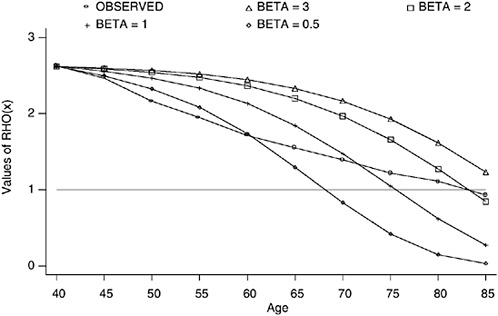
FIGURE 6-4a Values of RHO(x) for different values of BETA.
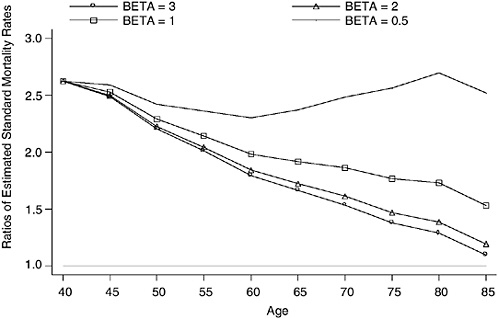
FIGURE 6-4b Ratios of standard rates for different values of BETA.
racial and ethnic mortality (or health status) disparities. But Figures 6-4a and 6-4b suggest that it is unlikely to be trivial.
Health Selection Effects Associated with Social Class
The case of the Hispanic paradox examined earlier illustrates the importance of at least two types of selection, health selection effects (“healthy migrant effect”) and reverse causality (“return migration effects” or “salmon bias”). Examination of patterns of black-white mortality differentials produces more ambiguous results regarding unmeasured heterogeneity. In one case we find no support for the idea that convergence of mortality patterns takes place at all. In the second case, the data support the conjecture that selection via survival may exert some influence.
We now turn to selection processes associated with inferences about health and mortality differentials by social classes. We address three issues: (1) Are the potential effects of health selection into social class worth considering if our object is to make inferences about health and mortality disparities by racial or ethnic groups? (2) What are the processes that lead to health selection into social classes and what type of biases do they introduce in the estimation of racial and ethnic differentials? (3) What is the empirical evidence regarding the existence of these processes?
Are Health Selection Effects Relevant for the Examination of Racial and Ethnic Disparities?
Even when interethnic or interrace mobility is unimportant or impossible, health selection effects implicating membership in social classes within each racial or ethnic group are relevant. The reason is that attribution of health or mortality effects to a racial or ethnic group normally requires controls for a number of confounding factors, including social class or indicators of social class such as income education. However, estimates of such net effects will be biased if health selection effects are different within racial or ethnic groups. Let us compare black-white mortality rates. Assume that education level is the best indicator of social class and that health selection into higher levels of education is stronger among blacks than among whites. This means that blacks who attain higher levels of education are drawn from among those who, on average, exhibit better health status than whites who attain the same levels of education. It follows that race disparities in mortality and health status among highly educated individuals will contain a downward bias because, by assumption, the composition by health status at high levels of education favors blacks. At lower levels of education, whites’ health status may be better than among blacks of equivalent education because their average health status is higher. Because the observed black-white disparity in mortality is a weighted average of the within-education categories of race disparities, its overall value will depend on differential fertility rates by education and on educational mobility rates as much as it does on true race mortality disparities. The final result is that observed measures of race disparities will be functions of factors not directly related to health status.11
To show that the magnitude of biases associated with these selection processes is not trivial, we employ a direct and an indirect assessment of effects.
Indirect estimation. Instead of simulating a situation that replicates the conditions given in the example above, we rely on estimates from two simulations designed to assess the effects of selection under slightly different conditions. The first of these was designed to assess the impact of health selection on education on estimates of disparities in the prevalence of low-birthweight infants among Hispanic migrants and the U.S. non-Hispanic population (Palloni and Morenoff, 2001). This simulation involves two health selection processes, one operating through migration and one influencing educational attainment at a time preceding the decision to migrate. The conclusion of the exercise is that both selection processes are important and they can both exert powerful influences on the estimates of education and migrant status on health status. They suggest that, if only education
selection operates, one could underestimate true race disparities by as much as 55 percent.
The simulation exercise was designed by Goldman (1994) to evaluate the magnitude of biases associated with estimates of mortality differentials between married and nonmarried individuals produced by health selection on marital status. Her simulations are general, but her results and conclusions are similar to the ones reached with the narrower simulations by Palloni and Morenoff—namely, health selection effects, even of small magnitude, can have a large impact on estimates of the impact of other variables on mortality levels.
In summary, there is indirect evidence that one should exercise caution against optimistic assessments about the potentially trivial magnitude of selection effects.
Direct estimation. We now turn our attention to an assessment of the potential magnitude of health selection effects proper, that is, processes through which individuals are allocated to various social classes by virtue of traits acquired early in life that affect both risk of accession to the social positions and health status and mortality.
In an insightful but overlooked account of the misleading inferences that the presence of health selection may produce, Stern (1983) performed a simple exercise to quantify the magnitude of health selection effects. He assumed two social classes and three possible health statuses. He then proceeded to estimate the observed health status (and associated mortality) differentials under scenarios with different regimes of social mobility, including no mobility as well as mobility associated with health status with which the offspring generation was randomly endowed. Stern’s main conclusion was that health status and mortality differentials by social class of incumbents will be exaggerated if social mobility is partially driven by the health status of incumbents to social positions. To avoid this bias, the social class position of the parental generation should be considered.
In this section we perform the exercise suggested by Stern, with three important modifications. The first is that we only examine the distribution of individuals by social class that results after the system has achieved a steady state. This is important because the distribution of individuals by social class and health status will depend not just on the actual regime of social mobility, but on the initial distribution of the population by social class and health status as well. We are more interested in evaluating intrinsic properties of the system, hence those associated with steady state distributions rather than in transient characteristics of the stratification regime.
Second, we allow for inheritance of health status of individuals so that those born to a social class are distributed by health status according to rules reproducing alternative situations. In one of them offspring health
status is random relative to parental health status; in another there is perfect correlation between parents and offspring health status. In a third situation, a stronger correlation exists between parent-offspring health status in low social-class families than in high social-class families. This modification to Stern’s exercise is not intended to reflect a belief that offspring literally inherit parental health status. Instead, it is meant to capture the possibility that parents pass on conditions to offspring that influence their health and that both parents and offspring may be subject to shared environments determining their health status.
Third, we allow members of a social class to have differential fertility and natural rates of increase to reflect cases where there is unequal growth by social class of origin.
This exercise is a severely stylized representation of real relations and thus has a number of limitations. For example, we must assume that, if it occurs at all, social mobility takes place only once and does so sometimes early in individuals’ careers. We also assume that inheritance of health status leads to immutable adult health status and that no improvement or deterioration will take place by virtue of membership in a particular social class. These assumptions are confining, but they enable us to perform calculations that are revealing of the magnitude of effects attributable to health selection effects.
As Stern does, we assume two social classes, high and low, but unlike Stern we only include two categories of health status, good and poor. We impose three types of rules: (1) the first regulates probabilities of moving from one social class to another as a function of health status; (2) the second regulates the relation between health status across two generations; and (3) the third determines fertility differentials by social class. Table 6-3a displays eight matrices containing several versions of the rules. Matrix M1 represents the case where there is only limited health-dependent mobility, M2 represents the case where there is strong health-related mobility, and M3 represents the case of no mobility. H1 is for the case when there is perfect inheritance of health status, H2 when there is none, and H3 when inheritance of health status is stronger in the low social class. Finally, F1 and F2 represent the case of stationary and growing populations, respectively. The latter assumes that net fertility is higher among members of the low social class.
The main results, summarized in the first panel of Table 6-3b, are in the form of average health status by social class and their respective ratios. Poor health status is assigned a value of 1 and good health status a value of 2. The overall health status of a social class is calculated as the weighted average of the health status of its members. The results in Table 6-3 lead to three main inferences:
TABLE 6-3a Matrices to Calculate Population by Social Class and Health Status*
-
When there is no health-related social mobility (or no mobility at all), health status differentials by social class will be accurately reflected by observed differentials.
-
When social mobility is a function of health status, health status differentials by social class will be exaggerated in direct proportion to the strength of the connection between social mobility and health status.
-
When health status is strongly inheritable, observed health disparities will exaggerate intrinsic health disparities even when social mobility is only weakly related to health status.
The second panel of Table 6-3b includes consideration of race by adding two race groups subjected to the same regimes of mobility and health status inheritance as before. This addition enables us to see what health selection can do to obfuscate observed race differentials. As predicted before, the stylized regimes we impose here indicate that differentials by race can be exaggerated if one race is more affected by health selection effects than the other, and if members of the lower classes within the race group with heavier selection are endowed with a higher natural rate of increase.
The matrix representation suggested here can be generalized to capture more complex scenarios, and analyses of steady state distributions and properties should yield important insights not revealed by examining simple indicators of health disparities. For the time being, the simplified version of the model used above suffices to reinforce Stern’s conclusions. This was not that race or social class disparities do not exist or that they are an illusion produced by health selection effects. The conclusion one reaches is this: Observed social class disparities in health and mortality reflect two kinds of effects—those attributable to characteristics with which incumbents of a position are endowed once they accede to that social class and those attributable to individuals’ traits that facilitated access to a social class. Over time observed health and mortality differentials by social class will reflect the influence of both sets of characteristics, but their relative contribution will change as a function of the regime of social mobility, the degree of relations between parents’ and offspring’s traits, and even the reproduction regime within social classes.
What Mechanisms or Processes Produce Health Selection into Social Classes?
Having illustrated that race comparisons can be affected by health selection into social classes, the task remains of identifying those processes that result in health selection effects. Two bodies of research address the issue of interest. The first grows out of the literature on health and mortality whereas the second is anchored in economic theory.
TABLE 6-3b Ratio of Health Status in High to Low Class for Different Social Mobility Regimes*
Early childhood effects. In his paper on health selection effects, Stern (1983) drew attention to the possibility that health selection effects could be responsible for artificially inflated effects of social class and, furthermore, that these effects were more pervasive than those more commonly attributable to reverse causality. Stern goes further to suggest a mechanism that could lead to this outcome by adopting Grossman’s model for health stocks. His argument is that educational attainment, a trait that exerts a strong influence on earnings and adult social class position, could, in fact, be determined by early health status. Power and colleagues (1986) followed this idea with the formulation of a more complete model where social class position influences health and mortality, and where early health status and, more generally, early childhood conditions, affect the acquisition of traits relevant for social mobility.
Recent economic research echoes early preoccupation with skills and traits that do not enter into standard accounts of earnings and income, and launched an offensive to consider them more seriously (Bowles, Gintis, and Osborne, 2000). Some of these traits, such as entrepreneurship, independence, and work habits, may be related to but are not fully captured by formal education. Others, such as physical attractiveness, autonomy, and leadership, are not necessarily related to education or cognitive skills per se but appear to have independent effects on earnings. In all cases, early childhood environments may account for variability in these traits in populations entering the labor market.
Because childhood environments (and early child health status) are partly determined by parental social class, the connection between early health status and subsequent earning potential provides a means to explain persistent intergenerational earning inequalities. Thus, the relation is not just of a mechanism through which a subset of selection processes may have an impact on observed adult health and mortality disparities, but also a process that reproduces social stratification and social inequalities.
Some empirical evidence links early onset of chronic conditions and disability and labor market performance (Blane et al., 1993; Wadsworth and Kuh, 1997; West, 1991). In these cases, the relation between health status and social class is akin to reverse causality: Early experiences with health status lock individuals into life-course paths with poor prospects of status mobility. But this evidence pertains to rare conditions and cannot possibly explain much of the large observed social class differentials in health and mortality among adults.
There is also empirical evidence supporting the existence of a relation between some chronic ailments with characteristic late onset and early life conditions (Barker, 1991). But even though the empirical evidence for the postulated connection between early life conditions and adult morbidity is
suggestive, we lack convincing confirmation that the relevant chronic conditions strongly influence job market prospects and wealth accumulation. Without empirical evidence supporting the latter conjecture, the paths suggested by Barker cannot be invoked to even suspect health selection effects.
Finally, up until recently the record of empirical evidence supporting complex relations spanning multiple life stages in the life of individuals has been somewhat tenuous and controversial (Blane et al., 1993; Power et al., 1986, 1990; Power, Matthews, and Manor, 1998; Wadsworth, 1986; Wilkinson, 1986). Of particular note is the evidence derived from a handful of relatively new cohort studies supporting the existence of some relations between early health and early labor market potential (Case, Lubotsky, and Paxson, 2002; Case et al., 2003; Kuh and Wadsworth, 1989; Nystrom Peck, 1992; Nystrom Peck and Lundberg, 1995; Nystrom Peck and Vagero, 1987; Persico, Postlethwaite, and Silverman, 2001; see Palloni and Milesi, 2002, for a more complete review of studies).
In summary, the evidence gathered for the various intervening mechanisms or processes is fragile, and the case for health selection effects operating through individual traits shaped early in life remains a suggestive but elusive hypothesis. Yet, because the magnitude of effects may not be trivial, the conjecture must be considered side by side with other hypotheses rather than being relegated summarily to the dustbin of implausible alternative explanations.
Early adult health and wealth accumulation. A second strand of literature deals with the effects that individual health stock may have on wealth accumulation over the life-cycle. This research is more preoccupied with relations between health and social class spawned later in the life-cycle of individuals rather than early on as described above.
Life-cycle models attempt to incorporate effects of individuals’ health and health expectations on savings, bequests, retirement, and other labor supply decisions (Hurd, 1987; Hurd and Wise, 1989; Lilliard and Weiss, 1996; Smith, 1999). In theory, these models can be deployed to represent a host of complex relations between health and economic standing that span early and late adult stages in the life of individuals. However, most of the empirical work in economics that rests on one or another version of these life-cycle models has been applied to individuals who are in postretirement stages (or very close to retirement) and attempts to capture reverse causality, such as effects of changes in late adult health status on wealth and labor force status. Thus, the avenue of research opened up by the formulation of economic life-cycle models is promising, but has not yet offered evidence for or against the existence of health selection effects emerging during the early phases of the occupational careers of individuals.
Empirical Evidence for the Relevance of Health Selection Effects
Through indirect and direct estimates, we established that health selection effects can be consequential for inferences about health and mortality disparities by racial and ethnic groups. We also identified intervening processes through which the relations producing health selection effects could operate. But all of this remains suggestive until we find evidence to support the existence of such intervening processes. Here is where we lack more than superficial information.
Studies based on two British cohorts uncover mixed evidence, some suggesting strong connections between early child health status and subsequent adult social class (Case et al., 2003; Wadsworth, 1986), others showing weak effects of early adolescent health on adult social class (Power et al., 1990). In an isolated study that explicitly poses reciprocal connection between socioeconomic status (SES) and health, Mulatu and Schooler (2002) reveal evidence suggesting that the causal path from SES to health status is stronger then the reverse causal path. Quite apart from the fact that the investigators do not distinguish between relations established early on in the life-cycle of individuals and those that are more accurately represented by reverse causality, the estimated effects are fragile, the health outcome studied not the optimal one, and the sample too small to make strong generalizations.
Only through systematic work with true cohort studies and through the adoption of more comprehensive and rich models to describe the relations involved (such as life-cycle models) will we increase our ability to assess the actual importance of intervening processes that are potential generators of health selection effects.
Reverse Causality
Reverse causality has been examined with some detail by epidemiological studies of the relation between occupation and mortality. Thus, for example, the studies based on the Office for Population Censuses and Surveys (OPCS) Longitudinal Study of Mortality (Fox et al., 1985) showed that apparent attenuation of the occupational gradient, a result expected if strong reverse causation was present, disappeared over time. Shallower occupational class gradients were replaced over time by strong association for adults during both the preretirement and postretirement periods. This led to the conclusion that if selection effects cum reverse causality (via health-related displacement from the labor force) took place, they were transient and had only a minor impact on ultimate occupational class gradients.
Economic studies enriched by the adoption of life-cycle models and taking advantage of panel designs, Health and Retirement Study (HRS), Asset
and Health Dynamics (AHEAD) uncover potent relations produced by reverse causality, some working through out-of-pocket expenses for medical care, others through labor supply, while most of the observed association remains unexplained (Lilliard and Weiss, 1996; Smith, 1999). Other studies using similar data sets but different techniques to infer causality are more sanguine, and suggest that the causal connections indeed could exist, but may depend on the nature of the causative health shock (Adams et al., 2002).
Application of simple techniques to extant longitudinal data can offer unusually rich glimpses into the potential effects of reverse causality. Once again, we employ the National Longitudinal Survey of Men, a panel survey that provides information on the mortality experience of U.S. adult males between 1966 and 1991. We attempt to test the following two implications of reverse causality:
-
If reverse causality processes are important and work late during the life course, then a time-varying wealth effect on mortality should be considerably attenuated relative to a time-invariant wealth effect, where wealth reflects conditions early in the life of the cohorts (such as assets at the onset of the study in 1966, an indicator of wealth that cannot be affected by health in the subsequent 25 years).
-
If reverse causality processes are important and work continuously late during the life course, then the effects on mortality of both a measure of fixed assets (as of 1966) and that of time-dependent assets must be considerably attenuated once we control for health status at the onset of the study. Note that it is likely to be the case that if there are any health selection effects that manifest themselves late in the life of individuals, a control for health status will also reduce their impact. The final outcome is that we could overestimate the impact of reverse causality if we compare estimates of wealth before and after controlling for preexisting health.12
We use a conventional parametric (Gompertz) hazard model (see expression (1)) and control for race, education, and occupation of the individual. We measure wealth (fixed or time dependent) using three dummy variables to represent from the lowest to the highest quartile of the wealth (assets) distribution. Finally, we measure health status using individuals’ health self-reports. Table 6-4 displays estimated relative mortality risks associated with the first to third quartiles of the asset distribution in four different models. Model I includes a measure of fixed assets (in 1966), but does not control for health status at the outset of the panel study. Model II adds the controls for health status. Model III includes assets as a time-varying covariate, but without controls for health status. Model IV is like Model III, but includes controls for self-reported health status.
TABLE 6-4 Effects of Fixed and Time-Varying Assets With and Without Controls for Self-Reported Health Status (NLSM: 1966-1991)
|
Variable |
Estimates and Statistical Significance |
|||
|
Fixed Assets |
Model I |
Model II |
Model III |
Model IV |
|
Quartile 1 |
0.37** |
0.31** |
— |
— |
|
Quartile 2 |
0.18** |
0.13 |
— |
— |
|
Quartile 3 |
0.08 |
0.07 |
— |
— |
|
Time-Varying Assets |
||||
|
Quartile 1 |
— |
— |
0.56** |
0.30** |
|
Quartile 2 |
— |
— |
0.41** |
0.30** |
|
Quartile 3 |
— |
— |
0.23** |
0.19** |
|
NOTE: All models contain controls for race, education, marital status, and occupation (first, as of first interview, and longest). To avoid cluttering, estimates for these variables and ancillary parameters have been omitted. *Significant with p<.05. **Significant with p<.01. |
||||
First, note from Model I that the effects of wealth on mortality are strong and in the proper direction. Individuals in the lowest quartile experience mortality risks that are 45 percent higher than those in the richest quartile (exp[0.37]). Those between the first and second quartile experience mortality risks that are about 20 percent higher (exp[0.18]). Second, although some of these effects are attenuated once self-reported health status is controlled for (Model II), the main effect associated with the poorest quartile remains unaltered. Third, the effects of time-varying assets are much larger than those associated with assets measured as fixed covariates. Fourth and finally, the estimated effects of variable assets are considerably reduced, though they do not disappear, when controlling for self-reported health status.
The fact that effects of time-varying assets are at least 40 percent higher than those associated with fixed assets is an important sign of either health selection effects or of reverse causality of the type discussed by Smith (1999) with HRS and AHEAD. To the extent that assets are diluted due to health shocks and that the dilution is reflected in continuous measures of individuals’ wealth, there will be a more powerful correlation between time-dependent assets and mortality risks than will be the case with fixed-assets measures. This will occur even if the variable that measures assets refers to wealth experienced in a period just prior to the time when mortality risks are evaluated. Second, the fact that a control for prior health status attenuates the effects of assets (of both types) is also an indication that some of the association, at least, is attributable to the possible effects of prior health
status on wealth. In this case, antecedent health status reflects past health status with effects on current wealth.
This empirical exercise suggests that at least part of the relation between wealth and mortality must be attributed to dilution of wealth caused by changes in health status. Because this evidence pertains to older adults, it can be used legitimately to complement the findings of Smith (1999), Adams et al. (2003), and other researchers. But because it does not address the issue of whether health early in life influences economic status of individuals during the early part of their labor market experience, it is simply not pertinent for health selection effects of the type investigated before.
In summary, although it is too early to make strong statements about the exact nature of these relations, the estimated effects obtained so far are important and, at the very least, suggest that overlooking the direct influence of health on wealth in late life may result in misinterpretations of the nature of the relation between socioeconomic position and health status.
APPROACHES TO MODEL SELECTION PROCESSES
Are there feasible solutions to the problems identified in the previous section? Can they be deployed to produce better estimates of health and mortality differentials by racial and ethnic groups? Can some or all of the problems associated with selection processes be addressed to produce robust estimates of effects of race and ethnicity? Answers to these questions will vary and will depend largely on the nature of the problem. Therefore, we will proceed by first evaluating briefly generic strategies proposed in the literature, then we will examine solutions to more circumscribed problems.
There are two common features shared by all solutions we will discuss. First, they are all dependent on the formulation of an explicit model with testable propositions. Observed relations cannot be interpreted in a cogent way unless we do so on the basis of a well-defined model about how reality works. Second, in most cases the models cannot be properly tested with the data available. In those cases we will be forced to make amendments, and introduce shortcuts and simplifications. In the end, these changes to the original model may lead to ambiguities in the interpretation of results. This is nothing new. But when dealing with the problems at hand, it behooves the investigator to supply enough information to calibrate the degree of uncertainty associated with inferences from the preferred model and the data available.
Following Social Class Gradients Over Time: What Not to Do
It is commonplace to find in the literature that identification of a selection process is obtained on the basis of observations about the persistence
or intensification of a given social class gradient (on health or mortality). Thus, for example, it is believed that if health selection into a social class is an important contributor to the relation, the social class gradient would then attenuate as individuals became older. As we indicated before, this type of pattern will occur even in the absence of health selection effects. All it takes is additional selection through survival. This problem is ubiquitous: In most cases, a particular outcome for the gradient will be consistent with multiple interpretations. Unless we have an explicit identification procedure to select from among alternative interpretations, we should not delude ourselves into believing that we produce evidence for or against a particular hypothesis. This is corroborated by simulation models. For example, Goldman (1994) has shown that the range of patterns for mortality gradients generated by different health selection processes is much broader than what researchers have speculated. Although Goldman’s simulations were tailored to deal with the problem of marriage selection, her results are equally valid for social class gradients.
This suggests what not to do: Unless we have a clear model about what selection processes are at work and how they are operating, we should refrain from interpreting simple patterns of social class gradients as evidence for or against them.
Addressing Reverse Causality
Far from being insoluble, the two examples of reverse causality discussed in this chapter are quite tractable. In all cases tractability requires satisfying two conditions. The first is that there should be an explicit model reflecting expected theoretical relations. The second is that there should be adequate data to test the model. A good example of these two conditions is available in the work by Adams et al. (2003) as well as in the brief analyses presented by Smith (1999). In both cases the researchers impose structure on the data from theoretical expectations about how reverse causality can work, for example, by identifying the mechanisms that make it happen. Then they use the data to test the presence of such mechanisms. One may disagree with the cogency of these models or quarrel with a few or all of the assumptions made. But because these are in the open, one will not be led astray. The only problem with these models is that they require panel data, and are simply not identifiable through cross-sectional information.
The example of return migration among Hispanics suggests alternative methodologies to identify reverse causation. The test described in this chapter is just one among many other candidates. One of them is to retrieve information on the health status and mortality patterns of Mexicans who recently returned to Mexico from the United States, then compare these
patterns with those of migrants who stay in the United States. The test demands a binational data set, one that is more expensive and complex than the more commonly available data on migrants and migration to the United States.
Addressing Health Selection
In some cases microsimulation models can be of great help by enabling us to test for the existence of effects and to verify relations expected from theory. Seldom, however, will they be useful for more than establishing boundary conditions and ranges of values for parameter estimates. This is exactly how these models were used when dealing with the Hispanic paradox (Palloni and Morenoff, 2001), or with the issue of health selection and mortality differentials by marital status (Goldman, 2001). In these two cases, microsimulation models were used to estimate the magnitude of uncertainty associated with a process with a given set of observable relations. This is a first and, in some cases, the only, line of attack when health selection effects are suspected.
A second strategy is to directly model the health selection process of interest, that is, to explicitly represent it as a set of relations between measurable quantities. Although this is possible, the strategy is rarely a feasible one. The reason is that these models are plagued by identification problems that make estimation of relevant parameters from observable relations a difficult endeavor, and that frequently require assumptions that stifle interpretations.
The identification problem could be minimized if the information available is appropriate. The data demands to deal with health selection effects addressed in this chapter are high because the researcher requires information over the life course of individuals. Although a growing number of research projects are being designed to collect and make available data for birth cohorts, the required information continues to be a scarce commodity. But one should not necessarily be confined to waiting for a new cohort study to begin or for those already in the field to reach a more mature stage. As argued by Ewbank (1998), it is possible to estimate parameters of complex models employing different and independent data sets, each of them informing a different aspect or set of relations among the total set of relations the researcher would like to represent. For example, in a recent review document (Palloni and Milesi, 2002), different data sets are used to estimate the amount of variance in earnings that could be explained by early child health status. The procedures are not yet completely worked out and many difficulties remain to be resolved, but they are promising and worth exploring further.
Addressing Unmeasured Heterogeneity
There are two known characteristics of models for heterogeneity or selection via survival. The first is that estimates of parameters are somewhat sensitive to the specification of distributional properties of the unmeasured traits. Recall that selection through survival is attributable to individual traits that increase (decrease) chances of surviving from one point in time to the next and, simultaneously, affect subsequent health and mortality. In the examples examined in this chapter we employed the assumption that unmeasured traits or attributes could be represented by a gamma-distributed random variable. The problem is that the choice of distribution is not as mundane as we made it out to be. Indeed, inferences about the process we are studying may not always be very robust to violation of assumptions about the distributions of the trait causing heterogeneity in the population (Heckman and Singer, 1982; Trussell and Richards, 1985; Vaupel and Yashin, 1985).
Although lack of robustness may be limiting in some problems and in data sets, not all is lost. In some cases it is possible to establish with some degree of confidence the type of distribution that is more appropriate for the data, and even venture a range of values for the associated parameters of such distributions. An interesting example in which this is convincingly demonstrated is discussed by Ewbank and Jones (2001) in their research on the APOE-4 gene.
The second, and perhaps more devastating, property of these models is that even if one were to adopt a conservative stance and impose no parametric form on the unmeasured trait (Heckman and Singer, 1982), thus escaping the first problem, estimates could still be sensitive to the form of the underlying risk (Trussell and Richards, 1985). This would not be an important issue if we knew well the age pattern of progression of events at older ages. But, contrary to what most demographers thought, this is not even true for the case of mortality, let alone for the study of other, much lesser understood, phenomena such as disability or morbidity associated with chronic illness.
An important limitation of both parametric and nonparametric approaches to unmeasured heterogeneity is that they rest the questionable assumption that factors or traits that account for heterogeneity are fixed over time and may not change regardless of what health events an individual may experience throughout his or her life. Needless to say, this is a somewhat unsatisfactory assumption. Recent progress on parametric models suggests that there are ways of relaxing the assumption of invariance, although more experimentation is needed to understand the properties, advantages, and shortcomings of these models (Weitz and Fraser, 2001).
In summary, a model-based approach combined with conventional longitudinal data will not solve the problem of inferences in the presence of
selection via survival. However, a combination of data expansion and model formulation offers potential advantages.
Data Expansion
Conventional information on events of interest, such as timing and occurrence of deaths or disability, refer to individuals and, at best, to the household they belong or to the larger community where they reside. The fact that some traits responsible for heterogeneity are frequently shared by related individuals makes it possible to at least neutralize their effects. This requires information on survival (or disability or illness), not just for the individuals who are targets of investigation, but for those related to them who may share some of the unmeasured traits. For example, information on spouses can be used to attenuate the effects of unmeasured conditions shared by spouses. Information on siblings can be used to neutralize the effects of traits shared by siblings who grew up together or apart, including some shared genetically related frailty. Information on twins has been conventionally used to draw inferences about environmental effects net of genetic endowments. The methods for estimating parameters with these kinds of expanded data sets exist and have been tried many times, some with more success than others. An interesting illustration of how estimates of unmeasured heterogeneity derived from twin studies can be applied to solve problems posed by heterogeneity in a completely different setting is discussed by Ewbank (2000) and Caselli and colleagues (2000). Another example is the estimation of unmeasured heterogeneity using spouse data and its application to the assessment of mortality differentials by social class (Mare and Palloni, 1986).
Model-Based Approaches
Ewbank and Jones (2001) suggest a number of model-based and data expansion approaches to measure individual variance or heterogeneity of mortality risks. One of them is tantamount to data reduction and yields estimates of the distribution of individual mortality risks attributable to factors known to affect mortality included as measured characteristics in the data set. Estimates of the variability under model specifications that differ in terms of the covariates included can produce information on how the distribution of unmeasured traits behaves. This information could conceivably be used in other data sets when some of the covariates known to affect mortality are not available.
An Important Recommendation
Investing efforts to identify selection processes in the study of racial, ethnic, and social-class mortality and health disparities is not tantamount to denying the importance of race or social class. As we argued before, if they are relevant at all, these processes may reveal rather than obscure a number of mechanisms that perpetuate racial, ethnic, and social-class inequalities. The first condition for identification is to recognize that some selection processes may be at work and that they could be relevant for the problem being investigated. The second condition is to explicitly include a description of the relations implied by the selection process. The third and final condition is to estimate, reveal, and discuss pertinent measures of uncertainty. We do not refer to conventional assessment of variability of estimates given the appropriateness of a model, but to measures that reflect the range of possible estimates when competing models are equally plausible.
ENDNOTES
REFERENCES
Abraido-Lanza, A.F., Dohrenwend, B.P., Ng-Mak, D.S., and Turner, J.B. (1999). The Latino mortality paradox: A test of the “salmon bias” and health migrant hypotheses. American Journal of Public Health, 89(10), 1543-1548.
Adams, P., et al. (2002, October 10-11). A re-examination of the Hispanic mortality paradox. Paper presented at the Center for Demography and Ecology 40th Anniversary Symposium, Madison, WI.
Adams, P., Hurd, M.D., McFadden, D., Merrill, A., and Ribeiro, T. (2003). Healthy, wealthy, and wise? Tests for direct causal paths between health and socioeconomic status. Journal of Econometrics, 112, 3-56.
Barker, D.J.P. (1991). The fetal and infant origins of inequalities in health in Britain. Journal of Public Health Medicine, 13(2), 64-68.
Ben-Shlomo, Y., and Kuh, D. (2002). A life course approach to chronic disease epidemiology: Conceptual models, empirical challenges and interdisciplinary perspectives. International Journal of Epidemiology, 31, 285-293.
Blane, D., Smith, G.D., and Bartley, M. (1993). Social selection: What does it contribute to social class differences in health? Sociology of Health and Illness, 15(1), 1-15.
Bowles, S. and Gintis, H. (2000). The inheritance of economic status: Education, class, and genetics . Working paper no. 01-01-005, University of Massachusetts, Department of Economics.
Bowles, S., Gintis, H., and Osborne, M. (2000). The determinants of earnings: Skills, preferences, and schooling. University of Massachusetts, Department of Economics. Unpublished manuscript.
Case, A., Lubotsky, D., and Paxson, C. (2002). Socioeconomic status and health in childhood: Origins of the gradient. American Economic Review, 92(5), 1308-1334.
Case, A., Fertig, A., and Paxson, C. (2003). From cradle to grave? The lasting impact of childhood education and circumstance. Center for Health and Wellbeing, Princeton University. Unpublished manuscript.
Caselli, G., Vaupel, J., and Yashin, A. (2000). Longevity, heterogeneity and selection. Atti della XL Riunione Scientifica della Società Italiana di Statistica, 49-72.
Coale, A.J., and Kisker, E.E. (1990). Defects in data on old age mortality in the United States: New procedures for calculating mortality schedules and life tables at the highest ages. Asian and Pacific Population Forum, 4(1), 1-31.
Dunn, J.E., Jr., and Buell, P.E. (1966, September 19). Gastro-intestinal cancer among the ethnic groups in California. Paper presented at the meeting of Third World Congress of Gastroenterology, Tokyo, Japan.
Ewbank, D. (1998). APOE and the risks of Alzheimer’s disease and ischemic heart disease: A demographic meta-analytic model. Philadelphia: University of Pennsylvania Population Studies Center.
Ewbank, D.C. (2000). Mortality among the least frail: Lessons from research on the APOE gene. Philadelphia: University of Pennsylvania Population Studies Center.
Ewbank, D.C., and Jones, N. (2001, March 29). Preliminary observations on the variations in the risk of death. Paper presented at the meeting of the Population Association of American, Washington, DC.
Forsdahl, A. (1978). Living conditions in childhood and subsequent development of risk factors for arteriosclerotic heart disease. Journal of Epidemiology and Community Health, 32, 34-37.
Fox, A.J., Goldblatt, P.O., and Jones, D.R. (1985). Social class mortality differentials: Artifact, selection or life circumstances? Journal of Epidemiology and Community Health, 39, 1-8.
Frisbie, W.P., Cho, Y., and Hummer, R.A. (2001). Immigration and the health of Asian and Pacific Islander adults in the United States. American Journal of Epidemiology, 153(4), 372-380.
Goldberg, E.M., and Morrison, S.L. (1963). Schizophrenia and social class. British Journal of Psychiatry, 109, 785-791.
Goldman, N. (1994). Social factors and health: The causation-selection issue revisited. Proceedings of the National Academy of Sciences, 91(February), 1251-1255.
Goldman, N. (2001). Social inequalities in health: Disentangling the underlying mechanisms. In M. Weinstein, A.I. Hermalin, and M.A. Stoto (Eds.), Population health and aging: Strengthening the dialogue between epidemiology and demography. New York: New York Academy of Sciences.
Graham, S., and Graham-Tomasi, R. (1985). Reviews and commentary: Achieved status as a risk factor in epidemiology. Journal of Epidemiology (Formerly American Journal of Hygiene), 122(4), 553-558.
Grossman, M. (1972a). On the concept of health capital and the demand for health. Journal of Political Economy, 80(2), 223-255.
Grossman, M. (1972b). The demand for health—a theoretical and empirical investigation. New York: National Bureau of Economic Research.
Guend, A., Swallen, K.C., and Kindig, D. (2002). Exploring the racial/ethnic gap in healthy life expectancy: United States, 1989-1991 (Center for Demography and Ecology Working Paper 2002-02). Madison: University of Wisconsin Press.
Harkey, J., Miles, D.L., and Rushing, W.A. (1976). The relation between social class and functional status: A new look at the Drift Hypothesis. Journal of Health and Social Behavior , 17, 194-204.
Harrison, R.M., and Taylor, D.C. (1976). Childhood seizures: A 25 year follow-up. Lancet, 1, 948-957.
Heckman, J., and Singer, B. (1982). Population heterogeneity in demographic models. In K. Land and A. Rogers (Eds.), Multidimensional mathematical demography. New York: Academic Press.
Hurd, M. (1987). Savings of the elderly and desired bequests. American Economic Review, 77, 298-312.
Hurd, M., and Wise, D. (1989). Wealth depletion and life-cycle consumption by the elderly. In D. Wise (Ed.), Topics in the economics of aging. Chicago: University of Chicago Press.
Illsley, R. (1955). Social class selection and class differences in relation to stillbirths and infant death. British Medical Journal, 2, 1520-1526.
Illsley, R. (1986). Occupational class, selection and the production of inequalities in health. The Quarterly Journal of Social Affairs, 2(2), 151-165.
Kasl, S.V., and Berkman, L. (1983). Health consequences of the experiences of migration. Annual Review of Public Health, 4, 69-90.
Kestenbaum, B. (1986). Mortality by nativity. Demography, 23(1), 87-90.
Keys, A. (1957, April 10). Lessons from serum cholesterol studies in Japan, Hawaii and Los Angeles. Paper presented at the Symposium on the Pathogenesis of Coronary Heart Disease, Boston.
Kuh, D., and Wadsworth, M. (1989). Parental height: Childhood environment and subsequent adult height in a national birth cohort. International Journal of Epidemiology, 18, 663.
Lilliard, L., and Weiss, Y. (1996). Uncertain health and survival: Effect on end-of-life consumption. Journal of Business and Economic Statistics, 15(2), 254-268.
Lundberg, O. (1986). Class and health: Comparing Britain and Sweden. Social Science and Medicine, 23, 511-517.
Lundberg, O. (1991). Childhood living conditions, health status, and social mobility: A contribution to the health selection debate. European Sociological Review, 7(2), 149-162.
Manton, K., and Stallard, E. (1984). Recent trends in mortality analysis. New York: Academic Press.
Manton, K.G., and Woodbury, M.A. (1983). A mathematical model of the physiological dynamics of aging and correlated mortality selection. Application to the Duke Longitudinal Study. Journal of Gerontology, 38(4), 406-413.
Manton, K.G., Poss, S.S., and Wing, S. (1979). The black/white mortality crossover: Investigation from the perspectives of the components of aging. Gerontologist, 19, 291-299.
Manton, K.G., Stallard, E., and Vaupel, J.W. (1981). Methods for comparing the mortality experience of heterogeneous populations. Demography, 18(3), 389-410.
Mare, R.D., and Palloni, A. (1986). Selection bias and program assessment in the job training Longitudinal Survey, Part II: Design for modeling and statistical analysis. Paper prepared for U.S. Bureau of the Census, Survey Methods Division.
Markides, K.S., and Coreil, J. (1986). The health of Hispanics in the southwestern United States: An epidemiologic paradox. Public Health Reports, 101(3), 253-265.
Markides, K.S., et al. (1997). Health status of Hispanic elderly. In L.G. Martin and B.J. Soldo (Eds.), Racial and ethnic differences in the health of older Americans (pp. 285-300). Committee on Population, Commission on Behavioral and Social Sciences and Education, National Research Council. Washington, DC: National Academy Press.
Markides, K.S., Black, S.A., Ostir, G.V., Angel, R.J., Guralnik, J.M., and Lichtenstein, M. (2001). Lower body function and mortality in Mexican American elderly people. The Journals of Gerontology: Series A: Biological Sciences and Medical Sciences, 56(4), M243-M247.
Marmot, M.G., and Syme, L.S. (1976). Acculturation and coronary heart disease in Japanese-Americans. American Journal of Epidemiology, 104(3), 225-247.
Marmot, M.G., Adelstein, A.M., and Bulusu, L. (1994). Lessons from the study of immigrant mortality. Lancet, 1, 1455-1458.
Meadows, S.H. (1961). Social class migration and chronic bronchitis. British Journal of Preventative Social Medicine, 15, 171-176.
Morenoff, J.D. (2000). Unraveling paradoxes of public health: Neighborhood environments and racial/ethnic differences in birth outcomes (Ph.D. dissertation). Chicago: University of Chicago Press.
Mulatu, M.S., and Schooler, C. (2002). Causal connections between socio-economic status and health: Reciprocal effects and mediating mechanisms. Journal of Health and Social Behavior, 43, 22-41.
Nam, C.B., and Okay, A. (1977). Factors contributing to the mortality crossover pattern. Paper presented at the XVII General Conference of the International Union for the Scientific Study of Population, Mexico City.
National Center for Health Statistics (NCHS). (2000). Healthy people 2000. Hyattsville, MD: Author.
Nystrom Peck, A.M. (1992). Childhood environment, intergenerational mobility and adult health: Evidence from Swedish data. Journal of Epidemiology and Community Health, 46, 71-74.
Nystrom Peck, A.M., and Vagero, D.H. (1987). Adult body height and childhood socioeconomic group in the Swedish population. Journal of Epidemiology and Community Health, 41.
Nystrom Peck, M., and Lundberg, O. (1995). Short stature as an effect of economic and social conditions in childhood. Social Science and Medicine, 41(5), 733-738.
Paffenbarger, R.S., Jr., Laughlin, M.E., and Gima, A.S. (1970). Work activity of longshoremen as related to death from coronary heart disease and stroke. New England Journal of Medicine, 282, 1190-1214.
Palloni, A., and Arias, E. (2003). The Hispanic paradox of adult mortality revisited. (Center for Demography Working Paper 2003-01). Madison: University of Wisconsin Press.
Palloni, A., and Milesi, C. (2002, October 24-27). Social classes, inequalities and health disparities: The intervening role of early health status. Ethnic variations in intergenerational continuities and discontinuities in psychosocial features and disorders. Paper presented at the Jacobs Conference, Zurich, Switzerland.
Palloni, A., and Morenoff, J.D. (2001). Interpreting the paradoxical in the Hispanic paradox: Demographic and epidemiologic approaches. In M. Weinstein, A.I. Hermalin, and M.A. Stoto (Eds.), Population health and aging: Strengthening the dialogue between epidemiology and demography. Demography and Epidemiology: Frontiers in Population Health and Aging. New York: New York Academy of Sciences.
Perrott, G. St. J., and Collins, S.D. (1935). Relation of sickness to income and income change in 10 surveyed communities. Health and Depression Studies No. 1. Public Health Reports, 50, 595-622.
Persico, N., Postlewaite, A., and Silverman, D. (2001). The effect of adolescent experience on labor market outcomes: The case of height. (PIER working paper). Philadelphia: Department of Economics, University of Pennsylvania.
Power, C., and Matthews, S. (1997). Origins of health inequalities in a national population sample. Lancet, 350, 1584-1589.
Power, C., Fogelman, K., and Fox, A.J. (1986). Health and social mobility during the early years of life. Quarterly Journal of Social Affairs, 2(4), 397-413.
Power, C., Manor, O., and Fox, A.J. (1990). Health in childhood and social inequalities in health in young adults. Journal of the Royal Statistical Society, Series A, 153(1), 17-28.
Power, C., Manor, O., and Fox, A.J. (1991). Health and class: The early years. London: Chapman and Hall.
Power, C., Matthews, S., and Manor, O. (1996). Inequalities in self rated health in the 1958 birth cohort: Lifetime social circumstances or social mobility. British Medical Journal, 313, 449-453.
Power, C., Matthews, S., and Manor, O. (1998). Inequalities in self-rated health: Explanations from different stages of life. Lancet, 351, 1009-1014.
Preston, S.H., Elo, I.T., Foster, A., and Fu, H. (1998). Reconstructing the size of the African-American population by age and sex: 1930-1990. Demography, 35, 1-21.
Preston, S.H., Elo, I.T., and Stewart, Q. (1999). Effects of age misreporting on mortality estimates at older ages. Population Studies, 53, 165-177.
Rogot, E. (1992). A study of 1.3 million persons by demographic, social and economic factors: 1979-1985 follow-up (National Institutes of Health Pub. No. 92-3297). Bethesda, MD: National Institutes of Health.
Rosenman, R.H., Friedman, M., and Strause, R. (1964). A predictive study of coronary heart disease: The Western Collaborative Group Study. Journal of the American Medical Association, 189, 15-22.
Rosenwaike, I. (1987). Mortality differentials among persons born in Cuba, Mexico and Puerto Rico residing in the United States, 1979-1981. American Journal of Public Health, 77(5), 603-606.
Rosenwaike, I. (1991). Mortality of Hispanic populations. New York: Greenwood Press.
Rumbaut, R.G., and Weeks, J.R. (1991). Perinatal risks and outcomes among low-income immigrants. Final Report for the Maternal and Child Health Research Program. Rockville, MD: U.S. Department of Health and Human Services.
Scribner, R.A. (1996). Paradox as paradigm—the health outcomes of Mexican Americans. American Journal of Public Health, 86(3), 303-305.
Smith, J. (1999). Healthy bodies and thick wallets: The dual relation between health and economic status. Journal of Economic Perspectives, 13(2), 145-166.
Smith, J.P., and Kington, R.S. (1997a). Demographic and economic correlates of health in old age. Demography, 34(1), 159-170.
Smith, J.P., and Kington, R.S. (1997b). Race, socioeconomic status, and health in late life. In L.G. Martin and B.J. Soldo (Eds.), Racial and ethnic differences in the health of older Americans (pp. 105-162). Committee on Population, Commission on Behavioral and Social Sciences and Education, National Research Council. Washington, DC: National Academy Press.
Sorlie, P.D., Backlund, M.S., Johnson, N.J., and Rogat, F. (1993). Mortality by Hispanic status in the United States. Journal of the American Medical Association, 270(20), 2464-2468.
Stern, J. (1983). Social mobility and the interpretation of social class mortality differentials. Journal of Social Policy, 12(1), 27-49.
Stevenson, T.H.C. (1923). The social distribution of mortality from different causes in England and Wales. Biometrika, 15, 382-400.
Strehler, B.L. (1977). Time, cells, and aging. New York: Academic Press.
Swallen, K.C. (1997a, March). Cross-national comparisons of mortality differentials: Immigrants to the US and stayers in common countries of origin. Paper presented at the meeting of the Population Association of America. Washington, DC .
Swallen, K.C. (1997b). Do health selection effects last? A comparison of morbidity rates for elderly adult immigrants and US-born elderly persons. Journal of Cross-Cultural Gerontology, 12(4), 317-339.
Townsend, P., and Davidson, N. (1982). Inequalities in health: The black report. London: Pelican.
Trulson, M.F., Clancy, R.E., Jessop, W.J.E., Childers, R.W., and Stare, F.J. (1964). Comparisons of siblings in Boston and Ireland. Journal of the American Dietetic Association, 4, 225-229.
Trussell, J., and Richards, T. (1985). Correcting for unmeasured heterogeneity in hazard models using the Heckman-Singer procedure. Sociological Methodology, 15, 248-276.
Trussell, J., et al. (1985). Determinants of birth-interval length in the Philippines, Malaysia, and Indonesia: A hazard-model analysis. Demography, 22, 145-168.
Vaupel, J., Manton, K., and Stallard, E. (1979). The impact of heterogeneity in individual frailty on the dynamics of mortality. Demography, 16(3), 439-454.
Vaupel, J.W., and Yashin, A.I. (1985). Heterogeneity’s ruses: Some surprising effects of selection on population dynamics. The American Statistician, 39(3), 176-185.
Voelz, G.L., et al. (1978, March 13-17). International symposium of the late biological effects of ionizing radiation. International Atomic Energy Agency, Vienna. {Paper presented].
Wadsworth, M.E.J. (1986). Serious illness in childhood and its association with later-life achievement. In R.G. Wilkinson (Ed.), Class and health (pp. 50-74). London: Tavistock Institute.
Wadsworth, M. E. J. (1991). The imprint of time: Childhood, history and adult life. Oxford, England: Clarendon Press.
Wadsworth, M.E.J., and Kuh, D.J.L. (1997). Childhood influences on adult health: A review of recent work from the British 1946 National Birth Cohort Study, the MRC National Survey of Health and Development. Paediatric and Perinatal Epidemiology, 11, 2-20.
Weitz, J.S., and Fraser, H.B. (2001). Explaining mortality rate plateaus. Proceedings of the National Academy of Sciences, 98(26), 15383-15386.
West, P. (1991). Rethinking the health selection explanation for health inequalities. Social Science and Medicine, 32(4), 373-384.
Wilkinson, R.G. (1986). Socioeconomic differentials in mortality: Interpreting the data on size and trends . In R.G. Wilkinson (Ed.), Class and health: Research and longitudinal data (pp. 1-20). London: Tavistock.
Woodbury, M.A., and Manton, K.G. (1977). A random walk model of human mortality and aging. Theoretical Population, Biology, 11, 37-48.
Yashin, A.I., et al. (1999). Genes, demography, and life span: The contribution of demographic data in genetic studies on aging and longevity. American Journal of Human Genetics, 65, 1178-1193.


