
10
The Role of Social and Personal Resources in Ethnic Disparities in Late-Life Health
Carlos F. Mendes de Leon and Thomas A. Glass
The past three decades have witnessed a proliferation of research on overall health and well-being of the oldest segments of the population, generally defined as adults aged 65 years and over. An important theme of this research has been to document the existence of disparities in health and well-being across groups defined by race/ethnicity or socioeconomic status (SES) (National Research Council, 1997). As described in detail elsewhere in this volume (see Chapter 3 by Hummer), minority seniors have, on average, higher mortality rates and poorer self-ratings of health (Ferraro and Farmer, 1996; Hummer, 1996), as well as a higher prevalence of physical disability and cognitive function, when compared with the majority population of non-Hispanic whites (Fillenbaum et al., 1998; Froehlich, Bogardus, and Inouye, 2001; Mendes de Leon et al., 1995, 1997; Tang et al., 1998).
Increasingly, the field has moved toward a deeper understanding of the mechanisms and processes that lead to these disparities. In this chapter, we consider the role of personal and social resources in explaining the origins and consequences of racial/ethnic disparities in late-life health. From a lifespan developmental perspective, individuals actively regulate personal and social resources as they “age” for the purpose of personal growth and adaptation (Baltes and Lang, 1997; Lang, 2001; Lang, Featherman, and Nesselroade, 1997; Ryff, 1991). This process is modulated in important ways by the sociocultural environment, which, through prevailing norms, values, and expectations, shapes and reinforces an individual’s resources that optimize adaptation (Verbrugge and Jette, 1994). These contextual influences are likely to differ substantially across racial and ethnic groups because race and
ethnicity are critical determinants of the residential segregation and social stratification that characterize American society. The relatively unique social experiences and conditions of racial and ethnic sub-populations may lead to important variations in the personal and social resources that are accumulated throughout life. Thus, to the extent that they affect age-related health and well-being, variations in these resources may be an important aspect of understanding and alleviating ethnic disparities in late-life health.
TOWARD A CONCEPTUAL FRAMEWORK
For the purpose of this chapter, we will conceptualize social and personal resources as a series of assets that accrue to individuals as a result of their linkages or interactions with other individuals. The focus will be on those resources that have received the attention of social gerontologists and that are hypothesized to be associated with tangible health benefits. Investigation of these resources may help us to achieve a deeper understanding of the origins of health disparities across race/ethnic lines in late life. Figure 10-1 presents
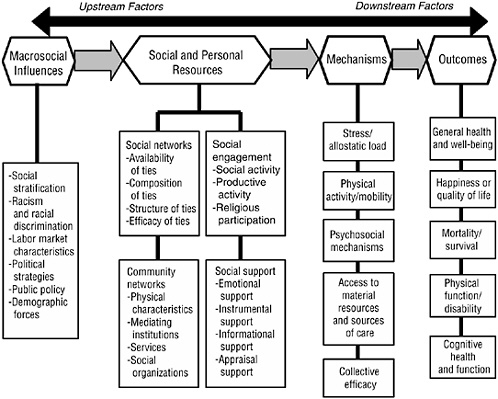
FIGURE 10-1 Conceptual model of the impact of personal resources on health outcomes.
SOURCES: House (1987), Pearlin (1985), and Link and Phelan (1995).
an organizing framework for understanding the role of social and personal resources in the cascade of social and individual-level processes that affect health. This framework will be used as a tool to organize existing literature, and to identify gaps in this literature and future opportunities.
The framework maps a series of conceptually distinct factors that are arranged to represent, from left to right, the spectrum of upstream, distal (or fundamental) causes of health (see Link and Phelan, 1995), to intermediate causes of health at the level of social and personal resources, to a series of mechanisms more proximate to health and disease. Although this sequence of influences corresponds broadly to an underlying temporal or causal model of social and individual-level influences on health, it is likely that the actual causal processes involve a greater degree of complexity than this framework suggests. The figure is designed to underscore the broader social and biological context in which social and personal resources are related to health (House, 1987; Pearlin, 1985).
Although we will classify the resources reviewed in this chapter on the basis of their “social” or “personal” nature, the boundaries between these two sets of resources are somewhat artificial. Social resources, categorized here into social and community networks, emphasize the social or structural nature of the asset. These assets may be considered a resource because they provide the potential conduits through which personal resources are accessed or activated. Personal resources, on the other hand, encompass assets that place primary emphasis on the individual, even if the asset has an inherent social dependency. This chapter will focus on two types of personal resources, social engagement and social support.
It is important to note that our conceptualization of social and personal resources is somewhat restrictive, and that there are other such resources with important health benefits. For example, assets attributable to social class or social position, such as political and economic assets, are important personal resources associated with significant health disparities. The role of such socioeconomic resources in ethnic disparities in late-life health is reviewed in Chapter 9. Personal resources may also be conceptualized in terms of psychological attributes that have been linked with health outcomes. Their role is reviewed in further detail in Chapter 13. Although we will briefly discuss the influence of neighborhood characteristics in late-life health, a more extensive discussion of this topic can be found in Chapter 11. The remainder of this chapter will focus on differences in the patterning of social and personal resources as already defined across race and ethnic groups, as well as their differential impact on late-life health.
A Comment on the Term “Race”
Much has been written about the use and misuse of the concepts of race and ethnicity in health research (Kaufman and Cooper, 2001; Muntaner,
Nieto, and O’Campo, 1996; Witzig, 1996). In the context of this chapter, these concepts are used as an indicator of a “social” reality, rather than pertaining to some underlying biological dimension (Goodman, 2000; Williams, Lavizzo-Mourey, and Warren, 1994). When addressing racial/ethnic disparities in health, one is usually presented with the inevitable dilemma of selecting one group to serve as a reference for comparisons between persons of differing racial/ethnic backgrounds. In most of the literature on this topic, that group is the dominant or majority sub-population of non-Hispanic whites. While this choice may have important scientific and social ramifications, for the purpose of convenience, we will adopt the same approach in this chapter.
The remainder of the chapter is divided into three sections. In the second section, we will review the evidence regarding the differential distribution of social and personal resources by race and ethnicity. In the third section, we will examine the degree to which racial/ethnic differences in social and personal resources may contribute to disparities in late-life health. In the final section, we will briefly describe some of the mechanisms that have been postulated to link these resources to health processes, and present some information on possible intervention strategies. Next, we will identify important gaps in our understanding of the role of social and personal resources in ethnic disparities in late-life health, and discuss some of main methodological challenges that have hampered progress in this field. We will conclude with an overall summary of the findings, and an agenda for future research.
DIFFERENCES IN SOCIAL AND PERSONAL RESOURCES AMONG OLDER ADULTS OF DIFFERENT RACIAL OR ETHNIC BACKGROUNDS
Consideration of differences in the distribution of social resources across subpopulations defined by race or ethnicity is a first step toward a better understanding of the role of these resources in disparities in late-life health. For the purpose of this discussion, we will first review the evidence regarding racial/ethnic differences in the structural and compositional arrangements of the social and community networks of older adults. Next, we will turn our attention to the differential distribution by race/ethnicity of personal resources. These resources are further classified into social engagement, defined as participation in meaningful social activity, and social support. Social engagement itself is a relatively broad construct that consists of various forms of behavior that take place in a social context, including religious involvement, social activity, and productive activity (activities that produce goods and services with economic value). Religious involvement will be defined based on both
participation in organized religious activities and personal religiousness or spirituality.
Social Networks
Social networks refer to the matrix of social relationships to which individuals are tied (Fischer, 1982). This matrix has structural and functional characteristics that constitute the social parameters of available resources. Social networks are generally characterized in terms of several categories, including the availability of ties (number, proximity, and accessibility of ties), the structural characteristics of those ties (density, multiplexity, and other factors), the composition of ties (with kin versus nonkin, friendships, and ties gained through formal organizational linkages), and the efficacy of those ties, or the ability of ties to facilitate the transfer of resources. At a community level, following the theoretical work of Wandersman and Nation (1998) and Glass and Balfour (2003), we differentiate three aspects of community networks (or neighborhoods and complex organizations) that are analytically distinct and appear to play a role in shaping the availability and effectiveness of personal resources. These include the physical characteristics of communities (e.g., graffiti, lighting, noise); the mediating institutions such as houses of worship, schools, and neighborhood organizations that link individuals to the larger social context (Berger and Neuhaus, 1977); the services available (both municipal and commercial); and the social organization of those communities (disorder, violence, crime, social capital, social cohesion).
The exact effects of aging on changes in social networks in late life remain somewhat unclear. Some evidence indicates that networks tend to shrink due to loss of network members who have died (Antonucci and Akiyama, 1987; Morgan, 1988). These losses affect mostly peripheral members of the social network, resulting in smaller but denser social networks (Antonucci and Akiyama, 1987; Carstensen, 1995). However, some of these losses may be counterbalanced by replacement with new relationships, or by intensification of existing relationships (Martire, Schulz, Mittelmark, and Newsom, 1999; van Tilburg, 1998). For example, some have suggested that older adults tend to draw increasingly close to network members that are most likely to satisfy their emotional and tangible needs—usually their children or children-in-law, siblings, or other close kin (Carstensen, 1995; Field and Minkler, 1988; van Tilburg, 1998). In sum, there may be considerable stability in the overall size of social networks among older adults, even if the composition of network members changes as people age.
Earlier gerontologic work suggested that older African Americans tend to have larger social networks compared with whites (Ball, Warheit, Vandiver, and Holzer, 1980; Taylor and Chatters, 1986a; Vaux, 1985).
Most of the racial differences in network size are due to older blacks having more children and being more integrated with extended family members (Gibson and Jackson, 1987; Johnson and Barer, 1990; Taylor, Chatters, Tucker, and Lewis, 1990). More recent studies have been less consistent in reporting differences in overall network size between blacks and whites, with some studies even reporting smaller networks for older blacks. For example, in a study of a biracial population in the Piedmont region of North Carolina, there were no differences in network size between blacks and whites, but blacks had slightly larger networks of children and relatives, whereas whites had larger networks of friends (Mendes de Leon, Gold, Glass, Kaplan, and George, 2001). A slightly larger children network was also noted among older blacks in the New Haven Established Populations for Epidemiological Studies of the Elderly (EPESE) Study, but no racial differences in overall network size were noted between blacks and whites (Glass, Mendes de Leon, Seeman, and Berkman, 1997).
Data from the Cardiovascular Health Study revealed smaller networks of family and friends for blacks compared with whites, although the proportion of blacks in this study was very small (Martire et al., 1999). A similar pattern was found in a population-based study of older adults in Detroit. In that study, older blacks reported smaller networks, but more frequent contact with network members, closer proximity, and a greater proportion of close kin compared with whites (Ajrouch, Antonucci, and Janevic, 2001). There were also no substantial racial differences in the availability of informal caregivers. However, blacks tend to draw from a larger pool of more distant relatives when they are disabled than do whites (Burton et al., 1995; Thorton, White-Means, and Choi, 1993). Based on the available evidence, the overall pattern is that older blacks have similarly sized or slightly smaller social networks, but that these networks are more likely to include extended family and fictive kin (Ajrouch et al., 2001).
These racial patterns in network size are further borne out by examining differences in living arrangements by race. Coresidence serves as an indicator of the proximity of social network ties. As shown in Table 10-1, among all persons aged 65 and over, blacks are much less likely to be living in the same household with their spouse than whites. Only 24.3 percent of black women and 53.5 percent of black men live with their spouse, compared with 42.4 percent and 74.3 percent respectively among whites. On the other hand, older blacks are more likely to live with other relatives or nonrelatives compared with whites. The net result is that black women are very comparable to white women in terms of living alone, at 40.8 percent and 41.3 percent respectively. On the other hand, older black men (24.9 percent) are slightly more likely to live alone compared to white men.
Much less is known about the social network characteristics of other ethnic groups. Baxter and colleagues (1998) report no differences in net-
TABLE 10-1 Living Arrangements of Persons Aged 65 and Older, 1998
|
Sex and Living Arrangements |
All Ethnicities |
White |
Black |
Hispanic |
Asian or Pacific Islander |
|
Women |
|||||
|
With spouse |
40.7 |
42.4 |
24.3 |
36.9 |
41.3 |
|
With other relatives |
16.8 |
14.8 |
32.2 |
33.8 |
36.7 |
|
With nonrelatives |
1.7 |
1.6 |
2.7 |
1.8 |
0.8 |
|
Alone |
40.8 |
41.3 |
40.8 |
27.4 |
21.2 |
|
Men |
|||||
|
With spouse |
72.6 |
74.3 |
53.5 |
66.8 |
72.0 |
|
With other relatives |
7.0 |
6.0 |
14.8 |
15.0 |
20.8 |
|
With nonrelatives |
3.0 |
2.7 |
6.8 |
4.3 |
0.6 |
|
Alone |
17.3 |
17.0 |
24.9 |
14.0 |
6.6 |
|
SOURCE: Federal Interagency Forum on Aging Related Statistics (2000). Older Americans 2000: Key Indicators of Well-Being. |
|||||
work size between older Hispanics and non-Hispanic whites who live in a mostly rural area. However, older Hispanics living in New York City reported more children and close relatives in their social networks compared to either blacks or whites, but significantly fewer distant relatives, friends, and other social contacts (Cantor, 1975; Cantor, Brennan, and Sainz, 1994).
Table 10-1 provides some additional data on the living arrangements of older Hispanics and other ethnic groups. Both older Hispanics and Asian or Pacific Islanders are somewhat less likely to be living alone compared with whites and blacks. This is primarily because they are more likely to share a household with relatives other than a spouse. Thus, these data suggest that in terms of the most proximate social ties, older Hispanics and Asian and Pacific Islanders appear to have larger networks than either blacks or whites. However, there are insufficient data on other types of social relationships, particularly more discretionary types of ties that do not involve close kin. Thus, it is too early to make more conclusive inferences about differences in the size and composition of social network structures between these ethnic groups.
Neighborhood Characteristics
The availability of social and personal resources across racial/ethnic groups is partly conditioned by the stark differences that exist in the neighborhoods in which these ethnic groups live. Early studies by Lawton and Byerts (1973) demonstrate that older adults meet most of their social and daily needs within a six-block radius. Thus the features of the immediate neighborhood environment are important determinants of personal resources at the individual level. It is fairly clear that residential segregation by race/ethnicity is a common pattern in the United States that leads to stark differences in the social charac-
teristics of neighborhoods in which various ethnic groups reside (LaVeist, 1993; Massey and Eggers, 1990). Residential segregation leads to differential forms of social organization that in turn are associated with variations in health status. For example, blacks tend to live in neighborhoods with higher rates of female-headed households, a characteristic that has been linked to higher rates of heart disease in women (LeClere, Rogers, and Peters, 1998). Ethnic minority elders tend to live in neighborhoods that also have higher crime and poverty rates, a finding that has important implications for both the need for and the availability of resources (Massey and Eggers, 1990). Differences in the character of neighborhoods where minority groups live have been used to explain some of the disparities in the health status of these groups (Kawachi and Kennedy, 1997; Waitzman and Smith, 1998).
Social Engagement
Research on the activity patterns of elderly persons shows considerable variation, with a substantial proportion of older persons remaining active well into their later years. Postretirement age has become widely accepted as a stage of continued engagement and personal growth (Glass, in press; Glass, Seeman, Herzog, Kahn, and Berkman, 1995; Ryff and Singer, 1998). Some studies suggest that older blacks are more actively involved in their networks compared with whites. For example, older blacks report more frequent contacts with network members (Ajrouch et al., 2001), particularly children and other relatives (Johnson and Barer, 1990; Mendes de Leon et al., 2001), which may be a function of their higher level of integration into family networks. Older blacks also are believed to engage in a more active flow of resources among network members. For example, several studies report that older blacks provide more support and assistance to others in their network compared with whites (Lee, Peek, and Coward, 1998; Miner, 1995). Other evidence suggests, however, that greater levels of social engagement among older blacks is not uniform. Using data from the National Survey of Family and Households (NSFH), Silverstein and Waite (1993) found that black adults are slightly less likely to be providers of instrumental support than whites, although these differences were somewhat attenuated in older ages. Hispanic adults were also less likely to be support providers compared with whites (Silverstein and Waite, 1993). Others have found no evidence that either blacks or Hispanics were more active agents of assistance and support in their respective networks (Cantor et al., 1994; Pugliesi and Shook, 1998). Both blacks and Hispanics have also been observed to be less involved in volunteer work compared with older whites (Baxter et al., 1998; Kincade et al., 1996).
An important aspect of social engagement among older adults is participation in productive activity. Gerontologic research on productive activ-
ity has challenged long-held beliefs, suggesting a substantial proportion of older persons remaining productive well into their later years. Herzog and colleagues (1987) found that productive activity declines on average with increasing age, but that controls for health status and education sharply reduce the magnitude of these age-related declines. In part, declines in productivity in older age result from the cessation of paid work and child care, while older adults remain as active as their younger counterparts in unpaid work, volunteerism, and informal help to others (Cutler, 1977; Herzog and Morgan, 1989; Herzog, Kahn, Morgan, Jackson, and Antonucci, 1989).
A number of studies have pointed to the importance of race/ethnicity and gender as critical contexts in which to understand productivity among older adults (Danigelis and McIntosh, 1993; Herzog and Morgan, 1992). A recent systematic review of this topic was undertaken by Jackson (2001), who argues that engagement in productive activity is affected over the life course by both blocked opportunities and economic necessity. From that standpoint, racial and ethnic heterogeneity in patterns of participation in productive activity is to be reasonably expected. Among the findings from this literature is the importance of considering productive activities that fall outside traditional definitions of economic activity such as paid work and volunteering. Failure to do so risks underestimating the true economic value of those activities that nonwhite ethnic groups tend to participate in to greater extents, including caregiving (Chatters, Taylor, and Jackson, 1985; Taylor and Chatters, 1986a; Taylor and Taylor, 1982) and bartering (Stack, 1974). Given that participation in primary and secondary labor markets throughout the life course is less satisfactory to disadvantaged groups, it appears clear that continued participation in productive activity must be seen in a larger context. Studies that have attempted to include measures of activity participation that include informal and social forms of productivity generally have observed that blacks and whites demonstrate comparable degrees of continuity in late life (Antonucci, Jackson, Gibson, and Herzog, 1989; Glass et al., 1995; Jackson, 2001). Participation in productive activities may play an especially important role in maintaining identity in persons in disadvantaged groups because they perceive that their activities help to meet community needs (Deimling, Harel, and Noelker, 1983).
Caregiving is another form of productive activity that is relatively common among the elderly. In a community-based study of older adults, blacks were 30 percent more likely to report caregiving compared with whites, after controlling for age, sex, marital status, and education (McCann et al., 2000). However, data from the National Survey of Self-Care and Aging did not show any racial differences in caregiving, although blacks were more likely to provide emotional support (Kincade et al., 1996). Data on caregiving in other ethnic groups is largely absent.
Another area of social engagement that has received considerable attention is participation in formal and informal organizations, especially those centered around religious activity. Participation in religious activity typically presents an opportunity for social interaction with others who are likely to have similar beliefs and values. In addition, it may provide an important conduit through which both personal and social resources are activated and maintained (Levin, Taylor, and Chatters, 1994). The importance of the church has long been a topic of particular interest in the unique history and social conditions of blacks (Chatters and Taylor, 1994). The seminal work by Taylor and Chatters has further underscored the centrality of church-related activity and religiosity in older black adults (Taylor, 1986; Taylor and Chatters, 1986a). This research has highlighted the significance of the church in black communities as a resource to adapt to the adverse life conditions and social disadvantage, and to provide opportunities for personal and spiritual growth and well-being (Chatters, 2000).
Levin and colleagues (1994) undertook a systematic quantitative analysis of racial differences in church attendance and other indicators of religious engagement. They found only minor differences between older blacks and whites in levels of religious affiliation, as church membership was nearly 100 percent in both groups; however, blacks reported slightly higher levels of church attendance than whites. There were more pronounced racial differences in nonorganizational religious activity and subjective religiosity. For example, blacks were much more likely to read religious books and to listen to religious radio programs. They also rated their religion as being more important to them than older whites did. Other studies also have shown that older blacks tend to have higher levels of religious involvement than whites (Johnson and Barer, 1990; Kim and McKenry, 1998). In contrast, participation in other types of social or work-related organizations tends to be lower among blacks (Cutler and Hendricks, 2000; Miner and Tolnay, 1998).
Fewer data are available on church-related activity and other forms of social engagement for other ethnic groups. A study of a rural Hispanic population showed patterns of engagement similar to those of older blacks. Participation in church-related groups was found to be higher, but involvement in other social groups and organizations was lower, among older Hispanics relative to non-Hispanic whites (Baxter et al., 1998).
Social Support
The social support needs of adults are likely to change as they enter the postretirement years. The need for financial assistance, for help with daily tasks as health declines, and for emotional support may all increase (Carstensen, 1995; Silverstein and Waite, 1993). Older adults of all racial/
ethnic groups tend to rely heavily on family members as the primary source of both instrumental and emotional support. Even so, help and assistance from immediate family or next of kin is thought to be more common among older blacks than older whites (Lee et al., 1998; Mutran, 1985). Cantor and colleagues (1994) report that both black and Hispanic children are more likely to provide practical and informational types of support to their aged parents than do white children. This could be partly because of the greater care needs of older blacks and Hispanics, who may be in poorer health. However, other research suggests that underlying differentials in health are not a sufficient explanation for the greater use of support among older blacks and other minority elders (Tennstedt and Chang, 1998). Instead, it has been suggested that older disabled whites tend to replace informal support with formal support services in times of poor health, whereas older blacks may acquire formal services in addition to the informal assistance they receive from family and friends (Miner, 1995).
Overall, a picture has emerged of elderly blacks and Hispanics being more likely to benefit from cross-generational exchanges of supportive resources (Mutran, 1985). Similar patterns of intergenerational support also have been described for older Asian Americans, although there is considerable diversity in family relationships and support structures among Asian populations, depending on the country of origin. For example, elderly Koreans seem to rely more on their children for assistance and emotional support than do elderly Chinese or Japanese (Ishii-Kuntz, 1997).
Several other studies, however, are less consistent with important ethnic/racial differences in social support among the elderly. For example, in the NSFH data, older blacks and Hispanic men were no more likely to receive instrumental or emotional support than non-Hispanics, while Hispanic women were significantly less likely to receive these two types of support (Silverstein and Waite, 1993). In another population-based study of older adults living in the Piedmont area of North Carolina, blacks reported slightly higher levels of instrumental support than whites, but there were no differences in emotional support (Mendes de Leon et al., 2001). In one of the few longitudinal investigations of social support changes in older adults, Martire and colleagues (1999) found no black-white differences in emotional, instrumental, or informational support, although blacks showed somewhat higher declines in informational support over time than whites.
In conclusion, this review suggests there is little evidence for substantial differences by race or ethnicity in social and personal resources in older adults. In general, minority elders may have somewhat closer knit family networks compared to non-Hispanic whites, but possibly a smaller overall network, particularly with regard to more discretionary types of ties, such as friends. A similar pattern is apparent for social engagement. Overall, elderly whites appear somewhat more socially active, especially with regard
to volunteer activities and membership in formal or informal social organizations. On the other hand, most data indicate that minority elders are more involved in church-based organizations and activities.
SOCIAL AND PERSONAL RESOURCES AND HEALTH DISPARITIES IN LATE LIFE
The first part of this section provides an overview of the research examining the association of social and personal resources with health outcomes, with an emphasis on research in elderly populations. This review focuses mostly on studies of mortality, physical disability, and cognitive decline, as these health outcomes have particular relevance for elderly populations and have been the most widely studied. Later in this section, we will discuss the literature that has begun to examine the role of social and personal resources in ethnic disparities in late-life health.
Social Networks and Late-Life Health
The health benefits of social and personal resources have been a major theme in social epidemiology since the 1970s. One of the first seminal papers in this area was a study by Berkman and Syme (1979) based on data from 4,500 community-dwelling residents of Alameda County, California. Participants in this study reported on four types of social ties, including marriage, network size (number of relatives and friends seen frequently), church membership, and participation in formal or informal groups. A summary measure of these four ties was called the “Social Network Index.” Those who scored low on this index were estimated to have a twofold increased mortality risk independent of other predictors of mortality, such as low SES, poor health habits, and self-reported poor physical health status (Berkman and Syme, 1979). This finding was later replicated in a variety of other cohort studies, such as the Tecumseh Community Health Study (House, Robbins, and Metzner, 1982), the Evans County, Georgia, study (Schoenbach, Kaplan, Fredman, and Kleinbaum, 1986), a study in Durham County, North Carolina (Blazer, 1982), a study of male health professionals (Kawachi et al., 1996), and studies in Sweden and Finland (Kaplan, Seeman, Cohen, Knudsen, and Guralnik, 1987; Orth-Gomer and Johnson, 1987). In summarizing this literature, House and colleagues concluded that social relationships, or some aspects of social involvement, confer a remarkably consistent survival benefit that cannot be attributed to other determinants of physical health (House, Landis, and Umberson, 1988).
The survival benefits of social network ties have been found to extend into older adulthood. For example, in a follow-up analysis of data from the Alameda County study, Seeman and colleagues investigated the relation-
ship of social network ties, as measured by the Social Network Index, with overall mortality in four age groups ranging from ages 38 to 40 to ages 70 and up. They found that this index was independently predictive of 17-year mortality across all age groups, even if the magnitude of the benefit was somewhat attenuated in the older age groups compared with middle-aged adults (Seeman, Kaplan, Knudsen, Cohen, and Guralnik, 1987). This finding was later replicated in three population-based cohort studies (in New Haven, East Boston, and Iowa, respectively) of older adults that were part of the EPESE program. After rigorous control for other determinants of mortality, low social ties was associated with approximately a twofold increased risk of mortality among New Haven men and women and Iowa women. The effects in the other groups (Iowa men and East Boston men and women) were predictive of mortality after adjustment for age only, but somewhat weaker and no longer statistically significant in the fully adjusted models (Seeman et al., 1993a). A number of other prospective studies have provided additional evidence for the protective effect of social relationships and social involvement more generally with regard to risk of death among the elderly (Jylha and Aro, 1989; Shye, Mullooly, Freeborn, and Pope, 1995; Steinbach, 1992).
An important limitation of the research on social network ties and survival is that most studies have relied on relatively crude measures of social network ties, which often lack a specific theoretical foundation (Glass et al., 1997). For example, the Social Network Index includes information on network size (number of friends and relatives seen at least monthly), organizational membership (membership in religious and other groups), and marital status (a specific kind of social tie). Similar “composite” measures of social networks and social engagement have also been used in studies of dementia and cognitive decline. In the Swedish Kungsholmen Project, a summary social network measure was constructed on the basis of being married and living with someone, having regular and satisfying contacts with children (friends or relatives). This index was found to be significantly predictive of 3-year incidence of dementia after adjustment for age, sex, education, baseline cognitive status, and depression. The risk for dementia was 60 percent higher at lower social network levels compared with higher levels (Fratiglioni, Wang, Ericsson, Maytan, and Winblad, 2000). Using longitudinal data from the New Haven EPESE study, Bassuk and colleagues constructed a composite index that combined information on indicators of personal ties, group membership, and social engagement. This index was found to be significantly predictive of incident cognitive decline, independent of a series of demographic, lifestyle, and health-related control variables. Those with lower scores on this index had approximately a twofold higher risk of showing cognitive decline during follow-up than those with the highest scores (Bassuk, Glass,
and Berkman, 1999; Boult, Kane, Louis, Boult, and McCaffrey, 1994). They further commented that none of the individual social network or engagement indicators were as predictive of incident cognitive decline as the combined index, suggesting that the effect was not due to any particular feature of personal networks, group membership, or social activity.
Other studies have started to examine whether social network ties confer a protective effect against age-related physical disabilities. An analysis of the 4-year follow-up data from the Longitudinal Study on Aging revealed that adults aged 70 and up who reported no social contacts were more than twice as likely to either die or become physically disabled (Boult et al., 1994). A similar effect was found in the Alameda County study, where having five or more close personal relationships was significantly associated with the likelihood of “successful aging,” defined as lack of physical disability (Strawbridge, Cohen, Shema, and Kaplan, 1996; Unger, McAvay, Bruce, Berkman, and Seeman, 1999). This is further corroborated by findings from the MacArthur Studies of Successful Aging, a cohort study of a group of high-functioning elderly. These studies were specifically designed to examine factors associated with high function, or lack of disability, and maintenance of high function over time. An analysis of the MacArthur data showed that a greater number of social ties was protective of increases in physical disability during follow-up (Unger et al., 1999). However, a few other studies have failed to find clear evidence for such a relationship (Harris, Kovar, Suzman, Kleinman, and Feldman, 1989; Seeman et al., 1995).
Most of the work on social network ties and disability is based on simple counts of available network contacts, without differentiation with regard to the composition or the structure of ties. More recent studies suggest that the beneficial effect of social network ties is not uniform across different types of social relationships. For example, a series of longitudinal analyses of the EPESE data have shown that ties with relatives and friends appear to provide protective effects against disability and to promote recovery from disability. Ties with children, on the other hand, were found to be unrelated to disability risks (Mendes de Leon et al., 1999, 2001). However, these results further indicated that the exact causal relationships between social resources and disability remain somewhat unclear. Although findings in this literature are often interpreted as though greater availability of social ties is causally involved in the prevention of functional decline and disability, the actual interrelationships may be more complex. While older adults with larger social networks on average report significantly less disability, it may also be true that the absence of disability is directly related to the magnitude of one’s social network that one is able to maintain (Mendes de Leon et al., 2001).
Community Networks and Late-Life Health
There is an emerging literature on the health effects of broader social structures, which are often defined at the level of community or neighborhood. To some extent, this work is based on the notion that characteristics at the neighborhood level, such as a Census tract area, have an important influence on population health (Kaplan, 1996; Macintyre, Maciver, and Sooman, 1993; Robert, 1999). Although most studies in this area have focused on aggregate-level indicators of socioeconomic status, most pertinent to the discussion in this chapter is research on specific community resources, or the absence or threats to those types of resources, and their impact on late-life health.
One example of this research is an analysis of the Alameda County Study data in which individual-level data were combined with data at the neighborhood level to predict 11-year mortality risk. A neighborhood social environment score was constructed on the basis of information at the level of Census tracts on population socioeconomic status (e.g., per capita income, residential crowding), availability of commercial resources (e.g., pharmacies, supermarkets), and characteristics of environment/housing (e.g., percentage renters, percentage single-family dwellings). Persons living in neighborhoods with lower social environment scores were found to have about 50 percent increased odds of dying during follow-up, compared to those living in neighborhoods with higher social environment scores. This association persisted after adjustment for individual-level indicators of socioeconomic status and poor health habits (Yen and Kaplan, 1999).
In another study using the Alameda County study data, Balfour and Kaplan used self-reported information on six specific neighborhood problems (e.g., crime, traffic) in a prospective analysis of change in physical function. Persons reporting two or more neighborhood problems were at a more than twofold increased risk of a loss in physical function, after adjustment for a range of sociodemographic, socioeconomic, and health-related variables (Balfour and Kaplan, 2002). Neighborhood problems most strongly associated with loss in physical function included heavy traffic, excessive noise, poor access to public transportation, and inadequate street lighting.
Overall, most of the empirical evidence suggests that structural and contextual aspects of the social environment are related to important health outcomes in late life. Although the exact nature of this role is still poorly understood, most research to date has produced relatively consistent and robust findings, especially with regard to all-cause mortality and, to a lesser degree, changes in physical and cognitive function. It is important to note that most studies in this area included statistical controls for other determinants of these age-related health outcomes. Thus, it appears that the rela-
tionships between social networks and late-life health are mostly independent of other important influences such as socioeconomic status, lifestyle habits, and poor physical health status.
Social Engagement and Late-Life Health
An emerging body of research has begun to evaluate the health benefits of various forms of social engagement in older populations. A well-established finding in the epidemiological literature is that activity confers an important survival advantage, and significantly reduces risk for heart disease and other age-related disability outcomes (Kampert, Blair, Barlow, and Kohl, 1996; Kaplan, Strawbridge, Cohen, and Hungerford, 1996; Paffenbarger, Hyde, Wing, and Hsieh, 1986; Vita, Terry, Hubert, and Fries, 1998). Activity is usually assessed strictly in terms of physical activity, and its benefit is believed to be mostly from improved cardiopulmonary fitness (Blair et al., 1996).
One of the first studies to directly challenge this idea was performed by Glass and colleagues, who tested the survival benefits of other, nonphysical, forms of activity (Glass, Mendes de Leon, Marottoli, and Berkman, 1999). They used data from the New Haven EPESE study to construct separate measures for three types of activity: social activity (e.g., playing cards; visits to cinema, restaurants, or sporting events), productive activity (e.g., gardening, shopping, paid or unpaid community work), and fitness activity (e.g., swimming, walking). Summary measures of each of these types of activity were found to have a significant and gradient effect on 13-year mortality. A multivariate survival analysis adjusting for the main sets of risk factors for mortality showed that each type of activity was independently associated with reduced mortality. Comparing the highest to lowest quarter of activity, social activity was associated with a 19 percent risk reduction (Hazard Ratio [HR] = 0.81; 95 percent Confidence Intervals [CIs] 0.74-0.89), fitness activity with a 15 percent risk reduction (HR = 0.85; 95 percent CIs 0.77-0.95), and productive activity with a 23 percent risk reduction (HR = 0.77; 95 percent CIs 0.71-0.85).
Other studies have reported similar survival benefits due to social engagement in the general adult population (Bygren, Konlaan, and Johansson, 1996; Welin et al., 1985) as well as among residents of long-term care facilities (Kiely, Simon, Jones, and Morris, 2000; Stones, Dornan, and Kozma, 1989). Another form of social engagement, volunteering, also has been linked with specific health benefits. Using data from a nationally representative sample of older adults, Musick and colleagues found that volunteering was associated with a reduced risk of mortality, after adjustment for sociodemographic, socioeconomic, health-related, and social integration variables (Musick, Herzog, and House, 1999). The beneficial effect
appeared to be confined to moderate levels of volunteering in this study, as higher levels of volunteering were unrelated to survival.
Not all studies, however, have found survival benefits due to social or productive activity. Data from a recent cohort study in Sweden showed no association between either social or productive activity with mortality risk (Lennartsson and Silverstein, 2001). The only one type of activity related to prolonged survival was solitary-active activities, such as hobbies and gardening. Of note is that in this cohort, church attendance was also found to be unrelated to survival. This is in contrast to most studies in American populations, where relatively clear survival advantages have been found for church attendance (to be discussed).
Other research has focused on the role of social engagement in physical disability, cognitive decline, and dementia, as well as overall well-being. For example, in a cross-sectional analysis of data from a convenience sample of older adults, social activity (e.g., traveling, attending parties, attending church) was found to be significantly correlated with a global measure of physical functioning after adjustment for age, gender, marital status, and income. Other forms of activity, such as high-demand leisure activity (physical activity) and low-demand leisure activity (cognitive activity), were also significantly associated with physical functioning (Everard, Lach, Fisher, and Baum, 2000).
To examine this relationship prospectively, Mendes de Leon and colleagues used nine waves of data from the New Haven EPESE study to relate baseline social engagement to changes in disability status during follow-up. They found that older adults with higher levels of social engagement had a significantly better functional status (less disability) on three separate indices of disability. However, it did not appear that higher levels of social engagement at baseline were associated with less functional decline over time. Instead, older adults with high levels of social engagement had a substantial disability advantage at baseline, which decreased slightly over time, although this decrease was too small to compensate for the initial advantage in function (Mendes de Leon, Glass, and Berkman, 2003). This kind of relationship may allude to a pattern of causation characterized by reciprocal influences, whereby declining physical or cognitive function reduces social engagement, which, in turn, accelerates losses in physical and cognitive function. This pattern of association might also be explained as a “use-it-or-lose-it” mechanism (Hultsch, Hertzog, Small, and Dixon, 1999; Mendes de Leon et al., 2001).
As already described, composite measures that include information on social engagement have been found to be associated with a reduced risk of cognitive decline and dementia (Bassuk et al., 1999; Fratiglioni et al., 2000). Fabrigoule and colleagues (1995) have reported on a more specific analysis of social engagement and risk of dementia using data from a cohort study in
a French population. In this study, a number of different forms of social and leisure activity were inversely related to dementia risk, although only a few—traveling, gardening, or odd jobs or knitting—remained significantly associated with this outcome after controlling for age and baseline cognitive status.
Other studies have found significant positive associations between markers of social engagement and overall well-being (Herzog. Franks, Markus, and Holmberg, 1998; Menec and Chipperfield, 1997; Michael, Berkman, Colditz, and Kawachi, 2001; Van Willigen, 2000). Herzog and colleagues used data from a representative sample of adults aged 65 and over from the Detroit metropolitan area to examine the relationship between activity and well-being. They found that both social (leisure) and productive activity were significantly associated with physical health and depressive symptoms, although the effects due to productive activity were mostly indirect (Herzog et al., 1998). Using data from a Canadian sample of older adults, Menec and Chipperfield reported a significant positive cross-sectional association of overall social and productive activity with concurrent life satisfaction and self-rated health. The same activity index was also prospectively related to an increase in life satisfaction over a 7-year period (Menec and Chipperfield, 1997). Van Willigen used data from the American Changing Lives study to compare the health effects of volunteering in younger (age <60 years old) and older (age ≥60) adults. She found that volunteering was associated prospectively with an increase in both life satisfaction and self-rated health during follow-up, and that these effects were stronger among older adults than middle-aged adults (Van Willigen, 2000). Four-year follow-up data from the Nurses Health Study have also shown a positive effect of social engagement on changes in mental health and quality of life, particularly among those middle-aged women who were living alone (Michael et al., 2001).
As has been indicated before, one of the problems in evaluating these results is substantial variability across studies in definitions and assessment of social engagement and its components. For example, there is little consensus on which forms of engagement should be considered (mostly) physical, social, or cognitive, and often these forms of activity are combined into single summary measures (Hultsch, Hammer, and Small, 1993). Recent evidence clearly suggests that cognitive forms of activity protect against risk of cognitive decline and Alzheimer’s disease (Friedland et al., 2001; Hultsch et al., 1999; Wilson et al., 2002). Is cognitive activity a form of social engagement? Or could some cognitive activities be considered forms of social engagement? For the purpose of this discussion, we focus primarily on forms of activity that take place in the context of a social environment, that is, activity that involves other persons, or groups or communities of other persons. In this light, we will review studies that have addressed the
health effects of other specific forms of social engagement, including volunteering and religious activity. Clearly, these forms of activity can often be defined in both their social and cognitive content or purpose.
Over the past 20 years, there has been an increasing interest in the effect of religious involvement on health (Ellison and Levin, 1998; Levin, 1996). The most recent studies in this area suggest that church attendance confers an important protective effect against overall mortality (Hummer, Rogers, Nam, and Ellison, 1999; Koenig et al., 1999; Krause, 1998; Oman and Reed, 1998; Strawbridge, Cohen, Shema, and Kaplan, 1997). They suggest further that this protective effect is not entirely attributable to other factors that may be related to both church attendance and mortality, such as socioeconomic status, lifestyle variables, and initial physical health status. For example, Hummer and colleagues used data from a nationally representative supplement of the 1987 National Health Interview Survey, which includes the general U.S. adult population (aged 21 years and over) and contains information on frequency of church attendance and relevant covariates. Respondents were linked to the National Death Index to generate 8-year mortality follow-up data. Analysis of these data revealed a clear gradient relationship between church attendance and risk of death, after adjustment for a comprehensive set of potential confounders, including sociodemographic, health-related, and psychosocial variables. Net of all these factors, adults who reported never attending church had a 50 percent increased risk of death (HR = 1.50, p < 0.01) compared with those who attended church more than once a week. Mortality risks among those attending less often than weekly (HR = 1.24, p < 0.05) and attending weekly (HR = 1.21, p < 0.05) were also elevated compared with those who attended more than once a week (Hummer et al., 1999).
Several other studies have reported a protective effect of church attendance on mortality, most of them with remarkably similar effect sizes as those reported by Hummer and colleagues (Koenig et al., 1999; Oman and Reed, 1998; Strawbridge et al., 1997). Moreover, the survival benefits of church attendance have also been documented specifically for elderly populations. Using 6-year follow-up data from the North Carolina EPESE study, Koenig and colleagues showed that frequent church attendance was an adjusted mortality risk of HR = 0.72 (95 percent CI 0.64-0.81), a reduction of 36 percent compared to infrequent attenders (Koenig et al., 1999). An additional analysis of the same data suggested that private religious activity, such as prayer and bible reading, was not independently associated with prolonged survival. There was a suggestion, however, that private religiosity has a positive effect among nondisabled older persons (Helm, Hays, Flint, Koenig, and Blazer, 2000).
Religious involvement has also been studied in relation to health outcomes other than mortality, particularly physical disability, overall health
status, and well-being. In the most rigorous study of religious involvement and physical disability to date, Idler and Kasl compared the long-term effects of church attendance and subjective religiosity using yearly follow-up data from the New Haven EPESE cohort study. Subjective religiosity was measured by questions assessing how deeply religious a person feels, and how much strength and comfort they received from their religion. They found that church attendance was prospectively associated with change in disability status over a 12-year follow-up period. This effect proved to be independent of a comprehensive set of other predictors of disability, and relatively constant throughout follow-up. On the other hand, subjective religiosity was unrelated to changes in disability status over time (Idler and Kasl, 1997).
Levin and Chatters (1998) examined the effect of religious involvement on both subjective (self-rated) health status and psychological well-being using cross-sectional data from three national data sets of older adults. The strongest and most consistent associations were found for organizational religiosity (church attendance) and subjective health. There were less consistent associations for the effect of organizational religiosity and subjective religiosity on psychological well-being. The cross-sectional relationship between church attendance and subjective health seems to be congruent with the findings regarding mortality risk and disability. However, when this association was examined prospectively, the effect of church attendance on change in subjective health was almost entirely accounted for by differences in physical health status between frequent and infrequent church attenders (Musick, 1996). Private religiosity, however, did seem to be positively associated with changes in subjective health, such that those reporting more private religious practices tended to improve in subjective health status over a 3-year follow-up period, after adjustment for other sociodemographic, lifestyle, and physical health status variables.
Whereas these findings suggest a positive health effect for private religiosity, another study reported that adult blacks and whites with higher levels of private religiosity also reported more depressive symptoms. However, this finding pertains to a cross-sectional analysis, in which causal order cannot be determined. In other words, it is possible that persons who feel depressed (e.g., because of stressful circumstances) may turn to private religiosity as a means of coping, rather than that their private religiosity “caused” the negative emotions. Church attendance was inversely related to depressive symptoms in this study, but this protective effect was observed among whites only (Ellison, 1995).
Overall, the most consistent health effects for religious involvement have been found for church attendance, particularly in relation to overall survival. Other evidence suggests that church attendance is also related to long-term changes in physical disability, whereas little empirical evidence is
yet available with regard to its effect on cognitive changes or risk for dementia. Finally, most studies suggest that religion possibly plays an important if somewhat limited role in the mental health and well-being of older adults, although much of these associations are still poorly understood (Ellison and Levin, 1998).
Social Support and Late-Life Health
Social support is typically regarded as a key resource that is exchanged between members of personal and community networks. Therefore, it is often postulated as a critical component of the health benefits that accrue to those who have higher levels of social integration and who are more socially engaged. Nonetheless, most empirical evidence suggests that social support affects health and well-being in ways that differ substantially from the mechanisms that link other aspects of social and personal resources with health.
Few epidemiologic studies to date have focused on specific indices of social support in relation to mortality risk. In an earlier study in this area, Blazer (1982) examined the effect of various indicators of social networks and support on 30-month mortality in a sample of older adults. He found that impaired perceived social support was associated with a more than threefold increased mortality risk, after adjustment for a series of sociodemographic and health-related control variables. Another significant risk factor for mortality was a low level of social interaction, which was associated with an almost twofold increased mortality risk (Blazer, 1982).
In a more recent, population-based study of adults aged > 55 years from the Netherlands, emotional support was found to be significantly associated with decreased mortality risk over a 29-month follow-up period, after careful adjustment for sociodemographic and lifestyle variables, as well as self-reported physical health status (Penninx et al., 1997). However, there was no clear gradient effect between emotional support and mortality risk. Compared with low emotional support, a moderate level of emotional support was associated with about a 50 percent decrease in odds of dying (Odds Ratio [OR] = 0.49, 95 percent CI 0.33-0.72), whereas a high level of support was associated with 32 percent decreased odds of dying (OR = 0.68, 95 percent CI 0.47-0.98). In the same study, loneliness, which was used as a marker of lack of perceived social support, was also found to have a significant association with mortality risk (Penninx et al., 1997). Although these results suggest that social support has a protective effect against mortality, the durations of the follow-up periods were relatively short compared to studies of social networks or social engagement and mortality reviewed previously in this chapter.
Other studies have begun to investigate the role of social support in physical disability and cognitive decline in older populations. These rela-
tionships have been prospectively examined in several large, population-based studies of older adults, such as the New Haven and North Carolina EPESE studies and the MacArthur Studies of Successful Aging. For example, using 2.5-year follow-up data from the MacArthur Studies of Successful Aging, Seeman and colleagues found that availability of emotional social support attenuated age-related declines in physical function as measured by a series of standard performance tests of function, such as chair stands and walking. However, this effect was only apparent among those with low levels of instrumental support. In fact, perceived adequacy of support, another marker of social support, was significantly associated with an increased risk for decline in physical function (Seeman et al., 1995). Emotional social support has also failed to show an association with self-reported disability status both cross-sectionally (Everard et al., 2000) and longitudinally (Mendes de Leon et al., 1999, 2001; Seeman, Bruce, and McAvay, 1996; Unger et al., 1999).
The degree to which social support affects cognitive decline in older adults remains mostly unclear. A longitudinal analysis from the New Haven EPESE data suggests that emotional support is unrelated to cognitive decline over 3- to 12-year follow-up periods (Bassuk et al., 1999). However, emotional support was the only social variable that was predictive of changes in cognitive function in the MacArthur Studies of Successful Aging cohort. Emotional support was found to be associated with a significant protective effect against cognitive decline over a 7.5-year follow-up period (Seeman, Lusignolo, Albert, and Berkman, 2001a).
The other type of social support that has received systematic attention in the epidemiologic literature is instrumental support, usually defined as the availability and/or adequacy of assistance with daily chores, such as shopping or meal preparation. Overall, the available evidence indicates that this form of support tends to have a detrimental effect on various health outcomes. For example, in the Dutch study described by Penninx and colleagues, it was found that persons who reported high levels of instrumental support had a 74 percent increased odds of dying (OR = 1.74, 95 percent CI 1.12-2.69), after adjustment for a comprehensive set of other risk factors for mortality (Penninx et al., 1997). Equally adverse effects due to instrumental social support have been obtained in prospective studies of disability. In both the New Haven and North Carolina EPESE studies, instrumental support was found to increase risk for self-reported disability over 9- and 6-year follow-up periods (Mendes de Leon et al., 1999, 2001). Similar adverse effects on disability due to instrumental support have been reported for the MacArthur Studies of Successful Aging (Seeman et al., 1996).
The negative effect of instrumental support on long-term changes in health is possibly because the use of practical assistance with everyday tasks may be an indication of declining health, even if such a decline has not
manifested itself yet in overt clinical signs and symptoms, or disability. Alternatively, the use or availability of instrumental support may foster greater dependence, which may lead to an acceleration of functional decline. Such an explanation would suggest that some of these relationships may be more complex than unidirectional causal effect one way or the other, and may reflect reciprocal patterns of association. In other words, the “use-it-or-lose-it” mechanism may apply to the relationship between personal resources and late-life health more generally, whereby initial declines in health lead to less engagement and more assistance, in turn leading to further health declines.
The discussion so far suggests that social support shows either a mixed pattern of association with age-related health outcomes, or has an adverse effect on such outcomes, depending on the type of support. However, other research raises the possibility that social support plays a more important role in other health processes that have particular relevance to older adults. One example is the literature on recovery from acute illness episodes. There is considerable evidence that patients with higher levels of social support have better outcomes after acute clinical events than those who report lower levels of support (Berkman, Leo-Summers, and Horwitz, 1992; Glass and Maddox, 1992; Glass, Matchar, Belyea, and Feussner, 1993; Jenkins, Stanton, and Jono, 1994; Mutran, Reitzes, Mossey, and Fernandez, 1996; Oxman and Hull, 1997; Wilcox, Kasl, and Berkman, 1994). For example, Glass and colleagues studied the effect of social support on functional recovery following a first stroke. They found that high levels of perceived social support were prospectively associated with more rapid rate of recovery and greater overall improvement in functioning after 6 months (Glass et al., 1993). Further analysis revealed that there was a gradient effect for emotional support, such that more support was associated with better outcomes. For instrumental support, however, moderate levels appeared to be most effective in promoting recovery (Glass and Maddox, 1992). The latter finding suggests that instrumental assistance, while beneficial in moderate amounts in times of a medical crisis, may also create greater dependency and lead to negative long-term consequences. Such an interpretation would be consistent with the adverse long-term health effects of instrumental support described previously in this section.
Social support has also been studied extensively in patient populations with acute or subacute heart disease. In a large clinical trial of male patients with myocardial infarction (MI), lack of social support (social isolation) was highly predictive of subsequent mortality, especially in the context of high levels of general life stress (Ruberman, Weinblatt, Goldberg, and Chaudhary, 1984). While this study did not specify the type of social support, other studies have focused more specifically on emotional support in recovery from heart disease. For example, Berkman and colleagues found
that MI patients who reported no source of emotional support had a more than twofold increased chance of dying during the first 6 months following an MI than those reporting one or more sources of emotional support. This effect became even stronger after adjustment for sociodemographic characteristics, clinical severity, co-morbidity, and functional status (Berkman et al., 1992).
Similarly robust associations have been found between lack of social support or social isolation and outcomes in other studies of patients with heart disease or heart failure (Case, Moss, Case, McDermott, and Eberly, 1992; Gorkin et al., 1993; Jenkins et al., 1994; Krumholz et al., 1998; Oxman and Hull, 1997; Williams et al., 1992). Most of these studies have been based on large patient samples, with some sample sizes exceeding 1,000 patients (Case et al., 1992; Gorkin et al., 1993; Williams et al., 1992), and some have examined these issues specifically in older populations (Berkman et al., 1992; Krumholz et al., 1998; Oxman and Hull, 1997). It is important to note that most of these studies included careful control for important potential confounders, in particular clinical severity and co-morbidity or other markers of preevent health status. Thus, the use of rigorous methods lends further confidence in the validity of a causal effect of social support, particularly emotional support, on recovery outcomes after acute medical events.
Another key area of inquiry has focused on the role of social support on mental well-being. Although this topic is reviewed in more detail elsewhere in this volume (see Chapter 13), it is generally assumed that social support has a positive impact on overall mental health and well-being among older adults, although the magnitude of this effect tends to be modest (Ingersoll-Dayton, Morgan, and Antonucci, 1997; Krause, 1986; Krause, Liang, and Keith, 1990; Liang, Krause, and Bennett, 2001; Matt and Dean, 1993; Silverstein and Bengtson, 1994). Additional studies have shown that social support may be especially important for older adults who are faced with adverse or stressful situations in their lives. For example, emotional support has been shown to buffer the deleterious influences of a variety of stressors, such as economic strain (Atienza, Collins, and King, 2001; Krause, 1987, 1997), caregiver stress (Atienza et al., 2001; Li, Seltzer, and Greenberg, 1997; Ostwald, Hepburn, Caron, Burns, and Mantell, 1999; Suitor and Pillemer, 1996), bereavement (Silverstein and Bengtson, 1994), and poor health (Krause, 1990). At the same time, there is some suggestion that social support may not always have unequivocally beneficial effects. Several studies have found that older adults suffer psychologically when receiving support, particularly in situations of an imbalance between the amount of support received and support provided to others (Liang et al., 2001; Newsom and Schulz, 1998). This may be especially the case when the type of support received is mostly in the form of assistance with daily chores,
rather than emotional support (Davey and Eggebeen, 1998), mirroring the adverse health effects of instrumental support described earlier for other health outcomes.
Although most social support research has been conceptualized from the perspective of the support recipient, a limited number of studies have started to examine the health effects of providing support to others. Generally, this work shows that lending assistance to others is associated with increased well-being (Krause, Herzog, and Baker, 1992; Liang et al., 2001; Silverstein, Chen, and Heller, 1996). For example, using cross-sectional data from the American Changing Lives Study, Krause and colleagues reported that providing informal assistance to others, mostly in the form of instrumental support, is associated with lower levels of depressive symptoms, primarily by enhancing feelings of personal control (Krause et al., 1992). This is not to suggest that providing support to others may not sometimes come at a psychological, if not physical, cost, as the well-documented harmful effects of caregiver burden clearly suggest (Ory, Hoffman, Yee, Tennstedt, and Schulz, 1999; Schulz, O’Brien, Bookwala, and Fleissner, 1995).
Finally, some evidence is emerging that not only does actual exchange of resources between network members possibly influence health and well-being among older adults, but that the nature of the social interactions have a health impact in their own right. For example, Ingersoll-Dayton and colleagues examined the effect of social exchanges on psychological well-being in a representative sample of middle-aged and older adults. Positive social exchanges included interactions of confiding, reassurance, and getting respect, and negative exchanges included interactions that were considered demanding or conveyed a lack of understanding. They showed that positive exchanges are essentially associated with greater positive affect, and negative exchanges with greater negative affect (Ingersoll-Dayton et al., 1997). These findings are corroborated by a more recent study, which showed that negative interactions were significantly associated with higher levels of depressive symptoms among older adults (Liang et al., 2001). However, other research suggests that positive social interactions are a more important determinant of feelings of depression and general distress than are negative social interactions (Okun and Keith, 1998). It is likely that there are complex interactions between the nature of social exchanges and the actual content of those exchanges and their effects on mental health and well-being, and only a few studies have begun to specifically address these complexities (Liang et al., 2001). Although little is known about whether negative social interactions have consequences for physical health outcomes, disability, and cognitive decline, evidence in favor of this view is growing (Rook, 1984). Some studies have found that negative interactions are more powerful predictors of mental health outcomes than are positive
interactions and ties (Finch, Okun, Barrera, Zautra, and Reich, 1989; Finch and Zautra, 1992). Negative interactions and burdensome obligations are more strongly associated with family ties (Morgan, 1989), suggesting that racial/ethnic groups that have a higher proportion of kinship-based ties may experience more negative interactions.
Role of Social and Personal Resources in Health Disparities in the Elderly
The evidence reviewed thus far suggests that social and personal resources play an important if still poorly understood role in the health and well-being of older adults. Compared to the considerable interest this topic has generated, remarkably little effort has been directed at exploring the degree to which these resources contribute to ethnic disparities in late-life health. There may be two reasons for this relative lack of interest. First, most investigations have been focused on the differential distributions in socioeconomic resources as a primary determinant of ethnic differences in late-life health (e.g., Guralnik, Land, Blazer, Fillenbaum, and Branch, 1993; Peek, Coward, Henretta, Duncan, and Dougherty, 1997). In other words, it is often believed that socioeconomic resources are a sufficient explanation for ethnic disparities in health, which may have suppressed attempts to identify additional explanations for racial/ethnic disparities in health. Second, the lack of clear evidence for substantial differences in resources between racial and ethnic subpopulations may have discouraged researchers from examining their role in ethnic disparities in late-life health.
Investigation of the role of social and personal resources to health disparities may be formulated in two ways. One approach would consist of testing the degree to which resources that are less available among those at a health disadvantage account for such health disparities. A second approach would be to test the degree to which resources affect health outcomes differentially across racial/ethnic groups, regardless of differences in distribution. That is, some resources may confer fewer health benefits in subpopulations that are at greater health risks, and hence contribute to observed health disparities between groups. Perhaps partly due to the lack of clear differences in resources among racial/ethnic groups, most studies have followed the second approach by examining the relative health effects of particular social or personal resources in different racial/ethnic groups.
A number of studies have focused on the differential role of religious involvement across racial/ethnic subpopulations, particularly African Americans and non-Hispanic whites. In an 8-year follow-up study of a nationally representative sample of the U.S. adult population, Hummer and colleagues found that blacks had a more than 50 percent higher risk of dying compared with nonblacks, after accounting for church attendance and basic sociodemographic variables (Hummer et al., 1999). No data for
mortality risk among blacks before adjustment for church attendance were given, so the degree to which church attendance accounted for any excess risk among blacks is unclear. The same analysis does reveal, however, that crude measures of social networks and social engagement did not alter the estimated relative mortality risk among blacks, suggesting that these resources do not account for any excess risk in the black adult population.
Another study focused on the beneficial health effects of private religiosity, and found that this aspect of religious involvement was associated with significantly reduced blood pressure levels among African Americans, but not among whites (Steffen, Hinderliter, Blumenthal, and Sherwood, 2001). However, other studies show a more complex picture for the differential health benefits of religious involvement across race. For example, using data from the North Carolina EPESE study, Ellison found that lack of a formal religious affiliation was associated with more depression among blacks, but not whites. This is consistent with the notion that religious involvement may have greater health benefits for blacks than whites. However, he also found that public religiosity, or church attendance, attenuated levels of depression among whites, but not among blacks. Furthermore, private religiosity was associated with higher levels of depression in both racial groups (Ellison, 1995). This latter finding appears inconsistent with an analysis from the same data set, which showed that private religiosity was positively associated with self-rated health. This effect was stronger among blacks than whites, although the difference in effect was not statistically significant (Musick, 1996). Musick also reported from the same study that public religiosity was associated prospectively with a decrease in depressive symptoms among blacks with cancer, but not whites (Musick, Koenig, Hays, and Cohen, 1998).
Taken together, some of this research is consistent with the possibility that religious involvement may confer greater health benefits for older blacks than whites. However, given the paucity of studies in this area, and some of the conflicting findings, it would be premature to state that religious involvement plays an important role in racial/ethnic disparities in late-life health. Moreover, the literature summarized earlier in this chapter suggests that older blacks have higher levels of religious involvement. Thus, to the degree that this resource is protective against adverse health outcomes, it might, if anything, suppress health differences between blacks and whites that otherwise would have been even larger.
Data from several other studies allow for some inferences regarding the role of other social factors and personal resources in racial/ethnic disparities among the elderly. In their study of living arrangements and health, Waite and Hughes showed that the health disadvantages among older Hispanics and blacks were reduced after accounting for a series of indicators representing socioeconomic resources and personal network ties (Waite
and Hughes, 1999). The combined influence of these indicators appeared to account for more of the health disadvantages among Hispanics than blacks. In addition, these factors were less strongly associated with health differentials in self-rated health, mobility, and cognitive status than they were for emotional health and depression. It was unclear from their analysis whether most of the reduction in health differentials was due to the influence of socioeconomic resources, of network ties, or a combination of the two. Another study suggests, however, that socioeconomic resources may be more important, as racial differences in distress were eliminated after accounting for SES-related variables, whereas social support did not seem to mediate this relationship (Kubzansky, Berkman, and Seeman, 2000).
Other studies have focused on the relative potency of the health benefits of social supports across different racial/ethnic groups. For example, in the Evans County study, Blazer and colleagues noted that social integration had a much stronger protective effect with regard to 3-year mortality risk among whites compared with blacks (Blazer, 1982). In contrast, no such differential effect by race was found for social network ties in a longitudinal analysis of changes in disability in the North Carolina EPESE cohort. There was a suggestion, however, that the adverse effect of instrumental support, described previously in this chapter, was weaker among older blacks than it was among whites. A possible interpretation for this finding is that receiving assistance with daily chores might be more normative in black families and communities, and may therefore be less an indication of dependency (Mendes de Leon et al., 2001).
Data from the New Haven and North Carolina EPESE studies afford another opportunity to evaluate the effect of personal resources on racial differences in late-life health. In this analysis, we examine the effect of social engagement on racial differences in physical disability. Disability is often used as an indicator of overall health status in populations over the age of 65. Previous analyses of these data have noted important differences in disability between blacks and whites (Mendes de Leon et al., 1995, 1997). Each study contains slightly different measures of social engagement. In the New Haven EPESE study, assessment of social engagement is based on a series of questions about social and productive activities that are common among older people, such as doing volunteer work, going to museums or concerts, or going on overnight trips (see Glass et al., 1999). In the North Carolina EPESE study, a measure of social engagement is constructed based on either visual or telephone contact with friends and relatives, as well as participation in formal or informal groups/ organizations (see Mendes de Leon et al., 2001). Two measures of physical disability are used in the analysis. The first measure is an index based on six Activities of Daily Living (ADLs), representing the number of basic ADL tasks (dressing, bathing, walking across a room) a person can do
without help from another person or device (Jette and Branch, 1981). The second is a three-item measure of overall mobility and strength (walking stairs, walking half a mile, and doing heavy household work), based on the work by Rosow and Breslau (1966). For both measures, higher scores mean better function, or less disability. A total of nine waves of yearly disability data were available in the New Haven EPESE cohort, and seven waves in the North Carolina EPESE cohort. Generalized Estimating Equations were fitted to model disability data across follow-up, using a logistic link function and binomial error structure. For the purpose of this analysis, we compare the influence of social engagement and of socioeconomic status on racial differences in disability, controlling for the effects of age, sex, and follow-up time. Socioeconomic status is represented by indicators of education (years of formal schooling) and income level.
As shown in Table 10-2, blacks had significantly higher disability levels, as indicated by the negative regression coefficients, on each measure of disability. This effect represents the difference in disability level between blacks and whites averaged across all yearly assessments in each data set. The effect was consistent across the two sites, although racial differences in ADL disability were only marginally significant in the North Carolina data. Social engagement accounted for part of the racial heterogeneity in disability in the New Haven cohort, reducing the size of racial differences in disability by about 30 percent. No further reduction was seen after adjustment for indicators of SES in this population. In the North Carolina cohort, social engagement appeared to account for only a small part of the racial heterogeneity in disability which proves to be due mostly to factors related
TABLE 10-2 Black-White Differences in ADL and Mobility/Strength Disability: The New Haven and North Carolina EPESE Studies
|
|
ADL Disability |
Mobility/Strength Disability |
||
|
New Haven |
EPESE |
|
|
|
|
|
Betaa (se) |
p-value |
Beta (se) |
p-value |
|
Main race effect |
–0.44 (0.16) |
0.007 |
–0.41 (0.12) |
0.001 |
|
Race effect modified by: |
||||
|
Social engagement |
–0.32 (0.15) |
0.04 |
–0.27 (0.11) |
0.02 |
|
Social engagement and SES |
–0.32 (0.15) |
0.04 |
–0.18 (0.11) |
0.11 |
|
North Carolina EPESE |
||||
|
Main race effect |
–0.16 (0.08) |
0.06 |
–0.26 (0.05) |
0.001 |
|
Race effect modified by: |
||||
|
Social engagement |
–0.13 (0.08) |
0.13 |
–0.24 (0.06) |
0.001 |
|
Social engagement and SES |
0.10 (0.09) |
0.24 |
0.15 (0.06) |
0.02 |
|
aAll betas adjusted for the effects of age, sex, and follow-up time. |
||||
to socioeconomic status in this population. The inconsistency in findings across these two studies may be partly because of differences in social engagement measures. Overall, however, these findings raise the possibility that differential distribution of social resources contribute to black-white differences in disability among older adults, although the magnitude of this contribution may vary across geographically defined populations.
FUTURE DIRECTIONS: TOWARD ELIMINATION OF RACIAL/ETHNIC DISPARITIES RELATED TO SOCIAL AND PERSONAL RESOURCES
Possible Mechanisms Linking Social and Personal Resources to Late-Life Health
The mechanisms through which personal and social resources affect health and well-being in older adults are complex and, for the most part still poorly understood. Increasingly, the field has moved away from documenting racial and ethnic disparities in health outcomes to a search for a deeper level of understanding of these mechanisms. In the conceptual model presented earlier, we argue in favor of several possible mechanisms that might account for the relationships of interest. We will summarize briefly the empirical research that supports these arguments.
One of the ways in which social resources may influence health is through multiple system activation, or “use-it-or-lose-it.” The positive health consequences of physical activity are beyond dispute. Many studies show that blacks engage in lower levels of physical exercise compared with whites (for a review, see King et al., 1992). However, it is equally clear that individual predictors of levels of physical activity are unable to explain patterns of activity across racial groups and across the life course. The consistent finding across many studies that blacks report lower levels of exercise independent of education and earnings suggests that race is not an adequate control variable for the association between socioeconomic status and physical activity. Other factors such as availability of family support (Rakowski, Julius, Hickey, and Halter, 1987), neighborhood physical barriers (Ross, 1993, 2000), and low mastery (Emery and Gatz, 1990; Glass et al., 1995) must be considered.
Several psychosocial mechanisms appear to be important. For example, self-efficacy beliefs have been shown to be associated with a variety of health and functional outcomes in older adults (Grembowski et al., 1993; McAuley, 1993; Mendes de Leon, Seeman, Baker, Richardson, and Tinetti, 1996; Seeman, Rodin, and Albert, 1993b; Tinetti and Powell, 1993). The association between social networks and health-promoting behavior such as exercise also has been shown to be mediated through self-efficacy (Duncan and McAuley, 1993). Work by McAvay, Seeman, and Rodin
(1996) suggests that ongoing social network contact has a reciprocal influence on the maintenance of self-efficacy. In addition, evidence suggests that social support promotes functional and adaptive coping styles (Holahan and Moos, 1987; Wolf et al., 1991). An influential study by Dunkel-Schetter, Folkman, and Lazarus (1987) has shown, however, that these relationships are also likely to be reciprocal. Their evidence suggests that in stressful situations, different coping styles elicit different responses from the social environment.
Social and personal resources may additionally operate by affecting life stress, which in turn has been shown to affect emotion, mood, and perceived well-being. Numerous studies have shown that social support alters the consequences of life stress on mental health outcomes (Bowling and Browne, 1991; Holahan, Moos, Holahan, and Brennan, 1995, 1997; Lin and Dean, 1984; Matt and Dean, 1993; Morris, Robinson, Raphael, and Bishop, 1991). As mentioned previously, social support, especially perceived emotional support, may buffer the deleterious influences of stressful life events on depression (Lin, Dean, and Ensel, 1986; Paykel, 1994; Vilhjalmsson, 1993). Social support has also been shown to buffer life stress and cardiovascular reactivity in minority groups (Kamarck et al., 1998; Strogatz et al., 1997).
Lin and Ensel have completed a series of important studies of two sets of personal resources, personal (e.g., mastery and self-esteem) and social (e.g., integration and social support) resources and how these factors modulate stress over the life course (Ensel and Lin, 1991). This model builds a compelling case that the mechanisms that we list in our conceptual model interact in important and synergistic ways over the life course. In more recent work, Ensel and colleagues (1996) have extended their life stress paradigm to late life, finding evidence that distal or lagged stressors (15 years) show persistent effects on physical symptoms and that social and psychological resources tend to mediate these associations.
Important advances also have been made in our understanding of the physiological mechanisms that mediate the effect of social structural conditions and personal resources on health outcomes. For example, there is reasonable evidence that lack of social support and disruptive social relationships may be linked to altered or maladaptive responses in a variety of physiological systems, including the cardiovascular system, immune system, and endocrine function (Seeman and McEwen, 1996; Seeman, Berkman, Blazer, and Rowe, 1994; Uchino, Cacioppo, and Keicolt-Glaser, 1996). More recent work has started to focus on allostatic load as a marker of the cumulative physiological burden due to the stress resulting from the organism’s efforts to adapt to external challenges. Allostatic load is believed to consist of ten individual biological markers reflecting functioning of the hypothalamic-pituitary axis (HPA), the sympathetic nervous system, the cardiovascular
system, and metabolic processes (McEwen, 1998; Seeman, McEwen, Rowe, and Singer, 2001b). Allostatic load has been found to be significantly predictive of a variety of health outcomes among the elderly, including overall mortality, incident cardiovascular disease, and change in physical and cognitive function (Seeman and McEwen, 1996; Seeman et al., 2001b). Based on these initial results, allostatic load, or some of its individual components, may provide an opportunity to more directly examine the stress-related pathways by which deprivation in social and personal resources causes physiological responses that increase vulnerability to disease and death.
In addition to personal networks, the characteristics of community networks (or in urban settings, neighborhood characteristics) have received some attention. Glass and Balfour (2003) recently reviewed the literature on neighborhood influences on aging and found increasing evidence that various contextual factors are associated with risk of disability (Balfour and Kaplan, 2002; Clark and Davies, 1990), fear of crime (Ferraro, 1995; Jeffords, 1983; Joseph, 1997; Perkins, Meeks, and Taylor, 1992; Ross and Jang, 2000), and general well-being (Krause, 1996; Malmstrom, Sundquist, and Johansson, 1999; Robert and Li, 2001; Ross and Mirowsky, 2001). The mechanisms through which neighborhood features affect health in older adults are not yet clear. However, evidence suggests that much of the deleterious effect of neighborhood disorder may be mediated by fear of crime (LaGrange, Ferraro, and Supancic, 1992; Ross and Jang, 2000; Ross and Mirowsky, 2001). This provides an important clue because older persons who perceive barriers to venturing outside the home may suffer the effects of disuse atrophy disproportionately. Grzywacz and Marks (2001) present data from the National Survey of Midlife Development in the U.S., showing that a variety of contextual factors, including living in an unsafe neighborhood, explained differential participation in regular physical exercise. Neighborhood safety predicted exercise behavior independent of individual health and SES, and helped to explain the persistent pattern of lower levels of exercise in blacks compared to nonblacks. It is too early to know if higher rates of physical disability in minority groups are a function of living in more unsafe or disordered neighborhoods, but fear of crime is clearly an important mediator.
Social disorganization in the environment can increase the chances of negative behaviors and can undermine the protective effects of personal resources. For example, Boardman, Finch, Ellison, Williams, and Jackson (2001) found that social stress increases the likelihood of drug use, and that this association is further mediated by neighborhood disadvantage. To the extent that stress and distress mediate the association between neighborhood factors and risky behaviors, the differential patterns of substance abuse in minority groups may be rooted in the social ecology of life stress.
Evidence Regarding Interventions
Intervention approaches to boost or enhance social and personal resources are just beginning to be developed and tested. In a review of the literature on psychosocial intervention, Glass (2000) identified 15 randomized trials of interventions designed to modify or improve some aspect of social integration (social support, social networks, or social cohesion). Conceptual models and intervention methodologies to optimize personal and psychosocial resources have been developed by Gottlieb (1985, 1988, 1992). These approaches emphasize the mobilization of mutual aid and self-help within naturally occurring networks that can optimize psychosocial resources brought to bear to solve particular adaptive challenges. This approach has led to intervention models designed to improve access to transportation (Glasgow, 2000), Alzheimer’s disease (Pillemer, Suitor, Landreneau, Henderson, and Brangman, 2000), and recovery from stroke (Glass et al., 2000). In practice, however, this type of research is exceptionally difficult to undertake. The majority of these studies have failed to find evidence that interventions targeting social integration lead to health improvements. What has been demonstrated repeatedly is that adding a social support component to health education interventions leads to enhanced benefits on a variety of outcomes (Evans, Matlock, Bishop, Stranahan, and Pederson, 1988; Gilden, Hendryx, Clar, Casia, and Singh, 1992).
There have been few social support interventions specifically targeted at older adults. Several studies have focused on caregivers of patients with Alzheimer’s disease, with the objective of developing strategies to improve social resources available to caregivers and patients (Bourgeois, Schultz, and Burgio, 1996; Pillemer et al., 2000). There are also a series of “friendly-neighbor-visitation” interventions based on a combined peer-support and social network approach (Biegel, Shore, and Gordon, 1984). Interventions such as these that approach social resources from an ecological viewpoint are even more rare. A welcome and noteworthy exception is the Cornell Retirees Volunteering in Service Program (Moen, Fields, Meador, and Rosenblatt, 2000). That model shows how interventions designed to improve personal resources can be framed within a life-course developmental perspective in which purposeful and productive activity is the goal of the intervention (rather than provision of services to address the “needs” of older persons) and health promotion is a secondary consequence.
Important Gaps and Methodological Challenges
A number of important limitations in the extant literature prevent a better understanding of the potential role of social and personal resources with regard to racial/ethnic disparities in late-life health. One limitation is
that the nature and magnitude of the racial and ethnic differences in social and personal resources in older populations remain poorly understood. This may be due in part to the frequent use of brief, atheoretical measures, especially in epidemiologic research (Glass et al., 1997). Related to this issue is that measures of social and personal resources are often not sufficiently informed by the race- or ethnicity-specific contexts in which these social structures and resources exist. In other words, standardized measures may fail to adequately capture aspects of these resources that may have particular relevance for specific minority groups. For example, there may be important differences in terms of the cultural or familial expectations for assistance and care when persons are disabled (Lee et al., 1998; Tennstedt and Chang, 1998), and the particular meaning that is attached to the receipt of such assistance within different ethnic/racial communities (Groger and Kunkel, 1995).
Another important limitation is the lack of information on the social and personal resources in racial and ethnic groups other than non-Hispanic white and African American. There is an emerging literature on the social network and support structures of the Hispanic (Baxter et al., 1998) and Asian (Ishii-Kuntz, 1997) elderly, but clearly, more efforts are needed to describe the resources available to older adults in these and other minority populations. In addition, only recently have studies begun to explore the neighborhood social contexts of older adults. One issue that has challenged this research is that it remains unclear whether it is best to study the objective characteristics of places, such as those reflected in census data, or to study resident perceptions of the ecological conditions. The best available data on this question come from Perkins and Taylor (1996), who assessed three methods of measuring community disorder (resident surveys, on-site trained observers, and news media) and concluded that each was equally predictive of fear of crime. Many other critical issues remain untapped with regard to neighborhood contexts. For example, how should neighborhood areas be defined, and what are the essential physical and social characteristics of neighborhoods that affect the daily lives of older adults? An equally important issue is to examine the degree to which neighborhood contexts and personal social networks are interlinked, and to explore the processes by which they, in conjunction with one another, facilitate access to personal resources of particular relevance to older adults. Furthermore, do these linkages and processes show differences among various racial/ethnic groups?
Another issue that deserves further inquiry is the mechanisms by which social and personal resources affect late-life health. A potentially fruitful area in this regard is the extent to which minority health is related to higher levels of life stress. However, few studies have addressed the question of whether life stress is associated with accelerated aging in minority groups.
Animal research provides clues that it might be so. The work of Shively and colleagues (Shively, 1998; Shively and Clarkson, 1994; Shively, Laber-Laird, and Anton, 1997) on social stress and cardiovascular disease in cynomolgus monkeys has demonstrated conclusively that subordination among social primates pays a considerable price on the organism. This finding is suggested also by Sapolsky, Alberts, and Altman (1997) in their studies of wild baboons. Both sets of investigations lay the groundwork for the study of life stress as a consequence of subordination to dominant groups as well as the potential role of social resources in buffering the deleterious effects of that stress. To date, few studies have looked specifically at this issue in older adults (for exceptions, see Jackson et al., 1996).
In addition, more work is needed to increase our understanding of the physiological processes by which social and personal resources affect health. While initial studies in this area suggest that these resources may be linked with neuroendocrine regulation and allostatic load in the elderly (Seeman and McEwan, 1996; Seeman et al., 2001b), few studies to date have specifically sought to assess the impact of social and personal resources on these physiological processes. Even less is known about the degree to which these mechanisms differ across racial or ethnic groups. One question of potential relevance in this regard would be to examine whether certain minority groups show greater adverse responses in neuroendocrine function or allostatic load due to deprivation in social and personal resources, possibly because the burden of lacking adequate resources has accumulated to a much greater degree during the life course than in more advantaged population groups.
A number of methodological challenges also need to be addressed in order to overcome some of the limitations of previous studies in this area. One of the limitations in this research is that much of the information has come from epidemiologic studies of defined cohorts, usually defined on the basis of geographic location. Examples of such research include the EPESE and Alameda County studies. Such studies offer certain methodological advantages that allow for frequent and intense follow-up, as well as the collection of more detailed health information, which often requires the collection of data from multiple sources such as individual participants, hospitals, and nursing homes. However, these advantages are partly offset by the fact that they focus on very local populations, whose experience may be unique to a small geographic area and not representative of that of the national population. Thus, future research would do well to address the role of social and personal resources in ethnic disparities in late-life health at a national level, perhaps by linking more detailed and sensitive social and/or health information into ongoing panel studies of nationally representative samples. Similarly, it might prove fruitful to coordinate such studies across nations, for example, by matching, where possible, designs and measures in studies conducted in different countries.
There is also an urgent need for more studies with longitudinal or panel designs for several other reasons. First of all, many age-related health outcomes, such as changes in physical function and disability and cognitive decline, tend to progress slowly over time. Only longitudinal study designs with repeated assessments across longer periods of time will enable researchers to characterize these changes with sufficient precision to differentiate the variable trajectories of decline and/or improvement among older adults. Moreover, studies using such designs suggest that the interrelationships between personal resources and late-life health are more complex than simple, unidirectional causal effects, and likely involve reciprocal mechanisms of causation (Mendes de Leon et al., 2001; Verbrugge, Reoma, and Gruber-Baldini, 1994). Such patterns of association are also more consistent with some of the processes that have been proposed to explain the relationship between social and personal resources and late-life health, such as the “use-it-or-lose-it” mechanism. A better understanding of these processes and pathways will depend on studies that move away from more traditional analytic methods that are based primarily on modeling incident outcome events, and rather use approaches that begin to describe the complex interplays between these processes as they evolve over time.
Another issue of concern is that little information is available on how the observed health benefits due to social and personal resources can be translated into more effective interventions. As summarized in the previous section, there has been limited systematic study of the efficacy of interventions aimed at bolstering these resources. In fact, an argument can be made that the “technology” to produce change in these areas is still largely absent. Some recent developments, especially those targeted at caregivers of patients with Alzheimer’s disease, have shown some promise. It is likely, however, that a combination of public policy strategies and interventions targeted at individuals is going to be required to maximize the availability and health efficacy of social and personal resources among older adults.
Finally, a better understanding of the role of social and personal resources in racial/ethnic disparities in late-life health will require more attention to a life-course approach. Most health disparities are clearly present at the time adults enter old age. In fact, it may be that for some health outcomes such as mortality and physical disability, health disparities do not continue to increase in old age, usually defined as beginning at age 65 (Corti et al., 1999; Mendes de Leon et al., 1997; Sorlie, Backlund, and Keller, 1995). This raises the possibility that the actual contribution of social and personal resources to racial/ethnic disparities in health is materialized mostly before adults reach the age of 65. Evidence in support of this notion comes from work on the influence of socioeconomic deprivation during childhood and adulthood on late-life health outcomes (Kaplan et al., 2001; Lynch, Kaplan, and Shema, 1997; Turrell et al., 2002). Other studies
point to the fact that measures of social and community cohesion, as well as the availability of social support at the individual level, are unequally distributed across different socioeconomic strata (Kawachi, Kennedy, Lochner, and Prothrow-Stith, 1997; Kawachi, Kennedy, and Glass, 1999; Sampson, Raudenbush, and Earls, 1997; Turner and Marino, 1994; Turrell et al., 2002).
Taken together, these findings suggest that differences in social and personal resources over the life course, rather than old age itself, may be responsible in part for the racial/ethnic disparities in health observed among the elderly. In fact, communities may construct or organize social structures and personal resources among members partly in response to health disadvantages accumulated throughout life. Some evidence indicates that the church plays such a role in African-American communities (Taylor and Chatters, 1986a, 1986b). Perhaps a similar argument applies to the denser family and intergenerational support networks that have been observed in groups with greater health disparities (Ajrouch et al., 2001; Baxter et al., 1998).
SUMMARY AND CONCLUSIONS
As described in Chapter 2, health disparities in the American society continue into old age, and affect minority populations across a variety of health outcomes that have particular relevance for older adults. In this chapter, we considered the role of social and personal resources and their contribution to health disparities among the elderly. Toward that end, we first presented a framework to describe the substantial gerontologic and social-epidemiologic literature on the availability of these resources among older adults, and the empirical evidence concerning their relationship to late-life health. Overall, the research in this area has produced a number of key findings that have led to important gains in our understanding of the role of these resources in late-life health.
First, the social resources of older persons show important linkages with health and well-being. There is now reasonably consistent evidence that social ties are associated with prolonged survival, and a decreased risk for physical disability and cognitive decline. Much of the evidence in support of these relationships comes from rigorous, longitudinal studies, with careful control for the potentially confounding influences of age, socioeconomic status, and health-related and lifestyle factors. While the health benefits of social networks have been recognized previously for the overall adult population (House et al., 1988), it has now become clear that these benefits also apply to the oldest segments of the adult population. Although less well established, initial studies of community networks suggest that they may be involved in long-term changes in late-life health as well. In view of this
evidence, more recent research has begun to explore the complex behavioral, psychological, and neuroimmunological pathways that may mediate the relationship between social networks and health outcomes. It is possible that some of the health benefits due to social networks are not merely the result of having larger social networks, but may include the effect of social engagement as well, due to the use of composite measures of social networks and engagement in epidemiologic research. More recent evidence suggests, however, that various forms of social engagement, such as social activity, productive activity, and religious participation provide long-term health benefits to older adults in their own right, given their prospective associations with mortality, physical disability, and cognitive decline.
Second, most evidence indicates that social support confers a health benefit that is quite distinct from the benefits due to social network ties and social engagement. Social support does not seem to provide a long-term health advantage. In fact, some forms of social support, particularly instrumental support, may increase health risks among the elderly. On the other hand, social support has been shown to provide a clear benefit to older adults recovering from episodes of acute illness. There is a suggestion, however, that large amounts of support may not be any better, and may be worse, during recovery than moderate amounts of support. Social support is also thought to lead to improved mental health and well-being, although recent work has begun to uncover some of the complexities involved in the psychological effects of receiving and providing support, as well as the effects of positive and negative social interactions more generally.
Third, the evidence to date indicates that the distribution of social and personal resources does not differ substantially by racial/ethnic groups. Although the composition of the social networks among minority elders tends to favor extended family ties compared with older whites, there are few differences in actual availability of ties between groups. There may be more important racial/ethnic differences in community networks, although few data are available that specifically focus on these types of networks in the elderly. Similarly, there appear to be few differences in personal resources between older adults of various subpopulations, although again, the actual forms of social engagement, and social support may differ from one group to the other. Reasonably solid evidence suggests that older blacks engage more in religious activity, whereas older whites may be more actively involved in other formal organizations and volunteering. In addition, there may be more active and more frequent exchanges in supportive resources in black communities than in white communities.
Finally, there is little evidence to date that these resources play a major role in producing health disparities in older age. However, this conclusion must be tempered by the fact that there has been little systematic research of this issue. Although a few studies suggest that these factors contribute to
health disparities in the elderly, the overall findings have been very mixed. Few consistent patterns have emerged from either previously published studies or our own analysis of this issue. As mentioned previously in this chapter, the lack of more systematic research may be due to either the emphasis on socioeconomic resources as major determinants of ethnic/ racial disparities in late-life health, or the lack of clearer differences in social and personal resources across racial/ethnic groups of older adults.
We have also identified new directions that may lead to a better understanding of the contribution of social and personal resources in racial/ethnic disparities in late-life health. A potentially fruitful area of investigation in this regard includes a greater emphasis on a life-course approach, examining the dynamics and ecology of the social structures and personal resources as they evolve in specific racial and ethnic populations throughout adulthood, and possibly even earlier. In addition, more effort is needed to describe the role of social and personal resources in health disparities at the national and international levels. This should also include a better representation of subpopulations that have received relatively little attention thus far. Finally, we advocate that more serious consideration is given to the complexity of the interrelationships between resources and age-related changes in health, instead of the relatively crude causal mechanisms in which the health effects of these resources are usually conceptualized. Clearly, such research has to be informed by continuing efforts to identify the psychological, behavioral, and physiological mechanisms that link personal resources to health and well-being. Such an agenda may provide the foundation necessary to achieve more progress toward the elimination of racial/ethnic disparities in late-life health.
ACKNOWLEDGMENT
Work on this chapter was supported by the National Institute of Environmental Health Sciences grant R01-ES10902.
REFERENCES
Ajrouch, K.J., Antonucci, T.C., and Janevic, M.R. (2001). Social networks among blacks and whites: The interaction between race and age. Journal of Gerontology: Series B: Psychological Sciences and Social Sciences, 56, 112-128.
Antonucci, T., and Akiyama, H. (1987). Social networks in adult life and a preliminary examination of the convoy model. Journal of Gerontology, 42, 519-527.
Antonucci, T.C., Jackson, J.S., Gibson, R.C., and Herzog, A.R. (1989). Age, gender, race, and productive activity across the life span. Muncie, IN: Ball State University.
Atienza, A.A., Collins, R., and King, A.C. (2001). The mediating effects of situational control on social support and mood following a stressor: A prospective study of dementia caregivers in their natural environments. Journal of Gerontology: Series B: Psychological Sciences and Social Sciences, 56, S129-S139.
Balfour, J.L., and Kaplan, G.A. (2002). Neighborhood environment and loss of physical function in older adults: Prospective evidence from the Alameda County Study. American Journal of Epidemiology, 155, 507-515.
Ball, R., Warheit, G., Vandiver, J., and Holzer, C. (1980). Friendship networks: More supportive of low income black women? Ethnicity, 7, 70-77.
Baltes, M.M., and Lang, F.R. (1997). Everyday functioning and successful aging: The impact of resources. Psychology and Aging, 12, 433-443.
Bassuk, S.S., Glass, T.A., and Berkman, L.F. (1999). Social disengagement and incident cognitive decline in community-dwelling elderly persons. Annals of Internal Medicine, 131, 165-173.
Baxter, J., Shetterly, S.M., Eby, C., Mason, L., Cortese, C.F., and Hamman, R.F. (1998). Social network factors associated with perceived quality of life. Journal of Aging and Health, 10, 287-310.
Berger, P., and Neuhaus, R. (1977). To empower people: The role of mediating institutions. Washington, DC: American Enterprise Institute for Public Policy Research.
Berkman, L.F., and Syme, S.L. (1979). Social networks, host resistance, and mortality: A nine-year follow-up study of Alameda County residents. American Journal of Epidemiology, 109, 186-204.
Berkman, L.F., Leo-Summers, L., and Horwitz, R.I. (1992). Emotional support and survival after myocardial infarction: A prospective, population-based study of the elderly. Annals of Internal Medicine, 117, 1003-1009.
Biegel, D.E., Shore, B.K., and Gordon, E. (1984). Building support networks for the elderly: Theory and applications. Beverly Hills, CA: Sage.
Blair, S.N., Kampert, J.B., Kohl, H.W., III, Barlow, C.E., Macera, C.A., Paffenbarger, R.S., Jr., et al. (1996). Influences of cardiorespiratory fitness and other precursors on cardiovascular disease and all-cause mortality in men and women. Journal of American Medical Association, 276, 205-210.
Blazer, D.G. (1982). Social support and mortality in an elderly community population. American Journal of Epidemiology, 115, 684-694.
Boardman, J.D., Finch, B.K., Ellison, C.G., Williams, D.R., and Jackson, J.S. (2001). Neighborhood disadvantage, stress, and drug use among adults. Journal of Health and Social Behavior, 42, 151-165.
Boult, C., Kane, R.L., Louis, T.A., Boult, L., and McCaffrey, D. (1994). Chronic conditions that lead to functional limitation in the elderly. Journal of Gerontology, 49, M28-M36.
Bourgeois, M.S., Schulz, R., and Burgio, L. (1996). Interventions for caregivers of patients with Alzheimer’s disease: A review and analysis of content, process, and outcomes. International Journal of Aging and Human Development, 43, 35-92.
Bowling, A., and Browne, P.D. (1991). Social networks, health, and emotional well-being among the oldest old in London. Journal of Gerontology, 46, S20-S32.
Burton, L., Kasper, J., Shore, A., Cagney, K., LaVeist, T., Cubbin, C., et al. (1995). The structure of informal care: Are there differences by race? The Gerontologist, 35, 744-752.
Bygren, L.O., Konlaan, B.B., and Johansson, S.E. (1996). Attendance at cultural events, reading books or periodicals, and making music or singing in a choir as determinants for survival: Swedish interview survey of living conditions. British Medical Journal, 313, 1577-1580.
Cantor, M.H. (1975). Life space and the social support system of the inner-city elderly of New York. Gerontologist, 15, 23-26.
Cantor, M.H., Brennan, M., and Sainz, A. (1994). The importance of ethnicity in the social support systems of older New Yorkers: A longitudinal perspective (1970-1990). Journal of Gerontological Social Work, 22, 95-128.
Carstensen, L.L. (1995). Evidence for a life-span theory of socioemotional selectivity. Current Directions in Psychological Science, 4, 151-156.
Case, R.B., Moss, A.J., Case, N., McDermott, M., and Eberly, S. (1992). Living alone after myocardial infarction: Impact on prognosis. Journal of American Medical Association, 267, 515-519.
Chatters, L.M. (2000). Religion and health: Public health research and practice. Annual Review of Public Health, 21, 335-367.
Chatters, L.M., and Taylor, R.J. (1994). Religious involvement among older African Americans. In J.S. Levin (Ed.), Religion in aging and health: Theoretical foundations and methodological frontiers (pp. 196-230). Thousand Oaks, CA: Sage.
Chatters, L.M., Taylor, R.J., and Jackson, J.S. (1985). Aged black’s nominations to an informal helper network. Journal of Gerontology, 41, 94-100.
Clark, W.A., and Davies, S. (1990). Elderly mobility and mobility outcomes: Households in the later stage of the life course. Research on Aging, 12, 430-462.
Corti, M.C., Guralnik, J.M., Ferrucci, L., Izmirlian, G., Leveille, S.G., Pahor, M., et al. (1999). Evidence for a black-white crossover in all-cause and coronary heart disease mortality in an older population: The North Carolina EPESE. American Journal of Public Health, 89, 308-314.
Cutler, S.J. (1977). Aging and voluntary association participation. Journal of Gerontology, 32, 470-479.
Cutler, S.J., and Hendricks, J. (2000). Age differences in voluntary association memberships: Fact or artifact. Journals of Gerontology: Series B: Psychological Sciences and Social Sciences, 55, 98-107.
Danigelis, N.L., and McIntosh, B.R. (1993). Resources and the productive activity of elders: Race and gender as contexts. Journal of Gerontology, 48, S192-S203.
Davey, A., and Eggebeen, D.J. (1998). Patterns of intergenerational exchange and mental health. Journals of Gerontology: Series B: Psychological Sciences and Social Sciences, 53, 86-95.
Deimling, G., Harel, Z., and Noelker, L. (1983). Racial differences in social integration and life satisfaction among aged public housing residents. International Journal of Aging and Human Development , 17, 203-12.
Duncan, T.E., and McAuley, E. (1993). Social support and efficacy cognitions in exercise adherence–latent growth curve analysis. Journal of Behavioral Medicine, 16, 199-218.
Dunkel-Schetter, C., Folkman, S., and Lazarus, R.S. (1987). Correlates of social support receipt. Journal of Personality and Social Psychology, 53, 71-80.
Ellison, C.G. (1995). Race, religious involvement and depressive symptomatology in a southeastern U.S. community. Social Science and Medicine, 40, 1561-1572.
Ellison, C.G., and Levin, J.S. (1998). The religion-health connection: Evidence, theory, and future directions. Health Education and Behavior, 25, 700-720.
Emery, C.F., and Gatz, M. (1990). Psychological and cognitive effects of an exercise program for community-residing older adults. Gerontologist, 30, 184-188.
Ensel, W.M., and Lin, N. (1991). The life stress paradigm and psychological distress. Journal of Health and Social Behavior, 32, 321-341.
Ensel, W.M., Peek, M.K., Lin, N., and Lai, G. (1996). Stress in the life course: A life history approach. Journal of Aging and Health, 8, 389-416.
Evans, R.L., Matlock, A.-L., Bishop, D.S., Stranahan, S., and Pederson, C. (1988). Family intervention after stroke: Does counseling or education help? Stroke, 19, 1243-1249.
Everard, K.M., Lach, H.W., Fisher, E.B., and Baum, M.C. (2000). Relationship of activity and social support to the functional health of older adults. Journals of Gerontology: Series B: Psychological Sciences and Social Sciences, 55, S208-S212.
Fabrigoule, C., Letenneur, L., Dartigues, J.F., Zarrouk, M., Commenges, D., and Barberger-Gateau, P. (1995). Social and leisure activities and risk of dementia: A prospective longitudinal study. Journal of the American Geriatrics Society, 43, 485-490.
Ferraro, K.F. (1995). Fear of crime: Interpreting victimization risk. Albany: State University of New York Press.
Ferraro, K.F., and Farmer, M.M. (1996). Double jeopardy to health hypothesis for African Americans: Analysis and critique . Journal of Health and Social Behavior, 37, 27-43.
Field, D., and Minkler, M. (1988). Continuity and change in social support between young-old and old-old or very-old age. Journal of Gerontology, 43, 100-106.
Fillenbaum, G.G., Heyman, A., Huber, M.S., Woodbury, M.A., Leiss, J., Schmader, K.E., et al. (1998). The prevalence and 3-year incidence of dementia in older black and white community residents. Journal of Clinical Epidemiology, 51, 587-595.
Finch, J., Okun, M., Barrera, M., Jr., Zautra, A., and Reich, J. (1989). Positive and negative social ties among older adults: Measurement models and the prediction of psychological distress and well-being. American Journal of Community Psychology, 17, 585-605.
Finch, J.F., and Zautra, A.J. (1992). Testing latent longitudinal models of social ties and depression among the elderly: A comparison of distribution-free and maximum likelihood estimates with nonnormal data. Psychology and Aging, 7, 107-118.
Fischer, C.S. (1982). To dwell among friends: Personal networks in town and city. Chicago: University of Chicago Press.
Fratiglioni, L., Wang, H.X., Ericsson, K., Maytan, M., and Winblad, B. (2000). Influence of social network on occurrence of dementia: A community-based longitudinal study. Lancet, 355, 1315-1319.
Friedland, R.P., Fritsch, T., Smyth, K.A., Koss, E., Lerner, A.J., Chen, C.H., et al., (2001). Patients with Alzheimer’s disease have reduced activities in midlife compared with healthy control-group members. Proceedings of the National Academy of Sciences USA, 98, 3440-3445.
Froehlich, T.E., Bogardus, S.T., Jr., and Inouye, S.K. (2001). Dementia and race: Are there differences between African Americans and Caucasians? Journal of the American Geriatrics Society, 49, 477-484.
Gibson, R., and Jackson, J. (1987). The health, physical functioning, and informal supports of the black elderly. The Milbank Quarterly, 65(Suppl. 2), 421-454.
Gilden, J.L., Hendryx, M.S., Clar, S., Casia, C., and Singh, S.P. (1992). Diabetes support groups improve health care of older diabetic patients. Journal of the American Geriatric Society, 40, 147-150.
Glasgow, N. (2000). An intervention to improve transportation arrangements. In K. Pillemer, P. Moen, E. Wethington, and N. Glasgow (Eds.), Social integration in the second half of life (pp. 231-246). Baltimore: Johns Hopkins University Press.
Glass, T.A. (2000). Psychosocial interventions. In L.F. Berkman and I. Kawachi (Eds.), Social epidemiology (pp. 267-305). New York: Oxford University Press.
Glass, T.A. (in press). Successful aging. In R. Tallis and H. Fillit (Eds.), Brocklehurst’s textbook of geriatric medicine and gerontology. London: Harcourt Health Sciences.
Glass, T.A., and Balfour, J.L. (2003). Neighborhood effects on the health of the elderly. In I. Kawachi and L.F. Berkman (Eds.), Neighborhoods and health (pp. 303-334). New York: Oxford University Press.
Glass, T.A., and Maddox, G.L. (1992). The quality and quantity of social support: Stroke recovery as psycho-social transition. Social Science and Medicine, 34, 1249-1261.
Glass, T.A., Matchar, D.B., Belyea, M., and Feussner, J.R. (1993). Impact of social support on outcome in first stroke. Stroke, 24, 64-70.
Glass, T.A., Seeman, T.E., Herzog, A.R., Kahn, R., and Berkman, L.F. (1995). Change in productive activity in late adulthood: MacArthur Studies of Successful Aging. Journal of Gerontology: Social Sciences, 50B, S65-S76.
Glass, T.A., Mendes de Leon, C.F., Seeman, T.E., and Berkman, L.F. (1997). Beyond single indicators of social networks: A LISREL analysis of social ties among the elderly. Social Science Medicine, 44, 1503-1517.
Glass, T.A., Mendes de Leon, C.F., Marottoli, R.A., and Berkman, L.F. (1999). Population based study of social and productive activities as predictors of survival among elderly Americans. British Medical Journal, 319, 478-483.
Glass, T.A., Dym, B., Greenberg, S., Rintell, D., Roesch, C., and Berkman, L.F. (2000). Psychosocial intervention in stroke: The Families in Recovery from Stroke Trial (FIRST). American Journal of Orthopsychiatry, 70, 169-181.
Goodman, A.H. (2000). Why genes don’t count (for racial differences in health). American Journal of Public Health , 90, 1699-1702.
Gorkin, L., Schron, E., Brooks, M., Wiklund, I., Kellen, J., Verter, J., et al. (1993). Psychosocial Predictors of Mortality in the Cardiac Arrhythmia Suppression Trial-1 (CAST-1). American Journal of Cardiology, 71, 263-267.
Gottlieb, B. (1985). Theory into practice: Issues that surface in planning interventions which mobilize support. In I.G. Sarason and B.R. Sarason (Eds.), Social support: Theory, research, and application (pp. 417-437). The Hague, Netherlands: Martinus Nijhoff.
Gottlieb, B.H. (1988). Marshalling social support. Beverly Hills, CA: Sage.
Gottlieb, B.H. (1992). Quandaries in translating support concepts to intervention. In H.O.F. Veiel and U. Baumann (Eds.), The meaning and measurement of social support (pp. 293-309). New York: Hemisphere.
Grembowski, D., Patrick, D., Diehr, P., Durham, M., Beresford, S., Kay, E., et al. (1993). Self-efficacy and health behavior among older adults. Journal of Health and Social Behavior, 34, 89-104.
Groger, L., and Kunkel, S. (1995). Aging and exchange: Differences between black and white elders. Journal of Cross-Cultural Gerontology, 10, 269-287.
Grzywacz, J.G., and Marks, N.F. (2001). Social inequalities and exercise during adulthood: Toward an ecological perspective. Journal of Health and Social Behavior, 42, 202-220.
Guralnik, J., Land, K., Blazer, D., Fillenbaum, G., and Branch, L. (1993). Educational status and active life expectancy among older blacks and whites. New England Journal of Medicine, 329, 110-116.
Harris, T., Kovar, M.G., Suzman, R., Kleinman, J.C., and Feldman, J.J. (1989). Longitudinal study of physical ability in the oldest-old. American Journal of Public Health, 79, 698-702.
Helm, H.M., Hays, J.C., Flint, E.P., Koenig, H.G., and Blazer, D.G. (2000). Does private religious activity prolong survival? A six-year follow-up study of 3,851 older adults. Journals of Gerontology: Series A: Biological Sciences and Medical Sciences, 55, 400-405.
Herzog, A.R., and Morgan, J.N. (1989). Factors related to productive involvement. Unpublished manuscript.
Herzog, A.R., and Morgan, J.N. (1992). Age and gender differences in the value of productive activities: Four different approaches. Research on Aging, 14, 169-198.
Herzog, A.R., Antonucci, T.C., Jackson, J.S., Kahn, R.L., and Morgan, J.N. (1987, February 14-18). Productive activities and health over the life course. Paper presented at the annual meeting of the American Association for the Advancement of Science, Chicago, Illinois.
Herzog, A.R., Kahn, R.L., Morgan, J.N., Jackson, J.S., and Antonucci, T.C. (1989). Age differences in productive activities. Journal of Gerontology: Social Sciences, 44, S129-S138.
Herzog, A.R., Franks, M.M., Markus, H.R., and Holmberg, D. (1998). Activities and well-being in older age: Effects of self-concept and educational attainment. Psychology and Aging, 13, 179-185.
Holahan, C.J., and Moos, R.H. (1987). Personal and contextual determinants of coping strategies. Journal of Personality and Social Psychology, 52, 946-955.
Holahan, C.J., Moos, R.H., Holahan, C.K., and Brennan, P.L. (1995). Social support, coping, and depressive symptoms in a late-middle-aged sample of patients reporting cardiac illness. Health Psychology, 14, 152-163.
Holahan, C.J., Moos, R.H., Holahan, C.K., and Brennan, P.L. (1997). Social context, coping strategies, and depressive symptoms: An expanded model with cardiac patients. Journal of Personality and Social Psychology, 72, 918-928.
House, J., Robbins, C., and Metzner, H. (1982). The association of social relationships and activities with mortality: Prospective evidence from the Tecumseh Community Health Study. American Journal of Epidemiology, 116, 123-140.
House, J., Landis, K., and Umberson, D. (1988). Social relationships and health. Science, 241, 540-545.
House, J.S. (1987). Social support and social structure. Sociological Forum, 2, 135-146.
Hultsch, D.F., Hammer, M., and Small, B.J. (1993). Age differences in cognitive performance in later life: Relationships to self-reported health and activity life style. Journal of Gerontology, 48, 1-11.
Hultsch, D.F., Hertzog, C., Small, B.J., and Dixon, R.A. (1999). Use it or lose it: Engaged lifestyle as a buffer of cognitive decline in aging? Psychology of Aging, 14, 245-263.
Hummer, R.A. (1996). Black-white differences in health and mortality: A review and conceptual model. Sociological Quarterly, 37, 105-125.
Hummer, R.A., Rogers, R.G., Nam, C.B., and Ellison, C.G. (1999). Religious involvement and U.S. adult mortality. Demography, 36, 273-285.
Idler, E.L., and Kasl, S.V. (1997). Religion among disabled and nondisabled persons: Attendance at religious services as a predictor of the course of disability. Journals of Gerontology: Series B: Psychological Sciences and Social Sciences, 52, 306-316.
Ingersoll-Dayton, B., Morgan, D., and Antonucci, T. (1997). The effects of positive and negative social exchanges on aging adults. Journals of Gerontology: Series B: Psychological Sciences and Social Sciences, 52, 190-199.
Ishii-Kuntz, M. (1997). Intergenerational relationships among Chinese, Japanese, and Korean Americans. Family Relations: Interdisciplinary Journal of Applied Family Studies, 46, 23-32.
Jackson, J.S. (2001). Changes over the life course in productive activities. In N. Morrow-Howell, J. Hinterlong, and M. Sherraden (Eds.), Productive aging: Concepts and challenges (pp. 214-241). Baltimore: Johns Hopkins University Press.
Jackson, J.S., Brown, T.N., Williams, D.R., Torres, M., Sellers, S.L., and Brown, K. (1996). Racism and the physical and mental health status of African Americans: A thirteen year national panel study. Ethnicity and Disease, 6, 132-147.
Jeffords, C.R. (1983). The situational relationship between age and the fear of crime. International Journal of Aging and Human Development, 17, 103-111.
Jenkins, C.D., Stanton, B.A., and Jono, R.T. (1994). Quantifying and predicting recovery after heart surgery. Psychosomatic Medicine, 56, 203-212.
Jette, A., and Branch, L. (1981). The Framingham Disability Study: Physical disability among the aging. American Journal of Public Health, 71, 1211-1216.
Johnson, C., and Barer, B. (1990). Families and networks among older inner-city blacks. The Gerontologist, 30, 726-733.
Joseph, J. (1997). Fear of crime among black elderly. Journal of Black Studies, 27, 698-717.
Jylha, M., and Aro, S. (1989). Social ties and survival among the elderly in Tampere, Finland. International Journal of Epidemiology, 18, 158-164.
Kamarck, T.W., Shiffman, S.M., Smithline, L., Goodie, J.L., Paty, J.A., Gnys, M., et al. (1998). Effects of task strain, social conflict, and emotional activation on ambulatory cardiovascular activity: Daily life consequences of recurring stress in a multiethnic adult sample. Health Psychology, 17, 17-29.
Kampert, J.B., Blair, S.N., Barlow, C.E., and Kohl, H.W., III. (1996). Physical activity, physical fitness, and all-cause and cancer mortality: A prospective study of men and women. Annuals of Epidemiology, 6, 452-457.
Kaplan, G.A. (1996). People and places: Contrasting perspectives on the association between social class and health. International Journal of Health Services, 26, 507-519.
Kaplan, G.A., Seeman, T.E., Cohen, R.D., Knudsen, L.P., and Guralnik, J. (1987). Mortality among the elderly in the Alameda County Study: Behavioral and demographic risk factors. American Journal of Public Health, 77, 307-312.
Kaplan, G.A., Strawbridge, W., Cohen, R., and Hungerford, L. (1996). Natural history of leisure-time physical activity and its correlates: Associations with mortality from all causes and cardiovascular disease over 28 years. American Journal of Epidemiology, 144, 793-797.
Kaplan, G.A., Turrell, G., Lynch, J.W., Everson, S.A., Helkala, E.L., and Salonen, J.T. (2001). Childhood socioeconomic position and cognitive function in adulthood. International Journal of Epidemiology, 30, 256-263.
Kaufman, J.S., and Cooper, R.S. (2001). Commentary: Considerations for use of racial/ethnic classification in etiologic research. American Journal of Epidemiology, 154, 291-298.
Kawachi, I., and Kennedy, B.P. (1997). Health and social cohesion: Why care about income inequality? British Medical Journal, 314, 1037-1040.
Kawachi, I., Colditz, G., Ascherio, A., Rimm, E., Giovanucci, E., Stampfer, M., et al. (1996). A prospective study of social networks in relation to total mortality and cardiovascular disease in men in the USA . Journal of Epidemiology and Community Health, 50, 245-251.
Kawachi, I., Kennedy, B.P., Lochner, K., and Prothrow-Stith, D. (1997). Social capital, income inequality, and mortality. American Journal of Public Health, 87, 1491-1498.
Kawachi, I., Kennedy, B.P., and Glass, R. (1999). Social capital and self-rated health: A contextual analysis. American Journal of Public Health, 89, 1187-1193.
Kiely, D.K., Simon, S.E., Jones, R.N., and Morris, J.N. (2000). The protective effect of social engagement on mortality in long-term care. Journal of American Geriatric Society, 48, 1367-1372.
Kim, H.K., and McKenry, P.C. (1998). Social networks and support: A comparison of African Americans, Asian Americans, Caucasians, and Hispanics. Journal of Comparative Family Studies, 29, 313-314.
Kincade, J.E., Rabiner, D.J., Bernard, S.L., Woomert, A., Konrad, T.R., DeFriese, G.H., et al. (1996). Older adults as a community resource: Results from the National Survey of Self-Care and Aging. Gerontologist, 36, 474-482.
King, A.C., Blair, S.N., Bild, D.E., Dishman, R.K., Dubbert, P.M., Marcus, B.H., et al. (1992). Determinants of physical activity and interventions in adults. Medical Science and Sports Exercise, 24, S221-S236.
Koenig, H.G., Hays, J.C., Larson, D.B., George, L.K., Cohen, H.J., McCullough, M.E., et al. (1999). Does religious attendance prolong survival? A six-year follow-up study of 3,968 older adults. Journals of Gerontology: Series A: Biological Sciences and Medical Sciences, 54, 370-376.
Krause, N. (1986). Social support, stress, and well-being among older adults. Journal of Gerontology, 41, 512-519.
Krause, N. (1987). Chronic financial strain, social support, and depressive symptoms among older adults. Psychology and Aging, 2, 185-192.
Krause, N. (1990). Perceived health problems, formal/informal support, and life satisfaction among older adults. Journal of Gerontology, 45, S193-S205.
Krause, N. (1996). Neighborhood deterioration and self-rated health in later life. Psychology and Aging , 11, 342-352.
Krause, N. (1997). Anticipated support, received support, and economic stress among older adults. Journal of Gerontology: Series B: Psychological Sciences and Social Sciences, 52, 284-293.
Krause, N. (1998). Stressors in highly valued roles, religious coping, and mortality. Psychology and Aging, 13, 242-255.
Krause, N., Liang, J., and Keith, V. (1990). Personality, social support, and psychological distress in later life. Psychology and Aging, 5, 315-326.
Krause, N., Herzog, A.R., and Baker, E. (1992). Providing support to others and well-being in later life. Journal of Gerontology, 47, 300-311.
Krumholz, H.M., Butler, J., Miller, J., Vaccarino, V., Williams, C.S., Mendes de Leon, C.F., et al. (1998). Prognostic importance of emotional support for elderly patients hospitalized with heart failure. Circulation, 97, 958-964.
Kubzansky, L.D., Berkman, L.F., and Seeman, T.E. (2000). Social conditions and distress in elderly persons: Findings from the MacArthur Studies of Successful Aging. Journal of Gerontology: Series B: Psychological Sciences and Social Sciences, 55, 238-246.
LaGrange, R.L., Ferraro, K.F., and Supancic, M. (1992). Perceived risk and fear of crime—role of social and physical incivilities. Journal of Research in Crime and Delinquency, 29, 311-334.
Lang, F.R. (2001). Regulation of social relationships in later adulthood. Journal of Gerontology: Series B: Psychological Sciences and Social Sciences, 56, 321-326.
Lang, F.R., Featherman, D.L., and Nesselroade, J.R. (1997). Social self-efficacy and short-term variability in social relationships: The MacArthur successful aging studies. Psychology and Aging, 12, 657-666.
LaVeist, T.A. (1993). Segregation, poverty, and empowerment: Health consequences for African Americans. Milbank Quarterly, 71, 41-64.
Lawton, M.P., and Byerts, T. (1973). Community planning for the elderly. Washington, DC: U.S. Department of Housing and Urban Development.
LeClere, F.B., Rogers, R.G., and Peters, K. (1998). Neighborhood social context and racial differences in women’s heart disease mortality. Journal of Health and Social Behavior, 39, 91-107.
Lee, G.R., Peek, C.W., and Coward, R.T. (1998). Race differences in filial responsibility expectations among older parents. Journal of Marriage and the Family, 60, 404-412.
Lennartsson, C., and Silverstein, M. (2001). Does engagement with life enhance survival of elderly people in Sweden? The role of social and leisure activities. Journal of Gerontology: Series B: Psychological Sciences and Social Sciences, 56, S335-S342.
Levin, J.S. (1996). How religion influences morbidity and health: Reflections on natural history, salutogenesis and host resistance. Social Science and Medicine, 43, 849-864.
Levin, J.S., and Chatters, L.M. (1998). Religion, health, and psychological well-being in older adults: Findings from three national surveys. Journal of Aging and Health, 10, 504-531.
Levin, J.S., Taylor, R.J., and Chatters, L.M. (1994). Race and gender differences in religiosity among older adults: Findings from four national surveys. Journal of Gerontology, 49, S137-S145.
Li, L.W., Seltzer, M.M., and Greenberg, J.S. (1997). Social support and depressive symptoms: Differential patterns in wife and daughter caregivers. Journal of Gerontology: Series B: Psychological Sciences and Social Sciences, 52, S200-S211.
Liang, J., Krause, N.M., and Bennett, J.M. (2001). Social exchange and well-being: Is giving better than receiving? Psychology and Aging, 16, 511-523.
Lin, N., and Dean, A. (1984). Social support and depression: A panel study. Social Psychiatry, 19, 83-91.
Lin, N., Dean, A., and Ensel, W.M. (1986). Social support, life events, and depression. New York: Academic Press.
Link, B.G., and Phelan, J. (1995). Social conditions as fundamental causes of disease. Journal of Health and Social Behavior, (Extra Issue), 80-94.
Lynch, J.W., Kaplan, G.A., and Shema, S.J. (1997). Cumulative impact of sustained economic hardship on physical, cognitive, psychological, and social functioning. New England Journal of Medicine, 337, 1889-1895.
Macintyre, S., Maciver, S., and Sooman, A. (1993). Area, class and health: Should we be focusing on places or on people? Journal of Social Policy, 22, 213-234.
Malmstrom, M., Sundquist, J., and Johansson, S.E. (1999). Neighborhood environment and self-reported health status: A multilevel analysis . American Journal of Public Health, 89, 1181-1186.
Martire, L.M., Schulz, R., Mittelmark, M.B., and Newsom, J.T. (1999). Stability and change in older adults’ social contact and social support: The Cardiovascular Health Study. Journals of Gerontology: Series B: Psychological Sciences and Social Sciences, 54, S302-S311.
Massey, D.S., and Eggers, M.L. (1990). The ecology of inequality—minorities and the concentration of poverty, 1970-1980. American Journal of Sociology, 95, 1153-1188.
Matt, G.E., and Dean, A. (1993). Social support from friends and psychological distress among elderly persons: Moderator effects of age. Journal of Health and Social Behavior, 34, 187-200.
McAuley, E. (1993). Self-efficacy, physical activity, and aging. In J.R. Kelly (Ed.), Activity and aging: Staying involved in later life (pp. 187-206). Newbury Park, CA: Sage.
McAvay, G.J., Seeman, T.E., and Rodin, J. (1996). A longitudinal study of change in domain-specific self-efficacy among older adults. Journals of Gerontology: Series B: Psychological Sciences and Social Sciences, 51, 243-253.
McCann, J.J., Hebert, L.E., Beckett, L.A., Morris, M.C., Scherr, P.A., and Evans, D.A. (2000). Comparison of informal caregiving by black and white older adults in a community population. Journal of American Geriatrics Society, 48, 1612-1617.
McEwen, B.S. (1998). Protective and damaging effects of stress mediators. New England Journal of Medicine, 338, 171-179.
Mendes de Leon, C.F., Fillenbaum, G.G., Williams, C.S., Brock, D.B., Beckett, L.A., and Berkman, L.F. (1995). Functional disability among elderly blacks and whites in two diverse areas: The New Haven and North Carolina EPESE (Established Populations for the Epidemiologic Studies of the Elderly). American Journal of Public Health, 85, 994-998.
Mendes de Leon, C.F., Seeman, T.E., Baker, D.I., Richardson, E.D., and Tinetti, M.E. (1996). Self-efficacy, physical decline, and change in functioning in community-living elders: A prospective study. Journals of Gerontology: Series B: Psychological Sciences and Social Sciences, 51, S183-S190.
Mendes de Leon, C.F., Beckett, L.A., Fillenbaum, G.G., Brock, D.B., Branch, L.G., Evans, D.A., et al. (1997). Black-white differences in risk of becoming disabled and recovering from disability in old age: A longitudinal analysis of two EPESE populations. American Journal of Epidemiology, 145, 488-497.
Mendes de Leon, C.F., Glass, T.A., Beckett, L.A., Seeman, T.E., Evans, D.A., and Berkman, L.F. (1999). Social networks and disability transitions across eight intervals of yearly data in the New Haven EPESE. Journals of Gerontology: Series B: Psychological Sciences and Social Sciences, 54, 162-172.
Mendes de Leon, C.F., Gold, D.T., Glass, T.A., Kaplan, L., and George, L.K. (2001). Disability as a function of social networks and support in elderly African Americans and whites: The Duke EPESE 1986-1992. Journals of Gerontology: Series B: Psychological Sciences and Social Sciences, 56, S179-S190.
Mendes de Leon, C.F., Glass, T.A., and Berkman, L.F. (2003). Social engagement and disability in a community population of older adults: The New Haven EPESE. American Journal of Epidemiology, 157, 633-642.
Menec, V.H., and Chipperfield, J.G. (1997). Remaining active in later life. Journal of Aging and Health, 9, 105-125.
Michael, Y.L., Berkman, L.F., Colditz, G.A., and Kawachi, I. (2001). Living arrangements, social integration, and change in functional health status. American Journal of Epidemiology, 153, 123-131.
Miner, S. (1995). Racial differences in family support and formal service utilization among older persons: A nonrecursive model. Journals of Gerontology: Series B: Psychological Sciences and Social Sciences, 50, S143-S153.
Miner, S., and Tolnay, S. (1998). Barriers to voluntary organization membership: An examination of race and cohort differences. Journals of Gerontology: Series B: Psychological Sciences and Social Sciences, 53, 241-248.
Moen, P., Fields, V., Meador, R., and Rosenblatt, H. (2000). Fostering integration: A case study of the Cornell Retirees Volunteering in Service (CRVIS) program. In K. Pillemer, P. Moen, E. Wethington, and N. Glasgow (Eds.), Social integration in the second half of life (pp. 247-264). Baltimore: Johns Hopkins University Press.
Morgan, D. (1989). Adjusting to widowhood: Do social networks really make it easier? The Gerontologist, 29, 101-107.
Morgan, D.L. (1988). Age differences in social network participation. Journal of Gerontology, 43, 129-137.
Morris, P.L., Robinson, R.G., Raphael, B., and Bishop, D. (1991). The relationship between the perception of social support and post-stroke depression in hospitalized patients . Psychiatry, 54, 306-316.
Muntaner, C., Nieto, F.J., and O’Campo, P. (1996). The Bell Curve: On race, social class, and epidemiologic research. American Journal of Epidemiology, 144, 531-536.
Musick, M.A. (1996). Religion and subjective health among black and white elders. Journal of Health Social Behavior, 37, 221-237.
Musick, M.A., Koenig, H.G., Hays, J.C., and Cohen, H.J. (1998). Religious activity and depression among community-dwelling elderly persons with cancer: The moderating effect of race. Journals of Gerontology: Series B: Psychological Sciences and Social Sciences, 53, 218-227.
Musick, M.A., Herzog, A.R., and House, J.S. (1999). Volunteering and mortality among older adults: Findings from a national sample. Journals of Gerontology: Series B: Psychological Sciences and Social Sciences, 54, 173-180.
Mutran, E. (1985). Intergenerational family support among blacks and whites: Response to culture or to socioeconomic differences. Journal of Gerontology, 40, 382-389.
Mutran, E., Reitzes, D., Mossey, J., and Fernandez, M. (1996). Social support, depression, and recovery of walking ability following hip fracture surgery . Journal of Gerontology and Social Sciences, 51B, 354-361.
National Research Council. (1997). Racial and ethnic differences in the health of older Americans. L.G. Martin and B.J. Soldo (eds.), Committee on Population, Commission on Behavioral and Social Sciences and Education. Washington, DC: National Academy Press.
Newsom, J.T., and Schulz, R. (1998). Caregiving from the recipient’s perspective: Negative reactions to being helped. Health Psychology, 17, 172-181.
Okun, M.A., and Keith, V.M. (1998). Effects of positive and negative social exchanges with various sources on depressive symptoms in younger and older adults. Journals of Gerontology: Series B: Psychological Sciences and Social Sciences, 53, 4-20.
Oman, D., and Reed, D. (1998). Religion and mortality among the community-dwelling elderly. American Journal of Public Health, 88, 1469-1475.
Orth-Gomer, K., and Johnson, J.V. (1987). Social network interaction and mortality: A six year follow-up study of a random sample of the Swedish population. Social Science and Medicine, 33(10), 1189-1195.
Ory, M.G., Hoffman, R.R., III, Yee, J.L., Tennstedt, S., and Schulz, R. (1999). Prevalence and impact of caregiving: A detailed comparison between dementia and nondementia caregivers. The Gerontologist, 39, 177-185.
Ostwald, S.K., Hepburn, K.W., Caron, W., Burns, T., and Mantell, R. (1999). Reducing caregiver burden: A randomized psychoeducational intervention for caregivers of persons with dementia. The Gerontologist, 39, 299-309.
Oxman, T.E., and Hull, J.G. (1997). Social support, depression, and activities of daily living in older heart surgery patients. Journals of Gerontology: Series B: Psychological Sciences and Social Sciences, 52, 1-14.
Paffenbarger, R.S., Jr., Hyde, R.T., Wing, A.L., and Hsieh, C.C. (1986). Physical activity, all-cause mortality, and longevity of college alumni. New England Journal of Medicine, 314, 605-613.
Paykel, E.S. (1994). Life events, social support and depression. Acta Psychiatrica Scandinavica, 377(Suppl.), 50-58.
Pearlin, L.I. (1985). Social structure and processes of social support. In S. Cohen and S.L. Syme (Eds.), Social support and health (pp. 43-60). Orlando, FL: Academic Press.
Peek, C.W., Coward, R.T., Henretta, J.C., Duncan, R.P., and Dougherty, M.C. (1997). Differences by race in the decline of health over time. Journals of Gerontology: Series B: Psychological Sciences and Social Sciences, 52, 336-344.
Penninx, B.W., van Tilburg, T., Kriegsman, D.M., Deeg, D.J., Boeke, A., and van Eijk, J.T. (1997). Effects of social support and personal coping resources on mortality in older age: The Longitudinal Aging Study Amsterdam. American Journal of Epidemiology, 146, 510-519.
Perkins, D.D., and Taylor, R.B. (1996). Ecological assessments of community disorder: Their relationship to fear of crime and theoretical implications. American Journal of Community Psychology, 24, 63-107.
Perkins, D.D., Meeks, J.W., and Taylor, R.B. (1992). The physical environment of street blocks and resident perceptions of crime and disorder: Implications for theory and measurement. Journal of Environmental Psychology, 12, 21-34.
Pillemer, K., Suitor, J.J., Landreneau, L.T., Henderson, C.R., and Brangman, S. (2000). Peer support for Alzheimer’s caregivers: Lessons from an intervention study. In K. Pillemer, P. Moen, E. Wethington, and N. Glasgow (Eds.), Social integration in the second half of life (pp. 265-286). Baltimore: Johns Hopkins University Press.
Pugliesi, K., and Shook, S.L. (1998). Gender, ethnicity, and network characteristics: Variation in social support resources. Sex Roles, 38, 215-238.
Rakowski, W., Julius, M., Hickey, T., and Halter, J.B. (1987). Correlates of preventive health behavior in late-life. Research on Aging, 9, 331-355.
Robert, S.A. (1999). Neighborhood socioeconomic context and adult health: The mediating role of individual health behaviors and psychosocial factors. Annals of the New York Academy of Sciences, 896, 465-468.
Robert, S.A., and Li, L.W. (2001). Age variation in the relationship between community socioeconomic status and adult health. Research on Aging, 32, 233-258.
Rook, K.S. (1984). The negative side of social interaction: Impact on psychological well-being. Journal of Personality and Social Psychology, 46, 1097-1108.
Rosow, I., and Breslau, N. (1966). A Guttman health scale for the aged. Journal of Gerontology, 21, 556-559.
Ross, C.E. (1993). Fear of victimization and health. Journal of Quantitative Criminology, 9, 159-175.
Ross, C.E. (2000). Walking, exercising, and smoking: Does neighborhood matter? Social Science and Medicine, 51, 265-274.
Ross, C.E., and Jang, S.J. (2000). Neighborhood disorder, fear, and mistrust: The buffering role of social ties with neighbors. American Journal of Community Psychology, 28, 401-420.
Ross, C.E., and Mirowsky, J. (2001). Neighborhood disadvantage, disorder, and health. Journal of Health and Social Behavior, 42, 258-276.
Ruberman, W., Weinblatt, E., Goldberg, J., and Chaudhary, B. (1984). Psychosocial influences on mortality after myocardial infarction. New England Journal of Medicine, 311, 552-559.
Ryff, C.D. (1991). Possible selves in adulthood and old age: A tale of shifting horizons. Psychology and Aging, 6, 286-295.
Ryff, C.D., and Singer, B. (1998). The role of purpose in life and personal growth in positive human health . In P.T.P. Wong and P.S. Frey (Eds.), The human quest for meaning (pp. 213-235). Mahwah, NJ: Lawrence Erlbaum Associates.
Sampson, R., Raudenbush, S.W., and Earls, F. (1997). Neighborhoods and violent crime: A multilevel study of collective efficacy. Science, 277, 918-924.
Sapolsky, R.M., Alberts, S.C., and Altmann, J. (1997). Hypercortisolism associated with social subordinance or social isolation among wild baboons. Archives of General Psychiatry, 54, 1137-1143.
Schoenbach, V., Kaplan, B., Fredman, L., and Kleinbaum, D. (1986). Social ties and mortality in Evans County, Georgia. American Journal of Epidemiology, 123, 577-591.
Schulz, R., O’Brien, A.T., Bookwala, J., and Fleissner, K. (1995). Psychiatric and physical morbidity effects of dementia caregiving: Prevalence, correlates, and causes. Gerontologist, 35, 771-791.
Seeman, T.E., and McEwen, B.S. (1996). Impact of social environment characteristics on neuroendocrine regulation. Psychosomatic Medicine, 58, 459-471.
Seeman, T.E., Kaplan, G.A., Knudsen, L., Cohen, R., and Guralnik, J. (1987). Social network ties and mortality among the elderly in the Alameda County Study. American Journal of Epidemiology, 126, 714-723.
Seeman, T.E., Berkman, L.F., Kohout, F., LaCroix, A., Glynn, R., and Blazer, D. (1993a). Intercommunity variations in the association between social ties and mortality in the elderly. A comparative analysis of three communities. Annals of Epidemiology, 3, 325-335.
Seeman, T.E., Rodin, J., and Albert, M. (1993b). Self-efficacy and cognitive performance in high-functioning older individuals: MacArthur studies of successful aging. Journal of Aging and Health, 5, 455-474.
Seeman, T.E., Berkman, L., Blazer, D., and Rowe, J.W. (1994). Social ties and support and neuroendocrine function: The MacArthur studies of successful aging. Annals of Behavioral Medicine, 16, 95-106.
Seeman, T.E., Berkman, L.F., Charpentier, P.A., Blazer, D.G., Albert, M.S., and Tinetti, M.E. (1995). Behavioral and psychosocial predictors of physical performance: MacArthur studies of successful aging. Journals of Gerontology: Series A: Biological Sciences and Medical Sciences, 50, M177-M183.
Seeman, T.E., Bruce, M.L., and McAvay, G.J. (1996). Social network characteristics and onset of ADL disability: MacArthur studies of successful aging. Journals of Gerontology: Series B: Psychological Sciences and Social Sciences, 51, 191-200.
Seeman, T.E., Lusignolo, T.M., Albert, M., and Berkman, L. (2001a). Social relationships, social support, and patterns of cognitive aging in healthy, high-functioning older adults: MacArthur studies of successful aging. Health Psychology, 20, 243-255.
Seeman, T.E., McEwen, B.S., Rowe, J.W., and Singer, B.H. (2001b). Allostatic load as a marker of cumulative biological risk: MacArthur studies of successful aging. Proceedings of the National Academy of Sciences of the United States of America, 98, 4770-4775.
Shively, C.A. (1998). Social subordination stress, behavior, and central monoaminergic function in female cynomolgus monkeys. Biological Psychiatry, 44, 882-891.
Shively, C.A., and Clarkson, T.B. (1994). Social status and coronary artery atherosclerosis in female monkeys. Arteriosclerosis Thrombosis, 14, 721-726.
Shively, C.A., Laber-Laird, K., and Anton, R. F. (1997). Behavior and physiology of social stress and depression in female cynomolgus monkeys. Biological Psychiatry, 41, 871-882.
Shye, D., Mullooly, J.P., Freeborn, D.K., and Pope, C.R. (1995). Gender differences in the relationship between social network support and mortality: A longitudinal study of an elderly cohort. Social Science and Medicine, 41, 935-947.
Silverstein, M., and Bengtson, V.L. (1994). Does intergenerational social support influence the psychological well-being of older parents? The contingencies of declining health and widowhood. Social Science and Medicine, 38, 943-957.
Silverstein, M., and Waite, L.J. (1993). Are blacks more likely than whites to receive and provide social support in middle and old age? Yes, no, and maybe so. Journal of Gerontology, 48, S212-S222.
Silverstein, M., Chen, X., and Heller, K. (1996). Too much of a good thing? Intergenerational social support and the psychological well-being of older parents. Journal of Marriage and the Family, 58, 970-982.
Sorlie, P.D., Backlund, E., and Keller, J.B. (1995). US mortality by economic, demographic, and social characteristics: The National Longitudinal Mortality Study. American Journal of Public Health, 85, 949-956.
Stack, C. (1974). All our kin. New York: Harper and Row.
Steffen, P.R., Hinderliter, A.L., Blumenthal, J.A., and Sherwood, A. (2001). Religious coping, ethnicity, and ambulatory blood pressure. Psychosomatic Medicine, 63, 523-530.
Steinbach, U. (1992). Social networks, institutionalization, and mortality among elderly people in the United States. Journal of Gerontology, 47, S183-S190.
Stones, M., Dornan, B., and Kozma, A. (1989). The prediction of mortality in elderly institution residents. Journal of Gerontology: Series B: Psychological Sciences and Social Sciences, 44, 72-79.
Strawbridge, W.J., Cohen, R.D., Shema, S.J., and Kaplan, G.A. (1996). Successful aging: Predictors and associated activities. American Journal of Epidemiology, 144, 135-141.
Strawbridge, W.J., Cohen, R.D., Shema, S.J., and Kaplan, G.A. (1997). Frequent attendance at religious services and mortality over 28 years. American Journal of Public Health, 87, 957-961.
Strogatz, D.S., Croft, J.B., James, S.A., Keenan, N.L., Browning, S.R., Garrett, J.M., et al. (1997). Social support, stress, and blood pressure in black adults. Epidemiology, 8, 482-487.
Suitor, J., and Pillemer, K. (1996). Sources of support and interpersonal stress in the networks of married caregiving daughters: Findings from a 2-year longitudinal study. Journal of Gerontology: Series B: Psychological Sciences and Social Sciences, 51B, S297-S306.
Tang, M.X., Stern, Y., Marder, K., Bell, K., Gurland, B., Lantigua, R., et al. (1998). The APOE-epsilon4 allele and the risk of Alzheimer disease among African Americans, whites, and Hispanics. Journal of American Medical Association, 279, 751-755.
Taylor, R.J. (1986). Religious participation among elderly blacks. Gerontologist, 26, 630-636.
Taylor, R.J., and Chatters, L.M. (1986a). Church-based informal support networks among elderly blacks. The Gerontologist, 26, 637-642.
Taylor, R.J., and Chatters, L.M. (1986b). Patterns of informal support to elderly black adults: Family, friends, and church members. Social Work, 31, 432-438.
Taylor, R.J., and Taylor, W.H. (1982). The social and economic status of the black elderly. Phylon, 43, 295-306.
Taylor, R.J., Chatters, L.M., Tucker, M.B., and Lewis, E. (1990). Developments in research in black families: A decade review. Journal of Marriage and the Family, 52, 993-1014.
Tennstedt, S., and Chang, B.H. (1998). The relative contribution of ethnicity versus socioeconomic status in explaining differences in disability and receipt of informal care. Journal of Gerontology: Series B: Psychological Sciences and Social Sciences, 53, S61-S70.
Thorton, N.C., White-Means, S.I., and Choi, H.K. (1993). Sociodemographic correlates of the size and composition of informal caregiver networks among frail ethnic elderly. Journal of Comparative Family Studies, 24, 235-250.
Tinetti, M.E., and Powell, L. (1993). Fear of falling and low self-efficacy: A case of dependence in elderly persons. Journal of Gerontology, 48(Special Issue), 35-38.
Turner, R.J., and Marino, F. (1994). Social support and social structure: A descriptive epidemiology. Journal of Health and Social Behavior, 35, 193-212.
Turrell, G., Lynch, J.W., Kaplan, G.A., Everson, S.A., Helkala, E.L., Kauhanen, J., et al. (2002). Socioeconomic position across the lifecourse and cognitive function in late middle age. Journal of Gerontology: Series B: Psychological Sciences and Social Sciences, 57, S43-S51.
Uchino, B.N., Cacioppo, J.T., and Keicolt-Glaser, J.K. (1996). The relationship between social support and physiological processes: A review with emphasis on underlying mechanisms and implications for health. Psychological Bulletin, 119, 488-531.
Unger, J.B., McAvay, G., Bruce, M.L., Berkman, L., and Seeman, T. (1999). Variation in the impact of social network characteristics on physical functioning in elderly persons: MacArthur Studies of Successful Aging. Journals of Gerontology: Series B: Psychological Sciences and Social Sciences, 54, 245-251.
van Tilburg, T. (1998). Losing and gaining in old age: Changes in personal network size and social support in a four-year longitudinal study. Journals of Gerontology: Series B: Psychological Sciences and Social Sciences, 53, 313-323.
Van Willigen, M. (2000). Differential benefits of volunteering across the life course. Journal of Gerontology: Series B: Psychological Sciences and Social Sciences, 55, S308-S318.
Vaux, A. (1985). Variations in social support associated with gender, ethnicity and age. Journal of Social Issues, 41, 89-110.
Verbrugge, L.M., and Jette, A.M. (1994). The disablement process. Social Science and Medicine, 38, 1-14.
Verbrugge, L.M., Reoma, J.M., and Gruber-Baldini, A.L. (1994). Short-term dynamics of disability and well-being. Journal of Health Social Behavior, 35, 97-117.
Vilhjalmsson, R. (1993). Life stress, social support and clinical depression: A reanalysis of the literature. Social Science and Medicine, 37, 331-342.
Vita, A.J., Terry, R.B., Hubert, H.B., and Fries, J.F. (1998). Aging, health risks, and cumulative disability. New England Journal of Medicine, 338, 1035-1041.
Waite, L.J., and Hughes, M.E. (1999). At risk on the cusp of old age: Living arrangements and functional status among black, white and Hispanic adults. Journals of Gerontology: Series B: Psychological Sciences and Social Sciences, 54, 136-144.
Waitzman, N.J., and Smith, K.R. (1998). Separate but lethal: The effects of economic segregation on mortality in metropolitan America. Milbank Quarterly, 76, 341-373.
Wandersman, A., and Nation, M. (1998). Urban neighborhoods and mental health: Psychological contributions to understanding toxicity, resilience, and interventions. American Psychologist, 53, 647-656.
Welin, L., Tibblin, G., Svardsudd, K., Tibblin, B., Ander-Peciva, S., Larsson, B., et al. (1985). Prospective study of social influences on mortality: The study of men born in 1913 and 1923. Lancet, 60(22), 915-918.
Wilcox, V., Kasl, S., and Berkman, L. (1994). Social support and physical disability in older people after hospitalization: A prospective study. Health Psychology, 13, 170-179.
Williams, D.R., Lavizzo-Mourey, R., and Warren, R.C. (1994). The concept of race and health status in America. Public Health Reports, 109, 26-41.
Williams, R.B., Barefoot, J.C., Califf, RM., Haney, T.L., Saunders, W.B., Pryor, D.B., et al. (1992). Prognostic importance of social and economic resources among medically treated patients with angiographically documented coronary artery disease [published erratum appears in JAMA, 268(19), 2652 ]. Journal of the American Medical Association, 267, 520-524.
Wilson, R.S., Mendes de Leon, C.F., Barnes, L.L., Schneider, J.A., Bienias, J.L., Evans, D.A., et al. (2002). Participation in cognitively stimulating activities and risk of incident Alzheimer disease. Journal of the American Medical Association, 287, 742-748.
Witzig, R. (1996). The medicalization of race: Scientific legitimization of a flawed social construct. Annals of International Medicine, 125, 675-679.
Wolf, T.M., Balson, P.M., Morse, E.V., Simon, P.M., Gaumer, R.H., Dralle, P.W., et al. (1991). Relationship of coping style to affective state and perceived social support in asymptomatic and symptomatic HIV-infected persons: Implications for clinical management. Journal of Clinical Psychiatry, 52, 171-173.
Yen, I.H., and Kaplan, G.A. (1999). Neighborhood social environment and risk of death: Multilevel evidence from the Alameda County Study. American Journal of Epidemiology, 149, 898-907.


