
4
Organizing and Managing Employee-Integrated Health Programs and Policies
This chapter describes the best principles and practices of organizational and management activities needed by any organization to implement a new paradigm for integrated health and performance.
IMPLEMENTING AN EMPLOYEE-INTEGRATED HEALTH PROCESS
The success and sustainability of an integrated health process must begin with a clear understanding of the organization’s mission. The organizational culture similarly is set by senior leadership, which includes the company chief executive officer or organizational administrator and others with high-level management responsibility. Leadership behavior directly communicates the critical importance of policies, programs, and practices designed to optimize the health and productivity of the workforce.
Senior leadership must ensure that human resource activities, personnel benefit designs, occupational health and safety policies, environmental health, wellness programs and practices, and disability management are integrated and coordinated. These company or organizational leaders must further ensure that all relevant stakeholders participate in the planning process to provide input. Roles and responsibilities of key functional middle management and first-line supervisors can then be defined in the context of their contribution to the broader organizational mission. All individual and organizational factors contributing to the
health and productivity of the workforce must be addressed, monitored, and improved over time.
To determine the success of each integrated health programmatic component, data systems must be able to reflect an “employee-centric” perspective rather than a program-centric focus (see Chapter 6). A comprehensive data management system vision should not deter organization-specific linkages of databases or incremental improvements in capability.
The infrastructure, broadly defined as the personnel, technology, and information needed to support the integrated health effort, should be defined and appropriately supported as a “mission-critical” requirement. Defining the integrated health process through defining the value of an optimally functioning workforce to the achievement of the organizational mission ensures that this linkage has already occurred. Allocating sufficient resources to the integrated health effort consequently becomes a “must have” rather than a “nice to have.”
Creating incentives and defining accountability at the employee, unit, and organizational levels reinforces the organizational mission and culture. Whereas public sector organizations may have different processes or means to recognize achievement, they are equally as critical, if not more than, financial awards more commonly used in the private sector.
CHARACTERISTICS OF WORLD-CLASS PROGRAMS
Programs that experience long-term success and are consistently recognized as “best practice” programs share a set of common characteristics. Goetzel (2005) described these characteristics in detail. Importantly, they include relying on understandable mission and vision statements “that enable health, safety and productivity management-related functions to operationalize their goals and objectives.” Further, safety metrics can help to link the organizational mission to health, safety, and productivity management metrics (Goetzel, 2005).
These characteristics were also presented in a workshop to the committee (see Appendix B) and are based on a formal analysis of a benchmark study conducted by the American Productivity and Quality Center (APQC, 1999). Supported by several sponsoring companies, this study used a cross-sectional survey that included site visits to the six highest-ranking programs. The survey was constructed and sent to 70 excellent, visible programs across the United States, achieving a response rate of 37 percent. Criteria considered in selecting the best practice programs included theory-based behavior change programs, financial impact, effective use of incentives, communication, comprehensiveness, integration
|
BOX 4-1 The Committee included descriptive analyses of surveys conducted in the study and a subjective review of interview data, along with information from its own expertise to derive the following characteristics that may be considered as “best practice”:
|
with strategic planning of the organization, and uniqueness and innovation.
The list of characteristics in Box 4-1 clearly outlines the need for integrated data management and evaluation efforts. It also reinforces the need for data to be collected in a systematic manner, an approach that allows for data integrity and consistency. Furthermore, the data collected are used for a variety of purposes: to create reports that are presented to top management and all employees, ensuring that the program staff is accountable for the program’s performance; for ongoing improvement of
the program, allowing for an assessment of need at baseline that may inform program staff of necessary actions to take and of barriers to opportunities; and it allows for the quantification of results following the implementation of change in programming. Finally, the program design is based on scientific theory. The reporting of the program’s performance may, in fact, aid in the generation of new hypotheses that could be tested by others in a research setting or context and, in return, may benefit the field of worksite health promotion.
Examples of Best Practices in the Private and Public Sector
Public as well as private organizations are searching for strategies to improve workforce health both on the job and at home. The integration of traditional occupational health, safety, and medicine programs with health promotion and disease prevention initiatives has produced successful programs. The best practice programs in both the public and private sector have been recognized for their achievement—for example, the American College of Occupational and Environmental Medicine (ACOEM) recognizes organizations with exemplary employee health and occupational and environmental medicine practices with its Corporate Health Achievement Award (CHAA) (ACOEM, 2004). Recipients of the CHAA may serve as model programs that demonstrate successful integration of health, safety, and employee well-being to improve productivity and accomplish organizational goals. Their program experiences can be usefully applied not only to NASA but also to any large organization trying to move forward into integrated occupational health programs.
BankOne
BankOne, the sixth-largest U.S. bank holding company and employer of over 70,000 people, is a recipient of the C. Everett Koop National Health Award (1993) and the American College of Occupational and Environmental Medicine Health Achievement Award (1998) (Burton, 2004). Like NASA, BankOne is a large organization with a diverse and geographically widespread workforce. This organization is structured to integrate health management both strategically and operationally. Health management includes an integrated health data management system, a health risk appraisal program, and women’s health wellness programs (Burton, 2001). Components of the integrated health system at BankOne that contribute to its success include:
-
A comprehensive data warehouse;
-
Programs that address specific health needs of workers;
-
Ongoing evaluation of existing programs and exploring innovative new programs;
-
A holistic, integrated view for health care; and
-
Management acceptance and promotion of the concept of integrated health management.
Each of the components of this management systems approach to employee health have contributed to establishing and maintaining a successful integrated health system that builds on this organization’s strategy to advance its organizational goals and objectives.
The benefits of an integrated approach to disease management were reviewed by Musich et al. (2004). The results of this review point to the importance of the benefits of an integrated approach to the total health care delivery system, and the association of reduced costs and increased savings derived from this approach with economic benefits to employers.
Johnson & Johnson
Johnson & Johnson began its Live for Life Program in 1979. The concept of encouraging positive lifestyle choices was introduced to the company through its group chairman, Jim Burke (Isaac and Flynn, 2001). The program showed successful results for many of its intervention programs. For example, a 2-year follow-up on application of the smoking cessation initiative offered in the Live for Life program to four other companies indicated that 22.6 percent of smokers who participated in the program quit smoking, compared to 17.4 percent at companies offering a health screening only. Among high-risk smokers, 32 percent of those participating in Live for Life quit, compared to 12.9 percent at nonparticipating companies (Shipley et al., 1988).
Live for Life then evolved into its current configuration, Health and Wellness, a program that integrates health promotion activities with disability management, occupational health, employee assistance, and worklife programs. Health and Wellness provides employees with programs consistent with the credo of integrity, work–home balance, and commitment to employee health and safety, thus placing greater emphasis on reducing behavioral and psychosocial risk factors before they are transformed into disease and disability (Goetzel, 2002; Isaac and Flynn, 2001). The basis of the program is a Health Risk Appraisal (HRA) with follow-up risk reduction and health improvement interventions. As of 2001, Health and Wellness had a 90 percent participation rate among employees. A financial impact study on Health and Wellness showed that the cost savings on employee health care costs combined with administrative savings amounted to approximately $8.6 million per year for Johnson
& Johnson (Ozminkowski et al., 2002; www.24hourfitness.com/html/corp_well/savings/study). An examination of the long-term financial impact of the Health and Wellness program estimated an average savings of $224.66 per employee per year for a 4-year period following implementation of the program (Ozminkowski et al., 2002). These cost savings also reflect an increase in the health and productivity of employees.
Hughes Electronics
Hughes Electronics began its WorkWell program in 1995, expanding the program over the next eight years into a comprehensive integrated health and productivity program. Senior leadership at Hughes, as at BankOne, recognized the value of helping employees maintain and improve their health status, and committed themselves to offering programs aimed at helping employees achieve their health goals.
The program at Hughes was integrated into existing medical and disability plans, thus ensuring its value as a benefit to employees. It offered employees a $200–$300 discount on health care premiums as an incentive to participate in a health risk appraisal and, if needed, lifestyle risk-reduction program. This program was considered part of its health plan and was aligned with the disease management programs offered in the Preferred Provider plan. Coordination with the disability management vendor, when appropriate, led to integration across programs for the company. Hughes’s wellness program was aimed at improving the health of employees, as well as reducing health plan claims costs and employee absence.
A study of Hughes’s WorkWell participants between 1995 and 1998 showed a savings of $374 per eligible employee in the medical claims expense for all employees in the medical plan and $567 per WorkWell participants (Hymel, 2002, 2003; presented to Washington Business Group on Health). A study in 2000 demonstrated improved health of the participants in WorkWell, as evidenced by 12 percent fewer instances of cardiovascular conditions and an 8 percent reduction in back conditions in participants versus nonparticipants. A later study of continuously enrolled participants from 1999 to 2002 showed a savings of $402 per employee in the medical plan and $163 per employee in the disability plan (Hymel, 2002, 2003; presented to Washington Business Group on Health). Studies also demonstrated a shorter average length of disability among WorkWell participants, and savings of over $2000 per disability claim among WorkWell participants. In 2002, the return on investment for the program, after program costs were subtracted, was 2.7:1 (Hymel, 2002, 2003; presented to Washington Business Group on Health).
The program at Hughes illustrates how appropriate incentives can improve employee participation in an integrated health and wellness program. It also demonstrates direct cost benefits for the company.
MANAGEMENT SYSTEMS FOR INTEGRATED SAFETY AND HEALTH
The preceding discussions review the basis for and the components of a strategy for advancing employee integrated health (see Chapter 3 and Table 3-1), and the importance of building that strategy to advance key organizational objectives. The following discussion centers on the challenge of implementation—specifically, how can the organization’s initial support and engagement around integrated health goals be sustained for the needed long-term commitment? Further, how can the necessary organizational behaviors be integrated into the way the management and work force function, and into the processes the organization uses to get things done?
Public-sector enterprises, like their private-sector counterparts, will continue to experience major perturbations from sources such as government policies, catastrophic events, or transformational innovations, and these create powerful tendencies toward disengagement, loss of focus, and failure related to integrated health program commitments. In addition, even where disruptive forces are successfully negotiated, strategies can fail because of weak vertical or horizontal intraorganizational linkages or an erosion of senior management involvement and accountability.
Evolution of Management Systems
Successful occupational health and safety functions (Fronstin and Werntz, 2004) have transitioned from their hierarchical “command and control” past to a systems approach to occupational safety and health. Systems approaches focus less on disconnected programs and more on
-
Engagement of stakeholders;
-
Identification and integration of inputs;
-
Management of interfaces between components;
-
Making trade-offs that emphasize the end goals, not the component parts, and have a disciplined process for measurement; and
-
Assessment and change.
As shown in Table 4-1, occupational health and safety management systems (OHSMS) are outgrowths of the quality discipline best reflected in the total quality management approach of W. Edward Deming (Mahoney and Thor, 1994). Deming, General Electric (Six Sigma Program),
TABLE 4-1 Evolution of Occupational Health and Safety Management Systems
the Malcolm Baldrige quality construct and various ISO, and national standards (Table 4-2) firmly established that building a quality culture to deliver sustained reductions in undesirable variability (defects) requires major behavioral and organizational change. Changes include a clear client focus and quality vision, top-to-bottom organizational accountability, integration of processes, data-driven decision making, and leveraging all available resources, including customers, suppliers and partners.
A management systems approach is the basis of an integrated health
TABLE 4-2 Requisite OHSMS Elements
|
|
and management system. Such an approach requires accountability throughout the organization, resource leveraging, evidence-based decision-making, and integration of segregated processes.
Systems approaches to achieve critical enterprise objectives, or “management systems,” have been deployed during the last decade—first in the environmental affairs arena (ISO, 1996), and more recently in the health and safety arena (OSHA, 1991; AIHA, 1996; BSI, 1996a,b; ILO, 2001). These approaches are being used as a mechanism for achieving safety and health enhancement goals in complex organizations, and in some instances as procurement requirements in contract bids. While the Voluntary Protection Program (VPP) established in 1982 by the Occupational Safety and Health Administration (OSHA, 1991) could be viewed as an early management system approach, the British Standards Institute (BSI) created one of the first management system standards for occupational health and safety (BSI, 1996a).
A meeting of the International Organization for Standardization (ISO) twice failed to produce a similar standard (1996, 2000); however, when the question was put before membership, increasing interest was shown from member countries in the results of the second vote: 29 in favor versus 20 opposed (Levine, 2005). Parallel efforts have produced local and international specifications or guidelines, including BSI 18001 Occupational Health and Safety Management Systems—Specification (BSI, 1996b), the American Industrial Hygiene Association’s Occupational Health and Safety Management System: An AIHA Guidance Document (AIHA, 1996), and Guidelines on Occupational Safety and Health Management Systems from the International Labour Offices (ILO, 2001).
Defining an Employee-Integrated Health and Well-Being Management System
To have an effective employee-integrated health/well-being management system (IH/WBMS) requires a recognized structure to support the achievement of specific organizational goals for the physical and psychological fitness and resilience of an employed population. Box 4-2 illustrates such integration at Johnson Space Center. It manages processes within an organization through defined roles and responsibilities, resource allocation, objectives and targets, controls, measurements and evaluations, and feedback and review. The system is driven by the organization’s integrated health policy, and the policy is realized through systematic planning, implementation and operation, checking and corrective action, and management review in a continuous feedback loop (Figure 4-1).
Using the management systems approach, companies such as IBM have shown consistent improvements in their work-related injury/illness rates and compensable injury experience, and have met customers’ procurement requirements for health and safety performance and manage-
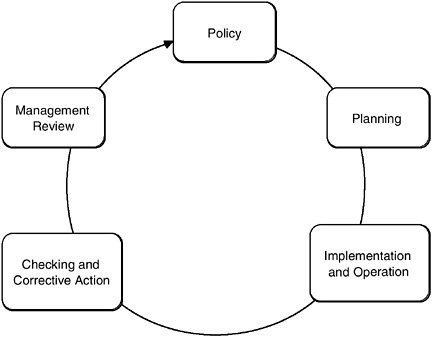
FIGURE 4-1 IH/WBMS Cycle of Continuous Improvement.
SOURCE: Adapted with permission from IBM, 2005.
|
BOX 4-2 Johnson Space Center occupational health programs demonstrate a shared vision of the critical link between mission success and the health, safety and productivity of its workforce. That vision, established over many years, has created a culture that systematically links safety activities with occupational health programs and activities, and is reinforced by leadership and management through organizational practices and accountability. For example, the Executive Safety and Health Committee, chaired by the Center Director, requires weekly attendance by Division directors, including those from Safety, Life Sciences, Human Relations, and all other Operational directors. Additionally, over a decade ago, JSC adopted the OSHA Voluntary Protection Program (VPP), which became the cornerstone of the safety/health integration and emphasis. The VPP program stimulated leadership, structure and metrics which could track and improve workplace safety. Leadership emphasis on VPP and demonstrated improvement in safety metrics lead to broader thinking about health and behaviors at home and in the community with an impact on safety, occupational health and performance at work. This leadership- and metric-driven culture has resulted in a high level of program integration that can be tracked to the Center Director’s emphasis on safety, the existence and support of “internal champions”, and broad communication of successes which encourage employees to want to do more. Examples include a common language and easy-to-remember sayings used for emergency responses: “Clinic First” for all assessments of work-related injury or for emergency care while at the Center; “Feel the Squeeze, Dial the 3’s” for chest pain ambulance response; and “Safety AND Total Health” and “Safety Actions=Health Results”, used on educational materials, name tag holders and websites. These communication efforts clearly demonstrate a comprehensive perspective and emphasize the importance of an integrated approach to health, safety and productivity. |
ment system certification—providing them with an advantage in competitive bidding. IBM, for example, reports its performance reaching for its well-being goals in the former IBM Well-being and Environment Report (1999–2002), and currently in the IBM Social Responsibility Report (IBM, 2004). Box 4-3 illustrates a successful management systems approach for IBM.
Management provides direction and resources and ensures alignment with key enterprise goals. Employees contribute to priority setting as well
|
BOX 4-3 The integrated health/well-being management system (IH/WBMS) approach has facilitated global integration of core safety, industrial hygiene, and ergonomic workplace initiatives with workforce performance and productivity initiatives including disability, health promotion, prevention-focused health benefits design, and health care consumerism. Using the management system’s approach, IBM has shown consistent improvements in its already low work-related injury/illness rates and compensable injury incidence, and has met customers’ procurement requirements for health and safety performance and management system certification, thus providing IBM with an advantage in competitive bidding. IBM reports its performance against its well-being goals in the former IBM Well-Being and Environment Report (1999–2002), and currently in the IBM Corporate Responsibility Report (IBM, 2004). These annual documents are issued by the chief executive officer of the corporation. |
as to producing clarity regarding roles and responsibilities (e.g., establishing responsibility for healthy behavior; following safety procedures; and taking an active role in hazard recognition, reporting, and control). Within the system, controls are implemented and assessed periodically for effectiveness. Feedback from the reviews as well as other parts of the system (such as implementation and operation, checking, and corrective actions) is cycled back into the planning process to prioritize opportunities for improving health and productivity, as well as factors related to safety and hazard control.
Policy
The management system typically begins with a policy statement that outlines the organization’s commitment to continual improvements in employee well-being (ILO, 2001). It is the reference for measuring the suitability, adequacy, and effectiveness of the employee-integrated health management system. The employer, in consultation with employees and their representatives, devises this policy statement. The policy should be:
-
Specific to the characteristics and needs of the organization;
-
Clearly and concisely written and endorsed by senior management;
-
Communicated to all employees in the organization;
-
Continually reviewed, and revised as needed; and
-
Made available to interested third parties.
The following objectives should be considered minimum components of an organizational health and safety policy statement:
-
Protecting the safety and health of all employees through prevention policies;
-
Complying with all federal, state, and local regulations; voluntary programs; and worker-management agreements for workplace safety to which the organization subscribes;
-
Ensuring that employees are consulted and encouraged to participate in relevant programs in the management system; and
-
Improving management system performance.
Planning
Planning is the component that helps an organization select its strategies for meeting policy objectives. This step of the management system process requires the explicit articulation of specific short-term goals and objectives, commonly stated as “objectives and targets” (see Table 4-3). These decisions are based on a proactive assessment of the health experience of the workforce, planned changes to work organization or technologies required to perform work, or potential hazards and risks in the work environment.
The systems approach requires collective input from all elements of the management system during planning. Feedback from checking and corrective actions, management reviews, and channels of employee and management communications is required. Through such systematic data collection, the planning process is able to identify the best opportunities for advancing the enterprise mission by improving physical and psychological health as well as workplace safety.
Implementing this plan-do-check-act cycle requires addressing the elements summarized in Table 4-3 to deliver improvement and achieve sustained organizational focus over time. Once the objectives and targets are identified and agreed on, a plan to implement them can be developed and shared with management for discussion and allocation of resources.
Historically, health, wellness, occupational health, and related functions have not used “best management practices” which are applied to other core functions of an organization. The programming process translates the desired plan into resource allocation requirements. Systematic programming of resource needs (personnel, facilities, operations and maintenance dollars, etc.) is essential to ensure the attainment of organi-
TABLE 4-3 Management Systems Standards
|
Well-Being Aspects |
Objectives and Targets |
Examples of Outcomes |
|
Health Promotion |
106 |
|
|
Ergonomics |
100 |
|
|
Management Commitment |
28 |
|
|
Safe Environment |
27 |
|
|
Contractor Safety |
25 |
|
|
Training |
23 |
|
|
Self Assessment |
22 |
|
|
Mobility |
20 |
|
|
Climate |
14 |
|
|
Electrical Safety |
13 |
|
|
System Implementation |
11 |
|
|
Disabilities |
9 |
|
|
Life safety |
8 |
|
|
Transportation/Travel |
8 |
|
|
Injury/Illness Reporting |
7 |
|
|
Other (e.g., business transformation, fire prevention, market countries in seven languages. work/life balance, toll design, etc.) |
240 |
zational goals following the creation of any major plan. This is particularly true of enterprise-wide functions that require collaboration and coordination between subdivisions within an organization that may have not been operating in an integrated fashion.
The creation or inclusion of an accounting and resource classification system for an integrated health performance plan is a prerequisite for programming in future years, budgeting for the current year, and informing future planning refinements based on performance. NASA’s decision to implement a “full-cost accounting” system (Integrated Financial Management Program Core Financial Module Conversion to Full Cost Accounting; [http://www.hq.nasa.gov/office/oig/hq/]) uniformly across centers may represent a major opportunity to create the programming, budgeting, and performance-monitoring infrastructure that communicates to
both leadership and workforce that an integrated health and performance approach is being implemented as well as ensuring accountability and evidence-based use of resources supported, over time, by metrics and performance data.
System Implementation and Operations
The System Implementation and Operations component of the management system is about execution, or doing what you say you are doing. There are two general areas of implementation activities related to system operations. The first is providing, in as efficient a manner as possible, an appropriate level of risk control for current activities such as design and layout reviews, equipment and facilities maintenance programs, and ter-
rorism preparedness. With this core level of protection in place, the organization can apply resources for higher-order health objectives and targets such as improved functional status through condition management, improved health care consumerism, or enhancing the workforce’s capacity to cope with workplace or personal sources of stress.
With system implementation, roles and responsibilities are defined and training is provided so that all parties can support the system in an effective and efficient manner. For example, it is important for an employee working with chemicals to understand both the hazards associated with the task as well as how his or her observations of potential risks or improvements are included in the integrated health management system’s planning process.
The IH/WBMS also requires documentation and preservation of records to ensure system integrity. Documentation helps demonstrate system performance and helps ensure consistency and continuity of the employee-integrated health and safety process. The value of documented processes becomes clear when, in their absence, changes in personnel result in loss of tacit knowledge—this may include written processes for planning, tracking regulatory requirements, control procedures, management reviews, and communication (see Box 4-3).
Checking and Corrective Action
Controls are defined and managed as a part of system implementation and operations. However, ensuring that these controls are effective is assessed through monitoring, measurements, inspections, and audits. Traditional programs check performance against specifications for safety procedures such as emergency eyewash testing, availability of fire extinguishers, exposures below permissible exposure limits, and training of chemical workers. Assessing the effectiveness of controls for employee-integrated health initiatives such as condition management programs might include auditing the security protections for electronic data interfaces, or examining the accuracy and completeness of claims databases for analyses of outcomes and financial performance and trends in utilization and costs. Checking and corrective action also require that reviews be conducted to determine whether the process includes the required inputs such as employee and management suggestions and participation, assessment of monitoring and measurements results, changes in business operations, and review of leading and lagging indicators.
Management Review
This activity provides senior and lower-level management with data pertaining to progress on meeting the specific objectives and targets in a given cycle. It also enables management and the Occupational Health and Safety (OHS) or integrated health program team to discuss employee health and safety initiative alignment with changing business strategies, technologies, and workforce strategies. Accountability is established, and a determination made whether the system is suitable, adequate, and effective for meeting the objectives outlined in the employee-integrated health policy. Senior management priorities for the succeeding cycle of improvement are established at this time.
A Health and Productivity Management System at NASA
The components of the management system discussed above can be adapted by NASA to create a multi-layered, employee-focused Health and Productivity Management System (HPMS) as described in Figure 4-2. The management system is effective when the individual employee at the center of the system is able to access integrated program components in a timely manner. Such a management systems approach, as first observed at Florida Power and Light (Personal communication, D.W. Edington [Modified from Florida Power & Light], February 2005), combined with the current safety program at NASA would provide a world-class systems approach to employee health and productivity.
The integrated HPMS system in Figure 4-2 works by first ensuring that the program is tied, if possible, to the design of the federal healthcare plan provided to NASA employees. Preventive care services, wellness programs, and positive behaviors should be covered, and appropriate incentives could be built into the plans to encourage and facilitate the individual employee’s access to the covered benefits.
The second component of the system is to have a health advocate available to guide employees in selecting and utilizing benefits. In some instances, this advocate could assume the role of a health coach, who would be responsible for important environmental concerns related to effective performance at the worksite.
The third component is the behavioral health initiatives, including employee assistance and work-life programs, the purpose of which is to provide resources for employees to maintain a level of work performance that is sustainable. Further, health initiatives could provide a safety net if or when an employee’s outside life events begin to affect performance at work. A model program that illustrates integration of health promotion with disability management, occupational health, employee assistance,
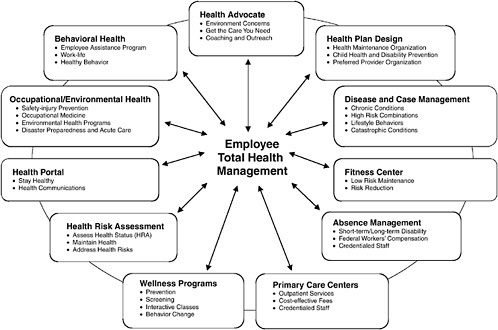
FIGURE 4-2 An integrated and sustainable approach for Total Health Management.
SOURCE: Personal communication, D.W. Edington [Modified from Florida Power & Light], February 2005. The diagram above and the following examples illustrate how access to integrated programs and resources can help individual employees improve and maintain their health and productivity.
Use of the Wellness Programs and the Fitness Center (see the respective boxes in the figure), for example, helps employees maintain their health and vitality. This is further enhanced by communication between the Health Plan Design team and Health Advocate (see the respective boxes in the figure), based on the health care needs of the employees, to assist them in finding the appropriate resources at the time they are needed.
As another example, in a Health Risk Assessment program, after a Health Risk Appraisal (HRA) screening identifies a worker with hypertension and increased stress, the worker is referred to the Behavioral Health and Disease and Case Management programs for care (see the respective boxes in the figure). While receiving care, specific metrics are collected, entered into an integrated database, and assessed. These data points can then be used to improve the relevant programs, and ultimately improve the success of the Employee Total Health Management system, the core of the integrated and sustainable approach represented by this figure.
As a final example, a worker with many absences would likely be referred to the Absence Management program (see the box in the figure). If, for instance, an instrument used within this program discovers that chronic back pain is the reason for the recurring absences, a further referral is made to the Disease and Case Management and Health Plan Design programs (see the box in the figure) for treatment. As in the first example, metrics would be collected under these programs, and entered into an integrated database. These metrics help identify opportunities for improving and strengthening the individual programs in this figure and the Employee Total Health Management system as a whole.
and work-life programs is that of Johnson & Johnson (described above and in Goetzel, 2005).
The fourth component is the integration of time away from work issues, including absence, disability, or the development of disease. The purpose of the integration of these measures among other components of the HPMS is the potential for interaction of sometimes independent developments. It is highly likely that an absence day could become a leading indicator of a future disease or behavioral health issue. The health advocate described above could be responsible for observing interactions and steering resources to individuals in need.
The fifth component of the HPMS is wellness, including a health risk assessment program, health portal, fitness centers, and other wellness offerings. The HRA represents the core technology of the total HPM approach. The HRA provides employees with an inventory of behaviors and risks that affect their personal vitality in a positive or negative way. The feedback to the employee points toward available resources within the system to facilitate the maintenance of positive factors and improve negative factors. The health portal is available for immediate information and to help employees make informed choices and personally track health behaviors, if appropriate. The purpose of the fitness center is to provide a convenient location to initiate or maintain a healthy physical activity program, or rehabilitation from injury. The wellness programs should have risk-reduction and low-risk-maintenance components available to serve the needs of a diverse workforce. These programs are offered in a variety of venues and are designed to provide employees with offerings appropriate to their needs and interests.
The final component is the medical or primary care center. This component can be offered in a variety of formats, including a full primary care center, or a small medical clinic to address occupational injuries. The clinic also could be the location of the employee’s individual electronic medical record, if NASA decides to continue with this initiative.
Most of the components illustrated in Figure 4-2 and described above are discussed in greater detail in Chapter 5. In addition, not only must the HPMS programs be integrated and sustainable, as diagramed in the figure, but data must be integrated into the measurement and evaluation systems, as described in Chapter 6.
FINDINGS
The current health vision for NASA employees, achieving an improved level of health status as a consequence of employment at NASA, does not establish a clear link to the larger organizational mission. As a consequence, it does not provide NASA leadership with a compelling rea-
son to commit resources and management attention to employee health needs beyond hygiene components, such as injury prevention, exposure and occupational hazard control, regulatory compliance, and emergency response.
A mission-driven vision for health should articulate why investment in health and employee-integrated health helps NASA achieve its core mission on time, under budget, and better than expected. Best-practice health and safety functions exhibit work organization and functional levels of integration, which are limited at NASA. Workplace safety is not an integral part of occupational health at NASA; it is linked instead to mission safety. In addition, health behavior and non-occupational health experiences are not a core source of data and engagement for the NASA occupational health team. As noted in Chapter 2, a uniform, consistent, and integrated database is key to monitoring program and system performance and providing necessary feedback for the design and implementation of health and wellness programs. Health benefits design and use are substantially disconnected from current OCHMO activities, and yet they present the most significant opportunity for health enhancement. Current approaches to employee health are work exposure driven, and except for centrally mandated surveillance programs, they tend to vary between centers in terms of resource allocation. Improved funding and resource allocation for agency-wide health priorities is needed to secure a standard level of health performance and resilience in NASA employees.
A management systems approach for NASA will serve as a means to establish and achieve specific integrated health priorities for its knowledge workforce. Benchmark management systems, such as described in Box 4-4, are available both in the private and public sector and could serve as useful models for design and implementation insights. Goetzel (2005), based on a comprehensive review of organizational best practices, has outlined a step-wise process for implementing an integrated approach to health, safety, and productivity improvement and management. The first step is “diagnosis,” which utilizes data analyses that focus on the organization as a whole as well as the employees. The second step is “strategic and tactical planning” involving a team approach to evaluate diagnostic data, consider intervention options, and develop strategic plans to implement solutions. The third step is “intervention,” in which solutions are first divided into the broad categories of disease management, health promotion, workplace environment, and organizational climate and culture, and then are implemented. The final step is “measurement”: interventions are evaluated for success or failure and possible retooling (Goetzel, 2005).
This quality systems-based approach can be an effective mechanism for targeting increasingly scarce resources at higher-value initiatives re-
|
BOX 4-4 IBM is an information technology company providing solutions and services to clients in over 160 countries with a global workforce in excess of 300,000 people. IBM implemented a well-being management system in 1999, at a time when standards in occupational health and safety management systems were just surfacing. Faced with major changes in its business (e.g. from products and manufacturing to services and solutions) and work process (e.g. fixed work locations to mobile, virtual, and client-based), IBM required a better system for supporting employee health, productivity and safety. New work methods and a highly dispersed and matrixed organization created inefficiency, effectiveness- and cycle time challenges within existing approaches to employee well-being and safety. IBM designed its well-being management system to integrate health improvement and health care into a single worldwide well-being process as well as addressing requirements in traditional safety, ergonomics and industrial hygiene areas. Since 1999, the IBM well-being management system has produced over 500 improvement objectives and targets worldwide, all aligned to corporate health priorities with linkages to local and regional health and well-being needs (Table 4-3). |
lated to the physical and psychological fitness and resilience of a high-performance workforce. An employee-integrated health management system is a tool that creates engagement and accountability, focuses on specific outcomes, and discipline to measure and improve employee health by integrating people, processes, and resources toward specific common goals and objectives.
RECOMMENDATIONS
1) To achieve an integrated health program which is grounded in a management systems approach to health and safety, as identified in Table 4-3, NASA should recast its employee health vision to improve linkage and support for NASA’s core mission and goals; integrate workplace safety into the occupational health function; establish specific interfaces or linkages between health benefits design and administration in Human Resources and Occupational Health for analytic, intervention, and outcome assessment purposes; and adopt a management systems approach to actualize, sustain, and
improve NASA’s commitment to and performance in employee health, safety, and well-being.
2) To the extent possible, NASA Headquarters should encourage consistency between core occupational health programs, health data collection, impact assessment, and program evaluation. A management systems approach that consolidates local with NASA-wide health priorities can ensure harmonization. In addition, consistency in programs and data collection, assessment, and evaluation should be endorsed by the center directors and become a component of full-cost accounting.
3) To achieve the integration required, NASA should incorporate those components of an integrated system most appropriate to its organizational needs, including:
-
Develop a data-based approach to policy, planning, programming, budgeting, implementation, operations, evaluation, and management. Such an approach will serve to ensure agency-wide deployment of an integrated health program (see gap analysis from best practice organization and implementation);
-
Create a standardized “health and performance” full-cost accounting framework to define, standardize, prioritize, fund, and evaluate resource allocation for human-related mission performance and workplace safety, health, and productivity. Implementation of a standardized methodology using NASA’s full cost accounting approach for a health and productivity element would greatly assist in this regard;
-
Incorporate mission-essential elements of integrated health programs in contracting requirements. In addition to ensuring basic health insurance coverage to all employees and access to preventive services and core fitness and health promotion programs, such elements should include: management of short-term disability, federal workers’ compensation, family medical leave, and other applicable leave policies. Resourcing and cost sharing should be considered, within the legal and regulatory practices of NASA and the federal procurement rules.
4) NASA should provide education and training to first-line managers and supervisors that focus on the relationship between health and productivity and the linkage to NASA- and center-specific missions. This should include evaluation of common core program elements across sites; reevaluation of current training programs for the prevention, detection, amelioration of risk factors; and integration of content related to risk reduction across program components.
REFERENCES
ACOEM (American College of Occupational and Environmental Medicine). 2004. Corporate Health Achievement Award. [Online]. Available: http://www.chaa.org/ [accessed January 3, 2005].
AIHA (American Industrial Hygiene Association). 1996. Occupational Health and Safety Management System: An AIHA Guidance Document. Fairfax, VA: AIHA Press.
APQC (American Productivity and Quality Center). 1999. Corporate Health Promotion. [Online]. Available: http://www.apqc.org/portal/apqc/ksn?paf_gear_id=contentgearhome&paf_dm=full&pageselect=include&docid=112565 [accessed December 20, 2004].
BSI (British Standards Institute). 1996a. BS 8800: Guide to Occupational Health and Safety Management Systems. London, England: BSI.
BSI. 1996b. OHSAS 18001:1999 Occupational Health and Safety Management Systems Specifications. London, England: BSI.
Burton WN. 2001. Role of employee health service in prevention programmes: A case study. ILO Encyclopedia of Occupational Health and Safety. Pp. 15.22–15.23.
Burton WN. 2004 (June 21). BankOne. Paper presented to the Institute of Medicine’s Food and Nutrition Board Committee to Assess Worksite Preventive Health Program Needs for NASA Employees, Meeting #2.
Fronstin P, Werntz R. 2004 (March). The “business case” for investing in employee health: A review of the literature and employer self-assessment. Employee Benefits Research Institute Issue Brief No. 267. [Online]. Available: www.ebri.org [accessed January 3, 2005].
Goetzel RZ. 2005. Examining the Value of Integrating Occupational Health and Safety and Health Promotion Programs in the Workplace. Paper presented at the National Institute of Occupational Safety and Health (NIOSH) Steps to a Healthier U.S. Workforce Symposium (2004), Washington, DC. [Online]. Available: http://www.cdc.gov/niosh/steps/2004/whitepapers.html [accessed May 12, 2005].
Goetzel RZ, Ozminkowski RJ, Bruno JA, Rutter KR, Isaac F, Wang S. 2002. The long-term impact of Johnson & Johnson’s Health & Wellness Program on employee health risks. Journal of Occupation and Environmental Medicine 44(5):417–424.
IBM (International Business Machines). 2004. IBM Corporate Responsibility Report. [Online]. Available: http://www.ibm.com/ibm/responsibility/ [accessed January 3, 2005].
ILO (International Labour Office). 2001. ILO-OSH 2001 Guidelines on Occupational Safety And Health Management Systems. Geneva: ILO.
Isaac F, Flynn P. 2001. Johnson & Johnson LIVE FOR LIFE Program: Now and then. American Journal of Health Promotion 15(5):365–367.
ISO (International Organization for Standardization). 1996. ISO 14001 Environmental Management Systems–Specifications With Guidance For Use. Geneva: ISO.
ISO. 2000. ISO 9001:2000 Quality Management Systems-Requirements. Geneva: ISO.
Levine SP. 2005. Is an international OHS Management System standard coming? American Machinist. [Online] Available: http://www.americanmachinist.com/printout.php?EID=2223 [accessed May 19, 2005].
Mahoney FX, Thor CG. 1994. The TQM Trilogy. New York: American Management Association.
Musich SA, Schultz AB, Burton WN, Edington DW. 2004. Overview of disease management approaches: Implications for corporate-sponsored programs. Disease Management and Health Outcomes 12(5):299–326.
OSHA (Occupational Health and Safety Administration). 1991. Voluntary Safety and Health Program Management Guidelines, Fact Sheet No. OSHA 91-37. [Online]. Available: http://www.pp.okstate.edu/ehs/training/oshaprog.htm [accessed January 3, 2005].
Ozminkowski RJ, Ling D, Goetzel RZ, Bruno JA, Rutter KR, Isaac F, Wang S. 2002. Long-term impact of Johnson & Johnson’s Health & Wellness Program on health care utilization and expenditures. Journal of Occupational and Environmental Medicine 44(1):21–29.
Prochaska JO, Redding CA, Evers KE. 1997. The transtheoretical model and stages of change. In: Glanz K, Lewis FM, Rimer BK, eds. Health Behavior and Health Education. San Francisco, CA: Jossey-Bass Pub. Pp. 60–84.
Shipley RH, Orleans CT, Wilbur CS, Piserchia PV, McFadden DW. 1988. Effect of the Johnson & Johnson Live for Life program on employee smoking. Preventive Medicine 17(1): 25–34.
Websites:
www.24hourfitness.com/html/corp_well/savings/study
www.americanmachinist.com/printout.php?EID=2223
www.apqc.org/portal/apqc/ksn?paf_gear_id=contentgearhome&paf_dm=full&pageselect=include&docid=112565
www.cdc.gov/niosh/steps/2004/whitepapers.html
www.hq.nasa.gov/office/oig/hq/


