
3
Challenges for Midsize Facilities
The capabilities of new instruments are advancing at a remarkable rate. Such instruments enable and are essential to significant advances in materials research and development. But two competing trends are apparent when considering facilities that support the materials research enterprise: (1) Capital costs as well as the costs of maintenance and support are escalating to such an extent that individual institutions are experiencing serious difficulty in providing equipment to their user base and also maintaining it at a state-of-the-art level. (2) Individual sophisticated machines are becoming easier to operate, opening them up to a wider range of users and providing useful data more quickly and efficiently; in other words, automation is more common (for example, in x-ray diffractometers or scanning electron microscopes), but interpretation of the data acquired can be more difficult.
As facilities become increasingly sophisticated in structure and content, they require a complex network of support to maximize their effectiveness. As best put by the National Science Board in its recent report Science and Engineering Infrastructure for the 21st Century, “The current 22 percent of the NSF [National Science Foundation] budget devoted to infrastructure is too low to provide adequate small-and medium-scale infrastructure.”1
LONG-TERM VIABILITY
Midsize facilities provide a stable and user-friendly interface between much of today’s most advanced instrumentation and the research community. A core challenge for midsize facilities is that of maintaining their infrastructure for the long term in order to fully exploit the initial capital investments (often in the tens of millions of dollars in aggregate). Midsize facilities operate best with long-term commitments. Because these facilities necessarily outlast (and transcend) the single investigator’s research project, their sustenance must come from sources that are more stable and long term than is an amalgamation of individual users with an overlapping need. This challenge is especially acute for smaller schools that often do not have the administration and management overhead or experience to develop a sustainable plan for the long-term operation of a midsize facility.
Diverse and Stable Funding
Funding sources for existing successful facilities are highly diverse and often depend on the local environment and the resourcefulness of the persons involved. Funding may come from a combination of federal and state government support, institutional funds (whether state or private), user fees, and donations. Funding is one of the most significant challenges facing midsize facilities for the following reasons:
-
The escalating costs of instrumentation make it more and more difficult to identify sources of funding for the initial capital investment.
-
The changing landscape of cost-sharing requirements for federal grants has placed many institutions at a disadvantage for securing the initial capital funds.
-
In addition to the initial capital investment, a plan for stable long-term funding is necessary to cover the plethora of recurring expenses involved in sustaining facility operations.
The escalating cost of obtaining, operating, and maintaining advanced instrumentation is one of the greatest challenges facing materials research. Instrumentation typically evolves in several directions: it simplifies certain experimental procedures, it automates and standardizes certain techniques, or it provides entirely new functionality and capability through innovation. These forces tend to escalate the cost of instrumentation because of the substantial enhancements in capabilities provided. A common observation is that the cost of flagship tools has increased over time well beyond standard inflationary rates. See Box 3.1, “Escalating Costs of
Instrumentation,” for several examples. Critical equipment is routinely so expensive that a sophisticated organization for promoting the utility of and access to the equipment is required in order to make it worth the capital investment. As capital costs rise, so do the long-term maintenance and operations costs.
In terms of the initial accumulation of funds, a major issue identified is that of cost sharing for the acquisition of expensive equipment. Cost sharing is usually a standard requirement for funding by federal agencies, but the proportion is highly variable and has recently been removed entirely! For example, the NSF cost-sharing requirement increased from 0 to 30 percent over the past few years and has just recently been reduced again to 0.2 For a $1.5 million transmission electron microscope (TEM), this cost-sharing requirement amounted to as much as $450,000. Meeting such an obligation would be a major obstacle for smaller institutions. Although the committee recognizes that an important objective of cost sharing was to encourage the host institution to be more responsible and committed to the facility, it observes that these financial requirements had become a serious barrier for some institutions wishing to participate.
In its recent announcement, the National Science Board approved the removal of all cost-sharing requirements for major awards and grants.3 On the one hand, this change will help level the playing field by allowing institutions with fewer resources to compete more equitably with larger schools, but on the other hand, this change effectively decreases the buying power of NSF’s grants by up to 30 percent. Investigators no longer have the leverage to entice host institutions to put in their own money, which would often have entrained other forms of institutional (and moral) support. As a result, fewer resources will likely be directed to facilities’ infrastructure. Alternatively, institutions with access to additional resources may voluntarily choose to continue to use these resources in order to maintain the institution’s preeminence and leadership position. Additionally, suitable incentives to encourage institutions to team up as partners may go a long way in overcoming limited funds and the consequent loss or denial of opportunities to participate in groundbreaking materials research.
A conservative estimate of (recurring) support costs for a $2.0 million instrument such as a focused-ion beam or a secondary ion mass spectrometer (SIMS) would have three components:
|
BOX 3.1 Nuclear Magnetic Resonance Spectrometers Nuclear magnetic resonance (NMR) is a technique used by many researchers, often for determining the structure and the relationship between chemical components of a substance (see Figure 3.1.1). Through the first half of the 1980s, the cost of state-of-the-art high-field NMR instruments with a standard bore size was approximately $1,000 per megahertz (MHz). Thus, a 300 MHz instrument was priced at about $300,000, and a 500 MHz spectrometer (the highest-field NMR instrument commercially available at that time) sold for about $500,000. Wide-bore magnets often used in solid-state NMR were more expensive, but the cost increases experienced for spectrometers with these magnets have been similar to those outlined below. When the new-generation 600 MHz instruments incorporating a higher-field magnet were introduced in the mid- to late 1980s, their price was over $1 million. This change represented a significant increase in the cost per megahertz for instruments operating at this higher frequency. The cost for the lower-field spectrometers also increased as a result of technology advances, but the increases were modest, on the order of 10 percent. The next step up in frequency occurred in the mid- and late 1990s, when 750 MHz and then 800 MHz magnets were developed. Spectrometers incorporating these magnets were priced in the $2.0 million to $2.4 million range, another major jump in the cost per megahertz ratio. Later, in 2002, the first commercial 900 MHz systems were sold, with a price tag of approximately $5 million, representing another very significant jump in price. These trends in instrument pricing are illustrated in Figures 3.1.2 and 3.1.3. Throughout the period of the 1990s to the present, the cost of the lower-field instruments, which have become workhorse spectrometers, remained roughly constant, although their capabilities increased. As each high-field magnet was developed, however, it provided increased sensitivity and resolution, which in turn enabled new-frontier research. Thus, despite the escalating costs, these instruments were attractive additions to shared instrumentation resources, and in fact they were essential for facilities concerned about providing state-of-the-art capabilities for users. In the NMR area, another essential accessory, NMR probes (see Figure 3.1.1), also experienced significant price escalation as they incorporated incremental technical advances. The probe fits in the magnet and measures the NMR signal, which is the molecular signature of the sample being studied. In the 1980s, probes for solution NMR cost $12,000 to $15,000 each. During the mid-1990s, they were priced at around $20,000, and in 2005 they were $30,000 to $35,000. Probes with totally new designs that have been developed during the past 5 years to help enable innovative research are priced even higher. Microcoil probes range from $50,000 to $75,000, and cryogenically cooled probes, which were introduced at $180,000 in 2000, now are priced at $275,000 to $350,000. Well-equipped research instrumentation resources need these capabilities to support competitive programmatic research. Secondary Ion Mass Spectrometers Secondary ion mass spectrometry (SIMS) is a standard tool in the characterization suite of a materials research laboratory. A leading manufacturer of SIMS instruments is CAMECA, a company based in France. As Figure 3.1.4 shows, the average purchase price for popular configurations of SIMS instruments has steadily increased.a Note, however, that even after correcting for |
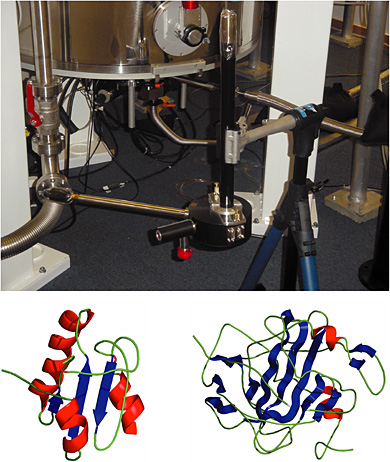
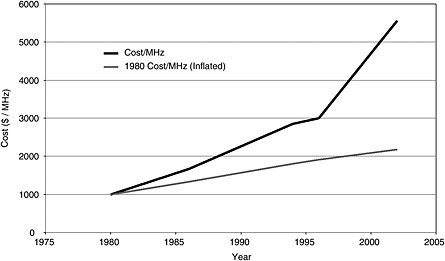
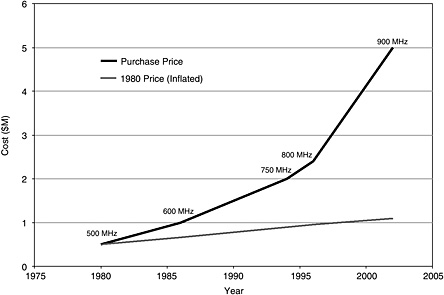
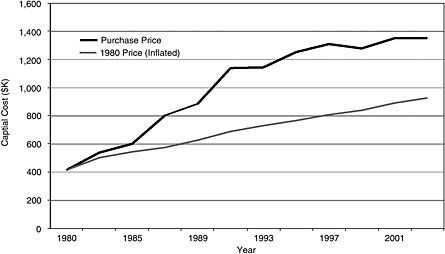
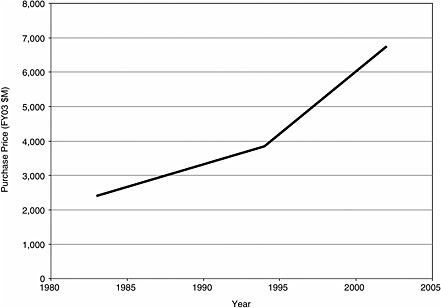 FIGURE 3.1.5 History of typical costs of electron-beam lithography machines over the past 20 years. system has steadily grown as the high-precision stages have been required to accommodate first 4 inch, then 6 inch, then 8 inch, and soon 12 inch wafer sizes. In addition, vendors have included higher-brightness electron sources (e.g., thermal field emitters), which require ultrahigh vacuum column components. Deflection amplifiers and scanning rates have improved from 2 MHz then to 50 MHz today. Nanolithography researchers have pushed for higher accelerating voltages to improve image resolution and contrast in order to explore ever-finer fabrication frontiers, and optoelectronics applications have pushed vendors to provide finer addressability. These improvements have driven the 1980s price (thermionic source, 3 inch, 50 keV) to $3 million to $4 million in the 1990s (thermal field emission [TFE] source, 6 inch, 50 keV) to $5 million to $7 million today (TFE, 8 to 12 inch, 100 keV) (see Figure 3.1.5). The escalating cost of these systems stems partly from the small number of them built and delivered worldwide each year. The amount of engineering that goes into each generation of tool is enormous. The small volume leaves vendors reluctant to consider lower cost options, |
-
A maintenance contract (approximately 5 percent of the capital cost per annum);
-
A full-time professional and/or technical support staff person (about $100,000 per annum, including benefits); and
-
Consumables, supplies, and replacement parts (about $50,000 per annum).
These costs amount to a total of about $250,000 per year. If that amount was to be recovered from user fees alone, a cost-recovery rate of $125 per hour would be required for a 2,000 hour year. That hourly fee significantly exceeds the stated level of tolerance (among academic users) of $100 per hour identified by the committee’s survey, as discussed in the section “User Comments” in Chapter 2. (See Figure 3.1 for another example.) Any instrument downtime then becomes a further serious problem.
This cost analysis excludes the tool cost or depreciation that would be a major factor for establishing a commercial analytical service rate; that is, the commercial rate for the same services would be significantly higher. However, this additional constraint further exacerbates the cost-recovery gap. For its commercial users, a grant-subsidized facility must take care to avoid providing services that are otherwise available in the marketplace. This important precept is discussed further in the section below, “Cooperation and Noncompetition with Commercial Interests.”
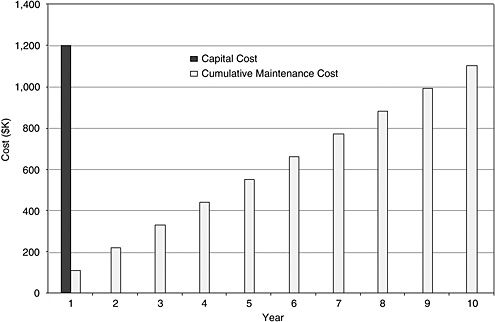
FIGURE 3.1 Example of rising costs of maintenance at midsize facilities: comparison of the capital expenditures and the cumulative operations and maintenance cost for a typical and modest field-emission transmission electron microscope. Because the annual maintenance costs are typically covered under a service contract, the price is the same in the first year as it is in the tenth.
To bridge the gap between cost recovery through user fees and the recurring expenses of maintaining and operating the facility, midsize facilities must identify alternative sources of ongoing support. The committee found that it is more difficult to cover ongoing maintenance costs than to obtain one-time capital funding! This lack of continuity is a critical issue—funding policy needs to be addressed in a serious fashion. The committee believes strongly that when a shared user facility is established and its operation has proven successful, continuity or stability of funding is required in order to realize the original objective. This funding is extremely important to enable a long-term plan of maintenance, equipment replacement, and staffing.
To maintain operations with a relatively high degree of confidence in their not being interrupted, many successful facilities visited by the committee have diverse sources of funding rather than relying on a single source (see Figure 2.2 in Chapter 2). A diverse portfolio of continuing support enables such facilities to minimize the risks associated with the reduction of any particular funding source,
but it clearly requires more time and effort on the part of the scientists involved. For instance, several facilities at Cornell University are supported by funding from NSF and the National Institutes of Health, with the university providing administrative staff salaries. Other facilities such as the National Aeronautics and Space Administration (NASA) Research Partnership Centers (e.g., the Center for Advanced Microgravity Materials Processing at Northeastern University and others4), which derive a majority of their core funding from a single source (NASA, in these cases), would be dramatically affected by changes in their core grant.
Stable and Secure Staffing
Staffing at both technical and scientific levels is an essential ingredient for successful midsize facility operation. A dramatic example is provided by the Analytical Electron Microscope at the National Center for Electron Microscopy (NCEM) at the Lawrence Berkeley National Laboratory (the committee made one of its 2003 site visits to the Center; see Appendix D). After the retirement of the technician who ran this microscope, the number of publications from this instrument dropped from about 37 each year to 17, and then to 12 in the next 2 years. Eventually a new technician was hired, and scientific productivity started to rise. Another tribute to the importance of staffing was the high user demand for this machine, despite its age, because it was extremely well maintained and calibrated for quantitative x-ray microanalysis (a process that took the technician 2 years). The capability to make very accurate analyses is considered by the Center to be a great asset, and it could not be maintained in a laboratory without high-quality, dedicated staff.
This example illustrates a second important point, namely, the difficulty of hiring technical staff. Two years elapsed before a replacement was hired in this case. Technical staff are not trained in large numbers and are therefore in great demand. San Joaquin Delta College, which is one of the few colleges in California offering formal training for electron microscope technicians, quotes a ratio of jobs offered to graduating students of 15 to 1. Between 85 and 100 percent of its graduates find employment using their new skills, and the average placement rate has been 95 percent since 1992.5 Similarly, a number of California-based semiconductor and nanotechnology companies have indicated to the California Nanosystems
|
4 |
See a listing available online at http://spd.nasa.gov/research_list_rpc.html; last accessed June 1, 2005. |
|
5 |
Information provided by J. Murphy, San Joaquin Delta College, during presentation to the committee at its second meeting, October 2003. |
Institute that there is a clear need for technically trained staff below the Ph.D. level.6 Given these statistics, it is clear that opportunities are being missed in the training of students specifically for careers as technicians.
As discussed with the committee on its site visits, even when qualified personnel are available, the stability of their positions and the opportunities for a fulfilling career path are often lacking, especially in the university environment. Department of Energy (DOE) user facilities such as NCEM, with relatively stable long-term funding, can offer long-term career paths. The turnover of technical staff at NCEM is extremely low, and most staff members have spent well over 10 years there. It is possible for high-quality careers to develop over such long time frames. For example, one staff member who was hired as a photographer is now in charge of the image processing laboratory and teaches a range of computer skills to students.
In the case of many universities at which funding is often based on variable facility income—such as from user fees and individual-investigator grant funds—long-term stability and career paths for technicians can be much harder to achieve. As a consequence, the equipment purchased may not be fully utilized. One solution, used for example at the Center for Imaging and Mesoscale Structures at Harvard University, is to offer rolling 3-year contracts to support staff on soft money. This arrangement adds significant security, since the university assumes the cost for a short time if the grant is discontinued.
When permanent staff are not available, it is tempting to support microscopes and other equipment using a postdoctoral assistant or even graduate students on so-called soft money. This type of operation can work as a short-term solution, but once these limited-term employees leave, the equipment may sit unused. The constant turnover associated with student staffing may disrupt continuity of experience and user support, as was felt to be the case at the Washington Technology Center’s Microfabrication Laboratory (see Box 3.2). In this particular case, career technicians were hired along with the students to provide continuity. Student or other temporary workforce solutions are best used to supplement rather than to replace permanent staff.
The issue of providing midsize facilities’ support staff with an interesting and rewarding career path must be considered carefully, as there is little point in training and hiring technical staff if retention of staff is poor. In successful facilities, staff scientists’ contributions are recognized in publications, and staff members often attend conferences and continue to take training classes. A modest budgetary
|
BOX 3.2 The Washington Technology Center is a state-chartered science and technology organization headquartered at the University of Washington in Seattle. It began as a microelectromechanical system (MEMS) initiative in 1997, to build core capabilities at the state’s universities and to foster commercialization of university-developed MEMS technologies. Key to the success of the Washington Technology Center was the establishment of a 15,000 ft2 Microfabrication Laboratory. Available to both academic and industrial clients on a fee basis, the Microfabrication Laboratory has grown steadily since its inception. It has become one of the premier MEMS research and fabrication facilities in the Pacific Northwest, with 180 users from 40 academic research groups and 30 private companies, and annual revenues approaching $1 million. In a paper presented at the International Conference on MEMS, NANO, and Smart Systems in 2003, managers of the Microfabrication Laboratory discussed lessons learned from their experience: Growing utilization of old equipment led to increased downtime and decreased reliability, with an accompanying negative impact on research efficiency and timeliness of results. Furthermore, increased use of the Lab created bottlenecks in process flow and uncovered missing capabilities in the overall process offerings. This limited the scope of work that could be effectively performed, a real barrier to researchers who are the leading edge of MEMS research and development…. A series of improvements were undertaken to address the equipment and facilities issues to keep pace with user demand. Based on recommendations from Lab users and the audit team, specific process tools were identified and prospective sources sought. When the Lab was originally established, it was staffed primarily by students who had little professional-level semiconductor or MEMS processing experience. The natural attrition and turnover associated with student staffing created cyclical losses in the Lab’s experience base and disrupted the continuity in user support. The accompanying growth of the user base placed an added strain on the Lab’s ability to fully support the needs of new users. While students still represent a valuable … source of staffing, experienced engineers were recruited from the semiconductor and MEMS community to fill new and open positions in the Lab. The resulting increase in the experience base has had a dramatic effect on the Lab’s ability to develop new processes, train new users and otherwise support a much broader client base. The maintenance staff was also doubled, recognizing that the ability to provide fully-functional, reliable and efficient process equipment is a cornerstone of the Lab’s value and business growth.a Another valuable lesson learned cited in the same conference paper involves the importance of keeping process tools and characterization equipment in top operating condition. With highly skilled professional staff, the Microfabrication Laboratory was able to make this priority a reality. |
component in grant applications for professional growth and training of support staff would be a positive step. These considerations are critically important when considering the competition presented by employment opportunities in the industrial sector. Professional staff members can join industrial research laboratories with substantially more attractive compensation packages than those offered by midsize facilities. It is often the intellectual vitality, the interaction with students, and the challenge of research that draws them to midsize facilities.
The committee believes that current government agency funding models do not adequately recognize or allow for the support of staff to ensure the long-term and sustained contribution of instrumentation for materials research. The need for the participation of professional staff in facilities is an essential aspect in the operation of sophisticated instruments and their cost-effective use. When support from the host institution or federal agencies is continuous and stable, significant advantages accrue for the healthy operation of the facility. Long-term commitments made to a midsize facility contribute significantly to providing the necessary talented staff and hence to ensuring optimal use of the facility. For instance, the Center for Accelerator Mass Spectrometry at the Lawrence Livermore National Laboratory has a full-time staff of more than 15 Ph.D.-level researchers. More than half of them conduct independent research with funds obtained by writing their own proposals for research projects. With their scientific exploration and inquiry invested in the facility, the staff members are motivated to maintain and improve the equipment and are also interested in collaborative research projects with outside users.
Visibility to the User Community
Feedback received from facility users at the committee’s town hall meetings and during its site visits clearly indicates that “there are more users out there”—in other words, some midsize facilities suffer from a lack of visibility and publicity. Responses to the committee’s questionnaires indicated roughly equal rates of “undersubscription” and “oversubscription”—some facilities could have supported more users, while others had so many users that the lead time to obtain access was troublesome. As noted above, the visibility of a facility to those at the highest levels of the host organization is important, but more critical is the awareness of the local community about the facility.
Connections with new users are made primarily by word of mouth, by students who graduate from a facility, and by discussions at professional conferences. No single resource is available, however, that catalogues or identifies midsize facilities by categories such as region, available capabilities, level of interest in external users, or available resources for facilitating access. Only the NSF Materials Research
Science and Engineering Center directory7 and the National Nanotechnology Infrastructure Network8 approach this level of centralized information and “advertising.” Higher visibility can help maximize utilization of midsize facilities, but more importantly, it can enable better science opportunities and allow greater selectivity. That is, the best projects can only take advantage of the best facilities when they are aware of one another.
Sound Management and Operational Practices
Management and operational practices can have a major impact on whether users leave a facility with meaningful and reliable data. During its site visits, the committee observed a wide range of management approaches, suited to the different size, type, and complexity of materials science facilities. As discussed in this subsection, several common issues and challenges emerged from this variety.
Style of management dramatically influences a facility’s output. Several facilities visited by the committee had bright, optimistic managers taking a strong role in promoting the facility to a wide range of users and constantly seeking new sources of funding and improvements to the capabilities of the facility. For instance, the relatively new Northwestern University Atomic and Nanoscale Characterization Experimental Center is heavily supported by a contribution from the university administration—a feat that was possible only because of the strong communication and leadership skills of the facility director—that is scheduled to decrease over 5 years. These managers reported that by making the facility easy to use, a wide range of users could be engaged and the best-quality research projects could be selected. Conversely, other managers did not promote their facilities as strongly, preferring that equipment be available primarily to local users (who had, after all, arranged for the funding in the first place).
The activities of very active managers, usually carried out in university settings by faculty members with many other commitments, are extremely valuable and should be rewarded. One suggestion for doing so is to carry out periodic assessments of funded facilities to evaluate their management and operational practices, as well as the experiences of users, and then to award additional funding (so-called outreach bonuses) on the basis of this feedback.
User feedback and facility assessment can contribute to optimizing a facility’s usefulness. The Microfabrication Laboratory at the Washington Technology Center (see Box 3.2) is an example of a facility at which user feedback was gathered and
|
7 |
See http://www.mrsec.org/home/; last accessed June 1, 2005. |
|
8 |
See http://www.nnin.org/; last accessed June 1, 2005. |
used to target improvements, resulting in enhanced capabilities and a larger output from the user base. Such feedback is not always employed in facilities. However, the experience at the Washington Technology Center and other examples of which the committee was apprised suggest that some formal or informal mechanism for assessing users’ experiences is important in optimizing a facility’s usage.
It is normally clear when a laboratory is operating well, but suboptimal situations and how to improve them are not always so obvious. In providing the best possible infrastructure for materials research in the United States, facility managers should receive specific guidance. Likewise, the demanding nature and importance of management positions should be recognized by researchers applying for a facility grant and by the reviewers of these applications; that is, successful leadership and management should be recognized.
The value of outside reviews of facilities can be seen in the recent history of a large facility, the Advanced Light Source (ALS) at the Lawrence Berkeley National Laboratory (LBNL). In 1997, the DOE’s Office of Basic Energy Sciences (BES) initiated an outside review of all four of its synchrotron radiation facilities. In the course of that review, it became apparent that the ALS should be reorganized so that, rather than devoting its efforts primarily to construction of the facility, it would focus primarily on operation for scientific and technological research using the synchrotron radiation. The review committee convinced both the BES and LBNL leadership that such a change was necessary.9
With BES support, LBNL proceeded with a reorganization that has increased the scientific productivity of the ALS considerably. One measure of the effectiveness of the change is the increase in number of users from about 300 in 1997 to about 1,400 in 2002. It should be noted that all of the BES synchrotron radiation facilities have had to go through such reorganizations and that the impetus for almost all came from external review committees.
The efficient use of resources is at the core of any effort to extract more from a flat-funded research budget. In general, the committee found local facility management to be remarkably efficient and productive. However, a broader view requires campuswide and multicampus exercises in improving efficiency if a larger research community is to be served. A start has been made in the very recent campuswide and regional infrastructure surveys being conducted by various universities, a development that seems to reflect a sensible approach toward avoiding costly duplication of facilities
|
9 |
Basic Energy Sciences Advisory Committee, Report of the Basic Energy Sciences Advisory Committee Panel on Department of Energy Synchrotron Radiation Sources and Science, Washington, D.C.: Department of Energy, November 1997. Available online at http://www.sc.doe.gov/bes/BESAC/syncpanel.pdf; last accessed June 1, 2005. |
such as clean rooms and expensive instruments, or at the very least to facilitating an informed prioritization. Regional cooperation in these efforts can have a similar effect, and it should be encouraged as a best practice. See Box 3.3, “Consortium Approach to Extraterrestrial Sample-Return Missions,” for an example of a regionally networked approach to a fascinating scientific opportunity.
The committee carefully considered the notion of quantitative performance metrics. Ultimately, of course, midsize facilities should be optimized for “usage”—some intangible measure of the ratio of the level of invested resources to the delivered output. With the data from its questionnaires and its site visits, the committee found it tempting to construct estimators of usage per unit of investment capital or of operating budget. However, in part because midsize facilities are so diverse and in part because of the limited extrapolating power of the data sample, there were no clear answers. A more complete and statistically robust data set with consistent and uniform definitions would enable more quantitative measures. For instance, accounting schemes are not standardized across facilities, across programs, or across agencies, so even just the denominator is hard to determine. Likewise, not all midsize facilities have the same purpose (some are directed at advancing research, some focus on education, and so on). This understanding of the diversity involved is one of the reasons that the committee advocates the combined use of user-feedback mechanisms and facility reviews by committees of scientific and management experts.
Maintaining a Balanced Suite of Equipment
It is important that facilities have a balanced suite of equipment that enables users to exploit the full capabilities of the instrumentation. For instance, a midsize TEM facility requires instrumentation for x-ray energy dispersive spectroscopy and electron energy loss spectroscopy as well as sample-preparation equipment. Synthesis and/or preparation of materials samples, for example, can present a serious obstacle, especially for users obliged to travel significant distances—a problem so critical, in fact, that the nation’s need for crystal-growing facilities was the subject of an October 2003 DOE workshop.10
In the committee’s discussions with facility managers and users, it was clear that an important attractor for users is one-stop shopping for the fabrication, synthesis, and characterization of materials and the measurement of their properties.
|
10 |
Department of Energy, Design, Discovery and Growth of Novel Materials for Basic Research: An Urgent U.S. Need, Washington, D.C.: Department of Energy, October 2003. Available online at http://www.science.doe.gov/bes/dms/Publications/DMSE_Sponsored/Xtal-Growth.pdf; last accessed June 1, 2005. |
|
BOX 3.3 The San Francisco Bay Area is the home of two national laboratories and several universities. Each of these institutions offers extensive analytical and technical capabilities. In 2003, the Bay Area Particle Analysis Consortium (BayPAC) was formed with the Lawrence Livermore National Laboratory (LLNL), the Advanced Light Source (ALS), the Space Sciences Laboratory (SSL) at the University of California at Berkeley, and the Stanford Synchrotron Radiation Laboratory (SSRL) (see Figure 3.3.1). The approach of the consortium is to leverage technical and analytical expertise at each of the institutions so as to maximize the science return from the Stardust mission and future sample-return missions of the National Aeronautics and Space Administration (NASA). 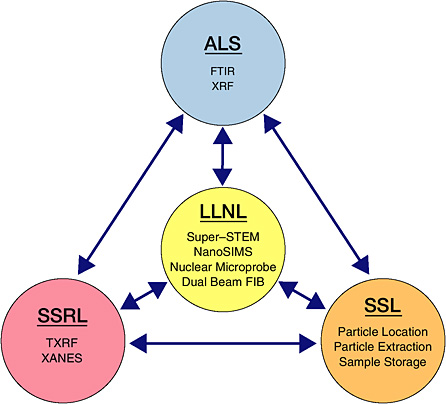 FIGURE 3.3.1 A diagram showing the interaction of institutions in the Bay Area Particle Analysis Consortium (BayPAC). Note the hub-and-spoke arrangement. See the text later in this box for definitions of the acronyms. |
|
Stardust was launched in February 1999. It is the first “solid matter” sample-return mission since Apollo 17 in 1972. Unlike the Apollo missions that returned rocks to the laboratory, Stardust will return just micrograms of dust in the form of several thousand individual particles, most of them less than 10 micrometers in diameter. BayPAC is preparing to confront the technical and analytical challenges that will be presented by the Stardust samples when the sample-return capsule is opened in 2006. The SSL is developing methods to extract captured particles from the aerogel collectors (silica aerogel is the capture medium used on Stardust); LLNL is developing NanoSIMS (-secondary ion mass spectrometry), ion microprobe, nuclear microprobe, dual-beam focused-ion beam (FIB), and Super-STEM (-scanning transmission electron microscopy) methods for the analyses of individual particles; SSRL is refining total reflection x-ray fluorescence (TXRF), x-ray absorption fine-structure spectroscopy (XAFS), and x-ray absorption near-edge structure (XANES) techniques; and ALS is refining x-ray fluorescence (XRF) techniques and providing a beam line for Fourier transform infrared (FTIR) spectroscopy. Since the consortium was formed, NASA has provided several new grants to BayPAC members. The membership of BayPAC provides a wide range of expertise from the fields of chemistry, materials science, geology, physics, and astrophysics that enables a unique level of interpretation and analysis of acquired data. The investment in the analytical and technical capabilities developed for Stardust by BayPAC can be further utilized on future sample-return opportunities such as Hayabusa (a Japanese mission to an asteroid) and NASA’s proposed Gulliver mission to Mars satellite Deimos. Multiple particle-capturing studies are in progress because small sample return appears to be the way of the future, and NASA appears to be committed to a long-term effort in this arena. Specialty technologies are being developed to capture samples from asteroid surfaces, and hypervelocity capture is being studied as well. Facilities at the Johnson Space Center, McDonnell Center for Space Sciences at Washington University, and in England are also involved in these efforts. |
Users were more satisfied with midsize facilities that provide a variety of techniques and tools to accomplish their tasks; the complementary nature of synthesis/fabrication tools and characterization/measurement tools was noted by many users. Similarly, the committee found that, in general, facilities that offer equipment for training, education, and practice alongside topflight cutting-edge tools are regarded more highly and engage a broader group of users.
Suites of instruments at successful midsize facilities strongly reflected the usage patterns of the local community. If certain instruments were not sustainable (through lack of use, high use by relatively few researchers, or costliness of operation), they were passed off to individual investigators. Heavily used instruments became top priorities of facilities; in some cases, a facility’s director sought to obtain equipment
that was popular elsewhere in order to attract additional users to the facility. The committee found space and resources to be highly optimized at successful facilities.
A balanced instrument suite not only includes existing equipment but some flexibility to develop new tools in response to the individual and sometimes unique needs of researchers. A potential consequence of the development of new instrumentation or techniques is the creation of new intellectual property (IP). Facilities housed at national laboratories and academic institutions are generally not well equipped to turn IP into a value statement, particularly when the development is incremental or very application-specific. In part because facilities do not have secure resources, the instrumentation efforts must be less exploratory and more focused. Although universities are increasingly encouraging the licensing and transfer of new technologies developed on campus, the committee doubts that development of IP could become a serious component of a facility’s revenue stream: the lucrativeness of technology transfer is simply too unpredictable, and the institutional overhead is not designed to allow the facility itself to profit directly.
NETWORKING WITH OTHER FACILITIES TO PROVIDE BALANCED RESOURCES
In some instances it is not financially possible to support a complete suite of instrumentation at a single facility or at one institution. A useful solution has been to develop a network with other facilities that can effectively provide users with needed access in a timely fashion. Support for such networking should be a recognized priority of federal agencies.
In other cases, particularly where different but complementary equipment might be needed, it is often not feasible for a single institution to support all of the technologies required. Recognition of this limitation is becoming increasingly important for projects that are interdisciplinary—many activities in the materials science area are increasingly so, especially those dealing with biological materials. For example, investigations of macromolecular structures might very well need good access to synchrotron sources for x-ray crystallography, a neutron source such as the Spallation Neutron Source for neutron scattering, ultrahigh-field NMR instrumentation, and cryogenic electron microscopy. Facilities for each of these instrumentation types range from midsize to very large and are rarely, if ever, present in one location. In such situations, effective models for the support and networking of these capabilities would have a very positive impact on the timely advancement of materials research projects and the continued development of frontier science. The National Nanotechnology Infrastructure Network (NNIN) (see Appendix F for details) and the Network for Computational Nanotechnology approaches recently developed by NSF are a major step forward in this regard.
One of the primary motivations for the formation of the NNIN was the benefit of pooling resources (tools, staff, and funds), and its success can prove the virtue of this goal. NNIN has a formal governance structure for coordinating activities across the different sites; it is highly organized because of its central mission. The management structure for NNIN is probably larger than would be appropriate for a national association of midsize facilities loosely affiliated for the purposes of communication, referrals, and shared planning.
As noted earlier, midsize facility users predominantly come from the local area—in academic settings, this might be just the on-campus community. In fact, several major universities (e.g., Rice University and Harvard University) have completed a campus-wide inventory of their instrumentation, motivated by the opportunity to optimize their investments. These efforts also provided information on instrument use. Certain materials research tasks, such as fabrication, require quick and easy access to tools, driving the need for local facilities. Other tasks, such as analysis and synthesis, are already handled predominantly through remote service providers. These observations suggest that, at second glance, regional consolidation of midsize facilities would not be easy. In fact, it might hinder certain phases of the research enterprise, at least until the scientific user community adapted. The fact remains, however, that in a revenue-neutral environment, solutions that make existing resources available to a broader community will be necessary.
It is equally important that, within a given university, efforts are made to avoid duplication of facilities and to coordinate and consolidate capabilities, particularly in large institutions with multiple user facilities (such as major research universities). Sometimes the greatest barriers to networking or teaming with other facilities exist within different facilities at the same site. That is, the committee found that midsize facilities are dominated by local users, and in such circumstances, networking with another facility on campus can be perceived to have a negative impact—the new user community could easily dominate the facility. Similarly, connecting across departments in a university situation may incur additional difficulty because of administrative involvement.
The committee recognizes the challenges described above, but successful proofs of principle have been demonstrated by a number of universities, and most national laboratories have been required to address this issue for quite some time. Networking with a neighboring facility is a partnership for coordination and communication, not a way to transfer users. For instance, regular discussions taking place at Purdue University between two microscopy facilities (one for physical sciences and one for life sciences) represent a form of networking. While on-site networking represents a prime example of small regional networking, it may not evolve at the same rate that longer-distance networking relationships develop.
Networking has a concrete meaning in terms of cyberinfrastructure as well; modern computer interfaces and high-speed networks make operation of many instruments “at the console” a virtual experience. Remote access has often been touted as a route to engage nonlocal users; through video or computer interfaces, remote researchers can either directly manipulate the controls or watch as other experts perform the tasks. The committee’s judgment is that, while remote access can enhance the radius of effective impact for casual education and training of a midsize facility, much of the vitality and value of facilities is obtained in person and on site. That is, routine analysis tasks can be dispatched to a remote facility, but researchers pushing the limits of scientific and technological know-how invariably prefer to visit the facility in order to interact with the instrumentation and professional staff personally.
BALANCING COMPETING PURPOSES
Smaller and midsize facilities often face problems posed by competing purposes. It is important that these facilities recognize these potential challenges and take steps to minimize conflicts, both when planning the creation of a facility and also during its operation.
A major issue in this regard is that of achieving the appropriate balance between the need to train students (with equipment breakage being an inevitable part of the learning process) and the need to maintain state-of-the-art performance. Several midsize facilities, such as the Microfabrication Laboratory at the University of California at Berkeley and the NanoScale Science and Technology Facility at Cornell University, achieve this goal with a strictly organized training and sign-up system for each tool: users are simply not permitted to use a tool until they have received training and certification. However, this system appears to work best for larger facilities with multiple tools, where a large pool of technicians or advanced students is available to conduct training.
In other facilities, such as NCEM, users are generally expected to be competent in the use of basic instrumentation when they arrive, and then they receive technicians’ specialized help in the use of advanced equipment. This approach has proved a challenge to NCEM staff, given some users’ expectation that the staff will train students in basic microscopy! For facilities that are in great demand, this problem is usually minimized by giving preferential treatment to users who already have the required basic knowledge, thus reducing the facility’s teaching load. However, researchers from smaller universities that cannot provide such basic training can thus be put at a disadvantage. Given adequate resources, each facility would ideally operate basic as well as advanced equipment, but this approach can be a challenge,
given the reality of limited resources and the preference (of researchers and agencies) for funding advanced equipment.
A related and equally important issue is the need to balance the development of instrumentation, staff-initiated research, and the routine provision of services. Taking an advanced tool offline so that it can be used for instrument development, for example, can disrupt the operation of a facility. Facility managers who schedule this sort of activity view instrument development as an essential part of their mission and as one that benefits their facility in the long term. In many cases noted by the committee, facility members’ research activities have in fact been based on development of the facility’s instruments. For example, 10 years ago the Center for X-Ray Optics at LBNL undertook a major effort to adapt an electron-beam lithography tool so that it could operate with polar pattern generators rather than conventional rectangular scanners. This system became a research focal point because of its unique fabrication capability, and it has been used since to make world-class diffractive optics for the ALS at LBNL and elsewhere.
Facility members given an opportunity to enhance and extend the equipment, even by making small modifications or developing accessories, have a much greater stake in ensuring that their tools operate at as high a level as possible. An ongoing instrument development activity, however small, should be considered in planning for a facility to ensure balance in the basic activities of a midsize materials research facility.11
Also important is achieving a balance between outreach and research. Time spent on educational outreach, for example, to local elementary and high school students, although an important and rewarding experience, can detract from research time. This issue, of course, is common to every NSF program, but there are alternative forms of outreach that may in fact help to enhance the unique opportunities offered by midsize facilities. For instance, an interesting option would be to direct outreach toward the training or support of technicians, alleviating to some extent the staffing problems typical of many midsize facilities.
A related issue, the importance of which is increasing given the availability of high-speed computer links, is that of balancing remote operation and hands-on experience. From one perspective, as a teaching tool, hands-on experience is irreplaceable; in addition, visits by students to a facility allow them to interact with
other researchers and thus broaden their experience. From another perspective, remote operation can be more cost-effective and can engage a broader community.
One final issue involving balance relates to the openness of access to facilities for research in materials. The process that potential users must follow to gain access needs to reflect a balance that minimizes the time before experiments can be scheduled while maintaining safety and security. Once potential users have been approved and are present at a facility, their having the greatest possible access to the facility’s tools—especially outside normal working hours—is extremely important. Such access will ensure the best use of limited time and resources and will promote the rapid developments associated with progress in areas such as nanotechnology. Restrictions that limit such access are detrimental to the research enterprise. Indeed, the Berkeley Microlab’s experience was that tools that can be self-scheduled by students for use outside standard business hours were used more efficiently than were tools run by staff during business hours. In general, universities offer a different environment for balancing efficient access with security and safety than do the national laboratories; each environment achieves its own best compromise.
COOPERATION AND NONCOMPETITION WITH COMMERCIAL INTERESTS
It can be tempting for midsize facilities to recoup operating costs by providing analytical services to commercial users. The issue is that government-funded facilities can, in principle and sometimes in fact, perform analytical research at costs substantially below those of commercial analytical service laboratories or nanofabrication laboratories, since the commercial laboratories must recover substantially greater expenses. For instance, because the recovery of the cost of depreciation for government-funded capital investments at universities is not allowed, many overhead costs are not recognized, and no profit is generally sought; such facilities arrive at low figures when they prepare their “cost-recovery” user fees. These facilities might thus charge only an amount necessary to cover their direct, out-of-pocket costs. This accounting method is perceived by commercial laboratories as allowing unfair competition, since they must realize all of their costs in their pricing structure. It is viewed as tax dollars in effect supporting a competitor.
This issue has been a problem since the 1970s, when major instrument purchases were funded by the federal government and commercial laboratories began operation in the same time frame. Recognizing the problem, the NSF issued “Important Notice to Presidents of Universities and Colleges and Heads of Other National Science Foundation Grantee Organizations, Notice No. 91” (Important
Notice 91)12 during the 1980s. The issue was again addressed in 1998 by NSF in “Important Notice to Presidents of Universities and Colleges and Heads of Other National Science Foundation Grantee Organizations, Notice No. 122” (Important Notice 122)13 and by the Office of Management and Budget (OMB) in Circular A-21.14
Current NSF policy recognizes and encourages cooperation between universities and the industrial and manufacturing sectors. In advanced study and research, such cooperation not only promotes a more rapid development and dissemination of knowledge, but it also contributes to economic development.
Use of NSF-sponsored facilities for direct collaboration with the industrial and commercial sector is allowed. If the collaboration is open and nonproprietary and the results are published in a timely manner, it may be appropriate to charge the lower fees generally charged to academic users. Otherwise, full commercial rates should be charged, as explained below.
Note that the preceding statements distinguish between “collaboration” and “competition” with a commercial partner—often the area of difficult judgment. Additional local oversight of this issue could be helpful. For instance, when preparing the annual reports for their facilities, managers should describe all partnerships with commercial entities; each activity should be categorized as collaborative, full-cost-recovery services. This effort would clearly delineate all nonproprietary work and put it in the public domain, even though it might never be formally published in a scientific journal.
It is the responsibility of each university’s administration to ensure that a policy is in place and is properly followed for determining which fee structure to use. This committee recommends that all facilities funded in part or in whole by the federal government adhere to the federally mandated guidelines. Some facilities have in fact developed policies that convey the letter and spirit of the NSF and OMB notices.
Usage of NSF-sponsored facilities is specifically governed by NSF Important Notice 122. Potential commercial users of such a facility are encouraged to become familiar with this announcement. OMB Circular A-21 is meant to govern all facilities that are funded in whole or part by the federal government.
Because of the keen sensitivity to the issue of unfair competition between commercial analytical service and fabrication laboratories and federally funded
|
12 |
NSF Important Notice 91 was replaced by Important Notice 122, but the earlier notice can still be viewed online at http://prism.mit.edu/nsf.in91/in91txt.htm; last accessed June 1, 2005. |
|
13 |
NSF Important Notice 122 is available online at http://www.nsf.gov/pubs/1998/iin122/iin122.txt; last accessed June 1, 2005. |
|
14 |
OMB Circular A-21 is available online at http://www.whitehouse.gov/omb/circulars/a021/a021.html; last accessed June 1, 2005. |
facilities, the committee endorses several guidelines here for the provision of services by midsize facilities to the industrial and commercial sector. These guidelines are a modified version of policies developed by the Cornell Center for Materials Research:15
-
Commercial use of the facility must not interfere with the research mission of the facility.
-
Appropriate fees must be charged to recover full costs.
-
Fees for services to commercial businesses must not be less than fees charged for equivalent services from viable commercial vendors or facilities.
-
Excess capacity must be available to provide the services to the commercial sector.
It is the responsibility of each facility’s manager to establish (using reasonable judgment) whether equivalent services are available from the private sector. In ambiguous cases, a member of the organization, educational institution, or national laboratory management who is not directly involved in the management of the facility should assume responsibility for establishing whether services are equivalent.
In determining whether equivalent services are available, a facility’s manager should do as follows:
-
Identify the specific activities required by the potential commercial user.
-
Take into account the capability of the compared instruments, the fragility of the specimens involved, the specialized expertise of the technicians involved, the need for special adjustments or accessories, and the number of samples being tested or the frequency with which the user must repeat processes.
-
Document the results of the assessment of equivalent services on a case-by-case basis as requests from potential commercial users are received.
-
Have on hand current pricing information from representative commercial laboratories if the manager intends to provide services to the commercial sector.
-
Avoid allowing such documentation to significantly interfere with the research-related activities of the facility’s manager.
|
15 |
Cornell Center for Materials Research, Policies and Procedures for Shared Experimental Facilities, Ithaca, N.Y.: Cornell University, November 2000. Available online at http://www.ccmr.cornell.edu/images/pdf/CCMR_SEF_Policy.pdf; last accessed June 1, 2005. |
SUMMARY
Long-term infrastructure affects every aspect of a facility’s long-term viability, ranging from the ability to plan for instrument acquisition and replacement to the retention of skilled staff and the ability to define and carry out a sound management plan. A related challenge for midsize facilities is that of publicizing their capabilities to attract the best research. As discussed in Chapter 4, current funding models (within agency programs) do not address these needs well.
Midsize facilities in materials research have been traditionally thought of as independent units that function individually. Because of growing opportunities and increased demands, there is an increasing need for efficient networking and interaction between facilities in order to avoid unnecessary duplication—and to ensure that instrumentation is present in regional or local facilities in proportion to the needs of the regional or local communities. There is currently no framework to facilitate these types of interactions for planned or existing facilities.
Another common challenge involves the difficulty of balancing competing purposes, such as training versus research. A key strength of midsize facilities is their flexibility, but this characteristic can also be a weakness—efforts to maximize usage, train students, and facilitate world-class research (for instance) can interfere with one another.
Finally, the close parallels between midsize facilities and commercial analytical service laboratories in materials research can provide challenges. Compliance with federal guidelines and regulations in these areas is critically important to maintaining a healthy symbiosis between midsize facilities and commercial ventures.


