
10
Multilevel Modeling of Influences on Transitions to Adulthood in Developing Countries with Special Reference to Cameroon
Barthélémy Kuate-Defo
Adolescence is a critical period in an individual’s life. During this time many key social, economic, biological, developmental, and demographic events occur that set the stage for adult life. Not surprisingly, therefore, adolescents are widely recognized as a critical target group for reproductive health and other social policies and programs. Yet the growing interest in adolescents in the policy and programming arenas has drawn attention to the gaps in research regarding the status and situation of adolescents in developing countries and the transitions to adulthood that individuals experience.
One of the chronic methodological problems that has hampered a deep understanding of the transition from childhood to adulthood is the inadequacy of traditional statistical techniques for modeling hierarchy. Such techniques estimate models without taking into account the clustered structure of data. As a result they have fostered an impoverished conceptualization of relationships between exposure and response variables and have often discouraged the formulation of explicit multilevel models with hypotheses about effects occurring at each level and across levels. They have caused concerns about aggregation bias, misestimated precision, and the “unit of analysis” and “level of measurement” problems, concerns that are better addressed with multilevel approaches (Bryk and Raudenbush, 1992; Goldstein, 2003; Kuate-Defo, 2005a; Searle, Casella, and McCulloch, 1992; Snijders and Bosker, 1999). Building on a theoretical framework developed by the National Research Council (NRC)’s Panel on Transitions to Adulthood in Developing Countries, this chapter formulates and estimates multilevel models that identify the fixed and random effects of covariates at the
appropriate units of analysis, level-specific contextual effects, and nested random influences in estimating the influences of competing factors on various transitional events.
Data from Cameroon are used to illustrate the features of this methodology and to test several assumptions of the theoretical framework of the NRC’s Panel on Transitions to Adulthood in Developing Countries. Cameroon has special appeal because it is generally considered a microcosmic representation of tropical Africa due to its diversity. We use a multilevel modeling framework because individuals are bound by family, neighborhood, community, regional, national, and international factors that influence their individual or collective behaviors, so that treating these individuals as independent observations within a study may be quite misleading. Indeed, there is potentially some correlation among individuals interacting and behaving like others within their various contexts of life, which may remain even after all measured variables are taken into account in analyses. This study posits that this correlation is a consequence of developmental, normative or behavioral, structural or contextual factors that are related to various transitions to adulthood and are common to groups of individuals but that are unmeasured or unmeasurable. Correlated observations violate a standard assumption of independence in statistical analyses, resulting in understated standard errors and a greater likelihood of committing Type I errors and, in the case of nonlinear models such as survival models, estimated parameters that are both biased and inconsistent (Kuate-Defo, 2001).
The next section of this chapter considers the meaning of successful and healthy transitions to adulthood in the context of a developing country. The following section presents the logic and assumptions of multilevel modeling as well as data requirements. The data set, main relations considered and statistical methods are then described. The two final sections present the main empirical findings and discuss their implications.
SUCCESSFUL AND HEALTHY TRANSITIONS TO ADULTHOOD
Half of the population worldwide is now under age 25, with the largest ever generation of adolescents—1.2 billion people between the ages of 10 and 19—representing one fifth of the world’s population (UNFPA, 2003a). Such growth puts untimely pressure on the limited and/or scarce resources that can prepare these young people for a better future. This is because more than 87 percent of them live in a developing world with changing and diverse socioeconomic, cultural, and epidemiological circumstances often made harsh by poverty. The impact of these circumstances on the options of adolescents and youth is apparent as they move through the lifecycle and are expected to assume adult roles. On the other hand, this large number of
young people presents a unique opportunity for development and social growth in the developing world, notwithstanding variability in levels and areas of investment, fertility levels, dependency ratios, opportunity structures within the economy, socioeconomic situations of families, and level of development of communities and nations.
Adolescence is a critical stage in the development of gender roles and responsibilities. Individuals in this transitory period attempt to cope with many life options and choices, including those related to friendship, courtship, marriage, education, employment, reproductive life and health, family formation and childbearing, lifestyles, and nutrition. Within any society, these options and choices influence and determine the timing, sequencing, and readiness to experience events marking the passage from adolescence to adulthood as well as the well-being and quality of life at later ages.
Adulthood is characterized by a number of roles expected from people treated as adults. Role is a behavioral concept well established in social science and has special appeal within the multilevel framework, owing to the unique quality of the role concept as a link between the social and individual levels, because communities, households, families/extended families, and social groups are all structural contexts where individuals live and exercise their roles and responsibilities. The sequential pattern of those roles over the life cycle defines to some extent the adult life course. Adult life in all societies is more compartmentalized than the life of children because it is dominated to a greater extent by formalized expectations and obligations as expressed in the legal, social, cultural, and moral codes of conduct and behavior. These aspects of adult life are well captured by the concept of role and adult behavior.
To pinpoint the extent to which transitions are successful/unsuccessful or healthy/unhealthy for an adolescent within a given social context, one must come up with some role properties. Role properties, both positive and negative according to the legal, social, cultural, and moral codes of conduct and behavior, have relevance for understanding the changes in status of individuals as they experience events portraying specific transitions through their life course. As the life of an individual at any moment can be thought of as the array of roles that he or she enacts, so can the person’s life course be conceptualized as a sequence of roles enacted. Throughout the life course, each person occupies a variety of roles involving opportunities and resource constraints as well as expectations and demands. Some of these roles are age dependent (e.g., being enrolled in school), while others are both age and sex dependent (e.g., being pregnant).
During the life course, attachment in the relatively uncompartmentalized life of the infant is seen as analogous to more diverse forms of social support in various adult role settings. The constructive aspects of adult roles embedded in experienced states are features of successful transitions,
but have not been studied much in developing countries in part because the research emphasis has been on the demand and expectational attributes and therefore, the literature on successful transitions from adolescence to adulthood remains scarce. The constructive aspects of roles imply roles that offer opportunities to acquire new skills and abilities and use those already acquired. In this study, roles or events with positive properties will characterize successful transitions, in contrast to roles or events with negative properties. Furthermore, successful transitions can be associated with unhealthy events or health problems and in such cases, we treat the transition as unhealthy, whether it is successful or not. For example, in Cameroon, the legal age at marriage is 15 for girls and 18 for boys and the legal age at entry into the labor force is 15 for both sexes. This means that from a sociolegal point of view, transitions to employment, marriage, household headship, and marital childbearing are legal transitions in the Cameroon context if they occurred at or after age 15, except for marriage and fatherhood, which should occur only at or after age 18 for boys.
MULTILEVEL FRAMEWORK FOR THE STUDY OF TRANSITIONS TO ADULTHOOD: LOGIC, ASSUMPTIONS, AND DATA REQUIREMENTS
Many kinds of data in the social, biological, behavioral, biomedical and clinical sciences have a multilevel (or hierarchical, clustered or nested) structure and many designed surveys on human subjects also create data hierarchies. Young people from the same families (or households), communities, or higher level groupings tend to be more alike in terms of factors that are likely to be positively or negatively associated with their transition to adulthood than their peers chosen at random from the general population. We argue that multilevel modeling is the most appropriate methodology for testing the theoretical framework developed by the NRC’s Panel on Transitions to Adulthood in Developing Countries. From a multilevel perspective, the panel’s framework considers five units of analysis or levels of operation of influences for the study of changing transitions to adulthood: the global context, the national context, the community context, the individual, and the within-individual changes in the transition to adulthood. The panel’s framework highlights the interlinkages and influences between context and individual behavior and is based on the main assumption that much of what happens to young people in developing countries and what constitutes their daily experience, are shaped by the contexts in which their lives are embedded. This chapter uses the multilevel framework to explicit test this panel’s assumption that contexts matter in young people’s transition to adulthood. We do so by separating the net influences of individual attributes from the fixed and random context-dependent effects using avail-
able data from Cameroon to document the significance of the fixed effects and random effects of both community context and province context, net of the fixed and random effects of individual-level and household-level covariates. Although not made explicit in the panel’s framework, it is understood that how the effects of the global context, the national context and the community context operate will have different implications for young males and young females as well as for young people from different family backgrounds defined by such characteristics as socioeconomic status and ethnicity. We explicitly test this panel’s conjecture by estimating separate models for young males and young females and by estimating the effects of ethnicity and the index of socioeconomic status at the household and community levels using illustrative data from Cameroon renown for its ethnic diversity. In order words, the panel’s framework implicitly considers that young people differ for reasons that may be associated with the contexts they have been exposed to and this necessary differentiation may also be influenced by the characteristics of individuals so that once contexts are established and fixed for individuals, even if their establishment were effectively random, they will tend to become differentiated and this differentiation or variability implies that the context and those living in it both influence and are influenced by the context membership.
There is nothing methodologically and substantively wrong with aggregate analysis when the study focuses only on macro-level propositions once proper account is taken of the fact the reliability of an aggregated variable depends on the number of micro-level units in a macro-level unit and thus will be larger for the larger macro-units than for the smaller ones (Kuate-Defo, 2005a). In cases where the interest of the study centers on macro-micro propositions as articulated in the theoretical framework developed by the NRC panel, however, aggregation may result in gross errors and wrong conclusions. Such conclusions may be either due to the ‘shift of meaning’ in that a variable aggregated to the macro level refers to the macro-units and not directly to the micro-units (Snijders and Bosker, 1999), the ecological fallacy in that a correlation between macro-level variables cannot be used to make assertions about micro-level relationships (Robinson, 1950), the neglect of the original data structure especially when some kind of analysis of covariance is used (e.g., in a study of transition to adulthood, we may be interested among other things in assessing between-community differences in young people’s transition to adulthood after correcting for innate individual differences), or due to the fact that aggregation prevents from examination the net effects of micro-level variables in the presence of other influential variables and nested random influences or the potential cross-level interaction effects of a specified micro-level variable (e.g., ethnic affiliation or gender) with a macro-level variable (e.g., urban place of residence). Multilevel statistical models are always needed if a multistage sampling design has been employed,
and are used to examine the macro-micro relationships between variables at different levels of hierarchy.
With multistage samples typical of most surveys, the population of interest usually consists of sub-populations from which selection occurs. A common mistake in research is to ignore this sampling scheme and to overlook the fact that lower-level units were not sampled independently from each other but that instead they are dependent and nested observations: having selected a primary unit (e.g., a community) increases the chances of selection of secondary units (e.g., individuals or households) from that community. In multilevel analysis, such nested dependency of lower-level units within higher-level units is of focal interest and the underlying assumption is that units within an entity at a given level of observation share the same environment and resources. To ignore this relationship or the “unit of analysis” problem in testing the theoretical framework of the NRC panel—e.g., by using aggregate analysis or traditional regression techniques which recognize only the individual youth as the units of analysis and ignore their groupings within the community or other higher-level contexts nested in the national context for instance—amounts to overlooking the importance of context effects which are at its heart. For instance, young people within any one community share the same characteristics and may tend to be similar so that they provide rather less information than would have been the case if the same number of young people were drawn from different communities. Hence, for a meaningful study of transitions to adulthood and depending on available data, it is important to understand the factors associated with such variations from one young person to another within a family or household, from household to household within a community, and from community to community within a country, for example. One may draw wrong conclusions if either of these sources of variability is ignored. That is why it is illuminating to explicitly model the variability associated with each level of nesting, as documented in this study. One could then investigate the extent to which any of the explanatory variables at the individual/household level say, could explain between-community variation, or assess whether transition to adulthood rate differences between young males and young females vary from community to community within a province or from province to province within a country such as Cameroon.
One central issue in specifying context effects is the definition of an individual’s geographical area which in turn is contingent upon the context being considered and the data requirements. There are no existing data or statistical methods that can fully test all the five levels of the theoretical framework of the NRC Panel on Transitions to Adulthood in Developing Countries, which we view as a generic framework from that standpoint,
since past surveys including the Demographic and Health Surveys (DHS) have not been designed for doing such multilevel analysis. Nonetheless, because the most widely available and comparable data sources for developing countries remain the DHS-type surveys, which have multistage sampling designs, multilevel modeling is the most appropriate methodology for the analysis of such data to study transition to adulthood, given their complex patterns of variability. One cannot use such data without taking into account the clustering in complex sample design where the first-stage sampling unit is often a well-defined geographical unit and further stages of random selection are carried out until the eligible households are selected and individual respondents interviewed. Such sampling procedures only provide for clustered data and preclude the possibility that units are cross-classified (i.e., a young person belonging simultaneously to two or more contexts at the same level of observation, each of which being potentially an influential variable in that young person’s life). Hence, we can articulate the multilevel models for clustered data, with a focus on nested/multilevel sources of variability. We do so by stacking DHS-type data from the individual (e.g., background information and individual characteristics), household (e.g., relationships to head of household, household amenities), and community (e.g., socioeconomic infrastructure and community endowment) questionnaires as well as macro-level data considered at higher levels (e.g., physical environment and climate), to create a clustered or hierarchical data file with appropriate units of analysis as illustrated in Kuate-Defo (2001), and that fully exploit information from these questionnaires that are relevant to a study of transition to adulthood. In order to stack these files together to build a clustered data file for multilevel modeling, a given individual must belong to one and only one household which in turn must belong to one and only one community which must belong to one and only one province, and so forth, in order to isolate “pure” context effects uncovered in our study. This stacking imposes that the hierarchical contexts (household, community, province) within which the life of an individual is embedded are invariant over the observation period in order for a given unit of analysis and level of observation to be valid for an individual in clustered data and for rigorous multilevel analysis to be doable since well-defined contextual units are required, otherwise the basic assumption of multilevel theory is violated. The identification of “pure” context effects necessary imposes that migrant respondents must be excluded from analyses because their inclusion would have as a prerequisite the availability of cross-classified data on the different age-specific contexts of residence and explanatory variables that may be time-varying in the life course of each individual; in this case, multilevel modeling of jointly clustered and cross-classified data would have to be available.
DATA AND RELATIONSHIPS BETWEEN EXPOSURE AND RESPSPONSE VARIABLES
Data Source
The data set used for application in this chapter comes from the 1998 Cameroon Demographic and Health Survey (or CDHS-98; Central Bureau of Population Studies, 1998) that collected cross-sectional and nationally representative information at the individual, household, community, and regional or provincial levels. The special feature of the CDHS-98 data most relevant for this study is the availability of duration data on mutually exclusive, cause-specific school termination reported by women ages 15 to 49 at the time of the survey. These data were retrieved from questions S111a (“Age stopped attending school”) and V154 (“Reason stopped attending school”), which were asked to female respondents who attended school and obviously not to those with no schooling. We also adopt a gender perspective in this study by assessing the likelihood of investment in education on the transition opportunities of both female and male youth to adulthood within the socioeconomic context of Cameroon where statistically significant gender gaps in educational attainment still persists. The analyses therefore concern both female and male youths’ experiences with specific events before their 25th birthday and characterizing their change of status to adult roles and responsibilities. Indeed, in the CDHS-98, 14.3 percent of female youth ages 15 to 19 years had no schooling, and 17.7 percent of female youth ages 20 to 24 years never started school; in contrast, only 5.6 percent of male youth ages 15 to 19 years had no schooling, and 4.5 percent of those ages 20 to 24 years never attended school. These data have been found to be of good quality (Fotso et al., 1999; Kuate-Defo, 2000).
The theoretical framework of the NRC’s Panel on Transitions to Adulthood in Developing Countries assumes that the timing and sequencing of events and transitions experienced by young people during their life course are produced by the contexts in which they live. Thus, its main thrust is a nested structure of interlinkages of context effects in the presence of other explanatory and random influences on transition to adulthood. Dealing with cross-classified data on contexts for the same individual (which lends itself to viewing migration as a truly endogenous behavior), requires at least three things: (1) migration histories on the different places of residences of each individual and on changing individual, household, community, and national characteristics inherent in the life experiences of that individual; (2) relevant clustered and cross-classified multilevel data; and (3) multilevel models for clustered and cross-classified data with potentially endogenous variables. This implies
that one would need for a study of transition within the nested contexts, both cross-classified contextual information on each individual and time-dependent-context-dependent explanatory variables in the life course of that individual. That would give rise to clustered cross-classified data and a multilevel modeling of such data could be undertaken. Given the limitations of existing data and the shortcomings of DHS-type data in particular regarding context-dependent migration histories and time-dependent-context-dependent explanatory variables, one cannot investigate transition to adulthood with the aim of testing the context effects without identifying one and only one context at each higher level per Level 1 (individual) unit. The identification of context is essential for clustered data used in multilevel modeling because the main premise of multilevel theories is that a context is well-defined and identifiable. Thus, analyses are based on all respondents irrespective of migration/residence history for relevant descriptive analyses, and migrant respondents are excluded from multilevel analyses because the CDHS-98, like other DHS surveys, only collect information on childhood place of residence, current residence, and lifetime place of residence. Clearly, we have adopted a more rigorous and conservative strategy to preserve our study from committing Type I errors or other inferential errors often encountered in aggregate and single-level studies and to detect “pure” contextual effects (e.g., associated with urban versus rural residence for community context), net of fixed and random influences of other measured and unmeasured factors. The data are therefore restricted to respondents who never migrated, for whom the childhood place of residence and current place of residence are the same, and to cases with no missing data on the dependent variables. In the CDHS-98, 47.2 percent and 63.8 percent of young males ages 15 to 19 years and 20 to 24 years ever migrated, respectively; 58.6 percent and 69.5 percent of young females ages 15 to 19 years and 20 to 24 years ever migrated—with the vast majority of girls migrating for marriage as shown in Kuate-Defo (2000), respectively. After all necessary exclusions, the samples used in various analyses are indicated in the respective tables of results (see Tables 10-2 to 10-6).
Table 10-1 specifying selected explanatory and response variables used in this study, is self-explanatory.
Response Variables
The Three Dichotomous Response Variables
In order to test the panel’s conceptual framework, we identified measures of successful or unsuccessful transitions to adulthood that are avail-
TABLE 10-1 Definitions and Specifications of Variables Utilized in Analyses: CDHS-98
|
Names |
|
Dichotomous response variables |
|
Head of the household before age 25 (both male and female samples) Had sexually transmitted diseases during the last 12 months and before age 25 (both male and female samples) Had worked during the last 12 months and before age 25 (both male and female samples) |
|
Polychotomous response variable |
|
Cause-specific school attrition before age 25 due to pregnancy and work The woman is still employed and married The woman is still married and school failure (females only) |
|
Explanatory variables measured at the individual level or household level |
|
Age cohort (in years) Times to school attrition (duration in years) Gender Religion Ethnic affiliation |
|
Household wealth index |
|
Family structure |
|
Explanatory variables measured at the community level |
|
Community development index |
|
Place of residence |
|
Explanatory variables measured at the province level |
|
Main regions |
|
SOURCE: Cameroon Demographic and Health Survey (1998). |
|
Specifications |
|
Dichotomous variable coded 1 if a respondent headed a household at the survey date and by the 25th birthday, 0 otherwise. Dichotomous variable coded 1 if a respondent age 24 or younger had a sexually transmitted infection during the last 12 months, 0 otherwise. Dichotomous variable coded 1 if a respondent age 24 or younger had reported being employed during the last 12 months, 0 otherwise. |
|
These causes of school dropout by the 25th birthday of women are modeled within a competing risks framework. A series of multistate life tables are constructed, followed by multilevel models for competing events. The dependent variable is a categorical measure of the six states (types of exits) of the female respondent: 1 if left school due to work, 2 if left school due to marriage, 3 if left school due to unwed pregnancy, 4 if left school due to failure, 5 if left school for all other reasons, and 6 if still enrolled in school. The detailed causes are listed in Table 10-2. |
|
Coded 1 if 15-19, 0 if 20-24. A series of 11 dummies for failure time <15, 15 to 24. Coded 1 if male, 0 otherwise. Coded 1 if Catholic, 2 if Protestant, 3 if Muslim or others. Coded 1 if Pahouin-Beti, 2 if Douala-Bassa, 3 if Fulfulde-Fulani, and 4 if other ethnic groups. Constructed using principal component analysis (PCA) on a set of over 15 wealth items, and aggregating the deciles into three groups coded 1 for the lowest 40%, 2 for the middle 40%, and 3 for the highest 20%. Coded 1 if respondent lives with biological or own parents, 0 otherwise. |
|
Constructed employing PCA using more than 10 items capturing various aspects of development per community and deciles aggregated into three groups, and coded 1 for the lowest 40%, 2 for the middle 40%, and 3 for the highest 20%. Coded 1 if urban, 0 otherwise. |
|
Coded 1 if forest, 2 if highlands, and 3 if Sudano-Sahelian. |
able in the CDHS-98 and are consistent with the Cameroonian context: being a household head, being employed, being infected with an STI, and cause-specific school attrition marking transitions to adult roles.
Being household head. The DHS household questionnaire provides each household member’s relationship to the head of the household. We use that information to find young people ages 15 to 24 who were heads of their household at the time of the CDHS-98. Being head of a household is considered a successful transition in Cameroon because it is viewed as taking adult responsibilities in managing one’s life and usually as a prerequisite for other transitions such as from single to married states, especially for men. Orphans (i.e., those children under the age of 18 years who have lost one or both parents from any cause) have become an increasingly visible group since the rapid spread of HIV/AIDS in Africa, but our experience from the field in several African countries cautions against any claim that such group may be the one becoming necessarily heads of households of deceased parents, for there is a great level of familial and community solidarity still prevalent in Africa both as regards young and older people (Kuate-Defo, 2005b). In fact, many other children who are not orphans have been made vulnerable to wars and other shocks and of the 34 million orphans from any cause estimated in 2001, 11 million (less than one-third) were attributed to AIDS (Subbarao and Coury, 2004).
Contracting an STI in the last 12 months. For reproductive health problems, two questions were asked about sexually transmitted infections (STI):
-
During the last 12 months, have you had any sexually transmitted infections? (Yes, no, don’t know.)
-
What sexually transmitted infections did you have? (STI included syphilis, gonorrhea, AIDS, genital wart, genital discharge, ulcer, other.)
Although a note in the questionnaire asked the interviewer to record all symptoms listed by a respondent, in the actual CDHS-98 data file, there is only one symptom (if any) per respondent in the last 12 months. But because of potential problems of misclassification in self-reports often by gender, we restrict the analyses to all STI symptoms and consider a response variable coded 1 if the respondent had any STI and 0 otherwise. This outcome is considered an unsuccessful and unhealthy transition to adult reproductive life.
Being employed in the last 12 months. In the CDHS-98, labor force participation in the last 12 months preceding the survey was measured by asking the following questions:
-
Besides your domestic work, are you currently employed? (Yes, no.)
-
As you know, some women/men have a job for which they are paid in money or nature, and others have a small business or work in the farm or in family business. Are you currently doing this type or any other type of job? (Yes, no.)
-
Have you done any work during the last 12 months? (Yes, no.)
We define a response variable coded 1 if the female or male respondent answered “yes” to these three questions and 0 otherwise. The CDHS-98, like DHS data in general, does not have information on the duration of employment. Therefore, this response variable captures only the prevalence of employment as some respondents may have moved in and out of employment status within the last 12 months. We consider entry into the labor market as a successful transition in Cameroon.
Cause-Specific School Attrition: School Leaving Due to Work, Marriage, Childbearing, or Failure
For cause-specific times to school attrition, besides the standard education questions found in all DHS, two very useful questions specific to the CDHS-98 alone were asked of female respondents:
-
At what age have you stopped going to school?
-
What is the main reason for you to stop attending school?
With this information, we define two response variables. First, we define an event-duration response variable coded 1 if a female respondent ages 15 to 24 years had left school at a given age since her first enrollment and 0 if she is still enrolled. Multilevel event-history analysis is used to estimate the effects of covariates on this age-dependent probability of leaving school. Next, we consider the self-reported causes of school leaving given exposure to the risk of doing so from the age at first enrollment within a competing risks analysis framework, focusing on key events marking transition to adulthood (i.e., work, marriage, unwed childbearing, and school graduation/failure). Leaving school to work or to get married is considered a successful transition to adult roles and responsibilities, whereas dropping out of school due to a pregnancy or grade failure is an unsuccessful transition.
Explanatory Variables and Expected Linkages with Response Variables
Individuals live in an increasingly changing world, and the stabilizing or destabilizing effects are present in their lives as they attempt to make life course transitions through sequences of experiences of “stability” and “change.” A study of transitions from adolescence to adulthood must acknowledge the simultaneous occurrence of stability and change in socioeconomic, political, community, and family contexts as well as individual life. In the context of globalization, however defined, a conceptually operational scheme for analyzing and interpreting the influences on and variability in experiences of life course transitions should ideally involve at least seven nested levels of influences: within-individual, individual, family/household, neighborhood/community, region/province, nation/country, and global levels. Some of these influences may be cross-leveled while others are level-specific. For these reasons, it is not feasible to develop a graphical representation of an operational framework that shows the various articulations of the level of operation of changing influences on various types of transitions while avoiding clutter and ensuring mutually exclusive classification categories. Therefore, we focus on main features of such an operational scheme and its aspects that will be tested in this study given the data at hand.
We examine three groups of determinants of transitions to adulthood among young people: (1) physiological influences (e.g., immune status and age at menarche); (2) demographic, socioeconomic, and sociocultural influences (e.g., age, sex, family structure, poverty and social class, ethnicity, religion); and (3) environmental influences (e.g., region and place of residence). Within the limits of the data at hand, we consider that those influences can be situated at the individual/family/household, community, and regional levels, which may entail different types of intervention targeted at young people.
Physiological Influences
Several physiological factors have been implicated in explanations of behaviors, risks, and events experienced during the life course. During childhood and adolescence, innate or acquired immunity or healthiness, menarche, and coinfection have been the most studied in relation to positive and negative behaviors and life events (Evans, Barer, and Marmor, 1994; Gray, Leridon, and Spira, 1993; National Research Council, 2001). Probably the most reliable information collected in most household surveys is female age at menarche. The age at menarche has been declining, a manifestation of better nutritional and hormonal microenvironments both
in developed and developing countries (Rees, 1993). Menarche has been shown to occur generally later in life in developing countries, but earlier in urban than rural areas. This progressively earlier maturation and the progressively delayed mean age at marriage in many developing countries has greatly extended the length of time of exposure to premarital sexual intercourse and has made social, cultural, and religious norms and proscriptions about sexual conduct less effective than in the past (Narayan et al., 2001; UNFPA, 2003b). The extent to which age at menarche influences the risk of STI can be derived indirectly from the overwhelming evidence on close links between early sexual debut and increased risk of STI (Bang et al., 1989; Brabin, 2001; Cates, 1990; Committee on Adolescence, 1994). Because earlier menarche has been linked to earlier sexual debut (Kuate-Defo, 1998), early age at menarche may be at least indirectly associated with the STI risk.
There are no data on biological or physiological factors in the CDHS-98 that could be used. Information on age at menarche was collected only in the 1991 CDHS and none of the DHS has measured the general health status of youth. We posit that poor health reduces a youth’s ability to live independently or to succeed in the educational, social, or professional domains of life; in fact, as shown in Table 10-2, 5 percent of young people aged 15 to 24 in 1998 in Cameroon reported that they had stopped school due to sickness. Such individual-specific unmeasured random influences will be captured in all fitted multilevel models at the individual level.
Demographic, Socioeconomic, and Cultural Influences
A number of studies have found that transitions to adulthood covary with age, gender, ethnicity and religion, family structure, and social class. This section reviews these factors in relation to transition to adulthood in the context of developing countries.
Age
In many cultures, the period of adolescence extends over many years. Previous developmental studies have consistently shown that it can be usefully subdivided into three developmental phases: (1) early adolescence, which encompasses the biological changes of puberty as well as sexual and psychological awakenings, extending roughly from ages 10 through 14; (2) middle adolescence, which is a time of increased autonomy and experimentation, covering ages 15 to 17 or so; and (3) late adolescence, for those who delay their entry into adult roles because of educational or social factors, which can stretch from age 18 into the early 20s (i.e., age 24 in this study). Each phase has a unique set of developmental challenges, opportunities, and risks. But there are limitations to taking a piecemeal approach to
transitions to adulthood. Recently, researchers have started to examine why some adolescents in low-income contexts successfully navigate through environmental challenges, while others, similarly situated, adopt lifestyles that are at odds with successful transitions to adulthood (e.g., unprotected sexual behavior, premarital childbearing, school dropout due to failure).
Researchers have also sought to identify influences on these problems and patterns of resilience that protect teens and encourage them to succeed, and have emphasized the need to examine the “whole” youth—a concept that describes the assets as well as the deficits of individual adolescents—rather than isolating selected problem behaviors associated with adolescents in difficult circumstances (National Research Council and Institute of Medicine, 1999). Although this focus on the whole youth has been applauded, much more work needs to be done before the picture is clear about which combinations of factors, influences, contexts, and interventions will ultimately ensure healthy and successful transitions to adulthood, as we attempt to do in this study. For example, adolescents are less likely to be sexually active than their older counterparts, but are more likely to have asymptomatic infections than adults and to suffer long-term consequences such as chronic infection, spontaneous abortions, and infected offspring. Sexually active adolescents have also been shown to have the highest rates of gonorrhea, syphilis, and pelvic inflammatory disease of any age group, and the younger the teenager, the greater the risk of acquiring an STI (Cates, 1990). Studies on gonorrhea in selected Middle Eastern and African countries found infection levels were highest among the 15 to 19 age group (UNAIDS, 2001). Such disease-specific studies may underestimate the overall prevalence of STI among adults due to misclassification, unlike studies based on DHS-type questions.
Gender
Gender differences in exposure to and experience of various socioeconomic and demographic events across the life course are well established. In general, females are at a disadvantage compared to males in terms of educational attainment and employment opportunities, especially in developing countries (Jejeebhoy, 1995; UNFPA, 2003a), and they face higher risks of HIV/AIDS than males (UNAIDS, 2003). Most research has concentrated on females, partly because national fertility surveys interview only females and because of the historical interest in teenage pregnancy. However, studies that have included both males and females have consistently shown gender differences in the age at first sexual experience (Boutin, Lemardeley, and Gateff, 1987; Brabin, 2001; Brown et al., 2001; Committee on Adolescence, 1994; Kuate-Defo, 1998). In most societies, normative expectations about the appropriate age and circumstances of first intercourse vary by
gender. Certain STIs have been shown to be more prevalent among males than females and vice versa, and therefore, may manifest gender differences in their prevalence. For example, in all developed countries with available data, chlamydia infections in women were shown to exceed those in men, and chlamydia prevalence is strongly correlated with younger age and heterosexual behaviors (Brabin, 2001; Cates, 1990; Holmes, 1994; National Research Council, 1997).
Ethnicity and Religion
Ethnicity and religion are two factors that carried a number of norms, practices, and prescriptions with much theoretical and empirical evidence on their influential role on individuals’ behaviors (Bolin et al., 2003; Borjas, 1992; Kuate-Defo, 1998). Ethnic and religious affiliations are used as markers of cultural, normative, and moral values. Ethnic and religious differences may be explained by the fact that youth from some ethnic groups or religious faiths may be reacting to somewhat more proscriptive cultural, normative, and moral expectations regarding their behaviors. In Cameroon, people also carry a number of social norms and practices that influence behaviors (Fotso et al., 1999; Kuate-Defo, 1998; Podlewski, 1975). For example, we expect respondents from the Pahouni-Beti ethnic groups to report younger ages at first sexual intercourse than respondents from other ethnic affiliations in Cameroon because precocious sex and childbearing is encouraged, or at least not deterred, among the Pahouin-Beti (Kuate-Defo, 1998). In particular, because of differences in expectations regarding boys and girls across ethnic groups in Cameroon, we expect the ethnic influences to operate differently by gender.
Family Structure
In all societies, family is the most important setting for ensuring successful transitions to adulthood. Although not all adolescents growing up in poor or divorced families are destined to have problems, an extensive literature suggests that adolescents living in families experiencing economic hardship, divorce, or both are at increased risk for a range of health and behavioral problems, including school failure and high-risk behaviors (Binder and Woodruff, 2002; Bledsoe, 1994; Scarr and Weinberg, 1994). Parents who maintain strong emotional relationships with their children, display supportive attitudes, and practice loving and warm, yet firm and consistent, parenting can help their children and adolescents cope more successfully (Darling and Steinberg, 1992; Kuate-Defo, 1999). Family support is an important determinant of events in successful transitions to adulthood, both for its direct contribution and for its ability to moderate the effects of
harmful influential factors during adolescence and young adulthood. Despite changes in family structure and composition over time, the family remains extremely important for adolescent development and readiness to transition to adult roles, and having a positive and warm relationship with parents remains one of the most important predictors of healthy and secure development during the adolescent years and later in life.
Socioeconomic Indexes at the Household and Community Levels
Among the many factors that influence young people’s health, behaviors, development, and well-being are household wealth and amenities as well as socioeconomic conditions of the community (Binder and Woodruff, 2002; Bolin et al., 2003; Jensen and Nielsen, 1997). In terms of human capital, opportunities for advanced education and training and entry into the workforce are also closely linked to family income. Economic hardship—whether from low wages, sustained poverty or unemployment—is likely to diminish significantly the emotional well-being of parents, with direct and indirect effects on their children’s health, education, and well-being. Changing societal and economic factors have threatened the stability of many families. Changes include increased divorce rates, increases in the number of single parents, increases in the rate of mothers’ employment, and increases in the proportion of families living in poverty. Due to the economic crisis that has shaken Cameroon since the mid-1980s, one of the most profound changes in the last two decades is the increased proportion of adolescents living in or near poverty, with little or no access to education. These changes have transformed the nature of family life, and are likely to have influenced the experiences of adolescents.
Most of the social interactions of families and adolescence are embedded within neighborhood settings. In general, a neighborhood can be defined both spatially (as a geographic area) and functionally (as a set of social networks). Our field experience suggests that in most African societies and to the extent that community resources including recreational services are made available and accessible to the population, the benefit to youth is very likely because they reduce the risk of youth being bored. Lack of opportunity structures in disadvantaged communities means lack of employment opportunities, which translates into lack of financial resources (Bolin et al., 2003; Boserup, 1985; Warren and Lee, 2003). A missing factor in the lives of adolescents in disadvantaged communities is exposure to successful, upwardly mobile adults. Far too often, adults who become successful move out of the disadvantaged areas to higher income urban or suburban communities and make no attempt to promote a better environment for those left behind. Lacking this exposure, adolescents in disadvantaged neighborhoods may have limited opportunities to learn about strate-
gies for identifying educational and career opportunities. Socioeconomic conditions (e.g., poverty and status of women) have also been shown to influence risks and patterns of STIs (Boutin et al., 1987; Cates, 1990). All STIs, including HIV/AIDS, thrive under crisis conditions, which coincide with limited access to the means of prevention, treatment, and care (UNAIDS, 2000, 2001). Financial and transportation barriers limit education and health care access for many poor teenagers, especially those living in worse-off or remote areas. Lack of access to such services often translates into lack of access to barrier contraceptive methods such as condoms or school-learned skills needed in the labor market.
We assess these potential influences of socioeconomic conditions by constructing socioeconomic indices (a household wealth index and a community development index) based on indicators built from weights derived from principal component analysis (PCA). This approach is of potentially broad application as nearly identical DHS have been carried out in developing countries. This method allows for comparison of differences in outcomes across socioeconomic groups. More generally, PCA is a statistical technique that linearly transforms an original set of observed variables into a substantially smaller, more coherent set of uncorrelated variables that captures most of the information by maximizing the variance accounted for in the original variables. Community is defined using sampling clusters grouped within administrative units. For the household wealth index, indicators include possessions (i.e., electricity, radio, TV, refrigerator, bicycle, motorcycle, car, oven, stove, and telephone), drinking water source, type of toilet facilities, and type of flooring material. The household wealth index includes components of parental assets and financial capacities. The variables of drinking water source, type of toilet facilities, and type of flooring material were recoded 0-1 in terms of access to clean water, to modern toilets, and to finished floors, respectively. For the community development index, we focus on electricity, telephone, and water source availability in the community. Using these indices, each household or community is assigned to categories labeled poorest (bottom 40 percent), middle (next 40 percent), and richest (top 20 percent).
ENVIRONMENTAL AND REGIONAL INFLUENCES
Environmental attributes consistently have been shown to influence human and adolescent behaviors in all aspects of life (National Research Council and Institute of Medicine, 1999; Podlewski, 1975; Warren and Lee, 2003). In most societies and in Cameroon in particular, girls typically are granted less autonomy and are subject to greater parental control. In low-income areas or rural/semirural areas, boys often spend more time hanging out on the streets. In rural settings in general, once a young woman
has reached menarche and can have children, her mobility and opportunities may be restricted as her family fears she may be sexually victimized or have sexual intercourse, bringing dishonor to the family (Jejeebhoy, 1995; UNFPA, 2003a). On the other hand, urbanization resulting in large numbers of unskilled young people on the economic margin and only tenuously connected to their families, along with a ready market for sex, has led to large numbers of adolescents engaging in risky sexual behaviors in developing countries (MacPhail, Williams, and Campbell, 2002).
For the earliest part of the life course, life is relatively uncompartmentalized, and under normal circumstances, childhood place of residence is shared with biological parents. Place of residence has also been linked to opportunities for education and employment for young people (UNFPA, 2003a; Warren and Lee, 2003) and acquisition and transmission of disease and STIs, including HIV/AIDS (UNAIDS, 2003). In resource-constrained contexts typical of many developing countries, rural milieu is often associated with social norms and practices that perpetuate the low status of women and limited or no access to a number of opportunities offered by the social or institutional environments at the domestic, local, national, and international levels (Kuate-Defo, 1997). Thus, geographical location and access to services clearly play a role in access to information, which illuminates many decisions regarding life options and opportunities.
At the community and regional levels, norms, values, social roles, family and kin, community groups, and media play out as part of normative/behavioral influences on transitions. Climate, socioeconomic resources, and media contribute to structural and environmental influences on life course transitions. For adolescent and young adult behaviors, while many contextual studies have addressed the impact of family structure and peer group characteristics, few researchers have raised the level of explanation further, to examine, for instance, the influences of area and community contexts as we do in this study. The few studies that exist provide compelling evidence that those behaviors are shaped not just by individual-level characteristics, but also by the nature of the surrounding social context. Despite differences in sample, study design, and operational definition of “community,” these studies all report significant contextual effects (National Research Council and Institute of Medicine, 1999). A community characterized by social disorganization and few economic resources seems to provide young people with little motivation to avoid behaviors that have potentially negative consequences on successful transitions to adulthood. Thus, the influences of region and place of residence on various outcomes considered in this study may operate differently for different age groups by gender.
FORMULATION AND ESTIMATION OF MODELS FOR TRANSITIONS TO ADULTHOOD
In this section, we present the statistical methods used to estimate the effects of influences on successful or unsuccessful transitions to adult roles, with applications to data from Cameroon.
Multilevel Logistic Regression Models for Dichotomous Response Variables
To assess the effects of factors associated with the probability of a young person being head of the household, being employed, or being infected with an STI during the last 12 months preceding the CDHS-98, we use multilevel logistic regression models for these three dichotomous response variables. Because our research endeavor implies isolating nested contextual effects along with fixed and random influences on these response variables, three levels of nesting are considered: individual (Level 1), community (Level 2), and province (Level 3), denoted by i, j, and k, respectively. This represents clustered data of individuals nested within communities and communities nested within provinces in Cameroon. The three-level logistic regression model is formulated in the most general form as follows:

(1)
where Yijk is the value of a young person i living in community j of province k, on the dependent variable Y. Yijk equals the logit or log-odds of being a household head at the interview date, or being employed within the last 12 months from the survey date, β0 or having had an STI within the last 12 months from the survey date; the overall constant (intercept); Yijk the value of a young person i from community j belonging to province k, on individual-level vector of predictors Z1; β1 the vector of fixed and random effects of individual-level predictors Z1; β2 the vector of fixed and random effects of community-level predictors Z2; and β3 the vector of fixed and random effects of province-level predictors Z3. This model also specifies nested sources of variability or nested random influences, denoted ηk,  and εijk for the province level, community level, and individual level, respectively. The main focus in the development of statistical techniques for mixed models was until the 1980s on random effects (i.e., random differences between entities in some classification system) (Baltagi, 1995; Clayton and Hills, 1993) more than on random coefficients (i.e., random effects of numerical variables) (Kreft and De Leeuw, 1998). The multilevel analysis formulated here is formed by these two streams coming together (Bryk and
Raudenbush, 1992; Goldstein, 2003; Searle et al., 1992; Snijders and Bosker, 1999) whereby the individual and the context in which his/her life is embedded, are modeled as nested random influences ηk,  and for εijk.
Multilevel Competing Risks Model for the Risk of Stopping School
One of the features of survival analysis is its ability to take into account censoring of exposure in the specification and estimation of effects of covariates on the response variable. The end of exposure to the risk of stopping school can occur for different censoring reasons. A concern is the appropriate categorization of school cessation by cause. We first consider a failure time model with one type of failure (i.e., whether a female youth left school any time before her 25th birthday) and then extend the model to allow for more than one type of failure by considering multiple causes/reasons of school cessation (i.e., in this study, exiting school due to work, marriage, childbearing, or grade failure) within a competing causes framework. In either case, the fitted models describe a young woman’s decision at any time to stop school by her 25th birthday and for one of four possible reasons most relevant to transitions to adulthood in Cameroon (i.e., work, marriage, childbearing, and school failure).
Suppose that there are m observable causes (or failure types) of stopping school and that each young woman has an underlying failure time T that may be subject to censoring, and a covariate function Z = {z(u):u 0}. Suppose also that when failure occurs, it may be one of m distinct types or causes denoted by M ∈ {1,2,…,m}. For the purpose of this study, at least two distinct issues arise in the analysis of such data: (1) the estimation of the relationship between the explanatory variables and the rate of occurrence of failure (or school cessation) of specific types (or for specific causes); and (2) the study of the interrelation between failure types (or causes of school cessation) under a specific set of study conditions. Issue 1 arose in the analysis of such data because the primary end point of investigation is the young girl’s survival time (i.e., the time spent in school from the origin time of her first enrollment). Because the differential effects of attrition from school may depend markedly on cause of attrition, and because distinct causes of attrition may relate to different associated factors, our study argues that an analysis of overall survival time irrespective of cause of dropout (i.e., school cessation all causes combined) may be inadequate. Hence, we estimate models for both the overall hazard of school attrition as well as for cause-specific school dropout by age 25.
Issue 2 is also of interest in a number of situations. Knowledge of the interrelation between failure types would be valuable in defining the required strategies for successful transitions to adulthood by investing in youth. For example, there is a great deal of research on the links between
school dropout and employment among young people (Jensen and Nielsen, 1997; Ravanera, Rajulton, and Burch, 1998; Warren and Lee, 2003). As several previous studies have shown (Arnold and Brockett, 1983; Cox, 1959; Heckman and Honoré, 1989; Kalbfleisch and Prentice, 1980; Tsiatis, 1975), the data of type we have at hand are not adequate to study the interrelation between failure types. Retrospective histories on various transitions and the timing and sequencing of episodes/spells of events would have allowed us to fully address dependent competing risks and correlated transitions at the individual level, as in Kuate-Defo (1995). Hence, we estimate a reduced-form model using a competing risks framework (Kalbfleisch and Prentice, 1980). The occurrence of a transition from the state of being in school since the age at first enrollment—marking the beginning of exposure to the risk of stopping school by her 25th birthday—to the state of being out of school for a given cause r removes the young woman from the risk of experiencing any other cause of stopping school at that exposure length. The competing risks framework characterizes each transition by a separate transition rate and hazard function. The split of the log likelihood into a sum of separate parts, one for each cause-specific rate, does not arise as a result of any assumption of independence of causes, but out of the way cause-specific school attrition rate parameters are defined in the data at hand. The rate for cause r is defined as the probability per unit of time (i.e., a year here) of failure due to cause r, conditional on the respondent having previously survived all causes of school attrition. In other words, the cause-specific hazard function is defined as the probability that a young female had transitioned from the state of “being in school” to “being out of school” due to cause r after t + Δt years given that she was in school for at least t years. In a conventional hazard model, the hazard rate μ is defined to be a function of time and a set of individual-level, community-level, and province-level explanatory variables and written as:

(2)
where r is a given cause of stopping school marking a given transition; t is the number of years of school enrollment; and Z1, Z2, Z3 are vectors of characteristics measured at the individual, community, and province levels, respectively. In other words, μr (t;Z1,Z2,Z3) is the instantaneous rate of school leaving due to cause r at time t given, and in the presence of the other causes of school dropout. Because leaving school due to cause r must be a unique element of {1,2,…,m}, the overall hazard rate of school leaving is:

(3)
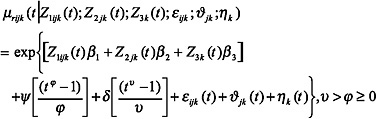
Kalbfleisch and Prentice (1980) show that the likelihood function derived from equation 3 can be written entirely in terms of the cause-specific hazard functions and that these functions are identifiable, meaning, they can be estimated from school leaving data of the type we have at hand without further assumptions. Hence, following Heckman and Singer (1984) and Kuate-Defo (2001), and building from equations 2 and 3, the multilevel hazard function of failure of type r can be parameterized in a general and flexible way (without level-specific or cross-level interactions) and written as:
(4)
where Z1,Z2,Z3 are vectors of individual-level, community-level, and province-level characteristics, as in equation 1; here, their values are allowed to change over time. Duration dependence (not indexed for level-specific duration dependencies in order to avoid clutter and for simplicity of presentation) is captured by two terms,
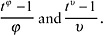
This general formulation allows εijk,  ηk to be functions of time. By exponentiating the term in brackets, equation 4 ensures that the hazard function is positive, as required because it is a conditional density function. This general multilevel hazard formulation reduces to a multilevel power function hazard (multilevel Weibull distribution) when φ = δ = 0, to a multilevel exponential hazard (multilevel Gompertz distribution) when φ = 1 and δ = 0, to a multilevel log-quadratic hazard when φ = 1 and υ = 2, and to a multilevel constant hazard (multilevel exponential distribution) when ψ = δ = 0. This flexible specification makes it possible to test easily for multilevel constant, monotone increasing, or monotone decreasing hazards. Likewise, because the hazard is fully parametric, it is possible to extrapolate beyond the range of observations, although the usual caveats apply.
The overall hazard function from equation 4 is the sum of all the cause-specific hazard functions. The period of observation begins with a youth entering school and ends when that youth exits school or until the observation is right censored at the time of the interview. We use a discrete-time framework to estimate the models because of the annual nature of the data
(i.e., age in years at school leaving). In practice, a discrete-time model specification is also useful because of the problem of ties. We fit multicategory (also called polychotomous) logit models by considering all pairs of categories composed of each of the four causes of school attrition of interest in this study (i.e., school leaving due to work, marriage, childbearing, and failure) versus the baseline category “still enrolled in school,” and describing the odds of duration response (or times to leaving school given enrollment) due to a particular cause (Agresti, 1990; Clayton and Hills, 1993; Kalbfleisch and Prentice, 1980). Let {π1,…,πR} denote the duration response probabilities, satisfying ∑rπr = 1. The baseline-category logit models considered here are of the general form
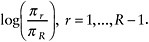
The estimated models consist of multilevel baseline-logit hazard equations, with separate parameters for each, that is, the effects of explanatory variables and unobserved heterogeneity vary according to the response category paired with the baseline. The relevant reduced-form multilevel competing risks models posit that the transition probability μr(t)—that stopping school due to cause r occurs to the i-th individual from the j-th community of the k-th province at duration t-is a linear combination of the level-specific covariates, where the logit of a probability μr is the log-odds, defined as
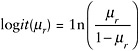
where ln (a) denotes the natural logarithm of the number a. We can define the odds of failure as if they followed a multilevel logistic pattern for age α, conditional on individual-specific (εijk), community-specific  and province-specific (ηk) random influences assumed to operate multiplicatively on the baseline hazard. The model becomes:

(5)
where qijk (α) is the probability of experiencing a transition of interest during the observation period in the individual life course by age α for the i-th individual from the j-th community of the k-th province in Cameroon. In this case, those who experience that transition are given a count of one year instead of the conventional exposure of half a year when a rate is
computed in the (multistate) life table formulation, which forms the basis of our descriptive analyses (see Table 10-4). The only change from the hazard model formulated so far is that the conditional logit of the probability, instead of the logarithm of the rate, is expressed as a linear combination of the covariate effects. A comparison of the likelihood of the main-effects model with the likelihood of the fully saturated model reveals whether the main-effects model adequately fits the data. The substantive interpretation of the covariates does not depend on whether rates or probabilities are modeled. It follows from equation 5 that the discrete-time multilevel multinomial hazard model for the transition to a given state τ can be parameterized in a general formulation (without level-specific or cross-level interactions) and written as:

(6)
The formulated model specifies nested random influences ηk,  and εijk, for the province, community, and individual levels, respectively.
Estimation of Models Formulated for Studying Transitions to Adulthood
After several trial runs of the models formulated above—including those allowing for covariance structure, cross-level effects, and interaction effects—the most stable and parsimonious models were those estimated as described below.
For the multilevel logistic regression models formulated for each dichotomous response variable, models were fitted separately for males and females as well as a pooled model for both sexes. An important question in this study is whether the effects of explanatory variables, structural contexts and random influences, vary by sex. To answer this question, we test for interactions with gender by providing a full set of parameter estimates that allows for separate effects and influences for men and women. In doing so, we provide formal tests of the theoretical framework of the NRC’s Panel on Transitions to Adulthood in Developing Countries, which assumes that contexts matter over and above individual/household socioeconomic status and ethnicity and that the differences in influences on transitions to adulthood are also gender-dependent.
The multilevel survival models formulated above for school attrition outcomes have the advantage of being estimated with standard multilevel programs that have been designed to perform analysis with discrete data. The estimation is done jointly across time intervals, and this feature allows testing of multilevel survival models that are more general than the ones
included in the proportional hazards model. In fact, one can test the hypothesis that the causal process of transition to adulthood may be different across time intervals during the life course to the extent that the values of covariates or of the estimated parameters differ by time interval (i.e., violation of the proportionality assumption). It is also worth noting that most computer programs used for estimating a logistic hazard model do not provide correct estimates of the baseline odds because the procedures usually assume that if the individuals are censored within an interval, they are censored right before the end of the interval. Other estimation procedures for discrete versions of a proportional hazards model, suggested, for example, by Kalbfleisch and Prentice (1980), involve likelihood functions that cannot be maximized easily with standard software. To produce more accurate estimates, we can incorporate a series of dummies capturing the duration structure of the hazard function during the observation period, while closely monitoring the full survival time of both censored and uncensored cases. With these methodological precautions taken into account, we have discrete survival times measured by 10 dummy variables (i.e., < 15 years as reference category, and 10 dummies for each of the ages 15 to 24 years) capturing the duration structure of school attrition. Like in the case involving multilevel logit models above, the multilevel survival analysis formulated here is designed to test the hypothesis of the theoretical framework of the NRC’s Panel that contexts matter even after controlling for other influential measured and unmeasured factors of transitions to adulthood.
Parameter estimation in hierarchical nonlinear models such as the ones formulated in this chapter is more complicated than in hierarchical linear models, and a number of approximations have been proposed in the literature on multilevel nonlinear modeling (Kuate-Defo, 2001). Reviews of estimation methods were done by Rodríguez and Goldman (1995), Davidian and Giltinan (1995), and Goldstein (2003). The most frequently used estimation methods are based on a first-order or a second-order Taylor expansion of the link function. When the approximation is around the estimated fixed part of the model, this is called marginal quasi-likelihood (MQL), and when the approximation is around an estimate for the fixed plus the random parts of the model, it is called penalized or predictive quasi-likelihood (PQL) (Breslow and Clayton, 1993; Goldstein, 2003); both procedures are implemented in programs for multilevel modeling such as MLwiN. We estimate parameters using the MLwiN statistical software (Yang and Goldstein, 2003), given the stability of the algorithm, its statistical efficiency, the data set at hand, and the complexity of the fitted models in this study. Parameter estimates are computed by the PQL estimation procedure with second-order Taylor expansion. This procedure is computationally more demanding, but results in more reliable parameter estimates than the
MQL estimation procedure with first-order Taylor expansion that is used for model building (Goldstein, 2003; Rasbash et al., 2000). Convergence tolerance was set at 2, and the distributional assumption was the extra-binomial distribution of the residual for a youth i from community j of province k.
We also partition the nested random influences derived from equations (1) and (6) which capture the total variability of each outcome of interest, into three components: among individuals within communities (Level 1), σ2; among communities within provinces (Level 2),  and among provinces within Cameroon (Level 3), τη. The total variability for an outcome of interest is
  . In terms of multilevel modeling, this leads to a relation between the parameters in the fixed part and the parameters of the random part that takes account of the non-normal distribution of response variables specified in our models. Because our estimated models are based on logistic function and since the standard deviation of the residual (εijk) is

for the logistic model, the fixed estimates for the logistic model will tend to be about 1.81 and the variance parameters of the random part of the model about π2 /3 = 3.29. This implies that for three-level models fitted with nested higher levels of random influences ηk and  and following Commenges and Jacqmin (1994) and Snijders and Bosker (1999), we can estimate the proportion of variation associated with each context, that is, among communities within provinces, and among provinces within Cameroon as follows:

(7)

(8)
The advantage of partitioning nested random contextual influences using this definition is that it can be directly extended to define the residual intraclass correlation coefficient that controls for the effects of explanatory variables (e.g., covariates at the individual/household or community levels, environment at the province level), which has special appeal in this study as we investigate the net multilevel effects of both fixed and random influences on transitions to adulthood (see Tables 10-5 and 10-6, Panel C).
RESULTS
Timing of School Leaving by Self-Reported Reasons
Table 10-2 shows the frequency distribution of self-reported causes of school dropout by all female respondents, ages 15 to 49 years in 1998 in Cameroon. The analyses are also stratified by age cohort and age at leaving school by cause, and allow us to shed some light on changes over time in causes of school attrition.
Of all 3,325 women irrespective of migration/residence history, nearly 98 percent of them (3,245 women) left school before their 25th birthday. Children in Cameroon normally start attending school at age 4 for pre-elementary school and 6 for elementary (or primary) school. The age pattern of school attrition indicates that the vast majority of young people leave school between 7 and 18 years of age.
The inability to pay school fees is the main cause of leaving school among women in Cameroon. Nearly 48 percent of all women ages 15 to 19 who dropped out did so because they could not afford to pay school fees. Younger generations tend to be more affected by the economic hardship than their older counterparts; nearly 51 percent of females ages 15 to 24 left school for this reason, compared with only 45 percent of females ages 25 to 49. Furthermore, when we consider the timing of stopping school by the 25th birthday for all females ages 15 to 49 years in 1998, we found a consistent cohort-dependent pattern of leaving school due to financial difficulties. There is a 6-percentage-point difference between girls (15 to 19 years) and adults (25 to 49 years): 52.5 percent for ages 15 to 19 left school for this reason, compared with only 49.5 percent for ages 20 to 24 and 46.1 percent for ages 25 to 49.
These findings are not surprising because since the mid-1980s, the government of Cameroon has substantially reduced its investment in education and stopped subsidizing private schools. These measures were enacted and have been implemented nationwide despite the increasing demand for education by the growing population of school-age children and adolescents, most of whom have impoverished parents. Also since the mid-1980s, the government has implemented a policy of imposing school fees in all public schools, which were previously free of charge. The policy has been so harsh that some families are sending their children to private schools (sometimes cost less than public schools) or only keep in school older siblings on whom they have already invested a lot financially for their education while younger siblings stop school or stay home to help in family work/farm or to sell carry-on/ready-to-eat meals, fruits and drinks at local markets or along the road at police checkpoints; our multivariate analyses below (see Table 10-5) substantiate these findings. As a consequence, large segments of the
TABLE 10-2 Cohort Differences in Self-Reported Reasons for Leaving School by Female Respondents in Cameroon: Weighted Data, CDHS-98
|
Main Reason for Leaving School |
All Female Respondents |
All Female Respondents Ages 25-49 Years |
Respondents Ages 15-49 Years At Interview Date |
|||
|
Number |
% |
Number |
% |
Number |
% |
|
|
Could not pay school fees |
1,582 |
47.6 |
886 |
45.3 |
1,561 |
48.1 |
|
Got pregnant |
396 |
11.9 |
243 |
12.4 |
392 |
12.1 |
|
Got married |
327 |
9.8 |
237 |
12.1 |
324 |
10.0 |
|
Did not like school |
211 |
6.4 |
104 |
5.3 |
211 |
6.5 |
|
Did not pass exams |
192 |
5.8 |
122 |
6.2 |
187 |
5.8 |
|
To earn money/to work |
155 |
4.7 |
96 |
4.9 |
137 |
4.3 |
|
Sickness |
120 |
3.6 |
53 |
2.7 |
117 |
3.6 |
|
Family needed help |
80 |
2.4 |
47 |
2.4 |
79 |
2.4 |
|
Graduated, enough |
75 |
2.2 |
53 |
2.7 |
57 |
1.8 |
|
Take care of children |
47 |
1.4 |
33 |
1.7 |
46 |
1.4 |
|
School not accessible/too far |
30 |
0.9 |
22 |
1.1 |
29 |
0.9 |
|
Other reasons |
97 |
2.9 |
53 |
2.7 |
94 |
2.9 |
|
Don’t know |
13 |
0.4 |
8 |
0.5 |
13 |
0.4 |
|
Total |
3,325 |
100.0 |
1,957 |
100.0 |
3,247 |
100.0 |
|
SOURCE: Cameroon Demographic and Health Survey (1998). |
||||||
youth population and younger generations, especially in rural areas or from economically worse-off segments of the population, are increasingly unable to afford to attend school or to complete their education. Hence, although “could not pay school fees” is not a specific category of the polychotomous response variable in this study, the findings reported here highlight the urgency with which investment in youth in Africa must start with investment in their education to complete at least the elementary school. This investment should include government subsidies to public and private schools in order to meet the second goal of the United Nations Millennium Development Goals (MDG) of achieving universal primary education for all school-age children, at least through the secondary schools.
Two other reasons for leaving school among young people, marriage and childbearing, have been routinely cited in the literature, but with little empirical evidence from self-reported reasons and from young people’s voices themselves. Among female respondents ages 15 to 49 who had left
|
Respondents Who Left School Before Their 25th Birthday |
|||||||
|
Respondents Ages 15-19 Years At Interview Date |
Respondents Ages 20-24 Years At Interview Date |
Respondents Ages 15-24 Years At Interview Date |
Respondents Ages 25-49 Years At Interview Date |
||||
|
Number |
% |
Number |
% |
Number |
% |
Number |
% |
|
321 |
52.5 |
375 |
49.5 |
696 |
50.9 |
865 |
46.1 |
|
60 |
9.8 |
93 |
12.3 |
153 |
11.2 |
239 |
12.7 |
|
36 |
5.9 |
54 |
7.1 |
90 |
6.6 |
234 |
12.5 |
|
46 |
7.5 |
62 |
8.2 |
108 |
7.9 |
103 |
5.5 |
|
25 |
4.1 |
45 |
5.9 |
70 |
5.1 |
117 |
6.2 |
|
28 |
4.6 |
31 |
4.1 |
59 |
4.3 |
78 |
4.2 |
|
28 |
4.6 |
38 |
5.0 |
67 |
4.9 |
50 |
2.7 |
|
24 |
3.9 |
10 |
1.3 |
33 |
2.4 |
46 |
2.5 |
|
6 |
1.0 |
15 |
2.0 |
21 |
1.5 |
36 |
1.9 |
|
6 |
1.0 |
8 |
1.1 |
14 |
1.0 |
32 |
1.7 |
|
7 |
1.1 |
2 |
0.3 |
9 |
0.7 |
20 |
1.1 |
|
21 |
3.4 |
24 |
3.2 |
44 |
3.2 |
50 |
2.7 |
|
3 |
0.5 |
1 |
0.1 |
4 |
0.3 |
7 |
0.4 |
|
611 |
100.0 |
758 |
100.0 |
1,368 |
100.0 |
1,877 |
100.0 |
school, childbearing and marriage account for about 12 percent and 10 percent of cases, respectively. Trends analysis shows the prevalence of pregnancy (12.4 percent compared with 11.2 percent) and marriage (12.1 percent compared with 6.6 percent) as reported reasons for leaving school to be higher among older (25 to 49 years) than younger (15 to 24 years) women. There is also a consistent cohort-dependent pattern in the timing of leaving school due to pregnancy and marriage by age 25. Nearly 13 percent of women ages 25 to 49 dropped out of school due to a pregnancy or marriage; 12.3 percent of women ages 20 to 24 who left school did so because of a pregnancy, and only 7.1 percent because of marriage. Among girls ages 15 to 19 who left school, 9.8 percent did so because of a pregnancy and only about 6 percent due to marriage. In the only other relevant study in Africa to our knowledge, conducted in Zimbabwe among girls ages 7 to 18, the proportion of those who reported they left school due to pregnancy was 4 percent and those who left school due to marriage was 2
percent (Jensen and Nielsen, 1997). Put together, these proportions are substantially lower than initially thought given the usually conjectured links among marriage, childbearing, and female education in Africa.
This empirical evidence from self-reports of women themselves is generalized across generations and clearly substantiates that economic hardship is by far the most important reason for limited educational opportunities for girls in Africa. The reason does not appear to be early marriage or childbearing, which may be the consequence of being out of school rather than the other way around. Or marriage may be an acceptable last resort for most of these girls, who may be faced with no other life options for securing their future, given that more than 50 percent of school dropouts among young females are attributed to lack of money to pay school fees.
The other reasons reported in CDHS-98 (Table 10-2) by approximately 5 percent of women who left school are “did not like school” (6.4 percent), “did not pass exams” (5.8 percent), and “to earn money/to work” (4.7 percent). The fact that more young people (7.5 percent for those ages 15 to 19 and 8.2 percent for those ages 20 to 24) than older women (only 5.5 percent for those ages 25 to 49) report having left school by age 25 because they did not like school may suggest that the quality of school has been deteriorating in recent years. This explanation is plausible given the limited government investment in school resources and infrastructures as well as the poor working conditions of teachers and their lack of motivation for training students, situations that have been reported regularly in the Cameroon media and in forums of public school teachers. Furthermore, school failure does not appear to explain the generational gap in liking school, given the fact that a greater proportion of older women reported that they dropped out of school by age 25 because they failed their exams.
Poor health accounts for nearly 4 percent of cases of women who left school, and up to about 5 percent of women who left school for that reason were less than 25. Other reasons less frequently reported include helping the family (2.4 percent of cases for all women, but up to 4 percent for girls ages 15 to 19). Only 2 percent of women ages 15 to 49 left school because they had graduated, an indication of dramatic unmet needs in school attendance and grade completion for women that is generalized in Cameroon and most likely in other African countries.
Descriptive Statistics of Samples Used in Multivariate Analyses
Table 10-3 shows, for each gender, the sample proportions of selected variables used in the analyses. The proportions of adolescents for each gender are quite similar (61.1 percent for girls and 58.2 percent for boys).
TABLE 10-3 Selected Samples and Frequency Distribution of Selected Variables: Weighted Data, CDHS-98
|
Selected Variables |
Females Ages 15-24 (N = 1,210) |
Males Ages 15-24 (N = 849) |
|
Explanatory variables |
|
|
|
Age cohort (in years) |
||
|
15-19 |
61.1 |
58.2 |
|
20-24 |
38.9 |
41.8 |
|
Religion |
|
|
|
Catholic |
36.7 |
36.6 |
|
Protestant |
33.3 |
25.7 |
|
Muslim |
22.6 |
25.4 |
|
Others |
7.4 |
12.3 |
|
Ethnic affiliation |
|
|
|
Bamileke related |
39.2 |
31.5 |
|
Pahouin-Beti related |
15.9 |
18.6 |
|
Fulfulde-Fulani |
33.9 |
41.1 |
|
Douala-Bassa |
10.9 |
8.8 |
|
Respondent’s education |
|
|
|
Some |
76.8 |
88.4 |
|
None |
23.2 |
11.6 |
|
Household wealth index |
|
|
|
Poorest 40% |
33.7 |
43.3 |
|
Middle 40% |
50.8 |
43.0 |
|
Richest 20% |
15.5 |
13.7 |
|
Family structure |
|
|
|
Live with biological parents |
50.3 |
56.6 |
|
Live alone with other people |
49.7 |
43.4 |
|
Community development index |
|
|
|
Poorest 40% |
29.2 |
41.0 |
|
Middle 40% |
35.3 |
29.3 |
|
Richest 20% |
35.4 |
29.7 |
|
Place of residence |
|
|
|
Rural |
56.2 |
65.2 |
|
Urban |
43.8 |
34.8 |
|
Main regions |
|
|
|
Forest |
41.9 |
40.5 |
|
Highlands |
25.2 |
19.4 |
|
Sudano-Sahelian |
32.9 |
40.1 |
|
Events with undefined transitions to adult roles |
|
|
|
Times to school attrition |
48.6 |
— |
|
Selected Variables |
Females Ages 15-24 (N = 1,210) |
Males Ages 15-24 (N = 849) |
|
Event marking successful transitions to adult roles |
|
|
|
Worked during the last 12 months |
54.1 |
59.4 |
|
Head of household |
6.4 |
18.6 |
|
Times to school attrition for work and still working |
3.2 |
— |
|
Times to school attrition for marriage and still married |
3.0 |
— |
|
Event marking unsuccessful transitions to adult roles |
|
|
|
Had an STI during the last 12 months |
1.4 |
5.7 |
|
Times to school attrition due to unwed pregnancy |
4.0 |
— |
|
Times to school attrition due to failure |
5.5 |
— |
|
SOURCE: Cameroon Demographic and Health Survey (1998). |
||
There are some differences in gender-specific sample proportions by religious affiliation (e.g., more girls than boys are Protestant), ethnic group (e.g., more girls are from the Bamileke-related ethnic groups), and main regions of residence (e.g., more boys in the Sudano-Sahelian regions). There are also more boys than girls who have some education (88.4 percent and 76.8 percent), live with biological parents (56.6 percent and 50.3 percent), live in rural areas (65.2 percent and 56.2 percent), or come from the poorest 40 percent of households (43.3 percent and 33.7 percent) and communities (41.0 percent and 29.2 percent).
The prevalence of household headship by age 25 is higher for boys (18.6 percent) than girls (6.4 percent), as expected. When work is broadly defined, as in the CDHS-98, to capture both outside and home-based work of young people, a sizeable proportion of youth are active (59.4 percent for boys and 54.1 percent for girls). There is also a higher prevalence of STI, among boys (5.7 percent) than girls (1.4 percent); such a gap may stem partly from the fact that young males have higher rates of premarital sex than girls and marry significantly later than young females may be more exposed to sexual activity associated with higher risks of STI than expected in stable unions. Finally, among girls who stopped going to school by age 25, the prevalence of the main reasons considered for the transitions to adulthood are 3.0 percent for transition to marriage never dissolved, 4.0 percent for unwed pregnancy, 3.2 percent for transition to employment, and 5.5 percent for grade failure. As noted above, the data at hand do not
allow us to tease out the movements in and out of various states occupied during the life course.
Relative Risks of Factors Associated with Cause-Specific School Attrition
Table 10-4 presents the overall and cause-specific probabilities of school attrition, marking transitions of interest in this study. These probabilities are derived from multiple decrement life tables and are presented in the form of relative risks (RR) to ease interpretation, with the reference category having an RR of 1. Overall, young people who are in their teen years, who live with their parents, who live in urban areas, or who live in well-off households or communities are most likely to be significantly protected against risks of leaving school prematurely, especially due to work, marriage, childbearing, or grade failure. Furthermore, there are important ethnic and regional differences in risks of leaving school, especially due to marriage and childbearing: Pahouin-Beti and Douala-Bassa girls are most likely to leave school because of a pregnancy, but least likely to leave due to marriage; in contrast, Fulfulde-Fulani girls are most likely to abandon school for marriage and least likely to stop due to unwed pregnancy. Similarly, girls from the Sudano-Sahelian regions are most likely to drop out of school due to marriage, but least likely to quit due to an unwed pregnancy. These results are consistent with our previous findings in Cameroon (Kuate-Defo, 1998, 2000) and indicate that one cannot comprehend many biodemographic processes in Cameroon without considering the ethnic, regional, and contextual factors.
As expected, younger women (15 to 19 years) are less likely to stop schooling than their older counterparts (20 to 24 years), who are about twice as likely to leave school in general and three times as likely to do so because of marriage or childbearing. Girls who live with their biological parents have lower probabilities of stopping school earlier than their counterparts living with other people.
There are also statistically significant differences in the likelihood of school attrition according to the socioeconomic conditions of young people’s families and the level of development of their communities. The higher the socioeconomic gradient of the household or community, the lower the probability is of leaving school, especially due to grade failure. Girls from the poorest households are more than three times as likely to drop out of school because of failure as their counterparts from the richest households, and more than twice as likely as those from the richest communities. Girls from families and communities with low socioeconomic standing (i.e., poorest 40 percent) consistently have the highest probabilities of quitting school. This is corroborated by the higher probability also found for girls of these groups who tend to report they “could not pay school
TABLE 10-4 Relative Risks from Multiple Decrement Life Tables Probabilities of Cause-Specific School Attrition for Cameroonian Young Females by Selected Explanatory Variables: Weighted Data, CDHS-98
|
|
School Attrition |
Cause-Specific School Attrition with Transition to Adult Roles |
|||
|
Work and Still Working |
Marriage and Still Married |
Unwed Pregnancy |
Grade Failure |
||
|
Individual-level explanatory variables |
|
||||
|
Age cohort (in years) |
p < 0.0001 |
p < 0.0178 |
p < 0.0001 |
p < 0.0002 |
p < 0.0001 |
|
15-19 |
1.00 |
1.00 |
1.00 |
1.00 |
1.00 |
|
20-24 |
1.78 |
2.30 |
3.09 |
2.63 |
2.81 |
|
Religion |
p < 0.0001 |
p < 0.5439 |
p < 0.0001 |
p < 0.7261 |
p < 0.2132 |
|
Catholic |
1.00 |
1.00 |
1.00 |
1.00 |
1.00 |
|
Protestant |
1.07 |
1.18 |
2.05 |
0.73 |
1.43 |
|
Muslim |
1.23 |
1.28 |
0.74 |
0.96 |
1.20 |
|
Others |
1.06 |
1.02 |
3.80 |
1.03 |
1.15 |
|
Ethnic affiliation |
p < 0.0001 |
p < 0.0001 |
p < 0.0001 |
p < 0.0045 |
p < 0.0118 |
|
Bamileke related |
1.00 |
1.00 |
1.00 |
1.00 |
1.00 |
|
Pahouin-Beti related |
0.91 |
0.59 |
0.35 |
2.28 |
0.76 |
|
Fulfulde-Fulani |
1.12 |
2.28 |
3.27 |
0.35 |
0.88 |
|
Douala-Bassa |
0.83 |
0.67 |
0.48 |
1.48 |
0.63 |
|
Household-level explanatory variables |
|
||||
|
HWI |
p < 0.0001 |
p < 0.0005 |
p < 0.0019 |
p < 0.0002 |
p < 0.0001 |
|
Poorest 40% |
1.00 |
1.00 |
1.00 |
1.00 |
1.00 |
|
Middle 40% |
0.90 |
0.67 |
0.70 |
1.25 |
0.80 |
|
Richest 20% |
0.62 |
0.47 |
0.58 |
0.72 |
0.39 |
|
Family structure |
p < 0.0001 |
p < 0.0751 |
p < 0.0001 |
p < 0.0226 |
p < 0.0834 |
|
Live with biological parents |
0.67 |
0.77 |
0.06 |
0.70 |
0.48 |
|
Live alone or with other people |
1.00 |
1.00 |
1.00 |
1.00 |
1.00 |
|
Community-level explanatory variables |
|||||
|
CDI |
p < 0.0001 |
p < 0.0001 |
p < 0.0001 |
p < 0.0035 |
p < 0.0001 |
|
Poorest 40% |
1.00 |
1.00 |
1.00 |
1.00 |
1.00 |
|
Middle 40% |
0.92 |
0.54 |
0.59 |
0.92 |
0.70 |
|
Richest 20% |
0.68 |
0.43 |
0.30 |
0.74 |
0.45 |
|
Place of residence |
p < 0.0001 |
p < 0.0001 |
p < 0.0001 |
p < 0.0003 |
p < 0.0001 |
|
Rural |
1.00 |
1.00 |
1.00 |
1.00 |
1.00 |
|
Urban |
0.69 |
0.54 |
0.42 |
0.76 |
0.55 |
|
Province-level explanatory variables |
|
||||
|
Main regions |
p < 0.0001 |
p < 0.0003 |
p < 0.0001 |
p < 0.0020 |
p < 0.0029 |
|
Forest |
1.00 |
1.00 |
1.00 |
1.00 |
1.00 |
|
Highlands |
1.27 |
1.08 |
2.64 |
0.65 |
1.45 |
|
Sudano-Sahelian |
1.26 |
2.25 |
5.39 |
0.26 |
0.95 |
|
SOURCE: Cameroon Demographic and Health Survey (1998). |
|||||
fees” as the main reason for stopping school. For example, the probability of leaving school for marriage is more than three times higher for girls from the poorest communities than for their peers from the richest ones.
Religious and ethnic differences are also noticeable, but not uniform. In general, Muslim and Fulfulde-Fulani girls tend to quit school at higher rates than their counterparts from other religious or ethnic groups. This result is consistent with the fact that traditionally in Cameroon, young girls from these groups have the lowest levels of school attendance. In particular, the Fulfulde-Fulani girls are more than twice as likely to leave school due to work and three times as likely to drop out of school for marriage as Bamileke girls, whereas Pahouin-Beti and Douala-Bassa girls are more than nine times and six times as unlikely to leave school for marriage as Fulfulde-Fulani girls.
Finally, the place and region of residence have statistically significant impacts on school attrition. As expected, girls who live in rural areas have the highest probabilities of leaving school early during their life course; they are 1.4 times as likely to stop school earlier than their counterparts from urban areas. Their risk of stopping school for marriage is even higher: They are 2.36 times as likely to drop out of school prematurely due to marriage as urban girls. There are also important regional differences in school attrition, with the probability of school attrition due to marriage for girls from the Sudano-Sahelian regions (northern part of Cameroon) 5.39 times higher than the probability for girls from the forest regions (southern and eastern parts of Cameroon) and twice as high as the probability for girls from the highlands regions (western part of Cameroon). Also worth noting is that although girls from the forest regions have an overall lower probability of school dropout than their counterparts from the rest of the country, their risks of school dropout due to a pregnancy are 1.5 times and 3.8 times higher than the risks of girls from the highlands or the Sudano-Sahelian regions, respectively. This finding is consistent with the now well-established evidence from Cameroon that because of the practices of “trial marriage” and “testing of fecundity” often associated with the process of marriage among the populations of the forest regions (Kuate-Defo, 1998, 2000), girls from the forest regions are very likely to engage in premarital sexual activities that increase their risk of pregnancy. Cameroon law does not allow pregnant girls to continue attending school at least until delivery, and the risk of premarital childbearing among girls from the forest regions is the highest in the country (Fotso et al., 1999). These striking regional differences in school attrition by causes have important implications for policies and programs designed to promote girls’ education in Cameroon. Clearly, different regions need to be targeted for changes in different practices, such as early marriage in the Sudano-Sahelian regions and early sexual debut
and precocious/unwed childbearing among young people in the forest regions.
Tables 10-5 and 10-6 present the multilevel estimates of influences on the different transitions to adulthood considered given the data at hand. The results are presented with a focus on testing the conceptual framework developed by the NRC Panel on Transitions to Adulthood in Developing Countries by assessing: (1) the effects of socioeconomic status and ethnicity on transitions to adulthood; (2) the effects of (community and province) contexts on individual behavior which clarify the confusion often made by scholars between aggregate and individual effects (i.e., ecological fallacy); and (3) the nested sources of variability in such behavior.
Predictors of the Likelihood of Being Head of the Household, Employed, and Having an STI
Table 10-5 shows the estimated coefficients and standard errors (in parentheses) of the most parsimonious three-level logistic regression models for the dichotomous response variables considered in this study, namely whether the young person was head of the household at the time of the interview, was employed, or was infected with an STI during the 12 months preceding the survey date. Exponentiating these coefficients gives their corresponding odds ratios (OR). Because the sample being analyzed had on average fewer than two individuals per household, estimating models with a separate household level was numerically intractable. There was no covariance matrix structure for the random parameters of these models. Moreover, to accommodate sample sizes and robust estimation procedures utilized, we collapsed a number of categories of these covariates due to numerical problems encountered during the preliminary stage of the estimation of models. We consider statistically significant predictors with OR greater than unity as risk factors and those with OR less than unity as protective factors.
Young females, young people from the Douala-Bassa-related ethnic groups and to some extent young people from the Pahouin-Beti-related ethnic origins (p < 0.10), and adolescents (p < 0.10), have substantially lower odds of being head of the household than young males, young people with a Bamileke-related ethnic background, and young people ages 20 to 24. Separate analyses by gender indicate that the effects of ethnic affiliation and regional context on young people’s likelihood of being head of the household vary by gender, as conjectured. Young men of Pahouin-Beti-related ethnic descent or from the Sudano-Sahelian regions are 2.5 times and 3.8 times as likely to be head of household as their counterparts of Bamileke-related ethnic descent or from the forest regions (p < 0.10), respectively. In contrast, young females from the Douala-Bassa-related ethnic
TABLE 10-5 Multilevel Logistic Estimates of Influences on the Probabilities of Being Head of Household, Employed, Infected with an STI Among Young People in Cameroon: CDHS–98
|
|
Being Head of Household |
||
|
Female |
Male |
Both Sexes |
|
|
Panel A: Fixed part of the models |
|||
|
Individual–level effects |
|
||
|
Constant |
−3.167a (0.898) |
−2.413a (0.776) |
−2.945a (0.624) |
|
Male gender |
n.a. |
n.a. |
+0.724a (0.219) |
|
Age cohort 15-19 |
−0.281 (0.307) |
−0.365 (0.296) |
−0.384 (0.216) |
|
Catholic |
+0.607 (0.573) |
−0.258 (0.371) |
−0.084 (0.289) |
|
Protestant |
+0.521 (0.575) |
+0.129 (0.342) |
+0.112 (0.280) |
|
Pahouin-Beti |
+0.464 (0.450) |
+0.932 (0.620) |
+0.674 (0.395) |
|
Douala-Bassa |
−1.451b (0.704) |
−1.197 (0.991) |
−1.413b (0.625) |
|
Household-level effects |
|
||
|
HWI poorest 40% |
n.a. |
n.a. |
n.a. |
|
Community-level effects |
|
||
|
CDI poorest 40% |
+0.469 (0.652) |
+0.329 (0.399) |
+0.383 (0.362) |
|
Urban place of residence |
−0.582 (0.610) |
−0.621 (0.461) |
−0.536 (0.380) |
|
Province-level effects |
|
||
|
Highlands regions |
−0.080 (0.777) |
+0.285 (0.912) |
+0.094 (0.751) |
|
Sudano-Sahelian regions |
+0.065 (0.861) |
+1.322 (0.796) |
+0.983 (0.676) |
|
Panel B: Random part of the models |
|||
|
Individual-level |
+0.778a (0.032) |
+0.969a (0.047) |
+0.923a (0.029) |
|
Community-level |
+0.892b (0.445) |
+0.001 (0.001) |
+0.156 (0.139) |
|
Province-level |
+0.367 (0.367) |
+0.589 (0.368) |
+0.545 (0.316) |
|
Panel C: Partitioning the nested contextual random influences |
|||
|
Proportion of variance among communities within provinces (ρ2) |
0.196 |
0.001 |
0.039 |
|
Proportion of variance among provinces (ρ3) |
0.081 |
0.151 |
0.137 |
|
Panel D: Units per level |
|||
|
Individual |
1,210 |
849 |
2,059 |
|
Household |
914 |
672 |
1,401 |
|
Community |
76 |
76 |
76 |
|
Province |
10 |
10 |
10 |
|
ap < 0.01. bp < 0.05 NOTES: n.a. = not applicable; ne = no estimate. SOURCE: Cameroon Demographic and Health Survey (1998). |
|||
|
Being Employed |
Being Infected with an STI |
||||
|
Female |
Male |
Both Sexes |
Female |
Male |
Both Sexes |
|
−0.400 (0.387) |
−1.155b (0.411) |
−0.474 (0.277) |
−4.808a (1.385) |
−2.587b (0.922) |
−3.202a (0.796) |
|
n.a. |
n.a. |
−0.299b (0.117) |
n.a. |
n.a. |
+1.413a (0.354) |
|
+0.741a (0.141) |
+0.963a (0.173) |
+0.830a (0.106) |
+0.247 (0.586) |
−1.625a (0.598) |
−0.758b (0.390) |
|
−0.127 (0.232) |
−0.132 (0.232) |
−0.135 (0.159) |
+0.086 (1.232) |
−0.572 (0.549) |
0.706 −(0.503) |
|
+0.171 (0.231) |
+0.209 (0.230) |
+0.171 (0.160) |
+1.199 (1.138) |
−0.032 (0.543) |
+0.119 (0.477) |
|
−0.417 (0.235) |
+0.079 (0.314) |
−0.290 (0.183) |
+0.118 (0.767) |
+0.250 (0.568) |
−0.047 (0.454) |
|
−0.771a (0.234) |
−0.104 (0.330) |
−0.594a (0.186) |
n.e. |
−0.095 (0.628) |
−1.024b (0.583) |
|
+0.038 (0.204) |
+0.099 (0.227) |
+0.046 (0.149) |
+0.266 (0.935) |
−1.095 (0.617) |
−0.292 (0.543) |
|
+0.144 (0.255) |
−0.068 (0.262) |
−0.027 (0.175) |
n.e. |
+1.550b (0.759) |
+0.170 (0.590) |
|
−0.901a (0.254) |
−0.575b (0.297) |
−0.813a (0.186) |
−0.358 (0.905) |
+0.528 (0.723) |
−0.255 (0.556) |
|
−0.375 (0.354) |
+0.066 (0.342) |
−0.251 (0.238) |
−0.220 (0.822) |
−0.549 (0.699) |
−0.943 (0.565) |
|
−0.229 (0.380) |
+0.371 (0.310) |
−0.082 (0.236) |
n.e. |
−2.223b (0.796) |
−2.339a (0.749) |
|
+1.059a (0.043) |
+1.020a (0.051) |
+1.035a (0.032) |
+1.136a (0.046) |
+0.905a (0.044) |
1.021a (0.032) |
|
+0.001 (0.001) |
+0.063 (0.078) |
+0.001 (0.001) |
+0.001 (0.001) |
+0.001 (0.001) |
+0.036 (0.209) |
|
+0.104 (0.075) |
+0.001 (0.001) |
+0.033 (0.028) |
+0.001 (0.001) |
+0.001 (0.001) |
+0.001 (0.001) |
|
0.001 |
0.019 |
0.001 |
0.001 |
0.000 |
0.011 |
|
0.030 |
0.001 |
0.010 |
0.000 |
0.001 |
0.001 |
|
1,210 |
849 |
2,059 |
1,210 |
849 |
2,059 |
|
914 |
672 |
1,401 |
914 |
672 |
1,401 |
|
76 |
76 |
76 |
76 |
76 |
76 |
|
10 |
10 |
10 |
10 |
10 |
10 |
groups are more than four times as likely to live as a dependent in a household as their counterparts from Bamileke-related ethnic groups (p < 0.05). Significant random community (for females) and regional (for both sexes) influences are positively associated with females heading a household, controlling for the effects of nested explanatory factors and random influences at other levels, and account for 20 percent and 14 percent of the total variation across levels over and above significant ethnic differences, respectively.
Adolescents are 2.29 times (2.09 times for girls and 2.61 times for boys) as likely to report being employed in the last 12 months preceding the survey as young people ages 20 to 24. The likelihood of reporting being employed during the same reference period is substantially lower among young males than young females, among Douala-Bassa youth and to some degree their Pahouin-Beti peers (p < 0.10) than their Bamileke counterparts. Community context also matters significantly irrespective of gender, young people living in urban areas being less likely to work than their rural peers. These findings suggest that adolescents who declare being employed are most likely rural residents who are most prone to engage in apprenticeship, agricultural activities with their parents and relatives, and small commerce ventures, such as selling goods from family-owned agricultural production along the side of the road. This may explain in part why adolescent boys and girls are 2.6 times and 2.1 times as likely to report being employed in the recent past as their older counterparts, the former being also more likely to drop out of school for reasons such as ‘could not pay school fees’ or for “family needed help” than the latter (see Table 10-2, irrespective of their migration/residence history since all female respondents are analyzed therein).
Sexually transmitted infections are least likely among adolescents in general and female adolescents in particular and youth from the Douala-Bassa-related ethnic groups. Important contextual effects emerge from this study: young males from the poorest communities are most likely to have an STI, whereas their peers from the Sudano-Sahelian regions are least likely to be infected. These findings indicate that young males may be particularly vulnerable to reproductive health problems in poor neighborhoods where educational and other community resources are scarce or inexistent.
The female disadvantage in household headship and the fact that they are less likely than boys to report being infected with an STI, confirm our descriptive findings. Regarding employment, it is possible that by broadening the range of work (both home and outside work), some of the underreported work activities of the female population previously unaccounted for are being picked up in these data. These include agricultural work activities, which often represent the bulk of productive and economic
activities of rural women, and working as housemaids, a vocation that is rarely considered as work for women in most household surveys in developing countries. Separate models for males and females substantiate that the effects of ethnic affiliation, place of residence, and region of the country vary significantly with the young person’s gender, as most interaction parameters are statistically significant at the 1-percent level. These robust interactions between gender and other variables indicate that differences in cultural norms, practices, and expectations for boys versus girls inherent in ethnic groups in Cameroon—as well as community and regional differences for each gender in opportunity structures and life options—tend to perpetuate gender gaps in transitions to adulthood.
Factors Associated with Young People’s Transition to Adulthood by Leaving School
Table 10-6 presents the estimated coefficients and standard errors (in parentheses) of the most complete, multilevel, discrete-time hazard models for the dichotomous duration response variable “age at leaving school” (first column of estimates in the table), as well as the multilevel, discrete-time, reduced-form, competing risks analysis for the duration response variable “cause-specific age at leaving school” (next four columns of estimates). As noted earlier, the study sample had on average fewer than two individuals per household so that estimating models with a household-level was not appropriate. No covariance matrix structure was found for the random parameters of these models. The final estimated models include explanatory variables whose estimates are shown in this table as well as 10 duration dummy variables (dummies not shown to conserve space, as the pattern of the duration structure is consistent with the age pattern of probabilities in Table 10-4, with no new insight worth noting). Estimated relative risks from these models are readily available by exponentiating the coefficients, with the baseline risk (or risk of the arbitrary reference category) equaling 1. In general, these multivariate analyses tend to confirm the significant effects of some exposure variables already identified in the multiple-decrement life tables results shown in Table 10-4. In essence, cohort membership, religious and ethnic affiliations, familial living arrangements, contextual community and regional factors, and community random influences (for pregnancy), are the main predictors of young people’s hazards of leaving school as they transition to adult roles and responsibilities through employment, marriage, or childbearing. However, the significance of the urban-rural gap found in the overall hazard of stopping school cannot be explained by the causes of attrition analyzed here. Our preliminary analyses indicate that the rural disadvantage is partly ascribed to the
TABLE 10-6 Reduced-Form Multilevel Competing Risks Analysis Estimates of Influences on School Attrition and Cause-Specific School Attrition Among Young Women in Cameroon: CDHS-98
|
|
School Attrition |
Cause-Specific School Attrition Marking Successful or Unsuccessful Transitions to Adult Roles |
|||
|
Work |
Marriage |
Pregnancy |
Failure |
||
|
Panel A: Fixed part of the models |
|||||
|
Individual–level effects |
|
||||
|
Constant |
+3.564a (0.461) |
−2.707a (0.710) |
−1.073 (0.615) |
−1.342a (0.624) |
−2.343a (0.625) |
|
Age cohort 15-19 |
−2.516a (0.171) |
−1.030a (0.337) |
−1.300a (0.377) |
−1.083a (0.297) |
−0.994a (0.272) |
|
Catholic |
−0.464 (0.272) |
+0.293 (0.443) |
−0.557 (0.353) |
−0.727 (0.418) |
−0.012 (0.358) |
|
Protestant |
−0.106 (0.277) |
+0.349 (0.435) |
−1.115a (0.376) |
−0.590 (0.414) |
+0.209 (0.354) |
|
Pahouin-Beti |
−0.205 (0.233) |
−1.130a (0.453) |
−1.085b (0.514) |
+1.130a (0.335) |
+0.209 (0.354) |
|
Douala-Bassa |
−0.276 (0.223) |
−0.575 (0.403) |
−0.120 (0.456) |
+0.456 (0.347) |
−0.228 (0.316) |
|
Household-level effects |
|||||
|
HWI poorest 40% |
+0.292 (0.295) |
+0.073 (0.386) |
−0.281 (0.358) |
−0.306 (0.398) |
+0.050 (0.315) |
|
Live with own parents |
−0.693a (0.159) |
+0.204 (0.282) |
−2.095a (0.504) |
+0.057 (0.242) |
−0.212 (0.231) |
|
Community-level effects |
|||||
|
CDI poorest 40% |
−0.314 (0.352) |
+0.377 (0.485) |
+0.122 (0.414) |
−0.278 (0.497) |
+0.579 (0.414) |
|
Urban place of residence |
−1.281a |
−0.082 |
−0.646 |
−0.621 |
+0.458 |
|
|
(0.321) |
(0.526) |
(0.446) |
(0.445) |
(0.426) |
|
Province–level effects |
|||||
|
Highlands regions |
+0.076 (0.278) |
−0.795 (0.463) |
+0.038 (0.409) |
−0.469 (0.475) |
−0.029 (0.534) |
|
Sudano-Sahelian regions |
+1.105a (0.339) |
+0.502 (0.458) |
+1.288a (0.428) |
−1.369 (0.812) |
−0.427 (0.604) |
|
Panel B: Random part of the models |
|||||
|
Individual-level |
+0.895a (0.037) |
+0.963a (0.040) |
+0.892a (0.037) |
+0.925a (0.038) |
+1.011a (0.042) |
|
Community-level |
+0.061 (0.065) |
+0.177 (0.188) |
+0.044 (0.139) |
+0.414 (0.225) |
+0.029 (0.101) |
|
Province-level |
+0.001 (0.001) |
+0.001 (0.001) |
+0.001 (0.001) |
+0.001 (0.001) |
+0.237 (0.176) |
|
Panel C: Partitioning the nested contextual random influences |
|||||
|
Proportion of variance among communities within provinces (ρ2) |
0.018 |
0.051 |
0.013 |
0.111 |
0.008 |
|
Proportion of variance among provinces (ρ3) |
0.001 |
0.001 |
0.001 |
0.001 |
0.067 |
|
Panel D: Units per level |
|||||
|
Individual |
824 |
|
824 |
||
|
Community |
67 |
67 |
|||
|
Province |
10 |
10 |
|||
|
ap < 0.01. bp < 0.05. SOURCE: Cameroon Demographic and Health Survey (1998). |
|||||
poverty of rural inhabitants who are unable to pay school fees as well as geographic and cultural accessibilities of the school.
Teenagers irrespective of reasons for school attrition, youth living with their biological parents or in urban communities, and to some extent Catholic youth (p < 0.10) are unlikely to abandon school prematurely. The findings that young girls still living in the parental home are significantly unlikely to leave school and most unlikely to leave school due to marriage, imply that delayed marriage is a possible explanation for the continued school enrollment of girls living in the parental home. The relative advantage of Catholic girls is explained in part by the fact that they are less inclined to leave school due to marriage (RR = 0.57, p < 0.10) or premarital childbearing (RR = 0.48, p < 0.10). Moreover, Protestant girls are three times as unlikely to drop out of school due to marriage as girls from Muslim or other religious affiliations. Put together, these findings may indicate the protective effects of Christian moral codes of behavior, which may act as deterrents to precocious marriage or unwed childbearing (Kuate-Defo, 1998, 2000).
Significant contextual community and regional influences that vary by reason for leaving school are noticeable, so are community random influences on school dropout due to pregnancy, which account for 11 percent of the total variation across levels over and above significant influences of other covariates. Girls from the highlands regions tend to be unlikely to stop school due to work, while young girls from the Sudano-Sahelian regions (northern Cameroon) are most likely to drop out of school and most likely to successfully transition to marriage (RR = 3.6, p < 0.01), but are unlikely to report pregnancy as a reason for leaving school (RR = 0.25, p < 0.10). These findings are consistent with the overwhelming evidence of precocious marriages in northern Cameroon (Kuate-Defo, 1998, 2000), which tend to obviate exposure to premarital pregnancy while still in school.
Young girls from the Pahouin-Beti-related ethnic groups are singled out as the only ethnic groups with significant effects on girls’ transitions to work, marriage, and childbearing. They are most unlikely to drop out of school due to work (RR = 0.32, p < 0.01) or because of marriage (RR = 0.34, p < 0.05), but are about three times as likely to stop school due to childbearing as other ethnic groups. The specificity of this finding among Pahouin-Beti girls may hinge on the fact that this sociocultural group tends to view premarital sexual activity leading to childbearing as “proof of fertility” and hence a normal component of the marriage process (Kuate-Defo, 1998). Therefore, in a national context where pregnant girls are expelled from school and may return only after delivery, these girls are most likely to leave school due to premarital pregnancy (p < 0.10).
CONCLUSION: KEY ISSUES
Implications for Analysis
Several major findings emerge from this study and lend support to the main assumptions underlying the theoretical framework developed by the NRC’s Panel on Transitions to Adulthood in Developing Countries. More specifically, as that framework had conjectured, we found that there are similarities and differences that young people face in different contexts and regions of Cameroon, as well as differences between men and women and among different socioeconomic and cultural groups of young people as characterized by household or community socioeconomic status, religion and ethnicity, as they make their transition to adulthood. First, more than half of young people who leave school in Cameroon do so because they cannot pay school fees; only about 1 in 10 women under age 25 stop school because of marriage or childbearing; and poor health is reported as the main reason for leaving school by 5 percent of young females. Second, young people who live with their parents or in urban areas are most likely to pursue their studies and least likely to leave school. Third, this study provides compelling evidence that a meaningful study of biodemographic processes and transitions to adult roles cannot ignore ethnic and regional influences, which also covary with gender. Young people from the Douala-Bassa and Pahouin-Beti ethnic groups have substantially lower odds of being head of the household than their Bamileke counterparts; the likelihood of reporting being employed is substantially lower among Douala-Bassa and Pahouin-Beti youths than their Bamileke counterparts; young people from the Douala-Bassa ethnic groups and from the Sudano-Sahelian or the highland regions are most unlikely to report having had an STI; young females from the Sudano-Sahelian regions are most likely to stop school due to marriage and least likely to report pregnancy as a reason for leaving school; and young girls from the Pahouin-Beti ethnic groups are three times as likely to stop school due to pregnancy as Bamileke girls. The former are at significantly lower risks of stopping school to transition to work or marriage than the latter.
As hypothesized, ethnic influences operate differently by gender. Interaction parameters of ethnicity and place/region of residence with gender demonstrate that their effects are also gender dependent: Young men of Pahouin-Beti descent or from the Sudano-Sahelian regions are 2.5 times and 3.8 times as likely to be head of household as their counterparts of Bamileke descent or from the forest regions, while young females with a Douala-Bassa background are more than four times as likely to live as a household dependent as their counterparts from Bamileke ethnic groups. Young males are more than four times as likely to report having contracted a reproductive health STI as young females, and young males living in
worse-off communities are five times as likely to report an STI as their peers from the richest communities. Our finding that the prevalence of STIs is significantly higher among boys than girls is also consistent with a recent multicountry study which found that more boys than girls have experienced STI symptoms in Argentina, Botswana, Peru, the Philippines, the Republic of Korea, and Thailand (Brown et al., 2001).
Studies of effects of parental structure on life course events during adolescence in developing countries remain scarce. Yet the proportion of children living in structures other than parental ones has increased in recent decades due to increased educational opportunities far away from the parental home and, to some extent, emergence of separation/divorce, greater prevalence of nonmarital childbearing, changing family relations, and economic crisis. Because of these changes, living conditions for some young people have changed substantially from the traditional parents-centered childrearing regime to a diversity of living arrangements in childhood, pre-adolescence, and adolescence. As a result, most young people in alternative situations live with one biological parent, a biological parent and a stepparent, grandparents, relatives, or unrelated guardians, or live independently.
Social scientists and biomedical researchers have been concerned about the implications of the increase in the proportion of children living in these alternative situations. One focus of research has been the long-range effects of such experiences on the health, education, behavior, and well-being of children. Our study finds that young people who are not living with their own parents are twice as likely to drop out of school as children who live with their biological parents (p < 0.01), are more than eight times as likely to marry earlier than their counterparts living in the parental home (p < 0.01), and to some extent have higher risks of stopping school due to a pregnancy than young people living with their parents. Our findings are consistent with those reported in various U.S. studies, which have shown that young people in alternative living arrangements without their own parents attain lower levels of education, have less chance of graduating from high school, marry earlier, become parents earlier, have sexual intercourse earlier, are more likely to have premarital births, and are more likely to divorce (for a review, see National Research Council and Institute of Medicine, 1999). Scarr and Weinberg (1994) also show that educational and occupational skills achievements of adolescents and young adults are greatly influenced by the social and familial environments. One of the distinctive, prevailing features of the African family is that individuals are encouraged to stay and live with parents and/or family members until they experience specific events marking a successful transition to adulthood, notably graduating from school and securing employment. Our findings here lend support to this African tradition, which is of great importance as long as it fosters successful transitions to adult roles among young people.
One of the most intriguing findings of this study is that more than half the girls who left school before age 25 reported they could not pay their school fees, and the situation tends to be worsening over time. Younger people tend to be more affected by the financial difficulties of their families at keeping them in school than their older counterparts, with almost 53 percent of females ages 15 to 19 years stopping school because their school fees was not paid, compared with only 49 percent of females ages 20 to 24 years and 46 percent for these ages 25 to 49 years; adolescent boys and girls ages 15-19 years are also 2.6 times and 2.1 times as likely to be employed in the recent past as their older counterparts ages 20-24 years. These findings may suggest an emerging phenomenon whereby parents may be attempting to rationalize their investment by selecting their children to remain in school given their scare financial resources on the basis of what they have already spent on their education and the likelihood of graduation for seeking employment so as to support the extended family, while keeping younger progeny out of school so that they can participate in the family’s efforts to generate income through petit commerce and the like which often requires that young people walk along the roads and station at police checkpoints to sell handy cooked meals, fruits, and other consumable farm products in order to raise the family income needed to keep the most advanced and promising older child in schools. In addition, it is worth noting that in the total samples of young women and men in the CDHS-98, fully over 14 percent of females ages 15-19 years and 18 percent of females ages 20-24 years have never been to school, and over 5 percent of males ages 15-19 years and 4 percent of young males ages 20-24 years have no schooling. Obviously, if the main reason for stopping school is financial hardship among young respondents who ever attend school, it is most likely that those with no schooling are even more inclined because their parents could not afford to send them to school. In the 1980s and early 1990s, wages, the main source of income for most civil servants and their relatives, were slashed by nearly 70 percent by the government of Cameroon, part of a series of stern measures designed to deal with the rampant economic crisis. A series of social measures also were implemented, including charging fees to attend all public schools, some of which are now more expensive to attend than private schools. The combined effects of these measures and the enduring economic crisis in Cameroon, as in many African countries, may explain this situation, which has major implications for the development of Cameroon. Jensen and Nielsen (1997) also found that in Zimbabwe, inability to afford school fees ranked second (18 percent of cases) as the main reason for leaving school. Put together, these findings clearly call for an urgent need to invest in young people’s future in Africa through education, particularly for girls. The international community should join efforts together at all levels focusing on the overall goal of the UN Millennium
Development Goals of overcoming poverty, especially in Africa where poverty lurks. Indeed, the UN Millennium Declaration stressed the special needs of Africa requiring that actions take place at the global and country levels.
Our study also shows that while the link between the socioeconomic conditions of families and school attendance is consistent with the standard human capital framework (Becker, 1964), other influential variables in the context of Cameroon are also important, such as ethnic groups, type of place of residence, region of the country, family structure, and child age. These findings imply that ethnic capital and social capital are important predictors of school attendance and transitions to adulthood in African settings, especially given the diversity of Cameroon, which has more than 200 ethnic groups. In addition, further research is needed to deepen our understanding of these other forms of capital on young people’s transitions to adulthood because some evidence exists on these influential factors in other areas of the life course (e.g., Borjas, 1992).
This study’s finding that more than half of girls stop schooling because they cannot pay school fees while barely 1 in 10 left school due to marriage is generalized across generations and place of residence. Furthermore, none of our multilevel analyses demonstrates statistically significant differences in school leaving due to marriage by place of residence. Put together, these findings call into question the widespread belief that in most African countries, girls stop going to school because of early marriage. Our proposition is that they often find that the only life option for securing their future is marriage, which has childbearing as one of its benefits. There is an urgent need to pay attention to these economics of schooling, marriage, and childbearing in order to clarify whether delayed marriage and/or childbearing has usually been concomitant with or followed by increased educational opportunities for girls, independent of other influential factors. Clearly, our findings indicate that the linkages between female schooling, marriage, and childbearing in Africa should be revisited, as pursued in Kuate-Defo (2005c).
Sexual initiation and relations and reproductive events free of infection are a genuine preoccupation in any reproductive health promotion program. Intervention programs targeted at adolescents and young people must assess the prevalence and biosocial determinants of STIs frequently encountered in the sites where the intervention is to be delivered. Yet the attention given to the health problems of adolescents and young people in designing and implementing national and/or large-scale intervention programs is still meager, in part because so little is known about the magnitude and patterns of health problems during these periods of life. The few studies that exist in a variety of settings in the developing world have documented high rates of morbidity among young people in both rural and urban populations (Bang et al., 1989; Brown et al., 2001; Fleming and Wasserheit, 1999; Holmes, 1994; Narayan et al., 2001).
In an effort to ensure healthy transitions of young people to adulthood in developing countries, it is crucial to have a deeper understanding of the socioepidemiological risk and protective factors of STIs among young people. Information concerning STI rates, including those for HIV, in the early years of sexual activity is of paramount importance in developing effective interventions to improve adolescent reproductive health and contribute to safe and healthy transitions to young adulthood. STIs, including HIV/AIDS, present a major public health problem in developing countries, and their drastic impact on morbidity and mortality across the lifespan has been widely recognized.
Our study has documented important age, gender, ethnic, socioeconomic, and contextual differences in the prevalence of STI symptoms among young people in Cameroon. The data at hand indicate that the prevalence of STIs is four times higher among boys than girls. Infection rates are highest among young people from rural areas, worse-off communities, and forest regions, where the prevalence of sterility remains notoriously high in the country (Kuate-Defo, 1997). However, the evidence regarding the accuracy of self-reported symptoms versus medical diagnoses is inconclusive in developing countries. Some studies have shown that women’s self-reported symptoms understate the prevalent conditions compared with the medical diagnoses (Liu et al., 2003). This discrepancy has been ascribed to factors such as the fact that reproductive tract infections are sometimes asymptomatic and even when symptomatic, women’s perceptions of the symptoms may not prompt her to seek treatment. Because of these cautionary notes and the possibility of misclassification, this study has focused analyses on all symptoms together as signs of STIs. Thus, although these estimates may understate or distort the scope and/or patterns of the problem of STIs among young people in Cameroon, the substantive finding that young males are significantly more likely to be infected with an STI than young girls is consistent with a recent multinational study conducted in developing countries by the World Health Organization (Brown, 2001). These findings provide a good yardstick that future research can use to deepen our understanding and improve the measurement of young people’s perceptions of reproductive health problems, including STIs. Our field experience shows that information about these issues is generally poor among young people because their limited knowledge is often based on a mixture of facts, fictions, myths, and rumors.
Implications for Methodology
This study has situated the estimated influences on transitions to adulthood within a multilevel framework as the most appropriate and logical approach to formally test the theoretical framework of the NRC’s Panel on
Transitions to Adulthood in Developing Countries. It has allowed a rigorous assessment of the robustness of estimated fixed effects and random effects at the individual, community, and province levels and helped to isolate the net effects of measured factors which are of primary interest in most applications and for engaging a decision-making dialogue with policy makers and planners concerned with young people’s life experiences including the events charting their transitions to adulthood. We paid close attention to the assumptions required by multilevel models and theories and investigated the tenability of those assumptions in light of the available data and our best judgments based on accumulated data analytic experiences on a variety of topics for which data have clustered structures, so that specification assumptions must apply at each level of observation. While our general multilevel model formulated above allowed for the effects of covariates to be fixed or random at each level of hierarchy and for cross-level interactions, after trial runs and given the nature of the data, we were able to retrieve stable estimates for models that could only fit level-specific fixed and random effects of measured and unmeasured factors as shown in Tables 10-5 and 10-6. We found that these random effects are statistically significant in some models: significantly positive random community (for females) and regional (for both sexes) influences associated with females heading a household account for 20 percent and 14 percent, respectively, of the total nested variation, even after controlling for the influences of nested explanatory factors of other levels; community random influences on school dropout due to pregnancy account for 11 percent of the total variation across levels over and above the fixed and random effects of other influential factors. In particular, the between-individual variance is statistically significant in all models (p < 0.01), the between-community variance is statistically significant for girls only (p < 0.05) and for the transition out of school due to childbearing (p < 0.10), and the between-province variance is statistically significant for boys only (p < 0.10) in the model predicting being head of household. Notwithstanding their importance, the effects of several exposure variables considered in this study remain robust, including individual-level characteristics such as age, sex, ethnic affiliation, and contextual factors such as level of development of the community and region of residence. The multilevel approach employed here clearly shows significant correlations among individuals interacting and behaving likewise within their nested contexts of life and are robust to controls for all measured variables, and substantiates the shortcomings of aggregate analysis and single-level analysis that inherently ignore such nested correlations and often commit ecological fallacy for the former or Type I errors for the latter, among other inferential problems.
Overall, the presence of fixed and random effects of community-level and province-level factors identified does not change substantially the val-
ues for the individual-level parameters with the battery of multilevel nonlinear models applied here to explicitly handle the hierarchical or clustered structure of our data, while single-level modeling, which ignores the three levels of hierarchy (e.g., in the individual, household, community questionnaires of the DHS-type surveys), would have led us to commit the Type I errors by falsely rejecting the null hypothesis for some variables (results for single-level models not shown) because the standard errors of the associated parameters were underestimated. The estimated parameters suggest, for instance, that there may be more variation across communities and provinces in the likelihood of young males versus young females being head of household than standard single-level analyses would have implied. This study also demonstrates the significance of influential unmeasured variables affecting the various transitions of young people during their life course, independently of the significance of individual/household-level and contextual community-level and province-level covariates. A number of these unobserved influences may be unmeasurable in conventional qualitative or quantitative methods of inquiry, and often require triangulation research methodologies that combine qualitative and quantitative approaches to study biosocial events generally defining transitions during the life course. Most past surveys including the DHS-type surveys have not been designed with the goal of handling multilevel theories and sophisticated statistical models and therefore are not fully equipped to confront all methodological problems associated with causal inference. This study has employed a multilevel framework that locates the household, community, and provincial contexts that are invariant during the exposure length to the likelihood of making a transition to adulthood for a given individual given its characteristics, thereby illuminating some fundamental obstacles in the identification, specification, explanation, and insightfulness of multilevel contextual effect studies. A full implementation of the models formulated above, which will allow us to deal with all components of the theoretical framework developed by the NRC’s Panel on Transitions to Adulthood in Developing Countries, will depend on the extent to which a multilevel survey design is used in collecting clustered data at the individual-level, including measures nested within individuals and higher levels of hierarchy (e.g., household, community, region, country). Our findings of significant variances at the individual, community, and province levels suggest that future efforts for data collection and investigation on influences on transitions to adulthood should go beyond existing research approaches in order to deepen our understanding of various nuances and manifestations of transitions to adulthood in developing countries.
Greater effort needs to be made to design surveys that actually measure some of the factors that we suggest might be important but at present are only inferred. For example, important changes have occurred in the last 15
years in the political and economic landscapes of many African countries. Introduction of political capital and social capital into such analyses may prove insightful in understanding some of these unobserved variations.
Although a number of theoretical perspectives are well advanced by now and the basic and advanced statistical methods for multilevel modeling in the literature are well known by methodologists, an area where much progress is needed concerns the design of multilevel surveys and data needs for empirical specification of models and testing of underlying theories and assumptions. Most past surveys have not been designed with the explicit aim of supporting multilevel modeling, and existing textbooks on multilevel modeling provide only scanty guidance as to the design of multilevel surveys, for instance, of children, families, and communities that are at the heart of most population investigations and policies. This makes it difficult to address the most important yet unresolved research issue in this area, namely the development of an understanding of the causal effects of postulated risk/protective factors of outcomes under investigation so that more effective intervention programs targeted at young people can be designed, implemented and evaluated. Our hope is for much progress in the near future.
ACKNOWLEDGMENTS
This work was supported by the Rockefeller Foundation’s Intervention Research Grant RF 97045 #90 to the author; supplemental support was provided by the National Academies (Washington, DC) and the PRONUSTIC Research Laboratory at the Université de Montréal (Canada). We thank Barney Cohen, Jere Behrman, Nelly Stromquist, Cynthia Lloyd, and two anonymous referees for their discussions, suggestions, and comments.
REFERENCES
Agresti, A. (1990). Categorical data analysis. New York: Wiley.
Arnold, B.C., and Brockett, P.L. (1983). Identifiability for dependent multiple decrement/competing risks model. Scandinavian Actuarial Journal, 31, 117-127.
Baltagi, B.H. (1995). Econometric analysis of panel data. Chichester, England: Wiley.
Bang, R.A., Bang, A.T., Baitule, M., Chaudhary, Y., Sarmukaddam, S., and Tale, O. (1989). High prevalence of gynecological diseases in rural Indian women. Lancet, 8(29), 85-88.
Becker, G. (1964). Human capital: A theoretical and empirical analysis, with special reference to education. New York: National Bureau of Economic Research.
Binder, M., and Woodruff, C. (2002). Inequality and intergenerational mobility in schooling: The case of Mexico. Economic Development and Cultural Change, 50(2), 249-267.
Bledsoe, C. (1994). Children are like young bamboo trees: Potentiality and reproduction in sub-Saharan Africa. In K. Lindahl-Kiessling and H. Landberg (Eds.), Population, economic development, and the environment (pp. 105-138). Oxford, England: Oxford University Press.
Bolin, K., Lindgren, B., Lindstrom, M., and Nystedt, P. (2003). Investments in social capital: Implications of social interactions for the production of health. Social Science and Medicine, 56, 2379-2390.
Borjas, G.J. (1992). Ethnic capital and intergenerational mobility. Quarterly Journal of Economics, 107(1), 123-150.
Boserup, E. (1985). Economic and demographic interrelations in sub-Saharan Africa. Population and Development Review, 11(3), 383-397.
Boutin, J.P., Lemardeley, P., and Gateff, C. (1987). Maladies sexuellement transmissibles et médicine de collectivité (sexually transmitted diseases and group medicine). Médicine Tropicale, 47(3), 307-320.
Brabin, L. (2001). Hormonal markers of susceptibility to sexually transmitted infections: Are we taking them seriously? British Medical Journal, 323, 394-395.
Breslow, N.E., and Clayton, D.G. (1993). Approximate inference in generalized linear mixed models. Journal of the American Statistical Association, 88, 9-25.
Brown, A., Jejeebhoy, S.J., Shah, I., Yount, K.M. (2001). Sexual relations among young people in developing countries: Evidence from WHO case studies. (WHO/RHR/01.8.) Geneva, Switzerland: Family and Community Health, Department of Reproductive Health and Research, World Health Organization.
Bryk, A., and Raudenbush, S. (1992). Hierarchical linear models: Applications and data analysis. Newbury Park, CA: Sage Publications.
Cates, W. (1990). The epidemiology and control of sexually transmitted diseases in adolescents. Adolescent Medicine: State of the Art Reviews, 1, 409-427.
Central Bureau of Population Studies. (1998). Cameroon demographic and health survey (CDHS-98). Calverton, MD: Macro International.
Clayton, D., and Hills, M. (1993). Statistical models in epidemiology. Oxford, England: Oxford University Press.
Commenges, D., and Jacqmin, H. (1994). The intraclass correlation coefficient: Distribution-free definition and test. Biometrics, 50, 517-526.
Committee on Adolescence, National Research Council. (1994). Sexually transmitted diseases. Pediatrics, 94(4), 568-572.
Cox, D.R. (1959). The analysis of exponentially distributed life-times with two types of failure. Journal of Royal Statistical Society, 8(21), 411-421.
Darling, N., and Steinberg, L. (1992). Parenting styles as context: An integrative model. Psychological Bulletin, 113, 487-496.
Davidian, M., and Giltinan, D.M. (1995). Nonlinear models for repeated measurement data. London, England: Chapman & Hall.
Evans, R.G., Barer, M.L., and Marmor, T.R. (1994). Why are some people healthy and others not? The determinants of health of populations. New York: Aldine De Gruyter.
Fleming, D.T., and Wasserheit, J. (1999). From epidemiological synergy to public health policy and practice: The contribution of other sexually transmitted diseases to sexual transmission of HIV infection. Sexually Transmitted Infections, 75, 3-17.
Fotso, M., Ndonou, R., Libité, P., Tsafack, M., Wakou, R., Ghapoutsa, A., Kamga, S., Kemgo, P., Fankam, M.K., and Kamdoum, A. (1999). Enquête démographique et de santé, Cameroun, 1998 (demographic investigation and health, Cameroon, 1998). Yaoundé: Bureau Central des Rencensements et des Études and Macro International (BCREP).
Goldstein, H. (2003). Multilevel statistical methods, 3rd ed. London, England: Arnold.
Gray, R., Leridon, H., and Spira, A. (Eds.). (1993). Biomedical and demographic determinants of reproduction. Oxford, England: Clarendon Press.
Heckman, J.J., and Honoré, B.E. (1989). The identifiability of the competing risks model. Biometrika, 76(2), 325-330.
Heckman, J.J., and Singer, B. (1984). A method for minimizing the impact of distributional assumptions in econometric models for duration data. Econometrica, 52, 271-320.
Holmes, K.K. (1994). Human ecology and behavior and sexually transmitted bacterial infections. Proceedings of the National Academy of Sciences, 91, 2448-2455.
Jejeebhoy, S.J. (1995). Women’s education, autonomy, and reproductive behaviour: Experiences from developing countries. Oxford, England: Clarendon Press.
Jensen, P., and Nielsen, H.S. (1997). Child labour or school attendance? Evidence from Zimbabwe. Journal of Population Economics, 10, 407-424.
Kalbfleisch, J.D., and Prentice, R.L. (1980). The statistical analysis of failure time data. New York: John Wiley & Sons.
Kreft, I.G., and De Leeuw, J. (1998). Introducing multilevel modeling. London, England: Sage Publications.
Kuate-Defo, B. (1995). Epidemiology and control of infant and early childhood malaria: A competing risks analysis. International Journal of Epidemiology, 24, 204-217.
Kuate-Defo, B. (1997). Effects of socioeconomic disadvantage and women’s status on women’s health in Cameroon. Social Science and Medicine, 44, 1023-1042.
Kuate-Defo, B. (Ed.). (1998). Sexuality and reproductive health during adolescence in Africa, with special reference to Cameroon. Ottawa, Canada: University of Ottawa Press.
Kuate-Defo, B. (1999). Family-level clustering of adolescent gender-specific risks of premarital reproductive activities. Paper presented at the annual meeting of the Population Association of America, March 25-27, New York.
Kuate-Defo, B. (2000). L’Évolution de la nuptialité des adolescentes au Cameroun et ses déterminants (the evolution and determinants of the nuptialité of adolescents in Cameroon). Population, 55(6), 941-974.
Kuate-Defo, B. (2001). Modeling hierarchically clustered survival processes with applications to childhood mortality and maternal health. Canadian Studies in Population (Special Issue on Longitudinal Methodology), 28(2), 535-561.
Kuate-Defo, B. (2005a). Book review of D. Courgeau (Ed.), Du Groupe à l’Individu: Synthèse Multiniveau, Paris: INED, 2004, ix + 242 pages (translation). European Journal of Population, 21(1), 391-394.
Kuate-Defo, B. (2005b). Attributs sociodémographiques, comportement préventif, santé et capacité fonctionnelle des personnes âgées en milieu Africain (translation). Cahiers Québécois de Démographie, 34(1).
Kuate-Defo, B. (2005c). Revisiting the interlinkages between female education, marriage, and childbearing in Africa with reference to Cameroon. Unpublished manuscript, Department of Demography, University of Montreal.
Liu, H., Detels, R., Yin, Y., Li, X., and Visscher, B. (2003). Do STD clinics correctly diagnose STDs? An assessment of STD management in Hefei, China. International Journal of STD & AIDS, 14(10), 665-672.
MacPhail, C., Williams, B.G., and Campbell, C. (2002). Relative risk of HIV infection among young men and women in a South African township. International Journal of STD and AIDS, 13(5), 331-342.
Narayan, K.A., Srinivasa, D.K., Pelto, P.J., and Veerammal, S. (2001). Puberty rituals, reproductive knowledge and health of adolescent schoolgirls in South India. Asia-Pacific Population Journal, 16(2), 225-238.
National Research Council. (1997). Reproductive health in developing countries: Expanding dimensions, building solutions. A. Tsui, J. Wasserheit, and J. Haaga (Eds.), Panel on Reproductive Health, Committee on Population, Commission on Behavioral and Social Sciences and Education. Washington, DC: National Academy Press.
National Research Council. (2001). Cells and surveys: Should biological measures be included in social science research? Committee on Population, C.E.Finch, J.W.Vaupel, and K. Kinsella (Eds.), Commission on Behavioral and Social Sciences and Education. Washington, DC: National Academy Press.
National Research Council and Institute of Medicine. (1999). Risks and opportunities: Synthesis of studies on adolescence. Forum on Adolescence, M.D. Kipke (Ed.), Commission on Behavioral and Social Sciences and Education. Washington, DC: National Academy Press.
Podlewski, A. (1975). Cameroon. In J.C. Caldwell (Ed.), Population, growth and socioeconomic change in West Africa (pp. 543-646). New York: Columbia University Press.
Rasbash J., Browne, W.J., Goldstein, H., Yang, M., Plewis, I., Healy, M., Woodhouse, G., Draper, D., Langford, I., and Lewis, T. (2000). A user’s guide to MLwiN (2nd ed.). London, England: Institute of Education.
Ravanera, Z., Rajulton, F., and Burch, T. (1998). Early life transitions of Canadian women: A cohort analysis of timing, sequences, and variations. European Journal of Population, 14, 179-204.
Rees, M. (1993). Menarche: When and where? Lancet, 342, 1375-1376.
Robinson, W.S. (1950). Ecological correlations and the behavior of individuals. American Sociological Review, 15, 351-357.
Rodríguez, G., and Goldman, N. (1995). An assessment of estimation procedures for multilevel models with binary responses. Journal of the Royal Statistical Society, Ser. A, 158, 73-89.
Scarr, S., and Weinberg, R.A. (1994). Educational and occupational achievements of adolescents and young adults in adoptive and biologically-related families. Behavior Genetics, 24, 301-325.
Searle, S., Casella, G., and McCulloch, C. (1992). Variance components. New York: John Wiley & Sons.
Snijders, T., and Bosker, R. (1999). Multilevel analysis: An introduction to basic and advanced multilevel modeling. Thousand Oaks, CA: Sage Publications.
Subbarao, K., and Coury, D. (2004). Reaching out to Africa’s orphans: A framework for public action. Washington, DC: World Bank.
Tsiatis, A. (1975). A nonidentifiability aspect of the problem of competing risks. Proceedings of the National Academy of Sciences, 72, 20-22.
UNAIDS. (2000). Consultation on STD interventions for preventing HIV: What is the evidence? Geneva, Switzerland: WHO/UNAIDS.
UNAIDS. (2001). Sexually transmitted infections: Policies and principles for prevention and care. Geneva, Switzerland: WHO/UNAIDS.
UNAIDS. (2003). AIDS epidemic update. Geneva, Switzerland: WHO/UNAIDS.
UNFPA. (2003a). State of the world population 2003. New York: Author.
UNFPA. (2003b). Preventing HIV infection, promoting reproductive health: UNFPA response 2003. New York: Author.
Warren, J.R., and Lee, J. (2003). The impact of adolescent employment on high school dropout: Differences by individual and labor-market characteristics. Social Science Research, 32, 98-128.
Yang, M., and Goldstein, H. (2003). Modeling survival data in MLwiN 1.20. London, England: Center for Multilevel Modeling.


