
3
A Time of Risk
Adolescence is a very healthy time of life—a time when the susceptibility to illness characteristic of childhood ebbs; a time when strength, speed, reaction time, and other capacities are beginning to peak; and a time when resistance to cold, heat, and hunger, as well as the capacity to recover from injury, are all stronger than at other times of life. Despite these assets, overall morbidity and mortality rates increase by 200 percent from childhood to late adolescence, as Ron Dahl pointed out. It is mainly difficulty in controlling their behavior and their emotions that put teenagers in harm’s way—high rates of accidents, suicide, homicide, depression, substance abuse, eating disorders, violence, risky sexual behavior, and reckless behaviors in general are the primary causes of injury, illness, and death among young people.
Presenters who addressed the risks of the adolescent period reinforced the theme of complex interactions among multiple influences. The combination of an incompletely developed capacity for decision making, the impulsiveness and stimulation-seeking characteristic of teenagers, their heightened sensory impulses, and their relative emotional volatility—all occur in the context of a culture that is replete with enticing portrayals of risky behavior and other sources of risk for young people.1 This mix of develop-
|
1 |
The Board on Children, Youth, and Families convened two planning meetings in 2004 that explored aspects of adolescent decision making and adolescent connectedness that are relevant to this discussion. Copies of the background papers prepared for these planning meetings can be found at http://www.bocyf.org/043004.html and http://www.bocyf.org/100804.html. |
mental vulnerabilities and social environments that do not provide sufficient supports and protection creates a high potential for harm.
DEPRESSION
Between 20 and 30 percent of adolescents have one major depression episode before they reach adulthood, and the rate increases significantly after puberty. Depression is a serious and potentially debilitating health problem, and it is also linked to virtually all other prevalent adolescent disorders. David Brent, Daniel Pine, and Bruce Compas addressed some of the key factors and interactions that influence the onset and course of adolescent depression, interventions and treatments that are currently available, and thoughts about future directions for research, treatment, and prevention.
Brent showed a chart that illustrates the interrelationships among the various factors that are linked to the development of depression, which served not only as a useful aid to understanding adolescent depression, but also provided a tool for understanding other risks that were discussed during the workshop (see Figure 3-1). Genetic and biological factors—including hormone levels, family adversity, temperament, and the effects of parenting—all play a role in depression, as well as other adolescent problems.
Brent asserted that while some professionals focus on binge drinking, others on depression, and still others on eating disorders, distinctions
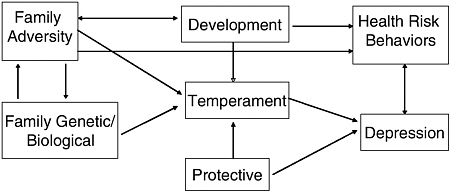
FIGURE 3-1 Overview of risk and protective factors.
SOURCE: Brent (2005).
among these problems are fundamentally arbitrary. Many of these problems are linked by common underlying causal factors. He has found that his own professional attention has focused on younger and younger children as he looks for ways to head off depression. He argued for the value of tackling the common risk factors in younger children before they begin to cause dysfunction. If common factors link multiple problems that are frequently expressed in different forms (substance use or school failure, for example), he explained, the widely held view that treating depression will in most situations take care of the other problems a child may be facing may not be accurate. Improving the overall health of younger children before their behaviors become rooted in certain patterns could potentially prevent them from being affected by certain risks—so that they do not, for example, end up associating with deviant peer groups, experimenting with drugs or alcohol, and generally, as he put it, “manufacturing” other problems.
Three approaches are available for treatment of adolescent depression: antidepressant drugs, cognitive behavior therapy, and interpersonal therapy. There is evidence for the effectiveness of each—and for improved efficacy when drug therapy and behavior therapy are combined. However, the treatments are not effective enough to address the need—depression is persistent and tends to recur. Some evidence indicates that adolescents respond differently to drug therapies than do adults, and individual differences also occur in the way adolescents respond to all the available treatments. Such factors as early puberty (especially in girls), adversity or stress in the home, abuse, peer group and parent-child relationships, family history of mental disorder, and other genetic factors, can all increase a child’s vulnerability to depression and can affect the outcome of treatments as well.
The factors that protect kids are the inverse of these risk factors. A positive parent-child relationship that includes supervision and the setting of clear expectations, family leisure time spent on shared interests, connections with school and investment in achievement, the formation of friendships within a prosocial peer group—all help a child navigate challenging situations successfully. Moreover, a child who experiences depression (or other mental illness or significant stresses) at a young age can easily miss out on positive experiences that potentially could affect his or her development in a host of ways. The effects are mitigated if that child receives treatment promptly and is supported in other ways by family members or other caring adults. As Brent put it, “It is not genes. It is not environment. It is genes times environment.”
Daniel Pine reinforced that point, using the example of what he termed the “fear circuit” in the brain. He noted that the relationship between brain function and psychiatric disorders as they are currently defined is not precisely understood. Nevertheless, studies of fear conditioning in rats and humans—in which the subject learns to associate a frightening stimulus with certain circumstances—have yielded insights into the more complex mechanisms of anxiety disorder, which is closely linked to depression. Different brain structures that are involved in detecting a stimulus, evaluating it, and taking action, mature at different rates. As a result, children’s responses, as well as the development of neurological response pathways, can be significantly affected by the presence or absence of certain life experiences as well as by medications. The implication is that adolescence is an especially sensitive time, in terms of brain development, and that environmental stressors may be more likely to lead to anxiety disorder and depression at that time of life than at others.
Speaking as a practitioner, Brent was interested in the ways research can improve outcomes for kids. For example, greater understanding of the predictors of young people’s responses to treatments can help practitioners increase recovery rates and decrease the likelihood of relapse. The role of contextual factors that may be critical to improving outcomes—particularly history of abuse, poor parent-child relationships, and deviant peer groups—has traditionally been ignored in clinical trial research, which provides the data on which pharmacological treatment and dosage guidelines are based. Finally, other factors may underlie the variation in adolescents’ responses to treatment, such as variations in brain structure and activity, chemical responses to therapies or other biological variations, and variations in neurological function and response. These underlying forces also have the potential to explain a great deal about variations in the ways young people experience depression and respond to drug therapies or other treatment.
Bruce Compas reinforced the points made by both Brent and Pine about the links between brain function and environmental influences. He presented specific results from his own research demonstrating that environmental stressors impact children’s somatization and affect, at least in part, neurological processes.
In another study, Compas and his colleagues examined the way coping skills operate in children under stress. They found a relationship between secondary-control coping, or conscious coping behavior, such as rethinking a situation or focusing on positive aspects of it, and (automatic) executive
inhibitory processes in the brain that take place in the prefrontal cortex of the brain. They also found that stress affects both kinds of coping, impeding the individual’s capacity to respond effectively. This finding is important for understanding why and how such factors as a depressed parent, parental alcohol abuse, and the like can affect young people—causing depression, substance abuse, and other dysfunction.
Compas has concluded that exposure to stress and adversity affects both psychological and biological components that influence the development of self-regulatory processes. The strengths or limitations of these processes, in turn, affect adolescents’ vulnerability to both psychopathology and physical illness. The reactivity and regulatory functions that take place in the brain are key mediators of stress, and they are governed by social context and behavior as well as biology. Thus, interventions—such as the presence or absence of support from parents or other caring adults in a stressful situation—can affect adolescents’ capacity to cope with stress by reducing or enhancing certain environmental features or changing the ways in which youth perceive and respond to them. Better and more precise understanding of the sequence and patterns of these connections between the brain and the social environment therefore has the potential to provide the basis for more effective interventions.
SUBSTANCE ABUSE
Substance abuse is another source of significant risk for adolescents. Current patterns illustrate the interactions of biological, behavioral, and social factors that make adolescence risky, as described by Dahl and others. Laurie Chassin opened her presentation on substance abuse in teenagers with a discussion of patterns that characterize the course of substance use and substance use disorders over the life span. Peaks in substance use and disorders occur in the period that is now often referred to as emerging adulthood (ages 18 to 25) while normative declines emerge in the early to mid-20s, with the onset of adult roles. She highlighted some key characteristics of adolescence that have already been discussed: increased sensitivity to immediate rewards, a focus on peers and social rewards, immature inhibitory and self-regulatory processes, increased risk taking and sensation seeking, and difficulty with mood regulation. Adolescents, she added, are increasingly independent of parental control and are also frequently exposed to a variety of stresses, including insufficient sleep, poor diets, and environmental stresses.
Considering these circumstances is important, Chassin pointed out, because substance use is a functional and motivated behavior; that is, it can provide a sense of relief from some of the stresses adolescents experience. However, adolescents seem to respond to substance use in diverse ways. Some young people are more resistant to problems with substance use than others, and, as a group, even those who have problems display significant variance in terms of the age of onset of substance use; the speed with which they escalate the behavior; and their degree of persistence with certain patterns of use and abuse.
Chassin distinguished among two groups of adolescents who develop problems with substance abuse: those who begin the behavior early in the adolescent period and those who begin it late. Chassin demonstrated that the same pattern is evident with cigarette smoking as well as binge drinking.2 The early-onset group is characterized by a steep escalation in the behavior once experimentation begins and a high risk for a variety of related problems. The later-onset group is resistant to the behavior until late in adolescence, around the time of leaving home, but addictive behaviors developed at this time nevertheless can persist into adulthood.
Chassin used the early-onset group to illustrate the trajectories that lead to substance abuse and addiction, as well as a broader point about the links among the factors that seem to influence this behavior. Young people who use substances at an early age tend to demonstrate other symptoms of physiological or emotional disregulation. They are already prone to deviant behavior, and they are high in impulsivity and sensation seeking. They tend to have family histories of substance use disorders, which frequently co-occur with other kinds of family dysfunction, such as discord, divorce, and the like. Thus, Chassin noted, it is possible that early substance abuse is actually a marker for other risks that already exist for a given adolescent, and that the substance use behavior itself is not the primary cause of the child’s problems.
Chassin cited Dahl’s earlier discussion of the way different factors can spiral to amplify problems for an individual, tipping the balance from positive functioning to dysfunction, in noting the interactions between substance use and other factors. She described one psychosocial spiral in which experimentation with substances leads a young person to associate with a different peer group and perhaps to start failing in school. Coping skills
may in turn decline, leading to an escalation of problems and a perception of being overwhelmed or out of control—and to an intensification of substance abuse.
At the same time, some data suggest that adolescence is a time when sensitivity to the effects of some substances may be less intense than it is at other phases of life. Studies of adolescent animals as well as humans indicate that responsiveness to sensory cues to limit intake—such as perceptions of motor impairment or the sedative effects of alcohol—are weaker at this age than at others. Research with animals has suggested, in addition, that adolescents may have greater sensitivity to the reinforcing effects of some substances, such as the sensation of being soothed, stimulated, or relaxed in a social situation. Thus, Chassin explained, a bio- or neuropsycho-social interaction model could yield greater insight into substance abuse than one that focuses solely on a psychosocial spiral.
Another piece of the puzzle involves family history and family processes. Chassin noted that while these are important protective and risk factors, they are somewhat hidden in many cases, particularly from staff in schools or other programs who may focus solely on the youth’s own risk factors. As many as one-fourth of young people are exposed by age 18 to alcoholism in a parent, while nearly 10 percent of children ages 10 to 17 live with a parent who is dependent on drugs or alcohol. Children of alcoholics differ from other children in several ways. They are more likely to have a very early onset of substance abuse and a steep acceleration of the abuse. They are much less likely to show the typical pattern of maturing out of risky substance use as they enter their late 20s. Some evidence suggests that they may be less sensitive than other adolescents to the negative effects of alcohol—and more impervious to cues to stop. In short, they are at a significantly increased risk for clinical substance disorders that persist into adulthood.
Chassin discussed several theoretical models for understanding the role of family factors and processes in the development of substance abuse. In one view, substance use develops as part of a broader spectrum of conduct problems and antisocial behavior. Children of alcoholics, for example, have problems in regulating their own behavior that are exacerbated by a lack of authoritative parenting.3 This lack of self-regulation and failure to respond
to social cues can lead to school failure and to the formation of peer groups that encourage substance abuse. Other views focus on the negative stress that accompanies life with a substance-abusing parent, such as job loss, divorce, and economic and emotional distress—and children’s tendency to seek out alcohol and other substances as a way of coping with that stress.
For Chassin, the various models that may explain substance abuse in children all underline the heterogeneity in the pathways children take to this disorder. There are numerous sources of risk and multiple levels of protective factors, and different children are susceptible to the presence or absence of differences. In other words, to understand substance abuse in adolescents, one must consider both normal development and development that deviates from the norm (psychopathology); one must consider genetic risk as well as the neuroscience of sensitivity to substances; and one must consider socialization and behavior in context. Moreover, one must consider not only the family context, but also the broader cultural context—Chassin pointed out that a study of substance abuse among Mormon families in Utah is likely to look quite different from a study in a more mainstream U.S. setting.
Chassin closed with the point that the three top causes of mortality in adolescents—accidents, homicide, and suicide—are all highly correlated with substance abuse. She noted further that substance abuse is often critical to the tipping point Dahl described—the factor that tips a child from coping moderately successfully to spiraling into real trouble. The methodological challenge is to disentangle the effects of substance abuse from the presence and absence of a large matrix of risk and protective factors in which it is embedded.
DYSFUNCTIONAL RELATIONSHIPS
Another area of significant risk for teenagers involves sexual and other romantic relationships. While extensive research has been conducted on adolescent dating behaviors, little is known about key risk factors, such as violence, that frequently emerge in intimate relationships. Jay Silverman began his discussion with the point that while violence in dating relationships among teens is a serious problem, it has only recently begun to be addressed as a personal health and public health concern. One in four girls by the age of 18 reports having been physically or sexually hurt by a dating partner. Some evidence suggests that girls ages 12 to 16 are the largest demographic group being harmed in this way and that the bulk of the
assaults are by people known to the victim. While evidence in this area is scant, it indicates that dating violence may be a major factor that is largely unaddressed in adolescent health, sexual health, pregnancy, suicide, and substance use programs.
Specifically, Silverman presented data obtained from public health surveillance studies suggesting that girls who experience physical or sexual dating violence are more likely to become pregnant, attempt suicide, smoke, and use illicit drugs. Many have also grown up with abuse and other sources of dysfunction in their families. Several recent studies have indicated that this type of violence is particularly prevalent among lower income teens and in immigrant communities, although the reasons for this discrepancy are not understood. In general, while the data provide some indications of the circumstances of these teenage girls’ lives, they shed little light on underlying patterns or causation. Most disturbing, for Silverman, is the fact that the majority of the available data draw on the experiences of the victims of this kind of violence, not the perpetrators, even though it is the perpetrators’ behavior that needs to be prevented.
For Silverman, research that can improve prevention and treatment is the most important focus. He argued that integrated theories—those that incorporate findings from a variety of contexts—offer the best hope of illuminating the many factors that contribute to the problem. For this reason, he argued, they also are the most likely to be of use in the design of interventions.
MEDIA INFLUENCES—WHAT ARE THE RISKS?
Ralph DiClemente provided some background for the discussion of risks with a look at some of the effects of exposure to media on teenagers’ decision making. He framed the discussion around the basic question of whether life imitates art—whether teenagers are significantly influenced by the images and ideas to which they are exposed. While he noted that relatively little empirical evidence is available to inform public policy, he called attention to some eye-opening findings about teens’ exposure to television, music, video games, Internet sites, movies, and other media—drawing a few preliminary conclusions about their influence on young people’s thinking and behavior.
First, teenagers’ overall exposure to media is significant (see Table 3-1). With regard to television, DiClemente referred to 1998 Kaiser Family Foundation data indicating that more than half of all TV shows contain
TABLE 3-1 Media Exposure of Younger and Older Adolescents
|
|
Younger Adolescentsb |
Older Adolescentsc |
P-valued |
|
TV viewing on weekdaya (hours) |
5.15 (3.25) |
5.12 (3.52) |
0.94 |
|
TV viewing on weekenda (hours) |
20.9 (22.0) |
20.3 (24.4) |
0.73 |
|
TV shows viewed that show women as sex objectsa (%) |
40.3 (25.4) |
42.3 (22.5) |
0.39 |
|
TV shows viewed with heavy violencea (%) |
60.5 (23.9) |
62.9 (23.1) |
0.27 |
|
TV shows viewed that show men hitting or yelling at womena (%) |
42.0 (24.7) |
43.9 (20.7) |
0.37 |
|
Exposure to rap music videos per day (hours) |
3.75 (3.03) |
3.72 (3.48) |
0.90 |
|
Days per week exposed to rap music videos |
4.96 (1.95) |
4.84 (2.01) |
0.54 |
|
aExcludes exposure to music videos. bThe younger adolescent group includes subjects ages 13-16 at baseline. cThe older adolescent group includes subjects ages 17-18 at baseline. dP-value obtained from independent samples t-test. SOURCE: DiClemente (2005). |
|||
sexual content and that shows containing sexual scenes average more than three per hour.4 The percentage of shows containing sexual content that include any mention of possible risks or responsibilities of sexual activity or any reference to contraception or safer sex practices has increased since 1998, although the rate of increase seems to have diminished in recent years; the Kaiser Family Foundation found that in 1998 9 percent contained such references, in 2002 14 percent did, and in 2005 15 percent did (Kaiser Family Foundation, 2005). The Internet is another increasingly popular means of recreation for young people. The current volume of web
sites containing sexually explicit material is difficult to gauge, but DiClemente cited a recent estimate of 400,000—as well as an estimate that as many as 15 percent of teenagers are solicited for sex online by strangers.5
Earlier studies about exposure to music videos (circa 1986) showed that teens were watching an average of 30 minutes to 2 hours of music videos daily. Music videos frequently portray violence, substance abuse, and sexually suggestive behavior, DiClemente pointed out, and particular attention has focused on gangsta rap music lyrics and videos, in which women are frequently portrayed as sex objects and in subservient roles.
In a more recent small-scale study of girls (ages 14 to 18), DiClemente and his colleagues (2005) explored the effects of media exposure on teen behavior. They found that 96 percent of participants reported having watched rap music videos and that their average exposure just to rap music was four hours per day. A total of 83 percent of the girls in the study reported that watching the videos influenced the way they dress, while 70 percent reported that the videos influenced the way they behave. These effects were found across the ages studied. Those with the highest exposure to the videos showed the greatest impact on behavior in terms of incidence of having had multiple sex partners, used alcohol, been arrested, hit a teacher, and displayed other problem behaviors.
DiClemente also mentioned an ongoing research project in which he and his colleagues are using security technology to track teenage subjects’ Internet use and to establish links between the content of web sites visited and dietary behavior, drug use, antisocial behavior, dating violence, and sexual behavior. DiClemente cautioned that this type of data may help identify associations between exposure to particular kinds of material and high-risk attitudes and behaviors, but that it is not adequate to demonstrate causation. What remains uncertain is the extent to which teens with certain preferences actively seek out media that reflect and reinforce these preferences and the extent to which selected media influences actually create and stimulate teen preferences and behaviors.
The American Academy of Pediatrics already recommends that physicians and parents monitor adolescents’ media diets and provide guidance
on the timing, location, and content of media exposure, DiClemente pointed out, but he argued that much more can be done. Greater use of industry-wide codes, the creation of alternative music videos and video games with more positive content, and the development of prosocial strategies can all help inoculate teenagers against the negative messages to which they are exposed. Further research to better define the associations among media exposure, high-risk behavior, and adverse health outcomes is clearly needed, DiClemente argued. The larger point was clear, however: the vast majority of teenagers are exposed to a heavy diet of television, music, video games, and other media that contain violence, sexual situations, and other high-risk behaviors, and not enough is known about how the duration, intensity, timing, or content of exposure affects them.
CONCLUSION
These observations about the causal influences and associations with problem behaviors that influence adolescent health and development led to further discussion about positive influences and preventive strategies that can support positive trajectories and diminish negative risks and disorders. The workshop participants suggested that it would be helpful to understand more about the relationships among increased supports (such as connectedness with family and communities), youth engagement with school and social groups, and positive outcomes or absence of negative outcomes. These issues helped to frame the discussion in the following chapter, which focuses on the theory of positive development and the importance of opportunities and social settings in adolescent health and development.


