
1
Introduction
“Sleep that knits up the ravelled sleave of care, The death of each day’s life, sore labour’s bath, Balm of hurt minds, great Nature’s second course, Chief nourisher in life’s feast.” Shakespeare, Macbeth
CHAPTER SUMMARY The public health burden of chronic sleep loss and sleep disorders is immense. Although clinical activities and scientific opportunities in the field are expanding, awareness among the general public and health care professionals is low, given the burden. The available workforce of health care providers is not sufficient to diagnose and treat individuals with sleep disorders. Therefore, the current situation necessitates a larger and more interdisciplinary workforce to meet health care demands as well as advance the field’s knowledge base. Further, there is a need to develop and reorganize public health and academic sleep programs to facilitate and improve the efficiency and effectiveness in public awareness, training, research, diagnosis, and treatment of sleep loss and sleep disorders. Finally, the fragmentation of research and clinical care currently present in most academic institutions requires the creation of accredited interdisciplinary sleep programs in academic institutions. The success of existing comprehensive academic Somnology and Sleep Medicine Programs offers evidence of the value of interdisciplinary approaches to patient care, education, research training, faculty development, and science. An interdisciplinary approach requires the coordinated and integrated effort of not only the major medical fields involved in sleep clinical care (internal medicine and its relevant subspecialties, pediatrics, neurology, psychiatry, psychology, and otolaryngology) but also other disciplines such as neuroscience, dentistry, nursing, and pharmacology.
MAGNITUDE AND COST OF THE PROBLEM
Fitful sleep, restless nights, hitting the alarm clock button for an additional 10 minutes of sleep—all are all too familiar manifestations of the interactions of life with one of the frontiers of science and clinical practice—somnology1 and sleep medicine. It is estimated that 50 to 70 million Americans suffer from a chronic disorder of sleep and wakefulness (NHLBI, 2003), hindering daily functioning and adversely affecting health. The current capacity of America’s health system is not sufficient to diagnose and treat all individuals with sleep disorders. Further, awareness among health care professionals and the general public is low considering the size of the problem. Among those individuals with sleep disorders are 3 to 4 million individuals with moderate to severe obstructive sleep apnea (Young et al., 1993), a disorder characterized by brief periods of recurrent cessation of breathing caused by airway obstruction with morbid or fatal consequences. Chronic insomnia, which hampers a person’s ability to fall asleep, is observed in approximately 10 percent of the American population (Ford and Kamerow, 1989; Simon and VonKorff, 1997; Roth and Ancoli-Israel, 1999). Restless legs syndrome and periodic limb movement disorder are neurological conditions characterized by nocturnal limb movements and an irresistible urge to move the legs. These conditions affect approximately 5 percent of the general population (Lavigne and Montplaisir, 1994; Rothdach et al., 2000; NSF, 2000; Montplaisir et al., 2005), making it one of the most common movement disorders (Montplaisir et al., 2005).
The negative public health consequences of sleep loss and sleep-related disorders are enormous. Some of the most devastating human and environmental health disasters have been partially attributed to fatigue-related performance failures,2 sleep loss, and night shift work-related performance failures, including the tragedy at the Union Carbide chemical plant in Bhopal, India; the nuclear reactor meltdowns at Three Mile Island and Chernobyl; and the grounding of the Exxon Valdez oil tanker (NCSDR, 1994; Moss and Sills, 1981; United States Senate Committee on Energy and National Resources, 1986; USNRC, 1987; Dinges et al., 1989). Each of these incidents not only cost millions of dollars but also had a disastrous impact on the environment and the health of local communities.
Over the past century, the average amount of time that Americans sleep has decreased by around 20 percent (NCSDR, 1994). Further, 1 out of every 5 workers in industrialized countries (well over 20 million Americans [OTA, 1991]) perform shift-work, which requires them to work at night and attempt to sleep during the daytime hours (AASM, 2005). These reversed sleep patterns cause maladjustment of circadian rhythms that often lead to sleep disruption. Americans are working more hours or multiple jobs and spending more time watching television and using the Internet, resulting in later sleep times and less sleep.
The cumulative long-term effects of sleep loss and sleep disorders have been associated with a wide range of deleterious health consequences, including an increased risk of hypertension, diabetes, obesity, heart attack, and stroke. In addition, sleep loss and sleep disorders have a significant economic impact. Billions of dollars a year are spent on direct medical costs associated with doctor visits, hospital services, prescriptions, and over-the-counter medications (NCSDR, 1994). Compared to healthy individuals, individuals with chronic sleep loss are less productive, have health care needs greater than the norm, and have an increased likelihood of injury; for example, it is estimated that there are 110,000 sleep-related injuries and 5,000 fatalities each year in motor vehicle crashes involving commercial trucks (CNTS, 1996).
HISTORICAL BACKGROUND
For centuries, sleep and dreams have long been topics of immense interest; however, the modern scientific study of sleep began relatively recently. In 1937 an electroencephalograph was used for the first time to observe the electrical activity in the brain during nonrapid eye movement sleep (Loomis et al., 1937). This opened the field to further advances. Rapid eye movement (REM) was discovered in 1953 by Kleitman and colleagues, and its correlation with dreams was a major step forward in understanding sleep physiology (Aserinsky and Kleitman, 1953). The culmination of this work came in 1957 when Dement and Kleitman defined the stages of sleep (see Chapter 2 of this report) (Dement and Kleitman, 1957). Since the 1950s a convergence of findings from many fields (e.g., neurology, pulmonology, neuroscience, psychiatry, otolaryngology, anatomy, and physiology) have led to a greater understanding of sleep as a basic universal biological process that affects the functioning of many organ systems (Shepard et al., 2005). In 1989, a seminal study demonstrated that rats that were subjected to total sleep deprivation developed skin lesions, experienced weight loss in spite of increased food intake, developed bacterial infections, and died within 2 to 3 weeks (Rechtschaffen et al., 1989). Researchers in sleep and circadian biology continue to work toward a greater understanding of the
etiology and pathophysiology of sleep disorders. The field is maturing into an interdisciplinary field in which integration and coordination across the traditional medical specialties, other health care providers (e.g. nurses, dentists), and between basic and clinical science is vital.
GROWTH OF SOMNOLOGY AND SLEEP MEDICINE
The maturation of the study of sleep and the field of Somnology and Sleep Medicine (Box 1-1) has seen the establishment of many organizations devoted to promoting public awareness, ensuring quality care for individuals who suffer from chronic sleep loss and sleep disorders, and supporting education and research endeavors. In addition to the National Center on Sleep Disorders Research (NCSDR) at the National Institutes of Health (NIH), professional societies and foundations have been established, including the American Academy of Sleep Medicine, the Sleep Research Society, the American Sleep Apnea Association, the Restless Legs Syndrome Foundation, and the National Sleep Foundation
The field of somnology and sleep medicine has been marked by a number of milestones over the last 35 years. Sleep laboratories dedicated to the evaluation and management of sleep disorders have been established. In 1970, sleep disorders were evaluated at only a handful of sleep laboratories in the world. In 2001, there were close to 1,300 sleep laboratories in the United States (Tachibana et al., 2005). Membership in the American Academy of Sleep Medicine and the Sleep Research Society and participation at the annual meeting of the American Professional Sleep Societies has continued to increase. In 2005 sleep medicine was recognized as a medical subspecialty by the Accreditation Council for Graduate Medical Education and the American Board of Medical Specialties.
CHALLENGES IN ADVANCING THE STUDY OF SLEEP DISORDERS
Coordinating Research and Research Funding
Integrating and coordinating the efforts of the many relevant institutes and centers at the NIH presents many challenges related to funding and advancing somnology research. For example, it has recently been recognized that restless legs syndrome (National Institute of Neurological Disorders and Stroke) and sleep apnea (National Heart, Lung, and Blood Institute) may be a major cause of attention deficit hyperactivity disorder (National Institute of Child Health and Human Development, National Institute of Mental Health) and other behavioral problems (Chervin et al., 2002). The National Institute on Aging is interested in the increase in sleep
|
BOX 1-1 Defining Somnology and Sleep Medicine Throughout information gathering workshops and discussions the Committee on Sleep Medicine and Research heard the field and practice of somnology and sleep medicine referred to in many different terms: sleep, sleep medicine, sleep disorders research, sleep research and medicine, and the study of sleep. These terms and others fail to describe the full extent of the study and practice of somnology and sleep medicine. In response to this and the emergence of the clinical and research field, this committee believes that an enhanced vocabulary would be helpful to describe the study of sleep and circadian rhythms. Therefore, throughout this report the committee will use the terms somnology and sleep medicine. Somnology: Somnology is the branch of science devoted to the study of the physiology of sleep, the behavioral dimensions of sleep, and the consequences of sleep loss and sleep disorders on an individual’s and the general population’s health, performance, safety, and quality of life. Sleep medicine: Sleep medicine is a branch of clinical medicine devoted to the diagnosis and treatment of individuals suffering from chronic sleep loss or sleep disorders. |
and wake disruption during senescence. Insomnia is typically treated using behavioral therapy techniques (Office of Behavioral and Social Sciences Research) and is often comorbid with depression, eating disorders, and other mental disorders (National Institute of Mental Health). Drugs of abuse, including alcohol and stimulants (National Institute on Drug Abuse, National Institute on Alcohol Abuse and Alcoholism), have major effects on sleep and are often used to treat underlying sleep problems such as insomnia or narcolepsy. Sleep apnea research and therapy cuts across a number of disciplines, including nursing (National Institute of Nursing Research), dentistry and otolaryngology (National Institute of Dental and Craniofacial Research), surgery, neurology (National Institute of Neurological Disorders and Stroke), cardiology, and pulmonary medicine (National Heart, Lung, and Blood Institute). At the basic research level, somnology research often involves multiple disciplines such as genetics (National Human Genome Research Institute), environmental sciences (National Institute of Environmental Health Sciences), epidemiology, immunology (National Institute of Allergy and Infectious Diseases), endocrinology (National Institute of Diabetes and Digestive and Kidney Diseases), neurosciences (National
Institute of Neurological Disorders and Stroke, National Institute of Mental Health, National Eye Institute), and otolaryngology (National Institute on Deafness and Other Communication Disorders).
Trans-NIH Sleep Research Coordinating Committee
To facilitate an interchange of information on somnology research the Trans-NIH Sleep Research Coordinating Committee was formed in 1986. The coordinating committee consists of representatives from 13 NIH institutes and centers and meets quarterly to discuss current sleep-related activities in the NIH and to develop new programs.
National Center on Sleep Disorders Research
In 1993 the National Heart, Lung, and Blood Institute established the NCSDR. As described in the congressional language, the mission of the NCSDR is the “conduct and support of biomedical and related research and research training, the dissemination of health information, and the conduct of other programs with respect to various sleep disorders, the basic understanding of sleep, biological and circadian rhythm research, chronobiology, and other sleep related research”3 (see Appendix D).
The function of the NCSDR and the Trans-NIH Sleep Research Coordinating Committee are intertwined. The director of the NCSDR serves as Chair of the Coordinating Committee. Further, the NCSDR is responsible for coordinating the information collected by individual institutions for the Coordinating Committee’s annual report; including sleep related activities, initiatives, and funding of sleep-related activities.
NIH funding for somnology research has increased by more than 150 percent since the NCSDR became fully operational in 1996, reaching a total of $196.2 million (0.07 percent of the NIH budget) in fiscal year 2004 (NHLBI, 2003). However, this growth occurred during the same period that the overall budget to the NIH doubled, and currently NIH funding for sleep-related activities is reaching a plateau. In 2004, for the first time since the NCSDR was established, there was a decrease in annual NIH expenditures for sleep-related projects; there were fewer research project grants funded in 2004, and the number of new grants awarded also decreased (see Appendix G). Consequently, the future outlook for somnology and sleep medicine is unclear. This presents an even greater challenge for a field that requires growth in its scientific workforce and technology.
Increasing the Numbers of Trained Researchers and Clinicians
New investigators and clinicians knowledgeable about sleep-related research and clinical care are needed. The growth of the discipline in terms of clinical volume has not been reflected in a corresponding increase in the number of clinical and basic sleep researchers. In the spring of 2005 there were 781 American members of the Sleep Research Society, a number representing the majority of individuals performing sleep-related research. There are only 253 principal investigators who work on sleep-related research. There are 151 researchers involved primarily in clinical sleep research, and 126 focus primarily on basic research projects. In 2004, of the top 30 academic institutions that received the greatest number of grants from the NIH, less than half had career development and training awards in somnology and sleep medicine, and only 17 had NIH-sponsored fellowships that were sleep related. Between the years 2000 and 2004, the NIH increased its support of sleep-related training and fellowship grants; however, during this same period there was a decrease in the number of career development awards. Over the same period, the number of academic institutions receiving sleep-related career development awards also decreased. Therefore, creating an infrastructure to develop a workforce capable of meeting the clinical and scientific demand remains a major challenge.
Time devoted in medical school curriculum to sleep medicine is limited. The percentage of medical schools that include sleep disorders in their curriculums has risen modestly from 54 percent in 1978 (Orr et al., 1980) to 63 percent in 1993, but the time devoted averages only 2.11 hours (Rosen et al., 1998). Similar analysis has not recently been performed, but there is no evidence to suggest that medical schools are placing increased emphasis on sleep-related content in their curriculums. Clearly, the educational effort is still inadequate given the magnitude of the morbid effects that sleep loss and sleep disorders have on the most common diseases (e.g., obesity, hypertension, heart attack, and diabetes). In response to this perceived shortcoming in sleep education, the National Heart, Lung, and Blood Institute supported a series of grants (K07 funding mechanism) to develop model medical school curricula. This resulted in the establishment of MEDSleep, a collection of over 75 sleep education tools and products (AASM, 2005). Although this program generated a large number of resources, it is unclear how many of them have been used and implemented. Despite these advances, physician education regarding the recognition, diagnosis, management, and treatment of sleep disorders is still inadequate (Strohl et al., 2003; Owens, 2005).
To strengthen the interdisciplinary aspects of the field it is important to attract new investigators to the field and expand the number of trained somnology scientists in other relevant and related disciplines. These areas
include, but are not limited to, biology and health informatics, health service research, nursing, epidemiology and genetic epidemiology, clinical trials, functional imaging, genetics, pathology, neurosciences, and molecular biology.
Distribution of Resources and Technology Development
Today, the capacity needed to serve the population seeking diagnosis and treatment is inadequate. Analysis commissioned on behalf of the committee indicated that in many health care systems and communities, the waiting time for a polysomnogram, the procedure used to diagnose many sleep disorders, may be as much as 10 weeks (see Chapter 9). This shortfall will worsen as awareness of the clinical consequences and public health burden of sleep disorders increases. A substantial investment is needed to enlarge the clinical and research workforce and improve the technology for diagnosis and treatment. Ambulatory diagnostic technologies currently available need to be validated. Further, there is a need for improved treatments for individuals with chronic sleep loss and sleep disorders. For example, the most common treatment for sleep apnea, continuous positive airway pressure therapy, which requires an individual to wear a mask over the face while sleeping, has a low rate of compliance, between 45 to 70 percent (Kribbs et al., 1993).
There are approximately 1,300 sleep laboratories in the United States, 39 percent of which are accredited by the American Academy of Sleep Medicine (Tachibana et al., 2005). However, millions of individuals suffering from sleep disorders remain undiagnosed and untreated (Young et al., 1997; Kapur et al., 2002). The utilization and capacity of sleep laboratories is not distributed based on the prevalence of sleep disorders (Tachibana et al., 2005). Apart from creating new sleep centers and laboratories, developing and validating reliable portable diagnostic technologies is required to meet the demand that will arise from greater awareness among the general public (see Chapter 6).
SOMNOLOGY AND SLEEP MEDICINE RESEARCH IN ACADEMIC INSTITUTIONS
The division of a university and medical school into academic departments is based upon distinct clinical and graduate training programs. Many of the most promising new lines of academic research and the most effective clinical services depend on strong, interdisciplinary programs that emerge from the knowledge base of the more traditional disciplines (CFAT, 2001). Unfortunately, the organization of academic disciplines among the schools and colleges does not effectively support existing interdisciplinary programs
or those that could be created (Ehrenberg and Epifantseva, 2001; Thursby and Thursby, 2002).
Somnology and Sleep Medicine Is an Interdisciplinary Field
The field of Somnology and Sleep Medicine is an emerging interdisciplinary field that is being forged from several existing sciences and medical specialties. However, the current organization of academic health centers houses clinicians and scientists in discrete departments that do not favor interdisciplinary research efforts. Although the scientific enterprise of the field requires interdisciplinary strategies, the clinical service of patients is multidisciplinary and requires linkages to other medical specialties.
As described in the National Academy of Sciences (2004) report Facilitating Interdisciplinary Research:
Interdisciplinary research is a mode of research performed by teams or individuals that integrates information, data, techniques, tools, perspectives, concepts, and/or theories from two or more disciplines or bodies of specialized knowledge to advance fundamental understanding or to solve problems whose solutions are beyond the scope of a single discipline or field of research practice (Figure 1-1A).
Multidisciplinary research is taken to mean research that involves more than a single discipline in which each discipline makes a separate contribution. Investigators may share facilities and research approaches while working separately on distinct aspects of a problem (Figure 1-1B) (NAS, 2004).
There are a wide range of programs in Somnology and Sleep Medicine. Some are solely clinical in nature; others are clinical programs that include training of physicians and some research. There are also a limited number of comprehensive programs that emphasize clinical care education and training, as well as basic and clinical research. With few exceptions most programs continue to be not integrated and embedded in medical departments. This organization has many adverse implications for the field; including:
-
Clinical training in sleep loss and sleep disorders is often limited to those in the department where the program is housed to the exclusion of others.
-
The absence of interdisciplinary clinical teams hinders patient care.
-
A limited sense of identity with, or focus on the field, and an absence of an established career path for faculty makes it difficult to attract new students, researchers, and clinicians into the field.
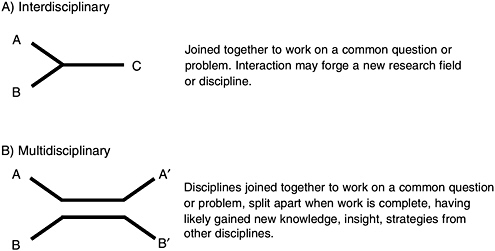
FIGURE 1-1 Interdisciplinary and multidisciplinary research.
SOURCE: National Academy of Sciences, 2004.
-
Research or clinical funds generated from sleep-related activities are not generally reinvested to enhance sleep programs.
-
Collaboration can be more difficult because researchers and clinicians are geographically dispersed.
Sleep Loss and Sleep Disorders Require Long-Term Patient Care and Chronic Disease Management
Sleep disorders are chronic conditions necessitating complex treatments. They are frequently comorbid with other sleep disorders and other conditions (e.g., cardiovascular disease, depression, or diabetes), which, by themselves, are complex to treat. Despite the importance of early recognition and treatment, the primary focus of most existing sleep centers is on diagnosis, rather than on comprehensive care of sleep loss and sleep disorders as chronic conditions. The narrow focus of sleep centers may largely be the unintended result of accreditation criteria, which emphasize diagnostic standards and reimbursement for the diagnostic testing (see Chapter 9).
SCOPE AND ORGANIZATION OF THIS REPORT
Increased public education and greater awareness of the burden of sleep loss and sleep disorders as well as scientific advances have poised the field of somnology and sleep medicine for great strides. In 2003 the NCSDR published a set of research priorities for the field. However, advances will require an organized strategy to increase and coordinate efforts in training and educating the public, researchers, and clinicians, as well as improved infrastructure and funding for this endeavor.
Recognizing the need to develop a new coordinated strategy to improve public awareness and strengthen the field of Somnology and Sleep Medicine, the NCSDR at the NIH, along with the American Academy of Sleep Medicine, the National Sleep Foundation, and the Sleep Research Society, requested that the Institute of Medicine (IOM) conduct a study that would examine: (1) the public health significance of sleep, sleep loss, and sleep disorders, (2) gaps in the public health system and adequacy of the current resources and infrastructures for addressing the gaps, (3) barriers and opportunities for improving interdisciplinary research and medical education and training in the area of sleep and sleep medicine, and (4) develop a comprehensive plan for enhancing sleep medicine and sleep research (Box 1-2).
The IOM appointed a 14-member committee with expertise in academic and medical administration, adolescent medicine, cardiology, epidemiology, geriatrics, health sciences research, neurology, nursing, otolaryngology, pediatrics, psychiatry, and pulmonology. The committee met five times during the course of its work and held two workshops that provided input on the current public health burden of sleep loss and chronic sleep disorders and the organization and operation of various types of academic sleep programs.
Chapter 2 of this report describes the basic biology and physiology of sleep and circadian rhythms. Chapter 3 introduces the primary sleep disorders and their associated health burdens, and Chapter 4 describes their impact on an individual’s performance and associated economic impact. Chapter 5 provides an overview of the barriers to providing optimal patient care, including the lack of public and professional education. Chapter 6 highlights the need for greater capacity to diagnose and treat individuals with sleep loss and sleep disorders. In Chapter 7, the committee examines the education and training programs for students, scientists, and health care professionals. Chapter 8 discusses the current investment by the NIH and the NCSDR and the potential role of a national somnology and sleep medicine research network for advancing therapeutic interventions for sleep loss and sleep disorders. Chapter 9 highlights the infrastructure of the field and proposes recommendations for developing academic programs in somnology and sleep medicine.
|
BOX 1-2 Statement of Task The Institute of Medicine will convene an ad hoc committee of experts in public health, academic and medical administration, and health sciences research to identify (1) the public health significance of sleep, sleep loss, and sleep disorders; (2) barriers and opportunities for improving interdisciplinary research and medical education and training in the area of sleep and sleep medicine; and (3) strategies for developing increased support for sleep medicine and sleep research in academic health centers. The committee will:
|
REFERENCES
AASM (American Academy of Sleep Medicine). 2005. MedSleep. [Online]. Available: http://www.aasmnet.org/MedSleep_Home.aspx [accessed December 17, 2005].
Aserinsky E, Kleitman N. 1953. Regularly occurring periods of eye motility, and concomitant phenomena, during sleep. Science 118(3062):273–274.
CFAT (Carnegie Foundation for the Advancement of Teaching). 2001. The Carnegie Classification of Institutions of Higher Education. Princeton, NJ: Carnegie Foundation for the Advancement of Teaching.
Chervin RD, Hedger Archbold K, Dillon JE, Pituch KJ, Panahi P, Dahl RE, Guilleminault C. 2002. Associations between symptoms of inattention, hyperactivity, restless legs, and periodic leg movements. Sleep 25(2):213–218.
CNTS (Center for National Truck Statistics). 1996. Truck and Bus Accident Factbook—1994. UMTRI-96-40. Washington, DC: Federal Highway Administration Office of Motor Carriers.
Dement W, Kleitman N. 1957. Cyclic variations in EEG during sleep and their relation to eye movements, body motility, and dreaming. Electroencephalography and Clinical Neurophysiology Supplement 9(4):673–690.
Dinges DF, Graeber RC, Carskadon MA, Czeisler CA, Dement WC. 1989. Attending to inattention. Science 245(4916):342.
Ehrenberg RG, Epifantseva J. 2001. Has the growth of science crowded out other things at universities? Change 26:46–52.
Ford DE, Kamerow DB. 1989. Epidemiologic study of sleep disturbances and psychiatric disorders. An opportunity for prevention? Journal of the American Medical Association 262(11):1479–1484.
Kapur V, Strohl KP, Redline S, Iber C, O’Connor G, Nieto J. 2002. Underdiagnosis of sleep apnea syndrome in U.S. communities. Sleep and Breathing 6(2):49–54.
Kribbs NB, Pack AI, Kline LR, Smith PL, Schwartz AR, Schubert NM, Redline S, Henry JN, Getsy JE, Dinges DF. 1993. Objective measurement of patterns of nasal CPAP use by patients with obstructive sleep apnea. American Review of Respiratory Disease 147(4): 887–895.
Lavigne GJ, Montplaisir JY. 1994. Restless legs syndrome and sleep bruxism: Prevalence and association among Canadians. Sleep 17(8):739–743.
Loomis AL, Harvey EN, Hobart GA. 1937. Cerebral states during sleep as studied by human brain potentials. Journal of Experimental Psychology 21:127–144.
Montplaisir J, Allen RP, Walters AD, Lerini-Strambi L. 2005. Restless legs syndrome and periodic limb movements during sleep. In: Kryger MH, Roth T, Dement WC, eds. Principles and Practice of Sleep Medicine. 4th ed. Philadelphia: Elsevier/Saunders. Pp. 839–852.
Moss TH, Sills DL, 1981. The Three Mile Island Nuclear Accident: Lessons and Implications. New York: New York Academy of Sciences.
NAS (National Academy of Sciences). 2004. Facilitating Interdisciplinary Research. Washington, DC: The National Academies Press.
NCSDR (National Commission on Sleep Disorders Research). 1994. Wake Up America: A National Sleep Alert. Volume II: Working Group Reports. 331-355/30683. Washington, DC: Government Printing Office.
NHLBI (National Heart, Lung, and Blood Institute). 2003. National Sleep Disorders Research Plan, 2003. Bethesda, MD: National Institutes of Health.
NSF (National Sleep Foundation). 2000. 2000 Omnibus Sleep in America Poll. [Online]. Available: http://www.sleepfoundation.org/publications/2001poll.html [accessed May 25, 2005].
Orr WC, Stahl ML, Dement WC, Reddington D. 1980. Physician education in sleep disorders. Journal of Medical Education 55(4):367–369.
OTA (Office of Technology Assessment). 1991. Biological Rhythms: Implications for the worker. OTA-BA-463. Washington, DC: Government Printing Office.
Owens J. 2005. Introduction to special section: NIH Sleep Academic Award program. Sleep Medicine 6(1):45–46.
Rechtschaffen A, Bergmann BM, Everson CA, Kushida CA, Gilliland MA. 1989. Sleep deprivation in the rat: X. Integration and discussion of the findings. Sleep 12(1):68–87.
Rosen R, Mahowald M, Chesson A, Doghramji K, Goldberg R, Moline M, Millman R, Zammit G, Mark B, Dement W. 1998. The Taskforce 2000 Survey on Medical Education in Sleep and Sleep Disorders. Sleep 21(3):235–238.
Roth T, Ancoli-Israel S. 1999. Daytime consequences and correlates of insomnia in the United States: Results of the 1991 National Sleep Foundation survey. II. Sleep 22(suppl 2):S354– S358.
Rothdach AJ, Trenkwalder C, Haberstock J, Keil U, Berger K. 2000. Prevalence and risk factors of RLS in an elderly population: The MEMO study. Memory and morbidity in Augsburg elderly. Neurology 54(5):1064–1068.
Shepard JJW, Buysse DJ, Chesson JAL, Dement WC, Goldberg R, Guilleminault C, Harris CD, Iber C, Mignot E, Mitler MM, Moore KE, Phillips BA, Quan SF, Rosenberg RS, Roth T, Schmidt HS, Silber MS, Walsh JK, White DP. 2005. History of the development of sleep medicine in the United States. Journal of Clinical Sleep Medicine 1(1):61–82.
Simon GE, VonKorff M. 1997. Prevalence, burden, and treatment of insomnia in primary care. American Journal of Psychiatry 154(10):1417–1423.
Strohl KP, Veasey S, Harding S, Skatrud J, Berger HA, Papp KK, Dunagan D, Guilleminault C. 2003. Competency-based goals for sleep and chronobiology in undergraduate medical education. Sleep 26(3):333–336.
Tachibana N, Ayas TA, White DP. 2005. A quantitative assessment of sleep laboratory activity in the United States. Journal of Clinical Sleep Medicine 1(1):23–26.
Thursby JG, Thursby TM. 2002. Who is selling the ivory tower? Sources of growth in university licensing. Management Science 48(1):90–104.
United States Senate Committee on Energy and Natural Resources. 1986. The Chernobyl Accident. Washington, DC: Government Printing Office.
USNRC (United States Nuclear Regulatory Commission). 1987. Report on the Accident at the Chernobyl Nuclear Power Station. NU-REG 1250. Washington, DC: Government Printing Office.
Young T, Palta M, Dempsey J, Skatrud J, Weber S, Badr S. 1993. The occurrence of sleep-disordered breathing among middle-aged adults. New England Journal of Medicine 328(17):1230–1235.
Young T, Evans L, Finn L, Palta M. 1997. Estimation of the clinically diagnosed proportion of sleep apnea syndrome in middle-aged men and women. Sleep 20(9):705–706.


