
9
Building Sleep Programs in Academic Health Centers
CHAPTER SUMMARY New organizational structures for interdisciplinary sleep programs in academic health centers are necessary. This chapter makes the case for why interdisciplinary sleep programs are needed nationwide. It then offers a framework for establishing academic somnology and sleep medicine programs. Without being prescriptive, the chapter discusses operating principles gleaned from interdisciplinary somnology and sleep medicine programs that have flourished, as well as from others that have struggled. Finally, the chapter unveils the committee’s recommendation for a three-tier structure that ensures all academic health centers provide adequate interdisciplinary clinical care, with subsequent tiers also emphasizing training and research components. If these components and guiding principles are followed, interdisciplinary sleep programs can thrive, whether as a freestanding department or as a program within an existing department or division. Although not a trivial undertaking, it is necessary that all academic health centers strive to develop or transform their current sleep activities into interdisciplinary sleep programs. Some academic health centers are close to, or already have, achieved strong clinical programs. Once a sleep program is established, whether multidimensional or not, it can generate higher revenues than costs, according to a fiscal analysis presented in this chapter. To ensure improved care and scientific advances, the committee recommends clinical accreditation standards be updated to address patient care needs.
Building sleep programs at academic health centers is not a matter of bricks and mortar. It is a matter of crumbling the organizational walls that separate a variety of traditional scientific and medical disciplines to function more appropriately to meet patient care needs and to facilitate research and training. In this chapter, the committee lays out a vision for each of the nation’s 125 academic health centers to formally establish an interdisciplinary somnology and sleep medicine program. Building sleep programs nationwide will strengthen Somnology and Sleep Medicine as a recognized medical specialty. There is too much at stake—a large patient population, high levels of underdiagnosis, and high public health toll—for inaction.
RATIONALE FOR SLEEP PROGRAMS IN ACADEMIC HEALTH CENTERS
The rationale for sleep programs has been presented throughout this report. This section of the chapter recapitulates those arguments concerning the magnitude of the public health problem and the lack of appropriate education at every level of academic instruction. It also answers the specific question—why is a sleep program optimally interdisciplinary?
Public Health Burden Is High
Chronic sleep loss and sleep disorders are serious and common problems, affecting an estimated 50 to 70 million Americans (NHLBI, 2003). These conditions have a bearing upon nearly every facet of public health— morbidity, mortality, productivity, accidents and injuries, quality of life, family well-being, and health care utilization. Earlier chapters of this report documented the prevalence of sleep problems and their health consequences. Sleep loss and sleep-disordered breathing, for example, are associated with obesity, diabetes, hypertension, cardiovascular disease, and stroke (Chapter 3).
Nearly all types of sleep problems affect personal as well as public health (Chapter 4). The foremost symptom of sleep loss and most sleep disorders—daytime sleepiness—affects performance and cognition. When these functions are perturbed, whether at work, in school, or in the community, serious consequences can ensue. One of the most serious comes in the form of motor vehicle injuries. More broadly, the annual direct and indirect costs of sleep problems reach well beyond $100 billion (Chapter 4).
Most Patients Remain Undiagnosed and Untreated
Most individuals with sleep disorders remain undiagnosed and thus untreated. Two large epidemiological studies, each with thousands of subjects, found that the vast majority, up to 90 percent, of individuals with
sleep-disordered breathing had not been diagnosed (Young et al., 1997; Kapur et al., 2002). Narcolepsy and insomnia are also infrequently detected (Benca, 2005; Singh et al., 2005). All of the findings reported above are consistent with surveys indicating that primary care physicians infrequently ask questions about sleep problems (Chung et al., 2001; Reuveni et al., 2004).
Patients with Sleep Loss and Sleep Disorders Require Long-Term Care and Chronic Disease Management
Sleep disorders are chronic conditions with complex treatments. They are frequently comorbid with other sleep disorders, as well as other complex conditions (e.g., cardiovascular disease, depression, and diabetes) (Chapter 3). Sleep disorders also are dynamic, meaning that the underlying condition or its treatment changes with age and onset of new comorbidities.
Despite the importance of early recognition and treatment, the primary focus of most existing sleep centers is on diagnosis rather than on comprehensive management of sleep loss and sleep disorders as chronic conditions. The narrow focus of sleep centers may largely be the unintended result of accreditation criteria, which emphasize diagnostic standards, as explained later, as well as a result of reimbursement, which is for diagnostic testing.
There are numerous reasons for a paradigm shift to chronic disease management. Proper treatment for most sleep disorders—as for other chronic diseases such as congestive heart failure, diabetes, asthma, and depression— requires a period of time for fine-tuning, extended follow-up, and lifestyle changes. Sleep disorders cannot be adequately treated in a single visit.
The need for chronic care management is even more pressing for the many patients (probably up to 30 percent) with combined sleep pathologies. These patients are difficult to manage without multiple clinicians being involved. For example, 20 to 50 percent of narcoleptics have obstructive sleep apnea (OSA); 40 percent of narcoleptics have insomnia; 40 percent of narcoleptics have periodic leg movements disorder (Baker et al., 1986; Cherniack, 2005; Chung, 2005). Residual daytime sleepiness is common in patients with sleep apnea adequately treated with continuous positive airway pressure (CPAP); it may require additional pharmacotherapy. Similarly, a large portion of patients with sleep apnea have insomnia and vice versa. Insomnia plus sleep apnea is a difficult combination, as it makes it more challenging for patients to tolerate CPAP and thus increases the likelihood of failure if the combination is not addressed.
Sleep disorders are also common in patients with various medical and psychiatric conditions. For example, increased sleep apnea is found in obese subjects with or without the metabolic syndrome and in patients with stroke or various neurodegenerative disorders. Restless legs syndrome can occur in
the context of iron deficiency, renal failure, and pregnancy. Rapid-eye-movement (REM) behavior disorder is often an antecedent of Parkinson’s disease and Lewy body disease. Hypersomnia is a common symptom in Parkinson’s disease, depression, and various neurological conditions. Similarly, insomnia can occur in the context of various medical and psychiatric conditions and is associated with depression. These patients often require coordinated care across disciplines. As will be described below, interdisciplinary sleep programs provide the best structure to facilitate this type of care.
Inadequate Numbers of Training and Research Programs
Training of health professionals seldom deals with sleep hygiene, sleep loss, and sleep disorders (Chapters 5 and 7). Although there have been some improvements, challenges lie ahead for training of medical, nursing, and pharmacy students. Research opportunities for medical residents, sub-specialty residents, and doctoral and postdoctoral researchers are also limited. Most sleep researchers are clustered in a handful of institutions, according to the grants analysis presented in Chapter 7. Because mentoring is critical to success in clinical or basic research, the concentration of mentors at so few institutions leaves students elsewhere with few opportunities to successfully enter the field, thereby constricting the pipeline of new clinicians and researchers.
Large Body of Knowledge
Given the limited number of sleep experts nationwide and their clustering in a handful of institutions, is there a sufficient knowledge base and need to justify creation of an interdisciplinary somnology and sleep medicine program at each of the nation’s academic health centers? The simple answer is yes. Over the last 25 years, the field has grown to the point that a large base of knowledge now exists regarding diagnosis and treatment. Several recent milestones for the field attest to the achievement of a critical mass of knowledge. Sleep medicine is a medical subspecialty now recognized by the American Board of Medical Specialties. The Accreditation Council for Graduate Medical Education (ACGME) now accredits fellowship training programs. Numerous educational resources, including curriculum, are available from the American Academy of Sleep Medicine. The standard 1,500-page textbook, Principles and Practice of Sleep Medicine, is in its fourth edition. There is also a vibrant body of research, described in previous chapters, on the basic science of sleep and sleep disorders. The number of recipients of National Institutes of Health (NIH) R01 grants in sleep has risen from 100 to 253 over the last 10 years (Chapter 8).
Why Is Somnology and Sleep Medicine Program Optimally Interdisciplinary?
Medicine has historically drawn strength from compartmentalizing into distinct specialties and subspecialties. But sleep medicine is not an ordinary subspecialty; its purview spans multiple organ systems. Consequently, complications that arise as a result of sleep loss and sleep disorders require attention from health care professionals in many disciplines. Further, sleep cycles and perturbations exert physiological effects. The major circadian rhythm that originates in the brain influences body temperature, heart rate, muscle tone, and the secretion of hormones. There are also circadian clocks in the heart and other organs. Beyond maintaining proper health and normal cognitive and motor function, sleep is required for survival (Rechtschaffen et al., 1989). Disturbance of sleep or loss of sleep has widespread metabolic implications (Chapter 2). Finally, the scientific study of sleep loss and sleep disorders integrates the efforts of many disciplines, including but not limited to neuroscience, epidemiology, molecular and cellular biology, and genetics.
Thus, by its very nature, the field is at the interface of many medical and scientific disciplines. Therefore, it is not surprising that board certification in sleep medicine is under the auspices of four different medical boards—the American Boards of Internal Medicine, Pediatrics, Otolaryngology, and Psychiatry and Neurology.
To harness the needed specialties, sleep programs must be multidisciplinary. But being multidisciplinary is not sufficient. A true interdisciplinary program is an orientation, approach, or philosophy that seeks to go beyond the sum of the parts to build a new enterprise (Figure 9-1). It is not necessary for sleep medicine to be housed in a stand-alone department or division. Many interdisciplinary sleep programs thrive in a department (see below). However, sleep programs that are restricted to a single department that does not allow for interdisciplinary treatment and care tend to struggle. This is partly because they fail to provide a sense of identity; they lack a career path for faculty, which in turn, makes it difficult to recruit students and additional faculty—the very ingredients needed to establish and rejuvenate a field. Further, fragmented programs lack the collaborative spirit necessary for excellence in clinical care, training, and research.
The field of somnology and sleep medicine is an excellent example of an interdisciplinary field because it strives to integrate ideas, tools, and perspectives from several disciplines in order to advance understanding beyond the scope of a single discipline or field of research practice. The field is being forged from existing fields of cardiology, dentistry, endocrinology, geriatrics, neurology, neuropsychopharmacology, neuroscience, nursing, otolaryngology, pediatrics, psychiatry, psychology, and pulmonology (Box 9-1). Although
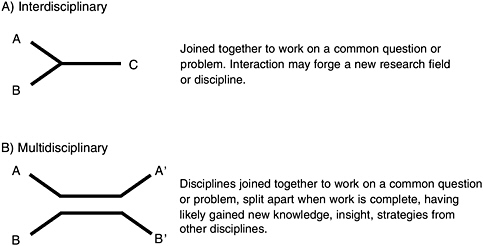
FIGURE 9-1 Interdisciplinary and multidisciplinary research.
SOURCE: NAS (2004).
not all of these disciplines are essential for starting a sleep program, each enriches the sleep field in transcendent ways. Two of the most advanced and successful sleep programs, at Harvard University and the University of Pennsylvania, attest to the productivity and vibrancy of an interdisciplinary approach. The success of the program at the University of Pennsylvania also demonstrates that the success of an interdisciplinary sleep program is not dependent on it being its own stand-alone department.
Many types of health professionals are needed to guide the chronic management of sleep disorders. Individuals with sleep loss and sleep disorders have a multitude of health-related problems that require attention from a number of medical disciplines. However, given the limited number of certified health care professionals in sleep medicine and depending on the size and structure of an interdisciplinary sleep program, an individual often may need to be referred to a specialist in another department who may not be certified in sleep medicine. These physicians come from a variety of medical specialties, including internal medicine, pediatrics, otolaryngology, pulmonology, neurology, and psychiatry. Psychologists are essential in behavioral management of sleep disorders.
Nurses and nurse practitioners also play an important role in patient support, patient teaching (especially in sleep hygiene and use of CPAP), follow-up, and promoting adherence to prescribed medical therapies (Epstein and Bootzin, 2002; Lee et al., 2004b). For example, in one of the
|
BOX 9-1 Examples of Interdisciplinary Approaches to Somnology and Sleep Medicine Several major accomplishments of somnology and sleep medicine have critically depended on the insights and perspectives of disparate disciplines: Cardiology Contributions of cardiology and large cohorts such as the Framingham study led to the Sleep Heart Health Study. This large cohort study has shown that sleep apnea is a risk factor for hypertension, cardiovascular disease, and insulin resistance (Nieto et al., 2000; Shahar et al., 2001; Punjabi et al., 2004). Endocrinology Cumulative sleep loss led to reduced leptin and increased ghrelin and hence increased appetite (Spiegel et al., 2004; Taheri et al., 2004). This led to the hypothesis that a hormonally mediated increase in appetite may help to explain why short sleep is a risk factor for obesity. Pulmonary Pulmonologists, with their knowledge of pulmonary physiology and ventilators, led the development of nasal CPAP, the most efficacious and common treatment for OSA (Sullivan et al., 1981). Neurobiology and Genetics Contributions of neurobiologists led to the demonstration that the rest period in the fruit fly (Drosophila) is analogous to mammalian sleep (Shaw et al., 2000; Hendricks et al., 2000).This provides a powerful new genetic model to study sleep mechanisms. Nursing Nursing’s focus on quality of life led to development of the Functional Outcomes of Sleepiness Questionnaire (Weaver et al., 1997). This instrument, which measures functional capacity in relation to sleep, is now used in clinical trials. |
few studies of its kind, group education sessions with a pulmonary nurse practitioner were found to enhance CPAP compliance over a 2-year period (Likar et al., 1997). Other nursing interventions, such as appropriately timed exercise, relaxation, and meditation, have also been shown to have beneficial effects on sleep in patients with chronic illnesses such as cancer and those in the acute care setting (Davidson et al., 2001; Mock et al., 2001; Richards et al., 2003; Allison et al., 2004). The role that poor sleep plays in enhancing other symptoms such as depression, fatigue, and pain is also
receiving increased attention by nurse clinicians and researchers in an attempt to improve overall symptom management (Miaskowski and Lee, 1999; Lee et al., 2004a; Miaskowski, 2004; Parker et al., 2005).
Despite its promise, the field, like any enterprise that strives to cut across traditional disciplines, is fragile—even in the most supportive environments (NAS, 2004). Sleep clinicians or researchers often face daunting obstacles and disincentives, most of which arise from the customs and practices of individual academic departments. Those obstacles are discussed later in this chapter.
CONSTRAINTS FACING INTERDISCIPLINARY SLEEP PROGRAMS
Many of the most promising new lines of academic pursuit fall outside of traditional disciplines (Ehrenberg and Epifantseva, 2001). Yet interdisciplinary programs, even under the best of circumstances, face barriers and impediments within the confines of academic or research institutions (Ehrenberg et al., 2003; Lach and Schankerman, 2003). A recent National Academies report focusing on ways to facilitate interdisciplinary research was unambiguous about the difficulties confronting these programs, despite their promise. The report observed that, “Researchers interested in pursuing [interdisciplinary research] often face daunting obstacles and disincentives.” Some of these obstacles take the form of personal communication or culture barriers; others are related to the tradition in academic institutions of organizing research and teaching activities by discipline-based departments—a tradition that is commonly mirrored in funding organizations, professional societies, and journals (NAS, 2004). This is a generic problem, regardless of whether the interdisciplinary research program deals with nanotechnology or the perception of pain.
The problem of departmental silos permeates interdisciplinary programs within any setting: academic health centers, universities, national laboratories, or industry. The following section presents a series of constraints that together limit the achievement of interdisciplinary programs. These constraints were identified on the basis of an analysis of six sleep programs using methods from operations research that the committee commissioned (see below). Several of the other constraints described in the following sections stem from organizational structures that were established prior to the advent of interdisciplinary research: interdisciplinary programs challenge institutional reward systems; interdisciplinary requirements impose obstacles, different administrative jurisdictions, and lack of appropriately trained staff for sleep studies; and service demand outstrips service supply.
Different Administrative Jurisdictions
As a corollary of the interdisciplinary nature of sleep programs, another constraint is that the services offered by a sleep program often occur at different locations under different administrative jurisdictions. Coordinating all the different types of personnel, lines of authority, policy and procedures, and quality control measures across organizational boundaries is challenging. Who bears the costs and their alignment with benefits and the various revenue streams is neither obvious nor consistent.
Interdisciplinary Programs Challenge the Institutional Reward System
Most institutional reward systems are organized within traditional disciplines or academic departments. These are the units that control what most professionals covet: hiring capacity, tenure and promotion decisions, and space allocation. Interdisciplinary programs challenge this discipline-based reward system, as well as the culture accompanying each discipline (i.e., the customs and shared values that create group cohesion).
The National Academies report on interdisciplinary research conducted three surveys of different groups either working within or overseeing interdisciplinary programs: individual professionals, provosts, and attendees of a conference on interdisciplinary research. In all, some 500 people responded to the surveys (NAS, 2004). The report acknowledges that the samples were not random. But since these are the only surveys of their kind, it is worth noting that the overwhelming majority of respondents (70.7 percent) reported that there were impediments at their institution. The leading barriers identified by individual professionals and provosts: promotion criteria, budget control, control on use of indirect costs, compatibility with university’s strategic plans, and space allocation (Figure 9-2).
Interdisciplinary Requirements Impose Obstacles
Interdisciplinary sleep programs, at a minimum, require multidisciplinary participation. As explained earlier, an interdisciplinary program moves beyond being multidisciplinary and is one in which multiple disciplines collaborate in a way that forges a new discipline or endeavor. Provision of clinical services in sleep medicine call upon professionals from internal medicine and its relevant subspecialties (e.g., pulmonology, cardiology, neurology, psychiatry, otolaryngology, pediatrics, and geriatrics) and other disciplines such as nursing, dentistry, and psychology. Research includes genetics, endocrinology, neuroscience, statistics, pharmacology, and epide-
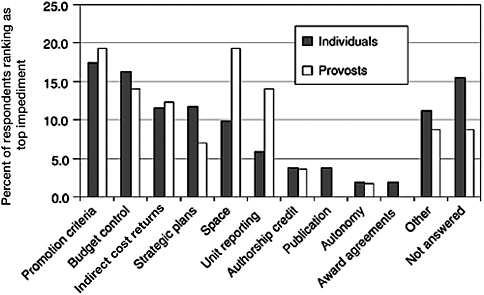
FIGURE 9-2 Barriers to interdisciplinary research.
SOURCE: NAS (2004).
miology. Similar issues exist in teaching undergraduate, graduate, and physicians in their residencies, fellowships, and postdoctoral work.
The unintended consequence is to produce barriers to interdisciplinary patient care, training, and research. Barriers include the length and depth of training in a single field necessary to develop scientists successful at competing for funds, the difficulty in forging a successful career path outside the single disciplinary structure, impediments to obtaining research funding for interdisciplinary research, and the perceived lack of outlets for the publication and dissemination of interdisciplinary research results.
Lack of Appropriately Trained Staff for Sleep Studies
By nearly universal consensus, one sleep technician can monitor at one time two uncomplicated diagnostic studies or one complicated study. Yet, the number of certified technicians nationally is inadequate to meet this need. As with any market in which the supply is less than demand, costs of certified technicians is rising faster than the average rate of inflation or the average rate of medical costs. This has two likely consequences: sleep programs are forced to provide on-the-job training for their technicians; and private-sector organizations are able to adjust their payment structures more readily than academic health centers. Thus, academic centers often provide training, but higher salaries in the private sector lure the experienced technologists. The
net consequence is that the lack of trained technicians can act as a serious structural impediment to developing interdisciplinary sleep programs.
Demand Outstrips Supply
Estimates suggest that 50 to 70 million Americans suffer from a chronic disorder of sleep and wakefulness (NHLBI, 2003). As discussed in detail in Chapter 6, the predicted number of individuals with sleep disorders greatly outstrips the ability to provide services using trained personnel (Tachibana et al., 2005). Although there are over 3,250 American Board of Sleep Medicine (ABSM) diplomats, inadequate staffing results in long wait time until next appointment. Analysis commissioned on behalf of the committee indicated that wait times could range by as much as 4 weeks to 4 months.
KEY COMPONENTS AND GUIDING PRINCIPLES FOR BUILDING SLEEP PROGRAMS
In this section, the committee offers guidance to academic health centers about the missions and roles of sleep programs. There is no single way to create or expand an interdisciplinary sleep program. The committee recognizes that every institution has established—often over many decades— its own policies, procedures, institutional organization, and lines of authority. The committee offers principles that can guide development of somnology and sleep medicine programs. For each of these key components and guiding principles, the committee draws on its experience with programs that have been successful, as well as those that have struggled. It also draws on the formidable barriers identified in the previous section. If these components and guiding principles are followed, interdisciplinary sleep programs can thrive, whether as a freestanding department or as a program within an existing department or division.
Key Components of Interdisciplinary Sleep Programs
Strong Linkages from Diagnostic Testing Centers to Comprehensive Care
Diagnostic sleep centers need to establish strong linkages with treatment providers. The emphasis of sleep centers may be too narrowly focused on diagnosis. The committee heard testimony and anecdotal reports that many patients, once tested, are lost to follow-up. Once diagnosed, severe sleep apnea, for instance, optimally should be followed up by a physician certified in sleep medicine. Less severe forms of apnea may warrant watching or referral to a dentist for preparation of dental devices, if a dental problem is etiologically related.
A Chronic Disease Management Model
Responding to the well-documented problem that most Americans with chronic diseases receive suboptimal care (IOM, 2000; 2001), Wagner and colleagues have developed and tested a model for improved management of chronic illness in the primary care setting. Components of the model have been demonstrated to lower health care costs or lower use of health care services (Bodenheimer et al., 2002). The model’s six components are:
-
community resources (e.g., exercise programs, senior centers, and self-help groups)
-
health care organization (a provider organization and its relationships with purchasers, insurers, and other providers)
-
self-management support (ways to help families acquire the skills and confidence to manage their chronic illnesses)
-
delivery system design (structuring medical practice to create teams, including nonphysician personnel, for patient support and follow-up)
-
decision support (access to specialists that does not necessarily require a specialty referral)
-
clinical information systems (e.g., reminder systems, feedback to physicians, registries for planning patient care)
Education and Training
Few health professionals receive adequate training in somnology and sleep medicine, as summarized earlier in this chapter and considered in depth in Chapters 5 and 7. At a minimum, medical students need basic training in sleep disorders, as do pharmacy, public health, dentistry, and nursing students. This training should cover the public health burden of sleep loss and sleep disorders and the importance of diagnosis and treatment throughout the life span. Sleep disorders and sleep medicine should be covered in greater depth in residency and fellowship training programs in all primary care specialties, as well as specialties related to sleep (e.g., otolaryngology), but without formal ACGME-accredited sleep fellowship programs. Research training—for clinical fellows, as well as for graduate and postgraduate researchers—is a key component for more specialized sleep programs (Type II and III; see below).
Clinical, Basic, and Translational Research
The field, as an interdisciplinary enterprise, garners momentum from the many clinical and basic disciplines at its core. The translational opportunities inherent in the field were among the motivations behind the forma-
tion by the NIH, in 1986, of the Trans-NIH Sleep Research Coordinating Committee (Chapter 8). The coordination and integration of many scientific fields will maximize these efforts.
Participation in Proposed Research Network
The committee recommended in Chapter 8 the creation of a National Somnology and Sleep Medicine Research and Clinical Network. The purpose of the proposed network is to advance the field by providing a means to connect individual investigators, research programs, and research centers. The network would provide a resource for education, training, collaborations, core facilities, data coordination, and access to multisite clinical research trials. Most sleep programs could benefit greatly from participation in the proposed network. For the network to be successful, all participating programs should be required to submit research and clinical data to whatever joint projects the network undertakes. This concept parallels the structure of many existing networks supported by NIH, as noted in Chapter 8.
Guiding Principles of Interdisciplinary Sleep Programs
Leadership
Leadership, so easily recognizable but elusive to define, is the single greatest success factor in forming a new program. The most successful programs developed over the past two decades are largely traceable to the conviction, determination, and persistence of committed leaders. These programs have served as beacons to others, facilitating their establishment. In a survey of 186 principal investigators, the IOM and National Academies committee on interdisciplinary research asked, “If you could recommend one action that principal investigators could take that would best facilitate interdisciplinary research, what would that be?” The leading recommendation from this survey was to increase leadership support of team-forming activities (NAS, 2004).
Revenue Generation and Fiscal Independence
Established sleep programs can generate higher revenues than costs, according to the analysis that the committee commissioned. This has resulted in individual departments taking “ownership” of the sleep program, thereby limiting reinvestment potential. But this is a shortsighted strategy. As emphasized throughout this report, there is enormous opportunity both in terms of clinical service and research. Academic centers, which adopt budgeting strategies that offer individual incentives to work together, should
be better positioned to promote interdisciplinary research. Moreover, deans can facilitate interdisciplinary research by specifically giving chairpersons incentives for this type of activity. Such strategies give deans a very specific role in development of and support of somnology and sleep medicine as an interdisciplinary discipline.
Transparent Policies and Procedures
Sleep programs that are administered as divisions within individual departments may be at a disadvantage. They are not represented at the level of the school of medicine and hence may not be directly involved in strategic planning initiatives of the academic medical center. Further, the program competes for faculty positions in a structure that is not focused on development of interdisciplinary programs. On the other hand, entities that have medical-school-wide structures that support the interdisciplinary nature of sleep medicine have the converse—they are involved in strategic planning, there is financial transparency with budget authority, and they have the ability to advocate for faculty positions.
ORGANIZATIONAL AND FISCAL STRUCTURES FOR SUSTAINING OR EXPANDING A SLEEP PROGRAM
How can programs in somnology and sleep medicine be organized to sustain themselves and grow? This was the driving question behind an analysis the committee commissioned. The analysis focused on organization and fiscal structure of five interdisciplinary sleep programs—each with clinical, teaching, and research capacity. By studying programs with distinct organizational structures, the analysis sought to determine which were most conducive to sustaining or expanding their sleep program.
The analysis was undertaken using methods from operations research, a field that examines the impact of organizational structure on a program’s capacity to achieve its mission. Operations research has shown that a program’s success not only depends on leadership and quality of faculty and students, but also on its organization. It has identified organizational structure as being associated with success in producing doctorates (Ehrenberg and Epifantseva, 2001), acquiring grants (Ehrenberg et al., 2003), and developing patented technology (Luszki, 1958; Lach and Schankerman, 2001; 2003). This section of the chapter summarizes the specific questions, methods, and major findings of the commissioned paper. It is important to point out that the choice of programs was meant neither to be representative of all sleep programs, nor to cover the question of how to start a program de novo. Consequently, although the general findings are consistent,
any conclusions drawn from the analysis may be limited and may not transcend every medical center.
Specific Questions and Methodology
The analysis addresses three specific questions: (1) Can sleep programs generate revenue in excess of their costs? (2) Which revenue streams produce the largest net revenue available for program development? (3) What organizational structure maximizes control over resources for program development? Parametric analysis applying the principles of operations research was used to examine these three questions. Semistructured interviews were conducted at five academic sleep programs with varying organizational structures: Emory University, George Washington University, Stanford University, University Hospital of Cleveland, and University of Pennsylvania. The interviews dealt with the topics in Box 9-2. Financial data were obtained from each program, and direct observations were performed, including the provision of clinical services and the effect of teaching on patient throughput. Major priorities of the analysis were to develop an operational framework to categorize organizational structures, to delineate specific constraints affecting sleep programs, to identify major cost structures and major funding streams, and to develop a “business plan” for each major organizational variant most likely to sustain or expand its program.
Direct Costs
The analysis identified three major direct costs: clinical services, teaching, and research. Clinical services consist of obtaining a reliable clinical history from a patient, determining what studies to conduct and, based on findings, establishing a diagnosis and developing a treatment plan. Diagnostic sleep studies are constrained by the fact that a sleep technician simultaneously can run, at best, two studies. “Reading” of studies requires frequent technician and clinician “calibration” for quality assurance purposes. Most programs are able to generate approximately 30 readings a week per full-time equivalent. Incorrect staffing ratios (e.g., medical assistant to provider ratios lower than 2 to 1) often produce longer patient wait times, which negatively affect patient throughput. No-show rates typically increase beyond a 2-week “next appointment” wait time. The direct costs of performing a sleep study are rising rapidly, primarily as a result of personnel costs. The changes in direct service costs between 1994, 2000, and 2005 are depicted in Figure 9-3.
The programs in the study taught medical students, residents, doctoral students, sleep fellows, and postdoctoral fellows. Though many faculty
|
BOX 9-2 Areas Addressed in Semistructured Interviews
|
taught these medical students, there was not a formal mechanism for offsetting the expense through tuition revenue sharing. This is a more substantial problem in administrative structures in which the academic hospital is a separate legal entity from the university. Although there is generally a formal revenue sharing arrangement between the university and the hospital, there is seldom a similar arrangement between the university and the medical faculty.
Direct observations of programs being profiled here are consistent with findings of other studies that “teaching moments” increase the time spent for each clinical encounter by 20 to 30 percent. All programs examined for this study participated in fellowship training. Funding, with the exception
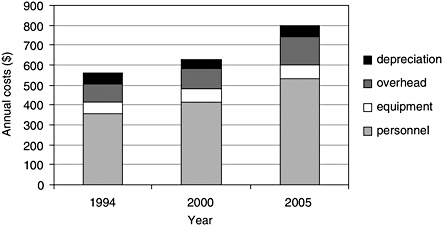
FIGURE 9-3 Direct service costs of sleep studies.
of direct NIH training grant support, was done without transparency and with minimal recognition of the expenses involved.
For research, there is a broad range of costs involved, depending on whether the research is basic or applied. This analysis focused only on direct costs and did not take into account start-up costs or shared or under-utilization of space or personnel costs.
Revenue Streams
There are three major clinical revenue steams: sleep studies—technical and professional components (the latter being for interpretation) and clinical encounters, teaching revenue streams (student tuition fees, graduate medical education [GME] funding, and NIH training grants), and one research revenue stream (grant funding both from federal and nonfederal sources).
Sleep studies generate the largest net revenue but mostly in the technical component. Clinical interpretations of sleep studies exhibited positive but lower margins. Clinical encounters were, at best, a breakeven proposition. This reflects general reimbursement patterns and the relatively higher overhead in academic practice by comparison to private practice settings. The relative efficiency of office practice varied considerably based on the organizational structure, but even under the best structure there was little evidence of net revenue beyond salary support for this part of the activity.
Interpretation of sleep studies does offer moderate net revenues even in the least efficient of the organizational structures. Direct costs are minimal, and federal and commercial insurance payments are predictable and above direct costs. Net revenue can support program development for both clinical
and teaching purposes. Whether a given sleep program can access the net revenue for development depends on the organizational structure and financial arrangements between the sleep program and its parent organization(s).
By far the greatest net revenue comes from sleep diagnostic procedures. However, compared with other outpatient procedures (e.g., endoscopy and surgery) and many inpatient procedures, the net revenue from sleep studies may represent a type of “opportunity cost,” insofar as they are not as profitable as other procedures. The net revenue is sufficient, however, to support clinical, teaching, and research program development. Even so, whether a sleep laboratory is a potential source of programmatic reinvestment is very much affected by the entity that owns the laboratory. In a hospital setting, the sleep laboratory margins compete for space and personnel with other services that generate much higher net margins. The difficulty in acquiring sleep laboratory space and sharing in the revenue has resulted in many academic programs outsourcing sleep laboratory studies to private contractors. Revenue sharing plans, such as those at Emory University and the University of Pennsylvania, with private contractors can support clinical teaching.
Three sources of revenue for teaching include capture of student tuition, federal GME funding, and NIH training grants. However, none of the sleep programs profiled here received student tuition revenue despite the substantial time spent teaching students. This generally reflects funds flow in most academic centers and is therefore not specific to sleep programs. Training grants support the education of fellows during their research training. Support of the fellows’ clinical education is derived from a variety of sources and therefore differs from one institution to another.
Federal and nonfederal research grants support the direct costs of research, but the indirect cost recovery, even when distributed, does not completely cover the overhead costs of doing research. Institutional supplements generally close the gap.
Findings About the Role of Organizational Structure
There are two major parameters defining the effect of organizational structure on academic sleep centers. The first is the relationships among the university, school of medicine, university hospital, and faculty practice group. The second is the relationship between the sleep program and the rest of the faculty practice groups.
Macrostructure
The relationships among the university, university hospital, and faculty group have a major bearing on transparency in career development, re-
source sharing, and program development. For a fortunate few, these organizational units exist within the same legal entity. For most, they are disaggregated, with many having the hospital as a separate legal entity. In others, the faculty practice group, hospital, and school of medicine are all separate legal entities. Under the disaggregated organizational structures, all the complications and barriers exist to multidisciplinary collaboration in clinical, teaching, and research activities. Even more relevant to the purpose of this report, the ability to reinvest net revenues generated by the various sleep programs’ revenue streams is dependent on individual initiative, personal relationships, and historical fiscal arrangements.
Microstructure
The relationship between the sleep program and the rest of the faculty practice group controls program development. In a few instances, the program is a formally recognized administrative structure (either as a separate division or as a formal “center”). A formally recognized program enhances the likelihood of revenue and resource sharing, faculty recruitment and development, decisions about how to reinvest revenue, and the ability to respond to local conditions. All too often, however, the sleep program is informally recognized. Net revenues are folded back into the department— with no advantage to the sleep program. The sleep program often has little control over faculty selection and evaluation, risk of multiple sleep services being offered by competing departments, and significant barriers to cross-discipline teaching activities and credit. This, in turn, limits the program’s capacity to attract new faculty of high quality. Consequently, most programs have relied on the charisma, determination, persistence, and persuasiveness of their program leader. However, successful sleep programs do not need to be established in separate administrative structures. Many large, successful programs with strong leadership are housed within long-established medical departments or divisions.
The degree of transparency (or lack thereof) in administrative policy and procedures governing cost and revenue allocation and the weighting of teaching and research activities relative to clinical income at both the individual faculty member and program level varied considerably. The integrated model demonstrated the greatest transparency, greatest growth, and least concern about how to reinvest in the program.
Summary of Fiscal and Organizational Analysis
Sleep programs can generate higher revenues than costs. The net revenues (i.e., profits) can be used for reinvestment to sustain and build the program. Programs studied here have three sources of revenues: grants,
clinical revenues, and teaching revenue. The technical revenue for sleep studies is the most profitable type of clinical revenue. It often is more profitable when contracted out to a private management firm with lower cost structures and more efficient operations. Contracting out also brings an added dividend: it gives the sleep program a dedicated source of revenue over which it may exert greater control. Training’s financial benefits or disadvantages cannot be calculated, largely because none of the programs profiled here captured those costs.
The ability to control reinvestment in the sleep program is largely governed by the administrative structure within which the program is located. The ideal structure for controlling reinvestment exists when the program is a formal division within a medical school or the health science center—and when the medical school operates under the same administration as does the university hospital and faculty group. However, the committee recognizes that establishment of independent sleep departments is not possible in the vast majority of medical centers. Many successful sleep programs are divisions or centers in an existing medical department (e.g., internal medicine, neurology, or psychiatry). Therefore, facilitating growth of sleep programs can best occur by following the key principles previously set forth and the organization guidelines that will be discussed in the following section.
If the emphasis of the sleep program is on clinical services and clinical teaching, then the greatest reinvestment opportunities occur when the program is recognized as a formal clinical center, especially one that contracts out for sleep studies. If research is its greatest priority, then the greatest opportunities for program reinvestment occur when the sleep program is its own center administering its own grant activity.
Sleep programs have come into existence because of the vision and dedication of their leaders. Constructing a new enterprise requires that type of leadership, but sustaining and enhancing a program requires more: it requires a self-supporting organizational structure with transparent goals, rules of participation, and the capability to control reinvestment opportunities.
ACCREDITATION AND CERTIFICATION ARE ESSENTIAL TO QUALITY CARE
Although somnology and sleep medicine is a relatively new field, it is coming of age during this transformative period in medicine as a whole. Sleep medicine needs to be committed to the same high standards and evolving system of care influencing other fields of medicine, starting with the basics—accreditation and certification. The American Academy of Sleep Medicine (AASM) has standards for sleep centers, which include standards dealing with three broad functions: (1) accreditation of sleep centers and laboratories; (2) accreditation of sleep fellowship training programs;
and (3) certification of specialists in sleep medicine. Two of the AASM’s functions recently have been assumed, at its request, by national certifying organizations (Table 9-1). The transition to these national certifying bodies is still in progress.
Accreditation of Sleep Centers or Laboratories
In 2005, the AASM accredited a total of 900 sleep centers and laboratories. There are two types of accreditation. One type, which accounts for the vast majority of accreditations (832 of 900), is a sleep disorders center. The centers are described as having a “comprehensive or full-service sleep disorders program” (American Academy of Sleep Medicine, 2006b). The other type of accreditation is for a more limited laboratory for sleep-related breathing disorders only.
The committee identified several problems with respect to quality of care. The foremost problem is that only 30 percent of sleep centers nation-wide are accredited (Tachibana et al., 2005). Considering that an estimated 1 million polysomnograms were performed in 2001, it is likely that approximately 700,000 of them were not performed in accredited centers. Although there is no systematic evidence of poor quality of care in unaccredited centers, there is no assurance of quality care either. Because many of the serious health outcomes of sleep disorders may not manifest until years later, it would be difficult to link those outcomes with quality problems at the time of testing. Further, the fact that a majority of programs are not accredited taints the credibility of the field, preventing it from achieving the legitimacy that it has long sought.
TABLE 9-1 Evolution in Accrediting and Certifying Organizations in Somnology and Sleep Medicine
|
|
Past Accrediting or Certifying Organization |
Current Accrediting or Certifying Organization |
Number Accredited or Certified in 2005 |
|
Sleep Centers or Laboratories |
American Academy of Sleep Medicine |
American Academy of Sleep Medicine |
894 (832 centers, 62 labs) |
|
Sleep Fellowship Training Programs |
American Academy of Sleep Medicine |
Accreditation Council for Graduate Medical Education |
50 AASM 24 ACGME |
|
Board Certification in Sleep Medicine |
American Board of Sleep Medicine |
American Board of Medical Specialtiesa |
3,250 |
|
aThe American Board of Medical Specialties will begin certification in 2007. |
|||
Finally, the absence of accreditation impedes sleep centers moving toward better care for patients (by embracing both diagnosis and treatment, rather than diagnosis alone). The overview to the standards indicates that accredited centers provide a comprehensive approach to patient care (AASM, 2006a). But this broad mission is not reflected in the actual criteria for accreditation. Accrediting criteria emphasize personnel, patient acceptance, facilities, and technical staff. The criteria lack specific emphasis on long-term disease management and improved outcomes provided by patient care. The committee heard testimony that many patients who are evaluated and diagnosed at centers are not systematically tracked in terms of follow-up care—either for treatment or for monitoring adherence with treatment. This testimony is consistent with research revealing that compliance with CPAP is poor (Kribbs et al., 1993; Reeves-Hoche et al., 1994). The committee could not find studies that directly address the extent to which diagnosed patients are not receiving treatment and follow-up care. The committee believes, however, that the accreditation procedure represents a unique opportunity to ensure that sleep centers are primarily focused on improving patient outcomes rather than diagnosis.
Accreditation of Fellowship Training Programs in Sleep Medicine
Starting in the mid-1990s, the AASM began to accredit sleep fellowship training programs. These are 1-year programs for medical doctors, which may be taken after completion of a residency (e.g., internal medicine, neurology, otolaryngology, psychiatry, or pediatrics or fellowships such as pulmonary medicine). In 2003, the ACGME approved AASM’s application for transferring its fellowship training program to ACGME. AASM had actively sought approval in order to further elevate the standards for training and education. The newly established ACGME accreditation program began in June 2004. Accreditation criteria cover such areas as curriculum, qualifications of faculty, fellow competencies, scholarly activities, duty hours, and evaluation. By 2011, eligibility for board certification in sleep medicine will require attending an ACGME-accredited fellowship program in sleep medicine. Currently there are 24 ACGME-accredited fellowship programs and approximately 50 AASM accredited programs.
Certification of Specialists in Sleep Medicine
Since its inception, the AASM (or its predecessor organization) certified specialists by a specialty examination. By 1991, the AASM formed an independent body to serve that function, the American Board of Sleep Medicine. Certified professionals are known as diplomates in sleep medicine. The number of diplomates rose from 21 in the late 1970s to 3250 in 2005.
One of the board’s major goals was realized in 2005, when it was accorded recognition as a bona fide subspecialty by the American Board of Medical Specialties. The timetable calls for a 6-year transition period. By 2011, board certification in sleep medicine will become available under the auspices of the American Boards of Internal Medicine, Pediatrics, Otolaryngology, and Psychiatry and Neurology. However, as discussed in Chapter 5, not all clinicians will be eligible to sit for the exam. The ACGME only permits accreditation of medical doctors; thus nurses, dentists, and doctorally prepared sleep specialists (e.g., psychologists and behavioral health specialists) in other fields will require alternative means of credentialing. It is possible that this may continue to be performed through the American Board of Sleep Medicine. Alternatively, other appropriate professional organizations may wish develop their own standards.
Health Insurance Role in Improving Quality
Health insurance, whether private or public (e.g., Medicare or Medicaid), is a driving force in health care delivery. Health insurance coverage drives the types of services that are offered and the incentives under which physicians operate. Health insurance coverage also influences who has access to services and how consumers select and use them (Hillman, 1991; Miller and Luft, 1994).
Health insurance coverage also influences the quality of care, often in unintentional ways. For example, fee-for-service health insurance may promote overuse of services—ones may not be necessary or that may expose patients to greater harm than benefit. Conversely, managed care may promote potential underuse of services from which patients might benefit (IOM, 2001). A major recommendation of the IOM report, Crossing the Quality Chasm, was to use health insurance as a means to ensure development of programs in quality improvement. Payment policies, the report recommended, should be used to reward higher quality of care.
The concept of using payment methods to reward better quality of care already has taken hold in many areas of medicine. It also is occurring in sleep medicine. In several regions, private health insurers require as a condition of reimbursement that sleep studies be conducted in accredited laboratories or centers (AASM, 2006a).
NEXT STEPS
Continued clinical advances and growth of the field depends on the appropriate emphasis and organization of academic sleep programs. These structures require special attention, not only to diagnosis, but also to long-term patient care that recognizes the need for chronic disease management
and strategies. The committee recommends a three-tier structure that ensures all academic health centers have at least a minimum set of organizational components that ensure adequate interdisciplinary clinical care, with subsequent tiers also emphasizing training and research components. Further, to ensure improved care and scientific advances, the committee recommends accreditation standards be updated to include patient care criteria.
Proposed Organizational Guidelines for Interdisciplinary Sleep Programs
As suggested throughout this chapter and the entire report, the current organizational structures at many academic health centers are not sufficient to ensure continued advances in clinical care and research. Consequently, the committee recommends that each health center strive to put in place an interdisciplinary sleep program. However, the committee recognizes that each of the 125 academic health centers has a different organizational structure and resources. Consequently, a three-tier model for interdisciplinary sleep programs is recommended, progressing from programs that emphasize clinical care and education, to programs with a considerable research capacity, advanced training, and public education (Table 9-2). The first tier
TABLE 9-2 Guidelines for Interdisciplinary Type I, II, and III Academic Sleep Programs
|
Attribute |
Type I (clinical) |
Type II (clinical, training, research) |
Type III (regionalized comprehensive centers) |
|
|
Structure and Composition |
|
|
|
|
|
|
Clinical specialties represented:a |
|
|
|
|
Internal medicine and relevant subspecialties |
x |
x |
x |
|
|
Neurology |
x |
x |
x |
|
|
Psychiatry and subdisciplines |
x |
x |
x |
|
|
Otolaryngology |
x |
x |
x |
|
|
Pediatrics and subspecialties (as necessary may be separate program) |
x |
x |
x |
|
|
Nursing |
x |
x |
x |
|
|
Psychology |
|
x |
x |
|
|
Dentistry |
|
|
x |
|
|
Medical director certification in sleep medicine (American Board of Medical Specialties or American Board of Sleep Medicine)b |
x |
x |
x |
|
|
Consultant services from specialties not represented |
x |
x |
x |
|
|
Attribute |
Type I (clinical) |
Type II (clinical, training, research) |
Type III (regionalized comprehensive centers) |
|
|
|
Sleep specialists provide consultant services |
x |
x |
x |
|
Single accredited clinical sleep center |
x |
x |
x |
|
|
Comprehensive program for diagnosis and treatment of individuals |
x |
x |
x |
|
|
Training Program |
|
|
|
|
|
|
Training program for health care professionals and/or researchers |
x |
x |
x |
|
Medical school training and education |
x |
x |
x |
|
|
Education for residents in primary care |
x |
x |
x |
|
|
Residents in neurology, psychiatry, otolaryngology, and fellows in pulmonary medicine rotate through sleep program |
|
x |
x |
|
|
Accredited fellowship program for physicians |
|
x |
x |
|
|
Research training for clinical fellows |
|
x |
x |
|
|
NIH-sponsored training grants for graduate and postgraduate researchers |
|
x |
x |
|
|
Research Program |
|
|
|
|
|
|
Research areas of emphasis:c |
|
|
|
|
Neuroscience |
|
x |
x |
|
|
Epidemiology/public health |
|
x |
x |
|
|
Pharmacology |
|
|
x |
|
|
Basic or clinical research program |
|
x |
|
|
|
Basic and clinical research program |
|
|
x |
|
|
Member of proposed national somnology and sleep medicine research and clinical network |
xd |
x |
x |
|
|
Regional coordinator for: |
|
|
|
|
|
Core facilities for basic research |
|
|
x |
|
|
Multisite clinical trials |
|
|
x |
|
|
Core facilities for clinical research |
|
|
x |
|
|
Mentoring of sleep fellows |
|
|
x |
|
|
Public education |
|
|
x |
|
|
Data coordinating site |
|
|
x |
|
|
aThis list is not meant to be exclusive or exhaustive and should be modified as relevant specialties and training programs emerge. bCurrently this is American Board of Sleep Medicine. It is anticipated that in 2007 the examination would be supplanted by the American Board of Medical Specialties. cThis list is not meant to be exclusive or exhaustive. Other research areas could be involved (e.g., genetics, systems neurobiology, and bioengineering). dType I programs would be responsible for generating and submitting data to the national data registry established by the proposed national somnology and sleep medicine research and clinical network. |
||||
represents a comprehensive program that emphasizes diagnosis and patient care. Type II and III interdisciplinary programs require a progressively larger commitment to clinical care, research, and training.
It is the belief of the committee that, if these components and guiding principles are followed, interdisciplinary sleep programs can thrive, whether as a freestanding department or as a program within an existing department, division, or unit. There is the danger that establishing stand-alone centers will result in the formation of additional barriers. Therefore, academic sleep programs must be organized to limit the formation of silos and facilitate interdisciplinary care and research. In most academic health centers, faculty participating in a sleep program will likely continue to have their primary appointment in departments, programs, or centers. To ensure interdisciplinary research and care, as well as prevent the formation of additional silos, faculty appointed in sleep programs are encouraged to maintain a connection with both the sleep program and their primary appointment.
Many academic health centers have in place the components to establish these types of programs. However, organizing and coordinating the components to reach the committee’s vision is not an inconsequential task. Not all academic health centers are currently positioned to create interdisciplinary sleep programs. The committee recognizes that there must be incentives to facilitate this transition. To achieve this lofty goal will take great effort by the leaders of sleep programs and support and commitment from academic leadership. Establishing Type II and Type III interdisciplinary programs will require additional support from the NIH. As discussed in Chapter 8, the increased availability of training grants and program project grants will also help aid the establishment of these programs. However, simply increasing the funding available for these activities may not be effective. It is important to also establish comprehensive interdisciplinary sleep programs that will provide an environment conducive for interdisciplinary sleep-related research, training, and career development. Finally, comprehensive patient care will also be facilitated through the creation of accreditation standards for interdisciplinary academic programs in Somnology and Sleep Medicine that cover the diagnosis, treatment, and long-term follow-up of individuals with sleep disorders. As discussed previously in this chapter, the AASM has a demonstrated track record and the expertise to develop these criteria, which could be expanded to include the overall management of sleep disorders.
The need to establish novel structures for Somnology and Sleep Medicine within academic health centers is in line with current changes occurring in many other areas of science and medicine. The organization of basic science departments in academic health centers has been in a continuing state of transition in recent years, according to new data analysis
from the American Association of Medical Colleges (AAMC). Medical schools are restructuring their basic science departments by consolidating the number of traditional departments and adding new departments to reflect scientific complexity and opportunity, as well as the changing nature of interdisciplinary biomedical research. The number of traditional discipline-based departments decreased from 2000 to 2004, but the overall number of departments has remained steady (Bunton 2006; Mallon et al., 2003). The creation of viable interdisciplinary sleep programs by the medical school leadership should benefit from ongoing experimentation in parallel areas.
Recommendation 9.1: New and existing sleep programs in academic health centers should meet the criteria of a Type I, II, or III interdisciplinary sleep program.
New and existing sleep programs should at a minimum conform to the criteria of a Type I clinical interdisciplinary sleep program. Academic medical centers with a commitment to interdisciplinary training are encouraged to train sleep scientists and fellows in sleep medicine, which would require at least a Type II training and research interdisciplinary sleep program. Research-intensive medical centers should aspire to become Type III regional interdisciplinary sleep programs and coordinators of the National Somnology and Sleep Medicine Research Network. The American Academy of Sleep Medicine should develop accreditation criteria for sleep programs specific to academic health centers.
Type I Clinical Interdisciplinary Sleep Program
The Type I Clinical Interdisciplinary Sleep Program, which if not already in existence, is achievable by the majority of centers nationwide and focuses on clinical care specialties. It further highlights the importance of increased awareness among health care professionals by requiring educational programs for medical students and residents in primary care. This minimum commitment to training is so important because of the sheer commonality of sleep disorders in primary care. Optimally, each academic health center should have a single Type I Clinical Interdisciplinary Sleep Program accredited center that emphasizes a comprehensive diagnosis and treatment program and includes representation from internal medicine and its relevant subspecialties, such as pulmonary medicine, neurology, psychiatry, otolaryngology, pediatrics, and nursing. Often pediatrics and its relevant subspecialties—especially in large, freestanding children’s hospitals—may be better served by a separate program. Further, this list of participating
specialties is not meant to be exclusive or exhaustive but should be modified as relevant specialties and training programs emerge. Although it is important that generalists and the key specialists are capable of treating individuals with sleep disorders, programs should also ensure that patients are referred to relevant specialists as needed. The medical director of each program should be certified in sleep medicine, and it should be a goal of each program that all physicians also be certified.
Type II Training and Research Interdisciplinary Sleep Program
A Type II Training and Research Interdisciplinary Sleep Program includes the characteristics of a Type I program but in addition is designed to provide optimal education, training, and research in somnology and sleep medicine. Nurses and psychologists should be included in the programs. Further, a Type II program should have an accredited fellowship program for all eligible physician rotations through the sleep program for all pulmonology, neurology, otolaryngology, and psychiatry residents. In addition, as described in Chapter 8, a Type II program would serve as an active member of the proposed National Somnology and Sleep Medicine Research and Clinical Network through at least an active basic or clinical research program. Research areas of emphasis should include, but not be limited to, science in the biological basis of sleep and population-based research on sleep patterns and problems.
Type III Regional Interdisciplinary Sleep Program
A Type III Regional Interdisciplinary Sleep Program includes the characteristics of Type I and II programs; however, in addition, a Type III program is designed to serve as a center for public health education, training for clinical care and research, basic research, patient-oriented research, translational research, and clinical care. As described in Chapter 8 the committee envisions that this type of program would act as a regional coordinator for the proposed National Somnology and Sleep Medicine Research and Clinical Network for education, training, mentoring, clinical care, research, clinical research studies, and large-scale population genetics studies. The committee does not recommend a specific number of Type III programs but recognizes that only a minimum number of programs currently have the necessary resources. However, as the field grows, more programs should develop the resources necessary to become a Type III program. Establishing these programs will not only require a significant investment from academic programs, but also, as described in Chapter 8, a long-term commitment by the NIH.
Chronic Care Accreditation Standards
As described earlier in this chapter, sleep disorders are chronic conditions with complex treatments. However, despite the importance of early recognition and treatment, the primary focus of most existing sleep centers is on diagnosis rather than on comprehensive management of sleep loss and sleep disorders as chronic conditions. This narrow focus may largely be the unintended result of compliance with criteria for accreditation of sleep laboratories, which emphasize diagnostic standards and reimbursement, for diagnostic testing. Clinical accreditation standards should be updated to address patient care needs.
Chronic disease management models, such as those used to provide optimal care for individuals with diabetes, asthma, congestive heart failure, and depression, have been proven to be effective at providing better-integrated care (Tsai et al., 2005). Therefore, the committee recommends that accreditation criteria for all sleep centers, embedded in either academic health centers or private sleep laboratories, be expanded to emphasize treatment, long-term patient care, and management strategies. Although sleep laboratories may face a financial burden implementing the changes, the committee believes this is the most effective way to ensure optimal patient care. Such criteria should be subject to further analysis and a demonstration that chronic care is a worthwhile investment. If such studies demonstrate a benefit, this may then change reimbursement patterns.
Recommendation 9.2: Sleep laboratories should be part of accredited sleep centers, the latter to include long-term strategies for patient care and chronic disease management.
All private and academic sleep laboratories should be under the auspices of accredited sleep centers and include adequate mechanisms to ensure long-term patient care and chronic disease management. Accreditation criteria should expand beyond a primary focus on diagnostic testing to emphasize treatment, long-term patient care, and chronic disease management strategies.
REFERENCES
AASM (American Academy of Sleep Medicine). 2006a. Standards for Accreditation of Sleep Disorders Centers. [Online]. Available: http://www.aasmnet.org/PDF/CenterStandards.pdf [accessed January 3, 2006].
AASM. 2006b. Accreditation Standards. [Online]. Available: http://www.aasmnet.org/centerLab.aspx [accessed January 18, 2006].
Allison PJ, Nicolau B, Edgar L, Archer J, Black M, Hier M. 2004. Teaching head and neck cancer patients coping strategies: Results of a feasibility study. Oral Oncology 40(5):538–544.
Baker TL, Guilleminault C, Nino-Murcia G, Dement WC. 1986. Comparative polysomnographic study of narcolepsy and idiopathic central nervous system hypersomnia. Sleep 9(1 pt 2):232–242.
Benca RM. 2005. Diagnosis and treatment of chronic insomnia: A review. Psychiatry Services 56(3):332–343.
Bodenheimer T, Wagner EH, Grumbach K. 2002. Improving primary care for patients with chronic illness. Journal of the American Medical Association 288(14):1775–1779.
Bunton SA. 2006. Recent trends in basic science department reorganizations. American Association of Medical Colleges Analysis in Brief 6(1)1–21.
Cherniack NS. 2005. Sleep apnea and insomnia: Sleep apnea plus or sleep apnea minus. Respiration 72(5):458–459.
Chung KF. 2005. Insomnia subtypes and their relationships to daytime sleepiness in patients with obstructive sleep apnea. Respiration 72(5):460–465.
Chung SA, Jairam S, Hussain MR, Shapiro CM. 2001. Knowledge of sleep apnea in a sample grouping of primary care physicians. Sleep and Breathing 5(3):115–121.
Davidson JR, Waisberg JL, Brundage MD, MacLean AW. 2001. Nonpharmacologic group treatment of insomnia: A preliminary study with cancer survivors. Psycho-Oncology 10(5):389-397.
Ehrenberg RG, Epifantseva J. 2001. Has the growth of science crowded out other things at universities? Heldref Publications/Gale Group 26:46–52.
Ehrenberg RG, Rizzo MJ, Jakubson GH. 2003. Who Bears the Growing Cost of Science at Universities? [Online] Available: http://www.nber.org/papers/w9627 [accessed December 15, 2005] (unpublished work).
Epstein DR, Bootzin RR. 2002. Insomnia. The Nursing Clinics of North America 37(4):611–631.
Hendricks JC, Finn SM, Panckeri KA, Chavkin J, Williams JA, Sehgal A, Pack AI. 2000. Rest in Drosophila is a sleep-like state. Neuron 25(1):129–138.
Hillman AL. 1991. Managing the physician: Rules versus incentives. Health Affairs (Millwood) 10(4):138–146.
IOM (Institute of Medicine). 2000. To Err Is Human: Building a Safer Health System. Washington, DC: National Academy Press.
IOM. 2001. Crossing the Quality Chasm: A New Health System for the 21st Century. Washington, DC: National Academy Press.
Kapur V, Strohl KP, Redline S, Iber C, O’Connor G, Nieto J. 2002. Underdiagnosis of sleep apnea syndrome in U.S. communities. Sleep and Breathing 6(2):49–54.
Kribbs NB, Pack AI, Kline LR, Smith PL, Schwartz AR, Schubert NM, Redline S, Henry JN, Getsy JE, Dinges DF. 1993. Objective measurement of patterns of nasal CPAP use by patients with obstructive sleep apnea. American Review of Respiratory Diseases 147(4): 887–895.
Lach S, Schankerman M. 2001. Organizational structure as a determinant of academic patent and licensing behavior: An exploratory study of Duke, Johns Hopkins, and Pennsylvania State Universities. Journal of Technology Transfer 26(1):21–35.
Lach S, Schankerman M. 2003. Incentives and Invention in Universities. [Online] Available: http://www.nber.org/papers/w9727 [accessed December 15, 2005] (unpublished work).
Lee K, Cho M, Miaskowski C, Dodd M. 2004a. Impaired sleep and rhythms in persons with cancer. Sleep Medicine Reviews 8(3):199–212.
Lee KA, Landis C, Chasens ER, Dowling G, Merritt S, Parker KP, Redeker N, Richards KC, Rogers AE, Shaver JF, Umlauf MG, Weaver TE. 2004b. Sleep and chronobiology: Recommendations for nursing education. Nursing Outlook 52(3):126–133.
Likar LL, Panciera TM, Erickson AD, Rounds S. 1997. Group education sessions and compliance with nasal CPAP therapy. Chest 111(5):1273–1277.
Luszki MB. 1958. Interdisciplinary Team Research Methods and Problems. Vol. 3. Research Training Series Edition. New York: New York University Press.
Mallon WT, Biebuyck JF, Jones RF 2003. The reorganization of basic science departments in U.S. medical schools, 1980–1999. Academic Medicine 78(3):302–306.
Miaskowski, C. 2004. Gender differences in pain, fatigue, and depression in patients with cancer. Journal of the National Cancer Institute (32):139–143.
Miaskowski C, Lee KA. 1999. Pain, fatigue, and sleep disturbances in oncology outpatients receiving radiation therapy for bone metastasis: A pilot study. Journal of Pain and Symptom Management 17(5):320–332.
Miller RH, Luft HS. 1994. Managed care plan performance since 1980. A literature analysis. Journal of the American Medical Association 271(19):1512–1519.
Mock V, Pickett M, Ropka ME, Muscari Lin E, Stewart KJ, Rhodes VA, McDaniel R, Grimm PM, Krumm S, McCorkle R. 2001. Fatigue and quality of life outcomes of exercise during cancer treatment. Cancer Practice 9(3):119–127.
National Academy of Sciences. 2004. Facilitating Interdisciplinary Research. Washington, DC: The National Academies Press.
NHLBI (National Heart, Lung, and Blood Institute). 2003. National Sleep Disorders Research Plan, 2003. Bethesda, MD: National Insitutes of Health.
Nieto FJ, Young TB, Lind BK, Shahar E, Samet JM, Redline S, D’Agostino RB, Newman AB, Lebowitz MD, Pickering TG. 2000. Association of sleep-disordered breathing, sleep apnea, and hypertension in a large community-based study. Sleep Heart Health Study. Journal of the American Medical Association 283(14):1829–1836.
Parker KP, Kimble LP, Dunbar SB, Clark PC. 2005. Symptom interactions as mechanisms underlying symptom pairs and clusters. Journal of Nursing Scholarship 37(3): 209–215.
Punjabi NM, Shahar E, Redline S, Gottlieb DJ, Givelber R, Resnick HE, Sleep Heart Health Study Investigators. 2004. Sleep-disordered breathing, glucose intolerance, and insulin resistance: The Sleep Heart Health Study. American Journal of Epidemiology 160(6):521–530.
Rechtschaffen A, Bergmann BM, Everson CA, Kushida CA, Gilliland MA. 1989. Sleep deprivation in the rat: X. Integration and discussion of the findings. Sleep 12(1):68–87.
Reeves-Hoche MK, Meck R, Zwillich CW. 1994. Nasal CPAP: An objective evaluation of patient compliance. American Journal of Respiratory and Critical Care Medicine 149(1): 149–154.
Reuveni H, Tarasiuk A, Wainstock T, Ziv A, Elhayany A, Tal A. 2004. Awareness level of obstructive sleep apnea syndrome during routine unstructured interviews of a standardized patient by primary care physicians. Sleep 27(8):1518–1525.
Richards K, Nagel C, Markie M, Elwell J, Barone C. 2003. Use of complementary and alternative therapies to promote sleep in critically ill patients. Critical Care Nursing Clinics of North America 15(3):329–340.
Shahar E, Whitney CW, Redline S, Lee ET, Newman AB, Javier Nieto F, O’Connor GT, Boland LL, Schwartz JE, Samet JM. 2001. Sleep-disordered breathing and cardiovascular disease: Cross-sectional results of the Sleep Heart Health Study. American Journal of Respiratory and Critical Care Medicine 163(1):19–25.
Shaw PJ, Cirelli C, Greenspan RJ, Tononi G. 2000. Correlates of sleep and waking in Drosophila melanogaster. Science 287(5459):1834–1837.
Singh M, Drake C, Roehrs T, Koshorek G, Roth T. 2005. The prevalence of SOREMPs in the general population. Sleep 28(abstract suppl):A221.
Spiegel K, Tasali E, Penev P, Van Cauter E. 2004. Brief communication: Sleep curtailment in healthy young men is associated with decreased leptin levels, elevated ghrelin levels, and increased hunger and appetite. Annals of Internal Medicine 141(11):846–850.
Sullivan CE, Issa FG, Berthon-Jones M, Eves L. 1981. Reversal of obstructive sleep apnoea by continuous positive airway pressure applied through the nares. Lancet 1(8225):862–865.
Tachibana N, Ayas TA, White DP. 2005. A quantitative assessment of sleep laboratory activity in the United States. Journal of Clinical Sleep Medicine 1(1):23–26.
Taheri S, Lin L, Austin D, Young T, Mignot E. 2004. Short sleep duration is associated with reduced leptin, elevated ghrelin, and increased body mass index. PLoS Medicine 1:210–217.
Tsai AC, Morton SC, Mangione CM, Keeler EB. 2005. A meta-analysis of interventions to improve care for chronic illnesses. American Journal of Managed Care 11(8):478–488.
Weaver TE, Laizner AM, Evans LK, Maislin G, Chugh DK, Lyon K, Smith PL, Schwartz AR, Redline S, Pack AI, Dinges DF. 1997. An instrument to measure functional status outcomes for disorders of excessive sleepiness. Sleep 20(10):835–843.
Young T, Evans L, Finn L, Palta M. 1997. Estimation of the clinically diagnosed proportion of sleep apnea syndrome in middle-aged men and women. Sleep 20(9):705–706.


