
6
International Research: Confronting the Challenges of Disaster Risk Reduction and Development
Worldwide, natural disasters cause catastrophic losses. Average annual economic losses caused by disasters were $75 billion in the 1960s, $138 billion in the 1970s, $213 billion in the 1980s, and more than $659 billion in the 1990s (Munich Re, 2002).1 While most losses are in developed countries, these estimates fail to capture the impact of disasters on poor countries that often bear the brunt of losses in terms of lives and livelihoods. Compared to developing countries, the absorptive capacities of developed countries are greater, the impact ratios on economies are smaller, and the recovery rates are more rapid. Further, 85 percent of people exposed to natural disasters reside in countries of medium or low economic development (Munich Re, 2002).
The process of development has a major impact on disaster risk (ISDR, 2004). In some countries, development means greater ability to afford the investments needed to build more disaster-resilient communities. In other countries, growth is accompanied by haphazard development decisions that place more people and property at risk. In the wake of these patterns, rebuilding from disasters has been devastating to poor countries, as losses consume vast amounts of limited available capital, significantly reducing resources for new investment. The adverse effects on employment, balance of trade, and foreign indebtedness can be felt for years.
This chapter is concerned with assessing the current state of knowledge about disasters and development. It begins by reviewing global patterns in disaster risk and development and introduces the concept of sustainable development as a vision for creating disaster-resilient places. Next, the major institutional obstacles to the advancement of disaster resiliency are discussed. The committee then offers a definition of success in terms of disaster resiliency and reviews influences on achievement of this goal premised on theories of governance and social capital. Next, collaborative international research efforts are reviewed that can potentially offer robust opportunities for comparative analyses of these influences on disaster resiliency. Finally, the committee develops research-based recommendations that offer guidance for confronting the challenges posed by disasters to development and outlines future research needs.
GLOBAL PATTERNS IN DISASTER RISK AND VULNERABILITY
Understanding global patterns of disaster risk entails a review of key concepts of development that address the vulnerability of human communities. Use of these concepts to model relationships between risk and development requires reliable data across disaster events and cultures. Although there are significant limitations in data, preliminary studies have begun to explore the links between disaster risk and development at various spatial scales.
Concepts of Risk and Vulnerability
The relationship between disaster risk and development is complex and multifaceted. Risk refers to potential for loss of life and property damage. As noted in Chapter 1, disaster risks are products of the disaster event and the degree of vulnerability of human communities that sustain losses from the event. The destructive power of the disaster event is influenced by several physical characteristics (e.g., magnitude and scope of impact, length of forewarning) as well as the degree of exposure to impacts. The physical force of a disaster, however, is insufficient to explain risk. Areas that experience equivalent levels of physical force of a given disaster event have widely varying levels of risk. Vulnerability is the concept that explains why, with the equivalent force of disaster, people and property are at different levels of risk.
Vulnerability consists of various social, economic, and natural and built environmental indicators of societal development that represent the capability of a human community to cope with a disaster event (Kasperson et al., 2001). Sen (1981) has demonstrated that given equivalent availability of food, food crises may occur in some areas but not others due to unequal vulnerabilities in human communities. The difference is rooted in social and
economic entitlements, but not in the severity of the physical characteristics of natural disaster events such as drought or floods. Other lines of research focus on the importance of natural systems and the effects of system change on disaster risk. Extensive research on the impacts of climate change which were assessed by the Intergovernmental Panel on Climate Change (IPCC, 2001), revealed that system change has direct effects on risk and indirect effects through the vulnerability of human populations. A direct effect is increased risk to flooding in coastal settlements, especially those settlements in low-lying coastal areas, in deltas, and on small islands. An indirect effect is the decline of life support functions of coastal ecosystems (e.g., coral reefs and estuaries that support fisheries, recreation, and wildlife habitat) causing increased vulnerability of coastal populations, especially in developing countries, that depend on these ecosystems, which in turn would decrease their capability to cope with future risk (Adger et al., 2005).
Reliability of Data
A major constraint to conducting risk assessments is the absence of reliable data. Comparative assessments of losses at various spatial scales have been made through the use of a wide variety of sources from government compilations, scientific publications, and census information (LA RED, 2002; IPCC, 2001; UNDP, 2004).2 However, systematic record keeping on losses and associated vulnerability indicators is sketchy at best in developed countries and almost nonexistent in developing countries.
Loss of life is the most quantifiable measure, and the most consistently recorded type of disaster loss throughout the world, and frequently constitutes the only loss data available after disasters. Because mortality is considered more reliable than other types of data, it is often viewed as the best indicator for comparative assessments, especially between disasters in developed and developing countries (UNDP, 2004). However, use of deaths as a proxy for disaster risk limits its analysis in relationship to societal development. As noted in Chapter 1, disasters affect people’s lives and livelihoods in many ways other than loss of life. Mortality data do not capture a broader range of other development losses linked to disaster risk trends, and can only point to comparative orders of magnitude in vulnerability and loss. Thus, social, economic, and environmental (built and natural) losses linked to disaster risk should complement analyses based on life losses.
|
2 |
The University of Leuven, Belgium, maintains a central repository of disaster loss data (see www.em-dat.net, accessed March 24, 2005). |
Relationships Between Disasters and Development
While death may not be the best indicator, it offers some insight about the relationships between disaster losses and development. A study by the United Nations Development Programme (UNDP, 2004) found that millions of people in the world suffer from disasters each year, with a disproportionate share in less developed countries, and that these disasters claim increasingly high tolls in loss of life. The study indicates that low- and medium-development countries have similar loss patterns due to close relationship between deaths and level of development. For example, Guinea Bissau (low development) and Bulgaria (medium development) experience low levels of death, but Venezuela (medium development) and Sudan (low development) experience high levels of death. However, high-development countries consistently experience low levels of deaths associated with disasters. Specifically, no high-development countries experienced more than an average of 10 deaths per million and more than an average of 500 deaths per year. Both of these figures are exceeded by numerous medium- and low-development countries. Further, countries classified as high development represent 15 percent of the exposed population, but only 1.8 percent of the deaths.
From an economic loss perspective, a study by Munich Re (2002)—a German reinsurance company—estimates that losses are rapidly increasing in developed and developing countries and that between 1992 and 2002 global losses from disasters were 7.3 times greater than in the 1960s. Based on single cases of disaster events, evidence suggests that while total economic losses are greater in developed countries, they are disproportionately greater for developing countries. The economic costs of disasters in poor countries often exceed 3 to 4 percent of the gross domestic product (GDP), and in some extremely economically vulnerable countries in Africa the cost can exceed 20 percent or more of GDP. In instances of geographically small, poor countries, the impacts can be devastating to national economies. The $330 million loss from Hurricane Lewis sustained by the island state of Antigua in 1995 was equivalent to 66 percent of GDP (UNDP, 2004).
In contrast, the $30 billion in losses caused by Hurricane Andrew in South Florida in 1992 (the most costly hurricane ever to strike the United States until Katrina in 2005) represents an almost undetectable percentage of the country’s $6 trillion economy in 1992. Losses thus have less to do with the scope of the physical impact than the relative proportion of the population and economy involved. Thus a key research and public policy issue is the link between poverty and vulnerability to disasters. The committee addresses this issue by placing disasters in the context of sustainable development.
SUSTAINABLE DEVELOPMENT AND DISASTERS
Sustainable development offers a promising public policy perspective for guiding decisions to create more disaster-resilient societies and communities. The committee’s intent is to define sustainable development and discuss how this concept can be applied in ways that integrate disaster and development issues.
What Is Sustainable Development?
By the turn of this century, hazards and disaster management had become energized by the challenges of achieving the goal of sustainable development. The concept of sustainable development seeks to focus attention on integrating often competing normative visions about ecological limits, economic development, and intergenerational equity, as reflected in the familiar definition of the report Our Common Future by the World Commission on Economic Development (WCED, 1987:8): “Sustainable development is development that meets the needs of the present generation without compromising the ability of future generations to meet their own needs.” As its United Nations origin attests, sustainable development is a global vision. It has been taken up by multinational development institutions such as the World Bank and UN organizations, national government groups in developed and developing countries designing conservation strategies, and NGOs (nongovernmental organizations) active in the worldwide environmental movement.
Since the WCED report was published in 1987, increased attention has been given to the role of the sciences in fostering societal transition to sustainability. The National Research Council (NRC) report Our Common Journey: A Transition Toward Sustainability (1999) indicated a need for “significant advances in basic knowledge, in the social capacity and technological capabilities to utilize it, and in the political will to turn this knowledge and know how into action” (NRC, 1999b:7). The major recommendation in that report was to outline a research agenda for “sustainability science” that includes the development of an interdisciplinary research framework. This framework builds on the intellectual foundations of the geophysical, biological, social, and technological sciences. Hazards and disaster research is a major component of this agenda as evidenced by the 2003 Proceedings of the National Academy of Sciences that focuses on vulnerability analysis and sustainability science (see www.pnas.org/cgi/content/start/100/14/8080; accessed March 14, 2005). A key conclusion of these proceedings is that vulnerability is explained not by exposure to hazards alone, but also by the resilience of the system experiencing such hazards. The proceedings include a recommendation for revising and
enlarging the basic design of current vulnerability assessment models to account for the capacity of human-environment systems, including social structures, institutions, and level of economic development.3
How Does Sustainable Development Apply to Disasters?
The vision of sustainability has influenced the formulation of a generation of international initiatives and also the thinking of hazards and disaster researchers and policy makers that followed the 1987 WCED report. The importance of natural disasters in devising sustainable development strategies was recognized by the United Nations resolution declaring the 1990s as the International Decade for Natural Disaster Reduction (IDNDR). This resolution helped galvanize support for incorporating disasters into development initiatives by stipulating that member nations establish a national program for a decade of disaster loss reduction. The successor to IDNDR, the International Strategy for Disaster Reduction (ISDR), which was created by the United Nations in 2000, promoted the sustainability agenda by focusing on the integration of citizen participation, awareness building, and consensus with technical disaster risk assessment.
The United Nations Commission on Sustainable Development (2001:2) recently stated the linkage between disasters and sustainability succinctly:
Can sustainable development, along with the international instruments aiming at poverty reduction and environmental protection, be successful without taking into account the risks of natural hazards and their impacts? Can the planet take the increasing costs and losses due to natural disasters? The short answer is no.
Hazards and disaster researchers have proposed various conceptualizations of the links between disasters and sustainability premised on disaster resiliency. The concept of resilience has long been a tradition in ecology (see, for example, Holling, 1973). Resilience, whether for individual organisms or communities, is based on accommodation and ability to adapt to a disturbance from a change agent, such as vector-borne diseases, over-harvesting, pollution, fires, and hurricanes. The idea of resilience is increasingly present in social science analysis, and in developing a theory for linked social-ecological processes. In the context of disasters, the concept of resil-
|
3 |
Various units within the National Academies have undertaken programs to advance “sustainability science.” The Science and Technology for Sustainability Program in the Division of Policy and Global Affairs was created in 2002 to focus on cross-cutting thematic issues (e.g., pollution prevention, biodiversity, water and sanitation) that emphasize how principles of science are an integral part of societal decision making (http://nationalacademies.org/sustainability; accessed March 14, 2005). |
iency denotes strength, flexibility, and the ability to deal with a loss or misfortune and recover quickly. Mileti (1999b:5) defines disaster resiliency as the capacity to “withstand an extreme natural event with a tolerable level of losses” and taking “mitigation actions consistent with achieving that level of protection.” Bruneau et al. (2003:735) define community disaster resiliency as “the ability of social units (e.g., organizations, communities) to mitigate hazards, contain the effects of disasters when they occur, and carry out recovery activities in ways that minimize social disruption and mitigate the effects of future [disasters].” Chang and Shinozuka (2004) extend this definition by conceptualizing, measuring, and evaluating resiliency of a community to earthquakes along four interrelated dimensions: technical, organization, social and economic. Other definitions stress the role of city and regional planning in creating resilient natural and built environmental systems (Godschalk, 2003) and cultural values related to historic meanings of resilience and urban trauma (Vale and Campanella, 2005).
It is possible to understand how several of the underlying principles of sustainable development outlined by the United Nation’s Agenda 21, the first United Nation’s agenda for action on sustainability, can be applied to disasters (Sitarz, 1993). These principles can be referred to as the four “E”s of sustainable development for disaster resiliency:
-
Ecological limits: Recognize that disasters are limiting environmental factors to development to ensure that basic health and safety needs essential to human development are met.
-
Equity:
-
Intergenerational—Account for disasters to ensure efficiency in use of development funds that might otherwise not be available for future investment.
-
Intragenerational—Improve equity within generations by providing for sufficient low-cost, low-risk development opportunities for the least advantaged.
-
-
Economic development: Sustainability means that living standards in the future will be higher than in the present and higher levels of development will be associated with greater mitigation and emergency preparedness.
-
Engagement: Development actions that address disaster reduction (and other significant issues) must be formulated through a fair and equitable process that provides an opportunity for all affected parties to participate.
Spatial and social scale is an important factor in translating these principles into practice. Local issues may be quite different, but are often
inextricably linked to global processes. For example, global warming may increase the spread of infectious diseases and threaten food production systems at the regional and local scales. At the same time, global processes may be affected by local land-use decisions that support greater dependence on automobiles and increased CO2 emissions, which contribute to global climate change. As scale changes, the disaster mitigation tools change. For example, urban infrastructure investments and land-use plans can shape urban forms and reduce the dependence on cars, while individual countries will be less likely to enact more stringent emission standards unless negotiated international agreements are ratified.
In sum, striking balanced solutions that account for the first three E’s (1, 2, and 3) through the process of the fourth E (engagement) is a critical aspect in creating long-range sustainability strategies that achieve disaster resiliency. However, there are major institutional and political obstacles to overcome to achieve balance.
COPING WITH OBSTACLES TO LINKING SUSTAINABLE DEVELOPMENT TO DISASTERS
While the potential integration of sustainable development with disaster preparedness and mitigation is appealing, efforts to build consensus among organizations and citizen groups have often met with limited success. Aguirre (2002) observes that there is inadequate expertise to make the fundamental cultural and institutional changes required to implement the concept, and that ideologically driven norms associated with sustainability could lead to a discounting of real advances in disaster research and practice outside of these norms. In this chapter, the committee focuses on three major obstacles to achieving integration that make Aguirre’s concerns apparent, including the low visibility of disasters in sustainable development policy making, the exclusion of sustainable development from the humanitarian aid delivery system, and a limited horizon of how we define disasters.
Low Visibility of Disaster Issues
One obstacle is the low visibility of disaster issues in the sustainable development debate. Historically, there has been only limited attention toward integrating sustainable development with disaster reduction efforts. Assessments in the 1990s of mission statements and policies of national governments and multilateral development institutions (e.g., World Bank, Inter-American Development Bank, United Nations High Commission for Refugees) indicate that only a few incorporate disaster reduction as a component of sustainable development among the hundreds of organizations involved in applying sustainable development principles (Mitchell, 1992;
Berke and Beatley, 1997). More recently, many of these institutions have revised their mission statements and begun to integrate disaster loss reduction with their mainstream development activities (UNDP, 2004). Despite a shift in interest, disasters are still often used as indicators of nonsustainable development and as evidence that existing development practices are often not sustainable. There is a need for research on how and to what extent the recent shift toward disaster concerns has influenced long-range development practices and yielded measurable progress in human development.
Because of its historic low visibility, contemporary characterizations of the need for disaster reduction are often flawed. For example, while there is recognition that the connection between disasters and development is strong, this does not mean that disasters will disappear if sustainable development is translated into practice. Indeed, sustainable development does not necessarily translate to safe development. In many countries it is doubtful that improved development practices can prevent catastrophic events completely. Some built environments are too valuable or culturally significant to be abandoned or relocated. The capital cities Mexico City and Wellington, New Zealand are situated astride seismic fault zones, and New Orleans, as indicated by the Hurricane Katrina and other experiences, and Venice will remain susceptible to flooding.
Further, the built environments of megacities are too large and dynamic to be made completely safe (Mitchell, 1999). While in the 1950s there were only four cities with a population greater than 5 million, by 1985 there were 28 and in 2000 there were 39. New scales of vulnerability have emerged with the rapidly growing presence of megacities, including the new dimensions of large high-density concentrations of populations with immense sprawl and a serious increase in infrastructural, socioeconomic, and ecological overload. These cities may develop extreme dynamism in demographic, economic, social, and political processes. Both phenomena—the new scale and dynamism—make megacities highly vulnerable not only to natural hazards but also to technological hazards and terrorist attacks. Such agglomerations are highly complex and have major risks, which present significant challenges.
Exclusion of Sustainable Development from Humanitarian Aid Delivery Systems
Another obstacle is the exclusion of sustainable development concerns by the international humanitarian aid delivery system, a vast network of emergency relief and development organizations. Harrell-Bond (1986:16) appropriately characterized these organizations as the “conscience of the world.” Their primary task is to work in the poorest reaches of the world and to bring international attention to the plight of human suffering.
Until recently, these organizations had not acknowledged sustainable development in shaping their aid programs. Emergency relief organizations often consider disasters as isolated events that require unique, crisis-oriented, societal responses. Disaster-stricken people are often viewed as helpless victims, and aid is distributed free, as a form of charity. However, this perspective has recently been changing as international relief organizations have shifted more attention to building the capacity of local people to take control over the design of aid delivery programs that affect their lives. For example, Strategy 2010—the long-range plan for guiding aid delivery activities of the International Red Cross and Red Crescent Societies (IFRC)—reflects this change by emphasizing the linkage between emergency relief activities and local capacity building (IFRC, 2000). The IFRC has taken the place of the World Bank as the secretariat for the disaster reduction-oriented ProVention Consortium—a global consortium of governments and international organizations dedicated “to increasing the safety of vulnerable communities and to reducing the impact of disasters in developing countries” (www.proventionconsortium.org; accessed April 2, 2005).
The historical approach to emergency relief has been to meet short-term needs, but not the underlying problem of disaster vulnerability in poor countries. Studies have found that sometimes the impact of aid from emergency relief organizations can be counterproductive (Harrell-Bond, 1986; Oliver-Smith and Goldman, 1988; Berke and Beatley, 1997; Oliver-Smith, 2001). Aid recipients often adopt attitudes and behaviors that impede their progress toward self-sufficiency. The negative responses, sometimes called the “dependency syndrome,” develop when aid recipients are considered helpless, needing outsiders to plan and take care of them. This assumption is the cornerstone of the “starving child” appeals for funds for relief organizations.
The primary objective of development organizations is economic growth and improving the ability of poor countries to cope with the challenges of poverty and underdevelopment. The underlying rationale was that project investment decisions should focus on immediate concerns associated with poverty and that investments would produce more resources to be available for disaster reduction. A report by the World Bank (1990) indicated that up to the 1990s this approach often ignored disasters. The report also indicated that internationally funded development projects during the 1980s were frequently designed for short-term exploitation of natural resources to generate exports to help repay massive foreign debts, but that the projects often exacerbated the severity of disasters by inducing substantial environmental degradation (e.g., increased flooding and landslides caused by excessive deforestation for timber production).
Another oft cited reason for failure to include disasters in development decisions is the common misperception that the devastating effects of disasters are a sign that only the poor suffer during from such events. This
misperception is often used to justify denial of funding for disaster prevention activities and support the notion that development is the only solution to reducing vulnerability. Mounting evidence suggests that achieving disaster resiliency is far more complex than the poverty argument would imply since disasters do not only affect the poor (Rocha and Christopolis, 2001).
Since the 1970s, some disturbing trends have emerged. Countries experiencing rapid development suddenly lost momentum when disasters struck. Resources for development often became scarce when they were siphoned off for recovery and reconstruction. At first, it was assumed that more disaster relief from developed countries was needed. In response, annual worldwide development funding among donor countries grew dramatically during the 1980s and up to the peak year of 1992; however, economic losses expanded dramatically during the same period (UNDP, 2004).
Factors determining this outcome are highly complex and difficult to determine given our partial knowledge of the role of international aid delivery strategies and changing societal and environmental conditions. However, prior studies point to the failure of emergency relief and development organizations to link disasters to long-term development issues as an important contributor to the problem. As noted above, until recently emergency relief organizations have not addressed the underlying problem of disaster vulnerability in poor countries, nor have they dealt with resolving problems of underdevelopment. Up until the 1990s, development agencies have not been effective in accounting for disasters. The result has been inefficient uses of development funds, which reduce already scarce resources available for new development.
During the past decade there has been a change in funding plans and priorities of international humanitarian aid organizations (see, for example, UNDP, 2004). The change indicates that economic development should not contribute to the conditions that undermine human and environmental sustainability and increase disaster risk, and emergency relief should recognize the need to build local capacity. To move forward, many of these organizations recognize that there must be a clear understanding of the interaction of emergency relief and development plans with disaster risk. At issue is the need to systematically evaluate the results of these changes.
Exclusion of Armed Conflicts from the Definition of Disasters
Another obstacle to linking sustainable development to disasters is the limited horizon in defining what is (or is not) a disaster. In contrast to the inclusive definition adopted by the committee in Chapter 1, disaster research has historically limited its definition of disasters to rapid-onset natural and technological events or to slow-onset stressors that continu-
ously increase pressures on natural systems and increase the vulnerability of human populations. The field has given very little attention to slow-onset disasters brought on by armed conflict (Dynes, 2004). Slow-onset disasters created by violence remain understudied and are not connected with the sustainable development debate.
Slow-onset, conflict-driven disasters have been referred to as complex political emergencies or CPEs (Christopolis et al., 2001). CPEs frequently lead to displaced populations that are caught up in ongoing conflicts that often develop slowly. Recent examples during the past decade include the collapse of Yugoslovia, genocide in the Sudan, and places such as El Salvador that experience recurrent, rapid-onset disasters that take place in the midst of conflict. Of the 43 major armed conflicts throughout the world during the 1990s, 17 took place in Africa (Addison, 2000). Since 1990, approximately 70 million people have become international refugees, nearly 40 million people have struggled with starvation, and more than 20 percent of the population has been displaced in 15 developing countries (Addison, 2000).
Wisner (2001) refers to countries or regions that experience CPEs as in a “permanent” state of crisis. They experience a profound, intractable type of conflict, one of acute polarization. In these cases, ethnic and nationalistic claims eclipse social and economic equity claims at the local level. Governance is perceived by at least one ethnic community as either illegitimate or structurally incapable of producing fair outcomes for subordinate ethnic groups. In deeply fractured societies, CPEs are extremely difficult to overcome because fear of “the other” is not only felt at the level of individual behavior but becomes intertwined in specific development (and disaster) issues of every day life (Bollens, 2000).
Given the nature and location of CPEs, they have not generated much interest among the disaster research community in developed countries. CPEs are based on claims that conflict differs from earlier conceptual frameworks for understanding the links between disasters and development in that CPEs cannot be conceived in chronological and most certainly social time as temporary events in what are otherwise “normal” states. A central justification behind the need for new theories of human response to CPEs is that existing theories are not useful in understanding these events. Theories of human response have been borrowed unreflectively from natural disasters and applied to the very different phenomena that occur in the context of CPEs (Green and Ahmed, 1999). Theories of the disaster cycle, for example, are not relevant when it is impossible to differentiate between impact and recovery. The idea of a linear relief to a development continuum for natural disasters assumes that there are clearly defined roles for various organizations in the humanitarian aid delivery system. That is, there is some certainty as to who should do what when the disaster is over. In
contrast, famine and drought intertwined with persistent conflict have not been salient topics to most in the Western disaster research and policy communities.
In sum, the preceding discussion identified three major obstacles to the integration of sustainable development with disaster preparedness and mitigation efforts: low visibility of disaster issues in the sustainable development debate; exclusion of sustainable development in the international humanitarian aid delivery system; and historical exclusion of CPEs from the definition of disasters by the research community. Improvement in our knowledge of the causes and consequences of these obstacles is critical to create long-range sustainability strategies that achieve disaster resiliency. Use of a more inclusive definition of disaster is only a first step. As suggested also in Chapter 1 (see Figure 1.2 and related discussion), the essential links between disaster risk and development must be expressed as relationships among the core topics of hazards and disaster research and their expression in social as well as chronological time.
MODELS OF DEVELOPMENT AND HUMANITARIAN AID DELIVERY SYSTEMS
The greatest challenge to promoting disaster resiliency is to adapt strategies that map with the great variation of types of community vulnerabilities. Communities of refugees, indigenous people, women, children, minorities, and others within a society have different needs and opportunities for developing sustainable, disaster-resilient places. They vary in their capacity to deal with disasters as well as the strength of their ties with outside aid delivery systems.
As noted above, these communities are routinely labeled by external aid organizations as “vulnerable” populations or worse as in a “state of helplessness,” rather than as active participants capable of taking self-directed development initiatives. Because all social systems have very different vulnerabilities and capabilities, they have different strategies to cope with vulnerability. Stereotypical generalizations are not only ineffective but are part of a discourse of disempowerment, wherein “they” are viewed as needing outsiders help to plan for them and take care of them (Oliver-Smith, 1990; Berke and Beatley, 1997; Bankoff, 2001). Oversimplified blanket representations of vastly different communities, through use of labels such as “the poor,” have long been acknowledged in the discourse of humanitarian aid delivery organizations (Harrell-Bond, 1986). Christopolis et al. (2001:191) recently summed up the situation:
These problems [of labeling] have continued to be used in the disaster discourse due to implicit assumptions and administrative structures that encourage outsiders to assume the “we” have a right to slot people into
categories as aid recipients. Simply equating vulnerability with poverty has led to a process of merely categorizing beneficiaries, rather than analyzing their situations. Without such analysis, risk tends to be overshadowed by a pre-existing economic development agenda.
Defining Success in Achieving Disaster Resiliency
Various conceptual models in development planning attempt to specify the key dimensions of effectiveness of aid delivery systems that are applicable to disaster contexts (e.g., Korten, 1980, 1984; Cuny, 1983; Uphoff, 1991). A useful and clear approach for focusing on disaster resiliency is Korten’s (1980, 1984) experienced-based model for evaluating development aid strategies. As illustrated in Figure 6.1, the model consists of three broad dimensions: the need of aid recipients, the design of aid program, and the organizational capacity of both aid donors and aid recipients. Efforts are successful when the disaster mitigation and preparedness program is responsive to household needs and builds the strength of organizations so that they are capable of achieving program goals. That is, a high degree of “fit” among program design, local needs, and capacities of assisting organizations increases the chances of successful programs that link disaster to development.
Although derived more than two decades ago, Korten’s (1980, 1984) model is still applicable. The concept of “fit” is of central importance to translating development initiatives into less vulnerable, more disaster-
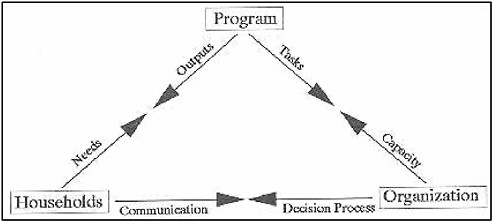
FIGURE 6.1 Requirements for linking disasters to development programs. Source: Adapted from Korten (1980).
resilient, sustainable communities. Subsequent research has illuminated the important relationships among needs, program, and organizational capacity, concluding that the performance of an organization is a function of fit among these dimensions (e.g., Oliver-Smith and Goldman, 1988; Pelling, 2003; Wisner, 2001). For example, Pelling’s (2003) study of disaster planning in the Dominican Republic found that local villagers maintained that “local needs” are what government authorities want to change through the imposition of national program requirements because such needs do not fit those requirements. This issue is exactly what development models like Korten’s bring to light.
A Model of Disaster Resiliency, Governance, and Social Capital
In formulating a model of how community capability and aid delivery strategies influence the achievement of disaster resiliency, the committee draws on several explanations of governance and social capital for understanding collective action to solve public issues. A useful approach for understanding how these factors affect disaster resiliency utilizes the concepts of local horizontal and vertical integration first introduced by urban sociologist Roland Warren (1963). This chapter also draws on Berke et al.’s (1993) conceptualization of how Warren’s approach can be applied to disasters and development. Finally, emerging concepts of social capital are used to improve our understanding of the underlying dimensions of horizontal and vertical integration in the context of disasters and development.
Warren (1963) defines a community’s horizontal integration as “the structural and functional relations among a community’s various social units and subsystems.” Such integration links local people and organizations in an egalitarian manner. The idea of social capital can be used to develop a more refined definition of these links and a deeper understanding of how they are formed. Social capital has recently been given prominence by the United Nations Development Programme, which set forth the concept as a central guidance framework for using aid to mobilize communities to deal with disasters and underdevelopment (UNDP, 2004).
Social capital is a general construct that links concepts that sociologists, political scientists, and community development planners have been defining and testing for nearly two decades, including citizen engagement, interpersonal trust, and collective action (Coleman, 1988; Putnam, 1995; Briggs, 1998, Dynes, 2002). Putnam (1995:67) offers a definition that draws on these concepts by stating that social capital involves “social organization such as networks, norms, and social trust that facilitate coordination and cooperation for mutual benefit.” Putnam’s definition is particularly useful for thinking about disasters and development.
Although Putnam does not present it in this way, social capital can be
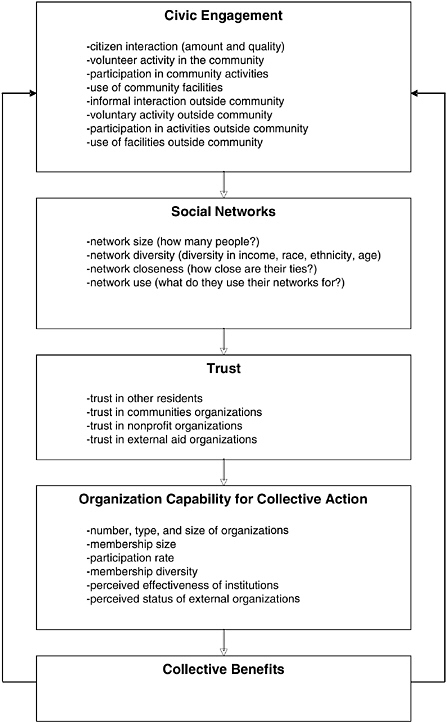
thought of as a multistaged model linking together civic engagement, interpersonal trust, and effective collective action. Figure 6.2 illustrates Rohe’s (2004) conceptualization of the links among these concepts and examples of measures for each concept.4 In Putnam’s definition there is an implied set of relationships that begins with civic engagement. Engagement places people in a network of local social relationships, which affects interpersonal trust. Trust, in turn, affects collective action and ultimately both individual and social benefits.
Social capital is distinguished from other constructs, such as social networks and organizational capital (Rohe, 2004). Social networks represent patterns of interaction, but the social capital construct is more expansive. It embraces characteristics and consequences of interaction, including how interaction leads to trust and, ultimately, to collective action. Further, the interactions among organizations are sometimes thought of as social capital (or organizational capital), but organizational interaction and social capital are not equivalent. A nongovernmental organization charged with disaster mitigation responsibilities may have many community contacts, but if people are not participating and not attending meetings, the contacts do not benefit the community. Clearly, organizational interaction is not a sufficient indicator of social capital.
In keeping with the disaster context, a community with a high degree of horizontal integration (i.e., strong social capital) has an active civic engagement program that fosters more tightly knit social networks among citizens and local organizations. Stronger networks provide greater opportunity for creating interpersonal trust. The community is a viable, locally based problem-solving entity. Its organizations and individuals not only have an interest in solving public problems, but also tend to have frequent and sustained interaction, believe in one another, and work together to build consensus and act collectively. Thus, local populations have the opportunity to define and communicate their needs, mediate disagreements, and participate in local organizational decision making. Further, strong integration among local organizations can enhance the work of external organizations through use of field staff and their knowledge of local circumstances (Suparamaniam and Dekker, 2003). As a result, mitigation practices and disaster preparedness programs are more likely to fit the needs and capacities of the community.
A community with a low degree of horizontal integration has limited civic engagement and a weakly knit social network. Interaction is low among government agencies and social subgroups with an interest in collec-
|
4 |
The measures on Figure 6.2 are not definitive. A more comprehensive approach to measuring social capital, which combines quantitative and qualitative research methods, has been developed by the World Bank. It is applicable to diverse social and cultural contexts (Krishna and Shrader, 1999). |
tive problem solving. Interpersonal trust is more likely to be low as people view ideas and actions of others with suspicion. The community thus lacks an ability to act with collective unity to solve local problems. Consequently, the fit between aid delivery programs and the needs and capacities of local people is likely to be weak.
Warren (1963) describes vertical integration as the “structural and functional relations of [a community’s] various social units to extra-community systems.” Under this form of integration, power differentials and inequality are evident. A community with a high degree of vertical integration has a relatively high number of ties through engagement with larger political, social, and economic institutions. Vertical integration helps expands networks with these institutions and creates trust between local people and larger institutions that are important in taking effective collective action. This form of integration, sometimes called “bridging social capital” (Briggs, 2004), helps to expand the resources (funds, expertise, influence, and so forth) potentially available to the community. Moreover, issues of local concern have a greater chance of being communicated to central authorities.
The extent to which vertical integration is beneficial relates strongly to the strength of horizontal relationships. When vertical integration is strong and horizontal integration is weak, outside aid organizations can work to build local networks and trust to enhance a community’s ability to take collective action. However, when the community has strong horizontal integration in the face of weak vertical integration, there is likely to be tension as communities attempt to exert control over external interventions that are inconsistent with local needs. Weak vertical integration between communities and outside organizations can create severe problems when combined with a weak system of horizontal integration. In this situation, knowledge and degree of trust of the intentions, procedures, requirements, and benefits of outside programs are likely to be weak. Consequently, the likelihood of external programs fitting local needs and capacities to undertake collective action to advance disaster resilience initiatives is very low.
In societies with weak state administrative and judicial structures, notably in developing countries, weak vertical ties dominate and undermine formation of horizontal relations. The absence of laws and contracts that are enforced by the state is a precondition of the emergence of a patron-client system (Putnam, 1993; Krishna, 2002). Political patronage, bribes, and unpredictable use of sanctions generates uncertainty in agreements and mistrust. Lack of security and trust, ensured neither by the state nor by civic norms and networks, translates to powerful top-down patron systems. Vertical relations are defined by coercive authority and dependence, with little or no horizontal solidarity among equals. Organized criminality is frequently a result of the pattern of horizontal mistrust, vertical exploita-
tion, and dependence that characterize societies with weak state structures. This poor state of vertical relations between patrons and clients (or local people) percolates throughout the social ladder and creates stagnation in economic development and a general reluctance to cooperate.
Based on the conceptualization of Berke et al. (1993), Figure 6.3 shows the potential relationships between horizontal and vertical integration as depicted by four types of communities. As noted, Berke et al.’s conceptualization is extended by using social capital concepts to explain these relationships. A Type I community is ideally suited for effective collective action. It possesses strong vertical and horizontal integration. It has well-developed bridging capital with external aid programs, while it has high levels of social capital that will allow it to exert influence in using aid in ways that meet local needs and capacities. A Type II community represents an autonomous, relatively isolated community with few vertical ties—an increasingly rare occurrence in the twenty-first century. While it has strong social capital, it suffers from a lack of bridging capital in terms of knowledge of and interaction with important external resources.
A Type III community is in a classic state of powerlessness and depen-
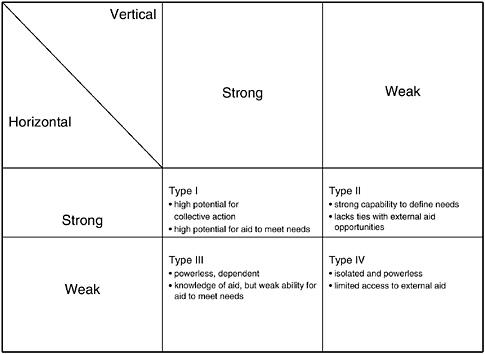
FIGURE 6.3 Community types by degree of horizontal and vertical integration.
Source: Adapted from Berke et al. (1993).
dence. Lacking a viable level of social capital, it has less chance to be able to influence the direction of development efforts and define how they are tied to disaster resiliency. Thus, it is more likely that such efforts will not be consistent with local needs and capacities. A Type III community has the advantage of at least having bridging capital with external aid programs. A Type IV community is confronted by significant obstacles to undertaking advancement of disaster resiliency initiatives as it is devoid of access to external resources. However, if vertical channels are activated, it still lacks a viable level of social capital for effectively making collective decisions on how to use external aid or influencing the goals and policy directions of development programs. Moreover, Type III communities and especially Type IV communities are likely to experience many of the conditions of CPEs that are in a constant state of conflict and extreme polarization.
To demonstrate the conceptual and practical significance of this parsimonious model of horizontal and vertical integration, three case studies of local experiences in linking disasters to development issues aimed at supporting disaster resiliency (see Sidebar on linking development to disaster resiliency supported by the National Earthquake Hazards Reduction Program [NEHRP]). The case studies demonstrate how horizontal and vertical integration (or lack of it) has influenced disaster resiliency outcomes. These cases cut across domestic and international settings as well as developed and developing societies.
What Causes the Formation of Social Capital?
There are several unanswered questions about the causes of social capital and its transformation across different types of communities. Sometimes it is incorrectly assumed that strong social interactions fostered by active civic engagement programs will enhance interpersonal trust. In this case, emphasis is placed on the structural dimension of social capital (i.e., networks), without giving attention to the substantive content of interactions and power relationships among participants in the network. It is not just the frequency of interactions, but the sentiments, actions, and reactions of participants to the content of the interaction. There may be high levels of interaction but minimal trust or even mistrust if the content creates suspicion and ill will. A patron-client system that is fraught with corruption is an obvious case. Suspicion and mistrust also often occur when projects are initiated by outside organizations and local people have doubts about the underlying motives of these organizations. Resident distrust and cynicism may increase if residents are simply informed of a particular mitigation policy but not involved in the policy decision. Even in communities with high levels of engagement and interaction, government officials may not be listening and acting in response to what stakeholders are saying
|
SIDEBAR: Case Studies Linking Development to Disaster Resilience Montserrat, Caribbean.* This case illustrates a change from a Type III to a Type I community (Berke and Beatley, 1997). Before Hurricane Hugo struck in 1989, this poor village on the island state of Montserrat was a Type III community. Vertical integration was moderate, but horizontal integration was very weak. After hurricane landfall, a collaborative recovery effort evolved between an international nongovernmental organization from Canada, an intermediary NGO from the region with long-standing external ties to foreign donor organizations, and a local community action group. The Canadian NGO sought to provide housing recovery assistance after Hugo by establishing a cooperative arrangement with the intermediary NGO, which had been involved in community development work in Streatham Village for several years before the disaster. The arrangement involved the Canadian NGO providing funds to the intermediary for undertaking reconstruction activities in Streatham. The intermediary, in turn, worked with the community action group to initiate a new housing assistance program. The intermediary NGO trained local people and provided funds to temporarily employ local people to undertake reconstruction activities. The Canadian NGO also supplied the program with building materials and logistics for transporting the materials. The accomplishments of this program were substantial, with numerous training workshops on carpentry and structural strengthening techniques, 20 homes rebuilt, and many others were repaired. Of greatest significance were the long-term development accomplishments. The local visibility and sense of importance of the community action group were raised considerably due to its reconstruction work. The voluntary participation of local people in group activities also increased. This strengthened the community action group’s capacity to undertake several development projects not directly related to disaster recovery (e.g., new farming practices, building a community center, improving potable water distribution systems). Santa Cruz County, California. The case represents a successful change from a Type II to a Type I community (Berke et al., 1993). Before the 1989 Loma Prieta earthquake, Santa Cruz County could be classified as a Type II community. Horizontal integration was high, and the county had a high degree of citizen and group political activity and experience in seeking responses from government. Much of this activity can be traced to the occurrence of three major disasters in the county in the 1980s. These disasters induced the county government to develop new partnerships and capabilities with its citizens. Specifically, a cooperative association of households, known as the Neighborhood Survival Network (NSN), was established to organize citizen self-help in future disasters. After the Loma Prieta disaster, this high degree of horizontal integration was vital in aiding the overlooked minority and low-income population in rural areas of the county and providing a basis for increasing vertical integration. When the Federal Emergency |
|
Management Agency (FEMA) initially opened a disaster assistance center in the City of Santa Cruz, citizen leaders maintained that they could make household recovery aid more accessible to the county’s rural population by opening a satellite center in conjunction with the NSN. FEMA officials realized that NSN could use its well-established ties with local people to assess needs and distribute assistance. FEMA accepted the offer after NSN members pointed out that numerous rural households that sustained damages had been overlooked because of FEMA’s initial assumptions about local conditions. Invercargill, New Zealand. This case represents an unsuccessful shift from a Type I to a Type IV community (May et al., 1996). The City of Invercargill with a population of about 50,000 experienced a devastating flood disaster in 1984. After the disaster, horizontal integration was strengthened as a collaborative recovery effort evolved among stakeholders and public officials in the city and was further reinforced with stronger vertical integration between the city and the national government. During the disaster aftermath, there was consensus among city leaders and stakeholder groups to build long-term risk management considerations into the reconstruction of devastated areas of the city. The National Water and Soil Conservation Authority (NWSCA) took a fresh approach to flood mitigation by developing a cooperative arrangement with the city focused on long-range planning, rather than the traditional approach of structural mitigation that supports floodplain redevelopment. The arrangement involved NWSCA providing recovery subsidies to the city in return for city adoption of a long-term-risk planning approach. In 1985, a comprehensive approach was adopted by the city, making Invercargill a national leader. Planning measures included rezoning of hazardous land, relocation of damaged properties, hazard disclosure requirements in future real estate transactions, and minimum building elevation levels. However, support from the national government for planning collapsed at a critical point in the implementation of Invercargill’s comprehensive program. Under the 1991 Resource Management Act the new lead national planning agency, the Ministry for the Environment, opposed the city’s program and instead took an antiregulatory, free market approach to land development. As the memory of the disaster faded, local commitment waned, and without national support, local consensus for long-range risk management planning disintegrated. The city reverted to a strategy of allowing floodplain development with levee and dam protection. Thus, vertical integration declined, which stimulated the decline of horizontal integration. |
about disaster mitigation needs in their communities, as suggested by a study of indigenous people (the Maori) in New Zealand (Berke et al., 2002).
There are other unanswered questions involving the development and continuation of community social capital. First, do changes in phases of the disaster policy cycle (mitigation → preparedness → response → recovery) influence social capital? How can high levels of social capital in one phase be sustained across phases?5 Dynes (2002) observes that social capital during the emergency response phase is high, but dissipates during the recovery, mitigation, and preparedness phases. Given the rising losses from disasters, it is important to improve our understanding of how to sustain the peaks of social capital and limit its dips across phases. Dynes also indicates that research on social capital theory has not been applied to any of the phases of the disaster policy cycle, which offer classic situations involving collective action for mutual benefit.
Second, how does engagement among different groups impact trust? That is, does it matter who is engaged with whom? Racial, ethnic, gender, age, and income differences may be an important factor. Moreover, unequal power among participants, such as traditionally powerful real estate interests or corrupt patrons in a weak state structure versus low income residents, may create mistrust, because the less powerful see no benefit in their participation. More research is needed on the types of civic engagement techniques, and on the nature and content of the engagement to understand how they affect trust among groups and institutions.
Third, the question of vertical integration is also relevant. Is horizontal integration sufficient to create effective social capital, or do members also need to be engaged with external organizations? If external organizations are important, what role should they play? Peter May and his colleagues’ (1996) study of local implementation of national (and state) hazard mitigation policies in Australia, New Zealand, and Florida offers useful insights that begin to answer these questions. Although May’s study does not address disasters in the context of underdevelopment, its findings suggest how external organizations can strengthen vertical integration through techniques that foster negotiation and consensus building, plus technical capacity
building and selective use of penalties to deter noncompliance.6 Given the large number of factors that can influence vertical integration, more cross-cultural comparative case analyses similar to May’s study are needed to detect the independent effects of factors identified by this research.
Fourth, what does the role of the historical social and political context play in framing how people think about engagement or trust? How do changes in human life support functions of natural systems influence a population’s ability to act collectively? Social capital can be influenced strongly by these local contexts. Can social capital be changed, or is it more strongly influenced by these historical contexts? In particular, context might play a strong role in deeply polarized, conflict-ridden societies experiencing CPEs. What roles should community development planners and emergency managers play to build social capital in these situations? Bollens’ (2002) penetrating analysis of conflict in Belfast, Jerusalem, and Johannesburg suggests several roles for urban planners (neutral, partisan, equity, and resolver), but research is limited in the CPE arena.
COLLABORATIVE INTERNATIONAL RESEARCH
Collaborative international research is important for at least two reasons. First, as discussed earlier in this chapter and in Chapter 2, developing countries account for the preponderance of human losses from disasters on a global scale, and these losses are expected to increase in future decades. The National Science Board (2001), in discussing the need for collaborative research links between developing and developed countries, specifically mentions the potential for science and technology to address the problem of natural and human-induced disasters.
Second, there is great potential for collaborative international research to advance knowledge on the social science dimensions of hazards and disasters, particularly through cross-cultural comparisons. This potential remains largely unrealized. Bates and Peacock (1993:120) argue that:
Disasters are relatively rare events in any given geographical or cultural setting. Therefore, the accumulation of knowledge on disasters as social
as well as physical processes requires the accumulation of knowledge by the comparison of cases occurring in many different sociocultural and geographic contexts. In addition, culture and social organization, as well as the affected community’s level of social and economic development, are known to play significant roles in the disaster process, and we need to understand these roles through comparative cross-cultural research.
While single case studies can help formulate hypotheses on what factors promote community disaster resilience, cross-cultural case research designs can allow for the testing of these hypotheses to uncover unique and interactive effects of these factors. Comparative research must involve international collaboration because this type of research can be very expensive and requires in-country investigators who are sensitive to local cultural contexts. Although it was traumatic and caused untold human suffering, the devastating 2004 Indian Ocean tsunami disaster offers a unique opportunity to apply multiple case designs that capture relationships among horizontal integration, vertical integration, and dimensions of social capital
NEHRP Exemplars
The National Earthquake Hazards Reduction Program (NEHRP) has supported several studies that exemplify the benefits and importance of collaborative international research. One strong collaborative effort was the long-term partnership between the Texas A&M University Hazard Reduction and Recovery Center (HRRC) and the National Center for Hazards Mitigation (NCHM) at the National Taiwan University. The two centers conducted research early-on by supporting each other’s staff in field studies after the 1999 Chi Chi earthquake in Taiwan. This led to annual exchanges between faculty and graduate students, as well as creating opportunities to conduct additional collaborative studies in the disaster field. Box 6.1 on the U.S.-Taiwan collaboration further explores this successful partnership.
Other studies have also shed light on successful collaboration. Bates and Peacock (1993) developed and validated a standardized index of living conditions (the Domestic Assets Scale) for allowing comparisons of disaster impacts across cultures and over time. This study, an outgrowth of earthquake investigations in Guatemala, involved collaboration between researchers in the United States and Peru, Mexico, Turkey, Yugoslavia, and Italy. May and his colleagues (1996) developed insights on the role of intergovernmental structures in hazards management and environmental sustainability by comparing more “coercive” approaches in the United States with more “cooperative” approaches in Australia and New Zealand. Collaboration between researchers made it possible to conduct cross-national comparisons of higher-level government policies and local government hazard mitigation plans that fostered tight control for differences in
|
BOX 6.1 U.S.-Taiwan Collaboration The Texas A&M University Hazard Reduction and Recovery Center (HRRC) has had a five-year collaborative relationship with the National Center for Hazards Mitigation (NCHM) at the National Taiwan University. The Memorandum of agreement calls for collaboration between the two centers in the conduct of research as well as the exchange of faculty and graduate students. Close collaboration achieved an early success when NCHM staff supported HRRC staff during their NSF-sponsored research on the 1999 Chi Chi earthquake. Since that time the staff of the two centers have conducted faculty exchanges, approximately annually, in which researchers discuss their current work and identify opportunities for knowledge transfer. Recent survey research on landslide evacuation in Taiwan has adapted a questionnaire used at HRRC to study hurricane evacuations. This makes it possible to perform cross-national comparisons in household response to disasters that more tightly control for differences in governmental systems and local circumstances (e.g., land-use, building construction, and emergency preparedness practices). In addition to knowledge transfer at the faculty level, this collaboration has also been successful in producing new scholars because two graduate students who studied at HRRC have returned to faculty positions in Taiwan. The success of this program to date can be attributed to a number of factors. First, the initial attraction of the two centers was based on the similarity of hazard interests. Taiwan is vulnerable to earthquakes and typhoons (whose secondary hazards are floods and landslides) whereas HRRC was funded by the Texas Division of Emergency Management for work on hurricanes and by NEHRP (through NSF) to study earthquakes. Second, the two centers have had continuing sources of independent funding (the National Science Foundation for HRRC and the National Science Council for NCHM). This funding continuity has made it possible to fund travel expenses and, in the case of HRRC, financial support for most of the Taiwanese graduate students who attend Texas A&M. Third, there is sponsor support for this collaboration: NSF supports international collaboration for U.S. investigators and National Security Council (NSC) funding strongly emphasizes it for Taiwanese researchers. |
cultural and local circumstances (e.g., pressures of urbanization, plans, plan making processes, permitting procedures). A significant outcome of this research was the development of a mitigation plan quality evaluation index that has been applied in subsequent studies by various investigators in New Zealand and the United States (Ericksen et al., 2004; Godschalk et al., 1999).
The success of these initiatives results from several factors. First, individual investigators and their hazard research centers had prior experience in cross-national research, thus recognizing the mutual benefit of such
partnerships. Second, sustained sources of independent funding created continuity that strengthened the partnerships. This funding led to more opportunities for exchanges of faculty and graduate students among the investigators’ universities, as well as application of standardized data collection instruments. Third, the sponsors of these studies recognized the importance of international collaboration and the need for sustained multi-year research projects, as well as post-study exchanges of findings.
Challenges of Collaborative International Research
Productive international collaborations such as these exemplars are relatively rare due to a number of challenges. One challenge is the difficulty of making cross-cultural comparisons. For example, different countries have different reporting practices for even seemingly straightforward data on disaster deaths. Looking at households displaced by disaster requires understanding such issues as household structure and housing norms that differ between cultures. The need to develop standardized methods for data collection that are applicable across cultures is therefore a central and complex problem in and of itself (see also Chapter 7). One successful effort in developing standardized disaster loss data is the DesInventar project of LA RED (Network for Social Studies on Disaster Prevention in North America). DesInventar is software for the collection and classification of spatially referenced data on disaster occurrence and loss that can be used without specialized programming skills.
A second challenge is the need to identify appropriate research counterparts. As discussed in Chapter 9, the social science hazards and disaster research community is small, even in the United States, which can be considered a world leader in this area. Research on hazards and disasters in the United States is dominated by natural scientists and engineers in terms of both personnel and resources. This circumstance is even more pronounced in other countries, where addressing the hazards and disaster “problem” is often considered synonymous with developing mainly technical “solutions.” Moreover, in other countries, organizations focusing on disaster studies almost always have a physical science and engineering mission. Social scientists who study disasters in these countries are often not well connected to these other organizations. Experience has shown that identifying appropriate research counterparts and developing relationships with them are essential to successful international collaboration. Box 6.2 provides an example of a relatively successful partnership across 14 countries involving multidisciplinary teams. The project, which went by the name of EQTAP, was funded by the Japanese government.
|
BOX 6.2 Japan’s EQTAP In 1999, with funds from the Japanese government, a multiple-year collaborative research project was initiated with the distinguishing title of Earthquake and Tsunami Disaster Mitigation Technologies and Their Integration for the Asia-Pacific Region (EQTAP). The project grew out of the Japanese experience a few years earlier with the 1995 Kobe earthquake, which killed more than 6,000 residents and caused billions of dollars in losses. EQTAP’s stated goal was to achieve safety and sustainability by reducing preventable deaths and injuries from earthquakes and tsunamis as well as social and economic disruption, psychological impacts, and environmental damage. The project was coordinated by Japan’s Earthquake Disaster Mitigation Research Center in Miki, Japan, which is just outside of Kobe. EQTAP, which completed its work in March 2004, was innovative in a number of important respects, proceeding in a manner seldom seen in the research community. It was extensively multilateral, involving research collaborators in 14 different countries, including China, the Philippines, Peru, Chile, Papua New Guinea, Indonesia, the United States, and Mexico in addition to Japan. It was also multidisciplinary, involving investigators from earthquake engineering, the earth sciences, and the social sciences. A common risk management model originally developed in New Zealand and Australia was used as a mechanism to further the integration of project activities, which included research on such topics as hazard and vulnerability assessment, structural mitigation, and urban disaster planning. Joint case study activities centered in Manila and periodic workshops were also used for this purpose. EQTAP was also unique in that the research team was expected not only to develop new knowledge, technologies and procedures for risk reduction but also to identify and work with stakeholders in the Asia-Pacific region, such as practitioners and local decision makers, who were potential users of project outputs. A monitoring and assessment panel that included international experts was appointed to begin overseeing the evaluation of the project two years before its completion. In its final assessment, the panel described EQTAP as highly innovative and reasonably successful given the challenges it faced as a multilateral and multidisciplinary effort, especially since it involved integrating engineering, physical science, and social science disciplines while addressing the needs of stakeholders in many different countries. SOURCE: Hiroyuki, Kameda, 2003. |
RECOMMENDATIONS
This chapter has related findings from empirical studies to a conceptual model of disaster risk and development in an effort to identify the contributions and weaknesses of international research on disasters. Scholarship on the links between disaster risk and development has made distinctive contributions to improving the understanding of disaster-resilient communities
by focusing on basic premises of development, governance, and social capital. The conceptual writings and empirical research highlighted above have provided a basis for rethinking the role of disaster risk in development activities.
Research shows that robust institutional performance, manifested by strong horizontal ties within communities and vertical ties between communities and external aid institutions, is related to policy choices that encourage social capital wherein the elements of civic engagement, social networks, and trust are high. These conditions are likely to foster strong levels of collective action where there is a high degree of fit among aid program design, local needs, and capacities of assisting organizations. Further research is needed to test these empirically grounded hypotheses. Moreover, as discussed above, many unanswered questions remain about the efficacy and formation of social capital. In disaster contexts dealing with armed conflict, for example, other complementary conceptual models may be needed.
This assessment of current knowledge on disasters and development has therefore been aimed at evaluating the theoretical underpinnings and methodological assumptions of research in this field. After reviewing key studies and important writings, the committee concludes that (1) with NEHRP and other support, disaster research has made some advances in this area and (2) that it is important to undertake further comparative research based on careful research designs and sample selection. Too often in the past, research on disasters and development has involved one or a few case studies of pre- and post-disaster activities. When the number of casual factors to be examined is greater than three or four, the small-scale case approach is inadequate.
Recommendation 6.1: Priority should be given to international disaster research that emphasizes multiple case research designs, with each case using the same methods and variables to ensure comparability.
Studies that explicitly hypothesize casual links between disaster risk and development can be completed only through highly structured multicase comparisons. A relatively large number of cases must be selected, based on variation in dimensions of horizontal integration, vertical integration, social capital, aid delivery, and local and national contexts. As illustrated in Figure 6.3, knowledge about interdependent relationships among social capital and humanitarian aid delivery strategies has advanced to the point where hazards and disaster researchers have made significant gains in identifying factors that influence the development of disaster-resilient communities. Multicase research designs are needed to test the independent effects of these relationships on achievement of local disaster resiliency. The pri-
mary limitations raised in this chapter relate to the broad range of factors that are necessary for testing relationships between disaster risk and development. As indicated in Figure 6.2, some factors that effect collective action depend on the influence of others, and both sets of factors must be included in the research designs.
The potential for devising research designs that include larger samples of disaster sites has never been greater. As noted above, the 2004 Indian Ocean tsunami disaster offers a significant opportunity to apply multiple case designs. Furthermore, in the past decade, national governments throughout the world have been experimenting with decentralized local planning approaches to disaster mitigation and preparedness (United Nations Commission on Sustainable Development, 2001; UNDP, 2004). A National Research Council report Drama of the Commons indicates that governments in both developed and developing countries are increasingly adopting decentralized approaches to common pool resource management (Ostrom et al., 2001). These emerging institutional arrangements offer opportunities to conduct comparative analyses that systematically explore the links between underdevelopment, disasters, and ecosystem degradation.
Recommendation 6.2: Common indicators of disaster risk and development should be constructed.
Methodological advances in measurement and data collection clearly indicate that the current state of research on disasters and development has come of age. Investigators are now better equipped to formulate research designs that rely on larger number of cases selected on the basis of variation in casual variables. Improved multitiered data systems are needed to advance our understanding of the links between disaster risk and development. In these systems, disaggregated disaster data collected at the local level should be progressively aggregated into regional, national, and global disaster data sets. Aggregated data sets such as the mortality data used by UNDP (2004) deal with entire nations, but not with specific individuals, subgroups, or regions. The aggregations conceal internal variations that are important for interpreting differential vulnerability and exposure, as well as the effects of aid delivery strategies on communities. Thus, a full analysis of the dynamics of disaster risk and development requires data sets that provide richer and more fine-grained assessments of trends and outcomes. Aggregated data sets remain important for detecting regional, national, and global trends of hazard vulnerabilities and their associated risks. They can also be used to evaluate the effects of national policy and aid delivery strategies of multilateral humanitarian aid organizations.
A potentially useful methodological advancement is the development of a comprehensive approach to measuring social capital, one that combines quantitative and qualitative research methods and is applicable to diverse
social and cultural contexts. Krishna and Shrader (1999), for example, have developed a set of cross-cultural indicators and systematic data collection techniques for the study of the formation of social capital at the group level within communities in developing societies. Similarly, Bates and Peacock (1993) have derived cross cultural measures at the household level of disaster impacts and measures to track progress toward recovery once disaster losses have been calibrated. Together, these complementary methodological approaches can be used to examine the effects of recovery aid delivery strategies on physical recovery of communities and on the ability of households within communities to act collectively in dealing with recovery and development issues.
Recommendation 6.3: Collaborative international research projects should be the modal form of cross-national research on disasters and development.
The next generation of studies should exploit the advantages of collaborative partnerships with investigators from other countries. A major advantage is the leveraging of pooled resources to reduce costs to any particular stakeholder. As noted earlier, conducting multicase research in different countries is expensive and requires in-country investigators who are sensitive to the cultural context. Supporting collaboration among researchers in different societies can address these limitations. The National Science Foundation (NSF) has had a long tradition of encouraging collaborative international research in the social sciences, but there has unfortunately been a drop-off in support during recent years. Nevertheless, relatively small NSF post-disaster reconnaissance grants have been important in furthering some international collaboration (see also Chapter 7). Bilateral programs have also provided a vehicle for encouraging the development of collaborative relationships. For example, NSF support for U.S.-Japan collaboration over at least two decades has fostered long-term relationships between the hazards research communities in the two countries. As social scientists have become more involved in the U.S.-Japan activities (e.g., through bilateral workshops), acceptance and recognition of the social sciences has grown. This involvement may have contributed to the increased salience of social scientists in the Japanese hazards and disaster research community. NSF should continue to support international collaborative research on hazards and disasters and ensure that social scientists play a major role in such efforts.
The above recommendations apply to the study of the full range of hazards and disasters—natural, technological, and willful, including those circumstances brought on by complex political emergencies. In tandem with NSF, DHS should also assume a major role in supporting the work of
U.S. investigators in international hazards and disaster research. Given its mission, it seems reasonable to expect DHS to play a growing role in enabling U.S. investigators to conduct collaborative international research on willful hazards and disasters. Indeed, there are already signs that this is being considered for its agenda.


