
3
Social Science Research on Hazard Mitigation, Emergency Preparedness, and Recovery Preparedness
The committee’s goal in Chapters 3 and 4 is to document social science contributions under the National Earthquake Hazards Reduction Program (NEHRP) to the development of knowledge about the five core topics of hazards and disaster research and their interactions (see Figure 1.1.). As an organizing tool, the conceptual model of societal response to disaster, also introduced in Chapter 1 (see Figure 1.2), is employed. Within that conceptual model the catalytic impacts of disaster events are determined by conditions of systemic vulnerability, disaster event characteristics, and the actions of what the committee has termed the hazards and disaster management system. This chapter reviews research related to hazard vulnerability, disaster event characteristics and pre-impact emergency management interventions as determinants of disaster impacts. Chapter 4 then reviews research related to planned and improvised post-impact responses as determinants of disaster impacts. Each chapter concludes with recommendations for future research within the framework provided by the conceptual model.
FURTHER COMMENTS ON THE CONCEPTUAL MODEL OF SOCIETAL RESPONSE TO DISASTER
Understanding the causal processes by which disasters affect social systems (i.e., communities, regions, societies) is important for at least four reasons. First, research on these processes is needed to identify the pre-impact conditions that render social systems vulnerable (hazard exposure,
physical vulnerability) to disaster impacts (physical and social) in both chronological and social time. Second, research on these processes can be used to identify specific segments of threatened social systems that could suffer disaster impacts disproportionately, such as low-income households, ethnic minorities, or specific types of businesses (social vulnerability). Third, research on these processes can be used to identify disaster event-specific conditions (length of forewarning, predictability, controllability, and magnitude, scope, and duration of impact) that influence the level of disaster impacts. Fourth, findings on the interrelationships among characteristics of hazard vulnerability and disaster event characteristics allow documentation of the roles and interaction of pre-impact interventions (mitigation, emergency preparedness, and recovery preparedness practices) and post-impact responses (emergency and recovery activities) in influencing the level of disaster impacts. The causal processes by which disasters produce systemic effects in chronological and social time is informed generally within theorizing by Kreps (1985, 1989b) and Quarantelli (1989), and more specifically by causal models proposed by Cutter (1996), Lindell and Prater (2003), and Prater et al. (2004).
HAZARD VULNERABILITY
The preexisting conditions most directly relevant to disaster impacts are hazard exposure, physical vulnerability, and social vulnerability.
Hazard Exposure
Hazard exposure is defined by the probability of occurrence (or, equivalently, the recurrence interval) of events of a given physical magnitude and scope occurring in different locations. Hazard exposure arises from people’s occupancy of geographical areas where they could be affected by extreme events that threaten their lives or property. Social scientists have made contributions to understanding hazard exposure principally by examining the distribution of hazardous conditions and the human occupancy of hazardous zones (Burton et al., 1993; Monmonier, 1997).
Physical Vulnerability
A major component of physical vulnerability is structural vulnerability, which arises when buildings are constructed using designs and materials that are incapable of resisting extreme energy levels (e.g., high wind, hydrodynamic pressures of water, seismic shaking) or that allow the infiltration of hazardous materials. Thus, structural vulnerability can be defined by the likelihood that an event of a given magnitude will cause various damage
states, ranging from slight damage through immediate total failure, to buildings and infrastructure. The construction of most buildings is governed by building codes intended to protect the life safety of building occupants from the dead load of the building material themselves and the live load of the occupants and furnishings, but they do not necessarily provide protection from extreme wind, seismic, or hydrostatic loads. Nor do they provide an impermeable barrier to the infiltration of toxic air pollutants. Adopting hazard-related building codes for the purpose of providing protection in the event of earthquakes, hurricanes, and other types of disaster is not just a technological matter. It is a complex process involving a number of significant social, economic and political issues. Social scientists in the hazards and disaster field that study such issues are in a position to provide guidance to policy makers and practitioners who make decisions about how to protect life and property in at-risk communities.
Social Vulnerability
Social vulnerability can be defined by the probability of identifiable persons or groups lacking the “capacity to anticipate, cope with, resist and recover from the impacts of a … hazard” (Blakie et al., 1994). Vulnerable population segments might (1) have greater rates of hazard zone occupancy; (2) live and work in less hazard-resistant structures within those zones; (3) have lower rates of pre-impact interventions (hazard mitigation, emergency preparedness, and recovery preparedness); or (4) have lower rates of post-impact emergency and disaster recovery responses. Thus, these population segments are more likely to experience casualties, property damage, psychological impacts, demographic impacts, economic impacts, or political impacts—as direct, indirect, or informational effects.
Hazard Vulnerability Analysis
It is important to recognize the difference between social vulnerability as a construct and demographic indicators of social vulnerability. The latter are characteristics of individuals and households that are associated with social vulnerability. These characteristics, which include gender, age, education, profession, income, ethnicity, and number of dependents, are associated with the above four components of hazard vulnerability. The broad factors (or driving forces) that contribute to social vulnerability include a lack of access to resources, limited access to political power and representation (Mustafa, 2002), certain beliefs and customs, demographic characteristics, the nature of the built environment, infrastructure (lifelines), and urbanization (Watts and Bohle, 1993; Heinz Center, 2002; Bankoff, 2004). Social science research contributions, including those made by NEHRP–
supported investigators, have demonstrated that gender (Fothergill, 1996; Enarson and Morrow, 1998; Fordham, 1999), race and class (Perry and Lindell, 1991; Peacock et al., 2000; Cutter et al., 2001), and age (Ngo, 2001) are among the most important indicators of vulnerable individuals and social groups.
The integration of hazard exposure, structural vulnerability, and social vulnerability indicators into systematic procedures for hazard vulnerability analysis (HVA) has progressed significantly from the regional ecology of hazards first proposed by Hewitt and Burton (1971), and this progress has been made possible by improvements in data and mapping technologies such as geographic information systems (GIS) and remote sensing (Lougeay et al., 1994; Monmonier, 1997; King, 2001; Greene 2002; Tobin and Montz, 2004). GIS-based approaches to vulnerability assessments were initially developed under NEHRP by social scientists (Mitchell et al., 1997; Morrow, 1999; Cutter et al., 2000) and are now a standard procedure for many state and local governments conducting hazard vulnerability analyses under the Disaster Mitigation Act of 2000. These advances in GIS-based modeling have been instrumental in advancing our understanding of exposure to a wide range of hazards (Carrara and Guzzetti, 1995; Mejia-Navarro et al., 1994; Hepner and Finco, 1995; Chakraborty, 2001; Rashed and Weeks, 2003). Once data have been collected on hazard exposure, physical vulnerability, and social vulnerability, GIS analyses can either overlay or mathematically combine the data to assess the overall vulnerability of a jurisdiction (e.g., a county) or to identify social vulnerability “hot spots” within that jurisdiction. Emergency managers and land-use planners can use the results of these HVAs to adapt their hazard mitigation policies, emergency response plans, and disaster recovery plans to meet the special needs of vulnerable community segments.
Maps of hazard exposure, structural vulnerability, and social vulnerability produced by HVA are expensive, require significant expertise to produce, and can become outdated over time as a community grows (Burby, 1998). These potential impediments to the development of hazard management policy make it important to identify the sources of data on hazard exposure, physical vulnerability, and social vulnerability that emergency managers and land-use planners use to formulate local policies for mitigation, response preparedness, and recovery preparedness. In addition, it is important to determine the staff capabilities of local governments to conduct HVAs and whether their capabilities are adequate to provide a sufficient fact basis to support the formulation of policies that will be effective in reducing hazard vulnerability and withstanding legal scrutiny (Deyle et al., 1998).
DISASTER EVENT CHARACTERISTICS
There are many ways to classify threats based on the causal nature of the event but the most popular dichotomy has been natural versus technological hazards. One assumed implication of this distinction is that the societal response to disasters is fundamentally different for each of these categories. For example, some social scientists supported under NEHRP have argued that technological hazards are fundamentally different from natural hazards in their impacts on the human, natural, and built environments (Kroll-Smith and Couch, 1991), whereas others have suggested that natural disasters elicit a therapeutic community response and technological hazards elicit a nontherapeutic response. Since the events of September 11, 2001 some have suggested that another category of events be defined as intentional or willful acts—implicitly assuming that the response to such events will be different from the response to natural or technological events. Column A in Table 3.1 provides a list that is consistent with the way in which many government agencies define their missions, many physical scientists define the physical phenomena they research, and information is provided to the public about how to prepare and respond to environmental hazards.
The classification of disasters simply as natural, technological, and willful does recognize the distinctions among them in terms of human agency, but this should not be overdrawn. There is little dispute that terrorism differs from natural and technological hazards in some ways. For example, the social dynamics that generate terrorist hazard agents are clearly different from the physical dynamics that generate natural hazard agents. However, technological hazard agents are determined by both physical and social dynamics (Perrow, 1984), so the differences are smaller than some might believe. Even if the unreasoning laws of nature and the faulty reasoning of human error are different from deliberate intent to harm, these different causal processes can produce equivalent results. Thus, it is important to recognize underlying dimensions of similarity among hazard agents. As Table 3.1 indicates, these are the threats (column B), and agent and impact characteristics (column C), with the latter addressed by such scholars as Dynes (1970); Cvetkovich and Earle (1985); Kreps (1985, 1989a); Sorensen and Mileti (1987); Burton et al. (1993); Lindell (1994); and Noji (1997).
To date, however, there has been no systematic scientific characterization of the ways in which different hazard agents (column A) vary in their threats (column B) and characteristics (column C) and, thus, requiring different pre-impact interventions and post-impact responses by households, businesses, and community hazard management organizations. In the absence of systematic scientific hazard characterization, it is difficult to determine whether—at one extreme—natural, technological, and willful hazard agents impose essentially identical disaster demands on stricken communities or—
TABLE 3.1 Hazard Typologies
|
A Hazard Agents |
B Threats |
C Characteristics |
|
Natural Hazards Extraterrestrial Meteorological Geophysical Biological Hydrological Technological Hazards Structural failure Environmental pollution Resource depletion Willful Hazards Sabotage Terrorism |
Materials Chemical Biological Radiological Nuclear Energy Explosive Flammable Information Corruption Theft Deception |
Agent Characteristics Frequency or likelihood Predictability Controllability Impact Characteristics Speed of onset or forewarning Impact magnitude Impact scope Impact duration |
at the other extreme—each hazard is unique. Thorough examination of the similarities and differences among hazard agents would have significant implications for guiding the societal management of these hazards.
DISASTER IMPACTS
Physical Impacts
Damage to the built environment can be classified broadly as affecting residential, commercial, industrial, infrastructure, or community services sectors. Moreover, damage within each of these sectors can be divided into damage to structures and damage to contents. It usually is the case that damage to contents results from collapsing structures (e.g., hurricane winds that cause the building envelope to fail and allow rain to destroy the contents). Because collapsing buildings are a major cause of casualties as well, this suggests that strengthening the structure will protect the contents and occupants. However, some hazard agents can damage building contents without affecting the structure itself (e.g., earthquakes striking seismically resistant buildings whose contents are not securely fastened). Thus, risk area residents may have to adopt additional hazard adjustments to protect contents and occupants even if they already have structural protection.
As a result of a solid body of research, much of it sponsored by NEHRP, one of the best understood structural impacts of disasters is the destruction of dwellings. According to Quarantelli (1982), people typically pass through
four stages of housing recovery—emergency shelter, temporary shelter, temporary housing, and permanent housing. Nonetheless, households vary in the progression and duration of each type of housing, and the transition from one stage to another can be delayed unpredictably (Bolin, 1993). Particularly significant are the problems faced by low-income households, which tend to be headed disproportionately by females and racial or ethnic minorities. Consistent with the social vulnerability perspective, such households are more likely to experience damage or destruction of their homes because of their location in areas of high hazard exposure. This is especially true in developing countries such as Guatemala (Bates and Peacock, 1987; Peacock et al., 1987), but also has been reported in the United States (Peacock and Girard, 1997). Low-income households also are more likely to be affected because they tend to occupy structures that were built according to older, less stringent building codes; used lower-quality construction materials and methods; and were less well maintained (Bolin and Bolton, 1986). Because low-income households have fewer resources on which to draw for recovery, they also take longer to transition through the stages of housing, sometimes remaining for extended periods of time in severely damaged homes (Peacock and Girard, 1997). In other cases, they are forced to accept as permanent what originally was intended as temporary housing (Peacock et al., 1987). Consequently, there may still be low-income households in temporary sheltering and temporary housing even after high-income households all have relocated to permanent housing (Berke et al., 1993; Rubin et al., 1985).
There has been little systematic research thus far under NEHRP on the rates of post-disaster reconstruction in the commercial, industrial, infrastructure, and community service sectors; and the reason for this are unclear. Research on housing recovery has identified a number of problems and, although the broad outlines of housing recovery are reasonably well understood, there is little research on the rate at which households (of different demographic categories) progress through the stages of housing. Such information would be very useful in forecasting the demand for temporary shelter and temporary housing after disasters. Some initial efforts in this regard have been incorporated into HAZUS (FEMA, 2004; NIBS-FEMA, 1999) and further efforts have been undertaken by Prater et al. (2004), but more needs to be done.
Social Impacts
Social impacts—which can be psychological, demographic, economic, or political—can result directly from physical impact and be seen immediately or can arise indirectly and develop over shorter to longer periods of chronological and social time. For many years, research on the social
impacts of disasters consisted of an accumulation of case studies, but two research teams conducted comprehensive statistical analyses of extensive databases to assess the long-term effects of disasters on stricken communities (Friesma et al., 1979; Wright et al., 1979). These studies both concluded no long-term social effects of disasters could be detected at the community level. In discussing their findings, the authors acknowledged that their results were dominated by the most frequent disasters—tornadoes, floods, and hurricanes. Moreover, most of the disasters they studied had a relatively small scope of impact and thus caused only minimal disruption to communities even in the short term. Finally, their findings did not preclude the possibility of significant long-term impacts upon lower levels of aggregation such as the neighborhood, business, or household, or over periods of time shorter than the 10-year interval between censuses.
One significant limitation of previous studies before and after the creation of NEHRP is that they have defined the research question as whether there are long-term social effects at the community level, but a more fruitful objective would be to determine the distribution of the chronological and social time periods during which disruption is experienced at different scales of analysis (e.g., household or business, neighborhood, community, region) in disasters of different magnitudes. Such research could reveal how long it takes for the horizontal and vertical linkages in American society to produce disaster recovery resources for those in need.
Psychological Impacts
One type of social impact not measured by census data consists of measurements of psychosocial impacts and, indeed, research reviews conducted over a period of 25 years have concluded that disasters can cause a wide range of negative psychosocial responses (Perry and Lindell, 1978; Bolin, 1985; Gerrity and Flynn, 1997; Houts et al., 1988). In most cases, the effects that are observed are mild and transitory—the result of “normal people, responding normally, to a very abnormal situation” (Gerrity and Flynn, 1997:108). Few disaster victims require psychiatric diagnosis and most benefit more from a “crisis counseling” orientation than from a “mental health treatment” orientation, especially if their normal social support networks of friends, relatives, neighbors, and coworkers remain largely intact. However, there are population segments that require special attention and active outreach. These include children, frail elderly people with preexisting mental illness, racial and ethnic minorities, and families of those who have died in the disaster. Emergency workers also need special attention because they often work long hours without rest, have witnessed horrific sights, and are members of organizations in which discussion of emotional issues may be regarded as a sign of weakness (Rubin, 1991).
The negative psychosocial impacts described above, which Lazarus and Folkman (1984) call “emotion-focused coping” responses, generally disrupt the social functioning of only a very small portion of the victim population. Instead, the majority of disaster victims engage in adaptive “problem-focused coping” activities to save their own lives and those of their closest associates. Further, there is an increased incidence in pro-social behaviors such as donating material aid and a decreased incidence of antisocial behaviors such as crime (Mileti et al., 1975; Drabek, 1986; Siegel et al., 1999). In some cases, people even engage in altruistic behaviors that risk their own lives to save others (Tierney et al., 2001).
In addition, there are psychological impacts, which are called informational effects in Chapter 1. These impacts can have long-term adaptive consequences, such as changes in risk perception (beliefs in the likelihood of the occurrence of a disaster and its personal consequences for the individual) and increased hazard intrusiveness (frequency of thought and discussion about a hazard). In turn, these adaptive informational effects can increase risk area residents’ adoption of household hazard adjustments that reduce their vulnerability to future disasters. However, such positive informational effects of disaster experience do not appear to be large in the aggregate—resulting in modest effects on household hazard adjustment (see Lindell and Perry, 2000, for a review of the literature on seismic hazard adjustment, and Lindell and Prater, 2000, and Lindell and Whitney, 2000, for more recent empirical research).
The findings from the research on psychological impacts of disasters indicate that there is no need for communities to revise their recovery plans to include widespread assessments of direct and indirect psychological impacts following disasters, nor does there appear to be a major need for research on interventions for the general population. However, there is a need for research on appropriate interventions for children, and perhaps other vulnerable populations, before disasters strike. These could help them develop emotion-focused coping strategies or, as discussed later in the section on risk communication, acquire personally relevant information about hazards and hazard adjustments.
Demographic Impacts
The demographic impact of a disaster can be assessed by adapting the demographic balancing equation

where Pa is the population size after the disaster, Pb is the population size before the disaster, B is the number of births, D is the number of deaths, IM
is the number of immigrants, and OM is the number of emigrants (Smith et al., 2001). In practice, population data are available for census divisions (census blocks, block groups, or tracts) rather than disaster impact areas, so GISs must be used to estimate the population change. Moreover, population data are most readily available from decennial censuses, so the overall population change and its individual demographic components—births, deaths, immigration, and emigration—are likely to be estimated from that source (e.g., Wright et al., 1979). On rare occasions, special surveys have been conducted in the aftermath of disaster (e.g., Peacock et al., 2000). The limited research available on demographic impacts (Friesma et al., 1979; Wright et al., 1979) suggests that disasters have negligible demographic impacts on American communities but there are documented exceptions such as Lecomte and Gahagen’s (1998) report of 50,000 out-migrants from south Dade County in the aftermath of Hurricane Andrew. It is widely anticipated that the aftermath of Hurricane Katrina in the case of New Orleans will also be an exception. As noted earlier, the highly aggregated level of analysis in the Friesma and Wright studies does not preclude the possibility of significant impacts at lower levels of analysis such as the census tract, block group, or block levels. The major demographic impacts of disasters are likely to be the (temporary) immigration of construction workers after major disasters and the emigration of population segments that have lost housing. In many cases, this emigration is also temporary, but there are documented cases in which housing reconstruction has been delayed indefinitely—leading to “ghost towns” (Comerio, 1998). Other potential causes of emigration are psychological effects (belief that the likelihood of disaster recurrence is unacceptably high), economic effects (loss of jobs or community services), or political effects (increased neighborhood or community conflict)—all of which could produce significant demographic impacts at the neighborhood level.
Most of the research under NEHRP that has addressed household behavior in the aftermath of disaster has examined the recovery of households that decided to return and rebuild. A few studies have examined highly aggregated data that could only discern net migration, not in-migration and out-migration separately. Thus, research is needed to assess the extent to which households decide to leave after disaster and the ways in which these migrating households differ from those who remain as well as from the in-migrants who replace them.
Economic Impacts
Economic impacts can be divided into direct and indirect losses. The property damage produced by disasters results in direct losses that can be thought of as losses in asset value (NRC, 1999c), measured by the cost of
repair or replacement. Disaster losses in the United States are borne initially by the affected households, businesses, and local government agencies whose property is damaged or destroyed, but some of these losses are redistributed during the disaster recovery process through insurance, grants, or subsidized loans. There have been many attempts to estimate the magnitude of direct losses from individual disasters and the annual average losses from particular types of hazards (e.g., Mileti, 1999a). Unfortunately, these losses are difficult to determine precisely because there is no organization that tracks all of the relevant data and some data are not recorded at all (Charvériat, 2000; NRC, 1999c). For insured property, the insurers record the amount of the deductible and the reimbursed loss, but uninsured losses are not recorded so they must be estimated—often with questionable accuracy.
The ultimate economic impacts of direct losses depend upon the disposition of the damaged assets. Some of these assets are not replaced, so their loss causes a reduction in consumption (and, thus, a decrease in the quality of life) or a reduction in investment (and, thus, a decrease in economic productivity). Other assets are replaced—through either in-kind donations (e.g., food, clothing) or commercial purchases. In the latter case, the cost of replacement must come from some source of recovery funding, which generally can be characterized as either intertemporal transfers (to the present time from past savings or future loan payments) or interpersonal transfers (from one group to another at a given time). Disaster relief is an interpersonal transfer, whereas hazard insurance involves both interpersonal and intertemporal transfers.
In addition to direct economic losses, there are indirect losses that arise from the interdependence of community subunits. Research, including that supported by NEHRP, on the socioeconomic impacts of disasters (Dacy and Kunreuther, 1969; Durkin, 1984; Kroll et al., 1991; Alesch et al., 1993; Gordon et al., 1995; Dalhamer and D’Sousa, 1997) suggests that the relationships among the social units within a community can be described as a state of dynamic equilibrium involving a steady flow of resources, especially money (Lindell and Prater, 2003). Specifically, a household’s linkages with the rest of the community are defined by the money that it must pay for products, services, and infrastructure support. This money is obtained from the wages that employers pay for the household’s labor. Similarly, the linkages that a business has with the community are defined by the money it provides to its employees, suppliers, and infrastructure in exchange for inputs such as labor, materials and services, electric power, fuel, water or wastewater, telecommunications, and transportation. Conversely, it provides products or services to customers in exchange for the money it uses to pay its inputs.
Businesses’ operational vulnerability arises from their proximity to the point of maximum impact and the structural vulnerability of the buildings
in which they are located (Lindell and Perry, 1998; Tierney, 1997a,b). Other sources of operational vulnerability arise from dependency upon inputs as well as those who purchase its outputs—distributors and customers. Evidence of businesses’ operational vulnerability to input disruptions can be seen in data provided by Nigg (1995), who reported that business managers’ median estimate of the amount of time they could continue to operate without infrastructure was 0 hours for electric power, 4 hours for telephones, 48 hours for water or sewer, and 120 hours for fuel. If this infrastructure support is unavailable for periods longer than these, the businesses must suspend operations even if they have suffered no damage to their structures or contents. These findings at the level of individual firms are consistent with data from regional economic models showing that disruption of transportation and utility infrastructure services causes particularly widespread and substantial economic loss (e.g., Gordon et al., 1995) and major disasters can also cause long-term loss of sales and competitiveness (Chang, 2000, 2001).
Since certain sectors and business types are more dependent on infrastructure, they are more vulnerable to economic loss. Small businesses, those that are in the retail sector (and to a lesser extent the services sector), and those that rent rather than own their space tend to be most vulnerable (Kroll et al., 1991; Tierney, 1997a,b; Alesch and Holly, 1998; Webb et al., 2000; Chang and Falit-Baiamonte, 2002; Meszaros and Fiegener, 2002; Zhang et al., 2004b). Tourism is also often slow to recover from disaster. Consistent with earlier conclusions about communities (Wright et al., 1979), economic sectors in decline before disaster are especially vulnerable to structural change that accelerates pre-disaster trends.
It also is important to recognize the financial impacts of recovery (in addition to the financial impacts of emergency response) on local government. Costs must be incurred for damage assessment, emergency demolition, debris removal, infrastructure restoration, and replanning stricken areas. These additional costs must be incurred at a time when there are decreased revenues due to loss or deferral of sales taxes, business taxes, property taxes, personal income taxes, and user fees. The federal government will reduce the financial burden if the disaster is severe enough to warrant a Presidential Disaster Declaration (PDD), but communities that do not receive a PDD must bear the burden of the recovery themselves.
There have been significant advances under NEHRP in modeling the regional economic impacts of disasters. Thirty years ago, the literature consisted of a single conceptual discussion of the applicability of input-output models to disasters (Cochrane, 1974). Twenty years later, several studies had suggested or applied several methods of regional economic modeling to the disaster problem (NEHRP, 1992; Jones and Chang, 1995). Researchers now recognize that disasters pose fundamental challenges for
economic modeling including the dynamics of economic systems in disequilibrium, the linkages between physical damage and economic disruption, the representation of physical infrastructure networks in largely aspatial models, and the incorporation of resilience and behavioral adjustments into economic models (Okuyama and Chang, 2004). With recent advances in modeling, analysts are now able to quantitatively describe the anticipated economic impacts of future disasters—identifying sectors that would be hard hit and those that will benefit. They are also able to assess, but to a much more limited degree, the potential economic benefits of specific pre-disaster mitigations and post-disaster responses.
Although there is an emerging technology for projecting the economic impacts of a disaster in the immediate aftermath of physical impact—or even for a disaster hypothesized in advance—local emergency managers and community economic development planners need to be able to identify the specific types of businesses in different sectors of the disaster impact area (or even in unaffected areas nearby; see Zhang et al., 2004b) that are at risk of failure. Moreover, it is unclear if business owners can assess their future vulnerability to indirect impacts of disasters with enough accuracy to forecast their need for the disaster recovery resources made available by government agencies.
Political Impacts
As documented through NEHRP supported research, disasters can lead to community conflict resulting in social activism and political disruption during recovery periods in the United States (Bolin, 1982, 1993a) and abroad (Bates and Peacock, 1987). Victims often experience a decrease in the quality of life associated with their housing, with the following complaints being most frequent. First, availability of housing is a problem because there are inadequate numbers of housing units and delays in movement from temporary shelter to temporary housing and on to permanent housing. Second, site characteristics are a problem because temporary shelter and temporary housing are often far from work, school, shopping, and preferred neighbors. Third, victims usually attempt to re-create pre-impact housing patterns, but this can be problematic for their neighbors if victims attempt to site mobile homes on their own lots while awaiting the reconstruction of permanent housing. Conflicts arise because such housing usually is considered a blight on the neighborhood and neighbors are afraid that the “temporary” housing will become permanent. Fourth, building characteristics are a problem because of lack of affordability, inadequate size, poor quality, and designs that are incompatible with personal or cultural preferences. Fifth, neighbors also are pitted against each other when developers attempt to buy up damaged or destroyed properties and build
multifamily units on lots previously zoned for single family dwellings. Such rezoning attempts are a major threat to the market value of owner-occupied homes but tend to have less impact on renters because they have less incentive to remain in the neighborhood. There are exceptions to this generalization because some ethnic groups have very close ties to their neighborhoods, even if they rent rather than own.
Sixth, conditions of allocation are a problem because recovery agencies impose financial conditions, reporting requirements, and onsite inspections. All of these complaints can cause political impacts by mobilizing victim groups, especially if victims with grievances have a shared identity (e.g., age, ethnicity) or a history of past activism (Tierney et al., 2001). The situation is especially problematic when the beliefs, values, artifacts, and behavior shared by members of a subgroup differ from those of other groups, especially the majority. Seventh, such cultural conflicts are compounded when people differ in their beliefs about the goals of recovery—their ultimate values regarding the kind of community in which they want to live. Many members of a community seek to reestablish conditions just as they were before the disaster, while others envision the disaster as “instant urban renewal” that provides an opportunity to achieve a radically different community (Rubin, 1991; Dash et al., 1997). Eighth, there is a contrast between a personalistic culture in many victim communities, which is based on bonds of affection, and the universalistic culture of the alien relief bureaucracy, which values rationality and efficiency over personal loyalty even when engaged in humanitarian activity (Bolin, 1982; Tierney et al., 2001). This conflict typically manifests itself in differences in emphasis regarding a task (material/economic) versus social-emotional (interpersonal relationships/emotional well-being) orientation toward recovery activities. In many cases, recovery is facilitated when outside organizations hire local “boundary spanners” to provide a link between these two disparate cultures (Berke et al., 1993).
Attempts to change prevailing patterns of civil governance can arise when individuals sharing a grievance about the handling of the recovery process seek to redress that grievance through collective action. Consistent with Dynes’s (1970) typology of organizations, existing community groups with an explicit political agenda may expand their membership to increase their strength, whereas community groups without an explicit political agenda may extend their domains to include disaster-related grievances. Alternatively, new groups can emerge to influence local, state, or federal government agencies and legislators to take actions that they support and to terminate actions of which they disapprove. Indeed, such was the case for Latinos in Watsonville following the Loma Prieta earthquake (Tierney et al., 2001). Usually, community action groups pressure government to provide additional resources for recovering from disaster impact, but might
oppose candidates’ reelections or even seek to recall some politicians from office (Olson and Drury, 1997; Shefner, 1999; Prater and Lindell, 2000). In short, disasters do not produce political behavior that is qualitatively different from that encountered in normal life. Rather, disaster impacts might only produce a different set of victims and grievances and, therefore, a shift in the prevailing political agenda (Morrow and Peacock, 1997) that is enacted mostly in the recovery period after emergency conditions have stabilized.
There is a limited amount of research on the political information effects of disasters, and it is not entirely clear how existing research findings would apply to future events because there has been a clear pattern over time of disaster victims’ decreasing tolerance for extended disruptions to their daily lives. Whether or not victims believe natural disasters are “acts of God,” there seems to be an increasing tendency for them to hold government responsible for effective emergency response and rapid disaster recovery. Such attributions of government responsibility might also extend to terrorist attacks. Thus, further research is needed to assess the extent to which victims’ future expectations of government performance are increasing, which could create a need for higher standards in pre-impact emergency management actions.
As the above discussion indicates, there is a small, but important, body of work on the politics of disaster, including research funded through NEHRP. Consistent with the committee’s conception of disaster, Olson (2000) observes that disasters are political in nature, and expresses concern that this political dimension is too often neglected or given insufficient attention by researchers. He attributes this neglect to the small number of political scientists currently engaged in research on hazards and disasters and the view held by some that disasters should elicit a nonpartisan response. Nevertheless, politics is an essential feature of disasters and should be taken seriously by scholars.
Hurricane Katrina is providing a new opportunity to advance knowledge on the politics of disaster, including its nonconsensual aspects. For example, as the Gulf Coast region moves into the recovery period, many political dimensions that often have been observed following previous events appear to be emerging, including instances of intraorganizational and interorganizational conflict. Olson (2000) notes that such conflicts can often be expected to occur over the evaluation of the performance of organizations during the emergency and recovery periods, over who will set the political agenda for recovery, and over whom to blame for perceived lapses in the provision of pre-disaster protection and post-disaster assistance. Such conflicts have, indeed, emerged at the intergovernmental level as local and state agencies in the impacted Gulf Coast region and federal agencies have offered competing strategies for advancing the region’s recovery and protection.
These conflicts have been related to such matters as debris clearance, assistance for rebuilding homes and businesses, and the design of flood protection works, including levees. It is crucial that social science investigators, especially political scientists, systematically study the political context of catastrophic disasters such as Hurricane Katrina.
Finally, another line of needed research is the comparison of the politics of natural and technological disasters and the politics of terrorism. Given the attention that the threat of terrorism has received since the September 11, 2001 attacks, a number of intriguing questions relating to the comparative politics of disasters could be investigated. To mention only two of many interesting questions: Has the threat of terrorism led to more partisan politics than other types of threats because acts of terrorism involve both criminal acts and can be seen as more of a national threat than natural or technological disasters? How does the allocation of government and other resources for countering terrorism compare with resource allocations for other types of disasters, and what accounts for any differences observed?
PRE-IMPACT EMERGENCY MANAGEMENT INTERVENTIONS
The left-hand side of Figure 1.2 points to four types of pre-impact interventions that can, in effect, reduce the impacts of disasters. As noted above, HVA examines the preexisting conditions within a community to assess hazard exposure, physical vulnerability, and social vulnerability. Accordingly, it provides the foundation for hazard mitigation, emergency preparedness, and disaster recovery preparedness. Hazard mitigation consists of practices that are implemented before impact and provide passive protection at the time impact occurs. By contrast, emergency preparedness practices involve the development of plans and procedures, the recruitment and training of staff, and the acquisition of facilities, equipment, and materials needed to provide active protection during emergency response. Disaster recovery preparedness practices involve the development of plans and procedures, the recruitment and training of staff, and acquisition of facilities, equipment, and materials needed to provide rapid and equitable disaster recovery after an incident no longer poses an imminent threat to health and safety.
Community-Level Hazard/Vulnerability Analysis
According to federal guidance (e.g., FEMA, 1996), community emergency operations plans (EOPs) should be based on an explicit statement of Situation and Assumptions derived from hazard/vulnerability analyses and should also have hazard-specific appendixes that address any distinctive disaster demands imposed by specific hazard agents. There are a number of
sources for this information including the Federal Emergency Management Agency’s (FEMA) (1997) Multi-Hazard Identification and Risk Analysis and HAZUS-MH (National Institute of Building Sciences, 1998; FEMA, 2004). However, there appears to be no research that has examined whether EOPs do contain appendixes for the appropriate hazards and whether the distinctive demands of these hazards are correctly identified. With NEHRP support, Hwang et al. (2001) found that there generally was a poor correspondence between a state’s exposure to a hazard and the information addressing that hazard on the state emergency management agency’s Web site. This finding suggests there will be a poor correspondence between local hazard exposure and the degree to which hazard-specific demands are addressed in local EOP appendixes, but research will be needed to determine if this is the case.
Community-Level Hazard Mitigation Practices
There has been important social science research on hazard mitigation practices, including a significant amount sponsored by NEHRP. Hazard mitigation practices include hazard source control, community protection works, land-use practices, and building construction practices (Lindell and Perry, 2000). Hazard source control involves intervention at the point of hazard generation. For example, flood source control can be achieved by using reforestation and wetland preservation. Community protection works, which limit the impact of a hazard agent on the entire community, include dams and levees that protect against floodwater and seawalls that protect against storm surge. Land-use practices reduce hazard vulnerability by limiting development in areas that are susceptible to hazard impact. Such restrictions range from excluding especially vulnerable population segments (e.g., schools, hospitals, nursing homes, jails) to excluding all development. Finally, hazard mitigation can be achieved through building construction practices that make individual structures less vulnerable to natural hazards. These include elevating structures out of floodplains, designing them to respond more effectively to lateral and upward stresses from wind and seismic forces, and providing window shutters to protect against wind pressure and debris impacts.
Sometimes the distinction is made between structural and nonstructural mitigation, with structural mitigation being defined by the use of engineered works such as dams, levees, and other permanently constructed barriers to disaster impact. Unfortunately, the term “nonstructural mitigation” has limited utility because it includes an extremely diverse set of mitigation measures such as land-use planning and development controls in urban areas, on the one hand, and securing room contents to walls in earthquake zones, on the other. The ambiguity of this term is especially
pronounced in connection with some technological hazards because non-structural also describes engineering measures such as changing production processes in hazardous materials facilities (e.g., substituting less toxic or volatile chemicals, reducing temperatures and pressures).
One important finding under NEHRP about community protection works such as dams and levees is that they are commonly misperceived as providing complete protection, so they actually increase development—and thus vulnerability—in hazard-prone areas (Burby, 1998). However, because the design basis for these structures will eventually be exceeded (i.e., a flood will eventually overtop the levee), the long-term effect of this particular mitigation strategy is to eliminate small frequent losses and increase the magnitude of rare catastrophic losses. In addition, some protection works such as stream channeling and levees do not even eliminate the small losses so much as displace them onto downstream jurisdictions—thus creating a social dilemma in which a community benefits if it is the only one to adopt this form of flood protection but all lose if they all build such structures.
Land-use practices and building construction practices are especially important methods of hazard mitigation because these are the ones most commonly used by local jurisdictions. It is important to recognize that the term land-use practices is broader than land-use regulation, and building construction practices is broader than building codes because regulations and codes involve setting standards and establishing sanctions (punishments) for failure to comply with those standards. Planning scholars have identified a number of planning tools that can be used to manage growth and development of land within a community (Nelson and Duncan, 1995; Olshansky and Kartez, 1998). These include land acquisition, development regulations, critical facilities policies, capital investment programs (providing roads, power lines, and water and sewer lines only in less hazardous areas), and incentives (providing subsidies for mitigation actions). Other policies include taxation or fiscal incentives and risk communication (informing people about the risks and benefits of development in locations throughout the community as well as the costs and benefits of mitigation measures).
Berke and Beatley (1992) examined a range of seismic hazard mitigation measures and ranked them according to effectiveness, political feasibility, cost (both public and private), administrative cost, and ease of enforcement. The most effective measures are land acquisition, density reduction, clustering of development, building codes for new construction, and mandatory retrofit of existing structures, but some of these are more politically and financially feasible than others. Land acquisition programs are very effective, but their high cost makes them unattractive to local governments. Mandatory retrofit programs are expensive for property owners, who often make it their business to thwart or delay such programs (Olson and Olson,
1993, 1994). Godschalk et al. (1998) noted some of the negative effects of such programs, but a definitive assessment is needed.
Social science research has yet to assess the extent to which each of the above tools is actually used by local planners for hazard mitigation, the community conditions that are necessary for successful use, and local planners’ perceptions of the suitability of each tool for hazard mitigation. It is especially important to assess these factors over a wide range of hazards.
Another key research gap involves the lack of systematic knowledge on the costs and benefits of different mitigation strategies, such as land-use and building construction practices. A major study has just been released by the Multihazard Mitigation Council for FEMA assessing future savings from hazard mitigation. This is an important start to addressing this research need. The cost of mitigation efforts is usually straightforward, but the benefits of mitigation are more difficult to determine. Recent work on benefits of improvements in the U.S. electricity transmission network indicates that the benefits accruing because of decreased vulnerability to hazards—including lower required reserve capacity to deal with service interruptions and savings to customers from lower rates of service interruptions—may be much larger than any other source of benefits. Yet the current regulatory process determining investment in transmission capacity tends to ignore these benefits and utilities may similarly discount this source of benefits because it does not result in a revenue stream to them. Similarly, a study that compared three seismic mitigation options for an urban water system found that reduced business interruption to water consumers in future earthquakes was much greater than any other category of benefits. If included in the economic analysis, a moderate-cost upgrade option would be optimal; if excluded, the optimal choice would be “no mitigation” (Chang, 2003). Other types of costs (e.g., potential increases in risk taking by the public) and benefits (e.g., reduced psychological stress in future disasters) are also commonly excluded from economic analysis of mitigation efforts. Further research is needed to develop methods for more comprehensively assessing the full costs and benefits of different mitigation actions, to build a knowledge base of the relative cost-effectiveness of different types of pre- and post-disaster interventions, and to develop approaches for incorporating such methods and knowledge into a decision-making process that reflects the needs of all stakeholders.
The Process of Local Hazard Mitigation
Scholars, including many supported by NEHRP, have long noted the potential for disaster mitigation to be highly politicized, especially when multiple layers of government and multiple jurisdictions at a given level (e.g., states, counties, or cities) are involved in implementing a particular
mitigation policy—for example, in the management of a large watershed such as the Mississippi River. A significant amount of the NEHRP research on the process of adopting hazard mitigation measures has focused on the hierarchical relationships among federal, state, and local government (see Figure 3.1, adapted from Lindell et al., 1997).
The core of the figure provides solid arrows to indicate the (downward) direction in which much of the power is exerted in these relationships among government levels. In addition, as May and Williams (1986) have documented, local government can thwart the efforts of state government, and states in turn can do the same to the federal government. It is important to note that conflicts among governmental levels for influence over the landuse practices of households and businesses is compounded by the multiple stakeholders within each community. In addition to the influence government has over households and businesses, these stakeholders are also affected by social influentials (e.g., knowledgeable peers), who are in turn influenced by social associations (e.g., environmental organizations) and economic influentials who are in turn influenced by industry associations (e.g., bankers, developers).
Finally, local governments and businesses are influenced by hazards practitioners who, in turn, can be influenced by their professional associations. All of these stakeholders interact with the government system to promote their preferred definitions of, and solutions to, problems of environmental hazard management (Stallings, 1995). Thus, this figure indicates that hazard mitigation is a much more complex process than government mandates “trickling down” from the federal government. Rather, environmental hazard management involves a complex web of interlinked bidirectional power relationships among stakeholders with widely differing characteristics.
Figure 3.1 is useful as a structural model that describes the relationships among stakeholders, but like all structural models, it cannot describe the process by which hazard mitigation is enacted. This process can be described by Anderson’s (1994) policy process model that includes five stages—agenda setting, policy formulation, policy adoption, policy implementation, and policy evaluation of outcomes. In stage 1, agenda setting, different stakeholders (and coalitions of stakeholders) attempt to bring the matters that concern them most to the attention of public officials. Agendas are unstable over time and disasters can affect them by serving as focusing events (Birkland, 1997), concentrating public and official attention for a certain time, resulting in a window of opportunity (Kingdon, 1984). Because of the short amount of time available to effect policy change, individual actors known as policy entrepreneurs must work actively to get or keep issues on the agenda because the window of opportunity will not stay open forever. At present, it is unknown how long such a window will stay open or precisely what factors will make it close under a given set of condi-
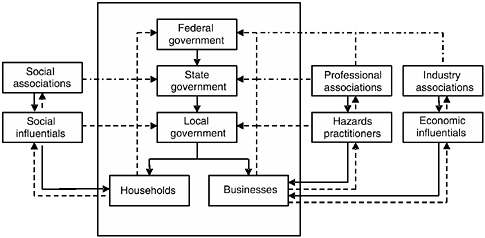
FIGURE 3.1 Power relationships among emergency management stakeholders.
tions, although Kingdon offers a number of possible reasons. These include the taking of action on a problem or, alternatively, the failure to take any action. Windows also can close when another event occurs (shifting the systemic agenda to other matters), when key people leave their positions in a policy-making body, or when no possible course of action presents itself for consideration.
Starting with agenda setting and progressing through all stages of the policy (or planning) process, the media have an important role in the policy development process, particularly in the matter of issue framing—the words used to describe an issue. Scholars have noted that political issues are not necessarily defined immediately as political problems. Rather, they can exist as conditions for some time before the emergence of feasible coping strategies moves them into the realm of public discussion as problems that are amenable to solutions (Rochefort and Cobb, 1994). Thus, the first stakeholder to frame an issue can seize a significant political advantage, especially if he or she is successful in linking a proposed policy to widely shared public values. Emergency managers and land-use planners can place environmental hazards on the agenda by documenting community hazard exposure, physical vulnerability, and social vulnerability in a way that generates the fact basis for policy formulation (Cutter et al., 2001). Although anecdotal evidence attests to the effectiveness of GIS in accomplishing this objective, there is little systematic research available that documents the degree to which hazard/vulnerability analyses affect political agendas or the social and psychological mechanisms by which these effects are achieved.
During stage 2, policy formulation, hazards policy entrepreneurs develop proposed courses of action for dealing with community hazard vulnerability. These include the mitigation alternatives listed earlier—source control, community protection works, land-use practices, and building construction practices—as well as emergency response preparedness and disaster recovery preparedness. It is well understood that a proposed mitigation policy should make a significant contribution to solving the problem of hazard vulnerability yet must avoid generating significant opposition by other stakeholders. In fact, this is a major dilemma because hazard mitigation policies typically benefit a diffuse constituency (taxpayers at large) over the long term but impose costs on a definite group of stakeholders (especially developers) in the short term. Unfortunately, it is not known if attributes other than efficacy and cost are important in the development and framing of hazard mitigation policies and specifically how policy entrepreneurs must account for the local political context. Specifically, how important are environmental protection and economic development in shaping local hazard mitigation policy?
During stage 3, policy adoption, hazard policy entrepreneurs mobilize support for a specific proposal so it can be authorized by elected officials. If the policy entrepreneurs have been successful in setting the agenda, framing the issues, and formulating the policy to maximize the strength of the proponents and minimize the strength of the opponents, policy adoption will be relatively simple. However, the process of policy adoption will be slow and possibly even unsuccessful if they have performed inadequately at earlier steps. Unfortunately, existing research provides little specific guidance for emergency managers and land-use planners on how to mobilize support for mitigation policies.
The fourth stage, policy implementation, is defined by the events and activities that occur after a policy is adopted and include the administration of the policy and its actual effects (Mazmanian and Sabatier, 1989). During policy implementation, bureaucrats use the government’s administrative machinery to apply the policy. In a federal structure, this means that the federal government can impose unfunded mandates on state and local governments, which in turn can either facilitate or thwart the implementation of federal policy depending on its compatibility with their capacity and commitment.
During stage 5, policy evaluation of outcomes, agency personnel determine whether the policy was effective and what adjustments are needed to achieve desired outcomes. Despite the many reasons for conducting them, it appears that hazards policy evaluations are infrequent and the reasons for this neglect are largely anecdotal and speculative. Some contend that practitioners are so convinced of program efficacy that they are unwilling to
spare any expense for evaluation, but there appears to be no research to confirm this speculation.
One important aspect of hazard management policy concerns the effect of state mandates. Previous research has examined the effect of mandate design on policy implementation (Van Meter and Van Horn, 1975; Mazmanian and Sabatier, 1989; Goggin et al., 1990). Accordingly, May (1994) compared data from five states (California, North Carolina, Florida, Texas, and Washington) to discover the links between the design of hazards relevant aspects of land-use mandates and the implementation of hazards mitigation policy. May’s analyses found partial support for Mazmanian and Sabatier’s model, thus indicating successful implementation of hazard mitigation policy is facilitated when the state agency charged with implementation has a high level of commitment to the policy, a high level of technical expertise, a low level of personnel turnover, and when there are adequate facilitating features and controls built into the mandate. Nonetheless, state mandates and guidance to local government increase the adoption and implementation of effective land-use practices (May and Deyle, 1998), these mandates have a measurable impact on the reduction of disaster losses. Moreover, a cross-sectional analysis of disaster recovery of communities after the Northridge earthquake found that the quality of mitigation elements in local comprehensive plans has a positive influence on implementation of mitigation practices and on the reduction of property loss (Burby et al., 1998).
Another important aspect of hazard management policy concerns the mobilization of local support because this raises questions about how governments can use hazard awareness campaigns to make households and businesses aware of the risks they face and of suitable hazard adjustments for reducing their vulnerability. Information campaigns relying on voluntary compliance tend to be politically acceptable but have not been based on contemporary scientific theories of social influence and, to date, have had limited success (Lindell et al., 1997). Alternatively, governments can motivate the adoption of hazard-resistant land-use and construction practices by providing economic incentives such as low-interest loans or tax credits. Of course, the money for such incentives must come from somewhere and cash-strapped local jurisdictions may not be able to provide it. Finally, governments can require hazard-resistant land-use and construction practices as a condition for construction permits. The verification of compliance requires onsite inspections, and the problems with such inspections have been noted elsewhere (Lindell et al., 1997).
Considerations other than the cost of mitigation should be studied as well. Agencies such as public works departments might be accustomed to dealing with hazards but feel threatened when the decision-making process
is expanded to include meetings with neighborhood groups. As anonymous bureaucrats, they may not be accustomed to being held personally accountable for technical decisions and may equate citizen participation with needlessly looking for trouble. Conversely, some neighborhoods that are especially vulnerable to hazard impact may have a large proportion of lower-income or ethnic minority residents who lack knowledge about, or mistrust, the political system. All of these concerns need to be balanced because any perceived unfairness in the policy itself or its adoption is likely to cause problems in the implementation phase. Even after a policy has been developed, there are many veto points at which interests can block the implementation of policies they consider undesirable.
There has been a significant amount of research under NEHRP on the adoption of hazard mitigation measures, but there are also significant limitations to that research. Figure 3.1 explicitly addresses the linkage between local and state government, but neglects the role of regional authorities, such as councils of government and metropolitan planning organizations, in promoting hazard mitigation through shared hazard/vulnerability analyses and development of coordinated hazard mitigation policies. Such organizations could provide an important role in establishing the horizontal and vertical linkages that local jurisdictions need to acquire critical but infrequently used skills at a reasonable cost.
The policy process model provides an important complement to lists of factors affecting the adoption of hazard mitigation tools (e.g., Godschalk et al., 1998:171-191). Such lists identify broad principles, but more specific guidance is needed on how to become an effective policy entrepreneur, how to frame issues, and other specific activities in which local land-use planners and emergency managers must become involved. Conversely, planning research has identified critical limitations of stand-alone mitigation plans prepared by emergency managers who are disconnected from comprehensive land-use planning. Thus, research is needed on planning processes that involve emergency managers with land-use planners in integrating hazard mitigation objectives into community comprehensive plans. Moreover, the policy process model outlines a process that differs in some significant respects from planners’ recommendations. For example, Burby (1998) recommended establishing a hazard mitigation committee, conducting an HVA, analyzing mitigation options, preparing a plan, and implementing that plan. Research is needed to determine if there are any important ways in which the hazard planning model differs from the policy process model.
There is also a need to more systematically examine the effects of nongovernmental (e.g., social and economic) stakeholders in the mitigation process. For example, an International City/County Management Association nationwide survey of local governments reported support for hazard mitigation was higher among utilities, news media, insurance companies,
and building owner/property managers than among neighborhood/civic groups and professional associations and was surprisingly strong among financial/mortgage companies and realtors (Briechle, 1999). Moreover, professional associations have been found to be potentially, but not actually, useful to line professionals in government (Bingham et al., 1981), so research is needed to identify methods of enhancing the effectiveness of professional organizations.
Research also is needed on building construction practices because 25 percent of the destruction in Hurricane Andrew was attributed to poor design, materials, or construction techniques (Lecomte and Gahagan, 1998). There are significant obstacles to getting engineering knowledge incorporated into model building codes, getting the provisions of these codes adopted at the local level, and getting local codes enforced.
A notable feature of social science research on hazard mitigation is the lack of integration among planners, sociologists, and political scientists studying overlapping aspects of the policy adoption process. Much of the research by political scientists has examined the conflicts among government layers, whereas sociologists have focused on conflicts among community groups, and planners have tended to address the substantive content of the mitigation measures. Research that links all of the elements of Figure 3.1 is needed.
COMMUNITY-LEVEL EMERGENCY RESPONSE PREPAREDNESS PRACTICES
According to the systems perspective proposed in federal guidance (FEMA, 1996), the first step in emergency response preparedness is to identify the demands that different types of disasters will place upon the community and, thus, the need to perform four basic emergency response functions—emergency assessment, expedient hazard mitigation, population protection, and incident management (Lindell and Perry, 1992, 1996). Emergency assessment consists of those actions that define the potential scope of the disaster effects (e.g., projecting hurricane wind speed), expedient hazard mitigation consists of last-minute actions to protect property (e.g., sandbagging around structures), population protection consists of actions to protect people from death or injury (e.g., warning and evacuation), and incident management consists of actions to initiate and coordinate the emergency response (e.g., communication among responding agencies). The next step in community emergency preparedness is to determine which community organizations will be responsible for accomplishing each of the functions (FEMA, 1996). Households and businesses have substantial capabilities for self-protection, especially in performing expedient hazard mitigation and population protection, but government agencies must usu-
ally address the emergency assessment and incident management functions. In addition, some households and businesses have such limited response capabilities (e.g., limited mobility, lack of personal vehicles) that they need external assistance. Sometimes this assistance is provided by peers (friends, relatives, neighbors, or coworkers), but government agencies or nongovernmental organizations must also be prepared to meet these needs. Thus, functional responsibilities must be assigned to each agency, which then must develop procedures for accomplishing the assigned functions. Moreover, these agencies must acquire response resources (personnel, facilities, and equipment) to implement their plans. Finally, they need to establish, test, and maintain preparedness for emergency response through continued planning, training, drills, and exercises (Daines, 1991).
Major failures occurred in the provision of evacuation assistance by both governmental and nongovernmental organizations to citizens with limited capacity to evacuate on their own prior to Hurricane Katrina’s destructive blow to New Orleans. These failures occurred despite the fact that this problem had been anticipated for quite some time. Social scientists are now investigating these and related preparedness and response problems exposed by Hurricane Katrina for lessons that might be learned.
Emergency Response Preparedness Functions
Planning Processes. NEHRP-sponsored studies of preparedness planning processes have addressed a range of topics, including the extent of local support for disaster preparedness (Rossi et al., 1982) and management strategies for improving the effectiveness of community preparedness efforts (Drabek, 1987, 1990). Other work has focused on the structure of community emergency preparedness networks (Gillespie and Streeter, 1987; Gillespie, 1991; Gillespie and Colignon, 1993; Gillespie et al., 1993) and formalized organizational networks, such as those developed to prepare for chemical hazards (Lindell and Meier, 1994; Lindell et al., 1996; Lindell and Brandt, 2000; Whitney and Lindell, 2000). Lindell and Perry (2001) recently summarized this literature as indicating network effectiveness, and especially the effectiveness of formalized emergency management committees, can be defined in term of individual (job satisfaction, organizational commitment, effort/attendance) and organizational (product quality, product timeliness, product cost) outcomes. In turn, these outcomes are affected by extra-community resources (e.g., professional associations, government agencies), the planning process (e.g., planning activities, team climate, situational analysis, and strategic choices), and the local emergency response organization’s staffing and organization (e.g., staffing levels, organizational structure, technology). More distal influences include the community’s hazard exposure and vulnerability (e.g., emergency/disaster experience and hazard/
vulnerability analyses), community support (e.g., from senior elected and appointed officials, the news media, and the public), and community resources (e.g., staff, budget)
Training/Equipment Needs Assessment. There is a long history of research in psychology on training and training needs assessment, but this work has not been addressed by explicit research on emergency preparedness for environmental hazards. Training scholars have recommended a systematic assessment of organizational needs as the basis for training programs and for the evaluation of training programs in terms of trainees learning, performance on the job, and the outcomes of the training (Goldstein and Ford, 2001), but it does not appear that these issues have been examined in research on emergency management organizations. Moreover, a recent review of research on training has called attention to the unique challenges of training for emergency response—including retention of infrequently practiced skills over long periods of time (Ford and Schmidt, 2000). In addition, there is a burgeoning research literature on team training that has examined the effects of taskwork (knowledge and skill related to the work itself) and teamwork (knowledge and skill related to other team members) in resolving issues involving the coordination of individual efforts, distribution of workload, and selection of task performance strategies (Guzzo and Dickson, 1996; Salas and Cannon-Bowers, 2001; Campbell and Kuncel, 2002; Kraiger, 2003; Hollenbeck et al., 1998; Arthur et al., in press). This research has clear relevance for some of the classic issues addressed by disaster sociologists (Dynes, 1974; Kreps, 1978; Quarantelli, 1978; Stallings, 1978; Wenger, 1978). An integration of these different perspectives is needed.
Drills, Exercises, and Incident Critiques. There is agency guidance on drills, exercises, and incident critiques (e.g., FEMA, 2003b; National Response Team, 1990) that appears to be derived from practitioner experience. However, there appears to be no social science research on emergency response organizations’ performance of these tasks. This is unfortunate because there is research on individual and team training that is relevant to this problem. For example, Hackman and Wageman (2005) proposed a model of team coaching that contains relevant concepts. An assessment of the applicability of their model to emergency response organizations is needed.
Emergency Response Functions. As discussed in Chapter 4, there is a long history of social science research on some aspects of disaster response, especially population protection and incident management. However, none of this research has addressed the extent to which practitioners use the findings from disaster research in developing community emergency preparedness.
Emergency Assessment and Expedient Hazard Mitigation. There appears to be no research that has explicitly addressed emergency response or preparedness for either of these emergency response functions. Nor does there appear to be any research on the extent to which practitioners use the findings of social science research in developing community emergency preparedness. Nonetheless, emergency assessment involves important social science issues regarding threat detection and classification and population monitoring and assessment. Expedient hazard mitigation involves important issues regarding the evaluation of alternative methods of hazard source control and impact mitigation.
Population Protection. Many, if not most, major emergencies require local officials to initiate protective actions for the population at risk. This requires protective action selection (usually between evacuation and sheltering in-place), warning, protective action implementation, impact zone access control and security, reception and care of victims, search and rescue, emergency medical care and morgues, and hazard exposure control (Lindell and Perry, 1992). The population protection function is distinctive in that it has generated the greatest amount of social science research on disaster response, including that supported by NEHRP—undoubtedly due to the fact that this function involves the risk area population’s degree of compliance with emergency responders’ protective action recommendations. However, there is virtually no research on preparedness for population protection.
First, the emergency response organization must be prepared to select an appropriate protective action recommendation. Sheltering in-place is preferable to evacuation in cases when exposure to the hazard conditions while in an evacuating vehicle would be more dangerous than remaining in a substantial structure (however, for many hazards, remaining in a mobile home is more dangerous than leaving). Sheltering in-place is the most common protective action recommendation for some hazards (e.g., tornadoes), but the criteria for choosing between evacuation and sheltering in-place can be complex (Lindell and Perry, 1992). Regrettably, there appears to be no research assessing emergency managers’ planning concepts and decision criteria for choosing between evacuation and sheltering in-place. Nor is there adequate research on risk area populations’ likely compliance and timeliness in implementing protective action recommendations. Much of NEHRP-sponsored research on warning response has sought to identify the factors associated with compliance, but little research has sought to develop guidelines that could inform emergency managers about likely levels of compliance when a protective action recommendation is issued, early evacuation before one is issued, and spontaneous evacuation in locations near the risk area for which a protection action recommendation was issued.
Second, emergency managers must be prepared to warn those in the
risk area about the hazard—which can be easy in some situations (e.g., a small area can be warned by emergency responders going door-to-door) and difficult in others (large areas when people are asleep at night). Warnings can use any or all of seven primary warning mechanisms—face-to-face warnings, mobile loudspeakers, sirens, commercial radio and television, tone alert radio, newspapers, and telephones (a given warning mechanism can have multiple warning channels, as when there are multiple radio stations within a community, Lindell and Perry, 1992). These warning mechanisms differ with respect to their precision of dissemination, penetration of normal activities, specificity of the message, susceptibility to message distortion, rate of dissemination over time, receiver requirements, sender requirements, and feedback (verification of receipt). In principle, communities can select the most appropriate warning mechanisms based on the characteristics of the hazards to which they are exposed (especially speed of onset and scope of impact) and the characteristics of the jurisdiction (e.g., population density, wealth). However, no research to date has examined the process by which communities develop warning systems (but see Gruntfest and Huber, 1989).
Emergency response organizations also must be prepared to transmit warning messages that describe the threat, an appropriate protective action, and sources of additional information. Here also, there appears to be little or no research on the extent to which practitioners use the findings of social science research in developing community emergency preparedness.
There is a small but important research literature on protective action implementation, some of it resulting from NEHRP sponsorship. The large scope of evacuations from hurricanes and from accidents at nuclear power plants (and some chemical plants) has made clear the need for advance estimates of the time required to implement an evacuation because it can take many hours to clear a risk area when the population density is high in relation to the capacity of the evacuation route system. Indeed, hurricane evacuation time estimates for some major urban areas along the Atlantic and Gulf coasts exceed 30 hours. There have been some significant advances in empirical estimation of warning times in four floods and the eruption of Mt. St. Helens (Lindell and Perry, 1987) and two hazardous materials accidents (Sorensen and Rogers, 1989). Further, Rogers and Sorensen (1988) proposed methods of mathematically modeling the warning process in terms of two components, an official (“broadcast”) component and an informal (“contagion”) component, and Sorensen (1991) identified some predictors of household warning reception times in the Nanticoke chemical incident. Warning time distributions for floods and volcanic eruptions in Japan have been reported by Asada et al. (2001) and Katada and Kodama (2001), respectively. Because of the limited availability of data on warning time distributions, further studies are needed over a variety of rapid-onset inci-
dents so that generalizable warning time distributions can be obtained. In particular, these studies should assess the warning time distributions associated with different warning mechanisms such as electronic news media (television and radio), sirens or fixed loudspeakers, and route alert vehicles (Lindell and Perry, 1987, 1992). As is the case for local emergency management agency notification, research is needed to estimate warning time distributions that would be found under a variety of conditions for hurricanes and tsunamis.
There also is only a limited amount of research on preparation time distributions. Recently, Lindell et al. (2002) estimated hurricane evacuation preparation times by summing coastal residents’ expectations about the time they would need to perform six evacuation preparation tasks: (1) prepare to leave from work; (2) travel from work to home; (3) gather all persons who would evacuate with the household; (4) pack items needed while gone; (5) protect property from storm damage; (6) shut off utilities, secure the home, and leave. Later, Lu et al. (in press) reported data on preparation time distributions derived from data collected in Hurricane Lili. Moreover, Kang et al. (2004) found that the individual reports from the Hurricane Lili evacuation were significantly correlated with respondents’ expectations of these time components collected during the earlier coastal survey by Lindell et al. (2002). The prediction of actual preparation times from expected preparation times was statistically significant and practically useful, but it was far from perfect. Moreover, the time components used in this research were limited to what can be called logistical preparation and did not specifically address what can be called psychological preparation. NEHRP supported research on warning response (Drabek, 1986; Lindell and Perry, 2004) clearly indicates that people engage in milling during which time they seek confirmation that a danger exists, obtain further information about the threat and alternative protective actions, and relay warnings to peers. Thus, although research conducted to date has distinguished between logistical preparation and psychological preparation, no estimates are available concerning the amount of time spent in each of these two types of activities. Thus, quantitative data are needed over a variety of incidents to assess the extent to which the preparation time components identified for hurricane evacuations generalize to other hazards and the extent to which evacuees’ expectations of rapid-onset hazards would reduce each of the preparation time components. In addition, research is needed to assess the extent to which these preparation time distributions are predictable from households’ demographic characteristics.
Third, quantitative models have been proposed for computing evacuation time estimates (ETE) (Tweedie et al., 1986; Urbanik, Moeller, and Barnes, 1988; Abkowitz and Meyer, 1996; Cova and Church, 1997; Safwat and Youssef, 1997; Hobeika and Kim, 1998; Barrett et al., 2000; Cova and
Johnson, 2002; Lindell et al., 2004). At one extreme are macroanalytic models such as EMBLEM, which has been used to compute the hurricane ETEs for all 22 Texas coastal counties for the Texas Governor’s Division of Emergency Management (Lindell et al., 2002). At the other extreme are microanalytic models such as OREMS (Oak Ridge National Laboratories, 2003), which are designed to generate precise ETEs for small areas threatened by toxic chemical releases but require very detailed data on local evacuation route systems. Although published response time models vary significantly in their mathematical sophistication and the apparent precision of their estimates, there has been little effort to validate either the models or their input data to determine if analysts’ assumptions about evacuees’ behavior are accurate. One major uncertainty concerns the rate of traffic flow when the demand on evacuation routes in a risk area exceeds its capacity—especially when queues take many hours to clear (see Urbanik, 1994, 2000; Homberger et al., 1996; Transportation Research Board, 1998). It is important to know the duration of the queues but it also is important to know where they are located because queues inside risk areas are potentially life threatening whereas those outside them are merely inconvenient. Research on response time models is needed to assess these models’ abilities to produce realistic ETEs (see Box 3.1) in a variety of situations ranging from those in which evacuees must travel such long distances that they need to use motor vehicles (for most hurricane evacuations) to those in which a significant portion of the population at risk could walk to a higher elevation or safe haven (for tsunami evacuations in some Pacific coast communities).
There appears to have been no research on preparedness for protective action selection, impact zone access control and security, search and rescue, emergency medical care and morgues, or hazard exposure control. Moreover, there appears to be no research on the ways in which these topics are addressed by local emergency managers in their EOPs, procedures, and training. However, there is some anecdotal information about the utilization of research on the reception and care of victims; Mileti et al.’s (1992) review of the research on this topic was used as the basis for planning hurricane emergency response, primarily because hazards researchers drafted the planning documents for the emergency management agency.
Incident Management. There has been a significant amount of social science research supported under NEHRP on incident management during disasters, but here also, there is little or no research on preparedness for incident management or on the utilization of disaster research findings in the development of community EOPs, procedures, or training. Research is needed to examine the degree to which the adoption of the Incident Command System successfully addresses the patterns of intra- and inter-
|
BOX 3.1 Hurricane Evacuation Time Estimates for the Texas Coast Over the past 25 years, analysts have attempted to estimate hurricane evacuation times for coastal counties but have typically made inaccurate assumptions about evacuee behavior out of ignorance of the findings from NEHRP-funded research. Lindell et al. performed a project for the Texas Division of Emergency Management (DEM) that developed EMBLEM, an algorithm that updated Safwat and Youssef’s (1997) evacuation time estimate (ETE) model to correct deficiencies in the traffic flow model noted by Urbanik (1994, 2000). EMBLEM also used data from NEHRP-funded research to improve the evacuee behavior model. For example, Lindell et al. (2002) used data from the eruption of Mt. St. Helens to estimate the time distribution for warning diffusion in a hurricane with a late-changing track. They combined the warning distribution with data on coastal residents’ expectations about their evacuation behavior to produce trip generation time distributions for residents and transients. A later NEHRP-funded study of the Hurricane Lili evacuation (Kang et al., 2004; Lu et al., in press) has incorporated these behavioral data into EMDSS2 (Lindell et al., 2004), which further refines the models of evacuee behavior and traffic flow. The work for Texas DEM also included empirical data on shelter utilization reported in a meta-analysis conducted by Mileti et al. (1992). These data replaced grossly inaccurate estimates that had been used previously. |
organizational coordination identified by disaster researchers (e.g., Dynes, 1977; Drabek et al., 1981; Kreps, 1989a,b, 1991a,b).
COMMUNITY DISASTER RECOVERY PREPAREDNESS PRACTICES
After a disaster, many tasks need to be accomplished very quickly, and virtually simultaneously, so pre-impact planning for disaster recovery is as critical as planning for disaster response (Schwab et al., 1998). Emergency response and disaster recovery frequently overlap because some sectors of the community are in emergency response mode, while others are moving into disaster recovery, and some organizations might be carrying on both types of activity at the same time. Moreover, senior elected and appointed officials are likely to be inundated with policy decisions to implement the emergency response at the same time that they have to plan for the disaster recovery. Consequently, there is increasing recognition that pre-impact emergency response planning should be linked to pre-impact disaster recovery planning.
In principle, resources can be allocated more effectively and efficiently—
increasing the probability of a full and rapid recovery—if recovery planning is begun before disaster impact. That is, coordinated planning for emergency response and disaster recovery can avoid delays while decisions are made about procedures and resource utilization. Coordinated pre-impact planning can also decrease the probability of conflicts arising due to competition over scarce resources during the recovery period. The necessary coordination between pre-impact emergency response planning and pre-impact disaster recovery planning can be achieved by establishing organizational contacts, and perhaps overlapping membership, between the entities responsible for these two activities. However, such coordinated planning involves some significant challenges because the agencies that are most often involved with the development of the EOP (e.g., police, fire, emergency medical services) and those that need to be involved in the development of the disaster recovery plan (e.g., land-use planning, economic development, public works) have significantly different organizations and organizational cultures. Thus, it will take a determined effort in most jurisdictions to achieve the needed coordination. To date, only a limited amount of research has examined the effectiveness of pre-impact disaster recovery planning (see Box 3.2). Both studies employed weak research designs, so further research is needed to verify its effectiveness and to identify its most important elements and processes.
|
BOX 3.2 Pre-Impact Recovery Planning The City of Los Angeles, under the leadership of the former planning director, prepared and adopted a “Recovery and Reconstruction” element of the City’s Emergency Operations Plan. It dealt with recovery management, redevelopment, intergovernmental relations, and financing. Following the 1994 Northridge earthquake, the National Science Foundation funded an evaluation of how the innovative element was used, the effectiveness of its use as a post-disaster decision support tool, and what lessons were learned that could be applied to similar planning efforts. Eight years later, the data from that study were used in conjunction with other archival data on the aftermath of the Northridge earthquake and also with data from the 1999 Chi-Chi earthquake in Taiwan in a comparative case study that concluded pre-impact recovery planning accelerated the rate of housing recovery and also increased the extent to which hazard mitigation was incorporated into the recovery process. For further details, see Spangle Associates Urban Planning and Research (1997), and Wu and Lindell (2004). |
ADOPTION OF HAZARD ADJUSTMENTS WITHIN COMMUNITIES
NEHRP-supported research has also produced an extensive body of research on the adoption of what have been termed hazard adjustments by households, businesses, and government agencies. The term hazard adjustments is adopted from Burton et al. (1993) to refer to all actions that reduce hazard vulnerability—hazard mitigation, emergency response preparedness, and disaster recovery preparedness. The reason for addressing all three types of hazard adjustments as a single category is that the adoption process appears to be relatively similar for all of them. Research on the adoption and implementation of hazard adjustments has consistently found support for the notion that hazard awareness might well be high among affected populations and within organizations and government agencies, but action to reduce hazard vulnerability does not necessarily follow. Regardless of the social unit involved, studies suggest that the relationship between risk perception and hazard adjustment is a complex one (see Lindell and Perry, 2004).
Household Hazard Adjustments
There is an extensive set of studies on household seismic adjustment, with Lindell and Perry (2000) finding 23 studies that attempted to correlate household adjustment to earthquake hazard with at least one or more explanatory variables. Data from these studies confirmed theoretical predictions that households’ adoption of earthquake hazard adjustments is correlated with their perceptions of the hazard and alternative adjustments and, to a lesser extent, with demographic characteristics and social influences. Specifically, hazard adjustment tended to be more highly correlated with beliefs about the probability of personal consequences (death, injury, property damage, and disruption to job and daily activities) than with beliefs about the probability of the event itself. That is, for action to take place, general knowledge about hazards must translate into beliefs about personal vulnerability (Turner et al., 1986; Showalter, 1993). Moreover, hazard intrusiveness—the frequency with which people think and talk about hazards and hazard adjustments—appears to be as important in predicting hazard adjustment adoption as people’s perceptions of personal risk (Lindell and Prater, 2000).
Similarly there is evidence, subsequently confirmed by Lindell and Whitney (2000) and Lindell and Prater (2002), that adoption intentions and actual adoption are higher for hazard adjustments that are higher in hazard-related attributes (efficacy in protecting persons, efficacy in protecting property, and suitability for other purposes) and—to a lesser degree—lower in resource-related attributes (cost, time and effort, knowledge and
skill, and required cooperation with others). The studies reviewed by Lindell and Perry (2000) also indicate that hazard adjustment adoption is correlated with perceived personal responsibility, a finding confirmed by Lindell and Whitney (2000) and Arlikatti et al. (in press). Preparedness is also correlated with feelings of self-efficacy with respect to hazard adjustments (Mulilis and Duval, 1995).
Lindell and Perry (2000) reported that the correlations of hazard adjustment with demographic variables are consistently small, although this research consistently pointed to the importance of resources of various kinds in the preparedness process. The concept of resources is used broadly here to encompass access to money and information, as well as ties to community institutions. For households, higher levels of hazard adjustment are generally associated with higher levels of income, education, and home ownership (Turner et al., 1986; Edwards, 1993; Russell et al., 1995; Lindell and Prater, 2000). Of course, the effect of home ownership might reflect higher levels of personal vulnerability (a greater level of personal assets at risk), as well as greater access to the resources needed to adopt and implement hazard adjustments.
Lindell and Perry’s review also found that the effect of previous earthquake experience was inconsistent across studies, probably because this variable was measured in so many different ways (see Baker, 1991, for a similar finding with respect to the correlation of hurricane evacuation with previous storm experience). Finally, there were significant effects of social influences on hazard adjustment adoption, through both information receipt (see the discussion of risk communication below) and observation of others’ behavior (social modeling).
Despite the significant contributions of NEHRP-funded research to the understanding of the hazard adjustment process, further research is needed. Most of the research on household hazard adjustment has addressed the adoption of hazard adjustments by households in California—a high-hazard zone. Much less is known about household adoption of hazard adjustments in lower-frequency hazard zones such as the Cascadia, Wasatch, and New Madrid seismic zones. Moreover, much of the existing research has neglected the problems of erroneous beliefs (Turner et al., 1986; Whitney et al., 2004) and pseudo-attitudes (Converse, 1964; Schuman and Kalton, 1985; Lindell and Perry, 1990). The neglect of erroneous beliefs is serious because these variables are usually not measured by researchers and, to the degree that they are relevant to people’s adjustment adoption decisions, depress the prediction of hazard adjustment. Pseudo-attitudes can arise when researchers attempt to assess respondents’ beliefs using standardized rating scales, but respondents’ answers can be unstable when attitude objects are rated on dimensions that have no meaning to the respondents. The neglect of pseudo-attitudes is significant because this can produce a
spuriously high level of predictive accuracy in models of hazard adjustment decisions, but there is some evidence that careful analysis of survey data can identify pseudo-attitudes (Lindell and Perry, 1990).
Households. Lindell and Perry (2000) identified needs for further research in six major areas: hazard adjustments, perceived hazard characteristics, perceived adjustment characteristics, household characteristics, past experience, and social influences. The first of these is a pressing need to adopt a consistent typology of pre-impact hazard adjustments, to develop standardized scales for measuring these adjustments, and to assess the psychometric adequacy of these scales (e.g., Mulilis and Lippa, 1990). Future studies also should systematically develop and test scales measuring the information-seeking activities that have been reported to be highly correlated with adjustment (Mileti and Fitzpatrick, 1993; Mileti and Darlington, 1997). These information-seeking scales should distinguish between information about a hazard and information about hazard adjustments. Another important task for future research is to assess the perceived interdependencies among hazard adjustments. If the information and other resources acquired in the process of adopting one adjustment make it easier to adopt others, then an adjustment perceived as having more efficacy and lower resource requirements might serve as a “gateway” to the adoption of adjustments that are perceived to be lower in efficacy and more resource demanding.
Previous research generally has reported statistically significant relations between perceived hazard characteristics and hazard adjustment, but the size of the correlation coefficients is modest. One potential explanation for the small correlations is that researchers have failed to accurately capture risk area residents’ cognitive representations of the hazard. Most research on hazard adjustment has measured perceived characteristics of hazards in terms of respondents’ judgments of the probability and severity of personal consequences, but other beliefs also are relevant. Mileti and Fitzpatrick (1993) assessed respondents’ perceptions of the probability of a major earthquake, property damage, injury, and death and, moreover, assessed perceptions of these consequences over two different time periods.
Researchers should also assess the linkages among people’s beliefs about hazards to identify the preconditions for risk personalization. Palm and Hodgson’s (1992) work suggests assessing the locational, structural, and demographic components of perceived vulnerability. With respect to perceived locational vulnerability, studies should examine people’s actual and perceived proximity to hazard sources (Palm and Hodgson, 1992; Zhang et al., 2004a; Arlikatti et al., in press). Perceived structural vulnerability should be assessed by asking respondents to compare the vulnerability of the structures in which they live and work to the vulnerability of the average home, whereas perceived demographic vulnerability could be assessed by obtain-
ing respondents’ comparisons of their household members’ vulnerability to that of the average household.
Some researchers have measured risk area residents’ hazard concern in terms of a single global item (e.g., Dooley et al., 1992), whereas others have measured threat personalization by multi-item scales addressing the perceived likelihood of specific impacts (Mileti and Fitzpatrick, 1993). A global item would be a more accurate characterization of risk area residents’ beliefs if they have only very diffuse conceptions of the threat, whereas specific impact dimensions would be appropriate if they have differentiated beliefs. The problem is that asking about very specific impact dimensions could create pseudo-attitudes if people have only very diffuse conceptions. Thus, further research is needed to determine what proportions of risk area populations have specific beliefs, global beliefs, and no beliefs at all about the environmental hazards to which they are exposed.
The relationships of hazard adjustments to the hazard and to household resources imply that attributes of hazard adjustments can be categorized as hazard-related or resource-related (Lindell and Perry, 2000). Hazard-related characteristics include efficacy for protecting persons and property and utility for other purposes. By contrast, resource-related characteristics are defined by demands on household resources such as money, knowledge, skill, time, effort, and interpersonal cooperation. Such characteristics are closely linked to household members’ self-efficacy, which refers to a belief in the adequacy of one’s knowledge and skills as well as access to any materials, equipment, and money that also are needed. There has been limited research to date on perceptions of adjustment-related attributes, and more is needed to understand the trade-offs people make among these dimensions in selecting hazard adjustments.
Some studies have suggested that perceived protection responsibility is an important variable in determining household hazard adjustment, but the research base is quite limited. Early research on seismic hazard adjustment indicated that many risk area residents held government responsible for reducing their seismic vulnerability (Jackson, 1981; Turner et al., 1986; Mulilis and Duval, 1995), but more recent research has shown a greater acceptance of personal responsibility (Arlikatti et al., in press). However, this research has addressed only one hazard, and most of it has been conducted on the Pacific Coast. Research on a variety of hazards should examine risk area residents’ perceptions of the protection responsibility of different levels of government in relation to informal sources such as the news media, employers, friends, and family to determine if this variable is important for predicting household adoption of adjustments for other hazards as well.
Future research should examine the role of community bonded-ness, whose significant correlations with seismic hazard adjustment was origi-
nally reported by Turner and his colleagues (1986) and replicated by some (Dooley et al., 1992) but not other researchers (e.g., Palm et al., 1990). These inconsistencies cannot be explained by sampling fluctuations because of the studies’ large sample sizes. It is likely that the magnitude of the correlations between household characteristics and hazard adjustments depends on which household characteristics and hazard adjustments are being correlated. Correlations of demographic variables with adjustment adoption might be valuable in allowing hazard managers to target population segments that are most disposed to adopt seismic adjustments. For example, the presence of school-aged children in the home might signal a need to focus on schools as a channel for disseminating hazard information, while correlations of income with overall adjustment might suggest an emphasis on the least expensive adjustments, at least until risk area residents become more committed to the seismic adjustment process.
Future research should also examine the ways in which past hazard experience affects future expectations of vulnerability and hazard adjustments. One possible explanation for the lack of consistency in previous findings is that this variable has been measured in many different ways. The variations in the measurement of earthquake experience, which are similar to those found in research on hurricane adjustments (Baker, 1991), suggest that hazard experience has to be conceptualized carefully and measured consistently. One important contribution of future studies would be to assess hazard experience in terms of multiple indicators of experience. An important task for future researchers will be to identify what it is about direct experience that increases seismic adjustment and develop methods of providing these critical elements vicariously rather than directly.
Researchers long have recognized that hazard adjustment takes place in a social context. Accordingly, social influence has been examined in many studies of hazard adjustment, but most of these have focused on persuasive influences. Consistent with the classical communication model, these studies have addressed source, message, channel, receiver, and effect variables. Future research should complement investigation of influence sources with an examination of the basis of influence. Raven (1993; French and Raven, 1959) has concluded that sources use six bases of influence—legitimate, referent, expert, information, reward, and coercive. A slightly different typology arises from the literature on persuasive communications, which indicates that sources are perceived in terms of their credibility (e.g., expertise, trustworthiness), attractiveness, and power (Eagly and Chaiken, 1993). Further examination of the characteristics of information sources and their bases of influence could substantially advance our understanding of this aspect of the hazard adjustment process.
Message characteristics—information quality (specificity, consistency, and source certainty) and information reinforcement (number of warn-
ings)—have a significant impact on adoption of seismic adjustments. However, only a few studies have examined this component of the seismic adjustment process (Mileti and Fitzpatrick, 1993; Mileti and O’Brien, 1992). Future research should examine whether there are other message characteristics that also affect adjustment. In particular, there is a need to develop objective measures of these characteristics.
The differential impact of communication channels has been examined, with Turner et al. (1986) finding that television had a greater impact than other media. However, other research reported stronger effects for print media (Mileti and Darlington, 1997; Mileti and Fitzpatrick, 1993). Still other research found that residents of a rural area vulnerable to volcano hazard had complex patterns of communications channel use (Perry and Lindell, 1990) and that channel use varied by community and ethnicity (Lindell and Perry, 1992). Moreover, risk area residents use channels for different purposes: radio and television are useful for immediate updates, meetings are useful for clarifying questions, and newspapers and brochures are useful for retaining information that might be needed later. The ways in which residents of risk areas exposed to other hazards use the mass media need similar scrutiny.
Business Hazard Adjustments
Private sector disaster preparedness had not previously been studied extensively, but NEHRP-sponsored studies have made considerable progress in understanding the extent to which businesses prepare for disasters and the factors that influence this process (Drabek, 1991a, 1995; Dahlhamer and D’Souza, 1997; Tierney, 1997a,b; Lindell and Perry, 1998; Webb et al., 2000). Research on business preparedness for earthquakes in Los Angeles found that while awareness of the threat was high among business owners, preparedness levels tended to be quite low—even after the 1994 Northridge earthquake (Dahlhamer and Reshaur, 1996). Disaster experience appears to have made the threat more salient to these businesses because those that had sustained damage in the Northridge earthquake, were forced to close, or experienced lifeline service interruptions, subsequently increased their levels of preparedness (Dahlhamer and Reshaur, 1996). Companies that handled hazardous materials also increased their preparedness efforts after that earthquake (Lindell and Perry, 1998).
As is the case for households, the access of businesses to resources is generally associated with higher levels of hazard adjustment. Larger businesses are significantly more likely to engage in preparedness activities than smaller ones—a pattern that is thought to be related to the fact that larger firms are more likely to have additional resources to devote to loss reduction activities and more likely to have specialized positions that are specifically
devoted to risk and disaster management (Webb et al., 2000; Whitney et al., 2001; Mileti et al., 2002).
The limited amount of research on business adoption of hazard adjustments has focused on the environmental and organizational conditions influencing the level of hazard adjustment adoption, but there has been little research on the process by which managers make decisions about investments in hazard adjustments other than studies by Alesch et al. (1993) and Drabek (1991a, 1995). As is the case with households, there is a need to understand what the alternative hazard adjustments considered by different businesses are and, especially, managers’ perceptions of the hazard-related and resource-related attributes of the available adjustments. It would be particularly useful to examine the ways in which manager’s decisions are being affected by the burgeoning business continuity industry, which has expanded into corporate emergency planning from the areas of data management, facility security, and crisis communications. To date, there has been no research to assess the effectiveness of the interventions offered by these practitioners (Tierney, in press).
Government Agency Hazard Adjustments
There has been little research on the hazard adjustments by government agencies that do not have emergency management responsibilities but, nonetheless, will be expected to provide their normal services after a disaster strikes. Perry and Lindell (1997), who collected data on seismic preparedness by city and county agencies in a southwestern state, found the overall level of hazard adjustment was low. Hazard adjustment was correlated with agency size, perceived risk, and information seeking—findings that are similar to those for businesses—but more research is needed on other hazards and in other areas to support these initial results.
Research needs at the state level of analysis include studies on the impact of organizational and institutional arrangements on the quality and effectiveness of state preparedness, as well as studies on the extent to which federal preparedness requirements have an impact at the state level (Waugh and Sylves, 1996). Since the Disaster Mitigation Act of 2000 has expanded states’ responsibilities in the area of disaster preparedness (including their role in encouraging local-level preparedness), state-level activities constitute an important area for future research. In the aftermath of 9/11, state-level preparedness initiatives also warrant study.
Neighborhood Organization Hazard Adjustments
Local citizen-based initiatives are also becoming more common, and activities that were originally designed to decrease vulnerability to natural
disasters are now being employed to prepare the public for human-induced threats. For example, Community Emergency Response Training (CERT), a program originally developed in Los Angeles and other California cities to help prepare neighborhood residents to respond to earthquakes, has been transferred to many other hazard-prone communities and adopted as a national model by FEMA (Simpson, 2001). The CERT concept is now being implemented in preparedness for terrorism-related events.
Hazard Insurance Purchase. The purchase of hazard insurance is a pre-impact recovery preparedness action that is addressed separately here because much of the research on this topic has been conducted almost completely independently of other work on other hazard adjustments (although see Palm and Hodgson, 1992; Palm 1998). NEHRP-sponsored research has revealed many difficulties in developing and maintaining an actuarially sound hazard insurance program. The National Flood Insurance Program has made significant strides over the past 30 years, but it continues to require operational subsidies. One of the basic problems is that those who are most likely to purchase flood insurance are, in fact, those who are most likely to file claims (Kunreuther, 1998). This problem makes it impossible to sustain a market in private flood insurance. The federal government has tried to solve this problem by requiring flood insurance for structures purchased with federally-backed mortgages that are located in the 100-year floodplain. Unfortunately, policies are frequently allowed to lapse in the years after the purchase and the program has no effect on those who purchase their homes without a mortgage. Consequently, some homes are rebuilt soon after a disaster because their owners have high-quality insurance coverage, whereas other homes take much longer because they are only partially insured or even lack any insurance because their occupants cannot afford quality insurance or are denied access to it because of “redlining” (Peacock and Girard, 1997).
In addition to these institutional problems, there are many cognitive obstacles to the development of a comprehensive hazard insurance program. Building on earlier hazards research (see Burton et al., 1993, for a summary) and psychological research on judgment and decision making (see Slovic et al., 1974, for an early statement, and Kahneman et al., 1982), for more a recent summary), Kunreuther and his colleagues (1998) have identified numerous logical deficiencies in the ways people process information in laboratory studies of risk. However, there remains only limited research on the extent to which heuristics and biases actually influence how households and businesses make decisions about hazard management.
There are some fascinating parallels between theories about insurance purchase and those about the adoption of other hazard adjustments. For example, what economists call moral hazard is equivalent to what psycholo-
gists refer to as a decrease in protection motivation, usually due to a felt lack of personal responsibility for protection. The concept of moral hazard or felt responsibility for personal protection has important policy implications because the Interagency Floodplain Management Review Committee (1994) report concluded that federal disaster relief policy creates this condition by relieving households of the responsibility for providing their own disaster recovery resources. This might be a significant reason why only 20 percent of structures affected by the 1993 Mississippi floods were insured. However, there appear to be no data indicating that households explicitly consider the availability of disaster relief in making decisions about whether to purchase hazard insurance and adopt other hazard adjustments.
Moreover, Kunreuther’s (1998) flow chart describing a homeowner’s decision to purchase hazard insurance is similar in some respects to the protective action decision model described by Lindell and Perry (1992, 2004), but there are notable differences. Future research should examine the theoretical comparability and empirical support for these two models—particularly in regard to the differences among decision makers with different levels of sophistication such as households, small businesses, and large businesses.
Communication About Risk and Hazard Adjustments
Risk communication is an important method by which hazard managers can increase the adoption and implementation of hazard adjustments by households, businesses, neighborhood organizations, and government agencies. As used here, the term risk communication refers to intentional efforts on the part of one or more sources (e.g., scientific agencies, local government) to provide information about hazards and hazard adjustments through a variety of channels to different audience segments (e.g., the general public, specific at-risk groups). Research on disasters has long recognized different sources as being peers (friends, relatives, neighbors, and coworkers), news media, and authorities (Drabek, 1986). More recently, attention has been given to the ways in which these sources differ systematically in terms of such characteristics as perceived expertise, trustworthiness, and protection responsibility (Lindell and Perry, 1992; Lindell and Whitney, 2000; Arlikatti et al., in press). There are many different information channels (e.g., broadcast, print, telephone, face-to-face, Internet), but there has been no systematic investigation of the ways in which these differ in characteristics such as precision of message dissemination, penetration of normal activities, message specificity, susceptibility to message distortion, rate of dissemination over time, receiver requirements, sender requirements, and feedback (Lindell and Perry, 1992). Messages also vary in many ways, including threat specificity, guidance specificity, repetition, consistency,
certainty, clarity, accuracy, and sufficiency (Mileti and Sorensen, 1987; Mileti and Peek, 2000; Lindell and Perry, 2004). More is known about the effects of these message characteristics on warning recipients, but not about the degree to which hazards professionals address them in their risk communication messages. Receiver characteristics include previous hazard experience, preexisting beliefs about the hazard and protective actions, and personality traits. In addition, there are demographic characteristics—such as gender, age, education, income, ethnicity, marital status, and family size—but these have only modest (and inconsistent) correlations with hazard adjustment.
Finally, Lindell and Perry (2004) summarized the available research as indicating message effects include pre-decisional processes (reception, attention, and comprehension), and the eight decision stages listed in Table 3.2. Each decision stage is defined by the critical question posed by the situation, the response activity, and the outcome of that activity.
There is substantial variation in the amount of time and effort people spend in each of these eight stages (indeed, people can bypass some of the stages altogether) and the order in which the stages are processed. More-
TABLE 3.2 Warning Stages and Actions
|
Stage |
Question |
Activity |
Outcome |
|
1 |
Is there a real threat that I need to pay attention to? |
Risk identification |
Threat belief |
|
2 |
Do I need to take protective action? |
Risk assessment |
Protection motivation |
|
3 |
What can be done to achieve protection? |
Protective action search |
Decision set (alternative actions) |
|
4 |
What is the best method of protection? |
Protective action assessment and selection |
Adaptive plan |
|
5 |
Does protective action need to be taken now? |
Protective action implementation |
Threat response |
|
6 |
What information do I need to answer my question? |
Information needs assessment |
Identified information need |
|
7 |
Where and how can I obtain this information? |
Communication action assessment and selection |
Information search plan |
|
8 |
Do I need the information now? |
Communication action implementation |
Decision information |
|
Source: Lindell and Perry (2004). |
|||
over, people sometimes cycle through a decision stage repeatedly as new information is sought and received. Such extended “milling” most commonly occurs when there is conflicting or confusing information (e.g., when there are complex and uncertain scientific data about a hazard and alternative protective actions).
Two empirical studies on public risk communication campaigns are illustrative of NEHRP-sponsored research in this area. Mileti and Darlington (1995) studied responses by the public and by government and private sector organizations to new scientific information on the magnitude of the earthquake threat in the San Francisco Bay area—information that was provided to residents in a color insert they received with their Sunday newspapers. In a similar effort, Mileti and Fitzpatrick’s The Great Earthquake Experiment: Risk Communication and Public Action (1993) analyzed the impact of government efforts to provide public information and encourage household seismic preparedness in connection with the Parkfield, California, earthquake prediction experiment. Here also, the study focused on what people in communities affected by the prediction knew about the earthquake hazard and how they responded. These two studies showed that residents did become better informed as a consequence of government risk communication, and some took steps to prepare for a coming earthquake. One key finding from both studies was that printed materials, such as the brochures residents received, were more effective in communicating risk than more ephemeral forms of communication such as television and radio. Another was that printed material—or any risk communication vehicle—is not sufficient to raise awareness and motivate action. Rather, risk-related information must be delivered through multiple channels, in different (but consistent) form, and must be repeated.
In addition to these quasi-experimental designs, some studies, including some supported by NEHRP, have also used experimental designs involving random assignment to conditions. In a well-controlled field experiment, Mulilis and Lippa (1990) provided respondents with specially prepared earthquake awareness brochures that systematically varied information about an earthquake’s probability of occurrence, its severity, the efficacy of a recommended seismic adjustment, and the receiver’s self-efficacy (i.e., capability) to implement the adjustment. Researchers found that brochures induced immediate changes in the receivers’ perceptions of probability, severity, outcome efficacy, and self-efficacy, but these impacts were not sustained over the five to nine weeks between the administration of an immediate post-test, and a delayed post-test and there were only suggestive rather than conclusive improvements in the level of seismic adjustment.
More recently, Whitney et al. (2004) investigated the prevalence of both accurate and erroneous earthquake-related beliefs and the relationship between respondents’ endorsement of earthquake beliefs and their adop-
tion of seismic hazard adjustments. In addition, the study examined the effects of an experimental earthquake education program and the impact of a psychological trait—need for cognition—on this program. Data revealed a significant degree of agreement with earthquake myths, a generally low level of correlation between earthquake beliefs and level of hazard adjustments, and a significant effect of hazard information on the endorsement of accurate earthquake beliefs and increases in hazard adjustment. Compared to an earthquake facts format, an earthquake myths versus facts format was slightly more useful for dispelling erroneous beliefs.
In addition to their erroneous beliefs about hazards, some risk area residents have erroneous beliefs about such basic information as their location in a risk area. For example, Zhang et al. (2004a) found that one-third of the residents in counties threatened by Hurricane Bret were unable to correctly identify the risk area in which their home was located, even when provided with a risk area map along with the questionnaire. Moreover, Arlikatti et al. (in press) found that this percentage was two-thirds for the Texas coast as a whole. Such findings have obvious implications for defining these risk areas (using readily recognizable geographical features and political boundaries), but also underscore the importance of carefully assessing risk area residents’ beliefs about even the seemingly most obvious aspects of emergency preparedness.
These and other studies have led to the development of practical guidance on the design of public education campaigns for earthquakes. Nathe (2000), for example, provided research-based advice for practitioners on such questions as what people need to know in order to actually change their behavior with respect to hazards, how to craft risk-related messages that address these informational needs, how best to convey scientific information to the lay public, and how to take advantage of the window of opportunity provided by a disaster. A recent report developed by social scientists affiliated with the three earthquake engineering research centers was designed specifically to provide guidance to earthquake safety advocates—including advice on risk communication and the design of strategies for educating the public (Alesch et al., 2004). Although derived from research on earthquakes, this guidance also incorporates findings from studies on many other types of hazards, and the principles outlined there can be applied to other natural, technological, and human-induced threats.
RECOMMENDATIONS FOR RESEARCH ON PRE-IMPACT HAZARD MANAGEMENT
This section presents recommendations for future research that are organized in the order in which the corresponding topics were addressed in earlier sections of this chapter. The committee is cognizant of research in
areas other than disaster research that addresses similar issues but has not been cited in this chapter. However, much of this relevant literature has been addressed by hazards and disasters researchers in the work that is cited here. For example, research on protective action decision making for environmental hazards and disasters has been linked to research on persuasive communications, social conformity, behavioral decision theory, attitude-behavior theory, information seeking, health behavior, and innovation processes (Lindell and Perry, 2004). Thus, the research recommendations that follow have been formulated in light of such research even though it is not explicitly referenced.
Recommendation 3.1: Research should be conducted to assess the degree to which hazard event characteristics affect physical and social impacts of disasters and, thus, hazard mitigation and preparedness for disaster response and recovery.
This very broad recommendation is essentially a call for comprehensive tests of the model described in Figure 1.2. The practical value of research on this topic is to resolve the apparent conflict between the results of previous disaster research, which support an all-hazards approach, and the increased focus on specific hazards that has emerged in recent approaches to homeland security. Expedient hazard mitigation is arguably specific to a single hazard or group of hazards with similar effects, and emergency assessment arguably also has hazard-specific aspects. However, most aspects of population protection and incident management appear to apply to a wide variety of hazards. Research is needed to determine if this assumption is correct.
Threat classifications will continue to play a significant role in the way researchers define events to study. However, few of the conclusions derived from crude threat classifications—the natural, technological, and willful classifications in particular—are based on empirical findings. It remains to be determined how human responses to intentional terrorist events differ from responses to natural or technological events. There has been much speculation that we cannot use past history to understand and predict how people will respond to events not previously experienced in this country. However, the likely responses to events such as suicide bombings, releases of biological agents, attacks with radiological dispersion devices, or releases of chemical warfare agents can be studied using careful empirical research before such disasters occur. Preliminary findings from the large number of post 9/11 investigations—not to mention studies of the 1993 World Trade Center and Oklahoma City bombings—suggest that some types of behavior are similar to those observed in other large-scale disasters. Thus, the absence of panic and the large amount of altruistic behavior should come as no surprise. Other types of behavior, such as changes in travel behavior and
product purchases, have not been studied in connection with disasters but have been observed in connection with stigmatized products such as cyanide-contaminated bottles of Tylenol and Alar-tainted apples. It is critical that comparative research efforts be made to document and understand variations in human response to a wide range of hazards and social conditions.
Recommendation 3.2: Research should be conducted to refine the concepts involved in all three components (hazard exposure, physical vulnerability, and social vulnerability) of hazard vulnerability analysis (HVA).
Research is needed to understand the ways in which appointed (e.g., emergency managers, land-use planners, public health officers) and elected officials and risk area residents interpret information about hazard exposure. Research is also needed to assess the ways in which these stakeholder groups interpret the structural vulnerability of the buildings in which they live and work. In addition to assessing risk perceptions, these studies also should assess the degree to which users can and do make use of the work that physical scientists and engineers produce on hazard exposure and structural vulnerability, respectively.
Finally, research is needed to better understand the concept of social vulnerability. Following Cutter (2003a), Clark et al. (2000), Kasperson and Kasperson (2001), and the Heinz Center (2002), the first objective should be to understand the driving forces that determine the level of vulnerability and the scale (household, neighborhood, community, region) at which they are most pronounced. The second objective is to assess how current practices and public policies foster and transfer vulnerability both spatially and temporally. The third objective is to develop theoretical models and research methods that improve the prediction of future vulnerability. The fourth objective is to develop multihazard models that integrate hazard exposure and physical and social vulnerability. The fifth objective is to develop better metrics for comparing the relative levels of vulnerability from place to place and region to region, thus improving the linkage between the conceptualization of vulnerability and its measurement. The sixth objective is to improve visualizations of vulnerability and disseminate them to the practitioner and lay communities. The seventh objective is to develop a more robust understanding of the perception of vulnerability by various stakeholder groups (especially emergency managers, policy makers, and the public). The eighth objective is to develop rigorous and systematic methods for examining the similarities and differences in concepts, models, and exposure units of vulnerable groups, ecosystems, places, human-environment conditions, or coupled human-ecological systems.
Recommendation 3.3: Research should be conducted to identify better mechanisms for intervening into the dynamics of hazard vulnerability.
Recent examinations have revealed an exponentially increasing toll of disaster losses (Mileti, 1999a) that are exacerbated, if not caused, by existing federal hazard management policies (Burby et al., 1999). Hazard insurance has been identified as a promising alternative, but even subsidized flood insurance has had limited success—at best. An even broader issue concerns the ways in which there is escalating hazard vulnerability in specific population segments—especially the poor (Blaikie et al., 1994). Research is needed to assess the degree to which socially vulnerable population segments might be “pushed” into geographical areas of high hazard exposure and structures that were built under outdated building codes and are poorly maintained. However, it will also be important to assess the degree to which socially advantaged population segments are “pulled” into exposed areas and vulnerable structures. In the latter case, more affluent groups might choose high hazard areas for their normal amenities (views of rivers and coasts can carry the risk of flood and wind hazard; mountain views are associated with the risk of landslide and wildfire hazard). In addition, they might choose older houses for their historic and aesthetic qualities. Research is needed to assess the relative importance of these “push” and “pull” forces in determining vulnerability to different hazards in all regions of the country.
Recommendation 3.4: Research should be conducted to identify the factors that promote the adoption of more effective community-level hazard mitigation measures.
Specifically, most NEHRP-supported social science research on hazard mitigation has focused on intergovernmental issues in land-use regulation. Such research has substantially increased the scientific understanding of these issues, but this is only a portion of the problem. More research is needed on other mitigation measures—community protection works and building construction practices. In connection with the latter, the Earthquake Engineering Research Institute conducted a study of factors affecting building code compliance, but more research is needed on this topic (Hoover and Greene, 1996). In addition, more research is needed on strategies other than regulation. Such research should examine the joint effects of regulations, incentives, and risk communication on households and businesses, and should address new construction and retrofits to existing construction.
Recommendation 3.5: Research should be conducted to assess the effectiveness of hazard mitigation programs.
In particular, Project Impact was instituted during the 1990s but termi-
nated immediately after a change in political administration. Project Impact was widely touted during the Clinton administration for its effectiveness in promoting hazard mitigation. Nevertheless, it was canceled by the Bush administration. Prater (2001) noted that it would be extremely difficult to evaluate the effectiveness of Project Impact since the cities that received the greatest financial support were selected specifically because they had already demonstrated support for hazard mitigation. However, a recently released study by the National Institute of Building Sciences Multihazard Mitigation Council that quantified the future savings from three FEMA mitigation programs, including Project Impact, found that they provided significant net benefits to society (Multihazard Mitigation Council, 2005). FEMA’s Hazard Mitigation Grant Program and the Flood Mitigation Assistance Program were the other programs examined. The study, which focused on eight communities in depth during the period of 1993–2003, was requested by Congress and considered earthquake, wind, and flood hazards. The conclusion was that mitigation is sufficiently cost-effective to warrant significant federal funding. Many such studies are needed to examine the benefits and costs of mitigation efforts for all types of hazards. Research is also needed on methods for assessing the full costs and benefits of mitigations, comparing cost-effectiveness of different types of mitigations, and better incorporating such methods and knowledge into a decision-making process that reflects the needs of all stakeholders.
A principle intellectual tool relating public policy to social science research is benefit-cost analysis. In general, benefit-cost analysis of natural hazards policies has lagged. The need to adapt benefit-cost analysis to the study of catastrophic events has recently been highlighted by Posner (2004) and Sunstein (2002).
Recommendation 3.6: Research should be conducted to identify the factors that promote the adoption of more effective emergency response preparedness measures.
Previous studies have identified community hazard vulnerability, community resources, and especially, strategies and structures that emergency managers and other hazards professionals can adopt at low cost. Nonetheless, these studies have relied on very limited samples and need further work to replicate and extend their findings.
Recommendation 3.7: Research should be conducted to assess the extent to which disaster research findings are being implemented in local emergency operations plans, procedures, and training.
Anecdotal evidence suggests a very poor level of utilization, in part because of the lack of communication mechanisms between researchers (who customarily publish their findings in academic journals or present
them at academic conferences) and practitioners (who customarily seek information from peers or at professional conferences).
Recommendation 3.8: Research is needed to identify the factors that promote the adoption of more effective disaster recovery preparedness measures.
The idea of recovery preparedness is intuitively appealing and initial research is promising, but there is little research on the extent to which local jurisdictions have adopted this practice and the ways in which it is being implemented. There is some evidence that pre-impact recovery planning is successful in accelerating housing recovery and integrating hazard mitigation into the recovery process (Wu and Lindell, 2004), but much more research needs to be conducted in this area.
Recommendation 3.9: Research should be conducted to develop better models to guide protective action decision making in emergencies.
Research on evacuation decision making is needed for a wide range of hazards such as hurricanes, floods, volcanic eruptions, and terrorist incidents. In addition, research is needed to choose between evacuation and sheltering in-place during tsunamis, hazardous materials releases, and wildfires. Such research will require social scientists to collaborate with transportation planners and engineers on evacuation modeling and with mechanical engineers on shelter-in-place modeling.
Specifically, research is needed to assess emergency managers’ and responders’ preparedness for protective action selection, warning, protective action implementation, impact zone access control and security, reception and care of victims, search and rescue, emergency medical care and morgues, and hazard exposure control. Research on preparedness for protective action selection should assess emergency managers’ beliefs about the relative merits of evacuation and sheltering in-place—including compliance by the risk area population. Research on preparedness for warning should address the choice of warning sources, warning mechanisms, and warning content and the reasons for choosing them. In addition, research should examine the extent to which emergency managers systematically consider the time required to disseminate warnings and the role of informal warning networks in the dissemination process. Finally, research on preparedness for protective action implementation should address 11 behavioral parameters that affect the time required to complete an evacuation (see Box 3.3). These variables can have a significant influence on ETEs, but evacuation analysts appear to be making unfounded assumptions about them in the absence of reliable data.
|
BOX 3.3 Evacutation Parameters
|
In addition, many areas of research on preparedness for incident management are necessary. There is a major need to assess the extent to which the Incident Command System (ICS) successfully addresses problems identified by decades of research on emergency response (Drabek et al., 1981; Kreps, 1989a, 1991b; Tierney et al., 2001). One obvious disparity between the ICS framework and social science research findings is the absence of any explicit mention of population protection.
Recommendation 3.10: Research is needed on training and exercising for disaster response.
There has been some research on emergency response planning, but there appears to have been little or no research on training and exercising for disaster response. This is an unfortunate oversight because disaster response often requires the performance of tasks that are difficult, critical, and because of the rarity of such events, infrequently performed. There is an extensive literature on team training in organizational psychology that Ford and Schmidt (2000) found to be quite relevant to disaster response, but there is no evidence that this literature has been addressed by disaster researchers or utilized by practitioners. Analysis of the role of training and exercising before Hurricane Katrina should provide needed insight (see Box 3.4 for discussion on Hurricanes Katrina and Rita).
Recommendation 3.11: Research should be conducted to develop better models of hazard adjustment adoption and implementation by community organizations.
Specifically, these research needs can be organized in terms of methodological issues, as well as by the units of analysis discussed in the previous sections—households, businesses, government agencies, and neighborhood organizations.
Recommendation 3.12: There is a continuing need for further research on hazard insurance.
There must be some public constraints on private choices, but there is a delicate balance between the near term acceptability and the long-term effec-
|
BOX 3.4 Research Implications of Hurricanes Katrina and Rita The impact of Hurricane Katrina underscores a number of the recommendations in this chapter. First, the failure to evacuate a significant number of transit dependent households during Katrina calls attention to the need for research to assess social vulnerability and its relation to hazard exposure and physical vulnerability. In addition, it also raises questions about the extent to which hazard/vulnerability analyses are conducted and used as a planning basis for developing local emergency operations plans. Second, the continued occupancy of areas below sea level that were protected only to the expected surge from a Category 3 storm raises questions about the dynamics of hazard vulnerability and the potential for more effective land-use practices and building construction practices to reduce this vulnerability. Future research should carefully examine the extent unfettered market forces reproduce previous vulnerability or, alternatively, whether new structural protection works, land-use practices, and building construction practices are integrated into the reconstruction process that will reduce this vulnerability. Third, Katrina revealed a conspicuous lack of coordination among agencies and levels of government during the emergency response. This suggests not only that planned multi-organizational networks (e.g., the National Incident Management System—NIMS) failed, but also that emergent multi-organizational networks failed to develop adequately. Research is needed to identify the organizational design and training problems that must be corrected to prevent future breakdowns. Hurricane Rita provided yet another example of widespread traffic jams resulting from the evacuation of urbanized coastal areas. A survey by the Houston Chronicle found that approximately 2.5 million households (approximately 50 percent of the population) in the eight-county metropolitan Houston area evacuated. The large number of evacuating households, 46 percent of whom took more than one vehicle, grossly exceeded the capacity of the evacuation routes. This caused massive queues that resulted in 40 percent of the evacuees taking more than 12 hours to reach their destinations and 10 percent taking more than 24 hours—even though 95 percent of them were traveling to locations that are normally within a four hour drive. Although spontaneous evacuation was incorporated into evacua- |
tiveness of any hazard insurance program. Some questions address institutional relationships such as the methods by which regulators can monitor insurers’ catastrophe and insolvency risks and intervene to protect policy-holders. Other questions address individual decision processes, such as how insurance premiums can be structured to encourage people to avoid hazard-prone areas where appropriate, to purchase insurance if they do decide to live there, and to implement hazard mitigation practices that reduce the likelihood of losses.
|
tion analyses conducted four years earlier, the over-response to Hurricane Rita greatly exceeded expectations because only 18 percent of the population of these counties is within officially designated hurricane risk areas. The excessive evacuation rate (327 percent of the projected rate) cannot be attributed solely to over warning because only 25 percent of the households reported receiving a mandatory evacuation order and another 12 percent reported receiving a voluntary evacuation order. Nor was it due only to misperception of risk because only 36 percent thought they were at either high or moderate risk from the hurricane. Thus, further research is needed to determine more clearly why so many households evacuated and if this over response is likely to occur in future hurricanes. In addition, the Hurricane Rita evacuation indicates a need for better methods of hurricane evacuation management. In particular, the evacuation analyses conducted for the state of Texas predicted that traffic queues could form in the hurricane surge zone south of Houston if a hurricane tracking directly west made a late change in direction to the north, as was the case for Hurricane Bret in 1999 and Hurricane Charley in 2004. Such a scenario could cause thousands of deaths if the evacuation were initiated less than 24 hours before landfall. During Hurricane Rita, the evacuation queues formed much earlier and about 20 miles farther inland than predicted in the Texas evacuation analyses because the storm tracked directly toward the Houston-Galveston area. Consequently, local officials initiated evacuations approximately 60 hours before landfall. Even though the late changing track scenario did not occur in Hurricane Rita, it might happen in a future hurricane. The likelihood of a major loss of life in this scenario could be reduced by better highway capacity management techniques such as contra flow. However, this technique is difficult to implement and can only increase capacity by 50-75 percent. Even greater safety can be provided by better evacuation demand management that uses more effective risk communication, improved structural protection works, better land-use practices, and better building construction practices to sharply reduce the number of evacuating vehicles. A significant amount of research will be needed to support the development of feasible hurricane hazard mitigation and emergency response preparedness plans. |


