
Appendix C
Glossary
a priori—Proceeding from a known or assumed cause to a necessarily related effect; based on a hypothesis or theory rather than on experiment or experience; made before or without examination and not supported by factual study.
Accession—Entry into the service.
Acidosis—A pathologic state characterized by an increase in the concentration of hydrogen ions in the arterial blood above the normal level, 40 nmol/L, or pH 7.4; may be caused by an accumulation of carbon dioxide or acidic products of metabolism, or by a decrease in the concentration of alkaline compounds. (Stedman’s medical dictionary 28th ed., 2005)
Acneiform (or acneform) lesions—Lesions resembling acne. (Stedman’s medical dictionary 28th ed., 2005)
Active duty—(A) Full-time duty in the Armed Forces, other than active duty for training; (B) Full-time duty (other than for training purposes) as a commissioned officer of the Regular or Reserve Corps of the Public Health Service (i) on or after July 29, 1945, or (ii) before that date under circumstances affording entitlement to “full military benefits” or (iii) at any time, for the purposes of chapter 13 of this title (38 U.S.C.S. § 1301 et seq.); (C) Full-time duty as a commissioned officer of the National Oceanic and Atmospheric Administration or its predecessor organization the Coast and Geodetic Survey (i) on or after July 29, 1945, or (ii) before that date (I) while on transfer to one of the Armed Forces, or (II) while, in time of war or national emergency declared by the President, assigned to duty on a project for one of the Armed Forces
in an area determined by the Secretary of Defense to be of immediate military hazard, or (III) in the Philippine Islands on December 7, 1941, and continuously in such islands thereafter, or (iii) at any time, for the purposes of chapter 13 of this title (38 U.S.C.S. § 1301 et seq.); (D) Service as a cadet at the United States Military, Air Force, or Coast Guard Academy, or as a midshipman at the United States Naval Academy; and (E) Authorized travel to or from such duty or service. (Definitions. 2006. 38 U.S.C. § 101.)
Active duty for training—(A) Full-time duty in the Armed Forces performed by Reserves for training purposes; (B) Full-time duty for training purposes performed as a commissioned officer of the Reserve Corps of the Public Health Service (i) on or after July 29, 1945, or (ii) before that date under circumstances affording entitlement to “full military benefits,” or (iii) at any time, for the purposes of chapter 13 of this title (38 U.S.C.S. § 1301 et seq.); (C) In the case of members of the National Guard or Air National Guard of any State, full-time duty under section 316, 502, 503, 504, or 505 of title 32 (32 U.S.C.S. § 316, 502, 503, 504, or 505), or the prior corresponding provisions of law; and (D) Duty performed by a member of a Senior Reserve Officers’ Training Corps program when ordered to such duty for the purpose of training or a practice cruise under chapter 103 of title 10 (10 U.S.C.S. § 2101 et seq.) for a period of not less than four weeks and which must be completed by the member before the member is commissioned; and (E) Authorized travel to or from such duty. The term does not include duty performed as a temporary member of the Coast Guard Reserve. (Definitions. 2006. 38 U.S.C. § 101.)
Active military, naval, or air service—(A) Active duty; (B) any period of active duty for training during which the individual concerned was disabled or died from a disease or injury incurred or aggravated in line of duty; and (C) Any period of inactive duty training during which the individual concerned was disabled or died—(i) from an injury incurred or aggravated in line of duty; or (ii) from an acute myocardial infarction, a cardiac arrest, or a cerebrovascular accident occurring during such training. (Definitions. 2006. 38 U.S.C. § 101.)
Acute myelogenous leukemia (AML)—A form of leukemia characterized by an uncontrolled proliferation of myelopoietic cells in the bone marrow and in extramedullary sites, and the presence of large numbers of immature and mature granulocytic forms in various tissues (and organs) and in the circulating blood.
Acute nonlymphocytic leukemia (ANLL)—Any of several forms of myelogenous leukemia marked by an abnormal increase in the number of immature white blood cells; risk of disease is increased among people who have been exposed to massive doses of radiation.
Addison’s anemia (also known as primary anemia, pernicious anemia)—A chronic progressive anemia of older adults (occurring more frequently during the fifth and later decades, rarely before 30 years of age), due to the failure of absorption of vitamin B12, usually resulting from a defect of the stomach accompanied by mucosal atrophy and associated with lack of secretion of “intrinsic” factor; characterized by numbness and tingling, weakness, and a sore smooth tongue, as well as dyspnea after slight exertion, faintness, pallor of the skin and mucous membranes, anorexia, diarrhea, loss of weight, and fever; laboratory studies usually reveal greatly decreased red blood cell counts, low levels of hemoglobin, numerous characteristically oval shaped macrocytic erythrocytes (color index greater than normal, but not truly hyperchromic), and hypo- or achlorhydria, in association with a predominant number of megaloblasts and relatively few normoblasts in the bone marrow; the leukocyte count in peripheral blood may be less than normal, with relative lymphocytosis and hypersegmented neutrophils; a low level of vitamin B12 is found in peripheral red blood cells; administration of vitamin B12 results in a characteristic reticulocyte response, relief from symptoms, and an increase in erythrocytes, provided that pernicious anemia is not complicated by another disease; the condition is not actually “pernicious,” as it was prior to the availability of therapy with vitamin B12. At least two autosomal recessive forms are known. In one there is a defect of intrinsic factor and in the other a defective absorption of vitamin B12 from the intestine. (Stedman’s medical dictionary 28th ed., 2005)
Additive model—A model in which the combined effect of several factors is the sum of the effects that would be produced by each of the factors in the absence of the others. For example, if factor X adds x percent to risk in the absence of Y, and if factor Y adds y percent to risk in the absence of X, an additive model states that the two factors together will add (x + y) percent to risk. (Last, 2001)
Adult fibrosarcoma—A sarcoma of relatively low malignancy consisting chiefly of spindle-shaped cells that tend to form collagenous fibrils.
Agent Orange—An herbicide and defoliant consisting of 2,4,5-trichlorophenoxyacetic acid, 2,4-dichlorophenoxyacetic acid, and dioxin, that was widely used during the Vietnam War; it has been shown to produce residual postexposure carcinogenic and teratogenic effects in humans. (Stedman’s medical dictionary 28th ed., 2005)
Alveolar (alveolus)—A small cell, cavity, or socket. (1) Syn: pulmonary alveolus. (2) One of the terminal secretory portions of an alveolar or racemose gland. (3) One of the honeycomb pits in the wall of the stomach. (4) Syn: tooth socket. (Stedman’s medical dictionary 28th ed., 2005)
Ambient air—The surrounding or encompassing air; pertaining to the environment in which an organism or apparatus functions.
Amebiasis—Infection with the protozoon Entamoeba histolytica. (Stedman’s medical dictionary 28th ed., 2005)
Amebic dysentery—An inflammation of the intestine caused by infestation with Entamoeba histolytica. Marked by dysentery, abdominal pain, and erosion of the intestinal wall.
Amputation—The cutting off of a limb or part of a limb, the breast, or other projecting part.
Amyloidosis—A disease characterized by extracellular accumulation of amyloid in various organs and tissues of the body; may be primary or secondary.
Amyotrophic lateral sclerosis (ALS)—A rare fatal progressive degenerative disease that affects pyramidal motor neurons, usually begins in middle age, and is characterized especially by increasing and spreading muscular weakness. Also known as Lou Gehrig’s disease. (Stedman’s medical dictionary 28th ed., 2005)
Anemia—Any condition in which the number of red blood cells/mm3, the amount of hemoglobin in 100 ml of blood, and/or the volume of packed red blood cells/100 ml of blood is less than normal; clinically, generally pertaining to the concentration of oxygen-transporting material in a designated volume of blood, in contrast to total quantities as in oligocythemia, oligochromemia, and oligemia. Anemia is frequently manifested by pallor of the skin and mucous membranes, shortness of breath, palpitations of the heart, soft systolic murmurs, lethargy, and tendency to fatigue. (Stedman’s medical dictionary 28th ed., 2005)
Angioendotheliomatosis—Proliferation of endothelial cells within blood vessels. (Stedman’s medical dictionary 28th ed., 2005)
Angiosarcoma—A rare malignant neoplasm occurring most often in soft tissues; believed to originate from the endothelial cells of blood vessels; microscopically composed of spindle-shaped cells, some of which line small spaces resembling vascular clefts. (Stedman’s medical dictionary 28th ed., 2005)
Anthrax—Infection by the bacterium Bacillus anthracis, which in humans is caused by infected animals or animal products, and ingestion or inhalation of spores of the bacterium. The most common naturally occurring form of human anthrax is the cutaneous, and both the inhalational and the gastrointestinal forms are quite rare. Anthrax in animals occurs throughout the world, primarily in herbovores, especially cattle, horses, goats, and sheep. (Stedman’s medical dictionary 28th ed., 2005)
Anxiety neurosis—Apprehension of danger and dread accompanied by restlessness, tension, tachycardia, and dyspnea unattached to a clearly identifiable stimulus.
Aplastic anemia—Anemia characterized by a greatly decreased formation of erythrocytes and hemoglobin, usually associated with pronounced granulocytopenia and thrombocytopenia, as a result of hypoplasticity or aplasticity of bone marrow. (Stedman’s medical dictionary 28th ed., 2005)
Appendectomy—Surgical removal of the appendix. (Stedman’s medical dictionary 28th ed., 2005)
Armed Forces—The United States Army, Navy, Marine Corps, Air Force, and Coast Guard, including the reserve components thereof. (Definitions. 2006. 38 U.S.C. § 101.)
Arrhythmia—Loss or abnormality of rhythm; denoting especially an irregularity of the heartbeat. (Stedman’s medical dictionary 28th ed., 2005)
Arteriosclerosis—Hardening of the arteries; types generally recognized are: atherosclerosis, Mönckeberg arteriosclerosis, and arteriolosclerosis. (Stedman’s medical dictionary 28th ed., 2005)
Arthritis—Inflammation of a joint or a state characterized by inflammation of joints. (Stedman’s medical dictionary 28th ed., 2005)
Asbestosis—Pneumoconiosis due to inhalation of asbestos fibers suspended in the ambient air; sometimes complicated by pleural mesothelioma or bronchogenic carcinoma; ferruginous bodies are the histologic hallmark of exposure to asbestos. (Stedman’s medical dictionary 28th ed., 2005)
Assay—(1) The quantitative or qualitative evaluation of a substance for impurities, toxicity, etc.; the results of such an evaluation. (2) To examine; to subject to analysis. (3) Test of purity; trial. (Stedman’s medical dictionary 28th ed., 2005)
Assigned share—For two groups of people that are alike, except that one group is exposed and the other is not exposed, the excess number of cases in the exposed group expressed as a fraction of the total number of cases in the exposed group.
Association—Statistical dependence between two or more events, characteristics, or other variables. An association is present if the probability of occurrence of an event or characteristic, or the quantity of a variable, is related to the occurrence of one or more other events, the presence of one or more other characteristics, or the quantity of one or more other variables. The association between two variables is described as positive when higher values of a variable are associated with higher values of another variable. In a negative association, the occurrence of higher values of one variable is associated with lower values of the other variable. An association may be fortuitous or may be produced by various other circumstances; the presence of an association does not necessarily imply a causal relationship. If the use of the term association is confined to situations in which the relationship between two variables is statistically significant, the terms statistical association and statistically
significant association become tautological. However, ordinary usage is seldom so precise at this. The terms association and relationship are often used interchangeably. Associations can be broadly grouped under two headings, noncausal and causal. (Adapted from Last, 2001)
Asthma—An inflammatory disease of the lungs characterized by reversible (in most cases) airway obstruction. Originally, a term used to mean “difficult breathing”; now used to denote bronchial asthma. (Stedman’s medical dictionary 28th ed., 2005)
Atherosclerosis—Arteriosclerosis characterized by irregularly distributed lipid deposits in the intima of large and medium sized arteries, causing narrowing of arterial lumens and proceeding eventually to fibrosis and calcification. Lesions are usually focal and progress slowly and intermittently. Limitation of blood flow accounts for most clinical manifestations, which vary with the distribution and severity of lesions. (Stedman’s medical dictionary 28th ed., 2005)
Atrophy—A wasting of tissues, organs, or the entire body, as from death and reabsorption of cells, diminished cellular proliferation, decreased cellular volume, pressure, ischemia, malnutrition, lessened function, or hormonal changes. (Stedman’s medical dictionary 28th ed., 2005)
Attributable fraction (AF)—Fraction of disease in the population that would not have occurred had the exposure not occurred. A term sometimes used to refer to the attributable fraction in the population, and sometimes to the attributable fraction among the exposed (Last, 2001). The AF may be best understood by seeing how it is calculated: AF = (R1 − R0) / R1, where R1 is the rate of a disease (typically incidence rate) in an exposed population and R0 is the rate in that same population if unexposed. AF, then, is the fraction of the rate of disease in the exposed that is due to exposure. Dividing numerator and denominator by R0, since R1/R0 is the relative risk (RR), produces the more familiar expression, AF = (RR − 1) / RR. See Population attributable fraction.
Avitaminosis—Properly, hypovitaminosis. (Stedman’s medical dictionary 28th ed., 2005)
Bacillary dysentery (also known as shigellosis)—Infection with Shigella dysenteriae, Shingella flexneri, or other organisms. (Stedman’s medical dictionary 28th ed., 2005)
Bancroft[ian] filariasis—Filariasis caused by Wuchereria bancrofti. (Stedman’s medical dictionary 28th ed., 2005)
Bari Harbor Disaster—On December 2, 1943, German Junkers Ju 88 bombers attacked the port of Bari, a key supply center for Allied forces fighting their way up the Italian peninsula. Several Allied ships were sunk in the overcrowded harbor, including John Harvey, which was carrying mustard gas, intended for use if German forces initiated chemical warfare. The presence of the gas was highly classified, and
authorities ashore had no knowledge of it. This increased the number of fatalities, since physicians—who had no idea that they were dealing with the effects of mustard gas—prescribed treatment proper for those suffering from exposure and immersion, which proved fatal in many cases.
Basophil—(1) A cell with granules that stain specifically with basic dyes. (2) Syn: basophilic. (3) A phagocytic leukocyte of the blood characterized by numerous basophilic granules containing heparin and histamine and leukotrines; except for its segmented nucleus, it is morphologically and physiologically similar to the mast cell though they originate from different stem cells in the bone marrow. (Stedman’s medical dictionary 28th ed., 2005)
Bayes’ Theorem—A theorem for probability first derived and described by Thomas Bayes (1702-1761), an English clergyman and mathematician, in his Essay Towards Solving a Problem in the Doctrine of Chances (1763, published posthumously). In epidemiology, the theorem is often used to obtain the probability of disease in a group of people with some characteristic on the basis of the overall rate of that disease (the prior probability of disease) and the likelihoods of that characteristic in healthy and diseased individuals. The most familiar application is in clinical decision analysis, where it is used for estimating the probability of a particular diagnosis given the appearance of some symptoms or test results. A simplified version of the theorem is
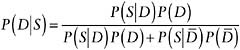
where D = disease, S = symptom, and  The probability of disease given the symptom is the posterior probability. The probability of disease before knowing of the presence or absence of the symptom is the prior probability. The formula emphasizes what clinical intuition often overlooks, namely, that the probability of disease given the symptom depends not only on how characteristic that symptom is of the disease but also on how frequent the disease is among the population being served.
The theorem can also be used for estimating exposure-specific rates from case-control studies if there is added information about the overall rate of disease in that population.
The theorem is sometimes presented in terms of the odds of disease before knowing the symptom (prior odds) and after knowing the symptom (posterior odds). (Adapted from Last, 2001)
Bayesian approach—A method of statistical inference that begins with the state of knowledge, i.e., the facts, prior to an exposure or an intervention, and augments this with the study data to yield the state of knowledge posterior to the study.
Benzene—The basic six-carbon ring structure in most aromatic compounds; a highly toxic hydrocarbon from light coal tar oil; used as a solvent. (Stedman’s medical dictionary 28th ed., 2005)
Beriberi—A specific nutritional deficiency syndrome occurring in endemic form in eastern and southern Asia, sporadically in other parts of the world without reference to climate, and sometimes in alcoholic patients, resulting mainly from a dietary deficiency of thiamin; the “dry” form is characterized by painful polyneuropathy that involves both large and small somatic nerve fibers, as well as autonomic nerve fibers, the initial symptom is burning feet, and later symptoms consist of painful parathesias in the distal upper limbs as well, weakness and atrophy of the feet and hands, and distal atrophic skin and hair loss; the “wet” form is characterized by edema resulting from a high-output form of heart failure, but usually there is evidence of a coexisting polyneuropathy as well. (Stedman’s medical dictionary 28th ed., 2005)
Beryllium disease—Various conditions resulting from exposure to beryllium and its compounds or alloys.
Bias—Deviation of results or inference from the truth, or process leading to such deviation; any trend in the collection, analysis, interpretation, publication, or review of data that can lead to conclusions that are systematically different from the truth. Among the ways in which deviation from the truth can occur, are the following:
1. Systematic (one-sided) variation of measurements from the true values (syn: systematc error)
2. Variation of statistical summary measures (means, rates, measurements of association, etc.) from their true values as result of systematic variation of measurements, other flaws in data collection, or flaws in study design or analysis
3. Deviation of inferences from the truth as a result of flaws in study design, data collection, or the analysis or interpretation of results
4. A tendency of procedures (in study design, data collection, analysis, interpretation, review, or publication) to yield results or conclusions that depart from the truth
5. Prejudice leading to the conscious or unconscious selection of study procedures that departs from the truth in a particular direction or to one-sidedness in the interpretation of results
The term bias does not necessarily carry an imputation of prejudice or other subjective factor, such as the experimenter’s desire for a particular outcome.This differs from conventional usage, in which bias refers to a partisan point of view. (Adapted from Last, 2001)
Biological plausibility—The criterion that an observed, presumably or putatively causal association is coherent with previously existing biological or medical knowledge. This judgment should be used cautiously since it could impede development of new knowledge that does not fit existing ideas. (Last, 2001)
Bipolar disorder—An affective disorder characterized by the occurrence of alternating manic, hypomanic, or mixed episodes and with major depressive episodes. The DSM specifies the commonly observed patterns of bipolar I and bipolar II disease and cyclothymia. (Stedman’s medical dictionary 28th ed., 2005)
Black lung—A form of pneumoconiosis, common in coal miners, characterized by deposits of carbon particles in the lung. (Stedman’s medical dictionary 28th ed., 2005)
Black water fever—Hemoglobinuria resulting from severe hemolysis occurring in falciparum malaria. (Stedman’s medical dictionary 28th ed., 2005)
Bonus Expeditionary Forces—About 20,000 WWI veterans, their families, and other affiliated groups who demonstrated in Washington, D.C., during the spring and summer of 1932 seeking immediate payment of a “bonus” granted by the Adjusted Service Certificate Law of 1924 for payment in 1945.
Bradford Hill criteria—Heuristic criteria for interpreting when evidence supports moving beyond observed association to causation. The criteria include strength of association, consistency, specificity, temporality, dose-response, plausibility, coherence, experimental evidence, and analogy. Named after Sir Austin Bradford Hill.
Bradley Commission—Formed in 1987 in response to concerns regarding the quality and quantity of the history taught in American classrooms.
Brain hemorrhage (cerebral hemorrhage)—Hemorrhage into the substance of the cerebrum, usually in the region of the internal capsule by the rupture of the lenticulostriate. (Stedman’s medical dictionary 28th ed., 2005)
Brain thrombosis (cerebral thrombosis)—Clotting of the blood in a cerebral vessel. (Stedman’s medical dictionary 28th ed., 2005)
Bronchiectasis—Chronic dilation of bronchi or bronchioles as a sequel of inflammatory disease or obstruction often associated with heavy sputum production.
Bronchiolo-alveolar carcinoma—A relatively uncommon lung cancer which is a type of non-small cell lung cancer.
Bronchitis—Inflammation of the mucous membranes of the bronchi. (Stedman’s medical dictionary 28th ed., 2005)
Buccal cavity—That part of the mouth bounded anteriorally and laterally by the lips and the cheeks, posteriorly and medially by the teeth and/or gums, and above and below by the reflection of the mucosa from the lips and cheeks to the gums. (Stedman’s medical dictionary 28th ed., 2005)
Buerger’s disease—Thromboangiitis (thromboangiitis—an inflammation of the blood vessels associated with thrombosis) of the small arteries and veins of the extremities and especially the feet resulting in occlusion, ischemia, and gangrene.
Bulbar—(1) Relating to a bulb. (2) Relating to the rhombencephalon (hindbrain). (3) Bulb-shaped; resembling a bulb. (Stedman’s medical dictionary 28th ed., 2005)
Burden of persuasion—The duty upon a party in a legal proceeding to persuade the fact-finder to decide for that party on an assertion of fact.
Burden of proof—The duty of proving a disputed assertion or charge.
Butadiene—A flammable gaseous open-chain hydrocarbon used in making synthetic rubbers.
Cacodylic acid—Arsenical contact herbicide that defoliates or desiccates a wide variety of plant species. (Stedman’s medical dictionary 28th ed., 2005)
Calculi (Calculus)—A concretion formed in any part of the body, most commonly in the passages of the biliary and urinary tracts; usually composed of salts of inorganic or organic acids, or of other material such as cholesterol. (Stedman’s medical dictionary 28th ed., 2005)
Cancer—General term frequently used to indicate any of various types of malignant neoplasms, most of which invade surrounding tissues, may metastasize to several sites, and are likely to recur after attempted removal and to cause death of the patient unless adequately treated; especially, any such carcinoma or sarcoma, but, in ordinary usage, especially the former. (Stedman’s medical dictionary 28th ed., 2005)
Cannikin—A nuclear device detonated beneath Amchitka Island, Alaska, in 1971.
Carcinogen—Any cancer-producing substance or organism, such as polycyclic aromatic hydrocarbons, or agents such as in certain types of irradiation. (Stedman’s medical dictionary 28th ed., 2005)
Carcinoma—Any of various types of malignant neoplasm derived from epithelial cells, chiefly glandular (adenocarcinoma) or squamous (squamous cell carcinoma); the most commonly occurring kind of cancer. (Stedman’s medical dictionary 28th ed., 2005)
Cardiovascular disease—Any abnormal condition characterized by dysfunction of the heart and blood vessels.
Case-control study—An epidemiologic study design in which a population sample is defined on the basis of whether (cases) or not (controls) a disease (or other endpoint) is present; cases and controls are then compared with respect to disease risk factors, typically exposure.
Cataracts (posterior subcapsulary)—Complete or partial opacity of the ocular lens. (Stedman’s medical dictionary 28th ed., 2005)
Causal association—An association between two events or characteristics that arises because one causes the other.
Causal inference—Examining the structure and results of many investigations in an attempt to assess and, if possible, eliminate all possible noncausal reasons for observed associations.
Causal pathway—A sequence mechanism, possibly involving several intermediate factors, by which one factor causes another.
Causation—The relating of causes to the effects they produce. A relationship between events (specific, or individual causation) or between variables (general, or population level causation) in which an outside intervention to change the cause would result in a change in the effect.
Child—Except for purposes of chapter 19 of this title (38 U.S.C.S. § 1901 et seq.) (other than with respect to a child who is an insurable dependent under section 1965[10][B] of such chapter [38 U.S.C.S. § 1965(10)(B)] and section 8502[b] of this title [38 U.S.C.S. § 8502(b)]) a person who is unmarried and—(i) who is under the age of eighteen years; (ii) who, before attaining the age of eighteen years, became permanently incapable of self-support; or (iii) who, after attaining the age of eighteen years and until completion of education or training (but not after attaining the age of twenty-three years), is pursuing a course of instruction at an approved educational institution; and who is a legitimate child, a legally adopted child, a stepchild who is a member of a veteran’s household or was a member at the time of the veteran’s death, or an illegitimate child but, as to the alleged father, only if acknowledged in writing signed by him, or if he has been judicially ordered to contribute to the child’s support or has been, before his death, judicially decreed to be the father of such child, or if he is otherwise shown by evidence satisfactory to the Secretary to be the father of such child. A person shall be deemed, as of the date of death of a veteran, to be the legally adopted child of such veteran if such person was at the time of the veteran’s death living in the veteran’s household and was legally adopted by the veteran’s surviving spouse before August 26, 1961, or within two years after the veteran’s death; however, this sentence shall not apply if at the time of the veteran’s death, such person was receiving regular contributions toward the person’s support from some individual other than the veteran or the veteran’s spouse, or from any public or private welfare organization which furnishes services or assistance for
children. A person with respect to whom an interlocutory decree of adoption has been issued by an appropriate adoption authority shall be recognized thereafter as a legally adopted child, unless and until that decree is rescinded, if the child remains in the custody of the adopting parent or parents during the interlocutory period. A person who has been placed for adoption under an agreement entered into by the adopting parent or parents with any agency authorized under law to so act shall be recognized thereafter as a legally adopted child, unless and until such agreement is terminated, if the child remains in the custody of the adopting parent or parents during the period of placement for adoption under such agreement. A person described in clause (ii) of the first sentence of this subparagraph who was a member of a veteran’s household at the time the person became 18 years of age and who is adopted by the veteran shall be recognized as a legally adopted child of the veteran regardless of the age of such person at the time of adoption. (B) For the purposes of subparagraph (A) of this paragraph, in the case of an adoption under the laws of any jurisdiction other than a State (as defined in section 101[20] of this title [para. (20) of this section] and including the Commonwealth of the Northern Mariana Islands)—(i) a person residing outside any of the States shall not be considered to be a legally adopted child of a veteran during the lifetime of such veteran (including the purposes of this subparagraph a Commonwealth Army veteran or new Philippine Scout, as defined in section 3566 of this title (38 U.S.C.S. § 3566) unless such person—(I) was less than eighteen years of age at the time of adoption; (II) is receiving one-half or more of such person’s annual support from such veteran; (III) is not in the custody of such person’s natural parent, unless such natural parent is such veteran’s spouse; and (IV) is residing with such veteran (or in the case of divorce following adoption, with the divorced spouse who is also an adoptive or natural parent) except for periods during which such person is residing apart from such veteran (or such divorced spouse) for purposes of full-time attendance at an educational institution or during which such person or such veteran (or such divorced spouse) is confined in a hospital, nursing home, other health-care facility, or other institution; and (ii) a person shall not be considered to have been a legally adopted child of a veteran as of the date of such veteran’s death and thereafter unless—(I) at any time within the one-year period immediately preceding such veteran’s death, such veteran was entitled to and was receiving a dependent’s allowance or similar monetary benefit under this title for such person; or (II) for a period of at least one year prior to such veteran’s death, such person met the requirements of clause (i) of this subparagraph. (Definitions. 2006. 38 U.S.C. § 101.)
Chloracne—An acnelike eruption due to occupational contact, by inhalation or ingestion or through the skin, with certain chlorinated compounds (naphthalenes and diphenyls) used as insulators, insecticides, fungicides, and herbicides, including Agent Orange; keratinous plugs (comedones) form in the pilosebaceous orifices, and various sized small papules (2 to 4 mm) develop. (Stedman’s medical dictionary 28th ed., 2005)
Chlorophenols—Several substitution products obtained by the action of chlorine on phenol; used as antiseptics. (Stedman’s medical dictionary 28th ed., 2005)
Cholecystitis—Inflammation of the gallbladder. (Stedman’s medical dictionary 28th ed., 2005)
Cholera—An acute epidemic infectious disease caused by the bacterium Vibrio cholerae. A soluble toxin elaborated in the intestinal tract by the bacterium activates the adenylate cylase of the mucosa, causing active secretion of an isotonic fluid resulting in profuse watery diarrhea, extreme loss of fluid and electrolytes, and dehydration and collapse, but no gross morphologic change in the intestinal mucosa. (Stedman’s medical dictionary 28th ed., 2005)
Chondrosarcoma—A malignant neoplasm derived from cartilage cells, occurring most frequently in pelvic bones or near the ends of long bones, in middle-aged and older people; most chondrosarcomas arise de novo, but some may develop in a preexisting benign cartilaginous lesion. (Stedman’s medical dictionary 28th ed., 2005)
Chronic fatigue syndrome—A disorder of uncertain cause that is characterized by persistent profound fatigue usually accompanied by impairment in short-term memory or concentration, sore throat, tender lymph nodes, muscle or joint pain, and headache unrelated to any preexisting medical condition.
Chronic multisymptom illness—Chronic illness characterized by a complex of multiple symptoms. More common in deployed Gulf War I (1991) veterans than in non-deployed veterans.
Chronic obstructive pulmonary disease—Comprised of two related diseases (chronic bronchitis and emphysema); chronic obstruction of the flow of air through the airways and out of the lungs, and the obstruction generally is permanent and progressive over time.
Cirrhosis of the liver—A chronic degenerative disease of the liver in which the lobes are covered with fibrous tissue, the parenchyma degenerates, and the lobules are infiltrated with fat. Caused by any of various chronic progressive conditions affecting the liver.
Class Action—A legal action undertaken by one or more plaintiffs on behalf of themselves and all other persons having an identical interest in the alleged wrong.
Classification—Assignment to predesignated classes on the basis of perceived common characteristics (e.g., exposure). A means of giving order to a group of disconnected facts.
Clofibrate—An antilipemic agent that reduces plasma levels of cholesterol, triglycerides, and uric acid; used in the treatment of hypercholesterolemia and atherosclerosis.
Coccidioidomycosis—A variable, benign, severe, or sometimes fatal systemic mycosis due to inhalation of arthroconidia of Coccidioides immitis. In benign forms of the infection, the lesions are limited to the upper respiratory tract, lungs, and near lymph nodes; in a low percentage of cases, the disease disseminates to other visceral organs, meninges, bones, joints, and skin and subcutaneous tissues. (Stedman’s medical dictionary 28th ed., 2005)
Cohort study—An epidemiologic study design in which a population sample of persons is defined on the basis of some characteristic, typically exposure, and then observed for occurrence of disease events, e.g., death. Comparisons are made between those with varying degrees of exposure or other characteristics.
Compensation—A monthly payment made by the Secretary to a veteran because of service-connected disability, or to a surviving spouse, child, or parent of a veteran because of the service-connected death of the veteran occurring before January 1, 1957. (Definitions. 2006. 38 U.S.C. § 101.)
Confidence interval (CI)—The computed interval with given probability—e.g., 95%—that the true value of a variable such as a mean, proportion, or rate is contained within the interval. (Last, 2001)
Confounder—A variable that can cause or prevent the outcome of interest, is not in the causal pathway between the exposure and the disease on a causal pathway from the cause to the effect, and is associated with the factor under investigation (e.g., exposure). Confounders can create associations between two variables that are not themselves causally related; these associations are often referred to as spurious associations.
Conjunctivitis—Inflammation of the conjunctiva. (Stedman’s medical dictionary 28th ed., 2005)
Corneal opacities—Dense, thick white areas in the cornea, through which one cannot see.
Corpuscular—Relating to a corpuscle. (1) A small mass or body. (2) A blood cell. (Stedman’s medical dictionary 28th ed., 2005)
Cortisol—The principal glucocorticoid produced by the zona fasciculata of the adrena cortex. It promotes gluconeogenisis and lipolysis, suppresses protein synthesis, inhibits inflammatory and immune responses, and has mild mineralocorticoid (e.g., hypernatremic, kaliuretic, antidiuretic) effects. Most plasma cortisol is bound to transcortin and albumin. Syn-
thetic cortisol administered as a drug is usually known by the alternative name hydrocortisone. (Stedman’s medical dictionary 28th ed., 2005)
Counterfactual—A measure in which at least one of the two circumstances in the definition of variables must be contrary to fact. An example is a hypothetical control group that represents what the distribution of exposure would have been if past events had been different from what they actually were. In a case-specular study design, the counterfactual control group comprises (imaginary) dwellings on the opposite side of the street from the dwellings occupied by the cases. The purpose is to asses what the exposure would have been in these hypothetical dwellings. The counterfactual difference in past exposure must be defined precisely to facilitate unambiguous calculating of variables in the hypothetical control group. (Adapted from Last, 2001)
Covariate—A possible confounder that is to be adjusted in a statistical analysis—a variable that is considered to be possibly associated with the outcome under study and may or may not be of direct interest to the study. A covariate may be a confounding variable, an effect modifier, or unrelated to the outcome or the exposure.
Crossover study—A method of comparing two or more treatments or interventions in which the subjects or patients, upon completion of the course of one treatment, are switched to another. In the case of two randomly allocated treatments, A and B, half the subjects are randomly allocated to receive these in the order of A, B, and half to receive them in the order of B, A.
CROSSROADS (Operation)—An atmospheric nuclear weapons test series conducted in the summer of 1946 in the Marshall Islands.
Cross-sectional study—An epidemiologic study design in which the relationship between diseases (or other health endpoints) and health-related characteristics is examined as they exist in a defined population at one particular time. The interpretation of associations in cross-sectional studies is limited by the fact that the time order cannot be determined. Thus, an association between A and B may be because A caused B, or B caused A.
Defoliate—To cause the leaves of a plant, tree, or forest to fall off, especially by the use of chemicals.
Dehydroepiandrosterone (DHEA)—A steroid secreted chiefly by the adrenal cortex, but also by the testis; it is the principal precursor of urinary 17-ketosteroids. Weakly androgenic itself, it is metabolized to delta-5 androstenediol, a hormone with both androgenic and estrogenic effects, and is one of the precursors of testosterone. Serum levels are elevated in adrenal virilism. It may function as a neurotransmitter. DHEA secretion begins during fetal life, reaches a peak in the 3rd decade, and declines steadily thereafter; the level at age 80 is only 10-20 percent of the peak
level. This decline has been speculatively associated with the changes of aging. Commercial formulations of DHEA are marketed as dietary supplements, although this substance is neither a nutrient nor a component of the human food chain. Available from health food stores in 10-, 25-, and 50-mg capsules, DHEA has been promoted for the prevention of degenerative diseases including atherosclerosis, Alzheimer’s dementia, and parkinsonism, and other effects of aging. None of the alleged benefits have been demonstrated in large, randomized clinical trials. Long-term administration to postmenopausal women has been associated with insulin resistance, hypertension, and reduction of LDL cholesterol. An analysis of 16 preparations of DHEA by high-performance liquid chromatography showed a variation in content from 0 to 150 percent of the labeled strength; only 7 products fell between the expected 90-110 percent of labeled strength. (Stedman’s medical dictionary 28th ed., 2005)
Department—Department of Veterans Affairs. (Definitions. 2006. 38 U.S.C. § 101.)
Dependency and indemnity compensation—A monthly payment made by the Secretary to a surviving spouse, child, or parent (A) because of a service-connected death occurring after December 31, 1956, or (B) pursuant to the election of a surviving spouse, child, or parent, in the case of such a death occurring before January 1, 1957. (Definitions. 2006. 38 U.S.C. § 101.)
Depleted uranium—A modestly radioactive heavy metal used in projectiles and armament.
Depressive neurosis—A mental state or chronic mental disorder characterized by feelings of sadness, loneliness, despair, low self-esteem, and self-reproach; accompanying signs include psychomotor retardation or less frequently agitation, withdrawal from social contact, and vegetative states such as loss of appetite and insomnia. (Stedman’s medical dictionary 28th ed., 2005)
Dermatitis—Inflammation of the skin. (Stedman’s medical dictionary 28th ed., 2005)
Dermatofibrosarcoma protuberans—A relatively slowly growing dermal neoplasm consisting of one or several firm nodules that are usually covered by dark red-blue skin, which tends to be fixed to the palpable masses; histologically, the neoplasm resembles a cellular dermatofibroma with a pronounced storiform pattern; metastases are unusual, but the incidence of recurrence is fairly high. (Stedman’s medical dictionary 28th ed., 2005)
Diabetes insipidus—Chronic excretion of very large amounts of pale urine of low specific gravity, causing dehydration and extreme thirst; ordinarily results from inadequate output of pituitary antidiuretic hormone;
the urine abnormalities may be mimicked as a result of excessive fluid intake, as in psychogenic polydipsia. Several types exist: central, neurohypophyseal, and nephrogenic. Autosomal dominant, X-linked, and even autosomal recessive forms have been described. (Stedman’s medical dictionary 28th ed., 2005)
Diabetes mellitus—A chronic metabolic disorder in which utilization of carbohydrate is impaired and that of lipid and protein enhanced; it is caused by an absolute or relative deficiency of insulin and is characterized, in more severe cases, by chronic hyperglycemia, glycosuria, water and electrolyte loss, ketoacidosis, and coma; long-term complications include neuropathy, retinopathy, nephropathy, generalized degenerative changes in large and small blood vessels, and increased susceptibility to infection. (Stedman’s medical dictionary 28th ed., 2005)
Diabetes Type 1—A condition characterized by high blood glucose levels caused by a total lack of insulin. Occurs when the body’s immune system attacks the insulin-producing beta cells in the pancreas and destroys them. The pancreas then produces little or no insulin. Type 1 diabetes develops most often in young people but can appear in adults. (Stedman’s medical dictionary 28th ed., 2005)
Diabetes Type 2—A condition characterized by high blood glucose levels caused by either a lack of insulin or the body’s inability to use insulin efficiently. Type 2 diabetes develops most often in middle-aged and older adults but can appear in young people. (Stedman’s medical dictionary 28th ed., 2005)
2,4-Dichlorophenoxyacetic acid—An herbicide, more toxic to broad-level dicotyledonous plants (weeds) than to monocotyledonous ones (grains and grass), used with 2,4,5-trichlorophenoxyacetic acid as a constituent of Agent Orange.
Dioxin—A contaminant in the herbicide 2,4,5-T; it is potentially toxic, teratogenic, and carcinogenic.
Direct causation—There are no intervening causes between an act and the resulting harm.
Disability Compensation—A benefit paid to a veteran because of injuries or diseases that happened while on active duty, or were made worse by active military service; also paid to certain veterans disabled from VA health care.
Discharge or release—(A) Retirement from the active military, naval, or air service, and (B) The satisfactory completion of the period of active military, naval, or air service for which a person was obligated at the time of entry into such service in the case of a person who, due to enlistment or reenlistment, was not awarded a discharge or release from such period of service at the time of such completion thereof and who, at such time, would otherwise have been eligible for the award
of a discharge or release under conditions other than dishonorable. (Definitions. 2006. 38 U.S.C. § 101.)
Disfigure—To impair (as in physicality) by deep and persistent injuries.
Distal amputation—An amputation situated away from the center of the body, or from the point of origin.
Dizygotic twins—Relating to twins derived from two separate zygotes, i.e., bearing the same genetic relationship as full sibs but sharing a common intrauterine environment. (Stedman’s medical dictionary 28th ed., 2005)
Dose-response—The relationship of risk for observed outcomes (responses) in a population with varying levels of an agent or characteristic, often an exposure.
Dosimeter—A device for measuring doses of radiations (as X-rays).
Double blind design—A procedure of assignment to study (or treatment) and control (or placebo) groups in which neither the investigator nor the study subject has knowledge of the group to which the subject was assigned.
Doubling dose—The dose of a causal factor required to increase the risk of disease twofold.
Dracontiasis (also known as Dracunculosis)—Infection with Dracunculus medinensis. (Stedman’s medical dictionary 28th ed., 2005)
Dysentery—A disease marked by frequent watery stools, often with blood and mucus, and characterized clinically by pain, tenesmus, fever, and dehydration. (Stedman’s medical dictionary 28th ed., 2005)
Dysthymic disorder—(1) A chronic disturbance of mood characterized by mild depression or loss of interest in usual activities. (2) A DSM diagnosis is established when the specified criteria are met. (Stedman’s medical dictionary 28th ed., 2005)
Ectomesenchymoma—A rare tumor that may arise in the brain or soft tissue.
Edema—(1) An accumulation of an excessive amount of watery fluid in cells or intercellular tissues. (2) At the gross level, used to describe the physical sign commonly likened to swelling or increased girth that often accompanies the accumulation of fluid in a body part, most often a limb. (Stedman’s medical dictionary 28th ed., 2005)
Effect modifier—A factor that modifies the effect on a health outcome of a putative causal factor under study. For example, age is an effect modifier for many conditions, and immunization status is an effect modifier for the consequences of exposure to pathogenic organisms. (Adapted from Last, 2001)
Electrocardiogram—Graphic record of the heart’s integrated action currents obtained with the electrocardiograph displayed as voltage changes over time. (Stedman’s medical dictionary 28th ed., 2005)
Emphysema—(1) Presence of air in the interstices of the connective tissue of a part. (2) A condition of the lung characterized by increase beyond the normal in the size of air spaces distal to the terminal bronchiole (those parts containing alveoli), with destructive changes in their walls and reduction in their number. Clinical manifestation is breathlessness on exertion, due to the combined effect (in varying degrees) of reduction of alveolar surface for gas exchange and collapse of smaller airways with trapping of alveolar gas in expiration; this causes the chest to be held in the position of inspiration (“barrel chest”), with prolonged expiration and increased residual volume. Symptoms of chronic bronchitis often, but not necessarily, coexist. Two structural varieties are panlobular (panacina) emphysema and centrilobular (centriacinar) emphysema; paracicatricial, paraseptal, and bullous emphysema are also common. (Stedman’s medical dictionary 28th ed., 2005)
Encephalitis—Inflammation of the brain. (Stedman’s medical dictionary 28th ed., 2005)
Encephalitis lethargica residuals—Any diffuse inflammation of the brain occurring in epidemic form.
Endocarditis—Inflammation of the endocardium. (Stedman’s medical dictionary 28th ed., 2005)
Endocrinopathy—A disorder in the function of an endocrine gland and the consequences thereof. (Stedman’s medical dictionary 28th ed., 2005)
Entitlement—A right to benefits specified especially by law or contract; a government program providing benefits to members of a specified group and funds supporting or distributed by such a program; belief that one is deserving of certain privileges.
Eosinophil—A polymorphonuclear leukocyte characterized by many large or prominent, refractile, cytoplasmic granules that are fairly uniform in size and bright yellow-red or orange when treated with Wright or similar stains; the nuclei are usually larger than those of neutrophils, do not stain as deeply, and characteristically have two lobes (a third lobe is sometimes interposed on the connecting strand of chromatin); these leukocytes are motile phagocytes with distinctive antiparasitic functions; they also phagocytose antigen-antibody complexes. (Stedman’s medical dictionary 28th ed., 2005)
Epidemiology—The study of the distribution and determinants of illnesses or diseases in specified populations, and the application of this study to control of health problems. “Study” includes surveillance, observation, hypothesis testing, analytic research, and population experiments. “Distribution” refers to analysis by time, place, and classes of persons affected. (Adapted from Last, 2001)
Epilepsies—Any of various disorders marked by abnormal electrical discharges in the brain and typically manifested by sudden brief episodes
of altered or diminished consciousness, involuntary movements, or convulsions.
Epithelioid leiomyosarcoma—An uncommon neoplasm of smooth muscle in which the cells are polygonal in shape. It usually develops in the stomach.
Epithelioid sarcoma—Malignant mesenchymal tumor showing nodular granulomalike growth of eosinophilic epithelioid and spindle cells palisading around the centrally located necrotic areas. Two subtypes are recognized: a classic distal and fibromalike form. Tumors typically occur in the subcutaneous tissue along the tendons and the fascia. (Stedman’s medical dictionary 28th ed., 2005)
Equipoise—A state of uncertainty about the benefit or harm that may result from a suspected causal factor, in which evidence for and against the causal association is equally balanced.
Erythrocyte—A mature red blood cell. (Stedman’s medical dictionary 28th ed., 2005)
Escherichia coli—A species that occurs normally in the intestines of man and other vertebrates, is widely distributed in nature, and is a frequent cause of infections of the urogenital tract and of diarrhea in infants. Enteropathogenic strains (serovars) of Escherichia coli cause diarrhea due to enterotoxin, the production of which seems to be associated with a transferable episome; the type species of the genus. (Stedman’s medical dictionary 28th ed., 2005)
Etiology—Literally, the science of causes, causality; in common usage, cause. See also Causality; Pathogenesis. (Last, 2001)
Ewing’s tumor—A malignant neoplasm that occurs usually before the age of 20 years, about twice as frequently in males, and in about 75 percent of patients involves bones of the extremities, including the shoulder girdle, with a predilection for the metaphysis; histologically, there are conspicuous foci of necrosis in association with irregular masses of small, regular, rounded, or ovoid cells (2–3 times the diameter of erythrocytes), with very scanty cytoplasm. (Stedman’s medical dictionary 28th ed., 2005)
Exanthema—A skin eruption occurring as a symptom of an acute viral or coccal disease, as in scarlet fever or measles. (Stedman’s medical dictionary 28th ed., 2005)
False negative error—The mistake made in accepting a null hypothesis in the presence of a causal association (type I error, alpha error). In the context of diagnostic tests or criteria (or compensation), the number (or percentage) diagnosed not to have the condition who in fact had it.
False positive error—The mistake made in rejecting a null hypothesis in the absence of a causal association (type II error, beta error). In the context of diagnostic tests or criteria (or compensation), the number (or percentage) diagnosed with the condition who in fact did not have it.
Fasting blood glucose—Measures the amount of glucose in your blood after you have not eaten for at least eight hours. It is often done to check for diabetes.
Fibromyalgia—A common syndrome of chronic widespread soft-tissue pain accompanied by weakness, fatigue, and sleep disturbances; the cause is unknown. (Stedman’s medical dictionary 28th ed., 2005)
Fibrosarcoma—A malignant neoplasm derived from deep fibrous tissue, characterized by bundles of immature proliferating fibroblasts arranged in a distinctive herringbone pattern with variable collagen formation, which tends to invade locally and metastasize by the bloodstream. (Stedman’s medical dictionary 28th ed., 2005)
Fibrous histocytoma—A cutaneous nodule that is painless, round, firm, gray or red, elevated, and commonly found on the extremities.
Filariasis—Presence of filariae in the tissues of the body or in blood (microfilaremia) or tissue fluids (microfilariasis), occurring in tropical and subtropical regions; living worms cause minimal tissue reaction, which may be asymptomatic, but death of the adult worms leads to granulomatous inflammation and permanent fibrosis causing obstruction of the lymphatic channels from dense hyalinized scars in the subcutaneous tissues; the most serious consequence is elephantiasis or pachyderma. (Stedman’s medical dictionary 28th ed., 2005)
Five Series Study—Included Operations GREENHOUSE, UPSHOT-KNOT-HOLE, CASTLE, REDWING, and PLUMBBOB; these were chosen for a study of atomic veterans to represent tests at both the Nevada Test Site and the Pacific Proving Grounds.
Flat-rate pension—A uniform pension or one based on years of service.
Follicle-stimulating hormone—An acidic glycoprotein hormone of the anterior pituitary that stimulates the graafian follicles of the ovary and assists subsequently in follicular maturation and the secretion of estradiol; in the male, it stimulates the epithelium of the seminiferous tubules and is partially responsible for inducing spermatogenesis. (Stedman’s medical dictionary 28th ed., 2005)
Formaldehyde—A pungent gas, HCHO; used as an antiseptic, disinfectant, and histologic fixative, usually in an aqueous solution. (Stedman’s medical dictionary 28th ed., 2005)
Former prisoner of war—A person who, while serving in the active military, naval or air service, was forcibly detained or interned in line of duty—(A) By an enemy government or its agents, or a hostile force, during a period of war; or (B) By a foreign government or its agents, or a hostile force, under circumstances which the Secretary finds to have been comparable to the circumstances under which persons have generally been forcibly detained or interned by enemy governments during periods of war. (Definitions. 2006. 38 U.S.C. § 101.)
Frostbite—Local tissue destruction resulting from exposure to extreme cold; in mild cases, it results in superficial, reversible freezing followed by erythema and slight pain (frostnip); in severe cases, it can be painless or paresthetic and result in blistering, persistent edema, and gangrene. Frostbite is currently treated by rapid rewarming. (Stedman’s medical dictionary 28th ed., 2005)
Gallstone—A concretion in the gallbladder or a bile duct, composed chiefly of a mixture of cholesterol, calcium bilirubinate, and calcium carbonate, occasionally as a pure stone composed of just one of these substances. (Stedman’s medical dictionary 28th ed., 2005)
Ganglionar neuroma—A tumor composed of a solid mass of ganglia and nerve fibers. Usually found in abdominal tissues.
Gardner’s syndrome—Multiple polyposis predisposing to carcinoma of the colon; also multiple tumors, osteomas of the skull, epidermoid cysts, and fibromas; autosomal dominant inheritance, caused by mutation in the adenomatous polyposis coli gene (APC) on chromosome 5q. This disorder is allelic to familial adenomatous polyposis (FAP). (Stedman’s medical dictionary 28th ed., 2005)
Garrison—A military post; a permanent military installation.
Gastroenteritis—Inflammation of the mucous membrane of both stomach and intestine. (Stedman’s medical dictionary 28th ed., 2005)
Gastrointestinal disorder—A disorder relating to the stomach and intestines.
Generalizability—The degree to which the inference drawn from a study can be extended to a different population. Such generalization is warranted when appropriate account is taken of the study methods, the representativeness of the study sample, and the nature of the population from which it is drawn. (Adapted from Last, 2001)
Geneva Convention—One of a series of agreements concerning the treatment of prisoners of war and of the sick, wounded, and dead in battle first made at Geneva, Switzerland, in 1864 and subsequently accepted in later revisions by most nations.
Genitourinary—Relating to the organs of reproduction and urination collectively. (Stedman’s medical dictionary 28th ed., 2005)
Genotoxicity—Denoting a substance that by damaging DNA may cause mutation or cancer. (Stedman’s medical dictionary 28th ed., 2005)
Glomus tumor—A vascular neoplasm composed of specialized pericytes (sometimes termed glomus cells), usually in single encapsulated nodular masses that may be several millimeters in diameter and occur almost exclusively in the skin, often subungually in the upper extremity; it is exquisitely tender and may be so painful that patients voluntarily immobilize an extremity, sometimes leading to atrophy of muscles; multiple glomus tumors occur, sometimes with autosomal dominant
inheritance. Tumors with cavernous spaces lined by glomus cells are called glomangiomas. (Stedman’s medical dictionary 28th ed., 2005)
Goldenhar syndrome—A syndrome characterized by epibulbar dermoids, preauricular appendages, micrognathia, and vertebral and other anomalies. (Stedman’s medical dictionary 28th ed., 2005)
Gout—A disorder of purine metabolism, occurring especially in men, characterized by a raised but variable blood uric acid level and severe recurrent acute arthritis of sudden onset resulting from deposition of crystals of sodium urate in connective tissues and articular cartilage; most cases are inherited, resulting from a variety of abnormalities of purine metabolism. The familial aggregation is for the most part galtonian with a threshold of expression determined by the solubility of uric acid. However, gout is also a feature of the Lesch-Nyhan syndrome, an X-linked disorder. (Stedman’s medical dictionary 28th ed., 2005)
Gulf War—A conflict (August 2, 1990–February 28, 1991) between Iraq and a coalition force of approximately 30 nations led by the United States and mandated by the United Nations in order to liberate Kuwait.
Gulf War Syndrome—A syndrome of various health problems experienced by U.S. military personnel after serving in the Persian Gulf conflict of 1991; includes fatigue, musculoskeletal pain, headaches, dyspnea, memory loss, and diarrhea; thought to be related to exposure to low levels of neurotoxins, including sarin, pesticides, and pyridostigmine bromide (the latter supplied to troops as a protective anti-toxin). (Stedman’s medical dictionary 28th ed., 2005)
Hansen’s disease (also known as Leprosy)—A chronic granulomatous infection caused by Mycobacterium leprae affecting the cooler body parts, especially the skin, peripheral nerves, and testes. Leprosy is classified into two main types, lepromatous and tuberculoid, representing extremes of immunologic response. (Stedman’s medical dictionary 28th ed., 2005)
HARDTACK (Operation)—A series of 72 nuclear tests conducted by the United States in 1958; HARDTACK I was carried out in the Pacific Ocean at Bikini Atoll, Enewetak Atoll, and Johnston Island; HARDTACK II was carried out at the Nevada Test Site.
Heart disease—An abnormal organic condition of the heart or of the heart and circulation.
Helminthiasis—The condition of having intestinal vermiform parasites. Syn: helminthism, invermination. (Stedman’s medical dictionary 28th ed., 2005)
Hemangiopericytoma—An uncommon vascular, usually benign, neoplasm composed of round and spindle cells that are derived from the pericytes and surround endothelium-lined vessels; malignant hemangiopericytomas are difficult to distinguish microscopically from the benign. (Stedman’s medical dictionary 28th ed., 2005)
Hematocrit—(1) Percentage of the volume of a blood sample occupied by cells. (2) Obsolete term for a centrifuge or device for separating the cells and other particulate elements of the blood from the plasma. (Stedman’s medical dictionary 28th ed., 2005)
Hemochromatosis—A disorder of iron metabolism characterized by excessive absorption of ingested iron, saturation of iron-binding protein, and deposition of hemosiderin in tissue, particularly in the liver, pancreas, and skin; cirrhosis of the liver, diabetes (bronze diabetes), bronze pigmentation of the skin, and, eventually heart failure may occur; also can result from administration of large amounts of iron orally, by injection, or in forms of blood transfusion therapy. (Stedman’s medical dictionary 28th ed., 2005)
Hemoglobin (Hb)—The red respiratory protein of erythrocytes, consisting of approximately 3.8 percent heme and 96.2 percent globin, with a molecular weight of 64,450, which as oxyhemoglobin (HbO2) transports oxygen from the lungs to the tissues where the oxygen is readily released and HbO2 becomes Hb. When Hb is exposed to certain chemicals, its normal respiratory function is blocked; e.g., the oxygen in HbO2 is easily displaced by carbon monoxide, thereby resulting in the formation of fairly stable carboxyhemoglobin (HbCO), as in asphyxiation resulting from inhalation of exhaust fumes from gasoline engines. When the iron in Hb is oxidized from the ferrous to the ferric state, as in poisoning with nitrates and certain other chemicals, a nonrespiratory compound, methemoglobin (MetHb), is formed.
In humans there are at least five kinds of normal Hb: two embryonic Hb’s (Hb Gower-1, Hb Gower-2), fetal (Hb F), and two adult types (Hb A, Hb A2). There are two α globin chains containing 141 amino acid residues, and two of another kind (β, γ, δ, ε, or ζ), each containing 146 amino acid residues in four of the Hb’s. Hb Gower-1 has two ζ chains and two ε chains. The production of each kind of globin chain is controlled by a structural gene of similar Greek letter designation; normal individuals are homozygous for the normal allele at each locus. Substitutions of one amino acid for another in the polypeptide chain can occur at any codon in any of the five loci and have resulted in the production of many hundreds of abnormal Hb types, most of no known clinical significance. In addition, deletions of one or more amino acid residues are known, as well as gene rearrangements due to unequal crossing over between homologous chromosomes. Newly discovered abnormal Hb types are first assigned a name, usually the location where discovered, and a molecular formula is added when determined. (Stedman’s medical dictionary 28th ed., 2005)
Hemoglobinuria (paroxysmal)—The presence of hemoglobin in the urine, including certain closely related pigments that are formed from slight
alteration of the hemoglobin molecule; when present in sufficient quantities, they result in the urine being colored in shades varying from light reddish-yellow to fairly dark red. (Stedman’s medical dictionary 28th ed., 2005)
Hemophilia—An inherited disorder of blood coagulation characterized by a permanent tendency to hemorrhages, spontaneous or traumatic, because of a defect in the blood coagulating mechanism. (Stedman’s medical dictionary 28th ed., 2005)
Hemorrhagic—Relating to or marked by hemorrhage. (Stedman’s medical dictionary 28th ed., 2005)
Hepatitis B—A virus disease with a long incubation period (usually 50-160 days), caused by a hepatitis B virus, a DNA virus and member of the family Hepadnaviridae, usually transmitted by injection of infected blood or blood derivatives or by use of contaminated needles, lancets, or other instruments; clinically and pathologically similar to viral hepatitis type A, but there is no cross-protective immunity; HBsAg is found in the serum and the hepatitis delta virus occurs in some patients. May lead to acute or chronic liver disease. Syn: viral hepatitis type b. (Stedman’s medical dictionary 28th ed., 2005)
Herbicide—An agent used to destroy or inhibit plant growth.
Heterozygous—Having different alleles at one locus on the pair of chromosomes present at the diploid state; for example, having a normal beta globin gene (coding for normal hemoglobin, HbA) at locus p15.5 on one chromosome 11 and an abnormal gene (coding for sickle-cell hemoglobin, Hb S) at the same locus on the other chromosome 11. (Stedman’s medical dictionary 28th ed., 2005)
Hirsutism—Presence of excessive bodily and facial hair, usually in a male pattern, especially in women; may be present in normal adults as an expression of an ethnic characteristic or may develop in children or adults as the result of androgen excess due to tumors or drugs, or of nonandrogenetic or other drugs. (Stedman’s medical dictionary 28th ed., 2005)
Hodgkin’s disease—A disease marked by chronic enlargement of the lymph nodes, often local at the onset and later generalized, together with enlargement of the spleen and often of the liver, no pronounced leukocytosis, and commonly anemia and continuous or remittent (PelEbstein) fever; considered to be a malignant neoplasm of lymphoid cells of uncertain origin (Reed-Sternberg cells), associated with inflammatory infiltration of lymphocytes and eosinophilic leukocytes and fibrosis; can be classified into lymphocytic predominant, nodular sclerosing, mixed cellularity, and lymphocytic depletion type. (Stedman’s medical dictionary 28th ed., 2005)
Homozygous—Having identical alleles at one or more loci. (Stedman’s medical dictionary 28th ed., 2005)
Hydrocephalus—A condition marked by an excessive accumulation of fluid resulting in dilation of the cerebral ventricles and raised intracranial pressure; may also result in enlargement of the cranium and atrophy of the brain. (Stedman’s medical dictionary 28th ed., 2005)
Hypercoagulability—Abnormally increased coagulability. (Stedman’s medical dictionary 28th ed., 2005)
Hyperglycemia—An abnormally high concentration of glucose in the circulating blood, seen especially in patients with diabetes mellitus. (Stedman’s medical dictionary 28th ed., 2005)
Hyperinsulinemia—Increased levels of insulin in the plasma due to increased secretion of insulin by the beta cells of the pancreatic islets. Decreased hepatic removal of insulin is a cause in some patients, although hyperinsulinism usually is associated with insulin resistance and is commonly found in obesity in association with varying degrees of hyperglycemia. Syn: hyperinsulinism. (Stedman’s medical dictionary 28th ed., 2005)
Hyperlipidemia—Elevated levels of lipids in the blood plasma. There are several types of hyperlipidemia; one is associated with a deficiency of α-aminoadipic semialdehyde synthase. (Stedman’s medical dictionary 28th ed., 2005)
Hyperpigmentation—An excess of pigment in a tissue or part. (Stedman’s medical dictionary 28th ed., 2005)
Hypertension—High blood pressure; transitory or sustained elevation of systemic arterial blood pressure to a level likely to induce cardiovascular damage or other adverse consequences. Hypertension has been arbitrarily defined as a systolic blood pressure above 140 mm Hg or a diastolic blood pressure above 90 mm Hg. Consequences of uncontrolled hypertension include retinal vascular damage (Keith-Wagener-Barker changes), cerebrovascular disease and stroke, left ventricular hypertrophy and failure, myocardial infarction, dissecting aneurysm, and renovascular disease. An underlying disorder (e.g., renal disease, Cushing’s syndrome, pheochromocytoma) is identified in fewer than 10 percent of all cases of hypertension. The remainder, traditionally labeled “essential” hypertension, probably arise from a variety of disturbances in normal pressure-regulating mechanisms (which involve baroreceptors, autonomic influences on the rate and force of cardiac contraction and vascular tone, renal retention of salt and water, formation of angiotensin II under the influence of renin and angiotensin-converting enzyme, and other factors known and unknown), and most are probably genetically conditioned. (Stedman’s medical dictionary 28th ed., 2005)
Hypertrophy—General increase in bulk of a part of organ, not due to
tumor formation. Use of the term may be restricted to denote greater bulk through increase in size, but not in number, of cells or other individual tissue elements. (Stedman’s medical dictionary 28th ed., 2005)
Hypochondriasis—A morbid concern about one’s own health and exaggerated attention to any unusual bodily or mental sensations; a delusion that one is suffering from some disease for which no physical basis is evident. (Stedman’s medical dictionary 28th ed., 2005)
Hypomania—A mild degree of mania. (Stedman’s medical dictionary 28th ed., 2005)
Hypothyroidism—Diminished production of thyroid hormone, leading to clinical manifestations of thyroid insufficiency, including low metabolic rate, tendency to weight gain, somnolence, and sometimes myxedema. (Stedman’s medical dictionary 28th ed., 2005)
Hysteria—Denoting maladies involving physical symptoms that seem better explained by psychological factors. The concept of hysteria is historically differentiated into somatization disorder and conversion disorder, both of which are considered types of somatoform disorders in the DSM. The current ICD-10, however, places conversion disorder with dissociative disorders, not with somatoform disorders. (Adapted from Stedman’s medical dictionary 28th ed., 2005)
Inactive duty training—(A) Duty (other than full-time duty) prescribed for Reserves (including commissioned officers of the Reserve Corps of the Public Health Service) by the Secretary concerned under section 206 of title 37 (37 U.S.C.S. § 206) or any other provision of law; (B) Special additional duties authorized for Reserves (including commissioned officers of the Reserve Corps of the Public Health Service) by an authority designated by the Secretary concerned and performed by them on a voluntary basis in connection with the prescribed training or maintenance activities of the units to which they are assigned; and (C) Training (other than active duty for training) by a member of, or applicant for membership (as defined in section 8140[g] of title 5 [5 U.S.C.S. § 8140(g)]) in, the Senior Reserve Officers’ Training Corps prescribed under chapter 103 of title 10 (10 U.S.C.S. § 2101 et seq.). In the case of a member of the National Guard or Air National Guard of any State, such term means duty (other than full-time duty) under sections 316, 502, 503, 504, or 505 of title 32 (32 U.S.C.S. § 316, 502, 503, 504, or 505), or the prior corresponding provisions of law. Such term does not include (i) work or study performed in connection with correspondence courses, (ii) attendance at an educational institution in an inactive status, or (iii) duty performed as a temporary member of the Coast Guard Reserve. (Definitions. 2006. 38 U.S.C. § 101.)
Incidence—The number of instances of illness commencing, or of persons falling ill, during a given period in a specified population. More
generally, the number of new events, e.g., new cases of disease in a defined population, within a specified period of time. The term incidence is sometimes wrongly used to denote incidence rate. Syn: incident number. (Last, 2001)
Indemnity—A security against hurt, loss, or damage; exemption from incurred penalties or liabilities.
Influenza—An acute infectious respiratory disease, caused by influenza viruses, which are found in the family Orthomyxoviridae, in which the inhaled virus attacks the respiratory epothelial cells of susceptible persons and produces a cararrhal inflammation; characterized by sudden onset, chills, fever of short duration (3-4 days), severe prostration, headache, muscle aches, and a cough that usually is dry and may be followed by secondary bacterial infections that can last up to 10 days. The disease commonly occurs in epidemics, sometimes in pandemics, which develop quickly and spread rapidly; mortality rate is usually low, but may be high in cases with secondary bacterial pneumonia, particularly in the elderly and those with underlying debilitating diseases; strain-specific immunity develops, but mutations in the virus are frequent, and the immunity usually does not affect antigenically different strains. (Stedman’s medical dictionary 28th ed., 2005)
Information bias (observational bias)—A flaw in measuring exposure or outcome data that results in different quality (accuracy) or information between comparison groups. (Last, 2001)
Instrumental variable—A factor related directly to the putative cause, but independent of all potential confounders, used to estimate the strength of causal influence even in the presence of confounding.
Instrumental variable (IV) estimation—In linear regression, used when the error distribution cannot be considered independent of the regressor’s distribution.
Interaction—(1) The interdependent operation of two or more causes to produce or prevent an effect. Biological interaction means the interdependent operation of two or more causes to produce, prevent, or control disease. (2) Differences in the effects of one or more factors according to the level of the remaining factor(s). (Last, 2001) In epidemiology, synonymous with effect modification (see Effect modification).
Ionizing radiation—Either particle radiation or electromagnetic radiation in which an individual particle/photon carries enough energy to ionize an atom or molecule by completely removing an electron from its orbit; if enough occur, can be very destructive to living tissue and can cause DNA damage and mutations. (Last, 2001)
Irritable bowel syndrome (IBS)—A condition characterized by gastrointestinal signs and symptoms including constipation, diarrhea, gas, and bloating, all in the absence of organic pathology. Associated with unco-
ordinated and inefficient contractions of the large intestine. (Stedman’s medical dictionary 28th ed., 2005)
Ischemic heart disease—Deficient supply of blood to the heart that is due to obstruction of the inflow of arterial blood (as by the narrowing of arteries by spasm or disease).
Jaundice—A yellowish staining of the integument, sclerae, deeper tissues, and excretions with bile pigments, resulting from increased levels in the plasma. (Stedman’s medical dictionary 28th ed., 2005)
Kala-azar—(1) A chronic disease, occurring in India, China, Pakistan, the Mediterranean littoral, the Middle East, South and Central America, Asia, and Africa caused by Leishmania donovani and transmitted by the bite of an appropriate species of sandfly of the genus Phlebotomus or Lutzomyia; the organisms grow and multiply in macrophages, eventually causing them to burst and liberate amastigote parasites that then invade other macrophages; proliferation of macrophages in the bone marrow causes crowding out of erythroid and myeloid elements, resulting in leukopenia, and anemia, splenomegaly, and hepatomegaly, which are characteristic, along with enlargement of lymph nodes; fever, fatigue, malaise, and secondary infections also occur; different strains of L. donovani occur; L. infantum in Eurasia, L. chagasi in Latin America. (2) Visceral leishmaniasis caused by Leishmania tropica, cultured from bone marrow aspirates of some military patients following the Gulf War. Syn: visceral leishmaniasis. (Stedman’s medical dictionary 28th ed., 2005)
Kaposi’s sarcoma—A multifocal malignant neoplasm of primitive vasoformative tissue, occurring in the skin and sometimes in lymph nodes or viscera, consisting of spindle cells and irregular small vascular spaces frequently infiltrated by hemosiderin-pigmented macrophages and extravasated red cells; clinically manifested by cutaneous lesions consisting of reddish-purple to dark-blue macules, plaques, or nodules; seen most commonly in men over 60 years of age and, in AIDS patients, as an opportunistic disease associated with human herpes virus 8 infection. (Stedman’s medical dictionary 28th ed., 2005)
Keratitis—Inflammation of the cornea. (Stedman’s medical dictionary 28th ed., 2005)
Korean conflict—The period beginning on June 27, 1950, and ending on January 31, 1955. (Definitions. 2006. 38 U.S.C. § 101.)
K-Z syndrome (POW syndrome)—Marked by severe, permanent psychological scars and nonspecific physical problems and is attributed to organic brain disease.
Laryngeal cancer—Cancer of the organ of voice production, the part of the respiratory tract between the pharynx and the trachea.
Laryngitis—Inflammation of the mucous membrane of the larynx. (Stedman’s medical dictionary 28th ed., 2005)
Leiomyosarcoma—A malignant neoplasm derived from smooth (non-striated) muscle. (Stedman’s medical dictionary 28th ed., 2005)
Leishmaniasis—Infection with a species of Leishmania resulting in a clinically ill-defined group of diseases traditionally divided into four major types: (1) visceral leishmaniasis (kala-azar); (2) Old World cutaneous leishmaniasis; (3) New World cutaneous leishmaniasis; (4) mucocutaneous leishmaniasis. Each is clinically and geographically distinct and each has in recent years been subdivided further into clinical and epidemiological categories. Transmission is by various sandfly species of the genus Phlebotomus or Lutzomyia. (Stedman’s medical dictionary 28th ed., 2005)
Leprosy (Hansen’s disease)—(1) A chronic granulomatous infection caused by Mycobacterium leprae affecting the cooler body parts, especially the skin, peripheral nerves, and testes. Leprosy is classified into two main types, lepromatous and tuberculoid, representing extremes of immunologic response. (Stedman’s medical dictionary 28th ed., 2005)
Leukemia—Progressive proliferation of abnormal leukocytes found in hemopoietic tissues, other organs, and usually in the blood in increased numbers. Leukemia is classified by the dominant cell type, and by duration from onset to death. This occurs in acute leukemia within a few months in most cases, and is associated with acute symptoms including severe anemia, hemorrhages, and slight enlargement of the lymph nodes or the spleen. The duration of chronic leukemia exceeds one year, with a gradual onset of symptoms of anemia or marked enlargement of the spleen, liver, or lymph nodes. (Stedman’s medical dictionary 28th ed., 2005)
Lewisite—A war gas; a vesicant, a lung irritant like mustard gas; a systemic poison entering the circulation through the lungs or skin, and a mitotic poison arresting mitosis in the metaphase. Dimercaprol is the antidote. (Stedman’s medical dictionary 28th ed., 2005)
Likelihood ratio—The ratio of the likelihood of the observed data in a sample for two competing hypotheses about the true unknown characteristic (“parameter value”) of the population sampled; or comparison of various model conditions to assess which model provides the best fit. Likelihood ratios are used to evaluate screening and diagnostic tests in clinical epidemiology. (Last, 2001)
Limited/suggestive evidence—From the IOM series Veterans and Agent Orange; “evidence is suggestive of an association between herbicides and the outcome but is limited because chance, bias, and confounding could not be ruled out with confidence. For example, at least one high-quality study shows a positive association, but the results of other studies are inconsistent.”
Line of duty—All that is authorized, required, or normally associated with some field of responsibility.
Linear relationship—The condition in which a given variable changes by an absolute constant amount with each unit change in another variable.
Liposarcoma—A malignant neoplasm of adults that occurs especially in the retroperitoneal tissues and the thigh, usually deep in the inter-muscular or periarticular planes; histologically, liposarcoma is a large tumor that may be composed of well-differentiated fat cells or may be dedifferentiated, either myxoid, round-celled, or pleomorphic, usually in association with a rich network of capillaries; recurrences are common, and dedifferentiated liposarcoma metastasizes to the lungs or serosal surfaces. (Stedman’s medical dictionary 28th ed., 2005)
Loiasis—A chronic disease caused by the filarial nematode Loa loa, with symptoms and signs first occurring approximately 3-4 years after a bite by an infected tabanid fly. When the infective larvae mature, the adult worms move about in an irregular course through the connective tissue of the body (as rapidly as 1 cm per minute), frequently becoming visible beneath the skin and mucous membranes; e.g., in the back, scalp, chest, inner surface of the lip, and especially on the conjunctiva. The worms provoke hyperemia and exudation of fluid, often a host response to the worm products, a Calabar or fugitive swelling that causes no serious damage and subsides as the parasites move on; the patient is annoyed by the “creeping” in the tissues and intense itching, as well as occasional pain, especially when the swelling is in the region of tendons and joints. Most patients have marked eosinophilia of 10-40 percent. (Stedman’s medical dictionary 28th ed., 2005)
Long Shot—A nuclear device detonated beneath Amchitka Island, Alaska, in 1965.
Longitudinal study—See Cohort study.
Lung epithelium—The purely cellular avascular layer covering the lung’s internal surfaces.
Lung fibrosis—Formation of fibrous tissue as a reparative or reactive process, as opposed to formation of fibrous tissue as a normal constituent of the lung.
Lung pleura (visceral pleura)—The serous membrane investing the lungs and dipping into the fissures between the lobes of the lungs. (Stedman’s medical dictionary 28th ed., 2005)
Lupus erythematosus (systemic)—An inflammatory connective tissue disease with variable features, frequently including fever, weakness and fatigability, joint pains or arthritis resembling rheumatoid arthritis, diffuse erythematous skin lesions on the face, neck, or upper extremities, with liquefaction degeneration of the basal layer and epidermal atrophy, lymphadenopathy, pleurisy or pericarditis, glomerular
lesions, anemia, hyperglobulinemia, and a positive LE cell test result, with serum antibodies to nuclear protein and sometimes to double-stranded DNA and other substances. (Stedman’s medical dictionary 28th ed., 2005)
Luteinizing hormone (lutropin)—One of two glycoprotein hormones that stimulate the final ripening of the follicles and the secretion of progesterone by them, their rupture to release the egg, and the conversion of the ruptured follicle into the corpus luteum. Syn: lutropin. (Stedman’s medical dictionary 28th ed., 2005)
Lymphocyte—A white blood cell formed in bone marrow and distributed throughout the body in lymphatic tissue (e.g., lymph nodes, spleen, thymus, tonsils, Peyer patches), where it undergoes proliferation. In normal adults, lymphocytes make up 22-28 percent of the total number of leukocytes in the circulating blood. Lymphocytes are generally small (7-8 µm), although larger forms (10-20 µm) occur frequently. With Wright or similar stain, the nucleus is colored a deep purple-blue and is composed of dense aggregates of chromatin within a sharply defined nuclear membrane; the nucleus usually is round, but may be slightly indented, and is eccentrically situated within a relatively small amount of light blue cytoplasm that ordinarily contains no granules; especially in larger forms, the cytoplasm may be fairly abundant and include several fine granules of bright red-violet; unlike granules of the myeloid series of cells, those in lymphocytes do not yield a positive oxidase or peroxidase reaction. Lymphocytes are divided into two principal groups, T and B cells, based on their function and on characteristics of their surface molecules. Null cells, which include natural killer cells, represent a small percentage of the lymphocyte population. (Stedman’s medical dictionary 28th ed., 2005)
Lymphohaematopoietic cancer—Cancer of the lymph (a clear, transparent, sometimes faintly yellow and slightly opalescent fluid that is collected from the tissues throughout the body, flows in the lymphatic vessels, and is eventually added to the venous blood circulation) and the blood cells.
Lymphoma—Any neoplasm of lymphoid or reticuloendothelial tissues, in general use, synonymous with malignant lymphoma; present as apparently solid tumors composed of cells that appear primitive or resemble lymphocytes, plasma cells, or histiocytes. Lymphomas appear most frequently in the lymph nodes, spleen, or other normal sites of lymphoreticular cells; may invade other organs or manifest as leukemia. Lymphomas are now classified by histology, immunophenotype, and cytogenic analysis, according to cell or origin (B or T cells) and degree of maturation. The current World Health Organization (WHO) classification of lymphoid neoplasms is based on the Revised European-
American Lymphoma (REAL) classification and effectively replaces older schemes such as the Working Formulation and Rappaport classification, which were based solely on morphology. (Stedman’s medical dictionary 28th ed., 2005)
Malaria—A disease caused by the presence of the sporozoan Plasmodium in human or other vertebrate red blood cells, usually transmitted to humans by the bite of an infected female mosquito of the genus Anopheles that previously sucked the blood from a person with malaria. Human infection begins with the exoerythrocytic cycle in liver parenchyma cells, followed by a series of erythrocytic schizogenous cycles repeated at regular intervals; production of gametocytes in other red cells provides future gametes for another mosquito infection; characterized by episodic severe chills and high fever, prostration, occasionally fatal termination. (Stedman’s medical dictionary 28th ed., 2005)
Malnutrition (including optic atrophy)—Faulty nutrition resulting from malabsorption, poor diet, or overeating. (Stedman’s medical dictionary 28th ed., 2005)
Manhattan Project—The project to develop the first nuclear weapons during World War II by the United States, the United Kingdom, and Canada. Refers specifically to the period of the project from 1942 to 1946.
Measurement error/bias—Systematic error arising from inaccurate measurements (or classification) of subjects of study variable(s).
Melioidosis—An infectious disease of rodents in India and Southeast Asia that is caused by Pseudomonas pseudomallei and is communicable to humans. The characteristic lesion is a small caseous nodule, found generally throughout the body, which breaks down into an abscess; symptoms vary according to the tracts or organs involved. (Stedman’s medical dictionary 28th ed., 2005)
Mesenchymoma—Rarely used term for a neoplasm in which there is a mixture of mesenchymal derivatives, other than fibrous tissue. A benign mesenchymoma may contain foci of vascular, muscular, adipose, osteoid, osseous, and cartilaginous tissue; such neoplasms are sometimes classed under a compounded name, e.g., angioleiomyolipoma, and the like, but the broader term may be preferred. A malignant mesenchymoma may also occur as a similar mixture of two or more types of mesenchymal cells that are malignant (other than fibrous tissue cells). (Stedman’s medical dictionary 28th ed., 2005)
Mesothelioma—A rare neoplasm derived from the lining cells of the pleura and peritoneum, which grows as a thick sheet covering the viscera, and is composed of spindle cells or fibrous tissue that may enclose gland-like spaces lined by cuboidal cells. (Stedman’s medical dictionary 28th ed., 2005)
Meta-analysis—A statistical synthesis of the data from separate but similar, i.e., comparable, studies, leading to a quantitative summary of the pooled results. In the biomedical sciences, the systematic, organized, and structured evaluation of a problem of interest, using information (commonly in the form of statistical tables or other data) from a number of independent studies of the problem. A frequent application has been the pooling of results from a set of randomized controlled trials, none in itself necessarily powerful enough to demonstrate statistically significant differences, but in aggregate capable of doing so. Meta-analysis has a qualitative component, i.e., application of predetermined criteria of quality (e.g., completeness of data, absence of biases) and a quantitative component, i.e., integration of the numerical information. The aim is to integrate the findings, pool the data, and identify the overall trend of results. An essential prerequisite is that the studies must stand up to critical appraisal, and various biases, e.g., publication bias, must be allowed for. (Last, 2001)
Mexican border period—The period beginning on May 9, 1916, and ending on April 5, 1917, in the case of a veteran who during such period served in Mexico, on the borders thereof, or in the waters adjacent thereto. (Definitions. 2006. 38 U.S.C. § 101.)
Milrow—A nuclear device detonated beneath Amchitka Island, Alaska, in 1969.
Misclassification—The erroneous classification of an individual, value, or an attribute into a category other than that to which it should be assigned. The probability of misclassification may be the same in all study groups (nondifferential misclassification) or may vary between groups (differential misclassifications). (Last, 2001)
Model averaging—Computing the average of a parameter from a model.
Monocyte—A relatively large mononuclear leukocyte (16-22 µm in diameter), that normally constitutes 3-7 percent of the leukocytes of the circulating blood, and is normally found in lymph nodes, spleen, bone marrow, and loose connective tissue. When treated with the usual dyes, monocytes manifest an abundant pale blue or blue-gray cytoplasm that contains numerous, fine, dustlike, red-blue granules; vacuoles are frequently present; the nucleus is usually indented, or slightly folded, and has a stringy chromatin structure that seems more condensed where the delicate strands are in contact. Monocytes that leave the blood stream and enter the connective tissue spaces are called macrophages. (Stedman’s medical dictionary 28th ed., 2005)
Mononucleosis—Presence of abnormally large number of mononuclear leukocytes in the circulating blood, especially with reference to forms that are not normal. (Stedman’s medical dictionary 28th ed., 2005)
Monozygotic twins—Twins resulting from one zygote that at an early stage
of development becomes separated into independently growing cell aggregations giving rise to two individuals of the same sex and identical genetic constitution. (Stedman’s medical dictionary 28th ed., 2005)
Multiple myeloma—An uncommon disease that occurs more frequently in men than in women and is associated with anemia, hemorrhage, recurrent infections, and weakness. Ordinarily, it is regarded as a malignant neoplasm that originates in bone marrow and involves chiefly the skeleton, with clinical features attributable to the sites of involvement and to abnormalities in formation of plasma protein; characterized by numerous diffuse foci or nodular accumulations of abnormal or malignant plasma cells in the marrow of various bones (especially the skull), causing palpable swellings of the bones, and occasionally in extraskeletal sites; radiologically, the bone lesions have a characteristic punched-out appearance. The myeloma cells produce abnormal proteins in the serum and urine; those formed in any one example of multiple myeloma are different from other myeloma proteins, as well as from normal serum proteins, the most frequent abnormalities in the metabolism of protein being (1) the occurrence of Bence Jones proteinuria, (2) a great increase in monoclonal γ-globulin in the plasma, (3) the occasional formation of cryoglobulin, and (4) a form of primary amyloidosis. The Bence Jones protein is not a derivative of abnormal serum protein, but seems to be formed de novo from amino acid precursors. (Stedman’s medical dictionary 28th ed., 2005)
Multiple regression model—Given data on an outcome variable y and more than one possible predictive variables x1, x2, etc., regression analysis involves finding the “best” mathematical model (within some restricted class of models) to describe y as a function of the x’s, or to predict y from the x’s. Not to be confused with multivariate analysis.
Multiple sclerosis (MS)—Common demyelinating disorder of the central nervous system, causing patches of sclerosis (plaques) in the brain and spinal cord; occurs primarily in young adults, and has protean clinical manifestations, depending upon the location and size of the plaque; typical symptoms include visual loss, diplopia, nystagmus, dysarthria, weakness, paresthesias, bladder abnormalities, and mood alterations; characteristically, the plaques are “separated in time and space” and clinically the symptoms show exacerbations and remissions. (Stedman’s medical dictionary 28th ed., 2005)
Multiplicative model—A model in which the joint effect of two or more causes is the product of their individual effects. For instance, if factor a multiplies risk by the amount a in the absence of factor b, and factor b multiplies risk by the amount b in the absence of factor a, the combined effect of factors a and b on risk is a × b. (Last, 2001)
Multivariate model—A model where the variation in several variables is
studied simultaneously; in statistics, any analytic method that allows the simultaneous study of two or more dependent variables.
Mustard gas—An irritant, vesicant, oily liquid used especially as a chemical weapon.
Mutagenic—Promoting mutation.
Myasthenia gravis—A disorder of neuromuscular transmission marked by fluctuating weakness and fatigue of certain voluntary muscles, including those innervated by brainstem motor nuclei; caused by a marked reduction in the number of acetylcholine receptors in the postsynaptic membrane of the neuromuscular junction, resulting from an autoimmune mechanism. (Stedman’s medical dictionary 28th ed., 2005)
Mycosis (mycoses)—Any disease caused by a fungus. (Stedman’s medical dictionary 28th ed., 2005)
Myelitis—(1) Inflammation of the spinal cord. (2) Inflammation of the bone marrow. (Stedman’s medical dictionary 28th ed., 2005)
Myelodysplastic syndrome (MDS)—A heterogeneous group of clonal hematopoietic stem cell disorders characterized by the presence of dysplastic changes in one or more of hematopoietic lineages. The common clinical picture may include anemia, infections, and bleeding problems. Occurs generally in elderly patients, or those with prior exposure to leukemogenic agents. Transformation rates to acute leukemia range from 10 to 80 percent. Cytogenetic abnormalities are associated with a poor prognosis. (Stedman’s medical dictionary 28th ed., 2005)
Myocarditis—Inflammation of the muscular walls of the heart. (Stedman’s medical dictionary 28th ed., 2005)
Nasopharyngeal cancer—Cancer of the nose or naval cavity and the pharynx.
National Childhood Vaccine Injury Act—Enacted in 1986 to reduce the potential financial liability of vaccine makers due to vaccine injury claims; created the National Vaccine Injury Compensation Program to provide a federal no-fault system for compensating vaccine-related injuries or death.
Necessary cause—A causal factor whose presence is required for the occurrence of a given effect.
Negative predictive value (NPV)—The probability that a person with a negative test does not have the disease or condition (Last, 2001); specifically, the ratio of those who are identified by a test not to have the condition who in fact do not have it, divided by all those identified by a test not to have the condition (i.e., true negatives, divided by the sum of true negatives and false negatives). See Positive predictive value.
Nephritis—Inflammation of the kidneys. (Stedman’s medical dictionary 28th ed., 2005)
Nephrolithiasis—Presence of renal calculi. (Stedman’s medical dictionary 28th ed., 2005)
Neuropsychiatric disease—A disease of both neurology (nervous system) and psychiatry (mental disorders).
Neutrophil—(1) A mature white blood cell in the granulocytic series, formed by myelopoietic tissue of the bone marrow (sometimes also in extra-medullary sites), and released into the circulating blood, where they normally represent 54-65 percent of the total number of leukocytes. When stained with the usual Romanovsky type of dyes, neutrophils are characterized by (a) a dark purple-blue nucleus, lobated (three to five distinct lobes joined by thin strands of chromatin), and with a rather coarse network of fairly dense chromatin; and (b) a cytoplasm that is faintly pink (sharply contrasted with the nucleus) and contains numerous fine pink or violet-pink granules, i.e., not acidophilic or basophilic (as in eosinophils or basophils). The precursors of neutrophils, in order of increasing maturity, are: myeloblasts, promyelocytes, myelocytes, metamyelocytes, and band forms. Although the terms neutrophilic leukocytes and neutrophilic granulocytes include younger cells in which neutrophilic granules are recognized, the two expressions are frequently used as synonyms for neutrophils, which are mature forms unless otherwise indicated by a modifying term, such as immature neutrophil. (2) Any cell or tissue that manifests no special affinity for acid or basic dyes, i.e., the cytoplasm stains approximately equally with either type of dye. (Stedman’s medical dictionary 28th ed., 2005)
Nodule—A small node; in skin, a node up to 1.0 cm in diameter, solid, with palpable depth; a pulmonary or pleural lesion seen on a radiographic image as a well-defined, discrete, roughly circular opacity 2-30 mm in diameter. (Stedman’s medical dictionary 28th ed., 2005)
Non-Hodgkin’s lymphoma (NHL)—A lymphoma other than Hodgkin’s disease, classified by Rappaport into a nodular or diffuse tumor pattern and by cell type; a working or international formulation separates such lymphomas into low-, intermediate-, and high-grade malignancy and into cytologic subtypes reflecting follicular center cell or other origin. (Stedman’s medical dictionary 28th ed., 2005)
Nonlymphocytic leukemia—A malignant neoplasm of blood-forming tissues characterized by the uncontrolled proliferation of immature granular leukocytes. The risk of the disease is increased among people who have been exposed to massive doses of radiation.
Non-service-connected—With respect to disability or death, that such disability was not incurred or aggravated, or that the death did not result from a disability incurred or aggravated, in line of duty in the active military, naval, or air service. (Definitions. 2006. 38 U.S.C. § 101.)
Normalized data—Data that are continuous and have a symmetrical distribution, both tails extend to infinity; the arithmetic mean, mode, and median are identical; the distribution shape is completely determined by the mean and standard deviation.
Null hypothesis—The statistical hypothesis that one variable has no association with another variable or set of variables, or that two or more population distributions do not differ from one another; states that the results observed in a study, experiment, or test are no different from what might have have occurred as a result of the operation of chance alone. (Last, 2001)
Nursing home care—The accommodation of convalescents or other persons who are not acutely ill and not in need of hospital care but who require nursing care and related medical services. (Definitions. 2006. 38 U.S.C. § 101.)
Obesity—An excess of subcutaneous fat in proportion to lean body mass. Excess fat accumulation is associated with increase in the size (hypertrophy) as well as the number (hyperplasia) of adipose tissue cells. Obesity is variously defined in terms of absolute weight, weight-height ratio, distribution of subcutaneous fat, and societal and esthetic norms. Measures of weight in proportion to height include relative weight (RW, body weight divided by median desirable weight for a person of the same height and medium frame according to actuarial tables), body mass index (BMI, kg/m2), and ponderal index (kg/m3). These do not differentiate between excess adiposity and increased lean body mass. In contrast, subscapular and triceps skinfold measurements and determination of the waist-to-hip ratio help define the regional deposition of fat and differentiate the more medically significant central obesity from peripheral obesity in adults. No single cause can explain all cases of obesity. Ultimately it results from an imbalance between energy intake and energy expenditure. While faulty eating habits related to failure of normal satiety feedback mechanisms may be responsible for some cases, many obese persons neither consume more calories nor eat different proportions of foodstuffs than nonobese persons. Contrary to popular belief, obesity is not caused by disorders of pituitary, thyroid, or adrenal gland metabolism. However, it is often associated with hyperinsulinism and relative insulin resistance. Studies of obese twins strongly suggest the presence of genetic influences on resting metabolic rate, feeding behavior, changes in energy expenditures in response to overfeeding, lipoprotein lipase activity, and basal rate of lipolysis. Environmental factors associated with obesity include socioeconomic status, race, region of residence, season, urban living, and being part of a smaller family. The prevalence of obesity is greater when weight is measured during winter rather than summer. Obesity is much more
common in the southeastern United States, although the northeastern and midwestern states also have high rates, a phenomenon independent of race, population density, and season. (Stedman’s medical dictionary 28th ed., 2005)
Observational study—An epidemiologic study that does not involve any experimental intervention, such as randomizing exposure or treatment.
Obstructive pulmonary disease—A progressive and irreversible condition characterized by diminished inspiratory and expiratory capacity of the lungs.
Occult blood—Blood in the feces in amount too small to be seen but detectable by chemical tests. (Stedman’s medical dictionary 28th ed., 2005)
Ochronosis—A rare, autosomal recessive disease characterized by alkaptonuria with pigmentation of the cartilages and sometimes tissues such as muscle, epithelial cells, and dense connective tissue; may affect also the sclera, mucous membrane of the lips, and skin of the ears, face, and hands, and cause standing urine to be dark-colored and contain pigmented casts; pigmentation is thought to result from oxidized homogentisic acid, and cartilage degeneration results in osteoarthritis, particularly of the spine. (Stedman’s medical dictionary 28th ed., 2005)
Odds ratio (OR)—The ratio of two odds, often used in case-control studies as an estimate of relative risk. Consider the following notation for the distribution of a binary exposure and a disease in a population or a sample.

The odds ratio (cross-product ratio) is ad/bc. Syn: cross-product ratio, relative odds. (Adapted from Last, 2001)
Onchocerciasis—Infection with Onchocerca (especially O. volvulus, a filarial nematode transmitted from person to person by black flies of the genus Simulium), marked by nodular swellings forming a fibrous cyst enveloping the coiled parasites (onchocercoma); microfilariae move freely out of the nodule and escape into the intercellular lymph in the dermis. Dermatologic changes often develop, especially in Africa, resulting in intense pruritus, scaly or lichenoid skin, depigmentation, and destruction of elastic fibers. Most important are the ocular complications that may develop after a long chronic course, with blindness frequently occurring in advanced cases, caused by the presence of living or dead microfilariae seen by slitlamp biomicroscopy. (Stedman’s medical dictionary 28th ed., 2005)
Operation Ranch Hand—The military code name for the spraying of herbicides from U.S. Air Force aircraft in Southeast Asia from 1962 through 1971.
Operation TOP HAT—Conducted in Fort McClellan, Alabama, in 1953; used Chemical Corps personnel in tests of decontamination methods for biological welfare agents, sulfur mustard, and nerve gases.
Ophthalmological changes—Changes concerned with the eye, its disease, and refractive errors.
Organic disease of the nervous system (organic disease)—A disease in which there are anatomic or pathophysiologic changes in some bodily tissue or organ, in contrast to a functional disorder; particularly one of psychogenic origin. (Stedman’s medical dictionary 28th ed., 2005)
Organic residuals of frostbite—Any detectable or observable changes due to frostbite.
Oroya fever (also known as bartonellosis and carrion)—A generalized, acute, febrile, endemic, and systemic form of bartonellosis; marked by high fever, rheumatic pains, progressive, severe anemia, and albuminuria. (Stedman’s medical dictionary 28th ed., 2005)
Osteitis (Paget’s disease)—Inflammation of bone. (Stedman’s medical dictionary 28th ed., 2005)
Osteoarthritis—Arthritis characterized by erosion of articular cartilage, either primary or secondary to trauma or other conditions, which becomes soft, frayed, and thinned with eburnation of subchondral bone and outgrowths of marginal osteophytes; pain and loss of function result; mainly affects weight-bearing joints, is more common in old people and animals. (Stedman’s medical dictionary 28th ed., 2005)
Osteomalacia—A disease in adults characterized by a gradual softening and bending of the bones with varying severity of pain; softening occurs because the bones contain osteoid tissue that has failed to calcify because of lack of vitamin D or renal tubular dysfunction; more common in women than in men, osteomalacia often begins during pregnancy. (Stedman’s medical dictionary 28th ed., 2005)
Osteopathy—(1) Any disease of bone. (2) A school of medicine based upon a concept of the normal body as a vital machine capable, when in correct adjustment, of making its own remedies against infections and other toxic conditions; practitioners use the diagnostic and therapeutic measures of conventional medicine in addition to manipulative measures. (Stedman’s medical dictionary 28th ed., 2005)
Osteoporosis—Reduction in the quantity of bone or atrophy of skeletal tissue; an age-related disorder characterized by decreased bone mass and loss of normal skeletal microarchitecture, leading to increased susceptibility to fractures. (Stedman’s medical dictionary 28th ed., 2005)
Osteosarcoma—The most common and malignant of bone sarcomas, which arises from bone-forming cells and affects chiefly the ends of long bones. Its greatest incidence is in the age group between 10 and 25 years. (Stedman’s medical dictionary 28th ed., 2005)
Paget’s disease—(1) A generalized skeletal disease, frequently familial, of older persons in which bone resorption and formation are both increased, leading to thickening and softening of bones (e.g., the skull), and bending of weight-bearing bones; Syn: osteitis deformans. (2) A disease of elderly women, characterized by an infiltrated, somewhat eczematous lesion surrounding and involving the nipple and areola, and associated with subjacent intraductal cancer of the breast and infiltration of the lower epidermis by malignant cells. (3) Syn: extramammary Paget’s disease. (Stedman’s medical dictionary 28th ed., 2005)
Palsy—Paralysis or paresis. (Stedman’s medical dictionary 28th ed., 2005)
Paralysis agitans—Obsolete term for parkinsonism. (Stedman’s medical dictionary 28th ed., 2005)
Paranoia—A severe but relatively rare mental disorder characterized by the presence of systematized delusions often of a persecutory character involving being followed, poisoned, or harmed by other means, in an otherwise intact personality. (Stedman’s medical dictionary 28th ed., 2005)
Parathyroid adenoma—Tumors of the parathyroid glands, which are located in the neck and help regulate calcium metabolism.
Parent—A father, a mother, a father through adoption, a mother through adoption, or an individual who for a period of not less than one year stood in the relationship of a parent to a veteran at any time before the veteran’s entry into active military, naval, or air service or if two persons stood in the relationship of a father or a mother for one year or more, the person who last stood in the relationship of father or mother before the veteran’s last entry into active military, naval, or air service (except for purposes of chapter 19 of this title [38 U.S.C.S. § 1901 et seq.]). (Definitions. 2006. 38 U.S.C. § 101.)
Parkinson’s disease (also called paralysis agitans, parkinsonism)—(1) A neurologic syndrome usually resulting from deficiency of the neurotransmitter dopamine as the consequence of degenerative, vascular, or inflammatory changes in the basal ganglia; characterized by rhythmic muscular tremors, rigidity of movement, festination, droopy posture, and masklike facies. (2) A syndrome similar to parkinsonism. Some features seen with Parkinson disease that occur with other disorders (e.g., progressive supranuclear palsy) or as a side effect of certain medications. (Stedman’s medical dictionary 28th ed., 2005)
Parsimonious model—A model with as few parameters as possible.
Pathogenesis—The postulated mechanisms by which the etiologic agent
produces disease. The difference between etiology and pathogenesis should be noted: The etiology of a disease or disability consists of the postulated causes that initiate the pathogenetic mechanisms; control of these causes might lead to prevention of the disease. (Last, 2001)
Pellagra—An affection characterized by gastrointestinal disturbances, erythema (particularly of exposed areas) followed by desquamation, and nervous and mental disorders; may occur because of a poor diet, alcoholism, or some other disease causing impairment of nutrition; commonly seen when corn (maize) is a main nutrient in the diet, resulting in a deficiency of niacin. (Stedman’s medical dictionary 28th ed., 2005)
Pension—A monthly or other periodic payment made by the Secretary to a veteran because of service, age, or non-service-connected disability, or to a surviving spouse or child of a veteran because of the non-service-connected death of the veteran. (Definitions. 2006. 38 U.S.C. § 101.)
Peptic ulcer (gastric or duodenal)—An ulcer of the alimentary mucosa, usually in the stomach or duodenum, exposed to gastric secretion. (Stedman’s medical dictionary 28th ed., 2005)
Period of war—The Spanish-American War, the Mexican border period, World War I, World War II, the Korean conflict, the Vietnam era, the Persian Gulf War, and the period beginning on the date of any future declaration of war by the Congress and ending on the date prescribed by Presidential proclamation or concurrent resolution of the Congress. (Definitions. 2006. 38 U.S.C. § 101.)
Peripheral arterial hemodynamics—Blood circulation outside the arteries.
Peripheral nerve disease—See Peripheral neuropathy.
Peripheral neuropathy (acute and subacute)—A disease or degenerative state of the peripheral nerves in which motor, sensory, or vasomotor nerve fibers may be affected and which is marked by muscle weakness and atrophy, pain, and numbness.
Peripheral vasculature—Affecting extremities and abdominal blood vessels.
Persian Gulf War—The period beginning on August 2, 1990, and ending on the date thereafter prescribed by Presidential proclamation or by law. (Definitions. 2006. 38 U.S.C. § 101.)
Pharynx—The superior expanded portion of the alimentary tract, between the mouth and nasal cavities (superiorly and anteriorly) and the esophagus (inferiorly); consisting of the nasopharynx, oropharynx, and laryngopharynx, the first two being shared with the respiratory tract; the pharynx is distinct from the rest of the alimentary tract in that it is composed exclusively of voluntary skeletal muscle arranged in outer circular and inner longitudinal layers. (Stedman’s medical dictionary 28th ed., 2005)
Phenoxyherbicides—Related to the growth hormone indoleacetic acid;
when sprayed on broad-leaf plants they induce rapid and uncontrolled growth, eventually killing them.
Phenytoin—An anticonvulsant used in the treatment of generalized tonic clonic and complex partial epilepsy. (Stedman’s medical dictionary 28th ed., 2005)
Picloram—A systemic herbicide used for control of woody plants and a wide range of broad-leaved weeds.
Pinta—A disease caused by a spirochete Treponema carateum, endemic in Mexico and Central America, and characterized by a small primary papule followed by an enlarging plaque and disseminated secondary macules of varying color called pintids that finally become white. (Stedman’s medical dictionary 28th ed., 2005)
Plague—(1) Any disease of wide prevalence or of excessive mortality. (2) An acute infectious disease caused by the bacterium Yersinia pestis and marked clinically by high fever, toxemia, prostration, a petechial eruption, lymph node enlargement, pneumonia, or hemorrhage from the mucous membranes; primarily a disease of rodents, transmitted to humans by fleas that have bitten infected animals. In humans the disease takes one of four clinical forms: bubonic plague, septicemic plague, pneumonic plague, or ambulant plague. (Stedman’s medical dictionary 28th ed., 2005)
Platelet—An irregularly shaped disklike cytoplasmic fragment of a megakaryocyte that is shed in the marrow sinus and subsequently found in the peripheral blood, where it functions in clotting. A platelet contains granules in the central part (granulomere) and, peripherally, clear protoplasm (hyalomere), but no definite nucleus; is about one-third to one-half the size of an erythrocyte; and contains no hemoglobin. (Stedman’s medical dictionary 28th ed., 2005)
Plutonium (Pu)—A transuranium artificial radioactive element, atomic no. 94, atomic wt. 244.064. The best-known α-emitting isotope is 239Pu (half-life 24,110 years) which, like 235U, is fissionable and can be used in atomic bombs and nuclear power plants; 238Pu (half-life 87.74 years) is used as an energy source in pacemakers. Pu ions are bone-seekers; ingestion is a radiation hazard, as with radium and radiostrontium. (Stedman’s medical dictionary 28th ed., 2005)
Pneumonia—Inflammation of the lung parenchyma characterized by consolidation of the affected part, the alveolar air spaces being filled with exudated, inflammatory cells, and fibrin. Most cases are due to infection by bacteria or viruses, a few to inhalation of chemicals or trauma to the chest wall, and a small minority to rickettsias, fungi, and yeasts. Distribution may be lobar, segmental, or lobular; when lobular and in associated with bronchitis, it is termed bronchopneumonia. (Stedman’s medical dictionary 28th ed., 2005)
Polycythemia (erythremia)—A condition marked by an abnormal increase in the number of circulating red blood cells.
Polydipsia—Excessive thirst that is relatively prolonged. (Stedman’s medical dictionary 28th ed., 2005)
Polyuria—Excessive excretion of urine resulting in profuse and frequent micturition. (Stedman’s medical dictionary 28th ed., 2005)
Population attributable fraction (PAF)—PAF is the attributable fraction (AF) in the entire population rather than in just the exposed population. To calculate PAF, AF in the exposed is multiplied by the fraction of the entire population that is exposed (i.e., by the prevalence of exposure). See Attributable fraction.
Porphyria cutanea tarda (PCT)—Familial or sporadic porphyria characterized by liver dysfunction and photosensitive cutaneous lesions, with bullae, hyperpigmentation, and scleroderma-like changes in the skin and increased excretion of uroporphyrin; caused by a deficiency of uroporphyrinogen decarboxylase induced in sporadic cases by chronic alcoholism; autosomal dominant inheritance in familial cases. (Stedman’s medical dictionary 28th ed., 2005)
Portability—The degree to which the relative risk estimated from one population can be properly applied to another population.
Positive predictive value (PPV)—The probability that a person with a positive test is a true positive (i.e., does have the disease or condition); specifically, the ratio of those who are identified by a test to have the condition who in fact have it, divided by all those identified by a test to have the condition (i.e, true positives, divided by the sum of true positives and false positives). See Negative predictive value.
Posterior subcapsular cataracts—A cataract involving the cortex at the posterior pole of the lens. (Stedman’s medical dictionary 28th ed., 2005)
Postirradiation osteosarcoma—Osteosarcoma after radiation therapy; see Osteosarcoma.
Post-traumatic stress disorder (PTSD)—(1) Development of characteristic long-term symptoms following a psychologically traumatic event that is generally outside the range of usual human experience; symptoms include persistently reexperiencing the event and attempting to avoid stimuli reminiscent of the trauma, numbed responsiveness to environmental stimuli, a variety of autonomic and cognitive dysfunctions, and dysphoria. (2) A DSM diagnosis that is established when the specified criteria are met. (Stedman’s medical dictionary 28th ed., 2005)
Presumption—A procedural device that dictates that once basic fact A is established, the existence of fact B must be assumed unless the presumed fact is rebutted.
Prevalence—The ratio of the number of those with a given condition in a
population (or sample) divided by the number of the entire population (or sample).
Prima facie—At first view; on the first appearance; legally sufficient to establish a fact or a case unless disproved.
Prisoner of War—A combatant who is imprisoned by an enemy power during or immediately after an armed conflict.
Probability distribution—For a discrete (non-continuous) random variable, the function that given the probabilities that the variable equals each of a sequence of possible values; examples include the binomial and Poisson distributions. For a continuous random variable, often used synonymously with the probability density function; an example is the normal distribution. (Adapted from Last, 2001)
Probability of causation (PC)—The fraction of disease risk in an exposed individual that is due to the exposure. This is expressed as (r1i – r0i) / r1i, where r1i is the disease risk in individual i if exposed and r0i is the disease risk in that same individual if unexposed (i.e., the counterfactual). PC is also often defined as the probability that the exposure caused the disease in an exposed individual. PC has also been used to refer to the AF when AF is applied to individuals, but this usage is incorrect. Since we can know neither r1i nor r0i, and there is substantial variation in these across individuals in even relatively homogeneous populations, for any individual AF cannot be known to be a good estimate of PC.
Proportionate recovery—A defendant compensates a claimant for a fraction of his/her injury that represents the defendant’s statistical share in that injury.
Prosthetics—The art and science of making and adjusting artificial parts of the human body. (Stedman’s medical dictionary 28th ed., 2005)
Prothrombin—A glycoprotein, molecular weight approximately 72,500, formed and stored in the parenchymal cells of the liver and present in blood in a concentration of approximately 20 mg/100 ml. In the presence of thromboplastin and calcium ion, prothrombin is converted to thrombin, which in turn converts fibrinogen to fibrin, this process resulting in coagulation of blood; a deficiency of prothrombin leads to impaired blood coagulation. (Stedman’s medical dictionary 28th ed., 2005)
Proximal limb amputations—An amputation of a limb situated nearest the trunk or the point of origin.
Psychoneurosis—A mental or behavioral disorder of mild or moderate severity; formerly a classification of neurosis that included hysteria, psychasthenia, neurasthenia, and the anxiety and phobic disorders. (Stedman’s medical dictionary 28th ed., 2005)
Psychosis (psychoses)—(1) A mental and behavioral disorder causing gross distortion or disorganization of a person’s mental capacity, affective
response, and capacity to recognize reality, communicate and relate to others to the degree of interfering with a person’s capacity to cope with the ordinary demands of everyday life. The psychoses are divided into two major classifications according to their origins: those associated with organic brain syndromes (e.g., Korsakoff’s syndrome); and those less clearly organic and having some functional component(s) (e.g., the schizophrenias, bipolar disorder). (2) Generic term for any of the so-called insanities, the most common forms of which are the schizophrenias. (3) A severe emotional and behavioral disorder. (Stedman’s medical dictionary 28th ed., 2005)
Purpura—A condition characterized by hemorrhage into the skin. Appearance of the lesions varies with the type of purpura, the duration of the lesions, and the acuteness of the onset. The color is first red, gradually darkens to purple, fades to a brownish yellow, and usually disappears in 2-3 weeks; color of residual permanent pigmentation depends largely on the type of unabsorbed pigment of the extravasated blood; extravasations may occur also into the mucous membranes and internal organs. (Stedman’s medical dictionary 28th ed., 2005)
Putative cause—A commonly accepted or assumed cause.
P-value—The probability that a test statistic (such as relative risk) would be as extreme as or more extreme than observed if the null hypothesis were true. The letter P, followed by the abbreviation n.s. (not significant) or by the symbol < (less than) or > (greater than) and a decimal notation, such as 0.01, 0.05, is a statement of the probability that the difference observed could have occurred by chance if the groups were really alike, i.e., under the null hypothesis.
Investigators may arbitrarily set their own significance levels, but in most biomedical and epidemiologic work, a study result whose probability value is less than 5 percent (P < 0.05) or 1 percent (P < 0.01) is considered sufficiently unlikely to have occurred by chance to justify the designation “statistically significant.” (Adapted from Last, 2001)
Pyridostigmine bromide—A cholinesterase inhibitor useful in the treatment of the disorder of neuromuscular transmission.
Radioepidemiological Tables—Developed by the National Institutes of Health working group in 1985; serve as a reference tool providing probability of causation estimates for individuals with cancer who were exposed to ionizing radiation.
Radiogenic disease—A disease that may be induced by ionizing radiation.
Radionuclide—An isotope of artificial or natural origin that exhibits radioactivity. (Stedman’s medical dictionary 28th ed., 2005)
Radium—A metallic element, atomic no. 88, extracted in very minute quantities from pitchblende; 226Ra, its longest-lived isotope, is produced as an intermediate in the uranium series by the emission of an α particle
from thorium-230 (ionium); 226Ra emits α particles and gamma rays with a half-life of 1,599 years breaking down to 222Rn; chemically, it is an alkaline earth metal with properties similar to those of barium. Its therapeutic action is similar to that of x-rays, since the α emission is filtered out. (Stedman’s medical dictionary 28th ed., 2005)
Randomized clinical (or controlled) trial (RCT)—An experiment in which subjects in a population are randomly allocated into groups, usually called study and control groups, to receive or not to receive an experimental preventive or therapeutic procedure, maneuver, or intervention. The results are assessed by rigorous comparison of rates of disease, death, recovery, or other appropriate outcome in the study and control groups. Randomized controlled trials are generally regarded as the most scientifically rigorous method of hypothesis testing available. (Last, 2001)
Rating schedule—Certain criteria and/or levels of disability are required for entitlement to ancillary and special purpose benefits.
Raynaud’s syndrome—Idiopathic paroxysmal bilateral cyanosis of the digits due to arterial and arteriolar contraction; caused by cold or emotion. Syn: Raynaud Syndrome. (Stedman’s medical dictionary 28th ed., 2005)
Readjustment Counseling Program—Services provided to combat veterans in the effort to make a satisfying transition from military to civilian life.
Receiver operator characteristics (ROC) curve—(1) A plot of percentage of true positive results versus percentage of false positive results, typically used in assessing the value of a diagnostic test. (2) A graphic means for assessing the ability of a screening or diagnostic test to discriminate between healthy and diseased persons. (Adapted from Stedman’s medical dictionary 28th ed., 2005)
Registry—An organized system for the collection, storage, retrieval, analysis and dissemination of information on individual persons who have either a particular disease, a condition that predisposes to the occurrence of a health-related event, or prior exposure to substances known or suspected to cause adverse health effects (definition from www.ncvhs.hhs.gov/9701138b.htm).
Relative risk (RR)—(1) The ratio of the risk of disease or death among the exposed compared to the risk among the unexposed. (2) Alternatively, the ratio of the cumulative incidence rate in the exposed to the cumulative incidence rate in the unexposed, i.e., the rate ratio. (3) The term relative risk has also been used synonymously with odds ratio and, in some biostatistical articles, has been used for the ratio of force of morbidity. The use of the term relative risk for several different quantities arises from the fact that for “rare” diseases (e.g., neonatal mortality in
infants under 1,500-g birth weight), the approximations do not hold. (Last, 2001)
Reserve—A member of a reserve component of one of the Armed Forces. Reserve component: With respect to the Armed Forces—(A) The Army Reserve; (B) The Navy Reserve; (C) The Marine Corps Reserve; (D) The Air Force Reserve; (E) The Coast Guard Reserve; (F) The Army National Guard of the United States; and (G) The Air National Guard of the United States. (Definitions. 2006. 38 U.S.C. § 101.)
Residual confounding—Confounding that persists after incomplete or unsuccessful attempts to account or adjust for it.
Retirement—Leaving the military after at least 20 years of active service.
Reverse causality—An association that arises when the purported cause is actually the effect (A is thought to cause B, when in fact B causes A). See Cross-sectional study.
Rhabdomyosarcoma—A malignant neoplasm derived from skeletal (striated) muscle, occurring in children or, less commonly, in adults; classified as embryonal alveolar (composed of loose aggregates of small round cells) or pleomorphic (containing rhabdomyoblasts). (Stedman’s medical dictionary 28th ed., 2005)
Rheumatoid arthritis—A generalized disease, occurring more often in women, that primarily affects connective tissue; arthritis is the dominant clinical manifestation, involving many joints, especially those of the hands and feet, accompanied by thickening of articular soft tissue, with extension of synovial tissue over articular cartilages, which become eroded; the course is variable but often is chronic and progressive, leading to deformities and disability. (Stedman’s medical dictionary 28th ed., 2005)
Rickets—A disease due to vitamin D deficiency and characterized by overproduction and deficient calcification of osteoid tissue, with associated skeletal deformities, disturbances in growth, hypocalcemia, and sometimes tetany; usually accompanied by irritability, listlessness, and generalized muscular weakness; fractures are frequent. (Stedman’s medical dictionary 28th ed., 2005)
Risk estimate—Combining risk characterization, dose-response relationships, and exposure estimates to quantify the risk level in a specific population. The end result is a qualitative and quantitative statement about the health effects expected and the proportion and number of affected people in a target population. Sometimes used as a general term for effect measure in an epidemiological analysis. (Adapted from Last, 2001)
Roentgenogram (radiograph)—A negative image on photographic film made by exposure to x-rays or gamma rays that have passed through matter or tissue. (Stedman’s medical dictionary 28th ed., 2005)
Saccharin—In dilute aqueous solutions it is 300 to 500 times sweeter than sucrose; used as a sweetening agent.
“Safe” dose—A threshold below which there is no increase in risk.
Sandfly fever—An infectious but not contagious disease occurring in the Balkan Peninsula and other parts of southern Europe, caused by several viruses in the family Bunyaviridae apparently introduced by the bite of the sandfly, Phlebotomus papatasii; symptoms resemble those of dengue but are less severe and of shorter duration. Syn: Phlebotomus fever. (Stedman’s medical dictionary 28th ed., 2005)
Sarcoidosis—A systemic granulomatous disease of unknown cause, especially involving the lungs with resulting interstitial fibrosis, but also involving lymph nodes, skin, liver, spleen, eyes, phalangeal bones, and parotid glands; granulomas are composed of epithelioid and multinucleated giant cells with little or no necrosis. (Stedman’s medical dictionary 28th ed., 2005)
Sarcoma—A connective tissue neoplasm, usually highly malignant, formed by proliferation of mesodermal cells. (Stedman’s medical dictionary 28th ed., 2005)
Sarin—A nerve poison similar to diisopropyl fluorophosphate and tetraethyl pyrophosphate; a very potent irreversible cholinesterase inhibitor and a more toxic nerve gas than tabun or soman. (Stedman’s medical dictionary 28th ed., 2005)
Schistosomiasis—Infection with a species of Schistosoma; manifestations of this often chronic and debilitating disease vary with the infecting species but depend in large measure upon tissue reaction (granulation and fibrosis) to the eggs deposited in venules and in the hepatic portals, the latter resulting in portal hypertension and esophageal varices, as well as liver damage leading to cirrhosis. (Stedman’s medical dictionary 28th ed., 2005)
Schizoaffective disorder—(1) An illness manifested by an enduring major depressive, manic, or mixed episode along with delusions, hallucinations, disorganized speech and behavior, and negative symptoms of schizophrenia. In the absence of major depressive, manic, or mixed episode, there must be delusions or hallucinations for several weeks. (2) A DSM diagnosis that is established when the specific criteria are met. (Stedman’s medical dictionary 28th ed., 2005)
Schizophrenia—A term coined by Bleuler, synonymous with and replacing dementia praecox, denoting a common type of psychosis, characterized by abnormalities in perception, content of thought, and thought process (hallucinations and delusions) and by extensive withdrawal of interest from other people and the outside world, with excessive focusing on one’s own mental life. Now considered a group or spectrum of disorders rather than a single entity, with distinction sometimes made
between process schizophrenia and reactive schizophrenia. The “split” personality of schizophrenia, in which individual psychic components or functions split off and become autonomous, is popularly but erroneously identified with multiple personality, in which two or more relatively complete personalities dominate by turns the psychic life of a patient. (Stedman’s medical dictionary 28th ed., 2005)
Schizophreniform disorder—(1) A disorder with essential features that are identical to those of schizophrenia, with the exception that the duration including prodromal, active, and residual phases is shorter than 6 months. (2) A DSM diagnosis that is established when the specific criteria are met. (Stedman’s medical dictionary 28th ed., 2005)
Schwannoma—A benign, encapsulated neoplasm in which the fundamental component is structurally identical to a syncytium of Schwann cells; the neoplastic cells proliferate within the endoneurium, and the perineurium forms the capsule. The neoplasm may originate from a peripheral or sympathetic nerve, or from various cranial nerves, particularly the eighth nerve; when the nerve is small, it is usually found (if at all) in the capsule of the neoplasm; if the nerve is large, the neurilemoma may develop within the sheath of the nerve, the fibers of which may then spread over the surface of the capsule as the neoplasm enlarges. Microscopically, neurilemoma is composed of combinations of two patterns, Antoni types A and B, either of which may be predominant in various examples of neurilemomas. (Stedman’s medical dictionary 28th ed., 2005)
Scleroderma—Thickening and induration of the skin caused by new collagen formation, with atrophy of pilosebaceous follicles; either a manifestation of progressive systemic sclerosis or localized (morphea). (Stedman’s medical dictionary 28th ed., 2005)
Sclerosis—In neuropathy, induration of nervous and other structures by a hyperplasia of the interstitial fibrous or glial connective tissue. (Stedman’s medical dictionary 28th ed., 2005)
Scurvy—A disease marked by inanition, debility, anemia, and edema of the dependent parts; a spongy condition sometimes with ulceration of the gums and loss of teeth, hemorrhages into the skin from the mucous membranes and internal organs, and poor wound healing; due to a diet lacking vitamin C. (Stedman’s medical dictionary 28th ed., 2005)
Seamless transition—The commitment of DoD and VA to work closely in harmonizing the medical records of Service members for a smooth transition from DoD care to VA care.
Secretary—Secretary of Veterans Affairs; Secretary concerned (A) The Secretary of the Army, with respect to matters concerning the Army; (B) The Secretary of the Navy, with respect to matters concerning the Navy; or the Marine Corps; (C) The Secretary of the Air Force,
with respect to matters concerning the Air Force; (D) The Secretary of Homeland Security, with respect to matters concerning the Coast Guard; (E) The Secretary of Health and Human Services, with respect to matters concerning the Public Health Service; and (F) The Secretary of Commerce, with respect to matters concerning the National Oceanic and Atmospheric Administration or its predecessor organization the Coast and Geodetic Survey. (Definitions. 2006. 38 U.S.C. § 101.)
Selection bias—In a case-control study, occurs when the chance of being selected as a case or a control is influenced by exposure status. In a cohort study, occurs when the chance of participation in a study as exposed or non-exposed is influenced by disease status. Also, error due to systematic differences in characteristics between those who take part in a study and those who do not. Selection bias can invalidate conclusions and generalizations that might otherwise be drawn from such studies.
Sensitivity—The proportion of truly diseased persons in the screened population who are correctly identified as diseased by the screening test; a measure of the probability of correctly diagnosing a case, or the probability that any given case will be identified by the test; specifically, the ratio of those who are identified by a test to have the condition who in fact have it, divided by all those who have the condition (i.e., true positives, divided by the sum of true positives and false negatives).
Sensitivity analysis—A method to determine the robustness of a result by examining the extent to which the result is affected by changes in methods, values of variables, or assumptions. (Adapted from Last, 2001)
Separation—Left the military before 20 years; cannot apply for retirement benefits (Source: Personal communication, Col. K. Cox, Department of Defense, January 5, 2007):
1. The act of keeping apart or dividing, or the state of being held apart.
2. In dentistry, the process of gaining slight spaces between the teeth preparatory to treatment. (Stedman’s medical dictionary 28th ed., 2005)
Service-attributable disability—Disability caused by a veteran’s service.
Service-attributable fraction (SAF)—The attributable fraction (AF) when the specific exposure is military service (see Attributable fraction); in other words, the proportion of a disease attributable to military service.
Service-connected—With respect to disability or death, that such disability was incurred or aggravated, or that the death resulted from a disability incurred or aggravated, in line of duty in the active military, naval, or air service. (Definitions. 2006. 38 U.S.C. § 101.)
Seveso study—The study of a population exposed to dioxin from an indus-
trial accident that occurred in 1976 in a small manufacturing plant in the Lombardy region in Italy.
Shared psychotic disorder—A mental disorder in which a delusion develops in a person in a relationship with another person with an established delusion. (Stedman’s medical dictionary 28th ed., 2005)
Shigellosis—Bacillary dysentery caused by bacteria of the genus Shigella, often occurring in epidemic patterns; an opportunistic infection of person with AIDS. (Stedman’s medical dictionary 28th ed., 2005)
Sliding scale pension—A pension based on income level.
Spanish-American War—(A) The period beginning on April 21, 1898, and ending on July 4, 1902, (B) Includes the Philippine Insurrection and the Boxer Rebellion, and (C) In the case of a veteran who served with the United States military forces engaged in hostilities in the Moro Province, means the period beginning on April 21, 1898, and ending on July 15, 1903. (Definitions. 2006. 38 U.S.C. § 101.)
Specificity—The proportion of truly nondiseased persons who are correctly identified by the screening test; a measure of the probability of correctly identifying a nondiseased person with a screening test; specifically, the ratio of those who are identified by a test to not have the condition who in fact do not have it, divided by all those who do not have the condition (i.e., true negatives, divided by the sum of true negatives and false positives).
Spouse—A person of the opposite sex who is a wife or husband. (Definitions. 2006. 38 U.S.C. § 101.)
Spurious association—A noncausal association due to chance, bias, failure to control for extraneous variables, confounding, etc. (see Confounder).
Squamous cell carcinoma—A malignant neoplasm derived from stratified squamous epithelium, but which may also occur in sites such as bronchial mucosa where glandular or columnar epithelium is normally present; variable amounts of keratin are formed, in relation to the degree of differentiation, and, if the keratin is not on the surface, it may accumulate in the neoplasm as a keratin pearl; in instances in which the cells are well differentiated, intercellular bridges may be observed between adjacent cells. (Stedman’s medical dictionary 28th ed., 2005)
Stakeholder—One with an interest or share in an undertaking or enterprise.
State—Each of the several States, Territories, and possessions of the United States, the District of Columbia, and the Commonwealth of Puerto Rico. For the purpose of section 2303 and chapters 34 and 35 of this title (38 U.S.C.S. § 2303, 3451 et seq., and 3500 et seq.), such term also includes the Canal Zone. (Definitions. 2006. 38 U.S.C. § 101.)
State home—A home established by a State (other than a possession) for veterans disabled by age, disease, or otherwise who by reason of such disability are incapable of earning a living. Such term also includes such
a home which furnishes nursing home care for veterans. (Definitions. 2006. 38 U.S.C. § 101.)
Stratum (strata)—Subsamples according to specified criteria, such as age groups, socioeconomic status, etc.
One of the layers of differentiated tissue, the aggregate of which forms any given structure, such as the retina or the skin. (Stedman’s medical dictionary 28th ed., 2005)
Stroke—(1) Any acute clinical event, related to impairment of cerebral circulation, that lasts more than 24 hours. (2) A harmful discharge of lightning, particularly one that affects a human being. (3) A pulsation. (4) To pass the hand or any instrument gently over a surface. See also stroking. (5) A gliding movement over a surface. (Stedman’s medical dictionary 28th ed., 2005)
Subcapsular cataracts—A cataract in which the opacities are concentrated beneath the capsule. (Stedman’s medical dictionary 28th ed., 2005)
Sufficient cause—The minimum set of conditions, factors, or events needed to produce a given outcome. (Adapted from Last, 2001)
Sufficient component causes model—A model that postulates disease resulting from any of several sufficient causal constellations, each of which comprises components that are all necessary to make them a complete cause.
Sulfur mustard—Cytotoxic vesicant chemical warfare agent with the ability to form large blisters on exposed skin (e.g., mustard gas).
Surveillance—Continuous monitoring of disease occurrence within a population.
Surviving spouse—A person of the opposite sex who was the spouse of a veteran at the time of the veteran’s death, and who lived with the veteran continuously from the date of marriage to the date of the veteran’s death (except where there was a separation which was due to the misconduct of, or procured by, the veteran without the fault of the spouse) and who has not remarried or (in cases not involving remarriage) has not since the death of the veteran, and after September 19, 1962, lived with another person and held himself or herself out openly to the public to be the spouse of such other person (except for purposes of chapter 19 of this title [38 U.S.C.S. § 1901 et seq.]). (Definitions. 2006. 38 U.S.C. § 101.)
Synovial sarcoma—A rare malignant tumor of synovial origin, most commonly involving the knee joint and composed of spindle cells usually enclosing slits or pseudoglandular spaces that may be lined by radially disposed epitheliallike cells. (Stedman’s medical dictionary 28th ed., 2005)
Syringomyelia—The presence in the spinal cord of longitudinal cavities lined by dense, gliogenous tissue, that are not caused by vascular insuf-
ficiency. Syringomyelia is marked clinically by pain and paresthesia, followed by muscular atrophy of the hands and analgesia with thermo-anesthesia of the hands and arms, but with the tactile sense preserved; later marked by painless whitlows, spastic paralysis in the lower extremities, and scoliosis of the lumbar spine. Some cases are associated with low-grade gliomas or vascular malformations of the spinal cord. (Stedman’s medical dictionary 28th ed., 2005)
Systematic error—One-sided variation of measurements from the true values; see also Bias.
Systemic lupus erythematosus—An inflammatory connective tissue disease with variable features, frequently including fever, weakness and fatigability, joint pains or arthritis resembling rheumatoid arthritis, diffuse erythematous skin lesions on the face, neck, or upper extremities, with liquefaction degeneration of the basal layer and epidermal atrophy, lymphadenopathy, pleurisy or pericarditis, glomerular lesions, anemia, hyperglobulinemia, and a positive LE cell test result, with serum antibodies to nuclear protein and sometimes to double-stranded DNA and other substances. (Stedman’s medical dictionary 28th ed., 2005)
Testosterone—The most potent naturally occurring androgen, formed in greatest quantities by the interstitial cells of the testes, and possibly secreted also by the ovary and adrenal cortex; may be produced in nonglandular tissues from precursors such as androstenedione; used in the treatment of hypogonadism, cryptorchism, certain carcinomas, and menorrhagia. (Stedman’s medical dictionary 28th ed., 2005)
2,3,7,8-Tetrachlorodibenzo-p-dioxin (TCDD)—See Dioxin.
Theater—A specific geographic area within which armed conflict occurs.
Thromboangiitis obliterans (Buerger’s disease)—Inflammation of the entire wall and connective tissue surrounding medium-sized arteries and veins, especially of the legs of young and middle-aged men; associated with thrombotic occlusion and commonly resulting in gangrene. (Stedman’s medical dictionary 28th ed., 2005)
Thyroid nodular disease—Presence of palpable thyroid nodules. These nodules may be solitary or one or more within a multi-nodular thyroid. Most are benign, colloid nodules.
Thyroxine—The l-isomer is the active iodine compound existing normally in the thyroid gland and extracted therefrom in crystalline form for therapeutic use; also prepared synthetically; used for the relief of hypothyroidism, cretinism, and myxedema. (Stedman’s medical dictionary 28th ed., 2005)
Tolman Committee—Also known as the Committee on Declassification; appointed by General Groves in 1944 to study the declassification of Manhattan Project research.
Tonsillectomy—Removal of the entire tonsil. (Stedman’s medical dictionary 28th ed., 2005)
Tort litigation—Legal proceeding for a wrongful act other than a breach of contract for which relief may be obtained in the form of damages or an injunction.
Toxicant—Any poisonous agent, specifically alcohol or other poison, causing symptoms of what is popularly called intoxication. (Stedman’s medical dictionary 28th ed., 2005)
Toxicogenomics—A scientific subdiscipline that combines toxicology (the study of the nature and effects of poisons) with genomics (the investigation of the way that our genetic makeup translates into biological functions).
Transparency—Characterized by visibility or accessibility of information, especially concerning business practices.
2,4,5-Trichlorophenoxyacetic acid—An herbicide and defoliant synthesized by condensation of chloracetic acid and 2,4,5-trichlorophenol, used as the principal constituent of Agent Orange.
Triglyceride—Glycerol esterified at each of its three hydroxyl groups by a fatty (aliphatic) acid. Syn: triacylglycerol. (Stedman’s medical dictionary 28th ed., 2005)
Trypanosomiasis—Any disease caused by a trypanosome. (Stedman’s medical dictionary 28th ed., 2005)
Tuberculosis (TB)—A specific disease caused by infection with Mycobacterium tuberculosis, the tubercle bacillus, which can affect almost any tissue or organ of the body, the most common seat of the disease being the lungs. Primary tuberculosis is typically a mild or asymptomatic local pulmonary infection. Regional lymph nodes may become involved, but in otherwise healthy people generalized disease does not immediately develop. A cell-mediated immune response arrests the spread of organisms and walls off the zone of infection. Infected tissues and lymph nodes may eventually calcify. The tuberculin skin test becomes positive within a few weeks, and remains positive throughout life. Organisms in a primary lesion remain viable and can become reactivated months or years later to initiate secondary tuberculosis. Progression to the secondary stage eventually occurs in 10-15 percent of people who have had primary tuberculosis. The risk of reactivation is increased by diabetes mellitus, HIV infection, silicosis, and various systemic or malignant conditions, as well as in alcoholics, IV drug abusers, nursing home residents, and those receiving adrenocortical steroid or immunosuppressive therapy. Secondary or reactivation tuberculosis usually results in a chronic, spreading lung infection, most often involving the upper lobes. Minute granulomas (tubercles), just visible to the naked eye, develop in involved lung tissue, each consisting of a zone
of caseation necrosis surrounded by chronic inflammatory cells (epithelioid histiocytes and giant cells). These lesions, which give the disease its name, are also found in other tissues (lymph nodes, bowel, kidney, skin) to which the disease may spread. Rarely, reactivation results in widespread dissemination of tubercles throughout the body (miliary tuberculosis). The symptoms of active pulmonary tuberculosis are fatigue, anorexia, weight loss, low-grade fever, night sweats, chronic cough, and hemoptysis. Local symptoms depend on the parts affected. Active pulmonary tuberculosis is relentlessly chronic and, if untreated, leads to progressive destruction of lung tissue. Cavities form in the lungs, and erosion into pulmonary blood vessels can result in life-threatening hemorrhage. Gradual deterioration of nutritional status and general health culminates in death due to wasting, infection, or multiple organ failure. Variant syndromes (tuberculous lymphadenitis in children, severe systemic disease in persons with AIDS) are caused by organisms of the Mycobacterium avium-intracellulare complex (MAIC). The diagnosis of TB is based on tuberculin skin testing (negaitive in 20 percent of people with active TB), imaging studies (computed tomography is more sensitive than standard chest radiography in detecting pleural effusion, miliary disease, and cavitation), and the finding of the causative organism in sputum of tissue specimens by acid-fast or fluorochrome staining, nucleic acid amplification, or culture. (Stedman’s medical dictionary 28th ed., 2005)
Tumors—(1) Any swelling or tumefaction. (2) Syn: neoplasm. (3) One of the four signs of inflammation (t., calor, dolor, rubor) enunciated by Celsus. (Stedman’s medical dictionary 28th ed., 2005)
Malignant tumor—A tumor that invades surrounding tissues, is usually capable of producing metastases, may recur after attempted removal, and is likely to cause death of the host unless adequately treated. (Stedman’s medical dictionary 28th ed., 2005)
Type I presumptions—Shifts both the burden of production and the burden of persuasion.
Type II presumptions—Establishment of the basic fact does not shift to the opponent the burden of persuading the adjudicator that the presumed fact does not exist. The opponent of the presumption only has to produce evidence that is contrary to or meets the presumption.
Ulcer—A lesion through the skin or a mucous membrane resulting from loss of tissue, usually with inflammation. (Stedman’s medical dictionary 28th ed., 2005)
Ulceration—(1) The formation of an ulcer. (2) An ulcer or aggregation of ulcers. (Stedman’s medical dictionary 28th ed., 2005)
Uncertainty—The state of being indeterminate, not certain to occur, not reliable, not having certain knowledge, or not clearly identified or defined.
Undiagnosed illness (or unexplained illness)—A constellation of symptom complaints; was called “Gulf War Syndrome.”
Vaccine Injury Table—Lists and explains injuries/conditions that are presumed to be caused by vaccines and covered under the National Vaccine Injury Compensation Program.
Valvulitis—Inflammation of a valve, especially a heart valve. (Stedman’s medical dictionary 28th ed., 2005)
Vesicant—An agent that produces a vesicle. (Stedman’s medical dictionary 28th ed., 2005)
Veteran—A person who served in the active military, naval, or air service, and who was discharged or released therefrom under conditions other than dishonorable. (Definitions. 2006. 38 U.S.C. § 101.)
Veteran of any war—Any veteran who served in the active military, naval, or air service during a period of war. (Definitions. 2006. 38 U.S.C. § 101.)
Vietnam era—(A) The period beginning on February 28, 1961, and ending on May 7, 1975, in the case of a veteran who served in the Republic of Vietnam during that period. (B) The period beginning on August 5, 1964, and ending on May 7, 1975, in all other cases. (Definitions. 2006. 38 U.S.C. § 101.)
Viral exanthemas—A skin eruption occurring as a symptoms of an actual viral disease.
von Recklinghausen’s neurofibromatosis (Type I neurofibromatosis)—Characterized clinically by the combination of patches of hyperpigmentation and cutaneous and subcutaneous tumors. The hyperpigmented skin areas, present from birth and found anywhere on the body surface, can vary markedly in size and color—the dark brown ones are called café-au-lait spots. The multiple cutaneous and subcutaneous tumors, called neurofibromas, can develop anywhere along the peripheral nerve fibers, from the roots distally. Neurofibromas can become quite large, causing a major disfigurement, eroding bone, and compressing various peripheral nerve structures; a small hamartoma (Lisch nodule) can be found in the iris of almost all patients. Has autosomal dominant inheritance, with the gene locus on chromosome 17q11, and is caused by mutation in the NF1 gene that encodes neurofibromin. Syn: Type I neurofibromatosis. (Stedman’s medical dictionary 28th ed., 2005)
World War I—(A) The period beginning on April 6, 1917, and ending on November 11, 1918, and (B) In the case of a veteran who served with the United States military forces in Russia, means the period beginning on April 6, 1917, and ending on April 1, 1920. (Definitions. 2006. 38 U.S.C. § 101.)
World War II—The period beginning on December 7, 1941, and ending on December 31, 1946 (except for purposes of chapters 31 and 37 of this
title [38 U.S.C.S. § 3100 et seq. and 3701 et seq.]). (Definitions. 2006. 38 U.S.C. § 101.)
Yaws—An infectious tropical disease caused by Treponema pertenue and characterized by the development of crusted granulomatous ulcers on the extremities; may involve bone, but, unlike syphilis, does not produce central nervous system or cardiovascular pathology. (Stedman’s medical dictionary 28th ed., 2005)
Yellow fever—A tropical mosquito-borne viral hepatitis, due to yellow fever virus, a member of the family Flaviviridae, with an urban form transmitted by Aedes aegypti, and a rural, jungle, or sylvatic form from tree-dwelling mammals by various mosquitoes of the Haemagogus species complex; characterized clinically by fever, slow pulse, albuminuria, jaundice, congestion of the face, and hemorrhages, especially hematemesis; used to occur in epidemics mainly in port cities, especially in late summer, with 20-40 percent case fatality rates; immunity to reinfection accompanies recovery. (Stedman’s medical dictionary 28th ed., 2005)
LEGISLATION
|
1818 |
Service Pension Law |
|
1862 |
General Pension Act |
|
1862 |
Homestead Act |
|
1890 |
Dependent Pension Act |
|
1917 |
War Risk Insurance Act Amendments |
|
1918 |
Vocational Rehabilitation Act |
|
1924 |
World War Adjustment Compensation Act |
|
1933 |
Economy Act |
|
1943 |
Disabled Veterans’ Rehabilitation Act |
|
1944 |
Servicemen’s Readjustment Act (GI Bill of Rights) |
|
1950 |
Vocational Rehabilitation Act |
|
1952 |
Veteran’s Readjustment Assistance Act (Korean GI Bill) |
|
1954 |
War Claims Act Amendments |
|
1959 |
Veterans’ Pension Act |
|
1978 |
Veterans Disability Compensation and Survivor Act |
|
1979 |
The Veterans Health Care Amendments |
|
1979 |
Veterans Health Program Extension and Improvement Act |
|
1981 |
Former Prisoners of War Benefits Act |
|
1981 |
Veterans’ Health Care, Training, and Small Business Loan Act |
|
1984 |
The Veterans Dioxin and Radiation Exposure Compensation Standards Act (VDRECSA) |
|
1984 |
Veterans’ Compensation and Program Improvements Amendments |
|
1984 |
Veterans’ Dioxin and Radiation Exposure Compensation Standards Act |
|
1986 |
Veterans Benefits Improvement and Health Care Authorization Act |
|
1988 |
The Radiation-Exposed Veterans Compensation Act (REVCA) |
|
1988 |
Veterans Benefits and Services Act |
|
1990 |
The Radiation Exposure Compensation Act (RECA) |
|
1991 |
Agent Orange Act |
|
1994 |
Persian Gulf War Veterans’ Benefit Act |
|
2000 |
Veterans Millennium Health Care and Benefits Act |
|
2003 |
Veterans Benefits Act |


