



Below is the uncorrected machine-read text of this chapter, intended to provide our own search engines and external engines with highly rich, chapter-representative searchable text of each book. Because it is UNCORRECTED material, please consider the following text as a useful but insufficient proxy for the authoritative book pages.
8 2190 Oil Mist The U.S. Navy requested that the committee review and recommend inhala- tion exposure guidance levels for oil mist, specifically turbine oil with military no- menclature 2190 TEP. However, no relevant health-effects data specific to 2190 TEP were located in the public literature. Therefore, to determine exposure guid- ance levels, the committee had to define a petroleum distillate that it could use as a surrogate for evaluating health effects. In the absence of relevant data on 2190 TEP, the committee reviewed and evaluated literature on highly and severely refined dis- tillate base stocksâa broad category of petroleum distillates that includes the base stock used in 2190 TEP (The Petroleum High Production Volume Testing Group 2003; CONCAWE 1986)âthat were also insoluble in water. In general, lubricating base oils fit that characterization, and some information on the lubricating oil base stock of 2190 TEP (CAS no. 64742-54-7) was available. Other literature sources were evaluated when deemed appropriate. This chapter summarizes relevant epidemiologic and toxicologic studies of the selected petroleum distillates mentioned above. Chemical and physical proper- ties, toxicokinetic and mechanistic data, and inhalation exposure levels from other agencies are also presented. The committee considered all that information in its evaluation of the Navyâs proposed 1-h, 24-h, and 90-day exposure guidance levels for oil mist. The committeeâs recommendations for oil mist exposure levels are pro- vided at the conclusion of the chapter with a discussion of the adequacy of the data for defining the levels and the research needed to fill remaining data gaps. The ef- fects of specific additives possibly present in the final petroleum products, such as sulfur or phosphate additives, were considered to be outside the scope of this as- sessment. Additives are usually proprietary materials and are used to improve the physical properties of products (Mackerer 1989). However, one additive, 2,6-di- tert-butyl-4-nitrophenol, is discussed in Chapter 4 of this report. 157
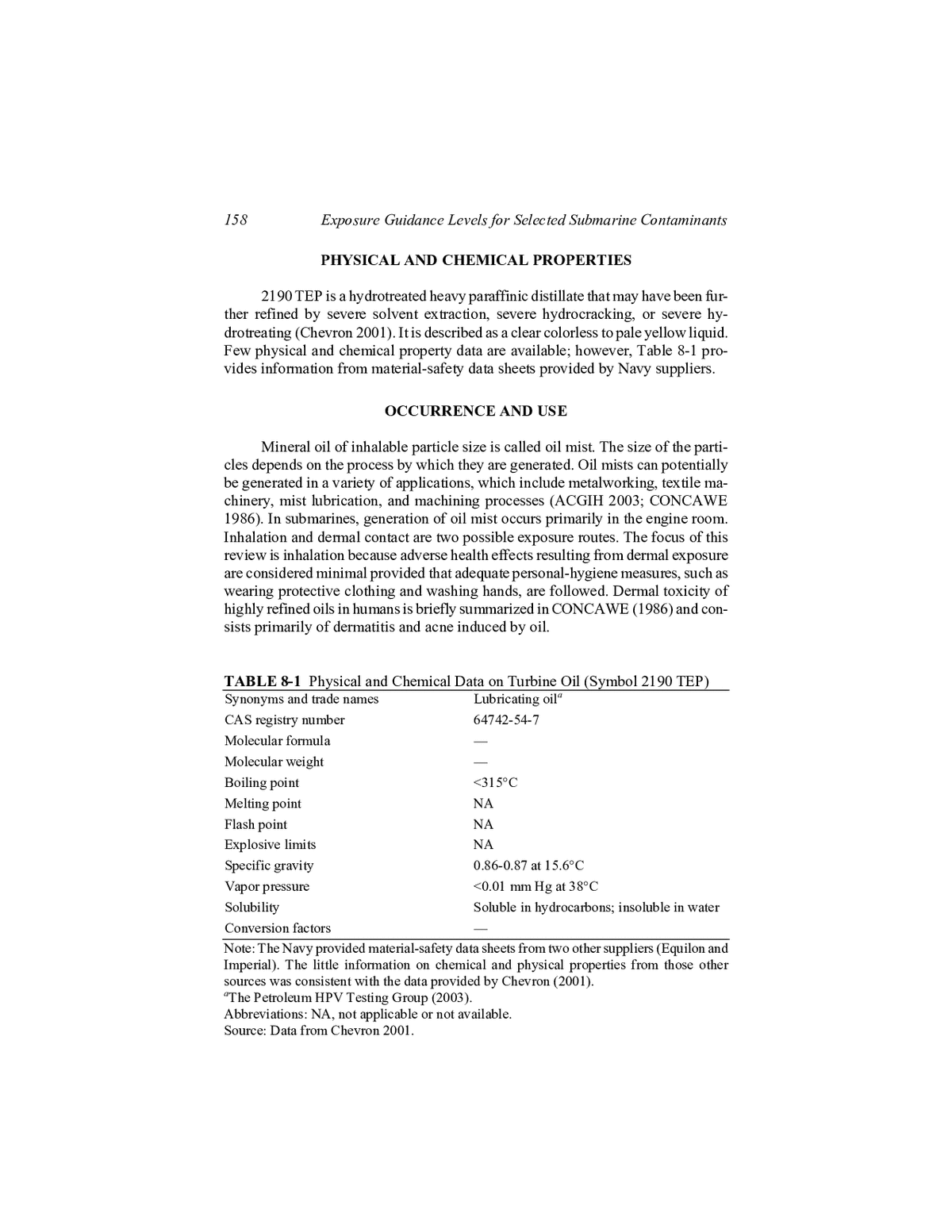
158 Exposure Guidance Levels for Selected Submarine Contaminants PHYSICAL AND CHEMICAL PROPERTIES 2190 TEP is a hydrotreated heavy paraffinic distillate that may have been fur- ther refined by severe solvent extraction, severe hydrocracking, or severe hy- drotreating (Chevron 2001). It is described as a clear colorless to pale yellow liquid. Few physical and chemical property data are available; however, Table 8-1 pro- vides information from material-safety data sheets provided by Navy suppliers. OCCURRENCE AND USE Mineral oil of inhalable particle size is called oil mist. The size of the parti- cles depends on the process by which they are generated. Oil mists can potentially be generated in a variety of applications, which include metalworking, textile ma- chinery, mist lubrication, and machining processes (ACGIH 2003; CONCAWE 1986). In submarines, generation of oil mist occurs primarily in the engine room. Inhalation and dermal contact are two possible exposure routes. The focus of this review is inhalation because adverse health effects resulting from dermal exposure are considered minimal provided that adequate personal-hygiene measures, such as wearing protective clothing and washing hands, are followed. Dermal toxicity of highly refined oils in humans is briefly summarized in CONCAWE (1986) and con- sists primarily of dermatitis and acne induced by oil. TABLE 8-1 Physical and Chemical Data on Turbine Oil (Symbol 2190 TEP) Synonyms and trade names Lubricating oila CAS registry number 64742-54-7 Molecular formula â Molecular weight â Boiling point <315°C Melting point NA Flash point NA Explosive limits NA Specific gravity 0.86-0.87 at 15.6°C Vapor pressure <0.01 mm Hg at 38°C Solubility Soluble in hydrocarbons; insoluble in water Conversion factors â Note: The Navy provided material-safety data sheets from two other suppliers (Equilon and Imperial). The little information on chemical and physical properties from those other sources was consistent with the data provided by Chevron (2001). a The Petroleum HPV Testing Group (2003). Abbreviations: NA, not applicable or not available. Source: Data from Chevron 2001.
2190 Oil Mist 159 SUMMARY OF TOXICITY A summary of the literature on occupational exposure to lubricating oil base stocks with and without additives is presented in Table 8-2. Animal data are sum- marized in Table 8-3. In addition, six articles (CONCAWE 1986; Mackerer 1989; Kenny et al. 1997; NRC 1997; NIOSH 1998; The Petroleum HPV Testing Group 2003) have summarized the available literature. No relevant information on accidental exposures or experimental studies in humans was identified. However, occupational exposure to petroleum oil mists was associated primarily with effects on the respiratory system. Symptoms observed in automobile workers included coughing, wheezing, and phlegm, as reported by Kriebel et al. (1997), Greaves et al. (1997), and Ameille et al. (1995) at exposures (geometric means) of 0.19 mg/m3, 0.43 mg/m3, and 2.2 mg/m3, respectively. Effects on respiratory functionâas measured by reductions in cross-shift response in forced expiratory volume in 1 sec (FEV1)âwere demonstrated by Kriebel et al. (1997) and Kennedy et al. (1989) at the exposures defined previously. Marine engi- neers exposed to oil mists demonstrated similar effects on the respiratory system at a time-weighted average (TWA) of 0.45 mg/m3 (Svendsen and Hilt 1997, 1999). A synergistic effect on respiratory function between inhaled tobacco smoke and oil mist has been suggested (Ameille et al. 1995). Results of pulmonary exposure of laboratory animals to lubricating oils are similar to those observed in humans in occupational settings except that the animals were generally exposed at much higher concentrations. The target organ in animals was the respiratory tract. The most prevalent effect was the occurrence of foamy macrophages in the lungs. In general, the rat and the dog were the most sensitive species compared with rabbits, mice, and hamsters (Wagner et al. 1964). Acute ex- posures to metalworking fluids have been shown to be sensory and pulmonary irri- tants in mice (Schaper and Detwiler 1991). Straight oils caused sensory irritation that decreased within 1 h; pulmonary irritation was not observed until 2 h of expo- sure. The highest concentration tested was 2,816 mg/m3. That is consistent with the low toxicity (primarily mucous membrane irritation of the upper respiratory tract) observed after acute exposure to oil mists with profile characteristics outside those defined in the present review (CONCAWE 1986; Dalbey and Biles 2003). Four- and 13-week exposures to oil mists with the same CAS number as 2190 TEP re- sulted in lung pathology at concentrations of 50 mg/m3 and greater; pulmonary function was not affected at concentrations as great as 1,000 mg/m3 (Dalbey et al. 1991; Dalbey 2001). Dogs and rats exposed to oil mist for up to 26 months at 5.5- 105.8 mg/m3 did not have an increase in tumor incidence (Stula and Kwon 1978; Wagner et al. 1964).
TABLE 8-2 Effects of Inhalation of Mist Oil on Humans 160 Oil Type, Characteristica Exposure Concentration Exposure Duration Subjects and Effects Reference Group S: cutting oil, Arithmetic mean: Chronic for at least 1 Subjects from automobile industry in France: Group S, 40 Ameille et al. straight (CO) 2.6 + 1.8 mg/m3 year males; Group E, 51 males; Group D, 139 males; Group C, 78 1995 Group E: mineral oil, Geometric mean: males. soluble (MO) 2.2 + 1.9 mg/m3 Effects evaluated: respiratory symptoms (by questionnaire), Group D: CO + MO pulmonary function (FEV1 and FVC), ventilatory Group C: control, impairment, bronchial reactivity unexposed assembly There was no difference in prevalence of respiratory workers symptoms among groups; however, Groups S and D combined had significantly higher prevalence of cough or phlegm than Groups C and E; prevalence of cough and phlegm increased in straight-oil-exposed groups when adjusted for duration of exposure and smoking; interaction between ventilatory impairment and smoking was observed in straight-oil-exposed groups; bronchial reactivity was not affected by exposure to mineral oil; the committee found that no significant adverse effects were noted in Group S alone, and there was apparent interaction between cutting oil and smoking Cutting oil mist, not Heavy, moderate, minimal >5 years, workers in 2,485 male subjects who worked as machinists Decoufle 1978 defined oil-mist-exposed jobs Mortality from various cancers evaluated 1938-1967 No effect on incidence of respiratory cancer relative to expected; increase in cancer of large intestine and stomach was observed Metalworking fluid Cross-sectional survey: 2 years Subjects from automobile industry (UAW-General Motors). Eisen et al. Straight, paraffinic or selection of 2-year exposure 1,676 male subjects (20.0% exposed to straight 1997 naphthenic, with or window was based on report in metalworking fluids, 24.9% exposed to soluble (Study appears without sulfur or which symptoms of cough, metalworking fluids, 12.6% exposed to synthetic to be chlorine wheeze, and phlegm were metalworking fluids, 42.5% worked on assembly or were off reanalysis of
Soluble found to predate diagnosis of work) Greaves et al. Synthetic asthma by about 2 years Standard respiratory survey was used, and pulmonary- [1997]) Assembly (controls) function tests were conducted; Cox proportional-hazards model was used Slight increase in RR for straight oil depending on whether year of hire was before or after 1970 (pre-1970: RR, 1.8; post-1970: RR, 2.0); increase was greater for synthetic oils; results provided possible evidence that exposure to straight oils may cause occupational asthma; primary objective of reanalysis study was to evaluate bias by selecting asthmatics out of work environment Metalworking fluid Extrathoracic particle size: >9.8 1917-1985 108 male subjects from automobile industry; 538 males in Eisen et al. Straight, paraffinic or µm Subjects had worked control group; subjects were from three plants (I, II, III) 1994 naphthenic, with or Thoracic particle size: for at least 3 years; Case-control study to evaluate larynx cancer (squamous-cell without sulfur or <9.8 µm average duration of carcinoma) chlorine Respirable particle size: employment was 20 Results suggested about 2-fold excess in larynx-cancer risk Soluble <3.8 µm years in workers exposed to straight metalworking fluid (combined Synthetic >0-0.1 mg/m3; >0.1-0.5 mg/m3; plants I, II, III); OR for cancer increased with increasing Assembly (controls) >0.5 mg/m3 exposure: >0.5 mg/m3-years, OR, 2.23 (95% CI, 1.25-3.980); Note: Exposures are estimates; exposure, 0.5 mg/m3; separate analysis of plants results are expressed as mg/m3- demonstrated increase in OR for metalworking fluid years = quantitative estimate of exposure in Plant I only past metalworking fluid Committee notes that confounding factors, such as sulfur exposure content, also showed association with increased OR; association with sulfur may be associated in increased PAH content; authors did not attribute finding to smoking or alcohol intake, because there was no increase in lung cancer or cirrhosis (Continued) 161
TABLE 8-2 Continued 162 Oil Type, Characteristica Exposure Concentration Exposure Duration Subjects and Effects Reference Mineral oil mist Mortality-study exposure â¥5 years Subjects worked in machine shops (Kodak); mortality study Ely et al. 1970 Components of mist concentrations: 0.07 mg/m3 Mortality during had 3,122 in control group and 343 in âmist oilâ group; over not defined (minimum), 1.5 mg/m3 1942-1961 1,700 were in prevalence study (median), 3.7 mg/m3 (mean), In mortality study, causes of death were compared; in and 110 mg/m3 (maximum) prevalence study, authors evaluated FVC and FEV1 and used Prevalence-study exposure questionnaire to assess cough, phlegm, dyspnea, wheezing, concentrations: 0.07 mg/m3 smoking status, and age (minimum), 1.0 mg/m3 In mortality study, no effects of oil mist on mortality were (median), 5.2 mg/m3 (mean), observed; in prevalence study, no evidence of adverse and 110 mg/m3(maximum) association between respiratory effects and mist oil was noted Metalworking fluid: 0.43 ± 0.26 mg/m3 (straight â¥2 years Subjects worked at General Motors facilities; 1,811 male Greaves et al. Straight mineral oil mineral oil) Current employees machinists exposed to variety of mineral oils (364 to 1997 3 Soluble oil emulsions 0.55 ± 0.17 mg/m (soluble oils) straight mineral oil, 452 to soluble oil emulsions, 226 to Water-based synthetic 0.41 ± 0.08 mg/m3 (synthetics) water-based synthetic oils); 769 males in internal reference Size-selective cut points were group 9.8 µm (thoracic aerosol Effects evaluated with respiratory questionnaire: cough, fraction) and 3.5 µm (respirable phlegm, dyspnea, wheezing, chest tightness, self reported aerosol fraction) with geometric asthma and bronchitis standard deviation of 1.2 for Exposure-response relationships suggested association of each respiratory symptoms (cough, phlegm, wheezing) with exposure to straight and synthetic fluids; synthetic oils had highest prevalence of symptoms, followed by straight oils and soluble oils (least)
Turning Dept. â Average exposure concentration >5 years Subjects (788) working in metal industry Jarvholm et acid-refined mineral was estimated to be 5 mg/m3 or Subjects employed Study evaluated cancer morbidity pattern of employees al. 1981 oils in 1926-1976 plus more before 1965 1950-1966; had to be based on employee register sulfur Turning Dept. â 2.0 mg/m3 alive on 1/1/58 to Exclusive of cancer of scrotum, 39 cases of cancer were (median; range, 0.3-3.4 mg/m3) participate observed compared with 154.3 expected; cancer of scrotum Grinding Dept. â Grinding Dept. â 2.6 mg/m3 was observed in 4 turners; committee notes that oils used âcomplexâ (range, 1.0 â 7.3 mg/m3) now are more highly refined than oil used during 1950- Also sodium nitrite and 1967 chromium Aerosols of cutting Total aerosol concentration: ⥠6 months Subjects were automobile workers and included Kennedy et al. oils and cooling Assembly workers, 0.07-0.44 89 machine operators and 42 unexposed male assembly 1989 lubricants: mg/m3 workers Straight mineral oil Machinists, 0.16-2.03 mg/m3 End points evaluated included acute pulmonary responses Oil emulsions Low: <0.20 mg/m3 (FEV1, FVC, PEF, MMEF [measured by spirometry] as Synthetic fluids Medium: 0.20-0.55 mg/m3 measure of cross-shift lung-function changes) High: > 0.55 mg/m3 Machine operators exposed to aerosols of coolants and End points measured Monday mineral oils had significant drop in cross-shift FEV1 and Friday, before and after response relative to assembly workers; response was shift of workweek to associated with inhalable aerosol >0.20 mg/m3; there was demonstrate acute pulmonary no difference from Monday to Friday in FEV1 response response Particle size distribution was similar across oil types (Continued) 163
TABLE 8-2 Continued 164 Oil Type, Exposure Characteristica Exposure Concentration Duration Subjects and Effects Reference Metalworking fluid: Straight: ⥠1 month Subjects were automobile workers (170 nonmachinists, 216 Kriebel et al. Straight and soluble Mean: 0.243 mg/m3 (SD, 0.265) machinists); number of samples, 74 (straight metalworking 1997 Geometric mean: 0.193 (GSD, fluid) and 139 (soluble metalworking fluid) 1.79; range, 0.079-2.023). Pulmonary-function tests were conducted with FEV1 and FVC; Airborne concentrations of respiratory symptoms were assessed with a questionnaire; end inhalable particles, culturable points were measured on single day bacteria, and endotoxins were There was evidence that chronic and acute respiratory measured symptoms were more prevalent in machinists than in Personal full-shift inhalable nonmachinists; effects were also observed in nonmachinists; it mass particle sample was should be noted, however, that many ânonmachinistsâ were at collected with seven-hole one time machinists in same plant; results were consistent with sampler Kennedy et al. (1989) Present study tried to determine causal agent (such as endotoxins, fungal contaminants, various oil components) within oils responsible for toxicity Authors stated that âthe ability of this study to quantify the acute irritant effects of MWF [metalworking fluids] accurately, and to identify the MWF constituents or exposure conditions amenable to environmental control was limited by the relatively low exposures in the plant selected for study and by the smaller than anticipated number of workers with exposure to straight or soluble MWFâ Mists and vapors of 0.15-0.30 mg/m3; spike, 5-35 years of Subjects included 25 cable plant workers; 25 in control group Skyberg et al. mineral oils and 2,000-4,000 mg/m3 exposure Effects evaluated included pulmonary fibrosis with 1986 kerosene radiography, FEV1, FVC; respiratory function was evaluated Medium to heavy with questionnaire; McNemarâs test for statistical analysis naphthenic, acid- Fibrosis was observed in seven of 25 exposed workers and one treated, hydrotreated of 25 controls; prevalence of respiratory symptoms did not differ
Medium to heavy Committee notes that composition of mineral oil is unclear, paraffin, solvent- because it is defined as kerosene and may contain aromatic refined, severely hydrocarbons hydrotreated Mists and vapors of Mineral oil vapor: 50-100 At least 3 years; Subjects included 37 cable plant workers and 25 controls Skyberg et al. mineral oils and mg/m3 1963-1983 (radiographic analysis) 1992 kerosene Mineral oil mist: 0.5-1.5 mg/m3 (followed up in Effects evaluated included pulmonary fibrosis Medium to heavy 1990) (radiography) and lung function naphthenic, acid- Fibrosis was observed in 10 of 25 cable workers and one of 25 treated, hydrotreated controls; carbon monoxide transfer factor was decreased in Medium to heavy exposed group paraffin, solvent- Committee notes that composition of mineral oil is unclear, refined, severely because it is defined as kerosene and may contain aromatic hydrotreated hydrocarbons Mineral oil, Undefined Undefined 288 subjects with scrotal cancer Waldron 1975 composition Study evaluated second primary tumors after detection of undefined scrotal tumors Significant excess in second primary tumors of larynx, bronchus, and lip observed with mineral oil exposure (Continued) 165
TABLE 8-2 Continued 166 Oil Type, Exposure Characteristica Exposure Concentration Duration Subjects and Effects Reference Mist oil: Mean concentration in engine >5 years Subjects were marine seamen (169 current marine engineers, Svendsen and Lubricating oil, bp room: 0.20 mg/m3; mean 152 engineers 28 former marine engineers); 295 controls Hilt 1997 300-700°C concentration during tasks: 1.3 Ferry trips take Effects evaluated with questionnaire (respiratory symptoms, Fuel oil, bp 175- mg/m3; two tasks with highest 10-20 min; 20-70 MMI, cough, wheezing, dyspnea, chronic bronchitis). 300°C concentration were pressure departures/day; 2 Significant increase (0.05 level) in MMI and dyspnea observed testing of valves (2 mg/m3) and weeks onboard in marine engineers maintenance of propeller shaft followed by 2 Confounding factors: engineers also had history of exposure to (1.5 mg/m3) weeks off oil mist, asbestos (1950-1970), welding fumes, and other TWAC: 0.45 mg/m3 for 5-h irritating gases day at mean value and 2-h day at task (range, 0.12-0.74 mg/m3); lowest TWAC: 0.12 mg/m3; highest TWAC: 0.74 mg/m3 Mist oil: TWAC: 0.45 mg/m3 for 5-h >5 years Subjects included marine seamen (68 engineers with chest x- Svendsen and Lubricating oil, bp day at mean value and 2-h day 152 engineers rays films classified according to ILO system), 101 controls; Hilt 1999 300-700°C at task (range, 0.12- 0.74 Ferry trips take spirometry was evaluated in 44 engineers and 71 controls Fuel oil, bp 175- mg/m3) 10-20 min; 20-70 Effects evaluated included respiratory function 300°C departures/day; 2 Borderline statistical significance (0.08) for emphysema based weeks onboard on ILO; FEV% was significantly decreased in marine followed by 2 engineers; reduced FEV% in absence of decreased FEV1 can weeks off be interpreted as sign of emphysema Authors interpreted findings as possibly indicating that mist oil can impair respiratory function and increase abnormal findings in lungs; however, they concluded that findings were weak and further investigation was warranted a Elemental sulfur is added to metalworking fluid to retard oil breakdown and improve lubricating properties under extreme temperature and pressure conditions. Abbreviations: bp, boiling point; FEV1, forced expiratory volume at 1 sec; FVC, forced vital capacity; MMEF, maximum midexpiratory flow; MMI, mucus membrane irritation; MWF, metalworking fluid; OR, odds ratio; PAH, polycyclic aromatic hydrocarbon; PEF, peak expiratory flow; RR, rate ratio; SD, standard deviation; TWAC, time-weighted average concentration; UAW, United Automobile Workers.
TABLE 8-3 Effects in Animals: Inhalation of Mist Oil Oil Type, Exposure Exposure Species (no.) Characteristic Concentration Duration Effects Reference Mice, Swiss- Metalworking fluids F: about 200-2,492 Single 3-h Effects evaluated were changes in animal respiration; Schaper and Webster (4 (aerosolized) from 3 mg/m3 exposures sensory and pulmonary irritation response at 1, 2, and 3 h; Detwiler 1991 mice per General Motors plants: Fâ: about 400-2,816 lung histopathology immediately after exposure, 24 h after experiment 10 fluids, one of which mg/m3 exposure, 14 days after exposure. per group) was unused (new, neat) RD50 values obtained Effects evaluated included sensory irritation, defined as straight oil (100% from concentration- stimulation of trigeminal nerve ending in nasal mucosa sulfonized mineral oil, response resulting in lengthening of expiratory phase of each sample F) and another relationships; for breath, and pulmonary irritation, defined as stimulation of was used straight oil samples F and Fâ, vagal nerve endings resulting in pause between breaths (sample Fâ; no RD50 had to be With exposure to straight oils (samples F and Fâ), sensory additional chemical extrapolated because irritation was observed immediately on exposure but analysis available) at concentrations decreased within 1 h or sooner; pulmonary irritation was Soluble and synthetic tested RD50 was not observed after about 2 h of exposure and became more oils also tested but not achieved pronounced by end of 3-h exposure considered relevant for RD50/mMAD/GSD Respiratory frequency decreased rapidly on exposure this review F: 325,000 mg/m3 reaching plateau at about 2 h; recovery was immediate at (extrapolated; highest lower concentrations, slower at higher concentration concentration tested, 24 h after exposure, mild interstitial pneumonitis was seen 2,492 mg/m3)/2.7 in mice exposed to Samples F and Fâ; little difference was µm/2.1 seen relative to controls immediately after exposure and Fâ: 110,100 mg/m3 14 days after exposure (extrapolated; highest Straight oils were least potent of oils tested; authors concentration tested, concluded that additives are important in determining 2,816 mg/m3)/2.6 potency of oils; samples F and Fâ had fewest additives of µm/2.0 oils tested; straight oils were not considered irritating (Continued) 167
TABLE 8-3 Continued 168 Oil Type, Exposure Exposure Species (no.) Characteristic Concentration Duration Effects Reference Wistar rats (8 Mineral oil mist: mildly Total aerosol/vapor: 7 h/day, 5 Clinical observations included body weight, Skyberg et al. males per refined and derived Mineral Oil A: 126- days/week for 2 histopathology, oil deposition in fat tissue and brain. 1990 group; from naphthenic crude 770 mg/m3 weeks No deaths occurred in mineral-oil-exposed groups; all Follow-up to 6 males in oil. Mineral Oil B/C: groups gained weight; however, mineral oil A (high cable worker control group) Mineral oil A: low 75-748 mg/m3 concentration) had significantly lower mean body weight studies viscosity used as at necropsy; lung weights were increased at both impregnation fluid; 29 concentrations of mineral oil A, but response was not wt% aromatic dose-related; liver weights were increased in mineral oil A hydrocarbons, 70 wt% and B/C groups but only at highest concentration; saturated hydrocarbons. statistical significance was not achieved. Mineral oil B/C (1:1): No macroscopic changes were seen in any of exposed used in cable splicing; groups; mineral oil B/C induced statistically significant B, 31 wt% aromatics, increases in number of alveolar macrophages (748 mg/m3) 68 wt% saturated; C, 45 and degree of vacuolization (â¥75 mg/m3); damage to wt% aromatics, 54 wt% bronchial mucosa was also seen in mineral oil B/C groups saturated. (p<0.01, 748 mg/m3). Also tested 3 synthetic Slight fatty liver degeneration was seen in high-dose crude oils: C15-C20 mineral oil A group; sinusoidal dilatation was also alkylbenzenes and observed in animals exposed to mineral oil B/C. polybutene; these Mineral oil A (only oil evaluated) was detected in fatty groups are not tissues and was retained 2 weeks after completion of discussed in this review exposure. Data excluded from assessment; chemical and physical data on mineral oil tested are different from 2190 TEP; materials tested are not representative of lubricating oils but are more representative of kerosenes
Rats Generic cutting oil GCO: 50, 150, 500 6 h/day, 5 Effects evaluated included hematology, clinical chemistry, Dalbey 2001 15 males and (GCO): CAS no. mg/m3 days/week for 13 organ weights, histopathology, and pulmonary function 15 females per 64742-65-0 (85%) plus GO: 60, 150, 520 weeks (GCO: quaisistatic deflation pressure-volume curves, group additives mg/m3 pulmonary hydroxyproline; GO: same as GCO plus lung Additional 10 Gear oil (GO): CAS no. CEO: 50, 150, 400 volume; CEO: same as GO but no pulmonary male rats for 64742-54-7 and CAS mg/m3 hydroxyproline measured) specialized no. 64742-57-0 Effects of three formulations were similar; the lung was testing of (combined 97%) plus target organ pulmonary small amount of GCO: alveolar macrophages with addition of minor function additives hyperplasia of alveolar epithelial cells at 50 mg/m3 Commercial engine oil increasing in number and severity with increasing dose; (CEO): CAS no. 64762- thickening of alveolar walls at 500 mg/m3; granulopoiesis 65-0 (100 and 300 in sternum at 500 mg/m3; increase in lung weight at SUS) (94%) plus middle and high doses; shift in WBC differential at high additives dose (increase in circulating neutrophils and decrease in lymphocytes) GO: changes were similar to those with GCO with addition of minor hyperplasia of alveolar epithelial cells; increase in lung weight at middle and high concentrations; shift in WBC differential at middle and high concentrations. CEO: similar to changes with two previous formulations without hyperplasia Pulmonary function was generally unaffected. (Continued) 169
TABLE 8-3 Continued 170 Oil Type, Exposure Exposure Species (no.) Characteristic Concentration Duration Effects Reference Rats Hydrotreated base oil 50, 210, 1,000 4 weeks Effects evaluated included hematology, clinical chemistry, Dalbey et al. (HBO): CAS no. mg/m3 organ weights, and histopathology 1991 64742-54-7 Only lung and associated lymph node changes were Solvent-refined oil observed; the main histologic changes observed included (SRO): CAS no. 64742- accumulation of foamy macrophages in alveoli, infiltration 70-7 of neutophils and lymphocytes associated with foamy White oil (WTO): CAS macrophages and slight thickening of alveolar wall no. 8042-47-5 Dogs, rabbits, Light mineral oil: Low dose: mean, 12-26 months Effects evaluated included body weight, hematology, and Wagner et al. mice, rats, naphthene base 5.2 mg/m3; range, Interim sacrifices respiratory function (including histopathology, enzyme 1964 hamsters saturated hydrocarbons 3.8-6.6 mg/m3 were performed at activities [serum and lung: BAP, MgAP], respirometry (males) (95% naphthenes: 27% High dose: mean, 3 and 6 months [rabbits only]). mongrel dogs, noncondensed, 68% 2- 93.1 mg/m3; range, and terminally Body weights: Dutch rabbits, to 6- ring naphthenes; 83.0- 104.2 mg/m3 after 1 year of All species: no significant differences were observed Golden 5% paraffins) exposure at 5 between exposed and control groups hamsters, mg/m3; at 100 Hematology: Holtzman SD mg/m3, interim All species: no significant changes were observed between rats, sacrifices occurred exposed and control groups (NOAEL, 93.1 mg/m3) CF No. 1 at 3, 6, 12, and 18 Respiratory function: mice, months and at 26- Rabbits: no significant differences were observed between CAF1/Jax month exposed and control groups based on minute ventilation or mice termination; no oxygen consumption (NOAEL, 93.1 mg/m3) (pulmonary- exposed or control Biochemistry: tumor- dogs at either Dogs: no significant differences were observed between susceptible concentration exposed and control groups at 5 mg/m3 for 12 months; at strain) were included in 100 mg/m3 (dogs, serum) BAP and MgAP were 3-month sacrifice significantly increased at 12 months; BAP and MgAP or 100-mg/m3 were increased at 18 months, but only BAP reached
sacrifice significance CAF1/Jax mice Rabbits: no significant differences were observed between were exposed at exposed and control groups (serum, lung tissue) 100 mg/m3 Rats: no significant differences were observed between exposed and control groups at 5 mg/m3 for 12 months (serum, tissue); BAP and MgAP were significantly increased at 100 mg/m3 during the 6-month and 1-year evaluations Hamsters: significant differences were observed at 100 mg/m3 (lung tissue); NOAEL, 93.1 mg/m3 Pathology: Dogs: at 6-month sacrifices, concentrations demonstrated differing degrees of reaction to inhaled oil (foamy macrophages, clear droplets); this response was also evident at 5-mg/m3 terminal sacrifice at 1 year; significant pulmonary alveolar and hilar lymph node oil deposition and/or lipid granuloma formation after about 12 months at 100 mg/m3. Rabbits: essentially no response to inhaled oil mist Rats: prominent presence of macrophages with oil- containing cytoplasm; there was some evidence of interstitial pneumonia; pulmonary tissue alterations were of significance only at 100 mg/m3 Mouse: no major pathologic response was evident (NOAEL, 5.2 mg/m3) (Continued) 171
TABLE 8-3 Continued 172 Oil Type, Exposure Exposure Species (no.) Characteristic Concentration Duration Effects Reference Dogs (4) Mineral oils, complex 5.5 ± 1.2 mg/m3 Chronic, 6 h/day, Effects evaluated included pulmonary pathology Stula and Rats (5-20) (70% paraffinic) with 105.8 ± 17.8 mg/m3 5 days/week Study not considered relevant, because complex mixture Kwon 1978 Gerbils (3-9) acetone and finish Each concentration contained acetone and multiple additives; intent of study CD mice (12- adjuvants, textile fiber also contained 1,000 Dogs: 24 months was to compare results with those of Wagner et al. (1964); 19) finishes ppm acetone. results were comparable JAX mice Rats: 12 months Data support absence of carcinogenicity in variety of (17-27) with recovery at 1, animals exposed to mineral oils 2, 6, 10 months; 12-24 months without recovery Gerbils: 12 months with recovery at 0.25, 0.5, 1, 2 months. Mice (CD): 10 months without recovery Mice (JAX): 12 months without recovery Abbreviations: BAP, basic alkaline phosphatase; CEO, commercial engine oil; GCO, generic cutting oil; GO, gear oil; GSD, geometric standard deviation; MgAP, magnesium activated alkaline phosphatase; MMAD, mass median aerodynamic diameter; NOAEL, no-observed-adverse-effect level; RD50; a statistically estimated concentration resulting in 50% reduction in respiratory rate.
2190 Oil Mist 173 Effects in Humans Accidental Exposures No relevant information was identified. Experimental Studies No relevant information was identified. Occupational and Epidemiologic Studies Fifteen studies of the general health effects of occupational exposure to lubri- cating oil mists were reviewed (see Table 8-2). In all cases, exposure was chronic, from at least 1 month to 35 years. No relevant studies of acute exposure to oil mists were identified. However, two studies (Kennedy et al. 1989; Kriebel et al. 1997) measured âacute pulmonary responsesâ (health effects measured on a single day) to metalworking fluid but after an exposure period of at least 1 month. Automobile workers (machine operators) exposed to aerosols of cutting oils and coolant fluids for at least 6 months demonstrated a significant drop in FEV1 relative to assembly (control) workers (Kennedy et al. 1989); the response was associated with expo- sures greater than 0.20 mg/m3. In a study by Kriebel et al. (1997), workers exposed to mineral oil at 0.24 mg/m3 for at least 1 month, with respiratory effects being measured on a single day, provided some evidence of acute and chronic pulmonary respiratory symptoms. The results of Kriebel et al. (1997) are considered equivocal at best because nonmachinists (control population) demonstrated similar respiratory effects. Most of the reviewed literature addressed chronic respiratory effects elicited after exposure of more than 1 year. Of the studies reviewed, only five (Ameille et al. 1995; Greaves et al. 1997; Eisen et al. 1997; Svendsen and Hilt 1997, 1999) were considered relevant for EEGL and CEGL development; of the five studies, three were specific to automobile workers, and two to marine engineers. In a study conducted by Ameille et al. (1995), automobile workers did not demonstrate an increased prevalence of respiratory symptoms when exposed to straight cutting oils at a geometric mean concentration of 2.2 mg/m3 for a duration of at least 1 year. However, a combined analysis of workers exposed to straight cutting oil or a mix- ture of straight cutting oil and soluble cutting oil did exhibit an increased prevalence in cough or phlegm. Respiratory function and pulmonary function were also im- paired in straight-cutting-oil-exposed workers who smoked. Results of Greaves et al. (1997) suggested an association of increased report- ing of respiratory effects (cough, phlegm, and wheezing) with exposure to metal- working fluids (synthetic oils > straight oils > soluble oils) after exposure of at least 2 years. The average exposure concentration was 0.43 mg/m3. Eisen et al. (1997) re- analyzed those data to evaluate bias in the selection of asthmatics out of the work-
174 Exposure Guidance Levels for Selected Submarine Contaminants place. Their analysis demonstrated a slight increase in the rate ratio for asthma in workers exposed to straight metalworking fluid. As was observed in the Greaves et al. study (1997), the effects were greatest in the workers exposed to synthetic fluids. A significant increase in mucous membrane irritation and dyspnea (Svendsen and Hilt 1997) and a decrease in respiratory function (Svendsen and Hilt 1999) were observed in marine engineers exposed to mist oil at a TWA of 0.45 mg/m3 for more than 5 years. The engineers also had previous potential exposure to asbestos, welding fumes, and other irritating gases. The authors concluded that the findings of the respiratory-function evaluation were weak and that additional investigational work was needed. Effects in Animals Acute Toxicity Schaper and Detwiler (1991) exposed Swiss-Webster mice to different aero- solized metalworking fluids obtained from three General Motors plants. Mice were exposed to straight (new or âneatâ and used), soluble, or synthetic oils; only the results with straight oil are discussed here. Exposure concentrations ranged from about 200 to 2,492 mg/m3 and from about 400 to 2,816 mg/m3 for the neat and used metalworking fluid, respectively. For both neat and used oils, six concentrations were tested at 3-h exposure periods with four mice per exposure. Sensory irritation, as defined in Table 8-3, was observed immediately on exposure to both oils at all concentrations tested, but the irritation decreased within 1 h or less. Pulmonary irri- tation was apparent at 2 h on exposure to all oil mists. Mild interstitial pneumonia was observed after exposure to both the neat and used straight oils at the highest concentration tested. Repeated Exposure and Subchronic Toxicity As a follow-up to occupational-exposure studies of cable-plant workers ex- posed to mists and vapors of mineral oil and kerosene (Skyberg et al. 1986), Sky- berg and co-workers (1990) exposed Wistar rats to two mineral oil mists derived from a mildly refined naphthenic crude oil for 7 h/day, 5 days/week for 2 weeks. One of the oils was representative of an oil used as an impregnation fluid (mineral oil A), and the other was used in cable splicing (mineral oil B/C). Exposure concen- trations ranged from 126 to 770 mg/m3 for mineral oil A and 75 to 748 mg/m3 for mineral oil B/C. A significantly reduced necropsy body weight was observed in the high-dose group exposed to mineral oil A. Increased liver and lung weights were observed, but statistical significance was not achieved. Macroscopic changes were not observed in the lungs of any of the exposed groups. Mineral oil B/C induced significant increases in the number of alveolar macrophages (at 748 mg/m3) and the degree of vacuolization (at greater than 75 mg/m3). Damage to the bronchial mu- cosa (including ciliary loss), increased number of goblet cells, and cellular disorien-
2190 Oil Mist 175 tation were observed after exposure to all oils, except mineral oil A, at 748 mg/m3. Liver pathology was noted as slight fatty liver degeneration (mineral oil A, 770 mg/m3) and sinusoidal dilatation (mineral oil B/C, â¥75 mg/m3). Mineral oil A was detected in the fat tissue of exposed animals and was retained 2 weeks after the completion of exposure. Several inhalation studies of oil mists, with the characteristic profile outlined by the committee, were conducted by Dalbey et al. (1991) and Dalbey (2001). Two of the petroleum distillates tested, including one hydrotreated base stock and one gear oil, had the same lubricating base stock as 2190 TEP (CAS no. 64742-54-7). In a standard 4-week toxicity study, whole-body exposure to hydrotreated base oil at 50, 210, and 1,000 mg/m3 for 6 h/day, 5 days/week, only lung and associated lymph node changes were observed (Dalbey et al. 1991). The main histologic changes ob- served at 210 and 1,000 mg/m3 were accumulation of foamy macrophages in alve- oli, infiltration of neutrophils and lymphocytes associated with the foamy macro- phages, and a slight thickening of the alveolar wall; concentration dependence was demonstrated. Similar pathology of the lung and slight hyperplasia of alveolar epithelial cells were observed on exposure to gear oil (CAS no. 64742-54-7 and 64742-57-0) for 13 weeks at 60, 150, and 520 mg/m3 (Dalbey 2001). Additional changes included an increase in lung weight and a shift in the white-blood-cell (WBC) differential (â¥150 mg/m3). Pulmonary function was not affected in any treatment group. Chronic Toxicity Wagner et al. (1964) exposed five speciesâdogs, rabbits, mice (CF No. 1 strain and CAF1/Jax strain), rats, and hamstersâto two concentrations of light min- eral oil (naphthenic base) for 1 year (5 mg/m3) to 26 months (100 mg/m3). CF No. 1 mice were used to determine responses to exposures both histologically and physio- logically and were used to assess longevity. CAF1 mice, which were used as a model to evaluate tumorigenic potential, were exposed only at 100 mg/m3. No sig- nificant changes in body weight or hematologic characteristics were observed in any of the test species. Respiratory function was not affected in the rabbits, the only species tested this way. Basic alkaline phosphatase (BAP) and magnesium-activated alkaline phosphatase (MgAP) were monitored in all species. No significant differ- ences from control animals were observed in rabbits (5 and 100 mg/m3) or in dogs, rats, and hamsters (5 mg/m3). In general, BAP and MgAP were increased in dogs, rats, and hamsters at 100 mg/m3 as early as 6 months of exposure. No pathologic response was evident in the lung tissue of mineral-oil-exposed rabbits and mice. Pathologic responses (as evidenced by foamy macrophages and oil-droplet forma- tion) were observed in dogs and rats. Those effects were apparent at 12 months of exposure in dogs (5 mg/m3). Significant pulmonary alveolar and hilar lymph node oil deposition and granuloma formation were also observed at 12 months but only at 100 mg/m3. In rats, pulmonary tissue alterations were of significance only at 100 mg/m3.
176 Exposure Guidance Levels for Selected Submarine Contaminants Stula and Kwon (1978) evaluated the chronic toxicity of a complex mineral oil containing adjuvants and acetone in dogs, rats, mice, and gerbils. The primary objective was to determine whether the toxicity profile observed with pure mineral oil mist (Wagner et al. 1964) would be altered by the addition of adjuvants and ace- tone. The animals were exposed to the complex mixture for 12-24 months 6 h/day, 5 days/week at 5 and 100 mg/m3 in combination with 1,000-ppm acetone. Relative to the results of Wagner et al. (1964), inhalation toxicity was not significantly al- tered by the addition of adjuvants and acetone. Oil mist was detectable in lung macrophages of all species tested at both concentrations. Oil microgranulomas were observed in rats and dogs only at the higher concentration. The data were not con- sidered relevant to the present analysis, because of the composition of the test mate- rial. However, the data do confirm the results of Wagner et al. (1964). Reproductive Toxicity in Males Sperm morphology and counts were not adversely affected in male rats ex- posed to hydrotreated base oil at 1,000 mg/m3 6 h/day for 4 weeks (Dalbey et al. 1991). Immunotoxicity No relevant information was identified. Genotoxicity Solvent-refined hydrotreated heavy paraffinic distillate was negative in the modified salmonella mutagenicity assay (Blackburn et al. 1986). Carcinogenicity Four studies of the carcinogenic potential of mineral oil in humans were re- viewed (Waldron 1975; Decoufle 1978; Jarvholm et al. 1981; Eisen et al. 1994). Results are detailed in Table 8-2. Although it has been reported that workers ex- posed to mist oils have an increased risk of cancer, contamination of the mineral oils with polycyclic aromatic hydrocarbons (PAH, some known to be carcinogenic) confounds interpretation of the observed results. Metalworking fluids, such as 2190 TEP, that are highly or severely refined have low concentrations of PAHs when âunusedâ and are classified as A4 (not classifiable as a human carcinogen). Severe processing can significantly reduce or eliminate the carcinogenic po- tential of crude oils, as has been demonstrated in mouse-skin painting studies (Kane et al. 1984). On the basis of the results of a modified salmonella mutagenicity assay (Blackburn et al. 1986), solvent-refined hydrotreated heavy paraffinic distillate was not predicted to be carcinogenic.
2190 Oil Mist 177 As discussed above, Wagner et al. (1964) exposed dogs, rabbits, mice (CF No. 1 strain and CAF1/Jax strain), rats, and hamsters to two concentrations of light mineral oil (naphthenic base) daily for 1 year (5 mg/m3) to 26 months (100 mg/m3). Significant pulmonary alveolar and hilar lymph node oil deposition or lipid granu- loma formation were observed after 12 months in the dog. Although Stula and Kwon (1978) evaluated whether the toxicity profile observed with pure mineral oil mist would be altered by the addition of adjuvants and acetone, their results dis- cussed above support those of Wagner et al. (1964). Wagner et al. (1964) evaluated the tumorigenic potential of light mineral oil in a lung-tumor-sensitive strain of mice (CAF1/Jax). Mice were exposed to light mineral oil at 100 mg/m3 6 h/day, 5 days/week. Animals were sacrificed monthly from 7 months to 13 months of exposures, and the lungs were processed for his- tologic evaluation. The collective results of the studies were equivocal. Percentage differences in tumor incidences of 20% and 15% were observed in oil-exposed mice compared with control mice at 10 and 11 months, respectively. However, at 12 and 13 months, the percentage difference was 10% and 13%, respectively; and control mice exhibited more tumors than the oil-exposed mice. The negative results of the mutagenicity study and rodent carcinogenicity studies support the view that there is no carcinogenic potential in animals. The ma- terial-safety data sheet provided by the supplier states that 2190 TEP is not classi- fied as a carcinogen by the National Toxicology Program or by the International Agency for Research on Cancer (Chevron 2001). TOXICOKINETIC AND MECHANISTIC CONSIDERATIONS Although there is recent concern about the cardiac and pulmonary toxicity of respirable particulate matter from ambient air pollution, mechanistic understanding is insufficient to implicate oil mist particles as a health hazard for otherwise healthy adults. On the basis of animal studies, 2190 TEP would be expected initially to cause an inflammatory reaction if inhaled into the alveolar (deep) region of the lung. Deposition in the deep lung will depend to some extent on the size of the droplets; that is, if smaller than 3-5 µm, they can be expected to reach this area. Furthermore, âfineâ oils, such as 2190 TEP, can spread over the surface of the air- ways and alveoli, depending on the dose. Oil deposited in the airways can be ex- pected to be removed from the lung within a few days by normal physiologic mechanisms, such as the mucoescalator apparatus. However, oil deposited in the alveolar region cannot be removed from the lung to any substantial extent. In that region, the oil will first induce an inflammatory reaction whose extent will be di- rectly dose-dependent. Initially, as demonstrated in animal studies (Skyberg et al. 1990), the oil is taken up (phagocytized) by alveolar macrophages. After a period of weeks, the oil can be found in macrophages of the draining lymph nodes, where it is essentially inert (it causes little reaction at this site). If the dose is large enough in the lung, the macrophages can coalesce and form foreign-body giant cells (Dalbey 2001). If the lung reaction is severe enough, the chronic inflammation can result in
178 Exposure Guidance Levels for Selected Submarine Contaminants interstitial pneumonitis and fibrosis (Wagner et al. 1964). Because the oil cannot be metabolized what reaches the deep lung can be expected to remain there or in the draining lymph nodes for long periods. However, there is no evidence that the le- sions are progressive or that they will result in cancer in either the lung or lymph nodes. INHALATION EXPOSURE LEVELS FROM THE NATIONAL RESEARCH COUNCIL AND OTHER ORGANIZATIONS There are no inhalation exposure levels for 2190 TEP oil mist. However, there are a few occupational standards for mineral oil mist, and they are listed in Table 8-4. COMMITTEE RECOMMENDATIONS The committeeâs recommendations for EEGL and CEGL values for oil mist are summarized in Table 8-5. The proposed U.S. Navy values are provided for comparison. 1-Hour EEGL Because of the lack of human data on the health effects of short-term exposure to oil mist, data from animal studies were used. The point of departure for estimating the 1-h EEGL was 200 mg/m3, which is the lowest observed-adverse- effect level from Schaper and Detwiler (1991). The committee concluded that that concentration would not affect task completion by a submariner. At that concentration for 3 h, aerosolized metalworking fluid produced sensory irritation TABLE 8-4 Inhalation Exposure Levels for Mineral Oil Mist Organization Type of Level Exposure Level Reference Occupational ACGIH TLV-TWA 0.2 mg/m3, inhalable ACGIH 2003 particulate mass (draft) NIOSH REL-STEL 10 mg/m3 NIOSH 1997 REL-TWA 5 mg/m3 OSHA PEL-TWA 5 mg/m3 29 CFR 1915.1000 Abbreviations: ACGIH, American Conference of Governmental Industrial Hygienists; NIOSH, National Institute for Occupational Safety and Health; OSHA, Occupational Safety and Health Administration; PEL, permissible exposure limit; REL, recommended exposure limit; STEL, short-term exposure limit; TLV, Threshold Limit Value; TWA, time-weighted average.
2190 Oil Mist 179 TABLE 8-5 Emergency and Continuous Exposure Guidance Levels for Oil Mist U.S. Navy Proposed Values Committee Recommended Exposure Level (mg/m3)a Values (mg/m3) EEGL 1-h 10 (values forward) 20 24-h 2 (values forward) 2.5 CEGL 90-day 0.3 (values forward) 0.3 a U.S. Navy values are for forward section of submarine. No current or proposed values were provided for aft section of submarine. Abbreviations: CEGL, continuous exposure guidance level; EEGL, emergency exposure guidance level. in mice that decreased in 1 h or less and became more pronounced at 3 h. Interstitial pneumonitis was observed at 24 h but not 14 days after exposure. The effect was reversible after exposure ended. Pulmonary irritation was not observed until 2 h of exposure. An uncertainty factor of 3 to account for interspecies differences was applied because animal species and humans respond similarly regarding pulmonary effects. A database uncertainty factor of 3 was applied to account for the lack of data specific to 2190 oil mist and the need to use data on surrogate oils to derive an exposure guidance level. No intraspecies uncertainty factor was applied, because the submariner population would be expected to react similarly to the pulmonary effects. Application of the interspecies and database uncertainty factors results in a 1-h EEGL of 20 mg/m3. That estimate is considered to be protective because it is based on a response after a 3-h exposure. 24-Hour EEGL No relevant human information was available for determining the 24-h EEGL value. The committee considered the publication by Skyberg et al. (1986) but de- cided that the composition of the petroleum distillate was too dissimilar from 2190 TEP and lubricating oils. Therefore, the point of departure for estimating the 24-h EEGL was the recommended 1-h EEGL, 20 mg/m3. Because the animals were ex- posed to the test metalworking fluid for 3 h, a time-duration adjustment factor of 8â(24 h)/(3 h) = 8âwas applied to the 1-h EEGL, resulting in a 24-h EEGL of 2.5 mg/m3. 90-Day CEGL To determine the 90-day CEGL, the committee considered two studies of pe- troleum distillates with the same lubricating base stock as 2190 TEP (CAS no.
180 Exposure Guidance Levels for Selected Submarine Contaminants 64742-54-7) tested on rats (Dalbey 2001; Dalbey et al. 1991). In a standard 4-week inhalation-toxicity study, whole-body exposure to hydrotreated base oil at 50, 210, and 1,000 mg/m3 resulted in lung and associated lymph node changes (Dalbey et al. 1991). The no-observed-adverse-effect level (NOAEL) was 50 mg/m3. The main histologic changes observed were accumulation of foamy macrophages in alveoli, infiltration of neutophils and lymphocytes associated with the foamy macrophages, and a slight thickening of the alveolar wall. Those effects were considered minimal. Similar pathology of the lung and slight hyperplasia of alveolar epithelial cells were observed on inhalation exposure of rats to gear oil (combination of CAS no. 64742- 54-7 and 64742-57-0) for 13 weeks at 60, 150, and 520 mg/m3 (Dalbey 2001). Ad- ditional changes included an increase in lung weight and a shift in the WBC differ- ential (â¥150 mg/m3). Pulmonary function was not affected. Because the latter study combined two lubricating base stocks, the committee used the first study (NOAEL, 50 mg/m3) as the initial point of departure. In a study conducted by Ameille et al. (1995), automobile workers did not demonstrate an increased prevalence of respira- tory symptoms when exposed to straight cutting oils at a geometric mean concentra- tion of 2.2 mg/m3 for at least 1 year. However, a combined analysis of workers ex- posed to straight cutting oil or a mixture of straight cutting oil and soluble cutting oil did exhibit an increased prevalence in cough or phlegm. Respiratory function and pulmonary function were also impaired in straight-cutting-oil-exposed workers who smoked. In humans, exposures to metalworking fluids at 0.243 mg/m3 for at least 1 month (Kriebel et al. 1997) and 0.20 mg/m3 for at least 6 months (Kennedy et al. 1989) resulted in similar respiratory responses (significant drop in FEV1 re- sponse). Because exposure data in humans are not as well controlled as in the ani- mal studies and the oils were different from 2190 TEP, the rat studies were consid- ered more appropriate for setting the 90-day CEGL. Starting with 50 mg/m3 as the initial point of departure, an uncertainty factor of 3 was applied to account for inter- species differences because animals and humans demonstrate similar respiratory symptoms on exposure to oil mist. A duration adjustment factor of 16.8â(7/5 [days])(24/6 [h])(3/1 [months])âwas applied. A database uncertainty factor of 3 was also applied to account for the lack of data specific to 2190 oil mist and the need to use data on surrogate oils to derive an exposure guidance level. No intras- pecies uncertainty factor was applied, because the submariner population would be expected to react similarly to the pulmonary effects. Application of the uncertainty and duration-adjustment factors results in a 90-day CEGL of 0.3 mg/m3. DATA ADEQUACY AND RESEARCH NEEDS The committee recommends analysis of the oil mist to which the submariners are exposed. That mist oil should then be evaluated in animals for potential adverse health effects. If the Navy does not agree with the approach taken by the committee to estimate exposure guidance levels in this profile, acute and 90-day animal studies should be conducted with 2190 TEP. The committee recommends that used 2190
2190 Oil Mist 181 TEP (used in the same manner as in a submarine) be characterized to determine the aromatic components present. REFERENCES ACGIH (American Conference of Governmental Industrial Hygienists). 2003. Mineral Oil. Documentation of the TLV. Documentation of the TLVs® and BEIs® with Other Worldwide Occupational Exposure Values CD-ROM â 2003. American Conference of Governmental Industrial Hygienists, Cincinnati, OH. Ameille, J., P. Wild, D. Choudat, G. Ohl, J.F. Vaucouleur, J.C. Chanut, and P. Brochard. 1995. Respiratory symptoms, ventilatory impairment, and bronchial reactivity in oil mist-exposed automobile workers. Am. J. Ind. Med. 27(2):247-256. Blackburn, G.R., R.A. Deitch, C.A. Schreiner, and C.R. Mackerer. 1986. Predicting car- cinogenicity of petroleum distillation fractions using a modified Salmonella mutagenicity assay. Cell Biol. Toxicol. 2(1):63-84. Chevron. 2001. Material Safety Data Sheet: Chevron Turbine Oil Symbol 2190 TEP. Chev- ron Products Company, San Ramon, CA. July 9, 2001. CONCAWE. 1986. Health Aspects of Worker Exposure to Oil Mists. Report No. 86/69. Prepared by the CONCAWE Health Management Groupâs Special Task Force H/STF-13, Den Haag. Dalbey, W., T. Osimitz, C. Kommineni, T. Roy, M. Feuston, and J. Yang. 1991. Four-week inhalation exposures of rats to aerosols of three lubricant base oils. J. Appl. Toxicol. 11(4):297-302. Dalbey, W.E. 2001. Subchronic inhalation exposures to aerosols of three petroleum lubri- cants. J. Am. Ind. Hyg. Assoc. 62(1):49â56. Dalbey, W.E., and R.W. Biles. 2003. Respiratory toxicology of mineral oils in laboratory animals. Appl. Occup. Environ. Hyg. 18(11):921-929. Decoufle, P. 1978. Further analysis of cancer mortality patterns among workers exposed to cutting oil mists. J. Natl Cancer Inst. 61(4):1025-1030. Eisen, E.A., P.E. Tolbert, M.F. Hallock, R.R. Monson, T.J. Smith, and S.R. Woskie. 1994. Mortality studies of machining fluid exposure in the automobile industry. III. A case- control study of larynx cancer. Am. J. Ind. Med. 26(2):185-202. Eisen, E.A., C.A. Holcroft, I.A. Greaves, D.H. Wegman, S.R. Woskie, and R.R. Monson. 1997. A strategy to reduce healthy worker effect in a cross-sectional study of asthma and metalworking fluids. Am. J. Ind. Med. 31(6):671-677. Ely, T.S., S.F. Pedley, F.T. Hearne, and W.T. Stille. 1970. A study of mortality, symptoms, and respiratory function in humans occupationally exposed to oil mist. J. Occup. Med. 12(7):253-261. Greaves, I.A., E.A. Eisen, T.J. Smith, L.J. Pothier, D. Kriebel, S.R. Woskie, S.M. Kennedy, S. Shalat, and R.R. Monson. 1997. Respiratory health of automobile workers exposed to metal-working fluid aerosols: Respiratory symptoms. Am. J. Ind. Med. 32(5):450- 459. Järvholm, B., L. Lillienberg, G. Sällsten, G. Thiringer, and O. Axelson. 1981. Cancer mor- bidity among men exposed to oil mist in the metal industry. J. Occup. Med. 23(5):333-337. Kane, M.L., E.N. Ladov, C.E. Holdsworth, and N.K. Weaver. 1984. Toxicological charac- teristics of refinery streams used to manufacture lubricating oils. Am. J. Ind. Med. 5(3):183-200.
182 Exposure Guidance Levels for Selected Submarine Contaminants Kennedy, S.M., I.A., Greaves, D. Kriebel, E.A. Eisen, T.J. Smith, and S.R. Woskie. 1989. Acute pulmonary responses among automobile workers exposed to aerosols of ma- chining fluids. Am. J. Ind. Med. 15(6):627-641. Kenny, L.C., R. Aitken, C. Chalmers, J.F. Fabries, E.Gonzales-Fernandez, H. Kromhout, G. Liden, D. Mark, G. Riediger, and V. Prodi. 1997. A collaborative European study of personal inhalable aerosol sampler performance. Ann. Occup. Hyg. 41(2):135-153. Kriebel, D., S.R. Sama, S. Woskie, D.C. Christiani, E.A. Eisen, S.K. Hammond, D.K. Mil- ton, M. Smith, and M.A. Virji. 1997. A field investigation of the acute respiratory ef- fects of metal working fluids. I. Effects of aerosol exposures. Am. J. Ind. Med. 31(6):756-766. Mackerer, C.R. 1989. Health effects of oil mists: A brief review. Toxicol. Ind. Health 5(3):429-440. NIOSH (National Institute of Occupational Safety and Health). 1997. NIOSH Pocket Guide to Chemical Hazards. DHHS (NIOSH) Publication No. 97-140. National Institute of Occupational Safety and Health, Centers for Disease Control and Prevention, U.S. Department of Health and Human Services, Cincinnati, OH. NIOSH (National Institute for Occupational Safety and Health). 1998. NIOSH Criteria for a Recommended Standard: Occupational Exposure to Metalworking Fluids. DHHS (NIOSH) Publication No. 98-102. U.S. Department of Health and Human Services, Public Health Service, Centers for Disease Control and Prevention, National Institute for Occupational Safety and Health, Cincinnati, OH [online]. Available: http://www.cdc.gov/ niosh/pdfs/98-102-a.pdf [accessed Aug. 20, 2007]. NRC (National Research Council). 1997. Toxicity of Military Smokes and Obscurants, Vol. 1. Washington, DC: National Academy Press. Petroleum High Production Volume Testing Group. 2003. High Production Volume (HPV): Chemical Challenge Program. Test Plan: Lubricating Oil Basestocks Category. 201- 14364A. Prepared for U.S. Environmental Protection Agency, by the Petroleum HPV Testing Group. March 24, 2003 [online]. Available: http://www.epa.gov/hpv/pubs/ summaries/lubolbse/c14364tp.pdf [accessed June 20, 2007]. Schaper, M., and K. Detwiler. 1991. Evaluation of the acute respiratory effects of aerosol- ized machining fluids in mice. Fundam. Appl. Toxicol. 16(2):309-319. Skyberg, K., A. Rønneberg, J.I. Kamøy, K. Dale, and A. Borgersen. 1986. Pulmonary fibro- sis in cable plant workers exposed to mist and vapor of petroleum distillates. Environ. Res. 40(2):261-273. Skyberg, K., V. Skaug, B. Gylseth, J.P Pedersen, and O.H. Iversen. 1990. Subacute inhala- tion toxicity of mineral oils, C15-C20 alkylbenzenes and polybutene in male rats. En- viron. Res. 53(1):48-61. Skyberg, K., A. Rønneberg, C.C. Christensen, C.F. Naess-Andresen, A. Borgersen, and H.E. Refsum. 1992. Lung function and radiographic signs of pulmonary fibrosis in oil ex- posed workers in a cable manufacturing company: A follow up study. Br. J. Ind. Med. 49(5):309-315. Stula, E.F., and B.K. Kwon. 1978. Pulmonary pathology from inhalation of a complex min- eral oil mist in dogs, rats, mice and gerbils. Am. Ind. Hyg. Assoc. J. 39(5):393-399. Svendsen, K., and B. Hilt. 1997. Exposure to mineral oil mist and respiratory symptoms in marine engineers. Am. J. Ind. Med. 32(1):84-89. Svendsen, K., and B. Hilt. 1999. Lung function disturbances and chest X-ray abnormalities among marine engineers. Am. J. Ind. Med. 35(6):590-594.
2190 Oil Mist 183 Wagner, W.M., P.G. Wright, and H.E. Stokinger. 1964. Inhalation of toxicology of oil mists. I. Chronic effects of white mineral oil. Am. Ind. Hyg. Assoc. J. 25:158-168. Waldron, H.A. 1975. Proceedings: The carcinogenicity of oil mist. Br. J. Cancer 32(2):256- 257.