








Below is the uncorrected machine-read text of this chapter, intended to provide our own search engines and external engines with highly rich, chapter-representative searchable text of each book. Because it is UNCORRECTED material, please consider the following text as a useful but insufficient proxy for the authoritative book pages.
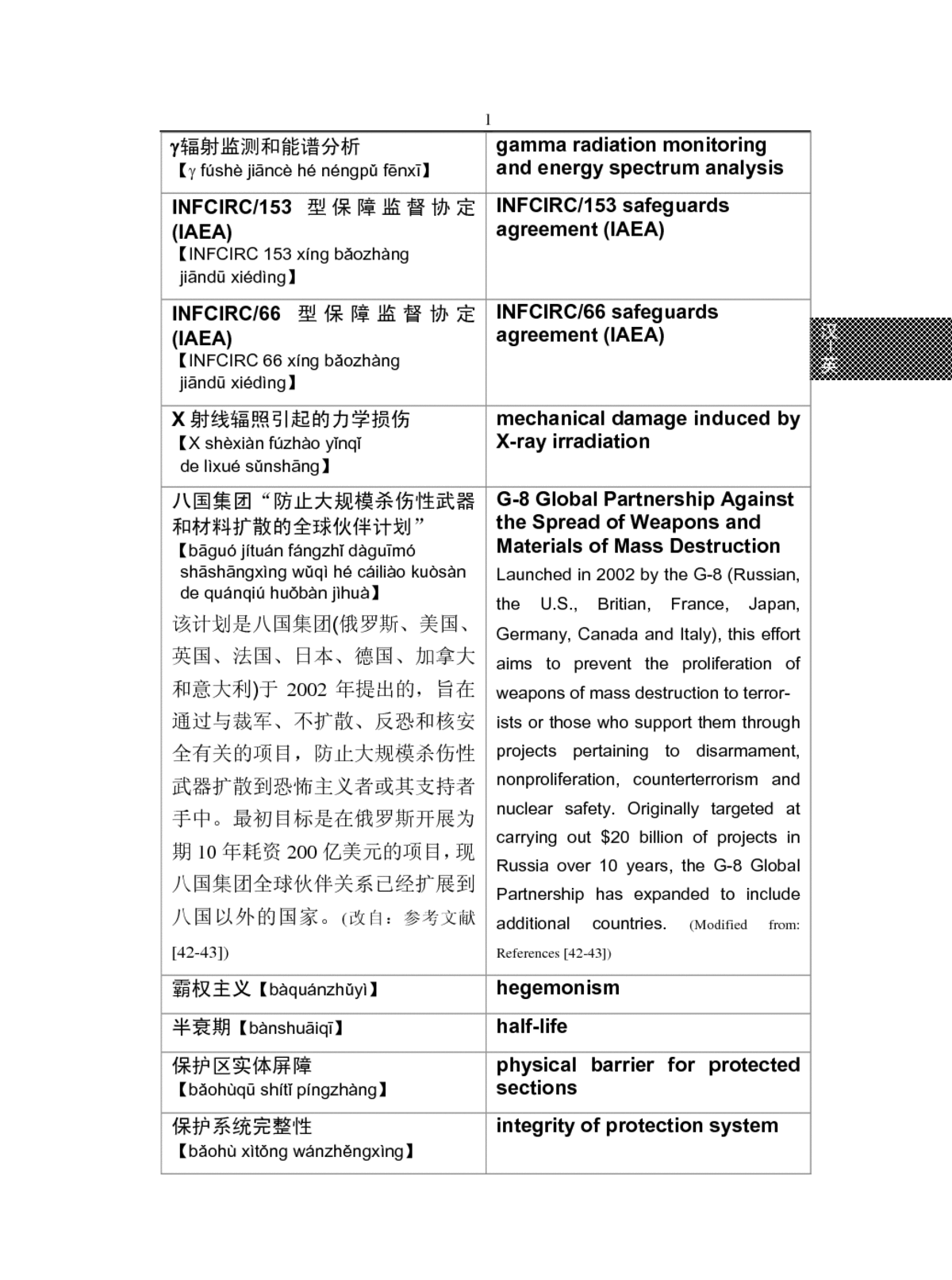
1 γè¾å°çæµåè½è°±åæ gamma radiation monitoring ãγ fúshè jiÄncè hé néngpÇ fÄnxÄ«ã and energy spectrum analysis INFCIRC/153 å ä¿ é ç ç£ å å® INFCIRC/153 safeguards (IAEA) agreement (IAEA) ãINFCIRC 153 xÃng bÇozhà ng jiÄndÅ« xiédìngã INFCIRC/66 å ä¿ é ç ç£ å å® INFCIRC/66 safeguards (IAEA) agreement (IAEA) æ± ãINFCIRC 66 xÃng bÇozhà ng è± jiÄndÅ« xiédìngã X å°çº¿è¾ç §å¼èµ·çåå¦æ伤 mechanical damage induced by ãX shèxià n fúzhà o yÇnqÇ X-ray irradiation de lìxué sÇnshÄngã å «å½éå¢âé²æ¢å¤§è§æ¨¡æ伤æ§æ¦å¨ G-8 Global Partnership Against åæææ©æ£çå ¨çä¼ä¼´è®¡åâ the Spread of Weapons and ãbÄguó jÃtuán fángzhÇ dà guÄ«mó Materials of Mass Destruction shÄshÄngxìng wÇqì hé cáilià o kuòsà n Launched in 2002 by the G-8 (Russian, de quánqiú huÇbà n jìhuà ã the U.S., Britian, France, Japan, 该计åæ¯å «å½éå¢(ä¿ç½æ¯ãç¾å½ã Germany, Canada and Italy), this effort è±å½ãæ³å½ãæ¥æ¬ãå¾·å½ãå æ¿å¤§ aims to prevent the proliferation of åæ大å©)äº 2002 å¹´æåºçï¼æ¨å¨ weapons of mass destruction to terror- éè¿ä¸è£åãä¸æ©æ£ãåæåæ ¸å® ists or those who support them through å ¨æå ³ç项ç®ï¼é²æ¢å¤§è§æ¨¡æä¼¤æ§ projects pertaining to disarmament, æ¦å¨æ©æ£å°ææ主ä¹è æå ¶æ¯æè nonproliferation, counterterrorism and nuclear safety. Originally targeted at æä¸ãæåç®æ æ¯å¨ä¿ç½æ¯å¼å±ä¸º carrying out $20 billion of projects in æ 10 å¹´èèµ 200 亿ç¾å ç项ç®ï¼ç° Russia over 10 years, the G-8 Global å «å½éå¢å ¨çä¼ä¼´å ³ç³»å·²ç»æ©å±å° Partnership has expanded to include å «å½ä»¥å¤çå½å®¶ã (æ¹èªï¼åèæç® additional countries. (Modified from: [42-43]) References [42-43]) é¸æ主ä¹ãbà quánzhÇyìã hegemonism åè¡°æãbà nshuÄiqÄ«ã half-life ä¿æ¤åºå®ä½å±é physical barrier for protected ãbÇohùqÅ« shÃtÇ pÃngzhà ngã sections ä¿æ¤ç³»ç»å®æ´æ§ integrity of protection system ãbÇohù xìtÇng wánzhÄngxìngã
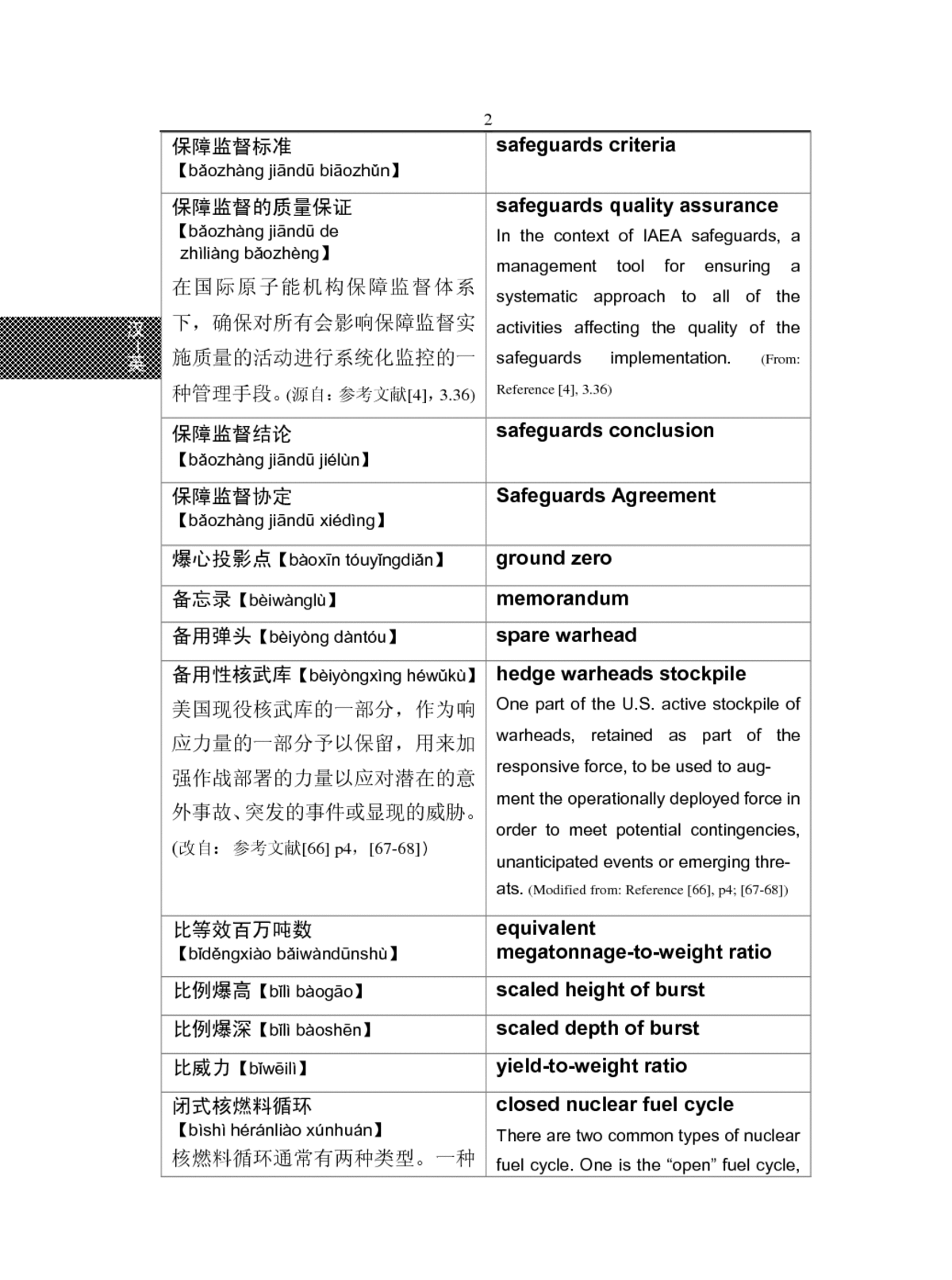
2 ä¿éçç£æ å safeguards criteria ãbÇozhà ng jiÄndÅ« biÄozhÇnã ä¿éçç£çè´¨éä¿è¯ safeguards quality assurance ãbÇozhà ng jiÄndÅ« de In the context of IAEA safeguards, a zhìlià ng bÇozhèngã management tool for ensuring a å¨å½é ååè½æºæä¿éçç£ä½ç³» systematic approach to all of the æ± ä¸ï¼ç¡®ä¿å¯¹ææä¼å½±åä¿éçç£å® activities affecting the quality of the è± æ½è´¨éçæ´»å¨è¿è¡ç³»ç»åçæ§çä¸ safeguards implementation. (From: ç§ç®¡çæ段ã(æºèªï¼åèæç®[4]ï¼3.36) Reference [4], 3.36) ä¿éçç£ç»è®º safeguards conclusion ãbÇozhà ng jiÄndÅ« jiélùnã ä¿éçç£åå® Safeguards Agreement ãbÇozhà ng jiÄndÅ« xiédìngã çå¿æå½±ç¹ãbà oxÄ«n tóuyÇngdiÇnã ground zero å¤å¿å½ãbèiwà nglùã memorandum å¤ç¨å¼¹å¤´ãbèiyòng dà ntóuã spare warhead å¤ç¨æ§æ ¸æ¦åºãbèiyòngxìng héwÇkùã hedge warheads stockpile ç¾å½ç°å½¹æ ¸æ¦åºçä¸é¨åï¼ä½ä¸ºå One part of the U.S. active stockpile of warheads, retained as part of the åºåéçä¸é¨åäºä»¥ä¿çï¼ç¨æ¥å responsive force, to be used to aug- 强ä½æé¨ç½²çåé以åºå¯¹æ½å¨çæ ment the operationally deployed force in å¤äºæ ãçªåçäºä»¶ææ¾ç°çå¨èã order to meet potential contingencies, (æ¹èªï¼åèæç®[66] p4ï¼[67-68]) unanticipated events or emerging thre- ats. (Modified from: Reference [66], p4; [67-68]) æ¯çæç¾ä¸å¨æ° equivalent ãbÇdÄngxià o bÇiwà ndÅ«nshùã megatonnage-to-weight ratio æ¯ä¾çé«ãbÇlì bà ogÄoã scaled height of burst æ¯ä¾çæ·±ãbÇlì bà oshÄnã scaled depth of burst æ¯å¨åãbÇwÄilìã yield-to-weight ratio éå¼æ ¸çæå¾ªç¯ closed nuclear fuel cycle ãbìshì héránlià o xúnhuánã There are two common types of nuclear æ ¸çæ循ç¯é常æ两ç§ç±»åãä¸ç§ fuel cycle. One is the âopenâ fuel cycle,
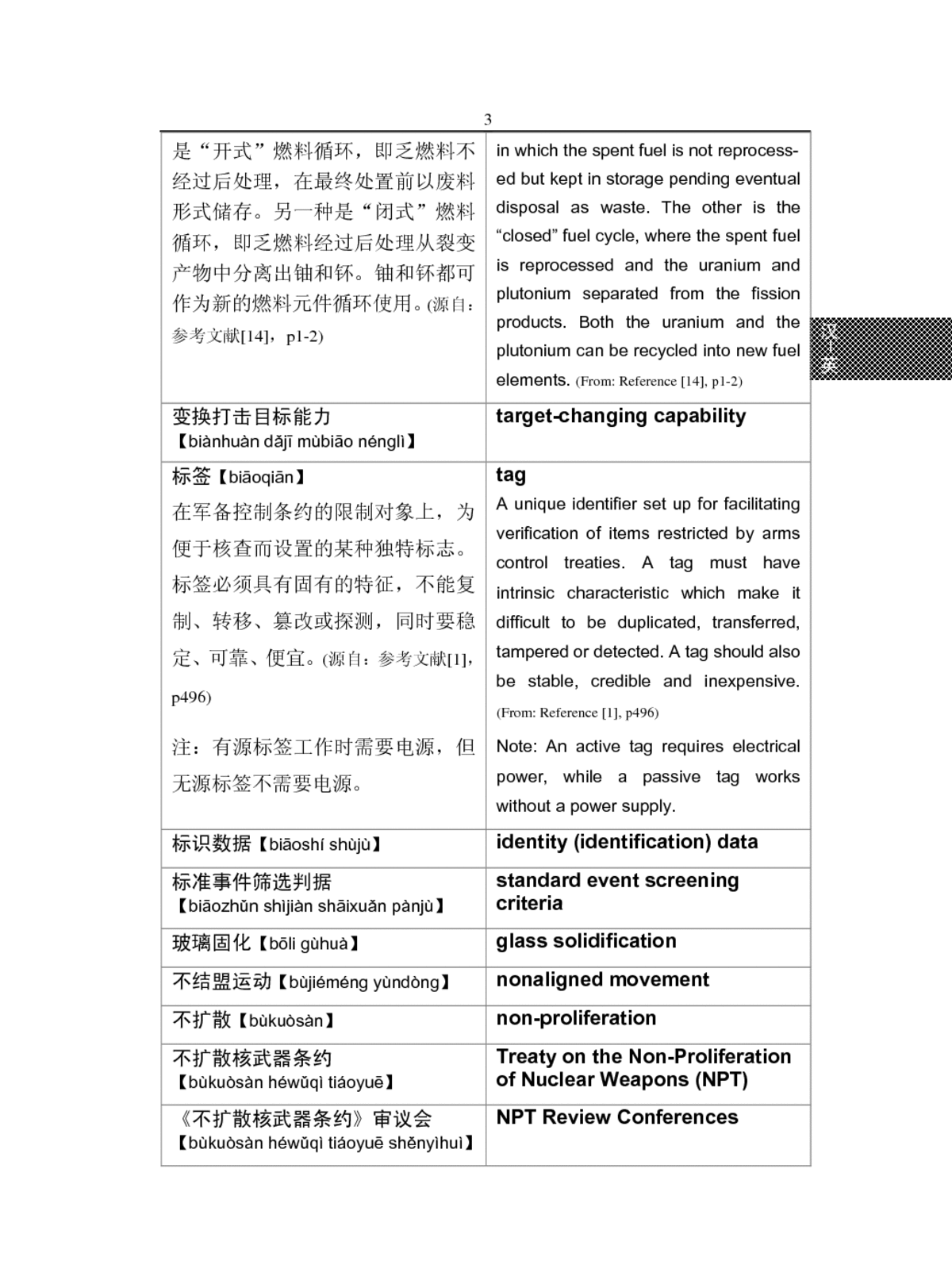
3 æ¯âå¼å¼âçæ循ç¯ï¼å³ä¹çæä¸ in which the spent fuel is not reprocess- ç»è¿åå¤çï¼å¨æç»å¤ç½®å以åºæ ed but kept in storage pending eventual å½¢å¼å¨åãå¦ä¸ç§æ¯âéå¼âçæ disposal as waste. The other is the 循ç¯ï¼å³ä¹çæç»è¿åå¤çä»è£å âclosedâ fuel cycle, where the spent fuel is reprocessed and the uranium and 产ç©ä¸å离åºéåéãéåéé½å¯ plutonium separated from the fission ä½ä¸ºæ°ççæå 件循ç¯ä½¿ç¨ã(æºèªï¼ products. Both the uranium and the åèæç®[14]ï¼p1-2) æ± plutonium can be recycled into new fuel è± elements. (From: Reference [14], p1-2) åæ¢æå»ç®æ è½å target-changing capability ãbià nhuà n dÇjÄ« mùbiÄo nénglìã æ ç¾ãbiÄoqiÄnã tag A unique identifier set up for facilitating å¨åå¤æ§å¶æ¡çº¦çéå¶å¯¹è±¡ä¸ï¼ä¸º verification of items restricted by arms 便äºæ ¸æ¥è设置çæç§ç¬ç¹æ å¿ã control treaties. A tag must have æ ç¾å¿ é¡»å ·æåºæçç¹å¾ï¼ä¸è½å¤ intrinsic characteristic which make it å¶ã转移ã篡æ¹ææ¢æµï¼åæ¶è¦ç¨³ difficult to be duplicated, transferred, å®ãå¯é ã便å®ã(æºèªï¼åèæç®[1]ï¼ tampered or detected. A tag should also be stable, credible and inexpensive. p496) (From: Reference [1], p496) 注ï¼ææºæ ç¾å·¥ä½æ¶éè¦çµæºï¼ä½ Note: An active tag requires electrical power, while a passive tag works æ æºæ ç¾ä¸éè¦çµæºã without a power supply. æ è¯æ°æ®ãbiÄoshà shùjùã identity (identification) data æ åäºä»¶çéå¤æ® standard event screening ãbiÄozhÇn shìjià n shÄixuÇn pà njùã criteria ç»çåºåãbÅli gùhuà ã glass solidification ä¸ç»çè¿å¨ãbùjiéméng yùndòngã nonaligned movement ä¸æ©æ£ãbùkuòsà nã non-proliferation ä¸æ©æ£æ ¸æ¦å¨æ¡çº¦ Treaty on the Non-Proliferation ãbùkuòsà n héwÇqì tiáoyuÄã of Nuclear Weapons (NPT) ãä¸æ©æ£æ ¸æ¦å¨æ¡çº¦ãå®¡è®®ä¼ NPT Review Conferences ãbùkuòsà n héwÇqì tiáoyuÄ shÄnyìhuìã
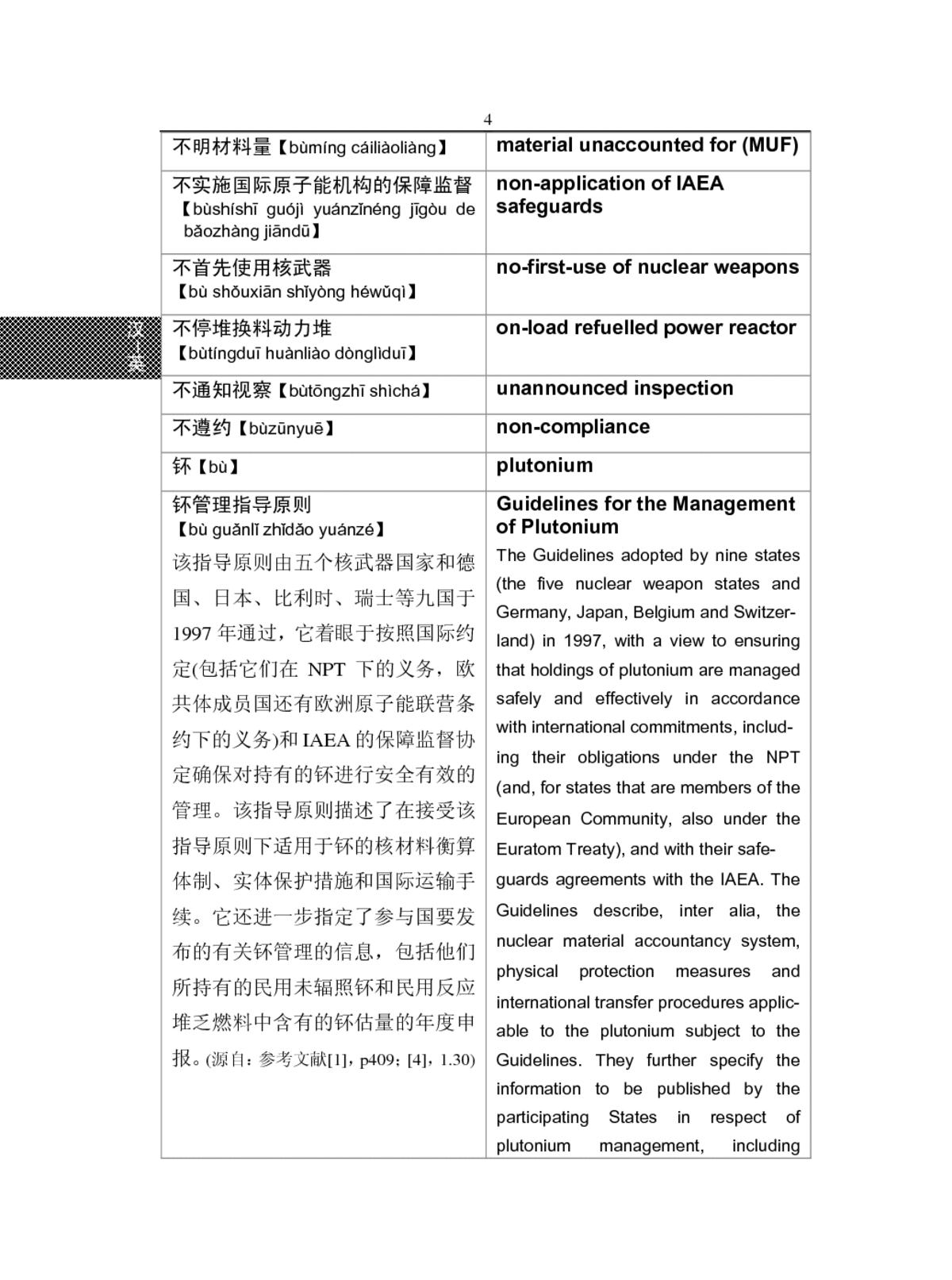
4 ä¸æææéãbùmÃng cáilià olià ngã material unaccounted for (MUF) ä¸å®æ½å½é ååè½æºæçä¿éçç£ non-application of IAEA ãbùshÃshÄ« guójì yuánzÇnéng jÄ«gòu de safeguards bÇozhà ng jiÄndÅ«ã ä¸é¦å 使ç¨æ ¸æ¦å¨ no-first-use of nuclear weapons ãbù shÇuxiÄn shÇyòng héwÇqìã æ± ä¸åå æ¢æå¨åå on-load refuelled power reactor ãbùtÃngduÄ« huà nlià o dònglìduÄ«ã è± ä¸éç¥è§å¯ãbùtÅngzhÄ« shìcháã unannounced inspection ä¸éµçº¦ãbùzÅ«nyuÄã non-compliance éãbùã plutonium é管çæ导åå Guidelines for the Management ãbù guÇnlÇ zhÇdÇo yuánzéã of Plutonium The Guidelines adopted by nine states 该æ导ååç±äºä¸ªæ ¸æ¦å¨å½å®¶åå¾· (the five nuclear weapon states and å½ãæ¥æ¬ãæ¯å©æ¶ãç士çä¹å½äº Germany, Japan, Belgium and Switzer- 1997 å¹´éè¿ï¼å®çç¼äºæç §å½é 约 land) in 1997, with a view to ensuring å®(å æ¬å®ä»¬å¨ NPT ä¸çä¹å¡ï¼æ¬§ that holdings of plutonium are managed å ±ä½æåå½è¿æ欧洲ååè½èè¥æ¡ safely and effectively in accordance with international commitments, includ- 约ä¸çä¹å¡)å IAEA çä¿éçç£å ing their obligations under the NPT å®ç¡®ä¿å¯¹ææçéè¿è¡å®å ¨ææç (and, for states that are members of the 管çã该æ导ååæè¿°äºå¨æ¥å该 European Community, also under the æ导ååä¸éç¨äºéçæ ¸ææè¡¡ç® Euratom Treaty), and with their safe- ä½å¶ãå®ä½ä¿æ¤æªæ½åå½é è¿è¾æ guards agreements with the IAEA. The ç»ãå®è¿è¿ä¸æ¥æå®äºåä¸å½è¦å Guidelines describe, inter alia, the nuclear material accountancy system, å¸çæå ³é管ççä¿¡æ¯ï¼å æ¬ä»ä»¬ physical protection measures and æææçæ°ç¨æªè¾ç §éåæ°ç¨ååº international transfer procedures applic- å ä¹çæä¸å«æçéä¼°éçå¹´åº¦ç³ able to the plutonium subject to the æ¥ã(æºèªï¼åèæç®[1]ï¼p409ï¼[4]ï¼1.30) Guidelines. They further specify the information to be published by the participating States in respect of plutonium management, including
5 annual statements of their holdings of civil unirradiated plutonium and of their estimates of plutonium contained in spent civil reactor fuel. (From: Reference [1], p409ï¼[4], 1.30) éåéãbùhéjÄ«nã plutonium alloy æ± éåå循ç¯ãbù jìnghuà xúnhuánã plutonium decontamination cycle è± éå循ç¯ãbù zà ixúnhuánã plutonium recycling å°ä»ä¹çæä¸åæ¶å¾å°çéå¨ååº A process of reusing in nuclear reactors the plutonium extracted from spent fuel. å å å使ç¨çè¿ç¨ã(æºèªï¼åèæç® (From: Reference [2], p22) [2]ï¼p22) 注ï¼å¨ DUPIC è¿ç¨ä¸ï¼è½»æ°´å çä¹ Note: In the DUPIC process, spent çææ£åªéæºæ¢°å¤çèä¸éåå¦å LWR fuel rods are directly used as fuel å¤çå³å¯ç´æ¥ä½ä¸º CANDU åéæ°´ for CANDU-type heavy-water power å¨åå ççæã(æºèªï¼åèæç®[32]ï¼ reactors, with only mechanical modifi- cations and not chemical reprocessing. p25-40) (From: Reference [32], p25-40) é¨ç½²å¼¹å¤´çæ£ä¿® examine and repair deployed ãbùshÇ dà ntóu de jiÇnxiÅ«ã warhead æ¦æåæ ·ãcÄshì qÇyà ngã swipe sampling ä¸ç§ç¯å¢æ ·åçæ¶éæ¹æ³ï¼å®éè¿ The collection of environmental sam- ples by swiping a surface with a piece of ç¨ä¸åè¶ æ´åä»è´¨(ä¾å¦å¸)æ¦æç© ultraclean medium (such as cloth) to ä½è¡¨é¢ä»¥è·åç©ä½è¡¨é¢æ®ççææ remove from the surface traces of the ç迹ã(æºèªï¼åèæç®[4]ï¼9.4) materials present. (From: Reference [4], 9.4) ææç±»å«ãcáilià o lèibiéã material category ææç±»åãcáilià o lèixÃngã material type ææ平衡åºçè´¦é¢åé book inventory of a material ãcáilià o pÃnghéngqÅ« de balance area zhà ngmià n cúnlià ngã
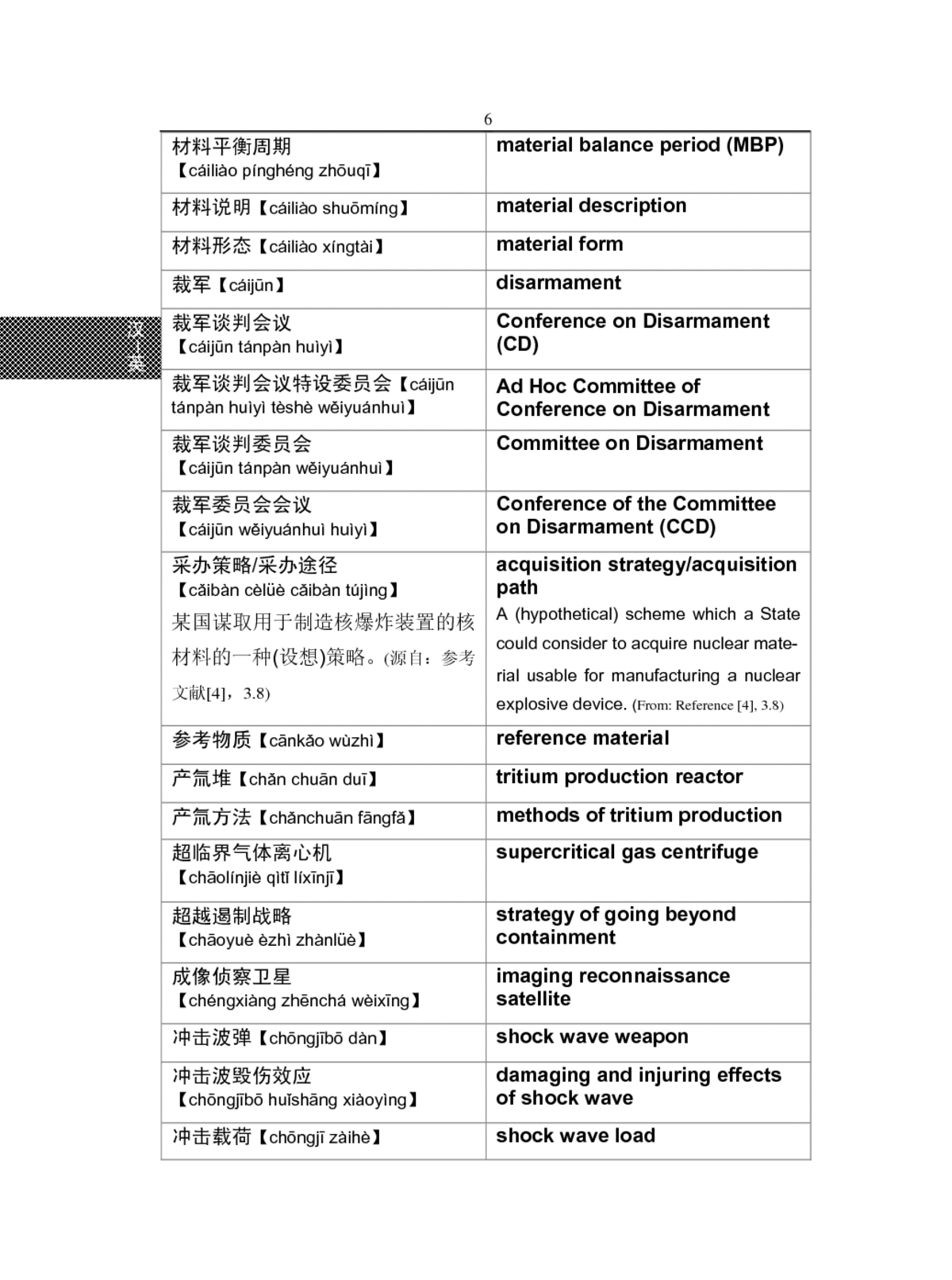
6 ææ平衡å¨æ material balance period (MBP) ãcáilià o pÃnghéng zhÅuqÄ«ã ææ说æãcáilià o shuÅmÃngã material description ææå½¢æãcáilià o xÃngtà iã material form è£åãcáijÅ«nã disarmament æ± è£åè°å¤ä¼è®® Conference on Disarmament ãcáijÅ«n tánpà n huìyìã (CD) è± è£åè°å¤ä¼è®®ç¹è®¾å§åä¼ãcáijÅ«n Ad Hoc Committee of tánpà n huìyì tèshè wÄiyuánhuìã Conference on Disarmament è£åè°å¤å§åä¼ Committee on Disarmament ãcáijÅ«n tánpà n wÄiyuánhuìã è£åå§åä¼ä¼è®® Conference of the Committee ãcáijÅ«n wÄiyuánhuì huìyìã on Disarmament (CCD) éåçç¥/éåéå¾ acquisition strategy/acquisition ãcÇibà n cèlüè cÇibà n tújìngã path A (hypothetical) scheme which a State æå½è°åç¨äºå¶é æ ¸çç¸è£ ç½®çæ ¸ could consider to acquire nuclear mate- ææçä¸ç§(设æ³)çç¥ã(æºèªï¼åè rial usable for manufacturing a nuclear æç®[4]ï¼3.8) explosive device. (From: Reference [4], 3.8) åèç©è´¨ãcÄnkÇo wùzhìã reference material 产æ°å ãchÇn chuÄn duÄ«ã tritium production reactor 产æ°æ¹æ³ãchÇnchuÄn fÄngfÇã methods of tritium production è¶ ä¸´çæ°ä½ç¦»å¿æº supercritical gas centrifuge ãchÄolÃnjiè qìtÇ lÃxÄ«njÄ«ã è¶ è¶éå¶æç¥ strategy of going beyond ãchÄoyuè èzhì zhà nlüèã containment æå侦å¯å«æ imaging reconnaissance ãchéngxià ng zhÄnchá wèixÄ«ngã satellite å²å»æ³¢å¼¹ãchÅngjÄ«bÅ dà nã shock wave weapon å²å»æ³¢æ¯ä¼¤æåº damaging and injuring effects ãchÅngjÄ«bÅ huÇshÄng xià oyìngã of shock wave å²å»è½½è·ãchÅngjÄ« zà ihèã shock wave load
7 é访å¨æ revisit period ãchóngfÇng zhÅuqÄ«ã éæ°çåè½å retargeting capability ãchóngxÄ«n miáozhÇn nénglìã åºå ¥å£æ§å¶ entrance and exit control ãchÅ«rùkÇu kòngzhìã åå§è§å¯ãchÅ«shÇ shìcháã initial inspection æ± è§¦åæ¸ åãchùfÄ qÄ«ngdÄnã trigger list è± The NSG prescribes that items on the æ ¸ä¾åºå½éå¢è§å®ï¼åæ æ ¸æ¦å¨å½ list exported to non-nuclear-weapon 家åºå£âæ¸ åâä¸ç项ç®ï¼è¦â触 states should trigger the IAEA safe- åâå½é ååè½æºæçä¿éçç£ã guards. (From: Reference [1], p407) (æºèªï¼åèæç®[1]ï¼p407) æ°ãchuÄnã tritium 次临çå®å ¨æ¨¡æå®éªç³»ç» subcritical safety simulation ãcìlÃnjiè Änquán mónÇ shÃyà n xìtÇngã experiment system 次临ç度ãcìlÃnjiè dùã subcriticality 次临çå®éªãcìlÃnjiè shÃyà nã subcritical experiment Hydrodynamic detonation experiment in å®éªä¸è£åç³»ç»å¤äºæ¬¡ä¸´çç¶æç which the fission system remains çè½°æµä½å¨åå¦å®éªï¼è£åææç subcritical, the material used would not ç¨é以ä¸ä¼åçèªæé¾å¼è£åæ ¸å exceed the amount that may produce a self-sustaining chain reaction. (Modified åºä¸ºéã (æ¹èª:åèæç®[1]ï¼p214) from: Reference [1], p214) 次临çè£ ç½®ãcìlÃnjiè zhuÄngzhìã subcritical assembly 次声çæµãcìshÄng jiÄncèã infrasound monitoring åéãcúnlià ngã inventory åéååãcúnlià ng bià nhuà ã inventory change åçåºç©ãcúnliú fèiwùã retained waste æå»æ ¸ææ主ä¹å ¨çè¡å¨å¡è®® Global Initiative to Combat ãdÇjÄ« hékÇngbùzhÇyì quánqiú Nuclear Terrorism xÃngdòng chà ngyìã Launched in 2006 by the United States 2006 å¹´ç±ç¾å½åä¿å½åèµ·ï¼æ¨å¨é² and Russia, the initiative aims to prevent terrorist access to nuclear æ¢ææ主ä¹ååè·åæ ¸ææçå¡
8 è®®ï¼å ·ä½æªæ½å æ¬ï¼æ¹åæ ¸åæ¾å° materials by improving accounting and security of radioactive and nuclear æ§ææçè¡¡ç®ä¸å®å ¨ï¼å 强对æ°ç¨ materials, enhancing security at civilian æ ¸è®¾æ½çä¿æ¤ï¼æé«å¯¹æ ¸åæ¾å°æ§ nuclear facilities, and improving ç©è´¨æ¢æµè½å以é²æ¢éæ³èµ°ç§ã(æº detection of nuclear and radioactive materials to prevent illicit trafficking. èªï¼åèæç®[44]) (From: Reference [44]) æ± æå»åäºåéãdÇjÄ« jÅ«nshì lìlià ngã counterforce strike è± The employment of strategic air and å¨ä»»ä½å¯å¼åå²çªçæ åµä¸ï¼ä½¿ç¨ missile forces in an effort to destroy, or æç¥ç©ºåå导弹åéæ§æ¯æ使éå® render impotent, selected military capa- çææ¹åäºåé失æã(æºèªï¼åèæ bilities of an enemy force under any of the circumstances by which hostilities ç®[9]ï¼p128) may be initiated. (From: Reference [9], p128) æå»ç¤¾ä¼è´¢å¯ãdÇjÄ« shèhuì cáifùã countervalue strike Striking non-military assets of value to æå»ææ¹æä»·å¼çéåäºç®æ ï¼å¦ the enemy, such as population and 人å£åå·¥ä¸è®¾æ½ã(æ¹èªï¼åèæç®[27]) industry centers. (Modified from: Reference [27]) 大è§æ¨¡æ¥å¤æç¥ strategy of massive retaliation ãdà guÄ«mó bà ofù zhà nlüèã 大å½åè°ãdà guó xiétiáoã concert of powers 大éæ¶ãdà lùjià ã continental shelf 大æ°å±æ ¸çç¸åæ ·ææ¯ sampling technology of ãdà qìcéng hébà ozhà qÇyà ng jìshùã atmospheric nuclear explosion 大æ°å±æ ¸è¯éªãdà qìcéng héshìyà nã atmospheric nuclear test 大æ°å±æ ¸è¯éªçå®å ¨é®é¢ safety problems of atmospheric ãdà qìcéng héshìyà n de Änquán wèntÃã nuclear test 代表æ§æ ·åãdà ibiÇoxìng yà ngpÇnã representative sample åä½å离åè½è energy consumption of unit ãdÄnwèi fÄnlÃgÅng nénghà oã separative work å循ç¯æµç¨ãdÄnxúnhuán liúchéngã single-cycle process å¼¹é导弹æ½è ballistic-missile submarine ãdà ndà odÇodà n qiántÇngã
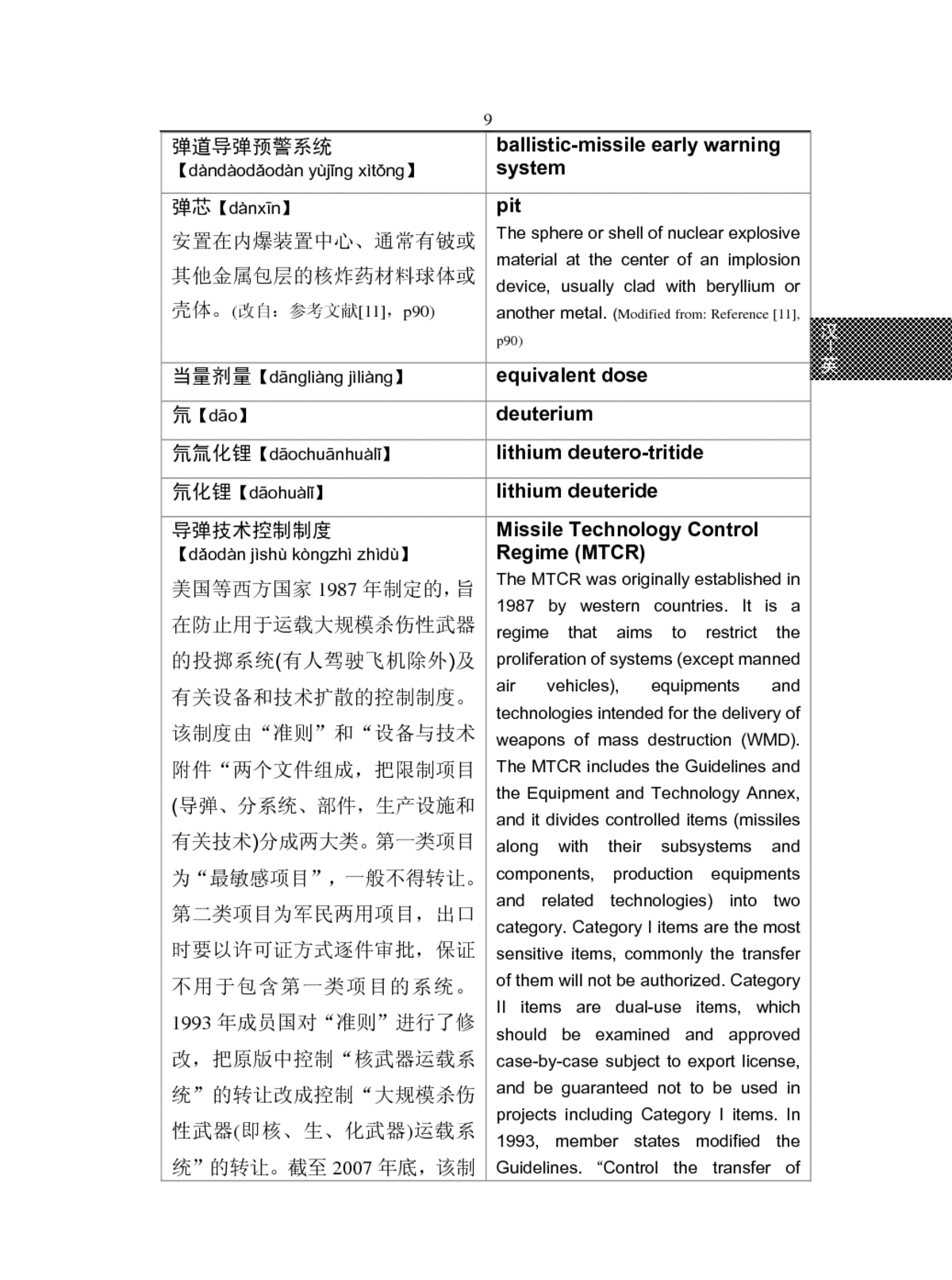
9 å¼¹é导弹é¢è¦ç³»ç» ballistic-missile early warning ãdà ndà odÇodà n yùjÇng xìtÇngã system å¼¹è¯ãdà nxÄ«nã pit The sphere or shell of nuclear explosive å®ç½®å¨å çè£ ç½®ä¸å¿ãé常æéæ material at the center of an implosion å ¶ä»éå±å å±çæ ¸ç¸è¯ææçä½æ device, usually clad with beryllium or 壳ä½ã(æ¹èªï¼åèæç®[11]ï¼p90) another metal. (Modified from: Reference [11], p90) æ± è± å½éåéãdÄnglià ng jìlià ngã equivalent dose æ°ãdÄoã deuterium æ°æ°åéãdÄochuÄnhuà lÇã lithium deutero-tritide æ°åéãdÄohuà lÇã lithium deuteride 导弹ææ¯æ§å¶å¶åº¦ Missile Technology Control ãdÇodà n jìshù kòngzhì zhìdùã Regime (MTCR) The MTCR was originally established in ç¾å½ç西æ¹å½å®¶ 1987 å¹´å¶å®çï¼æ¨ 1987 by western countries. It is a å¨é²æ¢ç¨äºè¿è½½å¤§è§æ¨¡æ伤æ§æ¦å¨ regime that aims to restrict the çææ·ç³»ç»(æ人驾驶é£æºé¤å¤)å proliferation of systems (except manned air vehicles), equipments and æå ³è®¾å¤åææ¯æ©æ£çæ§å¶å¶åº¦ã technologies intended for the delivery of 该å¶åº¦ç±âååâåâ设å¤ä¸ææ¯ weapons of mass destruction (WMD). é件â两个æ件ç»æï¼æéå¶é¡¹ç® The MTCR includes the Guidelines and the Equipment and Technology Annex, (导弹ãåç³»ç»ãé¨ä»¶ï¼ç产设æ½å and it divides controlled items (missiles æå ³ææ¯)åæ两大类ã第ä¸ç±»é¡¹ç® along with their subsystems and 为âæææ项ç®âï¼ä¸è¬ä¸å¾è½¬è®©ã components, production equipments and related technologies) into two 第äºç±»é¡¹ç®ä¸ºåæ°ä¸¤ç¨é¡¹ç®ï¼åºå£ category. Category I items are the most æ¶è¦ä»¥è®¸å¯è¯æ¹å¼é件审æ¹ï¼ä¿è¯ sensitive items, commonly the transfer ä¸ç¨äºå å«ç¬¬ä¸ç±»é¡¹ç®çç³»ç»ã of them will not be authorized. Category II items are dual-use items, which 1993 å¹´æåå½å¯¹âååâè¿è¡äºä¿® should be examined and approved æ¹ï¼æåçä¸æ§å¶âæ ¸æ¦å¨è¿è½½ç³» case-by-case subject to export license, ç»âç转让æ¹ææ§å¶â大è§æ¨¡æ伤 and be guaranteed not to be used in projects including Category I items. In æ§æ¦å¨(å³æ ¸ãçãåæ¦å¨)è¿è½½ç³» 1993, member states modified the ç»âç转让ãæªè³ 2007 å¹´åºï¼è¯¥å¶ Guidelines. âControl the transfer of
10 nuclear weapons delivery systemsâ, in 度æ 34 个æåå½ã(æ¹èªï¼åèæç®[1]ï¼ the original version was modified to p410) âcontrol the transfer of weapons of mass destruction (nuclear, biological, chemical weapon) delivery systemsâ. Up to the end of 2007, the Regime has 34 member states. (Modified from: Reference æ± [1], p410) è± å¯¼å¼¹ç²¾åº¦ãdÇodà n jÄ«ngdùã missile accuracy 导弹é¥æµä¿¡å·ãdÇodà n yáocè xìnhà oã telemetry signal for missiles çæç¾ä¸å¨æ° equivalent megatonnage ãdÄngxià o báiwà ndÅ«nshùã The 2/3 power of the yield of a nuclear 以ç¾ä¸å¨ TNT å½é为åä½è®¡éæ ¸ warhead measured by megaton TNT å¼¹å¨åçæ°å¼çä¸åä¹äºæ¬¡æ¹ãç¨ equivalent. The formula is EMT= å ¬å¼å¯è¡¨ç¤ºä¸º EMT=(Y/Y0) ãå¼ä¸ 2/3 (Y/Y0)2/3, where Y is the yield of a Y ä¸ºæ ¸å¼¹å¨åï¼Y0 为ä¸ç¾ä¸å¨ TNT nuclear warhead and Y0 is one megaton å½éã(æ¹èªï¼åèæç®[3]ï¼p115-116) TNT equivalent. (Modified from: Reference [3], p115-116) ä½æ¾åºç©ãdÄ«fà ng fèiwùã low level radioactive waste ä½æµéãdÄ«'nóngyóuã low-enriched uranium (LEU) ä½å¼ºåº¦å²çªç论 theory of low intensity conflict ãdÄ«qiángdù chÅngtÅ« lÇlùnã å°é¢å辨ç/空é´å辨ç ground resolution/spatial ãdìmià n fÄnbià nlÇ kÅngjiÄn fÄnbià nlÇã resolution å°é¢æå°ä¸æ ¸çç¸æ¯ä¼¤æåº damaging and injuring effects ãdìmià n huò dìxià hébà ozhà huÇshÄng of surface or underground xià oyìngã nuclear explosion å°åºæ ¸ææè¡¡ç®åæ§å¶ç³»ç» regional system of accounting ãdìqÅ« hécáilià o héngsuà n hé kòngzhì for and control of nuclear xìtÇngã material (RSAC) å°(æ°´)é¢æ ¸çç¸ nuclear land (water) surface ãdìshuÇmià n hébà ozhà ã burst å°(æ°´)ä¸æ ¸çç¸ nuclear underground (or ãdìshuÇxià hébà ozhà ã underwater) burst
11 å°ä¸åå°äºãdìxià fÄshèjÇngã silo å°ä¸æ ¸çç¸åæ ·ææ¯ sampling technology of ãdìxià hébà ozhà qÇyà ng jìshùã underground nuclear explosion å°ä¸æ ¸è¯éªãdìxià héshìyà nã underground nuclear test å°ä¸æ ¸è¯éªçå®å ¨é®é¢ safety problems of ãdìxià héshìyà n de Änquán wèntÃã underground nuclear test æ± å°ä¸äºå·åå°ãdìxià jÇng lÄngfÄshèã silo cold launch è± å°ä¸äºçåå°ãdìxià jÇng rèfÄshèã silo hot launch å°éçæµãdìzhèn jiÄncèã seismic monitoring å°éçæµç³»ç»ãdìzhèn jiÄncè xìtÇngã seismic monitoring system å°è´¨å¤ç½®åºãdìzhì chÇzhìkùã geological repository 第äºæ¬¡æ ¸æå»ãdìâèrcì hédÇjÄ«ã nuclear second strike Retaliatory nuclear attack following an 对ææ¹ç¬¬ä¸æ¬¡æ ¸è¢å»çæ¥å¤æ§æ ¸æ enemyâs first nuclear attack. (Modified å»ã(æ¹èªï¼åèæç®[2]ï¼p62) from: Reference [2], p62) 第äºä»£æ ¸æ¦å¨ãdìâèrdà i héwÇqìã second-generation nuclear weapon 第ä¸ä»£æ ¸æ¦å¨ãdìsÄndà i héwÇqìã third-generation nuclear weapon 第ä¸æ¬¡æ ¸æå»ãdìyÄ«cì hédÇjÄ«ã nuclear first strike 1 The launching of an initial nuclear 1 å¨å¯¹æè½å¤ä½¿ç¨ä»»ä½æç¥æ¦å¨ä¹ attack before oneâs opponent is able to åçå åå¨æ ¸æ»å»ãé¦æ¬¡æå»æ¯ç» use any strategic weapon. First strike is 对æé ææ大çç ´åè´ä½¿å ¶å¤±å»å a nuclear attack carried out at such a èµ·ææåå»è½åçæ ¸è¿æ»ã(æºèªï¼ devastatingly high level of destruction as to nullify an enemyâs capability to åèæç®[6]ï¼p72) launch a major counterstrike. (From: Reference [6], p72) 2 An initial attack on an opponent's 2 对ææ¹æç¥æ ¸åéçé¦æ¬¡æå»ã strategic nuclear forces. Such an attack è¿ç§æå»å¯ç¨äºè¯å¾æ§æ¯ææ¹çæ¥ may be undertaken in an attempt to å¤(第äºæ¬¡æå»)è½åã(æºèªï¼åèæ destroy an enemy's retaliatory (second-strike) capability. (From: Reference ç®[8]) [8])
12 第ä¸ä»£æ ¸æ¦å¨ãdìyÄ«dà i héwÇqìã first-generation nuclear weapon ç¹ç®æ ãdiÇn mùbiÄoã point target ç¹æ ·åãdiÇn yà ngpÇnã point sample å¨ä¸ä¸ªç¹å®å°åºç¯å¢ä¸ºç¡®å®è½å¤å¨ An environmental sample taken in one æ¥è¿æ³æ¼ç¹ä¸´è¿å°åºåç°æ³æ¼ç©è´¨ particular area to characterize one çæºçç¹å¾èééçæ ·åã(æºèªï¼ source of released material which can æ± be found in a contiguous area adjacent è± åèæç®[4]ï¼9.5) to a release point. (From: Reference [4], 9.5) çµç£èå²å¼¹ãdià ncà mà ichÅng dà nã electromagnetic pulse weapon ä¸ç§è®¾è®¡æè½å å¼ºæ ¸æ¦å¨çµç£èå² A nuclear explosive designed to enhance the electromagnetic pulse æåºçæ ¸çç¸è£ ç½®ã(æºèªï¼åèæç® radiated by a nuclear weapon. (From: [20]) Reference [20]) çµåãdià nzÇã electron çµåæªãdià nzÇqiÄngã electron gun çµåç³»ç»çç¬æè¾å°æåº transient radiation effects on ãdià nzÇ xìtÇng de shùntà i electronics fúshè xià oyìngã çµåç³»ç»çæ°¸ä¹ æ§è¾å°æ伤 permanent radiation damage in ãdià nzÇ xìtÇng de yÇngjiÇxìng fúshè electronics sÇnshÄngã çµå侦å¯å«æ electronic reconnaissance ãdià nzÇ zhÄnchá wèixÄ«ngã satellite/electronic intelligence (ELINT) satellite ä¸çå°åºè®ºå ASEAN (Association of ãdÅngméng dìqÅ« lùntánã Southeast Asian Nations) Regional Forum ä¸åäºæ æ ¸æ¦å¨åºæ¡çº¦(æ¼è°·æ¡çº¦) Treaty on the Southeast Asia ã dÅngnányà wúhéwÇqìqÅ« tiáoyuÄ Nuclear Weapon-Free Zone mà ngÇ tiáoyuÄã (Treaty of Bangkok) å¨åå ãdònglìduÄ«ã power reactor å»ç»ãdòngjiéã freeze
13 æç®å å·¥èºãdùpÃkè gÅngyìã DUPIC (Direct Use of Spent (åæ°´å ä¹çæç´æ¥ç¨äºåæååº PWR fuel in CANDU reactors) process å çå·¥èº) å¯¹ç §æ ·åãdùizhà o yà ngpÇnã control sample éæé«è½ç¸è¯ insensitive high explosive ãdùngÇn gÄonéng zhà yà oã å¤å±å离è/å¤åå离è complex (diffusion) barrier æ± ãduÅcéng fÄnlÃmó fùhé fÄnlÃmóã A kind of (isotope) separation barrier è± ç±å¤å±ä¸åç»æçå¤åèç´§å¯å å composed of multiple layers of compactly overlapped porous barriers ç»æçå离èã(æºèªï¼åèæç®[2]ï¼ with different structure. (From: Reference [2], p81) p81) å¤è£åä½æ¬¡ä¸´çå®å ¨å®éª multi-fissile body subcritical ãduÅlièbià ntÇ cìlÃnjiè Änquán shÃyà nã safety experiment éå¶æç¥ãèzhì zhà nlüèã containment strategy ç¾å½å¨å·æåæè¯å¾é»æ¢èèçæ© Refers to the foreign policy strategy of å¼ åé²æ¢ä¸äºå½å®¶å¨æ¿æ²»ä¸èµ°åè the United States during the Cold War èé¢å¯¼çå ±äº§ä¸»ä¹çå¤äº¤æ¿çæ in which it attempted to stop the expan- sion of the Soviet Union and to prevent ç¥ã(æ¹èªï¼åèæç®[40]) nations moving politically towards com- munism led by the Soviet Union. (Modified from: Reference [40]) éå¶è½¬ç¨ãèzhì zhuÇnyòngã deterrence of diversion 21 å½éå¢ãèrshÃyÄ«guó jÃtuánã Group of 21 äºæ°§åéãèryÇnghuà bùã plutonium dioxide äºæ°§åéãèryÇnghuà yóuã uranium dioxide åæ¹/æ¶æ¹å·®é¢ shipper/receiver difference ãfÄfÄng shÅufÄng chÄâéã (SRD) ä¹çæãfáránlià oã spent fuel ä¹çæçå·å´ cooling of spent fuel ãfáránlià o de lÄngquèã ä¹çæ管çå®å ¨åæ¾å°æ§åºç©ç®¡ç Spent Fuel Management Safety å®å ¨èåå ¬çº¦ and Radioactive Waste ãfáránlià o guÇnlÇ Änquán hé fà ngshè Management Safety Joint
14 xìng fèiwù guÇnlÇ Änquán liánhé Convention gÅngyuÄã ä¹çæè´®åãfáránlià o zhùcúnã spent fuel storage åå¼¹é导弹ç导弹 anti-ballistic-missile missile ãfÇndà ndà odÇodà n de dÇodà nã åèè¿«æ¥è¦ãfÇnxiépò bà ojÇngã anti-coercion alarm æ± Also called anti-hijack alarm. The con- å称åå«ææ¥è¦ãç»å¼çãå·¡é»äºº è± cealed warning device provided for åé å¤çéè½æ¥è¦è£ ç½®ã(æ¹èªï¼å guards on duty or on patrol. (Modified èæç®[2]ï¼p91) from: Reference [2], p91) ååºå ãfÇnyìngduÄ«ã reactor ååºå åç±»ãfÇnyìngduÄ« fÄnlèiã classification of reactor ååºå 级éãfÇnyìngduÄ«jà bùã reactor-grade plutonium é常æé-240 å«éå¤§äº 18%çéã Plutonium containing more than 18% (æ¹èªï¼åèæç®[2]ï¼p93) Pu-240. (Modified from: Reference [2], p93) æ¹å·® Ï2ãfÄngchÄ Ï2ã variance Ï2 é²å¾¡æ§æç¥ãfángyùxìng zhà nlüèã defensive strategy To guard against and resist the enemyâs å¨å ¨å±ä¸éåæ¿åãéæ¥åå¼±åé» attack by means of a strategy based on æ¢çæå¿ï¼é²å¤åæå»æ人çè¿æ»ã operations that absorb, progressively (æ¹èªï¼åèæç®[18]ï¼p36-37) weaken and block such an attack. (Modified from: Reference [18], p36-37) æ¾å°æ§æ²éãfà ngshèxìng chénjià ngã radioactive fallout æ¾å°æ§åºç©ãfà ngshèxìng fèiwùã radioactive waste æ¾å°æ§åºç©å¤ç½® radioactive waste disposal ãfà ngshèxìng fèiwù chÇzhìã æ¾å°æ§åºæ¶²å¤ç processing of radioactive liquid ãfà ngshèxìng fèiyè chÇlÇã waste æ¾å°æ§åºä½åºç©å¤ç treatment of radioactive solid ãfà ngshèxìng gùtÇ fèiwù chÇlÇã waste
15 æ¾å°æ§æ ¸ç´ çæµ radionuclide monitoring ãfà ngshèxìng hésù jiÄncèã A method for monitoring nuclear relat- éè¿æ¶éãåæãæµéåç§æ¾å°æ§ ed activity through collecting, analyzing, æ ¸ç´ ï¼ä»¥è¾¾å°çæµç¸å ³æ ¸æ´»å¨ç®ç and measuring different kinds of radio- nuclides. (Modified from: Reference [1], p486) çæ¹æ³ã(æ¹èªï¼åèæç®[1]ï¼p486) æ¾å°æ§æ´»åº¦ãfà ngshèxìng huódùã radioactivity æ± æ¾å°æ§æ°ä½åæ ·ä¸æ¢æµ radioactive gas sampling and ãfà ngshèxìng qìtÇ qÇyà ng yÇ tà ncèã detecting è± æ¾å°æ§åä½ç´ radioisotope ãfà ngshèxìng tóngwèisùã æ¾å°æ§ç©è´¨æ£å¸è£ ç½® ãfà ngshèxìng radiological dispersal device wùzhì sà nbù zhuÄngzhìã (RDD) åè§âèå¼¹â Refer to âdirty bombâ æ¾å°æ§çäºãfà ngshèxìng yÄnyúnã radioactive cloud æ¾å°æ§æ²¾æãfà ngshèxìng zhÄnrÇnã radioactive contamination æ¾å°æ§æ²¾ææåº effects of radioactive contamin- ãfà ngshèxìng zhÄnrÇn xià oyìngã ation é对称æäºãfÄiduìchèn zhà nzhÄngã asymmetric warfare A war in which either side employs a ä»»ä½ä¸æ¹ä½¿ç¨äºä¸åçæ¦å¨ãææ¯ different weapon, tactic or strategy. âAll ææç¥çæäºãâæææç¥é½åºäº strategy works on asymmetries, so é对称æ§ååè¿è¡è°ååå®æ½ï¼å asymmetric warfare is representative of æ¤çæ§è¿ç¹çæäºé½å ·æéå¯¹ç§°æ§ all rationally executed warfare.â (From: ç¹å¾ã (æºèªï¼ â åèæç®[55]ï¼p102-108) Reference [55], p102-108) éæ ¸éåè½°ç¸æºåºçº¿å±ç¤º baseline exhibition for ãfÄihé zhòngxÃng hÅngzhà jÄ« jÄ«xià n non-nuclear heavy bombers zhÇnshìã éç°å½¹å¼¹å¤´ãfÄi xià nyì dà ntóuã inactive warhead éç°å½¹æ ¸æ¦åºãfÄi xià nyì héwÇkùã inactive nuclear stockpile éç´æ¥ä½¿ç¨ææ indirect use material ãfÄi zhÃjiÄ shÇyòng cáilià oã All nuclear material except direct use é¤ç´æ¥ä½¿ç¨ææ以å¤çæææ ¸æ material. It includes: depleted, natural æãå®å æ¬ï¼è´«åéã天ç¶éåä½ and low enriched uranium, and thorium,
16 æµç¼©é以åéï¼ææè¿äºææé½å¿ all of which must be further processed in order to produce direct use material. é¡»ç»è¿è¿ä¸æ¥å 工以ç产ç´æ¥ä½¿ç¨ (From: Reference [4], 4.26) ææã(æºèªï¼åèæç®[4]ï¼4.26) åºç©åºåãfèiwù gùhuà ã waste solidification åºç©è´®åãfèiwù zhùcúnã waste storage æ± æ²¸æ°´å ãfèishuÇduÄ«ã boiling water reactor (BWR) è± å导å¼å¤å¼¹å¤´ãfÄndÇoshì duÅdà ntóuã multiple independently targetable reentry vehicle (MIRV) å离åå ãfÄnlà dÄnyuánã separative element å离åãfÄnlÃgÅngã separative work æä¸å®éçéæµç¼©å°ä¸å®çé-235 The required work to enrich uranium to a certain level of U-235 concentration. It 丰度æéè¦æå ¥çå·¥ä½éï¼è¡¨è¾¾ä¸º is described in terms of kg Separative åå å离ååä½(kgSWU)æå¨å离 Work Unit (kgSWU) or ton Separative ååä½(tSWU)ã(æºèªï¼åèæç®[26]ï¼ Work Unit (tSWU). (Fromï¼Reference [26], p213) p213) å离ååä½ãfÄnlÃgÅng dÄnwèiã separative work unit å离åçãfÄnlà gÅnglÇã separative power A unit for measuring separative work ä¸ä¸ªå离åå æä¸ä¸ªå离级èå¨å per unit time provided by a separating ä½æ¶é´æè½æä¾çå离åã(æ¹èªï¼ unit or a separating cascade. (Modified åèæç®[2]ï¼p125) from: Reference [2], p125) å离级ãfÄnlÃjÃã separation stage å离èãfÄnlÃmóã diffusion barrier å离èçæ¸éæ§ permeability of barrier ãfÄnlÃmó de shèntòuxìngã å离èæçãfÄnlÃmó xià olÇã efficiency of barrier The ratio of a porous barrierâs real å离èçå®é æµç¼©å åä¸çæ³æµç¼© enrichment factor to its theoretical å åçæ¯å¼ãç±äºé纯ååæµåè maximum enrichment factor. Because of non-ideal molecular flow and back ååæ©æ£çå½±åï¼å离èçå®é æµ diffusion, the real enrichment factor is 缩å åé常å°äºçæ³æµç¼©å åã(æ¹ less than the theoretical maximum
17 enrichment factor. (Modified from: Reference èªï¼åèæç®[2]ï¼p126) [2], p126) ååæµãfÄnzÇliúã molecular flow å°è®°ãfÄngjìã seal Anything that tightly or completely ç¨ä»¥ç´§ç´§å°æå®å ¨å°å°éæä¿æ¤æ closes or secures a thing. A seal with ç©ï¼ä¿ç§°å°æ¡æå°ç¾ãå©ç¨åç¹æ® special markers is usually applied to æ± æ è®°çæ¹æ³å¨è¢«æ ¸æ¥è®¾å¤æé¨ä»¶å those inspected equipments or compo- nents in order to prevent weapons and è± å°æ¡ï¼ä»¥é²æ¢æ¦å¨åæ¦å¨é¨ä»¶è¢«è½¬ related components from being trans- 移åæ¹å¨çæªæ½ãå°è®°å¿ é¡»å ·æé² ferred and modified. A seal must be æ¢ç¯¡æ¹åé²ä¼ªé çç¹æ§ï¼å ·æå¯ä¸ tamper-proof and counterfeit-proof and æ§ï¼ä¸è½å¤å¶ï¼æå¾å¼ºçç½®ä¿¡åº¦ï¼ it must be unique and hard to duplicate with high confidence. It also should åæ¶åè¦ä¿è¯è¢«æ ¸æ¥è®¾å¤æé¨ä»¶ä¸ guarantee that inspected equipments or åå½±åæä¸è¢«æ¹åï¼ä¸æç¤ºè¢«æ ¸æ¥ components remain unaffected or un- 设æ½çææä¿¡æ¯ãåºç¨ä¸çå°è®°æ changed and that sensitive information å 纤å°è®°ãçç¼å°è®°ãçµåå°è®°å related to the inspected facilities would è¶ å£°å°è®°çã(æºèªï¼åèæç®[1]ï¼p496) not be revealed. Seals currently in application include fiber seal, welding seal, electric seal and ultrasonic seal etc. (From: Reference [1], p496) 注ï¼ææºå°è®°å·¥ä½æ¶éè¦çµæºï¼ä½ Note: An active seal requires electrical power, while a passive seal works æ æºå°è®°ä¸éè¦çµæºã without a power supply. æ°åæ¥åæ³ãfúhuà huÄ«fÄfÇã fluoride volatility process è¾å°ãfúshèã radiation è¾å°æ³¢åçµç£èå²æ¨¡æå¨ electromagnetic-pulse ãfúshèbÅxÃng dià ncà mà ichÅng radiation-wave type simulator mónÇqìã è¾å°å åºççµåå¨ä»¶ radiation-hardened electronic ãfúshè jiÄgù de dià nzÇ qìjià nã components éå è®®å®ä¹¦ãfùjiÄ yìdìngshÅ«ã Additional Protocol å¹²æ³åå¤çãgÄnfÇ hòuchÇlÇã dry reprocessing å¹²æ³è´®åãgÄnfÇ zhùcúnã dry storage
18 å¹²å氢弹ãgÄnjìng qÄ«ngdà nã clean hydrogen bomb å¹²æ°ãgÄnrÇoã tampering æçæ¾å°æ§å¼¹ induced-radioactivity bomb ãgÇnshÄng fà ngshèxìngdà nã A type of hydrogen bomb that utilizes å©ç¨æ ¸çä¸åæççæ¾å°æ§åä½ç´ radioisotopes induced by neutrons during a nuclear explosion to increase å¢å¤§æ¾å°æ§æ²¾æçä¸ç§æ°¢å¼¹ã1950 æ± radioactive contamination. In February å¹´ 2 æåçå©ç©çå¦å®¶ L ⢠西æå¾· 1950 Hungarian physicist Leo Szilard è± ææ©æåºè¿ç§å¼¹ç设æ³ââé´å¼¹âã published the concept of this bomb â the âcobalt bombâ. However no state ä½å¹¶æ²¡æ人å¶é åè¯éªã(æºèªï¼å manufactures and tests this kind of èæç®[2]ï¼p63) bomb. (From: Reference [2], p63) é«æ¾åºç©ãgÄofà ngfèiwùã high level radioactive waste é«å辨ççµæç §ç¸æº high resolution sensing camera ãgÄofÄnbià nlÇ lÃngmÇn zhà oxià ngjÄ«ã é«ææ¯æäºãgÄojìshù zhà nzhÄngã high-technology warfare é«ç©ºæ ¸çç¸ãgÄokÅng hébà ozhà ã nuclear high altitude burst é«ç©ºæ ¸çç¸çµç£èå² electromagnetic pulse of ãgÄokÅng hébà ozhà dià ncà mà ichÅngã high-altitude nuclear explosion é«æµéãgÄonóngyóuã high-enriched uranium (HEU) é«æ¸©åå¦å¤çãgÄowÄn huà xué chÇlÇã pyrochemical processing é«æ¸©æ°å·å ãgÄowÄn qìlÄngduÄ«ã high temperature gas-cooled reactor (HTGR) é«æ¸©å¶éå¤çãgÄowÄn yÄjÄ«n chÇlÇã pyrometallurgical processing å ¬æ¥ãgÅngbà oã communique å ¬åãgÅnggà oã announcement å ¬çº¦ãgÅngyuÄã convention ä¾æãgÅnglià oã feed material ä¾çååºå ãgÅngrè fÇnyìngduÄ«ã nuclear heating reactor å ±åå®å ¨ãgòngtóng Änquánã common security A security concept that originated in å·ææ¶æ欧洲形æçä¸ç§å®å ¨æ¦ Europe during the Cold War era. In
19 念ã1982 å¹´ï¼çå ¸é¦ç¸å¸å°æ¢ 主æ 1982, the Independent Commission on Disarmament and Security Issues çâè£ååå®å ¨é®é¢ç¬ç«å§åä¼â chaired by Swedish prime minister Olof çæ¥åãå ±åå®å ¨ï¼çåèå¾ãä¸ Palme published a report entitled é¦æ¬¡æåºã该æ¥å认为ï¼å ±åå®å ¨ âCommon Security: A Blueprint for Existenceâ, which for the first time put æ¯åºäºè¿æ ·ä¸ç§è®¤è¯ï¼å³å®å ¨çæ forward this concept. The report pointed ä½³ä¿è¯æ¯éè¿åè¾¹æå¤è¾¹çå¢å¼ºå® out that common security is based on æ± å ¨åä½èééè¿ç¸äºç«äºç强ææ¿ the following concept: the best è± guarantee for security is obtained æ²»æ¥è·å¾ã(æºèªï¼åèæç®[1]ï¼p23) through cooperation in improving security for both or all parties rather than through competitive power politics.(From: Reference [1], p23) é´å¼¹ãgÇdà nã cobalt bomb Refer to "induced-radioactivity bomb" åè§âæçæ¾å°æ§å¼¹â å ³é®æµéç¹ãguÄnjià n cèliángdiÇnã key measurement point (KMP) å ³äºæé²åå²æ æ ¸åå ±åå®£è¨ (North-South) Joint Declaration ã guÄnyú cháoxiÇn bà ndÇo wúhéhuà on the Denuclearization of the gòngtóng xuÄnyánã Korean Peninsula å ³äºå½é å ³ç³»ä¸ä¸å¾è¿è¡æ¦åå¨è Principled Declaration on æ使ç¨æ¦åçååå®£è¨ Refraining from the Threat or ãguÄnyú guójìguÄnxì zhÅng bùdé Use of Force in Their jìnxÃng wÇlì wÄixié huò shÇyòng wÇlì de International Relations yuánzé xuÄnyánã å ³äºæ ¸ææãè§å®è®¾å¤åéæ ¸ææ voluntary reporting scheme on èªæ¿æ¥åæºå¶ nuclear material and specified ãguÄnyú hécáilià o guÄ«dìngshèbèi hé equipment and non-nuclear fÄihécáilià o zìyuà n bà ogà o jÄ«zhìã material æ¯æ§çº¦æèå inertial confinement fusion ãguà nxìng yuÄshù jùbià nã (ICF) ç½è£ ç»ä»¶ãguà nzhuÄng zÇjià nã canned subassembly (CSA) æ ¸æ¦å¨çæ¬¡çº§è£ ç½®ï¼å ¶å å å«èå The secondary assembly in a nuclear çæå(大å¤æ°æ åµä¸)éè£ æ(å¯è½ weapon containing both fusion fuel and in most cases uranium (some or all of é¨åæå ¨é¨æ¯é«æµé)ã(æºèªï¼åè which may be HEU). (From: Reference [11], æç®[11]ï¼p90) p90)
20 注ï¼å¨ç¾å½ï¼è¦è£ å ¥æç»æ¦å¨çé¨ Note: In America, the subassembly that is to be incorporated into the final 件被称为âç½è£ ç»ä»¶âã weapon is called a âcanned subassem- blyâ. è§å®ç设å¤ãguÄ«dìng de shèbèiã specified equipment æ± è§çº¦ãguÄ«yuÄã statute è± å½é²ç½ç®ä¹¦ãguófáng báipÃshÅ«ã Defense White Paper å½é å²çªãguójì chÅngtÅ«ã international conflict å½é æ³ãguójìfÇã international law å½é æ¯ä¾ãguójì guà nlìã international custom å½é æµ·äºç»ç»ãguójì hÇishì zÇzhÄ«ã International Maritime Organization (IMO) å½é è¡¡ç®æ å international standards of ãguójì héngsuà n biÄozhÇnã accountancy å½é ææ¯æ段(æ ¸æ¥ç¨) international technical means ãguójì jìshù shÇuduà n hécháyòngã (for verification) å½é çæµç³»ç»ãguójì jiÄncè xìtÇngã International Monitoring ä¸ºæ ¸æ¥ãå ¨é¢ç¦æ¢æ ¸è¯éªæ¡çº¦ã System (IMS) Part of the verification system that was (CTBT)æ§è¡æ åµè建ç«çæ ¸æ¥æº established to verify the implementation å¶çä¸ä¸ªç»æé¨åãå®ä¸»è¦ç±å°é of the Comprehensive Nuclear Test Ban çæµç½ã大æ°æ¾å°æ§æ ¸ç´ çæµç½ã Treaty (CTBT). It mainly consists of a 次声çæµç½å水声çæµç½ç»æã(æº seismic monitoring network, an atmospheric radionuclide monitoring èªï¼åèæç®[1]ï¼p478) network, an infrasound monitoring network and a hydroacoustic monitoring network. (From: Reference [1], p478) å½é ç»æµæ°ç§©åº new international economic ãguójì jÄ«ngjì xÄ«nzhìxùã order å½é æ°æ®ä¸å¿ãguójì shùjù zhÅngxÄ«nã International Data Center (IDC) å½é æ¡çº¦ãguójì tiáoyuÄã international treaty å½é ååè½æºæ International Atomic Energy ãguójì yuánzÇnéng jÄ«gòuã Agency (IAEA)
21 å½é ååè½æºæâ93+2â计å IAEA's 93+2 program ãguójì yuánzÇnéng jÄ«gòu â93+2â jìhuà ã å½é ååè½æºæä¿éçç£çèå´ coverage of IAEA safeguards ãguójì yuánzÇnéng jÄ«gòu bÇozhà ng jiÄndÅ« de fà nwéiã å½é ååè½æºæä¿éçç£çè±å exemption from IAEA ãguójì yuánzÇnéng jÄ«gòu bÇozhà ng safeguards jiÄndÅ« de huòmiÇnã æ± starting point of IAEA è± å½é ååè½æºæä¿éçç£çèµ·ç¹ ãguójì yuánzÇnéng jÄ«gòu bÇozhà ng safeguards jiÄndÅ« de qÇdiÇnã å½é ååè½æºæä¿éçç£çä¸æ¢ suspension of IAEA safeguards ãguójì yuánzÇnéng jÄ«gòu bÇozhà ng jiÄndÅ« de zhÅngzhÇã å½é ååè½æºæä¿éçç£çç»æ¢ termination of IAEA safeguards ãguójì yuánzÇnéng jÄ«gòu bÇozhà ng jiÄndÅ« de zhÅngzhÇã å½é ååè½æºæä¿éçç£å¶åº¦ Safeguards of International ãguójì yuánzÇnéng jÄ«gòu Atomic Energy Agency bÇozhà ng jiÄndÅ« zhìdùã IAEA safeguards are a set of activities IAEA çä¿éçç£å¶åº¦æ¯ IAEA 为 by which the IAEA seeks to verify that a State is living up to its international æ ¸å®æå½å®¶å±¥è¡æªå°æ°ç¨æ ¸è®¡å转 undertakings not to use peaceful ç¨äºæ ¸æ¦å¨ç®ççå½é æ¿è¯ºçä¸æ´ nuclear programs for nuclear weapons å¥è¡å¨ãä¿éçç£ä½ç³»æ¯åºäºæå½ purposes. The safeguards system is based on assessment of the å°±å ¶æ ¸ææåç¸å ³æ ¸æ´»å¨å IAEA correctness and completeness of the ç³æ¥çåç¡®æ§åå®æ´æ§çè¯ä¼°ãè¿ Stateâs declarations to the IAEA ä»ä¸ºæ¢ï¼å·²æ 145 个å½å®¶å å ¥ IAEA concerning nuclear material and nuclear-related activities. To date, 145 çä¿éçç£åè®®ï¼å°æ ¸ææãæ ¸è®¾ States have entered into such æ½åæ ¸æ´»å¨å交 IAEA ä¿éçç£è§ agreements with the IAEA, submitting æ¥åè¿è¡è¯¦ç»å®¡æ¥ãIAEA çæ ¸æ¥ nuclear materials, facilities and æå©äºç¡®è®¤ä¸è¿°é¡¹ç®æªè½¬ç¨ææ»¥ç¨ activities to the scrutiny of IAEAâs safeguards inspectors. IAEA verification äºå¶é æ ¸æ¦å¨ï¼ä»¥åä¿éçç£æè¦ helps to provide assurance that such æ±ç³æ¥ç项ç®å·²å ¨é¨ç³æ¥ã(æºèªï¼ items are not diverted or misused in
22 order to assemble nuclear weapons and åèæç®[51]) that no items required to be declared under safeguards are undeclared. (From: Reference[51]) å½é ååè½æºæçä¿éçç£ä½ç³» IAEA Safeguards System ãguójì yuánzÇnéng jÄ«gòu de bÇozhà ng jiÄndÅ« tÇxìã æ± å½é ååè½æºæè§çº¦ Statute of the International è± ãguójì yuánzÇnéng jÄ«gòu guÄ«yuÄã Atomic Energy Agency å½é ååè½æºæåæ¶æ§æ¢ç¥ææ IAEA timeliness detection goal ãguójì yuánzÇnéng jÄ«gòu jÃshÃxìng tà nzhÄ« zhÇbiÄoã å½é ååè½æºæè§å¯ææ IAEA inspection goal ãguójì yuánzÇnéng jÄ«gòu shìchá zhÇbiÄoã å½é ååè½æºæç¹æåè±å åå® Agreement on the Privileges ãguójì yuánzÇnéng jÄ«gòu tèquán hé and Immunities of the IAEA huòmiÇn xiédìngã å½é æç¥æ ¼å±ãguójì zhà nlüè géjúã international strategic pattern å½é äºç«¯ãguójì zhÄngduÄnã international dispute å½é æ¿æ²»æ°ç§©åº new international political order ãguójì zhèngzhì xÄ«nzhìxùã å½é å¶è£ãguójì zhìcáiã international sanction å½å®¶å®å ¨æç¥ national security strategy ãguójiÄ Änquán zhà nlüèã Development, application, and coordi- åå±ãè¿ç¨ååè°åç§å½å®¶åéæ nation of the instruments of national power to achieve objectives that contri- 段以å®ç°æå©äºç»´æ¤å½å®¶å®å ¨çç® bute to national security. In the U.S., it æ ãå¨ç¾å½ï¼è¿æ¯ä¸ä¸ªæ£å¼çå®æ¹ is a formal U.S. government docu- æ件ã(æ¹èªï¼åèæç®[9]ï¼p367) ment. (Modified from: Reference [9], p 367) å½å®¶ç¹ç«è£ ç½® National Ignition Facility (NIF) ãguójiÄ diÇnhuÇ zhuÄngzhìã å½å®¶æ ¸ææè¡¡ç®åæ§å¶ç³»ç» state system of accounting for ãguójiÄ hécáilià o héngsuà n hé kòngzhì and control of nuclear material xìtÇngã (SSAC)
23 å½å®¶çº§ä¿éçç£æ¹æ¡ state-level safeguards approach ãguójiÄjà bÇozhà ng jiÄndÅ« fÄng'à nã A safeguards approach developed for a ä¸ºå ·ä½å½å®¶å¶å®çä¿éçç£æ¹æ¡ï¼ specific State, encompassing all æ¹æ¡æ¶µç该å½ææä¸æ ¸ææãæ ¸è®¾ nuclear material, nuclear installations æ½ä»¥åä¸æ ¸çæ循ç¯ç¸å ³çæ´»å¨ã and nuclear fuel cycle related activities (æºèªï¼åèæç®[4]ï¼3.4) in that State. (From: Reference [4], 3.4) å½å®¶ææ¯æ段 national technical means æ± ãguójiÄ jìshù shÇuduà nã (NTMs) è± 1 Verification and monitoring techno- 1 ä¸ä¸ªå½å®¶åæ¹é¢æ¥æçæ ¸æ¥åç logies or measures owned by a country æµææ¯ææªæ½ï¼æè·ä¿¡æ¯ç¬å®¶äº«ç¨ï¼ alone, and information thus collected 常ç¨äºè·åå ¶ä»å½å®¶çç¸å ³æ´»å¨ç will be used by itself. NTM is usually ä¿¡æ¯ææ æ¥ãææ¶ï¼ä¹å¯ç¨äºåå¤ used to obtain information or intelli- gence on relevant activities conducted æ§å¶æ¡çº¦æåè®®ï¼ä»¥äºè§£åæ ¸æ¥å ¶ by other countries. It may also be used ä»å约æ¹çéµçº¦æ åµã(æ¹èªï¼åèæ for understanding and verifying comp- ç®[1]ï¼p472) liance with treaties or agreements related to arms control by other treaty signatories. (Modified from: Reference [1], p472) 2 å¨æªä¾µå ¥åè®®æ¹é¢åãé¢ç©ºãé¢ 2 NTM refers to nationally owned instruments for surveying a party's æµ·çåæä¸ï¼å½å®¶æ¥æçç¨äºæ ¸æ¥ compliance with agreement obligations, å ¶ä»åè®®æ¹æ¯å¦éµçº¦çæ段ãæ¥èª without intruding onto its territory, airspace or national waters. Informa- NTM çä¿¡æ¯å¯ç¨äºå½é æ ¸æ¥å¶åº¦ï¼ tion derived from NTM may be used in ç±æ¡çº¦ç¼çº¦å½åå¦ä¸æ¹è´¨çæ¯å¦éµ international verification regimes by a 约ã(æºèªï¼åèæç®[19]ï¼p198) treaty party to question another partyâs compliance. (From: Reference [19], p198) å½å®¶åäºæç¥ãguójiÄ jÅ«nshì zhà nlüèã national military strategy The deployment and application of åé åè¿ç¨åäºåé以å®ç°å½å®¶å® military power to attain national security å ¨æç¥åå½é²æç¥ç®æ ã(æ¹èªï¼å strategy and national defense strategy èæç®[9]ï¼p365) objectives. (Modified fromï¼Reference [9], p365) å½å®¶å©çãguójiÄ lìyìã national interest
24 å½å®¶æç¥ãguójiÄ zhà nlüèã national strategy æµ·åç¨ååºå naval reactor ãhÇijÅ«nyòng fÇnyìngduÄ«ã æµ·æ´çè§å«æ ocean surveillance satellite ãhÇiyáng jiÄnshì wèixÄ«ngã æ°¦-3ãhà i sÄnã helium-3 æ± åæåå¾é·è¾¾ synthetic aperture radar (SAR) è± ãhéchéng kÇngjìng léidáã å计éãhéjì yóuã unified uranium âåç足å¤âåå doctrine of "reasonable ãhélÇ zúgòu yuánzéã sufficiency" åä½å®å ¨ãhézuò Änquánã cooperative security A new security approach that evolved å·æåå½¢æçä¸ç§æ°çå®å ¨éå¾ï¼ after the end of the Cold War, âwhich âå®å¼ºè°å®å ¨ä¿è¯ï¼èä¸æ¯å¨æ ï¼ emphasizes reassurance rather than å®æ¯å 容æ§çï¼èä¸æ¯ææ¥æ§çï¼ deterrence; it is inclusive rather than exclusive; favours multilateralism over å®æ³¨éå¤è¾¹ä¸»ä¹èä¸æ¯åè¾¹æåè¾¹ unilateralism or bilateralism; does not 主ä¹ï¼å®ä¸è®¤ä¸ºåäºæ段é«äºéå rank military solutions over non-military äºæ段ï¼å®è®¤ä¸ºå½å®¶æ¯å®å ¨ä½ç³»é ones; assumes that states are the ç主è¦è¡ä¸ºä½ï¼ä½ä¹æ¥åéå½å®¶è¡ principal actors in the security system but accepts that non-state actors have 为ä½è½åæ¥éè¦ä½ç¨ï¼å®ä¸ç¹å«å¼º an important role to play; does not è°ï¼ä½ä¹ä¸æç»å»ºç«æ£å¼çå®å ¨æº particularly emphasize the creation of æï¼æéè¦çæ¯ï¼å®å¼ºè°å»ºç«å¯¹è¯ formal security institutions, but does not reject them either; and which, above all, ä¹ æ¯çéè¦æ§ã (æºèªï¼åèæç®[65]) â stresses the value of creating habits of dialogue.â (From: Reference [65]) åä½åå°å¨è计å/纳æ©-å¢æ ¼è®¡å Cooperative Threat Reduction ãhézuò jiÇnshÇo wÄixié jìhuà nà âÄn Program/Nunn-Lugar Program lúgé jìhuà ã The November 1991 legislation that ç±ç¾å½å½ä¼äº 1991 å¹´ 11 æéè¿ã provides the Department of Defense 该ç«æ³ææå½é²é¨ä¸ºç¬¦åæ¡ä»¶çå (DOD) with the authority to fund assistance to the eligible states of the èèå½å®¶æé¤åéæ¯å¤§è§æ¨¡æä¼¤æ§ former Soviet Union to dismantle and æ¦å¨æä¾èµéæ´å©ï¼å 强æå¸è¿ç¨
25 destroy weapons of mass destruction; ä¸æ ¸æ¦å¨åè£åææçå®å ¨ï¼é²æ¢ to strengthen the security of nuclear æ©æ£ï¼å¸®å©ç¬èä½å½å®¶(NIS)æå¤§è§ weapons and fissile materials in 模æ伤æ§æ¦å¨çå·¥ä¸åç§æåºç¡è®¾ connection with dismantlement; to æ½è½¬å为éåäºç®çãä» 1996 å¹´ prevent proliferation; and to help èµ·ï¼ç¾å½å½å¡é¢è´è´£æ¦å¨ä¸å®¶ç转 demilitarize the industrial and scientific infrastructure in the Newly Independent æ± è¡ååºå£æ§å¶ï¼è½æºé¨è´è´£æ ¸ææ States (NIS) which has supported è± çæ§å¶åè¡¡ç®ã(æ¹èªï¼åèæç®[50]) weapons of mass destruction. Since 1996, the Department of State and Department of Energy have assumed responsibility respectively for redirection of weapons expertise and export controls (State) and nuclear material control and accountability (DOE) prog- ram activities. (Modified from: Reference [50]) åä½è®®å®ä¹¦ãhézuò yìdìngshÅ«ã cooperation protocol åå¹³å ±å¤äºé¡¹åå Five Principles of Peaceful ãhépÃng gòngchÇ wÇxià ng yuánzéã Coexistence åå¹³å ±å¤äºé¡¹ååï¼å³ç¸äºå°é主 The Five Principles are: mutual respect for sovereignty and territorial integrity, æåé¢åå®æ´ãäºä¸ä¾µç¯ãäºä¸å¹² mutual non-aggression, non- æ¶å æ¿ãå¹³çäºå©ãåå¹³å ±å¤ãè¿ interference in each other's internal äºé¡¹ååç±å¨æ©æ¥æ»çå¨ä¸å°åº¦ä»£ affairs, equality and mutual benefit, and 表å¢è°å¤æ¶æåºï¼å¹¶äº 1954 å¹´ 6 æ peaceful coexistence. In negotiation with an Indian delegation the Five é¦æ¬¡è¢«åå ¥å¨æ©æ¥æ»çä¸è´¾ç¦ Principles were set forth by Premier å·尼赫é²æ»çç¾ç½²çèåå ¬æ¥ä¸ï¼ Zhou Enlai, and subsequently included æ¤å被ä¼å¤å½é æ§æ件æéç¨å¹¶æ in the joint communique issued by ä¸ºå ¬è®¤çæ导å½é å ³ç³»çååã(æº Premier Zhou Enlai and Prime Minister èªï¼åèæç®[53]) Jawaharlal Nehru, in June 1954. Since that time the principles have been adopted in many other international documents. (Modified from: Reference[53]) åå¹³æ ¸çç¸ãhépÃng hébà ozhà ã peaceful nuclear explosions
26 å平解å³ç论ãhépÃng jiÄjué lÇlùnã theory of peaceful settlement åå¹³å©ç¨æ ¸çç¸ peaceful use of nuclear ãhépÃng lìyòng hébà ozhà ã explosion æ ¸(çç¸)è£ ç½®å ¨è¿ç¨æ°å¼æ¨¡æå®éª integrated numerical simulation ãhé bà ozhà zhuÄngzhì quánguòchéng experiment of explosion device shùzhà mónÇ shÃyà nã æ± æ ¸å®å ¨å ¬çº¦ãhéâÄnquán gÅngyuÄã Nuclear Safety Convention è± æ ¸çææãhébà o cáilià oã nuclear-explosive material (NEM) 以éå½çæ°éã纯度åæååå¨æ¶ï¼ Any mixture of nuclear-explosive and è½ç¨ä»¥æ¯æé¾å¼ååºçæ ¸ç¸è¯åå ¶ other nuclides that can be made to ä»æ ¸ç´ çæ··åç©ã (æºèªï¼åèæç® support a chain reaction when present [11]ï¼p221) in suitable quantity, purity, and geometry is called ânuclear-explosive materialâ (NEM). (From: Reference [11], p221) æ ¸çæ¿å± X å°çº¿æ¿å å¨ X-ray laser pumped by nuclear ãhébà o jÄ«lì X shèxià n jÄ«guÄngqìã explosion æ ¸çæ¿å±å®åè½æ¦å¨ directed-energy weapon driven ãhébà o jÄ«lì dìngxià ngnéng wÇqìã by a nuclear explosion æ ¸çæ¿å±é«åç微波æ¦å¨ nuclear-explosion-driven ãhébà o jÄ«lì gÄogÅnglÇ wÄibÅ wÇqìã microwave weapon A nuclear explosive with special ä¸ç§å ·æç¹æ®æ§è½çæ ¸çç¸è£ ç½®ï¼ characteristics coupled with a special å®éè¿ä¸å¾®æ³¢åçå¨è¦åçæ¹å¼ï¼ microwave generator that can disturb or 产ç以é«åç微波干æ°ææ¯åææ¹ destroy enemiesâ communication system or electronic components of éä¿¡ç³»ç»ææ¦å¨ççµåé¨ä»¶ãå称 weapons by high-power microwaves. It æ ¸ç驱å¨çµç£èå²å¼¹ãå®æ¯æè®®ä¸ is one of the proposed third generation 第ä¸ä»£æ ¸æ¦å¨çä¸ç§ã(æ¹èªï¼åèæ nuclear weapons. (Modified from: Reference [2], p176) ç®[2]ï¼p176) æ ¸ç驱å¨çµç£èå²å¼¹ electromagnetic pulse weapon ãhébà o qÅ«dòng dià ncà mà ichÅngdà nã driven by nuclear explosion æ ¸çç¸ãhébà ozhà ã nuclear explosion å©ç¨è½èªæè¿è¡çååæ ¸è£åæ/ The process of producing explosive effects and potentially huge casualties åèåååºç¬æ¶éæ¾ç巨大è½éï¼
27 产ççç¸ä½ç¨åå¯è½é æ巨大æ伤 and damage by huge energy instan- taneously released from selfsustaining ç ´åæåºçè¿ç¨ã(æ¹èªï¼åèæç®[3]ï¼ nuclear fission or/and fusion. (Modified p394) from: Reference [3], p394) 注ï¼æ ¸çç¸æç±äºå¨ææä¸åçèª Note: A nuclear explosion is a æè£åé¾å¼ååºæè£åï¼èåååº self-sustaining fission chain reaction (or è导è´ææ解ä½(ä»çº¯ç²¹çæ ¸èå fission-fusion reaction) in a material that æ± ä¸è·å¾è½éçæ¯æ§çº¦æèåç³»ç»é¤ is disrupted in the process, with the è± exception of inertial-confinement fusion å¤)ãæ ¸ååºå ï¼å³ä½¿æ¯è£åè¿ç¨ç± systems for obtaining energy from pure äºåºä½ææçè¨èèç»æ¢çèå²æ ¸ nuclear fusion. A nuclear reactor, even ååºå ï¼ä¹ä¸å±äºæ ¸çç¸ã(æ¹èªï¼ a pulsed nuclear reactor in which the fission process is terminated by thermal åèæç®[59]ï¼p14-15) expansion of solid material, is not a nuclear explosion. (Modified from: Reference [59], p14-15) æ ¸çç¸äº§ççæ¾å°æ§æ ¸ç´ radioactive nuclide from ãhébà ozhà chÇnshÄng de nuclear explosion fà ngshèxìng hésùã æ ¸çç¸äº§ççæ¾å°æ§æ°æº¶è¶ radioactive aerosol of nuclear ãhébà ozhà chÇnshÄng de fà ngshèxìng explosion qìróngjiÄoã æ ¸çç¸æåæåº cratering of nuclear explosion ãhébà ozhà chéngkÄng xià oyìngã æ ¸çç¸å²å»æ³¢ãhébà ozhà chÅngjÄ«bÅã nuclear explosion shock wave æ ¸çç¸çé¿æçç©æåº long-term biological effects of ãhébà ozhà de chángqÄ« shÄngwù nuclear explosion xià oyìngã æ ¸çç¸ç计ç®æºæ¨¡æ computer simulation of a ãhébà ozhà de jìsuà njÄ« mónÇã nuclear explosion æ ¸çç¸å°çç©çæåº geophysical effects of nuclear ãhébà ozhà dìqiúwùlÇ xià oyìngã explosion æ ¸çç¸æ¹å¼(ç¯å¢) type (environment) of nuclear ãhébà ozhà fÄngshì huánjìngã explosion æ ¸æ¦å¨ææ ¸çç¸è£ ç½®å¨ä¸åä»è´¨ã Nuclear weapons or nuclear explosive
28 ä¸åé«åº¦æ深度ççç¸ï¼å æ¬å¤§æ° devices can be exploded in different å±æ ¸çç¸ãé«ç©ºæ ¸çç¸ãæ°´ä¸æ ¸ç media or at different heights/depths, in ç¸åå°ä¸æ ¸çç¸çã(æ¹èªï¼åèæç® the atmosphere, in space, underwater and underground. (Modified from: Reference [1]ï¼p191) [1], p191) æ ¸çç¸å (ç)è¾å° thermal radiation of nuclear æ± ãhébà ozhà guÄngrèfúshèã explosion è± æ ¸çç¸å (ç)è¾å°æ¯ä¼¤æåº damaging and injuring effects ã hébà ozhà guÄngrèfúshè huÇshÄng of thermal radiation of nuclear xià oyìngã explosion æ ¸çç¸ç¯å¢åæ · environmental sampling of ãhébà ozhà huánjìng qÇyà ngã nuclear explosion æ ¸çç¸ç«çãhébà ozhà huÇqiúã nuclear explosion fireball æ ¸çç¸ç«çåæ°æµé measurement of nuclear fireball ãhébà ozhà huÇqiú cÄnshù cèliángã parameters æ ¸çç¸çº§ç¬æ¶è¾å°æ¨¡ææº nuclear-explosion-level prompt ãhébà ozhà jà shùnshà fúshè radiation simulation source mónÇ yuánã æ ¸çç¸æ¨¡æãhébà ozhà mónÇã simulation of nuclear explosion æ ¸çç¸ç¢ççåå nuclear explosion debris ãhébà ozhà suìpià n de fÄnnÃngã fractionation æ ¸çç¸æ¢æµãhébà ozhà tà ncèã detection of nuclear explosion æ ¸çç¸æ¢æµææ¯ detection technology of nuclear ãhébà ozhà tà ncè jìshùã explosion æ ¸çç¸æ¢æµç³»ç» detection system of nuclear ãhébà ozhà tà ncè xìtÇngã explosion æ ¸çç¸éä¿¡æåº effects of nuclear explosion on ãhébà ozhà tÅngxìn xià oyìngã communication æ ¸çç¸ç©ç模æ physical-simulation of nuclear ãhébà ozhà wùlÇ mónÇã explosion æ ¸çç¸ç°åºè§å¯ææ¯ technologies for on-site ãhébà ozhà xià nchÇng shìchá jìshùã inspection of nuclear explosion æ ¸çç¸æåºãhébà ozhà xià oyìngã nuclear explosion effects
29 æ ¸çç¸æåºåæ°æµé measurement of nuclear ãhébà ozhà xià oyìng cÄnshù cèliángã explosion effect parameters æ ¸çç¸æåºæ¨¡æ simulation of nuclear explosion ãhébà ozhà xià oyìng mónÇã effects Using various simulating measures to å©ç¨åç§æ¨¡ææ段ç ç©¶æ ¸çç¸ç ´å research the destructive mechanisms æºç以åå¯¹æ ¸çç¸æåºçä¿æ¤æª and protective measures against the effects of a nuclear explosion. (Modified æ± æ½ã(æ¹èªï¼åèæç®[3]ï¼p377) from: Reference [3], p377) è± æ ¸çç¸æ©ææ ¸è¾å° initial nuclear radiation of ãhébà ozhà zÇoqÄ« héfúshèã nuclear explosion æ ¸çç¸æ©ææ ¸è¾å°æ¯ä¼¤æåº injuring and damaging effects ã hébà ozhà zÇoqÄ« héfúshè huÇshÄng of initial nuclear radiation of xià oyìngã nuclear explosion æ ¸çç¸è£ ç½®ãhébà ozhà zhuÄngzhìã nuclear explosive device A fission or thermonuclear device å ·ææ ¸çç¸åè½çè£åè£ ç½®æçæ ¸ capable of producing a nuclear explo- è£ ç½®ã(æ¹èªï¼åèæç®[3]ï¼p379) sion. (Modified from: Reference [3], p379) æ ¸ææãhécáilià oã nuclear material æ ¸æææ¦ææ ·å swipe samples of nuclear ãhécáilià o cÄshì yà ngpÇnã material æ ¸ææåæåé beginning inventory of nuclear ãhécáilià o chÅ«qÄ« cúnlià ngã material æä¸è¡¡ç®å¨æå¼å§æ¶ææ¥æçææ The amount of nuclear material at the beginning of a balancing period. It éãåå§å®ç©åéåºçäºå次ææ should be equal to the inventory at the è¡¡ç®å¨æä¸æ ¸ææçæ«æåéã(æº end of the last material balancing èªï¼åèæç®[2]ï¼p186) period. (From: Reference [2], p186) æ ¸ææåå§åé initial physical inventory of ãhécáilià o chÅ«shÇ cúnlià ngã nuclear material æ ¸ææå°éãhécáilià o fÄnggéã containment of nuclear material æ ¸ææè¡¡ç®æ´»å¨ nuclear material accountancy ãhécáilià o héngsuà n huódòngã The practice of nuclear material 设æ½è¿è¡è åå½å®¶æ ¸ææè¡¡ç®åæ§ accounting as implemented by the facility operator and the State system of å¶ç³»ç»æéåçè¡¡ç®æ ¸ææçè¡ accounting for and control of nuclear å¨ï¼å°¤å ¶æ¯ä¸ºæ»¡è¶³ IAEA å该å½(æ material (SSAC), inter alia, to satisfy the
30 å½å®¶éå¢)ä¹é´çä¿éçç£åè®®ç requirements in the safeguards agree- ment between the IAEA and the State è¦æ±ï¼ä¹å æ¬ IAEA æéåç类似 (or group of States); and as implement- è¡å¨ï¼å°¤å ¶æ¯ä¸ºç¬ç«æ ¸æ¥å½å®¶æ ¸æ ed by the IAEA, inter alia, to indepen- æè¡¡ç®åæ§å¶ç³»ç»(SSAC)å IAEA dently verify the correctness of the ææä¾ç设æ½çºªå½åæ¥åä¸æ ¸ææ nuclear material accounting information in the facility records and the reports æ± è¡¡ç®ä¿¡æ¯çæ£ç¡®æ§ã(æºèªï¼åèæç® provided by the SSAC to the IAEA. è± [4]ï¼6.2) (From: Reference [4], 6.2) æ ¸ææçè§ãhécáilià o jiÄnshìã surveillance of nuclear material æ ¸æææ«æåé ending inventory of nuclear ãhécáilià o mòqÄ« cúnlià ngã material æ ¸ææ平衡åºãhécáilià o pÃnghéngqÅ«ã material balance area (MBA) æ ¸ææå®ä½ä¿æ¤ physical-protection for nuclear ãhécáilià o shÃtÇ bÇohùã material Establishing a security protection 对åææ ¸ææç建çç©å车è¾(æ¶ system for extant buildings and vehicles åå¨ååè¿è¾è¿ç¨)ç建ç«å®å ¨é² (relating to storage or transportation èç³»ç»ï¼ä»¥å®æ½å¯¹æ ¸ææçä¿éç processes) with nuclear material, so as to safeguard nuclear material. (From: ç£ã(æºèªï¼åèæç®[2]ï¼p186) Reference [2], p186) æ ¸ææå®ä½ä¿æ¤ç级 physical-protection levels of ãhécáilià o shÃtÇ bÇohù dÄngjÃã nuclear material æ ¸ææå®ä½ä¿æ¤ææ physical-protection authori- ãhécáilià o shÃtÇ bÇohù shòuquánã zation of nuclear material æ ¸ææå®ä½(ç©)ä¿æ¤å ¬çº¦ Convention on Physical ãhécáilià o shÃtÇwù bÇohù gÅngyuÄã Protection for Nuclear Material è¯¥å ¬çº¦ä»¥ä¿è¿ãä¸æ©æ£æ ¸æ¦å¨æ¡çº¦ã The convention signed to promote the peaceful purpose of developing and çåç¼çº¦å½åå¹³åå±åå©ç¨æ ¸è½ä¸º using nuclear energy among every ç®çï¼å¹¶å 强åå½å¯¹æ ¸ææ使ç¨ã Nuclear Nonproliferation Treaty State Party, to strengthen the protection of å¨ååè¿è¾çä¿æ¤ï¼é²æ¢æ ¸ææç nuclear material usage, storage and éæ³è·åå使ç¨èå¯è½é æçå± transportation, and to prevent the é©ãå ¬çº¦äº 1980 å¹´ 3 æç¾ç½²ã2005 possible dangers caused by illegally obtaining and using nuclear material. It å¹´ 7 æéè¿äºæ¨å¨è¿ä¸æ¥å å¼ºæ ¸è®¾ was signed on 3 March, 1980. In July
31 æ½ä¸æ ¸ææä¿æ¤çå ¬çº¦ä¿®è®¢æ¡å¹¶ç¾ 2005, the amended version of the convention that aims to further ç½²äºæ°å ¬çº¦ãæ°å ¬çº¦é纳äºä¸å½æ strengthen the protection of nuclear 交çæ¯æå½é 社ä¼å å¼ºå¯¹æ ¸è®¾æ½ä¿ material and facilities was adopted and the new convention was signed. The æ¤çåªåãå对以任ä½å½¢å¼å¯¹å ¶ä» new convention accepted the å½å®¶åå¹³æ ¸è®¾æ½å¨ç¨æ¦åæè¿è¡æ¦ amendment submitted by China which åå¨èç修订æ¡ãæ°å ¬çº¦è¿é¦æ¬¡æ declared its support for the effort of the æ± International community to strengthen è± ç¡®è§å®ï¼ç¼çº¦å½è¦å¨ä¿æ¤æ ¸ææå® the protection of nuclear facilities, and å ¨ãé²èæ ¸ææ主ä¹æ¹é¢è¿ä¸æ¥å opposed any form of force or threat of 强å½é åä½ã(æºèªï¼åèæç®[52]) force to any Statesâ peaceful nuclear facility. It also prescribes for the first time that any State Party should further strengthen international cooperation on protecting the safety of nuclear material and preventing nuclear terrorism. (From: Reference[52]) æ ¸ææå®ç©çå physical inventory-taking of ãhécáilià o shÃwù páncúnã nuclear material 为确å®æ ¸ææå®ç©åéèéåçè¡ The activities carried out to determine physical inventory. (Modified from: Reference å¨ã(æ¹èªï¼åèæç®[15]ï¼para113ï¼[4]ï¼ [15], para113; [4], 6.41) 6.41) æ ¸ææç°æåºå existing stock of nuclear ãhécáilià o xià nyÇu kùcúnã material æ ¸æææå¤äºä»¶ nuclear material incident ãhécáilià o yìwà i shìjià nã æ ¸ææ转åæ¶é´ conversion time of nuclear ãhécáilià o zhuÇnhuà shÃjiÄnã material æ ¸ææè½¬ç¨ diversion of nuclear material ãhécáilià o zhuÇnyòngã æ ¸æ¥ãhécháã verification In the arms control field, it refers to the å¨åæ§ä¸æ¯æ确认ç¼çº¦å½æ¯å¦éµå® process of establishing whether state åè®®æ¡æ¬¾çè¿ç¨ãå®å¿ é¡»çæµåç¼ parties are complying with the provision 约å½æå ³æ¡çº¦æ¿è¯ºçæ´»å¨ï¼åæä» of an agreement. It entails monitoring
32 çæµæ¶éçä¿¡æ¯ï¼å¹¶ç¡®å®åç¼çº¦å½ the activities of the parties relevant to their treaty commitments, analysing the æ¯å¦éµå®å ¶å¯¹æ¡çº¦æ¿è¯ºçä¹å¡ã information collected from monitoring, (æ¹èªï¼åèæç®[19]ï¼p237) and determining whether the parties are complying with their agreement obliga- tions. (Modified from: Reference [19], p237) æ± æ ¸åºå£æ§å¶ãhéchÅ«kÇu kòngzhìã nuclear export control è± å¯¹æ ¸ææãæ ¸è®¾å¤åååºå ç¨éæ ¸ Control of commercial export, gifts to and exhibitions in foreign countries or ææçç©é¡¹åå ¶ç¸å ³ææ¯çè´¸ææ§ regions, as well as scientific and åºå£å对å¤èµ éãå±è§ãç§æåä½ technological cooperation with and åæ´å©è¿è¡æ§å¶ã(æ¹èªï¼åèæç®[25]) assistance to foreign countries or regions that involve nuclear materials, nuclear equipment, non-nuclear mater- ials used for reactors and other items as well as their related technologies. (Modified from: Reference [25]) æ ¸æå»ãhédÇjÄ«ã nuclear strike æ ¸æå»ç®æ ãhédÇjÄ« mùbiÄoã target of nuclear strike æ ¸å¼¹å¤´åå ¥é¥æµ reentry telemetry for nuclear ãhédà ntóu zà irù yáocèã reentry vehicle æ ¸å¯¼å¼¹å¼¹å¤´ãhédÇodà n dà ntóuã nuclear missile reentry vehicle 1 A missile reentry vehicle equipped 1 è£ ææ ¸ææé¨ç导弹åå ¥é£è¡å¨ã with a nuclear warhead. (From: Reference (æºèªï¼åèæç®[3]ï¼p96) [3], p96) 2 åå ¥é£è¡å¨â¯â¯è®¾è®¡ä¸ºåå ¥å°ç 2 reentry vehicle (RV)ââThe part of a 大æ°å±ç空é´é£è¡å¨é¨ä»¶ã(æºèªï¼ space vehicle designed to re-enter the earthâs atmosphere. (From: Reference [9], åèæç®[9]ï¼p456) p456) 3 åå ¥é£è¡å¨(æ(åå ¥)弹头)ââå¨ 3 reentry vehicle (RV) â â A nuclear 导弹çå¼¹éç»ç«¯è½åå ¥å°ç大æ°å± warhead on a ballistic missile specially designed to reenter the earth's atmos- çå¼¹é导弹ä¸çæ ¸ææé¨ã(æºèªï¼ phere in the terminal portion of the åèæç®[8]) missile's trajectory. (From: Reference [8]) 注ï¼âåå ¥é£è¡å¨âçä¸ç§éå¸¸ç¨ Note: The term âreentry bodyâ is the
33 å称æ¯âåå ¥ä½âã less-common equivalent of âreentry vehicleâ. æ ¸å¯¼å¼¹çæå¤ç alert rate of nuclear missiles ãhédÇodà n de jièbèilÇã The percentage of those missiles that å¤äºåç§æå¤ç¶æ并è½å¨è§å®åå° are on various stages of alert and can åå¤æ¶é´å å®æ½ä½æåå°çå¯¼å¼¹æ° launch in stipulated preparatory times in relation to the entire arsenal of deploy- æ± å é¨ç½²å¯¼å¼¹æ»æ°çç¾åæ¯ã(æ¹èªï¼ ed missiles. (Modified from: Reference [2], p49) åèæç®[2]ï¼p49) è± æ ¸å¯¼å¼¹ççªé²è£ ç½® penetration aids of nuclear ãhédÇodà n de tÅ«fáng zhuÄngzhìã missiles æ ¸å¯¼å¼¹ååºæ¶é´ response time of nuclear ãhédÇodà n fÇnyìng shÃjiÄnã missiles The time elapsed from receiving launch æ ¸å¯¼å¼¹ä»æ¥å°åå°å½ä»¤å°å¯¼å¼¹èµ·é£ orders to the launch of nuclear missiles. æéçæ¶é´ã(æºèªï¼åèæç®[2]ï¼p50) (From: Reference [2], p50) æ ¸å¯¼å¼¹å¯é æ§ãhédÇodà n kÄkà oxìngã reliability of nuclear missiles æ ¸å¯¼å¼¹å°ç¨ãhédÇodà n shèchéngã range of nuclear missiles æ ¸å¯¼å¼¹ææ·éé throw weight of nuclear missile ãhédÇodà n tóuzhì zhònglià ngã æ ¸çµååºç©ãhédià nchÇng fèiwùã waste from nuclear power plant æ ¸çµç£èå²ãhédià ncà mà ichÅngã nuclear electromagnetic pulse (NEMP) æ ¸çµç£èå²çä¼ æ propagation of nuclear ãhédià ncÃmà ichÅng de chuánbÅã electromagnetic pulse æ ¸çµç£èå²çé²æ¤ protection from nuclear ãhédià ncà mà ichÅng de fánghùã electromagnetic pulse æ ¸å¬å¤©ãhédÅngtiÄnã nuclear winter æ ¸è®¹è¯ãhéâézhà ã nuclear blackmail æ ¸åå»ãhéfÇnjÄ«ã nuclear counterattack æ ¸ååºãhéfÇnyìngã nuclear reaction æ ¸ä¾åºå½éå¢ãhégÅngyìngguó jÃtuánã Nuclear Suppliers Group (NSG) A group of nuclear supplier countries éè¿æ§è¡æ ¸(åæ¶åæ ¸)åºå£ååè which seeks to contribute to the
34 non-proliferation of nuclear weapons é²æ¢æ ¸æ¦å¨æ©æ£çæ ¸ä¾åºå½å®¶ãå through the implementation of Guide- åä¸å½éè¿å ¶å½å®¶æ³å¾åæ¯ä¾æ¥æ§ lines for nuclear exports and nuclear è¡æ ¸ä¾åºå½éå¢çååãåºå£ç³è¯· related exports. The NSG Guidelines are implemented by each Participating ç±å½å®¶å±é¢å³å®ï¼å¹¶ç¬¦åå½å®¶åºå£ Government in accordance with its 许å¯è§å®ã(æºèªï¼åèæç®[47]) national laws and practices. Decisions æ± on export applications are taken at the national level in accordance with è± national export licensing requirements. (From: Reference [47]) æ ¸ä¾åºå½éå¢åå Nuclear Suppliers Group ãhégÅngyìngguó jÃtuán zhÇnzéã Guidelines æ ¸é»å£åãhé hÄixiáziã nuclear football A popular name of a portable briefcase è£ ææ»ç»ç¨æ¥ææ使ç¨æç¥æ ¸æ¦å¨ or package that contains instructions çæ令åå¯ç ç便æºææç®±æææ and codes for the president to authorize the use of strategic nuclear å çä¿ç§°ã(æ¹èªï¼åèæç®[2]ï¼p203) weapons. (Modified from: Reference[2], p203) æ ¸è£åãhélièbià nã nuclear fission æ ¸é¨æ§å½å®¶ãhéménkÇn guójiÄã nuclear threshold state (NTS) æ ¸è½çº§ãhénéngjÃã nuclear energy level æ ¸ç®å¼¹ãhépà odà nã nuclear artillery projectile æ ¸çæãhéránlià oã nuclear fuel æ ¸çæåå¤çãhéránlià o hòuchÇlÇã nuclear fuel reprocessing æ ¸çæ循ç¯ãhéránlià o xúnhuánã nuclear fuel cycle A system of nuclear installations and ç±ä¸æ ¸ææç©æµç¸å ³çæ ¸è®¾æ½åæ ¸ activities interconnected by streams of æ´»å¨ç»æçç³»ç»ãä»ç±å½å¤æä¾å¸¦ nuclear material. The characteristics of çæçå个ååºå ï¼å°ä¸æ´å¥å®å the fuel cycle may vary widely from ç³»ç»ï¼ä¸åå½å®¶ä¹é´çæ循ç¯çç¹ State to State, from a single reactor ç¹å¯è½åå¨å¾å¤§å·®å¼ã(æºèªï¼åèæ supplied from abroad with fuel, to a fully ç®[4]ï¼4.30) developed system. (From: Reference[4], 4.30) æ ¸çæ循ç¯åºç© waste from nuclear fuel cycle ãhéránlià o xúnhuán fèiwùã
35 æ ¸æ·±æ°´ç¸å¼¹ãhé shÄnshuÇ zhà dà nã nuclear depth bomb æ ¸è¯éªãhéshìyà nã nuclear test æ ¸è¯éªæµè¯ææ¯ measurement technology of ãhéshìyà n cèshì jìshùã nuclear test æ ¸è¯éªåºãhéshìyà nchÇngã nuclear test site æ ¸è¯éªçç©çè¯ææµé physical diagnostic æ± ãhéshìyà n de wùlÇzhÄnduà n cèliángã measurement in nuclear test è± æ ¸è¯éªçè¯æåæµé diagnostic and measurement of ãhéshìyà n de zhÄnduà n hé cèliángã nuclear test æ ¸è¯éªæ¾å°åå¦è¯æ radiochemical diagnostic of ãhéshìyà n fà ngshèhuà xué zhÄnduà nã nuclear test æ ¸è¡°åãhéshuÄibià nã nuclear decay æ ¸ç´ ãhésùã nuclide æ ¸æèãhésÇnhà oã nuclear loss Loss of nuclear material due to its æç±äºæ ¸ååºä½¿æ ¸ææ转åæå ¶ä» transformation into other element(s) or å ç´ æåä½ç´ èé æçæ ¸æææ isotope(s) as a result of nuclear èãæ ¸æèè¿å æ¬æ ¸ææå¨ååºå reactions. Nuclear loss also includes ä¸çç§æé æçæè以ååå¨æé´ burn up of nuclear material in a reactor è¡°åæé æçæè(ä¾å¦é-241 ç and decay (e.g. of Pu-241) during è¡°å)ã(æºèªï¼åèæç®[4]ï¼6.22) storage. (From: Reference [4], 6.22) æ ¸å¨æ ãhéwÄishèã nuclear deterrence 以ç»è§å¯å°çææ½å¨çæ人é ææ A strategy of preventing a nuclear attack by threatening the perceived or æ³æ¿åçæ¯ä¼¤çæ ¸æ¥å¤ç¸å¨èï¼ä» potential enemy with unacceptable èé²æ¢æ人å®æ½æ ¸æå»çæç¥ã(æº damage by nuclear retaliation. (From: èªï¼åèæç®[6]ï¼p177) Reference [6], p177) 注ï¼ååä¸ï¼æ ¸å¨æ ä¸ä» ä» å¯ä»¥ç¨ Note: In principle, nuclear deterrence could be used to deter not only nuclear æ¥é»æ¢æ ¸æ»å»ï¼èä¸ä¹å¯ä»¥ç¨æ¥é» attacks but also attacks with æ¢å¸¸è§åéãåå¦æçç©æ¦å¨çæ» conventional forces, attacks with å»ï¼çè³ç¨æ¥é»æ¢ç±éåäºæ段使 chemical or biological weapons, or even assaults on vital national interests by è³å ³éè¦çå½å®¶å©çéåæ害çæ» nonmilitary means. (From: Reference [7], å»ã (æºèªï¼åèæç®[7]ï¼p14-15) p14-15)
36 æ ¸å¨èãhéwÄixiéã nuclear threat æ ¸æ¦åºç»´æ¤ä¸ç®¡ç计å Stockpile Stewardship and ãhéwÇkù wéihù yÇ guÇnlÇ jìhuà ã Management Program æ ¸æ¦å¨ãhéwÇqìã nuclear weapon 1 Weapon assembly that is capable of 1 å©ç¨è½èªæè¿è¡çååæ ¸è£åå producing an explosion and massive æ± (æ)èåååºç¬æ¶éæ¾çå·¨å¤§è½ injury and destruction by the sudden éï¼äº§ççç¸ä½ç¨ï¼å¹¶å ·æ大è§æ¨¡ release of energy instantaneously è± released from self-sustaining nuclear æ¯ä¼¤ç ´åæåºçæ¦å¨ãä»å¹¿ä¹ä¸è¯´ fission and/or fusion. From the å®æ¯æå æ¬ææ·æåå°ç³»ç»å¨å ç generalized point of view, it refers to nuclear weapon system with a å ·æä½æè½åçæ ¸æ¦å¨ç³»ç»ã(æ¹èªï¼ warfighting capability including the åèæç®[3]ï¼p394) delivery or launch system. (Modified from: Reference [3], p394) 2 å约 å® ä¹â¯â¯ æ ¹ æ® é¢æ 设 计 æ 2 NATO definition â A complete é ï¼å¨å®ææå®çå¼çæ§å¶åºååï¼ assembly (i.e. implosion type, gun type or thermonuclear type) in its intended è½å¤äº§çé¢æçæ ¸ååºå¹¶éæ¾åºæ ¸ ultimate configuration which, upon è½çå®æ´è£ ç½®(å¦å çåãæªåæç completion of the prescribed arming, fusing and firing sequence, is capable æ ¸å)ãä¹è¢«ç§°ä¸ºâååæ¦å¨âã(æº of producing the intended nuclear èªï¼åèæç®[49]ï¼p11) reaction and release of energy. Also called âatomic weaponâ. (From: Reference [49], p11) 3 ä¿ç½æ¯å®ä¹ââä¿ç½æ¯èé¦åé 3 Russian definition â Nuclear Weapons in the Armed Forces of the çæ ¸æ¦å¨æ¯æå æ¬æ ¸è£ æãæ ¸ææ Russian Federation include an é¨ãè¿è½½å·¥å ·åæ§å¶ç³»ç»å¨å çæ¦ aggregate of armaments including å¨ç³»ç»ã(æºèªï¼åèæç®[29]ï¼p21) nuclear charges, nuclear ammunition, means of their delivery to the target and control means. (From: Reference [29], p21) 4 使ååæ ¸äº§çè£åæèåé¾å¼å 4 A device that releases nuclear energy in an explosive manner as the result of åº(æå ¼èæä¹)ï¼ä»¥çç¸æ¹å¼éæ¾ nuclear chain reactions involving the æ ¸è½çè£ ç½®ã(æºèªï¼åèæç®[8]) fission or fusion, or both, of atomic nuclei. (From: Reference [8])
37 æ ¸æ¦å¨å®å ¨æ§ãhéwÇqì Änquánxìngã nuclear weapon safety In maintenance and use of nuclear å¨æ£å¸¸çç»´æ¤æ使ç¨æ ¸æ¦å¨ä¸ï¼é² weapons, the capability to avoid an æ¢å 设å¤ææ¦å¨ç误æä½ãéæ¥é accident involving personnel, facilities åææå¤æ éçåå åç人åã设 and installations due to misuse or from å¤å设æ½çäºæ çè½åã(æ¹èªï¼å gradual deterioration or a sudden fault in equipment or weapons. (Modified from: èæç®[2]ï¼p217) Reference [2], p217) æ± æ ¸æ¦å¨ä¿å®æ§ãhéwÇqì bÇoâÄnxìngã nuclear weapon security è± The capability of a nuclear weapon and æ ¸æ¦å¨åå ¶ç¸å ³ç设å¤å人åè½æµ its surrounding equipment and person- å¶ä»»ä½éææç使ç¨çè½åã(æ¹èªï¼ nel to prevent any unauthorized use. åèæç®[2]ï¼p217) (Modified from: Reference [2], p217) æ ¸æ¦å¨ä¿é©è£ ç½® safing device of nuclear ãhéwÇqì bÇoxiÇn zhuÄngzhìã weapon åè§âå¯ç é(亦称å¯å¨è¿æ¥è£ ç½®)â Refer to âpermissive action link (PAL)â æ ¸æ¦å¨è§¦åå¼ä¿¡ contact fuze of nuclear weapon ãhéwÇqì chùfÄ yÇnxìnã æ ¸æ¦å¨çé²æ¤ protection of nuclear weapon ãhéwÇqì de fánghùã æ ¸æ¦å¨ç延寿ä¸éå½¹ lifetime extension and ãhéwÇqì de yánshòu yÇ tuìyìã decommissioning of nuclear weapon æ ¸æ¦å¨å°é¢æµæ§è®¾å¤ equipment for ground test and ãhéwÇqì dìmià n cèkòng shèbèiã monitoring of nuclear weapon æ ¸æ¦å¨å·¥ç¨è®¾è®¡ engineering design of nuclear ãhéwÇqì gÅngchéng shèjìã weapon æ ¸æ¦å¨æ¯æ§å¼ä¿¡ inertia fuze of nuclear weapon ãhéwÇqì guà nxìng yÇnxìnã æ ¸æ¦å¨å½å®¶ãhéwÇqì guójiÄã nuclear weapon state (NWS) æ ¸æ¦å¨ç¯å¢æ¨¡æè¯éª environmental simulation test ãhéwÇqì huánjìng mónÇ shìyà nã of nuclear weapon æ ¸æ¦å¨è§£ä¿ãhéwÇqì jiÄbÇoã arming nuclear weapon æ ¸æ¦å¨å¯é æ§ãhéwÇqì kÄkà oxìngã reliability of nuclear weapon Throughout the nuclear weaponâs æ ¸æ¦å¨å¨ä½¿ç¨å¯¿å½æé´ï¼å¨è§å®ç
38 æ£å¸¸ç¯å¢æ¡ä»¶ä¸ï¼ä»¥è®¾è®¡æ§è½ææ lifetime, the capability to achieve the nuclear explosion within the designed å®ç°æ ¸çç¸çè½åã(æ¹èªï¼åèæç®ï¼ performance under the defined normal [2] p221) environment. (Modified from: Reference [2], p221) 注 1ï¼å¨æ ¸æ¦å¨çæ´ä¸ªè®¾è®¡å¯¿å½æ Note 1: The probability of achieving the specified yield, at the target, across the æ± é´ï¼ç»åä»åºåè³æå»ç®æ çåç§ Stockpile-To-Target Sequence of è± å¤é¨ç¯å¢ï¼å¨æ£ç¡®è¾å ¥æ令åï¼è½ environments, throughout the weaponâs å¨æå»ç®æ ä¸å®ç°æå®å¨åçæ¦ lifetime, assuming proper inputs. In this çãå¨æ¤å®ä¹ä¸ï¼âæå®å¨åâé definition, the specified yield is generally understood to mean within ten 常被ç解æä¸è®¾è®¡å¨åç¸å·® 10%以 percent; the Stockpile-To-Target å çææï¼âä»åºåè³æå»ç®æ çç¯ Sequence of environments is the range å¢âææ ¸å¼¹å¤´å¨å ¶æå½¹æå çå¨åã of conditions the warhead is expected 转è¿å使ç¨è¿ç¨ä¸ä¼ç»åçå¤é¨ç¯ to experience in its service life in å¢ï¼å¦æ端温度ãæ ¸å¯¼å¼¹é²å¾¡æ¦æª storage, transit, or use, such as temperature extremes, radiation from å¨çè¾å°ãè¿è½½ï¼â寿å½âæå¨è®¾ any nuclear-armed missile defense 计æ¶æå®çåå§å¯¿å½ç®æ ï¼âæ£ç¡® interceptors, and acceleration; lifetime è¾å ¥âæå¼çæ§å¶ä¿¡å·ã(æºèªï¼å is the âoriginal lifetime objective as èæç®[10]ï¼p8) specified at the time of designâ; and proper inputs are arming, fuzing, and firing signals. (From: Reference[10], p8.) 注 2ï¼å£å°äºå½å®¶å®éªå®¤çå®ä¹ä¸ï¼ Note 2: In this definition by Sandia National Laboratories, âweaponâ has âæ¦å¨âæâæ ¸å¼¹å¤´âçææï¼å¦ the meaning of âwarheadâ; if âweaponâ æâæ¦å¨âæå å«å¯¼å¼¹æé£è¡å¨ç had the meaning of âweapon systemâ âæ¦å¨ç³»ç»âçææï¼é£ä¹å¯é æ§ including the missile or aircraft, the å°æ´ä½ã reliability would be much lower. æ ¸æ¦å¨å¯ç»´ä¿®æ§ maintainability of nuclear ãhéwÇqì kÄwéixiÅ«xìngã weapon æ ¸æ¦å¨åºåãhéwÇqì kùcúnã nuclear weapons stockpile æ ¸æ¦å¨é·è¾¾å¼ä¿¡ãhéwÇqì léidá yÇnxìnã radar fuze of nuclear weapon æ ¸æ¦å¨è·¯ç¨é¿åº¦å¼ä¿¡ path-length fuze of nuclear ãhéwÇqì lùchéng chángdù yÇnxìnã weapon
39 æ ¸æ¦å¨æ°åå¼ä¿¡ãhéwÇqì qìyÄ yÇnxìnã atmospheric-pressure fuze of nuclear weapon æ ¸æ¦å¨ç¡®ä¿¡æ§ nuclear weapons surety ãhéwÇqì quèxìnxìngã The materiel, personnel, and 使ç¨è½æé«æ ¸æ¦å¨å®å ¨æ§ãä¿å®æ§ã procedures that contribute to the safety, å¯é æ§åå¯æ§æ§çææã人ååç¨ security, reliability, and control of åºï¼ä»¥ç¡®ä¿æ ¸æ¦å¨å¨ä½¿ç¨è¿ç¨ä¸ä¸ nuclear weapons, thus assuring no æ± åçæ ¸äºæ ãæ éãéææ使ç¨æ nuclear accidents, incidents, unau- è± åè½éåã (æºèªï¼åèæç®[60]) thorized use, or degradation in performance. (From: Reference [60]) æ ¸æ¦å¨çåè½å survivability of nuclear weapon ãhéwÇqì shÄngcún nénglìã Capability for nuclear weapons on ä¸æ¹çç°å½¹æ ¸æ¦å¨å¨å¯¹æ¹è¿è¡ç¬¬ä¸ active service to remain intact after æ¬¡æ ¸æå»åä¿æå®å¥½çè½åã(æºèªï¼ another country launches a first nuclear strike. (From: Reference [2], p222) åèæç®[2]ï¼p222) æ ¸æ¦å¨äºæ ãhéwÇqì shìgùã nuclear weapon accidents æ ¸æ¦å¨å¯¿å½ãhéwÇqì shòumìngã lifespan of nuclear weapon The whole period of a nuclear weaponâs æ ¸æ¦å¨ä»åºåå°æ æ³æ»¡è¶³ææ¯æ§è½ life, beginning from when it was ææ åä½æ使ç¨è¦æ±çæ´ä¸ªè¿ç¨ç produced until when it could no longer æéã(æ¹èªï¼åèæç®[2]ï¼p222) fulfill technical performance criteria or meet operational requirements. (Modified from: Reference [2], p222) æ ¸æ¦å¨æå°ãhéwÇqì tóushèã projection of nuclear weapon æ ¸æ¦å¨çªé²è½å penetration ability of nuclear ãhéwÇqì tÅ«fáng nénglìã weapon æ ¸æ¦å¨ç©çãhéwÇqì wùlÇã nuclear weapon physics æ ¸æ¦å¨å°ååãhéwÇqì xiÇoxÃnghuà ã nuclear weapon miniaturization æ ¸æ¦å¨é¥æµç³»ç» telemetry system for nuclear ãhéwÇqì yáocè xìtÇngã weapon æ ¸æ¦å¨ä¸ç¹å®å ¨ one-point safety of a nuclear ãhéwÇqì yÄ«diÇn Änquánã weapon Safety performance of a nuclear æ ¸æ¦å¨å¨å¼å¸¸ç¯å¢(æå»ææªå»)ä¸
40 æ¦å¨ä¸ç¸è¯ä»»ä½ä¸ç¹èµ·çæ¶æå ·æ weapon when any one point of the high explosive is detonated in abnormal çå®å ¨æ§è½ãç¾å½åç¨æ å为ï¼å¨ situations (by impact, projectile, etc). ä»»ä½äºæ ä¸ï¼ç¸è¯ä»»ä½ä¸ç¹èµ·çæ¶ The U.S. military standard is that the æ产ççè£åè½å¨ 1.8 åå 梯æ©æ¢¯ probability of releasing more than 1.8 kg TNT equivalent fission energy when any å½é以ä¸çæ¦çå°äºç¾ä¸åä¹ä¸ã point of the explosive is ignited is less æ± (æ¹èªï¼åèæç®[2]ï¼p223) than one per million in any accident. (Modified from: Reference [2], p223) è± æ ¸æ¦å¨å¼çãhéwÇqì yÇnbà oã firing the nuclear weapon æ ¸æ¦å¨å¼ä¿¡ãhéwÇqì yÇnxìnã fuze of nuclear weapon æ ¸æ¦å¨ç¨ä¸ååçå¨ neutron generator used in ãhéwÇqìyòng zhÅngzÇ fÄshÄngqìã nuclear weapon æ ¸æ¦å¨è¿ç¨çè¿ç¹åæ operations research and ãhéwÇqì yùnyòng de yùnchóu fÄnxÄ«ã analysis of nuclear weapon employment æ ¸æ¦å¨ææ¯ææ¯æ§è½ operational characteristics of ãhéwÇqì zhà nshù jìshù xìngnéngã nuclear weapon æ ¸æ¦å¨å¶è论ãhéwÇqì zhìshènglùnã theory of victory decided by nuclear weapons æ ¸æ¦å¨è´®åç¯å¢ storage environment of nuclear ãhéwÇqì zhùcún huánjìngã weapon æ ¸æ¦å¨è´®åæãhéwÇqì zhùcúnqÄ«ã storage life of nuclear weapon æ ¸æ¦å¨è´®åä¸ä¿ç®¡ storage and custody of nuclear ãhéwÇqì zhùcún yÇ bÇoguÇnã weapon æ ¸æ¦å¨è£ 订çé« preset burst height of nuclear ãhéwÇqì zhuÄngdìng bà ogÄoã weapon æ ¸æ¦å¨è£ 订çæ·± preset burst depth of nuclear ãhéwÇqì zhuÄngdìng bà oshÄnã weapon æ ¸æ¦å¨èªæ¯è£ ç½® self-destruct device of nuclear ãhéwÇqì zìhuÇ zhuÄngzhìã weapon æ ¸æ¦å¨èªç¸æ§æ¯æåº fratricidal effect of nuclear ãhéwÇqì zìxiÄng cuÄ«huÇ xià oyìngã weapon æ ¸æ¦å¨æ»ä½è®¾è®¡ overall design of nuclear ãhéwÇqì zÇngtÇ shèjìã weapon
41 æ ¸æ¦è£ åéãhéwÇzhuÄng lìlià ngã nuclear forces æ ¸ç©è´¨ãhéwùzhìã nuclear matter æ ¸ç¸å ³ä¸¤ç¨ç©é¡¹ nuclear-related dual-use item ãhé xiÄngguÄn liÇngyòng wùxià ngã An item which has a technical use in æä¸ç§å¨æ ¸åéæ ¸é¢åé½æææ¯ç¨ both nuclear and non-nuclear appli- éçç©é¡¹ï¼æä¾è¿ç§ç©é¡¹æ¶è¦éµå® cations, and may be subject to certain conditions of supply because such æ± ä¸å®æ¡ä»¶ï¼å 为è¿ç§ç©é¡¹å¯è½ä¸ºæ ¸ items could make a major contribution è± çç¸æ´»å¨æä¾å¾å¤§ç帮å©ã(æ¹èªï¼ to a nuclear explosive activity. (Modified åèæç®[4]ï¼5.34) from: Reference [4], 5.34) æ ¸å¦è¯´ãhéxuéshuÅã nuclear doctrine The fundamental principles governing 为æ¯æå½å®¶æç¥ç®æ èè§å®å¨ä½ç§ the conditions under which and the æ å½¢ä¸ä»¥ä½ç§æ¹å¼ä½¿ç¨æ ¸æ¦å¨çåº modalities of how nuclear weapons are æ¬ååã(æ¹èªï¼åèæç®[9]) to be used in support of national object- tives. (Modified from: Reference [9]) æ ¸ä¼å¿ãhéyÅushìã nuclear primacy The condition whereby one state holds ä¸ä¸ªæ ¸å½å®¶çæ ¸æ¦å¨æ¥æææ¾çè´¨ a clear qualitative and quantitative éåæ°éä¸çä¼å¿è¶³ä»¥é»æ¢ææ§æ¯ ability to prevent or render ineffective a 对æçæ¥å¤æ§(第äºæ¬¡)æå»è½åç rival's retaliatory (second) strike ç¶æã(æ¹èªï¼åèæç®[22]) capability. (Modified from: Reference [22]) Note: In another view, âThe ability to 注ï¼å¦ä¸ç§è§ç¹æ¯ï¼âæ§æ¯å¯¹ææ destroy all of an adversary's nuclear ææ ¸åéãæ¶é¤æ¥å¤æ§æå»å¯è½æ§ forces, eliminating the possibility of a çè½åï¼è¢«è®¤ä¸ºæ¯ä¸ç§ç¬¬ä¸æ¬¡æå» retaliatory strike, is known as a first- strike capability, or nuclear primacy.â è½åææ ¸ä¼å¿â (æºèªï¼ ã åèæç®[22]) (From: Reference [22]) æ ¸ç¸å¼¹ãhézhà dà nã nuclear bomb æ ¸ææé¨ãhézhà ndòubùã nuclear warhead The part of a nuclear weapon whose æ ¸æ¦å¨ä¸ç¨æ¥æ¯ä¼¤ç®æ çé¨åã主 function is to destroy or damage è¦ç±æ ¸çç¸è£ ç½®ãå¼çæ§å¶ç³»ç»ã targets. It mainly consists of a nuclear å ¶ä»åè½é¨ä»¶åç¸åºçç»æé¨ä»¶ç explosive device, arming, fuzing and firing systemï¼and other functional parts ç»æãå¨ä¸å½åå¤æ§å¶é¢å常ææ ¸ or relevant structures. In Chinese
42 writings in the arms control field, the ææé¨ç§°ä¸ºæ ¸å¼¹å¤´ã(æ¹èªï¼åèæç® nuclear warhead is often called [3]ï¼p404) ãhédà ntóu ã(æ ¸å¼¹å¤´ ). (Modified from: Reference [3], p404) 注ï¼ææé¨â¯â¯å¯¼å¼¹ãç®å¼¹ãé±¼é·ã Note: The warhead is the part of a missile, projectile, torpedo, rocket, or ç«ç®æå ¶ä»æ¦å¨çæ¯ä¼¤ç®æ çé¨ other munition which contains either the æ± åï¼å®å«ææ ¸æçæ ¸ç³»ç»ãé«è½ç¸ nuclear or thermonuclear system, high è± explosive system, chemical or biological è¯ç³»ç»ãçç©æåå¦å¶åãææ°æ§ agents or inert materials intended to ææã(æºèªï¼åèæç®[5]ï¼p15) inflict damage. (From: Reference [5], p15) æ ¸æç¥ãhézhà nlüèã nuclear strategy ç¹ååæå¯¼æ ¸åéåå±ä¸è¿ç¨çæ¹ Strategy of planning and guiding the development and employment of ç¥ã(æºèªï¼åèæç®[1]ï¼p112) nuclear force. (From: Reference [1], p112) æ ¸æè½åãhézhà n nénglìã nuclear warfighting capability In nuclear strategy, having the capability å¨æ ¸æç¥ä¸ï¼å ·æ使ç¨æ ¸æ¦å¨è¿è¡ to use nuclear weapons to fight a war, æäºçè½åï¼èä¸ä» éäºæ æ¢æ ¸æ and not just to deter the outbreak of äºçåçè½åã(æ¹èªï¼åèæç®[48]) nuclear war. (Modified from: Reference [48]) æ ¸æå½¹ãhézhà nyìã nuclear campaign A series of related military operations å¨ä¸å®æ¶é´ååºåå 为å®ç°æå½¹æ using nuclear weapons aimed at æç¥ç®æ æéåçä¸ç³»å使ç¨æ ¸æ¦ accomplishing a strategic or operational å¨çç¸å ³åäºè¡å¨ã(æ¹èªï¼åèæç® objective within a given time and space. [9]ï¼p76) (Modified from: Reference [9], p76) æ ¸æäºãhézhà nzhÄngã nuclear war æ ¸åãhézÇã nucleon æ ¸é»å°å¼¹ãhézuÄndìdà nã nuclear earth penetrator æ ¸ä½æ计åãhézuòzhà n jìhuà ã nuclear operation plan è¡¡ç®è®°å½ãhéngsuà n jìlùã accounting records 红å¤é¥æå¨ãhóngwà i yáogÇnqìã infrared remote sensor åå¤çãhòuchÇlÇã reprocessing
43 åå¤çåãhòuchÇlÇ chÇngã reprocessing plant ç¯å¢åæ ·ãhuánjìng qÇyà ngã environmental sampling In the context of IAEA safeguards, the å¨ IAEA ä¿éçç£æ¡æ¶å ï¼ä»ç¯å¢ collection of samples from the environ- ä¸åæ ·ï¼å¹¶éè¿å¯¹æ ·åçåæè·å ment with a view to analyzing them for ç¸å ³ç迹以æ示æå¤ççæ ¸æææ traces of materials that can reveal è¿è¡çæ´»å¨çä¿¡æ¯ã(æºèªï¼åèæç® information about nuclear material æ± handled or activities conducted. (From: [4]ï¼9.1) è± Reference [4], 9.1) ç¼åãhuÇnhéã detente æ¢æãhuà nwénã exchange of notes é»é¥¼ãhuángbÇngã yellow cake A concentrate produced during the éæ°´å¶è¿ç¨ä¸çä¸é´äº§ç©ï¼å«æ大 uranium milling process that contains 约 80%带çå°ééé °ççå «æ°§åä¸ about 80% U3O8 with small amounts of é(U3O8)ãç¨äºéæµç¼©çé»é¥¼è¢«è½¬ uranyl salts. In preparation for uranium enrichment, the yellowcake is converted åæå æ°åéæ°ä½(UF6)ï¼ç¨äºå¤©ç¶ to uranium hexafluoride gas (UF6). In éååºå çæçé»é¥¼è¢«å å·¥æ纯å the preparation of natural uranium çäºæ°§åéã(æºèªï¼åèæç®[12]) reactor fuel, yellowcake is processed into purified uranium dioxide. (From: Reference [12]) æ¯ä¼¤æ¦çãhuÇshÄng gà ilÇã kill probability æ¯ä¼¤è½¯ç®æ è½å capability of destroying soft ãhuÇshÄng ruÇnmùbiÄo nénglìã target æ¯ä¼¤ç¡¬ç®æ è½å capability of destroying ãhuÇshÄng yìngmùbiÄo nénglìã hardened target æ··åæ°§åç©ãhùnhé yÇnghuà wùã mixed oxide (MOX) æ··åæ ·åãhùnhé yà ngpÇnã composite sample æºå¨å¯¼å¼¹ãjÄ«dòng dÇodà nã mobile missile æºå¨åå ¥å¼¹å¤´ãjÄ«dòng zà irù dà ntóuã maneuverable reentry vehicle (MaRV) 积æé²å¾¡ãjÄ«jà fángyùã active defense Note 1: Term used to describe Chinaâs
44 注 1ï¼ç¨ä»¥æè¿°ä¸å½åäºæç¥çæ¯ military strategy. It includes the following main elements: firstly, taking a è¯ãå®ä¸»è¦å æ¬ä»¥ä¸ä¸æ¹é¢çå å®¹ï¼ firm stand of self-defense and gaining ä¸æ¯åæèªå«ç«åºåå®è¡ååå¶ mastery by striking only after the enemy 人ï¼äºæ¯ä»¥ç§¯æ主å¨çåäºåå¤å has struck; secondly, using active military preparations and political æ¿æ²»æäºé²æ¢æäºï¼ä¸æ¯ä¸æ¦æäº struggle to prevent war; thirdly, should æ± çåï¼ä»¥ç§¯æçåå»åè¿æ»ä½æè¾¾ war break out, using active counter- attack and offensive operations to è± ææç¥é²å¾¡ç®çã (æ¹èªï¼åèæç® achieve strategic defensive objectives. [31]ï¼p124-125) (Modified from: Reference [31], p124-125) 注 2ï¼å¨ç¾å½ï¼â积æé²å¾¡âæé Note 2: In the U.S., âactive defenseâ is the employment of limited offensive åæéçæ»å»ååå»ä»¥é²æ¢ææ¹å action and counterattacks to deny a é¢ç«äºä¸çåºåæå°ç¹ã(æºèªï¼å contested area or position to the enemy. èæç®[9]ï¼p4) (From: Reference [9], p4) 注 3ï¼å¨å¯¼å¼¹é²å¾¡é¢åï¼â积æé² Note 3: In the context of missile defense, âactive defenseâ means the 御âææ¦æªå¹¶æ§æ¯å¯¼å¼¹æå ¶å¼¹å¤´ï¼ interception and destruction of missiles âæ¶æé²å¾¡âæ主è¦éè¿ä½¿ç¨çç¸ or their warheads; âpassive defenseâ is æ©ä½åé£ç©åå¨çæ¥æµå¾¡å¼¹å¤´çæ protection against the effects of the warheads primarily by the use of blast ç¨ã(æ¹èªï¼åèæç®[62]) shelters, stockpiling of food, etc. (Modified from: Reference [62]) åºåæ°æ®è§å¯ãjÄ«zhÇn shùjù shìcháã baseline data inspection æ¿å ç离åä½ç¦»åèå laser plasma ion extraction ãjÄ«guÄng dÄnglÃzÇtÇlÃzÇ cuìqÇã æ¿å å离åä½ç´ laser isotope separation ãjÄ«guÄng fÄnlà tóngwèisùã æ¿å åå¦æ³å离åä½ç´ laser chemical isotope ãjÄ«guÄng huà xuéfÇ fÄnlà tóngwèisùã separation 级èãjÃliánã cascade 级èç论ãjÃlián lÇlùnã theory of cascade 级èæçãjÃlián xià olÇã efficiency of cascade éä½å®å ¨ãjÃtÇ Änquánã collective security
45 å¤å½éè¿æç»ç»çéä½è¡å¨æ¥é¢é² An approach to prevent and curb aggre- ssion and maintain security for countri- åå¶æ¢ä¾µç¥ï¼ä¿æ¤åå½å®å ¨çä¸ç§ es through the organized collective æ¹å¼ã(æºèªï¼åèæç®[1]ï¼p23) action of multiple countries. (From: Reference [1], p23) éä½è¾ç §åéãjÃtÇ fúzhà o jìlià ngã collective radiation dose ææ¯é²æ¤ç³»ç»çå¤æ ·æ§ diversity of technical protection æ± ãjìshù fánghù xìtÇng de duÅyà ngxìngã systems è± ææ¯é²æ¤ç³»ç»çå¤éæ§ multiplicity of technical ãjìshù fánghù xìtÇng protection system de duÅchóngxìngã ææ¯ç¹æ§å±ç¤ºåè§å¯ technical characteristics ãjìshù tèxìng zhÇnshì hé shìcháã exhibition and inspection å åºç®æ ãjiÄgù mùbiÄoã hardened target å éæç¥è®¡ç®å¡è®® Accelerated Strategic ãjiÄsù zhà nlüè jìsuà n chà ngyìã Computing Initiative (ASCI) Note: The program has been changed 注ï¼ç°å·²æ¹ä¸ºâå è¿æ¨¡æä¸è®¡ç®è®¡ to Advanced Simulation and Computing åâã(æºèªï¼åèæç®[37]) Program (ASC). (From: Reference [37]) ä»·å¼å½æ°ãjià zhà hánshùã value function çæµãjiÄncèã monitoring The means by which information is ä¸ºæ ¸æ¥è·åä¿¡æ¯çéå¾ã(æºèªï¼å obtained for verification purposes. èæç®[16]) (From: Reference [16]) åå¨åæ ¸è¯éªãjiÇnwÄilì héshìyà nã reduced yield nuclear test 建ç«ä¿¡ä»»ä¸å®å ¨æªæ½ Confidence and Security ãjià nlì xìnrèn yÇ Änquán cuòshÄ«ã Building Measures (CSBMs) è°è¹ç¨å¨åååºå marine propulsion reactor ãjià nchuányòng dònglì fÇnyìngduÄ«ã æ ¡åãjià ozhÇnã calibration ç»åè½ãjiéhéânéngã binding energy 解é¤è±å ãjiÄchú huòmiÇn ã de-exemption 解è¦çå°ä¸æ ¸çç¸ decoupled underground ãjiÄâÇu de dìxià hébà ozhà ã nuclear explosion
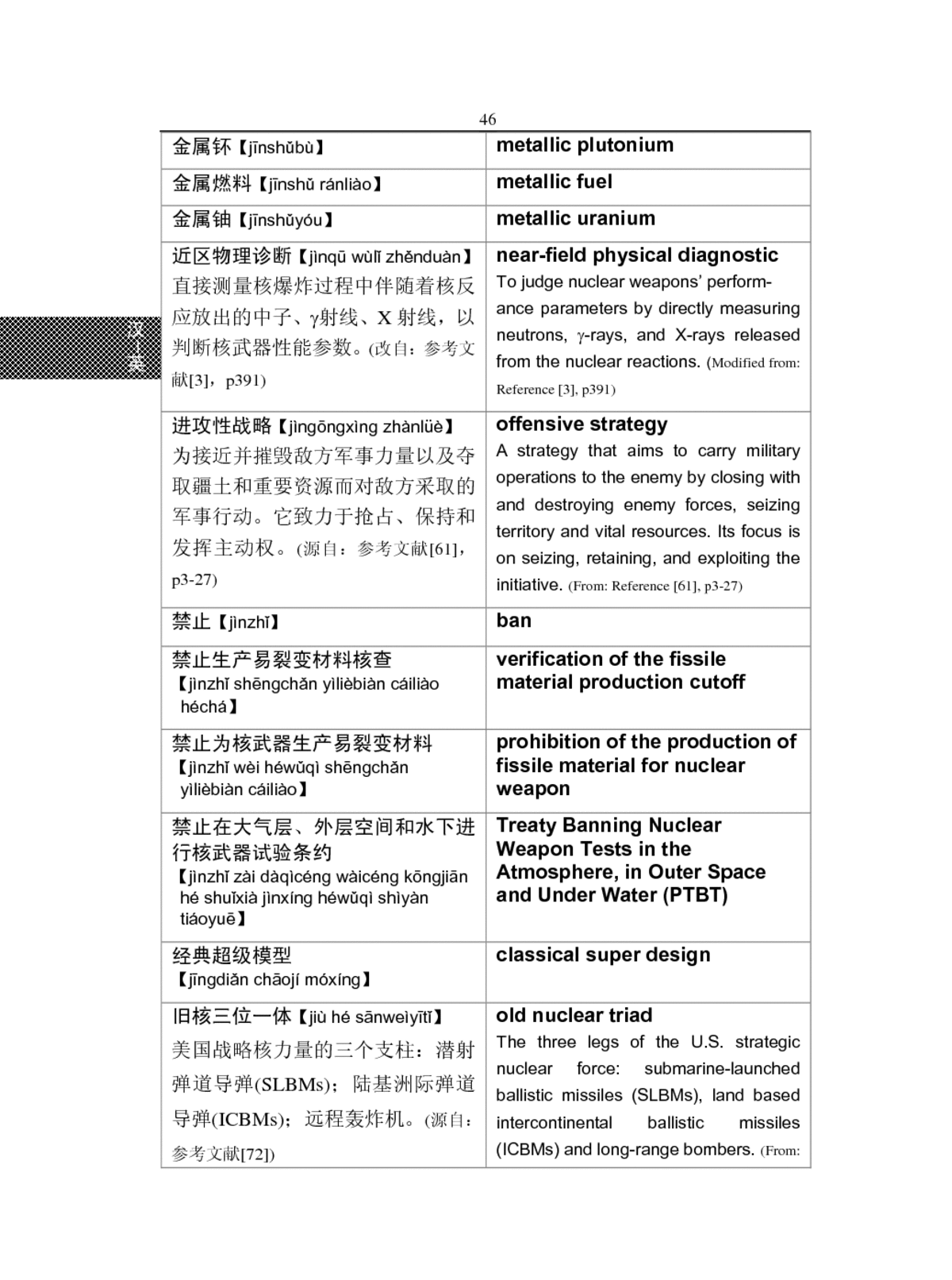
46 éå±éãjÄ«nshÇbùã metallic plutonium éå±çæãjÄ«nshÇ ránlià oã metallic fuel éå±éãjÄ«nshÇyóuã metallic uranium è¿åºç©çè¯æãjìnqÅ« wùlÇ zhÄnduà nã near-field physical diagnostic ç´æ¥æµéæ ¸çç¸è¿ç¨ä¸ä¼´éçæ ¸å To judge nuclear weaponsâ perform- ance parameters by directly measuring åºæ¾åºçä¸åãγå°çº¿ãX å°çº¿ï¼ä»¥ æ± neutrons, γ-rays, and X-rays released å¤ææ ¸æ¦å¨æ§è½åæ°ã(æ¹èªï¼åèæ è± from the nuclear reactions. (Modified from: ç®[3]ï¼p391) Reference [3], p391) è¿æ»æ§æç¥ãjìngÅngxìng zhà nlüèã offensive strategy 为æ¥è¿å¹¶æ§æ¯ææ¹åäºåé以å夺 A strategy that aims to carry military operations to the enemy by closing with åçååéè¦èµæºè对ææ¹éåç and destroying enemy forces, seizing åäºè¡å¨ãå®è´åäºæ¢å ãä¿æå territory and vital resources. Its focus is åæ¥ä¸»å¨æã (æºèªï¼åèæç®[61]ï¼ on seizing, retaining, and exploiting the p3-27) initiative. (From: Reference [61], p3-27) ç¦æ¢ãjìnzhÇã ban ç¦æ¢ç产æè£åæææ ¸æ¥ verification of the fissile ãjìnzhÇ shÄngchÇn yìlièbià n cáilià o material production cutoff hécháã ç¦æ¢ä¸ºæ ¸æ¦å¨ç产æè£åææ prohibition of the production of ãjìnzhÇ wèi héwÇqì shÄngchÇn fissile material for nuclear yìlièbià n cáilià oã weapon ç¦æ¢å¨å¤§æ°å±ãå¤å±ç©ºé´åæ°´ä¸è¿ Treaty Banning Nuclear è¡æ ¸æ¦å¨è¯éªæ¡çº¦ Weapon Tests in the ãjìnzhÇ zà i dà qìcéng wà icéng kÅngjiÄn Atmosphere, in Outer Space hé shuÇxià jìnxÃng héwÇqì shìyà n and Under Water (PTBT) tiáoyuÄã ç»å ¸è¶ 级模å classical super design ãjÄ«ngdiÇn chÄojà móxÃngã æ§æ ¸ä¸ä½ä¸ä½ãjiù hé sÄnweìyÄ«tÇã old nuclear triad The three legs of the U.S. strategic ç¾å½æç¥æ ¸åéçä¸ä¸ªæ¯æ±ï¼æ½å° nuclear force: submarine-launched å¼¹é导弹(SLBMs)ï¼éåºæ´²é å¼¹é ballistic missiles (SLBMs), land based 导弹(ICBMs)ï¼è¿ç¨è½°ç¸æºã(æºèªï¼ intercontinental ballistic missiles åèæç®[72]) (ICBMs) and long-range bombers. (From:
47 åè§âæ°æç¥ä¸ä½ä¸ä½â Reference [72]) Refer to ânew strategic triadâ å±é¨æäºãjúbù zhà nzhÄngã local war èåååºãjùbià n fÇnyìngã fusion reaction èåçæãjùbià n ránlià oã fuel of fusion èåå¨åãjùbià n wÄilìã fusion yield æ± åå¤ç«èµç¨³å®æ§ arms race stability è± ãjÅ«nbèi jìngsà i wÄndìngxìngã åå¤æ§å¶ãjÅ«nbèi kòngzhìã arms control åäºåé©ãjÅ«nshì bià ngéã revolution in military affairs (RMA) å°å è¿çææ¯åæ¦å¨ç³»ç»ï¼ä¸åæ° Fundamental reforms that thoroughly çåäºå¦è¯´åç»ç»ä½å¶ç»åå¨ä¸ change the characteristics and patterns of military operations so as to greatly èµ·ï¼ä½¿åäºä½æçç¹ç¹åæ¹å¼åç enhance operational effectiveness of æ ¹æ¬æ§çååï¼åéçä½ææè½è¾¾ the military through advanced technology and weapons systems å°æ大æé«çæ ¹æ¬æ§æ¹é©ã(æ¹èªï¼ combined with innovative military åèæç®[1]ï¼p47) doctrines and organizational mechani- sms. (Modified from: Reference [1], p47) åäºç¨³å®æ§ãjÅ«nshì wÄndìngxìngã military stability å¼æ¾å¤©ç©ºæ¡çº¦ Open Skies Treaty ãkÄifà ng tiÄnkÅng tiáoyuÄã æå¹²æ°ãkà ng gÄnrÇoã tamper resistance ææ ¸å åºãkà nghé jiÄgùã nuclear hardening ç§å°å¤ªå æ¯æ³ãkÄâÄrtà ikèsÄ« fÇã CORRTEX (continuous ( è¿ç»åå°æ³æµéåå¾éæ¶é´åå reflectometry for radius vs time çå®éª) experiment) å¯è£åææãkÄlièbià n cáilià oã fissionable material In general, an isotope or a mixture of ä¸è¬èè¨ï¼æè½äº§çæ ¸è£åçä¸ç§ isotopes capable of nuclear fission. åä½ç´ æåä½ç´ æ··åç©ãæäºå¯è£ Some fissionable materials are capable åææåªæå¨è¶³å¤å¿«çä¸å(å¦å¨ of fission only by sufficiently fast è½è¶ è¿ 1 MeV çä¸å)ä½ç¨ä¸æè½ neutrons (e.g. neutrons of a kinetic
48 åçè£åãå¨ææè½éçä¸åå æ¬ energy above 1 MeV). Isotopes that undergo fission by neutrons of all æ ¢(ç)ä¸åä½ç¨ä¸é½å¯ä»¥åçè£å energies, including slow (thermal) çåä½ç´ é常称ä¹ä¸ºæè£åæææ neutrons, are usually referred to as æè£ååä½ç´ ãä¾å¦ï¼åä½ç´ é fissile materials or fissile isotopes. For -233ï¼é-235ï¼é-239ï¼é-241 æ¢è¢« example, isotopes U-233, U-235, Pu-239 and Pu-241 are referred to as æ± ç§°ä¸ºå¯è£åææå被称为æè£åæ both fissionable and fissile, while U-236 è± æï¼èé-238 åé-240 ä» è¢«ç§°ä¸ºå¯ and Pu-240 are fissionable but not è£åææèä¸æ¯æè£åææã(æºèªï¼ fissile. (From: Reference[4], 4.6) åèæç®[4]ï¼4.6) å¯åºåæ§å±ç¤º distinguishability exhibition ãkÄqÅ«fÄnxìng zhÇnshìã å¯çåºå°è§å¯ãkÄyà chÇngdì shìcháã suspect-site inspection å¯ç¨äºæ¦å¨çææ weapon-usable material ãkÄyòngyú wÇqì de cáilià oã å¯è½¬æ¢ææãkÄzhuÇnhuà n cáilià oã fertile material Nuclear material that can be converted éè¿å¨ä¸ä¸ªååæ ¸ä¸ä¿è·ä¸ä¸ªä¸å into a special fissionable material èè½è¢«è½¬å为ç¹ç§å¯è£åææçä¸ through capture of one neutron per ç§æ ¸ææã(æºèªï¼åèæç®[4]ï¼4.7) nucleus. (From: Reference [4], 4.7) 空ä¸æ ¸çç¸ãkÅngzhÅng hébà ozhà ã nuclear airburst åºåæ ¸æ¦å¨å¯é æ§ reliability of stockpile nuclear ãkùcún héwÇqì kÄkà oxìngã weapon å¿«å ãkuà iduÄ«ã fast reactor å¿«ä¸åãkuà izhÅngzÇã fast neutrons å¿«ä¸å临çè£ ç½® fast-neutron criticality facility ãkuà izhÅngzÇ lÃnjiè zhuÄngzhìã å¿«ä¸åèå²å fast-neutron pulse reactor ãkuà izhÅngzÇ mà ichÅng duÄ«ã äºéãkuÄ«lià ngã defect æ©æ£å离æºç»ãkuòsà n fÄnlà jÄ«zÇã diffusion separation unit æ©æ£å离å¨ãkuòsà n fÄnlÃqìã diffuser
49 æä¸ç¾æ´²åå åæ¯æµ·ç¦æ¢æ ¸æ¦å¨ Treaty for the Prohibition of æ¡çº¦ Nuclear Weapons in Latin ãlÄdÄ«ngmÄizhÅu hé jiÄlèbÇhÇi America and the Caribbean jìnzhÇ héwÇqì tiáoyuÄã 滥ç¨ãlà nyòngã misuse é·éå æ¯æµç¨ãléidà okèsÄ« liúchéngã redox process 累积è¾ç §åéãlÄijÄ« fúzhà o jìlià ngã cumulative radiation dose æ± å·æãlÄngzhà nã cold war è± ç¦»å¿å离工åãlÃxÄ«n fÄnlà gÅngchÇngã centrifuge separation plant 离å¿æºå¤±æçãlÃxÄ«njÄ« shÄ«xià olÇã centrifuge failure rate 离å¿æºä¸ç¨åé¢çµæº variable frequency power for ãlÃxÄ«njÄ« zhuÄnyòng bià npÃn dià nyuánã special purpose of a centrifuge 离å¿æºè½¬åææ centrifuge rotor material ãlÃxÄ«njÄ« zhuà nzÇ cáilià oã 离å¿æºè½¬åå¨åå¦ centrifuge rotor dynamics ãlÃxÄ«njÄ« zhuà nzÇ dònglìxuéã 离å¿æºé»å°¼è£ ç½® centrifuge damping device ãlÃxÄ«njÄ« zÇnà zhuÄngzhìã 离åãlÃzÇã ion éãlÇã lithium éåä½ç´ å离ãlÇ tóngwèisù fÄnlÃã lithium isotopes separation ä¾è¡è§å¯ãlìxÃng shìcháã routine inspection è¿ç»è§å¯ãliánxù shìcháã continuous inspection An inspection regime intended to 为达å°ä¿éçç£ç®çï¼éè¿å¯çå ³ maintain continuity of knowledge con- é®æä½ãè®°å½æµéåè¿è¡çæ°æ®å¹¶ cerning inventory and flow of nuclear æ ¸å®è¿äºä¿¡æ¯ï¼å以æç»å°ææ¡æ material by witnessing key operations, recording measurement and operating æçåºåæ¸ ååæµåæ åµçè§å¯æº data, and verifying the information in å¶ã(æºèªï¼åèæç®[4]ï¼11.12) order to meet the safeguards objec- tives. (From: Reference [4], 11.12) è大è£åç¹å«ä¼è®® Special Session of the General ãliándà cáijÅ«n tèbié huìyìã Assembly Devoted to Disarmament
50 è大è£åç¹å«ä¼è®®æåæ件 Final Document of the Special ãliándà cáijÅ«n tèbié huìyì Session of the General zuìhòu wénjià nã Assembly Devoted to Disarmament èåå½è£å审议å§åä¼ United Nations Disarmament ãliánhéguó cáijÅ«n shÄnyì wÄiyuánhuìã Commission (UNDC) èåå½è£åäºå¡é¨ United Nations Office æ± ãliánhéguó cáijÅ«n shìwùbùã (Department) for Disarmament è± Affairs èåå½è£åäºå¡å¨è¯¢å§åä¼ United Nations Advisory Board ãliánhéguó cáijÅ«n shìwù on Disarmament Affairs zÄ«xún wÄiyuánhuìã èåå½è£åç 究æ United Nations Institute for ãliánhéguó cáijÅ«n yánjiÅ«suÇã Disarmament Research (UNIDIR) èåå½å¸¸è§åå¤å§åä¼ United Nations Commission for ãliánhéguó chángguÄ« Conventional Armaments jÅ«nbèi wÄiyuánhuìã èåå½å¸¸è§æ¦å¨è½¬è®©ç»è®°å United Nations Register of ãliánhéguó chángguÄ« wÇqì Conventional Weapons zhuÇnrà ng dÄngjìcèã èåå½å¤§ä¼ãliánhéguó dà huìã UN General Assembly èåå½å¤§ä¼ç¬¬ä¸å§åä¼ First Committee of the UN ãliánhéguó dà huì dìyÄ« wÄiyuánhuìã General Assembly èåå½å ³äºä¾µç¥å®ä¹çå³è®® UN resolution concerning the ãliánhéguó guÄnyú qÄ«nlüè definition of aggression dìngyì de juéyìã èåå½å®ªç« ãliánhéguó xià nzhÄngã United Nations Charter é¾å¼ååºãlià nshì fÇnyìngã chain reaction 两é¢ä¸æ³¨æç¥ hedging strategy ãliÇngmià n xià zhù zhà nlüèã A balanced approach to foster å°½å¯è½ä¿è¿åä»å½åä½ä½ä¹ä¸ºæ对 cooperation with a nation where possi- æ´»å¨ååå¤çä¸ç§åè¡¡åæ³ãæ¹èªï¼ ble while also preparing for hostile ( activity. (Modified from: Reference [45]) åèæç®[45])
51 è£åçç¸è¿æ©ç¹ç« predetonation in fission ãlièbià n bà ozhà guòzÇo diÇnhuÇã explosion è£å产é¢/è£åå¨å fission yield ãlièbià n chÇnâé lièbià n wÄilìã è£åæ¦å¨ãlièbià n wÇqìã fission weapon è£åä¸åãlièbià n zhÅngzÇã fission neutrons æ± ä¸´çå®å ¨è¯ä¼°ãlÃnjiè Änquán pÃnggÅ«ã criticality safety assessment Analyses and experiments made to è± ä¸ºç¡®ä¿æ ¸æ¦å¨ç¨çå¯è£åææå¨ç ensure fissionable materials used for 产ãå å·¥ãè¿è¾åè£ é è¿ç¨ä¸åå¤ nuclear weapons remains in a äºæ¬¡ä¸´çå®å ¨ç¶ææè¿è¡çå®éªå subcritical and safe state during the åæã(æ¹èªï¼åèæç®[2]ï¼p40) whole process of production, process- ing, transportation and assembly. (Modified from: Reference [2], p40) 临çè£ ç½®ãlÃnjiè zhuÄngzhìã critical assembly 临æ¶éç¥è§å¯ãlÃnshà tÅngzhÄ« shìcháã short-notice inspection An inspection performed at a facility or a IAEA 对ä¸ä¸ªå½å®¶çä¸å¤è®¾æ½æ设 location outside facilities for which less æ½å¤çä¸å¤åºå°è¿è¡è§å¯æ¶ï¼æå advance notice is provided by the IAEA éæ¥æ¶é´æ¯ INFIRCIR/153 åè®®ç to the State than that provided for under 第 83 段è§å®çéæ¥æ¶é´ççè§å¯ã paragraph 83 of [IAEA INFIRCIR 153]. (æºèªï¼åèæç®[4]ï¼11.7) (From: Reference [4], 11.7) çµæ´»ååºæç¥ strategy of flexible response ãlÃnghuó fÇnyìng zhà nlüèã é¶å¨åå®éªãlÃngwÄilì shÃyà nã zero-yield experiment Refer to âsubcritical experimentâ åè§â次临çå®éªâ æµä½å¨åå¦å®éª hydrodynamic experiment ãliútÇ dònglìxué shÃyà nã An experiment used to simulate the 为模ææ ¸çç¸å çè¿ç¨æè¿è¡çå® implosion process of a nuclear éªãå®æ¯ç¨ä»£ç¨ææ(å¦é-238ãé¨ã explosive. It uses other materials such as U-238, tungsten and steel as é¢ç)æ¿ä»£æ ¸è£ ç½®ä¸çè£åææé« substitute for fissile materials such as æµéæé-239ãç¨é«è½ç¸è¯çç¸å HEU or Pu-239 in a nuclear device, and ç¼©è¯¥è£ ç½®çæ´ä½æé¨åç»æèè¿è¡ uses the high explosive to compress the
52 çä¸ç§å®éªãç±äºè£ ç½®ä¸çææå¨ whole or partial structure of the device. As the materials are in the liquid state é«è½ç¸è¯çç¸å缩ä¸å¤äºæµä½ç¶ under the compression of explosion of æï¼å æ¤ç§°æ¤ç±»å®éªä¸ºæµä½å¨åå¦ high explosive, such experiments are å®éªãè¿ç§å®éªæ²¡ææ ¸è½éæ¾ï¼å® called hydrodynamic experiments. The éªä¸ä¸å®è¦å¨æ ¸è¯éªåºå°è¿è¡ã(æº experiment releases no nuclear energy æ± èªï¼åèæç®[1]ï¼p212-213) and is not required to be conducted at a nuclear test site. (From: Reference [1], è± p212-213) æµä½æ ¸å®éªãliútÇ héshÃyà nã hydronuclear experiment A method for assessing some aspects ä¸ç§è¯ä¼°æ ¸æ¦å¨æäºå®å ¨é®é¢çæ¹ of nuclear weapon safety, first æ³ï¼ç±æ´æ¯Â·é¿æè«æ¯å½å®¶å®éªå®¤ conducted at Los Alamos during the (LANL)å¨ 1958 å¹´è³ 1961 å¹´çæå 1958-61 moratorium on nuclear testing æ ¸è¯éªæé´ç ç©¶æ ¸çç¸âä¸ç¹å®å ¨â to investigate the âone-pointâ safety of a æ¶é¦å 使ç¨ã该å®éªå¨æ¬¡ä¸´çå¢æ® nuclear explosive. The experiments è£ ç½®ä¸ææ轻微çè¶ ä¸´çç¶æä¸è¿ resulted in subcritical multiplying assemblies or a very slight degree of è¡ï¼å¨æäºæ åµä¸ä¼éæ¾å°äº 7 å supercriticality and, in some cases, ç¦è®¾è®¡éé¢çè£åè½ã(æ¹èªï¼åèæ involved a fission energy release less ç®[30]ï¼p1) than the design limit of 7 megajoules. (Modified from: Reference [30], p1) å æ°åéãliùfúhuà yóuã uranium hexafluoride å æ°åé水解ãliùfúhuà yóu shuÇjiÄã uranium hexafluoride hydrolysis å æ°åé转å conversion of uranium ãliùfúhuà yóu zhuÇnhuà ã hexafluoride 绿çãlÇyánã green salt The popular name of green uranium 绿è²ç UF4 æ¶ä½ï¼æ¯éå·¥èºä¸ UF4 tetrafluoride (UF4) crystal. It is an çä¿ç§°ãUF4 æ¯çäº§æ ¸çæçéè¦ important mid-point production in the process of producing uranium fuel. It ä¸é´äº§åï¼ç¨äºå¶å¤å æ°åé(UF6) can be used to produce uranium åéå±éã(æºèªï¼åèæç®[2]ï¼p304) hexafluoride (UF6) and uranium metal. (From: Reference [2], p304) æ ¢ä¸åãmà n zhÅngzÇã slow neutrons
53 ç¾ææ¡æ¶åè®® Agreed Framework Between ãmÄi cháo kuà ngjià xiéyìã the United States of American and the Democratic Peopleâs Republic of Korea ç¾ä¿å ³äºè¿ä¸æ¥åååéå¶è¿æ»æ§ Treaty Between the United æç¥æ¦å¨æ¡çº¦ States of America and the ãmÄi é guÄnyú jìnyÄ«bù xuÄjiÇn hé Russian Federation on Further xià nzhì jìngÅngxìng zhà nlüè wÇqì Reduction and Limitation of æ± tiáoyuÄã Strategic Offensive Arms (START II) è± ç¾ä¿ååè¿æ»æ§æç¥æ¦å¨æ¡çº¦(è« Treaty Between the United æ¯ç§æ¡çº¦) States of America and the ãmÄi é xuÄjiÇn jìngÅngxìng zhà nlüè Russian Federation On wÇqì tiáoyuÄ mòsÄ«kÄ tiáoyuÄã Strategic Offensive Reductions (Moscow/SORT) ç¾å½ 1978 å¹´æ ¸ä¸æ©æ£æ³ U.S. Nuclear Non-Proliferation ãmÄiguó 1978 nián hébùkuòsà n fÇã Act of 1978 The Nuclear Non-Proliferation Act æ ¸ä¸æ©æ£æ³å£°æäºç¾å½çæ¿çï¼(1) declares it United States policy: (1) to 寻æ±å»ºç«æ ¸è®¾å¤ãæ ¸ææåæ ¸ææ¯ pursue the establishment of inter- çå½é æ§å¶ï¼(2) æé«ç¾å½ä½ä¸ºæ ¸ national controls of nuclear equipment, ååºå åæ ¸çæä¾åºå½çå¯é æ§ï¼ material, and technology, (2) to enhance the reliability of the United (3) é¼ å± æ¹ å ã ä¸ æ© æ£ æ ¸ æ¦ å¨ æ¡ States as a supplier of nuclear reactors 约ãï¼(4) 帮å©å ¶ä»å½å®¶æ ¸å®åè°æ´ and fuels, (3) to encourage ratification éå½çè½æºç产ææ¯ã (æ¹èªï¼åè of the Treaty on the Non-Proliferation of Nuclear Weapons, and (4) to aid other æç®[35]) nations in identification and adaptation of appropriate energy production technology. (Modified from: Reference [35]) ç¾èå ³äºé²æ¢æ ¸æäºåå® Agreement Between the United ãmÄi sÅ« guÄnyú fángzhÇ hézhà nzhÄng States of America and the xiédìngã Union of Soviet Socialist Republics on the Prevention of Nuclear War ç¾èå ³äºåå°çåæ ¸æäºå±é©çæª Agreement on Measures to æ½çåå® Reduce the Risk of Outbreak of ãmÄi sÅ« guÄnyú jiÇnshÇo bà ofÄ Nuclear War Between the hézhà nzhÄng wÄixiÇn de cuòshÄ« de United States of America and xiédìngã the Union of Soviet Socialist Republics
54 ç¾èå ³äºå»ºç«åå°æ ¸å±é©ä¸å¿ Agreement Between the United çåå® States of America and the ãmÄi sÅ« guÄnyú jià nlì jiÇnshÇo Union of Soviet Socialist héwÄixiÇn zhÅngxÄ«n de xiédìngã Republics on the Establishment of Nuclear Risk Reduction Centers ç¾èå ³äºéå¶åå¼¹é导弹系ç»æ¡çº¦ Treaty Between the United æ± (å导æ¡çº¦) States of America and the ãmÄi sÅ« guÄnyú xià nzhì fÇn Union of Soviet Socialist è± dà ndà odÇodà n xìtÇng tiáoyuÄ fÇndÇo Republics on the Limitation of tiáoyuÄã Anti-ballistic Missile Systems (ABM Treaty) ç¾èå ³äºæ¶é¤ä¸¤å½ä¸ç¨åä¸çç¨å¯¼ Treaty Between the United å¼¹æ¡çº¦(ä¸å¯¼æ¡çº¦) States of America and the ãmÄi sÅ« guÄnyú xiÄochú liÇngguó Union of Soviet Socialist zhÅngchéng jà zhÅngduÇnchéng Republics on the Elimination of dÇodà n tiáoyuÄ zhÅngdÇo tiáoyuÄã Their Intermediate-Range and Shorter-Range Missiles (INF Treaty) ç¾èå ³äºåååéå¶è¿æ»æ§æç¥æ¦ Treaty Between the United å¨æ¡çº¦ States of America and the ãmÄi sÅ« guÄnyú xuÄjiÇn hé xià nzhì Union of Soviet Socialist jìngÅngxìng zhà nlüèwÇqì tiáoyuÄã Republics on the Reduction and Limitation of Offensive Strategic Arms (START I) ç¾èå ³äºåååéå¶è¿æ»æ§æç¥æ¦ Protocol to the Treaty Between å¨æ¡çº¦è®®å®ä¹¦ the United States of America ãmÄi sÅ« guÄnyú xuÄjiÇn hé xià nzhì and the Union of Soviet jìngÅngxìng zhà nlüèwÇqì tiáoyuÄ Socialist Republics on the yìdìngshÅ«ã Reduction and Limitation of Strategic Offensive Arms ç¾èåå¹³å©ç¨å°ä¸æ ¸çç¸æ¡çº¦ Treaty Between the United ãmÄi sÅ« hépÃng lìyòng dìxià hébà ozhà States of America and the tiáoyuÄã Union of Soviet Socialist Republics on Underground Nuclear Explosion for Peaceful Purposes (PNE) ç¾èéå¶å°ä¸æ ¸æ¦å¨è¯éªæ¡çº¦(é Treaty Between the United å½éæ¡çº¦) States of America and the ãmÄi sÅ« xià nzhì dìxià héwÇqì shìyà n Union of Soviet Socialist Republics on the Limitation of
55 tiáoyuÄ xià ndÄnglià ng tiáoyuÄã Underground Nuclear Weapon Tests (TTBT) ç¾èéå¶è¿æ»æ§æç¥æ¦å¨çæäºæª Interim Agreement Between the æ½ç临æ¶åå® United States of America and ã mÄi sÅ« xià nzhì jìngÅngxìng zhà nlüè the Union of Soviet Socialist wÇqì de mÇuxiÄ cuòshÄ« de lÃnshà Republics on Certain Measures xiédìngã with Respect to the Limitation of Strategic Offensive Arms æ± (SALT I) è± ç¾èéå¶è¿æ»æ§æç¥æ¦å¨æ¡çº¦ Treaty Between the United ãmÄi sÅ« xià nzhì jìngÅngxìng zhà nlüè States of America and the wÇqì tiáoyuÄã Union of Soviet Socialist Republics on the Limitation of Strategic Offensive Arms (SALT II Treaty) ç约ãméngyuÄã covenant å¯ç é(亦称å¯å¨è¿æ¥è£ ç½®) permissive action link (PAL) ãmìmÇsuÇ yìchÄng qÇdòng A device included in or attached to a liánjiÄ zhuÄngzhìã nuclear weapon system to preclude ä¸ç§å®è£ æéå å¨æ ¸æ¦å¨ç³»ç»ä¸ç arming and/or launching until the insertion of a prescribed discrete code. è£ ç½®ï¼ç¨äºå¨è¾å ¥é¢å®ç离æ£å¯ç (From: Reference[9], p412) åï¼é²æ¢è§£é¤ä¿é©å(æ)åå°ã(æº Refer to âsafing device of nuclear èªï¼åèæç®[9]ï¼p412) weaponâ åè§âæ ¸æ¦å¨ä¿é©è£ ç½®â é¢ç®æ ãmià n mùbiÄoã area target 模æ¿æ³ãmóbÇnfÇã template approach 模æ¿æ³æ¯éè¿æµéç©ä½çæäºç¹ The template approach to identify å¾ï¼å¹¶ä¸ä»æ个åç §ç©(å¦ç»è®¤è¯ç treaty-limited objects works by measur- ä¸ä»¶ç¹å®ç±»åçæ¦å¨)æµå¾çåæ · ing certain characteristics of an object ä¸ç»ç¹å¾(å³æ¨¡æ¿)ç¸æ¯è¾ãå¦æè¿ and comparing them with the same set of measurements taken from a refer- 两ç»æ°æ®æµéç¸ç¬¦ï¼å°±å¯ä»¥å¤å®è¯¥ ence object (e.g., an authentic weapon ç©ä½å°±æ¯è¿ç§ç±»åçæ¦å¨ã(æºèªï¼ of a particular type): the template. (From: åèæç®[11]ï¼p99) Reference [11],p99) ç®æ å®ä½ãmùbiÄo dìngwèiã target positioning
56 ç®è§è§å¯ãmùshì guÄncháã visual observation å çæ³ååå¼¹ implosion-type atomic bomb ãnèibà ofÇ yuánzÇdà nã å太平æ´æ æ ¸åºæ¡çº¦(æç½æ±¤å å² South Pacific Nuclear Free æ¡çº¦) Zone Treaty (Treaty of ãnántà ipÃngyáng wúhéqÅ« tiáoyuÄ Rarotonga) lÄluótÄngjiÄdÇo tiáoyuÄã æ± éæµç¦»å¿æºãnìliú lÃxÄ«njÄ«ã countercurrent gas centrifuge è± éæµæ°ä½ç¦»å¿æºçå离æç separation efficiency of a ãnìliú qìtÇ lÃxÄ«njÄ« de fÄnlà xià olÇã countercurrent gas centrifuge å¹´(è¾ç §)åéãnián fúzhà o jìlià ngã annual dose å¹´éè¿éãnián tÅngguòlià ngã annual throughput æµç¼©(å¯é)å/åä½ç´ å离å enrichment plant/isotope ãnóngsuÅ fùjà chÇng separation plant tóngwèisù fÄnlÃchÇngã æµç¼©(å¯é)度ãnóngsuÅ fùjà dùã enrichment æµç¼©(å¯é)å å enrichment factor ãnóngsuÅ fùjà yÄ«nzÇã æµç¼©(å¯é)éãnóngsuÅ fùjà yóuã enriched uranium 欧洲å®å ¨ä¸åä½ç»ç» Organization for Security and ãÅuzhÅu Änquán yÇ hézuò zÇzhÄ«ã Cooperation in Europe (OSCE) æ¹æ°æ®ãpÄ«shùjùã batch data è´«åãpÃnhuà ã depletion è´«åéãpÃnhuà yóuã depleted uranium å¹³æ´å°ä¸æ ¸è¯éª tunnel nuclear test ãpÃngdòng dìxià héshìyà nã ç ´åæ§åæãpòhuà ixìng fÄnxÄ«ã destructive analysis (DA) æ®é·å æ¯æµç¨ãpÇléikèsÄ« liúchéngã PUREX (Plutonium Uranium (ééçèååæ¶æµç¨) Recovery by Extraction) process è°±å辨çãpÇ fÄnbià nlÇã spectral resolution èµ·çåºåãqÇbà o xùlièã initiating sequence
57 èµ·çå 件ãqÇbà o yuánjià nã initiating component æ°ä½æ©æ£ççæ³å离å å ideal separation factor of ãqìtÇ kuòsà n de lÇxiÇng fÄnlà yÄ«nzÇã gaseous diffusion process æ°ä½æ©æ£æ³ãqìtÇ kuòsà nfÇã gaseous diffusion method æ°ä½æ©æ£å离级çå离æç stage separation efficiency of ãqìtÇ kuòsà n fÄnlÃjà de fÄnlà xià olÇã gaseous diffusion process æ± æ°ä½æ©æ£å离åç¼©æº compressor for gaseous ãqìtÇ kuòsà n fÄnlà yÄsuÅjÄ«ã diffusion separation è± æ°ä½æ©æ£å·¥å gaseous diffusion plant ãqìtÇ kuòsà n gÅngchÇngã æ°ä½ç¦»å¿æºãqìtÇ lÃxÄ«njÄ«ã gas centrifuge æ°ä½ç¦»å¿æºçä¾åæ feed and withdrawals of a gas ãqìtÇ lÃxÄ«njÄ« de gÅngqÇlià oã centrifuge æ°ä½ç¦»å¿æºçæ大ç论å离åç theoretical maximum ãqìtÇ lÃxÄ«njÄ« de zuìdà lÇlùn fÄnlà gÅnglÇã separative power of a gas centrifuge æ°ä½ç¦»å¿æºç¯æµé©±å¨æ³ means to drive circulation in a ãqìtÇ lÃxÄ«njÄ« huánliú qÅ«dòngfÇã gas centrifuge æ°ä½ç¦»å¿æºæµåºãqìtÇ lÃxÄ«njÄ« liúchÇngã flow field in gas centrifuge æ°ä½ç¦»å¿æºè½¬ç rotor of a gas centrifuge ãqìtÇ lÃxÄ«njÄ« zhuà ntÇngã å沿é²å¾¡æç¥ forward defense strategy ãqiányán fángyù zhà nlüèã æ½å°å¼¹é导弹 submarine-launched ballistic ãqiánshè dà ndà odÇodà nã missile æªæ³ååå¼¹ãqiÄngfÇ yuánzÇdà nã gun-type atomic bomb åå(ç¢)æãqiÄxuÄ suì lià oã scrap åå(ç¢)æåæ¶å scrap recovery plant ãqiÄxuÄ suì lià o huÃshÅuchÇngã å¤å¡ä¿é©ãqÃnwù bÇoxiÇnã service safety 氢弹ãqÄ«ngdà nã hydrogen bomb 氢弹æå½¢ãqÄ«ngdà n gòuxÃngã configuration of hydrogen bomb
58 æ°¢åéãqÄ«nghuà lÇã lithium hydride 轻水å ãqÄ«ngshuÇduÄ«ã light water reactor (LWR) å ¨é¢ä¿éçç£åå® comprehensive (full scope) ãquánmià n bÇozhà ng jiÄndÅ« xiédìngã safeguards agreement (CSA) å ¨é¢ç¦æ¢æ ¸è¯éªæ¡çº¦ Comprehensive Test Ban ãquánmià n jìnzhÇ héshìyà n tiáoyuÄã Treaty (CTBT) æ± å ¨çæç¥ãquánqiú zhà nlüèã global strategy è± Strategy that aims at achieving and æ³æè¿ç¨åäºãç»æµãæ¿æ²»ãå¤äº¤ maintaining global interests for a nation çæ段以å®ç°åä¿æ¤å½å®¶æå½å®¶é or a group of nations through military, å¢å¨å ¨ççå©ççæ¹ç¥ã(æºèªï¼å economic, political, diplomatic and other èæç®[1]ï¼p25) means. (From: Reference [1], p25) åé»ãquà nzÇã dissuasion å¨å½åç¾å½æç»´ä¸ï¼æåè¯´å ¶ä»å¤§ In current U.S. thinking, âto persuade other powers to refrain from initiating a å½æ¾å¼ä¸ç¾å½å¨åäºè½åæ¹é¢çç« competition in military capabilities.â äºã(æºèªï¼åèæç®[41]) (From: Reference [41]) 注ï¼å¨æ ¸å¦è¯´èç´ï¼æ³è¯åè¯âla Note: In the context of nuclear doctrine, dissuasionâå®è´¨ä¸ææå¨æ ã(æºèªï¼ the French word, âla dissuasionâ means åèæç®[69]ï¼pII-41) essentially âdeterrenceâ. (From: Reference [69], pII-41) çèãránhà oã burnup çææ£æãránlià obà ngshùã fuel bundle çæé¨ä»¶ãránlià o bùjià nã fuel component çæå 件ãránlià o yuánjià nã fuel element çæå¶é åãránlià o zhìzà ochÇngã fuel fabrication plant çæç»ä»¶ãránlià o zÇjià nã fuel assembly çæ ¸ç¹ç«ãrèhé diÇnhuÇã thermonuclear ignition çæ ¸æ¦å¨ãrèhéwÇqìã thermonuclear weapon ç室ãrèshìã hot cell
59 çä¸åãrèzhÅngzÇã thermal neutrons 人工æ¾å°æ§æ ¸ç´ artificial radionuclide ãréngÅng fà ngshèxìng hésùã çççµè§£ç²¾ç¼æµç¨ molten salt electrorefining ãróngyán dià njiÄ jÄ«nglià n liúchéngã process å¼±å²å»æ³¢èç¦ãruò chÅngjÄ«bÅ jùjiÄoã focusing of weak shock wave æ± å¼±å©ä½æ¾å°æ§æ¦å¨(3R å¼¹) reduced residual radioactivity ãruò shèngyú fà ngshèxìng weapon (RRRW) è± wÇqì 3Rdà nã ä¸ä½ä¸ä½æç¥æ ¸åé triad strategic nuclear force ãsÄnwèiyÄ«tÇ zhà nlüè hélìlià ngã Refer to âold nuclear triadâ åè§âæ§æ ¸ä¸ä½ä¸ä½â ä¸ç¸å¼¹ãsÄnxià ngdà nã tri-phase bomb A type of hydrogen bomb whose energy æ¾è½è¿ç¨ç»åç±è£åå°èååå°è£ release process consists of three åä¸ä¸ªé¶æ®µçä¸ç§æ°¢å¼¹ï¼å ¶æåç phases: fission, fusion, and then fission. è£åé¶æ®µç±ä¸´è¿äºçæ ¸çæçå¤©ç¶ The final fission phase is achieved by éãè´«éææµç¼©éæ¥å®æãä¸çä¸ the use of natural uranium, depleted 大å¤æ°æç¥æ ¸æ¦å¨é½å±äºè¿ç§ç±» uranium, or enriched uranium in proximity to the thermonuclear fuel. åã(æ¹èªï¼åèæç®[3]ï¼p802) Most strategic nuclear weapons in the world belong to this type. (Modified from: Reference [3], p802) æ¡æå§åä¼ãsÄnggÄ wÄiyuánhuìã Zangger Committee The Zangger Committee, also known as ä¸äºææ ¸åºå£è½åçãä¸æ©æ£æ ¸æ¦ the Nuclear Non-proliferation Treaty å¨æ¡çº¦ã(NPT)ç¼çº¦å½ç»æçæ ¸åºå£ Exporters Committee, is a nuclear æ§å¶éå¢ï¼å称 NPT åºå£å½å§å export group, which consists of parties ä¼ã该å§åä¼äº 1971 å¹´æç«ï¼å®æ¨ of the Nuclear Non-proliferation Treaty (NPT) who have the capability of æ¯æ§å¶ãä¸æ©æ£æ ¸æ¦å¨æ¡çº¦ãæå nuclear export. The committee was å½å¯¹æ²¡ææ ¸æ¦å¨çéæ¡çº¦æåå½ç formed in 1971. It aims to prevent the æ ¸ææåæ ¸è®¾å¤çåºå£ï¼ä»¥é²æ¢æ ¸ prohibition of nuclear weapons by controlling the export of nuclear æ¦å¨æ©æ£ãå§åä¼ç主è¦åºå£æ§å¶ materials and equipment from parties of æºå¶æ¯â触åæ¸ åâï¼å³åæ æ ¸æ¦ the NPT to non-nuclear-weapon states.
60 å¨å½å®¶åºå£è§¦åæ¸ åä¸ç项ç®ï¼æ¥ The main export control mechanism of the committee is the âTrigger Listâ. æ¶å½å¿ é¡»æ¥åâå½é ååè½æºæâ Items on this List exported to çä¿éçç£ãç®å该å§åä¼æ 36 个 non-nuclear- weapon states must be æåå½ã(æ¹èªï¼åèæç®[1]ï¼p374) subject to IAEA safeguards. The committee now has 36 member states. (Modified from: Reference [1], p374) æ± æ¡æå§åä¼åºå£åå Zangger Committee Export è± ãsÄnggÄ wÄiyuánhuì chÅ«kÇu zhÇnzéã Guidelines ææéãshÄshÇujiÇnã assassin's mace éæ¯ä¸ç§ç±éå±å¶æçå·å µå¨ãå¨ A type of metal weapon. Chinese classical novels describe the means of ä¸å½å¤å ¸å°è¯´ä¸æä¸æå®ææ¶åºå ¶ throwing the mace at the adversary ä¸æå°ç¨éææ·ææã以æ±åèç unexpectedly in order to win during ææ°ãå»æå¨å ³é®æ¶å»ä½¿åºçææ¿ fighting. It is a metaphor for an adept æçæ¬é¢æ称ç»æã(æ¹èªï¼åèæç® ability or unique skill used at a critical moment. (Modified from: Reference [36]) [36]) éªå X å°çº¿ç §ç¸ flash radiography by ãshÇnguÄng X shèxià n zhà oxià ngã pulsed X-ray system å¬åãshà nbià nã transmutation 设计èµææ ¸æ¥ãshèjì zÄ«lià o hécháã design information verification (DIV) 设æ½å ³éè§å¯ close-out inspection ãshèshÄ« guÄnbì shìcháã 设æ½å¤åºæãshèshÄ«wà i chÇngsuÇã location outside facilities (LOF) 设æ½å¨è¾¹ä¸è¿åºå£è¿ç»çæµ perimeter portal continuous ãshèshÄ« zhÅubiÄn yÇ jìnchÅ«kÇu monitoring liánxù jiÄncèã å°ç¨ãshèchéngã firing range ç产å ãshÄngchÇnduÄ«ã production reactor 声æãshÄngmÃngã statement 湿æ³è´®åãshÄ«fÇ zhùcúnã wet storage åå «å½è£åå§åä¼ Eighteen-Nation Committee on ãshÃbÄguó cáijÅ«n wÄiyuánhuìã Disarmament (ENCD)
61 åå½è£åå§åä¼ Ten-Nation Committee on ãshÃguó cáijÅ«n wÄiyuánhuìã Disarmament (TNCD) ç³å¢¨æ ¢åå ãshÃmò mà nhuà duÄ«ã graphite moderated reactor æ¶é´å辨ç temporal resolution ãshÃjiÄn fÄnbià nlÇã å®é 级èãshÃjì jÃliánã real cascade æ± å®æ¶çæµãshÃshà jiÄncèã real-time monitoring Monitoring information which has been è± é¤äºçµåéä¿¡æå¿ éçæ¶é´å¤ï¼æ²¡ delayed only by the time required for ææ¾è延è¿å°å¯¹æ°æ®æä¿¡æ¯è¿è¡ç electronic communication, implying that there are no noticeable delays. (Modified åæ¶ççæµã(æºèªï¼åèæç®[9]ï¼p451) from: Reference [9], p451) å®ä½ä¿æ¤å»ºè®®ãshÃtÇ bÇohù jià nyìã physical-protection recommendations å®ä½ä¿æ¤æ§å¶ä¸å¿ control center for physical ãshÃtÇ bÇohù kòngzhì zhÅngxÄ«nã protection å®ä½ä¿æ¤è®¾è®¡åºåå¨è physical-protection design ãshÃtÇ bÇohù shèjì jÄ«zhÇn wÄixiéã basis threats å®ä½ä¿æ¤æ¢æµç³»ç» detection system for physical ãshÃtÇ bÇohù tà ncè xìtÇngã protection å®ä½ä¿æ¤éä¿¡ç³»ç» communication system for ãshÃtÇ bÇohù tÅngxìn xìtÇngã physical protection å®ä½ä¿æ¤ç³»ç»å¤±æå¤æåå physical-protection ãshÃtÇ bÇohù xìtÇng shÄ«xià o system-failure criterion pà nduà n zhÇnzéã å®ä½ä¿æ¤åºæ¥ååº physical-protection emergency ãshÃtÇ bÇohù yìngjà xiÇngyìngã response å®ä½ä¿æ¤ç»ç»æºæ physical-protection ãshÃtÇ bÇohù zÇzhÄ« jÄ«gòuã organization å®ä½(å®ç©)ä¿æ¤æ¥è¦ç³»ç» alarm system for physical ãshÃtÇ shÃwù bÇohù bà ojÇng xìtÇngã protection å®ç©åéãshÃwù cúnlià ngã physical inventory The sum of all the measured or derived æä¸ç»å®æ¶å»ï¼å¨ç¹å®æ ¸ææ平衡 estimates of batch quantities of nuclear åºå ï¼æç §è§å®ç¨åºæµéæä¼°ç®æ material on hand at a given time within å¾å°çæææ¹éçæ ¸æææ»åã(æ¹ a material balance area, obtained in
62 èªï¼åèæç®[15]ï¼para113ï¼[4]ï¼6.41) accordance with specified procedures. (Modified from: Reference [15], para113; [4], 6.41) å®æé¨ç½²ç弹头 operationally deployed ãshÃzhà n bùshÇ de dà ntóuã warhead å®æè½åãshÃzhà n nénglìã operational capability æå¥ç®±ãshÇutà oxiÄngã glove box æ± å±æ§æ³ãshÇxìngfÇã attribute approach è± Identifies treaty-limited objects by éè¿æµéç©é¡¹çæäºç¹å¾æ¥è¯å«æ¡ 约éå®ç©é¡¹çæ¹æ³ãè¿äºç¹å¾ä¸ºæ measuring certain characteristics of an ç¹å®ç±»åçææç©é¡¹æå ·å¤ã(æ¹èªï¼ object that should be displayed by all åèæç®[11]ï¼p104) items of a given general type. (Modified from: Reference [11], p104) å±æ§æ£éªãshÇxìng jiÇnyà nã attributes test A statistical test of a characteristic (or å¤æä¸ä¸ªç©é¡¹çæ项ç¹å¾(æå±æ§) attribute) of an item to which the 为âæ¯âæâå¦âçç»è®¡è¯éªã(æº response is either âyesâ or ânoâ. (From: èªï¼åèæç®[4]ï¼10.30) Reference [4], 10.30) ç«äºå°ä¸æ ¸è¯éª shaft nuclear test ãshùjÇng dìxià héshìyà nã æ°æ®æ´æ°è§å¯ãshùjù gÄngxÄ«n shìcháã data update inspection è¡°åãshuÄibià nã decay è¡°åè½ãshuÄibià nnéngã decay energy åè¾¹åä½åå® bilateral cooperation agreement ãshuÄngbiÄn hézuò xiédìngã å循ç¯æµç¨ two cycle process ãshuÄngxúnhuán liúchéngã æ°´æ³åå¤çãshuÇfÇ hòuchÇlÇã aqueous reprocessing æ°´æ°åæµç¨ãshuÇfúhuà liúchéngã aquafluor process æ°´é¢åæ°´ä¸æ ¸çç¸æ¯ä¼¤æåº damaging and injuring effects ãshuÇmià n jà shuÇxià hébà ozhà of shallow or underwater huÇshÄng xià oyìngã nuclear explosion 水声çæµãshuÇshÄng jiÄncèã hydroacoustic monitoring
63 åæ°åéæ°åç产å æ°åé production of uranium ãsìfúhuà yóu fúhuà hexafluoride by fluorination of shÄngchÇn liùfúhuà yóuã uranium tetrafluoride éæºåæ ·ãsuÃjÄ« qÇyà ngã random sampling The process of selecting samples in ææ¶ç¾¤ä½å çææç©é¡¹æç¸å被é such a manner that all items in a æ¦ççåæ ·æ¹å¼ã(æºèªï¼åèæç®[4]ï¼ population have the same probability of 7.8) being selected. (From: Reference [4], 7.8) æ± éæºè§å¯ãsuÃjÄ« shìcháã random inspection è± An inspection performed at a facility or a å¨ä¸ä¸ªéæºéå®çæ¥æ对ä¸å¤è®¾æ½ location outside facilities on a date æ设æ½å¤çä¸å¤åºå°è¿è¡çè§å¯ã chosen randomly. (From: Reference [4], 11.8) (æºèªï¼åèæç®[4]ï¼11.8) æ¢é·å æ¯æµç¨ãsuÅléikèsÄ« liúchéngã THOREX (thorium extraction) (éèåæµç¨) process æ¢ç¥æ¦çãtà nzhÄ« gà ilÇã detection probability æ¢ç¥æ¶é´ãtà nzhÄ« shÃjiÄnã detection time ç¹å«è§å¯ãtèbié shìcháã ad hoc inspection ç¹æ®æåºæ ¸æ¦å¨ tailored effects nuclear weapon ãtèshÅ« xià oyìng héwÇqìã ç¹ç§å¯è£åææ special fissionable material ãtèzhÇng kÄlièbià n cáilià oã Plutonium-239; uranium-233; uranium é -239 ï¼ é -233 ï¼ æµ ç¼© äº å ä½ ç´ enriched in the isotopes 235 or 233; any é-235 æé-233 çéï¼ä»»ä½å«ä¸è¿° material containing one or more of the foregoing; and such other fissionable ä¸ç§æå¤ç§ç©è´¨çææï¼ ä»¥å IAEA material as the IAEA of Governors shall çäºä¼éæ¶ç¡®å®çå ¶ä»å¯è£åæ from time to time determine; but the æï¼ä½âç¹ç§å¯è£åææâä¸å æ¬ term âspecial fissionable materialâ does æºææã(æºèªï¼åèæç®[4]ï¼4.5) not include source material. (From: Reference [4], 4.5) 梯æ©æ¢¯å½éãtÄ«âÄntÄ« dÄnglià ngã TNT equivalent 天ç¶æ¾å°æ§æ ¸ç´ natural radionuclides ãtiÄnrán fà ngshèxìng hésùã 天ç¶éãtiÄnrányóuã natural uranium
64 å产ç设æ½ãtÃngchÇn de shèshÄ«ã standby facility åå æ¢æå¨åå off-load refuelled power reactor ãtÃngduÄ« huà nlià o dònglìduÄ«ã åæ¶è§å¯ãtóngshà shìcháã simultaneous inspections Inspections performed by IAEA IAEA è§å¯ååæ¶æå¨çæ¶é´å 对 inspectors simultaneously or within a ä¸ä¸ªå½å®¶ç两å¤æå¤å¤è®¾æ½è¿è¡è§ æ± short period of time at two or more å¯ï¼ä»¥åç°è®¾æ½ä¹é´å¯è½è¿è¡ç串 facilities in a State in order to detect è± éè¡ä¸ºï¼ä¾å¦è®¾æ½ä¹é´ç¸äºä¸´æ¶è½¬ possible diversions arranged in 移(åç¨)æ ¸ææï¼ä»è使åä¸ä»½æ ¸ collusion between facilities by, for ææ被 IAEA æ ¸æ¥ä¸¤æ¬¡ï¼å³å¨ä¸¤ä¸ª example, the temporary transfer (âborrowingâ) of nuclear material 被è§å¯ç设æ½ä¸åè¢«æ ¸æ¥ä¸æ¬¡ã(æº between facilities so that the same èªï¼åèæç®[4]ï¼11.11) material would be verified twice by the IAEA, once in each of the two facilities inspected. (From: Reference [4], 11.11) åä½ç´ ãtóngwèisùã isotope åä½ç´ å离ãtóngwèisù fÄnlÃã isotope separation åä½ç´ å离å å isotope separation factor ãtóngwèisù fÄnlà yÄ«nzÇã A characteristic value for measuring 表å¾å离åå å离ææçç¹å¾éï¼ separative efficiency of a separative 表示æä¸å离æåºæ产çåä½ç´ ç¸ unit. It is the ratio of the relative 对丰度çååæ åµã(æºèªï¼åèæç® concentration after and before process- ing. (From: Reference [2], p404) [2]ï¼p404) åä½ç´ ä½ç§»ãtóngwèisù wèiyÃã isotope shift éæ度ãtòumÃngdùã transparency Openness of information. In the verifi- ä¿¡æ¯å ¬å¼ãå¨æ ¸æ¥é¢åå¯æå½å®¶å cation field it may refer to openness äºæ´»å¨åå¯è½å¸¦æåäºæå³çåå¹³ about a stateâs military activities and æ´»å¨(å¦åæ°ä¸¤ç¨ææ¯)çå ¬å¼ã(æº about any peaceful activities that may èªï¼åèæç®[54]) have military implications (such as dual-use technology). (From: Reference [54])
65 é-éæ ¸çæå¾ªç¯ thorium-uranium nuclear fuel ãtÇ yóu héránlià o xúnhuánã cycle é役设æ½/éå½¹ç设æ½å¤åºæ decommissioned ãtuìyì shèshÄ« tuìyì de shèshÄ«wà i facility/decommissioned chÇngsuÇã location outside facilities å¤ç©ºåäºåãwà ikÅng jÅ«nshìhuà ã militarization of space The deployment of assets (typically å¨å¤ç©ºé¨ç½²è®¾æ½(é常æ¯å«æ)为å æ± satellites) in space for providing infor- äºæ´»å¨æä¾ä¿¡æ¯æ¯æã(æ¹èªï¼åèæ mation support to military activities. è± ç®[56]ï¼p30) (Modified from: Reference [56], p30) åè§âå¤ç©ºæ¦å¨åâ Refer to âweaponization of spaceâ å¤ç©ºæ¦å¨åãwà ikÅng wÇqìhuà ã weaponization of space To deploy systems or components é¨ç½²ä¸é¨è®¾è®¡ç¨äºå¨/ä»å¤ç©ºä½æ specifically designed to fight a war in or çç³»ç»æé¨ä»¶ï¼æé¨ç½²ä¸é¨è®¾è®¡ç¨ from space, or military capabilities on äºå¨å°çä¸æ»å»å¤ç©ºä¸ç®æ çåäº the earth specifically designed to è½åã(æ¹èªï¼åèæç®[56]ï¼p29) destroy or disable targets in space. åè§âå¤ç©ºåäºåâ (Modified From: Reference [56], p29) Refer to âmilitarization of spaceâ ä¸éä¼è®®å项åå Ten Principles of the Bandung ãwà nlóng huìyì shÃxià ng yuánzéã Conference å±æºç®¡çãwÄijÄ« guÇnlÇã crisis management Procedures for controlling and manag- æ§å¶å管çå±æºï¼ä½¿å ¶ä¸è³äºå¤±æ§ ing a crisis so that it does not get out of è导è´æäºçè¿ç¨ãå±æºç®¡çåºç¡® hand and lead to war. Crisis manage- ä¿è§£å³å±æºä»¥ä¿éå½å®¶æ¸å ³å©çã ment also ensures that the crisis is (æ¹èªï¼åèæç®[28]ï¼p240) resolved so that the vital interests of the states involved are secured and protect- ed. (Modified from: Reference [28], p240) å±æºæ§å¶ãwÄijÄ« kòngzhìã crisis control A series of interactive processes carried æ³æéµå¾ªç»´æ¤å½å®¶å©çåé¿å æ¦å out following the principle of safeguard- å²çªçååèæå¶å±æºæ©å±çä¸ç³» ing national interests and avoiding arm- åäºå¨è¿ç¨ï¼å¨å±æºå°å¤æ½å¨é¶æ®µ ed conflicts, to eliminate the factors that æ¶åªåæ¶é¤å¯è½ä¿å ¶çåçå ç´ ï¼ may impel the eruption of latent crisis;
66 å¨å±æºçåæ¶ä¿å ¶å°½å¿«åç¼è§£æ¹å to lessen the seriousness of the crisis as soon as possible, and to reduce the 转åï¼å å¿å©å¯¼ï¼å°½å¯è½éä½å¯¹æ degree of rivalry and contain the expan- ç¨åº¦ã(æ¹èªï¼åèæç®[1]ï¼p42) sion of the crisis. (Modified from: Reference [1], p42) å±æºç¨³å®æ§ãwÄijÄ« wÄndìngxìngã crisis stability æ± å¨é¼ãwÄibÄ«ã compellence è± The use of the threat of force to compel å¨è使ç¨æ¦å以迫使ææéåå·±æ¹ a desired action by oneâs adversary. ææçè¡å¨ã(æºèªï¼åèæç®[23]) (From: Reference [23]) 注ï¼å¨é¼è´åäºç»æ¢å·²åççè¡ä¸º Note: compellence refers to efforts to stop an action already underway èå¨æ è´åäºé²æ¢æªåççè¡å¨ã whereas deterrence refers to efforts to (æºèªï¼åèæç®[39]) prevent future action. (From: Reference [39]) è¡çï¼å¨é¼ï¼é常å æ¬åèµ·(å¨èæ§) Derived from: âCompellence⦠usually çè¡å¨(æè¯è¯¸è¡å¨çä¸å¯æ´æ¹ç involves initiating an action (or an irrevocable commitment to action) that å³å¿)ï¼åªæå¨å¯¹æä½åº(妥åæ§ç) can cease, or become harmless, only if ååºåæè½ç»æ¢æåå¾æ 害ã(æºèªï¼ the opponent responds.â (From: Reference åèæç®[23]) [23]) å¨åãwÄilìã yield å¨æ ãwÄishèã deterrence The prevention from action by fear of éè¿ä½¿å¯¹æ害æåææ¥é²æ¢å ¶éå the consequences. Deterrence is a è¡å¨ãå¨æ æ¯ä¸ç§ç±é¾ä»¥æ¿åçå state of mind brought about by the å»è¡å¨æè´çå¯ä¿¡å¨èçåå¨æå¼ existence of a credible threat of åçå¿çç¶æã(æºèªï¼åèæç®[9]ï¼ unacceptable counteraction. (From: Reference [9], p160) p160) Refer to âcompellenceâ åè§âå¨é¼â å¾®åä¸åæºååºå miniature neutron source ãwÄixÃng zhÅngzÇyuán fÇnyìngduÄ«ã reactor (MNSR) æªç³æ¥è®¾æ½æ设æ½å¤åºæ undeclared facility or location ãwèi shÄnbà o shèshÄ« huò outside facilities (LOF) shèshÄ«wà i chÇngsuÇã
67 æ æ ¸æ¦å¨å½å®¶ãwú héwÇqì guójiÄã non-nuclear weapon state (NNWS) æ æºÎ³å°çº¿æ¢æµ passive gamma-ray detection ãwúyuán γ shèxià n tà ncèã A rapid and non-destructive detection of éè¿æµéè£åææè¡°åæ¶äº§ççç¹ fissionable materials and equipments å¾Î³å°çº¿ï¼å¯¹è£åææåå«è£åææ containing fissionable material through detecting characteristic gamma-rays çè£ ç½®è¿è¡å¿«éãæ ææ¢æµçæ¹æ³ã æ± emitted from decay of such fissionable (æºèªï¼åèæç®[1]ï¼p495) material. (From: Reference [1], p495) è± æ æºæ ç¾ãwúyuán biÄoqiÄnã passive tag åè§âæ ç¾â Refer to âtagâ æ æºå°è®°ãwúyuán fÄngjìã passive seal åè§âå°è®°â Refer to âsealâ æ æºä¸åæ¢æµ passive neutron detection ãwúyuán zhÅngzÇ tà ncèã A method of rapid non-destructive éè¿æ¢æµè£åææçèªåä¸åè对 detection of fissionable material or è£åæææå«è£åææçè£ ç½®è¿è¡ devices containing fissionable materials by detecting neutrons spontaneously å¿«éæ ææ¢æµçæ¹æ³ã(æºèªï¼åèæ emitted from such fissionable material. ç®[1]ï¼p495) (From: Reference [1], p496) æ¦å¨åãwÇqìhuà ã weaponization æ¦å¨çº§éãwÇqìjà bùã weapon-grade plutonium å«å°äºæçäº 7%以ä¸é-240 çéã Plutonium containing no more than 7% (æºèªï¼åèæç®[1]ï¼p233) Pu-240. (From: Reference [1], p233) 注ï¼å«è¿å¤§äº 7%以ä¸é-240 çé Note: Pu containing much more than 7% Pu-240 can actually be used in a äºå®ä¸äº¦å¯ç¨äºæ ¸æ¦å¨ã(æºèªï¼å nuclear weapon. (From: Reference [13], èæç®[13]ï¼p32-33) p32-33) æ¦å¨çº§éãwÇqìjà yóuã weapon-grade uranium Enriched uranium containing no less å«å¤§äºæçäº 90%以ä¸é-235 ç than 90% U-235. (From: Reference [1], p233) éã(æºèªï¼åèæç®[1]ï¼p233) ç©ä»¶è®¡æ°ãwùjià n jìshùã item counting
68 ç©çå ãwùlÇbÄoã physics package The primary and secondary of a nuclear æ ¸æ¦å¨ä¸å°è£ å¨è¾å°å£³å çå级å weapon are housed inside a radiation 次级é¨ä»¶çå®æ´çç»è£ 件ã(æºèªï¼ case; the completed assembly is called åèæç®[11]ï¼p91) the âphysics package.â (From: Reference [11], p91) 误差ãwùchÄã error æ± è± è¥¿æ¹å½å®¶éå¢ Western Group ãxÄ«fÄng guójiÄ jÃtuánã å¸æ¶ãxÄ«shÅuã absorption å¸æ¶åéãxÄ«shÅu jìlià ngã absorbed dose ç³»ç»çµç£èå² system-generated ãxìtÇng dià ncà mà ichÅngã electromagnetic pulse ç³»ç»åæ ·ãxìtÇng qÇyà ngã systematic sampling The process of selecting samples in a å¨ä¸ä¸ªè¿ç»çè¿ç¨ä¸ä»¥éå¤çæ¹å¼ repeated pattern, such as every 11th è¿è¡åæ ·ï¼å¦æ¯é 10 个ç©é¡¹åæ ·æ item or at fixed time intervals, from a æ¯éä¸å®çæ¶é´é´éåæ ·ã(æºèªï¼ continuing process. (From: Reference [4], 7.9) åèæç®[4]ï¼7.9) ä¸æ¸¸è®¾æ½ãxià yóu shèshÄ«ã downstream facility å åå¶äººæå»ãxiÄnfÄzhìrén dÇjÄ«ã preemptive strike å åç³æ¥è®¾æ½è§å¯ formerly declared facility ãxiÄnqián shÄnbà o shèshÄ« shìcháã inspection ç°åºè§å¯ãxià nchÇng shìcháã on-site inspection (OSI) The verification method carried out by å¨è¢«æ¢æµç°åºå©ç¨äººåæ仪å¨æ¶é personnel or apparatus on the selected ä¿¡æ¯çè§å¯æ¹å¼ããç¾èå ³äºåå site. The 13 types of inspection are åéå¶è¿æ»æ§æç¥æ¦å¨æ¡çº¦ãè§å® defined in the START I treaty. Inspections are carried out by äº 13 ç§ç°åºè§å¯æ¹å¼ãè§å¯ç±ææ´¾ designated inspectors to verify that çè§å¯åæ§è¡ï¼æ¨å¨æ ¸å®æ²¡æè¿è¡ particular activities prohibited by an åå¤éå¶åè®®æç¦æ¢çæ´»å¨ï¼ç¡®è®¤ arms limitation agreement are not performed, to check that particular æ§è¡äºåå¤éå¶åè®®æè§å®çæ´» activities prescribed by an arms å¨ï¼æè°æ¥å¯çäºä»¶ççç¸ã(æ¹èªï¼ limitation agreement are implemented,
69 åèæç®[16]ï¼p231) or to examine the nature of a suspicious event. (Modified from:Reference [16], p231) ç°åºè§å¯ä¸çå°çç©çåæµ geophysical survey in on-site ãxià nchÇng shìchá zhÅng de dìqiú wùlÇ inspections kÄncèã ç°å®å¨æ æç¥ strategy of realistic deterrence ãxià nshà wÄishè zhà nlüèã æ± ç°å½¹å¼¹å¤´ãxià nyì dà ntóuã active warhead è± ç°å½¹æ ¸æ¦åºãxià nyì héwÇkùã active nuclear stockpile éå¶ãxià nzhìã limit éå¶åå ¥ãxià nzhì zhÇnrùã managed access Upon the request of a State, the IAEA æå¨è¢«è§å¯å½çè¦æ±ä¸ï¼IAEA å and the State shall make arrangements 该å½è¾¾æçéå¶è¿å ¥æéçå®æã for managed access, arranged in such è¿ç§å®æåºæç §âé²æ¢ä¸æ©æ£ç¸å ³ a way as âto prevent the dissemination çææä¿¡æ¯çæ£å¸ã满足å®å ¨æå® of proliferation sensitive information, to meet safety or physical protection ä½ä¿æ¤è¦æ±æè ä¿æ¤ææææåä¸ requirements, or to protect proprietary ææä¿¡æ¯âçååå¶å®ã(æºèªï¼å or commercially sensitive information.â èæç®[4]ï¼11.26) (From: Reference [4], 11.26) å®ªç« ãxià nzhÄngã charter ç¸äºç¡®ä¿æ§æ¯æç¥ strategy of mutual assured ãxiÄnghù quèbÇocuÄ«huÇ zhà nlüèã destruction (MAD) ååºåéãxiÇngyìng lìlià ngã responsive force The responsive force is intended to ææå¨ééæ½å¨çæå¤äºæ æ¶è½å¢ provide a capability to augment the å ä½æé¨ç½²åéçè½åãå®ä½¿é¢å¯¼ operationally deployed force to meet å±è½æ¡ææ ¹æ®å±æºåå±çç¨åº¦èå¢ potential contingencies. It retains the option for leadership to increase the å ä½æé¨ç½²åéæ°éçéæ©æã number of operationally deployed (æ¹èªï¼åèæç®[66]) forces in proportion to the severity of an evolving crisis. (Modified from: Reference [66]) 项ç®åä¾åºåå® project and supply agreement ãxià ngmù hé gÅngyìng xiédìngã éæ¯ãxiÄohuÇã destruction
70 éæ¯è§å¯ãxiÄohuÇ shìcháã elimination inspection å°æ°éè®®å®ä¹¦ small quantities protocol (SQP) ãxiÇoshùlià ng yìdìngshÅ«ã åå®/åè®®ãxiédìng xiéyìã agreement è¯åãxÄ«nkuà iã pellet æ± æ°ä¸ä½ä¸ä½ãxÄ«n sÄnwèiyÄ«tÇã new triad è± åè§âæ°æç¥ä¸ä½ä¸ä½â Refer to ânew strategic triadâ æ°è®¾æ½è§å¯ãxÄ«n shèshÄ« shìcháã new facility inspection æ°æç»´ãxÄ«nsÄ«wéiã new thinking 1 The former Soviet Union President 1 20 ä¸çºª 80 年代ä¸æèèé¢å¯¼äºº Mikhail Gorbachevâs enunciated opinion æå°å·´ä¹å¤«å¯¹å½æ¶ä¸çççæ³ä»¥å on the world situation and Soviet Union å ³äºèèå¤äº¤æ¿ççè§ç¹ï¼ä¸»è¦å foreign policy in the 1980s. The main points are: (1) The world is a unity of 容为ï¼(1)ä¸çæ¯ä¸ä¸ªå¤æ ·æ§çç»ä¸ diversity. (2) Respect the choices of ä½ï¼(2)å åå°éåå½äººæ°æç §èªå·± style of life according to people in each çéæ©èç活并ç¬ç«èªä¸»å°è§£å³èª country and of the ways of solving their 身çé®é¢ï¼(3)å ¨äººç±»çå©çé«äºé¶ own problems independently. (3) The interest of humanity has priority over 级å©çï¼(4)æ ¸æäºå¨èç人类çç that of a class. (4) Nuclear war is a åä¸åå±ï¼(5)å ¨äººç±»æ®éå®å ¨çå¯ threat to human life and development. ä¸åååºç¡æ¯å°é主æã(æ¹èª:åè And (5) The basis of human common security is respect for independence æç®[1]ï¼p34ï¼[64]) and sovereignty of other members of the world community. (Modified From: Reference [1], p34; [64]) 2 该æ¯è¯ç¨ä»¥æè¿° 20 ä¸çºª 80 年代 2 The term used to characterize distinctive elements in Soviet foreign ä¸åæå¨æå°å·´ä¹å¤«æ»ç»é¢å¯¼ä¸è policy thinking developed under the åå±çèèå¤äº¤æ¿çæç»´çç¹æ§ã leadership of President Mikhail æ°æç»´ç主è¦è§ç¹å æ¬ï¼(1)èµæ¬ä¸» Gorbachev in the latter half of the ä¹å社ä¼ä¸»ä¹ä¹é´ä¸æ¯âé¶åâå ³ 1980s. The main propositions in new thinking included: (1) the relationship ç³»ï¼(2)å ±åç人类å©çé«äºé¶çº§å© between capitalist and socialist states çï¼(3)ä¸ç¾å½çåäºå衡对èèç was not zero-sum; (2) common human å®å ¨ä¸æ¯å¿ éçï¼éæ»å»æ§çé²å¾¡ interests should take priority over
71 æç¥åºä¼äºè¿æ»æç¥ï¼(4)åäºåé class-based interests; (3) military parity with the U.S. was not necessary for 主è¦ç¨äºé²æ¢å²çªï¼èä¸æ¯å¨æäº Soviet security, and non-offensive ä¸æ败对æãæ°æç»´çæäºè¡¨ç°å½¢ defensive strategies were preferable to å¼å æ¬åè¾¹è£åæªæ½ãåååäºå offensive strategies; (4) the main purpose of military power was to éãæ¿è¯ºåè¾¹åå¤è¾¹ç信任建ç«å prevent conflict, rather than to defeat an è£ å æª æ½ ã ( æº èª ï¼ å è æ ç® [57] ï¼ adversary in a war. Some of the æ± p117-129ï¼[58]) manifestations of new thinking included è± certain unilateral disarmament measures, reductions in the size of certain military forces, and a strong commitment to bilateral and multilateral confidence building and arms control measures.(From: Reference [57],p117-129; [58]) æ°æç¥ä¸ä½ä¸ä½ new strategic triad ãxÄ«n zhà nlüè sÄnwèiyÄ«tÇã A new U.S. military strategy revealed in ç¾å½2002å¹´ãæ ¸æå¿è¯ä¼°ãæ¥åä¸ the 2002 Nuclear Posture Review, æåºçä¸ç§æ°çåäºæç¥ï¼ç±ä¸é¨ consisting of nuclear and non-nuclear åç»æï¼æ ¸ä¸éæ ¸æå»åéï¼ä¸»å¨ strike forces; passive and active defenses; and a revitalized defense çå被å¨çé²å¾¡ï¼å ¨æ°çé²å¾¡åºç¡ infrastructure. (From: Reference [67]) 设æ½ã(æºèªï¼åèæç®[67]) Refer to âold nuclear triadâ åè§âæ§æ ¸ä¸ä½ä¸ä½â ä¿¡æ¯å±éãxìnxÄ« pÃngzhà ngã information barrier Used to protect any sensitive weapon ç¨æ¥ä¿æ¤é´å«è¿ç¨ä¸å¯è½æéå°ç design information that may be æææ¦å¨è®¾è®¡ä¿¡æ¯ãè¿å¯ä»¥éè¿èª gathered during the identification å¨è¿è¡ééãå¨åååææ°æ®ï¼å¹¶ process, for example, by automating the åªåè§å¯åæä¾åæçç»ææ¥å® collection, storage, and analysis of data, and by making only the conclusions of ç°ã(æ¹èªï¼åèæç®[11]ï¼p107-108) the analysis available to the inspector. (Modified from: Reference [11], p107-108) ä¿¡æ¯æãxìnxÄ«zhà nã information warfare (IW) èè¦çãxÅ«jÇnglÇã false-alarm rate The ratio of alarms triggered by real 被éçå®äºä»¶é©±å¨çæ¥è¦æ¬¡æ°ä¸ç
72 æµç³»ç»è®¾è®¡ä¸æè½ä¾¦æµå°çæ»æ¥è¦ events to the total number of alarms the monitoring system detects. The false 次æ°çæ¯ä¾ãèè¦ç产çæ¯ç±äºç alarms are generated because the æµç³»ç»æ æ³åºåçå®çæèåçè¦ monitoring system could not distinguish æ¥ã(æ¹èªï¼åèæç®[1]ï¼p489) real from false alarms. (Modified from: Reference [1], p489) æ± èææ ¸è¯éªãxÅ«ânÇ héshìyà nã virtual nuclear test The numerical simulation of a nuclear è± ç¨å è¿ç计ç®æºç¨åºåé«æ§è½è®¡ç® explosion test done by advanced com- æºå¯¹æ ¸çè¯éªè¿è¡æ°å¼æ¨¡æã(æ¹èªï¼ puter programs and high performance åèæç®[2]ï¼p430) computers. (Modified from: Reference [2], p430) 宣è¨ãxuÄnyánã declaration ååãxuÄjiÇnã reduction å·¡èªå¯¼å¼¹ãxúnháng dÇodà nã cruise missile åæ°´å ãyÄshuÇduÄ«ã pressurized water reactor (PWR) äºä¸´çæ°ä½ç¦»å¿æºãyà lÃnjiè qìtÇ lÃxÄ«njÄ«ã subcritical gas centrifuge 延伸(æ©å±)æ ¸å¨æ extended nuclear deterrence ãyánshÄn kuòzhÇn héwÄishèã 1 Strategy of preventing nuclear attack 1 éè¿ç¨æ ¸æ¥å¤å¯¼è´æ æ³æ¿åçæ¯ on oneâs allies by threatening the perceived or potential enemy with 伤以å¨èè§å¯å°çææ½å¨çææï¼ unacceptable damage by nuclear é²æ¢å ¶å¯¹çå½è¿è¡æ ¸æå»çæç¥ã retaliation. 2 以å¨èæ ¸æ¥å¤æ¥é²æ¢å¯¹å ¶æå ¶ç 2 Strategy of preventing conventional attack on oneself or oneâs allies by åè¿è¡å¸¸è§æå»çæç¥ã(æ¹èªï¼å threat of nuclear retaliation. (Modified èæç®[7]ï¼p14-15) from: Reference [7], p14-15) ç 究å ãyánjiÅ«duÄ«ã research reactor æ¼ä¹ åçæ£è§å¯ post-exercise dispersal ãyÇnxÃhòu shÅ«sà n shìcháã inspection éªè¯ä¸ç¡®è®¤ãyà nzhèng yÇ quèrènã verification and validation (V&V) éªè¯ï¼æ¯ä¸ä¸ªç¡®å®è¿ç¨ï¼å³éªè¯è®¡ Verification is the process of confirming ç®ç¨åºæ£ç¡®å°æ±è§£äºæ°å¦æ¹ç¨çè¿ that a computer code correctly
73 ç¨ã implements the algorithms that were intended. 确认ï¼ä¹æ¯ä¸ä¸ªç¡®å®è¿ç¨ï¼å³ç¡®è®¤ Validation is the process of confirming 计ç®ç¨åºç计ç®ç»ææ°å½å°æè¿°äº that the predictions of a code adequately represent measured physi- ç¸å ³ç©çç°è±¡çè¿ç¨ã(æ¹èªï¼åèæ cal phenomena. (Modified from: Reference ç®[63]) [63]) æ± æ ·åãyà ngpÇnã sample è± æ ·åéãyà ngpÇnlià ngã sample size é¥æµæ°æ®æå åå å¯ telemetry data packet and ãyáocè shùjù dÇbÄo hé jiÄmìã encryption é¥æææ¯ãyáogÇn jìshùã remote sensing technology ç¨ä¼ æå¨è¿è·ç¦»æ¢æµä¸æ¡çº¦æå ³ç Technology for detecting objects and/or activities at a distance by means of ç©é¡¹å(æ)æ´»å¨çææ¯ã(æ¹èªï¼åè sensors. (Modified from: Reference [19], p235) æç®[19]ï¼p235) ä¸æ¬¡éè¿å¼æ ¸çæå¾ªç¯ once-through nuclear fuel cycle ãyÄ«cì tÅngguòshì héránlià o xúnhuánã ä¸ä½åä¿éçç£ integrated safeguards ãyÄ«tÇhuà bÇozhà ng jiÄndÅ«ã The optimum combination of all å¨å ¨é¢ä¿éçç£åè®®åéå è®®å®ä¹¦ safeguards measures available to the ä¸ï¼å½é ååè½æºææè½è·å¾çæ IAEA under comprehensive safeguards agreements and additional protocols to æä¿éçç£æ段çæä½³ç»åï¼å ¶ç® achieve maximum effectiveness and çæ¯å©ç¨å¯æ¥æçèµæºï¼æææã efficiency in meeting the IAEAâs æé«æå°æ»¡è¶³å½é ååè½æºæè§å® safeguards obligations within available çä¿éçç£ä¹å¡ã(æºèªï¼åèæç®[4]ï¼ resources. (From: Reference [4], 3.5) 3.5) ä¸ä½åæµç¨ãyÄ«tÇhuà liúchéngã integral process å·²å ³é设æ½/å·²å ³éç设æ½å¤åºæ closed-down facility/closed- ãyÇguÄnbì shèshÄ« yÇguÄnbì de down location outside facilities shèshÄ«wà i chÇngsuÇã è®®å®ä¹¦ãyìdìngshÅ«ã protocol æè£åææ fissile material ãyìlièbià n cáilià oã
74 æææ§è¯å®ãyìsÇnxìng pÃngdìngã vulnerability assessment å¼æ§ç³»ç»èè¯ integrated test of Arming, ãyÇnkòng xìtÇng liánshìã Fuzing & Firing (AF&F) system éãyóuã uranium é-233ãyóu 233ã uranium-233 ééåç¦»å¾ªç¯ uranium-plutonium partition æ± ãyóu bù fÄnlà xúnhuánã cycle è± ééæ··åæ°§åç© uranium-plutonium mixed ãyóu bù hùnhé yÇnghuà wùã dioxide éé循ç¯ãyóu bù xúnhuánã uranium-plutonium cycle é产åç转å conversion of uranium product ãyóuchÇnpÇn de zhuÇnhuà ã é纯ååãyóu chúnhuà chÇngã uranium purification plant éçæ°åç©ãyóu de fúhuà wùã fluorides of uranium éçä¸é´æ°åç© intermediate fluorides of ãyóu de zhÅngjiÄn fúhuà wùã uranium éå è°±ãyóu guÄngpÇã uranium spectrum éåéãyóu héjÄ«nã uranium alloy éåå¦æµç¼©ç© uranium chemical concentrate ãyóu huà xué nóngsuÅwùã éååå¾ªç¯ uranium decontamination cycle ãyóu jìnghuà xúnhuánã éç¿å¼éåæ°´å¶ uranium mine and ore ãyóukuà ng kÄicÇi hé shuÇyÄã processing éåä½ç´ å离ãyóu tóngwèisù fÄnlÃã uranium isotope separation éæ°§åç©çæ°å fluorination of uranium oxide ãyóuyÇnghuà wù de fúhuà ã éå循ç¯ãyóu zà ixúnhuánã uranium recycling A process of reusing the uranium å°ä»ä¹çæä¸åæ¶å¾å°çéå¨ååº extracted from spent fuel in nuclear å å å循ç¯ä½¿ç¨çè¿ç¨ã(æºèªï¼å reactors. (From: Reference [2], p457) èæç®[2]ï¼p457)
75 æå ³ä¿éçç£ç修订补å åå® revised supplementary ãyÇuguÄn bÇozhà ng jiÄndÅ« de xiÅ«dìng agreement relevant to bÇchÅng xiédìngã safeguards æçæ³¢åçµç£èå²æ¨¡æå¨ electromagnetic-pulse ãyÇujiè bÅxÃng dià ncà mà ichÅng boundary-wave type simulator mónÇqìã æéå¨æ ãyÇuxià n wÄishèã limited deterrence A term used by some scholars to æ± æäºå¦è ç¨äºæè¿°æç§å¨æ å½¢å¼æ describe a form of deterrence. è± ç¨çæ¯è¯ï¼ä½ç®åå°æ å®è®ºã However, there is no consensus on the definition. 注 1ï¼å¨æäºæè¿°ä¸ï¼æéå¨æ è¦ Note 1ï¼In some descriptions limited deterrence requires a limited warfight- æ±æä¸å®çæ ¸æè½åï¼è½å¤å¨æ ¸æ ing capability to inflict costly damage on äºä¸çåå级é¶æ¢¯ä¸ç»å¯¹æé ææ the adversary at every rung on the 失ï¼ä»èæ«è´¥å¯¹æ使ä¹ä¸è½åèã escalation ladder, thus denying the adversary victory in a nuclear war. (æ¹èªï¼åèæç®[46]) (Modified from: Reference [46]) 注 2ï¼å¨æäºæè¿°ä¸æ¯ææ³å½çæ ¸ Note 2: In some descriptions it refers to å¨æ ã(æ¹èªï¼åèæç®[18]ï¼p360ï¼[70]ï¼ Franceâs nuclear deterrent. (Modified from: Reference [18], p360; [70], p195-196) p195-196) 注 3ï¼âå¨æ â亦éåºäºéæ ¸æ åµã Note 3: âdeterrenceâ can also apply in non-nuclear circumstances. æéæäºãyÇuxià n zhà nzhÄngã limited war ææè½½è·ãyÇuxià o zà ihèã payload ææºæ ç¾ãyÇuyuán biÄoqiÄnã active tag åè§âæ ç¾â Refer to âtagâ ææºå°è®°ãyÇuyuán fÄngjìã active seal åè§âå°è®°â Refer to âsealâ ææºä¸åæ¢æµ active neutron detection ãyÇuyuán zhÅngzÇ tà ncèã A method of determining the existence å©ç¨å¤æºè¯±åè£åææè£åï¼éè¿ of fissionable material through detecting the neutrons emitted from the fission æ¢æµè£åååºçä¸åèè¯å®è£åæ that is induced by an external source. æåå¨çæ¹æ³ã(æºèªï¼åèæç®[1]ï¼ (From: Reference [1], p495) p495)
76 ä½éçæµãyúzhèn jiÄncèã aftershock detection é¢è¦å³åå°ãyùjÇng jì fÄshèã launch-on-warning (LOW) é¢è¦å«æãyùjÇng wèixÄ«ngã early-warning satellite éè¢å³åå°ãyùxà jì fÄshèã launch-under-attack (LUA) åå§æ°æ®ãyuánshÇ shùjùã source data æ± ååå¼¹ãyuánzÇdà nã atomic bomb è± åå弹弹è¯ãyuánzÇdà n dà nxÄ«nã core of atomic bomb åè§âå¼¹è¯â Refer to âpitâ ååå¼¹åå°å±(æ°å±) reflector (tamper) layer ãyuánzÇdà n fÇnshècéng duòcéngã in atomic bomb ååæ ¸ãyuánzÇhéã atomic nucleus ååéãyuánzÇlià ngã atomic mass ååè½å§åä¼ Atomic Energy Commission ãyuánzÇnéng wÄiyuánhuìã åååºæ°ãyuánzÇ xùshùã atomic number ååè¸æ°æ¿å åä½ç´ åç¦»æ³ atomic-vapor laser isotope ãyuánzÇ zhÄngqì jÄ«guÄng tóngwèisù separation fÄnlÃfÇã åæ¦çåå·®ãyuán gà ilÇ piÄnchÄã circular error probable (CEP) 对äºå°å¼¹ã导弹æç¸å¼¹èè¨ï¼å ¶å For repeated trials, the radius of a circle æ¦çåå·®æ¯æï¼å¨åå¤è¯éªä¸ï¼å enclosing half of the impacts of a pro- å«å ¶åæ°å¼¹çç¹çåå½¢åºåçå jectile, missile, or bomb. (Modified from: Reference [9]) å¾ã(æ¹èªï¼åèæç®[9]) æºææãyuáncáilià oã source material Uranium containing the mixture of å«æ天ç¶å½¢æçåä½ç´ æ··åä½ç isotopes occurring in nature; uranium éï¼é-235 被贫åçéï¼éï¼éå±ã depleted in the isotope 235; thorium; any of the foregoing in the form of åéãååç©ææµç¼©ç©ç¶æçä¸è¿° metal, alloy, chemical compound, or ä»»ä½ææï¼ä»»ä½å«æä¸ç§æå¤ç§ä¸ concentrate; any other material è¿°çç©è´¨å¹¶è¾¾å° IAEA çäºä¼éæ¶ containing one or more of the foregoing in such concentration as the IAEA ç¡®å®çæµåº¦çææï¼ä»¥åçäºä¼å¯ Board of Governors shall from time to
77 time determine; and such other material éæ¶ç¡®å®çæ¤ç±»å ¶ä»ææãæ ¹æ® as the Board of Governors shall from [INFIRCIR/153]ä¿éåå®ç 112 æ®µï¼ time to time determine. According to âæºææè¿ä¸åè¯ä¸éç¨äºç¿ç³æ paragraph 112 of [IAEA INFCIRC/153], âthe term source material shall not be ç¿æ¸£ãâ(æºèªï¼åèæç®[4]ï¼4.4) interpreted as applying to ore or ore residue.â (From: Reference [4], 4.4) è¿è¡è®°å½ãyùnxÃng jìlùã operating records æ± è± åå ¥æ®µãzà irùduà nã reentry phase æåæ ¸è¯éªãzà ntÃng héshìyà nã moratorium on nuclear testing æåå®æ½è®®å®ä¹¦ suspension protocol ãzà ntÃng shÃshÄ« yìdìngshÅ«ã èå¼¹ãzÄngdà nã dirty bomb åè§âæ¾å°æ§ç©è´¨æ£å¸è£ ç½®â Refer to âradiological dispersal device (RDD)â å¢å¼º X å°çº¿å¼¹ enhanced X-ray weapon ãzÄngqiáng X shèxià ndà nã æç¥å¯¼å¼¹ãzhà nlüè dÇodà nã strategic missile æç¥é²å¾¡ãzhà nlüè fángyùã strategic defense 1 The defense against an offensive 1 æäºå ¨å±ä¸å¯¹è¿æ»ä¹æçé²å¾¡ã enemy in the overall situation of war. It å®æ¯æäºä¸æç¥è¡å¨çåºæ¬ç±»åä¹ is one of the basic types of strategic ä¸ï¼å¾å¾æ为æäºè¿ç¨çä¸ä¸ªé¶æ®µã operations and usually becomes a stage in the course of war. The aim of æç¥é²å¾¡çç®çæ¯é»æ¢åæ«è´¥æ人 strategic defense is to prevent and çæç¥è¿æ»ï¼ä¿åå积èèªå·±çå frustrate the enemyâs strategic offense, éï¼æ¶èåæ¶çæ人ï¼æ¹åæåºå½¢ preserve and save oneâs own strength, wear down and wipe out the enemy, å¿ååé对æ¯ï¼ä¸ºè½¬å ¥æç¥è¿æ»å change the battle situation and relative é æ¡ä»¶ã (æºèªï¼åèæç®[18]ï¼p219) strength, and create conditions for shifting to strategic offense. (From: Reference [18], p219) 2 æ«ä¼¤æ人使ç¨æç¥åäºè®¾æ½(主 2 The capability to defeat an enemyâs use of its strategic military assets, è¦æ¯è¿ç¨æ ¸è¿è½½ç³»ç»)çè½åã (æ¹ primarily long-range nuclear delivery èªï¼åèæç®[71] ) systems. (Modified from: Reference [71])
78 æç¥é²å¾¡å¡è®® strategic defense initiative (SDI) ãzhà nlüè fángyù chà ngyìã The plan for a space-based ballistic ç½çº³å¾·Â·éæ ¹æ»ç»å¨ 1983 å¹´ 3 æ 23 missile defense system announced by æ¥å£°æçãæç¥é²å¾¡å¡è®®ãæä¸ºæ¦ U.S. president Ronald Reagan on March 23, 1983, aimed at defending æªèèå°åç¾å½ç大è§æ¨¡æç¥å¯¼å¼¹ against a mass attack of strategic åéè建ç«ç天åºå¼¹é导弹é²å¾¡ç³» nuclear missiles from the Soviet Union. æ± ç»ç å¶è®¡åï¼ä¿ç§°âæç大æâ计 It is also commonly called âStar Warsâ. è± åã(æ¹èªï¼åèæç®[1]ï¼p274ï¼[17]) (Modified from: Reference [1], p274ï¼[17]) æç¥æ ¸æ¦å¨ãzhà nlüè héwÇqìã strategic nuclear weapon 1 Nuclear weapons that are used to 1 ç¨äºæå»æç¥ç®æ ï¼æ§è¡æç¥ä»» strike strategic targets for strategic å¡çæ ¸æ¦å¨ã(æ¹èªï¼åèæç®[3],p1105) missions. (Modified from: Reference [3], p1105) 2 æç¥æ ¸æ¦å¨æ¯æè½æå»è¿è·ç¦» 2 Strategic nuclear weapons are designed to engage objects in å°åçæç¥ç®æ (è¶ è¿ 5 500 å ¬é) geographically remote strategic regions å®ææç¥ä»»å¡çæ¦å¨ãç¹æ®æ åµä¸ (over 5 500 km) to accomplish strategic missions. In exceptional situations, æç¥æ ¸æ¦å¨å¯ç¨äºå®ææ役任å¡ã strategic nuclear weapons may be used æç¥æ ¸æ¦å¨æå½¹äºæç¥æ ¸é¨éã(æº to accomplish campaign missions. èªï¼åèæç®[5]ï¼p24) Strategic nuclear weapons are in service with the strategic nuclear forces. (From: Reference [5], p24) 注ï¼æç¥æ è´å¯¹ææ¹åå ¶åäºåé Note: Strategic refers to missions designed to have a long-term rather 产çé¿æçèéçæå½±åç使å½ã than immediate effect on the enemy (æ¹èªï¼åèæç®[9]ï¼p516-517) and its military forces. (Modified from: Reference [9], p516-517) åè§âææ¯æ ¸æ¦å¨â Refer to âtactical nuclear weaponâ æç¥ç¨³å®æ§ãzhà nlüè wÄndìngxìngã strategic stability æç¥è¦ç¹ãzhà nlüè yà odiÇnã strategic point æåºæ ¸æ¦å¨ãzhà nqÅ« héwÇqìã theater nuclear weapon ææ¯å¯¼å¼¹ãzhà nshù dÇodà nã tactical missile ææ¯æ ¸æ¦å¨ãzhà nshù héwÇqìã tactical nuclear weapon 1 ç¨äºæå»æå½¹ã ææ¯çºµæ·±å éè¦ 1 Nuclear weapons used to attack in-depth key targets at the campaign
79 ç®æ çæ ¸æ¦å¨ã(æ¹èªï¼åèæç®[3]ï¼ and tactical level. (Modified from: Reference p1107) [3], p1107) 2 Nuclear weapons, such as artillery 2 ç¨äºæåºä½æçæ ¸æ¦å¨ï¼è¯¸å¦æ ¸ shells, bombs, and short-range ç®å¼¹ãæ ¸ç¸å¼¹åçç¨æ ¸å¯¼å¼¹çã(æ¹ missiles, for use in battlefield èªï¼åèæç®[8]) operations. (Modified from: Reference [8]) 3 Tactical nuclear weapons are 3 ææ¯æ ¸æ¦å¨æ¯æè½æå»ææ¹é¨ designed to engage objects in the æ± ç½²çææ¯çºµæ·±ç®æ (æè¿ 300 å ¬é) tactical depth of enemy deployment (up è± å®æææ¯ä»»å¡çæ¦å¨ãå¨æäºæ åµ to 300 km) to accomplish a tactical mission. Under certain conditions, ä¸ï¼ææ¯æ ¸æ¦å¨å¯ç¨äºä½æåæç¥ tactical nuclear weapons may be ä»»å¡ï¼æç¥æ ¸ç¸å¼¹ä¹å¯ç¨äºææ¯ç® involved in operational and strategic çã(æ¹èªï¼åèæç®[5]ï¼p24) missions. A strategic bomb can be used for tactical purposes. (Modified from: Reference [5], p24) 注 1ï¼ææ¯å±é¢çæ´»å¨æ¯ä¸ºå®ææ Note 1: Activities at a tactical level focus on the ordered arrangement and æç®çèå ³æ³¨æ¶åå·±æ¹åææ¹çä½ maneuver of combat elements in æè¦ç´ çé¨ç½²åè°é£ã(æ¹èªï¼åèæ relation to each other and to the enemy to achieve combat objectives. (Modified ç®[9]ï¼p532) from: Reference [9], p532) 注 2ï¼æå½¹æ¯æåå¢ä¸ºè¾¾ææäºç Note 2: A campaign is a series of combat operations carried out by å±é¨ç®çæå ¨å±æ§ç®çï¼å¨ç»ä¸æ corps-level military forces under æ¥ä¸è¿è¡çç±ä¸ç³»åææç»æçä½ uniformed command to achieve partial or overall objectives. (From: Reference [33], æè¡å¨ã(æºèªï¼åèæç®[33]ï¼p9) p9) åè§âæç¥æ ¸æ¦å¨â Refer to âstrategic nuclear weaponâ è´¦é¢å¹³è¡¡ãzhà ngmià n pÃnghéngã account balance ç §å°ãzhà oshèã exposure é对æ§å¨æ ãzhÄnduìxìng wÄishèã tailored deterrence Flexible deterrence capabilities and æ ¹æ®ç®æ å½å ·ä½çå¿çãæ¿æ²»ãæ operational doctrines specifically de- è¯å½¢æï¼åç»æµç¶åµèç¹å«å¶è®¢ç signed according to the specific çµæ´»çå¨æè½åä¸å®æååã(æºèªï¼ psychological, political, ideological, and economic characteristics of the targeted åèæç®[21]ï¼p49-51) actor. (From: Reference[21], p49-51)
80 çå®æ§éªè¯ authentication ãzhÄnshÃxìng yà nzhèngã ç´æ¥ä½¿ç¨ææãzhÃjiÄ shÇyòng cáilià oã direct-use material æªç»å¬åæè¿ä¸æ¥æµç¼©å°±å¯ç¨äºå¶ Nuclear material that can be used for the manufacture of nuclear explosive é æ ¸çç¸è£ ç½®çæ ¸ææã(æºèªï¼å devices without transmutation or further èæç®[4]ï¼4.25) enrichment. (From: Reference [4], 4.25) æ± è± ææ¥ãæ§å¶ãéä¿¡ã计ç®å command, control,communi- æ æ¥ç³»ç»(C4I ç³»ç») cations, computing and ãzhÇhuÄ« kòngzhì tÅngxìn jìsuà n intelligence (C4I) hé qÃngbà o xìtÇng C4I xìtÇngã ææ¥ãæ§å¶ãéä¿¡åæ æ¥ command, control,communi- ç³»ç»(C3I ç³»ç») cation and intelligence system ãzhÇhuÄ« kòngzhì tÅngxìn (C3I) hé qÃngbà o xìtÇng C3I xìtÇngã è´¨åãzhìzÇã proton æ»çéãzhìliúlià ngã hold-up ä¸æ¾åºç©ãzhÅngfà ng fèiwùã intermediate-level radioactive waste ä¸å½é²æ©æ£åºå£ç®¡å¶ä½ç³» Chinaâs nonproliferation export ãzhÅngguó fángkuòsà n chÅ«kÇu control system guÇnzhì tÇxìã Chinaâs comprehensive export control ä¸å½å ³äºæ ¸ãçç©ãåå¦å导弹ç system regarding various nuclear, bio- åç±»ææç©é¡¹åææ¯åææååç logical, chemical and missile-related å ¨é¢çåºå£æ§å¶ä½å¶ã(æºèªï¼åèæ sensitive items, technology and all ç®[38]) military goods. (From: Reference [38]) ä¸å½æ ¸åºå£ä¸é¡¹åå Three Principles on Nuclear ãzhÅngguó héchÅ«kÇu sÄnxià ng Export Control of China yuánzéã China's three principles of nuclear ex- ä¸å½æ ¸åºå£ä¸é¡¹ååï¼ç¬¬ä¸ï¼åªç¨ ports: guarantee for peaceful purposes äºåå¹³ç®çï¼ç¬¬äºï¼æ¥åå½é åå only; acceptance of IAEA safeguards; è½æºæçä¿éåçç£ï¼ç¬¬ä¸ï¼æªç» and no retransfer to any third party ä¸å½åæï¼æ¥åå½ä¸å¾è½¬è®©ç»ç¬¬ä¸ without prior approval of the Chinese å½ã(æºèªï¼åèæç®[1]ï¼p414) side. (From: Reference [1], p414) ä¸å人æ°å ±åå½æ ¸åºå£ç®¡å¶æ¡ä¾ Regulations of the People's ãzhÅnghuá rénmÃn gònghéguó Republic of China on Nuclear
81 hé chÅ«kÇu guÇnzhì tiáolìã Export Control ä¸å½æ¿åºäº 1997 å¹´ 9 æ 10 æ¥å ¬å¸ The chinese government promulgated the Regulations of the People's ãä¸å人æ°å ±åå½æ ¸åºå£ç®¡å¶æ¡ Republic of China on Nuclear Export ä¾ãï¼å¹¶å®£å¸ç«å³çæãæ¡ä¾å ± 22 Control of on Sep.10, 1997, and æ¡ã(æºèªï¼åèæç®[1]ï¼p414) declared that it took effect immediately. It has 22 articles. (From: Reference [1], p414) 注ï¼è¯¥æ¡ä¾å¨ 2006 å¹´è¢«ä¿®è®¢äº ã Note: this set of regulations was revised [74] æ± in 2006[74]. è± ä¸å人æ°å ±åå½æ ¸ä¸¤ç¨ååç¸å ³æ Regulations of the People's Re- æ¯åºå£ç®¡å¶æ¡ä¾ public of China on Export Con- ãzhÅnghuá rénmÃn gònghéguó hé trol of Dual-Use Nuclear Goods liÇngyòngpÇn jà xiÄngguÄn jìshù chÅ«kÇu and the Related Technologies guÇnzhì tiáolìã The chinese government promulgated ä¸å½æ¿åºäº 1998 å¹´ 6 æ 10 æ¥å ¬å¸ the Regulations of the People's Republic of China on Export Control of ãä¸å人æ°å ±åå½æ ¸ä¸¤ç¨ååç¸å ³ Dual-use Nuclear Goods and the ææ¯åºå£ç®¡å¶æ¡ä¾ãï¼æ¡ä¾ä»å ¬å¸ Related Technologies on June 10, ä¹æ¥èµ·çæã æ¡ä¾ç± 23 æ¡æ£æåé 1998. The Regulations took effect as of the date of promulgation. They consist 件ãæ ¸ä¸¤ç¨ååç¸å ³ææ¯ç®¡å¶æ¸ åã of 23 articles and the Annex named the ç»æã(æºèªï¼åèæç®[1]ï¼p415) Nuclear Dual-Use Items and Related Technologies Export Control List. (From: Reference [1], p415) ã Note: this set of regulations was revised [73] 注ï¼è¯¥æ¡ä¾å¨ 2007 å¹´è¢«ä¿®è®¢äº [73] in 2007 . ä¸å人æ°å ±åå½ä¸»å¸åä¿ç½æ¯èé¦ Joint Statement by the æ»ç»å ³äºäºä¸é¦å 使ç¨æ ¸æ¦å¨åäº President of the People's ä¸å°æç¥æ ¸æ¦å¨çå对æ¹çèå声 Republic of China and the President of the Russian æ Federation on No-First-Use of ãzhÅnghuá rénmÃn gònghéguó zhÇxà hé éluósÄ« liánbÄng zÇngtÇng guÄnyú Nuclear Weapons and hùbù shÇuxiÄn shÇyòng héwÇqì hé Detargeting of Strategic hùbù jiÄng zhà nlüèhéwÇqì miáozhÇn Nuclear Weapons Against Each duìfÄng de liánhé shÄngmÃngã Other ä¸é´äº§åãzhÅngjiÄn chÇnpÇnã intermediate product ä¸åãzhÅngzÇã neutrons ä¸åå¼¹/å¢å¼ºè¾å°æ¦å¨ neutron bomb/enhanced ãzhÅngzÇdà n zÄngqiáng fúshèwÇqìã radiation weapon
82 A low-yield hydrogen bomb with a 以é«è½ä¸å为主è¦æ¯ä¼¤å ç´ ï¼ç¸å¯¹ special design utilizing high-energy åå¼±å²å»æ³¢åå è¾å°æåºçä¸ç§ç¹ neutrons as its main destructive æ®è®¾è®¡çä½å¨å氢弹ãå ¶è¾ç¡®åç element and relatively reducing its shock wave and thermal radiation å称æ¯å¢å¼ºè¾å°æ¦å¨ã(æ¹èªï¼åèæ effects. In a more accurate sense, it is ç®[1]ï¼p152) called an âenhanced radiation weaponâ. (Modified from: Reference [1], p152) æ± è± ééåæãzhònglià ng fÄnxÄ«ã gravimetric analysis éæ°´ãzhòngshuÇã heavy water éæ°´å ãzhòngshuÇduÄ«ã heavy water reactor (HWR) éæ°´ç产å heavy water production plant ãzhòngshuÇ shÄngchÇnchÇngã éè¦æ ¸è®¾æ½ãzhòngyà o héshèshÄ«ã principal nuclear facility éè¦éãzhòngyà olià ngã significant quantity (SQ) ä¸è½æé¤å¶é ä¸ææ ¸çç¸è£ ç½®å¯è½ The approximate amount of nuclear material for which the possibility of æ§çæ ¸ææç大è´æ°éã(æºèªï¼å manufacturing a nuclear explosive èæç®[4]ï¼3.14) device cannot be excluded. (From: Reference [4], 3.14) éè¦è®¾å¤æ¸ å essential equipment list (EEL) ãzhòngyà o shèbèi qÄ«ngdÄnã ééé ¸éµãzhòngyóusuÄnâÄnã ammonium diuranate éæ¥å级论ãzhúbù shÄngjÃlùnã theory of escalation 主å¨æ®µãzhÇdòngduà nã powered phase å©çåååå¼¹ boosted atomic bomb ãzhùbà oxÃng yuánzÇdà nã è´®å设æ½ãzhùcún shèshÄ«ã storage facility ä¸é¨è§å¯ãzhuÄnmén shìcháã special inspection An inspection is deemed to be special: ä¸ç§å¨ä»¥ä¸æ åµä¸è¿è¡çã被认为 when it either is additional to the routine æ¯å¾ç¹æ®çè§å¯ï¼å¨ INFIRCIR/153 inspection effort provided for in åè®®ä¸ç¬¬ 78-82 段è§å®ç常è§è§å¯ paragraphs 78â82 of [IAEA INFCIRC/153], or involves access to è¦æ±ä¹å¤è¿è¡çè§å¯ï¼æè æ¯æ³é information or locations in addition to
83 è¿è·åæè¿å ¥é¤ INFIRCIR/153 å the access specified in paragraph 76 of [IAEA INFCIRC/153] for ad hoc and è®®ä¸ç¬¬ 76 段ç¹å«ææçå¯ä»¥è¿å ¥ routine inspections, or both. (From: çä¿¡æ¯æåºå°ä¹å¤çä¿¡æ¯æåºå°è¿ Reference [4], 11.13; [15]) è¡çç¹å«çå常è§çè§å¯ï¼æè 以 ä¸ä¸¤ç§æ åµé½å æ¬çè§å¯ã(æºèªï¼ åèæç®[4] 11.13ï¼[15]) æ± è½¬ååãzhuÇnhuà chÇngã conversion plant è± è½¬åæ¶é´ãzhuÇnhuà shÃjiÄnã conversion time The time required to convert different å°ä¸åå½¢å¼çæ ¸ææ转åææ ¸çç¸ forms of nuclear material to the metallic è£ ç½®éå±é¨ä»¶æéè¦çæ¶é´ã (æºèªï¼ components of a nuclear explosive åèæç®[4]ï¼3.13) device. (From: Reference [4], 3.13) 转åè§å¯ãzhuÇnhuà shìcháã conversion inspection 转让ååãzhuÇnrà ng zhÇnzéã transfer guideline 转ç¨çç¥/转ç¨éå¾ diversion strategy/diversion ãzhuÇnyòng cèlüè zhuÇnyòng tújìngã path ä¸ç§(åå®ç)çç¥ï¼å³æå½å¯è½è A (hypothetical) scheme which a State could consider to divert nuclear material è转ç¨å½é ååè½æºæä¿éçç£ç or to misuse items subject to IAEA æ ¸æææä¸æ£å½ä½¿ç¨å½é ååè½æº safeguards. Diversion strategies would æä¿éçç£çç©é¡¹ã转ç¨çç¥å¯è½ include: the undeclared removal of nuclear material from a safeguarded å æ¬ï¼ä»ä¸ä¸ªåä¿éçç£ç设æ½å facility or the use of a safeguarded æ èªè½¬ç§»æ ¸æææå©ç¨ä¸ä¸ªåä¿é facility for the introduction, production or çç£çæ ¸è®¾æ½å¼è¿ãç产æå¤çæª processing of undeclared nuclear ç³æ¥çæ ¸ææã(æºèªï¼åèæç®[4]ï¼ material. (From: Reference [4], 3.7) 3.7) èªæçæ ¸çç§ãzìchà rèhé ránshÄoã self-sustaining thermonuclear burn èªåè£åãzìfÄ lièbià nã spontaneous fission èªå«é²å¾¡æ ¸æç¥ self-defensive nuclear strategy ãzìwèi fángyù hézhà nlüèã Term used officially by China to ä¸å½å®æ¹æè¿°å ¶æ ¸æç¥æç¨çæ¯ describe its nuclear strategy. The strategy takes as its fundamental goal è¯ã该æç¥çæ ¹æ¬ç®æ æ¯éå¶ä»å½ deterring other countries from using or
84 对ä¸å½ä½¿ç¨æå¨è使ç¨æ ¸æ¦å¨ã该 threatening to use nuclear weapons against China. It includes an official æç¥æ£å¼æ¿è¯ºå¨ä»»ä½æ¶åãä»»ä½æ commitment to a policy of no first use of åµä¸é½ä¸é¦å 使ç¨æ ¸æ¦å¨çæ¿çï¼ nuclear weapons at any time and under any circumstances. It unconditionally æ æ¡ä»¶å°æ¿è¯ºä¸å¯¹æ æ ¸å½å®¶åæ æ ¸ undertakes not to use or threaten to use å°åºä½¿ç¨æå¨è使ç¨æ ¸æ¦å¨ï¼ä¸»å¼ nuclear weapons against non-nuclear- å ¨é¢ç¦æ¢åå½»åºéæ¯æ ¸æ¦å¨ã该æ weapon states or nuclear-weapon-free æ± zones, and stands for the comprehen- è± ç¥åæèªå«åå»åæéåå±çå sive prohibition and complete elimina- åï¼çç¼äºå»ºè®¾ä¸æ¯æ»¡è¶³å½å®¶å®å ¨ tion of nuclear weapons. The strategy éè¦ç精干ææçæ ¸åéï¼ç¡®ä¿æ ¸ upholds the principles of counterattack in self-defense and limited development æ¦å¨çå®å ¨æ§ãå¯é æ§ï¼ä¿ææ ¸å of nuclear weapons, and aims at build- éçæç¥å¨æ ä½ç¨ã(æ¹èªï¼åèæç® ing a lean and effective nuclear force [34]) capable of meeting national security needs. It endeavors to ensure the security and reliability of its nuclear weapons and maintains a credible nuclear deterrent force. (Modified from: Reference [34]) èªå«æ ¸åå»ãzìwèi héfÇnjÄ«ã self-defensive nuclear counterattack å¨éå第ä¸æ¬¡æ ¸æå»åè¿è¡æ ¸å Nuclear counterattack launched after å»ã(æ¹èªï¼åèæç®[34]) absorbing an opponentâs first nuclear attack. (Modified from: Reference [34]) èªæ¿æ交åå®ãzìyuà n tÃjiÄo xiédìngã voluntary offer agreement 综åå½åãzÅnghé guólìã comprehensive national power é»æ¢åæ ·ãzuÄntà n qÇyà ngã drilling to obtain radioactive samples æå¤§æ ¸å¨æ ãzuìdà héwÄishèã maximum deterrence A term used in the past by some é¨åä¸å½åäºå¦è 以åæè¿°ä¸ç§æ ¸ Chinese military scholars to describe a å¨æ å½¢å¼æ使ç¨çæ¯è¯ï¼å³ç¨å¼ºå¤§ form of deterrence whereby with strong çæ ¸ä¼å¿ä¸ºåç¾ï¼ä»¥å¤§è§æ¨¡ä½¿ç¨æ ¸ nuclear superiority as support, the threat of a massive nuclear strike is æ¦å¨ä½å¨èæ¥å¨æ 对æã(æ¹èªï¼å used to deter the adversary. (Modified èæç®[18]ï¼p359) from: Reference [18], p359) åè§âå¨æ â Refer to âdeterrenceâ
85 æä½æ ¸å¨æ ãzuìdÄ« héwÄishèã minimum deterrence Threatening the lowest level of damage éè¿å¨è使ç¨æå°æ°éçæ ¸æ¦å¨ï¼ necessary to prevent attack, with the 产çè½å¤æ æ¢å¯¹æ¹æ»å»æéçæä½ fewest number of nuclear weapons é度çç ´åã(æºèªï¼åèæç®[24]ï¼p2) possible. (From: Reference [24], p2) æ± è±
