
3
The Nature of Disruptive Technologies
To persistently and accurately predict disruption, forecasting system designers and operators must first understand the state of the global marketplace and the nature of disruption itself.
THE CHANGING GLOBAL LANDSCAPE
The global economy continues to be fueled by quickly flowing information, swiftly generated knowledge, and the myriad applications found for this information and knowledge. The new global economy is characterized by increased uncertainty, openness, flexibility, and choices, all of which impact lifestyle, business models, the working environment, the educational system, and national security.
The United States is the largest consumer in the world, as well as the largest exporter and importer, and accounts for more than one-quarter of global economic output. Yet, the U.S. economy cannot stand alone—it is an integral part of the global economy. Globalization in technology, jobs, and trade affects almost all sectors and industries both specifically and broadly. The creation of disruptive technologies is being affected by the globalization of information and trade, which in turn results in the globalization of jobs and affects the social environment.
On the global stage, increased production with less manpower and at lower cost is becoming the continual goal of all operations, making consistently increased productivity a relentless target. This goal stimulates profound changes in the structure and distribution of global and local job markets. For a given industrial function, the productivity bar has sharply risen, and fewer workers are required than a decade ago to perform an equivalent function. This productivity-driven environment intensifies outsourcing and offshoring, which have been evolving for many years even though only recently did their effects on jobs become more obvious.
During the half century after WWII, the transition from basic agriculture to advanced manufacturing drastically transformed some European and Asian countries, such as Korea, Taiwan, Singapore, and Ireland.
Another paradigm shift occurred more recently. The offshore operations of U.S. corporations, whose initial function was manufacturing, have changed to scientific research and technology development. During the 1970s and 1980s, Ireland and Singapore were the manufacturing centers of Europe and Asia, respectively. Today, they are redirecting larger portions of their workforce to pursue higher value activities such as scientific research, intellectual property creation, and system design and integration rather than supplying low-cost labor for assembly and manufacturing.
Further changing the global landscape is the increasing number of foreign students who come to the United
States to go to college but go back home after graduation to become important contributors to and leaders of their home workforce rather than to stay in the United States. Universities, research centers, and industries in the home countries of many such students are vastly improving. By the same token, the United States is losing its ability to attract top academic minds to its universities and research centers, and fewer foreign students have been coming to U.S. schools since September 11, 2001.
New and renewed issues in trade, laws (particularly those involving intellectual property), and politics, which impact the globalization of knowledge and jobs, continue to surface and be resolved. Asia’s software, electronic, and microelectronic industries are clear illustrations of this. Countries in earlier stages of development are focusing on low-cost manufacturing, while those in the maturer stages are focusing on R&D and intellectual property creation. Over time, despite both gains and setbacks between the U.S. and Asian nations, U.S. and global demand for better information hardware, smarter software, and consumer electronics continues to grow, making Asia one of the most vibrant technology regions in the world.
As a result of the globalization and outsourcing that have occurred in recent years, several developments have been impacting industrial research and development:
-
Global access to S&T knowledge, tools, resources, and capabilities,
-
Shrinking R&D cycle,
-
Faster product development in response to market demand,
-
A shorter product development cycle due to global competition,
-
A shortening product life cycle,
-
Consolidation of the manufacturing sector,
-
Globalization of production, and
-
Global access to technology.
Technology and, more generally, knowledge are diffusing today at an unprecedented rate along pathways limited only by the global reach of the Internet. The S&T enterprise is now global, as has been observed by Thomas Friedman (2005) and others. This enables researchers who are far apart to rapidly build on the results of others, accelerating the advance in many areas. This new reality also increases the potential for disruption, since an advance made by one group of researchers can be exploited by another group working on a problem in an entirely different regime.
EFFECTS OF THE EDUCATION OF FUTURE GENERATIONS
Education is another aspect of the groundwork for disruptive technology to be considered. How will the priorities of S&T education affect the future workforce? How would a workforce educated in science and engineering exert disruptive effects decades later? At the time of this writing, petroleum-engineering graduates are becoming a hot commodity, commanding the top-paying engineering jobs and surpassing biomedical engineers popular during the 1990s (Gold, 2008). For 6 years (from 2001 to 2007) following the dot-com collapse, the U.S. college enrollment in computer science was significantly lower than in the 1990s and only began to make a comeback in 2008.1 What long-term impact will these trends have?
ATTRIBUTES OF DISRUPTIVE TECHNOLOGIES
Researching the next big thing, also known as a “killer app(lication),” involves identifying innovations and their current and potential applications. To be disruptive, technologies need not be radical or novel from an engineering or technical point of view. Many become disruptive merely because they cross a tipping point in price or performance or dramatically increase accessibility and/or capabilities relative to the incumbent technologies. Sometimes, ubiquity also characterizes a disruptive technology.
|
1 |
Available at http://www.nytimes.com/2009/03/17/science/17comp.html?_r=1. Last accessed May 6, 2009. |
Two classes of disruptive technologies are generally observed. One displaces an incumbent technology in a phase transition, during which users adopt the new technology over a period of time. An early example of this was the transition from horse and buggy to the automobile. The latter revolutionized transportation and disrupted not only older transportation means but also several ancillary means. A more modern example of this is the transition from at-home movies from a VHS format to DVD, which saw a reversal in the ratio of DVD use from 9:1 to 1:9 in less than 5 years. The adoption of the DVD format, in conjunction with other events such as the rapid growth of broadband Internet technologies, has resulted in the distribution of digitized movies across the globe.
A second class of disruptive technologies creates a new market or capability where none had previously existed. The personal computer is an example of this class. Before the invention of the PC, computational resources were available only to large businesses, institutions, and governments. Most households did not have computers, and there was no perceived need for computation beyond that enabled by simple calculators. Today, personal computers are nearly as common a fixture in households as other appliances such as televisions, refrigerators, and telephones.
With history as a guide, several attributes seem to mark the birth of many disruptive technologies. First, there is a discontinuity when a key factor is plotted against time. The key factor could be performance, cost, reliability, adoption rate, or any of a number of characteristics that commonly describe a technology. The discontinuity may be related to a new application area and not to a change in the technology itself. Bringing an established technology into a new application can be disruptive within that application even when the technology itself is well worn.
Another attribute that should be considered when identifying disruptive technologies relates to their impact on other technologies. It is not sufficient for the application to be incidental; it needs to be impactful. Often overlooked in the history of the PC is the role played by the introduction of VisiCalc, the first important spreadsheet and data processing tool (see Figure 3-1).2 It was this application of the PC, rather than its computational applications, that spurred its growth and interest in it. Indeed, before the introduction of VisiCalc, many sages of the day called PC technology a passing fad.
A third phenomenon attending the birth of many disruptive technologies is the convergence of more than a single discipline when a crossover technology is born. For example, the World Wide Web saw the coming together of computer, communications, and browser technologies.
A final and perhaps most important attribute relates to corporate vision. As Gerard Tellis points out, the quality of leadership within a sector is a strong force in promoting the introduction of a disruptive technology (Tellis, 2006). Leadership that emphasizes innovation, forward thinking, and a willingness to cater to an emerging rather than a historical (and often dominant) market will speed the introduction of a disruption that is any case inevitable. However, the disruption can occur only if it profits rather than threatens the corporation. Leadership is exemplified by Steve Jobs and his ability to transform Apple from a computer company to a technology lifestyle company (see Figure 3-2).3
From these observations, the committee concluded that a forecaster, when assessing the disruptive influence of a technology, may ask whether the technology does any of the following:
-
Delivers a capability at a previously unavailable level, which may create disruptive forces;
-
Combines with other technologies to create synergies, which may also be disruptive;
-
Evolves from the nexus of seemingly unrelated technologies;
-
Disrupts a workforce, society, or the economy when combined with multiple existing technologies;
-
Generates products with new performance attributes that may not previously have been valued by existing end users;
-
Requires users to significantly change their behavior to take advantage of it;
-
Changes the usual product and technology paradigms to offer a competitive edge;
-
Exponentially improves the value received by the user;
|
2 |
Available at http://en.wikipedia.org/wiki/VisiCalc#cite_note-tomcalc-0. Last accessed October 29, 2008. |
|
3 |
A technology lifestyle company is a company that promotes the use of its technology to enhance day-to-day life. |
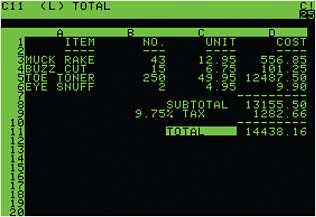
FIGURE 3-1 Screen shot of VisiCalc. SOURCE: Wikipedia. Used with permission from apple2history.org and Steven Weyhrich.
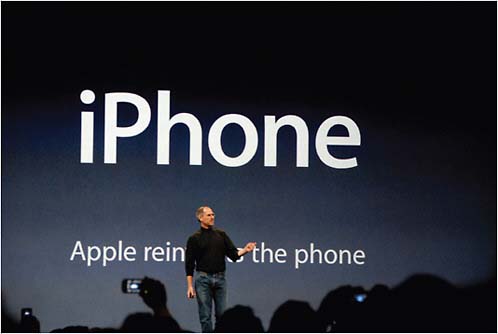
FIGURE 3-2 Steve Jobs presenting the iPhone. SOURCE: Courtesy of Wikimedia Commons. Used with permission from Blake Patterson.
-
Creates industry growth through penetration or creates entirely new industries through the introduction of goods and services (if it is dramatically cheaper, better, and more convenient); or
-
Becomes mainstream to a region, a country, or a community.
Categorizing Disruptive Technologies
When assessing whether a technology might be disruptive, it is useful to think about how it may disrupt. Disruptive technologies are impactful and affect other technologies. In many cases, it is not the technology that is disruptive but the way it combines with other factors or is applied. For example, the intercontinental ballistic missile (ICBM) combined a rocket motor, a nuclear warhead, and a guidance system. The guidance system was what made the ICBM effective and disruptive. The committee has identified six distinct categories of disruptive technology, to one of which every truly disruptive technology must belong:
-
Enablers. Technology that makes possible one or more new technologies, processes, or applications—for example, the integrated circuit, the transistor, gene splicing, and cellular technology.
-
Catalysts. Technology that alters the rate of change of a technical development or the rate of improvement of one or more technologies—for example, cloud computing and, in molecular biology, polymerase chain reaction (PCR) techniques for DNA sequence amplification.
-
Morphers. Technology that when combined with another technology creates one or more new technologies—for example, wireless technologies and microprocessors.
-
Enhancers. Technology that modifies existing technologies, allowing interest to cross a critical threshold—for example, existing technologies such as fuel cells, lithium ion batteries, nanotechnologies, and stealth technology.
-
Superseders. Technology that obsoletes an existing technology, replacing it with a superior (better, faster, cheaper, or more capable) technology. Examples include the jet engine, LCD displays, and compact digital media.
-
Breakthroughs. Discovery or technology that changes a fundamental understanding of nature or enables what had seemed impossible (if not improbable)—for example, quantum computing and fusion power.
Box 3-1 details one important technology disruption and the conditions that facilitated it.
Disrupter, Disrupted, and Survivorship
As a technology is deployed, there exists both the disrupter, who created or disseminated the disruptive technology, and the disrupted, who was voluntarily or involuntarily affected by this new technology. For example, when digital photography became popular with consumers, it was a devastating disruption to Kodak’s chemical photo finishing and film business, forcing Kodak to develop an entirely new business model in order to survive in the digital age (Figure 3-3). Today, more camera phones are sold than cameras. Strategy Analytics forecasts that approximately one-third of the world’s population will have a camera phone by 2011.4 This may once again cause Kodak to shift its business model as the online posting of digital photographs replaces their printing.
Disruption also has a connotation of survivorship. A broad-based disruptive technology can lead to the destruction of an old technology, a business model or business vitality, a community, or a country’s economy or security. For example, when online ordering became popular, it disrupted many conventional brick-and-mortar retail businesses as well as the way consumers shop. Successful disruptive technologies not only compete with, replace, and obsolete incumbent technologies but also can create completely new markets.
|
4 |
Available at http://ce.tekrati.com/research/9039/. Last accessed May 6, 2009. |
|
BOX 3-1 Qualitative Case Study: The Personal Computer Although the microcomputer was invented in 1970, it wasn’t until later in that decade that it became affordable and its form factor became acceptable for consumer and commercial applications. The advent of the personal computer (PC) and its subsequent applications exerted pervasive effects unnoticeable in the initial developing stage. These effects progressively and eventually caused disorder and habitual changes and have altered the status quo and the existing infrastructure. The PC changed the way we learn, communicate, do business, play, and live. Based on the level of impact and the nature of habitual interruption, it would be hard to argue that the PC was not a disruptive technology. Over the 1980s and 1990s, great strides in technological advancement, including the microprocessor, simultaneous multithreading (SMT) hardware assembling paired with software, and network technologies, evolved and revolutionized computing. Four “game changers” allowed this transformation to take place—technology vanguards, “killer apps,”a open architecture, and the global economic conduit.b Commodore International, Tandy Corporation, and Apple Computer were the vanguards that introduced the PC to the market. Viscalc, the Microsoft Office suite, and the browser became the killer apps that turned PCs into critical productivity tools. The open architecture of IBM’s corporate network and global reach made the PC ubiquitous.c Through the entrepreneurship of Taiwanese producers and the use of IBM’s open architecture, the PC has become an affordable commodity in a relatively short period of time. Without these game changers, today’s PC would either not have prevailed or would have taken a much longer time to penetrate the market to allow mass adoption. The outcome of these events was stunning and the impact phenomenal. Today, it is difficult to imagine the world without personal computers; this is an example of a constructive disruptive technology being carried through the economic conduit and making a significant difference. Time and again, it has been shown that technology may need to undergo a series of innovations before reaching its disruptive potential. In such an environment, even a small enterprise can make a substantial difference to the market.
|
Life Cycle
A nascent technology5 rarely becomes disruptive immediately. Each disruptive technology goes through an incubation period in six stages: (1) theoretical conception, (2) development of a proof-of-concept lab prototype, (3) attraction of funding for further development or technology maturation (this is the phase where many waver), (4) penetration into the niche markets of early adopters or limited application of the technology, (5) mass market acceptance or full-scale adoption, and (6) obsolescence, when it is finally disrupted by another technology or when the market vanishes.
Technology is dynamic. Technologies and their applications change, manufacturing efficiencies engender change, and the market demands change. Even serendipity leads to change. Today’s successful disruptive technology becomes tomorrow’s dominant technology, which in turn will eventually be subject to (perhaps disruptive)
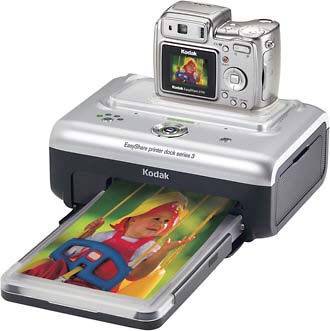
FIGURE 3-3 A digital Kodak Easyshare system. SOURCE: Courtesy of Kodak.
replacement. Many factors affect the life cycle of a technology, including the cultural, economic, scientific, and engineering forces constantly at work in the marketplace.
The speed with which an emerging technology overtakes an established one also depends on many factors, which makes a quantitative assessment of the technology’s life cycle extremely difficult. These factors include the potential market, applications, the economy, manufacturing ability, advertising, the competitive landscape, speed and veracity of adoption, improvements in performance, and cost. However, the new eventually becomes the old, and as an emerging technology becomes an established one, the cycle is likely to repeat itself.
The life cycle of a technology often forms an S-curve when performance is plotted against time. Because no technology is ever stagnant, such a characterization is an oversimplification. In fact, most technologies undergo a series of S-curves during their lifetimes, with a disruptive technology showing a discontinuity in this curve.
Timeline for Technology from Adoption Through Application
The timeline for a technology’s adoption through its application does not need to be very short for the technology to be considered disruptive. There are many examples of disruptions that are not associated with rapid adoption and application.
The fundamentals of the Internet, developed in the 1960s, were built on the 1950s disruptive technology of packet switching. Packet switching was first used to create the Advanced Research Projects Agency Network, or ARPANET, built for the U.S. Department of Defense (DoD). However, it took almost three decades for the
Internet to be opened up for commercial use6 and to reach broad deployment. Was the Internet disruptive? At its introduction, it was not considered to be inherently so. It took the introduction of the Web browser, a killer app, to turn the Internet into something that could be disruptive. While the microcomputer was invented in 1970, it was not until microcomputers were used in combination with productivity applications such as spreadsheets, word-processing software, e-mail, and the browser that they became sufficiently integrated into businesses and homes to be considered disruptive. The microcomputer made other goods, services, and equipment (such as typewriters) obsolete. It is interesting to observe that the productivity applications did not exert their impact until many years after their inception, showing that it may take time after deployment until a technology becomes noticeably disruptive.
While both emerging and disruptive technologies may have long adoption cycles, the latter experience massive discontinuity and nonlinearity in their adoption curves. Typically, they are rapidly adopted early on in vertical markets or across a specific demographic, and there can be a sizable timing gap between early adopters and mass adopters. Examples include the speed with which book readers adopted Amazon.com compared with general online consumers, and the speed with which college students adopted Facebook compared with the wider public.
Monitoring the Development of Potential Disruptions
Determining how to track key signposts is an important part of forecasting. A number of measurements can be monitored to anticipate the development of a disruptive technology or application; these are referred to as “measurements of interest.” A forecasting system should track not only the rate of change of the parameters of interest but the second derivative of change—that is, the change in the rate of change. Accelerating rates of change may be an indicator of imminent disruption.
A signpost is a recognized and actionable potential future event. Some important signposts for signaling the emergence of a potentially disruptive technology are the following:
-
The plateauing of any technology in terms of performance, cost, or efficiency;
-
Emerging applications dependent on a single critical technology, especially those in a very competitive market, which may prompt the development of a disruptive alternate technology as a substitute;
-
The production by incumbent producers of products and services that rely on sustaining innovations to improve existing technologies (faster, longer lasting, clearer, etc.) historically valued by customers (Christensen, 2004);
-
Markets dominated by expensive products and services considered overpriced and too good relative to the needs of existing customers (Christensen, 2004); and
-
Markets dominated by products that require deep expertise and/or significant wealth (Christensen, 2004).
ASSESSING DISRUPTIVE POTENTIAL
History reveals numerous technologies that never achieved their anticipated disruptive impact. Some failed because of barriers to adoption (e.g., pricing, use case, competition, or consumer acceptance); others failed because they turned out to be technologically or scientifically infeasible.
One example of a failure resulting from lack of adoption is the Segway, which was touted as a groundbreaking invention that would change personal mobility (Figure 3-4). While the Segway has made inroads in vertical applications like policing and security, consumers have not adopted it for everyday use. It seems that Segway was a solution looking for a problem: People viewed walking or riding a bike as healthier than riding a Segway.
An example of a technology that turned out to be infeasible was cold fusion. Immediately and widely publicized by the media, the scientific community later proved cold fusion to be unworkable.
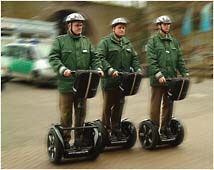
FIGURE 3-4 Field trials of the Segway by the police of Saarbrücken (Germany), February 2006. SOURCE: Courtesy of Wikipedia. Used with permission from Urban Mobility GmbH.
It is generally difficult to predict such failures be means of most forecasting approaches. However, if a forecaster pays attention to a broad range of opinion (including that of skeptics), it may be possible to distinguish technologies that will not meet expectations from those that are truly disruptive.
On the other hand, there are a number of conditions that facilitate innovation—in particular, technology disruption. These are described in the following sections.
Technology Push and Market Pull
The adoption of disruptive technologies can be viewed from two broad perspectives—technology push and solution (or market) pull (Flügge et al., 2006).
Technology Push
Technology push refers to disruption stemming from unanticipated technological breakthroughs in areas previously considered to have a relatively low probability of success. Such breakthroughs are most likely to occur when the basic science is not yet well understood (e.g., nanoscience) or where technological advancement is impeded by physical limitations (e.g., heat dissipation in semiconductor devices).
Technologies that are disruptive owing to technology push can come from very disparate areas of research, including biotechnology, cognitive technology, and materials technology. Particularly when they are combined with advances in nanotechnology and software, such sectors have the potential to create the building blocks for an extremely diverse range of applications.
Market Pull
The second perspective, solution (market) pull, refers to disruption attributable to market forces that result in the very rapid adoption of a technology (such as the exponential growth of Internet users after release of the World Wide Web) or stimulate innovative advances to address a significant need (such as currently emerging solutions for renewable energy).
When venture capitalists look for potentially disruptive technologies to invest in, they may search for markets that have threats, needs, or demands that could be addressed by novel technologies. They may also look for markets in desperate need of innovation and renewal, which could be threatened and disrupted through the
introduction of a new technology. Market need is a critical factor for determining a technology’s potential value and market size. Some market pull conditions and their potential technological solutions follow:
-
Reduce oil dependency: vehicles powered by alternative sources of energy.
-
Reduce carbon emissions and slow global warming: green technologies.
-
Protect vulnerable yet critical information networks: innovative cybersecurity technologies.
-
Power portable devices: alternative portable power sources and battery technologies.
-
Increase mobility: high-speed transportation networks.
When the Central Intelligence Agency (CIA) participated in the formation of In-Q-Tel, a 501c3 organization tasked with identifying and investing in new technologies and applications relevant to intelligence, its analysts drew up a set of critical needs they believed could be met through the use of innovative commercial technologies
In 2002, Secretary of Defense Donald Rumsfeld specified a capabilities-based requirements process for the Ballistic Missile Defense System (BMDS). BMDS was one of the first large-scale DoD programs that used a capabilities-based approach to acquisition instead of a requirements-based approach. Instead of specifying the method and performance requirements of a solution, the DoD described the capabilities necessary to overcome a generally defined projected problem or threat. Capabilities-based approaches call for the development of an initial capability and then spiral development to enhance the system as the problems and threats become more defined. Capabilities-based acquisition is fundamentally changing the way the DoD buys and engineers systems (Philipp and Philipp, 2004). This approach demonstrates that projecting future needs can be more important than specifying an exact technical solution.
The committee believes that same concept holds true for forecasting disruptive technologies. Forecasting future needs, problem areas, pain points, threats, and opportunities is just as important as forecasting the specific technologies that might cause disruptions. By associating market pull and capabilities with potential technologies, a forecast should be able to describe the disruption.
A good disruptive technology forecast should forecast not only potential technologies but also potential market (or military) opportunities, competitive threats, or problem areas that might drive technical innovation. Formulating a problem set and a capability list may let a decision maker know how to prioritize R&D initiatives and prepare for future disruptions. It may also help the decision maker take advantage of opportunities even if a pathway to the potential technical solution is not yet clear.
Investment Factors
When examining technology sectors from an investment perspective, it is important to distinguish between the fundamental research investments focused on technology push and investments in the development of new applications to address market pull. These two categories are not entirely decoupled, as most research is in fields that hold potential for application to known problems—for example, quantum science, nanoscience, and cognitive science—but the source of the funding and the kinds of applications being developed tend to be different.
Fundamental research, particularly in the United States, is primarily funded by the government and performed by academia. The results of this research are, in general, published openly (NRC, 2007). In fact, the U.S. export control regime contains an explicit exemption pertaining to the results of fundamental research. Investment in fundamental research in other nations can be less transparent than in the United States. There is a growing trend to funding international collaborations among academic researchers, particularly in the basic research for nanotechnology, biotechnology, information technology, and cognitive science. Because of concerns about intellectual property protection and global competitiveness, the many research programs sponsored by large, multinational corporations are kept confidential and their results are proprietary.
Venture capital is a significant and growing source of investment for technological innovation intended to address market demand and promote regional S&T objectives. Of the $11 billion invested in fuel cell development in the United States between 1997 and 2009, $1 billion came from venture capitalists (Wu, 2009). This type of funding is particularly important for small corporations and start-ups, although some large corporations have
implemented an internal version of venture capital investment to focus on the need to link investment and market demand. It is possible to monitor investment trends by sector (cleantech,7 biotechnology, Web, enterprise, and consumer electronics) as well as region or country. Information on venture capital can be found in the publications of venture capital associations as well as from analytical groups that track and report on venture investing. Nevertheless, it remains difficult to identify funding activities by specific application, given the proprietary nature of many start-ups.
A slightly different perspective on investment can be obtained by analyzing corporate acquisitions. Large corporations in particular often buy a smaller corporation to gain access to new technology that they then exploit in existing or new product lines.
It is worth noting that the size and type of the investment required to foster technological advancement vary significantly by sector. For example, software development requires virtually no investment in infrastructure beyond basic computing capabilities, whereas nanotechnology development requires significant laboratory capabilities (NRC, 2008). Similarly, the emerging field of computational biology relies on computing power, whereas biotechnology more generally requires significant investment in laboratory equipment.
Cost as a Barrier to Disruption
Cost can be measured in multiple dimensions. First, there are costs related to human capital. Although the science and technology enterprise is increasingly global, the expertise is not uniformly distributed. Next, there are costs related to the infrastructure required to enable research and development; this ranges from basic computing capabilities to sophisticated laboratory equipment and testing facilities. Finally, there are costs relating to the replication of a product once it is developed. These costs may be virtually nonexistent if the product is software (particularly open source) but can increase significantly depending on the complexity of the end product. The F-22 Raptor is one good example of an extremely complex product with high replication costs.
Another perspective on the implementation cost relates to political and cultural barriers that can impede dissemination. Such impediments may be the result of the national policy or regulatory environment or, more broadly, international conventions or norms. Because global policies and norms vary so widely, a technology that is acceptable in most places may not be acceptable in the United States and could have a disruptive impact. Such variation may foster or constrain the conduct of specific research as well as its subsequent application. Examples include research on stem cells and cloning. Similarly, local conditions may create massive market pull and disproportionately high rates of adoption, luring investment and stimulating innovation by corporations addressing the global marketplace. Pagers, for example, were adopted much more rapidly in China than in United States. In short, geography matters. Any methodology for forecasting disruptive technologies must consider regional and national perspectives and account for international influences.
It is relevant to note that it is not always the innovator who is rewarded when a disruptive application emerges. In the era of instant communication and connectivity, imitation can replace innovation as time goes on. A conscientious and astute imitator can give birth to disruption with perhaps even greater ease than can the innovator, since the imitator can search the entire technology spectrum with little or no vested interest, capital, commitment, or sentimental attachment to any specific pathway.
Regional Needs and Influences
The continuing globalization of the science and technology enterprise, as well as the commercial marketplace it supports, further complicates the ability to forecast disruptive technologies. The “flat world” accelerates the pace of innovation as researchers in one region of the world build on the work of researchers elsewhere. However, this borderless flow of knowledge may not translate into the global uniformity of a technology or its applications,
|
7 |
“Cleantech” is used to describe knowledge-based products or services that improve operational performance, productivity, or efficiency while reducing costs, inputs, energy consumption, waste, or pollution. Available at http://en.wikipedia.org/wiki/Cleantech. Accessed on August 11, 2009. |
which may vary between regions because each nation responds to regional needs and global opportunities in different ways. Such effects may be amplified when individual nations make sizeable strategic investments, targeting research to address specific national priorities and stimulating advances with global impact.
The regional or national potential for disruptive technologies can be assessed on several dimensions, including stability (does the region have the requisite institutions to sustain innovation?), velocity (are new industries or technology sectors emerging?), diversity (do the technology sectors in a given cluster have substantial diversity?), and need (is there a critical or strategic need for a technological solution?). The richness of connections, both physical and electronic, between regions and countries is also a crucial factor.
The variation in national policies, mentioned above, also affects national attitudes to developing, handling, and deploying military and intelligence-related technologies. Variations are found in nuclear (tactical and strategic), chemical, biological, mining, stealth, missile defense, space, and cyber technology research policies. Some of them are driven by strategic needs, ethics, or cultural concerns, while others are driven by accessibility, cost, and scientific, technical, and engineering capabilities.
Infrastructure capacity also varies significantly by nation. During the 1990s, India became a significant source of software development (Arora et al., 2000). This was leveraged in large measure by Silicon Valley and U.S. corporations, which recognized that while software development required a skilled and educated workforce; it did not need much physical infrastructure. However, while the number of nations able to support sophisticated laboratories for advanced research in, say, biotechnology, nanotechnology, quantum technology, and high-energy research is growing, they are limited by the quality of the infrastructure and the availability of financial and human resources.
Social Factors
Social and cultural attitudes have always played a role in the viability and impact of technology and its applications. In many cases, social and cultural attitudes are as important for technology disruption as are performance and functionality factors.
Many technologies and applications are adopted not only for what they do (functionality) but also for what they mean (social identity).8 One driver of technology adoption is identity reinforcement. The following examples of social identity affect the adoption of technologies and their applications:
-
Being green (e.g., buying an electric or hybrid car);
-
Displaying affluence (e.g., driving a very expensive sports car);
-
Demonstrating computer savvy (through choice of computer operating system);
-
Having a high-tech lifestyle (e.g., using smart phones and digital media players);
-
Being connected (such as by posting on social networking sites); and
-
Being a superpower (e.g., by possessing or aiming to possess nuclear weapons).
Technologies and applications may also be resisted for cultural, religious, or ethical reasons that make certain technologies unacceptable. Examples include the banning in various cultures of cloning, human genetic modification, embryonic stem cell technologies, contraceptives, and government surveillance of a person’s activities through electronic data using data-mining technologies. Regional preferences also affect the social acceptability of a technology or resistance to it. Examples include the resistance to nuclear power in the United States, to bioengineered foods in Europe, and to nuclear weapons in Japan.
Demographic Factors
Generally, younger adults are much more prone than older adults to take risks. These risks can include sensation seeking (for example, thrill seeking and a predilection for adventurous, risky, and exciting activities), experience seeking (such as a desire to adopt a nonconforming lifestyle), disinhibition (a need for social stimulation), and susceptibility
|
8 |
Available at http://www.kk.org/thetechnium/archives/2009/03/ethnic_technolo.php Last accessed July 13, 2009. |
to boredom (avoidance of monotonous situations) (Zuckerman, 1979; Trimpop et al., 1984). Indeed, recent research has shown that the age-associated differences in acceptability of risk have a neuropsychological basis. For example, Lee and colleagues found that younger and older adults relied on different brain mechanisms when they were making decisions about risk (2008). This research suggests that neuropsychological mechanisms may underlie decisions on risk and cause impulsive behavior across an individual’s life span. In keeping with this effect, younger researchers, scientists, and entrepreneurs may be more willing to risk their careers and financial well-being to pursue the research, development, and application of risky but potentially disruptive, highly profitable innovations.
Owing in large measure to the ongoing globalization of the S&T enterprise, it is increasingly difficult to map human expertise around the world with any degree of fidelity. Trends of college graduates in various disciplines around the world provide an indirect indication. New research facilities under construction by corporations may also be indicative, as they are motivated to locate near pools of talent. Demographic trends, particularly in population growth, can be a determinant of human potential, which is maximized in countries emphasizing technical education.
In examining geographic and demographic factors, it is therefore important to consider not only a nation’s wealth but also its population trends and emphasis on education. It also is instructive to assess that nation’s commitment to S&T. A number of nations plan to invest a growing percentage of their gross domestic product in scientific research, a promising indicator for future technological innovation.
Geopolitical and Cultural Influences
This area of analysis includes not only the geopolitical and cultural influences that may extend beyond the boundaries of a given nation, but also the social influences stemming from a demographic that is globally impacted by technology-savvy youth. Each of these dimensions may serve to impede, or accelerate, the development and diffusion of a given technology.
Historically, there has been concern for disruption stemming from geopolitical influences in areas where transparency is minimal due to an intentional disregard for international conventions or norms. For example, although many nations have accepted limitations on the use of biological and chemical weapons for warfare, there is no guarantee that the United States will not encounter such weapons on future battlefields. Other asymmetric techniques made possible by emerging technologies may fall into this category as well.
Differing cultural beliefs, on the other hand, may be quite transparent and nonetheless lead to some degree of disruption simply by virtue of the creation of capabilities that would not be anticipated in certain cultural environments. Human cloning or more general human enhancements would fall into this category.
Overall, the strengths of each country or region in specific scientific research areas vary. Technology priorities may also vary by country or region depending on societal needs and governmental policies. So, uniformity cannot be expected.
Practical Knowledge and Entrepreneurship
For researchers in the academic, commercial, and government sectors, two factors are production-worthiness and market fit. Academic researchers need not only master scientific and engineering expertise, but must also embrace market tastes, needs, and demands. To swiftly move scientific knowledge and discoveries from the laboratory to the development and manufacturing stages and, finally, to the marketplace, practical knowledge and entrepreneurial agility are required. Entrepreneurship is a key ability for the workforces of fast-growing countries, enabling them to move expeditiously from science to technology to commercialization.
Crossover Potential
The potential for surprise is greatest in crossover advances, which are the most difficult to anticipate. In the area of pharmaceuticals, for example, there are instances where a drug designed for therapeutic purposes is used instead for the enhancement of physical capabilities—for example, the use of steroids by athletes (see Figure 3-5).

FIGURE 3-5 Steroid product for athletes. SOURCE: Reprinted with permission from Custom Medical Stock Photo.
Another example is the Internet, which was originally envisioned as a means for researchers to communicate with one another and to share the computational resources of powerful research computers no matter where they were.9 The Internet subsequently became a global backbone for communications and now supports a diverse array of applications for which it was never designed. One of the “applications” supported by the Internet is the delivery of cyberattacks, which have significant disruptive potential. Thus, to assess this potential for a given technology sector or application, forecasters must ask “What else?”
CONCLUSION
This chapter has overviewed the general features of disruptive technologies that must be considered, such as the attributes, categories, and timelines associated with these technologies. The timeline of a technology’s deployment does not necessarily need to be very short for the technology to be considered disruptive, and its cycle can vary, with most technologies undergoing a series of S-curves of growth and development during their lifetimes. Approaches to assessing the likelihood of a given technology disruption were also discussed, including the impact of geographic, demographic, cultural, and social factors. Signposts (metrics that can be used to anticipate the development of a disruptive technology) were emphasized.
Chapters 4 and 5 specifically address the characteristics of a forecasting system for disruptive technologies, including how bias can affect a forecast and the necessary attributes of such a system.
|
9 |
Available at http://inventors.about.com/library/inventors/bl_Charles_Herzfeld.htm. Last accessed May 6, 2009. |
REFERENCES
Arora, Ashish, V.S. Arunachalam, Jai Asundi, and Ronald Fernandes. 2000. The Indian software services industry. Research Policy 30(8): 1267-1287.
Christensen, Clayton. 2004. Seeing What’s Next: Using the Theories of Innovation to Predict Industry Change. Watertown, Mass.: Harvard Business School Publishing Corporation.
Flügge, Barbara, Till Janner, and Christoph Schroth. 2006. Technology push vs. market pull. Second European Conference on Management of Technology. Birmingham, England. September 10-12. Available at http://www.abs.aston.ac.uk/newweb/research/documents/EuroMOTkeynotepresentationFluegge.pdf. Last accessed November 12, 2008.
Friedman, Thomas L. 2005. The World Is Flat. New York: Farrar, Straus and Giroux.
Gold, Russell. 2008. A gusher for oil grads. The Wall Street Journal. February 21.
Lee, Tatia M.C., Ada W.S. Lueng, Peter T. Fox, Jia-Hong Gao, and Chetwyn C.H. Chan. 2008. Age-related differences in neural activities during risk taking as revealed by functional MRI. Social Cognitive and Affective Neuroscience 3(1): 7-15.
National Research Council (NRC). 2007. Rising Above the Gathering Storm: Energizing and Employing America for a Brighter Economic Future. Washington, D.C.: The National Academies Press. Available at www.nap.edu/openbook.php?isbn=0309100399.
NRC. 2008. Nanophotonics: Accessibility and Applicability. Washington, D.C.: The National Academies Press. Available at http://www.nap.edu/catalog.php?record_id=11907#toc.
Philipp, Charles, and Turner Philipp. 2004. Capabilities based acquisition … from theory to reality. CHIPS - The Department of the Navy Information Technology Magazine. Summer.
Tellis, Gerard J. 2006. Disruptive technology or visionary leadership? Journal of Product Innovation Management 23(1): 34-38.
Trimpop, Rudiger M., John H. Kerr, and Bruce Kirkcaldy. 1984. Comparing personality constructs of risk-taking behavior. Personality and Individual Differences 26(2): 237-254.
Wood, S., and G. Brown. 1998. Commercializing nascent technology: The case of laser diodes at Sony. The Journal of Product Innovation Management 15(2): 167-183.
Wu, Ying. 2009. Finding Fuel Cells’ Real Future. Available at http://www.luxresearchinc.com/. Last accessed June 3, 2009.
Zuckerman, Marvin. 1979. Sensation Seeking: Beyond the Optimal Level of Arousal. Hillsdale, N.J.: Erlbaum.


