
2
Descriptive Epidemiology and Trends
The committee began its reexamination of the Institute of Medicine (IOM) (1990) recommendations for weight gain during pregnancy by evaluating trends since 1990 in both prepregnancy maternal body mass index (BMI) and gestational weight gain (GWG). As described in detail in Chapter 3, prepregnancy BMI and GWG are interrelated. When evaluating trends in GWG, the committee considered whether women were gaining weight within the ranges recommended in the IOM (1990) report. The committee also evaluated trends since 1990 in postpartum weight retention.
The committee then examined trends since 1990 in key weight-related sociodemographic maternal characteristics and pregnancy outcomes (i.e., characteristics and outcomes known to be associated with prepregnancy BMI and/or GWG). Weight-related pregnancy outcomes include both maternal and child health outcomes.
This chapter summarizes the committee’s evaluation of these two areas of descriptive epidemiology. This information provides a context for understanding the sociodemographic and behavioral environment that may influence successful promotion of healthy GWG and optimal pregnancy outcomes.
TRENDS IN MATERNAL WEIGHT AND GESTATIONAL WEIGHT GAIN
Maternal Body Mass Index
One of the most serious issues that practitioners and scientists have faced in the past 30 years is the increase in prevalence of overweight and
TABLE 2-1 Distribution of BMI (World Health Organization categories) from 1976 to 2004 Among U.S. Nonpregnant Women 12 to 44 Years of Age by Race or Ethnicity and Age (percentage)
|
|
1976-1980 |
1988-1994 |
1999-2004 |
|
Total (%) |
|||
|
Underweight |
6.0 |
4.4 |
3.5 |
|
Normal weight |
62.1 |
53.4 |
41.1 |
|
Overweight |
18.8 |
20.8 |
25.3 |
|
Class I obese |
7.9 |
12.2 |
15.8 |
|
Class II obese |
3.5 |
6.0 |
7.7 |
|
Class III obese |
1.7 |
3.4 |
6.5 |
|
By Race or Ethnicity |
|||
|
Non-Hispanic white (%) |
|
|
|
|
Underweight |
6.3 |
4.7 |
4.3 |
|
Normal weight |
64.2 |
58.3 |
46.4 |
|
Overweight |
17.9 |
18.4 |
23.3 |
|
Class I obese |
7.2 |
10.5 |
13.8 |
|
Class II obese |
2.9 |
5.3 |
6.9 |
|
Class III obese |
1.5 |
2.8 |
5.3 |
|
Non-Hispanic black (%) |
|
|
|
|
Underweight |
3.9 |
2.7 |
—a |
|
Normal weight |
47.8 |
37.3 |
23.4 |
|
Overweight |
24.4 |
27.7 |
25.7 |
|
Class I obese |
13.3 |
15.8 |
23.7 |
|
Class II obese |
7.3 |
9.7 |
12.2 |
|
Class III obese |
—a |
6.8 |
13.3 |
obesity among American women of childbearing age (Flegal et al., 1998; Mokdad et al., 1999; IOM, 2005; Kim et al., 2007). The prevalence of obesity in women 12 to 44 years of age has more than doubled since 1976 (Table 2-1). Data collected by the National Center for Health Statistics (NCHS) in 1999-2004 showed that nearly two-thirds of women of child-bearing age were classified as overweight (as defined by BMI ≥ 25 kg/m2), and almost one-third were obese (BMI ≥ 30 kg/m2) (personal communication, A. Branum, Centers for Disease Control and Prevention [CDC], December 2008). Obesity is far more common among racial or ethnic minority groups and increases in prevalence with advancing age.
|
|
1976-1980 |
1988-1994 |
1999-2004 |
|
Mexican American (%) |
|
|
|
|
Underweight |
—b |
1.9 |
—a |
|
Normal weight |
—b |
36.0 |
32.0 |
|
Overweight |
—b |
32.3 |
32.6 |
|
Class I obese |
—b |
18.1 |
19.6 |
|
Class II obese |
|
6.9 |
7.9 |
|
Class III obese |
|
4.7 |
6.7 |
|
By Age |
|||
|
Age 20-34 (%) |
|
|
|
|
Underweight |
7.1 |
5.1 |
4.6 |
|
Normal weight |
64.9 |
58.3 |
44.2 |
|
Overweight |
16.8 |
18.2 |
23.9 |
|
Class I obese |
6.9 |
10.6 |
14.8 |
|
Class II obese |
3.0 |
5.2 |
7.1 |
|
Class III obese |
1.4 |
2.6 |
5.4 |
|
Age 35-44 (%) |
|
|
|
|
Underweight |
3.8 |
3.3 |
2.1 |
|
Normal weight |
55.7 |
46.8 |
37.3 |
|
Overweight |
23.2 |
24.2 |
27.1 |
|
Class I obese |
10.2 |
14.2 |
17.1 |
|
Class II obese |
4.8 |
7.0 |
8.6 |
|
Class III obese |
—a |
4.4 |
7.9 |
|
NOTE: Underweight, < 18.5 kg/m2; normal, 18.5 to < 25.0 kg/m2; overweight, 25.0 to < 30.0 kg/m2; class I obese, 30.0 to < 35.0 kg/m2; class II obese, 35.0 to < 40 kg/m2; class III obese, ≥ 40 kg/m2. aInsufficient unweighted data to make reliable estimates. bHispanic ethnicity not available in 1976-1980 National Health and Nutrition Examination Survey (NHANES). SOURCE: Personal communication, A. Branum, CDC, Hyattsville, Maryland, December 2, 2008. |
|||
Importantly, the prevalence of severe obesity, once a relatively rare condition, has increased dramatically among women of childbearing age (Table 2-1). Between 1979 and 2004, class I and II obesity doubled and class III obesity tripled. Trends are similar by age. The prevalence of all classes of obesity is lowest in white non-Hispanic women and highest in non-Hispanic black women; among the latter, the prevalence of class I obesity approaches 25 percent, and the prevalence of class II and III obesity each exceeds 10 percent. Almost one-fifth of Hispanic women have class I obesity, with the proportions of class II and III obesity each approaching 10 percent.
Because of these trends, more women are already obese when they become pregnant. Based on data from the Pregnancy Risk Assessment Monitoring System (PRAMS), one-fifth of American women are obese (BMI > 29 kg/m2) at the start of pregnancy, a figure that has risen 70 percent in the past decade (Kim et al., 2007) (Figure 2-1). More specifically, although the prevalence of overweight has increased only slightly in the population as a whole and among black and white women, the prevalence of obesity doubled in white women and increased by 50 percent in black women. These statistics are based on data from only nine states; no nationally representative data are available from a modern cohort to provide trends in pregravid BMI values.
Body Mass Index Classification
The report Nutrition During Pregnancy (IOM, 1990) recommended the use of BMI to classify maternal prepregnancy weight. The four prepregnancy BMI categories used in that report were selected to be consistent with 90 percent, 120 percent, and 135 percent of the 1959 Metropolitan Life Insurance Company’s ideal weight-for-height standards—the standard most
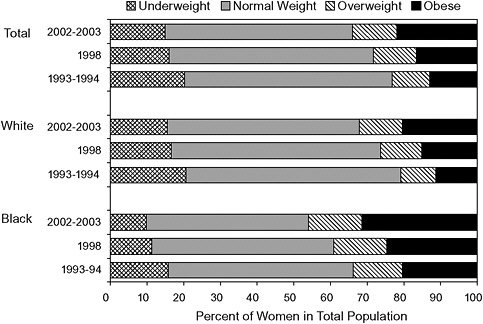
FIGURE 2-1 Trends in the distribution of BMIa from 1993 to 2003 among prepregnant U.S. women in the total population and by race or ethnicity.
aIOM BMI categories were used (underweight, < 19.8 kg/m2; normal weight, 19.8-26.0 kg/m2; overweight, 26.1-29.0 kg/m2; obese, > 29 kg/m2).
SOURCE: Kim et al., 2007.
commonly used in the United States when the report was written. Since then, the World Health Organization (WHO, 1998) has developed and the National Heart, Lung, and Blood Institute (NHLBI, 1998) has adopted the use of new BMI categories. The WHO BMI categories are based on different considerations and, as a result, are defined differently than those in the IOM (1990) report. The WHO BMI categories also include several grades or categories of obesity (see Table 2-2).
The weight gain categories identified in IOM (1990) classify more women as underweight than the more stringent WHO cutoff point, while the WHO categories classify more women as overweight and fewer women as obese, with similar differences by race or ethnicity and age. In 1999-2004, with either the IOM or WHO cutoff points, about half of women are overweight (BMI > 26 with IOM cutoff point or > 25 with WHO cutoff point) (Figure 2-2).
Gestational Weight Gain
Assessment of both prepregnant BMI and GWG requires rigorous methods of data collection (see Table 2-3). Unfortunately, most of the data available to the committee were not collected with a high level of rigor, and most studies relied on recalled weight values (see Table 2-4). Although the IOM (1990) report called for collection of national data on GWG, prepregnancy height, and weight for proper surveillance, today there are still no nationally representative data with which to study trends in GWG in the United States. The committee used three sets of data for its evaluation of GWG: birth certificate, PRAMS, and Pregnancy Nutrition Surveillance System (PNSS) data. The latter two datasets (see Appendix A for descriptions) also provided information on prepregnant BMI.
Data Obtained from Birth Certificates
Data obtained by standard U.S. birth certificates from 49 states illustrate that from 1990 to 2005 reported weight gains among singleton
TABLE 2-2 Comparison of Institute of Medicine (IOM) and World Health Organization (WHO) BMI Categories
|
Category |
IOM |
WHO |
|
Underweight |
< 19.8 kg/m2 |
< 18.5 kg/m2 |
|
Normal weight |
19.8-26 kg/m2 |
18.5-24.9 kg/m2 |
|
Overweight |
26.1-29 kg/m2 |
25-29.9 kg/m2 |
|
Obese Class I |
> 29 kg/m2 |
30-34.9 kg/m2 |
|
Obese Class II |
— |
35-39.9 kg/m2 |
|
Obese Class III |
— |
≥ 40 kg/m2 |
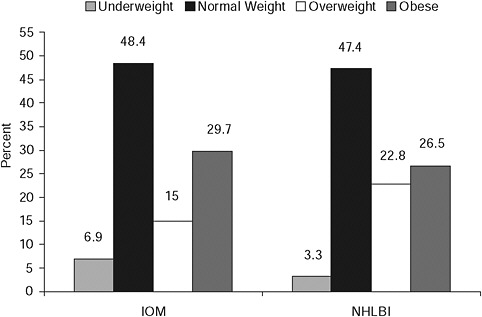
FIGURE 2-2 Distribution of BMI from 1999 to 2004 among U.S. nonpregnant women 12 to 44 years of age using the IOMa (1990) and the WHOb BMI cutoff points.
aIOM (1990) BMI categories are underweight, < 19.8 kg/m2; normal, 19.8-26.0 kg/m2; overweight, 26.1-29.0 kg/m2; obese, > 29 kg/m2.
bWHO BMI categories are underweight, < 18.5 kg/m2; normal, 18.5-24.9 kg/m2; overweight, 25.0-29.9 kg/m2; obese, ≥ 30 kg/m2.
SOURCE: Personal communication, A. Branum, CDC, Hyattsville, Maryland, April 15, 2008.
pregnancy mothers of term, of < 16 pounds and > 40 pounds both increased (Figure 2-3). Weight gain within the broad recommended range (16 to 40 pounds) (IOM, 1990) declined slowly during this 15-year period. Unfortunately, the standard birth certificate lacks data on maternal prepregnancy weight and height. Thus, data from this source cannot provide information about GWG relative to prepregnant BMI category. Additionally, the data on prepregnancy weight was self-reported and therefore more variable than clinical measures. The loss in precision and the degree of bias due to self-reporting must be taken into account when interpreting those data.
There were some important differences in low and high gains among women in the different racial/ethnic and age groups. Specifically, the greatest increase in the proportion of women with a weight gain > 40 pounds from 1990 to 2005 was among white women (Figure 2-4). In 2005, adolescents (< 20 years old) were more likely to gain excessive weight during
TABLE 2-3 Data Required to Assess Trends in Pregnancy-Related Maternal Weight and the Ideal and Practical Methods of Measurement and Acquisition
|
Required Data |
Method of Measurement and Acquisition |
|
|
Ideal |
Practical |
|
|
Prepreganancy weight |
Measureda at a preconceptional visit |
Recalled at the first prenatal visit using a standardized question |
|
Prepreganancy height |
Measureda at the first prenatal visit |
|
|
Gestational weight gain |
Total gain: last measured available weight abstracted from clinical records |
Total gain: maternal recall of last available weight |
|
|
Pattern of gain: requires trimester-specific or midpregnancy weight abstractions |
|
|
Gestational age at last available weightb |
Abstracted from clinical records |
|
|
Postpartum weight |
Total retention: measured maternal weight abstracted from clinical records |
Total retention: recalled maternal postpartum weight |
|
|
Measured longitudinally in nonpregnant women |
Cross-sectionally in nonpregnant women |
|
|
Time: serial measurements 3, 6, 9, 12, and 18 months after delivery |
Time: 3, 6, 9, 12, or 18 months after delivery |
|
aAll weight and height measurements should be performed in light clothing without shoes. bThe gestational age at delivery may vary substantially from the gestational age at the last prenatal visit. Thus, misclassification may result if the gestational age at delivery is used in combination with weight at the last prenatal visit to determine weight gain adequacy. |
||
pregnancy than women 35 years of age and older. Between 1990 and 2005, there was a 31 percent increase in GWG of at least 40 pounds in singleton pregnancies among adolescents (NCHS, 2007a). In 2005, weight gain of < 15 pounds was more common among black and Hispanic than among white women (Figure 2-5). Within each racial or ethnic group, the proportion of women with low gains increased with advancing age.
Weight Gain Relative to Prepregnancy BMI
Unfortunately, the standard birth certificate lacks data on maternal prepregnancy weight and height. Thus, data from this source cannot pro-
TABLE 2-4 National Data Sources for Maternal Weight and Their Methods of Acquiring Key Variables
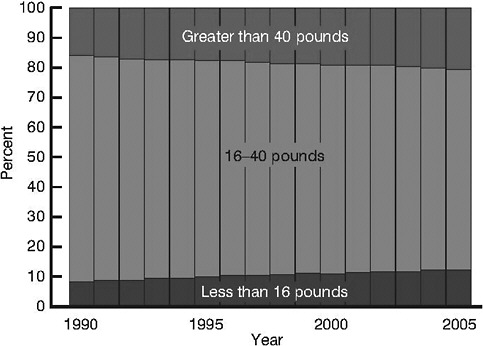
FIGURE 2-3 Weight gain during pregnancy for singleton term births in the United States, 1990-2005.
NOTES: California does not report weight gain in pregnancy. Term is ≥ 37 weeks’ gestation.
SOURCE: NCHS, 2007a.
vide information about GWG relative to prepregnant BMI category. Birth certificate data may yield more useful statistics for weight gain surveillance in the near future. The IOM (1990) report called for collection of maternal prepregnancy weight and height, and these fields were added to the 2003 revised U.S. birth certificate, and by 2006, 19 states were using the revised birth certificate.
At present, the two large surveillance systems collecting data on GWG and prepregnancy BMI in the United States, PRAMS and PNSS, permit identification of trends in recommended weight gains, although neither system is nationally representative. For PRAMS, GWG is taken from the birth certificate and other data are either pulled from medical records or are provided by maternal recall.
Data Obtained from PRAMS
PRAMS collects GWG data from birth certificates, and maternal prepregnancy height and weight are obtained from maternal interview in the
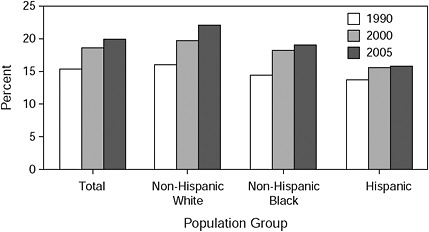
FIGURE 2-4 Percentage of women in the United States who gained more than 40 pounds during pregnancy, by race or ethnicity of the mother, 1990, 2000, and 2005.
NOTES: Includes only mothers with a singleton delivery and only non-Hispanic white, non-Hispanic black, and Hispanic mothers (who might be of any race). The total number of women who gained > 40 pounds was 456,678 in 1990, 588,253 in 2000, and 656,363 in 2005.
SOURCE: CDC, 2008a.
FIGURE 2-5 Percentage of women in the United States who gained less than 15 pounds during pregnancy by age and race or ethnicity of the mother, 2005.
NOTES: Includes only mothers with a term (≥ 37 weeks’ gestation), singleton infant; excludes data for California.
SOURCE: CDC, 2008b.
postpartum period. Currently, 37 states, New York City and the Yankton Sioux Tribe (South Dakota) participate in PRAMS (available online at http://www.cdc.gov/prams/ [accessed February 5, 2009]). For the analysis of trends in GWG reported here, data were limited to the eight PRAMS states with at least 70 percent response rates and to women with complete data on prepregnancy BMI and singleton, term pregnancies (Alabama, Arkansas, Florida, Maine, New York [excludes New York City], Oklahoma, South Carolina, and West Virginia). Limitations in the dataset, including self-reported weight, were considered.
In 2002-2003, PRAMS data indicate that the mean GWG was highest in underweight and normal weight women and declined in overweight and obese women among all racial/ethnic groups (Figure 2-6). The mean GWG among underweight and normal weight women in all racial/ethnic groups was within the recommended range but was higher than recommended for overweight women. For obese women, average weight gains were well
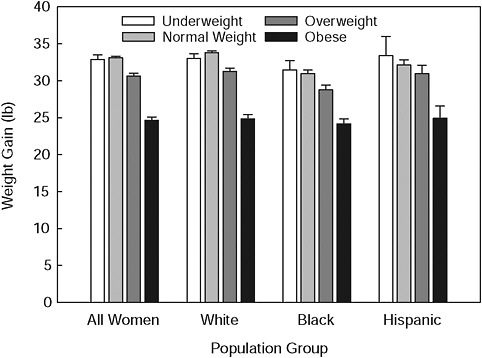
FIGURE 2-6 Mean gestational weight gain by BMI category and race or ethnicity, Pregnancy Risk Assessment Monitoring System, 2002-2003.
NOTE: WHO BMI categories were used (underweight, < 18.5 kg/m2; normal, 18.5-24.9 kg/m2; overweight, 25.0-29.9 kg/m2; obese, ≥ 30 kg/m2).
SOURCE: Information contributed to the committee in consultation with P. Dietz, CDC, Atlanta, Georgia, January 2009.
above the 15-pound recommended minimum. Similar trends were observed in 1992-1993 and 1998 (data not shown).
In 2002-2003, nearly half of underweight women represented in the PRAMS data gained within the range recommended by the IOM (1990), while 30.6 percent and 19.5 percent gained below and above the recommendations, respectively (Figure 2-7). For normal weight women, GWG varied little over this 10-year period. There was a small decrease in the proportion of women gaining less than, while a larger proportion of women gained in excess of the IOM (1990) recommendations.
The majority of overweight women had weight gains greater than the recommended range (Figure 2-7). By 2002-2003, only about one-quarter of overweight women gained within the recommended range. For obese women, there was a modest rise in the prevalence of excessive weight gain from 1993-1994 to 2002-2003. By the end of the observation period, only one-third of obese women gained within the recommended range. Among women in all BMI categories, no more than 50 percent of women gained within the recommended range.
Data Obtained from PNSS
The only other large U.S. data source on GWG and prepregnancy BMI, PNSS, collects data on low-income women participating in public health programs (predominantly the U.S. Department of Agriculture’s [USDA’s] Special Supplemental Nutrition Program for Women, Infants, and Children [WIC]) from 26 states, 5 tribal governments, and 1 U.S. territory. For the analyses described below, data on pregravid BMI were used to determine whether weight gains fell above, within, or below the ranges recommended by the IOM (1990), but the data were not stratified by pregravid BMI. In this analysis, the data also were not limited to singleton, term pregnancies. Given these limitations, the data from PNSS show that from 1997 to 2007 in the total population of participating women, the proportion who gained within the range recommended by the IOM (1990) changed very little (Figure 2-8). Indeed, only about 30 percent of women with BMIs in the normal, overweight, and obese categories gained within the recommended ranges. The percentage of underweight women gaining within the recommended range rose slightly from nearly 36 percent in 1997 to just over 40 percent by 2007, while the percentage gaining below the recommended range declined from 41 percent to 32 percent. Furthermore, by the end of the observation period, approximately 46 percent of normal weight women, 46 percent of obese women, and 59 percent of overweight women gained in excess of the recommendations (IOM, 1990).
Similar time trends were observed when the PNSS data were stratified by race or ethnicity. In all racial/ethnic groups, the rates of high weight gains increased, low weight gains decreased, and recommended weight
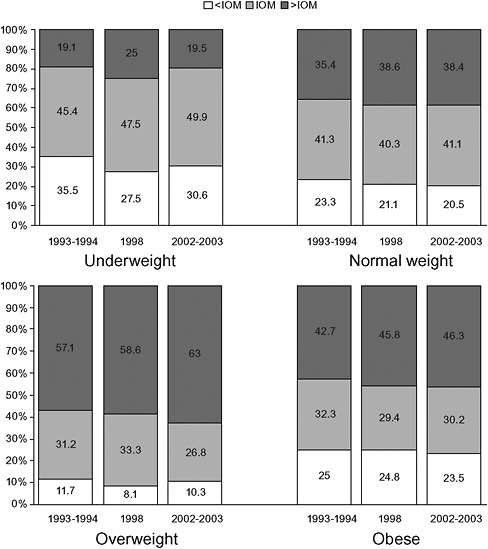
FIGURE 2-7 Distribution of gestational weight gain by prepregnancy BMI category among singleton, term deliveries from 1993 to 2003.
NOTE: IOM BMI categories were used (underweight [lean], < 19.8 kg/m2; normal, 19.8 to 26.0 kg/m2; overweight, 26.1 to 29.0 kg/m2; obese, > 29.0 kg/m2).
SOURCE: Information contributed to the committee in consultation with P. Dietz, CDC, Atlanta, Georgia, January 2009.
gains varied little (Figure 2-9). Non-Hispanic black women and Hispanic women had similar rates of low weight gain and were more likely than non-Hispanic white women to gain less than the recommended levels. Non-Hispanic white women were most likely to gain weight above the recommendations (IOM, 1990).
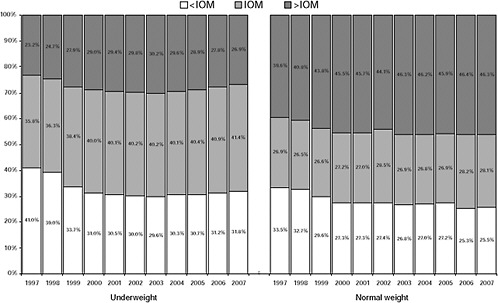
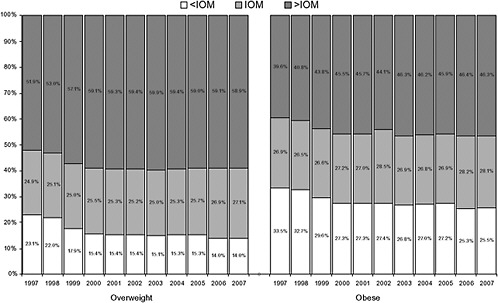
FIGURE 2-8 Distribution of gestational weight gain from 1997 to 2007 by pregravid BMI.
NOTE: BMI based on IOM categories (underweight [lean], <19.8 kg/m2; normal, 19.8 to 26.0 kg/m2; overweight, 26.1 to 29.0 kg/m2; obese, >29.0 kg/m2).
SOURCES: Personal communication, A. Sharma, CDC, Atlanta, Georgia, December 2008; CDC, Pregnancy Nutrition Surveillance System. Available online at http://www.cdc.gov/PEDNSS/pnss_tables/pdf/national_table20.pdf [accessed February 12, 2009].
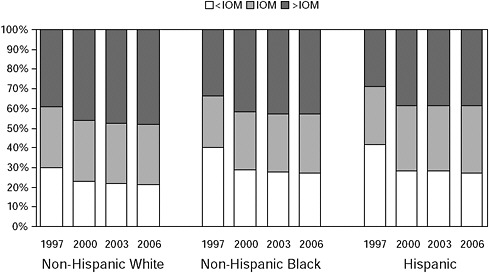
FIGURE 2-9 Distribution of gestational weight gain by race or ethnicity.
SOURCES: Personal communication, A. Sharma, CDC, Atlanta, Georgia, December 2008; CDC, Pregnancy Nutrition Surveillance System. Available online at http://www.cdc.gov/PEDNSS/pnss_tables/pdf/national_table20.pdf [accessed February 12, 2009].
Concluding Remarks
Taken together, data from PRAMS and PNSS illustrate that less than half of the women in these populations met the IOM (1990) recommendations for GWG. Importantly, none of the data highlighted here provide information on pattern of weight gain.
POSTPARTUM WEIGHT RETENTION
Studies of population trends in maternal postpartum weight retention build upon and extend the data required to assess the adequacy of GWG (i.e., whether women are gaining weight during pregnancy within the IOM [1990] recommended ranges; see Table 2-2). Postpartum weight status is usually determined by subtracting the prepregnancy weight from a weight obtained at a time after delivery; population-level postpartum weight status can be represented in a variety of ways, including absolute weight change, percentage who retain a specific amount of weight over the prepregnancy weight (e.g., 10 or 20 pounds), or proportion of women whose BMI category changes from before to after pregnancy. Here the committee assessed
postpartum weight retention as a function of both prepregnancy body size (e.g., BMI) and adequacy of GWG.
Unfortunately, data on maternal postpartum weights are not widely available, particularly for times later in the year after birth; this is different than during pregnancy, when maternal weight is monitored and routinely recorded in the clinical record. The committee used two sets of data for its evaluation of postpartum weight retention: PNSS, which was described earlier in the discussion on GWG trends, and the Infant Feeding Practices Study II (IFPS II).
Data Obtained from PNSS
In addition to the data on GWG, PNSS also collects cross-sectional data on maternal weight at the mother’s WIC recertification visit in the postpartum period. From 2004 to 2006, there were more than 1.4 million postpartum records with GWG and prepregnancy BMI in PNSS. However, only about 49,000 of these 1.4 million records occurred at 6 months postpartum or later and therefore provided useful information on postpartum weight retention in this low-income population sample (personal communication, A. Sharma, CDC, Atlanta, Georgia, December 2008); the committee’s analysis was restricted to data collected at 24 weeks’ postpartum or later. Notably, PNSS data are not nationally representative, and the women with postpartum records at > 24 weeks’ postpartum were less likely to be non-Hispanic white and more likely to be Hispanic compared to the women with an early postpartum PNSS record.
These data suggest that at 6 months postpartum or later (median [SD], 30.6 [5.1] weeks), the mean postpartum weight retention was 11.8 (15.3) pounds. Approximately half of women retained more than 10 pounds, and one-quarter retained more than 20 pounds (personal communication, A. Sharma, CDC, Atlanta, Georgia, December 2008). Black women retained more weight postpartum than white or Hispanic women in every BMI and weight gain category (Figure 2-10). In all BMI categories and racial/ethnic groups, mean postpartum weight retention and the percentage of women retaining > 20 and > 10 pounds increased as GWG category increased (Figure 2-11).
Among all women who gained above the range recommended by the IOM (1990), mean postpartum weight retention was 15 to 20 pounds (Figure 2-10). More than 60 percent of women in all racial/ethnic groups who gained above the range recommended by the IOM (1990) retained > 10 pounds postpartum. More than 40 percent of women who gained excessively retained > 20 pounds (Figure 2-11).
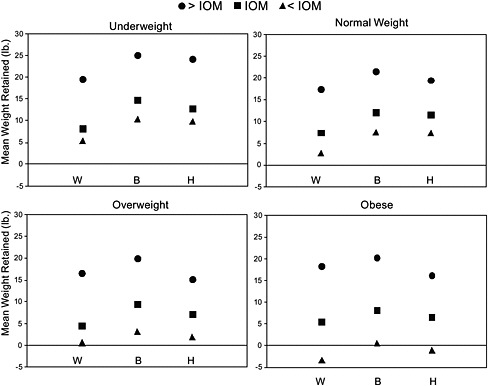
FIGURE 2-10 Mean postpartum weight retention at > 24 weeks postpartum (mean 30.6 weeks postpartum) by racial or ethnic group.
NOTE: W = non-Hispanic white; B = non-Hispanic black; H = Hispanic.
SOURCE: Personal communication, A. Sharma, CDC, Atlanta, Georgia, December 2008.
Data Obtained from IFPS II
IFPS II was a federally sponsored longitudinal study of approximately 4,000 mother-infant pairs that included questions about postpartum weight retention. The study was conducted in 2005-2006. Respondents were more likely to be non-Hispanic white and to have higher education and lower parity than the general U.S. population. At 2.0-4.9 months postpartum, one-third of women retained > 10 pounds and 12 percent retained > 20 pounds. At 11-13.9 months, only 24 percent of women retained > 10 pounds, but 12 percent still retained > 20 pounds (derived from IFPS II. Available online at http://www.cdc.gov/ifps/questionnaires.htm [accessed April 28, 2009]). In all BMI categories and at each postpartum visit, mean postpartum weight retention and the percentage of women retaining > 20 and > 10 pounds increased as GWG category increased (Figure 2-12).
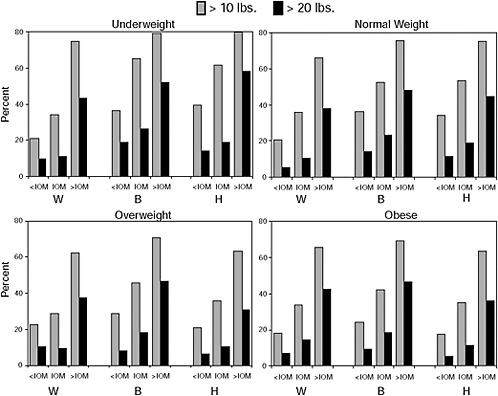
FIGURE 2-11 Percentage of women retaining more than 10 pounds and more than 20 pounds at > 24 weeks postpartum (mean 30.6 weeks postpartum) by racial or ethnic group.
NOTE: W = non-Hispanic white; B = non-Hispanic black; H = Hispanic.
SOURCE: Personal communication, A. Sharma, CDC, Atlanta, Georgia, December 2008.
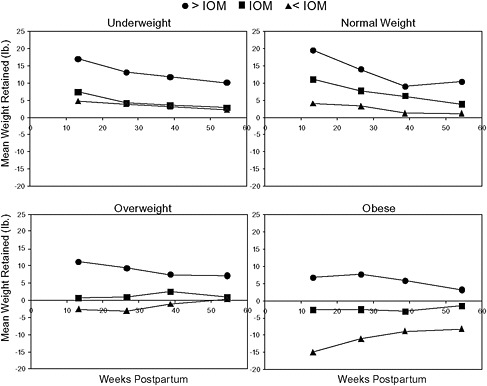
FIGURE 2-12 Mean postpartum weight retention by weight gain category (IOM, 1990) and prepregnancy BMI category across four postpartum visits in the IFPS II study.
SOURCE: Derived from IFPS II. Available online at http://www.cdc.gov/ifps/questionnaires.htm [accessed April 28, 2009].
For normal weight and underweight women, weight retention decreased as time postpartum increased in all weight gain categories (classified according to the IOM [1990]). Normal weight women who gained above the range recommended by the IOM (1990), however, showed an initial decrease in mean postpartum weight through 39 weeks’ postpartum and then an increase in mean postpartum weight at 54.5 weeks (Figure 2-13). For overweight and obese women who gained above the recommended range, mean postpartum weight decreased as postpartum time increased, while obese women who gained less than the range recommended by the IOM (1990) gained weight across the postpartum period. Importantly, obese women who gained within or less than the recommended range maintained a postpartum weight below their prepregnancy weight.
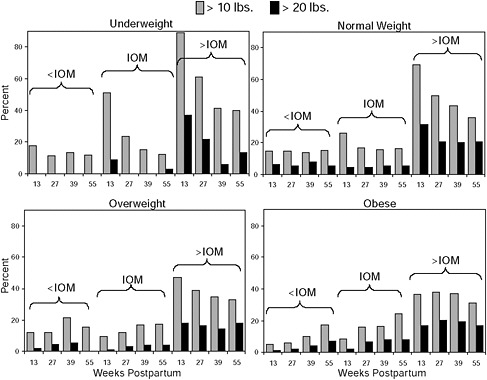
FIGURE 2-13 Percentage of women retaining greater than 10 pounds and greater than 20 pounds at 13 and 54 weeks postpartum by weight gain category (IOM, 1990) and prepregnancy BMI category (IFPS II study).
SOURCE: Derived from IFPS II. Available online at http://www.cdc.gov/ifps/questionnaires.htm [accessed April 28, 2009].
Concluding Remarks
Taken together, data from both PNSS and IFPS II suggest that gaining above the range recommended by IOM (1990) is associated with excess maternal weight retention postpartum, regardless of prepregnancy BMI. The data from IFPS II highlight that for most women, weight retention declines as time postpartum increases. However, postpartum weight retention remains a problem for a large proportion of mothers, even at 1 year after birth. These data also show that obese women who gained within or below the recommended ranges experienced a net loss in weight from their prepregnancy weight. However, for those who gained below their recommended range, the more time that passed after the birth, the more they experienced a net increase in weight and approached their prepregnancy weight. The racially diverse PNSS suggests that among low-income women,
black women retain more weight than white or Hispanic women regardless of their prepregnancy weight or GWG category. Compared with women in IFPS II, which is a higher income sample, the low-income women in PNSS retained more weight.
SOCIODEMOGRAPHIC CHARACTERISTICS OF MOTHERS
The committee examined trends since 1990 in several weight-related sociodemographic and lifestyle characteristics of pregnant women, in an effort to identify trends related to GWG and to provide information that may be helpful in developing interventions aimed at increasing the number of women that gain within the recommended ranges.
Sociodemographic Trends
Since 1990 there have been several changes in the sociodemographic characteristics of women, as shown in Table 2-5:
-
Between 1990 and 2005, there was an increase in the racial and ethnic diversity of U.S. births with a greater proportion of infants in 2005 born to nonwhite mothers, with the largest increase in births from Hispanic mothers.
-
Childbearing by unmarried mothers sharply increased in this 15-year period to a record high of 36.9 percent.
-
More mothers attained high levels of education; in 2005, more than one-quarter of mothers had 16 years or more of education.
-
The proportion of births for mothers 35 years and older also increased substantially during this period.
-
Although the teenage birth rate had been steadily declining since 1991, preliminary data from 2006 suggest that the birth rate for teenagers 15-19 years of age rose 3 percent to 41.9 births per 1,000 females. Teenage females 10-14 years of age were the only group that did not experience an increase in birth rate during this time.
-
Finally, the proportion of mothers who reported any smoking during pregnancy declined by about 50 percent over the rates reported prior to 1990 (CDC, 2004).
Lifestyle Characteristics
The following discussion summarizes the committee’s evaluation of key weight-related lifestyle characteristics that may affect GWG, including dietary practices (dietary intake, dieting, food insecurity), physical activity, and psychological characteristics.
TABLE 2-5 Distribution of Characteristics of Births in the United States, 1990 and 2005
|
|
1990 |
2005 |
|
Maternal Race or Ethnicity (percentage of live births)a |
||
|
Non-Hispanic white |
64.63 |
55.27 |
|
Non-Hispanic black |
16.28 |
14.15 |
|
American Indian or Alaska Native |
0.96 |
1.09 |
|
Asian or Pacific Islander |
3.49 |
5.60 |
|
Hispanic |
14.64 |
23.89 |
|
Total |
100.00 |
100.00 |
|
Marital Status (percentage of live births) |
||
|
Married |
71.98 |
63.10 |
|
Unmarried |
28.02 |
36.90 |
|
Total |
100.00 |
100.00 |
|
Education (percentage of live births)b |
||
|
0-8 years |
6.39 |
6.19 |
|
9-11 years |
17.44 |
14.74 |
|
12 years |
38.37 |
29.80 |
|
13-15 years |
20.32 |
21.47 |
|
16 years or more |
17.48 |
27.80 |
|
Total |
100.00 |
100.00 |
|
Maternal Age (percentage of live births) |
||
|
< 15 years |
0.28 |
0.16 |
|
15-17 years |
4.41 |
3.22 |
|
18-19 years |
8.14 |
6.80 |
|
20-24 years |
26.30 |
25.14 |
|
25-29 years |
30.71 |
27.34 |
|
30-34 years |
21.31 |
22.97 |
|
35-39 years |
7.64 |
11.68 |
|
40-44 years |
1.17 |
2.53 |
|
45-49 years |
0.04 |
0.15 |
|
50-54 years |
NA |
0.01 |
|
Total |
100.00 |
100.00 |
|
Maternal Smoking (percentage of live births) |
20.30 |
10.70 |
|
NOTE: NA = not available. aReflects percentage of total number of live births by race as presented in the table. bReflects percentage of total number of live births by education as presented in the table. SOURCES: CDC, 2004; NCHS, 2007a; CDC/VitalStats, available online at http://www.cdc.gov/nchs/vitalstats.htm [accessed February 12, 2009]. |
||
Dietary Practices
Dietary intake No comprehensive national data are available on dietary intake practices of pregnant women. However, data from other surveys indicate that population-wide, less than 2 percent of women 14-30 years of age and less than 6 percent of women 31-50 years of age met the recommended number of combined fruit and vegetable servings in 1999-2000
(Guenther et al., 2006) (Figure 2-14). Additionally, approximately two-thirds of women 14-50 years of age did not consume at least five servings of fruits and vegetables per day (Serdula et al., 2004; CDC; available online at http://www.cdc.gov/brfss/index.htm [accessed June 29, 2009]). See Appendix B for additional information on nutritional intake. No other nationally representative data on dietary intake among pregnant women or women of childbearing age are available.
Among the population as a whole ages 19-39 years, total energy intake increased by 18 percent (1,856 to 2,198 kilocalories [kcal] per day) from 1977-1978 to 1994-1996. This included a sharp 58 percent increase in energy from snacks (244 to 387 kcal/d) as well as the proportion of total energy from fast foods and meals eaten at restaurants, including fast-food establishments (Nielsen et al., 2002). In addition, the proportion of energy from soft drinks nearly tripled; energy from fruit drinks doubled, while energy from milk decreased (Nielsen and Popkin, 2004).
From 1994-1996 to 1999-2000, there was little change in overall diet quality as measured by the Healthy Eating Index 2005 (Guenther et al., 2006). American’s diets consistently met national recommendations for
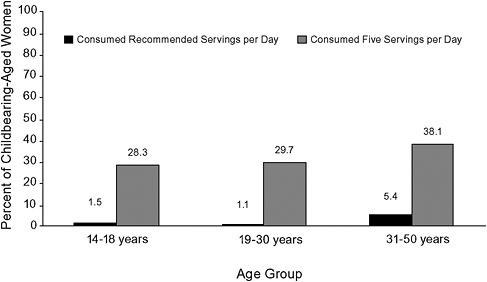
FIGURE 2-14 Percentage of U.S. childbearing-aged women who consumed the recommended number of servings of fruits and vegetables per day and five servings of fruits and vegetables per day.
NOTE: Recommended combined fruit and vegetable servings are eight servings for women aged 14-18 and 31-50 and nine servings for women aged 19-30.
SOURCE: Guenther et al., 2006.
total grains and meat or beans, but were far below the recommendation for whole grains, dark-green and orange vegetables, and legumes. Intakes of sodium and energy from solid fats, alcoholic beverages, and added sugars were well above national recommendations.
Dieting There was a steady rise in the prevalence of attempted weight loss among women of childbearing age from 1989 to 2000 (Serdula et al., 1994, 1999; Bish et al., 2005). In 2000, 60 and 70 percent of overweight and obese women, respectively, were attempting to lose weight, while 29 percent of women whose BMI was < 25 kg/m2 also were attempting to lose weight (Bish et al., 2005).
Importantly, data from the Behavioral Risk Factors Surveillance System (BRFSS) also suggest an increase in the prevalence of attempted weight loss among women who reported being pregnant. In 1989, 3.6 percent of pregnant women who participated in the BRFSS said that they were attempting to lose weight (Cogswell et al., 1996). This figure doubled to 7.5 percent in 2003 (Bish et al., 2009). Furthermore, in 2003, 34.3 percent of women were trying to maintain their weight, that is, to keep from gaining weight (Bish et al., 2009).
Food insecurity Food insecurity is defined as “whenever the availability of nutritionally adequate and safe food or the ability to acquire acceptable foods in socially acceptable ways is limited or uncertain.” In 2006, 10.9 percent of U.S. households (12.6 million) had either low food security (6.9 percent) or very low food security (4.0 percent). It is difficult to obtain a nutrient-dense diet in an environment of food insecurity, and this has important implications for GWG (USDA; available online at http://www.ers.usda.gov/Publications/ERR49/ERR49.pdf [accessed April 21, 2009]).
Pregnancy and lactation require modest increases in energy but greater increases in vitamin and mineral intake. For pregnant women to gain an appropriate amount of weight and meet their nutrient requirements, dietary changes to promote high nutrient density and appropriate energy intake is required. Unfortunately, the lack of nationally representative data on pregnant and postpartum women limits understanding of dietary trends among this important population subgroup.
Physical Activity
Healthy People 2010 (HHS, 2000) and the 2008 Physical Activity Guidelines (HHS, 2008) provide recommended levels of physical activity and emphasize that inactivity has adverse health consequences. Data from the BRFSS indicate that although the proportion of women of childbearing age who reported no recreational physical activity decreased between 1994
and 2004, one in five women aged 18-29 years of age and almost a quarter of those in their thirties and forties reported no physical activity in 2004 (Figure 2-15) (CDC, 2005). Similarly, barely half of women of childbearing age met the guideline in Healthy People 2010 for aerobic activity in 2005, although the prevalence has increased significantly since 2001 (Figure 2-16) (CDC, 2007).
According to other available data, in 2000, 15.8 percent of pregnant women met minimum physical activity recommendations (Evenson et al., 2004) and only 6 percent of pregnant women met recommendations for vigorous physical activity (Petersen et al., 2005). In these analyses, physical activity varied by maternal race/ethnicity, age, and education; there was some evidence that physical activity was lower among women who worked outside the home. In 2005, almost half of white, non-Hispanic U.S. women of all ages met the Healthy People 2010 objective for physical activity; only 36 percent of black, non-Hispanic women, 40 percent of Hispanic women, and 47 percent of other-race women did so (CDC, 2007). Physical activity increased with education, from 37 percent among women who did not
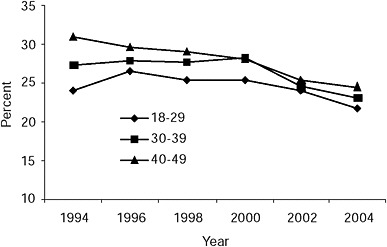
FIGURE 2-15 Trends in leisure-time physical inactivity for women of childbearing age, United States, 1994-2004.
NOTES: Leisure-time physical inactivity defined as a “no” response to the survey question, “During the past month, other than your regular job, did you participate in any physical activities or exercise, such as running, calisthenics, golf, gardening, or walking for exercise?”. The reference time frame for the wording of this survey question was revised in 2001 to “During the past 30 days …” and was changed back to “During the past month …” in 2002. Also, in 2001, the phrase “other than your regular job” was added.
SOURCE: CDC, 2005.
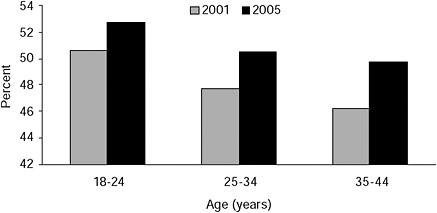
FIGURE 2-16 Trends in estimated percentage of women of childbearing age who reported meeting guidelines for regular physical activity.
NOTE: Physical activity is defined as at least 30 minutes of moderate-intensity activity per day on 5 or more days a week, or at least 20 minutes a day of vigorous-intensity activity on 3 or more days a week, or both, when not working; an exercise occurrence is defined as 10+ minutes.
SOURCE: CDC, 2007.
graduate from high school to 53.3 percent among college graduates (CDC, 2007).
In summary, a high proportion of women of childbearing age fail to meet current guidelines for physical activity before or during pregnancy. The committee identified only limited data on physical activity or inactivity among pregnant women. The committee identified no data on postpartum mothers or physical activity according to BMI and weight change before, during, and after pregnancy.
Psychological Characteristics
Depression The committee investigated trends in depression because changes in appetite and weight are among the diagnostic criteria for major depression (American Psychiatric Association, 1994). In their meta-analysis, Gaynes et al. (2005) estimated that one in seven women will develop depression during pregnancy or after delivery. Although nationally representative data specific to women during and after pregnancy are not available, data for U.S. women of childbearing age illustrate striking increases in the prevalence of major depression from 1991-1992 to 2001-2002 in the total population and among white and black women (Figure 2-17) (Compton et al., 2006). Similar trends were observed among women 30 to 44 years of age, but the rates of major depression were lower than those of women aged
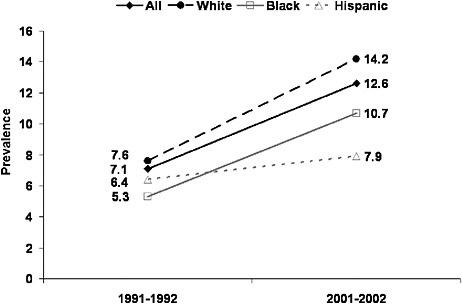
FIGURE 2-17 Prevalence of major depression among women 18-29 years of age in the United States by race or ethnicity, 1991-1992 and 2001-2002.
SOURCE: Compton et al., 2006.
18-29 years. Given that more than 10 percent of women of childbearing age may be depressed, screening and intervention for symptoms of depression during pregnancy may be required to achieve better GWG.
Other psychological characteristics Other psychological factors that may influence GWG include stress, social support, and attitude toward weight gain (see Chapter 4). The committee did not identify any nationally representative data specific to women during and after pregnancy that were indicative of trends or prevalence of these factors related to GWG.
PREGNANCY OUTCOMES RELATED TO GESTATIONAL WEIGHT GAIN
The following describes trends since 1990 in known GWG-related pregnancy outcomes, including gestational diabetes, preeclampsia and gestational hypertension, cesarean delivery, maternal mortality, birth weight, preterm birth, breastfeeding, and childhood obesity.
Gestational Diabetes
Data from birth certificates collected nationally illustrate that there has been a striking increase in the prevalence of diabetes in pregnancy in each
age group (Figure 2-18), with the largest increase over time among women in the oldest age group (40 years or more). However, the majority of birth certificates did not distinguish between pre-gestational diabetes (diagnosis before the index pregnancy) and gestational diabetes mellitus (GDM; diagnosis during the index pregnancy).
Using data from the National Hospital Discharge Survey from 1989 to 2004, Getahun et al. (2008) determined trends in the prevalence of GDM among U.S. women 14 to 45 years of age. GDM increased by 122 percent, from 1.9 percent in 1989-1990 to 4.2 percent in 2003-2004. Among women 35 years of age and older, the rate for GDM was highest among black women.
Preeclampsia and Gestational Hypertension
Wallis et al. (2008) investigated population trends in the incidence rates of pregnancy-induced hypertension (preeclampsia and gestational hypertension [see Appendix A for definitions]) in the United States for 1987-2004 using data from the National Hospital Discharge Survey. The age-adjusted rate of preeclampsia increased 25 percent from 1987-1988 to 2003-2004. Gestational hypertension rates nearly tripled during the same period (Figure 2-19). The authors noted that clinical diagnostic criteria, revised in the 1990s, may have simultaneously caused an exaggerated rise in the rate of gestational hypertension and an attenuated increase in the rate
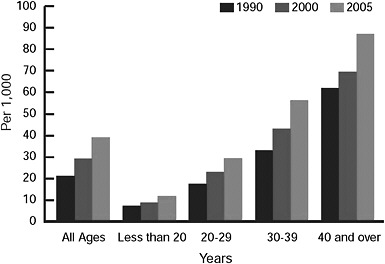
FIGURE 2-18 Diabetes rates by age of mother: United States, 1990, 2000, and 2005.
SOURCE: NCHS, 2007b.
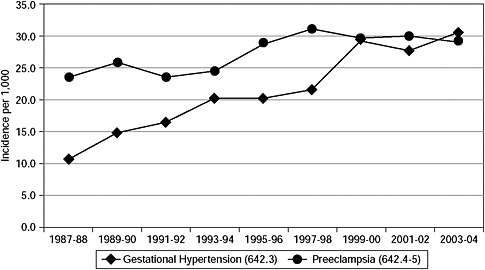
FIGURE 2-19 Age-adjusted incidence of preeclampsia and gestational hypertension per 1,000 deliveries in the United States, 1987-2004.
SOURCE: Wallis et al., 2008. Reprinted by permission from Macmillan Publishers Ltd: Wallis A. B., A. F. Saftlas, J. Hsia and H. K. Atrash. 2008. Secular trends in the rates of preeclampsia, eclampsia, and gestational hypertension, United States, 1987-2004. American Journal of Hypertension 21(5): 521-526.
of preeclampsia over the study period. They concluded that the small but consistent elevation in the rate of preeclampsia is a conservative estimate of the true population-level change.
Cesarean Delivery
The rate of total cesarean deliveries in the United States increased almost fivefold between 1970 and 1988 and then declined to 20.7 percent in 1996 (Figure 2-20). Since then, the rate increased 50 percent to 31.1 percent—the highest rate ever recorded—in 2006 (Menacker et al., 2006; MacDorman et al., 2008). Primary cesareans (births to women with no previous cesarean delivery) mirror the pattern for total cesareans, while vaginal birth after a previous cesarean (VBAC) increased beginning in the mid-1980s, peaked in 1996, but has declined since that time (MacDorman et al., 2008). An increase in primary cesarean deliveries appears to be the result of changes in obstetric practice rather than in medical risk profiles or maternal request (Menacker et al., 2006; MacDorman et al., 2008). However, a recent meta-analysis concluded that maternal obesity is associated with increased risk of cesarean delivery (Chu et al., 2007). The expanded
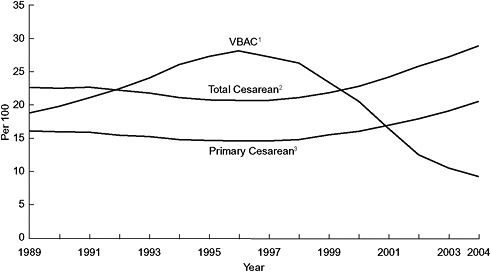
FIGURE 2-20 Total and primary cesarean rate, 1989-2004, and VBAC, 1989-2004.
1Number of vaginal births after previous cesarean per 100 live births to women with a previous cesarean delivery.
2Percentage of all live births by cesarean delivery.
3Number of primary cesarean deliveries per 100 live births to women who have not had a previous cesarean.
SOURCE: NCHS, 2005.
availability of BMI data in U.S. birth certificates since 2003 will allow future researchers to more clearly understand relationships between maternal prepregnancy BMI, GWG, and cesarean deliveries in the United States.
Maternal Mortality
The crude maternal mortality rate (deaths per 100,000) steadily decreased in the United States from 83.3 in 1950 to 8.2 in 1990; increased rates since 2000 are believed to be due to changes in coding and increased surveillance (Hoyert, 2007; available online at http://mchb.hrsa.gov/whusa08/hstat/mh/pages/237mm.html [accessed January 14, 2009]). Nonetheless, in 2005, the age-adjusted maternal mortality rate was 9.6 for non-Hispanic white, 8.2 for Hispanic or Latina, and 31.7 for non-Hispanic black mothers, indicating an important disparity by race. Furthermore, among women 35 years and older the mortality rate in 2005 was 28.9 for white women and 112.8 for black women (NCHS, 2007b). A recent case-
control study based on a statewide Pregnancy-Associated Mortality Review in Florida reported that maternal mortality was increased three-, four-, and fivefold with class I (BMI 30-34.9 kg/m2), class II (BMI 35-39.9 kg/m2), and class III obesity (BMI ≥ 40 kg/m2), respectively. Given the rising rates of obesity in the population, additional studies on obesity and maternal mortality are needed (Thompson et al., 2005).
Infant Mortality
The infant mortality rate (deaths of infants less than 1 year of age per 1,000 live births) in the United States was 6.71 in 2005 (MacDorman et al., 2008). The dramatic decrease in infant mortality that occurred during the last half of the twentieth century has slowed since 2000 (Figure 2-21), and the United States has fallen behind many other developed countries in infant survival (NCHS, 2007b). Trends are similar for other measures, including early and late neonatal mortality and post-neonatal mortality, although perinatal mortality has continued to decrease steadily since 1990 (Martin et al., 2008).
Disparities in infant mortality according to maternal racial or ethnic group continue (Figure 2-22). In 2005, the infant mortality rate for non-Hispanic black mothers was three times higher than for Cuban mothers, who had the lowest rate; Puerto Rican and American Indian or Alaska Native mothers also had rates above the national average.
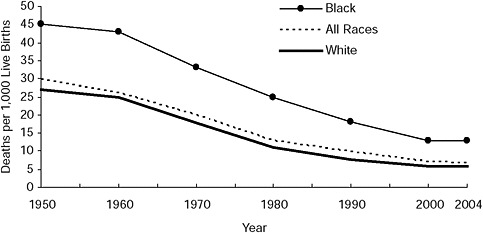
FIGURE 2-21 Infant mortality rates in the United States, 1950 through 2004, by race.
SOURCE: NCHS, 2007b.
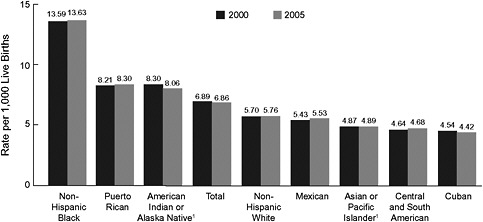
FIGURE 2-22 Infant mortality rates by race or ethnicity, 2000 and 2005.
1Includes persons of Hispanic and non-Hispanic origin.
SOURCE: NCHS, available online at http://www.cdc.gov/nchs/data/databriefs/db09.htm [accessed February 12, 2009].
Birth Weight
There is a strong association between very low birth weight (due to preterm delivery or extreme fetal growth restriction) and infant mortality that decreases as birth weight increases until it reaches about 4,500 g, when there is a slight increase in infant mortality due to problems associated with macrosomia (Mathews and MacDorman, 2007). Although rates of infant mortality have decreased over time, the reverse J-shape of this relationship has not changed.
Between 1990 and 2005, the proportion of small infants increased and the proportion of large infants decreased (Figure 2-23). This downward shift in the overall distribution of birth weight is attributable in part to an increase in multiple births, but the pattern is similar for singleton births. Other possible explanations for these trends in birth weight include a greater prevalence of older mothers, who tend to have more complications of pregnancy, as well as increased use of assisted reproductive technology and obstetrical procedures, including labor induction and elective cesarean deliveries.
Rates for low birth weight and very low birth weight increased in the United States between 1990 and 2005, when the overall rate of low birth weight among singletons was 6.41 percent and the overall rate of very low birth weight was 1.14 percent. The lowest rates of low birth weight are among Hispanic and white infants, the highest among black infants; Native American, and Asian/Pacific Islander infants fall in between (Figure 2-24). Low birth weight also varies by maternal age, with greater prevalence among women < 20 and > 40 years of age (Martin et al., 2008).
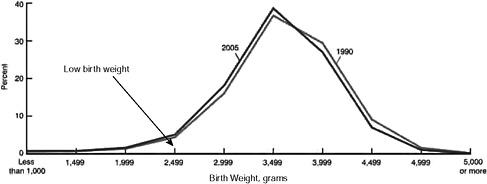
FIGURE 2-23 Percentage distribution of births by birth weight, United States, 1990 and 2005.
SOURCE: NCHS, 2007a.
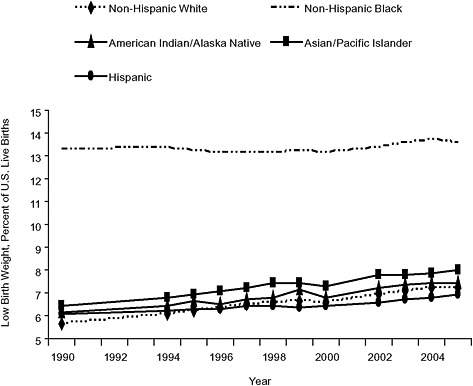
FIGURE 2-24 Trends in low birth weight of live-born singleton infants in the United States from 1990 through 2005, by race and ethnic background.
NOTE: Low birth weight is defined as less than 2,500 g.
SOURCES: NCHS, 2002, 2007a.
Small-for-Gestational Age Births
Small-for-gestational age (SGA) is used as a proxy to examine poor fetal growth (see Chapter 4) but can also include infants who are small but healthy due to their familial genetic background (Jaquet et al., 2005; Svensson et al., 2006). SGA rates for all groups decreased between 1990 and 2000 and then increased in 2005 (Table 2-6). Rates among non-Hispanic black infants were almost twice as high as those of white infants and were not appreciably different by gender. However, Hispanic and Asian female infants had lower SGA rates than males.
Large-for-Gestational Age Birth
The proportion of infants born large-for-gestational age (LGA) decreased between 1990 and 2005 for males and females within all racial-ethnic groups, although American Indians/Alaska Natives had the highest rates (Table 2-7). Reasons for this decrease are not known but could include routine testing for GDM and increased cesarean deliveries performed at earlier gestational ages (Menacker et al., 2006).
TABLE 2-6 Estimates of SGA by Sex, Race or Ethnicity, and Year: United States
|
|
1990 |
1995 |
2000 |
2005 |
|
Males |
||||
|
Total |
10.5 |
10.5 |
10.2 |
10.7 |
|
Non-Hispanic white |
8.7 |
8.8 |
8.4 |
8.7 |
|
Non-Hispanic black |
17.1 |
16.9 |
16.3 |
16.8 |
|
Hispanic |
10.7 |
10.6 |
10.4 |
10.7 |
|
White |
9.1 |
9.2 |
8.9 |
9.3 |
|
Black |
17.0 |
16.8 |
16.2 |
16.5 |
|
American Indian/Alaska Native |
9.9 |
9.7 |
9.4 |
9.8 |
|
Asian/Pacific Islander |
14.0 |
14.4 |
13.9 |
14.5 |
|
Females |
||||
|
Total |
10.7 |
10.5 |
10.1 |
10.5 |
|
Non-Hispanic white |
9.0 |
8.9 |
8.4 |
8.8 |
|
Non-Hispanic black |
17.3 |
16.9 |
16.2 |
16.7 |
|
Hispanic |
10.4 |
10.2 |
9.8 |
10.1 |
|
White |
9.3 |
9.2 |
8.7 |
9.1 |
|
Black |
17.2 |
16.8 |
16.1 |
16.3 |
|
American Indian/Alaska Native |
9.3 |
9.5 |
9.0 |
9.3 |
|
Asian/Pacific Islander |
13.2 |
13.7 |
13.2 |
13.6 |
|
NOTE: Singleton births only. SOURCE: CDC/NCHS, National Vital Statistics System, available online at http://www.cdc.gov/nchs/VitalStats.htm [accessed February 12, 2009]. |
||||
TABLE 2-7 Estimates of LGA by Sex, Race or Ethnicity, and Year: United States
|
|
1990 |
1995 |
2000 |
2005 |
|
Males |
||||
|
Total |
11.1 |
10.7 |
10.7 |
9.4 |
|
Non-Hispanic white |
12.4 |
12.1 |
12.2 |
10.7 |
|
Non-Hispanic black |
7.5 |
7.2 |
6.9 |
6.2 |
|
Hispanic |
10.2 |
9.8 |
9.9 |
8.9 |
|
White |
12.0 |
11.6 |
11.6 |
10.2 |
|
Black |
7.5 |
7.2 |
7.0 |
6.4 |
|
American Indian/Alaska Native |
13.8 |
13.6 |
13.2 |
12.0 |
|
Asian/Pacific Islander |
6.5 |
6.2 |
6.1 |
5.4 |
|
Females |
||||
|
Total |
10.5 |
10.3 |
10.4 |
9.1 |
|
Non-Hispanic white |
11.7 |
11.6 |
12.1 |
10.2 |
|
Non-Hispanic black |
7.1 |
6.8 |
6.8 |
5.9 |
|
Hispanic |
9.9 |
9.7 |
10.0 |
9.0 |
|
White |
11.3 |
11.2 |
11.3 |
9.8 |
|
Black |
7.1 |
6.8 |
6.8 |
6.1 |
|
American Indian/Alaska Native |
14.3 |
13.5 |
13.5 |
12.8 |
|
Asian/Pacific Islander |
6.8 |
6.6 |
6.4 |
5.7 |
|
NOTE: Singleton births only. SOURCE: CDC/NCHS, National Vital Statistics System, available online at http://www.cdc.gov/nchs/VitalStats.htm [accessed February 12, 2009]. |
||||
Preterm Birth
In 2005, 12.5 percent of all births were delivered preterm. The preterm birth rate has increased 20 percent since 1990 and 9 percent since 2000 (Figure 2-25). The greatest increase has been among late preterm births, those occurring at 34-36 weeks’ gestation, which have climbed 25 percent since 1990. The preterm birth rate for singleton gestations increased 13 percent from 1990 to 2005, again with late preterm births accounting for a majority of the increase. An increase in the rates of cesarean deliveries and induced births contributes to but does not completely explain this trend in late preterm births (March of Dimes, available online at http://www.marchofdimes.com/files/MP_Late_Preterm_Birth-Every_Week_Matters_3-24-06.pdf [accessed January 14, 2009]).
There is a striking racial disparity in the rate of preterm birth (Figure 2-26). Since 1990, the preterm birth rate increased 38 percent for non-Hispanic whites and 10 percent for Hispanic births; it decreased among non-Hispanic black mothers through most of the 1990s although it is up 12 percent since 2000. Over the past 15 years, non-Hispanic black women have been about twice as likely as non-Hispanic white women to deliver before 37 weeks’ gestation.
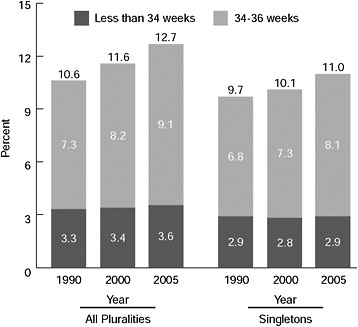
FIGURE 2-25 Preterm birth rates for all births and for singletons only: United States, 1990, 2000, and 2005.
SOURCE: NCHS, 2007a.
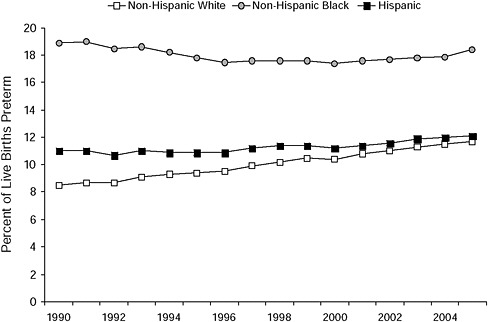
FIGURE 2-26 Trends in preterm live births in the United States by race, 1990 to 2005.
NOTE: Preterm is defined as an infant born before 37 weeks of gestation.
SOURCE: NCHS, 2007a.
Breastfeeding
Analysis of data from the Ross Laboratories Mothers Survey, a large, national survey (Ryan et al., 2002), shows that the rates of breastfeeding initiation (in-hospital) and breastfeeding at 6 months rose by 16 percent and 14 percent, respectively, in the 1990s. In 2001, rates were at their highest point in 40 years (Figures 2-27 and 2-28). Recent data from the National Immunization Survey, a population-based survey conducted by the CDC, showed that these rates continued to rise from 2000 to 2004.
There are remarkable disparities in rates of breastfeeding. Mothers who were white or Hispanic, older, college-educated, and not enrolled in WIC were significantly more likely to breastfeed and exclusively breastfeed in the hospital and at 6 months (Ryan et al., 2002).
Childhood Obesity
Nationally representative data show continuous increases in obesity (BMI ≥ 95th percentile) among American school-aged children and adolescents from 1980 to the present (available online at http://www.cdc.gov/nccdphp/dnpa/obesity/childhood/prevalence.htm
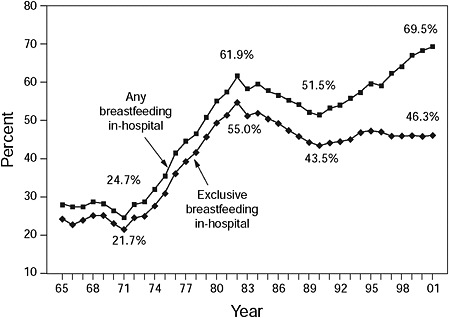
FIGURE 2-27 In-hospital breastfeeding and exclusive breastfeeding rates, 1965-2001.
SOURCE: Ryan et al., 2002. Reproduced with permission from Pediatrics, Vol. 110, pp. 1103-1109. Copyright © 2002 by the AAP.
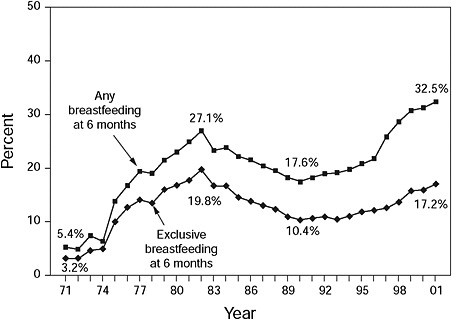
FIGURE 2-28 Breastfeeding and exclusive breastfeeding rates at 6 months of age, 1971-2001.
SOURCE: Ryan et al., 2002. Reproduced with permission from Pediatrics, Vol. 110, pp. 1103-1109. Copyright © 2002 by the AAP.
[accessed April 15, 2009]) (Figure 2-29). Recent data suggest that this trend may be slowing (Ogden et al., 2008). Population estimates from 2003 through 2006 suggest that almost a third of 2-19 year olds were at or above the 85th BMI percentile for sex and age (Ogden et al., 2008). Of these, 16 percent were above the 95th percentile, well above the Healthy People 2010 goal of 5 percent, and 11.3 percent were above 97th percentile (rates of high BMI varied by age and race/ethnicity). Non-Hispanic black adolescents have a dramatically greater prevalence of overweight compared to non-Hispanic whites; Mexican American girls also have somewhat higher rates (Table 2-8).
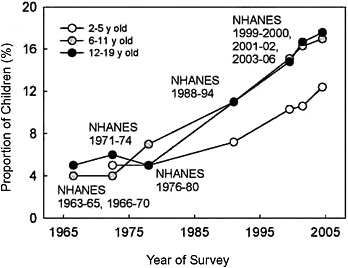
FIGURE 2-29 Prevalence of obesity (≥ 95th percentile) among children and adolescents, United States, collected from 1963-2004, and reported from 1965-2006.
SOURCES: Ogden et al., 2006, 2008.
TABLE 2-8 Prevalence of High BMI by Age Among U.S. Adolescent Girls (12-19 years of age), 2003-2006
FINDINGS AND RECOMMENDATIONS
Findings
-
Since the release of the weight gain recommendations of IOM (1990):
-
there has been a striking increase in the prevalence of maternal overweight and obesity, particularly among black, Hispanic, and older women;
-
there has been an increase in the racial and ethnic diversity of U.S. births, as well as a rise in the proportion of older and un-
-
-
-
married mothers and a decrease in the proportion of teenaged mothers; and
-
-
-
low (< 16 pound) and high (> 40 pound) GWG has become more common.
-
-
American women of childbearing age are far from meeting national goals for dietary intake and physical activity, yet there is a dearth of nationally representative data on dietary intake, dieting practices and food insecurity among women of childbearing age in general and among pregnant women in particular.
-
About half of reproductive-aged American women are trying to lose weight, and another one-third of pregnant women may be attempting to maintain their weight. The prevalence of attempted weight loss during pregnancy doubled in the past 20 years.
-
Rates of preterm birth, GDM, and hypertensive disorders of pregnancy are increasing. The rise in cesarean births and the decline in LGA births appear to result from medical practice patterns and social factors.
-
In the past 10 years, improvements that were observed during the twentieth century in maternal mortality and poor infant outcomes (mortality and low birth weight) have declined or ceased.
-
There are racial and ethnic disparities in nearly all weight-related predictors and outcomes reviewed.
-
Currently available data sources are inadequate for studying national trends in GWG. Even after the IOM (1990) report called for more sophisticated analyses, major gaps in GWG surveillance remain; specifically, data on prepregnancy weight and height, reliance on self-reported weight gain, and nationally representative sources are lacking.
-
Gestational weight gain in excess of the recommended range for BMI is associated with significant postpartum weight retention.
-
Major gaps in surveillance of postpartum weight exist. Notably, most national studies lack data on postpartum weight and/or the variables needed for its proper interpretation (namely, prepregnancy height and weight, GWG, dietary intake, physical activity, and breastfeeding status).
Action Recommendations
Action Recommendation 2-1: The committee recommends that the Department of Health and Human Services conduct routine surveillance of GWG and postpartum weight retention on a nationally representative sample of women and report the results by prepregnancy BMI (includ-
ing all classes of obesity), age, racial/ethnic group, and socioeconomic status.
Action Recommendation 2-2: The committee recommends that all states adopt the revised version of the birth certificate, which includes fields for maternal prepregnancy weight, height, weight at delivery, and gestational age at the last measured weight. In addition, all states should strive for 100 percent completion of these fields on birth certificates and collaborate to share data, thereby allowing a complete national picture as well as regional snapshots.
Supporting Actions
-
At the first prenatal visit, health care providers should record weight at last menstrual period and maternal height without shoes. Gestational weight gain should be based on measured weights (in light clothing and no shoes) abstracted from prenatal records. Gestational age at the last recorded weight should be documented, preferably through an early ultrasound, to properly evaluate adequacy of weight gain. To aid in data analysis, all data should be collected in a continuous form rather than categorically.
-
As part of maternal weight surveillance, health care providers should document the prevalence of obesity grades I, II, and II rather than categorize women into one obesity group (BMI > 30 kg/m2).
Areas for Additional Investigation
The committee identified the following areas for further investigation to support its research recommendations:
-
The research community should conduct future monitoring of GWG.
-
Federal agencies should standardize the use of the WHO BMI cutoff points in all data collection relevant to monitoring weight gain in pregnancy.
REFERENCES
American Psychiatric Association. 1994. Diagnostic and Statistical Manual of Mental Disorders. Washington, DC: American Psychiatric Association.
Bish C. L., H. M. Blanck, M. K. Serdula, M. Marcus, H. W. Kohl, 3rd and L. K. Khan. 2005. Diet and physical activity behaviors among Americans trying to lose weight: 2000 Behavioral Risk Factor Surveillance System. Obesity Research 13(3): 596-607.
Bish C. L., S. Y. Chu, C. K. Shapiro-Mendoza, A. J. Sharma and H. M. Blanck. 2009. Trying to lose or maintain weight during pregnancy-United States, 2003. Matern Child Health Journal 13(2): 286-292.
CDC (Centers for Disease Control and Prevention). 2004. Smoking during pregnancy—United States, 1990-2002. Morbidity and Mortality Weekly Report 53(39): 911-915.
CDC. 2005. Trends in leisure-time physical inactivity by age, sex, and race/ethnicity—United States, 1994-2004. Morbidity and Mortality Weekly Report 54(39): 991-994.
CDC. 2007. Prevalence of regular physical activity among adults—United States, 2001 and 2005. Morbidity and Mortality Weekly Report 56(46): 1209-1212.
CDC. 2008a. Morbidity and Mortality Weekly Report 57(5): 127.
CDC. 2008b. Morbidity and Mortality Weekly Report 57(11): 281-308.
Chu S. Y., S. Y. Kim, C. H. Schmid, P. M. Dietz, W. M. Callaghan, J. Lau and K. M. Curtis. 2007. Maternal obesity and risk of cesarean delivery: a meta-analysis. Obesity Reviews 8(5): 385-394.
Cogswell M. E., M. K. Serdula, A. H. Mokdad and D. F. Williamson. 1996. Attempted weight loss during pregnancy. International Journal of Obesity and Related Metabolic Disorders 20(4): 373-375.
Compton W. M., K. P. Conway, F. S. Stinson and B. F. Grant. 2006. Changes in the prevalence of major depression and comorbid substance use disorders in the United States between 1991-1992 and 2001-2002. American Journal of Psychiatry 163(12): 2141-2147.
Evenson K. R., D. A. Savitz and S. L. Huston. 2004. Leisure-time physical activity among pregnant women in the US. Paediatric and Perinatal Epidemiology 18(6): 400-407.
Flegal K. M., M. D. Carroll, R. J. Kuczmarski and C. L. Johnson. 1998. Overweight and obesity in the United States: prevalence and trends, 1960-1994. International Journal of Obesity and Related Metabolic Disorders 22(1): 39-47.
Gaynes B. N., N. Gavin, S. Meltzer-Brody, K. N. Lohr, T. Swinson, G. Gartlehner, S. Brody and W. C. Miller. 2005. Perinatal depression: prevalence, screening accuracy, and screening outcomes. Evidence Report/Technology Assessessment (Summary) (119): 1-8.
Getahun D., C. Nath, C. V. Ananth, M. R. Chavez and J. C. Smulian. 2008. Gestational diabetes in the United States: temporal trends 1989 through 2004. American Journal of Obstetrics and Gynecology 198(5): 525 e521-e525.
Guenther P. M., K. W. Dodd, J. Reedy and S. M. Krebs-Smith. 2006. Most Americans eat much less than recommended amounts of fruits and vegetables. Journal of the American Dietetic Association 106(9): 1371-1379.
HHS (U.S. Department of Health and Human Services). 2000. Healthy People 2010: Understanding and Improving Health, 2nd Ed. Washington, DC: Government Printing Office.
HHS. 2008. Physical Activity Guidelines Advisory Committee Report. Washington, DC: U.S. Government Printing Office.
Hoyert D. L. 2007. Maternal mortality and related concepts. Vital and Health Statistics. Series 3: Analytical Studies (33): 1-13.
IOM (Institute of Medicine). 1990. Nutrition During Pregnancy. Washington, DC: National Academy Press.
IOM. 2005. Preventing Childhood Obesity: Health in the Balance. Washington, DC: The National Academies Press.
Jaquet D., S. Swaminathan, G. R. Alexander, P. Czernichow, D. Collin, H. M. Salihu, R. S. Kirby and C. Levy-Marchal. 2005. Significant paternal contribution to the risk of small for gestational age. British Journal of Obstetrics and Gynaecology 112(2): 153-159.
Kim S. Y., P. M. Dietz, L. England, B. Morrow and W. M. Callaghan. 2007. Trends in prepregnancy obesity in nine states, 1993-2003. Obesity (Silver Spring) 15(4): 986-993.
MacDorman M. F., F. Menacker and E. Declercq. 2008. Cesarean birth in the United States: epidemiology, trends, and outcomes. Clinics in Perinatology 35(2): 293-307.
Martin J. A., H. C. Kung, T. J. Mathews, D. L. Hoyert, D. M. Strobino, B. Guyer and S. R. Sutton. 2008. Annual summary of vital statistics: 2006. Pediatrics 121(4): 788-801.
Mathews T. J. and M. F. MacDorman. 2007. Infant mortality statistics from the 2004 period linked birth/infant death data set. National Vital Statistics Reports 55(14): 1-32.
Menacker F., E. Declercq and M. F. Macdorman. 2006. Cesarean delivery: background, trends, and epidemiology. Seminars in Perinatology 30(5): 235-241.
Mokdad A. H., M. K. Serdula, W. H. Dietz, B. A. Bowman, J. S. Marks and J. P. Koplan. 1999. The spread of the obesity epidemic in the United States, 1991-1998. Journal of the American Medical Association 282(16): 1519-1522.
NCHS (National Center for Health Statistics). 2002. Births: final data for 2001. National Vital Statistics Reports 51(2): 1-102.
NCHS. 2005. Births: preliminary data for 2004. National Vital Statistics Reports 54(8): 1-17.
NCHS. 2007a. Births: final data for 2005. National Vital Statistics Reports 56(6): 1-103.
NCHS. 2007b. Health, United States, 2007. Hyattsville, MD: Public Health Service.
NHLBI (National Heart, Lung, and Blood Institute). 1998. Clinical Guidelines on the Identification, Evaluation, and Treatment of Overweight and Obesity in Adults. National Institutes of Health Publication 98-4083. Washington, DC: National Institutes of Health.
Nielsen S. J. and B. M. Popkin. 2004. Changes in beverage intake between 1977 and 2001. American Journal of Preventive Medicine 27(3): 205-210.
Nielsen S. J., A. M. Siega-Riz and B. M. Popkin. 2002. Trends in energy intake in U.S. between 1977 and 1996: similar shifts seen across age groups. Obesity Research 10(5): 370-378.
Ogden C. L., M. D. Carroll, L. R. Curtin, M. A. McDowell, C. J. Tabak and K. M. Flegal. 2006. Prevalence of overweight and obesity in the United States, 1999-2004. Journal of the American Medical Association 295(13): 1549-1555.
Ogden C. L., M. D. Carroll and K. M. Flegal. 2008. High body mass index for age among US children and adolescents, 2003-2006. Journal of the American Medical Association 299(20): 2401-2405.
Petersen A. M., T. L. Leet and R. C. Brownson. 2005. Correlates of physical activity among pregnant women in the United States. Medicine and Science in Sports and Exercise 37(10): 1748-1753.
Ryan A. S., Z. Wenjun and A. Acosta. 2002. Breastfeeding continues to increase into the new millennium. Pediatrics110(6): 1103-1109.
Serdula M. K., D. F. Williamson, R. F. Anda, A. Levy, A. Heaton and T. Byers. 1994. Weight control practices in adults: results of a multistate telephone survey. American Journal of Public Health 84(11): 1821-1824.
Serdula M. K., A. H. Mokdad, D. F. Williamson, D. A. Galuska, J. M. Mendlein and G. W. Heath. 1999. Prevalence of attempting weight loss and strategies for controlling weight. Journal of the American Medical Association 282(14): 1353-1358.
Svensson A. C., Y. Pawitan, S. Cnattingius, M. Reilly and P. Lichtenstein. 2006. Familial aggregation of small-for-gestational-age births: the importance of fetal genetic effects. American Journal of Obstetrics and Gynecology 194(2): 475-479.
Thompson D., Graham C., Burch D., Watson A. and Phelps A.2005. Pregnancy Related Mortality Associated with Obesity in Florida 1999 through 2002. Tallahassee, FL: Florida Department of Health, Division of Family Health Services, Bureau of Family and Community Health.
Wallis A. B., A. F. Saftlas, J. Hsia and H. K. Atrash. 2008. Secular trends in the rates of preeclampsia, eclampsia, and gestational hypertension, United States, 1987-2004. American Journal of Hypertension 21(5): 521-526.
WHO (World Health Organization). 1998. Obesity—preventing and managing the global epidemic. WHO Consultation on Obesity Report. Geneva.
Websites:
http://www.cdc.gov/PEDNSS/pnss_tables/pdf/national_table20.pdf
http://www.cdc.gov/ifps/questionnaires.htm
http://www.cdc.gov/nchs/vitalstats.htm
http://www.cdc.gov/brfss/index.htm
http://www.ers.usda.gov/Publications/ERR49/ERR49.pdf
http://mchb.hrsa.gov/whusa08/hstat/mh/pages/237mm.html
http://www.cdc.gov/nchs/data/databriefs/db09.htm
http://www.marchofdimes.com/files/MP_Late_Preterm_Birth-Every_Week_Matters_3-24-06.pdf
http://www.cdc.gov/nccdphp/dnpa/obesity/childhood/prevalence.htm


