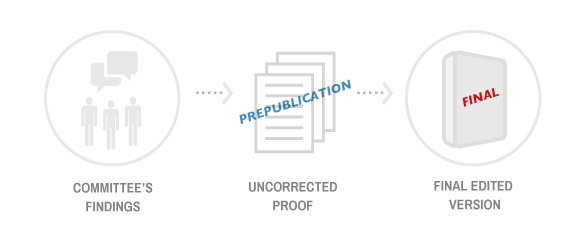
This chapter focuses on the biochemical conversion of biomass to liquid transportation fuels. It addresses the questions raised in the statement of task related to the application of biochemical conversion to the production of alternative liquid transportation fuels from biomass by discussing the following:
The technology alternatives for converting biomass to liquid transportation fuels.
The status of development of biochemical conversion of lignocellulosic biomass to ethanol.
The projected costs, performance, environmental impact, and barriers to deployment of biochemical conversion of lignocellulosic biomass to ethanol.
Challenges and needs in research and development (R&D), including basic-research needs for the long term.
Other technologies for converting biomass to liquid fuels that are not likely to be ready for commercial deployment before 2020.
Liquid fuels can be derived from biomass through biochemical processing, chemical catalysis, or thermochemical conversion. Biochemical conversion and chemical conversion typically transform the biomass into sugars as intermediates. In contrast, thermochemical conversion uses heat to convert the biomass into building
Below are the first 10 and last 10 pages of uncorrected machine-read text (when available) of this chapter, followed by the top 30 algorithmically extracted key phrases from the chapter as a whole.
Intended to provide our own search engines and external engines with highly rich, chapter-representative searchable text on the opening pages of each chapter.
Because it is UNCORRECTED material, please consider the following text as a useful but insufficient proxy for the authoritative book pages.
Do not use for reproduction, copying, pasting, or reading; exclusively for search engines.
OCR for page 117
3 Biochemical Conversion of Biomass
T
his chapter focuses on the biochemical conversion of biomass to liquid
transportation fuels. It addresses the questions raised in the statement of
task related to the application of biochemical conversion to the production
of alternative liquid transportation fuels from biomass by discussing the following:
• The technology alternatives for converting biomass to liquid transporta-
tion fuels.
• The status of development of biochemical conversion of lignocellulosic
biomass to ethanol.
• The projected costs, performance, environmental impact, and barriers
to deployment of biochemical conversion of lignocellulosic biomass to
ethanol.
• Challenges and needs in research and development (R&D), including
basic-research needs for the long term.
• Other technologies for converting biomass to liquid fuels that are not
likely to be ready for commercial deployment before 2020.
TECHNOLOGY ALTERNATIVES
Liquid fuels can be derived from biomass through biochemical processing, chemi-
cal catalysis, or thermochemical conversion. Biochemical conversion and chemical
conversion typically transform the biomass into sugars as intermediates. In con-
trast, thermochemical conversion uses heat to convert the biomass into building
OCR for page 117
Liquid Transportation Fuels from Coal and Biomass
Transformation
Through Biochemical
Intermediates Conversion
(sugars)
The main difference is in
BIOMASS the primary catalysis system
Reduction to
Thermochemical
Building Blocks
Conversion
(CO, H2)
FIGURE 3.1 Comparison of biochemical and thermochemical routes for converting bio-
mass to fuels.
Source: Dayton, 2007.
blocks, such as carbon monoxide (CO) and hydrogen (H2), which can be used TF 3-1
AL
for
the synthesis of fuels (Figure 3.1). Other thermochemical conversion processes
include pyrolysis and liquefaction.
Biochemical Conversion to Fuels
Biochemical conversion uses enzymes to break down structural carbohydrates (for
example, the cellulose1 and hemicellulose2 found in plant cell walls) into sugars,
which are transformed into alcohols, organic acids, or hydrocarbons by microor-
ganisms in fermentation. The conversions typically take place at atmospheric pres-
sure and temperatures ranging from ambient to 70°C.
Early ethanol production technology based on biochemical conversion of
sugar and starch has been deployed commercially. In that technology, ethanol is
1A complex carbohydrate (C6H10O5)n that forms cell walls of most plants.
2A matrix of polysaccharides present in almost all plant cell walls with cellulose.
OCR for page 117
Biochemical Conversion of Biomass
produced when wild-type yeast ferments six-carbon sugars. Sugar can be obtained
directly from sugarcane (Brazil) and sugar beets (Europe) or indirectly from the
hydrolysis of starch-based grains, such as corn (United States) and wheat (Canada
and Europe). In the latter case, the starch feedstock needs to be ground to a meal
that is hydrolyzed to glucose by enzymes. The resulting mash is fermented by nat-
ural yeast and bacteria. Finally, the fermented mash is separated into ethanol and
residues (for feed production) via distillation and dehydration (Figure 3.2).
Corn grain is the major source of ethanol in the United States, and its poten-
tial for growth is defined by production efficiencies, food-versus-fuel debates,
and the question of sustainability and carbon footprint. Developments aimed at
future processes are targeting cellulose conversions that could address those issues
by providing a growth potential, a low carbon footprint, and sustainability. The
infrastructure that was established by the corn grain ethanol industry will benefit
the future cellulosic-ethanol industry because the use of ethanol as a transporta-
tion fuel has been proved to be feasible, a distribution system exists, and automo-
biles with internal-combustion engines that use ethanol efficiently are on the road.
Recent analyses of the full life cycle of corn grain ethanol have indicated
BIOCHEMICAL CONVERSION
BIOMASS
Plant Sugars and/or Starches Lignocellulose
Liquefaction Pretreatment
SACCHARIFICATION
Glucoamylase Cellulolytic Enzymes
FERMENTATION
DISTILLATION ETHANOL
CENTRIFUGATION
Distiller’s Dry Grain Solids Residual Solids
FIGURE 3.2 Schematic representation of bioprocessing elements.
ALTF 3-2
OCR for page 117
0 Liquid Transportation Fuels from Coal and Biomass
that it provides society with small net energy gains over the fossil energy needed
to produce it (Farrell et al., 2006; Hill et al., 2006) and might lead to only small
net greenhouse gas advantages (Farrell et al., 2006; Hill et al., 2006; Fargione et
al., 2008; Searchinger et al., 2008) or might release more greenhouse gas than do
production and combustion of an energetically equivalent amount of gasoline once
direct and indirect land-use changes are taken into account (Fargione et al., 2008;
Searchinger et al., 2008). Issues with corn grain ethanol have led to increased
interest in second-generation biofuel feedstocks—including switchgrass, Miscan-
thus, hybrid poplar, and the other lignocellulosic feedstocks—and in conversion
methods that potentially can make biofuels that, relative to corn ethanol, offer
larger energy gains and greenhouse gas benefits and reduced competition with
food crops.
The development of biofuels needs to move toward conversion of lignocel-
lulosic materials (so-called second-generation biofuels) that are unused agricultural
or forestry residues, agricultural cover crops, dedicated perennial crops grown on
marginal lands that are not suitable for commodity-crop production even with
high commodity prices, or municipal solid wastes. The need to move away from
corn grain ethanol is highlighted by the renewable fuel standard (RFS) as amended
in the 2007 Energy Independence and Security Act. The RFS mandates that pro-
duction of ethanol from corn grain level off from 2008 to 2015 and that produc-
tion of cellulosic and other advanced biofuels increase from 2008 to 2020. The
key differences in production between grain ethanol and cellulosic ethanol are the
pretreatment of the biomass and the use of by-products (Figure 3.2). This chapter
focuses on the conceptual design, conversion technologies, and economics of the
biochemical conversion of cellulosic biomass to ethanol. It will also discuss other
technologies to produce advanced biofuels that use nonfood renewable feedstocks.
The other technologies could produce fuels more desirable than ethanol—for
example, lipids, higher alcohols, hydrocarbons, and other products that can be
separated by low-energy distillation. New routes of biochemical conversion of
biomass to liquid fuels will probably encounter complications as they are being
developed and scaled up; these issues will have to be addressed in a continuous
R&D program.
Chemical Conversion to Fuels
In contrast with biochemical conversion, chemical conversion uses inorganic cata-
lysts in a series of aqueous-phase reactions to convert sugars to hydrocarbons that
OCR for page 117
Biochemical Conversion of Biomass
can be used as fuels. It is a developing technology that will not be ready for com-
mercial deployment by 2020, but it is discussed later in this chapter.
Thermochemical Conversion to Fuels
In what is currently the most developed thermochemical route, biomass is ini-
tially converted into CO and H2 via gasification. The gas stream can be cleaned
of impurities and shifted to the needed H2:CO ratio, and CO2 can be removed to
produce a gas stream that can be catalytically converted to liquid fuels by several
routes, including Fischer-Tropsch (FT) and methanol synthesis followed by metha-
nol-to-gasoline (MTG) conversion. Thermochemical conversion is discussed in
Chapter 4. Other thermochemical conversion routes involve production of bio-oil
by pyrolysis or liquefaction and refinement of the bio-oil (Huber et al., 2006); this
technology is not as well developed as FT or MTG.
BIOCHEMICAL CONVERSION OF CELLULOSIC BIOMASS
This section discusses the biochemical processes for converting cellulosic biomass
to ethanol in a biorefinery. The processes discussed here occur at the end of the
supply chain, when the biomass has been delivered to the biorefinery (Figure 3.3).
The process economies are those within the biorefinery.
Process Overview
The biochemical conversion of cellulosic biomass involves six major steps: feed-
stock preparation, pretreatment to release cellulose from the lignin shield, sac-
charification (breaking down of the cellulose and hemicellulose by hydrolysis to
sugars, such as glucose and xylose), fermentation of sugar to ethanol, and distil-
lation to separate the ethanol from the dilute aqueous solution (Figure 3.4). In
the sixth step, the residues, primarily lignin, can be combusted to provide energy
(Figure 3.4). The integration of those steps with each other and with the living
microorganisms and enzymes that carry out the catalytic conversions in a bio-
refinery is essential to the development of cost-effective processes.
OCR for page 117
Liquid Transportation Fuels from Coal and Biomass
Sun CO2 Liquid Fuel
Logistical Chain
Production Harvest Store Transport Biorefinery
Agriculture
Coproducts
Waste Fertilizer
Seed
FIGURE 3.3 Logistics of bioprocessing to convert cellulosic biomass to ethanol.
Microorganisms ALTF 3-3
Feedstock Enzymes (Yeast, Bacteria) Ethanol
1 Feedstockn 2 Pretreatment 3 Hydrolysis 4 Fermentation 5 Distillation
Preparatio
CO2
CO2
6 Combustion
Catalysts Energy Residue
or Gasification
Water Recycle
FIGURE 3.4 Unit operations of a biorefinery. A biomass-based biorefinery should be
energy self-sufficient or could even sell excess power to the grid. CO2 is recycled into
plant matter through biomass production.
Feedstock Preparation ALTF 3-4
Some feedstocks have to be washed to remove inorganic and other undesirable
materials before pretreatment. Whether washing is needed depends on the source
and the manner of storage before the feedstock is delivered to the conversion facil-
ity. The biomass is then chopped or ground to the desirable size range to feed into
OCR for page 117
Biochemical Conversion of Biomass
the pretreatment stage. The extent of grinding and size reduction will depend on
the type of biomass and the pretreatment technology being used. Cellulosic feed-
stock can be chopped or ground with existing forestry or agricultural techniques.
Pretreatment
Producing fuel ethanol from lignocellulosic feedstocks has been challenging
because of the recalcitrant nature of the cellulose that is embedded in the plant
cell-wall structure. Therefore, pretreatment is a key step in production of cellulosic
ethanol. Pretreatment greatly increases the rates and extents of enzyme action in
breaking down cellulose to fermentable sugars (Ladisch et al., 1978) by improving
the accessibility of the structural carbohydrates in the cell wall (Figure 3.5). Yields
of fermentable sugars from untreated native lignocellulosic materials are low
because of the highly packed cellulose structure and the presence of hemicellulose
and lignin, which shield cellulose from acid or enzymatic hydrolysis.
Maximizing the use of all lignocellulosic material that is capable of yielding
simple (six- and five-carbon) sugars is essential for improving ethanol yield and
PRETREATMENT gives
enzyme accessible substrate
Lignin Cellulose
Amorphous Pretreatment
Region
Crystalline
Region
Hemicellulose
FIGURE 3.5 Schematic of pretreatment to disrupt the physical structure of biomass.
Reprinted from Mosier et al., 2005. Copyright 2005, with permission from Elsevier.
ALTF 3-5
OCR for page 117
Liquid Transportation Fuels from Coal and Biomass
lowering the cost of ethanol production. Hence, pretreatment of lignocellulosic
material is required to improve the hydrolytic efficiency of cellulose by removing
and hydrolyzing hemicellulose, by separating the cellulose from the lignin, and
by loosening the structure of cellulose and thereby increasing its porosity. The
pretreatment of lignocellulosics is particularly important for enzymatic hydroly-
sis to reduce the amount of enzyme and the time required to convert cellulose to
glucose.
Among the various pretreatment methods, hydrothermolysis with steam or
water has been shown to be effective in removing and solubilizing hemicellulose
and thus in improving hydrolytic efficiency (Mosier et al., 2005; Wyman et al.,
2005a,b). Hot-water pretreatment of lignocellulosic biomass at a controlled pH
effectively dissolves hemicellulose and some of the lignin and minimizes the forma-
tion of monosaccharides and other coproducts that could interfere with biological
processes downstream (Yang and Wyman, 2008). For example, monosaccharides
inhibit cellulase in the hydrolysis of cellulose downstream. The sugars could
degrade further to form such toxic substances as furfural during the pretreatment
step (Ladisch et al., 1998; Kim and Ladisch, 2008; Hendriks and Zeeman, 2009).
Other pretreatments are similarly effective, and they use acid, bases, ammonia, or
other materials (Mosier et al., 2005; Jorgensen et al., 2007; Murnen et al., 2007;
Sendich et al., 2008; Yang and Wyman, 2008; Hendriks and Zeeman, 2009). Sev-
eral of the promising pretreatment methods have been demonstrated on a pilot
scale, but the lowest-cost approach is yet to be determined.
Saccharification
In the saccharification step, the cellulose polymers (long chains of sugar) are
broken down by hydrolysis into five-carbon and six-carbon sugars (xylose and
glucose) for fermentation into alcohol (Figure 3.6). The enzymes used for hydro-
lysis are referred to as cellulolytic enzymes, and they are classified into three main
groups: cellobiohydrolases, endoglucanases, and beta-glucosidases. The cellobiohy-
drolases and endoglucanases are modular proteins with two distinct independent
domains; the first domain is responsible for the hydrolysis of the cellulose chain,
and the second is a cellulose-binding domain (CBD) that has the dual activity of
increasing adsorption of cellulolytic enzymes onto insoluble cellulose and affecting
cellulose structure. A schematic of the action is shown in Figure 3.7. By intercalat-
ing between fibrils and surface irregularities of the cellulose surface, CBDs help
to reduce particle size and increase specific surface area. Microscopy of cellulose
OCR for page 117
Biochemical Conversion of Biomass
After Pretreatment
CO2
Glucose
Cellulose
Enzymes Microorganisms Ethanol
Hemicellulose Xylose
Lignin Lignin
FIGURE 3.6 Schematic diagram of bioprocessing of sugars to ethanol through enzy-
matic hydrolysis (catalytic step that frees the sugars) and microbial conversion of sugars
to ethanol and CO2 , which are formed in approximately equal parts. Lignin remains
unconverted.
ALTF 3-6
Linker Cellulose
Catalytic Region Binding
Domain
Domain
Cellulose
Microfibril
FIGURE 3.7 Schematic representation of mechanisms of enzyme action.
Source: Reprinted from Mosier et al., 1999. Copyright 1999, with permission from
Springer.
treated with isolated CBDs generated from recombinant organisms has shown the
release of small particles from insoluble cellulose with no detectable hydrolytic 3-7
ALTF
activity and an increase in the roughness of highly crystalline fibers.
The cellobiohydrolases are the most important cellulolytic enzyme group in
that cellobiohydrolase I makes up 60 percent of the protein mass of the cellulo-
OCR for page 117
Liquid Transportation Fuels from Coal and Biomass
lytic system of Trichoderma reesei, and its removal by gene deletion reduces over-
all cellulase system activity on crystalline cellulose by 70 percent. The concerted
effects of pretreatment and enzymatic hydrolysis affect the plant at the cellular
level as illustrated in Figure 3.8. According to the prevailing understanding, cello-
biohydrolases attack the chain ends of cellulose polymers to release cellobiose, the
repeat unit of cellulose. Endoglucanases decrease the degree of polymerization of
cellulose by attacking amorphous regions of cellulose through random scission of
10 µm 10 µm
A B
10 µm 10 µm
C D
FIGURE 3.8 Scanning electron microscopic images of enzymatically hydrolyzed 425–710
mm corn stover pretreated with hot water (at 500X magnification). (A) 3-h enzymatic
hydrolysis, 43.3 percent glucose conversion. (B) 24-h enzymatic hydrolysis; 56.8 percent
glucose conversion. (C) 72-hour enzymatic hydrolysis; 64.2 percent glucose conversion. (D)
168-h enzymatic hydrolysis; 63.1 percent glucose conversion. The images from a labora-
tory experiment illustrate how enzymatic hydrolysis of corn stover pretreated with hot
water is connected to pore formation (during pretreatment) and enlargement (during 3-8
ALTF
hydrolysis).
Reprinted from Zeng et al., 2007. Copyright 2007, with permission from Wiley-Blackwell.
OCR for page 117
Biochemical Conversion of Biomass
the cellulose chains. Beta-glucosidase completes the process by hydrolyzing cello-
biose to glucose. Cellulolytic systems, such as those in filamentaous T. reesei, have
enzymes in all three groups: two cellobiohydrolases, four endoglucanases, and
one beta-glucosidase (Mosier et al., 1999). The mechanism by which cellulolytic
enzymes act in hydrolyzing cellulose is complex and requires a system of different
enzymes to achieve deploymerization of the oligosaccharides to monosaccharides,
such as glucose and xylose. Most studies have been done with cellulases, which
are produced industrially from T. reesei.
The development of the cellulases has resulted in effective systems that are
capable of hydrolyzing cellulose to glucose almost completely. Similar studies are
being done on hemicellulases, enzymes that are responsible for breaking down
hemicellulose to xylose. Hemicellulases are not as well developed as cellulases.
Despite the complexities, much progress has occurred in the development of
enzymes for the hydrolysis of pretreated cellulose. Costs are being reduced, with
the ultimate goal of combining cellulases with glucose- and xylose-fermenting
microorganisms in a concept referred to as consolidated bioprocessing (Lynd et
al., 2005). Hydrolysis and fermentation (combined bioprocessing) are being dem-
onstrated on a pilot scale with the goal of reducing costs.
Fermentation
Pretreatment and enzymatic hydrolysis of plant matter—such as wood, corn sto-
ver, or grasses—result in a mixture of five-carbon and six-carbon sugars. Many
microorganisms, particularly yeasts, will ferment glucose to ethanol. Typically,
however, 25–30 percent of the sugar derived from likely candidates as cellulosic
feedstocks for bioprocessing (for example, hardwoods, agricultural residues, and
some types of grasses) are pentoses—sugars that have five carbon atoms rather
than six carbon atoms. Other potential sources of biomass, such as softwoods,
have a lower proportion of hemicelluloses and hence fewer pentoses. Pentoses are
not readily fermented to ethanol, so yeasts or bacteria that have been genetically
modified to ferment both hexoses (six-carbon sugars) and pentoses are needed to
maximize the yield of ethanol from cellulosic materials. Some researchers have
been successful in engineering microorganisms that are able to use pentose effi-
ciently but cannot do so naturally to produce ethanol. An alternative would be to
supply ethanol-producing microorganisms with pentose-using pathways (Nevoigt,
2008). Development of such microorganisms presents a number of challenges.
They have to be capable of fermenting the sugars to ethanol, and they have to
OCR for page 117
Liquid Transportation Fuels from Coal and Biomass
dedicated or dual-purpose energy crops and microorganisms that can be used for
both biofuel production and feedstock conversion.
Genomics
The sequencing of full genomes continues to become faster and less expensive, and
this is enabling the sequencing of energy crops, such as trees, perennial grasses,
and such nonedible oilseeds as castor and jatropha. Their sequence data are
extremely important for improving overall yields, for enabling improved nutrient
and water use, and for understanding and manipulating biochemical pathways to
enhance the production of desired materials. Sequence data can also be used to
target specific genes for downregulation by classical methods, such as antisense
and RNA interference, and via complete inactivation with new and evolving pro-
cedures for homologous recombination-based gene disruption. Rapid sequencing
of breeding populations of energy crops will enable marker-assisted selection to
accelerate breeding programs in ways previously not possible. Furthermore, rapid
and inexpensive sequencing of fermentative and photosynthetic microorganisms
is redefining and shortening the timelines associated with strain-development
programs for converting sugars, lignocellulosic materials, and CO2 to alternative
liquid fuels. Strains generated through classical mutagenesis that have improved
biocatalytic properties can now be analyzed at the molecular level to determine
the specific genetic changes that result in the improved phenotype, and this allows
the changes to be implemented in additional strains. In addition, “metagenome”
sequence data obtained by randomly sequencing DNA isolated from environmen-
tal samples is providing huge numbers of new gene sequences that can be used in
genetic engineering to improve crops and microorganisms.
Synthetic Biology and Synthetic Genomics
Improved technologies for synthesizing megabase DNA molecules are being devel-
oped to allow the introduction of entire biochemical pathways into energy crops
and biofuel-producing microorganisms. The technologies could have a great effect
on scientists’ ability to generate plants and microorganisms with specific desir-
able traits. For example, it is becoming conceivable to replace large portions of,
or even complete, chromosomes of microorganisms (including photosynthetic
microorganisms) in ways that will focus the vast majority of their cells’ biochemi-
cal machinery toward production of next-generation biofuel molecules and thus
provide cost and product advantages. Maintaining the purity of such cultures, and
OCR for page 117
Biochemical Conversion of Biomass
finding ways to put at a disadvantage mutants that gain competitive ability by
producing less of the desired secondary chemicals, could be serious hurdles.
Metabolic and Bioprocess Engineering
In addition to genetic manipulation, new bioengineering technologies that will
lower the cost of biofuel formation and recovery are coming on line. Synthetic
biology can now provide synthetic DNA for transferring heterologous genes into
suitable host cells, but metabolic engineering is the enabling technology for con-
structing functional and optimal pathways for microbial fuel synthesis. This field
has matured in only a few years and has an impressive record of accomplishments,
many already being applied in industry (for example, in the production of bio-
polymers, alcohols, 1,3-propanediol, oils, and hydrocarbons). Microbial strains
that secrete hydrophobic fuels that are similar to constituents of diesel fuel and
gasoline into the culture medium have been developed. The fuels can be sepa-
rated from the aqueous phase in a manner that simplifies distillation and thereby
reduces energy inputs and facilitates continuous production. By taking a systems
view of metabolism, metabolic engineering developed tools for overall biosystems
optimization that are now facilitating the optimal construction of biosynthetic
pathways and elicitation of novel multigenic cellular properties of critical impor-
tance for biofuels production, such as tolerance of fuel toxicity. In bioprocessing,
the successful development of membrane-based alcohol separation would greatly
reduce energy costs relative to the typically used distillation process (Vane, 2008).
Gas-stripping, liquid-liquid extractions of secreted fuel molecules or new adsor-
bent materials that will allow continuous production modes for fermentation-
based products are also being developed (Vane, 2008). For photosynthetic pro-
duction of biofuels, the development of low-cost photobioreactors and associated
recovery systems for algal biofuel production is of great interest and could have
substantial beneficial effects on overall process economics.
FINDINGS AND RECOMMENDATIONS
Grain-based ethanol is a bridge to advanced biofuels that has important potential
for greenhouse gas displacement. Advanced biofuels do not directly compete with
food and feed supply, and they minimize indirect land-use change if appropri-
ate feedstocks are selected and sustainable practices are used in their production.
OCR for page 117
Liquid Transportation Fuels from Coal and Biomass
Grain ethanol has initiated public awareness of the use of ethanol in the current
and future transportation fleet and of the pitfalls of feedstock supply for a new
industry. Grain ethanol has helped to establish an industrial infrastructure for
advanced biofuels and for distribution and use of fuel ethanol.
Lignocellulosic feedstocks for production of advanced biofuels could be agri-
cultural or forestry residues, agricultural cover crops, dedicated perennial crops
grown on marginal lands that are not suitable for commodity-crop production
even with high commodity prices, or municipal solid wastes. Biochemical conver-
sion of cellulose to liquid fuels emulates commercial corn grain-to-ethanol technol-
ogy but might require additional processing steps and could result in other types
of alcohols and hydrocarbon-rich fuels.
The technologies for biochemical conversion of cellulosic biomass to ethanol
are in the early stages of demonstration and commercial development. Several
demonstration plants are expected to be operational by 2012. The panel judges
that cellulosic bioethanol will be commercially deployable before 2020, and other
advanced biofuels are likely to emerge after 2020.
Finding 3.1
Engineering and operational knowledge can be gained only from designing and
building commercial-scale, integrated cellulosic-ethanol facilities and then operat-
ing them for a reasonable period. The first few commercial plants will be more
expensive than commercial facilities that follow because of the learning that
occurs with a first-of-its-kind facility. The initial learning that occurs with first-of-
a-kind plants will lead to further cost-reducing improvements in commercial facili-
ties deployed thereafter. The pace of learning is expected to be similar to that in
the chemical industry, in which costs have historically decreased by 30–40 percent
over several cycles of deployment and concurrent process improvement.
Recommendation 3.1
The federal government and industry should aggressively pursue technology dem-
onstration or small-scale commercial plants, which will lead to full-scale com-
mercial production of cellulosic ethanol to define its potential and to provide data
on engineering and cost performance to help in preparation for full commercial
deployment.
OCR for page 117
Biochemical Conversion of Biomass
In the immediate term, pretreatment and enzymatic hydrolysis, fermenta-
tion, or combined enzymatic hydrolysis and fermentation need to be substantially
improved to allow efficient deconstruction of carbohydrate polymers to simple
sugars and fermentation of the sugars to ethanol. Research in and improvement
of pretreatment, with engineering of appropriate microorganisms for optimal use
of the resulting simple sugars in an adverse fermentation environment, will have
a direct impact on reducing the cost of transforming cellulosic feedstocks to etha-
nol. The cost of producing sugars directly affects the cost of ethanol. In addition,
the sugars have to be converted to ethanol efficiently to minimize feedstock and
operational costs.
Feedstock, pretreatment, and enzymes are key components of a cellulose-to-
ethanol process, and they are all related to the goal of preparing lignocellulosic
feedstocks (through agronomics, plant molecular genetics, and pretreatment) so
that they are readily transformed to sugars and ethanol at low cost. Other tar-
gets for improvement include increasing solids loading and developing engineered
microorganisms and enzymes that have increased tolerance of toxic compounds
in biomass hydrolysates and of the biofuel products themselves. Incremental
improvements in biochemical conversion technologies and the learning and
experience gained from R&D and demonstration can be expected to reduce non-
feedstock processing costs by 25 percent by 2020 and 40 percent by 2035 (see
Table 3.3).
Finding 3.2
Process improvements in cellulosic-ethanol technology are expected to be able
to reduce the plant-related costs associated with ethanol production by up to 40
percent over the next 25 years. Over the next decade, process improvements and
cost reductions are expected to come from evolutionary developments in technol-
ogy, from learning gained through commercial experience and increases in scale of
operation, and from research and engineering in advanced chemical and biochemi-
cal catalysts that will enable their deployment on a large scale.
Recommendation 3.2
The federal government should continue to support research and development
to advance cellulosic-ethanol technologies. R&D programs should be pursued to
resolve the major technical challenges facing ethanol production from cellulosic
OCR for page 117
Liquid Transportation Fuels from Coal and Biomass
biomass: pretreatment, enzymes, tolerance to toxic compounds and products,
solids loading, engineering microorganisms, and novel separations for ethanol and
other biofuels. A long-term perspective on the design of the programs and alloca-
tion of limited resources is needed; high priority should be placed on programs
that address current problems at a fundamental level but with visible industrial
goals.
Recommendation 3.3
The pilot and commercial-scale demonstrations of cellulosic-ethanol plants should
be complemented by a closely coupled research and development program. R&D
is necessary to resolve issues that are identified during demonstration and to
reduce costs of sustainable feedstock acquisition. Industrial experience shows that
such reductions typically occur as processes go through multiple phases of imple-
mentation and expansion.
Finding 3.3
Future improvements in cellulosic technology that entail invention of biocatalysts
and biological processes could produce fuels that supplement ethanol production
in the next 15 years. In addition to ethanol, advanced biofuels (such as lipids,
higher alcohols, hydrocarbons, and other products that are easier to separate than
ethanol) should be investigated because they could have higher energy content and
would be less hygroscopic than ethanol and therefore could fit more smoothly into
the current petroleum infrastructure than ethanol could.
Recommendation 3.4
The federal government should ensure that there is adequate research support to
focus advances in bioengineering and the expanding biotechnologies on developing
advanced biofuels. The research should focus on advanced biosciences—genomics,
molecular biology, and genetics—and biotechnologies that could convert biomass
directly to produce lipids, higher alcohols, and hydrocarbons fuels that can be
directly integrated into the existing transportation infrastructure. The translation
of those technologies into large-scale commercial practice poses many challenges
that need to be resolved by R&D and demonstration if major effects on produc-
tion of alternative liquid fuels from renewable resources are to be realized.
OCR for page 117
Biochemical Conversion of Biomass
Finding 3.4
Biochemical conversion processes, as configured in cellulosic-ethanol plants, pro-
duce a stream of relatively pure CO2 from the fermentor that can be dried, com-
pressed, and made ready for geologic storage or used in enhanced oil recovery
with little additional cost. Geologic storage of the CO2 from biochemical conver-
sion of plant matter (such as cellulosic biomass) further reduces greenhouse gas
life-cycle emissions from advanced biofuels, so their greenhouse gas life-cycle emis-
sions would become highly negative.
Recommendations 3.5
Because geologic storage of CO2 from biochemical conversion of biomass to fuels
could be important in reducing greenhouse gas emissions in the transportation sec-
tor, it should be evaluated and demonstrated in parallel with the program of geo-
logic storage of CO2 from coal-based fuels.
REFERENCES
Aden, A., M. Ruth, K. Ibsen, J. Jechura, K. Neeves, J. Sheehan, B. Wallace, L. Montague,
A. Slayton, and J. Lukas. 2002. Lignocellulosic Biomass to Ethanol Process. Design
and Economics Utilizing Co-Current Dilute Acid Prehydrolysis and Enzymatic
Hydrolysis for Corn Stover. Golden, Colo.: National Renewable Energy Laboratory.
Aristidou, A., and M. Penttila. 2000. Metabolic engineering applications to renewable
resource utilization. Current Opinion in Biotechnology 11:187-198.
Briggs, Michael. 2004. Widescale biodiesel production from algae. Available at www.unh.
edu/p2/biodiesel/article_alagae.html. Accessed October 1, 2008.
Chase, R. 2006. DuPont, BP join to make butanol: They say it outperforms ethanol as
a fuel additive. USA Today, June 26. Available at http://www.usatoday.com/money/
industries/energy/2006-06-20-butanol_x.htm. Accessed October 11, 2008.
Cornell, C.B. 2008. GM announces new cellulosic ethanol partnership with Mascoma
Corp. Available at http://gas2.org/2008/05/01/gm-announcesnew-cellulosic-ethanol-
partnership-with-mascoma-corp/. Accessed March 10, 2009.
Dayton, D. 2007. R&D needs for integrated biorefineries: The 30 × 30 Vision. In 4th
Annual California Biomass Collaborative Forum, Sacramento, Calif.
OCR for page 117
Liquid Transportation Fuels from Coal and Biomass
Dismuskes, G.C., D. Carrieri, N. Bennette, G.M. Ananyev, and M.C. Posewitz. 2008.
Aquatic phototrophs: Efficient alternatives to land-based crops for biofuels. Current
Opinion in Biotechnology 19:235-240.
DOE (U.S. Department of Energy). 2007a. Biomass Feedstock Composition and Property
Database. Available at http://www1.eere.energy.gov/biomass/feedstock_databases.html.
Accessed December 13, 2007.
DOE. 2007b. DOE selects six cellulosic ethanol plants for up to $385 million in federal
funding. Available at http://www.energy.gov/print/4827.htm. Accessed October 16,
2008.
DOE/EERE (U.S. Department of Energy, Office of Energy Efficiency and Renewable
Energy). 2007. Biomass Program 2007 Accomplishments Report. Available at http://
www1.eere.energy.gov/biomass/pdfs/program_accomplishments_report.pdf. Accessed
February 10, 2009.
DuPont. 2008. DuPont Fact Sheet on Biobutanol. Available at http://www.dupont.com/ag/
news/releases/BP_DuPont_Fact_Sheet_Biobutanol.pdf. Accessed October 16, 2008.
Fargione, J., J. Hill, D. Tilman, S. Polasky, and P. Hawthorne. 2008. Land clearing and the
biofuel carbon debt. Science 319:1235-1238.
Farrell, A., R. Plevin, B. Turner, A. Jones, M. O’Hare, and D. Kammen. 2006. Ethanol can
contribute to energy and environmental goals. Science 311:506-509.
Feinberg, D., and M. Karpuk. 1990. CO2 sources for microalgae-based liquid fuel produc-
tion. Golden, Colo.: Solar Energy Research Institute and National Renewable Energy
Laboratory.
GAO (U.S. Government Accountability Office). 2007. Biofuels: DOE Lacks a Strategic
Approach to Coordinate Increasing Production with Infrastructure Development and
Vehicle Needs. Washington, D.C.: GAO.
Gauss, W.F., S. Suzuki, and M. Takagi, inventors. 1976. Manufacture of Alcohol from
Cellulosic Materials Using Plural Ferments. U.S. Patent 3990944.
Goldemberg J., S.T. Coelho, and P.M. Guardabassi. 2008. The sustainability of ethanol
production from sugarcane. Energy Policy 36:2086-2097.
Gong, C.S., M.R. Ladisch, and G.T. Tsao. 1977. Cellobiase from Trichoderma viride:
Purification properties, kinetics and mechanism. Journal of Biotechnology and
Bioengineering 19:959-981.
Gong, C.S., M.R. Ladisch, and G.T. Tsao. 1979. Hydrolysis of cellulose: Mechanisms of
enzymatic and chemical catalysis. In Advances in Chemistry Series 181, R. Brown and
L. Jurasek, eds. Washington, D.C.: American Chemical Society.
Gulati, M., K. Kohlmann, M.R. Ladisch, R. Hespell, and R.J. Bothast. 1996. Assessment
of ethanol production options for corn products. Bioresource Technology 58:253-264.
Hendriks, A.T.W.M., and G. Zeeman. 2009. Pretreatments to enhance the digestibility of
lignocellulosic biomass. Bioresource Technology 100:10-18.
OCR for page 117
Biochemical Conversion of Biomass
Hill, J., E. Nelson, D. Tilman, S. Polasky, and D. Tiffany. 2006. Environmental, economic,
and energetic costs and benefits of biodiesel and ethanol biofuels. Proceedings of the
National Academy of Sciences USA 103:11206-11210.
Huber, G.W., J.N. Chheda, C.J. Barrett, and J.A. Dumesic. 2005. Production of liquid
alkanes by aqueous-phase processing of biomass-derived carbohydrates. Science
308:1446-1450.
Huber, G.W., S. Ibora, and A. Corma. 2006. Synthesis of transportation fuels from bio-
mass: Chemistry, catalysts, and engineering. Chemical Review 106:4044-4098.
Huntley, M.E., and D.G. Redalje. 2006. CO2 Mitigation and Renewable Oil from
Photosynthetic Microbes: A New Appraisal. Mitigation and Adaptation Strategies for
Global Change 12:573-608.
Intelligen, Inc. 2009. SuperPro Designer: Cost analysis and project economic evaluation.
Available at http://www.intelligen.com/costanalysis.shtml. Accessed January 28, 2009.
Jensen, T.H. 2008. Race for key biofuel breakthrough intensifies. Reuters, June 2. Available
at http://www.reuters.com/article/reutersEdge/idUSL0248503420080602. Accessed
February 4, 2009.
Johnson, J.C. 2006. Technology Assessment of Biomass Ethanol: A Multi-objective,
Life Cycle Approach Under Uncertainty. Ph.D. Thesis. Department of Chemical
Engineering. Cambridge: Massachusetts Institute of Technology.
Jorgensen, H., J.B. Kristensen, and C. Felby. 2007. Enzymatic conversion of lignocellu-
lose into fermentable sugars: Challenges and opportunities. Biofuels, Bioproducts and
Biorefining 1:119-134.
Katzen, R., W.R. Ackley, Jr., G.D. Moon, J.R. Messick, B.F. Brush, and K.F. Kaupisch.
1981. Low-energy distillation systems. In Fuels from Biomass and Wastes, D.L. Klass
and G.H. Emert, eds. Ann Arbor, Mich.: Ann Arbor Science Publishers.
Kim, Y., and M.R. Ladisch. 2008. Liquid hot water pretreatment of cellulosic biomass. In
Methods in Molecular Biology, J. Meilanz, ed. Totowa, N.J.: Humana Press.
Kim, Y., N. Mosier, and M.R. Ladisch. 2008. Process simulation of modified dry grind
ethanol plant with recycle of pretreated and enzymatically hydrolyzed distillers’ grains.
Bioresource Technology 99:5177-5192.
Kwiatkowski, J., A.J. McAllon, F. Taylor, and D.B. Johnston. 2006. Modeling the process
and costs of fuel ethanol production by the corn dry-grind process. Industrial Crops
and Products 23:288-296.
Ladisch, M.R., J. Hong, M. Voloch, and G. Tsao. 1981. Cellulase kinetics: Trends in the
biology of fermentations for fuel and chemicals. Basic Life Sciences 18:55-83.
Ladisch, M.R., K. Kohlmann, P. Westgate, J. Weil, and Y. Yang, inventors. 1998. Purdue
Research Foundation Office of Technology Transfer, assignee. Processes for Treating
Cellulosic Material. U.S. Patent 5,846,787.
OCR for page 117
0 Liquid Transportation Fuels from Coal and Biomass
Ladisch, M.R., M.C. Flickinger, and G.T. Tsao. 1978. Fuels and chemicals from biomass.
Energy 4:263-275.
LS9. 2008. Renewable Petroleum Technology. Available at http://www.ls9.com/technology/.
Accessed May 1, 2008.
Lynd, L.R., P.J. Weimer, W.H. van Zyl, and I.S. Pretorius. 2002. Microbial cellulose utiliza-
tion: Fundamentals and biotechnology. Microbiology and Molecular Biology Review
66:506-577.
Lynd, L.R., W.H. van Zyl, J.E. McBride, and M. Laser. 2005. Consolidated bioprocessing
of cellulosic biomass: An update. Current Opinion in Biotechnology 16:577-583.
Maxwell, E.L., A.G. Folger, and S.E. Hogg. 1985. Resource evaluation and site selection
for microalgae production systems. Golden, Colo.: Solar Energy Research Institute.
Mosier, N., C. Wyman, B. Dale, R. Elander, Y.Y. Lee, M. Holtzapple, and M.R. Ladisch.
2005. Features of promising technologies for pretreatment of lignocellulosic biomass.
Bioresource Technology 96:673-686.
Mosier, N.S., P. Hall, C.M. Ladisch, and M.R. Ladisch. 1999. Reaction kinetics, molecular
action, and mechanisms of cellulolytic proteins. Advances in Biochemical Engineering
and Biotechnology 65:24-40.
Murnen, H.K., V. Balan, S.P.S. Chundawat, B. Bals, L.D. Sousa, and B.E. Dale. 2007.
Optimization of ammonia fiber expansion (AFEX) pretreatment and enzymatic hydro-
lysis of Miscanthus x Giganteus to fermentable sugars. Biotechnology Progress 23:846-
850.
Nevoigt, E. 2008. Progress in metabolic engineering of Saccharomyces cerevisiae.
Microbiology and Molecular Biology Reviews 72:379-412.
Pacheco, Michael. 2006. Potential of Biofuels to Meet Commercial and Military Needs.
Presentation to the National Research Council Committee on Assessment of Resource
Needs for Fuel Cell and Hydrogen Technologies.
Pate, R., M. Hightower, C. Cameron, and W. Einfield. 2007. Overview of Energy-Water
Interdependencies and the Emerging Energy Demands on Water Resources. Los
Alamos, N.Mex.: Sandia National Laboratories.
Pordesimo, L.O., B.R. Hames, S. Sokhansanj, and W.C. Edens. 2005. Variation in corn
stover composition and energy content with crop maturity. Biomass and Bioenergy
28:366-374.
Saddler, J.N., H.H. Brownell, L.P. Clermont, and N. Levitin. 1982a. Enzymatic hydrolysis
of cellulose and various pretreated wood fractions. Biotechnology and Bioengineering
24:1389-1402.
Saddler, J.N., C. Hogan, M.K.H. Chan, and G. Louisseize. 1982b. Ethanol fermenta-
tion of enzymatically hydrolyzed pretreated wood fractions using Trichoderma
Cellulases, Zymomonas-Mobilis, and Saccharomyces-Cerevisiae. Canadian Journal of
Microbiology 28:1311-1319.
OCR for page 117
Biochemical Conversion of Biomass
Savage, N. 2007. Better biofuels. Technology Review 110:1.
Schwietzke, S., M.R. Ladisch, L. Russo, K. Kwant, T. Makinen, B. Kavalov, K. Maniatis,
R. Zwart, G. Shahanan, K. Sipila, P. Grabowski, B. Telenius, M. White, and A. Brown.
2008a. Gaps in the research of 2nd generation transportation biofuels. IEA Bioenergy
T41:2008:2001.
Schwietzke, S., Y. Kim, E. Ximenez, N. Mosier, and M. Ladisch. 2008b. Ethanol pro-
duction from maize. In Molecular, Genetic Approaches to Maize Improvement,
Biotechnology in Agriculture and Forestry, A.L. Kriz and B.A. Larkins, eds.
Heidelberg, Germany: Springer-Verlag Berlin.
Searchinger, T., R. Heimlich, R.A. Houghton, F. Dong, A. Elobeid, J. Fabiosa, S. Tokgoz,
D. Hayes, and T-H. Yu. 2008. Use of U.S. croplands for biofuels increases greenhouse
gases through emissions from land use change. Science 319:1238-1240.
Sendich, E., M. Laser, S. Kim, H. Alizadeh, L. Laureano-Perez, B. Dale, and L. Lynd.
2008. Recent process improvements for the ammonia fiber expansion (AFEX) process
and resulting reductions in minimum ethanol selling price. Bioresource Technology
99:8429-8435.
Service, R.F. 2008. Eyeing oil, synthetic biologists mine microbes for black gold. Science
322:522-523.
Shapouri, H., J.A. Duffield, and M. Wang. 2002. The Energy Balance of Corn Ethanol: An
Update. Washington, D.C.: U.S. Department of Agriculture.
Sheehan, J., T. Dunahay, J. Benemann, and P. Roessler. 1998. A Look Back at the US
Department of Energy’s Aquatic Species Program: Biodiesel from Algae. Golden,
Colo.: U.S. Department of Energy.
Sonderegger, M., M. Jeppsson, C. Larsson, M.F. Gorwa-Grauslund, E. Boles, L. Olsson,
I. Spencer-Martins, B. Hahn-Hagerdal, and U. Sauer. 2004. Fermentation perfor-
mance of engineered and evolved xylose-fermenting Saccharomyces cerevisiae strains.
Biotechnology and Bioengineering 87:90-98.
Spindler, D.D., C.E. Wyman, K. Grohmann, and A. Mohagheghi. 1987. Thermotolerant
yeast for simultaneous saccharification and fermentation of cellulose to ethanol.
Applied Biochemistry Symposium 17:279-293.
Takagi, M., S. Abe, S. Suzuki, G.H. Emert, and N. Yata. 1977. A method for produc-
tion of alcohol directly from cellulose using cellulase and yeast. In Proceedings of the
Bioconversion Symposium. New Delhi: Indian Institute of Technology.
USDA-NASS (U.S. Department of Agriculture, National Agricultural Statistics Service).
2005. Quick Stats, Iowa County Data—Crops. Available at http://www.nass.usda.gov.
Accessed December 18, 2007.
Vane, L.M. 2008. Separation technologies for the recovery and dehydration of alcohols
from fermentation broths. Biofuels, Bioproducts and Biorefining 2:553-588.
OCR for page 117
Liquid Transportation Fuels from Coal and Biomass
Worldwatch Institute. 2007. Biofuels for Transport: Global Potential and Implications for
Sustainable Energy and Agriculture. London: Earthscan.
Wright, J.D., C.E. Wyman, K. Grohmann, and N. Yata. 1977. Simultaneous saccharifi-
cation and fermentation of lignocellulose. Applied Biochemistry and Biotechnology
18:75-90.
Wyman, C.E., B.E. Dale, R.T. Elander, M. Holtzapple, M.R. Ladisch, and Y.Y. Lee. 2005a.
Comparative sugar recovery data from laboratory scale application of lead pretreat-
ment technologies to corn stover. Bioresource Technology 96:2026-2032.
Wyman, C.E., B.E. Dale, R.T. Elander, M. Holtzapple, M.R. Ladisch, and Y.Y. Lee. 2005b.
Coordinated development of leading biomass pretreatment technologies. Bioresource
Technology 96:1959-1966.
Wyman, C.E., D.D. Spindler, K. Grohmann, and S.M. Lastick. 1986. Simultaneous sac-
charification and fermentation with the yeast Brettanomyces clausenii. Biotechnology
Bioengineering Symposium 17:221-238.
Yang, B., and C.E. Wyman. 2008. Pretreatment: The key to unlocking low-cost cellulosic
ethanol. Biofuels, Bioproducts and Biorefining 2:26-40.
Zeng, M., N.S. Mosier, C-P. Huang, D.M. Sherman, and M.R. Ladisch. 2007. Microscopic
examination of changes of plant cell structure in corn stover due to cellulase activity
and hot water pretreatment. Biotechnology and Bioengineering 97:265-278.