
2
Carbon Monoxide1
Acute Exposure Guideline Levels
PREFACE
Under the authority of the Federal Advisory Committee Act (FACA) P.L. 92-463 of 1972, the National Advisory Committee for Acute Exposure Guideline Levels for Hazardous Substances (NAC/AEGL Committee) has been established to identify, review, and interpret relevant toxicologic and other scientific data and develop AEGLs for high-priority, acutely toxic chemicals.
AEGLs represent threshold exposure limits for the general public and are applicable to emergency exposure periods ranging from 10 minutes (min) to 8 hours (h). Three levels—AEGL-1, AEGL-2, and AEGL-3—are developed for each of five exposure periods (10 and 30 min and 1, 4, and 8 h) and are distinguished by varying degrees of severity of toxic effects. The recommended exposure levels are applicable to the general population, including infants and children, and other individuals who may be sensitive or susceptible. The three AEGLs are defined as follows:
AEGL-1 is the airborne concentration (expressed as parts per million [ppm] or milligrams per cubic meter [mg/m3]) of a substance above which it is predicted that the general population, including susceptible individuals, could
experience notable discomfort, irritation, or certain asymptomatic, nonsensory effects. However, the effects are not disabling and are transient and reversible upon cessation of exposure.
AEGL-2 is the airborne concentration (expressed as ppm or mg/m3) of a substance above which it is predicted that the general population, including susceptible individuals, could experience irreversible or other serious, long-lasting adverse health effects, or an impaired ability to escape.
AEGL-3 is the airborne concentration (expressed as ppm or mg/m3) of a substance above which it is predicted that the general population, including susceptible individuals, could experience life-threatening health effects or death.
Airborne concentrations below the AEGL-1 represent exposure levels that could produce mild and progressively increasing odor, taste, and sensory irritation, or certain asymptomatic, nonsensory effects. With increasing airborne concentrations above each AEGL, there is a progressive increase in the likelihood of occurrence and the severity of effects described for each corresponding AEGL. Although the AEGLs represent threshold levels for the general public, including sensitive subpopulations, it is recognized that certain individuals, subject to idiosyncratic responses, could experience the effects described at concentrations below the corresponding AEGL.
SUMMARY
Carbon monoxide (CO) is a tasteless, nonirritating, odorless, and colorless gaseous substance. The main source of CO production is the combustion of fuels. Exposure at the workplace occurs in blast-furnace operations in the steel industry and when gasoline- or propane-powered forklifts, chain-saws, or other machines are used in confined spaces, such as companies, tunnels and mines. Environmental exposure to CO can occur while traveling in motor vehicles (9-25 ppm and up to 35 ppm); visiting urban locations with heavily traveled roads (up to 50 ppm); or cooking and heating with domestic gas, kerosene, coal, or wood (up to 30 ppm); as well as in fires and by environmental tobacco smoke. Endogenous CO formation during normal metabolism leads to a background carboxyhemoglobin (COHb) concentration of about 0.5-0.8%. Smokers are exposed to considerable CO concentrations leading to a COHb of about 3-8%.
CO binds to hemoglobin, forming COHb, and thereby renders the hemoglobin molecule less able to bind oxygen. Because of this mechanism, the oxygen transport by the blood and the release of bound oxygen in the tissues are decreased. Tissue damage results from local hypoxia. Organs with a high oxygen requirement, such as the heart and the brain, are especially sensitive for this effect.
AEGL-1 values were not recommended because susceptible persons may experience more serious effects (equivalent to AEGL-2) at concentrations that do not yet cause AEGL-1 effects in the general population.
Patients with coronary artery disease show health effects at lower COHb concentrations than children, pregnant women, or healthy adults and thus constitute the most susceptible subpopulation. For the derivation of AEGL-2 values, a level of 4% COHb was chosen. At this exposure level, patients with coronary artery disease may experience a reduced time until onset of angina (chest pain) during physical exertion (Allred et al. 1989a, 1991). In the available studies, the CO exposure alone (that is, with subjects at rest) did not cause angina, but exercise alone did so. However, because all studies used patients with stable exertional angina, who did not experience angina while at rest, the possibility cannot be ruled out that CO exposure alone could cause or increase angina symptoms in more susceptible individuals (a part of the patients with unstable angina pectoris might belong to this group). The changes in the electrocardiogram (ST-segment depression of 1 mm [corresponding to 0.1 mV] or greater) associated with angina symptoms were considered reversible, but they are indicative of clinically relevant myocardial ischemia requiring medical treatment. An exposure level of 4% COHb is unlikely to cause a significant increase in the frequency of exercise-induced arrhythmias. Ventricular arrhythmias have been observed at a COHb of 5.3% but not at 3.7% (Sheps et al. 1990, 1991); in another study, no effect of CO exposure on ventricular arrhythmia was found at 3% or 5% COHb (Dahms et al. 1993). This exposure level, which corresponds to COHb values of 5.0-5.6% in newborns and children, was considered protective of acute neurotoxic effects in children, such as syncopes, headache, nausea, dizziness, and dyspnea (Crocker and Walker 1985, Klasner et al. 1998), and long-lasting neurotoxic effects (defects in the cognitive development and behavioral alterations) in children (Klees et al. 1985). A mathematical model (Coburn et al. 1965; Peterson and Stewart 1975) was used to calculate exposure concentrations in air, resulting in a COHb of 4% in adults at the end of exposure periods of 10 and 30 min and 1, 4, and 8 h. A total uncertainty factor of 1 was used. A level of 4% COHb was the no-observed-effect level (NOEL) for AEGL-2 effects in patients with coronary artery disease, and the lowest-observed-effect level (LOEL) was estimated at 6-9%. In comparison, the LOEL was about 10-15% in children and 22-25% in pregnant women. Because AEGL-2 values were based on experimental data on the most susceptible subpopulation, they were considered protective for other subpopulations, and a total uncertainty factor of 1 was used.
It is acknowledged that apart from emergency situations, certain scenarios could result in CO concentrations that might cause serious effects in persons with cardiovascular diseases. These scenarios include extended exposure to traffic fume emissions (e.g., in tunnels or inside cars with defective car exhaust systems), charcoal or wood fire furnaces, and indoor air pollution from tobacco smoke.
The derivation of AEGL-3 values was based on a weight of evidence analysis of human lethal and nonlethal observations. Analysis of lethal cases reported by Nelson (2006a) indicated that most lethal poisoning cases occurred at COHb concentrations higher than 40% and that survival of CO-exposed hu-
mans was likely to be seen at concentrations below 40%. Thus, a 40% COHb concentration seems to be a reasonable threshold for lethality.
This level is supported by experimental studies performed in healthy human subjects. Studies by Haldane (1895), Henderson et al. (1921), and Chiodi et al. (1941) suggest that a COHb of about 34-56% does not cause lethal effects in healthy individuals. Further support come from the studies by Stewart et al. (1970), Nielsen (1971) and Kizakevich et al. (2000), who reported headache as the only symptom when subjects were exposed to 20-33% COHb. A level of 40% COHb was used as the basis for AEGL-3 derivation. This point of departure is supported by studies reporting minimum lethal COHb concentrations in rats and mice of about 50-70% (Rose et al. 1970, E.I. du Pont de Nemours and Co. 1981). A mathematical model (Coburn et al. 1965; Peterson and Stewart 1975) was used to calculate exposure concentrations in air resulting in a COHb of 40% at the end of exposure periods of 10 and 30 min and 1, 4, and 8 h. A total uncertainty factor of 3 was used. A total uncertainty factor of 3 for intraspecies variability was considered adequate based on supporting evidence for susceptible subpopulations: (1) Exposure to the derived AEGL-3 concentrations will result in COHb values of about 14-17% in adults, which, based on case reports, were considered protective of heart patients against CO-induced myocardial infarction. It should be noted, however, that a clear threshold for this end point cannot be defined because myocardial infarction might be triggered at lower COHb in hypersusceptible individuals. (2) COHb concentrations of 14-17% were considered protective of the unborn against lethal effects because, in the case studies available, stillbirths were found only after measured maternal COHb concentrations were about 22-25% or higher (Caravati et al. 1988; Koren et al. 1991). Animal studies support that result. The AEGL values are listed in Table 2-1.
1.
INTRODUCTION
CO is a tasteless, odorless, and colorless gaseous substance (WHO 1999a). CO is produced by both natural and anthropogenic processes. The main source of CO production is the combustion of fuels. The burning of any carbonaceous fuel produces CO and carbon dioxide (CO2) as the primary products. The production of CO2 predominates when the air or oxygen supply is in excess of the stoichiometric needs for complete combustion. If burning occurs under fuel-rich conditions, with less air or oxygen than is needed, CO will be produced in abundance (WHO 1999a). Emission sources include gasoline- and diesel-powered motor vehicles, stationary combustion equipment, such as heating and power-generating plants; industrial processes, such as blast-furnace operation in the steel industry; indoor sources, such as gas ovens, unvented kerosene, and gas space heaters; and coal and wood stoves, as well as wildfires and tobacco smoking. Exposure at the workplace occurs in blast-furnace operations in the steel
TABLE 2-1 Summary of AEGL Values for Carbon Monoxide
|
Classification |
10 min |
30 min |
1 h |
4 h |
8 h |
End Point (Reference) |
|
AEGL-1 (Nondisabling) |
N.R.a |
N.R. |
N.R. |
N.R. |
N.R. |
— |
|
AEGL-2b (Disabling) |
420 ppm (480 mg/m3) |
150 ppm (170 mg/m3) |
83 ppm (95 mg/m3) |
33 ppm (38 mg/m3) |
27 ppm (31 mg/m3) |
Cardiac effects in humans with coronary artery disease (Allred et al. 1989a, 1991) |
|
AEGL-3c (Lethal) |
1700 ppm (1900 mg/m3) |
600 ppm (690 mg/m3) |
330 ppm (380 mg/m3) |
150 ppm (170 mg/m3) |
130 ppm (150 mg/m3) |
Lethal poisoning was associated with a COHb ≥40% in most lethal poisoning cases reported by Nelson (2006a); no severe or life-threatening effects in healthy humans at a COHb of 34-56% (Haldane 1895; Henderson et al. 1921; Chiodi et al. 1941) |
|
aN.R., not recommended because susceptible persons may experience more serious effects (equivalent to AEGL-2) at concentrations that do not yet cause AEGL-1 effects in the general population. bIt was estimated that exposure to the AEGL-2 concentration–time combinations result in COHb concentrations of 5.3-5.6% in newborns, 4.9-5.2% in 5-year-old children, 4.0% in adults, and 6.2-11.5% in adult smokers. cExposure to the AEGL-3 concentration–time combinations were estimated to result in COHb concentrations of 19.5-20.1% in newborns, 18.1-187% in 5-year-old children, 13.8-17.2% in adults, and 16.1-23.0% in adult smokers. |
||||||
industry and when gasoline- or propane-powered forklifts, chain-saws, or other machines are used in confined spaces, such as companies, tunnels, and mines. Low concentrations are produced in the atmosphere by the reactions of hydroxyl radicals with methane and other hydrocarbons as well as by the reactions of alkenes with ozone.
In addition to exogenous sources, humans are also exposed to small amounts of CO produced endogenously. In the process of natural degradation of hemoglobin to bile pigments, oxidation of the tetrapyrrol ring of heme leads to opening of the ring and formation of biliverdin and CO (WHO 1999a). The endogenous CO formation leads to a background COHb concentration in blood of about 0.5-0.8% (NIOSH 1972).
Increased destruction of red blood cells—for example, caused by hematomas, blood transfusion, or intravascular hemolysis—and accelerated breakdown of other heme proteins will lead to increased production of CO. In patients with hemolytic anemia, the CO production rate was 2-8 times higher and blood COHb was 2-3 times higher than in healthy individuals (Coburn et al. 1966).
Smokers are exposed to considerable CO concentrations leading to an average COHb of 4%, with a usual range of 3-8% (Radford and Drizd 1982).
Exposure to CO can also be caused indirectly by exposure to certain halomethanes, particularly dichloromethane (synonym, methylene chloride) because these solvents are at least partly metabolized oxidatively to CO by cytochrome P-450 (Gargas et al. 1986; see ATSDR 2000 for review).
Environmental exposure to CO can occur while traveling in motor vehicles, working, visiting urban locations associated with combustion sources, or cooking and heating with domestic gas, charcoal or wood fires, as well as by environmental tobacco smoke. WHO (1999a) summarized environmental concentrations as follows: CO concentrations in ambient air monitored from fixed-site stations are generally below 9 ppm (8 h average). However, short-term peak concentrations up to 50 ppm are reported on heavily traveled roads. The CO levels in homes are usually lower than 9 ppm; however, the peak value in homes could be up to 18 ppm with gas stoves, 30 ppm with wood combustion, and 7 ppm with kerosene heaters. The CO concentrations inside motor vehicles are generally 9-25 ppm and occasionally over 35 ppm. Similar exposure levels were reported by EPA (2000). The chemical and physical properties of CO are presented in Table 2-2.
2.
HUMAN TOXICITY DATA
On the basis of older literature, the COHb in the blood has been correlated with symptoms in healthy adults, shown in the left half of Table 2-3 (WHO 1999a). Very similar tables or descriptions are found in different publications (e.g., Stewart 1975; Winter and Miller 1976; Holmes 1985; Roos 1994; AIHA 1999). However, with respect to both lethal and nonlethal effects of CO, suscep-
TABLE 2-2 Chemical and Physical Data for Carbon Monoxide
|
Parameter |
Data |
Reference |
|
Synonyms |
None |
|
|
Chemical Name |
Carbon monoxide |
WHO 1999a |
|
CAS Reg. No. |
630-08-0 |
WHO 1999a |
|
Chemical formula |
CO |
WHO 1999a |
|
Molecular weight |
28.01 |
WHO 1999a |
|
Physical state |
Gaseous |
WHO 1999a |
|
Color |
Colorless |
WHO 1999a |
|
Odor |
Odorless |
WHO 1999a |
|
Melting point |
−199°C |
WHO 1999a |
|
Boiling point |
−191.5°C |
WHO 1999a |
|
Density |
1.250 g/L at 0°C 1.145 g/L at 25°C |
WHO 1999a |
|
Solubility |
35.4 mL/L at 0°C 21.4 mL/L at 25°C |
WHO 1999a |
|
Explosive limits in air |
12.5% (LEL) to 74.2% (UEL) |
WHO 1999a |
|
Conversion factors |
1 ppm = 1.145 mg/m3 1 mg/m3 = 0.873 ppm |
WHO 1999a |
tible subpopulations have been identified, and effects on these are depicted in the right half of Table 2-3 for comparison (see subsequent sections for references). The unborn fetus and adults with coronary artery disease are considerably more susceptible for lethal effects of CO than healthy adults. For nonlethal effects of CO, subjects with coronary artery disease (increased frequency of arrhythmias and reduced time to onset of angina and to changes in the electrocardiogram) and children (syncopes and long-lasting neurotoxic effects) constitute susceptible subpopulations.
2.1.
Acute Lethality
Mortality from CO poisoning is high in England and Wales; 1,365 deaths due to CO exposure were reported in 1985. In the United States, more than 3,800 people annually die from accidental or intentional CO exposure (WHO 1999a).
Immediate death from CO is most likely caused by effects on the heart because the myocardial tissue is most sensitive to hypoxic effects of CO. Severe poisoning results in marked hypotension and lethal arrhythmias, which have been considered responsible for a large number of prehospital deaths. Rhythm disturbances include sinus tachycardia, atrial flutter and fibrillation, premature ventricular contractions, ventricular tachycardia, and fibrillation (WHO 1999a).
TABLE 2-3 Symptoms Associated with COHb in Healthy Adult Humans and Susceptible Subpopulations
|
Healthy Adults |
Susceptible Subpopulations |
||
|
COHb (%) |
Symptoms |
COHb (%) |
Symptoms |
|
≈1 |
Physiologic background concentration |
2 |
During physical exertion reduced time to onset of angina and electrocardiogram signs of myocardial ischemia in subjects with coronary artery disease |
|
5-6 |
Increase in cardiac arrhythmias in subjects with coronary artery disease |
3-8 |
Background concentration in smokers |
|
|
|
7 |
Headache, nausea in children |
|
10 |
No appreciable effect, except shortness of breath on vigorous exertion, possible tightness across the forehead, dilation of cutaneous blood vessels |
13 |
Cognitive development deficits in children |
|
15 |
Myocardial infarction in subjects with coronary artery disease |
||
|
20 |
Shortness of breath on moderate exertion, occasional headache with throbbing in temples |
25 |
Syncopes in children |
|
25 |
Stillbirths |
||
|
30 |
Decided headache, irritable, easily fatigued, judgment disturbed, possible dizziness, dimness of vision |
|
|
|
40-50 |
Headache, confusion, collapse, fainting on exertion |
|
|
|
60-70 |
Unconsciousness, intermittent convulsion, respiratory failure, death if exposure is long continued |
|
|
|
80 |
Rapidly fatal |
|
|
|
Source: Adapted from WHO 1999a. |
|||
The susceptible subpopulations for lethal effects are subjects with coronary artery disease and the unborn fetus (see Section 2.3). The review on death causes by Balraj (1984) shows an association between coronary artery disease and relatively low COHb concentrations. A number of case studies are presented in which CO exposure contributed to myocardial infarction (all cases of infarction are presented in this section irrespective of whether the patients were rescued from death by intensive medical care).
The British Standards Institution (BSI 1989) published the following concentration–time combinations as lethal exposures to CO (used for hazard estimation in fires): 40,000 ppm × 2 min, 16,000 ppm × 5 min, 8,000 ppm × 10 min, 3,000 ppm × 30 min and 1,500 ppm × 60 min. The International Standard Organization (ISO) published lethal exposure concentrations of 12,000-16,000
ppm for 5 min and 2,500-4,000 ppm for 30 min (for an adult engaged in light activity) (ISO 1989). From the documents, it was concluded that the published values are for normal, healthy adults and that the values were based on animal data (especially monkeys; Purser and Berrill 1983); the documents did not discuss the issue of subpopulations at higher risk for lethal effects.
2.1.1.
Case Studies
Nelson (2006a) reported data on unvented space heaters related to human lethality and CO poisoning. Sixteen of 22 lethal cases had COHb concentrations more than 40%. Six of 22 cases had COHb concentrations of ≤40%, and two of six cases had pre-existing conditions, such as arteriosclerotic disease and cardiorespiratory failure. A 1942 fatality study reported by Nelson (2006a) summarized COHb data for 68 victims that were found dead in a gas-filled room or in a garage containing exhaust gases at high concentrations. CO concentrations were not provided. Sixty-seven percent of the 68 lethal cases had COHb concentrations of 40-88%. Three-percent of those cases had concentrations of 30-40%. A summary of another fatality study from Poland showed a similar trend of COHb concentrations (Nelson 2006a). Individual data were not provided, and the CO source was not discussed. However, the Polish study considered 321 lethal CO poisonings from 1975 to 1976 and provided COHb concentrations for 220 survivors and 101 fatal cases. The survivors had a mean COHb level of 28.1% (standard deviation [SD] = 14.1), whereas the lethal cases showed an average COHb level of 62.3% (SD = 10.1). Over 80% of the survivors had COHb levels below 40%. In contrast, about 90% of the deceased had COHb levels above 50%. Similar percentages of survivors and deceased were observed at COHb levels of 40-50%, with a slight increase in the number of survivors when compared with that of the deceased. These three studies showed a trend that most lethal cases occurred at COHb concentrations higher than 40% and that survivorship was likely to be seen at concentrations below 40%.
Another study from the Center of Forensic Sciences in Canada evaluated 304 fatal cases from 1965 to 1968 (Nelson 2006a). The mean lethal COHb level was 51 ± 12% with a majority range between 40% and 59% and the highest single frequency range at 45-59%. A report on CO exposure from exhaust fumes in the state of Maryland during 1966-1971 showed COHb levels in the 40-79% range for 98% of lethal cases (Nelson 2006a). The Institute of Forensic Medicine in Oslo reported a study of COHb levels in 54 automobile-exhaust victims. The mean fatal COHb level was 70%, and 40% was the minimum COHb level exhibited by less than 2% of the cases (Nelson 2006a). Another forensic study (Nelson et al. 2006) examining 2,241 fatalities from 1976 to 1985 found that the mean COHb level of all the cases was 64.20% with a SD of 17.47. The data showed that 34% of victims had COHb levels of less than 60%. Of those who died in fires, 41% had COHb levels of less than 60% compared with 22% of the nonfire deaths.
Pach et al. (1978; 1979) reviewed cases of CO poisoning in the Toxicological Clinic, Cracow, Poland, in the years 1975-1976. Excluded from this study were mixed intoxications (e.g., by CO and medicaments). Group A comprised 101 persons (60 men and 41 women, mean age 48 ±15 years) who had died from CO poisoning before arrival at the clinic. Measurement of COHb and autopsy was done on these subjects. Group B comprised 220 subjects (95 men and 125 women, mean age 38 ±18 years) who were treated for CO poisoning. COHb was determined upon arrival at the clinic. Patients were excluded from further analysis if more than 120 min elapsed between the end of exposure and the blood drawing at the clinic (n = 62). For the patients, the COHb level was recalculated at the end of exposure. Mean COHb values for Groups A and B were 62% ± 10% and 28% ± 14%, respectively. In Group A, the percentages of subjects with COHb levels of 30-40%, 40-50%, 50-60%, 60-70%, 70-80%, and 80-90% were 2%, 6%, 26%, 44%, 21%, and 2%, respectively, and 3%, 25%, 32%, 24%, 12%, 3%, 0.6%, and 0.6% of the patients in the corrected Group B had COHb values of 0-10%, 10-20%, 20-30%, 30-40%, 40-50%, 50-60%, 60-70%, and 70-80%, respectively. Within each group, no correlation between COHb and either sex, blood alcohol above 0.1%, or poisoning circumstances (accidental or suicidal) were found. Group A showed a higher percentage (34%) of subjects who were 60 years or older than Group B (13%); Group B had a higher percentage of subjects younger than 30.
Grace and Platt (1981) reported two cases of myocardial infarction due to CO poisoning. In the first case, a 67-year-old man was exposed to increased CO concentrations for about a few weeks in his home due to a rusted-out flue of a gas furnace. The man presented to the emergency room after 3 days of persistent light-headedness with vertigo, brief stabbing anterior chest pain that worsened with deep inspiration, a dry cough, chills, and a mild headache. His wife experienced similar malaise and dizziness that had been resolving over the past week. At the hospital, his symptoms were explained with a diagnosis of viral syndrome, hypokalemia of unclear origin, and diabetes mellitus with diabetic peripheral and autonomic neuropathy. Ten days after discharge he was seen in the emergency room with true vertigo, palpitations, and nausea but was sent home to be followed up as an outpatient. Four days later he returned to the emergency room after development of rectal urgency and an explosive incontinent diarrheal stool, followed by a severe crushing anterior chest pain. With the pain he collapsed on the floor. The electrocardiogram showed an acute myocardial infarction. His COHb (measured on arterial blood gases) was 15.6%; the level of the patient’s wife was 18.1%. The patient survived and recovered completely.
In the second case, a 69-year-old man came to the emergency room after awakening 2 days earlier with confusion, nausea, and vomiting. He then passed out and awoke the next day in the bathroom. He crawled to the living room, where he again passed out for an undetermined amount of time, awoke to open his door for fresh air, and then went to bed. He later experienced auditory and visual hallucinations and phoned his neighbor for help. An acute inferior myocardial infarction with secondary mild congestive heart failure and chronic ob-
structive pulmonary disease was diagnosed. During his hospitalization, his sister and daughter-in-law spent a night in his mobile home. They arrived at the emergency room early the next morning with throbbing headaches, vomiting, and vertigo. Their COHb values were 28% and 32%. A faulty gas water heater had caused CO exposure. The patient survived and recovered completely.
Atkins and Baker (1985) described two fatal cases of workers with severe atherosclerotic coronary artery disease. The first worker (age not stated) was a shipping employee in a plant that reconditioned steel dyes. A gas-fired furnace was used for tempering the dyes but also for heating the plant. One day the worker was found unconscious, and resuscitation efforts at a nearby hospital were unsuccessful. Autopsy showed a severe two-vessel coronary artery disease and old scarring and a COHb of 30%. Four other workers of the plant complaining of nausea were seen in the emergency room, but COHb was not obtained. The second worker (age not stated) was operating a bale press in a used-clothing company. As well as gas- and oil-fired heaters, there were a number of propane-fueled forklifts used to transport bales of clothing, and ventilation was poor. Resuscitation was unsuccessful after his collapse. Autopsy revealed three-vessel coronary artery disease and global subendocardial ischemia. Two blood samples showed COHb of 24.1% and 21.5%. Five other workers from the same company were also seen, complaining of light nausea, lightheadedness, and headache. One was hospitalized with a COHb of 35%; the others had levels from 4.1% to 12.8%. CO measurement was performed in the company the next day and revealed concentrations of 135-310 ppm. Concentrations were highest near fork-lifts (250-310 ppm) and near the bale press (120-230 ppm), which was where the patient had been working at the time of his death.
Ebisuno et al. (1986) reported a case of myocardial infarction after acute CO poisoning in a healthy young man. A 28-year-old male ironworker was admitted to the emergency room complaining of precordial pain. Two hours before admission the patient had been exposed accidentally to CO for about 1 h while working at a blast furnace. After the exposure he experienced a sense of fullness of the head and precordial pain following transient unconsciousness. Blood samples 2 h after the exposure contained COHb of 21%. The electrocardiogram was interpreted as an acute anterior myocardial infarction. The coronary arteriogram 1 month after onset of infarction showed no significant narrowing on both left and right coronary arteries. The left ventriculogram showed a giant aneurysm in the apical portion. During ventricular aneurysmectomy, a massive transmural myocardial necrosis was observed. After surgical treatment, the patient was free of symptoms.
Marius-Nunez (1990) reported the case of a 46-year-old man who suffered an acute myocardial infarction after CO exposure. He was found unconscious in a doorway of a burning apartment. Artificial respiration was initiated until arrival at the emergency room. The electrocardiogram showed sings of myocardial infarction, which was confirmed by high levels of cardiac enzymes in the patient’s serum. Blood gas analysis revealed a COHb concentration of 52.2%.
After 3 h of treatment with 100% oxygen, the patient became alert and oriented; COHb was 23%. After 7 h, he was extubated, and a COHb of 13.4% was measured. The patient’s medical profile was negative for coronary heart disease risk factors, such as smoking, hypertension, diabetes mellitus, and coronary artery disease. A coronary angiogram performed 1 week later failed to reveal evidence of coronary obstructive lesions.
Balraj (1984) reviewed all deaths that were certified by the Cuyahoga County Coroner’s Office for the years 1958-1980 wherein asphyxia by CO was the primary cause of death and a natural disease was the “other” cause of death or vice versa. During the 23-year period, 38 certified deaths were divided into two groups: Group 1 consisted of 28 cases for which the diagnosis including the abnormal COHb was documented by complete postmortem examination. Group 2 consisted of 10 cases for which the diagnosis “other” condition was based on review of medical records, including results of coronary angiogram, serum enzymes, and clinical history; autopsy was not performed on these 10 cases. Group 3 served for comparison, and comprised all deaths of individuals 35 to 86 years of age in whom the COHb was 60% and more (n = 100). A complete autopsy had been performed in each of these cases.
Of the 28 cases in group 1, the primary cause of death was asphyxia by CO in 21 cases. The other condition in 19 of the cases was atherosclerotic coronary artery disease. Of these, eight had hypertensive cardiovascular disease and two had pulmonary emphysema in addition. In the remaining seven cases of group 1, the primary cause of death was atherosclerotic coronary artery disease and the other condition was asphyxia by CO. In group 2, atherosclerotic coronary artery disease was the primary cause of death and asphyxia by CO was the other condition in three cases. In the remaining seven cases, asphyxia by CO was the primary cause of death and in all but one of these cases, the other condition was atherosclerotic coronary artery disease; two of the individuals also had hypertensive cardiovascular disease. The results are presented in Table 2-4.
2.2.
Nonlethal Toxicity
Nonlethal effects of CO on humans have been reported in experimental studies in both healthy individuals and in patients with coronary artery disease (see Section 2.2.1). Case studies (see Section 2.2.2) are presented for children and adults and identify children as another susceptible subgroup for nonlethal CO effects.
2.2.1.
Experimental Studies
2.2.1.1.
Subjects with Coronary Disease
A large number of studies investigated the effects of low CO exposure (COHb < 10%) on healthy individuals and high-risk groups. These experiments
have been reviewed extensively by WHO (1999a) and EPA (2000). In healthy individuals, symptoms, such as decreases in work capacity and decrements of neurobehavioral function, start at a COHb of 5% (WHO 1999a; EPA 2000; Hazucha 2000). With respect to high-risk groups, studies evaluating ST-segment changes in the electrocardiogram and cardiac arrhythmogenic effects in patients with coronary artery disease will be presented here, because these studies gave the most consistent results and also were considered most relevant for AEGL derivation (for review, see WHO 1999a; EPA 2000).
TABLE 2-4 Incidence of Atherosclerotic Coronary Artery Disease and COHb in Fatalities That Involved CO Exposure
|
|
|
Number of Cases |
||
|
Group 1 |
Group 2 |
Group 3 |
||
|
Total |
|
28 |
10 |
100 |
|
Age (years) |
30-40 |
1 |
0 |
22 |
|
|
41-50 |
1 |
0 |
31 |
|
|
51-60 |
7 |
2 |
28 |
|
|
61-70 |
10 |
4 |
10 |
|
|
71-80 |
5 |
2 |
6 |
|
|
81-90 |
4 |
2 |
3 |
|
COHb (%) |
10-30 |
14 |
5 |
0 |
|
|
40-50 |
4 |
3 |
0 |
|
|
60 and more |
0 |
0 |
100 |
|
Delayed deaths |
|
10 |
2 |
0 |
|
Coronary atherosclerosis |
Mild |
2 |
Unknown |
89 |
|
|
Moderate |
2 |
Unknown |
5 |
|
|
Severe |
24 |
5 |
6 |
|
Myocardial infarct |
Recent |
1 |
0 |
0 |
|
|
Old |
4 |
1 |
2 |
|
Heart weight (g) |
415 and more |
20 |
Unknown |
13 |
|
Source: Adapted from Balraj 1984. |
||||
Characteristic points of an electrocardiogram are the P wave, reflecting atrial depolarization; the QRS-complex, representing the ventricular muscle depolarization; and the T-wave, reflecting ventricular muscle repolarization. In the normal electrocardiogram, the ST segment is isoelectric, resting at the same potential as the interval between the T wave and the next P wave. Horizontal depression or a downsloping ST segment merging into the T wave occurs as a result of ischemia, ventricular strain, changes in the pattern of ventricular depolarization or drug effects. In chronic ischemic heart disease, there may be moderate degrees of horizontal ST-segment depression or a downward sloping ST segment, flattening or inversion of T waves and prominent U waves. It is difficult to define an abnormal ST-segment depression in precise quantitative terms. However, a myocardial ischemia has to be considered if the beginning of the ST segment is more than 0.5 mm (corresponding to 0.05 mV) below the isoelectric line, and there is an associated T-wave abnormality (Wilson et al. 1991).
Allred et al. (1989a,b; 1991) conducted a multicenter study of effects of low COHb on 63 individuals with coronary artery disease. Male subjects aged 41-75 (mean = 62.1 years) with stable exertional angina pectoris (diagnosis established for more than 3 months; no at-rest symptoms) and a positive stress test (measured by a greater than 1-mm change in the ST segment of the electrocardiogram and occurrence of angina symptoms) were studied in three test centers using standardized test protocols. Only patients showing reproducible effects before and after a test stay in the exposure chamber on the qualifying visit were included. On the subsequent exposure days, the stress test was repeated before the exposure and, if the result was not reproducible compared with the qualifying visit, the visit was repeated on another date; at the second failure in the pre-test, the subject was dropped from the study. Further evidence that these subjects had coronary artery disease was provided by the presence of at least one of the following criteria: angiographic evidence of narrowing (~70%) of at least one coronary artery, documented prior myocardial infarction, or a positive stress thallium test demonstrating an unequivocal perfusion defect.
All patients were tested three times on separate days in a double-blind fashion. On each of the 3 exposure days, the subject performed a symptom-limited exercise test on a treadmill (pretest) and was exposed for 50-70 min randomly to air and to CO. (Subjects were exposed to CO concentrations that were experimentally determined to produce an end-exposure COHb of 2.2% or 4.4%; these COHb values were 10% higher than the targeted concentrations to compensate for the CO loss during exercise). Afterward, the subject performed a second symptom-limited exercise test. The mean exposure levels and ranges for the test environment were clean air (0 ppm), 117 ppm (range 42-202 ppm) for a COHb of 2%, and 253 ppm (range 143-357 ppm) for a COHb of 4%. Gas chromatographic measurements of COHb were performed 1 min after the pretest, after 30 and 40 min into exposure, at the end of exposure, and 1 min after the
second stress test. The measurements revealed a post-exercise COHb of 2.0% ± 0.1% and 3.9% ± 0.1%, respectively. The time to onset of angina and the time to 1-mm ST-segment change were determined for each test. The percent changes following exposure at both 2% and 4% COHb were then compared with the same subject’s response to the randomized exposure to room air.
When potential exacerbation of the exercise-induced ischemia by exposure to CO was tested using the objective measure of time to 1-mm ST-segment change, exposure to CO levels producing COHb of 2% resulted in an overall statistically significant 5.1% decrease in the time to attain this level of ischemia. For individual centers, results were significant in one, borderline significant in one and nonsignificant in one. At 4% COHb, the decrease in time to the ST criterion was 12.1% (statistically significant for all patients; the effect was found in 49 of 62 subjects) relative to the air-day results. Significant effects were found in all three test centers. The maximal amplitude of the ST-segment change was also significantly affected by the CO exposures: at 2% COHb, the maximal increase was 11%, and at 4% COHb, the increase was 17% relative to the air day.
At 2% COHb, the time to angina was reduced by 4.2% in all patients (effects were significant in two test centers and nonsignificant in one center). At 4% COHb, the time was reduced by 7.1% in all patients (effects were significant in one, borderline significant in one, and nonsignificant in one center). The two end-points (time to angina and time to ST change) were also significantly correlated.
Only at 4% COHb, a significant reduction was found in the total exercise time and in the heart-rate blood-pressure product. (This double product provides a clinical index of the work of the heart and myocardial oxygen consumption.)
A number of other studies also evaluated the same end points. A reduced time to onset of exercise-induced chest pain was reported at a COHb of 2.5-3.0% (Aronow et al. 1972), 3% (Kleinman et al. 1989), 2.9%, 4.5% (Anderson et al. 1973), and 3.9% (Kleinman et al. 1998). No significant depression of the ST segment was found at a COHb of 3.8% (Sheps et al. 1987) and 3.9% (Kleinman et al. 1998). The differences in these studies has been explained (WHO 1999a) as differences in experimental methodology and analysis of data and as differences in subject populations and sample size.
Sheps et al. (1990; 1991) assessed the effect of CO exposure on ventricular arrhythmias. Forty-one subjects with established coronary artery disease (36 men and 5 women) with a mean age of 62.8 ± 1.1 years were analyzed. Patients were categorized based on arrhythmia frequency on the training day before, during, and 6 h after exercise: 10 had no arrhythmias (0-2 ventricular premature depolarizations (VPD)/h), 11 had low-level arrhythmias (3-50 VPD/h), 11 had intermediate-level arrhythmias (51-200 VPD/h), and 9 had high-level arrhythmias (>200 VPD/h). The protocol was performed over 4 consecutive days. Day 1 was the familiarization session and instructions were given on using the 24 h ambulatory electrocardiogram recorder. A symptom-limited maximal bicycle exercise test was also done. Days 2 to 4 were exposure days with either pure
room air or CO (100 or 200 ppm) administered in a randomized double-blind fashion. COHb measurements were performed before exposure, 30 and 60 min into exposure, at the end of exposure, and before and after exercise using an IL-282 CO oximeter. Exposures were stopped when the target level of 4% or 6% COHb was reached. Exposure durations were 94.2 ± 4.2 (SE) min (range 40 to 170 min) for the 4% level and 82.3 ± 2.9 (SE) min (range 39 to 135 min) for the 6% level. On all three test days, the mean pre-exposure COHb was 1.8%. The post-exposure and post-exercise COHb measured were 1.46% and 1.36% for air exposure, 4.01% and 3.93% for the 4% group, and 5.91% and 5.02% for the 6% group. Comparisons of arrhythmia data were done at 1.41%, 3.71%, and 5.33% COHb, respectively.
During the exposure period, the mean number of single VPD/h on the room-air day was significantly higher than that on the 4% COHb day, but no significant difference in the mean number of VPD/h was noted between room-air and 6% COHb exposure. When the baseline level of VPD frequency was controlled for by calculating the difference between the VPD frequency during exposure and the VPD frequency before exposure, there was no significant difference between the room-air and the 4% COHb exposure.
During the exercise period, the frequency of single VPD/h was greater on the 6% exposure day than on the room-air day (167 ± 38 vs. 127 ± 28 VPD/h; p = 0.03). This effect was still significant when the baseline VPD level was controlled for (117 ± 34 vs. 74 ± 26, p = 0.04). For this analysis, data from subjects in the low, medium, and high VPD frequency groups were pooled. The difference remained significant when all subjects, including those categorized in the “no arrhythmia” group were included in the analysis. The VPD frequency was not significantly increased at 4% COHb.
The initial findings (essentially negative) of this study in 10 patients with ischemic heart disease and no ectopy during baseline monitoring were published separately (Hinderliter et al. 1989).
Dahms et al. (1993) studied 28 men and 5 women with documented coronary artery disease and a minimum of 30 ventricular ectopic beats per hour over a 20 h period. On three testing days, the subjects were exposed in a randomized double-blind fashion to either room air or sufficient CO to increase their COHb concentrations to 3% or 5% in 1 h. The mean exposure concentrations during this hour were 159 ± 25 ppm and 292 ± 31 ppm, respectively. This was followed by a maintenance exposure to mean concentrations of 19.3 and 31 ppm, respectively, for an additional 90 min, which included the exercise test (after 60 min of equilibrium exposure) and the immediate post-exercise phase. The subjects then left the laboratory and resumed their normal daily activity to determine changes in ventricular ectopic beats after CO exposure. To this end, continuous 20 h ambulatory electrocardiograms were obtained with the recorder placed on the patients 2 h before CO exposure. There was no significant change in the frequency of single ventricular ectopic beats at rest from 115 ± 28 (in room air) to 121 ± 31 at 3% COHb and 94 ± 23 at 5% COHb. Exercise increased the frequency of ven-
tricular ectopic beats (from a baseline of 116 to 206 during exercise and 375 during exercise recovery for the room-air exposure), but there was no additional effect from CO exposure. Analysis of the data based on grouping of the subjects by the severity of disease (ventricular ectopic beat frequency, ejection fraction, and presence of exercise-induced ischemia) indicated no proarrhythmic effect of CO.
2.2.1.2.
Healthy Adults
Chiodi et al. (1941) exposed each of 4 male subjects (aged 21-33 years) repeatedly to CO concentrations of 0.15-0.35% (1,500-3,500 ppm) for 70 min or longer. During 1 h before exposure, basal oxygen consumption, ventilation, pulse rate and blood pressure were recorded, and arterial blood for pH determination was obtained. The subject, remaining in rest during exposure, then breathed CO-containing air from a 600-liter gasometer. The measurement of the above mentioned parameters was continued during exposure. In one set of experiments, the test subjects reached 3.4% to 10.4% COHb (eight experiments in total with the following COHb at the end of exposure: 4.6%, 6.3%, 7.2%, 9.2%, and 9.8% in one subject and 3.4%, 9.5%, and 10.4% in the other). In another set of experiments, three subjects reached 27% to 52% COHb at the end of exposure (in 11 of a total of 22 experiments a COHb of 40% to 52% was measured). The following COHb values were measured at the end of exposure: 0, 31, 32, 32, 33, 39, 41, 42, 43, 45 and 52% in subject H.C., 0, 27, 35, 41, 43 and 48% in subject F.C. and 0, 0, 41, 42 and 44% in subject S.H. No statement was made on whether any symptoms were observed. The cardiac output increased 20-50% at COHb >40%, while the changes were negligible at COHb of <30%. No effects on the other parameters measured were found.
Henderson et al. (1921) exposed volunteers in a 6.4-m3 gas-tight, steel-walled exposure chamber. CO was generated by dripping formic acid into strong sulfuric acid. A defined volume of CO was led into the chamber and mixed with an electric fan. Analysis of the exposure concentration in the chamber was done using the iodine pentoxide method. Subjects (9 men and 1 woman; number of subjects at each concentration given in brackets) were exposed for 1 h at 200 ppm (2), 300 ppm (3), 400 ppm (11), 500 ppm (1), 600 ppm (9), 800 ppm (4), 900 ppm (1) or 1000 ppm (1) CO. Blood samples were taken before exposure, at 30 min into the exposure, at the end of the exposure (60 min) and once or twice during the next 3 h after exposure. The COHb was determined using the carmine method. Directly after leaving the exposure chamber, subjects breathed several times into a bladder bag and CO was determined in the exhaled air using the iodine pentoxide method. CO concentrations in alveolar air after 60 min were 130-136 ppm at an exposure concentration of 400 ppm, 120-230 ppm at 600 ppm and 140-230 ppm at 800 ppm. The COHb percentage ranged from 11-12% at 200 ppm, 10-14% at 300 ppm, 14-22% at 400 ppm, 16-26% at 600 ppm, 26-
34% at 800 ppm, 34% at 900 ppm and 38% at 1000 ppm. After exposure to up to 500 ppm for 60 min, no symptoms were observed. At 600 ppm, 2/9 subjects reported slight frontal headache. At 800 ppm all subjects reported decided frontal headache during 4-8 h. At 900 ppm insomnia and irritability occurred in addition to headache. At 1,000 ppm, irritability, throbbing frontal headache, and at times Cheyne-Stokes breathing were observed. The Romberg test (ability to stand erect with eyes closed) showed a marked loss of equilibrium after a 60-min exposure to 800 ppm or higher.
Haldane (1895) reported on a series of 11 studies in which the author exposed himself to different CO concentrations for different exposure times. The exposure conditions and effects are summarized in the following Table 2-5. The subject breathed the CO atmosphere from a mouthpiece. No mentioning of an analytic measurement of the exposure concentrations used was made. At the end or one or more times during the exposure, the exposure was interrupted and the subject walked in the room or ran up a flight of stairs (once or a few times) to investigate the effect of physical exertion at different COHb levels. The COHb was determined colorimetrically by measuring the amounts of carmine solution that had to be added to the diluted blood sample or to an equal dilution of normal, oxygenated blood to adopt the color of a CO-saturated blood dilution. For COHb <70%, the author found his COHb determinations accurate within a 5% error. Although the exposure measurement of this study does not meet today’s standards, the reported COHb values are in fairly well agreement with the values calculated from the given exposure concentration and exposure time using the mathematical model of Coburn, Forster and Kane (see Section 4.4.4) when assuming a resting ventilation rate (see Table B-4 in Appendix B).
Stewart et al. (1970) performed 25 CO inhalation exposure experiments on a total of 18 healthy men (age 24-42). They were exposed and sedentary in a chamber at <1, 25, 50, 100, 200, 500, or 1,000 ppm for periods of 30 min to 24 h. The chamber atmosphere was monitored continuously by infrared spectroscopy and periodically by gas chromatography. The subjects performed the following psychoneurologic tests: hand and foot reaction time in a driving simulator, Crawford collar and pin test, Crawford screw test, hand-steadiness test, Flanagan coordination test, othorator visual test, complete audiogram, resting 12-lead electrocardiogram, standard electroencephalogram, visual-evoked response and time-estimation–hand-reaction-time test. No subjective symptoms or objective signs of illness were noted during or in the 24 h following exposure to CO at 25 ppm for 8 h, 50 ppm for 1, 3, or 8 h, or 100 ppm for 1, 3, or 8 h. There was no detectable change from control values in the clinical tests. A significant relationship between the Crawford collar and pin test and CO concentration was considered a chance finding by the authors. Of 11 subjects exposed to CO at 200 ppm for 4 h, three subjects reported they had developed a “mild sinus” headache in the final hour. In the clinical tests, no detectable statistical change from control values was observed. In the first exposure at 500 ppm for 1.8 h, one of the
TABLE 2-5 Effects of Acute Carbon Monoxide Exposure in a Human Subject
|
Number |
Exposure Concentration, Volume % (ppm) |
Total Exposure Time (min) |
Observations |
At Time (min)/COHb (%) |
|
1 |
0.50 (5,000) |
11.5 |
No symptoms; hyperpnea after running upstairs |
|
|
2 |
0.39 (3,900) |
30.5 |
No symptoms |
15 min/23% |
|
|
|
|
Slight feeling of palpitation, pulse 102 |
22 min |
|
|
|
|
Palpitation, respiration 18, pulse 120, feeling abnormal |
29 min |
|
|
|
|
After running upstairs, became giddy, much out of breath, palpitations, slightly impaired vision |
30.5 min/39% |
|
3 |
0.40 (4,000) |
24 |
No symptoms except unusual hyperpnea and giddiness after running upstairs |
24 min/27% |
|
4 |
0.36 (3,600) |
29 |
— |
18 min/26% |
|
|
|
|
On walking, throbbing in the head and palpitations, on running, giddy, short of breath |
29 min/37% |
|
5 |
0.41 (4,100) |
29 |
— |
15 min/13% |
|
|
|
|
Very slight hyperpnea and palpitations |
28 min |
|
|
|
|
After running, marked giddiness and impairment of vision and hearing (for 1-2 min) |
29 min/35% |
|
6 |
0.12 (1,200) |
120 |
— |
15 min/8% |
|
|
|
|
Slight tendency to palpitations, pulse 96 |
33 min |
|
|
|
|
No symptoms |
46 min/18% |
|
|
|
|
Slight palpitations, sleepy |
67 min |
|
|
|
|
After running (no exposure), distinct dimness of vision and hearing, slight tendency to stagger, abnormal hyperpnea |
90 min/27% |
|
|
|
|
Slight hyperpnea while sitting |
104 min |
|
|
|
|
Distinct hyperpnea, feeling uneasy, dull, and abnormal; after running, weak in the legs, markedly impaired vision, and hearing, confusion |
120 min/37% |
|
Number |
Exposure Concentration, Volume % (ppm) |
Total Exposure Time (min) |
Observations |
At Time (min)/COHb (%) |
|
7 |
0.21 (2,100) |
71.5 |
— |
20 min/17% |
|
|
|
|
Very slight feeling of fullness, throbbing in the head |
34 min |
|
|
|
|
— |
40 min/39% |
|
|
|
|
Feeling decidedly abnormal, slight hyperpnea, marked throbbing |
43 min |
|
|
|
|
Breathing decidedly deeper, pulse 104 |
45 min |
|
|
|
|
Feeling decidedly abnormal, impaired vision, slight feeling of giddiness |
54 min |
|
|
|
|
Hyperpnea more distinct, beginning to look pale/yellowish |
59 min |
|
|
|
|
— |
61 min/44.5% |
|
|
|
|
Feeling worse shortly after any movement in the chair |
63 min |
|
|
|
|
Hyperpnea marked, slight confusion of mind |
65 min |
|
|
|
|
Vision dim, limbs weak, difficulty in getting up and walking without assistance; at 6 min after exposure, very unsteady walking, nearly falling, very indistinct vision |
71 min/49% |
|
8 |
Irregular due to disconnected tubing, 0.43% for last 10 min |
35 |
Hardly able to stand, no walking alone without falling down |
35 min, 56% |
|
9 |
0.027 (270) |
210 |
— |
60 min/7% |
|
|
|
|
— |
120 min/11% |
|
|
|
|
— |
180 min/15% |
|
|
|
|
No symptoms; after running, very slight unusual shortness of breath and palpitations |
210 min/14% |
|
Source: Adapted from Haldane 1895. |
||||
two subjects reported light-headedness after 20 min of exposure, which was believed to be due to hyperventilation. After 1 h of exposure, both subjects were aware of a 10% increase in heart rate with the minimal exertion of walking to the blood port. After 90 min of exposure, the second subject noted the onset of mild frontal headache. During the second exposure to CO at 500 ppm for 2.3 h, the same subjects developed mild frontal headaches after 1 h of exposure. Minimal exertion caused a transient intensification of the pain. Both headaches remained mild during the first post-exposure hour; then they intensified into excruciatingly severe occipitofrontal headaches, reaching a pain peak 3.5 h after exposure, and persisted for 7 h. During the third exposure at 500 ppm, the occurrence of mild frontal headaches was noted after 1 h of exposure. Immediately after exposure, both subjects were placed in a hyperbaric chamber and administered oxygen and the mild headaches were gone within minutes. The mean COHb reached after 2.3 h of exposure at 500 ppm was about 25.5%; after 4 h of exposure at 200 ppm, about 16.0%; and after 8 h of exposure at 100 ppm, about 12.5%.
In another experiment (Kizakevich et al. 2000) evaluating cardiovascular responses of exercising individuals, 16 healthy young men performed a sequence of brief (5 min) multilevel treadmill and hand-crank exercises at <2% COHb and again after attaining 5%, 10%, 15%, or 20% COHb on different days. Noninvasive impedance cardiography was used to estimate cardiac output, stroke volume, heart rate, cardiac contractility, and time-to-peak ejection time. The electrocardiogram was used to assess myocardial irritability and ischemia and changes in cardiac rhythm. The results showed that compensatory cardiovascular responses to submaximal upper- and lower-body exercise (e.g., increased heart rate, cardiac contractility, cardiac output) occur after CO exposures. These changes were highly significant for exposures attaining 20% COHb. The authors concluded that healthy young men can perform submaximal exercise without overt impairment of cardiovascular function after CO exposures attaining 20% COHb.
Nielsen (1971) investigated the effect of CO exposure on thermoregulation. Experiments were performed repeatedly on two subjects. Subject JHB reached COHb concentrations of 25% (mean of eight experiments) and 33% (four experiments), and subject PJC reached 30% (four experiments). After reaching the desired COHb concentration, the subjects exercised on a chairergometer for 1 h at a medium-to-high workload (mean heart rate 120-170 beats per minute). The subjects were not exposed continuously to CO during exercise, but the COHb level was maintained by breathing a calculated volume of CO from an anesthesia bag for 1-1.5 min every 15 min during exercise. CO exposure led to an increase in the plateau level of the deep-body temperature during exercise of 0.3-0.5°C. The lactic acid concentration was not increased after exercise at air exposure (120 mg/L in JHB and 79 mg/L in PJC) but increased during CO exposures (309-660 mg/L in both subjects). The authors stated neither the absence nor the presence of any symptoms of CO exposure.
2.2.2.
Case Studies
2.2.2.1.
Children
Klasner et al. (1998) published a retrospective chart review on a mass poisoning at an elementary school. The CO leak was discovered at noon, about 4 h after school started. Of the 564 people at school, 504 were children. Any child who showed evidence or complained of symptoms was sent to a hospital by ambulance or school bus. One of three hospitals received 177 children (mean age of 8.7 ± 1.8 years; age range of 4-12 years). All children were given 100% oxygen by face mask in the hospital (the authors stated that only few of them received simple face-mask oxygen en route to the hospital). The level of poisoning was assessed according to standardized poison-center data sheets (TESS, toxic exposure surveillance sheets) and was recorded as unknown (6 cases), no effect (16 cases), minor effect (124 cases), or moderate effect (30 cases). One child, for whom the data-sheet classification listed a major effect, was considered miscoded by the authors because the medical record showed that this child was sent home from the hospital without further treatment. Symptoms were present in 155 children, and a mean COHb of 7.0% (95%-C.I. 6.6-7.5%) was measured in 147 children (blood was drawn at the same time that oxygen therapy began). The authors estimated that the children were exposed at least 60 min (in some cases, 90 to 120 min) to fresh air prior to obtaining their initial COHb concentration. In the 177 children, the following symptoms (number of mentionings) were observed (some children reported more than one symptom): headache (139), nausea (69), dizziness (30), dyspnea (19), vomiting (13), abdominal pain (11), drowsiness (9), and other symptoms (0). The authors found a correlation between the total number of symptoms reported and the COHb concentration; thus, children with higher COHb concentrations were slightly more likely to report more symptoms. The authors did not mention how many of the 60 adults experienced symptoms, but stated that symptomatic adults were taken to adult hospital facilities.
Crocker and Walker (1985) analyzed 28 patients with CO poisoning that were 14 years old or younger; 25 of the 28 CO exposures were secondary to faulty venting or faulty combustion of gas furnaces, 2 of 28 were secondary to faulty combustion of a gas stove, and 1 of 28 was secondary to motor-vehicle exhaust. Twelve patients had COHb concentrations of less than 15% and were completely asymptomatic. These patients were considered to have nontoxic exposures, and they were not studied further. Of the 16 patients (mean age 7.0 ± 3.8 years, three were younger than 5 years) with a COHb of 15% or higher, 16 of 16 experienced nausea, 12 of 16 experienced associated vomiting, 13 of 14 (no information on two) complained of headache, and 11 of 16 patients were reported to be lethargic. Three of 14 patients reported visual problems, such as blurred or double vision. Nine of 16 reported at least one syncopal episode with an average COHb concentration of 31.6% and a threshold level of 24.3%. Every
patient with a COHb of 24.5% or higher experienced syncope. Lethargy was reported in 11of 16 patients at a mean COHb of 25.9% and a threshold of 18.6%. Symptoms and COHb concentrations are presented in Table 2-6. All patients were successfully treated with hyperbaric oxygen. The authors provided the COHb measured after hospital admission but did not give any information on the delay between the end of exposure and measurement and on (probable) oxygen administration before hospital admission (e.g., oxygen by face mask during ambulance transport).
Patient followup using parental telephone interview and medical-record review 3-12 months after the poisoning was used to screen for neurologic sequelae. Three patients had developed problems: a 12-year-old boy with 36.1% COHb had developed chronic headaches, a 6-year-old girl with 36.9% COHb had developed memory difficulties after suffering a major motor seizure during the poisoning episode, and an 8-year-old girl with 24.5% COHb developed poor school performance, which were attributed to her long-standing poor reading ability; psychological evaluation revealed no cognitive deficits. The former two children reported complete resolution of their symptoms 9 months after exposure.
Klees et al. (1985) investigated the neurotoxic sequelae of CO poisoning in children who had been brought to the emergency department of St. Pierre Hospital, Brussels, following CO poisoning (irrespective of whether they were subsequently hospitalized). Cases were only studied when followup was possible: in a short-term followup of 20 children who were submitted psychological tests at the time of the intoxication and who were re-examined about 3 months later, and in a long-term followup of 14 children who were re-examined 2-11 years after the intoxication. The authors listed the COHb measured after hospital admission, but did not give any information on the delay between the end of exposure and measurement, nor did they indicate a (probable) oxygen administration before hospital admission (e.g., oxygen by face mask during ambulance transport).
In the long-term followup, 6 of the 14 children (age 2.8-12.1 years at the time of intoxication; mean age of 7.8 years) exhibited serious disorders (spatial organization problems; constructive apraxia; or deterioration of lexical activity, as well as spelling and arithmetic); two of them had a previous history of psychological difficulties but displayed additional difficulties after the poisoning. COHb concentrations of 13% to 32% (mean 21%) have been reported for four of six children (no data on the other two children were available). Seven of the 14 children (ages of over 6 years, except for one 3.5-year-old child; mean age 9.8 years) exhibited slight impairment of visual memory and concentration; these children had COHb concentrations of 16% to 26% (mean 22%). One child of this group did not display any sequelae.
In the short-term followup, the authors grouped the 20 children according to age. In children below 3 years of age (six aged 2.0-2.9 years), medium intoxications (a COHb of 16-27% reported in five whose symptoms included loss of
TABLE 2-6 Symptom Threshold Values for Pediatric Carbon Monoxide Toxicity
|
Symptom |
Threshold COHb (%) |
Average COHb (%) |
Percentage of Patientsa (%) |
|
None |
<15 |
<15 |
100 |
|
Nausea |
16.7 |
27.1 |
100 |
|
Vomiting |
19.8 |
29.4 |
78.6 |
|
Headache |
16.7 |
28.3 |
91.6 |
|
Lethargy |
18.6 |
25.9 |
78.6 |
|
Visual symptoms |
24.5 |
32.5 |
25.0 |
|
Syncope |
24.5 |
31.6 |
64.3 |
|
Seizures |
36.9 |
36.9 |
6.3 |
|
aThe percentage of patients showing the respective symptom refers to the 16 patients with a COHb of more than 15% except for asymptomatic patients (“None”), which refers to the 12 patients with a COHb of less than 15%. Source: Adapted from Crocker and Walker 1985. |
|||
momentary standstill in the child‘s progress of about 2 months, but their negative behavior was found to be amplified (more nervous, more irritable, and more anxious). However, it was not possible to determine whether these behavioral disturbances were a direct effect of the CO intoxication or whether they were due to neurophysiologic causes or to the stressful psychological conditions surrounding the intoxication. In one case of severe intoxication (symptoms included coma; a COHb of 37%), developmental level regression (motricity and language), violent anger, and nervosity were observed.
In eight children 4 to 9 years old, the intoxication did not alter the intellectual capacities, but in six cases (reported COHb concentrations of 4%, 6%, 25%, and 27%; missing data for two children) the mnestic and instrumental aspects of the cognitive development were modified (the other two were difficult to evaluate due to intellectual retardation and language retardation). Visual-spatial perceptions and topographical memory were particularly perturbed, as was auditory memory.
In 10 children over 10 years of age, difficulty in perceiving and organizing the material to be memorized either auditorily or visually was found in the three children less than 12 years of age (COHb of 26%, 27%, and 36%). With the three children over 14 years of age, one case (30% COHb) of serious balance impairment was observed and two cases showed some slowness and instability (COHb of 26% and 30%).
Meert et al. (1998) evaluated clinical characteristics and neurologic outcome of all children with CO poisoning admitted to the Children’s Hospital of Michigan, Detroit, between January 1987 and December 1996. Exposures were categorized as (1) severely toxic when COHb was >25%, (2) toxic when COHb was between 10.1% and 25%, (3) suspected toxic when COHb was ≤10% with
acute neurologic manifestations, or (4) nontoxic when COHb was ≤10% without acute neurologic manifestations. Of 106 cases (median age of 3.5 years; range of 0.1 to 14.9 years) investigated, 37 had exposures that were severely toxic, 37 were toxic, 13 were suspected toxic, and 19 were nontoxic. The most common presenting symptoms included altered level of consciousness (lethargy, unresponsiveness), metabolic acidosis, tachycardia and hypertension. All exposures were accidental, occurring as a result of smoke inhalation during house fires in 95 cases, motor vehicle exhaust in six cases, and defective heating system in five cases. Forty-three children had an associated cutaneous burn injury. All patients received normobaric oxygen for a median period of 5.5 h (range 0.6 to 44 h). Fifteen patients died, eight from hypoxic-ischemic encephalopathy after cardiopulmonary arrest at presentation, three from massive burn injury, and four from late complications of burn injury. Nine survivors suffered neurologic sequelae: (1) six had persistent deficits, such as cognitive and motor deficits or developmental delay (of these, four had presented with respiratory or cardiorespiratory arrest with COHb concentrations of 31.5% to 45%, and the other two had COHb concentrations of 14.8% and 5.9% and had severe burns with 40% and 75%, respectively, of the body-surface area affected), and (2) three patients developed delayed neurologic syndromes (two children had COHb concentrations of 33.3% and 34.8% with transient tremors, cognitive deficits, and hallucinations starting after 4 and 14 days that resolved spontaneously after about 2 months; and one child had a COHb of 3.1% and developed deficits in cognitive and interpersonal skills after 51 days and in whom brain imaging revealed bilateral occipital lobe infarcts).
Further information on pediatric CO poisoning can be found in the review of White (2000).
2.2.2.2.
Adults
Burney et al. (1982) reported an epidemiologic and clinical investigation of 184 persons exposed to CO in a public school. CO release was from a furnace and was caused because of a door to the exhaust chamber had been inadvertently left ajar. The CO was distributed throughout the school building by a forced air heating system. Exposure began at 7.30 a.m. and ended at 10.00 a.m. Of the 184 exposed persons (146 students and 38 teachers, mean age for all exposed was 20 years), 160 became ill and 96 were transported to four hospitals for treatment. COHb levels were measured on 66 persons and showed a mean of 18.2 ± 6.4%, with almost half falling between 21% and 25%. Persons in whom COHb levels were drawn had a mean exposure time of 107 ± 33 min. Of the 160 persons who became ill, the following symptoms were reported for 159 persons: headache (90%), dizziness (82%), weakness (53%), nausea (46%), trouble thinking (46%), shortness of breath (40%), trouble with vision (26%), and loss of consciousness (6%). For headache, dizziness, muscle weakness, trouble with vision and trouble with thinking, a strong correlation between symptom and duration of exposure
was found, while nausea, shortness of breath, and loss of consciousness did not show this correlation. The authors corrected the measured COHb level for the delay between exposure and the drawing of blood samples and reported a corrected mean COHb of 20.7±7.0%.
Ely et al. (1995) reported a poisoning incident in a warehouse of a small sewing company. A propane-fueled forklift was in use in the warehouse in which a total of 30 people worked. The forklift was parked in a position where its exhaust focused directly into an air intake duct that communicated with a vent opening above a table in the inspection and packing area, where five people worked. On the day of the incident, one man reported pronounced nausea, vomiting, dizziness, and had a tonic-clonic seizure. Simultaneously, other coworkers developed chest pain and dyspnea. The warehouse was evacuated immediately. Air CO measurements were 386 ppm in the sewing area and 370 ppm in an unrelated work area. Thirty persons treated for CO exposure had complaints of severe headaches (93%), dizziness (63%), weakness (63%), nausea (60%), chest pain or tightness (57%), shortness of breath (50%), vomiting (37%), abdominal pains (33%), muscle cramping (30%), difficulty concentrating (23%), visual changes (20%), and confusion (17%). Twenty-six patients had expiratory CO analyses after being treated with 100% oxygen for over 2 h. Expiratory CO was higher in those from the inspection and packing area (21.1±0.7% versus 8.4±4.8%). These persons were among the most severely ill. The authors extrapolated the mean expiratory CO concentration of 21.1% back to a COHb of about 35% at the end of exposure. Two years after the incident, followup was obtained for 25 (83%) of the patients: 11 (44% of those reached) reported seeing physicians for persisting symptoms (numbness in arms or legs, 36%; restlessness, 36%; persistent headaches, 32%; irritable or violent behavior, 16%; confusion, 16%; incontinence, 16%; difficulty walking or moving arms/legs, 16%; memory loss, 16%; difficulty speaking, 4%).
Sokal and Kralkowska (1985) analyzed 39 patients (18 men, 21 women) that were hospitalized for acute CO poisoning. 25 patients were intoxicated by household gas and 14 patients by coal-stove gas. The patients’ ages ranged from 13 to 78 years. The duration of the poisoning varied between 1 and 14 h and was established on the basis of an epidemiologic review of the circumstances of poisoning. The severity of poisoning evaluated on admission to hospital according to the clinical criteria presented in Table 2-7. On basis of the clinical criteria, 16 cases were classified as degree I, 12 as degree II, 8 as degree III, and 4 as degree IV. For statistical analysis the mild and moderate cases (I and II) were pooled into one group and the severe and very severe cases (III and IV) into another. Results presented in Table 2-8 show that mean COHb in severe and very severe poisonings were only slightly higher (not statistically significant) than those in the mild and moderate group. On the other hand, the average duration of exposure that induced severe or very severe poisonings was about twice as long as that associated with mild and moderate poisonings. In the severe and very severe
TABLE 2-7 Severity of Carbon Monoxide Poisoning
|
Grade I (mild) |
Headache, vomiting, tachycardia, no disturbances of consciousness |
|
Grade II (moderate) |
Disturbances or loss of consciousness without other neurologic symptoms, tachycardia, pain-induced reflexes still intact |
|
Grade III (severe) |
Loss of consciousness, intense muscular tonus, neurologic symptoms, tachycardia and tachypnea, circulatory and respiratory disturbances not observed |
|
Grade IV (very severe) |
Loss of consciousness, clinical signs of central nervous system damage, circulatory and respiratory disturbances |
|
Source: Sokal and Kralkowska 1985. Reprinted with permission; copyright 1985, Archives of Toxicology. |
|
TABLE 2-8 COHb, Exposure Duration, and Lactate Concentrations in Relation to Severity of Carbon Monoxide Poisoning
|
Parameter |
Mild and Moderate Poisonings (no.) |
Severe and Very Severe Poisonings (no.) |
Very Severe Poisonings (no.) |
|
COHb (%) |
27 ± 12 (27) |
34 ± 13 (11) |
31 ± 14 (3) |
|
Exposure duration (h) |
4.6 ± 3.3 (27) |
9.1 ± 3.5 (12) |
10.3 ±1.3 (4) |
|
Blood lactate concentration (μmol/mL)a |
4.1 ± 3.6 (27) |
8.8 ± 3.1 (11) |
11.0 ± 2.2 (3) |
|
aBlood lactate concentrations in 12 control individuals was 1.4 ± 0.3 μmol/mL. Source: Sokal and Kralkowska 1985. Reprinted with permission; copyright 1985, Archives of Toxicology. |
|||
poisonings, the lactic acid concentration in blood, as an indicator of metabolic acidosis, was significantly higher. For pyruvate and glucose concentrations, no significant differences were found (not shown).
Deschamps et al. (2003), in a prospective study, measured effects on memory 1 month after an acute CO intoxication. Of all patients examined in the hospital for suspicion of acute CO intoxication over 4 years (n 944), 230 patients fulfilled the inclusion criterion of a COHb level of 11% or higher in the first blood sample measured at the hospital. After applying further inclusion criteria, that is, ages between 18 and 60, fluent in the French language, no disease or risk factor that might impair memory (e.g., excessive alcohol consumption, treatment with psychotropic drugs, drug abuse, neurologic or psychiatric diseases, and exposure to solvents or heavy metals), 38 patients were suitable for inclusion, of which 32 were examined. The median COHb in the first blood sample was 23%. Median blood CO at the end of exposure was calculated as 30%. The median number of days between intoxication and psychometric testing was 31. Each patient was paired with a control with respect to gender, age, and educational
level. Tests were selected to study several types of memory, that is, long-term and working memory (verbal Buschke’s test) and short-term memory (digit span [verbal] and Corsi’s test [visual]). Other tests addressed disturbances of attention (simple reaction-time test, verbal fluence test) and divided attention (reaction time test with double task and color and word decoding test). The only tests indicating a lower performance of patients were for number recall and fatigability (mean reaction time was higher for the second part of the trial than for the first part). The results did not correlate with the end-of-exposure to COHb. In several other tests, patients showed a better performance than controls, some of these tests showed a positive correlation between result and the end of exposure to COHb. The authors concluded that 1 month after the incident, the memory of the patients was not lower than in paired controls and was even higher for learning and word recall.
2.3.
Developmental and Reproductive Toxicity
Koren et al. (1991) described a prospective, multicenter study of acute CO poisoning during pregnancy. Between December 1985 and March 1989, a total of 40 cases of CO poisoning during pregnancy were collected. All pregnant women were in good health prior to the CO poisoning and had not suffered from a known chronic illness. The 40 pregnancies included three twin births, one termination of pregnancy at 16 weeks of gestation, and four births that were pending. The CO poisoning was caused by malfunctioning furnaces (n = 23), malfunctioning water heaters (n = 7), car fumes (n = 6), methylene chloride exposure (n = 3), and yacht engine fumes (n = 1). The exposure occurred during the first trimester (n = 12), second trimester (n = 14), or third trimester (n = 14). The clinical grade of poisoning was based on clinical signs and symptoms as shown in Table 2-9. Cases in which COHb values were available or could be estimated from the known ambient CO concentrations are presented in Table 2-10. Adverse fetal outcome occurred only after grade 4 or 5 poisoning.
Caravati et al. (1988) reported on six cases of acute CO poisoning during pregnancy (all cases of patients with CO poisoning during pregnancy admitted to two teaching hospitals in Salt Lake City during a 2-year period). Results of COHb measurements and outcomes are given in Table 2-11. Cases 5 and 6 were treated with 100% oxygen for 5 h before the COHb measurement, which is between 3 and 4 half-life times of CO under this condition, using a half-life time of 80 min for treatment with 100% oxygen (Peterson and Stewart 1970). It can be concluded that at the end-of-exposure, COHb values were about 8-16-fold higher and thus were about 40-80% in case 5 and 22-44% in case 6. In conclusion, the three cases of stillbirths were associated with maternal COHb concentrations of 22% or higher.
TABLE 2-9 Severity of Carbon Monoxide Poisoning
|
Grade 1 |
Alert, oriented, headache, dizziness, nausea |
|
Grade 1+ |
As Grade 1, but another person exposed in the same incidence was unconscious |
|
Grade 2 |
Alert, alterations of mental state, more pronounced headache, dizziness, nausea |
|
Grade 3 |
Not alert, disorientation, loss of recent memory, muscle weakness, incoordination |
|
Grade 4 |
Disoriented, depressed sensorium, limited and inappropriate response to simple commands |
|
Grade 5 |
Comatose, responding only to pain or not responding to any stimulus |
|
Source: Adapted from Koren et al. 1991. |
|
TABLE 2-10 Overview of Clinical Scoring, COHb and Fetal Outcome
|
Grade |
COHb (%) |
Time of Exam After Exposure (h) |
Treatmenta |
Outcome |
|
5 |
40-50 |
2 |
HfO, 2 h |
Elective termination (in the text the authors state: fetal death at term followed by maternal demise) |
|
5 |
26 |
1 |
HfO, 3 h |
Stillborn |
|
4 |
39 |
2 |
HybO, 2 h |
Normal |
|
4 |
25 |
2 |
HfO, 2 h |
Cerebral palsy compatible with postanoxic encephalopathy |
|
4 |
21 |
2 |
HybO, 2 h |
Normal |
|
2 |
13.8 |
1 |
HfO, 7 h and HybO, 2 h |
Normal |
|
1 |
18 |
Unknown |
HfO, 12 h |
Normal |
|
1 |
14 |
Unknown |
None |
Normal |
|
1 |
6.2 |
1.5 |
None |
Normal |
|
1 |
2.4 |
Unknown |
None |
Normal |
|
1 |
0.8 |
1 |
None |
Normal |
|
1 |
2 |
Unknown |
None |
Normal |
|
Cases with indirect measures of exposure |
||||
|
1+ |
32, measured in affected son |
2 |
HfO, 12 h |
Normal |
|
1+ |
32 |
— |
None |
Fetal bradycardia |
|
1 |
32 |
— |
None |
Normal |
|
1 |
14 |
— |
None |
Normal |
|
1 |
14 |
— |
None |
36-week gestation |
|
1 |
5 |
— |
None |
Normal |
|
aHfO, high-flow oxygen; HybO, hyperbaric oxygen. Source: Adapted from Koren et al. 1991. |
||||
TABLE 2-11 Overview of Maternal Clinical Effects, CoHb and Fetal Outcome
|
Case |
COHb (%) |
Time Between End of Exposure and Blood Sampling (h) |
Treatment |
Maternal Effects and Fetal Outcome |
|
1 28-year-old, pregnancy week 20 |
9.6 |
8 |
100% oxygen by face mask for 10 h; then COHb had reduced to 1.7% |
Poisoning was caused by a gas-leak in the restaurant where the woman worked; during a 6 h working period, she developed severe headache, nausea and dizziness; she visited hospital 6 h later with persisting headache, lethargy and dizziness; she was discharged in good health and delivered a normal female infant weighing 2900 g four months later. |
|
2 32-year-old, pregnancy week 16 |
23 |
Not stated |
100% oxygen by face mask for 10 h; after 2.5 and 9.5 h COHb was 8.9 and 1.8%, respectively. |
Poisoning was caused by clogged furnace; she complained of headache, nausea and dizziness of 48 h duration; she was discharged 36 h later in good health and delivered a term healthy male infant weighing 2920 g. |
|
3 19-year-old, pregnancy week 30 |
39 |
not stated |
100% oxygen by face mask for 8 h; after 5 h COHb had reduced to 4% |
Poisoning was caused by a malfunctioning heater; after 18 h exposure she complained of severe headache and nausea; she was discharged after 8 h of oxygen therapy and delivered a healthy 3940-g male infant. |
|
4 18-year-old, pregnancy week 41 |
32 |
not stated |
Oxygen treatment using iron lung |
The woman was found unconscious and was combative on arrival in the emergency department; her mental status rapidly improved and she recalled having nausea, vomiting and headache earlier that day; fetal heart tones were absent and the woman delivered a stillborn female infant the next day. |
|
5 20-year-old, pregnancy week 38 |
5 |
5 h with oxygen treatment |
100% oxygen by face mask during ambulance and helicopter transport to the hospital |
The woman was found awake outside her home together with case 6; they had occluded the furnace the evening before to improve heating; she delivered a stillborn 3380-g male fetus 36 h later. |
|
6 18-year-old, pregnancy week 13 |
2.8 |
5 h with oxygen treatment |
100% oxygen by face mask during ambulance and helicopter transport to the hospital |
The woman was found unconscious together with case 5; fetal heart rate was 136 per min at the scene and 190-200 per min 5 h after the exposure; after 5 h, she was somnolent but oriented and regained full mental alertness during the next 2 h; fetal heart rate decreased to 150-160 per min the next day and the woman was discharged; she delivered a nonviable 1210-g fetus at 33 weeks of gestation; autopsy revealed brachycephaly, craniosynostosis, multiple organ cavity anomalies, multiple contractures of extremities, hypoplastic lungs and a small brain with hydrocephalus. |
|
Source: Adapted from Caravati et al. 1988. |
||||
Farrow et al. (1990) reported a case of fetal death in a 20-year-old woman, who was exposed to CO due to use of a portable propane heater in her unventilated mobile home. She arrived by ambulance at the hospital approximately 60 min after being found unconscious at her mobile home. En route to hospital she had been intubated and had received 100% supplemental oxygen. Her measured COHb at the time of admission was 7%. On the second day in hospital, the patient delivered a 1,050-g stillborn female fetus. On gross autopsy, bright red discoloration of the skin and visceral organs was noted. A fetal COHb of 61% was measured. The authors assumed that the mother had reached a minimal COHb of 40 to 50% because she was found unconscious.
2.4.
Genotoxicity
No studies documenting genotoxic effects of CO in humans were located in the available literature.
2.5.
Carcinogenicity
No studies documenting carcinogenic effects of CO in humans were located in the available literature.
2.6.
Summary
In healthy adults, death from CO poisoning occurs at COHb larger than 50% (Steward et al. 1970; Steward 1975; Pach et al. 1978, 1979; AIHA 1999; WHO 1999a). At a COHb of about 16%, headaches can develop (Steward et al. 1970). Subtle (nonadverse) effects, such as decrements in neurobehavioral function start at about 5% COHb (WHO 1999a; EPA 2000).
Analysis of lethal cases reported by Nelson (2006a) indicated that most lethal poisoning cases occurred at COHb levels higher than 40% and that survival of CO-exposed humans were likely to be seen at levels below 40%. Persons with coronary artery disease constitute a subpopulation that is much more susceptible to the effects of CO. Case reports indicate that death through myocardial infarction can occur at COHb around 20-30% and as low as about 15% in this group (Grace and Platt 1981; Balraj 1984; Atkins and Baker 1985; Ebisuno et al. 1986;). In individuals with coronary artery disease, a COHb of 2.0 or 4.0% can significantly reduce the time to onset of angina and the time to 1-mm ST-segment change in the electrocardiogram during physical exercise (Allred et al. 1989a,b, 1991). At 5.3%, but not at 3.7% COHb an increased arrhythmia frequency was observed in subjects with coronary artery disease (Sheps et al. 1990, 1991).
Children and the unborn also constitute susceptible subpopulations: Measured COHb of higher than 22-25% in the mothers’ blood may lead to stillbirths
(Caravati et al. 1988; Koren et al. 1991). After CO poisonings associated with mean COHb of 21% (range 13-32%) irreversible neurotoxic effects resulting in defects in the cognitive development and in behavioral alterations were observed in a long-term followup study, especially in young children (mean COHb 21%) (Klees et al. 1985). Acute symptoms of CO poisoning in children include effects, such as nausea, vomiting, headache and lethargy. These symptoms were reported to occur already at a COHb of 7% in one study (Klasner et al. 1998), while in another study a threshold of 16.7-19.8% COHb was found (Crocker and Walker 1985). Visual symptoms and syncopes occurred at a threshold of 24.5% COHb, at higher COHb every child experienced at least one syncope (Crocker and Walker 1985).
3.
ANIMAL TOXICITY DATA
3.1.
Acute Lethality
Lethality data for acute inhalation exposure have been reported for rats, mice, and guinea pigs. The lethality data are summarized in Table 2-12 and graphically presented in Figure 2-1.
3.1.1.
Rats
E.I. du Pont de Nemours and Co. (1981) determined LC50 values for male Crl:CD rats (weight 250 ± 25 g) at exposure times of 5, 15, 30, and 60 min. The experiment was performed in duplicate with one set of animals exposed head only to the test gas, while the other set was unrestrained inside a 175-liter rectangular exposure chamber. In restrained rats, respiration rate was monitored by recording pressure fluctuations due to breathing in a body plethysmograph. During CO exposures, the chamber atmosphere was monitored continuously for oxygen (BioMarine Industries model 225 oxygen meter), CO2 and CO (InfraRed Industries model 702-D nondispersive analyzer) using infrared analyzers. Blood from CO-exposed rats that died during or within 30 min of exposure was collected by cardiac puncture. The blood was measured for hemoglobin, COHb and oxyhemoglobin by an Instrumentation Laboratories model 282 CO-Oximeter. The post-exposure observation period was 14 days during which time body weights were monitored.
Nearly all the deaths occurred during the exposure period; of all animals that died, only 2 of 216 restrained and 3 of 148 unrestrained rats died after the exposure period. The authors reported LC50 values for the 5-, 15-, 30-, and 60-min exposure periods for the unrestrained rats at 10,151 ppm (95% C.I., 9,580-10,953 ppm), 5,664 ppm (95% C.I., 5,218-6,078 ppm), 4,710 ppm (95% C.I., 4,278-5,254 ppm), and 3,954 ppm (95% C.I., 3,736-4,233 ppm), respectively.
TABLE 2-12 Summary of LC50 Data in Laboratory Animals
|
Species |
Concentration (ppm) |
Exposure Time (min) |
Remark |
Reference |
|
Rat |
14200 |
5 |
|
Darmer et al. 1972 |
|
Rat |
10151 |
5 |
Crl:Cd strain, male |
E.I. du Pont de Nemours and Co. 1981 |
|
Rat |
8636 |
15 |
|
Hartzell et al. 1985 |
|
Rat |
5664 |
15 |
Crl:Cd strain, male |
E.I. du Pont de Nemours and Co. 1981 |
|
Rat |
5607 |
30 |
|
Herpol et al. 1976 |
|
Rat |
5500 |
30 |
|
Kimmerle 1974 |
|
Rat |
5207 |
30 |
|
Hartzell et al. 1985 |
|
Rat |
4710 |
30 |
Crl:Cd strain, male |
E.I. du Pont de Nemours and Co. 1981 |
|
Rat |
4070 |
30 |
|
Haskell Laboratories 1978 (in E.I. du Pont de Nemours and Co. 1981) |
|
Rat |
4670 |
60 |
|
Kimmerle 1974 |
|
Rat |
3954 |
60 |
Crl:Cd strain, male |
E.I. du Pont de Nemours and Co. 1981 |
|
Rat |
1807 |
240 |
Sprague-Dawley strain, male |
Rose et al. 1970 |
|
Mouse |
10127 |
15 |
|
Kishitani and Nakamura 1979 |
|
Mouse |
3570 |
30 |
Swiss-Webster strain |
Hilado et al. 1978 |
|
Mouse |
8000 |
30 |
ICR strain |
Hilado et al. 1978 |
|
Mouse |
2444 |
240 |
Swiss albino strain, male |
Rose et al. 1970 |
|
Guinea pig |
5718 |
240 |
Hartley strain, male |
Rose et al. 1970 |
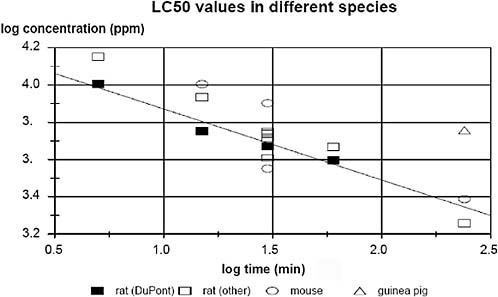
The LC50 values were lower (higher toxicity) for restrained rats. For the respective exposure-duration values of 10,754, 4,318, 2,890 and 1,888 ppm were obtained. The RD50 for rats exposed to CO was 15,000 ppm. The COHb values were 60% or higher in rats that had died after unrestrained exposure and 50% or higher in rats that had died after restrained exposure.
Darmer et al. (1972) reported an LC50 of 14,200 ppm for 5 min of exposure. Haskell Laboratory (1978) [in E.I. du Point de Nemours (1981)] obtained an LC50 of 4,070 ppm for a 30-min exposure. Hartzell et al. (1985) reported an LC50 of 8,636 ppm for a15-min exposure and 5,207 ppm for a 30-min exposure. Kimmerle (1974) reported an LC50 of 5,500 ppm for a 30-min and 4,670 ppm for a 60-min exposure.
Rose et al. (1970) reported an LC50 of 2,070 mg/m3 (95% C.I. 1,831-2,241 mg/m3, 1,807, 1,598-1,956 ppm) for a 4 h exposure in male Sprague-Dawley rats. The COHb in animals that had died was between 50% and 80%.
3.1.2.
Mice
Pesce et al. (1987) exposed groups of about 100 OF1-strain mice/age group/sex to 5.5 Torr (about 7,200 ppm; final analytic concentration) for 76 min or to 4.4 Torr (about 5,800 ppm) for 146 min. For the 76-min exposure, survival rates were 36% for 31-day-old males and 22% for 184-day-old males. Of the exposed females, 57% of 31-day-old females and 63% of 184-day-old females survived. After exposure for 146 min, survival rates were 40% for 34-day-old males, 27% for 85-day-old males, 24% for 230-day-old males, and 27% for 387-day-old males 48% for 34-day-old females, 67% for 85-day-old females, and 56% for 387-day-old females. Except for the about 1-month-old mice, male mice showed a significantly lower survival than females. Survival was not significantly influenced by age.
Winston and Roberts (1978) investigated the influence of age on lethal effects of CO on mice (strain not stated; male mice were used in all groups, except for the two youngest groups that comprised both males and females). Animals of different age were exposed to CO at 2,000 ppm for up to 6 h in stainless steel exposure chambers. The analytic concentration was determined by an automated gas chromatograph. Mortality occurred in 3 of 37 2-day-old mice, 21 of 32 17-day-old mice, 16 of 20 30-day-old mice, 11 of 17 54-day-old mice, 10 of 20 108-day-old mice, and 6 of 18 150-day-old mice. The animals of the youngest and that of the oldest age group were found to be more resistant to CO. These two groups were also found less susceptible to lethal effects from hypoxic hypoxia when mice were exposed to a reduced oxygen concentration of 7.5%.
Hilado et al. (1978) reported 30-min LC50 values of 3,570 ppm for Swiss-Webster mice and 8,000 ppm for ICR mice. Respiratory distress was the only sign observed during the exposures.
Rose et al. (1970) reported an LC50 of 2,800 mg/m3 (95% C.I., 2,679-2,926 mg/m3, 2,444, 2,339-2,554 ppm) for a 4 h exposure in male Swiss albino mice. COHb was not determined.
3.1.3.
Guinea Pigs
Rose et al. (1970) reported a LC50 of 6550 mg/m3 (95% C.I., 5509-7788 mg/m3, 5,718, 4809-6799 ppm) for 4 h of exposure in Hartley guinea pigs. The COHb in animals that had died was between 57% and 90%.
The solid line was calculated by Probit analysis from the data in E.I. du Pont de Nemours and Co. (1981). The slope of this line indicates a time scaling exponent of n = 2.6. Analysis of all data yielded a value of n = 2.8. The LC50 values are taken from Table 2-12.
3.2.
Nonlethal Toxicity
A large number of studies investigated nonlethal effects of single and repeated CO exposures in animals (see WHO [1999a] for review). Reported here are only studies that support or add information to the effects seen in humans because these studies were considered most relevant. These effects include syncope-like observations and behavioral effects in monkeys, effects on heart function in dogs, as well as developmental and reproductive toxic effects in different species.
3.2.1.
Monkeys
Purser and Berrill (1983) studied the behavioral effects of CO exposure on cynomolgus monkeys (three male animals 4-5 years old). The basic behavioral model consisted of an individual monkey placed in a chamber with a lever press at one end a reward (chocolate candy) dispenser at the other. At 5-min intervals throughout the test session a buzzer was sounded and a light flashed over the lever. If the monkey pressed the lever within a 1-min period, a candy was presented in the dispenser. The monkey then moved the length of the chamber to pick up the candy. The major performance parameter measured was the time from the animal releasing the lever to its first touch of the dispenser, that is, the time taken to traverse the chamber. Each session consisted of the following stages: (1) a 25-min pre-exposure period during which baseline CO2 production and behavioral task performance times were established, (2) 2.5% CO was introduced into the chamber at a sufficiently high flow rate to increase the concentration to 900 ppm within 1 min, (3) CO at 900 ppm was maintained for 30 min, during which the effects on clinical condition, CO2 production and behavioral task performance were examined, (4) the chamber was flushed of CO, decreasing the concentration to less than 100 ppm within 4 min, (5) animals were main-
tained for anther 45 min in the chamber while their clinical condition, CO2 production and behavioral task performance were monitored. CO2 and CO concentrations were monitored continuously using infrared analyzers. Five preliminary experiments were conducted on CO at 1,000 ppm, followed by the main experimental series that consisted of 10 exposures at 900 ppm, three for each animal, and one preliminary run. For three exposures (one for each animal), the animals were removed from the chamber 5 min after the exposure period so that venous blood samples could be taken for COHb analysis.
During the four preliminary exposures to CO at 1,000 ppm, there was generally no visible effect on the animals until 18-20 min of exposure had elapsed, at which time they generally became less active, occasionally sitting down for short periods. At approximately 25 min, a dramatic change occurred over a period of 1-2 min, and the animals went from an apparently normal state to one of severe intoxication. This change was preceded by one or more warning signs at approximately 23 min, which consisted of momentary closure of eyes, yawning and shaking of the head. Immediately prior to collapse the animals sometimes paced around in a mechanical fashion, often swaying as they walked. As few as 20 seconds (s) later, the animals were lying or rolling on the floor, sometimes attempting to rise before sitting on the floor or lying down again. During recovery, the animals remained in a state of severe intoxication for approximately 30 min, lying down with their eyes closed. On three occasions animals vomited during this period. After 25-30 min the animals were usually sufficiently recovered to get up and move around the chamber, in response to the buzzer they would sometimes move toward or even press the lever, although they made no attempt to fetch the candy. The performance of the behavioral task was unaffected during the first 15 min of exposure, but before the first minor clinical signs there was generally a slowing of response.
During exposures to 900 ppm, the first signs generally occurred after 20-25 min when the animals became less active, followed by the minor warning signs at approximately 26 min. Although in most cases the animals were lying down at the end of the exposure period, they did not appear to be severely intoxicated and in six of nine exposures the signs were mild, and the animals did not reach a state of collapse. During the recovery period the animals remained in a state of intoxication for approximately 16 min. Recovery was more rapid than that following exposure to 1,000 ppm, as all animals performed the behavioral task within 25 min of the exposure. The first effects upon the chamber traverse time occurred at 15 min into the exposure as a slight, statistically significant decrement in performance. The decrement at 20 min was not statistically significant while at 25 min it was highly significant, as the mean response time was twice the preexposure response time (1.10 s vs. 0.62 s). The first time that the test was conducted successfully on all occasions was after 25 min of recovery when the mean chamber traverse time was three times as long as the mean pre-exposure time. From 30 to 45 min, the animals were more active and response times gradually improved but did not reach the pre-exposure level.
The mean COHb measured at the end of the exposure was 32.9% (range 31.7-34.8%). CO2 production, indicating the metabolism in the animals, decreased gradually throughout the exposure (statistically significant at 25 and 30 min of exposure) and then increased gradually toward pre-exposure levels during the recovery period (significantly lower until 15 min into the recovery period).
From earlier experiments, the authors estimated COHb of 16-21% for the period of 15-20 min when deficits in behavioral task performance were started during the exposure period. In the state of severe intoxication, the animals were capable of performing some coordinated behavioral actions when they were sufficiently stimulated (e.g., by loud noise or removing them from the chamber). The authors report that in unpublished experiments using higher CO concentrations, the animals passed rapidly from this stage to one of deep coma.
DeBias et al. (1976) reported that CO exposure (100 ppm for 6 h; resulting in a COHb of 9.3%) reduced the threshold for ventricular fibrillation induced by an electrical shock applied to the myocardium of monkeys during the final stage of ventricular repolarization. The voltage required to induce fibrillation was highest in normal animals breathing air and lowest in infarcted animals breathing CO. Additivity was found for the effects of infarction alone and CO exposure alone, each of which required significantly less voltage for fibrillation.
3.2.2.
Dogs
Aronow et al. (1979) reported that CO exposure increased the vulnerability of the heart to induced ventricular fibrillation in normal dogs breathing 100 ppm CO for 2 h (resulting COHb was 6.3-6.5%). The ventricular fibrillation was induced by an electrical stimulus applied to the myocardium.
Sekiya et al. (1983) reported that exposure to CO concentrations of 3,000 ppm for 15 min followed by 130 ppm for 1 h (resulting COHb was 13-15%) increased the severity and extent of ischemic injury and the magnitude of ST-segment elevation, which was induced in anaesthetized dogs more by coronary artery ligation than by ligation alone.
3.3.
Developmental and Reproductive Toxicity
3.3.1.
Pigs
Dominick and Carson (1983) exposed pregnant sows to CO concentrations between 150 and 400 ppm for 48-96 h between gestational days 108-110 (average gestation was 114 days). They showed a significant linear increase in the number of stillbirths as a function of increasing CO concentration. Stillbirths were significantly elevated above control levels when the maternal COHb exceeded 23% saturation. These saturation levels were obtained at approximately 250 ppm.
Morris et al. (1985) exposed 16 pigs to 0, 200, or 250 ppm from gestational day 109 until birth (maternal COHb at 24 h into the exposure was 0, 13.6%, and 17.1%, respectively). Stillbirth rates for the three groups (total of 123 piglets) were2.3%, 2.4%, and 4.8%, respectively. The study authors stated that the stillbirth rate was not affected because the observed rates were lower than the industrial norm of 5-10%. The COHb in neonatal piglets at birth were 0, 19.8%, and 22.4%, respectively. The authors found impairment of negative geotaxis behavior and open field activity 24 h after birth in the 250-ppm group. Activity in open field was significantly reduced at 48 h after birth in piglets from both exposure groups.
3.3.2.
Rabbits
Astrup et al. (1972) reported an increase in fetal mortality and malformations in rabbits exposed to CO at 180 ppm continuously throughout gestation. Maternal COHb was 16-18%.
Rosenkrantz et al. (1986) exposed rabbits to high concentrations of CO-containing cigarette smoke (12 puffs of CO at 2,700-5,400 ppm; exposure to puffs of cigarette smoke by face mask; each puff sequence consisted of 30 s of cigarette smoke and 30 s fresh air) for 12 min daily from gestational days 6-18. The COHb level reached at the end of each exposure was 16%. A large number of fetal deaths, but no malformations were observed in exposed animals.
3.3.3.
Rats
Choi and Oh (1975) exposed rats to CO at 750 ppm for 3 h/d on gestational days 7, 8, or 9. An excess of fetal absorptions and stillbirths as well as a decrease in body length and an increase in skeletal anomalies were observed. COHb was not determined.
Penney et al. (1980) exposed pregnant COBS rats for the last 18 days of gestation to CO at 200 ppm. The mean maternal COHb was about 27.8%, and the mean fetal level was 27.0%. The body weight of the pups was significantly lower than that of controls. The heart weight of both exposed females and pups was significantly increased.
Mactutus and Fechter (1985) exposed Long-Evans rats continuously throughout gestation to CO at 0 or 150 ppm. Mean COHb was 15.6% vs. 1% in control subjects. At 120 days of age, CO-exposed rats acquired a conditioned avoidance response equally well as control animals. However, following a 24 h interval, the CO-exposed rats failed to demonstrate significant retention. In a second experiment in which animals received 50 training trials per day until a criterion of 10 consecutive avoidance responses was met, the prenatal CO-exposed rats again acquired the task as well as control animals. When the rats were tested for retention 28 days later, a significant memory impairment was again observed in terms of trials required to retain the avoidance criterion as
well as in total percent avoidance. At 1 year of age, the CO-exposed rats showed impairment relative to air-exposed controls in both the original learning and retention of the two-way avoidance response.
3.3.4.
Mice
Singh and Scott (1984) exposed groups of 17 pregnant CD-1 mice to CO concentrations of 0, 65, 125, 250, or 500 ppm for 24 h/d on gestational days 6 to 17. Mice were killed and examined on day 18. No signs of maternal toxicity were observed at any dose. The mean percent fetal mortality per litter was 4.52%, 5.89%, 12.50%, 15.50%, and 55.30%, respectively. Besides a dose-dependent increase in embryo lethality, fetus weights were significantly reduced at exposure levels of 125 ppm or higher. No fetal malformations were detected. COHb was not determined.
Singh (1986) exposed CD-1 mice to CO at 0, 65, or 125 ppm continuously during gestational days 7 to 18 (COHb not determined). No signs of maternal toxicity were observed. Exposure did not affect the number of live pups born per litter or their birth weight. Prenatal exposure to 125 ppm significantly increased the time required by pups for righting reflex on day 1 of birth and negative geotaxis on day 10. Prenatal exposure at both concentrations significantly decreased the mean aerial righting score of pups on day 14.
3.4.
Genotoxicity
No information regarding the carcinogenicity of CO in animals was located in the available literature.
3.5.
Carcinogenicity
No information regarding the carcinogenicity of CO in animals was located in the available literature.
3.6.
Summary
Several CO-exposure studies reported LC50 values in rats, mice, and guinea pigs. In the study of E.I. du Pont de Nemours and Co. (1981), the following LC50 values were calculated by Probit analysis: 1,0151 ppm for 5 min, 5,664 ppm for 15 min, 4,710 ppm for 30 min, and 3,954 ppm for 60 min.
In a study in cynomolgus monkeys exposed to CO at 900 ppm, no signs of intoxication occurred during the first 20-25 min (corresponding to COHb of about 16-21%). At 25 min, the animals’ performance in a behavioral test significantly decreased, and at the end of the exposure period (30 min), animals became less active and were lying down. After about 25 min of exposure at 1,000
ppm, the animals went into a state of severe intoxication within 1-2 min and were virtually unable to perform coordinated movements (Purser and Berrill 1983).
In developmental toxicity tests, CO caused an increase in the rate of still-births or fetal mortality in pigs after 2-3 days of exposure to COHb at over 23% (Dominick and Carson 1983); in rabbits after continuous exposure to 16-18% COHb throughout gestation (Astrup et al. 1972) as well as after daily exposure to high CO concentrations in cigarette smoke (exposure for 12 min/d on gestational days 6-18, resulting in a COHb of 16%) (Rosenkrantz et al. 1986); in rats after three exposures at 750 ppm for 3 h/d (Choi and Oh 1975); and in mice after exposure at 125 ppm for 11 days (Singh and Scott 1984). Significant memory impairment in behavioral tests were found in young rats after continuous CO exposure throughout gestation (mean maternal COHb was 15.6%) (Mactutus and Fechter 1985).
In monkeys, a COHb of 9.3% resulted in reduced threshold for electric-shock-induced ventricular fibrillation (DeBias et al. 1976). A similar effect was found in dogs at 6.3-6.5% COHb (Aronow et al. 1979). A COHb of 13-15% increased the severity and extent of ischemic injury and the magnitude of ST-segment elevation in a myocardial infarction model in dogs (Sekiya et al. 1983).
SPECIAL CONSIDERATIONS
4.1.
Stability, Metabolism, and Disposition
CO is produced endogenously in normal metabolism. When an α-methylene bridge in the heme group of hemoglobin is broken during the catabolic process, one molecule of CO is released. It has been estimated that this production amounts to approximately 0.3 to 1.0 mL/h with an additional 0.1 mL/h resulting from a similar catabolic process involving other heme-containing compounds (e.g., myoglobin as well as cytochrome and catalase enzymes). This endogenous production of CO gives rise to a baseline or back ground level of approximately 0.5-0.8% COHb (NIOSH 1972).
Almost all the CO that has been inhaled is eliminated through the lungs when the previously exposed person enters an atmosphere free of CO. CO not only binds to hemoglobin forming COHb, but 10-50% of the total body store of CO is also distributed to extravascular sites, such as skeletal muscle, where it can bind to myoglobin. Extravascular CO can be slowly metabolized to CO2 (Fenn 1970). Inside the cells, CO can bind to all heme proteins capable of binding oxygen, such as myoglobin, cytochrome c oxidase, cytochrome P-450 enzymes, and tryptophan oxygenase (WHO 1999a). However, the exact extent of this binding in vivo as well as the physiologic consequences in terms of inhibition of protein and enzyme function and the existence and relevance of possible toxic effects has not been clearly shown until now (cf. extensive discussion in WHO 1999a).
The time required to eliminate half of the gas is 3-5 h (Landaw 1973), depending on the amount of respiration, which acts to wash it out of the body. Peterson and Stewart (1970) reported a range of 128-409 min for the elimination half-time in 39 experiments, with an average of 320 min in human subjects who breathed normal air after CO exposure. Increased oxygen pressure helps to dislodge it from the hemoglobin. One hundred percent oxygen given at atmospheric pressure reduces the elimination half-life rate to about 80 min (Peterson and Stewart 1970). Weaver et al. (2000) reported a half-life of 74 ± 25 min for COHb in CO-poisoned patients receiving 100% oxygen. Klasner et al. (1998) reported a half-life of 44 min for 26 children (4-12 years old) when given 100% oxygen via face mask. Hyperbaric oxygen at 3 bar pressure reduces the half-life to about 20-25 min (Landaw 1973; Beard 1982).
4.2.
Mechanism of Toxicity
If not stated otherwise, the information on the mechanism of toxicity is taken from the extensive recent reviews of WHO (1999a) and EPA (2000). The best understood biologic effect of CO is its combination with hemoglobin (Hb) to form COHb, thereby rendering the hemoglobin molecule less able to bind with oxygen. Although the rate of CO binding with hemoglobin is about one-fifth slower and the rate of dissociation from hemoglobin is an order of magnitude slower than the respective rates for oxygen, the CO chemical affinity for hemoglobin (represented by the Haldane coefficient M) is about 245 times greater than that for oxygen. One part of CO and 245 parts of oxygen would form equal parts of oxyhemoglobin and COHb (50% each), which would be achieved by breathing air containing 21% oxygen and 570 ppm CO. The steady-state ratio of COHb to oxyhemoglobin is proportional to the ratio of their respective partial pressures:

Under dynamic conditions, competitive binding of oxygen and CO to hemoglobin is complex: the greater the number of heme groups bound to CO, the greater the affinity of free heme groups for oxygen. CO not only occupies oxygen-binding sites, molecule for molecule, thus reducing the amount of available oxygen, but also alters the characteristic relationship between oxyhemoglobin and the partial pressure of oxygen, which in normal blood is S shaped. The difference in the partial pressure of oxygen between freshly oxygenated arterial blood (P(O2) = 100 mm Hg) and mixed venous blood (P(O2) = 40 mm Hg) represents a release to the tissues of approximately 5 mL of O2/100 mL of blood (NIOSH 1972). With increasing COHb in blood, the dissociation curve is shifted gradually to the left, and its shape is transformed into that of a rectangular hy-
perbola. This changes the release of oxygen to the tissues appreciably: the oxygen content of the blood is not only lowered during exposure to CO, but the shift of the oxyhemoglobin dissociation curve to the left decreases the amount of remaining oxygen that is made available to the tissues. Both mechanisms serve to effectively lower the tissue partial pressure of oxygen and hence can create a generalized tissue hypoxia. Because the shift occurs over a critical saturation range for release of oxygen to tissues, a reduction in oxyhemoglobin by CO poisoning will have more severe effects on the release of oxygen than the equivalent reduction of hemoglobin due to anemia.
Although the brain has a higher requirement for oxygen than the heart, the coronary circulation, in contrast to the cerebral circulation, must supply an even increased amount of oxygen during periods of generalized tissue hypoxia because under these circumstances, the heart is forced to increase both its rate and its output to meet the normal oxygen demands of the body. This increase in myocardial activity demands an increased oxygen supply to the myocardium, which must be met by the coronary circulation. Under hypoxic conditions, increased oxygen supply to the peripheral tissues can be accommodated by increased blood flow (via vascular dilatation) and increased oxygen extraction by the tissues. The myocardium under these circumstances appears only to increase the flow of blood rather than to extract an additional amount of oxygen from the coronary circulation. The peripheral tissues normally extract only 25% of the oxygen content of the perfusing arterial blood during resting conditions, and the myocardium extracts 75%, thus leaving the mixed venous blood only 25% saturated. This mechanism has the overall effect of maintaining the myocardial oxygen tension at a higher level than would be present in other muscle tissue and thus ensures a continual aerobic metabolism, even under hypoxic duress. In terms of oxygen partial pressure, the mixed venous blood of the peripheral tissues is approximately 40 mm Hg, and the mixed venous blood of the coronary circulation is only 20 mm Hg. In the presence of COHb (and the shift to the left of the oxyhemoglobin dissociation curve), however, the arterio-venous difference can only be maintained by an increased flow in the coronary circulation. In an individual with diminished coronary circulation because of coronary heart disease, however, this situation may result in a decrease in the venous oxygen partial pressure of the myocardium precipitated by an inability to maintain the normal arterio-venous gradient. Studies in dogs suggest that exercise plus an increased COHb, in addition to the global myocardial hypoxia, leads especially to areas of relative hypoxia in the left ventricle secondary to redistributive changes in subendocardial blood flow (Einzig et al. 1980). This hypoxic effect is further enhanced, as mentioned above, by an increase in cardiac rate and output as a general response to peripheral tissue hypoxemia. A person with diminished coronary circulation caused by coronary heart disease may consequently be constantly near the point of myocardial tissue hypoxia, which can ultimately lead to myocardial infarction.
4.3.
Issues Related to Postmortem CO Determination in Humans
4.3.1.
Potential Factors Influencing COHb Levels
Data on the postmortem decay of COHb are sparse. Rodat et al. (1987) reported on the stability of CO after death. A CO poisoning due to a running truck engine in a nonventilated area was discussed. The autopsy was performed 10 months after the death due to insurance claims. The body was decomposed, but some muscle tissue was recovered and tested for COHb levels, which were 26%. Muscle tissue as well as other human tissues, such as brain, lung, and kidney, may be used for diagnosing death due to lethal exposure to CO (Vreman et al. 2006). The report did not discuss measurements from blood samples, presumably due to the decomposition of blood. Following death, the report indicated that COHb levels disintegrate over time, releasing reduced hemoglobin. In addition, the report indicated that the formation of sulfur compounds in a putrefied cadaver makes it difficult to interpret the absorption spectra of the COHb measurements, a phenomenon that has been acknowledged by others (Winek and Prex 1981; Kojima et al. 1986). Rodat et al. (1987) and Kojima et al. (1986) also suggested that the endogenous formation of CO after death is very low,
People who die of CO poisoning often show sublethal COHb levels in their blood (R. Coburn, personal commun., April 8, 20008). The lungs rapidly absorb CO, which avidly combines with hemoglobin at 230 to 270 times greater than with oxygen (Ellenhorn 1997; Larsen 2006). Oxygen therapy increases oxygen delivery and pulmonary excretion of CO by displacing CO from the hemoglobin and decreasing the half-life of COHb (Roos 1994; Ellenhorn 1997), in turn explaining the sublethal COHb levels in blood samples from deceased people exposed to CO.
CO shifts from the blood into the muscle tissue have been reported in the literature (Luomanmaki and Coburn 1969; Bruce and Bruce 2006). In order for shifts to occur, blood must be flowing in capillaries. Presumably during the moving of corpses after death, blood could be pushed through capillaries to a small extent (R. Coburn, personal commun., April 8, 2008), leading to CO shifts, but no studies were found reporting this phenomenon in human cadavers.
Oxidation of CO to CO2 has been reported in living animals and humans. The rate of oxidation in skeletal and cardiac muscle was found to be small but still measurable (Fenn and Cobb 1932; Clark 1950; Luomanmaki and Coburn 1969). It is unknown whether this oxidation occurs in cadavers and what its effects are on the CO decay rates after death.
Once blood is collected from a cadaver, the postmortem samples may be measured more than once, and results would depend on storage and treatment of samples. Levine et al. (1990) found a 19% decrease in measured COHb levels when blood was refrigerated for 3 months and then frozen for 3 months. The refrigerated blood samples were first tested by microdiffusion techniques (sensitivity of approximately 5%) within 1 month of being obtained from victims of a
hotel fire on December 31, 1986. The samples remained refrigerated until being mailed frozen to a second laboratory for testing (received March 26, 1987). The samples were frozen upon arrival and were thawed and refrozen several times during the next 3 months for experimental purposes. After sonication and filtration, the samples were analyzed on a CO-oximeter IL-282 (sensitivity not given). The authors concluded that aging of blood samples and methods of storage could affect accuracy of analytic results. This result was supported by another study, which determined that the contact of the sample with air could decrease the percent of COHb saturation (Chace et al. 1986). That result is in contrast to reports that CO would be stable for months to years in stored samples (vacutainer tubes, especially heparin-anticoagulated tubes) (Kunsman et al. 2000; Hampson 2008). Proper storage of samples would prevent loss of CO (Nelson 2006b).
4.3.2.
Influence on Collection Site on Measured COHb Concentrations
Reductions in the percent of COHb saturation are also associated with differences between COHb measurements derived from heart blood and from peripheral blood specimens. Levine et al. (2002) studied data from 42 CO poisoning cases. The Office of the Chief Medical Examiner in the state of Maryland provided the data. Blood samples from the heart and the subclavian veins were analyzed in a CO oximeter. The specific heart site for blood collection was not reported. Also, the report did not indicate whether the deceased individuals with decreased COHb were given oxygen therapy. Blood samples with COHb saturation levels greater than 12% were confirmed and quantitated by gas chromatography. The latter analysis measured both CO content and CO capacity and did not measure hemoglobin concentration, which tends to vary in postmortem specimens (Levine et al. 2002). Samples were normalized for hemoglobin, ensuring that differences between the heart blood and peripheral blood were not caused by significant differences in hemoglobin between the two blood samples. The average heart blood COHb level was 42% (range = 11-79; SD = 19.95; median = 38), and the average peripheral blood COHb level was 39% (range = 4.2-71; SD = 17.07; median = 37). The average heart blood to peripheral blood (H:P) ratio was 1.09. Sixty-two percent of the cases (26 of 42) had an H:P ratio of 0.9 to 1.1, whereas 74% of the cases (31 of 42) had an H:P ratio of 0.8 to 1.2. Statistical analysis showed no statistically significant differences in COHb levels between heart and peripheral blood samples (Levine et al. 2002). The report acknowledged that there might be instances (e.g., cardiopulmonary resuscitation) where differences between heart blood and peripheral blood COHb levels might occur in isolated cases, but in general, there were no significant differences between the two blood sources.
Dalpe-Scott et al. (1995) calculated the H:P ratio of drug concentrations in postmortem blood samples for 113 drugs representing 320 cases. Thirty-five CO
poisoning cases were examined. The average H:P ratio was 1.0 (range 0.9- 1.5). The specific COHb levels were not provided. Data from Dalpe-Scott et al. (1995) confirmed those findings in Levine et al. (2002).
Differences among COHb levels in the heart blood when compared with those found in the periphery (e.g., femoral vein) have been reported in cases that received cardiopulmonary resuscitation. Rice (1976) found wide variation in COHb levels in 300 consecutive fatal cases of CO poisoning. Source of CO poisoning, such as fire and gas heaters, was not identified in most of the 300 cases; four case studies identified the source in the paper. The author hypothesized that levels below 50% COHb were probably low due to the dissociation of COHb after death when oxygen therapy was given in an attempt to resuscitate the person. A summary of the case findings is given below.
Case 1: A child (14 months) was found apparently dead in a smoldering room fire. Artificial respiration was given on the way to the hospital and continued for about an hour before death was pronounced. Subclavian blood showed COHb levels of 15%. The report did not indicate if it was collected from the subclavian artery or vein. Blood from the femoral vein reported a 31% COHb, or a 2-fold difference between sites. The ratio of subclavian blood to femoral blood was 0.48.
Case 2: A man of 57 yrs died of CO poisoning. The CO source was a disconnected coal gas supply pipe. The emergency personnel found him cold but gave him artificial respiration on the way to the hospital where he was pronounced dead. Subclavian blood showed COHb levels of 32%. The report did not indicate if it was collected from the subclavian artery or vein. Blood from the femoral vein reported a COHb of 52%, or a 1.6-fold difference between sites. The ratio of subclavian blood to femoral blood was 0.62.
Case 3: A woman of 43 yearrs was exposed to CO during a fire. Fire personnel recovered her and attempted resuscitation using artificial respiration and pure oxygen. Subclavian blood showed a COHb of 42%. The report did not indicate if it was collected from the subclavian artery or vein. The common iliac vein showed a COHb of 45%. Blood from the femoral vein reported a COHb of 59%, or a 1.2-fold difference when compared with the subclavian vein. The ratio of subclavian blood to femoral blood was 0.71, and the ratio of subclavian blood to iliac blood was 0.93.
Case 4: An infant of 5 months died in a room fire. Artificial respiration was performed on the infant. Femoral samples were not provided. Blood draining the blood cavity was taken and a COHb of 48% was reported, whereas the subclavian blood was reported to have a COHb of 34%. The report did not indicate if it was collected from the subclavian artery or vein. The ratio of subclavian blood to peripheral blood was 0.71.
Rice (1976) explained the results by pointing out that blood with high concentrations of COHb does not coagulate, and artificial respiration would
have pushed blood to move into and out of the lungs. Thus, oxygen therapy would have increased the dissociation of COHb in the blood, and the amount of the dissociation would have depended on the vigor and the duration of the artificial respiration. The disassociation would be higher in the blood from the lungs, the heart, and the blood vessels in close proximity to the lungs and heart.
Currently, the standard forensic practice is to collect blood from suitably isolated peripheral sites (e.g., femoral vein), which are less likely to be subject to postmortem chemical redistribution (Flanagan et al. 2005; Drummer 2007). The common practice of procuring blood samples from live persons has been venipuncture of the antecubital area of the arm (Ernst 2005).
Gas chromatography is considered the most precise and accurate technique to measure COHb concentrations, but other techniques, such as spectrophotometric analyses, worked well (Lee et al. 1975; Mahonoey et al. 1993; R. Coburn, personal commun., April 8, 2008).
4.4.
Other Relevant Information
4.4.1.
Species Variability
With regard to lethal effects, COHb concentrations of 50-80% have been reported as lethal in rats and guinea pigs (Rose et al. 1970; E.I. du Pont de Nemours and Co. 1981). In apparently healthy people who died from CO poisoning, usually COHb concentrations of 60% or higher are found (Stewart 1975; Winter and Miller 1976; Balraj 1984; Holmes 1985; AIHA 1999).
Syncopes have been reported to occur in children at a threshold of 24.5% COHb (Crocker and Walker 1985). In monkeys with COHb concentrations little higher than 16-21%, syncopelike effects occurred (Purser and Berrill 1983). The lowest COHb that resulted in cognitive-development defects in children in a long-term followup study was 13% (Klees et al. 1985). In mice, memory impairment was found in the offspring of rats exposed continuously at 15.6% COHb during gestation (Mactutus and Fechter 1985).
Taken together, these studies imply a limited variability among species for different effects with regard to the COHb at which these effects occur. However, the exposure conditions necessary to reach a certain COHb differ among species because of different affinities for CO in their hemoglobin.
The equilibrium COHb of different species is determined by the species-specific Haldane (affinity) constant M. Reported values are 228 for dogs and 195 for monkeys (Sendroy and O’Neal 1955), 170 for rats and 117 for guinea pigs (F.L. Rodkey, and J.D. O’Neal, Naval Medical Research Institute, Bethesda, MD, 1970, as cited in Jones et al. 1971). Jones et al. (1971) reported equilibrium COHb in different species after 48 h continuous exposure as shown in Table 2-13. Using the mathematical model described in Appendix B, corresponding COHb values for a 70-kg man can be calculated as 7.9%, 13.8%, and 25.0% for 51, 96, and 200 ppm, respectively.
TABLE 2-13 COHb after 48 Hours Continuous Exposure to Carbon Monoxide
|
CO Concentration (ppm) |
Species |
COHb in Blood, % (n) |
|
51 |
dog |
5.7 (2) |
|
51 |
monkey |
5.3 (3) |
|
51 |
rat |
5.1 (15) |
|
51 |
guinea pig |
3.2 (15) |
|
96 |
dog |
12.5 (2) |
|
96 |
monkey |
10.3 (3) |
|
96 |
rat |
7.5 (15) |
|
96 |
guinea pig |
4.9 (15) |
|
200 |
dog |
20.8 (2) |
|
200 |
monkey |
20.0 (3) |
|
200 |
rat |
16.4 (15) |
|
200 |
guinea pig |
9.4 (15) |
|
Source: Adapted from Jones et al. 1971. |
||
4.2.2.
Intraspecies Variability
Experiments in mice did not indicate that very young or very old animals were more susceptible to lethal effects of CO exposure (Winston and Roberts 1978; Pesce et al. 1987). However, there is considerable variability within human subpopulations: a COHb of about 15% only leads to very slight symptoms, such as headache, in healthy adults (Stewart et al. 1970; WHO 1999a). In contrast, the same COHb was reported to cause long-lasting defects in the cognitive development and behavioral alterations in children (Klees et al. 1985) or even to contribute to death from myocardial infarction in individuals with coronary artery disease (Grace and Platt 1981; Balraj 1984). In case reports of myocardial infarction, other subjects exposed under the same conditions (and sometimes had higher COHb) did not experience effects above the AEGL-2 (Grace and Platt 1981; Atkins and Baker 1985).
Subpopulations at higher risk for toxic effects of CO include the following groups:
-
Fetuses are at higher risk because of higher CO affinity and slower CO elimination (see Sections 2.3 and 4.4.4). The severity of exposure and maternal clinical signs appear to be associated with fetal mortality (Koren et al. 1991). A review by Greingor et al. (2001) noted that CO crosses the placenta through passive diffusion or is facilitated by a carrier. As the fetus increases in age and weight, placental CO diffusion increases. When the mother is exposed to CO, the amount of oxygen in her blood decreases, and oxygen transported across the placenta decreases and puts the fetus in a hypoxic state. CO crosses the placenta
-
as it dissociates from maternal hemoglobin and binds to fetal hemoglobin. The only source of fetal oxygen is the mother, and maternal treatment for CO poisoning reduces fetal COHb levels (Greingor et al. 2001). Clearance of CO in the fetus would be dependent on the mother’s oxygen intake. Children have the same type of hemoglobin as adults but are more susceptible than adults because they breathe a greater amount of air per body weight than adults.
-
The binding affinities of embryonic hemoglobin suggest that fetuses are more susceptible to CO intoxication when compared with adult hemoglobin. Embryonic hemoglobins (Gower I, Gower II, and Portland) are present until about 8-12 weeks of gestation. Fetal hemoglobin is expressed from about 5 weeks of gestation until 9 months after birth. Adult hemoglobin starts being produced between 3-6 months after birth (Orville 2008). Under physiologic conditions, the binding constants of fetal and adult hemoglobin to CO are 0.09 μM and 0.13 μM, respectively, meaning that the binding affinity for CO is higher for fetal hemoglobin than for adult hemoglobin (Di Cera et al. 1989). The rate constants for the binding of CO to the three embryonic hemoglobins are 3.0 × 10⁻⁶ M/s (Gower I), 2.0 × 10⁻⁶ M/s (Gower II), and 3.5 × 10⁻⁶ M/s (Portland) compared with 4.0 × 10⁻⁶ M/s for adult hemoglobin at pH 6.5 (Hofmann and Brittain 1996). No data were located that reported on whether embryos are more susceptible than fetuses. Data on the susceptibility of embryos to CO are mostly qualitative.
-
Children are at higher risk because they develop acute neurotoxic effects (e.g., headaches and nausea), long-lasting neurotoxic effects (e.g., memory deficits) and impaired ability to escape (e.g., syncopes) at lower COHb concentrations than adults (see Section 2.2.2.1). Children also have developing organs (brain and lungs), which may be affected differently than the developed organs of adults (ATSDR 2002). Children tend to be more susceptible than adults because they breathe a greater amount of air per body weight than adults.
-
People are at higher risk who have pre-existing diseases, either known or unknown, that already decrease the availability of oxygen to critical tissues; this group includes those who have coronary artery disease (see Sections 2.2.1 and 2.2.1.1), chronic obstructive lung disease, chronic anemia, and hemoglobinopathies, such as sickle cell anemia. For example, in sickle-cell disease, the average lifespan of red blood cells with abnormal hemoglobin is 12 days compared with an average of 120 days in healthy individuals with normal hemoglobin. “As a result, baseline COHb levels can be as high as 4%. Presumably, exogenous exposure to CO, in conjunction with higher endogenous CO levels, could result in critical levels of COHb. However, it is not known how ambient or near-ambient air levels of CO would affect individuals with these disorders” (EPA 2000; see also WHO 1999a). Due to physiologic adaptation in these subpopulations, they are not considered more susceptible than patients with coronary artery disease.
-
People at high altitude are at higher risk, especially those not living there long enough for physiologic adaptation. “It is important to distinguish between the long-term resident of high altitude and the newly arrived visitor from
-
low altitude. Specifically, the visitor will be more hypoxemic than the fully adapted resident. One would postulate that the combination of high altitude with carbon monoxide would pose the greatest risk to persons newly arrived at high altitude who have underlying cardiopulmonary disease, particularly because they are usually older individuals. Surprisingly, this hypothesis has never been tested adequately” (WHO 1999a). Due to physiologic adaptation, people living at high altitude are not considered generally more susceptible than patients with coronary artery disease. Because it is generally not advisable for patients with severe coronary artery disease to travel to places at high altitude, it is not considered necessary to especially take that part of the identified susceptible subpopulation (that is, patients with coronary artery disease; see below) into account when deriving AEGL values.
An estimated 62 million people in the United States (about 20% of the population) have one or more types of cardiovascular disease (American Heart Association 2002). For the major diseases within the category of total cardiovascular disease, about 50 million Americans have high blood pressure, 13 million have coronary heart disease, 4.9 million have heart failure, 4.7 million have cerebrovascular disease (stroke), and 1 million have congenital cardiovascular defects.
The prevalence of cardiovascular diseases increases with age. It is 10% for males and 4% for females at age 25-34, 51% for males and 48% for females at age 55-64, and 71% for males and 79% for females at age 75 or older (American Heart Association 2002).
Coronary heart disease caused more than one of every five deaths in the United States in 2000. Cause of death was listed as coronary heart disease in 681,000 cases and myocardial infarction in 239,000 deaths. Fifty percent of men and 63% of women who died suddenly of coronary heart disease had no previous symptoms of this disease (American Heart Association 2002).
Within the group of people with coronary heart disease, 7.6 million had myocardial infarction (heart attack) and 6.6 million had angina pectoris (chest pain) (American Heart Association 2002). The prevalence of angina pectoris in the British adult population is about 4% (Williams and Stevens 2002).
Angina pectoris is a symptom of coronary heart disease. Common features of an attack are central chest pain, pain radiating to the lower jaw or arms, and shortness of breath. The pain occurs when there is insufficient oxygen delivery to the heart, leading to ischemia. This is usually, although not exclusively, a result of an atheromatous narrowing (stenosis) in one or more of the coronary arteries. Angina can classified broadly as stable or unstable, depending on its severity and pattern of occurrence. Stable angina is typically provoked by exercise (e.g., hurrying across a street or climbing a long flight of stairs), stress, or extremes of temperature and is relieved by either rest or sublingual nitrates or both. Unstable angina is understood as anginal pain that occurs with lesser degrees of exertion, with increasing frequency, or at rest (that is, without exertion). The pain may be more severe and last longer and requires more intensive inter-
vention (usually hospitalization for initiation of medication under cardiac monitoring). If left untreated, unstable angina may result in a heart attack and irreversible damage to the heart. The diagnosis of angina is generally based on clinical history, electrocardiograph stress testing (where patients are exercised on a treadmill to look at the effect on their electrocardiogram), and coronary angiography (to look for narrowings in the coronary arteries) (Williams and Stevens 2002).
4.4.3.
Time Scaling
The LC50 values for different exposure periods are shown in Figure 2-1. Overall the distribution does not seem to argue against a linear relationship between log(concentration) and log(time), and from the data from E.I. du Pont de Nemours and Co. (1981), a value of 2.6 can be calculated for the exponent n from the slope. Regression analysis of all data yielded a value of n = 2.8. However, taking a closer look at the data from this study suggests that the data might be distributed nonlinearly and that the slope decreases with increasing exposure time.
The AEGL-2 and AEGL-3 exposure concentrations were derived from a mathematical model based on the same COHb at the end of the respective exposure periods. These values are also distributed nonlinearly in a log-log plot: the slope between the two shortest exposure periods (10 and 30 min) is equivalent to n = 1.0-1.1, and the slope between the two longest exposure periods (4 and 8 h) is equivalent to n = 2.9-3.4. This nonlinearity is probably caused by the fact that the COHb depends strongly on the ventilation rate and lung blood flow for short exposure rates; for long exposure rates the COHb becomes independent of these parameters and exclusively depends on the affinity of hemoglobin for CO (represented by the Haldane constant M). Because rats have a higher ventilation rate per kilogram of body weight than humans, their COHb concentrations reach the steady state faster, and, therefore, for the same exposure time, the slope for rats is smaller than the corresponding slope for humans, that is, the COHb concentration depends strongly on the ventilation rate in humans compared with rats.
4.4.4.
Mathematical Models of COHb Formation
In 1965, Coburn et al. developed a differential equation (CFK model) to describe the major physiologic variables that determine the COHb in blood using data from patients with increased endogenous production of CO due to anemia (Coburn et al. 1965). The CFK model is represented by the following equation:

where
B = 1/DL + PL/VA
M = Ratio of affinity of blood for CO to that for O2; M = 218
OHb = mL of O2 per mL blood; OHb = 0.2
COHbt = mL of CO per mL blood at time
PO2 = average partial pressure of oxygen in the lung capillaries; PO2 = 100 mm Hg
VCO = rate of endogenous CO production; VCO = 0.007 mL/min
DL = diffusivity of the lung for CO; DL = 30 mL/min mm Hg
PL = barometric pressure minus the vapor pressure of water at body temperature
PL = 713 mm Hg
Vb = blood volume; Vb = 5,500 mL
PCO = partial pressure of CO in the air inhaled (mm Hg)
VA = alveolar ventilation rate; VA = 6,000 mL/min (awake), 4,000 mL (sleeping)
t = exposure duration (min)
Peterson and Stewart (1970) reported that the CFK model well predicted COHb measured in 18 healthy male students, aged between 24 and 42 years, who were exposed to the following combinations of CO concentrations and exposure times: about 50 ppm for 30 min to 24 h, about 100 ppm for 15-480 min, about 200 ppm for 15-120 min, and about 500 ppm for 15-114 min. They used the following integrated form of the CFK equation and parameters:

where
A = PO2/M OHb
B = 1/DL + PL/VA
M = Ratio of affinity of blood for CO to that for O2; M = 218
OHb = mL of O2 per mL blood; OHb = 0.2
COHbt = mL of CO per mL blood at time
COHb0 = mL of CO per mL blood at beginning of the exposure
PO2 = average partial pressure of oxygen in the lung capillaries; PO2 = 100 mm Hg
VCO = rate of endogenous CO production; VCO = 0.007 mL/min
DL = diffusivity of the lung for CO; DL = 30 mL/min mm Hg
PL = the vapor pressure of water at body temperature, PL = 713 mm Hg
Vb = blood volume; Vb = 5,500 mL
PCO = partial pressure of CO in the air inhaled (mm Hg)
VA = alveolar ventilation rate; VA = 6,000 mL/min (awake), 4,000 mL (sleeping)
t = exposure duration (min)
In another study by Peterson and Stewart (1975), data from a series of human exposures to CO were analyzed to determine the fit to the theoretical CFK equation. A group of 19 men and 3 women were exposed to concentrations of 50, 100, or 200 ppm for 0.33-5.25 h. Three exercise levels from sedentary to 0, 150, or 300 kpm/min on an ergometer were used (15 subjects in total). These levels resulted in mean ventilation rates of 10.1 (9.1 for women), 14.0, 24.0 (19.7 for women), and 29.7 L/min, respectively. The CFK model predicted COHb for both men and women as well as for resting and exercising subjects within a standard error of about 2%. In contrast to the original model, which assumes all variables to be constant except t, PL, COHbt, and PCO, the following parameter alterations were introduced:
PO2: When the partial pressure of oxygen in inspired air (PiO2) is less than the 149-mm Hg found under normal conditions, the partial pressure of oxygen in the lung capillaries will be less than the value of 100 mm Hg assumed by Coburn and coworkers. From measurements of oxygen partial pressure in arterial blood, which is assumed to be the same as the oxygen partial pressure in lung capillaries, the following equation was derived:
PO2 = 1/(0.072-0.00079 PiO2 + 0.000002515 (PiO2)2) and PiO2 = FiO2
(PB − 47 - PiCO) with
FiO2 = fraction of oxygen in inspired air,
PB = barometric pressure (mm Hg), and
PiCO = partial pressure of CO in inspired air.
DL: Body-size effects on diffusivity at rest were calculated from published data as
DL = 1/(−0.0287 + 0.1188/A) with A = body surface in m2.
Vb: The published blood volume relationship of 74 mg/kg of body weight for men and 73 mL/kg for women was used.
VA: The alveolar ventilation rate was expressed as
VA = VE − f VD; with VE = total rate of ventilation (mL/min),
f = respiration rate (min−1), and
VD = dead space (mL).
OHbt: At standard concentrations, 1 g of hemoglobin will hold 1.38 mL of oxygen and thus OHbmax = 1.38 [Hb]/100, with [Hb] being the hemoglobin concentration in blood (g/100 mL). During and after CO exposure, the value of OHbt that must be used is actually OHbt = OHbmax − COHbt. In this case, the CFK equation can only be solved by iterative procedures.
COHb: This value can be converted to the more conventional percentage saturation by % COHb = COHb 100/OHbmax.
Tikuisis et al. (1992) studied the rate of formation of COHb in healthy young males at a low (45 W) and moderate (90 W) exercise load. Ten nonsmoking subjects were exposed to CO on two separate occasions distinguished by the activity level. Each experiment began with an exposure to 3,000 ppm for 3 min during a rest period followed by three intermittent exposures ranging from 3,000 ppm for 1 min at low exercise to 667 ppm for 3 min at moderate exercise. The net increase in COHb after all exposures (about 10%) deviated by <1% between the values measured and the values predicted from the CFK model. Within this deviation, there was a general tendency of the CFK equation to underpredict the increase in COHb for the exposures at rest and the first exercise exposure and to overpredict levels for the latter two exposures at exercise.
Benignus et al. (1994) exposed 15 men to 7,652 mg/m3 (6683 ppm) CO for 3.1-6.7 min at rest. Except for the Haldane constant M, which was assumed to be 245, all other physiologic parameters of the CFK equation were measured for each individual from the very beginning of exposure. Arterial COHb was considerably higher than the venous COHb. The rate of increase in blood COHb and the arterial-venous COHb differences varied widely among individuals. The peak arterial COHb at the end of exposure ranged from 13.9% to 20.9%. The peak venous levels reached during the recovery period ranged from 12.4% to 18.1%. The arterial-venous difference ranged from 2.3% to 12.1% COHb. The CFK equation overestimated venous blood COHb, whereas arterial blood levels were significantly and consistently underestimated.
Hill et al. (1977) developed a mathematical model to predict values of blood COHb in mother and fetus for prolonged exposures to CO at 30-300 ppm. During CO exposure, fetal COHb lag behind maternal COHb by several hours. During prolonged uptake, fetal levels eventually overtake maternal levels and approach equilibrium values as much as 10% higher than the mother’s due to the higher affinity of CO for fetal hemoglobin than for adult hemoglobin. During CO washout, the fetal levels again lag behind the mothers.
5.
DATA ANALYSIS FOR AEGL-1
5.1.
Human Data Relevant to AEGL-1
CO has no odor and does not cause irritative effects. A large number of studies investigated the effects of low CO exposure (COHb at <10%) on healthy individuals and high-risk groups. In these studies, effects on healthy persons, such as decreases in work capacity and decrements of neurobehavioral function, start at a COHb of 5% (WHO 1999a; EPA 2000).
In patients with coronary artery disease, which constitute the most susceptible subpopulation, the time to onset of angina and the time to 1-mm ST-segment change in the electrocardiogram during physical exercise were significantly reduced at a COHb of 2.0% or 4.0% (Allred et al. 1989a,b; 1991).
5.2.
Animal Data Relevant to AEGL-1
No studies in experimental animals were located that were considered relevant for the derivation of AEGL-1 values. The studies describing effects of CO on cardiac function, such as Sekiya et al. (1983), DeBias et al. (1976), and Aronow et al. (1979), normally use models in which the heart was damaged additionally by an electric stimulus or by coronary artery ligation. Effects of CO exposure found in these systems can hardly be extrapolated quantitatively to humans.
5.3.
Derivation of AEGL-1
CO is an imperceptible toxic gas. Until very severe symptoms occur (inability to walk) none or only nonspecific symptoms were noted in healthy humans and monkeys (Haldane 1895; Purser and Berrill 1983).
In patients with coronary artery disease, which constitute the most susceptible subpopulation, effects, such as significant electrocardiogram changes, reduced time to the onset of angina, and increased cardiac arrhythmia, start occurring at exposure concentrations little higher than current ambient air quality guidelines (e.g., the U.S. national air quality guideline of 9 ppm for 8 h) (National Air Pollution Control Administration 1970; 65 Fed. Regist.50201[2000]; EPA 2000; Raub 2000), the WHO air quality guideline of 10 mg/m3 (9 ppm) for 8 h (based on 2.5% COHb) (WHO 1999a), and the designated European Union limit value of 10 mg/m3 (9 ppm) for 8 h (EC 1999). These cardiac effects were considered above the AEGL-1 and thus would not constitute a suitable basis for the derivation of AEGL-1 values.
AEGL-1 values are not recommended because susceptible persons may experience more serious effects (equivalent to AEGL-2) at concentrations that do not yet cause AEGL-1 effects in the general population.
In addition, CO exposure concentrations encountered frequently in everyday life are at or above the concentration range in which an AEGL-1 would have to be set: smokers have COHb concentrations in the range of 3-8% (Radford and Drizd 1982), and CO concentrations between about 10 and 50 ppm, which can be found on heavily traveled roads; inside motor vehicles; and in homes with gas-, coal-, wood- or kerosene-fired heaters, and stoves, correspond to an equilibrium COHb range of 1.8-7.5% (see Figure 2-2 and Table 2-14).
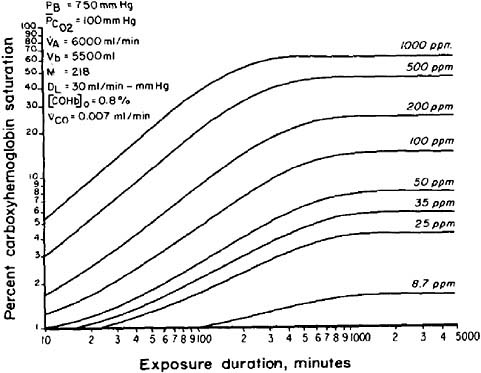
TABLE 2-14 AEGL-1 Values for Carbon Monoxide
|
Classification |
10 min |
30 min |
1 h |
4 h |
8 h |
|
AEGL-1 |
N.R.a |
N.R. |
N.R. |
N.R. |
N.R. |
|
aN.R., not recommended because susceptible persons may experience more serious effects (equivalent to AEGL-2) at concentrations that do not yet cause AEGL-1 effects in the general population. |
|||||
6.
DATA ANALYSIS FOR AEGL-2
6.1.
Human Data Relevant to AEGL-2
In patients with coronary artery disease, COHb of 2 or 4% significantly reduced the time to angina and the time to 1-mm change in the ST segment of the electrocardiogram during physical exercise; at 4% the total exercise time and the heart-rate-blood-pressure product were also significantly reduced (Allred et al. 1989a,b, 1991). A reduced time to onset of exercise-induced chest pain at a COHb between 2.5% and 4.5% was also reported by several other studies (Aronow et al. 1972; Anderson et al. 1973; Sheps et al. 1987; Kleinman et al. 1989, 1998).
Sheps et al. (1990, 1991) reported that, in patients with coronary artery disease, the frequency of ventricular premature depolarizations was significantly increased at a COHb of 5.3%, but not at 3.7%, compared with room air exposure. Dahms et al. (1993) found no increased frequency of ventricular ectopic beats at a COHb of 3% or 5%.
Klasner et al. (1998) analyzed a mass poisoning of 504 school children. In 147 of 155 children who showed symptoms, the mean COHb measured about 1 h (up to 2 h) after removal from the CO atmosphere was 7.0%COHb. Of all children that were examined in the hospital (177) (mean age 8.7 years), the following symptoms were observed: headache (139), nausea (69), dizziness (30), dyspnea (19), vomiting (13), abdominal pain (11), and drowsiness (9).
In an analysis of CO poisonings in 16 children (up to 14 years of age) with a COHb of 15% or higher, Crocker and Walker (1985) reported thresholds for effects, such as nausea, vomiting, headache, and lethargy of 16.7% to 19.8% COHb (average concentrations in children displaying these symptoms were 25.9-29.4%). Visual symptoms and syncopes occurred at a threshold of 24.5% COHb (average 31.6-32.5%). All nine children with a COHb of 24.5% or higher experienced at least one syncope.
In an investigation on the long-term effects of CO poisoning in children, who were evaluated 2-11 years after the poisoning, Klees et al. (1985) reported that 6 of the 14 children exhibited serious disorders (spatial organization problems, constructive apraxia, and deterioration of lexical activity, as well as spelling and arithmetic). Compared with the other seven children who exhibited only slight impairment of visual memory and concentration, the first group of more severely affected children were younger (mean age 7.8 years; range 2.8-12.1 years) than the latter group (mean age 9.8 years; range 3.5-14.5). There was no
difference in measured COHb (mean 21% [range 13-32%] in the younger group vs. 22% [16-26%] in the latter group). A short-term followup (3 months after the poisoning) suggested that medium intoxications (reported COHb of 16-27%) did not produce manifest sequelae except for a momentary standstill in the child’s progress of about 2 months.
Kizakevich et al. (2000) reported that healthy young men can perform submaximal exercise without overt impairment of cardiovascular function after CO exposures attaining 20% COHb. Stewart et al. (1970) found that a CO exposure of healthy subjects resulting in 12.5% to 25.5% COHb did not affect the results of several neurophysiologic tests. Nielsen (1971) did not report on severe effects in three subjects that were repeatedly exposed to CO resulting in concentrations of 25-33% COHb. In a poisoning incident at the workplace, severe headaches, dizziness, weakness, nausea, chest pain, shortness of breath, and other symptoms were reported for a COHb of about 35% (Ely et al. 1995).
6.2.
Animal Data Relevant to AEGL-2
In a study in cynomolgus monkeys, Purser and Berrill (1983) reported that during exposure to CO at 900 ppm for a total of 30 min, no signs of intoxication occurred until 20-25 min (corresponding to COHb of about 16-21%). At 25 min into the exposure, the animals’ performance in a behavioral test significantly decreased. At the end of the exposure period, the animals became less active, most of them were lying down, but did not collapse. At 1,000 ppm, no effects were observed during the first 16-20 min. At this time, the animals became less active and sat down for short periods. At about 25 min, the animals went into a state of severe intoxication within 1-2 min, in which animals were lying down with eyes closed, they sometimes vomited and were virtually unable to perform coordinated movements.
Significant memory impairment in behavioral tests were found in young rats after continuous CO exposure throughout gestation (mean maternal COHb was 15.6%) (Mactutus and Fechter 1985).
In monkeys, a COHb of 9.3% resulted in reduced threshold for electric-shock-induced ventricular fibrillation (DeBias et al. 1976). Aronow et al. (1979) reported that CO exposure increased the vulnerability of the heart to induced ventricular fibrillation in normal dogs breathing 100-ppm CO for 2 h (resulting COHb was 6.3-6.5%). The ventricular fibrillation was induced by an electrical stimulus applied to the myocardium. A COHb of 13-15% increased the severity and extent of ischemic injury and the magnitude of ST-segment elevation in a myocardial infarction model in dogs (Sekiya et al. 1983).
6.3.
Derivation of AEGL-2
The derivation of AEGL-2 values was based on effects in patients with coronary artery disease. An estimated 62 million people in the United States
(about 20% of the population) have one or more types of cardiovascular disease (American Heart Association 2002). For the major diseases within the category of total cardiovascular disease, about 50 million Americans have high blood pressure, 13 million have ischemic (coronary) heart disease, 5 million have heart failure, 4 million have cerebrovascular disease (stroke), and 2 million have rheumatic fever or heart disease.
For the derivation of AEGL-2 values a level of 4% COHb was chosen. At this exposure level, patients with coronary artery disease may experience a reduced time until onset of angina (chest pain) during physical exertion (Allred et al. 1989a,b, 1991).
Characteristic points of an electrocardiogram are the P wave, reflecting atrial depolarization, the QRS complex, representing the ventricular muscle depolarization, and the T wave, reflecting ventricular muscle repolarization. In the normal electrocardiogram, the ST segment is isoelectric, resting at the same potential as the interval between the T wave and the next P wave. Horizontal depression or a downsloping ST segment merging into the T wave occurs as a result of ischemia, ventricular strain, changes in the pattern of ventricular depolarization or drug effects. In chronic ischemic heart disease, there may be moderate degrees of horizontal ST-segment depression or a downward sloping ST segment, flattening or inversion of T waves and prominent U waves. It is difficult to define an abnormal ST-segment depression in precise quantitative terms. However, a myocardial ischemia has to be considered if the beginning of the ST segment is more than 0.5 mm (corresponding to 0.05 mV) below the isoelectric line, and there is an associated T-wave abnormality (Wilson et al. 1991).
According to the practice guidelines for chronic stable angina (Gibbons et al. 1999), an ST-segment depression at rest is a marker for adverse cardiac events in patients with and without known coronary artery disease. Additional exercise-induced ST-segment depression in the patient with ≥1 mm of rest ST-segment depression is a reasonably sensitive indicator of coronary artery disease. The ST-segment depression is indicative of clinically relevant myocardial ischemia requiring medical treatment. From the ST-segment depression, the Duke treadmill score can be calculated. It equals the exercise time in minutes minus (5 × the ST-segment deviation, during or after exercise, in millimeters) minus (4 × the angina index, which has a value of 0 if there is no angina, 1 if angina occurs, and 2 if angina is the reason for stopping the test). Among outpatients with suspected coronary artery disease, the two-thirds of patients with scores indicating low risk (score ≥5) had a 4-year survival rate of 99% (average annual mortality rate 0.25%), and the 4% who had scores indicating high risk (score ≤10) had a 4-year survival rate of 79% (average annual mortality of 5%) (Gibbons et al. 1999).
In the available experimental studies, the CO exposure alone (that is, with subjects at rest) did not cause angina, while exercise alone did so. Moreover, the changes in the electrocardiogram (ST-segment depression of 1 mm or greater) as well as the angina symptoms can be considered fully reversible after a single
incident. This effect level was considered to be below that defined for AEGL-2. All experimental studies used patients who had stable exertional angina and did not experience angina while at rest. Thus, it is considered likely that in more susceptible individuals (a part of the patients with unstable angina pectoris might belong to this group) CO exposure alone could increase angina symptoms. In hypersusceptible patients, more severe effects, even including myocardial infarction, cannot be ruled out.
In contrast to the anecdotal case reports on myocardial infarction discussed in the derivation of AEGL-3, the studies investigating electrocardiogram changes and angina symptoms in patients with coronary artery disease, used here for the derivation of AEGL-2 values, are high-quality, well-conducted experimental studies with well-characterized exposure conditions and information on interindividual variability.
An exposure concentration of 4% COHb is unlikely to cause a significant increase in the frequency of exercise-induced arrhythmias. This effect has been observed at a COHb of 5.3% but not of 3.7% (Sheps et al. 1990, 1991). In another study, no effect of CO exposure on ventricular arrhythmia was found at 3% or 5% COHb (Dahms et al., 1993). No experimental studies in heart patients are available that used significantly higher levels of COHb.
Use of a concentration of 4% COHb as a point of departure for the derivation of AEGL-2 values is supported by the studies in animals: a COHb of 9.3% resulted in a reduced threshold for electric-shock-induced ventricular fibrillation in monkeys (DeBias et al. 1976) and a COHb of 6.3-6.5% increased the vulnerability of the heart to electrically induced ventricular fibrillation in healthy dogs (Aronow et al. 1979). These animal studies suggest that a level below 6-9% COHb should be selected for AEGL-2 derivation to protect individuals with compromised cardiac function.
A total uncertainty factor of 1 for intraspecies variability was considered adequate based on supporting evidence in other susceptible subpopulations (children, pregnant women, older people and smokers):
-
The derived AEGL-2 values would result in a COHb of 4.9-5.2% in 5-year-old children (see Table B-2 in Appendix B). This level is considered protective of neurotoxic effects in children: (1) In the study by Klasner et al. (1998), acute neurotoxic effects, such as headache, nausea, dizziness, dyspnea, and vomiting, were found at a mean COHb of 7.0% (measured after a mean time of 1 h [up to 2 h] after removal of the children from the CO atmosphere). That result suggests that at the end of exposure, COHb had been from 10% to 14%. These values were estimated using the mathematical model of Coburn et al. (1965) and Peterson and Stewart (1975). (2) In the study by Crocker and Walker (1985), a threshold of 24.5% COHb for syncopes in children, an effect that was considered to impair the ability to escape, was reported. (3) In the study by Klees et al. (1985) that investigated long-lasting neurotoxic effects (defects in the cognitive development and behavioral alterations) in children, the lowest concentration resulting in cognitive development defects was 13% COHb in the
-
long-term followup study. The COHb concentrations reported in the Crocker and Walker (1985) as well as in the Klees et al. (1985) studies were measured after hospital admission and may have been considerably lower than concentrations at the end of the CO exposure, as was also described in the Klasner et al. (1998) study. The percentage of children that received oxygen before hospital admission was probably considerably higher in Crocker and Walker (1985) and Klees et al. (1985) because, after acute exposure to high CO concentrations (e.g., by fires in homes), severe poisoning symptoms occurred. Oxygen administration reduces the elimination half-life in children to about 44 min (Klasner et al. 1998).
The observations in children are supported by observations in experimental animals. In the study by Purser and Berrill (1983) at a COHb little higher than 16-21%, syncopelike effects occurred in monkeys and mice; memory impairment was found in the offspring of rats exposed continuously at a COHb of 15.6% during gestation (Mactutus and Fechter 1985).
-
Caravati et al. (1988) and Koren et al. (1991) described cases of stillbirth after CO exposure of pregnant women. In these cases, the COHb concentrations measured in the maternal blood were higher than 22-25%. There are no studies reporting effects on the unborn after a single acute exposure resulting in lower COHb levels (EPA 2000). Cigarette smoking of pregnant women is associated with a lower birth weight; however, these effects cannot be clearly attributed to CO only because cigarette smoke is a complex mixture of chemicals (EPA 2000). There is no evidence that a single elevation of COHb has any negative effects on pregnancy.
-
There is no evidence that elderly people without cardiovascular disease are more susceptible to an acute CO exposure than younger adults (WHO 1999a; EPA 2000). Therefore, AEGL-2 values derived on effects in coronary artery disease patients are likely to protect other elderly people.
-
In smokers with a background COHb of 3-8% from smoking, exposure to the AEGL-3 concentration–time combinations will result in 6.2-11.5% COHb (see Table B-2 in Appendix B). Smokers may show an adaptive response to their chronically elevated COHb levels, as evidenced by increased red-blood-cell volumes or reduced plasma volumes (EPA 2000). This adaptive response is likely to reduce the effect level in smokers compared with nonsmokers exposed to the same total COHb level. The estimated COHb exposure level in smokers who are healthy adults is unlikely to lead to significant health effects (Stewart et al. 1970; Nielsen 1971; Kizakevich et al. 2000). For pregnant women, cigarette smoking alone may cause effects on the unborn (EPA 2000). A single additional exposure to COHb levels of 6.2-11.5% over a “smoking background” of 3-8% COHb is considered unlikely to contribute significantly to the effects of smoking during pregnancy. No study is available that compared the effects on the cardiovascular system of a 4% elevation of the background COHb level in nonsmoking and smoking patients with coronary artery disease. However, a single exposure to COHb levels of 6.2-11.5% over a smoking background of 3-8%
-
COHb is considered unlikely to contribute significantly to the effects of smoking on the cardiovascular system.
In conclusion, patients with coronary artery disease must be considered more susceptible to the effects of CO than other subpopulations, such as children, elderly people, and pregnant women who may be more susceptible than healthy adults. A level of 4% COHb was the NOEL for AEGL-2 effects in patients with coronary artery disease; the LOEL was estimated at 6-9%. In comparison, the LOEL was about 10-15% in children and 22-25% in pregnant women. Since AEGL-2 values were based on experimental data on the most susceptible subpopulation, they were considered protective also for other subpopulations, and a total uncertainty factor of 1 was used.
Using the CFK model (Coburn et al. 1965; Peterson and Stewart 1975), exposure concentrations were calculated for 10 min, 30 min, 1 h, 4 h, and 8 h to result in an end-of-exposure COHb of 4% in adults (see Appendix B). Calculations were performed for a 70-kg man with a starting COHb of 0.75% due to endogenous CO production and using a ventilation rate of 23 m3/day. Somewhat higher end-of-exposure COHb would result for children. For a 5-kg child with an alveolar ventilation rate of 3,580 mg/min, COHb values from 4.9% to 5.2% were calculated for the different AEGL time points. For a 3.5-kg newborn with an alveolar ventilation rate of 1,250 mL/min, COHb values from 5.3% to 5.6% were calculated. Higher COHb values will also be obtained in people having a higher starting COHb concentration as a result of other exposures. For smokers having typical starting COHb concentrations of 3% to 8%, COHb values of 6.2% to 11.5% will result from exposure to AEGL-2 concentration–time combinations.
A total uncertainty factor of 1 was used. An intraspecies uncertainty factor of 1 was considered adequate because the values are based on observations in the most susceptible human subpopulation (patients with coronary artery disease).
It is acknowledged that apart from emergency situations, certain scenarios could lead to CO concentrations that may cause serious effects in persons with cardiovascular diseases. These scenarios include extended exposure to traffic fume emissions (e.g., in tunnels or inside cars with defective car exhaust systems), charcoal or wood-fire furnaces, and indoor air pollution by tobacco smoking.
The values are listed in Table 2-15.
TABLE 2-15 AEGL-2 Values for Carbon Monoxide
|
Classification |
10 min |
30 min |
1 h |
4 h |
8 h |
|
AEGL-2 |
420 ppm (480 mg/m3) |
150 ppm (170 mg/m3) |
83 ppm (95 mg/m3) |
33 ppm (38 mg/m3) |
27 ppm (31 mg/m3) |
7.
DATA ANALYSIS FOR AEGL-3
7.1.
Human Data Relevant to AEGL-3
A large number of deaths occur annually due to acute poisonings in fires and in closed locations (e.g., in private homes and workplaces). In the latter instance, poisoning usually occurs because gas-, oil- or coal-fired furnaces or stoves are operated without sufficient ventilation. In apparently healthy people who died from CO poisoning, usually COHb concentrations of 60% or higher are found (Stewart 1975; Winter and Miller 1976; Balraj 1984; Holmes 1985; AIHA 1999). In early experimental studies, healthy subjects were exposed to sufficient concentration–time combinations to reach levels of about 40% to 55% COHb (Haldane 1895; Chiodi et al. 1941). Effects described at this level of CO exposure included hyperpnea, confusion of mind, dim vision, and unsteadiness or inability to walk (Haldane 1895). Henderson et al. (1921) exposed subjects for 1 h to 34-38% COHb. Subjects showed a marked loss of equilibrium in the Romberg test, irritability, and throbbing frontal headache, and at times Cheyne-Stokes breathing was observed.
Nelson (2006a) reported on human deaths related to CO poisoning from unvented space heaters. Sixteen of 22 lethal cases had COHb levels at more than 40%. Six of 22 victims had COHb levels at ≤40% and two of six had preexisting conditions, such as arteriosclerotic disease and cardiorespiratory failure. A 1942 fatality study reported by Nelson (2006a) summarized COHb data for 68 victims that were found dead in a gas-filled room or in a garage containing exhaust gases at high concentrations. CO concentrations were not provided. Sixty-seven percent of the 68 cases died with 40-88% COHb levels. Three-percent of the cases died with 30-40% COHb levels. Summary of another fatality study from Poland showed a similar trend of COHb levels (Nelson 2006a). Individual data were not provided, and the CO source was not discussed. However, the Polish study considered 321 lethal CO poisonings from 1975 to 1976 and provided COHb levels for 220 survivors and 101 fatal cases. The survivors had a mean COHb level of 28.1% (SD = 14.1), whereas the lethal cases showed an average COHb level of 62.3% (SD = 10.1). Over 80% of the survivors had COHb levels below 40%. In contrast, about 90% of the deceased had COHb levels above 50%. Similar percentages of survivors and deceased were observed at COHb levels of 40-50% with a slight increase in the number of survivors when compared with that of the lethal cases. These three studies showed a trend that most lethal cases occurred at COHb levels higher than 40% and that survivorship was likely to be seen at levels below 40%.
Another study from the Center of Forensic Sciences in Canada evaluated 304 fatal cases from 1965 to 1968 (Nelson 2006a). The mean lethal COHb level was 51% ± 12% with a majority range of 40-59% and the highest single frequency range of 45-59%. A report on CO exposure from exhaust fumes in the
state of Maryland during 1966-1971 showed COHb levels in the 40-79% range for 98% of lethal cases (Nelson 2006a). The Institute of Forensic Medicine in Oslo reported a study of COHb levels in 54 automobile exhaust victims. The mean fatal COHb level was 70%, and 40% was the minimum COHb level exhibited by less than 2% of the cases (Nelson 2006a). Another forensic study (Nelson et al. 2006) examining 2,241 fatalities between the years of 1976-1985 found that the mean COHb level of all the cases was 64.20% with an SD of 17.47. The data showed that 34% of victims had COHb levels of less than 60%. Of those who died in fires, 41% had COHb levels of less than 60% compared with 22% of the nonfire deaths.
Kizakevich et al. (2000) reported that healthy young men can perform submaximal exercise without overt impairment of cardiovascular function after CO exposures attaining 20% COHb. Stewart et al. (1970) found that a CO exposure of healthy subjects resulting in 12.5% to 25.5% COHb did not affect the results of several neurophysiologic tests. Nielsen (1971) did not report on severe effects in three subjects who were repeatedly exposed to CO resulting in concentrations of 25-33% COHb.
In susceptible groups of the population, deaths may be caused by considerable lower exposure to CO: Caravati et al. (1988) and Koren et al. (1991) described cases of stillbirth after CO exposure of pregnant women. In these cases, the COHb measured in the maternal blood were higher than 22-25%.
Persons with coronary artery disease constitute another susceptible subpopulation (Balraj 1984). Several case reports indicate that death through myocardial infarction can occur after repeated or prolonged exposure. The corresponding COHb levels measured after transport to the hospital (and thus not representing the end-of-exposure concentrations) were about 20-30% and as low as about 15% (Grace and Platt 1981; Atkins and Baker 1985; Ebisuno et al. 1986).
7.2.
Animal Data Relevant to AEGL-3
Several studies reported LC50 values for rats, mice, and guinea pigs for exposure durations of 5 min to 4 h. The values are given in Table 2-12 and are shown in Figure 2-1. Similar to humans, the minimum lethal COHb concentrations in rats and mice were about 50-70% (Rose et al. 1970; E.I. du Pont de Nemours and Co. 1981).
An increase in the rate of stillbirths was reported in pigs after a 2-3 day-exposure to CO resulting in maternal COHb above 23% (Dominick and Carson 1983). Increased rates in fetal mortality were also observed in rabbits after continuous exposure maternal COHb of 16-18% throughout gestation (Astrup et al. 1972) as well as after daily exposure to high CO concentrations in cigarette smoke (exposure for 12 min/day on gestational days 6-18, resulting in COHb of 16%) (Rosenkrantz et al. 1986).
7.3.
Derivation of AEGL-3
Most of the human reports did not document how long the victims were acutely exposed to CO. Despite this uncertainty in the exposure duration, it was possible to set AEGL-3 values by using the CFK model, which calculated the exposure concentrations at the various AEGL time durations (10 min, 30 min, 1 h, 4 h, and 8 h) that would produce a certain COHb concentration in the blood associated with a lethality threshold. Although victims of CO poisoning exhibit a wide range of COHb levels, a weight-of-evidence analysis of numerous lethal human cases and their COHb levels at their time of death helped to set the lethality threshold at a 40% COHb level. Note that the database included reports of COHb levels in individual cases or summaries where COHb data were averaged or reported by COHb ranges. The approach of using all available data was preferred over the selection of an individual key study for AEGL-3 derivations because it was the only way the evaluation could have a broad picture of COHb levels reported in humans with different demographics (e.g., in sex, age, and disease status), type of CO exposure source, possible variation in sample collection, and absence or presence of oxygen therapy to humans prior to death. Also, the weight-of-evidence approach would average out the studies’ uncertainties.
Nelson (2006a) reported on human deaths related to CO poisoning from unvented space heaters. Sixteen of 22 lethal cases had COHb levels at more than 40%. Six of 22 victims had COHb levels at ≤40% and two of six had preexisting conditions, such as arteriosclerotic disease and cardiorespiratory failure. A 1942 fatality study reported by Nelson (2006a) summarized COHb data for 68 victims that were found dead in a gas-filled room or in a garage containing exhaust gases at high concentrations. CO concentrations were not provided. Sixty-seven percent of the 68 cases died with 40-88% COHb levels. Three-percent of the cases died with 30-40% COHb levels. Summary of another fatality study from Poland showed a similar trend of COHb levels (Nelson 2006a). Individual data were not provided, and the CO source was not discussed. However, the Polish study considered 321 lethal CO poisonings from 1975 to 1976 and provided COHb levels for 220 survivors and 101 fatal cases. The survivors had a mean COHb level of 28.1% (SD = 14.1), whereas the lethal cases showed an average COHb level of 62.3% (SD = 10.1). Over 80% of the survivors had COHb levels below 40%. In contrast, about 90% of the deceased had COHb levels above 50%. Similar percentages of survivors and deceased were observed at COHb levels of 40-50% with a slight increase in the number of survivors when compared with that of the lethal cases. These three studies showed a trend that most lethal cases occurred at COHb levels higher than 40% and that survivorship was likely to be seen at levels below 40%.
Another study from the Center of Forensic Sciences in Canada evaluated 304 fatal cases from 1965 to 1968 (Nelson 2006a). The mean lethal COHb level was 51% ± 12% with a majority range of 40-59% and the highest single frequency range of 45-59%. A report on CO exposure from exhaust fumes in the
state of Maryland during 1966-1971 showed COHb levels in the 40-79% range for 98% of lethal cases (Nelson 2006a). The Institute of Forensic Medicine in Oslo reported a study of COHb levels in 54 automobile exhaust victims. The mean fatal COHb level was 70%, and 40% was the minimum COHb level exhibited by less than 2% of the cases (Nelson 2006a). Another forensic study (Nelson et al. 2006) examining 2,241 fatalities between the years of 1976-1985 found that the mean COHb level of all the cases was 64.20% with an SD of 17.47. The data showed that 34% of victims had COHb levels of less than 60%. Of those who died in fires, 41% had COHb levels of less than 60% compared with 22% of the nonfire deaths.
The 40% COHb level is also supported by experimental studies performed in healthy human subjects. Studies by Chiodi et al. (1941), Henderson et al. (1921), and Haldane (1895) suggest that a COHb of about 34-56% does not cause lethal effects in healthy individuals. Further support comes from the studies by Kizakevich et al. (2000), Stewart et al. (1970), and Nielsen (1971) that reported headache as the only symptom when subjects were exposed to 20-33% COHb. Several case reports indicate that in patients with coronary artery disease, CO exposure can contribute to myocardial infarction. In the published cases of myocardial infarction, the following COHb values were measured after transport to the hospital: 52.2% (Marius-Nunez 1990), 30%, 22.8% (Atkins and Baker 1985), 21% (Ebisuno et al. 1986), and 15.6% (Grace and Platt 1981). A level of 40% COHb was used as the basis for AEGL-3 derivation. This point of departure is further supported by studies in animals reporting minimum lethal COHb levels in rats and mice of about 50-70% (Rose et al. 1970; E.I. du Pont de Nemours and Co. 1981).
Another uncertainty of the human reports used to support a lethality threshold level of 40% COHb was that they did not address whether the COHb measurement was derived from a peripheral site (e.g., femoral vein) or from central blood. This type of information is missing in many of the CO poisoning reports. Although it remains uncertain where the blood samples were taken, data from Levine et al. (2002) and Dalpe-Scott et al. (1995) ruled out significant postmortem changes in COHb levels that were demonstrated by similar heart blood to peripheral blood (H:P) ratios between central and peripheral blood.
Using the CFK model (Coburn et al. 1965; Peterson and Stewart 1975), exposure concentrations were calculated that would result in a COHb of 40% at the end of exposure periods for 10 and 30 min as well as for 1, 4 and 8 h (see Appendix B).
AEGL-3 values calculated with an intraspecies uncertainty factor of 10 would lead to an approximate 4% COHb level in exposed healthy adults. The values would be conservative and more protective of susceptible populations, including the developing fetus, children, and those with compromised circulatory systems, especially at longer exposure durations. However, 4% COHb is the approximate background level in smokers (WHO 1999a). At that level, healthy individuals have decreases in work capacity and decrements of neurobehavioral functions (WHO 1999a; EPA 2000; Hazucha 2000). Furthermore, workers com-
plained of light nausea, lightheadedness, and headache at COHb levels of 4.1-12.8% (Atkins and Baker 1985). These effects are below the lethality threshold. At slightly higher COHb levels (5-6%), there may be an increase in cardiac activity in subjects with coronary artery disease (WHO 1999a). Therefore, a total uncertainty factor of 3 for intraspecies variability was considered adequate based on the following supporting evidence in susceptible subpopulations:
-
Exposure to the derived AEGL-3 concentrations will result in COHb values of about 14-17% in adults (see Table B-4 in Appendix B). In the reported cases of myocardial infarction, the measured COHb was normally above 20%, except in one case in which the measured COHb was about 15%. In this case (Grace and Platt 1981), the man was exposed during several weeks to (presumably) the same high CO concentration in his home and presented two times to the emergency room with signs of CO intoxication (which were misdiagnosed) until the infarction occurred. Therefore, the derived AEGL-3 values are considered to protect heart patients against CO-induced myocardial infarction. It should be noted, however, that a clear threshold for this end point cannot be defined because myocardial infarction might be triggered at lower COHb in hypersusceptible individuals, and myocardial infarction can also occur spontaneously or by trigger effects (e.g., psychological stress and physical exertion), which have no relevant effects on the health of normal subjects.
-
With regard to stillbirths, a COHb of 14-17% was considered protective of lethal effects on the unborn because, in the case studies available, stillbirths were found only after measured maternal COHb of about 22-25% or higher (Caravati et al. 1988; Koren et al. 1991). In the clinic, a measured COHb of about 15-20% in pregnant women (implicating a higher end-of-exposure level) is considered a severe CO intoxication that could require hyperbaric oxygen treatment (Ellenhorn 1997; Tomaszewski 1998). Available animal studies reported increased rates of stillbirths after a 2-3-day exposure at a maternal COHb above 23% (Dominick and Carson 1983), after continuous exposure at a maternal COHb of 16-18% (Astrup et al. 1972), and after repeated short-term exposures at a maternal COHb of 16% (Rosenkrantz et al. 1986). Taken together, the animal data support the conclusion that pregnant women should not be exposed to COHb levels higher than about 14-17% to prevent lethal effects on the unborn.
-
In smokers with a background COHb of 3-8% from smoking, exposure to the AEGL-3 concentration–time combinations will result in COHb levels between 16.1 and 23.0% (see Table B-4 in Appendix B). Smokers may show an adaptive response to their chronically elevated COHb levels, as evidenced by increased red-blood-cell volumes or reduced plasma volumes (EPA 2000). This adaptive response is likely to reduce the effect level in smokers compared with nonsmokers exposed to the same total COHb level. The estimated COHb exposure level in smokers is considered protective of lethal effects if they are healthy adults. Also, from the discussion above, it is considered unlikely that smoking pregnant women will have an increase risk of stillbirths at the AEGL-3 exposure
-
level. As discussed above, a threshold for the induction of myocardial infarction by CO exposure cannot be defined. Therefore, heavy smokers with coronary artery disease, which have a higher risk for myocardial infarction already from smoking (American Heart Association 2002), may be at somewhat higher risk compared with nonsmoking patients.
The values are listed in Table 2-16.
8.
SUMMARY OF AEGLs
8.1.
AEGL Values and Toxicity End Points
The AEGL values for various levels of effects and various time periods are summarized in Table 2-17. They were derived using the following key studies and methods.
AEGL-1 values are not recommended because susceptible persons may experience more serious effects (equivalent to AEGL-2) at concentrations that do not yet cause AEGL-1 effects in the general population.
The AEGL-2 was based on cardiovascular effects in patients with coronary artery disease, who constitute the most susceptible subpopulation. For the derivation of AEGL-2 values, a level of 4% COHb was chosen. At this exposure level, patients with coronary artery disease may experience a reduced time until onset of angina (chest pain) during physical exertion. The changes in the electrocardiogram (ST-segment depression of 1 mm or greater) associated with angina symptoms were fully reversible. An exposure level of 4% COHb is unlikely to cause a significant increase in the frequency of exercise-induced arrhythmias. A mathematical model (Coburn et al. 1965; Peterson and Stewart 1975) was used to calculate exposure concentrations resulting in a COHb of 4% at the end of exposure periods of 10 and 30 min and 1, 4, and 8 h. An intraspecies uncertainty factor of 1 was used. A total uncertainty factor of 1 was used. An intraspecies uncertainty factor of 1 was considered adequate because the values are based on observations in the most susceptible human subpopulation (patients with coronary artery disease).
The AEGL-3 values were based on COHb levels of 40% in human blood derived from a weight-of-evidence analysis of lethal and nonlethal poisoning cases (Nelson 2006a). A threshold for lethality of 40% is also supported by experimental studies by Chiodi et al. (1941), Henderson et al. (1921), and Haldane (1895), in which exposures resulting in COHb of 34-56% did not cause lethal effects in healthy individuals. Further support comes from the studies of Kizakevich et al. (2000), Stewart et al. (1970), and Nielsen (1971) that reported headache as the only symptom when health adults were exposed to 20-33% COHb. A level of 40% COHb was used as the basis for AEGL-3 derivation. A mathematical model (Coburn et al. 1965; Peterson and Stewart 1975) was used to calculate exposure concentrations resulting in a COHb of 40% at the end of exposure periods of 10 and 30 min and
1, 4, and 8 h. An intraspecies uncertainty factor of 3 was used. The derived values (corresponding to a COHb value of about 15%) are supported by information on effects, such as myocardial infarction and stillbirths, reported in more susceptible subpopulations.
All inhalation data are summarized in Figure 2-3. The data were classified into severity categories chosen to fit into definitions of the AEGL health effects. The category severity definitions are no effect, discomfort, disabling, some lethality, lethal, and AEGL. In the figure depicting the COHb levels, the AEGL lines are drawn at the COHb levels for adults. The gray boxes above the lines indicate the range of COHb levels in neonates, children, and smokers (with 8% COHb from smoking).
The single exposure animal data point in the AEGL-2 COHb box represents the study by Aronow et al. (1979) using dogs with electrically damaged hearts. The two single exposure human data points in the box represent the study by Sheps et al. (1990; 1991) reporting increase arrhythmia in heart patients and the study by Klasner et al. (1998) reporting moderate neurotoxic effects in children.
8.2.
Comparison with Other Standards and Criteria
Other standards and guidance levels for workplace and community exposures are listed in Table 2-18. The German BAT (Biologischer Arbeitsstoff-Toleranz-Wert; biologic exposure index) is 5% COHb, equivalent to a concentration of 30 ppm CO (Henschler and Lehnert 1994). The ACGIH Biological Exposure Index (BEI) is 3.5% COHb at the end of shift, equivalent to a CO concentration in end exhaled air of 20 ppm (ACGIH 2001).
TABLE 2-16 AEGL-3 Values for Carbon Monoxide
|
Classification |
10 min |
30 min |
1 h |
4 h |
8 h |
|
AEGL-3 |
1,700 ppm (1,900 mg/m3) |
600 ppm (690 mg/m3) |
330 ppm (380 mg/m3) |
150 ppm (170 mg/m3) |
130 ppm (150 mg/m3) |
TABLE 2-17 Summary of AEGL Values for Carbon Monoxide
|
Classification |
10 min |
30 min |
1 h |
4 h |
8 h |
|
AEGL-1 (Nondisabling) |
N.R.a |
N.R. |
N.R. |
N.R. |
N.R. |
|
AEGL-2 (Disabling) |
420 ppm (480 mg/m3) |
150 ppm (170 mg/m3) |
83 ppm (95 mg/m3) |
33 ppm (38 mg/m3) |
27 ppm (31 mg/m3) |
|
AEGL-3 (Lethal) |
1,700 ppm (1,900 mg/m3) |
600 ppm (690 mg/m3) |
330 ppm (380 mg/m3) |
150 ppm (170 mg/m3) |
130 ppm (150 mg/m3) |
|
aN.R., not recommended because susceptible persons may experience more serious effects (equivalent to AEGL-2) at concentrations, which do not yet cause AEGL-1 effects in the general population. |
|||||
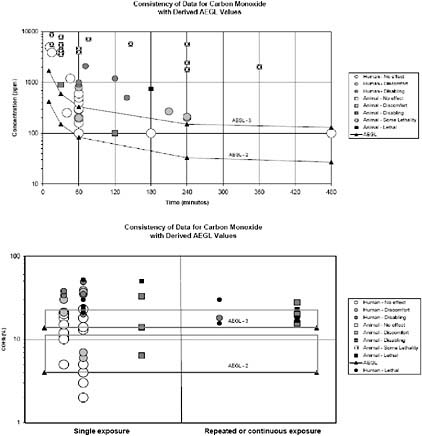
TABLE 2-18 Extant Standards and Guidelines for Carbon Monoxide
|
Guideline |
Exposure Duration |
||||
|
10 min |
30 min |
1 h |
4 h |
8 h |
|
|
AEGL-1 |
N.R.a |
N.R. |
N.R. |
N.R. |
N.R. |
|
AEGL-2 |
420 ppm |
150 ppm |
83 ppm |
33 ppm |
27 ppm |
|
AEGL-3 |
1700 ppm |
600 ppm |
330 ppm |
150 ppm |
130 ppm |
|
ERPG-1 (AIHA)b |
|
|
200 ppm |
|
|
|
ERPG-2 (AIHA) |
|
|
350 ppm |
|
|
|
ERPG-3 (AIHA) |
|
|
500 ppm |
|
|
|
EEGL (NRC)c |
1500 ppm |
800 ppm |
400 ppm |
|
50 ppm (24 h) |
|
IDLH (NIOSH)d |
|
1,200 ppm |
|
|
|
|
REL-TWA (NIOSH)e |
|
|
|
|
35ppm (200 ppm ceiling) |
|
PEL-TWA (OSHA)f |
|
|
|
|
50ppm |
|
TLV-TWA (ACGIH)g |
|
|
|
|
25ppm |
|
MAK (Germany)h |
|
|
|
|
30 ppm |
|
MAK Spitzenbegrenzung (Germany)i |
|
60 ppm |
|
|
|
|
Einsatztoleranzwert (Germany)j |
|
|
|
100 ppm |
|
|
MAC (The Netherlands)k |
|
|
|
|
25 ppm |
|
Air Quality Guideline (WHO)l |
87 ppm for 15 min |
52 ppm |
26 ppm |
|
9 ppm |
|
National Ambient Air Quality Standard (U.S.)m |
|
|
35 ppm |
|
9 ppm |
|
Ambient Air Limit Value (EU)n |
|
|
|
|
9 ppm |
|
aN.R., not recommended because susceptible persons may experience more serious effects (equivalent to AEGL-2) at concentrations, which do not yet cause AEGL-1 effects in the general population. bERPG (emergency response planning guidelines, American Industrial Hygiene Association) (AIHA 1999). The ERPG-1 is the maximum airborne concentration below which nearly all individuals could be exposed for up to 1 h without experiencing other than mild, transient adverse health effects or without perceiving a clearly defined objectionable odor. The ERPG-1 value is based on a COHb of 5-6%, which, based on the original CFK model using a ventilation rate at rest, is considered to be produced by 1 h CO exposure to 200 ppm. This exposure level is not expected to produce any effects during a 1 h exposure period. While delayed transient effects, such as headache, are possible, no permanent effects in more susceptible individuals are expected. The ERPG-2 is the maximum airborne concentration below which it is believed nearly all individuals could be exposed for up to 1 h without experiencing or developing irreversible or other serious health effects or symptoms that could impair an individual's ability to take protective action. The ERPG-2 value is based on a COHb of 10-12%, which, based on the original CFK model using a ventilation rate at rest, is considered to be produced by 1 h CO exposure to 350 to 500 ppm. This exposure level is expected to cause slight neurologic symptoms (increased threshold of visual light) in healthy individuals and chest pain at less exertion in heart patients. (Comment: The ERPG derivation does not discuss the CO effects on children. Moreover, model calculation for deriving ERPG values assumed a resting |
|||||
Most studies relating COHb on health effects do not investigate whether the frequency or severity of the effects increase with exposure time (at a constant COHb). There is thus an uncertainty concerning the increase of effects with time at a constant COHb. This is true for all AEGLs. Studies elucidating this exposure-effect-time relationship could support the derived AEGL-2 and AEGL-3 values.
9.
REFERENCES
ACGIH (American Conference of Governmental Industrial Hygienists). 2001. Carbon monoxide. TLVs and BEIs: Threshold Limit Values for Chemical Substances and Physical Agents and Biological Exposure Indices. American Conference of Governmental Industrial Hygienists, Cincinnati, OH.
AIHA (American Industrial Hygiene Association). 1999. Carbon monoxide. P. 25 in The AIHA 1999 Emergency Response Planning Guidelines and Workplace Environmental Exposure Level Guide Handbook. Fairfax, VA: AIHA Press.
Allred, E.N., E.R. Bleecker, B.R. Chaitman, T.E. Dahms, S.O. Gottlieb, J.D. Hackney, M. Pagano, R.H. Selvester, S.M. Walden, and J. Warren. 1989a. Short-term effects of carbon monoxide exposure on the exercise performance of subjects with coronary artery disease. N. Engl. J. Med. 321(21):1426-1432.
Allred, E.N., E.R. Bleecker, B.R. Chaitman, T.E. Dahms, S.O. Gottlieb, J.D. Hackney, D. Hayes, M. Pagano, R.H. Selvester, S.M. Walden, and J. Warren. 1989b. Acute Effects of Carbon Monoxide Exposure on Individuals with Coronary Artery Disease. Research Report No. 25. Cambridge, MA: Health Effects Institute.
Allred, E.N., E.R. Bleecker, B.R. Chaitman, T.E. Dahms, S.O. Gottlieb, J.D. Hackney, M. Pagano, R.H. Selvester, S.M. Walden, and J. Warren. 1991. Effects of carbon monoxide on myocardial ischemia. Environ. Health Perspect. 91:89-132.
American Heart Association. 2002. Heart Disease and Stroke Statistics-2003 Update. Dallas, TX: American Heart Association [online]. Available: http:/www.americanheart.org/downloadable/heart/10590179711482003HDSStatsBookREV7-03.pdf [accessed Jan. 27, 2009].
Anderson, E.W., R.J. Andelman, J.M. Strauch, N.J. Fortuin, and J.H. Knelson. 1973. Effect of low-level carbon monoxide exposure on onset and duration of angina pectoris: A study in ten patients with ischemic heart disease. Ann. Intern. Med. 79(1):46-50.
Aronow, W.S., C.N. Harris, M.W. Isbell, S.N. Rokaw, and B. Imparato. 1972. Effect of freeway travel on angina pectoris. Ann. Intern. Med. 77(5):669-676.
Aronow, W.S., R. Charter, and G. Seacat. 1979. Effect of 4% carboxyhemoglobin on human performance in cardiac patients. Prev. Med. 8(5):562-566.
Astrup, P., H.M. Olsen, D. Trolle, and K. Kjeldsen, 1972. Effect of moderate carbon monoxide exposure on fetal development. Lancet 2(7789):1220-1222.
Atkins, E.H. and E.L. Baker. 1985. Exacerbation of coronary artery disease by occupational carbon monoxide exposure: A report of two fatalities and a review of the literature. Am. J. Ind. Med. 7(1):73-79.
ATSDR (Agency for Toxic Substances and Disease Registry). 2002. Pediatric Environmental Health - The Child as Susceptible Host: A Developmental Approach to Pediatric Environmental Medicine. Case Studies in Environmental Medicine (CSEM), Agency for Toxic Substances and Disease Registry [online]. Available: http://www.atsdr.cdc.gov/csem/pediatric/susceptible.html [accessed Mar. 29, 2010].
ATSDR (Agency for Toxic Substances and Disease Registry). 2000. Toxicological Profile for Methylene Chloride. U.S. Department of Health and Human Services, Public Health Service, Agency for Toxic Substances and Disease Registry, Atlanta, GA [online]. Available: http:/www.atsdr.cdc.gov/toxprofiles/tp14.pdf [accessed Jan. 27, 2009].
Balraj, E.K. 1984. Atherosclerotic coronary artery disease and “low” levels of carboxyhemoglobin: Report of fatalities and discussion of pathophysiologic mechanisms of death. J. Forensic Sci. 29(4):1150-1159.
Beard, R.R. 1982. Inorganic compounds of oxygen, nitrogen, and carbon. Pp. 4053-4139 in Patty’s Industrial Hygiene and Toxicology, 3rd Rev. Ed., Vol. 2C. Toxicology, G.D. Clayton, and F.E. Clayton, eds. New York: John Wiley & Sons.
Benignus, V.A., M.J. Hazucha, M.V. Smith, and P.A. Bromberg. 1994. Prediction of carboxyhemoglobin formation due to transient exposure to carbon monoxide. J. Appl. Physiol. 76(4):1739-1745.
Bruce, M.C., and E.N. Bruce. 2006. Analysis of factors that influence rates of carbon monoxide uptake, distribution, and washout from blood and extravascular tissues using a multicompartment model. J. Appl. Physiol. 100(4):1171-1180.
BSI (British Standards Institution). 1989. Guide for the Assessment of Toxic Hazards in Fire in Buildings and Transport. DD 180:1989. British Standards Institution, Milton Keynes, UK.
Buff, K., and H. Greim. 1995. Development of Methods for Estimation the Health Effects in Large Fires. Research Report 4b/92 [in German]. Bundesamt für Zivilschutz, Bonn. June 1995.
Burney, R.E., S.C. Wu, and M.J. Nemiroff. 1982. Mass carbon monoxide poisoning: Clinical effects and results of treatment in 184 victims. Ann. Emerg. Med. 11(8):394-399.
Caravati, E.M., C.J. Adams, S.M. Joyce, and N.C. Schafer. 1988. Fetal toxicity associated with maternal carbon monoxide poisoning. Ann. Emerg. Med. 17(7):714-717.
Chace, D.H., L.R. Goldbaum, and N.T. Lappas. 1986. Factors affecting the loss of carbon monoxide from stored blood samples. J. Anal. Toxicol. 10(5):181-189.
Chiodi, H., D.B. Dill, F. Consolazio, and S.M. Horvath. 1941. Respiratory and circulatory responses to acute carbon monoxide poisoning. Am. J. Physiol. 134:683-693.
Choi, K.D., and Y.K. Oh. 1975. A teratological study on the effects of carbon monoxide exposure upon the fetal development of albino rats [in Korean]. Chungang Uihak 29(2):209-213 (as cited in WHO 1999a).
Clark, R.T., Jr. 1950. Evidence for conversion of carbon monoxide to carbon dioxide by the intact animal. Am. J. Physiol. 162(3):560-564.
Coburn, R.F., R.E. Forster, and P.B. Kane. 1965. Considerations of the physiological variables that determine the blood carboxyhemoglobin concentration in man. J. Clin. Invest. 44(11):1899-1910.
Coburn, R.F., W.J. Williams, and S.B. Kahn. 1966. Endogenous carbon monoxide production in patients with hemolytic anemia. J. Clin. Invest. 45(4):460-468.
Crocker, P.J., and J.S. Walker. 1985. Pediatric carbon monoxide toxicity. J. Emerg. Med. 3(6):443-448.
Dahms, T.E., L.T. Younis, R.D. Wiens, S. Zarnegar, S.L. Byers, and B.R. Chaitman. 1993. Effects of carbon monoxide exposure in patients with documented cardiac arrhythmias. J. Am. Coll. Cardiol. 21(2):442-450.
Dalpe-Scott, M., M. Degouffe, D. Garbutt, and M. Drost. 1995. A comparison of drug concentrations in postmortem cardiac and peripheral blood in 320 cases. Can. Soc. Forensic Sci. 28(2):113-121.
Darmer, K.I., Jr., J.D. MacEwen, and P.W. Smith. 1972. Short-term animal exposure to carbon monoxide (CO) and hydrogen cyanide (HCN) singly and in combination. Paper No. 22. Pp. 343-362 in Proceedings of the 3rd Annual Conference of Environmental Toxicology, 25-27 October 1972. AMRL-TR-72-130. Aerospace Medical Research Laboratory, Wright-Patterson Air Force Base, OH. December 1972.
DeBias, D.A., C.M. Banerjee, N.C. Birkhead, C.H. Greene, S.D. Scott, and W.V. Harrer. 1976. Effects of carbon monoxide inhalation on ventricular fibrillation. Arch. Environ. Health 31(1):42-46.
Deschamps, D., C. Geraud, H. Julien, F.J. Baud, and S. Dally. 2003. Memory one month after acute carbon monoxide intoxication: A prospective study. Occup. Environ. Med. 60(3):212-216.
DFG (Deutsche Forschungsgemeinschaft). 1999. List of MAK und BAT Value. The DFG’s Senate Commission for the Investigation of Health Hazards of Chemical Compounds in the Work Area. Weinheim Wiley-VCH.
Di Cera, E., M.L. Doyle, M.S. Morgan, R. De Cristofaro, R. Landolfi, B. Bizzi, M. Castagnola, and S.J. Gill. 1989. Carbon monoxide and oxygen binding to human hemoglobin F0. Biochemistry 28(6):2631-2638.
Dominick, M.A., and T.L. Carson. 1983. Effects of carbon monoxide exposure on pregnant sows and their fetuses. Am. J. Vet. Res. 44(1):35-40.
Drummer, O.H. 2007. Requirements for bioanalytical procedures in postmortem toxicology. Anal. Bioanal. Chem. 388(7):1495-1503.
Ebisuno, S., M. Yasuno, Y. Yamada, Y. Nishino, M. Hori, M. Inoue, and T. Kamada. 1986. Myocardial infarction after acute carbon monoxide poisoning: Case report. Angiology 37(8):621-624.
EC (European Commission). 1999. Proposal for a Council Directive relating to limit values for benzene and carbon monoxide in ambient air (1999/C 53/07), issued by the European Commission on 20.01.1999. Official Journal of European Communities C 53:8-16. February 24, 1999 [online]. Available: http:/eur-lex.europa.eu/LexUriServ/LexUriServ.do?uri=OJ:C:1999:053:0008:0016:EN.PDF [accessed Jan. 29, 2009].
E.I. du Pont de Nemours and Co. 1981. Inhalation Toxicity of Common Combustion Gases. Haskell Laboratory Report No. 238-81. Haskell Laboratory, Newark, DE.
Einzig, S., D.M. Nicoloff, and R.V. Lucas Jr. 1980. Myocardial perfusion abnormalities in carbon monoxide poisoned dogs. Can. J. Physiol. Pharmacol. 58(4):396-405.
Ellenhorn, M.J. 1997. Carbon monoxide. Pp. 1465-1476 in Ellenhorn’s Medical Toxicology: Diagnosis and Treatment of Human Poisoning, 2nd Ed. Baltimore: Williams & Wilkins.
Ely, E.W., B. Moorehead, and E.F. Haponik. 1995. Warehouse workers’ headache: Emergency evaluation and management of 30 patients with carbon monoxide poisoning. Am. J. Med. 98(2):145-155.
EPA (U.S. Environmental Protection Agency). 2000. Air Quality Criteria for Carbon Monoxide. EPA 600/P-99/001F. Office of Research and Development, U.S. Environmental Protection Agency, Washington, DC [online]. Available: http:/www. epa.gov/NCEA/pdfs/coaqcd.pdf [accessed Jan. 29, 2009].
Ernst, D.J. 2005. Performing the venipuncture. Pp. 59-97 in Applied Phlebotomy. Baltimore, MD: Lippincott Williams and Wilkins.
Farrow, J.R., G.J. Davis, T.M. Roy, L.C. McCloud, and G.R. Nichols II. 1990. Fetal death due to nonlethal maternal carbon monoxide poisoning. J. Forensic Sci. 35(6):1448-1452.
Fenn, W.O. 1970. The burning of CO in tissues. Ann. N.Y. Acad. Sci. 174(1):64-71.
Fenn, W.O., and M. Cobb. 1932. The burning of carbon monoxide by heart and skeletal muscle. Am. J. Physiol. 102:393-401.
Flanagan, R.J., G. Connally, and J.M. Evans. 2005. Analytical toxicology: Guidelines for sample collection postmortem. Toxicol. Rev. 24(1):63-71.
Fowles, J.R., G.V. Alexeeff, and D. Dodge. 1999. The use of benchmark dose methodology with acute inhalation lethality data. Regul. Toxicol. Pharmacol. 29(3):262-278.
Gargas, M.L., H.J. Clewell, and M.E. Andersen. 1986. Metabolism of inhaled dihalomethanes in vivo: Differentiation of kinetic constants for two independent pathways. Toxicol. Appl. Pharmacol. 82(2):211-223.
Gibbons, R.J., K. Chatterjee, J. Daley, J.S. Douglas, S.D. Fihn, J.M. Gardin, M.A. Grunwald, D. Levy, B.W. Lytle, R.A. O’Rourke, W.P. Schafer, S.V. Williams, J.L. Ritchie, M.D. Cheitlin, K.A. Eagle, T.J. Gardner, A. Garson, Jr., R.O. Russell, T.J. Ryan, and S.C. Smith, Jr. 1999. ACC/AHA/ACP-ASIM guidelines for the management of patients with chronic stable angina: A report of the American College of Cardiology/American Heart Association Task Force on Practice Guidelines (Committee on the Management of Patients with Chronic Stable Angina). J. Am. Coll. Cardiol. 33(7):2092-2197.
Grace, T.W., and F.W. Platt. 1981. Subacute carbon monoxide poisoning. Anather great imitator. J. Am. Med. Assoc. 246(15):1698-1700.
Greingor, J.L., J.M. Tosi, S. Ruhlmann, and M. Aussedat. 2001. Acute carbon monoxide intoxication during pregnancy. One case report and review of the literature. Emerg. Med. J. 18(5):399-401.
Haldane, J. 1895. The action of carbonic oxide on man. J. Physiol. 18:430-462.
Hampson, N.B. 2008. Stability of carboxyhemoglobin in stored and mailed blood samples. Am. J. Emerg. Med. 26(2):191-195.
Hartzell, G.E., D.N. Priest, and W.G. Switzer. 1985. Modeling of toxicological effects of fire gases. II. Mathematical modeling of intoxication of rats by carbon monoxide and hydrogen cyanide. J. Fire Sci. 3(2):115-128.
Hazucha, M.J. 2000. Effect of carbon monoxide on work and exercise capacity in humans. Pp. 101-134 in Carbon Monoxide Toxicity, D.G. Penney, ed. Boca Raton: CRC Press.
Henderson, Y., H.W. Haggard, M.C. Teague, A.L. Prince, and R.M. Wunderlich. 1921. Physiological effects of automobile exhaust gas and standards of ventilation for brief exposures. J. Ind. Hyg. 3(3):79-92.
Henschler, D. 1981. Monochloressigsäure. In Gesundheitsschädliche Arbeitsstoffe: Toxikologisch-arbeitsmedizinische Begründungen von MAK-Werten, Loseblattsammlung, 8. Lfg. Deutsche Forschungsgemeinschaft. Weinheim: VCH Verlag.
Henschler, G., and G. Lehnert, eds. 1994. Carbon monoxide. Pp. 1-2 in Biological Exposure Values for Occupational Toxicants and Carcinogens, Vol. 1. Critical Data Evaluation for BAT and EKA Values, 7th Ed. Deutsche Forschungsgemeinschaft. Weinheim: VCH Verlag.
Herpol, C., R. Minne, and E. VanOutryve. 1976. Biological evaluation of the toxicity of gases produced under fire conditions by synthetic materials. Part I. Methods and preliminary experiments concerning the reaction of animals. Combust. Sci. Technol. 12:217-228 (as cited in Fowles et al. 1999).
Hilado, C.J., H.J. Cumming, A.M. Machado, C.J. Casey, and A. Furst. 1978. Effect of individual gaseous toxicants on mice. Proc. West. Pharmacol. Soc. 21:159-160.
Hill, E.P., J.R. Hill, G.G. Power, and L.D. Longo. 1977. Carbon monoxide exchanges between the human fetus and mother: A mathematical model. Am. J. Physiol. 232(3):H311-H323.
Hinderliter, A.L., K.F. Adams, C.J. Price, M.C. Herbst, G. Koch, and D.S. Sheps. 1989. Effects of low-level carbon monoxide exposure on resting and exercise-induced ventricular arrhythmias in patients with coronary artery disease and no baseline ectopy. Arch. Environ. Health 44(2):89-93.
Hofmann, O., and T. Brittain. 1996. Ligand binding kinetics and dissociation of the human embryonic haemoglobins. Biochem. J. 315(Pt. 1):65-70.
Holmes, R.S. 1985. Genetic variants of enzymes of alcohol and aldehyde metabolism. Alcohol. Clin. Exp. Res. 9(6):535-538.
ISO (International Organization for Standardization). 1989. Toxicity testing of fire effluents - Part 1. General. ISO/TR 9122-1:1989. International Organization for Standardization, Geneva.
Jones, R.A., J.A. Strickland, J.A. Stunkard, and J. Siegel. 1971. Effects on experimental animals of long-term inhalation exposure to carbon monoxide. Toxicol. Appl. Pharmacol. 19(1):46-53.
Kimmerle, G. 1974. Aspects and methodology for the evaluation of toxicological parameters during fire exposure. Combust. Toxicol. 1:4-51 (as cited in E.I. du Pont de Nemours and Co. 1981).
Kishitani, K., and K. Nakamura. 1979. Research on evaluation of toxicities of combustion gases generated during fires. Pp. 485-520 in Fire Research and Safety: Proceedings of the Third Joint Panel Conference of the U.S.-Japan Cooperative Program in Natural Resources, March 13-17, 1978, Gaithersburg, MD, M.A. Sherald, ed. U.S. Department of Commerce, Washington, DC.
Kizakevich, P.N., M.L. McCartney, M.J. Hazucha, L.H. Sleet, W.J. Jochem, A.C. Hackney, and K. Bolick. 2000. Noninvasive ambulatory assessment of cardiac function in healthy men exposed to carbon monoxide during upper and lower body exercise. Eur. J. Appl. Physiol. 83(1):7-16.
Klasner, A.E., S.R. Smith, M.W. Thompson, and A.J. Scalzo. 1998. Carbon monoxide mass exposure in a pediatric population. Acad. Emerg. Med. 5:992-996.
Klees, M., M. Heremans, and S. Dougan. 1985. Psychological sequelae to carbon monoxide intoxication in the child. Sci. Total Environ. 44(2):165-176.
Kleinman, M.T., D.M. Davidson, R.B. Vandagriff, V.J. Caiozzo, and J.L. Whittenberger. 1989. Effects of short-term exposure to carbon monoxide in subjects with coronary artery disease. Arch. Environ. Health 44(6):361-369.
Kleinman, M.T., D.A. Leaf, E. Kelly, V. Caiozzo, K. Osann, and T. O’Niell. 1998. Urban angina in the mountains: Effects of carbon monoxide and mild hypoxemia on subjects with chronic stable angina. Arch. Environ. Health 53(6):388-397.
Kojima, T., I. Okamoto, M. Yashiki, T. Miyazaki, F. Chikasue, K. Degawa, S. Oshida, and K. Sagisaka. 1986. Production of carbon monoxide in cadavers. Forensic Sci. Int. 32(2):67-77.
Koren, G., R. Sharav, A. Pastuszak, L.K. Garrettson, K. Hill, I. Samson, M. Rorem, A. King, and J.E. Dolgin. 1991. A multicenter, prospective study of fetal outcome following accidental carbon monoxide poisoning in pregnancy. Reprod. Toxicol. 5(5):397-403.
Kunsman, G.V., C.L. Presses, and P. Rodriguez. 2000. Carbon monoxide stability in stored postmortem blood samples. J. Anal. Toxicol. 24(7):572-578.
Landaw, S.A. 1973. The effects of cigarette smoking on total body burden and excretion rates of carbon monoxide. J. Occup. Med. 15(3):231-235.
Larsen, J.B. 2006. Physiological effects of carbon monoxide. Pp. 111-174 in Carbon Monoxide and Human Lethality: Fire and Non-fire Studeies, M.M. Hirschler, ed. New York: Taylor and Francis.
Lee, K.T., O.A. Kit, and E. Jacob. 1975. Determination of carboxyhaemoglobin in blood. Mickrochimica Acta 64(6):657-663.
Levine, B.C., P.R. Rechani, J.L. Gurman, F. Landron, H.M. Clark, M.F. Yoklavich, J.R. Rodriguez, L. Droz, F.M. de Cabrera, and S. Kaye. 1990. Analysis of carboxyhemoglobin and cyanide in blood from victims of the Dupont Plaza Hotel fire in Puerto Rico. J. Forensic Sci. 35(1):151-168.
Levine, B., K.A. Moore, J.M. Titus, and D. Fowler. 2002. A comparison of carboxyhemoglobin saturation values in postmortem heart blood and peripheral blood specimens. J. Forensic Sci. 47(6):1388-1390.
Luomanmaki, K., and R.F. Coburn. 1969. Effects of metabolism and distribution of carbon monoxide on blood and body stores. Am. J. Physiol. 217(2):354-363.
Mactutus, C.F., and L.D. Fechter. 1985. Moderate prenatal carbon monoxide exposure produces persistent and apparently permanent memory deficits in rats. Teratology 31(1):1-12.
Mahoney, J., H.J. Vreman, D.K. Stevenson, and A.L. Van Kessel. 1993. Measurement of carboxyhemoglobin and total hemoglobin by five specialized spectrophotometers (CO-oximeters) in comparison with reference methods. Clin. Chem. 39(8):1693-1700.
Marius-Nunez, A.L. 1990. Myocardial infarction with normal coronary arteries after acute exposure to carbon monoxide. Chest 97(2):491-494.
Meert, K.L., S.M. Heidemann, and A.P. Sarnaik. 1998. Outcome of children with carbon monoxide poisoning treated with normobaric oxygen. J. Trauma 44(1):149-154.
Morris, G.L., S.E. Curtis, and J. Simon. 1985. Perinatal piglets under sublethal concentrations of atmospheric carbon monoxide. J. Anim. Sci. 61(5):1070-1079.
MSZW (Ministerie van Sociale Zaken en Werkgelegenheid). 2004. Nationale MAC-lijst 2004: Koolmonoxide. Den Haag: SDU Uitgevers [online]. Available: http:/www.lasrook.net/lasrookNL/maclijst2004.htm [accessed Feb. 2, 2009].
National Air Pollution Control Administration. 1970. Air Quality Criteria for Carbon Monoxide. Publication No. AP-62. U.S. Department of Health, Education, and Welfare, Public Health Service, Environmental Health Service, Washington, DC.
Nelson, G. 2006a. Effects of carbon monoxide in man: Exposure fatality studies. Pp. 3-62 in Carbon Monoxide and Human Lethality: Fire and Non-fire Studies, M.M. Hinschler, ed. New York: Taylor and Francis.
Nelson, G. 2006b. Carbon monoxide determination in human blood. Pp. 175-180 in Carbon Monoxide and Human Lethality: Fire and Non-fire Studies, M.M. Hinschler, ed. New York: Taylor and Francis.
Nelson, G., D.V. Canfield, and J.B. Larsen. 2006. Carbon monoxide and fatalities: A case study of toxicity in man. Pp. 181-199 in Carbon Monoxide and Human Lethality: Fire and Non-fire Studies, M.M. Hinschler, ed. New York: Taylor and Francis.
Nielsen, B. 1971. Thermoregulation during work in carbon monoxide poisoning. Acta Physiol. Scand. 82(1): 98-106.
NIOSH (National Institute for Occupational Safety and Health). 1972. Occupational Exposure to Carbon Monoxide: Criteria for a Recommended Standard. DHEW Publication No. (HSM) 73-11000. U.S. Department of Health, Education and Welfare, National Institute for Occupational Safety and Health, Rockville, MD.
NIOSH (National Institute of Occupational Safety and Health). 1996. Documentation for Immediately Dangerous to Life or Health Concentrations (IDLH): NIOSH Chemical Listing and Documentation of Revised IDLH Values (as of 3/1/95): Carbon Monoxide. U.S. Department of Health and Human Services, Centers for Disease Control and Prevention, National Institute of Occupational Safety and Health. August 1996 [online]. Available: http:/www.cdc.gov/niosh/idlh/630080.html [accessed Feb. 2, 2009].
NRC (National Research Council). 1985. Carbon monoxide. Pp. 17-38 in Emergency and Continuous Exposure Guidance Levels for Selected Airborne Contaminants, Vol. 4. Washington, DC: National Academy Press.
NRC (National Research Council). 1993. Guidance for Developing Community Emergency Exposure Levels for Hazardous Substances. Washington, DC: National Academy Press.
NRC (National Research Council). 2001. Standing Operating Procedures for Developing Acute Exposure Guideline Levels for Hazardous Chemicals. Washington, DC: National Academy Press.
Numa, A.H., and C.J. Newth. 1996. Anatomic dead space in infants and children. J. Appl. Physiol. 80(5): 1485-1489.
Orville, E. 2008. Fetus to Newborn: The Perinatal Period. Curriculum Unit by National Fellows of the Yale National Initiative 82.07.08 [online]. Available: http://teachers.yale.edu/curriculum/search/viewer.php?id=new_haven_82.07.08_u&q=Professional%20Development&skin=h [accessed Oct. 21, 2009].
Pach, J., L. Cholewa, Z. Marek, M. Bogusz, and B. Groszek. 1978. Various factors influencing the clinical picture and mortality in acute carbon monoxide poisoning [in Polish]. Folia Med. Cracov. 20(1):159-167.
Pach, J., L. Cholewa, Z. Marek, M. Bogusz, and B. Groszek. 1979. Analysis of predictive factors in acute carbon monoxide poisoning. Vet. Hum. Toxicol. 21(Suppl.):158-159.
Penney, D.G., M.S. Baylerian, and K.E. Fanning. 1980. Temporary and lasting cardiac effects of pre- and postnatal exposure to carbon monoxide. Toxicol. Appl. Pharmacol. 53(2):271-278.
Pesce, V.H.D., M. Stupfel, V. Gourlet, and C. Lemercerre. 1987. Age and survival of acute carbon monoxide intoxication: An animal model. Sci. Total Environ. 65:41-51.
Peterson, J.E., and R.D. Stewart. 1970. Absorption and elimination of carbon monoxide by inactive young men. Arch. Environ. Health 21(2):165-171.
Peterson, J.E., and R.D. Stewart. 1975. Predicting the carboxyhemoglobin levels resulting from carbon monoxide exposures. J. Appl. Physiol. 39(4):633-638.
Purser, D.A., and K.R. Berrill. 1983. Effects of carbon monoxide on behavior in monkeys in relation to human fire hazard. Arch. Environ. Health 38(5):308-315.
Radford, E.P., and T.A. Drizd. 1982. Blood Carbon Monoxide Levels in Persons 3-74 Years of Age: United States, 1976-80. NCHS Advance Data No. 76. DHHS (PHS) 82-1250. U.S. Department of Health and Human Services, Public Health Service, Office of Health Research, Statistics, and Technology, Hyattsville, MD.
Raub, J.A. 2000. The setting of health-based standards for ambient carbon monoxide and their impact on atmospheric levels. Pp. 83-99 in Carbon Monoxide Toxicity. D.G. Penney, ed. Boca Raton: CRC Press.
Rice, H.M. 1976. Carboxyhaemoglobin dissociation in the cadaver following attempted resuscitation. J. Clin. Pathol. 29(1):27-29.
Rodat, O., G. Nicolas, A. Lugnier, and P. Mangin. 1987. Tissue stability of carbon monoxide after death. Medico-legal importance [in French]. Presse Med. 16(17):826-827.
Roos, R.A.C. 1994. Neurological complications of carbon monoxide intoxication. Pp. 31-38 in Intoxications of the Nervous System, Part 1, F.A.de Wolff, ed. Handbook of Clinical Neurology Vol. 64. Revised Series 20. Amsterdam: Elsevier.
Rose, C.S., R.A. Jones, L.J. Jenkins, and J. Siegel. 1970. The acute hyperbaric toxicity of carbon monoxide. Toxicol. Appl. Pharmacol. 17(3):752-760.
Rosenkrantz, H., R.J. Grant, R.W. Fleischman, and R.J. Baker. 1986. Marihuana-induced embryotoxicity in the rabbit. Fundam. Appl. Toxicol. 7(2):236-243.
Sekiya, S., S. Sato, H. Yamaguchi, and K. Harumi. 1983. Effects of carbon monoxide inhalation on myocardial infarct size following experimental coronary artery ligation. Jpn. Heart J. 24(3):407-416.
Sendroy, J., and J.D. O’Neal. 1955. Relative affinity constant for carbon monoxide and oxygen in blood. Fed. Proc. 14:137[444].
Sheps, D.S., K.F. Adams Jr., P.A. Bromberg, G.M. Goldstein, J.J. O’ Neil, D. Horstman, and G. Koch. 1987. Lack of effect of low levels of carboxyhemoglobin on cardiovascular function in patients with ischemic heart disease. Arch. Environ. Health 42(2):108-116.
Sheps, D.S., M.C. Herbst, A.L. Hinderliter, K.F. Adams, L.G. Ekelund, J.J. O’Neill, G.M. Goldstein, P.A. Bromberg, J.L. Dalton, M.N. Ballenger, S.M. Davis, and G.G. Koch. 1990. Production of arrhythmias by elevated carboxyhemoglobin in patients with coronary artery disease. Ann. Intern. Med. 113(5):343-351.
Sheps, D.S., M.C. Herbst, A.L. Hinderliter, K.F. Adams, L.G. Ekelund, J.J. O’Neill, G.M. Goldstein, P.A. Bromberg, M. Ballenger, S.M. Davis, and G. Koch, 1991. Effects of 4 Percent and 6 Percent Carboxyhemoglobin on Arrhythmia Production in Patients with Coronary Artery Disease. Research Report No. 41. Cambridge, MA: Health Effects Institute.
Singh, J. 1986. Early behavioral alterations in mice following prenatal carbon monoxide exposure. Neurotoxicology 7(2):475-481.
Singh, J., and L.H. Scott. 1984. Threshold for carbon monoxide induced fetotoxicity. Teratology 30(2):253-257.
Sokal, J.A., and E. Kralkowska. 1985. The relationship between exposure duration, carboxyhemoglobin, blood glucose, pyruvate and lactate and the severity of intoxica
tion in 39 cases of acute carbon monoxide poisoning in man. Arch. Toxicol. 57(3):196-199.
Stewart, R.D. 1975. The effect of carbon monoxide on humans. Annu. Rev. Pharmacol. 15:409-423.
Stewart, R.D., J.E. Peterson, E.D. Baretta, R.T. Bachand, M.J. Hosko, and A.A. Herrmann. 1970. Experimental human exposure to carbon monoxide. Arch. Environ. Health 21(2):154-164.
Tikuisis, P., D.M. Kane, T.M. McLellan, F. Buick, and S.M. Fairburn. 1992. Rate of formation of carboxyhemoglobin in exercising humans exposed to carbon monoxide. J. Appl. Physiol. 72(4):1311-1319.
Tomaszewski, C. 1998. Carbon monoxide. Pp. 1551-1568 in: Goldfranks Toxicologic Emergencies, 6th Ed., L.R. Goldfrank, N.E. Flomenbaum, N.A. Lewin, R.S. Weisman, M.A. Howland, and R.S. Hoffman, eds. Stamford, CT: Appleton and Lange.
Vreman, H.J., R.J. Wong, D.K. Stevenson, J.E. Smialek, D.R. Fowler, L. Li, D. Vigorito, and H.R. Zielke. 2006. Concentration of carbon monoxide (CO) in postmortem human tissues: Effect of environmental CO exposure. J. Forensic Sci. 51(5):1182-1190.
Weaver, L.K., S. Howe, R. Hopkins, and K.J. Chan. 2000. Carboxyhemoglobin half-life in carbon monoxide-poisoned patients treated with 100% oxygen at atmospheric pressure. Chest 117(3):801-808.
White, S.R. 2000. Pediatric carbon monoxide poisoning. Pp. 463-491 in Carbon Monoxide Toxicity, D.G. Penney, ed. Boca Raton: CRC Press.
WHO (World Health Organization). 1999a. Carbon Monoxide, 2nd Ed. Environmental Health Criteria 213. Geneva: World Health Organization [online]. Available: http:/www.inchem.org/documents/ehc/ehc/ehc213.htm [accessed Feb. 3, 2009].
WHO (World Health Organization), 1999b. Principles for the Assessment of Risks to Human Health from Exposure to Chemicals. Environmental Health Criteria 210. Geneva: World Health Organization [online]. Available: http:/www.inchem.org/documents/ehc/ehc/ehc210.htm [accessed Feb. 3, 2009].
Williams, H., and M. Stevens. 2002. Chronic stable angina. Pham. J. 269:363-365.
Wilson, J.D., E. Braunwald, K.J. Isselbacher, R.G. Petersdorf, J.B. Martin, A.S. Fauci, and R.K. Root, eds. 1991. Harrison’s Principles of Internal Medicine, 12th Ed. New York: McGraw-Hill, Inc.
Winek, C.L., and D.M. Prex. 1981. A comperative study of analytical methods to determine postmortem changes in carbon monoxide concentration. Forensic Sci. Int. 18(2):181-187.
Winston, J.M., and R.J. Roberts. 1978. Influence of increasing age on lethality induced by carbon monoxide or hypoxic hypoxia. Biol. Neonate 34(3-4):199-202.
Winter, P.M., and J.N. Miller. 1976. Carbon monoxide poisoning. J. Am. Med. Assoc. 236(13):1502.
APPENDIX A
Time-Scaling Calculations for AEGL Values
Derivation of AEGL-2
|
Key study: |
Allred et al. (1989a,b, 1991); Sheps et al. (1990, 1991) |
|
Toxicity end point: |
In an experimental study in 63 subjects with coronary artery disease, a significantly reduced time to ST-segment depression in the electrocardiogram and a significantly reduced time to onset of angina pectoris during physical exercise were found at 2 or 4% COHb (Allred et al. 1989a,b; 1991). At higher COHb of 5.3, but not at 3.7%, a significantly increased frequency of exercise-induced arrhythmias was found (Sheps et al. 1990, 1991). AEGL-2 values were derived on a COHb of 4%. |
|
Mathematical model: |
The CFK model (Coburn et al. 1965; Peterson and Stewart 1975) was used to calculate exposure concentrations resulting in a COHb of 4% at the end of the exposure periods. Concentrations were calculated for 10 and 30 min, 1, 4 and 8 h (see Appendix B). |
|
Scaling: |
Instead of a time scaling according to Cn × T = const., a mathematical model was used to calculated exposure concentrations for the relevant time periods (see Appendix B). |
|
Uncertainty factors: |
Uncertainty factor of 1 1 for intraspecies variability |
|
Calculations: |
|
|
10-min AEGL-2 |
10-min AEGL-2 = 424 ppm/1 = 420 ppm (480 mg/m3) |
|
30-min AEGL-2 |
30-min AEGL-2 = 150 ppm/1 = 150 ppm (170 mg/m3) |
|
1 h AEGL-2 |
1 h AEGL-2 = 83 ppm/1 = 83 ppm (95 mg/m3) |
|
4 h AEGL-2 |
4 h AEGL-2 = 33 ppm/1 = 33 ppm (38 mg/m3) |
|
8 h AEGL-2 |
8 h AEGL-2 = 27 ppm/1 = 27 ppm (31 mg/m3) |
Derivation of AEGL-3
|
Key study: |
Haldane (1895); Henderson et al. (1921); Chiodi et al. (1941); Nelson (2006a) |
|
Toxicity end point: |
Exposure of healthy subjects to sufficient concentration-time combinations to reach levels of about 34% to 56% COHb did not result in severe or life-threatening effects. At this level of CO exposure, Haldane described symptoms that included hyperpnea, confusion of mind, dim vision, and unsteadiness and inability to walk. Also, analysis of lethal cases reported by Nelson (2006a) indicated that most lethal poisoning cases occurred at COHb |
|
|
levels higher than 40% and that survival of CO-exposed humans were likely to be seen at levels below 40%. Thus, a 40% COHb level seems a reasonable threshold for lethality. |
|
Mathematical model: |
The CFK model (Coburn et al. 1965; Peterson and Stewart 1975) was used to calculate exposure concentrations resulting in a COHb of 40% at the end of the exposure periods. Concentrations were calculated for 10 and 30 min and 1, 4 and 8 h (see Appendix B). |
|
Scaling: |
Instead of a time scaling according to Cn × T = const., a mathematical model was used to calculated exposure concentrations for the relevant time periods (see Appendix B). |
|
Uncertainty factors: |
Total uncertainty factor of 3 3 for intraspecies variability |
|
Calculations: |
|
|
10-min AEGL-3 |
10-min AEGL-3 = 5,120 ppm/3 = 1,700 ppm (1,900 mg/m3) |
|
30-min AEGL-3 |
30-min AEGL-3 = 1810 ppm/3 = 600 ppm (690 mg/m3) |
|
1 h AEGL-3 |
1 h AEGL-3 = 998 ppm/3 = 330 ppm (380 mg/m3) |
|
4 h AEGL-3 |
4 h AEGL-3 = 439 ppm/3 = 150 ppm (170 mg/m3) |
|
8 hAEGL-3 |
8 h AEGL-3 = 403 ppm/3 = 130 ppm (150 mg/m3) |
|
|
The COHb levels corresponding to the AEGL-3 values are given in Table B-4 in Appendix B. |
APPENDIX B
Mathematical Model for Calculating COHb and Exposure Concentrations
Studies describing model: Coburn et al. (1965); Peterson and Stewart (1975)
Model: For the calculation of concentration-time combinations that result in a certain COHb, the model of Coburn, Forster, and Kane (CFK model) (see Section 4.4.4) was used.
Since this model in the formulation of Peterson and Stewart (1975) calculates COHb larger than 100% at high-exposure concentrations, the following correction proposed by Peterson and Stewart (1975) was used: the amount of bound oxygen is actually not constant but is dependent on the COHb; therefore,

Because, in this case, the CFK equation can only be solved iteratively, calculations were done using time steps (Δt) of 1 min for the period of 0-10 min, steps of 5 min between 10 and 60 min, steps of 15 min between 60 and 240 min, and steps of 20 min between 240 and 480 min. In each step, the COHb of the step before was used to calculate Ohbt. For the first step, a background COHb of 0.75% was assumed.
The alveolar ventilation rate was calculated as
VA = VE − fVD (Peterson and Stewart 1975) with
VE = total rate of ventilation (mL/min),
f = respiration rate (min−1), and
VD = dead space (mL).
Derivations were done for a 70-kg man, assuming a blood volume of 5,500 mL (Coburn et al. 1965) and a daily inhalation volume (VE) of 23 m3 (8 h resting and 16 h light/nonoccupational activity; WHO 1999b), a respiration rate (f) of 18 min−1 and a dead space (VD) of 2.2 mL/kg (Numa and Newth 1996). Calculations using the following equation were carried out in a spreadsheet computer program:

where
COHbt = mL of CO per mL blood at time t (min)
Conversion: % COHb = COHb 100/Ohbmax
VCO = rate of endogenous CO production, VCO = 0.007 mL/min
Vb = blood volume, Vb (70-kg man) = 5,500 mL, Vb (5-yr child, 20 kg) = 1,500 mL
Vb (newborn, 3.5 kg) = 400 mL
M = ratio of affinity of blood for CO to that for O2, M = 218 (newborn: M = 240)
B = 1/DL + PL/VA with DL = diffusivity of the lung for CO, DL = 30 mL/min mm Hg
PL = barometric pressure minus the vapor pressure of water at body temperature
PL = 713 mm Hg
VA = alveolar ventilation rate, VA (70-kg man) = 23 m3/d * 1 • 106 mL/m3 * 1/1,440 min/d − 18/min * 2.2 mL/kg * 70 kg, VA (70-kg man) = 13,200 mL/min
VA (5-y child) = 3,580 mL/min, VA (newborn) = 1,250 mL/min
Ohbmax = mL of O2 per mL blood under normal conditions, Ohb = 0.2
PO2 = average partial pressure of oxygen in the lung capillaries, PO2 = 100 mm Hg
PCO = partial pressure of CO in the air inhaled (mm Hg)
Conversion: PCO (mm Hg) = PCO (ppm)/1,316
t = exposure duration (min)
Calculations: For the derivation of AEGL-2 values, exposure concentrations were calculated that would result in a COHb of 4%. A representation of the spreadsheet for the 60-min AEGL-2 is shown in Figure B-1. Results are shown in Table B-1.
For children, newborns, and adult smokers, the end-of-exposure COHb values for exposure to the concentrations calculated in Table B-1 were computed using the CFK model in Table B-2.
TABLE B-1 Concentration–Time Combinations Resulting in 4% COHb
|
Exposure Time (min) |
For a 70-kg Adult Man |
|
|
Exposure Concentration (ppm) |
Exposure Concentration (ppm), Rounded |
|
|
10 |
424 |
420 |
|
30 |
150 |
150 |
|
60 |
83 |
83 |
|
240 |
33 |
33 |
|
480 |
27 |
27 |
TABLE B-2 COHb Values for AEGL-2 Concentration–Time Combinations in Different Subpopulations
|
Exposure Time (min) |
Exposure Concentration (ppm) |
5-y-old Child |
Newborn |
Healthy Adult |
Adult Smoker (3% COHb) |
Adult Smoker (8% COHb) |
|
10 |
420 |
5.2 |
5.5 |
4.0 |
6.2 |
11.2 |
|
30 |
150 |
5.2 |
5.6 |
4.0 |
6.3 |
11.3 |
|
60 |
83 |
5.2 |
5.6 |
4.0 |
6.4 |
11.4 |
|
240 |
33 |
5.0 |
5.4 |
4.0 |
6.6 |
11.5 |
|
480 |
27 |
4.9 |
5.3 |
4.0 |
6.7 |
11.5 |
For the derivation of AEGL-3 values, exposure concentrations were calculated that would result in a COHb of 40%. A representation of the spreadsheet for the 60-min value is shown in Figure B-2. Results are shown in Table B-3.
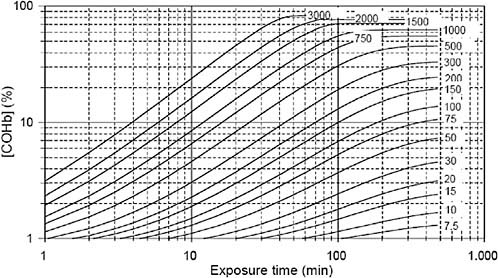
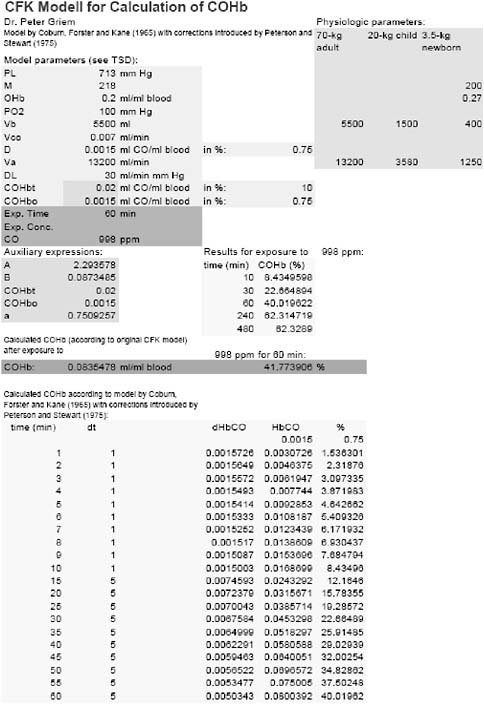
TABLE B-3 Concentration–Time Combinations Resulting in 40% COHb
|
Exposure Time (min) |
Concentration for a 70-kg Adult Man |
|
|
Exposure Concentration (ppm) |
Exposure Concentration (ppm), Rounded |
|
|
10 |
5,120 |
5,100 |
|
30 |
1,810 |
1,800 |
|
60 |
998 |
1,000 |
|
240 |
439 |
440 |
|
480 |
403 |
400 |
For children, newborns, healthy nonsmoking adults, and smokers, the end-of-exposure COHb values for exposure to the AEGL-3 exposure concentration–time combinations were computed using the CFK model. For all subpopulations, the endogenous CO production rate was adjusted so that the starting level of 0.75% for children and newborn and 3% and 8% for smokers were constant without additional CO exposure (Table B-4).
The following end-of-exposure COHb values were calculated for the series of experiments reported by Haldane (1895) (Table B-5). Since exposure occurred while the subject was sitting on a chair, a ventilation rate of 7.5 L/min was used for the calculation (WHO 1999b). The alveolar ventilation rate was calculated as
VA (70-kg man) = 3,600 L/8 h * 1 • 103 mL/L* 1/480 min/8 h − 18/min *
2.2 mL/kg * 70 kg
VA (70-kg man) = 4,700 mL/min
TABLE B-4 COHb Values for AEGL-3 Concentration–Time Combinations in Different Subpopulations
|
Exposure Time (min) |
Exposure Concentration (ppm) |
5-yr Child |
Newborn |
Healthy Adult |
Smoker (3% COHb) |
Smoker (8% COHb) |
|
10 |
1,700 |
18.7 |
19.9 |
13.8 |
16.1 |
21.1 |
|
30 |
600 |
18.5 |
19.8 |
14.0 |
16.2 |
21.1 |
|
60 |
330 |
18.3 |
19.6 |
14.1 |
16.4 |
21.2 |
|
240 |
150 |
18.6 |
20.1 |
16.4 |
18.6 |
22.7 |
|
480 |
130 |
18.1 |
19.5 |
17.2 |
19.2 |
23.0 |
TABLE B-5 Comparison of Reported and Calculated COHb Values for the Data by Haldane (1895)
|
Experiment Number |
Concentration (ppm) |
Time (min) |
COHb Measured (%) |
COHb Calculated (%) |
|
1 |
5,000 |
11.5 |
Not done |
22 |
|
2 |
3,900 |
30.5 |
39 |
43 |
|
3 |
4,000 |
24 |
27 |
35 |
|
4 |
3,600 |
29 |
37 |
38 |
APPENDIX C
ACUTE EXPOSURE GUIDELINE LEVELS FOR CARBON MONOXIDE
Derivation Summary for Carbon Monoxide
AEGL-1 VALUES
|
10 min |
30 min |
1 h |
4 h |
8 h |
|
N.R.a |
N.R. |
N.R. |
N.R. |
N.R. |
|
aN.R., not recommended because susceptible persons may experience more serious effects (equivalent to AEGL-2) at concentrations that do not yet cause AEGL-1 effects in the general population. |
||||
|
Reference: Not applicable. |
||||
|
Test Species/Strain/Number: Not applicable/not applicable/not applicable. |
||||
|
Exposure Route/Concentrations/Durations: Not applicable/not applicable/not applicable. |
||||
|
Effects: Not applicable. |
||||
|
End Point/Concentration/Rationale: CO is the classical example of a tasteless, nonirritating, odorless and colorless toxic gas. Until very severe symptoms occur (inability to walk) none or only nonspecific symptoms were noted in monkeys and healthy humans (Haldane 1895; Purser and Berrill 1983). In patients with coronary artery disease, which constitutes the most susceptible subpopulation, effects, such as significant electrocardiogram changes, reduced time to the onset and increased cardiac arrhythmia, start occurring at exposure concentrations little higher than current ambient air quality guidelines, e.g., the U.S. national air quality guideline of 9 ppm for 8 h (National Air Pollution Control Administration 1970; 65 Fed. Regist. 50201[2000]; EPA 2000), the WHO air quality guideline of 10 mg/m3 (9 ppm) for 8 h (based on 2.5% COHb) (WHO 1999a) and the designated European Union limit value of 10 mg/m3 (9 ppm) for 8 h (EC 1999). These effects were considered above the AEGL-1 effect level and thus would not constitute a suitable basis for the derivation of AEGL-1 values. AEGL-1 values were not recommended because susceptible persons may experience more serious effects (equivalent to AEGL-2) at concentrations, which do not yet cause AEGL-1 effects in the general population. In addition, CO exposures encountered frequently in everyday life are at or above the concentration range, in which AEGL-1 would have to be set: smokers have COHb in the range of 3-8% (Radford and Drizd 1982) and CO concentrations between about 10 and 50 ppm, which can be found on heavily traveled roads, inside motor vehicles and in homes with gas-, coal-, wood- or kerosene-fired heaters and stoves, correspond to an equilibrium COHb of 1.8-7.5% (see Figures 2-2 and B-1). |
||||
|
Uncertainty Factors/Rationale: Not applicable. |
||||
|
Modifying Factor: Not applicable. |
||||
|
Animal to Human Dosimetric Adjustment: Not applicable. |
||||
|
Time Scaling: Not applicable. |
||||
|
Data Adequacy: Not applicable. |
||||
AEGL-2 VALUES
|
10 min |
30 min |
1 h |
4 h |
8 h |
|
420 ppm |
150 ppm |
83 ppm |
33 ppm |
27 ppm |
|
References: Allred, E.N., E.R. Bleecker, B.R. Chaitman, T.E. Dahms, S.O. Gottlieb, J.D. Hackney, M. Pagano, R.H. Selvester, S.M. Walden, and J. Warren. 1989a. Short-term effects of carbon monoxide exposure on the exercise performance of subjects with coronary artery disease. N. Engl. J. Med. 321(21):1426-1432; Allred, E.N., E.R. Bleecker, B.R. Chaitman, T.E. Dahms, S.O. Gottlieb, J.D. Hackney, D. Hayes, M. Pagano, R.H. Selvester S.M. Walden, and J. Warren. 1989b. Acute Effects of Carbon Monoxide Exposure on Individuals with Coronary Artery Disease. Research Report No. 25. Health Effects Institute, Cambridge, MA.; Allred, E.N., E.R. Bleecker, B.R. Chaitman, T.E. Dahms, S.O. Gottlieb, J.D. Hackney, M. Pagano, R.H. Selvester, S.M. Walden, and J. Warren. 1991. Effects of carbon monoxide on myocardial ischemia. Environ. Health Perspect. 91:89-132. |
||||
|
Test Species/Strain/Sex/Number: Humans with coronary artery disease/not applicable/male/63. |
||||
|
Exposure Route/Concentrations/Durations: Inhalation/mean concentrations of 0, 117 or 253 ppm for 50-70 min were used, adjusted individually to reach COHb concentrations of 2.2% or 4.4% at the end of exposure (about 2 or 4% COHb in the subsequent exercise tests). |
||||
|
Effects: When potential exacerbation of the exercise-induced ischemia by exposure to CO was tested using the objective measure of time to 1-mm ST-segment change in the electrocardiogram, exposure to CO levels producing COHb of 2% resulted in a overall statistically significant 5.1% decrease in the time to attain this level of ischemia. For individual centers (patients were tested in one of three centers), results were significant in one, borderline significant in one and nonsignificant in one center. At 4% COHb, the decrease in time to the ST criterion was 12.1% (statistically significant for all patients, the effect was found in 49/62 subjects) relative to the air-day results. Significant effects were found in all three test centers. The maximal amplitude of the ST-segment change was also significantly affected by the CO exposures: at 2% COHb the maximal increase was 11% and at 4% COHb the increase was 17% relative to the air day. |
||||
|
At 2% COHb, the time to exercise-induced angina was reduced by 4.2% in all patients (effects were significant in two test centers and nonsignificant in one center). At 4% COHb, the time was reduced by 7.1% in all patients (effects were significant in one, borderline significant in one and nonsignificant in one center). The two end-points (time to angina and time to ST change) were also significantly correlated. Only at 4% COHb a significant reduction in the total exercise time and in the heart rate-blood pressure product was found (this double product provides a clinical index of the work of the heart and myocardial oxygen consumption). |
||||
|
10 min |
30 min |
1 h |
4 h |
8 h |
|
420 ppm |
150 ppm |
83 ppm |
33 ppm |
27 ppm |
|
End Point/Concentration/Rationale: Patients with coronary artery disease show health effects at lower COHb levels than children, pregnant women or healthy adults and, thus, constitute the most susceptible subpopulation. For the derivation of AEGL-2 values a level of 4% COHb was chosen. At this exposure level, patients with coronary artery disease may experience a reduced time until onset of angina (chest pain) during physical exertion (Allred et al. 1989a,b; 1991). In the available studies, the CO exposure alone (that is, with subjects at rest) did not cause angina, while exercise alone did so. However, it should be noted that all studies used patients with stable exertional angina, who did not experience angina while at rest. Thus, it cannot be ruled out that in more susceptible individuals (a part of the patients with unstable angina pectoris might belong to this group) CO exposure alone could increase angina symptoms. The changes in the electrocardiogram (ST-segment depression of 1 mm or greater) associated with angina symptoms were considered reversible, but is indicative of clinically relevant myocardial ischemia requiring medical treatment. An exposure level of 4% COHb is unlikely to cause a significant increase in the frequency of exercise-induced arrhythmias. Ventricular arrhythmias have been observed at COHb of 5.3%, but not at 3.7% (Sheps et al. 1990; 1991), while in another study no effect of CO exposure on ventricular arrhythmia was found at 3 or 5% COHb (Dahms et al. 1993). An exposure level of 4% COHb was considered protective of acute neurotoxic effects in children, such as syncopes, headache, nausea, dizziness and dyspnea (Crocker and Walker 1985; Klasner et al. 1998), and long-lasting neurotoxic effects (defects in the cognitive development and behavioral alterations) in children (Klees et al. 1985). |
||||
|
It is acknowledged that apart from emergency situations, certain scenarios could lead to CO concentrations which may cause serious effects in persons with cardiovascular diseases. These scenarios include extended exposure to traffic fume emissions (e.g., in tunnels or inside cars with defect car exhaust systems), charcoal or wood-fire furnaces, and indoor air pollution by tobacco smoking. |
||||
|
Uncertainty Factors/Rationale: Total uncertainty factor: 1 Interspecies: Not applicable. Intraspecies: 1 A level of 4% COHb was the NOEL for AEGL-2 effects in patients with coronary artery disease, while the LOEL was estimated at 6-9%. In comparison, the LOEL was about 10-15% in children and 22-25% in pregnant women. Since AEGL-2 values were based on experimental data on the most susceptible subpopulation, they were considered protective also for other subpopulations and a total uncertainty factor of 1 was used. |
||||
|
Modifying Factor: Not applicable. |
||||
|
Animal to Human Dosimetric Adjustment: Not applicable. |
||||
|
10 min |
30 min |
1 h |
4 h |
8 h |
|
420 ppm |
150 ppm |
83 ppm |
33 ppm |
27 ppm |
|
Time Scaling: A mathematical model (Coburn et al. 1965; Peterson and Stewart 1975) was used to calculate exposure concentrations in air resulting in a COHb of 4% at the end of exposure periods of 10 and 30 min and 1, 4 and 8 h. |
||||
|
Data Adequacy: AEGL-2 values were based on cardiac effects in subjects with coronary artery disease, which constitute the most susceptible subpopulation. Several high quality studies are available addressing end points such as time to the onset of exercise-induced angina, time to the onset of exercise-induced 1-mm ST-segment changes in the electrocardiogram and frequency of exercise-induced arrhythmias. However, no experimental studies in heart patients are available that used significantly higher levels of COHb than about 5% COHb. |
||||
AEGL-3 VALUES
|
10 min |
30 min |
1 h |
4 h |
8 h |
|
1,700 ppm |
600 ppm |
330 ppm |
150 ppm |
130 ppm |
|
Key Reference: Haldane, J. 1895. The action of carbonic acid on man. J. Physiol. 18:430-462; Henderson, Y., H.W. Haggard, M.C. Teague, A.L. Prince, and R.M. Wunderlich. 1921. Physiological effects of automobile exhaust gas and standards of ventilation for brief exposures. J. Ind. Hyg. 3(3):79-92; Chiodi, H., D.B. Dill, F. Consolazio, and S.M. Horvath. 1941. Respiratory and circulatory responses to acute carbon monoxide poisoning. Am. J. Physiol. 134:683-693; Nelson, G. 2006a. Effects of carbon monoxide in man. Pp. 3-62 in Carbon Monoxide and Human Lethality: Fire and Non-fire Studies, M.M. Hirschler, ed. New York: Taylor and Francis. |
||||
|
Test Species/Strain/Sex/Number: Nelson (2006a): Humans/not applicable/both sexes/~3,010 subjects (Haldane 1895; Henderson et al. 1921; Chiodi et al. 1941: Humans (healthy young males)/not applicable/males/4 (total) |
||||
|
Exposure Route/Concentrations/Durations: Inhalation/Nelson (2006a) reported COHb levels in deceased subjects poisoned by inhalaling CO; Chiodi et al. (1941): repeated test on three subjects that reached COHb of 27-52% at the end of exposure; individual COHb values were 31, 32, 32, 33, 39, 41, 42, 43, 45 and 52% in subject H.C., 27, 35, 41, 43 and 48% in subject F.C. and 41, 42 and 44% in subject S.H.; Haldane (1895): repeated exposure of one subject reaching the following COHb at the end of exposure (time in min): 13% (240 min), 14% (210 min), 23% (240 min), 27% (24 min), 35% (29 min), 37% (29 min), 37% (120 min), 39% (30.5 min), 49% (71 min), 56% (35 min). |
||||
|
Effects: At a COHb of about 40-56%, Haldane (1895) described symptoms included hyperpnea, confusion of mind, dim vision and unsteady/inability to walk. Chiodi et al. (1941) found no effect on oxygen consumption, ventilation, pulse rate, blood pressure and blood pH; the cardiac output increased 20-50% at COHb >40%, while the changes were negligible at COHb of <30%. Nelson (2006a) reported COHb measurements in lethal poisoning human cases and the data indicated that most lethal poisoning cases occurred at COHb levels higher than 40% and that survival of CO-exposed humans were likely to be seen at levels below 40%. |
||||
|
10 min |
30 min |
1 h |
4 h |
8 h |
|
1,700 ppm |
600 ppm |
330 ppm |
150 ppm |
130 ppm |
|
End Point/Concentration/Rationale: The derivation of AEGL-3 values was based on observations in humans. Analysis of lethal cases reported by Nelson (2006a) indicated that most lethal poisoning cases occurred at COHb levels higher than 40% and that survival of CO-exposed humans were likely to be seen at levels below 40%. Thus, 40%COHb level seems a reasonable threshold for lethality. This level is supported by experimental studies suggest that a COHb of about 34-56% does not cause lethal effects in healthy individuals. Further support come from the studies by Kizakevich et al. (2000), Stewart et al. (1970), and Nielsen (1971) that reported headache as the only symptom when subjects were exposed to 20-33% COHb. The point of departure of 40% COHb is also supported by studies in animals reporting minimum lethal COHb levels in rats and mice of about 50-70% (E.I. du Pont de Nemours and Co., 1981; Rose et al., 1970). Further support comes from published cases of myocardial infarction that measured COHb levels after transport to the hospital: 52.2% (Marius-Nunez 1990), 30%, 22.8% (Atkins and Baker 1985), 21% (Ebisuno et al., 1986), 15.6% (Grace and Platt 1981). |
||||
|
Uncertainty Factors/Rationale: Total uncertainty factor: 3 Interspecies: Not applicable. Intraspecies: 3 An intraspecies uncertainty factor of 3 was supported by information on effects, such as myocardial infarction and stillbirths, reported in more susceptible subpopulations. |
||||
|
Modifying Factor: Not applicable. |
||||
|
Animal to Human Dosimetric Adjustment: Not applicable. |
||||
|
Time Scaling: A mathematical model (Coburn et al. 1965; Peterson and Stewart 1975) was used to calculate exposure concentrations in air resulting in a COHb of 40% at the end of exposure periods of 10 and 30 min and 1, 4 and 8 h. |
||||
|
Data Adequacy: AEGL-3 values were based on 40% COHb levels derived from the analysis of clinical cases of lethal and nonlethal poisoning. The AEGL-3 values derived using an intraspecies uncertainty factor of 3 (corresponding to an COHb of about 15%) are supported by the available case reports of lethal effects (myocardial infarction, stillbirths) in more susceptible subpopulations. Lethal effects from myocardial infarction in hypersusceptible patients with coronary artery disease at even lower CO concentrations, which could be at the upper end of the range of CO concentrations found inside buildings and in ambient air outside, cannot be excluded. |
||||


