
6
Data-Collection, Surveillance, and Research Methodologies
Two of the workshop’s primary goals were: (1) to review and assess components of a framework for short- and long-term surveillance to monitor the spill’s potential adverse health effects; and (2) to explore research methodologies and appropriate data collection to further scientific understanding of the risks of exposure to human health.
As a few expert panelists pointed out, there is an important distinction but critical connection between the goals of surveillance and research. As Thomas Matte defined it, surveillance entails collecting “actionable information to make things better now.” Research, on the other hand, involves collecting information or data to expand the knowledge base and, in doing so, strengthen future surveillance efforts.
There is, however, considerable overlap between the two activities. Each informs the other. By expanding the knowledge base, noted Matte, research strengthens future surveillance efforts. Moreover, these efforts help identify at-risk individuals and preventive actions that may better protect individuals in the event that a disaster of this magnitude occurs again in the future, said Lynn Goldman.
Panelists considered methodologies and available data sources (including ongoing health surveillance and surveys) that could be used to monitor the oil spill’s effects. Panelists also identified characteristics of a surveillance framework that can efficiently and effectively identify and monitor potential short- and long-term health effects and help ensure the establishment of an integrated and coordinated health-monitoring system. This chapter summarizes the panel presentations and discussion addressing these issues.
Matte discussed the difference between surveillance and research and gave some examples of the type of data that surveillance entails.
Matte also made some personal recommendations for developing a public health surveillance system to measure and to mitigate the oil spill’s impact. However, in light of very limited resources for building surveillance capacity, he also emphasized balancing the value of any particular tool or approach with its cost.
Throughout the course of the workshop, several participants emphasized the need for immediate data collection and sample archiving. Lynn Goldman elaborated on the need for immediate health and environmental data collection and analysis, as well as the need for clear communication with members of the public about the what data means to their health and safety and about the uncertainties and limits of what can be learned from those data.
William Farland commented that the Gulf oil disaster provides an opportunity to gain a better understanding of exposure profiles (i.e., who is being exposed) and exposure routes. However, because of the disaster’s complexity, data collection will require comprehensive, long-term, and coordinated efforts between environmental health professionals in the public (i.e., local, state, and federal government levels), academia, and private sectors.
Moreover, there is a critical need to collect mental health data as soon as possible and to use those data to steer at-risk populations toward available mental health services, said Howard Oskofsky. When assessing the disaster’s mental health impact, he emphasized the need for collaboration with local communities, the importance of generating both qualitative and quantitative data, and the importance of considering the special needs of children and adolescents.
Daniel Masys described the Veteran Administration’s (VA’s) computerized patient records in Hurricane Katrina’s aftermath and the value of electronic health records (EHRs) in assessing the health impacts of disasters in general. He also recommended creating a Gulf Region Health Information Exchange to pool health data from practice-based EHRs across the region so that health effects can be more effectively monitored.
Finally, John Bailar reflected on many of the issues around surveillance that had been addressed up until that point. He elaborated on Matte’s distinction between surveillance and research; emphasized, as so many other expert panelists did, the urgency of collecting data as soon as possible; and discussed the nature, scope, and cost of the type of surveillance system needed.
The session ended with a question-and-answer period. The discussion covered immediate steps to initiate surveillance, the types of data to monitor, and strategies to communicate results of surveillance to the public.
PUBLIC HEALTH SURVEILLANCE IN EMERGENCY RESPONSE SETTINGS: LESSONS LEARNED FROM 9/11 AND OTHER DISASTERS
Thomas Matte, Hunter College and City University of New York School of Public Health
Drawing on his experiences in New York City, Thomas Matte addressed the different goals and methods of public health surveillance and research in the context of emergency-response settings. Using 9/11, the H1N1 outbreak, and blackouts as examples, Matte addressed the concepts of surveillance and research, noting that surveillance and research have different goals but overlap and must necessarily inform one another. He ultimately identified several types of surveillance-generated and research-generated information and data that could be used to assess and reduce the oil disaster’s overall health impact.
Surveillance Generally
Matte focused his remarks on four types of data sources and methods relevant to disaster settings: (1) syndromic surveillance; (2) surveys; (3) other surveillance activities, including registries, cohorts, and panels; and (4) worker medical surveillance.
Syndromic Surveillance
Matte stated that syndromic surveillance involves tracking nondiagnostic health indicators. (See Chapter 4 for descriptions of state-level syndromic surveillance systems that are already in place for monitoring the potential health outcomes of the Gulf oil disaster.) Syndromic surveillance systems among New York City emergency departments have evolved since their establishment 2 days after the 2001 World Trade Center attack. Those same systems played a major role in tracking
H1N1. While syndromic surveillance is useful, it may also suffer from particular limitations, including its lack of exposure information, lack of clinical detail, and limited geographic coverage, depending on which providers participate in the surveillance network.
Surveys
Matte stated that surveys can provide outcome estimates for either the general population or targeted populations, and simplified and focused surveys can be rapidly implemented. Surveys were helpful in tracking the 9/11 attack’s effects on victims’ mental health and the use of mental health services following the attack. Online surveys provided by schools following the H1N1 outbreak were also particularly useful. Surveys are useful, in part, because researchers can rapidly implement them and clearly focus the surveys on particular issues and population targets. Surveys are, however, limited by self-reporting biases and the cross-sectional nature of the data. As a result, the data’s value for etiological research is limited, unless researchers can recruit individuals for follow-up.
Registries, Cohorts, and Panels
Matte discussed the World Trade Center Health Registry, which allowed for longitudinal follow-up of populations impacted by the World Trade Center attack. The registry included more than 70,000 of an estimated 400,000 eligible residents, employees, students, passers-by, and others enrolled between 2003 and 2004. Through periodic follow-ups, linkages with health records, and nested studies by outside researchers, the registry has been used to document persistent respiratory illness and mental health problems. In addition to providing information, the registry also provides links to services. Unfortunately, the registries were limited by available exposure and baseline-health measures. Additionally, the data and findings may not be representative of all eligible individuals.
Surveillance of Disaster Responders
Matte discussed surveillance of disaster responders. One example is the National Institute for Occupational Safety and Health (NIOSH)-funded World Trade Center Medical Monitoring and Treatment Program. From 2002 to 2007, more then 20,000 responders received standardized initial exams. The program has documented high rates of persistent respiratory, mental health, and other conditions, and it offers treatment for specified conditions. Programs meant to monitor disaster responders, however, suffer from some of the same deficiencies as registries. These deficiencies include limited availability of exposure data and difficulty generalizing results about workers who seek care to other eligible worker populations. Nevertheless, a follow-up program involving the New York City Fire Department’s 9/11 responders benefited from a well-defined cohort, had access to pre-9/11 baseline health data, and used standardized post-9/11 follow-up.
Application of Surveillance Methods to the Oil Spill Disaster
To monitor and mitigate the adverse health effects of exposure to the Deepwater Horizon disaster, Matte suggested that developing an effective public health surveillance system would require a flexible, multilayered, and coordinated approach. He observed that some aspects appeared to be coming together at the time of the workshop. Emphasizing that there is no single, “right” approach, Matte made several suggestions for developing a public health surveillance system to measure and mitigate the oil disaster’s impact. He then described how different forms of surveillance could be useful, if modified, for the oil spill disaster.
-
Syndromic surveillance systems should be improved and enhanced by, for example, expanding data sources.
-
Baseline measurements (e.g., lung function tests) should be obtained, if possible, before responders deploy. Responder health surveillance should also be implemented independently, so that workers will not worry that they will lose their jobs if they report symptoms.
-
Surveys should be considered as a way to identify and quantify exposed populations, track population impacts, and inform recruitment for registries.
-
Registries should be established and could benefit from longitudinal studies. Registries should include objective baseline measures of exposures and should also identify possible relevant covariates.
Matte stated that, although it has become much easier to develop and analyze data, surveillance has costs. It is always important to ask whether a particular approach is likely to produce benefits in proportion to the cost and effort. Finally, Matte emphasized that follow-up surveillance efforts need to be coordinated and adequately resourced, with linkages in place to ensure that individuals involved in the follow-ups have access to needed services.
AN OVERVIEW OF METHODOLOGIES AND DATA SOURCES FOR USE IN HEALTH SURVEILLANCE AND ENVIRONMENTAL MONITORING ACTIVITIES
Lynn R. Goldman, Johns Hopkins University
According to Lynn Goldman, the reality that unknown numbers of individuals are being exposed to unknown hazards poses a major challenge to developing health surveillance and environmental monitoring systems for the Gulf oil disaster. Even identifying such individuals is in some cases difficult; beyond the organized responders and clean-up workers, many other people—including volunteers and residents—could be exposed to chemical and physical hazards. And that counts only physical exposure to oil. Many more suffer from diminished livelihood and exposure to substances other than oil. As a result, opined Goldman, “We are never prepared on a day-to-day basis for being able to ramp up the kind of surveillance and monitoring that we need for a disaster like this.”
Goldman stated that past experiences have nonetheless taught some important lessons about health and environmental data collection and surveillance and research methodologies. First, early collection of exposure information is critically important. Too often in disaster situations, there are gaps in knowledge about exposure during the most important time period—during and immediately after an event. Second, an effective assessment of a disaster’s health impact relies on rapid identification and collection of baseline health status data for both individuals and communities—information that is too often lacking. Because the local,
state, and federal governments are not funded to establish the type of surveillance and monitoring systems that a disaster of this magnitude and scope demands, a rapid infusion of resources is needed. This includes engaging help from the academic community and tapping into resources that already exist in the region.
Third, researchers should use all available data. For instance, air samples should be archived so that they can later be analyzed. The same is true of biological samples. Information that indirectly suggests exposure, like reports of odors received by the Environmental Protection Agency (EPA), should be catalogued, as well.
Fourth, Goldman said that researchers should enlist the aid of citizens and communities to design and analyze studies, all the while clearly communicating to those populations the limits of current knowledge and the ability ultimately to show cause and effect. This may involve addressing cultural and legal barriers to data collection. Researchers must be sensitive to privacy issues, the potential for the misuse of data, and the ever-looming threat of private litigation. There is also a process of give and take; affected communities want to know, “Are we safe right now?”, whereas scientists may be interested in learning about longer term health outcomes. The more that health departments communicate information about syndromic surveillance and other data in ways that are sensitive to local cultures and values, the more useful the information.
Finally, Goldman emphasized the importance of environmental public health monitoring and listed the various types of data that should be collected, including both health surveillance and environmental monitoring data:
-
Health surveillance data
-
Baseline health status
-
Change in health, both in the immediate aftermath of the disaster and over time
-
Biomonitoring-based changes that are indicative of exposures or increased risks of adverse health outcomes
-
-
Environmental monitoring data
-
Immediate environmental monitoring
-
Collection and archiving of samples for later, more sophisticated analyses
-
Use of all possible sources of data
-
ASSESSING THE HEALTH EFFECTS OF THE GULF OIL SPILL: DATA SOURCES
William H. Farland, Colorado State University
William Farland addressed the need to examine complex chemical exposures in terms of a combination of exposures, rather than one chemical at a time. Exposure stressors can alter biology, leading to adverse effects. As exposures impinge on normal biology, there is a continuum from exposure to disease that occurs against a backdrop of variability in terms of both the exposure and a particular population’s susceptibility to disease. Depending on those two variables, exposure may ultimately overcome the body’s natural coping mechanisms, leading to adverse effects. According to Farland, although a primary goal of the public health response to the Gulf oil spill should be to prevent exposure, it may nonetheless be possible to manage and mitigate adverse effects when exposures do occur by gaining a better understanding of “source-to-receptor” pathways (i.e., the multiple pathways and environmental fates of potential toxins).
Farland indicated that the pathways to human exposure are complex, and multiple sources of exposure are possible in the context of the oil spill. But the potential for toxins to enter the food supply is a particularly important issue to consider in the Gulf. Understanding the source-to-receptor pathways in the Gulf, including toxicity in the food supply, will require gathering several types of data through various types of monitoring activities, including food, air, and water sampling.
Farland addressed some of the complexities of monitoring. For instance, effective air sampling must account for the differences between crude oil, weathered oil, and products of incomplete combustion. In this regard, air sampling conducted by both the EPA and local agencies (see Chapter 4) should be a rich source of air-sampling data on which to draw. Because there are local populations of subsistence hunters and fishermen and -women, food sampling should involve not just seafood testing but also creel surveys and game monitoring. With respect to water sampling, while it is unlikely that contamination will move far enough inland to affect underground water systems, it is important to ensure that disposal plans for various items (e.g., used personal protective equipment) do not contaminate local wells.
Farland summarized what he thought were the key challenges to assessing the Deepwater Horizon exposure situation, such as the need to consider aggregate and cumulative exposures, including previous expo-
sures; the need for a robust data set to manage the uncertainty and variability around source-to-receptor exposure pathways; and the need to consider focusing on different life stages (e.g., children) and special populations that may be more vulnerable to exposure (e.g., subsistence fishermen and -women).
Farland said that there are opportunities to understand the routes of exposure and to mitigate future exposures based on that understanding. However, because the current situation is so complex, exploiting those opportunities will require a comprehensive, long-term effort.
MENTAL HEALTH RESEARCH AND SCREENING METHODOLOGIES
Howard J. Osofsky, Louisiana State University Health Sciences Center
Howard Osofsky addressed several key issues to consider when evaluating mental health surveillance and research methodologies. Disasters have typically limited the ability to conduct longitudinal and cross-sectional research. The reasons for these limitations are obvious: The unpredictability of a disaster makes it difficult to conduct either qualitative or quantitative research on health impacts. During the first days following a disaster, the focus is on control rather than research—in this case, the need to control the oil spill and respond to the basic needs of individuals and families. Disasters also lead to tremendous displacement because, for example, individuals cannot return to their jobs and need to move elsewhere. These realities hamper research, as they make it difficult to follow individuals and families over time.
According to Osofsky, other challenges further limit the ability to conduct valuable research. Researchers must confront difficulties with formulating samples, including differences in age and cultures that researchers will encounter. Cultural sensitivity is important in the Gulf region, where differences in population are pronounced. Researchers will encounter cultural differences, including differences in religion and approaches to well-being and health that must be incorporated into research.
In this region in particular, researchers will also encounter cumulative trauma, meaning trauma that this population has encountered both before and after the oil spill. Osofsky reiterated what early panelists had said about the very strong multigenerational relationship that many of the
affected communities have with their natural environment and the way the disaster is impacting not only their physical health but also “the entirety of their being.” Osofsky indicated that adults process cumulative trauma in different ways. For instance, some adults may have come to feel that they can “master” disasters. But others will feel an increased sense of vulnerability. Osofsky particularly emphasized the importance of paying attention to the needs of children of different age groups and backgrounds. Children deal with trauma in different ways, most showing normal patterns of resilience; some experiencing breakdowns that may also be related to a child’s existing mental difficulties, home difficulties, and issues relating to peer relations and other losses; and still others appearing to have coped with a disaster, only to have a decline in resilience over time.
In light of these challenges, collaboration with local communities is important. Osofsky opined that individuals have been willing to help researchers in situations where the individuals know that providing data will help both the individuals and others around them. One of the most important lessons learned from Katrina-related research was the need to build relationships and trust with communities of interest to assist community buy-in, increase retention rates, decrease bias, and enable culturally competent research.
Both qualitative and quantitative research methodologies are valuable. Osofsky described how qualitative research methodologies used in the beginning phases of research (e.g., through the establishment of community advisory boards) can help ensure that the research instruments used in larger quantitative studies are culturally sensitive and that the research “makes sense” to the affected communities and encourages ongoing collaboration.
Osofsky also described quantitative methodologies that have been used in past disasters and which NIOSH and others use today to assess mental health responses to disasters, as well as how those assessments are being modified to include measures of cumulative trauma for use in a Deepwater Horizon mental health response assessment. Screening will be available for all responders and all families in fishing communities, and the results of the modified assessment will be used to guide interventions, services, and resource availability. The adult assessment tool will include measures of substance abuse and family conflict in addition to measures of mental health.
According to Osofsky, a separate tool for children and adolescents will screen for post-traumatic stress and depressive symptoms. This survey is a modified version of a survey tool developed by the Louisiana State University Health Sciences Center and National Child Traumatic Stress Network for use in evaluating post-Katrina mental health. More than 23,000 children have been screened over the past 5 years. Either the children themselves or their parents complete the survey, depending on the child’s age. Osofsky said that a high percentage of children and parents ask for counseling (for the children) after completing the surveys.
In his conclusion, Osofsky emphasized the importance of assessing the effectiveness of current interventions and using mental health assessment data to develop “strength-based” interventions, meaning interventions that help people use their individual strengths so that they can feel in control.
INFORMATION INFRASTRUCTURE FOR DETECTING AND MANAGING HEALTH EFFECTS OF THE OIL SPILL: LEARNING FROM THE PAST, PLANNING FOR THE FUTURE
Daniel R. Masys, Vanderbilt University Medical Center
Daniel Masys addressed biomedical informatics, the application of the principles of computer and information science to problems in medical research and health care education. He explored lessons learned from past disasters and possible applications to enhance surveillance activities related to the oil spill disaster.
Masys spoke of the many lessons learned in the aftermath of Hurricane Katrina. Many health records were lost following the hurricane. However, the one “bright spot” in biomedical informatics was that the VA’s computerized patient-record system, which housed approximately 60,000 electronic records of New Orleans veterans, was transferred to Houston where it was reconstituted and running within 3 days. Within a week the records received 10,000 hits through a VA web interface and were used to track veterans and provide continuity of care to evacuees that were dispersed across more than 200 health care sites in 48 states.
Masys identified three key lessons learned from the Katrina experience. First, EHRs are the sine qua non of effective care delivery and health effects monitoring for regional- and national-scale health events involving a mobile population and uncertainty about where individuals are going to be at some time in the future. The dispersal of veterans
following Hurricane Katrina aptly illustrates that reality. Second, EHRs are still the exception rather than the norm in the United States. Only 1.5 percent of U.S. hospitals have fully adopted comprehensive EHRs, and only 17 percent of hospitals nationwide use computerized decision support at the point of entry to guide providers to make the right decisions. Third, effective analysis of health effects requires merging and analyzing data from a variety of sources. For instance, the purchase of over-the-counter medications could be combined with data concerning weather, ocean currents, and environmental sensors. As science is better able to measure individuals’ molecular variation and correlate it with real-world events (such as oil spills), the amounts of data available to decision makers, including individual health care practitioners, will increase dramatically. Indeed, the number of facts that may bear on a health-related decision can reasonably be expected to exceed the capacity of unaided human cognition (Figure 6-1).
Masys also discussed the successes and limitations of particular efforts in the aftermath of Hurricane Katrina, including the emergence of a number of health-related websites. For example, KatrinaHealth.org pooled pharmacy data and created a resource for renewing prescriptions for individuals dispersed over the region. Nearly 30,000 retail pharmacies used the website. The site did, however, have some major limitations. For example, some providers were unaware of the site. And the obvious challenges following a hurricane, including telecommunications disruption, somewhat limited the site’s use.
Masys referred to existing networks that can provide agile data capture and analysis for health research. For instance, the National Institutes of Health has developed the Clinical and Translational Science Awards (CTSA), which involves 46 different academic institutions throughout the United States. The CTSA has in turn supported the development of REDCap, the Research Electronic Data Capture system, a secure web-based tool for acquiring and analyzing data. REDCap is available free of charge and allows users to define a set of variables, acquire data from previous studies, and to merge data from multiple sources in a matter of minutes.
Finally, Masys outlined five keys for developing an information infrastructure for use in assessing the oil spill’s health effects:
-
Because the needed EHR infrastructure does not exist, immediately add resources to strengthen the existing health-monitoring and -reporting mechanisms at local, state, and federal levels.
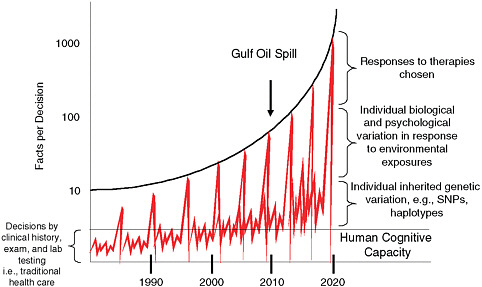
FIGURE 6-1 Helping individuals and professionals do the right thing in the face of escalating complexity: The need for person-specific decision support assistance.
NOTE: SNPs = single-nucleotide polymorphisms.
-
Accelerate the adoption of interoperable EHRs in medical practices in the region and create diagnostic codes for EHRs that are specific to exposures related to the oil spill so that data can be easily pooled for analysis of trends.
-
Create a Gulf Region Health Information Exchange that pools health data from practice-based EHRs across the region.
-
To aid research, use tools such as REDCap to create an agile research data infrastructure for specific projects on health-related conditions.
-
To relay data to the public and relevant decision makers, build the necessary capacity so that authoritative evidence-based decision support is available via alerts and reminders delivered through the EHR infrastructure and through publicly accessible sources such as the print and broadcast media, websites, cellphone text messaging, and social networking media such as Twitter and Facebook.
REFLECTIONS ON SURVEILLANCE
John C. Bailar III, University of Chicago
John Bailar reflected on several surveillance-related issues. “Surveillance” is service to the individual—the one person who is standing or sitting in front of you at the time of a contact.” Surveillance includes medical examinations, laboratory tests, personal medical histories, discussions about existing problems, and developing knowledge related to the effects of oil spills, said Bailar. The assembly of all the information gathered from contacts draws a picture of what is happening across the community. Conversely, “research is the handmaiden of surveillance and directly supports surveillance activities” by supplementing and refining current understandings of potential adverse health effects and vulnerabilities, continued Bailar. For example, research can help detect new effects, improve knowledge about the frequency and seriousness of various health effects, and identify susceptible subpopulations such as pregnant women and elderly people.
Bailar opined that research should be a highly centralized effort so that the various data collected by separate groups can be brought together to “tell a convincing story.” For the Gulf oil disaster, he envisioned a single organization headed by a single person who has the responsibility and the authority to conduct the research operation. While he was hesitant to suggest who that organization might be, he mentioned CDC or perhaps a new organization created by the affected states’ health departments or a consortium of regional universities. Surveillance, by contrast, should be highly decentralized. Bailar opined that, while it may be difficult to combine these two different, highly centralized and highly decentralized systems, it will be necessary.
Bailar addressed the types of surveillance that should be undertaken. He stated that there are several different types of surveillance, from passive surveillance (waiting to hear from affected persons or their providers) to active surveillance (periodic efforts to contact persons on a list). He strongly recommended that active surveillance be conducted whenever possible. Bailar also said that there will be a need for clear, specific operational rules about who to include in the surveillance program (e.g., clean-up workers, other responders and occupationally exposed persons, National Guard troops, local fishermen and -women, community residents, families of occupationally exposed individuals). There will be a need to include as controls exposed individuals, as well as those with limited or perhaps no exposure.
Bailar also urged that serious consideration be directed now toward covering the cost of surveillance. He predicted that surveillance would cost somewhere in the range of $3,000-$10,000 per person for lifetime follow-up. Later, Goldman responded that, while surveillance activities and the coordination of those activities will be costly, it is very difficult to project lifetime costs of surveillance. While certain types of surveillance are not very costly, others are. For example, measuring dioxin exposure for just a single individual, as part of Agent Orange exposure surveillance, can cost hundreds to thousands of dollars. Goldman cautioned against making specific cost projections, at least initially.
As so many other panelists had done, Bailar emphasized the urgency of the situation and the immediate need to begin collecting as much data as possible. He stated that it was already (at the time of the workshop) too late to collect some types of information, and he believed that the push for information will intensify over time as more questions arise.
Looking to the future, Bailar remarked that it will be important to allow individuals to join the surveillance group whenever they become aware that joining might benefit them. Bailar also thought that there will be a need for a substantial, dedicated staff to manage the surveillance activities and to learn what can be learned from other long-term followup programs, such as the National Cancer Institute’s Surveillance Epidemiology and End Results Program, the Radiation Effects Research Foundation in Japan, the Framingham Study, the Nurses Health Study, and the World Trade Center follow-up.
QUESTIONS AND COMMENTS FROM THE AUDIENCE
What must be done to implement an active surveillance system so that preventive measures can be instituted quickly to protect workers from adverse effects?
Matte replied that, based on what Howard had described earlier during the workshop (see Chapter 4), some of the essential components of an active surveillance system are already in place. These components include (1) a way for injuries and illnesses to be reported such that workers do not feel threatened or inhibited and such that the information can be rapidly collated and disseminated; (2) access to acute illness and injury treatment in places where the examinations are being done; and (3) connections between surveillance managers, incident managers, and oth-
ers responsible for deploying the workforce, distributing personal protective equipment, etc. He explained that the deployment of new information infrastructures is about 10 percent technology and 90 percent sociology and that modeling the information flow (i.e., what observations need to be captured, who is in charge of those observations, and who has access to those observations) solves the majority of the problem. The necessary surveillance tools already exist (e.g., paper forms for one group of respondents, a phone survey for another, a website for yet another). What is needed now is a conceptualization of the body of information that needs to be acquired and how that information should be acquired and disseminated. Indeed, that was the primary purpose of this workshop—to build a framework for that conceptualization.
Will socioeconomic status, which clearly has a profound impact on health, be collected at an individual level as part of the surveillance effort?
Bailar replied that although economic status does not have a direct effect on health, it is a marker of things that do affect health (e.g., occupation, level of stress, place of residence and exposures that might exist there). He stated that he did not know what information would be collected as part of whatever surveillance system is implemented, but he said that he hoped that it would include other components of socioeconomic status that are more directly related to health. Matte added that efforts to study the physical and mental health outcomes as a result of exposures during the Deepwater Horizon event should not be conducted separately, given how much is known about how the two domains of health influence each other. Osofsky agreed that it is very crucial for the two types of outcomes to be studied in an integrated manner, given expanding knowledge about the interface and influences between physical and mental health.
Is there any personal sampling being conducted for inhalational exposure among the clean-up workers?
Matte pointed the questioner to information on the EPA and Occupational Safety and Health Administration (OSHA) websites for volatile organic compounds (VOCs) and related inhalational exposures.
Is it possible to correlate biomarkers or health effects with available exposure data for airborne hazards for clean-up workers?
Panelists replied that it may be possible but that most data are not being collected in a manner that allows for that type of correlation. Specifically, Matte replied that he was not aware of any available data with enough variability for potentially existing correlations to be measured. Time-activity information (e.g., number of days worked on tasks) may be more variable but is not currently being fully captured. Goldman stated that biological monitoring would have to be done concurrently with the environmental monitoring, otherwise it will be difficult to make those sort of correlations.
Were biological samples collected in the 9/11 studies?
Matte replied that there was a biological monitoring study on a small sample of responders a few weeks after 9/11 and that, since then, there have been many attempts to study exposure biomarkers. A key challenge with the Gulf oil disaster is that many of the same toxins associated with the disaster are also found in everyday situations (e.g., when people fill their vehicles or walk down a street amidst diesel exhaust), which makes it very difficult to differentiate disaster-related biomarkers from everyday-related biomarkers.
What authoritative, web-based resources does the panel suggest for the public to access Gulf oil-spill-related information?
Matte said that, although the richness of available data will “gradually get better” over time, there is already “pretty good” information online at several federal agency websites (e.g., the CDC, the EPA, OSHA, National Library of Medicine). The EPA, for example, provides not only an overview of the environmental monitoring being done but also provides actual data in real time. Goldman agreed that the availability of environmental monitoring data in real time is unprecedented and very helpful. She added that the state health departments are also providing information on their websites that is very relevant to particular geographic areas and local issues.
Why wasn’t fundamental scientific research conducted after previous spills?
Palinkas (in the audience) remarked that once the litigation process related to the Exxon Valdez spill reached “full steam,” research on the effects of exposure stopped. The challenge was not only to protect the confidentiality of research participants, but also to prevent the litigation efforts compromising the research process as a whole. For example, researchers were not able to communicate results back to the affected communities. Palinkas’s story prompted Goldman to comment that protecting researchers from those types of legal barriers is an important public policy issue that needs to be addressed. Matte reflected on experiences in New York City after 9/11 and replied that two of the greatest challenges were the need to assemble resources and the lack of a leadership structure. He said, “Everyone involved wishes that things had started sooner.” He commented on the additional challenge in this case of identifying a cohort for examining chemical exposure.


