
3
The Role of Health Literacy in Health Disparities Research
HEALTH LITERACY AND HEALTH DISPARITIES: OPPORTUNITIES FOR TRANS-DISCIPLINARY COLLABORATION
Lisa Cooper, M.D., M.P.H.
Johns Hopkins Bloomberg School of Public Health
Health literacy is defined as the capacity to obtain, process, and understand basic health information and services to make appropriate decisions about health (IOM, 2004). Health disparities have been defined by the federal government as differences in health that occur by particular categories: gender, race or ethnicity, income and education, disability, living in a rural locality, or sexual orientation (HHS, 2006). Literacy is not mentioned, although education may have some correlation with health literacy.
In conceptual models of health literacy, cultural and other social factors are mentioned as influencing health literacy (Figure 3-1), but how those factors exert influence is not explicitly described.
The models do show, however, that health disparities are multifactorial, resulting from the interaction of a variety of factors: socioeconomic and environmental (where people live, neighborhood conditions), psychosocial factors (stress, exposure to discrimination), health behaviors, access to care, and quality of care.
Health literacy has not been an explicit issue in disparities research until recently. Where does health literacy fit within a disparities framework? Is it a health risk behavior, as are poor dietary habits or exercise,
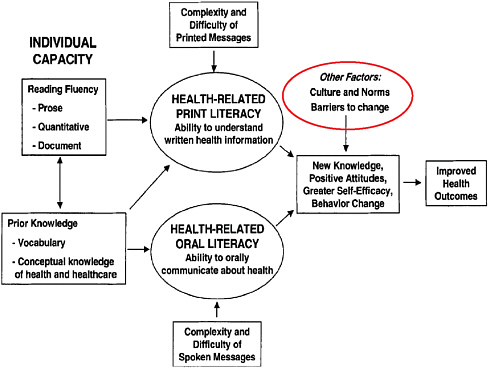
FIGURE 3-1 Conceptual model of health literacy.
SOURCE: Baker (2006).
or smoking or use of alcohol or drugs? Is it a psychosocial factor? Is it a biological factor?
Some models of health disparities have been modified to examine health literacy and language as barriers to access to health care (Figure 3-2).
In a brief PubMed search using the terms health literacy and health disparities, Cooper said she identified 161 articles; 26 of them were reviews. Some studies were descriptive, comparing health literacy prevalence across disparity conditions. Others showed that disparities in health literacy between disparity populations and majority populations contributed to differences in access and quality of care. Fewer studies examined health literacy as a mediator of disparities in health outcomes. Far fewer studies looked at interventions being tested with low-literacy patients who also belonged to disparity populations to see if these interventions would reduce disparities.
It is interesting to note, Cooper said, that health disparities research has evolved in a manner similar to health literacy research. They both began by describing problems in different populations, then moved into
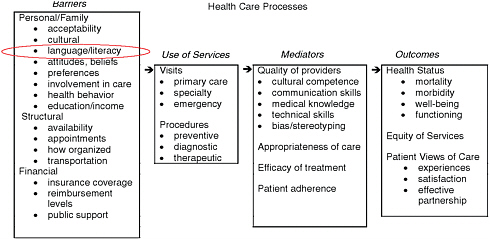
FIGURE 3-2 Understanding disparities in access to and quality of health care.
SOURCE: Cooper et al., 2002.
research aimed at understanding mechanisms of the problems, and now research is moving toward designing interventions and evaluating outcomes. Health disparities and health literacy research also share some common themes and challenges. In both areas there is a documented burden and impact of being in those risk categories. Both affect access, healthcare quality, and outcomes—across numerous conditions and for various populations. In pediatric populations, if there is low literacy in the parents, the children experience disparities.
Also, there is a need for better measurement of key constructs. In health disparities research, for example, better measures are needed for determining specific ethnic groups and language ability. The same is true for health literacy measures, Cooper said. Furthermore, researchers need to better understand mechanisms that explain how belonging in the risk category of health literacy or of health disparities influences outcomes. People in each category experience bias or discrimination with regard to health care. And problems with health disparities as well as health literacy require effective interventions that work across diverse groups. There are many things that the two fields could do together.
Researchers in both fields have tried common intervention strategies (Chin et al., 2007; Sudore and Schillinger, 2009). Some focused on the clinician–patient relationship, such as targeting communications to overcome language or cultural barriers, and other strategies are systems based. For example, patients receive health education information, or are put in self-management support groups. Sometimes, the clinical environ-
ment is changed to suit cultural or linguistic needs. Common intervention strategies at the clinician–patient level include patient-centered or clear communication techniques and overcoming cultural or language barriers. At the system patient level, strategies are clear health education materials and audiovisual aids, self-management support programs, and culturally and linguistically tailored clinical environments. Community interventions include social service referrals, use of lay health educators, and mass media (Chin et al., 2007; Sudore and Schillinger, 2009).
There are differences between the two areas as well (Table 3-1). For example, low health literacy is potentially modifiable and a person’s literacy status is not readily apparent. Being part of a disparity category such as being of a certain race or age, however, is not subject to change and is mostly visible. There are some challenges that result from these differences between the two areas.
Health literacy research and health disparities research are interdisciplinary in nature, involving many of the same disciplines. How can these two areas of research be brought together? According to Robertson and colleagues (2003) there are several questions to consider in determining if there is a need for interdisciplinary collaboration. Which fields have been included or excluded thus far? How thoroughly should the researchers exploit the opportunity for interdisciplinary collaboration? For instance, is there a need to devise a new common vocabulary and new methods?
How important are institutions in facilitating or thwarting the process? How key is the integration of disciplinary perspectives in fashioning a more powerful explanation of the phenomenon in question? There are many disciplines that have potential contributions to make to health literacy and health disparities research, including experts from behavioral science, sociology, social work, speech and language, organizational behavior, social psychology, health services research, epidemiology, cultural anthropology, bioethics, biostatistics, economics, cognitive psychology, neuropsychology, education and learning, psychometrics, health
TABLE 3.1 Contrasting Themes
|
Health Literacy |
Health Disparities |
|
Low health literacy is potentially modifiable |
Population assignment usually not modifiable |
|
Literacy status not readily apparent |
Disparity category (e.g., race, gender, age) mostly visible |
|
Internally defined, individually experienced |
Externally defined, socially driven and experienced |
professionals and policy experts. How can they be encouraged to work together? What are the structural and cognitive barriers? Structural barriers include time, space, funding, and infrastructure issues (Richter and Paretti, 2008). Cognitive barriers include lack of awareness, relatedness, and perspective. For example, health literacy researchers may be focused on that particular area because of their sensitivities to it, but they may not have the sense of how connected it could be to a disparity problem. These barriers need to be overcome.
There are ways to address the structural barriers, such as creating convenient meeting times, holding special sessions at annual meetings of professional societies that are attended by both disciplines, creating informal networks so that work groups and social communal gatherings can occur in neutral, permanent space. A special journal or special issues devoted to health literacy and disparities research is another option as is making use of virtual collaboration options such as chat rooms, mail lists, and shared networks. Organizing funding priorities by cutting across themes is vital, Cooper said.
To enhance awareness of each field of research for the other, bring people together and encourage conversation. Ask each discipline to talk about what it does, its measurement and study design strategies, and the challenges and constraints it faces. Look for commonalities. To enhance relatedness and perspective, bring people together to define the problems and criteria together. Have them work together to develop measurement instruments to enhance their validity. Foster cross-disciplinary pairing, for example, use co-PIs (co-principal investigators) on projects who are from different disciplines. One example is the National Institutes of Health (NIH) Common Fund Program1 which supports a series of cross-cutting, trans-NIH research programs, including new programs in the science of behavior change and global health. It creates research consortia, establishes interdisciplinary training initiatives, promotes interdisciplinary technology methods, and has a multiple PI policy. Perhaps health literacy and health disparities could be the next topic for the NIH Common Fund program.
A roadmap for collaboration between health disparities and health literacy researchers would include several stages. First, it is important to determine which issues or questions would benefit from having researchers from the two disciplines come together. Pertinent questions include the following: Are tests of health literacy valid across populations? Is literacy causally related to health disparities or a marker for some other risk factor not yet identified? Which particular aspects of health literacy are most relevant for different disparity populations? In which settings
or contexts do health literacy and other disparity conditions interact to worsen health? What are the mechanisms by which literacy contributes to disparities? Are links to outcomes present in nationally representative samples?
It will be important to obtain agreement from both fields of research that the interdisciplinary approach is necessary to adequately address research questions. Because the conceptual models for health disparities and health literacy do not bring the two fields together in a comprehensive way, it is important to anticipate potential communication issues among the participants from disparate disciplines and promote frequent communication (electronic and face-to-face meetings) to enhance opportunities for dialogue and information exchange. Such communication will facilitate the combining of empirical and theoretical methodologies to test new models.
Other steps needed to promote collaboration are: include a broad range of disciplines through proactive selection as well as self-selection; create a framework to guide the unique interdisciplinary research effort, each participant‘s contribution, and training initiatives; and add appropriate literacy-related measurement to epidemiological studies and nationally representative samples.
In summary, Cooper said, health literacy and health disparities research have evolved in a similar manner. The two disciplines share themes, challenges, and intervention strategies. However, some differences exist in the extent to which belonging to a literacy category or disparity category is modifiable, how it is viewed by others, and how it is experienced by the individual. Finally, interdisciplinary collaboration will require overcoming the structural and cognitive barriers discussed.
WILL IMPROVING HEALTH LITERACY REDUCE HEALTH DISPARITIES FOR VULNERABLE POPULATIONS?
Dean Schillinger, M.D.
University of California, San Francisco
San Francisco General Hospital
Asking whether improving health literacy will reduce health disparities for vulnerable populations is a challenging question. To answer this we must first determine if we can improve health literacy in vulnerable populations. Second, if we do improve health literacy, will disparity populations or vulnerable populations disproportionately benefit? Schillinger said that he intended to address four questions in his presentation:
-
Does health literacy explain health disparities by race and education?
-
What are hypothesized mechanisms by which better health literacy can improve health for vulnerable populations?
-
What evidence exists that health literacy interventions improve health for vulnerable populations?
-
What is the need for a “vulnerable populations approach” to improving health literacy?
Vulnerable populations have been described as subgroups that, because of shared social characteristics, are at higher risk of risks. This implies that their vulnerability is socially determined by the structural nature of a society, and that vulnerable populations, by virtue of being vulnerable, are much more likely to be at high risk of being exposed to risk of illness. Vulnerable populations are exposed to contextual conditions that distinguish them from the rest of the population.
In public health practice in the United States, vulnerable groups are generally considered to be (a) certain race and ethnic minorities, (b) low income, (c) those with a high school diploma or less, and (d) immigrants and those with limited English proficiency. Only (a) and (c) on this list have been studied with respect to the question of whether health literacy explains some of the relationships between social characteristics and health outcomes.
Six positive cross-sectional studies have explored health literacy’s impact on socioeconomic disparities and health outcomes. Bennett and colleagues (2009) studied nearly 3,000 adults over age 65 who participated in the National Assessment of Adult of Literacy (NAAL) and found that health literacy mediated the relationship between educational attainment and self-rated health, receipt of flu vaccines, receipt of mammograms, and dental care. Howard and colleagues (2006) studied more than 3,000 seniors from the Prudential Study and found that health literacy explained the relationship between education and physical and mental health scores, but not preventive care use, such as flu vaccine, mammograms, and dental care. Yin and colleagues (2009) studied parents who participated in NAAL and found that health literacy mediated the relationship between educational attainment and health-literacy-related tasks regarding child health, dosing medications, and pediatrician appointments.
Sentell and Halpin (2006) studied 24,000 participants in National Adult Literacy Survey performed in the 1990s and found that literacy mediated the relationship between education and the presence of chronic illness and a health condition that limited ability to function in society. Sarkar and colleagues (2010) studied more than 14,000 patients with diabetes in the Kaiser Permanente health plan and found that literacy
strongly mediated the relationship between educational attainment and patient’s use of the electronic patient portal. Finally, Schillinger and colleagues (2006) studied public hospital patients with diabetes and found that health literacy mediated the relationship between education and hemoglobin A1c. In all the studies, mediation was partial; health literacy is not a full explanation of the relationship.
On the question of whether health literacy explains race and ethnic disparities in health outcomes, six cross-sectional studies—some already mentioned, some additional—have looked at the explanatory power of health literacy with respect to black/white differences in health outcomes, and none has looked at other ethnic differences. Bennett and colleagues (2009) found that health literacy mediated the relationship between race and self-rated health and flu vaccine receipt, but not mammography or dental care. In the Prudential study, Howard and colleagues (2006) found that health literacy mediated the relationship between race and mental health but not physical health and not receipt of preventive care.
Sentell and Halpin (2006) found that literacy mediated the relationship between race and long-term illness and a limiting health condition, just as it did with education. Bailey and colleagues (2009) studied 373 parents and found that health literacy mediated the relationship between African Americans and whites, and misunderstandings about liquid medication dosing. Osborn and colleagues (2009), studying patients with diabetes, found that diabetes-related numeracy mediated the relationship between race and hemoglobin A1c. In patients with prostate cancer, Wolf and colleagues (2006) found that health literacy mediated the relationship between race and the level of prostate-specific-antigen (PSA) at the time of presentation with prostate cancer. The only before and after trial (Volandes et al., 2008) found that health literacy mediated the relationship between race and changes in advanced care preferences. After viewing a video, patient preferences, especially among those with low literacy, changed to preferring less aggressive care.
All but one of the large studies are cross-sectional. This raises a number of questions, but the largest question is one of causation. Interpreting these studies requires caution. There are multiple opportunities for confounding. Limited literacy may be a marker for social disadvantage. What happens in early childhood development can codetermine limited literacy and worse health trajectories. Another concern is that health literacy can be mismeasured across race and ethnicity. When we use the REALM (Rapid Estimate of Adult Literacy in Medicine) or other approaches to health literacy measurement in an African American or Latino patient, are we really measuring health literacy? Or are we detecting differences in social strata that are really determining people’s health trajectory?
Is the observed mediation taking place at the community level rather
than individual level, since health is shaped for vulnerable populations within the important social context where health care is received? Are there health mediators at the neighborhood level that are driving the relationships? Or is there a cyclical relationship, that is, does illness trajectory lead to lower scores on a literacy test that are associated with a worse health trajectory? Finally, is there something happening in the fragmented health care system that leads to suboptimal or discriminatory quality of care and premature death and morbidity?
What Are the Hypothesized Mechanisms by Which Better Health Literacy Can Improve Health for Vulnerable Populations?
There are several hypothesized mechanisms that link health literacy, health disparities, and health outcomes. There is growing evidence that suggests that limited health literacy is associated with a higher incidence of disease burden of illness, especially chronic disease. While it is reasonable to assume that the person with limited literacy who cannot read the label might eat the unhealthy food that then leads to sickness, the association may also be a reflection of a contextual problem, Schillinger said. Those with limited literacy, because of the clustering of risks, are more likely to be living in a neighborhood under circumstances that are associated with high rates of chronic disease.
Occupational risk and exposures are also linked to one’s literacy skills and may lead to poorer health. Another mechanism may be that those with limited health literacy have a lower degree of health awareness and are less likely to have early recognition of symptoms. Fang and colleagues (2009) studied patients on warfarin, a medication to prevent stroke. She was able to demonstrate that only 1 in 10 patients reported that the purpose of taking warfarin was to reduce risk of stroke. Among English- and Spanish-speaking participants, inadequate literacy was strongly associated with discordant responses about the nature of stroke, and very few patients could accurately report a symptom of stroke. Being at high risk of stroke but unable to know what a typical sign or symptom is could lead to negative stroke outcomes.
Accessing and navigating complex health and social service systems is clearly a mechanism that may disproportionately affect vulnerable populations, Schillinger said. In California, for example, people have to reapply for Medicare every 3 months, which contributes to higher turnover in health coverage and access to care problems. Additionally, there is a concern and growing body of evidence in the health disparities field that suggest that diffusion and uptake of innovations in health care is a mechanism that contributes to disparities. In health IT, that can be particularly problematic with respect to navigation.
Another possible mechanism relates to adherence. There is some evidence that low health literacy leads to problems with accuracy in medication administration and errors (e.g. unintentional nonadherence) as opposed to intentional nonadherence. And clearly, health literacy is a barrier to learning and the performance of self-management behaviors.
It is now recognized that communication in the clinic encounter is often severely impaired. Health professionals are not successfully communicating with patients who have limited health literacy—regarding medication reconciliation, patient history, discussing symptoms and barriers to care in the absence of a physician eliciting it, and patient understanding of explanations and results and whether they ask questions. Finally, the ethical processes that underpin trust and the clinician–patient relationship, such as shared decision making, articulating preferences, and providing informed consent are potential mechanisms linking health literacy, health disparities, and health outcomes.
What Evidence Exists That Health Literacy Interventions Improve Health for Vulnerable Populations?
Turning to the question of whether health literacy intervention reduces disparities, there is much less data. Most studies evaluating health literacy interventions have demonstrated improvements that disproportionately accrue to those with adequate health literacy, or they yield similar improvements across health literacy. Most studies do not report the effects on vulnerable subgroups by, for example, stratifying results by race ethnicity or educational attainment.
A few health literacy interventions have been found to disproportionately affect vulnerable subgroups. Rothman and colleagues (2004) tested a health-literacy-sensitive diabetes management program that disproportionately benefited those with limited health literacy compared with those who had adequate health literacy. DeWalt and colleagues (2006) did the same on congestive heart failure. Paasche-Orlow and colleagues (2005) used a teach-to-goal approach in asthma education, which disproportionately benefited those with limited health literacy versus those with adequate health literacy. An automated diabetes phone system disproportionately engaged and led to behavior change among those with limited literacy and limited English proficiency compared with others (Schillinger et al., 2008). Finally, work by Machtinger and colleagues (2007) found visual medication schedules, when combined with a “teach back” in anticoagulation care, disproportionately benefited those with communication barriers.
Reducing disparities requires taking a socioecological approach, Schillinger said, This approach includes thinking about the context in
which people live and receive their healthcare. An important question to consider is, will better individual health literacy lead people to make healthier choices, particularly those who are in vulnerable populations? Given the cluster of risks that vulnerable populations face—food insecurity, food access problems, unsafe neighborhoods, and so on—that are determined by social context, it is important to be realistic regarding expectations of what improving health literacy can do.
Another important issue is whether attempts to affect individual health literacy will be hampered by the nature of health systems that disproportionately care for vulnerable populations. Varkey and colleagues (2009) studied primary care practices stratified by the proportion of minority patients served. Practices that served 30 percent or more minority patients were compared to practices with fewer minorities. Tremendous differences were found in organizational structure, workforce satisfaction, comorbidity, complexity of disease, and perceived practice chaos. Work settings significantly affect the health care provided to vulnerable populations.
Context is important. Preliminary evidence suggests these factors can affect the relationship between health literacy and outcomes. In studies of the relationship between health literacy and chronic disease control (e.g., blood pressure, diabetes), whether or not there is a relationship between health literacy and the outcome appears to vary based on the setting. Schillinger’s work at a public hospital showed a clear relationship between health literacy and diabetes outcomes, but a similar replication study in a private setting in New England found no relationship (Morris et al, 2006) and a study of literacy and blood pressure control found that the relationship varied by setting (Powers BJ 2008). Contextual factors need further analysis.
What Is the Need for a “Vulnerable Populations Approach” to Improving Health Literacy?
There are three commonly described public health intervention approaches. The first is Lalonde’s at-risk approach. This approach targets those with high-risk behaviors for specific conditions (Lalonde, 1974). An example of this is targeting smokers to reduce cardiovascular disease. The second approach is Rose’s population approach (Rose, 1992), which focuses on those with the average risk exposure, which is really the entire population. Interventions are designed to shift the curve in order to achieve the greatest public health benefit by improving population health. The third approach has been articulated by Frohlich and Potvin (2008) and is known as the vulnerable populations approach. This approach focuses on fundamental causes, on life course trajectories, and on the concentration of risk in vulnerable subgroups. The Lalonde and Rose approaches
may be neutral with respect to reducing disparities, or could exacerbate disparities. For example, electronic health records (EHRs) may be of benefit to the general population but may leave vulnerable populations behind (Sarkar et al., 2010), and therefore exacerbate disparities.
Successful approaches need to combine Rose’s population approach with Frohlich’s vulnerable population approach. Schillinger said. Improvements in population health must be linked with reductions in disparities. While general populations can be targeted for improvements in health, the targets for special intervention should be vulnerable populations in the context of the settings that care for them and the neighborhoods in which they live. The work has to be multi-sectorial—for example, schools and health care settings—it needs to be participatory, and it needs to address upstream determinants.
In conclusion, Schillinger said, health literacy may be a mediator of social disparities in health outcomes, but many questions remain. More research is needed, taking a socioecological, multilevel, and life course approach. Health literacy interventions have the potential to reduce disparities, but they often do not. If better health literacy is to reduce health disparities, interventions will need to target vulnerable populations where they live and where they receive services.
DISCUSSION
Cindy Brach, Agency for Healthcare Research and Quality, said it makes sense to concentrate resources on the needs of vulnerable populations, but, she asked, what about approaches that appeal to a wide spectrum since they have the potential to benefit everybody? Schillinger responded that he would call for a two-tiered approach, addressing the entire population with focused efforts on vulnerable subgroups for whom the problem is most severe. With just the population approach, one runs the risk of increasing disparities. He pointed to the electronic health records example at Kaiser, where the data show an increase in disparities. His guess is that a participatory approach to developing the EHR was not used. Winston Wong, roundtable member from Kaiser Permanente, said that Kaiser did use user groups in the design of portions of the new EHR system. There is evidence of disproportionate use among different populations. Kaiser is planning a policy roundtable to look more closely at this issue. Schillinger said that, despite the difficulties encountered, what Kaiser is doing is ahead of the curve, a harbinger of the future. Incorporating the health literacy principles into the meaningful use definition of health IT is very important.
Paasche-Orlow noted that in some of the examples, a generalized approach was especially beneficial to groups with the highest need.
With either approach, it is important to measure the effects on the at-risk population. There are those who think that simplifying and standardizing things will benefit all, although it might benefit some more than others.
Cooper noted the commonality of themes between health disparities and health literacy research. Health disparities share the same concern about using universal approaches and standard quality improvements that could improve the situation overall, but may exacerbate disparities. It is important to look for unintended consequences.
Benard Dreyer, roundtable member and pediatrician from New York University School of Medicine, asked if there is evidence that universal interventions are better than targeted interventions for vulnerable populations. If vulnerable populations are at highest risk for poor outcomes due to low literacy, would targeted outcomes be more effective, especially if the interventions needed for low literacy populations may not be acceptable to other populations? The American Academy of Pediatrics (AAP) produced low-literacy patient education materials, which the AAP thinks are not going to be acceptable to higher literacy populations.
Cooper said she is philosophically in agreement on targeting vulnerable groups, but she encounters much resistance. People who manage health services ask why such targeted interventions are necessary as they can be more cost intensive and more labor intensive. Researchers must demonstrate to decision makers that a tailored or targeted approach is more effective than a standard, universal approach. This has not yet been shown. There is also the difficulty of measuring and determining who are the vulnerable, which is not always easy. By making assumptions about who the vulnerable are and targeting them, others who could benefit from the intervention may be missed.
Schillinger said that the typical costs of the public health type of intervention are low and are shared across society, whereas the cost associated with targeted, tailored interventions tend to be greater and focused on fewer people, which is a harder case to make for policy makers. Paasche-Orlow questioned how much tailoring is really necessary. It can be endless, and there will always be other groups that need tailored interventions. The trick with the five interventions that appear to reduce disparities, said Schillinger, is that many are universal precautions, but embedded in them is the fact that those who need more, get more. If it takes three rounds to teach a patient how to use the asthma inhaler, then three rounds it is. It may work to embed that sort of logic, so those who need more in an intervention get more.
Arthur Culbert, roundtable member from Health Literacy Missouri, stated that the challenge in Missouri is whether to address everyone or target certain groups. The factors mentioned today—cost, disparities, and
health literacy issues—are real. It is worth trying a variety of scenarios to see what works, he said.
Wong asked if the HARC conference planners intend to discuss the system changes that will be introduced given health care reforms. For example, individuals will have to make choices regarding the different tiers of coverage. How will they understand their choices relative to prevention and co-pays? In addition, wellness and prevention programs are built into some of the health care reform legislation. Will those have disparate outcomes relative to health literacy, or for vulnerable populations in general? Paasche-Orlow replied that the planning committee for HARC 2010 has heard requests to make health reform part of the discussion.
Intrigued by Cooper’s long list of potential collaborators, Isham suggested including systems engineers, those working on decision support, decision science, process flow analysis and design, and quality improvement science. It may be, he said, that academic settings are themselves disadvantaged with respect to state-of-the-art technical processes and support. Cooper agreed that there is a need to reach beyond academia. To really understand what is going on and what resources are available, one needs to go to the places where people are delivering care and to the communities where the target audience lives. Schillinger also agreed, adding that Larry Green from the Centers for Disease Control and Prevention (CDC) used to say, “It is not just about putting research into practice, but practice into research.” That ideal was part of the genesis of the practice-based research networks supported by Agency for Healthcare Research and Quality (AHRQ). Merely studying things in one’s own backyard is not representative of how the world is moving. There is tremendous variation in practice settings, even within a practice-based research network.
Paasche-Orlow added that the field is calling for dismantling the silos in which researchers live and work to involve more people. One of the keynote speakers for next year’s HARC meeting is Nicole Lurie, who served as the chair of IOM’s Roundtable on Health Disparities and is someone who interacts with both academia and the real world.
Rima Rudd, from the Harvard School of Public Health, sees the need to bring new people to the table. The first 10 years of health literacy research focused on the patient: the patient cannot read well; it is the patient’s fault. Research is finally looking in the mirror at our providers’ communication skills and at the broader context, as Schillinger noted. Where are the openings within the health care system to make changes and begin focusing on the system and the context? Schillinger said that an example of a system change is the role that health literacy can play in reducing hospital readmissions. The discharge program at Boston Medical Center has shown the great impact that health literacy can have in this area. Given that with health reform, institutions lose money if patients are
readmitted, health literacy system interventions have a real opportunity to show benefit.
Cooper responded with two examples. First, a clinical psychologist pointed out that health literacy researchers act as if there is good understanding of what is going on, but that is not true. Health literacy research needs to include experts from psychology, neuropsychology, and psychometrics in order to answer such questions as, what makes a person have difficulty understanding and processing information? It is not as simple as completing a checklist of words. Second, within organizational culture, there is a need for measurement of how health systems work, how teams work, and how the culture of an organization influences the way care is delivered. The health disparities field, as Schillinger mentioned, has moved into a socioecological framework, bringing in communities and using participatory approaches in order to increase understanding of and benefit to the community populations. Involving those who understand more about measuring environmental context and social environment as well as physical environment and social policies will enhance the quality of health literacy research.
Betsy Humphreys, roundtable member from the National Library of Medicine (NLM) suggested that library information science be added to the list of collaborators because of their knowledge of information seeking behavior and information delivery. Through its work to connect people with good health information, the NLM has learned two things. First, some information services have to be adjusted for vulnerable populations. But sometimes the services are fine, the user just needs much more personal intervention to use the service; they need an explanation for why the information will be useful to them, what they can use it for, and when they should use it. A group of nonusers can become very happy users of existing services with just a personal intervention to help them figure out why.
Debra Roter of Johns Hopkins Bloomberg School of Public Health said she was concerned that the studies discussed, while providing insights, are not large enough to disentangle the confounding effects of ethnicity, culture, and literacy in the United States. The next step forward is to look across silos, she said, without forgetting that our public health mission is to reduce disparities and understand pathways and relationships. Paasche-Orlow agreed and said that in research that examines the effect of these variables on outcomes, there is a covariance problem. One can, for example, identify race bias of clinicians and there should be continued efforts to find things to do about environmental or institutional racism. The long term goal is to remove race bias from the medical care system, and that will take time. But what is the proportion of the variance that comes from race bias versus other types of things? It may be that race bias
will be the important variable some time, but at other times it may not be as important.
Amy Wilson-Stronks, roundtable member from the Joint Commission, suggested articulating the research in terms of what it means for practice. There are some practices that are known to improve outcomes, such as access to language services, but despite the evidence, these practices are not implemented.
Isham ended the discussion session by asking whether researchers tend to cluster their studies in some areas more than in others because those areas are easier to study or better thought through. Is the research portfolio distributed appropriately? Do researchers intend to produce practical knowledge that people can do something about in the short run? Would there be value in prioritizing areas and taking on some tough questions? It seems that the complexity of the health care interface is less well understood as a contextual factor, but it provides a real opportunity for some interventions, for example, mammography rates among vulnerable populations may go up by having same-day mammography available at the clinic. Are the questions being studied prioritized by the likelihood of producing something that can be acted upon?
Schillinger replied that Isham’s approach is an evidence-based and rational approach to inquiry. Yet research is more opportunistic, based on the principal investigator’s expertise. Those with a background in communication will study literacy. There may be opportunities for professional development there, said Paasche-Orlow, adding that funding sources set the agenda as well. Setting priorities is a good idea, Cooper added, but it must be done within the broader setting including environmental issues. Other disciplines and expertise need to be at the table. Schillinger pointed to Michael Wolf’s work on the complexity of the pill bottle; it involved basic science all the way to policy change.


