
Dimension 3
DISCIPLINARY CORE IDEAS—LIFE SCIENCES
The life sciences focus on patterns, processes, and relationships of living organisms. Life is self-contained, self-sustaining, self-replicating, and evolving, operating according to laws of the physical world, as well as genetic programming. Life scientists use observations, experiments, hypotheses, tests, models, theory, and technology to explore how life works. The study of life ranges over scales from single molecules, through organisms and ecosystems, to the entire biosphere, that is all life on Earth. It examines processes that occur on time scales from the blink of an eye to those that happen over billions of years. Living systems are interconnected and interacting. Although living organisms respond to the physical environment or geosphere, they have also fundamentally changed Earth over evolutionary time. Rapid advances in life sciences are helping to provide biological solutions to societal problems related to food, energy, health, and environment.
From viruses and bacteria to plants to fungi to animals, the diversity of the millions of life forms on Earth is astonishing. Without unifying principles, it would be difficult to make sense of the living world and apply those understandings to solving problems. A core principle of the life sciences is that all organisms are related by evolution and that evolutionary processes have led to the tremendous diversity of the biosphere. There is diversity within species as well as between species. Yet what is learned about the function of a gene or a cell or a process in one organism is relevant to other organisms because of their ecological interactions and evolutionary relatedness. Evolution and its underlying genetic
mechanisms of inheritance and variability are key to understanding both the unity and the diversity of life on Earth.
The committee developed four core ideas reflecting unifying principles in life sciences. These core ideas are essential for a conceptual understanding of the life sciences and will enable students to make sense of emerging research findings. We begin at the level of organisms, delving into the many processes and structures, at scales ranging from components as small as individual atoms to organ systems that are necessary for life to be sustained. Our focus then broadens to consider organisms in their environment—how they interact with the environment’s living (biotic) and physical (abiotic) features. Next the chapter considers how organisms reproduce, passing genetic information to their offspring, and how these mechanisms lead to variability and hence diversity within species. Finally, the core ideas in the life sciences culminate with the principle that evolution can explain how the diversity that is observed within species has led to the diversity of life across species through a process of descent with adaptive modification. Evolution also accounts for the remarkable similarity of the fundamental characteristics of all species.
The first core idea, LS1: From Molecules to Organisms: Structures and Processes, addresses how individual organisms are configured and how these structures function to support life, growth, behavior, and reproduction. The first core idea hinges on the unifying principle that cells are the basic unit of life.
The second core idea, LS2: Ecosystems: Interactions, Energy, and Dynamics, explores organisms’ interactions with each other and their physical environment. This includes how organisms obtain resources, how they change their environment, how changing environmental factors affect organisms and ecosystems, how social interactions and group behavior play out within and between species, and how these factors all combine to determine ecosystem functioning.
The third core idea, LS3: Heredity: Inheritance and Variation of Traits across generations, focuses on the flow of genetic information between generations. This idea explains the mechanisms of genetic inheritance and describes the environmental and genetic causes of gene mutation and the alteration of gene expression.
The fourth core idea, LS4: Biological Evolution: Unity and Diversity, explores “changes in the traits of populations of organisms over time” [1] and the factors that account for species’ unity and diversity alike. The section
 Evolution and its underlying genetic mechanisms of inheritance and variability are key to understanding both the unity and the diversity of life on Earth.
begins with a discussion of the converging evidence for shared ancestry that has emerged from a variety of sources (e.g., comparative anatomy and embryology, molecular biology and genetics). It describes how variation of genetically determined traits in a population may give some members a reproductive advantage in a given environment. This natural selection can lead to adaptation, that is, to a distribution of traits in the population that is matched to and can change with environmental conditions. Such adaptations can eventually lead to the development of separate species in separated populations. Finally, the idea describes the factors, including human activity, that affect biodiversity in an ecosystem, and the value of biodiversity in ecosystem resilience. See Box 6-1 for a summary of these four core ideas and their components.
These four core ideas, which represent basic life sciences fields of investigation—structures and processes in organisms, ecology, heredity, and evolution—have a long history and solid foundation based on the research evidence established by many scientists working across multiple fields. The role of unifying principles in advancing modern life sciences is articulated in The Role of Theory in Advancing 21st-Century Biology and A New Biology for the 21st Century [2, 3]. In developing these core ideas, the committee also drew on the established K-12 science education literature, including National Science Education Standards and Benchmarks for Science Literacy [4, 5]. The ideas also incorporate contemporary documents, such as the Science College Board Standards for College Success [6], and the ideas are consistent with frameworks for national and international assessments, such as those of the National Assessment of Educational Progress (NAEP), the Programme for International Student Assessment (PISA), and the Trends in International Mathematics and Science Study (TIMSS) [7-9]. Furthermore, the ideas align with the core concepts for biological literacy for undergraduates to build on as described in the American Association for the Advancement of Science (AAAS) report Vision and Change in Undergraduate Biology Education [10].
BOX 6-1
CORE AND COMPONENT IDEAS IN THE LIFE SCIENCES
Core Idea LS1: From Molecules to Organisms: Structures and Processes
LS1.A: Structure and Function
LS1.B: Growth and Development of Organisms
LS1.C: Organization for Matter and Energy Flow in Organisms
LS1.D: Information Processing
Core Idea LS2: Ecosystems: Interactions, Energy, and Dynamics
LS2.A: Interdependent Relationships in Ecosystems
LS2.B: Cycles of Matter and Energy Transfer in Ecosystems
LS2.C: Ecosystem Dynamics, Functioning, and Resilience
LS2.D: Social Interactions and Group Behavior
Core Idea LS3: Heredity: Inheritance and Variation of Traits
LS3.A: Inheritance of Traits
LS3.B: Variation of Traits
Core Idea LS4: Biological Evolution: Unity and Diversity
LS4.A: Evidence of Common Ancestry and Diversity
LS4.B: Natural Selection
LS4.C: Adaptation
LS4.D: Biodiversity and Humans
Core Idea LS1
From Molecules to Organisms: Structures and Processes
How do organisms live, grow, respond to their environment, and reproduce?
All living organisms are made of cells. Life is the quality that distinguishes living things—composed of living cells—from nonliving objects or those that have died. While a simple definition of life can be difficult to capture, all living things—that is to say all organisms—can be characterized by common aspects of their structure and functioning. Organisms are complex, organized, and built on a hierarchical structure, with each level providing the foundation for the next, from the chemical foundation of elements and atoms, to the cells and systems of individual organisms, to species and populations living and interacting in complex ecosystems. Organisms can be made of a single cell or millions of cells working together and include animals, plants, algae, fungi, bacteria, and all other microorganisms.
Organisms respond to stimuli from their environment and actively maintain their internal environment through homeostasis. They grow and reproduce, transferring their genetic information to their offspring. While individual organisms carry the same genetic information over their lifetime, mutation and the transfer from parent to offspring produce new combinations of genes. Over generations natural selection can lead to changes in a species overall; hence, species evolve over time. To maintain all of these processes and functions, organisms require materials and energy from their environment; nearly all energy that sustains life ultimately comes from the sun.
LS1.A: STRUCTURE AND FUNCTION
How do the structures of organisms enable life’s functions?
A central feature of life is that organisms grow, reproduce, and die. They have characteristic structures (anatomy and morphology), functions (molecular-scale processes to organism-level physiology), and behaviors (neurobiology and, for some animal species, psychology). Organisms and their parts are made of cells, which are the structural units of life and which themselves have molecular substructures that support their functioning. Organisms range in composition from a single cell (unicellular microorganisms) to multicellular organisms, in which different groups of large numbers of cells work together to form systems
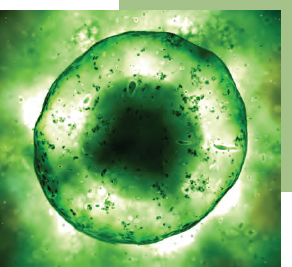
of tissues and organs (e.g., circulatory, respiratory, nervous, musculoskeletal), that are specialized for particular functions.
Special structures within cells are also responsible for specific cellular functions. The essential functions of a cell involve chemical reactions between many types of molecules, including water, proteins, carbohydrates, lipids, and nucleic acids. All cells contain genetic information, in the form of DNA. Genes are specific regions within the extremely large DNA molecules that form the chromosomes. Genes contain the instructions that code for the formation of molecules called proteins, which carry out most of the work of cells to perform the essential functions of life. That is, proteins provide structural components, serve as signaling devices, regulate cell activities, and determine the performance of cells through their enzymatic actions.
Grade Band Endpoints for LS1.A
By the end of grade 2. All organisms have external parts. Different animals use their body parts in different ways to see, hear, grasp objects, protect themselves, move from place to place, and seek, find, and take in food, water and air. Plants also have different parts (roots, stems, leaves, flowers, fruits) that help them survive, grow, and produce more plants.
By the end of grade 5. Plants and animals have both internal and external structures that serve various functions in growth, survival, behavior, and reproduction. (Boundary: Stress at this grade level is on understanding the macroscale systems and their function, not microscopic processes.)
By the end of grade 8. All living things are made up of cells, which is the smallest unit that can be said to be alive. An organism may consist of one single cell (unicellular) or many different numbers and types of cells (multicellular). Unicellular organisms (microorganisms), like multicellular organisms, need food, water, a way to dispose of waste, and an environment in which they can live.
Within cells, special structures are responsible for particular functions, and the cell membrane forms the boundary that controls what enters and leaves the cell. In multicellular organisms, the body is a system of multiple interacting subsystems. These subsystems are groups of cells that work together to form tissues or organs that are specialized for particular body functions. (Boundary: At this grade level, only a few major cell structures should be introduced.)
By the end of grade 12. Systems of specialized cells within organisms help them perform the essential functions of life, which involve chemical reactions that take place between different types of molecules, such as water, proteins, carbohydrates, lipids, and nucleic acids. All cells contain genetic information in the form of DNA molecules. Genes are regions in the DNA that contain the instructions that code for the formation of proteins, which carry out most of the work of cells.
Multicellular organisms have a hierarchical structural organization, in which any one system is made up of numerous parts and is itself a component of the next level. Feedback mechanisms maintain a living system’s internal conditions within certain limits and mediate behaviors, allowing it to remain alive and functional even as external conditions change within some range. Outside that range (e.g., at a too high or too low external temperature, with too little food or water available), the organism cannot survive. Feedback mechanisms can encourage (through positive feedback) or discourage (negative feedback) what is going on inside the living system.
LS1.B: GROWTH AND DEVELOPMENT OF ORGANISMS
How do organisms grow and develop?
The characteristic structures, functions, and behaviors of organisms change in predictable ways as they progress from birth to old age. For example, upon reaching adulthood, organisms can reproduce and transfer their genetic information to their offspring. Animals engage in behaviors that increase their chances for reproduction, and plants may develop specialized structures and/or depend on animal behavior to accomplish reproduction.
Understanding how a single cell can give rise to a complex, multicellular organism builds on the concepts of cell division and gene expression. In multi-cellular organisms, cell division is an essential component of growth, development, and repair. Cell division occurs via a process called mitosis: when a cell divides in two, it passes identical genetic material to two daughter cells. Successive divisions produce many cells. Although the genetic material in each of the cells is identical, small differences in the immediate environments activate or inactivate different genes, which can cause the cells to develop slightly differently. This process of differentiation allows the body to form specialized cells that perform diverse functions, even though they are all descended from a single cell, the fertilized egg. Cell growth and differentiation are the mechanisms by which a fertilized egg develops into a complex organism. In sexual reproduction, a specialized type of cell division
called meiosis occurs and results in the production of sex cells, such as gametes (sperm and eggs) or spores, which contain only one member from each chromosome pair in the parent cell.
Grade Band Endpoints for LS1.B
By the end of grade 2. Plants and animals have predictable characteristics at different stages of development. Plants and animals grow and change. Adult plants and animals can have young. In many kinds of animals, parents and the offspring themselves engage in behaviors that help the offspring to survive.
By the end of grade 5. Reproduction is essential to the continued existence of every kind of organism. Plants and animals have unique and diverse life cycles that include being born (sprouting in plants), growing, developing into adults, reproducing, and eventually dying.
By the end of grade 8. Organisms reproduce, either sexually or asexually, and transfer their genetic information to their offspring. Animals engage in characteristic behaviors that increase the odds of reproduction. Plants reproduce in a variety of ways, sometimes depending on animal behavior and specialized features (such as attractively colored flowers) for reproduction. Plant growth can continue throughout the plant’s life through production of plant matter in photosynthesis. Genetic factors as well as local conditions affect the size of the adult plant. The growth of an animal is controlled by genetic factors, food intake, and interactions with other organisms, and each species has a typical adult size range. (Boundary: Reproduction is not treated in any detail here; for more specifics about grade level, see LS3.A.)
By the end of grade 12. In multicellular organisms individual cells grow and then divide via a process called mitosis, thereby allowing the organism to grow. The organism begins as a single cell (fertilized egg) that divides successively to produce many cells, with each parent cell passing identical genetic material (two variants
of each chromosome pair) to both daughter cells. As successive subdivisions of an embryo’s cells occur, programmed genetic instructions and small differences in their immediate environments activate or inactivate different genes, which cause the cells to develop differently—a process called differentiation. Cellular division and differentiation produce and maintain a complex organism, composed of systems of tissues and organs that work together to meet the needs of the whole organism. In sexual reproduction, a specialized type of cell division called meiosis occurs that results in the production of sex cells, such as gametes in animals (sperm and eggs), which contain only one member from each chromosome pair in the parent cell.
LS1.C: ORGANIZATION FOR MATTER AND ENERGY FLOW IN ORGANISMS
How do organisms obtain and use the matter and energy they need to live and grow?
Sustaining life requires substantial energy and matter inputs. The complex structural organization of organisms accommodates the capture, transformation, transport, release, and elimination of the matter and energy needed to sustain them. As matter and energy flow through different organizational levels—cells, tissues, organs, organisms, populations, communities, and ecosystems—of living systems, chemical elements are recombined in different ways to form different products. The result of these chemical reactions is that energy is transferred from one system of interacting molecules to another.
In most cases, the energy needed for life is ultimately derived from the sun through photosynthesis (although in some ecologically important cases, energy is derived from reactions involving inorganic chemicals in the absence of sunlight—e.g., chemosynthesis). Plants, algae (including phytoplankton), and other energy-fixing microorganisms use sunlight, water, and carbon dioxide to facilitate photosynthesis, which stores energy, forms plant matter, releases oxygen, and maintains plants’ activities. Plants and algae—being the resource base for animals, the animals that feed on animals, and the decomposers—are energy-fixing organisms that sustain the rest of the food web.
Grade Band Endpoints for LS1.C
By the end of grade 2. All animals need food in order to live and grow. They obtain their food from plants or from other animals. Plants need water and light to live and grow.
By the end of grade 5. Animals and plants alike generally need to take in air and water, animals must take in food, and plants need light and minerals; anaerobic life, such as bacteria in the gut, functions without air. Food provides animals with the materials they need for body repair and growth and is digested to release the energy they need to maintain body warmth and for motion. Plants acquire their material for growth chiefly from air and water and process matter they have formed to maintain their internal conditions (e.g., at night).
By the end of grade 8. Plants, algae (including phytoplankton), and many microorganisms use the energy from light to make sugars (food) from carbon dioxide from the atmosphere and water through the process of photosynthesis, which also releases oxygen. These sugars can be used immediately or stored for growth or later use. Animals obtain food from eating plants or eating other animals. Within individual organisms, food moves through a series of chemical reactions in which it is broken down and rearranged to form new molecules, to support growth, or to release energy. In most animals and plants, oxygen reacts with carbon-containing molecules (sugars) to provide energy and produce carbon dioxide; anaerobic bacteria achieve their energy needs in other chemical processes that do not require oxygen.
By the end of grade 12. The process of photosynthesis converts light energy to stored chemical energy by converting carbon dioxide plus water into sugars plus released oxygen. The sugar molecules thus formed contain carbon, hydrogen, and oxygen; their hydrocarbon backbones are used to make amino acids and other carbon-based molecules that can be assembled into larger molecules (such as proteins or DNA), used for example to form new cells. As matter and energy flow through different organizational levels of living systems, chemical elements are recombined in different ways to form different products. As a result of these chemical reactions, energy is transferred from one system of interacting molecules to another. For example, aerobic (in the presence of oxygen) cellular respiration is a chemical process in which the bonds of food molecules and oxygen molecules are broken and new compounds are formed that can transport energy to muscles. Anaerobic (without oxygen) cellular respiration follows a different and less efficient chemical pathway to provide energy in cells. Cellular respiration also releases the energy needed to maintain body temperature despite ongoing energy loss to the surrounding environment. Matter and energy are conserved in each change. This is true of all biological systems, from individual cells to ecosystems.
LS1.D: INFORMATION PROCESSING
How do organisms detect, process, and use information about the environment?
An organism’s ability to sense and respond to its environment enhances its chance of surviving and reproducing. Animals have external and internal sensory receptors that detect different kinds of information, and they use internal mechanisms for processing and storing it. Each receptor can respond to different inputs (electromagnetic, mechanical, chemical), some receptors respond by transmitting impulses that travel along nerve cells. In complex organisms, most such inputs travel to the brain, which is divided into several distinct regions and circuits that serve primary roles, in particular functions such as visual perception, auditory perception, interpretation of perceptual information, guidance of motor movement, and decision making. In addition, some of the brain’s circuits give rise to emotions and store memories. Brain function also involves multiple interactions between the various regions to form an integrated sense of self and the surrounding world.
Grade Band Endpoints for LS1.D
By the end of grade 2. Animals have body parts that capture and convey different kinds of information needed for growth and survival—for example, eyes for light, ears for sounds, and skin for temperature or touch. Animals respond to these inputs with behaviors that help them survive (e.g., find food, run from a predator). Plants also respond to some external inputs (e.g., turn leaves toward the sun).
By the end of grade 5. Different sense receptors are specialized for particular kinds of information, which may then be processed and integrated by an animal’s brain, with some information stored as memories. Animals are able to use their perceptions and memories to guide their actions. Some responses to information are instinctive—that is, animals’ brains are organized so that they do not have to think about how to respond to certain stimuli.
By the end of grade 8. Each sense receptor responds to different inputs (electromagnetic, mechanical, chemical), transmitting them as signals that travel along nerve cells to the brain. The signals are then processed in the brain, resulting in immediate behaviors or memories. Changes in the structure and functioning of many millions of interconnected nerve cells allow combined inputs to be stored as memories for long periods of time.
By the end of grade 12. In complex animals, the brain is divided into several distinct regions and circuits, each of which primarily serves dedicated functions, such as visual perception, auditory perception, interpretation of perceptual information, guidance of motor movement, and decision making about actions to take in the event of certain inputs. In addition, some circuits give rise to emotions and memories that motivate organisms to seek rewards, avoid punishments, develop fears, or form attachments to members of their own species and, in some cases, to individuals of other species (e.g., mixed herds of mammals, mixed flocks of birds). The integrated functioning of all parts of the brain is important for successful interpretation of inputs and generation of behaviors in response to them.
Core Idea LS2
Ecosystems: Interactions, Energy, and Dynamics
How and why do organisms interact with their environment and what are the effects of these interactions?
Ecosystems are complex, interactive systems that include both biological communities (biotic) and physical (abiotic) components of the environment. As with individual organisms, a hierarchal structure exists; groups of the same organisms (species) form populations, different populations interact to form communities, communities live within an ecosystem, and all of the ecosystems on Earth make up the biosphere. Organisms grow, reproduce, and perpetuate their species by obtaining necessary resources through interdependent relationships with other organisms and the physical environment. These same interactions can facilitate or restrain growth and enhance or limit the size of populations, maintaining the balance between available resources and those who consume them. These interactions can also change both biotic and abiotic characteristics of the environment. Like individual organisms, ecosystems are sustained by the continuous flow of energy, originating primarily from the sun, and the recycling of matter and nutrients within the system. Ecosystems are dynamic, experiencing shifts in population composition and abundance and changes in the physical environment over time, which ultimately affects the stability and resilience of the entire system.
LS2.A: INTERDEPENDENT RELATIONSHIPS IN ECOSYSTEMS
How do organisms interact with the living and nonliving environments to obtain matter and energy?
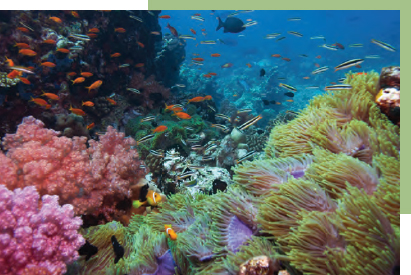
Ecosystems are ever changing because of the interdependence of organisms of the same or different species and the nonliving (physical) elements of the environment. Seeking matter and energy resources to sustain life, organisms in an ecosystem interact with one another in complex feeding hierarchies of producers, consumers, and decomposers, which together represent a food web. Interactions between organisms may be predatory, competitive, or mutually beneficial. Ecosystems have carrying capacities that limit the number of organisms (within populations) they can support. Individual survival and population sizes depend on such factors as predation, disease, availability of resources, and parameters of the physical environment. Organisms rely on physical factors, such as light, temperature, water, soil, and space for shelter and reproduction. Earth’s varied combinations of these factors provide the physical environments in which its ecosystems (e.g., deserts, grasslands, rain forests, and coral reefs) develop and in which the diverse species of the planet live. Within any one ecosystem, the biotic interactions between organisms (e.g., competition, predation, and various types of facilitation, such as pollination) further influence their growth, survival, and reproduction, both individually and in terms of their populations.
Grade Band Endpoints for LS2.A
By the end of grade 2. Animals depend on their surroundings to get what they need, including food, water, shelter, and a favorable temperature. Animals depend on plants or other animals for food. They use their senses to find food and water, and they use their body parts to gather, catch, eat, and chew the food. Plants depend on air, water, minerals (in the soil), and light to grow. Animals can move around, but plants cannot, and they often depend on animals for pollination or to move their seeds around. Different plants survive better in different settings because they have varied needs for water, minerals, and sunlight.
By the end of grade 5. The food of almost any kind of animal can be traced back to plants. Organisms are related in food webs in which some animals eat plants
for food and other animals eat the animals that eat plants. Either way, they are “consumers.” Some organisms, such as fungi and bacteria, break down dead organisms (both plants or plants parts and animals) and therefore operate as “decomposers.” Decomposition eventually restores (recycles) some materials back to the soil for plants to use. Organisms can survive only in environments in which their particular needs are met. A healthy ecosystem is one in which multiple species of different types are each able to meet their needs in a relatively stable web of life. Newly introduced species can damage the balance of an ecosystem.
By the end of grade 8. Organisms and populations of organisms are dependent on their environmental interactions both with other living things and with nonliving factors. Growth of organisms and population increases are limited by access to resources. In any ecosystem, organisms and populations with similar requirements for food, water, oxygen, or other resources may compete with each other for limited resources, access to which consequently constrains their growth and reproduction. Similarly, predatory interactions may reduce the number of organisms or eliminate whole populations of organisms. Mutually beneficial interactions, in contrast, may become so interdependent that each organism requires the other for survival. Although the species involved in these competitive, predatory, and mutually beneficial interactions vary across ecosystems, the patterns of interactions of organisms with their environments, both living and nonliving, are shared.
By the end of grade 12. Ecosystems have carrying capacities, which are limits to the numbers of organisms and populations they can support. These limits result from such factors as the availability of living and nonliving resources and from such challenges as predation, competition, and disease. Organisms would have the capacity to produce populations of great size were it not for the fact that environments and resources are finite. This fundamental tension affects the abundance (number of individuals) of species in any given ecosystem.
LS2.B: CYCLES OF MATTER AND ENERGY TRANSFER IN ECOSYSTEMS
How do matter and energy move through an ecosystem?
The cycling of matter and the flow of energy within ecosystems occur through interactions among different organisms and between organisms and the physical environment. All living systems need matter and energy. Matter fuels the energy-releasing chemical reactions that provide energy for life functions and provides the
material for growth and repair of tissue. Energy from light is needed for plants because the chemical reaction that produces plant matter from air and water requires an energy input to occur. Animals acquire matter from food, that is, from plants or other animals. The chemical elements that make up the molecules of organisms pass through food webs and the environment and are combined and recombined in different ways. At each level in a food web, some matter provides energy for life functions, some is stored in newly made structures, and much is discarded to the surrounding environment. Only a small fraction of the matter consumed at one level is captured by the next level up. As matter cycles and energy flows through living systems and between living systems and the physical environment, matter and energy are conserved in each change.
The carbon cycle provides an example of matter cycling and energy flow in ecosystems. Photosynthesis, digestion of plant matter, respiration, and decomposition are important components of the carbon cycle, in which carbon is exchanged between the biosphere, atmosphere, oceans, and geosphere through chemical, physical, geological, and biological processes.
Grade Band Endpoints for LS2.B
By the end of grade 2. Organisms obtain the materials they need to grow and survive from the environment. Many of these materials come from organisms and are used again by other organisms.
By the end of grade 5. Matter cycles between the air and soil and among plants, animals, and microbes as these organisms live and die. Organisms obtain gases, water, and minerals from the environment and release waste matter (gas, liquid, or solid) back into the environment.
By the end of grade 8. Food webs are models that demonstrate how matter and energy is transferred between producers (generally plants and other organisms that engage in photosynthesis), consumers, and decomposers as the three groups interact—primarily for food—within an ecosystem. Transfers of matter into and out of the physical environment occur at every level—for example, when molecules from food react with oxygen captured from the environment, the carbon dioxide and water thus produced are transferred back to the environment, and ultimately so are waste products, such as fecal material. Decomposers recycle nutrients from dead plant or animal matter back to the soil in terrestrial environments or to the water in aquatic environments. The atoms that make up the
Ecosystems are sustained by the continuous flow of energy, originating primarily from the sun, and the recycling of matter and nutrients within the system.
organisms in an ecosystem are cycled repeatedly between the living and nonliving parts of the ecosystem.
By the end of grade 12. Photosynthesis and cellular respiration (including anaerobic processes) provide most of the energy for life processes. Plants or algae form the lowest level of the food web. At each link upward in a food web, only a small fraction of the matter consumed at the lower level is transferred upward, to produce growth and release energy in cellular respiration at the higher level. Given this inefficiency, there are generally fewer organisms at higher levels of a food web, and there is a limit to the number of organisms that an ecosystem can sustain.
The chemical elements that make up the molecules of organisms pass through food webs and into and out of the atmosphere and soil and are combined and recombined in different ways. At each link in an ecosystem, matter and energy are conserved; some matter reacts to release energy for life functions, some matter is stored in newly made structures, and much is discarded. Competition among species is ultimately competition for the matter and energy needed for life.
Photosynthesis and cellular respiration are important components of the carbon cycle, in which carbon is exchanged between the biosphere, atmosphere, oceans, and geosphere through chemical, physical, geological, and biological processes.
LS2.C: ECOSYSTEM DYNAMICS, FUNCTIONING, AND RESILIENCE
What happens to ecosystems when the environment changes?
Ecosystems are dynamic in nature; their characteristics fluctuate over time, depending on changes in the environment and in the populations of various species. Disruptions in the physical and biological components of an ecosystem—which can lead to shifts in the types and numbers of the ecosystem’s organisms, to the maintenance or the extinction of species, to the migration of species into or out of the region, or to the formation of new species (speciation)—occur for a
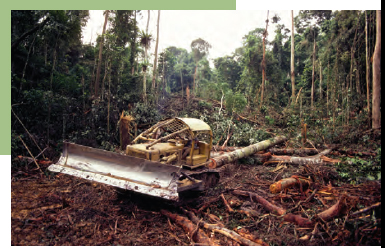
variety of natural reasons. Changes may derive from the fall of canopy trees in a forest, for example, or from cataclysmic events, such as volcanic eruptions. But many changes are induced by human activity, such as resource extraction, adverse land use patterns, pollution, introduction of nonnative species, and global climate change. Extinction of species or evolution of new species may occur in response to significant ecosystem disruptions.
Species in an environment develop behavioral and physiological patterns that facilitate their survival under the prevailing conditions, but these patterns may be maladapted when conditions change or new species are introduced. Ecosystems with a wide variety of species—that is, greater biodiversity—tend to be more resilient to change than those with few species.
Grade Band Endpoints for LS2.C
By the end of grade 2. The places where plants and animals live often change, sometimes slowly and sometimes rapidly. When animals and plants get too hot or too cold, they may die. If they cannot find enough food, water, or air, they may die.
By the end of grade 5. When the environment changes in ways that affect a place’s physical characteristics, temperature, or availability of resources, some organisms survive and reproduce, others move to new locations, yet others move into the transformed environment, and some die.
By the end of grade 8. Ecosystems are dynamic in nature; their characteristics can vary over time. Disruptions to any physical or biological component of an ecosystem can lead to shifts in all of its populations.
Biodiversity describes the variety of species found in Earth’s terrestrial and oceanic ecosystems. The completeness or integrity of an ecosystem’s biodiversity is often used as a measure of its health.
By the end of grade 12. A complex set of interactions within an ecosystem can keep its numbers and types of organisms relatively constant over long periods of time under stable conditions. If a modest biological or physical disturbance to an ecosystem occurs, it may return to its more or less original status (i.e., the ecosystem is resilient), as opposed to becoming a very different ecosystem. Extreme fluctuations in conditions or the size of any population, however, can challenge the functioning of ecosystems in terms of resources and habitat availability. Moreover,
anthropogenic changes (induced by human activity) in the environment—including habitat destruction, pollution, introduction of invasive species, overexploitation, and climate change—can disrupt an ecosystem and threaten the survival of some species.
LS2.D: SOCIAL INTERACTIONS AND GROUP BEHAVIOR
How do organisms interact in groups so as to benefit individuals?
Group behaviors are found in organisms ranging from unicellular slime molds to ants to primates, including humans. Many species, with a strong drive for social affiliation, live in groups formed on the basis of genetic relatedness, physical proximity, or other recognition mechanisms (which may be species specific). Group behavior evolved because group membership can increase the chances of survival for individuals and their relatives. While some groups are stable over long periods of time, others are fluid, with members moving in and out. Groups often dissolve if their size or operation becomes counterproductive, if dominant members lose their place, or if other key members are removed from the group. Group inter-dependence is so strong that animals that usually live in groups suffer, behaviorally as well as physiologically, when reared in isolation, even if all of their physical needs are met.
Grade Band Endpoints for LS2.D
By the end of grade 2. Being part of a group helps animals obtain food, defend themselves, and cope with changes. Groups may serve different functions and vary dramatically in size.
By the end of grade 5. Groups can be collections of equal individuals, hierarchies with dominant members, small families, groups of single or mixed gender, or groups composed of individuals similar in age. Some groups are stable over long periods of time; others are fluid, with members moving in and out. Some groups assign specialized tasks to each member; in others, all members perform the same or a similar range of functions.
Group behaviors are found in organisms ranging from unicellular slime molds to ants to primates, including humans.
By the end of grade 8. Groups may form because of genetic relatedness, physical proximity, or other recognition mechanisms (which may be species specific). They engage in a variety of signaling behaviors to maintain the group’s integrity or to warn of threats. Groups often dissolve if they no longer function to meet individuals’ needs, if dominant members lose their place, or if other key members are removed from the group through death, predation, or exclusion by other members.
By the end of grade 12. Animals, including humans, having a strong drive for social affiliation with members of their own species and will suffer, behaviorally as well as physiologically, if reared in isolation, even if all of their physical needs are met. Some forms of affiliation arise from the bonds between offspring and parents. Other groups form among peers. Group behavior has evolved because membership can increase the chances of survival for individuals and their genetic relatives.
Core Idea
LS3: Heredity: Inheritance and Variation of Traits
How are characteristics of one generation passed to the next?
How can individuals of the same species and even siblings have different characteristics?
Heredity explains why offspring resemble, but are not identical to, their parents and is a unifying biological principle. Heredity refers to specific mechanisms by which characteristics or traits are passed from one generation to the next via genes. Genes encode the information for making specific proteins, which are responsible for the specific traits of an individual. Each gene can have several variants, called alleles, which code for different variants of the trait in question. Genes reside in a cell’s chromosomes, each of which contains many genes. Every cell of any individual organism contains the identical set of chromosomes. When organisms reproduce, genetic information is transferred to their offspring. In species that reproduce sexually, each cell contains two variants of each chromosome, one inherited from each parent. Thus sexual reproduction gives rise to a new combination of chromosome pairs with variations between parent and offspring. Very
rarely, mutations also cause variations, which may be harmful, neutral, or occasionally advantageous for an individual. Environmental as well as genetic variation and the relative dominance of each of the genes in a pair play an important role in how traits develop within an individual. Complex relationships between genes and interactions of genes with the environment determine how an organism will develop and function.
LS3.A: INHERITANCE OF TRAITS
How are the characteristics of one generation related to the previous generation?
In all organisms, the genetic instructions for forming species’ characteristics are carried in the chromosomes. Each chromosome consists of a single very long DNA molecule, and each gene on the chromosome is a particular segment of that DNA. DNA molecules contain four different kinds of building blocks, called nucleotides, linked together in a sequential chain. The sequence of nucleotides spells out the information in a gene. Before a cell divides, the DNA sequence of its chromosomes is replicated and each daughter cell receives a copy. DNA controls the expression of proteins by being transcribed into a “messenger” RNA, which is translated in turn by the cellular machinery into a protein. In effect, proteins build an organism’s identifiable traits. When organisms reproduce, genetic information is transferred to their offspring, with half coming from each parent in sexual reproduction. Inheritance is the key factor causing the similarity among individuals in a species population.
Grade Band Endpoints for LS3.A
By the end of grade 2. Organisms have characteristics that can be similar or different. Young animals are very much, but not exactly, like their parents and also resemble other animals of the same kind. Plants also are very much, but not exactly, like their parents and resemble other plants of the same kind.
By the end of grade 5. Many characteristics of organisms are inherited from their parents. Other characteristics result from individuals’ interactions with the environment, which can range from diet to learning. Many characteristics involve both inheritance and environment.
By the end of grade 8. Genes are located in the chromosomes of cells, with each chromosome pair containing two variants of each of many distinct genes. Each
Complex relationships between genes and interactions of genes with the environment determine how an organism will develop and function.
distinct gene chiefly controls the production of a specific protein, which in turn affects the traits of the individual (e.g., human skin color results from the actions of proteins that control the production of the pigment melanin). Changes (mutations) to genes can result in changes to proteins, which can affect the structures and functions of the organism and thereby change traits.
Sexual reproduction provides for transmission of genetic information to offspring through egg and sperm cells. These cells, which contain only one chromosome of each parent’s chromosome pair, unite to form a new individual (offspring). Thus offspring possess one instance of each parent’s chromosome pair (forming a new chromosome pair). Variations of inherited traits between parent and offspring arise from genetic differences that result from the subset of chromosomes (and therefore genes) inherited or (more rarely) from mutations. (Boundary: The stress here is on the impact of gene transmission in reproduction, not the mechanism.)
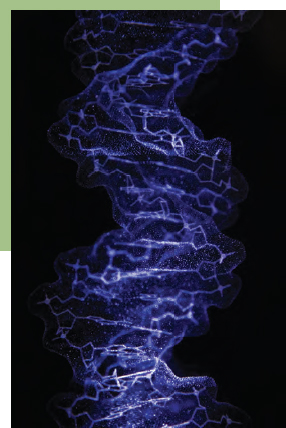
By the end of grade 12. In all organisms the genetic instructions for forming species’ characteristics are carried in the chromosomes. Each chromosome consists of a single very long DNA molecule, and each gene on the chromosome is a particular segment of that DNA. The instructions for forming species’ characteristics are carried in DNA. All cells in an organism have the same genetic content, but the genes used (expressed) by the cell may be regulated in different ways. Not all DNA codes for a protein; some segments of DNA are involved in regulatory or structural functions, and some have no as-yet known function.
LS3.B: VARIATION OF TRAITS
Why do individuals of the same species vary in how they look, function, and behave?
Variation among individuals of the same species can be explained by both genetic and environmental factors. Individuals within a species have similar but not identical genes. In sexual reproduction, variations in traits between parent and offspring arise from the particular set of chromosomes (and their respective multiple genes) inherited, with each parent contributing half of each chromosome pair. More rarely, such variations result from mutations, which are changes in the information that genes carry. Although genes control the general traits of any given organism, other parts of the DNA and external environmental factors can modify an individual’s specific development, appearance, behavior, and likelihood of producing offspring. The set of variations of genes present, together with the interactions of genes with their environment, determines the distribution of variation of traits in a population.
Grade Band Endpoints for LS3.B
By the end of grade 2. Individuals of the same kind of plant or animal are recognizable as similar but can also vary in many ways.
By the end of grade 5. Offspring acquire a mix of traits from their biological parents. Different organisms vary in how they look and function because they have different inherited information. In each kind of organism there is variation in the traits themselves, and different kinds of organisms may have different versions of the trait. The environment also affects the traits that an organism develops—differences in where they grow or in the food they consume may cause organisms that are related to end up looking or behaving differently.
By the end of grade 8. In sexually reproducing organisms, each parent contributes half of the genes acquired (at random) by the offspring. Individuals have two of each chromosome and hence two alleles of each gene, one acquired from each parent. These versions may be identical or may differ from each other.
In addition to variations that arise from sexual reproduction, genetic information can be altered because of mutations. Though rare, mutations may result in changes to the structure and function of proteins. Some changes are beneficial, others harmful, and some neutral to the organism.
By the end of grade 12. The information passed from parents to offspring is coded in the DNA molecules that form the chromosomes. In sexual reproduction, chromosomes can sometimes swap sections during the process of meiosis (cell division), thereby creating new genetic combinations and thus more genetic variation. Although DNA replication is tightly regulated and remarkably accurate, errors do occur and result in mutations, which are also a source of genetic variation. Environmental factors can also cause mutations in genes, and viable mutations are inherited. Environmental factors also affect expression of traits, and hence affect the probability of occurrences of traits in a population. Thus the variation and distribution of traits observed depend on both genetic and environmental factors.
Core Idea LS4
Biological Evolution: Unity and Diversity
How can there be so many similarities among organisms yet so many different kinds of plants, animals, and microorganisms?
How does biodiversity affect humans?
Biological evolution explains both the unity and the diversity of species and provides a unifying principle for the history and diversity of life on Earth. Biological evolution is supported by extensive scientific evidence ranging from the fossil record to genetic relationships among species. Researchers continue to use new and different techniques, including DNA and protein sequence analyses, to test and further their understanding of evolutionary relationships. Evolution, which is continuous and ongoing, occurs when natural selection acts on the genetic variation in a population and changes the distribution of traits in that population gradually over multiple generations. Natural selection can act more rapidly after sudden changes in conditions, which can lead to the extinction of species. Through natural selection, traits that provide an individual with an advantage to best meet environmental challenges and reproduce are the ones most likely to be passed on to the next generation. Over multiple generations, this process can lead to the emergence of new species. Evolution thus explains both the similarities of genetic material across all species and the multitude of species existing in diverse conditions on Earth—its biodiversity—which humans depend on for natural resources and other benefits to sustain themselves.
LS4.A: EVIDENCE OF COMMON ANCESTRY AND DIVERSITY
What evidence shows that different species are related?
Biological evolution, the process by which all living things have evolved over many generations from shared ancestors, explains both the unity and the diversity of species. The unity is illustrated by the similarities found betwen species; which can be explained by the inheritance of similar characteristics from related ancestors. The diversity of species is also consistent with common ancestry; it is explained by the branching and diversification of lineages as populations adapted, primarily through natural selection, to local circumstances.
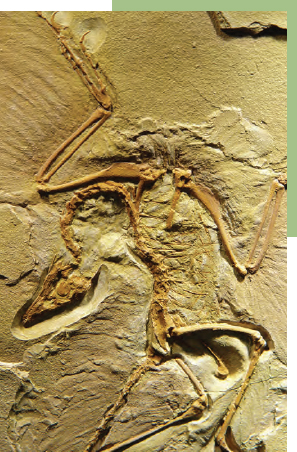
Evidence for common ancestry can be found in the fossil record, from comparative anatomy and embryology, from the similarities of cellular processes and structures, and from comparisons of DNA sequences between species. The understanding of evolutionary relationships has recently been greatly accelerated by using new molecular tools to study developmental biology, with researchers dissecting the genetic basis for some of the changes seen in the fossil record, as well as those that can be inferred to link living species (e.g., the armadillo) to their ancestors (e.g., glyptodonts, a kind of extinct gigantic armadillo).
Grade Band Endpoints for LS4.A
By the end of grade 2. Some kinds of plants and animals that once lived on Earth (e.g., dinosaurs) are no longer found anywhere, although others now living (e.g., lizards) resemble them in some ways.
By the end of grade 5. Fossils provide evidence about the types of organisms (both visible and microscopic) that lived long ago and also about the nature of their environments. Fossils can be compared with one another and to living organisms according to their similarities and differences.
By the end of grade 8. Fossils are mineral replacements, preserved remains, or traces of organisms that lived in the past. Thousands of layers of sedimentary rock not only provide evidence of the history of Earth itself but also of changes in organisms whose fossil remains have been found in those layers. The collection of fossils and their placement in chronological order (e.g., through the location of the sedimentary layers in which they are found or through radioactive dating) is known as the fossil record. It documents the existence, diversity, extinction, and change of many
life forms throughout the history of life on Earth. Because of the conditions necessary for their preservation, not all types of organisms that existed in the past have left fossils that can be retrieved. Anatomical similarities and differences between various organisms living today and between them and organisms in the fossil record enable the reconstruction of evolutionary history and the inference of lines of evolutionary descent. Comparison of the embryological development of different species also reveals similarities that show relationships not evident in the fully formed anatomy.
By the end of grade 12. Genetic information, like the fossil record, also provides evidence of evolution. DNA sequences vary among species, but there are many overlaps; in fact, the ongoing branching that produces multiple lines of descent can be inferred by comparing the DNA sequences of different organisms. Such information is also derivable from the similarities and differences in amino acid sequences and from anatomical and embryological evidence.
LS4.B: NATURAL SELECTION
How does genetic variation among organisms affect survival and reproduction?
Genetic variation in a species results in individuals with a range of traits. In any particular environment individuals with particular traits may be more likely than others to survive and produce offspring. This process is called natural selection and may lead to the predominance of certain inherited traits in a population and the suppression of others. Natural selection occurs only if there is variation in the genetic information within a population that is expressed in traits that lead to differences in survival and reproductive ability among individuals under specific environmental conditions. If the trait differences do not affect reproductive success, then natural selection will not favor one trait over others.
Grade Band Endpoints for LS4.B
By the end of grade 2. [Intentionally left blank.]
By the end of grade 5. Sometimes the differences in characteristics between individuals of the same species provide advantages in surviving, finding mates, and reproducing.
By the end of grade 8. Genetic variations among individuals in a population give some individuals an advantage in surviving and reproducing in their environment. This is known as natural selection. It leads to the predominance of certain traits in a population and the suppression of others. In artificial selection, humans have the capacity to influence certain characteristics of organisms by selective breeding. One can choose desired parental traits determined by genes, which are then passed on to offspring.
By the end of grade 12. Natural selection occurs only if there is both (1) variation in the genetic information between organisms in a population and (2) variation in the expression of that genetic information—that is, trait variation—that leads to differences in performance among individuals. The traits that positively affect survival are more likely to be reproduced and thus are more common in the population.
LS4.C: ADAPTATION
How does the environment influence populations of organisms over multiple generations?
When an environment changes, there can be subsequent shifts in its supply of resources or in the physical and biological challenges it imposes. Some individuals in a population may have morphological, physiological, or behavioral traits that provide a reproductive advantage in the face of the shifts in the environment. Natural selection provides a mechanism for species to adapt to changes in their environment. The resulting selective pressures influence the survival and reproduction of organisms over many generations and can change the distribution of traits in the population. This process is called adaptation. Adaptation can lead to organisms that are better suited for their environment because individuals with the traits adaptive to the environmental change pass those traits on to their offspring, whereas individuals with traits that are less adaptive produce fewer or no
offspring. Over time, adaptation can lead to the formation of new species. In some cases, however, traits that are adaptive to the changed environment do not exist in the population and the species becomes extinct. Adaptive changes due to natural selection, as well as the net result of speciation minus extinction, have strongly contributed to the planet’s biodiversity.
Adaption by natural selection is ongoing. For example it is seen in the emergence of antibiotic-resistant bacteria. Organisms like bacteria, in which multiple generations occur over shorter time spans, evolve more rapidly than those for which each generation takes multiple years.
Grade Band Endpoints for LS4.C
By the end of grade 2. Living things can survive only where their needs are met. If some places are too hot or too cold or have too little water or food, plants and animals may not be able to live there.
By the end of grade 5. Changes in an organism’s habitat are sometimes beneficial to it and sometimes harmful. For any particular environment, some kinds of organisms survive well, some survive less well, and some cannot survive at all.
By the end of grade 8. Adaptation by natural selection acting over generations is one important process by which species change over time in response to changes in environmental conditions. Traits that support successful survival and reproduction in the new environment become more common; those that do not become less common. Thus, the distribution of traits in a population changes. In separated populations with different conditions, the changes can be large enough that the populations, provided they remain separated (a process called reproductive isolation), evolve to become separate species.
By the end of grade 12. Natural selection is the result of four factors: (1) the potential for a species to increase in number, (2) the genetic variation of individuals in a species due to mutation and sexual reproduction, (3) competition for an environment’s limited supply of the resources that individuals need in order to survive and reproduce, and (4) the ensuing proliferation of those organisms that are better able to survive and reproduce in that environment. Natural selection leads to adaptation—that is, to a population dominated by organisms that are anatomically, behaviorally, and physiologically well suited to survive and reproduce in a specific environment. That is, the differential survival and
Adaptive changes due to natural selection, as well as the net result of speciation minus extinction, have strongly contributed to the planet’s biodiversity.
reproduction of organisms in a population that have an advantageous heritable trait leads to an increase in the proportion of individuals in future generations that have the trait and to a decrease in the proportion of individuals that do not. Adaptation also means that the distribution of traits in a population can change when conditions change.
Changes in the physical environment, whether naturally occurring or human induced, have thus contributed to the expansion of some species, the emergence of new distinct species as populations diverge under different conditions, and the decline—and sometimes the extinction—of some species. Species become extinct because they can no longer survive and reproduce in their altered environment. If members cannot adjust to change that is too fast or too drastic, the opportunity for the species’ evolution is lost.
LS4.D: BIODIVERSITY AND HUMANS
What is biodiversity, how do humans affect it, and how does it affect humans?
Human beings are part of and depend on the natural world. Biodiversity—the multiplicity of genes, species, and ecosystems—provides humans with renewable resources, such as food, medicines, and clean water. Humans also benefit from “ecosystem services,” such as climate stabilization, decomposition of wastes, and pollination that are provided by healthy (i.e., diverse and resilient) ecosystems. The resources of biological communities can be used within sustainable limits, but in many cases humans affect these ecosystems in ways—including habitat destruction, pollution of air and water, overexploitation of resources, introduction of invasive species, and climate change—that prevent the sustainable use of resources and lead to ecosystem degradation, species extinction, and the loss of valuable ecosystem services.
Grade Band Endpoints for LS4.D
By the end of grade 2. There are many different kinds of living things in any area, and they exist in different places on land and in water.
By the end of grade 5. Scientists have identified and classified many plants and animals. Populations of organisms live in a variety of habitats, and change in those habitats affects the organisms living there. Humans, like all other organisms, obtain living and nonliving resources from their environments.
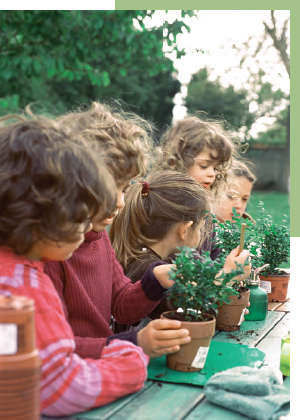
By the end of grade 8. Biodiversity is the wide range of existing life forms that have adapted to the variety of conditions on Earth, from terrestrial to marine ecosystems. Biodiversity includes genetic variation within a species, in addition to species variation in different habitats and ecosystem types (e.g., forests, grasslands, wetlands). Changes in biodiversity can influence humans’ resources, such as food, energy, and medicines, as well as ecosystem services that humans rely on—for example, water purification and recycling.
By the end of grade 12. Biodiversity is increased by the formation of new species (speciation) and decreased by the loss of species (extinction). Biological extinction, being irreversible, is a critical factor in reducing the planet’s natural capital.
Humans depend on the living world for the resources and other benefits provided by biodiversity. But human activity is also having adverse impacts on biodiversity through overpopulation, overexploitation, habitat destruction, pollution, introduction of invasive species, and climate change. These problems have the potential to cause a major wave of biological extinctions—as many species or populations of a given species, unable to survive in changed environments, die out—and the effects may be harmful to humans and other living things. Thus sustaining biodiversity so that ecosystem functioning and productivity are maintained is essential to supporting and enhancing life on Earth. Sustaining biodiversity also aids humanity by preserving landscapes of recreational or inspirational value.
REFERENCES
1. National Academy of Sciences and Institute of Medicine. (2008). Science, Evolution, and Creationism. Washington, DC: The National Academies Press.
2. National Research Council. (2008). The Role of Theory in Advancing 21st-Century Biology. Washington, DC: The National Academies Press.
3. National Research Council. (2009). A New Biology for the 21st Century. Washington, DC: The National Academies Press.
4. National Research Council. (1996). National Science Education Standards. National Committee for Science Education Standards and Assessment. Washington, DC: National Academy Press.
5. American Association for the Advancement of Science. (2009). Benchmarks for Science Literacy. Project 2061. Available: http://www.project2061.org/publications/bsl/online/index.php?txtRef=http%3A%2F%2Fwww%2Eproject2061%2Eorg%2Fpublications%2Fbsl%2Fdefault%2Ehtm%3FtxtRef%3D%26txtURIOld%3D%252Ftools%252Fbsl%252Fdefault%2Ehtm&txtURIOld=%2Fpublications%2Fbsl%2Fonline%2Fbolintro%2Ehtm [June 2011].
6. College Board. (2009). Science College Board Standards for College Success. Available: http://professionals.collegeboard.com/profdownload/cbscs-science-standards-2009.pdf [June 2011].
7. National Assessment Governing Board. (2009). Science Framework for the 2009 National Assessment of Educational Progress. Washington, DC: U.S. Government Printing Office. Available: http://www.nagb.org/publications/frameworks/science-09.pdf [June 2011].
8. National Center for Education Statistics. (2009). Program for International Student Assessment (PISA). Washington, DC: U.S. Department of Education. Available: http://nces.ed.gov/surveys/pisa/ [June 2011].
9. National Center for Education Statistics. (2007). Trends in International Mathematics and Science Study (TIMSS). Washington, DC: U.S. Department of Education. Available: http://nces.ed.gov/timss/ [June 2011].
10. Brewer, C., and Smith, D. (Eds.). (2011). Vision and Change in Undergraduate Biology Education. Washington, DC: American Association for the Advancement of Science.


