
In recent years, there has been renewed interest in mining uranium in the Commonwealth of Virginia. However, before any mining could begin, Virginia’s General Assembly would have to rescind a statewide moratorium on uranium mining that has been in effect since 1982. The National Research Council was commissioned to provide an independent review of the scientific, environmental, human health and safety, and regulatory aspects of uranium mining, processing, and reclamation in Virginia to help inform the public discussion about uranium mining and to assist Virginia’s lawmakers in their deliberations.
Beneath Virginia’s rolling hills, there are occurrences of uranium (Box NS.1), a naturally occurring radioactive element that can be used to make fuel for nuclear power plants. In the 1970s and early 1980s, work to explore these resources led to the discovery of a large uranium deposit at Coles Hill, located in Pittsylvania County in southern Virginia. However, in 1982 the Commonwealth of Virginia enacted a moratorium on uranium mining, and interest in further exploring the Coles Hill deposit waned.
In 2007, two families living in the vicinity of Coles Hill formed a company called Virginia Uranium, Inc. to begin exploring the uranium deposit once again. Since then, there have been calls for the Virginia legislature to lift the uranium mining moratorium statewide.
To help inform deliberations on the possibility of future uranium mining in Virginia, the Virginia Coal and Energy Commission requested that the National Research Council convene an independent committee of experts to write a report that described the scientific, environmental, human health and safety, and regulatory
BOX NS.1. What Is Uranium?
Uranium is a radioactive element found at low concentrations in virtually all rock, soil, and seawater. Significant concentrations of uranium can occur in phosphate rock deposits and minerals such as pitchblende and uraninite.
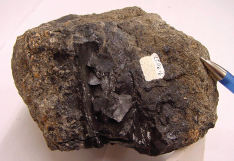
FIGURE NS.1 Photograph shows sample of the uranium-containing mineral uraninite. SOURCE. Photograph by Andrew Silver, Brigham Young University. Image courtesy of the U.S. Geological Survey.
aspects of mining and processing Virginia’s uranium resources. Additional letters supporting this request were received from U.S. Senators Mark Warner and Jim Webb and from Governor Kaine. The National Research Council study was funded under a contract with the Virginia Center for Coal and Energy Research at Virginia Polytechnic Institute and State University (Virginia Tech). Funding for the study was provided to Virginia Tech by Virginia Uranium, Inc. The expert members of the National Research Council committee served as volunteers, without payment for their time, for the 18-month period during which the study was conducted.
The resulting report is intended to provide an independent scientific and technical review to inform the public and the Virginia legislature. The report does not focus on the Coles Hill deposit, but instead considers uranium mining, processing, and reclamation in the Commonwealth of Virginia as a whole. The committee was not asked to consider the benefits of uranium mining either to the nation or to the local economy, nor was it asked to assess the relative risks of uranium mining compared with the mining and processing of other energy sources, for example coal. The committee was also not asked to make any recommendations about whether or not uranium mining should be permitted in the Commonwealth of Virginia.
WHAT IS URANIUM USED FOR?
The main commercial use of uranium is to make fuel for nuclear power reactors, which provide 20 percent of electricity generation in the United States. As with power stations fueled by fossil fuels such as coal or natural gas, nuclear power stations heat water to produce steam that in turn drives turbines to generate electricity. In a nuclear power station, the nuclear fission of uranium atoms replaces the burning of coal or gas as the energy source.
PREDICTING FUTURE DEMAND FOR URANIUM
The market for uranium is driven by the electric power industry’s need for nuclear power. As of November 2011, the United States has 104 nuclear reactors in operation, and in 2011 these reactors required 20,256 short tons (18,376 metric tonnes, as shown in Figure NS.2) of concentrated uranium. Projections for future energy use by the Nuclear Energy Agency and the International Atomic Energy Agency show that by 2035, reactors in the United States are expected to require between 12,000 and 25,000 tons of uranium per year. In 2010, the United States imported more than 90 percent of the uranium that it needed to fuel its nuclear power stations.
Understanding future uranium demand is difficult because it is hard to predict when aging reactors will be retired, and when new reactors will be constructed. Also, unanticipated events at nuclear power plants, such as the Chernobyl or Fukushima accidents, could affect how people and governments plan for and utilize nuclear power. This affects demand for nuclear energy and, therefore, uranium.
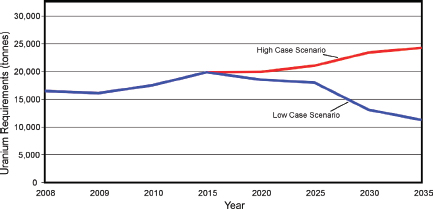
FIGURE NS.2 Projections for uranium requirements to fuel nuclear reactors in the United States through 2035. SOURCE: Compiled from data in NEA/IAEA (2010).
WHERE DOES THE SUPPLY OF URANIUM COME FROM?
Uranium comes from mining uranium ore deposits, from existing stockpiles held by government and commercial entities, and from recycling uranium from sources such as spent nuclear fuel from nuclear power plants and nuclear warheads. In 2009, world uranium mining fulfilled 74 percent of world reactor requirements, and the remaining 26 percent came from secondary sources such as stockpiles and decommissioned warheads.
Uranium was produced in 20 countries in 2010, but eight countries accounted for more than 92 percent of the world’s uranium production (see Figure NS.3). The United States accounted for 3 percent of global uranium production. Overall, world uranium primary production increased steadily between 2000 and 2009, with Kazakhstan, Namibia, Australia, Russia, and Brazil showing marked increases between 2006 and 2009 to offset decreased production in Canada, Niger, the United States, and the Czech Republic. In the United States, production increased markedly from 2003 to 2006, but then slowed due to operational challenges and lower uranium prices.
Geological exploration has identified more than 55 occurrences of uranium in Virginia (see Figure NS.4). These are located primarily in the Piedmont and Blue Ridge regions. For a uranium occurrence to be considered a commercially
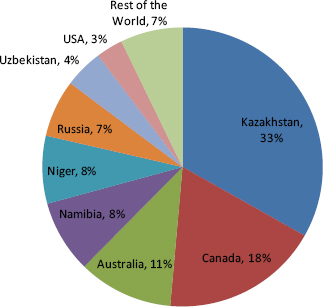
FIGURE NS.3 World uranium production in 2010. Eight countries accounted for more than 92 percent of global uranium production. SOURCE: WNA (2011b).
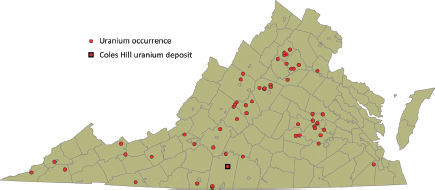
FIGURE NS.4 Uranium occurrences (not necessarily uranium ore deposits) identified in Virginia so far. The red square in the lower, central portion of the map indicates the Coles Hill deposit. SOURCE: Adapted from Lassetter (2010).
exploitable source of uranium ore, it must be of sufficient size, appropriate grade (have enough uranium compared with the other rock in the deposit), and be amenable to mining and processing. Of the sites explored in Virginia so far, only the deposit at Coles Hill is large enough, and of a high enough grade, to be potentially economically viable.
LIFE CYCLE OF A URANIUM MINE AND PROCESSING FACILITY
The process of taking uranium ore out of the ground and transforming it into yellowcake (Box NS.2), as well as the cleanup and reclamation of the site during mining and processing operations and after operations have ceased, includes several components:
• Mining: There are three types of mining that could be used to extract uranium ore from the ground. These are open-pit mining, underground mining, and in situ (“in place”) leaching/in situ recovery (ISL/ISR—the process of recovering the uranium from the ground by dissolving the uranium minerals in liquid underground and then pumping that liquid to the surface, where the uranium is then taken out of the solution). In effect, ISL/ISR combines mining and some of the processing steps. The choice of mining method depends on many factors, including the quality and quantity of the ore, the shape and depth of the ore deposit, the type of rock surrounding the ore deposit, and a wide range of site-specific environmental conditions. Because of the geology in the Commonwealth of Virginia, it is very unlikely that ISL/ISR can be used to extract uranium anywhere in the state. Accordingly, the report focuses on conventional mining—open-pit
BOX NS.2. What Is Yellowcake?
Yellowcake is the concentrated form of uranium oxide made by processing uranium ore. Yellowcake is refined, enriched, and undergoes chemical conversion in specialized uranium enrichment facilities to produce fuel for nuclear power plants.
mining and underground mining, and the processing of the ore that comes from conventional mines.
• Processing: After the ore from conventional mines is removed from the ground, it must be processed to remove impurities and produce yellowcake. This involves both physical processes (such as crushing and/or grinding) and chemical processes (i.e., dissolving uranium from ore using acids or bases, called leaching). Separation, drying, and packaging are also part of the sequence of uranium processing steps. The choice of the type of processing depends on the nature of the uranium ore and its host rock, as well as environmental, safety, and economic factors. During uranium ore processing, several waste products are created, including tailings or leached residue (the solid waste remaining after recovery of uranium in a processing plant, see Box NS.3), and wastewater.
• Reclamation: Reclamation and cleanup to return the site to as close as possible to its pre-mining state can occur either while the site is being mined, or after mining and processing operations have ceased. Reclamation includes decontamination and cleanup, such as demolition of buildings and other structures, to prepare the area of the mining site and processing facility for other uses, and on-site or off-site waste disposal. After mining and processing have stopped and the site has been reclaimed, a large volume of low-activity tailings usually remains. In that case, reclamation may include long-term operation and maintenance of water treatment systems or other cleanup technologies.
BOX NS.3. What Are Tailings?
The solid waste remaining after recovery of uranium from uranium ore in a processing plant are the “tailings.” Tailings consist of everything that was in the ore except the extracted uranium. Tailings from uranium mining and processing operations contain radioactive materials remaining from the radioactive decay of uranium, such as thorium and radium. Tailings are typically neutralized and compacted to reduce water content, and then stored in tailings impoundment facilities either above or below the local ground surface; modern best practice is for storage below the ground surface.
• Long-term stewardship: After reclamation, ownership of the parts of the processing site containing tailings passes to either the federal or the state government, which is charged with maintaining the site in perpetuity. Ownership of a mine site on private land typically is retained by the property owner. If the mine is on state or federal land, then the state or federal government will retain ownership. If wastes such as tailings remain at a site, ongoing monitoring, operations, and maintenance will be required, as well as signage and barriers to keep the public from being exposed to any remaining environmental hazards.
URANIUM MINING AND PROCESSING IN VIRGINIA
Extensive site-specific analysis is required to determine the appropriate mining and processing methods for each ore deposit, and therefore it is not possible to predict which uranium mining or processing methods might be used in Virginia without more information on the specific uranium deposits to be mined.
The geological exploration carried out so far indicates that potential uranium deposits in Virginia are likely to be found in hard rock (as opposed to “soft” rock such as coal), making underground mining and/or open-pit mining the mining methods that would probably be chosen. It is likely that many of the technical aspects of mining for uranium would be essentially the same as those for other types of hard-rock mining.
However, uranium mining and processing add another dimension of risk because of the potential for exposure to elevated concentrations of ionizing radiation from uranium and its decay products (see Box NS.4). Assessing the entire life cycle of an operation—from mining to long-term stewardship—is an essential component for planning the extraction of uranium deposits, with each step requiring interaction and communication among all stakeholders.
BOX NS.4. What Is Ionizing Radiation?
Ionizing radiation is energy in the form of waves or particles that have sufficient force to remove electrons from atoms. One source of ionizing radiation is the nuclei of unstable atoms, such as uranium (these unstable atoms are called radionuclides). As the radioactive atoms change over time to become more stable, they emit ionizing radiation and transform into an isotope of another element in a process called radioactive decay. The time required for the radioactivity of each radionuclide to decrease to half its initial value is called the half-life. This radioactive decay process continues until a stable, non-radioactive decay product is formed.
POTENTIAL HEALTH EFFECTS OF
URANIUM MINING AND PROCESSING
Uranium mining and processing present a range of potential health risks to the people who work in, or live near, uranium mining and processing facilities. Although some of these health risks would apply to any type of hard-rock mining or other large-scale industrial or construction activity, other health risks are linked to the potential for exposure to radioactive materials that can occur during uranium mining and processing. These health risks mostly affect workers in the uranium mining and processing facilities, but some risks can also apply to the general population.
Health Risks of Radiation Exposure
People are exposed to background levels of ionizing radiation every day. About 50 percent of this radiation comes from natural sources, including radon (see Box NS.5) from rocks and cosmic radiation, and the remaining 50 percent from man-made radiation sources, such as computed tomography (i.e., CT scans) and nuclear medicine (Figure NS.5). However, working in, and to a lesser extent living near, a uranium mining or processing facility could increase a person’s exposure to ionizing radiation, thereby increasing the potential for adverse health effects.
Ionizing radiation (hereafter just called radiation) has enough energy to change the structure of molecules, including DNA within the cells of the body. Some of these molecular changes are such that it may be difficult for the body’s repair mechanisms to mend them correctly. If a cell is damaged by exposure to radiation and is not effectively repaired, this can lead to uncontrolled cell growth and potentially to cancer. There is a linear relationship between exposure to radiation and cancer development in humans. This means that even exposure to a very small amount of radiation could raise the risk of cancer, but only by a very small amount; increased radiation exposure leads to increased risk. Only a small fraction of the molecular changes to DNA as a result of exposure to radiation would be expected to result in cancer or other health effects.
As well as uranium itself, the radionuclides produced in the uranium decay chain are also a source of radiation. Because uranium-238 is the predominant
BOX NS.5. What Is Radon?
Radon is an odorless, colorless gas produced during the radioactive decay of radium in soil, rock, and water. Protracted exposure to radon and its radioactive decay products can cause lung cancer.
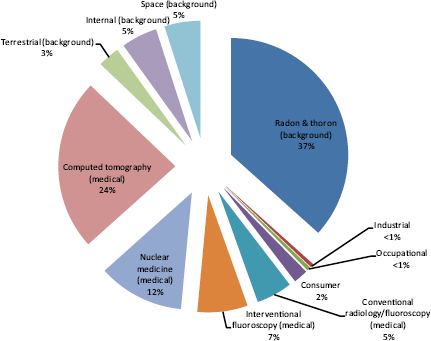
FIGURE NS.5 Contribution of various sources of radiation exposure to the total effective radiation dose equivalent per individual in the United States for 2006. SOURCE: NCRP (2009).
form of uranium found in rock, the radionuclides produced in the uranium-238 decay chain are of the most concern in terms of health risks for the people who work in or live near uranium mines and processing facilities. The key radio nuclides in the decay of uranium-238 are thorium, radium, radon, and polonium.
Risk of Radiation Exposure to the General Public
Any exposure to the general population resulting from off-site releases of radionuclides (such as airborne radon decay products, airborne radioactive particles, and radium in water supplies) presents some health risk. People living near uranium mines and processing facilities could be exposed to airborne radio-nuclides (e.g., radon, radioactive dust) originating from various sources including uranium tailings, waste rock piles, or wastewater impoundments. Exposure could also occur from the release of contaminated water, or by leaching of radioactive materials into surface or groundwater from uranium tailings or other waste materials.
Eventually, released radioactive materials could end up in drinking water supplies or could accumulate in the food chain, ultimately ending up in the meat, fish, or milk produced in the area.
Note that these potential health risks could be substantially mitigated and controlled if uranium mining and processing are conducted according to modern, state-of-the-art methods, including maintaining exposures as low as is reasonably achievable, and if a culture of safety is developed at the mine and processing facility. A robust regulatory framework could help drive such a culture. A mine or processing facility could also be subject to uncontrolled releases of radioactive materials as a result of human error or an extreme event such as a flood, fire, or earthquake.
Risk of Radiation Exposure to Uranium Mine and
Processing Facility Workers
Worker radiation exposures most often occur from inhaling or ingesting radioactive materials, or through external radiation exposure. Generally, the highest potential radiation-related health risk for uranium workers is lung cancer associated with inhaling the radioactive decay products of radon gas, which are generated during the natural radioactive decay of uranium.
In 1987, the National Institute for Occupational Safety and Health (NIOSH) in the Centers for Disease Control and Prevention recognized that current occupational standards for radon exposure in the United States do not provide adequate protection for workers at risk of lung cancer from protracted radon decay exposure. NIOSH recommended that the occupational exposure limit for radon decay products should be reduced substantially. To date, this recommendation has not been incorporated into an enforceable standard by the Department of Labor’s Mine Safety and Health Administration or the Occupational Safety and Health Administration. Workers are also at risk from exposure to other radionuclides, including uranium itself. In particular, radium and its decay products present a radiation hazard to uranium miners and processors.
Nonradionuclide Health Effects on Mine Workers
Radiation is not the only health hazard to workers in uranium mines and processing facilities. Two other notable risks are the inhalation of silica dust and diesel exhaust fumes. Neither of these is specific to uranium mining, but both have been prevalent historically in the uranium mining and processing industry—silica because uranium ore is frequently (but certainly not always) hosted in silica-containing hard rock; and diesel exhaust fumes because modern mining is typically diesel-equipment intensive.
Silica overexposure can cause the chronic lung disease silicosis as well as other lung and non-lung health problems, while diesel exhaust fumes have been
linked to a variety of adverse respiratory health effects. Of particular importance, however, is the body of evidence from occupational studies showing that both silica and diesel exhaust fumes increase the risk of lung cancer, the main risk also associated with radon decay product exposure. Thus, workers in the uranium mining and processing industry can be co-exposed to three separate lung carcinogens: radon, silica, and diesel exhaust fumes.
All types of mining pose a risk of traumatic injury from accidents such as rock falls, fire, explosions, falls from height, entrapment, and electrocution. In addition, the mining industry has the highest prevalence of hazardous noise exposure of any major industry sector. Processing facility workers are also at risk from exposure to hazardous chemicals used in the uranium recovery process, such as solvents, cleaning materials, and strong acids.
POTENTIAL ENVIRONMENTAL EFFECTS OF
URANIUM MINING AND PROCESSING
Documented environmental impacts from uranium mining and processing include elevated concentrations of trace metals, arsenic, and uranium in water; localized reduction of groundwater levels; and exposures of populations of aquatic and terrestrial biota to elevated levels of radionuclides and other hazardous substances. Such impacts have mostly been observed at mining facilities that operated at standards of practice that are generally not acceptable today. Designing, constructing, and operating uranium mining, processing, and reclamation activities according to the modern international best practices noted in this report have the potential to substantially reduce near- to moderate-term environmental effects. The exact nature of any adverse impacts from uranium mining and processing in Virginia would depend on site-specific conditions and on the nature of efforts made to mitigate and control these effects.
Tailings
Uranium tailings present a significant potential source of radioactive contamination for thousands of years, and therefore must be controlled and stored carefully. Over the past few decades, improvements have been made to tailings management systems to isolate tailings from the environment, and below-grade disposal practices have been developed specifically to address concerns regarding tailings dam failures. Modern tailings management sites are designed so that the tailings remain segregated from the water cycle, to control mobility of metals and radioactive contaminants, for at least 200 years and possibly up to 1,000 years. However, because monitoring of tailings management sites has only been carried out for a short period, monitoring data are insufficient to assess the long-term effectiveness of tailings management facilities designed and constructed according to modern best practices.
Furthermore, Virginia is subject to relatively frequent storms that produce intense rainfall. It is questionable whether tailings repositories using state-of-the-art design, modeling, and monitoring design could be expected to prevent erosion and surface-water and groundwater contamination for as long as 1,000 years. Natural events such as hurricanes, earthquakes, extreme rainfall events, or drought could lead to the release of contaminants if facilities are not designed and constructed to withstand such events, or if they fail to perform as designed. The failure of a tailings facility could lead to significant human health and environmental effects. Failure of an aboveground tailings dam, for example, due to flooding, would allow a significant sudden release of ponded water and solid tailings into rivers and lakes.
The precise impacts of any uranium mining and processing operation would depend on a range of specific factors for the particular site. Therefore, a thorough site characterization, supplemented by air quality and hydrological modeling, would be essential for estimating any potential environmental impacts and for designing facilities to mitigate potential impacts. Additionally, until comprehensive site-specific risk assessments are conducted, including accident and failure analyses, the short-term risks associated with natural disasters, accidents, and spills remain poorly defined.
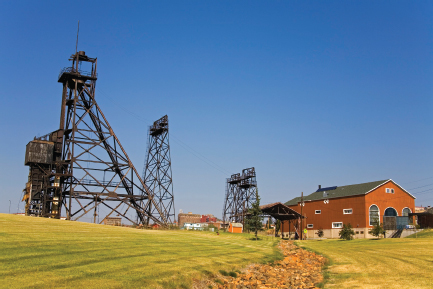
FIGURE NS.6 Underground mine head frame and hoist room. SOURCE: Courtesy Richard Cummins/SuperStock.
REGULATION AND OVERSIGHT
Multiple laws, regulations, and policies apply to uranium mining, processing, reclamation, and long-term stewardship activities in the United States. Understanding the complex network of laws and regulations, which are the responsibility of numerous federal and state agencies, can be difficult.
Making Regulations Proactive
The laws and regulations relevant to uranium mining and processing were enacted over the past 70 years, and many were created following a crisis or after recognition that there were gaps in laws or regulations. Standards contained in regulatory programs represent only a starting point for establishing a protective and proactive program for defending worker and public health, environmental resources, and the ecosystem. A culture is required in which worker and public health, environmental resources, and ecological resources are highly valued, continuously assessed, and actively protected.
Coordinating Regulations Across Multiple Agencies and
Levels of Government
Because the laws, regulations, and policies governing uranium mining and processing depend on the type of mining activity and the location of the work, they are spread across numerous federal and state agencies. Mining activities on non-federally owned land are not regulated by federal agencies or programs—state laws and regulations have exclusive jurisdiction over these mining activities. Depending on the particular characteristics of a specific facility, a mix of federal and state worker protection laws, as well as federal and state environmental laws, apply to potential air, water, and land pollution resulting from uranium mining activities.
Limited Experience in the United States and Virginia
The U.S. federal government has had only limited experience regulating conventional uranium mining, processing, and reclamation over the past two decades, with little new open-pit and underground uranium mining activity in the United States since the late 1980s. As shown in Figure NS.2, in 2010 the United States accounted for approximately 3 percent of worldwide uranium production. This relatively low level of recent experience with uranium mining and processing has had a predictable effect on federal laws and regulations—they have remained in place, with very few changes, for the past 25 years. Both the U.S. Environmental Protection Agency and the U.S. Nuclear Regulatory Commission have recently revised, or are in the process of revising, some of these regulations. The U.S.
federal government has considerable experience attempting to remediate contamination due to past, inappropriate practices at closed or abandoned sites.
In the recent past, most uranium mining and processing has taken place in parts of the United States that have a negative water balance (i.e., dry climates with low rainfall), and consequently federal agencies have little experience developing and applying laws and regulations in locations with abundant rainfall and groundwater, and a positive water balance (i.e., wet climates with medium to high rainfall), such as Virginia.
Because of Virginia’s moratorium on uranium mining, it has not been necessary—or allowed—for the Commonwealth’s agencies to develop a regulatory program that is applicable to uranium mining, processing, and reclamation. The state does have programs that cover hard-rock mining and coal mining. At present, there are substantial gaps in legal and regulatory coverage for activities involved in uranium mining, processing, reclamation, and long-term stewardship. Some of these gaps have resulted from the moratorium on uranium mining that Virginia has in place; others are gaps in current laws or regulations, or in the way that they have been applied.
Public Participation in the Regulation of
Uranium Mining, Processing, and Reclamation
Because of concerns about the negative effects of uranium mining and processing facilities on human and environmental health and welfare, members of the public often express interest in participating during the regulatory process for such facilities. Requirements for public participation—the two-way exchange between regulators and the public in advance of regulatory decisions so that the public can receive information and make comments—apply to both federal and state regulatory processes.
However, under the current regulatory structure, opportunities for meaningful public involvement are fragmented and limited. Key points in the regulatory process for public participation include the promulgation of regulations of general applicability, the licensing of particular facilities, and the development of post-closure plans for facility reclamation and long-term stewardship. To participate in the regulatory process, members of the public need to be aware of—and be able to respond to—actions such as rulemaking by a range of different state and federal agencies. The “Virginia Regulatory Town Hall” could provide an online means of coordinating information and opinion exchanges about upcoming regulatory changes related to mining. However, at present the Regulatory Town Hall does not offer transparent cross-agency coordination by topic.
During the licensing of particular mining facilities, explicit opportunities for public participation through the Division of Mineral Mining of the Department of Mines, Minerals, and Energy are currently limited to adjacent landowners. The U.S. Nuclear Regulatory Commission (USNRC) has a more robust approach to
public participation in licensing a uranium processing facility. Its regulations require the USNRC to conduct an Environmental Impact Statement, during which pre-licensing public meetings or hearings will be held in the vicinity of the proposed facility. There is no evidence at present that members of the public would be included in deliberations about post-closure plans at the time those plans would be implemented.
BEST PRACTICES
This report provides information to the Virginia legislature as it weighs the factors involved in deciding whether to allow uranium mining. The report describes a range of potential issues that could arise if the moratorium on uranium mining is lifted, as well as providing information about best practices that would be applicable over the full uranium extraction life cycle.
There are internationally accepted best practices, founded on principles of openness, transparency, and public involvement in oversight and decision making, that could provide a starting point for Virginia if the moratorium were to be lifted. For example, guidelines produced by the World Nuclear Association, International Atomic Energy Agency, and International Radiation Protection Association could provide a basis from which specific requirements for any uranium mining and processing projects in Virginia could be developed. Laws and regulations from other states (e.g., Colorado) and other countries (e.g., Canada) provide examples of how certain of these best practices have been incorporated into uranium mining, processing, reclamation, and long-term stewardship programs.
The specific characteristics of any uranium mining or processing facility in the Commonwealth of Virginia would depend on the unique features of the site. Therefore, a detailed compilation of internationally accepted best practices would undoubtedly include many that would not be applicable to a specific situation in Virginia. Accordingly, the report outlines three overarching best-practice concepts, and then provides specific suggestions for best practices that are likely to be applicable should the moratorium on uranium mining in Virginia be lifted:
• Plan at the outset of the project for the complete life cycle of mining, processing, and reclamation, with regular reevaluations.
Uranium mining has planning, construction, production, closure, and long-term stewardship phases. Planning should take all aspects of the process into account—including the eventual closure, site remediation, and return of the affected area to as close to natural condition as possible—prior to initiation of any project. Good operating practice is to carry out site and waste remediation on a continual basis during operation of the mine, thereby reducing the time and costs for final decommissioning, remediation, and reclamation.
• Engage and retain qualified experts.
Development of a uranium mining project should rely on experts and experienced professionals who are familiar with internationally accepted best practices. This would help to ensure that project development is based on an integrated and cross-disciplinary collaboration encompassing all all aspects of the project, including legal, environmental, health, monitoring, safety, and engineering considerations.
• Provide meaningful public involvement in all phases of uranium mining, processing, reclamation, and long-term stewardship.
Meaningful and timely public participation should occur throughout the life cycle of a project, beginning at the earliest stages of project planning. This requires that an environment be created where the public is both informed about, and can comment on, any decisions that could affect their community. One important contribution to transparency is the development of a comprehensive Environmental Impact Statement for all proposed uranium mining, processing, and reclamation activities. Another requirement is that sufficient notice be provided to allow the public time to participate in the regulatory process, and that information be presented clearly so that the public can easily understand it. The public should also be able to understand how their input will be used in the decision-making process.
Specific Best Practices
At a more specific level, the committee also identified a range of best-practice guidelines that would contribute to operational and regulatory planning if the moratorium on uranium mining in Virginia were to be lifted.
Health Impacts
Best practices for safeguarding worker health include the use of personal meters to monitor workers’ exposure to radiation, including radon decay products, and a national radiation dose registry to record workers’ occupational exposures to ionizing radiation. This would make it easier for workers to track their exposure to radiation as they move from site to site.
Environmental Impacts
A well-designed and executed monitoring plan is essential for gauging the performance of best practices to limit environmental impacts, determining and demonstrating compliance with regulations, and triggering corrective actions if needed. Making the monitoring plan available to the public would help foster
transparency and public participation. Regular updates to the monitoring plan, along with independent reviews, would allow the incorporation of new knowledge and insights gained from analysis of monitoring data. In addition, best practice is to undertake an assessment of the appropriate mitigation and remediation options that would be required to minimize any potential environmental impacts.
Regulation
Regulatory programs are inherently reactive. As a result, the standards contained in regulatory programs represent a starting point for establishing a protective and proactive program for protecting worker and public health, environmental resources, and ecosystems. The concept of ALARA, an acronym for “as low as is reasonably achievable,” is one way of enhancing regulatory standards.
CONCLUSION
If the Commonwealth of Virginia removes the moratorium on uranium mining, there are steep hurdles to be surmounted before mining and processing could be established in a way that is appropriately protective of the health and safety of workers, the public, and the environment. There is only limited experience with modern underground and open-pit uranium mining and processing in the United States, and no such experience in Virginia. At the same time, there exist internationally accepted best practices that could provide a starting point for the Commonwealth if it decides to lift its moratorium. After extensive scientific and technical briefings, substantial public input, the review of numerous documents and extensive deliberations, the committee is convinced that the adoption and rigorous implementation of such practices would be necessary if uranium mining, processing, and reclamation were to be undertaken.


