
Factors Influencing Workforce Effectiveness and Resilience
This chapter includes sessions that examined work-related stressors from both workshops. These presentations and discussions were used to provide a broad understanding of workforce stressors and how they affect individual and organizational resilience.
In the September 2011 workshop, Dr. Bryan Vila from Washington State University presented the effects of sleep and fatigue on the resilience of law enforcement personnel.
The November 2011 workshop includes a series of presentations devoted to exploring workforce issues and stressors that affect resilience. These presentations looked at organizational level factors that influence resilience, and several include descriptions of possible interventions to address this concerns.
Dr. David Woods presented an overview of issues common in high-reliability organizations (HROs)1 and complex adaptive systems that disrupt organizational resilience. Dr. Ellen Kossek’s presentation discussed how job structures affect employees’ ability to balance their professional and personal obligations, as well as decrease workforce productivity. Dr. Kimberly Smith-Jentsch presented information on how team stress influences both organizational and individual effectiveness.
The role of leadership in promoting and supporting resilience was a theme of many presentations at the September 2011 workshop. In order to explore this issue in more depth, the planning committee invited Col. Paul Bliese to discuss the evidence demonstrating the effect of leadership
____________
1High-reliability organizations (HROs) perform extremely well despite high difficulty and hazards where the consequences of failures are high (Sutcliffe and Vogus, 2003; Weick et al., 1999).
on resilience and Stephanie Lombardo to describe DHS’s new Leadership Development Program.
The last two presentations in the chapter include an overview of the National Security Agency’s (NSA’s) health and wellness program design by Rebecca Pille, and a health and wellness framework developed by the Defense Centers of Excellence for Psychological Health & Traumatic Brain Injury (DCoE) by Dr. Mark J. Bates.
Although these presentations range broadly they are tied together by cross-cutting themes that illustrate the interrelationship between organizational and individual stressors and resilience (see Box 4-1).
BOX 4-1
Themes from Individual Speakers on Factors Influencing Workforce Effectiveness and Resilience
- The role of leadership
- Relationship between team/unit effectiveness and individual resilience
- Relationship between physical and mental well-being in resilience
- Balance between personal and professional obligations on resilience
- Understanding organizational cultures in designing interventions
- Role of evidence and performance measurement in developing and improving interventions
Dr. Bryan Vila is currently a professor of Criminal Justice and Director of the Simulated Hazardous Operational Tasks Lab in the Sleep & Performance Research Center at Washington State University in Spokane. Prior to his research career Vila served as a police officer for 15 years, first in the Los Angeles County Sheriffs Department, then as director of law enforcement and security for the Trust Territory of the Pacific Islands in Micronesia. He also worked for 2 years as chief of the Department of the Interior’s Emergency Preparedness Branch. Vila’s research has focused on the impact of fatigue on police officer performance, health and safety issues, and other factors that affect police performance in a work environment.
In starting his presentation, Vila noted that there has been a steady decline since 1980 in the proportional number of police officers killed annually. The same is true for accidental deaths. Although the Centers for Disease Control and Prevention (CDC) collected national occupational mortality statistics for police officers only from 1984 to 1998, information during that time suggests that suicide rates among police officers tend to be as high as felonious or accidental deaths. Additional information about DHS concerns with sleep and fatigue can be found in Chapter 2.
Fatigue and Resilience
Vila stated that human beings are built to work during the day and sleep at night. Fatigue associated with sleep loss, work hours, and circadian factors affect the ability to form sound judgments, deal with complex and stressful situations, and assess fatigue-related impairments. Fatigue narrows an individual’s perceptions, increases anxiety and fearfulness, reduces his or her perspective and understanding, and degrades cognitive ability. Fatigue also increases irritability, hostility, and the tendency to shift blame. Vila contends that fatigue reduces resilience
There is a persistent struggle for law enforcement managers to balance the demands for services with the resources available. Often the managers’ ability to push back when the demands exceed the capacity of the available resources is limited. As a result, managers are then forced to increase work load on the staff, which leads to increased job stress. Although everybody likes being able to do their job, nobody likes being tasked with the impossible.
Vila presented a model from the new edition of Principles and Practices of Sleep Medicine that characterizes the impacts of fatigue for first responders, the military, and police. This model includes the standard medical model for thinking about resilience. There are three central factors within the model (1) how much sleep you get, (2) what is the circa-dian phase, and (3) what is the domestic life like (Kryger et al., 2005). Those factors together affect the ability to cope with challenges.
Day-to-day fatigue reduces the ability to handle change. Short-term sleep loss affects performance, leading to on-duty events that most frequently kill or seriously harm law enforcement officers such as traffic crashes and confrontations.
Chronic Fatigue
Career-long fatigue or chronic fatigue elevates the risk of cardiovascular, gastrointestinal, and metabolic diseases, such as diabetes. Chronic fatigue increases the risk of chronic insomnia, sleep apnea, and psychological disorders such as depression, suicide, and family dysfunction. There are many causes of chronic fatigue such as sleep disruption due to shift work, schedule changes, overtime, and extra shifts. Additionally, during their hours off of work many officers moonlight or choose family, personal, and recreational activities over sleep. They may have personal obligations such as watching their children, and/or choose to use their time off for leisure activities like fishing. Addressing these issues requires a cooperative effort between labor and management. Both managers and employees bear responsibility for part of the solution, but if either side does not address its piece, the solutions will fail. To increase everyone’s understanding of the importance of this issue, it is necessary to educate both groups. Although one size does not fit all, the process can translate across many environments.
Fatigue fuels a vicious cycle for the organization as well as the individual. Because fatigue decreases attentiveness, impairs physical and cognitive functioning, and worsens mood, it increases absenteeism, which results in the need for other staff to pick up the load, which then cycles back to increased fatigue.
Fatigue Research
A number of studies examine the effects of fatigue on law enforcement officers and first responders. The National Institute for Occupational Safety and Health (NIOSH) has a cohort study in Buffalo, New York, including more than 80 percent of the police officers in the Buffalo police department. About 500 participants and nearly a thousand measures look at the impact of police work and job stress on cardio-metabolic factors. The National Institute of Mental Health (NIMH) and the National Institute of Justice also are funding a 6-year prospective study of post-traumatic stress disorder (PTSD), starting with police recruits and moving forward across their careers. Another good example is the NIOSH-funded Safety & Health Improvement: Enhancing Law Enforcement Departments (SHIELD) program at the Oregon Health and Science University, which is developing a novel peer-based health promotion education.
Another tool under research involves using wrist actigraphs to provide an objective measure of how much sleep an individual has gotten. Actigraph data are then entered into a mathematical performance model, which was developed by the Department of Defense (DOD) and Department of Transportation to identify when people are at risk, and when they are better able to perform their jobs safely. Although existing models examined these issues at the organizational level, they are now being adapted to predict fatigue at the individual level.
Vila noted that there are many knowledge gaps. How do you measure resilience? What are your baseline measures? How can you measure fatigue risks for law enforcement officers? Is it best to look at the effect of fatigue on situational resilience? What are the maximum safe hours on duty for different assignments? What is the ideal timing of shift changes? Can you measure staffing and distraction in patrol vehicles? The research is continuous.
HIGH-RELIABILITY ORGANIZATIONS AND COMPLEX ADAPTIVE SYSTEMS
Dr. David Woods is a professor in the Institute of Ergonomics at Ohio State University, and he leads the university-wide initiative on Complexity in Natural, Social and Engineered Systems. He provided an overview of issues common in HROs and complex adaptive systems and how they relate to Department of Homeland Security’s (DHS’s) organizational resilience. Woods discussed systems-level resilience and brittleness and made observations about the challenges DHS faces in developing an overall resilience strategy. Reiterating a common theme throughout the workshop series, Woods noted there is a language problem between different communities involved in resilience and resilience-related work. The languages in these various fields of research have evolved in different ways, and often the same words are used to mean very different things, and different words are used to mean exactly the same things.
High-Reliability Organizations and Resilience
Woods summarized the five basic characteristics of HROs: preoccupation with failure, reluctance to simplify, sensitivity to operations, commitment to resilience, and deference to expertise. For example, pre-occupation
with failure means that at every level within HROs, people do not rest on past successes but recognize that the future may hold surprises as well as new vulnerabilities and risks. Thus, research on HROs has revealed some of the components of proactive safety management. Proactive safety management within HROs and other complex systems is more than just rebounding from a stressful event. HROs are able to anticipate and prepare for new threats. The commitment to the characteristic of resilience involves both aspects. To be able to anticipate and recognize emerging threats requires information flowing within the HRO. The characteristics of sensitivity to operations and deference to expertise are critical to interpreting incoming information to recognize new threats.
Woods provided examples of organizations that have failed because of a lack of resilience—otherwise known as brittleness (Woods, 2005). Some factors that can increase brittleness of a system include intense short-term efficiency and productivity pressure. Increasingly autonomous machines also tend to be brittle unless the system design provides mechanisms that make the machine a team player with other groups, roles, and people. When the joint system of people and automated machines is poorly designed, people become a generic source of adaptive capacity to make up for the brittleness because they must develop work-arounds that stretch the ability of the system to handle variations to plans and surprise events. Unlike automated systems, people are able to adapt to handle conditions outside their standard model (Woods and Hollnagel, 2006).
Woods pointed out an irony about organizations that seek ultrahigh reliability even though employees perform difficult and risky tasks. HROs need to encourage sharing of information about weaknesses and problems in the system, but exposing and sharing information about weaknesses is sometimes interpreted as indicating the organization is not performing well. To encourage information sharing, HROs should resist blaming individuals as the source of the exposed weaknesses. Information about weaknesses is essential to diagnose system issues that the organization needs to learn about and change before the weaknesses grow and combine to create an accident or adverse event (Woods et al., 2010).
The basic characteristics of HROs reveal that weaknesses are not simply a problem residing in individual people or specific human groups; rather the difficulties are symptoms of complexity that resides in what the organization does, the variations around the situations it confronts, and the environment that surrounds it. Complex systems are networks of highly interdependent nodes, roles, groups, and activities; the performance
of the complex system emerges from the interactions and interplay across the network and not simply from a single node. World events can challenge these networks and produce cascades of effects that can overwhelm the organization. Even more difficult is that our understanding of the network is always going to be incomplete because the interde-pendencies change structurally and dynamically (Hollnagel et al., 2006). Woods used the example of effects from extreme weather when recent events in one part of the world cascaded in unpredictable ways across multiple industries and organizations around the world.
As people have begun to recognize the importance of resilience in systems, Woods indicated that there has been a progression of concepts. Historically, resilience was approached as the idea of rebound and recovery in the aftermath of a traumatic event. Others focused on expanding the range of challenge events and disruptions a system could handle (robustness). The concept progressed to focus on the factors that allow a system to continue to operate or to degrade gracefully when difficulties surge and cascade, challenging the normal responses of that system. Recently, there have been advances in fundamental theories about complex adaptive systems that capture the basic properties that (1) allow systems to adapt to surprising events and (2) allow systems to better manage basic trade-offs from competing goals.
Complex Adaptive Systems Approach to Resilience
Woods discussed three basic patterns of how complex systems break down in the face of challenges and how these patterns apply across multiple scales (Hollnagel et al., 2011). In other words, these patterns can be seen at the level of an individual, team, organization, or industry. The three patterns are:
- Decompensation—Exhausting capacity to adapt as disturbances or challenges grow and cascade. Decompensation refers to breakdowns that occur because of complexities in time.
- Working at cross-purposes—Behavior that is locally adaptive but globally maladaptive. Working at cross-purposes refers to breakdowns that occur because of complexities that operate across scales.
- Getting stuck in outdated behaviors—The world changes, but the system remains stuck in what were previously adaptive strategies. Getting stuck in outdated behaviors refers to breakdowns
Woods used results from a study on urban firefighters to demonstrate these three forms of adaptive breakdown. Urban firefighting includes people in multiple roles at different echelons, trying to balance multiple goals and sharing responsibility for outcomes. Interdependencies stand out between different roles, different teams, and different echelons, and these all depend on how the demands of the situation change and evolve.
He used an example from incident command that illustrated the risk of falling into the trap of decompensation. Commanders noted that if they waited to call in extra resources until the need was definitive, it was too late to avoid breakdown. They had to anticipate the need before they had run out of capability to respond to events even though sometimes the pace of events would recede and new resources might not be needed. Incident commanders needed to be able to deploy resources to keep up with the current events while maintaining the ability to respond to and keep pace with possible future events. This ability to anticipate and respond to the next challenge event is called the margin of maneuver. Margin of maneuver is a simple, central parameter that can be defined and controlled across scales and types of organizations. Do you have sufficient margin to maneuver to handle future events? If you do not or cannot maintain that extra margin, the system in question will be too brittle. However, if you maintain lots of extra margin, you are going to be too inefficient, and the extra resources will dwindle away. In advance of crises it has proven quite difficult to discriminate between sources of resilience that sustain margin of maneuver and true inefficiencies.
Woods used other results from studies of critical incidents in fire-fighting to illustrate the breakdown pattern of working at cross-purposes. This happened when the actions of one group inadvertently increased the threats to another group. As firefighters advance they should always maintain a line of retreat or identify a safe haven should a threat occur. In other words, they act to have sufficient margin to maneuver to protect themselves should dangers increase suddenly. In a subset of critical incidents, one group moved forward, relying on a line of escape, but another group fought the fire in a way that inadvertently cut off the first group’s line of retreat. When the fire situation deteriorated suddenly, the planned line of retreat was not open to the firefighters, increasing their risk of injury or death.
Woods noted how concepts about resilience, such as the three patterns of breakdown and the general parameter of margin of maneuver, apply to systems across scales ranging from human physiology all the way to large organizations such as DHS. Units, organizations, and people create, sustain, and defend their margin to maneuver to meet their responsibilities in the expectation that surprises can and will occur. In the process, there are collisions between different units where one unit, to sustain its margin, squeezes and reduces another unit’s ability to sustain its margin, as occurred in the firefighting critical incidents Woods used as examples. If a role, group, or unit must struggle intensely to maintain their margin of maneuver, it has a high risk of experiencing decompensation failures. If a unit regularly but inadvertently squeezes another unit to sustain or defend its appropriate margin, these units are at high risk for working at cross-purposes. If units do not study and share information about how the organization brings extra adaptive capacity to bear beyond standard procedures and plans, they will be overconfident and miscalibrated, and, as a result, will suffer from high risk of getting stuck in an outdated model of the world.
Woods also noted how people bring special properties to the operation and regularities of complex adaptive systems. People can reflect on, model, and learn about the systems in which they operate or are stakeholders. When individuals, groups, or units are constantly struggling to sustain some margin of maneuver as they carry out tasks so as to forestall possible failures, they are under a form of stress. Because of the reflective capability of people, their recognition that events regularly risk loss of margin of maneuver is also a form of stress. When systems operate in ways that have a high risk of falling into the three patterns of adaptive breakdown, challenge events are experienced as stress.
The basic properties of HROs, such as deference to expertise, reluctance to simplify, and sensitivity to operations, are correlates of processes in organizations that can obtain information about weaknesses, such as the risk of decompensation, and that stimulate learning about ways to avoid such traps as working at cross-purposes. But systems that violate the basic properties of HROs appear to operate with higher risk of falling into one or another of the three basic adaptive traps. And people working in such systems will experience cases of near loss of margin of maneuver as stressful events as they are aware of how precarious these situations can be, even if other levels or parts of the organization continue unaware that events with near loss of margin of maneuver are occurring (Woods and Wreathall, 2008). Woods then posed the question, “What organizational,
team work, and learning processes help the different units, and people working within them, relieve that stress?” Many of the desired processes are encouraged only when an organization has an effective safety culture that values information sharing and adaptive learning (Sutcliffe and Vogus, 2003; Weick et al., 1999), that is, when the organization creates a climate that avoids the risk of falling into the third adaptive trap of getting stuck in stale tactics.
As a result of the results briefly noted above, Woods identified workforce resilience as one aspect of how DHS is a complex system and how DHS is an organization that manages a set of complex systems. He suggested that the work on complex adaptive systems, including modeling tools such as multi-agent simulations and measures of brittleness, has progressed to the point that it can provide a framework for DHS. This framework could unify a diverse set of issues needed to meet the mission, such as human capital and workforce stress. It can also include other critical issues involving collaboration across units, anomaly recognition, and crisis response.
ORGANIZATIONAL AND CULTURAL CHANGES FOR EMPLOYEE WORK–FAMILY EFFECTIVENESS
Dr. Ellen Kossek is a professor of human resource management and organizational behavior in the School of Human Resources and Labor Relations at Michigan State University, and she is a member of the Work-Family Health Network.2 She presented research on the reduction of work–family conflict as a pathway to building resilience. Kossek mentioned that one issue in this field has been a focus on work–family conflict rather than work-life enrichment. Instead of focusing on negative relationships, she suggested the focus should shift to positive relationships and the ability of work and family to enrich each other.
Kossek suggested that organizations have not figured out how to implement and adapt work processes to structure flexible schedules. Companies have avoided redesigning work systems to better adapt to family life because it seems “messy” and because of concerns over economic pressures. Companies want employee engagement at work, but they are not going to get that engagement if they do not focus on engagement off the job. Engagement on and off the job are increasingly intertwined, but
____________
2The Work-Family Health Network is an interdisciplinary initiative funded by the National Institutes of Health.
culturally in the United States there is a lack of recognition for how helping employees with their personal needs ultimately helps productivity.
Work-Family Connections to Health and Productivity
Kossek asserted that stress from work-family conflict negatively affects worker health and that it is not confined to the workplace or worker. When the effects of the workplace on the worker are felt by the worker even when he or she is not working, it is called spillover. For example, a worker may be too tired to engage in family life because of work stress. When others feel the effects of the workplace on the worker, it is called crossover. For example, family members or coworkers may be stressed because an employee experiences work-family stress. Spillover and crossover can be both positive and negative. Integrating findings from a number of studies, Kossek found that
- participants reported that fewer employees say they want jobs with more responsibility (Galinsky et al., 2009);
- seventy-five percent of parents report they do not have time for their children (Galinsky et al., 2011);
- married and partnered employees report strain on their relationships or partners (Neal and Hammer, 2007);
- fifty percent of all children are living in a single parent household at some period before turning 18 (Cohen, 2002); and
- dual-earner families are now the American model (Kossek, 2006).
These findings suggest that organizations need new ways to think about implementing and co-managing work-family cultures and relationships. Although flexibility and work-life policies are becoming more common in the U.S. workplace, conflicts are continuing to grow. Kossek suggests that policies need to be better implemented through leadership acceptance and alignment with organizational culture.
Employers also face dilemmas based on work-life imbalances. A 2010 survey by the Society for Human Resource Management found that obtaining human capital was cited as the biggest investment challenge facing companies. Kossek noted that there are cost savings associated with attracting and retaining better human capital. For instance, there are lower rates of dysfunctional behaviors, and employees are more willing to trade some earnings for flexibility. She suggested three tactics for attracting and retaining the best human capital: (1) providing workplace
flexibility, (2) building trust in leadership, and (3) establishing meaningful work that has a clear purpose. However, Kossek cautioned that work-life balance strategies only work if they are linked with good performance management and adaptability.
Kossek and her colleagues have been working on designing interventions based around adaptive change, and they include several key elements (Kossek et al., 2012). The first element is control over work schedules and time. The second is social support for work–family issues (Kossek et al., 2011), and the third is results orientation to focus on performance and role clarity. It is important that interventions not only focus on all three elements in design, but also adapt or customize how they are delivered to fit with local workforce needs and organizational contexts.
Organizational culture is reflected in positive values and norms, and the structure is part of the work design and control. If only one is changed, the alignment between culture and structure no longer exists, and positive workforce resilience will not be possible. Kossek’s research found that supportive leaders and coworkers are important for improving work-life balance (Hammer et al., 2011; Kossek and Hammer, 2008; Kossek et al., 2011).
The key lesson from the Work-Family Health Network is that in order to solve complex issues it is necessary to bring together experts from different disciplines. This allows for a broader view of the scientific evidence and a deeper understanding of how changes in workplace policies have concrete effects on workers that can be modified to improve work and health outcomes. Based on this multidisciplinary work, one of the pathways to improve occupational resilience is addressing the work– family conflict. Kossek suggested that DHS needs to first determine what factors it wants to change, through needs assessment and acting on current survey data. Then it can develop leadership and organizational training and self-monitoring and cultural change interventions, and follow up with the necessary longitudinal assessment of outcomes.
TEAMS UNDER STRESS: CUES, CONSEQUENCES, AND CORRECTIONS
Dr. Kimberly Smith-Jentsch is an associate professor and director of the department of psychology at the University of Central Florida (UCF). She presented her work on team stress and the linkages between individuals and teams in a multi-team system. Smith-Jentsch defined teams as
collections of individuals who share a common goal and hold interdependent roles. She clarified that teams are different from groups because a team is built upon a dependence on all of its members. Multiple-team systems are made up of multiple teams that must work interdependently to achieve a common super-ordinate goal.
Teams can break down under stress for multiple reasons. These breakdowns can be classified as either a breakdown of an individual within the team or a breakdown of linkages between team members. Although measuring the level of stress for each team member is important, that does not necessarily equal the strain on the team. In some cases individuals may not feel the stress that is being placed on the team. Teams are strained as the linkages between individuals break down and communications weaken.
Individual Stress Versus Team Stress
The consequences of job stress on the individual include declines in physical and mental health, job satisfaction, job performance, and burnout. The consequences of team stress can be catastrophic if the stress creates decision-making errors and inefficiencies. Given the consequences, it is necessary to identify stress and learn how to address or correct for it.
The physical and emotional cues of individual stress include sweating, increased heart rate and blood pressure, narrowing of attention, anxiety, and fear. Research indicates that training people to recognize the symptoms prepares them and enables them to self-regulate. Once people know that the reactions they are experiencing are stress related, it becomes less anxiety provoking. They are then able to engage in regulatory processes that avoid the pitfalls of individual-level stress.
The same preventive measures can be taken at the team level. Smith-Jentsch cited the following cues for team stress:
- Loss of collective orientation—Collective orientation is an individual awareness of being part of a system and awareness of other team members.
- Reduction in explicit communication by virtue of time pressure—Without explicit communication, teams have to communicate implicitly, which means making assumptions about teammate needs or wants.
- Increase in rigidity—If team members become more rigid, then cognitive resources become focused on preplanned responses and are less responsive.
- Increased centralization of decision making—Under stress, teams tend to be more willing to defer responsibility to the team leader and not challenge the leader. This can be a problem because these are often the circumstances where the leader most needs input from teammates.
- Reduction in backup behavior—When under stress, team members are reluctant to ask for and offer backup help.
When everyone working in a team does not know the symptoms of stress, they cannot adapt their responses until too late. Team training can address this issue.
Correction
At an individual level, people can correct for stress by monitoring for cues, identifying that they are under stress, diagnosing the root cause, developing plans, adapting, and revising their strategies. For instance, patients undergoing surgery who are given preparatory information about the pain and discomfort associated with a procedure are discharged from the hospital quicker and ask for less pain medication. Based on this research, Smith-Jentsch and her colleagues conducted studies with individuals in high-stress decision-making tasks. If people are given preparatory information about the signs of stress during their decision-making task, then they are better able to identify it, reduce anxiety, and perform better.
At the team level, teams can self-regulate, but it is more complicated. Individuals within the team may have different ideas about the root cause of stress, or not all the individuals may feel the stress personally. As a result, discussing team stress can be chaotic.
Team Debriefings
Smith-Jentsch and her colleagues research debriefing and self-regulation strategies for teams. The core of the research is focused on developing strategies to teach teams to self-correct by getting to the root cause of stress quickly, and enabling teams to adapt. She has found that with guided team self-correction, teams can correct their own performance.
Although team debriefs are one method used for correcting team stress and can be very productive, they can also be very frustrating, inefficient, and ineffective. Debriefs need to be focused to ensure they are motivating and impactful.
When a stressful incident happens, it is usually chaotic. Individuals often have different feelings about it, and it is difficult for them to coalesce and figure out what happened. If they have a different way of organizing teamwork and team stress in their mind, then it is difficult for them to engage in the process. Individuals indeed think differently or have different mental models of teamwork. Some people have teamwork mental models that are very simplistic—good, bad, what works, what does not work. Others have mental models of teamwork that are very context specific and are understood in terms of the particular task environment. Smith-Jentsch suggested that a debriefing strategy should teach team members to view teamwork in the same way. Once they have a shared mental model, they are able to better analyze themselves.
Smith-Jentsch discussed several typical types of debriefing strategies. The most common is to structure the discussion chronologically and follow the timeline of what happened in order. Other common debriefing structures include breaking the discussion down by topic, by tasks, and by each unit. In some cases there is no structure. There are problems with all of these structures. For instance, a chronological brief trains participants to the scenario rather than the processes. Debriefs with no structure do not provide a way to anchor lessons learned, while debriefs structured around tasks compartmentalize the issues. Another consideration is that debriefs tend to either focus exclusively on the positives or the negatives based on the outcomes. If a team performs poorly in a simulation exercise, then the debriefer generally focuses on all the negatives and does not address those pieces where they did well. The reverse is true if the team did well and the debriefer does not want to belabor possible areas of improvement.
Smith-Jentsch suggested that debriefings can be successful if they are structured around core teamwork processes. That way the whole team has a shared mental model of cues of team stress that it can use to collectively solve its problems. Additionally, balancing between negatives and positives is important. Teams appear to learn the most and are able to adapt to novel scenarios when debriefing discussions are broken up evenly between negative and positive aspects. Teams should leave debriefings feeling like there is something they could do better, as well as reinforcing what they did well.
The structure of the debriefing should focus on the core processes that break down under stress. Smith-Jentsch suggested that teamwork behaviors cluster into four dimensions or core processes. The four dimensions are
- information exchange,
- communication delivery,
- supporting behavior, and
- leadership and followership.
Through her research, Smith-Jentsch has found that teams that address these four dimensions perform better under stress. The debriefing should include training to these processes, not to a particular scenario.
In the discussion at the debriefing the team is systematically asked questions around these four dimensions. For every component of the model, the team is asked to provide a concrete example of a negative and a positive, and every debrief uses the same structure so the team members develop a shared mental model of the components.
The debriefer could be an instructor, team leader, or outside observer. The debriefer is trained to maintain and provide a learning-oriented and psychologically safe climate so people feel comfortable admitting mistakes.
In a study of these debriefing strategies, Jentsch-Smith explained that half of the teams debriefed their normal way, which was chronological, and the other half were debriefed by instructors who had been trained in a 1-day workshop on the shared mental model approach. After the debriefing, researchers compared the teams’ performance in future simulations in terms of individual performance, the team-level knowledge, and multi-team systems. The results showed that the shared mental model debriefing strategy had a significant impact on individual, team, and multi-team performance (Smith-Jentsch et al., 2008). This ultimately affected tactical performance. Based on this research, the Navy has put it into the Surface Force Training Manual as a best practice for debriefing.
LEADERSHIP EFFECTIVENESS AND RESILIENCE
The committee invited two speakers to discuss the importance of leadership and resilience. Col. Paul Bliese is an organizational psychologist and has been with the Army for almost 20 years. He has spent his military career in the Walter Reed Army Institute of Research (WRAIR)
in Washington, DC, and in the WRAIR’s overseas lab, the U.S. Army Medical Research Unit–Europe in Germany. Stephanie Lombardo presented an overview of DHS’s new Leadership Development Program. She is a program manager working on DHS’s SES Candidate Development Program.
Military Research on Leadership and Resilience
Bliese began his presentation noting that the information included in the discussion is from a variety of different settings, including combat and peacekeeping missions. His comments are focused around four central points:
- There is a relationship between leadership and resilience, and an impact on resilience is particularly important under difficult situations.
- Leadership can be measured, and people can be trained to be leaders.
- Interventions should be evidence based.
- Program designers should avoid trying to manage variability.
Leadership Matters
Mental health advisory teams (MHATs) have conducted large-scale surveys of deployed soldiers and Marines about every 18 months to 2 years in Iraq, and continue to do so in Afghanistan. Because the survey is fielded in theater, the process has evolved over time. The evolution of the MHAT is detailed in a paper published in the International Journal of Psychiatry (Bliese et al., 2011). The goals of the MHAT are to assess the overall well-being of the force, examine the behavioral health care delivery system, and look for possible areas to target interventions.
The data are used by leadership in theater and by high-level leadership at the Pentagon. The military does not currently have the infrastructure to provide the results at the small unit level. There have currently been seven iterations with a total of 11 different data collections (sometimes, such as with the MHAT III, the iteration covered one theater; other times, such as with the MHAT VI, the iteration covered both Iraq and Afghanistan). Reports are available on the Army Medicine MHAT website.3
____________
The MHATs show that it is valuable to monitor the well-being of military personnel in theater and collect data on a continuous basis to document aspects of the changing combat environment. The survey includes about 30 different types of combat exposures such as being near an improvised explosive device (IED) explosion, being responsible for the death of an enemy combatant, being hit by a mortar or artillery fire, and receiving small-arms fire. Changes in the environment and conditions that affect individual well-being can be clearly identified in the data. For instance, between 2009 and 2010 there was a significant increase in respondents reporting combat exposures. There were significant increases in the reported exposures to IEDs (48 percent in 2009 to 62 percent in 2010) and in being responsible for the death of an enemy combatant (33 percent in 2009 to 48 percent in 2010).
Not surprisingly, data from the MHATs shows that post-traumatic stress disorder symptoms are associated with the degree of combat exposure. The more an individual reports these types of events, the higher the likelihood that he or she is going to be positive on an acute stress score. Interestingly, however, statistical models show that there is significant variability across different platoons. The data indicate that members of some platoons are more reactive to combat exposure than others. This implies a resilient platoon is defined as one in which individuals are not highly reactive to the effects of combat exposure.
Differences of this nature across platoons raise questions about what differentiates a resilient platoon from a nonresilient platoon. There are several unit-level variables that are potentially related to unit resilience. Is the unit cohesive? Does the unit have a shared sense of being well trained? What is the shared leadership climate within the platoons? When these types of shared unit variables are examined, the models indicate that the strongest factor related to unit resilience is officer leadership. Platoons that have collectively reported positive ratings of their officers were less reactive to the effects of combat exposure than platoons that collectively reported negative ratings of their officers. Positive officer leadership (making good decisions under stress; not putting the unit at additional risk, etc.) acts as a “buffer” associated with low acute stress scores under high combat exposure (see Figure 4-1).
Good leaders make a very big difference under high-stress conditions. In low-stress situations it is not as important if there is good or poor leadership. Leadership really matters under highly stressful situations.
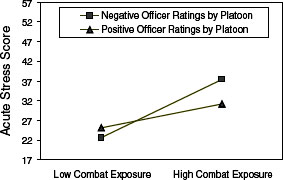
FIGURE 4-1 Officer leadership, combat, and acute stress.
SOURCE: Mental Health Advisory Team VI, 2009.
Leadership Can Be Measured
Bliese noted that it is important to emphasize that leadership can be measured. In looking at leadership, the WRAIR developed programs to help visualize leadership differences across units. For instance, Figure 4-2 shows the results of leadership ratings from 66 different companies following a deployment to Iraq. The ratings of leadership significantly vary based on an analysis of variance (ANOVA) analysis. The figure, however, helps to visually display the ANOVA results. The solid line represents the predicted distribution if there were no leadership climate differences among companies. The distribution of the results shows there are meaningful differences: There are several companies with very poor leadership, but on the other side of the spectrum there are companies with excellent leadership.
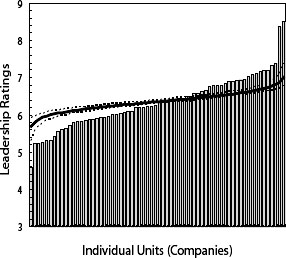
FIGURE 4-2 Leadership ratings across units.
NOTE: Differences in officer leadership behaviors ratings across units (66 Operation Iraqi Freedom [OIF] units). Direct line represents the predicted distribution if there were no leadership climate differences among companies.
SOURCE: Bliese, 2011.
Avoid Managing Variability
Based on this example and his experience with various initiatives, Bliese advised DHS to measure key constructs such as leadership but cautions DHS to avoid falling into a trap of trying to manage random variability. Whenever a program uses surveys to assess resilience there will be variability, but from a management perspective it is important to determine whether the findings represent true differences or simply random variability. The previous example emphasizes that despite the naturally occurring variability, there were some units that would be ideal targets for leadership interventions because the ratings of leadership were significantly below chance levels. Bliese suggested that rather than spend time and resources managing random variability, any assessment should be focused on identifying true differences in the organization and leveraging resources based on analyses of data.
Importance of Evidence-Based Interventions
Finally, Bliese noted that there is a continued need for evidence-based interventions with any program designed to promote resilience. The gold standard is to conduct group randomized trials; however, in the absence of randomized trials, program officers should require robust program evaluations. The Army has insisted on having evidence-based interventions. In rolling out an intervention for any organization, it is critical that there be science to support and study the efficiency of the program.
The DHS Leadership Development Program
Stephanie Lombardo began by noting that every organization should have a clear mission, and it is necessary to have well-trained, engaged, and resilient employees and leaders to execute that mission successfully. Ideally, leaders create working conditions to get the best out of their staff by being inspirational and strategic, as well as being good fiscal stewards.
Being a leader, whether it is at DHS or another agency, takes commitment and a willingness to put themselves on the line. The saying “The higher you climb, the thinner the air” applies to leaders.
In 2010, Secretary Napolitano tasked the Office of the Chief Human Capital Officer (OCHCO) to create a department-wide framework to address leader development. DHS is composed of several different components, and each has its own culture, identity, and historical context. The new Leadership Development Program is responsible for creating a standardized framework and a shared set of expectations about competency development for leaders that is appropriate across the entire department.
Leadership Development Framework
DHS’s leadership development framework is designed around the concept of competency-based learning that focuses on the skills and abilities needed to be successful. Forty-four leadership competencies have been identified as essential. The competencies have been broken into five groups: (1) core foundations, (2) building engagement, (3) management skills, (4) solution capabilities, and (5) homeland security discipline.
Resilience falls within the core foundational skills set and is defined by the Office of Personnel Management (OPM) as dealing effectively with pressure, remaining optimistic and persistent even under adversity,
and recovering quickly from setbacks. For the Leadership Development Program, the question is not just about dealing with adverse events but how to be successful in a steady state as well.
The leadership development team began its work in 2010 and has put in place an aggressive development process. To date, some of the programs have been fully realized, while others are still in the incubation stage. The leadership development framework includes the expectations of all DHS employees:
- The team member (leading self)
- The team lead (leading others and projects)
- Supervisors (leading performance)
- Managers (leading organizations and programs)
- Executives (leading the institution)
From an operational perspective, the program looks at those people moving into the management track.
DHS Fellows Program
The DHS Fellows program is a long-standing leader development program within the department. The fellowship program is designed for the GS-14 and GS-15 levels and is focused on training people about DHS. The fellowship includes innovative coursework, examining best-practice benchmarking, challenging action-learning projects, executive coaching and assessments, and department-wide networking.
DHS SES Candidate Development Program
The senior executive service (SES) Candidate Development Program is a 12- to 18-month program that targets employees at the GS-15 level. The program is aligned with the Office of Personnel Management’s Executive Core Qualifications, which include leading change, leading people, results driven, business acumen, and building coalitions. To join the program, candidates go through extensive assessment to identify their executive-level strengths and development needs. Candidates are mentored by seasoned SES leaders within the department. At the end of the SES Candidate Development Program participants can petition to the Office of Personnel Management for noncompetitive selection for an SES position.
Cornerstone
The Deputy Secretary’s charge to the DHS leadership development unit includes addressing supervisory training for team leaders, managers, and supervisors that directly supervise frontline employees. The Cornerstone Program was initiated to address this component and is one of the bigger programs. The Cornerstone Program is designed to leverage the many established leader development activities already in place across DHS to establish baseline requirements. Each component is able to meet the Cornerstone requirements in its own way based on its population and resource capacity. The program promotes consistency within the competency-based approach. There are four components of Cornerstone: (1) Understanding the DHS Leadership Commitment; (2) Supervisory Onboarding: L90X; (3) Fundamentals of DHS Leadership; and (4) Continuous Supervisory Leadership Development.
Understanding the DHS Leadership Commitment is a pre-supervisory exploration and attempts to engage frontline employees before they consider applying for a supervisory position. The program communicates the expectations, roles, challenges, and rewards of supervision to those considering the supervisory path. It is geared to helping employees better assess their fitness, interest, and capabilities against the demands of being a supervisor. The program includes a variety of web-based resources, town halls, and interviews with current DHS leaders.
The Supervisory Onboarding program is called L90X. Becoming a supervisor at DHS is a significant career transition. This program provides training within the first 90 days of taking a supervisory position to ensure that people are able to hit the ground running. It is focused on avoiding common missteps of new supervisors such as mistakes certifying time cards, negotiated labor agreements, and communicating expectations to employees. The intention is to increase the new supervisor’s satisfaction and retention and decrease errors and costly gaps in effectiveness.
Fundamentals of DHS Leadership fulfills the statute-mandated requirement for training supervisors within their first 11 months of hire or promotion. This program is mostly focused on traditional human resources (HR) arenas such as recruitment and staffing, labor management, and performance management.
Continuous Supervisory Leadership Development is also a statutory requirement. Every 3 years managers are required to have some type of training in performance management or other topics. DHS has taken a
more aggressive stance on this issue and has put in place a requirement that managers and supervisors complete 12 hours of continuous learning annually. In addition to the 12 hours of continuous learning, there is a 12-hour giveback requirement where managers and supervisors will be tasked with participating in coaching, mentoring, and/or speaking at conferences to share their knowledge.
Capstone
The Capstone Program is still in development. It is designed to be similar to the DOD model and will be required for new members of the SES within their first year. The program will focus on helping them become effective leaders across a large-scale operational environment. The training may be dovetailed with the OPM’s SES Onboarding program.
WELLNESS AND RESILIENCE IN THE NATIONAL SECURITY AGENCY
Rebecca Pille is the director of the National Security Agency’s Health Promotion and Wellness, Occupational Health, Environmental and Safety Services. The planning committee invited Pille to the workshops to learn more about NSA’s health and wellness programs and to see if they are potential models for DHS to consider. The NSA was established in 1952. In 1972 the agency became a joint operation with the Central Security Service, which was the military intelligence service. The agency has two main missions. The first is to provide vital information, and the second is to protect it. The primary users of the NSA’s information are policy makers and war fighters. As an organization, the NSA is diverse demographically and culturally. There are four generations of military, former military, civilians, and contractor personnel. These groups also include first-generation Americans and naturalized citizens.
Almost everybody that works at the NSA has the Top Secret/Sensitive Compartmented Information (TS/SCI) clearance. During the Cold War the work pace was slower because of the type of opponent the NSA faced. The landscape changed after 9/11, however, and the pace and stress of work has increased, forcing the agency to adapt. The NSA employs about 17,000 civilians, many of them overseas or in satellite organizations
throughout the country. Pille noted that some stressors are as mundane as having to clear security to enter NSA headquarters.
Although supporting the physical and mental health of employees is the right thing to do, it is also important to the mission. The mission needs every individual to be fully engaged. Resilience is a key part of this principle. For everyone to be able to focus and be engaged in their job, they need to have balance between their work and family.
About 3 years ago the Deputy Secretary of Defense drafted a memorandum about the need for workforce engagement, wellness, and satisfaction. Wellness is a multidimensional and dynamic state that includes more than just physical health. It also includes emotional, mental, spiritual, and social well-being. There is a long history of wellness at the NSA. In 1955 the NSA became a front-runner in offering health services for the workforce when it created a medical center. The medical center is accredited by the National Accreditation Association. Over time the center’s services have become more focused on health promotion and occupational health.
The NSA’s health and wellness programs are designed to focus on the whole person and take a cross-disciplinary approach. The health team includes psychologists, fitness trainers, nurses, doctors, the chaplain’s office, and disability staff. The medical center has an occupational health clinic with four or five doctors, two nurse practitioners, and a dozen licensed nurses. It offers both acute and urgent care as well as an ambulance service to three local hospitals. Additional services include a travel medicine clinic, a pharmacy, a leave bank, and workers’ compensation services.
The health program uses a health risk assessment tool that addresses the top health risks, which consistently include weight management, cancer, fitness, nutrition, heart health, and stress. The assessment also includes screenings and lab work.
A continuous consideration for the agency is the use of technology. Given the type of work most NSA employees do on a daily basis, they would probably not be comfortable with online tools. As a result, the health risk assessment has been brought inside the agency and is hosted on NSA servers. This was a difficult and labor-intensive process, but Pille noted that it was worth it to the agency.
Since 2005, the agency has offered a full-engagement program that mirrors that whole-person approach. The health program offers immunizations, Weight Watchers@Work, and a tobacco-cessation program. There is also a Healthy Tip of the Week and a dietitian that works with
the cafeteria to make sure healthy options are offered. All six fitness centers on the NSA’s campus are staffed with professional personnel.
The NSA’s Employee Assistance Program
The NSA’s employee assistance program (EAP) is accredited by the National Accreditation Association. All of the EAP psychologists, clinical social workers, and counselors have security clearances. Their offices are not housed in the medical center, and they have separate systems. Pille noted that before 9/11 a lot of stigma was associated with seeing a counselor. In her experience, stigma is less of a concern since 9/11. The counselors are also integrated into the workforce. They are out in the offices, teaching classes, and interacting with the staff. Pille commented that people feel more comfortable talking with the counselors because they are seen as part of the NSA team, and they feel like they know them.
With the changes in technology, actions taken at someone’s desk at NSA headquarters can have significant impacts around the world. Forward-deployed psychologists regularly interact with employees in high-risk and high-stress groups that are involved in critical decisions. Additionally, military personnel are also able to visit the civilian psychologists, and these visits are not part of their military record. The only exceptions are if there is a risk to self, others, or national security. Civilian staff are also able to visit the military chaplains. Work-life services offer robust programs such as financial coaching, elder and childcare, and support telework options. They also have services for deployed personnel and their families.
CHAIRMAN’S TOTAL FORCE FITNESS FRAMEWORK
Mark J. Bates is the director of Resilience and Prevention within the Defense Centers of Excellence for Psychological Health & Traumatic Brain Injury (DCoE). The DCoE was created 3 years ago to address the need to provide better services for injured service members at Walter Reed Army Medical Center. The mandate has expanded and now also includes ensuring optimal support for psychological health and traumatic brain injury within the DOD. The DCoE is an agency under the Office of the Assistant Secretary of Defense for Health Affairs and includes a deputy from the Department of Veterans Affairs. Although the core of the
DCoE organization is primarily clinically focused, the DCoE Resilience and Prevention (R&P) Directorate focuses on R&P activities across the continuum of care including before and after deployments to support well-being and minimize the need for medical care. The post-deployment focus includes a wide range of reintegration concerns, which is especially important with the upcoming drawdown of forces.
There are many challenges with resilience including the lack of standard definitions, limited evidence about what interventions are effective, and limited integration of this information into an actionable summary. As a major first step to address these gaps, the DCoE helped develop an evidence-based conceptual framework that is relevant to the military in support of the Chairman of the Joint Chiefs of Staff’s (CJCS’s) Total Force Fitness (TFF) initiative. The first step involved an interdisciplinary and interagency collaboration to review the current state of the evidence and develop a holistic model of fitness very similar to resilience. Summary articles about the overall model and the evidence supporting each of the eight mind-body domains and potential metrics were published in a supplement issue of the Journal of Military Medicine. In addition, this evidence-based framework was also translated into operational doctrine and published as CJCS Instruction 3405.01. Bates suggested that the TFF framework might also be applied to some federal agencies. The eight TFF mind-body domains are:
- The social domain includes family cohesion, social support, task cohesion, and social cohesion.
- The physical domain includes strength, endurance, flexibility, and mobility.
- The environmental domain includes heat/cold, altitude, noise, and air quality.
- The medical domain includes access, immunizations, screenings, prophylaxis, and dental care.
- The nutritional domain includes food quality, nutrient requirements, supplement use, and food choices.
- The spiritual domain includes service values, positive beliefs, meaning making, ethical leadership, and accommodating diversity.
- The psychological domain includes coping, awareness, beliefs and appraisals, decision making, and engagement.
- The behavioral domain includes substance abuse, hygiene, and risk mitigation.
Bates proposed that there were several aspects of TFF and complementary efforts at the DCoE that may help DHS in its efforts going forward. The framework was built to be broad and inclusive with the objective of supporting each service’s effort. The DCoE looked at each of the programs in place with the different military services and worked to incorporate the best of each program into the framework.
The DCoE is also working to develop a common language across the DOD. Creating a common language will better allow people to share best practices and reduce redundancies. This can be challenging because it requires interdisciplinary collaboration.
In developing a holistic approach to this task, the focus reaches across the different mind-body domains and across the entire life cycle of the program. It is important in a developmental model to find ways to teach some of the skills early on and then build upon them over time.
It is also important to consider the type of resources needed such as policies, leadership, and training programs. The model must include leveraging resources across the program to optimize effectiveness.
General Peake noted that this model is compelling and possibility interesting to DHS because it is a broad overarching framework. Perhaps this type of model can address some of DHS’s challenges related to the varieties of organizations, tasks, and skill sets within the organization.
FACTORS INFLUENCING WORKFORCE EFFECTIVENESS AND RESILIENCE PANEL DISCUSSION
Picking Priorities
Brinsfield asked the panelists if they had ideas about how best to translate the concepts discussed in the workshop into next steps for DHS. Pille responded that DHS is not going to be able to tackle everything at once. Perhaps the first step for DHS is to consider how to classify all the issues and identify where the need is the greatest. She added that the NSA’s programs are impressive, but it is important to remember they have been developing over 50 years. The key theme of the session, in Bates’ perspective, was the need for an organization needs assessment and an evaluation system to continuously improve and monitor the process. Jentsch commented that working with the team leaders and teams can be a key leverage point.
Woods noted that as an incredibly large and complex organization, DHS must consider two possible approaches. The first is to identify what can be done definitively, quickly, and in a relatively cost-effective manner. The other option is to look at what and where are the key leverage points. He noted that several of the workshop presentations looked at the interaction between the individual and the organization. If DHS is only thinking about individuals and how they cope, then that requires a different set of interventions than if it is looking at the organizational level. Where these two sets of issues converge could provide leverage to produce a major impact in the long term.
Committed Leadership
Bliese noted that in his experience in the military, sound science is not enough. A successful program implementation requires absolute buy-in from the senior leadership. It is also important to have the resources and infrastructure in place to make it happen. Soldiers are introduced to the resilience program in basic training, and it is repeated through noncommissioned officer (NCO) and officer courses, pre-deployment, and post-deployment. This was only possible by getting very senior people in the organization to commit to the effort.
Fundamental Values
Wood noted that change must be driven from the very top of the organization in a visible and sustained way. The leadership has to be willing to change at all levels or the effort will not be sustainable. By framing the issue as a fundamental characteristic of the organization that applies at all levels, rather than to a few people who are having a rough time, leadership will be more inclined to buy in. As an example, he noted that in patient safety, Paul O’Neill’s work created a list of key items that the top echelon of every organization should follow. These items demonstrate to everyone that the leader is visibly and tangibly driving this fundamental values issue throughout the organization.
Pille noted that having a program champion in leadership increases support for the program more broadly as well. To heighten awareness, the NSA’s chief of staff shared her own health story of struggling with three different types of cancer over 9 years. She is an unabashed advocate for self-care and pushes this issue whenever possible.
Demonstrating Effectiveness
A lot of important issues are competing for leadership support, Barbera noted. How can resilience programs demonstrate their value to the organization through objective measures? Bliese commented that a good deal of science has been focused on how to measure program efficacy. However, showing impact is difficult. For instance, rather than try to target a particular group, the Army chose to roll out a universal program. About two-thirds of the individuals in resilience programs may not directly benefit from the programs. As a result the effects of the intervention are going to be very small. It can be a struggle to communicate that small effects are valuable. These programs teach people skills that will help them both in their family and in work relationships and that accumulate over time. Although individuals can participate multiple times, currently no good statistical models capture these cumulative effects. Bates added that various groups are looking at well-being as a good universal single metric that looks at system functioning. Well-being can then be tied to more hard objectives such as readiness, retention, and performance.
Barbera is concerned that in lieu of other evidence, it is easy for people to fall back on looking just at suicide rates. Bliese replied that his group has intentionally avoided using the number of suicides as a measure. The principal reason being that the suicide rates are so low it would be hard to design an intervention that could show efficacy. Instead Bliese’s group uses metrics such as depressive and PTSD symptoms.
Lombardo agreed that it is difficult to isolate and measure the effects of a training intervention. DHS is looking at standard evaluation models in training, and she hopes DHS can also demonstrate success through qualitative methods such as storytelling. Success stories should be shared to increase engagement and interest.
Leveraging Social Media
Bates noted that in the age of efficiencies DHS may want to consider leveraging technology and social media. The military has an ambitious social media campaign targeting stigma. The campaign includes a broad range of service members from generals to privates sharing their personal experiences. They discuss the wounds of war, how they reached out for help, and how they benefited from it. There are also pieces from family members talking about what it was like to provide support, and from leaders saying how they trusted these people more after they came forward
with issues. The campaign was based on evidence from the National Institutes of Health (NIH) Real Men Have Depression Campaign. It is a social marketing strategy that could be used in a variety of ways, not just with stigma specific to combat injuries.
Peer Support and Cohesion
Bates noted that peer-to-peer social engagement can be important. The DOD has produced review papers on its programs that summarize the current best practices. Bliese added that the literature suggests that group cohesion supports resilience. In the Army, soldiers who have been deployed together are highly cohesive and know each other very well. He noted however that peer cohesion or bonding between peers is a critical aspect of resilience programs but not necessarily sufficient by itself.
Culture
Peake noted that in the commercial world there are issues with aligning cultures as organizations change due to market pressures or mergers. In some ways this paradigm is closer to the situation DHS faces than does the military, where the culture is more homogeneous. He asked the speakers if they could comment on lessons learned from the commercial world that DHS could apply.
Although the workshop had discussed trauma and its effects on the individual, Woods noted that it is also important to look at how the organization responds to trauma. In the case of NASA, it approached the aftermath of the mission tragedies with brute force resources rather than a tailored tactical reserve. Unfortunately, NASA’s strategy is not sustainable under the pressure within the system to do work faster, better, and cheaper. Inevitability the organization ends up cutting corners, which inadvertently create new and completely different types of failure mechanisms.
Peake commented that NASA is similar to the Army in that there is a common culture, mission, and focus. DHS is in a different situation because multiple cultures are forced together, and it is not always a comfortable fit. How can DHS build cohesion in order to shift the culture to be more supportive of resilience? The health care field is also diverse, noted Woods, and perhaps offers a better perspective to the issues faced by DHS. Although what is going on in telemedicine and outreach to rural areas is very different than critical care in urban areas, a common
approach can be developed to assess innovations and then tailor those common approaches within parts of the portfolio of activities and settings.
Woods also noted that NASA’s Ames Research Center affected industry by bringing all of the diverse elements together to cooperate and collaborate in innovation-oriented work. Perhaps thinking of DHS more like an industry with coordination and oversight mechanisms can create a platform of general agreement across all of the different stakeholders within that “industry.” He added that the question is how can DHS facilitate innovation, proper testing, vetting, and participation among all the different component organizations with their histories of different cultures that in part derive from their different submissions?
Woods commented that how DHS leadership views this initiative is critical. Does it envision a one-time program with definitive and “forsure” results and payoffs? Or does it envision a program that is adaptive and sustained? These issues will affect how DHS leadership sets up the infrastructure, information gathering, and feedback exchange. All of these properties are needed to develop a program that is agile and tailored for maximum utilization of the resources that are being invested.
Bliese, P. 2011. Leadership ratings across units. Presented at Policy and Program Personnel Workforce Resiliency: A Workshop. Washington, DC: Institute of Medicine. November 9.
Bliese, P., J. Thomas, D. McGurk, S. McBride, and C. Castro. 2011. Mental health advisory teams: A proactive examination of mental health during combat deployments. International Journal of Psychiatry 23(2):127-134.
Cohen, P. N. 2002. Cohabitation and the declining marriage premium for men. Work and Occupations 29(3):346-363.
Galinsky, E., K. Aumann, and J. T. Bond. 2009. Times are changing: Gender and generation at work and at home. New York: Families and Work Institute.
Galinsky, E., K. Sakai, and T. Wigton. 2011. Workplace flexibility: From research to action. In The future of children (vol. 21[2], pp. 141-161). Published by the Woodrow Wilson School of Public and International Affairs at Princeton University and the Brookings Institution.
Hammer, L., E. Kossek, T. Bodner, K. Anger, and K. Zimmerman. 2011. Clarifying work-family intervention processes: The roles of work-family conflict and family supportive supervisor behaviors. Journal of Applied Psychology 96(1):134-150.
Hollnagel, E., D. D. Woods, and N. Leveson (Eds.). 2006. Resilience engineering: Concepts and precepts. Aldershot, UK: Ashgate.
Hollnagel, E., J. Paries, D. D. Woods, and J. Wreathall (Eds.). 2011. Resilience engineering in practice. Aldershot, UK: Ashgate.
Kossek, E. 2006. Work and family in America: Growing tensions between employment policy and a changing workforce. A thirty year perspective. Commissioned chapter by SHRM Foundation and University of California Center for Organizational Effectiveness for the 30th anniversary of the State of Work in America. In America at work: Choices and challenges, E. Lawler and J. O’Toole (Eds.). New York: Palgrave MacMillan.
Kossek, E., and L. Hammer. 2008. Nov. Work/life training for supervisors gets big results. Harvard Business Review 36.
Kossek, E., S. Pichler, T. Bodner, and L. Hammer. 2011. Workplace social support and work-family conflict: A meta-analysis clarifying the influence of general and work-family specific supervisor and organizational support. Personnel Psychology 64:289-313.
Kossek, E., L. Hammer, E. Kelly, P. Moen, R. Olson, K. Anger, K. Brockwood, C. Okechukwu, and G. Karuntzos. 2012. Organizational interventions to enhance work, family, & health: design principles and strategies, Paper presented at NIOSH Symposium, Michigan State University, 2011.
Kryger, M. H., T. Roth, and W. C. Dement. 2005. Principles and practice of sleep medicine, 4th ed. Philadelphia, PA: Elsevier/Saunders.
Mental Health Advisory Team VI. 2009. Operation Iraqi Freedom 07-09 report. http://www.armymedicine.army.mil/reports/mhat/mhat_vi/MHAT_VI-OIF_Redacted.pdf (accessed February 16, 2012).
Neal, M. B. and L. B. Hammer. 2007. Working couples caring for children and aging parents: Effects on work and well-being. Mahwah, NJ: Lawrence Erlbaum Associates, Inc.
Smith-Jentsch, K. A., J. A. Cannon-Bowers, S. I. Tannenbaum, and E. Salas. 2008. Guided team self-correction: Impacts on team mental models, processes, and effectiveness. Small Group Research 39:303.
Sutcliffe, K. and T. Vogus. 2003. Organizing for resilience. In K. S. Cameron, I. E. Dutton, and R. E. Quinn (Eds.), Positive organizational scholarship. San Francisco, CA: Berrett-Koehler.
Weick, K. E., K. M. Sutcliffe, and D. Obstfeld. 1999. Organizing for high reliability: Processes of collective mindfulness. Research in Organizational Behavior 21:13-81.
Woods, D. D. 2005. Creating foresight: Lessons for resilience from Columbia. In W. H. Starbuck and M. Farjoun (Eds.), Organization at the limit: NASA and the Columbia disaster. Malden, MA: Blackwell.
Woods, D. D., and E. Hollnagel. 2006. Joint cognitive systems: Patterns in cognitive systems engineering. Boca Raton, FL: Taylor & Francis.
Woods, D. D., and J. Wreathall. 2008. Stress-strain plot as a basis for assessing system resilience. In E. Hollnagel, C. Nemeth, and S. W. A. Dekker (Eds.), Resilience engineering perspectives 1: Remaining sensitive to the possibility of failure. Aldershot, UK: Ashgate.
Woods, D. D., S. W. A. Dekker, R. I. Cook, L. L. Johannesen, and N. B. Sarter. 2010. Behind human error, 2nd ed. Aldershot, UK: Ashgate.


