
Best Management Practices to Control and Combat Resistance1
David R. Shaw
Mississippi State University
Mitigating the evolution of herbicide resistance depends on reducing selection through diversification of weed-control techniques, minimizing the spread of resistance genes and genotypes via pollen or propagule dispersal, and eliminating additions of weed seed to the soil seedbank. Effective deployment of such a multifaceted approach will require shifting from the current concept of basing weed management on single-year economic profitability. Programs for herbicide-resistance management must consider use of all cultural, mechanical, and herbicidal options available for effective weed control in each situation and employ the following best management practices (BMPs):
- Understand the biology of the weeds present.
- Use a diversified approach toward weed management focused on preventing weed seed production and reducing the number of weed seeds in the soil seedbank.
- Plant into weed-free fields and then keep fields as weed free as possible.
- Plant weed-free crop seed.
- Scout fields routinely.
- Use multiple herbicide mechanisms of action (MOAs) that are effective against the most troublesome weeds or those most prone to herbicide resistance.
- Apply the labeled herbicide rate at recommended weed sizes.
- Emphasize cultural practices that suppress weeds by using crop competitiveness.
- Use mechanical and biological management practices where appropriate.
- Prevent field-to-field and within-field movement of weed seed or vegetative propagules.
- Manage weed seed at harvest and after harvest to prevent a buildup of the weed seedbank.
- Prevent an influx of weeds into the field by managing field borders.
______________
1This summary is excerpted from the position paper endorsed by the Weed Science Society of America and submitted to the U.S. Department of Agriculture and the U.S. Environmental Protection Agency.
To address the increasingly urgent problem of herbicide resistance, the following recommendations are offered:
- Reduce the weed seedbank through diversified programs that minimize weed-seed production.
- Implement an herbicide MOA labeling system for all herbicide products and conduct an awareness campaign.
- Communicate that discovery of new, effective herbicide MOAs is rare and that the existing herbicide resource is exhaustible.
- Demonstrate the benefits and costs of proactive, diversified weed-management systems for the mitigation of herbicide-resistant weeds.
- Foster the development of incentives by government agencies and industry that conserve critical herbicide MOAs as a means to encourage adoption of best practices.
- Promote the application of full-labeled rates at the appropriate weed and crop growth stage. When tank mixtures are employed to control the range of weeds present in a field, each product should be used at the specified label rate appropriate for the weeds present.
- Identify and promote individual BMPs that fit specific farming segments with the greatest potential impact.
- Engage the public and private sectors in the promotion of BMPs, including those concerning appropriate herbicide use.
- Direct federal, state, and industry funding to research addressing the substantial knowledge gaps in BMPs for herbicide resistance and to support cooperative extension services as vital agents in education for resistance management.
KEY POINTS
 Best management practices (BMPs) must be based on an understanding of the biology of the problem weeds.
The goal is to reduce selection pressure through diversification of weed-control techniques, minimize the spread of resistance genes and genotypes via pollen or propagule dispersal, and eliminate additions of weed seed to the soil seedbank.
Effective deployment of such a multifaceted approach will require shifting from the current concept of basing weed management on single-year economic thresholds.
BMPs must be tailored to the individual situation and consider the full suite of cultural, mechanical, and herbicidal options available for effective weed control.
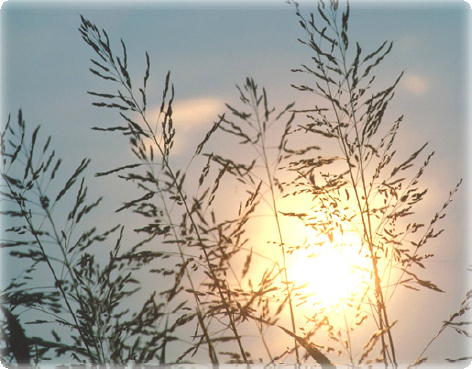
Johnsongrass (Sorghum halepense), courtesy of the U.S. Department of Agriculture, Agricultural Research Service (Barry Fitzgerald).
This page intentionally left blank.


