
1—
Overview
[A]ny nation concerned about the quality of life, now and forever, must be concerned about conservation. It will not be enough to merely halt the damage we've done. Our natural heritage must be recovered and restored.... It's time to renew the environmental ethic in America— and to renew U.S. leadership on environmental issues around the world. Renewal is the way of nature, and it must now become the way of man.
Vice President George Bush, 1988
Aquatic ecosystems worldwide are being severely altered or destroyed at a rate greater than that at any other time in human history and far faster than they are being restored. Some of these losses occur through intentional exploitation of resources. Other losses occur cumulatively and unobtrusively through lack of knowledge or careless resource management. Maintenance and enhancement of economically valuable aquatic ecosystem functions— especially floodwater storage and conveyance, pollution control, ground water recharge, and fisheries and wildlife support— have all too often been largely ignored in aquatic resource management. Even when management has been directed to these ends, it has often been fragmentary in its emphasis on lakes, rivers and streams, or wetlands in isolation from their regional watershed contexts— despite clear hydrological and ecological linkages. Contemporary restoration work is often too narrow in emphasis, focusing in lakes, for example, on correcting nutrient
overenrichment in the water column but giving little consideration to sedimentation or loss of aquatic habitat. Similarly, stream restoration efforts often concentrate on fisheries without regard for the wildlife values of riparian zone vegetation. Wetland restoration efforts often focus on revegetation while paying little attention to deep-water zones.
The purpose of this report is to suggest and analyze strategies for repairing past and ongoing damage to aquatic ecosystems from all types of anthropogenic activities. The loss or alteration of a large percentage of lakes, rivers, streams, and wetlands and of their associated vital ecological functions has a major effect both on the quality of life and on carrying capacities for human societies. These ecosystems provide a variety of ecological services of value to society. To ensure their viability for sustained, long-term use, freshwater ecosystems require not only protection from pollutants but also restoration and informed management.
The thesis of this report is that restoring altered, damaged, or destroyed lakes, rivers, and wetlands is a high-priority task at least as urgent as protecting water quality through abatement of pollution from point and nonpoint sources. Indeed these two activities are not dissociated, but rather are part of a continuum that includes both protection from pollution, and restoration and management. Restoration is essential if per capita ecosystem service levels are to remain constant while the global human population increases.
This report describes the status and functions of surface water ecosystems; the effectiveness of aquatic restoration efforts; the technology associated with those efforts; and the kinds of research, policy, management, and institutional changes required for successful restoration Even if a major national effort is made to restore aquatic ecosystems, their protection and management will require continued advances in point and nonpoint pollution abatement. In short, the first objective should be to ensure no net loss of the quality of aquatic ecosystems, followed by efforts to increase the number of robust, self-maintaining aquatic ecosystems. Management of aquatic ecosystems will require intensive monitoring, as well as increased interaction and cooperation among national agencies concerned with air, water, wildlife, soil, agriculture, forestry, and urban planning and development.
STUDY BACKGROUND
Restoration is increasingly becoming an integral part of a national effort to improve water quality and the ecology of aquatic ecosystems. In 1988, the Water Science and Technology Board (WSTB) discussed
the possibility of the National Research Council (NRC) contributing to the literature on restoration science and technology by conducting a review of both successful and failed attempts to restore aquatic ecosystems— specifically lakes, rivers, and wetlands.
A planning session was organized in the summer of 1988 to see if an NRC study of aquatic restoration efforts was appropriate. The planning committee decided that the science developing to support the emerging techniques of aquatic ecosystem restoration could benefit from an NRC assessment and report that would bring together significant and useful information on aquatic restoration efforts.
In 1989, the NRC appointed the Committee on Restoration of Aquatic Ecosystems: Science, Technology, and Public Policy under the WSTB to conduct an evaluation of the status of the restoration of aquatic ecosystems. The committee was requested to identify restoration projects and attempt to ascertain if they had succeeded or failed. Scientific, technological, political, and regulatory aspects were to be considered, as well as other factors that aid or hinder restoration efforts.
The committee's task has been to
-
develop a scientifically useful definition of restoration that could be considered as a standard for the science of restoration as it develops;
-
formulate criteria by which to choose the restoration projects to be reviewed as case studies;
-
evaluate restoration attempts with respect to their scientific basis, their performance over time, the technologies used, the monitoring effort, the costs, the objectives of the effort, the degree to which these objectives have been fulfilled, and why the efforts were successes or failures, while taking political and regulatory factors into consideration;
-
identify common factors of successful restoration projects and, based on this review, provide a recommended list of criteria for successful restoration that could serve as a model for future efforts to restore aquatic ecosystems;
-
identify federal policies and policy conflicts and those agencies that have programs resulting in negative impacts on aquatic ecosystems; and
-
make general recommendations regarding data needs, the science required to better understand each system, and the necessary regulations and policies.
The committee was composed of 15 restoration experts from the fields of limnology, geomorphology, surface water hydrology, aquatic
and terrestrial ecology, water chemistry, environmental engineering, environmental law and policy, wetlands science, agricultural economics, and land use planning.
During the study the committee visited several restoration sites to determine firsthand how restoration efforts are accomplished. In a 2 year period, various committee members visited the Des Plaines River Wetlands Demonstration Project in Illinois; the Blanco River restoration in Pagosa Springs, Colorado; the Hackensack Meadowlands in New Jersey; prairie pothole wetlands in Minnesota; bottomland and hardwood forests in Louisiana; and the Kissimmee River restoration project in Florida. Writing assignments were made to several subcommittees concentrating on restoration of rivers, lakes, wetlands, and large integrated systems. Another subgroup concentrated on the development of a national aquatic ecosystem restoration strategy and the changes in policy and institutions necessary to begin this process. Brief case studies were prepared by the committee, NRC staff, and an NRC consultant.
This report is intended for a broad audience, including:
-
scientists and engineers restoring aquatic ecosystems;
-
legislators and regulators concerned with bringing the nation's aquatic ecosystems back to ecological health;
-
state departments of environmental protection;
-
industrial environmental protection departments;
-
public interest and other citizen groups interested in restoring lakes, rivers, and wetlands; and
-
teachers and students in the natural and environmental sciences.
WHAT IS RESTORATION?
As used in this report, the term restoration( see Box 1.1) means the reestablishment of predisturbance aquatic functions and related physical, chemical, and biological characteristics (Cairns, 1988; Magnuson et al., 1980; Lewis, 1989). Restoration is different from habitat creation, reclamation, and rehabilitation— it is a holistic process not achieved through the isolated manipulation of individual elements. The holistic nature of restoration, including the reintroduction of animals, needs to be emphasized. The installation of a few grasses and forbs does not constitute restoration. The long-term maintenance of biodiversity depends on the survival of appropriate plant assemblages, which may require, for example, grazing by muskrat and beaver. Without critical faunal elements, an ecosystem may not survive long.
Merely recreating a form without the functions, or the functions in
|
Box 1.1 THE MEANING OF RESTORATION In this report, restoration is defined as the return of an ecosystem to a close approximation of its condition prior to disturbance. In restoration, ecological damage to the resource is repaired. Both the structure and the functions of the ecosystem are recreated. Merely recreating the form without the functions, or the functions in an artificial configuration bearing little resemblance to a natural resource, does not constitute restoration. The goal is to emulate a natural, functioning self-regulating system that is integrated with the ecological landscape in which it occurs. Often, natural resource restoration requires one or more of the following processes: reconstruction of antecedent physical hydrologic and morphologic conditions; chemical cleanup or adjustment of the environment; and biological manipulation, including revegetation and the reintroduction of absent or currently nonviable native species. It is axiomatic that no restoration can ever be perfect; it is impossible to replicate the biogeochemical and climatological sequence of events over geological time that led to the creation and placement of even one particle of soil, much less to exactly reproduce an entire ecosystem. Therefore, all restorations are exercises in approximation and in the reconstruction of naturalistic rather than natural assemblages of plants and animals with their physical environments. Berger, 1990 |
an artificial configuration bearing little resemblance to a natural form, does not constitute restoration. The objective is to emulate a natural, self-regulating system that is integrated ecologically with the landscape in which it occurs. Often, restoration requires one or more of the following processes: reconstruction of antecedent physical conditions; chemical adjustment of the soil and water; and biological manipulation, including the reintroduction of absent native flora and fauna or of those made nonviable by ecological disturbances. An
aquatic ecosystem that was disturbed at some earlier time (e.g., 2, 20, or 200 years ago) is a candidate for restoration. An approximate point in time must be selected to develop criteria for restoration. Restoring an aquatic ecosystem to its predisturbance condition may be a difficult problem. For some ecosystems, the fossil record (fossil plants, pollen) can be helpful. For lakes, paleoecological methods can be used. For prairies, soil core analysis is used. Sometimes what is required is some ''historical investigative ecology."
Whereas restoration aims to return an ecosystem to a former natural condition, the termscreation, reclamation, and rehabilitation imply putting a landscape to a new or altered use to serve a particular human purpose (creation or reclamation) (see Glossary, Appendix B, for definitions).
The term restoration is used in numerous regulations and public laws when what is meant is reclamation, rehabilitation, or mitigation. In 1937, Congress enacted the Federal Aid in Wildlife Restoration Act (P.L. 75– 415), which was intended to aid wildlife restoration projects. In the statement of purpose, however, the terms restoration and rehabilitation are used interchangeably. Further, the bill deals only with "... improvement of areas of land or water adaptable as feeding, resting, or breeding places for wildlife . . . ". In a similar vein, a memorandum of agreement between the U.S. Army Corps of Engineers and the U.S. Environmental Protection Agency (1990) defines restoration as "measures undertaken to return the existing fish and wildlife habitat resources to a modern historic condition. Restoration then includes mitigation as well as some increments of enhancement." Mitigation is simply the alleviating of any or all detrimental effects arising from a given action (although this may not truly occur). Mitigation for filling a wetland in order to build a shopping center may involve restoring a nearby wetland that had been filled for some other reason, or it could involve creating a wetland on an adjacent area that was formerly upland. Mitigation need not, and often does not, involve in-kind restoration or creation. For example, the loss of floodwater storage due to filling a wetland might be mitigated by creating a detention basin. Although the functional attributes of flood control are rehabilitated, the chemical and biological characteristics or other functional values of the wetland are not. Mitigation of frequently and rapidly fluctuating water levels in a flood control reservoir may be achieved simply by altering the release schedule from the reservoir. In this case, mitigation is achieved by reclamation, not by restoration or creation.
Preservation is the maintenance of an aquatic ecosystem. Preservation involves more than preventing explicit alterations, such as
removing timber from a bottomland hardwood wetland or preventing the construction of levees and tide gates on a coastal marsh. Preservation also implies management (e.g., weed and pest control) of the aquatic ecosystem to maintain its natural functions and characteristics. Preservation is sometimes mistakenly linked to mitigation via the assumption that a preserved aquatic ecosystem at one location will offset or mitigate the losses of displaced aquatic functions at another. Although such preservation may prevent further losses, it cannot compensate for losses already incurred. Preservation is distinct from restoration and creation in that the functions and characteristics of the preserved ecosystem are presumed to exist, more or less, in their desired states. This is not to say that the aquatic ecosystem has not been subject to changes over the years but that the ecosystem is performing in an acceptable manner not requiring reclamation or rehabilitation.
Whether restored, created, rehabilitated, mitigated, or preserved, most, if not all, aquatic ecosystems subject to the pressures of large human populations need to be managed. Management is the manipulation of an ecosystem to ensure the maintenance of one or more functions or conditions. In the case of preserved, created, or restored aquatic ecosystems, management activities should be directed toward maintaining all functions and characteristics. This is distinct from the management of an aquatic ecosystem for more limited objectives. Controlling water levels in a wetland for duck production is a limited management objective. Another limited objective is releasing water from a reservoir to maintain in-stream flows for trout fishing. These activities generally ignore the needs of other organisms and bias an ecosystem's characteristics in support of a desired single function. However, management of an aquatic ecosystem need not be limited in scope. Controlled burns of mesic prairies will prevent the introduction of weedy plant species and increase plant and habitat diversity. The management strategy of using beaver to build dams to prevent stream-bank erosion (Spencer, 1985) may also aid the restoration process when, for example, the beavers graze on woody vegetation and the beaver ponds trap nutrients and sediments (Seton, 1929; Naiman, 1988).
Selectively restoring a river meander or a chemical characteristic of a lake is not restoring the aquatic ecosystem unless that is the only significant aspect that has been degraded. To restore the aquatic ecosystem, all functions and characteristics must be considered, an approach that may in practice be difficult to achieve. However, the term restoration should be applied only to those activities directed to rebuilding an entire ecosystem: reconstructing topography without
using the appropriate soils or plant materials is unlikely to lead to recreating the plethora of functional values of the natural or predisturbed aquatic ecosystem. Although it may seem appropriate to describe as restoration the building of wetlands in backwater areas of a flood control or water supply reservoir, this application distorts the meaning and masks the true purpose of such a created aquatic ecosystem. These ecosystems may be desired in backwater areas for duck habitat and hunting, water quality management, or even additional flood control. However, such created ecosystems will not possess the full range of physical, chemical, and biological characteristics of their natural counterparts. For example, their hydrologic characteristics will differ markedly from the prototype.
The distinctions among the terms restoration, creation, rehabilitation , and reclamation are important, and it is necessary to understand also how these terms relate to mitigation and preservation. Using consistent definitions, scientists and engineers will be better able to communicate their intentions and activities among themselves, policy-makers, and the general public. This should facilitate setting clear goals and establishing effective programs for improving our environment.
STATUS OF AQUATIC RESOURCES IN THE UNITED STATES
This report on the status of our aquatic ecosystems must start with an assessment of the conditions of the land surface. Ninety-seven percent of this country's surface area is land; consequently, most of the water moving into and through aquatic ecosystems interacts with the surface of the land. Of the land surface in the 50 states, comprising 2.3 billion acres, 54 percent is managed for agricultural purposes (Bureau of the Census, 1990). Excluding Alaska, agricultural lands account for 65 percent of the land surface. Of the agricultural lands, 39 percent are grazed and 37 percent are cropped (Frey and Hexem, 1985). Regardless of the activity, the 1.2 billion acres of agricultural land have been substantially altered. Grazing, plowing, chemical applications, and drainage have changed the vegetative cover and soil conditions to such an extent that they no longer exhibit the characteristics of preagricultural conditions. These activities are necessary to support our highly productive agricultural industry, but one of the side effects is the degradation of aquatic ecosystems on a continental scale.
Smaller in scale but more extreme in effect is the alteration of the land surface to accommodate urban development. In building cities, wetlands and floodplains have been filled and made impervious by
asphalt and concrete. Although only 3 percent of the nation's land surface is designated as urban, within an urban area, the hydrological and biological changes are extreme. In Chicago, a city of 228 square miles, 45 percent of the land is now covered by impervious surfaces. The once verdant wet prairies and marshes that dominated the landscape before this great city was built are gone. The roofs, streets, and roads have greatly changed the quantity and quality of water flowing into Lake Michigan and into the Des Plaines and Illinois Rivers. The change in flow was accompanied by a dramatic change in water quality due to the large waste loads conveyed by storm water runoff and by domestic and industrial wastewater. Both the hydrologic and the water quality effects extend miles beyond the limits of the city.
The U.S. agricultural industry and urban systems have had to rely, to a great extent, on the diverse functions of aquatic ecosystems. Uplands, wetlands, and floodplains have been drained to build houses, factories, and farms. Approximately 117 million acres of wetlands alone have been lost in the United States since the 1780s (Dahl, 1990). This represents 5 percent of the total land surface in the 50 states but about 30 percent of the presettlement wetlands (excluding Alaska, the wetland loss is approximately 53 percent; Dahl, 1990). The effects of increased losses have been harmful, if for no other reason than increased flooding. The dispersive capabilities of streams and rivers were and are inadequate to handle the large amounts of runoff generated and diverted to them from uplands and former wetlands, which one acted as flood control reservoirs. In 1912, the state engineer for Illinois observed that floods on the Des Plaines River were increasing in severity and frequency (Horton, 1914). He ascribed this hydrologic phenomenon to the clearing of land and draining of wetlands in the watershed.
The widespread loss of U.S. wetlands is illustrated in Figure 1.1. When one considers the losses from 1780 to 1980 in the central United States, it is no wonder that floods ravaged the river valleys of the Ohio, Wabash, Illinois, Missouri, and Mississippi. Unfortunately, wetlands continue to be drained by ditching, and storage areas continue to be blocked by levees, so that flood damage continues to increase.
Whereas more than 60 percent of the U.S. land surface is manipulated for human needs (urban development, forests, and agricultural areas), more than 85 percent of the inland water surface area in the United States is artificially controlled (Bureau of Census, 1990). Surface water controls range from very simple fixed weirs to very complex multigated dams and extend from small farm ponds and streams to our largest rivers and the Great Lakes. They benefit us in numerous
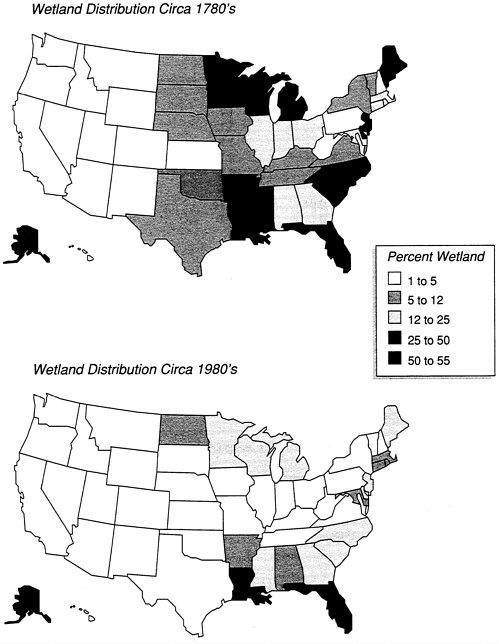
TABLE 1.1 U.S. Water Budget for 1980 (billion gallons per day)
|
Regiona |
Supplyb |
Ground Water Depletion |
Consumptive Use |
Reservoir Evaporation |
Yieldc |
|
1 |
77.3 |
0 |
0.4 |
0.2 |
76.7 |
|
2 |
96.5 |
0 |
1.7 |
0.2 |
94.6 |
|
3 |
212.6 |
0 |
5.1 |
0.5 |
207 |
|
4 |
76.8 |
0 |
1.3 |
0.3 |
75.2 |
|
5 |
140.1 |
0 |
1.7 |
0.4 |
138 |
|
6 |
43.3 |
0 |
0.4 |
0 |
42.9 |
|
7 |
79.7 |
0 |
1.5 |
0.6 |
77.6 |
|
8 |
75.4 |
0.04 |
7.14 |
0.30 |
68 |
|
9 |
7.7 |
0 |
0.1 |
0.4 |
7.2 |
|
10 |
67.3 |
2.2 |
16 |
3.3 |
50.2 |
|
11 |
63.7 |
3.6 |
9.6 |
1.4 |
56.3 |
|
12 |
35.9 |
3.1 |
6.5 |
1.8 |
30.7 |
|
13 |
5 |
0 |
2.4 |
0.8 |
1.8 |
|
14 |
12.3 |
0 |
2.3 |
1.7 |
8.3 |
|
15 |
1.1 |
2.1 |
4.9 |
1.9 |
5.8 |
|
16 |
17.1 |
12 |
3.9 |
0.2 |
25 |
|
17 |
290.6 |
0 |
12 |
0.6 |
278 |
|
18 |
86.9 |
1.4 |
25 |
0.5 |
62.8 |
|
19 |
921.04 |
0 |
0.04 |
0 |
921 |
|
20 |
14.3 |
0 |
0.7 |
0 |
13.6 |
|
Total |
2,322.54 |
24.44 |
103 |
15.1 |
2,229.1 |
|
a Regions relate to the hydrologic units assigned by the U.S. Geological Survey (see Figure 1.2) b Surface runoff before adding ground water and subtracting consumptive use and evaporation c Surface water discharge from the region SOURCE: Solley et al., 1988 |
|||||
ways. They stabilize lakes at levels that afford reliable access for recreational boating, and they maintain navigational conditions for commercial barges and ships. Manipulation of water levels offers optical flood protection and water supply for drinking and irrigation. However, the controls also may have detrimental effects on wildlife and other functions of aquatic ecosystems, and wetlands in the littoral zone suffer from either too much or too little water. Dynamic hydrologic cycles are all but eliminated, causing the degradation of plant and animal communities.
Of the 2,200 billion gallons of water available per day in the United States, approximately 4.7 percent is consumed (Table 1.1 and Figure 1.2 ). This total assumes, however, that the availability of water is
uniformly distributed over time throughout the year. On a sustained basis, perhaps only 25 percent of the water is available on average, so that the consumption rate is thus quadrupled to 18.7 percent relative to the sustained yield —-still a small percentage of the total available resource. A much higher percentage is extracted and recycled. The U.S. Geological Survey (Solly et al., 1988) estimated that in 1985 a total of 338 billion gallons of water per day was used for off-stream purposes (Table 1.2). This represented approximately 15 percent of the total resource, or 61 percent of the sustained yield. In-stream uses were an order of magnitude larger. The production of hydropower utilizes more than 3,000 billion gallons per day, an amount that exceeds the available supply but includes the repetitive use of water as
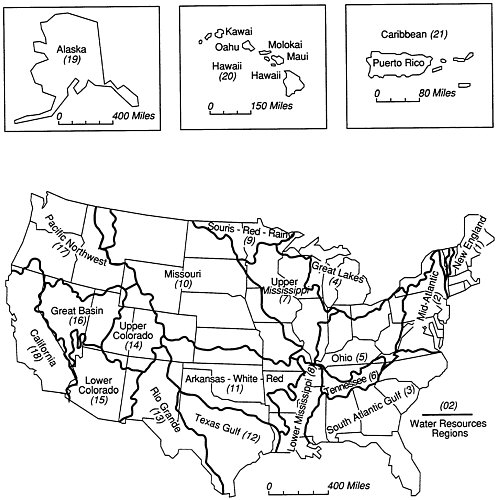
FIGURE 1.2 Hydrologic units of the United States. Source: U.S. Geological survey, 1987.
TABLE 1.2 Water Use in the 50 State for 1985 (million gallons per day)
|
|
Off-stream |
On-stream |
||||
|
Sector |
Ground |
Surface |
Total |
Consumed |
Returned |
|
|
Domestic-commercial |
3,989 |
31,311 |
35,300 |
6,884 |
28,417 |
|
|
Industrial-mining |
5,267 |
25,533 |
30,800 |
4,928 |
25,872 |
|
|
Thermoelectric |
655 |
130,345 |
131,000 |
4,323 |
126,677 |
|
|
Irrigation-livestock |
48,504 |
92,496 |
141,000 |
75,999 |
65,001 |
|
|
Hydropower |
|
|
|
|
|
3,050,000 |
|
Total |
58,415 |
279,685 |
338,100 |
92,134 |
245,967 |
3,050,000 |
|
SOURCE: Solley et al., 1988. |
||||||
it moves through river systems. Given that there are well over 2.5 million dams in the United States (Johnston Associates, 1989), only a small probability exists that a drop of water could make its way from its cloud of origin, over the land surface, through the drainage system, and back into an ocean without passing through a man-made structure.
Both off-stream and on-stream uses change the physical and chemical characteristics of the water. Reservoirs the thermal properties of the waters in rivers and streams by changing the surface area and depth characteristics. During the winter the larger surface areas created by a reservoir release more heat than an undammed stream would have, whereas during the summer they absorb more heat; consequently, the downstream thermal regime is changed. Thermal electric plants discharge heat to stream, rivers, and lakes via the dispersal of cooling waters. Domestic and industrial (including thermal electric) uses alter the hydrology at the point of both withdrawal and discharge. The return flows introduce elevated concentrations of nutrients and toxic substances despite modern wateswater treatment technology. Relative to the sustained yield, industrial and domestic wastewaters represents about 32 percent of the water treated. Dissolved solids are adopted to the stream from irrigation return flows and agricultural drainage in general. These flows account for 12 percent of the sustained yield. The high concentrations of dissolved solids result, in part, from the evaporation of irrigation water. Evaporative losses account for 14 percent of the sustained yield. Other sources such as runoff from roads, parking lots, and farm fields contribute substantial amounts of solids and nutrients to our rivers, lakes, and streams.
Despite the investment of more than $260 billion (1990 costs) from 1970 to 1984 in the construction and operation of public and private wastewater treatment facilities, the chemistry of our streams seems to have improved only slightly (U.S. EPA, 1984; Smith et al., 1987). Based on an analysis of 380 sampling stations distributed throughout the country, the concentrations of chloride, sulfate, nitrate, magnesium, sodium, and potassium. (Smith et al., 1987) have increased. Suspended solids and pH have also increased at most stations, as have the concentrations of heavy metals, including arsenic, cadmium, iron, and manganese. Although most stations reported that dissolved oxygen increased, a beneficial change, the ratio was only about 3 to 2. Decreases were reported in the concentrations of calcium and phosphorus. Based on analyses undertaken by state personnel, the U.S. Environmental Protection Agency has concluded that progress has been made but that much remains to be done (U.S. EPA, 1990). However, only 758,000 miles of stream were surveyed, 23 percent of the total streams in the United States.
The apparent lack of concern for the physical structure of our nation's streams perhaps stems from the fact that no one seems to have very clear idea of how many streams miles there are in the country, let alone their physical, chemical, and biological state of repair. Although basic documentation is lacking, one estimate is that there are more than 3.25 million miles U.S. stream channels (Leopold et al., 1964) and, based on EPA's estimate, 758,000 of these miles are affected by effluents from municipal and industrial treatment plants. An additional 155,000 miles are constructed agricultural drains (Wooten and Jones, 1955). Incorporated into our major river systems are close to 12,000 miles of inland waterways. For these waterways, navigational channels are maintained at depths of 8 to 16 ft. Along our streams, levees and flood walls traverse an estimated 25,000 miles (Johnston Associated, 1989) and enclose more than 30,000 square miles of floodplain. The floodplain estimate is extrapolated from the ratio of length of levees to enclosed area for the Upper Mississipi River. Channelization, for navigation or drainage, and levees have drastically reduced the flow area of stream. At the same time, increased runoff from the draining of uplands and wetlands has been forced into the drainage system. The hydrological effects of this loss of storage are enormous.
The environmental stress and altered characteristics and functions of our aquatic ecosystems caused by dispersive and extractive uses and stream modifications are reflected in the status of our fisheries, as reported by the U.S. Fish and Wildlife Service (Judy et al., 1984). Of 666,000 miles of perennial U.S. streams surveyed, more than 40
TABLE 1.3 Water Quality Limitations on Fisheries of Perennial Streams
|
LIMIT |
Miles Affected |
Percenta |
|
Turbidity |
277,000 |
41.6 |
|
Elevated temperature |
215,000 |
32.3 |
|
Excess nutrients |
144,000 |
21.6 |
|
Toxic substances |
90,900 |
13.6 |
|
Dissolved oxygen |
75,400 |
11.3 |
|
pH |
26,000 |
3.9 |
|
Salinity |
14,600 |
2.2 |
|
Gas supersaturation |
5,500 |
0.8 |
|
Note: Streams surveyed in 1982. a Percent of the 666,000 miles surveyed. SOURCE: Judy et al., 1984. |
||
percent of the stream miles were adversely affected by turbidity, 32 percent by elevated temperature, and 21 percent by excess nutrients (Table 1.3). Water quantity problems resulting from diversions and dams affected approximately 18 percent of the reaches (Table 1.4). The physical limitations most frequently cited were siltation, bank erosion, and channel modifications. Of these, siltation was cited most often and was identified as impairing 40 percent of the miles surveyed (Table 1.5). This survey was conducted once in 1977 and again in 1982.
TABLE 1.4 Water Quantity Limitations on Fisheries of Perennial Streams
|
LIMIT |
Miles Affected |
Percenta |
|
Diversions |
||
|
Agricultural |
105,000 |
15.8 |
|
Municipal |
10,700 |
1.6 |
|
Industrial |
3,290 |
0.5 |
|
Dams |
||
|
Water supply |
30,800 |
4.6 |
|
Flood control |
26,900 |
4.0 |
|
Power |
24,800 |
3.7 |
|
Note: Streams surveyed in 1982. a Percent of the 666,000 miles surveyed. SOURCE: Judy et al., 1984. |
||
TABLE 1.5 Physical Limitations on Fisheries of Perennial Streams
|
|
Miles |
Percenta |
|
Siltation |
265,000 |
39.8 |
|
Bank erosion |
152,000 |
22.8 |
|
Channel modifications |
143,500 |
21.5 |
|
Migratory blockages |
39,700 |
6.0 |
|
Bank encroachment |
9,000 |
1.4 |
|
Note: Streams surveyed in 1982. a Percent of the 666,000 miles surveyed. SOURCE: Judy et al., 1984 |
||
Little change seemed to occur over the intervening 5-year period (Table 1.6). Regardless of when the survey was conducted, only 5 or 6 percent of the miles surveyed supported high-quality sport fisheries or exotic species. Minimal or lower-quality species of fish were found in more than one-third of the streams. Approximately three-quarters of the streams would support only a low-quality sport fishery.
TABLE 1.6 Level of Aquatic Sport Species Supported by Fisheries of Perennial Streams Surveyed in 1977 and 1982
|
|
|
1977 |
1982 |
||
|
Class |
Level Supporteda |
Miles |
Percent |
Miles |
Percent |
|
0 |
No species |
29,000 |
4 |
29,000 |
4 |
|
1 |
Nonsport species |
48,000 |
7 |
49,000 |
7 |
|
2 |
Minimal sport species |
170,000 |
26 |
166,000 |
25 |
|
3 |
Low sport species |
224,000 |
34 |
228,000 |
34 |
|
4 |
Moderate sport species |
155,000 |
23 |
156,000 |
23 |
|
5 |
High sport and special species |
38,000 |
6 |
35,000 |
5 |
|
Surveyed |
666,000 |
100 |
666,000 |
100 |
|
|
Note: Streams surveyed in 1982. a The fish are classed according to nongame (e.g., carp), game (e.g., bass), and special species (e.g., cutthroat trout). The descriptors of abundance (minimal, low, moderate, and high) were subjectively determined, the assessment being made by personnel of the U.S. Fish and Wildlife Service and state fish management agencies. SOURCE: Judy et al., 1984 |
|||||
Restoration Initiative
Because of the highly modified and disturbed state of many of our aquatic ecosystems, particularly those closely associated with large population centers or located in agricultural areas, there is considerable potential for the use of restoration to solve water quality, wildlife, and flooding problems. A restoration initiative must be broad and also must encompass large tracts of land; yet these areas need not impinge on the economic viability of agricultural or urban centers. For example, restoration of about 50 percent (approximately 59 million acres) of the nation's lost wetlands (117 millions acres in the past 200 years) would affect less than 3 percent (Table 1.7) of the land used for agriculture, forestry, and urban settlement. Of course, most wetland restoration would take place on floodprone land that is uneconomical for farming or other activities. Given the 162 million acres of flood-prone land (Table 1.8) and if the nation restored 59 million acres of wetlands in the long term, only 36.4 percent of the flood-prone areas would have to be given over to wetland restoration. The restoration could take place in littoral zones around lakes and reservoirs and along the floodplain, creating circular greenways and along the floodplain creating green corridors.
TABLE 1.7 Allocation of Wetland Areas (in million of square acres) by Land Category a
TABLE 1.8 Allocation of Flood-Prone Areas and Wetlands (in millions of square acres) by land Category
|
|
|
|
|
|
|
Restored wetland as Percentage of Land category |
|
|
Category |
Total |
Flood-plain |
Existing Wetland |
Restored Wetland |
Total Wetland |
Flood-plain |
Total |
|
Agriculture |
1,233 |
98 |
40 |
35 |
75 |
36 |
3 |
|
Forest |
497 |
39 |
41 |
14 |
55 |
36 |
3 |
|
Parks |
211 |
17 |
21 |
6 |
27 |
35 |
3 |
|
Tundra |
189 |
0 |
170 |
0 |
170 |
0 |
0 |
|
Urban |
74 |
6 |
2 |
3 |
4 |
50 |
3 |
|
Defense |
24 |
2 |
1 |
1 |
1 |
50 |
3 |
|
Desert |
21 |
0 |
0 |
0 |
0 |
0 |
0 |
|
Other |
16 |
0 |
0 |
0 |
0 |
0 |
0 |
|
Total |
2,265 |
162 |
274 |
59 |
332 |
|
|
|
Source: Johnston Associates, 1989. |
|||||||
The restoration of river corridors would directly address the recommendations made by the President's Commission on Americans Outdoors (1986). The riverways called for in its recommendations fully embrace the concept of riverine floodplain restoration. If 2,000 river and stream segments are protected and revitalized as the commission recommended, the 59 million acres of restored wetland could be distributed along these corridors. Given that the average river segment length is 200 miles, the total length of restored river corridors would be 400,000 miles. This would be only 2.6 times the length of outlet drains, equivalent to half of the streams surveyed by the U.S. Environmental Protection Agency (EPA, 1990), and less than 1.3 percent of the total length of streams in the United States. Distributing the 59 million acres of land along the stream and river segments would create a corridor with an average width of 1,000 ft.
Conditions of Lakes
Lakes provide many examples of why abatement of pollutant loading is a necessary but often insufficient step toward improving and restoring freshwater quality and quantity, and ecosystem functions. Many lakes have lost significant storage capacity through siltation, which reduces their recreational and water supply usefulness, impairs
their capacity to control flooding, and constitutes a severe economic loss. Siltation also remains a serious problem in the United States; 1.7 billion tons of topsoil are lost to erosion every year (U.S. Department of Agriculture, 1982).
Pollution abatement alone will not return many lakes and reservoirs to their former condition because nutrients and toxic materials are recycled from lake sediments. These processes maintain eutrophic conditions or continue to contaminate food webs and associated fisheries, even though loading has been reduced or eliminated. Invasions and planned introductions of nonnative species have become serious problems, impairing fisheries or recreational use (see Chapter 4 for further details).
The extent of lake damage in the United States is substantial. A recent survey by the U.S. Environmental Protection Agency (1990) indicates that about 2.6 million acres of lakes are impaired (relative to suitability for intended uses), and this most likely is a significant underestimate of the acreage that is ecologically degraded and potentially restorable. By far the most common source of stress leading to impairment is agricultural activity (almost 60 percent of impaired acreage is attributed to this source); nutrient and organic enrichment and siltation problems are the most common causes of impairment. It must be noted, however, that survey information regarding some problems such as exotic species and toxic metals is grossly inadequate. These lakes and reservoirs, and others like them, require active restoration and subsequent protection and management, in part because sites for new reservoirs are rare or absent in most areas of the United States (Brown and Wolfe, 1984). Acidification of lakes by acid rain is widespread in the northeastern United States and Canada, and in Norway, Sweden, and the United Kingdom (NAPAP, 1990). Acidified lakes will recover only slowly after cessation of sulfur deposition and may require significant restorative efforts (Schindler, 1988; Schindler et al., 1989).
Condition of Rivers and Streams
Streams and rivers perform numerous ecological and economic functions. They are conveyances; diluents; sources of power generation; sources of potable water, water for industrial uses, and water for irrigation; and recreation sites. Unfortunately, multiple problems afflict many U.S. rivers today. Our rivers have been diverted, dammed for navigation and hydropower (FERC, 1988; Benke, 1990), channelized, polluted, their wetlands removed, their basins silted in from soil and bank erosion, and their sediments contaminated with toxins. In
places such as the Grand Canyon, dams have prevented or slowed sediment transport downstream, causing erosion of beaches in the canyon (NRC, 1987). The combination of dams on the upper Mississippi River and levees along the lower Mississippi has reduced replenishment of the Mississippi delta by sedimentation during the annual floods and thereby contributed to the problem of land subsidence, shoreline erosion, and loss of coastal marshes (Keown et al., 1981; Penland, 1982; Penland and Boyd, 1985). More than half of the nation's rivers have fish communities adversely affected by turbidity, high temperature, toxins, and low levels of dissolved oxygen. Almost 40 percent of perennial streams in the United States are affected by low flows, and 41 percent by siltation, bank erosion, and channelization (Council on Environmental Quality, 1989).
The problems affecting aquatic resources cannot be solved without examining the deleterious land management practices that contribute to those problems. For example, failure to control wind and water erosion and destruction of forested riparian areas has produced heavy silt loads. Increased sediment delivery resulting from forestry practices has also increased sedimentation and turbidity in downstream channels, lakes, and reservoirs, with attendant loss of capacity for water storage and conveyance, recreational and aesthetic values, and quantity and quality of habitat for fish and wildlife. Low or nonexistent dry season flows are one result, leading to water shortages, elimination of river biota, and the increased potential for flash floods. Annual sediment loads in major rivers range from 111 million to 1.6 trillion metric tons, three-fourths of which is deposited in riverbeds, on floodplains, or in reservoirs. One of the major items in the budget of the U.S. Army Corps of Engineers is the cost of dredging, particularly of the lower Mississippi River (Brown and Wolfe, 1984).
Although there have been measurable improvements in stream quality over the last 20 years in the United States, these are associated primarily with improvements in municipal wastewater discharges (Smith et al., 1987). River sediments remain contaminated with toxic substances in many areas, flash floods are common and occasionally lethal, costs to treat water prior to its use have increased, and streambeds remain covered with silt. Vast stretches of rivers and streams have been channelized, a practice that destroys wetlands; increases sediment, nutrient loss, and bank erosion; and often eliminates streamside vegetation that is essential to maintain cool stream temperatures and to stabilize banks. Thousands of miles of rivers and streams are affected by acid mine drainage. Eight percent of the samples of 59,000 stream segments (21,000 km) examined in the National Surface Water Inventory between 1984 and 1986 were
acidic (NAPAP, 1990). A systematic restoration of U.S. streams and rivers, along with continued pollution controls, is essential.
Conditions of Wetlands
Wetlands provide essential functions, including flood control, soil and nutrient retention, and wildlife habitat. In some agricultural areas such as the state of California, more than 90 percent of the natural wetlands have been drained or filled. Many riverine wetlands, so essential to water storage, aquifer recharge, and wildlife, have been converted to agricultural areas or destroyed by channelization and urban sprawl. The average rate of wetland loss in the conterminous United States from the mid-1950's to the mid-1970's was nearly 460,000 acres per year, leading to an aggregate loss over all time of about half the wetlands believed to have been here before settlement began — an area greater than Massachusetts, Connecticut, and Rhode Island combined (The Conservation Foundation, 1988; Council on Environmental Quality, 1989). The rate of wetland loss declined to approximately 290,000 acres per year from 1975 to 1984 (Dahl and Johnson, 1991).
Although a ''no-net-loss" policy for U.S. wetlands was advocated by President George Bush as a presidential candidate in 1988, the policy's implementation strategy is still being developed at this writing (fall, 1991). During his campaign, then-Vice President Bush declared that all existing wetland should be preserved. His stand was an endorsement of a no-net-loss policy recommendation made by the National Wetlands Policy Forum, a broadly based group including representatives of both industry and environmental groups. In 1989, the U.S. Environmental Protection Agency and three other federal agencies implementing wetlands protection provisions of the Clean Water Act of 1977 (P.L. 95-217), as amended in 1980, produced a wetland delineation manual to help decision makers identify wetlands. This federal manual confirmed a 1983 U.S. Fish and Wildlife Service estimate that 100 million acres of the nation are wetlands. Since the appearance of the manual, however, a number of interest groups, lawmakers, and several federal agencies urged the administration to make the definition of wetlands less encompassing, thereby reducing the amount of land designated as wetlands. These groups have contended that the federal definition of wetlands contained in the wetland delineation manual was so broad as to include areas that are not truly wetlands and that have long been regarded as dry. It is essential that this matter be resolved in order to develop a workable restoration policy.
In response to the criticism, the Bush administration has now developed a new definition of wetlands that would permit construction and farming on up to 10 million acres of land previously classified as wetlands and off limits to development (Schneider, 1991); representatives of the Environmental Defense Fund, an environmental group, have asserted that the new definition would allow the development of up to 30 million acres — one-third of the nation's remaining wetlands. The new definition has had strong backing from the administration's Council on Competitiveness, chaired by Vice President Quayle.
At best, even the original no-net-loss policy meant only no further loss in the aggregate of wetland function or area. Hence, it meant no net return of lost ecological functions and no increase in the nation's wetland area. To recover some of the lost area and functions (e.g., control of soil and nutrient loss, aquifer recharge, control of floods, and provision of nutrient subsidies to fisheries), a major wetland restoration and protection program, particularly in agricultural and coastal regions, is needed. In view of the tremendous losses that have been sustained by the wetland resource base, our national goal should in fact be anet gain in wetlands, rather than no additional loss. A similar line of reasoning leads us to believe that, at a minimum, a no-net-loss policy for all other aquatic resources should be implemented as well. Detailed national studies should be conducted of wetlands and of each major aquatic resource type to set national goals for achieving net gains in all aquatic resources through resource restoration.
NEED FOR NATIONAL AQUATIC ECOSYSTEM RESTORATION
This report presents major elements of an agenda for restoration of aquatic resources. Although the details of this agenda will have to be articulated by scientists, public officials, and citizens working together, some characteristics of a national restoration strategy are already discernible. In the broadest terms, aquatic ecosystem restoration objectives must be a high priority in a national restoration agenda: such an agenda must provide for restoration of as much of the damaged aquatic resource base as possible, if not to its predisturbance condition then to a superior ecological condition that far surpasses the degraded one, so that valuable ecosystem services will not be lost.
Despite a continuing national pattern of loss of aquatic resources in area, quality, and function, comparatively little is being invested today on a national scale to restore aquatic ecosystems. Although no reliable estimate of current national spending on aquatic ecosystem
restoration is available, the total is most likely to be only in the tens of millions of dollars for the entire nation. This sum is tiny relative to the multibillion-dollar scale of investments made in water development and pollution abatement. Numerous restoration projects at all levels of government and by the private sector are significant and promising, but unfortunately, the vast majority are small in scale and uncoordinated on a regional or a national basis. Much more restoration of aquatic ecosystems is needed to slow and reduce the loss of national aquatic resources, ecosystem services, and wildlife.
Concurrent with the overall decline of aquatic resources, demographic and climatological trends are threatening to exacerbate the underlying ecological problems that make aquatic ecosystem restoration necessary. The world's population is now increasing at a rate of 90 million people per year, adding the equivalent of more than the entire U.S. population to the earth every 3 years. If the United Nations has projected correctly that the world population will be 9 billion people within 40 years, global demand for water, as for other resources, will increase greatly, causing water shortages and further damage to aquatic ecosystems (Postel, 1985). Coupled with the likelihood of significant global climate change (Abrahamson, 1989; Cairns and Zweifel, 1989; Schneider, 1989a; Ehrlich et al., 1990), this increased demand could disrupt not only agricultural systems, but also rivers, lakes, streams, estuaries, and ground water sources at the very time when the human population is at a peak. Already there is worldwide evidence of excessive ground water removal coupled with dramatic drops in ground water tables (Postel, 1985). This means not only water shortages but also land subsidence and saltwater intrusion into aquifers— currently major concerns in Texas, Florida, the Middle East, and China (Postel, 1985). Climate change and population expansion may well be the most serious ecological problems now confronting the world and threatening aquatic ecosystems. Even if this nation embarks on a large-scale aquatic resource restoration and protection program, the impacts of climate change will have to be carefully factored into those plans to avoid expending precious restoration efforts on aquatic resources that are likely to parch from the combined effects of global warming and increased water diversion for human use.
Many prominent atmospheric scientists are now warning that within the next century, the planet may be warmer than it has been in 100,000 years if present trends continue (Schneider, 1989a,b). Most climate models predict a drier United States with less runoff from the Rockies in the arid West. The Midwest and Great Plains are also expected to become drier. (See Chapter 6 for further discussion of
climate changes and effects of sea level rise on wetlands.) Lashof (1989) examined an array of biotic and abiotic feedback processes that might affect both the magnitude and the rate of greenhouse warming. These are not routinely included in many general atmospheric models. All but one of the feedback loops Lashof considered were positive; that is, they enhance, rather than reduce, the magnitude and rate of global warming. For this reason alone, the prospects for our already stressed aquatic resources are extremely precarious.
Negative trends in the quality of aquatic resources have been apparent for decades. We continue to find examples of the decline in some functions of major U.S. aquatic ecosystems — for example, San Francisco Bay, Long Island Sound, the coastal marshes and bottomland hardwood forests of the Mississippi delta, the Great Lakes, and the Everglades, to name but a few. If the damage to these ecosystem is not reversed, they will most likely undergo further significant, and in some cases irreversible, ecological deterioration (Wilson, 1988; Woodwell, 1990). To withstand the possible compound stresses from increasing population, and increased demands for aquatic ecosystem services, prudence requires that the nation adopt a national aquatic ecosystem restoration agenda.
REFERENCES AND RECOMMENDED READING
Abrahamson, D. E., ed. 1989. The Challenge of Global Warming. Island Press, Washington, D. C. and Covelo, Calif.
Benke, A. C. 1990. A perspective on America's vanishing streams. J. Am. Benthol. Soc. 9(1):77–78.
Berger, J. J. 1990. Evaluating Ecological Protection and Restoration Projects: A Holistic Approach to the Assessment of Complex, Multi-Attribute Resource Management Problems. Doctoral dissertation. University of California, Davis.
Brown, L. R., and E. C. Wolfe. 1984. Soil erosion: Quiet crisis in the world economy. Worldwatch Paper 60. World Watch Institute, Washington, D.C.
Bureau of the Census. 1990. Statistical Abstract of the United States, 1990: The National Data Book. U.S. Department of Commerce. U.S. Government Printing Office, Washington, D.C.
Bush, G. 1988. Vice President George Bush, Remarks to the Ducks Unlimited Sixth International Waterfowl Symposium, June 8. Crystal Gateway Marriott, Crystal City, Va.
Cairns, J., Jr. 1988. Increasing diversity by restoring damaged ecosystems. Pp. 333–343 in E. O. Wilson, ed., Biodiversity. National Academy Press, Washington, D.C. Cairns, J., Jr., and P. F. Zweifel, eds. 1989. On Global Warming. Virginia Polytechnic Institute and State University, Blacksburg, Va.
Clean Water Act of 1977. P.L. 95–217, Dec. 27, 1977, 91 Stat. 1566.
Council on Environmental Quality. 1989. Environmental Trends—Chapter 2. Water.
Interagency Advisory Committee on Environmental Trends. Executive Office of the President, Council on Environmental Quality, Washington, D.C. 152 pp.
Dahl, T. E. 1990. Wetland Losses in the United States 1780s to 1980s U.S. Department of the Interior, U.S. Fish and Wildlife Service, Washington, D.C.
Dahl, T. E., and C. E. Johnson. 1991. Status and Trends of Wetlands in the Conterminous United States, mid-1970's to mid-1980's, U.S Department of the Interior, Fish and Wildlife Service, Washington, D.C.
Duda, A. M., and R. J. Johnson. 1984. Lakes are losing the battle in clean water programs. J. Water Pollut. Control Fed. 56:815–822.
Duda, A. M., M. L. Iwanski, R. J. Johnson, and J. A. Joksch. 1987. Numerical standards for managing lake and reservoir water quality. Lake Reservoir Manage. 3:1–16.
Ehrlich, P. R., G. Daily, A. H. Ehrlich, P. Matson, and P. Vitowsek, eds. 1989. Global Change and Carrying Capacity: Implications for Life on Earth. Global Change and Our Common Future. National Academy Press, Washington, D.C.
El-Swaify, S. A., and E. W. Dangler. 1982. Rainfall erosion in the tropics: A state of the art. In Soil Erosion and Conservation in the Tropics. American Society of Agronomy. Madison, Wis.
Federal Aid in Wildlife Restoration Act. P.L. 75–415, Sept. 2, 1937, Pitman-Robertson Wildlife Restoration Act.
Federal Energy Regulatory Commission (FERC). 1988. Hydroelectric power resources of the United States—Developed and undeveloped. Superintendent of Documents. U.S. Government Printing Office, Washington, D.C.
Frey, H. T., and R. W. Hexem. 1985. Major Uses of Land in the United States: 1982. Economic Research Service. Agricultural Economic Report No. 535. U.S. Department of Agriculture, Washington, D.C.
Horton, A. H. 1914. Water Resources of Illinois. State of Illinois River and Lake Commission, Springfield, Ill.
Johnston, L. R., Associates. 1989. A Status Report on the Nation's Floodplain Management Activity. An Interim Report. Prepared for the Interagency Task Force on Floodplain Management. Contract No. TV-72105A. Knoxville, Tenn.
Joint Federal-State Land Use Planning Commission for Alaska. 1973. Major Ecosystems of Alaska, Juneau, Alaska.
Jordan, W. R., III, M. E. Gilpin, and J. D. Aber, eds. 1987. Restoration Ecology: Ecological Restoration as a Technique for Basic Research. Cambridge University Press, New York. 342 pp.
Judy, R. D., Jr., and P.N. Seeley, T.M. Murray, S.C. Svirsky, M. R. Whitworth, L. S. Ischinger. 1984. 1982 National Fisheries Survey, Vol. 1. Technical Report: Initial Findings. U.S. Department of the Interior, Washington, D.C.
Keown, M. P., E. A. Dardeau, Jr., and E. M. Causey. 1981. Characterization of the Suspended-Sediment Regime and Bed-Material Gradations of the Mississippi River Basin. Potamology Program (P-I). Report 1, Volume II. U.S. Army Corps of Engineers District, New Orleans, La. 375 pp.
Lashof, D. 1989. The dynamic greenhouse: Feedback processes that may influence future concentrations of trace atmospheric trace gases and climate change. Climatic Change 14(3):213–242.
Leopold, L. B., M. G. Wolman, and J. P. Miller. 1964. Fluvial Processes in Geomorphology. W. H. Freeman, San Francisco, Calif. 522 pp.
Lewis, R. R., III. 1989. Wetlands restoration, creation, and enhancement technology: Suggestions for standardization. Wetland Creation and Restoration: The Status of the Science, Vol. II. EPA 600/3/89/038B. U.S. Environmental Protection Agency, Washington, D.C.
Magnuson, J. J., H. A. Regier, W. J. Christie, and W. C. Sonzogni. 1980. To Reinhabitat
and Restore Great Lakes Ecosystems. The Recovery Process in Damaged Ecosystems. Ann Arbor Science Publishers, Ann Arbor, Mich.
McGinnies, W. G., B. J. Goldman, and P. Paylor. 1968. Deserts of the World. University of Arizona Press, Tucson, Ariz.
Naiman, R. J. 1988. Animal influence on ecosystem dynamics. BioScience 38(11).
National Acid Precipitation Assessment Program (NAPAP). 1990. Integrated Assessment: Questions 1 and 2. NAPAP Interagency Program, Washington, D.C.
National Research Council (NRC). 1987. River and Dam Management. Water Science and Technology Board. National Academy Press, Washington, D.C.
Penland, S. 1982. Assessment of geological and human factors responsible for Louisiana coastal barrier erosion. Pp. 14–38 in D. F. Boesch, ed. Proceedings of the Conference on Coastal Erosion and Wetland Modification in Louisiana: Causes, Consequences, and Options. Louisiana Universities Marine Consortium/U.S. Fish and Wildlife Service. FWS/OBS-82/59.
Penland, S. and R. Boyd, eds. 1985. Mississippi Delta barrier shoreline development. Pp. 53–121 in Transgressive Depositional Environments of the Mississippi River Delta Plain: a Guide to the Barrier Islands, Beaches, and Shoals in Louisiana. Louisiana Geological Survey Guidebook Series No. 3, Baton Rouge, La.
233 pp.Postel, S. 1984. Water: Rethinking management in an age of scarcity. Worldwatch Paper 62. Worldwatch Institute, Washington, D.C.
Postel, S. 1985. Managing freshwater supplies. Pp. 42–72 in State of the World 1985, Chapter 2. L. R. Brown World Watch Institute Report. W. W. Norton Publishers, New York.
President's Commission on Americans Outdoors. 1986. Report and Recommendations to the President of the United States. U.S. Government Printing Office, Washington, D.C.
Schindler, D. W. 1988. Effects of acid rain on freshwater ecosystems. Science 239:149–157.
Schindler, D. W., S. E. M. Kasian, and R. H. Hesslein. 1989. Biological impoverishment in lakes of the midwestern and northeastern United States from acid rain. Environ. Sci. Technol. 23:573–580.
Schneider, K. 1991. Plan may open some wetlands for developers. The New York Times, May 15, 1991.
Schneider, S. 1989a. Global Warming. Sierra Club Books, San Francisco, Calif.
Schneider, S. 1989b. Global warming: Causes, effects, and implications. Pp. 33–52 in J. Cairns, Jr., and P. F. Zweifel, eds., On Global Warming. Virginia Polytechnic Institute and State University Press, Blacksburg, Va.
Seton, E. T. 1929. Lives of Game Animals. Volume IV, Part 2. Doubleday, Doran & Company, Garden City, N.Y.
Smith, R. A., R. B. Alexander, and M. G. Wolman. 1987. Water-quality trends in the nation's rivers. Science 235:1607–1615.
Solley, W. B., C. F. Merk, and R. R. Pierce. 1988. Estimated Use of Water in the United States in 1985. Circular 1004. U.S. Geological Survey . U.S. Government Printing Office, Washington, D.C.
Spencer, J. 1985. A Plague of Beavers. Am. For. 91(5):22–27, 62–63.
The Conservation Foundation. 1988. Protecting America's Wetlands: An Action Agenda. National Wetlands Policy Forum. The Conservation Foundation, Washington, D.C.
U.S. Army Corps of Engineers. 1981. Final Report to Congress: The Streambank Erosion Control Evaluation and Demonstration Act of 1974, Section 32, P.L. 93–251. Main Report. Washington, D.C.
U.S. Army Corps of Engineers and U.S. Environmental Protection Agency. 1990. Memorandum
of Agreement Regarding Mitigation for Dredged or Fill Material Disposal in Wetlands. February 6.
U.S. Department of Agriculture (USDA). 1979. Farm Drainage in the United States. History, Status and Prospects. Miscellaneous Publication No. 1455. Economic Research Service, Washington, D.C.
U.S. Department of Agriculture (USDA). 1982. Basic Statistics. Soil Conservation Service, Washington, D.C.
U.S. Environmental Protection Agency (EPA). Office of Policy and Analysis. 1984. The Cost of Clean Air and Water Report to Congress. Washington, D.C.
U.S. Environmental Protection Agency (EPA). 1990. The Quality of Our Nation's Water. EPA 440/4-90-005. Washington, D.C.
U.S. Fish and Wildlife Service. 1990. Wetlands: Meeting the President's Challenge. Washington, D.C.
U.S. Geological Survey. 1987. Hydrologic unit maps. USGS Water Supply Paper 2294. Reston, Virginia.
Wilson, E. O., ed. 1988. Biodiversity. National Academy Press, Washington, D.C.
Woodwell, G. M., ed. 1990. The Earth in Transition: Patterns and Processes of Biotic Impoverishment. Cambridge University Press, Cambridge, Mass.
Wooten, H. H., and L. A. Jones. 1955. The history of our drainage enterprises. In Drainage of Fields. Water—The Yearbook of Agriculture 1955. U.S. Department of Agriculture, Washington, D.C.


