
5
Religion and Religious Groups
Religion, manifested in personal belief and in organized denominations, is a large part of American life. The responses of major religious denominations and of religiously identified individuals to AIDS have been an important feature of the epidemic. Many religious groups have interpreted the AIDS epidemic in the light of their beliefs and teachings. Those interpretations have often led to public pronouncements on AIDS education, prevention, and care, as well as to the shaping of public attitudes toward those afflicted by or at risk of HIV infection. In addition, individuals who identify themselves with particular religious denominations or express particular religious viewpoints have taken positions about AIDS in light of their beliefs. Their positions have often been within the realm of private attitudes, but sometimes they have been manifested in public comments and actions. Given the broad influence of religion in the United States, the response of religious organizations and individuals is a factor in the effort to control the epidemic and to care for those affected by it.
In this chapter, religion is used as a general term to describe the positions and policies of major religious denominations in the United States and the views of individuals or groups that associate themselves with a professed religious belief. The chapter begins with a brief overview of religion and the ways in which the religious traditions that are influential in the United States have historically viewed epidemic disease and sexuality, which are key to understanding the reactions of religious groups to the AIDS epidemic. The chapter then turns to those reactions, first in the early years
of the epidemic and then in more recent years. The chapter relates the responses of some of the larger denominations to the epidemic and reports what can be reliably ascertained about the responses of individuals and groups that express their views in religious terms.
The chapter is about responses to the epidemic by religious institutions and individuals. Those responses have not taken the form of changes in doctrines, beliefs, or adherents. However, the responses of religious institutions affect their activities, which in turn influence health policy, public education, care of the sick, and attitudes toward HIV-infected people. In this way, religious institutions are an important factor in the social response to the HIV/AIDS epidemic in the United States.
The influence of religions and religious belief on the HIV/AIDS epidemic in the United States is difficult to fully discern. Official statements, media reports, and other published accounts provide one source of information. Another source, perhaps a more important one, is beyond the easy reach of researchers: the history of personal attitudes and actions of individuals who are informed and motivated by religious beliefs. Certainly, such individuals have expressed both compassion and discrimination, reception and rejection, involvement and indifference. Many stories have been told of such reactions, but the stories are ephemeral. Similarly, collective reactions of communities of religious people at the level of parishes, synagogues, and other local organizations have also spanned the range of responses. This form of religious response, embodied in the private attitudes and actions of individuals and in isolated activities of small communities, is often hidden from or lost to scientific inquiry. This loss is distressing. The institutions of organized religion can take positions, issue statements, and influence the consciences of their adherent. But it is through individuals, with and without public disclosure, that religion finds expression and evolves in response to changing conditions.
It is also difficult to sort out a "religious" response from the myriad of other attitudes and motivations that surround any human reaction. Even official pronouncements of religious bodies, written in the idiom of religion and invoking its traditions and beliefs, may be influenced by secular and political concerns. The words and actions of individuals who present themselves as religiously affiliated or as representatives of religion may also reflect other interests. None but the most naive observer will accept every word and action by religious organizations and individuals as a pure reflection only of creeds and canons; none but the most skeptical will scorn all religious affirmations as disguised self-serving.
The chapter does not attempt to capture the entire response of American religious denominations to the HIV/AIDS epidemic. It is limited to selected Jewish and Christian groups because of their size or perceived influence within American culture. Buddhism and Islam in the United States
and the religions of Native Americans are not discussed. Although powerful forces in the personal lives of their adherents, these religions are not ordinarily given to public statements from official representatives about their beliefs.
The primary objective of this chapter is to describe how organized religion has responded to the epidemic and to note the ways in which that response has affected the broader public response and the formation of public and health policy. Many Americans have strong feelings about religion and its place in public life. It is difficult to write about religion without making, or suggesting, value judgments, and even strenuous efforts to avoid such judgments will sometimes be interpreted by some readers as condemnatory or complimentary. In this chapter, the panel has made such efforts to avoid judgments on various religious responses to the epidemic and also to avoid any prescriptions of how religion should respond or what religious should teach. Rather, the intention is to elucidate the role that religious organizations have played in the epidemic and, in so doing, stress the importance of taking that response into account in efforts to understand the impact of AIDS in American society.
The response of religion to the epidemic has been multifaceted. Not only are there many religious communities with their distinct traditions, but within the traditions themselves various themes intertwine with varying emphases. This complexity makes generalization difficult and simplification perilous. As discussed in this chapter, certain themes from certain traditions were more noticeable in the early years of the epidemic, which led to the impression that religion in general was unsympathetic toward those touched by the epidemic and hostile toward preventive efforts. Unquestionably, many people in the gay community strongly believe this is so, as evidenced by two events sponsored by the AIDS Coalition to Unleash Power (ACT-UP): a disruption of Sunday Mass at St. Patrick's Cathedral in New York, where demonstrators desecrated the communion wafers and chained themselves to pews while 4,500 protested outside, and a demonstration outside Boston's Holy Cross Cathedral during an ordination ceremony, where ACT-UP members, some of them "in drag," tossed condoms at newly ordained priests as they left the building. A broader view of the religious response shows these negative reactions, to be sure, but also a more complex picture of religion and AIDS in the United States.
The important role that religious organizations can play in the HIV/AIDS epidemic has been recognized by the lead federal agency in the effort to contain the epidemic, the Centers for Disease Control (CDC). Realizing that its resources are limited and that the widest possible cooperation with other social institutions is needed, the CDC, through the National Partnership Program of its National AIDS Information and Education Program, began in 1989 the development of programmatic relationships with the business
and religious sectors of society. Relationships with 30 religious organizations that represent a spectrum of denominations and interests were established. The CDC provides the organizations with technical assistance, referrals, conference support, and information on use of the national AIDS information clearinghouse database. The participant organizations are expected to enhance the CDC's educational outreach by using this information in their own educational and media endeavors. According to the Centers for Disease Control (1990:10) the organizations are considered particularly appropriate:
[they] have broad access to significant populations; have influence and control significant resources; are widely respected and have great credibility with very large segments of the population; and have communications and other networks in place to focus on HIV issues and needs.
One consequence of the partnership with religious organizations has been an expanded and positive coverage of HIV issues in the religious press (Centers for Disease Control, 1990). Also, some religious groups are collaborating with public health agencies to provide HIV prevention education to their members. Thus, CDC has recognized the importance of religious organizations as sources of communication and cooperation in the difficult task of devising and implementing educational programs. If the collaboration of religion is to be fostered in the fight against the epidemic, the nature and dynamics of the religious response to the epidemic must be understood.
RELIGIOUS DOCTRINES AND TRADITIONS
The Nature of Religion
The words religion and religious are extremely difficult to define. One distinguished scholar of religion wrote of "the striking lack of unanimity among modern students of religion regarding the nature of the concept under analysis" (Bertholet, 1934: xiii, 237; see also Spiro, 1968). Every attempt to define these terms will miss some important feature or will misrepresent one or another of the many forms religion takes. For the purposes of this chapter, religion and religious refer to those organized communities of people who express adherence to an explicit canon and creed about the ultimate nature of human life and its transcendent source.
In a general way, religion in Western societies has taken the form of communities of people identified by some title, such as Roman Catholic, Reform Jew, Southern Baptist, Mormon, and so on. Those communities are structured in quite different ways, some with an authoritative hierarchy, others as consensual gatherings. The communities usually espouse a canon, that is, a set of ideas, often committed to writing, that express the origins
and the most salient images, concepts, and histories with which the communities identify. For Christians of all denominations, the Old and New Testaments make up this canon; for Jews, the Torah and the Talmud. Finally, almost all religious communities have statements of principal beliefs, sometimes called creeds, that express the ideas and commitments that define the community from others.
The diverse religious communities with which American society is familiar give varying authority to their canonical scriptures and their creeds: some permit and even encourage broad interpretation; others insist on strict and even literal readings and application to belief and practice. Consequently, within the broad groupings of Christianity and Judaism are many communities that fall along a spectrum from literal and strict interpretation to liberal and figurative interpretation of their basic canons and creeds. These differences are frequently referred to with rough and often inaccurate terms. Despite the difficulty of describing these different positions in a completely accurate way, the differences are real, and they have significant influence on the way in which American denominations have responded to the AIDS epidemic.
Religion, as presented here, differs from most other social and cultural institutions in two significant ways. First, the canons and creeds almost always refer to a transcendent, supernatural power, God or Yahweh, whose relationship to the world and to humans is described in the canons and creeds with some specificity. Second, the canons and creeds explicitly contain certain directions about moral behavior on which religious communities have built moral codes and interpretations of conduct for the faithful. The forms of conduct that are prescribed are, for all faiths, vitally related to the meaning, ends, and purposes of human existence in relation to God. Serious adherence to a faith implies dedicated acceptance of its canons, creeds, and codes, even though believers will admit that they may sometimes, perhaps often, fail to live up to their professed beliefs. Although distinct faiths require adherence to their creeds, canons, and codes with greater or less literalness, religion, almost by definition (the word comes from the Latin for "bound" or "tied to"), requires adherence and fidelity to those features. At the same time, religion displays remarkable adaptability. The survival of many religious communities through very diverse, and often adverse, cultural situations is proof of that adaptability. Thus, when organized religions encounter new situations and experiences, their adherents will often interpret them in light of their beliefs. Conversely, when beliefs are challenged as outmoded or inadequate to new circumstances, religions will seek to preserve them or will modify them to the extent that modification does not violate the basic beliefs. It is rare to find a religious denomination deliberately abandoning or radically changing its beliefs: if change comes, it usually comes slowly and in less than obvious forms.
Religious institutions, then, perhaps more than any other institution, respond to unprecedented situations through defining features of their traditions. This sometimes means that a religious response will take the form of hard-line resistance to a new situation judged incompatible with its faith. Sometimes the religious response will consist of a reinterpretation of the tradition that enables it to coexist with a new situation. The doctrines and practices of religious institutions are not static, but even as they undergo change in response to new situations there is usually a strong urge to identify and preserve essential elements of the past. Thus, religion is almost always traditional and adaptive at the same time; its responses to new situations will be a mix of the dogmatic and doctrinal with the practical and pragmatic. These features of religion are important in understanding how religious groups in the United States have responded to the HIV/AIDS epidemic.
Religion in the United States
Religion was a powerful force in the origins and growth of the American republic. From colonial beginnings, Protestant and Catholic Christianity, and later Judaism, provided vital ideas, communal energy, and spiritual enthusiasm for the formulation of American institutions and public life (Clebsch, 1968; Reichley, 1985; Wuthnow, 1988; Butler, 1990). During much of the twentieth century, however, the place of religion in American culture was anomalous. The dominant cultural view was that religion has lost its influence among Americans and had moved to the margins of American life. The constitutional prohibition of establishment of religion erected a wall of separation between church and state higher than it had ever been, leading policy makers to steer clear of anything that might appear to breach that wall. Many aspects of public life, from education to entertainment, are carried on without reference to religion and, indeed, often seem antithetical to traditional religious teachings. In many respects, American life seems thoroughly secular (Clebsch, 1968).
By the late 1980s it became clear that that view was no longer tenable (Marty, 1987). Religion simply cannot be ignored as a social force in U.S. society. The sheer number of people who associate themselves with religion and who participate in its activities are testimony to the presence of religion. The constitutional wall may effectively separate governmental and ecclesiastical structures, but it does not keep ideas and influences of the world of religion from filtering into the world of public affairs. In the realm of health alone, current debates over the legality of abortion, the permissibility of fetal research, toleration of assisted suicide, and the rights of parents of religious persuasion to withhold from their children certain therapeutic and preventive health measures are recent examples of the constant interplay between religion and public affairs.
The vitality of religious life in the United States is remarkable. In 1989 there were more than 200 religious denominations in the United States. The 15 largest religious bodies encompassed 80 percent of the estimated 144 million total membership of congregations. The Roman Catholic church reports the largest membership (approximately 53.5 million), and the Southern Baptist Convention claims the largest Protestant Christian membership (approximately 14.75 million); the largest African American denomination is the National Baptist Convention, U.S.A. (an estimated 5.5 million); Reform Judaism is the fifteenth largest religious group (slightly fewer than 2 million) (Jacquet, 1989). Although reports of membership from denominations cannot be easily compared due to different definitions of membership, by self-report approximately 90 percent of Americans identify with a denomination (Goldman, 1991). Frequency of attendance at services provides another measure of religious commitment. The 1988 General Social Survey found that 27 percent of respondents attended services once or more per week, 17 percent attended more than once a month, and 20 percent attend from once a month to several times per year. By most measurable indices, the United States is a more religious country than all European nations except Ireland and Poland (Gallup Organization, 1985; Reichley, 1985).
Claims of religious affiliations and reports of church attendance are not, of course, measures of religious dedication or fervor, and there are several indications of an increase in deeply personal affirmations of religious belief. Among Christians, the number of persons expressing ''commitment to Jesus Christ" indicates the importance of religious faith to many individuals. The Gallup Organization recently reported that 74 percent of adult U.S. citizens claimed such a commitment, compared with 66 percent in a 1988 survey and 60 percent in a 1978 survey (Christian Century, 1990). Even though many of America's 6 million Jews are not religiously observant or are only occasionally so, scholars note the emergence of a "committed minority … whose conscious choice of religious involvement has infused all branches of American Judaism with new energy and passion … that has virtually transformed American Judaism within the last two decades" (Wertheimer, 1989).
Religious affiliation and personal commitment to religious belief also find expression in patterns of charitable giving. Individual donors, who accounted for 84 percent of all giving in 1988, favored religious charities over all others. Of all households making contributions, 53 percent gave to religious organizations; human services and health were distant runners-up at 24 percent each. Religious organizations also ranked first in terms of average contribution per household: $375 to religious, $50 to human services, $44 to education, and $31 to health organizations (Independent Sector, 1990).
The place of religion in social life is indicated further by the ubiquitous
presence of places of worship and religion-related educational, health, and social service organizations. Indeed, many social and cultural institutions, and even many commonly accepted "secular" beliefs, have migrated from the world of religion into the secular world and remain there, invisible but indelible (Douglass and Brunner, 1935; Clebsch, 1968; Wuthnow, 1988).
Like other huge organizations, national religious organizations can be slow to act or change. Local congregations, less burdened with bureaucracy, and individual members can be sentinels to identify emerging issues and be more immediately responsive. Yet when the national bodies speak and act, the whole nation becomes the audience and, at least theoretically, every neighborhood with a local congregation exists is affected. And political boundaries generally are not barriers to religious bodies and their institutions of education, health care, and social service.
Religion and Epidemic Disease
Christianity and Judaism retain within their traditions memories of epidemic disease. Those memories have become powerful images in the religious imagination and have influenced theological interpretations of the way God deals with humanity. The Hebrew scriptures (Old Testament), also revered by Christian faiths, contain many references to plague and pestilential disease, often in the context of divine wrath and punishment (Gen. 12:17; Lev. 26:6, 26:21, 26:25; Num. 8:19, 11:33, 15:37, 25:8, 31:16; Deut. 7:15, 28:22; II Sam. 4:8, 5:6; II Sam. 25; Jer. 21:6, 33:36). In the Book of Exodus, for example, God speaks the terrible words, "For now I will stretch out my hand, that I may smite thee and thy people with pestilence" (9:14). At the same time, God protects from the ravages of pestilential disease (Ps. 106:29). The Lord of the Hebrews and Christians is described as intimately involved in the lives of humans and brings both disease and deliverance as signs of anger and love. Undoubtedly, this idea of a God who has power over good and of evil is a difficult one: How can God be omnipotent and good and yet evil exist? The attempt to understand and answer this question, the so-called problem of theodicy, is a perennial endeavor for believers and nonbelievers alike. Still, the belief of a God who is involved in human life remains deeply embedded in the major religious traditions of American culture (Berger, 1967).
The belief that pestilence came from God was given "scientific confirmation" by contemporaneous medical explanations of the causation of disease. Greek medicine explained epidemics as the result of the conjunction of astral, meteorological, and terrestrial influences that, under certain circumstances, created a "climate" for disease. They named this the ''epidemic constitution," a theory that prevailed in various forms until the nineteenth century. Since theological and philosophical views alike held that
physical forces were, in some sense, under the guidance of Divine Providence, it was logical to see pestilential diseases as caused by God. The sixteenth-century surgeon, Ambrose Pare, for example, described the plague as "the coming of the wrath of God, furious, sudden, swift, monstrous, dreadful," and he devoted an entire chapter of his book to supporting this view with many scriptural quotations. He went on, however, to explain at length "the human and natural causes … the infection and corruption of the air and the visitation of the humours of the body that dispose them to take the plague from the air" (quoted in Winslow, 1943:177). Thus, both religious and scientific beliefs coincided to support the common contention that pestilential disease was an act of God. How that act of God was to be interpreted has always been a matter of debate.
In the Christian Middle Ages, the most common interpretation asserted that plague was punishment for the sins of humans. Religious authorities prescribed prayer and penance; at the same time, they insisted that measures be taken to prevent and stop the ravages of disease and that the sick be cared for. The sins being punished by God were usually viewed less as the particular sins of individuals than as the collective and pervasive sinfulness of all human beings. Even the most fervent preachers could not help but notice that the virtuous and the vicious, the religious and the irreligious, and the innocent child and the old villain were all stricken together. Indeed, it seemed to some observers who noted the deterioration of morals and social life consequent on great epidemics that the good were taken while the bad were spared. One early Christian historian (Gasquet, 1893:260) wrote of the plague in the reign of Emperor Justinian (A.D. 527-565): "whether by chance or providential design, it spared the most wicked." Thus, it is rare to find a link between sin and sickness, so common a theme, focused on one or another kind of sin—although an imaginative preacher could certainly seize on plague as punishment for his favorite vice (Numbers and Amundsen, 1986; Slack, 1988).
Epidemic disease regularly evoked this moral response of condemnation of sin and the call for repentance. The "great mortality" (bubonic plague) that devastated London in 1665 was commonly seen as a "visitation of God's hand," wrathful against sin in bringing the plague and merciful in removing it (Shrewsbury, 1970). Preachers and physicians alike warned the populace that plague was a judgment of God against such transgressions as "Lust, Pride and whoredom, wantonness and prophaneness" and advised them to avoid such worldliness as "profit, pleasure, usury, feasts and plays, censure, blasphemy and hypocrisy" (Leasor, 1961:68). Yellow fever, which attacked the U.S. eastern seaboard from the late eighteenth century through the first quarter of the nineteenth, inspired not only the first efforts at organized public health in the United States, but also repeated calls from clergy and public officials for prayer and repentance. In the particularly
bad year of 1799, for example, the New York Common Council decreed a Day of Thanksgiving, Humiliation and Prayer. "The Hand of the Lord had lain heavily on New York, and whether its citizens had been guilty of sins of commission or omission, it was hoped that through prayer they could search their hearts and come to see the error of their ways" (Duffy, 1968:109).
The social response to the cholera epidemics in the United States in 1832, 1849, and 1866 reveals the first break in this long tradition of theological interpretation of epidemic disease. In the first two epidemics, the tradition prevailed intact. As Rosenberg (1962:40-42) notes, medical and theological opinions were in agreement that "the intemperate, the imprudent, and the filthy were particularly vulnerable." Sin, if not the primary cause of disease, was at least the "predisposing cause." Even when a respectable person died of cholera, suspicion was aroused that "this ordinarily praiseworthy man either had some secret vice or had indulged in some unwonted excess." Most Americans had no doubt that cholera was a divine punishment on sinful makind and a divine exhortation to repentance. The governor of New York, in an official proclamation, declared that "an infinitely wise and just God has seen fit to employ pestilence as one means of scourging the human race for their sins, and it seems to be an appropriate one for the sins of uncleanliness and intemperance." Sins, it might be noted, were thought to fester among ''the huddled urban masses."
By the time of the last serious cholera invasion in 1866, however, the religious interpretation and its attendant rhetoric had considerably softened. In the intervening years, the previously disdained theory of contagion had been given dramatic support by Dr. John Snow's identification of particular urban water sources as the sources of contagion. By 1866, "there were few intelligent physicians who doubted that cholera was portable and transmissible" (Rosenberg, 1962:195). In addition, the epidemiology of the disease was better understood. The ravages among the poor were better explained by the unsanitary conditions in which they were condemned to live than by their addiction to "the seven deadly sins." Rational measures of control could be put in place; theological explanations, though still relevant to the presence of any evil in the world, were relegated to the background. It appears that as scientific advance provided better explanation of the nature of communicable disease and better means of prevention, the tendency to resort to theological explanations dissipated. Only in one sort of disease, that communicated by sexual contact, did the theological reference continue to prevail—not as a substitute for the scientific causality, but as a reminder that the scientific cause, a microbe, was transmitted by human behavior that could be blamed as sinful (Brandt, 1987). In later epidemics, such as the influenza epidemic of 1919 and the polio epidemic of the 1940s, the traditional theological commentary was hardly heard in public discourse.
Christianity and Judaism, then, have long and deep traditions that interpret
disease within the scope of Divine Providence. At the same time, these religious traditions contain powerful imperatives to care for the sick. The Talmud "gave permission to the physician to heal; moreover, this is a religious precept and it is included in the category of saving life," one of the most stringent of religious obligations (Shulhan Arukh, cited by Jakobovits, 1978:793). Similarly, Jewish ethics ranks "as the noblest form of charity—'loving kindness of truth' in the language of the rabbis—services rendered to those who can no longer fend for themselves, including the utmost consideration for the dignity of the dying" (Jakobovits, 1978:797). In the New Testament, Jesus tells the story of the Samaritan who "had compassion'' on a wounded Jew and cared for him at his own expense (Luke 10:29-37). This image became paradigmatic for Christians; early Christian literature is filled with admonitions to care for the sick. Records of epidemic disease in the third century tell of Christians who devoted themselves to caring for Christians and non-Christians alike, even at risk of their lives: they were named "the reckless ones" (Numbers and Amundsen, 1986:48). Even when they were theologically convinced that plague was punishment for human depravity, ecclesiastical leaders organized medical care and enforced preventive efforts: quarantine and penitential processions were endorsed as protection from plague. Desertion of the sick by physicians and clergy alike was branded as shameful. Thus, historically, Christianity and Judaism strongly urged their adherents to care for the victims of epidemic disease. This profound tradition has also influenced the response of religious organizations to the HIV/AIDS epidemic.
SEXUALITY
The AIDS epidemic is marked by one feature that has made it particularly problematic for religion, namely, the group initially hardest hit and still numerically the group with the largest number of cases is men who have sex with men. This fact has posed a problem to those religions that explicitly condemn homosexual activity as sinful. Christianity and Judaism have historically been critical of homosexuality. Several texts of the Hebrew scriptures (Gen. 19; Lev. 18:22, 20:13) and several in the New Testament writings of St. Paul (I Cor. 6:9; I Tim. 1:10; Rom. 1:26-7) are interpreted by many to condemn homosexual activities. Early Christian writers, however, rarely alluded to them, and modern scholars debate their interpretation (Boswell, 1980; Lemay, 1980; Weeks, 1980; Adams, 1981). Still, from its beginnings, Christianity has generally considered sinful all forms of sexual expression other than procreative intercourse, although it appears that sexual acts between persons of the same gender were not singled out as more sinful than adultery or fornication. In the thirteenth century, however, church leaders began to see homosexual behavior as particularly heinous
and, for the first time in Christian history, ecclesiastical, legal, and public intolerance of those who practiced such behavior became common. Since that time, Christian denominations have generally judged same-gender sex harshly and have often been supportive of legal penalties against it (Brundage, 1987). However, some Protestant and Jewish groups have adopted the more tolerant interpretation that some scholars give to the scriptural texts referring to homosexuality.
Some adherents of Christianity and Judaism were inclined to link the earlier tradition that saw plague as a divine punishment for sinfulness in general with the single sin of male homosexuality. The first civil legislation (in A.D. 533) that flatly outlawed homosexual behavior and made it subject to the death penalty, along with adultery, was associated by its enactor, the Christian Emperor Justinian, with the occurrence of plagues and earthquakes. During subsequent centuries, this association was cited from time to time when civil and ecclesiastical laws imposed penalties on homosexuality (Boswell, 1980:170-173; Brundage, 1987:398-399). Even though forgotten by most modern Christians, this ancient association seems to echo in the collective memory of some who were ready to view AIDS as divine punishment visited on homosexuals. When it became evident that the infection touched others as well, that position became more difficult to maintain, and many denominations, including major ones in the United States, have not endorsed that position (see below). Nevertheless, the association between homosexuality and infection has complicated the response of many religious people. For one major denomination, Roman Catholicism, the reaction to AIDS has also been complicated by its condemnation as sinful the use of almost all methods of birth control, and this doctrine was stated in such a way as to prohibit the use of condoms in any sexual activity (Noonan, 1970). Thus, as discussed below, the position of the Roman Catholic church regarding one of the most commonly recommended methods for preventing the spread of HIV has been the subject of intense debate.
The HIV/AIDS epidemic, then, comes to religion as an old nemesis in new guise. Religious tradition and teaching have had, from time immemorial, a place for pestilential disease. This new pestilence, however, arrives at a time when popular religious belief and theological views are different in many ways than in the past. They are more diverse, for religious traditions have separated into many branches. In addition, the relation between theological and scientific understanding is more complex; even those who believe that divine causality stands behind the events of the world do not always see that relationship in a direct, unambiguous way. Thus, today, religions have reacted to this modern epidemic in a complex way. They have almost inevitably done so with some reference to the powerful beliefs of the past, but with the more subtle and nuanced interpretations of the present. Some denominations have closely followed what they believe is
the proper, literal interpretation of the relationship between disease and Divine Providence. Other denominations, open to broader interpretation of texts and to limited historical modification of doctrine, have found room in their theological traditions for a more expanded view. Roman Catholicism, for example, which in the past preached vigorously the lesson of pestilence as God's punishment, has explicitly repudiated an interpretation of divine retribution in its pronouncements about the HIV/AIDS epidemic. One bishop (Clark, 1988) wrote: "There are some misguided individuals who have declared AIDS to be a punishment from God. Deep in the Judeo-Christian tradition, however, is the knowledge that our loving God does not punish through disease."
EARLY RESPONSE TO THE EPIDEMIC
Official and Unofficial Response of Clergy and Lay People
Between 1981 and 1983 the record shows no official response from religious denominations to the nascent AIDS epidemic. In those years, AIDS was perceived as a gay disease. Since homosexuality was generally disapproved by religious groups and gay life was lived largely outside the sphere of religious congregations, the advent of tragedy among gay people drew little attention—and none at the level of official recognition. It appears that for religious groups, as for journalists, AIDS, as it was to be known, was a gay story and, as such, need not, perhaps ought not, to be told (Bazell, 1983; Kinsella, 1989).
The official silence was broken in 1983. The National Council of Churches of Christ in the U.S.A. issued a resolution that took note of the incidence of AIDS among gay men and affirmed its commitment to advocate for lesbians and gay men as a preface to calling for increased funding for research and education (Melton, 1989:115-116). The Universal Fellowship of Metropolitan Community Churches, which has a predominantly gay membership, also spoke early. Its 1983 "Resolution on AIDS" committed the denomination to pastoral care and leadership, education, political activism, and social responsibility (Melton, 1989:154-155). The Roman Catholic Diocese of San Jose, California, appears to have issued the first statement by a Catholic church official recognizing the epidemic and its implications for ministry to gay men. "Guidelines for Pastoral Ministry to Homosexuals," issued in 1984, included the following message (quoted in Melton, 1989:2):
Ministry to the sick, dying and bereaved requires special attention and sensitivity in this context because the misunderstanding and hostility surrounding homosexuality has been grievously aggravated by the uncertainty and fear surrounding Acquired Immune Deficiency Syndrome. Afflicted
individuals, their families and friends have a special claim on the ministry of the church.
The Union of American Hebrew Congregations (Reform Judaism) issued a statement on AIDS in 1985 calling for increased funding for research, education, and the prohibition of discrimination against people with AIDS (Melton, 1989:169-170). Except for the Roman Catholic church, these groups were generally tolerant and supportive of sexually active homosexual people.
These early statements were the exception. Most major religious bodies preserved official silence during the early 1980s. At the same time, those clergy and lay people who, in accord with the tradition of caring for the sick, were drawn into ministry to people touched by AIDS, developed their own approaches, applying teaching and talent to a new challenge and need. People in denominations with stringent doctrines against homosexuality often carried out their ministries under suspicion and constraints. Still, their creative responses would become a resource for the many resolutions, declarations, and position papers that emerged across the American religious landscape later in the decade.
In contrast to this official silence and quiet ministry, some clergy and television preachers revived in strong tones the ancient association between disease and God's judgment on sin. According to Melton (1989: xvii):
[the notion that AIDS is divine retribution on sinful people] struck a responsive cord in many religious people, especially those with a conservative traditional theology who, having wrestled with the issues of homosexuality through the 1970s, had concluded that homosexuality was a sin and that all sin stood under the judgment of God.
The epidemic appeared at the height of the popularity of televangelism, and the public prominence of some of the preachers gave their sermons high visibility (Horsfield, 1984).
Moral judgments about high-risk behavior, particularly male same-gender sex, and fears of contagion seemed to dominate the public religious response during the first 5 or 6 years of the epidemic. Stories about people with AIDS who lost jobs, apartment homes, insurance coverage, friends, family, pastoral care, and medical services did not move religious institutions to compassion or advocacy in any measurable manner. Although these implicit judgments and attitudes were not universal within religious denominations, few counter voices were heard in a nation being swept by a conservative political and religious movement in which "moral behaviors" were promoted and portrayed as the sole solution to the spread of HIV disease.
The scientific uncertainty about HIV transmission became a reason to avoid contact with people known to be infected or thought to be at risk for infection. A Roman Catholic retreat center denied use of its facilities by a
Church of the Universal Fellowship of Metropolitan Community Churches unless other groups were informed that people with AIDS would be present. "What about the bathrooms?" the center coordinator asked (quoted in Cherry and Mitulski, 1988:86). Children with AIDS did not escape rejection and isolation. Schools and neighborhoods were closed to them and their families (Kirp et al., 1989). Members of a Florida church advocated the exclusion of several hemophiliac children with AIDS from public school and banned persons with HIV infection from their Sunday school and church services (Florida Baptist Witness , September 17, 1987; Sider, 1988). A respected minister was asked to resign his ministry because his wife and child were infected by transfusion; several churches even refused to admit his family for worship (Hilts, 1992). There was little enthusiasm within religious communities to befriend and defend this new class of social outcast, despite the moral instruction of their traditions.
Fear was a significant factor in the religious response to the epidemic in its early years, and the fear was not restricted to contagion, disease, and death. It extended to association and was exacerbated by attitudes and feelings about sexuality and behaviors unfamiliar in the milieu of most religious communities, such as intravenous drug use. Some highly visible Christian pastors used fear of contagion as a means to isolate people with AIDS and to justify a particular standard of sexual morality. For example, the Reverend Jerry Falwell, an independent Baptist minister, in a sermon titled "How Many Roads to Heaven?" delivered on his nationally televised "Old Time Gospel Hour" (May 10, 1987), stated that God was bringing an end to the sexual revolution through the AIDS epidemic. He also said: "They [gay men] are scared to walk near one of their own kind right now. And what we [preachers] have been unable to do with our preaching, a God who hates sin has stopped dead in its tracks by saying 'do it and die.' 'Do it and die.'" Falwell's political organization, Moral Majority, opposed governmentally funded research to find a cure for AIDS because the disease was a gay problem (Christianity Today, 1985; U.S. News & World Report, 1985). He promoted the idea that AIDS was not only God's judgment on gay men, but also that divine judgment extended to all of society: "AIDS is a lethal judgment of God on America for endorsing this vulgar, perverted and reprobate lifestyle'' (Falwell, 1987:5). Strong condemnations of gay sexuality, as the cause of AIDS and God's vengeance, also appeared in some religious journals. One of them affirmed (Boys, 1987:44, 45):
God warned mankind about AIDS in Numbers 32:23 when He said, "Be sure your sin will find you out." … Maybe the AIDS plague will educate the world that the Bible is still the bedrock of civilization, and it should be learned, loved and lived in our daily lives.
It is impossible to measure the effect of these claims on the faithful, on
others who grant more or less deference to religious authority, or on the people living with an HIV diagnosis and their loved ones. It can be surmised that at least some people who listened to the condemnatory message of the preachers were persuaded to see the epidemic as the direct result of the evil practices of those affected by HIV/AIDS (Palmer, 1989). The message may have fallen on predisposed minds and reinforced preexisting attitudes, but it had an undeniable appeal. It has been reported that an appeal on the Christian Broadcasting Network to write the Justice Department in opposition to any relaxation of the rule against immigration of HIV-infected persons elicited 40,000 letters (McCarthy, 1991).
A 1985 study of intolerance of AIDS victims interviewed 371 residents of "Middletown," asking among other questions their denominational preference, extent of church attendance, attitude toward literal interpretation of the Bible, and whether America has appreciated the contributions of Christian Fundamentalists (Johnson, 1987). In response to specific AIDS-related questions, 38 percent of the interviewees said schools should exclude children with AIDS, and 49 percent thought there should be a law prohibiting people with AIDS from jobs involving close contact with others. Analysis of the answers indicated that only "failure to recognize the contributions of Christian Fundamentalists" related significantly and independently to intolerance of persons with AIDS. The author noted other sociological studies that reveal the prevalence of negative attitudes toward homosexuals and surmised (Johnson, 1987:109):
The Christian Right sees such people as secular humanists, abortionists and homosexuals, not only as deviants but their activities as being major causes of the breakdown in America's moral standards. Thus, homosexuals, and by association AIDS victims, may serve as scapegoats for conservative Fundamentalists, so that they might blame someone for the moral decay they see all around them.
This suggestion is given further empirical support by a series of studies showing that hostile attitudes toward gay men and lesbians are consistently and positively correlated with certain religious behaviors and attitudes, such as literal belief in the Bible and frequency of church attendance (Herek, 1984, 1987a,b, 1988).
A similar conclusion was reached by the Reverend Andrew Greeley, a sociologist at the University of Chicago's National Opinion Research Center (NORC), in an analysis of the 1988 General Social Survey data, which contained a battery of questions about AIDS and an extensive series of questions about religion (Davis and Smith, 1988). The AIDS items asked whether respondents would prohibit children with AIDS from attending public school, support government programs on safe sex, permit insurance companies to test for HIV, have government pay for AIDS health care, conduct
mandatory premarital AIDS tests, require identification tags for persons with HIV, and make persons with AIDS eligible for disability benefits. The survey showed high favorable response on the questions that supported restrictive or repressive practices. Greeley (1991) correlated the responses with data about denominational affiliation, frequency of church attendance, and religious imagery. On one item, for example, Greeley found that 70 percent of Protestants in the sample favored identification tags for persons with HIV/AIDS, in contrast to 54 percent of Catholics. Much of this difference was concentrated among members of fundamentalist and conservative denominations—73 and 72 percent of their members, respectively, supported tags. Factoring out these groups, 61 percent of Protestants supported tags, a proportion not significantly different from that of Catholics. Further analyses suggested that the difference between fundamentalist and conservative Protestants and Catholics could be accounted for in terms of explicit beliefs about the Bible, early formal relationship to the church, and region of origin. Church attendance did not correlate with attitudes toward tags, but it did correlate negatively with attitudes toward sex education. Greeley then attempted an analysis to determine whether more supportive, compassionate responses were correlated with the images of God cultivated in the more liberal denominations, which led him to this conclusion (Greeley, 1991:12):
The religious correlation with negative attitudes toward AIDS victims or AIDS education is the result of moral and religious narrowness among certain members of the more devout population … this finding establishes that it is not religion as such but a certain highly specific type of religious orientation which tends to induce hostility on the subject of AIDS. While this religious orientation represents a strong component of American culture and society (38 percent of Americans believe in the strict literal interpretation of the Bible), it is not a majority orientation; and even among fundamentalists the majority support AIDS education programs. … One would predict that the greatest resistance to attitudinal change … would come from those with rigid religious orientations and the highest likelihood of attitudinal change from those with the most gracious images of God.
The wide spectrum of theological positions on the epidemic among individual Americans is also shown in the work of Herek and Glunt (1991). Based on a telephone survey with a national probability sample of 1,078 English-speaking adults, they conceptualized AIDS-related attitudes on two principal psychological dimensions, pragmatism/moralism and coercion/compassion. The first dimension was tested with questions about responses to certain public health measures, such as distribution of condoms and clean needles. Those falling on the pragmatic side endorsed such policies, and those on the moralistic side rejected them as condoning conduct they considered immoral. The second dimension, coercion/compassion, contrasted
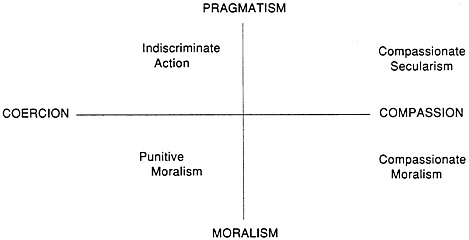
FIGURE 5-1 A Tentative Typology of AIDS-Related Attitudes.
SOURCE: Herek and Glunt (1991:118).
approaches to HIV-infected persons. People with a coercive orientation viewed AIDS as punishment from God or nature, blamed individuals for being infected, and endorsed coercive measures, such as quarantine, to control the epidemic; people with a compassionate orientation tended to reject such views. On the basis of the results of this survey, the authors proposed a four-part typology for understanding AIDS-related attitudes (Figure 5-1).
Although Herek and Glunt's typology was developed to categorize the attitudes of individuals, it can be applied by analogy to the responses of religious organizations. On the first dimension, the official responses of religious institutions have generally stressed moralism over pragmatism. That is, they have tended to reject such policies as widespread distribution of condoms and sterile needles, and they have been unwilling to impart nonjudgmental information about techniques for safer sex. They have emphasized moral prohibitions against certain types of sexual expression (e.g., homosexuality) rather than practical strategies for avoiding infection while engaging in such sexual behavior. Thus, their responses do not fit in either the compassionate-secularism or indiscriminate-action quadrants of the typology.
Religious institutions have shown greater divergence on the coercion/compassion dimension. As already described, Fundamentalist groups such as the Moral Majority have advocated punitive policies toward persons with AIDS and toward groups affected by the epidemic, such as gay men and lesbians. Herek and Glunt (1991) labeled this a pattern of punitive moralism. Other institutions, in contrast, have adopted a stance of compassionate moralism. The Catholic church, for example, has officially urged compassion
for people with AIDS although it rejects education about condoms as promoting immoral behavior. The response of the nation's largest Protestant denomination, the Southern Baptist Convention, exemplifies the dimension of compassionate moralism. The denomination affirms the autonomy of local congregations and the integrity of an individual member's conscience, so any resolution passed during its annual meeting represents only the majority opinion of the delegates and is not binding on local churches. Still, it can be surmised that the majority opinion probably accurately portrays the attitudes of the majority of members in local congregations. In 1987 the Southern Baptist Convention passed a resolution (quoted in Melton, 1989:130) that did not call for any specific action by the denomination or by the government; rather, it sought to infuse the public discussion of the epidemic with "biblical standards of decency and morality." The resolution urged Christians to be compassionate in their contact with people affected by AIDS, and it expressed opposition to "safe sex" programs "which appear to accept infidelity, adultery, and perversion." Finally, the resolution stated that, ''obedience to God's laws of chastity before marriage and faithfulness in marriage would be a major step toward curtailing the threat of AIDS."
Individual commentators from more conservative religious perspectives have stated positions that, while clearly falling within the moralism category, waver between punitive and compassionate moralism. Ronald Sider, for example, the executive director of Evangelicals for Social Action, repudiates the link between God's punishment for the sin of homosexuality and HIV/AIDS. He insists, however, that Christians must continue to view homosexuality as sinful. He writes (Sider, 1988:11-14): "There is no Biblical basis for linking specific sicknesses with kinds of sin. … Evangelicals should be able, however, to condemn homosexual practice as a sinful lifestyle without being charged with homophobia." He goes on to urge Evangelical Christians to provide ministry to people with AIDS, to educate and counsel, and to avoid intolerant acts toward those with HIV/AIDS. "If Christians offer compassionate, costly care to people with AIDS, they will … bring glory to God." At the same time, they must affirm their belief in God's law regarding sexuality. While deploring the "vicious" attacks by some conservative Christians on "fellow evangelical [then] Surgeon General C. Everett Koop," Sider stated that the promotion of condoms would encourage promiscuity.
Boys (1987), also an evangelical Christian, takes a much more punitive position than Sider, maintaining strongly that AIDS is clearly God's punishment for "sodomites." He inclines toward the compassionate dimension only once in a long article (Boys, 1987:52): "People of good will and Christians should not endorse 'gay bashing' … however, there is no doubt that such atrocities (and much worse) will continue to accelerate as greater numbers of innocent people die of AIDS."
As this brief sampling of opinion suggests, many persons with a religious commitment find themselves perplexed: they are caught between the traditional condemnation of same-gender sex and the traditional admonition to be compassionate toward those with a disease, in this instance one commonly contracted through same-gender sexual activity. Some religious people and institutions, grounded in a tradition and a psychology that fears sin above all, incline toward coercive, punitive moralism; others, without repudiating sin, respond more strongly to the call for compassion. Many others struggle to affirm both sides of the dilemma: they honestly condemn intolerance as well as sexual sin but exhort the faithful to concern and compassion. The fear of being perceived as "soft on sin" was and remains a barrier to more supportive care by some religious groups for people with HIV disease and to vigorous education on HIV risk prevention and reduction. It requires a difficult psychological and homiletic balancing act to follow the ancient maxim, "hate the sin and love the sinner."
Isolation of Homosexuals from Religious Communities
The early religious response to the epidemic occurred in the context of a virtual absence of gay people from the life of religious communities. Because of the common religious opposition to homosexual activity, most gay men and lesbians either did not participate in organized religious activities or, if they did, were careful not to be identified. As such, they were, and are generally, an unacknowledged presence in religious institutions. Other gay people who wanted to be open about their sexuality either aligned with the Universal Fellowship of Metropolitan Community Churches, joined the few mainline congregations that would accept them, or organized caucuses to seek standing and acceptance by their religious groups of preference: Dignity (Roman Catholic), Integrity (Episcopalian), Affirmation (Methodist), and similar groups. Some groups of this sort have been welcomed within the larger congregations; others have been repudiated. After the Congregation for the Doctrine of the Faith (1986) of the Vatican issued a strong reaffirmation of the traditional Catholic doctrine condemning homosexuality and ordered the hierarchy to sever relationships with groups that did not accept this position. Dignity responded by asserting the morality of same-gender physical sex (Dignity USA, 1989); in turn, many dioceses denied Dignity the use of church facilities (Ostling, Harris, and Witteman, 1988).
This situation allowed clergy and laity to assume that gay men at risk for HIV infection were not part of congregational life. With low visibility, congregations not only overlooked gay men and their spiritual needs, but also failed to consider that gay men had families who were active members of the congregations and who could be drawn into the HIV/AIDS epidemic
through the diagnosis of a family member. The perception existed almost across the spectrum of religious groups that the HIV epidemic was somebody else's problem, beyond the walls of the sanctuary and of little immediate relevance to what goes on within the sanctuary.
This perception of insulation, together with notions of AIDS and divine retribution, contributed to the feeling within congregations that they would not be affected by the epidemic. The disease, according to this view, would run its course through the high-risk populations of gay men and intravenous drug users. Little attention was given to the prospect that people active in the daily life of the congregation, including the clergy, might be engaging in activities that would put them at risk for HIV infection. Furthermore, congregations are constantly invited by their pastors to be concerned about a variety of human needs and causes for social justice. Peace, hunger, homelessness, poverty, health care, education, joblessness, and other concerns vie for attention and compensatory action. AIDS was a new need joining an already overcrowded list. Other issues directly affected more people than did AIDS in the early 1980s. The immediacy of many of the other problems gave them an urgency and priority over the unknown scope of AIDS, despite the intensity of the suffering AIDS imposed on people and the unknown length of time that AIDS would remain a problem, given the hope for a cure. These considerations are particularly important in understanding the response of African American religious communities to the epidemic (discussed below). Many competing priorities—joined with a settled moral viewpoint and a reluctance to enter the world of people whose life-styles were perceived as different, distasteful, and dangerous—provided a convenient rationalization either for official neglect or for strident pulpit oratory.
In sum, the two viewpoints described above, one that held closely to the tradition that saw all epidemic disease as divine retribution for sin and one that represented the tension between that viewpoint and the religious imperative of compassion, seemed to dominate public discourse during the first phase of the epidemic. These positions, often broadcast by journalists, offered a platform and appearance of credibility to a conservative political administration in Washington. As a result, the impression was given to the public, and especially to gay people, that all religions were hostile toward those most at risk of infection and opposed to programs for research, education, prevention, and care. That impression was certainly justified by the words and actions of a portion of the religious community, but not by the majority of organizations and individuals with religious affiliations. The majority were rather silent during the first years of the epidemic: very few compassionate articles appeared in the religious press or in theological journals before 1985. With the few exceptions mentioned above, no official statements were issued until 1986.
A Changing Climate of Views and Actions
A few theologians began to prepare the way for official policy statements. They emphasized such religious themes as service, compassion for the poor and the sick, justice, mercy, and redemption in ways that deemphasized the condemnatory aspects of the traditions. One such early article, for example, made the following observation (Shelp and Sunderland, 1985:800):
For the church to ignore the needs that cluster around AIDS, to fail to express itself redemptively, and to abandon a group of people who have almost no one to cry out in their behalf for justice and mercy, would constitute a failure in Christian discipleship.
In the next several years, many theologians stressed this point of view (Bohne, 1986; Stulz, 1986; Schaper, 1987; Evans, 1988; Green, 1988; Hale, 1988; McCormick, 1988; Spohn, 1988a,b; Street, 1988; Vaux, 1988; Wiest, 1988; Washofsky, 1989). Their themes, one can presume, influenced the words of the preachers, the policy statements of many denominations, and probably, the attitudes of congregations The voices of the hierarchy were added to those of the theologians. Episcopal Bishop William E. Swing (Diocese of California) entered the public discourse about AIDS on January 18, 1986, with an open letter to the Reverend Charles Stanley, a well-known Fundamentalist Southern Baptist pastor and president of the Southern Baptist Convention. It was reported that Stanley had claimed in a speech that AIDS was created by God in order to express displeasure toward the nation's acceptance of homosexuality. Bishop Swing responded:
When I read about Jesus Christ in Scriptures and try to understand something of the mind of God, I cannot identify even one occasion where he pictures his Father as occasionally becoming displeased and then hurling epidemics on nations. Especially in relation to sexual matters! Rather than hurling wrath when dealing with an adulteress, Jesus said, "Whoever is without sin, cast the first stone." … Thus I do not believe in the God who becomes displeased and decides to show his anger by murdering large numbers of people, or in this case homosexual people.
John R. Quinn, Roman Catholic archbishop of San Francisco, also offered a more compassionate view of the obligation of the Christian church (Quinn, 1986:505-506):
The Christian—the church—must not contribute to breaking the spirit of the sick and weakening their faith by harshness. … The presence of the church must be a presence of hope and grace, of healing and reconciliation, of love and perseverance to the end … [AIDS] is a human disease. It affects everyone and it tests the quality of our faith and of our family and community relationships. Persons with AIDS and ARC are our brothers and sisters, members of our parishes . … As disciples of Jesus who
healed the sick and is Himself the compassion of God among us, we, too, must show our compassion to our brothers and sisters who are suffering.
These statements from two respected religious leaders, both of whom presided over churches in a city where the epidemic was most devastating, were telling. Cardinal Joseph Bernardin of Chicago spoke in the same vein in October 1986 (Congregation for the Doctrine of the Faith, 1986). In the spring of 1987, all of the Catholic bishops of California issued a pastoral letter reminding their faithful that all who suffer from AIDS should be treated with the same love shown by Jesus for the lame, lepers, the blind, and others he healed. They offered their support and fellowship to "members of the homosexual community, some of whom have been separated from the church and its spiritual life" (Bishops of California, 1987).
To words were joined actions. Individual hospital chaplains and congregation-based clergy who had somewhat quietly provided pastoral care to people with AIDS and their loved ones began to form interfaith groups to provide professional ministry to affected people. The testimony of these compassionate ministries contrasts with stories of rejection and condemnation. Some health care and social service agencies sponsored by religious groups participated in the care of people with AIDS as they could. During the middle 1980s, individual congregations began to offer organized and generally interfaith ministries of care. The first program that placed lay people as helpers in the homes of people with AIDS appears to have originated in Houston, Texas, during a divisive municipal political campaign in 1985 in which AIDS and homosexuality were issues. Teams of congregation-based, trained lay people provided home-based social, emotional, physical, and spiritual care to people with AIDS (Shelp, DuBose, and Sunderland, 1990; Sunderland and Shelp, 1990).
The middle years of the decade were a time in which supportive lay people and ordained clergy emerged from private, one-to-one contact to a public and organized response in several cities. In 1985 the Roman Catholic Archdiocese of New York opened a shelter for AIDS patients and a telephone line for information and referral (New York Times, 1985). In January 1986 Mother Theresa's order, the Missionaries of Charity, opened a hospice in New York City's Greenwich Village, and in the following year it opened others in Washington, D.C. and San Francisco (Christian Century, 1986). In the last half of 1986 in San Francisco, Holy Redeemer Catholic parish raised $500,000 to convert an unused convent into an AIDS hospice; Temple Emmanu-El raised $30,000 for hospital beds for AIDS patients; and the United Methodist Church developed counseling and support programs (Godges, 1986). Many other local activities also began (Health Progress, 1986). In early 1987 Cardinal Bernardin appointed a diocesan coordinator for AIDS ministry in Chicago, a post that was also created in San Francisco,
Washington, D.C., Los Angeles, Seattle, and many other Catholic dioceses. Gradually, denominations began to set up national offices to assist local efforts in sharing information, resources, and programs. The AIDS National Interfaith Network was organized in 1988 to perform this service and to foster a more extensive religious response to the epidemic. And a group of religious leaders meeting under the auspices of the Carter Center in Atlanta in December 1989 issued "The Atlanta Declaration," in which they affirmed the dedication of their respective churches and synagogues to "compassionate, non-judgmental care, respect, support and assistance" (AIDS National Interfaith Network, 1989:8). They also endorsed broad educational, preventive, research, and care programs.
OFFICIAL STATEMENTS AND LOCAL ACTIVITIES
The accumulating knowledge, experience, and concern described thus far provided a background for numerous official statements from religious bodies that appeared in increasing numbers in 1987 and 1988. It has become common in many denominations to issue occasional statements about matters of interest to both the denomination and the public. The status of the statements varies with the denominational structure, but in general they are intended to guide and inform adherents rather than to impose doctrines or duties. As public declarations, they influence religious agencies and administrators responsible for the implementation of programs. They also speak to people outside the denomination's membership in an effort to influence public policy, opinion, or legislation. Finally, they can be focal points for debate within and outside the denomination. It must be noted, however, that many denominations and religious organizations do not speak in this way; rather, they leave such matters to individuals and local congregations (Melton, 1989: ix).
Statements about HIV/AIDS can generally be best understood if they are viewed in the context of the discussions about homosexuality that have taken place within many of the denominations. Conservative denominations remained outside that debate, standing squarely on the biblical texts, which they take to be clear condemnations of same-gender sex. The Southern Baptist Convention, for example, judges homosexuality an abomination. Gay men and lesbians are expected to change their sexual orientation or remain celibate as a condition for membership. Certain liberal denominations, such as Reform Judaism, the United Church of Christ, and the Unitarian Church, passed beyond the debate and opened pastoral ministry to all people, including homosexuals. Many major denominations in the middle of the liberal-conservative spectrum, however, struggled to reconcile the traditional condemnation of homosexuality with the universal call to fellowship. Vigorous debates have attended proposals that gay persons be admitted
to the sacraments or ordained to the clergy. Many of the major denominations had gay caucuses, which articulated their concerns and advocated their interpretation of the relationship between sexuality and historic religious beliefs. A report of a committee of the Presbyterian Church, USA, for example, recommended that gay and lesbian people be eligible for ordination whether or not they are celibate, but the report was rejected in April 1991 by the national synod of the church. A report of a similar study group of the Episcopal church recommended that the decision to ordain be left to each diocese, on consideration of the merits of the candidates (Steinfels, 1991); this proposal suggests a departure from the rule that denies ordination to noncelibate gay and lesbian people. The Roman Catholic church, the Eastern Orthodox church, and the United Methodists and most other Protestant denominations remain opposed to ordination of noncelibate gay and lesbian people.
While doctrinal positions on same-gender sex strongly influence denominational positions on AIDS, the other major risk behavior, intravenous drug use, is not a matter of debate. It is not often mentioned in religious statements and, when it is, it is simply assumed to be a moral evil, harmful to individuals and to society. There has been no debate about this conclusion. Intravenous drug use is seen as a contemporary instance of the ancient vice of intemperance, and religious organizations generally deal with drug users as individuals, not as an organized community that promotes a social or political agenda. Intemperate individuals, from a religious standpoint, can repent and abstain from the offending behavior. The "cure" for intemperance is personal, not corporate. Moreover, people who use intravenous or other drugs generally do not agitate for social change or recognition, in contrast to gay men and lesbians who speak and act as a community and challenge the social order and the religious sanctions attached to it. These differences may explain, in part, the greater attention given to sexual behaviors than to drug-use behaviors in denominational statements.
Almost without exception, the denominational resolutions and statements, in contrast to highly publicized statements by popular preachers, do not affirm the claim that AIDS is God's punishment on gay men. Rather, they treat the epidemic as a human problem and provide factual information. Moreover, their theological content tends to focus on the opportunity the crisis presents for compassion, care, and education about morality and risk avoidance and reduction, as well as the protection of the civil rights of infected individuals.
The official statements mark a culmination of the initial learning process of major religious groups as the facts, fears, and issues associated with a new epidemic were sorted out. Moral and theological perspectives were formulated with respect to high-risk behaviors (particularly sexual) and obligations to minister to people who are sick, dying, or bereaved. With
national organizations officially recognizing and speaking about AIDS, local congregations, denominational agencies, and individuals were validated in their existing compassionate ministries and approved to create ministries of education, care, and advocacy where none existed.
Clearly, local congregations are closest to people facing AIDS on a personal level. The response to the epidemic of religious groups at this level would appear to have the greatest impact, in terms of care and prevention. Activity at this level in certain locations "filtered up" during the early years of the epidemic to inform and help shape national statements and AIDS-related program commitments. It is equally reasonable to expect that time will be required for these proclamations and programs to "filter down." The relative slowness with which the process occurs in either direction dismays people who want a more vigorous and extensive compassionate response. In addition, congregations and agencies at local levels are free, according to the governing rules of many if not most groups, to set their own priorities and implement their own programs. Authorization at a national level does not necessarily result in activity at a local level. Still, the authoritative voice of major denominations, speaking clearly and at a national level, has presumably had a real effect on their local congregations. The remainder of this section summarizes, in alphabetical order, the official statements of some major U.S. religious groups and then offers some examples of local congregational activities.
African American Churches
African American churches and religious leaders are powerful influences in their communities. Hence, involvement of the clergy and their congregations would be important for HIV prevention and support services. Like other national religious bodies, these churches with exclusively or predominantly African American membership tended to be officially silent during the early years of the epidemic. African American religious congregations, however, appeared to give the epidemic lower priority than other urgent problems besetting their predominately urban communities, such as unemployment, crime, family disintegration, discrimination, and drugs (Lambert, 1989). Part of their reluctance to address the epidemic was explained by Angela Mitchell (1990:32):
AIDS is still considered by many to be a gay white man's disease, and most blacks with AIDS in this country are intravenous drug users (or their sex partners) and homosexuals—people whose existence many of us would rather deny. Moreover, if the black community were to embrace AIDS as our problem, we would all become associated with a disease many think is divine retribution for sexual immorality; a disease sufferers "bring on themselves" by "doing things they shouldn't have been doing anyway"; a disease of the
morally bankrupt, sexually deviant, promiscuous, hedonistic and drug affected—all stereotypes deserving our rejection.
Moreover, it has been assumed that the doctrinal fundamentalism and the social conservatism often characteristic of African American Christianity is an obstacle to acknowledgment of the epidemic. Dalton, however, does not consider the Fundamentalist doctrine or social conservatism of black churches an insurmountable obstacle to their participation in the national response to the epidemic (Dalton, 1989:211):
these characteristics … are constraints not so much on what can be done in the realm of social action as on how to do it. In practice, the church has proved adaptable, pragmatic, and even crafty when need be … if you want to understand the black church, watch what it does, not what it says. Time and again, the church has demonstrated its awareness of the variability of human existence and the fragility of the soul under siege. Time and again, the church has been responsive to the needs, spiritual and nonspiritual, of the community.
During the end of the 1980s, some black religious leaders and congregations publicly acknowledged the threat of the HIV/AIDS epidemic and began to develop educational and compassionate responses. The full extent and content of those activities are difficult to document, however, because most are locally organized and responsive to local conditions.
In February 1988 the National Black Church Consortium on Critical Health Care Needs was convened to address and develop "strategies to confront the AIDS crisis in the Black Community." The consortium consists of representatives of many black religious denominations, including the National Baptist Convention U.S.A. (5.5 million members), National Baptist Convention of America (2.7 million), and the African Methodist Episcopal Church (2.2 million). Recognizing that African Americans are disproportionately affected by AIDS—12 percent of the nation's population but 29 percent of cumulative AIDS cases reported through December 1991 (Centers for Disease Control, 1992)—the consortium's statement agreed that churches could be silent no longer. Acting in their historical role of conscience for their communities, the denominations resolved "to call upon all members of Black Churches, nationwide to mobilize an immediate response to this epidemic which threatens the very existence of our community" (National Black Consortium on Critical Health Needs, 1988).
Church of Jesus Christ of Latter-Day Saints
The Church of Jesus Christ of Latter-Day Saints, the Mormon church, is not numerically a major denomination, but it has significant influence, particularly in the western United States. In a press release, the Office of
the First Presidency has urged members to be compassionate toward people with AIDS, "particularly, those who have received the virus through blood transfusions, babies afflicted from infected others, and innocent marriage partners who have been infected by a spouse." The church's message of prevention recalls "time-honored revelations from God, including the principle of chastity before marriage, total fidelity in marriage, and abstinence from all homosexual behavior" (Church of Jesus Christ of Latter-Day Saints, 1988).
Evangelical Lutheran Church
The Evangelical Lutheran Church in America has a membership of approximately 5.3 million. The denomination's Church Council issued a message of concern regarding AIDS in November 1988, urging members to support and participate in ministry to people suffering as a consequence of AIDS. The statement made no specific mention of homosexuality or intravenous drug use. However, an awareness that judgments about those behaviors might affect the church's response is implied in the theological basis for the call to service (quoted in Melton, 1989:86):
The church's ministry of caring is a grateful response to God's caring for us. The undeserved love of God announced for all in the Gospel of Jesus Christ is our reason for standing with our neighbor in need. Jesus responded graciously to persons who were sick without assessing their merit. In the same way we are called to "be Christs" for all in our midst who suffer and are ill. Our calling summons us to compassion for, acceptance of and service with people affected by AIDS both within and outside of our congregations.
Various program units within the denomination have developed print and video resources for use by pastors and congregations for education and assistance in providing ministry to people touched by HIV/AIDS. Directories of specialized services have been created and revised. The church has incorporated concerns about HIV/AIDS into existing programs and agencies, as well as creating a national steering committee on AIDS and task forces at lower administrative levels and a planned synodical network to share information, resources, and activities.
Adele Stiles Resmer, assistant executive director of the church's Division for Social Ministry Organizations, reports that the HIV epidemic has had a minimal impact of the church's national structure (personal communication, 1990). The real impact, in her opinion, has been at the local or congregational level, especially in areas where the AIDS caseload is very high. The presence of people with disease who are seeking ministry seems to be necessary to move a congregation or pastor beyond intellectual awareness to actual engagement.
Judaism
Reform Judaism did not participate in the debate about AIDS as a punishment from God. The theological and moral issue for the denomination was the Jewish tradition's obligation to offer healing and comfort to the sick (Melton, 1989). Conservative Judaism agreed in 1987, calling for a compassionate response to people with AIDS, including visitation and care (Melton, 1989). Respected Orthodox rabbis have emphasized healing as the biblically mandated human response to AIDS (Freundel, 1986-87). Although AIDS is not regarded as punishment, it is seen in Orthodox Judaism as ''a consequence of a form of life that is morally unacceptable" (Jakobovits, 1987:22). Nevertheless, in 1988 the Union of Orthodox Jewish Congregations of America called for increased funding and research to combat AIDS (Orthodox Union, 1988).
Presbyterian Church, U.S.A.
The Presbyterian Church, U.S.A. has a membership of nearly 3 million. Its General Assembly, the highest governing body of the church, adopted a "Resolution on Acquired Immune Deficiency Syndrome" in 1986, in which it declared that AIDS is an illness, "not punishment for behavior deemed immoral." It called Presbyterians to prayer for healing and congregations to nonjudgmental ministry.
The denomination promoted the provision of factual information about AIDS and required that people be protected from discrimination. AIDS-related activity at the denominational level is located in the ministry unit of the social justice and peacemaking program. Two consultants funded for 15 days a year work with a full-time person with a 10 percent time commitment to provide models of AIDS-related ministries and consciousness raising. Conferences for representatives of synods (intermediate organizational level) introduce examples of local church and institutional ministry. The expectation is that activities will be initiated within the synod following the conferences. Interest in AIDS-related ministries by pastors and other church leaders seems to be growing as more congregations and neighborhoods are affected by the epidemic. In addition, an information, referral, and resource registry, the Presbyterian AIDS Network, was created, and in 1990 the General Assembly mandated that AIDS educational material for youths be created and used in congregations.
Dave Zuverink, the church's associate for human services, reports that compassion for people with AIDS is increasing among Presbyterians (personal communication, 1990). The association of HIV infection with male homosexuality has tended, in his opinion, to polarize existing sentiment (against or tolerant) regarding homosexuality, however. Furthermore, he
suggests that compassion for drug users may increase if the perception of this behavior as a disease grows.
Roman Catholic Church
The story of the efforts of the Roman Catholic hierarchy to formulate a statement on the HIV/AIDS epidemic is complex. In the summer of 1987 a number of Roman Catholic bishops suggested to their national organization, the U.S. Catholic Conference, that a position paper on AIDS be prepared. An ad hoc committee of the conference, with Cardinal Bernardin of Chicago as chair, drafted a document that recognized the devastating nature of the epidemic and its impact on those who contracted the disease, and it endorsed in clear, theologically supported terms the obligation of Catholics to care for those who suffered from AIDS and to avoid discrimination against the infected. The document also addressed the problem of prevention quite specifically. In the context of general Catholic teaching about sexuality, it recommended abstention from sexual relations as the primary preventive measure. It also acknowledged, however, that not all persons would observe this moral injunction and, thus, that in educational programs about prevention, the mention of condoms could be tolerated. This position was justified by reference to a traditional doctrine of moral theology—the toleration of a lesser evil in order to prevent a greater evil. The document, "The Many Faces of AIDS," was adopted by the Administrative Board of the conference in December 1987 (U.S. Catholic Conference Administrative Board, 1987; Place, 1988).
Certain leading figures of the Roman Catholic hierarchy not involved in drafting the document were severely critical of it. In addition, Cardinal Ratzinger, prefect of the Vatican Congregation for the Doctrine of the Faith, sent a letter to the American bishops in which he affirmed "unequivocal witness of effective and unreserved solidarity with those who are suffering" and insisted on "witness of defense of the dignity of human sexuality which can only be realized within the context of moral law" (quoted in Tonucci, 1988:117-118). He criticized "compromises which may even give the impression of trying to condone practices which are immoral, for example, technical instructions in the use of prophylactic devices.''
In June 1988 the entire membership of the U.S. Catholic Conference (1989) issued a second statement on AIDS, "Called to Compassion and Responsibility: A Response to the HIV/AIDS Crisis," which reiterated the obligation to care for persons with HIV/AIDS without discrimination. It urged abstention as the sole mode of prevention and criticized safe sex as contrary to the ideals of true human sexuality, and it mentioned condoms only to assert their unreliability as a preventive measure. It did not, however, explicitly refer to, nor repudiate, the position of the earlier document.
Thus, at this writing, Catholic teaching on AIDS takes official form in two documents: one permits education about condoms and the other affirms abstinence as the sole mode of prevention but does not explicitly condemn education about condoms.
A long-standing tradition in Catholic moral theology allows individuals freedom of conscience in moral matters when solid theological and moral authority supports alternative positions. Thus, some Catholic educators accept the more liberal position of "Many Faces of AIDS"; others follow the more conservative position that is suggested, though not explicitly mentioned, in "Called to Compassion" (Reverend Michael Place, research theologian, Archdiocese of Chicago, personal communication, 1991). One priest, who is in a leadership position in AIDS education, stated (Reverend Rodney J. De Martini, director of AIDS education, Archdiocese of San Francisco, personal communication, 1990): "Both are operative documents, but in order to be honest educators and counsellors, we must mention not only the moral issues but the relevant scientific and medical facts. Among these is the relative efficacy of condoms." The Teacher's Manual for AIDS: A Catholic Educational Approach, issued by the National Catholic Educational Association (1988), provides a plan for wide-ranging and frank discussion of HIV/AIDS, in the course of which it states: "Basically, research is showing that, while condoms may provide some barrier to AIDS infection, they are often unreliable" (p. 130). AIDS: Ethical Guidelines for Healthcare Providers, issued by the Catholic Health Association of the United States in a second, revised edition of 1989, speaks of condom education in almost the exact phrases of ''Many Faces of AIDS," but in the spirit of "Called to Compassion," notes their unreliability (p. 12).
Pronouncements of the U.S. Catholic Conference have moral authority but are not binding on individual bishops. Thus, dioceses headed by conservative bishops may enforce the more conservative position on AIDS education. This has happened, for instance, in the Archdiocese of New York, where Archbishop O'Connor has insisted that AIDS services within the church's jurisdiction refrain from distributing condoms and from education about safe-sex reproductive behavior in any way that violates the church's doctrines. In other dioceses, such as Cleveland, the bishop has authorized the more liberal approach taken in "Many Faces of AIDS." After emphasizing the church's doctrine on extramarital sexuality, the guidelines recommend that those who disagree with the church's position may be informed that public health advice includes condoms as prevention against AIDS (Spohn, 1988b:108).
United Methodist Church
The United Methodist Church is the second largest Protestant denomination in the United States with a membership of about 9 million. The denomination has a history of social activism. Its statement, "AIDS and the Healing Ministry of the Church," adopted in 1988, sets forth an extensive agenda for service, education, and support activity within the church and public advocacy for resources, protection of human and civil rights, education beginning at the elementary school level, and support for policies that permit people with AIDS to work to the greatest extent possible (reprinted in Melton, 1989:148-151). The church's Council of Bishops also spoke in 1988 to the church's members and beyond. The bishops stated that they "are certain that it [HIV] is not sent as a curse from God upon those whose life style is called into question." Furthermore, they cautioned against associating the epidemic with gay men (Council of Bishops, 1988):
There is almost no category of the human family where the deadly virus does or has not appeared. Therefore, it is the better part of wisdom not to categorize the disease as only that of a certain element or group in the society. To do so will only delude us into believing that it is "their" problem not ours. Nothing could be further from the truth and nothing will more hamper responsible efforts to arrest and hopefully one day control this disease. It is our problem.
All people are called to "engage in behavior that can prevent and/or minimize the spread of Acquired Immune Deficiency Syndrome."
The church's teaching was restated by the bishops: heterosexual, monogamous sexual relations within marriage is the standard expected of United Methodists, and the practice of homosexuality is not condoned and is considered incompatible with Christian teaching. For people unable or unwilling to follow this standard, use of condoms is urged, as is avoiding intravenous drugs and needle sharing. The bishops' statement concluded by calling for the denomination at all levels and individuals to compassionate ministry, education, and public advocacy (Council of Bishops, 1988).
The denomination has created an interagency task force on AIDS to provide a coordinated and conscientious approach to the epidemic and to develop AIDS-related resources. In addition, an AIDS Ministries Network has been created to list resources, provide information and examples of ministry, and give voice to people with HIV infection. The denomination has begun to incorporate the special human needs and educational challenges raised by the epidemic within its multifaceted mission. The pace and extent to which this occurs are affected, however, by the fact that the church's agencies are controlled by local boards whose thinking often reflects the local values and cultural mores, conservative or liberal. Although it is doubtful that the epidemic will effect a change in the church's teaching
regarding risk behaviors, there appears to be some moderation of attitudes "when AIDS comes home" in the person of a family member or friend (Cathie Lyons, associate general secretary, Health and Welfare Ministries, General Board of Global Ministries, United Methodist Church, personal communication, 1990).
Activities in Local Congregations
As official statements were being formulated at the national level of various denominations, more members of religious congregations became willing to discuss how the epidemic was reaching into their homes and within the walls of their sanctuaries. As members disclosed how AIDS was affecting them and called on their congregations for care and support, the magnitude of the epidemic became more difficult to deny, and harsh judgments tended to wane when the person infected or the family affected was loved or respected. Congregations and their leaders, thus, had to decide how to respond to the needs generated by an individual AIDS diagnosis (Amos, 1988). Some congregations have elected to say and do nothing, effectively denying the epidemic and the people affected by it. Others have responded to AIDS as they would to any other life-threatening disease and taken care of their own. Still others have developed specialized ministries and programs, often in cooperation with secular service agencies and on an interfaith basis, directed to members and nonmembers alike. By January 3, 1989, the Washington Post could run an article headlined, "AIDS Epidemic Is Slowly Gaining Attention in Local Pulpits" (Stepp, 1989).
The Second Presbyterian Church in Kansas City, Missouri, provides an example of local AIDS activities. The church organized an AIDS Ministry Group following a weekend seminar in the fall of 1989. Some members volunteer at secular AIDS agencies. Others make quilts for AIDS patients at a local hospice and collect materials for a quilt to be made by state prisoners to honor other prisoners who have died. The group educates the full congregation about the disease and how it should respond. It also helped a local nursing home establish an AIDS wing (William Tammeus, Elder, Second Presbyterian Church, Kansas City, Missouri, personal communication, 1990).
In Seattle, volunteer Catholic religious and lay persons created the Catholic AIDS Spiritual Ministry, a team of people trained to give spiritual assistance to individuals with AIDS. The group occupies office space in a parish and is funded by Dignity. Although it receives no financial support from the archdiocese, it is, says its director, "supported in spirit" (Health Progress, 1986:61).
Glide Memorial Church in San Francisco, led by a prominent African American pastor, has initiated AIDS projects to provide education, individual
counseling, support groups, and buddy programs, in addition to spiritual ministries (Mitchell, 1990:40). Throughout the country, other congregations have started support groups, joined with other congregations to field teams of volunteers to help people in their homes, financially supported people with AIDS and AIDS-related community-based organizations, and engaged in other special activities.
In several cities, the African American religious community has formed alliances with the health department in order to educate a large number of people and to stimulate a compassionate response to people with AIDS from religious leaders (Jennings, 1989). In Philadelphia, the city gave Blacks Educating Blacks about Sexual Health Issues (BEBASHI)—an organization founded by Rashidah Hassan, a Muslim nurse—$100,000 for education on sexually transmitted diseases, including HIV. During 1985 BEBASHI distributed up to 20,000 condoms a month. African American clergy appear visibly in the fight against AIDS, according to Hassan, when they conduct the funeral of a person with AIDS and minister to the surviving family (Eisenstadt, 1988).
It would be a mistake, however, to conclude that these sorts of responses at the congregational level are typical. Only a small fraction of congregations have chosen to make special commitments to serving people with AIDS, even though sanctioned to do so by their national organizations. But these social ministries, relatively few as they are, are significant because they generally involve lay people on an organized basis. Ministries of visitation, sacrament, prayer, and worship characteristically are offered to anyone suffering illness, but in many denominations, these ministries have traditionally belonged to ordained clergy and other professional church workers. Hospital chaplains, individual clergy, and others have provided these traditional services to people with HIV/AIDS from the beginning of the epidemic (Eisenstadt, 1988), and more clergy have been drawn to these ministries as the cumulative AIDS caseload has grown. Lay people, on the other hand, are not under the strict regimen of church authorities. They generally are free to select where and how to commit themselves in ministry. As such, the mobilization of lay people on an organized basis signals an important event: their appearance in direct compassionate ministries suggests that congregations on a broader scale have experienced the epidemic and begun to have a compassionate response to those who are affected by the epidemic. As Elizabeth Eisenstadt (1988:78) observed regarding the religious response in Philadelphia:
Lay people have often been the spur for AIDS ministries; most couldn't be done without them. So often, clergy feel that they need to educate their flocks. More often than not, it's the sheep who turn around and push the shepherd back into the road.
Given the size and the organizational strength of the Roman Catholic church, its participation in AIDS activities is important. Relatively little empirical research has been done, however, on the response of pastors and local congregations to the epidemic and the official pronouncements of the hierarchy. One study consists of a number of interviews with Catholic clergy and educators in the Los Angeles archdiocese, the largest in the United States. The author, after describing the various discussions and documents of the hierarchy, states (Horrigan, 1988:88): "While the Church is still debating what to say, its lower echelons have already plunged into action. According to Church officials, there are an estimated three million Catholics in the Archdiocese of Los Angeles—about fifty percent with Spanish surnames." The action consisted of a broad and programmed approach in three realms: spiritual support, practical care, and educational outreach. In 1986 Archbishop Mahoney established the Office of Pastoral Ministry to Persons with AIDS and commissioned 40 priests to this ministry. According to Horrigan, although spiritual support flourishes, educational efforts are limited in scope and in content, particularly with regard to condoms. However, priests and nuns engaged in educational works often express a willingness to collaborate with others not under direct church authority in providing the full scope of education about prevention. Despite these activities, the major segment of the Catholic population that is at risk, the Latino community, is largely unserved. Clergy and AIDS educators alike state that they would hope to see the significant organizational power of the church brought to bear in that community, but there is reluctance to do so, motivated by many reasons, including the desire not to stigmatize that population. Horrigan's study appears to be the only sociological inquiry into the actual response of Catholics at the level of social services and education.
Despite the controversy concerning condoms, both U.S. Catholic Conference documents and several other pastoral statements stress the social responsibility of the Catholic church in caring for those afflicted with HIV/AIDS. In response, Catholic health care facilities and service organizations have expanded existing programs and created new services aimed at helping HIV/AIDS patients and their families. In AIDS: Ethical Guidelines for Healthcare Providers (Catholic Health Association of the United States, 1989:8), health care institutions are urged "to develop clear, coherent policies based on the principle of justice to guide them in their responsibilities to patients and employees, and toward preventing the spread of HIV." Thus, most policy efforts in Catholic health care institutions have been directed at promoting infection control and dealing with personnel who refuse to care for patients with AIDS and with employees who test positive for HIV or who have AIDS. According to Dennis P. Andrulis, president of the National Public Health and Hospital Institute, the experience of Catholic hospitals in caring for AIDS patients has paralleled that of other private hospitals
in the United States (Catholic Health Association of the United States, 1990:1, 5). Catholic hospitals in the Northeast have felt the greatest impact from the AIDS crisis because of the large number of AIDS patients in the region.
A 1988 survey by the national office of Catholic Charities reported that many Catholic charities had converted existing programs to respond to the HIV/AIDS epidemic. Such programs and services include education and prevention programs, drug treatment programs, housing, legal services (advocacy for people with AIDS), financial assistance, information and referral services, hospice and home health care, psychological and emotional support for patients and family members, meals and groceries, and transportation (Lightbourne, 1989). An annual survey by Catholic Charities showed that AIDS health clinics and hospices were among the top three areas to receive attention from agencies in 1989; AIDS advocacy ranked second in social action activities. Several agencies reported the development of new programs in AIDS education and prevention during 1989.
It seems fair to say that the Roman Catholic church's vast network of health care and social services agencies have made notable efforts to provide assistance to persons with HIV disease or AIDS. This has been done despite a deeply ingrained doctrinal, and sometimes personal, antipathy to homosexual behavior and life-style. One Catholic official commented (personal communication, Don Hardiman, public affairs officer, AIDS/ARC Services, Catholic Charities of San Francisco, 1990) that the biggest impact is that AIDS has caused the church to consider people who don't sit in the front pew or don't sit in the pews at all; those who even though they might be Catholics, have been ignored and often disdained, such as gay persons and drug users.
CONCLUSIONS
The response of American religion to the AIDS epidemic has been notable and nuanced. It has been notable because, on the whole, it has followed the religious imperative to provide compassionate care and has repudiated discrimination. It has been nuanced because, in following that imperative, many religious denominations have had to accommodate the tradition of an epidemic as divine visitation on sin, as well as traditional doctrinal teachings on sexuality.
The response of U.S. religious organizations to AIDS must be seen as mixed, as is to be expected, given the diversity of religion in America. Two broad patterns can be discerned, however, and should be taken into account in the 1990s. In the first pattern, religious groups are a "restrained" ally in the fight against the epidemic; this is seen in those churches that have declared the imperative of compassion as the most suitable religious response.
Taken seriously by the faithful, this response has mobilized considerable personal and institutional energies in the work of care. At the same time, many of these religious institutions have doctrinal commitments that, to a greater or lesser extent, restrain their involvement, particularly in education and prevention. These doctrinal commitments, primarily teachings about homosexuality, sexual relations outside marriage, and contraception, may mute the response of even those religious groups that are viewed as allies.
The second broad pattern can be seen among those religious groups in which doctrinal commitments, usually about sexuality, are so strong as to prevent the faithful from engaging in an active program of compassionate care. These groups continue a stance of condemnation of the causes of infection and, in so doing, contribute to what they consider the most, and only morally, effective message about prevention, namely, sexual restraint and abstinence from addictive substances.
It would be a mistake for policy makers to fail to enlist the support of religious groups of the first sort in the fight against the epidemic. Even with their constraints, many can contribute significant energies and resources. At the same time, any alliances that can be formed must be entered with a clear awareness of the limits imposed by traditional doctrinal positions and communal attitudes. It would also be a mistake for policy makers to assume that the second form of response represents the uniform and universal response of religious groups. The formulation of policies for HIV/AIDS care, research, education, and prevention should be sensitive to the diversity of the response to the epidemic by the U.S. religious community.
REFERENCES
Adams, J. du Q. (1981) John Boswell, Christianity, social tolerance, and homosexuality. Speculum 56:350-355.
AIDS National Interfaith Network (1989) We Are Living with AIDS: An Interfaith Call to Hope and Action (The Atlanta Declaration). New York: AIDS National Interfaith Network.
Amos, Jr., W.E. (1988) When AIDS Comes to Church. Philadelphia, Pa.: Westminster Press.
Bazell, R. (1983) The history of an epidemic. New Republic August 1:14-18.
Berger, P. (1967) The Sacred Canopy: Elements of a Sociological Theory of Religion. Garden City, N.Y.: Doubleday.
Bertholet, A. (1934) Religion. In Encyclopedia of Social Sciences. New York: Macmillan.
Bishops of California (1987) A pastoral letter on AIDS. Origins (NC Documentary Service) 16:786-789.
Bohne, J. (1986) AIDS: ministry issues for chaplains. Pastoral Psychology 32:173-192.
Boswell, J. (1980) Christianity, Social Tolerance and Homosexuality . Chicago: University of Chicago Press.
Boys, D. (1987) AIDS: reason for responsible anger. The Evangelist December:44-55.
Brandt, A. (1987) No Magic Bullet: A Social History of Venereal Diseases in the United States from 1880, expanded ed. New York: Oxford University Press.
Brundage, J. (1987) Law, Sex and Christian Society in Medieval Europe . Chicago: University of Chicago Press.
Butler, J. (1990) Awash in a Sea of Faith: Christianizing the American People. Cambridge, Mass.: Harvard University Press.
Catholic Health Association of the United States (1989) AIDS: Ethical Guidelines for Healthcare Providers. St. Louis, Mo.: Catholic Health Association of the United States.
Catholic Health Association of the United States (1990) Catholic experience in caring for PWA's matches that of other private hospitals. Catholic Health World 6(20):October 15.
Centers for Disease Control (CDC) (1990) Developing national partnerships for HIV and AIDS education. CDC HIV/AIDS Prevention 1 December: 10-11, 14.
Centers for Disease Control (CDC) (1992) HIV/AIDS Surveillance Report . Atlanta, Ga.: Centers for Disease Control.
Cherry, K., and J. Mitulski (1988) We are the Church alive, the Church with AIDS. Christian Century 05:85-88.
Christian Century (1986) Help for AIDS victims. Christian Century February 26:201.
Christian Century (1990) Record commitment. Christian Century October 10:896.
Christianity Today (1985) The church's response to AIDS. Christianity Today 29(Nov. 22):50-52.
Church of Jesus Christ of Latter-Day Saints (1988) First Presidency Statement on AIDS. Press release. Salt Lake City, Utah, May 27.
Clark, M. (1988) Pastoral Instruction on the AIDS Crisis. New York, Diocese of Rochester, February 29.
Clebsch, W.A. (1968) From Sacred to Profane: The Role of Religion in American History. New York: Harper & Row.
Congregation for the Doctrine of the Faith (1986) The pastoral care of homosexual persons. Letter to the world's Bishops from Cardinal Joseph Ratzinger. Origins (NC Documentary Service) 16:377, 379-382.
Council of Bishops (1988) Unpublished document, Secretary, Council of Bishops, United Methodist Church, San Francisco, April 18.
Dalton, H.L. (1989) AIDS in blackface. Daedalus 118:205-227.
Davis, J., and T. Smith (1988) General Social Surveys 1972-1988: Cumulative Codebook. Chicago: National Opinion Research Center.
Dignity USA (1989) Statement of Position and Purpose. Dignity USA, San Francisco.
Douglass, H.P., and E. Brunner (1935) The Protestant Church as a Social Institution. New York: Russell and Russell.
Duffy, J. (1968) A History of Public Health in New York, 1625-1866 . New York: Russell Sage Foundation.
Eisenstadt, E. (1988) AIDS and Religion: The Philadelphia Response . Philadelphia, Pa.: The Philadelphia Commission on AIDS.
Evans, A. (1988) Bearing one another's burdens. Religious Education 83:170-187.
Falwell, J. (1987) AIDS: the judgment of God. Liberty Report April 5.
Freundel, B. (1986-87) AIDS: a traditional response. Jewish Action Winter:48-57.
Gallup Organization (1985) Gallup Report May 23:39-56.
Gasquet, F.A. (1893) The Great Pestilence. London: Simpkin, Marshall, Hamilton, Kent and Co.
Godges, J. (1986) Religious groups meet SF AIDS challenge. Christian Century September 10:771-775.
Goldman, A.L. (1991) Portrait of religion in U.S. holds dozens of surprises. New York Times April 10:A1.
Greeley, A. (1991) Religion and Attitudes Toward AIDS Policy. Chicago: National Opinion Research Center.
Green, R. (1988) The perspective of Jewish teaching. Religious Education 83:221-229.
Hale, J.P. (1988) The Bishops blunder. America 6:156-171.
Health Progress (1986) AIDS: responding to the crisis. Health Progress (special section) 67.
Herek, G.M. (1984) Beyond "homophobia": a social psychological perspective on attitudes toward lesbians and gay men. Journal of Homosexuality 10:1-21.
Herek, G.M. (1987a) Can functions be measured? A new perspective of functional approach to attitudes. Social Psychology Quarterly 50:285-303.
Herek, G.M. (1987b) Religious orientation and prejudice: a comparison of racial and sexual attitudes. Personality and Social Psychology Bulletin 13:34-44.
Herek, G.M. (1988) Heterosexuals' attitudes toward lesbians and gay men: correlates and gender differences. Journal of Sex Research 25:451-477.
Herek, G.M., and E.K. Glunt (1991) AIDS-related attitudes in the United States: a preliminary conceptualization. Journal of Sex Research 28:99-123.
Hilts, P.J. (1992) Minister's ties to church are sundered by AIDS. New York Times Sept. 8:A1.
Horrigan, A. (1988) AIDS and the Catholic Church. In R. Berk, ed., The Social Impact of AIDS in the United States. Cambridge, Mass.: Abt Books.
Horsfield, P. (1984) Religious Television: The American Experience . New York: Longman.
Independent Sector (1990) Giving and Volunteering in the United States. Findings From a National Survey. Washington, D.C.: Independent Sector.
Jakobovits, I. (1978) Judaism. In Encyclopedia of Bioethics, Vol. 2. New York: Free Press.
Jakobovits, I. (1987) AIDS: Jewish Perspectives. London: Office of the Chief Rabbi.
Jennings, V.T. (1989) Black churches allying against AIDS. Washington Post July 3:B1, B4
Johnson, S.D. (1987) Factors related to intolerance of AIDS victims. Journal for the Scientific Study of Religion 26:105-110.
Kinsella, J. (1989) Covering the Plague: AIDS and the American Media . New Brunswick, N.J.: Rutgers University Press.
Kirp, D.L., S. Epstein, M.S. Franks, J. Simon, D. Conaway, et al. (1989) Learning by Heart: AIDS and Schoolchildren in America' Communities . New Brunswick, N.J.: Rutgers University Press.
Lambert, B. (1989) Black clergy to address AIDS threat to race. New York Times June 10:B29, B32.
Leasor, J. (1961) The Plague and the Fire. New York: Avon Books.
Lemay, H.R. (1980) Homosexuality in the Middle Ages. Cross Currents Fall:352-358.
Lightbourne, W. (1989) Meeting the needs of persons with AIDS. Charities, USA (March-April):1-9.
Marty, M. (1987) Religion and the Republic. The American Circumstance . Boston: The Beacon Press.
McCarthy, S. (1991) Unappealing appeal to fear and prejudice. New York Newsday August 5:8.
McCormick, R.A. (1988) AIDS: the shape of the ethical challenge. America 6:147-154.
Melton, J.G. (1989) The Churches Speak On: AIDS. Detroit, Mich.: Gale Research Inc.
Mitchell, A. (1990) AIDS: we are not immune. Emerge November:30-44.
National Black Consortium on Critical Health Needs (1988) Resolution on AIDS. Washington, D.C.: National Urban Coalition.
National Catholic Educational Association (1988) Teacher's Manual. AIDS: A Catholic Educational Approach. Washington, D.C.: National Catholic Educational Association.
New York Times (1985) AIDS center run by Archdiocese. New York Times November 28:B3.
Noonan, J. (1970) Contraception. Boston: Harvard University Press.
Numbers, R.L., and D.W. Amundsen, eds. (1986) Caring and Curing: Health and Medicine in the Western Religious Traditions. New York: Macmillan.
Orthodox Union (1988) Resolutions of the Union of Orthodox Jewish Congregations of America. New York, New York.
Ostling, R.N., M.P. Harris, and P.A. Witteman (1988) Gays vs. the Vatican. Time December 5:60.
Palmer, S.J. (1989) AIDS as metaphor. Society January/February:44-50.
Place, M. (1988) The many faces of AIDS: some clarifications of the recent debate. America 6:135-141.
Quinn, J.R. (1986) The AIDS crisis: a pastoral response. America June 28:505-511.
Reichley, A.J. (1985) Religion in American Public Life. Washington, D.C.: The Brookings Institution.
Rosenberg, C.E. (1962) The Cholera Years: The United States in 1832, 1849, and 1866. Chicago: University of Chicago Press.
Schaper, R.L. (1987) Pastoral care for persons with AIDS and their families. The Christian Century 104:691-694.
Shelp, E.E., and R.H. Sunderland (1985) AIDS and the Church. The Christian Century September 11-18:797-800.
Shelp, E.E., E.R. DuBose, and R.H. Sunderland (1990) The infrastructure of religious communities: a neglected resource for care of people with AIDS. American Journal of Public Health 80:970-972.
Shrewsbury, J.F.D. (1970) A History of the Bubonic Plague in the British Isles. Cambridge, England: Cambridge University Press.
Sider, R.J. (1988) AIDS: an evangelical perspective. Christian Century 105(1):11-14.
Slack, P. (1988) Responses to plague in early modern Europe: the implications of public health. Social Research 55:433-453.
Spiro, M.E. (1968) Religion: problems of definition in explanation. In M.P. Banton, ed., Anthropological Approaches to the Study of Religion . London: Tavistock Publications.
Spohn, W. (1988a) AIDS and the Catholic Church. America 158:142-146.
Spohn, W. (1988b) The moral dimensions of AIDS. Theological Studies 44:107-109.
Steinfels, P. (1991) Two churches weigh clergy proposals: Presbyterian and Episcopal panels push for the lifting of ordination obstacles. New York Times March 1:A20.
Stepp, L.S. (1989) AIDS epidemic is slowly gaining attention in local pulpits. Washington Post January 3:D1.
Street, J.L. (1988) A shared praxis approach. Religious Education 83:234-242.
Stulz, J. (1986) Toward a spirituality for victims of AIDS. America 28:509-511.
Sunderland, R.H., and E.E. Shelp (1990) Handle with Care: A Handbook for Care Teams Serving People with AIDS. Nashville, Tenn.: Abingdon Press.
Tonucci, G. (1988) Cardinal Ratzinger's letter on AIDS document. Origins (NC Documentary Service) 18:117-118.
U.S. Catholic Conference (1989) Called to compassion and responsibility: a response to the HIV/AIDS crisis. Origins (NC Documentary Service) 19:421, 423-434.
U.S. Catholic Conference Administrative Board (1987) The many faces of AIDS: a gospel response. Origins (NC Documentary Service) 17:482-489.
U.S. News & World Report (1985) Jerry Falwell: circuit rider to controversy. U.S. News & World Report 99:11.
Vaux, K. (1988) Learning fidelity: the pedagogy of watchful care. Religious Education 32:212-220.
Washofsky, M. (1989) AIDS and ethical responsibility: some Halachic considerations. Journal of Reform Judaism 36:53-65.
Weeks, J. (1980) In the days of yore when knights were gay? History Today 30:49.
Wertheimer, J. (1989) Recent trends in American Judaism. Pg. 162 in D. Singer and R. Seldin, eds., American Jewish Yearbook. Philadelphia: The Jewish Publication Society and New York: The American Jewish Committee.
Wiest, W.E. (1988) God's punishment for sin? Religious Education 83:243-250.
Winslow, C.E.A. (1943) The Conquest of Epidemic Disease. Princeton, N.J.: Princeton University Press.
Wuthnow, R. (1988) The Restructuring of American Religion. Society and Faith Since World War II. Princeton, N.J.: Princeton University Press.


