
B Microbial Pathogens in Coastal Waters
Bacterial diseases associated with polluted recreational waters and shellfish have been documented for over 100 years. Typhoid, for example, was first documented in association with recreational waters as early as 1888 (Craun 1986). Transmission of viral disease via recreational exposure to sewage contaminated waters was first documented as early as the 1950s, and is now well established (Stevenson 1953, Balarajan et al. 1991, Alexander et al. 1992, Fewtrell et al. 1992). Transmission of typhoid and cholera associated with the consumption of contaminated seafood has long been recognized, and by 1956 the risk of viral diseases, specifically hepatitis, was documented (Roos 1956). Disease occurs through two pathways of exposure: swimming in contaminated waters or eating contaminated fish or shellfish. Bathing in contaminated water can result in accidental swallowing or aspiration of infective pathogens. Ingestion of contaminated seafood can cause infection by pathogens or toxicity from toxins elaborated by microorganisms or algae. The effects of microbial infections can range from infection without overt disease to acute, self-limited respiratory, skin, gastrointestinal, and ear infections to extreme gastrointestinal and liver disorders and even to death.
MICROBIOLOGIC AGENTS ASSOCIATED WITH WASTEWATER
Over 100 different enteric pathogens may be found in sewage. These includes viruses, parasites, and bacteria, all of which may be associated with waterborne disease.
Viruses
Enteric viruses are obligate human pathogens. That is, they replicate only when within the human host. Their structures may allow prolonged survival outside the human body, in the environment. There are over 120 enteric viruses that may be found in sewage. Table B.1 lists some of the better described viruses, including the enteroviruses (polio-, echo-, and coxasackieviruses), hepatitis A virus, rotavirus, and Norwalk virus, and the annual incidence of disease and case mortality rates for all sources of exposure (Bennett et al. 1987). Virus numbers reported in sewage vary greatly and reflect the variation in infection in the population excreting the agent, the season of the year (outbreaks of viral disease are often seasonal), and methods used for their recovery and detection. Table B. shows virus numbers that have been reported in sewage. Treatment reduces but does not eliminate viral contamination (Melnick and Gerba 1980, Rose and Gerba 1990, Asano et al. 1992).
Over 100 outbreaks of hepatitis and viral gastroenteritis have been associated with the consumption of sewage contaminated shellfish in the United States (Richards 1985). The reported outbreaks have increased from less than 10 in the years 1966-1970 to more than 50 in the years 1981-1985. Although this apparent increase could be due to reporting artifacts, the number reported most certainly represents a great underestimate because of the long incubation period for hepatitis A and the difficulty in tracing the source. From 1983-1989, the incidence of hepatitis A increased 58 percent with 14.5 cases in 100,000 in the United States. An estimated 10 percent of these cases may be due to foodborne transmission, including shellfish (CDC 1990).
Viral outbreaks due to recreational exposure to contaminated waters have been documented in the United States. Between the years 1986 and 1988, 41 percent of these were an undefined gastroenteritis and likely of a viral etiology (CDC 1990). Shigella and Giardia were also predominant causes of recreational outbreaks of disease. Viruses (entero- and rotaviruses) have been isolated from recreational waters in the absence of any discharge from a wastewater treatment plant (Rose et al. 1987).
Parasites
The parasites of primary public health concern for wastewater exposure are the protozoa and helminths. The helminths include roundworms (Ascaris), hookworms, tapeworms, and whipworms. These organisms are endemic in areas where there is inadequate hygiene and their transmission is generally associated with untreated sewage, untreated sludges, and night soil, with very little documentation of waterborne transmission.
TABLE B.1 Characteristics of Enteric Viruses (Bennett et al. 1987)
|
Virus Group |
1985 Reported Cases |
Mortality Rates (%) |
Levels in Sewage/L |
Diseases |
|
Enterovirus: Poliovirus |
6,000,000 7 |
0.001 10 |
182-92,000 |
Paralysis Aseptic meningitis |
|
Coxasackievirus A |
|
|
|
Herpangina Aseptic meningitis Respiratory illness |
|
B |
|
|
|
Paralysis fever Pleurodynia Aseptic meningitis Pericarditis Myocarditis Congenial heart anomalies Nephritis |
|
Echovirus: |
|
|
|
Respiratory infection Aseptic meningitis Diarrhea Pericarditis Myocarditis fever, rash |
|
Hepatitis A Virus |
48,000 |
0.6 |
5101 |
Infectious hepatitis |
|
Reovirus |
|
|
1-1,247 |
Respiratory disease Gastroenteritis |
|
Adenovirus |
10,000,000 |
0.01 |
100-100,000 |
Acute conjunctivitis Diarrhea Respiratory illness Eye infection |
|
Rotavirus |
8,000,000 |
0.01 |
401 |
Infantile gastroenteritis |
|
Norwalk agent (probably a calcivirus) |
6,000,000 |
0.0001 |
|
Gastroenteritis |
|
Astrovirus |
|
|
|
Gastroenteritis |
|
Calcivirus |
|
|
|
Gastroenteritis |
|
Snow Mt. Agent (probably a calcivirus) |
|
|
|
Gastroenteritis |
|
Norwalk-like virus |
|
|
|
Gastroenteritis |
|
Non-A, Non-B Hepatitis |
50,000 |
0.4 |
|
Hepatitis |
The pathogenic enteric protozoa Giardia lanmblia, Cryptosporidiumn, and Entamnoeba histolytica are listed in Table B.2. These enteric protozoa are important waterborne pathogens and are a cause of acute and chronic diarrhea. They replicate only within their host. The cyst or oocyst that is excreted in the feces is the infective form, able to survive in the environment and 10 to 1,000 times more resistant to water disinfection than the bacteria (Jarroll 1988, Korick et al. 1990). Filtration is a more effective means of removal. Ingestion of small numbers of cysts (between 1 and 10) are capable of initiating an infection (Rose et al. 1991a). Therefore, as for viruses, low levels are of greater public health concern than low levels of bacterial contamination.
Entanioeha histolvtica infects only humans. Waterborne transmission is usually from raw sewage contamination of the water. Although only one
TABLE B.2 Characterization of Pathogenic Protozoa in Relationship to Waterborne Diseases
|
|
Giardia |
Cryptosporidium |
Entamoeba |
Isospora |
|
Type of Protozoan |
Obligate enteric amoebae |
Obligate enteric coccidian |
Obligate enteric amoebae |
Obligate enteric coccidian |
|
Transmission Routes |
Fecal-oral by cysts |
Fecal-oral by oocysts |
Fecal-oral by cysts |
Fecal-oral by oocysts |
|
Reservoirs of Infection for Man |
Infected animals and man, Chronic human carriers |
Infected animals and man, Chronic human carriers |
Infected animals and man, Chronic human carriers |
Infected animals and man, Chronic human carriers |
|
Documented Waterborne Disease in the U.S. |
106 outbreaks 1965-1988 >26,010 cases |
3 outbreaks 1980-1988 > 13,1 17 cases |
8 outbreaks1 1920-1988 1,495 cases |
None |
|
Type of Illness |
Acute (5-30d.) and chronic (months) infections of diarrhea |
Self-limiting diarrhea, Cholera-like 7-10 day |
Diarrhea, Liver abscesses, Mortality 0.026% |
Diarrhea |
|
Levels in Sewage |
530-100,000/L |
10-1,000/L |
28-52/L |
Unknown |
|
1 Only 1 since 1971. |
||||
waterborne outbreak has been documented since 1971 in the United States (Craun 1991), this organism is an important cause of morbidity worldwide.
Giardia lamblia is the most common protozoan infection in the United States and is a major public health concern. Of an estimated 60,000 cases of illness due to Giardia (giardiasis) per year, it has been suggested that 60 percent of these are waterborne (Bennett et al. 1987). There has been an increase in the reported incidence of waterborne giardiasis since 1971 (Craun 1991). Because of animal reservoirs, the role sewage contamination has played in this increase has been impossible to determine. Giardia cysts have been detected in treated and untreated sewage at levels between 530 and 100,000/liter (Sykora et al. 1990).
Cryptosporidium was first recognized as a waterborne agent in 1985 (D'Antonio et al. 1985). Cryptosporidiosis is a serious and potentially fatal infection in the immunocompromised (infants less than six months of age, the elderly, and those with disease states that impair the immune system) and may be more prevalent in children under one year of age. In the United States, Cryptosporidiunz appears to account for between 0. 1 and 1.9 percent of the incidences of acute diarrhea (CDC 1990). Yet sporadic outbreaks associated with drinking water have occurred in which 13,000 people became ill (Hayes et al. 1989) as have outbreaks from recreational exposure to water in lakes (Gallagher et al. 1989). Occurrence in treated wastewater effluents has been documented and the levels appear to be slightly less than Giardia (Rose et al. 1988).
Bacteria
Enteric bacterial pathogens remain an important cause of disease in the United States (Table B.3). Classical waterborne bacterial diseases such as dysentery, typhoid, and cholera, while still very important worldwide, have dramatically decreased in the United States since the 1920s (Craun 1991). However, Campylobacter, non-typhoid Salmonella, and pathogenic Escherichia coli have been estimated to cause 3 million waterborne illnesses per year (Bennett et al. 1987). Foodborne cases represent a much greater percentage. The specific role of polluted coastal waters in the acquisition of these infections has been difficult to determine. While the previous bacteria all have nonmarine animal reservoirs, the noncholera Vibrio sp. may be found naturally in the marine environment and contributes to a portion of the 50,000 cases of seafood-associated gastroenteritis annually reported in the United States.
No animal reservoirs have been identified for Shigella; therefore humans appear to be the only source. This agent was responsible for the majority (52 percent) of recreational waterborne outbreaks between 1981 and 1987 in lakes and rivers for a total of 428 cases of shigella gastroenteritis
TABLE B.3 Characterization of Enteric Bacterial Pathogens (Feachem et al. 1983, Bennett et al. 1987)
|
Bacteria |
Reported Cases in the U.S. |
Percent Waterborne |
Mortality Rates (%) |
Levels in Sewage/100ml |
|
Campylobacter |
8,400,000 |
15 |
0.1 |
NR1 |
|
Pathogenic E. coli |
2,000,000 |
75 |
0.2 |
NR |
|
Salmonella |
10,000,000 |
3 |
0.1 |
2.3 - 8,000 |
|
S. typhi |
600 |
10 |
6 |
NR |
|
Shigella |
666,667 |
10 |
0.2 |
1 - 1,000 |
|
Vibrio cholera |
25 |
NR |
I |
NR |
|
Vibro non-cholera |
50,000 |
10 |
4 |
10 - 10,000 |
|
Yersinia |
5,025 |
35 |
0.05 |
NR |
|
1 NR = Not reported. |
||||
(shigellosis). The source of the contamination was never fully described in these outbreaks. Like the enteric viruses, the overuse of recreational sites may lead to the contamination, degradation of water quality, and disease outbreaks (CDC 1990). Recreational outbreaks in marine waters have not been as well documented.
Intestinal bacteria have been used for more than 100 years as indicators of the presence of feces in water and overall microbial water quality. These indicator bacteria live in the intestinal tract of humans and other warm-blooded animals without causing disease. They are naturally excreted in feces in large numbers (109 to 1010 per gram of feces). Commonly measured are total coliforms and a subset of this group, the fecal coliforms, which are considered to be more predictive of fecal contamination. Generally greater than 90 percent of the coliforms found in feces of warm blooded animals are a specific fecal coliform Escherichia coli (E. coli). In addition to the coliform bacteria, fecal streptococci and enterococci have been used to monitor water quality and are also natural flora of the intestines of animals, including humans. The use of bacterial indicators is discussed in Chapter 4.
Animal and Wildlife Sources
Domesticated animals and wildlife may excrete pathogenic microorganisms that are infectious to humans. Agricultural runoff, stormwaters, and direct input from animals leads to the contamination of waterways, which eventually discharge to coastal areas. There is no evidence at this time that animal enteric viruses infect humans.
Two of the enteric protozoa carried by animals, Giardia and Cryptosporidium,
may be pathogens of concern in nonpoint sources. Giardia is found in 90 percent to 100 percent of the muskrat populations and is prevalent in beavers (Erlandsen et al. 1988). Cryptosporidium parvum is found widely distributed in mammals, and zoonotic (animal to human) transmission has been well documented (Current 1987). Infections in cattle along with rainfalls, which washed the oocyst (the environmentally resistant and infectious form of the organism) into the water supply, were hypothesized as contributing to a large outbreak in the United Kingdom, resulting in 55,000 illnesses (Smith and Rose 1990). Cattle and sheep may represent a large reservoir for human infections. Both Cryptosporidium and Giardia can be found at prevalences of 68 percent and 29 percent, respectively, in polluted waters (waters receiving sewage and agricultural discharges) and 39 percent and 7 percent, respectively, in pristine waters (Rose et al. 1991b). In one watershed, animals were the major source of the contamination rather than sewage discharges (Rose et al. 1988). These studies suggest that domestic sewage discharges are a larger source of Giardia, while animals may be the major source of Cryptosporidium (Rose et al. 1991b).
Among the bacteria, Salmonella, Yersinia, and Campylobacter are associated with animal reservoirs. Salmonellae are common in poultry (chickens, turkeys, ducks) and in gulls, pigeons, and doves but have been identified in other wild birds much less frequently (Feachem et al. 1983). Between 15 and 50 percent of domestic animals and 10 percent of mice and rats may be infected. Wild mammals do not appear to be a major source for human infections. Both wild and domestic animals may serve as reservoirs for Yersinia enterocolitica. The organism has been identified in foxes and beavers as well as cattle, sheep, and pigs. Campylobacter has been found in a wide variety of animals. Domestic animals (cattle, sheep, and pigs) and birds (poultry and caged birds) have been documented as sources of infections in humans.
Animals may also contribute significant numbers of indicator bacteria (total coliforms, fecal streptococci, and enterococci) to waters (Crane et al. 1983). Gannon and Busse (1989) suggested that animals were the source of the elevated indicator bacterial levels in storm water. An epidemiological study of recreational waters has suggested that the indicator bacteria arising from agricultural inputs are not associated with human bacterial and viral infections (Calderon et al. 1991).
Toxins in Shellfish and Fish
Several illnesses are associated with the consumption of shellfish and fish as a result of toxic algal blooms (NRC 1991), including neurotoxic shellfish poisoning, paralytic shellfish poisoning, and scromboid poisoning (Table B.4).
TABLE B.4 Illnesses Associated with Consumption of Seafood and Associated with Toxic Algal Blooms (Adapted from NRC 1991)
|
Toxins |
Source |
Epidemiology |
Symptoms |
|
Neurotoxic Shellfish Poisoning |
Red tide ''gymnodinium" accumulation in shellfish |
53 cases reported 1973-88 |
Numbness, gastrointestinal effects, dizziness, muscle aches |
|
Paralytic Shellfish Poisoning |
Dinoflagellates accumulate in shellfish |
137 cases reported 1978-85 |
Neurologic symptoms. paralysis, death |
|
Ciguatera Poisoning |
Reef algae gambiordiscus toxins in tropical reef fish |
791 cases reported 1978-87 |
Gastrointestinal symptoms, neurological symptoms |
|
Scromboid Poisoning |
Histive production by bacterial contaminants during storage |
757 cases reported 1978-87 |
Vomiting, diarrhea, headaches, palpitation |
The blooms of red tide, dinoflagellates, and reef algae are seasonal and in some cases geographically restricted. There has been some suggestion that nutrient additions to marine waters may affect size of blooms, frequency, and seasonality of occurrence (see Appendix A). Scromboid is believed to be due to improper handling of shellfish after harvest and no association with polluted marine waters has been suggested.
OCCURRENCE OF PATHOGENS IN COASTAL WATERS
In the United States, rarely are monitoring programs designed to determine level of pathogenic agents in marine waters. The bacteriological indicator system has been used primarily to determine the microbial quality of estuaries and recreational waters. No information is available on the occurrence of enteric protozoa in marine waters. Specialized studies have been directed at specific pathogenic bacteria, but the greatest amount of information on the occurrence of pathogens in marine waters has been reported for the enteric viruses. There may be several reasons for this. Viruses have
long been recognized as a major cause of shellfish associated disease. It has also been determined that the indicator concept is inadequate for determining viral water quality. Methods were developed for the recovery and detection of viruses and studies implemented as a result of the European Economic Community recognizing a need for virological monitoring. Past and ongoing studies continue to evaluate virus contamination of the marine environment in the United States.
Bacteria
With a better appreciation of the limitations of the indicator system, new methods are being used to detect the presence of bacterial pathogens in coastal waters. In a study in Spain, Salmonella was detected in 32 percent of 256 samples collected from 21 bathing beaches along the north coast (Perales and Audicana 1989). Similarly, 16 sites in New York Harbor, the Hudson and East rivers offshore in the Hudson River plume, Chester River, and the upper Chesapeake Bay were sampled for the presence of Salmonella (Knight et al. 1990). Salmonellae were detected at 75 percent of the sites and in 50 percent of these samples, cultivation techniques failed to isolate the organism. Previous work has demonstrated that non-cultivatable organisms can remain infectious (Colwell et al. 1985, Grimes and Colwell 1986).
DePaola et al. (1990) investigated the occurrence of Vibrio parahaemolyticus in shellfish growing waters in Washington, California, Texas, Louisiana, Alabama, Florida, South Carolina, Virginia, and Rhode Island. They found no correlation of V. parahaemolyticus with fecal coliforms. Average densities were 3, 11, and 2.1 x 10³/100 g of oyster in samples from the Atlantic, Gulf, and Pacific coasts, respectively. Concentrations were 100 times greater in oysters than in the water. Temperature appeared to be a significant factor in the seasonal and geographical distribution of this organism.
Newly recognized bacterial pathogens have also been studied in coastal estuarine waters. Listeria monocytogenes has been associated with foodborne gastroenteritis. This organism was detected in 62 percent of the samples in the Humboldt-Arcata Bay in California. The organism was found in 17 percent of the sediment samples and was not detected in oysters. It was suggested that domestic animals, such as horses and cattle, were responsible for the contamination (Colburn et al. 1990).
Enteric Viruses
During the 1960s, several studies were published reporting the occurrence of enteroviruses in marine waters and shellfish (Metcalf and Stiles 1968, Bendinelli and Ruschi 1969). The next two decades brought with them improvements in the methods for the recovery and detection of enteric
viruses, which were applied to surveys primarily in the Gulf and Atlantic coastal areas. These advances made it possible to study the significance of viral contamination of marine waters, and currently the scientific consensus supports several conclusions.
-
Enteric viruses persist significantly longer when compared with the bacterial indicators;
-
There is no qualitative or statistical association between the enteric viruses and the bacterial indicators, and
-
Enteric viruses have been isolated from both waters and shellfish within current bacterial standards for water quality.
Table B.5 gives a summary of some of the more recent studies on the occurrence of viruses in shellfish and their overlying waters in areas opened and closed for harvesting based on the bacteriological indicators. In areas open to harvesting, viruses were recovered from 4 percent to up to 50 percent of the samples and levels ranged from 0.2 to 31 plaque forming units (PFU) per 100 grams of shellfish and 2.9 to 46 PFU/100 liters of water.
Two locations were selected for study in Mississippi (Ellender et al. 1980). The waters of the Pass Christian reef were approved for shellfish harvesting. The Graveline Bayou was closed to harvesting due to influences by rainfall, tidal flushing, wastewater treatment plant discharges, and septic tanks. The year-long study demonstrated no significant correlations of the viruses with bacterial indicators, temperatures (4-32°C), or salinities (which would reflect fresh water inputs due to rain). Within the Texas Gulf coast, sewage outfalls may have been responsible for the contamination of the estuaries (Goyal et al. 1979). While rainfall was associated with increases in bacterial counts, it was not associated with viral contamination.
Along the Atlantic coast, Wait et al. (1983) investigated viral and bacterial pathogens as well as the coliform indicators. Viruses were isolated without any correlation with the indicator system. Researchers investigating the Oyster River system in New Hampshire (A.B. Margolian, University of New Hampshire, personal communication, 1992) recently speculated that wastewater treatment plant discharges and septic tank leachate to rivers, which then flow into estuaries, are responsible for the viral contamination of the water as opposed to a sewage outfall.
Although fewer studies have been directed toward recreational areas, there is evidence that sewage outfalls can impact bathing beaches. Along the shoreline of South Wales, viruses were isolated from 35 to 50 percent of the bathing beaches at levels averaging 21 PFU/100 liters. Wastewater treatment plant discharges from a short outfall were the most probable source of the contamination, as no other source of human enteric viruses could be
TABLE B.5 Enteric Virus Isolations from Shellfish Harvesting Areas
|
|
|
Open Shellfish Beds1 |
Closed Shellfish Beds1 |
||
|
Area |
State or Location |
Shellfish |
Water |
Shellfish |
|
|
Gulf |
Michigan (Ellander et al. 1980) |
ND4 |
(9%) 1.95 |
ND4 |
(34%) 1.02 |
|
|
Texas (Goyal et al. 1979) |
(50%) 2.9 - 185 |
(20%) 19 |
(63%) 4.8 - 11 |
(40%) 47 - 94 |
|
Atlantic |
North Carolina (Wait et al. 1983) |
|
|
|
|
|
|
Central |
ND |
(25%) 0.2 |
ND |
(37%) 1.85 |
|
|
Southern |
ND |
(12%) 6.0 |
ND |
(37%) 0.35 |
|
|
New Port River Estuary System (Carrick et al. 1991) |
|
|
1.276 |
0.436 |
|
|
New Jersey |
(4.3%) 46 |
(40%) 8.0 |
(43%) 36 |
(28%) 4.3 |
|
|
New York (Vaughn et al. 1980) |
(12%) 9.2 |
(25%) 31.0 |
(0%) |
(37%) 9.5 |
|
1 Based on bacteriological indicators standards. 2 Percent of samples positive for viruses. 3 PFU/100 liters water/100 grams shellfish. 4 Not determined. 5 Ranges. 6 Two of 11 stations positive for viruses were within total and fecal coliform standards for microbial contamination. |
|||||
identified (Tyler 1982). Enteroviruses have also been isolated in sediments along a Florida bathing beach (Schaiberger et al. 1982). Two of three stations, 3.6 kilometers from the outfall, were positive for viruses, averaging 2.2 PFU/100cc of sediment. Viruses were not isolated from the water column and a significant association was demonstrated between the concentrations of viruses and the distance from the outfall. Indicator bacteria and viruses could not be detected in water samples at distances greater than 200 meters from the outfall. Indicator bacteria could not be isolated from sediments at distances greater than 400 meters from the outfall. It has been suggested that viruses may be sequestered in sediments and then transported shoreward. The resuspension of viruses in sediments in deep coastal waters near the outfall pipe would be insignificant due to dilution of the viruses in the large volume of overlying waters. However, in shallow coastal waters, sediments could significantly impact public health by serving as reservoirs for viral contamination of the water column resuspended by currents, storms, boats, swimmers, dredging, etc.
SURVIVAL OF ENTERIC MICROORGANISMS IN MARINE WATERS
Several factors influence the survival of enteric microorganisms in the marine environment. These include salinity, type of microorganism, temperature, sediments, nutrients, antagonistic factors, light, and dissolved oxygen.
Research has demonstrated that inactivation or die-off rates for enteric microorganisms are greater in waters of greater salinity, such as estuarine waters and seawaters, than in fresh waters (Table B.6). Coliforms survive poorly in marine waters, and this is one of the major reasons that this group of bacteria are inadequate predictors of the presence of pathogens. E. coli survival rates are more reflective of the pathogens; but at warmer temperatures the die-off rates for many of the pathogens appear to be slower than E. coli. (Figure B.1)
The intrinsic nature of the organism will influence the longevity of the pathogen in the marine environment. Viruses and protozoa are unable to replicate in the environment, but many of the enteric bacteria can grow under appropriate conditions of temperature and nutrients. In tropical areas, coliforms may be a part of the natural freshwater microbial flora, so that fresh water flows in the Gulf and southern Atlantic states may be contributing to the coliform levels in marine waters in the absence of any association with pathogens.
Survival for the bacteria and viruses has historically been measured by cultivation techniques and may underestimate counts ten-fold (Garcia-Lara et al. 1991). In stressed environments such as marine waters, bacteria have been shown to remain viable even when noncultivatable (Colwell et al.
TABLE B.6 Survival of Enteric Pathogens and Indicator Bacteria in Fresh and Marine Waters (Source: Feachem et al. 1983)
|
|
Marine Waters |
|
Fresh Waters |
|
|
Microorganism |
Temperature °C |
T-901 |
Temperature °C |
T-901 |
|
Coliforms |
10 - 20 |
0.025 - 0.33 |
10 - 20 |
0.83 - 4.8 |
|
|
|
avg. 0.083 |
|
avg. 2.5 |
|
E. coli |
0 |
1.6 |
15 |
3.7 |
|
|
30 |
0.58 |
|
|
|
Salmonella |
4 |
0.96 |
10 - 20 |
0.83 - 83 |
|
|
37 |
0.7 |
|
|
|
Yersinia |
4 - 37 |
0.6 |
5 - 8.5 |
7 |
|
Giardia |
2 - 5 |
14 - 143 |
12 - 20 |
3.4 - 7.7 |
|
Enteric Viruses |
20 |
0.67 -1.0 |
4 - 30 |
1.7 - 5.8 |
|
|
18 - 20 |
6.02 |
|
|
|
|
4- 15 |
14.02 |
|
|
|
1 Time in days for 90 percent reduction in microbial levels. 2 In sediments. |
||||
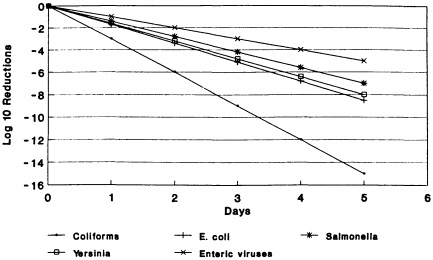
FIGURE B.1 Microbial die-off in marine waters (Feachem et al. 1983, Garcia-Lara et al. 1991).
1985, Grimes and Colwell 1986). These noncultivatable organisms could be infectious.
Very little information is available on the survival of the protozoa in marine waters. Investigators in the 1920s and 1930s reported that Entamoeba survival was unaffected by salt concentrations found in seawater. Giardia cysts maintained the ability to encyst at the same rate for up to 12 days in seawater, surviving for 26 days at 10 to 20°C and up to 28 days in fresh waters (DeRegnier et al. 1989).
Temperature is perhaps one of the most important factors influencing microbial survival and has been used as the primary parameter in developing predictive models. At cooler temperatures, below 10°C, the survival of enteric pathogens is enhanced. Enteric viruses may survive for months in marine waters at low temperatures. At temperatures above 25 to 30°C, however, bacteria may be able to proliferate. Surveys of viruses in the Gulf of Mexico have demonstrated no association with detection and temperature. This implies that other factors influence the occurrence of viruses, which may or may not affect survival (i.e., infection in the community or association with sediments). Figure B.2 shows the relationship between temperature and inactivation rates in marine waters. The study on which Figure B.2 is based found no significant correlation between virus inactivation rates and salinity.
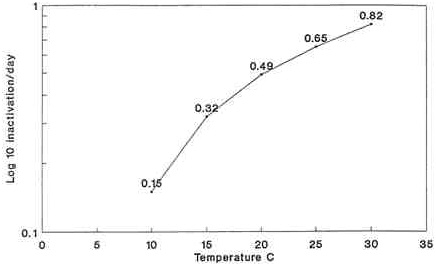
FIGURE B.2 Effects of temperature on virus inactivation rates in water (Source: Goyal 1981).
Enteric organisms may accumulate in sediments. Virus levels may be 100 times greater in the sediments than in the water column, and sediments have been found to contain 100 to 1,000 times greater levels of indicator and pathogenic bacteria than the overlying waters (Volterra et al. 1985, Van Donsel and Geldreich 1971). Greater than 99 percent of the enteric viruses were found to adsorb to marine sediments, and suspension in sewage effluents did not alter this pattern (LaBelle and Gerba 1979). It has been well documented that survival time is greatly enhanced for enteric organisms associated with sediments or with shellfish.
Nutrient addition to waters, nitrogen, phosphorus, and organics has been related to increased bacterial numbers generally affecting the indigenous microflora. This may indirectly influence the survivability of introduced microorganisms. Algal blooms may protect microorganisms at the surface from photoinactivation. Decreases in dissolved oxygen are also related to increases in survival, and naturally occurring organisms may show an antagonistic effect on pathogens. These effects are tied to the temperature of the water. Biological inactivating factors have been shown to be antiviral and are often associated with particulates and bacteria (Fujioka et al. 1980), but their significance under natural conditions remains unknown. Although natural solar light may affect bacteria and viral particles through direct inactivation, this would only occur at the surface in waters with low turbidity. This phenomenon would have little impact for submerged outfalls or in coastal waters with greater turbidity.
Much more research is needed in order to understand the fate of enteric pathogens introduced into the marine environment. The complexities of the interactions between the factors effecting survival and transport will ultimately determine the public health impact of pathogen-laden discharges to coastal waters.
ILLNESSES FROM BATHING
A number of epidemiological studies have documented the risks of acute gastroenteritis among those bathing in contaminated seawater (Cabelli et al. 1983, Cheung et al. 1990, Balarajan et al. 1991, Fleisher 1991, Alexander et al. 1992, Fewtrell et al. 1992). One study showed the risks to be three times greater for children under the age of two who immerse their heads in water than for adults (Cheung et al. 1990).
It has been estimated that for each swimming event, for those individuals who submerge their heads in the water, the exposure is on the average of 100 milliliters of seawater. This value may represent a child's potential dose rather than an adult's. Recreational exposure generally will come from the contaminants suspended in the water column and via oral ingestion. Although aerosols and inhalation of water may also be potential expo-
sure routes, these are probably very minor. Pathogens that accumulate in the sediments may be protected from adverse environmental conditions, and sediments may act as a reservoir for enhanced survival of enteric pathogens, which may later be resuspended due to currents, wave action, and human activities.
In 1986 the United States moved toward the use of an enterococci standard to govern sanitary quality of marine waters for recreational uses. This was based on a series of epidemiological studies to determine the relationship between gastroenteritis among swimmers and the level of indicator densities (Cabelli et al. 1983). Several indicator bacteria were studied, including E. coli, total coliforms, fecal coliforms, and enterococci. The enterococci levels best predicted risk of illness and were chosen as the variable for measuring water quality and health impacts. Currently, the recommended allowable concentration of enterococci in bathing waters is 35/100 milliliters, which predicts a gastroenteritis rate of 19/1000 swimmers.
The use of the enterococci to govern marine water quality has been criticized due to methodological weaknesses in defining the curves. Fleisher (1991) has reported that different risks may be obtained depending on the site. He obtained estimated risks of 24, 82, and 36/1000 at New York City, Boston, and Lake Pontchartrain, respectively. One explanation for the differences between the three sites (which were merged in the Cabelli study) was the difference in the salinities at the three beaches. The waters of greater salinity were associated with the lower risks.
RISK ASSESSMENT APPROACH FOR MICROORGANISMS
The quantitative risk procedures most recently employed for infectious pathogens include development of a dose-response curve assuming no safe level of exposure. The dose-response method has been used to estimate infections after exposure to varying levels of enteric microorganisms in drinking water (Haas 1983; Rose and Gerba 1990, 1991, Rose et al. 1991c; Regli et al. 1992). This was used to evaluate low level exposure, to determine appropriate water treatment needed for reducing the risk of microbial infection, and to develop appropriate standards.
The risk of infection is a function of hazard (the probability of infectivity from a given unit dose) and exposure (Haas 1983). The two components of the model that aid in characterizing the risk are 1) the level of exposure and 2) the interaction of the particular pathogen and host (defined by the dose-response curve). Each pathogen or strain has an intrinsic ability to cause infection, morbidity, and mortality. Secondary and tertiary person-to-person transmission should also be accounted for. The host population tested would also influence the model, and a different model might be
TABLE B.7 Components of Waterborne or Foodborne Microbial Risk Characterization
|
Probability Model |
Exposure |
|
Defined by dose response (infectious dose) |
Level of microorganism in water or food |
|
Dependent on type of microorganism and/or strain variance |
Level after any processing or condition which may decrease numbers (or potentially increase numbers1) |
|
Dependent on population tested (age, immune status) |
Amount of food or water consumed |
|
Possibly influenced by the type of food |
|
|
1 Bacterial regrowth. |
|
developed for each population with varying sensitivities to the pathogen. Host factors include general and specific immunity, genetic factors, age, sex, and other underlying diseases or conditions that might influence susceptibility.
Exposure depends on the initial concentration of the pathogen in the water or shellfish, processes that would decrease the numbers (i.e., wastewater treatment), and environmental conditions that would influence microbial survival. The final level of the pathogen in the food or water and the amount or volume consumed determine the exposure. See Table B.7.
Dose-Response Assessment: Probability of Infection, Morbidity, and Mortality
Dose-response experiments for microorganisms of concern have been conducted in human volunteers for some bacteria, protozoa, and viruses. In these experiments, several sets of volunteers were exposed to known doses of microorganisms. The resulting percentage of infected individuals was then determined. Generally, in laboratory studies, the distribution of microorganisms is found to follow the Poisson distribution. In waters, it has been found that in some cases variability of microbial counts is greater than that given by the Poisson distribution. In particular, a number of workers have indicated that the microbial counts may often be better described by the negative binomial distribution (Pipes et al. 1977, El-Shaarawi et al. 1981, Maul et al. 1990). While this phenomenon has been observed for a number of indicator groups, there is little definitive work on pathogen distributions.
Laboratory dose-response studies generally have been conducted under conditions where the counts of microorganisms in the administered dose approximates the Poisson distribution. Under these conditions, if one microorganism is sufficient to cause an infection, and if host-microorganism
TABLE B.8 Probability Models Used for Microorganisms (Haas 1983)
|
single-hit exponential model p = 1 - exp(-rN) |
beta-distributed ''infectivity probability" model p = I - [I + (N/ß)]-a |
|
p = probability of infection (risk) N = exposure a, ß, r = parameters characterized by dose response curves |
|
interactions are constant, then the probability of an infection resulting from ingestion of a single exposure containing an average number of organisms may be given by an exponential model. An alternative model that has a better fit with experimental data is the beta-distributed model (Table B.8) (Furumoto and Mickey 1967a and 1967b; Haas 1983).
Using these models, dose response curves were plotted for a number of pathogens for a number of studies using the maximum likelihood method (Regli et al. 1992). The Rotavirus and Poliovirus 3 were found to be more infective than the Echovirus 12 and Poliovirus 1 (Figure B.3). This may have been due to the use of nonvirulent strains. The probability of infection from exposure to one viral unit ranged from 2.8 x 10⁻¹ to 7.2 x 10⁻⁵.
The development of clinical illness (symptoms) depends on numerous
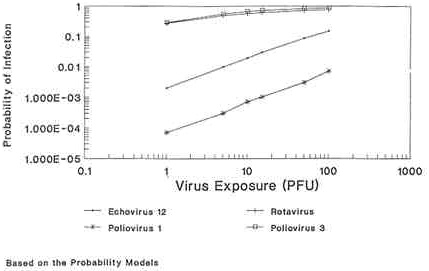
FIGURE B.3 Dose response relationships for various enteric viruses (Regli et al. 1992).
factors, including the immune status of the host, age of the host, virulence of the microorganisms and type, strain of microorganism, and route of infection. Clinical illness may also be influenced by the dose (Haas 1983, Graham et al. 1978). For hepatitis A virus, the percentage of individuals with clinically observed illness is low for children (usually < 5 percent) but increases greatly with age (Evans 1982). The frequency of clinical hepatitis A virus in adults is estimated at 75 percent. However, during waterborne outbreaks, it has been observed as high as 97 percent (Lednar et al. 1985). In contrast, the frequency of clinical symptoms for rotavirus is greatest in childhood (Gerba et al. 1985) and lowest in adulthood. The observed illness rates for various enteroviruses may range from 1 percent for poliovirus to more than 75 percent for some of the coxsackie B viruses (Cherry 1981) (Table B.9).
Case fatality rates are also affected by many of the same factors that determine the likelihood of the development of clinical illness. The risk of mortality for hepatitis A virus has been estimated at 0.6 percent (CDC 1985). Mortality from other enterovirus infections in North America and Europe has been reported to range from < 0.1 to 1.8 percent (Assaad and Borecka 1977). Case fatality rates for selected enteroviruses are summarized in Table B.9. The values for enteroviruses probably only represent hospitalized cases. For some pathogens, the risk of infection may be low but the consequences of infection may be more drastic. Therefore, infectivity and case fatality rates can be added to the model to further estimate disease and death.
The ultimate aim of developing standards, treatment approaches, and intervention strategies is to provide an acceptable degree of protection for the susceptible population. A risk assessment model targeting infection can be used to emphasize the initial step in the chain of events that leads to the mortality associated with waterborne or foodborne pathogens. Since infec-
TABLE B.9 Morbidity and Mortality Rates Associated with Various Viral Pathogens (Assaad and Borecka 1977, Cherry 1981, Evans 1982, CDC 1985, Gerba et al. 1985, Lednar et al. 1985.)
|
Microorganism |
Morbidity Rates (%) |
Mortality Rates (%) |
|
Poliovirus 1 |
1 |
0.01 |
|
Rotavirus |
56 |
0.01 |
|
Hepatitis A virus (in children) |
5 |
not known |
|
Hepatitis A virus (in adults) |
75 |
0.6 |
tion is the primary event that leads to disease, by preventing infection one prevents any range of morbidities and mortalities associated with the pathogen. Secondary spread of enteric infections range from 30 to 70 percent. Thus three to seven of ten individuals who came into contact with the first infected person may also become infected. Prevention of initial infections will also prevent the rippling effect of secondary spread.
Exposure Assessment
One can use these models once exposure has been determined. For example, viral contamination of recreational waters at levels between 0.1 to 100 PFU/100 liters may be associated with risks of infection from 2 x 10⁻⁷ to 5.4 x 10⁻² depending on the type of virus and assuming ingestion of 100 ml during each swimming event.
Limited studies have been undertaken to evaluate virus contamination in shellfish. Viruses were found in 9 to 40 percent of the shellfish in waters open to harvesting and in 13 to 40 percent of the shellfish in areas closed due to coliform levels in the water. The concentrations of enteroviruses ranged from 10 to 200 virus plaque-forming units per 100 grams of shellfish. Table B.10 shows the results of four studies on virus contamination of shellfish in waters open to harvesting, based on the bacterial indicator. Studies have determined that for an average meal, 6 to 12 shellfish ranging in weight between 10 and 20 grams each may be consumed (M.D. Sobsey, University of North Carolina, personal communication, 1992). These values were used to determine virus levels in a risk assessment model to evaluate potential health impacts of consuming raw shellfish.
Application of a Virus Risk Model to Characterize Risks from Consuming Shellfish
It is well known that infectious hepatitis and viral gastroenteritis are caused by consumption of raw or, in some cases, cooked clams and oysters. The number of documented viral outbreaks seems to be on the increase in the United States (DeLeon and Gerba 1990).
Using the data presented in Table B.10 and the Echo-12 virus probability model, the individual risk was determined for consumption of raw shellfish (Table B.10). The percentage of samples contaminated with viruses ranged from 9 percent (Mississippi oysters) to 40 percent (New York clams). The levels of viruses ranged from 0.3 to 200 viruses/100 grams. In the model, one exposure was used, representing a single serving of six shellfish (60 grams). Risks ranged from 3.5 x 10⁻² to 2.2 x 10⁻⁴, and on average there is a 1/100 chance of infection when consuming raw shellfish.
The risk calculations are shown below:
TABLE B.10 Risk of Infection for a Single Serving of Shellfish from Samples of Viral-Contaminated Shellfish Based on Infectivity of Echovirus (Goyal et al. 1979, Ellender et al. 1980, Vaughn et al. 1980, Wait et al. 1983.)
|
Study Site |
Shellfish |
Total Samples Collected |
Total Samples Positive (levels)1 |
Average Viruses (PFU/100g) |
Individual2 Risk |
|
Mississippi |
Oysters |
22 |
2(0.3) |
0.18 |
2.2 x 10⁻⁴ |
|
|
|
|
(3.6) |
|
|
|
New York |
Clams |
5 |
2(10) |
8.0 |
9.4 x 10⁻³ |
|
|
|
|
(30) |
|
|
|
New York |
Oysters |
8 |
2(48) |
31.0 |
3.5 x 10⁻² |
|
|
|
|
(200) |
|
|
|
North Carolina |
Clams |
13 |
3(0.8) |
3.8 |
4.5 x 10⁻³ |
|
|
|
|
(48) |
|
|
|
Texas |
Oysters |
10 |
2(17) |
7.6 |
9.0 x 10⁻³ |
|
|
|
|
(59) |
|
|
|
Total/Averages |
|
58 |
11 |
10.0 |
1.2 x 10⁻² |
|
1 Levels are PFU/100 grams. 2 Consuming 60 grams. |
|||||
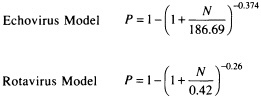
where,
P = the probability of infection,
N = exposure as measured in PFU/60 grams.
Morbidity and mortality risks can be estimated from probabilities of infection and will vary depending on the virus. Figure B.4 compares infection, illness, and death risks for rotavirus and hepatitis A virus (HAV). (The Echo-12 virus model was used in the absence of a model for HAV.) The morbidity rates used were 56 percent for rotavirus and 75 percent for HAV as shown in Table B.9. The mortality rates used were those shown on Table B.1. Exposure was set for a small serving (60 g) of shellfish with contamination ranging from 0.1 to 100 viruses per serving. These exposures correspond to virus concentration levels ranging from 0.17 to 177 viruses per 100 grams and are within the ranges detected in surveys of shellfish from waters open to harvesting in the United States (see Table B.10). The risk of infection is more than 10 times greater for rotavirus than HAV if one assumes HAV infectivity is similar to Echo-12; however, mortality is much more significant for HAV infections. For even a single serving of shellfish that is greatly contaminated with viruses, the risk of death is very high at between 1.7 x 10⁻³ to 7.8 x 10⁻³. The risk of becoming infected with the exposure to even one virus was estimated at between 10-1 to 10-2.
SUMMARY OF SHELLFISH AND RECREATIONAL MICROBIOLOGIC RISKS
Acceptable recreational risks based on indicator bacterial levels and epidemiological studies have suggested an acceptable risk level of 8 x 10⁻³ (Cabelli et al. 1983). This risk would correspond to between 1 rotavirus and 100 echoviruses per 100 milliliters. However, these same concentrations in the water column can lead to concentrations 100 to 900 times as large in underlying sediments underlying and shellfish. This concentration would increase virus levels to between 0.1 and 100 viruses per 60 grams (representing a single meal of 6 oysters for example) accordingly (Figure B.4). Therefore, protective levels for bathing water may be inadequate to protect against food-borne infections.
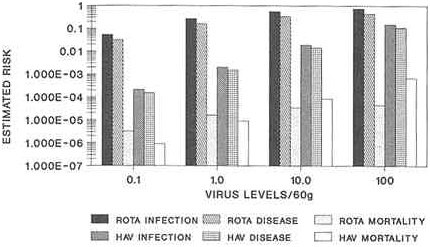
FIGURE B.4 Risks of infection, disease, and mortality for contaminated shellfish (Rose and Sobsey undated).
Risk assessment may be used to evaluate potential health impacts of food or water contaminated with pathogens. However, it is important to be cautious in interpreting monitoring data; most methods do not recover more than 40 percent of the organisms present; and therefore the exposure may be underestimated. Past surveys may not be useful for prediction of future contamination due to the variation in concentrations of microbial pathogens and the differences in die-off rates in the environment.
Several factors will influence the significance of wastewater inputs associated with risks from microbial pathogens. The level of infection in the human and animal populations producing the wastes will influence the initial concentrations. It is likely that large cosmopolitan cities with larger immigrant populations have a greater concentration and variety of pathogens present in their sewage. Cities such as Los Angeles, San Francisco, Miami, and New York may fall into this category. Coastal water temperatures will influence the survival of the pathogens and the potential for regrowth of the coliforms. The warmer waters in the Gulf and off the southern Atlantic states may enhance the inactivation rates for pathogens while enhancing the potential for inputs of coliforms that have grown in fresh water environments. There is no doubt that the cooler temperatures of the waters off the west coast and northeast coast will maintain pathogen viability for a longer period of time.
Of greatest concern are combined sewer overflows which carry untreated wastes, and short outfalls, which have the potential for contributing
to microbial contaminants that can be transported back to shore. Wastewater treatment plants that achieve secondary treatment remain a threat to recreational areas and shellfish harvesting areas by direct discharge through short outfalls or through discharge to freshwaters, which then flow into the marine environment. Enteric viruses remain the primary concern for any wastewaters carrying human sewage (Asano et al. 1992). Secondary treatment and disinfection, operated and monitored for the 200 fecal coliform per 100 ml standard, do not guarantee the removal of such pathogens to levels that are safe for discharges close to shellfish beds or bathing areas. See Appendix D for discussion of wastewater treatment options, disinfection procedures, and combined sewer overflow controls.
Despite requirements that shellfish harvesting waters must meet established bacterial indicator standards and sanitary survey criteria, disease outbreaks due to consumption of contaminated shellfish continue to occur in the United States. For example, a recent outbreak of hepatitis A virus associated with shellfish consumption affected several southern states. The virus was detected in shellfish harvested from waters approved for harvesting (Desenclos et al. 1991). There is no doubt that such outbreaks should be prevented. Better detection methods and risk assessment methods are needed in order to provide adequate protection of consumers from disease transmitted through the nation's seafood.
Disease transmission through exposure to recreational waters has been demonstrated, however, the associated risks are not as well documented as those for seafood consumption. The development of better detection techniques, additional epidemiological information, and improved risk assessment methodologies will allow for more certain determinations of the risks associated with recreational exposure to contaminated waters and the development of better recreational water protection strategies.
REFERENCES
Alexander, L.M., A. Heaven, A. Tennant, and R. Morris. 1992. Symptomatology of children in contact with sea water contaminated with sewage. J. Epid. Commun. Hlth. 46:340-344.
Asano, T., L.Y.C. Leong, M.G. Rigby, and R.H. Sakaji. 1992. Evaluation of the California wastewater reclamation criteria using enteric virus monitoring data. Water Science and Technology 26(7-8):1513-1524.
Assaad, F., and I. Borecka. 1977. Nine-year study on WHO virus reports on fatal virus infections. Bulletin of the World Health Organization 55:445-453.
Balarajan, R., V.S. Raleigh, P. Yuen, D. Wheeler, D. Machin, and R. Cartwright. 1991. Health risks associated with bathing in sea water Brit. Med. J. 303:1444-1445.
Bendinelli, M. and A. Ruschi. 1969. Isolation of human enterovirus from mussels. Appl. Microbiol. 18:531-532.
Bennett, J.V., S.D. Homberg, M.F. Rogers and S.L. Solomon. 1987. Infectious and parasitic diseases. Am. J. Preventative Med. 55:102-114.
Cabelli, V.J., A.P. Dufour, L.J. McCabe, M.A. Levin. 1983. A marine recreational water quality criterion consistent with indicator concepts and risk analysis. J. Water Pollut. Control Fed. 55:1306-1314.
Calderon, R.L., E.W. Mood, and D.P. Dufour. 1991. Health effects of swimmers and nonpoint sources of contaminated water. Int. J. Env. Hith. Res. 1:21-31.
CDC (Centers for Disease Control). 1985. Hepatitis Surveillance Report No. 40. Atlanta, Georgia: CDC.
CDC (Centers for Disease Control). 1990. Waterborne Disease Outbreaks. U.S. Department of Health and Human Services, Atlanta, Georgia. Morbidity and Morality Weekly Report 39(ss- 1):1-57.
Cherry, J.D. 1981. Nonpolio Enteroviruses: Coxsackieviruses, Echoviruses, and Enteroviruses. Pp. 1316-1365 in Textbook of Pediatric Infectious Diseases, R.D. Geigin and J.D. Cherry, eds. Philadelphia, Pennsylvania: W.B. Saunders.
Cheung, W.H.S., K.C.K. Chang, and R.P.S. Hung. 1990. Health effects of beach water pollution in Hong Kong. Epidemiol. Infect. 105:139-162.
Colburn, K.G., C.A. Kaysner, C. Abeyta, Jr. and M.M. Wekell. 1990. Listeria species in a California coast estuarine environment. Appl. Environ. Microbiol. 56:2007-2011.
Colwell, R.R., P.R. Brayton, D.J. Grimes, D.B. Roszak, S.A. Huq and L.M. Palmer. 1985. Viable but non-culturable Vibrio cholerae and related pathogens in the environment: Implications for release of genetically engineered micro-organisms. Bio. Tech. 3:817-820.
Crane, S.R., J.A. Moore, M.E. Grismer, and J.R. Miner. 1983. Bacterial pollution from agricultural sources: A review. Trans. American Society of Agricultural Engineers 26(3):858-866.
Craun, G.F. 1986. Waterborne Diseases in the United States. Boca Raton, Florida: CRC Press.
Craun, G.F. 1991. Statistics of waterborne disease in the United States. Water, Science and Technology 24(2):10-15.
Current, W.L. 1987. Cryptosporidium: Its biology and potential for environmental transmission. CRC Crit. Rev. Environ. Control 17:21-51.
D'Antonio, R.G., R.E. Winn, J.P. Taylor, T.L. Gustafson, W.L. Current, M.M. Rhodes, G.W. Gary, and R.A. Zajac. 1985. A waterborne outbreak of cryptosporidiosis in normal hosts. Ann. Intern. Med. 103:886-888.
DeLeon, R. and C.P. Gerba. 1990. Viral disease transmission by seafood. Food Contam. Env. Sources 639-662.
DePaola, A., L.H. Hopkins, J.T. Peeler, B. Wentz and R.M. McPhearson. 1990. Incidence of Vibrio parahaemolyticus in U.S. coastal waters and oysters. Appl. Environ. Microbiol. 56:2299-2302.
DeRegnier, D.P., Cole, L., Schupp, D.G., and S. L. Erlandsen. 1989. Viability of Giardia cysts in lake, river, and tap water. Appl. Environ. Microbiol. 55(5):1123-1129.
Desenclos, J.C.A., K.C. Klontz, M.H. Wilder, O.V. Nainan, H.S. Margolis, and R.A. Gunn. 1991. A multistate outbreak of hepatitis A caused by the consumption of raw oysters. Amer. J. Pub. Hlth. 81(10):1268-1272.
El-Shaarawi, A.H., Esterby, S.R. and Dutka, B.J. 1981 Bacterial density in water determined by poisson or negative binomial distributions. Appl. Environ. Microbiol. 41:107.
Ellender, R.D., J.B. Map, B.L. Middlebrooks, D.W. Cook, and E.W. Cake. 1980. Natural enterovirus and fecal coliform contamination of Gulf coast oysters. J. Food Protec. 42(2):105-110.
Erlandsen, S.L., L.A. Sherlock, M. Januschka, D.G. Schupp, F.W. Schaefer, W. Jakubowski, and W.J. Bemrick. 1988. Cross-species transmission of Giardia spp: Inoculation of
beavers and muskrats with cysts of human, beaver, mouse and muskrat origin. Appl. Environ. Microbiol. 54:2777-2785.
Evans, A.S. 1982. Epidemiological concept and methods. Pp. 1-32 in Viral Infection of Humans, A.S. Evans, ed. New York: Plenum.
Feachem, R.G., Bradley, D.H., Garelick, H., and Mara, D.D. 1983. Sanitation and Disease Health Aspects of Excreta and Wastewater Management. New York: John Wiley and Sons.
Fewtrell, L., A.F. Godfree, F. Jones, D. Kay, R.L. Salmon, and M.D. Wyer. 1992. Health effects of white-water canoeing. Lancet 339:1587-1589.
Fleisher, J.M. 1991. A reanalysis of data supporting U.S. federal bacteriological water quality criteria governing marine recreational waters. Research Journal of the WPCF 63:259-265.
Fujioka, R.S., P.C. Loh, and L.S. Lau. 1980. Survival of human enteroviruses in the Hawaiian ocean environment: Evidence for virus-inactivating microorganisms . Appl. Environ. Microbiol. 39:1105-1110.
Furumoto, W.A., and R. Mickey. 1967a. A mathematical model for the infectivity-dilution curve of tobacco mosaic virus: Theoretical considerations. Virology 32:216.
Furumoto, W.A., and R. Mickey. 1967b. A mathematical model for the infectivity-dilution curve of tobacco mosaic virus: Experimental tests. Virology 32:224.
Gallagher, M.M., J.L. Herndon, L.J. Nims, C.R. Sterling, D.J. Grabowski, and H.H. Hull. 1989. Cryptosporidiosis and surface water. American Journal of Public Health 79:39-42.
Gannon, J.J., and M.K. Busse. 1989. E. coli and enterococci levels in urban water and chlorinated treatment plant effluent. Water Res. Journal 23:1167-1176.
Garcia-Lara, J., P. Menon, P. Servais, and G. Billen. 1991. Mortality of fecal bacteria in seawater. Appl. Environ. Microbiol. 57:885-888.
Gerba, C.P., S.N. Singh, and J.B. Rose. 1985. Waterborne viral gastroenteritis and hepatitis. CRC Crit. Rev. Environ. Control 15:213-236.
Goyal, S.M., C.P. Gerba, and J.L. Melnick. 1979. Human enteroviruses in oysters and their overlying waters. Appl. Environ. Microbiol. 37:572-581.
Goyal, S.M. 1981. Development of Management Strategies for Assessment and Control of Viral Pollution of Coastal Waters, Final Report. National Oceanic and Atmospheric Administration Grant NA80RAD0056.
Graham, D.Y., G.R. Dufour, and M.K. Estes. 1987. Minimal infection dose of rotavirus. Arch. Virol. 92:261-271.
Grimes, D.J. and R.R. Colwell. 1986. Viability and virulence of Escherichia coli suspended by membrane chamber in semitropical ocean water. FEMS Micro. Lett. 34:161-165.
Haas, C.N. 1983. Estimation of risk due to low doses of microorganisms: A comparison of alternative methodologies. Am. J. Epidemiol. 118:573-582.
Hayes, E.B., T.D. Matte, T.R. O'Brien, T.W. McKinley, G.S. Logsdon, J.B. Rose, B.L.P. Ungar, D.M. Word, P.F. Pinsky, M.L. Cummings, M.A. Wilson, E.G. Long, E.S. Hurwitz, and D.D. Juranek. 1989. Contamination of a conventionally treated filtered public water supply by Crystosporidium associated with a large community outbreak of cryptosporidiosis. N. Engl. J. Med. 320:1372-1376.
Jarroll, E.L. 1988. Effects of disinfectants on Giardia cysts. CRC Crit. Rev. Environ. Control 18:1-28.
Knight, I.T., S. Shults, C.W. Kaspar and R.R. Colwell. 1990. Direct detection of Salmonella spp. in estuaries by using a DNA probe. Appl. Environ. Microbiol. 56:1059-1066.
Korick, D.G., J.R. Mead, M.S. Madore, N.A. Sinclair, and C.R. Sterling. 1990. Effects of ozone, chlorine dioxide, chlorine and monochloramine on Cryptosporidium parvum oocyst viability. Appl. Environ. Microbiol. 56:1423-1428.
LaBelle, R.L., and C.P. Gerba. 1979. Influence of pH, salinity and organic matter on the adsorption of enteric viruses to estuarine sediment. Appl. Environ. Microbiol. 38:93-101.
Lednar, W.M., S.M. Lemon, J.M. Kirkpatrick, R.R. Redfield, M.L. Fields, and P.W. Kelley. 1985. Frequency of illness associated with epidemic hepatitis A virus infections in adults. American Journal of Epidemiology 122:226-233.
Maul, A., A.H. EI-Shaarawi, and J.C. Block. 1990. Bacterial distribution and sampling strategies for drinking water networks. Chapter 10 in Drinking Water Microbiology, G.A. McFeters, ed. New York: Springer-Verlag.
Melnick, J.L., and C.P. Gerba. 1980. The ecology of enteroviruses in natural waters. CRC Crit. Rev. Environ. Control 10(1):65-93.
Metcalf, T.G., and W.C. Stiles. 1968. The accumulation of enteric viruses by the oyster Crassostrea virginica. Journal of Infectious Diseases 115:68-76.
NRC (National Research Council). 1991. Seafood Safety. Washington, D.C.: National Academy Press.
Perales, I., and A. Audicana. 1989. Semisolid media for isolation of Salmonella spp. from coastal waters. Appl. Environ. Microbiol. 55:3032-3033.
Pipes, W.O., P. Ward, S.H. Ahn. 1977. Frequency distributions for coliform bacteria in water. Journal of the American Water Works Association 69:12-664.
Regli, S., J.B. Rose, C.N. Haas, and C.P. Gerba. 1992. Modeling risk from Giardia and viruses in drinking water. Journal of the American Water Works Association 83:76-84.
Richards, G.P. 1985. Outbreaks of shellfish-associated enteric virus illness in the United States: Requisite for development of viral guidelines. Journal of Food Protection 48:815-823.
Roos, R. 1956. Hepatitis epidemic conveyed by oysters. Sven. Lakartídningen 53:989-1003.
Rose, J.B., and C.P. Gerba. 1990. Assessing potential health risks from viruses and parasites in reclaimed water in Arizona and Florida. Water Science and Technology 23:2091-2098.
Rose, J.B., and C.P. Gerba. 1991. Use of risk assessment for development of microbial standards. Water Science and Technology 24:29-34.
Rose, J.B., and M.D. Sobsey. undated. Quantitative risk assessment for viral contamination of shellfish and coastal waters . submitted to Journal of Food Protection.
Rose, J.B., H. Darbin, and C.P. Gerba. 1988. Correlations of the protozoa, Cryptosporidium and Giardia with water quality variables in a watershed. Water Science and Technology 20:271-276.
Rose, J.B., C.N. Haas, and S. Regli. 1991a. Risk assessment and control of waterborne giardiasis. American Journal of Public Health 81(6):709-713.
Rose, J.B., Gerba, C.P., and Jakubowski, W. 1991b. Survey of potable water supplies for Cryptosporidium and Giardia. Environ. Sci. Technology 25(8):1393-1400.
Rose, J.B., C.N. Haas and S. Regli. 1991c. Risk assessment and control of waterborne giardiasis. Am. J. Pub. Hlth. 81:709-713.
Rose, J.B., R.L. Mullinax, S.W. Singh, M.V. Yates, and C.P. Gerba. 1987. Occurrance of rota- and enteroviruses in recreational waters of Oak Creek, Arizona. Water Research 21:1375-1381.
Schaiberger, G.E., T.D. Edmond and C.P. Gerba. 1982. Distribution of enteroviruses in sediments contiguous with a deep marine sewage outfall. Water Research 16:1425-1428.
Smith, H.V., and J.B. Rose. 1990. Waterborne cryptosporidiosis. Parasitology Today 6:8-12.
Stevenson, A.H. 1953. Studies of bathing water quality and health. American Journal of Public Health 43:529.
Sykora, J.L., C.A. Sorber, W. Jakubowski, L.W. Casson, P.D. Gavaghan, M.A. Shapiro, and M.J. Schott. 1990. Distribution of Giardia cysts in wastewater. Water Science Technology 24:187-192.
Tyler, J.M. 1982. Viruses in fresh and saline waters. Pp. 42-63 in proceedings of the International Symposium of Viruses and Disinfection of Water and Wastewater. Guilford: University of Surrey.
Van Donsel, D.J., and E.E. Geldreich. 1971. Relationships of Salmonellae to fecal coliforms in bottom sediments. Water Research 5:1079-1087.
Vaughn, J.M., E.F. Landry, T.J. Vicale, and M.C. Dahl. 1980. Isolation of naturally occurring enteroviruses from a variety of shellfish species residing in Long Island and New Jersey marine embayments. Journal of Food Protection 43(2):95-98.
Volterra, L., E. Tosti, A. Vero, and G. Izzo. 1985. Microbiological pollution of marine sediments in the southern stretch of the Gulf of Naples. Water, Air and Soil Pollution 26:175-184.
Wait, D.A., C.R. Hackney, R.J. Carrick, G. Lovelace, and M.D. Sobsey. 1983. Enteric bacterial and viral pathogens and indicator bacteria in hard shell clams. Journal of Food Protection 46(6):493-496.


