
7
Engineering Control Strategies
The fundamental objectives of environmental control are to prevent or minimize occupant exposures that can be deleterious and to provide for the comfort and well-being of the occupants. For acceptable control both objectives must be achieved simultaneously. In many cases, the most effective control strategy is removal of the source of contamination. However, source removal is not always feasible or sufficiently effective, and other methods of reducing exposure to allergens and other contaminants must be employed. This chapter characterizes the existing building stock in the United States and describes relevant engineering principles and practices that can be employed to prevent or minimize occupant exposures to indoor allergens.
There are approximately 4 million commercial (i.e., nonindustrial and nonresidential) buildings and 84 million detached single- and two-family residential buildings in the United States (U.S. Department of Energy, 1985, 1986). Current estimates are that the existing building stock is being replaced at a rate of about 1–2 percent per year, while another 1–2 percent per year is being added to the stock. Thus, 75–85 percent of the buildings that will exist in the year 2000 have already been built.
The percentage of existing commercial buildings in which occupants are exposed to environmental conditions that result in complaints of symptoms or illness (i.e., problem buildings) has been estimated to be 20 to 30 percent (Akimenko et al., 1986; Woods et al., 1987). This percentage has not been determined for residential buildings.
Problem buildings can cause two general types of problems: Sick Building Syndrome (SBS) and Building Related Illness (BRI) (Cone and Hodgson,
1989; Molhave, 1987; Morey and Singh, 1991; NRC, 1987b; Stolwijk, 1984). Sick building syndrome is suspected when occupants complain of symptoms associated with acute discomfort (e.g., eye, nose or throat irritation, sore throat, headache, fatigue, skin irritation, mild neurotoxic symptoms, nausea, odors) that persist for more than 2 weeks at frequencies significantly greater than 20 percent; a substantial percentage of the complainants report almost immediate relief upon exiting the building. Building-related illness is suspected when exposure to indoor pollutants results in clinical signs of a recognized disease that is clearly associated with building occupancy (e.g., some kinds of infections, building-related asthma, humidifier fever, hypersensitivity pneumonitis).
Accurate estimates of the relative occurrences of SBS and BRI in problem buildings have not yet been established. However, an initial analysis of more than 30 problem building investigations indicated that approximately two-thirds of the cases involved complaints and symptoms associated with SBS, while about one-third involved symptoms and signs associated with BRI and SBS—no cases of BRI without concomitant SBS were observed (Woods, 1988). The percentage of existing buildings that are causally associated with occupant exposure to allergens in either the SBS or BRI categories is unknown.
The most frequently reported characteristics in problem building investigations include inadequate quantity or quality of outdoor air provided by heating, ventilation, and air-conditioning (HVAC) systems for ventilation (incidence rates of 64–75 percent), and inadequate distribution of air supplied to and returned or exhausted from occupied spaces for thermal and air quality control (46–75 percent incidence) (Woods, 1989a, 1991). These characteristics are described as ventilation efficiency or ventilation effectiveness (ASHRAE, 1989b).
Equipment problems that have been most frequently reported in problem building investigations include inadequate specification and installation of air filters for removal of inert particulates and bioaerosols (incidence rates of 57–65 percent), inadequate specification and installation of drain pans and drain lines for removal of water condensed from cooling coils and humidifiers (60–63 percent incidence), inadequate specification and installation of duct work to prevent microbial contamination (38–45 percent incidence), and inadequate specification of humidifiers to prevent microbial or chemical contamination in the humidifier and subsequently in the air (16–20 percent incidence) (Woods, 1989a; 1991).
PRINCIPLES AND STRATEGIES
To achieve the twofold objectives of indoor environmental control (i.e., prevent or minimize deleterious exposures and provide for occupant comfort
and well-being), building design and management principles must be applied throughout each of the four stages of a building's life cycle: (1) preconstruction period, (2) construction period, (3) long-term occupancy, and (4) adaptive reuse and eventual demolition (NRC, 1987b). These principles apply to both commercial and residential buildings.
Two basic strategies for controlling occupant exposure to allergens can be identified: source control, which can eliminate occupant exposure, and exposure control, which can minimize but not eliminate occupant exposures by methods of dilution or air cleaning. A simple, one-compartment model of a control system for a uniformly mixed occupied space, shown in Figure 7-1, illustrates the interrelationship that exists among the variables that affect air quality (Woods, 1991; Woods and Rask, 1988). In this model, Ci is the indoor concentration, and Vr is the recirculation airflow rate. The dilution rate, Vo, represents infiltration, natural ventilation, or mechanical ventilation with outdoor air. In terms of controlling airborne allergens, the removal rate, E, represents the capacity of air conditioners, filters, and other such removal devices. The efficiency of the removal device, e, is defined in terms of the contaminant being removed. Exposure to allergens can be controlled by removing or minimizing the sources, i.e., by reducing the net
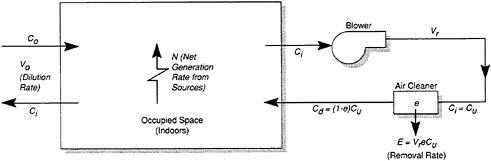
FIGURE 7-1 One-compartment, uniformly mixed, steady state model for indoor air quality control. In steady state, an energy or mass balance for the model can be expressed as Ci - Co = N - E / Vo where:
Co = concentration of contaminant in outside makeup air,
Ci = concentration of contaminant indoors (occupied space),
Cu = concentration of the contaminant upstream of the air cleaner,
Cd = concentration of the contaminant downstream of the air cleaner,
Vo = dilution rate (i.e., infiltration, natural or mechanical ventilation rates),
Vr = air flow rate through air cleaner,
e = efficiency of the air cleaner,
N = net generation rate, and
E = removal rate.
generation rate (N), by increasing the rate of removal of allergens from air (E), or by diluting airborne allergens (Vo). For some allergens, which are airborne only sporadically and in association with specific human activities (e.g., house dust mite allergens), source control is the best option. For others (e.g., outdoor allergens such as pollen) removal by filtration (E) is the usual method.
The physical causes usually associated with problem buildings include two basic inadequacies: (1) design inadequacies, which include system and equipment problems, and (2) operational inadequacies, which consist of inappropriate control strategies, lack of maintenance and housekeeping, and ineffective load management of building systems (Cone and Hodgson, 1989; EPA, 1991a; Molhave, 1987; Morey, 1984, 1988; Morey and Singh, 1991; NRC, 1987b; Robertson, 1988; Stolwijk, 1984; Woods, 1988, 1989a, 1989b, 1991). Table 7-1 summarizes some of the data on the physical causes of problem buildings.
The remainder of this section on principles and strategies discusses various source and exposure control strategies as they relate to building design, HVAC system design, building operation, and remediation. This is followed by a section that summarizes some practical control strategies in general, and as they apply to residential and commercial buildings. The chapter ends with conclusions and recommendations.
TABLE 7-1 Frequencies of Occurrence of Physical Causes of Problem Buildings Reported by Two Independent Investigative Teams
|
|
|
Frequencies (%) of Occurrence |
||
|
Problem Category |
Physical Cause |
Woods |
Robertson |
|
|
Design |
System problems |
|
|
|
|
|
Inadequate outdoor air |
75 |
64 |
|
|
|
Inadequate air distribution to occupied spaces (supply and return device) |
75 |
46 |
|
|
|
Equipment problems |
|
|
|
|
|
Inadequate filtration of supply air |
65 |
57 |
|
|
|
Inadequate drain lines and drain pans |
60 |
63 |
|
|
|
Contaminated duct work or duct linings |
45 |
38 |
|
|
|
Malfunctioning humidifiers |
20 |
16 |
|
|
Operations |
Inappropriate control strategies |
90 |
NA* |
|
|
|
Inadequate maintenance |
75 |
NA |
|
|
|
Thermal and contaminant load charges |
60 |
NA |
|
|
* NA, not available. SOURCES: Woods, 1989a; Robertson, 1988. |
||||
Building Design for Source Control
Building design as it relates to controlling indoor allergens is discussed below in terms of moisture, carpeting, and other substrates and reservoirs.
MOISTURE
As described in previous chapters, control of relative humidity or water vapor pressure in the occupied space and in the HVAC systems is important for allergen control in both residences and commercial buildings. It is therefore important to determine and define the indoor air, temperature, and relative humidity conditions that will provide for occupant comfort and also suppress the growth of allergen-producing microorganisms and mites.
The development of allergen-containing reservoirs depends on available water in the microenvironment of the allergen-producing organism. The amount of water in these environments depends on the relationship between the amount of airborne water vapor and the temperature in the environment (which controls condensation), the ability of substrates in the environment to absorb water, and the presence of liquid water sources (e.g., flooding, water reservoirs). The primary sources of water vapor are outdoor air that is used for ventilation or that infiltrates into the building, bathing, washing, and cooking processes, and evaporation of perspiration (latent heat dissipation) from building occupants. Secondary indoor sources of water (vapor or liquid) include condensation on surfaces that are colder than the dew point temperature (e.g., on walls and floors) and materials that can adsorb moisture (e.g., carpets, wood products, mattresses, clothes).
Ambient relative humidity is often considered the major controlling factor for indoor allergens. Performance criteria for acceptable temperature and humidity ranges are specified in ASHRAE (American Society of Heating, Refrigerating and Air-Conditioning Engineers) Standard 55-1992, primarily for human comfort (ASHRAE, 1993). This 1992 standard considers an acceptable range of relative humidity to be from less than 30 percent (depending on operative temperature) to an upper limit of 60 percent which was selected for control of microbial and arthropod growth and prevention of conditions that lead to condensation. The lower limit of dew point temperature (the temperature at which moist air becomes saturated—100 percent relative humidity—with water vapor when cooled at constant pressure) for comfort is 35° F (ASHRAE, 1993). The operative temperatures (i.e., simple averages of dry-bulb and mean radiant temperatures) that define the comfort zone (ASHRAE defines acceptable conditions as those that satisfy 80 percent or more occupants) range from 68º F to 78.5º F and vary according to seasonal considerations. This temperature range is influenced
by factors such as the motion (velocity) of air in the room, the insulation value of clothing, and the metabolic rates of the occupants.
The operative temperature and relative humidity/dew point ranges in ASHRAE Standard 55-1992 are specified for the occupied zone, which is defined as the space approximately 18 to 72 inches above the floor. For thermal acceptability, this standard allows no more than a 5º F vertical difference in air temperature within the occupied zone, a 9º F vertical radiant asymmetry, and an 18º F horizontal radiant asymmetry. As such, the ASHRAE thermal environmental criteria for comfort in occupied spaces have limited influence on the thermal environmental conditions in microenvironments, such as on the surfaces of walls or windows, or within porous furnishings such as carpets, mattresses, and upholstered furniture.
Thermal environmental conditions that are conducive to the growth of some arthropods are well defined, although the actual relationships between ambient and microenvironmental conditions have not been examined. Mites reproduce over an ambient relative humidity range of 45 to 80 percent, with 75 to 80 percent being optimal (Andersen and Korsgaard, 1986). The temperature range of 65º to 80º F is optimal for mite growth. This range just brackets the range of thermal acceptability defined in ASHRAE Standard 55-1992 (ASHRAE, 1993). Relationships between fungal and bacterial growth and relative humidity have been less clearly defined, and probably vary with specific organisms.
Condensation, which will usually lead to fungus growth, will occur on walls, ceilings, and floors when their temperatures are below the dew point temperature of the surrounding air. In cold climates, condensation is often seen on the surfaces of windows, ceilings, and walls. Condensation is especially evident in residences at the inside surfaces of corners of walls, the inside surface junction of the ceiling and the external wall, and at the inside corners of the building that have minimum or no protective insulation (White, 1990). In cold climates, condensation will also occur within the building envelope itself when moist indoor air exfiltrates through leaky construction and encounters cold surfaces on the ''weather side" of the building (Lstiburek, 1989).
In hot and humid climates, condensation can occur on the inside surfaces of exterior walls in air-conditioned buildings when warm moist outdoor air infiltrates through exterior facades and encounters a surface at a temperature below that of the dew point of the infiltrating outdoor air (Morey, 1992). Vinyl and other wall coverings often have low water vapor permeabilities. When these coverings are used in hot and humid climates, they can result in condensation at gypsum board wall covering interfaces at or near room temperatures.
Condensation may also occur on the uninsulated surfaces of chilled water
or cold water pipes that may be present in building locations such as ceilings and walls. The surface temperature of chilled water pipes may be as low as 45º F, which means that condensation will occur on pipes when the dew point temperature of the air in the wall of the ceiling cavity exceeds 45º F.
To reduce condensation, vapor retarders (a layer of material with low moisture and air permeance) are installed in the envelopes of buildings (ASHRAE, 1989a). The vapor retarder is usually located near or at the surface exposed to the higher water vapor pressure. An effective vapor retarder keeps interior moisture out of the low-temperature space between the inner and outer surfaces of the wall. Since moisture is transported by both diffusion and air movement, a retarder can be made ineffective by the presence of seams, gaps, and tears which allow moisture to migrate into the interwall space. In buildings (including residences) in cold climates, the higher water vapor pressure generally occurs in the occupied spaces and the vapor retarder is located on the side of the insulation facing the occupied spaces. In hot and humid climates, vapor retarders may be located on the exterior surface of air-conditioned buildings because the high vapor pressure occurs in outdoor air (ASHRAE, 1989b). In slab, on-grade construction in hot and humid climates, the vapor retarder is placed under the slab to reduce water wicking through the slab (Lotz, 1989).
Primary sources of liquid water are rain and groundwater that leak into buildings, indoor water reservoirs that leak or rupture (e.g., water piping systems and storage tanks), or appliances that are designed to add water to the air (e.g., humidifiers). Ultrasonic humidifiers which tend to release smaller-size droplets, often contain bacterial but not fungal contaminants. Cool-mist humidifiers, which characteristically emit large water droplets, are often contaminated by bacteria and hydrophobic fungal spores (Solomon, 1974). Portable humidifiers, used primarily in residences or offices, have been evaluated for microbiological emission potential by Tyndall et al., (1989). Residential humidifiers containing water sumps near furnace hot air plenums have been associated with emission of thermophilic microorganisms that cause hypersensitivity pneumonitis (Fink et al., 1971; Sweet et al., 1971). In order to prevent microbiological amplification, cleaning and maintenance of these humidifiers must be fastidious. Scale that accumulates on wet surfaces must be removed to prevent microbiological amplification.
In spaces where humidity is a problem, portable dehumidifiers are sometimes used. Portable dehumidifiers operate on a mechanical refrigeration cycle, with the room air first being blown over a set of cold coils, to be dehumidified and cooled, and then over a warm set of coils, to be reheated. The net result is substantial dehumidification and a modest temperature rise. The condensed water that collects in portable dehumidifiers is best removed from the building by ducting it to a drain. Alternatively, emptying and cleaning the water reservoir to minimize fungal growth should be done daily.
Moisture can also enter buildings for a number of primarily climatic reasons. Wind-driven rain, especially in coastal regions, can penetrate the building envelope and saturate construction materials, especially if roof and window flashings are inadequate. Moisture that enters walls and roofs must be removed by drainage to the outside or by indoor ventilation air. Wind-driven snow can also enter HVAC system outdoor air inlets, especially those that are located at grade level or flush with horizontal roof surfaces.
CARPETING
Carpeting, which is widely used in homes and offices, can provide niches for both the accumulation (e.g., Fel d I and nonviable spores) and production (e.g., viable mites and xerophilic fungi) of allergens. Carpeting typically consists of fibers made into tufted yarn and looped through a backing by means of an automated manufacturing process. The fibers are anchored to the backing with latex, which itself may be an allergen (see Chapter 3), and mixed with a filler such as crushed marble. A secondary backing is added to give the carpet body and to promote dimensional stability. Carpets are installed over a padding, traditionally felted jute, but urethane paddings are also widely used. The installed carpet system therefore consists of three distinct layers: the fiber, the backing, and the padding.
A carpet has some similarity to an air filter, in that dirt particles can become mechanically trapped and are not easily dislodged during cleaning. Particle adhesion is increased if the carpet is moist and if the particle and the carpet fiber are both wettable. Oil, greasy dirt, and sticky substances such as detergent residues have a strong tendency to adhere to the carpet fiber. Sticky substances such as detergent residues can also bind dust to fiber.
Carpets have been characterized when wetted as "cultivation media" for microorganisms (Gravesen et al., 1983). Indeed, the concentration of fungi and bacteria in the air above carpet has been found to be consistently higher than that over noncarpeted floors (Anderson et al., 1982; Gravesen et al., 1983). The log count of bacteria per square inch of new wool carpet reaches a steady state of about 5 within 2 weeks after installation (Anderson et al., 1982). By contrast, the log count of bacteria varied between 2 and 3 for bare floors in the same facility. In addition to microorganisms, carpeting can function as a reservoir for pollen and pollen fragments that are tracked into the indoor environment from outdoor sources.
Carpet moisture is a special problem when it penetrates into the carpet backing and the padding because carpet backing is essentially a porous barrier that permits downward flow by gravity, but essentially blocks the passage of water vapor upward. Therefore, if the padding is wetted by cleaning, flooding, or water vapor migration upward through a cracked concrete
slab floor, it may not dry out as long as the carpet above the padding is left in place.
Chronic flooding of carpet will result in the amplification of indoor microorganisms. Carpet that has been chronically flooded can function as a significant fungal reservoir long after drying has occurred—higher concentrations of microorganisms are found in the occupied spaces of flooded versus nonflooded floors (Kozak et al., 1980b; Morey, 1984). The dust and debris obtained from the backing of chronically flooded carpet may be heavily contaminated by fungal spores, most of which are nonviable (Kozak et al., 1980b).
OTHER SUBSTRATES AND RESERVOIRS
Many substrates found in indoor environments can support microbiological growth. Materials found in buildings, such as wood, cardboard, and paper, all contain carbon sources adequate to support growth. The dirt and debris present in HVAC systems, including internal insulation, also provide adequate substrates for growth. However, water must be present in the substrate if growth is to occur.
Some unusual substrates in indoor environments have been shown to support the growth of indoor organisms. For example, the occurrence of Aspergillus infections in cancer patients in a new hospital was associated with the growth of fungi on cellulosic fireproofing materials present above the ceiling in patient rooms (Aisner et al., 1976). Also, casein-based self-leveling compounds used in concrete flooring in the late 1970s in Sweden provided an unusual substrate that supported the putrefactive fermentation of various microorganisms including Clostridium species (Bornehag, 1991; Karlsson et al., 1984).
In addition to providing nutrient materials in situ, many existing building or construction materials contain greatly elevated fungal and bacterial concentrations compared to new materials (i.e., as they left the factory). For example, old chipboard may contain up to 50,000 times more bacteria and fungi than new chipboard (Strom et al., 1990). Plastic flooring and sheeting contain variable degrees of microbiological contamination possibly associated with the presence of additives such as plasticizers, oils, and resins that can act as carbon and nitrogen sources. When some natural building materials such as cork are used, they may be heavily contaminated by microorganisms such as Streptomyces (Strom et al., 1990) and Aureobasidium species.
HVAC System Design for Source Control
The primary purpose of HVAC systems is to provide for the thermal and air quality requirements of the occupants. Well-designed and maintained
HVAC systems will exclude most atmospheric aeroallergens such as pollen and fungi from interior spaces. By contrast, poorly designed HVAC systems may provide for amplification of fungi and actinomycetes in wet niches in the system. Pollen and fungi may enter indoor environments through the air conveyance system itself or through infiltration of the building envelope when the HVAC system is improperly operated or maintained. (EPA, 1991a; Morey, 1984, 1988; Robertson, 1988; Woods, 1988, 1989b). The following section discusses the various components of the HVAC system (e.g., outdoor air intakes, filters, heat exchanges, humidifiers) in the context of source control.
OUTDOOR AIR INTAKES
Some residential and most commercial HVAC systems are designed and installed to provide outdoor air for ventilation through "makeup air intakes" that are directly connected by duct work to the HVAC systems. Microbiological contaminants from sanitary vents, toilet or building exhaust air, cooling towers, evaporative condensers, swimming pools, and saunas may contaminate poorly located outdoor air intakes. Outdoor air intakes of some HVAC systems may be located at grade or below grade levels. These outdoor air intakes and the pathways (e.g., metal or concrete ducts) connecting them to the air-handling unit of the HVAC system can collect leaves and other debris that can plug bottom drains. In addition, water and debris that collect in poorly maintained and drained outdoor air pits and areaways provide amplifications sites for microorganisms.
The protection of outdoor air intakes is unfortunately given only minor and inadequate attention in ventilation codes and standards. Section 5.12 of ASHRAE Standard 62-1989 (ASHRAE, 1989b) states that special care should be taken to avoid entrainment of moisture drift from cooling towers into outdoor air intakes. Mechanical codes, such as the Southern Building Code Congress International (SBCCI), state that it is acceptable to locate outlets such as those of chimneys or sanitary sewers as close as 10 feet away horizontally and 2 feet above HVAC system outdoor air intakes (SBCCI, 1990, Section 513). Guidelines for construction and equipment of hospital and medical facilities state that outdoor air intakes shall be located at least 25 feet from exhaust outlets and vents (DHHS, 1987, Section 7.31). The protection of outdoor air intakes from cooling towers is not specifically mentioned in this guideline.
When outdoor air is provided to HVAC systems, it is usually mixed in a compartment or plenum with return air from the occupied spaces before it is filtered or thermally treated. This mixed-air plenum can collect debris such as leaves and feathers if bird or leaf screens on the upstream outdoor air
inlet are defective. If rain or snow is carried over into the air-handling unit (AHU), water or rust in the mixed-air plenum may occur.
FILTERS
In air-conditioned residences without outdoor air inlets (the majority of the residential building stock), pollen and other atmospheric allergens are excluded by filtration in the envelope itself or by physical factors such as sedimentation. In large buildings, air from the mixed-air plenum is usually cleaned by one or more sets of particulate air cleaners before it is thermally treated (i.e., heated, humidified, cooled).
The most common type of filter provided for most residential and commercial HVAC systems is installed primarily to prevent dirt and debris from depositing on the heating and cooling coils (Morey, 1988; Woods, 1989b; Woods and Krafthefer, 1986). These filters, rated in terms of weight arrestance (ASHRAE, 1976), have little effectiveness in removing respirable particles from the air moving through the HVAC system (Morey and Shattuck, 1989). The capacities of filters of varying efficiencies to remove bioaerosols (size 1 to 5 µm) from air have been studied (H. Decker et al., 1963). Roughing or prefilters were shown to remove 10 to 60 percent of bacterial particles from the airstream. Medium- and high-efficiency filters (including bag filters) removed 60 to 99 percent of bacterial particles. Kuehn et al. (1991) published a recent review of the filtration of bioaerosols. Figure 7-2 shows the approximate particle sizes of various potential contaminants.
In HVAC systems that contain filters, the air to be used for room ventilation passes through a filter "dust cake." The dust cake often contains contaminants such as human skin scales, fungal spores, pollen, tobacco smoke components, and atmospheric dust and debris. Filters that become moist or wet can function as significant amplification sites for microorganisms, especially fungi (Morey, 1984; Schicht, 1972). Fungal populations in filters can amplify by 2 to 4 orders of magnitude when incubated at 96 percent relative humidity for 10 days (Pasanen et al., 1991). The protection of filters from moisture and careful, periodic replacement of the filters (i.e., without leaving residue from its dust cake in the system) are essential for controlling potential allergen emissions from this portion of the HVAC system.
Dirt, debris, and fungi can be expected to accumulate in AHUs and main and branch supply air ducts, especially in HVAC systems with inefficient filters, where filters do not fit properly in filter frames, or in poorly designed filter banks where significant volumes of air can bypass the filter bank. One study in Kuopio, Finland, found that pollen from outdoor air made up 9 percent of the weight of supply air duct dust (Laatikainen et al., 1991). Dust and debris in supply air duct systems can be expected to be
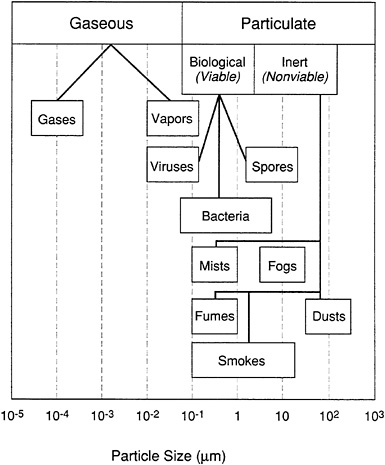
FIGURE 7-2 Dimensional continuum of potential contaminants.
Source: Adapted from Woods, 1982.
most abundant near elbows and turning vanes, as well as zones where airflow restriction occurs (e.g., in reheating coils).
HEAT EXCHANGERS
The heat exchanger section of the air handling unit (AHU), is where heat is either added to or removed from the airstream. During the cooling and dehumidification process, moisture is condensed from the airstream as it passes over the cooling coils in the AHU heat exchanger. This occurs when the dew point temperature of the airstream is greater than the surface temperature of the cooling coil. Consequently, the relative humidity in the air supply plenum downstream of the coils will approach 100 percent. Water that condenses on the surface of the cooling coils then collects in drain
pans and exits the AHU through drain lines. During this cooling and dehumidification process, microorganisms can amplify in the heat exchanger section because of the presence of stagnant water in drain pans. A biofilm or slime on pan or coil surfaces is an indicator of microbiological amplification. Moisture that can promote the growth of microorganisms in locations downstream from the cooling coils can originate from water droplets being blown off coil surfaces when the air velocity through the coils is too great. Organic dust in the airstream, especially in HVAC systems with inefficient filter banks (e.g., most residences), can impact on moist surfaces or settle in moist duct work and provide nutrients for the amplification of microorganisms, especially fungi.
Water spray systems (air washers) with recirculated chilled water (in place of cooling coils) represent another type of system that can be used to extract heat and moisture from the airstream. These systems, which are found in some office buildings (Hodgson et al., 1987) and in industrial operations (Reed et al., 1983), can become strong microbiological amplifiers because the dirt and debris that are also extracted or scrubbed from the airstream serve as nutrients for the microorganisms present in the sumps of these systems. Water spray systems used for air conditioning were originally designed to use sterile water or water that was disinfected by biocides (Yaglou and Wilson, 1942). The aerosolization of biocidal chemicals into the ventilation airstream is unacceptable because of their potential adverse health effects on occupants (CFR, 1987).
Another form of air conditioning, prevalent in hot, dry areas of the United States, is achieved with evaporative coolers. In these systems, outdoor air is drawn through mats or pads that are wetted by recirculating water from a sump. In these systems, the dry-bulb temperature of the air entering the unit is cooled adiabatically to approach the wet-bulb temperature, and the air exiting the unit is thus nearly saturated with moisture. Amplification of microorganisms can occur on the evaporative mats or in the sumps of these units (Macher and Girman, 1989). One case of hypersensitivity pneumonitis has been attributed to the presence of thermophilic actinomycetes found in the straw evaporative mat of the unit and in the house dust of the residence where illness occurred (Marinkovich and Hill, 1975).
HUMIDIFIERS
Humidifiers are used to add moisture to the air. These devices are usually installed in the supply air plenum or duct work, downstream from the heating coils. In some residential installations, however, they may be found in the return air. Injection nozzles of humidifiers should be located in areas of AHUs or duct work that are devoid of porous insulation (Morey,
1988). In addition, humidifier moisture should never wet nearby filters. Water spray humidifiers in AHUs must be fitted with downstream demisters or eliminator plates to remove carryover of unevaporated droplets (Ager and Tickner, 1983).
Water sumps in cold water humidifiers must be fastidiously maintained in order to prevent the amplification of microorganisms that can cause building-related illnesses such as hypersensitivity pneumonitis, humidifier fever, and asthma (Morey et al., 1986). Humidifiers that use steam require less maintenance than those that use cold water. However, steam emitted into the supply airstream should not contain corrosion inhibitors such as volatile amines, because they can be nitrosated and are potentially toxic to occupants in the humidified zones (NRC, 1983a). The temperature of the moisture emitted by steam humidifiers is biocidal. Humidifiers that function by evaporating or emitting water molecules (only) are also not direct emission sources of bioaerosols.
Humidifiers that emit water droplets may do so by discharging all water from a supply line or only a portion of the water from a recirculation system. The potential for bioaerosol emission from these humidifiers is directly related to the microbiological contamination in the water supply that is aerosolized. Emission of microorganisms from spray-type humidifiers that use recirculated water is greatly reduced by installation of highly efficient upstream filters that remove dusts that would otherwise enter the humidifier and serve as growth nutrients.
ASHRAE Standard 62-1989 (ASHRAE, 1989b, Section 5.12) recommends steam as the preferred moisture source for humidifiers. However, if cold water humidifiers are used, water should originate from a potable source and units that use recirculated water should be subject to frequent maintenance and blow-down. The specific protocol for maintenance of humidifiers that use recirculated water is not specified in ASHRAE Standard 62-1989.
The Nordic Committee on Building Regulations (NKB, 1990) provides advice with regard to humidification of the air. Section 4.6.6 of this standard recommends that where humidification is required, a type of device "which does not involve the risk of microorganisms being released into the air shall be chosen."
AIR SUPPLY PLENUM AND DUCT WORK
After passing through the heat exchanger and supply fan (the location of the fan may be upstream or downstream of the heat exchanger), conditioned air is distributed through a system of ducts to the occupied spaces. The AHU plenum housing the fan is usually thermally insulated on its internal surfaces with a fiberglass lining that also acts as a sound attenuator.
The main supply air duct work immediately downstream of the fan and the heat exchanger is usually constructed of galvanized sheet metal and can be either externally or internally insulated with fiberglass. However, in some residences and commercial installations, duct work itself is constructed of a rigid fiberboard that is intrinsically insulated. Internal fiberglass or fiberboard liner either in the fan or main air supply plenum should have sealed surfaces to prevent the erosion of fibers into the airstream. The internal insulation in these plenums should be protected from emissions from humidifiers or from water droplet carryover from heat exchangers to reduce the likelihood of microbiological amplification.
PERIPHERAL UNITS
In some commercial buildings, a separate system may be installed to heat and cool perimeter zones that are more affected by outdoor climatic conditions than interior zones that are not in contact with the building envelope. Fan coil and induction units often mounted in sheet metal enclosures along exterior walls, are two common types of peripheral units that are used to condition air in perimeter zones.
Fan coil units contain small fans, low-efficiency filters, and small heat exchangers with small drain pans. Fan coil units condition and recirculate room air (often without any outdoor air) in peripheral zones. Sheet metal enclosures are usually lined along interior surfaces with porous insulation. Large buildings may contain hundreds of these units, and consequently, maintenance is often neglected. Fan coil units often accummulate dirt and debris, becoming amplifiers and disseminators of microorganisms during the air-conditioning season, when the heat exchanger actively contributes moisture to each unit's enclosure (Morey et al., 1986).
Induction units are provided with primary air from a central AHU. This air, containing a percentage of outdoor air, exits each induction unit through a series of nozzles that induce a flow of room air, and with which it is mixed and supplied to the room. Induction units usually contain low-efficiency filters and a heat exchanger that removes some sensible heat but little latent heat or moisture. Under design operating conditions, condensate pans in induction units are expected to contain little if any water. Thus, they are less likely to be sites for microbiological amplification, but they are likely to be reservoirs for pollen and phylloplane fungi, especially if the primary air has been poorly filtered.
RETURN AIR SYSTEMS
In many commercial buildings, the cavities or plenums above the finished ceilings are used as unducted passageways for air returned from the
occupied spaces to the central HVAC system (Morey and Shattuck, 1989). The return air plenum in the ceiling can become a source (or amplification site) of microorganisms when fire and acoustical insulation and ceiling tiles become wet. Thus, roof leaks resulting in high relative humidity above ceiling cavities can cause microbiological amplification on wood and gypsum board, as well as condensation of water (with subsequent microbial growth) on uninsulated air supply duct work surfaces (during the air-conditioning season), and on the uninsulated upper surfaces of diffusers.
Instead of cavities or plenums, some residential and commercial buildings use return air ducts to transport the air from occupied spaces to the central HVAC systems. These ducts are often insulated for sound attenuation. Because the air entering these ducts is usually not efficiently filtered, if at all, the likelihood of house dust accumulation over time is high. Moreover, if care is not taken to ensure that the relative humidity in the return air does not exceed 70 percent, amplification of xerophilic fungi and mites is possible.
POROUS INSULATION
As mentioned previously in this chapter, porous insulation is often installed on the inside surfaces of HVAC system components such as AHU plenums and the sheet metal of fan coil units, induction units, unit ventilators, and return air ducts. The fiberglass insulation often used in HVAC system components when new, can accumulate dirt and debris. Unlike bare sheet metal surfaces, which may be subjected to vigorous cleaning processes, it is difficult or impossible to remove the dirt and debris that becomes entrained in insulation pores. Hydrophilic dirt and debris in the fiberglass insulation can absorb moisture from the airstream up to a level of about 0.5 pounds of water per pound of dry fiberglass (West and Hansen, 1989). Moisture is readily available for absorption by hydrophilic dirt in insulation pores because the relative humidity of the air leaving the cooling coil section approaches 100 percent as a result of the air-conditioning process.
Porous HVAC insulation was found to be a source of fungi or bacteria in 9 of 18 buildings evaluated for microbiological contaminants (Morey, 1988). Porous insulation can become a secondary emission source (or amplification site) for microorganisms when the equilibrium moisture content and water activity in the entrained substrate (including binder resins) become adequate to support growth (Morey and Williams, 1991). The kinds of microorganisms that may grow in insulation are often different from those commonly found in the outdoor air or normally present in indoor air.
Porous insulation or fleecy surfaces in components of HVAC systems that never become wet, such as forced-air heating ducts, can become reservoirs
for allergens from outdoor sources such as common atmospheric fungi and pollen. In buildings with inefficient filters, spores accumulate over the years in supply and return air ducts and perimeter unit insulation (Morey and Williams, 1991). The insulation then becomes a secondary emission source of fungal spores when the HVAC system component is disturbed, such as during maintenance activities.
Building Operation for Source and Exposure Control
Building operation as it relates to controlling indoor allergen sources and exposures is discussed below in terms of control strategies, and maintenance and housekeeping practices.
CONTROL STRATEGIES
Inappropriate control strategies have been associated with nearly all problem buildings (Woods, 1989a, 1991). The two most common problems are: (1) the complexity of the control system is not within the comprehension of the current building operators, and (2) overaggressive energy-saving strategies have compromised the ability of the control strategies to provide acceptable indoor environmental quality (NRC, 1987b; Woods, 1991).
Changes in thermal and contaminant loads during the operational lives of the facilities without commensurate changes in the system capacities have been reported as a significant finding in problem building investigations (e.g., 60 percent incidence; Woods, 1989a, 1991). The need for changes in capacities is seldom evaluated when occupancy loads are changed or when renovations are implemented. As a result, significant mismatches occur. Of particular significance to the control of allergens, these changes nearly always affect the ability of the systems to control humidity.
Humidity problems may also occur in buildings because of inappropriate HVAC system operation parameters. As an energy management strategy, building operators may be tempted to raise the temperature of chilled water entering the cooling coils from a design value (e.g., 45° F) to a higher value (e.g., 55° F). Although the dry-bulb or operative temperature in the occupied spaces may continue to be adequate for comfort, insufficient latent heat may be removed from the airstream and the indoor air in the building will become too humid.
Incipient problems can exist without detection in buildings for indefinite periods. During these periods, small changes in system performance can occur. These changes can result in small increases in discomfort complaints and symptoms. The frequency of occurrence of buildings in this category remains unknown, but an initial postulate has been made that 10–20 percent of the existing buildings are candidates (Woods, 1989a). It is
important to recognize this category of buildings because it is the basis for a continuous source of problem buildings if diligence is not maintained in mitigating the incipient problems.
MAINTENANCE AND HOUSEKEEPING
Inadequate maintenance may be the second most frequently reported operational problem (i.e. approximately 75 percent incidence) (Woods, 1989a, 1991). These problems include obvious oversights such as missing or dirty filters, dirty makeup air intakes and duct work, and inoperative equipment. However, they also include less obvious problems such as degradation of component performance as the building and its systems approach failure at the end of their useful lives and lack of preventive maintenance programs.
Housekeeping is probably the most common means of removing potential allergens, and vacuum cleaners are the most commonly used housekeeping tool. Dry vacuum cleaning is traditionally used to remove dirt and debris from the fibrous pile of carpets. Little information, however, is available on the effectiveness of this cleaning method in removing the various types of particles, including specific allergens that may adhere to pile fibers and carpet backing. The work of Wassenaar (1988b) suggests that viable mites are less readily removed by vacuum cleaning than other kinds of entrained particles.
The actual physical cleaning process itself (the movement of a vacuum cleaner across carpet fibers) may be sufficient to disperse fine particles such as Fel d I and some fungal spores into indoor air. The presence of significant populations of some allergens less than 2.5 μm in size (for example, Fel d I) in carpet suggests that vacuum cleaners with high-efficiency particulate arresting (HEPA) air filters may be necessary to prevent reaerosolization of fine particles in occupied spaces. Vacuum cleaning of carpet with instruments without HEPA filters leads to about an order of magnitude increase in fungi such as Cladosporium and Penicillium species (Hunter et al., 1988). Airborne levels of Fel d I have been shown to rise approximately 1 order of magnitude when carpeted floor is disturbed by an operating vacuum cleaner without a filter (Luczynska et al., 1990). However, work by Dybendal and colleagues (1991), suggests that HEPA filtration is not necessary to collect most allergens such as those from pollen, fungi, and mite fecal pellets that may be present in carpets and other fleecy furnishings.
Little scientific information on the effectiveness of carpet cleaning shampooing methods for allergen removal is available. However, any wet cleaning method that provides a moist microenvironment in the backing and padding of carpets also provides conditions that promote potential amplification of fungi and mites.
The use of ultra-high-speed floor burnishing instruments to polish hard-surface floors in health care facilities is known to produce elevated concentrations of dust particles and microorganisms in indoor air. Special air restraint assemblies can be fitted onto ultra-high-speed burnishers, with the net effect that significant increases in the levels of dust particles and microorganisms are prevented (Schmidt et al., 1986). Similar devices are apparently not available for vacuum cleaning devices used for carpet maintenance.
Renovation and repair work, such as replacing windows or repairing furniture in residences, generally results in increased concentrations of fungi in occupied spaces (Hunter et al., 1988). The disturbance of walls visually contaminated by fungi in both residences (Hunter et al., 1988) and commercial buildings (Morey, 1990a) generally results in a 2 to 4 order of magnitude increase in airborne fungi, generally of a single type, at various distances from the disturbance site. In large buildings, the disturbance of fungus-contaminated insulation in the HVAC system can result in order of magnitude increases of fungi throughout the occupied spaces (Morey and Williams, 1991). As an example, renovation on a floor above a renal transplant ward was causally associated with an outbreak of nosocomial Aspergillus infection (Arnow et al., 1978). Movement of heavy equipment on the floor above the transplant ward probably caused sufficient vibration to allow dusts, including Aspergillus spores, to aerosolize in the ceiling space above the ward and to disseminate into patient areas.
Remediation
Once contamination of a building has occurred, exposure can be controlled by removing the contamination (source control), by cleaning the air (E in the model), or by dilution control (Vo). Air cleaning and ventilation control can be accomplished by using local and/or central ventilation system components.
SOURCE CONTROL
Source control in indoor environments is most effectively achieved by limiting moisture, which promotes the growth of some microorganisms (xerophilic fungi), and by limiting the use of fleecy finishing and furnishing materials (e.g., carpet), which by their porous nature permit the accumulation of allergens. Restricting the use of carpets, for example, to those that can be removed from the house for periodic cleaning is an effective means of helping to control house dust mite allergens.
Removing the source is the most effective means of remediating existing contamination. Furnishings and construction materials that are visibly
contaminated by microorganisms should be discarded. Disinfection of contaminated surfaces is not sufficient because dead microbial particulates are antigenic and still capable of reacting with the immune system.
AIR CLEANING
Protocols for cleaning air conveyance systems are being developed by the National Air Duct Cleaners Association (NADCA, 1991). Most duct-cleaning procedures involve the physical removal of dust and debris using vacuum systems with HEPA filters. The mere presence of microorganisms in an air supply duct, however, is not an adequate basis for the initiation of duct cleaning. The presence of sufficient dust and debris to restrict airflow or to result in the dissemination of particulates through diffusers into occupied spaces is a valid reason for cleaning air supply ducts.
In occupied buildings, duct-cleaning procedures that require the use of biocides in place of physical removal of dust or that require encapsulation of dust and debris that may contain microorganisms are of questionable value. Biocides, (e.g., acaricides), that are used to directly lower viable mite populations have been variously effective (Lau-Schadendorf et al., 1991; Lundblad, 1991; Tovey et al., 1992). Polyphenolic materials added to acaricide formulations are thought to denature or modify the antigenic characteristics of mite allergens so that the IgE response is not elicited (Green et al., 1989). The beneficial effect of chemicals used to control mite and mite antigens must be balanced against the effect of these agents on nontarget populations (for example, the irritating effect of benzyl benzoate on humans). More information can be found in a recent forum on the duct-cleaning industry (IAQU, 1991).
As for portable air filtration devices, their beneficial effects over and above those associated with the central air conditioning are thought to be minimal (H. S. Nelson et al., 1988). Additionally, the beneficial effect of an air cleaner in removing aeroallergen is small when considered against the large amount of some allergens (such as those from mites and cats) that exist in surface reservoirs. Luczynska and colleagues (1990), for example, found that the beneficial effect of a portable air cleaner with a HEPA filter in lowering the air concentration of Fel d I occurred only when surface reservoirs were undisturbed and only when the air exchange rate was unusually high (20 air changes per hour).
The use of portable HEPA-filtered air cleaners does not lower mite allergen levels in settled dusts (Antonicelli et al., 1991). Since mite allergens are predominantly large particles (greater than 10 µm) that settle rapidly from the air after disturbance of surface reservoirs, it would not be expected that air cleaning itself will significantly lower allergen contents in surface reservoirs.
Reisman et al. (1990) found that use of a portable HEPA-filter air cleaner was without effect in reducing allergic respiratory symptoms, although patients subjectively believed that use of air cleaners was beneficial. Measurements made with a direct reading particle counter showed that the air cleaner used in these studies did lower the concentration of particles equal to or greater than 0.3 µm over placebo controls. However, no attempt was made to identify the kinds of particles excluded by the air cleaners, which could include small aeroallergens (e.g., some fungi) and non-specific irritants (e.g., environmental tobacco smoke).
A laminar flow air cleaner with HEPA filter when attached to beds of mite-allergic asthmatics was beneficial in reducing patient symptoms. This device is useful in producing a small zone of high-quality air in the breathing zone of the resting patient but, because of its small capacity will likely have little beneficial effect in the entire patient room or residence.
The inability of portable HEPA units to remove Fel d I emitted from carpets (de Blay et al., 1991a) is analogous to the failure of HEPA filter units in hospitals to remove small-diameter spores such as those of Penicillium and Aspergillus species emitted from strong fungal reservoirs in rooms housing immunocompromised patients. For example, Streifel and colleagues (1987), found that rotting wood in a medication room beneath a sink was the source of thermophilic Penicillium species found in a corridor in bone marrow transplant ward that was supplied with air that was HEPA filtered. Penicillium spores are approximately 2 to 4 µm in size. A baseline thermophilic fungi concentration of 812 colony-forming units/m3 was present in the medication room (when doors to the rotted cabinet were open), even though the room contained a portable HEPA filter unit operating at 20 air changes per hour. This demonstrates that unexpected emissions of small-diameter (2- to 5-µm) allergens from indoor reservoirs can overwhelm even the best possible ventilation systems.
Important considerations in the potential use of air cleaners for removal of aeroallergens include the volume of room or building air that passes through the filter and the particle size of the air contaminant to be removed. If the airflow rate through the device is low and the emission rate of allergen is high, then the beneficial effect of the air cleaner is likely to be nonsignificant.
DILUTION
Dilution is seldom effective in controlling existing contamination, because strong emission sources of allergens (reservoirs) overwhelm the dilution capacity of highly filtered (high-quality) outdoor air (see example given by Streifel et al. [1987] above).
RECONTAMINATION
Recontamination of indoor spaces can occur if the fundamental reasons for the initial contamination were not adequately addressed. For example, cleaning of air conveyance systems and replacement of gypsum board in a building contaminated by xerophilic fungi will be ineffective if the elevated indoor moisture that led to the growth of fungi is not addressed. Replacement of carpet containing Der p I with new carpet will not prevent recontamination unless the carpet removal is associated with other actions such as lowering the relative humidity in the indoor air and in the new carpet.
SUMMARY OF PRACTICAL CONTROL STRATEGIES
The following summary of engineering principles and practices that can be employed to prevent or minimize occupant exposures to indoor allergens is organized into three categories: general, residential buildings, and commercial buildings.
General
As indicated by the list of general control strategies that follows, ambient relative humdity is often considered to be the major controlling factor for indoor allergens.
-
Control ambient relative humidity. For example:
-
Use air conditioning to remove moisture that has entered indoor air. Natural ventilation does not necessarily remove moisture from indoor air.
-
Use dehumidifiers to remove moisture from air in occupied spaces that are not adequately air conditioned.
-
Exhaust strong indoor moisture emissions (e.g., steam from simmering foods, bathroom moisture, clothes dryer emissions) directly outdoors.
-
-
Prevent condensation. For example:
-
Install vapor retarders in the building envelope.
-
Install insulation in the building envelope so as to prevent condensation in wall cavities and on wall or ceiling surfaces.
-
-
Use nonporous floors, walls, or ceilings whenever possible or cover existing fleecy surfaces with impervious sheeting.
-
Design buildings and systems to minimize the potential for flooding. If floods occur, then ensure comprehensive cleanup.
-
Avoid the creation of moist microenvironments. For example, carpet should not be installed on floors that are likely to be flooded (near bathtubs) or on concrete floors in basements.
Residential Buildings
A primary function of mechanical ventilation systems is to provide comfort to the occupants. Providing comfort means controlling the moisture content of the air. Controlling the moisture content of the air also controls allergen content as a corollary benefit. Appropriate filtration can provide additional allergen control as a part of cleaning the air. For residences with forced air heating and cooling systems, a number of principles and practices can be employed for controlling allergens as outlined below:
-
Use forced-air heating and cooling systems to maintain thermal environmental conditions at all times in the occupied spaces as recommended in ASHRAE Standard 55-1992 (ASHRAE, 1993). For allergen control it is especially important to use the air-conditioning system to keep the relative humidity below 70 percent (preferably below 60 percent) in occupied spaces, including basements and in parts of the building where that air mixes with the occupied space.
-
Include in the central forced air system filters with at least a moderate atmospheric dust spot efficiency (30 to 50 percent) to remove aeroallergens from the ventilation airstream. Care is needed to ensure that the fan capacity of the system is sufficient to overcome the additional airflow resistance (pressure drop) imposed by these higher-efficiency filters.
-
Ensure that outdoor air is provided at least at the minimum rates (0.35 air changes per hour, but not less than 15 cubic feet per minute per person) recommended by ASHRAE Standard 62-1989, Table 2.3. This minimum outdoor air ventilation rate is also recommended for naturally ventilated residences.
-
Consider design options where outdoor air ventilation requirements are met through provision of outdoor air directly into the HVAC system. This would allow outdoor aeroallergens to be removed by HVAC system filters. Additionally, overall pressurization in the conditioned space could be made slightly positive compared with that in the atmosphere so that aeroallergens from outdoor sources do not infiltrate through loose construction or through cracks in window or door frames.
-
Ensure that the forced-air ventilation system itself does not become a source of allergens. For example, accumulation of water in ventilation systems should be prevented. Ventilation systems should be kept clean by regular maintenance because dirt and debris can accumulate in poorly maintained systems, and the dirt and debris can contain allergens or function as substrates for microbial growth. Access panels into plenums and the air conveyance system is essential to allow for regular maintenance. Internal surfaces in forced-air systems should be smooth and not provide substrates for fungal growth.
In residences without forced-air mechanical ventilation, maintain the minimum outdoor air ventilation rate recommended in Table 2.3 of ASHRAE Standard 62-1989. Dehumidification or supplemental ventilation (air conditioning) may be required to maintain thermal environmental conditions specified in ASHRAE Standard 55-1992 (ASHRAE, 1993).
Commercial Buildings
A number of principles and practices can be employed for controlling indoor allergens in commercial buildings, as outlined below:
-
Outdoor air intakes should be located at a site (preferably on the roof) where the ambient air quality is the best. Grade-level sites should be avoided. Outdoor air inlets should be located at sites so that possible entrainment of contaminants from cooling towers, exhaust and relief vents, and other contaminant sources is avoided. Keep the outdoor air intake plenums clean.
-
HVAC systems should be accessible for cleaning. Ceiling AHUs, rooftop AHUs, and central system AHUs must be designed for easy access for cleaning. Access panels should have gaskets and smooth inner surfaces.
-
Filter banks should be changed frequently and kept dry.
-
Avoid stagnant water in the heat exchangers of HVAC systems; drain pans should self-drain. Biocides that can be aerosolized into indoor air should not be used in operating AHUs (drain pans), water spray systems, and humidifiers.
-
Keep the porous insulation in HVAC systems clean (by protecting with adequate filtration) and dry. If the insulation is contaminated, consider cleaning it with a HEPA filter vacuum, replacing the insulation, externalizing the insulation, or placing the insulation between metal surfaces.
-
Avoid the use of materials that cannot be cleaned in common return air plenums; avoid the use of cellulose; avoid the use of high-surface-area materials. Do not locate air-handling units in a common return air plenum.
-
Peripheral HVAC systems should be accessible for periodic maintenance. These units should not be used in buildings if maintenance is impossible.
CONCLUSIONS AND RECOMMENDATIONS
The fundamental objectives of environmental control are to prevent or minimize occupant exposures that can be deleterious and to provide for the comfort and well-being of the occupants. Well-designed and maintained HVAC systems will exclude most aeroallergens (e.g., pollen, fungal spores) from interior spaces. Poorly designed or maintained systems, however, can
provide for amplification and/or infiltration and dissemination of allergens. Inappropriate control strategies have been associated with nearly all problem buildings.
Recommendation: Improve the design, installation, use, and maintenance of residential and commercial HVAC equipment, for both new and existing construction, in order to minimize allergen reservoirs and amplifiers. These improvements should be based on recommendations developed by the American Society of Heating Refrigerating and Air Conditioning Engineers (ASHRAE).
Carpeting can provide niches for both the accumulation and production of allergens, and has been characterized by some as a ''cultivation medium" for microorganisms when wetted. Carpeting can also serve as a reservoir for pollen and pollen fragments. The magnitude of the potential significance of carpeting as a source and reservoir of indoor allergens indicates that it should be given consideration as a serious problem.
Recommendation: Expand the scope of the Carpet Policy Dialogue Group of the Environmental Protection Agency to consider the serious problem of carpets as a source and reservoir of indoor allergens.
Standards have been established by the American Society of Heating, Refrigerating and Air-Conditioning Engineers (ASHRAE) for acceptable temperature, humidity, and ventilation as they relate to human comfort. However, little attention is given in these standards to the protection of buildings, furnishings, and construction materials from water damage, and the potential for subsequent adverse health effects.
Recommendation: Develop consensus standard recommendations for controlling moisture in naturally and mechanically ventilated buildings. These recommendations, designed to help control microbial and arthropod aeroallergens and allergen reservoirs, should be developed by ASHRAE and be included in their Standard Series 55 (thermal environmental conditions for human occupancy) and Standard Series 62 (ventilation for acceptable indoor air quality).
Dry vacuum cleaning is traditionally used to remove dirt and debris from the fibrous pile of carpets. Little information is available, however, on the effectiveness of this cleaning method in removing the various types of particles, including specific allergens that may adhere to pile fibers, carpet backing, and other furnishings. In addition, the physical cleaning process itself may be sufficient to disperse fine allergenic particles.
Research Agenda Item: Develop standardized tests for rating the effectiveness of vacuum cleaners in removing allergen-containing particles of known size from carpets, upholstery, drapes, and other materials. The tests should take into account the possible dispersion of particles from carpet caused by the cleaning process itself.
The effectiveness of air cleaning devices and practices depends on variables such as the volume of air that passes through the filter, the particle size of the air contaminant to be removed, and the source emission rate. If the air flow rate through an air cleaning device is low, for example, and the emission rate of the allergen is high, then the beneficial effect of the air cleaner is likely to be nonsignificant.
Research Agenda Item: Develop standardized test procedures for rating the effectiveness of air cleaning devices and other methodologies for removal of known size classes of particles containing allergens. The tests should address the capability of the device or methodology in removing airborne particulates from entire rooms or zones of buildings.
Restricted airflow and dissemination of particulates into occupied spaces are valid reasons for cleaning air supply ducts. Protocols for cleaning air conveyance systems are currently in development by the National Air Duct Cleaners Association. However, the effectiveness of duct cleaning in controlling allergic disease is yet to be determined.
Research Agenda Item: Evaluate the role of duct cleaning in controlling allergic diseases.
As described throughout this report, ambient relative humidity is often considered to be a major controlling factor for indoor allergens. Control of relative humidity, or water vapor pressure in occupied space and in the HVAC system is an important part of allergen control in both residential and commercial buildings.
Research Agenda Item: Develop a public-use guideline on moisture and allergen control in buildings. The guideline should describe the proper use of vapor retarders and other techniques for moisture control in both naturally and mechanically ventilated buildings.
There are approximately 4 million commercial and 84 million detached residential buildings in the United States. About 75–85 percent of the buildings that will exist in the year 2000 have already been built. Maintenance, operation, renovation, and housekeeping practices affect the useful life span of a building and the quality of the indoor air. Cost effective
strategies for source and exposure control are needed to address the problems associated with normal degradation of the HVAC performance that occurs as a building ages.
Research Agenda Item: Determine the relative efficacy of currently recommended environmental control strategies and develop cost-effective strategies for controlling aeroallergens throughout the life-times of residences and other buildings.


