
A
Summary
Committee on Prevention of Mental Disorders
When President Roosevelt announced in 1937 that “one third of our nation are ill housed, ill clad, ill nourished,” our country was galvanized into action. Yet today, when careful population studies tell us that as many as one third of American adults will suffer a diagnosable mental disorder sometime in their life and that 20 percent have a mental disorder at any given time, there is little alarm. The Institute of Medicine's Committee on Prevention of Mental Disorders believes that strong action is warranted, and with this report it calls on the nation to mount a significant program to prevent mental disorders. Although research on the causes and treatment of mental disorders remains vitally important—and indeed major advances are leading to better lives for increasing numbers of people—much greater effort than ever before needs to be directed to prevention.
Hardly a family in America has been untouched by mental illness. According to estimates from the National Institute of Mental Health, 20 percent of adults in our country suffer from an active mental disorder in a given year, and 32 percent can be expected to have such an illness sometime during their life (Robins and Regier, 1991).
The type and nature of mental disorders vary with age. At least 12 percent of the nation's 63 million children and adolescents suffer from one or more mental disorders—including autism, attention deficit hyperactivity disorder, severe conduct disorder, depression, and alcohol and psychoactive substance abuse and dependence (DHHS, 1991; IOM, 1989; OTA, 1986). The American Academy of Child and Adolescent
This summary of the report by the Institute of Medicine's Committee on Prevention of Mental Disorders was prepared for members of Congress as a stand-alone document.
Psychiatry (1990) reported that growing numbers of children and adolescents are at exceptionally high risk for developing a mental disorder: for example, 1.5 million children are reported abused or neglected each year. Toward the other end of the life span are the 4 million older Americans who, according to a National Institute on Aging estimate, are likely to be suffering from Alzheimer's disease (Evans, Scherr, Cook, Albert, Funkenstein, Smith et al., 1990) and the 15 to 25 percent of the elderly in nursing homes who are clinically depressed (NIH Consensus Panel on Depression in Late Life, 1992).
In addition to the cost in human suffering and lost opportunity, mental illness of this magnitude places an extraordinary burden on the financial and social resources of this country. According to one estimate, the economic costs for 1990 were $98 billion for alcohol abuse, $66 billion for drug abuse, and $147 billion for other mental illness (D. Rice, personal communication, April 1993). Mental and physical health are closely linked, and beyond the costs just described, the contribution of mental health to physical well-being has to be considered. Despite these enormous expenditures, it is estimated that only 10 to 30 percent of those in need receive appropriate treatment (DHHS, 1991; IOM, 1989; NMHA, 1986).
Problems on this scale require attacks on many fronts. Major advances in the prevention of health-related problems in several areas of physical health have led the way to an increased awareness of the promise of prevention in enhancing mental health (DHHS, 1991). Childhood immunization programs have prevented numerous physical diseases and large-scale prevention programs have demonstrated notable success in reducing the risk of onset of cardiovascular disease (Flora, Maccoby, and Farquhar, 1989). Could advances of the same magnitude occur in mental health? Could similar successes be achieved in the prevention of disorders such as depression and schizophrenia?
Over the years, there have been many efforts to address mental health problems from a prevention perspective (see Table 1). At the same time, Americans have begun to recognize that their physical health and mental health are intertwined. Many people are striving to improve their physical and mental well-being, not just to avoid illness but to achieve what they consider greater personal rewards, including a more active life and a generally more positive disposition (Breslow, 1990). In the report summarized herein, the Institute of Medicine's Committee on Prevention of Mental Disorders examines what is currently known about the prevention of mental disorders and promotion of mental health and outlines the prospects for advances in that knowledge and its application over the next decade.
TABLE 1 Time Line of Events Related to Prevention of Mental Disorders
|
1909 |
The Mental Health Association was founded; subsequently it became the National Association for Mental Health and then the National Mental Health Association (NMHA). Since its inception, it has advocated for prevention of mental illness and promotion of mental health. |
|
1910 |
Public meeting on “Prevention of Insanity” organized by the New York Committee on Mental Hygiene. Topics included alcoholism, syphilis, drug addiction, head injuries, infectious diseases such as meningitis, and influences of fatigue and stress. |
|
1915 |
The Proceedings of the National Conference of Charities and Correction contained papers on prevention of mental illness and mental retardation. The ideas included sterilization, reduced immigration, and more institutions to lower the numbers of “feeble-minded” in the community. |
|
1920s |
The child guidance movement and the mental hygiene movement (fostered by the National Committee for Mental Hygiene that was organized by Clifford Beers) were begun. Both movements were committed to prevention as well as treatment of mental illness and highly valued the role of local communities in solving problems, including prevention of juvenile delinquency. |
|
1930 |
The White House Conference on Child Health and Protection issued a report with an expanded focus that included social and environmental factors that affect the physical and mental health of children. |
|
1930s |
The national commitment to prevention decreased, and the treatment-oriented approach began to dominate. Insurance plans created at this time reinforced the illness/treatment approach. |
|
1946 |
Passage of the National Mental Health Act (P.L. 487) authorized the creation of the National Institute of Mental Health (NIMH). |
|
1948 |
The World Federation for Mental Health, an independent organization with close ties to the United Nations, was created and included prevention within its purview. |
|
1948 |
The Mental Health Study Center, a small NIMH community laboratory, was established in Prince Georges County, Maryland, to apply public health principles to the practice of mental health at the community level. For the next 34 years, research was done and treatment and prevention services were provided. |
|
1954 |
The first organized training program in mental health consultation, which included a prevention component, began at the Harvard School of Public Health, Laboratory of Community Psychiatry. |
|
1955 |
The Mental Health Study Act directed the Joint Commission on Mental Illness and Health to analyze and evaluate the needs and resources of the mentally ill and make recommendations for a national mental health program. |
|
1961 |
The Joint Commission on Mental Illness and Health released Action for Mental Health to the Senate and House of Representatives. |
|
1963 |
President John F. Kennedy, in a message to Congress, championed prevention as an approach to the problem of mental illness. |
|
1963 |
The Community Mental Health Centers Act listed mental health consultation and education, which included prevention, as one of the five essential services necessary for such centers to qualify for federal funds. This was the first time in any federal health statute that a preventive service was declared mandatory. |
|
|
1969 |
The Joint Commission on Mental Health of Children produced a report saying that millions of children were in need of services, and millions were at risk. |
|
|
1973 |
NMHA formed a Prevention Task Force. |
|
|
1975 |
The first Vermont Conference on the Primary Prevention of Psychopathology was sponsored by the World Federation for Mental Health, NIMH, and the John D. and Catherine T. MacArthur Foundation. |
|
|
1976 |
The Conference on Primary Prevention sponsored by NIMH resulted in Primary Prevention: An Idea Whose Time Has Come. |
|
|
1978 |
The President's Commission on Mental Health reported that (1) efforts to prevent mental illness and promote mental health were unstructured, unfocused, and uncoordinated and (2) preventive efforts received insufficient attention at the federal, state, and local levels. The commission recommended establishing a Center for Prevention in NIMH. |
|
|
1978 |
The position of Coordinator for Disease Prevention and Health Promotion was established at the National Institutes of Health (NIH). |
|
|
1979 |
The first annual Alcohol, Drug Abuse, and Mental Health Administration (ADAMHA) Conference on Prevention was held. |
|
|
1980 |
The NIH Prevention Coordinating Committee was formed, with the NIH Coordinator for Disease Prevention and Health Promotion as the designated prevention coordinator. |
|
|
1980 |
The Public Health Service Act (in response to the presidential endorsement of the 1978 President's Commission on Mental Health) was amended to give special attention to efforts to prevent mental disability. Among other requirements, this act and a 1983 amendment (1) established the Office of the Deputy Director for Prevention and Special Projects in NIMH, and (2) designated an Associate Administrator for Prevention within ADAMHA to promote and coordinate prevention programs, including those run by NIMH, the National Institute on Drug Abuse (NIDA), and the National Institute on Alcohol Abuse and Alcoholism (NIAAA). The Associate Administrator was made responsible for an annual report to Congress describing the prevention activities undertaken by ADAMHA and its agencies. |
|
|
1980 |
NIDA established its Prevention Research Branch. |
|
|
1981 |
The Select Panel for Promotion of Child Health (established by Public Law 95–626) presented its findings to the U.S. Congress and the Secretary of Health and Human Services. The panel reported a need for better coordination of mental health and health services due to the frequent concomitance of health and mental health problems in children. |
|
|
1981 |
The Omnibus Budget Reconciliation Act folded the community mental health centers into alcohol, drug abuse, and mental health block grants to the states and introduced large cuts in all human service appropriations. |
|
|
1982 |
The Center for Prevention Research (CPR) was established at NIMH. This was a step toward consolidation of preventive intervention research throughout NIMH into one unit. |
|
1983 |
NIMH Center for Prevention Research established its first Prevention Intervention Research Center (PIRC). |
|
1983 |
ADAMHA Associate Administrator for Prevention was appointed, as mandated by an amendment to the Public Health Service Act, to promote and coordinate the research programs of its component agendes—NIAAA, NIDA, and NIMH. |
|
1984 |
NMHA established the Commission on the Prevention of Mental-Emotional Disabilities. |
|
1985 |
NIMH appointed its first Deputy Director for Prevention, mandated by the 1980 Public Health Service Act. |
|
1985 |
The Office of Substance Abuse Prevention (OSAP) was established. |
|
1985 |
NIDA published the first of several monographs dealing with preventing drug abuse. |
|
1985 |
The Center for Prevention Research reorganized into the Prevention Research Branch within the newly created Division of Clinical Research in NIMH. |
|
1986 |
A prevention initiative was undertaken by the American Academy of Child and Adolescent Psychiatry, and a Project Prevention Steering Committee was formed. The initiative resulted in a series of prevention monographs published by OSAP. |
|
1986 |
NIAAA established the Prevention Research Branch within the Clinical and Prevention Research Division, created at the same time. |
|
1986 |
The position of Assistant Director for Disease Prevention at the Office of Director level was established within NIH. |
|
1986 |
The Office of Technology Assessment (OTA) issued a report entitled Children's Mental Health: Problems and Services. The report concluded that there was a substantial theoretical and research base to show that mental health interventions were effective for children. |
|
1986 |
NMHA released a report by the Commission on the Prevention of Mental-Emotional Disabilities, The Prevention of Mental-Emotional Disabilities. |
|
1987 |
NIMH published Preventing Mental Disorders: A Research Perspective. |
|
1987 |
The National Prevention Coalition was established within NMHA. |
|
1989 |
The U.S. General Accounting Office issued a report to Senator Inouye, Mental Health: Prevention of Mental Disorders and Research on Stress-Related Disorders, a critique of the implementation of prior recommendations in the prevention field. |
|
1989 |
The Institute of Medicine (IOM) issued Research on Children and Adolescents with Mental, Behavioral, and Developmental Disorders: Mobilizing a National Initiative. Prevention was not emphasized. |
|
1990 |
Because of a congressional mandate, NIMH entered into an agreement with IOM so that IOM could prepare an integrated report of current prevention research, with policy-oriented and detailed long-term recommendations for a prevention research agenda. |
|
1990 |
The American Psychiatric Association published a report prepared by the Task Force on Prevention Research of the Council on Research with a review of research on the prevention of psychiatric disorders. |
|
1990 |
The American Academy of Child and Adolescent Psychiatry published Prevention in Child and Adolescent Psychiatry: The Reduction of Risk for Mental Disorders. |
|
1990 |
A National Plan for Research on Child and Adolescent Mental Disorders (National Advisory Mental Health Council) emphasized scientific research concerning biomedical risk factors and capacity building for scientific researchers. |
|
1990 |
NIMH held its first National Conference on Prevention Research, and a NIMH Steering Committee on Prevention was established to write a report on the current status of prevention research within NIMH. |
|
1992 |
The ADAMHA Reorganization Act abolished ADAMHA, organized the three research institutes (NIAAA, NIDA, and NIMH) under NIH, and provided for an Associate Director for Prevention in each research institute. The service components from ADAMHA were reorganized into the Substance Abuse and Mental Health Services Administration (SAMHSA) as the Center for Substance Abuse Treatment, the Center for Substance Abuse Prevention, and the Center for Mental Health Services. |
|
1992 |
The IOM Committee on Prevention of Mental Disorders was formed in accordance with the NIMH agreement. |
|
1993 |
NIMH Steering Committee on Prevention released The Prevention of Mental Disorders: A National Research Agenda at the third NIMH National Conference on Prevention Research. |
OPPORTUNITIES AND OBSTACLES
The committee undertook its broad review of the status of prevention research at the request of Congress and the National Institute of Mental Health and co-funding agencies.* It found encouraging opportunities and strengths and a number of obstacles. To date, progress in prevention has been limited because efforts have been sporadic and often have lacked focus. Problems have included difficulties in identifying, defining, and classifying mental disorders; a perception that the knowledge base—including an understanding of etiologies and risk mechanisms—is too small to support preventive interventions; and confusion regarding the terms prevention and prevention research. But the knowledge base has undergone remarkable expansion within the past decade.
|
*The co-funding agencies were the National Institute of Mental Health (NIMH), the Administration on Children, Youth, and Families, the Maternal and Child Health Bureau, the Center for Substance Abuse Prevention, the Office of the Assistant Secretary for Planning and Evaluation, the Office of the Assistant Secretary for Health, and the Office of Disease Prevention and Health Promotion. |
Fundamental advances in our understanding of the biological substrates and genetics underlying numerous mental disorders and the role of environmental factors in the onset of specific disorders have been made. There are a number of promising new preventive interventions. The committee believes that it is time to take a fresh look at prevention to see if it can be made to function as a full partner with new treatment approaches in addressing our nation's mental health care crisis.
NEW DIRECTIONS IN DEFINITIONS
An essential first step in a renewed prevention effort is to arrive at commonly agreed upon definitions for key terms. Two systems for classifying types of interventions for mental disorders are currently in use. But both the public health classification system of primary, secondary, and tertiary prevention (Commission on Chronic Illness, 1957) and Gordon's (1987, 1983) system of universal, selective, and indicated prevention are focused on prevention of disorders traditionally identified as medical disorders, and the application of these terms to a mental health framework is problematic.
“To prevent” literally means “to keep something from happening.” But within the field of mental health, there are different notions about what that something is—first incidence, relapse, disability associated with a disorder, or the risk condition itself. Therefore, for application to mental disorders, the term prevention needs to be more carefully circumscribed than it is in either of these systems. In Chapter 2 of this report, the committee presents a classification system that is tailored for mental disorders and in which the term prevention is reserved for those interventions that occur before the initial onset of disorder. Treatment (for individuals who meet or are close to meeting diagnostic criteria) and maintenance (for diagnosed individuals whose illness continues) complete the committee's vision of the spectrum of interventions for mental disorders (see Figure 1).
The change in terminology that is used throughout this report, although perhaps not particularly useful to clinicians, who may find themselves providing elements of prevention, treatment, and maintenance to the same patient, is critical to a review of prevention research. Without a system for classifying specific interventions, there is no way to obtain accurate information on the type or extent of current activities, either public or private, and no way to ensure that prevention researchers, practitioners, and policymakers are speaking the same language.
To further classify interventions within prevention, the committee has adapted the terms used by Gordon. Universal preventive interventions for
|
*The co-funding agencies were the National Institute of Mental Health (NIMH), the Administration on Children, Youth, and Families, the Maternal and Child Health Bureau, the Center for Substance Abuse Prevention, the Office of the Assistant Secretary for Planning and Evaluation, the Office of the Assistant Secretary for Health, and the Office of Disease Prevention and Health Promotion. |
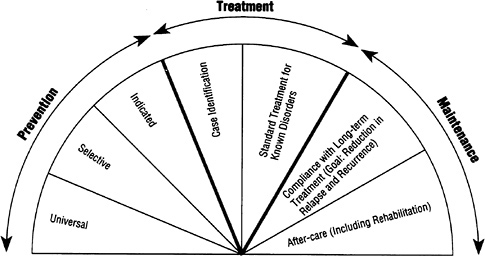
FIGURE 1 The mental health intervention spectrum for mental disorders.
mental disorders are targeted to the general public or a whole population group that has not been identified on the basis of individual risk. Such interventions have advantages when their cost per individual is low, the intervention is effective and acceptable to the population, and there is a low risk from the intervention. However, it is crucial to be realistic about costs. An intervention provided to every prospective marital couple, although low in cost per couple, would be very expensive overall because of the size of the target group.
Selective preventive interventions are targeted to individuals or a subgroup of the population whose risk of developing mental disorders is significantly higher than average. The risk may be imminent, or it may be a lifetime risk. Risk groups may be identified on the basis of biological, psychological, or social risk factors that are known to be associated with the onset of a mental disorder. Selective interventions are most appropriate if the interventions do not exceed a moderate level of cost and if negative effects are minimal or nonexistent.
Indicated preventive interventions are targeted to high-risk individuals who are identified as having minimal but detectable signs or symptoms foreshadowing mental disorder, or biological markers indicating predisposition for the mental disorder, but who do not meet DSM-III-R diagnostic levels at the current time. The term indicated is used differently here from how Gordon used it. Whereas he meant it to apply only to asymptomatic individuals, within this mental health classification system it can be applied to asymptomatic individuals with markers as
well as to symptomatic individuals whose symptoms are still early and are not sufficiently severe to merit a diagnosis. Indicated interventions may be reasonable even if intervention costs are high and even if the intervention entails some risk.
The committee does not include mental health promotion within the spectrum of interventions focused on mental disorders because health promotion is not driven by an emphasis on illness, but rather by a focus on the enhancement of well-being. It is provided to individuals, groups, or large populations to enhance competence and self-esteem rather than to intervene to prevent psychological or social problems or mental disorders. Nevertheless, promotion is an important approach to mental health, and therefore Chapter 9 presents a capsulized look at its status.
THE RISK REDUCTION MODEL
The long-term goal of all three types of preventive intervention—universal, selective, and indicated—is the reduction of the occurrence of new cases of mental disorder. Usually, this is attempted through a risk reduction model, wherein the short-term goal is the reduction of the risk factors and the enhancement of the protective factors that have been shown to be associated with the onset of the disorder. Risk factors are those characteristics, variables, or hazards that, if present for a given individual, make it more likely that this individual, rather than someone selected from the general population, will develop a disorder (Werner and Smith, 1992; Garmezy, 1983). Many at-risk individuals also have variables in their background or life that serve as protective factors.
A well-documented description of the interplay between risk and protective factors is a critical scientific first step in establishing successful preventive intervention programs. Such a description is now available for some disorders, and research is under way to identify such factors for a number of others. The next step is to identify causal risk factors that may be malleable, that is, that can be altered through interventions. Then the effects of these interventions are tested in systematic, empirical, and rigorous ways, most often in preventive intervention trials. If risk factors can be decreased or in some way altered, and/or if protective factors can be enhanced, the likelihood that at-risk individuals would eventually develop the mental disorder would decrease.
As described in Chapter 3, this risk reduction model is widely used for prevention of physical illness. To prevent physical disorders due to complex multiple causes, the strategy is to determine risk factors and then to target interventions to such risk factors or to people with these risk factors. Progress has been notable in many areas, including the
three used in this chapter as illustrations: cardiovascular disease, smoking cessation and prevention, and injury prevention. The universal preventive strategies mounted in these areas have demonstrated that effective interventions are possible even when knowledge about the mechanisms causing illness is incomplete.
THE KNOWLEDGE BASE
In order to formulate effective interventions, prevention researchers harvest methodologies, data, theories, and principles from a bounty of disciplines. The core sciences, including neuroscience, genetics, epidemiology, and developmental psychopathology; research on risk and protective factors for the onset of mental disorders; previous preventive intervention research programs; and research on treatment interventions for mental disorders all contribute to the knowledge base for research on preventive interventions for mental disorders. For some mental disorders, the knowledge base is now at a stage comparable to that available for many physical disorders before successful large-scale prevention trials for those disorders were mounted.
The Core Sciences
Two broad areas of science contribute to research on the prevention of mental disorders—the behavioral sciences, in which the study of mental disorders has its historical roots, and the biological sciences, which have begun to provide insights into these disorders more recently. The boundaries between these sciences should not be viewed as rigid and distinct. Interdisciplinary investigations that incorporate principles and findings from both the behavioral and the biological perspectives have vital implications for research on the prevention of mental disorders. The frontiers for the field of prevention can be moved forward through appropriate theoretical integration. Chapter 4 presents four of these integrative core sciences as illustrations —neuroscience, genetics, epidemiology, and developmental psychopathology —to highlight how they contribute to preventive intervention research.
Neuroscience research encompasses the acquisition of knowledge about fundamental biological processes of the brain and nervous system and about the pathophysiology of neurological disease processes, including cellular mechanisms underlying etiology, course, and outcome. The more that is known about etiology, the more possible it becomes to target preventive interventions to intervene in causal chains. In addition, recent advances in molecular biology have led to an increase in our
understanding of the scope and complexity of neuronal function. The practical outcome so far has been the discovery of new classes of drugs, such as the calcium channel blockers. One goal of current research is to provide even greater effectiveness of drug therapy by increasing the number of cellular targets for drug action. The potential implications of this research for prevention, especially indicated interventions, may be considerable.
Research into the genetic causes of disease is among the most active and exciting areas of biomedical investigation and promises to make substantial contributions to our understanding of mental disorders. Genetic studies can tell us much about developmental processes and psychopathological mechanisms (Rutter, Simonoff, and Silberg, in press; Rutter, Silberg, and Simonoff, 1993). Eventually, it may become possible to determine the precise mechanisms by which environmental risk factors operate. In the absence of sound knowledge on these processes, there is some danger that prevention measures may be either wrongly targeted or so diffuse that they do not bring the expected benefits. Current and potential contributions to prevention center on the following areas of inquiry: causal processes, normal distributions, and co-morbidity of disorders; mechanisms of genetic risk; testing for environmental effects and individual differences in those effects; individual differences in exposure to risk factors; misleading environmental assumptions; genetic counseling; and gene therapy.
Another discipline that takes a developmental and integrative perspective on the etiology and course of psychopathology is epidemiology, which is the study of the distribution of disorders in populations. Incidence refers to the rate at which new cases of the disorder arise. Prevalence is the proportion of the population with the disorder. Preventive interventions are directed toward reducing incidence, whereas treatment interventions seek to reduce prevalence.
Epidemiological studies have yielded valuable data on the origins, life course, and risk factors for mental disorders. In studying the origins of a mental disorder, a prospective longitudinal design is particularly powerful. Two refinements of the concept of risk allow comparisons of various factors as they influence the development of disorder. Relative risk is the ratio of incidence for a given disorder in an exposed population to the incidence in an unexposed population. Attributable risk is the maximum proportion of cases that would be prevented if an intervention were 100 percent effective in eliminating the risk factor.
Data on prevalence and on attributable risk are especially germane to research on the prevention of mental disorders. To acquire these data, diverse strategies of research are needed. The prevalence of the disorder
is required in order to assess its impact on the population. Prevalence is obtained efficiently from a cross-sectional survey. The attributable risk for a range of risk factors is required in order to select interventions that will have the most powerful effect. Attributable risk is probably most efficiently obtained via the case-control strategy.
An even more recent frontier is the conceptualization of the age of onset for specific disorders. Determination of age of onset is required in order to time the intervention appropriately, that is, before the first incidence of a disorder or problem. Recognizing the importance of such data, the committee commissioned new analyses of data from the National Institute of Mental Health's Epidemiologic Catchment Area study (Robins and Regier, 1991). The conceptualizations and methods used in these analyses, and the resulting fresh perspectives they permit, are presented in Chapter 5.
Many scientific areas of study with links to prevention research have their origins in the behavioral and social sciences. Contributions from these areas that offer substantial leads for research on the prevention of mental disorders include the impact of psychological stress on health; the role of social support mechanisms in decreasing risk factors and enhancing protective factors; usage of health care delivery systems; the relationship between theoretical concepts such as attachment, self-esteem, and self-efficacy and later social relationships and health behaviors; the importance of social frames of reference, including race, culture, gender, and community context; and the relevance of developmental psychopathology in understanding individual patterns of adaptation over time.
There is an increasing tendency within the biological and behavioral sciences to appreciate the complexity and interplay of genetic and environmental interactions. There is also an increased recognition of the utility of a developmental focus. From this developmental focus has arisen the concept of sensitive periods, which is especially relevant to the timing of preventive interventions.
Description of Illustrative Disorders
Whether a particular mental disorder and the risk factors associated with its onset warrant a major preventive research effort depends on a number of factors. In addition to information on incidence, prevalence, prodromal period, and age of onset, an understanding of the symptomatology, natural course, co-morbidity, and treatment effectiveness of the disorder is needed. For example, the incidence of a disorder will help determine the necessary size of the sample so that statistical analyses are
meaningful; the demographics of a disorder will help determine who is at highest risk and what population groups should be targeted; and if a specific treatment is known to be effective, it could be considered for use before onset of the disorder.
In Chapter 5 the discussion of this knowledge is organized around five major mental disorders: conduct disorder, depressive disorders, alcohol abuse and dependence, schizophrenia, and Alzheimer's disease. These five disorders were chosen as illustrations for use throughout the report because they are all serious disorders that have enormous emotional and financial costs associated with them. They represent the great diversity of mental illness, have their onset at varying stages in the life cycle, and reflect a spectrum of causation, arising from primarily psychosocial factors in conduct disorder to clear biological contributions in Alzheimer's disease. The choice of these five disorders is by no means meant to imply that these are the only disorders that should be targeted for preventive intervention research programs. Anxiety disorders, post-traumatic stress disorder, obsessive-compulsive disorder, and other adult and childhood mental disorders may also be appropriate targets. These five disorders are simply illustrative of the range of factors and approaches that must be considered in designing preventive intervention research programs, and the brief descriptions given in Chapter 5 are examples of how the available information should be reviewed.
A disorder may be preventable up to the point of onset of first episode. Although onset can rarely be accurately pinpointed, the time at which an individual meets full criteria for diagnosis can be used as an approximation. As more becomes known about precursors and prodromes, the age of onset will become more accurately known. The prodrome is the period prior to onset of a disorder, when some early signs or symptoms are nevertheless present. But individuals with early signs and symptoms of disorder often do not go on to develop the full criteria for diagnosis. In this situation the signs and symptoms are not prodromal, in the strict sense of the word. Therefore, for a particular individual a prodrome can be known only in retrospect, after he or she has developed the disorder. If he or she never develops it, the early signs were not part of a prodrome. Signs and symptoms from a diagnostic cluster that precede disorder, but do not predict the onset of disorder with certainty, are referred to here as precursor signs and symptoms. Currently, there are few or no signs and symptoms that predict onset with certainty. Nevertheless, prospective epidemiological studies could identify precursor signs and symptoms, as well as the age of the first occurrence of these precursors. Thus it may be possible to identify individuals at heightened risk for developing the full-blown disorder,
who would then become candidates for indicated preventive interventions.
Ideally, prevention efforts ought to be directed to specific age periods during which the causal events underlying the disorder are taking place: if the preventive intervention occurs too early, its positive effects may be washed out before onset; if it occurs too late, the disorder may already have had its onset. More research regarding the sensitive periods of risk factors, that is, when they contribute most to etiology, could lead to more strategic timing of preventive interventions. In addition, prospective epidemiological studies that estimate incidence of specific risk factors and disorders in childhood, adolescence, and during the age period of the transition to adulthood, from age 15 to 25, are greatly needed. Such studies could help clarify the mechanisms linking risk factors to the first occurrence of disorders. The epidemiological research on children and adults should gather and retain data on a wide range of signs and symptoms, as well as disorders, to help ensure that maturational changes and changes in the diagnostic classification system do not interfere with the study of the development of psychopathology over time.
Risk and Protective Factors for Onset
During the past 30 years a growing body of research has elucidated some of the risk factors that predispose children and adults to mental disorder. To qualify as a risk factor, a variable must be associated with an increased probability of disorder and must antedate the onset of disorder. Variables that are risk factors at one life stage might not be at another. Risk factors can reside with the individual or within the family, community, or institutions that surround the individual. They can be biological or psychosocial in nature. Some risk factors play a causal role, although this may not be known prior to an intervention study. If causal risk factors targeted in an intervention are malleable, the risk of onset of the disorder can be reduced. Other risk factors —for example, the unusual eye movement that is often associated with and predates schizophrenia—are identifying in nature rather than causal, and for these, therefore, malleability is not an issue. The committee uses the term marker for both biological and psychosocial risk factors of the latter sort. Incorporated into the definition of risk factor is the concept of vulnerability, which is a predisposition to a specific disease process. Having vulnerability traits may increase an individual' s risk for developing a disorder, but other risk factors also may be necessary for the illness to be expressed.
Recently, researchers have been trying to understand why some children appear to be resilient, and why they come to maturity relatively unscathed by the organic and psychosocial risk insults that prevent so many of their peers from achieving optimal intellectual, social, and emotional functioning (Werner and Smith, 1992). Theoretical explanations for the phenomenon of resilience (Rutter, 1985; Garmezy, 1983) involve the interaction of risk factors, including individual vulnerability, and protective factors. Rutter (1985) defined protective factors as “those factors that modify, ameliorate or alter a person's response to some environmental hazard that predisposes to a maladaptive outcome.” Protective factors also can reside with the individual or the family, community, or institutions and can be biological or psychosocial in nature.
Each mental disorder is likely to have multiple risk factors. Chapter 6 examines these factors for the five illustrative disorders. Over the past decade, evidence that genetic factors play a major role in vulnerability to Alzheimer's disease (AD) has accumulated. There is a suggestion that environmental factors may influence when symptoms begin, suggesting that prevention might work by delaying onset. The research base is not currently sufficient, however, to mount a preventive intervention campaign with potential AD victims. The best hope for prevention in the near future lies in the research focused on delaying the onset of AD, either through education early in life or through the prophylactic use of drugs to improve cognitive function or to impede amyloid deposition in high-risk individuals.
Although genetic vulnerability may predispose to schizophrenia, and may even be necessary, genetic factors by themselves cannot account for the illness. Many of the data are consistent with a developmental disorder that is set in place via genetic and biological factors early in life. This developmental pattern may be susceptible to psychosocial stress, which may trigger the symptomatic expression of the disorder or which may cross a threshold for disease expression. Universal and selective interventions to prevent the onset of schizophrenia are not warranted at this time. The best hope now for prevention of schizophrenia lies with indicated preventive interventions targeted at individuals manifesting precursor signs and symptoms who have not yet met full criteria for diagnosis. The children of schizophrenic parents are at increased risk for emotional problems of many types, including schizophrenia, and preventive intervention research should continue to study this high-risk group.
Alcohol abuse and dependence are genetically influenced disorders, and quantification of genetic risk has begun. Studies examining psychosocial risk factors for onset have often failed to control for family history of alcoholism or other mental disorders, especially antisocial personality
disorder and depression. It appears likely that it is the accumulation of both genetic and psychosocial risk factors that increases the risk for alcohol abuse and dependence. Six risk factors are strongly associated with the onset of alcohol problems: (1) having a parent or other close biological relative with alcohol abuse or dependence; (2) having a biological marker that is highly associated with later onset of alcohol dependence, including decreased sensitivity to alcohol; (3) demonstrating antisocial behaviors or a combination of aggressiveness and shyness during childhood; (4) having low adaptability; (5) being exposed to group norms that foster alcohol use and abuse; and (6) having easy access to alcohol. Control of availability obviously continues to be a powerful prevention tool.
Five risk factors are likely to be associated with the onset of depression: (1) having a parent or other close biological relative with a mood disorder; (2) having a severe stressor such as a loss, divorce, marital separation, unemployment, job dissatisfaction, a physical disorder such as a chronic medical condition, a traumatic experience, or, in children, a learning disorder; (3) having low self-esteem, a sense of low self-efficacy, and a sense of helplessness and hopelessness; (4) being female; and (5) living in poverty. Approaches that have targeted either the prevention of clinical depression in high-risk adults or the prevention of depressive symptoms for those at high risk because of a major loss have all shown some promise. Definitive evidence of the prevention of the initial episode of major depressive disorder is not available at this time, but this area is one of the most promising for continued preventive intervention research.
Conduct disorder has the earliest average age of onset of the five illustrative disorders. Much remains to be learned about its risk and protective factors, but it is clear that the accumulation of risk factors as the child develops is more important than any specific risk factor. The lack of twin and adoption studies in conduct disorder is a major research gap. Such studies have provided tantalizing clues toward understanding the roles of genetic and environmental influences for the other illustrative disorders.
It has become evident that even though some risk factors, primarily genetic ones, may be specific to a particular disorder, others are common to many disorders. For a child, such factors as low birthweight, low IQ, and even gender can lead to a state of vulnerability in which other risk factors may have more effect (McGauhey, Starfield, Alexander, and Ensminger, 1991; Rutter, 1979). Factors that can contribute to resilience include positive temperament, above-average intelligence, and social competence (Rutter, 1985; Rutter, Tizard, and Whitmore,
1970), as well as good sibling relationships and adequate rule setting by parents (Werner and Smith, 1982). In general, protective factors in adulthood fall into two broad groupings—those that arise from the buffering effects of social support available to the individual and personality factors or personal characteristics that affect the individual's ability to cope with stress (O'Grady and Metz, 1987).
Understanding that risk and protective factors are common to many disorders is only a first step. It is also essential to understand that these factors do not function in isolation; instead, there exists a dynamic interaction among them that undergoes modification and change throughout an individual's life span. The concept of causal or etiological chains, in which one event calls forth another, is helpful in understanding risk and protective factor interaction. More likely, the patterns of interaction between the child's personal attributes and risk and protective factors in the family, school, and community are not linear but are woven like the threads in a Jacquard tapestry in patterns of increasing complexity. Research on child maltreatment has provided illustrations of this more complex conceptualization.
Because it appears that most risk and protective factors are not specific to a single disorder, the most fruitful approach for preventive interventions at this time may be to use a risk reduction model that includes the enhancement of protective factors and to aim at clusters or constellations of risk and protective factors. Markers can be used to identify high-risk populations, but the interventions will be aimed at those causal and malleable risk factors that appear to have a role in the expression of several mental disorders. Identification of relative and attributable risks associated with various clusters could greatly facilitate preventive intervention research.
Illustrative Preventive Intervention Research Programs
Although preventive intervention research is still a relatively young field and formidable tasks lie ahead, the past decade has brought encouraging progress. At present, there are many intervention programs that rest on sound conceptual and empirical foundations, and a substantial number are rigorously designed and evaluated. These research programs have been supported by a wide range of public agencies, including the specialized prevention centers at the research institutes, as well as private foundations.
Chapter 7 presents a limited number of these interventions to illustrate a range of promising program approaches to achieving diverse prevention goals. Most of the programs selected for inclusion have met
rigorous criteria formulated by the committee for examining such programs, including the use of randomized controlled trials. The criteria pertain to (1) the risk and protective factors addressed, (2) the targeted population group, (3) the intervention itself, (4) the research design, (5) evidence concerning the implementation, and (6) evidence concerning the outcomes. Chapter 7 gives a full description of the criteria to serve as a guide for researchers, practitioners, and policymakers as they make critical decisions for this field. A framework for examinations using these criteria is presented in Figure 2. (See Table 2 for a summary of the research programs.)
The committee's examination of these programs brought several points to light. As yet, there is no evidence that preventive interventions reduce the incidence of mental disorders. However, although their numbers are relatively small, some excellent illustrations are available of preventive interventions that can reduce risk factors associated with the onset of mental disorders. Such programs can be mined for successful methodologies and strategies for future programs. Successful service programs also can provide good leads regarding intervention, community context, and exchange of ideas, but their effectiveness in reducing psychological symptoms and mental disorders needs to be tested experimentally.
Most prevention research programs are targeted to the needs of infants, preschoolers, elementary-age children, and adolescents. There is a nationwide and unfortunate lack of prevention research programs targeted to the needs of adults, especially the elderly. It has been shown that positive outcomes can be secured for both infants and their mothers from a single comprehensive intervention (Olds, Henderson, Tatelbaum, and Chamberlin, 1988, 1986), and it is possible that interventions that have been highly successful at certain developmental stages, such as home visiting with families with infants and preschoolers, might also be useful at other stages, such as with the elderly, who may be homebound. At the same time, it is clear that there is usually no single intervention at a single point in time that accomplishes comprehensive goals of prevention for a lifetime. The ultimate goal to achieve optimal prevention should be to build the principles of prevention into the ordinary activities of everyday life and into community structures to enhance development over the entire life span.
Risk factors that occur in multiple domains—home, school, peer group, neighborhood, or work site—require interventions in all of them. Preventive intervention programs from infancy to adolescence have shown the feasibility of multidomain interventions. Many prevention programs clearly demonstrate that education, physical health care, employment, and mental health care are not separable. Improvements
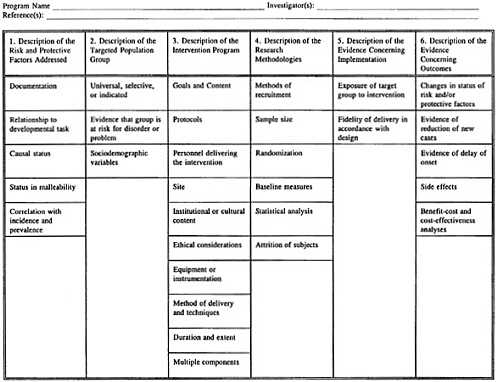
TABLE 2 Illustrative Preventive Intervention Programs Using Randomized Controlled Trial Design
|
Targeted Population Group/Sample Size When Project Began |
Risk Factors Addressed |
Outcomes (for total intervention group or subgroups) |
Principal Investigator(s) and Year(s) |
|
|
Infants |
||||
|
Prenatal/Early Infancy Project |
Selective/N=394 |
Economic deprivation, maternal prenatal health and damaging behaviors, poor family management practices |
Improved maternal diet and reduced smoking during pregnancy, fewer preterm deliveries, higher-birthweight babies, less child abuse |
Olds, 1988, 1986 |
|
Tactile/Kinesthetic Stimulation |
Selective/N=40 |
Preterm delivery, low birthweight |
Better physical and mental development of infants |
Field, 1986 |
|
Early Intervention for Preterm Infant |
Selective/N=60 |
Teenage parenthood, low socioeconomic status, preterm delivery |
Better parenting behaviors and attitudes of mothers, better cognitive competence, better physical development, better temperament of infants |
Field, 1980 |
|
Infant Health and Development Program |
Selective/N=985 |
Low birthweight, poor family management practices, academic failure, early behavior problems |
Better cognitive competence, fewer behavior problems |
Ramey, 1990 |
|
Carolina Abecedarian Project |
Selective/N=107 |
Academic failure, lack of readiness for school, economic deprivation, low commitment to school |
Better cognitive competence, lower rates of retention in grade in school |
Horacek and Ramey, 1987 |
|
Houston Parent-Child Development Center |
Selective/N=~700 |
Economic deprivation, academic failure, early behavior problems, poor family management practices |
Better family management practices, fewer behavior problems |
Johnson, 1991, 1990 |
|
Mother-Child Home Program of Verbal Interaction Project |
Selective/N=156 |
Academic failure, economic deprivation, poor family management practices, early behavior problems |
Better family management practices, better cognitive competence |
Levenstein, 1992, 1984 |
|
Parent-Child Interaction Training |
Indicated/N=105 |
Economic deprivation, early behavior problems, poor family management practices, maternal depressive symptoms |
Lower rates of attention deficits and conduct problems |
Strayhorn, 1991 |
|
High/Scope Preschool Curriculum Comparison Study (including Distar) |
Selective/N=68 |
Academic failure, early behavior problems, economic deprivation |
Better cognitive competence |
Weikart and Schweinhart, 1992, 1986 |
|
Perry Preschool Program (using High/Scope curriculum) |
Selective/N=123 |
Academic failure, economic deprivation, early behaviour problems, low commitment to school |
Better cognitive competence, greater achievement and school completion, better vocational outcomes, fewer conduct problems and arrests |
Weikart and Schweinhart, 1987, 1984 |
|
I Can Problem Solve: Interpersonal Cognitive Problem-Solving Program |
Selective/N=219 (N=60 in pilot study) |
Economic deprivation, poor impulse control, early behavior problems |
Better cognitive problem-solving skills, fewer behavior problems |
Shure and Spivack, 1982, 1979 |
|
Elementary-Age Children |
||||
|
Assertiveness Training Program (program 1) |
Universal/N=343 |
Early behavior problems, academic failure |
Improved social assertiveness, improved academic performance |
Rotheram, 1982 |
|
Assertiveness Training Program (program 2) |
Indicated/N=101 |
Early behavior problems, academic failure |
More assertive behavior, better school achievement, fewer behavior problems |
Rotheram, 1982 |
|
Children of Divorce Intervention Program |
Selective/N=75 |
Marital conflict and separation, early conduct problems |
Lower anxiety, fewer learning problems, better adjustment |
Pedro-Carroll and Cowen, 1989, 1986, 1985 |
|
Family Bereavement Program |
Selective/N=72 |
Child bereavement, poor family management practices, early behavior problems |
Lower levels of symptoms of depression and conduct disorder |
Sandler, 1992 |
|
Social Skills Training |
Selective/N=28 |
Peer rejection, early conduct problems |
Less peer rejection, better interpersonal skills |
Bierman, 1986 |
|
Social Relations Intervention Program |
Indicated/N=86 |
Early behavior problems (aggression), peer rejection, impulsivity |
Less aggression, less peer rejection, more prosocial behavior |
Lochman, in press |
|
Montreal Longitudinal-Experimental |
Indicated/N=172 |
Poor family management practices, peer rejection, academic failure, early behavior problems, violence on television |
Less aggressive behavior, less delinquent behavior, better school achievement |
Tremblay, 1992, 1991 |
|
Community Epidemiological Preventive Intervention: Mastery Learning and Good Behavior Game |
Universal/N=2314 |
Academic failure, aggressive and antisocial behavior, concentration problems, depressive symptoms, shy behavior |
Less aggressive and shy behavior, better cognitive competence—especially among those with early depressive symptoms |
Kellam and Rebock, 1992 |
|
Skills Training |
N=40 |
early behavior problems, early depressive symptoms |
peer rejection |
1984 |
|
Seattle Social Development Project |
Universal/N=908 |
Poor family management practices, early behavior problems, low commitment to school, academic failure |
Better family management practices and family bonding, greater attachment to school, lower rates of delinquency and drug use initiation |
Hawkins and Catalano, 1988 |
|
Adolescents |
||||
|
Changing Teaching Practices |
Selective/N=1166 |
Low commitment to education, academic failure, behavior problems |
Greater attachment and commitment to school, lower rates of school suspension for misbehavior |
Hawkins, 1988 |
|
Positive Youth Development Program |
Universal/N=282 |
Early drug use onset, favorable attitudes toward drugs, social influences to use |
Better coping skills, better stress management strategies, better conflict resolution and impulse control, less excessive alcohol use |
Caplan and Weissberg, 1992 |
|
Adolescent Alcohol Prevention Trial |
Universal/N=3011 |
Attitudes favorable to the use of drugs, social influences to use, early onset of drug use |
Lower rates of tobacco, alcohol, and marijuana use, lower prevalence of problem alcohol use and drunkenness |
Hansen and Graham, 1991 |
|
ALERT Drug Prevention |
Universal/N=6527 |
Social influences to use, early onset of drug use, attitudes favorable to the use of drugs |
Lower rates of tobacco, alcohol, and marijuana use |
Ellickson and Bell, 1990 |
|
Alcohol Education Project |
Universal/N=2536 |
Favorable attitudes toward alcohol consumption, early onset of alcohol use, association with alcohol-consuming friends, community norms favorable toward alcohol use |
Less initiation of alcohol use, increased knowledge about alcohol, decreased use among those drinking prior to study |
Perry et al., 1989 |
|
Midwestern Prevention Project |
Universal/N=5065 |
Social influences, to use, early onset of drug use, attitudes favorable to the use of drugs |
Lower rates of tobacco, alcohol, and marijuana use |
Pentz, 1989 |
|
Behaviorally Based Preventive Intervention |
Indicated/N=80 |
Academic failure, early behavior problems, alienation from family, low commitment to school |
Less conduct problems and delinquency |
Bry, 1992 |
|
Intervention Campaign Against Bully-Victim Problems |
Universal/N=2400 |
Aggressive behavior, poor family management practices, favorable attitudes toward bullying/aggression |
Less bullying, less delinquent behavior, more attachment to school |
Olweus, 1991 |
|
Adults |
||||
|
Prevention and Relationship Enhancement Program (PREP):An Empirically Based Preventive Intervention Program for Couples |
Universal/N=135 |
Couple relationship problems |
Better marital adjustment, less divorce, less physical violence |
Markman, 1992 |
|
University of Colorado Separation and Divorce Program |
Selective/N=153 |
Marital separation/divorce, anxiety, depression, childrearing problems, economic problems |
Fewer symptoms of anxiety and depression, better vocational outcomes |
Bloom and Hodges, 1985, 1982 |
|
Preventive intervention for a Caesarean Birth Population |
N=70 |
symptoms |
depression, more rapid physical and psychological recovery |
Brandes, 1988, 1984 |
|
Prenatal/Early Infancy Project |
Selective/N=394 |
Single parent status, school dropout, economic hardships, joblessness, subsequent pregnancy |
Better vocational adjustment, fewer second pregnancies, better educational achievement |
Olds, 1988 |
|
Caregiver Support Program for Coping with Occupational Stress |
Selective/N=247 |
Occupational stress, distress, anxiety, depression |
Lower psychological distress, better job satisfaction |
Heaney, 1992 |
|
JOBS Project for the Unemployed: Michigan Prevention Research Center |
Selective/N=928 |
Involuntary job loss, anxiety, depression, alcohol abuse, marital stress |
Fewer depressive symptoms, higher pay, cost-effective outcomes |
Vinokur, Price, Caplan, and van Ryn, 1992, 1991 |
|
San Francisco Depression Prevention Research Project: A Randomized Trial with Medical Outpatients |
Selective/N=150 |
Depressive symptoms, medical problems, low income, minority status in public primary care setting |
Lower levels of depressive symptoms |
Muñoz, 1993, 1990, 1987 |
|
Projecto Bienestar: An Intervention for Preventing Depression in Hispanic Immigrant Women in the Community |
Selective/N=399 |
Low income, immigrant minority status, distress, depressive symptoms |
Fewer depressive symptoms |
Vega, 1990, 1987 |
|
Peer- and Professionally-Led Groups to Support Family Caregivers |
Selective/N=56 |
Careglver burden, anxiety, depression |
Lower levels of psychiatric symptoms, including anxiety and depression, better coping skills |
Toseland, 1990, 1989 |
|
Elderly |
||||
|
Widow-to-Widow: A Mutual Help Program for the Widowed |
Selective/N=162 |
Widowhood, bereavement, depression, anxiety, social isolation |
Fewer depressive symptoms, less social withdrawal |
Vachon, 1982, 1980, 1979 |
in one area can affect other areas. A logical extension of this finding is support for collaboration among the agencies and institutions in these domains.
A number of interventions show promise for the prevention of behavior problems. Social competence enhancement has been shown to be successful with young children and should probably be included in risk reduction interventions seeking to strengthen resilience in populations at risk for early behavior problems. Prevention research suggests the importance of using interventions beginning in preschool and elementary school to create normative consensual behavior regarding substance use and bullying. Those at risk might then be more committed to the normative standards of the larger community. In addition, some proportion of conduct disorder may be preventable. Developmentally adjusted interventions throughout childhood and adolescence have, in isolated experiments and with some confirmatory data from quasi-experimental studies, shown modest but statistically significant effects in preventing later delinquent behaviors and related indicators of conduct disorder during adolescence. Successful components include early childhood education, parent training, enhancement of social and academic competence, and school curricula promoting consensual norms antithetical to risk behavior for disorder, such as substance use. As yet, there are no communitywide prevention research programs that target multiple age groups and attempt to change community norms.
A number of programs have successfully focused on prevention of depressive symptoms in adults and the elderly, and preventive trials with adequate sample sizes are now needed to determine whether the first episode of a major depressive disorder can also be prevented. Changes in laws and pricing have affected the availability of alcohol and appear to be successful in the prevention of alcohol use.
Even though biological risk factors have a significant role in the onset of mental disorders, few prevention programs other than prenatal care and childhood immunizations address these factors. As knowledge grows in this area over the next decade, growth in the number of programs addressing these factors is expected.
Much remains to be learned about tailoring interventions to groups in which they will have the most impact. Consideration will need to be given to benefit-cost issues as well as the potential harmful effects of screening and labeling individuals as being at risk.
In the committee's examination of prevention research programs, certain methodological complications recurred, among them difficulty in adhering to a strict randomized controlled trial design; high attrition of participants; lack of documentation of fidelity in delivering the interven-
tion; lack of multiple measures of outcomes from multiple sources; and insufficient long-term follow-up, which can prevent the collection of outcome data on incidence of multiple disorders. Perhaps the best chance to deal effectively with these sorts of problems lies in the application of a comprehensive set of rigorous standards for preventive intervention research.
Treatment Intervention Research
Effective psychosocial and pharmacological treatments are now available for many mental disorders (Kaplan and Sadock, 1989; Karasu, 1989; Dobson and Shaw, 1988). When these treatment interventions are used, they can substantially reduce the morbidity, chronicity, and disability of mental disorders. One justification for mining the principles grounded in treatment intervention research for use in preventive intervention research programs is that preventive interventions and treatment interventions are often based on similar multifactorial causal models. Therefore it is possible that if a particular treatment intervention is effective for treating an already developed mental disorder, the same or similar intervention may be effective in preventing the disorder in individuals who are at high risk.
For example, many treatment studies have shown that when language, communication, and social skills are improved—giving individuals more functional control in their environments—disruptive, aggressive, self-injurious, and stigmatizing behaviors can be greatly reduced (Liberman, 1988). In addition, identification of prodromal phases for disorders such as depression, schizophrenia, and agoraphobia, combined with educational campaigns designed to promote early identification, could facilitate use of interventions, such as cognitive-behavioral approaches for the individual and his or her family, to push the boundaries from treatment into indicated preventive interventions for individuals at high risk for developing a disorder.
In addition to lessons on risk and protective factors and causal chains, Chapter 8 lists a number of other possible applications to prevention from treatment. All are presented with cautious optimism and the realization that only a growing body of empirical trials of preventive interventions can validate their applicability. For example, evidence from treatment research has shown that there is a high rate of co-morbidity in mental disorders. Half of persons with mental disorders have more than one diagnosis (Wolf, Schubert, Patterson, Grande, Brocco, and Pendleton, 1988). This evidence on co-morbidity suggests several rationales for preventive intervention research (Kessler and
Price, in press), among them the approach that when one disorder causes or leads to a second, prevention of the first disorder is a plausible preventive strategy for the second. Other applications include the importance of recognizing the progressive course of maladaptive behavior and the enormous range of individual differences, the benefits of modular and multimodal approaches, and lessons regarding the timing, duration, and environment of interventions. Lessons applicable to research methodology, ethical and cultural concerns, and dissemination can also be drawn from the treatment perspective. Over the next decade, progress is expected in the development of mutual respect, equal opportunity, and pragmatic collaboration among the scientists and advocates in the prevention and treatment fields.
MENTAL HEALTH PROMOTION
Chapter 9 shifts the focus from mental disorder and the attendant risk-oriented approaches for preventive intervention to mental health and the research and intervention specific to its promotion. As explained in Chapter 2, mental health promotion activities are offered to people to enhance competence, self-esteem, and a sense of well-being rather than to prevent a disorder.
In many respects, the goals of decreasing risk and increasing protection in the disease-oriented model and the goals of promoting mental health are not mutually exclusive, either in practice or in outcome. There is also overlap in the techniques used to achieve these goals. Consequently, it sometimes may be difficult to distinguish the pursuit of prevention from the pursuit of promotion; moreover, achieving one can result in the other. However, there are enormous differences, conceptually and philosophically, between these two goal orientations that must be recognized. Such differences have far-reaching implications for how people talk about these endeavors, why they participate in them, what they expect to gain, and the manner and extent to which they are willing to support them.
Substantial, but largely incalculable, resources—public as well as private—are currently being expended in the attempt to promote mental health. Examples are readily apparent in schools, health service organizations, businesses, industries, and municipal governments. Other, perhaps not so apparent, examples can be found in religion, recreation, and physical exercise, all of which can be used to enhance mental well-being. The enthusiasm of commitment to such activities is infectious; personal testimony in regard to success abounds. Yet careful,
rigorous examination of the effectiveness of these activities and of their associated costs and benefits has not been conducted.
Although a useful body of theory exists, the current level of understanding is basic and elemental, and no body of applied knowledge comparable to that presented in Chapter 7 for prevention is available with respect to mental health promotion. The gaps in knowledge are considerable. What is the motivation for psychological well-being, and what are the conditions under which it emerges? Do the different forms of alternative mental health promotion reflect significant needs that have not been met by other mental health interventions? Has the multicultural nature of our society been a significant factor in the emergence of diverse modes of mental health promotion? How many people participate in mental health promotion activities? Of what kind? Where are mental health promotion activities occurring, and where else could they be implemented? What criteria are to be used in evaluating the outcomes of these activities? Are particular forms of mental health promotion likely to cause harm?
In the quest to understand and ultimately attempt to prevent suffering, it is important to not lose sight of another, equally powerful imperative, that is, the need to nurture positive regard for one's self and the world around us. There appear to be many ways of accomplishing this goal of promotion of mental health; clearly, each entails more than seeking freedom from disease or ailment. People in our society are deeply committed to such pursuits, expending enormous resources to attain happiness and dignity. Because little is known about the outcomes of health promotion activities, it would be useful to assess them scientifically. A research agenda could begin by cataloging mental health promotion activities across the life course and crafting outcome criteria that could be used in rigorous evaluations down the road.
DESIGNING, CONDUCTING, AND ANALYZING PROGRAMS WITHIN THE PREVENTIVE INTERVENTION RESEARCH CYCLE
Successful science benefits from cumulative progress, and the field of prevention of mental disorders is no exception. The task over the next decade will be to enlarge the body of work represented in Chapter 7 into a prevention science by instituting rigorous standards for designing, conducting, and analyzing future preventive intervention research programs, as described in Chapter 10. By adhering to such standards, prevention can achieve the credibility and validity necessary for its interventions to reduce the incidence of mental disorders.
Rigorous standards can also lead to an enrichment of the knowledge
base undergirding prevention. Outcomes from trials built on such standards can serve to refine hypotheses and concepts related to risk and protective factors. The model building and hypothesis testing inherent in prevention research can elucidate pathways taken by individuals as they move toward or away from the onset of a mental disorder, as well as intervening mechanisms and brain-behavior-environment interactions that result in mental disorders or avert their occurrence, even in individuals at very high risk. In addition, empirical validation of preventive interventions can usefully inform and broaden clinical practice.
The Preventive Intervention Research Cycle
Just as the development of prevention into a science requires a series of rigorously designed research programs for its collective progress, so an individual research program requires a series of carefully planned and implemented steps for its success. Figure 3 presents the committee's concept of how these steps build upon one another in the preventive intervention research cycle.
The first step is to identify and operationally and reliably define the mental disorder(s) or problem. The second step is to consider relevant information from the core biological and behavioral sciences and from research on the treatment of mental disorders, and to review risk and protective factors associated with the onset of the disorder(s) or problem, as well as prior physical and mental disorder prevention intervention research. The investigator then embarks on designing and testing the preventive intervention, by conducting rigorous pilot studies and confirmatory and replication trials (the third step) and extending the initial positive findings in large-scale field trials (the fourth step). If the trials are successful, the researcher facilitates the dissemination, adoption, and ongoing evaluation of the program into community service settings (the fifth step). Most of the research programs presented as illustrations in Chapter 7 are at the third step.
Although the review processes that constitute the first and second steps in Figure 3 are considered to be part of the preventive intervention research cycle, the original studies in these areas, with the exception of the previous studies on the prevention of mental disorders or problems, are not. For the individual researcher, it is the activities in the third and fourth steps that constitute preventive intervention research per se. Likewise, it is not the community service program and its evaluation but the facilitation by the investigator of the program 's widespread dissemination and adoption (the fifth step) that is part of the cycle. The
knowledge exchange processes that operate between the researcher and the community at this step are discussed in more detail in Chapter 11. The final steps in the cycle, represented by the feedback loop, are to review the results of any subsequent epidemiological studies to determine if the prevention program actually resulted in reductions in incidence of the targeted problem or disorder and to respond to community representatives regarding their research interests and suggestions for further work.
In this discussion the terms preventive intervention program and preventive intervention trial are carefully delineated. The preventive intervention program is the activity or activities that are provided to the target population (e.g., home visitation with mothers and their infants or a substance use resistance training curriculum delivered to school children by their teacher). The preventive intervention trial is the research component designed with experimental protocols to evaluate and validate the success of the intervention program. Preventive intervention research program is the inclusive term for the program plus the trials.
Researchers involved in activities in steps three and four of the cycle face a host of issues. These include methodological issues pertaining to experimental design, sampling, measurement, and statistics and analysis, as well as documentation issues. Cultural, ethical, and economic issues require attention throughout the cycle.
Methodological Issues
It is essential to delineate the goals of the research program at the outset. Is the goal to reduce an occupational, social, educational, family, or personal risk factor? Is it also to enhance protective factors? Is the goal to intervene with mechanisms, triggers, and processes related to the onset of disorder? The ultimate goal of preventing or delaying the development of a full-blown mental disorder(s) should be explicitly stated even though at this stage that may not be the goal of the preventive intervention itself. These goals will influence the choice of research methodology.
The randomized controlled trial, in which members of a population are randomly allocated into experimental and control groups, usually is the preferred experimental design in research studies. It provides the most rigorous means for hypothesis testing available for preventive intervention trials. Randomized control groups are particularly important in selective and indicated prevention trials. The interventions in these trials are working against the probabilities associated with the “natural” course of the pathological process. If this course is increas-
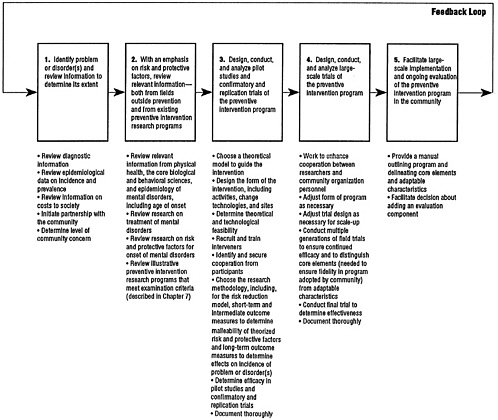
FIGURE 3 The preventive intervention research cycle. Preventive intervention research is represented in boxes three and four. Note that although information from many different fields in health research, represented in the first and second boxes, is necessary to the cycle depicted here, it is the review of this information, rather than the original studies, that is considered to be part of the preventive intervention research cycle. Likewise, for the fifth box, it is the facilitation by the investigator of the shift from research project to community service program with ongoing evaluation, rather than the service program itself, that is part of the preventive intervention research cycle. Although only one feedback loop is represented here, the exchange of knowledge among researchers and between researchers and community practitioners occurs throughout the cycle. The feedback loop demonstrates both the continuity of the cycle and the necessity to incorporate many different types of feedback into each step, including community responses, additions to the knowledge base, and ultimate effects of programs on incidence and prevalence of disorders. Cross-cutting issues regarding methodology, documentation, and cultural, ethical, and economic concerns are treated in the text.
ingly negative, the results can appear to be an increase in problems that did not exist before the intervention. On the other hand, some problems are self-limiting, and positive results may be due to the passage of time rather than the intervention. A finding of lower incidence of disorder in the experimental group as compared to a higher incidence in the control group is the best way of documenting the effect of the intervention.
The length of the intervention—short enough to be practical and yet long enough to be effective—governs the length of the trial. In addition, because a decrease in the incidence of the disorder is the major long-term goal, participants should be followed longitudinally in prospective designs. Follow-up periods can be quite lengthy. The longer the duration of follow-up, the greater the power—that is, the statistical capacity to be able to demonstrate a significant result—may be to detect the efficacy of the program in showing short-term as well as long-term positive effects. Long time frames also may be necessary in order to get beyond the age of risk of onset. Lengthy follow-up periods, however, do have complications. The longer the trial and follow-up, the greater the cost and difficulty, and the longer the delay in obtaining answers to the research questions. Also, if multiple factors are involved in the onset of a disorder, lengthy follow-up provides more opportunity for uncontrolled factors to influence outcome. Therefore a balance must be found between the gain in power and precision resulting from long-term follow-up and the loss in relevance and quality of content or substance that may be incurred. The practical limitations placed on the duration of a preventive intervention trial and follow-up in part can be dealt with by timing the implementation carefully. Selecting participants who are moving into their period of highest risk for the onset of the disorder, a period of critical developmental challenge and maturation, or a period of high responsiveness to protective effects permits detection of effects that are sufficiently large and immediate.
The choice of the sample from the targeted population also has methodological repercussions. The major problem in using selective and indicated preventive interventions is the identification of the high-risk group. Obviously, it is critical that the definition of high risk be a valid one. Also, if any group is excluded from a trial, the results may not generalize to that group.
The use of a universal population presents methodological problems of a different sort. Such a population is typically diverse and may include participants who are not receptive to the program. The heterogeneity, combined with the likely low incidence rates, creates a situation in which very large sample sizes are necessary to detect any indication of efficacy or effectiveness. Because the effects may seem quite small, the
clinical or policy significance of the prevention program may be underestimated. One solution is to plan secondary analyses to focus on those subgroups likely to be most receptive to the intervention, in order to generate results comparable to those that would be obtained with selective or indicated populations.
Although the processes of focusing attention on the questions that require answers, selecting the appropriate measures (and thus excluding the rest), deciding when and how often to measure, choosing the best measurement techniques or instruments, and taking steps to ensure the reliability and validity of the selected measures are perhaps the most tedious and difficult parts of a trial, these are also among the most essential procedures in determining its success or failure.
Careful selection of primary outcome measures, that is, the measures used most often to document the results of the trial, is essential. These are usually the measures of changes in the theorized mediating variables, including risk and protective factors, that are assumed to be responsible for the reduction in risk. It is particularly desirable for prevention research programs to include measures of the incidence of mental disorders. Measures of process—which reflect certain characteristics of the participants, program, activities, change technologies, and so on, and of the interaction of these, that might help to generate hypotheses as to why and how the program might work—are also appropriate, as are measures of compliance. Finally, because random assignment does not yield groups that are identical on all baseline variables, an extensive collection of baseline information, including targeting variables, is also necessary.
Whether the chosen measures are continuous (that is, a scaled or dimensional response) or categorical (that is, a number of nonhierarchial responses), they should display high internal consistency and construct validity (an expression of the degree to which a measurement measures what it purports to measure) as well as high reliability (replicability) with different assessors. They should also be relatively independent and limited to a carefully chosen few. To ensure validity, outcome measures ideally should be assessed “blind” to the group to which the participants have been assigned. For many randomized controlled trials, however, it is simply not possible to blind all assessors (or, for self-reporting, all participants) to the group membership of the participants. This situation places a premium on measures that are objective.
Randomized controlled trials in which participants are followed longitudinally inevitably entail collection of a great deal of data, no matter how careful the investigator has been in choosing the type and frequency of measures and instruments. Many statistical methods for
analyzing these data exist. As more data regarding age of onset are gathered, the preferred analytic strategy for comparing incidence rates across groups is likely to be survival analysis. Survival analysis is a flexible and powerful statistical method for analyzing incidence of illness when time to onset is known. An interesting aspect of survival analysis is the hazard function, which is the probability of becoming ill at each point in time. Analyses of changes in risk over time may be particularly sensitive indicators of a program' s efficacy and effectiveness. The hope is that the intervention program might begin to exert an effect at its inception and gradually build to its full effect as it is fully implemented with desired impacts on the participants' risk and protective factors. The hazard function curve quantifies the probability per unit time that a participant who has survived up to a particular time will have the onset of the disorder in the very short ensuing time interval. For an insidiously developing disorder, such as schizophrenia, the time to onset may be difficult to ascertain, however, and, at least from the point of view of analyzing a prevention research program, relatively unimportant. Therefore, if survival methods cannot be used, random effects regression models permit the best use of incomplete follow-up data for participants and help avoid some of the problems of sample bias associated with low retention rates during a trial. However, such problems do not disappear; every missing data point or dropout from the study costs some degree of power.
Power calculations should precede the initiation of a preventive intervention trial to determine the requisite sample size. For example, for a universal trial targeting the general population with a short follow-up period to measure the onset of a disorder that has a low baseline frequency and unreliable diagnosis, having one million participants may not yield adequate power to detect statistically significant effects. On the other hand, for a trial of a potent selective preventive intervention sampling a relatively high risk population and using frequent, repeated measurements that are valid and reliable, with a long follow-up period and good retention of subjects, a sample size of 50 per group might be adequate.
Documentation Issues
When the research program has been completed, the design, sampling, measurement, and analytic decisions should be specified in the peer-reviewed literature and manuals in sufficient detail that they can be replicated by others. The background and rationale are also relevant. When the results have been analyzed, the statistical methods used
should be reported in such a way that the proper inferences can be made about the effectiveness of the program. Details should also be provided about recruitment, randomization, dropout rate, and compliance so that readers can judge how convincing the results are. Documentation of the quality of measurement (reliability or validity) is also always valuable.
Issues of Culture, Ethnicity, and Race
Given the cultural diversity that characterizes this country, no discussion of the current and future status of preventive intervention research could possibly be complete without systematic attention to issues of culture, ethnicity, and race. Throughout the preventive intervention research cycle, investigators must be sensitive to the attitudes, values, beliefs, and practices of the cultural groups with whom they are working, as matters of good science and therapeutic leverage, as well as professional ethics (Kavanagh and Kennedy, 1992; Locke, 1992; Vega, 1992; Galanti, 1991). However, they must strive for more, namely, a set of skills and a perspective that have become commonly known as cultural competence (Isaacs and Benjamin, 1991; Cross, Bazron, Dennis, and Isaacs, 1989; Lefley, 1982). Competence is achieved through personal experience, either closely supervised practice or actual immersion in the field, which leads to the acquisition and mastery of the skills needed to fit intervention to context.
The committee has identified a number of activities throughout the cycle in which issues of cultural competence become especially salient: (1) Forging relationships between researchers and community. Mutual respect, appropriate responsibility, equity in decision-making, and shared commitment to negotiating differences are central. (2) Identifying risks, mechanisms, triggers, and processes. Attempts to understand these should allow for the possibility of alternative explanation and circumstances among cultural groups (Neighbors, 1990). (3) Employing relevant theoretical frameworks. Choosing theory to guide the intervention entails more than attending to the presumed links between cause and effect. It also must accommodate the relationship between what participants will (or are expected to) learn and those things valued by them. (4) Preparing the content, format, and delivery of preventive interventions. Attending to the historical and evolving nature of the ethnocultural niches—defined in familial, social, political, and economic terms —of the targeted individuals and groups can help avoid unintended negative effects. (5) Adopting appropriate narrative structures and discourse. How individuals refer to and discuss a given disorder or problem, for example, can differ markedly by ethnicity and culture.
“Down in the dumps,” “feeling blue,” and “feeling low”—expressions commonly used in white, middle-class America to refer to depression—do not have the same currency among Asian-Americans (Kinzie, Manson, Do, Nguyen, Bui, and Than, 1982) or Native Americans (Manson, 1993; Manson, Shore, and Bloom, 1985). (6) Tapping critical decision-making processes. These processes and those who engage in them can be quite different from one ethnic or cultural group to another. For example, though their role has been slightly eroded, family councils among Hmong refugees from Vietnam remain central to conflict resolution and mediation of domestic disputes (Norton and Manson, 1993; Bloom, Kinzie, and Manson, 1985). Imagine the probability of success of preventive interventions that ignore, or even run counter to, such decision-making processes. (7) Determining points of intervention leverage. Social structure influences access to people. For example, a home visiting model for prevention would need, among the Navajo, to take into account seasonal household migration (Dinges, 1982). Other activities that can be enhanced through cultural competence include (8) recognizing social networks and natural helpers, (9) seeking fidelity of implementation, and (10) replicating interventions across diverse populations.
Ethical Issues
Three factors combine to complicate the ethical issues involved in research on the prevention of mental disorders. First, the various disciplines and techniques that are being integrated into prevention research programs each carry their own complex ethical issues. Second, prevention research programs conducted in communities often require commitments, promises, and risks not encountered in basic research. Third, in many cultures mental disorders carry a special stigma.
The development of a specific ethical code for prevention research is premature and perhaps not even desirable. What is needed is not only a sensitivity on the part of the individual investigator, and within the research community in general, regarding the importance of ethical issues throughout the preventive intervention research cycle, but also the ability to recognize these issues in changing circumstances and respond responsibly—with appropriate questions, skills, and decisions—to them. The development of this competence begins with formal training in basic principles but then requires a continuing process of self-education to instill the habit of ethical accountability.
In addition to being bound by the values and standards that guard scientific integrity and by policies of the Institutional Review Board at
the home institution, researchers must address numerous specific ethical issues regarding participants. Pope (1990) has suggested several general guidelines for investigators to consider. Briefly, these are do no harm, practice with competence, do not exploit, treat participants with respect and dignity, protect confidentiality, obtain informed consent, and promote equity and justice.
Although there is consensus about the importance of ethics in prevention research on mental disorders, ethical accountability in this area has not yet received the emphasis it deserves. This remains a developing field, in need of increasing numbers of individuals and organizations possessing heightened sensitivity to ethical concerns and new skills for designing and conducting ethically appropriate intervention programs.
Economic Issues
The allocation of available resources to activities aimed at reducing the burden of mental health problems in our society requires some capacity to estimate the benefits and costs of our efforts. There are two main methods for doing this analysis. In cost-benefit analysis, costs and benefits are expressed in dollars. Assigning dollar amounts is difficult or nearly impossible for measures such as life and health, however. Cost-effectiveness analysis, on the other hand, uses two categories of outcome measures—dollars and health outcomes, presented, for example, as “years of healthy life gained.”
The assumption is often made that preventive efforts are cost-effective. Some programs provide evidence that this may be true, but much more confirmation is desirable. In a useful framework for analyzing the cost-effectiveness of potential preventive efforts (adapted from work by Russell, 1986), the following factors must be taken into account: (1) population and risk—the more specific the definition of risk groups, the more likely the intervention will be cost-effective, other factors being equal; (2) cost and frequency of administration of the intervention; (3) potency of the intervention; (4) uncertainty of risk—when risk is low and uncertain, thought must be given to the costs associated with exposing large populations to interventions that offer no advantages to most and possible adverse effects to some; and (5) time, that is, the temporal proximity of the result of the intervention to its administration.
Cost-benefit and cost-effectiveness analyses appear only infrequently in the treatment literature (Cardin, McGill, and Falloon, 1985; Weisbrod, Test, and Stein, 1980; Paul and Lentz, 1977) and are almost nonexistent
in the prevention literature. As requests for these analyses increase over the next decade, there are several important points that policymakers and prevention researchers should consider (Gramlich, 1984). For example, benefits from prevention programs may increase over time. Short-term evaluations may show small or nonexistent benefits, but benefits may accrue as children are engaged over time in less crime, depend less on welfare, or begin to reap the benefits of higher levels of educational achievement. In addition, a well-designed and sensitive benefit-cost analysis can identify gainers and losers in society. Net social benefits may be received by participants in the program themselves, taxpayers, and potential victims of crime. One example of a pioneering benefit-cost analysis of a prevention program is that done for the Perry Preschool Program, a selective preventive intervention described in Chapter 7 (Berrueta-Clement, Schweinhart, Barnett, Epstein, and Weickert, 1984). The investigators documented the costs of high-quality preschool education and the benefits resulting from positive program outcomes. The total net benefit to preschool participants themselves was approximately $5,000. On the other hand, the total net benefit to taxpayers and potential crime victims was estimated at around $23,000 for one year of preschool by the time the program recipients reached age 19.
THE KNOWLEDGE EXCHANGE PROCESS: FROM RESEARCH INTO PRACTICE
The success of the preventive intervention research cycle for a given research program lies only partly in how well it works to expand the knowledge base for prevention. The cycle's ultimate merit—and the justification for the expenditure of large amounts of research monies—lies in how effectively that knowledge can be exchanged among researchers, community practitioners, and policymakers to successfully implement the program in real-life settings and ultimately, with widespread societal application, to reduce the incidence of mental disorders.
Chapter 11 focuses on the process of exchanging knowledge. Researchers and community practitioners come to the knowledge exchange table with very different perspectives and value systems. Most researchers, by nature, are cautious. They have high standards for the quality of the evidence they believe is needed before practice recommendations can be made. But community practitioners are faced on a daily basis with the need for preventive services, and they cannot wait for the results of completed field trials within the research cycle.
The Role of the Community
The role of the community—defined here as policymakers, community practitioners, and representatives of host organizations—in the knowledge exchange process includes the following steps: defining the problem and assessing the needs, ensuring the readiness of the host organization, selecting a model program, balancing fidelity and adaptability while implementing the program, evaluating the program's effectiveness, and providing feedback to the researchers.
For a community searching for a model program, practicality is paramount. An ideal model that has proved its efficacy and effectiveness through confirmatory, replication, and large-scale field trials is as yet, owing to the status of current prevention research, unlikely to be available. Nevertheless, communities can measure the evidence that is available against a hierarchial scale, such as that adapted from work by the Canadian Task Force on the Periodic Health Examination and the U.S. Preventive Service Task Force (Battista and Fletcher, 1988; Spitzer, 1979) to determine its quality.
Information Sources
Throughout the cycle, there can be information and data ready to be exchanged with community practitioners and policymakers for general use. There are five main routes by which research findings are commonly disseminated: academic journals and books, manuals, clearinghouses, professional conferences, and direct working relationships between researchers and communities to facilitate implementation of the prevention programs. When a research program is being reviewed by a community, published papers and manuals should be obtained from libraries, clearinghouses, or the researchers themselves. The criteria listed in Chapter 7 can then be used to assess the quality of the research.
The committee reviewed the amount of knowledge dissemination currently available. There were exceptionally few articles in professional journals that reported the results from randomized controlled trial designs. For example, many NIMH Prevention Research Branch researchers, including those whose projects are completed, have never published their findings in peer-reviewed academic journals. The publication rates generated from the NIMH Preventive Intervention Research Centers (PIRCs) have been uneven. It is recognized that many preventive interventions require a long follow-up period to assess the effects of the programs and investigators are reluctant to publish
findings prematurely. However, if the theory, methods, and results are not published in a timely fashion, communities and practitioners have little access to this information and cannot use it in designing their local programs. It is likely that as increased methodological rigor is applied to the design of preventive intervention research programs over the next decade, more articles will be published in high-quality journals. Published manuals, important vehicles for disseminating information about which elements in an intervention are adaptable and which are “core,” are also in short supply. In addition, there is no federal clearinghouse, little in the way of crossover between agencies in each other's meetings, and no federally funded mechanism for researchers to work directly with communities to develop programs.
Finally, evaluation of the program during and after implementation is needed, not only to critique the program but also to provide feedback about its effects on the needs and problems originally identified by the community, feedback that is then in turn provided to the original researchers.
Strategies for Overcoming Barriers to the Knowledge Exchange Process
Barriers to the adoption of innovative prevention programs include those related to the prevention programs themselves; to the practitioners, clinicians, educators, and administrators; and to the host organizations. Techniques to overcome these barriers include making program packages more “user-friendly”; working to reshape attitudes toward prevention by providing relevant training to equip practitioners, educators, and other human service workers with new knowledge and competences; and engaging the active support of the host organization—from top management to local unit chiefs and team leaders.
Improving Community Access to Research Knowledge
Many research findings relevant to the prevention of mental disorders never have a chance to make an impact because they are never made known to the practitioners, educators, administrators, and policymakers who would use them. Any national research agenda for prevention of mental disorders will have to include the development of mechanisms for promoting the proper application of prevention technologies that have been validated in confirmatory, replication, and large-scale field trials. In order for communities to learn how to obtain and make the best possible use of the research knowledge, they will need the help of a new
breed of prevention program facilitator who can bridge research and practice. Also, a coordinated plan for dissemination of the fruits of prevention research is needed, whether it be through existing institutions or newly created centers. One model that could be considered is the regional or national research knowledge exchange center, adapted from work by Liberman and Phipps (1987), which could serve as the broker, linkage center, or central agent between prevention researchers and scientists on the one hand, and practitioners, educators, administrators, and policymakers on the other.
INFRASTRUCTURE FOR PREVENTION: FUNDING, PERSONNEL, AND COORDINATION
Preventive intervention research cannot thrive without providing for its infrastructure. What levels of funding and personnel are necessary to implement the prevention research activities outlined in this report? How can the entire enterprise best be coordinated? To begin to answer these questions, the committee first reviewed the existing federal presence in the prevention of mental disorders. It determined which agencies have relevant research and service programs and reviewed the funding, personnel, and training resources supporting these programs. The committee then reviewed current coordination efforts among federal agencies. Full results are presented in Chapter 12.
Funding
Estimates of funding levels for research on prevention of mental disorders were difficult for the committee to obtain for several reasons. First, the definitions of prevention and prevention research vary immensely across and within agencies. Second, although many agencies are doing work in this area, some of them do not see their activities as having anything to do with “mental disorders” because they use a narrow definition of that term. A broader definition, for example, would include substance abuse and dependence. Third, data retrieval systems for funding information are difficult to access, inadequate, and sometimes misleading. The Computer Retrieval of Information on Scientific Projects (CRISP) at the National Institutes of Health (NIH), for example, can miss directly relevant projects, on the one hand, and also can produce extensive multiple counting of projects on the other, which can result in misleadingly large estimates of efforts in a particular area.
On the basis of direct contacts with agencies and reviews of agency program plans and annual reports, the committee has determined that
TABLE 3 Federal Agencies Involved in Preventive Intervention Research and/or Preventive Intervention Services Related to Mental Disorders
|
Department of Agriculture Department of Defense Department of Education Department of Health and Human Services Administration for Children and Families Administration on Children, Youth and Families Head Start Bureau National Center on Child Abuse and Neglect Public Health Service Centers for Disease Control and Prevention Health Resources and Services Administration Maternal and Child Health Bureau Indian Health Service National Institutes of Health National Center for Nursing Research National Institute on Aging National Institute on Alcohol Abuse and Alcoholisma National Institute of Child Health and Human Development National Institute on Drug Abusea National Institute of Mental Healtha Office of Disease Prevention Office of Health Promotion and Disease Prevention Substance Abuse and Mental Health Services Administration Center for Mental Health Services Center for Substance Abuse Preventiona,b Department of Housing and Urban Development Department of Justice Office of Juvenile Justice and Delinquency Prevention Department of Transportation Department of Veterans Affairs |
|
aFormerly under the Alcohol, Drug Abuse, and Mental Health Administration (ADAMHA). bFormerly the Office for Substance Abuse Prevention (OSAP). |
many federal agencies are involved in prevention research and services related to mental disorders—though to varying degrees and perhaps not recognized or acknowledged by the agencies themselves (see Table 3).
Many private foundations also support prevention services and research related to mental disorders. Some of the better-known examples include American Express Foundation, Ford Foundation, William T.
Grant Foundation, Conrad N. Hilton, The J.M. Foundation, Henry Kaiser Family Foundation, Lilly Endowment, Inc., Meyer Memorial Trust, Annie E. Casey Foundation, The Robert Wood Johnson Foundation, the Carnegie Corporation, the W.K. Kellogg Foundation, the Pew Charitable Trusts, and the Colorado Trust.
Rational planning for the nation's prevention research agenda requires much more accurate monitoring and reporting of prevention activities related to mental disorders. The CRISP system has resulted in incomplete and inaccurate data with extensive multiple counting of research projects. In 1991 the Department of Health and Human Services (DHHS) reported expenditures of approximately $2 billion for prevention activities related to mental disorders and abuse of alcohol and other drugs. According to the draft Alcohol, Drug Abuse, and Mental Health Administration (ADAMHA) report, the funding of prevention activities was substantial in 1991—$749,093,000. ADAMHA's $749 million is likely to be incorporated into DHHS's $2 billion, but it is not clear that they were using identical definitions of prevention activities. In contrast to both of these large figures, the total 1992 budget of the three Prevention Research Branches (PRBs) at NIMH, National Institute on Alcohol Abuse and Alcoholism (NIAAA), and National Institute on Drug Abuse (NIDA) (all at that time part of ADAMHA) was $64,160,597. Expenditures at the PRBs included support for risk identification research, development of statistical methodology, training for identification and treatment of depression, alcohol treatment research, and other activities that, while worthy in their own right, are not preventive intervention research. Large preventive intervention demonstration projects were also included. While rigorous in their methodology, these have not been scaled up in size based on significant findings in prior pilot, confirmatory, and replication studies as recommended in Chapter 10.
In contrast to these findings, and using the definitions and guidelines developed in Chapter 2, Chapter 7, and Chapter 10 of this report, the committee's best estimate is that the federal government's expenditure for rigorous preventive intervention research specifically targeted toward the prevention of initial onset of mental disorders is approximately $20 million per year.
For reasons discussed in this chapter, it is difficult to precisely describe the current levels of expenditure by federal agencies. Nevertheless, this is the committee's best estimate of rigorous prevention research. Recommendations for increases in support (discussed in Chapter 13) are derived from this estimate and the committee's analysis of the investment needed to enable the field of preventive intervention research on mental disorders to proceed.
Personnel
Using multiple sources of information, the committee tried to determine the number of researchers working in the field of mental disorder preventive interventions. One source of data that the committee examined was the CRISP lists of grantees (1988 to 1992) for all three types of prevention (mental disorders, alcoholism, and drug addiction). The total number of grantees was 202. Allowing for others who may be funded by state agencies, universities, private foundations, and other federal agencies not listed in CRISP, it is likely that there are no more than 500 researchers in the field. The number who are fully trained to do the rigorous research described in Chapter 10 is much smaller than 500.
Any proposal for training should be grounded in projections of demand for personnel, both for the research enterprise and for the performance of high-quality evaluations of service programs. Thus the committee proposes that professionals trained in preventive intervention research are needed in federal, state, and local departments of education, social service, and public health. Although it is difficult to be precise, the steady-state national requirement of trained personnel, from various disciplines, is certainly at least 1,000 people.
Few, if any, of the current researchers in preventive intervention research have completed a formal training program to produce researchers in the prevention of mental disorders. Most were trained in their primary discipline and then learned their research skills as apprentices on a research team.
The current preventive intervention research training effort is organized in such a fashion and funded at such a low level that an outside observer could reasonably conclude that policymakers wish to phase out investment in this field. Current institutional training programs are small and typically involve a 2-year training period. There may be 5 such programs in the entire United States, and the current output of trained (by the committee's standard) preventive intervention researchers from these institutional programs may be about 10 persons per year (assuming continuing funding and program viability). Additionally, there may be about 12 persons being trained on individual awards during any 1 year, with about half of them finishing their training each year. The principal federal agencies that currently support research and training on prevention of mental disorders are NIMH, NIDA, and NIAAA.
It is important to begin to identify optimal training models and to develop mechanisms for sustaining financial support. Training in preventive intervention research should start with individuals who have already acquired knowledge and skills in such areas as nursing, social
ecology, sociology, social work, public health, epidemiology, medicine (especially pediatrics, child psychiatry, and psychiatry), and clinical, developmental, social, and community psychology. In addition, education or experience is required in two other areas: (1) the design of interventions to prevent mental illness and (2) the analysis of the efficacy and effectiveness of an intervention. One central feature of the model training program envisioned by the committee is the incorporation of practicum or internship-like training in established centers carrying out prevention studies, as well as classroom or other didactic instruction. It is hard to see how such training could be provided without external support, for the costs of faculty as well as trainees. Fellowships for individual trainees alone will not suffice. Current federal training grants cover only a small fraction of such training and are subsidized heavily by the training institution and by research grants from NIH.
The committee concludes that a long-term strategy for preventive intervention research training should be developed at the postdoctoral level. However, what is needed immediately is a short-term strategy to “jump-start” the field. Mid-career scientists from related fields—risk identification research, epidemiology, treatment effectiveness research, and research on prevention of physical disorders—need to be recruited, trained, and adequately supported through increased stipends and increased availability of research grants. A career line needs to be created that makes prevention research a rewarding profession and attracts high-quality talent.
Coordination
There is little coordination of prevention research or prevention services across federal agencies, or among federal agencies, universities, and private foundations. In addition, research institutes and agencies frequently ignore issues of co-morbidity of mental disorders and of mental and physical disorders, as well as the co-existence of mental disorders and social and legal problems, such as delinquency. A less categorical approach to interventions may be productive to individuals as well as society, but there is no clear lead agency to provide such an approach. No agency has both the expertise in mental disorder preventive intervention research and an established track record in working collaboratively with other agencies and departments on prevention.
To coordinate these diverse participants in prevention, a lead agency would require several attributes. Of first importance would be the ability of the lead agency to bring together all the interested federal, state, and private parties to facilitate an open sharing of ideas and information, a
commitment to the investigation of multiple, co-existing risk conditions for mental disorders and the co-morbidity of dysfunctions and disorders, and a willingness to participate in joint projects. Of equal importance would be the commitment of the lead agency to prevention, as distinguished from treatment and maintenance. Because no single agency seems able to accomplish these tasks, the committee concludes that an alternative mechanism is needed so that research and services on prevention of mental disorders can be coordinated across the federal departments.
CONCLUSIONS AND RECOMMENDATIONS
When President Roosevelt announced in 1937 that “one third of our nation are ill housed, ill clad, ill nourished,” our country was galvanized into action. Yet today, when careful population studies tell us that as many as one third of American adults will suffer a diagnosable mental disorder sometime in their life and that 20 percent have a mental disorder at any given time, there is little alarm. The Institute of Medicine's Committee on Prevention of Mental Disorders believes that strong action is warranted, and with this report it calls on the nation to mount a significant program to prevent mental disorders. Although research on the causes and treatment of mental disorders remains vitally important—and indeed major advances are leading to better lives for increasing numbers of people—much greater effort than ever before needs to be directed to prevention.
Public health experience has shown that when a critical mass of knowledge regarding a specific health problem accumulates and a core group of expert researchers have been identified, the time is ripe for launching a larger, coordinated research and training endeavor. The committee believes that such a moment has arrived for the field of mental health. Opportunities now exist to effectively exploit existing knowledge to launch a promising research agenda on the prevention of mental disorders. Therefore the committee strongly recommends that an enhanced research agenda to prevent mental disorders be initiated and supported across all relevant federal agencies, including, but not limited to, the Departments of Health and Human Services, Education, Justice, Labor, Defense, and Housing and Urban Development, as well as state governments, universities, and private foundations. This agenda should facilitate development in three major areas:
-
Building the infrastructure to coordinate research and service programs and to train and support new investigators.
-
Expanding the knowledge base for preventive interventions.
-
Conducting well-evaluated preventive interventions.
As previously stated, the committee's recommendations for funding of rigorous preventive intervention research are based on its best estimates of current efforts and its judgment of needed resources to create a robust federal research agenda.
The committee finds the need for prevention of mental disorders so great and the current opportunities for success so abundant that it recommends an increased investment across all federal agencies over the next five years (1995 through 1999) to facilitate the development of these three major areas of the research agenda. It recommends increased support of $50.5 million per year for the next two years, $53 million in year three, and $61 million per year in years four and five. These are modest increases considering the magnitude of the problem of mental illness in this country, and Congress may decide that an even greater investment is warranted.
Funding for the second five years should be recommended by a new coordinating body, such as a national scientific council on the prevention of mental disorders. The amount appropriated in year six should be no less than the amount of support in FY 1999. On the basis of positive results in the first five years, a considerably larger investment could be warranted during the second five years.
The three major areas to be developed are recommended in conjunction with use of the definition of interventions for mental disorders and of prevention research developed in this report. The term prevention is reserved for only those interventions that occur before the initial onset of a disorder. These preventive interventions can be further classified into universal, selective, and indicated types. The term prevention research refers only to preventive intervention research and is distinct from research that builds a broad scientific base for preventive interventions.
Building an Enhanced Infrastructure for Preventive Intervention Research
Preventive intervention research for mental disorders cannot thrive without providing for its infrastructure. Two areas are particularly important for moving ahead—coordination and research training.
The Coordination Role and Structure
Coordination among federal agencies is needed for four reasons: (1) variation in the application of definitions has made it virtually impossible to assess the current activities and expenditures in preventive
intervention research; (2) duplication of research activities and the lack of piggybacking of smaller projects onto larger ones contribute to waste of dollars and time, and, at the same time, gaps in research go undetected; (3) agencies conduct research or provide interventions for mental disorders (including addictions), educational disabilities, criminal behavior, and physical disorders as though these were separate conditions, whereas, more often than not, coexisting disorders or problems occur; and (4) agencies have different strengths; for example, some are better at applying rigorous research methodologies to intervention programs, whereas others are better at reaching out into communities and forging alliances.
In arriving at its recommendations about coordination, the committee reviewed various alternatives. The decisions to be made include (1) how best to coordinate the various relevant activities, (2) where the coordination function should reside within the federal government, and (3) staffing and funding issues. The structure and function of the coordination mechanism are inextricably intertwined, so decisions 1 and 2 above cannot be readily separated. Staff and funding should be attached to the coordination mechanism wherever it is located. Four alternatives were considered regarding where the coordination function should reside. Although the committee does express a preference for coordination at the highest possible level, it believes that establishing a successful coordination mechanism across federal departments is more important than the details of where it is housed.
Initially, the committee considered the model of putting a coordinating role in one agency, such as the National Institute of Mental Health (NIMH) or the National Institute of Health's (NIH) Office of Disease Prevention. Locating the coordination role in a single agency is a natural way to keep coordination close to the science, because the personnel in NIMH or the director's office at NIH are likely to be more closely connected to the scientific network than those higher in the government. Although single agencies have mediated coordination among other parts of the same department and even among branches of different executive departments in the past, the breadth and extent of the need for multiagency collaboration in this case make a single agency lead seem unrealistic. One possible exception is the Centers for Disease Control and Prevention (CDC), which has a public health mandate for prevention activities and considerable experience in working collaboratively with federal, state, and local agencies.
Coordination from an office within one department that serves as an umbrella over several relevant agencies is a second alternative. The Office of the Assistant Secretary for Health within the Department of
Health and Human Services (DHHS) already contains an Office for Disease Prevention and Health Promotion. This office could be charged with forming a subcommittee or task group to focus specifically on the coordination of research aimed at preventing mental disorders and substance abuse. These preventive efforts share many features with other disorders already subject to coordination within this office, but the involvement of the criminal justice system, the education system, child and spousal protective services, civilian and military family support services, and other nonmedical services necessarily encompasses activities in an even broader array of federal agencies. Many of these services are housed in entirely separate cabinet departments. The committee thus believes coordination at the departmental level is preferable to coordination by a single agency (with the possible exception of CDC), but the nature of the problem may well necessitate a higher-level coordination mechanism.
As a third alternative, the committee considered models developed within Congress, such as the Physician Payment Review Commission (PPRC) and the Prospective Payment Assessment Commission (PROPAC), for which appointments are made by an independent body—the Office of Technology Assessment. The question regarding these models is how well they would work in the prevention field, where many of the activities center on coordination of ongoing programs conducted within the executive branch.
As a fourth alternative, the committee considered other successful models—the ongoing White House Conferences, various Presidential commissions, and the Office of Science and Technology Policy (OSTP) —within the White House. OSTP was originally created by President Eisenhower to focus national attention on science; after being disbanded, it was reestablished by President Ford upon the recommendation of the National Academy of Sciences (NAS, 1974). This model has three components: (1) an office having coordinating responsibility regarding national science policy, (2) an individual who serves as the President 's science advisor, and (3) a council with expertise in a broad range of scientific matters. The advantages of having a coordination structure under the White House are that it is a natural level for coordinating activities of different cabinet departments and that it places a premium on interagency cooperation, which the committee believes is an essential element.
The committee leans toward the establishment of an overarching federal council, operated out of the White House Office of Science and Technology Policy or another coordinating office within the Executive Office of the President, to coordinate preventive intervention research.
It recognizes that research and services related to prevention of mental disorders have high relevance to the many other agendas and priorities of Congress and the President. These include the lack of high-quality education, deteriorating cities, drug problems, the lack of housing, poverty, and the lack of universal health care. Mental disorders contribute to these problems and vice versa; therefore, ultimate solutions must be broad in scope.
Adequate staffing and resources are essential to successful coordination of prevention research regardless of where it is located in the federal government. Moreover, the quality of leadership and extent of commitment among agendes are often far more important than the precise location of a coordination office. Leadership and commitment cannot be fully controlled, no matter how careful the plans may be. The competence of the particular individuals chosen to lead the effort and the politics of the day often determine whether interagency coordination is truly successful or merely an effort that consumes staff time and wastes increasingly scarce federal dollars. Despite these caveats, the committee nonetheless believes that a coordinating committee at the highest possible level with adequate staffing is necessary to weave together disparate federal activities in many different departments.
-
The committee strongly recommends that a mechanism be created to coordinate research and services on prevention of mental disorders across the federal departments. One model for accomplishing this would be the establishment of a national scientific council on the prevention of mental disorders by Congress and/or the President. Such an overarching federal council could be operated out of the White House Office of Science and Technology Policy or another coordinating office within the Executive Office of the President. This council should formulate policies regarding preventive intervention research, evaluation of prevention services, knowledge exchange, coordination of interagency research efforts, and training. Because prevention activities span different departments, the members of the council should be appointed after soliciting nominations from a wide constituency who are willing to use the definitions and rigorous methodological criteria developed in this report to foster policies that will reduce the onset of mental disorders and related problems. Members should include—as equal partners—ex-officio high-level representatives of relevant federal agencies, including but not limited to the Departments of Health and Human Services, Justice, Labor, Education, Defense, and Housing and Urban Development, as well as representatives from state agencies, private foundations, universities, and the public at large. A broad range of disciplines, including medicine (pediatrics, child psychi-
-
atry, psychiatry, primary care), psychology, nursing, social work, public health, sociology, and epidemiology should be represented. The council should meet regularly to coordinate collaborative research across public and private agencies and should monitor the standards for rigorous methodological approaches to preventive intervention research. Terms on the council for nonfederal representatives should be limited. To provide ongoing executive leadership, the chair of the council should be appointed by the President. Other leadership positions could be selected from the nonfederal representatives. The council should have its own paid staff, including a coordinator with staff, who operates out of an office of prevention of mental disorders. The office should oversee and coordinate the daily operations of preventive intervention activities in all areas that are related to mental health across the federal government. The staff of the office should be responsible to the council. The council should report regularly, at least every year, to the Congress and the President.
-
The committee also strongly recommends that Congress encourage the establishment of offices for prevention of mental disorders at the state level. The current number of such offices is small even though the states have resources for prevention available to them through the state block grants. A mechanism to encourage the development of state offices would be a requirement attached to the block grants, and as health care reform is developed other possibilities may occur. The functions of these offices should be similar to those of the proposed national scientific council of the prevention of mental disorders. States that do establish such offices should, as a group, elect representatives to the national scientific council.
-
Agencies must be required to identify their funded programs for the prevention of mental disorders, separately accounting for universal, selective, and indicated preventive interventions, using the definitions developed in this report. Congress should ask for separate accounting of these different kinds of preventive interventions when agencies report on the activities they support.
-
The National Institute of Mental Health (NIMH), the National Institute on Alcohol Abuse and Alcoholism (NIAAA), and the National Institute on Drug Abuse (NIDA) should consider including prevention researchers with broad mental health perspectives on their national advisory councils. The prevention research field must produce more researchers of international stature who can serve on such advisory councils.
-
Mental health reimbursement from existing health insurance should be provided for preventive interventions that have proven effective under rigorous research standards such as those described in this report.
-
Dissemination activities should receive much higher priority than they have in the past. Agencies should disseminate results of research trials as well as evaluations of preventive intervention service programs. Funding of research trials should be continued only when investigators demonstrate a good publication record (including theoretical formulations and data from research trials). Interagency research conferences should be encouraged. A federal clearinghouse on preventive interventions in the mental health field should be considered, either as part of the council's function or as a separately funded initiative.
Research Training
-
Training is an immediate and critical need in preventive intervention research. Congress and federal agencies should immediately take steps to develop and support the training of additional researchers who can develop new preventive intervention research trials as well as evaluate the effectiveness of current service projects. This training effort should include consortiums, seminars, fellowships, and research grants to attract existing researchers into prevention research, training programs for new investigators, and expansion of the training component of the specialized prevention research centers.
-
Research training should be focused on two groups—mid-career scientists and postdoctoral students. Training for these groups should be developed simultaneously, but the expectation is that the training efforts for these groups will produce two waves of personnel. As an immediate strategy, training opportunities with adequate stipends should be developed to attract talented mid-career scientists from related fields, such as risk research, epidemiology, treatment effectiveness research, and research on prevention of physical illnesses, who seek to make the transition to research on prevention of mental disorders. This could be done through existing fellowships and career development awards and through the development of creative consortiums, seminars, and mentoring. All training should be tailored to the needs and schedules of these scientists. Such training could have a substantial impact on the number of personnel within three years if there is a simultaneous increase in the funds available for peer-reviewed research projects (RO1s).
As a second strategy, training opportunities with sufficient stipends should be developed to attract talented post-doctoral level trainees to preventive intervention research. Much more effort should be made to attract trainees from a wide range of disciplines including psychiatry, pediatrics, social work, nursing, public health, epidemiology, neuroscience, anthropology, and sociology, as well as psychology, which
dominates the field today. If efforts to boost doctoral training begin concurrently with mid-career training, we might expect to see the benefits of an increased pool of researchers capable of securing their own research grants by year five of a 10-year plan.
-
The number of institutional training programs focusing on preventive intervention research should be increased from 5 to 12 over the next five years, including one at every specialized prevention research center, known at NIMH as Preventive Intervention Research Centers (PIRCs), that is productive. Training of mid-career scientists and postdoctoral students should occur within every specialized prevention research center. To ensure that this happens, funding of specialized prevention research centers should be continued only when they demonstrate good track records in the production of published research and in the training of researchers capable of procuring their own research grants. In addition to the specialized prevention research centers, research training should be supported by federal agencies, schools of public health, and schools traditionally linked to service, such as social work, education, nursing, and medicine.
-
Support for faculty within institutional training programs should be increased. Such support should increase the capacity of the faculty, program, and university to train preventive intervention researchers.
-
A major effort should be made to encourage the prevention research training of minorities. Support should be offered to minority mental health research centers and other centers that focus on specific populations, such as low-income groups, the elderly, and minority groups. This would add more researchers to the field, but even more importantly, they would be researchers who specialize in populations with special needs.
-
The proposed national scientific council on the prevention of mental disorders should reevaluate the training needs for preventive intervention research after the first five years. At that point the emphasis on mid-career scientists might be able to be decreased. If so, support for predoctoral training could be increased. An emphasis on postdoctoral training should be consistently high throughout the decade.
Funding
Coordination and training are the two most immediate and important needs in preventive intervention research on mental disorders (see Table 4). The national scientific council on the prevention of mental disorders and the office of prevention of mental disorders should have a combined budget of $1 million per year for five years. Dissemination
TABLE 4 Recommendations for Federal Government Support Above 1993 Level of Support (dollars in millions)
|
1995 |
1996 |
1997 |
1998 |
1999 |
|
|
Infrastructure |
|||||
|
Council/office/dissemination |
2.0 |
2.0 |
2.0 |
2.0 |
2.0 |
|
Training |
12.0 |
12.0 |
12.0 |
12.0 |
12.0 |
|
Knowledge Base Research |
|||||
|
Risk and protective factor research (biological/psychosocial interaction) |
6.5 |
6.5 |
6.5 |
6.5 |
6.5 |
|
Child epidemiological study |
2.5 |
2.5 |
2.5 |
2.5 |
2.5 |
|
Population studies |
5.0 |
5.0 |
5.0 |
5.0 |
5.0 |
|
Mental health promotion study |
0.5 |
0.5 |
0 |
0 |
0 |
|
Prevention Research |
|||||
|
Preventive intervention research projects |
20.0 |
20.0 |
20.0 |
25.0 |
25.0 |
|
Preventive intervention research centers |
2.0 |
2.0 |
5.0 |
8.0 |
8.0 |
|
Total Budget |
50.5 |
50.5 |
53.0 |
61.0 |
61.0 |
|
NOTE: Figures are based on 1993 dollar amounts and are not adjusted for inflation. These recommendations for support are based on the committee 's best estimates of current efforts and its judgment of needed resources to create a robust preventive intervention research agenda for mental disorders across the federal government. |
|||||
activities should be budgeted at $1 million per year for five years. Support for training should be budgeted at $12 million above the current level for year one, and this level of funding should be maintained for each of the next four years. In the first few years, these researchers are needed for evaluating current prevention service projects; gradually, they also will be conducting original preventive intervention research projects. Stipends for mid-career scientists should be in the $60,000 to $120,000 range, plus travel expenses. Stipends for postdoctoral trainees should be in the $30,000 to $60,000 range, plus travel expenses.
Expanding the Knowledge Base
The committee believes, based on the review of literature for this report, that a viable research agenda for prevention of mental disorders rests on a firm stratum of health research in other fields. This knowledge base includes basic and applied research in the core sciences that is aimed at the causes and prevention of mental disorders. Included in this knowledge base are neurosciences, genetics, epidemiology, psychiatry, behavioral sciences (including developmental psychopathology), and risk research. It also includes evidence and lessons from other fields of
research, such as prevention of physical illness and treatment of mental disorders.
-
Research to expand the knowledge base for preventive interventions should be continued. Knowledge base research should continue to be supported for all five disorders reviewed in this report, in addition to other mental disorders. Basic research is essential to the understanding of mental disorders. New funds for the development of other knowledge base areas and for preventive intervention research should not be taken from funds currently used to support basic science. The committee also recommends that support be increased for three specific knowledge base areas outlined below. Support of basic research will ensure the quality and continuity of the existing research effort and attract new investigators to those fields.
-
Support for research on potentially modifiable biological and psychosocial risk and protective factors for the onset of mental disorders should be increased. Priority should be given to research, regardless of the type of mental disorder, that illuminates the interaction of potentially modifiable biological and psychosocial risk and protective factors, rather than restricting the research to either biological or psychosocial factors.
-
NIMH should support a series of prospective studies on well-defined general populations under the age of 18 to provide initial benchmark estimates of the prevalence and incidence of mental disorders and problem behaviors in this age group. These epidemiological investigations should be oriented toward diagnosis but also should record a range of symptomatology, so that future changes in the diagnostic system, or developmental changes in individuals, do not preclude understanding of the development of psychopathology throughout this age range and into adult life. These prospective studies also should be oriented toward identification of modifiable risk factors in this age group with the explicit goal of recommending modifiable targets for preventive interventions in the future.
-
A population laboratory should be established with the capacity for conducting longitudinal studies over the entire life span in order to generate understanding as to how risk factors and developmental transitions combine to influence the development of psychopathology. The primary goal of this laboratory should be the enhancement of knowledge for prevention and the development of new knowledge for the implementation of preventive intervention trials. Special attention should be paid to developmental transitions, such as childhood to adolescence, adolescence to adulthood, entry into marriage, and loss of a spouse; precursor signs and symptoms, prodromal periods, age periods just prior to when a specific mental disorder is most likely to occur; and the effects of race, ethnicity,
-
and gender. Well-designed preventive intervention research trials might be conducted with these populations during the follow-up, as long as the goal of obtaining benchmark estimates of epidemiological data, especially in regard to developmental transitions, is not threatened. The population laboratory could be established as a branch in the intramural program of NIMH, although there are advantages to making it a multiagency project funded through agreements among DHHS agencies such as the Centers for Disease Control and Prevention (CDC), Substance Abuse and Mental Health Services Administration (SAMHSA), National Institute on Drug Abuse (NIDA), National Institute on Alcohol Abuse and Alcoholism (NIAAA), National Institute of Mental Health (NIMH), National Institute of Child Health and Human Development (NICHD), and Maternal and Child Health Bureau (MCHB), and departments such as the Departments of Justice, Education, and Defense. It could also be established as a unit outside the federal government funded through a special mechanism. An extragovernmental advisory panel, including experts in epidemiology, psychopathology, and prevention, should be formed to provide continuing scientific oversight to the population laboratory. Data from investigations of the population laboratory should be made available in anonymous form in a regular and timely fashion.
-
Whenever possible, research proposals relevant to the knowledge base for preventive interventions should explicitly state this connection, such as identification of potentially modifiable risk factors and possible avenues for preventive interventions. This requirement should be applied across all federal agencies, and especially to research proposals funded from the additional support recommended by this committee. This clarification of relevance to prevention will help decrease confusion regarding definitions of prevention research and lead to findings relevant to preventive interventions.
-
Treatment intervention research conducted under rigorous methodological standards that is directly relevant to preventive intervention research should continue to be supported—but not from the prevention research budget. The criteria for “direct relevance” should be reviewed by prevention researchers. Collaboration between treatment researchers and prevention researchers should be fostered. Principles from treatment research can and should be borrowed for use in prevention. Specialty areas in treatment research that are likely to yield payoffs for preventive intervention research include clinical psychopharmacology, cognitive-behavior therapy, and applied behavior analysis.
-
Research should continue to be supported to determine which risk and protective factors are similar and which ones are different for treatment and prevention of a variety of mental disorders. Identifying potentially modifi-
-
able factors that are unique to first onset of a disorder increases possibilities for prevention.
-
Research should be supported to study the effects of social environments, such as families, peers, neighborhoods, and communities, on the individual and the effects of context on the onset of various mental disorders.
-
Researchers working on relevant research in the core sciences should be encouraged to participate in activities such as forums and colloquia with preventive intervention researchers.
-
A comprehensive, descriptive inventory of the activities in which the public engages to promote psychological well-being and mental health should be developed and supported. This catalog of mental health promotion activities is expected to be substantial. Preliminary efforts should also be made to craft outcome criteria for these activities that could be used in rigorous evaluations down the road.
Funding
The committee recommends that $6.5 million be budgeted each year for the next five years for risk research on the complex interaction between biological and psychosocial risk and protective factors. This would augment the research base for those mental disorders furthest along the continuum in the understanding of etiology, emphasizing the identification of malleable risk factors that would augur well for further preventive intervention research. A child epidemiological study should be budgeted at a minimum of $2.5 million per year over the next five years, and a population laboratory should be budgeted at $5 million per year over the next five years. Over a two-year period, $1 million should be allocated to catalog mental health promotion activities and to craft outcome criteria.
Conducting Well-evaluated Interventions
The knowledge base for some mental disorders is now advanced enough that preventive intervention research programs, targeted at risk factors for these disorders, can rest on sound conceptual and empirical foundations.
-
Increased methodological rigor in all research trials, demonstration projects, and service program evaluations should be required. Wherever possible, the standards developed in this report, including hypothesis-driven randomized controlled trials and assessment of multiple outcome measures over time, should be instituted.
-
The concept of risk reduction, including the strengthening of protective factors, should be used as the best available theoretical model for guiding interventions to prevent the onset of mental disorders. Other models for preventive interventions should continue to be explored; for example, as more becomes known about the mechanisms that link the presence of causal risk factors and absence of protective factors to the initial onset of symptoms, the possibilities for intervention may be increased.
-
Universal preventive interventions should continue to be supported in the areas of prenatal care, immunization, safety standards such as use of seat belts and helmets, and control of the availability of alcohol. These programs decrease brain injury and mental retardation which are conditions associated with mental disorders. Although the main benefit of these interventions is the prevention of physical illness or injury, they may reduce the incidence of mental disorders as well. More evaluation is needed to assess their impact on mental disorders.
-
Research on selective and indicated interventions targeting high-risk groups and individuals should be given high priority. Many of the programs described in this report are selective preventive intervention research programs, targeting multiple risk factors including poverty, job loss, caregiver burden, bereavement, medical problems, divorce, peer rejection, academic failure, and family conflict. These programs provide an impressive base for more rigorous research trials with larger samples.
-
Priority should be given to preventive intervention research proposals that address well-validated clusters of biological and psychosocial risk and protective factors within a developmental life-span framework. Trials should measure short- and long-term outcomes for targeted disorders and should continue past the average age of onset. Sample size should be adequate for determining the validity of outcome measures.
-
Increased attention should be given to preventive intervention research that addresses the overlap between physical and mental illness. For example, prevention trials with primary care populations should include examination of effects on physical well-being, use of health care (which at times may mean increased use), and social functioning.
-
Research support should be developed in two waves over the next decade, initially focusing primarily on increasing research grant support for individual investigators and later on increasing support for specialized prevention research centers throughout the appropriate federal agencies. This strategy is based on the principle of building a prevention science from the ground up, rather than the top down. Individual investigators should compete for research grant support. As their academic track record becomes established, they should be encouraged to increase the size and scope of their trials and join with other solid investigators to form preventive inter-
-
vention research centers. In the first wave, lasting five years, there should be a substantial increase in the funds available for peer-reviewed research projects. Preventive intervention research programs should be supported for any mental disorder where there is well-validated evidence of risk factors that appear to be modifiable. After five years, with the impact of new mid-career researchers joining the field and evidence from five years of research programs, a review should be made of the evidence. It is highly likely that several other preventive intervention research centers could be warranted at that time. Research grant support should not decrease at this time.
-
Research on sequential preventive interventions aimed at multiple risks in infancy, early childhood, and elementary school age to prevent onset of multiple behavioral problems and mental disorders should be increased immediately and substantially. This should include a large number of new research grants and at least one new specialized prevention research center. The knowledge base regarding multiple risk factors in infancy and childhood interacting in complex causal chains and resulting in multiple disorders is extensive. Data on the direct linkage to specific disorders that emerge in adolescence and adulthood are becoming available. Many rigorously designed preventive intervention programs document impacts on risk and protective factors that are likely to reduce incidence rates of mental disorders. Addressing clusters of risk and protective factors increases the chances of preventing multiple disorders, especially major depressive disorder and conduct disorder. A number of separate randomized controlled trials have demonstrated the efficacy, and in some studies the effectiveness, of specific preventive interventions across development from the prenatal period through adolescence in reducing risk factors and enhancing protective factors. These should now be combined and delivered in sequence to high-risk populations. The intervention should include high quality prenatal care, childhood immunizations, home visiting and high-quality day care (such as the Prenatal/Early Infancy Project and the Infant Health and Development Program), high quality preschool (such as the Perry Preschool Program), parenting training, and enhancement of social competence and academic performance. High priority should be given to interagency sponsorship of this research, including the specialized prevention research centers. The Department of Health and Human Services (including the Maternal and Child Health Bureau (MCHB), National Institute of Child Health and Human Development (NICHD), Administration on Children, Youth, and Families (ACYF), Substance Abuse and Mental Health Services Administration (SAMHSA), and the National Institute of Mental Health (NIMH)) and the
-
Departments of Education, Justice, and Defense might be interested in sponsoring such research.
-
Research on preventive interventions aimed at major depressive disorder should be increased immediately and substantially. This should include a large number of new research grants and at least one new specialized prevention research center. The knowledge base in this area is quite extensive, and promising preventive interventions have been empirically tested across the life span. Research to prevent depressive disorders should be more focused on preventing co-morbid mental disorders than it has been in the past. Also, outcomes often extend beyond traditional boundaries of mental disorders. For example, prevention of depression has strong implications for reducing suicides, lost work productivity, and physical disorders. High priority should be given to interagency agreements for research projects and specialized prevention research centers. Gradually over the next five years, other new specialized prevention research centers should be initiated to focus on depression and co-occuring conditions. Links between these new centers and other research sites are essential, and monies should be set aside to provide for ongoing collaboration.
-
Research on preventive interventions aimed at alcohol abuse should be increased immediately. The knowledge base is extensive, and promising preventive interventions have been empirically tested. A less categorical approach to alcohol abuse preventive intervention research is needed. Co-existing illnesses, such as depressive disorders and physical disorders, must be carefully studied. Prevention of alcohol abuse has strong implications for reducing drug abuse, spouse and child maltreatment, and physical injury. The outcomes of preventive interventions on these problems also should be considered. For alcohol abuse, it may be best to target children and young adolescents to delay the initiation of alcohol use.
-
Support for pilot and confirmatory preventive intervention trials should be increased for conduct disorder. Priority should be given to research that addresses multiple risk factors for young children with early onset of aggressiveness, including parental psychopathology, poverty, and neurodevelopmental deficits in the child.
-
Research should be supported on alternative forms of intervention for the caregivers and family members of individuals with mental disorders, especially Alzheimer's disease and schizophrenia, to prevent the onset of stress-induced disorders among these caregivers.
-
Over the next decade, as new specialized prevention research centers are initiated, priority should be given to those that are sponsored through interagency agreement. In addition to the National Institute of Mental Health (NIMH), National Institute on Alcohol Abuse and Alcoholism (NIAAA), and National Institute on Drug Abuse (NIDA), other federal agencies,
-
such as those in the Departments of Justice, Education, and Defense, should be encouraged to become involved. Over the next 10 years, in addition to the new centers focusing on multiple childhood risks and depressive disorders, specialized prevention research centers could be developed for other risk factors or disorders if a review of the evidence suggests that such action is warranted.
-
Knowledge base research at the specialized prevention research centers should be supported by new research grants (RO1s) that do not use preventive intervention research dollars. Specialized prevention research centers provide the structure, the personnel, and the study populations that could be used to increase the knowledge base for prevention through risk research and epidemiological studies as well as for increasing knowledge about preventive intervention research programs. When these two areas of research are combined in the same center, the definition of prevention research will be especially important.
-
Dissemination mechanisms, including publication in peer-reviewed journals, and knowledge exchange opportunities with other researchers and with representatives from the community should be mandated as part of the mission of each specialized prevention research center.
-
The preventive intervention research cycle as described in this report should be used as a conceptual model for designing, conducting, and analyzing research programs. Preventive intervention research should proceed from pilot studies to confirmatory and replication trials to large scale field trials and finally be transferred into the community as service programs with rigorous evaluation.
-
Increased attention to cultural diversity, ethical considerations, and benefit-cost and cost effectiveness analyses should be an essential component of preventive intervention research.
-
Community involvement should be increased to help identify disorders and problems that merit research and to support preventive intervention research programs. The committee believes strongly that the long-term interests of communities throughout the nation are best served if prevention services are based on well-crafted and thoroughly evaluated trial programs. Community groups that hope for the best long-term outcomes need to express an increased willingness to have service projects more rigorously evaluated and to bring promising prevention programs into the research cycle for a more complete analysis of efficacy and effectiveness.
Funding
Preventive intervention research (excluding the specialized prevention research centers) should be budgeted at $20 million above the FY
1993 level of support in years one, two, and three, with an additional $5 million (from $20 million to $25 million) in year four and year five. Support for new specialized prevention research centers is budgeted at $2 million per year in years one and two, $5 million in year three, and $8 million per year in years four and five. (The NIMH PIRCs receive, on average, $500,000 for core support per year.) Some of this support could come from reallocation and more prudent use of federal resources that currently are available for prevention in a broad sense. For example, huge demonstration projects are rarely warranted; scaling up from confirmatory and replication trials to large-scale field trials is a more cautious and constructive use of resources. Finding out the effectiveness of programs before they are widely disseminated is likely to save money in the long term. The support that is requested in this report is not necessarily new money, but it is new for the field of preventive intervention research for mental disorders. Much of the support should come from a wide array of federal agencies already supporting prevention services that currently lack rigorous evaluation.
A Final Word
There could be no wiser investment in our country than a commitment to foster the prevention of mental disorders and the promotion of mental health through rigorous research with the highest of methodological standards. Such a commitment would yield the potential for healthier lives for countless individuals and the general advancement of the nation's well-being.
Even with the support of the federal government, the effort will not be easy. There will be no “magic bullet.” No single prevention strategy or method of changing people's life-style, behavior, or environment will work across the broad range of risk factors and mental disorders that will be encountered. A program designed to prevent one public health problem will not exactly fit the needs and goals of another. Dedication to prevention service programs will not necessarily bring success without a corresponding commitment to rigorous evaluation to determine the effectiveness of these services. No single agency can accomplish the task outlined above. Overall, the effort will require the cooperation of numerous federal, state, and local agencies, universities, foundations, researchers, and communities. The need for effective preventive programs in clear. It is equally clear that to obtain such programs we need a national commitment to rigorous research and increased support for the infrastructure to make that research possible.
REFERENCES
American Academy of Child and Adolescent Psychiatry. ( 1990) Prevention in Child and Adolescent Psychiatry: The Reduction of Risk for Mental Disorders. Washington, DC: American Academy of Child and Adolescent Psychiatry.
Battista, R. N.; Fletcher, S. W. ( 1988) Making recommendations on preventive practices: Methodological issues . In: R. N. Battista and R. S. Lawrence, Eds. Implementing Preventive Services. Suppl. to the American Journal of Preventive Medicine 4(4). New York, NY: Oxford University Press; 53–67.
Berrueta-Clement, J. R.; Schweinhart, L. J.; Barnett, W. S.; Epstein, A. S.; Weikart, D. P. ( 1984) Changed Lives: The Effects of the Perry Preschool Program on Youths Through Age 19 (High/Scope Educational Research Foundation, Monograph 8). Ypsilanti, MI: High/Scope Press.
Bloom, J. D.; Kinzie, J. D.; Manson, S. M. ( 1985) Halfway around the world to prison: Vietnamese in Oregon's criminal justice system. International Journal of Medicine and Law; 4: 563–572.
Breslow, L. ( 1990) A health promotion primer for the 1990's. Health Affairs; 9: 7–21.
Cardin, V. A.; McGill, C. W.; Falloon, I. R. H. ( 1985) An economic analysis: Costs, benefits and effectiveness. In: I. R. H. Falloon, Ed. Family Management of Schizophrenia. Baltimore, MD: Johns Hopkins University Press; 115–123.
Commission on Chronic Illness. ( 1957) Chronic Illness in the United States. Vol. 1. Published for the Commonwealth Fund. Cambridge, MA: Harvard University Press.
Cross, T. L.; Bazron, B. J.; Dennis, K. W.; Isaacs, M. R. ( 1989) Toward a Cultural Competent System of Care: Vol. I. Washington, DC: Georgetown University Child Development Center.
DHHS (Department of Health and Human Services). ( 1991) Healthy People 2000. Washington, DC: Government Printing Office; DHHS Pub. No. (PHS) 91–50212.
Dinges, N. G. ( 1982) Mental health promotion with Navajo families. In: S. M. Manson, Ed. New Directions in Prevention Among American Indian and Alaska Native Communities. Portland, OR: Oregon Health Sciences University; 119–143.
Dobson, K. S.; Shaw, B. F. ( 1988) The use of treatment manuals in cognitive therapy: Experience and issues. Journal of Consulting and Clinical Psychology; 56(5): 673–680.
Evans, D. A.; Scherr, P. A.; Cook, N. R.; Albert, M. S.; Funkenstein, H. H.; Smith, L. A.; Hebert, L. E.; Wetle, T. T.; Branch, L. G.; Chown, M.; Hennekens, C. H.; Taylor, J. O. ( 1990) Estimated prevalence of Alzheimer's disease in the United States. Milbank Quarterly; 68: 267–289.
Flora, J. A.; Maccoby, N.; Farquhar, J. W. ( 1989) Communication campaigns to prevent cardiovascular disease: The Stanford Community Studies. In: R. Rice and C. Atkin, Eds. Public Communication Campaigns. Beverly Hills, CA: Sage Publications; 233–252.
Galanti, G. ( 1991) Caring for Patients from Different Cultures. Philadelphia, PA: University of Pennsylvania Press.
Garmezy, N. ( 1983) Stressors of childhood. In: N. Garmezy and M. Rutter, Eds. Stress, Coping and Development in Children. New York, NY: McGraw-Hill; 43–84.
Gordon, R. ( 1987) An operational classification of disease prevention. In: J. A. Steinberg and M. M. Silverman, Eds. Preventing Mental Disorders. Rockville, MD: DHHS; 20–26.
Gordon, R. ( 1983) An operational classification of disease prevention. Public Health Reports; 98: 107–109.
Gramlich, E. M. ( 1984) Commentary on changed lives. In: J. R Barreuta-Clement, L. J.
Schweinhart, W. S. Barnett, A. S. Epstein and D. P. Weikart, Eds. Changed Lives: The Effects of the Perry Preschool Program on Use through Age 19. Ypsilanti, MI: Monographs of the High Scope Educational Research Foundation; 8: 200–203.
IOM (Institute of Medicine). ( 1989) Research on Children and Adolescents with Mental, Behavioral, and Developmental Disorders. Washington, DC: National Academy Press.
Issacs, M. R.; Benjamin, M. P. ( 1991) Toward a Culturally Competent System of Care: Vol. II. Washington, DC: Georgetown University Child Development Center.
Kaplan, H.; Sadock, B. J., Eds. ( 1989) Comprehensive Textbook of Psychiatry. Baltimore, MD: Williams & Wilkins.
Karasu, T. B. ( 1989) New frontiers in psychotherapy. Journal of Clinical Psychiatry; 50(4): 148.
Kavanagh, K. H.; Kennedy, P. H. ( 1992) Promoting Cultural Diversity: Strategies for Health Care Professionals . Newbury Park, CA: Sage Publications.
Kessler, R. C.; Price, R. H. (in press) Primary prevention of secondary disorders: A proposal and an agenda . American Journal of Community Psychology.
Kinzie, J. D.; Manson, S. M.; Do, T. V.; Nguyen, T. T.; Bui, A.; Than, N. P. ( 1982) Development and validation of a Vietnamese-language depression rating scale. American Journal of Psychiatry; 139(10): 1276–1281.
Lefley, H. P. ( 1982) Cross-cultural training for mental health personnel. Final Report. Miami, FL: University of Miami School of Medicine; NIMH Training Grant Number 5-T24-MH15249.
Liberman, R. P. ( 1988) Psychiatric Rehabilitation of Chronic Mental Patients. Washington, DC: American Psychiatric Press.
Liberman, R. P.; Phipps, C. C. ( 1987) Innovative treatment and rehabilitation techniques for the chronic mentally ill. In: W. W. Merringer and G. Hannah, Eds. The Chronic Mental Patient—II. Washington, DC: American Psychiatric Press; 93–130.
Locke, D. C. ( 1992) Increasing Multicultural Understanding: A Comprehensive Model. Newbury Park, CA: Sage Publications.
Manson, S. M. ( 1993) Culture and depression: Discovering variations in the experience of illness. In: W. J. Lonner and R. S. Malpass, Eds. Psychology and Culture. Needham, MA: Allyn and Bacon.
Manson, S. M.; Shore, J. H.; Bloom, J. D. ( 1985) The depressive experience in American Indian communities: A challenge for psychiatric theory and diagnosis. In: A. Kleinman and B. Good, Eds. Culture and Depression. Berkeley, CA: University of California Press; 331–368.
McGauhey, P. J.; Starfield, B.; Alexander, C.; Ensminger, M. E. ( 1991) Social environment and vulnerability of low birth weight children: A social-epidemiological perspective. Pediatrics; 88(5): 943–953.
NAS (National Academy of Sciences). ( 1974) Science and Technology in Presidential Policymaking. Report of the ad hoc Committee on Science and Technology. Washington, DC: National Academy of Sciences.
NIH Consensus Development Panel on Depression in Late Life. ( 1992) NIH Consensus conference: Diagnosis and treatment of depression in late life. Journal of the American Medical Association; 268(8): 1018–1024.
NMHA (National Mental Health Association). ( 1986) The Prevention of Mental-Emotional Disabilities. Alexandria, VA: NMHA.
Neighbors, H. W. ( 1990) The prevention of psychopathology in African Americans: An epidemiologic perspective. Community Mental Health Journal; 26(2): 167–179.
Norton, I. M.; Manson, S. M. ( 1993) An association between domestic violence and
depression among Southeast Asian refugee women. Journal of Nervous and Mental Disease; 180(11): 729–730.
OTA (Office of Technology Assessment). U.S. Congress. ( 1986) Children's Mental Health: Problems and Services—A Background Paper. Washington, DC: Government Printing Office.
O'Grady, D.; Metz, J. R. ( 1987) Resilience in children at high risk for psychological disorder. Journal of Pediatric Psychology; 12: 3–23.
Olds, D. L.; Henderson, C. R.; Tatelbaum, R.; Chamberlin, R. ( 1988) Improving the life-course development of socially disadvantaged mothers: A randomized trial of nurse home visitation. American Journal of Public Health; 78(11): 1436–1444.
Olds, D. L.; Henderson, C. R.; Tatelbaum, R.; Chamberlin, R. ( 1986) Preventing child abuse and neglect: A randomized trial of nurse home visitation. Pediatrics; 78(1): 65–78.
Paul, G. L.; Lentz, R. ( 1977) Psychosocial Treatment of Chronic Mental Patients. Cambridge, MA: Harvard University Press.
Pope, K. S. ( 1990) Identifying and implementing ethical standards for primary prevention . In: E. J. Trickett and G. B. Levin, Eds. Ethical Issues of Primary Prevention. New York, NY: The Haworth Press.
Robins, L. N.; Regier, D. A.; Eds. ( 1991) Psychiatric Disorders in America: The Epidemiologic Catchment Area Study. New York, NY: The Free Press.
Roosevelt, F. D. ( 1937) Second Inaugural Address, January 20.
Russell, L. B. ( 1986) Is Prevention Better Than Cure? Washington, DC: The Brookings Institution.
Rutter, M. ( 1985) Resilience in the face of adversity: Protective factors and resistance to psychiatric disorder. British Journal of Psychiatry; 147: 598–611.
Rutter, M. ( 1979) Protective factors in children's responses to stress and disadvantage. In: M. W. Kent and J. E. Rolf, Eds. Primary Prevention of Psychopathology, Vol. 3: Social Competence in Children. Hanover, NH: University Press of New England.
Rutter, M.; Silberg, J.; Simonoff, E. ( 1993) Whither behaviour genetics? A developmental psychopathology perspective . In: R. Plomin and G. E. McClearn, Eds. Nature, Nurture and Psychology. Washington, DC: American Psychiatric Association.
Rutter, M.; Simonoff, E.; Silberg, J. (in press) How informative are twin studies of child psychopathology? In: T. J. Bouchard and P. Propping, Eds. Twins as a Tool of Behaviour Genetics. Chichester, England: John Wiley and Sons.
Rutter, M.; Tizard, J.; Whitmore, K. ( 1970) Education, Health and Behaviour. London, England: Longman.
Spitzer, W. O. ( 1979) Report of the Task Force on the Periodic Health Examination. Canadian Medical Association Journal; 121: 1193–1254.
Vega, W. A. ( 1992) Theoretical and pragmatic implications of cultural diversity for community research. American Journal of Community Psychology; 20(3): 375–391.
Weisbrod, B. A.; Test, M. A.; Stein, L. I. ( 1980) Alternative to mental hospital treatment: III. Economic benefit-cost analysis. Archives of General Psychiatry; 37: 400–405.
Werner, E. E.; Smith, R. S. ( 1992) Overcoming the Odds: High Risk Children from Birth to Adulthood. New York, NY: Cornell University Press; 185.
Werner, E. E.; Smith, R. S. ( 1982) Vulnerable but Invincible: A Longitudinal Study of Resilient Children and Youth. New York, NY: McGraw-Hill.
Wolf, A. W.; Schubert, D. S. P.; Patterson, M. B.; Grande, T. P.; Brocco, K. J.; Pendleton, L. ( 1988) Associations among major psychiatric diagnosis. Journal of Consulting and Clinical Psychology; 56: 292–294.


