
THOMAS ADDIS
July 27, 1881–June 4, 1949
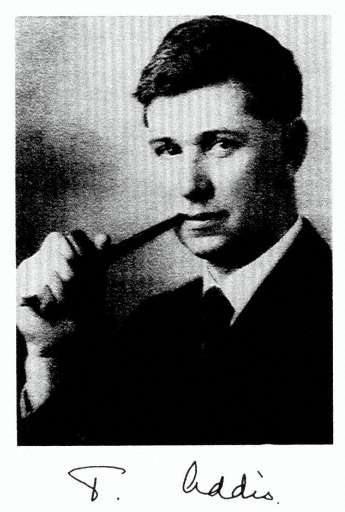
BY KEVIN V. LEMLEY AND LINUS PAULING
THOMAS ADDIS was one of the early physician members of the National Academy of Sciences. As a physician-scientist, he had a distinctively quantitative and rigorous approach to clinical problems. His name is firmly connected to the study of kidney function and structure-function correlation and to the diagnosis and dietary treatment of the class of kidney disorders once collectively known as Bright's disease. During his life he developed a national and international reputation as a result of his research and his success in treating patients. His approach to diagnosis and treatment, however, never came into widespread clinical use and fell into almost total disuse in the United States soon after his death. The application of dietary therapy in renal disease is currently enjoying a considerable renaissance, and Addis's work is being rediscovered and appreciated once more for its rigor and clarity.
[Statement by L.P., a friend and former patient of Tom Addis: Forty years ago I agreed to write the biographical memoir of Tom Addis. His widow, however, asked me not to include any mention of his political beliefs and activities. She said that she and her two children would not permit such mention, partly because of their fear for their own safety. This was at the start of the McCarthy period. I
felt that a biographical memoir that did not mention this important aspect of Tom Addis's life should not be published, and I deferred writing the memoir. Now, after the death of Mrs. Addis, I feel free to publish the memoir, in the writing of which I have had the great benefit of collaboration with Dr. K. V. Lemley.]
Tom Addis was born in Edinburgh, Scotland, on July 27, 1881. His mother was Cornelia Beers Campbell. His father, Thomas Chalmer Addis, was a Presbyterian minister. Addis was raised in a religious and rather ascetic environment with a great emphasis on moral values. In his youth he carried a bible in his pocket and was quite conversant about its contents. Decades after his naturalization as a U.S. citizen in 1917, he still considered his native Scotland and Edinburgh as "the most beautiful country and the most lovely town in the world." Addis was graduated from Watson's College in Edinburgh in 1900 and received the M.B.Ch.B. degree in 1905 from the Faculty of Medicine of the University of Edinburgh. Following three more years of hospital training in Edinburgh, Gloucester, and Bristol (including a year working and living in slums), he received the M.D. degree and was elected to membership in the Royal College of Physicians (Edinburgh). Two years of postdoctoral research in Berlin and Heidelberg followed (1909–11) as a Carnegie scholar and fellow. Addis returned to Scotland as registrar at Leith Hospital (Edinburgh) in 1911.
Later in 1911 Addis accepted an appointment as chief of the Clinical Laboratory of the Department of Medicine of the newly organized Stanford University School of Medicine in San Francisco (the medical school moved to its current location on the Palo Alto campus in 1959). The new medical school dean, Dr. Ray Lyman Wilbur, brought Addis to Stanford on the recommendation of Sir Clifford Allbutt of the University of Cambridge, an event Wilbur
later remembered as "among the more fortunate things which I did as a young dean of a young medical school."
In 1913 Addis married Elesa Bolton Partridge, with whom he eventually had two daughters, Elesa and Jean. Mrs. Addis was a trained nurse and later a nurse-dietician in Addis's renal clinic at Stanford. Addis was promoted to associate professor of medicine in 1913.
He served as a captain in the U.S. Army Medical Corps during World War I (1917–19) at Camp Lewis, Washington, as part of a medical contingent drawn from Stanford Medical School. Earlier, before the United States formally entered the war, Addis had come under the threat of prosecution by the U.S. Attorney's office in San Francisco, probably for violation of the neutrality laws (he was then still a British citizen). He benefited from the intervention of Dr. Wilbur, who was on leave from the medical school while working in the office of Herbert Hoover, President Wilson's wartime food administrator.
Addis became professor of medicine in 1920 and served in that capacity until becoming professor emeritus in 1946. He also ran the Clinic for Renal Diseases at Stanford from 1921. He served as consultant to the surgeon general during World War II (1942–45), working on artificial substitutes for blood plasma with support from the Office of Scientific Research and Development (OSRD). After retirement, Addis continued to work in his laboratory at Stanford until the summer of 1948, when he moved to Los Angeles to continue his research, working with Dr. Jessie Marmorston in Harry Goldblatt's Institute for Medical Research at Cedars of Lebanon Hospital.1
Addis died at the age of sixty-seven at Cedars of Lebanon Hospital on June 4, 1949, in septic shock following surgery to remove a kidney infarcted as a result of thromboembolic disease.
Addis published over 130 scientific and clinical papers as well as two important books, The Renal Lesion in Bright's Disease (1931, 4), with J. R. Oliver, and Glomerular Nephritis: Diagnosis and Treatment (1948). He received the following prizes and lectureships: a Carnegie research fellowship, the Gibbs Prize, and in 1942 the Cullen Prize (awarded by the Royal College of Physicians of Edinburgh for the "greatest benefit done to practical medicine in the previous four years"); he delivered the Harvey Lecture in 1928 and the Thayer Lectures in 1931 and was visiting fellow at the Rockefeller Institute in 1928. Addis was a member of the Association of American Physicians, the American Physiological Society, the Society for Experimental Biology and Medicine, the American Society for Clinical Investigation (president in 1930), and the National Academy of Sciences from 1944. He was also a fellow of the Royal College of Physicians (Edinburgh) and the American College of Physicians.
Addis's students, colleagues, and co-workers over the years included Ray Lyman Wilbur, C. K. Watanabe, George D. Barnett, Jean R. Oliver, A. E. Shevky, M. C. Shevky, Marjorie G. Foster, Douglas R. Drury, B. A. Flyers, Leona Bayer, Lois L. MacKay, Eaton M. MacKay, Lee J. Poo, William Lew, David A. Karnofsky, Evalyn Barrett, Florence Walter, Horace Gray, David A. Rytand, Arthur L. Bloomfield, Richard W. Lippman, Jessie Marmorston, Leland J. Rather, Edward C. Persike, Eloise Jameson, Belding Scribner, Marcus A. Krupp, William Dock, B. O. Raulston, and Roy Cohn.
ADDIS'S EARLY LABORATORY WORK (1909-19)
Addis's early work was concerned with several different clinical problems. As with his later work, it was characterized by a high degree of methodological sophistication and a critical attitude toward current practice. His pragmatism
and concern with practical clinical applications are also apparent throughout. His earliest work (part of it conducted during a Carnegie research fellowship in Germany) concerned blood coagulation. He showed convincingly that, contrary to earlier claims, oral administration of either citric acid or calcium lactate had no effect on blood coagulation in patients with a variety of diseases, both hemorrhagic and thrombotic. These studies used Addis's modification of a standard coagulation assay (McGowan's method), a modification that he validated by daily triplicate determinations of his own coagulation time over fifty days. He also contributed investigations into the pathogenesis of hereditary hemophilia, suggesting that the disease is due to a defect in the conversion of prothrombin to thrombin, rather than in the activity of the thrombin itself or (as was believed by Sahli and others) a cellular defect.2
After moving to Stanford, Addis conducted spectroscopic analyses with Wilbur of the hemoglobin breakdown products (bile pigments) in hemolytic disease states such as pernicious anemia. He also published several studies on diabetes mellitus, including an analysis of the different clinical methods for estimating the degree of acidosis (this was just before the advent of insulin therapy), a critique of the conventional preparation of the diabetic patient for surgery (which he held to be "a pure hypothesis, unsupported by any experimental work") together with a proposal for better perioperative management, and an approach to the early diagnosis of diabetes mellitus in patients incidentally found to have glycosuria. The latter was based on a graded increase in the "strain" imposed on the glucose-utilizing tissues by increasing daily glucose loads, an early form of glucose tolerance test in which glycosuria rather than blood sugar was measured, and an approach similar to that which he later employed in studying kidney function.3
Several studies were carried out during Addis's service in the Army Medical Corps during World War I. Measurements of blood pressure and pulse rates in recruits were used to construct tables of normal values for these parameters under conditions of basal and normal activity, exercise, and changes in position.
UREA EXCRETION AND THE AMOUNT OF FUNCTIONING RENAL TISSUE (1916-25)
Almost from the time of Richard Bright's first clinical and pathological descriptions in 1827 of the constellation of kidney ailments that so long bore his name, the fact that blood urea levels rise in diseases of the kidney had been known. Because the kidneys are the sole excretory organs for urea (formed in protein catabolism), blood urea concentrations rise whenever renal excretory function is compromised. As early as 1856, Picard recommended the measurement of blood urea as a diagnostic tool. Little more was done with these observations, though, until the turn of the century and the development of analytical procedures (principally by Folin, Wu, Van Slyke, and Marshall) capable of accurately determining urea concentrations in small samples of blood and urine. This ushered in an era of dynamic tests of kidney function using the rate of renal urea excretion and the blood urea concentration.
From 1916 to 1925, Addis and his colleagues produced about thirty publications on the quantitative assessment of renal function through measurement of urea excretion. Two large series concerned renal function in man ("The Rate of Urea Excretion I–VIII") and in the rabbit ("The Regulation of Renal Activity I–XI"). In the human experiments, Addis, his students, and his co-workers were the subjects, supplying the specimens for literally hundreds of blood and urine urea determinations. In all these studies
the goal was a functional assessment of the anatomic state of the normal and diseased kidney: "This would give us what we most need in clinical work—an anatomical foundation for early diagnosis, prognosis, and treatment. For functional studies have in the last resort no fundamental significance unless they are of such a nature that structural inferences may be drawn from them." In this attitude, Addis continued in an intellectual tradition dating back to Richard Bright and René Laennec, two of the pioneers in clinical-pathologic correlation. Bright in particular had sought to understand kidney disease "by reference to Morbid Anatomy" (as he stated it in his famous Reports on Medical Cases). Addis saw himself faced with "the problem of the relation between renal function and structure, the problem which Bright set before himself nearly a century ago." Given the very poor level of understanding of kidney physiology at the time, it is not surprising that Addis and many of his contemporaries sought a bedrock of reliable knowledge in the relatively better understood pathology of the kidney.
In the first paper in this series, Addis and Watanabe examined the previous quantitative theory of Ambard and Weill (1912) against their more complete and carefully obtained data and found that although it was qualitatively suggestive, it did not "allow . . . even a rough prediction of the rate of urea excretion" (1916, 1). This motivated a very long paper by Addis (1917) in which he described his own test to assess "the work of the kidney." In it he outlined the characteristics of an ideal substance for testing the secretory (i.e., excretory) function of the kidney: It must be "a true end-product . . . incapable of chemical alternation within the body . . . whose only path of excretion [is] through the kidneys"; its blood concentration should also be susceptible to alteration by systemic administration.4
Earlier attempts at a functional assessment of renal
had foundered on the high normal variability of renal excretory function, variability arising largely from the changing excretory needs of the body.5 Addis and his colleagues were convinced that such high variability was found only in short-term studies of renal function and was due to a changing balance in the factors that normally regulate renal activity. Over twenty-four-hour periods, the forces tended to cancel one another, leading to a greater stability in the measured renal function. The fundamental index of function that Addis and his colleagues settled on was the ratio U·V/B, the Addis urea ratio, where U is the urine urea concentration, V is the urine volumetric flow rate, and B is the blood urea concentration. Thus, the product U·V is the urinary excretion rate of urea. The urea ratio was approximately constant in a given individual (and reflected the functioning renal mass), at least for urine flows over about two milliliters/minute, the augmentation limit of Van Slyke.
Many of the later papers in this series were dedicated to describing factors that contribute to the short-term variability in renal excretory function, so that these could be controlled during clinical examinations. Later Addis extended the urine collection period to twenty-four hours and thus overcame much of this variability. The principal factors uncovered were the state of diuresis, diet (particularly caffeine, protein, and amino acids), exercise, and certain hormones (adrenalin and hormones of the posterior pituitary gland).
Among the factors subject to external control was the blood urea concentration B. It was established that the variation in the ratio U·V/B decreases with increasing blood urea concentrations. Addis's interpretation of this finding was that the "strain" of excreting greater amounts of urea would push the kidney to the maximum work of which it was capable.6 Thus, patients were studied after receiving
an acute oral urea load. Tests of renal function were in addition conducted in a fasting state and during a water diuresis (which Van Slyke had also shown decreases variability). Through such efforts to suppress or stabilize regulatory influences, the coefficient of variation for urea ratios in a single individual in Addis's lab was reduced to 5.1 percent.
Addis conceived of the excretory capability of the kidney as the result of two factors: the total functioning mass of secretory tissue (the relatively constant factor) and the level of renal activity (the variable factor). The influence of renal mass on excretory function was suggested by the observation that the body weights (and hence the kidney weights) of rabbits and men fall in approximately the same proportion as their urea ratios (35:1 and 33:1, respectively). This was also suggested by studies of the urea ratio in animals with reduced functional mass as a result of nephrectomy7 or graded damage to the kidney in experimental uranium nephritis.8 Interestingly, Addis and his colleagues did find that the ratio U·V/B somewhat overestimated kidney weight (approximately 17 percent) after compensatory hypertrophy. The discrepancy was rectified in a morphological study by Jean Oliver in which he showed that a disproportionately large amount of renal hypertrophy following uninephrectomy was due to hypertrophy in the proximal convoluted tubules. At that time, renal excretory function was thought to be primarily a secretory process (the importance of glomerular filtration was not yet fully appreciated), and the most effective portion of the nephron for urea secretion was considered to be the convoluted tubule.
The evolution of all kidney studies was considerably advanced by the development of the concept of renal clearance. The first expression of the clearance concept, viz., that the Addis urea ratio expresses the virtual volume of blood freed of urea by the action of the kidney in a unit of
time, was made by Addis in his Harvey Lecture.9 He acknowledged that this interpretation as a virtual volume was pointed out to him by his colleague G. D. Barnett. On the other hand, Van Slyke and his colleagues at the Rockefeller Institute for Medical Research, who had been doing similar detailed studies on urea excretion for years, were the first to use the word "clearance."10 Homer Smith later speculated that it "is difficult to judge the importance of words as the vehicles of ideas, but . . . had Barnett or Addis used Van Slyke's happy expression 'cleared' instead of 'freed,' renal physiology might have been significantly catalyzed in 1917 or thereabouts."11
The urea excretion ratio was measured by Addis in patients with Bright's disease from about 1920. Further use of the urea clearance as a measure of kidney function was cut short by the introduction of creatinine clearance12 and eventually inulin clearance13 as clinical and research markers of glomerular filtration. Although he continued to use the urea ratio as an index of the osmotic work of the kidney, Addis did adopt the creatinine clearance as a functional test, eventually contributing to the development of practical clinical methods for determination of the serum creatinine concentration.14
CLINICAL CLASSIFICATION OF BRIGHT'S DISEASE (1922-33)
Richard Bright first described the complex of albuminuria, edema (dropsy), and postmortem gross pathological findings of granular kidneys and an enlarged heart in his famous Cases in 1827. Over the next century, Bright's concept was expanded by many investigators. In 1853 Wilks suggested that there were cardiovascular causes of renal disease, and Müller introduced the term "nephrosis" in 1905 to describe chronic renal disease without signs of inflammation. In 1914 Volhard and Fahr divided Bright's
disease into nephrosis, nephritis (inflammatory renal disease), and arteriosclerosis, a classification that provided the basic framework for pathological diagnosis until the proliferation of histopathological entities that followed the widespread introduction of renal biopsy in the 1950s.
Since functional dynamic tests were introduced in the early 1900s, the understanding of Bright's disease began to follow a path that led away from morphology. Addis was concerned with determining the nature and extent of Bright's disease during life (i.e., making a clinical rather than a pathological diagnosis) while retaining the traditional anatomical basis for classifying the disease. He therefore tried to salvage clinical methods that others had rejected as unreliable or uninformative by learning how to reduce the considerable variability inherent in them. Addis, however, considered a functional approach alone to be inadequate. Owing to "the reserve power of the renal tissue," purely functional tests might fail to detect even the 50 percent loss of renal mass after uninephrectomy. At the same time, many of the physicians who favored functional tests rejected examination of urine sediment. Addis felt that this was also due primarily to methodological problems: "A superficial and casual examination of urinary sediments will make anyone feel inclined to agree with the modern view that little is to be gained from such studies." He also felt, however, that the troublesome day-to-day variability in the appearance of the sediment was due to variations in the conditions of the examination and not necessarily to changes in the disease process.
His approach to the clinical classification of Bright's disease was therefore twofold: quantitative examination of the urinary sediment (the Addis count)15 indicated the nature of the lesion, and the urinary urea clearance (the Addis urea ratio) indicated the extent of the lesion. From
this dual approach, Addis and his colleagues built up a tripartite clinical classification of Bright's disease analogous to that of Volhard and Fahr: hemorrhagic (nephritis), degenerative (nephrosis), and arteriosclerotic Bright's disease. Van Slyke and his colleagues had at the same time also been studying patients with Bright's disease.16
Although not entirely satisfactory, this classification was intended to serve as a "local scaffolding" until a better understanding of the etiology of the disease could be attained. The latter was to be accomplished through followup of patients with Bright's disease over years or even decades, including a final clinicopathological correlation in the form of postmortem examination.17 Much of this early work in the classification of Bright's disease was summarized in a book Addis jointly wrote with the pathologist Jean R. Oliver, The Renal Lesion in Bright's Disease (1931, 4), a detailed decade-long examination (with quantitative functional studies and microscopic pathology) of Addis's patients with Bright's disease. "The book had a purpose . . . identical with the purpose of Volhard and Fahr's book."
From studies of the effects of renal ablation and uranium toxicity on renal structure, the concept emerged that the clinical outcome in Bright's disease depended on the balance of processes of tissue destruction and tissue restoration, the latter largely through hypertrophy. The clinician should therefore attempt to impede the former and enhance the latter, where possible. Doing this was not a simple task. High levels of protein ingestion clearly increased the maximum degree of renal hypertrophy (see next section) that followed loss of renal mass, but Fahr and Smadel (1939) soon demonstrated that high-protein diets also increase the rate of renal destruction in rats with Masugi nephritis (now called nephrotoxic serum nephritis).
Along with a classification scheme and a preliminary etiologic
"scaffolding," therefore, an attempt was made to define some form of effective therapy, although the almost total ignorance regarding therapy at this time might have been a "good and sufficient excuse for abstention from all forms of treatment." Experimental and theoretical considerations, however, suggested at least "a plan of action." Since the provisional cause of progression in Bright's disease was "the product of a combination of a disease process and the demand on the damaged organ to do its usual amount of work," a theory of therapeutic "rest" from renal work was advanced. This was certainly not unknown as a therapeutic principle at the time. Addis was undoubtedly familiar with the contemporary practice of thoracoplasty (collapsing and resting the tuberculous lung), as practiced by his friend and colleague, the surgeon Leo Eloesser, and also with the work of Allen18 and probably of Homans19 on the destructive effect of "overuse" in the experimentally damaged pancreas. To apply these insights, however, it was first necessary to define what constitutes renal work.
The theory Addis developed proposed that renal work consists of the thermodynamic work of concentrating the urinary solutes, particularly the major urinary solute urea. This hypothesis had the advantage of simplicity—the "reversible" work for a unit volume of urine is proportional to the logarithm of the urine to the blood concentration ratio of the substance being excreted, W = RT log (U/B).20 Specifics of the theory changed with increasing understanding of the physiology of the kidney, especially the demonstrations by Rehberg (1926) and Smith and colleagues (1938) of the extremely large volume of glomerular filtrate produced by the kidney (180 liters/day). Thus, the early conception of renal work as urea secretion by the proximal convoluted tubules eventually evolved into the idea of renal work as water extraction from an increasingly concen-
trated tubular fluid. The physician could help rest the kidney by decreasing the amount of urea to be excreted with a low-protein diet, by prescribing a liberal water intake (if the circulatory system allowed) to dilute the urea in the urine, and by prescribing enough salt in the diet (after the edema-forming phase of the disease was passed) to raise the urine salt concentration to approximately that of the blood. In the latter case, the work of salt concentration would approach RT log(1) = 0; otherwise, diluting the urine to decrease urea work would actually increase the salt (diluting) work. The thermodynamic concept of renal work, on the other hand, did not lend itself easily to being followed over time, so the idea arose to look at the results of sustained renal work, viz., renal hypertrophy.
The role of dietetic therapy in Bright's disease was repeatedly considered. As in the preceding century, the winds of medical opinion regarding the appropriate amount of protein in the diet of patients with Bright's disease changed direction again during Addis's career. Addis used dietary therapy in treating Bright's disease from the early 1920s. His approach took into account not only the principle of minimization of renal work but also the effect of urinary protein losses,21 the likelihood that with decreased appetite in renal disease less than the prescribed amount of protein would actually be ingested, vitamin supplementation in light of a restricted food intake, and the special requirements for growth in children (for whom Addis prescribed up to 2 grams/kilogram of body weight per day, almost four times the adult level). In addition, he showed that proteinuria in patients with Bright's disease increases with increasing levels of dietary protein intake, without changes in the serum protein concentration unless dietary protein has been manifestly inadequate.22 Thus, Addis's success in treating patients with chronic Bright's disease may have
been realized in part because he was the first to recognize the need to individualize dietary therapy in patients, in order to gain the benefits of a low-protein diet without incurring an excessive risk of protein malnutrition.
ORGAN GROWTH AND HYPERTROPHY (1925-49)
As in earlier work on the regulation of renal activity and the rate of urea excretion, much of Addis's work on organ growth and hypertrophy was reported in a large series of papers on factors that determine renal weight. Addis was not an author of all twelve papers in this series. Much of his work on the topic was conducted in collaboration with Eaton and Lois MacKay, William Lew, Lee J. Poo, and Horace Gray.
With the development of the concept of therapeutic rest, a reliable index of renal work was needed. Although the thermodynamic definition of renal work played a major theoretical role, it also had limitations. The idea of organ weight as an indirect measure of organ work was therefore exploited. The use of change in organ weight to reflect work was supported by an analogy with the increase in muscle mass that results from sustained increases in muscle work.
In order to utilize this approach, organ weights had to be normalized for age, sex, and diet, and the relationship between organ weight and body weight (or surface area) had to be established. Weights of different organs under specific "stresses" were examined: hypertrophy of the gastrointestinal tract under conditions of increased dietary bulk (increasing the work of moving material through the tract), changes in the weight of paired organs after removal of one of them, and changes in organ weights following alterations in overall metabolism (thyroidectomy, thyroid hormone administration, pregnancy). In the kidney the ef-
fects of age on growth at the time of nephrectomy, protein intake, dietary urea administration, and other factors were studied.
After about 1940, Addis became very critical of the term "compensatory hypertrophy," since its use usually belied a profound ignorance of the nature of the organ function being compensated. "In this endeavor nothing is more likely to still curiosity and initiative than a nomenclature that implies knowledge where only ignorance exists." Even so, growth of the remaining nephrons following partial nephrectomy seemed to Addis to lower the urea work load per gram of remnant nephrons and thus be an adaptive response to an increase in renal work per nephron.
MECHANISMS OF PROTEINURIA (1932-49)
The final major topic that Addis investigated was the relationship between proteinuria and kidney disease. He suggested that pathological proteinuria might be due simply to an intensification of those normal (physiological) processes and factors that cause the appearance of the minimum amounts of protein found in normal urine. He considered mediation of proteinuria through local kidney hemodynamics to be probable.
At the time of his death, much of Addis's research on this topic at Cedars of Lebanon was being conducted in laboratory rats, including studies of protein-overload proteinuria, renin-induced proteinuria and the effects of adrenalectomy, and sex differences in the levels of proteinuria in rats. A number of interesting phenomena were described, but conclusions ready to find expression in clinical practice were not, in the main, achieved. The specific goal of these investigations was to understand the role of proteinuria in the progression from latent to degenerative phases of glomerular nephritis (see below) and, in particular, the
relevance of proteinuria to tubular degeneration, which Addis considered "the central mystery of the disease."
The book Glomerular Nephritis: Diagnosis and Treatment (1948, 4) is a synthesis of over thirty years of work by Addis and his co-workers at Stanford's Clinic for Renal Diseases. His colleague Arthur Bloomfield felt that the book would "perhaps interpret the man to his followers better than anything else he has done." To those who had been close to Addis's work over the years, little in the book would be particularly new. Many of its conclusions were based on papers published in the preceding years. However, Addis clearly felt that he had finally accumulated enough data and clinical experience to present a case for the broader clinical adoption of the diagnostic and therapeutic methods he had perfected over decades. "For no matter how well supported by reason and buttressed by fact a new method of treatment may be, there is no sure foundation for clinical action other than clinical experience."
The book has a strongly philosophical tone and thus also serves as a vehicle for an exposition of Addis's philosophy of clinical medicine and scientific research. In addition, Richard W. Lippman has stated that, "The thread of his concern with political philosophy is to be found in all his writing in later years, most notably in the book 'Glomerular Nephritis'." Although perhaps only implicit in its formulation, Addis's political and social philosophy can clearly be recognized in the book, especially in his description of the social organization of work at the clinic. Another remarkable feature of this work is its literary grace and power. It is a masterpiece of both critical reasoning and pathos. Belding Scribner, a former student in Addis's lab and one of the founders of hemodialysis, has said that to this day the syllabus given to the new nephrology fellows in his division starts with the last chapter of Addis's book.
Glomerular Nephritis is largely dedicated to an explication and defense of the principle of rest from osmotic work in the treatment of glomerular nephritis. The concern with glomerular nephritis, rather than Bright's disease, might seem to signal a shift in Addis's interests. In fact, his clinic at Stanford always primarily saw patients with nephritis or with kidney diseases simulating it. This is the reason patients were referred to Addis. In concentrating on glomerular nephritis, Addis had picked one of the most perspicuous causes of Bright's disease. Unlike pyelonephritis (an infection) or vascular diseases, the initial insult (ß-hemolytic streptococcal infection) was invariably of limited duration, and what Addis followed in his patients was the evolution of a pathological process intrinsic to the kidney, the oscillating and tenuous balance of forces of tissue restoration and destruction during the long latent stage of glomerular nephritis. The forces to be examined were the kidney's own. He rejected "the assumption that the disease is a parasite on the body: The laws that govern the maintenance and growth of structure and the operation of the functions of the body are still in effect. The disease has only changed the conditions under which they act."
The book includes sections on methods of laboratory work, the organization of clinical medicine, determining the nature and extent of the lesion in glomerular nephritis, the differential diagnosis of glomerular nephritis from other proteinuric kidney diseases, and the treatment of glomerular nephritis derived from experimental work and touchingly illustrated and interwoven with an extended case history of a single patient, from his diagnosis at age eight to his death from uremia in his early thirties. The chapters on determining the nature and extent of the lesion and on treatment bring together many years of research by Addis
and his colleagues, as well as others, under an analysis at once critical and imaginative.
Without doubt Addis's most original contribution to the treatment of kidney disease was his rest therapy. As he put it, "In dealing with a damaged or diseased organ, we must strive first of all to rest that organ from its work." Addis contrasted rest with "inactivity"—the former includes the very active processes of repair and regeneration. His focus on the work of urea excretion is now considered by most investigators to have been misguided and probably to have contributed to the disaffection of many with his ideas.
Why did Addis believe urea excretion to be the pivotal form of renal work? In rats a high-protein diet and unilateral nephrectomy both cause hypertrophy of the (remaining) renal mass; in fact, the renal growth curves in these two situations are almost identical. It is easy to see the basic stimulus to the remaining kidney after contralateral nephrectomy as an increased excretory workload. Since the most obvious consequence of a high-protein diet for the kidney is also excretion of larger amounts of urea (the final breakdown product of protein in the body and the major urinary solute), it was indeed logical for Addis to at least consider the osmotic excretory work of the kidney as a major factor in causing renal hypertrophy and thus in contributing to renal work.
One of the most revealing traits that we can observe in a human being is how he or she deals with apparent contradictions in his or her world view. Addis was quite aware of inconsistencies in his rest theory, in particular with the importance it assigned to the osmotic work of the kidney. The sophistication of his reasoning in holding to the osmotic theory in spite of these objections has often been overlooked in light of the resounding rejection the theory
itself received at the hands of improved physiological understanding.23
Addis was well aware of the large discrepancy between the calculated thermodynamic (urea-concentrating) work of the kidney and values of renal metabolism determined from organ oxygen consumption (after all, the fundamental work was performed by his colleague William Dock).24 Even allowing for a major component of "friction" (i.e., thermodynamic inefficiency), solute concentration could account for only about 4 percent of total renal metabolic expenditure. Yet he felt that no data spoke "for or against the objection that the energy requirements for osmotic work are so small that they cannot be regarded as effective with respect to any major events within the kidney. The objection itself is based on analogy and arises because of a difficulty in conceiving that a small change in energy relations may sometimes lead to large material results." The above-mentioned similarities between renal growth after nephrectomy and growth on a high-protein diet supported his idea of the "effectiveness" of renal osmotic work.
Two statements that Addis made in Glomerular Nephritis may help to explain his willingness to continue to use a hypothesis about which he acknowledged several significant problems.
We would rather set down in black and white some beginning of a theory, no matter how provisional and faulty, than remain in the silence that surrounds unknown and uncriticized presuppositions. For thought, once expressed, has a way of curing its own errors. What is asked of a hypothesis is not that it should precisely prefigure the mechanism that actually exists. All we require is that it should suggest questions that can be answered by experiment, and that it should emerge in the simplest possible manner and without contradiction from what we do know about the problem.
As always, the acid test for Addis was the implications of theory for clinical practice. The rat experiments were for
him just "secondary, even if necessary, supports. It is true that if they had not vindicated the rest of the hypothesis we should have concluded that we had been misled in the interpretation of our clinical experience. Clinical history is full of such mistakes. But if our clinical experience of many years had not seemed to confirm the theory we should not have ventured to advance it as a basis for the action of others."
[Statement by a former patient, L.P.: "I was Dr. Addis's patient from March 1941 until his death. While on a trip to New York, I was told by Dr. D. D. Van Slyke and Dr. George Burch at the Rockefeller Institute for Medical Research that I was suffering from glomerular nephritis, and was advised to cancel my visit to the Mayo Clinic to give the Mayo Memorial Address for that year, and instead to go to Dr. Addis in San Francisco. My edema was high, over twenty pounds, as was my urinary protein loss, about twenty g per day. I was placed on a salt-free diet, which eliminated the edema in four months, and on a rigorous minimum-protein diet, which I followed for fourteen years. Addis also had me take supplementary vitamins and minerals, drink much water, and rest in bed to the extent that my professional duties permitted. I am now, fifty years later, in quite good health.
I remember that at one time, about 1942, I was with him in his cubicle, talking about the state of my health. We were interrupted by a phone call, which seemed to be about some political activity. He started to discuss it with me, and then interrupted himself to say 'No—pay no attention. Your job is to get well.'
I now realize that Addis's regimen was completely orthomolecular. I received no drugs. My treatment involved only the regulation of the intake of substances normally present in the human body: increased intake of
water, vitamins, and minerals and decreased intake of protein and, for a time, salt, combined with some rest in bed.
I dedicated my 1950 book College Chemistry to him with these words: 'To the memory of Dr. Thomas Addis, who in applying science to medicine kept always uppermost his deep sympathy for mankind.' "]
ADDIS, THE MAN
Tom Addis is remembered by his colleagues as a gentle and charismatic man, of broad learning and interests. He was no "ivory tower scientist." His daughter Jean remembered that his knowledge of poetry and economics and music "reached into his work . . . There was no division to all these things."
William Dock considered that "as a medical scientist he was in a class by himself." His approach to clinical problems was logical and incisive but also extremely practical. Although a consummate researcher, Addis was, according to Ray Wilbur, committed "not [to] research just for research's sake, but to [relieving] human suffering." To Arthur Bloomfield his relations with his patients were marked by "deep friendship and concern."
Despite the efforts of Addis and his colleagues, many patients eventually died of renal disease. This was a part of every "kidney man's" experience, before the advent of dialysis and transplantation.25 Addis found it very difficult to visit his patients when the end was near. But they would not be satisfied with any of his associates, so in the end he would see them and provide what comfort he could. "It is our job to do our best to keep [the patients] on the firing line to the very last gasp. Since our best endeavor amounts to almost nothing we need not take ourselves too seriously. . . . More and more we cease to play even a minor role in the drama. We retreat to the wings to watch the last act of
the tragedy." The respect his patients' families felt for him was such that permission for postmortem examination was usually granted. Many of his wealthier patients and their families contributed financially to his clinic at Stanford.
Addis had eccentricities. Most of his professional correspondence was written by hand, Mrs. Addis typing only the most formal reports. He was rather indifferent toward payment for his services as a doctor, since seeing patients was one of those activities for which he was paid as a university professor. He was also probably the only man in San Francisco to have a charge account on the ferry and cable car lines, because he was so likely to forget his change. The conductors knew that Mrs. Addis would be by periodically to settle accounts. He was as likely to go home wearing his white lab coat as his blue suit coat, and he could announce that he was leaving for New York as casually as though he were just crossing the bay.
Although he rarely, if ever, held formal lectures at the medical school, Addis had a profound influence on many of the students and young physicians working in his clinic. He was instrumental in furthering the careers of several of them. Belding Scribner worked in Addis's lab as a fourth-year medical student. When Scribner left the lab in 1945 for an internship at San Francisco County Hospital, Addis gave him the laboratory's electric pH meter (a valuable piece of equipment in those days) to use on the personal laboratory "cart" that Scribner had put together. Scribner dates his interest in the kidney from his work with Addis, whom he described as a role model. Another of Addis's co-workers, Leona Bayer, decided on a career in medicine after working in his lab.
The renal clinic was run along very democratic lines. All members were involved in virtually all aspects of the experiments, and preexperiment "conferences" saw to it
that everyone understood and viewed the "enterprise as an organic whole." Addis was prepared to learn from, as well as to teach, everyone: "wives, mothers, and sisters, who, with our patients, are our true colleagues with whom we work and from whom we learn." Addis's longtime laboratory assistants, Lee J. Poo and William Lew, would say that they worked "not for but with Dr. Addis."26 Indeed, both of them appeared often as coauthors on publications with him.
Addis's attitudes toward medicine and science cannot be separated. "[In the beginning] I was all set on measuring things and was trying to be 'scientific.' But anyone who has patients and patience can scarcely help coming at last to see that experiments that don't answer questions about patients are, for the doctor, pretty irrelevant. For the last ten years or so we have not asked any questions from our rats that did not give us at least a hope of getting answers that referred to our patients." Addis's attitude toward his patients dominated his research work, and the Clinic for Renal Diseases at Stanford University held its sessions right in the laboratory, in the midst of experiments ("we can't separate the rats and the patients"). On clinic days the laboratory was a sight to be remembered. It was humming with activity. Patients sat all about, watching with interest the tests, both those that were routine and those that were part of some special research project, being made in front of their eyes. Then, when Dr. Addis saw one of his patients, the information about his or her condition was up to the minute. No distinction was made between clinic (usually nonpaying) and private patients, and each visitor waited in turn to see Dr. Addis. The normal administrative procedures of the hospital were often bypassed for renal patients in view of the frequency of their visits intended simply to follow the course of the disease. In the
first years of the clinic, such follow-up did not directly benefit the patient and was done mainly to improve methods of differential diagnosis.
Although having patients to follow was vital, Addis believed that "Clinical experience is the final arbiter, not the original source of knowledge. Clinical work is not enough. The all-important thing is to start the derivation of first approximation answers to clinical questions through experimental work on animals" (1939, 1). But it could also not stop there. "[T]he doctor is not a [scientific] positivist"; all the studies of renal function are just "means to his end, which is action, not knowledge." He is, in fact, "obliged to be more than scientific": while the scientist is always attempting to generalize his or her understanding, the clinician must individualize his or her understanding to each particular patient.
Although Addis could be found in his laboratory any day of the week during an experiment, life in the barnlike lab retained a pleasant and cultured atmosphere. Addis was a great lover of classical music, and during clinic days some Beethoven or Brahms chamber music might be playing on the phonograph in his office. Traditional teatime was also observed in the renal lab, attended by a variety of colleagues (such as Bloomfield and Dock) as well as laboratory personnel. Topics of discussion during these sessions could be the arts or history (Addis was an admirer of R. G. Collingwood), although through the course of the 1930s the discussions turned increasingly often to political and social problems, such as the international rise of fascism.
Addis was an advocate of the civil rights of blacks, Jews, and the politically oppressed. In 1941 he interceded to try to get a teaching position for his friend Dr. Alfred Mirsky (because, he wrote to a friend, "It is true that it is hard for Jews to get teaching positions"). His political involvement
was well summarized in a memorial address by his Stanford colleague physiology professor Frank W. Weymouth:
Injustice or oppression in the next street or . . . in any spot inhabited by men was a personal affront to Tom Addis and his name, from its early alphabetical place, was conspicuous on lists of sponsors of scores of organizations fighting for democracy and against fascism . . . and [he] worked on more committees than could reasonably have been expected of so busy a man. A picture comes to mind of his spare frame stretched out in a waiting room chair calculating from current experimental data on his slide rule as he waited with a delegation to present a complaint at the City Hall. . . . Tom Addis was happy to have a hand in bringing to the organization of society some of the logic of science and to further that understanding and to promote that democracy which are the only enduring foundations of human dignity.
Addis had great sympathy with the Republican cause in Spain. Josep Trueta, the noted trauma surgeon and occasional kidney physiologist, once wrote to Addis that he hoped to meet him one day "and talk of so many of the subjects of our common interest, like the kidney & Spain." Addis was for twelve years chairman of the San Francisco chapter of the Spanish Refugee Appeal. This organization, with the Joint Anti-Fascist Refugee Committee, was dedicated to helping political refugees from Franco's Spain, in part by supporting the Varsovia Hospital in Toulouse, France. The hospital was opened during the liberation of southern France during World War II and was run solely for the medical care of Spanish refugees from Franco's fascism. After Addis's death, funds raised by his San Francisco chapter helped to build a new diagnostic laboratory pavilion in the hospital. The pavilion, inaugurated on January 1, 1950, was named for Addis.
Addis was onetime chairman of the San Francisco chapter of Physicians' Forum, a national organization favoring national health insurance. Such activities cost several phy-
sician acquaintances of Addis their membership in the medical association. In fact, Addis had been in and out of the American Medical Association throughout his career, resigning (or being expelled) shortly before his death for refusing to make a required $25 contribution to finance an AMA public relations campaign opposing President Truman's plan for national health insurance.
Addis made no secret of his sympathies toward the Soviet Union, at a time when one could be branded a "premature anti-fascist" simply for supporting the Spanish Republicans.27 Addis came back from a 1935 tour of the Soviet Union enthusiastic about the medical accomplishments of the socialist state (which included experimental human cadaveric kidney transplants as early as 1933). He also supported (at least in discussions at lab teatime) the concept of democratic centralism, which in retrospect played an important role in the development of Stalinism. He seemed to view it as an extension of the same organization of work that operated in his lab. One close colleague described his commitment to the Soviet system as "an act of faith." Left-wing political views and friendships with leftist activists such as Harry Bridges were "generally accepted as part of his eccentricities," according to Leona Bayer, tolerable foibles in such a respected scientist. Even conservative colleagues, such as the neurosurgeon Fred Fender, were among his admirers. There is little consensus among his twenty-eight former colleagues on how much Addis's political views and public stands may have influenced the decision to take away his lab at Stanford. Addis certainly perceived himself as somewhat of a nuisance to the administration at Stanford. He expressed surprise as well as pleasure with the Festschrift in his honor published in the Stanford Medical Bulletin (1948) "because I have spent thirty-five years . . . systematically insulting them because of what I
regard as their extraordinarily antiquated and dangerously stupid political notions."28
ADDIS, FORTY YEARS LATER
With increasing use of the renal biopsy and the attendant proliferation of pathological diagnoses, the use of such general categories as Bright's disease decreased during the years after Addis's death. The Addis test (quantitative examination of the urinary sediment) and the urea ratio test soon fell into disuse. Even Addis had accepted the creatinine clearance in the end. The success of steroids in the treatment of nephrotic syndrome and the availability of dialysis and transplantation led to a deemphasis on dietary therapy, at least in the United States. Dietary therapy had always been most widely accepted in chronic renal disease because of its effect on uremic symptoms, not because it prolonged survival. Hence, with dialysis available, protein intake could be liberalized.
In the 1970s the outlines of a new "unification" began to emerge in the understanding of chronic progressive renal insufficiency. Observations of a steady, predictable decline in kidney function once about three-quarters of the functional mass was lost were made by Mitch, Walser, and others. There was also a renewed appreciation of the acute effects of dietary protein loads on kidney filtration rate. In 1982 a hypothetical mechanism was proposed that tied dietary protein intake and compensatory "hyperfunction" itself to progression of a large number of renal diseases, as well as the slow loss of renal function with age.29 Since that time, interest in the dietary treatment of chronic renal failure has increased enormously in the United States. Interestingly, dietary treatment of near end-stage renal failure had been kept alive in Europe (largely by Carmelo Giordano and Sergio Giovannetti in Italy) from the early 1960s, even
adding the twist of supplementing a very low protein diet with essential amino acids. The most recent studies (1988) suggest a decisive role for glomerular hypertrophy in the pathogenesis of the end-stage kidney.
In 1981 Rytand and Spreiter published a forty-fifty-year follow-up study of patients with orthostatic proteinuria who were first seen by Addis and Rytand.30
SOURCES
Sources consulted for this memoir include several former colleagues of Tom Addis: L. J. Rather, D. A. Rytand, R. Cohn, M. Krupp, L. Bayer, and B. Scribner.
Written references include the following:
D. A. Rytand, Medicine and the Stanford University School of Medicine, Circa 1932: The Way it Was . (Department of Medicine and Alumni Association, Stanford University School of Medicine, 1984).
"Festschrift for Thomas Addis," Stanford Medical Bulletin, 6 (February 1948).
A. L. Bloomfield, Stanford Medical Bulletin, 16 (August 1958).
L. J. Rather, Stanford Medical Bulletin, 17 (1959).
H. W. Smith, The Kidney—Structure and Function in Health and Disease (New York: Oxford University Press, 1951).
A. M. Harvey, "Classics in Clinical Science: The Concept of Clearance," American Journal of Medicine, 68(1980):6–7.
A. M. Harvey, Science at the Bedside: Clinical Research in American Medicine, 1905–1945 (Baltimore: Johns Hopkins Univ. Press, 1981):386–87.
H. B. Shumacher, Leo Eloesser, M.D.: Eulogy for a Free Spirit (New York: Philosophical Library, 1982).
S. J. Peitzman, Thomas Addis (1881–1949): Mixing Patients, Rats, and Politics. Kidney International (in Press).
We thank Betty Vadeboncoeur for her help.
NOTES
SELECTED BIBLIOGRAPHY
1908 The coagulation time of the blood in man. Q. J. Exp. Physiol. 1:305–34.
1909 The effect of the administration of calcium salts and of citric acid on the calcium content and coagulation time of the blood. Q. J. Med. 2:149–64.
The ineffectiveness of calcium salts and of citric acid as used to modify the coagulation time of the blood for therapeutic purposes, with a description of a modification of McGowan's method of estimating the coagulation time of the blood. Br. Med. J. 1:997–99.
Coagulation time of the blood. (Correspondence). Br. Med. J. 1:1151–52.
Coagulation time of the blood. (Correspondence). Br. Med. J. 1:1269–70.
1910 The coagulation time of the blood in disease. Edinburgh Med. J. Series 3, 5:38–53.
Hereditary haemophilia: Deficiency in the coagulability of the blood the only immediate cause of the condition . Q. J. Med. 4:14–32.
The pathogenesis of hereditary haemophilia. (Abstract and discussion). Br. Med. J. 2:1422.
1911 The pathogenesis of hereditary haemophilia. J. Pathol. Bacteriol. 15:427–52.
1912 The bactericidal and hemolytic powers of "paraffin" plasma and of serum. J. Infect. Dis. 10:200–09.
With R. L. Wilbur. Urobilin: Its clinical significance. Preliminary report. JAMA 59:929–33.
1913 With E. Bramwell. Myotonia atrophica. Edinburgh Med. J. 11:21–44.
Clinical methods of estimating the degree of acidosis in diabetes. Calif. State J. Med. 11:440–42.
With R. L. Wilbur. Urobilin: Its clinical significance. Trans. Assoc. Am. Physicians 28:617–82.
1914 With R. L. Wilbur. Urobilin: Its clinical significance. Arch. Int. Med. 13:235–86.
1915 A working hypothesis of hemoglobin pigment metabolism. Arch. Int. Med. 15:413–37.
The preparation of diabetic patients for operation. JAMA 64:1130–34.
1916 With C. K. Watanabe. The rate of urea excretion. First paper. A criticism of Ambard and Weill's laws of urea excretion. J. Biol. Chem. 24:203–20.
The effect of intravenous injections of fresh human serum and of phosphated blood on the coagulation time of the blood in hereditary hemophilia. Proc. Soc. Exp. Biol. Med. 14:19–23.
With C. K. Watanabe. The rate of urea excretion. II. The rate of excretion of administered urea in young healthy adults on a constant diet. J. Biol. Chem. 27:249–66.
With C. K. Watanabe. The volume of urine in young healthy adults on a constant diet. J. Biol. Chem. 27:267–72.
With G. D. Barnett. The effect of pituitrin and adrenalin on the urea-excreting function of the kidney. Proc. Soc. Exp. Biol. Med. 14:49.
With C. K. Watanabe. A method for the measurement of the urea-excreting function of the kidneys. J. Biol. Chem. 28:251–69.
1917 With C. K. Watanabe and J. R. Oliver. The function of the kidneys under strain in uranium nephritis and the relationship between anatomy and function under these conditions . Proc. Soc. Exp. Biol. Med. 14:147.
With A. E. Shevky. Sources of error in the estimation of dextrose by the colorimetric picrate method. Proc. Soc. Exp. Biol. Med. 15:79.
With C. I. Watanabe. The rate of urea excretion. III. The effect of changes in blood urea concentration on the rate of urea excretion. J. Biol. Chem. 29:391–98.
With C. K. Watanabe. The rate of urea excretion. IV. The effect of changes in the volume of urine on the rate of urea excretion. J. Biol. Chem. 29:399–404.
With C. K. Watanabe. The causes of variation in the concentration of urea in the blood of young healthy adults. Arch. Int. Med. 19:507–17.
With G. D. Barnett. Urea as a source of blood ammonia. J. Biol. Chem. 30:41–46.
With A. E. Shevky. The return of urea from the kidney to the blood. Am. J. Physiol. 43:363–70.
The ratio between the urea content of the urine and of the blood after the administration of large quantities of urea; an approximate index of the quantity of actively functioning kidney tissue. J. Urol. 1:263–87.
The early diagnosis of diabetes: A simple method involving strain on the capacity of the tissues to utilize glucose. JAMA 69:109–11.
1918 With G. D. Barnett and A. E. Shevky. The regulation of renal activity: I. Regulation of urea excretion by the concentration of urea in the blood and in the urine. Am. J. Physiol. 46:1–10.
With A. E. Shevky and G. Bevier. The regulation of renal activity: II. Regulation of urea excretion by anatomical factors. Am. J. Physiol. 46:11–21.
With G. D. Barnett and A. E. Shevky. The regulation of renal activity: III. Regulation of urea excretion by unknown factors. Am. J. Physiol. 46:22–27.
With G. D. Barnett and A. E. Shevky. The regulation of renal activity: IV. Regulation of urea excretion by adrenalin. Am. J. Physiol. 46:39–51.
With G. D. Barnett and A. E. Shevky. The regulation of renal activity: V. Regulation of urea excretion by pituitrin. Am. J. Physiol. 46:52–62.
With M. G. Foster and G. D. Barnett. The regulation of renal activity: VI. The effect of adrenalin and pituitrin on the action of the kidney under strain. Am. J. Physiol. 46:84–89.
With A. E. Shevky and G. Bevier. The regulation of renal activity: VII. The balance between the regulation by adrenalin and by pituitrin . Am. J. Physiol. 47:129–46.
With A. E. Shevky. The rate of color production in alkaline solutions of dextrose and picrate. J. Biol. Chem. 35:43–51.
With A. E. Shevky. A modification of the picrate method for blood sugar determinations. J. Biol. Chem. 35:53–59.
With C. K. Watanabe and J. R. Oliver. Determination of the quantity of secreting tissue in the living kidney. J. Exp. Med. 28:359–76.
1919 A pulse rate standard for recruits. JAMA 72:181–85.
With W. J. Kerr. The relative frequency in recruits with and without thyroid enlargement of certain signs and symptoms which occur in neurocirculatory asthenia. Arch. Int. Med. 23:316–33.
The future of the teaching of clinical medicine. Edinburgh Med. J. 23:235–43.
1922 Determination of the extent and nature of the renal lesion in Bright's disease. Calif. State J. Med. 20:90–93.
Blood pressure and pulse rate levels. First paper. The levels under basal and daytime conditions. Arch. Int. Med. 29:539–53.
Blood pressure and pulse rate reactions. Second paper. Arch. Int. Med. 30:240–68.
Protein restriction in Bright's disease. Med. Clin. North Am. 6:209–12.
Renal function and the amount of functioning tissue. The ratio: Urea in one hour's urine after giving urea and water. Urea in 100 c.c. of blood. Arch. Int. Med. 30:378–85.
With A. B. Spalding and A. E. Shevky. The extent of the renal lesion in the toxemias of pregnancy. Am. J. Obstet. Gynecol. 4:350–61.
With M. G. Foster. Specific gravity of the urine. Arch. Int. Med. 30:555–58.
With M. D. Shevky. A test of the capacity of the kidney to produce a urine of high specific gravity. Arch. Int. Med. 30:559–62.
1923 With D. R. Drury. The rate of urea excretion. V. The effect of changes in blood urea concentration on the rate of urea excretion. J. Biol. Chem. 55:105–11.
With D. R. Drury. The rate of urea excretion. VII. The effect of various factors other than blood urea concentration on the rate of urea excretion. J. Biol. Chem. 55:629–38.
With D. R. Drury. The rate of urea excretion. VIII. The effect of changes in urine volume on the rate of urea excretion. J. Biol. Chem. 55:639–51.
The clinical significance of abnormalities in urine volume. Arch. Int. Med. 31:783–96.
With F. B. Taylor and D. R. Drury. The regulation of renal activity. VIII. The relation between the rate of urea excretion and the size of the kidneys. Am. J. Physiol. 65:55–61.
1924 With D. C. Stafford. Diastase determinations in urine and blood as a method for the measurement of the functional capacity of the kidney. Q. J. Med. 17:151–61.
With H. Sharlit and W. G. Lyle. The specific gravity of the urine. Arch. Int. Med. 33:109–17.
With B. A. Meyers and J. Oliver. The regulation of renal activity. IX. The effect of unilateral nephrectomy on the function and structure of the remaining kidney. Arch. Int. Med. 34:243–57.
With M. G. Foster. The concentrating capacity of the kidney. Arch. Int. Med. 34:462–80.
1925 Urea determinations in blood and urine. J. Lab. Clin. Med. 10:402–9.
With B. A. Meyers and L. Bayer. The regulation of renal activity. XI. The rate of phosphate excretion by the kidney; the effect of variation in the concentration of phosphate in the plasma on the rate of phosphate excretion. Am. J. Physiol. 72:125–42.
Renal failure casts. JAMA 84:1013–15.
With L. L. MacKay and E. M. MacKay. Compensatory hypertrophy of the kidney: The effect of pregnancy and of lactation. Proc. Soc. Exp. Biol. Med. 22:536–37.
A clinical classification of Bright's disease. Trans. Assoc. Am. Phys. 40:101–15.
A clinical classification of Bright's disease. JAMA 85:163–67.
1926 The number of formed elements in the urinary sediment of normal individuals. J. Clin. Invest. 2:409–15.
Effect of some physiological variables on the number of casts, red blood cells and white blood cells and epithelial cells in the urine of normal individuals. J. Clin. Invest. 2:417–21.
With L. L. MacKay and E. M. MacKay. Phosphate and kidney weight. Proc. Soc. Exp. Biol. Med. 24:130.
With E. M. MacKay and L. L. MacKay. The effect on the kidney of the long continued administration of diets containing an excess of certain food elements. I. Excess of protein and cystine. J. Biol. Chem. 71:139–56.
With E. M. MacKay and L. L. Mackay. The effect on the kidney of the long continued administration of diets containing excess of certain food elements. II. Excess of acid and of alkali. J. Biol. Chem. 71:157–66.
1927 With L. L. MacKay and E. M. MacKay. Do high protein diets increase weight of kidney because they increase nitrogen excretion? Proc. Soc. Exp. Biol. Med. 24:336–37.
With L. L. MacKay and E. M. MacKay. Influence of age on degree of renal hypertrophy produced by high protein diets. Proc. Soc. Exp. Biol. Med. 24:335–36.
1928 Compensatory hypertrophy of the lung after unilateral pneumonectomy. J. Exp. Med. 47:51–56.
An error in the urease method for the determination of urea. Proc. Soc. Exper. Biol. Med. 25:365–67.
With E. M. MacKay and L. L. MacKay. Factors which determine renal weight. V. The protein intake. Am. J. Physiol. 86:459–65.
With E. M. MacKay and L. L. MacKay. Factors which determine renal weight. VI. Influence of age on the relation of renal
weight to the protein intake and the degree of renal hypertrophy produced by high protein diets. Am. J. Physiol. 86:466–70.
The renal lesion in Bright's disease. Harvey Lecture Series. Am. J. Med. Sci. 176:617–37.
1929 The renal lesion in Bright's disease. Harvey Lecture Series. 23:222–50
1930 With B. O. Raulston. A reversible form of experimental uremia. Trans. Assoc. Am. Physicians 45:318–20.
1931 With L. L. MacKay and E. M. MacKay. Factors which determine renal weight. XII. The nitrogen intake as varied by the addition of urea to the diet. J. Nutr. 4:379–83.
Haemorrhagic Bright's disease. I. Natural history. Bull. Johns Hopkins Hosp. 49:203–24.
Haemorrhagic Bright's disease. II. Prognosis, etiology and treatment. Bull. Johns Hopkins Hosp. 49:271–85.
With J. R. Oliver. The Renal Lesion in Bright's Disease. New York: Hoeber.
1932 Proteinuria and cylinduria. Proc. Calif. Acad. Med. 2:38–52.
Hypertrophy of the gastrointestinal tract and high residue diets. Am. J. Physiol. 99:417–23.
With E. M. MacKay and L. L. MacKay. The degree of compensatory renal hypertrophy following unilateral nephrectomy. I. The influence of age . J. Exp. Med. 56:255–65.
1933 Science and practice in Bright's disease. Ann. Int. Med. 6:1077–79.
1935 Compensatory hypertrophy of paired organs after one has been removed. International Physiology Congress, 15th Summaries of Communications, p. 4.
Total body and organ proteins—changes under varying dietary con-
ditions. International Physiology Congress, 15th Summaries of Communications, p. 4.
1936 With L. J. Poo, W. Lew, and D. W. Yuen. Gravimetric methods for the determination of total body protein and organ protein. J. Biol. Chem. 113:497–504.
With L. J. Poo and W. Lew. The quantities of protein lost by the various organs and tissues of the body during a fast. J. Biol. Chem. 115:111–16.
With L. J. Poo and W. Lew. Protein loss from liver during a two-day fast. J. Biol. Chem. 115:117–18.
With L. J. Poo and W. Lew. The rate of protein formation in the organs and tissues of the body. I. After casein refeeding. J. Biol. Chem. 116:343–52.
1938 With L. L. MacKay and E. M. MacKay. The degree of compensatory renal hypertrophy following unilateral nephrectomy. I. The influence of the protein intake. J. Exp. Med. 67:515–19.
With D. Karnofsky, W. Lew, and L. J. Poo. The protein content of the organs and tissues of the body after administration of thyroxine and dinitrophernol and after thyroidectomy. J. Biol. Chem. 124:33–41.
1939 The treatment of chronic renal insufficiency. J. Urol. 41:126–36.
Metabolism of intraperitoneally injected serum protein. Proc. Soc. Exp. Biol. Med. 40:336–38.
With F. Walter. Organ work and organ weight. J. Exp. Med. 69:467–83.
With L. J. Poo and W. Lew. Protein anabolism of organs and tissues during pregnancy and lactation. J. Biol. Chem. 128:69–77.
With W. Lew. Age and the rate of venous enlargement under increased venous pressure. Proc. Soc. Exp. Biol. Med. 42:602–3.
With W. Lew. Diet and death in acute uremia. J. Clin. Invest. 18:773–75.
1940 With D. D. Lee, W. Lew, and L. J. Poo. The protein content of the
organs and tissues at different levels of protein consumption. J. Nutr. 19:199–205.
With D. D. Lee, W. Lew, and L. J. Poo. The utilization of parenterally administered horse serum by the rat. Am. J. Physiol. 128:544–46.
With W. Lew. The restoration of lost organ tissue; rate and degree of restoration. J. Exp. Med. 71:325–33.
With W. Lew. Protein consumption and the restoration of lost organ tissue. J. Exp. Med. 71:563–68.
Theory and practice in the dietetic treatment of glomerular nephritis. J. Am. Diet. Assoc. 16:306–12.
With L. J. Poo, W. Lew, and D. D. Lee. Protein anabolism in the organs and tissues of pregnant rats at different levels of protein consumption. J. Nutr. 19:505–15.
With D. W. Yuen, L. J. Poo, and W. Lew. Protein anabolism in the heart, kidney and liver after consumption of various food proteins. Am. J. Physiol. 129:685–90.
Treatment of nephritis by rest. J. Mo. State Med. Assoc. 37:458–60.
The osmotic work of the kidney and the treatment of glomerular nephritis. Trans. Assoc. Am. Phys. 55:223–29.
1942 With J. Sugarman, M. Friedman, and E. Barrett. The distribution, flow, protein and urea content of renal lymph. Am. J. Physiol. 138:108–12.
Proteinuria. Trans. Assoc. Am. Physicians. 57:106–8.
1943 The effect of variation in food protein consumption on the protein of the organs and tissues of the body. Pac. Sci. Congr. Proc. 6:677–79.
1945 Renal degenerations due to protein reabsorption by the kidney. Stanford Med. Bull. 3:67–69.
1946 With E. Barrett, W. Lew, L. J. Poo, and D. W. Yuen. Danger of intravenous injection of protein solutions after sudden loss of renal tissue. Arch. Int. Med. 77:254–59.
1947 With E. Barrett, L. J. Poo, and D. W. Yuen. The relation between the serum urea concentration and the protein consumption of normal individuals. J. Clin. Invest. 26:869–74.
With E. Barrett. The serum creatinine concentration of normal individuals. J. Clin. Invest. 26:875–78.
With E. Barrett and J. T. Menzies. A clinical method for the approximate determination of serum creatinine concentration. J. Clin. Invest. 26:879–82.
1948 With H. Gray and E. Barrett. Food protein effect on plasma specific gravity, plasma protein, and hematocrit value. J. Exp. Med. 87:353–68.
With H. Gray. Rat colony testing by Zucker's weight-age relation. Am. J. Physiol. 153:35–40.
With E. C. Persike. Food protein consumption in glomerulonephritis; effect on proteinuria and concentration of serum protein. Arch. Int. Med. 81:612–22.
Glomerular Nephritis: Diagnosis and Treatment. New York: Macmillan.
1949 With E. Barrett, R. I. Boyd, and H. J. Ureen. Renin proteinuria in the rat. I. The relation between the proteinuria and the pressor effect of renin. J. Exp. Med. 89:131–40.
With R. I. Boyd. Adrenalectomy and renin proteinuria in the rat. Fed. Proc. 8:1.
With F. L. Reichert, V. Richards, E. Holman, A. L. Bloomfield, D. A. Rytand, and J. K. Lewis. The medical and surgical treatment of hypertension. Ann. Surg. 129:349–57.
The mechanism of proteinuria. Proc. Natl. Acad. Sci. USA 35:194–98.
With E. C. Persike. Increased rate of urea formation following removal of renal tissue. Am. J. Physiol. 158:149–56.
1950 With H. Gray. Body size and organ weight. Growth 14:49–80.
With H. Gray. Body size and suprarenal weight. Growth 14:81–92.
With H. Gray. Body size and gonad weight. Growth 14:93–106.
With E. C. Persike, R. W. Lippman, F. L. Reichert, and V. Richards.
Surgical treatment for hypertensive complications of advanced renal disease. Arch. Int. Med. 83:348–54.
With J. Marmorston, H. C. Goodman, A. L. Sellers, and M. Smith. Effect of adrenalectomy on spontaneous and induced proteinuria in the rat. Proc. Soc. Exp. Biol. Med. 74:43–46.
With L. J. Rather. Renin proteinuria in the rat. II. Evidence that renin does not interfere with the tubular resorption of purified human hemoglobin or bovine albumin. J. Exp. Med. 91:567–72.
With E. Barrett, L. J. Poo, H. J. Ureen, and R. W. Lippman. The relation between protein consumption and diurnal variations of the endogenous creatinine clearance in normal individuals. J. Clin. Invest. 30:206–9.
With R. W. Lippman, W. Lew, L. J. Poo, and W. Wong. Effect of dietary protein consumption upon body growth and organ size in the rat. Am. J. Physiol. 165:491–6.
With E. Barrett, L. J. Poo, and H. J. Ureen. Prerenal proteinuria. I. Particle size. Arch. Int. Med. 88:337–45.
With E. Jameson. Prerenal proteinuria. III. Electrophoretic studies. Arch. Int. Med. 88:350–55.
1952 With R. W. Lippman, W. Lew, L. J. Poo, and W. Wong. Effect of diet upon body growth and organ size in the rat after partial nephrectomy. Am. J. Physiol. 168:114–20.


