
3
Oral Health Objectives and Dental Education
A fundamental purpose of dental education is to develop health professionals who will maintain and improve the oral health status of individuals and populations. One task, then, for this committee as it evaluated future directions for dental education was to examine the status of oral health in this country and the ramifications for dental education in both the short and the long-term.
In undertaking this task, the committee reviewed information on the health status of the U.S. population, including data on trends and differences across population subgroups, and evaluated the recommendations of other groups whose primary task was to articulate goals for oral health. A background paper on oral health status by White et al. includes a more extensive and detailed presentation and analysis of trend data than found by the committee in any other single published source. This chapter briefly reviews key indicators of oral health status and recommendations of other groups; it then presents the committee's views on oral health status goals and their implications for dental education.
Data Sources
The data on oral health status and services reviewed by this committee came from three primary sources. The first was the National Health and Nutrition Examination Survey (NHANES) of
the National Center for Health Statistics (NCHS). The first survey (then called the Health Examination Survey), which took place between 1959 and 1962, included some measures of oral health status as did the second survey conducted from 1971 to 1974. Unfortunately, the measures, particularly the measure of periodontal disease, in the first survey are considered sufficiently imperfect that they are rarely cited in trend analyses (Spolsky et al., 1983), and debates about measurement continue. Recently, Caplan and Weintraub (1993, p. 856) stated that "until there is a reliable diagnostic tool for measuring active periodontal disease on a one-time basis, methods of evaluating periodontal health in cross-sectional studies will be inconsistent." The third NHANES (which took place from 1976 to 1980) did not include measures of oral health. The latest survey, which began in 1988 and does include oral health measures, is to be analyzed by the National Institute for Dental Research (NIDR) rather than NCHS, and results are yet to be published. No preliminary data from this survey were available to the committee.
The second source of data was the NIDR Examination Survey. The NIDR surveyed dental caries in children in 1979-1980 and in 1986-1987, and it surveyed employed adults and seniors attending senior centers in 1985-1986. Unfortunately, because the surveys differed in many of their measures or categories, the 1971-1974 NHANES and the three NIDR surveys permit only limited assessments of trends in health status for adults and children.
The third source of data was the National Health Interview Survey (NHIS), also conducted by the NCHS. The NHIS collected dental data in 1969, 1970, 1973, and 1975 through 1977, but it eliminated dental utilization data from the core survey in 1982 (NRC and IOM, 1992). It now collects such data irregularly for special supplements.
The committee also consulted various other sources. These included the RAND Health Insurance Experiment report on dental health status (Spolsky et al., 1983), some state surveys, a recent National Institute on Aging (NIA) study of elders in New England (Douglass et al., 1993), and selected historical sources (see Chapter 2). The background paper by White et al. provides a more extensive discussion of oral health status and trends.
As suggested in this review of sources, the collection of data on oral health status has been somewhat less regular and frequent than the collection of information about many other health problems. This oversight reflects the tendency noted elsewhere in this report for the health of the mouth to be considered an iso-
lated category rather than an integral part of overall health. In addition, measurement inconsistencies limit comparisons across studies and across time (Spolsky et al., 1983; Burt and Eklund, 1992; Caplan and Weintraub, 1993; see also the background paper by White et al.). Measures often change as knowledge related to the diagnosis and progression of oral disease advances. Treatment changes can also affect measurement. For example, fluoridation and certain kinds of restorations have complicated accurate classification of carious and noncarious surfaces (Edelstein, 1994). Another limitation of national population surveys is that they cannot be expected to reach certain vulnerable populations, for example, the homeless and illegal immigrants.
Oral Health Status
Their limitations notwithstanding, data on oral health status in the United States point to three broad conclusions. First, the oral health status of Americans has improved substantially in recent decades. Second, despite overall improvements in health status, oral health problems remain very common. Third, significant disparities in oral health status characterize the less-well-off and better-off segments of the population.
Improved Health Status
The last 50 years have seen significant improvements in oral health status (see, for example, NIDR, 1990; Burt and Eklund, 1992; Brown, 1994; and the background paper by White et al.). A few examples illustrate that progress is not limited to the reduction of dental caries, although that is the best-known achievement of preventive dentistry.
- During World War II, the primary physical reason for rejection of military recruits and draftees was "dental defects" (Harris, 1989, p. 78). Nearly 9 percent of those examined were rejected because they did not meet the requirement for six opposing teeth in each jaw. By way of contrast, in 1992, the Navy did not even list this among the five dental reasons for rejection, and the head of oral diagnosis at the major naval recruiting center could remember only one recruit rejected for dental problems in the previous three years (cited in J.W. Hutter, personal communication, February 9, 1994).
- Trench mouth (now known as acute necrotizing ulcerative
- gingivitis), which includes infections of the soft tissues in the mouth and throat, was the first dental disease to be regularly recorded and reported by government hospitals. It was a serious enough problem—especially for the military—to prompt the National Institutes of Health to negotiate with the American Dental Association for a fellowship to support research into the disease starting in 1941 (Harris, 1989). This research established an infectious cause of the disease in 1949. Treatment by local debridement and, when necessary, antibiotics has made the disease a minor problem in the United States, although it remains a serious and common infection in many less developed areas (NIDR, 1990).
- The 1985-1986 NIDR survey of seniors found that 41 percent of those aged 65-74 were edentulous—that is, missing all their teeth—compared to 55 percent in the 1957-1958 NHIS and 46 percent in the 1971-1974 NHANES. For those aged 65 and over, the average number of missing teeth was 15 in the first survey and 10 in the second. Three state surveys by the North Carolina Division of Dental Health from 1960 to 1986-1987 show a considerable drop in the mean number of missing teeth in children— from 0.60 to 0.04 (Caplan et al., 1992).1
- From the 1971-1974 NHANES through the 1979-1980 and the 1986-1987 NIDR surveys, the average number of decayed, missing, or filled surfaces on permanent teeth declined for children at all ages, especially those aged 12 or older. The reduction of caries in children following the widespread addition of fluorides to community drinking water is one of the major public health achievements of this century.
- For cleft palate and other dentofacial deformities, major advances in surgical, imaging, and other techniques and better understanding of tissue growth, healing, and regeneration have allowed the full or partial correction of defects that impair social and physical functioning (e.g., breathing, eating, speaking). Trend data on the prevalence of these problems are, however, relatively limited.
As noted earlier, tracking changes in periodontal disease is difficult because of measurement problems (Spolsky et al., 1983; Caplan and Weintraub, 1993). Periodontal disease includes gingivitis (in-
flammation confined to the gingiva or gum tissue) and periodontitis (inflammation leading to bone loss and destruction of soft tissue attachment to the tooth, a process that frequently results in ''pockets," the depths of which can be measured by a periodontal probe during an examination). According to RAND analysts, data from the NCHS surveys of 1960-1962 and 1971-1974 "do not reflect any change in the prevalence of periodontal disease" (Spolsky et al., 1983, p. 21). However, the 1985-1986 NIDR survey of adults "gives the impression that the severity and extent of periodontal disease among middle-aged, working Americans is less than previously thought" (NIDR, 1990, p. 49). In contrast, the NIA study found a higher level of periodontal disease in older adults compared to NIDR findings for that group (Douglass et al., 1993). Thus, the picture for periodontal disease is not clear.
Continued Prevalence of Oral, Health Problems
Despite the trends cited above and a general acceptance that most oral health problems are preventable, dental disease remains one of the most common—if not the most common—human health problems. By age 17, more than 8 out of 10 children have experienced dental caries in their permanent teeth (NIDR, 1989). Few data on caries in children's primary or deciduous teeth are published, but caries experience during preschool years is an indicator of subsequent risk for caries in permanent teeth (Newbrun and Leverett, 1990; Kaste et al., 1992; O'Sullivan and Tinanoff, 1993). Nursing caries or "baby bottle" tooth decay is an underrecognized health problem and preventive priority (USDHHS, 1990).
Virtually all employed adults have experienced caries, and nearly half of those between 18 and 64 are affected by gingivitis and adult-onset periodontitis (NIDR, 1989). The 1989 NHIS suggested that about one in five Americans had experienced some kind of orofacial pain (Lipton et al., 1993).
Today, more than one-third of persons aged 65 and above are missing all their teeth (NCHS, 1992a; Douglass et al., 1993). Nonetheless, because the elderly are retaining more teeth than in the past, they have a larger number of teeth at risk for caries and other diseases. Caries on the root surfaces of teeth become more common as people age, and more than half of those aged 65 and over have one or more filled or untreated root caries. The elderly and middle-aged also have invested in more dental work than their predecessors, and that work itself predisposes its beneficiaries to future problems. A recent report suggested that between
60 and 70 percent of restorations replace failed restorations or treat secondary caries adjacent to past restorations (Corbin and Kohn, 1994). One estimate is that while the population aged 65 and over will increase by 104 percent from 1990 to 2030, the number of teeth at risk in this age group will increase by 153 percent (Reinhardt and Douglass, 1989).
Further, because older individuals are more likely to have other health problems and because the proportion of the population that is aged 65 and over is growing, dental practitioners are seeing more individuals with oral health problems that complicate or are complicated by other medical conditions. For example, individuals who have had hip, knee, or other joints replaced and who suffer from untreated oral disease are susceptible to infections in these joints that may be severe enough to require replacement. Dental treatment is itself a risk factor for persons with replacement joints. To cite a more general example, the NIA study found that more than 70 percent of elderly persons living in the community (not in institutions) are taking prescription medications that may affect both the diagnosis and the treatment of oral health problems.
In addition, the number of individuals with AIDS, who appear more susceptible to a number of relatively uncommon oral health problems, has increased. Their complex and sometimes life-threatening oral health problems include fungal infections, oral candidiasis, herpes, Kaposi's sarcoma, and aggressive periodontal disease.
Cancers of the oral cavity and pharynx are less common and less likely to be fatal than the four most common cancers (breast, lung, colon/rectal, and prostate) (NCI, 1989). They are, however, roughly as common as melanoma and leukemia, although less likely to be fatal than the latter. Oral and pharyngeal cancers are the sixth and twelfth most common types of cancer among men and women, respectively.
Disparities in Oral Health Status
Although oral health status has improved generally across the U.S. population, important disparities in status persist. Twenty-five percent of children account for three-quarters of the caries found in national surveys (unless otherwise indicated, data are from the NIDR 1986-1987 survey). These children are disproportionately found among minority groups (particularly Native Americans and Alaska Natives) and families with low levels of income and education. For example, 4 percent of African-American children
have had teeth extracted for caries compared to only 1 percent of white children. Among children and adults, African-Americans have a larger percentage of untreated dental problems. Table 3.1 shows changes in survey findings for decayed, missing, and filled teeth for children from the early 1960s to the late 1980s.
Tooth loss is substantially higher for lower-income groups. For example, among those aged 65-74 years living in noninstitutional settings, 46 percent of those with incomes of less than $10,000 have lost all their teeth, compared to 12 percent of those with incomes of $35,000 and higher (NCHS, 1992a). Hispanic and non-Hispanic Americans and black and white Americans differ little in rates of total tooth loss for those under age 65. Among blacks aged 75 and older, however, 53 percent are edentulous compared to 42 percent of whites in the same age group.
Figure 3.1 shows that African-American males have considerably higher rates of oral cancers than white males, and men in general have a higher incidence than women. Mortality from oral cancers is likewise considerably higher among African-American males than in other groups. In 1988, only 31 percent of African-Americans with oral cancers reached the five-year survival point compared to 53 percent of white Americans. This difference in survival rates exceeds that for all other major cancers.
Visible disparities in health status may translate into other problems
TABLE 3.1
Mean Number and Percentage Component of Decayed, Missing, and Filled Permanent Teeth (DMFT) Among Children by Age Group and Race, United States 1963-1987
|
Race |
Age Group (years) |
Mean DMFT |
Percentage D of DMFT |
Percentage M of DMFT |
Percentage F of DMFT |
|
White Americans |
|||||
|
1963-1965 |
6-11 |
1.4 |
28.6 |
7.1 |
64.3 |
|
1966-1970 |
12-17 |
6.3 |
23.8 |
9.5 |
66.7 |
|
1986-1987 |
5-17 |
1.97 |
11.7 |
0.8 |
87.5 |
|
African-Americans |
|||||
|
1963-1965 |
6-11 |
1.1 |
70 |
10 |
20.0 |
|
1966-1970 |
12-17 |
5.6 |
57.1 |
23.2 |
319.7 |
|
1986-1987 |
5-17 |
1.99 |
27.2 |
3.2 |
69.6 |
|
SOURCE: Excerpted from White et al., 1994. |
|||||
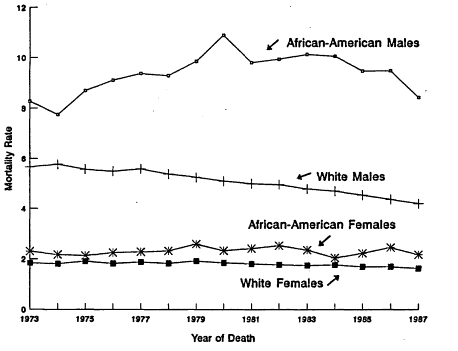
Figure 3.1
Age-adjusted mortality rates for oral and pharyngeal cancers by race, gender, and year of death, 1973-1987.
Source: White et al., 1994.
if they affect individual performance at school or work or if they prompt negative assessments by teachers and employers. The impact of such assessments on obese individuals is beginning to be understood, but little if any systematic research has been undertaken to document the effects of visible dental defects (e.g., missing, discolored, or maloccluded teeth) on hiring or promotion decisions. A 1993 overview by Hollister and Weintraub cited only one such study.
Data from the NHIS indicate that the number of days lost from work due to acute dental conditions differed considerably between whites and blacks and between higher- and lower-income workers. Overall, the work-loss days for dental problems were "similar or larger than the rate for eye conditions, acute ear infections, indigestion, and headache (excluding migraine)" (Hollister and Weintraub, 1993, p. 908).
Utilization And Coverage of Dental Services
The average American adult or child visits the dentist twice a year.2 This figure has increased since the 1950s and 1960s when the average was about 1.5 visits. In 1989, some 58 percent of nonelderly adults and 62 percent of children had at least one dental visit. Although the elderly are more likely than other adults to have a medical visit, the percentage of the elderly with at least one dental visit (43 percent) is lower than for other adults (Butt and Eklund, 1992). This contrast presumably reflects the higher rate of edentulism among older people (34 percent for those aged 65 and over versus less than S percent for other adults).
Disparities in the use of dental services are related to both income and race. For example, 4 percent of poor children (family income less than $10,000) have had dental sealants applied compared to more than 17 percent of children from families with income of $35,000 or higher. (A sealant is a plastic film painted onto tooth surfaces to prevent tooth decay.) For poor families, slightly more than 20 percent have not seen a dentist in more than five years; for better-off families, the figure is less than 6 percent (NCHS, 1992a). Sixty percent of whites have seen a dentist in the last year compared with 43 percent of blacks (NCHS, 1992a). In the recent Institute of Medicine report Access to Health Care in America (IOM, 1993a), statistics on dental utilization were highlighted as a frequently neglected indicator of disparities in access to health care.
Differences in dental care utilization are also linked to insurance coverage. In 1989, those with private insurance averaged 2.8 dental visits per year compared to 1.7 for those without. In the same year, 41 percent of the population reported some form of private dental insurance, much of it quite limited. In contrast, over 70 percent of nonelderly Americans have private medical insurance, and virtually all elderly Americans have medical coverage under Medicare, which does not cover dental services. For physician services, consumer out-of-pocket expenses accounted for only 19 percent of spending in 1990; for dental services, the corresponding figure was 53 percent (Burner et al., 1992). For the
nation overall, the percentage of total personal health care expenditures devoted to dentistry was 5.8, down from 6.5 in 1980 (Burner et al., 1992). The figure is projected to drop to 3 percent by 2010.
Most private coverage for health services, including dental services, is obtained through employers. Those employers that cover dental services generally do so under a freestanding dental plan (Bradford, 1992; Keefe, 1994). Coverage of dental services by health maintenance organizations is very limited, although the number of freestanding dental plans that limit coverage to a defined network of dental providers is growing.
As noted earlier, Medicare has essentially no dental coverage, and Medicaid coverage for dental services is quite limited, especially for adults. In 1989, only 20 percent of all children eligible for Medicaid received such care (USPHS, 1993). A 1990 study by the congressional Office of Technology Assessment reported that among seven states surveyed, none adequately covered ''basic" dental services for children eligible for the Early and Periodic Screening, Diagnosis, and Treatment program (reported in USPHS, 1993). For the Medicaid program, dental services accounted for only I percent of program expenditures in 1990.
For a subset of low-income adults, the Department of Veterans Affairs (usually abbreviated as the VA) provides a source of dental services for veterans who meet eligibility requirements, which are more restrictive than those for medical services. The VA operates the country's largest hospital-based system of dental care. In FY 1992, nearly 400,000 veterans made almost 1,300,000 dental visits, an average of 3.3 per user (Jones et al., 1993).
Prospects for the Future
A statement of how oral health status and services should be improved over the next 25 years must consider both the factors that contribute to dental diseases and to their prevention or successful treatment and the prospects for change in those factors (Bailit, 1987). What developments might substantially affect oral health status? Four likely sources of change merit brief review: expanded use of existing technologies, new scientific and technological discoveries, more patient outcomes research and guidelines for dental practice, and improved access to oral health services. The following discussion draws in particular on the background papers by Bader and Shugars, Jeffcoat and Clarke, and Greenspan.
Expanded Application and Refinement of Existing Interventions
Fluoridation of Community Water Supplies
Water fluoridation is a simple, inexpensive, and effective method of preventing caries in all populations. In 1992, however, only 62 percent of the population that was supplied by public water systems received water with recommended levels of fluoridation (natural or added). By state, this percentage ranged from 2.1 in Nevada to 100 percent in South Dakota (CDC, 1993). As described in Chapter 2, political controversies have blocked fluoridation in many communities and continue to do so today (McNeil, 1957; McClure, 1970; USDHHS, 1991).
Sealants
In the 1980s, only 14 percent of children had sealants applied whereas public health experts have set a target of 50 percent by the year 2000 (Appendix 3.A). Unlike water fluoridation, the application of sealants requires positive action by parents. Some, however, will not be able to afford this care for their children, and some will be unaware of its advantages. In addition, acceptance of sealants by dentists has been relatively slow (Gift and Frew, 1986; NIDR, 1990). School-based programs are attractive, but legal restrictions on the use of allied personnel to apply sealants may reduce the scope of school-based sealant initiatives until simpler techniques are developed or licensure restrictions are eased. If health care reforms were enacted to cover childhood preventive services, financial obstacles to broader use of this technology would be much reduced.
Oral Hygiene and Personal Responsibility
The toothbrush and dental floss are, despite the latest rounds of innovations by manufacturers, at the low end of the technology scale. Nonetheless, when used regularly and correctly, they are remarkably effective (Mandel, 1994). Regular use of dental floss is, however, far less common than brushing. To the extent that good oral hygiene habits are related to income and education, health maintenance strategies that depend on these habits are less likely to affect those most in need. This explains the emphasis on population-oriented actions such as fluoridation, which does not require individual behavior to change, and application of den-
tal sealants, which involves a single episode of care rather than maintenance of certain behaviors over long periods and which can be organized as a public health program. Nonetheless, the message of personal responsibility for one's health remains a valid one.
Biomaterials
Developments in dental biomaterials tend to attract considerable attention, in part because of the aesthetic benefits of many new materials and in part because material-based interventions are more consistent with established practice and reimbursement patterns than are pharmacological strategies. Because many of these innovations are most accessible to the more affluent—and healthier—populations and because they often emphasize aesthetic benefits, their potential impact on population health status appears more limited than interventions that affect the high-risk groups that have limited access to dental care.
Nonetheless, refinements in existing bonding, implant, and other interventions and better appreciation of their overall benefits for many patients will expand their application (NIDR, 1990; Leinfelder, 1993). New materials and related processes now under development, such as restorative products incorporating fluorides and antimicrobials, are likely to continue to improve the life of restorations and to reduce the incidence of secondary caries, endodontic problems, and other conditions associated with restoration failures and replacements.
Dental schools have been criticized for slow introduction of some biomaterial innovations into the curriculum (see, for example, ADA, 1992c). Educators can contribute to the appropriate use of biomaterials to improve oral health status in two ways. First, they can educate students in new—and established—techniques. Second, they can educate students and faculty to critically evaluate the appropriateness of a particular intervention or material for an individual patient's specific clinical problem. In an area where technical innovation is common and voluminous, continuing education that stresses both technique and decisionmaking will be particularly important.
Scientific and Technological Breakthroughs
Medical Management
In coming decades, advances in medical management have substantial potential to improve oral health status, particularly for
higher-risk individuals. Medical advances are occurring on two broad (but not unrelated) fronts. The first involves preventive, diagnostic, and therapeutic strategies for patients with uncommon oral health problems (e.g., disorders of the salivary glands) or problems complicated by other medical conditions (e.g., AIDS, cancers that require radiation treatment). The second front involves relatively common problems (e.g., caries and periodontitis). On both fronts, research on nontactile diagnosis of caries, molecular probes for identifying a variety of oral problems, antibacterial and anti-inflammatory agents, tissue regeneration products, and genetically engineered saliva substitutes may fundamentally realign the emphasis on medical versus mechanical interventions (see, for example, Baum et al., 1989; Taubman et al., 1989; NIDR, 1990; and the background papers by Greenspan and by Jeffcoat and Clark). The Journal of the American Dental Association recently devoted an entire special issue to the emerging field of oral pharmaceuticals, a key component of the medical management of diverse oral health problems (Douglass and Fox, 1994). Practitioners' understanding of the systemic and biological bases for oral health care is becoming ever more important, as is clear and timely communication among dentists, dental hygienists, physicians, nurses, and other health professionals involved in the care of individuals with complex health problems.
CAD/CAM Technology
The computer-assisted design (CAD) and manufacture (CAM) of dental restorations has the potential to reduce substantially the total time required to fabricate restorations such as crowns and bridges. Currently available systems are expensive, limited in practical utility, and not widely used. Whether design breakthroughs will increase the technical acceptability, convenience, and cost-effectiveness of the technology is uncertain. Thus, how widely it will diffuse into everyday dental practice remains a question.
Caries and Periodontal Vaccines
Despite the impact of fluorides in reducing caries, a vaccine for caries has the potential to achieve substantial further reductions, particularly among older children and adults. Investigators are studying strategies that include vaccines aimed primarily at high-risk individuals, polyvalent vaccines to cover several common childhood diseases as well as caries, and vaccines developed or administered in traditional ways. Although the knowledge base has
advanced substantially, the time demands of clinical trials, worries about product liability, and declining public compliance with immunization recommendations make it relatively unlikely that oral health status, dental practice, or dental education will be changed significantly by the availability of a caries vaccine within the next 5 to 15 years (Taubman and Smith, 1993; Edelstein, 1994; see also background papers by Greenspan and Jeffcoat and Clark).
The prospects for effective and feasible periodontal vaccines are cloudier than those for caries for several reasons. Periodontal disease is not a single disease but several diseases that are associated with a fairly large number of pathogens. Important questions of disease causation remain to be answered (NIDR, 1990; Genco, 1994). Although unexpected breakthroughs are certainly possible, no generally effective vaccine is expected within the foreseeable future. Furthermore, in light of the nation's difficulties in achieving widely accepted goals for childhood immunization against a variety of diseases, widespread adult immunization against periodontal disease may be difficult to achieve.
Outcomes Research and Guidelines for Practice
The last decade has seen an explosion of interest in the effectiveness of health services, the extent and sources of variation in clinical practice patterns, and the formulation of evidence-based guidelines for clinical decisionmaking (see, for example, Eddy, 1984, 1990, 1991; Wennberg, 1984, 1990; IOM, 1985, 1989b, 1989c, 1992; Brook, 1989; Audet et al., 1990). As defined by the Institute of Medicine (IOM), clinical practice guidelines are "systematically developed statements to assist practitioner and patient decisions about appropriate health care for specific clinical circumstances" (IOM, 1990a, p. 38).3
The background paper prepared for this study by Bader and Shugars is the most comprehensive analysis to date of these issues in the context of oral health services. This paper describes efforts to analyze dental practice variations, measure outcomes of dental interventions, and develop guidelines for dental practice. The
relevant literature is not, however, voluminous. Many clinical interventions in dentistry—as well as in medicine—have never been subjected to rigorous scientific investigation. Their effectiveness has been assumed on the basis of experience, indirect scientific evidence, and judgment.
Policymakers, insurers, and consumers are, however, demanding that more be done to document what works and what does not work in health care, and dentistry is not immune from these demands (Bader, 1992; Kantor, 1992; Pew Health Professions Commissions, 1992; Antczak-Bouckoms, 1993). Several dental organizations have developed practice guidelines, but the efforts of the American Dental Association to do so have been troubled by disagreements about purposes, procedures, and content (Berry, 1991; Spaeth, 1993). A new project to develop guidelines was approved in 1993 and began work in January 1994 (Spaeth, 1994). To the extent that better evidence of the effectiveness of dental interventions is accumulated and transformed into guidelines that, in turn, shape dental practice, the result should be further improvements in dental care and oral health status.
Practice guidelines are not, however, self-implementing. Some of the problems in implementation can be traced to deficiencies in the guidelines themselves including vagueness, bias, inconsistency, poor documentation of the evidence behind recommendations, unhelpful formats, and limited dissemination or availability (IOM, 1992). Other problems lie on the user side—organizational constraints, economic counter pressures, habit, psychological resistance to change, and failure to stay abreast of new knowledge (see, for example, Eisenberg, 1986; Lomas, 1991; Kibbe et al., 1994). Given the relatively cool reception of dentistry to initial guidelines development efforts, considerable persistence will likely be required before guidelines become a vehicle for change in dental practice. Nonetheless, as the pressures for accountability for both patient outcomes and costs increase in dentistry as they are elsewhere in health care, they will encourage clinicians to welcome guidelines that are clear, specific, and grounded in science. Researchers in dental schools have an important role to play in developing the clinical research base for guidelines and in assessing the factors that influence their acceptance and use by clinicians.
Improved Access to Calve
Access to dental care could be improved by reducing economic, geographic, cultural, and other obstacles to access. For example,
dental insurance, which is associated with better financial access to care and higher use of services, could be extended through public or private action or both. As this report was being drafted, a number of legislative proposals for health care reform were being considered that would extend coverage of some dental services to some of the population. Three dimensions of potential health care reform are particularly important: the definition and administration of a standard or basic benefit package; the tax treatment of private insurance coverage beyond a basic or standard benefit package; and the provisions for the elderly and the poor. At issue in decisions about the benefit package are: What would be covered (e.g., primarily preventive services or restorative care as well); who would the package cover (e.g., only children or adults also); and when would coverage take effect? The major issue in the taxation of health benefits is whether all or some employer-paid coverage of services in excess of a standard plan would be taxed (e.g., counted as taxable income for individuals or treated as nondeductible expenses for employers). Such benefits are not now taxed. Were dental benefits to be excluded from a standard benefit package and also subject to taxation, then coverage might actually decrease from current levels.
Although dental insurance helps transform the need for care into effective demand, geographic, cultural, and other barriers to care may remain (IOM, 1993a). Some of these barriers may be offset by community-wide prevention programs (e.g., fluoridation of water supplies), but local, state, and federal programs designed to make personal oral health services more accessible to special populations will continue to be important. School-based programs, as described earlier, focus on underserved children who account for a disproportionate share of untreated caries, and the Community and Migrant Health Centers program and the National Health Service Corps (NCHS) target underserved rural and urban areas. The dental component of the latter program, however, declined substantially in the 1980s as the number of NHSC dental field positions dropped from about 500 in 1982 to 50 in 1989. (See Chapters 4 and 9 for further discussion of this program.) Since the 1970s, the oral health activities of the U.S. Department of Health and Human Services have, according to a 1989 report, been ''disaggregated, dispersed, reduced drastically, or altogether eliminated" (USDHHS, p. 9). The same report was unable to identify a "discernable oral health policy" or a focal point of administrative responsibility for dental activities within the department.
In addition, as the number and proportion of elderly individuals grow dramatically in coming years, the need for programs aimed
at nursing home patients and homebound individuals will also grow. Medicare's lack of dental benefits (which most reform proposals would not change) and state restrictions on services provided by allied dental personnel will likely become more significant policy issues.
It now seems unlikely that public policymakers will undertake either major or incremental steps to extend coverage for oral health care. Thus, the prospects for improved access to oral health care are uncertain, particularly for those most in need.
Recommendations of Other Groups
Oral Health Status and Services
The most common dental diseases—caries and periodontal disease—are largely preventable through a combination of community, professional, and personal practices. Thus, most proposals to improve oral health status of individuals and populations over the long run focus on preventive rather than curative strategies. However, disparities in treatment across socioeconomic groups make effective access to basic dental care a major objective of some proposals.
As part of the Healthy People 2000 initiative, the federal government published in 1990 a set of comprehensive and specific objectives for improving the health of Americans (USDHHS, 1990). Oral health was one of the 22 defined priority areas for which more than 300 objectives were set. The project defined 16 primary goals for oral health, most of which included subgoals for groups with poorer than average health. (Appendix 3A lists the 16 Oral Health 2000 goals and associated data and research needs.) The 16 goals have been endorsed by most major dental groups including the American Dental Association.
A major initiative on behalf of the Healthy People 2000 objectives is Oral Health 2000, which was launched by the American Fund for Dental Health with funding from NIDR and support from an array of public and private organizations. The three broad goals of this initiative are "to reduce the occurrence and severity of oral diseases in the U.S. population; to prevent the unnecessary loss of teeth, whether resulting from oral diseases, neglect or trauma; [and] to alleviate the physical, cultural, racial, ethnic, social, educational, health care delivery system and environmental barriers that prevent individuals from achieving healthy oral functioning" (American Fund for Dental Health, 1992, p. 1).
A generally similar set of goals guides the NIDR program focused on the oral health of higher-risk individuals. These goals are "to eliminate toothlessness in America in future generations; to prevent further deterioration of the oral health of those with already compromised dentition; [and] to ensure that adults already in good health maintain that state as they advance to the retirement years" (NIDR, 1990, p. 6).
The 1989 report of the U.S. Preventive Services Task Force noted the importance of good oral health status. Appendix 3.B presents an excerpt from the guidelines developed by that group to advise physicians on oral health counseling. The task force noted that little evidence exists about the impact of physician counseling and that the efficacy of some oral health interventions or the appropriate interval for some services is unclear.
A 1980 IOM study focused on national health insurance, not goals for oral health status or oral health services per se. Nonetheless, its priorities for coverage reflect judgments about the most cost-effective, long-range strategies for improving oral health (IOM, 1980, p. 6). The priorities targeted, in order,
- preventive services for children and adolescents,
- other services for children and adolescents (beginning with diagnostic services),
- preventive services for adults, and
- other services for adults.
Appendix 3.C includes the more detailed priorities described in the IOM report. Although it recommended coverage priorities for a national health plan, the study observed that national insurance coverage was not, overall, the most cost-effective strategy to improve oral health. Rather, because oral problems are concentrated among the poor, an expansion of Medicaid dental coverage and, in particular, school-based programs might very well accomplish more. Thus, the 1980 committee recommended, "that at a minimum, and even if national health insurance is not enacted, steps should be taken to assure that the children of low-income families have access to... basic dental services" (IOM, 1980, p. 8).
Practice Guidelines
The Institute of Medicine has issued two major reports on guidelines for clinical practice with recommendations about their development and implementation (IOM, 1990a, 1992). Appendix 3.D lists attributes for sound clinical practice guidelines set forth in these
studies.4 Each attribute affects the probability that guidelines will be perceived as credible and usable or that they will, if used, help achieve desired health outcomes. As described in the 1992 IOM report (pp. 29, 31), "these attributes imply a challenging analytic strategy for developers of practice guidelines that, in summary, involves the following steps:
- formulation of the problem (for example, the clinical condition to be considered, the key issues to be addressed, and the relevant alternative courses of care to be examined, which may include 'watchful waiting');
- identification and assessment of the evidence from clinical trials, case-control studies, and other sources to determine where evidence is weak, missing, or in dispute;
- projection and comparison of health benefits and harms (including how they are perceived by patients) associated with alternative courses of care;
- projection of net costs associated with achieving the benefits of alternative courses of care;
- judgment of the strength of the evidence (considering key areas of scientific uncertainty and theoretical dispute), the relative importance of the projected benefits and risks (again with patient perspectives considered), and—overall—how compelling is the case for particular interventions;
- formulation of clear statements about alternative courses of care, accompanied by full disclosure of the participants, methods, evidence, and criteria used to arrive at these statements; and
- review and critique of all these elements by methodologists, clinicians, and other relevant parties not involved in the original process."
Challenging as the development of guidelines is, their implementation is an even more formidable task. Just as the effectiveness of a dental treatment cannot be assumed, neither can the effectiveness of practice guidelines. Research to evaluate their impact on behavior and patient outcomes is essential, and faculties in dental schools should have an important role to play in initiating and undertaking such research. In addition to research
undertaken in dental school facilities, other opportunities for outcomes research should be pursued with suitable dental public health programs, health maintenance organizations, dental service units of the Department of Veterans Affairs medical centers, and similar organizations or groups. Chapter 5 reiterates this proposal.
Committee Findings and Recommendations
This committee did not attempt to assess independently the specific health status goals established by Oral Health 2000 or other groups; neither did it attempt to revise the quantitative targets over a longer time period. Rather, the committee focused on four broad health objectives, namely,
- reducing disparities in oral health status and services experienced by disadvantaged economic, racial, or other groups;
- improving our knowledge of what works and what does not work to prevent, diagnose, or treat oral health problems;
- encouraging prevention at both the individual level (e.g., feeding practices that prevent baby bottle tooth decay; reduced use of tobacco) and the community level (e.g., fluoridation of community water supplies and school-based prevention programs); and
- promoting attention to oral health (including the oral manifestations of other health problems) not just among dental practitioners but also among other primary care providers, geriatricians, educators, and public officials.
These emphases are consistent with the focus in dental education, and in public policy more broadly, on the general practitioner and on primary care.5 They essentially assume the continued technical competence of dental practitioners in using both established and new technologies (e.g., in placing sealants or dental implants). In their focus on disadvantaged groups and on prevention, these emphases are also generally consistent with the rec-
|
5 |
Primary care is defined by the kind of care provided not by the professional category of the provider (IOM, 1978, 1984, 1994c). Primary care providers are, ideally, the initial and continuing source of care for a broad array of common health problems. They help to integrate specialist and community health and health-related services so that patient care is coordinated and not fragmented. By most definitions, primary care also considers and serves community health needs (WHO, 1978; Isman, 1993). These aspects of primary care are reflected in the guiding principles for this report as stated in Chapter 1. |
ommendations of the 1980 IOM study of dental health options. Some committee members were concerned, however, that the Department of Health and Human Services lacked a real organizational focus for setting priorities, coordinating activities, and generally making the best use of limited resources for oral health.
Although the charge to this committee did not include formulating proposals for reforming dental care financing and delivery, some general policy implications flow from the principles that oral health is an integral part of total health and that a focus on health outcomes is essential. Rather than be categorically excluded by public or private programs, coverage for dental Care ought to be weighed in terms of its benefits and costs relative to other services being considered for coverage. Following this rationale, the coverage priorities in the 1980 IOM report started with coverage for preventive services and then restorative services for children followed by preventive and then restorative services for adults. This committee believes these priorities remain essentially valid today. Whether or not health care reform legislation is enacted, the goal of improving oral health status through individual and community programs for currently disadvantaged groups—both children and adults—should be a high priority.
For dental education, what are the implications of this discussion? Dental educators have a central role to play in encouraging and promoting basic science and clinical and health services research to distinguish effective and ineffective oral health services; to clarify oral disease patterns or trends and the factors affecting them; and to identify cost-effective strategies likely to help those with the poorest health status and those with limited access to oral health services. Such strategies include both individual and community services and methods for organizing as well as delivering care to those most in need. Implementation of these strategies requires public support for community service and outreach programs undertaken by dental schools, public health agencies, dental societies, and other groups.
In addition, health services researchers in dental schools can play an important role in monitoring and analyzing changes in oral health and in the health care system generally. Important changes in health care financing and delivery may emerge slowly or relatively quickly, and they may be long lasting or temporary. The dental community must be cognizant of these possibilities and be prepared to monitor, analyze, and respond to such changes by communicating with policymakers about how the changes proposed might affect the availability, affordability, and effectiveness
of dental services and the oral health of the public. As noted in Chapter 6, these changes could significantly affect the patient care mission of the dental school. Although differences among educators and practitioners may sometimes preclude consistent responses, health services researchers can make a contribution to the policy debates with analyses and projections that are objective insofar as possible but that acknowledge the role of value judgments.
As observed throughout this chapter, one limitation facing dental community efforts to improve oral health is a scarcity of consistent, regular information on the oral health status of the population. Another is the modest level of research on the outcomes of alternative interventions.
To support effective and efficient oral health services that improve individual and community health, the committee recommends that dental educators work with public and private organizations to
- maintain a standardized process in the U.S. Department of Health and Human Services to regularly assess the oral health status of the population and identify changing disease patterns at the community and national levels;
- develop and implement a systematic research agenda to evaluate the outcomes of alternative methods of preventing, diagnosing, and treating oral health problems; and
- make use of scientific evidence, outcomes research, and formal consensus processes in devising practice guidelines.
These steps will help prepare dental educators, practitioners, and policymakers to understand and respond to various possible futures. They build on the mission of the dental school to create and disseminate new scientific knowledge and technological innovations.
Armed with better knowledge of oral health trends and effective interventions, the dental community also will be positioned to encourage physicians, nursing home personnel, public officials, and others to be alert to oral health problems among those whom they serve, to provide them with information about good oral health habits, to refer their patients to dental practitioners as appropriate, and to seek advice when they are not certain about what course to take. As part of significant changes now occurring in health care delivery and financing, nurse practitioners are poised to assume more responsibilities for primary and preventive care, and they, like physicians, will need to be alert to patients' oral
problems or risks. Dental educators should work with their colleagues in various health professions schools to communicate these themes to medical, nursing, public health, and other students and to experiment with new strategies in didactic and clinical education that reinforce these points.
As discussed further in Chapter 4, realizing the potential for successful medical management of more oral health problems will require continued adaptations in education and practice and, generally, a closer alignment between dentistry and medicine, The growth in numbers of the elderly and the decrease in edentulism in this group also point to the need for curriculum changes, some of which will focus specifically on the geriatric population and some of which will reinforce the medical orientation recommended above.
Summary
Scientific, public health, and other advances have greatly improved the oral health of the American people in recent decades. Nonetheless, significant oral health problems remain common and are concentrated in populations with limited access to dental services. In coming decades, oral health will be affected by further scientific and technological progress, although the timing of specific breakthroughs and their rate of diffusion into practice are hard to predict. Likewise, the degree to which access to oral health services will improve for high-risk or underserved populations is difficult to predict in the midst of a fractious debate over health care reform.
Dental educators have an important role to play in building the scientific, epidemiological, and organizational knowledge base for improved oral health and oral health services. Measuring and evaluating progress in oral health, however, requires more consistent and regular information on oral health status and more research on the outcomes of established and new oral health interventions. Making full use of growing knowledge will, in turn, require dental educators to revise how and what the students are taught and to adjust the ways in which patient care is provided within the dental school. The next three chapters pursue these points.
APPENDIX 3.A A OBJECTIVES FOR ORAL HEALTH FROM HEALTHY PEOPLE 2000
|
13.1 |
Reduce dental caries (cavities) so that the proportion of children with one or more caries (in permanent or primary teeth) is no more than 35 percent among children aged 6 through 8 and no more than 60 percent among adolescents aged 15. (Baseline: 53 percent of children aged 6 through 8 in 1986-1987; 78 percent of adolescents aged 15 in 1986-1987). |
||
|
|
|
Special Population Targets |
|
|
|
|
1986-1987 |
2000 Target Dental |
|
Caries Prevalence |
Baseline |
Percent Decrease |
|
|
13.1a |
Children aged 6-8 whose parents have less than high school education |
70% |
45% |
|
13.lb |
American Indian/Alaska Native |
92%a |
45% |
|
|
children aged 6-8 |
52%b |
|
|
13.1c |
Black children aged 6-8 |
61% |
40% |
|
13.1d |
American Indian/Alaska Native adolescents aged 15 |
93%b |
70% |
|
13.2 |
Reduce untreated dental caries so that the proportion of children with untreated caries (in permanent or primary teeth) is no more than 20 percent among children aged 6 through 8 and no more than 15 percent among adolescents aged 15. (Baseline: 27 percent of children aged 6 through 8 in 1986; 23 percent of adolescents aged 15 in 1986-1987) |
||
|
|
|
Special Population Targets |
|
|
|
|
1986-1987 |
2000 Target Untreated |
|
Dental Caries |
Baseline |
Percent Decrease |
|
|
Among Children |
|||
|
13.2a |
Children aged 6-8 whose parents have less than high school education |
43% |
30% |
|
13.2b |
American Indian/Alaska Native children aged 6-8 |
64%c |
35% |
|
13.2c |
Black children aged 6-8 |
38% |
25% |
|
13.2d |
Hispanic children aged 6-8 |
36%d |
25% |
|
Among Adolescents |
|||
|
13.2a |
Adolescents aged 15 whose parents have less than high school education |
41% |
25% |
|
13.2b |
American Indian/Alaska Native adolescents aged 15 |
84%c |
40% |
|
13.2c |
Black adolescents aged 15 |
38% |
20% |
|
13.2d |
Hispanic adolescents aged 15 |
31%-47%d |
25% |
|
13.3 |
Increase to at least 45 percent the proportion of people aged 35 through 44 who have never lost a permanent tooth due to dental caries or periodontal disease. (Baseline: 31 percent of employed adults had never lost a permanent tooth for any reason in 1985-1986) |
||
|
13.4 |
Reduce to no more than 20 percent the proportion of people aged 65 and older who have lost all of their natural teeth. (Baseline: 36 percent in 1986) |
||
|
|
|
Special Population Target |
|
|
|
|
1986 |
2000 Target |
|
Complete Tooth Loss Prevalence |
Baseline |
Percent Decrease |
|
|
13.4a |
Low-income people (annual family income <$15,000) |
46% |
25% |
|
13.5 |
Reduce the prevalence of gingivitis among people aged 35 through 44 to no more than 30 percent. (Baseline: 42 percent in 1985-1986) |
||
|
|
|
Special Population Targets |
|
|
|
|
1985 |
2000 Target Gingivitis |
|
Gingivitis Prevalence |
Baseline |
Percent Decrease |
|
|
13.5a |
Low-income people (annual family income <$12,500) |
50% |
35% |
|
13.5b |
American Indian/Alaska Native |
95%e |
50% |
|
13.5c |
Hispanics |
|
50% |
|
|
Mexican Americans |
74%f |
|
|
|
Cubans |
79% |
|
|
|
Puerto Ricans |
82% |
|
|
13.6 |
Reduce destructive periodontal diseases to a prevalence of no more than 15 percent among people aged 35 through 44. (Baseline: 24 percent in 1985-1986) |
||
|
13.7 |
Reduce deaths due to cancer of the oral cavity and pharynx to no more than 10.5 per 100,000 men aged 45 through 74 and 4.1 per 100,000 women aged 45 through 74. (Baseline: 12.1 per 100,000 men and 4.1 per 100,000 women in 1987) |
||
|
13.8 |
Increase to at least 50 percent the proportion of children who have received protective sealants on the occlusal (chewing) surfaces of permanent molar teeth. (Baseline: 11 percent of children aged 8 and 8 percent of adolescents aged 14 in 1986-1987) |
||
|
13.9 |
Increase to at least 75 percent the proportion of people served by community water systems providing optimal levels of fluoride, (Baseline: 62 percent in 1989) |
||
|
13,10 |
Increase use of professionally or self-administered topical or systemic (dietary) fluorides to at least 85 percent of people not receiving optimally fluoridated public water. (Baseline: An estimated SO percent in 1989) |
||
|
13.11 |
Increase to at least 75 percent the proportion of parents and caregivers who use feeding practices that prevent baby bottle tooth decay, (Baseline data available in 1991) |
||
APPENDIX 3.B EXCERPT FROM U.S. PREVENTIVE SERVICES TASK FORCE GUIDELINES FOR COUNSELING TO PREVENT DENTAL DISEASE
CLINICAL INTERVENTIONS
All patients should be encouraged to visit the dentist on a regular basis. The optimal frequency of visits should be determined by the patient's dentist; for most healthy patients, a dental checkup once every one to two years is sufficient. All patients should also be encouraged to brush their teeth daily with a fluoride-containing toothpaste. Adolescents and adults should be advised to clean thoroughly between the teeth with dental floss each day. Those persons with a history of frequent caries may benefit from reduced intake of foods containing refined sugars and by avoiding sugary between-meal snacks. Pregnant women, parents, and caregivers of young children should be counseled to put children to bed without a bottle and to substitute a cup for the bottle when the child reaches 1 year of age. If the child must have a bottle, it should be filled with water.
In accordance with existing guidelines, children living in an area with inadequate water fluoridation (less than 0.7 parts per million [ppm]) should be prescribed daily fluoride drops or tablets. Fluoride tablets should be prescribed for children over age 3; the recommended dose is I mg/day if the community water fluoride concentration is less than 0.3 ppm, and 0.50 rod/day if the concentration is 0.3-0.7 ppm. For children 2 to 3 years of age the corresponding doses are 0.50 rod/day and 0.25 mg/day, respectively, and either drops or tablets are appropriate. Children under age 2 should be treated with fluoride drops if the water concentration is less than 0.3 ppm; the recommended dose is 0.25 mg/day.
When examining the mouth, clinicians should be alert for obvious signs of untreated tooth decay, inflamed or cyanotic gingiva, loose teeth, and severe halitosis. Screening for oral cancer should be performed for high-risk groups (see Chapter 15), and all patients should be counseled regarding the use of tobacco products (Chapter 48). Children should also be examined for evidence of baby bottle tooth decay, mismatching of upper and lower dental arches, crowding or malalignment of the teeth, premature loss of primary posterior teeth (baby molars), and obvious mouth breathing. Patients with these or other suspected abnormalities should be referred to their dentists for further evaluation.
SOURCE: U.S. Preventive Services Task Force. Guide to Clinical Preventive Services: An Assessment of the Effectiveness of 169 Interventions. Baltimore, MD: Williams & Wilkins, 1989, p. 354.
APPENDIX 3.C EXCERPT FROM 1980 IOM REPORT ON PRIORITIES FOR DENTAL COVERAGE UNDER NATIONAL HEALTH INSURANCE
- Prevention for children and adolescents
-
- Integration of dental health education and plaque control into general education program
- Screening examination, prophylaxis (aged 12-17 years only), an appropriate type of fluoride application, and sealants where applicable
- Comprehensive services (other than prevention) for children and adolescents
- Examination
- Radiographs
- Space maintainers
- Extractions
- Restorations
- Crowns
- Endodontic treatment
- Treatment of handicapping malocclusion
- Prevention for adults (18 years and over)
- Screening examination and prophylaxis
- Prophylaxis
- Comprehensive services for adults
- Examination
- Radiographs
- Extractions
- Periodontal treatment
- Restorations
- Crowns
- Endodontic treatment
- Replacement services
- Bridges
- Full and partial dentures
SOURCE: Institute of Medicine (IOM). Public Policy Options for Better Dental Health. Washington, D.C.: National Academy Press, 1980.
APPENDIX 3.D DESIRABLE ATTRIBUTES OF CLINICAL PRACTICE GUIDELINES (IOM)
|
Attribute |
Explanation |
|
VALIDITY |
Practice guidelines are valid if, when followed, they lead to the health and cost outcomes projected for them. A prospective assessment of validity will consider the substance and quality of the evidence cited, the means used to evaluate the evidence, and the relationship between the evidence and recommendations. |
|
Strength of Evidence |
Practice guidelines should be accompanied by descriptions of the strength of the evidence and the expert judgment behind them. |
|
Estimated Outcomes |
Practice guidelines should be accompanied by estimates of the health and cost outcomes expected from the interventions in question, compared with alternative practices. Assessments of relevant health outcomes will consider patient perceptions and preferences. |
|
Attribute |
Explanation |
|
RELIABILITY/ REPRODUCIBILITY |
Practice guidelines are reproducible and reliable (1) if—given the same evidence and methods for guidelines development—another set of experts produces essentially the same statements and (2) if—given the same clinical circumstances—the guidelines are interpreted and applied consistently by practitioners (or other appropriate parties). |
|
CLINICAL APPLICABILITY |
Practice guidelines should be as inclusive of appropriately defined patient populations as evidence and expert judgment permit, and they should explicitly state the population(s) to which statements apply. |
|
CLINICAL FLEXIBILITY |
Practice guidelines should identify the specifically known or generally expected exceptions to their recommendations and discuss how patient preferences are to be identified and considered. |
|
CLARITY |
Practice guidelines must use unambiguous language, define terms precisely, and use logical, easy-to-follow modes of presentation. |
|
MULTIDISCIPLINARY PROCESS |
Practice guidelines must be developed by a process that includes participation by representatives of key affected groups. Participation may include serving on panels that develop guidelines, providing evidence and viewpoints to the panels, and reviewing draft guidelines. |
|
SCHEDULED REVIEW |
Practice guidelines must include statements about when they should be reviewed to determine whether revisions are warranted, given new clinical evidence or professional consensus (or the lack of it). |
|
DOCUMENTATION |
The procedures followed in developing guidelines, the participants involved, the evidence used, the assumptions and rationales accepted, and the analytic methods employed must be meticulously documented and described. |
|
SOURCE: Institute of Medicine. Guidelines for Clinical Practice: From Development to Use. M.J. Field and K.N. Lohr, eds. Washington, D.C.: National Academy Press, 1992. |
|


