
CHAPTER 9
MUSEUMS AND OTHER PLACES TO VISIT
"Museums and Other Places to Visit" identifies and provides information about local facilities that can enrich hands-on science programs in elementary schools. The facilities were selected on the basis of the following criteria:
-
They offer resources that can help elementary teachers teach science more effectively.
-
They provide interactive science experiences that can complement students' classroom experiences.
-
They are "visitable"—that is, they are sites to which teachers can take their science classes.
A glance through the chapter reveals the richness of the resources that meet these criteria. Besides museums, zoos, and science and technology centers, there are planetariums, aquariums, and botanical gardens, among many other types of facilities. Small local sites, moderate-sized organizations, and world-renowned institutions provide resources and assistance to support hands-on science teaching and learning.
Chapter 9 has two sections—the "Complete Regional Listing" and the "Select Annotated Listing." The former provides the names and locations (towns or cities) of almost 600 facilities in the United States and several in Canada. About half of the 600 names are in boldface type; annotations for those institutions appear in the "Select Annotated Listing."
The almost 300 facilities in the "Select Annotated Listing" are considered to be making a particularly significant effort to help teachers teach science more effectively. Each annotation provides the address and telephone number, a brief description of the facility, and information about the resources it offers in support of hands-on science teaching at the elementary school level. The annotations do not list every resource and program at an institution, but they provide a general sense of the facility and indicate types of support available. The annotations are based on information from the facilities themselves.
Readers are urged to scan the entire annotations listing for printed and other resources that might be available to them outside their own local area. For further information about particular programs or materials, or for information about costs or fees for any programs, publications, or materials, readers are encouraged to call the facilities directly.
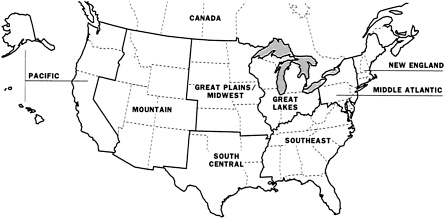
The regional and annotated lists are arranged by geographical regions (see the map on page 170). Within each region the states are listed alphabetically. The name of each institution appears alphabetically within its state listing.
The nine geographical regions, arranged in a roughly west-to-east array, are as follows:
-
Pacific Region
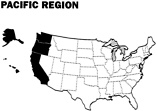
Alaska, California, Hawaii, Oregon, Washington
-
Mountain Region
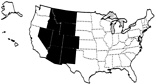
Arizona, Colorado, Idaho, Montana, Nevada, New Mexico, Utah, Wyoming
-
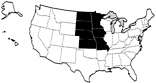
Great Plains/Midwest Region
Iowa, Kansas, Minnesota, Missouri, Nebraska, North Dakota, South Dakota
-
South Central Region
Arkansas, Louisiana, Oklahoma, Texas
-
Great Lakes Region
Illinois, Indiana, Michigan, Ohio, Wisconsin
-
Southeast Region
Alabama, Florida, Georgia, Kentucky, Mississippi, North Carolina, South Carolina, Tennessee, Virginia, West Virginia
-
Middle Atlantic Region
Delaware, District of Columbia, Maryland, New Jersey, New York, Pennsylvania
-
New England Region
Connecticut, Maine, Massachusetts, New Hampshire, Rhode Island, Vermont
-
Canada
Canadian Provinces
The addresses provided with the annotations are locational but are not necessarily mailing addresses. Inquiry should be made to verify them as mailing addresses before relying on them for that purpose.
Despite efforts to be as inclusive as possible, given constraints of time and space, the listings here are not exhaustive. Other facilities may exist or may be developing that would fit the criteria applied here. Teachers are encouraged to seek out and utilize those resources as well. The absence of any facility from these listings is not meant as a reflection on the quality of its programs and resources.
COMPLETE REGIONAL LISTING
|
ABOUT THE ''COMPLETE REGIONAL LISTING" The "Complete Regional Listing" provides the names and locations (towns or cities) of almost 600 facilities in the United States and several in Canada. About half of the 600 names are in boldface type; annotations for those institutions appear in the "Select Annotated Listing" on pages 179-221. This list is arranged by geographical regions (see the map on page 170). Within each region the states are listed alphabetically. The name of each institution appears alphabetically within its state listing. The nine geographical regions, arranged in a roughly west-to-east array, are as follows:
|
||||||||||||
PACIFIC REGION
9.1 Alaska
The Imaginarium: A Science Discovery Center (Anchorage)
Pratt Museum (Homer)
University of Alaska Museum (Fairbanks)
9.2 California
Alum Rock Discovery Center (Youth Science Institute) (San Jose)
Bay Area Discovery Museum (Sausalito)
Cabrillo Marine Aquarium (San Pedro)
California Academy of Sciences (San Francisco)
California Museum of Science and Industry (Los Angeles)
Carter House Natural Science Museum (Redding)
Chabot Observatory and Science Center (Oakland)
Children's Discovery Museum of San Jose (San Jose)
Chula Vista Nature Center (ChulaVista)
Coyote Point Museum for Environmental Education (San Mateo)
Discovery Museum Learning Center (Sacramento)
Discovery Science Center-Launch Pad (Costa Mesa)
Elkhorn Slough National Estuarine Research Reserve (Watsonville)
The Exploratorium (San Francisco)
¡Explorit! Science Center (Davis)
Fresno Metropolitan Museum (Fresno)
Great Valley Museum of Natural History (Modesto)
Hall of Health (Berkeley)
Hi-Desert Nature Museum (Yucca Valley)
Lawrence Hall of Science, University of California (Berkeley)
Lawrence Livermore National Laboratory, Visitors Center
The Lindsay Museum (Walnut Creek)
The Living Desert (Palm Desert)
Lori Brock Children's Discovery Center (Bakersfield)
Los Angeles Zoo (Los Angeles)
Marine World-Africa USA (Vallejo)
Maturango Museum of the Indian Wells Valley (Ridgecrest)
Monterey Bay Aquarium (Monterey)
Natural History Museum of Los Angeles County (Los Angeles)
The Oakland Zoo in Knowland Park (Oakland)
Pacific Grove Museum of Natural History (Pacific Grove)
Palm Springs Desert Museum (Palm Springs)
Palo Alto Junior Museum (Palo Alto)
Rancho Santa Ana Botanic Garden, Claremont Colleges (Claremont)
Randall Museum (San Francisco)
Reuben H. Fleet Space Theater and Science Center (San Diego)
Sacramento Zoo (Sacramento)
Sanborn Discovery Center (Youth Science Institute) (Saratoga)
San Diego Aerospace Museum (San Diego)
San Diego Natural History Museum (San Diego)
San Diego Zoo (San Diego)
San Francisco Zoological Gardens(San Francisco)
Santa Ana Zoo (Santa Ana)
Santa Barbara Botanic Garden (Santa Barbara)
Santa Barbara Museum of Natural History (Santa Barbara)
Sea World (San Diego)
Shorebird Nature Center (Berkeley)
Stephen Birch Aquarium-Museum, Scripps Institution of Oceanography (La Jolla)
Strybing Arboretum and Botanical Gardens (San Francisco)
The Tech Museum of Innovation(San Jose)
University of California Museum of Paleontology (Berkeley)
Vasona Discovery Center (Youth Science Institute) (Los Gatos)
9.3 Hawaii
Bishop Museum (Honolulu)
Haleakala National Park (Makawao)
Harold L. Lyon Arboretum, University of Hawaii at Manoa (Honolulu)
Hawaii Volcanoes National Park (Hawaii Volcanoes National Park)
Honolulu Zoo (Honolulu)
National Tropical Botanical Garden (Lawai)
Sea Life Park Hawaii (Waimanalo)
Waikiki Aquarium, University of Hawaii at Manoa (Honolulu)
9.4 Oregon
Douglas County Museum of History and Natural History (Roseburg)
The High Desert Museum (Bend)
Metro Washington Park Zoo (Portland)
Mount Pisgah Arboretum (Eugene)
Oregon Museum of Science and Industry (Portland)
Pacific Northwest Museum of Natural History (Ashland)
Wildlife Safari (Winston)
Willamette Science and Technology Center (WISTEC) (Eugene)
Wonder Works, A Children's Museum (The Dalles)
World Forestry Center (Portland)
9.5 Washington
Hanford Museums of Science and History (Richland)
LifeTrek—Northwest Museum of Health and Science (Spokane)
Marine Science Society of the Pacific Northwest (Poulsbo)
Mt. Rainier National Park (Ashford)
Museum of Flight (Seattle)
North Cascades Institute (Sedro Woolley)
Northwest Trek Wildlife Park (Eatonville)
Pacific Science Center (Seattle)
The Seattle Aquarium (Seattle)
The Whale Museum (Friday Harbor)
Woodland Park Zoological Gardens (Seattle)
MOUNTAIN REGION
9.6 Arizona
Arizona Science Center (Phoenix)
Arizona-Sonora Desert Museum (Tucson)
Desert Botanical Garden (Phoenix)
Flandrau Science Center and Planetarium, University of Arizona (Tucson)
Kitt Peak Museum (Tucson)
Lowell Observatory (Flagstaff)
Pima Air and Space Museum (Tucson)
Tucson Children's Museum (Tucson)
9.7 Colorado
Cheyenne Mountain Zoological Park (Colorado Springs)
The Children's Museum of Denver (Denver)
Colorado School of Mines Geology Museum (Golden)
Denver Botanic Gardens (Denver)
Denver Museum of Natural History (Denver)
Denver Zoological Gardens (Denver)
Florissant Fossil Beds National Monument (Florissant)
Hall of Life (Denver)
May Natural History Museum and Museum of Space Exploration (Colorado Springs)
Museum of Western Colorado (Grand Junction)
National Center for Atmospheric Research (NCAR) (Boulder)
National Renewable Energy Laboratory (Golden)
Pueblo Zoo (Pueblo)
Rocky Mountain National Park (Estes Park)
University of Colorado Museum (Boulder)
9.8 Idaho
The Discovery Center of Idaho (Boise)
Idaho Museum of Natural History, Idaho State University (Pocatello)
9.9 Montana
Glacier National Park (West Glacier)
Museum of the Rockies, Montana State University (Bozeman)
9.10 Nevada
Lied Discovery Children's Museum (Las Vegas)
9.11 New Mexico
Bradbury Science Museum (Los Alamos)
¡Explora! Science Center (Albuquerque)
Las Cruces Museum of Natural History (Las Cruces)
New Mexico Bureau of Mines Mineral Museum (Socorro)
New Mexico Museum of Natural History and Science (Albuquerque)
Rio Grande Zoological Park (Albuquerque)
Santa Fe Children's Museum (Santa Fe)
The Space Center (Alamogordo)
9.12 Utah
Canyonlands Field Institute (Moab)
College of Eastern Utah Prehistoric Museum (Price)
Hansen Planetarium (Salt Lake City)
Hogle Zoological Garden (Salt Lake City)
Monte L. Bean Life Science Museum, Brigham Young University (Provo)
Utah Museum of Natural History.
University of Utah (Salt Lake City)
Zion National Park Museum (Springdale)
9.13 Wyoming
Greybull Museum (Greybull)
Yellowstone National Park (Yellowstone Park)
GREAT PLAINS/MIDWEST REGION
9.14 Iowa
Blank Park Zoo of Des Moines (Des Moines)
Science Center of Iowa (Des Moines)
Science Station (Cedar Rapids)
9.15 Kansas
Children's Museum of Wichita/Science Center (Wichita)
Kansas Cosmosphere and Space Center (Hutchinson)
Kansas Learning Center for Health (Halstead)
Kauffman Museum, Bethel College (North Newton)
KU Natural History Museum, University of Kansas (Lawrence)
Lake Afton Public Observatory, Wichita State University (Wichita)
Lee Richardson Zoo (Garden City)
Mid-America Air Museum (Liberal)
Pratt Wildlife Center and Aquarium (Pratt)
Topeka Zoological Park (Topeka)
9.16 Minnesota
The Bakken Museum and Library (Minneapolis)
Bell Museum of Natural History, University of Minnesota (Minneapolis)
Headwaters Science Center (Bemidji)
Minnesota Children's Museum (St. Paul)
Minnesota Landscape Arboretum, University of Minnesota (Chanhassen)
Minnesota Zoological Garden (Apple Valley)
Science Museum of Minnesota (St. Paul)
9.17 Missouri
Dickerson Park Zoo (Springfield)
The Discovery Center (Springfield)
Kansas City Museum (Kansas City)
Kansas City Zoological Gardens (Kansas City)
The Magic House, St. Louis Children's Museum (St. Louis)
Missouri Botanical Garden (St. Louis)
St. Louis Science Center (St. Louis)
St. Louis Zoological Park (St. Louis)
9.18 Nebraska
Folsom Children's Zoo and Botanical Garden (Lincoln)
Fontenelle Forest Nature Center (Bellevue)
Hastings Museum (Hastings)
Henry Doorly Zoo (Omaha)
Neale Woods Nature Center (Omaha)
Omaha Children's Museum (Omaha)
Pioneers Park Nature Center (Lincoln)
Riverside Park Zoo (Scottsbluff)
University of Nebraska State Museum (Lincoln)
9.19 North Dakota
Dakota Zoo (Bismarck)
Gateway to Science Center (Bismarck)
Roosevelt Park Zoo (Minot)
9.20 South Dakota
Badlands National Park (Interior)
South Dakota Discovery Center and Aquarium (Pierre)
Wind Cave National Park (Hot Springs)
SOUTH CENTRAL REGION
9.21 Arkansas
Arkansas Museum of Science and History (Little Rock)
Little Rock Zoological Gardens (Little Rock)
Logoly State Park (McNeil)
Mid-America Museum (Hot Springs)
9.22 Louisiana
Alexandria Zoological Park (Alexandria)
Aquarium of the Americas (New Orleans)
Audubon Zoological Garden (New Orleans)
The Children's Museum of Lake Charles (Lake Charles)
Greater Baton Rouge Zoo (Baton Rouge)
Lafayette Natural History Museum, Planetarium, and Nature Station (Lafayette)
Louisiana Arts and Science Center (Baton Rouge)
Louisiana Children's Museum (New Orleans)
Louisiana Nature and Science Center (New Orleans)
Sci-Port Discovery Center (Shreveport)
Walter B. Jacobs Memorial Nature Park (Shreveport)
9.23 Oklahoma
Harmon Science Center (Tulsa)
Oklahoma City Zoo (Oklahoma City)
Oklahoma Museum of Natural History, University of Oklahoma (Norman)
Omniplex Science Museum (Oklahoma City)
Tulsa Zoological Park (Tulsa)
9.24 Texas
Abilene Zoological Gardens (Abilene)
Armand Bayou Nature Center (Houston)
Austin Children's Museum (Austin)
Big Thicket National Preserve (Beaumont)
Caldwell Zoo (Tyler)
The Centennial Museum at the University of Texas at El Paso (El Paso)
The Children's Museum of Houston (Houston)
The Dallas Aquarium (Dallas)
Dallas Civic Garden Center (Dallas)
Dallas Museum of Natural History (Dallas)
The Dallas Zoo (Dallas)
Don Harrington Discovery Center (Amarillo)
El Paso Zoo (El Paso)
Environmental Science Center (Houston)
Fort Worth Museum of Science and History (Fort Worth)
Fort Worth Zoological Park (Fort Worth)
Fossil Rim Wildlife Center (Glen Rose)
Foundation for the Museum of Medical Science (Houston)
Heard Natural Science Museum and Wildlife Sanctuary (McKinney)
Houston Museum of Natural Science (Houston)
Houston Zoological Gardens (Houston)
Insights—El Paso Science Museum (El Paso)
McAllen International Museum (McAllen)
McDonald Observatory Visitors Center (Fort Davis)
National Wildflower Research Center (Austin)
San Antonio Botanical Center (San Antonio)
San Antonio Zoological Gardens and Aquarium (San Antonio)
ScienceLand—Denton's Discovery Museum (Denton)
The Science Place (Dallas)
Science Spectrum (Lubbock)
Sea World of Texas (San Antonio)
Space Center Houston (Houston)
Strecker Museum (Waco)
Welder Wildlife Foundation (Sinton)
Witte Museum (San Antonio)
GREAT LAKES REGION
9.25 Illinois
The Adler Planetarium (Chicago)
Brookfield Zoo (See Chicago Zoological Park)
Chicago Academy of Sciences (Chicago)
Chicago Botanic Garden (Glencoe)
Chicago Children's Museum (Chicago)
Chicago Zoological Park (Brookfield Zoo) (Brookfield)
Discovery Center Museum (Rockford)
Fermilab Lederman Science Education Center (Batavia)
Field Museum of Natural History (Chicago)
Illinois State Museum (Springfield)
John G. Shedd Aquarium (Chicago)
Kohl Children's Museum (Wilmette)
Lakeview Museum of Arts and Sciences (Peoria)
Lincoln Park Zoological Gardens (Chicago)
Museum of Science and Industry (Chicago)
Museum of the Chicago Academy of Sciences (Chicago)
The Science Center (Carbondale)
SciTech—Science and Technology Interactive Center (Aurora)
Shedd Aquarium (See John G. Shedd Aquarium)
9.26 Indiana
The Children's Museum of Indianapolis (Indianapolis)
Evansville Museum of Arts and Science (Evansville)
Fort Wayne Children's Zoo (Fort Wayne)
Indianapolis Zoo (Indianapolis)
Mesker Park Zoo (Evansville)
Muncie Children's Museum (Muncie)
Potawatomi Zoo (South Bend)
9.27 Michigan
Abrams Planetarium, Michigan State University (East Lansing)
Ann Arbor Hands-On Museum (Ann Arbor)
Belle Isle Nature Center (Detroit)
Binder Park Zoo (Battle Creek)
Chippewa Nature Center (Midland)
Cranbrook Institute of Science (Bloomfield Hills)
Detroit Zoo (Royal Oak)
Fernwood Botanic Garden (Niles)
Flint Children's Museum (Flint)
Hall of Ideas, Midland Center for the Arts (Midland)
Impression 5 Science Museum (Lansing)
John Ball Zoological Garden (Grand Rapids)
Kalamazoo Public Museum (Kalamazoo)
Kingman Museum of Natural History (Battle Creek)
Michigan Space Center, Jackson Community College (Jackson)
The Michigan State University Museum (East Lansing)
Muskegon County Museum (Muskegon)
Nichols Arboretum (Ann Arbor)
Oakwoods Metropark Nature Center (Flat Rock)
Potter Park Zoo (Lansing)
Robert T. Longway Planetarium (Flint)
Sarett Nature Center (Benton Harbor)
Sloan Museum (Flint)
Southwestern Michigan College Museum (Dowagiac)
9.28 Ohio
Akron Zoological Park (Akron)
Aullwood Audubon Center and Farm (Dayton)
Cincinnati Museum of Natural History and Planetarium (Cincinnati)
Cincinnati Zoo and Botanical Garden (Cincinnati)
Cleveland Botanical Garden (Cleveland)
Cleveland Children's Museum (Cleveland)
Cleveland Metroparks Zoo (Cleveland)
Cleveland Museum of Natural History (Cleveland)
Columbus Zoological Park (Powell)
COSI/Columbus—Ohio's Center Of Science and Industry (Columbus)
The Dayton Museum of Natural History (Dayton)
Great Lakes Museum of Science, Environment and Technology (Cleveland)
The Holden Arboretum (Kirtland) Lake Erie Nature and Science Center (Bay Village)
McKinley Museum of History, Science and Industry (Canton)
Orton Geological Museum, Ohio State University (Columbus)
Sea World of Ohio (Aurora)
Shaker Lakes Regional Nature Center (Cleveland)
Trailside Nature Center and Museum (Cincinnati)
The Wilderness Center (Wilmot)
9.29 Wisconsin
Discovery World (Milwaukee)
Henry Vilas Park Zoo (Madison)
International Crane Foundation (Baraboo)
Madison Children's Museum (Madison)
Milwaukee Public Museum (Milwaukee)
The Museum of Natural History (Stevens Point)
Olbrich Botanical Gardens (Madison)
University of Wisconsin-Madison Arboretum (Madison)
Zoological Society—Milwaukee County Zoo (Milwaukee)
SOUTHEAST REGION
9.30 Alabama
Alabama Museum of Natural History (Tuscaloosa)
Anniston Museum of Natural History (Anniston)
Birmingham Botanical Gardens (Birmingham)
Birmingham Zoo (Birmingham)
Children's Hands-On Museum (Tuscaloosa)
The Exploreum Museum of Discovery (Mobile)
George Washington Carver Museum (Tuskegee Institute)
U.S. Space and Rocket Center (Huntsville)
9.31 Florida
Biscayne National Park (Homestead)
The Children's Science Center (Cape Coral)
Discovery Science Center (Ocala)
Dolphin Research Center (Grassy Key)
Florida Aquarium (Tampa)
Florida Museum of Natural History University of Florida (Gainesville)
Imaginarium Hands-On Museum and Aquarium (Fort Myers)
Great Explorations, The Hands-On Museum (St. Petersburg)
Gulf Islands National Seashore (Gulf Breeze)
Miami Museum of Science and Space Transit Planetarium (Miami)
Mote Marine Laboratory/Aquarium (Sarasota)
Museum of Arts and Science (Daytona Beach)
Museum of Discovery and Science (Fort Lauderdale)
Museum of Natural History of the Florida Keys (Marathon)
Museum of Science and History of Jacksonville (Jacksonville)
Museum of Science and Industry (Tampa)
Orlando Science Center (Orlando)
The Science Center of Pinellas County (St. Petersburg)
Sea World of Florida (Orlando)
Silver River Museum and Environmental Education Center (Ocala)
South Florida Science Museum (West Palm Beach)
9.32 Georgia
Fernbank Museum of Natural History (Atlanta)
Fernbank Science Center (Atlanta)
Georgia Southern University Museum (Statesboro)
The Museum of Arts and Sciences (Macon)
National Science Center (Fort Gordon)
Oatland Island Education Center (Savannah)
Savannah Science Museum (Savannah)
SciTrek—The Science and Technology Museum of Atlanta (Atlanta)
The State Botanical Garden of Georgia (Athens)
University of Georgia Museum of Natural History (Athens)
Zoo Atlanta (Atlanta)
9.33 Kentucky
Hardin Planetarium (Bowling Green)
John James Audubon Museum (Henderson)
The Living Arts and Science Center (Lexington)
Louisville Science Center (Louisville)
Louisville Zoological Garden (Louisville)
9.34 Mississippi
J. L. Scott Marine Education Center and Aquarium (Biloxi)
Maritime and Seafood Industry Museum (Biloxi)
Mississippi Museum of Natural Science (Jackson)
Russell C. Davis Planetarium (Jackson)
University Museums, The University of Mississippi (University)
William M. Colmer Visitor Center (Ocean Springs)
9.35 North Carolina
Adventures in Health Children's Museum (Greenville)
The Arts and Science Center (Statesville)
Cape Fear Museum (Wilmington)
Catawba Science Center (Hickory)
Colburn Gem and Mineral Museum (Asheville)
Discover Place and Nature Museum (Charlotte)
Harris Visitors Center—Carolina Power and Light Company (New Hill)
The Health Adventure (Asheville)
Imagination Station Science Museum (Wilson)
Morehead Planetarium, University of North Carolina at Chapel Hill (Chapel Hill)
Natural Science Center of Greensboro (Greensboro)
North Carolina Aquarium at Fort Fisher (Kure Beach)
North Carolina Aquarium at Pine Knoll Shores (Atlantic Beach)
North Carolina Aquarium on Roanoke Island (Manteo)
North Carolina Botanical Garden (Chapel Hill)
North Carolina Maritime Museum (Beaufort)
North Carolina Museum of Life and Science (Durham)
North Carolina State Museum of Natural Sciences (Raleigh)
North Carolina Zoological Park (Asheboro)
Piedmont Environmental Center (High Point)
Rocky Mount Children's Museum (Rocky Mount)
Schiele Museum of Natural History and Planetarium (Gastonia)
SciWorks, the Science Center and Environmental Park of Forsyth County (Winston-Salem)
Western North Carolina Nature Center (Asheville)
9.36 South Carolina
Brookgreen Gardens (Murrells Inlet) The Charleston Museum (Charleston)
Columbia Museum of Art and Gibbes Planetarium (Columbia)
Greenville Zoo (Greenville)
Museum of York County (Rock Hill)
Riverbanks Zoological Park (Columbia)
Roper Mountain Science Center (Greenville)
The South Carolina Botanical Garden (Clemson)
South Carolina State Museum (Columbia)
World of Energy at Keowee-Toxaway (Seneca)
9.37 Tennessee
American Museum of Science and Energy (Oak Ridge)
The Creative Discovery Museum (Chattanooga)
Cumberland Science Museum (Nashville)
East Tennessee Discovery Center (Knoxville)
Grassmere Wildlife Park (Nashville)
Hands On! Regional Museum (Johnson City)
Knoxville Zoological Gardens (Knoxville)
Lichterman Nature Center (Memphis)
Memphis Pink Palace Museum and Planetarium (Memphis)
Memphis Zoo and Aquarium (Memphis)
9.38 Virginia
D. Ralph Hostetter Museum of Natural History (Harrisonburg)
Leander J. McCormick Observatory (Charlottesville)
M. T. Brackbill Planetarium (Harrisonburg)
Norfolk Botanical Garden (Norfolk)
Orland E. White Arboretum (Boyce)
Richmond Children's Museum (Richmond)
Science Museum of Virginia (Richmond)
Science Museum of Western Virginia (Roanoke)
Shenandoah National Park (Luray)
Virginia Air and Space Center and Hampton Roads History Center (Hampton)
Virginia Living Museum (Newport News)
Virginia Marine Science Museum (Virginia Beach)
Virginia Museum of Natural History (Martinsville)
Virginia Museum of Transportation (Roanoke)
Virginia Zoological Park (Norfolk)
Watermen's Museum (Yorktown)
9.39 West Virginia
Good Children's Zoo (Wheeling)
Sunrise Museum (Charleston)
MIDDLE ATLANTIC REGION
9.40 Delaware
Brandywine Zoo (Wilmington)
Delaware Museum of Natural History (Wilmington)
9.41 District of Columbia
Capital Children's Museum (Washington, D.C.)
Explorers Hall—National Geographic Society (Washington, D.C.)
National Air and Space Museum. Smithsonian Institution (Washington, D.C.)
National Aquarium (Washington, D.C.)
National Museum of American History, Smithsonian Institution (Washington, D.C.)
National Museum of Natural History, Smithsonian Institution (Washington, D.C.)
National Zoological Park, Smithsonian Institution (Washington, D.C.)
9.42 Maryland
Baltimore Zoo (Baltimore)
Brookside Gardens (Wheaton)
Calvert Marine Museum (Solomons)
Carrie Weedon Natural Science Museum (Annapolis)
The Chesapeake Beach Railway Museum (Chesapeake Beach)
Columbus Center (under development) (Baltimore)
Cylburn Nature Museum (Baltimore)
Howard B. Owens Science Center (Lanham)
Jefferson Patterson Park and Museum (Saint Leonard)
Maryland Science Center (Baltimore)
National Aquarium in Baltimore (Baltimore)
Smithsonian Environmental Research Center (Edgewater)
30th Street Nature Center (Mt. Rainier)
Watkins Nature Center (Upper Marlboro)
9.43 New Jersey
Bergen County Zoological Park (Paramus)
Cape May County Park Zoo (Cape May)
The George C. Frelinghuysen Arboretum (Morris Township)
Liberty Science Center (Jersey City)
Monmouth Museum (Lincroft)
The Morris Museum (Morristown)
The Newark Museum (Newark)
The New Jersey State Aquarium at Camden (Camden)
New Jersey State Museum (Trenton)
Reeves-Reed Arboretum (Summit)
Trailside Nature and Science Center (Mountainside)
The Wetlands Institute (Stone Harbor)
9.44 New York
Alley Pond Environmental Center (Douglaston)
American Museum of Natural History (New York)
American Museum—Hayden Planetarium (New York)
Aquarium for Wildlife Conservation (Brooklyn)
Aquarium of Niagara Falls (Niagara Falls)
Brookhaven National Laboratory Science Museum (Upton)
Brooklyn Botanic Garden (Brooklyn)
The Brooklyn Children's Museum (Brooklyn)
Bronx Zoo (See New York Zoological Society—Bronx Zoo/Wildlife Conservation Park)
Buffalo Museum of Science (Buffalo) Central Park Wildlife Center (New York)
Children's Museum of History, Natural History and Science (Utica)
Children's Museum of Manhattan (New York)
The Corning Museum of Glass (Corning)
George Landis Arboretum (Esperance)
The Greenburgh Nature Center (Scarsdale)
Hayden Planetarium (See American Museum—Hayden Planetarium)
The Hicksville Gregory Museum (Hicksville)
The Hudson River Museum of Westchester (Yonkers)
Institute of Ecosystem Studies (Millbrook)
Intrepid Sea-Air-Space Museum (New York)
Museum of Science and Technology (Syracuse)
Museum of the Hudson Highlands (Cornwall-on-Hudson)
The New York Botanical Garden (Bronx)
New York Hall of Science (Corona)
New York State Museum (Albany)
New York Zoological Society—Bronx Zoo/Wildlife Conservation Park (Bronx)
Pember Museum of Natural History (Granville)
Queens Botanical Garden (Queens)
Roberson Museum and Science Center (Binghamton) and Kopernick Space Education Center (Vestal)
Rochester Museum and Science Center (Rochester)
Ross Park Zoo (Binghamton)
Schenectady Museum and Planetarium (Schenectady)
Science Discovery Center of Oneonta (Oneonta)
Science Museum of Long Island (Manhasset)
Sciencenter (Ithaca)
Sci-Tech Center of Northern New York (Watertown)
Scotia-Glenville Children's Museum (Scotia)
Seneca Park Zoo (Rochester)
Staten Island Botanical Garden (Staten Island)
Staten Island Children's Museum (Staten Island)
Staten Island Institute of Arts and Sciences (Staten Island)
Staten Island Zoo (Staten Island) Utica Zoo (Utica)
Vanderbilt Museum (Centerport)
Westmoreland Sanctuary (Mount Kisco)
9.45 Pennsylvania
The Academy of Natural Sciences of Philadelphia (Philadelphia)
Awbury Arboretum (Philadelphia)
The Carnegie Museum of Natural History (Pittsburgh)
The Carnegie Science Center (Pittsburgh)
Erie Zoo (Erie)
The Franklin Institute Science Museum (Philadelphia)
Hands-on House, Children's Museum of Lancaster (Lancaster)
Morris Arboretum of the University of Pennsylvania (Philadelphia)
The Museum of Scientific Discovery (Harrisburg)
National Aviary in Pittsburgh (Pittsburgh)
The North Museum of Natural History and Science, Franklin and Marshall College (Lancaster)
Philadelphia Zoological Garden (Philadelphia)
The Pittsburgh Children's Museum (Pittsburgh)
The Pittsburgh Zoo (Pittsburgh)
Please Touch Museum (Philadelphia)
Reading Public Museum and Art Gallery (Reading)
The Schuylkill Center for Environmental Education (Philadelphia)
SMART Discovery Center (Bethlehem)
Venango Museum of Art, Science and Industry (Oil City)
Wagner Free Institute of Science (Philadelphia)
ZOOAMERICA North American Wildlife Park (Hershey)
NEW ENGLAND REGION
9.46 Connecticut
Beardsley Zoo (Bridgeport)
The Bruce Museum (Greenwich)
Connecticut Audubon Society (Hartford)
Connecticut State Museum of Natural History (Storrs)
Dinosaur State Park (Rocky Hill)
The Discovery Museum (Bridgeport)
Eli Whitney Museum (Hamden)
Lutz Children's Museum (Manchester)
The Maritime Center at Norwalk (Norwalk)
Mystic Marinelife Aquarium (Mystic)
Science Center of Connecticut (West Hartford)
9.47 Maine
The Children's Museum of Maine (Portland)
L. C. Bates Museum (Hinckley)
Maine State Museum (Augusta)
Mount Desert Oceanarium (Southwest Harbor)
Owls Head Transportation Museum (Owls Head)
9.48 Massachusetts
Aquarium of the National Marine Fisheries Service (Woods Hole)
Berkshire Botanical Garden (Stockbridge)
The Berkshire Museum (Pittsfield)
Cape Cod Museum of Natural History (Brewster)
The Children's Museum (Boston)
Children's Museum at Holyoke (Holyoke)
The Computer Museum (Boston)
The Discovery Museums (Acton)
Harvard Museums of Cultural and Natural History, Harvard University (Cambridge)
Laughing Brook Education Center and Wildlife Sanctuary (Hampden)
Museum of Science, Boston (Boston)
National Plastics Center and Museum (Leominster)
New England Aquarium (Boston)
New England Science Center (Worcester)
South Shore Natural Science Center (Norwell)
Springfield Science Museum (Springfield)
Thornton W. Burgess Museum (East Sandwich)
Worcester County Horticultural Society/Tower Hill Botanic Garden (Boylston)
9.49 New Hampshire
Audubon Society of New Hampshire (Concord)
The Children's Museum of Portsmouth (Portsmouth)
Seacoast Science Center (Rye)
9.50 Rhode Island
Audubon Society of Rhode Island (Smithfield)
Museum of Natural History (Providence)
Roger Williams Park Zoo (Providence)
9.51 Vermont
The Discovery Museum (Essex Junction)
Fairbanks Museum and Planetarium (St. Johnsbury)
Montshire Museum of Science(Norwich)
CANADA
9.52 Canadian Provinces
Aitken Bicentennial Exhibition Centre (Saint John, New Brunswick)
Calgary Zoo, Botanical Garden and Prehistoric Park (Calgary, Alberta)
Canadian Museum of Nature (Ottawa, Ontario)
Discovery Centre (Halifax, Nova Scotia)
Metropolitan Toronto Zoo (Toronto, Ontario)
National Aviation Museum (Ottawa, Ontario)
National Museum of Science and Technology (Ottawa, Ontario)
Ontario Science Centre (Don Mills, Ontario)
Saskatchewan Science Centre (Regina, Saskatchewan)
The Science Centre (Calgary, Alberta)
Science North (Sudbury, Ontario)
SCIENCE WORLD British Columbia (Vancouver, British Columbia)
Vancouver Aquarium, Canada's Pacific National Aquarium (Vancouver, British Columbia)
SELECT ANNOTATED LISTING
|
ABOUT THE "SELECT ANNOTATED LISTING" The "Select Annotated Listing" provides annotations for the almost 300 facilities that appear in boldface type in the "Complete Regional Listing," on pages 171-178. The "Select Annotated Listing" is arranged by geographical regions (see the map on page 170). Within each region the states are listed alphabetically. The name of each institution appears alphabetically within its state listing. The nine geographical regions, listed in a roughly west-to-east array, are as follows:
For easy reference, an "entry number" (for example-9.53 for The Imaginarium: A Science Discovery Center, in Anchorage, Alaska) appears with the name of each institution in the "Select Annotated Listing." This series of entry numbers continues without interruption from the "Complete Regional Listing," where each individual state has an entry number. Each annotation provides the address and telephone number, a brief description of the facility, and information about the resources it offers in support of hands-on science teaching at the elementary school level. The annotations do not list every resource and program at an institution, but they provide a general sense of the facility and the types of support it offers. To arrange class visits and for information about particular programs, materials, costs or fees, and publications, readers should contact the facilities directly. The addresses provided with the annotations are locational but are not necessarily mailing addresses. |
PACIFIC REGION
Alaska
9.53 The Imaginarium: A Science Discovery Center, 725 W. Fifth Ave., Anchorage, AK 99501 (907) 276-3179
Regional discovery center focusing on the life, earth, and physical sciences, with special emphasis on the animals and ecology of Alaska. Programs for students: At the Imaginarium: classes; guided tours; field trips. At schools: outreach programs; traveling exhibits. Materials : Loans of live animals and plants. Education and support for teachers : In-service education on science content and hands-on learning.
California
9.54 Bay Area Discovery Museum, 557 E. Fort Baker, Sausalito, CA 94965 (415) 487-4398
Children's museum with a science lab, a media center, and a discovery hall; emphasis on estuary ecology, biology, geology, and ethnobotany, especially as related to San Francisco Bay area ecosystems. Programs for students: At the museum: workshops; participatory exhibitions; field trip programs (grades K-1 and 2-5). At schools: outreach programs. Materials: Hands-on activity books;
pre-/postvisit materials. Education and support for teachers: In-service education to integrate natural sciences and the arts.
9.55 Cabrillo Marine Aquarium, 3720 Stephen White Dr., San Pedro, CA 90731 (310) 548-7562
Museum/aquarium, with 35 aquariums and exhibits, located on the shore adjacent to sandy beaches, salt marsh, and rocky shore habitats; focused on the marine life of southern California. Programs for students : At the aquarium: wetlab/field workshops; guided tours; hands-on exhibits; whalewatching boat trips. At schools: outreach programs. Materials: Teacher's guides. Education and support for teachers: In-service workshops on marine and environmental topics and on hands-on learning; resource library.
9.56 California Academy of Sciences, Golden Gate Park, San Francisco, CA 94118-4599 (415) 221-5100
Research-based institution that includes a natural history museum, aquarium, planetarium, and discovery room; focused on life sciences, natural history and evolution, astronomy, physics, and chemistry. Programs for students: At the academy: planetarium programs; guided tours; hands-on exhibits; after-school and Saturday classes. At schools: outreach vans. Materials: Activity books; kits with curriculum guides and audiocassettes; lending boxes of hands-on materials; teacher's guides. Education and support for teachers: In-service education on science content and hands-on learning; library resource center; newsletter.
9.57 California Museum of Science and Industry, 700 State Dr., Los Angeles, CA 90037 (213) 744-7444
Extensive science and technology museum, with an IMAX theater; focused on physical sciences, human biology and health, aerospace, technology, zoology, the environment, and the relationship of science to the arts and humanities. Programs for students: At the museum: participatory exhibits; guided tours; science workshops; parent-child programs. At schools: outreach programs. Materials: Teacher's guides; activity sheets: Science Explorers. Education and support for teachers: In-service workshops on science topics and hands-on learning; leadership conferences.
9.58 Chabot Observatory and Science Center, 4917 Mountain Blvd., Oakland, CA 94619-3014 (510) 530-3480
A 111-year-old observatory and planetarium and a science center scheduled to open in 1997; current focus on astronomy and related sciences to be extended to earth, life, and environmental sciences. Programs for students: At the observatory: observatory and telescope workshops; planetarium shows; hands-on exhibits. At schools: portable planetarium; traveling exhibits; environmental education programs. Materials: Hands-on activity books; curriculum units with hands-on materials; teacher's guides; audiovisual and computer-based materials; catalog of materials. Education and support for teachers: In-service education on science content and hands-on learning; information and resources online; newsletter.
9.59 Children's Discovery Museum of San Jose, 180 Woz Way, San Jose, CA 95110-2780 (408) 298-5437
Museum with a freshwater aquarium and more than 150 interactive exhibits. Programs for students: At the museum: hands-on exhibits; classes. At schools: outreach programs.
9.60 Coyote Point Museum for Environmental Education, 1651 Coyote Point Dr., San Mateo, CA 94401 (415) 342-7755
Nature center with an environmental hall, wildlife habitats, and a curriculum library; emphasis on life sciences and the environment. Programs for students: At the museum: hands-on exhibits; programs for school groups; after-school classes (grades 1-3); guided tours; field trips. At schools: outreach programs. Materials: Hands-on activity books; curriculum units and supplemental activities developed upon request; loans of "experience boxes" and mounted specimens; audiovisual materials. Education and support for teachers: In-service workshops on science content and hands-on learning; newsletter.
9.61 Discovery Museum Learning Center, 3615 Auburn Blvd., Sacramento, CA 95628 (916) 277-6181
Science center with a discovery trail and a planetarium; focused on astronomy, botany, earth sciences, life science and the human body, matter and energy, and robotics. Programs for students: At the center: docent-led tours; planetarium shows; programs with live animals. At schools: assembly programs, including a traveling Star Dome. Materials: Hands-on activity books; lending boxes of hands-on materials; teacher's guides.
Education and support for teachers: In-service education on science content and hands-on learning, including workshops on several national curriculum projects.
9.62 The Exploratorium, 3601 Lyon St., San Francisco, CA 94123 (415) 563-7337
One of the world's major hands-on museums, with a center for teaching and learning; focused on science, art, and human perception. Programs for students: At the museum: 650 interactive exhibits; field trips. At schools: outreach programs. Materials: Hands-on activity books; catalog of materials. Education and support for teachers: At the center: summer institute (has 2,000 graduates) for teachers of grades K-12, concentrating on science content, hands-on learning, and innovative approaches to teaching discovery-based science; quarterly magazine Exploring.
9.63 Lawrence Hall of Science, University of California, Centennial Drive, Berkeley, CA 94720 (510) 642-4193
Science museum and leading center for educational research; develops and disseminates model programs, such as the Full Option Science System (FOSS) and Great Explorations in Math and Science (GEMS) series of curriculum units; facilities include a participatory planetarium and discovery-oriented physics, biology, and computer labs. Programs for students: At Lawrence Hall: classes; hands-on exhibits; field trips. At schools: outreach programs; traveling exhibits. Materials : FOSS and GEMS units; catalogs of materials. Education and support for teachers: In-service education on science content and hands-on learning; extensive library of science education and curriculum materials; newsletter.
9.64 Lawrence Livermore National Laboratory, Visitors Center, 7000 East Ave., Livermore, CA 94550 (510) 424-0576
National laboratory with an active educational program, focusing on physics. Programs for students: At schools: science and technology presentations with about 20 scientific demonstrations, including light and laser experiments, by Science Presentation Volunteers. Materials: Teacher's guides. Education and support for teachers: In-service education on science content.
9.65 The Lindsay Museum, 1931 First Ave., Walnut Creek, CA 94596 (510) 935-1978
Wildlife and natural history museum, with wild animals and a Discovery Room, focused on life history, geology, ecology, and the environment. Programs for students: At the museum: hands-on exhibits; guided tours. At schools: outreach programs; traveling exhibits. Materials: Loans of taxidermal specimens. Education and support for teachers: In-service classes on science content and hands-on learning; letter-answering service; newsletter.
9.66 The Living Desert, 47-900 Portola Ave., Palm Desert, CA 92260 (619) 346-5694
Botanical garden and wildlife park, including 200 acres of gardens representing various desert ecosystems of the world, 1,000 acres of wilderness preserve and hiking trails, and a discovery room open on weekends. Programs for students: At the park: classes; guided tours; hands-on exhibits. At schools: outreach programs. Materials : Hands-on activity books; teacher's guides. Education and support for teachers: Workshops; newsletter.
9.67 Los Angeles Zoo, 5333 Zoo Dr., Los Angeles, CA 90027 (213) 666-4090
Zoo, with educational programs that emphasize an understanding of and appreciation for wildlife and conservation. Programs for students : At the zoo: workshops; guided tours. At schools: outreach programs. Materials: Curriculum materials and activities for school classes; Zoo Discovery Kits (grades PreK-2) for zoo visits led by teachers; slide sets. Education and support for teachers: Workshops on science content and hands-on learning, for the classroom and for zoo visits.
9.68 Monterey Bay Aquarium, 886 Cannery Row, Monterey, CA 93940 (408) 648-4850
Renowned aquarium and marine research institution, with hands-on discovery labs and a touch pool; focused on marine biology, ecology, geology, meteorology, oceanography, and on the methods and processes of science. Programs for students: At the aquarium: programs for school groups; self-guided tours. At schools: outreach programs (including aquaravan with live animals). Materials: Pre-/postvisit, curriculum, and audiovisual materials; a series of natural history books; catalog of materials. Education and support for teachers: In-service education on science content and hands-on learning, including field, exhibit, lab, and classroom experiences; leadership programs.
9.69 Natural History Museum of Los Angeles County, 900 Exposition Blvd., Los Angeles, CA 90007 (213) 744-3466
Museum comprising the original museum on Exposition Boulevard, Page Museum of La Brea Discoveries,
William S. Hart Museum in Newhall, Calif., and the Natural History Museum of Los Angeles County at Burbank; facilities include hands-on discovery centers and an insect zoo; emphasis on earth and life sciences and anthropology. Programs for students: At the museums: classes; workshops; field trips; tours for school groups; hands-on exhibits. At schools: outreach programs; traveling insect zoo; earthmobile. Materials: Lending boxes with science specimens; teacher's guides. Education and support for teachers: Courses in natural history; lectures; library.
9.70 Palm Springs Desert Museum, 101 Museum Dr., Palm Springs, CA 92263 (619) 325-7186
Museum of art, the performing arts, and natural science, with a nature trail; focused on the life sciences, geology, ethnobotany, and various interdisciplinary areas. Programs for students: At the museum: guided tours; hands-on exhibits; formal museum classes (grades 2-5); overnight field trips (grades 4-5). At schools: classes; traveling exhibits. Materials: Kits of desert species for loan; teacher's guides. Education and support for teachers: Science project workshops on science content and hands-on learning; lending library.
9.71 Rancho Santa Ana Botanic Garden, 1500 No. College Ave., Claremont, CA 91711 (909) 625-8767
Botanic garden, affiliated with the Claremont Colleges, featuring an 86-acre display of California native plants; focused on research and education in botany and on conservation and cultivation of native plants. Programs for students: At the garden: hands-on learning centers; guided tours. At schools: outreach programs. Materials: Hands-on activity books; loans of hands-on materials and live specimens; pre-/postvisit teacher's packets; curriculum and audiovisual materials. Education and support for teachers: Workshops to review national and California curricula in biological and environmental sciences.
9.72 Randall Museum, 199 Museum Way, San Francisco, CA 94114 (415) 554-9600
Children's museum on 16 acres, with live animals, a petting corral, and a hiking trail; emphasis on physical, life, earth, and environmental sciences. Programs for students: At the museum: hands-on exhibits; classes for school groups; after-school classes; vacation-time workshops; guided tours. At schools: outreach programs (limited). Materials: Discovery lending kits; curriculum materials. Education and support for teachers: In-service workshops on science content and hands-on learning, including national curriculum projects; newsletter.
9.73 Reuben H. Fleet Space Theater and Science Center, 1875 El Prado, Balboa Park, San Diego, CA 92101 (619) 238-1233
Science center, with a planetarium, Omnimax theater, and Challenger Learning Center, focused on physical and space sciences and astronomy. Programs for students: At the center: hands-on exhibits; self-guided tours; presentations; after-school classes. At the Challenger Center: programs and simulated space voyage for classes; tours to Palomar Observatory at the California Institute of Technology. At schools: outreach programs; traveling exhibits. Materials: Hands-on activity books; teacher materials and resource guides with many student activities; some lending boxes; audiovisual materials; catalog of materials. Education and support for teachers: In-service workshops on science content and hands-on learning.
9.74 San Diego Natural History Museum, 1788 El Prado, Balboa Park, San Diego, CA 92101 (619) 232-3821
Regional research and educational museum, with desert and earth science discovery labs, and (under development) an Environmental Science Education Center; focused on life and earth sciences and the environment, but also emphasizing interdisciplinary fields that combine science with society and the arts and humanities. Programs for students: At the museum: ecology field walks; guided/self-guided tours; workshops (grades K-3). At schools: outreach presentations. Materials: Specimens and videos for loan; curriculum materials (in English and Spanish) to accompany museum visits; teacher's guides. Education and support for teachers: In-service education including workshops, classes, field trips, and expeditions; resource lending library.
9.75 San Diego Zoo, 2920 Zoo Dr., San Diego, CA 92103 (619) 231-1515
World-renowned zoo on 100 acres, operated by the Zoological Society of San Diego. Programs for students: At the zoo: classes. At schools: outreach programs; traveling exhibits. Materials: Interdisciplinary curriculum packets on various topics (e.g., rain forests, dinosaurs); audiovisual materials; loans of live animals and plants; catalog of materials. Education and support for teachers: In-service workshops on science content and hands-on learning; newsletter.
9.76 Santa Barbara Botanic Garden, 1212 Mission Canyon Rd., Santa Barbara, CA 93105-2199 (805) 682-4726
Botanic garden and arboretum with a herbarium, focusing on horticultural research and the preservation of biological diversity, especially of California's native flora. Programs for students: At the garden: after-school and holiday classes; workshops; field trips. At the garden and at schools: garden tours and school outreach programs that complement one another and are designed for specific grades. Materials: Activity-based resource guides; nature kits for loan; flier describing materials. Education and support for teachers: In-service education on science content and hands-on learning in the environmental sciences; library; newsletter.
9.77 Santa Barbara Museum of Natural History, 2559 Puesta del Sol Rd., Santa Barbara, CA 93105 (805) 682-4711
Natural history museum, including a planetarium, with a satellite marine museum (The Sea Center) on Stearns Wharf featuring a touch tank; emphasis on natural history and marine science. Programs for students: At the museums: presentations and guided programs for school groups; hands-on exhibits. At schools: outreach programs; traveling exhibits. Materials: Hands-on activity books; curriculum units; natural objects and kits for loan; teacher's guides; catalog of materials. Education and support for teachers: Summer workshops on science content and hands-on learning.
9.78 Sea World, 1720 So. Shores Rd., San Diego, CA 92109-7995 (619) 226-3834
Aquarium, oceanarium, and marine museum; focused on marine science, with emphasis on ecology and conservation. Programs for students: At Sea World: classes; guided/self-guided tours; hands-on exhibits. At schools throughout the western United States: assembly programs; live, interactive television programs via satellite, cable, and Public Broadcasting System. Materials: Teacher's guides; audiovisual and computer-based materials; catalog of materials. Education and support for teachers: In-service education on science content and hands-on learning, including courses for college credit.
9.79 Stephen Birch Aquarium-Museum, Scripps Institution of Oceanography, 2300 Expedition Way, La Jolla, CA 92093-0207 (619) 534-FISH
Aquarium and museum of ocean science serving as the public education center for the Scripps Institution of Oceanography; focused on the oceans and global science. Programs for students: At the aquarium-museum: classes; guided tours; hands-on exhibits; field activities. At schools: outreach programs. Materials: Teacher's guides; curriculum materials; discovery kits. Education and support for teachers: In-service workshops on science content and hands-on learning.
9.80 The Tech Museum of Innovation, 145 W. San Carlos St., San Jose, CA 95113 (408) 279-7148
Interactive museum and learning center, with emphasis on learning about science and technology through active involvement. Programs for students: At the museum: classes and programs (grades 4-6); hands-on exhibits; guided tours. At schools: outreach programs (limited). Materials: Hands-on activity books; teacher's guides; audiovisual and computer-based materials; catalog of materials. Education and support for teachers: In-service workshops on science content and hands-on learning; newsletter.
Hawaii
9.81 Bishop Museum, 1525 Bernice St., Honolulu, HI 96817-0916 (808) 847-3511
Cultural and natural history museum, with a planetarium and an observatory; emphasizes zoology, botany, and archaeology. Programs for students : At the museum: classes; guided tours; hands-on exhibits; field trips. At schools: outreach programs. Materials: hands-on activity books; lending boxes of hands-on materials; teacher's guides; audiovisual and computer-based materials. Education and support for teachers: In-service workshops on science content and hands-on learning.
9.82 Sea Life Park Hawaii, Makapu'u Point, Waimanalo, HI 96795 (808) 259-7933
Oceanarium with an education center, on the island of Oahu, focused on marine science and marine conservation. Programs for students: At the oceanarium: programs; hands-on exhibits. At schools: outreach programs; traveling exhibits. Materials: Hands-on activity books; lending boxes of hands-on materials; teacher's guides; audiovisual materials. Education and support for teachers: In-service workshops on science content and hands-on learning; teacher resource library.
9.83 Waikiki Aquarium, 2777 Kalakaua Ave., Honolulu, HI 96815 (808) 923-9741
Research-based marine aquarium of the University of Hawaii at Manoa, emphasizing ecology, habitats, adaptations for survival, and conservation of Hawaiian and Pacific marine life. Programs for students: At the aquarium: classes; guided/self-guided tours; hands-on exhibits. At outer district schools: outreach programs (grades 3-6). Materials: Teacher's guides; audiovisual and pre-/postvisit materials; catalog of materials. Education and support for teachers: In-service workshops on science content; newsletter.
Oregon
9.84 The High Desert Museum, 59800 So. Hwy. 97, Bend, OR 97702-8933 (503) 382-4754
Regional, participation-oriented, ''living" museum focused on the natural history of the arid Intermountain West. Programs for students : At the museum: classes on natural and cultural history; science-focused field trip programs; self-guided tours. At schools within 150-mile radius of the museum: outreach programs. Materials: Science resource kits for rural outreach. Education and support for teachers: In-service education on science content and hands-on learning in life and earth sciences; newsletter.
9.85 Metro Washington Park Zoo, 4001 S.W. Canyon Rd., Portland, OR 97221 (503) 226-1561
City zoo with special emphasis on endangered wildlife issues at the local, regional, and international levels. Programs for students: At the zoo: classes; hands-on exhibits. At schools: zoomobile with outreach programs. Materials: Hands-on activity books; field guides for nature trail; lending boxes of hands-on materials; teacher's guides; pre-/postvisit and audiovisual materials. Education and support for teachers: In-service workshops on science content and hands-on learning; newsletter.
9.86 Oregon Museum of Science and Industry, 1945 S.E. Water Ave., Portland, OR 97214-3354 (503) 797-4000
Science and technology museum, with a planetarium, Omnimax theater, botanical garden, environmental center, and education resource center. Programs for students: At the museum: many hands-on classes and exhibits; week-long day camps at sites from beach to desert; guided tours; field trips. At schools in Oregon, Alaska, California, Colorado, Idaho, and Washington: outreach assemblies and classroom programs with hands-on activities; interactive demonstrations (some with live animals); portable planetarium. Materials: Hands-on activity books; teacher's guides; audiovisual and computer-based materials; catalog of materials. Education and support for teachers: In-service workshops and courses on science content and hands-on learning, both at the museum and at schools anywhere in the Pacific Northwest; newsletter.
9.87 Pacific Northwest Museum of Natural History, 1500 E. Main St., Ashland, OR 97520 (503) 488-1084
Highly interactive natural history museum, with a discovery center and realistic, multisensory exhibits reflecting six ecosystems of the Northwest; focused on the physical, life, earth, and environmental sciences. Programs for students: At the museum: hands-on exhibits (many with computer interactions); classes; self-guided tours; presentations with live animals. Materials: Hands-on activity books; supplemental materials; magazine for students. Education and support for teachers : Workshops on science content and hands-on learning; newsletter.
9.88 World Forestry Center, 4033 S.W. Canyon Rd., Portland, OR 97221 (503) 228-1367
Forestry center with a museum, an information institute, and a 70-acre working tree farm and outdoor education site in Wilsonville, Oreg.; focused on the study and conservation of global forests and forest resources. Programs for students: At the museum and tree farm: guided tours; learning lab presentations. At the museum: hands-on activity stations. At schools: outreach programs. Materials: Hands-on activity kits; curriculum units with hands-on materials and teacher's guides. Education and support for teachers: International information network on forest resources; newsletter.
Washington
9.89 Marine Science Society of the Pacific Northwest, Marine Science Center, 18743 Front St., N.E., Poulsbo, WA 98370 (206) 779-5549
Small marine facility on the shore of Puget Sound, focusing on the marine environment. Programs for students: At the facility: hands-on instruction; guided tours; hands-on exhibits. At schools: outreach programs (including field studies). Materials: Hands-on activity books; science kits of hands-on materials and live animals for loan; teacher's guides; audiovisual and computer-based materials; catalog of materials. Education and support for teachers: In-service workshops on science content and hands-on learning.
9.90 North Cascades Institute, 2105 Hwy. 20, Sedro Woolley, WA 98284 (206) 856-5700
Institute focusing on field-based, experiential, environmental education in the Greater North Cascades ecosystem, including the North Cascades National Park, Puget Sound, and the Columbia River Basin. Programs for students: In North Cascades National Park: 3-day mountain school (grade 5, with teachers and parents); in the Skagit River watershed: field trips to local streams and habitats (grade 4). At schools: outreach programs on watershed education. Materials: Curriculum and resource materials; catalog of field seminars. Education and support for teachers: In-service workshops and field seminars focused on watersheds, natural history, and experiential teaching.
9.91 Pacific Science Center, 200 Second Ave., No., Seattle, WA 98109-4895 (206) 443-2001
Science and technology center with an IMAX theater, a planetarium, and an extensive science education program. Programs for students: At the center: more than 200 hands-on exhibits; classes; demonstrations; laser light shows; peer-teaching workshops; field-study programs at summer camps. At schools in a majority of school districts in Washington State: seven traveling vans bringing interactive assemblies, hands-on classes, and hands-on exhibits. Materials: Hands-on activity books; materials and, where appropriate, lesson plans for continuing various Science Center education programs; audiovisual and computer-based materials. Education and support for teachers: Hands-on workshops for teams (a teacher and five students); teacher institutes on science content and hands-on learning; newsletter.
9.92 The Seattle Aquarium, Pier 59, Waterfront Park, Seattle, WA 98101 (206) 386-4300
Regionally focused marine science institution, with a discovery lab and tide pool; provides outdoor environmental education programs for both students and teachers. Programs for students: At the aquarium: guided tours; hands-on exhibits; hands-on classes, with live animals; comprehensive early-childhood program. At schools: interactive programs; traveling exhibits, with live animals. Materials: Hands-on activity books; lending boxes of hands-on materials; teacher's guides; pre-/postvisit and audiovisual materials; catalog of materials. Education and support for teachers: In-service workshops on science content and hands-on learning.
9.93 Woodland Park Zoological Gardens, 5500 Phinney Ave. No., Seattle, WA 98103 (206) 684-4800
Zoo featuring naturalistic exhibits and an education center with a discovery room; focus includes major ecosystems of the world and wildlife conservation. Programs for students: At the zoo: hands-on exhibits; programs for school groups; guided tours. At schools: outreach programs. Materials: Hands-on activity books; curriculum packets; loan kits; videos; catalog of materials. Education and support for teachers: In-service workshops, lectures, and classes on science content and hands-on learning; newsletter.
MOUNTAIN REGION
Arizona
9.94 Arizona Science Center, 147 E. Adams St., Phoenix, AZ 85004-2331 (602) 256-9388
Science and technology center, with a planetarium. Programs for students : At the center: classes; interactive exhibits. At schools: outreach programs, including family telescope nights. Materials: Field trip guides. Education and support for teachers: In-service workshops on science content and hands-on learning; newsletter.
9.95 Arizona-Sonora Desert Museum, 2021 No. Kinney Rd., Tucson, AZ 85743-9719 (602) 883-1380
Natural history museum focusing on the ecology of the Sonora Desert region; most exhibits outdoors, consisting of living representations of plant and animal communities; educational programs emphasize conservation. Programs for students: At the museum: programs for school groups, including docent-led tours. At schools: outreach programs. Materials : Hands-on activity books; kits on ecological subjects for loan. Education and support for teachers: In-service workshops on desert ecology; field trips; hikes.
9.96 Desert Botanical Garden, 1201 No. Galvin Pkwy., Papago Park, Phoenix, AZ 85008 (602) 941-1217
Botanical garden and research facility, with plants representing more than 4,000 species; focused on arid-land plants of the world, with special emphasis on succulents and native plants of the southwestern United States. Programs for students: At the garden: workshops; guided tours with hands-on demonstrations; interactive investigation stations. At schools: outreach programs. Materials: Hands-on activity books; curriculum units with hands-on materials; teacher's guides and information packets; teacher's checklist for self-guided tours; video; catalog of materials. Education and support for teachers: In-service education on science content and hands-on learning; field-test site for curriculum materials.
9.97 Flandrau Science Center and Planetarium, University of Arizona, Tucson, AZ 85721 (602) 621-4515
University-based science center, with a domed theater and interactive-exhibit halls; focused on astronomy, physics, and computers. Programs for students: At the center: programs; guided tours. At schools: outreach programs. Materials: Teacher's guides. Education and support for teachers: In-service education on science content and hands-on learning; newsletter.
9.98 Kitt Peak Museum, Tucson, AZ 85735-9734 (602) 322-3426
Education-oriented, astronomy-based museum located at Kitt Peak National Observatory, focused on astronomical research and the activities of the observatory; exhibits also emphasize aspects of the Native American culture and natural history of the surrounding desert. Programs for students: At the museum: guided tours and "star-party" activities featuring a hands-on approach to telescopes and sky-object identification. At schools: audiovisual and lecture-format outreach programs; traveling exhibits. Materials: Teacher's guides; audiovisual and computer-based materials. Education and support for teachers: In-service education on science content.
9.99 Lowell Observatory, 1400 W. Mars Hill Rd., Flagstaff, AZ 86001 (602) 774-2096
Research observatory, with a Visitor Center featuring many instruments modified for interactive display; emphasis on astronomy and physical and earth sciences. Programs for students: At the observatory: interactive displays; more than 20 programs and workshops on various astronomical topics; guided tours. Materials: Workshop materials; fact sheets. Education and support for teachers: Visitor Center and Clark telescope can be reserved for teacher workshops.
Colorado
9.100 Colorado School of Mines Geology Museum, 16th and Maple, Golden, CO 80401-1887 (303) 273-3815
Small, university museum in the geosciences, with considerable collections of minerals, rocks, fossils, gems, and mining artifacts. Programs for students: At the museum: guided tours (including local geology); hands-on exhibits. At schools: outreach programs. Materials: Teaching trunks and fossil kits of hands-on materials for loan; excess mineral and fossil material (not in the collection) available upon request.
9.101 Denver Museum of Natural History, 2001 Colorado Blvd., in City Park, Denver, CO 80205 (303) 370-6357
Museum with an IMAX theater and a planetarium, focused on earth, life,
environmental, anthropological, and health sciences and planetarium studies. Programs for students: At the museum: classes; guided tours; hands-on exhibits; field studies/trips. At schools: outreach programs; traveling exhibits. Materials: hands-on activity books; lending boxes of hands-on materials; teacher's guides. Education and support for teachers: In-service education on science content and hands-on learning.
9.102 Denver Zoological Gardens, City Park, Denver, CO 80205 (303) 331-4100
Zoo with several naturalistic displays, including Bird World, Northern Shores (the Arctic), and Tropical Discovery. Programs for students : At the zoo: topical guided tours; self-guided tours. At schools: outreach van with school programs about the prairie (grades 3-4) and reptiles (grades 5-7); speakers bureau. Materials: Previsit teacher packets for zoo visits and outreach programs. Education and support for teachers: In-service workshops; newsletter.
Idaho
9.103 The Discovery Center of Idaho, 131 Myrtle St., Boise, ID 83702 (208) 343-9895
Participatory science museum, with a planetarium. Programs for students : At the center: grade-specific demonstrations; classes; hands-on exhibits. At schools: traveling exhibits. Materials: Teacher's guides; audiovisual and computer-based materials. Education and support for teachers: In-service workshops on science content and hands-on learning; extensive teacher training program in astronomy; teacher resource center.
9.104 Idaho Museum of Natural History, 1066 So. Fifth, Pocatello, ID 83209 (208) 236-3168
Natural history museum of Idaho State University; focused on several physical sciences in addition to natural history fields (paleontology, geology, botany, archaeology, and ethnography). Programs for students : At the museum: classes; guided tours. At schools: exhibits trailer; two mobile science-lab classrooms. Materials: Hands-on activity books and support materials; teacher's guides; discovery boxes and other educational resources for loan; audiovisual and pre-/postvisit materials; catalog of resource materials. Education and support for teachers: newsletter.
Montana
9.105 Museum of the Rockies, 600 W. Kagy Blvd., Bozeman, MT 59715 (406) 994-5283
Museum at Montana State University, focused on the natural and cultural history of the Northern Rocky Mountain region; emphasizes archaeology, geology, ethnology, paleontology, and astronomy. Programs for students : At the museum: hands-on exhibits; programs for school groups; guided tours; field studies. At schools: outreach programs, including a portable planetarium and traveling trunks. Materials: Dinologues (on dinosaurs): a series of educational videos, slide sets, activity kits, fossil casts, and teacher workbooks relating to biology, microbiology, astronomy, geology, chemistry, physics, and anatomy. Education and support for teachers: In-service workshops on science content and hands-on learning.
Nevada
9.106 Lied Discovery Children's Museum, 833 Las Vegas Blvd., No., Las Vegas, NV 89101 (702) 382-3445
Children's museum, with more than 100 hands-on exhibits and an in-house radio station. Programs for students: At the museum: educational programs; guided tours; field trips; quarterly newspaper (grades 4-5). At schools: outreach programs; traveling exhibits. Materials : Packets, provided before guided tours; audiovisual materials. Education and support for teachers: In-service workshops on science content and hands-on learning; newsletter.
New Mexico
9.107 ¡Explora! Science Center, First Plaza Galeria at Second and Tijeras, Albuquerque, NM 87102 (Temporary quarters, until 1996) (505) 842-6188
Recently opened science and technology center, with initial focus on physical science concepts (including air pressure, fluids, sound, motion, light, and electricity) and health; moving to permanent quarters in 1996. Programs for students: At the center: more than 30 interactive hands-on exhibits; demonstrations; classes. At schools: outreach program combining science and art; traveling exhibits. Materials: Teacher's guides; previsit materials. Education and support for teachers : Workshops.
9.108 New Mexico Museum of Natural History and Science, 1801 Mountain Rd., NW, Albuquerque, NM 87104-1375 (505) 841-8837
Natural history museum focusing on earth and life sciences, with special emphasis on strengthening science outreach programs for rural elementary
schools. Programs for students: At the museum: classes; guided tours; hands-on exhibits; summer science camps. At schools: outreach programs; traveling exhibits. Materials: Hands-on activity books; lending boxes of hands-on materials; teacher's guides; audiovisual materials. Education and support for teachers: Statewide in-service education programs on science content and hands-on learning; newsletter.
9.109 Rio Grande Zoological Park, 903 Tenth St., S.W., Albuquerque, NM 87102 (505) 843-7413
Zoo with naturalistic exhibits and discovery stations. Programs for students: At the zoo: presentations; guided tours; hands-on exhibits. At schools: local outreach programs; zoomobile (travels statewide). Materials: Hands-on activity books; teacher's guide; educational packets for use on-site; video on animal communication (grades K-3), with teacher's manual. Education and support for teachers: Workshops on using the zoo and on Suitcase for Survival (contains endangered-animal artifacts).
9.110 Santa Fe Children's Museum, 1050 Old Pecos Trail, Santa Fe, NM 87501 (505) 989-8359
Children's museum, with live animals and an ongoing, hands-on outdoor ecology project; emphasis on physics, biology, botany, and the earth and environmental sciences. Programs for students: At the museum: participatory exhibits; classes; guided tours. At schools: outreach programs, with live animals and plants. Materials: Curriculum units with hands-on materials. Education and support for teachers: In-service workshops on hands-on learning; resource library; newsletter.
9.111 The Space Center, Top of New Mexico Highway 2001, Alamogordo, NM 88310 (505) 437-2840
Space center complex with a four-story museum, space theater (planetarium and Omnimax), and air and space park. Programs for students: At the center: guided/self-guided tours; numerous classes; planetarium shows. At schools in Arizona, Texas, and Colorado: outreach programs with grade-specific, hands-on learning experiences; traveling exhibits. Materials: Hands-on activity books; lending boxes of hands-on materials; teacher's guides; audiovisual and computer-based materials; catalog of materials. Education and support for teachers: In-service workshops at schools on science content and hands-on learning, using national curricular materials; resource library.
Utah
9.112 Canyonlands Field Institute, 1320 So. Hwy. 19, Moab, UT 84532 (800) 860-5262
Educational institute situated in and using as its classroom the canyons of southeastern Utah (including Arches National Park, Canyonlands National Park, and several Bureau of Land Management Wilderness Study Areas); focused on physical, earth, and life sciences; also emphasizes scientific, recreational, and social aspects of the environment. Programs for students: At the institute: multidiscipline program for school groups. Materials: Instructional materials for teachers. Education and support for teachers: Programs; workshops; teaching assistantships.
9.113 Hansen Planetarium, 15 So. State St., Salt Lake City, UT 84111 (801) 538-2104
Planetarium and space science museum, emphasizing astronomy and astrophysics, space science, physics, and chemistry. Programs for students: At the planetarium: planetarium shows; discussions on space topics; science demonstrations; hands-on exhibits; telescope observing sessions. At schools: assemblies; classroom visits; exhibits; portable planetarium. Materials: Lending boxes with hands-on materials; teacher's guides; computer-based materials.
9.114 Utah Museum of Natural History, University of Utah, President's Circle, 200 So. University St., Salt Lake City, UT 84112 (801) 581-4303
University-based natural history museum focusing on physical, life, and earth sciences. Programs for students: At the museum: classes; guided tours; field studies. At schools: outreach classes. Materials : Teaching kits with hands-on materials and lesson plans for loan. Education and support for teachers: In-service classes on science content and hands-on learning; field trips; letter-answering service.
Wyoming
9.115 Yellowstone National Park, Yellowstone Park, WY 82190 (307) 344-7381
National park, with five visitors centers and two museums focused on the natural and cultural history of Yellowstone National Park. Programs for students: Expedition: Yellowstone! (EY!), an interdisciplinary environmental education program (grades 4-6), designed either for classes at schools or as a several-day expedition with a Park Ranger. Materials: Catalog of materials; hands-on activity books; curriculum units with hands-on materials; audiovisual materials; teacher's guides on EY! Education and support for teachers: In-service education on science content and hands-on learning in connection with EY!
GREAT PLAINS/MIDWEST REGION
Iowa
9.116 Blank Park Zoo of Des Moines, 7401 S.W. 9th St., Des Moines, IA 50315 (515) 285-4722
Naturalistic zoo, all outdoors, with almost 1,000 animals of about 100 species; emphasis on informal education through observation of animals in settings similar to their native environments. Programs for students: At the zoo: programs for school groups; field studies. At schools: outreach programs. Materials: Under development.
9.117 Science Center of Iowa, 4500 Grand Ave., Greenwood-Ashworth Park, Des Moines, IA 50312 (515) 274-6868
Science center with a Challenger Learning Center and planetarium, emphasizing the life, physical, and space sciences, astronomy, and mathematics. Programs for students: At the center: classes; hands-on exhibits; field trips. At schools: outreach programs. Materials: Lending boxes of hands-on materials; teacher's guides. Education and support for teachers: In-service workshops on science content and hands-on learning.
9.118 Science Station, 427 First St., S.E., Cedar Rapids, IA 52401 (319) 366-0968
Science center, focused primarily on various areas of physics. Programs for students: At the center: classes; demonstrations; interactive exhibits; programs for school groups. At schools: outreach programs, including hands-on activities. Materials: Hands-on activity books; teacher's guides.
Kansas
9.119 Kansas Cosmosphere and Space Center, 1100 No. Plum, Hutchinson, KS 67501-1499 (316) 662-2305
Space center, with a planetarium, Omnimax theater, and Hall of Space Museum; focused on physical sciences, human biology, and earth and space sciences. Programs for students: At the center: Discovery workshops; classes; guided tours; field trips to Johnson Space Center. At schools: week-long traveling program (grades K-3); Voyager space science assembly program. Materials: Curriculum units with hands-on materials; teacher's guides; audiovisual and computer-based materials. Education and support for teachers: Teachers and Space in-service workshops on science content and hands-on learning, onsite/offsite; National Aeronautics and Space Administration (NASA) Regional Teacher Resource Center; newsletter.
9.120 Kauffman Museum, Bethel College, North Newton, KS 67117 (316) 283-1612
Cultural and natural history museum, providing prairie-centered science education for south central Kansas. Programs for students: At the museum: classes; guided tours. At schools: traveling exhibits. Materials : Curriculum units with hands-on materials; teacher's guides; loans of museum artifacts. Education and support for teachers: In-service workshops on prairie ecology and hands-on learning; newsletter.
9.121 KU Natural History Museum, 602 Dyche Hall, University of Kansas, Lawrence, KS 66045-2454 (913) 864-4540
Research-based natural history museum with collections of more than 5 million specimens; focused on vertebrate and invertebrate fossils, and modern insects, plants, and vertebrates, and astronomy. Programs for students: At the museum: exhibits; workshops; field trips. At schools: outreach programs. Materials: Traveling kits of museum specimens with curriculum materials; audiovisual materials. Education and support for teachers: In-service workshops on science content.
9.122 Lake Afton Public Observatory, MacArthur Rd. at 247th St., W., Wichita, KS 67260 (316) 794-8995
Small observatory and astronomy museum affiliated with Wichita State University. Programs for students: At the observatory: observatory programs; hands-on exhibits. At schools: classroom presentations; portable learning centers. Materials: Astronomy activity books; curriculum guidelines; videotape programs; instructional games. Education and support for teachers: In-service workshops on science content and hands-on learning.
Minnesota
9.123 Bell Museum of Natural History, University of Minnesota, 10 Church St., S.E., Minneapolis, MN 55455-0140 (612) 624-7083
University museum of natural history serving as a center for the JASON Project on oceanography curriculum, with a Touch and See Room; focused on life and earth sciences, life history, and the environment. Programs for students: At the museum: hands-on exhibits (especially in Touch and See Room); classes; guided tours; field trips. At schools: outreach programs (by special arrangement). Materials: Hands-on activity books; curriculum guides; Bell Museum Learning Kits with hands-on specimens and activity guides. Education and support for teachers: In-service workshops on science content and hands-on learning; wildlife information service; newsletter.
9.124 Headwaters Science Center, 413 Beltrami, Bemidji, MN 56601 (218) 751-1110
Science and environmental learning center; emphasis on the physical, life, earth, space, and environmental sciences. Programs for students : At the museum: programs; hands-on exhibits; guided tours; nature field trips. At schools: outreach programs, including a portable planetarium. Materials: Hands-on activity books; curriculum units with hands-on materials; supplemental activities; audiovisual and computer-based materials; magazines for students; catalog of materials. Education and support for teachers: In-service education on science content with visiting scientists, and workshops on hands-on learning; teacher resource room.
9.125 Minnesota Children's Museum, 1217 Bandana Blvd., No., St. Paul, MN 55108 (612) 644-5305
Children's museum, offering interactive experiences for children 6 months to 10 years old and their teachers and parents; uses an interdisciplinary approach in presenting science, arts, and culture in varied formats. Programs for students: At the museum: Discovery Workshops. At schools: outreach programs. Materials: Curriculum units with hands-on materials. Education and support for teachers: In-service education on science content and hands-on learning.
9.126 Minnesota Zoological Garden, 13000 Zoo Blvd., Apple Valley, MN 55124 (612) 432-9000
State zoological garden (480 acres, more than 2,000 animals), with a children's zoo and Zoolab; involves 200,000 students and teachers annually in its education programs on wildlife, environmental issues, and conservation. Programs for students: At the zoo: wildlife quest classes; guided tours; hands-on exhibits; field trips. At schools: zoomobile with programs; speakers bureau. Materials: hands-on activity books; curriculum units; teacher's guides; catalog of materials. Education and support for teachers: In-service workshops on science content and hands-on learning.
9.127 Science Museum of Minnesota, 30 E. 10th St., St. Paul, MN 55101 (612) 221-9488
Renowned science museum with a nature center and an Omnitheater, operating a Museum Magnet School in partnership with the St. Paul Public Schools; emphasizes a broad range of sciences with varied object-and activity-centered programs. Programs for students: At the museum: hands-on exhibits; classes; demonstrations; field trips. At schools: assembly programs; week-long resident programs. Materials : Exhibit guides; lending boxes of hands-on materials; teacher's guides; catalog of materials. Education and support for teachers: In-service workshops on science content and hands-on learning; teacher conferences, field trips, and institutes; newsletter.
Missouri
9.128 Kansas City Museum, 3218 Gladstone Blvd., Kansas City, MO 64123 (816) 483-8300
Museum of history, science, technology, and natural history, with a planetarium and a Challenger Learning Center; emphasis on weather, paleontology, astronomy, and genetics, among other areas. Programs for students: At the museum: classes; guided tours; hands-on exhibits. At schools: outreach programs, including a portable planetarium. Materials: Hands-on activity books; lending boxes with hands-on materials; teacher's guides. Education and support for teachers: In-service education on science content and hands-on learning.
9.129 The Magic House, St. Louis Children's Museum, 516 So. Kirkwood Rd., St. Louis, MO 63122 (314) 822-8900
Children's museum devoted to providing hands-on learning experiences; emphasis in exhibits and outreach programs on water, magnets, air, simple machines, and much more; includes an area called
"A Little Bit of Magic" for 1- to 7-year-olds. Programs for students : At the museum: guided/self-guided tours; more than 50 curriculum-related hands-on exhibits; Piaget-based Expericenter (hands-on learning laboratory). At schools: assembly and hands-on learning programs. Materials: Activity books; child-oriented guide to each exhibit. Education and support for teachers: In-service workshops on science content and hands-on learning; preview of museum before class visits.
9.130 Missouri Botanical Garden, 4344 Shaw Ave., St. Louis, MO 63110 (314) 577-5141
Renowned and popular botanical garden, with numerous specialized gardens and greenhouses, 2,400-acre Shaw Arboretum, a nature preserve at Gray Summit, and Henry Shaw Academy. Programs for students: At the garden and arboretum: classes; guided/self-guided tours; interactive exhibits; field studies. At the academy: several more-intensive education programs. At schools: outreach programs. Materials: Hands-on activity books; Suitcase Science Kits for loan locally; teacher's guides; audiovisual materials. Education and support for teachers: In-service education on science content and hands-on learning, including summer workshops and travel-study programs; teacher resource center.
9.131 St. Louis Science Center, 5050 Oakland Ave., St. Louis, MO 63110 (314) 289-4444
Science center, including a planetarium, Omnimax theater, and a discovery room, and with more than 600 hands-on exhibits focusing on technology, human society, ecology and the environment, and space science. Programs for students: At the museum: classes; interactive demonstrations (grades 3-8); hands-on rooms; planetarium and laser light shows. At schools: Outreach Van, with demonstrations, dynamic activities; portable planetarium programs; science festivals. Materials: Teacher's guides; extensive pre-/postvisit materials. Education and support for teachers: In-service education on hands-on learning; previsit briefings; newsletter.
9.132 St. Louis Zoological Park, Forest Park, St. Louis, MO 63110 (314) 768-5466
Zoo with more than 4,300 animals, and featuring a Classroom of the Future. Programs for students: At the zoo: classes with live-animal demonstrations; docent-led tours; hands-on exhibits; self-guided scavenger hunts. At schools: outreach programs. Materials: Hands-on activity books; lending boxes of hands-on materials (Zoocase Science Kits); 6-week science curriculum units; teacher's guides; audiovisual and computer-based materials; catalog of materials. Education and support for teachers: In-service workshops on science content and hands-on learning; library and teacher resource center; newsletter.
Nebraska
9.133 Hastings Museum, 1330 No. Burlington, Hastings, NE 68902 (402) 461-4629
General and natural history museum, with a planetarium, an IMAX theater, and a Discovery Center; focused on astronomy, biology, zoology, geology, paleontology, archaeology, and space science. Programs for students : At the museum: hands-on exhibits; presentations for school groups; planetarium shows; IMAX films; orientation and self-guided tours. Materials: Information packets including suggested activities; teacher's manuals for films. Education and support for teachers: In-service workshops on hands-on learning; film previews.
9.134 Henry Doorly Zoo, 3701 So. 10th St., Omaha, NE 68107 (402) 733-8400
Zoological park featuring more than 2,000 animals, with emphasis on wildlife conservation. Programs for students: At the zoo: hands-on exhibits; guided/self-guided tours; classroom programs with live animals. At schools: zoomobile visits; speakers bureau. Materials: Lending boxes with hands-on materials; teacher's guides; activity guides; audiovisual materials. Education and support for teachers: In-service workshops on science content; newsletter.
9.135 University of Nebraska State Museum, Morrill Hall, 14th and U St., Lincoln, NE 68588-0332 (402) 472-2637
Natural science museum, with a planetarium and a discovery room; emphasizes life science, earth science and paleontology, and space science. Programs for students: At the museum: Encounter Center (discovery) programs; planetarium and laser light shows; guided tours; hands-on gallery programs; field trips. At schools: outreach programs; traveling exhibits. Materials: Lending boxes of hands-on materials; lesson plans; audiovisual and computer-based materials; catalog of materials. Education and support for teachers: In-service workshops and programs on science content and hands-on learning; NASA Teacher Resource Center; newsletter.
North Dakota
9.136 Gateway to Science Center, 2700 State St., Gateway Mall, Bismarck, ND 58501 (701) 258-1975
Science center focused on the physical, life, earth, and atmospheric sciences and engineering. Programs for students: At the center: hands-on exhibits; programs for school groups; guided tours. Materials: Activity questionnaires; instructional materials. Education and support for teachers: In-service workshops on science content and hands-on learning; newsletter.
9.137 Roosevelt Park Zoo, 1219 Burdick Expressway, E., Minot, ND 58701 (701) 857-4166
Zoo and regional center for wildlife education, featuring approximately 200 mammals, birds, and reptiles, with a children's zoo and a zoo education center. Programs for students: At the zoo: classes; guided tours. At the center: exhibit area for hands-on, interactive activities. At schools: outreach programs; traveling exhibits. Materials: Lending boxes of hands-on materials; teacher's guides; audiovisual materials. Education and support for teachers: Workshops; reference center (at the zoo education center) with wildlife books and magazines.
South Dakota
9.138 South Dakota Discovery Center and Aquarium, 805 W. Sioux Ave., Pierre, SD 57501 (605) 224-8295
Discovery center and aquarium, with a planetarium, and (150 meters away in the Missouri River), Discovery Island. Programs for students : At the center: more than 60 hands-on exhibits; planetarium shows; laboratory activities. On Discovery Island: wetlands ecology field site. At schools in South Dakota, Nebraska, and North Dakota: outreach programs; traveling exhibits; portable planetarium. Materials: Lending kits.
SOUTH CENTRAL REGION
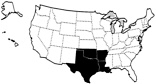
Arkansas
9.139 Arkansas Museum of Science and History, MacArthur Park, Little Rock, AR 72202 (501) 324-9231
Science museum concentrating on natural sciences, life sciences, and geology. Programs for students: At the museum: classes with live animals; hands-on exhibits. At schools: outreach programs with live animals; 6-week series of summer classes traveling the state to rural areas. Materials: Activity books; loans of kits; audiovisual materials; catalog of materials. Education and support for teachers: In-service education on science content and hands-on learning.
9.140 Little Rock Zoological Gardens, One Jonesboro Dr., Little Rock, AR 72205 (501) 663-4733
Zoo with more than 700 specimens from six continents. Programs for students: At the zoo: self-guided tours with materials; guided tours; hands-on exhibits in the spring. Materials: Teacher's guides; pre-/postvisit materials. Education and support for teachers: In-service education on hands-on learning.
9.141 Mid-America Museum. 500 Mid-America Blvd., Hot Springs, AR 71913 (501) 767-3461
Science museum with an aquarium, a laser theater, and interactive exhibits focused on human perception, energy, matter, and life. Programs for students: At the museum: Energy Scavenger Hunt and Museum Odyssey (students explore the museum to answer questions about interactive exhibits). At the museum and at schools: portable planetarium. At schools: outreach programs. Materials: Hands-on activity books; science activity boxes for loan in Arkansas; teacher's guides; museum guidebook for educators. Education and support for teachers: In-service workshops on hands-on learning, based on science activity boxes.
Louisiana
9.142 Aquarium of the Americas, Audubon Institute, One Canal St., New Orleans, LA 70178 (504) 565-3033
Internationally known aquarium; exhibits about 8,000 animals from the waters in and around North, Central, and South America in five galleries, each focused on a different habitat. Programs for students : At the aquarium: microlab and touchpool hands-on exhibits; workshops; participatory shows; guided tours. At schools: outreach programs with an aquavan. Materials: Hands-on activity books; lending boxes of hands-on materials; teacher's guides; audiovisual materials. Education and support for teachers: In-service workshops on science content, hands-on learning, and regional and national curriculum projects.
9.143 Audubon Zoological Garden, Audubon Institute, 6500 Magazine St., New Orleans, LA 70118 (504) 861-2537
Zoological garden with more than 1,500 animals, and including a botanical garden and a nature and conservation center. Programs for students : At the zoo: workshops; presentations; hands-on exhibits. At schools: outreach programs with a zoomobile. Materials: Hands-on activity books; teacher's guides; audiovisual materials. Education and support for teachers: In-service workshops on science content and hands-on learning in several areas of natural history; some workshops on national curriculum projects.
9.144 The Children's Museum of Lake Charles, 925 Enterprise Blvd., Lake Charles, LA 70601 (318) 433-9420
Hands-on science museum for children of all ages. Programs for students : At the museum: programs and hands-on exhibits rotated every 2 months and presented in lesson-plan format. At schools: outreach programs. Materials: Hands-on activity books; teacher's guides. Education and support for teachers: In-service education on science content and hands-on learning; newsletter.
9.145 Greater Baton Rouge Zoo, 3601 Thomas Rd., Baton Rouge, LA 70806 (504) 775-3877
Municipal zoo; emphasis in educational programs on conservation, natural history and evolution, and environmental awareness. Programs for students: At the zoo: hands-on exhibits; programs for school groups; guided tours. At schools: outreach programs, with slide shows and live animals. Materials: Teacher's guides; audiovisual materials. Education and support for teachers: Workshops.
9.146 Lafayette Natural History Museum, Planetarium, and Nature Station, 637 Girard Park Dr., Lafayette, LA 70503 (318) 268-5544
Museum with a planetarium, a 33-acre nature trail, and a Nature Station; focused on areas of the physical and natural sciences, including astronomy, spectroscopy, model rocketry, archaeology, and the environmental sciences. Programs for students: At the museum: hands-on exhibits; guided tours. At the Nature Station: programs on environmental science; trail walks. At schools: outreach programs. Materials: Lending boxes of hands-on materials; teacher's guides on the exhibits.
9.147 Louisiana Arts and Science Center, 100 So. River Rd., Baton Rouge, LA 70802 (504) 344-5272
Arts and science center that includes Science Station—a hands-on physical science gallery primarily designed for grades 4-9; exhibits focus on light and color, sound, electricity and magnetism, and simple machines. Programs for students: At the center: space and planetarium shows; guided tours; field trips; weekend and summer workshops. At schools: outreach programs. Materials: Teacher's guides; audiovisual materials. Education and support for teachers: In-service workshops on science content and hands-on learning.
9.148 Louisiana Children's Museum, 428 Julia St., New Orleans, LA 70130 (504) 523-1357
Children's museum, with a separate exhibit area for children 3 years old and younger, and a main exhibit area for 8- to 12-year-olds. Programs for students: At the museum: programs; hands-on exhibits. Materials: Teacher's guides. Education and support for teachers: In-service workshops on science content and hands-on learning.
9.149 Louisiana Nature and Science Center, Joe W. Brown Memorial Park, New Orleans, LA 70127 (504) 246-5672
Nature center within the New Orleans metropolitan area, with direct access to an urban forest and wetlands area. Programs for students : At the center: classes, guided tours; hands-on exhibits; field trips. At schools: outreach programs; traveling exhibits. Materials : Hands-on activity books; teacher's guides. Education and support for teachers: In-service workshops on science content and hands-on learning.
9.150 Sci-Port Discovery Center, 101 Milam St., Shreveport, LA 71101 (318) 424-3466
Science center actively involved with the Louisiana Statewide Systemic Initiative (LSSI) in teacher training and support; emphasis on the physical, life, space, and some earth sciences. Programs for students : At the center: workshops; summer science series with activities and materials. At schools: outreach programs; traveling exhibits. Materials: Teacher packets, including hands-on experiments related to exhibits. Education and support for teachers: In-service summer workshops on traveling and permanent exhibits; LSSI training and follow-up with packets, demonstrations, activities, and support during the year for teachers of grades 3-5 in seven Louisiana parishes.
Oklahoma
9.151 Oklahoma City Zoo, 2101 N.E. 50th St., Oklahoma City, OK 73111 (405) 424-3344
Zoo with an aquarium and an exotic horticultural collection. Programs for students: At the zoo: guided tours; a wide variety of hands-on classes and labs on animals. At schools: outreach programs. Materials : Hands-on activity books; loan of Suitcase for Survival (containing endangered-animal artifacts). Education and support for teachers: In-service workshops on hands-on learning.
9.152 Oklahoma Museum of Natural History, University of Oklahoma, 1335 Asp Ave., Norman, OK 73019 (405) 325-4712
University museum of natural history and anthropology, with school programs focused on ecology, zoology, geology, and paleontology. Programs for students: At the museum: classes with hands-on activities; field trips; week-long summer workshops on natural history themes. Materials: Curriculum units with hands-on materials; loans of museum mounts and preserved specimens. Education and support for teachers : Instructional materials.
9.153 Omniplex Science Museum, 2100 N.E. 52nd St., Oklahoma City, OK 73111-7198 (405) 424-5545
Science and technology museum with a planetarium and botanical garden; part of the larger Kirkpatrick Center Museum Complex; focused on geology, astronomy, paleontology. and the physical and life sciences.
Programs for students: At the museum: 300 hands-on exhibits; more than 100 science and planetarium programs. Materials: Lending boxes of hands-on materials and equipment (grades 4-6); teacher's guides; catalog of materials. Education and support for teachers: In-service workshops on science content and hands-on learning.
Texas
9.154 Abilene Zoological Gardens, Hwy. 36 at Loop 322, Abilene, TX 79604 (915) 676-6085
Zoo with a habitat-oriented discovery center and related activities. Programs for students: At the zoo: classes; guided tours. At schools: outreach programs, with live animals. Education and support for teachers : In-service workshops on science content and hands-on learning.
9.155 Austin Children's Museum, 1501 W. Fifth St., Austin, TX 78703 (512) 472-2499
Children's museum with activities integrating three themes: How Different People Live, The Human Experience, and Everyday Science and Technology. Programs for students: At the museum: hands-on exhibits on applied sciences; classes; guided tours; field trips. At schools: classes; after-school science programs. Materials: Curriculum units with hands-on materials and curriculum guidelines; supplemental activities for many exhibits; hands-on learning kits. Education and support for teachers: In-service education on science content and hands-on learning.
9.156 Dallas Museum of Natural History, First Ave. and Grand in Fair Park, Dallas, TX 75315 (214) 670-8457
Museum with a discovery center, focusing on the native plants and animals of Texas, including fossils. Programs for students: At the museum: classes; guided tours; hands-on exhibits. At schools: outreach programs; traveling exhibits. Materials: Hands-on activity books; lending boxes of hands-on materials; teacher's guides; pre-/postvisit and audiovisual materials; catalog of materials. Education and support for teachers: In-service workshops on science content and hands-on learning, including Project Wild (environmental education program emphasizing wildlife); teacher resource center; newsletter.
9.157 Don Harrington Discovery Center, 1200 Streit Dr., Amarillo, TX 79106 (806) 355-9547
Discovery center with a planetarium, focused on the physical, life, earth, space, and environmental sciences. Programs for students: At the center: hands-on exhibits; classes on science and health; planetarium shows; guided tours. At schools: traveling exhibits. Materials: Previsit materials. Education and support for teachers: In-service workshops on hands-on learning; newsletter.
9.158 Environmental Science Center, 8856 Westview Dr., Houston, TX 77055 (713) 465-9628
Science center, with a 5-acre arboretum and bird sanctuary and an outdoor classroom; focused on wildlife, natural history, geology, and oceanography. Programs for students: At the center: hands-on programs for school classes. Materials: Hands-on activity books; district-wide Elementary Science Kit program; loans of specimens, kits, and audiovisual materials; catalog of materials. Education and support for teachers: In-service programs; newsletter.
9.159 Fort Worth Museum of Science and History, 1501 Montgomery St., Fort Worth, TX 76107-3079 (817) 732-1631
Museum founded in 1941 in an elementary school, with a planetarium, Omni theater, discovery gallery for children 6 years old and younger, and outdoor fossil-digging area. Programs for students: At the museum: participatory demonstrations; guided tours; hands-on exhibits. At the Museum School: after-school, intersession, and Saturday classes; field trips. Materials: Lending boxes of hands-on materials; teacher's guides; pre-/postvisit materials. Education and support for teachers : Workshops on science content, with field trips and hands-on activities; preview events for Omni films and planetarium programs.
9.160 Houston Museum of Natural Science. One Hermann Circle Dr., Hermann Park, Houston, TX 77030 (713) 639-4600
Natural science museum with a planetarium, IMAX theater, Challenger Space Science Center, and an observatory; emphasis on physical, space, earth, and life sciences. Programs for students: At the museum: exploratorium of hands-on exhibits; guided tours; classes; field trips. At schools: outreach programs; traveling exhibits. Materials: Hands-on activity books; lending boxes of hands-on materials and living things; teacher's guides; audiovisual and computer-based materials; catalog of materials. Education and support for teachers: In-service workshops on science content and hands-on learning; newsletter.
9.161 Insights—El Paso Science Museum, 505 No. Santa Fe, El Paso, TX 79901 (915) 542-2990
Participatory science museum serving large sections of Texas, New Mexico, and the Mexican state of Chihuahua. Programs for students: At the museum: classes; guided tours; more than 180 interactive exhibits. At schools: outreach programs; traveling exhibits. Materials: Hands-on activity books; teacher's guides; computer-based materials. Education and support for teachers: In-service workshops on science content and hands-on learning; field trips; newsletter.
9.162 McAllen International Museum, 1900 Nolana, McAllen, TX 78504 (210) 682-1564
Art and science museum, with a Science Hall for grades 2-5; focused on earth sciences and natural history. Programs for students: At the museum: classes; guided tours; hands-on exhibits. At schools: hands-on programs; traveling exhibits. Materials: Teacher's guides; pre-/postvisit materials. Education and support for teachers: Newsletter.
9.163 The Science Place, 1318 Second Ave., Dallas, TX 75315 (214) 428-7200
Science center, with a planetarium and Kids Place (for early-childhood learning); emphasizes physics, chemistry, biology, astronomy, health, dinosaurs, and mathematics. Programs for students: At the center: classes; guided tours; planetarium shows; hands-on exhibits; field trips. At schools: outreach programs; traveling exhibits. Materials : Lending boxes of hands-on materials; teacher's guides; audiovisual materials; catalog of materials. Education and support for teachers : In-service workshops on science content and hands-on learning; newsletter.
9.164 Sea World of Texas, 10500 Sea World Dr., San Antonio, TX 78251 (210) 523-3606
Marine zoological park with living learning centers; focused on marine and environmental science. Programs for students: At Sea World: guided/self-guided tours; presentations with animals; field trips; classes. At schools: outreach programs. Materials: Curriculum guides; audiovisual materials; catalog of materials. Education and support for teachers: Workshops.
9.165 Space Center Houston, 1601 NASA Road One, Houston, TX 77058 (713) 244-2105
Space center, designed for both education and entertainment, providing a variety of space experiences and serving as the visitor complex for NASA's Johnson Space Center. Programs for students: At the center: self-guided class visits; hands-on exhibits, including computer simulators. Materials: Classroom activities; hands-on activity books and accompanying teacher's guides on space exhibits and attractions at the center. Education and support for teachers: Briefings on space science topics; newsletter.
9.166 Witte Museum, 3801 Broadway, San Antonio, TX 78209-6396 (210) 820-2181
Museum and, under development and expected to open in 1997, a science education center with interactive elements such as waterwheels, sundials, pulley lifts, and live insects. Programs for students: At the museum: classes; demonstrations; hands-on exhibits. At schools: outreach programs. Materials: Teacher's guides; audiovisual materials. Education and support for teachers: In-service workshops on hands-on learning; newsletter.
GREAT LAKES REGION
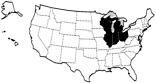
Illinois
9.167 The Adler Planetarium, 1300 So. Lake Shore Dr., Chicago, IL 60605 (312) 922-STAR
Planetarium and science museum focusing on astronomy, earth science, and the history of science; one of a constellation of three lakeside museums, along with the Field Museum of Natural History and the John G. Shedd Aquarium. Programs for students: At the planetarium: classes; hands-on exhibits; regional outreach with computer networking, becoming available nationally. At schools: outreach programs, including portable planetarium visits. Materials: Hands-on previsit materials; curriculum materials. Education and support for teachers: In-service workshops on science content; library with curriculum materials.
9.168 Chicago Botanic Garden, 1000 Lake-Cook Rd., Glencoe, IL 60022 (708) 835-5440
Living museum on 300 acres, with special emphasis on native plant communities—woodlands, prairies, and wetlands—and including an education center and a children's vegetable garden. Programs for students: At the garden: guided tours; hands-on exhibits; field trips; programs designed to complement school curriculum. At schools: outreach programs throughout the Chicago area. Materials: Hands-on activity books; lending boxes of hands-on materials; teacher's guides; catalogs of materials. Education and support for teachers: In-service workshops on science content and hands-on learning; newsletter.
9.169 Chicago Children's Museum, North Pier Chicago, 465 E. Illinois St., Chicago, IL 60611 (312) 527-1000
Children's museum and originator of numerous traveling exhibits; focused on the physical and life sciences, geology, meteorology, and environmental science. Programs for students: At the museum: hands-on exhibits; programs for school groups; guided tours. At schools: traveling trunk shows; programs. Materials: Hands-on activity books; curriculum units with hands-on materials; activity guides; pre-/postvisit, audiovisual, and computer-based materials. Education and support for teachers: In-service education on science content and hands-on learning; newsletter.
9.170 Chicago Zoological Park (Brookfield Zoo), 8400 W. 31st St., Brookfield, IL 60513 (708) 485-0263
Chicago's major zoo, with more than 2,000 animals representing more than 400 species, many in naturalistic habitats; emphasis on conservation. Programs for students: At the zoo: hands-on exhibits; classes; guided/self-guided tours. Materials: Hands-on activity books; teacher's guides; pre-/postvisit materials developed in collaboration with teachers to enhance classroom studies; catalog of materials. Education and support for teachers: In-service education on science content and hands-on learning; newsletter.
9.171 Fermilab Lederman Science Education Center, Batavia, IL 60510-0500 General information: (708) 840-8258 Teacher Resource Center: (708) 840-8259
Fermilab, a world-famous high-energy physics laboratory that offers an extensive science education program; emphasizes physics and energy-related topics. Programs for students: At Fermilab: interactive teaching stations; informal classes emphasizing hands-on learning and process skills. At schools: outreach programs; hands-on exhibits. Materials : Curriculum units; catalog of materials. Education and support for teachers: In-service workshops on hands-on learning; teacher resource center for previewing collection of science education materials; directory of regional science resources; newsletter.
9.172 Field Museum of Natural History, Roosevelt Rd. at Lake Shore Dr., Chicago, IL 60605 (312) 922-9410
World-renowned research institution and museum focused on evolutionary biology and the environment and on cultural understanding and change, with more than 21 million specimens and artifacts in anthropology, botany, geology, and zoology; one of a constellation of three lakeside museums, along with the Adler Planetarium and the John G. Shedd Aquarium. Programs for students: At the museum: classes; guided tours; hands-on exhibits. At schools: traveling exhibits. Materials: Hands-on activity books; lending boxes/kits; teacher's guides; audiovisual materials; catalog of materials. Education and support for teachers: In-service workshops on science content and hands-on learning; training for teaching in urban neighborhoods; newsletter.
9.173 John G. Shedd Aquarium, 1200 So. Lake Shore Dr., Chicago, IL 60605 (312) 939-2426
Aquarium and oceanarium, including an aquatic science center, with more than 6,000 aquatic animals representing every region of the world; one of a constellation of three lake
side museums (along with the Field Museum of Natural History and Adler Planetarium). Programs for students: At the aquarium: specialized workshops and classes for student groups; hands-on exhibits; self-guided tours; local field trips. Materials: Lending boxes/kits; teacher's guides. Education and support for teachers: In-service education on science content and hands-on learning; teacher resource center; field trips.
9.174 Museum of Science and Industry, 57th St. and Lake Shore Dr., Chicago, IL 60637 (312) 684-1414
World-renowned, interactive museum, with more than 2,000 exhibits in 75 exhibit halls, discovery centers for grades PreK-K and K-4, and learning laboratories embedded within museum exhibits for grades 5-8; emphasis on physical sciences, technology, and industry. Programs for students: At the museum: programs for school groups; hands-on exhibits; guided tours. At schools: Science Club Network. Materials : Hands-on activity books; lending boxes/kits; teacher's guides; pre-/postvisit, audiovisual, and computer-based materials. Education and support for teachers: In-service education and teacher-parent workshops on science content and hands-on learning; newsletter.
9.175 Museum of the Chicago Academy of Sciences, 2001 No. Clark St., Chicago, IL 60614 (312) 549-0606
Natural science museum with a children's gallery, focusing on the natural sciences. Programs for students: At the museum: science lab activities; field studies; guided/self-guided tours; hands-on exhibits. At schools: outreach programs. Materials: Activity books; teacher's guides; audiovisual materials. Education and support for teachers: In-service workshops on science content and hands-on learning.
9.176 SciTech—Science and Technology Interactive Center, 18 W. Benton, Aurora, IL 60506 (708) 859-8112
Science and technology center, emphasizing the physical sciences, mathematics, and developing technologies, and featuring more than 200 hands-on exhibits, a solar telescope, and KIDSPACE (ages 4-6). Programs for students: At the center: classes; guided tours; hands-on exhibits. At schools: outreach classes with hands-on exhibits (grades 4-6). Materials: Hands-on materials for outreach programs. Education and support for teachers: In-service education on science content and hands-on learning linked to outreach programs.
Indiana
9.177 The Children's Museum of Indianapolis, 3000 No. Meridian St., Indianapolis, IN 46208 (317) 924-5431
Largest children's museum in the world, with a planetarium, computer discovery center, early-childhood education gallery, and nature preserve; focused on the natural and physical sciences, mathematics, history, art, and cultural studies. Programs for students: At the museum: classes; guided tours; hands-on exhibits. At the nature preserve: outdoor education. At schools: outreach programs; traveling exhibits. Materials: Hands-on activity books; loans of materials, including kits, science mounts and specimens, artifacts; pre-/postvisit, audiovisual, and computer-based materials; catalog of materials. Education and support for teachers: In-service workshops on science content; resource center; community resource database.
9.178 Fort Wayne Children's Zoo, 3411 Sherman Blvd., Fort Wayne, IN 46808 (219) 482-4610
Zoo on 40 acres, with more than 1,000 animals and three hands-on exhibit centers. Programs for students: At the zoo: miniclasses; activity books; lending boxes of hands-on materials; teacher's guides; hands-on exhibits. At schools: outreach programs. Materials: Hands-on audiovisual materials; grade-specific packets for teachers, with suggestions for pre-/postvisit activities; catalog of materials. Education and support for teachers: In-service workshops on science content and hands-on learning; newsletter.
9.179 Indianapolis Zoo, 1200 W. Washington St., Indianapolis, IN 46222 (317) 630-2040
Zoo designed around habitats, with animals in simulated natural environments; emphasis on preservation of species diversity. Programs for students : At the zoo: educational programs; hands-on exhibits; long-distance learning program. Materials: Lending boxes of hands-on materials; teacher's guides; audiovisual materials; link to IDEAnet. Education and support for teachers: In-service workshops on hands-on learning; newsletter.
9.180 Muncie Children's Museum, 306 So. Walnut Plz., Muncie, IN 47305 (317) 286-1660
Completely hands-on museum primarily for grades K-6, with a portable planetarium. Programs for students: At the museum: classes; guided tours; field trips. At schools: outreach programs; exhibits; traveling planetarium. Materials: Hands-on learning kits for loan; curriculum guides; audiovisual materials; catalog of materials. Education and support for teachers: In-service workshops on science content.
Michigan
9.181 Ann Arbor Hands-On Museum, 219 E. Huron St., Ann Arbor, MI 48104 (313) 995-5439
Science and technology center with about 200 interactive exhibits, a computer room (for 20 personal computers with educational programs and games), a discovery room, and a greenhouse; emphasis on physics, biology, human perception, and geology. Programs for students: At the museum: guided tours; weekend classes; field trips. At schools: outreach programs; traveling exhibits. Materials: Hands-on activity books; computer-based materials; catalog of materials. Education and support for teachers: Newsletter.
9.182 Cranbrook Institute of Science, 1221 No. Woodward Ave., Bloomfield Hills, MI 48303-0801 (313) 645-3230
Science center, with a planetarium, observatory, participatory physics hall, natural history exhibits, and a nature center with a discovery room and 315 acres of grounds. Programs for students: At the institute: multi-visit, hands-on programs (grades K, 3, 5). At schools in southeast Michigan: outreach programs. Education and support for teachers: In-service workshops on science content and hands-on learning.
9.183 Fernwood Botanic Garden, 13988 Range Line Rd., Niles, MI 49120-9042 (616) 683-8653
Botanic garden and nature preserve, with emphasis on botany and horticulture; on ecological issues concerning water, wildlife, and endangered flora and fauna; and on the arts. Programs for students: At the garden: classes; hands-on exhibits; guided tours; field programs. At schools: programs with traveling naturalists. Materials: Hands-on activity books; curriculum units; teacher's guides; pre-/postvisit and audiovisual materials. Education and support for teachers: Newsletter.
9.184 Impression 5 Science Museum, 200 Museum Dr., Lansing, MI 48933-1922 (517) 485-8115
Science and technology center focused on chemistry, physics, and the environmental and biological sciences. Programs for students: At the museum: demonstrations; workshops; hands-on exhibits; field trips; newsletter for students. At schools: outreach programs. Education and support for teachers: In-service workshops on science content and hands-on learning.
9.185 Kalamazoo Public Museum, 315 So. Rose St., Kalamazoo, MI 49007 (616) 345-7092
Museum of history and technology, with a planetarium and a Challenger Learning Center. Programs for students: At the museum: hands-on exhibits (focused on natural history, human physiology, and technology); planetarium shows; space mission simulations. At schools: outreach programs. Materials: Lending boxes of hands-on materials. Education and support for teachers: In-service education on science content.
9.186 Kingman Museum of Natural History, W. Michigan Ave. at 20th St., Battle Creek, MI 49017 (616) 965-5117
Natural history museum with a planetarium; focused on earth science and natural history, astronomy, and the human body. Programs for students: At the museum: classes; guided tours; hands-on exhibits; field trips. At schools: outreach programs; traveling exhibits. Materials : Hands-on activity books; lending boxes of hands-on materials; loans of live animals and plants; teacher's guide; catalog of materials. Education and support for teachers: In-service workshops on science content and hands-on learning; library; newsletter.
9.187 Michigan Space Center, Jackson Community College, 2111 Emmons Rd., Jackson, MI 49201 (517) 787-4425
Space museum and educational center for the space sciences; exhibits focus on space exploration, astronomy, physics, geology, mathematics, electronics, and biology. Programs for students: At the center: demonstrations; guided tours; hands-on exhibits; films in Astro Theatre. At schools: outreach programs. Materials: Kits with materials and instructions; previsit and audiovisual materials. Education and support for teachers : In-service education on science content.
9.188 Muskegon County Museum, 430 W. Clay Ave., Muskegon, MI 49440 (616) 722-0278
Museum devoted to the preservation and interpretation of the natural and cultural history of Muskegon County, with programs in the life, physical, and earth sciences and astronomy. Programs for students: At the museum: science programs (an hour or less); guided tours; demonstrations; field trips. At schools: outreach programs. Materials : Hands-on activity books; lending kits with hands-on materials; teacher's guides; computer-based materials; catalog of materials. Education and support for teachers: In-service education on science content and hands-on learning; instructional materials; newsletter.
9.189 Sarett Nature Center, 2300 Benton Center Rd., Benton Harbor, MI 49022 (616) 927-4832
Nature center and environmental education facility on nearly 600 acres, with dry forest, meadow, wetland forest, and marsh along the Paw Paw River; also focuses on the natural history of the area. Programs for students: At the center: classes; interpretive nature walks; summer programs. At schools: outreach programs. Materials: Hands-on activity books; natural history videos and audiotapes. Education and support for teachers: In-service classes on science content and hands-on learning in natural history; interpretive trips led by naturalists.
9.190 Sloan Museum, 1221 E. Kearsley St., Flint, MI 48503 (810) 760-1169
General museum and science center that emphasizes transportation as well as earth, physical, and health sciences; part of the Flint Cultural Center, along with the Robert T. Longway Planetarium. Programs for students: At the museum: programs for school groups; field trips; hands-on exhibits; guided tours. At schools: outreach programs. Materials : Artifact kits; pre-/postvisit materials.
Ohio
9.191 Aullwood Audubon Center and Farm, 1000 Aullwood Rd., Dayton, OH 45414 (513) 890-7360
Regional environmental education center of the National Audubon Society for the seven-state Great Lakes region, with a 200-acre sanctuary including a working educational farm. Programs for students: At the center: classes; guided tours; hands-on exhibits. At schools: occasional programs. Materials: Hands-on activity books; curriculum units with hands-on materials; teacher's guides and instructional materials; previsit and audiovisual materials. Education and support for teachers : In-service workshops on science content and hands-on learning; newsletters.
9.192 Cincinnati Museum of Natural History and Planetarium, Museum Center at Union Terminal, 1301 Western Ave., Cincinnati, OH 45203 (513) 287-7020
Research-based museum and planetarium with a highly interactive children's discovery center. Programs for students: At the museum and planetarium: classes; hands-on exhibits. At schools: outreach programs; traveling exhibits. Materials: Lending boxes of hands-on materials; teacher's guides. Education and support for teachers: In-service workshops on science content and hands-on learning.
9.193 Cincinnati Zoo and Botanical Garden, 3400 Vine St., Cincinnati, OH 45220 (513) 281-4700
Zoo and botanical garden on 67 acres, with a children's zoo and an arboretum; focused on wildlife preservation and the environment. Programs for students: At the zoo: programs for school groups; guided tours; hands-on exhibits. At schools: outreach programs; traveling exhibits. Materials: Hands-on activity books; lending boxes of hands-on materials; teacher's guides; audiovisual materials. Education and support for teachers: In-service workshops on science content and hands-on learning; newsletter.
9.194 Cleveland Children's Museum, 10730 Euclid Ave., Cleveland, OH 44106 (216) 791-KIDS
Children's museum; produces interactive exhibits that travel to other museums. Programs for students: At the museum: science/mathematics programs for children and their families; guided tours; hands-on exhibits. Materials: Lending boxes of hands-on materials; teacher's guides; audiovisual materials. Education and support for teachers: In-service workshops on science content and hands-on learning; 4-week summer science institutes.
9.195 Cleveland Metroparks Zoo, 3900 Brookside Park Dr., Cleveland, OH 44109 (216) 661-6500
One of America's oldest zoos, on 165 acres in the heart of the city, with an education center and wide-ranging programs in conservation education. Programs for students: At the zoo: classes; programs; guided tours; hands-on exhibits; field studies. At schools: outreach programs. Materials: Lending boxes of hands-on materials; teacher's guides; videos; pre-/postvisit and computer-based materials. Education and support for teachers: In-service workshops on science content and hands-on learning; newsletters.
9.196 Cleveland Museum of Natural History, One Wade Oval Dr., University Circle, Cleveland, OH 441061767 (216) 231-4600
Major research-based natural history museum, with an observatory, a planetarium, a discovery room, and natural areas. Programs for students: At the museum: self-guided visits; presentations with live animals; hands-on programs; observatory/
planetarium programs; field studies. At schools: outreach programs, with live animals; portable planetarium. Materials: Extensive loan program (including portable dioramas, teaching kits, curriculum units, activity guides, slide sets, and videos); catalog of materials. Education and support for teachers: In-service workshops on science content and hands-on learning; extensive science resource center; travel/study trips; newsletter.
9.197 COSI/Columbus—Ohio's Center Of Science and Industry, 280 E. Broad St., Columbus, OH 43215-3773 (614) 228-2674
Science and technology center with a planetarium, emphasizing the physical, life, earth, and space sciences, technology, and many facets of the industrial and commercial worlds. Programs for students: At the center: hundreds of interactive exhibits; classes, shows, and demonstrations. At schools throughout Ohio and in parts of Kentucky, Michigan, Pennsylvania, and West Virginia: extensive outreach programs, with assemblies and hands-on classes. Materials: Catalog of Fun In Science kits.
9.198 The Dayton Museum of Natural History, 2600 DeWeese Pkwy., Dayton, OH 45414 (513) 275-9156
Museum consisting of Caryl D. Philips Space Theater (digistar planetarium), Dayton Science Center (physical sciences), Wild Ohio Exhibit (indoor zoo with animals native to Ohio), Bieser Discovery Center (hands-on science gallery), and exhibit galleries. Programs for students: At the museum: planetarium shows; hands-on natural and cultural history and physical science programs; guided/self-guided tours. Offsite: talks, with live animals. Materials: Geology loan kits; previsit activity packet for astronomy programs. Education and support for teachers: In-service workshops on hands-on learning.
9.199 The Holden Arboretum, 9500 Sperry Rd., Kirtland, OH 44094 (216) 256-1110
Largest U.S. arboretum, on 3,000 acres, with a horticultural science center. Programs for students: At the arboretum: extensive guided field trip programs and self-guided tours. At schools: outreach programs (limited). Materials: Materials for visits; audiovisual materials for loan. Education and support for teachers: In-service workshops and graduate classes on science content and hands-on learning; reference library; summer teacher-in-residence program for K-12 teachers to develop and test a science program; newsletter.
9.200 Sea World of Ohio, 1100 Sea World Dr., Aurora, OH 44202 (216) 562-8101
Marine-life park, focused on underwater and overwater animals in the park's varied marine environments and on marine ecology. Programs for students: At the park: programs for school groups; guided tours; hands-on exhibits; summer classes. At schools: hands-on, interactive assembly programs; traveling exhibits. Materials: Activity books; teacher's guides; catalog of materials. Education and support for teachers: In-service workshops on science content and hands-on learning.
Wisconsin
9.201 Olbrich Botanical Gardens, 3330 Atwood Ave., Madison, WI 53704 (608) 246-4550
Municipal botanical gardens, with a tropical conservatory, 14 acres of outdoor gardens, and a hands-on Explorer Space; program themes focus on plants, the environment, and tropical forests. Programs for students: At the gardens: classes for school groups (grades K-5); guided tours; hands-on exhibits. Materials: Curriculum packets with hands-on pre-/postvisit activities. Education and support for teachers : In-service classes on science content and hands-on learning and on using the gardens as a teaching resource.
9.202 University of Wisconsin-Madison Arboretum, 1207 Seminole Hwy., Madison, WI 53711 (608) 262-2746
Research-based, university arboretum, with an Earth Partnership Program (EPP) emphasizing prairie restoration. Programs for students: At the arboretum: guided tours of 1,100 acres of restored prairies, woodlands, and wetlands; EPP classes. At schools: presentations by naturalists; student-EPP research collaborations. Materials: Hands-on activity books; teacher's guides. Education and support for teachers : EPP workshops, meetings, and conferences, and EPP summer institutes sponsored by the National Science Foundation, all on prairie restoration and hands-on learning, with materials and a newsletter.
9.203 Zoological Society—Milwaukee County Zoo, 10005 W. Bluemound Rd., Milwaukee, WI 53226 (414) 771-3040
Zoo with an education center, focused on animal science and environmental issues. Programs for students: At the zoo: classes; workshops; presentations; guided/self-guided tours; hands-on exhibits. At schools: zoomobile programs. Materials: Activity books; pre-/postvisit activities; teacher's guides. Education and support for teachers: In-service workshops on science content.
SOUTHEAST REGION
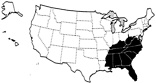
Alabama
9.204 Anniston Museum of Natural History, 800 Museum Dr., Anniston, AL 36202 (205) 237-6766
Regional museum and nature center with nature trails and a wildlife garden, focused on biology, zoology, and the environment. Programs for students: At the museum: classes and workshops; programs with live animals; guided/self-guided tours; hands-on exhibits. At schools: outreach programs with live animals and hands-on objects. Materials : Traveling trunks for loan; teacher's guides; audiovisual materials. Education and support for teachers: In-service education in science content and hands-on learning; newsletter.
9.205 Birmingham Botanical Gardens, 2612 Lane Park Rd., Birmingham, AL 35223 (205) 879-1227
Botanical gardens and bird sanctuary on 67 acres, representing multiple ecosystems; focused on biology, botany, horticulture, and the environment. Programs for students: At the gardens: propagation workshop (grade 5); guided tours. Materials: Curriculum unit with hands-on materials for workshop; audiovisual materials; three Grow Labs for 1- to 2-year loan to schools; catalog of materials. Education and support for teachers: In-service education on propagation; workshops; horticultural library.
9.206 The Exploreum Museum of Discovery, 1906 Spring Hill Ave., Mobile, AL 36607 (205) 471-5923
Science museum dedicated to hands-on science learning, mainly in the physical and natural sciences; principal exhibitor of national traveling exhibits in the region. Programs for students: At the museum: classes; hands-on exhibits; guided tours; summer science enrichment classes; field trips. At schools: outreach programs and traveling exhibits. Materials: Loans of curriculum boxes; teacher's guides; audiovisual materials. Education and support for teachers: Lending library; newsletter.
9.207 U.S. Space and Rocket Center, One Tranquility Base, Huntsville, AL 35805 (800) 63SPACE
Space center with rocket and shuttle parks, a spacedome theater, and a space museum; offers bus tours of NASA's Marshall Space Flight Center. Programs for students: At the center: classes; hands-on exhibits; 5- to 8-day programs (including U.S. Space Camp, Academy, and Aviation Challenge programs) in aviation and space flight (grades 4-12); field trips. Materials: Field trip guide. Education and support for teachers : Graduate and in-service workshops on science content and hands-on learning; NASA Teacher Resource Center.
Florida
9.208 The Children's Science Center, 2915 N.E. Pine Island Rd., Cape Coral, FL 33909 (813) 997-0012
Children's science center, principally for grades K-6, with hands-on programs covering many aspects of science, including natural history, medicine, mathematics, and engineering. Programs for students: At the museum: programs for school groups; guided tours; field trips. At schools: outreach programs. Materials: Hands-on activity books; teacher's guides; pre-/postvisit, audiovisual, and computer-based materials. Education and support for teachers: In-service education on science content; newsletter.
9.209 Discovery Science Center of Central Florida, 50 So. Magnolia Ave., Ocala, FL 34474 (904) 620-2555
Science center and natural history museum, with special focus on physics, astronomy, and human physiology. Programs for students: At the center: more than 30 interactive exhibits and demonstrations. At schools in 14 surrounding counties: portable planetarium programs. Materials: Teacher's guides; pre-/postvisit materials. Education and support for teachers: In-service education on science content and hands-on learning; newsletter.
9.210 Dolphin Research Center, U.S. Hwy. 1 at Mile Marker 59, Grassy Key, FL 33052 (305) 289-1121
Research center (with about 15 dolphins) and educational organization focused on marine mammals and the environment. Programs for students : At the center: hour-long walking tours; week-long interactive Dolphinlab; and other programs. At schools: Adopt-a-Dolphin program; speakers; career counseling. Materials: Curriculum guidelines; career publications for students; dolphin slide show; computer-based CD-ROM dolphin program. Education and support for teachers: Education hotline; Dolphinlab scholarship; newsletter.
9.211 Florida Aquarium, 701 Channelside Dr., Tampa, FL 33602 (813) 273-4000
New aquarium (opened in 1995), with areas devoted to Florida's wetlands, bays and beaches, coral reefs, and offshore waters, and with staffed teaching wetlabs in three major galleries. Programs for students: At the aquarium: auditorium presentations; aqua-class teaching lab and customized wetlab programs; field trips; guided/self-guided tours; hands-on exhibits. At schools: outreach programs; traveling exhibits. Materials: Curriculum units with hands-on materials; teacher's guides; audiovisual materials; magazine for students. Education and support for teachers: In-service workshops on science content and hands-on learning; information hotline; newsletter.
9.212 Florida Museum of Natural History, University of Florida, Gainesville, FL 32611-2035 (904) 392-1721
Both a university research-and-teaching museum and the state museum of natural history; focused on the natural history, archaeology, and ethnography of the state and region. Programs for students: At the museum: classes; guided tours; hands-on discovery area; summer field trips. At schools: programs on requested topics; suitcase exhibits. Materials: Educational packets; curriculum guidelines on exhibit topics; teacher's guides; videocassettes; previsit materials. Education and support for teachers: Statewide teacher workshops on science content and hands-on learning; educational tours.
9.213 Great Explorations, The Hands On Museum, 1120 Fourth St., So., St. Petersburg, FL 33701 (813) 821-8992
Hands-on museum with five pavilions for permanent exhibits and one for changing exhibits; focused on arts, sciences, and health. Programs for students: At the museum: programs for school groups. At schools: auditorium and classroom programs; shows with a portable planetarium; traveling hands-on exhibits. Materials: Hands-on activity books; loans of live animals and plants; teacher's guide. Education and support for teachers: In-service workshops on science content and hands-on learning.
9.214 Miami Museum of Science and Space Transit Planetarium, 3280 So. Miami Ave., Miami, FL 33129 (305) 854-4247
Science museum, with a natural history collection, a wildlife center (with 150 live animals), an aviary, and Space Transit Planetarium. Programs for students: At the museum: classes; guided tours; demonstrations; more than 150 hands-on exhibits. At the planetarium: multimedia astronomy and laser shows. At schools: outreach programs. Materials: Hands-on activity books; lending boxes of hands-on materials; audiovisual and computer-based materials; catalog of materials. Education and support for teachers: In-service education on science content and hands-on learning; Technology Training Center for Florida Department of Education; teacher resource library; newsletter.
9.215 Museum of Arts and Science, 1040 Museum Blvd., Daytona Beach, FL 32114 (904) 255-0285
Museum featuring a planetarium, a hands-on section, and the use of adjacent Tuscawilla Park Preserve and 150-acre Spruce Creek Preserve/Environmental Education Center; emphasis on the arts, sciences, and history. Programs for students: At the museum: discovery drawers; classes; guided tours; Summer Science Institute in life and environmental sciences, marine biology, zoology, and archaeology. At the planetarium: curriculum-related, grade-specific programs; field trips. At the museum and education center: environmental programs. Materials: Lesson plans; catalog of materials. Education and support for teachers: In-service education on science content; newsletter.
9.216 Museum of Discovery and Science, 401 S.W. Second St., Fort Lauderdale, FL 33312-1707 (305) 467-6637
Museum with an IMAX theater and several science labs, focusing on science, technology, health, and mathematics. Programs for students : At the museum: hands-on exhibits, including six major thematic exhibits; programs; guided/self-guided tours. At schools: outreach programs; traveling exhibits. Materials: Teacher's guides. Education and support for teachers: In-service education on science content and hands-on learning.
9.217 Museum of Science and History of Jacksonville, 1025 Museum Circle, Jacksonville, FL 32207-9053 (904) 396-7062
Museum, with a planetarium and a live-animal area with an aviary, marine aquarium, and native plant garden; emphasizes the natural, physical, and medical sciences. Programs for students: At the museum: planetarium shows; demonstrations; guided tours; science camps. At schools: outreach programs; traveling exhibits. Materials: Hands-on activity books, lending boxes with teacher's guides; loans of live animals and plants; audiovisual materials;
catalog of materials. Education and support for teachers: In-service education on science content and hands-on learning; newsletter.
9.218 Museum of Science and Industry, 4801 E. Fowler Ave., Tampa, FL 33617-2099 (813) 987-6324
Science center, with a planetarium, an IMAX Theater, a Discovery Room, and a Challenger Learning Center; emphasizes physical, earth, space, life, and environmental sciences and archaeology. Programs for students: At the center: 400 exhibits; self-guided tours; hands-on classes; planetarium and IMAX shows; telescope viewing; half-and full-day camps; fossil and archaeological field trips. At schools: assembly programs; hands-on classes; portable planetarium. Materials : Curriculum units with hands-on materials to accompany program topics. Education and support for teachers: Workshops and seminars for teachers on science content and hands-on learning; newsletter; magazine.
9.219 Orlando Science Center, 810 E. Rollins St., Loch Haven Park, Orlando, FL 32803 (407) 896-7151
Science center, with a planetarium and an observatory; focused on science, technology, and mathematics through interaction, exploration, and experiential learning. Programs for students: At the center: classes; hands-on exhibits; field trips. At schools: outreach programs; traveling exhibits. Materials: Activity sheets; lending boxes of hands-on materials; teacher's guides; audiovisual materials; catalog of materials. Education and support for teachers: In-service education on hands-on learning; newsletter.
9.220 The Science Center of Pinellas County, 7701 22nd Ave., No., St. Petersburg, FL 33710 (813) 384-0027
Science center with a botanical garden, planetarium, computer center, discovery center, and nature trail; focused on the physical, life, earth, and space sciences. Programs for students: At the center: classes; guided tours; hands-on exhibits; extensive 8-week summer program of more than 130 1-week workshops; field trips. At schools: mobile outreach programs. Materials: Hands-on activity books; loans of science-related equipment and live animals; catalog of materials for loan. Education and support for teachers: Inservice education on science content and hands-on learning; reference library; newsletter.
9.221 Sea World of Florida, 7007 World Dr., Orlando, FL 32821 (407) 351-3600
Marine park, focused on marine animals and the park's diverse marine environments. Programs for students: At the park: programs for school groups; guided tours; hands-on exhibits. At schools: outreach programs; traveling exhibits. Materials: Hands-on activity books; teacher's guides; audiovisual materials; catalog of materials. Education and support for teachers: In-service workshops on science content and hands-on learning.
Georgia
9.222 Fernbank Museum of Natural History, 767 Clifton Rd., N.E., Atlanta, GA 30307-1221 (404) 378-0127
Natural history museum, closely linked with the Fernbank Science Center, featuring an IMAX Theatre, a hands-on Naturalist Center, and two children's discovery rooms; emphasis on natural history, earth sciences, ecology, zoology, and chemistry. Programs for students : At the museum: classes; hands-on exhibits; guided tours. Materials : Supplemental materials for all programs and exhibits. Education and support for teachers: In-service education on science content and hands-on learning; newsletter.
9.223 Fernbank Science Center, 156 Heaton Park Dr., N.E., Atlanta, GA 30307-1398 (404) 378-4311
Science center of DeKalb County School System, closely linked with Fernbank Museum of Natural History; includes a planetarium, observatory, 65-acre forest, greenhouses, gardens, and laboratories. Programs for students: At the center: hands-on exhibits; planetarium shows; numerous classes and programs for school groups. At schools: outreach programs; traveling exhibits. Materials: Lending kits; children's newsletter; catalog of materials. Education and support-for teachers : In-service workshops on science content; magazine.
9.224 National Science Center, Bldg. 25722 (Discovery Center 29727), Fort Gordon, GA 30905-5689 (706) 791-7680
Science center (authorized by act of Congress in 1985), operating a Preview Discovery Center with innovative and interactive exhibits, a Mobile Discovery Center, and a Discovery Center devoted to communications and electronic technology; focused on mathematics, science, electronics, and communications, with material and technical support from the U.S. Army Signal Corps at Fort Gordon. Programs for students: At the centers: classes; field trips. At schools: outreach programs with the mobile
center; Science-by-Mail (national student/scientist pen pal program for grades 4-9). Materials: Demonstration and experiment kits; videocassettes; lesson plans; computer programs. Education and support for teachers : In-service education on science content and hands-on learning; Teacher Resource Center; newsletter.
9.225 Savannah Science Museum, 4405 Paulsen St., Savannah, GA 31405 (912) 355-6705
Science museum, with a nature preserve, planetarium, hands-on discovery room, and tower with a Foucault pendulum; emphasis on herpetology, geology, archaeology, and astronomy. Programs for students: At the museum: classes; guided tours; planetarium programs. At schools: outreach programs. Materials: Loans of live animals and plants. Education and support for teachers: Opportunity for involvement in summer-long research project on the loggerhead sea turtle.
9.226 SciTrek—The Science and Technology Museum of Atlanta, 395 Piedmont Ave., N.E., Atlanta, GA 30308 (404) 522-5500
Science and technology center, with live science demonstrations, hands-on science and mathematics activities in six permanent halls, KIDSPACE (ages 2-7), and a working research laboratory behind glass; focused principally on the physical sciences and technology. Programs for students: At the museum: workshops; hands-on exhibits. Materials : Hands-on activity books; lending boxes of hands-on materials; exhibit guides. Education and support for teachers: In-service education on science content and hands-on learning; newsletter.
9.227 Zoo Atlanta, 800 Cherokee Ave., S.E., Atlanta, GA 30315 (404) 624-5600
Zoo with extensive educational activities and a strong focus on wildlife conservation, featuring an Environmental Resource Center and a Conservation Action Resource Center with activities on four continents. Programs for students: At the zoo: guided tours; programs for school groups. At schools: zoomobile visits. Materials: Hands-on activity books; activity boxes; teacher's guides; videotapes and CDs for loan; curriculum supplements; pre-/postvisit activities. Education and support for teachers: Workshops on science content and hands-on learning; instructional materials; teacher resource center; newsletter.
Kentucky
9.228 The Living Arts and Science Center, 362 No. Martin Luther King Blvd., Lexington, KY 40508 (606) 255-2284
Center with art galleries and science exhibits; emphasis on science education outreach. Programs for students: At the center: classes; guided tours; hands-on exhibits. At schools: workshops; presentations; traveling exhibits. Materials: Traveling kits; teacher's guides; audiovisual and computer-based materials. Education and support for teachers: In-service workshops on science content and hands-on learning; newsletter.
9.229 Louisville Science Center, 727 W. Main St., Louisville, KY 40202 (502) 561-6103
Science center, with an IMAX theater, KIDSPACE (discovery room for children 7 years old and younger), six modern science classrooms, and numerous traveling exhibits. Programs for students: At the center: discovery lab; classes; assembly presentations; hands-on exhibits; weekend and week-long Science, Technology, and Recreation (STAR) summer camp. At schools: outreach programs, including a portable planetarium. Materials: Hands-on activity books; teacher's guides. Education and support for teachers: In-service education on science content and hands-on learning; summer institutes; newsletter.
9.230 Louisville Zoological Garden, 1100 Trevilian Way, Louisville, KY 40213 (502) 459-2181
Zoo on 73 acres in a park setting, with 1,500 animals in more than 60 environmental exhibits, and with Metazoo Education Center and a HerpAquarium with arid, water, and forest habitats. Programs for students: At the zoo: classes. At the center: live-animal exhibits; microscope stations; ''biofact" exhibits. At the HerpAquarium: guided tours. At schools: outreach programs. Materials: Hands-on activity books; lending boxes of hands-on materials; teacher's guides; program kits for teacher-guided class visits. Education and support for teachers : In-service workshops on science content and hands-on learning; newsletter.
Mississippi
9.231 Mississippi Museum of Natural Science, 111 No. Jefferson St., Jackson, MS 39202 (601) 354-7303
State of Mississippi's biological and natural science museum, focusing on the state's natural history; massive aquarium system and indoor garden. Programs for students: At the museum: presentations and hands-on exhibits. At schools: exhibits and
interactive programs. Materials: Object kits; teacher's guides; pre-/postvisit and audiovisual materials; museum artifact kits, some for loan (requiring teacher to attend hands-on workshop). Education and support for teachers : In-service workshops on hands-on learning; natural science library (available by appointment); newsletter.
9.232 University Museums, The University of Mississippi, University, MS 38677 (601) 232-7073
Two small university museums—the Mary Buie Museum and the Kate Skipwith Teaching Museum—with a children's hands-on room; science programs focused on physics and on life, space, and earth sciences, including ecology and natural history. Programs for students: At the museums: physics tours; summer science camp. At schools: outreach programs. Materials: Hands-on activity books; lending trunks of hands-on materials; teacher's guides; instructional materials on environmental education; audiovisual materials. Education and support for teachers: Newsletter.
North Carolina
9.233 Colburn Gem and Mineral Museum, Pack Place Education, Arts and Science Center, 2 So. Pack Sq., Asheville, NC 28801 (704) 254-7162
Museum focusing on earth sciences, mineralogy, gemology, and paleontology. Programs for students: At the museum: classes; guided tours; mineral shows; hands-on exhibits. At schools: outreach programs. Materials : Curriculum units with suggested activities; teacher's guides; audiovisual materials for loan; pre-/postvisit and computer-based materials. Education and support for teachers: In-service workshops on hands-on learning; newsletter.
9.234 Discovery Place, 301 No. Tryon St., Charlotte, NC 28202, and Nature Museum, 1658 Sterling Rd., Charlotte, NC 28209 (704) 372-6261
Two jointly run facilities, with programs on astronomy, on the physical, chemical, health, natural, environmental, and space sciences, and on computer science. Discovery Place—a science museum with a planetarium, aquarium, rain forest, OMNIMAX theater, Challenger Learning Center, and early-childhood education center. Nature Museum—a small museum with live animals, in a community park. Programs for students: At both museums: demonstrations; classes; hands-on exhibits. At schools: outreach programs. Materials: Lending boxes of hands-on materials. Education and support for teachers: In-service workshops in science content and hands-on learning.
9.235 Imagination Station Science Museum, 224 E. Nash St., Wilson, NC 27893 (919) 291-5113
Science and mathematics learning center, with 80 hands-on exhibits covering basic physical and life science principles, a computer lab, and a miniplanetarium. Programs for students: At the museum: live science programs (on chemistry, cryogenics, flight, electricity, and sound); planetarium shows; guided tours; workshops. At schools: science-on-wheels programs. Materials: Hands-on activity books; traveling science trunks; teacher's guides; audiovisual and resource materials; catalog of materials. Education and support for teachers: In-service workshops on science content and hands-on learning; newsletter.
9.236 Morehead Planetarium, E. Franklin St., Chapel Hill, NC 27599 (919) 549-6863
Planetarium of the University of North Carolina at Chapel Hill (UNCCH), working closely with the Center for Mathematics and Science Education of UNC-CH School of Education, and drawing children from three states; emphasis on astronomy and space science education. Programs for students : At the planetarium: shows, tied, where possible, to state curricula; Saturday morning classes. At schools: outreach programs. Materials : Curriculum guides; catalogs of materials from other resource agencies. Education and support for teachers: In-service workshops on science content and hands-on learning; information service; newsletter.
9.237 The Natural Science Center of Greensboro, 4301 Lawndale Dr., Greensboro, NC 27408-1899 (919) 288-3769
Science education complex featuring a museum, zoo, and planetarium, with traditional natural history exhibits, modern interactive and technological exhibits, and discovery labs. Programs for students: At the center: demonstrations; classes; hands-on exhibits; field trips. At schools: outreach programs. Materials: Lending boxes of hands-on materials. Education and support for teachers: In-service education on science content and hands-on learning.
9.238 North Carolina Maritime Museum, 315 Front St.. Beaufort, NC 28516-2125 (919) 728-7317
State museum with dual focus: (1) boats, boat building, and maritime history; and (2) marine sciences as part of coastal natural history. Programs for students: At the museum:
audiovisual programs; programs with live animals; guided/self-guided tours; hands-on exhibits; field trips to coastal habitats. At schools: outreach programs; traveling exhibits. Materials: Hands-on activity books; lending boxes of hands-on materials; audiovisual materials; staff-authored field guides to local habitats; catalog of materials. Education and support for teachers: In-service workshops on science content and hands-on learning; newsletter.
9.239 North Carolina Museum of Life and Science, 433 Murray Ave., Durham, NC 27704 (919) 220-5429
Regional science and technology center, with learning labs, and two discovery rooms; emphasis on aerospace, the human body, physical science, animals, geology, and weather. Programs for students: At the museum: hands-on indoor and outdoor exhibits; classes. At schools: outreach programs, including a portable planetarium, neighborhood ecology program, and programs with live animals. Materials: Science loan kits; Sharing Science with Children guides for teachers, parents, scientists, and engineers; postvisit activities. Education and support for teachers: In-service workshops on science content and hands-on learning; science resource center; newsletter.
9.240 North Carolina State Museum of Natural Sciences, 102 No. Salisbury St., Raleigh, NC 27603 (919) 733-7450
Research-based natural history museum, with a discovery room and fossil lab (a working laboratory of paleontology), concentrating on the state's biological diversity. Programs for students: At the museum: hands-on exhibits; classes; field trips; self-guided tours. At schools: statewide outreach programs. Materials: Lending boxes of hands-on materials; teacher's guides. Education and support for teachers: 1- and 3-day field trips led by a naturalist, emphasizing both science content and hands-on learning; newsletter.
9.241 North Carolina Zoological Park, 4401 Zoo Pkwy., Asheboro, NC 27203 (910) 879-7000
Zoo on 500 acres, with natural habitats for plant and animal species from Africa and North America, focusing on interpreting behavior and ecological relationships; also features a discovery room. Programs for students: At the zoo: classes; guided tours; informational scavenger hunts; hands-on exhibits. At schools: traveling exhibits. Materials : Lending boxes of hands-on materials; lesson plans; fact sheets. Education and support for teachers: 2-day summer workshops and a year-long program on using the zoo in science and mathematics instruction.
9.242 Piedmont Environmental Center, 1220 Penny Rd., High Point, NC 27265 (910) 883-8531
Environmental education center and wildlife refuge on 376 acres, with 11 miles of hiking/nature trails; focused on natural history, ecology, and environmental education. Programs for students: At the center: 18 hands-on classes emphasizing field studies and data manipulation; field trips. Education and support for teachers: Hands-on workshops; newsletter.
9.243 Schiele Museum of Natural History and Planetarium, 1500 E. Garrison Blvd., Gastonia, NC 28054 (704) 866-6900
Natural history museum and planetarium, with a theater, an arboretum, and an earth-space center; emphasis on natural history, earth and life sciences, ethnology, and environmental education. Programs for students: At the museum: hands-on exhibits; classes; guided/self-guided tours; field trips. At schools in more than 20 counties: outreach programs; traveling exhibits. Materials: Hands-on activity books; lending boxes of hands-on materials; teacher's guides; audiovisual and computer-based materials; catalog of materials. Education and support for teachers: In-service workshops on science content and hands-on learning; newsletter.
9.244 SciWorks, the Science Center and Environmental Park of Forsyth County, 400 Hanes Mill Rd., Winston-Salem, NC 27105 (919) 767-6730
Science center with a planetarium and a 15-acre environmental park; emphasizes life science, and physical, earth, space, and environmental sciences. Programs for students: At the center: hands-on exhibits; classes; programs for school groups; planetarium shows; guided tours. At schools in 22 regional districts: outreach programs. Materials: Pre-/postvisit materials; teacher's guides. Education and support for teachers: In-service workshops on science content and hands-on learning; newsletter.
South Carolina
9.245 Greenville Zoo, 150 Cleveland Park Dr., Greenville, SC 29601 (803) 467-4300
Regional zoo, promoting awareness of and appreciation for the animal kingdom. Programs for students: At the zoo: self-guided tours; hands-on classes on animals, conservation, and ecology. At schools in nine-county area: zoomobile visits; hands-on programs (grades 3 and above). Materials : Lending boxes of hands-on materials; teacher's guides; activity packets designed to augment the local school curriculum. Education and support for teachers: In-service workshops on science content and hands-on learning.
9.246 Museum of York County, 4621 Mount Gallant Rd., Rock Hill, SC 29732-9905 (803) 329-2121
General museum, with a nature trail and a planetarium; emphasizes natural history, astronomy, physical science, and archaeology. Program s for students: At the museum: classes; guided/self-guided tours; hands-on exhibits. At schools: outreach programs (including traveling trunks). Materials: Lending boxes of self-contained curriculum units with resource materials; videos as a previsit package. Education and support for teachers: In-service education on science content and hands-on learning, including Project Wild (environmental education program emphasizing wildlife); newsletter.
9.247 Roper Mountain Science Center, 504 Roper Mountain Rd., Greenville, SC 29615-4229 (803) 281-1188
Multifaceted science center, on 62 acres, operated by the local school system as a local resource and also for teachers statewide; features the following: a planetarium, observatory, living-history farm, arboretum, sea-life room with aquariums and a touch tank, health education center, chemistry and physics labs, and discovery room. Programs for students : At the center: classes; planetarium shows; guided tours; hands-on exhibits. At schools: outreach programs; traveling exhibits. Materials : Hands-on activity books; lending boxes of hands-on materials; teacher's guides; loans of live animals; audiovisual and computer-based materials; previsit activities; catalog of materials. Education and support for teachers: In-service courses and workshops on science content and hands-on learning; natural science institute.
9.248 South Carolina State Museum, 301 Gervais St., Columbia, SC 29201 (803) 737-4921
General museum, with a Science Discovery Theatre; emphasis on natural history, science, and technology. Programs for students: At the museum: hands-on classes; guided/self-guided tours; demonstration programs. Materials: Teacher's guides; previsit and audiovisual materials; lists of suggested postvisit activities. Education and support for teachers: In-service workshops on science content and hands-on learning.
Tennessee
9.249 The Creative Discovery Museum, 321 Chestnut St., Chattanooga, TN 37402 (615) 756-2738
Children's museum, primarily for the elementary grades, focused on science and the arts. Programs for students: At the museum: programs; hands-on exhibits; guided tours. At area schools: outreach workshops in collaboration with Oak Ridge National Laboratory's Science Education Center. Materials: Teacher's guides; pre-/postvisit, audiovisual, and computer-based materials. Education and support for teachers: In-service workshops on science content and hands-on learning; teacher resource center.
9.250 Hands On! Regional Museum, 315 E. Main St., Johnson City, TN 37601 (615) 928-6509
Children's museum with an aquarium, featuring programs and materials on the physical, life, earth, and environmental sciences. Programs for students: At the museum: guided tours; programs; hands-on exhibits. At schools: outreach classes; traveling exhibits. Materials: Lending boxes with hands-on materials; teacher's guides; audiovisual and computer-based materials. Education and support for teachers: In-service education on science content; newsletter.
9.251 Memphis Pink Palace Museum and Planetarium, 3050 Central Ave., Memphis, TN 38111 (901) 320-6320
Museum and planetarium; museum also operates the Coon Creek Science Center, at a renowned, upper-Cretaceous fossil site located in McNairy County; exhibits focus on natural and cultural history of the region. Programs for students: At the museum: laboratory, demonstration, and science theater experiences. At the planetarium: live presentations; recorded shows; field trips. At schools: outreach programs. Materials : Lending boxes of hands-on materials with teacher's guides. Education and support for teachers: In-service workshops on science content; newsletter.
Virginia
9.252 Science Museum of Virginia, 2500 W. Broad St., Richmond, VA 23220 (804) 367-1013
Science and technology museum and education center, with a planetarium and space theater, Omnimax theater, demonstration laboratories, 250 interactive exhibits in the areas of aerospace, electricity and power, physics, chemistry, astronomy, and crystallography, and other programs in the life sciences. Programs for students: At the museum: classes; guided tours; planetarium shows; hands-on exhibits. At schools: outreach programs; traveling exhibits. Materials: Hands-on activity books; loans of live animals; teacher's guides for all exhibits; audiovisual and computer-based materials. Education and support for teachers: In-service workshops on science content and hands-on learning; newsletter.
9.253 Science Museum of Western Virginia, One Market Square, Roanoke, VA 24011 (703) 342-5710
Science museum with a planetarium; emphasizes a wide range of sciences, including energy, natural history, and physical science. Programs for students: At the museum: classes; labs; guided tours; hands-on exhibits; early-childhood science education programs; planetarium shows. At schools: outreach programs, including portable planetarium and traveling exhibits. Materials: Lending boxes of hands-on activity materials; catalog of materials. Education and support for teachers : Workshops; teacher resource center; newsletter.
9.254 Virginia Air and Space Center and Hampton Roads History Center, 600 Settlers Landing Rd., Hampton, VA 23669 (804) 727-0800
Center for aerospace education with an IMAX theater, serving as the visitors center for the NASA Langley Research Center; focused primarily on the science, history, and technology of aviation and space. Programs for students: At the centers: guided tours; classroom experiences; hands-on exhibits; field activities. Materials: Hands-on activity books; teacher's guides; audiovisual and computer-based materials. Education and support for teachers: In-service education on science content and hands-on learning; NASA Teacher Resource Center.
9.255 Virginia Living Museum, 524 J. Clyde Morris Blvd., Newport News, VA 23601 (804) 595-1900
Living museum, featuring native animals and plants, an aviary, a nature trail, a planetarium and observatory, and a discovery center; focused on the life and earth sciences. Programs for students: At the museum: planetarium programs; science survey classes; environmental science laboratories; guided/self-guided tours; hands-on exhibits. At schools: participatory assembly programs; classes, with live animals. Materials: Discovery boxes with teacher resource packets for loan; catalog of materials. Education and support for teachers: In-service science seminars and field trips; courses on hands-on learning; reference library.
9.256 Virginia Marine Science Museum, 717 General Booth Blvd., Virginia Beach, VA 23451 (804) 437-4949
Marine museum with aquariums and a discovery room. Programs for students : At the museum: classes; hands-on exhibits; whale-watch, dolphin-watch, and ocean collection boat trips (grades 4 and above). At schools: outreach programs; traveling exhibits. Materials: Teacher's guides. Education and support for teachers: In-service workshops on science content and hands-on learning.
9.257 Virginia Museum of Natural History, 1001 Douglas Ave., Martinsville, VA 24112 (703) 666-8600
Center for statewide research and outreach on the natural history of Virginia. Programs for students: At the museum: classes; hands-on exhibits; guided tours. At schools throughout the state: inquiry-based, participatory programs; traveling exhibits. Materials: Hands-on activity books; educational resource kits for loan; teacher's manuals; audiovisual materials; catalog of materials. Education and support for teachers : In-service workshops on science content and hands-on learning throughout the state; newsletter; magazine.
West Virginia
9.258 Good Children's Zoo, Oglebay Park, Wheeling, WV 26003 (304) 243-4030
Zoo with an aquarium and a planetarium, on 65 acres, featuring native North American and some domestic animals; also emphasizes environmental education, astronomy, and space science. Programs for students: At the zoo: programs for school groups, including planetarium shows; animal-contact area. At schools: outreach programs, with live animals. Materials: Hands-on activity books; lesson plans; pre-/postvisit and audiovisual materials. Education and support for teachers: In-service workshops on science content and hands-on learning.
MIDDLE ATLANTIC REGION
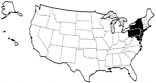
District of Columbia
9.259 National Air and Space Museum, Smithsonian Institution, 6th and Independence, S.W., Washington, DC 20560 (202) 357-1300
National museum, focusing on the technology, science, and history of aviation, rocketry, and space exploration, featuring many historic air and spacecraft, an IMAX theater, and a planetarium. Programs for students: At the museum: school classes; guided tours; field trips. At schools: outreach programs; traveling exhibits. Materials : Hands-on activity books; curriculum packets; audiovisual and computer-based materials; catalog of materials. Education and support for teachers : In-service workshops on science content and hands-on learning; education resource center; newsletter.
9.260 National Museum of American History, Smithsonian Institution, 14th and Constitution, N.W., Washington, DC 20560 (202) 357-2700
National museum focusing on American culture, science, and technology; includes Science in American Life exhibition that examines the relationship between science and society from 1876 to the present, and features a Hands-On Science Center. Programs for students: At the museum: classes; guided tours; hands-on exhibits. Materials: Curriculum units on science-society issues. Education and support for teachers: Teacher resource area in Hands-On Science Center.
9.261 National Museum of Natural History, Smithsonian Institution, 10th and Constitution, N.W., Washington, DC 20560 (202) 357-2700
National museum with an insect zoo, discovery room, the Living Marine Ecosystem, and (for grades 6 and up) the Naturalist Center, where students can experience hands-on research. Programs for students: At the museum: lesson tours; hands-on exhibits; classroom programs. Materials: Hands-on activity books; teacher's guides; previsit materials; catalog of materials. Education and support for teachers: In-service education on science content and hands-on learning; workshops and summer institutes.
9.262 National Zoological Park, Smithsonian Institution, 3001 Connecticut Ave., N.W., Washington, DC 20008-2598 (202) 673-4717
National zoo, with focus extending beyond traditional zoology to botany, anthropology, ethology, ecology, and paleontology, and with numerous interactive learning opportunities such as Amazonia, the Reptile Discovery Center, Invertebrate Hall, and Zoo Lab. Programs for students: At the zoo: classes; guided tours; hands-on exhibits. At schools: outreach programs; traveling exhibits. Materials: Hands-on activity books; lending boxes/kits; teacher's guides; audiovisual materials; catalog of materials. Education and support for teachers : In-service workshops on science content and hands-on learning; newsletter.
Maryland
9.263 Baltimore Zoo, Druid Hill Park, Baltimore, MD 21217 (410) 396-7102
Zoo with state-of-the-art exhibits (e.g., Maryland Wilderness and African Watering Hole). Programs for students: At the zoo: guided tours; classroom programs featuring live animals. At schools: outreach programs with a zoomobile. Materials: Lending boxes of hands-on materials; teacher's guides; catalog of materials. Education and support for teachers: In-service workshops on science content and hands-on learning; newsletter.
9.264 Calvert Marine Museum, 14150 Solomons Island Rd., Rte. 2, Solomons, MD 20688 (410) 326-2042
Marine museum with a 15-tank estuarium, a discovery room, a touch tank, and various outdoor environments; focused on the paleontology of Calvert Cliffs, estuarine life of the Patuxent River and Chesapeake Bay, and local maritime history. Programs for students: At the museum: hands-on exhibits; guided tours; classes; nature walks; fossil field experience. Materials: Hands-on activity books; curriculum units with hands-on materials; audiovisual and supplemental materials. Education and support for teachers: In-service workshops on science content and hands-on learning.
9.265 Howard B. Owens Science Center, 9601 Greenbelt Rd., Lanham, MD 20706 (301) 918-8750
Science center that includes a planetarium and a Challenger Learning Center, serving a large county school system. Programs for students : At the center: classes; guided tours:
docent programs for sixth-graders to share science with younger students; field trips. At schools: outreach programs. Materials: Hands-on activity books; lending boxes of hands-on materials; teacher's guides; audiovisual and computer-based materials; catalog of materials. Education and support for teachers: In-service workshops on science content and hands-on learning; newsletter.
9.266 Maryland Science Center, 601 Light St., Baltimore, MD 21230 (410) 685-5225
Science center, with a planetarium and an IMAX theater; focused on the environmental, physical, life, and space sciences, and mathematics. Programs for students: At the museum: hands-on exhibits; planetarium and IMAX shows; field trips. At schools: participatory demonstration programs; portable planetarium classes. Materials: Teacher's guides. Education and support for teachers: In-service workshops on science content and hands-on learning.
9.267 National Aquarium in Baltimore, Pier 3, 501 E. Pratt St., Baltimore, MD 21202-3194 (301) 576-3800
State-of-the art aquatic institution with a diverse collection of more than 5,000 aquatic animals, dedicated to encouraging lifelong learning and participation in the conservation of the environment. Programs for students: At the aquarium: classes; hands-on exhibits; field trips. At schools: outreach programs. Materials: Hands-on activity books; curriculum and audiovisual materials; teacher's guide; catalog of materials. Education and support for teachers: In-service education on science content and hands-on learning.
9.268 Smithsonian Environmental Research Center, Contees Wharf Road, Edgewater, MD 21037 (410) 798-4424
Research-based environmental education center on 2,700 acres along the Chesapeake Bay and Rhode River, offering nature trails, canoeing through wetlands, and an opportunity to see the center's scientists at work. Programs for students: At the center: group outdoor activities involving marsh, forest, and river. At schools: outreach programs. Materials: Hands-on activity books; curriculum units with hands-on materials; supplementary activities; audiovisual and computer-based materials. Education and support for teachers: In-service workshops on science content and hands-on learning; teacher resource library; newsletter.
New Jersey
9.269 Liberty Science Center, Liberty State Park, 251 Phillip St., Jersey City, NJ 07305-4699 (201) 200-1000
Science center with more than 250 interactive exhibits in science and technology, a Kodak OMNI theater, and a science theater. Programs for students: At the center: films; presentations; educational programs, many under the Discovery Trails program (students use the center's exhibits to complete a challenge back in the classroom, the results of which may be incorporated into a presentation for display at the museum). Materials: Hands-on activity books; previsit materials; teacher's guides; catalog of materials. Education and support for teachers: In-service workshops on science content and hands-on learning.
9.270 The Newark Museum, 49 Washington St., Newark, NJ 07101 (201) 596-6550
General museum with a planetarium and a small zoo, emphasizing astronomy and the life and earth sciences. Programs for students: At the museum: hands-on exhibits; planetarium shows; guided tours. At schools: outreach programs, including a portable planetarium. Materials: Extensive lending collections of reference objects (charts, models, plant, geological, and animal specimens); teacher's guides. Education and support for teachers: In-service workshops on science content and hands-on learning.
9.271 The New Jersey State Aquarium at Camden, One Riverside Dr., Camden, NJ 08103-1060 (609) 365-3300
Aquarium with an open-ocean tank and an outdoor sea pool; emphasis on marine life. Programs for students: At the aquarium: classroom, amphitheater, and auditorium programs; hands-on exhibits. At schools: classroom and auditorium programs with live animals. Materials: Teacher's guides. Education and support for teachers: In-service workshops on science content and hands-on learning; newsletter.
9.272 The Wetlands Institute, 1075 Stone Harbor Blvd., Stone Harbor, NJ 08247-1424 (609) 368-1211
Scientific research and public education institute, with an aquarium, a salt marsh trail, and a discovery room; concerned with environmental sciences, intertidal salt marshes, and coastal ecosystems. Programs for students: At the institute: classes; guided tours. At schools: outreach programs. Materials: Hands-on ac-
tivity booklets complementing school programs at the institute; pre-/postvisit materials. Education and support for teachers: Workshops on marine sciences and estuarine ecosystems; teacher resource center; newsletter.
New York
9.273 American Museum of Natural History, Central Park West at 79th St., New York, NY 10024 (212) 769-5300
World-renowned, research-driven museum with an education department founded in 1884, a separate planetarium (Hayden Planetarium), Naturemax theater (IMAX), a discovery room, and a natural science center; emphasis on anthropology, astronomy, paleontology, many branches of zoology, and mineral sciences. Programs for students: At the museum: education programs; guided tours; field trips. At schools: outreach programs; traveling exhibits. Materials: Hands-on activity books; lending boxes of hands-on materials; teacher's guides; computer-based materials. Education and support for teachers: In-service workshops on science content and hands-on learning.
9.274 American Museum—Hayden Planetarium, 81st St. and Central Park West, New York, NY 10024 (212) 769-5920
Renowned planetarium, with a sky theater (for planetarium), a space theater (with 22 screens), and several museum halls, focused on astronomy, meteorology, and space science. Programs for students: At the planetarium: planetarium shows. Materials: Lists of recommended hands-on activity books and of audiovisual and computer-based materials. Education and support for teachers: In-service workshops in astronomy and space science; occasional student/teacher workshops; extensive course program in astronomy, meteorology, aviation, and celestial navigation.
9.275 Aquarium for Wildlife Conservation, Boardwalk and West 8th St., Brooklyn, NY 11224 (718) 265-3400
Indoor/outdoor facility on 13 acres, with more than 3,400 live specimens and featuring Discovery Cove, an award-winning building with a touch-it tank, devoted to hands-on science education. Programs for students : At the aquarium: classes; guided tours; interactive exhibits. At schools: outreach programs. Materials: Hands-on activity books and sheets; teacher's guides; kits with curriculum units, resources, and bibliographies. Education and support for teachers: In-service workshops on science content and hands-on learning.
9.276 Brooklyn Botanic Garden, 1000 Washington Ave., Brooklyn, NY 11225 (718) 622-4433
Research-based botanic garden with a museum, conservatory, herbarium, teaching greenhouses, and a children's discovery center and garden; leader in formal and informal science education for 80 years. Programs for students: At the garden: workshops; garden explorations; guided tours; field trips. At schools: indoor gardening facilities; hands-on science curricula. Materials: Hands-on activity books; teacher's guides; previsit and audiovisual materials; catalog of materials. Education and support for teachers: In-service workshops on science content and hands-on learning; newsletter.
9.277 The Brooklyn Children's Museum, 145 Brooklyn Ave., Brooklyn, NY 11213 (718) 735-4400
World's first children's museum, now housed in a modern, underground building, with a resource library and greenhouse; emphasizes natural science, culture, and history. Programs for students: At the museum: hands-on exhibits; guided tours; field trips providing interactive and entertaining learning experiences. At schools: outreach programs. Materials: Hands-on activity books; lending boxes of hands-on materials; teacher's guides; loans of objects from natural history collection. Education and support for teachers: In-service education on science content and hands-on learning.
9.278 Children's Museum of Manhattan, 212 W. 83rd St., New York, NY 10024 (212) 721-1234
Children's museum, with centers for environmental science, media, the performing arts, and early-childhood education; emphasizes environmental (especially urban) issues, as well as visual and performing arts activities. Programs for students: At the museum: interactive displays; hands-on activities; guided tours. At schools: outreach programs. Materials: Pre-/postvisit and curriculum materials. Education and support for teachers: In-service seminars on content and hands-on learning in environmental science, media, and the performing arts.
9.279 The Hicksville Gregory Museum, Heitz Pl. and Bay Ave., Hicksville, NY 11801 (516) 822-7505
Long Island's earth science center, with a primary collection of minerals and fossils, augmented by exhibits on local geology and water resources.
Programs for students: At the museum: classes; guided tours. At schools: outreach programs. Materials: Postvisit materials; rock and mineral kits and narrated slide sets for loan. Education and support for teachers: In-service education on earth science topics and the local environment; newsletter.
9.280 Institute of Ecosystem Studies, Rte. 44A, Millbrook, NY 12545 (914) 677-5359
Research and education institute, with an outdoor science center and indoor displays, focusing on ecology and environmental education. Programs for students: Indoors: hands-on exhibits. At the outdoor center: programs combining ecological research and nature appreciation. Materials: Hands-on activity books; curriculum units focused on converting the classroom into a center of ecological research; audiovisual and computer-based materials. Education and support for teachers: In-service education, including Schoolyard Ecology, a nationwide network of in-service institutes for elementary teachers in using hands-on, investigative approaches to teaching ecology in their schoolyards; newsletter.
9.281 Museum of Science and Technology, 500 So. Franklin St., Syracuse, NY 13202 (315) 425-9068
Discovery center with a planetarium and a teacher resource center. Programs for students: At the center: exhibits; interactive planetarium presentations; curriculum-related workshops. At schools: traveling science program; portable planetarium shows; ChemFair and PhysicsFair workshops. Materials: Hands-on activity books; loan kits; teacher's guides; audiovisual and computer-based materials. Education and support for teachers: In-service workshops on science content and hands-on learning.
9.282 The New York Botanical Garden, 200th St. and Southern Blvd., Bronx, NY 10458-5126 (718) 817-8700
Research-based, 250-acre botanical garden and arboretum with a conservatory and greenhouses focusing on plant development, plant/animal relationships, and ecology and habitat study. Programs for students: At the garden: workshops; guided/self-guided tours. At schools: outreach programs. Education and support for teachers: In-service workshops on science content and hands-on learning.
9.283 New York Hall of Science, 47-01 111th St., Flushing Meadows, Corona Park, Corona, NY 11368 (718) 699-0005
Science center, with more than 150 interactive exhibits emphasizing physical and life sciences. Programs for students: At the center: student workshops; guided tours; hands-on exhibits. At schools: outreach programs. Materials: Hands-on activity books; lending boxes of hands-on materials; teacher's guides; audiovisual and computer-based materials. Education and support for teachers: In-service workshops on science content and hands-on learning; multimedia reference library.
9.284 New York State Museum, Rm. 9B52, Cultural Education Center, Albany, NY 12230 (518) 474-5877
Oldest and largest state museum in the country, focusing on the geology, biology, anthropology, and history of New York State. Programs for students: At the museum: classes; hands-on exhibits; guided tours. At schools: outreach programs, including alliance with local magnet school. Materials: Lending boxes with hands-on materials; teacher's guides; pre-/postvisit suggestions. Education and support for teachers : In-service workshops on science content and hands-on learning; newsletter.
9.285 New York Zoological Society-Bronx Zoo/Wildlife Conservation Park, 185th St. and Southern Blvd., Bronx, NY 10460 (718) 220-5131
Zoo with a wide range of hands-on student programs and teacher-training programs focused on animals, habitats, adaptations, and conservation. Programs for students: At the zoo: hands-on exhibits; classes; guided tours. Materials: Hands-on activity books; lending boxes of hands-on materials; teacher's guides; curriculum and audiovisual materials; catalog of materials. Education and support for teachers: In-service workshops and seminars on science content and hands-on learning; magazine.
9.286 Roberson Museum and Science Center, 30 Front St., Binghamton, NY 13905, and Kopernick Space Education Center, Underwood Rd., Vestal, NY 13850 Roberson Museum: (607) 772-0660 Kopernick Center: (607) 748-3685
General and science museum with Link Planetarium (including 50 hands-on exhibits) and, nearby, Kopernick Center (Roberson's newly expanded public observatory, with three observatories and five science labs, designed for young people); focused on astronomy, earth and physical sciences, technology, and computers. Programs for students: At the museum and center: hands-on exhibits; classes; guided tours; field
trips. At schools: outreach programs; traveling exhibits. Materials : Lending boxes of hands-on materials; teacher's guides; audiovisual and computer-based materials. Education and support for teachers: In-service workshops on science content and hands-on learning; newsletter.
9.287 Rochester Museum and Science Center, 657 East Ave., Rochester, NY 14607 (716) 271-4320
Large center, composed of the Rochester Museum, Strasenburgh Planetarium, Gannett School of Science and Man, and nearby Cumming Nature Center; focused on astronomy, chemistry, and botany, and the earth, space, and environmental sciences. Programs for students: At the museum and nature center: programs and classes for school groups; self-guided tours. At the Gannett School: classes; workshops; expeditions. At the planetarium: shows. At schools: outreach programs. Materials: Curriculum units with hands-on materials; audiovisual materials. Education and support for teachers: In-service workshops on science content and hands-on learning.
9.288 Schenectady Museum and Planetarium, Nott Terrace Heights, Schenectady, NY 12308 (518) 382-7890
General museum with a planetarium, and a 90-acre nature preserve in nearby Niskayuna, N.Y.; emphasis on physics, human perception, space, geology, health, animals, and plants. Programs for students : At the museum and nature center: hands-on exhibits; classes; planetarium programs. At schools: outreach programs. Materials: Lending boxes of hands-on materials; audiovisual materials. Education and support for teachers: Teacher workshops; newsletter.
9.289 Science Museum of Long Island, Leeds Pond Preserve, 1526 No. Plandome Rd., Manhasset, NY 11030 (516) 627-9400
Regional science activity center and nature center on a 36-acre wildlife preserve; focused on a broad range of life, physical, and earth sciences and on natural history, ecology, mathematics, and technology. Programs for students: At the center: hands-on classes and exhibits; demonstrations; guided tours; field trips; field studies. At schools: hands-on classes; demonstrations for large audiences; portable planetarium; science-on-wheels van. Materials: Loans of live animals and plants. Education and support for teachers: In-service workshops on science content and hands-on learning; newsletter.
9.290 Sci-Tech Center of Northern New York, 154 Stone St., Watertown, NY 13601 (315) 788-1340
Science and technology center with 35 hands-on exhibits, focused on the physical, life, and earth sciences and technology. Programs for students: At the center: hands-on exhibits; classes (grades K-3 and 4-6); guided tours. At schools: outreach programs. Materials : Hands-on activity books; curriculum units with hands-on materials; teacher's guides. Education and support for teachers: In-service workshops on science content and hands-on learning.
9.291 Staten Island Children's Museum, 1000 Richmond Terr., Staten Island, NY 10301 (718) 273-2060
General museum for children; emphasis on integrating the performing, visual, literary, and musical arts to teach science content. Programs for students: At the museum: classes; guided tours; hands-on exhibits. At schools: outreach programs; traveling exhibits. Materials: Hands-on activity books; lending boxes of hands-on materials; teacher's guides; pre-/postvisit materials. Education and support for teachers: In-service workshops on science content and hands-on learning.
9.292 Staten Island Institute of Arts and Sciences, 75 Stuyvesant Pl., Staten Island, NY 10301-1998 (718) 727-1135
General museum, with science focus on the life and earth sciences; Davis Education Center nearby. Programs for students: At the museum and center: classes; guided tours; field trips. At the center: environmental education field experiences as a follow-up to introductory lessons in the classroom. At Staten Island schools: outreach programs. Materials : Hands-on activity books; teacher's guides; pre-/postvisit materials. Education and support for teachers: Workshops on science content.
9.293 Staten Island Zoo, 614 Broadway, Staten Island, NY 10310 (718) 442-3100
Zoo, with a noted reptile collection, an aquarium, tropical forest and African savannah exhibits, and a children's center with domestic farm animals. Programs for students: At the zoo: programs for school groups. At schools: Traveling Zoo. Materials: Hands-on activity books; teacher's guides and instructional materials; catalog of materials. Education and support for teachers: In-service workshops on science content and hands-on learning.
Pennsylvania
9.294 The Academy of Natural Sciences of Philadelphia, 1900 Benjamin Franklin Pkwy., Philadelphia, PA 19103-1195 (215) 299-1100
Research-based natural history museum, focused on biology, zoology, earth science, geology, paleontology, natural history, and ecology. Programs for students: At the museum: classes; guided tours; museum safaris; hands-on exhibits. At schools: outreach programs; traveling exhibit (Dinosaur Day). Materials: Dinosaur resource guide; catalog of materials. Education and support for teachers: In-service workshops on science content and hands-on learning; newsletter.
9.295 The Carnegie Museum of Natural History, 4400 Forbes Ave., Pittsburgh, PA 15213 (412) 622-3131
Research-based natural history museum, with a discovery room and an educational loan collection of more than 4,000 specimens, artifacts, and thematic kits; emphasis on paleontology, geology, life sciences, archaeology, and anthropology. Programs for students: At the museum: classes; interpretive tours; hands-on learning opportunities. At schools: outreach programs; traveling exhibits. Materials: Hands-on activity books; thematic kits; curriculum materials; catalog of materials. Education and support for teachers: In-service courses on science content and hands-on learning.
9.296 The Carnegie Science Center, One Allegheny Ave., Pittsburgh, PA 15212-5850 (412) 237-3300
Science and technology center, with a planetarium, observatory, Omnimax theater, and computer learning lab. Programs for students: At the center: programs; hands-on exhibits. At schools: outreach programs. Materials: Hands-on activity books; teacher's guides. Education and support for teachers: In-service workshops on science content and hands-on learning.
9.297 Erie Zoo, Erie Zoological Society, 423 W. 38th St., Erie, PA 16508 (814) 864-4091
Zoo with more than 300 animals on 15 acres, with a children's zoo. Programs for students: At the zoo: guided tours; presentations; classes. At schools: hands-on outreach programs, with live animals. Materials : Hands-on activity books; lending boxes with thematic units, materials, and activities; audiovisual materials. Education and support for teachers: In-service workshops on science content and hands-on learning.
9.298 The Franklin Institute Science Museum, 20th St. & The Benjamin Franklin Pkwy., Philadelphia, PA 19103-1194 (215) 448-1200
World-renowned science and technology museum, with a planetarium, Omniverse theater, discovery theater, and children's museum; covers a broad range of sciences, technology, and mathematics. Programs for students: At the museum: interactive exhibits; self-guided tours; Omniverse films; theater presentations; demonstrations; workshops; long-distance learning linked to museum programming. At schools: assembly programs. Materials: Teacher's guides; hands-on science activity kits; materials for self-guided tours. Education and support for teachers: In-service workshops on science content and hands-on learning; leadership programs.
9.299 Hands-on House, Children's Museum of Lancaster, 2380 Kissel Hill Rd., Lancaster, PA 17601 (717) 569-KIDS
Museum for children ages 2-10, emphasizing learning by doing, with activities that allow children to explore concepts in the physical sciences, paleontology, and geology, and that promote environmental awareness and conservation. Programs for students: At the museum: eight interactive exhibits. At schools throughout south central Pennsylvania: outreach workshops (grades K3). Materials: Pre-/post-workshop classroom activities.
9.300 The Museum of Scientific Discovery, Strawberry Square, Third and Walnut, Harrisburg, PA 17101-1819 (717) 233-7969
Science and technology center with discovery labs, a discovery bar for interactive demonstrations, and a tot spot (ages 2-6); emphasizes physics, earth sciences, biology, health, mathematics, and technology. Programs for students: At the center: discovery lab workshops (enhanced field trip workshops); more than 100 participatory presentations and demonstrations; more than 100 interactive exhibits. At schools: outreach assembly programs; hands-on workshops; portable planetarium; Pennsylvania chapter of Science-by-Mail (national student/scientist pen pal program for grades 4-9). Materials: Hands-on activity books; teacher's guides; pre-/postvisit materials. Education and support for teachers: In-service workshops on science content and hands-on learning; newsletter.
9.301 National Aviary in Pittsburgh, Allegheny Commons West, Pittsburgh, PA 15212 (412) 323-7235
A zoo for birds—more than 450, representing 225 species—with five discovery stations and a botanical garden. Programs for students: At the aviary: guided/self-guided tours; classes; discovery workshops; bird shows. At schools: outreach programs. Materials: Hands-on activity books; curriculum units with hands-on materials; teacher's guides;
pre-/postvisit and audiovisual materials. Education and support for teachers: Environmental discovery workshops and in-service workshops on science content and hands-on learning.
9.302 The North Museum of Natural History and Science, Franklin and Marshall College, College and Buchanan Ave., Lancaster, PA 17604-3003 (717) 291-3941
Museum of natural history and science, with a planetarium, herbarium, and hands-on discovery room. Programs for students: At the museum: interactive tours; hands-on exhibits; planetarium shows; field trips; 8-week, award-winning summer science program. At schools: outreach programs. Materials: Hands-on activity books; curriculum units with hands-on materials. Education and support for teachers: Adult education workshops; newsletter.
9.303 Philadelphia Zoological Garden, 3400 W. Girard Ave., Philadelphia, PA 19104-1196 (215) 243-1100
Zoo and botanical collection on 42 acres, with 1,600 animals representing 500 species, and including two areas designed especially for children-the Treehouse (with simulated animal habitats) and a children's zoo. Programs for students: At the zoo: classes; guided tours; animal demonstrations; hands-on exhibits. At schools: outreach programs. Materials: Hands-on activity books; teacher's guides; audiovisual materials. Education and support for teachers: In-service workshops on science content and hands-on learning; newsletter.
9.304 Please Touch Museum, 210 No. 21st St., Philadelphia, PA 19103 (215) 963-0667
Museum for children ages 1 to 7, integrating science, arts, and humanities, with science included in all exhibits. Programs for students: At the museum: hands-on exhibits; in-depth presentation of one exhibit with each class visit. At schools: regional outreach programs. Materials : Traveling trunks containing an extensive manual and 2 weeks' worth of books, artifacts, games, and other materials, for shipment anywhere in the United States; pre-/postvisit materials. Education and support for teachers: In-service training on hands-on learning and teaching science in early elementary grades.
9.305 Wagner Free Institute of Science, Montgomery Ave. and 17th St., Philadelphia, PA 19121 (215) 763-6529
Historic museum, focused primarily on natural history, geology, and paleontology. Programs for students: At the museum: hands-on classes; guided tours; lectures. At schools: outreach programs. Materials: Hands-on activity books; lending boxes of hands-on materials. Education and support for teachers: Courses, lectures, and workshops on science; in-service workshops on hands-on learning; newsletter.
NEW ENGLAND REGION
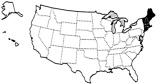
Connecticut
9.306 Connecticut Audubon Society, 118 Oak St., Hartford, CT 06106 (203) 527-8737
Statewide organization operating Hartford Environmental Center, an environmental education center; Fairfield Nature Center and Birdcraft Museum, both in Fairfield; Holland Brook Nature Center in Glastonbury; a seacoast facility in Milford; and 16 other sites for field-study activities; emphasis on environmental education. Programs for students : At the nature centers: classes; programs; field studies. At the museum: classes; guided tours. At schools: outreach programs; traveling exhibits. Materials: Hands-on activity books; curriculum units with hands-on materials; audiovisual materials (from the museum). Education and support for teachers: In-service workshops on science content and hands-on learning.
9.307 The Discovery Museum, 4450 Park Ave., Bridgeport, CT 06604 (203) 372-3521
Museum focusing on the physical sciences and the arts, with a planetarium and a Challenger Learning Center. Programs for students: At the museum: hands-on exhibits; classes for school groups. At schools: participatory programs. Materials: Hands-on activity books; lending boxes; teacher's guides; audiovisual and computer-based materials. Education and support for teachers: In-service workshops on science content and hands-on learning; newsletter.
9.308 Lutz Children's Museum, 247 So. Main St., Manchester, CT 06040 (203) 643-0949
Children's museum, primarily for the elementary grades, covering science and natural history, as well as art, history, and social studies. Programs for students: At the museum: hands-on exhibits; guided tours; field trips. At schools: outreach programs; traveling exhibits. Materials: For loan: more than 100 teacher kits on various science topics, many with teacher's guides and lesson plans; catalogs of materials. Education and support for teachers: In-service education on hands-on learning; workshops on national hands-on science programs; newsletter.
9.309 The Maritime Center at Norwalk, 10 No. Water St., Norwalk, CT 06854 (203) 852-0700
Aquarium and maritime history museum with an IMAX theater, a primary participant in the JASON Project and The Voyage of the Mimi; focused on marine and environmental sciences and ecology. Programs for students : At the center: hands-on exhibits; classes; JASON-and Mimi-related programs; guided/self-guided tours; ecology cruises; coastal field programs. At schools: outreach programs with hands-on activities. Materials: Curriculum units with hands-on materials; loans of live animals and plants; audiovisual and supplemental materials; teacher's guides. Education and support for teachers: In-service workshops on science content and hands-on learning; teacher resource room; newsletter.
9.310 Mystic Marinelife Aquarium, 55 Coogan Blvd., Mystic, CT 06355-1997 (203) 572-5955
Aquarium and marine-life museum with a marine theater. Programs for students: At the aquarium: hands-on exhibits; guided tours. At the aquarium and at schools within a 75-mile radius: 36 classes (grades PreK-6), also offered as outreach programs. At field sites (salt marshes and estuary): field study programs. Materials: Hands-on activity books; lending boxes/kits; teacher's guides; pre-/during/postvisit activity kits; fact sheets and research updates; catalog of materials. Education and support for teachers: In-service education on science content and hands-on learning, at the aquarium, at schools, and in the field.
9.311 Science Center of Connecticut, 950 Trout Brook Dr., West Hartford, CT 06119 (203) 231-2824
Science and technology museum, with a planetarium, a center with live animals, and an affiliated nature center; focused on life, environmental, earth, and physical sciences and engineering. Programs for students : At the center: hands-on exhibits; classes; field studies; field trips. At schools: hands-on classes; assembly programs; traveling physics-discovery room. Materials: Hands-on activity books; teacher's guides; computer-based materials. Education and support for teachers : In-service workshops on science content and hands-on learning at the museum or at schools; newsletter.
Maine
9.312 The Children's Museum of Maine, 142 Free St., Portland, ME 04101 (207) 828-1234
Children's museum with a computer lab and a hands-on science bar, serving children ages 1-14, with an interdisciplinary approach to the sciences, arts, and humanities, placing special focus on science. Programs for students: At the museum: hands-on exhibits; demonstrations; after-school curriculum program; guided tours. At schools: outreach programs; traveling exhibits. Materials: Curriculum units with hands-on materials; supplemental activities. Education and support for teachers : In-service workshops on science content and hands-on learning; newsletter.
9.313 Maine State Museum, State House Station 83, Augusta, ME 04333 (207) 289-2301
Regional museum serving as a repository for the historic and prehistoric evidence of Maine's past, with science programs and exhibits emphasizing natural history, paleontology, engineering, and technology. Programs for students: At the museum: classes; guided tours. Materials: Loans of archaeological artifacts. Education and support for teachers: Upon request, additional information on science-related topics covered in museum exhibits.
9.314 Mount Desert Oceanarium, Clark Point Rd., Southwest Harbor, ME 04679 (207) 244-7330
Oceanarium, lobster museum, and lobster hatchery and marsh walk, located at three sites near one another, emphasizing marine life, natural history, aquaculture, and commercial fishing in Maine. Programs for students: At the sites: programs; guided tours; hands-on exhibits. At schools: outreach programs; traveling exhibits.
Massachusetts
9.315 Cape Cod Museum of Natural History, Rte. 6A, Brewster, MA 02631 (508) 896-3867
Museum with an aquarium, a nature and conservation center, and a trail system traversing woodlands, salt marsh, beach, and tidal estuaries; emphasis on natural history, with a strong Cape Cod focus. Programs for students: At the museum: classes; guided tours; field trips. At schools: school/after-school programs; hands-on exhibits. Materials : Loans of science-enrichment kits; teacher's guides; audiovisual materials. Education and support for teachers: In-service workshops on natural history topics and hands-on learning; instructional materials; newsletter.
9.316 The Children's Museum, Museum Wharf, 300 Congress St., Boston, MA 02210-1034 (617) 426-6500
Children's museum with strong physical and life science components; produces exhibits that travel to other science/discovery museums, demonstrating principles of physical science with everyday objects. Programs for students: At the museum: classes; hands-on exhibits. At schools: outreach programs. Materials: Hands-on activity books; multimedia kits on more than 25 topics in natural history and physical science; teacher's guides; audiovisual materials; catalog of materials. Education and support for teachers: In-service workshops on science content and hands-on learning; newsletter.
9.317 Children's Museum at Holyoke, 444 Dwight St., Holyoke, MA 01040 (413) 536-5437
Children's museum, integrating areas of science, art, and society, with science emphasis on physics, chemistry, botany, and zoology. Programs for students: At the museum: hands-on exhibits; self-guided tours; programs for school groups; after-school programs. At schools: outreach programs. Materials: Curriculum units with hands-on materials; audiovisual and supplemental materials. Education and support for teachers: Summer workshops on science content; in-service education on science activity kits; workshops on special exhibits; newsletter.
9.318 The Discovery Museums, 177 Main St., Acton, MA 01720 (508) 264-4200
Complex with two museums: the Children's Discovery Museum for preschoolers, devoted to ''learning through play," and the Science Discovery Museum for school-age children, consisting of hands-on interactive exhibits focused on earth science, physics, nature, and mathematics. Programs for students: At the preschoolers' museum: parent/child workshops. At schools: inquiry-based science outreach programs. At both museums: classes and special programs. Materials: Hands-on activity books; teacher's guides. Education and support for teachers: In-service workshops on science content and hands-on learning.
9.319 Harvard Museums of Cultural and Natural History, Harvard University, 26 Oxford St., Cambridge, MA 02138 (617) 495-3045
Four university museums of international renown: Museum of Comparative Zoology, Peabody Museum of Archaeology and Ethnology, Botanical Museum, and Mineralogical Museum. Programs for students: At the museums: guided tours; hands-on exhibits; hour-long programs for school groups on themes suggested by exhibited materials. At schools: nationally broadcast educational telecom program. Education and support for teachers: At a school's request: in-service workshops on science content and hands-on learning.
9.320 Museum of Science, Boston, Science Park, Boston, MA 021141099 (617) 589-0100
Renowned museum, housing 400 permanent exhibits on the process of science and on natural history and the physical sciences, with three staffed discovery spaces, a planetarium, an OMNI theater, and the world's largest air-insulated Van de Graaf generator. Programs for students: At the museum: hands-on exhibits; demonstrations; more than 25 programs for school groups; science theater presentations; Science-by-Mail (national student/scientist pen pal program for grades 4-9). At schools: outreach programs. Materials: Science kits on 16 topics; computer-based materials; catalog of materials. Education and support for teachers: In-service workshops on science content and hands-on learning.
9.321 New England Aquarium, Central Wharf, Boston, MA 021103399 (617) 973-5200
Aquarium with an education center featuring two learning galleries, a wet lab, and an aquarium library; focused on aquatic education and conservation. Programs for students: At the aquarium: guided tours; demonstrations; whale-watch trips; exploration of local marine life by boat. At schools: assemblies; class programs. Materials: Hands-on activity books; curriculum units with hands-on materials; audiovisual and supplemental materials; teaching kits. Education and support for teachers: In-service education on science content and hands-on learning; information service; teacher resource center; newsletter.
9.322 New England Science Center, 222 Harrington Way, Worcester, MA 01604 (508) 791-9211
Museum and wildlife center focused on environmental science, earth systems, and global change, with an observatory, a planetarium/omnisphere, a telecommunications center, a children's discovery room, and more than 100 animals (27 species) and 60 acres that include nature trails, streams, ponds, and wetlands areas. Programs for students: At the center: classes; guided tours; hands-on exhibits. At schools: outreach programs, including semester or year-long collaborative programs. Materials: Teacher's guides. Education and support for teachers: In-service workshops on science content and hands-on learning; library.
9.323 Springfield Science Museum, 236 State St., Springfield, MA 01103 (413) 733-1194
Regional museum with 10 exhibit halls, including an exploration center; focused on natural history, physical science, and anthropology. Programs for students: At the museum: hands-on exhibits; participatory day-trip programs; guided tours. At schools: outreach programs, including a portable planetarium. Materials: 25 enrichment activity kits for rent; catalog of materials. Education and support for teachers: In-service seminars and workshops on science content and hands-on learning.
New Hampshire
9.324 Audubon Society of New Hampshire, 3 Silk Farm Rd., Concord, NH 03301-8200 (603) 224-9909
Organization that operates Audubon House in Concord, N.H., Paradise Point Nature Center in Hebron, N.H., dePierrefeu-Willard Pond Wildlife Sanctuary in Antrim, N.H., Seacoast Science Center in Rye, N.H., and more than 50 other wildlife sanctuaries, critical habitat areas, and easements throughout the state. Programs for students: At Audubon House: hands-on exhibits; classes; field trips. At schools: extensive, participatory, environmental education programs. Materials: Hands-on activity books; curriculum units with hands-on materials; teacher's guides; audiovisual materials for loan. Education and support for teachers: In-service workshops on science content and hands-on learning, some on national programs, some at teachers' schools, many in summer; instructional materials; newsletter.
9.325 Seacoast Science Center, Rte. 1A, at Odiorne Point State Park, Rye, NH 03870 (603) 436-8043
Aquarium and environmental education center at a 300-acre park featuring seven distinct habitats; focused on marine and coastal biology, natural sciences, and cultural history. Programs for students: At the center: outdoor classes; guided tours. At schools: outreach programs, with live animals. Materials: Hands-on activity books; teacher's guides with activities for classes at the center; pre-/postvisit activities. Education and support for teachers: Seasonal workshops; newsletter.
Rhode Island
9.326 Audubon Society of Rhode Island, 12 Sanderson Rd., Smithfield, RI 02917 (401) 949-5454
Headquarters for a 78-acre habitat area and four wildlife refuges, and location of the Teacher Resource Center, a statewide lending library of environmental materials. Programs for students: At refuges and at schools: field trip programs led by Audubon educators. At schools: hands-on outreach programs. Materials: Lending boxes; hands-on activity books; curriculum units with hands-on materials; teacher's guides; audiovisual materials; magazine for students. Education and support for teachers: In-service workshops on science content and hands-on learning; magazine.
9.327 Museum of Natural History, Roger Williams Park, Providence, RI 02907-3600 (401) 785-9450
Natural history museum, with a planetarium, an education center, and a marine invertebrate touch tank; focused on environmental, life, earth, and space sciences, and astronomy. Programs for students: At the museum: planetarium programs; interactive gallery tours; auditorium presentations; hands-on exhibits. Materials: Gallery guide; natural history loan kits. Education and support for teachers: In-service education on astronomy and on hands-on learning.
9.328 Roger Williams Park Zoo, Elmwood Ave., Providence, RI 02905 (401) 785-3510
One of America's first zoos, with more than 700 live animals on 35 acres in naturalistic settings; emphasis on nature conservation, with an active research and breeding program. Programs for students : At the zoo: tours. At schools: zoomobile visits. Materials: Hands-on activity books; teacher's guides; pre-/postvisit activities for students and teachers. Education and support for teachers: In-service education on science content and hands-on learning; field trips.
Vermont
9.329 The Discovery Museum, 51 Park St., Essex Junction, VT 05452 (802) 878-8687
Science museum for grades K-12, with a planetarium and a 1950s-style diner in which students participate in hands-on experiments; emphasis on the physical, natural, and environmental sciences. Programs for students: At the museum: participatory exhibits; classes and workshops; guided tours; planetarium shows; field trips. At schools: classroom workshops and experiments. Materials: Lending kits with hands-on materials; supplemental activities; catalog of materials. Education and support for teachers: Teacher training sessions; newsletter.
9.330 Fairbanks Museum and Planetarium, Main and Prospect, St. Johnsbury, VT 05819 (802) 748-2372
General museum and planetarium, also including the Northern New England Weather Center, and offering instructional programs in biology, ecology, meteorology, astronomy, geology, and physics. Programs for students : At the museum: hands-on natural history exhibits; classes. At field study sites: programs. At schools: outreach programs. Materials: Lending boxes of hands-on materials. Education and support for teachers : In-service workshops on science content and hands-on learning; lending library of science materials.
9.331 Montshire Museum of Science, Montshire Rd., Norwich, VT 05055 (802) 649-2200
Science museum and education center, with 100 acres of woodland and trails along the Connecticut River; focused on the natural and physical sciences, ecology, and technology. Programs for students: At the museum: workshops; classes; self-guided tours; hands-on exhibits and demonstrations. At schools: hands-on exhibits; portable planetarium; rent-a-scientist programs. Materials: Teacher's guides; catalog of materials. Education and support for teachers: In-service workshops and courses on science content and hands-on learning.
CANADA
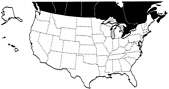
9.332 National Museum of Science and Technology, 1867 St. Laurent Blvd., Ottawa, Ontario, Canada K1G 5A3 (613) 991-3044
Science and technology museum, emphasizing physical and space sciences, computers, and technology. Programs for students: At the museum: hands-on exhibits; programs for school groups. Materials: Teacher's guides; audiovisual materials; pre-/postvisit materials and activity sheets available to program participants; catalog of materials. Edu cation and support for teachers: In-service workshops on hands-on learning.
9.333 Ontario Science Centre, 770 Don Mills Rd., Don Mills, Ontario, Canada M3C 1T3 (416) 429-4100
Renowned science center, with a Challenger Learning Center and numerous hands-on exhibits focused on the life, physical, earth, and space sciences. Programs for students: At the center: hands-on participatory workshops; presentations to school groups; and hands-on exhibits. At schools: outreach programs. Materials: Hands-on activity books; teacher's guides; pre-/postvisit materials. Education and support for teachers: In-service workshops on science content and hands-on learning; newsletter.
9.334 Saskatchewan Science Centre, Winnipeg St. and Wascana Dr., Regina, Saskatchewan, Canada S4P 3M3 (306) 791-7900
Science center in two facilities: an IMAX theater and a Powerhouse of Discovery with more than 80 hands-on exhibits; emphasis on the physical, life, and environmental sciences. Programs for students: At the center: shows; demonstrations; programs for school groups; table-top science experiences; workshops. Materials: Hands-on activity books; teacher's guides. Education and support for teachers: In-service workshops on science content and hands-on learning; newsletter.
9.335 The Science Centre, 701 11th St., S.W., Calgary, Alberta, Canada T2P 2C4 (403) 221-3700
Science museum, including a multimedia science theater with Digistar projector, exhibit halls, and a science demonstration area. Programs for students: At the center: science demonstrations; hands-on exhibits; science theater presentations; multimedia shows; science/technology competitions. At schools: inflatable planetarium. Materials: Hands-on activity books; teacher's guides; pre-/postvisit materials. Education and support for teachers: Workshop on hands-on science associated with exhibits and multimedia shows.
9.336 Science North, 100 Ramsey Lake Rd., Sudbury, Ontario, Canada P3E 5S9 (705) 522-3701
Northern Ontario's original science center, with an IMAX theater, nickel mine, fossil lab, and solar telescope; focused on the physical, life, earth, space, environmental, and information sciences, and technology. Programs for students: At the center: classes; hands-on exhibits; field trips. At schools: outreach programs; traveling exhibits. Materials: Lending boxes of hands-on materials. Education and support for teachers: In-service workshops on science content and hands-on learning; newsletter.
9.337 SCIENCE WORLD British Columbia, 1455 Quebec St., Vancouver, British Columbia, Canada V6A 3Z7 (604) 687-8414
Science center with an Omnimax theater, emphasizing all the sciences, technology, and mathematics. Programs for students: At the center: interactive displays; shows; demonstrations; workshops. At schools throughout British Columbia: science presentations and hands-on displays. Materials: Hands-on activity books; teacher's guides; traveling discovery boxes; pre-/postvisit, audiovisual, and computer-based materials. Education and support for teachers: In-service education on science content and process skills; orientation evenings before class visits; lecture series; newsletter.
9.338 Vancouver Aquarium, Canada's Pacific National Aquarium, in Stanley Park, Vancouver, British Columbia, Canada V6B 3X8 (604) 685-3364
Canada's Pacific National Aquarium, focused on the conservation of aquatic life. Programs for students: At the aquarium: guided tours; hands-on exhibits; field trips; curriculum-based programs. At schools: aquavan; speakers bureau. Materials: Hands-on activity books; teacher resource manual and pre-/postvisit materials with each formal on-site program. Education and support for teachers: In-service workshops on marine biology and hands-on learning; newsletter.


