
Setting Environmental Goals: The View from Industry A Review of Practices from the 1960s to the Present
JOHN R. ENRENFELD *and JENNIFER HOWARD †
Director, MIT Program on Technology, Business, and Environment, * and Doctoral Candidate, † MIT Technology, Management, and Policy Program, Massachusetts Institute of Technology
CONTENTS
In this paper, a model of a four-stage evolution of corporate environmental management is used to structure a discussion of changes in the environmental goals of industry. As companies move from treating environmental management as a case-by-case problem-solving issue, to a regulatory compliance issue, to an issue for proactive management, and finally, to a central element of business strategy, the environmental goals they set necessarily change. What trends are discernible in corporate goal-setting over the last 30 years? And, since most U.S. firms are currently at the compliance or proactive phases of environmental management, what goals should be set to help them move towards the final stage?
Prior to the 1980s, few firms actively set their own environmental goals. Typically, government regulations served as an embodiment of society's environmental expectations, and companies responded by complying with (or at least claiming to comply with) regulation. In the mid-1980s a number of high-profile incidents—the Bhopal toxic chemical release, the Valdez oil spill, and the assertion that ozone thinning was linked to CFC use—inextricably linked environmental degradation to the actions of industry. In response, companies took steps to articulate their own goals for environmental performance, which, in some cases, went beyond actions required by regulation. The internalization of responsibility for environmental protection demanded a significant shift in corporate attitudes and organization for some firms.
Early corporate goals that went beyond regulatory compliance primarily targeted waste and emissions reduction. Over several years, goals set by individual companies began to include process-oriented goals in addition to targets for desired "end-state" conditions. Goals began to include commitments to reduce waste at its source, rather than at the end of the pipe. Several leading companies publicly committed to targets (e.g., zero emissions) that were clearly beyond their current technical and organizational capabilities in order to push the internal development of environmentally sound alternatives.
Coordinated efforts on the part of industry groups and industry/government coalitions to define voluntary environmental codes of practice for their members emerged in the late 1980s. The goals set by such groups were different from individual company goals in that they aimed to set out new norms and values that would guide the actions of all firms in an industry. Rather than specifying particular performance targets or demanding strict compliance to specific standards, such codes allow companies to develop their own practices consistent with the guiding norms. While there is plenty of evidence that voluntary codes may reflect primarily a desire to legitimize the actions of an industry, or to preempt regulatory action by demonstrating the industry's leadership and commitment in environmental matters, the type of normative principles they espouse may lay the groundwork for a new approach to managing for the environment.
In order to reach the final stage of environmental management, a firm must begin to "manage for the environment" in the sense of bringing environmental
concerns into every aspect of business strategy, product and process design, and supply chain management. Furthermore, goals at this stage must acknowledge broader issues of sustainability and orient the firm towards energy and resource conservation, dematerialization, and elimination of substances harmful to the global environment and human health. The challenge for companies, industry groups, and governments at this stage is to set goals that can be put into practice at the company level but aggregate in a consistent fashion to the multi-dimensional and complex goals of environmental sustainability. The Dutch Covenants are an example of such a coordinated attempt, while industrial ecology and design for environmental are systematic approaches that can be taken by individual firms to reduce their environmental impact in a manner consistent with norms of sustainability.
Environmental goal-setting by industry, while it has changed drastically over the past 30 years, remains problematic. We may question the extent to which environmental concerns really can become a central strategic concern for business in the face of competitive and financial pressure. Furthermore, environmental goals are inherently difficult to set. There is no single "customer" who can specify demands (as in, say, the case of quality targets), there is little scientific agreement on the ecological consequences of many economic activities, and the prospect for a rational, technical solution to many complex environmental problems is dim. A broad, normative set of principles that embodies process considerations (i.e., emphasizing loop-closing or dematerialization) may be one way to guide change. Industry cannot generate such norms in a vacuum, however. It is the role of government, industry, and the public to jointly and continuously articulate norms for environmental practice.
INTRODUCTION
Historically, industry has played a minor role in setting broad environmental goals in the United States. Environmental policy in this country is based on a notion of the environment as a public good whose protection and development lies beyond the individual concerns of private business. U.S. industries have traditionally held a short-term and myopic view towards environmental goal-setting. In a sense, the laissez faire economic paradigm is antithetical to broad, long-term goal-setting at all. The last three decades, however, have witnessed a shift in corporate environmental goal-setting practices. Paralleling social sentiment, industry goals for environmental performance have become more aggressive, more explicit and more far-reaching, as the rise in environmental consciousness in the 1960s spawned current concerns over global sustainability. This paper traces changes in corporate environmental goal-setting in the context of the overall evolution of corporate environmental management. It examines characteristic patterns and examples in each stage and presents an assessment of the potential for industry to set broad environmental goals.
Stages of Evolution of Corporate Environmental Management
Distinctive, evolutionary patterns of corporate environmental behavior have been observed by many authors. Hunt and Auster presented an artifactual description of five stages of corporate environmental development starting with "beginner," and progressing through "fire fighter," "concerned citizen," "pragmatist," and ''proactivist."1 Shrivastava referred to this process of environmentally directed self-renewal as "greenewal." That process, he states, is initiated by a strategic threat from regulations, public pressures, public safety concerns, or social expectations. The embattled firm then forms ad hoc strategic programs, testing their competitive benefits and, if necessary, expanding the organizational systems through institutionalization and cultural changes.2
The five stages shown in Figure 1 have been used by researchers at MIT to classify observed and anticipated changes as corporate environmental management evolves. A brief description of the attitudes and practices is given for each stage. For consistency with the latter part of this paper, we combine the third and fourth stage into a single one, "Proactive Environmental Management," in the discussion below.3
Environmental Management as Problem-Solving
At this, the most basic level, the underlying assumption of the firm is that environmental protection is of little or no concern to corporate decision-making.
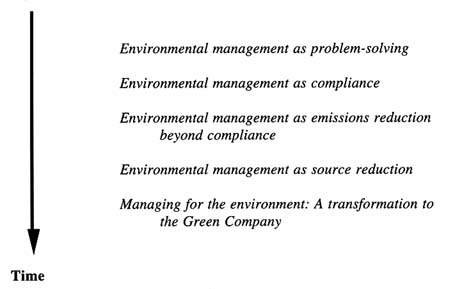
Figure 1 Historical evolution of environmental management.
Instead, it is viewed as an ancillary aspect of conducting business. Regulations are perceived as an unfamiliar nuisance. As a result, the organizations characterized by the lack of a permanent staff or budget for dealing with environmental issues. Very often, the plant engineering staff is called upon to handle environmental issues on an ad hoc basis. For example, when faced with the flood of environmental laws in the 1970s, Allied-Signal managers admitted to viewing the resulting expenditures as merely "a cost of the way we did business." 4 Few firms presently exist in this stage. Given the all-pervasive nature of today's environmental regulations, every company must have an understanding of environmental law, either in-house or through outside consulting services, in order to survive. Environmental goal-setting is virtually absent in this phase. Some smaller companies and larger laggards may still exhibit this type of behavior and management structure.
Environmental Management as Compliance
Advancing to this stage, the firm perceives environmental regulation as important enough to merit full-time attention. However, the firm views regulation, and not concern for the environment per se, as the motivator of new practices. Certain parts of the organization are altered, but the basic structure remains untouched. Dedicated compliance staffs labeled "government affairs" or "regulatory compliance" behave as buffers, limiting the collection of information and the impact that environmental regulation will have on the inner workings of the firm. These departments can exist on many levels, such as the operating level in the form of environmental engineering, the corporate level in the form of environmental counsel, or the political level through lobbyists who fight environmental statutes and regulations.
Most publicly held U.S. corporations can count themselves in this stage while also moving toward the next. For example, an Office of Technology Assessment study determined that the standard industrial thinking was to treat process wastes and emissions as separate and distinct from the process itself.5 A few years ago, a Conference Board survey found that 65% of U.S. firms put resources into lobbying to change environmental regulations.6 The survey also found that while some U.S. firms located their environmental affairs function in either manufacturing or engineering, the legal department was listed slightly more often. When rating the factors that reflected in environmental policy decisions, 69% of the companies were motivated in response to legal or regulatory requirements, 21% were motivated in response to liability pressures, and 32% were motivated by social responsibility. This emerging social responsibility may be what is driving companies on to the next stage of the greening process.
Proactive Environmental Management
At this stage, the firm believes that environmental protection has certain strategic
advantages, as well as significant cost reduction opportunities. Requirements for public disclosure of emission levels forced companies to examine their environmental practices from the point of view of the public and other stakeholders. By reducing their emissions below permissible levels, companies could perhaps influence the attitudes held by the public and government regulators towards their products and operations. At this stage, the goals of the firm transcend mere compliance with government standards and encompass the voluntary establishment of stricter standards. Often such actions result in profit increases through lowered operating expenses. Organizationally, this shift is often accompanied by the establishment of an executive level individual who is responsible for matters concerning the environment, and the beginnings of the diffusion of responsibility for environmental protection throughout the company. Environmental management staffs move away from their alignment with regulatory compliance and begin to associate with quality control and corporate strategy. Generally, such moves are accompanied by public statements of broad corporate commitments to protecting the environment.
This is the transition through which market-based incentive regulations are attempting to push industry. By creating an economic value for pollution reduction, government, theoretically, will entice companies to reduce pollution below the stated requirements in an attempt to increase profits. As a result, many companies are beginning to enter this stage. According to a survey by Arthur D. Little of the top 100 companies in the Fortune 500 index, 49 had environmental Vice Presidents in 1991.7 Several widely publicized stories, some of which are detailed below, tell of companies reducing pollution beyond compliance levels while at the same time increasing profits.8
Later in this stage, companies may expand the scope of their proactive environmental management beyond mere pollution prevention at the end of the pipe. They may consider further reductions through materials substitution, process improvements, product reformulations, and waste recycling. At this point, the objectives of pollution minimization become diffused throughout the organization, becoming a responsibility of each operating department, not just of a select environmental or corporate management staff. In essence, environmental management becomes integrated into corporate quality management plans.
Relatively few companies are at the stage of deeply examining their products and processes and making environmental considerations a priority at the design stage. It is difficult to determine whether a significant shift in corporate attitudes has occurred in those companies who do initiate such practices. Although corporate managers proclaim that "quality and pollution prevention are in the same boat," the corresponding underlying assumption appears to be lacking as evidenced by the reluctance of the operating staff to adopt this process change.9 This example exemplifies the need to understand the dynamics of cultural change fully. Some argue that the transition to this stage will be a difficult hurdle, as evidenced by virtually all of the billions spent on environmental equipment and on services
to industry and government going for pollution control rather than pollution prevention.10
Managing for the Environment, A Transformation to the Green Company
Since very few companies have made it to this point of managing for the environment, it is difficult to identify the corporate practices and beliefs of this stage through corporate example. This stage is reached when environmental concerns become a core strategic factor in corporate decision-making, infiltrating quality functions, financial measures, and performance criteria in a manner that leads rather than follows public policy. Companies will move beyond concern for the protection of the present environment, to considering the environmental impacts of their activities on future generations. Concerns about sustainable development are fundamentally different from the essentially compliance-related actions that characterize all of the earliest stages of corporate environmental management. Wise resource use and product life-cycle analysis become the instruments for firms to augment short-term goals with efforts at long-term sustainability through the design of new environmentally sound process and product technologies.
There is much uncertainty as to how far or fast companies will go in this final transition step. In many ways the transition is deeper and more wrenching than the shift to total quality management has been. In the TQM case, the field is still littered with firms that are struggling to move TQM into their core competence and culture. For most companies, the management of the greening process becomes a carefully controlled process, and requires continuous monitoring of changes in the overall industry and guiding their own actions accordingly. It is for these companies that trade associations play such an important role. By outlining the industry-wide definitions of what the environmentally responsible company ought to be, they are providing assurances that the industry as a whole is moving together. Each participating firm will expend comparable effort, face similar liabilities, and reach the new paradigm at roughly the same time and rate. Therefore, it is from these trade associations that we can see the beginnings of a forecast of the definition of a green company.
The Nature of Goals
Prior to discussing specific industry environmental goals, it is necessary to clarify what we mean by goals. Goals for industry may take the form of specific targets (to increase market share to X% by year Y) or general statements of intent (Hewlett-Packard's corporate objective on citizenship is a commitment to "honor our obligations to society by being an economic, intellectual, and social asset to each nation and each community in which we operate"11). In many cases the distinction between these more general "visions" of a desirable future and specific
targets is dim or becomes ambiguous. The forthcoming ISO Environmental Management Standard (ISO 14001) makes a distinction between the two types that is worth mentioning here12
environmental objective—overall environmental goal, arising from the environmental policy that an organization sets itself to achieve, and which is quantified whenever practicable.
environmental target—detailed performance requirement, quantified wherever practicable, applicable to the organization or parts thereof, that arise from the environmental objectives and that needs to be set and met in order to achieve these objectives.
In contemplating the setting of goals, one should examine these distinctions very carefully. Broad, policy-like statements or goals are fundamentally the exposition of a vision of a desirable future. They set a direction, but not specific actions to be taken to move in that direction. They are declarative13 in nature and their power to create action rests on the authority of the person or body issuing the goal. There is no promise in such goals, although they have strong normative power. The actualization is left to members and functions of the organization. Targets represent promises to achieve a determinable end-state by some certain time. Promises fall into a different category of speech acts, commissives,14 which commit the speakers, individually or as a group, to meet some explicit set of conditions by some time. The completion of a promise can be observed by examining the degree to which the target is satisfied at the time set. Fulfillment of promises depends on the resources available to the actors, their competence, and the strength of their intention to do what they have said.
Goals and targets may be set by individual firms, by industries as a whole, or by external agents (i.e., regulators set targets for environmental and safety performance, and government consortia set goals for economic or trade performance of certain industries). The key feature of a corporate target is that it is a (public) statement that reflects a promise by an agent (the firm or industry) to take action to deliver a result to an external party (typically shareholders or the general public). Goals and targets, particularly those articulated in general terms, are not always met and it is often difficult to judge when a target has been achieved because there may be no metric by which to make this judgment. Some goals, like sustainability, that create a broad vision of the future are not intended to be met in a specific way, but to serve as symbols directed to the many actors and stakeholders that new meanings and values should replace or be added to the old set of cultural drivers.
If a target is not met, the organization or actor loses legitimacy in the eyes of the party to whom the promise was made. The action of setting explicit targets thus in some way commits the agent to a course of action, validates this action, and punishes the agent for not acting consistently with the target, providing a weak enforcement mechanism. Confusion over goals and targets by both the acting
agents and the listening publics has frequently led to loss of trust and legitimacy. The public tends to hear declarations of broad goals as targets and looks for specific accomplishments when none were promised. Whatever processes are to be adopted in setting goals and targets, firms need to be very clear as to their distinctive nature in public disclosures in order to avoid negative consequences later.
Even with the potential down-side of setting goals and targets, there is still considerable value in the activity of goal-setting per se, regardless of outcome, because most players with environmental concerns believe that the setting of goals encourages a type of behavior that is favorable. In other words, working towards a goal may be as valuable as achieving the goal. This feature will come up later in the discussion of what we shall call "process" goals—i.e., goals set to encourage a way of doing things rather than a particular end-state. For the purposes of this paper, then, corporate goal-setting means the commitment of a firm or group of firms to a certain course of action or end-state, which may be tightly or loosely defined.
Environmental Goals and Stages of Corporate Environmental Management
Few, if any, environmental goals can be identified in the early, problem-solving stage of corporate environmental management. Companies at this stage interpret environmental problems as fitting into a more traditional area of concern. For example, when one company was faced with an explosion of some waste drums that had washed up on a public beach and caught fire (obviously that had been mishandled by their waste management contractor), it gave the job to the PR department because this was perceived as a threat to its image as an innovative consumer product company.15 It would appear that the company saw this incident as belonging to a different category from environment. The same firm, today, has a highly elaborated set of environmental functions and would give this problem to them, as well as to the PR department. The compliance stage in the overall evolution has been characterized by indirect environmental goals, manifest primarily in commitments to comply with regulations that, by and large, set the path a company needs to follow as mandated by the "command-and-control" regulatory system. This was a period in which environmental concerns were considered to be externalities that, in terms of the dominant economic theory, were not incorporated into the firm's cost structures and, thereby, were out of its strategic ambit. Explicit technology goals were infrequently established during the legislative and regulatory process, but generally not by the industry (except in opposition to the proposed mandates). Environmental goals were set by the public bodies. In terms of goal-setting, industry response was often to argue its case during the legislative debate and regulatory proceedings. Its environmental goals might be cynically stated to cut the best deal it could.
In the compliance mode, industry ultimately accepts the goals set by the government and promises to comply with whatever implementing regulations follow. By far the bulk of past industrial efforts have been expended to keep such promises. There is an important set of secondary goals that accompany these formal promises of compliance. They are to comply as cheaply as is possible, taking account of normal capital and operating costs and also the costs of non-compliance. Penalties for non-compliance have been severe in terms of civil and criminal penalties and loss of public image. In this regard, industry reacts no differently to environmental rules than to any other set of public mandates.
As we shall see, corporate environmental goal-setting becomes much richer in the proactive phase of environmental management. Cost-cutting and other rationalizing actions remain a strong driver, but environmental goals begin to reflect what are underlying broad social environmental concerns more explicitly. This is the period in which environment emerges as an explicit area of concern in corporate policies and public communications.
In the last stage, managing for the environment, companies broaden goals to deal with problems such as global warming, ozone depletion, excessive resource depletion, and loss of productivity. With the publication of the Brundtland report in 1987, the overarching paradigm has become sustainability, even while no consensus on its operational meaning has been reached. The change towards aggregate goals such as the prevention of ozone depletion is problematic in terms of establishing discrete industry or firm goals as so many sectors and firms are causal agents. (See, however, the discussion of the Dutch target group approach, below.) At this stage, sectoral and collective approaches to goal-setting become more important.
The following sections discuss trends in and examples of corporate environmental goal-setting in the final three stages of environmental management. Much of the information presented below has been obtained from phone interviews and literature provided by industry associations and firms, corporate annual reports, and a number of recent books on the subject of corporate environmentalism. While it is by no means a comprehensive study, it is intended to provide an outline of some of the trends in environmental goal-setting and some conjectures for the future.
GOAL-SETTING IN THE STAGE OF ENVIRONMENTAL COMPLIANCE
The natural environment has been inextricably linked to human society since the earliest stages of human development. Much of what we call civilization consists of the technological artifacts that humans use to gain both sustenance and protection from the natural world. For much of human history, the environment was just there, to be treated as a regenerative resource for human use. Social consciousness about the environment in the United States became organized late
in the last century when a few men (the gender-specificity is intentional) began to notice the loss of wilderness. Many of the themes could be found in early individualistic writings such as Thoreau's. Their concerns showed up in the form of conservation or preservation—two notions that were quite opposed. Preservationists saw the need to keep natural settings as they were while conservationists saw the possibilities of using the land at the same time as maintaining its productivity and other values. Early "environmental" organizations grew up around these two notions. Important goals were set in those days and came in the form of the acquisition or protection of large tracts of land as National Parks and National Forests. But many environmental concerns as we know them today were largely absent.
"Environment" entered the social scene in the 1960s with the publication of Rachel Carson's Silent Spring, in which she raises specific concerns over the integrity of the environment which she sees as threatened by the impact of certain industrial products and processes. Others picked up this theme and further articulated what they saw as an attack on the environment by the technological forces of modern society. The concerns of these sentinels grew into calls for public action and led to the large body of public policy instruments that have been promulgated since the 1970s. A few environmental statutes were passed in the 1960s, but none were very strong. It was not until 1970 that the Congress, through the passage of one environmental statute after another, declared that the protection of the environment was a national goal together with human health and welfare. These acts set the first targets and boundaries for industrial environmental performance. The federal Environmental Protection Agency (EPA), through such statutory instruments as the Clean Air Act of 1970, the Clean Water Act of 1977, and the Comprehensive Environmental Response, Compensation, and Liability (CERCLA, or "Superfund") Act of 1980, translates societal expectations of appropriate treatment of the environment into requirements for industry. Environmental statutes exist at all levels of government—federal, state, and local—and represent a decision made long ago ''not to entrust environmental problems and disputes solely to markets, to the courts, or to mediation services" in the U.S.16
The EPA and other regulatory agencies set environmental goals that reflect a broad range of desired outcomes. Paul Portney notes that while many statutes reflect a zero-risk or threshold philosophy (for example, the Clean Air Act requires that ambient standards for common air pollutants provide "an adequate margin of safety"), a number of them establish a technical standard to be met (for example, "best available technology" is commonly espoused in laws that elsewhere embrace a zero-risk goal). Still others (e.g., the Toxic Substances Control Act and the Federal Insecticide, Fungicide and Rodenticide Act) require a balancing of economic and environmental costs and benefits.17 Despite a confusing and sometimes conflicting prescriptive for desired outcomes, federal environmental policies are consistent in one manner, the means through which environmental goals should be pursued. The command-and-control approach has tended to dominate, with little attention paid until recently to incentive-based approaches.
Both the Clean Air Act of 1970 and the Clean Water Act of 1972 had explicit goals, with the Water Act taking the bold step (not to be realized) of setting a target date by which the goals were to be achieved. The Clean Air Act directed the EPA to establish air quality levels to serve as goals to be met through the use, primarily, of control devices on sources of six air pollutants. The regulations that followed to implement the standards relied mainly on some form of available technology. Thus the polluters had little or no incentive to do anything but purchase whatever types of control devices were being marketed by specialty firms making these devices. The regulatory system was predicated on the assumption that the basic production technologies would not change and that environmental quality targets would be met by the superposition of control devices. This gave virtually no incentives to companies to modify their production technologies to be less polluting in the first place. New technologies for control did emerge as pollution control companies attempted to develop and market cheaper or more efficient devices. The tack taken in the Clean Water Act was somewhat different with significant implications for the technologies that were to be implemented. Rather than set some form of ambient or water quality standards, which would then have to met by technological means, the Act directed the EPA toward technology-based standards. These were, in essence, performance standards that were established by examining the technological systems that were being used, and, in some cases, represented not-yet fully developed commercial prototypes.
There was one important exception, the technology-forcing requirement to reduce auto exhaust emissions to levels beyond those attainable according to the technologies available in 1970 when the law was passed. The law required industry to develop cars that reduced tailpipe carbon monoxide and hydrocarbon emissions by 90% (relative to 1970 levels) by the 1975 model year and a similar goal for nitrogen oxides with all the dates slipped one year.18 This was the first instance of an environmental technology goal for industry, but it was one that was clearly established by the government. It was not set, however, without much intense lobbying by the U.S. automobile industry, who fought the deadline as unrealistic. It continued to fight and was permitted an extension by William Ruckelshaus, the first EPA administrator, but eventually produced cars meeting the standard by 1977. The technologies included the exhaust catalyst, exhaust gas recirculation, and changes in the combustion system. It is interesting to note that Honda developed an engine that could meet the standards without an exhaust catalytic converter. The U.S. firms ignored this approach, preferring to preserve the basic internal combustion systems they were comfortable with. Many of the technological advantages of later Japanese automobiles that fueled their competitive onslaught in the American market were spawned by these earlier engineering approaches taken to meet environmental standards.
Several problems arise when we consider the environmental goals set by government regulatory bodies and their impact on a firm's behavior. First, in cases where specific targets have been written into the laws, they have often been
grossly overly ambitious to the point that partial compliance by industry is the best that can be hoped for. The Clean Air and Clean Water Acts call for
the establishment of literally tens of thousands of discharge standards, mandate the creation of comprehensive monitoring networks … yet the laws allocated just 180 days for completion of many of these responsibilities. Today, more than seventeen years after the passage of the laws, many of those assignments have yet to be carried out.19
Second, federal environmental statutes often embody absolute goals (waters are to be "fishable and swimmable") and provide little guidance on appropriate metrics to be used in assessing progress towards the goal. The result is that the inevitable balancing of environmental and economic costs is performed implicitly, by firms acting on their own or in concert with regulatory bodies. Third, environmental goals established by government inevitably embody broader societal goals, such as redistribution of wealth or maintenance of certain productive sectors in the face of adverse environmental outcomes.
GOAL-SETTING IN THE STAGE OF PROACTIVE ENVIRONMENTAL MANAGEMENT
Several highly visible events, which occurred in the 1980s—the Bhopal toxic chemical release; the discovery of a hole in the ozone layer; and the Exxon Valdez oil spill—inextricably linked environmental degradation with the actions of industry. While the public sought to blame the chemical, petroleum, and other industries for their environmental wrongs, firms were simultaneously driven to accept responsibility for the environment. As a result, corporate environmental rhetoric is vastly different now as opposed to twenty, and even ten, years ago. A growing number of firms are participating in voluntary initiatives to reduce waste and restrict emissions, and industry leaders across a broad range of industries are changing their processes and products to make them more environmentally friendly. For some firms, environmental issues have been taken on as explicit business goals as the strategic importance of reducing the environmental burden of operations, and of communicating these commitments to the public, is recognized. In the words of one company, S.C. Johnson Wax,
The establishment of these goals was a recognition that environmental responsibility has become as integral a strategic element of the business as product performance and cost-effectiveness.20
The problems associated with environmental goal-setting by government have prompted repeated calls from many industry sectors for more flexible and "sensible" regulation. Industry associations for manufacturers see lobbying to restrict the purview of environmental regulation as a key part of their mandate. Of the 22 activities reported on by the Society of the Plastics Industry in its quarterly issue activity report published in May of 1995, eleven dealt directly with environmental
regulatory issues, and five more dealt with broader health and safety issues.21 Parallel to these efforts, the last ten years have seen the emergence of a new form of positive corporate environmental goal-setting. Rather than focusing only on negotiating guidelines established by regulators, some firms and industry associations are beginning to see environmental goals as an element of overall strategic goal-setting. (See the discussion of ISO standards, below.) This approach may fundamentally supplant regulatory goals as an organization seeks to define the outcomes and methods that reflect desirable environmental and business conditions for itself. Strategic environmental goals set by firms rather than regulators more closely fit the definition given above of a goal as a promise by the agent to act in a certain way or achieve a certain end-state. Under this definition, the agent's promise is most credible if it reflects beliefs held and articulated by the agent itself. In other words, a "goal" of complying with regulation defined by government is not a strategic corporate goal in any robust sense. As former Chevron CEO, George Keller, noted.
…as long as our environmental philosophy is framed by the concept of compliance, we won't get much credit for our positive actions. Compliance means that the moral initiative lies elsewhere—outside of industry.22
Thus, environmental goal-setting by firms and industry groupings can be expected to reflect fundamentally different aims from those of government. The strategic reasons for corporate environmental goal-setting may include any or all of the following:
-
protection of right-to-operate by defusing public mistrust;
-
reduction in operating or waste management costs;
-
preemption of command-and-control regulation;
-
obtaining "first-mover" advantage through marketing a new, cleaner product or service;
-
creating a market for an environmentally sound substitute to an entrenched product (e.g., CFCs);
-
being seen as a good corporate citizen and establishing a reputation as a "caring" firm; and
-
reflecting an internal culture and values that attract higher quality employees, suppliers, and distributors.
These factors have contributed to the establishment of environmental goals by leading firms in a number of industries (e.g., Monsanto, Dow Chemical, 3M, AT&T, Hewlett Packard, Noranda, Xerox, ICI, Arco, to name a few)23 and also by industry groups. In certain industries, notably chemicals and petroleum, the environmental issues have been considered sufficiently critical that nothing short of coordinated action by the industry as a whole could secure and ensure individual firms' right-to-operate. In these cases, the industry association has established
a formal program that sets environmental goals and establishes principles and management practices.
Several other groups have added their voices to those of government and firms in the articulation of environmental goals for industry. These include national and local public interest groups, who may work either independently or in conjunction with industry. For example, the CERES (Coalition for Environmentally Responsible Economies) principles and public reporting requirements were established by environmental advocates and a socially responsible investment firm. Other cross-industry corporate groupings have formed, as well as industry-government coalitions. These include the Global Environmental Management Initiative (GEMI), a group of 27 multinationals from a variety of industries, which acts as a forum for benchmarking environmental management practices and stimulating new strategies; the International Chamber of Commerce's Business Charter for Sustainable Development, which outlines 16 principles for environmental management; and the Industry Cooperative for Ozone Layer Protection (ICOLP), formed to facilitate diffusion of technologies for eliminating CFC use by manufacturers in developing countries. 24 In each case, coordinated action was a response to the perception that no individual firm would or could adequately address the environmental questions at stake. Action by a group may minimize the potential costs of individual action. In the case of ICOLP, North American electronics manufacturers saw the early elimination of CFC-113 solvents from their processes as a potential cost disadvantage relative to manufacturers in countries that were not required to reduce greenhouse gas emissions on such an aggressive schedule. Group action also formalizes a vehicle for the exercise of peer pressure in the adoption of voluntary environmental practices.
A final set of actors in environmental goal-setting is the growing number of collaborative industry-government groups. Recently, various federal and state regulatory bodies have established voluntary programs with individual firms and industry groups as a replacement to traditional command-and-control regulation. These voluntary programs typically arise less in response to positive environmental initiatives on the part of a given industry and more through recognition that the control of certain substances cannot be efficiently achieved through inflexible, "one-size-fits-all" regulation. As a result, these voluntary programs consist of agreements between firms and the regulatory body to seek technological solutions or product replacements to achieve a reduction in the use or release of the substance of concern. The largest of these programs is the 33/50 program created by the EPA in 1991, which asked companies to voluntarily commit to a 33% reduction in environmental releases and off-site disposal of 17 toxic chemicals by 1992 and a 50% reduction by 1995. Companies may see their participation in the 33/50 program as an important step in avoiding additional regulation of the 17 named chemicals. We now turn to an anecdotal "roadmap" of the recent environmental goal-setting activities of three sets of actors: individual firms, industry groups, and industry-government coalitions.
Goal-Setting by Individual Firms
The pollution Prevention Pays (3P) program introduced by 3M in 1975 is perhaps the earliest example of a U.S. firm taking explicit action in environmental management. The reasons cited for the 3P program were strategic; pollution represented waste, an inefficient use of resources, so eliminating pollution should improve efficiency. The 3P program provided incentives for employees to seek innovative ways to eliminate waste at the source, rather than merely recycling or recovery. It was aimed primarily at 3M's technical staff in its laboratories, manufacturing, and engineering divisions worldwide. Between 1975 and 1992, the 3P initiative involved more than 3,000 projects, prevented more than 1 billion pounds of emissions, and saved 3M more than $500 million.25 These results led to emulation; in the mid-1980s, Dow launched its Waste Reduction Always Pays (WRAP) program and Chevron started an effort to "Save Money and Reduce Toxics (SMART)."
While 3M saw numerous benefits from the 3P program's results—lower operating and manufacturing costs, reduced regulatory compliance paperwork, fewer potential liabilities, improved competitive position, improved company reputation, and lower waste disposal costs—no specific goals had been articulated at the outset. The only explicit aims articulated by 3M and Dow were that their employees act according to a hierarchy of pollution prevention priorities that put source reduction at the top of the list, followed by recovery and recycling, waste-treatment, and finally, disposal. Dow President and CEO, Frank Popoff, clearly had more than just cost reduction in mind when he spoke of the reasons for the WRAP program:
… the public is skeptical of industry's efforts at environmental protection. If we fail to take the initiative, the result will be a regulatory crunch that costs us—and the public—dearly without achieving significant benefits. Through pollution prevention, industry can be viewed as part of the solution, not as part of the problem.26
Several of the strategic goals discussed earlier—cost reduction, restoration of public trust, and avoidance of inflexible regulation—are clearly evident in the actions taken by 3M, Dow, and Chevron in these early initiatives. However, these goals were never clearly articulated as commitments to the public or other stakeholders, and no specific targets for performance were set. Since the mid-1980s, corporate environmental goals have taken on both of these attributes.
The Monsanto Pledge, first articulated by CEO Richard Mahoney in 1990 in response to his company's Toxic Release Inventory data for 1987, committed Monsanto to several specific actions. First, it aimed to reduce toxic air emissions by 90% by the end of 1992, with an ultimate goal of zero emissions of all toxic and hazardous substances. Six other elements of the Pledge include the following: to ensure that no Monsanto operation poses any undue risk to employees or communities, to achieve sustainable agriculture through new technology and practices,
to ensure groundwater safety, to keep plants open to communities and involve them in plant operations, to manage all corporate real estate with the benefit of nature as a serious operating factor, and to search worldwide for technology to reduce and eliminate waste from operations with the top priority being not to make it in the first place.27 While few of the goals are directly measurable, Monsanto saw its Pledge as setting forth a "public target against which to measure the progress of our environmental programs."28
Mahoney notes that, prior to making the pledge, Monsanto had worldwide environmental guidelines in place for more than a decade, and waste elimination programs with specific targets were already established. But, in his words, the Pledge was necessary because it "… directs our attention to the future. It sets our course for becoming a corporate environmental leader. … It elevates these (environment, health, and safety) commitments above our waste elimination programs. … And it moves us far closer to public expectations."29 These elements—to align corporate environmental goals with public expectations, and to set a course for environmental leadership—were not an explicit part of the earlier pollution prevention programs launched by 3M and others.
A number of other companies, while not displaying the depth and range of commitment exhibited by the Monsanto Pledge, began publicly to articulate quantifiable environmental goals with target dates. In response to growing concern about degradation of the ozone layer, both Northern Telecom and AT&T committed to reducing and eventually eliminating use of CFC-113 solvents in their manufacturing processes. Northern Telecom set a "Free in Three" goal in 1988 to eliminate the solvent from its operations worldwide by 1991.30 Similarly, AT&T committed in 1989 to halve CFC-113 use by the end of 1991 and to eliminate the solvents entirely by the end of 1994.31 While the Montreal Protocol of 1987 establishing a deadline for the elimination of CFCs by the year 2000 was clearly the impetus for their actions, both AT&T and Northern Telecom took the initiative to define their own business goals and implement internal programs (R&D on substitutes and design of new manufacturing processes) to achieve the goals.
The shift from internal incentive programs to encourage consideration of environmental issues in manufacturing, to the explicit articulation of specific targets for environmental performance is perhaps best seen within 3M itself. In 1989, 3M announced an enhancement of its 3P program, called the 3P+ program. The 3P+ program set 3M's first formal goals for pollution prevention and sought to bolster the voluntary nature of the 3P program with a more systematic approach. An overarching goal to reduce all hazardous and non-hazardous releases to air, water, and land by 90% and to reduce generation of all waste by 50 by the year 2000, was set. Beyond the year 2000, the goal is to approach a level as close to zero emissions as is technically possible. Shorter-term goals have been set to enable stepwise implementation; for example, air emissions were to be cut by 70 by 1993. In addition to emission reductions, the 3P+ program sets goals for
resource recovery, energy reduction, phasing out of ozone-depleting substances, and removal of PCBs.32
Beyond its setting of measurable goals, the 3P+ program marks two other significant shifts in corporate environmental management. It replaces the award system used in the 3P program with a practice of using adherence to environmental goals to evaluate employee performance and set compensation levels. Furthermore, it explicitly incorporates environmental goal-setting into other goal-setting activities. Challenge `95, 3M's five-year corporate productivity program, includes, amongst its overall productivity goals, the aims of cutting waste generation by 35 and energy use per unit of production by 20 by 1995.33
One clear trend in corporate environmental goal-setting is that most quantifiable targets set by firms deal exclusively with waste reduction or elimination of hazardous substance release. From Veryfine, a family-owned producer of bottled fruit juices based in Massachusetts, to Noranda, a large public company operating in multiple commodity markets including lumber and mining, firms tend to put numbers only to a limited range of environmental commitments.
Veryfine set a goal for waste reduction in its operations and within ten years achieved a 40-fold reduction in waste sent to landfill sites. Noranda, who stressed in its 1990 annual report that "the environment is the most complex, challenging, and urgent issue we face as a company" and elevated environmental compatibility to the level of two other key operating strategies, competitiveness and financial strength, nonetheless has chosen to limit its explicit goal-setting statements to those dealing with waste reduction. The only goal-related statement made in its 1994 annual report was in reference to a program to reduce waste by 20 by 1996. The environmental management discussion section reported exclusively on spending on environmental research, site restoration, and new equipment to meet environmental standards, and referred to Noranda's participation in industry-government debates on global environmental issues. 34
Companies differ widely in the approach they take to setting even this narrow range of measurable waste reduction goals. Some firms set targets that elicit greater attention to manufacturing processes, but do not fundamentally change the design of processes or the selection of products for manufacture. Certain companies, however, see waste reduction goals as an opportunity to force change within the organization that may lead to new thinking about environmentally friendly product and process design. Such companies set "stretch" goals—targets that are not technically feasible when set and are often initially met by skepticism or anxiety on the part of the organization. The Monsanto Pledge was such a goal. When CEO Richard Mahoney announced his pledge to cut Monsanto's toxic air emissions by 90 by 1992 and work towards the ultimate goal of zero emissions, the head of Monsanto's agricultural products division had a typical reaction: "You want us to do what? By when? How?"35 But once the shock wore off, Monsanto employees set to the task of scrutinizing products and processes for waste reduction opportunities. Monsanto reports that the 90 program marked a turning point
in the company's environmental culture, which has enabled them to achieve and exceed the original target. In its 1994 Annual Environmental Review, Monsanto reports on research efforts in process change and the development of new products from waste materials. For example, a waste stream that had been previously burnt for fuel has been upgraded to a non-chlorinated paint stripper product, eliminating 500,000 pounds of air emissions and 800,000 pounds of waste formerly disposed of through underground injection.36 Mahoney sees the zero-emissions goal as "the only goal which will keep us stretching for ever greater improvement."37 His rationale for setting a stretch goal for environmental performance parallels that for setting other stretch goals:
Although many eyebrows were raised, zero is the only standard we should be judging ourselves against. Technically, it may be impossible, but in safety we strive for zero injuries and in quality we strive for zero defects. Our intention is to continue to earn the right to operate; therefore, zero effect is the only acceptable standard to strive toward.38
Xerox Corporation chooses to set its environmental goals in a manner consistent with total quality management, which sets goals for continuous improvement rather than stretch goals. By identifying the best practices of industry leaders and benchmarking one's own processes against these practices, goals are set to bring internal operations in line with best practices. Once such goals have been achieved, the target is raised. Xerox first set goals for site recycling in 1990 and, based on industry benchmarking, aimed for a 50 reduction in waste by the end of 1992, In early 1991, many manufacturing sites had exceeded the 50 goal, so a revised goal for quarter-upon-quarter continuous improvement was set.39 Setting goals for continuous improvement is only meaningful if performance is continually measured and evaluated and methods for meeting goals are implemented and updated. Xerox cites its adoption of product life-cycle analysis as a key methodology that will enable continuous improvement in environmental performance.
AT&T, while not committed to continuous improvement in the sense Xerox has articulated it, has taken the role of process very seriously in setting its environmental goals. It has not only set extremely aggressive environmental goals, but has put in place a number of practices and tools to monitor and measure performance against environmental goals. AT&T is one of a growing number of firms who now publish annual environmental reports that state achievements, publish performance data, and articulate goals for the future. In its 1994 Environment and Safety Annual Report, AT&T reported on progress towards goals set in 1990 by CEO Robert Allen. CFC emissions were eliminated 19 months ahead of the target date of 1994; air emission were cut by 96 relative to 1987, exceeding the target of a 95% reduction by year end 1995. Manufacturing process waste disposal was decreased 66% from 1987, exceeding the goal of a 25 reduction by year end 1994. Finally, 65 of waste paper was recycled by year end 1994, exceeding a goal for 60 reduction.40 While achievement of these goals is impressive,
what really distinguishes AT&T's goal-setting activities is its commitment to the process and tools used, rather than merely the end-state achieved.
AT&T cites two methodologies as its "primary allies" in evolving environmental management: quality and Design for Environment (DFE). New practices and information systems are necessary in order to support product life-cycle analysis, develop benchmarks against other firms, and identify and implement plans for closing gaps. AT&T is developing several tools, including a Green Index software tool, which "scores" products and processes on their environmental impact. The performance of environmental self-audits is an important element in AT&T's plan to make its environmental goals visible and measurable. The importance of process in AT&T's environmental strategy is demonstrated by the fact that two of the five goals for the year 2000 published in the 1994 Environment and Safety Annual Report explicitly deal with methodologies. AT&T commits to (i) put in place internationally recognized environment and safety management systems for at least 95 of AT&T's products, services, operations, and facilities, and (ii) develop and apply Design for Environment (DFE) criteria that provide competitive, environmentally preferable products and services.41 Two of the remaining three goals deal with reduction of greenhouse gas emissions and recycling of wastepaper, and the final goal addresses safety issues.
By setting aggressive, process-related (as opposed to end-state) environmental goals, AT&T seems to be recognizing that compliance with government regulation and the setting of waste reduction goals do not go far enough in transforming an organization. In the words of Brad Allenby, research vice president in AT&T's Technology and Environment Group:
We did the easy stuff by making the proper environmental adjustments within the existing model. Now its time for the hard stuff—heavy duty, fundamental changes in the company—and we're going to have to break that old model and evolve to a new one in the process.42
The institutionalization of on-going efforts to minimize environmental impact is a driving force behind AT&T's goals for the year 2000. With this institutionalization will come recognition of AT&T as a leader in environmental management and corporate citizenship. Furthermore, the company sees incorporation of new environmental management processes as a strategic move to distinguish its products and services from those of competitors. AT&T's Environmental Vision is
… to be recognized by customers, employees, shareholders, and communities worldwide as a responsible company which fully integrates life cycle environmental consequences into each of our business decisions and activities. Designing for Environment is a key in distinguishing our processes, products and services.43
AT&T's environmental goals hint at a number of possible future trends in corporate environmental goal-setting. First, they combine specific, measurable
targets for desired ''end-state" conditions with more general process-oriented goals. Second, they move beyond environmental goal-setting as merely an exercise in establishing targets for pollution prevention and waste reduction. Finally, they are "stretch" goals, which require the reconceptualization of environmental issues by a number of employees, beyond those involved in compliance activities. While this approach to environmental goal-setting is far from widespread, its mere existence marks an evolution from the early Pollution Prevention Pays programs initiated by 3M and others.
Goal-Setting by Industry Groups
In this section, we examine cases of coordinated action, which seem to be motivated by several key factors, notably,
-
the need to establish industry-wide legitimacy,
-
the desire to promote the industry's product as an environmentally attractive alternative,
-
the demonstration of leadership to preempt negative public opinion, and
-
the aim to restrict regulatory obligations.
Although specific programs are placed into one of these categories in the discussion that follows, many, if not all, serve more than one of the objectives in the list.
Coordinated Action to Establish Legitimacy
Two recent initiatives, by the chemical and petroleum industry associations, seek to guide the environmental activities of their members by articulating principles and practices for environmental management. These programs both arose following a major incident that threatened the industry's right to operate and seriously undermined public confidence. The chemical industry responded to Union Carbide's toxic release at Bhopal, India, by creating the Responsible Care program, and the petroleum industry responded to the Exxon Valdez spill in Alaska by creating a similar STEP (Strategies for Today's Environmental Partnership) program. Such voluntary programs establish guiding principles and management practices, create mechanisms for self-reporting and the public disclosure of information, but rely only on peer and pressure and association membership to enforce compliance.
The U.S. Chemical Manufacturing Association's Responsible Care program was initiated in 1988 and now consists of ten guiding principles and six management codes to govern the health, safety, and environmental practices of the industry. Participation in the Responsible Care program, which involves committing to implement the management practices and reporting on progress against them, is a condition of membership in the Chemical Manufacturing Association (CMA). Although the program was announced seven years ago, the final two codes (Product
Stewardship and Employee Health and Safety) were defined only in 1992. At this stage, opinion is split over whether the Responsible Care program has really changed the way firms operate. Self-evaluation is required on the part of each participating firm and the CMA publishes annual aggregate performance statistics, but critics argue that third-party verification should be adopted as an enforcement mechanism.44
The six codes cover a comprehensive set of environmental and safety practices, several of which go far beyond the waste reduction and pollution prevention goals established by many individual firms. In particular, the most rigorous code is the Product Stewardship code, which aims to "make health, safety, and environmental protection an integral part of designing, manufacturing, marketing, distributing, using, recycling and disposing of … products."45 The Product Stewardship code provides guidance on the means by which companies should measure improvement in product stewardship, in addition to goals. A component of product stewardship is the selection of contract manufacturers and suppliers who use "appropriate practices for health, safety, and environmental protection."46 A separate code deals specifically with the distribution of chemicals, with the goal to ''reduce the risk of harm posed by the distribution of chemicals to the general public, to carrier, distributor, contractor and chemical industry employees; and to the environment."47 The four other codes for management practices include: Pollution Prevention, Employee Health and Safety, Process Safety, and Community Awareness and Emergency Response.
While Dow Chairman and CEO Frank Popoff observes that "it's fair to say this self-generated, bold industry initiative has changed our operations and behavior,"48 it is not clear that the public has witnessed this change. For an initiative that has as its first principle to "recognize and respond to community concerns about chemicals and our operations,"49 the fact that less than 10% of the public is even aware of the program is troubling. Despite a $10 million per year print and television advertising campaign conducted by the CMA to communicate the Responsible Care principles, public perception of the chemical industry remains low—it ranks ninth out of ten key industries rated, above only the tobacco industry.50
The American Petroleum Industry's STEP program is modeled closely after the Responsible Care program. It has eleven guiding principles and seven management practice codes (pollution prevention, operating and process safety, community awareness, crisis readiness, product stewardship, proactive government interaction, and resource conservation). It differs from the Responsible Care program in that commitment to implementation of the codes is not a condition of membership in the industry association. However, the eleven guiding principles of STEP are written into the by-laws of the API. The STEP program was established in 1990, and the API started publishing annual reports on aggregate industry environmental performance in 1992.
The Deputy Director of Health and Environmental Affairs for the API, Eldon
Rucker, spoke of the motivation for firms' voluntary participation in the STEP program. He felt that public image was the key issue because the industry "hit rock bottom with the Valdez issue."51 He believes peer pressure has also played a secondary role in getting firms to participate as participation has been growing over the few years the program has been in place. Mr. Rucker felt that public opinion has been less negative towards the industry recently, but attributes this shift to an overall improved level of environmental performance by the industry rather than a result of the STEP codes alone.
The International Organization for Standardization (ISO) will soon introduce a new voluntary code for environmental management, ISO 14000, which can be used by multiple manufacturing and service industries. The key to the ISO system is the words, management standard. The standards are not a set of environmental performance criteria, targets, or goals. In the words of the latest draft of ISO 14001, Environmental Management Systems—Specifications with Guidance for Use:52
International environmental management standards are intended to provide organizations with the elements of an effective environmental management system which can be integrated with other management requirements, to assist organizations to achieve environmental and economic goals. [It further goes on to define an] environmental management system [as] that part of the overall management system which includes organizational structure, planning activities, responsibilities, practices, procedures, processes and resources for developing, achieving, reviewing and maintaining the environmental policy.
The part of the standard that is relevant to this paper comes as a further elaboration of what planning means. Section 4.2.3 on objectives and targets (see above for their definitions) specifies:
The organization shall establish and maintain documented environmental objectives and targets, at each relevant function and level within the organization. When establishing and reviewing its objectives, an organization shall consider the relevant legal and other requirements, its significant environmental aspects, its technological options and its financial, operational, and business requirements and the views of the interested parties.
The standard goes on to add a section on checking and corrective action that specifies that the organization shall regularly check to see how it is performing relative to its objectives and targets, and take whatever corrective action is appropriate.
There is nothing in the ISO standard that, in any way, is determinative of the objectives and targets that a firm chooses, but it requires that such goals be set and that the firms' actions produce reasonable progress towards their achievement. The main parts of the ISO standard have been thoroughly vetted by the technical committees and are close to adoption which is expected in the next year. Other parts of the overall standard dealing with guidance for eco-labeling, life-cycle
assessments, and environmental performance evaluation are in much early phases of the adoption process. One of the draft guidelines on Environmental Performance Evaluation (EPE) (to become ISO 14031) notes that EPE "is a process and tool which provides management with information linked to the achievement of an organization's targets and objectives in the environmental management system."53
It is much too soon to predict how the adoption of ISO 14000 will affect the way firms set objectives and targets, but it will certainly make whatever process they use more visible and subject to scrutiny. The standard does not require the firms to make public their progress to these goals, but many will choose to do so in their efforts to gain more legitimacy and public trust, as discussed earlier. And, since many expect that installing ISO 14000 will rapidly become a prerequisite for doing business in the same way that ISO 9000 has, many firms that have not yet become explicit about their intentions with respect to environment will have to first determine what they are going to do and then act to get there. Most U.S. firms ignored the potential power of ISO 9000 as a ticket of admission; this time around, with ISO 14000, they are determined not to make the same mistake and have taken a very active role in the drafting process.
Coordinated Action to Promote an Environmentally Attractive Product
Several industry associations have taken action to promote the products or processes of their member firms as environmentally attractive alternatives. For example, the Aluminum Association (AA) and the Steel Manufacturer's Association are stressing that the ability to recycle certain metals makes their industry less dependent on non-renewable ore resources, and therefore imposes a lower burden on the environment through reduced extraction activities and energy use.
Promoting recycling of aluminum has long been a focus of the AA. Barry Myers of the AA observes that the emphasis has shifted recently from merely recycling beverage cans, to working with auto manufacturers to develop recyclable car parts. He adds that, in 1994, the share of aluminum used in the auto industry surpassed the share used in packaging for the first time.
The plastics industry also sees scope for promoting recyclable plastics as an alternative to heavier materials typically used in durable products. A spokesperson for the American Plastics Council noted that there has been a shift in focus from four years ago when the greatest concern for the industry was reducing and recycling packaging material. There is now a greater emphasis on recycling durable plastics (which are expected to last three years or more) as opposed to non-durable (e.g., soda bottles). While people held the belief that plastic bottles were filling up landfill sites, durable plastics actually contribute two to three times the volume of non-durables in landfills. The APC spokesperson also noted a trend towards increasing the use of plastics in durable items like automobiles and appliances.
Coordinated Action to Signal Environmental Leadership
Several industry groups have taken action to preempt regulation or negative public reaction by initiating research efforts aimed to provide solutions to emerging environmental concerns. The aim of such programs is often to promote leadership amongst the industry on certain issues, rather than set formal targets and principles industry members must operate under. The semiconductor industry and forest products industry have been active in pursuing common research agendas and promoting technological solutions.
The American Forest and Paper Association (AFPA) published a report in November 1994 on its technology vision and research agenda for America's forest, wood, and paper industry. It states, "Recognizing the inability of humans to accurately predict the future, the focus is on direction and broad, general goals rather than specific endpoints and solutions."54 The only numerical goal mentioned is an intention to increase the rate of paper recovery from recycling from its current 40% to 50% by the year 2000. However, the document outlines six research priorities for the industry as a whole, four of which deal directly with environmental issues. These include research into sustainable forest management, environmental performance, improved capital effectiveness, recycling, and sensors and control. The AFPA sees these actions as necessary to ensure the long-term success of the industry, which, along with other pressures on performance and competitiveness, faces "more demanding environmental requirements" as a "major burden … over the next decade and beyond.''55 While it believes that specific product research and development should be left to individual companies, the AFPA sees a need for the industry as a whole to partner with government, suppliers, national laboratories, and universities to leverage all available resources for its long-range research agenda.
Despite the many positive goal-setting activities described above, perhaps the greatest effort expended by industry groups is in lobbying to restrict or control environmental regulation. However, lobbying to manipulate regulatory boundaries seems to be increasingly aimed at finding flexible, voluntary solutions that may be more effective environmentally and more efficient economically than "one-size-fits-all" regulation.
The semiconductor and electronics industries also have taken proactive stances on developing research agendas for environmental and safety issues. The Industry Cooperative for Ozone Layer Protection (ICOLP) is an initiative of leading firms within the semiconductor industry working in cooperation with the U.S. EPA. ICOLP was founded by Northern Telecom (NT) and AT&T in response to the Montreal Protocol ban on CFCs and other ozone-depleting substances. A certain solvent, CFC-113, used in the electronic industry, lacked any suitable alternative at the time the ban was announced. Both AT&T and NT developed their own technological solutions and substitutes, and eliminated the solvent from their operations in the early 1990s, well ahead of schedule. ICOLP was seen as a
mechanism to transfer this technology to manufacturers in developing countries where compliance with the ban was expected on a more relaxed schedule. By providing technical alternatives, the North American manufacturers hoped to dispel any competitive disadvantage they might otherwise have encountered as a result of making their own process cleaner.
The list of such initiatives is rapidly growing as industries recognize the importance of establishing some sort of collective image of leadership and commitment. The "Encouraging Environmental Excellence" initiative of the American Textile Manufacturer's Institute (ATMI) calls for companies to adopt a 10-point plan to improve the environment, including the establishment of a corporate policy and goals.
Coordinated Action to Seek Regulatory Relief
Perhaps the greatest consistency is seen between industry groups in their activities to restrict or control environmental regulation. While not a positive goal-setting exercise in itself, this form of action serves to define the regulatory boundaries within which firms have to operate. Lobbying to manipulate those boundaries has traditionally been the extent of industry associations' involvement in environmental issues and remains the key focus of several groups. However, these efforts seem increasingly to be aimed at finding flexible, voluntary solutions that may be more effective environmentally and more efficient economically than "one-size-fits-all" regulation.
The Society of the Plastics Industry (SPI), in its 1995 Issue Activity Report identifies a number of environmental issues it is addressing through lobbying. It strongly supports the risk assessment bill passed by the House of Representatives in February of 1995 and is a founding member of the Alliance for Reasonable Regulation, an industry group that led the lobbying effort. SPI has worked to obtain more flexible agreements with the EPA in several areas of environmental regulation. For example, SPI negotiated an effort to allow the industry to pursue a product stewardship program in lieu of certain toxicology testing for an epoxy resin compound. This is the first time the EPA has negotiated such an effort, and a second negotiation is forthcoming for a different epoxy chemical. The SPI estimates that the plastics industry will save more than $10 million with this approach.56
The SPI is also working with the EPA on the Sustainable Industry Project (SIP) which encourages hazardous waste minimization and pollution prevention. In particular, SPI is lobbying to allow polymerization to be considered as an acceptable control technology to handle hazardous wastes. Elsewhere in its Issues Activity Report, the SPI notes that it is actively representing the plastics industry on several other environmental issues including: hazardous waste, global warming/climate change, Clean Air Act implementation, clean water/Great Lakes initiative, and chlorine.
In discussing environmental policies in its 1995 Public Policy Agenda, the Steel Manufacturers Association reports on its lobbying efforts and expresses the industry's stance on various particular EPA regulations. 57 While it advocates regulatory relief so that voluntary environmental audit reports will not make a firm liable to litigation and argues for the harmonization of federal reporting requirements, the industry does not appear to be taking a proactive stance to define its own environmental goals and reporting requirements.
Goal-Setting by Government-Industry Coalitions
In this section, we discuss several programs in which government regulators are cooperating with individual firms or industries to jointly define goals. Earlier, we addressed the emergence of voluntary programs at the federal, state, and local level, and briefly described the EPA's 33/50 program, which consequently is not addressed in this section.
An agreement between the Big 3 (Chrysler, GM, and Ford) auto makers and Michigan's Department of Natural Resources is an example of a voluntary initiative that involves collaboration with a state regulatory body. Don Edmunds, Pollution Reduction Manager with the American Automobile Manufacturers Association (AAMA), cites this as one example of what he sees as a growing trend towards voluntary programs involving government bodies at the federal, state and local levels.58 The Automotive Pollution Prevention Project (Auto Project) was established in 1991, and the parties committed to reduce the generation and release of persistent toxic substances in the Great Lakes basin. While it sets no numerical reduction goals or time limits and allows each auto company to establish its "own priorities and mechanisms for reducing the generation and release of GLPT (Great Lakes Persistent Toxic) substances," releases of GLPTs were reduced by 28.9 (adjusted for production volume), or by 20.2 (unadjusted) in the first year of the program.59
The Progress Report issued by the Auto Project in 1994 sees this voluntary initiative as an aid to auto companies in establishing their individual environmental improvement priorities. It notes:
The Auto Project represents a new way of doing business. It provides an example of how a flexible, voluntary, and cooperative government/industry environmental initiative can achieve and reconcile our mutual environmental and economic needs in a globally competitive market place.60
Similarly, the Aluminum Association has mediated negotiations to establish a voluntary agreement between individual aluminum companies and the federal EPA. The program is known as the Voluntary Aluminum Industry Partnership (VAIP) and was signed in January of 1995. Each firm commits to reducing levels of perfluorocarbons (PFCs), identified by the EPA as greenhouse gases, released during the aluminum smelting process. While the agreement
acknowledges the Climate Change Action Plan of October 1993, which targets a reduction in PFC emissions by the aluminum industry of 30–+60% by the year 2000, the VAIP itself does not set goals for reduction levels or time frames. Instead, it requires that the EPA and each firm work together to seek better methods for measurement of the gases, a better understanding of the relationship between gas generation and process design and control, and technically feasible and cost-effective solutions that are suited to each facility's unique characteristics. This type of agreement accommodates those firms who had made significant strides in reducing PFCs prior to adopting the code and allows solutions to be tailored to individual plants. While this may reduce the burden of compliance and thus improve chances for successful reduction in PFC levels, it is unclear to what extent this type of voluntary agreement reflects a desire on the part of industry to take responsibility for environmental consequences. Bob Strieter of the Aluminum Association noted that aluminum is seen as an environmentally friendly metal because of its ability to be easily recycled, so the industry wanted to preempt any negative public reaction that may result from inaction on reducing PFC emissions. 61
Like the aluminum industry, the Semiconductor Industry Association (SIA) is pursuing voluntary reduction of PFCs. A Memorandum of Understanding (MOU) has been signed with the EPA that defines what the industry believes it can accomplish in terms of PFC reduction and commits it (through Sematech, a research consortium) to identify replacement chemicals. The MOU is only several months old, and formal mechanisms to address the issue do not yet seem to be in place. Lee Neal of the SIA adds that, while voluntary, the industry takes this initiative seriously because public credibility is important.62
GOAL-SETTING IN THE STAGE OF MANAGING FOR THE ENVIRONMENT
The last section contains initiatives that suggest the beginning of a transition towards sustainable development, a notion that has been gathering head since the publication of the so-called Brundtland report in 1987. The report, called Our Common Future, centered on a simple-sounding, but extraordinarily difficult-to-operationalize, notion of sustainable progress or development as that "which meets the needs of the present without compromising the ability of future generations to meet their own needs."63 The process of change needed to move towards this new, broad goal has been subtle, although the UN (Rio) Conference on Environment and Development in 1992 signaled a sharper delineation and the start of many new initiatives with sustainability or sustainable development as the target.64 Industry has begun to respond to a new set of demands created by increasing cognizance of the ecosystem nature of the "environmental" problematique. One of the earliest responses was the formation of the Business Council for Sustainable Development, a group of about 50 of the world's largest corporations,
led by a Swiss industrialist, Stephan Schmidheiny. Under his guidance and authorship, the BCSD published a book designed to change the course of industrial practice towards sustainable development.65 The book sets forth a vision of a different kind of company and of new practices, growing out of the kinds of proactive examples described in the prior section of this paper. The author points to the practices of the leading firms as creating a new target for industrial environmental performance—eco-efficiency. Eco-efficiency
is [not to be] achieved by technological change alone. It is achieved only by profound changes in the goals and assumptions that drive corporate activities, and change in the daily practices and tools used to reach them. This means a break with the business-as-usual mentality and conventional wisdom that sidelines environmental and human concerns.66
Other sets of sustainability principles and goals can be found in the Business Charter for Sustainable Development. This set of 16 principles for environmental management was developed by the International Chamber of Commerce and has been adopted by many of their members. In some ways, it is a meta-goals setting initiative, exhorting firms
to recognize environmental management as among the highest corporate priorities and as a key determinant to sustainable development; to establish policies, programmes and practices for conducting operations in an environmentally sound manner67
while avoiding any explicit vision of sustainability. The preamble to the ICC (BCSD) principles does, however, refer to the UNCED (Brundtland) notion of sustainable development. It is interesting to note that the ICC group who was responsible for these principles and the Schmidheiny group have joined forces to form the World Business Council for Sustainable Development. The ICC set of principles has been used by GEMI (see above) as the basis of its environmental self-assessment program (ESAP). This program can be used by firms to assess progress in the implementation of management systems and policies and in the achievement of explicit goals and targets.
CERES (Coalition for Environmentally Responsible Economies) has issued a set of principles that includes broad goals aimed at sustainability. The CERES strategy originally had companies sign its set of principles. This strategy has been modified to one of cross-endorsement wherein the firm and CERES endorse each other's principles as mutually reinforcing and as a commitment to action. Six of the 10 CERES principles are goal statements addressed to a specific broad environmental concern. For example, Principle 2 reads,
We will make sustainable use of renewable natural resources such as water, soils, and forests. We will conserve nonrenewable resources through efficient use and careful planning.
One of the primary drivers for endorsing the CERES principles has been
concerns over the image (legitimacy and trust) of the company.68 The strong statements and commitments embodied in the CERES (formerly called the Valdez) principles have been a deterrent for many companies. Only a handful of large companies have endorsed these principles to date (GM, Sun Oil, H.B. Fuller). By far, the majority of signatories or endorsees is made up of small firms with a broad involvement in the arena of socially responsible enterprises.
The BCSD and other notions of sustainability are very broad statements of a vision of the future, but are difficult to translate into operational concepts and concrete goals. This section concludes with two approaches that offer some concrete guidance on goal-setting procedures for this emergent stage of evolution.
Industrial Ecology and Design for the Environment69
Design for environment and other sustainable development schemes guide decisions based on some set of normative objectives related to prevention of toxic impacts, resource conservation, avoidance of dysfunction in the natural system, and so on. There is no consensus on what this set of norms should be, nor is it likely that such a set will appear soon. This absence suggests that one of the key parts of any DFE procedure must be the selection of the environmental norms to guide the design. Our group at MIT and others have been working with one such set called "industrial ecology." Industrial ecology is a "holistic framework for guiding the transformation of the industrial system.70 It springs from an interest in building models of societal structures and behavior that more fully integrate environmental and economic systems in such a holistic manner.71 The term industrial ecology was first used in about 1971 in Japan by a research group developing industrial policy for the Ministry of International Trade and Industry (MITI).72 Allenby, a U.S. pioneer in the field of industrial ecology, writes.73
Somewhat teleologically, "industrial ecology" may be defined as the means by which a state of sustainable development is approached and maintained. It consists of a systems view of human economic activity and its interrelationship with fundamental biological, chemical, and physical systems with the goal of establishing and maintaining the human species at levels that can be sustained indefinitely—given continued economic, cultural, and technological evolution.
The first textbook on this subject moves towards a more practical context and defines industrial ecology as:74
[T]he means by which humanity can deliberately and rationally approach and maintain a desirable carrying capacity, given continued economic, cultural, and technological evolution. The concept requires that an industrial system be viewed not in isolation from its surrounding systems, but in concert with them. It is a systems view in which one seeks to optimize the total materials cycle from virgin material, to finished material, to product, to waste product, and to ultimate disposal. Factors to be optimized include resources, energy, and capital.
A group of academics meeting in Colorado during the 1992 summer collectively characterized industrial ecology as "the study of how we humans can continue rearranging Earth, but in such a way as to protect our own health, the health of our natural ecosystems, and the health of future generations of plants and animals and humans."75
The Netherlands' planning approach to environmental policy development used a related set of concepts in the first National Environmental Policy Plan.76 Among other objectives, the plan sought to
-
close substance (materials) cycles,
-
conserve energy and utilize sustainable sources of energy, and
-
promote the quality of products with a goal of extending the product life and maintaining the stock of materials in the economy.
The fundamental normative premise behind industrial ecology is that industrial systems should perform like natural ecosystems, which frequently (but not always) exhibit dynamic stability over a wide range of perturbing forces. One key characteristic of natural ecosystems is that there is no such thing as "waste." Natural ecosystems do not produce materials, in any significant amounts, that are not used by some organism within the system. Materials flow through the system in closed loop patterns. In this way, natural ecosystems behave in a "sustainable" fashion.
Fundamental to industrial ecology is that environmental impacts across the entire life cycle of products, from cradle to grave, be considered in decision-making. Industrial ecology provides principles by which to guide actions that affect the entire product life cycle. For example, the principles can be organized as follows:77
-
Loop closing—circulating material flows within the system
-
Dematerialization—reducing the material intensity in products that produce equivalent functions to those they replace
-
Protecting the natural metabolism—restricting the flow of substances that are harmful to natural systems and living organisms
-
Systematizing energy use—conserving energy and extracting as much of the available energy content from that which is used or, conversely, minimizing the flow of waste heat back to the environment.
Many of these principles are embodied in current environmental practices. They show up as more familiar terms:
-
Pollution control—the treatment of pollutants in order to reduce their environmental impact upon emission.
-
Pollution prevention—the reduction of pollutants across the entire life cycle. This may include the transfer of "pollutants" as inputs to other product life cycles.
-
Toxic use reduction—the reduction of toxic materials throughout all flows, especially those which enter the environment or may impact humans.
-
Waste reduction or minimization—the reduction of materials used in products so to minimize "waste" during disposal.
-
Energy conservation—the reduction of energy required during all phases of the life cycle.
-
Product use extension—the reduction of the temporal flow of materials from extraction to disposal by extending the user life of products.
-
Recycling, remanufacturing, and reuse—at the end of consumer use, the recycling, remanufacturing, and reuse of materials and components in an attempt to close the product life-cycle loop.
-
Environmentally conscious manufacturing—the reduction of environmental impacts during the manufacturing/production phase of products. This embodies many of the notions above such as pollution prevention and energy conservation as applied to the manufacturing phase.
-
Industrial symbiosis—the "interaction among companies so that the residual of one becomes the feedstock of another."78 Converting pollutant, disposal, and energy flows into inputs to other product life cycles.
The following quote is taken from a recent Monsanto report and indicates considerable interest in industrial ecology, even in its early stages, as an important factor for industry to consider in setting out its long-range goals.
A new buzzword has been insinuating itself into the language of business and the environment—"industrial ecology." Some might call it an oxymoron—a contradiction in terms. Others see it as a useful tool or framework to encourage industry in its manufacturing processes to follow the patterns of natural ecosystems.
That a debate about the concept is even occurring is evidence that the ground rules for business and the environment, which changed profoundly in the late 1980s, are changing once again.
That this statement was made by Richard Mahoney about industrial ecology is of special interest.79 As noted above, Mahoney was the CEO at the time Monsanto had to submit its first TRI report as required by Title III of the Superfund Amendments and Recovery Act (SARA) of 1986. He is responsible for creating the Monsanto Pledge. Mahoney has continued as an active corporate leader in the environmental arena. When he touts industrial ecology as a new driver for corporate change, it is a signal to be taken seriously.
Design for environment (DFE) is emerging as a systematic approach to addressing the entire system of environmental impacts across the whole product life cycle. To this point, the term "design for environment" has been used in reference to a variety of practices and concepts. It has been defined both narrowly and broadly. In order to provide a foundation for discussion it is important that to establish a more concise definition of DFE. As stated by the U.S. Environmental
Protection Agency, "if used in a broad and simplistic way, DFE can be used to justify almost any efforts, even those that are not in the best interests of environmental preservation."80 Conversely, if used too narrowly, DFE can fail to fully capture environmental improvement opportunities. The following definition attempts to bridge these extremes:
Design for environment is the systematic process by which firms design products and processes in an environmentally conscious way based on industrial ecology principles across the entire product life cycle.
There are three critical points in this definition of design for environment:
-
environmental impacts across the entire product life cycle are considered;
-
impacts are addressed during the product development cycle; and
-
decision-making is guided by a set of principles, based on industrial ecology or some set of system-configured, integrative principles.
Further, environmentally conscious means that the design process and all who participate in it consider potential environmental impacts explicitly along-side and in the same manner as all other factors that influence the design process. Such consciousness should reveal environmental impacts and problems to be addressed over the entire life cycle of the product, but it does not mean or refer to any specific set of design criteria that must be met.
Design for the environment considers the entire product life cycle. While other practices address particular flows or phases of the product life cycle, design for environment in its most robust form considers all environmental impacts. Figure 2 provides a schema summarizing the areas of potential environmental impact across the entire product life cycle. Each of the arrows in the figure represent a material flow, be it a gas, liquid, or solid. Not depicted in the figure is the energy use during each phase and flow. The production of by-products and the use of secondary inputs within each phase are also included with the "product" streams. These materials may come directly from the environment or go through various production sequences and represent other product life cycles, demonstrating the interconnectedness of economic activity. Pollution represents any output that is not used as an input to another product life cycle. The pollutant materials may be treated or released directly into the environment.
The product life cycle is a representation of the flows of materials and energy that accompany a product from the primary production of materials used in its construction to its ultimate end-of-life disposal, including its potential reincarnation as recovered parts or materials. Life-cycle analysis is a systematic framework to identify and account for (inventory) all of these material and energy flows and their embodied environmental impact. In current practice, the relation of this set of inventory and impact assessments is only tenuously related to the design process. One of the critical elements in any DFE or ECM system is how well the LCA base is tied to and informs the designers.
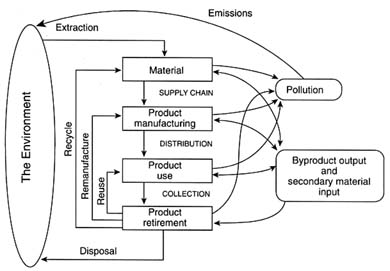
Figure 2 Potential environmental impacts across the entire product life cycle.
In subtle ways, LCA incorporates goals that may be invisible to the users. One standard system for performing life-cycle assessments comes from the work of an international professional society, The Society of Environmental Toxicology and Chemistry (SETAC). The SETAC LCA methodology involves three steps—inventory analysis, impact assessment, and improvement assessment.81 The first step is basically a careful accounting of all physical, tangible inputs and outputs to the product life cycle that are environmentally consequential. The second step requires the user of the LCA or the designer of a formal assessment tool, such as a software package, to choose a specific set of impacts to be assessed. This set of environmental impacts or "burdens" forms the framework by which the inventory is mapped into quantities that represent human health risk, ecological productivity, global warming, and so forth. Since these impacts are then linked to the third and final step, improvement assessment, wherein the actors deliberately introduce features into a design or policy that should positively alter the impact, they implicitly set forth goals for the designer/policy analyst/strategist. These goals can be and are often very general in that they do not tell the actors how much improvement they should consider. Workers in the LCA field have used a variety of impacts in the past, as shown in Table 1.82
The large number and categorically dispersed nature of these impact objectives suggests that translating broad goals such as sustainable development is a very complex and problematic exercise: Which ones should the actors use and how should they aggregate them or trade them off in practice? Given the complexity of the phenomena and the need for large amounts of information, it appears
TABLE 1 Generally Recognized Environmental Problems
|
Depletion |
Pollution |
Disturbances |
|
Abiotic resources Biotic resources |
Ozone depletion Global warming Smog Acidification Human toxicity Ecotoxicity Eutrophication Thermal impacts Noise Odor Worker health and safety |
Desertification Ecosystem degradation Landscape degradation Direct human impacts |
likely that any near-term practical system for identifying and acting to embed environmental goals into design and policy will fix on the immediate, tangible physical inventory of controllable inputs and outputs without much sense of how these actions will actually impact the world.
National Goals for Sustainability: The Dutch Covenants
The Dutch have taken a, some would say, radically different tack towards environmental goal-setting for industry, away from the firm-by-firm model of LCA, ISO, and some of the other approaches discussed above. After the Brundtland report was issued, the Dutch government began to look seriously at the implications of sustainable development on its own economy.
Following the publication of a national assessment of the state of the environment,83 the government issued a sweeping National Environmental Policy Plan (NEPP).84 The Plan recognized that the kind of future that was desired could not be achieved through the normal policy route (regulation) nor through business-as-usual practices (end-of-pipe). Deep structural transformation of the economy was critical if the necessary reductions in loadings of 70–90% were to be achieved in the 20–25 year time frame for the Plan. It was an explicit target that such change was to occur in a single generation. The plan sets forth concrete measures for the initial period (1990–1994) and broader goals for the next several decades. Following a change of government, which was to a considerable degree influenced by debate over the Plan and its significance, the initial Plan, which focused on specific areas of environmental concern, was replaced by a new one (NEPP Plus). 85 This plan adopted sustainability as one of the basic pillars of government policy. Closing cycles (integrated chain management), reducing energy consumption by 50% by 2000, and improving product quality to double the
time materials stay in use were the primary routes by which the Plan's targets were to be realized.
Ambitious overall reduction targets have been set, for example,
-
90% reduction of SO2 and NOx (relative to 1985) by 2010,
-
3–5% reduction (relative to 1989) of CO2 by 2000,
-
60% reduction (relative to 1985) of VOCs by 2000, and
-
80–90% reduction (relative to 1985) of heavy metal emissions by 2010.
This broad strategic framework has been segmented into target groups representing selected economic spheres of activity. Eight were selected initially:
-
Agriculture
-
Traffic and transportation
-
Industry
-
Energy
-
Oil refining
-
Construction
-
Public waste utilities
-
Consumers and retail trade
These categories may be broken down further into specific industrial sectors; for example, the chemical industry and the primary metals industry, have moved to develop targets for action. The process of setting targets—that is, explicit objectives for reductions of environmental impacts—involves a long series of consultations among the key stakeholders—industry, government, and NGO8. These public dialogues were begun shortly after the Plan was announced. In the 1992–1993 period, sectoral targets were agreed to by associations representing the chemical, printing, and primary metals industries. Their agreements have been converted to ''covenants" or promises to abide by the agreement, signed by both governmental and industry authorities. Most of the 150 or so Dutch chemical companies have signed their sectoral covenant. The covenants are voluntary, but the potential for regulation always looms in the background.
Each company must then prepare a plan showing how it will contribute to the overall sectoral goal and submit its plan to the reviewing authorities who will determine whether or not the aggregate actions will achieve the objective for the entire target group.
The covenant approach, which rests heavily on a broad and extensive open planning process, is designed to provide certainty to the target sectors over a long time frame so that each company can make wise choices without expecting a change in the targets or means by which they are to be achieved. Each business is substantially free to choose its own target and approach, so long as the overall target is met. There is ample room for negotiation all along the way. The establishment of sectoral goals should minimize the risk of strategic competitive actions by individual firms.
The Dutch approach addresses one of the more problematic aspects of setting environmental goals, particularly for the "global" issues, that is, how to translate aggregated targets into goals for individual actors like firms or consumers. How does each firm, for example, decide how much it needs to reduce carbon dioxide emissions as its contribution towards some agreed upon international or regional target? It is too early to assess the actual results from the process.
CONCLUSION
The concluding section discusses, very briefly, the issue of measuring performance against corporate goals and finishes with a short analysis of a set of questions that must be addressed in looking at goal-setting in the current scientific, economic, and political context.
Measuring Performance Against Goals
Several mechanisms for monitoring a company's performance against its environmental goals have been mentioned in previous sections. Individual firms, like Monsanto and AT&T, publish annual environmental reports that make public their achievements against certain goals. These reports contain factual information on emissions, releases, and transfers, sometimes listed by site, chemical, or medium. Some of the data they contain is identical to that required by U.S. government reporting requirements, namely the toxic release inventory (TRI) required by the EPA. Industry associations also publish environmental performance reports of a similar nature, but they generally aggregate the data at the level of the industry, rather than report on performance by individual firms. The American Petroleum Institute started publishing annual reports on aggregate environmental performance around 1992. The most recent of these, published in May of 1995, provides data on chemical releases, refinery residuals, oil spills in U.S. waters, underground storage tanks, used oil, gasoline vapor controls, workplace safety, and environmental expenditures. Chemical release data for the industry were obtained from TRIs, and other data were collected through surveys of voluntarily participating API members.
As noted earlier, key publicly available metrics for tracking the environmental performance of firms are TRI data submitted by industrial companies as required by SARA. While they track the releases and off-site transfer of more than 300 named chemicals, it gives a narrow view of overall corporate environmental performance. First, they are limited to toxic chemicals and say nothing about material recycling efforts, product and process redesign, or a number of other "broader" environmental issues. Second, until recently, TRI data have not been normalized for production volume and thus cannot accurately track waste reduction per unit. Despite this, there are several interesting trends identified by INFORM, a non-profit environmental research organization, in its study of TRI and BRS (Biennial Reporting System) data submitted to the EPA.86
INFORM found that there was no net reduction in aggregate TRI waste between 1991 and 1992 (the last year for which a comprehensive data set is available). While several facilities, companies, and industries achieved significant reductions, the gains were more than offset by increased releases from other industries. Only 5 of 22 industry groups showed a net production-related decrease in TRI waste between 1991 and 1992. Projected data for 1992 through 1994 show that 16 of 22 industry groups reported lower TRI levels, but increases in the Primary Metals, Chemicals, and Stone/Clay/Glass groups offset these. INFORM expects that aggregate TRI levels between 1992 and 1994 will have remained fairly constant.
The chemical industry dominated all production-related waste reported in 1991 and 1992 TRIs. It was responsible for 53% of all TRI waste in 1992 and 69% of all carcinogens in TRI waste. Five industry groups were responsible for 85% of TRI waste Chemicals, Primary Metals, Petroleum, Paper, and "Multiple Codes in 20–39 (SIC code) Range." TRI waste is also highly concentrated at a relatively small number of facilities within each industry. The five facilities reporting the largest production-related waste within each industry group contributed 36% of all TRI waste. Two firms were responsible for one-third of the chemical industry's TRI waste and 18% of total production-related toxic waste.
What does this mean for the setting and achieving of environmental goals? First, it emphasizes why waste reduction and pollution prevention goals have been so important to certain firms and industries, but does not support the conclusion that all firms should focus on waste reduction as their first environmental priority. The dominance of a few firms and industries in the creation of toxic waste and the inability of efforts of the past few years to make significant reductions in aggregate levels point to a need to reexamine goals and actions against them in certain industries. The TRI data presented above, because they aggregate release of some 300+chemicals, do not indicate where progress has been made in eliminating the most toxic substances. Progress reported by firms participating in the EPA's voluntary 33/50 program suggests that many industries have met the goal of 50% reduction in the release of 17 toxic chemicals.
For example, the American Forest and Paper Association reports that the pulp and paper industry's participation in the EPA's 33/50 program resulted in its achieving a 50% reduction in the use of the listed chemicals by 1993, two years ahead of the EPA schedule.87 INFORM's report indicates that this level of achieved reduction may not be isolated to this industry. It states that "the progress reported by the 33/50 participating companies towards the Program's goals has been substantial, but suggests that these goals were not as ambitious as was thought at the outset."88 According to TRI reports, the 33% reduction had been met by 1991 (one year early) in an aggregate measure of all industries, and by 1992 total releases exceeded the 1995 goal by only about 20%.89
In the future, the ISO Standards are likely to add a significant new onus to the overall environmental management functions of an individual firm both in the
setting of its own objectives and targets and in measuring its progress towards meeting them. Many hope that all of the several monitoring and reporting requirements set by internal and outside institutions can be integrated. The current status in ISO that would not require public disclosure of the results of progress assessments tends to make such a move problematic. On the other hand, some of the regional standards that will live side by side with ISO (the EU EMAS system) do require such public disclosure.
Outstanding Questions (and a Few Guesses as to the Answers)
This survey of corporate environmental goal-setting raises a number of questions that must be addressed before the effectiveness of goal-setting by industry can be speculated upon. First, the firms that have taken proactive steps to define environmental goals are typically large industry leaders. To what degree have the firms' size, resources, and public visibility impacted their desire and ability to set environmental goals? If these factors are important in motivating environmental goal-setting, what can be expected from firms or industries who have fewer resources or are less visible in the public eye? Second, the benefits of products of some industries are more clearly valued by the general public, and this differential perception necessarily impacts public response to the environmental costs of the industry. For example, the petroleum industry has "bounced back" from severe environmental accidents (spills, pipeline leaks), and the automobile industry resists most efforts to limit air pollution due to the perceived balance between public benefits and costs. An industry like the chemical industry manufactures products that are largely not directly visible in consumer goods, and consequently the associated benefits may not be appreciated by the public.
If we speculate that environmental goal-setting by industry actors represents a new trend in environmental management, we must consider its prominence relative to other corporate goal-setting activities. It seems that even the most pro-active company in environmental goal-setting still implicitly places environment on a lower level than other strategic goals. AT&T, despite its ambitious environmental goals and commitment to adoption of green processes, its publication of an annual environmental and safety report, and the presence at its most senior levels of management of professionals with responsibility for environmental issues, mentions virtually nothing about these commitments in its 1994 annual report to shareholders. The focus of CEO Robert Allen's address in this document is on traditional strategic business objectives—financial performance, alliances and partnerships with related businesses, R&D leadership in the development of new products and services, and market share.90 Allen sees the major challenges facing AT&T as the selection of product offerings and strategic alliances to cope with new competitive pressures in the information market. He does not mention environmental goals or performance in his letter, although he does refer to other
initiatives (the corporate diversity program and a commitment to quality and continuous improvement).
Environmental performance comes up on the last page (page 20) of the text section of AT&T's 1994 annual report and shares the page entitled "We Keep Our Word" with other goals that "better position (AT&T) to serve customers and the communities in which we live and work." Of the five achievements listed, two report on environmental performance (air emissions reduction and waste paper recycling) and the other three report on the hiring of women and minorities, and the support of non-profit and charitable groups. When a leading company chooses to relegate its substantial commitments to environmental performance to such a position in a report to shareholders, it begs the question whether environmental responsibility really will "become as integral a strategic element of the business as product performance and cost-effectiveness."91
Besides these questions that bear on "social responsibility" and concomitant commitments of companies to meet environmental norms, setting goals has many complex technical aspects. First, it is difficult to set norms. The ecological connections and consequences of economic activities are poorly understood at present, particularly for phenomena of large scale. But even at the molecular level, scientists agree on the effects in humans and other species for only a handful of the 80,000 or so chemicals in commerce. Setting goals for the use of chlorine-containing or chlorine-related chemicals, for example, has precipitated a global controversy, with some parties calling for a wholesale ban on chlorine use while others argue that insufficient data now exist with which to make rational choices about setting targets and limits.
One way out of the analysis/paralysis dilemma is to set broad goals that do not rely on large quantities of information and a traditionally "rational process." The notion of precaution, for example, is embodied in the ICC principles and permeates the calls for bans and other targets that do not need data to set intermediate numerical levels. Another approach is to drive innovation and change by a set of "process" principles such as those described above in the section on industrial ecology. Pushing change that embodies the principles of dematerialization or loop closing, for example, should, in most cases, move the continuous innovation-investment-implementation-consequences-assessment cycle towards sustainability or equivalent societal environmental goals. Continuous improvement is the cornerstone of TQM and is similarly applicable to meeting environmental goals, with some inherent difficulties. The environmental equivalent to product quality is, as already noted, much more loosely connected to the technical characteristics of products and processes, reflecting the imperfect state of knowledge today. Environmental quality targets must be set through some sort of "scientific" assessment as designers and analysts cannot ask the environment the key question about quality, Are you satisfied with what we are doing?
And even if there appears to be sufficient evidence, the myriad of parties who claim an interest in setting societal goals regarding the environment rarely
agree on specifics. Setting environmental goals inevitably creates some kind of spillover to other arenas, requiring changes in patterns of production and consumption. This same problem is a major hindrance in private actions as well. Setting a company's environmental goals always impacts other norms held by the firm. Environment is often the new kid on the block, and any commitments in this arena that would limit a firm's activities in the more traditional and familiar domains tend to be viewed with suspicion, thereby setting up barriers. These barriers should continue to fall, as they have been doing for quite some time, while environment becomes more and more familiar and gains acceptance alongside the traditional elements, such as the bottom line, in the basic set of corporate values. The combination of great uncertainty as to the connection of human actions and their environmental consequences and the diversity of values as to what is the right environmental goal suggests, if not demands, that whatever goal-setting process becomes established, that process should be continuous.
Last, the problem of parsing out targets to individual firms so that the aggregate results achieve a broad societal goal is technically and politically very complicated. The rules for doing this need to be established. Should the shares be meted out proportionate to some measure of output? Or to the resources that a firm can bring to the problem? Or should there be some consideration of past use of environmental capital? The ongoing arguments about how to allocate whatever reductions in carbon dioxide are to be made to avoid global warming reflect these three options among others. The Dutch target group approach is extremely interesting in this regard as it is a conscious and deliberate attempt at both goal-setting and implementation. The open process involving all interested parties accepts the inherent differential values of these parties and the inability to set goals through purely analytic means. But the Dutch society is relatively small and less diverse than ours in the United States. Open planning, with strong governmental leadership, has been long used in many social domains besides environment. Nevertheless, the fact that a society can come together and set remarkably tough goals—goals that would fundamentally change the way the economy and the system works—should serve as a target in and of itself for the United States. These efforts are reminiscent of the observation made on the first moon landing—a small step for man, a giant leap for mankind. The path to ecological and social sustainability is certainly as daunting a task as reaching the moon ever was.


