
Appendix C
Tobacco-Smoking and Its Interaction with Radon
INTRODUCTION
Smoking as a Cause of Lung Cancer
During the 20th century, tobacco-smoking has become the dominant cause of lung-cancer throughout the world (USDHHS 1989; Wu-Williams and Samet 1994; Peto and others 1992). This rapidly fatal malignancy, once an infrequent cause of death, is now one of the leading causes of cancer death in most countries of the developed world. Extensive epidemiologic data along with complementary toxicologic information have established the causal link of tobacco-smoking with lung-cancer (IARC 1986; U.S. Department of Health Education and Welfare 1964). The epidemiologic evidence indicates that the risk of lung-cancer is determined strongly by the extent of exposure to mainstream smoke, increasing with the number of cigarettes smoked and with the duration of smoking. Together, number of cigarettes smoked and the duration of smoking can be used in a multistage model to predict the general pattern of lung-cancer risk associated with smoking (Wu-Williams and Samet 1994; Doll and Peto 1978). For former smokers, risk declines with the duration of smoking cessation (USDHHS 1990). The pattern of inhalation of the tobacco smoke and the types of cigarettes smoked have a lesser influence on the risk of smoking (Wu-Williams and Samet 1994).
Passive smoking, the inhalation of the mixture of sidestream smoke and exhaled mainstream smoke, has been found to cause lung-cancer among persons who have never smoked (USDHHS 1988; USEPA 1992c). This conclusion has
been based on epidemiologic studies, primarily of the risk of lung-cancer among nonsmoking women married to current smokers, and on supporting biological evidence including the extensive data base on active smoking.
Combined Effect of Smoking and Radon as a Continued Source of Controversy in Risk Assessment
Because of this predominant role of cigarette-smoking as a cause of lung-cancer, an understanding of the joint effect of smoking and radon exposure is needed for assessing the risks of radon exposure for the general population, which includes never-smokers, current smokers, and former smokers. Incomplete understanding of the combined effect of these two carcinogens remains a key uncertainty in assessing the risk of indoor radon, and the consequences of synergism between radon and smoking in making quantitative risk estimates have not been universally appreciated. The underground miners who were participants in the epidemiologic studies that are the basis for currently used risk estimates were primarily smokers, and epidemiologic data from the miners' studies have not provided a precise characterization of the lung-cancer risk arising from radon exposure in never-smokers. However, active cigarette smokers are now a minority in the adult population of the United States (USDHHS 1989) and risk estimates are needed for both smokers and never-smokers.
This chapter addresses the joint effect of smoking and radon. It begins by describing trends of lung-cancer occurrence during the century and the implications of these trends for evaluating the role of indoor radon as a carcinogen. The chapter subsequently considers the numbers of cases of lung-cancer in smokers and never-smokers as risk projections have been made separately for these two groups. It then summarizes the evidence on the combined effect of smoking and radon, drawing on in vitro systems, animal exposures, and epidemiologic studies of miners and the general population. The BEIR IV Report (NRC 1988) also reviewed the evidence on the joint effect of smoking and radon in an appendix chapter. We begin with the conceptual basis for considering the combined effect of smoking and radon.
Concepts of Combined Effects
The 1985 Report of the U.S. Surgeon General (USDHHS 1985) set out a broad conceptual framework for considering the joint effect of cigarette-smoking with an occupational agent. The levels of potential interaction between the two agents are broad, ranging from molecular to behavioral (Table C-1). Some of the points of interaction would impact exposure, others—the exposure-dose relation, and others—the dose-response relation of radon progeny with lung-cancer risk. The epidemiologic data do not provide evidence relevant to assessing each of these potential points of intersection of radon-progeny exposure with cigarette-
TABLE C-1 Levels of interaction between smoking and radon
|
Exposure • Work assignments of smokers and nonsmokers are different (for miners) • Absenteeism rates differ for smokers and nonsmokers (for miners) |
|
Exposure-Dose Relationships • Differing patterns of physical activity and ventilation for smokers and nonsmokers • Exposures of smokers and nonsmokers differ in activity-size distributions • Differing patterns of lung deposition and clearance in smokers and nonsmokers • Differing morphometry of target cells in smokers and nonsmokers |
|
Carcinogenesis • Alpha particles and tobacco smoke carcinogens act at the same or different steps in a multistage carcinogenic process |
smoking. At most, the information on smoking in the studies provides some indication of elements of the smoking history, such as number of cigarettes smoked and age of starting to smoke; at a minimum, there is information on whether the participants had ever been regular cigarette smokers. Analyses of the epidemiologic data to characterize the joint effect of smoking and radon-progeny exposure simplify the multiple mechanisms by which the two agents could interact to a mathematical representation or model that typically includes a term for smoking and a term for radon-progeny exposure and a term for their joint action (NRC 1988); alternatively, data have been separately analyzed for ever-smokers and never-smokers (Lubin and others 1994a).
The terminology and methods used to characterize the combined effects of two or more agents have been poorly standardized with substantial blurring of concepts derived from toxicology, biostatistics, and epidemiology (Mauderly 1993; Greenland 1993). The terms "antagonism" and "synergism" refer to combined effects less than or greater than the effect predicted by the sum of the individual effects, respectively. In assessing the presence of synergism or antagonism, a model is assumed to predict the combined effect from the individual effects; lacking sufficient biologic understanding to be certain of the most appropriate model, the choice is often driven by convention or convenience.
Epidemiologic Concepts
The effect of a risk factor for a disease may be considered as acting on an absolute scale or on a relative scale. In the absolute risk model, the risk (r(x)) of disease associated with some factor (x) can be expressed in a simple linear relationship as:
r(x) = r0 + ßx (1)
while in a relative risk relationship, risk is given by:
r(x) = r0 (1 + ßx) = r0 + r0ßx (2)
where r0 is the background disease rate in the absence of exposure and ß describes the increment in risk per unit increment in exposure to x. Under a relative risk characterization of disease rate, the impact of an exposure on disease risk, r0ßx, depends on the background rate. In the specific case of lung-cancer and radon, the background rate would incorporate the risk associated with smoking, unless smoking-specific risks were considered. In the absolute risk model, the effect of exposure on disease risk, ßx, does not depend on the level of r0. The selection of the risk model, absolute or relative, thus has substantial implications for interpreting the combined effects of two agents and additionally for extending risks observed in one population to another population which may not have comparable r0 because of differing patterns of risk factors other than the exposure of interest.
The models can be readily extended to address the effects of multiple causes of disease. In the example of two exposures, x1 and x2 (for example, radon and smoking), disease risk (r(x1,x2)) under a relative risk model is given by
Additive model:
r(x1,x2) = r0 + r0ß1 x1 + r0ß2 x2 (3)
Multiplicative model:

Comparison of these two models makes clear the differing dependence of the effect of x2 on r0 and x1. In assessing the role of x2 on disease risk, a multiplicative model implies that the effect of x2 on disease risk depends not only on r0 but on the effect of x1. In contrast, under the additive model, the effect of x2 depends on r0 but not on the effect of x1.
In considering the combined effect of multiple causes of a disease, epidemiologists use the term "effect modification" to refer to interdependence of the effects of the agents (Last 1983). Synergism and antagonism describe the net consequence of the multiple risk factors in relation to the effect predicted by their independent action. Epidemiologists describe the effect of exposures in causing disease as either a difference measure on an absolute scale or a ratio measure on a relative scale (see Table C-2, for example). Table C-2 provides a hypothetical example for assessing combined effects of radon and smoking. The assessed lung-cancer rate (200 per 100,000) is compared to expectations under additive and multiplicative combined effects. The preference has been primarily for ratio measures (for example, the relative risk which compares risk in the exposed to risk in a referent group, typically the unexposed).
TABLE C-2 Example of epidemiological data on smoking and radon exposure in a hypothetical cohort study of underground miners
|
Average Annual Age-Adjusted Incidence Rate For Lung-Cancer (per 100,000) |
|||
|
|
|
Radon-exposed |
|
|
|
|
Yes |
No |
|
Ever-Smoked |
Yes |
200 |
100 |
|
No |
30 |
10 |
|
|
On Absolute Scale: |
|||
|
200 > 100 + 30 - 10 |
|||
|
On Multiplicative Scale: |
|||
|
200 < 30 × 100 - 10 |
|||
Effect modification is considered to be present when the combined effect of two or more variables is larger or smaller than the anticipated effect predicted by the independent effects, based on the measure used (Greenland 1993). Current analytic approaches compare the combined effect to predictions based on either additivity or multiplicativity of the individual effects. A factor may be an effect modifier under additivity and not an effect modifier under multiplicativity. Epidemiologists have recognized that the appropriate scale for assessing the combined effect depends on the intent of the analysis (Rothman and others 1980). For public health purposes, an effect greater than additive is considered as synergism. Biological mechanisms, if sufficiently understood may imply an alternative scale.
Although statistical methods have been developed for assessing effect modification, strict criteria for determining its presence have not been offered. Statistical significance alone is recognized to be an insufficient criterion (Greenland 1993). Additionally, inadequate statistical power often limits the assessment of effect modification (Greenland 1983)
Statistical Concepts
Statisticians have used the term "interaction" to refer to interdependence as detected by a statistical approach or "model". Interaction, which is equivalent to the epidemiologic concept of effect modification, has been typically assessed in a regression framework using product terms of the risk factors of interest to test for effect modification. For example, interaction between two risk factors, x1 (for example, smoking) and x2 (for example, radon exposure) could be assessed using the following model:
r(x1, x2) = ro (1 + ß1x1 + ß2x2 + ß3x1x2) (5)
In this linear model, the product or interaction term, ß3x1x2, estimates the joint contribution of the two agents to the risk. The model provides an estimate of the value of ß3 and a test of the statistical significance of ß3 for the null hypothesis: ß3 = 0. This modeling approach inherently assumes a mathematical scale on which the interaction is characterized, the usual choices being additive or multiplicative. Most often, primarily because of computational convenience, the multiplicative scale is used. Alternative approaches for assessing interaction have been described (Thomas 1981; Breslow and Storer 1985; Lubin and Gaffy 1988). These choices more flexibly estimate the combined effects of risk factors without imposing the rigidity of a particular scale. Imprecision may also limit estimates obtained from such modeling approaches.
Implications for Interpreting Risk Estimates
These general considerations underscore the complexity of characterizing the joint effects of smoking and radon-progeny exposure using epidemiologic data, whether from cohort studies of uranium miners or case-control studies in the general population. In addition, there is no direct link between the biologic interaction of radon and smoking and the descriptive epidemiologic model. Limitations posed by imprecision and bias from measurement error and confounding further complicate the evaluation of the joint effects of radon and smoking.
Characterizing the Burden of Radon-Related Lung Cancer
In describing the burden of disease, epidemiologists use a quantity referred to as the attributable risk (Rothman 1986). The attributable risk indicates the burden of disease that could be avoided if exposure to the agent of concern were fully prevented. One form of the attributable risk, the population attributable risk (AR) describes the proportion of disease in a population associated with exposure to an agent. For a factor, x1, having associated relative risk RR1, AR is calculated as below, where I and I0 are the disease rates in the population under current conditions and after effects of exposure are eliminated, respectively, and P1 and P0 are the probabilities of exposure and non-exposure, respectively:
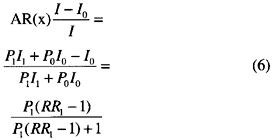
For diseases caused by multiple agents, the total burden of disease assessed individually may exceed the observed number of cases or 100%. For example, an estimate of radon-attributable lung-cancer cases can be conceptualized as including those cases caused by radon in never-smokers, those caused by radon in smokers, and those caused by radon and smoking in smokers. In the above formula, the attributable risk figure for smoking includes those cases caused by smoking alone and radon and smoking acting together; similarly, the attributable risk figure for radon includes those cases caused by radon alone and radon acting together with smoking. Combining the attributable risk estimates for smoking and radon counts the jointly determined cases twice. This subtlety of the attributable risk statistic is not universally appreciated and there is widespread misperception that the lung-cancer cases that could be caused by radon include only the 10 to 15 percent not directly attributed to smoking.
For two factors, x1 and x2, it is true that the sum of the individual exposure-specific AR estimates, AR(x1) and AR(x2), can exceed 100%. However, when evaluating two factors, these ARs are incorrectly determined by contamination of the referent groups, that is, the subgroup of individuals with x1 = 0 includes individuals with x2 = 0/1 and the subgroup of individuals with x2 = 0 includes individuals with x1 =0/1.
For joint exposures to x1 and x2, AR is defined as:

The AR for two exposures, for example smoking and radon, is the sum of components due to smoking in the absence of radon exposure, to radon exposure absent smoking, that is, in never-smokers, and to the combined effect of radon exposure and smoking. AR(x1,x2), calculated with the above formula, cannot exceed 100%.
For a general exposure distribution f, for a casual factor x,
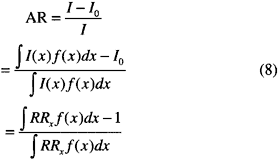
where RRx is the relative risk for exposure level x, relative to zero exposure.
The formulae for AR given above, assumes complete elimination of the exposure(s) from the population. However, complete elimination of exposure may not be practicable. Suppose there is a single exposure and I* is the disease rate in the population after exposure has been modified. The ''effective" AR (ARE), the amount of the disease burden that can be eliminated by changing exposure from distribution f to distribution g, is defined as:
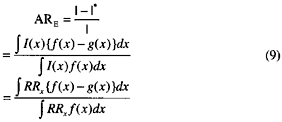
For example, for residential radon exposure, assume that f is the radon distribution in U.S. houses. Then, based on the BEIR IV model, the AR is about 10%, which represents the reduction of lung-cancers that is estimated to be achievable if radon were eliminated in all houses. Complete elimination of radon is not feasible, however. If homes above 148 Bqm-3 (4 pCiL-1) were mitigated to levels below this concentration, then the ARE would be about 3% (Lubin and Boice 1989).
LUNG CANCER IN THE GENERAL POPULATION
Trends of Lung-Cancer Occurrence Over the Century
For the United States, vital statistics document lung-cancer deaths from the late 1930s (Table C-3). These early mortality counts indicate less than 10,000
deaths per year from lung-cancer. However, lung-cancer mortality rates quickly rose towards mid-century and by the 1940s, an epidemic of lung-cancer was evident among U.S. males (Figure C-1). About 20 years later, a similarly sharp rise was evident in women (Figure C-2). These patterns of lung-cancer occurrence are consistent with patterns of smoking across the century (Figures C-3 and C-4) (Burns 1994; USDHHS 1991). Statistical models representing the relationship between lung-cancer occurrence and indicators of cigarette-smoking in the population confirm this visual impression (Samet 1995; USDHHS 1991).
The relative infrequency of lung-cancer early in the century, in comparison with present rates, has been cited as evidence that indoor radon is not a significant cause of lung-cancer (Yalow 1995). Proponents of this viewpoint argue that lung-cancer would have been a more prominent cause of death before the presently dominant impact of cigarette-smoking, if the risks of indoor radon were in reality as high as estimated in currently applied risk models. Rates earlier in the century, particularly for women, have also been cited as indicative of the maximum number of lung-cancer cases that indoor radon might have caused, assuming that other causes of lung-cancer had little impact (Yalow 1995). Similarly, rates of lung-cancer in population groups considered to be largely never-smokers, such as Mormons, have also been considered to provide bounds for the numbers of lung-cancer cases caused by indoor radon (Yalow 1995). For example, Mormon
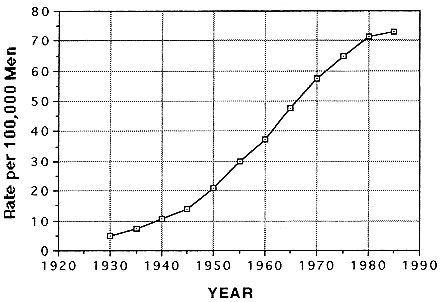
FIGURE C-1 Age-adjusted lung-cancer death rates for males. United States 1930–1986; adjusted to the age distribution of the 1970 population.
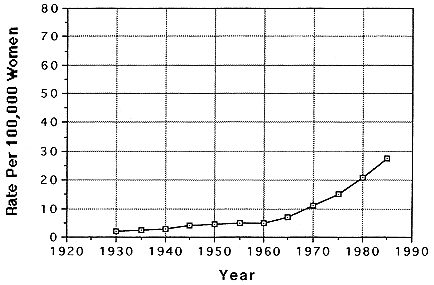
FIGURE C-2 Age-adjusted lung-cancer death rates for females; United States 1930–1986; adjusted to the age distribution of the 1970 U.S. Census population.
women in Utah had an annual lung-cancer incidence rate of approximately 4 per 100,000 for 1967–1975 (Lyon and others 1980).
The early lung-cancer counts and rates need to be interpreted with caution. There have been substantial changes in approaches to the diagnosis and management of lung-cancer across the century that would be expected to impact on the apparent occurrence of this malignancy (Gilliland and Samet 1994). These changes include the evolution of diagnostic techniques, from reliance on tissue specimens obtained at surgery or autopsy to the less invasive techniques of fiberoptic bronchoscopy and needle aspiration and the non-invasive approach of sputum cytology. Improved imaging techniques, such as CT scanning, have sharpened the diagnosis of lung-cancer as well. Finally, increasingly aggressive approaches to surgical removal of lung-cancer have been introduced and improving post-operative care has extended the age range of patients undergoing surgery for diagnosis and management (Gilliland and Samet 1994). Additionally, earlier in the century, when tuberculosis was one of the most common causes of death, lung-cancer may have been more often misdiagnosed as tuberculosis, absent tissue confirmation.
Thus, it is likely that lung-cancer statistics from earlier in the century underestimate the occurrence of lung-cancer, as diagnosed with present techniques. Doll and Peto (1981) have argued that cancer mortality rates in persons under age 65 years of age are the most valid indicator of trends of cancer occurrence in
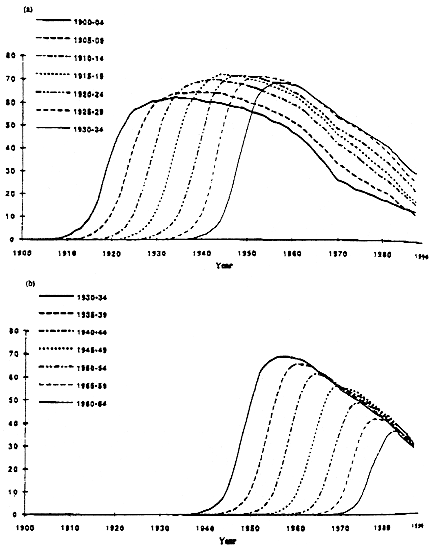
FIGURE C-3 White male smoking prevalence by year for 5-year birth cohorts; (a) 1900–1934; (b) 1934–1964.
populations because the intensity of diagnostic efforts would be most consistent in this younger age range. Analyses of data from the Surveillance, Epidemiology and End Results (SEER) Program of the National Cancer Institute indicate increasing histologic diagnoses of lung-cancer in the elderly across the decades of the 1970s and 1980s and less reliance in making the diagnosis on a clinical basis alone (Gilliland and Samet 1994).
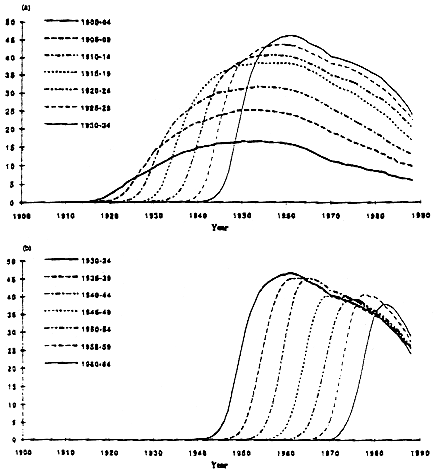
FIGURE C-4 White female smoking prevalence by year for 5-year birth cohorts; (a) 1900–1934; (b) 1934–1964.
These early figures on the occurrence of lung-cancer were carefully scrutinized as the rising lung-cancer mortality was first identified and biases that may have artefactually increased lung-cancer mortality were considered (see, for example, Heady and Kennaway 1949; Macklin 1942; Fried 1931). These authors commented on the difficulty of making the diagnosis and the high-error rates of clinicians. A number of studies have been conducted across the century on the validity of death-certificate statements concerning cause of death in comparison to the medical record (Doll and Peto 1981), some of these studies have included information on certification of deaths as due to lung-cancer. Anderson and
colleagues (1989) reviewed the findings of five studies that provided information on the validity of clinical diagnoses of lung-cancer (Table C-4). Surprisingly, the data did not indicate a trend of improving sensitivity and specificity across the period of the studies which extended from the 1940s through the 1970s. On the other hand, the studies provided little insight into the gains in validity anticipated with contemporary diagnostic methods such as fiberoptic bronchoscopy and CT scanning which have only been used during the last 20 years.
Others have documented lesser accuracy of lung-cancer diagnoses in the past. In autopsied cases at Los Angeles County General Hospital, 1933–1937, the diagnosis of lung-cancer was incorrect in 28% of cases (Swartout and Webster 1940). For cases diagnosed at autopsy at Boston City Hospital, 1955–1965, incorrect diagnoses were reported for 49.1% of cases (Bauer and Robbins 1972).
In view of the limitations of lung-cancer diagnoses before the advent of modern approaches, mortality rates from the early decades of the century, when tobacco-smoking had little impact on lung-cancer incidence, should be interpreted with caution. The extent of underdiagnosis, particularly among the elderly, is uncertain. Nevertheless, assuming that lung-cancer was not underdiagnosed, the rates from the early decades of the century could be considered as an upper bound for the cases of lung-cancer attributable to radon, absent contributions from other causes. Rates in never-smokers, such as the Mormon women, could be similarly interpreted.
This interpretation, however, is inconsistent with the understanding gained from the miner studies that radon exposure proportionally increases lung-cancer occurrence beyond background. For example, an overall lung-cancer mortality rate of 4 per 100,000 could arise from a relative risk of radon of 1.2 (assuming a binary exposure defined by the median) and a "radon-free" background rate of 3.6 per 100,000; the background rate would be 3.3 per 100,000 if the radon-associated relative risk were 1.5. Thus, lacking information on the determinants of background lung-cancer mortality rates earlier in the century, the rates can be interpreted only on the implausible assumption that there were no risk factors for lung-cancer other than radon.
Lung-Cancer Rates in Never-Smokers
Only limited information on lung-cancer occurrence in never-smokers is available as calculation of either incidence or mortality rates requires an estimate of the population of never-smokers at risk for lung-cancer during some time interval (the denominator of a rate) and a count of the numbers of cases of lung-cancer in never-smokers during the time period of interest (the numerator of a rate). The requisite data are not available from routine vital statistics and lung-cancer mortality rates in never-smokers have been primarily obtained by follow-up of large groups of persons participating in epidemiologic studies. Rates from
TABLE C-4 Accuracy of clinical diagnostics among autopsied persons dying of carcinoma of the bronchus and lunga
groups like Mormons and certain Native American tribes can also be interpreted as providing an indication of lung-cancer occurrence among never-smokers.
The two large, longitudinal or cohort studies conducted by the American Cancer Society have provided mortality rates from lung-cancer and other diseases in never-smokers. The populations in both of these studies, numbering about one million in each, were enrolled by American Cancer Society volunteers who identified the participants, obtained information on smoking and other risk factors for cancer, and periodically determined the vital status of the enrollees (USDHHS 1996). Participants in the first study, now referred to as Cancer Prevention Study I (CPS I), were followed between 1960 and 1972; participants in the second, CPS II, were enrolled in 1980 and follow-up continues. Lung-cancer rates for never-smokers are shown in Table C-5 from the CPS I and CPS II studies. These rates should be interpreted with awareness of the relatively small numbers of lung-cancer deaths in specific strata of age and sex, in spite of the large number of participants in studies overall. With this constraint, several patterns are evident: the rates increase with age in both sexes and rates for men tend to be higher than for women. In older males, rates are somewhat higher in CPS II; a similar pattern is evident among older women. Ignoring competing causes of death, these mortality rates can be used to estimate a risk of lung-cancer death up to age 85 years of about one percent in men and 0.5 percent in women. Rates for never-smokers have also been reported from the study of U.S. male veterans, originally started by Rogot and Murray (1980) (Table C-6) and from other studies (Samet 1988; Enstrom 1979).
Rates in Mormon women (Lyon and others 1980) and southwestern Native American tribes (Wiggins and Becker 1993; Lyon and others 1980) with only a small proportion of smokers are similar to the rates in never-smokers from these cohort studies.
TABLE C-5 Lung-cancer rates per 100,000 in never-smokers (ACS CPS I and CPS II studies)
|
|
Female |
Male |
||
|
Age |
CPS I |
CPS II |
CPS I |
CPS II |
|
30- |
— |
— |
— |
— |
|
35- |
— |
— |
— |
— |
|
40- |
4.0 |
— |
0.7 |
— |
|
45- |
6.0 |
6.0 |
4.3 |
1.9 |
|
50- |
5.7 |
5.5 |
5.1 |
5.8 |
|
55- |
13.6 |
5.3 |
6.2 |
7.2 |
|
60- |
21.0 |
11.6 |
12.0 |
12.3 |
|
65- |
23.1 |
21.5 |
13.4 |
16.7 |
|
70- |
29.7 |
34.9 |
15.9 |
30.5 |
|
75- |
31.0 |
52.0 |
24.9 |
32.5 |
|
80- |
67.5 |
89.2 |
43.4 |
57.6 |
|
85+ |
35.3 |
86.8 |
35.9 |
60.6 |
TABLE C-6 Lung-cancer mortality rates (per 100,000) among never-smokers in the study of U.S. veterans
|
Age |
1955–1959 |
1960–1964 |
1965–1969 |
|
40–44 |
— |
— |
(103.5) |
|
45–49 |
— |
— |
(80.6) |
|
50–54 |
— |
|
— |
|
55–59 |
(12.0) |
— |
— |
|
60–64 |
11.2 |
— |
(48.0) |
|
65–69 |
25.1 |
(10.7) |
43.5 |
|
70–74 |
139.9 |
16.9 |
38.2 |
|
75–79 |
39.9 |
40.5 |
47.2 |
|
80–84 |
(37.8) |
(15.0) |
(20.6) |
|
85–89 |
— |
(200.6) |
— |
The Risks of Cigarette-Smoking
The lung-cancer mortality rates observed in never-smokers are markedly increased by cigarette smoking (Figures C-5 and C-6). Figures C-5 and C-6 provide the age-specific mortality rates in the two cohort studies conducted by the American Cancer Society for reported never-smokers and current-smokers on enrollment (Thun and others 1997). At all ages, current-smokers have markedly higher rates. Increases in mortality rates among smokers of both sexes are also evident, comparing the CPS II with CPS I. The extent of the increase varies strongly with number of cigarettes smoked daily and duration of cigarette-smoking (Table C-7). Cigarette-smoking increases the risk for each of the principal histologic types of lung-cancer: squamous cell carcinoma, small cell carcinoma, adenocarcinoma, and large cell carcinoma (Wu-Williams and Samet 1994). A synergistic pattern of effect modification between radon and cigarette-smoking implies that the already high risks of lung-cancer in cigarette smokers are augmented more than additively by the additional risk imposed by exposure to indoor radon.
Lung-Cancer Numbers in Never-Smokers and Ever-Smokers
The total number of lung-cancer cases occurring annually in the United States can be estimated using the population-based incidence rates available from the SEER Program or from the number of deaths with lung-cancer listed as the underlying cause. Estimates from incidence would only slightly exceed those based on mortality because of the high case-fatality rate of lung-cancer. For 1994, these estimates were 172,000 for incidence and 153,000 for mortality (USDHHS 1995).
The Office on Smoking and Health of the Centers for Disease Control and Prevention annually reports estimates of the numbers of deaths from lung-cancer
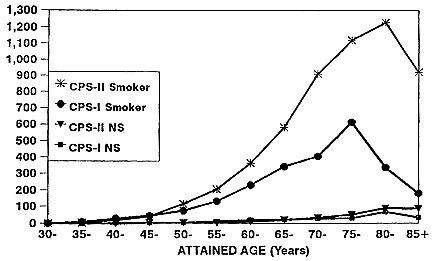
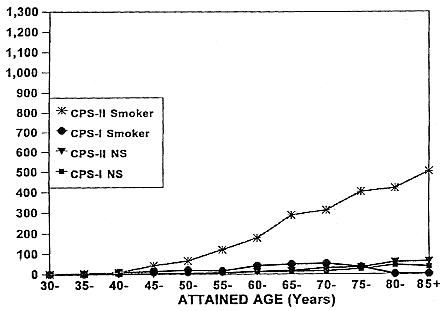
TABLE C-7 Standardized mortality ratios for lung-cancer in women participants in CPS IIa
and other diseases attributable to cigarette-smoking. These estimates are based on an attributable risk approach, implemented with the Smoking-Attributable Mortality, Morbidity, and Economic Cost (SAMMEC) software (SAMMEC 1992). SAMMEC applies attributable risk formulas to mortality data. For example, for 1990, 418,690 deaths in the U.S. were attributed to smoking, of which 116,920 were due to lung-cancer (SAMMEC 1992). For lung-cancer, the relative risk values assumed, versus never-smokers, are 22.4 and 9.4 for male current and former smokers, respectively, and 11.9 and 4.7 for females. These relative risk estimates were derived from the Cancer Prevention Study (CPS) II conducted by the American Cancer Society. They translate into attributable risk estimates of approximately 90% for males and somewhat less for females.
These attributable risk figures estimate the numbers of lung-cancer deaths due to smoking and not the actual number among ever-smokers, which is somewhat higher, as all cases among ever-smokers are not attributed to smoking. In recent population-based case-control studies, approximately 5 to 10% of cases have been in never-smokers (Table C-8). Using an estimate of approximately 160,000 lung-cancer deaths from 1995, the number of cases in never-smokers is estimated to range from about 8,000 to 16,000. In the analysis of attributable risk of lung-cancer due to radon, 85% of the 149,000 lung-cancer deaths in 1993 were assumed to have occurred in current or former smokers; the complementary figure for never-smokers, 15%, appears too high in view of the data from the case-control studies.
EXPERIMENTAL MODELS
In Vivo Approaches
The report of the BEIR IV committee (NRC 1988) reviewed the animal studies that included exposure to both radon progeny and cigarette smoke. The relevant studies included the experiments involving rats conducted by the Compagnie Generale des Matieres Nucleaires (COGEMA) in France and the experiments involving dogs conducted by Pacific Northwest Laboratory (PNL) in the United States. In summarizing the evidence, the report noted that the
TABLE C-8 Proportion of lung-cancer in never-smokers: selected U.S. case-control studies
|
Reference |
Location |
Years |
Sex |
N |
Percent Never-Smokers |
|
Wynder and Graham, 1950 |
United States; Various |
1948–49 (?) |
M |
605 |
1.3 |
|
Wynder and others 1956 |
United States; Various |
1953–55 |
F |
47 |
57.4 |
|
Haenszel and others 1958 |
United States; Various |
1955–57 |
F |
157 |
48.4 |
|
Wynder and others 1970 |
United States; Various |
1966–69 |
M |
270 |
3.3 |
|
Stayner and Weyman 1983 |
United States; Various |
1969–71 |
M |
420 |
13.8 |
|
Samet and others 1988 |
New Mexico |
1980–82 |
M |
356 |
2.5 |
|
|
|
|
F |
232 |
8.6 |
|
Wu and others 1985 |
Los Angeles |
1981–82 |
F |
220 |
14.1 |
|
Schoenberg and others 1989 |
New Jersey |
1982–83 |
F |
994 |
10.0 |
|
Ives and others 1988 |
Houston |
1977–80 |
F |
259 |
4.6 |
COGEMA experiments showed synergism if the exposure to cigarette smoke followed the exposure to radon progeny; synergism was not found if the smoke exposure preceded the radon-progeny exposure. In the PNL experiments, lung tumor incidence was decreased when the animals were exposed to radon progeny and cigarette smoke simultaneously.
Since the BEIR IV Report, there have been several additional reports from the COGEMA and PNL groups (Monchaux and others 1994; Cross and others 1995). Cross has reviewed the newer studies (Cross 1994a,b; Cross and others 1995). The PNL group conducted initiation-promotion-initiation experiments with cigarette smoke and radon exposure (Cross and others 1995). These experiments involved various sequences of exposure to smoking and radon progeny as well as splitting the dose of radon progeny. Only preliminary findings have been reported to date and the findings are not yet available for lung tumors (Cross and others 1995). The findings of the COGEMA studies have been summarized recently (Table C-9) (Anonymous 1993; Marchaux and others 1994). The extent to which lung-cancer incidence was increased by cigarette-smoke exposure following radon exposure was shown to depend on the duration of exposure to smoke. Decreasing duration was associated with decreasing number of lung-cancer cases.
TABLE C-9 Incidence of lung carcinomas after combined exposure to radon and tobacco smoke according to the cumulative dose of radon and its progeny and to the cumulative exposure to tobacco smokea
|
|
Number of Rats |
Number of Lung Carcinomas |
Proportion (%) of Lung Carcinomas |
|
Radon exposure only (40 WLMb) |
21 |
1 |
5 |
|
Tobacco smoke (350 hr) after radon exposure (40 WLM) |
27 |
1 |
3.5 |
|
Radon exposure only (200 WLM) |
63 |
7 |
11 |
|
Tobacco smoke (350 hr) after radon exposure (200 WLM) |
75 |
16 |
21 |
|
Radon exposure only (1600 WLM) |
208 |
81 |
39 |
|
Tobacco smoke (350 hr) after radon exposure (1600 WLM) |
138 |
106 |
77 |
|
Radon exposure only (1600 WLM) |
30 |
7 |
23 |
|
Tobacco smoke (100 hr) after radon exposure (1600 WLM) |
35 |
11 |
31 |
|
Radon exposure only (1600 WLM) |
74 |
22 |
30 |
|
Tobacco smoke (60 hr) after radon exposure (1600 WLM) |
64 |
19 |
30 |
|
Radon exposure only (1600 WLM) |
30 |
7 |
23 |
|
Tobacco smoke (30 hr) after radon exposure (1600 WLM) |
35 |
1 |
3 |
|
a From Marchaux and others 1994, Table 2. b WLM, working-level-month. |
|||
In spite of long-term research by two groups of investigators, the animal experiments on smoking and radon progeny do not supply strong evidence on the combined effects of the two exposures. The findings are inconsistent and dependent on the sequence of exposures. In the residential setting, exposure to smoking and to radon progeny occur essentially simultaneously throughout adulthood. Among the miners, smoking and radon exposure may take place simultaneously or radon exposure may begin before or after smoking has been started (Thomas and others 1994). The unique pattern of smoking by people, which has not been replicated in the animal experiments, is an additional barrier in extending the findings of the animal studies to humans.
EPIDEMIOLOGIC APPROACHES
Case-Control Studies in the General Population
The combined effect of radon and smoking can be assessed with data obtained using the case-control approach in the general population. However, such studies have been shown to have extremely limited power for distinguishing alternative patterns of interaction of potential interest, from both the biologic and public health perspectives (Thomas and others 1994; Lubin and others 1995c). Nevertheless, reports of several studies provide information on the combined effect of the two agents (Table C-10). Methods for assessing exposure to radon have varied among these studies with two using residential construction as a surrogate (Svensson and others 1989, Axelson and others 1988) and the remainder using measurements of radon concentration (Alavanja and others 1994; Pershagen and others 1994; Ruosteenoja 1991; Schoenberg and others 1990; Blot and others 1990). The analytic approach for assessing the combined effect of radon and smoking has also varied among the studies. Sample size limits interpretation of all of the studies and none of the individual studies have the number
TABLE C-10 Case-control studies of the combined effect of smoking and radon
|
Reference |
Study Location/Years |
Total Cases/ Total Never-Smoking Cases |
Findings |
|
Axelson and others, 1998 |
Sweden/1960–81 |
177/15 |
Increased risk for non and occasional smokers vs. Regular smokers in rural areas |
|
Svensson and others, 1989 |
Sweden/1983–85 |
210/35 |
Greater risk for smokers vs. never-smokers |
|
Blot and others, 1990 |
China/1985–87 |
308/123 |
Nonsignificantly greater risk in smokers (p = 0.15) |
|
Schoenberg and others, 1990 |
New Jersey/1982–83 |
433/61 |
Exposure response strongest in light smokers; inverse in heaviest smokers |
|
Ruosteenoja, 1991 1991 |
Finland/1980–85 |
238/4 |
No pattern comparing lighter with heavier smokers |
|
Pershagen and others, 1994 |
Sweden/1980–84 |
1,360/178 |
Higher excess relative risk in current smokers vs. never-smokers. Additivity rejected by data (p = 0.02) |
of participants needed to distinguish additive from multiplicative patterns of combined effects.
The findings of the studies are seemingly inconsistent with regard to the combined effect of smoking and radon. However, it is unlikely that there is significant heterogeneity among the studies, but direct comparison cannot be made because of the varying analytic methods. Data from the largest study, the Swedish study reported by Pershagen and others (1994) were not consistent with additivity when smoking and radon were considered as continuous variables. In this study, excess relative risk estimates per unit of radon exposure were greater for current smokers of less than 10 cigarettes per day (0.16 per 100 Bqm-3) and 10 or more cigarettes per day (0.19 per 100 Bqm-3) in comparison with never-smokers (0.07 per 100 Bqm-3). However, neither the 0.16 or the 0.19 were statistically found to be significantly different from the 0.07.
Epidemiologic Studies of Underground Miners
Studies of underground miners have been the principal source of epidemiologic information on the combined effect of smoking and radon. These studies have been limited for characterizing the joint effect of the two agents by the extent of the data available on the smoking habits of the miners, with some studies having no information and others having information obtained through surveys or at the time of medical examinations (Table C-11). Documentation of cigarette-smoking was also limited to the time of employment in most of these studies. To extend the smoking information across the entire time of smoking, case-control approaches have been used in studies of the Beaverlodge uranium miners (L'Abbe and others 1991) and Yunnan tin miners (Yao and others 1994). A separate cohort study of a group of 773 Ontario miners was recently reported (Finkelstein and Kusiak 1995); the analysis was limited by the small number of lung-cancer cases (N = 42) that occurred over the 18-year follow-up.
The report of the BEIR IV committee comprehensively reviewed the information on the combined effect of smoking and radon progeny in appendix VII. Since the publication of this report, the findings of several individual studies have been published that provide information on the combined effect of smoking and radon exposures; the study populations include Ontario uranium miners (Finkelstein and Kusiak 1995; L'Abbe and others 1991), New Mexico uranium miners (Samet and others 1991), and Chinese tin miners (Yao and others 1994; Qiao and others 1989). Additional analyses of data from the Colorado Plateau miners have also been reported: Moolgavkar and others (1993) applied a two-mutation model of carcinogenesis to these data and Thomas and others (1994) addressed the effect of the sequence in which exposures to radiation and smoking occurred (see below). The findings of the two-stage model did not indicate interaction between smoking and radon on the first-and second-stage mutation rates or on the rate of proliferation of initiated cells (see also Thomas and others 1993).
TABLE C-11 Summary of ascertainment and availability of tobacco use informationa
The report of the pooled analysis of data from the studies of underground miners (Lubin and others 1994a) included analyses of the combined effects of smoking and radon within six of the cohorts individually along with combined analyses of the six data sets. Reports from the individual studies had also addressed the joint effects of smoking and radon but analytic approaches varied among the studies (Xuan and others 1993; Samet and others 1991; Hornung and Meinhardt 1987; Radford and St Clair Renard 1984). A uniform analytic strategy was applied to each of the data sets that compared additive and multiplicative models to a model fully parameterized in smoking and radon-progeny exposure. A geometric mixture model was also fit to the data and the maximum likelihood estimate of the mixing parameter, λ, was obtained. If λ = 1, the data are consistent with a multiplicative interaction while an estimate that λ = 0 indicates an additive interaction; values less than zero indicate subadditivity while values greater than unity imply supra-multiplicativity. The findings are reported in Table C-12.
Of the individual studies, only the studies of the Chinese tin miners and of the Colorado Plateau uranium miners have sufficient cases to provide insights into the pattern of interaction. The findings of the two studies were discrepant, with the Chinese data not fitting either the additive or the multiplicative model while the Colorado data were consistent with the multiplicative model. As in previous analyses, the estimate of λ for the Colorado Plateau data indicated a submultiplicative interaction (Hornung and Meinhardt 1987; NRC 1988). The maximum likelihood fit for λ to the Chinese cohort data suggested a sub-additive interaction or antagonism.
The six cohorts considered in the joint analysis included 2,798 workers with a history of never smoking; these men had experienced 64 lung-cancer cases during 50,493 person-years of follow-up. Risk increased with cumulative exposure to radon progeny (Table C-13). The estimate of excess relative risk (ERR)
TABLE C-12 Analyses of the combined effect of smoking and radon progeny exposure in six studies of underground minersa
|
|
p-value |
Mixture |
||
|
Study |
Multiplicative |
Additive |
λ |
p-valueb |
|
Chinese tin miners |
0.02 |
0.08 |
-0.3 |
0.39 |
|
Colorado uranium miners |
0.58 |
0.04 |
0.7 |
0.49 |
|
Newfoundland fluorospan miners |
0.53 |
0.67 |
-0.1 |
0.85 |
|
New Mexico uranium miners |
0.15 |
0.11 |
0.4 |
0.16 |
|
Radium Hill uranium minersc |
— |
— |
— |
— |
|
Swedish iron miners |
0.43 |
0.31 |
0.3 |
0.38 |
|
a Based on Tables 17a, 18a, 19a, 20a, and 21a in Lubin and others, 1994a. b Refers to fit of mixture model versus full model. c Insufficient numbers for modeling. |
||||
per WLM was higher for never-smokers (ERR/WLM%=1.03, 95% CI 0.2%, 5.7%) than for smokers (ERR/WLM%=0.34, 95% CI 0.08%, 1.7%). This pattern is consistent with a submultiplicative interaction.
Further evidence on smoking and radon-progeny exposure in the Chinese tin miners has recently been reported from a population-based case-control study conducted by Yao and colleagues (Yao and others 1994) in Gejiu City, the site of the Yunnan Tin Corporation. This study included 460 cases, of whom 368 had been miners, and 1,043 controls. Tobacco is smoked by study participants as cigarettes or using water pipes or Chinese long-stem pipes; a mixed pattern of smoking was most common. In contrast to the cohort analysis of the Yunnan tin miners reported by Lubin and others (1994a), the case-control data were consistent with a multiplicative model, although the best-fitting model was intermediate between additive and multiplicative.
The joint effect of smoking and radon-progeny exposure could plausibly vary with the sequence of the two exposures. Thomas and others (1994) analyzed the Colorado Plateau data using a case-control approach to assess temporal modification of the radon progeny-smoking interaction. They characterized the temporal sequence of the two exposures as simultaneous, radon before smoking, and radon following smoking. The temporal sequence of the two exposures was a strong modifier of the interaction. Radon followed by smoking was associated with an essentially additive effect, while smoking followed by radon was associated with a more than multiplicative effect on a relative risk scale. Thomas and colleagues interpreted this finding as suggesting that smoking could act to promote radon-initiated cells. By contrast, in the case-control study conducted by Yao and others (1994) relative risk estimates were highest for those with overlapping exposures to smoking and radon.
TABLE C-13 Lung-cancer mortality rates and relative risks by cumulative WLM using data from all cohorts on 2,620 workers who never smoked
|
|
Cumulative WLM |
|||||
|
|
<100 |
100–399 |
400–799 |
800–1599 |
1600 |
Total |
|
Cases |
6 |
11 |
25 |
13 |
9 |
64 |
|
Person-years |
29,142 |
12,193 |
4,816 |
2,967 |
1,375 |
50,493 |
|
Mean WLM |
22.0 |
213.5 |
556.0 |
1,153 |
2,332 |
248.5 |
|
Rate x 1000 |
0.2 |
0.9 |
5.2 |
4.4 |
6.5 |
1.3 |
|
RRa |
1.00 |
2.08 |
10.9 |
10.8 |
23.8 |
|
|
95% CI |
0.7 - 6.3 |
3.5 - 33.9 |
3.3 - 35.8 |
6.6 - 86.2 |
|
|
|
a RRs adjusted for cohort, previous occupational exposure, and attained age. Overall (ERR/WLM)% was 1.03 with 95% CI (0.2%, 5.7%); among smokers (ERR/WLM)% was 0.34 with 95% CI (0.08%, 1.7%). |
||||||
Populations Exposed to Low-LET Radiation
The combined effect of smoking and radiation exposure has been assessed in only a few populations exposed to low-LET radiation. These populations include the atomic-bomb survivors (Kopecky and others 1988; Prentice and others 1983), persons receiving therapeutic irradiation for breast cancer (Van Leeuwen and others 1995; Neugut and Murray 1994; Kaldor and others 1992), and workers with mixed exposure to external gamma radiation and internal emitters (Petersen and others 1990). The relevance of findings in populations exposed to low-LET radiation is uncertain for alpha radiation from radon progeny. Small sample size further constrains interpretation of the individual studies.
Of the cancers associated with radiation exposure in the atomic-bomb survivors, the relative risks for lung-cancer are among the highest (Mabuchi and others 1992). A series of studies conducted by the Radiation Effects Research Foundation have explored the effect of smoking on lung-cancer in the atomic-bomb survivors. Kopecky and others (1988) reported an analysis of the combined effects of smoking and radiation in a selected cohort with information available on smoking. A total of 351 cases occurred in a cohort of 29,332 exposed survivors. Poisson regression models were used to assess the effects of radiation exposure, using the T65 dosimetry, and smoking, with control for other factors including age at the time of the bombing. Using an additive model for the excess relative risk, Kopecky and others (1988) found that both radiation exposure and cigarette-smoking were determinants of lung-cancer risk; an interaction term for the two exposures was not statistically significant (p = 0.72). While Kopecky and others (1988) expressed a preference for the additive model based on these analyses, further analyses by the BEIR IV committee (NRC 1988) showed that the data were equally compatible with a multiplicative model.
Kopecky and others (1988) also explored the risk of radiation for the three principal histologic types of lung-cancer in the study: adenocarcinoma, epidermoid carcinoma, and small cell carcinoma. Histologic classification was based on review of available materials. The excess relative risk was greatest for small cell carcinoma but the heterogeneity of radiation risk among the three histologic types was not statistically significant. Other recent investigations of lung-cancer in the atomic-bomb survivors have addressed histologic patterns of lung-cancer (Land and others 1993) and p53 mutations (Takeshima and others 1993) (see below).
Two studies have examined modification by cigarette-smoking of the risk of lung-cancer following therapeutic irradiation. One of the studies involved follow-up of persons receiving radiation therapy for Hodgkin's disease and the other, persons treated for breast cancer. Another study examined risk of lung-cancer in survivors of Hodgkin's disease in relation to radiation and smoking but the combined effect of the two agents was not considered (Kaldor and others 1992).
Neugat and Murray (1994) conducted a case-control study of Connecticut women with a second primary cancer following an initial diagnosis of breast cancer. The cases (N = 94) were women with lung-cancer as the second primary whereas the controls (N = 598) had a second malignancy of a type not associated with smoking or radiation. The pattern of the increased risk associated with both smoking and radiation therapy for the initial breast cancer was consistent with a multiplicative interaction; however, the consistency of the data with different models was not formally assessed.
Van Leeuwen and others (1995) used a nested case-control design to assess lung-cancer risk in relation to radiation and smoking in a cohort of 1939 patients who had received treatment for Hodgkin's disease in The Netherlands. The 30 cases occurring during an 18-year follow-up were matched to 82 controls. Radiation doses to the region of the lung where the case developed cancer were estimated and information on smoking was obtained from multiple sources. There was a significantly greater increase in risk among smokers in relation to estimated radiation dose than among nonsmokers. However, in reviewing the findings, Boivin (1995) showed that the pattern of combined effects was consistent with additivity of the excess relative risks. This study is limited by the small number of lung-cancer cases and by the potential modifying effects of chemotherapy.
''Signatures" of Radon-Progeny Exposure and Cigarette-Smoking
If the characteristics of lung-cancers caused by radon progeny and cigarette-smoking were distinct, having specific "signatures", lung-cancers could be separated by cause on this basis. Histologic type of lung-cancer has been assessed in underground miners and in the general population as a potential indicator of the responsible causal agent (Churg 1994; NRC 1988). More recently, molecular markers of genetic change have also been examined as potential signatures (NRC 1994a).
Histologic type of lung-cancer has not proven to be an indicator of the causes of lung-cancer in the general population. Cigarette-smoking increases risk for each of the principal histologic types of lung-cancer, although the exposure-response relationships differ among the types (Wu-Williams and Samet 1994); risks of small-cell and squamous-cell carcinoma rise most steeply with smoking. Adenocarcinoma predominates in never-smokers (Churg 1994). There is an unexplained trend of increasing adenocarcinoma in the United States and other countries over the last 20 years (Gilliland and Samet 1994).
Histologic type of lung-cancer has also not proven to be a definitive indicator of lung-cancer caused by radon progeny in underground miners exposed to radon (Churg 1994; NRC 1988). An appendix to the BEIR IV report provides an extensive review of the evidence published through approximately 1987. Early reports indicated a predominance of small-cell lung-cancer in underground ura-
nium miners in the Colorado Plateau, but later analyses showed that the risk of each type rose with level of radon exposure and on follow-up the proportion of small-cell lung-cancer declined over time to the level observed in the general population (Saccomanno and others 1988). Other groups of miners studied cross-sectionally have shown a higher proportion of small-cell lung-cancer than observed in the general population (NRC 1988), although squamous-cell carcinoma predominated in the Yunnan tin miners (Yao and others 1994). In the Yunnan tin miners, the dose-response relationship was steeper for small-cell carcinoma and adenocarcinoma, in comparison with squamous-cell carcinoma.
Land and colleagues (1993) compared the histopathology of lung-cancer cases in uranium miners (N = 92) and survivors of the atomic bombings of Hiroshima and Nagasaki (N = 108) and assessed the distributions of histopathology in relation to radiation exposures of the two groups. In both populations, radiation-associated lung-cancers were more likely to be small-cell lung-cancer and less likely to be adenocarcinoma. While there is evidence of increased small-cell lung-cancer in miners exposed to radon progeny, the temporal pattern of histopathology is variable and there is no basis for using the distribution of lung-cancer histologic type in the general population to estimate the numbers of lung-cancer cases caused by radon.
The search for signatures has now moved to the level of genetic change (NRC 1994a). As reviewed elsewhere in this report, molecular and cellular markers are under active investigation, but specific changes indicating that a cancer has been caused by radon have not yet been identified.
Previous Risk Models
As discussed above, in using a model to estimate the numbers of radon-attributable lung-cancer cases, an assumption is needed as to the pattern of combined effects of smoking and radon. In most, but not all, risk assessments, a multiplicative pattern of interaction between smoking and indoor radon has been assumed. The BEIR IV model assumed that the combined effect of the two agents was multiplicative, although the committee acknowledged the uncertainty of this assumption. The strongest evidence available to the committee was provided by the Colorado Plateau study. The most extensive analysis, that published by Whittemore and McMillan (1983), found that the data were not consistent with an additive model but were fit by a multiplicative model. A subsequent analysis by Hornung and Meinhardt (1987) and the BEIR IV committee's analysis found that a submultiplicative interaction was most consistent with the data from the Colorado Plateau cohort, although the data were consistent with a multiplicative interaction.
Both additive and multiplicative models had been published before the BEIR IV Report. The model developed by the National Council for Radiation Protection and Measurements (1984) was a modified 2-parameter additive model with
the important modification being a term for reduction in risk with time since exposure. Publication 50 of the International Commission for Radiological Protection (1987) describes a multiplicative model, as does Publication 65, published in 1993. The Commission assumed a multiplicative projection model because such models were assumed "... to be more representative of the time distribution of the excess risk," while acknowledging the inconsistency of the evidence from the miners. The U.S. Environmental Protection Agency (1992b) also assumes a multiplicative interaction in making its risk projections.
Passive Smoking and Lung-Cancer
Because passive smoking is also a cause of lung-cancer, there has also been interest in the combined effect of passive smoking and radon exposure on lung-cancer risk (Samet 1989). Interaction between passive smoking and lung-cancer could occur at several levels. Smoking adds particulate matter to the air of a room, thereby increasing the attached fraction and concentration of radon progeny because plateout of unattached progeny onto surfaces is reduced. Tobacco smoke has been shown to increase radon progeny level but the reduction of the unattached fraction by tobacco smoke would be anticipated to reduce the dose to target cells.
The 1991 report of the National Research Council (NRC 1991) addressed the effect of passive smoking on dose of delivered alpha energy. The modeling compared delivered doses under average circumstances of smoking (unattached fraction of 0.03) and during the circumstance of exposure to average smoking passively (unattached fraction of 0.01). The aerosol generated by smoking was considered to have a larger aerodynamic diameter compared with that normally present (0.25 versus 0. 15 µm). Smoking was projected to reduce the dose. In the extreme circumstance of the aerosol generated at the time of active smoking, the projected exposure-dose coefficient was only half that under normal conditions. There has not yet been formal epidemiologic investigation of the combined effect of passive smoking and radon and statistical power for assessing the joint effect would be anticipated to be extremely limited.
CONCLUSIONS: IMPLICATIONS FOR THE BEIR VI REPORT
Tobacco-smoking, primarily in the form of smoking manufactured and hand-rolled tobacco, is the cause of most lung-cancer cases in the United States and many other developed countries. The trends of lung-cancer occurrence across the century are largely reflective of smoking patterns. Consequently, any risk assessment for indoor radon needs to address the effect of radon on never-smokers and ever-smokers of tobacco. The evidence from the epidemiologic studies of underground miners shows differing patterns of effect of radon-progeny exposure on never-smokers and ever-smokers. Although the data are not sufficiently abun-
dant to describe this effect modification in great detail, the data indicate synergism between the two agents that is most consistent statistically with less than multiplicative interaction for describing the joint effect. The committee's risk projection models separately characterize the risks in ever-smokers and never-smokers. The miner data remain the principal basis for this separate characterization. The case-control studies in the general population have not proved informative on this issue and valid signatures at the histologic and molecular levels have not yet been identified.
Some have argued that indoor radon could not contribute substantially to lung-cancer in the population because mortality rates from lung-cancer in never-smokers are substantially lower than overall rates in the general population. By implication, all lung-cancer is assumed to be caused by smoking, or preventable by smoking prevention and control. However, the synergism between radon exposure and smoking implies that the number of radon-attributable cases will vary with the background rate. From the public health perspective, it would be inappropriate to dismiss the large numbers of cases that occur in ever-smokers because of their high background rate. The historical record of lung-cancer rates across the century provides little insight into the significance of radon as a public health problem. The validity of the diagnosis has probably varied over time. Mortality rates from lung-cancer earlier in this century and rates in never-smokers offer at most a biologically inappropriate upper bound for the numbers of lung-cancers attributable to radon progeny absent cigarette-smoking.


