
1
Premature Death in the New Independent States: Overview
José Luis Bobadilla and Christine A. Costello
Introduction
Following the breakup of the Soviet Union, reports of an unprecedented drop in life expectancy in the New Independent States (NIS) began to receive wide attention. Yet declines in life expectancy are not a new phenomenon in this region of the world; indeed, they have been a feature of the last several decades.
In the decades following World War II, the Soviet Union invested in social services to improve the welfare of its citizens and experienced positive effects in many areas of human development, including school enrollments, nutritional status, prevention of childhood communicable diseases, and availability of housing. But the adult death rates among large population groups did not decline. Rather, they increased or stalled for many years, producing declining or stagnating life expectancy.
A notable decline in life expectancy in the Soviet Union occurred during the 1960s. It continued for more than two decades, followed by an increase in the 1980s. These life expectancy reversals, shared with Central Europe, contrast sharply with trends of steadily increasing life expectancy found in other countries of Europe, Japan, and the United States during the same period. In the 1990s, further declines in life expectancy were reported for the NIS, driven largely by an extremely high incidence of premature death among the middle-aged adult population, particularly males. In 1993, adult males in the northern states of the NIS (Russia, Ukraine, and the Baltics) experienced mortality rates comparable to those of India in 1990 or Guatemala in 1960. In contrast with India or Guatemala, however, where the majority of excess adult mortality is attributable to
communicable diseases, the main causes of excess adult mortality in the European NIS are cardiovascular disease and injuries.
This volume describes in depth these reversals in the health of the NIS populations. Specifically, what are the trends, and what causes them to change? What, if anything, can be done about the adverse trends noted above? Chapters 2 through 6 examine the evidence for declining life expectancy in the NIS to determine the magnitude of the decline and the extent to which it is attributable to statistical rather than substantive issues. These chapters explore the nature of the decline—the extent to which it represents a new and sudden change in health conditions or the continuation of an existing trend, whether it is produced by change in one disease pattern or in several, whether it has affected all age groups or selected subpopulations, and whether it has affected all of the states equally. Chapters 7 through 14 examine possible causes for the large number of excess deaths in the NIS. They focus on three key health behaviors—alcohol consumption, tobacco consumption, and diet—and describe preventive health interventions in these three areas that have proven effective in other industrialized countries. Thus, the volume is organized to present a logical progression from mortality patterns by age, sex, and cause of death, to risk factors, to interventions, rather than an exhaustive treatment of any one topic.
This volume brings together the perspectives of several fields of the health and social sciences. Demography, epidemiology, political science, economics, public health, nutrition sciences, and other disciplines all have a contribution to make to our understanding of health changes in populations and to the identification of control measures to mitigate premature mortality. Consolidation of these various perspectives can serve as an important aid to decision makers, who often find it difficult and time-consuming to absorb the main conclusions of scientific research from one discipline, let alone several. Furthermore, cross-disciplinary analysis often identifies new hypotheses, research needs, and information gaps, leading to different findings from those obtained by a single discipline.
Understanding mortality profiles in the NIS and what is producing them is important for at least four reasons. First, there is genuine interest in reducing the suffering and losses of those who die prematurely and their families. Second, economic development in the region is probably hindered by the premature loss of working adults. Third, the NIS experience undoubtedly offers lessons that can help other middle-income countries avoid the re-emergence of premature death. And finally, it is to be hoped that information and knowledge will stimulate more research and action from decision makers to address the problems examined in this volume.
Contributions of the Volume
Assessment of mortality trends in the NIS is much more complex than a straightforward reading of reported death rates. The richness of the papers in the
first part of this volume lies in their effort to disaggregate the mortality problem across the NIS; to apply a diversity of perspectives, methodologies, and measures; and to seek a variety of patterns and comparisons.
In the past, information on the demographic and epidemiological dynamics in the NIS has been largely restricted; it was almost completely suppressed between 1975 and 1986. Access to such information increased with the opening up of Soviet society in the mid-1980s. Since that time, however, there has been an increasing awareness of the use of nonstandard definitions, classifications, and methods to estimate demographic parameters in the former Soviet Union. These unusual aspects of mortality data for the NIS have given rise to serious questions about the reliability and validity of the reported levels, trends, and causes of death in the NIS—questions that are addressed in several papers in the volume.
In addition to the above complications, the age and sex profiles of mortality in most of the European NIS are quite distinctive. Those profiles, characterized by low to moderate levels of infant and child mortality and relatively high levels of adult mortality, are not common elsewhere in the world. Therefore, they are addressed in several of the chapters. Causes of death underlying the profiles are examined in detail for Russia, where the needed data are available. The profiles of the northern NIS are not well represented in standard models of mortality in use throughout the world, making it difficult to use standard demographic models to assess the quality of mortality data for these countries, as well as to choose a model for estimating the number of years of life lost to premature mortality.
Epidemiological analysis of causes of death provides essential information on the characteristics of health status changes. Yet while the analysis of noncommunicable diseases suggests clues about lifestyles, it provides only a partial view of health priorities as it reflects immediate and not underlying or contributing causes. Another limitation of mortality analyses is that they fail to capture the sizable losses of healthy life due to disability. The paucity of information on disability and other nonfatal health losses in the NIS prevented authors in this volume from addressing that aspect of the problem.
Underlying the immediate causes of death are proximate determinants or risk factors that need to be analyzed. In general, cause-of-death analysis leads to interventions centered around medical care to reduce the case fatality of diseases or prevent complications of chronic diseases. Analysis of proximate determinants, on the other hand, suggests preventive interventions to reduce the incidence of disease. The second half of this volume is focused on some key proximate determinants of mortality in the NIS. The legacy from the Soviet Union included a widespread medical care system in which there was almost universal coverage, but disease prevention and health promotion, particularly as related to noncommunicable diseases and injury, remained a relatively low priority.
The health policy and planning implications of mortality patterns in the NIS have only recently begun to be widely analyzed. There is a particular need for reliable information to guide policy choices within the international health com-
munity during the present transition of the NIS from centrally planned to market economies. An important contribution of the second half of this volume is to draw on the successes of the member countries of the Organization for Economic Cooperation and Development (OECD) in using various preventative measures to control the causes of death that dominate particularly in the European NIS.
This volume highlights the problem of premature death among the adult male populations of the European NIS, resulting largely from trends in cardiovascular disease and injuries. The Central Asian NIS economies are at a different stage of the epidemiological transition, with high infant and child mortality and problems common to poor countries. The papers in the second half of the volume are only partially applicable to the concerns of Central Asia, since they do not address the issue of high infant and child mortality. However, problems, measures, and solutions to control infant and child mortality are relatively well known, and we have avoided repeating those well-known lessons here. Readers interested in such measures should refer to the child survival literature (Jamison et al., 1993).
Understanding the causes and determinants of adult mortality in the NIS and assessing priorities for their control is extremely valuable for the NIS, but is also important for other parts of the world. Neighbors in Central Europe share many of the problems of adult mortality in the NIS. There is also evidence to suggest that Central Asian countries might soon experience increases in cardiovascular disease and injuries, posing the problems of high adult mortality found in the European countries of the region. Greater worldwide experience in learning how to control influential risk factors and avoid increases in premature mortality might provide valuable lessons for countries not yet at this epidemiological stage of increasing adult mortality.
It may be noted that two factors that could partially explain high rates of premature death—the environment and the health care system—had to be excluded from this volume because of time and space limitations. Environmental pollution is a serious problem in the NIS, producing premature deaths mainly through an increase in some cancers, congenital malformations, and respiratory diseases. The conclusions of the volume would be unlikely to change with the availability of good data on the level of premature death that can be attributed to environmental pollution; at the same time, however, such premature death may be significant, particularly in some cities where air pollution and radioactive exposure have been greatest. For example, an estimated 3 percent of the total mortality in the Czech Republic can be attributed to air pollution (World Bank, 1993). Yet claims about cancer and congenital malformation due to environmental pollution in the NIS still need to be extensively evaluated. To illustrate the point, initial work carried out by the U.S. Centers for Disease Control shows a level of mortality due to congenital malformations in Russia, Belarus, and Ukraine similar to that found in Scotland, a country not known for high levels of environmental pollution (R. Hartford, personal communication, 1994).
With regard to the health care system, the deterioration in male adult mortality in the 1970s and early 1980s coincided with a vast expansion and improvement in the health infrastructure of the Soviet Union; the improvements made in the health care system at that time could only ameliorate the existing negative trends. The most recent rise in adult mortality, on the other hand, has coincided with a sharp decline in the quality of medical care and possibly some problems of access to resources (World Bank, 1996). Mortality due to both injuries and cardiovascular disease is sensitive to the availability and quality of emergency care. Cardiovascular disease may also be influenced by declines in the control of high blood pressure. Moreover, a lack of drugs and some other consumables used for diagnosis and treatment, and sometimes energy shortages as well, has resulted in a serious deterioration in the quality of care. However, additional research is required to ascertain the impact of changes in the health care system on mortality trends in the NIS.
Context: Places, People, and Transition
Both before and since the breakup of the Soviet Union, the region has had significant global economic and political influence. Apart from being a world superpower for decades and one of the two main strongholds of communism, the former Soviet Union occupied a vast share of the earth's habitable land and contained the world's third-largest population, after China and India. Less well recognized were its achievements in improving the standard of living of its population and the equitable distribution of income and resources among socioeconomic groups. Despite its inefficiencies, the Soviet welfare system achieved universal coverage of basic education and health care (World Bank, 1996). Today, the influence of the NIS remains globally significant.
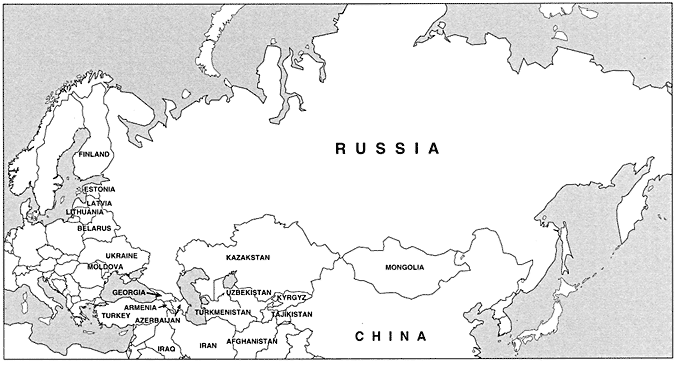
From a historical perspective, many of the states that emerged from the Soviet Union in the early 1990s have been independent states before. Nonetheless, we use the generic term ''New Independent States" in this volume because alternative terms exclude some of the countries or reference the past. In Figure 1-1, a map depicts the 15 neighboring states of the NIS that span Europe and Asia. Table 1-1 lists the countries included in the NIS and shows which are encompassed by other terms commonly used to refer to groupings of countries in the region.
Table 1-2 shows information on some key demographic, economic, and social indicators for the NIS. The size of Russia, Ukraine, and Kazakstan, together with their older age population structure, makes averages on many of these indicators for the NIS similar to the patterns in Europe generally, obscuring the different health profile of the Central Asian states. As to income, it is difficult to measure the purchasing power of the NIS countries. Available figures on income per capita are typically converted to U.S. currency based on the exchange rate; this approach underestimates the real value of income in these countries,
where the prices of services and nonimported goods are much lower than in industrialized and other middle-income countries. The Russian population, for example, had an average income per capita in 1990 equivalent to $8,000 U.S. dollars when corrected for local prices, but less than $3,500 when expressed in exchange rate dollars. The income differences both among and within countries are quite significant. Table 1-2 shows an income per capita for Tajikistan of $350 and levels below $1,000 for all the Central Asian republics, whereas the Baltic countries, Ukraine, and Russia all have an income per capita of $1,300 to $2,700. After correction for local prices, the real income differences are maintained, but with levels three to four times higher than those reported in Table 1-2.
Table 1-2 also shows health expenditures per capita for the year 1990. Compared with countries of similar income per capita, health expenditures are low in most of the NIS. In the first four years of the present decade, health expenditures declined between 30 and 60 percent in most of the NIS (Klugman and Sheiber, 1996). Despite these two facts, however, the health infrastructure and personnel of the NIS are in excess supply as compared with the OECD countries (World Bank, 1993).
Historically, the countries that comprise the NIS have not been considered developing countries. Today, there remains hesitation to classify individual NIS countries as either developed or developing. When comparing mortality rates and other health outcomes, analysts need a reference population. In most of this volume, the authors have chosen to use the mortality profiles of developed countries to assess the levels and trends in the NIS. This approach is useful for at least three reasons: first, decision makers and analysts from the NIS compare their countries with European countries and the United States; second, the economic integration of the vast majority of the NIS will be with OECD countries; and third, the NIS real income per capita and the network of social services are closer to those of the developed than the developing countries. The Central Asian republics, Armenia, and Azerbaijan are to some extent an exception. Although their social service networks cover almost all the population, their income per capita and health indicators are closer to those of some low-middle-income countries. Furthermore, their capacity to respond to the health challenges of the transition is as weak as that of low-middle-income countries.
The ethnic composition of the NIS is by no means homogeneous. Many authors in this volume suggest ethnic differences in health behavior as an explanation for differing mortality profiles or trends. The Central Asian countries are composed mainly of Asian ethnic groups (Turks, Kyrgyz, Kazaks, Uzbeks, and others). The large majority of Russians are ethnic Russians, descendants of the Slavs, but numerous ethnic minorities also inhabit the land. The Baltics, Belarus, and Ukraine are all generally inhabited by one majority ethnic group, but also several other European ethnic groups. In Kazakstan and Kyrgyz in 1991, Russians composed 38 and 22 percent of the population, respectively, but since then emigration has significantly reduced these percentages. Ethnicity is to a certain
TABLE 1-1 Geographic Designations for Country Categories Utilized in This Volume
extent associated with religious beliefs. Asian ethnic groups are largely Muslim; ethnic Russians are largely Russian Orthodox; and the rest, by and large, are mainly Moslem, Protestant, Roman Catholic, or Jewish.
All the NIS countries are now passing through a profound transition. Several dimensions of everyday life have changed since the breakup of the Soviet Union, including the political system, social benefits, and income levels, among others. In the 1990s, all the states are experiencing the worst economic crisis recorded in
|
|
|
NIS Regions |
|||
|
|
Former Socialist Economies of Europe (FSEE)a |
Central Asian |
Baltic |
Trans-Caucasian |
Other Europe |
|
Russia |
x |
|
|
|
x |
|
Estonia |
x |
|
x |
|
|
|
Latvia |
x |
|
x |
|
|
|
Lithuania |
x |
|
x |
|
|
|
Azerbaijan |
|
|
|
x |
|
|
Armenia |
|
|
|
x |
|
|
Georgia |
|
|
|
x |
|
|
Tajikistan |
|
x |
|
|
|
|
Turkmenistan |
|
x |
|
|
|
|
Uzbekistan |
|
x |
|
|
|
|
Kyrgyz |
|
x |
|
|
|
|
Kazakstan |
|
x |
|
|
|
|
Moldova |
x |
|
|
|
x |
|
Belarus |
x |
|
|
|
x |
|
Ukraine |
x |
|
|
|
x |
|
Eastern Europe |
|
|
|
|
|
|
Albania |
x |
|
|
|
|
|
Bulgaria |
x |
|
|
|
|
|
Czechoslovakia |
x |
|
|
|
|
|
Hungary |
x |
|
|
|
|
|
Poland |
x |
|
|
|
|
|
Romania |
x |
|
|
|
|
|
Yugoslavia |
x |
|
|
|
|
peacetime, albeit with differing intensities. Overall income per capita and production (mainly industrial) dropped from 30 to 50 percent in the first five years of this decade. This decline is far larger than that experienced by eastern European countries in the past ten years and by developing countries during the debt crisis of the 1980s. Not surprisingly, expenditures on social services have declined in a way parallel to income, leading to greater health risks that are discussed later in this chapter.
TABLE 1-2 Demographic, Economic, and Social Indicators in the NIS in the 1990s
|
Country |
Population, 1994 (millions) |
Population 60 years old and over, 1990 (percent) |
GNP per capita, 1994 (U.S. dollars) |
GDP growth rate. 1994 (percent) |
|
Armenia |
3.7 |
11 |
670 |
3 |
|
Azerbaijan |
7.5 |
9 |
500 |
-22 |
|
Belarus |
10.4 |
18 |
2,160 |
-22 |
|
Estonia |
1.5 |
— |
2,820 |
6 |
|
Georgia |
5.4 |
16 |
— |
-28 |
|
Kazakstan |
16.8 |
10 |
1,110 |
-25 |
|
Kyrgyz |
4.5 |
9 |
610 |
-27 |
|
Latvia |
2.5 |
— |
2,290 |
0 |
|
Lithuania |
3.7 |
16 |
1,350 |
2 |
|
Moldova |
4.4 |
11 |
870 |
-22 |
|
Russia |
148.4 |
17 |
2,640 |
-13 |
|
Tajikistan |
5.8 |
6 |
350 |
-15 |
|
Turkmenistan |
4.4 |
6 |
— |
-16 |
|
Ukraine |
51.9 |
19 |
1,570 |
-24 |
|
Uzbekistan |
22.4 |
6 |
950 |
-5 |
|
Source: World Bank (1993, 1996). |
||||
Analyzing Premature Death in the NIS
Trends and Immediate Causes
Life expectancy trends in the NIS have not followed those of other industrialized countries. From the post-World War II period to the mid-1960s, mortality levels in the Soviet Union fell rapidly, approaching levels in the United States and Europe. Death rates in the Soviet Union and in Eastern Europe then stagnated for 15 years or so, with periods of little improvement and even a reversal in life expectancy at birth. Over the decade of the 1980s, life expectancy increased again in the region, only to start reversing again by the end of the decade in many states. This slowdown, especially for males, contrasts with the situation in other industrialized nations, where life expectancy over the last three decades increased by 5 to 7 years (see Figure 1-2). These trends in population survival in the NIS have been described in the literature. The papers of this volume confirm them and provide more detail on the countries and population groups most affected.
Variations in life expectancy among national populations in the twentieth century have been a function primarily of variations in child mortality, but most of the reversals of life expectancy in Russia during the past 25 years have been
|
Country |
Life expectancy at birth, 1994 (years) |
Infant mortality rate, 1994 (per 1,000 live births) |
Male adult death rate, 1990 (per 1,000 population) |
Health expenditures, 1994 (percent of GDP) |
Health expenditures per capita, 1990 (U.S. dollars) |
|
Armenia |
71 |
5 |
20 |
4.2 |
152 |
|
Azerbaijan |
69 |
25 |
24 |
4.3 |
98 |
|
Belarus |
69 |
13 |
27 |
3.2 |
157 |
|
Estonia |
70 |
15 |
— |
— |
— |
|
Georgia |
73 |
18 |
22 |
4.5 |
152 |
|
Kazakstan |
68 |
27 |
29 |
4.4 |
154 |
|
Kyrgyz |
68 |
29 |
27 |
5.0 |
118 |
|
Latvia |
68 |
16 |
— |
— |
— |
|
Lithuania |
69 |
14 |
28 |
3.6 |
159 |
|
Moldova |
68 |
23 |
27 |
3.9 |
143 |
|
Russia |
64 |
19 |
30 |
3.0 |
157 |
|
Tajikistan |
67 |
41 |
19 |
6.0 |
100 |
|
Turkmenistan |
66 |
46 |
27 |
5.0 |
125 |
|
Ukraine |
68 |
14 |
27 |
3.3 |
131 |
|
Uzbekistan |
70 |
28 |
23 |
5.9 |
116 |
due largely to changes in adult mortality (predominantly among males). The chapter by Shkolnikov, Meslé, and Vallin examines trends in cause of death in Russia, which contains approximately half of the population of the NIS, for the period 1970 to 1993. The authors make a particularly noteworthy contribution in their necessary and painstaking reconstruction of cause-of-death categories in use during various time periods in the former Soviet Union to gain consistency and conformity with international standards. For their analysis, they break the time period of interest down into phases of increasing and decreasing mortality, paying particular attention to the important increases since 1987. They find the predominant role of increasing cardiovascular disease among males, and to a lesser extent among females, to be the notable feature of the long-term trends, while they find the predominant role of injury-related deaths to be the main explanatory factor in the shorter-term volatility in mortality levels since the mid-1980s. What has commonly been regarded as an understatement of neoplasm as a cause of death in Russia is reinterpreted by these authors as a late arrival of the cancer epidemic in Russia as compared with other European populations.
One of the most notable features of the life expectancy trend in Russia is its strong relationship with injuries and poisoning as causes of death. During the 1970s, a decline in life expectancy corresponded with an increase in deaths from
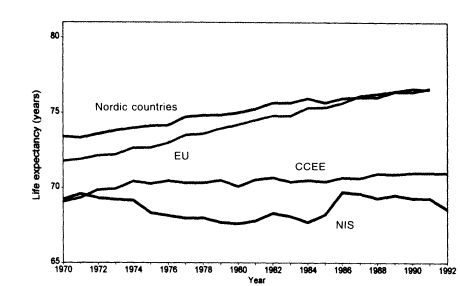
Figure 1-2
Trends in life expectancy at birth in the European Region. 1970-1992. Source: World Health Organization ( 1994:Fig. 2.1).
those causes. From 1984 to 1987, a sharp increase in life expectancy was matched by an equally strong decrease in such deaths. Since 1987, in another reversal of the trend, a prolonged decrease in life expectancy has been matched by significant increases in injury and poisoning deaths.
Between 1987 and 1992, increases in deaths from injuries and poisoning were substantial among men and women, and the only source of deterioration among women. Deaths from circulatory disease among men increased substantially over the period. Trends in other diseases remained more favorable. Most recently, over the period 1992-1993, still another large increase in the death rate has apparently occurred. But this shift is reflected in all major causes of death. except neoplasm. Again, increases in deaths from injuries and poisoning are dramatic and have emerged among both sexes. Injury increases in the late 1980s were due to increases in motor vehicle accidents and homicides, while those in the 1990s are attributable to increases in suicide, homicide, and accidental poisoning by alcohol. These recent changes and their relationship with alcohol consumption are examined in depth by Shkolnikov and Nemtsov in this volume. The increase in mortality through 1994 has recently been confirmed, although data in this volume are shown through 1993 only (see Komarov et al., 1996; also V. Shkolnikov, personal communication, 1995).
In perspective, the rise in premature death in the NIS over the past three decades means that in 1994 Russia had the same level of life expectancy as that reported in 1958. This puts Russia in the same category with regard to life
expectancy as lower-middle-income countries such as Honduras, Peru, the Philippines, and Turkey in 1990.
Age and Sex Structure of Mortality in the NIS
As noted earlier, many of the NIS countries show an uncommon pattern of relatively moderate infant and child mortality and high adult mortality. These age patterns of mortality deviate significantly from those of standard demographic models. The chapters of this volume represent the most comprehensive description and analysis of this unique mortality profile to date.
The chapter by Murray and Bobadilla uses a simple scatter diagram of countries by male child mortality (5q0) and male adult mortality (45q15) for all of the NIS countries and Central Europe to reveal three mortality profiles. The two extreme profiles summarize the predominant profiles in the NIS, found in geographically contiguous countries: the first has moderate child mortality and high adult male mortality, whereas the second has high child mortality and moderate adult mortality. The first profile characterizes Russia, the Baltic states, other European countries, and Kazakstan, and the second is typical in the other Central Asian states, Azerbaijan, and Armenia. Although the second is consistent with the income per capita of the countries affected and is relatively common in many middle-income countries, the first is rare and a direct result of mortality reversals documented in the NIS over the past 30 years. (The intermediate profile represents Eastern European countries, with low child and low adult mortality.) A mortality summary profile for the NIS for 1990 is presented in Table 1-3; the trends of the 5 years that followed only accentuated the differences between the two extreme profiles.
The first profile affects approximately 75 percent of the population of the NIS, and so the number of excess deaths (in absolute terms and per 1,000 population) is greater for this profile than for the second. Adult male mortality in the countries of the first profile is about 2 to 2.5 times higher than that of females in either profile. Adult male mortality in the first profile is also 2 times higher than that of the Established Market Economies, a classification of OECD countries excluding Mexico and Turkey (see Table 1-1). Child mortality in the countries of the second profile is almost 3 times higher than in the countries of the first profile and 6 times higher than in the Established Market Economies (see Table 1-3).
A provincial-level analysis presented in the chapter by Vassin and Costello reveals that within Russia, the majority of provinces have fairly similar levels of life expectancy. In general, Northern and Northwestern regions of European Russia, the northern part of the Ural region, a large part of Siberia, and the Far East show the lowest life expectancies. All provinces also have similar patterns of higher male than female and higher rural than urban mortality.
Vassin and Costello examine variation in the age-sex profiles of mortality within Russia and their associated causes of death through typical profiles result-
TABLE 1-3 Mortality Summary Profile in the NIS, 1990
|
|
Child Mortalitya |
Adult Mortalityd |
||||||
|
|
|
|
Males |
Females |
||||
|
Regions |
Rateb |
% of All Deaths |
Ratio to EMEc |
Ratee |
Ratio to EMEc |
Ratee |
Ratio to EMEc |
|
|
European plus Kazakstan |
24 |
2.6 |
2.2 |
29 |
2.0 |
11 |
1.5 |
|
|
Central Asian plus Azerbaijan and Armenia |
67 |
23.0 |
6.1 |
23 |
1.5 |
13 |
1.7 |
|
|
All NIS |
30 |
5.8 |
28 |
28 |
1.9 |
11 |
1.5 |
|
|
a Child mortality refers to deaths of children between birth and age 5. b The child mortality rate is the probability of dying between birth and age 5(5q0) expressed as a percentage. c The ratio is the product of dividing the mortality rate specified on the table by that of the Established Market Economies (EME) in 1990. EME countries include all the OECD countries minus, Mexico and Turkey (World Bank, 1993). d Adult mortality refers to deaths between ages 15 and 59. e The adult mortality rate (45q15) is expressed as a percentage. SOURCES: Murray and Bobadilla (in this volume): World Bank (1993). |
||||||||
ing from the clustering of over 70 provincial mortality profiles. Four different age patterns of mortality for males and four for females are found in Russia, associated with different cause-of-death patterns. Variations within the country, however, are dominated by the difference between rural and urban areas: in rural areas, injuries and cardiovascular disease have a more pronounced impact on mortality in early and middle adult ages, while in urban areas, cardiovascular disease and neoplasm have a strong impact on older-age mortality.
In what ways are the Russian age-sex mortality profiles unique? Vassin and Costello find that among females, the predominant urban and rural age patterns of mortality in Russia are fairly similar to the Coale and Demeny ( 1966; Coale et al., 19831983) West and North regional model life tables, respectively. The male age patterns of mortality, in contrast, are not similar to the Coale and Demeny tables, but they are not unique to Russia, either. Rather, they have been seen before in earlier time periods in Hungary, Finland, and France, and are most similar to contemporary mortality patterns among African-American males in the United States.
The rural-urban differential in mortality is also examined in the chapter by Kingkade and Arriaga. In the NIS outside of Russia, rural populations generally have higher death rates than their urban counterparts; the exception is males in the Central Asian states, where there is reason for suspicion about the quality of mortality statistics, especially in rural areas. In the southern NIS countries, loss of life due to infectious diseases is primarily a rural phenomenon, while loss of life due to degenerative diseases and injuries is greater among the urban than rural populations of these states.
Years of Life Lost in Relation to Health Priorities
Information on mortality by age, sex, and causes of death has been used for decades to set priorities in the health sector. In many countries, the control of major risk factors and diseases has been achieved following the implementation of targeted control programs. Such programs are commonly designed through epidemiological analysis of the causes of death and examination of the cost-effectiveness of alternative control measures. To analyze the main causes of death, an aggregate indicator of premature mortality is used. The indicator used in two chapters in this volume is potential years of life lost. This indicator generally reflects the number of years of life lost to premature mortality, assuming that the deceased would otherwise have lived out a full life span to some expected age at death. The concept is useful for comparing the burden of disease, or health losses, as it reflects the loss of life taking into account the age of those who died, as well as disease-specific incidence and case fatality. In contrast, mortality rates weight deaths at all ages equally. The use of this measure is also useful for estimating the cost-effectiveness of health interventions, since it can be used to compare benefits across age and sex groups.
TABLE 1-4 Percentage of Potential Years of Life Lost Due to Selected Causes of Death, Selected NIS (based on results presented in Kingkade and Arriaga [K&A] and Murray and Bobadillla [M&B] Chapters
There are many ways of estimating potential years of life lost. Although the methods used for the chapters by Kingkade and Arriaga and Murray and Bobadilla differ substantially, the results are remarkably similar. Kingkade and Arriaga estimated the potential years of life lost subtracting the age of death to 75. Murray and Bobadilla, on the other hand, used a model life table to estimate the maximum potential length of life, introduced a 3 percent discount rate (per year) for the stream of life lost in the future, and weighted the value of years lost at different ages. Table 1-4 shows the percentage distribution of potential years of life lost obtained by both methods for broad causes of death. In the estimates by Murray and Bobadilla, which are available only for both sexes, just 12 of 45 of the comparable figures lie between the male and female estimates from Kingkade and Arriaga, as expected. Most of these are in the category of infectious and parasitic diseases. Those that fall outside the gender range show systematically
|
|
Respiratory |
Neoplasm |
Infectious & Parasitic |
||||||
|
|
K&A |
K&A |
M&B |
K&A |
K&A |
M&B |
K&A |
K&A |
M&B |
|
|
Male |
Female |
Both |
Male |
Female |
Both |
Male |
Female |
Both |
|
Russia |
6 |
7 |
6 |
16 |
21 |
18 |
3 |
3 |
3 |
|
Estonia |
|
|
3 |
|
|
19 |
|
|
2 |
|
Latvia |
|
|
3 |
|
|
18 |
|
|
3 |
|
Lithuania |
4 |
3 |
4 |
17 |
24 |
19 |
2 |
2 |
2 |
|
Azerbaijan |
23 |
31 |
19 |
10 |
9 |
9 |
12 |
12 |
12 |
|
Armenia |
|
|
15 |
|
|
14 |
|
|
7 |
|
Georgia |
|
|
12 |
|
|
13 |
|
|
5 |
|
Tajikistan |
24 |
27 |
34 |
8 |
8 |
5 |
18 |
19 |
25 |
|
Turkmenistan |
25 |
28 |
34 |
8 |
8 |
5 |
14 |
16 |
19 |
|
Uzbekistan |
24 |
29 |
16 |
8 |
9 |
3 |
10 |
12 |
7 |
|
Kyrgyz |
24 |
30 |
30 |
9 |
9 |
7 |
7 |
10 |
10 |
|
Kazakstan |
|
|
16 |
|
|
14 |
|
|
7 |
|
Moldova |
11 |
10 |
9 |
14 |
15 |
14 |
4 |
4 |
4 |
|
Belarus |
|
|
7 |
|
|
19 |
|
|
2 |
|
Ukraine |
6 |
6 |
7 |
18 |
22 |
19 |
3 |
3 |
3 |
lower values for the Murray and Bobadilla estimates. The greatest differences are found in the estimates for the Central Asian republics.
The chapters by Kingkade and Arriaga and Murray and Bobadilla reveal that, as with the age and sex structure of mortality, the years of life lost as a result of specific causes of death in the NIS can also be depicted with two profiles. The states in the European region show a profile dominated by noncommunicable diseases and injuries, but the states in Central Asia show a mixed profile including communicable diseases, noncommunicable diseases, and injuries, a pattern reflected in the age-sex profiles discussed previously.
In the European region, two-thirds of potential years of life lost is due to noncommunicable diseases. Ischemic heart disease, cerebrovascular disease, and cancer of the lung are the main causes of death, explaining a third of the total potential years of life lost in the region. Lung cancer is expected to increase substantially in the next 20 years because of the lag between the high current
prevalence of smoking and clinical manifestations of and deaths from the disease. Other cancers (digestive organs, breast) also have a pronounced impact.
In Central Asia, in contrast, ischemic heart disease and cerebrovascular disease are responsible for just 13 percent of total potential years of life lost. Communicable diseases and maternal and perinatal causes constitute 53 percent of the total burden of mortality in these states: respiratory infections (among adults and children) account for 29 percent of the total mortality burden, followed by infectious and parasitic diseases (largely diarrhea, hepatitis, and tuberculosis) and perinatal causes at 15 and 9 percent, respectively. Communicable diseases—again consisting largely of respiratory infections—and perinatal causes account for only 11 percent of losses in the European region.
Together with cardiovascular disease, injuries are the predominant cause of adult death in the NIS. While standardized mortality rates for cardiovascular disease are substantially higher, injuries make a significant contribution to loss of life. In the European region, 24 percent of all potential years of life lost is due to injuries. Motor vehicle accidents and suicide are the biggest killers, representing 7 and 5 percent of the total burden of mortality, respectively. Homicide is also responsible for a significant number of premature deaths. In the states of Central Asia, injuries explain a smaller percentage of deaths (12 percent) than in the European states, with motor vehicle accidents and drowning dominating.
An analysis by Russian scientists adds an interesting element to the analysis of health priorities (Komarov et al., 1994). To complement an analysis of causes of death that present the largest burden to the working-age population of the NIS, they present an expert evaluation of losses of life that could be prevented taking into account the capacity of the Russian health system to prevent and control the main killers. With this approach, injury still emerges as a major mortality force in both the European and Central Asian NIS. For most states in Central Asia, respiratory disease dominates loss of working potential at 20 to 30 percent of losses (in all but Kazakstan), but injury is responsible for 18 to 35 percent of losses (in all but Tajikistan). In the European states, injury accounts for 35 to 50 percent of working potential losses, while cardiovascular disease is generally responsible for 10 percent. When one considers the capacity of the health care system, respiratory disease, considered to be largely manageable by existing health care, becomes a higher priority for preventing loss of working potential, while perinatal and congenital causes decrease in importance. Top health care priorities for many of the northern NIS are injury and cardiovascular disease, while those for the Central Asian states are respiratory disease, infectious and parasitic diseases, and injury.
Quality of Mortality Data
Anderson and Silver provide an overview of data quality issues, while the chapters by Kingkade and Arriaga, Murray and Bobadilla, and Shkolnikov, Meslé,
and Vallin address specific issues and provide corrections for data deficiencies. The data from Central Asia, especially for males, are assessed to be of poorer quality than those from the northern states. Andersen and Silver base their assessment on the anomalies in the age patterns of mortality in the data from Central Asia. These anomalies include higher mortality rates in urban than rural areas and an apparent ''crossover" in mortality at older ages, favoring rural areas, which they ascribe to age exaggeration among the rural population. They also base their assessment of data quality in the Central Asian states on comparisons with age patterns of mortality in Russia and Latvia, where the quality of mortality data appears better, and with patterns of age misreporting in data among the same ethnic groups in Xinjiang, China. Their general conclusion is that despite possible recent improvements in the quality of mortality data from Central Asia, the health situation there is likely to be worse than appears from official statistics. Past errors in vital statistics were not entirely due to the willful misreporting and coverups common during communist regimes, as has sometimes been implied; and many important causes of misreporting persist and limit analysts' ability to make sense of mortality trends and differences.
Of particular concern are two problems that relate to the reliability and interpretation of the infant mortality rate. The first relates to the Soviet definitions of live birth and infant death, which differ from the World Health Organization (WHO) standard definitions, with the result that births and deaths in the first months of life are underestimated. Since mortality at these ages represents a substantial proportion of infant deaths, particularly at lower mortality levels, the impact of this definitional issue can be substantial. Both Murray and Bobadilla (for 1989) and Kingkade and Arriaga (for 1990) calculate and present adjusted infant mortality rates for the NIS, based on different correction procedures (Table 1-5). From these analyses, it is clear that the range of correction factors is very wide. The actual factor applied to any one state depends largely on the assumptions underlying the methodology used by the authors. However, the impact of the adjustments on the level of life expectancy at birth is fairly minimal, resulting generally in less than a year of difference in estimated levels.
The second problem related to infant mortality is changes in registration coverage over time, which result in apparently increasing infant mortality. This problem is suspected to be most severe in the Central Asian states. Yet although there is some evidence that part of the trends in child mortality in Central Asia could be explained by changes in the completeness of registration, there are no good estimates of the magnitude of underregistration in the 1990s.
Incomplete registration of adult deaths and errors in the declaration of age at death are suspected to affect estimates of mortality at older ages, but in general have less impact on overall life expectancy than errors in infant mortality. Anderson and Silver identify problems with misstatement of age at the time of death in Central Asia, leading to implausibly low levels of mortality among the elderly in Tajikistan. Murray and Bobadilla attempt to measure the extent of underregistr-
TABLE 1-5 Infant Mortality Rates, Reported and Adjusted, in Selected Countries of the NIS
|
|
Murray & Bobadilla |
Kingkade & Arriagaa |
||||
|
|
Reported |
Adjusted |
Adj/Rep |
Reported |
Adjusted |
Adj/Rep |
|
|
1989 |
1989 |
1989 |
1990 |
1990 |
1990 |
|
Russia |
17.8 |
25.1 |
1.41 |
17.4 |
24.2 |
1.39 |
|
Estonia |
14.7 |
22.1 |
1.5 |
12.2 |
13.5 |
1.11 |
|
Latvia |
11.1 |
18.4 |
1.66 |
13.7 |
19.8 |
1.45 |
|
Lithuania |
10.7 |
18.1 |
1.69 |
10.2 |
14.9 |
1.46 |
|
Belarus |
11.8 |
19.4 |
1.64 |
12.0 |
14.2 |
1.18 |
|
Ukraine |
13.0 |
20.4 |
1.57 |
12.9 |
20.6 |
1.60 |
|
Moldova |
20.4 |
27.9 |
1.37 |
19.0 |
33.0 |
1.74 |
|
Georgia |
19.6 |
27.0 |
1.38 |
15.8 |
22.1 |
1.40 |
|
Armenia |
20.4 |
27.9 |
1.37 |
18.4 |
70.2 |
3.82 |
|
Azerbaijan |
26.2 |
33.4 |
1.27 |
22.9 |
56.3 |
2.46 |
|
Kazakstan |
25.9 |
33.1 |
1.28 |
26.5 |
46.3 |
1.75 |
|
Uzbekistan |
37.7 |
44.7 |
1.19 |
34.8 |
61.9 |
1.78 |
|
Turkmenistan |
54.7 |
60.3 |
1.10 |
45.4 |
70.2 |
1.55 |
|
Tajikistan |
43.2 |
50.6 |
1.17 |
40.8 |
75.7 |
1.86 |
|
Kyrgyz |
32.2 |
39.6 |
1.23 |
30.0 |
56.8 |
1.89 |
|
a Calculated from male and female rates assuming a sex ratio at birth of 1.05. |
||||||
ation of adult deaths through the application of demographic methodology. Although their estimates are not free of problems, they estimate coverage of death registration to be over 95 percent in most states, with registration in the Central Asian states being more in the 85 to 95 percent range.
Corrections of infant and child mortality and older adult mortality are also evaluated by Shkolnikov, Meslé, and Vallin for Russia. Their prime focus, however, is on the impact on levels of life expectancy. As with the previously mentioned analyses, the authors find these corrections to have a fairly minimal impact on the interpretation of life expectancy trends.
Data quality is a much more complex issue for causes of death than for mortality levels. One problem that plagues cause-of-death analysis in the NIS is that the cause-of-death classifications in the Soviet Union changed over time, and the latest classification is different from the standard IXth International Classification of Diseases (World Health Organization, 1965). As Murray and Bobadilla suggest, this problem becomes significant for some specific causes of death, such as cardiovascular disease. Shkolnikov, Meslé, and Vallin address this incompatibility and adjust the classifications to provide a comprehensive review of trends.
They also describe two little-known studies of quality of cause-of-death data in the former Soviet Union. They find that in many cases, sources of error compensate each other. One of the most interesting findings is that the results do not support the widespread opinion about an overregistration of cardiovascular mortality. Indeed, large errors observed for different cardiovascular diseases compensate each other; consequently, the percentage of error for the totality of cardiovascular diseases is rather small. The authors conclude that unfavorable trends observed in Russian cardiovascular mortality reflect more a real deterioration than any increasing overestimation.
Controlling Cardiovascular Disease and Injuries
Health expenditures (public and private) in the NIS range from $US 30 to 200 per capita, limiting the amount, number, and complexity of public and private health interventions that can be undertaken (World Bank, 1993). As noted above, these figures are declining, and a major recovery is unlikely to occur in the next 5 to 10 years. Setting priorities for health care is an urgent need since the available resources cannot cover all the services that are desired, necessary, and appropriate to the epidemiological profiles of these countries (Komarov et al., 1994).
The second part of this volume explores prospects for preventing premature death in the NIS by reducing alcohol abuse, controlling tobacco consumption, and improving diet. These three areas were chosen because of their demonstrated relationship to cardiovascular disease and injuries in other countries of the world, and thus their probable relevance to the mortality profile of the northern NIS. Information on risk factors in the NIS is much more limited than information on mortality trends. However, according to the studies known as Monitoring and Determinants of Cardiovascular Disease (MONICA), which are reliable small-scale epidemiological studies sponsored by WHO, the European NIS show fairly high prevalence rates of risk factors for cardiovascular disease among men: smoking, obesity, consumption of animal fat, and hypertension (see references cited by Murray and Bobadilla, in this volume; see also Williams and Martin, 1994).
Numerous approaches that target one or more of the three risk factors of focus in this volume have been tried in industrialized countries outside the NIS. Evaluations have shown some of these strategies to be effective and cost-effective in those settings. Some of these strategies are introduced in this part of the volume—in the chapters by Prokhorov, Pierce, Puska, and Pearson and Patel—to stimulate discussion on how they might be adapted to the cultural setting of the NIS and tried on an experimental basis (see also Graitcer, 1994; Sindelar, 1994). Experience from other countries suggests pilot programs, targeted campaigns. counterbalancing of media messages, mobilization of community organizations, and balancing of human and commercial interests as some ways of introducing public health initiatives in a situation of scarce economic resources.
Reducing Alcohol Abuse
The chapter by Shkolnikov and Nemtsov reveals that alcohol consumption is temporally related to mortality trends and to fluctuations in rates of injury and cardiovascular disease in Russia. Alcohol abuse results as well in large productivity losses to society (Cook, 1990). Research to produce evidence on these linkages is still being conducted even as precise measurement of alcohol consumption and abuse remains a problem. Adverse consequences of alcohol abuse include directly related mortality (through, for example, alcohol poisoning, cirrhosis, and stroke) and indirectly related mortality through injury, some intestinal cancers, and hypertension. Mortality directly related to alcohol does not contribute significantly to potential years of life lost as discussed above. However, the chapter by Treml points out that mortality rates due to alcohol poisoning in Russia are extremely high relative to those of other developed countries.
Shkolnikov and Nemtsov also observe that alcohol consumption has generally been higher in Russia and the Baltic states than in the other NIS countries. Official estimates of per capita consumption of alcohol for Russia are unrealistically low, since they ignore the significant role of home production of samogon ("moonshine") and wine in consumption patterns in both urban and rural areas. Samogon consumption in Russia is estimated at roughly 30 to 60 percent of the consumption level of state-produced alcohol. Based on various estimates of real levels of consumption, alcohol consumption in Russia climbed steadily over the 1970s and 1980s, reaching a maximum in 1984, dropping to a low point in 1986 or 1987 as a result of Gorbachev's anti-alcohol campaign, and increasing thereafter until 1992-1993 following the cessation of the campaign. Corrected estimates for the 1990s suggest that Russians drink 14 liters of pure alcohol per capita, with a high concentration among adult males. Drinking among males is roughly estimated to be at levels four times greater than among females, although female drinking began increasing in the 1960s with increased production of wine and beer. Yet recent increases in alcohol-related mortality among females during 1991-1993 suggest increasing levels of alcohol consumption among females (Komarov et al., 1994). This is a cause for concern given the greater susceptibility of women to the negative effects of alcohol (Gavaler and Arria, 1994).
The Russian alcohol consumption level of 14 liters per capita is among the highest levels in the world, but not unique; France has a similar level. What is unique is the high level of consumption combined with binge drinking among Russians. Adverse consequences of alcohol consumption are strongly related to patterns of drinking (Camargo, 1989). Customary drinking patterns in Russia involve binge drinking of large quantities of vodka or samogon with little or no accompanying food, which, as Treml points out, is hypothesized to result in faster intoxication, more frequent violence, serious accidents, stroke, cardiac arrhythmias, and fatal alcohol poisoning. In the European countries of the NIS, the modest benefits of moderate alcohol drinking through a reduction in ischemic
heart disease mortality are overshadowed by the negative effects with regard to both injuries and cardiovascular disease (Jackson and Klotsky, 1996).
As pointed out by Shkolnikov and Nemtsov, the anti-alcohol campaign undertaken by the Gorbachev government in the 1980s revealed the important role of alcohol abuse in cardiovascular and injury mortality in Russia. During the campaign, over the period 1984-1987, life expectancy increased for males by 3.2 years and for females by 1.3 years. This is an impressive gain that has taken at least a decade in other developed countries. The impact was most pronounced in the reduction of mortality due to injuries, poisoning, and some cardiovascular disease among adult males. Changes in mortality due to respiratory and digestive diseases were also noted, but were less sensitive to the effects of the campaign. No major change occurred in rates of death due to neoplasm during the period.
The results presented in this volume are consistent with current knowledge on the association between alcohol and mortality. Alcohol abuse is very likely one of the main reasons for the high percentage of people worldwide with arterial hypertension, according to the MONICA studies. Russia has some of the highest proportions of individuals with high blood pressure—40 percent for males and 30 percent for females (Williams and Martin, 1994). Hypertension is a leading cause of ischemic heart disease and hemorrhagic stroke (Poulter and Sever, 1992), the two most common cardiovascular diseases in the NIS. Alcohol consumption has a "J"-shaped relationship with ischemic heart disease; that is, abstainers and heavy drinkers have a greater risk of ischemic heart disease than moderate drinkers. But even in moderate amounts, alcohol consumption has been found to be associated with hemorrhagic stroke. The association has been found with both binge drinking and recent alcohol intoxication; although this finding has been best studied among Finnish young adults, the results have been found elsewhere (Camargo, 1989). Shkolnikov and Nemtsov point out that alcohol is the only risk factor among the three considered in this volume to show a correlation with cardiovascular mortality trends. Furthermore, alcohol and tobacco are the risk factors that differ most between men and women. This volume presents structured arguments suggesting that a large part of the increased mortality in the NIS is probably due to alcohol.
The anti-alcohol campaign was motivated largely by productivity losses due to alcohol abuse. Studies based in the United States also reveal that alcohol abuse is generally responsible for large productivity losses to society (Sindelar. 1994). Such losses—including greater absenteeism, reduced on-the-job performance, and increased work-related accidents and injuries—represent by far the largest component of the costs of alcohol abuse. Indirect costs associated with alcohol-related morbidity and mortality are also quite large, relative to the direct costs associated with treatment and support for alcohol abusers.
Policy instruments for reducing alcohol-related costs have been evaluated in the United States. It is clear that no one policy dominates others in effectiveness, and that the combined effects of multiple policies have still not eliminated this
TABLE 1-6 Selected U.S. Policies to Control Alcohol Abuse Delineated by Type of Public Policy
|
Taxes and Price Policies |
|
Taxes on wine, beer, and liquor (tax equally on ethanol; tax more on the more socially costly, less on more regressive types of alcohol) |
|
In cases of state monopolies, higher prices on alcohol |
|
Import quotas and tariffs |
|
Regulations |
|
Alcohol Control |
|
Minimum drinking age |
|
Restrictions on the number, type, hours, and location of sales premises |
|
Prohibition |
|
Designation of areas as dry |
|
Control of the alcohol-related costs |
|
Drunk driving laws and penalties |
|
Mass media and information on alcohol |
|
Warning labels |
|
Bans on advertising alcohol |
|
Liability for alcohol-related problems |
|
Dram shop laws |
|
Criminalization of drunkenness |
|
Driving-under-the-influence laws |
|
Control of complementary activities |
|
Compulsory seat belt use |
|
Speed limit laws |
|
Minimum driving age |
|
Mandatory driver education |
|
Subsidization and Enhancement of Treatment |
|
Mandatory treatment, or option of treatment or incarceration |
|
Subsidized treatment |
|
Professional standards for treatment |
|
Managed care |
|
Triage |
|
Publicly provide care |
|
Training of professionals |
|
Subsidized treatment research |
|
SOURCE: Sindelar (1994). |
persistent problem. A list of selected U.S. policies by type of intervention is presented in Table 1-6. Prevention policies that have been shown to be effective include drunk driving laws and a minimum drinking age of 21 for reducing drunk driving and related accidents. Higher taxes have been shown to result in lower alcohol consumption in the United States, particularly among the young because of their relatively lower income. However, the applicability of these approaches to the NIS is speculative at this point. Better knowledge on the effectiveness of
various policies will emerge only when the NIS countries start experimenting; small pilot projects will shed light on the complex interaction among policies, sociocultural preferences, commercial interests, and adult behavior.
Controlling Tobacco Consumption
The chapters by Lopez, Prokhorov, and Pierce address the problem of tobacco consumption. In the Soviet Union in the 1980s, approximately half the adult men smoked, compared with less than 15 percent of the women. By comparison, in the United States in 1987, around 31 percent of men and 26 percent of women smoked. According to Prokhorov and Pierce, survey data indicate that smoking appears to be increasing among adult males in Russia—from 53 percent in 1985 to 67 percent in 1992—and also among adolescents. Lopez points out that in the other NIS countries, rough estimates indicate the highest per adult yearly consumption of cigarettes to be in Armenia, Turkmenistan, Moldova, Georgia, and Ukraine.
Prokhorov and Pierce also note that in recent years, transnational tobacco companies have expanded their role in the NIS. At the same time, tobacco promotion and advertising have increased, a development Prokhorov suggests is particularly noticeable in promotions and is directed to youth. Pierce documents the powerful impact of advertising on the smoking habits of the American public over time, with specific targeting measures quickly showing up in smoking prevalence among the targeted groups. He notes that susceptibility to advertising is a strong determinant of starting behavior. His observations echo the perception of Prokhorov regarding the acute susceptibility of the NIS market, which has not previously been exposed to these powerful marketing tools, combined with the tendency in the NIS to imitate the poor health habits of the West.
Applying a new methodology (Peto et al., 1994) that examines impact across a range of causes of death, Lopez presents calculations of smoking-attributable mortality that suggest smoking claims many lives through lung cancer, but claims up to two to three times more lives from other diseases, such as coronary heart disease and stroke. According to the estimates presented, in one group of NIS countries—Armenia, Belarus, Estonia, Kazakstan, Latvia, Lithuania, the Russian Federation, and Ukraine—about 25 to 30 percent of all male deaths are currently due to smoking, and roughly 40 percent of deaths among men of middle age. The remaining countries can be considered as being at an intermediate or earlier stage of their tobacco epidemics, with proportionate mortality of 6 to 20 percent attributable to smoking.
According to Pierce, regulations that control smoking among confirmed smokers have been shown to be effective in the United States and other developed countries. Quitting smoking is a time-dependent process, with success increasing with repeated attempts. Public control of tobacco use decreases levels
of addiction among smokers, thereby contributing to greater chances for success in quitting.
Prokhorov points out that the countries of the former Soviet Union have a disappointing history of tobacco control programs, which have been poorly planned and implemented, short-lived, and ineffective. Involvement of health care providers in tobacco control activities is a common first step in other countries that have succeeded in controlling the tobacco epidemic. However, smoking prevalence among health care providers in the NIS, especially among males, is very high, partly as a result of high tolerance for smoking in those countries. Although medical professionals are often seen as a major influence in tobacco control programs, further research is needed to determine whether medical professionals in the NIS are appropriately positioned to assume that role.
The beginnings of a tobacco control movement in the NIS are evident. Prokhorov reports priorities formulated by NIS experts during the recent Ninth World Conference on Tobacco and Health. These include reducing smoking prevalence among health professionals and involving them in tobacco control activities, developing cost-effective interventions for different populations, introducing controls regulating the toxicity of tobacco products, and promoting the establishment and development of voluntary organizations for tobacco control. Pierce notes that bans on tobacco advertising have been considered in Russia, but enthusiasm for this approach may be expected to wane with the entry of the transnational tobacco companies into the market. Support for tobacco control is needed among both health professionals and the general public. Evidence suggests the need to build awareness of the link between smoking and health based on local evidence, in order to produce a galvanizing effect similar to that of the 1963 Surgeon General's report in the United States. Based on the experience of other countries, pricing strategies may also be a key component of tobacco control, consisting of small increases at regular intervals to avoid the emergence of a black market.
Improving Diet
Diet is one of the major determinants of cardiovascular disease. Diets high in polyunsaturated fat, total fat, and salt are strongly associated with cerebrovascular disease and ischemic heart disease, two of the most important causes of premature death in the NIS. The chapter by Popkin et al. documents a dramatic transformation in diet in the Soviet Union that occurred over the period 19601989: per capita consumption of cereals and breads declined greatly, and consumption of red meat, sugar, and dairy products increased. These changes appear to have been largely supply driven. At present, problems of a high-fat diet and obesity are common among adults in Russia and even in Kyrgyz, which is one of the poorest countries of the NIS, while chronic energy deficiency does not appear to be a major adult health problem. Although dietary changes occurred in Russia
between 1992 and 1993, the Russian population continues to consume a moderately high-protein and high-fat diet.
The chapter by Pearson and Patel draws on the international research literature to demonstrate that consumption of fat, especially from animal sources, can be markedly altered on a nationwide basis, and that population-wide dietary change is linked specifically with declines in cardiovascular disease. The chapter by Puska documents a comprehensive program in neighboring Finland to bring about population-wide dietary change. Although many population-based programs have been described in the literature, the Finnish program is particularly relevant to the NIS because of the common characteristics shared by the North Karelian people and Estonians and other NIS populations: binge drinking, high alcohol consumption per capita, high intake of animal fat, and similar genetic makeup.
In the early 1970s, Finland was faced with serious noncommunicable disease epidemics, a situation comparable to that of Russia and other northern NIS countries today. Finnish men had extremely high rates of coronary heart disease. High rates of cancer also existed, and there was high mortality from all causes of death. A national preventive demonstration program, the North Karelia project, was instituted to decrease mortality and morbidity rates from cardiovascular and other chronic diseases, particularly among middle-aged males, and to promote general health among the population. Important risk factors included smoking, high serum cholesterol, and high blood pressure levels, the latter two likely related to a diet high in saturated fats. The project targeted changes in lifestyle behavior and its determinants. It was integrated into the existing health service structure, and broad community participation was key. Overall costs associated with the project have been modest. Careful evaluation studies have been carried out. In 20 years, the project has been associated with a marked reduction in target risk factors, and with a more than 50 percent reduction in cardiovascular disease mortality rates among the middle-aged population and a decrease in overall mortality of about 40 percent. Health researchers and personnel from Finland are now actively involved in collaboration with groups in Estonia and the Republic of Karelia, Russia, to plan and implement health intervention activities applying the lessons of the Finnish project.
According to the chapter by Pearson and Patel, lessons learned from dietary change programs in the United States may also be useful to the NIS. Several institutions are generally involved in such change, using a variety of strategies. Governmental policy clearly plays a role in the establishment of nutritional goals for the population. For example, in market economies, production of food by the agricultural sector and by food manufacturers has been dictated largely by profitability and consumer demand, unless manipulated by subsidies or production quotas. Thus Pearson and Patel suggest that creation of demand for low-fat foods may be an important role for governmental, voluntary, and health-related organizations.
Pearson and Patel note that numerous studies have examined the health benefits and cost savings of a variety of health promotion/disease prevention interventions at works sites and schools, reporting generally positive results. Evaluations of community intervention programs have examined the ability of mass media to influence population-wide eating behaviors, with results showing reductions in targeted risk factors. However, not all of the media involved need be national in scope. Rather, smaller-scale activities, such as production of pamphlets and brochures by local organizations, have an advantage in that they tailor the message to the local population and are generally less expensive than broader-scale efforts. It is important to note that endorsement of the health professional community is essential in supporting any national or local campaigns to change nutritional behavior.
Multiple Risk Factors
Measuring the number of deaths attributable to risk factors for noncommunicable diseases and injuries is an essential step toward the design of feasible and effective control policies. But serious methodological and measurement problems lead to imperfect results with most estimates of attributable mortality due to alcohol, tobacco, and diet, except for estimates based on longitudinal studies. The lag time between exposure to a risk factor and the development of a cardiovascular disease is between 10 and 15 years; most of the concurrent analyses of risk factors and cardiovascular mortality are thus rough approximations of the real relationship. For example, in the case of lung cancer, today's exposure to tobacco will be related to deaths in 2015-2020. Another problem is that the attributable mortality due to a specific risk factor is often influenced by the prevalence of other risk factors. Measuring the attributable mortality for a single risk factor thus often leads to overestimates of its influence. Moreover, the risk associated with a specific factor may not be the same in all countries, particularly when that risk is affected by individual behaviors. This is the case with the relationship between alcohol consumption and mortality due to homicides and traffic accidents.
Table 1-7 presents estimates of the prevalence of multiple risk factors for a selected group of NIS countries (Nienssen et al., 1994). The prevalence of cigarette smoking, high blood pressure, high cholesterol, and obesity is presented for Kazakstan, Russia, and Lithuania, and compared with that in Poland, The Netherlands and all the Formerly Socialist Economies (see Table 1-1). Men in Lithuania and Russia show a higher prevalence of smoking, blood pressure, and high cholesterol than those in The Netherlands. Women in the three NIS countries show a higher prevalence of all the risk factors, except smoking, than women in The Netherlands. Nienssen et al. also estimate attributable mortality, adapting a model developed for The Netherlands. Despite the absence of alcohol abuse in that model, the results show that 30-36 percent of the adult mortality among men
TABLE 1-7 Prevalence of Health Determinants in Three NIS Countries, Poland, The Netherlands, and the Former Socialist Economies (FSE) By Sex (0.5-rounded percentages)
|
|
Current Smoker |
High Blood Pressure |
High Cholestrol |
Obesity |
|
Men |
||||
|
Kazakstan |
59.0 |
16.0 |
13.5 |
NA |
|
Russia |
49.5 |
26.0 |
20.0 |
12.5 |
|
Lithuania |
41.5 |
20.0 |
32.5 |
22.5 |
|
Poland |
60.0 |
30.5 |
18.5 |
20.2 |
|
Netherlands |
40.0 |
18.0 |
16.0 |
13.0 |
|
FSE |
53.0 |
26.0 |
13.0 |
14.5 |
|
Women |
||||
|
Kazakstan |
1.0 |
16.0 |
13.5 |
NA |
|
Russia |
11.0 |
24.0 |
13.0 |
38.0 |
|
Lithuania |
4.5 |
21.5 |
32.5 |
48.1 |
|
Poland |
28.0 |
25.5 |
18.5 |
31.0 |
|
Netherlands |
27.0 |
9.0 |
13.0 |
16.0 |
|
FSE |
11.5 |
24.0 |
14.5 |
38.0 |
|
SOURCE: Niessen et al. (1994). |
||||
in the three NIS countries studied can be attributed to smoking, high blood pressure, high cholesterol, and obesity, the largest effect being that of smoking on cardiovascular disease. For women, the mortality that can be attributed to these factors is 14 percent for Kazakstan, 22 percent for Lithuania, and 27 percent for Russia. These estimates are useful for identifying the main risk factors and their order of magnitude. However, to design and implement disease control programs, more accurate information is needed, an issue to which we now turn.
Research and Information Needs
Problems of missing and poor-quality data for assessing mortality trends and causes of death in the NIS are noted throughout this volume.
In the Central Asian countries, measurement of basic levels of mortality leaves much to be desired, little is known about death rate trends, and baseline information is lacking. There is also a great need for reliable information on infant and child mortality levels in these states. Either rapid assessment techniques for measuring infant mortality or use of standard demographic methodology to measure infant and child mortality indirectly in future health surveys and censuses would serve to address the deficiencies in reported levels of mortality
from the vital registration system and aid the assessment of trends in the future. At the same time, improvement of the vital registration system is essential in the medium term.
The impact of chronic diseases and injuries on mortality among the total NIS population is evident from data already available in the NIS. Information on associated risk factors in the NIS is limited, and population surveys on chronic disease risk factors, health behaviors, and related determinants are needed in many of the NIS countries.
Broader social and economic institutional factors may account for a substantial portion of the changes in health outcomes in the NIS. Little is known about the extent to which those changes are due to the general economic crisis, inflation, unemployment, and declining social support, in addition to deterioration in health programs, medical services, and public sanitation. These factors affect both the design of intervention strategies and estimation of the likely payoff of interventions, and thus need further exploration.
Health care priorities based on the burden of premature death need to be complemented by information on the effectiveness of public health and clinical interventions (Tengs, 1994). Health expenditures, particularly those made with public funds, ideally should be based on cost-effectiveness, feasibility of alternative programs, and population preferences in relation to health benefits. Information on the effectiveness and cost of public health interventions to control alcohol abuse, hypertension, tobacco consumption, excess animal fat consumption, and obesity needs to be collected and analyzed.
The influential role of injuries in losses to society, not only in Russia, but in both the northern and southern NIS, is noted in several chapters in this volume. Data used to support the analyses presented here take account only of losses due to mortality; losses from disability have not been estimated, yet these losses are sometimes thought to be double costs—in both productivity loss and increased costs of societal support for a disabled population. There is a great need for epidemiological studies on injuries to provide initial direction for appropriate control measures. Various types of data collection that have proven useful in the development of injury prevention and control strategies have been suggested by Graitcer (1994). These include accurate national vital records and traffic databases, population-based surveillance systems to collect information on the impact of nonfatal injuries, risk factor surveys on population behavior and injury experiences, and cohort and case-control surveys to learn more about specific injury causes and risk groups. Such studies should be large and specific enough to provide direction in developing injury prevention and control measures that would be tested in small-scale projects and conducted on an ongoing basis so their effectiveness could be evaluated.
Evidence from international experience reported here suggests that education and communication can be effective tools in improving diet and controlling alcohol and tobacco use, albeit with some mixed results, and that for control of
risk factors, raising awareness is an essential first step. Health professionals play a pivotal role in the implementation of behavior modification in other countries. Further assessment of their potential role in the future control of chronic disease in the NIS is needed, though qualified by information on health behaviors and levels of influence of the medical professional community in these settings.
Planning of health interventions must incorporate knowledge of social and cultural norms, governmental practices, the local economic situation, and the local political will, although experience from other countries can be used to formulate a set of possibilities. Obstacles to positive health change include economic and political problems, but also population attitudes. Further exploration of the potential for change is an open area of research, with one possibility being the use of pilot projects. The experience of the North Karelia project in Finland indicates that a pilot demonstration program can be a strong tool for fostering national chronic disease prevention and health promotion. Such a program provides development and testing of approaches, offers demonstration and training for national purposes, draws the attention of the media, attracts politicians, and provides a visible practical reference for what can be done. It is a useful approach under situations of scarce resources and multiple problems, and may be applicable to the needs of the NIS.
Finally, it is to be noted that mortality measures significantly underestimate the burden of ill health on a population, as they do not accurately reflect morbidity conditions or losses suffered through disability. For a thorough assessment of the impact of poor health the NIS, research on the impact of chronic disease and injuries on disability in the NIS is needed to inform health priorities and assist in identifying appropriate control measures.
References
Camargo, C.A. 1989 Moderate alcohol consumption and stroke: The epidemiologic evidence. Stroke 20(12):1611-1626.
Coale, A.J., and P. Demeny 1966 Regional Model Life Tables and Stable Populations. Princeton, NJ: Princeton University Press.
Coale, A.J., P. Demeny, and B. Vaughan 1983 Regional Model Life Tables and Stable Populations, second ed. New York: Academic Press.
Cook, P 1990 The social costs of drinking. In The Negative Social Consequences of Alcohol Use. Oslo: Norwegian Ministry of Health and Social Affairs.
Frenk. J., J.L. Bobadilla, J. Sepulveda, and M. Lopez Cervantes 1989 Health transition in middle income countries: New challenges for health care. Health Policy and Planning 4(1):29-39.
Gavaler, J.S., and A.M. Arria 1994 Increased susceptibility of women to alcoholic liver disease: Artifactual or real? Pp. 122-133 in P.M. Hall, ed., Alcoholic Liver Disease, Pathology and Pathogenesis, second ed. London: Edward Arnold.
Graitcer, P. L 1994 Injury Prevention and Control in the NIS: What Do We Need and What Would Work? Paper presented at the Workshop on Adult Health Priorities and Policies in the New Independent States. November 17-18. National Research Council. Washington, D.C.
Jackson, R., and A. Klatsky 1996 Paper presented at the 1996 Joint Scientific Meeting of the Research Society on Alcoholism and the International Society for Biomedical Research on Alcoholism. June 22-27. Washington, D.C.
Jamison, D.T., W.H. Mosley, A.R. Measham, and J.L. Bobadilla, eds. 1993 Disease Control Priorities in Developing Countries. New York: Oxford University Press.
Klugman J., and G. Sheiber 1996 A Survey of Health Reform in Central Asia. A World Bank background paper prepared for the World Bank/Economic Development Institute Senior Policy Seminar. Ashgabad, Turkmenistan.
Komarov Y.P., S.P. Ermakov, and V.G. Semyonova 1994 Loss of Working Potential in the New Independent States. Paper presented at the Workshop on Mortality and Disability in the New Independent States, September 8-9. National Research Council, Washington, D.C.
1996 Loss of Working Potential in the New Independent States. Unpublished revisions to paper presented at the Workshop on Mortality and Disability in the New Independent States . September 8-9. National Research Council, Washington, D.C.
Niessen. Louis W., Pieter G.N. Kramers, and Rudolph Hoogenveen 1994 Proximate Determinants in the New Independent States: Attributable mortality Based on an Integrated Approach followed for The Netherlands. Paper presented at the Workshop on Adult Health Priorities and Policies in the New Independent States. November 17-18. National Research Council, Washington, D.C.
Peto, R., A.D. Lopez, J. Boreham, M. Thun, and C. Heath, Jr. 1994 Mortality from Smoking in Developed Countries 1950-2000. Oxford: Oxford University Press.
Poulter, N.R., and P.S. Sever 1992 Interventions in high risk groups: Blood pressure. Pp. 325-342 in M. Marmot and P. Elliot. eds., Coronary Health Disease Epidemiology: From Aetiology to Public Health. Oxford: Oxford University Press.
Sindelar, J.L. 1994 Alcohol-related Policies in the United States and Their Applicability to the New Independent States. Paper presented at the Workshop on Adult Health Priorities and Policies in the New Independent States. November 17-18. National Research Council, Washington, D.C.
Tengs T. 1994 The Cost-Effectiveness of Strategies to Prevent Premature Death in the Former USSR: Is United States Data Relevant? Paper presented at the Workshop on Adult Health Priorities and Policies in New Independent States. November 17-18. National Research Council, Washington, D.C.
Tulchinsky, T.H., and E.A. Varavikova 1996 Addressing the epidemiological transition in the former Soviet Union: Strategies for health system and public health reform in Russia. American Journal of Public Health 86(3):313-320.
Williams, O.D., and I. Martin 1994 Mortality and Other Outcomes, Risk Factors, and Links with Death Registration Data in NIS Epidemiological Study Sites. Paper presented at the Workshop on Mortality and Disability in the New Independent States. September 8-9. National Research Council, Washington, D.C.
World Bank 1993 World Development Report 1993: Investing in Health. New York: Oxford University Press.
1996 World Development Report 1996: From Plan to Market. New York: Oxford University Press.
World Health Organization 1965 International Statistical Classification of Diseases and Related Health Problems. IXth Revision. Geneva.
1994 Health in Europe: The 1993/1994 Health for All Monitoring Report. Who regional publications, European series, no. 56. Copenhagen: World Health Organization.


