
2
Optics in Health Care and the Life Sciences
Optics has affected the lives of most Americans by changing the practice of medicine and offering new approaches to major health problems, such as the treatment of heart disease, cancer, kidney stones, knee injuries, and eye diseases. The use of optics and fiber optics has led to less invasive ways of treating disease by replacing open surgery with minimally invasive therapies. The basic research in biology that leads to new insights into the treatment of disease has benefited from technical advances ranging from optical methods of gene sequencing to new and more precise microscopies.
This broad use of optical techniques has led to new approaches to biological research problems, new methods of medical diagnosis, and new ways to treat diseases. Tools developed for use in research have evolved into tools for patient treatment, and new and increasingly sophisticated research apparatus continues to emerge, improving our ability to study and control basic biological processes.
It is the intent of this chapter to show how optics and lasers have changed the practice of medicine in ways that most readers have experienced, either directly or through a family member, and to give some view of how optical science may affect the health care of the future. In addition, the reader will have a better sense of how optics is involved in health care technologies used for applications as diverse as the determination of viral load in HIV and, potentially, the monitoring of blood glucose levels in diabetics.
The material in this chapter is organized into three main topics: (1) surgery and medicine, (2) biology, and (3) biotechnology. The chapter concentrates on revolutionary developments, ones that have led to new techniques for research, diagnosis, or treatment or that could do so in the future. It concludes with some general remarks on health care
and the life sciences as a whole, highlighting the key challenges and opportunities that the field faces and making some recommendations to government, academia, and the private sector.
Surgery and Medicine
Optics has enabled laser surgery, optical diagnostic techniques, and visualization of the body's interior (see Figures 2.1 and 2.2 and Boxes 2.1 and 2.2).
Although the applications of optics to surgery and medicine have increased rapidly since the invention of the laser in 1960, a number of optical techniques were used before that time. The development of rigid and flexible endoscopes—devices that allow the inside of canals (e.g., blood vessels) and hollow organs (e.g., the colon) to be viewed—is discussed in some detail elsewhere (Katzir, 1993). A number of rigid endoscopes were used in the nineteenth century, and the first flexible medical endoscope using optical fibers was demonstrated in 1959.
It is worth noting that the use of microscopes by pathologists to examine tissue in order to diagnose disease was a well-established medical application of optics long before the era of the laser. The microscope is still the essential tool of the modern pathologist, although it has been made optically more advanced by the advent of computer-designed lenses and high-quality antireflective coatings. Some clinical specialties use specially modified microscopes. Ophthalmologists use a modified microscope, called a slit lamp, to project a slit-like beam of light into the eye to detect scattering objects within the cornea and lens. Advances in microscopy continue and include efforts to automate microscopy to allow initial screening for disease and infection.
Arguably the most extensive use of optics in health care is in the fabrication of eyeglass frames, lenses, and contact lenses. This market was estimated at $13.2 billion in 1994 and consists of the 145 million people—55% of the total population—who wear corrective lenses (American Optometric Association, 1996). The ophthalmic market has evolved, with a variety of safe and light plastic lenses
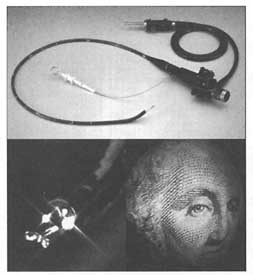
FIGURE 2.1 A flexible gastroscope, used to examine the inner surface of the stomach, together with a view of the distal (insertion) end showing working channels for tools. The image of part of a dollar bill, taken using a flexible colonoscope with a charge-coupled device (CCD) camera at the distal end, illustrates the excellent resolution available. (Courtesy of Olympus America, Inc., and N. Nishioka, Massachusetts General Hospital.)
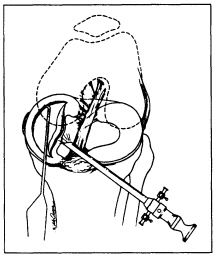
FIGURE 2.2 Schematic diagram of an arthroscope, a rigid viewing scope commonly used for knee surgery. A variety of surgical tools can be passed through the working channels of the scope. (Courtesy of T Narashima, Scientist/Imagemakers.)
increasingly replacing glass and with continued growth in the use of antireflection and ultraviolet (UV) blocking coatings. An additional change is the move from bifocal and trifocals with discrete zones to progressive lenses where the refractive correction varies smoothly from the bottom of the lens. Many manufacturing changes for ophthalmic optics are being implemented to enable these advanced features to be delivered to the consumer on demand (in an hour). These evolutionary developments are important but are outside the main interest of this report and are not discussed in more detail.
Introduction of Lasers
The medical potential of the laser has been explored almost from the invention of the ruby laser in 1960. These initial experiments were often of the ''point-and-shoot" variety, unguided by an understanding of the mechanisms by which the laser interacted with tissue or of ways to optimize these interactions. Ophthalmology was the specialty that adapted and incorporated laser techniques into clinical practice most rapidly, in large part because the interior of the eye was optically accessible (Krauss and Puliafito, 1995). By the end of the 1960s, some understanding of the mechanisms by which the laser interacts with the retina had been obtained, with both thermal and mechanical effects identified.
|
BOX 2.1 TELEMEDICINE Telemedicine has the potential of bringing access to medical specialists to remote communities in the United States such as Indian reservations, to underserved communities in the United States, and to the entire world. The use of high-speed communications systems to transfer medical images, such as x-ray radiographs and optical micrographs of histology specimens, has been demonstrated at a number of sites. One major East Coast hospital regularly receives and reads radiographs from Saudi Arabia, returning reports within the same day. The use of teleconferencing systems to allow medical consultations involving patients who may be thousands of miles from physician consultants is also being studied in pilot projects. The technology underlying these systems is discussed in more detail in Chapter 1; it includes the development of fiber-optic communications networks and image processing and computational schemes allowing image compression. However numerous financial and legal issues must be clarified, including the malpractice aspects of teleconsultations. Several groups are developing CCD arrays for the detection of x rays used in medical imaging. When commercialized, such devices will provide x-ray image information directly in digital form, avoiding the need to scan and digitize conventional x-ray film, and will facilitate the transport and storage of radiographs. |
|
BOX 2.2 "GETTING SCOPED" Flexible and rigid viewing scopes have changed medicine in ways many Americans have encountered. The repair of a torn meniscus in the knee is usually performed using a rigid arthroscope, through which a number of surgical tools are passed. This technique has changed knee surgery from an inpatient procedure to an outpatient one with reduced pain and convalescence. The colonoscope is used routinely to examine patients for possible colon cancer. The resulting early detection of colon cancer is often life-saving. Many gynecological procedures have become less invasive through the use of a laparoscope, which passes through the abdomen to allow access to the uterus. Laparoscopic techniques also enable numerous other procedures, such as gall bladder removal, which is discussed later in the section on minimally invasive therapy. |
Medical applications spread from ophthalmology into the general area of surgery, with these applications generally developing around the most readily available lasers. It is important to note that lasers can emit either short pulses of light (pulsed lasers) or a beam of light that is always on (continuous-wave, or cw, lasers) because the effects of pulsed and cw laser light can be quite different. These were primarily the pulsed ruby laser; the cw argon ion and carbon dioxide (CO2) lasers; the Nd:YAG (neodymium-doped yttrium-aluminum-garnet) laser, primarily in the cw mode; and the cw dye laser. The ability of the cw CO2 and Nd:YAG lasers to cut tissue while producing coagulation led to their use as general surgical lasers. Many companies entered the medical laser marketplace, often without a strong scientific understanding of the effects of lasers on tissue. In addition, the role of the Food and Drug Administration (FDA) in the regulation of new laser devices was not as well established as it is today, allowing the introduction of medical laser systems with unproven efficacy.
Since the early 1980s a number of changes in the nature of medical laser research have occurred. There was an increasing interest in the mechanisms of laser-tissue interactions, and new clinical applications based on these interactions came into use. One of the driving forces behind this change was the initiation of the Medical Free Electron Laser (FEL) Program by the Department of Defense (DOD) in 1985. Although the program was specifically aimed at developing FEL applications, the novel pulse structure of the FEL led to an increased interest in pulsed laser effects, which in turn led to an increased understanding of laser-tissue interactions based on conventional lasers.
Today, the use of optics in surgery and medicine is large and growing. For example, worldwide sales of medical laser systems reached $890 million in 1994, $1,070 million in 1995, and $1,295 million in 1996 (estimated), and they were forecast to reach $1,460 million in 1997
(Arons, 1997). The corresponding figures for U.S. sales were $535 million in 1994, $695 million in 1995, $830 million in 1996, and $960 million forecast for 1997.
Understanding the Interaction of Light with Tissue
The optical properties of tissue were studied, leading to the awareness that most tissue is an inhomogeneous substance with multiple absorbers such as melanin (the primary pigment in skin), oxyhemoglobin (a constituent of blood), and proteins. The significance of these absorbers varies with the wavelength of interest; for wavelengths greater than 1 μm, for example, water is the primary absorber. For reference, the wavelength range of visible light is about 0.4 to 0.7 µm; the wavelengths of lasers used in medicine extend to both the short (ultraviolet) and the long (infrared) side of the visible spectrum. New clinical treatments grew from increased insight into light-tissue interactions. With an understanding of the different absorption properties of various tissue components and of the depth that light penetrated into tissue came the insight that thermal effects could be confined to the optical penetration depth by using laser pulses short enough that no thermal diffusion occurred during the pulse. This led to the concept of "selective photothermolysis" in which particular sites in tissue, such as blood vessels, are targeted with minimal effect on surrounding tissue. This concept is exploited in dermatology, where the treatment of skin lesions characterized by abnormal blood vessels, such as port wine stains, is often required.
New kinds of laser effects were discovered. There was increased awareness and utilization of the fact that lasers could be used to produce tissue effects other than the purely thermal ones involved in early laser surgery. The ability of pulsed lasers to cause a number of mechanical effects was recognized, studied, and used. Some of these photomechanical effects relied in turn on the ability of pulsed lasers to initiate nonlinear effects; specifically, the ability of pulsed lasers to produce optical breakdown in water was used to generate cavitation bubbles and launch stress waves. These mechanical effects found clinical use in ophthalmology, where they are employed in a procedure referred to as "photodisruption." This procedure is used to treat a side effect of cataract surgery, the formation of an opacification on the membrane that holds the opaque lens, by rupturing or tearing a portion of that membrane. Here, a simple laser procedure now avoids the need for a second, invasive surgery.
The use of optical breakdown made it possible to deposit laser energy in biological media that had no linear absorption, a conceptual change. Subsequently, laser-induced mechanical effects found a second clinical application, the fragmentation of urinary tract calculi (stones) in patients, a procedure known as laser lithotripsy. This
technique complemented the existing method of treating urinary tract stones, which involved the use of acoustic pulses generated by a machine (the shock-wave lithotripter), that was several times more expensive than the laser system. The laser technique, which used an optical fiber to deliver light to the stone, allowed the fragmentation of stones at locations that could not be accessed by the shock-wave lithotripter because pelvic bones blocked the acoustic pulses. The mechanisms involved in this application were investigated after the effect was demonstrated and clinical trials initiated. In these studies, optical techniques from the physical sciences, such as pump-probe measurements and high-speed flash photography, played a significant role in clarifying the mechanisms of stone fragmentation.
An additional nonthermal use of lasers in medicine is using light, primarily from laser sources, for cancer treatment. Drugs injected into a patient can be selectively activated by illuminating the area of interest; this can lead to the photochemical destruction of tumors. This treatment, known as photodynamic therapy (PDT), is being investigated for the treatment of a number of cancers and has recently been approved for palliation of esophageal cancer. PDT is discussed in more detail below.
Today many different lasers are being used to irradiate a variety of tissue targets. Table 2.1 lists the most commonly used lasers, their wavelengths, the tissue targets, and the therapeutic interaction desired.
TABLE 2.1 Common Medical Lasers and Some of Their Applications
|
Laser |
Wavelength (nm) |
Target(s) |
Applications |
|
ArF Excimer |
193 |
Tissue protein |
Refractive surgery |
|
Argon ion |
488,514 |
Hemoglobin |
Retinal photocoagulation |
|
Nd:YAG, frequency doubled |
532 |
Hemoglobin, tattoo pigments |
Tissue cutting and coagulation, tattoo removal |
|
Pulsed dye |
577 |
Hemoglobin |
Removal of vascular lesions |
|
Continuous dye |
630-690 |
Photosensitizers |
Photodynamic therapy |
|
Visible diode |
650-690 |
Photosensitizers |
Photodynamic therapy |
|
Pulsed ruby |
694 |
Tattoo pigments |
Tattoo removal |
|
Infrared diode |
800 (nominal) |
Hemoglobin, absorbing dyes |
Retinal photocoagulation, tissue welding |
|
Nd:YAG |
1,016 |
Water |
Tissue cutting and coagulation, many surgical applications, tattoo removal |
|
Ho:YAG |
2,100 |
Water |
Tissue cutting and shrinkage |
|
Er:YAG |
2,940 |
Water |
Skin resurfacing, hard and soft tissue cutting (experimental) |
|
CO2 |
10,600 (nominal) |
Water |
Skin resurfacing, tissue cutting and coagulation, surgery |
Table 2.1 includes standard surgical lasers, such as Nd:YAG and CO2, as well as some lasers whose uses are still experimental. The Er:YAG laser, for example, has been studied as a tool for dentistry (Wigdor et al., 1995) but has only recently been approved for dental use.
Finally, the potential of optics and lasers for obtaining information about tissue for use either in clinical diagnosis or in providing feedback control of surgical laser systems has received increasing attention. The need for feedback control arose as situations were encountered in which the tissue response to laser irradiation depended critically on the flux and the light dose. Tissue welding, the use of lasers to join tissue by localized heating, is optimal over only a small temperature range, which makes it difficult to obtain reproducible results. A number of feedback systems, based either on tissue temperature or on changes in tissue optical properties, have been studied in control can enable tissue welding to be performed by most surgeons, an attempt to obtain reliable laser-based tissue welding. If feedback it may complement sutures for applications, such as plastic surgery, where minimal scarring is desired. A number of studies have investigated the use of laser-induced fluorescence, both from substances naturally occurring in tissue and from externally administered fluorescent marker dyes, to delineate tumors and potentially to aid in the early detection of cancer. Optical radar techniques have been applied to biological tissue, starting with the skin and soon thereafter the eye; more details are given in the discussion of optical diagnostic techniques.
Minimally Invasive Therapy
The growth of optical and laser techniques in medicine was in large part due to the fact that devices for delivering light to the inside of the body became available. In the 1990s, advances in such areas as CCD (charge-coupled device) camera technology and innovative new approaches by surgeons led to the development of what is now referred to as "minimally invasive therapy" (MIT; see Box 2.3). In addition to optics, the development of specialized surgical tools to allow traditional surgical manipulations such as cutting, suturing, and stapling to be performed through tiny incisions was another technology that enabled MIT. The concept of MIT is the replacement of traditional "open" surgery—with its large incisions and direct viewing of the surgical field by the physician—by several small incisions, typically punctures on the order of 5 to 10 mm in diameter, through which viewing devices and surgical tools can be passed.
Optics is critical to MIT since the main concept is to use video rather than direct viewing to minimize the surgical invasiveness of the procedure. Quartz optical fibers, developed initially for fiber-optic communications, are capable of transmitting many of the laser
|
BOX 2.3 MINIMALLY INVASIVE THERAPY Advantages
Basic Components
Role of Optics
|
wavelengths of interest for therapeutic applications. An optical fiber can usually be added to an endoscope by passing it through one of the already available "channels" designed for irrigation and the passage of tools, resulting in an instrument that allows both viewing and laser irradiation. The main exception to this approach has been the CO2 laser, whose infrared wavelength could not be delivered readily using available fiber optics; in this case, rigid or flexible metallic waveguides were used as delivery channels. Despite efforts to develop an infrared fiber capable of both transmitting CO2 laser radiation and surviving in the wet environment of the human body, such fibers have not reached the point of clinical use.
In addition, although the initial applications used only optical imaging to obtain information about the surgical field, the combination of x-ray, magnetic resonance, and other imaging technologies to produce fused images is envisioned by workers in MIT today. The fusion of imaging modalities may be necessary to allow internal access to solid organs such as the liver.
The first extensive application of MIT was to a new procedure for gall bladder removal, the laparoscopic cholecystectomy. In this procedure, four incisions admit a viewing device, a gas infusion device to inflate the abdomen, and two surgical tools. The surgeon operates by
viewing a TV monitor while manipulating tools for cutting, stapling, or suturing tissue. Although a laser was initially used to stop bleeding during surgery, it was soon found that the use of a much less expensive electrocautery device was equally satisfactory, and use of the cauterizing laser in this specific MIT procedure has become minimal.
A major impact of laparoscopic cholecystectomy is a drastic reduction in recovery time for the patient, with attendant savings in lost wages and lost time to employers. Hospitalization time is decreased from 4 days to 1, leading to a major cost savings. The acceptance of the procedure can be most directly appreciated by comparing the number of conventional and laparoscopic cholecystectomies between 1988 and 1994, tabulated in Table 2.2. Today, the laparoscopic procedure is the method of choice.
Other examples of MIT abound; as surgeons become more skilled in the techniques involved, more complex procedures have been performed, including hernia repair and colon surgery. In orthopedics, knee and shoulder surgery is routinely performed using dedicated rigid or flexible fiber-optic viewing instruments called arthroscopes, together with dedicated miniature surgical tools for specialized operations.
A word of caution is needed in considering the future of MIT techniques in the present health care environment. Since most surgery is paid for by health care providers, the acceptance of a particular MIT technique is determined by whether it reduces direct cost to the provider, not by overall societal benefits such as a decrease in time lost from work. In some cases, the direct costs of an MIT procedure can be higher than those of the older, more-invasive technique because additional tools and more sophisticated equipment are required. Thus, the introduction of new MIT techniques will require that direct costs do not increase substantially or that patient demand is such that the minimally
TABLE 2.2 Growth Patterns in Minimally Invasive Surgery—Traditional and Laparoscopic Cholecystectomies
|
Year |
Traditional Procedures |
Laparoscopic Procedures |
|
1988 |
537,000 |
0 |
|
1989 |
545,000 |
1,000 |
|
1990 |
535,000 |
25,000 |
|
1991 |
410,000 |
125,000 |
|
1992 |
150,000 |
480,000 |
|
1993 |
75,000 |
525,000 |
|
1994 |
85,000 |
575,000 |
|
Source: W. Grundfest, Cedars Sinai Hospital. |
||
invasive technique will obtain reimbursement regardless of direct cost. Some studies have pointed out that evaluations of the economic benefits of MIT have produced wildly different conclusions (Cuschieri, 1995), indicating the need for care in making quantitative statements about its economic benefits.
Advanced Therapeutic Applications of Lasers
Currently, numerous advanced therapeutic applications of lasers are being investigated. This report illustrates the types of new clinical approaches being investigated by using a few examples that show the diversity of approaches being studied and their relation to the enhanced understanding of basic mechanisms obtained from fundamental studies. In addition, the specific optical issues involved in each of these examples are illustrated.
Laser Refractive Surgery
For the correction of visual defects such as nearsightedness, astigmatism, and farsightedness, laser-refractive surgery has attracted intense clinical and public interest. The basic concept is simple. Since most of the refractive power of the eye comes from the cornea, the outer surface of the eye, relatively small changes in the curvature of the cornea can correct a large number of visual defects that currently require eyeglasses or contact lenses. In a generic sense, the concept is to perform corneal "sculpting" using a laser (McDonnell, 1995; Seiler and McDonnell, 1995).
Although a number of approaches to corneal sculpting have been used, the basic concept relies on the observation, made in the materials science community in the early 1980s, that UV laser radiation from pulsed excimer lasers can be used to ablate both polymers and tissue with minimal damage (typically less than 1 μm) and with high-precision and control. This basic observation served to guide the development of a number of different excimer laser systems for refractive surgery. All of these systems were designed to ablate tissue from the cornea in a controlled and predetermined manner to produce a change in the refractive power of the eye, but they differed in engineering details. In the course of development of these systems, numerous problems involving optical engineering, the safety and efficacy of the procedure, wound healing, pharmacology, and regulatory issues required solution. A powerful driving force for solving these problems was the perceived size of the market. Approximately 25% of the population of the United States suffers from myopia (nearsightedness) and constitutes potential customers for excimer laser photorefractive keratectomy (PRK).
Intense effort went into developing a system that could produce the desired correction. Clinical trials were needed to determine how
severe a myopia could be successfully treated, as well as to find the limitations on treating other refractive defects such as hyperopia (farsightedness) and astigmatism. Long-term follow-up was necessary to determine the stability of these laser-induced changes in the cornea. After extensive clinical trials and experimentation, the FDA approved a commercial excimer laser system for PRK in October 1995.
During the course of development of PRK, one of the initial problems encountered was the formation of haze in the treated cornea. Years of experimentation showed that this could be controlled by control of the laser beam profile, combined with the pharmacological treatment of some patients. A variation on PRK that shows promise in early clinical trails is LASIK (laser-assisted in situ keratomileusis) in which the anterior surface of the cornea (corneal cap) is first microtomed (cut off) to reveal the central stroma of the cornea. The stroma is appropriately ablated with an excimer laser, and the corneal cap is then replaced. The thickness profile of the cornea has been changed without affecting the anterior (front) surface of the cornea. Minimal haze is associated with this procedure, and no sutures are required.
Other laser technologies are being explored for corneal sculpting. One approach relies on the use of an Ho:YAG infrared laser to heat and controllably shrink portions of the cornea outside the central visual field, avoiding the haze problem. A central issue here is biological: Will the reshaped cornea retain the new shape or relax to the original one?
Cardiovascular Applications
Heart disease is the leading cause of death in the United States, and the search for alternatives to expensive coronary bypass surgery has been active, with laser systems initially offering a promising approach. Cardiovascular applications provide an example of both the potential of laser techniques and the potential pitfalls in applying technological solutions to complex biological systems (Deckelbaum, 1994). The attractive feature of the laser in cardiovascular applications is its ability to deliver energy via an optical fiber to sites in very small vessels.
Laser angioplasty, the use of lasers to remove blockages in arteries, is a well-known concept. Although many techniques used for angioplasty, such as laser ablation, inflatable balloons, and high-speed rotating cutters, are effective at removing blockages, a major problem shared by all of these approaches is restenosis—the vessel reclosure that occurs within 6 months in about 40% of all angioplasties. Consequently, emphasis has shifted from the development of new angioplasty techniques to the development of methods of controlling restenosis, including the insertion of metal stents and the use of photochemical therapies (see Box 2.4).
|
BOX 2.4 LESSONS FROM LASER ANGIOPLASTY The story of application of the laser to angioplasty serves as an example of some of the pitfalls in applying technology to complex biological problems. The problem was first perceived as one of removing plaque that reduced the inside diameter of blood vessels. The first approach was a purely thermal one. The "hot tip" was a laser-heated metal tip at the end of an optical fiber. This proved a poorly controlled way of removing plaque that had the additional risk of perforating the artery. With the discovery that excimer laser ablation of tissue led to minimal thermal damage, intense commercial activity was focused on developing excimer laser angioplasty systems. The success of these systems was limited by the restenosis problem common to all angioplasty procedures. The applicability of these systems was also limited to situations in which the cheaper and more conventional balloon angioplasty approach could not be applied directly. All in all, the complexity of the biological problem was not understood, and the lure of a large commercial market led to overselling the capabilities of the laser. Today, the emphasis has shifted to understanding and controlling restenosis, which causes failure of nearly half of all angioplasties within 6 months. In addition, a new technology, the use of metal stents that are inserted into the artery to prevent restenosis, was successfully introduced. Laser angioplasty is an example of an application in which the biological response of the tissue, rather than the sophistication of the optical tools, was the critical issue in the clinical acceptability of a technique. It also illustrates how rapidly new and sometimes inexpensive technologies that compete with lasers are introduced. |
Use of the pulsed dye laser for thrombolysis, the destruction of blood clots provides an example of the application of selective absorption of laser energy to achieve a desired clinical effect (see Figure 2.3). The ideal system for thrombolysis would deposit laser energy into the clot, but not into the wall of the vessel, and would lead to ablation of the thrombus. Studies of the absorption of light by blood clots showed a strong absorption in the blue-green region of the spectrum, far greater than that of normal vessel walls or vascular grafts or sutures. The much higher concentration of blood in the clot compared with normal vessels underlies this contrast and provides a method for selective targeting. The use of a pulsed laser, rather than a continuous one, allows the energy to be deposited before thermal diffusion occurs. The laser thrombolysis approach has moved from animal experiments to clinical trials at several centers. In an interesting aside, in coronary arteries, light has been delivered by a "fluid catheter" consisting of a flowing radiographic contrast medium, which acts as a light guide—an effect first demonstrated by Tyndall to the Royal Institution in London in 1854.
Photodynamic Therapy
Cancer therapy was the initial application for photodynamic therapy (PDT), a photochemical approach to the selective destruction of tissue (Figure 2.4), and the treatment of a variety of cancers at sites ranging
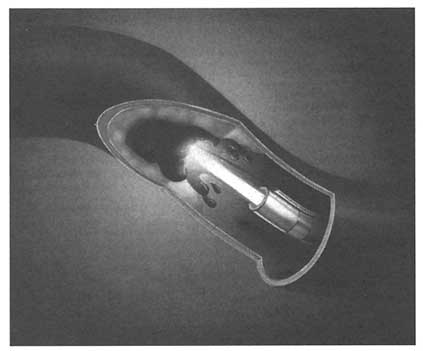
FIGURE 2.3 Schematic diagram illustrating laser thrombolysis—use of a laser to destroy a blood clot. (Courtesy of K. Gregory, Oregon Medical Laser Center.)
from the skin to the bladder is being studied. Current research has expanded to include some exciting noncancer applications such as the destruction of abnormally growing blood vessels in the eye, which can lead to blindness; the treatment of psoriasis, a skin disease; and the treatment of rheumatoid arthritis. The basic concept of PDT is activation of a drug by light. This activated drug in turn transfers its energy to molecular oxygen, which can then destroy tissue. The concept of selectivity is central to PDT since one does not want to destroy normal tissue. The photosensitizer used is chosen because it accumulates preferentially in the tissue of interest (e.g., within a tumor). Further selectivity can be achieved by delivering light only to the tissue of interest. The mechanism of action of PDT varies with the photosensitizer used; originally, it was thought that the photosensitizer accumulated in tumor cells and activation by light resulted in tumor cell destruction. More recent research has shown that destruction of the tumor vasculature (blood vessels) is often a significant additional tumor-killing mechanism.
The development of PDT as a viable cancer therapy has been more complex than the schema given here. The need to deliver a controlled dose of light throughout a tumor led to the study of light propagation in tissue, which scatters light strongly, and to the development of delivery devices, usually modified optical fibers, for bringing light to the tissue of interest. In early experiments, one photosensitizer, hematoporphyrin derivative (HpD), which was activated with 630-nm light, was used
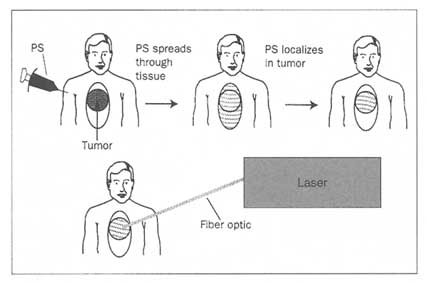
FIGURE 2.4 Schematic diagram illustrating the process of photodynamic therapy. (Courtesy of M. Hamblin, Massachusetts General Hospital.)
almost exclusively. As PDT developed, new sensitizers were studied to obtain better selectivity, reduce the long-lasting skin phototoxicity associated with HpD, and take advantage of the potential of compact, efficient diode lasers as PDT sources.
Photosensitizers used for PDT typically have absorption spectra in the range of 630 to 700 nm, with some of the newer species having absorptions at wavelengths as long as 800 nm. For many years, the standard light source for PDT was a dye laser pumped by an argon ion laser; more recently, the experimental use of diode lasers that emit red light has begun. Typical power requirements are of the order of 1 to 10 W and are currently available from commercial diodes at wavelengths of 660 nm and longer. Laser diodes offer significant advantages over the existing dye laser systems for PDT: They are far more compact, efficient, and reliable. Whereas the efficiency of an argon ion laser is about 0.01%, typical diode laser efficiencies can range from 20 to 50%. Light-emitting diodes (LEDs) are also starting to be used as sources for PDT in situations where optical fiber delivery is not required, such as the irradiation of cells in culture and the irradiation of skin. When fiber delivery is needed, lasers are the preferred source because their output can be readily coupled to fibers.
Models of optical propagation in scattering media are finding increasing use in the development of PDT applications. The implementation of PDT techniques frequently requires the development of new light delivery systems for irregularly shaped sites in the human body, as well as devices to measure the light dose delivered to tissue. Such dosimetry is often critical for safe and effective treatment since underdosing can result in untreated regions and overdosing can lead to the
destruction of normal tissue. Initial animal studies indicate that PDT employing fiber-optic delivery can be used to treat rheumatoid arthritis of the knee. Computer modeling of light propagation is being combined with kinetic models of photodestruction of the dye molecules to obtain a better understanding of the required dosimetry.
Optical Diagnostic Techniques
Although the initial applications of lasers to medicine focused on therapeutic applications, in the early 1980s a number of groups began to explore tissue diagnosis as well. The promise of noncontact and, in many cases, noninvasive acquisition of diagnostic information was one of the driving forces for these studies, as was the hope that the well-developed spectroscopic techniques used in the physical sciences would have application in medicine. The availability of optical fibers to deliver light to the inside of the body via endoscopes would allow examination of sites such as the bladder, colon, and lung.
Some optical techniques are well established in clinical practice, such as laser Doppler velocimetry to measure blood flow and the pulsed oximeter used in all hospitals today. Ophthalmologists now use fundus cameras to obtain pictures of the retina and, with the use of fluorescent dyes, images of retinal blood flow. However, a number of potentially powerful techniques are still in the laboratory stage.
Blood Monitoring
Recent progress in biotechnology has led to the development of a whole new generation of optically based instruments that provide a cost-effective means for doctors to monitor blood chemistry (Box 2.5), immune system function, and cardiopulmonary efficiency at or near the patient's bedside.
One excellent example of such a system that is already in widespread use is the pulsed oximeter, which allows monitoring of O2 saturation levels in blood. The measurement is totally noninvasive, requiring only that a disposable probe be attached to the patient's fingertip. The probe incorporates inexpensive LEDs and photodiodes; it determines O2 saturation levels by measuring the ratio of the absorption of hemoglobin at two colors in the orange and near-infrared (IR) spectral regions. The commercial success of this technology is due in large part to the development of inexpensive, disposable optical assemblies that allow patient monitoring during anesthesia as well as after an operation. This optically based measurement has now become part of the accepted ''standard of care" and is as common for tracking patient postoperative recovery as measuring blood pressure and heart rate.
Optical technology is now being combined with state-of-the-art fluidic processing to make new bench-top devices for blood analysis.
These devices provide blood chemistry tests at the patient's bedside or in the doctor's office, immediately supplying information that can allow timely intervention in critical situations and reduce pain and suffering. One example is an instrument that measures the level of the drug theophylline in the blood of patients suffering respiratory distress brought on by a severe asthmatic attack. Theophylline gives rapid relief to the patient but must be carefully administered since the therapeutic dose
|
BOX 2.5 GLUCOSE MONITORING IN DIABETES Diabetes affects more than 16 million people in the United States. Treatment of diabetes and its complications represents one of the largest single portions of health care costs in the United States. Careful monitoring of glucose levels can significantly reduce complications due to diabetes, which can lead to retinal disease and blindness or to kidney disease and failure. Glucose monitoring results in major improvements in the quality of life and in medical cost savings, but it requires periodic blood testing—often several tests per day. Current glucose monitors are optically based instruments that require only a small blood sample, usually obtained by using a lancet to prick a patient's finger. The blood sample is applied to a reagent strip that has specific, carefully controlled optical properties. Enzymatic reagents embedded in the strip react with the blood sample and change color in proportion to the amount of glucose in the sample. A small optical reader incorporating visible and infrared LEDs and a solid-state detector performs a two-color reflectance measurement on the reagent strip. The ratio of the reflected powers is used to calculate glucose concentration. The reader is about the size of a deck of cards and costs less than $100. It is battery powered and can easily fit into a pocket or purse. The cost of a single test is roughly $0.25, and millions of tests are performed each day in the United States alone. This type of portable, easy-to-use, diagnostic instrument has revolutionized the monitoring of glucose levels in diabetics. Careful monitoring of glucose levels significantly reduces the onset of complications that can lead to retinal disease and blindness or to kidney disease and failure. The major cause of discomfort to the user in these systems is the need for constant lancing of the finger to provide a fresh blood sample. The inconvenience and discomfort of this procedure can lead to poor patient compliance, resulting in inadequate monitoring. Hopefully, the next generation of instruments will provide comparable accuracy in a totally noninvasive manner, eliminating the need for a blood sample. Several dozen groups are working on a variety of approaches to develop this type of instrument. Most of these approaches are based on in vivo, noninvasive, spectroscopic measurements of glucose via its absorption properties in the near IR or other modifications of optical properties that track glucose levels. There are many blood components with interfering absorption spectra that complicate making these types of noninvasive measurements. No FDA-approved methods for noninvasive measuring of glucose currently exist. Moreover, to be of greatest benefit a noninvasive instrument must supply the convenience, portability, and affordability of the current method. Development of this type of external, noninvasive glucose monitors is hindered by our limited understanding of the in vivo spectroscopy of blood components. Moreover, this type of instrument may not be possible using existing technology. |
range for this drug is narrow and an overdose can cause seizures. The theophylline concentration in a blood sample is measured by using an optical scattering technique that combines immunochemistry with the light-scattering properties of latex beads. Several of the optical elements in this instrument are integrated into an inexpensive, disposable, injection-molded plastic cartridge. This instrument allows measurement of the theophylline level in less than 3 minutes. Previously, blood samples had to be sent out to be analyzed at a blood chemistry laboratory, causing delays of up to several hours.
Optical Tumor Detection
Initial studies of tumor detection demonstrated that fluorescence-based techniques using either exogenous marker dyes or endogenous (natural) fluorophores could be used to mark gross, visually detectable tumors. Subsequent work has emphasized the ability to determine whether small, visually undetectable lesions can be identified by spectroscopic techniques. Such optical methods might help guide conventional tissue biopsy to the most suspicious regions or might in some cases alleviate the need for a biopsy; the terms "optically guided biopsy" and "optical biopsy" have been used to describe this approach generically.
There are numerous variations on the optical biopsy concept. Different spectroscopic techniques such as fluorescence, reflectance, and Raman scattering have been employed. These techniques have been used both to make measurements at single points with an optical fiber and to obtain images using either conventional or intensified CCD video cameras. Although the exact implementation of these concepts varies, the basic idea is always to find a spectral signature of the abnormal tissue that differentiates it from normal tissue and to develop algorithms for utilizing these signatures. This approach has been used with laser-induced fluorescence studies of a number of organs, including the colon, bladder, and cervix. Although a number of encouraging results have been obtained, large-scale in vivo studies are generally needed before these approaches gain clinical acceptance. Such studies have already been performed in the lungs using autofluorescence imaging and in the bladder using fluorescence imaging of a marker dye. A major engineering challenge will be to make optical systems that yield new and accurate information but are inexpensive enough to be accepted even in today's cost-conscious health care environment.
Another approach to optical biopsies uses the fluorescence lifetime of a molecule, rather than its spectrum, as a source of information. The lifetime is the time for which a fluorescent molecule emits light after a rapid optical excitation pulse. This has the advantage that compounds whose fluorescence spectra overlap can be monitored by using differences in
lifetime. In addition, lifetime changes can be used to monitor processes, such as binding of a fluorophore to tumor tissue, that cannot as easily be detected spectrally. As in fluorescence spectroscopy, both point measurements and imaging of lifetimes have been demonstrated. In addition, lifetime measurements have been obtained using both time-domain and frequency-domain techniques, discussed in more detail below.
Imaging and Spectroscopy in Scattering Media
X-ray mammography is the standard screening technique for breast cancer. However mammograms require highly-trained radiologists for interpretation, and even at its best, mammography fails to detect a significant number of breast cancers, especially in younger women. An optically based mammography system could complement the existing technology if it were able to find the cancers that x-ray mammography misses. Today, a number of optical techniques aimed at this goal are being explored (see Figure 2.5).
The use of light to create images of the interior of tissue is an attractive idea whose roots can be traced to studies of tissue transillumination in the 1920s. However, these early studies failed to overcome the effect of tissue opacity. Whereas some materials are opaque because they strongly absorb visible light, others such as tissue may be opaque because photons traveling within these media are highly scattered. A small number of photons travel straight through such substances and can be used to make shadowgraphs of internal structures in a manner similar to x rays. However most of the light is transported through these materials in a process similar to heat diffusion (Gratton and Fishkin, 1995; Yodh and Chance, 1995).
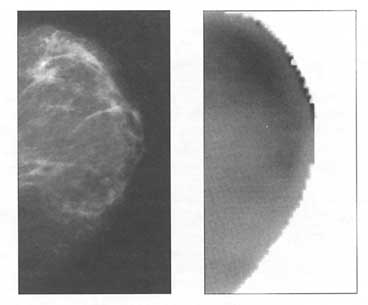
FIGURE 2.5 X-ray mediolateral mammogram (left) and corresponding optical mammogram (right) of a 0.5-cm diameter tumor in a 72-year-old woman. The optical mammogram was obtained using two laser diodes operating at 690 and 810 nm in a frequency-domain imaging system. (Courtesy of S. Fantini, University of Illinois at Urbana-Champaign.)
In the biophysics and medical communities there are extensive research efforts to overcome the effects of scattering and use diffusing photons to view body function and structure. These efforts are based on the existence of a spectral window between 700 and 900 nm, in which photon transport within tissue is dominated by scattering rather than absorption. Thus, to a very good approximation, near-infrared photons diffuse through human tissues and can be used for a variety of biomedical applications.
In a typical measurement, the researcher uses an optical fiber to inject near-infrared photons into tissue or a tissue-like medium and a second optical fiber to detect photons at other locations. Microscopically, the injected photons experience thousands of elastic scattering events while traveling from one fiber to the other. Occasionally, the photons are absorbed in this process and are undetected. Microscopically, individual photons undergo a "random walk" within the medium, but collectively, a spherical wave of photon density is produced and propagates outward from the source. Typically, quantities such as the photon energy density within the sample are measured to verify light transport models.
The patterns of light energy density or photon density waves are distorted as they traverse scattering media. Recent experiments and simulations using short-pulse (time-domain), amplitude-modulated (frequency-domain), and cw sources have utilized these distortions for spectroscopy and imaging of deep tissues. It is feasible to use these waves as probes of biological samples whose extent is of the order of 1 cm, or about 100 transport mean free path lengths.
Since tissues are often quite heterogeneous, it is natural to contemplate making images with the diffusive waves. Resolutions comparable to those of PET (positron-emission tomography) and MRI (magnetic resonance imaging)—several millimeters—are highly desirable, but a range of problems exists for which resolutions of ~1 cm are useful. A simple example of the utility of imaging is the early localization of a head injury that causes brain bleeding or hematomas. Here prototype devices already detect the presence of small brain bleeds at the limit of detection by x-ray computed tomography. Such sensitivities in detecting hematomas suggest it may be possible to localize small blood vessel expansion (aneurysms), which must be detected at levels below 1 cm to avoid danger of rupture.
The medical utility of near-infrared spectroscopy and imaging approaches ultimately depends on whether the tissue has enough optical contrast to differentiate normal from abnormal tissue or body function. Spectroscopy is useful for the measurement of time-dependent variations in the absorption and scattering of large tissue volumes, such as might occur following a head injury. Imaging is important when a
localized heterogeneity of tissue is involved, for example, an early breast or brain tumor, a small brain bleed, or an early aneurysm. Here images enable experts to identify the site and extent of the trauma and to differentiate it from background tissue.
The sources of image contrast when using a light probe are different from those of other imaging techniques such as those based on x rays, magnetic resonance, skin temperature measurements (thermography), and ultrasound. Spectroscopic information is available as a result of the intrinsic absorption of tissue or as a result of the absorption of contrast agents (optically absorbing chemicals) that may be introduced into the body. The fluorescence spectra and lifetimes of some fluorescent dyes, which may be intrinsic or extrinsic, are sensitive to the local environments within tissue and may be useful for marking tumors. Variation in light scattering affords a novel source of contrast that is demonstrably related to intracellular organelles such as mitochondria. It also depends on fat, water, and perhaps even glucose concentration in tissue.
Tumors are another type of structural anomaly that optics may be able to detect, localize, and classify. A whole subfield of MRI has developed based on the permeability of blood vessels in rapidly growing tumors. These blood vessels will leak paramagnetic contrast agents (small molecules) into the tumor space at a faster rate than into the adjacent normal tissue. The optical approach would utilize this enhanced permeability in a different way, by tagging small tumors with an optical contrast agent, for example, Indocyanine Green (ICG), which is strongly absorbing in the region near 800 nm. In the long term it may be possible to design contrast agents for specific properties of tumors, such as the membrane potential of their organelles. The optical method, in addition, has other criteria by which tumor growth may be observed: larger blood volume resulting from a larger number density and volume fraction of blood vessels residing within the tumor; blood deoxygenation arising from relatively high metabolic activity within the tumor; and increased concentration of cell organelles involved in metabolism, such as mitochondria. Recently, the first images of human breasts obtained using near-infrared light have been obtained; while these are early results, they do demonstrate the ability to detect relatively large tumors.
There are many other examples of potential medical applications in areas as diverse as the neonatal brain and lungs and the adult breast. Optical tools may make possible a range of physiological studies of hemodynamics in relation to the oxygen demand of various body organs. Among the most important are the changes of oxygen delivery that occur in the brain, especially during mental activity.
Many developments make the possibility of light-based images of the interior of tissue realistic. On the technological side, the development
of small and efficient light sources, detectors, and control electronics, along with continual improvements in computational capabilities, make possible sensitive noninvasive optical instruments capable of rapid and repeatable measurements. On the fundamental side, advances in the understanding of photon transport make it possible to address the problem of light transport in scattering media, such as tissue, with unprecedented theoretical sophistication and clarity.
An alternative to using models of diffusive transport to extract optical information from tissue is offered by the fact that multiply scattered photons take longer to travel between two points. By selecting photons that arrive at a particular time after an optical pulse is launched, the scattered photons can be rejected. Unscattered photons (often called ballistic photons), or photons that maintain approximately straight-line trajectories (snake photons), can be detected and used to produce shadowgraphs of objects or structures within tissue. Typically, femtosecond or picosecond light pulses are used for illumination. Such an approach can be used to image the bones of the hand or to detect an opaque object within tissue. The limitation of this approach is that the number of snake or ballistic photons available for imaging decreases rapidly with distance in tissue and limits the path length to a few millimeters. The uses contemplated for these techniques are similar to those mentioned above: identification of internal bleeding and detection of breast tumors, among others.
Optical Coherence Tomography
Optical coherence tomography (OCT) is another near-infrared imaging technique under intensive development by groups in the United States and abroad (Huang et al., 1991). It is essentially an optical ranging technique that produces images similar to those obtained with ultrasound, but with much higher resolution.
Technically, OCT uses low-coherence interferometry to produce a two-dimensional image of optical reflection and backscattering from tissue microstructures in a manner analogous to ultrasonic pulse-echo imaging. Coherent detection is used to reject multiply scattered photons, and the interferometer system is used to select only photons that have traveled a specified distance into the tissue. The beam is scanned to turn the one-dimensional depth profile into a two-dimensional image. The resolution of OCT is a few micrometers both laterally and axially; by comparison, the resolution of conventional low-frequency ultrasound is of the order of 100 μm.
OCT was initially applied to imaging of the retina and has progressed to the point where a commercial system for ophthalmology is available. The resolution of the system is such that otherwise undetectable subsurface retinal changes can be seen, allowing the monitoring
of injury to the optic nerve from glaucoma. More recent research has focused on the development of beam scanning systems compatible with endoscopes to allow application of the technique within the rest of the body. The arteries and the colon are target organs that are being actively explored by OCT. Applications to biology, such as in vivo imaging of the beating heart of a tadpole, have been demonstrated.
Laser-Hyperpolarized Gases for Magnetic Resonance Imaging
A novel and elegant optical technique, recently developed, is the use of circularly polarized laser light to align the nuclear spins of xenon (Xe) or helium-3 (3He) atoms, which enhances their usefulness as MRI contrast agents (Middleton et al., 1995). The resulting hyperpolarized xenon or 3He has a magnetization that is about 105 times that obtained from the protons of water molecules in tissue, resulting in much stronger magnetic resonance signals per atom. Xenon is soluble in lipids and has been used as a brain probe. Helium-3 gas serves as contrast medium for use in regions that contain little water, such as the lungs. Images of 3He-filled human lungs have recently been obtained (see Figure 2.6). In addition, the transport of 3He from the lungs can be monitored, raising the possibility of its use as a functional imaging agent. The use of this technique with commercial MRI machines requires some relatively expensive modification to tune the xenon or helium resonances; low-cost optical pumping systems are needed to make the total system a cost-effective modification of an MRI facility.
Feedback Control of Therapeutic Lasers
Optical techniques for feedback control of therapeutic lasers are being applied to systems in which the laser effect occurs too rapidly to allow manual control or in which more precise control than manually possible is necessary to obtain the desired effect. The ablation of burnt skin (eschar) by a scanned high-power CO2 laser beam in order to prepare a bed for skin grafting, as well as successful grafting, has been demonstrated in animals and, more recently, in humans. A major advantage of the laser technique is that it avoids the bleeding that accompanies surgical removal of eschar, thereby saving large amounts of blood. Feedback control may be necessary to limit ablation to burnt skin in regions
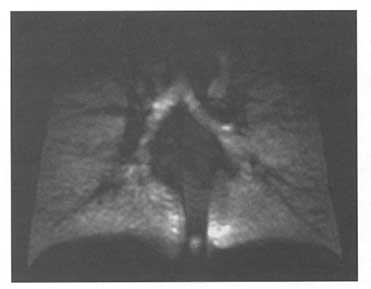
FIGURE 2.6 Magnetic resonance image of human lungs obtained using nuclear spin-polarized helium-3 (3He) gas to provide contrast. The spin-polarized 3He is produced using laser optical pumping.
(Courtesy of W. Happer, Princeton University.)
where the depth of the burn varies substantially. Feedback control is also being studied as a means of better controlling a number of clinical laser treatments, such as retinal photocoagulation, tissue welding, and the removal of pigmented skin lesions. Optically based feedback control requires a tissue optical property that changes as the desired biological end point is approached.
Nontechnical Considerations
The current health care environment requires that new technologies show clear cost-effectiveness compared to existing methods. This cost-effectiveness has been measured in terms of direct cost to health care providers, rather than total societal costs and savings. Changes in the health care environment, specifically the trend to managed care, in which the total (direct plus lost time) cost to the employer providing managed health care is considered are changing this accounting and encourage minimally invasive therapies. Nevertheless, cost considerations affect the introduction of new therapies and diagnostics.
The process of obtaining FDA approval for new medical devices and procedures is of continuing concern to companies that develop new therapeutic and diagnostic techniques based on optical science and engineering. The approval process is perceived to be slow and expensive, limiting commercial interest to large-volume, highly profitable applications. However the FDA plays an important role in ensuring that new laser therapies are safe and effective. Although they are important, regulatory matters lie outside the scope of this study.
A final concern is the availability of funding for the development of medical applications of optical science and engineering. The National Institutes of Health (NIH) supports some technology development under the basic research (RO1) grant program; for example, there is a specific study section devoted to radiology technology development. The National Center for Research Resources also supports biotechnology development, which includes modeling and simulation, imaging technology, and imaging computation. There is not a specific study section devoted to optical technology, and there is a perception that the disease-oriented structure of NIH makes it difficult to obtain support for novel technologies that cut across traditional NIH boundaries. NIH's Small Business Innovative Research (SBIR) program, which has a special study section for lasers and optics, does cut across such boundaries. A similar, regular (RO1) study section for optical technology may be warranted.
NIH should establish a study section for RO1 grants devoted to biomedical applications of light and optical technology. An initiative to identify the human optical properties suitable for noninvasive monitoring should also be established.
Tools for Biology
In addition to their medical and surgical applications, optical instrumentation and methods contribute enormously to fundamental research and discovery in biology. Modern methods now go far beyond the capabilities of the conventional microscope and other traditional instruments, providing new insights and enabling the discovery of hitherto unknown biological processes and new drugs. Many of these new approaches are strongly dependent on advances in laser technology, the development of sensitive detectors, improvements in optical components, and the development of advanced image processing hardware and software. Equally important for progress has been the creative development of optically based contrast-enhancing molecular probes, typically fluorescent molecules. Some exciting techniques are at very early stages of development; an example is x-ray microscopy, discussed in Chapter 7 of this report.
Most of optics' contributions to biology fall into three categories: visualization, measurement and analysis, and manipulation.
Visualization Techniques
Advances in biological visualization result both from new, more powerful imaging devices and from new scientific insights into the systems being imaged. Technological advances have changed the way instruments such as the conventional optical microscope are used. CCD cameras and computers with image processing software now complement traditional film cameras for recording and analyzing data. Fluorescence microscopy is enhanced by highly sensitive CCD cameras that detect weak signals. Highly sensitive point detectors, such as the silicon avalanche photodiode, have enabled development of the scanning confocal microscope. Lasers are coupled into both conventional and scanning confocal microscopes to serve as intense monochromatic sources for fluorescence excitation. The optical quality of microscope objectives is enhanced by the use of antireflection coatings and computer-aided lens design. These advances in microscopy and image processing are being combined with automation to improve clinical laboratory techniques. A major example is the application of automated microscopy to the analysis of Pap smears, used to detect cervical precancer, in an effort to reduce errors involved with manual reading.
At the same time, new scientific insights are leading to new uses for biological visualization. Microscopes have long been used to examine cells and tissue under static conditions. They are now being applied to examine the dynamics of cellular processes. New techniques make it possible to track molecules as they enter and leave cells and to
determine how different chemical reactions are spatially distributed within cells. Both conventional and new microscopy techniques are being made more powerful by the development of fluorescent molecular probes, which can tag specific cell types or cell surface markers and monitor specific molecular signaling processes.
Confocal Scanning Laser Microscopy
Confocal microscopy selectively images specific layers within a sample, enabling three-dimensional visualization of individual cells in thick samples and even of elements within living cells. Confocal microscopy uses a variety of techniques to reject light from other than the layer of interest (Pawley, 1995; Wang et al., 1992). Both structural and functional information can be obtained. Structural information is obtained either from light-scattering features or from fluorescent probes (labels). Measurements of ion concentrations and other indicators of biological function within cells can be obtained using fluorescent indicators.
The history of the commercialization of the confocal microscope illustrates some of the technologies that enabled its development. At the time of its invention in 1957, the epifluorescence technique now common in biological microscopy was not well developed. There were no lasers to excite fluorescence, there were relatively few dye-labeled antibodies, and even dichroic (beam-splitting) mirrors were not available. There were no personal computers capable of storing images and manipulating them to quickly form three-dimensional displays. A basic practical flaw in the first confocal microscope was the lack of a normal, low-magnification mode of operation, which made it difficult to find the specimen. Commercial confocal microscopes finally began to appear in the 1980s. Successful commercial manufacturers worked closely with biologists, helping to generate images that made the covers of influential biological journals.
The scanning confocal microscope obtains three-dimensional information by collecting reflected light or fluorescence from individual pixels in a sample plane and rejecting light that originates above or below that plane, allowing views from deep within a sample to be obtained. The illuminating light is scanned to obtain information from many pixels within a plane, and computer processing is used to generate images. Although the lateral resolution is only slightly enhanced over that of the conventional microscope, the depth resolution improvement is significant and is the source of much excitement in the field.
Confocal microscopes are expensive ($150,000-$300,000) and complex to operate. As a result they are not yet in significant use in clinical settings, as opposed to research laboratories. A number of potential clinical applications are being investigated, however. Recently, several groups have developed scanning confocal microscopes designed
TABLE 2.3 Issues in the Improvement of Confocal Microscopy
|
Problem |
Short-Term Solution |
Long-Term Solution |
|
Expensive ($150,000-$300,000) |
Standardize, optimize |
Increased production Cheaper cw lasers |
|
Complex to operate |
Automate operation (better sensors) |
Education |
|
Photodamage limits use |
Use longer wavelengths (requires better sensors) Two-photon operation |
Inexpensive 50-fs lasers |
|
Limited clinical use |
Education |
More education Better sensors |
|
Source: After J. Pawley, University of Wisconsin at Madison. |
||
to examine tissue in vivo, with the ultimate goal of replacing skin biopsy in some dermatology applications. The increased production of standardized and optimized confocal microscopy systems, the availability of cheaper continuous wave (cw) laser sources, and more automated operation are among the steps necessary to increase clinical usage. Table 2.3 summarizes some of the current limitations of confocal microscopy and suggests some short- and long-term solutions. An alternative approach for obtaining similar three-dimensional imaging capabilities relies on computation rather than optics to eliminate the effect of light coming from regions above and below the sample plane of interest. A normal wide-field microscope is used, and computational techniques, referred to as deconvolution, remove the contribution of light originating outside the desired regions. This technique has been implemented by at least one commercial vendor. At present, relatively slow data acquisition resulting from the computationally intensive approach is a drawback of this method. However with the continually decreasing cost of computational power, this approach is likely to find wider use in the future.
Two-Photon Microscopy
Recently a nonlinear absorption phenomenon has been used to obtain depth-resolved fluorescence microscopy images within biological samples without the necessity of confocal microscopy optics. The simultaneous absorption of two photons at sufficiently high light intensities was first predicted in 1931, but observation of these effects required the availability of intense pulsed laser sources. Since the advent of the laser, numerous experiments demonstrating two-photon absorption have
been reported, but its application to imaging is relatively new. The depth resolution obtained is improved compared to confocal microscopy, but several more significant advantages are also gained.
Many biologically interesting molecules require ultraviolet light to excite the fluorescence; unfortunately, UV light is strongly absorbed by biological molecules of the host material, preventing imaging at depth. In addition, UV light can rapidly destroy the molecule of interest. In the two-photon approach, red light, typically from a femtosecond-domain (about 10-13 s) pulsed laser source, is used for the excitation of fluorescence; two-photon absorption occurs in only a small region around the focal spot of the objective. Since two-photon absorption is proportional to the square of the illumination intensity, signals are obtained from a small spatial region around the diffraction-limited spot of the beam focus, without the need for a spatial filter as in conventional confocal fluorescence microscopy that uses linear absorption. Outside the focal region, the intensity of the red excitation light is low enough that negligible two-photon absorption occurs; consequently, in this region, photodamage by the excitation light is minimized. The use of red light for excitation not only eliminates the need for expensive UV optics but makes it possible to excite molecules in tissue hosts that are opaque to UV.
The possibilities of the two-photon approach are still being explored; for example, ''chemical cages" containing molecules of interest can be opened instantaneously by light and the ensuing chemistry studied on a microscopic basis. The technique is applicable both to intrinsic tissue fluorophores and to extrinsic dyes chosen for their marking properties. Other biological applications being explored include imaging DNA stains in developing cells and embryos; imaging the metabolic activity of cells; and measuring the concentration of intracellular calcium, an important indicator of cell function (Williams et al., 1994).
This practical application of two-photon absorption provides an excellent example of how advances in the fields of optics, physics, chemistry, and engineering can lead to a development with great importance for biology. The theory of two-photon absorption came directly from the discovery of quantum mechanics. Its experimental demonstration required the discovery of the laser, and its application to biology has been enormously facilitated by the development of reliable solid-state femtosecond pulse lasers. Present tunable femtosecond lasers, often based on Ti:Al2O3 (sapphire) laser technology, appear to be adequate and would be expected to drop in price as the technology develops. The development of new applications of the technique will probably drive the field.
Nonimaging Surface Microscopies
Both conventional and confocal microscopes have a spatial resolution that is limited by the diffraction of light; a visible-light microscope can resolve objects no smaller than about 0.5 µm. This limitation can be circumvented by no longer forming images but using light emanating from a scanning nanometer-scale optical tip to sense the local optical environment by measurements of the reflection, transmission, or fluorescence within some tens of nanometers of the tip. The technique is called near-field scanning optical microscopy, NSOM. The concept was first suggested in 1928 in a paper that discussed the possibility of fabricating an optical aperture much smaller than the wavelength of light and positioning the aperture a distance much less than the wavelength of light from the sample. The spatial resolution is thus determined by aperture dimension rather than by diffraction, which becomes operative only in the far field. The optical tip can take a number of forms, including specially narrowed optical fibers and hand-crafted hollow metal guides. The fabrication of tips is being aided by the use of photolithographic techniques developed in part for microelectronics applications. The tips can be spatially manipulated with atomic-scale accuracy using techniques developed for scanning tunneling microscopy (STM) and force microscopy.
The fluorescence intensity or absorption of the sample can be measured as the tip is scanned and the signal used to generate an image in a manner similar to other scanning microscopies. Resolutions of about 20 nm are regularly obtained with this method, which has been employed to observe single protein molecules and is being tested as a means of locating pieces of cells, such as the ribosome, that have eluded structure determination by x-ray diffraction. Localized measurements of fluorescence lifetime, described below, have also been performed using NSOM, raising the possibility of highly localized environmental probing within cells. It should be noted, however, that the wet environment of biology makes NSOM technically more difficult to apply than with dry, solid samples. Commercialization of NSOM has begun, with at least one source of research instruments.
Nonimaging microscopy is also being combined with spectroscopy. In this approach, researchers measure the phase shifts of an optical beam reflected from a sample in contact with a vibrating STM tip. The phase shift depends directly on the absorption spectrum of the molecule in the neighborhood of the tip. Current spatial resolution is about 1 nm. This technique is at an early stage of development but demonstrates an approach that could bring optical spectroscopy truly to the level of atomic-scale spatial resolution. The future success of this endeavor will require progress in strategies for labeling specific biological sites by probe molecules and advances in nanopositioning technology.
Development of Molecular Probes
Optical microscopy studies of tissue have long relied on absorbing stains to reveal specific cellular structures of interest; without such stains, most medical histopathology would not be possible. Traditional stains are a way of generating contrast where there is normally none; today antibody-linked fluorescent dyes are used to mark specific cell surfaces. The general strategy of many of the new optical technologies is also to tag the structure of interest with a dye molecule. Much of the progress in fluorescence microscopy is linked to the development of ever more specific fluorescent probes, which may be chosen for their ability to intercalate into DNA or to label specific ions such as calcium. These fluorescent probes may be used to locate and examine specific sites by direct visualization with a microscope, or they may be sensed by a variety of optical techniques such as flow cytometry (discussed below) (Tsien, 1994). Quantitative fluorescence-based measurement techniques are being introduced; an example is measurement of the length of long DNA molecules with fluorescence instead of pulse field electrophoresis.
Lifetime imaging is an important way to take advantage of the properties of fluorescent probes. Probe molecules can be quite sensitive to changes in their local environment; the fluorescent lifetime, fluorescence quantum efficiency, and emission wavelength of dyes can all change with environment (e.g., the local pH in a cell or the particular binding site on a protein). The most commonly measured property is fluorescence lifetime, whose variation with the above environmental factors must be determined for each dye. Lifetimes can be measured in the time domain using pulsed laser sources and fast detection schemes; alternatively, frequency-domain techniques can be employed to obtain equivalent information using modulated cw lasers and phase-sensitive detection. The frequency-domain approach has a significant advantage in being able to measure nanosecond-domain lifetimes using relatively simple equipment. Both techniques have been used to obtain microscopic and macroscopic images that show regions having specific lifetimes. Lifetime methods, although in their infancy, have already been applied to some important research questions concerning intracellular signal transduction involving protein kinase C as well as measurements of calcium ion (Ca2+) concentrations.
New dye molecules with novel fluorescence properties are increasingly needed to meet the requirements of emerging technologies for visualization and other biological applications. Ideally the dye chemist would like to control the photostability, two-photon cross section, fluorescence yield, nontoxicity, fluorescence wavelength, and lifetime of a dye. In the case of marker molecules for use with tissue in vivo, fluorescence in the wavelength region longer than about 650 nm is desirable to
minimize interference from tissue autofluorescence, which occurs at shorter wavelengths. Probes that are highly sensitive to specific chemical or physical conditions, subtle differences in pH, or the presence of chemical structures of different types are needed. For example, the systematic discovery of probes that are specific to calcium ions has allowed investigators to optically record cells responding to a variety of stimuli that induce the appearance of this ion. Probes to target specific regions of a cell or tissue, such as the DNA of the cell nucleus or the cellular cytoplasm, are also needed.
In addition to the advantage of having probes that are sensitive to chemical or physical conditions of the target, another strong driver in the development of fluorescent probes is the desire to replace traditional radioactive markers, given the rapidly rising costs of handling and disposing of radioactive tracer materials.
Every molecule undergoes some degradation when it absorbs a photon. The goal of detecting single molecules optically demands probes of even higher photostability than previously required. If a probe molecule photochemically degrades with an efficiency as low as 10-4, a single molecule of this probe can generate only 104 fluorescent photons in toto before it becomes inactive. Combining photostability with the optical properties mentioned above provides a significant challenge.
Measurement and Analysis Techniques
The same sophisticated new optical probes that are so useful for biological visualization also make possible the application of optical measurement and analysis methods to such biological problems as gene sorting, mapping the human genome, and investigating cellular control and communication.
Flow Cytometry
Flow cytometry (Figure 2.7) is a technique for rapidly (tens of microseconds) analyzing individual particles that range in size from large plankton (1.3 mm long) to individual molecules (Shapiro, 1995). From the development of the technique in the late 1960s to today's sophisticated research and clinical instruments, this technology has continued to make a major impact in modern-day biological research and clinical medicine. Particles to be analyzed are suspended in a liquid medium, and stains or dyes that bind to specific parts of the particle are added. Single cell suspensions can be stained for DNA content, RNA content, cell surface molecules that identify different cell types, and physiological parameters such as pH or calcium concentration. The particles are then introduced into a fluid flow and passed through a nozzle that produces a stream of droplets containing individual particles. These particles pass through a region in which focused visible
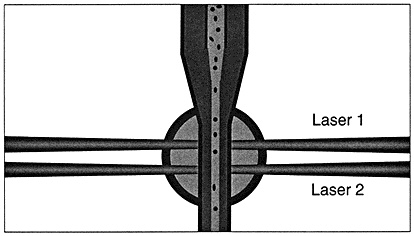
FIGURE 2.7 Schematic diagram illustrating the principles of flow cytometry.
(Courtesy of J. Jett and B.L. Marrone, Los Alamos National Laboratory.)
laser beams can excite fluorescence. Multiple sensors are used to detect fluorescence signals, which are recorded. The sensors may also be used to detect light scattering by the particles. In some cases, signals from the sensors are used to activate an additional cell sorting process based on deflecting previously charged droplets by charged deflection plates.
The development of optically based measurement techniques and new probes occurred in parallel with the application of this technology to basic biological studies and routine clinical assays. Routine clinical applications of flow cytometry fall predominantly into two categories: immunophenotyping and DNA content measurement. Immunophenotyping, the identification and enumeration of white blood cells by analysis of surface molecules with fluorescent-dye-labeled antibodies, is used in various medical applications including monitoring AIDS progression (Box 2.6) and leukemia or lymphoma diagnosis. DNA content measurements provide clinicians with information about the number of proliferating cells in a population and the normality of the cellular DNA content. Such measurements have application in grading cancer cells and determining disease prognosis. These applications of flow cytometry in the clinical arena are used worldwide.
Sorting capabilities of flow cytometers are used to physically separate large numbers of human chromosomes. The sorted chromosomes provide template DNA for the construction of recombinant DNA libraries. Chromosome-specific libraries have been generated for each of the human chromosomes. Such libraries are an important component of genetic engineering, a technique that allows specific genes to be inserted into cells and organisms. The availability of these materials has also played an important role in the establishment and rapid progress of the Human Genome Project, which promises new understanding of the genetic basis of disease.
|
BOX 2.6 IMMUNE SYSTEM MONITORING FOR HIV The AIDS epidemic is an excellent example of a critical medical problem that is being studied using optical biomedical instrumentation. AIDS currently affects more than 100 million people worldwide and is the leading cause of death among young adult males in the United States. Our understanding of this terrible disease has grown out of intense scientific research that has occurred over the past 15 years. A large portion of the research has focused on the impact of the AIDS virus on the human immune system. The primary tool used in this research has been the flow cytometer. For example, using flow cytometry, immunologists were able to determine the precise subgroup of white blood cells, the CD4 cell, that is attacked by the virus. The flow cytometer has evolved from the primary scientific tool used to understand the impact of the AIDS virus on the immune system into the principal clinical diagnostic instrument that is now the standard of care for monitoring CD4 levels in infected individuals. Flow cytometry data on CD4 concentrations in peripheral blood are used to guide physicians in choosing the antiviral and antibiotic drug therapies appropriate at various stages of the disease. Another class of optical instrumentation that is of critical importance in the battle against AIDS is the automated genetic sequencer. Using this instrument, which typically incorporates a scanning laser fluorimeter, scientists have been able to sequence the complete genome of the AIDS virus. This information has provided insight into the structure of the surface proteins of the virus and has helped lead to effective methods for sensitive detection of viral proteins in peripheral blood. Detecting viral protein in a peripheral blood sample is currently the accepted diagnostic method for verifying HIV infection. Gene sequencing instruments are also used to monitor genetic changes in the virus that signal the evolution of viral mutants resistant to drug therapies and mutants that might elude the current generation of tests used to ensure the safety of the U.S. blood supply. It is interesting to note that flow cytometers and automated gene sequencing instruments were developed in the late 1970s and early 1980s, precisely the time when the AIDS epidemic began. This timing was quite fortunate since without these instruments, our knowledge of the AIDS virus, its common modes of transmission, and possible strategies for combating it would have been severely affected and the epidemic would most definitely be significantly worse. The next generation of AIDS diagnostic techniques will focus on determining the concentration of free HIV in peripheral blood, the viral load. This diagnostic measurement has proven to be of great importance for developing promising new anti-HIV drugs, the protease inhibitors, and for determining effective therapies involving combinations of these antiviral drugs. Several different techniques have been developed using DNA chemistry for viral recognition and optical detection for quantification, for example, quantitative competitive polymerase chain reaction (PCR) and branch DNA. Both of these techniques are usually performed in sophisticated molecular biology laboratories and are not yet suitable for a typical hospital clinical laboratory. |
The impact of flow cytometry on modern biomedical research is large. The total annual market for flow cytometry instruments and reagents is estimated to be $300 million worldwide, of which U.S. manufacturers control on the order of 90%. Presently, clinical applications account for two-thirds of the total market, or about $200 million annually. One measure of the impact of flow cytometry is that, on the average, three out of four issues of Science contain an article with flow cytometric data. The technology is used worldwide, even in developing countries with limited funds for high-technology instrumentation. In these countries the major application is the analysis of white blood cell subpopulations in AIDS patients.
In the future, flow cytometers will be easier to use, more compact, and located in smaller hospitals or even doctor's offices. An integrated system with a flow cytometer on a chip that contains excitation source, detection, and fluidics is a realistic goal. On the research side, sensitive flow cytometry techniques orders of magnitude faster and more sensitive than currently used methods are being developed to analyze the size of DNA fragments and to sequence DNA. A variety of technological improvements are needed for this to occur. New compact light sources that emit light in the blue and ultraviolet will be needed to match the dyes currently in routine use. Detection and light filtration systems that are compact, efficient, and easy to use are also necessary.
One of the unique aspects of flow cytometry, whether in a clinical or a research laboratory, is that competent cytometrists must be well founded in a variety of disciplines from computer science to biology to optical sciences. Currently, there is no interdisciplinary degree program that adequately prepares either users or developers of the technology for the breadth of information and understanding that they need.
Bioengineered Fluorescent Indicators
A number of novel fluorescent indicators based on molecular biology have become available that serve as indicators of processes going on within living cells. For example, the green fluorescent protein (GFP) from a luminescent jellyfish is a protein that spontaneously modifies itself to generate a strongly fluorescent internal chromophore. Two mutants of different colors can engage in fluorescence resonance energy transfer, which can then be spectroscopically studied to monitor the presence or absence of protein-protein interaction inside living cells. Optical readouts of membrane potential, protein phosphorylation, and proteolysis are also under development. Even more recently, techniques have been developed to incorporate the gene for a bioluminescent molecule into bacteria and other molecules (Contag et al., 1995). This has allowed tracking of the spread of bacteria, as well as the action of antibiotics, throughout the body of small animals. The same
approach may be useful in signaling successful gene therapy. More broadly, it appears we can now alter the optical properties of living organisms in order to monitor the spread and control of disease in living animals and eventually humans.
Micromanipulation Techniques
A new application of optics in biology is the use of light to actively manipulate the molecules, mechanisms, and structures that determine biological function. Laser beams can be used, with proper handling, to create optical traps or "tweezers" that capture and manipulate cells and even subcellular organelles. Optical tweezers are even being used to determine the forces involved in the locomotion of single biological molecules.
The force that light can exert was predicted by James Clerk Maxwell in his theory of electromagnetism of 1873 but was not demonstrated experimentally until the turn of the century. One reason for the delay is that radiation pressure is extraordinarily feeble. Milliwatts of power (corresponding to very bright light) impinging on an object produce piconewtons of force (1 pN = 10-12 N). The advent of lasers in the 1960s finally enabled researchers to study radiation pressure through the use of intense, collimated sources of light. By focusing laser light into narrow beams, researchers demonstrated that tiny particles, such as polystyrene spheres a few micrometers in diameter, could be displaced and even levitated against gravity using the force of radiation pressure. Under the right conditions, the intense light gradient near the focal region can achieve stable three-dimensional trapping of dielectric objects. Optical traps can be used to capture and remotely manipulate a wide range of larger particles, varying in size from several nanometers to tens of micrometers (Svoboda and Block, 1994). Subsequently, it was shown that these "optical tweezers" could manipulate living things such as viruses, yeasts, bacteria, and protozoa. Experiments during the past few years have begun to explore the rich possibilities afforded by optical trapping in biology.
Although still in their infancy, laser-based optical traps have already had significant impact. Tweezers afford an unprecedented means for manipulation on the microscopic scale. Optical forces are minuscule on the scale of larger organisms, but they can be significant on the scale of macromolecules, organelles, and even whole cells. A force of 10 piconewtons, equal to 1 microdyne, can tow a bacterium through water faster than it can swim, halt a swimming sperm cell in its track, or arrest the transport of an intracellular vesicle. A force of this magnitude can also stretch, bend, or otherwise distort single macromolecules, such as DNA and RNA, or macromolecular assemblies, including cytoskeletal components such as microtubules and actin filaments. Proteins such as
myosin, kinesin, and dynein produce forces in the piconewton range. Optical traps are therefore especially well suited to studying mechanics or dynamics at the cellular and subcellular levels.
The possibilities for further development and use of optical tweezers in biology and medicine are extraordinary. There are many areas in which optical tweezers can be expected to provide visual images or better understanding of biological processes that involve motion. For example, the micromechanics of DNA-modifying enzymes (such as DNA and RNA polymerases) can be observed and protein synthesis manipulated at the most basic level; receptor-ligand interactions can be manipulated by physically constraining the reactants; small structures such as biosensors and microtubules could be constructed; mechanical properties of filaments can be measured directly; and forces allowing cells to crawl or chromosomes to move from place to place can be determined.
The National Science Foundation (NSF) should increase its efforts in biomedical optics and pursue opportunities in this area aggressively. This will require a broader interpretation of the NSF charter regarding health care in order to support promising technologies that bridge the NIH and NSF missions.
Biotechnology
Just as optics is playing an important enabling role in the development of new research techniques for fundamental biology, it is also becoming increasingly important in the biotechnology industry. Many of the devices and techniques discussed above in the context of biological research, such as flow cytometry and fluorescent molecular probes, play similarly important roles in biotechnology applications. In a general sense, biotechnology involves measurement, manipulation, and manufacture of large biologically significant molecules such as proteins and DNA. Among the applications for which optical methods are most important are genetic sequencing and pharmaceutical development.
DNA Analysis
The development of new instrumentation for DNA sequencing has been driven by the Human Genome Project, which is the largest government-funded project in the health sciences. The general strategy of all such instruments involves tagging the four distinct bases that occur in DNA with fluorescent dyes that have different emission wavelengths. Currently an argon ion laser is used to excite fluorescence. Sequence information is obtained by monitoring the multicolored fluorescent emission from large (50 cm x 70 cm) electrophoretic gels.
High-efficiency confocal laser scanning systems, which are commercially available, currently provide the fastest method for gene sequencing. Although they represent a major improvement over first-generation instruments, these devices are still considered approximately 100 times too slow to meet the goals of the Human Genome Project. The next generation of instruments, currently under development, incorporates integrated optics, hollow fibers for capillary electrophoresis, and red and infrared dyes for better spectral separation of the fluorescent indicators.
The polymerase chain reaction (PCR) used for DNA amplification is pervasive in biology today, being used for detection of viruses in blood, monitoring of viral loads in AIDS patients, detection of inherited disease tendencies, and forensics. Although current PCR systems are of laboratory bench-top size, the availability of miniaturized optics allows the development of miniaturized versions. These micro-PCR systems will allow quantitative detection of the nucleic acids formed and will use microspectrometers to monitor fluorescent tags in real-time. The ultimate goal is to combine these optical monitors with control and analysis software that will determine the thermal cycling used in the PCR process. It is interesting to note that the problem of miniaturizing the liquid handling aspects of such systems presents formidable technical challenges whose solutions have yet to be found.
Oligonucleotide probe arrays, sometimes referred to as DNA chips (Figure 2.8), combine both optical and chemical techniques to obtain genetic information. Oligonucleotides are small polymers made up of nucleotides, which are subunits of DNA (Lipshutz et al., 1995). The basic goal of these chips is to make possible the performance of a large number of operations probing the sequence of DNA in parallel. The chips are made by light-directed chemical synthesis, which is in turn based on photolithographic techniques developed for the semiconductor industry and on solid-phase chemical synthesis. The photolithographic techniques are used to "deprotect" or activate small synthesis sites consisting of hydroxyls on a solid substrate. The sites are selected using photolithographic masks. The activated region can then be reacted with a chemical building block to produce a new compound. By combining many of these activation steps with multiple cycles of photo-protection and chemical reaction, a chip with a high-density checkerboard array of oligonucleotides can be produced. For example, if the resolution of the chemical process is 100 µm, 104 sites can be produced per square centimeter.
These sites are essentially probes for specific DNA sequences. The target or unknown sequence is labeled with a fluorescent dye and exposed to the chip. It binds most strongly to sites that match a portion of its DNA sequence, resulting in localized patches of high fluorescence. Laser scanning confocal microscopy, described previously, is
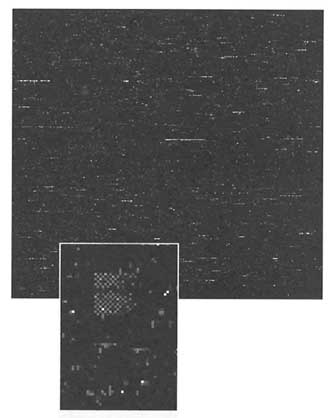
FIGURE 2.8 Part of a ''DNA chip," showing fluorescently labelled DNA bound to an 8,000-site GeneChip®probe array. (Courtesy of Affymetrix, Inc., Santa Clara, Calif. Copyright ©Affymetrix, Inc. All rights reserved. Affymetrix and GeneChip are registered trademarks used by Affymetrix, Inc.)
used to produce a map of fluorescence intensity versus site on the chip. Since the chemical composition at each site is known from the synthesis procedure, the unknown sequence can be deduced.
Applications envisioned for these probe arrays include rapid sequencing of DNA as well as the detection of mutations associated with resistance to antiviral drugs used in the treatment of AIDS. Although the commercial success of the DNA chip will depend on many factors, including the development of competing technologies, it illustrates the way sophisticated optical techniques, developed in part for the semiconductor industry, are being used for biotechnology.
Pharmaceutical Screening
Pharmaceutical screening to find drugs that have optimal biological activity for a particular clinical application is a good example of the potential impact of advanced fluorescent indicators on biotechnology. These applications, now in the early stages of development, would allow the screening of very large numbers of potential pharmaceuticals using only minute quantities of the candidate drug and small groups of cells.
The pharmaceutical industry has developed very large libraries of semirandomly generated candidate compounds for drug discovery. The libraries contain thousands to millions of different chemicals, usually synthesized by combinatorial sequences of reaction steps. The libraries now encompasses a wide variety of chemical families, including many that could be suitable for orally active drugs to treat major diseases. However, screening these huge libraries to find which members possess optimal biological activity is a tremendous challenge. Only picomole quantities of each candidate are available, so most traditional pharmaceutical assays are too insensitive. Thus, there is a great need for bioassays that can be miniaturized to microliter or smaller assay volumes and performed at the rate of thousands to millions per day. Such bioassays have to be easily adaptable both to known drug receptors and to the thousands of new potential macromolecular targets being found by human genome sequencing.
Optically based methods to accomplish this are being investigated. The basic concept is to combine recent improvements in microscopic
imaging with new fluorescent indicators of intracellular signaling to allow bioassays on single cells or small groups of cells. Cells can now be genetically engineered to be responsive to signaling pathways of interest or to mimic target disease processes. They are then grown by tissue culture in billions or trillions as required. Zeptomole (1 zmol = 10-21 mol) to attomole (1 amol = 10-18 mol) quantities of compound suffice to activate or inhibit individual cells, which can be imaged in microscopic volumes.
The best known intracellular fluorescent indicators report calcium signals and are already in use for drug screening at the cellular level. However, gene expression is a more universal and stable readout, which can be monitored by introducing an optically easy-to-detect enzyme for the protein that the cell would normally express. For example, reporter enzymes, such as ß-lactamase, together with carefully designed, membrane-permeant fluorogenic substrates can disrupt fluorescence energy transfer in the substrate and change the emission color from green to blue. This color change is so dramatic that it can easily be seen by the unaided eye and is precisely quantifiable by two-color flow cytometry or standard ratio image processing. Flow cytometry should enable selection and cloning of cell lines whose ß-lactamase expression is optimally sensitive to known drugs, hormones, or disease-mimicking alterations. The same enzyme system provides a nondisruptive optical readout to measure the effect of novel drug candidates on single cells or small clusters of cells. In this way the cumulative activity of nearly any specific signal transduction pathway of choice may be monitored optically.
The practical challenge is now to integrate the techniques of molecular biology, cell culture, optical signal transduction, organic synthesis, microscale liquid handling, high-performance optical imaging, and automated data analysis into a coherent, robust, and economically viable system.
Summary and Recommendations
Surgery and Medicine
Optics has enabled the development of rigid and flexible viewing scopes that allow minimally invasive diagnosis and treatment of numerous sites inside the body, such as the colon, the knee, and the uterus. Lasers have become accepted and commonly used tools for a variety of surgical applications. These include the CO2 laser, the high-repetition-rate, frequency-doubled Nd:YAG laser (KTP 532), and the Nd:YAG laser. Lasers and optics have made possible noninvasive treatment of many diseases of the eye and have become essential to the practice of
ophthalmology. Inpatient procedures have often become outpatient ones as a result. Lasers are now used extensively in dermatology for the treatment of pigmented lesions, tattoos, wrinkles, and other problems. This use has become widespread because research has led to an understanding of how to target specific tissue sites by the proper choice of laser wavelength and pulse width. Biological response, rather than the sophistication of a particular optical technique, is often the critical issue in clinical applications. Close cooperation between physical scientists and physicians is necessary to successfully address clinical problems. One example is laser angioplasty. New infrared solid-state lasers are being used to complement the more established CO2 and YAG surgical lasers. The Ho:YAG laser offers compatibility with existing quartz fiber optics and may replace CO2 in some cases. The Er:YAG laser is unique in its ability to cut bone with minimal thermal damage. Photomechanical effects have been recognized as clinically significant and often useful; they are used commonly in ophthalmology and urology. Light-activated drugs are being used to treat both cancer and noncancer diseases by photodynamic therapy. These photochemical treatments are able to affect not only cells and tissue, but also specific growth factors and signaling processes in tissue. Noninvasive monitoring of basic body chemistries, such as glucose concentration, remains a major challenge for optics. The basic science required for the development of such monitoring techniques is often missing or incomplete. As laser medicine and surgery have moved from being almost entirely empirical arts to having a solid basis in the underlying physics and chemistry of laser-tissue interaction, new and less painful laser treatments for numerous diseases have been developed. The disease-oriented structure of NIH does not encourage the funding of biomedical optical technology programs.
Lasers and fiber-based instrumentation have enabled many new minimally invasive therapies that reduce total (direct plus lost time) health care costs. Optically based diagnostic methods are less developed than therapeutic ones, but they offer potentially improved techniques for the medical laboratory (more accurate blood tests), the clinic (techniques to complement x-ray mammography), and home care (noninvasive glucose monitoring). New laser technologies and effects are now quickly assimilated by the medical care community. However, the FDA regulatory process makes commercialization of new technologies costly. Close cooperation among optical scientists, physicians, and FDA personnel may improve the process. Optics and lasers will continue to facilitate the development of new medical systems. Visible diode lasers, diode-pumped solid-state lasers, light-emitting diodes, and compact optical parametric oscillators are some of the devices on which such systems will be built. Feedback control will attract increasing attention as opti-
cal and magnetic resonance imaging systems are coupled with laser-based treatment systems. Mechanisms should be developed for encouraging increased public and private investment in noninvasive optical monitoring of basic body chemistries. Clearer separation of the roles of the public sector—basic science and proof of principle—and the private sector—device development—is needed. Better understanding of how light interacts with tissues will continue to be important for the development of optical techniques for treatment and diagnosis.
NIH should establish a study section for RO1 grants devoted to biomedical applications of light and optical technology. An initiative to identify the human optical properties suitable for noninvasive monitoring should also be established.
Tools for Biology
Confocal laser scanning microscopy and computed microscopy have enabled depth-resolved microscopic imaging that allows three-dimensional information to be acquired. Two-photon techniques have not only enhanced the capabilities of fluorescence microscopy but also opened up new possibilities for performing spatially localized photochemistry within cells. The potential of these techniques is relatively unexplored. Near-field microscopy, a nonimaging technique, allows microscopy with resolutions of tens of nanometers, far less than the diffraction limit for light. Fluorescent markers have replaced many of the radioactive tags used to mark the presence of specific molecules, such as proteins, and in DNA sequencing, thus eliminating the complications associated with handling and disposing of radioactive materials. Flow cytometry, which is based on laser and optical technology, has become both a standard clinical assay and a frequently used research tool. Optical micromanipulation techniques (optical tweezers) have found uses in the study of the forces involved in molecular locomotion and in the manipulation of cells and molecules within them. The use of fluorescence techniques as quantitative assays will grow as more quantitative measurement techniques are introduced.
New microscopies (confocal, two-photon, near-field) are extending the capabilities of traditional microscopy by enhanced resolution and the ability to image in depth. Lasers and optical methods have become an integral tool for many essential biological technologies and methods. The continual development of new, specific, and inexpensive molecular probes is necessary for optimal utilization of fluorescence-based techniques. The development of instrumentation that solves significant biological problems requires interdisciplinary teams that are aware of both available technology and biological questions. The advances in technology that are now being applied build upon long-term investments in basic research. Examples are the understanding of two-photon
absorption, which builds on basic quantum mechanical calculations that are more than 60 years old, and the development of optical tweezers, which grew out of studies of optical levitation.
NSF should increase its efforts in biomedical optics and pursue opportunities in this area aggressively. This will require a broader interpretation of the NSF charter regarding health care in order to support promising technologies that bridge the NIH and NSF missions.
Biotechnology
Lasers have become essential parts of all systems used for DNA sequencing, ranging from those that are commercially available to more experimental capillary electrophoresis systems. Optics is being employed in a number of biotechnology applications, from sophisticated systems using DNA chips to simpler systems using transmission probes. Scientists, engineers, and technicians with cross-disciplinary training will enhance the transfer of optical science into biology and medicine.
References
American Optometric Association. 1996. Caring for the Eyes of America. St. Louis, Mo.: American Optometric Association.
Arons, I. 1997. Medical laser market hits new high. Med. Laser Rep. 11:1-2.
Contag, C.H., P.R. Contag, J.I. Mullins, S. Spilman, D.K. Stevenson, and D.A. Benaron. 1995. Photonic detection of bacterial pathogens in living hosts. Mol. Microbiol. 18:593.
Cuschieri, A. 1995. Whither minimal access surgery: Tribulations and expectations. Am. J. Surg. 169:9-19.
Deckelbaum, L.I. 1994. Cardiovascular applications of laser technology. Lasers Surg. Med. 15:315-341.
Gratton, E., and J.B. Fishkin. 1995. Optical spectroscopy of tissue-like phantoms using photon density waves. Comments Mol. Cell Biophys. 8:307-357.
Huang, D., E.A. Swanson, C.P. Lin, J.S. Schuman, W.G. Stinson, W. Chang, M.R. Hee, T. Flotte, K. Gregory, C.A. Puliafito, and J.G. Fujimoto. 1991. Optical coherence tomography. Science 254:1178-1181.
Katzir, A. 1993. Lasers and Optical Fibers in Medicine. San Diego, Calif.: Academic Press.
Krauss, J.M., and C.A. Puliafito. 1995. Lasers in ophthalmology. Lasers Surg. Med. 17:102-159.
Lipshutz, R.J., D. Morris, M. Chee, E. Hubbell, M.J. Kozal, N. Shah, N. Shen, R. Yang, and S.P.A. Fodor. 1995. Using oligonucleotide probe arrays to access genetic diversity. BioTechniques 19:442-447.
McDonnell, P.J. 1995. Excimer laser corneal surgery: New strategies and old enemies. Invest. Ophthalmol. Vis. Sci. 36:4-8.
Middleton, H., R.D. Black, B. Saam, G.D. Cates, G.P. Cofer, R. Guenther, W. Happer, L.W. Hedlund, G.A. Johnson, K. Juvan, and J. Swartz. 1995. MR imaging with hyperpolarized 3He gas. Magn. Reson. Med. 33:271-275.
Pawley, J.B. 1995. Handbook of Biological Confocal Microscopy, 2nd ed. New York: Plenum Press.
Seiler, T., and P.J. McDonnell. 1995. Excimer laser photorefractive keratectomy. Surv. Opthalmol. 40:89-118.
Shapiro, H.M. 1995. Practical Flow Cytometry, 3rd ed. New York: Wiley-Liss.
Svoboda, K., and S.M. Block. 1994. Biological applications of optical forces. Ann. Rev. Biophys. Biomol. Struct. 23:247-285.
Tsien, R.Y. 1994. Fluorescent imaging: Technique tracks messenger molecules in living cells . Chem. Eng. News, July 18,: pp. 34-44.
Wang, X.F., A. Periasamy, and B. Herman. 1992. Fluorescence lifetime imaging microscopy (FLIM): Instrumentation and applications. Crit. Rev. Anal. Chem. 23:1-26.
Wigdor, H.A., J.T. Walsh, S.R. Visuri, D. Fried, and J.L. Waldvogel. 1995. Lasers in dentistry. Lasers Surg. Med. 16:103-133.
Williams, R.M., D.W. Piston, and W.W. Webb. 1994. Two-photon molecular excitation provides intrinsic 3-dimensional resolution for laser-based microscopy and microphotochemistry. FASEB J. 8:804-813.
Yodh, A., and B. Chance. 1995. Spectroscopy and imaging with diffusing light. Phys. Today 48:34-40.


