
3
Taggants for Preblast and Postblast Identification of Explosives
INTRODUCTION
Identification taggants found in a preblast recovery of an illegal explosive device or after a bombing can provide various levels of information to aid in solving and prosecuting criminal bombing cases, as well as to deter illegal use of explosives. Depending on the particular information encoded, the frequency with which the codes are changed, and the extent of record keeping, tagging could lead to determination of an explosive's type, manufacturer, and chain of ownership. The information encoded in an identification taggant can range from the general to the very specific, including date and shift of manufacture. As the specificity of the taggant coding increases, so also does the taggant's potential forensic usefulness, along with the burden on the manufacturer and the cost to society in general. Even at the lowest level of specificity, a taggant would have some utility, such as identifying the type of explosive used in a criminal act or perhaps linking a suspect to a crime through the presence of residual taggant in the suspect's clothing, vehicle, place of business, or home. However, the benefits of instituting a taggant program must be weighed against the costs.
Types of Explosives That Could Be Tagged
The materials considered by the committee as possible candidates for identification tagging were as follows:
-
Packaged, cap-sensitive high explosives (cartridged or cylindrically packaged dynamite, emulsions, water gels, and boosters);1
-
Packaged, non-cap-sensitive high explosives;
-
Packaged blasting agents (bagged or cartridged ammonium nitrate/fuel oil (ANFO) cartridged dry ammonium nitrate (AN)-based blasting agents, cartridged or cylindrically packed emulsions, water gels, or blends);
-
Bulk, prilled explosives-grade ammonium nitrate (designated "unprocessed" in annual U.S. Geological Survey statistical data) (USGS, 1995); and
-
Bulk, prilled fertilizer-grade ammonium nitrate.
Other materials such as detonating cord, detonators, shock tubes, and safety fuses were discussed by the committee as candidates for tagging but were not studied in depth. The committee focused on explosives and the implications of tagging the materials listed above.
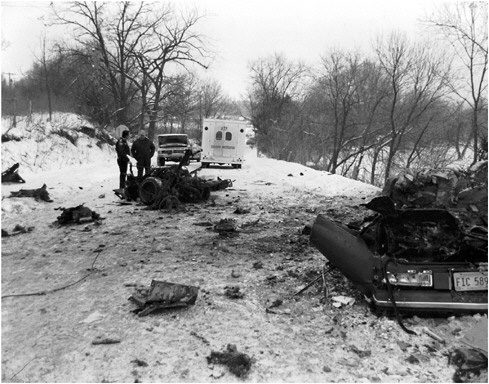
The value of tagging one material versus another, or of tagging all, and the resulting costs, must be balanced against the benefit to society. For example, capsensitive explosives are reportedly used in only a small percentage of criminal bombings in the United States but are a factor in a greater percentage of those criminal acts that result in death or injury (FBI, 19952). Cap-sensitive explosives account for less than 5 percent of the 1995 total U.S. explosives production of 5 billion pounds (USGS, 1995; Hopler, 1997) but are essential for the initiation of blasting agents. Ammonium nitrate blasting agents, too, are used in a small percentage of total U.S. bombings but have been the material of choice for large, extremely damaging, and death-causing events, such as the Oklahoma City bombing. To complicate the matter, blasting agents can be made by an individual bomber, which raises the issue of whether tagging the raw material of a blasting agent might also be advisable. If explosive-grade ammonium nitrate were to be tagged, should all forms of AN be tagged regardless of their intended use, since they can also be made into a bomb? Because of their wide use for a variety of legitimate purposes, ammonium nitrate and urea, for example, would pose special problems for tagging.
Prior Study and Experience
Office of Technology Assessment Report
In 1979-1980, the Office of Technology Assessment evaluated the prospects for tagging commercial high explosives and gunpowders (OTA, 1980). At that
time, the Bureau of Alcohol, Tobacco, and Firearms (ATF) had been sponsoring an extensive multiyear study of the use of taggants, mainly under contract to the Aerospace Corporation (Aerospace, 1980b). Evaluation of one taggant was discontinued early in the study.3 The other, at the time produced by the 3M Company and now produced by Microtrace Inc., was an acrylic material resembling a chip of paint with layers of different colors. To facilitate recovery, the chip had one outer layer sensitive to attraction by a magnet and one able to emit visible light under ultraviolet illumination. After extensive testing within the explosives industry, more than 6 million pounds of tagged dynamite and water gel explosives were manufactured, distributed, and used by blasters and miners in their normal operations.
The OTA analysis included a number of observations and conclusions considered by the current committee (Box 3.1). The OTA report discussed three possible courses of congressional action:
-
Pass legislation requiring taggants and set up a procedure to determine when to implement the program.
-
Defer legislation but continue to develop taggants, and possibly reconsider legislation when development was completed.
-
Pass no legislation on taggants and look for other ways to increase the effectiveness of law enforcement against terrorists and criminal bombers.
Ultimately, the Congress chose not to implement a taggant program and halted funding for future research on taggants by the ATF.
The Swiss Experience
The Microtrace (former 3M) taggant, the only one that has been subjected to an extensive technical evaluation and has a long-term history of use, has been added by the Swiss to a limited line of explosives products for the last 18 years (see Appendix F).4 Following a period of terrorist attacks in the 1960s and 1970s in western Europe, the Swiss mandated in 1980 that explosives be stored in
|
3 |
A Westinghouse taggant product, consisting of a mixture of rare-earth compounds in a ceramic-like particle, had a gritty texture that was shown to increase the impact sensitivity of some explosive materials when used without polyethylene encapsulation. Disagreements over the liability limits of their contract led to the withdrawal of Westinghouse from the pilot test program. For additional details, see Office of Technology Assessment (1980), p. 55. |
|
4 |
No other country has adopted use of this technology, even though some such as Northern Ireland and Israel have a virulent bombing problem. The British have pointed out that in the current context, tagging would provide little further useful information for their major bombings (see Appendix F); in countries such as Israel, where major bombing incidents involve improvised explosives or explosives provided by terrorist states, tagging of commercial explosives would be of little value. |
|
BOX 3.1 Summary of the 1980 Office of Technology Assessment Findings on Use of Identification Taggants Among the Office of Technology Assessment (OTA) report's conclusions regarding identification taggants were the following (OTA, 1980):
|
locked magazines or day boxes (a law that reduced the number of explosives retailers from almost 300 to fewer than 50); that all buyers and users of explosives take a course and pass an examination for a license (an expensive process that has discouraged most farmers from using explosives); that explosives be purchased in the local canton and that records be kept for 5 years after a given sales transaction; and that materials manufactured for use in commercial explosives be tagged. Not covered under the Swiss regulations are military explosives, black and smokeless powders, fertilizer-grade AN, and AN intended to be made into ANFO at the borehole.
Initially the Swiss tagged explosive products individually by manufacturer and by batch to identify the type of explosive and the place and date of manufacture. However, this requirement proved too difficult for manufacturers to comply with. After 2 years, the system was changed; now each manufacturer uses a single taggant code for all its products and changes the code every 6 months or upon production of 150 tons of explosive.5 Thus the tag indicates where the explosive was produced and in what time frame.
Swiss forensic scientists have developed laboratory methodologies to separate the Microtrace taggants from bombing residue and to identify the codes microscopically (see Appendix F). The Swiss find the tags useful in analyses of postblast residue, and for tracking stolen explosives and identifying linked cases. The Swiss data for 1984 to 1994 show a substantially higher "solve" rate when taggants were recovered (16 percent when no taggants were found versus 44 percent when taggants were found; see Table F.2, Appendix F). The total number of bombings in Switzerland for that 10-year period was 254; 63 involved the recovery of taggants. Over the past two decades, the number of bombing incidents in Switzerland and nearby countries has declined. This favorable trend was attributed to political changes in that part of Europe, and to some extent to the programs for licensing, storage, and tagging of explosives.
Comments on Swiss Experience Versus U.S. Conditions
The Swiss taggant program applies to a small explosives industry, with few products, in a country with no mining and little bombing activity.6 In that context, the economic and environmental impacts of taggant use are limited, and
|
5 |
Imported explosives are also tagged. Each time a taggant code is changed, samples of each type of explosive, whether foreign or domestic, are sent to the main explosives forensic laboratory in Zurich, where the samples and records are maintained for 15 years. Safety fuse and detonating cord are tagged by colored thread woven into the casing, but, in the latter case, none survives detonation. Although it is mentioned in Swiss law, tagging of detonators and shock tubing has not been attempted, and the law will probably be modified to exempt them (see Appendix F). |
|
6 |
In the last 6 years, one person has been killed in a bombing incident in Switzerland (see Table F.1, Appendix F). |
there are few concerns about compatibility because of the limited explosives product line (AN-based explosives, dynamite, and plasticized PETN). Even with this limited product line and only three manufacturers, Switzerland has found tagging by batch to be infeasible.
As used in Switzerland, taggants do not aid in identifying a product as belonging to a particular class of explosive, a capability that could aid in an investigation of a bombing with no identifiable postblast residue. In addition, the Swiss taggant program's utility for law enforcement is limited by a lack of detailed explosives sales record keeping and traceability, whereas current U.S. requirements for marking the packaging of commercial explosives, combined with record-keeping requirements, allow tracing of the last legal owner of many explosive materials (ATF, 1997).7
Types of Identification Taggants
As a result of technology advances since the ATF-sponsored pilot study in the late 1970s (Aerospace, 1980b; OTA, 1980), taggant materials are currently used in such diverse applications as identifying the source of petroleum products and coding the manufacturing date of residential siding. The committee reviewed information on a number of identification taggant concepts (see Appendix D). Few of the taggant concepts appeared to be beyond the conceptual stage of development, although one reportedly had been subjected to limited field tests carried out with actual explosives.8 The committee grouped the various identification taggant concepts presented to it as follows:
-
Particulate—taggants incorporating particles of a size visible to the eye or under low magnification, with information coded by layered sequences, chemical composition, ingredient melting points, and other methods;
-
Isotopic—taggants using a molecule chemically identical to a compound present in, or added to, an explosive but also bearing an isotopic label at one or more positions added in parts-per-million concentrations; and
-
Biological—taggants using engineered biological molecules, DNA fragments, or substances incorporating other similar technologies.
EVALUATION OF IDENTIFICATION TAGGANTS
Technical Criteria for Evaluating Taggants
Candidate identification taggants must be evaluated for the following: safety in manufacture and use, effect on the performance of explosives products, utility for law enforcement (including resistance to countermeasures and cross-contamination, forensic utility, and blast survivability), environmental acceptability, freedom from contamination of mined products, costs (for taggant materials, processing, and record keeping), and universal applicability. These evaluation criteria parallel and expand on the items in the committee's statement of task (Appendix B). Depending on the goals of a taggant program, these criteria may be given different weights.
Safety in Manufacture and Use
Prior to use, explosives formulations undergo rigorous safety testing. The primary concerns are sensitivity to heat, impact, and friction. Even at parts-per-million levels, changes in a product's formulation may produce new safety concerns that would require retesting.
The thermal stability of an explosive is important in the manufacturing process as well as in the safe storage of explosives. A proposed taggant's chemical compatibility with all materials used in explosives must be assessed. Of special concern are friction-sensitive formulations that might become more hazardous when a taggant is added. For particulate taggants, special consideration must be given to their impact on the stability of nitroglycerin explosives and the use of auger-packing machines.
The safety assessment must also include toxicity studies to evaluate skin irritation and hazards posed by inhalation or ingestion of the taggant material. Both chronic and acute effects should be considered.
Effect on the Performance of Explosives Products
An assessment of a taggant's possible effects on the performance of a legally used explosive should include its effects on the explosive's density; detonation velocity; gel quality; rheology; emulsion quality; shelf life; ability to be handled on production machinery; friction; shock and electrostatic sensitivity; water resistance; incendiarism (e.g., potential to ignite methane and/or coal dust in underground coal mines); and other characteristics. Many trace additives included in emulsion explosives can have a negative effect on the quality and shelf life of the explosive.
Utility for Law Enforcement
Resistance to Countermeasures
An effective taggant must be difficult for a would-be bomber to separate from the explosive material.
Lack of Cross-Contamination
Cross-contamination with taggants could result either from comingling of explosives material during manufacture, distribution, or storage, or from the presence of unrelated taggants at the blast site. For example, if taggants in the explosives used for blasting gypsum survive the processing into wallboard, they could be present in the rubble at a bomb scene and thus could complicate identification and confuse investigators. Appendix J provides an example of the potential cross-contamination problems that particulate identification taggants may present. The analysis in Appendix J shows that cross-contamination should be less serious for tagged packaged explosives than for tagged bulk ammonium nitrate.
Forensic Utility
Background information supplied to the committee in connection with its scheduled meetings and site visits indicated that taggant information would be only one of several forms of evidence considered in a thorough investigation. Forensic experts from the United States, Canada, England, and Switzerland all stressed that many types of clues converge in the identification of a perpetrator, including identifiable explosives residue in many of the incidents investigated.
Chemical fingerprints of explosive formulations, products, and ingredients already exist. For instance, from detailed analysis of chemical composition, each manufacturer of prilled ammonium nitrate can determine whether a particular prill was made at his plant. If dynamite residues are found, the forensic chemist can determine what the product was after relatively simple analyses. Taggants can provide additional information, such as manufacturing date, and would be especially valuable in cases where no explosives residues were found.
Prior field experience with identification taggants has come almost entirely from Switzerland. As mentioned above, the Swiss Federal Attorney's office has reported that higher conviction rates occurred when taggants were recovered at the crime scene. The Swiss also reported that tagging was useful for relating separate incidents caused by the same bomber. In the United States, taggants were involved in the successfully prosecuted McFillen case,9 although the importance
of the taggant evidence in securing McFillen's conviction is still being debated.
A secondary motivation for mandated use of identification taggants is their capacity to support deterrence. If taggants were used and their use and forensic advantages widely publicized, it seems reasonable to suppose that at least some potential criminal bombers would be more reluctant to act, although the committee is unaware of any evidence to support this belief.
Blast Survivability
To provide adequate material for analysis, a sufficient percentage of a taggant must survive detonation. The term "blast survivability" signifies a capability for withstanding the temperatures of a detonation front (in the range of 3000 °C) and pressures there on the order of 1 million psi. Fortunately, these severe conditions prevail only for a very short period of time, and well-designed taggants can survive. (Detonator parts often survive detonation because of the relatively massive amount and thickness of the materials enclosing them, such as aluminum or bronze shells.)
Taggant survivability testing should be done for a range of taggant concentrations and explosives product types. Many laboratories in the United States are capable of running such tests, including those listed in Appendix I. Testing should also use explosives on the anticipated scale of their use in bombs. If the tagged explosive is cartridged, tests should be run in bombs consisting of a single cartridge as well as in those with multiple cartridges. If the explosive to be tagged is a material like ANFO, the tests should be carried out at the scale and conditions that would predict the outcome in bombs of 1,000 pounds or more (where full detonation is ensured). Ease of recovery and analysis should also be observed. To date, no proposed taggant material other than the Microtrace product has undergone extensive blast survivability testing.
To the extent that cap-sensitive high explosives are used as initiators or boosters in large bombs containing blasting agents such as ANFO, a tagged initiator or booster might yield sufficient readable tags in the postblast debris to make the cost and effort of tagging blasting agents unnecessary. However, the conditions under which tags in the initiator or booster might survive and be recoverable from a large bomb in which the main charge is untagged have not been determined. A testing program would be needed to determine these conditions for any taggant considered for deployment. The tests should be carried out at a scale that would predict the outcome in bombs of 1,000 pounds or more.
Environmental Acceptability
Taggant materials must not pose an environmental threat. An ideal taggant would degrade to harmless substances after a reasonable period. Such a taggant
would thus not accumulate around a mine site or be incorporated into manufactured products such as concrete or wallboard, where its persistence could cause cross-contamination and environmental problems. Issues related to public perception of a material's acceptability might also have to be considered.
Mined Products Free from Contamination
A taggant should not have any deleterious effect on critical end products such as chemical stone,10 talc (for ceramics), silica, and compounds used in foods. The effect of taggants on blasted rocks or minerals, or on the end products produced from them, must be determined. It has been proposed that in some cases minute quantities of foreign materials from blasting can degrade the utility of the mined product.11 For example, copper cladding on iron detonator leg wires can render talc unsuitable for the manufacture of porcelain tile. Furthermore, although limestone for use in the manufacture of cement is subjected to processing at high temperatures that taggants may not withstand, the aggregate stone that is used to make concrete is only washed. In fact, plastic tubing from gas-initiated or shock-tube initiating systems has been observed as a contaminant in concrete (although it has no bearing on law enforcement). These materials create problems when they float to the surface that a concrete finisher is attempting to smooth. This type of unintended consequence needs to be anticipated before taggants are considered for use.
Cost of Taggant Material, Processing, and Record Keeping
The costs to industry of taggant implementation must be considered in conjunction with the benefits to law enforcement. The easiest cost to recognize and evaluate is that of the taggant itself, which must be considered relative to the cost of the various explosives products considered as candidates for tagging. In addition, to add a taggant, a manufacturer might have to modify, at some cost, its current explosives manufacturing operation (e.g., equipment for adding taggants, extra time per batch to thoroughly mix taggants into explosives). Ideally, the taggant could be added easily to the explosive during routine manufacturing processes. A taggant scheme that requires minimal record keeping by the manufacturer is more likely to be accepted initially and to be rigorously implemented,12
although rapid, complete record keeping by computer is increasingly common in many industries. In addition, manufacturers already keep records based on the date-shift code required on packaged high explosives.
Universal Applicability
Because using different taggant types for different classes of commercial explosives could complicate collection, recovery, and analytical protocols, it would be attractive to identify a single taggant that could be applied to all types of explosives. Although chemical and physical differences among types of explosives make this unlikely, the number of unique taggant concepts should be kept to a minimum. The greater the number of unique taggant concepts employed, the greater the field and laboratory time and resources needed to seek, identify, and decode the various taggant(s) recovered from a bomb scene. These increased demands could be counterproductive to law enforcement. Furthermore, the use of multiple taggant types might require that taggant analysis be carried out in well-equipped forensic laboratories staffed by highly trained and experienced forensic scientists. This requirement could limit the number of laboratories where such analyses could be done.
Comments on Proposed Taggant Concepts
Using all of the data on taggant concepts available to it (see Appendixes D and E), the committee grouped these concepts by type and evaluated them according to its stated technical criteria. The results are summarized below. However, because none except the Microtrace taggant has undergone thorough testing, much of the data needed for a complete evaluation was not available.
Particulate Taggants
The committee reviewed vendor-supplied material on several types of particulate taggants, including plastic particles with colored or numeric coding (such as the Microtrace taggant), ceramic or metallic particulate taggants, and colored or size-coded glass microspheres. In addition, the committee was aware that the Swiss have had several years of field experience using the HF6 taggant, manufactured by Swiss Blasting AG, and the Explotracer particulate taggant (see Appendix F). These taggants have demonstrated blast survivability in Swiss explosives
Some of the particulate taggant materials proposed to the committee may be unsafe for use with some explosives. Any gritty material, for example, would create a hazard in the processing of nitroglycerin dynamites or explosives with similar sensitivity to friction. This factor may limit the application of ceramic particles, glass particles, or glass microspheres. (The microspheres used in dynamite are made of phenolic polymer material and do not pose a friction hazard.)
The particulate taggants would be added to explosives at a level of 0.05 to 0.025 percent by weight. Except for the taggants used in Switzerland, the proposed concepts have not been thoroughly tested, and data are lacking to describe their effects on the performance of explosives. Cost factors associated with these particulate taggants are also unknown to the committee.
Each of the particulate taggant concepts examined by the committee is believed to persist indefinitely in the environment and could represent a source of contamination for mined products. Environmental persistence could be a serious problem in the case of a tagged material used in large quantities, such as fertilizer-grade AN.
Isotopic Taggants
Several different companies suggested the use of taggants involving isotopic labeling (see Appendix D). These companies proposed to label not the explosive itself, but rather a contaminant occurring naturally at a low concentration in the explosive. The contaminant would be labeled with 2H, 13C, or 15N. Cambridge Isotope Laboratories Inc. proposed labeling compounds with 13C or 15N isotopes. Isotag LLC proposed labeling the heavy hydrocarbons observed in blast residues with deuterium (2H); it is currently using deuterium to tag nonexplosive products such as gasoline.
The committee had no information on which to assess either the compatibility of isotopic taggants with explosives or their effect on safety in manufacture and use but believes that because of their chemical similarity and addition at parts-per-million levels, little effect would result. In fact, current controls on explosives ingredients are not rigorous to the parts-per-million level.
Although some of the proposed taggants appear promising, none has proven blast survivability or has been shown to be amenable to standard collection and analysis procedures.13 Recovering and reading the code of an isotopic taggant would require an expensive mass spectrometer, thus limiting the number of forensic laboratories capable of handling it. The committee believes that isotopic
taggants would not present unique countermeasure or cross-contamination problems.
The committee had no information on which to assess isotopic taggants' environmental acceptability or potential for contamination of mined products but believes that because of their chemical similarity to materials already present in explosives and their addition at low concentrations, there would be little effect on the environment.
The committee believes that isotopic labeling with deuterium is probably less expensive than labeling with carbon or nitrogen. However, use of deuterium requires selection of a compound with numerous hydrogen positions to allow tagging with a large variety of codes. Although the particular chemical used for tagging may vary among explosive types, the committee believes that the general approach of isotopic tagging could be universally applicable.
Biological Taggants
Several companies proposed biopolymers for taggants or bioanalytical techniques to analyze them. Innovative Biosystems Inc. proposed the GeneTag™, a DNA-sequenced tag that would be detected in small amounts and amplified using the polymerase chain reaction method.14 Biocode Inc. described using immunoassay techniques and engineered antibodies to specifically identify matching, inert chemicals added to materials as taggants.
The committee had no information on which to base assessment of the effects of biological taggants on the safety of explosives in manufacture and use, or the effects of the taggants on the performance of explosives products, but believes that at low levels of addition, the effect would be minimal. The inert chemicals used in the Biocode Inc. approach would have to be selected carefully to prevent compatibility problems.
The committee lacked information for assessing the effects of biological taggants on susceptibility to countermeasures or cross-contamination but believes that they would be no worse than with other taggant approaches. Biological taggants appear to require a sophisticated level of analysis, which could have a significant impact on law enforcement forensic procedures.
A question with biological taggants is whether they could survive the heat of an explosion, even though the exposure would be short. Besides the delicate material of their construction, their minute size would allow rapid heat transfer. In addition, these taggants may not survive the conditions involved in some manufacturing processes, such as the severe oxidizing environment of the hot
(145 to 155 °C) ammonium nitrate solution during the prilling process. Adding biological particles to the coating of ammonium nitrate prills might be a partial solution, but the taggant would still have to survive the detonation temperatures.
Innovative Biosystems Inc. reported that it conducted 6-month stability and blast survivability testing on its GeneTag™ taggant, as applied to ammonium nitrate fertilizer. The committee is unaware of the results of these tests.
Reportedly, the tagging techniques of Biocode Inc. are being used in the fuels, inks, pharmaceuticals, and chemicals industries for marking or coding of products to prevent counterfeiting. Given the wide use of such products, the committee assumes that this approach has achieved environmental acceptability. Furthermore, the low cost of these products suggests that the cost of tagging would likely be acceptable, when weighed against the benefits. The committee had no information on which to assess biological taggants' potential for contaminating mined products but believes that they would be no worse than other taggant approaches.
Evaluation of the Microtrace Taggant
The Microtrace (former 3M) technology is the only taggant with any long-term history of use, both as part of the Aerospace Corporation pilot study in the late 1970s (Aerospace, 1980b) and operationally in Switzerland. This experience base enables a more detailed examination of the taggant than was possible for other proposed taggant concepts.
Safety in Manufacture and Use
The Microtrace taggant has been in use in Switzerland in AN-based explosives, dynamites, and plasticized PETN, materials with which it appears to be compatible, and has not posed toxicity hazards. Unfortunately, the Swiss experience provides no information on the taggant's chemical compatibility with a wide range of U.S. explosives products.
Safety and compatibility testing was conducted as part of the ATF-sponsored Aerospace Corporation pilot study reported on by the OTA (1980). Numerous tests were run between the Microtrace material and the various products of the U.S. explosives industry. Two problem areas were reported, one with a particular smokeless powder product and the other with TNT as used in melt/pour operations for the production of cast boosters. Some of these results were criticized because some of the compatibility testing involved much larger concentrations of taggants than would ever be proposed for actual use, although the testing was done in accordance with well-accepted industry test procedures.15
Independent laboratories have demonstrated incompatibility of the Microtrace taggant with a TNT composition (OTA, 1980). An explosion in 1979 at a cast booster plant in Arkansas highlighted the question of compatibility because it was alleged in a subsequent lawsuit that taggants were the cause of the explosion. The allegation was denied, the case was settled out of court, and sufficient information was not available to the committee that would allow a definitive conclusion as to whether or not taggants were present at this explosion. Before Microtrace taggants can be considered for use in TNT products, compatibility issues must be addressed.
Although the Microtrace taggant has an iron-rich layer that could present a potential friction hazard during explosives processing, testing by explosives manufacturers and subsequent processing of taggant-containing formulations in gelatin packing machines showed no problems.
Effect on the Performance of Explosives Products
The Microtrace taggant has not been reported to affect the performance of explosives in which it has been used in Switzerland.
Utility for Law Enforcement
As pointed out above, testing in the United States and use in Switzerland have yielded some information related to the Microtrace taggant's utility to law enforcement. The well-known McFillen case of 198116 involved recovered taggant particles that may have played a role in successful prosecution, and the Swiss associate higher conviction rates with recovery of the Microtrace taggant and a related domestic taggant at the crime scene.
Resistance to Countermeasures
Although the Microtrace taggant conceivably could be removed from explosives, doing so would require significant time and resources.
Lack of Cross-Contamination
Cross-contamination problems with the Microtrace product are not believed to be particularly different from those with other taggant concepts.
Forensic Utility
From 1984 to 1994, Swiss forensic scientists found taggants at the scene of 63 of 254 bombings. During that period, Swiss criminal cases were resolved three times more frequently when taggants were involved. If the Swiss do not find taggants in the bomb debris, they assume that an untagged explosive was responsible, and so the Swiss experience provides no data on the taggant's recoverability. Swiss forensic scientists have successfully used the data encoded on taggants to link explosive incidents. The Swiss code identifies the manufacturer and the date of manufacture within a 6-month period.
Blast Survivability
The blast survivability of the Microtrace taggant has been demonstrated by the Swiss experience and described in the OTA (1980) and Aerospace Corporation (1980b) studies.
Environmental Acceptability
The Microtrace taggant may persist in the environment wherever rocks or minerals are blasted or in whatever products are ultimately made from the mined materials. The committee had no information on the taggant's rate of degradation.
Mined Product Free from Contamination
Some industries have expressed concern about tagging the explosives used in the production of particular products. Taggant-contaminated minerals used for computer chips or other high-technology applications may lead to problems, and it is known that minute traces of materials can damage the integrity of talc for use in ceramic glazes—whether the Microtrace taggant (with its iron layer) would present such a problem is unknown. The recent Swiss experience with the Microtrace taggant does not clarify this concern, since Switzerland has no mining industry. Also, there is no indication in the 1980 OTA report that this problem was addressed in studies done in the 1970s, and the tagged material was not used long enough in any one application to have provided useful data.
The beneficiation phase of production—often involving a multitude of purification or processing stages that might include washing, melting, burning, sintering, or flotation, among others—may help to remove the Microtrace taggant. Any contamination problem that may exist can only be determined by actual testing during the processing of products.
TABLE 3.1 Representative Cost Increases for Tagged Versus Untagged Explosives
|
|
80-mesh |
16-mesh |
||
|
Cost of Untagged Explosive per Pound (dollars) |
Cost of Taggant per Pound of Explosive (dollars) |
Percentage Increase in Cost per Pound for Tagged Explosive |
Cost of Taggant per Pound of Explosive (dollars) |
Percentage Increase in Cost per Pound for Tagged Explosive |
|
0.10 |
0.163 |
163 |
0.09 |
90 |
|
0.15 |
0.163 |
109 |
0.09 |
60 |
|
0.50 |
0.163 |
33 |
0.09 |
18 |
|
1.00 |
0.163 |
16 |
0.09 |
9 |
|
1.50 |
0.163 |
11 |
0.09 |
6 |
|
SOURCE: Based on data from Schärer (1996). |
||||
Cost of Taggant Material, Processing, and Record Keeping
For the 80-mesh (0.18-millimeter) particle size discussed in the OTA (1980) report, the cost of the Microtrace taggant is $326.00 per pound.17 At the recommended concentration of 0.05 percent by weight (or 1 pound of taggant per ton of explosives), addition of the 80-mesh taggant would result in the percentage price increases shown in Table 3.1. The price increases for adding the 16-mesh (1.19-millimeter) taggant used by the Swiss, at a reported cost of $180 per pound, are provided for comparison.18
As Table 3.1 shows, adding Microtrace taggants to ANFO ($0.15/lb) would increase its cost by 60 percent (for 16-mesh taggant) to more than 100 percent (for 80-mesh taggant). For a premium dynamite ($1.50/lb), the addition of 80-mesh taggants would increase the price per pound by 11 percent; addition of 16-mesh taggants would result in a 6 percent cost increase. Microtrace has indicated that if all U.S. cap-sensitive explosives were tagged, at least some of its taggant prices would decrease.19 Total costs would be higher because additional processing
|
17 |
Microtaggant® Identification Particles price list effective April 8, 1992 (still current), Microtrace Inc., Minneapolis, Minnesota. |
|
18 |
As noted in Appendix F, the Swiss have considered increasing the taggant loading inexplosives to increase the number of recoverable taggants. One way to do this is to use the same weight, but decrease the particle size. |
|
19 |
For example, the price of the 30-mesh taggant would drop from $200 per pound to $133 per pound, a 34 percent reduction (William Kerns, Microtrace Inc., personal communication, August 18, 1997). |
and record keeping, which are not included in these figures, would be required.
Universal Applicability
The Microtrace taggant has been used in Switzerland in ANFO, dynamites, plasticized PETN, and other packaged explosives.
Conclusion
In the opinion of the committee, taggant cost precludes the use of the Microtrace taggant at the present bombing threat level in the United States. Additionally, environmental issues could be important for large-volume use. There might also be problems related to contamination of mined products. Reported incompatibility with some TNT products would require adequate testing if use in these products were pursued.
LEGAL ISSUES
Another important step in evaluating the feasibility and desirability of identification taggants is the extent to which they would create or ameliorate legal problems. Many law enforcement agencies today express frustration over their inability to quickly identify and successfully prosecute criminals who make and detonate bombs. The critical question for the criminal justice system is whether identification taggants would significantly assist law enforcement officials in preventing bombing incidents in the first instance, or in convicting bombers after blasts occur. Even if identification taggants provide some benefit to law enforcement, they still may present social costs that make their adoption unwise or at least premature. Civil liability is one of the most substantial costs associated with most new technologies. Thus, the key question from the civil justice perspective is whether and to what extent identification taggants would attract litigation; whether such actions would be likely to be successful; and how the costs of these lawsuits would be distributed among the explosives, taggant, and other industries, the court system, and the consuming public. Because these issues are extensively explored in Appendix G, only a cursory summary of the analysis is provided here.
Criminal Prosecutions
Identification taggant techniques purport to establish a link in an evidentiary chain connecting a suspect to a crime. For example, an expert might state that an explosive came from a particular manufacturing batch; records from that batch would then reveal where the explosive was last sold. The usefulness of such techniques depends partly on their admissibility in court.
In some courts, scientific expert testimony is admissible if the underlying scientific principle and the technique applying it are ''generally accepted" among the relevant scientific community. This Frye test20 has more recently been replaced in federal and many other courts by the Daubert "relevancy and reliability test."21
The Daubert test weighs a variety of factors to determine whether scientific evidence is sufficiently reliable. These factors include whether the principle and technique are testable and have been adequately tested, peer review and publication, widespread acceptance, and the maintenance of standards by an authoritative body governing the technique's proper use. The identification techniques commented on in this chapter are based largely on sound, accepted scientific principles. However, there has been inadequate testing of the techniques themselves in applying those principles, little peer review and publication, limited acceptance, and no authoritative standards. Consequently, most of these techniques may be inadmissible under either the Frye or Daubert tests. Given the possible legal challenges to such evidence, there is some question as to whether or to what extent currently conceived identification taggants would assist the criminal justice system in prosecuting criminal bombers (see Appendix G, pp. 237-24022).
Civil Liability
Unlike detection markers, identification taggants generally are not used in screening programs that directly cause persons to be detained and searched or property to be examined or seized. Thus, identification taggants are not likely to precipitate claims based on constitutional tort, invasion of privacy, or false imprisonment. And because such devices do not directly disseminate false and scurrilous information, or apply harmful forces directly against the bodies or property of others, claims sounding in defamation or intentional tort (like battery or intentional infliction of emotional distress) also are less viable. However, like detection markers, identification taggants are designed to be added to explosive materials and thus may amplify or alter the dangerous characteristics of such goods. Similarly, both technologies are intended to protect the public from criminal bombing attempts and so may induce others to rely on these devices for their safety. If identification taggants create unreasonable risks, or if they fail in their primary purpose of preventing terrorist explosions, those who make, sell, transport,
|
20 |
Frye v. United States, 293 F. 1013 (D.C. Cir. 1923). |
|
21 |
Daubert v. Merrell Dow Pharmaceuticals Inc., 113 S. Ct. 2786 (1993). |
|
22 |
Note that page numbers in parentheses in this "Legal Issues" section cross-reference related, more detailed discussion in Appendix G, "An Analysis of the Legal Issues Attendant to the Marking, Inerting, or Regulation of Explosive Materials." |
store, or use such tags or tagged explosive materials may be subject to many of the same causes of action facing members of the detection marker industry. The most likely candidates in this context are the theories of negligence (Appendix G, p. 268), strict liability for engaging in ultrahazardous or abnormally dangerous activities (pp. 268-269), and product liability (pp. 269-272).
Although identification taggants may be vulnerable to fewer theories of recovery, they may actually increase the number of lawsuits being filed against members of the explosives and related industries. All types of identification taggants are designed to make it easier for law enforcement officials to identify the manufacturers and sellers of the explosive materials used in bomb blasts. Except for the Microtrace taggant, which has been employed by the Swiss since 1980, there is little evidence of how effective identification tags will be in reconstructing the chain of distribution for any particular explosive product. Nevertheless, in theory at least, such devices should make it easier for plaintiffs and their attorneys to identify parties to sue, and this, in turn, may increase the volume of litigation (p. 272).
Once through the courthouse doors, however, such litigants may encounter some imposing legal impediments. First of all, there currently is no clear industry or scientific standard (and thus no readily available legal standard) for evaluating the safety, feasibility, and effectiveness of identification taggants. Although the Microtrace taggant has been used without incident in Switzerland, the uniqueness of the Swiss experience deprives it of much predictive or normative value. While other identification taggant concepts have been proposed, all are still in the research and development stage. Second, once the forensic and prosecutorial utility of these materials is demonstrated, identification taggants are likely to be viewed by the legal system as advancing the strong social policy of combating terrorism, even if their prophylactic effect remains unproved. Thus, courts may be reluctant to entertain claims against taggant suppliers. Finally, in situations where identification tags fail to work as planned (either because they do not survive blasts in adequate amounts or because they do not yield accurate or clear information), their causal linkage to any resulting injuries is likely to be tenuous at best. Here, even if the devices were to perform perfectly, they would not prevent bombs from exploding, but would merely aid in the identification of the perpetrators after the fact. At any rate, any deficiencies in the taggants are likely to be overshadowed by the intervening causality of the criminals who intentionally placed the lives of innocent bystanders in jeopardy.
CONCLUSIONS AND RECOMMENDATIONS
Conclusions
It is technically feasible to tag some explosives for identification. The Office of Technology Assessment report (OTA, 1980) and the Swiss experience
(Schärer, 1996) show that some explosives can be usefully tagged. The additional diversity and larger scale of U.S. uses of explosives mean that the Swiss experience does not provide definitive guidance for the U.S. deployment of taggants.
Identification taggants could provide an additional tool to law enforcement in solving and prosecuting criminal cases. Depending on the thoroughness of the sales and distribution records maintained, the information encoded by taggants might aid in identifying the type and source of an explosive used illegally. Also, the presence of taggants could be of value in linking explosives recovered in a suspect's possession to those used in a criminal act, although there are unresolved legal issues associated with the use of such evidence in criminal proceedings.
Technical criteria must be considered in the evaluation of any taggant concept. These criteria are safety in manufacture and use, effect on the performance of explosives products, utility for law enforcement (including ease of countermeasures, cross-contamination problems, forensic and prosecutorial utility, and blast survivability), environmental acceptability, immunity from contamination of the mined product, costs (of the taggant material, processing, and record keeping), and universal applicability.
Only one taggant concept—a particulate, coded material—has been subjected to extensive technical evaluation and has a long-term history of use. In the late 1970s the Bureau of Alcohol, Tobacco, and Firearms funded an Aerospace Corporation evaluation of the Microtrace taggant (Aerospace, 1980b). In addition, this taggant has been used for identification tagging of explosives in Switzerland since 1980 (Schärer, 1996).
Other taggant concepts have been proposed but have not gone beyond the research and development phase. Several taggant concepts presented to the committee require the introduction of the taggant into the explosive at a level of no more than a few parts per million. Additives at such low levels are likely to come sufficiently close to meeting the requisite taggant technical criteria, but a recommendation for adding these identification taggants cannot be made at this time without successful demonstration and testing against these criteria.
Costs weigh against broad-based U.S. implementation of a taggant program. Uncertainties about long-term persistence in the environment, product contamination, range of costs, and possible safety issues argue against broad-based implementation of the particulate tagging of explosives (including ammonium nitrate) at the present time.
A taggant program limited to cap-sensitive explosives would pose fewer concerns regarding costs, persistence in the environment, and product contamination
than would a program for tagging blasting agents and bulk ammonium nitrate. Since ammonium nitrate cannot be detonated without a detonator and a cap-sensitive booster, tagging these components could offer forensic value comparable to that of tagging ammonium nitrate without disrupting the manufacture and handling of this high-volume chemical. Similar arguments apply to tagging packaged cap-sensitive explosives, which represent a small fraction of the market for all commercial explosives.
Using distinct taggant types for different classes of commercial explosives could complicate collection, recovery, and analytical protocols. Training and equipment requirements, time for investigation, and costs weigh against the use of multiple taggant concepts. Furthermore, premature introduction of taggant concepts could stifle the development of superior methods later.
Recommendations
-
Identification tagging of explosives should not be required at the present time. Although tagging is technically feasible, the costs of a tagging program do not currently appear to be justified on the basis of the potential benefits.
-
A research program should be carried out to identify, evaluate, and develop a taggant system that meets several technical criteria. These criteria are safety in manufacture and use, effect on the performance of explosives products, utility for law enforcement (including resistance to countermeasures, lack of cross-contamination, forensic and prosecutorial utility, and blast survivability), environmental acceptability, immunity from contamination of the mined product, costs (of the taggant material, processing, and record keeping), and universal applicability. Such a taggant system should be available for use in case the bombing threat level rises.
-
If the bombing threat level increases owing to greater use of packaged, cap-sensitive explosives as the main charge or booster in bombs that cause injury, death, or major property damage, a program should be implemented to tag these explosives using the best available technology, provided that the chosen taggant technology has satisfactorily met all the appropriate technical criteria. The types of explosive materials to be tagged should be those contributing to an increased (current and projected) bombing threat level. From 1991 to 1995, on average, commercial high explosives were used as a main charge in only a low percentage of U.S. explosive bombings. To the extent that commercial high explosives are used as initiators or boosters in improvised bombs, tagging them might also help to solve these cases. Appropriate testing would be necessary to ensure the feasibility of this approach, including recovery testing of the taggants.

Postblast remains of the Alfred P. Murrah Federal Building, Oklahoma City, April 1995.
SOURCE: AP/Wide World Photos.


