
2
Chemical Contaminants in Reuse Systems
Municipal wastewater contains many chemicals that present known or potential health risks if ingested. The concentration of these contaminants must be reduced before such water is used to augment a water supply.
The mix of chemicals in wastewater varies depending on what types of industries and land uses the service area includes, the nature of the wastewater collection system, and the effectiveness of industrial pretreatment and source control programs. As summarized in Table 2-1, wastewaters contain known inorganic chemicals and minerals that are present naturally in the potable water supply; chemicals from industrial, commercial, and other human activities in the wastewater service area; and chemicals added or generated during water and wastewater treatment and distribution. In addition, unidentified or poorly characterized synthetic organic compounds, derivatives, and breakdown products may be present at potentially harmful levels.
Any of the chemical types shown in Table 2-1 might pose some long term risk, and the risks may change from one location and time to the next. The ability to evaluate and manage those risks is greatest for minerals and trace inorganic chemicals, less for identifiable organic compounds and disinfection by-products, and minimal for the unidentified mix that comprises the majority of the organics in the water.
TABLE 2-1 A Categorization of Chemical Constituents in Wastewater
|
Category |
Examples |
|
Recognized Chemical Constituents |
|
|
Naturally occurring minerals and inorganic chemicals, generally at concentrations greater than 1 mg/liter |
Chloride, sodium, sulfate, magnesium, calcium, phosphorus, nitrogen |
|
Chemicals of anthropogenic origin, generally at concentrations less than 1 mg/liter |
Regulated contaminants and priority pollutants (trace inorganic and organic chemicals) |
|
Chemicals generated as a result of water and wastewater treatment |
Known disinfection by-products, humic substances |
|
Unknown or of Potential Concern |
|
|
Possibly present as a component of organic mixtures |
Proprietary chemicals and mixtures from industrial applications and their metabolites; unidentified halogenated compounds (unknown disinfection by products); pharmaceuticals; endocrine disruptors |
Recognized Chemical Contaminants
Naturally occurring minerals, such as calcium, sulfate, and magnesium, are typically present in most conventional water supplies at concentrations greater than 1 mg/liter. They are regulated according to secondary U.S. drinking water standards, based primarily on their aesthetic effects. The concentrations of these chemical species and of nitrogen-containing compounds and other inorganic salts increase as the water is used and then collected as wastewater. However, the potential hazards they pose to downstream consumers remain manageable because these minerals and salts can be accurately quantified in water, and well-established treatment processes can usually reduce their concentrations to levels complying with national drinking water standards or recommended limits.
Levels of phosphate and nitrogen, two other chemicals commonly found in wastewater, are often monitored at treatment plants because of their potential effects on the ecology of receiving waters. Phosphorus can be efficiently removed from wastewater by chemical precipitation or various biological processes, and nitrogen can be removed by biological
nitrification and denitrification or by ion exchange either before or after nitrification.
Although the comparable data regarding trace inorganics (e.g., metals) and specific identifiable organic contaminants (including some disinfection by-products) are less extensive than those for major inorganic ions such as minerals and salts, substantial research and practical experience do exist regarding these compounds in municipal wastewater and their removal during waste treatment. For instance, removals of some priority pollutants and other potentially toxic organic compounds in wastewater treatment plants have been reported by a number of researchers, including Richards and Shieh (1986), Hannah et al. (1986), and Petrasek et al. (1982).
The ability of advanced wastewater treatment (AWT) processes to remove many trace chemical contaminants is well established. Numerous potable reuse studies have shown that AWT can produce water that meets U.S. drinking water standards. Table 2-2, for example, compares the quality of water produced by San Diego's Aqua III pilot plant, Tampa's Hookers Point AWT pilot plant, and Denver's Potable Reuse Demonstration Project to drinking water standards. (See Chapter 1, Boxes 1-4, 1-6, and 1-7 for a description of the treatment processes used in those AWT facilities.)
Most of the potable reuse projects reviewed in this report have conducted extensive analyses for identifiable organic compounds, including
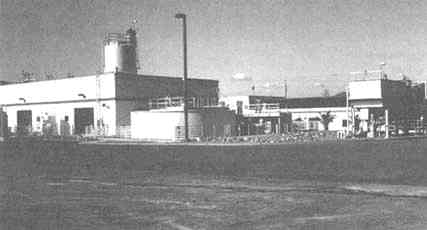
The Aqua II pilot facility, used to demonstrate the feasibility of wastewater reclamation for San Diego, California. Photo courtesy of the City of San Diego.
TABLE 2-2 Comparison of Inorganic and General Water Quality Parameters of Three Reclaimed Water Systems and U.S. Drinking Water Standards
|
Constituent |
U.S. Drinking Water Standards |
Reclaimed Water |
|
|
|
|
|
San Diego |
Tampa |
Denver |
|
Physical |
|
|
|
|
|
TOC |
— |
0.27 |
1.88 |
0.2 |
|
TDS |
500 |
42 |
461 |
18 |
|
Turbidity (NTU) |
— |
0.27 |
0.05 |
0.06 |
|
Nutrients |
|
|
|
|
|
Ammonia-N |
— |
0.8 |
0.03 |
5 |
|
Nitrate-N |
— |
0.6 |
|
0.1 |
|
Phosphate-P |
— |
0.1 |
|
0.02 |
|
Sulfate |
250 |
0.1 |
0 |
1 |
|
Chloride |
250 |
15 |
0 |
19 |
|
TKN |
— |
0.9 |
0.34 |
5 |
|
Metals |
|
|
|
|
|
Arsenic |
0.05 |
<0.0005 |
0a |
NDb |
|
Cadmium |
0.005 |
<0.0002 |
0a |
ND |
|
Chromium |
0.1 |
<0.001 |
0a |
ND |
|
Copper |
1.0 |
0.011 |
0a |
0.009 |
|
Lead |
—c |
0.007 |
0a |
ND |
|
Manganese |
0.05 |
0.008 |
0a |
ND |
|
Mercury |
0.002 |
<0.0002 |
0a |
ND |
|
Nickel |
0.1 |
0.0007 |
0.005 |
ND |
|
Selenium |
0.05 |
<0.001 |
0a |
ND |
|
Silver |
0.05 |
<0.001 |
0a |
ND |
|
Zinc |
5.0 |
0.0023 |
0.008 |
0.006 |
|
Boron |
— |
0.29 |
0 |
0.2 |
|
Calcium |
— |
<2.0 |
— |
1.0 |
|
Iron |
0.3d |
0.37 |
0.028 |
0.02 |
|
Magnesium |
— |
<3.0 |
0 |
0.1 |
|
Sodium |
— |
11.9 |
126 |
4.8 |
|
NOTES: NTU = nephelometric turbidity units; TDS = total dissolved solids; TKN = total Kjeldahl nitrogen; TOC = total organic carbon. San Diego physical and nutrient concentration values are arithmetic means. Any nondetected observations were assumed to be present at the corresponding detection limit. Metal concentration values are geometric means determined through probit analysis. Tampa values are arithmetic means of detected values. Denver values are geometric means of detected values. a Not detected in seven samples. b Not detected in more than 50% of samples. c Lead is regulated according to a treatment standard. d Noncorrosive limit for iron. SOURCE: CH2M Hill, 1993; Lauer et al., 1991; Western Consortium for Public Health, 1997. |
||||
priority organic pollutants regulated under U.S. drinking water standards as well as additional compounds of concern. The organic analytes evaluated by San Diego included 62 volatile organic compounds; 68 semivolatile organic compounds, including trihalomethanes, benzene, N nitrosamines, chlorinated aromatics, phenols, and polynuclear aromatic hydrocarbons; pesticides and polychlorinated biphenyls (PCBs); chlorinated dibenzodioxins/dibenzofurans; and low molecular weight aldehydes (Western Consortium for Public Health, 1997). Concentrations of all regulated contaminants were below U.S. and state drinking water standards. Similar evaluations of organic chemicals, with similar results, were conducted at Tampa (CH2M Hill, 1993) and Denver (Lauer et al., 1991).
The Denver reuse project conducted an organic challenge study in which 15 different organic compounds were dosed at approximately 100 times the normal levels found in the reuse plant influent (Lauer et al., 1991). Table 2-3 shows the initial doses and removal rates of these compounds for four different treatment processes. Five of the compounds were removed completely (i.e., to below detectable limits) by lime treatment, and eight of the remaining ten were removed completely by the granular activated-carbon filters. The reverse-osmosis membranes allowed 1.1 mg/liter of chloroform to pass through; this chloroform was subsequently removed by air stripping. The study showed that even
TABLE 2-3 Reuse Plant Organic Challenge Study (cumulative % removals)
|
Compound |
Initial Dose (mg/liter) |
Lime |
Carbon |
Reverse Osmosis |
Plant Effluent |
|
Acetic acid |
5054 |
100 |
— |
— |
— |
|
Anisole |
23 |
100 |
— |
— |
— |
|
Benzothiazole |
86.2 |
63 |
100 |
— |
— |
|
Chloroform |
229.6 |
26 |
99.7 |
99.9 |
100 |
|
Clofibric acid |
17.1 |
0 |
100 |
— |
— |
|
Ethyl benzene |
25.1 |
100 |
— |
— |
— |
|
Ethyl cinnamate |
67.8 |
100 |
— |
— |
— |
|
Methoxychlor |
44.6 |
84 |
100 |
— |
— |
|
Methylene chloride |
230 |
8 |
100 |
— |
— |
|
Tributyl phosphate |
69.4 |
51 |
100 |
— |
— |
|
Toluenea |
|
25 |
97 |
100 |
— |
|
Benzenea |
|
40 |
100 |
— |
— |
|
Ethylbenzenea |
|
36 |
100 |
— |
— |
|
Xylenea |
|
32 |
100 |
— |
— |
|
aDosed as 2115 mg/liter of gasoline. SOURCE: Modified from Lauer et al., 1991. |
|||||
when the given organic compounds are dosed at 100 times the normal concentrations, the AWT processes can remove the contaminants to nondetectable levels.
Orange County Water District conducts an extensive monitoring program to measure organics at various steps within Water Factory 21's treatment process. In more than 18 years of research, only 25 of the 100 organic priority pollutants analyzed have been routinely present above detection limits in the secondary effluent feedwater. The organics detected typically include disinfection by-products, such as trihalomethanes (THMs), at concentrations substantially lower than the current federal drinking water maximum contaminant level (MCL) of 100 µg/liter of total THMs. THMs have not been detected in the monitoring wells. Levels of other priority pollutants in the final product water were less than 1 µg/liter in 1995 (Mills, 1996).
Los Angeles County has conducted long-term analysis of organic contaminants at the Montebello Forebay, where artificial recharge with reclaimed water has been conducted since 1962. The most recent reports on this project show that the average concentration of target organic compounds has not exceeded the most stringent water quality standards and guidelines (Water Replenishment District of Southern California, 1996).
Effective source control programs, enforcement and monitoring of water quality standards, and reliability of water and wastewater treatment systems are standard measures for the protection of public health. Although a water reclamation plant could fail, monitoring at the water treatment plant would probably identify elevated levels of a regulated contaminant if such events occurred with some frequency. For most of these contaminants, the risk is associated with lifetime contamination rather than acute toxicity at the low levels likely to be present. Given the low probability that a spike of a regulated contaminant would pass unnoticed through the wastewater treatment plant, the environmental buffer, and the water treatment plant, along with the small likelihood that it would have acute effects on consumers, the risks associated with this type of event are small.
As a result, identifiable and quantifiable contaminants in wastewater (which include inorganic contaminants, radionuclides, organic priority pollutants, and many other trace organic compounds) pose a manageable risk with respect to their appearance in finished potable water.
Managing Chemical Inputs to Reuse Systems
One of the most effective ways to manage and reduce chemical contamination of drinking water systems is effective source control of pollut-
ants by pollution prevention and industrial pretreatment programs. In this regard, the health concerns for planned potable reuse projects differ little from those associated with unplanned potable reuse, where drinking water is obtained from sources that receive upstream wastewater discharge. The 1996 amendments to the Safe Drinking Water Act make source water protection a national priority by encouraging a prevention orientation to pollution control. The law creates a new program and funding for states to conduct assessments of source water areas to determine the susceptibility of drinking water sources to contamination. The Environmental Protection Agency (EPA) is currently engaging stakeholders to develop guidelines for implementing the program.
The industrial pretreatment provisions of the Clean Water Act and its 1990 amendments (42 U.S.C. 13101, et seq.) established maximum allowable concentrations that limit discharges of priority pollutants to wastewater treatment plants. Municipalities have authority to limit the discharges of other potentially harmful compounds on a case-by-case basis. The Clean Water Act also limits the discharge of these compounds from treatment plants (and other direct dischargers) to receiving waters. The existence of such permitting programs allows regulators to identify pollutants of concern and to enforce risk reduction strategies. The Clean Water Act also requires users of the chemicals to improve their management practices and/or to develop effective treatment processes.
For example, the County Sanitation Districts of Los Angeles County (CSDLAC) take steps to exclude from the sewer system certain contaminants that might adversely impact the quality of the reclaimed water being produced. The primary measure aimed at protecting water quality is CSDLAC's industrial waste pretreatment program, created in 1972. As illustrated in Table 2-4, these measures have significantly reduced loadings to the project's wastewater treatment plant. The program presently regulates an extensive and varied industrial base consisting of over 3400 industrial users. It controls noncompatible waste discharges through rigorous up-front permitting and pretreatment requirements, field presence by the inspection staff and monitoring crews, and aggressive enforcement actions for all violations. To further protect effluent quality, industrial discharges have been diverted to ''nonreclaimable waste lines" wherever possible. These interceptor sewers typically divert predominately residential wastewater to the water reclamation plants or route industrial wastewater around the reclamation plants to the wastewater treatment plant for ocean disposal. Thus, the water reclamation plants treat mainly residential and commercial waste, with less than 10 percent of the influent coming from industrial sources.
As part of its feasibility study for planned potable reuse, Tampa, Florida, conducted a "vulnerability assessment" to determine the suscep-
TABLE 2-4 Reductions in Los Angeles County Wastewater Influent Loadings from 1975 to 1995
|
Constituent |
Percent Reduction |
|
Arsenic |
68 |
|
Cadmium |
92 |
|
Chromium |
95 |
|
Copper |
58 |
|
Lead |
92 |
|
Mercury |
46 |
|
Nickel |
77 |
|
Zinc |
73 |
|
Cyanide |
95 |
|
Total identifiable chlorinated hydrocarbons |
99 |
|
SOURCE: County Sanitation Districts of Los Angeles County, 1995. |
|
tibility of the Hookers Point AWT facility to an upset due to an industrial user's release of chemicals to the sanitary sewer system (CH2M Hill, 1993). Of the service area's 45 industrial users, 31 already had emergency provisions to divert a catastrophic chemical release away from the sewers. A detailed evaluation was made of the 14 remaining industrial users with floor-drain connections to the sewer system to determine the potential for accidental spills. Evaluations were made of emergency response plans and the potential effects of a chemical spill on the AWT facility. It was concluded that the AWT facility was well protected from plant upset, pass-through, or interference due to an accidental spill of chemicals at an industrial user's facility. This type of vulnerability assessment can be quite useful for gathering the information necessary for emergency contingency planning as well as to provide safety assurance for the technical operation of potable reuse. (Chapter 6 contains a discussion of treatment plant reliability.)
Table 2-5 summarizes the concentrations of certain priority organic pollutants following secondary biological treatment in four different municipal districts as of 1987: Washington, D.C.; Orange County, California; Phoenix, Arizona; and Palo Alto, California. The Palo Alto system receives wastewater from a typical residential/commercial community as well as from a major university and from several electronics industries. Its wastewater contains high concentrations of chlorinated solvents. The Orange County wastewater comes from a variety of industries as well as municipal and commercial activities; it contains relatively high concentrations of petroleum-related chemicals, including various aromatic hy-
drocarbons (benzenes and naphthalenes). Phoenix, Arizona, represents another large municipality with a variety of commercial activities.
The wastewater from Washington, D.C., comes largely from residential and government-related activities, and the above-noted organic contaminants are relatively low in concentration. It should be noted that the concentrations listed for the Washington, D.C., water are for a blend of biologically treated municipal wastewater and Potomac River water. The concentrations would be higher for many of the contaminants in the wastewater itself.
Table 2-5 also contains a comparison of data from Orange County for two different time periods to illustrate the effects of using different biological treatment processes and of segregating wastewaters to reduce the industrial contribution to reclaimed water. During the first period noted, all wastewaters from Orange County were treated by trickling-filter biological treatment, and this water was used as the influent to Water Factory 21, the AWT system. During the second period, the wastewaters were treated by the activated sludge process, and segregation reduced the industrial contribution in the water sent to Water Factory 21. These changes significantly reduced the chemical oxygen demand (COD) of the treated wastewater and the concentrations of both chlorinated and unchlorinated benzenes and naphthalene. However, the concentrations of trihalomethanes, which normally result from water disinfection, increased. As anticipated, better AWT effluent quality was achieved for contaminants when their influent concentration was lower—confirming that virtually any effort to improve the quality of incoming wastewater will improve the treated water's quality.
Managing Disinfection By-Products in Reuse Systems
Disinfection ranks as the most important single process for inactivating microorganisms in water and wastewater treatment. However, in some cases, reactions of disinfectants with organic and inorganic constituents in the source water can create potentially harmful (in some cases, carcinogenic) disinfection by-products (DBPs) (Bull and Kopfler, 1991; ILSI, 1995). The most common disinfectants are chlorine-based oxidants, but ozone and ultraviolet light are also used. Other disinfectants, such as gamma radiation, bromine, iodine, and hydrogen peroxide, have been considered for disinfection of wastewater, but they are not generally used because of economical, technical, operational, or disinfection efficiency considerations.
A limited number of DBPs are regulated or being considered for regulation. Chief among these are the trihalomethanes, haloacetic acids
TABLE 2-5 Average Concentrations of Selected Contaminants in Municipal Wastewater Following Secondary Biological Treatment (concentrations in µg/liter unless otherwise indicated)
|
Contaminant |
Washington, D.C.a |
Orange County Water District |
|
|
Palo Alto |
|
|
|
1st Period |
2nd Period |
Phoenixb |
|
|
|
|
|
|
|
|
|
Total organic carbon (TOC), mg/liter |
4.5 |
30 |
16 |
9 |
11 |
|
Total organic halides |
85 |
|
131 |
87 |
192 |
|
Trihalomethanes |
|
|
|
|
|
|
CHCl3 |
1.5 |
1.6 |
3.5 |
3.5 |
13 |
|
CHBrCl2 |
<0.3 |
0.1 |
0.5 |
0.3 |
0.2 |
|
CHBr2Cl |
<0.2 |
0.2 |
0.7 |
0.2 |
0.1 |
|
CHBr3 |
|
0.1 |
0.5 |
0.1 |
0.0 |
|
Total |
2.0 |
2.0 |
5.2 |
4.1 |
13.3 |
|
Other Chlorinated Organics |
|
|
|
|
|
|
1,1,1-Trichloroethane |
<0.2 |
4.7 |
4.8 |
1.4 |
65 |
|
Trichloroethylene |
<0.1 |
0.9 |
1.1 |
0.4 |
25 |
|
Tetrachloroethylene |
<0.8 |
0.6 |
3.6 |
1.7 |
44 |
|
Chlorobenzene |
|
2.5 |
0.1 |
|
0.3 |
|
o-Dichlorobenzene |
<0.05 |
2.4 |
0.7 |
2.4 |
2.7 |
|
m-Dichlorobenzene |
0.08 |
0.7 |
0.2 |
0.4 |
3.6 |
|
p-Dichlorobenzene |
<0.11 |
2.1 |
1.9 |
1.8 |
5.4 |
|
1,2,4-Trichlorobenzene |
<0.02 |
0.5 |
0.3 |
0.4 |
11.3 |
|
Nonchlorinated Organics |
|
|
|
|
|
|
Toluene |
<0.12 |
|
|
|
|
|
Ethylbenzene |
<0.02 |
1.4 |
0.04 |
0.2 |
0.03 |
|
o-Xylene |
<0.04 |
|
|
0.4 |
|
|
m-Xylene |
<0.05 |
|
0.01 |
0.8 |
0.2 |
|
p-Xylene |
<0.05 |
|
0.05 |
0.2 |
0.06 |
|
Naphthalene |
<0.04 |
0.6 |
0.1 |
0.2 |
3.3 |
|
a After mixing with a 1:1 blend of Potomac River water and Blue Plains-treated effluent. b Samples taken from spreading basins after secondary treatment. SOURCE: Modified from California Department of Water Resources, 1987. |
|||||
(HAAs), bromate, and haloacetonitriles. THMs and HAAs are the most thoroughly studied and probably the dominant chlorinated DBPs that form under "normal" disinfection conditions used to treat drinking water and municipal wastewater. Such compounds typically account for between 30 and 50 percent of the total halogen incorporated into organic
compounds as a result of chlorination, although they may account for as little as 3 percent or as much as 80 percent of the total. Most of the remaining organic chlorine is thought to be incorporated into larger, as yet unidentified organic compounds. Many of these disinfection by-products remain poorly characterized toxicologically. The total concentration of chlorine and other halogens incorporated into organic compounds is collectively referred to as the "total organic halogen" (TOX) concentration.
When treated wastewater is used to augment potable water supplies, the two main DBP-related issues are (1) whether the wastewater contributes more precursors for formation of DBPs than does the conventional water source and (2) whether the wastewater provides precursors that lead to formation of DBPs different from those formed in potable water systems. Seemingly innocuous organic compounds subject to microbial degradation and found at higher concentrations in wastewater than in the general environment could contribute to the formation of high concentrations of certain by-products. More research is needed to identify such chemicals. For example, amino acids are a precursor of the very mutagenic compound 3-chloro-4-dichloromethyl-5-hydroxy-2(H)furanone (otherwise known as "MX"; Horth et al., 1990). The concentrations of amino acids and other MX precursors commonly found in surface water sources are so low (measured in nanograms per liter) that significant MX formation is considered very unlikely (ILSI, 1996). However, higher concentrations of MX precursors in wastewater may allow higher concentrations of MX to be formed.
Table 2-6 illustrates the variability in DBPs produced in reclaimed water. The reclaimed water studied came from five wastewater plants in southern California using secondary biological treatment, nitrification, filtration, and chlorine disinfection (using a concentration x time value of 450 mg/liter x min). Two samples were collected from each plant. The first sample was collected from a point upstream of the chlorine addition point, representing the effluent of the tertiary filters prior to addition of the chlorine. The second sample was collected from the effluent of the chlorine contact chamber. The samples were analyzed for the indicated chlorination by-products, including HAAs, aldehydes, THMs, chloral hydrate (CH), and TOX. To provide some perspective, the table includes other standard water quality measurements as well.
Substantial levels of DBPs were formed in all chlorine contact chambers. The levels of THMs in the chlorinated samples ranged from a low of 35 µg/liter to a high of 86 µg/liter, with an average of 67 µg/liter. The levels of HAAs in the chlorinated samples ranged from a low of 99 µg/ liter to a high of 262 µg/liter, with an average of 191 µg/liter. TOX values ranged from 432 to 785 µg/liter. While the THM levels would
TABLE 2-6 Results of Water Quality Parameters and Disinfection By-Products Sampling Program
|
|
|
Plant 1 |
|
|
Analyte |
Unit |
Inf. |
Eff. |
|
General Physical Parameters |
|
|
|
|
Cl2dose |
mg/liter |
16 |
— |
|
Ammonia-N |
mg/liter as N |
0.01 |
0.05 |
|
pH |
— |
7.1 |
6.6 |
|
TOC |
mg/liter |
7.0 |
6.3 |
|
DOC |
mg/liter |
5.5 |
5.4 |
|
Alkalinity |
mg/liter as CaCO3 |
100 |
75 |
|
UV254 (filtered) |
cm-1 |
0.108 |
0.072 |
|
UV254 (unfiltered) |
cm-1 |
0.116 |
0.078 |
|
TSS |
mg/liter |
13 |
2.0 |
|
Turbidity |
NTUa |
5.0 |
1.0 |
|
Disinfection By-Products |
|
|
|
|
THMs |
µg/liter |
0.9 |
35 |
|
HAAs |
µg/liter |
1 |
115 |
|
HANs |
µg/liter |
ND |
14 |
|
CP |
µg/liter |
ND |
ND |
|
HKs |
µg/liter |
ND |
8.4 |
|
CH |
µg/liter |
ND |
44 |
|
CNCI |
µg/liter |
ND |
1.9 |
|
Aldehydes |
µg/liter |
1 |
21 |
|
TOX |
µg/liter |
74 |
495 |
|
NOTE: ND = indicates not detected at the following limits: individual HAAs 1 µg/liter; CNCI 0.5 µg/liter; individual HANs 0.5 µg/liter; CP 0.5 µg/liter; individual HKs 0.5 µg/ liter; CH 0.5 µg/liter. Acronyms are as follows: CH = chloral hydrate; CNCI = cyanogen chloride; CP = chloropicrin; DOC = dissolved organic carbon; HAAs = haloactetic acids; HANs = haloacetonitriles; HKs = haloketones; TOC = total organic carbon; THMs = trihalomethanes; TSS = total suspended solids. |
|||
generally meet the current standards for drinking water of 100 µg/liter, the levels found may be considered high if these reclaimed waters were to be used to augment potable supplies. Unless they were reduced by dilution in the receiving waters or by degradation, many would violate the DBP MCLs proposed for the EPA interim drinking water standards (80 µg/liter THMs and 60 µg/liter HAAs).
In another study, a survey of several wastewater treatment plants as well as literature values, Hull and Reckhow (1993) found that the TOX generated by chlorination of municipal wastewater after secondary biological treatment ranged from 50 to more than 1500 µg/liter when the wastewater was chlorinated in the laboratory at the chlorine dose nor-
mally applied at the corresponding full-scale facility. The median increase in TOX upon chlorination was between 100 and 200 µg/liter. In all cases, monochloramine is likely to have been the dominant oxidant present once the chlorine and wastewater mixed. The variability in organic halogen formation among the plants appeared to be strongly associated with the nature of the incoming organics. The greatest TOX formation occurred at a treatment plant dominated by wastewater from a paper mill. The formation of TOX was also influenced by the chlorine-to-ammonia ratio.
Hull and Reckhow (1993) also found more DOX (dissolved organic halides) formed per unit of dissolved organic carbon in the sample in
secondary effluent than in untreated wastewater, based on an experiment in which all samples were chlorinated under standardized conditions expected to produce a high monochloramine concentration. The results suggest that secondary biological treatment leaves a mix of organic compounds in the water that is, on average, more susceptible to chlorine substitution than are the organics in untreated water.
Tertiary treatment of municipal wastewater reduces the potential for DBP formation. Based on ongoing work in the Montebello Forebay area of Los Angeles County, Leenheer (1996) reported that the yield of halogenated organics in a tertiary treated (secondary biological treatment, filtration, and chlorine disinfection) wastewater effluent is approximately an order of magnitude less than in chlorinated surface water containing organic compounds derived from terrestrial sources. This finding is probably more applicable to potable reuse of wastewater than are Hull and Reckhow's findings, because wastewater intended for potable reuse is typically subject to advanced treatment to remove organics and ammonia prior to chlorination, so that the oxidant would be free chlorine (as in Leenheer's study) rather than chloramines (as in Hull and Rechhow's study). As in reclaimed water, TOX production in natural water varies considerably depending on the nature of the dissolved organic carbon. Whether any differences in TOX formation between disinfected reclaimed water and other "natural" water sources reflect differences in the original mix of organics or in the processes that altered them before chlorination is not yet clear.
Mixtures of Unidentified Organic Compounds in Reclaimed Water
The vast majority of the compounds in municipal wastewater cannot be identified at the molecular level. Under these circumstances, certain lumped parameters have been widely used to provide partial information about the mixture.
The broadest measures of organic molecules in water are total organic carbon (TOC) and dissolved organic carbon (DOC). These analyses, which measure all carbon-containing molecules, are traditionally used as indicators of potential contamination that may be associated with organic matter. DOC concentrations in wastewater that has been subjected to effective secondary treatment typically range from 5 to 15 mg/ liter. TOC concentrations are strongly influenced by the efficiency with which biological solids are captured in the settling and/or filtration steps that follow biological treatment. They may range from 5 to 25 mg/liter in secondary treated municipal wastewater. Advanced treatment processes
incorporating carbon filters and/or reverse osmosis can reduce concentrations to less than 1 mg/liter TOC in the finished water.
Other parameters that characterize the unidentified organic compounds in wastewater are more discriminating than TOC. Many of the approaches used to characterize such compounds were first developed to characterize "natural" organic matter (NOM)-that is, the complex mixture of organic compounds found in any natural aquatic system. Analytical approaches typically begin by broadly distinguishing between hydrophobic and hydrophilic compounds, then further subdividing these into acidic, basic, and neutral compounds. These separations are based on the pH-dependent affinities of the organic molecules for certain types of commercially available adsorbing resins. The placement of a NOM molecule in a particular category describes only its dominant characteristic; any given organic molecule may contain multiple and disparate sub-units that may not be characterized by these separations.
Other descriptors widely used to characterize organics in natural waters include the organics' molecular weight distribution, elemental composition (e.g., percent C, N, O, H, P), functional group distribution (e.g., aromatic versus aliphatic carbon), and chemical or biochemical classification (e.g., carbohydrates, amino acids). In general, the more sophisticated and specific an analytical technique becomes, the smaller is the fraction of the total organic content of a natural water or wastewater that it can characterize. For instance, the characterization of organic matter into (predominantly) acidic, basic, or neutral fractions can be applied to virtually 100 percent of the organic compounds in a sample, whereas attempts to identify compounds that fit into specific chemical classes characterize only about 15 to 20 percent.
Usually, less than 1 percent of the organic carbon in the sample can be identified as specific compounds. In one of the most intensive characterization studies completed to date, Ding et al. (1996) identified approximately 10 percent of the dissolved organic matter in a highly treated wastewater as specific compounds; somewhat more than half of the identifiable mass was ethylenediaminetetraacetic acid (EDTA). Table 2-7 shows the results of this research.
Concentration, Isolation, and Identification Methods
Considerable effort has been expended over the past two decades to identify and characterize the complex mixture of chemicals in pristine natural waters, municipal wastewaters, and treated wastewaters. Most of this effort has been directed at organic compounds. As explained in Chapter 4, concentration techniques are also used in the preparation of samples
TABLE 2-7 Positive and Tentative Identifications and Estimated Concentrations of Organic Residues from GAC and Chlorinated GAC Effluents
|
|
|
|
Estimated Concentration (µg/liter) |
|
|
Peak |
Positive and Tentative Identification Or Compound Class |
MWa |
GAC |
Cl-GAC |
|
1 |
CH3-CO-CH(OC3H7)2 (methyl glyoxal)b |
174 |
2.8 |
9.6 |
|
2 |
Aldehyde compund |
Nc |
0.7 |
2.0 |
|
5 |
N,N,N-trimethylbenzeneaminec |
135 |
0.9 |
— |
|
6 |
Aldehyde compound |
N |
0.8 |
0.6 |
|
10 |
CH3-(C4H2O)-COOC3C7 (methyl furylic acid)b |
168 |
0.7 |
2.9 |
|
11 |
C2H5OCH2CH2CH2-CH(OC3H7)2 |
218 |
7.7 |
18 |
|
12 |
Butanedioic acid, dipropyl esterc |
202 |
5.1 |
13 |
|
15 |
C3H5-CH(OC3H7)2 |
172 |
1.1 |
1.1 |
|
17 |
(C3H7O)2CH-CH(OC3H7)2 (glyoxal)b |
262 |
4.4 |
11 |
|
19 |
Aldehyde compound |
N |
0.8 |
1.4 |
|
20 |
Nitrilodiacetic acid (NDA), dipropyl esterc |
217 |
0.7 |
1.8 |
|
22 |
Hexanedioic acid, dipropyl esterc |
230 |
0.6 |
2.9 |
|
23 |
Diethoxypropoxydicarboxylic acid, dipropyl ester |
276 |
1.6 |
2.7 |
|
24 |
Diethoxypropoxydicarboxylic acid, dipropyl ester |
276 |
0.9 |
1.4 |
|
25 |
C3H7OOC-CH2O-C3H6O-CH2-COOC3H7 |
276 |
3.4 |
5.9 |
|
28 |
Nitrilotriacetic acid (NTA), tripropyl esterc |
317 |
0.9 |
2.0 |
|
29 |
C3H7OOC-CH2O-(C3H6O)2-CH2-COOC3H7 |
334 |
1.5 |
2.7 |
|
30 |
Diethoxypropoxydicarboxylic acid, dipropyl ester |
334 |
1.2 |
1.8 |
|
31 |
Diethoxypropoxydicarboxylic acid, dipropyl ester |
334 |
1.0 |
1.5 |
|
32 |
C3H7OOC-(C3H6)-C6H4-OCH2-COOC3H7 |
322 |
1.4 |
— |
|
33 |
C3H7OOC-(C3H6)-C6H4-OCH2-COOC3H7 |
322 |
8.3 |
— |
|
34 |
Naphthalenedicarboxylic acid, dipropyl ester |
300 |
7.8 |
16 |
|
35 |
C3H7OOC-CH2-(C4H8)-C6H4-OOCH2-COOC3H7 |
350 |
1.0 |
— |
|
36 |
C3H7OOC-(C3H6)-(C3H6)-C6H4-OCH2-COOC3H7 |
364 |
6.7 |
— |
|
37 |
C3H7OOC-(C3H6)-C6H4-OC2H4-OCH2-COOC3H7 |
366 |
1.7 |
— |
|
38 |
C3H7OOC-(C3H6)-(C3H6)-C6H4-OCH2-COOC3H7 |
364 |
11 |
— |
|
39 |
C3H7OOC-(C3H6)-(C3H6)-C6H4-OCH2-COOC3H7 |
392 |
1.0 |
— |
|
40 |
C3H7OOC-(C3H6)-(C3H6)-C6H4-OCH2-COOC3H7 |
392 |
1.5 |
— |
|
41 |
Ethylenediaminetetraacetic acid (EDTA), tetrapropy1 esterc |
460 |
110 |
140 |
|
42 |
C3H7OOC-(C3H6)-(C3H6)-C6H4-OC2H4- OCH2-COOC3H7 |
408 |
0.9 |
— |
|
43 |
C3H7OOC-(C3H6)-(C3H6)-C6H4-OC2H4- OCH2-COOC3H7 |
408 |
2.1 |
— |
|
44 |
C3H7OOC-(C3H6)-C6H3Br-OCH2-COOC3H7d |
400 |
— |
1.3 |
|
45 |
C3H7OOC-(C3H6)-C6H3Br-OCH2-COOC3H7d |
400 |
|
1.3 |
|
46 |
C3H7OOC-(C3H6)-C6H3Br-OCH2-COOC3H7d |
422 |
|
2.0 |
|
47 |
C3H7OOC-(C3H6)-C6H3Br-OCH2-COOC3H7d |
442 |
|
0.8 |
|
48 |
C3H7OOC-(C3H6)-(C3H6)-C6H3Br-OC2H4-OCH4-COCOC3H7d |
486 |
|
2.0 |
for in vitro and in vivo toxicity testing of reclaimed water. Substantial advances in these techniques can be attributed to improvements in three areas:
- concentrating the analytes—that is, selectively removing water from the sample so that the analytes' concentrations increase;
- isolating the analytes—that is, selectively removing the analyte(s) from solution so that their concentration increases and substances that might interfere with the analysis are eliminated; and
- developing new and improved analytical tools.
-
Although the quality of the reagents and instrumentation for carrying out these tasks has improved in recent years, the basic approaches have not changed. Rather, the techniques have been better integrated, making the distinctions among them less critical. The most advanced chemical characterization methods involve an extensive combination of concentration, isolation, and analytical steps.
Techniques for concentrating nonvolatile organics include low-temperature evaporation, membrane processes (reverse osmosis and nanofiltration), and adsorption/desorption using macroreticular resins as the adsorbent followed by elution by a solvent or by changing the pH. Liquid or gas chromatography is often used to further isolate analytes, followed by mass spectrometry for identification of specific compounds.
Techniques for concentrating chemical contaminants by removing water from the sample pose a notable challenge—that of achieving the required concentration without the concentrated compounds interacting and creating a solution or solid substantially different from the starting
material. For example, when a sample is evaporated to dryness and is then re-contacted with a volume of water equal to the original volume, a portion of the solid material often fails to redissolve, at least within a time frame of hours to days. Even if some moisture is left in the sample, some solids can precipitate and interfere with the recovery of trace organic chemicals or with the subsequent isolation steps. Organic compounds are often co-precipitated with inorganic salts when water is removed from the sample. Therefore, attempts are usually made to remove the salts at various points in the concentration process.
When membrane processes are used to concentrate the organics, the key parameters that can be specified are the pore size and composition of the membrane being used. Because many organic compounds of interest are larger than dissolved inorganic species, membranes with appropriate pore sizes can partially overcome the problem of inorganic-organic interactions because they retain the organics while allowing most of the inorganics to pass through. The trade-off, of course, is that the membrane also fails to collect the lower molecular weight organics. Sun et al. (1995) reported that reverse osmosis (RO) could recover from 74 to 94 percent of the dissolved organic carbon in natural water samples, with the average recovery approaching 90 percent. They pretreated the water by passing it through a cation exchange resin to replace polyvalent cations with either H+ or Na+, thereby reducing the likelihood of coagulation or precipitation of the organics in the RO concentrate. The membrane retained the small, uncharged organic acids less successfully than it did the corresponding ionized species. Sun et al. reported that some of the remaining organic matter could be recovered by rinsing the membrane with dilute NaOH; this suggests that the organics had attached to the membrane surface as an acidic precipitate or by an adsorption reaction. Silica also precipitated in the RO unit in some applications, leading to a severe reduction in the flux of water through the membrane, but this had little effect on the recovery efficiency for dissolved organics.
Another common technique for concentrating organics from these types of samples is adsorption/desorption onto macroreticular resins. Different fractions of the organic mixture in the sample are sorbed depending on the hydrophobicity of the resin and the elution technique. Then different subfractions are collected depending on the chemistry of the eluent. Most inorganic salts are not sorbed by the resins; therefore, desalting of the column eluents is sometimes necessary. The technique was first popularized by a group of researchers at the U.S. Geological Survey in the late 1970s and early 1980s and has been used extensively since then (Aiken et al., 1979; Leenheer, 1981, 1984; Leenheer and Noyes, 1984; Thurman and Malcolm, 1981). Over the years, numerous modifications to the process have been suggested to improve the recovery effi-
ciency of organic compounds and/or the ability to isolate various molecular groups. Aiken and Leenheer (1993) recently reviewed the technique and its capabilities, and Town and Powell (1993) examined some of its limitations.
The hydrophilic fraction of natural organics is particularly difficult to concentrate, isolate, and characterize because the inorganic salts in the sample are difficult to separate from the target species. Leenheer (1996) recently described an approach to overcome many of these problems by a combination of adsorption, elution, precipitation, and selective dissolution steps that separate the hydrophilic organics into neutral, acidic, and ''ultra-acidic" fractions.
Once the organic compounds in a complex mixture have been separated and concentrated by one or a combination of the techniques noted above, the various fractions can be characterized by a number of analytical methods that focus on composite properties of the compounds. Composite properties that are frequently reported include elemental composition; molecular weight distribution; UV, IR, and 1H- and 13C-NMR (nuclear magnetic resonance) spectra of the samples; and GC-MS (gas chromatography-mass spectrometry) spectra of the fractions, sometimes after further processing, such as by pyrolysis.
Comparison of Wastewater to Natural Water
The physical, chemical, and biological processes that generate and modify organic compounds in wastewater and in natural systems share many similarities. For instance, the universality of basic metabolic pathways for the degradation of organic material ensures that most of the biologically generated organic matter from these different sources will have a great deal in common. Indeed, biological treatment processes in wastewater plants have been developed using natural systems as models, with the engineering aimed largely at compressing the time and volume required for the natural processes to occur. Many of the abiotic processes that remove organic molecules from solution in natural systems (chemical oxidation, photolysis, volatilization, and sorption) also have analogues in wastewater treatment systems. As a result, the chemical characteristics of wastewater-derived and naturally derived organic compounds probably overlap extensively.
Furthermore, after discharge to the ambient receiving water, organics of wastewater origin are gradually transformed into organics that more closely resemble natural compounds. Gray and Bornick (1996) used pyrolysis-GC-MS to analyze changes in the wastewater-derived mixture after passage through an artificial wetlands. They reported that over
time, the organics in the mixture increasingly shifted toward a distribution characteristic of natural systems.
On the other hand, researchers have identified some important differences between natural and wastewater-derived organics. Some organic compounds found not at all or only at low concentrations in natural systems appear at much higher concentrations in wastewater even after it has been subjected to extensive treatment. Barber et al. (1996) illustrated the use of several of these organic compounds to determine the origins of organic contamination from municipal and industrial wastewater in the Mississippi River (Table 2-8).
In an attempt to identify distinctive features that could be used as indicators of wastewater contributions to a water sample, Peschel and Wildt (1988) compared various characteristics of treated wastewaters with those of natural waters. They reported that differences between wastewater organics and natural organic matter from the Ruhr River were too small to be useful for this purpose. On the other hand, Fujita et al. (1996) concluded that aggregate parameters were useful for following "longer term processes involved in the turnover of organic carbon in aquifers" and that specific organic compounds (such as EDTA and alkylphenoxy ethoxycarboxylates, or APDCs) were useful as markers of wastewater. In a similar study, researchers analyzed ground water in the Montebello Forebay area, which is partially recharged with reclaimed water in spreading basins (Nellor et al., 1984). They found that aliphatic compounds comprised a substantially greater portion of the hydrophobic acids (the "fulvic acid" fraction) and that aromatic compounds existed in smaller proportions in wells containing reclaimed water than in wells less affected by human activity. The distinction apparently persists for several years after reclaimed water is introduced into the aquifer. This relationship probably derives from the fact that, in unperturbed environments, the precursor for much of the natural organic matter in water is thought to be lignin, a highly aromatic polymer with limited solubility that serves as a major structural component of plants. Further, natural organic matter in reclaimed water has been subjected to more microbial activity than natural organic matter in unperturbed water, and microbial activity increases its solubility. Presumably for the same reason, the specific ultraviolet absorbance (or absorbance per unit mass of organic carbon) is lower in wastewater than in natural water without substantial wastewater input (Debroux et al., 1996).
Risks of Nonionic Detergents in Reuse Systems
A group of nonionic detergents known as alkylphenylpolyethoxylates (or APnEOs, where n represents the number of ethoxy groups in
TABLE 2-8 Organic Compounds Measured to Evaluate Wastewater Contamination of the Mississippi River, 1987-1992
|
Contaminant |
Abbreviation |
Compounds and Sources |
|
Dissolved organic carbon |
DOC |
All natural and synthetic organic compounds, regional-scale natural sources |
|
Fecal coliform bacteria |
None |
Bacteria derived from human and animal fecal wastes; from sewage effluents and feedlot and agricultural runoff |
|
Methylene-blue-active substances |
MBAS |
Composite measure of synthetic and natural anionic surfactants; predominantly from municipal sewage-wastewater discharges |
|
Linear alkylbenzenesulfonate |
LAS |
Complex mixture of specific anionic surfactant compounds used in soap and detergent products; primary source is domestic sewage effluent |
|
Nonionic surfactants |
NP, PEG |
Complex mixture of compounds derived from nonionic surfactants that includes nonylphenol (NP) and polyethylene glycol (PEG) residues; from sewage and industrial sources |
|
Adsorbable organic halogen |
AOX |
Adsorbable halogen-containing organic compounds, including by-products from chlorination of DOC and synthetic organic compounds, solvents, and pesticides; from multiple natural and anthropogenic sources |
|
Fecal sterols |
None |
Natural biochemical compounds found predominantly in human and livestock wastes; primary source is domestic sewage and feedlot runoff |
|
Polynuclear aromatic hydrocarbons |
PNA |
Complex mixture of compounds, many of which are priority pollutants; from multiple sources associated with combustion of fuels |
|
Contaminant |
Abbreviation |
Compounds and Sources |
|
Caffeine |
None |
Specific component of beverages, food products, and medications specifically for human consumption; most significant source is domestic sewage effluent |
|
Ethylenediaminetetraacetic acid |
EDTA |
Widely used synthetic chemical for complexing metals; from a variety of domestic, industrial, and agricultural sources |
|
Volatile organic compounds |
VOCs |
A variety of chlorinated solvents and aromatic hydrocarbons; predominantly from industrial and fuel sources |
|
Semivolatile organic compounds |
TTT, THAP |
Wide variety of synthetic organic chemicals including priority pollutants and compounds such as trimethyltriazinetrione (TTT) and trihaloalkyl-phosphates (THAP); predominantly from industrial sources |
|
SOURCE: Modified from U.S. Geological Survey, 1996. |
||
the polymer) have received a great deal of attention lately because their breakdown products have been identified as potential hormone disruptors (U.S. EPA, 1997). Extremely low concentrations of these compounds have been shown to cause hormonal changes in fish; effects on humans are not yet established. Most types of household and industrial detergents contain a mixture of such compounds, with n values ranging from 1 to at least 18 and perhaps higher (Ahel et al., 1994b). Although the detergent molecules themselves are thought to be relatively innocuous, waste treatment breaks them down to smaller AP(nEO) compounds (almost all with n equal to 1 or 2), alkylphenols (APs), and alkylphenylpolyethoxycarboxylates (AP(nEC)s), which are more toxic than the parent compounds (Ahel et al., 1994b).
Over the last two decades, Giger and various colleagues have extensively studied the fate of the detergent compounds and their metabolites in wastewater treatment systems and downstream (e.g., Ahel et al., 1994a, 1994b, 1996; Field et al., 1995; Giger et al., 1981, 1984). Detergent break-
down products resist further degradation and can accumulate in the environment. AP compounds, for instance, are hydrophobic and tend to accumulate in the sludge generated during waste treatment or to adsorb to organic matter in the receiving system (or in the soil if the wastewater is used for aquifer recharge via soil infiltration). AP(nEO) compounds are somewhat hydrophobic and may be present in either sludge or aqueous effluent, from which they are likely to be removed subsequently by sorption and/or biological degradation. AP(nEC) compounds, on the other hand, are hydrophilic and highly resistant to degradation, so they persist in the treated effluent far downstream of the discharge point. Fujita et al. (1996) found that AP(nEC) compounds persist through most tertiary waste treatment processes (lime addition and coagulation, rapid sand filtration, activated carbon adsorption, chlorination). That study also found, however, that these compounds might be altered by carboxylation of the alkyl group and, possibly, bromination of the aromatic ring. In addition, Fujitsu et al. (1996) found that reverse osmosis efficiently removed AP(nEC) compounds from the reclaimed water.
The AP(nEO)-AP(nEC) system (including the carboxylated and brominated derivatives) exemplifies the subtlety and complexity of the chemical/toxicological issues associated with using wastewater to augment potable water supplies. Wastewater often contains a potentially large number of chemicals and other environmental agents suspected of affecting human and animal endocrine systems in addition to breakdown products of nonionic detergents. General removal of TOC in advanced wastewater treatment systems would probably reduce concentrations of these compounds, but this issue has not been examined. As more organic chemicals are identified in wastewater at lower concentrations and as their biochemical effects are better understood, these health issues will arise more frequently. The development of rational approaches for understanding and reducing the associated risk from mixtures of organic chemicals should be a key goal for future research.
Use of Surrogate Parameters
The absence of a reliable technique for detecting a compound or quantifying its potential concentration in reclaimed water creates significant uncertainty regarding health risks to the water's consumers. The impossibility of identifying the complete mix of compounds present in a wastewater or a water supply source means that such uncertainty will remain a perpetual issue in evaluations of potable reuse of wastewater. This uncertainty could be partly reduced by a reliable method for toxicological testing that could establish a measure of safety even when indi-
vidual contaminants cannot be identified. Chapters 4 and 5 discuss such toxicological testing issues.
Another approach is to establish a quantifiable limit of a surrogate or composite parameter that would provide some information on the concentration or behavior of unknown or suspected target compounds. The total organic carbon concentration, for instance, is widely used as a practical evaluator of water and wastewater treatment processes. Some would argue that a parameter as indiscriminating as TOC provides negligible value for indicating potential hazards associated with consumption of a water; this assertion is probably justified if one wishes to compare the risk associated with organics in different water sources, each of which contains several milligrams of TOC per liter. Further, from a strict public health perspective, removal of TOC is of limited objective value.
However, removing TOC from a water supply by any treatment process almost certainly reduces (though not necessary proportionally) the concentration of potentially hazardous, unidentified organic compounds. Diluting wastewater, as by discharging it into a receiving water, has a similar effect. Either method of reducing the contribution of treated wastewater to the DOC or TOC of a water source in a reuse situation might reduce user exposure to hazardous, unidentified wastewater compounds.
Other surrogate parameters may provide qualitative rather than quantitative information about unidentified organics. For instance, if two treated wastewaters contain equal concentrations of TOC, but one has a larger hydrophobic component and correspondingly greater value for specific ultraviolet light absorption, those differences undoubtedly reflect real and possibly important differences in the suites of organic compounds contributing to the TOC. Such analyses may make it possible to design an AWT process that targets classes of compounds specific to or particularly enriched in wastewater. Such a treatment process would convert the wastewater's population of organic molecules to one resembling naturally occurring populations. Unfortunately, such an approach begs the question of whether the distinctions being detected and reduced have significant health risks. For example, if the wastewater organics are relatively enriched in polysaccharides (a component of most foods), does it make sense to focus on polysaccharide removal simply to cause the mix of waste-derived organics to appear (and perhaps to be) more like natural organics?
Analytical chemistry techniques alone cannot address the question of risks from unknown organic chemicals. Toxicological methods must be used. However, the chemistry and toxicology can inform one another to identify the most promising and least promising areas of investigation. For example, the threat posed by endocrine disrupters was recently dis-
covered when toxicological findings regarding abnormalities in fish inspired a search for possible explanations in wastewater effluents and receiving waters. That search identified several compounds that might be responsible, including both synthetic chemicals produced industrially and natural compounds produced as human metabolites. In the future, it seems increasingly likely that new compounds of concern will be identified by this sequence of events. Chapters 4 and 5 discuss in more detail such toxicological methods and issues relevant to potable reuse.
Conclusions
Municipal wastewater contains many chemicals that present known or potential health risks if ingested and that must be removed or reduced before such water is reused to augment a drinking water supply. Such chemical contaminants fall into three groups: (1) inorganic chemicals and minerals that are present naturally in the potable water supply; (2) chemicals created by industrial, commercial, and other human activities in the wastewater service area; and (3) chemicals that are added or generated during water and wastewater treatment and distribution processes. Any project to reclaim and reuse such water to augment drinking supplies must adequately account for all three categories of contaminants.
Recommendations
The recommendations below suggest several important guidelines for protecting against risks from chemical contaminants in potable reuse systems.
-
•
The research community should study in more detail the organic chemical composition of wastewater and how it is affected by treatment, dilution, soil interaction, and injection into aquifers. Wastewater contains a much greater number of compounds than is covered by drinking water standards. The composition of wastewater and fate of the compounds it contains need to be better understood to increase the certainty that health risks of reclaimed water have been adequately controlled through treatment and transport and storage in the environment.
-
•
Projects proposing to use wastewaters as drinking water sources should document all major chemical inputs into the wastewater. To the extent that domestic inputs to wastewaters can be assumed to be consistent throughout the United States, projects can estimate household chemical inputs on a per capita basis. For industrial inputs, projects should undertake a major effort to quantify the inputs of industrial chemicals, paying special attention to chemicals of greatest health concern.
- For contaminants addressed by existing federal drinking water standards, reuse projects should bring concentrations within those standards' guidelines through a combination of source control within the service area, removal by secondary or tertiary waste treatment processes, dilution or removal in the receiving water, and removal in the drinking water treatment plant. The regulations provided by the Safe Drinking Water Act and other federal guidelines cannot alone ensure the safety of drinking water produced from wastewater. However, for the contaminants they do address, those regulations are the best means available for judging the water's suitability for potable use.
- The research community should determine whether chlorination of wastewater leads to formation of unique disinfection by-products or provides conditions that would lead to formation of higher levels of nonregulated but highly toxic by-products. Whether reclaimed water forms significantly different by-products than natural waters upon disinfection is not yet clear. Clear guidance presently being developed for these common by-products in drinking water will make it easier to assess any threat they pose.
- The risks posed by unknown or unidentifiable chemicals in reuse systems should be managed by a combination of reducing concentrations of general contaminant classes, such as total organic carbon, and conducting toxicological studies of the water. Because it will never be possible to identify all the potentially harmful chemicals in treated wastewater, it will never be possible to definitively say the risk they pose has been reduced to acceptable levels. Nevertheless, in the absence of contravening data, one can generally assume that reducing the concentration of general categories of contaminants, such as TOC, also reduces risks posed by specific contaminants. If the proper controls and monitoring of wastewater inputs are in place, the health concerns associated with total organic carbon of wastewater origin should diminish as its overall contribution to the water supply diminishes. Implementation of these precautionary measures will reduce but not necessarily eliminate the need for toxicological studies and monitoring. Although establishing a TOC limit for potable reuse appears to be a legitimate risk management strategy, the nature of the organic carbon will influence what the limit should be. The committee believes this judgment should be made by local regulators, integrating all the information they have available to them concerning a specific project.
- Finally, any reuse project should include a focused program for monitoring and ensuring the safety of the product water. This program should be updated periodically as inputs to the system change or as its results reveal areas of weakness. Pretreatment requirements, wastewater treatment processes, and/or monitoring requirements may need to be
- modified to protect public health from exposure to specific chemical contaminants.
References
Ahel, M., W. Giger, and M. Koch. 1994a. Behavior of alkylphenol polyethoxylate surfactants in the aquatic environment. I. Occurrence and transformation of in sewage treatment. Water Resources 28(5):1131-1142.
Ahel, M., W. Giger, and C. Schaffner. 1994b. Behavior of alkyphenol polyethoxlate surfactants in the aquatic environment. II. Occurrence and transformation in rivers. Water Research 28(5):1143-1152.
Ahel, M., C. Schaffner, and W. Giger. 1996. Behavior of alkyphenol polyethoxylate surfactants in the aquatic environment. II. Occurrence and elimination of their persistent metabolites during infiltration of river water to groundwater. Water Research 30(1):3746.
Aiken, G. R., and J. A. Leenheer. 1993. Isolation and chemical characterization of dissolved and colloidal organic matter. Chemistry and Ecology 8:135-151.
Aiken, G. R., E. M. Thurman, R. L. Malcolm, and H. F. Walton. 1979. Comparison of XAD macroporous resins for the concentration of fulvic acid from aqueous solution. Analytical Chemistry 51(11):1799.
Barber, L. B., J. A. Leenheer, W. E. Pereira, T. I. Noyes, G. K. Brown, C. F. Tubor, and J. H. Writer. 1996. Organic contamination of the Mississippi River from municipal and industrial wastewater. P. 140 in Contaminants in the Mississippi River 1987-1999. Mead, R. H. (ed.) U.S. Geological Survey Circular 1133. Denver, Colo.: U.S. Geological Survey.
Bull, R. J., and F. C. Kopfler. 1991. Health Effects of Disinfectants and Disinfection By Products. Denver, Colo.: American Water Works Association and AWWA Research Foundation.
California Department of Water Resources. 1987. Report of the Scientific Advisory Panel on Groundwater Recharge With Reclaimed Wastewater. Prepared for State of California, State Water Resources Control Board, Department of Water Resources, and Department of Health Services, November 1987. Sacramento, Calif.
CH2M Hill. 1993. Tampa Water Resources Recovery Project Pilot Studies, Volume 1 Final Report. Tampa, Fla.: CH2M Hill.
County Sanitation Districts of Los Angeles County. 1995. EPA National Pretreatment Program Excellence Awards Application, Whittier, Calif.
Debroux, J. F., G. Aiken, and G. Amy. 1996. The structure and character of organic matter in secondary effluents intended for potable reuse. Presented at the Workshop on the Influence of Natural Organic Matter Characteristics on Drinking Water Treatment and Quality, Poitiers, France, September 18 to 19.
Ding, W., Y. Fujita, R. Aeschimann, and M. Reinhard. 1996. Identification of organic residues in tertiary effluents by GC/EI-MS, GS/CI-MS, and GC/TSQ-MS. Fresenius Journal of Analytical Chemistry 354:48-55.
Field, J. A., T. M. Field, T. Poigner, H. Siegrist, and W. Giger. 1995. Fate of secondary alkane sulfonate surfactants during municipal wastewater treatment. Water Research 29(5):1301-1307.
Fujita, Y., W. Ding, and M. Reinhard. 1996. Identification of wastewater dissolved organic carbon characteristics in reclaimed wastewater and recharged groundwater. Water Env. Res. 68 (5):867-876.
Giger, W., E. Stephanou, and C. Schaffner. 1981. Persistent organic chemicals in sewage effluents: I. Identifications of nonylphenols and nonylphenolethoxylates by glass capillary gas chromatography/mass spectrometry. Chemosphere 10(11/12):1253-1263.
Giger, W., P. H. Brunner, and C. Schaffner. 1984. 4-Nonylphenol in sewage sludge: Accumulation of toxic metabolites from nonionic surfactants. Science 225:623-625.
Gray, K. A., and R. M. Bornick. 1996. Use of PY-GS-MS to characterize natural organic material in an artificial wetlands: Issues related to drinking water quality. Paper presented at the Workshop on the Influence of Natural Organic Matter Characteristics on Drinking Water Treatment and Quality, Poitiers, France, September 18 to 19.
Hannah, S. A., B. M. Austern, A. E. Eralp, and R. H. Wise. 1986. Comparative removal of toxic pollutants by six wastewater treatment process. Journal of the Water Pollution Control Federation 58(1):27-34.
Horth, H., M. Fielding, H. A. James, M. J. Thomas, T. Gibson, and P. Wilcox. 1990. The production of organic chemicals and mutagens during chlorination of amino acids in water. Pp. 111-124 in Jolley, R. L. et al., (eds.) Water Chlorination: Chemistry, Environmental Impact, and Health Effects. Vol. 6. Lewis, Chelsea, MI.
Hull, C. S., and D. A. Reckhow. 1993. Removal of DOX and DOX precursorsin municipal wastewater treatment plants . Water Research 27(3):419-425
ILSI. 1995. Disinfection by-products in drinking water: Critical issues in health effects research. Pp. 110-120 in Workshop Report. Chapel Hill, N.C. October 23 to 25.
ILSI Risk Science Institute Pathogen Risk Assessment Working Group. 1996. A conceptual framework to assess the risks of human disease following exposure to pathogens. Risk Analysis 16(6): 841-848.
Lauer, W. C. 1990. Denver's Direct Potable Water Reuse Demonstration Project, Final Report to EPA. Denver, Colo.: Denver Water Department.
Lauer, W. C., S. E. Rogers, A. M. La Chance, and M. K. Nealy. 1991. Process selection for potable reuse health effects studies. Journal of the American Water Works Association 83:52-63.
Leenheer, J. A. 1981. Comprehensive approach to preparative isolation and fractionation of dissolved organic carbon from natural waters and wastewaters. Environmental Science Technology 15(5):578.
Leenheer, J. A. 1984. Concentration, partitioning, and isolation techniques. Pp. 84-166 in Minear, R. A., and L. H. Keith (eds.) Water Analysis. Vol. III. Orlando, Fla.: Academic Press, Inc.
Leenheer, J. A., and T. I. Noyes. 1984. A filtration and column-adsorption system for onsite concentration and fractionation of organic substances from large volumes of water. U.S. Geological Survey Water Supply Paper 2230.
Mills, W. R. 1996. 1995 Annual Report, Orange County Water District Wastewater Reclamation, Talbert Barrier, and Recharge Project. Prepared for the California Regional Water Quality Control Board, Santa Ana Region. Report Order No. 91-121.
Nellor, M. H., R. B. Baird, and J. R. Smyth. 1984. Health Effects Study Final Report, March 1984. Whittier, Calif.: County Sanitation Districts of Los Angeles County.
Nellor, M. H., R. B. Baird, and J. R. Smyth. 1985. Health Effects of Indirect Potable Water Reuse. Journal of the American Water Works Association July:88-96.
Peschel, G., and T. Wildt. 1988. Humic substances of natural and anthropogenic origin. Water Research 22:105-108.
Petrasek, Jr., A. C., I. J Kugelman, B. M. Austern, T. A. Pressley, L. A. Winslow, and R. H. Wise. 1982. Fate of toxic organic compounds in wastewater treatment plants. Journal of the Water Pollution Control Federation 55:1286-1296.
Richards, D. J., and W. K. Shieh. 1986. Biological fate of organic priority pollutants in the aquatic environment. Water Research 20:1077-1090,
Sun, L., E. M. Perdue, and J. F. McCarthy. 1995. Using reverse osmosis to obtain organic matter from surface and ground waters. Water Research 29(6): 1471-1477.
Thurman, E. M., and R.L. Malcolm. 1981. Preparative isolation of humic substances. Environmental Science and Technology 15(4):463.
Town, R. M., and H. K. J. Powell. 1993. Limitations of XAD resins for the isolation of the non-collodial humic fraction in soil extracts and aquatic samples. Analytica Chimica Acta 271:195-202.
U.S. Environmental Protection Agency. 1997. Special Report on Environmental Endocrine Disruption: An Effects Assessment and Analysis. Report No. EPA/630/R-96/012, February. Washington, D.C.: EPA.
U.S. Geological Survey. 1996. Meade, R. H. (ed.) Contaminants in the Mississippi River, 1987-92. USGS Circular 1133. USGS, Denver, Colorado.
Water Replenishment District of Southern California. 1996. Annual Report on Results of Water Quality Monitoring: Water Year 1995-1996. Ceritos, Calif.: Water Replenishment District of Southern California.
Western Consortium for Public Health. 1997. Total Resource Recovery Project Aqua II San Pasqual Health Effects Study, Final Summary Report. Prepared for the City of San Diego Water Utilities Department. Oakland, Calif.: Western Consortium for Public Health.


