
Healing the Mind–Body Split: Health Policy Addresses the Brain and Behavioral Sciences
by Constance M. Pechura, Ph.D.
Director, Division of Biobehavioral Sciences and Mental Disorders, Institute of Medicine
The Institute of Medicine (IOM) has contributed a solid body of work in the area of brain and behavioral sciences, and has stood as a leader in the challenging task of integrating research on health and behavior. It has enhanced the public and scientific awareness of behavior as an important component of health. Over the years, efforts of the Institute of Medicine have played no small part in fostering the scientific understanding of mental disorders that has helped to move mental health and substance abuse out from the shadows to recognition as vibrant scientific and clinical areas of great importance to health status and health science policy.
Recognizing the need to advance scientific opportunities for clarifying the roles of behavior in major physical and mental disorders, with special attention to prevention of disease and maintenance of health, IOM President David Hamburg created in 1978 a new division—Mental Health and Behavioral Medicine, which was renamed the Division of Biobehavioral Sciences and Mental Disorders in 1989. This division, and the members of its oversight board, brought the unique perspectives of the biobehavioral and social sciences to policy research in its studies and complemented the studies conducted by other IOM divisions by actively promoting cross-division collaborations. Such collaborations across diverse scientific and professional disciplines provided a model for creating the stimulus, insight, and knowledge that are the products of combining the strengths of multiple disciplines when addressing complex
issues. Healthy People: The Surgeon General's Report on Health Promotion and Disease Prevention (1979), for example, contains an example of fruitful collaboration between the Division of Mental Health and Behavioral Medicine and the Division of Health Promotion and Disease Prevention that resulted in the chapter “Strategies for the Prevention of Mental Disorders. ” This chapter secured a place for these “forgotten” disorders among the preventable medical diseases and conditions to be tackled as part of the newly emerging set of federal initiatives directed toward the goal “Health for All by the Year 2000.”
PREVENTION AND TREATMENT OF SUBSTANCE ABUSE
The Institute's reports on drug and alcohol abuse have resulted in greater support of research in those previously neglected fields and have brought conceptual clarity to the complex issues of effective treatment for these chronic, relapsing health problems.
The report Alcoholism, Alcohol Abuse and Related Problems: Opportunities for Research (1980) is another example of fruitful collaboration with the Division of Health Promotion and Disease Prevention. This report became a benchmark in the history of the National Institute on Alcohol Abuse and Alcoholism (NIAAA). The NIAAA research budget ($22.2 million) was quite small in relation to the large burden of illness created by the problem of alcohol abuse. The report evaluated the current state of knowledge about alcohol and surveyed available research technologies. It identified several important, specific, and feasible directions for research: the metabolic pathways for alcohol in humans; the physiological effects of these metabolites; and the role of genetic factors in influencing individual responses to alcohol. In addition, it highlighted the promising emergent research on the effects of alcoholism on brain function. These recommendations resulted in increased attention to the problem, and NIAAA's research budget grew to $71.2 million by 1987. Another IOM study, Causes and Consequences of Alcohol Problems: An Agenda for Research, released in 1987, reassessed the achievements in alcohol research and offered directions for the future. By 1993, NIAAA's research budget approached $163 million.
Service issues were addressed in the report Broadening the Base of Treatment for Alcohol Problems released in 1990. This committee found that for alcohol, unlike drug abuse, the largest source of treatment financing is from private insurance. There was an intense review of the literature related to alcohol treatment in the areas of patient matching; outcomes; comprehensive treatment settings; needs of special populations; cost-effectiveness; and the impacts of financing policies. Recommendations for improving treatment
quality and effectiveness research were made to all levels of government, employers, private insurers, and other treatment providers.
A number of IOM reports since 1979 have focused on the health effects and research needs in the substance abuse area, and starting in the late 1980s, there was a sharp increase in activities related to treatment of substance abuse. An IOM study Treating Drug Problems was mandated by Congress in 1986 and released in 1990. It addressed three questions: (1) the extent of private and public coverage for drug abuse treatment, (2) evaluation of the adequacy of those funding patterns to meet the national needs, and (3) identification of ways to address the gaps. The committee concluded that many gaps existed in the research base on the effectiveness of specific treatment settings for specific individuals, that the data collection systems to assess effectiveness had been disassembled and needed rebuilding, and that the lack of data greatly affected the design of programs to address the increasing problem of cocaine abuse. Further, a two-tiered system of support was identified, with most treatment funded by a sagging public sector that was not adequate to meet the existing need. In addition to recommending large increases in the public-sector budget for treatment, the committee made recommendations concerning types of health care services and financing issues for both the public and the private sectors.
In 1992, the U.S. Public Health Service (PHS) asked IOM to review the existing regulations for methadone treatment, assess the effects of these regulations on treatment, and examine alternatives to the current regulations. This report, Federal Regulation of Methadone Treatment, was released at the end of 1994. It found that methadone is regulated more heavily and completely than any other medication used in the United States. The history and reasons for this are many, but diversion of methadone to the street is the explanation cited most often. In its report, the committee found that there was an imbalance of attention toward regulation that, in specific ways, affected treatment negatively by limiting physicians' medical judgments. Nonetheless, the committee recommended continued regulation to assure communities that the methadone clinics located in them were being supervised and to provide de facto clinical practice guidelines, allowing the government to shut down clinics where services were below standard. It further recommended that an approach be taken that would streamline the complex web of regulations (including those of state regulatory bodies) and set in place a plan for replacement of regulations with true clinical practice guidelines that are research based and appropriate to quality treatment of heroin addiction.
Another Congressionally mandated study, conducted almost concurrently with the methadone study, was an evaluation of the National Institute on Drug Abuse's (NIDA's) Medications Development Program and an assessment of the incentives and disincentives to the private sector in the development of medications to treat and prevent heroin and cocaine abuse. The Development of
Medications for the Treatment of Opiate and Cocaine Addictions: Issues for the Government and Private Sector was released in January 1995. The report found that private industry had many disincentives to investing in the development of antiaddiction medications, including small market size; an inadequate science base for targeted drug design; risk of negative public perceptions about an already marketed drug that might be useful in addict populations; complex regulatory systems for narcotic drugs; doubt about treatment financing stability; and lack of federal leadership to address addiction through medical means as opposed to enforcement strategies. Similar to the findings in the methadone report, the complication of different and ambiguous state regulations loomed large as a barrier to bringing any successful medication to market. Recommendations were made in all these areas and also for improving the training of drug treatment providers and researchers.
The close succession of release of the medications and methadone reports was fortuitous in terms of heightening impact. Early evidence indicates that there are “pockets” of genuine commitment among federal agencies to pursuing the recommendations of both reports regarding improved coordination of federal agencies (e.g., the Food and Drug Administration, the Drug Enforcement Agency, the Office of National Drug Control Policy, and the PHS); to improving collaboration between government and industry to develop new medications; and to implementing better, more rational, approaches to structuring the methadone treatment environment.
The evidence is clear that nicotine and alcohol addiction and their health consequences account for a much greater cost to society than all illicit drugs combined and that both must be addressed as high-priority concerns. There has been an encouraging decrease in smoking among adults. However, among some groups of youth, smoking rates have been actually increasing. Initiation of smoking occurs almost exclusively in adolescence. Therefore, policies and practices for prevention or postponement of smoking must be targeted to this age group. The IOM addressed the question of preventing smoking in children and youth through a self-initiated study, begun in 1993. The resulting report, Growing Up Tobacco Free: Preventing Nicotine Addiction in Children and Youths, was released in 1994. There was an extensive review of the literature on the biology, epidemiology, contributing causes, and efficacy of prevention and treatment of tobacco addiction programs, with findings and recommendations in each of these areas. Recommendations also addressed advertising and promotion practices targeted at youth, establishment of tobacco-free environments, taxation of tobacco products as a potential barrier, regulation of nicotine and contents of cigarettes, and federal agency coordination of research and policy.

The impact of Growing Up Tobacco Free has been interesting. Released just prior to the 1994 elections and the resulting changes in Congress, the report's recommendations regarding regulation of nicotine seemed likely to be ignored. By the summer of 1995, however, after a year of debate, regulations aimed at reducing smoking among children and youths are now being considered by the FDA and the White House. Ironically, even some tobacco manufacturers are initiating so-called youth prevention campaigns.
INTEGRATING HEALTH AND BEHAVIOR
In the late 1970s, there was increasing public attention to the health effects of stressful life experiences and to the medical consequences of some widespread personal behaviors. An early IOM report, Sleeping Pills, Insomnia, and Medical Practice (1979), assessed the health effects of barbiturates, benzodiazepines, and other prescription drugs. The committee concluded that sleeping pills should have only a limited place in contemporary medical practice and advised physicians to examine both medical and psychosocial causes of insomnia complaints before prescribing hypnotic drugs for relief of insomnia. This caution was based on concerns about the effects of long-term regular use of sleeping pills. Special caution was advised when prescribing sleeping pills to elderly patients, because of the likelihood that they may have physical problems or mental conditions aggravated by the drugs and by other medications they are taking. The need for clear data and further research was emphasized. The committee also recommended multidisciplinary studies to define the types and causes of insomnia to refine diagnostic and treatment procedures and to determine variations in patient responses to different pharmacological and nonpharmacological treatments.
Two major reports were published in 1982, Health and Behavior: Frontiers of Research in the Biobehavioral Sciences and Stress and Human Health: Analysis and Implications of Research. In the foreword to Stress and Human Health, Dr. David Hamburg, then president of the IOM, highlighted the mismatch between the intensity of public interest in the effects of stress and the “low priority of scientific commitment” to this field. The report detailed the work of the committee, whose efforts were supplemented by the formation of four panels, composed of a broad mix of experts. The panels were organized around four topics: stress and the environment; psychosocial assets and modifiers; biological substrates of stress; and stress and illness.
The first challenge to this committee was to develop a conceptual framework within which to classify and assess the variety of research interests. Use of this framework allowed the committee to delineate areas of research that were progressing well (e.g., the biological and physiological reactions to specific stressors) from those areas (e.g., specific disease consequences of differ-
ent stresses and reactions) that were poorly understood and for which information was lacking in the scientific literature. Further, systematic biases were identified in the overall research efforts, particularly a bias toward examining only the negative consequences of stress.
In addition to the general conclusion that stress did affect health in important ways, the report outlined challenges for research on the mechanisms of the stress response. There was a need to distinguish stressors, situation appraisal, coping reactions, mediators, and consequences. The relationship between stressor and identified stress-related biological mechanisms needed elucidation. The differences in outcomes for minor and major stresses awaited further research, and the very important question of actual health consequences—positive and negative —required focused study. A major challenge outlined was the sheer complexity of the research needed to understand the effects of stress, including the interplay of variables, the epidemiology of stressors and responses, and the effect of life stage on an individual's overall response to stressors.
Recommendations for increased interdisciplinary research and for the creation of an oversight group within the Department of Health and Human Services to ensure funding of interdisciplinary studies were the major policy-oriented statements of the committee. Although not quite a precedent, this type of oversight recommendation became a model for IOM committee after IOM committee over succeeding years and is still prominent today.
Health and Behavior: Frontiers of Research in the Biobehavioral Sciences (1982) was the result of a series of studies and working conferences that explored “the extent of behavior-related disease and disability and evaluated the scientific approaches to understanding, treating, and preventing such illnesses.” Over 400 experts contributed to this report. Six major conference papers were released separately. The final committee report integrated the conference papers with available research and literature.
The policy recommendations from this report were strengthened by an early and compelling economic analysis of the societal costs of behavior-related diseases and comparisons between those costs and the overall federal research investment. Adverse effects of cigarette smoking, alcohol abuse, noncompliance with medical directions and prescriptions, diabetes, and obesity and dietary habits were major themes in Health and Behavior. The report and each of the conference papers outlined major areas of opportunity for needed research, including
-
stress, coping, and health;
-
alcoholism, alcohol abuse, and health;
-
smoking and health;
-
sleep, biological clocks, and behavior;
-
cardiovascular disease and behavior;
-
diabetes and behavior; and
-
major mental disorders and behavior.
The study was further informed by another series of conferences that focused on methods to encourage and increase healthy behaviors. Throughout, special attention was paid to issues of life-span perspectives, social support networks, work environments, unemployment, and social disadvantage, as they affect the health status and health outcomes of persons under stress.
When viewed in retrospect, many of the themes of Health and Behavior elicit both encouragement and disappointment. Since the publication of the report in 1992, much progress has been made in our knowledge base, and some impressive advances in prevention and treatment have been achieved. Nonetheless, the problems are far from solved because implementation is embedded in a complex interplay of social, political, and economic forces that are powerful in shaping policies and practices.
Critically important issues were identified. The importance of prevention efforts in early life was discussed, including efforts to prevent low birthweight, with attention called to the likelihood of developmental disorders. Adolescent pregnancy and initiation of substance abuse in adolescence were other major themes. Greater attention to research into the behavioral risk factors for cardiovascular disease was recommended, as was the development of a better understanding of the role of psychosocial treatment strategies in addition to medications for optimal management of chronic diseases such as hypertension and diabetes. A serious disconnection between mental health care and general health care, especially in primary care settings, was defined, and recommendations were made to increase research into better ways of integrating mental health diagnosis and treatment into general medical practice. Finally, the report reflected the increasing general awareness that social status and life circumstances greatly affect health-related behavior and health in complex, but fundamental, ways.
The recommendations included a call for integration of the biobehavioral sciences into biomedical science policy, stabilization of research funding, and increased support for interdisciplinary and collaborative research projects aimed toward understanding the connections between health and behavior. Specific recommendations were outlined for support of training programs, encouraging biobehavioral career pathways, and a greater investment in research by philanthropic organizations.
Both Stress and Human Health and Health and Behavior were released in a policy and scientific environment of major biomedical advances that had changed the focus from staving off infectious disease as the primary health
threat to grappling with the biological and behavioral risk factors associated with chronic illnesses. These reports mapped a clear path to using a science base to develop improvements in prevention and treatment of stress- and behavior-related diseases, and to developing research methodologies and approaches that would consider the multicomponent nature of stress and behavior as they related to health.
There is no question that research funding increased for the biobehavioral aspects of diseases related to stress and behavior. For example, the National Cancer Institute and the National Heart, Lung, and Blood Institute substantially increased their behavior-related research programs. Interest in these areas from private philanthropic organizations increased as well and became a source of research support. The increase in overall basic biomedical research funding has enabled substantially broadened research into the biologic components of responses to stress.
One of the Institute's most widely acclaimed reports, Bereavement: Reactions, Consequences, and Care, was released in 1984. This report assessed the scientific literature about the effects of bereavement on adults and children, from physiological, psychological, and social perspectives. It also examined the role of health professionals in addressing the problems and health consequences of bereaved individuals and outlined ways to enhance the involvement of these professionals in the active treatment and care of the bereaved. Recommendations were made for further research into the processes and consequences of bereavement, for research into models of preventive interventions for bereaved people, and for establishment of public education programs. Still one of the National Academy Press's best-selling reports, Bereavement was the first complete scholarly compilation of what was known in this area and was written with a clarity that made it easily accessible to lay audiences, researchers, and health professionals. Its contribution to, and impact on, public health go far beyond the establishment of research programs. Substantial preventive and treatment improvements in the health and well-being of thousands of people have occurred as a result of this report.
During the early 1980s, the issue of interdisciplinary research and understanding of complex behaviors stimulated interest by one federal agency and Congress to apply research methodologies to confront two very specific problems: assassination and disability coverage. A 1981 IOM conference, sponsored by the Secret Service, on the role of behavioral science in the prevention of assassination resulted in the agency's first attempts to develop an in-house research capacity in the behavioral sciences
and led to the formation of a study committee that published its report Research and Training for the Secret Service: Behavioral Sciences andMental Health Perspectives in 1984. Many of the recommendations contained in the report were implemented by the agency, which to this day maintains an advisory board devoted to the applications of basic and clinical behavioral research.
Another example of the IOM serving a unique role in analysis and policy formulation regarding behavioral research and applications was a consequence of a 1984 congressional mandate. In response to this mandate, the Social Security Administration (SSA) asked the IOM to conduct a study of the complex relationships among chronic pain, disability for work, and illness behavior. A committee report was published in 1987 entitled Pain andDisability: Clinical, Behavioral and Public Policy Perspectives. It offered recommendations to SSA on ways to change the way pain and disability were being evaluated—so as better to ensure that benefits go to those patients who need them, while at the same time emphasizing measures that would encourage rehabilitation to the fullest possible extent. The suggestions for functional assessments to replace rigid (and often irrelevant) “objective”diagnoses were implemented in the 2 years following the IOM report. Moreover, certain demonstration projects and research activities delineated by the committee were undertaken by SSA, the National Institutes of Health (NIH), and the National Institute of Mental Health (NIMH). The suggestions for the broad medical community also were well received—especially the committee's conclusions about how to improve the clinical appraisal and comprehensive care of chronic pain patients.
The second half of the 1980s brought an increase in the number of IOM studies mandated by Congress, in addition to requests for studies by government agencies who were charged with funding research and services in specific program areas. Three such mandated studies deserve mention for their focus on the relationship among health, mental health, and behavior. These are Homelessness, Health, and Human Needs (1988), Reducing Risks for Mental Disorders: Frontiers for Preventive Intervention Research (1994), and AIDS and Behavior: An Integrated Approach (1994). A fourth study, Research on Children and Adolescents with Mental, Behavioral, and Developmental Disorders (1989), commissioned by NIMH, resulted in a congressional request to the NIMH to form a National Plan for Research on Child and Adolescent Mental Disorders.
The homelessness report was mandated in 1985 by the Health Professionals Training Act (P.L. 99-129). The resulting IOM committee commissioned papers, conducted numerous site visits, and examined the scientific literature dealing with the health problems of the homeless and the avenues of treatment and intervention available to them. The report defined many gaps in knowledge concerning the health of homeless people, identified the heterogeneous
subgroups that exist among homeless people, and clarified the critical barriers to effective care for homeless people—including lack of stable housing, inadequate diet, and lack of access to health services for physical and mental disorders. The committee made many detailed recommendations for implementation by specific government agencies and also recommended needed research. This report was highly acclaimed and its recommendations were praised. However, it is clear that the health of homeless people has worsened since 1988, as evidenced by the increase in drug-resistant tuberculosis alone. The numbers of homeless people, although figures are debated, have almost certainly increased. Thus, the homelessness report stands as another example of the limitations of scientific studies as change agents when the issues under review are embedded in a complex interplay of social, political, and economic forces that can play the determining role in shaping policy at any given time. Scientific facts are necessary, but not always sufficient, for effective social policy changes.
Research on Children and Adolescents with Mental, Behavioral, and Developmental Disorders (1989) reflected an increasing focus on particular populations with special needs and is another example of an IOM report that brought mental health and behavioral sciences further to the front and center of the health policy arena. This study reviewed research in the field and identified future research opportunities. Unlike reports of the early 1980s, however, it made highly specific policy recommendations, including calling for NIMH to develop a national plan for research on child and adolescent mental health and to provide leadership to other federal agencies that address research issues pertaining to children and youth. Further, the committee made explicit budgetary recommendations, defining amounts of suggested funding for 5 years in the areas of career development and research training, as well as for research in epidemiology, treatment, prevention, services, behavioral and social sciences, developmental neuroscience, and NIMH intramural research programs. The report captured the attention of Congress and resulted in a request from Congress to NIMH to develop such a national plan. This NIMH effort was completed in 1990. Implementation of the plan, however, has been slower than hoped and comes at a time of fiscal constraints. Nonetheless, in 1994 NIMH launched a major new multimillion-dollar initiative in the field of child and adolescent research, the multisite epidemiologic study of child mental health, UNOCAP (Use [of services], Need, Outcomes, Costs in Child and Adolescent Populations). This 5-year study requires the collaboration of multidisciplinary research teams at both community and national levels. It will address an important unmet need in child research that was pointed out in the IOM report. As an independent activity, the original IOM committee has prepared an analysis of the status of the implementation in an unusual follow-up to an IOM report, Report Card on the National Plan for Research on Child and Adoles-
cent Mental Disorders: The Midway Point. This report will be published by the Academy of Child and Adolescent Psychiatry and summarized with commentary in the Archives of General Psychiatry. Reprints of these articles will be disseminated widely to interested groups and to Congress.
By the late 1980s the efficacy of prevention in heart disease and lung cancer was established, and there was considerable support for this approach. Also, there was a belief that prevention is a very cost-effective approach to improving health status. Finally, an increasingly vocal constituency was being heard for the prevention of mental disorders. All of these factors were influential in the request to the IOM for a study on prevention of mental disorders.
Reducing Risks for Mental Disorders: Frontiers for Preventive Interven tion Research assessed the state of prevention research in the area of mental disorders (including substance abuse because of its high co-morbidity with mental disorders). The report developed a research agenda based on areas of research opportunity and important gaps in knowledge. A major impact of this report has been the clarification of basic concepts and the definition of a continuum of preventive interventions ranging from universal programs aimed at an entire population, to selected programs aimed at populations at risk, and finally, to indicated programs aimed at individuals who can be identified as targets for early intervention. Prior confusion about these concepts and different uses of terms, particularly at the points of intersection of prevention and early intervention, have hampered the effective translation of research into actual practice and have made comparisons across different research programs exceedingly difficult. The committee also emphasized the importance of integrating biological, psychological, and social factors in the development of prevention research designs and programs. It assessed the lessons learned from other prevention research in areas such as smoking, cardiovascular disease, and injury. A comprehensive review of exemplary prevention research programs was also detailed in this report. The report has been widely hailed for bringing clarity to the entire field of prevention research, not just that part of the field dealing with mental disorders. The prevention report was adopted by the Advisory Council of NIMH in May 1995, with a mandate to establish a central NIMH office for more effective oversight and integration of prevention research programs within NIMH and across the variety of agencies that fund such research.
During the late 1980s, policy discussions had also begun to focus on the relative balance between funding for so-called basic science and funding for clinical research and applied research in service programs. Concurrently, there has been a trend toward increase of congressional oversight, with mandates determining some aspects of the federal biomedical research enterprise. Congress has placed considerable recent emphasis on applied research. This attitude probably played a role in the congressional mandate to assess the AIDS
research portfolio across NIH institutes for balance in their allocations to basic versus clinical and applied research.
AIDS and Behavior: An Integrated Approach was a study mandated by Congress before the reorganization of the Alcohol, Drug Abuse, and Mental Health Administration (ADAMHA) in 1992. By the time the study began, the research institutes of ADAMHA (NIMH, NIDA, and NIAAA) had been transferred to NIH and a new agency, the Substance Abuse and Mental Health Services Administration (SAMHSA), had been created. Nevertheless, the committee assessed the types of research funded under the AIDS programs in each of the three institutes and developed a detailed research agenda for specific fields. A more equitable balance of basic biomedical and social and behavioral science was found than might have been expected at the outset of the study, but the committee agreed with the recommendations of the 1993 report of the National Commission on AIDS on the need to expand research in the social and behavioral aspects of AIDS. The committee emphasized the importance of integrating findings from basic biomedical research with those from social and behavioral research, and made a number of specific recommendations for integrating research programs and for interagency coordination. In response to this study, the Office of AIDS Research at NIH requested a followup workshop to examine the science base of behavioral and social science applicable to preventive interventions for HIV/AIDS. In addition, the office added a senior staff position to coordinate social and behavioral research programs across the NIH institutes.
CONTRIBUTIONS TO BASIC AND CLINICAL NEUROSCIENCE
Many of the IOM reports on substance abuse and mental health research and treatment have addressed research needs in the basic and clinical neurosciences, defined research agendas, and offered recommendations for strengthening neuroscience research programs in specific agencies. One landmark report in this area was written by the IOM Board on Mental Health and Behavioral Medicine in 1984, Research on Mental Illness and Addictive Disorders: Progress and Prospects. Spurred by perceived threats to the overall biomedical research budgets under the Reagan administration, the board undertook this effort to highlight the accomplishments of research in these areas, which were often ignored and undervalued in comparison to other health problems. The report examined psychological, social science, biological, and multidisciplinary approaches in the field and assessed research progress for understanding selected major disorders and those affecting certain special populations. Against an appraisal of the current and potential benefits of research to society, recommendations were made for increased research in par-
ticularly promising areas, for funding mechanisms and increased levels to meet these goals, and for recruiting talented scientists into the field.
The 1984 report led directly to the formation of the committee focused on children and adolescents. Although only small increases were realized in support of research in the three ADAMHA institutes in 1985 and 1986, the growth in funding for research into mental and addictive disorders from 1987 to 1993 was quite substantial. The NIAAA's research budget almost doubled, NIMH's doubled, and NIDA's more than tripled.
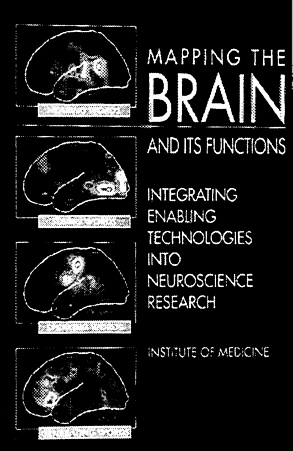
In 1991 the IOM issued Mapping the Brain and Its Functions: Integrating Enabling Technologies into Neuroscience Research. This study assessed the feasibility and ways of implementing a set of digital and electronic resources, including networks, that would support collaboration of neuroscientists across the world and provide accessible and annotated brain maps, which could be used to aid research. The recommendations in the report were championed by NIMH, which now leads a multiagency program, the Human Brain Project, dedicated to supporting research projects that advance the construction of such resources.
The 1990s had been declared the Decade of the Brain by Congress, and IOM participated in two more activities that served to increase understanding of the brain sciences and brain disease. There were two symposia held in the summers of 1990 and 1993. Special books were prepared for lay audiences, based on these symposia, which have proven to be very useful to educators and the public. Discovering the Brain (1992) has become another of the National Academy Press's best-selling books, and The Dynamic Brain (1994) has been distributed widely.
CONCLUDING REMARKS
An important consideration in defining the mission of the IOM has been the awareness that a very substantial portion of the nation 's burden of illness is behavior related. In fact, the ten leading causes of death are all related to health and behavior. Institute reports have been pioneers in defining the issues and setting paradigms of comprehensive, integrated studies that are solidly based in the biological and behavioral sciences. Current research in brain and behavior is highly dynamic, multidisciplinary, and multilevel. As required by the topic, the studies undertaken have involved inquiries at all levels, within and across all of the biobehavioral disciplines.
By the nature of its process, the IOM maintains a continuing leadership role as further advances in the behavioral and neurosciences open up new frontiers and research opportunities for the greater refinement of knowledge.
Many IOM reports have been influential in setting the policy agenda regarding health and behavior, serving as a change agent, and enhancing public understanding of health and behavior. These will continue to be important objectives as the nation undergoes the current and coming major transformations in health care policy and practices that will drastically change the health landscape in the next century.
The Institute's overall goal is to bring the problems of substance abuse and mental illness to the mainstream of science, public health, and medicine. In looking back over the IOM's activities since the late 1970s, it is apparent that there has been progress in achieving these goals of integration, as well as major strides in the enhancement of public understanding of the dynamic interplay among behavior, health, and mental health. Repeatedly, the IOM has demonstrated its ability to pinpoint critical issues and to assemble the right mix of experts to build the scientific data base for a rigorous analysis of the problem. Many new paradigms for science-based studies have been set. The range and importance of the IOM studies are exemplified in the sampling of reports that have been described.
It is encouraging to note that at the direction of Congress, the NIH recently created a new policy office for health and behavior headed by the associate director for Behavioral and Social Science Research. This appointment was made in 1995. This would seem to signal a significant congressional interest in supporting policies to integrate biobehavioral issues into mainstream health policy.
ACKNOWLEDGMENTS
The author wishes to thank Drs. Beatrix A. Hamburg, Robert M. Cook-Deegan, Glen Elliott, Robert Michels, William E. Bunney, Delores L. Parron, and Fredric Solomon for their comments during the preparation of this chapter.
BIBLIOGRAPHY
AIDS and Behavior: An Integrated Approach, Judith D. Auerbach, Christina Wypijewska, and H. Keith H. Brodie, eds., 1994.
Alcoholism, Alcohol Abuse and Related Problems: Opportunities for Research, 1980.
Bereavement: Reactions, Consequences, and Care, Marian Osterweis, Fredric Solomon, and Morris Green, eds., 1984.
Broadening the Base of Treatment for Alcohol Problems, 1990.
Causes and Consequences of Alcohol Problems: An Agenda for Research 1987.
The Development of Medications for the Treatment of Opiate and Cocaine Addictions: Issues for the Government and the Private Sector, Carolyn E. Fulco, Catharyn T. Liverman, and Laurence E. Earley, eds., 1995.
Discovering the Brain,by Sandra Ackerman for the Institute of Medicine, 1992.
The Dynamic Brain,by Robert Pool for the Institute of Medicine, 1994.
Federal Regulation of Methadone Treatment, Richard A. Rettig and Adam Yarmolinsky, eds., 1995.
Growing Up Tobacco-Free: Preventing Nicotine Addiction in Children and Youths, Barbara S. Lynch and Richard J. Bonnie, eds., 1994.
Health and Behavior: Frontiers of Research in the Biobehavioral Sciences David A. Hamburg, Glen R. Elliott, and Delores L. Parron, eds., 1982.
Homelessness, Health, and Human Needs, 1988.
Mapping the Brain and Its Functions: Integrating Enabling Technologies into Neuroscience Research, Constance M. Pechura and Joseph B. Martin, eds., 1991.
Pain and Disability: Clinical, Behavioral and Public Policy Perspectives Marian Osterweis, Arthur Kleinman, and David Mechanic, eds., 1987.
Reducing Risks for Mental Disorders: Frontiers for Preventive Intervention Research, Patricia J. Mrazek and Robert J. Haggerty, eds., 1994.
Research on Children and Adolescents with Mental, Behavioral, and Developmental Disorders, 1989.
Research on Mental Illness and Addictive Disorders: Progress and Prospects, 1984.
Research and Training for the Secret Service: Behavioral Sciences and Mental Health Perspectives, 1984.
Sleeping Pills, Insomnia, and Medical Practice, 1979.
Stress and Human Health: Analysis and Implications of Research, Glen R. Elliott and Carl Eisdorfer, eds. New York: Springer, 1982.


